[st_af id=”119″]
Why Tokyo Is Unlike Any City on Earth
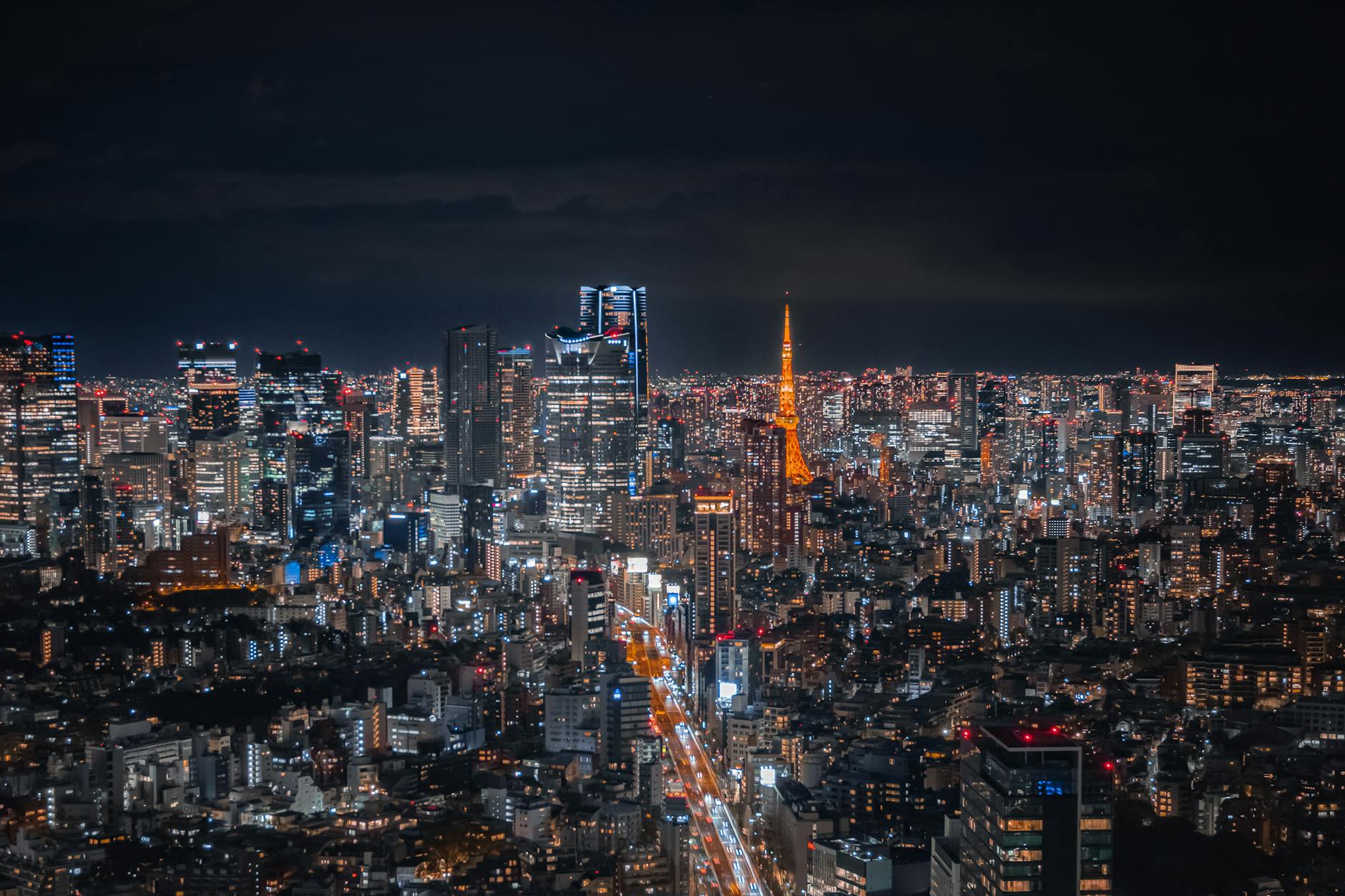
Tokyo is the world’s largest metropolitan area, home to over 37 million people, and somehow manages to be simultaneously ultra-modern and deeply traditional. Ancient shrines sit in the shadow of skyscrapers. Michelin-starred restaurants share alleyways with ¥500 ramen counters. The city never sleeps, never stops surprising, and never stops being worth exploring.
Whether you’re visiting for the first time or returning for the tenth, this guide to Tokyo’s 25 best tourist attractions covers the landmarks, neighborhoods, and experiences that define one of the world’s great cities.
Iconic Landmarks
1. Senso-ji Temple, Asakusa
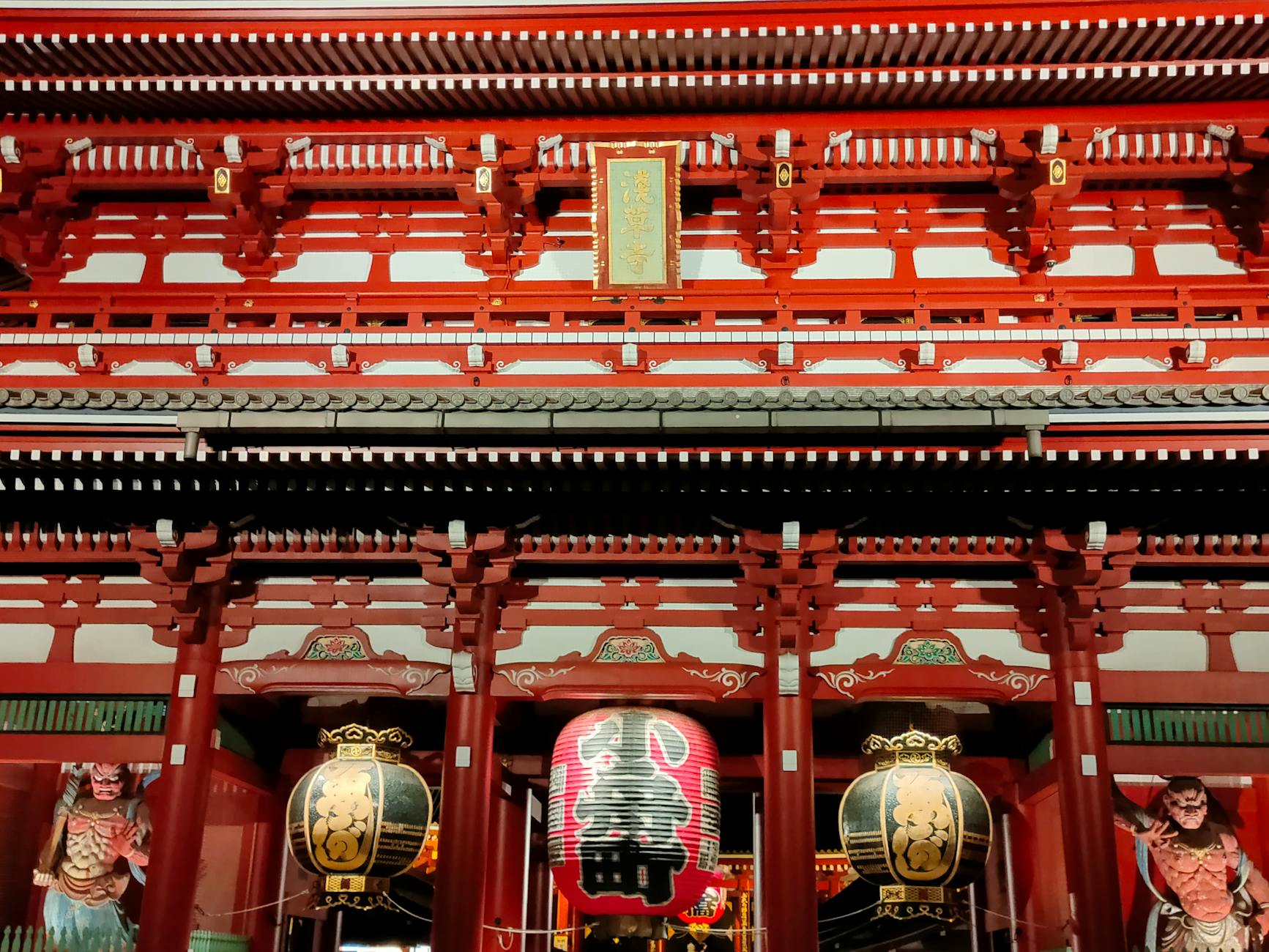
Tokyo’s oldest and most visited temple, Senso-ji dates to 645 CE. The approach through Nakamise shopping street — lined with traditional craft stalls — is one of Tokyo’s most photographed experiences. Come early morning to beat the crowds and capture the giant red lantern at the Kaminarimon (Thunder Gate) in golden light. Full Asakusa Guide →
2. Shibuya Crossing
The world’s busiest pedestrian crossing — up to 3,000 people cross at once when the lights change. The surrounding Shibuya scramble intersection is best experienced from above (Starbucks second floor, or Mag’s Park rooftop) at rush hour. Full Shibuya Crossing Guide →
3. Tokyo Skytree
At 634 meters, Tokyo Skytree is the world’s tallest free-standing broadcasting tower and Japan’s tallest structure. Two observation decks offer staggering 360-degree views across the Kantō Plain, with Mt. Fuji visible on clear days. Located in Asakusa/Oshiage — book tickets in advance, especially on weekends.
4. Tokyo Tower
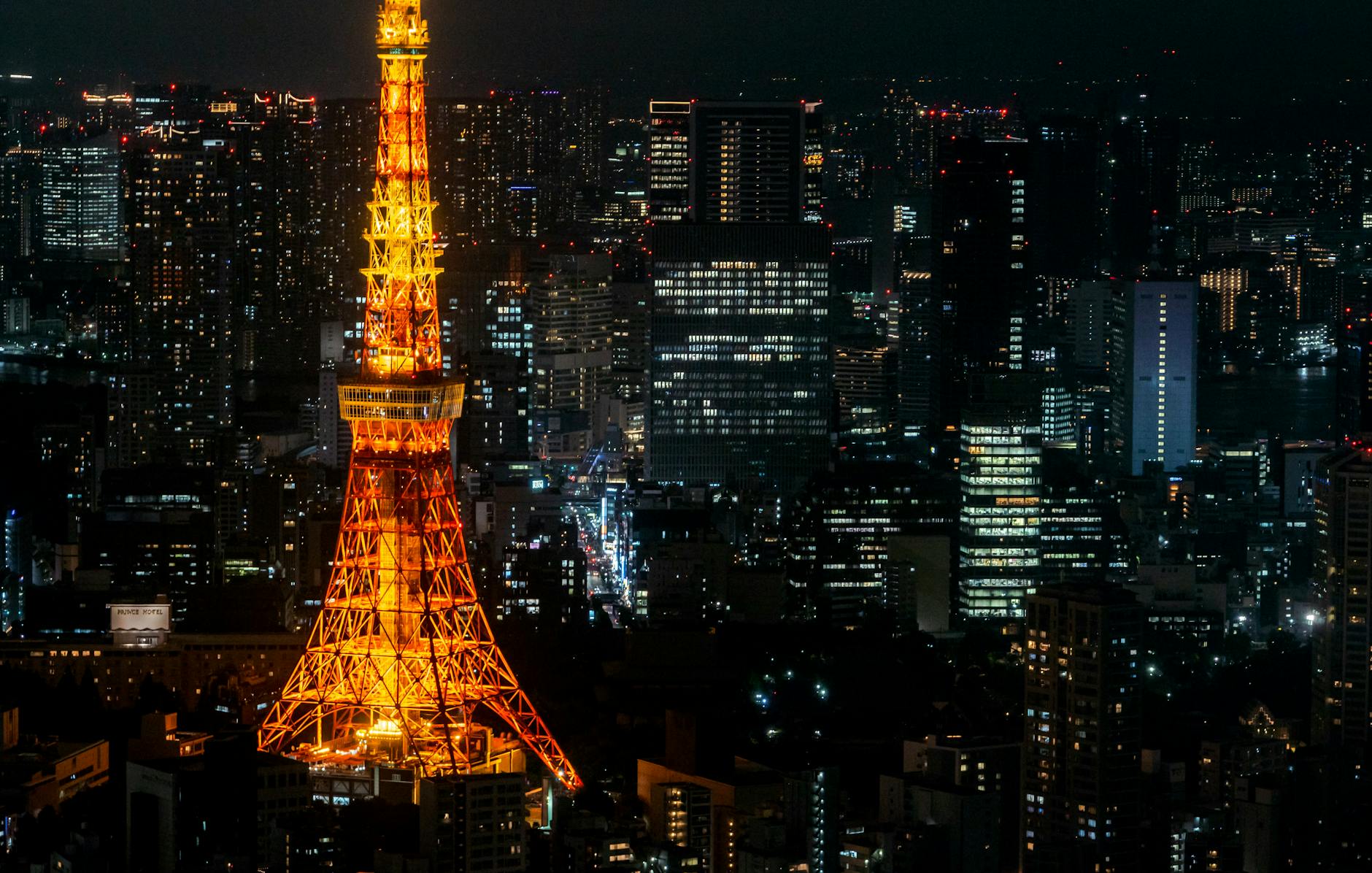
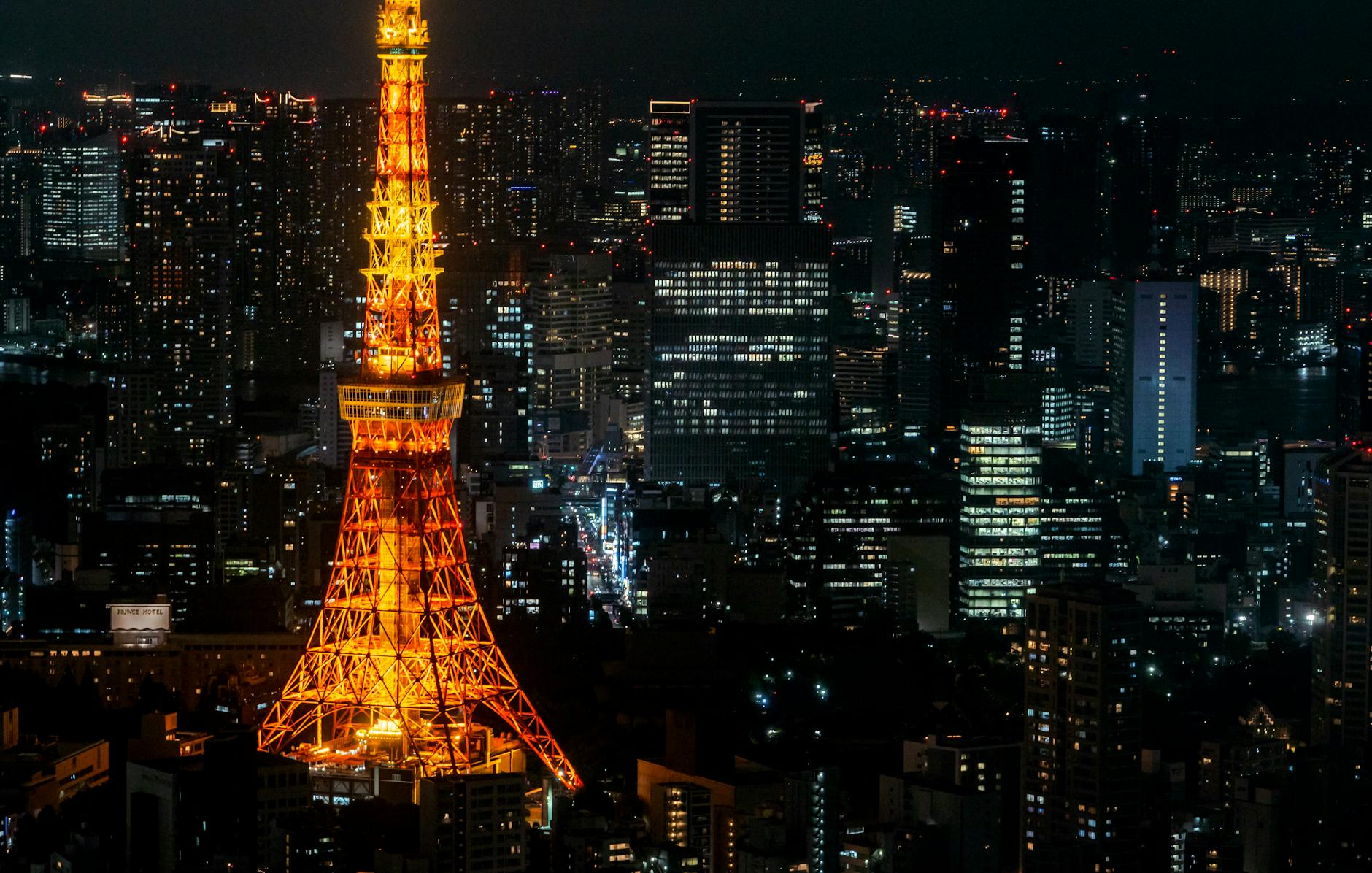
The original Tokyo icon, Tokyo Tower opened in 1958 and remains one of the city’s most beloved landmarks. Its Eiffel Tower-inspired design is stunning illuminated at night. The view from the main deck (150m) and top deck (250m) gives a more intimate city perspective than Skytree. Best photographed from Shiba Park or the Mori Tower rooftop (paid admission).
5. Meiji Jingu Shrine, Harajuku
Hidden behind 70 hectares of forested parkland in the heart of Harajuku, Meiji Jingu is Tokyo’s most important Shinto shrine, dedicated to Emperor Meiji and Empress Shoken. The forested approach along the wide gravel path, flanked by towering cypress trees, is profoundly calming. Traditional wedding ceremonies take place on weekend mornings.
6. Shibuya Sky Observation Deck
The newest rooftop experience in Tokyo, Shibuya Sky on top of Shibuya Scramble Square offers the most dramatic open-air observation deck in the city — with glass railings, no nets, and unobstructed views in every direction, including straight down at the Shibuya Crossing below. Full Guide →
7. Imperial Palace East Gardens
The Imperial Palace East Gardens (Higashi Gyoen) are the former site of Edo Castle’s innermost circle — and offer some of the most peaceful green space in central Tokyo. The original castle donjon (keep) foundation is still visible. Free entry; closed Mondays and Fridays.
Neighborhoods Worth Exploring
8. Akihabara — Electric Town & Anime Hub
Akihabara is the global center of electronics retail, manga, anime, and gaming culture. Multi-story arcades, anime merchandise stores, retro video game shops, maid cafes, and component electronics dealers pack a surprisingly compact district just minutes from Tokyo Station. Full Akihabara Guide →
9. Harajuku — Fashion, Food & Kawaii Culture
Two worlds coexist in Harajuku: Takeshita Street‘s teen fashion chaos (crepes, rainbow cotton candy, costume shops) and Omotesando‘s flagship luxury boutiques and architectural masterpieces. The district is also home to Meiji Shrine and the excellent Omotesando Hills mall. Full Harajuku Guide →
10. Shinjuku — Neon, Night Markets & the World’s Busiest Station
Shinjuku Station handles 3.5 million passengers daily — the busiest in the world. Around it spreads one of Tokyo’s most electric districts: department stores and electronics shops by day; Golden Gai’s legendary tiny bars, Kabukicho’s neon entertainment quarter, and Omoide Yokocho’s smoky yakitori alleys by night. Full Shinjuku Guide →
11. Shibuya — Shopping, Nightlife & Culture
Shibuya is Tokyo’s youth culture capital — where the fashion trends are set, the music scene is born, and the most famous crossing in the world draws tens of millions annually. Full Shibuya Guide →
12. Yanaka — Old Tokyo Preserved
Escaped the WWII firebombing and the redevelopment fever — Yanaka retains the atmosphere of pre-war Tokyo, with narrow lanes, independent craft shops, old temples, and one of Tokyo’s most charming shotengai (covered shopping streets). A 30-minute walk from Ueno. The perfect antidote to neon-lit tourist zones.
13. Shimokitazawa — Indie Cafes & Live Music
Shimokitazawa (or “Shimokita”) is Tokyo’s answer to Brooklyn — vintage clothing shops, indie bookstores, live music venues, craft coffee shops, and a fierce local character that resists gentrification. Perfect for an afternoon of wandering with no particular plan. Full Guide →
Cultural & Historical Attractions
14. Ueno Park & Museums
Japan’s most concentrated cultural district: Ueno Park contains the Tokyo National Museum (Japan’s largest), the National Museum of Western Art, the National Museum of Nature and Science, Ueno Zoo, Shinobazu Pond, and multiple temples and shrines — all within a comfortable walking area. Cherry blossom season makes it one of the most famous hanami spots in Japan. Full Ueno Guide →
15. Tsukiji Outer Market
The famous Tsukiji fish market moved its wholesale operations to Toyosu in 2018, but the Tsukiji Outer Market remains one of Tokyo’s best food experiences: blocks of seafood vendors, tamagoyaki (sweet egg omelette) shops, kitchen tool stores, and casual restaurants serving the freshest sushi breakfast in the city. Come before 10am for the best experience.
16. Edo-Tokyo Museum (Ryogoku)
Housed in an extraordinary architectural statement in Ryogoku (the sumo district), the Edo-Tokyo Museum tells the complete story of Tokyo from the Edo period (1603–1868) through the postwar reconstruction, with scale models, reconstructed street scenes, and extensive English-language interpretation. Excellent for understanding the city’s layered history.
17. teamLab Borderless / teamLab Planets
Japan’s most internationally famous digital art installations, teamLab‘s immersive light-and-interaction experiences are unlike anything else in the world. teamLab Planets in Toyosu (walk through water, lie on a field of flowers) and teamLab Borderless (reopened in Azabudai Hills in 2024) are both exceptional. Book well in advance — tickets sell out weeks ahead.
18. Gotokuji Temple — Lucky Cat Shrine
The birthplace of the maneki-neko (lucky cat), Gotokuji Temple in Setagaya is one of Tokyo’s most charming hidden gems. Hundreds of white ceramic lucky cats of every size are arranged in rows beside the main hall — a unique photo opportunity and genuinely moving spiritual site. Full Guide →
Parks & Nature
19. Shinjuku Gyoen National Garden
The finest garden in Tokyo — Shinjuku Gyoen combines French formal, English landscape, and Japanese traditional garden styles across 58 hectares in the heart of the city. Over 1,000 cherry trees make it the most sought-after hanami location in Tokyo. A rare quiet refuge minutes from one of the city’s busiest stations. Alcohol prohibited inside.
20. Yoyogi Park
Adjacent to Harajuku Station, Yoyogi Park is Tokyo’s green lung — joggers, picnickers, dog walkers, and at weekends, impromptu performers, rockabilly dancers, and cultural festival stages. Free, open, and deeply local. Pair with Meiji Shrine for a full half-day in the area.
Shopping & Entertainment
21. Omotesando Hills & Keyakizaka
Tokyo’s answer to the Champs-Élysées — Omotesando is a broad, tree-lined boulevard flanked by flagship stores from Louis Vuitton, Prada, Dior, and every major global luxury brand, alongside exceptional Japanese architecture (Tadao Ando’s Omotesando Hills, Herzog & de Meuron’s Prada building). Even if you’re not shopping, it’s worth walking for the architecture alone.
22. Akagi Shrine, Kagurazaka
The quietly famous Akagi Shrine in Kagurazaka was redesigned by Kengo Kuma and now features a striking glass-and-wood aesthetic that contrast beautifully with the traditional sacred space. The surrounding Kagurazaka neighborhood — Tokyo’s “Little France” — is perfect for café-hopping and exploring hidden alleyways. Full Guide →
23. Odaiba — Futuristic Island Entertainment
A man-made island in Tokyo Bay, Odaiba houses a cluster of major attractions: the giant Gundam statue (1:1 scale), teamLab Borderless (nearby), the Fuji TV building, Toyota Mega Web, and spectacular views of the Rainbow Bridge and Tokyo skyline. Best reached by the driverless Yurikamome monorail — a fun experience in itself.
24. Daikoku Parking Area — Car Culture Pilgrimage
For car enthusiasts, Daikoku PA on the Yokohama Expressway is a world-famous spontaneous car meet — where GT-Rs, RX-7s, Lamborghinis, and modified street cars appear without warning on any given night of the week. One of Japan’s most unique cultural experiences, with no admission fee and no official schedule. Full Daikoku Guide →
25. Kabukicho & the Shinjuku Night Scene
Tokyo’s most notorious entertainment district — Kabukicho in Shinjuku is a neon labyrinth of hostess bars, game centers, cinemas, restaurants, and clubs operating 24 hours a day. The new Kabukicho Tower complex has added legitimate entertainment venues (including a hotel, theatre, and restaurants) to the area. Safe for tourists, fascinating to explore. Full Guide →
[st-midasibox myclass=”” title=”Pro Tip: Add a JDM Driving Experience” webicon=”st-svg-lightbulb-o” color=”#03A9F4″ bordercolor=”#03A9F4″ bgcolor=”#E1F5FE” borderwidth=”” borderradius=”5″ titleweight=”bold”]
Take your Tokyo trip to the next level by adding a day trip in an authentic JDM sports car. Samurai Car Japan rents GT-Rs, RX-7s, Supras and more from Tokyo — perfect for an unforgettable drive to Hakone, Nikko, or the Initial D mountain passes of Gunma.
[/st-midasibox]
Tips for Sightseeing in Tokyo
- IC card (Suica/Pasmo): Load ¥3,000–5,000 onto a rechargeable transit card at any major station. It works on all trains, subways, and most buses — and at many convenience stores.
- Google Maps works perfectly for Tokyo transit navigation, including train line recommendations and walking directions.
- Most attractions cluster by area: Plan your days geographically — Asakusa + Ueno + Akihabara on one day, Harajuku + Shibuya + Shimokitazawa on another.
- Convenience stores (konbini) are genuinely excellent for breakfast, lunch, and snacks — and are everywhere.
- Cash still matters: Carry ¥5,000–10,000 in cash. Small restaurants, shrines, and some markets are cash-only.
[st_af id=”87″]
[st_af id=”77″]
🇯🇵 Plan Your Japan Experience
JDM Car Rental
Drive a GT-R, Supra, RX-7, or Silvia on the roads they were built for. Hakone passes, Wangan highway, mountain touge — your dream JDM experience.
Daikoku PA Tour
Visit Japan’s most legendary car meet. Hundreds of modified cars, passionate owners, and the heartbeat of JDM culture. Guided weekend night tours available.
Photo Guide Tour
Capture stunning photos at locations only locals know. Hidden shrines, backstreet alleys, rooftop views, and golden hour spots for unforgettable shots.