JDM Car Rental in Japan: Drive a GT-R, Supra, RX-7 & More
If you’ve ever watched Initial D, played Gran Turismo, or spent hours modifying a Nissan Silvia in your head, you already know why JDM car rental in Japan is on every serious enthusiast’s bucket list. There is simply nowhere else on earth where you can rent a factory-spec R34 Skyline, blast through a mountain touge in an FD RX-7, or park next to a hundred other iconic Japanese machines at Daikoku PA on a rainy Friday night. Japan is the birthplace of these legends, and driving them here — on the roads they were built for — hits completely differently.
This guide covers everything you need to know to actually make it happen: which cars are available, where to rent them, the best driving routes, drift experiences, car meet culture, and practical tips for navigating Japan’s roads in a right-hand-drive sports car for the first time. We’ll keep things specific — real prices, real places, real rules — so you can plan with confidence.
Whether you’re a first-time visitor to Japan or a seasoned traveller who’s never pulled off the highway into Daikoku Parking Area, this guide is for you. And if you want the full picture of driving in Japan — road rules, ETC cards, highway systems, and more — head over to our Complete Guide to Driving in Japan for deeper coverage. Here, we’re going straight for the good stuff.
What is a JDM Car? Why Enthusiasts Travel to Japan for This
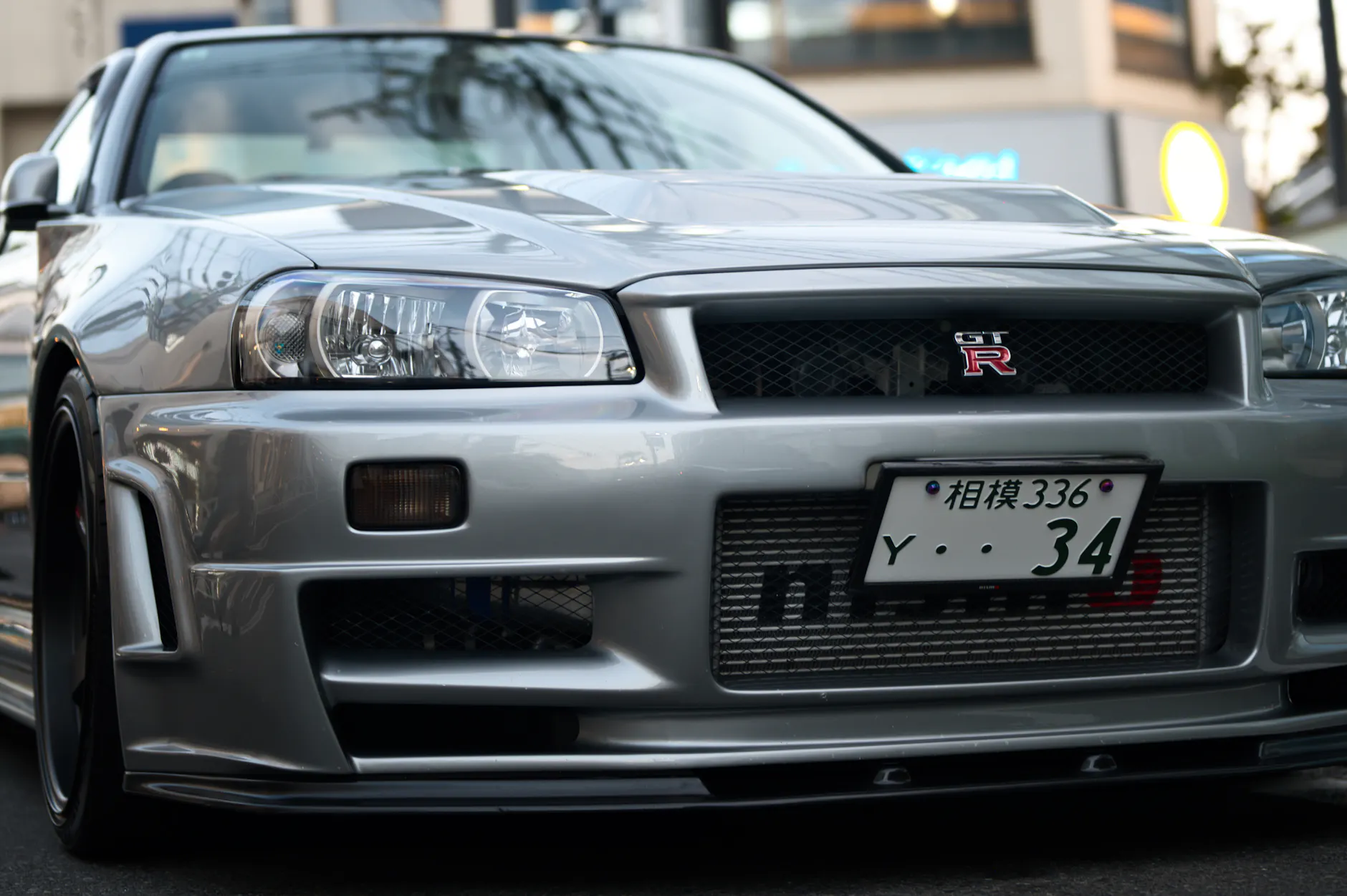
JDM stands for Japanese Domestic Market — cars built specifically for sale and use inside Japan. These aren’t just Japanese-branded cars; they’re vehicles engineered to Japanese specifications, often with different engines, suspension tuning, power outputs, and trim levels than the export versions sold overseas. The Nissan Skyline GT-R R34, for example, was never officially sold new in the United States or most of Europe. The Toyota Supra RZ with its 2JZ-GTE twin-turbo, the Mazda RX-7 FD3S, the Honda NSX Type R — these cars exist in a different league from anything you can legally import and drive in many countries.
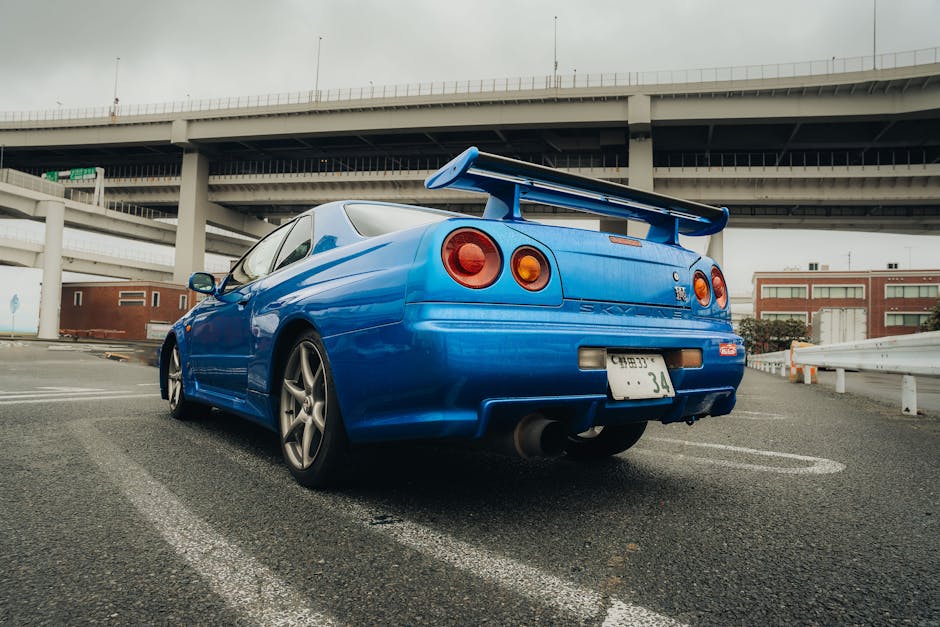
What makes Japan uniquely special for driving enthusiasts isn’t just the cars themselves. It’s the entire ecosystem: pristine mountain roads called touge that inspired a generation of racing games and anime, a highway culture that produced legendary midnight runs along the Wangan (Tokyo Bay area), an obsessively well-maintained road network, and a car meet scene that still thrives at places like Daikoku Parking Area in Yokohama. Japan also has strict vehicle inspection laws (shaken) that keep most cars on the road in excellent mechanical condition — meaning even a 30-year-old sports car you rent is likely to be tight, responsive, and properly sorted.
The other reason enthusiasts make the pilgrimage is simple scarcity. Many of these cars are genuinely rare or restricted outside Japan. Driving an R34 GT-R on public roads in the US, for instance, requires the car to be over 25 years old under the federal import exemption. In Japan, you can rent one today. That’s the power of the JDM car rental scene in Japan — it’s the only place where this experience exists at full authenticity.
Cars You Can Rent — GT-R, Supra, RX-7, Skyline, Silvia & More
The variety available through specialist JDM rental operators has grown significantly in recent years. Here’s a practical breakdown of what you can expect to find and what it typically costs per day:
| Car | Generation | Approx. Daily Rate | Notes |
|---|---|---|---|
| Nissan Skyline GT-R | R32 / R33 / R34 | ¥120,000–¥220,000+ | R34 commands highest premium; top-condition V-Spec II models exceed ¥200,000/day |
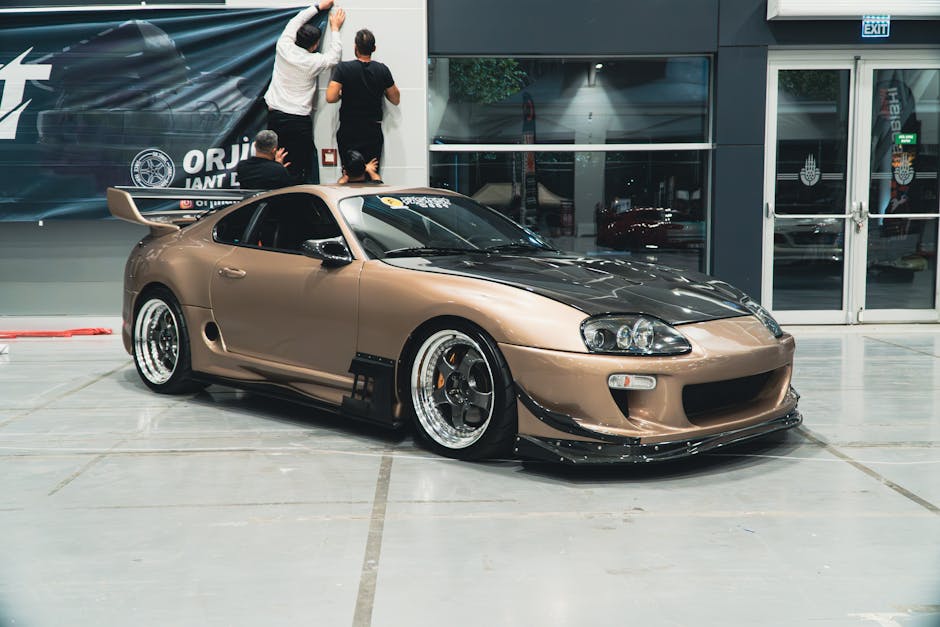
| Toyota Supra | JZA80 (A80) | ¥65,000–¥130,000 | 2JZ-GTE twin-turbo versions most sought after |
| Mazda RX-7 | FD3S | ¥50,000–¥100,000 | Rotary engine needs warm-up; operators brief you |
| Nissan Silvia | S13 / S14 / S15 | ¥45,000–¥80,000 | S15 Spec R is a fan favourite |
| Honda NSX | NA1 / NA2 | ¥100,000–¥200,000 | Mid-engine legend; rare rental option |
| Toyota AE86 Trueno/Levin | AE86 | ¥40,000–¥75,000 | The Initial D car; iconic touge experience |
| Mitsubishi Lancer Evo | IV–IX | ¥50,000–¥95,000 | AWD rally monster; great for mountain routes |
| Subaru Impreza WRX STI | GC8 / GDB | ¥45,000–¥90,000 | JDM spec WRX STI differs from export versions |
These rates are for the car alone. Factor in insurance (typically ¥3,000–¥8,000/day), ETC highway charges, and fuel — most of these cars run on regular 92 or high-octane 98 (ハイオク, haioку) petrol, which costs around ¥170–¥185 per litre at the time of writing. A full-day driving trip from Tokyo to Hakone and back, for example, will cost roughly ¥2,500–¥3,500 in tolls each way.
Where to Rent JDM Cars in Japan
Tokyo — The Best Starting Point
Tokyo is the logical hub for JDM car rental in Japan. The city has the highest concentration of specialist operators, the best access to iconic driving destinations, and the infrastructure (ETC, expressways, navigable city streets) that makes picking up and returning a car straightforward even for first-timers.
Samurai Car Japan, based in Shibuya, is one of the most foreigner-friendly operators in the capital. They offer an English-language booking process, include an ETC card with every rental (essential for using the expressway without stopping at toll booths), provide English-language GPS navigation, and offer support for customers using an International Driving Permit. Their fleet includes everything from accessible JDM sports cars to higher-end iconic models, and they also run guided tours and drift experiences — more on those below. For visitors who want the full package without having to figure out every detail themselves, Samurai Car Japan in Shibuya is the obvious first call.
Osaka and Kyoto
A smaller but growing number of specialist JDM rental shops operate in the Osaka-Kobe-Kyoto corridor. Osaka is particularly good as a base for driving towards Nara, the Rokko Mountains (another famous touge area), and down towards Mie Prefecture. Expect slightly fewer car options than Tokyo but more manageable traffic when heading out of the city on weekday mornings.
Nagoya
Nagoya is underrated for car enthusiasts. It sits at the centre of Toyota country, has reasonable access to the Suzuka Circuit area, and is a natural stopping point on any Tokyo-to-Osaka JDM road trip. A handful of specialty shops operate here, though inventory tends to be smaller.
What to Look for in a Rental Operator
- English support: Can they communicate clearly about insurance terms, fuel type, and restrictions?
- ETC card inclusion: Essential for smooth highway driving without stopping at manual toll booths
- Insurance clarity: Understand exactly what’s covered — collision damage waiver (CDW) terms vary widely
- Car condition documentation: Always photograph the car thoroughly before leaving
- Mileage limits: Some operators cap daily mileage at 200–300km; check before booking a long route
Best Routes for JDM Driving — Touge, Wangan, Mountain Passes
Tokyo to Hakone — The Classic Day Trip
Hakone is the benchmark JDM driving route for Tokyo visitors. Take the Tomei Expressway (東名高速道路) southwest from Tokyo, exit at Gotemba (御殿場IC), and then begin the climb into the Hakone mountains on Route 138 and the Hakone Turnpike (箱根ターンパイク). The Turnpike itself is a privately managed toll road with smooth tarmac, sweeping corners, and spectacular views of Mt. Fuji on a clear day — it was built as a test and performance driving road and feels like it. The toll for the Hakone Turnpike is around ¥1,260 for a standard car. Total toll costs from central Tokyo to Hakone and back run approximately ¥2,500–¥3,500. Budget a full day and don’t rush — this route rewards drivers who take their time and explore the side roads around Ashi-no-ko (Lake Ashi).
Mt. Haruna — The Initial D Pilgrimage
If you grew up watching Initial D, driving Mt. Haruna (榛名山) in Gunma Prefecture is a genuine bucket-list moment. This is the real-world “Akina” — the fictional mountain from the series — and the road spiralling up to Lake Haruna is exactly as dramatic as you imagine. The route from central Tokyo takes around 2–2.5 hours via the Kan-Etsu Expressway (関越自動車道). Highway tolls from Tokyo to the Ikaho area run approximately ¥2,800–¥3,200 one way. We have a dedicated route guide for this — see our Mt. Haruna Driving Route: Initial D Touge, Hot Springs & Lake Akina for full details on the stops, roads, and what to expect.
The Wangan — Tokyo Bay Highway at Night
The Metropolitan Expressway’s Bayshore Route (湾岸線, Wangan-sen) running along Tokyo Bay between Kawasaki and Chiba is the real-world setting for the legendary midnight highway racing culture that inspired the game series. By day it’s a busy commuter highway; late on a weeknight the traffic thins considerably and the sweeping elevated highway with its views of Yokohama’s port lights and Rainbow Bridge becomes something special. This isn’t a route for speeding — Japanese speed limits are strictly enforced, cameras are frequent, and the maximum legal speed on expressways is 100km/h (120km/h on some designated sections) — but it’s an experience no car enthusiast should miss. Park at Daikoku PA along the way (more below) and soak it in.
Nikko Irohazaka — Two Switchback Roads in One
The Irohazaka (いろは坂) in Tochigi Prefecture offers 48 consecutive hairpin corners across two one-way roads — the uphill and downhill routes are separate — climbing to Lake Chuzenji (中禅寺湖). From Tokyo via the Tohoku Expressway and Route 119, the drive takes about 2 hours each way. Tolls from Tokyo to Nikko IC run roughly ¥2,800–¥3,200. Combine with a stop at Nikko’s UNESCO World Heritage shrines for a genuinely complete day out.
Daikoku PA & Car Meet Culture
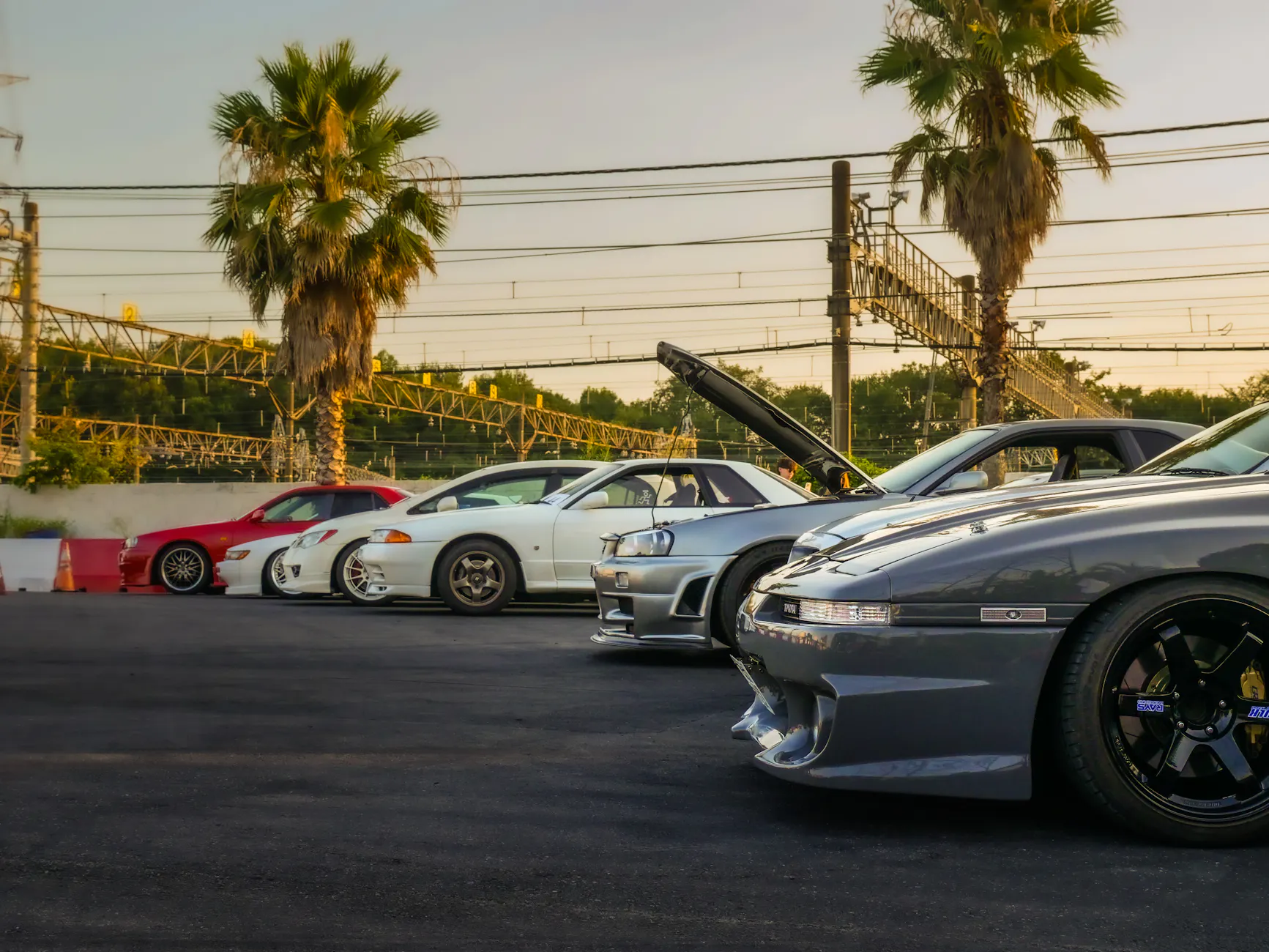
Daikoku Parking Area (大黒パーキングエリア) on the Yokohama Bayshore Route of the Metropolitan Expressway is one of the most famous car meet locations on the planet. On any given late Friday or Saturday night, you’ll find hundreds of modified, stock, and utterly extraordinary cars congregating in this expressway service area between roughly 10pm and 2am. The culture is remarkably welcoming — people photograph each other’s cars, conversations start spontaneously, and the variety on display is staggering. GT-Rs, Supras, air-cooled Porsches, Lamborghinis, slammed Corollas, kei trucks turned into works of art — all coexisting in one fluorescent-lit car park.
To get there by car, enter the Metropolitan Expressway Bayshore Route (湾岸線, Route K5) heading towards Yokohama and take the Daikoku PA exit — it’s clearly signed. The parking area fee is included in your expressway toll. Entry to Daikoku PA itself from the expressway costs nothing beyond the standard highway toll (typically ¥500–¥1,200 from central Tokyo depending on your entry point).
Etiquette matters here. Don’t touch other people’s cars, don’t rev aggressively in the parking area itself, and follow the unwritten rules of respectful car culture. Photography is generally welcomed but ask before getting very close to someone’s build. The meets are organic and unticketed — there is no entry fee, no official organiser — which is part of what makes them special.
Samurai Car Japan runs dedicated Daikoku PA night tours that include picking up your rental car in Shibuya and driving to the PA as part of a guided evening experience — an excellent way to experience this culture on your first visit without having to navigate the expressway system alone at night.
Drift Experiences — Try It Yourself
You’ve watched the videos. You’ve played the games. Now you want to actually do it. The good news is that Japan has a legitimate circuit drift experience industry that caters to complete beginners through to advanced drivers — and you don’t need any prior experience to participate.
What a Drift Experience Typically Involves
Most beginner drift experiences run on a closed circuit or skidpan and include 30–60 minutes of instruction followed by supervised practice laps in a purpose-prepared rear-wheel-drive car. An instructor typically rides with you for the first few runs to coach throttle, steering, and counter-steer technique. Intermediate and advanced sessions allow you to work on linked drifts and higher-speed entries.
Where to Do It
- Ebisu Circuit (エビスサーキット), Fukushima Prefecture: The most famous drift circuit in Japan, with multiple track layouts and regular drift days open to the public. It’s a 3-hour drive from Tokyo but considered the pilgrimage destination for serious drift enthusiasts. Drift taxi rides available from around ¥5,000–¥10,000 per session.
- Nikko Circuit (日光サーキット), Tochigi Prefecture: About 2 hours from Tokyo; hosts regular drift practice days and beginner sessions.
- TC Kaga, Kanazawa area: Popular with the western Japan crowd for drift events.
- Samurai Car Japan drift experiences: For visitors based in Tokyo who want a more accessible option, Samurai Car Japan arranges drift experience packages that can be combined with your JDM car rental — meaning you can rent an iconic road car for the day and add a drift circuit session to your itinerary without arranging separate transport.
Expect to pay ¥8,000–¥20,000 for a beginner drift experience session including instruction, with premium experiences in higher-spec cars running higher. Helmet rental is typically included or available on-site for ¥500–¥1,000.
Guided JDM Tours vs Self-Drive
This is the question most first-time visitors wrestle with, and the honest answer is: it depends on your comfort level and what you want to get out of the experience.
| Factor | Guided Tour | Self-Drive Rental |
|---|---|---|
| Navigation stress | None — guide leads the way | Requires confidence with GPS and Japanese roads |
| Flexibility | Fixed itinerary | Completely your own schedule |
| Local knowledge | Guide provides context, story, insider stops | You research your own route |
| Cost | Higher per-person rate (¥20,000–¥60,000+) | Car rate + tolls + fuel (potentially lower total) |
| Best for | First-time Japan drivers, solo travellers, those wanting Daikoku PA context | Experienced drivers, couples/groups, multi-day trips |
Samurai Car Japan in Shibuya offers both options with English-speaking guide support — making it a natural choice for first-timers who want to experience Daikoku PA, the Wangan, or a mountain route without the anxiety of navigating Japan’s expressway system solo for the first time. Their guided tours typically include the car, an English-speaking guide, route planning, and toll costs within the package price.
For experienced drivers confident in using Google Maps or a Japanese car navigation system (カーナビ), self-drive gives you the freedom to pull over at a roadside ramen shop in the mountains, take an unexpected side road, or extend your day spontaneously — which is often where the best memories get made.
Tips for Driving a Right-Hand-Drive Sports Car
If you’re from a left-hand-drive country (the US, continental Europe, most of Asia), Japan’s right-hand-drive roads will feel unusual for the first hour or two. Here’s what actually matters in practice:
The First 30 Minutes
The biggest adjustment is lane position awareness. In a right-hand-drive car on left-side roads, the driver sits close to the centre line. New drivers often instinctively drift too far left, putting the passenger side close to the kerb. Focus on keeping the white centre line visible in your left mirror — this tells you your position is correct. Within 30 minutes of city driving, most people adapt naturally.
Turning and Intersections
Left turns are the easy ones — they’re the equivalent of right turns in left-hand-drive countries (crossing no oncoming traffic). Right turns require waiting for a gap in oncoming traffic and are where new right-hand-drive drivers need to concentrate. Take them slowly and deliberately.
The Wipers vs Indicators Problem
In a Japanese car, the indicator stalk is on the right side of the steering column and the wiper stalk is on the left — the opposite of many Western cars. You will turn your wipers on when you mean to indicate. Everyone does. It becomes funny after the fifth time.
Japanese Highway Rules You Must Know
- Keep left: The right lane is for overtaking only. Sitting in the right lane is both illegal and deeply frowned upon.
- Speed limits: 60km/h on standard national roads, 100km/h on expressways (120km/h on designated sections). Speed cameras are common and automated tickets are real.
- No drinking and driving: Japan’s drink-driving laws are among the strictest in the world. The legal blood alcohol limit is 0.03% — effectively zero. Penalties include imprisonment for the driver AND passengers who knowingly allowed a drunk driver to drive.
- ETC lanes: With an ETC card (included with most specialist rentals), you can pass through electronic toll gates at reduced speed. Without one, use the “一般” (general/cash) lanes.
- Parking: Urban parking in Tokyo is expensive (¥300–¥600 per 30 minutes in central areas) and illegal parking is penalised by wheel clamping and a ¥15,000+ fine. Always use a paid car park.
FAQ
Do I need a special licence to rent a JDM sports car in Japan?
No special licence is required beyond a valid International Driving Permit (1949 Geneva Convention) and your home country driving licence. However, your IDP must match your licence — if your home licence restricts you to automatic transmission vehicles, you cannot legally drive a manual JDM sports car. Most classic JDM sports cars are manual, so check your licence category before booking.
Can I rent a GT-R or Supra as a tourist with no Japan driving experience?
Yes — specialist operators like Samurai Car Japan cater specifically to international visitors and will walk you through everything you need before you drive. That said, if you’ve never driven in Japan before, seriously consider a guided tour for your first outing or at least spend a few hours in a more modest rental car getting comfortable with left-side traffic before jumping into a GT-R. The cars themselves are manageable; the unfamiliar road environment is the learning curve.
How far in advance should I book JDM car rental in Japan?
For popular models like the R34 GT-R, Supra, or FD RX-7, book at least 4–8 weeks in advance, especially for weekend rentals or during peak travel seasons (Golden Week, Obon, autumn). These are limited-inventory cars and high-demand slots fill quickly. Standard bookings for less sought-after models can sometimes be arranged 1–2 weeks ahead, but earlier is always better.
What happens if I get a spe
[st_af id=”862″]
[st_af id=”854″]
🇯🇵 Plan Your Japan Experience
JDM Car Rental
Drive a GT-R, Supra, RX-7, or Silvia on the roads they were built for. Hakone passes, Wangan highway, mountain touge — your dream JDM experience.
Daikoku PA Tour
Visit Japan’s most legendary car meet. Hundreds of modified cars, passionate owners, and the heartbeat of JDM culture. Guided weekend night tours available.
Photo Guide Tour
Capture stunning photos at locations only locals know. Hidden shrines, backstreet alleys, rooftop views, and golden hour spots for unforgettable shots.
Leave a Reply