Complete Guide to Driving in Japan for Foreigners (2026)
There is no better way to discover the real Japan than from behind the wheel. Driving in Japan opens up a world that trains and tour buses simply cannot reach — mountain villages frozen in time, volcanic coastlines, cedar-lined shrine roads, and hot spring towns tucked into river valleys. Whether you are planning a countryside escape from Tokyo, a cherry blossom road trip along the Tohoku coast, or simply want to tick off driving a legendary JDM sports car on Japanese tarmac, this guide has everything you need.
Japan has a reputation for being complicated for foreign drivers — left-hand traffic, kanji road signs, mysterious toll plazas — but the truth is that once you understand the system, driving in Japan is remarkably stress-free. Roads are immaculate, drivers are disciplined, and navigation apps have made getting lost almost impossible. The barriers are lower than you think, and the rewards are extraordinary.
This is your complete 2026 resource for driving in Japan as a foreigner. We cover everything from getting your International Driving Permit before you leave home, to renting the right car, understanding Japanese traffic laws, decoding the toll road system, fueling up at a Japanese gas station, and planning the most spectacular road trip routes from Tokyo. Whether you are a first-timer nervous about switching sides of the road or a returning visitor ready to upgrade to a GT-R for a weekend touge run, this guide is for you.
Why Drive in Japan? Freedom, Hidden Gems, and Countryside Access
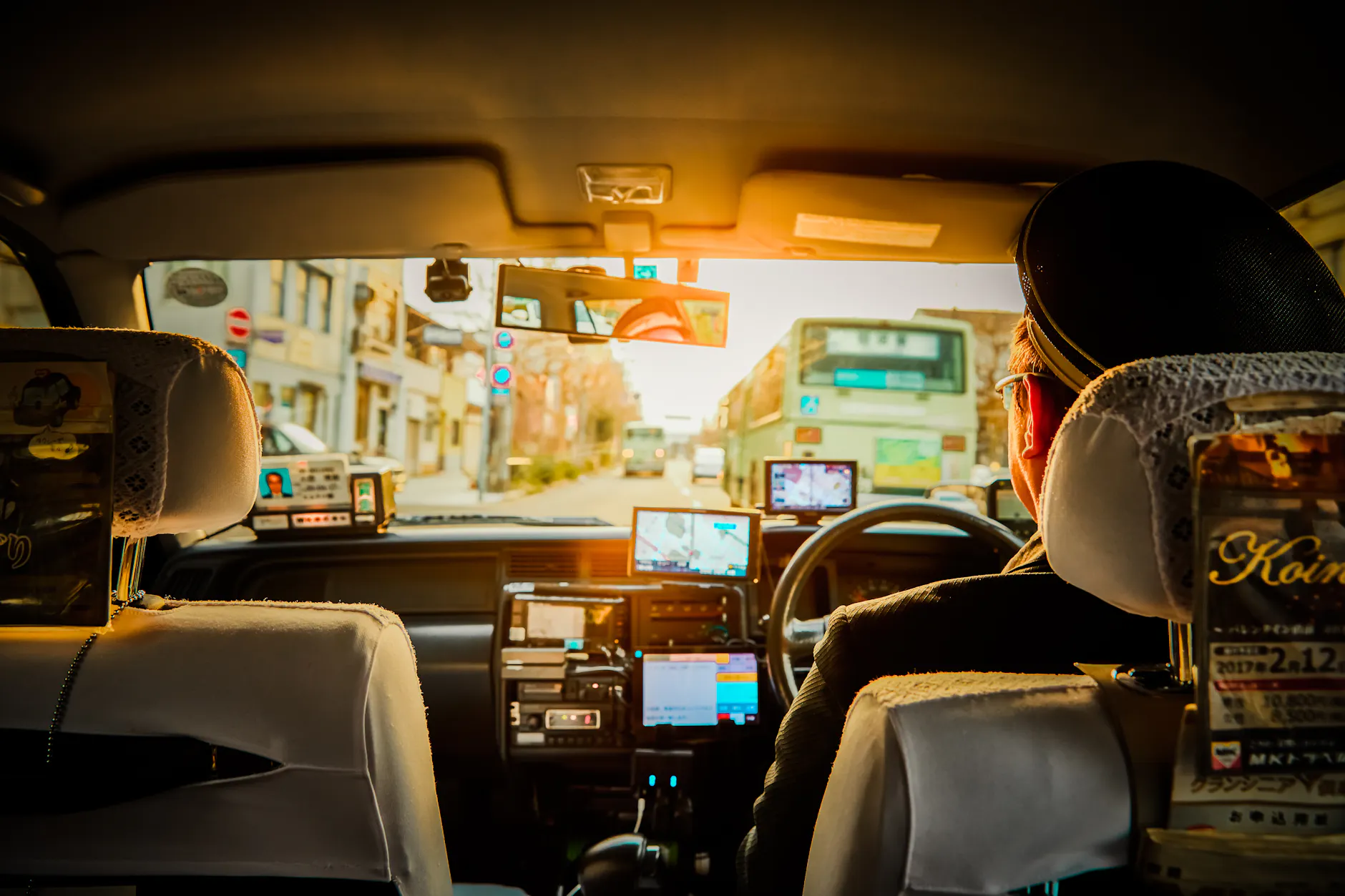
Japan’s train network is justifiably famous — the Shinkansen is a marvel, and the urban rail systems in Tokyo and Osaka are world-class. But trains follow fixed routes and fixed schedules, and they stop at stations, not at remote mountain passes, hidden waterfalls, or the exact viewpoint where Mt. Fuji reflects perfectly in a still lake at dawn. That is the fundamental case for driving in Japan: it gives you access to a version of the country that most tourists never see.
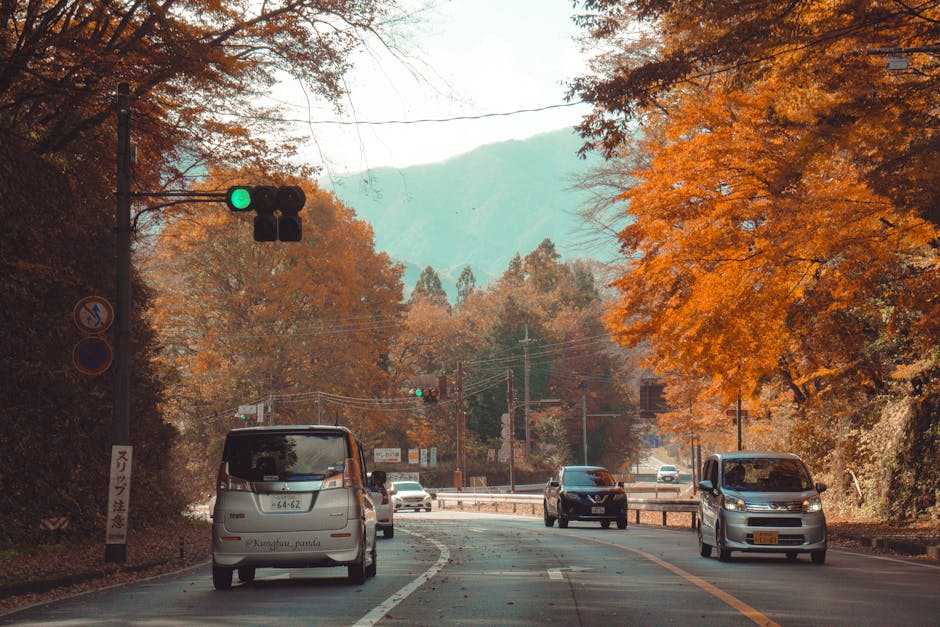
Consider the Iya Valley in Shikoku — one of Japan’s most dramatic gorges, with vine bridges, thatched farmhouses, and near-vertical hillside villages. There is no train. Or the Noto Peninsula in Ishikawa Prefecture, a coastline of fishing villages, salt farms, and ancient shrine gates jutting into the Sea of Japan. Or the back roads of the Kii Peninsula in Wakayama, where cedar forests swallow ancient pilgrimage paths and you can pull over for onsen whenever the mood strikes. These places exist, and they are extraordinary, but you need a car to reach them properly.
The Practical Case for Renting a Car
Beyond the hidden gems argument, there is a straightforward cost case for renting a car in Japan, especially for families or groups. A basic economy rental from a major company like Toyota Rent a Car or Nippon Rent-A-Car costs around ¥5,000–¥8,000 per day before insurance. Split between four people, that is cheaper than four Shinkansen tickets almost anywhere. Add in the flexibility of stopping at a roadside farm stall (道の駅, Michi-no-Eki) for fresh vegetables and local sake, and the value proposition becomes overwhelming.
- No timetables — leave when you want, stay as long as you like
- Door-to-door convenience — especially valuable with luggage or travelling with children
- Access to rural Japan — onsen towns, rural shrines, mountain roads
- Cost efficiency — groups of 3–4 often save significantly over rail passes
- The experience itself — Japan’s roads are genuinely beautiful and a pleasure to drive
International Driving Permit (IDP) — How to Get One Before You Go
Japan requires foreign visitors to hold a valid International Driving Permit (IDP) based on the 1949 Geneva Convention, accompanied by your home country’s valid driver’s licence. This is non-negotiable — you cannot legally drive in Japan without it, and rental companies will refuse to hand over the keys if you cannot produce both documents.
Which Countries Can Use an IDP in Japan?
Most countries issue IDPs that are valid in Japan, including the USA, UK, Australia, Canada, most of Europe, and many others. Important exception: Drivers from Switzerland, Germany, France, Belgium, Monaco, Slovenia, and Taiwan do not use the standard IDP system — these countries have bilateral agreements with Japan allowing use of an official Japanese translation of their domestic licence instead. If you hold a licence from one of these countries, contact the Japan Automobile Federation (JAF) or the relevant consulate for the correct translation procedure.
How to Obtain Your IDP
The process is refreshingly simple and should be done before you leave your home country. Here is how it works for drivers from the most common visitor nationalities:
- USA: Apply through AAA (American Automobile Association) or AATA. Cost is around USD $20. Bring your valid US licence, a passport photo, and your passport. Available same-day at AAA offices.
- UK: Apply through the Post Office or AA/RAC online. Cost is around £5.50–£6. Takes 1–2 weeks by post or same-day at Post Office branches.
- Australia: Apply through your state’s motoring club (NRMA, RACV, RACQ, etc.). Cost is around AUD $39. Bring your Australian licence and a passport photo.
- Canada: Apply through CAA (Canadian Automobile Association). Cost is around CAD $25.
Your IDP is valid in Japan for one year from the date of issue. It must be used in conjunction with your original home-country licence at all times — the IDP alone is not sufficient. Always carry both documents when driving.
Driving in Japan — Renting a Car: What You Need to Know
Renting a car in Japan is straightforward once you know the system. The major rental companies — Toyota Rent a Car, Nippon Rent-A-Car, Times Car Rental, Orix, and Nissan Rent a Car — all have English-language booking systems and staff accustomed to dealing with foreign visitors, particularly at international airports and major tourist hubs.
What to Bring to the Rental Counter
- Your valid passport
- Your International Driving Permit (IDP)
- Your home country driver’s licence (original, not a copy)
- A credit card in your name (required for deposit)
- Your booking confirmation
Understanding Rental Costs
| Car Type | Daily Rate (Approx.) | Best For |
|---|---|---|
| Kei Car (e.g. Honda N-Box) | ¥4,000–¥6,000 | Solo travellers, narrow mountain roads |
| Economy (e.g. Toyota Yaris) | ¥5,500–¥8,000 | Couples, general touring |
| Compact/Mid-size (e.g. Prius) | ¥7,000–¥12,000 | Families, longer trips |
| Minivan (e.g. Toyota Noah) | ¥12,000–¥20,000 | Groups of 5–8 people |
| JDM Sports Car (e.g. GT-R, Supra) | ¥30,000–¥80,000+ | Enthusiasts, bucket list experiences |
Insurance is strongly recommended and usually comes in two tiers: basic CDW (Collision Damage Waiver) is often included in the rental price, but you should add NOC (Non-Operation Charge) coverage for around ¥1,000–¥1,500 per day. Without NOC coverage, even a minor scratch that doesn’t trigger insurance could leave you liable for a ¥50,000–¥100,000 “non-operation fee” while the car is repaired and out of service.
One-Way Rentals
Most major rental companies offer one-way rentals between different branches, which is perfect for road trip itineraries — pick up in Tokyo, drop off in Osaka or Kyoto, for example. One-way fees typically range from ¥5,000 to ¥15,000 depending on distance. Book well in advance during peak seasons (cherry blossom and autumn foliage periods).
Left-Hand Driving — Tips for First-Timers
Japan drives on the left side of the road, with the steering wheel on the right side of the car. For drivers from the UK, Australia, New Zealand, South Africa, India, and other left-hand traffic countries, this is completely natural. For drivers from the USA, Europe, Canada, and most other countries, it requires a genuine adjustment period — typically one to two hours of actual driving before it begins to feel intuitive.
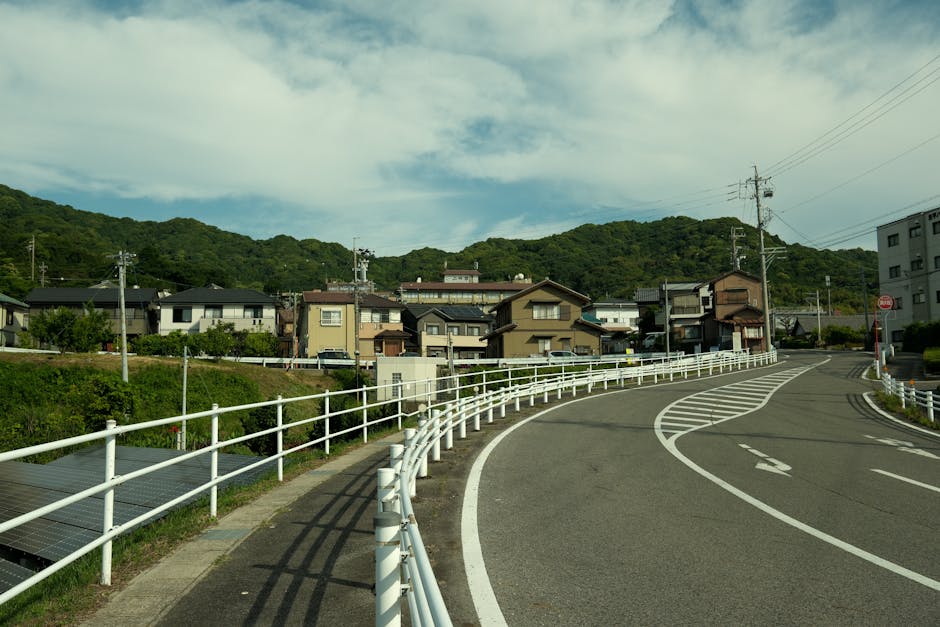
The Most Common Mistakes and How to Avoid Them
- Drifting left on wide roads: Right-hand-drive drivers instinctively want to sit near the centre line. Consciously position yourself so the left kerb is where you would normally put the right kerb. A useful trick: keep the kerb just at the edge of your peripheral vision on the left side.
- Turning into the wrong lane at intersections: This is the single most dangerous moment for newly switched drivers. At every turn, say out loud “stay left.” It sounds silly but it works.
- Operating the wipers instead of the indicator: In a Japanese right-hand-drive car, the indicator stalk is on the right side of the steering column and the wiper stalk is on the left — the opposite of what most left-hand-traffic drivers expect. You will activate the wipers when you mean to indicate for the first few hours. Everyone does. Just laugh about it.
- Parking on the wrong side of the road: Pull up alongside the left kerb, not the right.
Japan Traffic Rules — Speed Limits, Road Signs, and Parking
Japanese traffic law is strict, well-enforced, and generally makes a lot of sense. Understanding the basics before you get behind the wheel is not just legally important — it will make you a more confident driver.
Speed Limits
| Road Type | Speed Limit |
|---|---|
| Urban residential streets | 30 km/h |
| General urban roads | 40–50 km/h |
| National highways (rural) | 60 km/h |
| Expressways (highways) | 100–120 km/h |
Speed cameras are common in Japan, particularly on national highways and near school zones. Police also conduct radar checks on expressways. The legal tolerance is extremely low — do not assume that 10–15 km/h over the limit is acceptable as it might be in some other countries.
Road Signs in Japan
Japan uses international road sign conventions with some modifications. The most important ones to recognise:
- Red circle with a number: Speed limit (e.g., a red circle with “50” means 50 km/h maximum)
- Blue circle with a number: Minimum speed (rare, mainly on expressways)
- Red circle with a horizontal white bar: No entry
- Inverted red triangle: Yield (give way)
- Blue rectangular signs: Expressway information (green is used on some older routes)
- Yellow diamond: Warning signs (similar to international standards)
Major expressways and national routes are now signposted in both Japanese and Roman script (English romanisation), which makes navigation significantly easier than it was a decade ago.
Parking in Japan
Illegal parking is taken very seriously in Japan. Cars parked illegally are quickly ticketed and often towed, with fines starting at ¥15,000 and towing fees adding another ¥20,000–¥30,000 to retrieve your car. Always use designated parking facilities.
Most cities use coin-operated parking lots (コインパーキング, coin parking) which are recognisable by their flap-style metal barriers that lock under your tyre when you enter. Pay at the machine before leaving and the barrier drops. Costs range from ¥200–¥600 per 30 minutes in central areas, or ¥100–¥200 per hour in suburban locations. Many also offer flat overnight rates of around ¥500–¥1,000 after a certain hour, which is excellent value.
Toll Roads & ETC Cards — How Japan’s Expressway System Works
Japan’s expressway network is extensive, fast, well-maintained, and toll-based. Understanding how it works will save you time, money, and considerable stress at toll plazas.
How Tolls Are Charged
Tolls on Japanese expressways are calculated based on distance travelled. You take a ticket when you enter the expressway and pay when you exit, based on the distance driven. For example, driving from Tokyo (Shibuya area) to Hakone costs approximately ¥2,500 in tolls using the Tomei Expressway and Odawara-Atsugi Road. A longer trip, such as Tokyo to Osaka via the Tomei and Meishin Expressways, totals around ¥6,000–¥8,000 in tolls one way.
The ETC Card System
The ETC (Electronic Toll Collection) card is a prepaid or credit-linked IC card that allows you to pass through dedicated ETC lanes at toll plazas without stopping. The ETC card sits in a small dashboard-mounted reader unit that is pre-installed in most rental cars. Benefits include:
- Speed: Slow to 20 km/h and pass through — no stopping, no fumbling with change
- Discounts: ETC users receive significant discounts, especially on weekends and holidays (up to 30% off on many routes)
- Night discounts: Driving between 22:00 and 06:00 earns a 30% discount with ETC
When you rent a car, ask about an ETC card rental. Most companies offer rental ETC cards for around ¥330–¥550 per day. Alternatively, some rental companies (including Samurai Car Japan in Shibuya) include the ETC card as part of the rental package. Load it with enough credit — a typical day of expressway driving might cost ¥3,000–¥8,000 in tolls.
Expressway Passes for Foreign Tourists
NEXCO (the main expressway operator) offers special flat-rate expressway passes for foreign visitors, such as the Highway Touring Pass and regional variants. These can offer excellent value for multi-day road trips. For example, the Hokkaido Expressway Pass covers unlimited expressway travel in Hokkaido for around ¥3,700 for 3 days. Check NEXCO East, West, and Central websites for current pass options and prices.
Gas Stations in Japan — Full-Service, Self-Service, and Payment
Fuelling up in Japan is a surprisingly pleasant experience, especially at full-service stations where uniformed attendants descend on your car with choreographed efficiency.
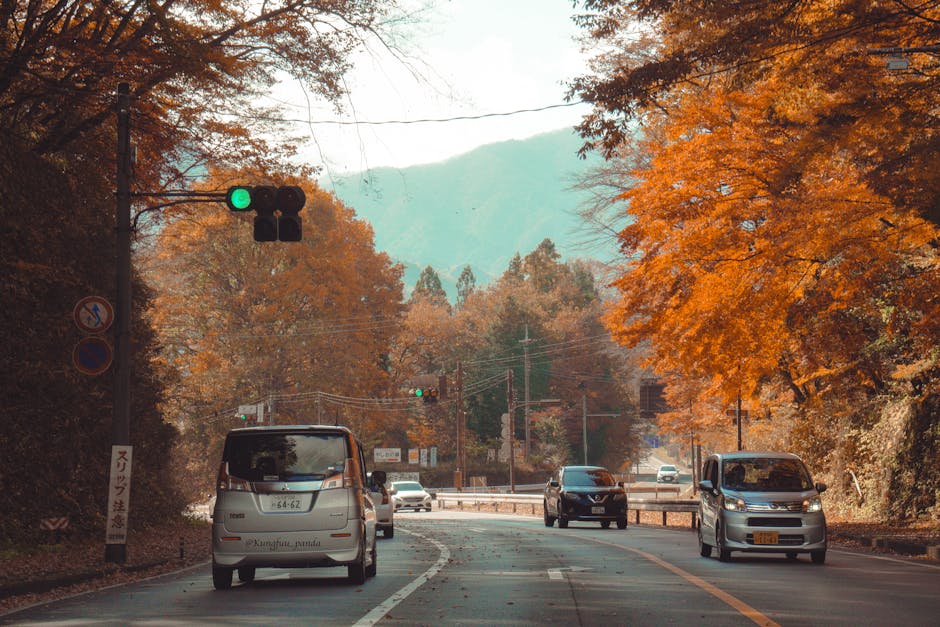
Full-Service vs. Self-Service
Japan has both full-service (有人, yūjin) and self-service (セルフ, “self”) petrol stations. Full-service stations are still common in rural areas and smaller towns. At a full-service station, an attendant will fuel your car, clean your windows, and may even direct traffic as you exit. It is a charming and uniquely Japanese experience. Self-service stations, common in urban areas and along expressways, are straightforward coin-and-card operated systems.
Fuel Types
- レギュラー (Regular/Regular gasoline): 89–91 octane, the most common, used by most economy and standard cars
- ハイオク (Hi-Oku/Premium): 98–100 octane, required for high-performance engines like the Nissan GT-R or Toyota Supra. Always check your rental car’s fuel requirement.
- 軽油 (Kei-yu/Diesel): For diesel vehicles only — do not use in a petrol engine
As of 2026, regular petrol costs approximately ¥165–¥185 per litre, with premium (hi-oku) running about ¥10–¥15 more per litre. Fuel is slightly cheaper along major national highways and at large-format petrol retailers (e.g., ENEOs, Idemitsu, Cosmo).
How to Pay
At self-service stations, machines typically accept ¥1,000 and ¥5,000 notes, major credit cards, and IC payment cards. At full-service stations, hand payment to the attendant directly. Most larger stations accept Visa and Mastercard; American Express acceptance is less consistent. If in doubt, have cash ready.
Navigation in Japan — Google Maps, Car GPS, and Highway Signs
Getting lost in Japan is harder than ever, thanks to excellent digital navigation tools and increasingly bilingual road signage.
Google Maps
Google Maps works excellently in Japan and is the first recommendation for most foreign drivers. It provides accurate real-time traffic data, toll cost estimates, and clear turn-by-turn instructions. Set it to the driving mode with tolls enabled or disabled based on your preference. Download offline maps for your planned regions before you go — mountain areas can have patchy mobile signal.
Yahoo! カーナビ (Yahoo Car Navi)
Yahoo! Car Navigation is the most popular navigation app among Japanese drivers and is arguably superior to Google Maps for Japan-specific road data, especially for toll road routing. It is free, available in Japanese only, but the interface is intuitive enough that many foreign drivers use it successfully alongside Google Maps.
Rental Car GPS Units
Most rental cars come with a built-in Japanese GPS unit. These are comprehensive but typically in Japanese only. The most useful trick: enter your destination using the phone number search function (電話番号, denwa bangō). Nearly every hotel, restaurant, onsen, and parking lot in Japan has a listed phone number, and entering it into the GPS will take you directly there — no Japanese reading required.
Highway Signs
Expressway signs in Japan use a consistent colour-coding system: green backgrounds for expressway information (interchange names, distances, exits) on most NEXCO expressways. Exit signs appear 2 km and 1 km before the exit. Route numbers are displayed in shields (similar to international standards). Major expressways also now display romanised place names alongside kanji, making navigation dramatically easier.
Best Seasons and Regions for Road Trips in Japan
Japan is a year-round driving destination, but each season offers a radically different and equally compelling experience.
Spring (March–May): Cherry Blossoms and Mountain Awakening
Late March to mid-April is the most iconic time to drive in Japan. The cherry blossom (sakura) front moves northward from Kyushu to Tohoku over several weeks, and road tripping allows you to follow it. Standout routes include the Tohoku Expressway through Iwate and Aomori, the Yoshino mountain road in Nara, and the lakeside roads around Lake Kawaguchiko with Fuji as a backdrop. Book accommodation months in advance — this is Japan’s busiest travel period.
Summer (June–August): Mountains, Coast, and Hokkaido
Summer is the season for Hokkaido. Japan’s northernmost main island is a driver’s paradise in July and August: lavender fields in Furano, volcanic caldera roads in Akan National Park, and the vast open highways of the Tokachi Plain that feel nothing like the rest of Japan. Southern Japan’s coastal roads in Shikoku and Kyushu are also spectacular but come with heat and the possibility of typhoons from August onward.
Autumn (September–November): Foliage Season — The Driver’s Favourite
Autumn foliage (koyo) season from mid-October through November transforms Japan’s mountain roads into something extraordinary. The mountain passes of Nikko, the Tateyama Kurobe Alpine Route in Toyama, the Bandai Azuma Skyline in Fukushima, and the back roads of Kyoto’s northern Tamba region all reach their peak during this window. Traffic on famous routes can be heavy on weekends — plan weekday drives wherever possible.
Winter (December–February): Snow Roads and Hot Springs
Winter driving in Japan requires respect and preparation. Snow tyres (studless winter tyres, called スタッドレス, sutaddoresu) are mandatory in snowy regions and are standard on rental cars in places like Hokkaido, Tohoku, and the Japanese Alps from November through March. The reward is extraordinary: snow-laden cedar forests, steaming onsen, near-empty mountain roads, and the unique beauty of Japan in winter. The Ginzan Onsen area in Yamagata and the snow walls of Hachimantai in Iwate are bucket-list winter driving destinations.
JDM Car Rental Experience — Drive a GT-R, Supra, or RX-7
Here is a section of this guide that a lot of you have been waiting for. Japan is the birthplace of some of the most legendary performance cars ever built — the Nissan Skyline GT-R, Toyota Supra, Mazda RX-7, Honda NSX, Subaru Impreza WRX STI, and Mitsubishi Lancer Evolution. These cars are not just transportation; they are cultural icons, and driving them on their home roads is a bucket-list experience for car enthusiasts worldwide.
The good news: you can rent them. Specialist JDM rental companies have emerged in recent years specifically to cater to enthusiasts who want to experience these machines in their natural habitat. Samurai Car Japan, based in Shibuya, Tokyo, has built one of the most impressive JDM fleets available for foreign visitors, with English-speaking staff and full support for international drivers.
What to Expect from a JDM Rental
JDM sports car rentals operate differently from standard rental cars. Expect:
- Higher daily rates: ¥30,000–¥80,000+ per day depending on the car
- Security deposit: Typically ¥50,000–¥200,000 held on your credit card
- Insurance requirements: More comprehensive coverage required; review carefully
- Mileage limits: Some companies impose daily kilometre caps (e.g., 300 km/day)
- Fuel type requirements: High-performance cars require premium (hi-oku) fuel — factor this into your budget
- Briefing: A detailed handover briefing on the car’s systems and quirks — essential for unfamiliar vehicles
The experience of driving a genuine R34 GT-R on the Hakone Turnpike, or threading an FD RX-7 through the Irohazaka curves near Nikko, is genuinely unlike anything you can replicate elsewhere. These roads, these cars, this context — it is Japan distilled into an hour of driving.
Our Top 5 Driving Routes from Tokyo
Tokyo is the perfect starting point for some of Japan’s best road trips. Here are our five favourite routes, ranging from a half-day blast to a full weekend adventure.
Route 1: Tokyo to Hakone (2–3 Hours Each Way)
The classic. From central Tokyo, take the Tomei Expressway toward Odawara, then the Odawara-Atsugi Road and Route 1 into the Hakone volcanic caldera. Highlights include the Hakone Turnpike (a private toll road purpose-built for driving enjoyment — ¥820 one way), views of Mt. Fuji from the Ashi lake shoreline, Owakudani volcanic valley, and excellent onsen. Toll costs from central Tokyo to Hakone are approximately ¥2,500. Plan for a full day to enjoy the region properly, or stay overnight.
Route 2: Tokyo to Nikko (2.5 Hours Each Way)
Head north on the Tohoku Expressway, exit at Utsunomiya, and take Route 119 into Nikko. The drive through Nikko’s ancient cedar avenue (Sugi-namiki) is one of the most atmospheric road approaches in Japan. Beyond the UNESCO World Heritage shrines, the Irohazaka switchbacks (48 hairpin curves climbing 1,200 metres) are a mandatory detour for any driving enthusiast. Toll costs from Tokyo are approximately ¥3,000–¥3,500 each way.
Route 3: Fuji Five Lakes Loop (3–4 Hours from Tokyo)
Take the Chuo Expressway from Tokyo to Kawaguchiko and drive the loop around all five Fuji lakes — Kawaguchiko, Saiko, Shojiko, Motosuko, and Yamanakako. The best Fuji views come from the north shore of Kawaguchiko and Motosuko. Extend the route by driving up to the Fuji Subaru Line 5th Station (seasonal, usually open May–November; ¥2,100 toll). Total toll costs from Tokyo are around ¥2,000–¥3,000 each way.
Route 4: Izu Peninsula Coastal Loop (Full Day or Overnight)
From Tokyo, take the Tomei Expressway to Odawara, then Route 135 south along the eastern Izu coastline through Atami and Ito. Continue south to Shimoda — where Commodore Perry famously arrived to open Japan — then cross the peninsula on Route 136 and return north via Dogashima and Shuzenji. The western Izu coast is dramatically rugged, with cliffs dropping to the Pacific. Allow a full day minimum; staying overnight in Shuzenji or Shimoda is highly recommended.
Route 5: Chichibu & Okutama Mountain Loop (Half Day to Full Day)
This is the best option for a shorter mountain driving fix close to Tokyo. Head west on the Chuo Expressway, exit at Hachioji, and take Route 411 north through Okutama gorge to Okutama Lake. Continue on mountain roads through the Nishitama forests toward Chichibu. The road through Mitake gorge is genuinely spectacular, and you will feel a world away from Tokyo despite being only 90 minutes from the city. No significant tolls required for most of this route — it is primarily national highway driving.
Frequently Asked Questions About Driving in Japan
Do I really need an International Driving Permit to drive in Japan?
Yes, absolutely. Japan requires a valid IDP based on the 1949 Geneva Convention for most foreign nationals, presented alongside your original home-country driver’s licence. The only exceptions are nationals from specific countries (Germany, France, Switzerland, Belgium, Monaco, Slovenia, and Taiwan) who use an official Japanese translation of their domestic licence instead. Do not attempt to rent a car or drive without the correct documentation — penalties are severe and your insurance will be void.
Is it safe to drive in Japan as a foreigner?
Yes. Japan consistently ranks among the safest countries in the world for road safety. Japanese drivers are disciplined, courteous, and follow the rules closely. The main challenge for foreign drivers is the adjustment to left-hand traffic, which typically takes one to two hours to become comfortable with. Start on quieter roads, take your time, and the experience quickly becomes second nature.
How does the ETC card work and do I need one?
An ETC card is an electronic toll payment card that lets you pass through expressway tolls without stopping, and earns you significant discounts (up to 30% on weekends). You insert a rental ETC card into a reader unit already fitted in the rental car. You absolutely should use one — the discounts alone typically more than offset the card rental fee, and the convenience at toll plazas is invaluable. Ask for an ETC card when booking your rental car.
Can I rent a JDM sports car in Japan as a tourist?
Yes — and it is one of the great automotive bucket-list experiences available to travellers. Specialist companies like Samurai Car Japan in Shibuya, Tokyo offer rentals of iconic JDM machines including the Nissan GT-R, Toyota Supra, Mazda RX-7, and others to foreign visitors holding a valid IDP. Rates start from around ¥30,000 per day. Samurai Car Japan also provides English-speaking staff, ETC card inclusion, English GPS, and guided tour options — making the process as straightforward as possible for international visitors.
What should I do if I have an accident in Japan?
First, ensure everyone is safe and call 110 (police) and 119 (ambulance/fire) if needed. Do not move the vehicles until police arrive if there are injuries. Contact your rental company immediately — their emergency number will be on your rental documents. Even minor incidents must be reported to both the rental company and police. Attempting to settle privately without a police report can create serious legal complications and will likely void your rental insurance.
Is parking in Japan difficult to find?
In major cities, dedicated parking facilities (coin parking lots) are plentiful but can be expensive — expect ¥300–¥600 per 30 minutes in central Tokyo or Osaka. The key is never to park illegally: Japan tows illegally parked cars rapidly and fines are steep. In rural areas, onsen towns, and at tourist attractions, free or very inexpensive parking (¥200–¥500 flat rate) is widely available. Your GPS and Google Maps will show nearby parking facilities — search for コインパーキング (coin parking).
Ready to Hit the Road?
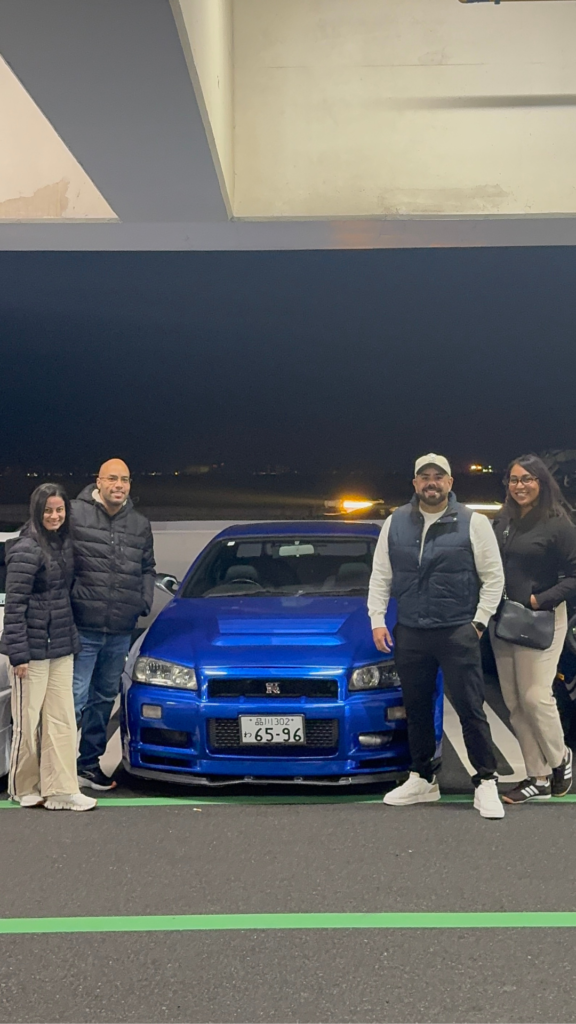
Samurai Car Japan in Shibuya, Tokyo offers:
- Self-Drive Rentals — from economy to JDM sports cars
- Guided Tours — with English-speaking guides
- Drift Experiences — try drifting at a real circuit
International Driving Permit support, ETC card included, English GPS.
[st_af id=”862″]
[st_af id=”854″]
🇯🇵 Plan Your Japan Experience
JDM Car Rental
Drive a GT-R, Supra, RX-7, or Silvia on the roads they were built for. Hakone passes, Wangan highway, mountain touge — your dream JDM experience.
Daikoku PA Tour
Visit Japan’s most legendary car meet. Hundreds of modified cars, passionate owners, and the heartbeat of JDM culture. Guided weekend night tours available.
Photo Guide Tour
Capture stunning photos at locations only locals know. Hidden shrines, backstreet alleys, rooftop views, and golden hour spots for unforgettable shots.
Leave a Reply