Tokyo to Mt. Fuji by Car: The Ultimate Scenic Drive from Shibuya to Kawaguchiko
There are road trips, and then there are road trips that make you pull over every few kilometers just to stare in disbelief at what you’re seeing. The drive from Tokyo to Mt. Fuji — winding up the legendary Fuji Subaru Line, drifting through the mirror-still lakes of the Fuji Five Lakes region, and stumbling upon a storybook spring-water village — belongs firmly in the second category. This is one of Japan’s most iconic driving routes, and for good reason: nowhere else can you go from the buzzing chaos of Tokyo’s streets to standing above the clouds on the slopes of the world’s most famous volcano in under two hours.
The best part? You can kick the whole adventure off right in Shibuya. Grab your rental car at Samurai Car Japan — a brilliant little car rental and JDM tour shop tucked into the heart of Tokyo — load up the navigation, and point yourself toward Mt. Fuji. Within minutes you’re on the expressway with the city fading in your rearview mirror and that iconic snow-capped cone slowly filling your windshield. Driving this route yourself, on your own schedule, with the freedom to stop wherever the view demands it — that’s the only way to do it.
This guide is built for drivers who want the real experience: the winding toll road that spirals up Mt. Fuji’s flank, the five-story pagoda framing Fuji like a postcard come to life, the eerie blue clarity of volcanic spring ponds, and the long, lazy lakeside drives where the mountain reflects perfectly in still water. Whether you’re a first-timer chasing Japan’s most iconic image or a return visitor who wants to finally go beyond the tourist buses, this route delivers. Let’s drive.
Route Overview
This route covers approximately 130–150 km of driving depending on detours, and can comfortably be done as a full day trip from Tokyo or stretched into a relaxed two-day itinerary with an overnight at Kawaguchiko. Here’s the full breakdown:
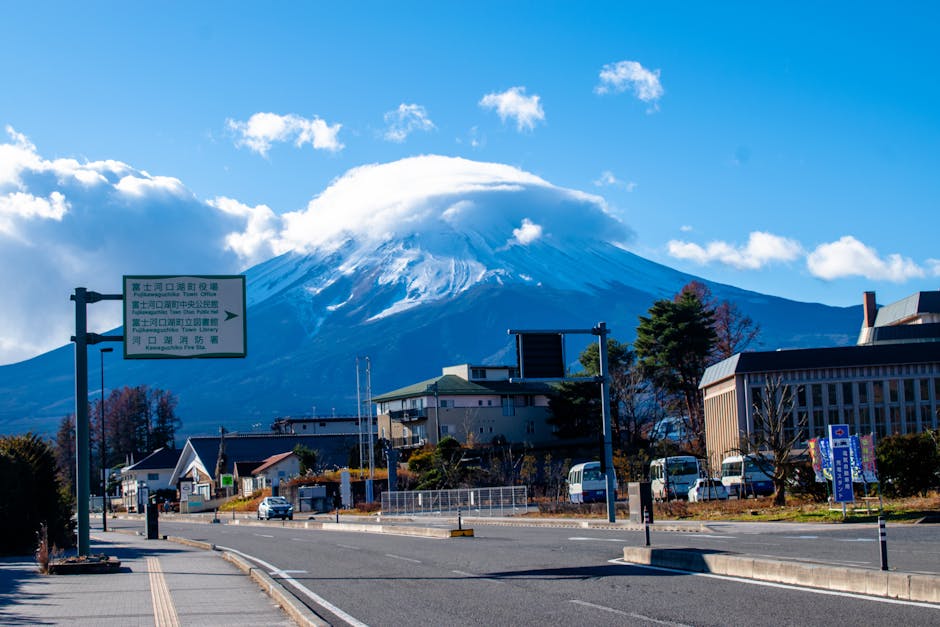
- Pick up your rental car at Samurai Car Japan in Shibuya, Tokyo
- Shibuya → Fuji Subaru Line 5th Station — approx. 100 km, 1 hr 45 min via Chuo Expressway (E20) + Route 139
- Fuji Subaru Line 5th Station → Oshino Hakkai — approx. 30 km, 45–50 min via Route 139 south
- Oshino Hakkai → Fuji Five Lakes (Yamanakako/Kawaguchiko area) — approx. 15 km, 20–25 min via Route 138
- Fuji Five Lakes → Kawaguchiko (final stop) — approx. 10 km, 15–20 min along the lakeshore
Total driving distance: ~130–150 km | Total drive time (without stops): ~3.5–4 hours | Recommended full experience: 8–10 hours or 2 days
🗺️ Open This Route in Google Maps
Opens in Google Maps app on mobile
Stop 1: Fuji Subaru Line 5th Station — Driving Up the Volcano
What It Is
The Fuji Subaru Line is one of the most extraordinary drives in all of Japan — a 29-kilometer toll road that spirals up the northern flank of Mt. Fuji from the Fuji Subaru Line Toll Gate at around 1,000 meters all the way to the 5th Station at 2,305 meters above sea level. On clear days, you’re literally driving above the clouds. The views of the Fuji Five Lakes spread out below you, the Southern Alps glittering on the horizon, and that vast blue sky pressing down on Fuji’s rocky upper slopes — it’s genuinely breathtaking.
The 5th Station itself is a busy tourist hub with gift shops, restaurants, and mountain lodges, but don’t let that put you off. This is the starting point for summer climbers attempting the summit, and the atmosphere — mountain air biting cold even in August, the smell of volcanic rock, the sense of genuine altitude — is unlike anything you’ll experience anywhere else on this route.
The Drive Up
From Shibuya, hit the Chuo Expressway (E20) heading west. The drive is smooth and well-signposted in English. You’ll exit at Kawaguchiko IC and from there, follow Route 139 north and signs for the Fuji Subaru Line toll gate. The toll for the Fuji Subaru Line is ¥2,100 per car (round trip included) — you pay at the entrance and the return is free. Once through the gate, the road immediately starts climbing. The surface is excellent — two lanes, well-maintained, with guardrails throughout. Speed limits are around 30–40 km/h in most sections, and for good reason: the road curves are tight and frequent, and you’ll want to slow down at the designated viewpoints anyway.
There are four official viewpoints (合目 / Go-me stops) on the way up — the 2nd, 3rd, and 4th stations — each with small pullouts. Stop at as many as you can. Each one reveals a completely different perspective of the lakes and valleys below.
Parking at the 5th Station
There is a large parking area at the 5th Station. Parking is free, but during peak season (July–August and autumn foliage season), the lot can fill up quickly. Aim to arrive before 9:00 AM or after 3:00 PM to avoid the worst congestion. During the official climbing season (typically late July to early September), private vehicle access may be restricted on weekends and holidays due to traffic — check the official Fuji Subaru Line website before you go.
How Long to Spend
Allow 1.5–2 hours at the 5th Station and along the Fuji Subaru Line. Walk around the station area, visit the Komitake Shrine, grab a bowl of hot udon, and drink in those views before heading back down.
Stop 2: Chureito Pagoda — Japan’s Most Iconic View
What It Is
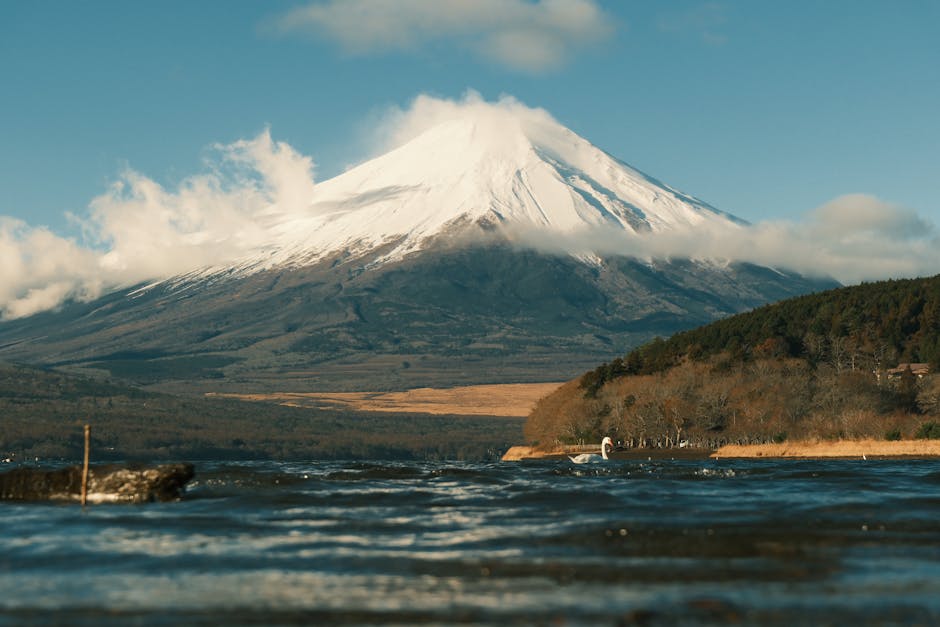
If you’ve ever seen a photo of a five-story red pagoda with Mt. Fuji rising perfectly behind it — that’s Chureito Pagoda, and it might be the single most reproduced image of Japan in the world. Part of the Arakura Sengen Shrine in Fujiyoshida, the pagoda sits at the top of 398 stone steps that climb steeply through a cedar forest above the town. The view from the top platform — pagoda in foreground, Fuji centered in the background, the rooftops of Fujiyoshida’s streets spread below — is worth every one of those steps.
Getting There and Parking
Chureito Pagoda is conveniently located between the Fuji Subaru Line and Oshino Hakkai, making it a natural mid-route stop. From the 5th Station, drive back down the Fuji Subaru Line and head south on Route 139 into Fujiyoshida city. The shrine is well-signposted. There is a small parking area at the base of the shrine (free, limited spaces) and additional street parking nearby. The climb to the pagoda takes about 10–15 minutes at a moderate pace.
How Long to Spend
Budget 45–60 minutes here — time to climb, photograph, catch your breath, and soak in the view. In cherry blossom season (late March to mid-April), the rows of sakura trees flanking the stone steps turn this into an almost surreal scene. In autumn, the surrounding maples blaze red and orange. Honestly, no matter when you visit, Chureito earns its reputation.
Stop 3: Oshino Hakkai — The Spring-Water Village
What It Is
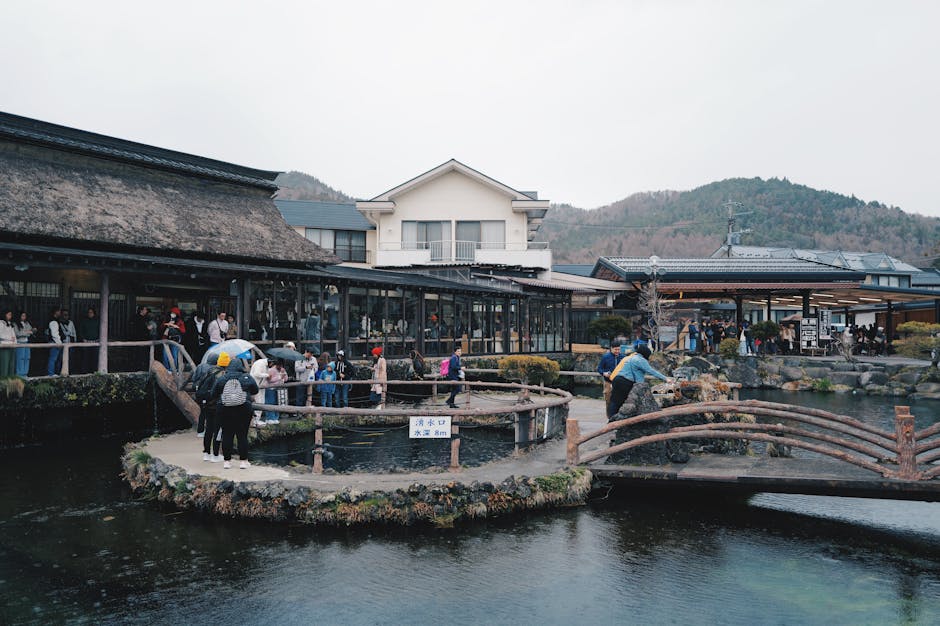
After the drama of the mountain and the pagoda, Oshino Hakkai offers something quieter and just as extraordinary: eight sacred ponds fed entirely by snowmelt from Mt. Fuji that has been filtering through volcanic rock for over 80 years. The water that bubbles up in these ponds is so pure and so cold — around 12°C year-round — that you can see straight to the bottom through several meters of crystal-clear blue-green water. Koi fish drift through them like they’re suspended in air.
The surrounding village is a UNESCO World Heritage Site component and looks like it’s barely changed in centuries — thatched-roof farmhouses (gassho-zukuri style), wooden bridges over the ponds, and vendors selling local produce and freshwater fish. It’s genuinely one of the most beautiful and peaceful places on the entire route.
The Drive There
From Chureito Pagoda, continue south on Route 139 and then turn east onto Route 717, following signs for Oshino. The drive takes about 20–25 minutes through farmland and small towns with Mt. Fuji visible ahead of you for much of the journey. The road is straightforward — two lanes, rural, and light on traffic outside of peak season.
Parking at Oshino Hakkai
There are several parking lots serving the Oshino Hakkai area, most charging around ¥500–¥700 per car. The main lot closest to the ponds fills up quickly on weekends. Arrive before 10:00 AM or after 2:00 PM for easier parking. Entry to the Oshino Hakkai pond area itself is ¥500 per adult.
How Long to Spend
Give yourself 1–1.5 hours to walk all eight ponds, browse the small stalls selling Fuji spring water products, and try some of the local food (more on that below). Don’t rush this one — the peacefulness here is part of the experience.
Stop 4: Fuji Five Lakes — Yamanakako and Beyond
What It Is
The Fuji Five Lakes (Fujigoko) — Kawaguchiko, Yamanakako, Saiko, Shojiko, and Motosuko — ring the northern base of Mt. Fuji and offer some of the most celebrated landscape photography in Japan. Each lake has a slightly different character, but all share that magical quality of reflecting Mt. Fuji on still mornings, turning the volcano into a perfect double image in the water.
Yamanakako is the largest of the five and sits closest to Oshino Hakkai, making it a natural next stop. The southeastern shore of Yamanakako offers one of the best unobstructed views of Mt. Fuji’s eastern face. The area around the lake has a more local, less-touristy feel than Kawaguchiko — rental rowboats, cycling paths along the shore, and quiet lakeside cafes make it a lovely place to pause.
The Drive Through the Lakes
From Oshino Hakkai, take Route 138 west and north to loop around the Fuji Five Lakes area. This stretch is genuinely one of the most enjoyable drives on the entire route — the road hugs the lake shores in places, Fuji looms over everything, and the driving is relaxed and rural. You can choose to drive past Saiko and Shojiko for a longer loop before arriving at Kawaguchiko, adding about 30–40 minutes but rewarding you with the least-visited, most atmospheric of the five lakes.
Parking Along the Lakes
Most lakeside viewpoints have free roadside parking or small gravel pullouts. Larger facilities like the Yamanakako visitor center have free parking lots. The scenery along the lake roads is reason enough to drive slowly and stop whenever the view calls for it.
How Long to Spend
If you’re doing a day trip, budget 1–2 hours exploring the lakes en route to Kawaguchiko. If you’re staying overnight, the entire following morning can be spent lake-hopping — cycling paths and boat rentals make this a half-day activity on its own.
Stop 5: Kawaguchiko — The Perfect Finale
What It Is
Lake Kawaguchiko is the most accessible and popular of the Fuji Five Lakes, and it earns that status honestly. The views from the northern shore of the lake — especially from spots like Kawaguchiko Oishi Park — offer arguably the most photographed direct reflection of Mt. Fuji of any of the five lakes. The town of Kawaguchiko that surrounds the lake’s eastern shore is well-developed for tourism without feeling overcrowded, with excellent ryokan, onsen, restaurants, and cultural attractions all within easy reach.
Key things to do here include visiting the Kubota Itchiku Art Museum, soaking in one of several lakeside onsen facilities, riding the Kachi Kachi Ropeway up Mt. Tenjo for aerial views of both the lake and Mt. Fuji, or simply driving the lakeshore road as the sun drops and Fuji turns pink in the alpenglow.
The Drive to Kawaguchiko
From the Fuji Five Lakes area, Route 138 leads directly into Kawaguchiko town. The final stretch of this drive — especially the approach along the northern lakeshore — is genuinely spectacular. On clear days, Mt. Fuji fills the entire sky ahead of you as you descend toward the lake. It’s a cinematic arrival that rewards everything you’ve driven through to get here.
Parking in Kawaguchiko
Kawaguchiko has multiple parking areas. The main lakeside parking near the Kawaguchiko Music Forest and Oishi Park is free, though it fills quickly on weekends and holidays. In the town center, expect to pay around ¥300–¥500 per hour at municipal lots. If you’re staying overnight, your accommodation will typically have private parking.
How Long to Spend
Kawaguchiko deserves at least an afternoon and evening — ideally a full overnight stay. The experience of watching Mt. Fuji at sunset from the lakeshore, then waking up to catch the still-water reflection in the early morning light, is something that sticks with you long after the trip.
Practical Driving Tips for This Route
Road Conditions and Navigation
The roads on this route range from smooth urban expressway to well-maintained rural two-laners. The Fuji Subaru Line is in excellent condition but demands careful speed management on its curves. Overall, the route is very foreigner-friendly — major intersections are signposted in both Japanese and Roman script, and Google Maps navigation works reliably throughout.
- Expressway: Chuo Expressway (E20) from Shibuya to Kawaguchiko IC — fast, smooth, well-lit
- Fuji Subaru Line toll: ¥2,100 per vehicle (round trip) — pay at the entrance gate by cash or IC card
- Chuo Expressway tolls: Approximately ¥2,500–¥3,500 one way from central Tokyo to Kawaguchiko IC, depending on entry point
- Fuel stations: Plentiful in Fujiyoshida and Kawaguchiko town; limited on the Fuji Subaru Line itself — fill up before entering the toll gate
Driving License Requirements
Foreign visitors driving in Japan must carry an International Driving Permit (IDP) based on the 1949 Geneva Convention, along with their home country license. Japan does not accept IDPs issued under the 1968 Vienna Convention — this catches out many European drivers, so check before you travel. Licenses from certain countries (Switzerland, Germany, France, and a few others) may have separate bilateral agreements — confirm with your rental shop.
Best Time of Day to Drive
Start early — leaving Shibuya by 7:00–8:00 AM puts you at the Fuji Subaru Line gate before the crowds and gives you the best chance of clear Fuji views before afternoon clouds build. Weekend traffic on the Chuo Expressway can be heavy leaving Tokyo on Friday evenings and returning Sunday evenings — factor this in if you’re doing an overnight trip.
Where to Eat Along the Route
At the Fuji Subaru Line 5th Station
The 5th Station has several small restaurants and stalls. The most reliable is Fujisan Hotel Restaurant — order the Fuji Udon, a hearty bowl of thick noodles served piping hot. Perfect fuel for the altitude and the mountain cold. Expect to pay around ¥1,000–¥1,500 per person.
In Fujiyoshida (near Chureito Pagoda)
Fujiyoshida is famous for its local style of udon — thicker and chewier than the Sanuki variety, with a darker soy-based broth. Tsurukiya (鶴亀屋食堂) is a beloved local spot just a short drive from the shrine, where lunch sets run ¥700–¥1,000. Cash only, and expect a queue on weekends.
At Oshino Hakkai
Several vendors around the ponds sell freshwater sweetfish (ayu) grilled on skewers — a local specialty. There are also stalls selling Fuji spring water soft serve and pickled vegetables. Light and snacky rather than a full meal, but delicious as a mid-route treat.
In Kawaguchiko
Mama’s Kitchen near the lake is a favorite among returning visitors for its generous yoshoku (Western-influenced Japanese food) sets. For something more upscale, Fuji Harvest Restaurant at the Fuji View Hotel offers set lunches with lakeside Fuji views at around ¥2,500–¥4,000 per person. For something casual and local, the covered shopping street near Kawaguchiko Station has ramen shops, soba restaurants, and convenience stores for easy self-catered snacks.
Best Season for This Drive
Spring (Late March – May): Cherry Blossoms and Fuji
The best season for most visitors. Cherry blossoms typically peak in late March to mid-April around the lakes, and the combination of pink sakura, blue water, and snow-capped Fuji is genuinely extraordinary. Chureito Pagoda during sakura season is at its absolute finest. Roads are clear, temperatures pleasant, and the Fuji Subaru Line reopens around late April.
Summer (July – August): Mountain Access but Heat and Crowds
The Fuji Subaru Line is fully open and Mt. Fuji’s climbing season peaks. Days are warm to hot in the lowlands but cool at altitude. Expect the largest crowds of the year, especially on weekends. Book accommodation well in advance and start your drive as early as possible.
Autumn (October – November): Foliage and Crisp Views
A close second to spring. Autumn foliage frames Mt. Fuji and the lakes in deep reds and oranges, and the dry, stable weather of October brings some of the clearest Fuji views of the year. The Fuji Subaru Line typically closes in early December, so plan accordingly.
Winter (December – March): Snow, Fewer Crowds, but Restricted Access
The Fuji Subaru Line is closed, but the lowland route through the lakes is driveable (snow tires or chains may be needed in January and February). Winter mornings offer some of the clearest views of snow-covered Fuji. A quieter, more meditative experience — beautiful in a completely different way.
Frequently Asked Questions
Where can I rent a car for this route?
The most convenient starting point is Samurai Car Japan in Shibuya, Tokyo. They offer self-drive rentals and guided JDM tours, and being located right in Shibuya means you can easily get there from any hotel or transit hub in central Tokyo. It’s a great setup — pick up your car, get navigation sorted, and you’re on the expressway within minutes. Especially useful if you want a vehicle that’s actually enjoyable to drive on mountain roads rather than a generic economy box.
How long does this route take as a day trip?
It’s doable as a full day trip if you leave Shibuya early (7:00–8:00 AM) and keep a reasonable pace. Budget about 10–12 hours total for driving plus stops. However, we strongly recommend at least one overnight in Kawaguchiko — the evening and early morning light on the lake is the real highlight, and rushing back to Tokyo means you miss the best of it.
Do I need an ETC card for the tolls?
An ETC card is helpful but not required. All toll booths on this route have cash payment lanes accepting Japanese yen. However, if your rental car has an ETC unit (many do), loading an ETC card saves you from fumbling with coins at toll gates. Many rental companies offer ETC card rental for around ¥550/day — worth adding if available.
Is the Fuji Subaru Line safe to drive for inexperienced drivers?
Yes — the road is well-maintained and clearly marked, with guardrails throughout and low posted speed limits. It’s not technically challenging, but the curves are tight and continuous. Take your time, don’t tailgate, and use low gear on the descent to avoid overheating your brakes. Anyone with basic driving experience and a calm approach can handle it comfortably.
Can I drive this route without a GPS or data connection?
We wouldn’t recommend it. While major roads are signposted in English, navigating between Oshino Hakkai, the individual lakes, and back-road shortcuts is genuinely confusing without navigation. Download the Google Maps route offline before you leave Tokyo, or make sure your rental car has an in-car navigation system. Samurai Car Japan can advise on navigation options when you pick up your car — definitely ask.
Why not elevate your journey with a legendary JDM experience?
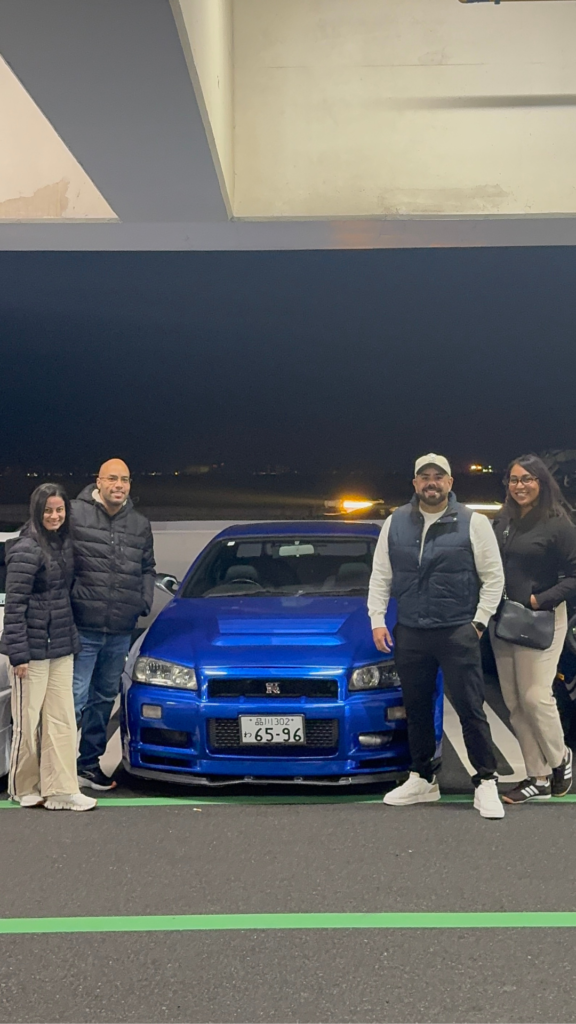
Our Services:
- Self-Drive Rentals
- Guided Tours
- Drift Experiences
Please visit the dedicated page for more details.