Golden Gai Guide: Tokyo’s Legendary Bar Alley in Shinjuku
Tucked behind Shinjuku’s neon-drenched skyscrapers lies a place that feels like it belongs to another era entirely. Shinjuku Golden Gai is a labyrinth of six narrow alleys packed with over 200 tiny bars, each one barely larger than a closet, each with its own personality, regulars, and unwritten rules. It is one of the last surviving pockets of old Tokyo — a place where post-war drinking culture has not just survived but thrived, resisting decades of redevelopment pressure to remain exactly as chaotic and charming as it has always been.
For many international visitors, a night in Golden Gai becomes the single most memorable experience of their entire trip to Japan. There is nothing quite like squeezing into a bar that seats six people, ordering a whisky highball from a bartender who also happens to be the owner, and finding yourself in a conversation with a jazz musician from Osaka, a film student from Brooklyn, and a retired salaryman who has been drinking at the same stool since 1987. It is intimate, unpredictable, and completely unlike any nightlife experience you have had before.
This Golden Gai guide covers everything you need to know: the history, the etiquette, the best types of bars to visit, what to drink, what to expect, and how to make the most of your evening without accidentally breaking any unwritten rules.
The History of Golden Gai: From Black Market to Cultural Landmark
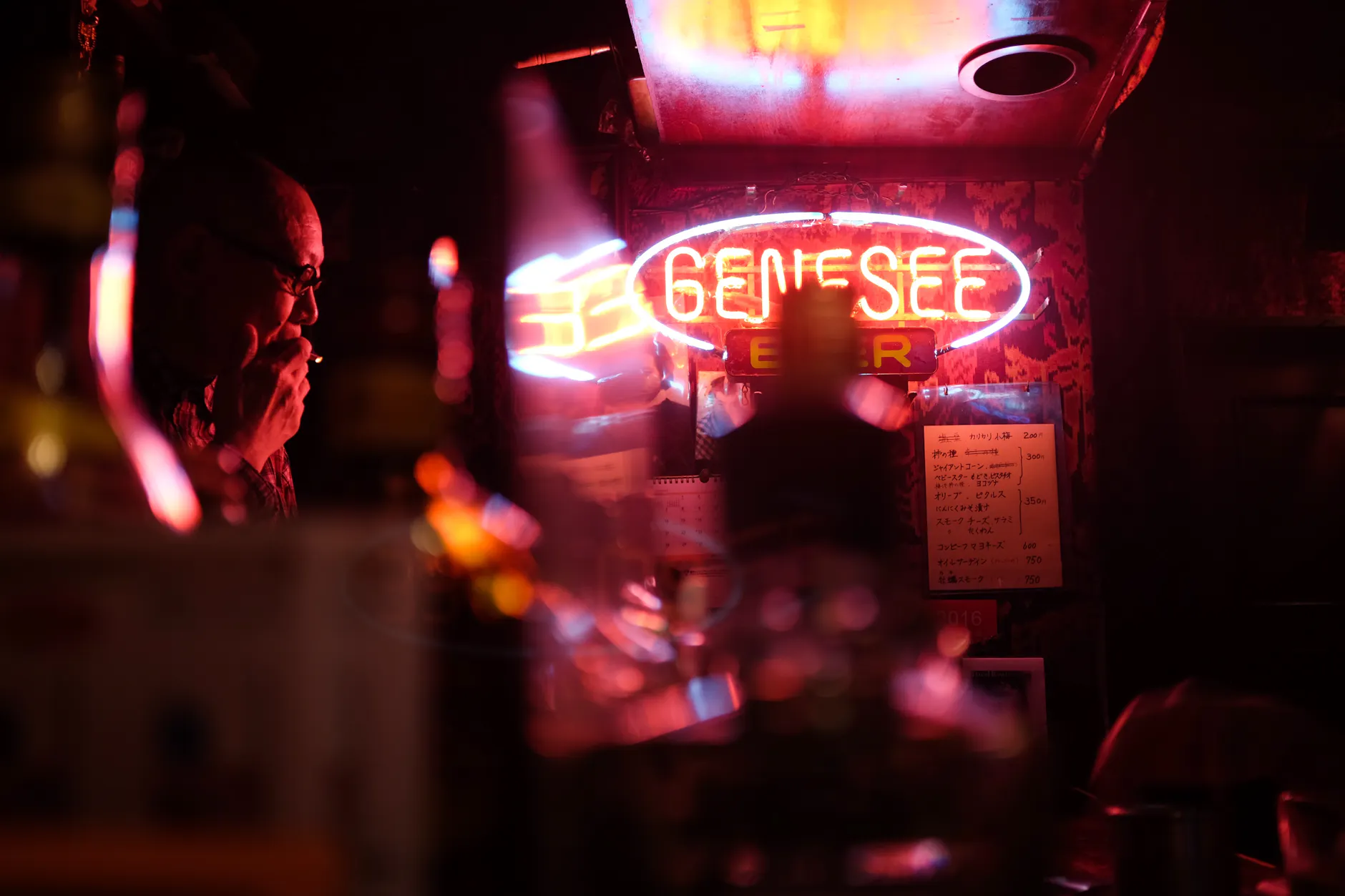
Golden Gai’s story begins in the ashes of World War II. After the bombing of Tokyo in 1945, the Shinjuku area became a hub for black market trading. Displaced citizens gathered here to buy and sell rationed goods — food, clothing, cigarettes, anything that was scarce in the post-war economy. Small wooden shacks sprang up almost overnight, creating a dense warren of makeshift stalls and drinking holes.
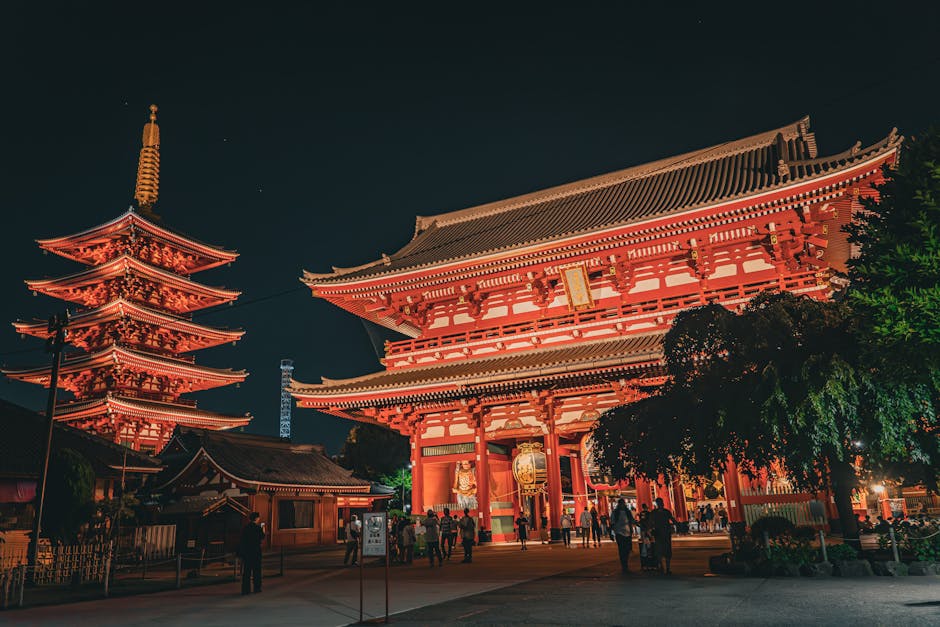
By the 1950s, as the formal economy recovered, the black market faded. But the tiny structures remained, and the area gradually transformed into a drinking district. Writers, artists, filmmakers, actors, journalists, and musicians claimed Golden Gai as their territory. Each bar became a kind of private salon — a place where creative people gathered, debated, and drank late into the night. Legendary Japanese filmmakers, novelists, and theater directors were regulars. The area earned a reputation as Tokyo’s bohemian heart.
The 1980s brought Japan’s economic bubble, and with it, enormous pressure to demolish Golden Gai and replace it with commercial high-rises. Developers offered huge sums to buy up the tiny plots of land. Several suspicious fires broke out during this period — widely believed to be arson aimed at driving out the holdouts. But the bar owners organized, resisted, and refused to sell. Golden Gai survived, largely intact, while the rest of Shinjuku transformed around it.
Today, Tokyo Golden Gai stands as a living monument to that resistance. The wooden buildings are the same ones that were built in the post-war decades. The alleys are the same width — barely wide enough for two people to pass each other. Some bars have been run by the same owner for 30 or 40 years. It is a place that has earned its atmosphere through sheer stubbornness and time, and that is precisely what makes it irreplaceable.
Where Exactly Is Golden Gai? Location and How to Get There
Golden Gai is located in the Kabukicho area of Shinjuku, Tokyo. Despite its fame, it occupies a surprisingly small footprint — roughly the size of half a city block. The address is Kabukicho 1-chome, Shinjuku-ku, Tokyo.
Nearest Stations
- Shinjuku Station (East Exit) — 5-7 minute walk. The most common starting point for visitors.
- Shinjuku-Sanchome Station (Exit E1) — 3-5 minute walk. The closest station, served by the Tokyo Metro Marunouchi and Fukutoshin Lines, and the Toei Shinjuku Line.
- Seibu Shinjuku Station — 2-3 minute walk. The Seibu Shinjuku Line terminus is right next to Golden Gai.
Walking Directions from Shinjuku East Exit
Exit Shinjuku Station via the East Exit. Walk straight ahead past the Studio Alta building (the large screen on your left). Continue north along the main road (Yasukuni-dori) toward the Kabukicho entertainment district. You will see the large red Kabukicho gate — walk past it and continue straight. After about 3 minutes, look for a narrow entrance on your left just before you reach the Hanazono Shrine area. You will see a cluster of tiny, stacked buildings with a patchwork of small signs. That is Golden Gai.
What to Expect Inside Golden Gai
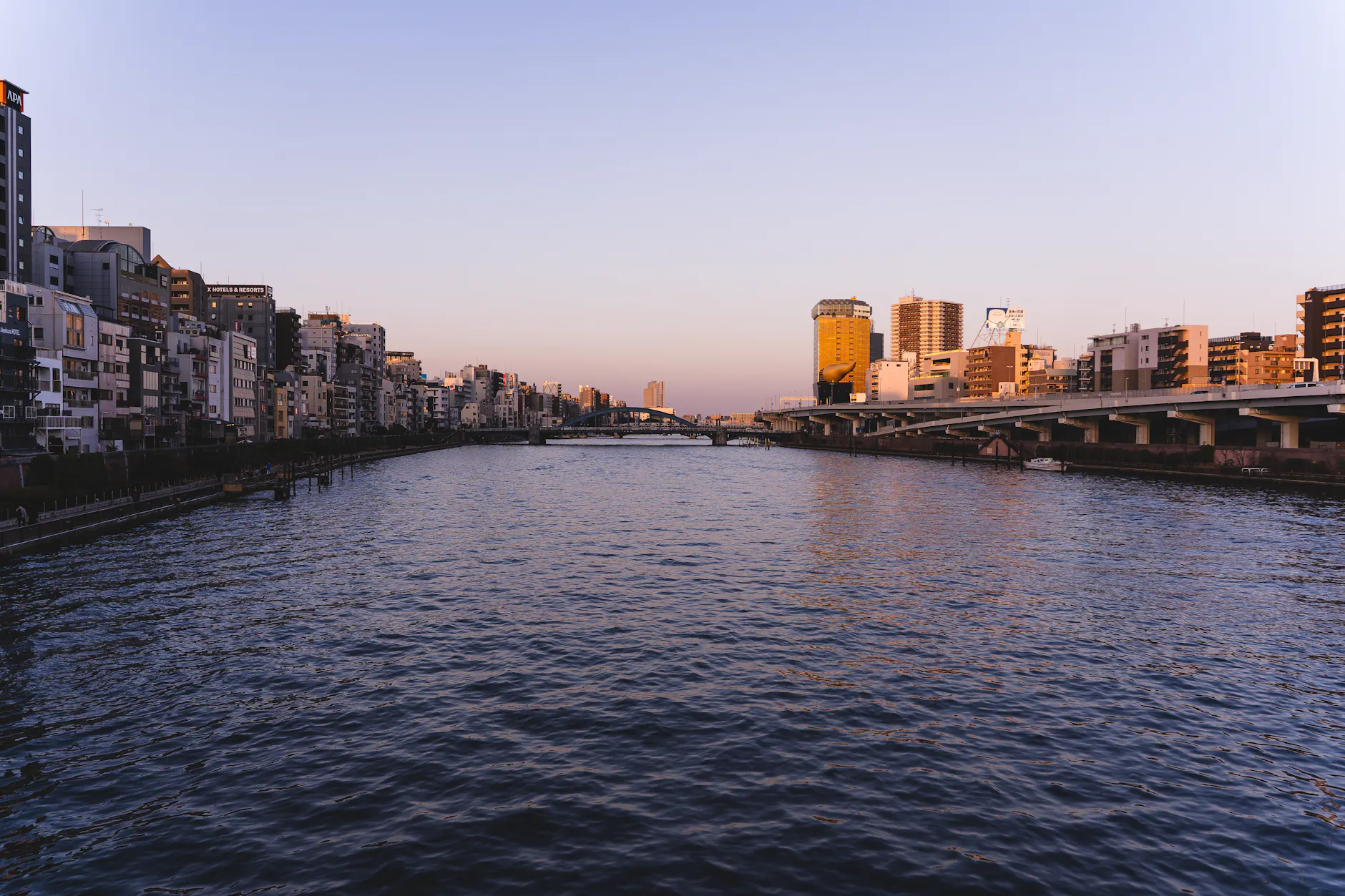
First-time visitors are almost always caught off guard by how small everything is. Golden Gai consists of six narrow alleys running roughly parallel to each other, connected by even narrower cross-passages. The alleys are lined with tiny two-story wooden buildings, most of them no wider than a single room. Each building typically houses one bar on the ground floor and sometimes another on the second floor, accessed by a steep, narrow staircase.
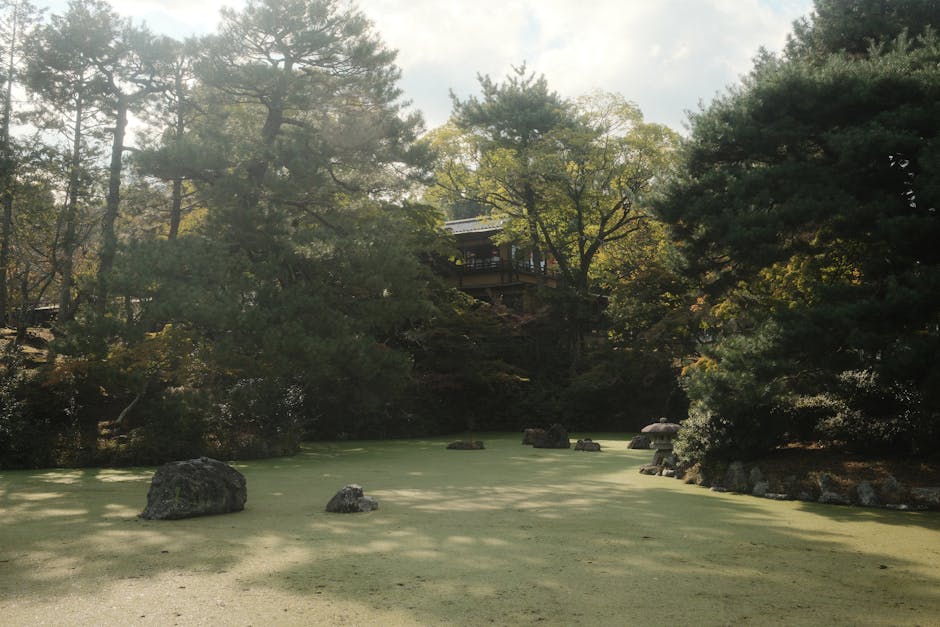
Most Golden Gai bars seat between 5 and 10 people. Some have as few as 4 seats at a counter. There are no dance floors, no DJ booths, no VIP sections. There is a counter, a bartender, some bottles, and a handful of stools. That is it. The intimacy is the entire point.
The variety is staggering. Across those 200-plus bars, you will find:
- Theme bars dedicated to specific film genres, manga, horror, punk rock, jazz, hip-hop, or specific decades of music
- Writer bars where the walls are lined with books and the conversation tends toward literature
- Music bars where the owner has a vinyl collection numbering in the thousands and you can request songs
- Industry bars frequented by people who work in film, theater, advertising, or media
- Tourist-friendly bars with English-speaking staff and multilingual menus
- Locals-only bars that will politely (or firmly) turn away unfamiliar faces
No two bars are alike. Walking the alleys of Golden Gai and peering through doorways is half the experience. You might see a bar covered floor-to-ceiling in horror movie posters next door to one decorated entirely with dried flowers and ambient lighting. One bar might be playing 1970s funk at conversation volume while the next is dead silent except for the clink of ice in glasses.
Best Types of Bars to Visit in Golden Gai
Since Golden Gai bars open and close regularly, and the scene shifts over the years, it is more useful to know what types of bars to look for rather than memorizing specific names. Here is how to navigate the choices.
First-Timer Friendly Bars
If this is your first visit to Golden Gai, look for bars with English signs posted outside the door. Many tourist-welcoming bars will have signs reading “Tourists Welcome,” “English Menu Available,” or “No Cover Charge.” These bars tend to have slightly higher drink prices but no seating charge, and the bartenders are accustomed to explaining the customs to newcomers. They are an excellent entry point.
Themed Bars
Golden Gai is famous for its themed bars. You will find bars dedicated to specific obsessions — classic cinema, science fiction, retro video games, specific genres of music, particular eras of Japanese pop culture, and much more. The theme is usually obvious from the exterior decoration. If something catches your eye, peek inside and ask if there is room. These bars tend to attract like-minded people, so if you share the interest, you will fit right in.
Music Bars
Some of the most rewarding bars in Golden Gai are the ones where music is the focus. These are not live music venues — they are tiny rooms where the owner has spent decades amassing a vinyl or CD collection of staggering depth in a single genre. Jazz, soul, punk, enka, bossa nova, heavy metal — whatever the owner loves, that is what plays. In many of these bars, you can request a song and the owner will pull it from the shelves. It is like visiting someone’s personal listening room.
Local Favorites and Regulars Bars
Some Golden Gai bars cater primarily to their regulars — people who have been coming for years or decades. These bars may not have English signage, and the atmosphere can feel exclusive. If you do find yourself welcomed into one, it is often the most rewarding experience of the night. The key is to be respectful, order a drink, and let the conversation happen naturally. If the bartender seems reluctant, do not force it — simply thank them and try the next door.
Golden Gai Etiquette and Rules
Golden Gai operates by a set of unwritten (and sometimes written) rules that every visitor should understand before walking in. Respect these customs and you will have a far better experience.
Cover Charges (Otoshi / Seating Charge)
Most Golden Gai bars charge a cover fee (typically ¥500 to ¥1,500 per person) simply for sitting down. This is sometimes called otoshi or a seating charge, and it usually comes with a small snack — nuts, edamame, a small dish of pickles. This is standard practice across Japan’s small bars and is not a scam. However, some tourist-oriented bars do not charge a cover. Always ask about the cover charge before sitting down. A simple “Cover charge wa arimasu ka?” (Is there a cover charge?) works perfectly.
Photography Rules
Many Golden Gai bars prohibit photography inside. This protects the privacy of other customers — remember, some of these bars are frequented by public figures, industry professionals, or simply people who value their anonymity. Always ask the bartender before taking any photos inside a bar. Photographing the alleys themselves from outside is generally fine and widely practiced.
Do Not Bar Hop Too Quickly
It might be tempting to pop into a bar, have one quick drink, and move on to the next one. Resist this urge. Golden Gai bars are built on relationships, and the bartender-customer dynamic is central to the experience. Sit down, have at least two drinks, engage in conversation, and spend 30 to 60 minutes before moving on. Rapid bar-hopping is considered somewhat rude and misses the entire point.
Keep Quiet in the Alleys
This one is critical. The upper floors of many Golden Gai buildings are residential apartments. People live directly above the bars. When you are walking through the alleys — especially after midnight — keep your voice down. Shouting, loud group conversations, and drunken singing in the alleys will earn you sharp looks and damage the reputation of international visitors. Save the noise for inside the bar.
Respect “Regulars Only” Bars
Some bars in Golden Gai are genuinely private — they cater only to their established clientele and do not accept walk-ins. If a bar has no visible signage, the door is closed with no window, or the bartender politely waves you off, do not take it personally. There are over 200 other options. The bars that want your business will make it obvious.
One Group Per Bar
If a bar seats six people and there are already five customers inside, do not try to squeeze in as a group of four. Large groups (more than 3-4 people) will have difficulty finding bars that can accommodate them all at once. If you are traveling in a larger group, consider splitting up and reconvening later.
When to Go: Best Times to Visit Golden Gai
Timing matters significantly at Golden Gai. Here is what to expect at different hours.
Before 7:00 PM
Most bars are still closed. You can walk the alleys and take photos of the empty, atmospheric streets, but there will be very little open. Not recommended for drinking.
7:00 PM – 9:00 PM (Early Evening)
Bars begin opening, and the alleys start to fill. This is a good time to arrive if you want first pick of seats and a quieter atmosphere. The crowd is thinner, and bartenders have more time to chat.
9:00 PM – Midnight (Prime Time)
This is when Golden Gai is at its best. The alleys are lively but not yet overcrowded, most bars are open, and the energy is high. If you only have one night, aim for this window.
After Midnight
Some bars stay open until 2:00 AM or later, especially on weekends. The crowd thins but the conversations deepen. Late-night Golden Gai can be magical — or it can be rowdy, depending on the night.
What to Drink and Eat at Golden Gai
Golden Gai is a drinking destination, not a dining one. Do not arrive hungry expecting a full meal. Eat dinner beforehand — nearby Omoide Yokocho or the countless restaurants around Shinjuku Station are excellent options — and come to Golden Gai ready to drink.
Popular Drinks
- Whisky Highball (ハイボール) — The unofficial drink of Golden Gai. Japanese whisky mixed with sparkling water, served tall with ice. Light, refreshing, and affordable (typically ¥500-¥800). This is what most people order.
- Shochu (焼酎) — Japan’s versatile distilled spirit, made from sweet potato, barley, or rice. Served on the rocks, with hot water, or mixed with soda. Ask the bartender for a recommendation.
- Sake / Nihonshu (日本酒) — Many bars stock a curated selection of sake. A small glass (one go) is a good way to sample different varieties.
- Beer — Draft beer is less common in Golden Gai’s tiny bars, but bottled beer (Asahi, Kirin, Sapporo, Suntory Premium Malt’s) is always available.
- Cocktails — Some bars offer cocktails, though the selection is usually simpler than a full cocktail bar. Classics like a gin and tonic or whisky sour are safe bets.
Bar Snacks
Most bars offer simple snacks to accompany your drinks — edamame, mixed nuts, dried squid, rice crackers, small plates of pickled vegetables, or canned snacks. Some bars have a slightly more substantial menu with items like yakitori or small rice dishes, but this is not the norm. The cover charge snack (otoshi) is often the only food you will receive.
Drink prices in Golden Gai generally range from ¥500 to ¥1,200 per drink, depending on the bar and what you order. Imported spirits and premium Japanese whisky will cost more.
Nearby Attractions: What to See Around Golden Gai
Golden Gai sits in one of Tokyo’s most densely packed entertainment districts. Here is what else you can explore in the immediate area.
Kabukicho
Tokyo’s largest entertainment and nightlife district surrounds Golden Gai on three sides. Kabukicho is home to restaurants, karaoke boxes, game centers, cinemas, and the famous Godzilla head perched atop the Shinjuku Toho Building. It is loud, bright, and endlessly entertaining to walk through. The eastern Kabukicho area has undergone significant redevelopment, with the Tokyu Kabukicho Tower opening as a major entertainment complex.
Omoide Yokocho (Memory Lane / Piss Alley)
Located on the west side of Shinjuku Station — the opposite side from Golden Gai — Omoide Yokocho is another atmospheric alley of tiny establishments, but focused on food rather than drinks. Yakitori (grilled chicken skewers), ramen, and other smoky, hearty dishes are the specialty. It is an excellent place to eat dinner before heading to Golden Gai for drinks.
Hanazono Shrine
This Shinto shrine sits directly adjacent to Golden Gai and provides a striking contrast — a serene, centuries-old religious site surrounded by neon nightlife. The shrine is open 24 hours and is beautifully lit at night. Visiting before or after your Golden Gai session is a wonderful way to experience the juxtaposition that defines Shinjuku.
Shinjuku Gyoen National Garden
If you are in the area during the day, Shinjuku Gyoen is one of Tokyo’s finest parks, featuring Japanese, English, and French-style gardens. It is a 10-minute walk south from Golden Gai and a perfect way to spend an afternoon before an evening out.
Practical Tips for Visiting Golden Gai
Bring Cash
Most Golden Gai bars are cash only. A few of the newer, more tourist-oriented bars accept credit cards or digital payments, but the majority do not. Bring at least ¥5,000 to ¥10,000 in cash for your evening. There are convenience stores with ATMs (7-Eleven is most reliable for international cards) within a 2-minute walk of Golden Gai.
Budget Expectations
For a typical Golden Gai evening visiting 2-3 bars, expect to spend approximately ¥3,000 to ¥5,000 per person. This includes cover charges and drinks. If you are drinking premium spirits or visiting more bars, budget ¥7,000-¥10,000.
Language
Many Golden Gai bartenders speak at least some English, especially in tourist-friendly bars. However, knowing a few Japanese phrases goes a long way: “Sumimasen” (excuse me), “Kanpai” (cheers), “Oishi” (delicious), and “Okaikei onegaishimasu” (check please). Even a small effort to speak Japanese is warmly appreciated.
What to Wear
Golden Gai has no dress code. Casual clothing is perfectly fine. However, avoid wearing backpacks or carrying large bags — the spaces are extremely tight, and bulky items will be in everyone’s way. A small crossbody bag or just your pockets is ideal.
Getting Back to Your Hotel
If you are out past midnight, remember that Tokyo’s trains stop running between approximately 12:00 AM and 5:00 AM. Your options for getting back include taxis (expensive from Shinjuku — expect ¥3,000-¥8,000 depending on distance), ride-hailing apps, or simply staying out until the first trains resume around 5:00 AM. Many visitors choose the last option, grabbing an early morning ramen before catching the first train.
Accessibility
Golden Gai is unfortunately not wheelchair accessible. The alleys are extremely narrow, the floors are uneven, and most bars are accessed via steep steps. The upper-floor bars require climbing very narrow staircases. Visitors with mobility challenges should be aware of these limitations.
Frequently Asked Questions About Golden Gai
Is Golden Gai safe?
Yes. Golden Gai is very safe, even late at night. Japan in general has extremely low crime rates, and the Golden Gai area is well-lit, well-populated, and regularly patrolled. The main risk is simply overpaying at a bar if you do not ask about prices beforehand. Use common sense, ask about cover charges before sitting down, and you will have no problems.
Can I visit Golden Gai if I don’t speak Japanese?
Absolutely. Many bars in Golden Gai actively welcome international visitors and have English-speaking staff. Look for bars with English signage outside, or simply peek in and ask “Eigo daijoubu desu ka?” (Is English okay?). You will find plenty of options. That said, learning a few basic Japanese phrases will significantly enhance your experience.
Is Golden Gai worth visiting, or is it too touristy now?
This is a common concern, and the honest answer is: it depends on when you go. Weekend nights can feel crowded with tourists, and some of the magic is diluted when every stool is occupied by someone scrolling through Instagram. But visit on a Tuesday or Wednesday night, and Golden Gai still feels remarkably authentic. The regulars are still there. The bartenders still tell their stories. The atmosphere still has that unmistakable quality. It is absolutely worth visiting — just be strategic about your timing.
How long should I spend at Golden Gai?
Plan for 2 to 3 hours, which gives you enough time to visit 2-3 bars comfortably. Spend roughly 45 minutes to an hour at each bar. Rushing through more bars in less time will result in a shallower experience. Quality over quantity is the rule here.
Do I need to make a reservation?
No. Golden Gai bars do not take reservations. You simply walk up, peek inside, and ask if there is room. If a bar is full, move to the next one. This spontaneity is part of the experience.
Explore Tokyo After Dark
Discover Tokyo’s vibrant nightlife with a local guide. Hidden izakayas, street food, and the neon-lit back alleys that make Tokyo legendary. Free cancellation.
Related Articles
- Fushimi Inari Night Walk: Kyoto After Dark Experience
- Tokyo Izakaya Pub Crawl Tour
- Osaka Street Food Tour at Night
[st_af id=”862″]
🇯🇵 Plan Your Japan Experience
JDM Car Rental
Drive a GT-R, Supra, RX-7, or Silvia on the roads they were built for. Hakone passes, Wangan highway, mountain touge — your dream JDM experience.
Daikoku PA Tour
Visit Japan’s most legendary car meet. Hundreds of modified cars, passionate owners, and the heartbeat of JDM culture. Guided weekend night tours available.
Photo Guide Tour
Capture stunning photos at locations only locals know. Hidden shrines, backstreet alleys, rooftop views, and golden hour spots for unforgettable shots.