How to Rent a Car in Japan: Complete Guide for International Visitors
If you’ve ever wanted to explore Japan beyond the bullet trains and crowded tourist spots, learning how to rent a car in Japan might be the single best travel decision you make. From the misty mountain roads of Nikko to the remote fishing villages of the Noto Peninsula, a rental car unlocks a version of Japan that most visitors never get to see. And the good news? It’s far more accessible than you might think.
This guide covers everything you need to know before you pick up the keys — the legal requirements, the booking process, insurance fine print, which rental companies are worth your time, and how to navigate Japan’s incredibly well-maintained road network without stress. We’ll also dig into something a little special: renting iconic JDM sports cars so you can drive a GT-R or Supra on the very roads they were born on.
Whether you’re planning a scenic solo road trip through Tohoku, a family drive along the Izu Peninsula coast, or a weekend escape from Tokyo to the Japanese Alps, this guide has you covered. It’s written specifically for international visitors — tourists, working holiday holders, and expats alike — who want practical, honest advice from someone who’s actually done it.
Why Rent a Car in Japan?
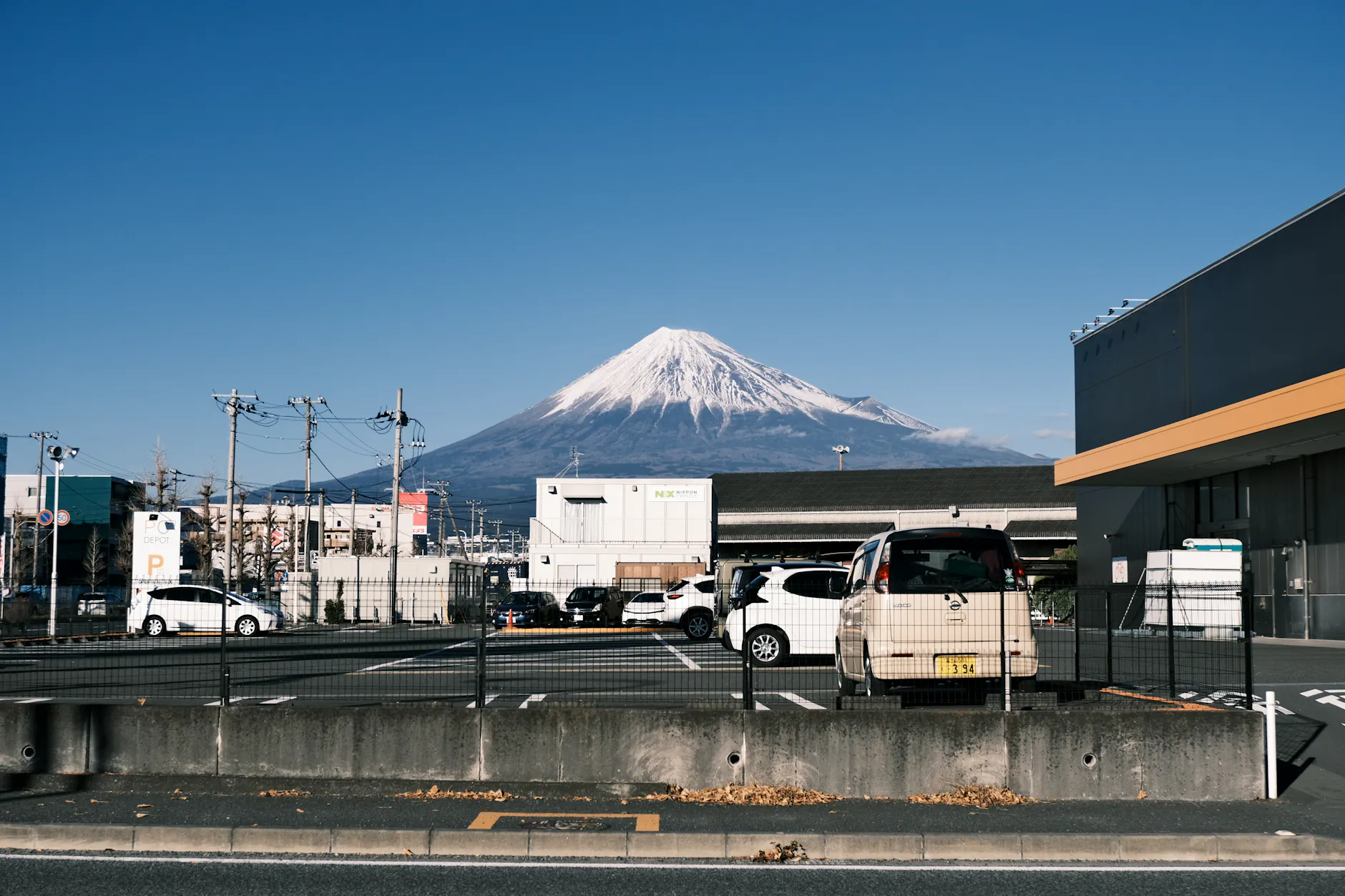
Japan’s train network is justifiably famous — punctual, clean, and impressively comprehensive. But trains only take you where tracks go. The reality is that some of Japan’s most breathtaking destinations sit far beyond the nearest station: the moss-covered cedar forests of Yakushima, the snow-dusted highland plateaus of Ura-Bandai, the windswept coastal cliffs of Cape Muroto in Kochi. For these places, a rental car isn’t a luxury — it’s the only sensible option.
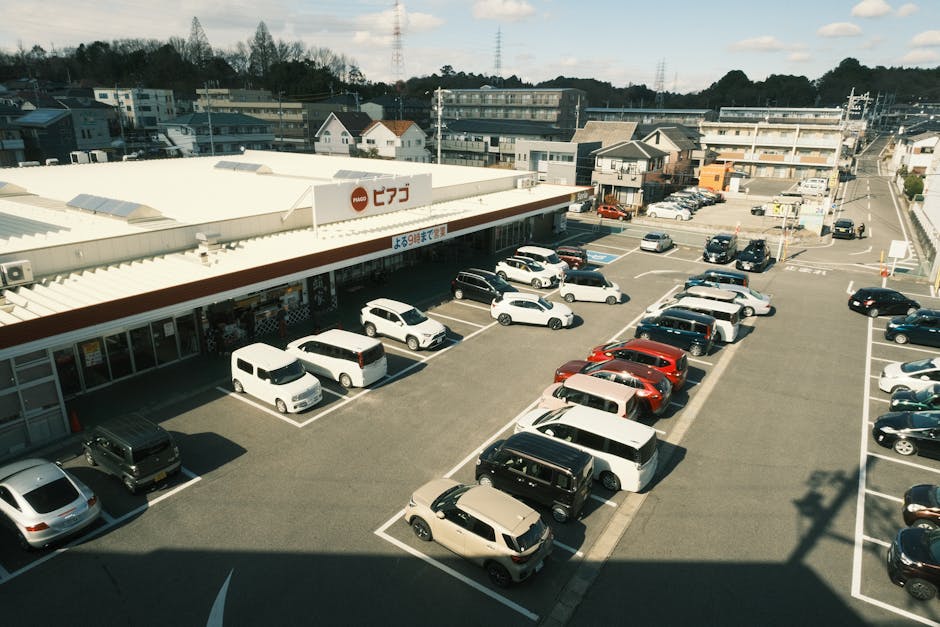
Cost is another reason to seriously consider driving. A round-trip shinkansen ticket from Tokyo to Kyoto costs roughly ¥27,000 per person. If you’re travelling as a couple or family of four, renting a mid-size car for a week and splitting tolls and petrol often works out significantly cheaper — and you get door-to-door convenience, the freedom to stop whenever you like, and space for all your luggage. For example, driving from Tokyo to Hakone costs about ¥2,500 in tolls one way, compared to ¥4,000+ per person by limited express train.
There’s also the experience factor. Japan’s roads are some of the best-maintained in the world. Driving through the Shirakawa-go valley on a winter morning with snow on the thatched rooftops, or winding along the Izu Skyline with Fuji filling your windscreen — these are memories you simply can’t manufacture from a train window.
Best Regions for a Road Trip in Japan
- Hokkaido — Wide open roads, dramatic landscapes, and minimal traffic outside Sapporo. Perfect for first-time drivers in Japan.
- Tohoku — Underrated and stunning. The Bandai-Azuma Skyline and Jōdogahama coast are almost impossible to reach well without a car.
- Kyushu — The Aso volcanic region and the Takachiho Gorge area reward drivers with scenery that tour buses never reach.
- Okinawa — Public transport on the outer islands is essentially nonexistent. A rental car is genuinely necessary here.
- Chūbu / Japanese Alps — The Tateyama Kurobe Alpine Route area and the roads around Kamikochi are spectacular from behind the wheel.
Requirements to Rent a Car in Japan — IDP, Age, and Licence
This is where a lot of first-timers get caught out, so pay close attention. Japan does not accept foreign driving licences on their own. With one significant exception (see below), you will need an International Driving Permit (IDP) issued in your home country, alongside your original national driver’s licence.
The International Driving Permit (IDP)
Japan operates under the 1949 Geneva Convention on Road Traffic, which means only IDPs issued under that same 1949 convention are valid here. This is a critically important distinction. Countries like Germany, France, Switzerland, Belgium, Monaco, Taiwan, and a handful of others have bilateral agreements with Japan that allow their domestic licences to be used directly — but for most visitors (including those from the US, UK, Australia, Canada, and most of Asia), a 1949-convention IDP is required.
Here’s how to get one before you travel:
- Australia: Apply through the NRMA, RAA, RACV, or your state’s motoring association. Cost is around AUD $39. Processing is usually same-day in person.
- United States: Apply through AAA or the American Automobile Touring Alliance. Cost is USD $20, and you’ll need two passport photos.
- United Kingdom: Apply through the Post Office or AA. Cost is around £5.50. Valid for 12 months from issue.
- Canada: Apply through CAA. Cost is around CAD $25.
Age Requirements
The minimum age to rent a car in Japan is 18 years old at most companies, though several major chains set their minimum at 21. Young driver surcharges are common for renters under 25. There is typically no maximum age limit, though some companies may require a medical declaration for drivers over 70 or 75.
Driving Licence Requirements Summary
| Country | IDP Required? | Notes |
|---|---|---|
| USA, UK, Australia, Canada | Yes — 1949 Geneva Convention IDP | Carry original licence too |
| Germany, France, Belgium, Switzerland | No — domestic licence accepted | Official translation may be required |
| Taiwan | No — domestic licence accepted | Bilateral agreement with Japan |
| China (PRC) | No — Chinese licences not valid in Japan | Must obtain Japanese licence or alternative |
Where to Rent a Car in Japan — Airport vs City vs Specialty Shops
Knowing where to pick up your rental makes a meaningful difference to your trip — both in terms of convenience and cost. Let’s break down your three main options.
Airport Rental Counters
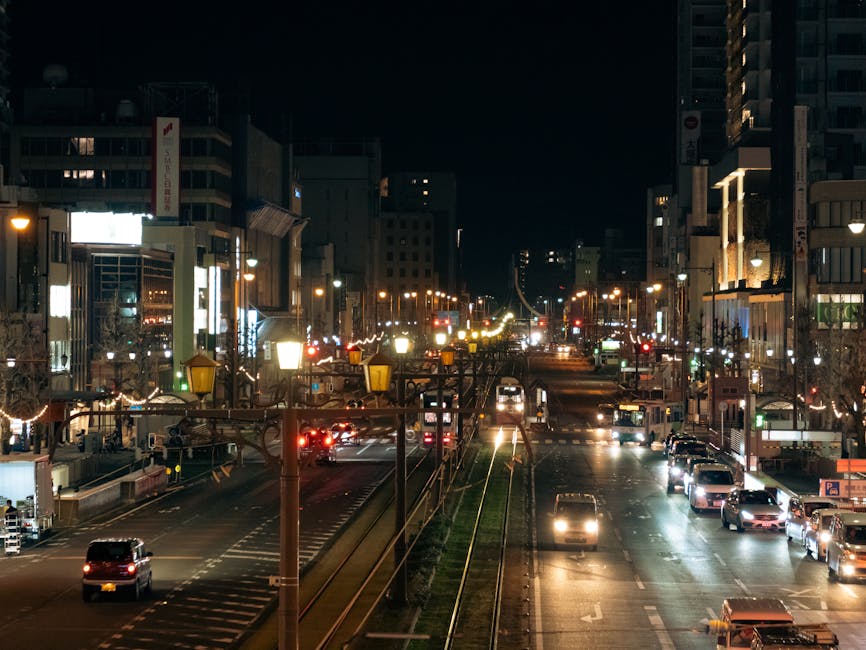
Every major Japanese airport has rental car counters from the big national chains — Toyota Rent a Car, Nippon Rent-A-Car, Nissan Rent a Car, Orix, and Times Car. At Narita and Haneda (Tokyo), Kansai (Osaka/Kyoto), Chitose (Sapporo), and Naha (Okinawa), the pickup process is straightforward: collect your luggage, head to the rental desk on the arrivals floor, complete your paperwork, and take a shuttle to the nearby car depot.
Airport rentals are ideal if you’re driving straight from arrival to your first destination. The trade-off is that they tend to be slightly more expensive than city branches, and driving out of major airports like Narita during peak hours can be stressful for first-timers. Also worth noting: driving a rental car into central Tokyo is genuinely not recommended. Parking is expensive (¥500–¥1,000 per 30 minutes in central areas), navigation is complex, and the train system really does make more sense in the city.
City Branch Rentals
For most travellers who are spending a few days in Tokyo or Osaka first and then want to drive from there, picking up from a city branch makes more sense. Toyota Rent a Car has dozens of branches across Tokyo alone. Useful city pickup locations include Shinjuku, Ikebukuro, Shibuya, and Ueno for Tokyo, and Umeda and Namba for Osaka.
City branches often have better availability of specific vehicle types and can be more flexible with pickup times. They’re also easier to get to by train or taxi from your hotel, which matters when you’re loaded with luggage.
Specialty Rental Shops
This is where things get interesting. Specialty shops cater to visitors who want something beyond a white compact sedan. They stock unique vehicles — retro Kei cars, camper vans, surfboard-carrying wagons, vintage Japanese classics, and full-on JDM sports cars. These shops are typically smaller, more personal, and often staffed by people who are genuinely passionate about cars.
One excellent example is Samurai Car Japan in Shibuya, Tokyo, which specialises in authentic JDM machines for international visitors. Whether you want a Nissan Skyline GT-R, a Toyota Supra, or an iconic RX-7, they make the rental process accessible for foreign visitors — including IDP support and English-language GPS. We’ll cover this in more detail in the JDM section below.
Types of Cars Available When You Rent a Car in Japan
Japan’s rental market has something for every type of traveller and trip. Here’s a breakdown of what you’ll commonly find and which scenarios each type suits best.
Kei Cars (軽自動車)
Kei cars are Japan’s beloved mini vehicles — engine displacement of 660cc or less, compact dimensions, and surprisingly practical interiors. Models like the Honda N-Box, Suzuki Hustler, and Daihatsu Tanto are immensely popular as rentals because they’re fuel-efficient (often 20–25km/L), easy to park in tight Japanese spaces, and wonderfully characterful.
Kei cars typically rent for ¥3,500–¥5,500 per day and are ideal for solo travellers or couples exploring rural areas with narrow roads. The mountain roads of Kyushu or the village lanes of Gifu prefecture were practically made for them. Just don’t plan on five adults and six suitcases.
Economy & Compact Sedans
The everyday workhorses of the rental market. Toyota Aqua, Honda Fit, Mazda2 — these cars seat four comfortably, handle motorways well, fit in standard parking lots, and get excellent fuel economy. Rates start from around ¥5,000–¥7,000 per day, making them the most budget-friendly choice for most travellers.
SUVs and Crossovers
If you’re heading into the mountains in winter, driving Hokkaido in snow season, or venturing onto unpaved forest roads in Tohoku, an SUV is worth the extra cost. Models like the Toyota RAV4, Subaru Forester, or Honda CR-V come with four-wheel drive options and higher ground clearance. Expect to pay ¥8,000–¥14,000 per day for a mid-size SUV rental.
Minivans and MPVs
Japan does minivans exceptionally well. The Toyota Noah, Honda Step Wagon, and Nissan Serena seat 7–8 passengers, offer sliding rear doors perfect for loading kids and luggage, and have enough cargo space for a family’s full luggage. For groups of 4–6, renting a single minivan is nearly always cheaper than booking two smaller cars. Daily rates run around ¥9,000–¥15,000.
JDM Sports Cars
This is the dream category. From the Nissan GT-R R34 to the Toyota Supra A80, Japan’s roads are home to some of the most legendary performance machines ever built. Specialty rental shops (more on this below) make it possible for international visitors to get behind the wheel of icons that in many cases cannot even be legally driven in their home countries yet. Prices vary significantly — expect anywhere from ¥30,000 to ¥100,000+ per day for genuine JDM classics.
| Car Type | Best For | Daily Rate (approx) |
|---|---|---|
| Kei Car | Solo/couple, rural roads, budget travel | ¥3,500–¥5,500 |
| Economy Compact | Couples, general touring, city-to-city | ¥5,000–¥7,000 |
| SUV / Crossover | Winter driving, mountains, families | ¥8,000–¥14,000 |
| Minivan / MPV | Groups of 4–8, family trips | ¥9,000–¥15,000 |
| JDM Sports Car | Enthusiasts, bucket-list experiences | ¥30,000–¥100,000+ |
Insurance & Coverage — What’s Included, What’s Extra
Japanese rental car insurance can feel confusing at first, but the structure is actually fairly logical once you understand the categories. Don’t skip this section — insurance decisions made at the counter in five minutes can have major financial consequences if something goes wrong.
What’s Typically Included in the Base Rate
Every rental in Japan comes with mandatory basic liability coverage, which is a legal requirement. This covers third-party bodily injury (through the Compulsory Automobile Liability Insurance, or jibaiseki hoken) and provides a basic level of property damage protection. However, the included coverage limits are often low — sometimes as little as ¥50,000 for vehicle damage before your own excess kicks in.
Collision Damage Waiver (CDW)
The CDW reduces your liability for damage to the rental vehicle itself. It is almost universally offered as a paid add-on, usually costing ¥1,000–¥1,500 per day. Without it, you could be personally liable for the full repair cost of any damage to the vehicle — including paint scratches, which are assessed surprisingly strictly in Japan.
Non-Operation Charge (NOC)
This is something many visitors don’t anticipate. If your rental car is involved in an accident or suffers damage — even minor scratches — the rental company charges a Non-Operation Charge to cover the period during which the vehicle is off the road for repairs. This charge is separate from the repair cost itself and typically ranges from ¥20,000 (minor incident) to ¥50,000 (when the vehicle needs towing). You can waive or significantly reduce this with a paid NOC waiver option, which costs around ¥500–¥1,000 per day.
Theft Protection
Theft of rental cars in Japan is extremely rare, but theft protection is still worth having if you’re leaving the vehicle unattended for extended periods. It’s often bundled with CDW in premium insurance packages.
Booking Tips — Best Websites, Peak Seasons, and Prices
Getting the right booking strategy sorted before you travel saves money, reduces stress, and ensures you get the vehicle type you actually want rather than whatever’s left on the lot.
Best Websites for Booking
- Toyota Rent a Car (rent.toyota.co.jp) — Largest fleet in Japan, English interface, strong availability nationwide. Often the most reliable for airport pickups.
- Times Car (rental.timescar.jp) — Competitive pricing, good urban coverage, frequently runs online discount campaigns.
- Nippon Rent-A-Car (nipponrentacar.co.jp) — Well-regarded service, good English support at major locations, strong nationwide network.
- Orix Rent-A-Car (car.orix.co.jp) — Often slightly cheaper than Toyota or Nippon for equivalent vehicles, especially for longer rentals.
- JapanCars (japancars.jp) — English-language aggregator that compares multiple Japanese rental companies in one search. Useful for price comparison.
- Tabirai (en.tabirai.net) — Another excellent English aggregator, particularly strong for Okinawa and island destinations.
Peak Seasons and When to Book
Japan has several intense peak travel periods where rental car availability collapses fast and prices spike sharply. Book as early as possible — ideally 3–6 months ahead — if your trip overlaps with any of these:
- Golden Week (late April – early May): Japan’s biggest consecutive holiday period. Rental cars in popular areas sell out completely. Prices can be 50–100% above normal.
- Obon (mid-August): Families travel en masse across Japan. Availability in rural areas is especially tight.
- New Year (late December – early January): Similar to Obon in terms of demand, particularly for Kyoto and rural onsen towns.
- Autumn Foliage Season (mid-October – mid-November): Increasingly popular for road trips. Nikko, Tohoku, and the Kiso Valley are hotspots.
- Cherry Blossom Season (late March – early April): Tourism at its absolute peak nationwide.
How to Get the Best Price
- Book online in advance — walk-in prices at the counter are almost always higher.
- Use a comparison aggregator like JapanCars or Tabirai to benchmark prices across companies.
- Consider picking up from a city branch rather than the airport — rates are often 10–20% cheaper.
- Weekly rates are disproportionately better value than daily rates if you need a car for 5+ days.
- Check if your credit card offers rental car CDW coverage internationally — some premium cards do, though verify that Japan and the specific vehicle category are included.
Picking Up and Returning Your Rental Car in Japan
The pickup process in Japan is more thorough than what many Western visitors are used to — and that’s actually a good thing. It protects you as much as the rental company.
What to Bring at Pickup
- Your original national driving licence
- Your International Driving Permit (or relevant bilateral agreement licence)
- Your passport
- The credit card used for booking (must be in the primary driver’s name)
- Your booking confirmation number
The Pickup Inspection
Before you drive away, a staff member will walk around the car with you and document every existing scratch, dent, or scuff on a diagram sheet. Take this very seriously. Photograph the entire car yourself — all four sides, the roof, the bumpers, the interior — before you get in and drive. This takes three minutes and can save you a major headache at return if a pre-existing scratch is later disputed.
Staff will also walk you through the vehicle’s controls, including how to operate the GPS (usually Japanese-language by default — request English or confirm beforehand), where the ETC card slot is, and how to open the fuel cap. Japan drives on the left side of the road, with the steering wheel on the right. If you’re from a right-hand traffic country, take five minutes in the car park to get a feel for the position before pulling onto the road.
Returning the Car
Return the car with a full tank of fuel — this is standard practice and you’ll be charged a premium if you return it short. Locate a petrol station (ガソリンスタンド) near the return location beforehand using Google Maps. Japanese petrol stations are typically full-service — an attendant will approach your window, so having the fuel type (レギュラー = regular, ハイオク = premium) written down or ready to show on your phone is helpful if you don’t speak Japanese.
Return inspections mirror the pickup: staff will walk around the car, compare the condition against the original sheet, and process your paperwork. Allow at least 20–30 minutes for the return process, especially at busy airport locations.
The JDM Experience — Rent a GT-R, Supra, RX-7 or Skyline in Japan
For a certain kind of car enthusiast, visiting Japan and not driving one of its legendary performance machines is like visiting Kyoto without seeing a temple. Japan is the birthplace of the GT-R, the Supra, the RX-7, and the NSX — and here, unlike almost anywhere else on earth, you can actually rent and drive them legally on public roads.
Why Drive a JDM Car in Japan?
The Nissan Skyline GT-R R34, for example, is still technically illegal to import as a road car in the United States (25-year import rule means early R34s are only just beginning to become eligible). The Toyota Supra A80 in full JDM spec — with the 2JZ-GTE twin-turbo producing close to 280ps in stock form — was never sold in Japan for regular rental. Driving these cars in Japan isn’t just a thrill; it’s genuinely the only accessible way for most international enthusiasts to experience them.
What’s Available
Depending on the specialist rental shop and availability, you might find:
- Nissan Skyline GT-R (R32, R33, R34) — The Godzilla in all its generational glory. The R34 GT-R V-Spec II is the crown jewel for most enthusiasts.
- Toyota Supra (A80) — The twin-turbo 2JZ legend. Rear-wheel drive, linear power delivery, endlessly tuneable.
- Mazda RX-7 (FD3S) — The rotary masterpiece. Featherweight, brilliantly balanced, and a completely unique driving experience.
- Honda NSX (NA1/NA2) — Ayrton Senna’s favourite supercar project. Mid-engine, all-aluminium, and still stunning to drive.
- Nissan Silvia (S13, S14, S15) — The drift icon. Rear-wheel drive, available in both naturally aspirated and turbo variants.
- Toyota AE86 (Trueno/Levin) — The Initial D car. Lightweight, rev-happy, and deeply connected.
Samurai Car Japan — Shibuya, Tokyo
Samurai Car Japan, based in Shibuya, Tokyo, is one of the best-regarded specialty rental shops in Japan for international visitors seeking JDM experiences. They offer a curated fleet of authentic Japanese performance and classic cars available for self-drive rental, alongside guided tours and even drift experiences at real circuits. What makes them particularly well-suited for foreign visitors is their English-language support throughout the booking and rental process, IDP assistance, and the inclusion of English GPS systems in their cars.
Their location
[st_af id=”862″]
[st_af id=”854″]
🇯🇵 Plan Your Japan Experience
JDM Car Rental
Drive a GT-R, Supra, RX-7, or Silvia on the roads they were built for. Hakone passes, Wangan highway, mountain touge — your dream JDM experience.
Daikoku PA Tour
Visit Japan’s most legendary car meet. Hundreds of modified cars, passionate owners, and the heartbeat of JDM culture. Guided weekend night tours available.
Photo Guide Tour
Capture stunning photos at locations only locals know. Hidden shrines, backstreet alleys, rooftop views, and golden hour spots for unforgettable shots.
Leave a Reply