Japan International Driving Permit (IDP): Everything You Need to Know Before You Drive
Planning to rent a car and explore Japan on your own terms? Smart move. But before you picture yourself cruising along the coastal roads of Okinawa or winding through the mountain passes of Nikko, there’s one document you absolutely cannot skip: your international driving permit Japan visitors are required to carry. Get this wrong and you could face a fine, have your rental refused, or worse — get detained by police at a roadside check. Nobody wants that.
This guide covers everything you need to know about the IDP — what it is, who needs one, how to get it, what documents to carry in the car, and the most common mistakes that get tourists into trouble. Whether you’re a first-time visitor dreaming of driving the Fuji Five Lakes circuit or a seasoned Japan traveler finally ready to ditch the Shinkansen for a road trip through Tohoku, this is the practical, no-fluff breakdown you need.
Think of this as the paperwork chapter of your Japan road trip story — handle it correctly upfront, and the rest is pure adventure. For the full picture on driving rules, road etiquette, tolls, and navigation tips, head over to our Complete Guide to Driving in Japan. This article goes deep on the IDP specifically.
What is an International Driving Permit Japan Visitors Actually Need?
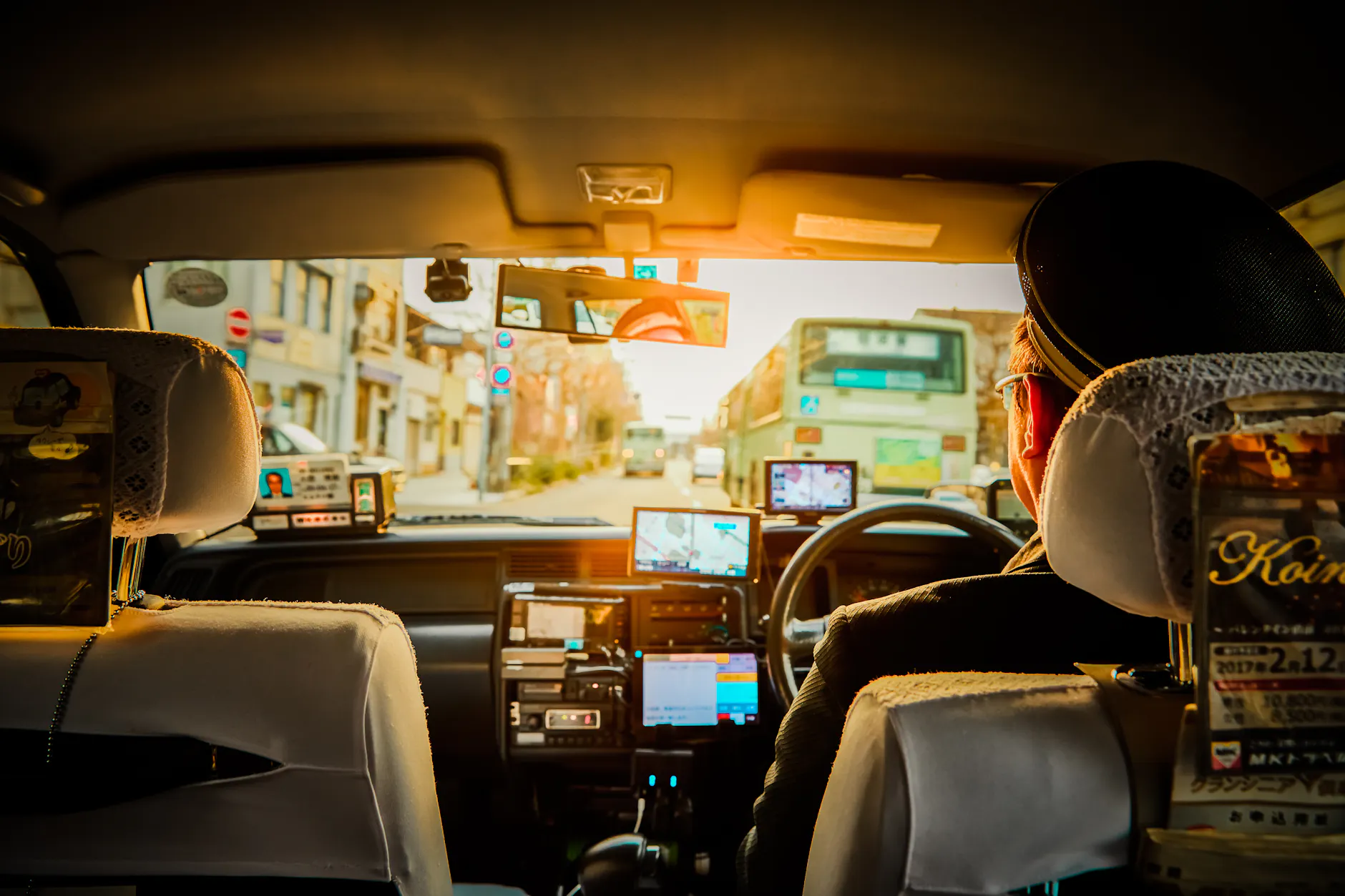
An International Driving Permit — commonly abbreviated as IDP — is essentially a translation of your home country driver’s license into multiple languages, including Japanese. It’s a standardized document issued under the 1949 Geneva Convention on Road Traffic, and it exists specifically to help foreign drivers be understood by authorities and rental agencies in countries where their native license language isn’t recognized.
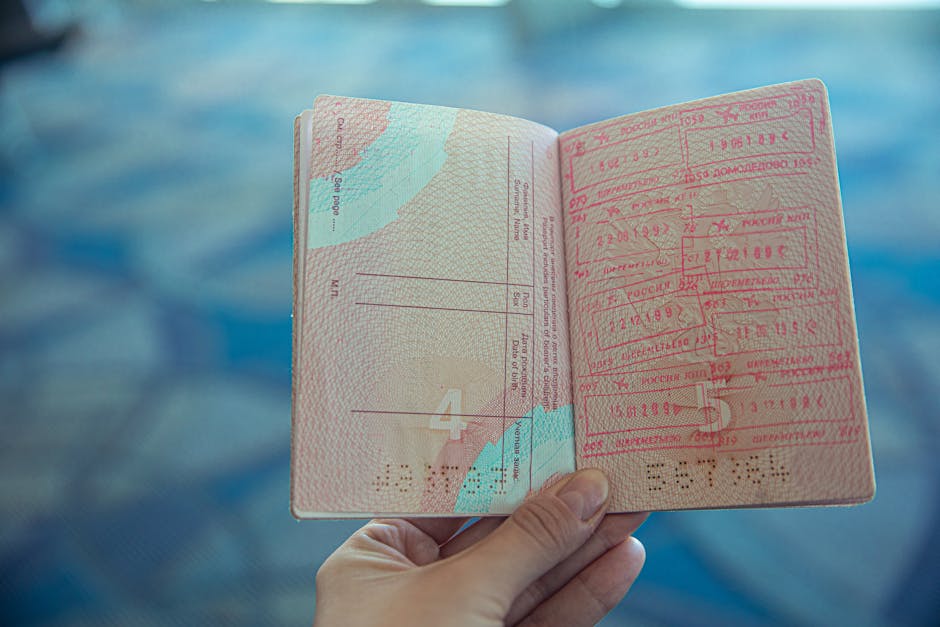
Here’s the key thing to understand: the IDP is not a standalone license. It only works when presented alongside your valid home country driver’s license. Think of it as a certified translation document — useful and legally necessary, but meaningless on its own.
So do you need one for Japan? Almost certainly yes — unless you hold a license from Switzerland, Germany, France, Belgium, Monaco, or Taiwan (more on that below). For virtually every other nationality, including Americans, Australians, Canadians, British nationals, and most Southeast Asians, the international driving permit Japan law requires is your ticket to legally get behind the wheel. Without it, you are driving illegally, regardless of how valid your home license is.
Which Countries Can Drive in Japan? International Driving Permit Rules by Nationality
Japan’s driving permit rules are more nuanced than most travelers realize. The country recognizes two separate international road conventions, and where your license was issued determines which path you take.
Countries That Need a Standard IDP (Geneva Convention 1949)
If your country is a signatory to the 1949 Geneva Convention, you can drive in Japan using your home license plus an IDP issued in your home country. This covers the vast majority of tourists, including:
- United States — IDP required (issued by AAA or AATA)
- United Kingdom — IDP required (issued by the Post Office or AA/RAC)
- Australia — IDP required (issued by NRMA, RACV, RACQ, etc.)
- Canada — IDP required (issued by CAA)
- New Zealand — IDP required (issued by AA New Zealand)
- Singapore, Malaysia, Thailand, Indonesia — IDP required
- India, Philippines, South Korea — IDP required
Countries With Special Agreements (No IDP Needed)
Japan has bilateral agreements with a handful of countries that allow their nationals to drive with just their home license and an official Japanese translation. These are:
- Switzerland
- Germany
- France
- Belgium
- Monaco
- Slovenia
- Estonia
- Taiwan — Can use their license with a certified Japanese translation
If you hold a license from one of these countries, you’ll still need an official translation document — just not an IDP specifically. Contact the Japan Automobile Federation (JAF) or a consulate to confirm the exact requirements for your nationality before you travel.
Quick Reference Table
| Nationality | Can Drive in Japan? | What You Need |
|---|---|---|
| USA, UK, Australia, Canada | ✅ Yes | Valid home license + IDP |
| Germany, France, Switzerland | ✅ Yes | Home license + certified Japanese translation |
| Taiwan | ✅ Yes | Home license + certified Japanese translation |
| China (Mainland) | ❌ No | Must obtain Japanese license |
| South Korea | ✅ Yes | Valid home license + IDP |
How to Get Your IDP Before Traveling to Japan
Getting your IDP is refreshingly straightforward — as long as you do it before you board your flight. The process varies slightly by country, but the principles are the same everywhere: apply through the authorized issuing body, bring your valid driver’s license, a passport-style photo, fill out a form, and pay the fee.
How to Get an IDP in the United States
In the US, only two organizations are authorized by the US Department of State to issue IDPs: AAA (American Automobile Association) and AATA (American Automobile Touring Alliance). The cost is approximately $20 USD. You can apply in person at any AAA branch or by mail. Bring your valid US driver’s license and two passport-sized photos. Processing is usually same-day if you go in person.
How to Get an IDP in the United Kingdom
UK residents can obtain an IDP from the Post Office, the AA, or the RAC. The fee is approximately £5.50. You’ll need your valid UK photocard license and a passport photo. It’s issued on the spot at Post Office branches.
How to Get an IDP in Australia
Australian drivers apply through their state motoring authority — NRMA in NSW, RACV in Victoria, RACQ in Queensland, RAA in South Australia, and so on. The typical fee is around AUD $35–$45. Bring your current Australian license and a passport photo.
How to Get an IDP in Canada
Canadians apply through CAA (Canadian Automobile Association). The fee is approximately CAD $25, and you can apply at any CAA branch. Same-day processing is standard.
Validity Period
Most IDPs are valid for one year from the date of issue. In Japan, foreign visitors are only permitted to drive for up to one year from their date of entry — or until their IDP expires, whichever comes first. If you’re planning an extended stay or a working holiday, be aware that your IDP driving privilege has a hard cutoff.
IDP vs Japanese Driver’s License — What’s the Difference?
This is a question that comes up constantly, and it’s worth clearing up properly because confusing the two can lead to real legal trouble.
| Feature | IDP (International Driving Permit) | Japanese Driver’s License |
|---|---|---|
| Who it’s for | Tourists and short-term visitors | Residents and long-term expats |
| How you get it | From your home country before traveling | Through Japanese licensing process (tests, practical exam) |
| Time to obtain | Same day to a few days | Weeks to months (depending on nationality) |
| Cost | $20–$50 USD equivalent | ¥30,000–¥50,000+ (license school fees can reach ¥300,000) |
| Valid duration in Japan | Up to 1 year from entry | Renewable, indefinite while residing in Japan |
| Works standalone? | No — must be used with home license | Yes — completely standalone |
The bottom line: if you’re visiting Japan for a holiday or even a working holiday of up to a year, the IDP is your route. If you’re moving to Japan long-term, you’ll eventually need to convert your home license to a Japanese one — a process that varies dramatically by country. Some nationalities (like those from Australia, Canada, UK, and Germany) can convert with minimal testing. Others may need to pass full written and practical exams.
Common Mistakes That Get Your International Driving Permit Rejected in Japan
This is where many otherwise well-prepared travelers fall apart. Getting your IDP rejected at a rental counter — after flying 10+ hours to Japan — is a nightmare scenario. Here are the most common reasons it happens and how to avoid each one.
Mistake #1: Arriving Without Your Home Country License
This is the most frequent mistake. Travelers assume the IDP is a standalone document. It is not. You must present your original home country driver’s license alongside your IDP at every check — police stop, rental counter, anywhere. Leave your home license at the hotel, and your IDP is worthless.
Mistake #2: Using an Expired IDP
IDPs are typically valid for one year. If you’ve had one sitting in a drawer from a previous trip, check the expiry date carefully. An expired IDP is legally invalid — it doesn’t matter that it “almost” expired or that you “just drove across Europe with it” last summer.
Mistake #3: Obtaining an IDP from an Unauthorized Source
There are numerous websites — mostly scam operations — that will sell you an “IDP” online for Japan. These are not legally recognized. Your IDP must be issued by the officially designated authority in your home country (AAA in the US, Post Office/AA in the UK, state motoring clubs in Australia, CAA in Canada, etc.). Japanese police and rental companies are familiar with what a legitimate IDP looks like, and they will spot a fake.
Mistake #4: Your IDP Doesn’t Cover the Right Vehicle Category
Your IDP reflects the categories of vehicle authorized on your home license. If your home license only covers cars (Category B), you cannot legally ride a motorbike in Japan on that IDP. Make sure your home license — and therefore your IDP — covers the type of vehicle you plan to rent. Motorcycles above 50cc require a separate motorcycle license category.
Mistake #5: Driving After 1 Year in Japan
Japan’s Road Traffic Act is clear: foreign visitors may drive on an IDP for a maximum of one year from their date of entry into Japan. After that, even if your IDP is still technically valid, you must obtain a Japanese license. This trips up working holiday visa holders who arrive, start driving, and forget that the clock started ticking on their entry stamp, not on their IDP issue date.
Mistake #6: Presenting an IDP Without a Japanese Translation Section
This applies mainly to German, French, Swiss, Belgian, Monégasque, and Slovenian license holders who believe their home license alone is sufficient. While these nationalities don’t need a standard IDP, they do need a certified Japanese translation of their license from JAF (Japan Automobile Federation). Without it, the license is not valid for use in Japan. The JAF translation costs around ¥3,000 and takes a few days to process.
What to Carry While Driving in Japan (IDP + Passport + Home License)
Japanese traffic law requires all drivers to carry specific documents at all times while operating a vehicle. Police checkpoints are not uncommon, especially on expressways and in tourist-heavy regions like Nikko, Hakone, and Okinawa. Being prepared takes about 30 seconds of pre-trip organization and could save you from a very uncomfortable roadside situation.
The Essential Documents Checklist
- Your valid IDP — the actual physical booklet, not a photo or copy
- Your original home country driver’s license — must match the IDP
- Your passport — showing valid entry stamp for Japan
- Your rental agreement — provided by the car rental company at pickup
That’s your core four. Keep them together — ideally in a small document wallet in the glove compartment, not rattling around loose or buried in a bag. If you get pulled over or have an accident, you want to be able to produce all four within seconds, calmly and confidently.
What Happens at a Police Stop?
If you’re flagged down at a checkpoint or after a minor traffic infraction, stay calm. Japanese traffic police are professional and generally accustomed to dealing with foreign drivers. Present your four documents together. The officer will likely check your IDP, match it to your home license, confirm your visa entry stamp on your passport, and check the rental agreement. As long as everything is in order, you’ll be on your way quickly.
The fine for driving without a valid license in Japan can reach ¥300,000 or more, and in serious cases, you may be detained. This is not a gray area — Japan takes road law very seriously.
A Note on ETC Cards
While not a legal document, if you’re driving on expressways — and you will be, especially on routes like the Tomei Expressway from Tokyo toward Hakone (where you’ll spend approximately ¥2,500 in tolls each way) or the Chuo Expressway heading toward Fujikawaguchiko — you should also have your rental company’s ETC card set up in the vehicle. This allows you to pass through toll gates without stopping to fumble for cash. Reputable rental providers like Samurai Car Japan in Shibuya include ETC card setup as part of their rental service, making expressway travel seamless.
Can You Drive in Japan Without an IDP?
Short answer: No — and don’t try. Long answer: technically, you’ll probably get away with it for a short while, but the consequences when you don’t are severe enough to completely ruin your trip, and potentially your record.
What Actually Happens If You Drive Without an IDP
Japan’s National Police Agency enforces driving regulations strictly, and rental companies are required by law to verify documentation before handing over keys. So in practice, most travelers without a valid IDP will simply be refused a rental. The story ends at the counter.
However, if you somehow get behind the wheel without a proper permit — borrowing a friend’s car, for example — and you’re stopped by police or involved in an accident, the consequences are serious:
- Fines of up to ¥300,000 for driving without a license
- Vehicle impoundment
- Potential detention and questioning by police
- Your travel insurance becomes void — no insurance company will cover a driver who was operating illegally
- Visa complications — a serious traffic offense can affect future visa applications to Japan
The Insurance Angle — This Is the Big One
Even if the police never stop you, consider what happens if you have an accident without a valid IDP. Japan’s roads are generally safe, but fender-benders happen, especially in tight urban parking lots and narrow rural roads. The moment you’re found to be driving without valid documentation, your rental company’s insurance, your personal travel insurance, and any third-party coverage all become invalid. You would be personally liable for all costs — vehicle damage, third-party property damage, medical bills. In Japan, where even a minor traffic accident can result in claims exceeding ¥500,000–¥1,000,000, that’s a risk not worth taking for the cost of a $20 IDP.
Alternatives If You Can’t Get an IDP
If for some reason you genuinely cannot obtain an IDP before your trip — perhaps you discovered the requirement too late — here are your practical alternatives:
- Public transport: Japan’s rail network is extraordinary. The Shinkansen and local trains cover most major destinations.
- Hire a driver: For scenic routes like the Izu Peninsula or mountain areas around Matsumoto, private driver services are available.
- Guided tours with transportation: Many operators, including Samurai Car Japan in Shibuya, offer guided driving experiences where you don’t need to hold the wheel yourself.
- Delay your rental plans: Get your IDP, return to Japan, and do the road trip right.
FAQ: International Driving Permit Japan
How long is an IDP valid for use in Japan?
An IDP is typically valid for one year from the date of issue. However, in Japan, foreign visitors are permitted to drive on an IDP for a maximum of one year from their date of entry into the country — whichever limit comes first. Once that year is up, you must obtain a Japanese driver’s license to continue driving legally.
Can I get an IDP after arriving in Japan?
No. An IDP must be issued by an authorized body in your home country before you travel. There is no mechanism to obtain one inside Japan. If you arrive without an IDP and you needed one, your only legal option is to leave Japan, get the IDP at home, and re-enter — or simply not drive during that visit.
Does my IDP need to be the same language as my home license?
Your IDP is a standardized multilingual document that includes Japanese text — that’s precisely its purpose. As long as it’s been issued by the authorized body in your home country, the language issue is handled. What matters is that your IDP clearly corresponds to and matches your home driver’s license, which you must carry alongside it.
Can I rent from Samurai Car Japan in Shibuya with an IDP?
Yes, absolutely. Samurai Car Japan in Shibuya accepts rentals from foreign visitors holding a valid IDP plus their home country license. They’re experienced with international customers and can advise you on documentation requirements at pickup. They also provide English GPS and ETC card setup, making the whole experience genuinely stress-free for overseas drivers. You can check their availability and book at samuraicarjapanjdm.jp.
What happens if my IDP and home license have different names or photos?
This can cause problems. If you’ve recently changed your name (due to marriage, for example) and your IDP was issued under your old name but your passport shows your new name, bring documentation explaining the discrepancy — such as a marriage certificate. Rental companies and police need to be able to confirm that the IDP, home license, and passport all belong to the same person.
Is a digital copy of my IDP accepted in Japan?
No. Japan requires the physical IDP booklet — the original document issued by your home country authority. A digital photo or printed copy is not legally valid. Always carry the original physical document in your vehicle while driving. Similarly, your original home license must be present; a photocopy will not suffice.
Ready to Hit the Road?
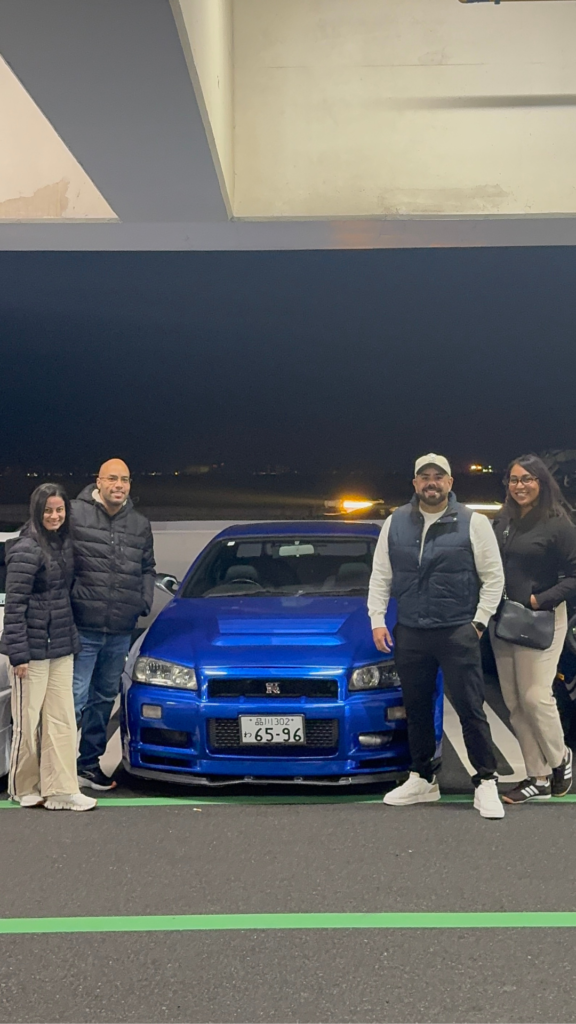
Samurai Car Japan in Shibuya, Tokyo offers:
- Self-Drive Rentals — from economy to JDM sports cars
- Guided Tours — with English-speaking guides
- Drift Experiences — try drifting at a real circuit
International Driving Permit support, ETC card included, English GPS.
📸 Capture Your Authentic Tokyo: 2-Hour Shibuya & Harajuku "Hidden Gems" Photo Tour ✨
Tired of the same old tourist selfies? Want to return home with cinematic, magazine-quality photos that will make your friends say, "Wow, where is that?!"
Join us for an exclusive 2-hour photo tour through the vibrant streets of Shibuya and Harajuku! We won't just take you to the famous spots—we'll dive deep into the hidden alleys and secret locations that only locals know about.
🌟 Why You'll Love This Tour
- Explore Secret Local Spots: Skip the typical tourist traps! We’ll guide you through the trendy backstreets, hidden street art corners, and local-favorite spots in Shibuya and Harajuku for a truly authentic Tokyo vibe.
- Candid, Magazine-Style Photos: Not a professional model? No problem! We'll chat, walk, and explore together. We focus on capturing your natural smiles and genuine reactions as you experience the city.
- 100% Stress-Free Sightseeing: Put your phone away and immerse yourself in Tokyo. No need to carry a selfie stick or ask strangers for pictures—we've got the camera work completely covered!
📍 What We'll Capture
- 🚦 The cinematic energy of the Shibuya Crossing, captured from unique angles.
- 🛍️ The stylish, off-the-beaten-path vibes of Cat Street's back alleys.
- 🍦 Your authentic moments enjoying local street food or discovering hidden shrines.
📝 Tour Details
- Duration: 2 Hours (Perfect for fitting into your sightseeing schedule!)
- Location: Shibuya & Harajuku Area (Customizable based on your vibe)
- What You Get: 〇〇+ professionally edited, high-resolution digital photos
- Price: From 30,000 JPY
💌 Book Your Tokyo Memory
Ready to capture the ultimate Tokyo experience? We'd love to shoot with you! Send us a DM to check availability or ask any questions. Let’s make your Tokyo trip unforgettable! 📸🇯🇵
fuji tour
The Ultimate JDM Road Trip: 1-Day Mt. Fuji & Fuji Speedway Itinerary
Are you ready to experience Japan's most iconic landscapes from the driver's seat of a legendary sports car like the Nissan Skyline?
This one-day self-drive itinerary offers the perfect blend of traditional Japanese beauty and pure motorsport adrenaline. Starting with the world-famous views around the Fuji Five Lakes and culminating at the holy grail of Japanese motorsports—Fuji Speedway—this route is tailor-made for car enthusiasts.
📍 Tour Overview
- Total Duration: Approx. 8-9 hours
- Starting Point: Tokyo or Gotemba area (heading towards Yamanashi)
- Vehicle of Choice: Nissan Skyline (or your favorite JDM sports car!)
🕒 Recommended Itinerary
08:30 | Arakurayama Sengen Park (1 Hour)
Kick off the day with a postcard-perfect view. Beat the crowds by arriving early. After climbing the 398 steps to the observation deck, you will be rewarded with the world-famous view of the five-story Chureito Pagoda framing Mt. Fuji. The crisp morning air and the soft morning light make this the absolute best time for photography.
- Pro-tip: Wear comfortable walking shoes for the stairs!
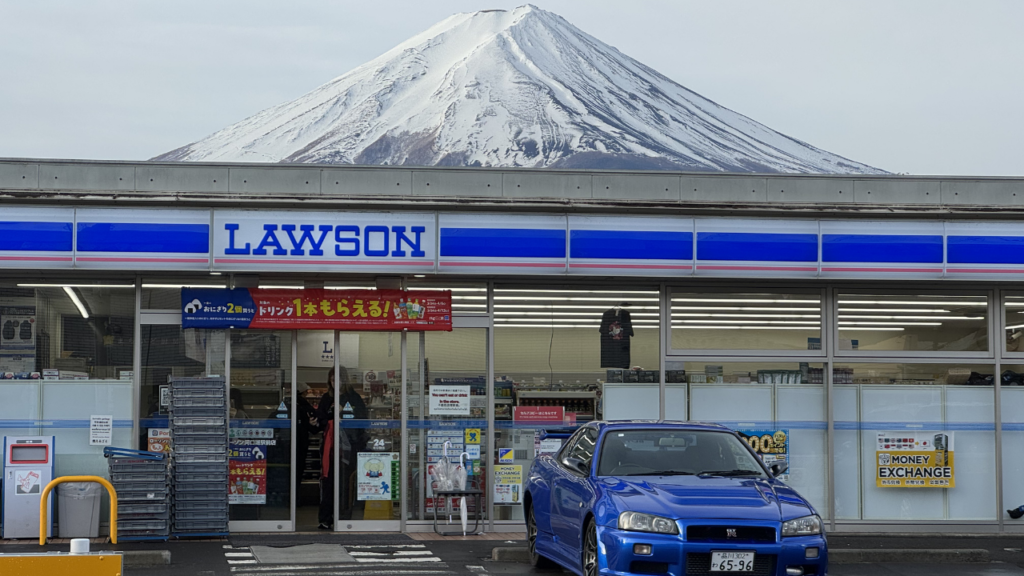
09:45 | Lawson Kawaguchiko Station (15 Mins)
The viral photo spot. Just a short drive away is the famous "Mt. Fuji Lawson." It’s an incredibly popular spot on social media where the massive mountain looms directly over the convenience store roof. Park your Skyline safely in the designated area, grab a canned coffee, and snap a quick photo.
- Driver's Etiquette: This area gets extremely busy. Please respect local traffic rules, avoid parking on the street, and watch out for pedestrians.
10:15 | Lake Kawaguchi & Oishi Park (1 Hour)
Scenic cruising and lakeside photos. Cruise along the northern coast of Lake Kawaguchi. The winding lakeside roads are a joy to drive in a sports car. Stop by Oishi Park, where you can capture stunning photos of your car with the lake and Mt. Fuji in the background, surrounded by seasonal flowers.
11:45 | Oshino Hakkai (1.5 Hours)
Crystal clear springs and local street food. About a 30-minute drive from the lake brings you to Oshino Hakkai, a traditional village famous for its eight sacred ponds fed by Mt. Fuji's melting snow. The water is so clear you can see straight to the bottom. This is the perfect pit stop for lunch. Enjoy freshly made Soba noodles, grilled river fish, or toasted Kusamochi (sweet mugwort rice cakes) from the local vendors.
14:00 | Fuji Speedway / FSW (2 Hours)
The climax for motorsport fans. After a thrilling drive through the scenic mountain passes of Route 138, you will arrive at Fuji Speedway in Shizuoka. Depending on the day’s schedule, there are two epic ways to enjoy this holy ground:
- Experience Run (Drive the track!): On select days, you can actually drive your own Skyline on the international racing circuit behind a pace car (no helmet required!). It's an unforgettable experience to feel the same tarmac as racing legends.
- Fuji Motorsports Museum: Located at the adjacent hotel, this museum showcases about 40 historic racing cars from various global manufacturers. It’s a deep dive into the history of speed.
🇯🇵 Plan Your Japan Experience
JDM Car Rental
Drive a GT-R, Supra, RX-7, or Silvia on the roads they were built for. Hakone passes, Wangan highway, mountain touge — your dream JDM experience.
Daikoku PA Tour
Visit Japan's most legendary car meet. Hundreds of modified cars, passionate owners, and the heartbeat of JDM culture. Guided weekend night tours available.
Photo Guide Tour
Capture stunning photos at locations only locals know. Hidden shrines, backstreet alleys, rooftop views, and golden hour spots for unforgettable shots.