Tokyo 5-Day Itinerary: The Perfect First-Timer’s Guide (2026)
Five days in Tokyo is the sweet spot for a first visit. It is long enough to experience the city’s greatest hits — the towering neon of Shibuya, the ancient calm of Senso-ji, the culinary chaos of Tsukiji, and the futuristic waterfront of Odaiba — without feeling rushed. It is also enough time to take a day trip to the mountains or coast, and still have a full day left for the kind of unexpected adventure that makes a trip genuinely memorable.
This Tokyo 5-day itinerary is built specifically for first-time visitors. Every recommendation has been chosen for accessibility, quality, and location efficiency — meaning you will not waste hours zigzagging across the city. Each day focuses on a cluster of neighborhoods that are close together, so you spend your time exploring rather than sitting on trains. Whether you are a solo traveler, a couple, or a family, this itinerary gives you a solid framework that you can customize to your own pace and interests.
Here is what we will cover: the essential Tokyo neighborhoods, world-class temples and shrines, the best food markets, shopping districts, nightlife, a scenic day trip outside the city, and a flexible adventure day with options ranging from go-karting through Tokyo streets to spending the day at DisneySea. Let’s build your perfect Tokyo trip.
Quick Overview: Your 5 Days in Tokyo at a Glance
| Day | Areas | Theme | Highlights |
|---|---|---|---|
| Day 1 | Shibuya, Harajuku, Shinjuku | Modern Tokyo & Pop Culture | Meiji Shrine, Shibuya Crossing, Golden Gai |
| Day 2 | Asakusa, Ueno, Akihabara | Old Tokyo & Otaku Culture | Senso-ji, Tokyo National Museum, Electric Town |
| Day 3 | Tsukiji, Ginza, Odaiba | Food, Luxury & Waterfront | Tsukiji Market, TeamLab, Rainbow Bridge |
| Day 4 | Hakone, Kamakura, or Nikko | Day Trip — Nature & History | Mt. Fuji views, Great Buddha, UNESCO shrines |
| Day 5 | Your Choice | Adventure & Exploration Day | JDM drive, go-kart, Disney, or neighborhood hopping |
Day 1: Shibuya, Harajuku & Shinjuku — Modern Tokyo
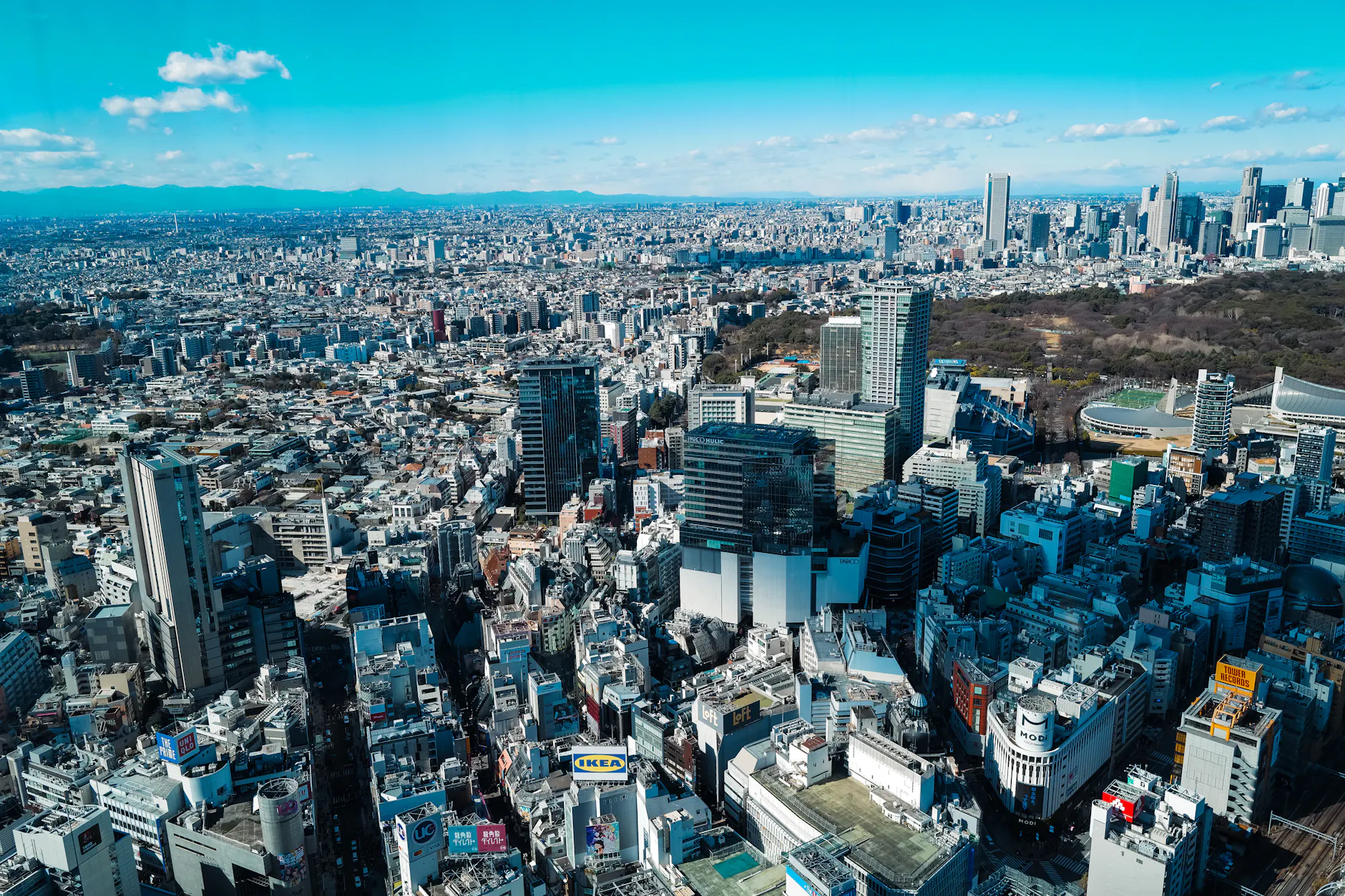
Your first day in Tokyo should feel like stepping into the future. The western cluster of Shibuya, Harajuku, and Shinjuku is where modern Tokyo lives and breathes — a sensory overload of neon, fashion, food, and energy. These three neighborhoods are all connected by the JR Yamanote Line and are walkable from one to the next, making this a perfect opening day.
Morning: Meiji Shrine & Yoyogi Park (9:00 AM – 11:00 AM)
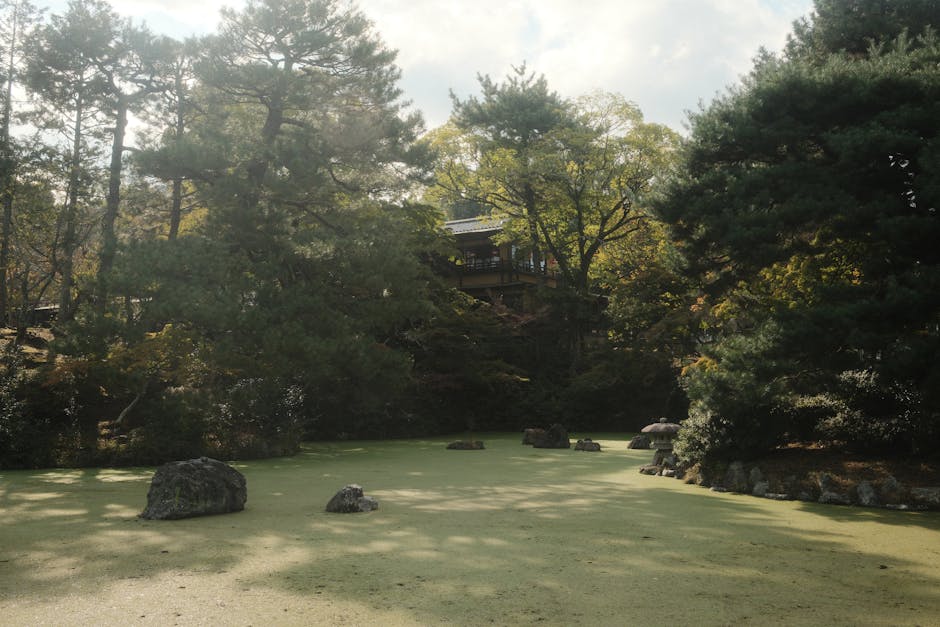
Start your Tokyo adventure with something unexpectedly serene. Meiji Jingu (Meiji Shrine) sits inside a dense forest of 100,000 trees right in the heart of the city. The towering torii gate at the entrance marks the transition from urban chaos to sacred silence. The walk along the gravel path through the forest takes about 10 minutes and is one of the most peaceful experiences Tokyo offers.
The shrine itself, dedicated to Emperor Meiji and Empress Shoken, is an elegant example of Shinto architecture. If you arrive early enough, you may witness a traditional wedding procession — a stunning sight with the bride in a white kimono and the groom in formal montsuki attire. Before leaving, write a wish on an ema (wooden prayer tablet) and hang it alongside thousands of others from around the world.
After the shrine, take a stroll through adjacent Yoyogi Park. On weekends, the southern edge of the park comes alive with street performers, musicians, and cosplayers. Even on weekdays, it is a beautiful green space to ease into your first Tokyo morning.
Estimated cost: Free
Midday: Harajuku & Takeshita Street (11:00 AM – 1:30 PM)
Walk directly from Meiji Shrine’s main entrance to Takeshita Street (Takeshita-dori), the epicenter of Japanese youth fashion and street culture. This narrow, pedestrian-only street is packed wall-to-wall with shops selling everything from crepe-wrapped desserts to outrageous fashion accessories. It is loud, colorful, and completely overwhelming in the best way.
After Takeshita Street, walk one block south to Cat Street (Ura-Harajuku) for a totally different vibe. Where Takeshita is chaotic, Cat Street is curated — lined with independent boutiques, vintage shops, sneaker stores, and minimalist cafes. This is where Tokyo’s fashion-forward locals actually shop. The contrast between the two streets is part of what makes Harajuku so fascinating.
Grab lunch at one of Harajuku’s excellent ramen shops or try a crepe from one of the Takeshita Street stalls — a Harajuku tradition since the 1970s.
Estimated cost: ¥1,000–¥2,000 for lunch. Shopping varies.
Afternoon: Shibuya Crossing, Shibuya Sky & Hachiko (1:30 PM – 4:30 PM)
Walk south from Harajuku to Shibuya in about 15 minutes (or take one stop on the JR Yamanote Line). Your first stop is the most photographed intersection on Earth: Shibuya Crossing. Stand on the second floor of the Starbucks at Shibuya Tsutaya (the Starbucks overlooking the crossing) or the Shibuya station pedestrian bridge for the best overhead view of up to 3,000 people crossing simultaneously when the light changes.
Then head to Shibuya Sky, the observation deck atop Shibuya Scramble Square. At 230 meters, this rooftop platform offers one of the best panoramic views in Tokyo — spanning from the skyscrapers of Shinjuku to Tokyo Tower, Tokyo Bay, and on clear days, Mount Fuji. The open-air section is particularly impressive. Book tickets online in advance (¥2,000 for adults) to skip the line.
Before leaving Shibuya, pay your respects to Hachiko — the bronze statue of Japan’s most loyal dog, located at Shibuya Station’s Hachiko Exit. The true story of Hachiko waiting for his deceased owner at the station every day for nearly 10 years is one of Japan’s most beloved tales.
Estimated cost: ¥2,000 for Shibuya Sky
Evening: Shinjuku Golden Gai or Omoide Yokocho (6:00 PM – Late)
Take the JR Yamanote Line one stop from Shibuya to Shinjuku for your first evening out in Tokyo. You have two excellent options depending on your mood.
Option A: Golden Gai — A labyrinth of six narrow alleys packed with over 200 tiny bars, each seating 5 to 10 people. This is one of Tokyo’s most unique nightlife experiences. Read our complete Golden Gai guide for etiquette tips, cover charge expectations, and how to find the right bar for you.
Option B: Omoide Yokocho (Memory Lane) — Also known as “Piss Alley” (a name earned in the post-war era), this is a narrow row of tiny open-air yakitori stalls and izakayas right next to the west exit of Shinjuku Station. Order grilled chicken skewers, a cold beer, and soak in the smoky, atmospheric energy of old Tokyo. This is where salary workers have been drinking after work for decades.
For dinner, Shinjuku offers everything from ¥500 ramen to high-end kaiseki. The area around Kabukicho and the east side of the station is dense with restaurants at every price point.
Estimated cost: ¥3,000–¥6,000 for dinner and drinks
Day 2: Asakusa, Ueno & Akihabara — Old Tokyo & Otaku Culture
Day 2 takes you to the eastern side of Tokyo, where the city’s past and its otaku present collide. Asakusa and Ueno are the heart of old shitamachi (downtown) Tokyo, full of temples, traditional architecture, and a slower pace. Akihabara brings you crashing back into the modern era with its electric fever dream of anime, gaming, and tech culture. All three neighborhoods are on the same subway line, making this an easy and efficient day.
Morning: Senso-ji Temple & Nakamise Street (8:30 AM – 11:00 AM)
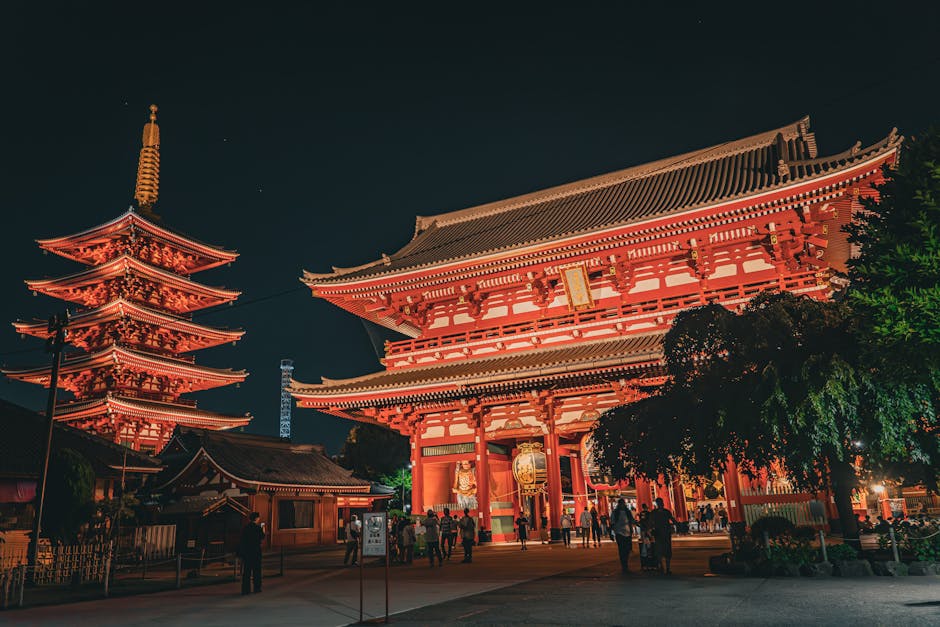
Senso-ji in Asakusa is Tokyo’s oldest and most famous temple, founded in 645 AD. The massive red Kaminarimon (Thunder Gate) with its iconic lantern is one of Japan’s most recognizable landmarks. Walk through the gate and you will enter Nakamise-dori, a 200-meter-long shopping street lined with stalls selling traditional snacks, souvenirs, and crafts that has been in continuous operation for centuries.
At the end of Nakamise-dori, you reach the main temple complex. Take a few minutes to observe the ritual: wash your hands at the chozuya (purification fountain), toss a coin into the offering box, bow, clap twice, and pray. You can also draw an omikuji (fortune slip) for ¥100 — Senso-ji is famous for giving out a high proportion of “bad luck” fortunes, so do not worry if you get one. Just tie it to the designated rack and the bad luck stays behind.
After the temple, walk to the nearby Sumida River for views of Tokyo Skytree towering over the old neighborhood. If the weather is good, the contrast of Japan’s tallest structure rising above the low-rise traditional streets of Asakusa is one of the best photo opportunities in the city.
Estimated cost: Free (temple admission). ¥500–¥1,000 for snacks.
Midday: Ueno Park & Tokyo National Museum (11:00 AM – 2:00 PM)
Take the Ginza Line from Asakusa to Ueno (5 minutes, ¥170). Ueno Park is one of Tokyo’s largest public parks and houses an extraordinary concentration of museums, temples, and a zoo — all in one area.
The star attraction is the Tokyo National Museum, Japan’s oldest and largest museum. Its collection spans Japanese art, samurai armor, ancient pottery, Buddhist sculpture, woodblock prints, and rotating special exhibitions. You could spend an entire day here, but a focused 90-minute visit covers the highlights in the Honkan (Japanese Gallery). Admission is ¥1,000 for adults.
If museums are not your priority, Ueno Park itself is worth a leisurely stroll. In spring, it is one of Tokyo’s most famous hanami (cherry blossom viewing) spots, but it is pleasant year-round. Shinobazu Pond, covered in lotus plants, is a serene pocket in the middle of the park.
Grab lunch at one of the restaurants lining Ueno’s Ameyoko market (more on that later) or inside the park.
Estimated cost: ¥1,000 museum admission + ¥1,000–¥1,500 for lunch
Afternoon: Akihabara (2:30 PM – 5:30 PM)
Take the JR Yamanote Line from Ueno to Akihabara (3 minutes). Welcome to Electric Town — the global capital of anime, manga, gaming, and otaku culture. Even if you have zero interest in any of these things, Akihabara is worth visiting simply as a spectacle. Multi-story buildings plastered with anime billboards, shops selling every conceivable electronic gadget, retro game arcades, and maid cafes where waitresses in costume serve you with theatrical enthusiasm.
Key stops in Akihabara:
- Yodobashi Camera Akiba — A massive multi-floor electronics store with everything from cameras to kitchen appliances. Even non-shoppers enjoy browsing the gadget floors.
- Mandarake Complex — An eight-story building dedicated to used anime, manga, figures, cosplay items, and retro video games. A paradise for collectors.
- Super Potato — A legendary retro gaming store. The third floor has a small retro game arcade where you can play original Famicom, Super Famicom, and arcade cabinets.
- Game arcades (SEGA, Taito Station) — Multi-floor arcades with crane games, rhythm games, fighting games, and photo booths. Bring ¥100 coins.
- Maid cafes — If you are curious, this is ground zero. Staff in maid costumes greet you as “Master” and perform choreographed routines while serving themed food. It is an experience in the truest sense of the word.
Estimated cost: Free to browse. ¥500–¥2,000 for an arcade/maid cafe visit.
Evening: Ameyoko Market & Izakaya Dinner (5:30 PM – Late)
Head back to Ueno for the evening. Ameyoko (Ameyokocho) is a bustling open-air market that stretches along the train tracks between Ueno and Okachimachi stations. Originally a post-war black market (the name comes from “Ame” — short for American goods and candy), it is now a lively strip of discount shops, seafood stalls, clothing vendors, and street food.
Walk through Ameyoko as the evening energy builds, sampling street food along the way — fresh fruit on sticks, grilled seafood, chocolate-covered strawberries, and more. Then duck into one of the side-street izakayas (Japanese-style pubs) for a proper sit-down dinner. Order a variety of small dishes — edamame, karaage (fried chicken), sashimi, grilled fish — and pair them with draft beer, sake, or chu-hai (shochu highballs). This is how locals eat and drink, and it is one of the most enjoyable dining experiences in Japan.
Estimated cost: ¥3,000–¥5,000 for izakaya dinner with drinks
Day 3: Tsukiji, Ginza, Odaiba & Tokyo Bay
Day 3 takes you on a journey from the traditional to the futuristic. You will start with the best street food market in Tokyo, move through the city’s most elegant shopping district, and end at the waterfront with cutting-edge digital art and skyline views that look like they belong in a science fiction film.
Morning: Tsukiji Outer Market (7:30 AM – 10:00 AM)
While the famous inner wholesale market moved to Toyosu in 2018, the Tsukiji Outer Market remains one of the best food experiences in Tokyo. This maze of narrow alleys is packed with over 400 shops and stalls selling the freshest seafood, tamagoyaki (sweet rolled omelet), grilled scallops, wagyu beef skewers, fresh oysters, and — of course — some of the best sushi you will ever eat.
Arrive early. By 7:30 AM, the best stalls are already open and the crowds are still manageable. This is not a sit-down breakfast — it is a walking feast. Move from stall to stall, trying a few bites at each. Essential things to eat at Tsukiji:
- Fresh sushi at one of the small counter restaurants (expect ¥2,000–¥4,000 for an excellent set)
- Tamagoyaki — Grilled Japanese egg omelet on a stick (¥100–¥200). Sweet, fluffy, and iconic.
- Grilled seafood skewers — Scallops, uni (sea urchin), crab, and king prawns (¥500–¥1,500 each)
- Fresh oysters — Shucked and served immediately (¥500–¥800 each)
- Wagyu beef skewers — Grilled on the spot (¥1,000–¥2,000)
Estimated cost: ¥2,000–¥5,000 depending on how adventurous you are
Midday: Ginza (10:30 AM – 1:30 PM)
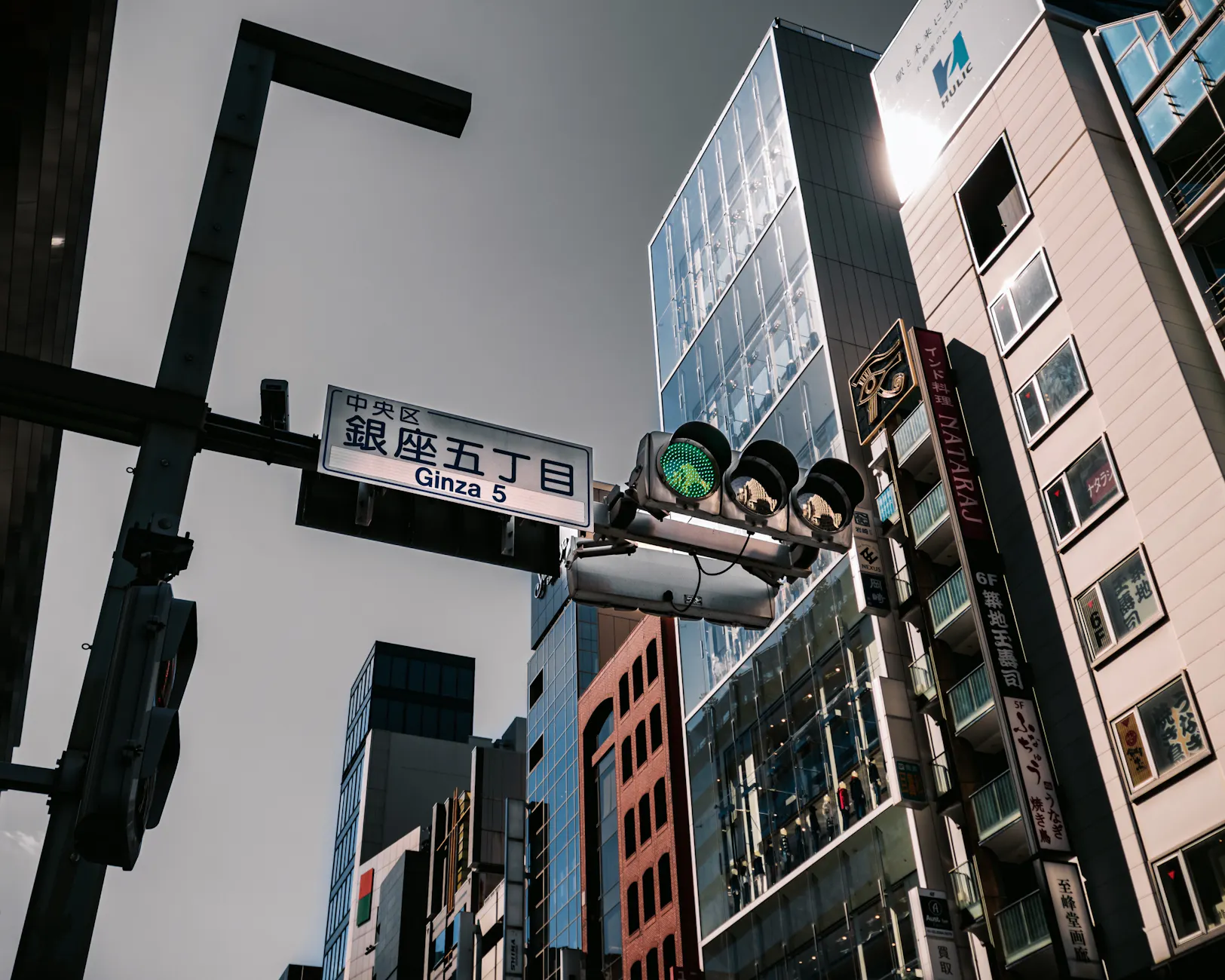
Walk from Tsukiji to Ginza in about 15 minutes. This is Tokyo’s most prestigious shopping district — Japan’s answer to Fifth Avenue or the Champs-Elysees. The main Chuo-dori boulevard is lined with flagship stores from every luxury brand in the world, alongside homegrown Japanese department stores like Mitsukoshi and Matsuya.
Even if luxury shopping is not your thing, Ginza is worth visiting for its architecture alone. Buildings by Renzo Piano (Hermes), Kengo Kuma (multiple), and Toyo Ito (Tod’s) line the streets. The Ginza Six complex is particularly impressive — a sleek commercial building with a rooftop garden and rotating large-scale art installations in its central atrium.
For lunch, head to the basement floors of any major Ginza department store. Japanese department store depachika (basement food halls) are legendary — offering beautifully packaged bento boxes, pastries, wagashi (traditional sweets), and prepared foods at surprisingly reasonable prices. Alternatively, Ginza has excellent mid-range lunch spots — look for restaurants displaying lunch set menus, which often offer high-quality food at a fraction of dinner prices.
Estimated cost: ¥1,500–¥3,000 for lunch. Shopping varies.
Afternoon: TeamLab, Odaiba & Gundam (2:00 PM – 6:00 PM)
Take the Yurikamome Line from Shimbashi Station (a short walk from Ginza) to Odaiba, Tokyo’s futuristic waterfront district built on reclaimed land in Tokyo Bay. The monorail ride itself is worth the trip — it crosses the Rainbow Bridge with sweeping views of the bay and city skyline.
TeamLab Borderless (now located at Azabudai Hills, Toranomon — note the move from Odaiba) is one of the most popular attractions in all of Japan. This immersive digital art museum surrounds you with ever-changing projections, interactive light installations, and rooms that dissolve the boundary between artwork and viewer. It is stunning and unlike anything you have experienced before. Book tickets online well in advance — they sell out regularly. Admission is ¥3,800 for adults.
If you head to Odaiba instead, key stops include:
- Life-size Unicorn Gundam statue at DiverCity Tokyo Plaza — This 19.7-meter tall robot transforms at scheduled times throughout the day (check the schedule on-site). Free to view.
- DiverCity Tokyo Plaza — A large shopping mall with a dedicated Gundam Base store and other anime/character shops.
- Palette Town / Venus Fort area — Shopping and entertainment complexes along the waterfront.
- Odaiba beach — A man-made beach with arguably the best view of the Tokyo skyline across the water. Perfect for late afternoon photos.
Estimated cost: ¥3,800 for TeamLab (if visiting). Odaiba exploration is free.
Evening: Rainbow Bridge Views & Waterfront Dinner (6:00 PM – 9:00 PM)
Stay in the Odaiba area for sunset and dinner. As the sun goes down, the Rainbow Bridge illuminates and the Tokyo skyline across the water transforms into a wall of light. The view from Odaiba’s waterfront promenade at night is one of the best in the city.
For dinner, Odaiba has a wide range of restaurants in its various shopping complexes. Aqua City Odaiba has a restaurant floor with waterfront views, and bills Tokyo Beach offers everything from ramen to Italian to sushi — all with bay views. For something special, consider a dinner at one of the waterfront restaurants where you can watch the bridge lights change colors.
Estimated cost: ¥2,000–¥4,000 for dinner
Day 4: Day Trip — Escape the City
After three full days of urban exploration, Day 4 takes you outside Tokyo for a change of scenery. All three options below are easily doable as day trips and offer experiences you simply cannot get in the city. Choose the one that matches your interests.
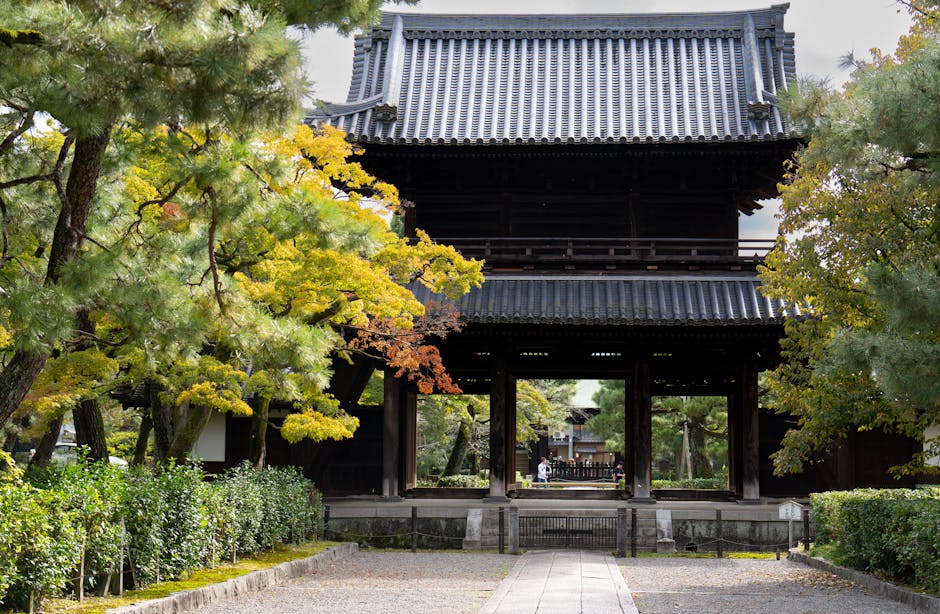
Option A: Hakone — Hot Springs, Mountains & Mt. Fuji Views
Hakone is the most popular day trip from Tokyo for good reason. This mountainous hot spring resort town sits within Fuji-Hakone-Izu National Park and offers volcanic landscapes, traditional ryokan (Japanese inns), open-air hot springs, a scenic lake, and — on clear days — postcard-perfect views of Mount Fuji.
How to get there: Take the Odakyu Romance Car limited express from Shinjuku Station directly to Hakone-Yumoto Station. The ride takes about 85 minutes and costs ¥2,330 (reserve a seat in advance). Alternatively, regular Odakyu trains are cheaper (about ¥1,260) but take around 2 hours with a transfer at Odawara.
The Hakone Loop: The classic way to experience Hakone is the “Hakone Round Course” — a loop using different forms of transport through the region. The Hakone Freepass (¥6,100 from Shinjuku, includes round-trip train) covers all of the following:
- Hakone Tozan Railway — A switchback mountain train climbing through forested hills
- Hakone Tozan Cable Car — A steep funicular to the upper mountain
- Hakone Ropeway — An aerial gondola over the volcanic valley of Owakudani, with views of sulfurous steam vents and (on clear days) Mt. Fuji
- Owakudani — The volcanic valley itself. Eat a black egg boiled in the sulfuric hot springs (legend says each one adds 7 years to your life)
- Lake Ashi pirate ship — A scenic boat cruise across the caldera lake with Fuji in the background
- Hakone Shrine — A beautiful Shinto shrine at the lakeside, famous for its red torii gate standing in the water
Driving option: For a completely different Hakone experience, you can rent a JDM car from Samurai Car Japan in Shibuya and drive to Hakone yourself. The Hakone Turnpike is one of Japan’s most scenic mountain roads — a winding toll road with sweeping curves, elevation changes, and panoramic views that rival any driving road in the world. The drive from Shibuya to Hakone takes about 90 minutes via the Tomei Expressway, and once you are there, the combination of lakeside roads, mountain passes, and hot spring towns makes for an unforgettable road trip. This is an especially compelling option for car enthusiasts who want to experience Japanese mountain roads behind the wheel of an iconic JDM car.
Estimated cost: ¥6,100 for Hakone Freepass. ¥500 for black eggs. ¥1,500–¥3,000 for lunch.
Option B: Kamakura — The Great Buddha, Beaches & Enoshima
Kamakura was Japan’s political capital in the 13th century, and it still carries the weight of that history. This coastal town south of Tokyo is packed with temples, shrines, hiking trails, and a giant bronze Buddha that has been sitting in the open air since a tsunami destroyed its hall in 1498. Add the nearby island of Enoshima with its sea caves and ocean views, and you have one of the most well-rounded day trips from Tokyo.
How to get there: Take the JR Yokosuka Line from Tokyo Station or the JR Shonan-Shinjuku Line from Shinjuku Station directly to Kamakura Station. The ride takes about 55–60 minutes and costs approximately ¥940.
Key stops:
- Tsurugaoka Hachimangu — Kamakura’s most important shrine, at the end of a wide, tree-lined approach. Impressive architecture and often hosts traditional ceremonies.
- Kotoku-in (Great Buddha / Daibutsu) — The 13-meter-tall bronze Buddha statue is Kamakura’s most iconic sight. You can even go inside the hollow statue for ¥50. Admission to the grounds is ¥300.
- Hase-dera Temple — A hillside temple with beautiful gardens, a massive wooden Kannon statue, and panoramic ocean views from the observation deck.
- Komachi-dori — Kamakura’s main shopping street, lined with cafes, souvenir shops, and snack stalls. Great for lunch and browsing.
- Enoshima Island — A 20-minute train ride from Kamakura on the Enoden Line (itself a charming experience). The island has a shrine, botanical gardens, sea caves, and spectacular sunset views. If the weather is good, this is a highlight.
Estimated cost: ¥940 each way for train. ¥300–¥500 for temple admissions. ¥1,000–¥2,000 for lunch.
Option C: Nikko — UNESCO Shrines in the Mountains
Nikko is the most visually dramatic day trip option. Located in the mountains of Tochigi Prefecture, this UNESCO World Heritage site is home to some of the most lavishly decorated shrines and temples in all of Japan. Where Kyoto’s temples tend toward minimalist elegance, Nikko’s are explosions of color, gold leaf, and intricate wood carvings — a baroque approach to sacred architecture.
How to get there: Take the Tobu Nikko Line limited express (Spacia) from Asakusa Station directly to Tobu-Nikko Station. The ride takes about 2 hours and costs approximately ¥2,800. Alternatively, JR trains via Utsunomiya (covered by JR Pass) take about the same time with a transfer.
Key stops:
- Toshogu Shrine — The main attraction. This ornate shrine complex, the mausoleum of shogun Tokugawa Ieyasu, features over 5,000 carvings, including the famous “see no evil, hear no evil, speak no evil” three monkeys and the sleeping cat (Nemuri-Neko). Admission is ¥1,300.
- Rinnoji Temple — A massive Buddhist temple with three 8-meter-tall gilded statues.
- Shinkyo Bridge — A striking red-lacquered bridge over the Daiya River. One of the most photographed spots in Japan.
- Irohazaka Winding Road — If you continue deeper into the Nikko area (by bus or car), this famous road has 48 hairpin curves named after the Japanese alphabet. It leads to Lake Chuzenji and Kegon Falls, a 97-meter waterfall.
Estimated cost: ¥2,800 each way for train. ¥1,300 for Toshogu. ¥1,000–¥2,000 for lunch.
Day 5: Adventure Day — Choose Your Own Tokyo Finale
Your last full day in Tokyo is deliberately unstructured. After four days of guided exploration, Day 5 is about following your instinct and doing the thing that excites you most. Here are four very different options — pick one, or combine elements from several.
Option A: JDM Car Rental & Tokyo Drive
If you have any love for cars, this might be the single most memorable experience of your entire trip. Samurai Car Japan, located right in Shibuya, rents iconic Japanese Domestic Market (JDM) cars — think Nissan Skyline GT-R, Toyota Supra, Mazda RX-7, Honda NSX, Subaru WRX STI — the cars that defined an entire generation of automotive culture. You pick your car, get a brief orientation, and hit Tokyo’s roads in a genuine piece of Japanese automotive history.
Where to drive:
- Daikoku Parking Area — Japan’s most famous car meet spot, located on the Daikoku futo interchange in Yokohama. On weekend nights, this elevated parking area fills with hundreds of modified JDM cars and their owners. Even during the day, it is worth a visit to see what shows up. About 30 minutes from Shibuya via the expressway.
- Hakone Turnpike — If you did not go to Hakone on Day 4, driving there on Day 5 in a JDM car is the ultimate way to experience it. Winding mountain roads, tunnel of trees, and views for days.
- Tokyo night drive — Pick up the car in the late afternoon and cruise through Tokyo after dark. The Shuto Expressway loop offers Blade Runner-level views of the neon-lit city, with elevated highway sections weaving between skyscrapers. The driving culture in Japan is unique, and experiencing Tokyo from behind the wheel of a GT-R at night is something you simply cannot replicate anywhere else.
You will need an International Driving Permit (IDP) based on the 1949 Geneva Convention, plus your original domestic license. Get the IDP in your home country before your trip — it takes about 15 minutes in person at most automobile associations.
Estimated cost: Varies by car model and duration. Budget ¥15,000–¥40,000+ for a half-day to full-day rental, plus expressway tolls (¥1,000–¥3,000).
Option B: Go-Kart Through Tokyo Streets
If you want an adrenaline rush without the commitment of a full car rental, go-karting through Tokyo’s streets is one of the most viral experiences in the city. Dress up in a costume — Mario, Luigi, Pikachu, or whatever you choose — and drive a street-legal go-kart through actual Tokyo traffic, weaving past Shibuya Crossing, Tokyo Tower, and through the neon-lit streets of Roppongi.
Most tours depart from Shibuya and range from 1 to 3 hours. The night courses are especially popular, as Tokyo’s streets take on a completely different energy after dark. You will need the same International Driving Permit required for car rentals. Read our complete Tokyo go-kart guide for pricing, booking tips, routes, and safety information.
Estimated cost: ¥8,000–¥16,000 per person depending on course length
Option C: Tokyo Disneyland or Tokyo DisneySea
If you are a Disney fan — or traveling with kids — dedicating your final day to Tokyo Disney Resort is a solid choice. Tokyo DisneySea in particular is widely considered the best-themed Disney park in the world, and it exists only in Japan. The Fantasy Springs area, which opened in 2024, added an entire new section inspired by Frozen, Tangled, and Peter Pan.
DisneySea is especially recommended for adult visitors — it has a more sophisticated atmosphere than Disneyland, serves alcohol throughout the park, and its attention to architectural detail is staggering. Read our full Disney guide for ticket purchasing, crowd strategies, and must-ride attractions.
Estimated cost: ¥7,900–¥10,900 for a one-day passport (pricing varies by date)
Option D: Relaxed Exploration — Shimokitazawa, Nakameguro & Last-Minute Shopping
Sometimes the best final day is an unstructured one. If you want to slow down, skip the tourist highlights, and experience Tokyo like a local, head to neighborhoods you have not yet explored:
- Shimokitazawa — Tokyo’s bohemian village. Narrow streets packed with vintage clothing shops, independent record stores, tiny live music venues, and eccentric cafes. Think Brooklyn or Shoreditch, but Japanese. Take the Keio Inokashira Line from Shibuya (3 minutes).
- Nakameguro — A trendy, tree-lined canal neighborhood popular with Tokyo’s creative class. Excellent coffee shops, bookstores, and boutiques. Especially beautiful during cherry blossom season when the Meguro River becomes a tunnel of pink. Take the Tokyu Toyoko Line from Shibuya (3 minutes).
- Yanaka — The most well-preserved old neighborhood in Tokyo. Narrow lanes, traditional wooden houses, small temples, and a nostalgic shotengai (shopping street). This is what Tokyo looked like before the modern era.
- Kichijoji — A lively neighborhood with Inokashira Park (where you can rent swan boats), the Harmonica Yokocho alley market, and access to the Studio Ghibli Museum (tickets must be booked months in advance).
Use the afternoon for last-minute shopping. Don Quijote (known as “Donki”) is a discount chain store that sells literally everything — snacks, cosmetics, electronics, souvenirs, costumes, alcohol — and is open 24 hours at most locations. The Shibuya branch is a multi-floor labyrinth of deals. For higher-end souvenirs and food gifts, hit the depachika (basement food halls) of department stores in Shinjuku, Shibuya, or Ginza.
Evening: Farewell Dinner
For your last dinner in Tokyo, here are some worthy options depending on your mood and budget:
- Conveyor belt sushi (kaiten-zushi) — Chains like Sushiro, Kura Sushi, or Genki Sushi offer surprisingly excellent sushi at ¥100–¥300 per plate. A filling meal costs under ¥2,000. Many have touch-screen ordering in English.
- Yakiniku (Japanese BBQ) — Grill premium wagyu beef at your table. A mid-range yakiniku dinner runs ¥4,000–¥7,000 per person. Areas like Shibuya and Shinjuku have excellent options.
- Ramen — You cannot leave Tokyo without having at least one more bowl. Fuunji in Shinjuku (tsukemen specialist) and Afuri in Ebisu (yuzu shio ramen) are both excellent and perpetually popular.
- Splurge: Omakase sushi — For a once-in-a-lifetime meal, book an omakase (chef’s choice) counter at a small sushi restaurant. Expect to pay ¥10,000–¥30,000 per person for an extraordinary multi-course experience.
Practical Tips for Your Tokyo Trip
Getting Around Tokyo
Tokyo’s public transportation system is the best in the world. Trains and subways are clean, punctual to the second, safe, and cover virtually every corner of the city.
- Get a Suica or Pasmo IC card — These rechargeable transit cards work on all trains, subways, and buses in Tokyo (and most of Japan). Tap in, tap out — no need to figure out fares each time. You can now add a Suica card to your Apple Wallet or Google Pay. Alternatively, physical cards are available from station vending machines (¥500 deposit).
- Learn the JR Yamanote Line — This circular line connects all major neighborhoods (Shibuya, Shinjuku, Ikebukuro, Ueno, Akihabara, Tokyo Station). It is the backbone of tourist navigation in Tokyo.
- Tokyo Metro and Toei Subway — Two separate subway networks that together cover the gaps between JR stations. Your IC card works on both.
- Google Maps is your best friend — The transit directions in Google Maps work perfectly in Tokyo, including real-time train schedules, platform numbers, and walking directions inside stations.
- Taxis — Clean and safe but expensive. Starting fare is around ¥500, and a cross-city ride can easily hit ¥3,000–¥5,000. Use them for short hops late at night when trains stop (last trains are typically around midnight to 12:30 AM).
Daily Budget Breakdown
| Category | Budget | Mid-Range | Comfortable |
|---|---|---|---|
| Accommodation | ¥3,000–¥5,000 (hostel) |
¥8,000–¥15,000 (business hotel) |
¥20,000–¥40,000+ (upscale hotel) |
| Food | ¥2,000–¥3,000 | ¥4,000–¥6,000 | ¥8,000–¥15,000 |
| Transportation | ¥800–¥1,200 | ¥1,000–¥1,500 | ¥1,500–¥3,000 |
| Activities & Entrance | ¥0–¥1,000 | ¥1,000–¥3,000 | ¥3,000–¥8,000 |
| Daily Total | ¥6,000–¥10,000 (~$40–$67) |
¥14,000–¥25,000 (~$93–$167) |
¥32,000–¥66,000 (~$213–$440) |
Note: Prices are approximate and based on 2026 rates. Exchange rate used: ¥150 = $1 USD. Accommodation costs are per person for budget (shared dorm) and per room for mid-range and comfortable.
Best Time to Visit Tokyo
| Season | Months | Weather | Pros / Cons |
|---|---|---|---|
| Spring | Mar – May | 10–22°C / 50–72°F Mild, some rain |
Cherry blossoms (late Mar – early Apr). Peak tourist season. Book accommodation early. |
| Summer | Jun – Aug | 22–35°C / 72–95°F Hot, humid, rainy season (Jun) |
Festivals and fireworks. Brutal heat and humidity in Jul–Aug. Fewer crowds outside Obon (mid-Aug). |
| Autumn | Sep – Nov | 15–25°C / 59–77°F Comfortable, clear skies |
Best overall weather. Autumn foliage (mid Nov – early Dec). Excellent for day trips. Highly recommended. |
| Winter | Dec – Feb | 2–12°C / 36–54°F Cold, dry, clear |
Fewest crowds. Best Mt. Fuji visibility. Stunning winter illuminations. Cold but very manageable. |
What to Pack for Tokyo
- Comfortable walking shoes — You will walk 15,000–25,000 steps per day. Prioritize comfort over style. Slip-on shoes are ideal since you will be removing them frequently at temples and some restaurants.
- Portable battery pack — Your phone will die from constant Google Maps use. Bring a 10,000mAh+ battery pack.
- Small towel or handkerchief — Most public restrooms do not have hand dryers or paper towels. Carry a small towel as the Japanese do.
- Rain gear — A compact umbrella or packable rain jacket, especially during spring and rainy season. Convenience stores sell clear umbrellas for about ¥500 if you forget.
- Cash — Japan has become more card-friendly, but many small restaurants, izakayas, street food stalls, and shrines are still cash-only. Carry at least ¥10,000–¥20,000 in cash at all times. 7-Eleven ATMs accept most international cards.
- International Driving Permit — Only if you plan to drive or do the go-kart experience. Obtain this in your home country before departure.
- Pocket Wi-Fi or SIM card — Rent a pocket Wi-Fi at the airport or buy a prepaid data SIM. Having constant internet access in Tokyo is essentially mandatory for navigation, translation, and restaurant discovery.
Frequently Asked Questions
Is 5 days enough for Tokyo?
Yes, five days is an excellent amount of time for a first visit. It allows you to cover all the major areas (Shibuya, Shinjuku, Asakusa, Akihabara, Ginza, Odaiba), take a day trip outside the city, and still have time for a flexible adventure day. You will not see everything Tokyo has to offer — nobody can, even locals spend years discovering new corners — but five days gives you a genuinely thorough introduction to the city. Most first-time visitors who spend five days leave feeling satisfied rather than rushed. If you have more time, 7 to 10 days allows you to add Kyoto or Osaka as extensions.
Do I need a JR Pass for 5 days in Tokyo?
Probably not, unless you are taking a day trip to Nikko by JR or planning to extend your trip with a bullet train journey to Kyoto or Osaka. The JR Pass (Japan Rail Pass) is designed for long-distance Shinkansen travel, and its cost (currently ¥50,000 for a 7-day pass) is hard to justify for Tokyo-only travel. Within Tokyo, a Suica or Pasmo IC card is all you need — individual rides typically cost ¥150–¥300. For the Hakone day trip, the Odakyu Hakone Freepass is a better deal than the JR Pass. For Kamakura, a standard JR ticket is inexpensive. Run the numbers for your specific plans, but for most 5-day Tokyo itineraries, individual tickets or IC card rides cost far less than a JR Pass.
Cash or card in Tokyo?
Carry both. Japan has made significant progress in card acceptance since the pandemic, and most large stores, chain restaurants, convenience stores, and hotels accept credit cards and IC card payments. However, many small restaurants, izakayas, ramen shops, street food stalls, temples (for admission and charms), and market vendors are still cash-only. A good rule of thumb: carry ¥10,000–¥20,000 in cash and use cards where accepted. 7-Eleven ATMs are the most reliable for international cards (Visa, Mastercard, and most debit cards work). They are everywhere and have English-language interfaces.
Is Tokyo safe for tourists?
Tokyo is one of the safest major cities in the world. Violent crime against tourists is extremely rare. You can walk any neighborhood at any hour with a level of comfort that is simply not possible in most global capitals. Lost wallets and phones are routinely turned in to police boxes (koban) and can often be recovered. Trains are safe at all hours. Solo female travelers consistently report feeling completely comfortable. The biggest “dangers” are overheating in summer, getting lost in Shinjuku Station (it happens to everyone), and spending too much money at Don Quijote at 2 AM.
What is the best area to stay in Tokyo?
Shinjuku is the most popular area for first-time visitors — it has the best train connections (almost every line passes through Shinjuku Station), a massive selection of hotels at every price point, endless dining options, and proximity to major attractions. Shibuya is another excellent choice, especially if you want a slightly younger, more energetic atmosphere. Asakusa offers a more traditional, quieter experience and is closest to Senso-ji and Tokyo Skytree. For budget travelers, Ikebukuro and Ueno tend to have lower hotel prices while still offering excellent Yamanote Line access to the rest of the city.
Related Guides
Explore More of Japan
- Golden Gai Guide: Tokyo’s Legendary Bar Alley in Shinjuku — Everything you need to know for your night out in Golden Gai
- Tokyo Go-Kart Experience: The Real-Life Mario Kart Guide — Routes, costs, requirements, and booking tips
- Tokyo Disneyland & DisneySea: Complete Guide for International Visitors — Tickets, crowd strategy, and must-ride attractions
- Drift Experience in Japan: Complete Guide for Beginners & Enthusiasts — How to drift a JDM car at a real Japanese circuit
- Hokkaido Road Trip Guide: Scenic Drives Through Japan’s Wild North — The ultimate self-drive adventure beyond Tokyo
[st_af id=”862″]
[st_af id=”854″]
🇯🇵 Plan Your Japan Experience
JDM Car Rental
Drive a GT-R, Supra, RX-7, or Silvia on the roads they were built for. Hakone passes, Wangan highway, mountain touge — your dream JDM experience.
Related Articles
Daikoku PA Tour
Visit Japan’s most legendary car meet. Hundreds of modified cars, passionate owners, and the heartbeat of JDM culture. Guided weekend night tours available.
Photo Guide Tour
Capture stunning photos at locations only locals know. Hidden shrines, backstreet alleys, rooftop views, and golden hour spots for unforgettable shots.