Things to Do in Shibuya: 20 Best Experiences in Tokyo’s Iconic District (2026)
When most people think of Shibuya, they picture one thing: the crossing. That famous scramble intersection where up to 3,000 people surge across the street at every light change, a living symbol of Tokyo’s controlled chaos. But Shibuya is so much more than a single intersection. It is an entire district — a restless, ever-evolving quarter of Tokyo that has reinvented itself repeatedly over the past century while somehow never losing its identity as the city’s cultural pulse point.
Shibuya is where Tokyo’s youth culture was born and where it continues to mutate. It is a place where a 100-year-old shrine sits a ten-minute walk from a rooftop observation deck that opened in 2019. Where a tiny alley of postwar drinking shacks operates in the shadow of gleaming skyscrapers. Where you can rent a legendary Japanese sports car in the morning, eat world-class ramen for lunch, shop in a building dedicated entirely to Nintendo, and end the night in one of Asia’s best underground clubs — all without leaving a single ward of the city.
This guide covers the 20 best things to do in Shibuya in 2026, with specific prices, hours, addresses, and tips that will actually help you plan your day. Whether you are visiting Tokyo for the first time or returning for your fifth trip, Shibuya has something you have not done yet.
1. Shibuya Crossing — The World’s Most Famous Intersection
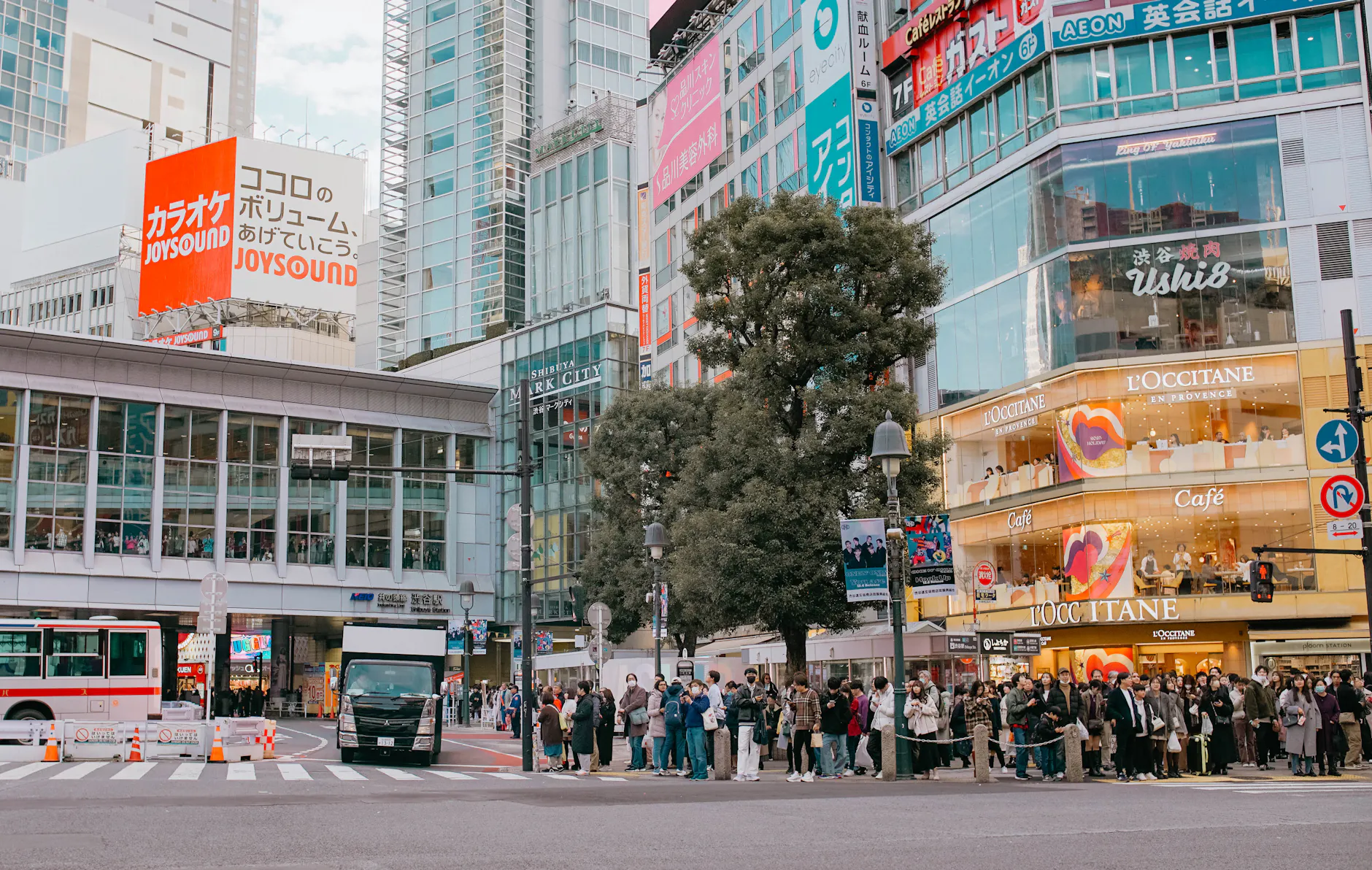
There is no way around it — you have to start here. Shibuya Crossing (also called the Shibuya Scramble) is the single most photographed spot in Tokyo, and for good reason. When the traffic lights turn red on all sides simultaneously, pedestrians flood the intersection from every direction. During peak hours, as many as 3,000 people cross at once. It is organized pandemonium, and it never gets old.
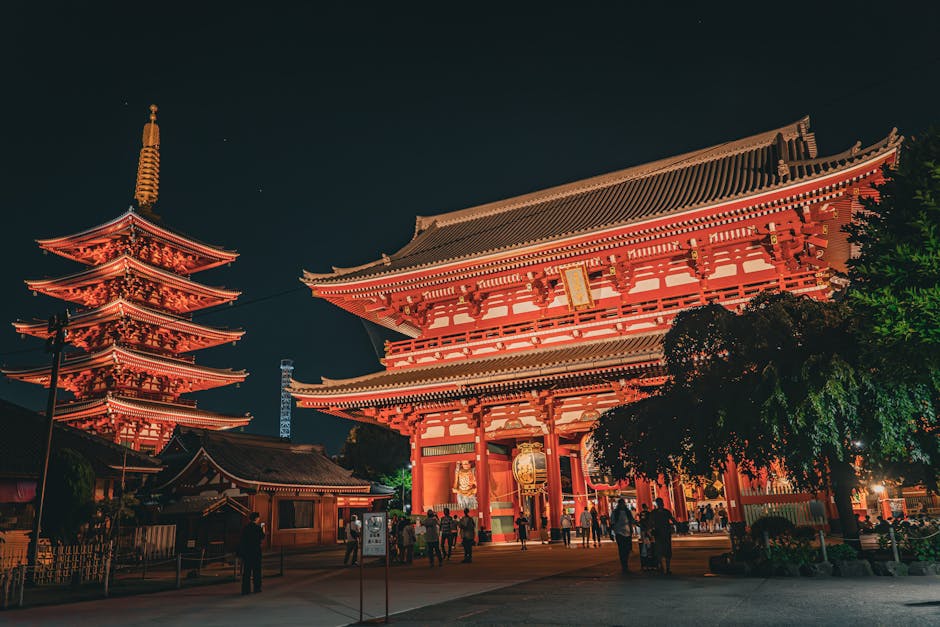
The crossing sits directly outside the Hachiko Exit of Shibuya Station. You do not need to plan for it — you will cross it naturally as you move through the district. But if you want to experience it properly, stand on the curb and wait for one full cycle. Watch the cars stop. Watch the crowd gather. Then step out and walk right through the middle of it.
Best viewing spots: The Starbucks on the second floor of the Tsutaya building (northwest corner of the crossing) offers the classic elevated view, though expect a wait for window seats. The Shibuya Sky observation deck (see #2) provides the ultimate aerial perspective. For street-level immersion, simply stand at the center of the crossing when the light changes and look in every direction.
Best time: The crossing is busiest on Friday and Saturday evenings between 6:00 PM and 9:00 PM. For photos without massive crowds, visit before 8:00 AM on a weekday morning.
2. Shibuya Sky — Tokyo’s Most Thrilling Observation Deck
Shibuya Sky is the observation deck atop Shibuya Scramble Square, standing 229 meters above the streets. Unlike Tokyo Tower or Tokyo Skytree, Shibuya Sky features a completely open-air rooftop with no glass barriers on the upper level — just you, the wind, and a 360-degree panorama of Tokyo stretching to Mount Fuji on clear days.
The experience begins with a dramatic escalator ride through a tunnel of digital art installations. When you emerge onto the rooftop, the city spreads out beneath you in every direction. You can look straight down at Shibuya Crossing (it looks like an ant farm from up here), out toward Shinjuku’s skyscrapers, across to the Tokyo Tower and Rainbow Bridge, and on clear winter days, all the way to the snow-capped peak of Mount Fuji.
The rooftop area has a bar serving cocktails, hammock seating areas, and a section of net-floored walkways where you can see the street 230 meters below your feet. At sunset, the experience is extraordinary.
Address: Shibuya Scramble Square, 2-24-12 Shibuya, Shibuya-ku, Tokyo
Hours: 10:00 AM – 10:30 PM (last entry 9:20 PM)
Price: 2,000 yen (adults), 1,600 yen (students), 1,000 yen (children 6-12)
Access: Directly connected to Shibuya Station (Hachiko Exit, through Shibuya Scramble Square building)
3. Hachiko Statue — Japan’s Most Loyal Dog
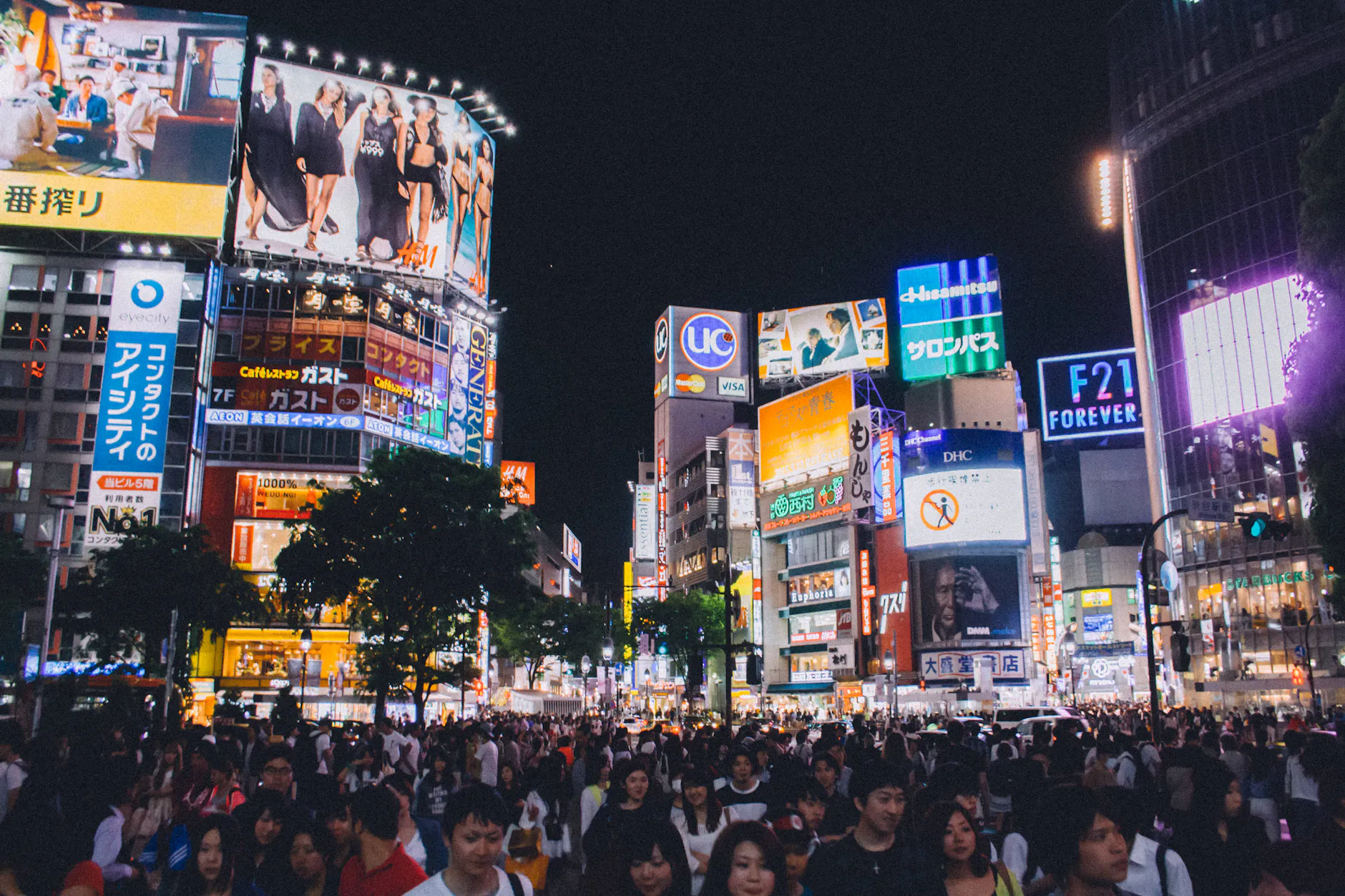
The bronze statue of Hachiko sits outside the Hachiko Exit of Shibuya Station, and it is one of the most recognized meeting points in the world. The real Hachiko was an Akita dog who waited at Shibuya Station every day for his owner, Professor Hidesaburo Ueno, to return from work. When Ueno died suddenly in 1925, Hachiko continued to wait at the station every single day for the next nine years until his own death in 1935. The story became a national symbol of loyalty in Japan.
The statue is small and easy to miss if you do not know where to look — it sits on a low pedestal near the station exit, usually surrounded by people taking photos or using it as a meeting spot. It takes about two minutes to see, but the story behind it is worth knowing.
Location: Hachiko Exit, Shibuya Station (outside, to the left as you exit)
Cost: Free
Time needed: 5 minutes
4. Shibuya 109 — The Temple of Japanese Street Fashion
Shibuya 109 (ichi-maru-kyu) is the cylindrical fashion department store that has defined Shibuya’s fashion identity since 1979. For decades, it was the epicenter of gyaru culture and cutting-edge Japanese street fashion. Today, it has evolved to reflect current trends — expect a mix of Japanese streetwear brands, K-pop influenced fashion, gender-neutral labels, and accessories that you simply will not find outside Japan.
The building has ten floors of small boutique-style shops, each curated by a different brand. Even if you do not plan to buy anything, walking through 109 is an immersive crash course in what young Tokyo is wearing right now. The shop staff are famously stylish and enthusiastic, and many speak enough English to help with sizing and recommendations.
Address: 2-29-1 Dogenzaka, Shibuya-ku, Tokyo
Hours: 10:00 AM – 9:00 PM daily
Access: 1-minute walk from Shibuya Crossing (the cylindrical building is visible from the crossing)
5. Center-gai and Shibuya Nightlife
Center-gai (officially renamed “Basketball Street,” though nobody calls it that) is the main pedestrian street running through the heart of Shibuya’s entertainment district. During the day, it is a busy shopping street lined with fast-fashion stores, restaurants, and karaoke joints. At night, it transforms into the nucleus of Shibuya’s nightlife — loud, neon-lit, and packed with energy.
The streets branching off Center-gai lead to hundreds of izakayas, bars, karaoke boxes, and restaurants. Dogenzaka (Love Hotel Hill) climbs up the slope to the west, while the smaller side streets hide everything from craft cocktail bars to standing-only sake joints. This is where Shibuya comes alive after dark.
For a structured nightlife experience, try an izakaya crawl: start with drinks and small plates at a lively chain izakaya like Torikizoku (almost everything on the menu is 350 yen), then move to a craft cocktail bar, and finish with late-night karaoke at one of the many karaoke chains along Center-gai.
Location: Center-gai runs northwest from Shibuya Crossing
Best time: 7:00 PM – late, especially Friday and Saturday nights
Budget: Expect to spend 3,000 – 8,000 yen per person for a night out including food and drinks
6. JDM Car Rental from Shibuya — Drive Tokyo in a Japanese Legend
Here is something most travel guides will not tell you: one of the most unforgettable experiences you can have in Shibuya does not involve shopping, eating, or crossing an intersection. It involves getting behind the wheel of a legendary Japanese sports car and driving the streets of Tokyo yourself.
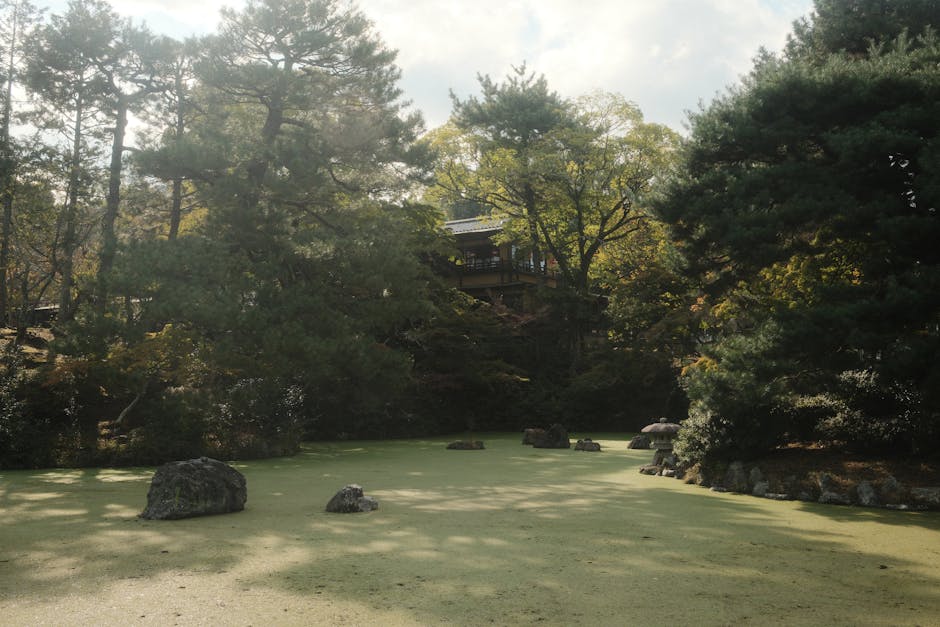
Samurai Car Japan operates right here in Shibuya, offering rentals of the cars that defined Japan’s golden age of automotive engineering — the Nissan GT-R, Toyota Supra, Mazda RX-7, Nissan Silvia, and more. These are the cars that built JDM culture, and driving one through Tokyo’s streets at night is an experience that no observation deck or shopping mall can match.
The most popular route is the Tokyo night drive: pick up your car in Shibuya after sunset, cruise through the illuminated streets of Roppongi and Odaiba, cross Rainbow Bridge with Tokyo Tower glowing in your rearview mirror, and end up at Daikoku Parking Area — Japan’s most famous car meet spot on the Yokohama Bay Bridge highway, where hundreds of modified cars gather on weekend nights. For daytime adventures, drive out to the Hakone mountain passes or the coastal roads of the Izu Peninsula.
An international driving permit (IDP) is required, and you need to obtain it in your home country before arriving in Japan. Samurai Car Japan handles all the paperwork and vehicle orientation in English.
Location: Shibuya, Tokyo (exact pickup location provided at booking)
Price: From approximately 25,000 yen per day depending on vehicle
Booking: JDM Car Rental Guide
Requirements: International Driving Permit (IDP), valid home country license, 21+ years old
7. Meiji Shrine and Yoyogi Park — Serenity Minutes from the Chaos
Walk ten minutes northwest from Shibuya Station and the urban chaos gives way to something completely different. Meiji Shrine (Meiji Jingu) is Tokyo’s most important Shinto shrine, set within a 170-acre forest of 120,000 trees that were donated from across Japan when the shrine was built in 1920. Passing through the massive torii gate and walking the gravel path through the forest, you would never guess you are in the middle of one of the world’s largest cities.
The shrine itself is a place of quiet dignity. You can observe (or participate in) traditional Shinto prayer rituals, write a wish on an ema (wooden prayer tablet, 500 yen), or simply appreciate the architecture and atmosphere. On weekends, you may witness a traditional Japanese wedding procession moving through the shrine grounds.
Adjacent to the shrine, Yoyogi Park is Tokyo’s great public gathering space. On weekends, the park comes alive with street performers, musicians, cosplayers, dance groups, and picnicking families. The area near the park entrance on the Harajuku side is especially lively and worth a wander.
Address: 1-1 Yoyogikamizonocho, Shibuya-ku, Tokyo
Hours: Sunrise to sunset (approximately 5:00 AM – 6:30 PM, varies by season)
Cost: Free (shrine entry). Meiji Jingu Museum: 1,000 yen
Access: 10-minute walk from Shibuya Station or 1-minute walk from JR Harajuku Station
8. Go-Kart Street Driving Experience
You have seen the videos: people dressed as video game characters racing go-karts through the actual streets of Tokyo, weaving between taxis and delivery trucks with Tokyo Tower in the background. The Tokyo go-kart experience is real, it is legal, and it is one of the most adrenaline-fueled activities you can do in the city.
Several operators run go-kart tours departing from or near Shibuya. You will drive a small, street-legal go-kart on public roads through central Tokyo, passing through neighborhoods like Roppongi, Tokyo Tower, Odaiba, and back. Tours typically last 1 to 2 hours, and costumes are provided (though the official character branding has changed due to copyright issues — you will find generic but fun options). No special license is required beyond an International Driving Permit (IDP).
The experience is genuinely thrilling. You are driving at street level, sitting just inches from the pavement, surrounded by the sights and sounds of Tokyo with nothing between you and the city. It is the polar opposite of riding in a tour bus.
Departure: Multiple operators near Shibuya (also available from Akihabara, Shinagawa, and other areas)
Duration: 1 – 2 hours
Price: 8,000 – 12,000 yen per person
Requirements: International Driving Permit (IDP), valid home country license
Booking: Full Tokyo Go-Kart Guide
9. Harajuku and Takeshita Street — Walking Distance from Shibuya
Harajuku is technically a separate neighborhood, but it is a straight 15-minute walk from Shibuya Station (or one stop on the JR Yamanote Line), and no Shibuya itinerary is complete without it. Takeshita Street (Takeshita-dori) is the narrow, crowded pedestrian shopping street that has been the epicenter of Tokyo’s youth fashion and subculture for decades.
The street is packed with shops selling everything from vintage clothing and handmade accessories to outrageous crepe desserts and rainbow cotton candy. It is loud, colorful, overwhelming, and completely unlike anywhere else on earth. Even if you are not shopping, the people-watching alone is worth the visit — Harajuku is where Tokyo’s most creatively dressed young people come to see and be seen.
Beyond Takeshita Street, the wider Harajuku area offers a more sophisticated side: Omotesando Avenue (often called Tokyo’s Champs-Elysees) is lined with high-end flagship stores designed by world-famous architects, and the back streets hide independent boutiques, galleries, and cafes.
Location: Harajuku Station (JR Yamanote Line), one stop north of Shibuya
Takeshita Street hours: Most shops open 10:00 AM – 8:00 PM
Cost: Free to walk; budget 1,000 – 5,000 yen for snacks and small purchases
10. Cat Street — Shibuya’s Hidden Fashion Corridor
Cat Street (Kyuu Shibuya-gawa Yuhodou) is the narrow, winding street that connects Shibuya to Harajuku along the path of the old Shibuya River (now buried underground). It is lined with independent boutiques, vintage shops, streetwear labels, coffee shops, and small galleries — all in a relaxed, tree-lined setting that feels nothing like the frenzy of Takeshita Street or Center-gai.
This is where Tokyo’s fashion-forward crowd shops when they want something with more edge and exclusivity than the main commercial streets offer. You will find Japanese streetwear brands, curated vintage stores with impeccable selections, small-batch sneaker shops, and concept stores that change their inventory constantly. It is also an excellent street for independent coffee — several of Shibuya’s best specialty coffee shops are along or just off Cat Street.
Location: Runs between Shibuya and Harajuku, parallel to and east of Meiji-dori
Hours: Most shops open 11:00 AM – 8:00 PM
Best for: Vintage fashion, streetwear, sneakers, specialty coffee
11. Shibuya Parco and Nintendo Tokyo
Shibuya Parco reopened in 2019 after a major rebuild and has become one of the most interesting retail spaces in Tokyo. It is not a traditional department store — it is a curated collection of fashion, art, food, and pop culture spread across ten floors, with an emphasis on the intersection of commerce and creativity.
The standout attraction is Nintendo Tokyo (6th floor), the first official Nintendo store in Japan. It sells exclusive merchandise — clothing, accessories, home goods, and collectibles featuring Mario, Zelda, Pokemon, Animal Crossing, Splatoon, and every other Nintendo franchise. Many items are exclusive to this location and cannot be purchased online. Expect a queue to enter on weekends.
Also worth visiting: Capcom Store Tokyo (on the same floor), Pokemon Center Shibuya (featuring Shibuya-exclusive Graffiti Art Pikachu merchandise), and the rooftop area which hosts rotating art installations and events.
Address: 15-1 Udagawacho, Shibuya-ku, Tokyo
Hours: 10:00 AM – 9:00 PM (restaurants until 11:00 PM)
Access: 5-minute walk from Shibuya Station Hachiko Exit
Nintendo Tokyo: Free entry, but line may form on weekends (30-60 minute wait possible)
12. Nonbei Yokocho — Shibuya’s Secret Drinking Alley
Nonbei Yokocho (literally “Drunkard’s Alley”) is a narrow lane of tiny, ramshackle bars tucked behind the train tracks just north of Shibuya Station. If you have heard of Shinjuku’s Golden Gai, think of Nonbei Yokocho as its quieter, more intimate sibling. The alley contains roughly 40 small bars, most seating only 5 to 8 people, housed in wooden buildings that have stood here since the postwar era.
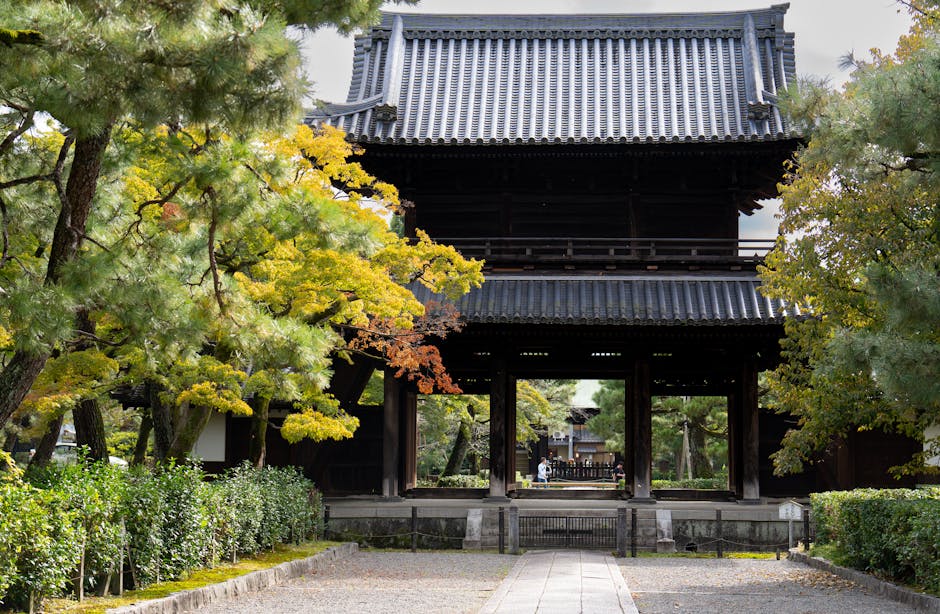
Unlike Golden Gai, which has become a major tourist destination, Nonbei Yokocho retains a more local atmosphere. Many of the bars are run by older proprietors who have been pouring drinks here for decades. The vibe is mellow, conversational, and unpretentious. Some bars specialize in particular types of sake or shochu; others are simple whisky-and-conversation joints. A few have English menus, but most do not — basic Japanese or a willingness to point and smile will get you through.
Location: North side of Shibuya Station, behind the JR tracks (enter from the small alley near the Shinsen-guchi area)
Hours: Most bars open 6:00 PM – midnight (some later)
Budget: 1,500 – 3,000 yen per bar (cover charge of 300 – 500 yen is common, plus drinks)
13. Miyashita Park — Rooftop Urban Park and Shopping
Miyashita Park was transformed in 2020 from a tired ground-level park into a multi-level complex that stacks a shopping mall, food hall, hotel, and rooftop park on top of each other. The result is one of Shibuya’s most pleasant surprises — a place where you can shop on the lower floors, eat on the middle levels, and then take an escalator up to a genuine park on the roof with grass, trees, a skate park, a bouldering wall, and views of the Shibuya skyline.
The shopping level features a well-curated mix of streetwear, outdoor brands, and lifestyle shops. The food court on the top floor includes excellent options ranging from tacos to tonkatsu. The rooftop park is free to access and offers a rare patch of open green space in the middle of one of the world’s densest urban environments.
Address: 6-20-10 Jingumae, Shibuya-ku, Tokyo
Hours: Shops 11:00 AM – 9:00 PM; Rooftop park 8:00 AM – 11:00 PM
Cost: Free (park); shopping varies
Access: 3-minute walk from Shibuya Station (Miyashita Park exit)
14. Shibuya Stream and the Shibuya River Walk
Shibuya Stream is a mixed-use tower that opened in 2018 on the south side of Shibuya Station, built directly over the newly uncovered Shibuya River. For decades, the river was buried underground, but as part of the redevelopment, a section was brought back to the surface and lined with a pleasant walking path, terraced seating, restaurants, and greenery.
The Shibuya River Walk extends south from Shibuya Stream for several hundred meters and offers a surprisingly calm escape from the streets above. The lower levels of the Stream building house restaurants and cafes with terrace seating overlooking the river — it is one of the few places in central Shibuya where you can sit outside, have a beer, and hear actual flowing water instead of traffic.
The upper floors contain Google’s Japan headquarters and other offices, so the ground-level restaurants get a strong weekday lunch crowd. Visit on a weekend evening for a more relaxed experience.
Address: 3-21-3 Shibuya, Shibuya-ku, Tokyo
Hours: Shops and restaurants 10:00 AM – 11:00 PM (varies by venue)
Access: Connected to Shibuya Station via underground walkway (south side)
15. Bunkamura — Shibuya’s Cultural Heart
Bunkamura (literally “Culture Village”) is a multi-purpose cultural complex on Dogenzaka in Shibuya that houses a concert hall (Orchard Hall), a theater (Theatre Cocoon), a cinema (Le Cinema), a museum, and a gallery. It has been Shibuya’s anchor for high culture since 1989, hosting everything from classical music concerts and ballet to contemporary art exhibitions and independent film screenings.
Even if you are not attending a performance, the Bunkamura building is worth a visit for its bookshop (specializing in art and design books), its lobby cafe, and whatever temporary exhibition is currently showing. The museum regularly hosts major international exhibitions — past shows have featured Impressionist collections, modern photography, and Japanese contemporary art.
Address: 2-24-1 Dogenzaka, Shibuya-ku, Tokyo
Hours: Vary by venue and event; museum typically 10:00 AM – 6:00 PM (Fridays until 9:00 PM)
Tickets: Concert and theater tickets from 3,000 yen; museum exhibitions typically 1,500 – 2,000 yen
Access: 7-minute walk from Shibuya Station (up Dogenzaka slope)
16. Day Trip: Okutama or Mt. Takao from Shibuya
One of Shibuya’s underappreciated advantages is its position as a gateway to nature. Within 60 to 90 minutes, you can trade Shibuya’s concrete canyons for genuine mountains, forests, rivers, and hiking trails.
Mt. Takao (Takao-san) is the most accessible option — a 599-meter mountain with well-maintained trails, a cable car, and a mountaintop temple. Take the Keio Line from Shinjuku (one stop from Shibuya on the JR) to Takaosanguchi Station. The summit hike takes about 90 minutes, or you can take the cable car halfway up. On clear days, you can see Mount Fuji from the summit. Round-trip cable car: 950 yen.
Okutama is further out (about 2 hours by train) but offers a more rugged, less crowded mountain experience — river gorges, waterfalls, limestone caves, and multi-hour hiking trails through dense forest. It feels like a different country from Shibuya.
If you have rented a JDM car from Samurai Car Japan (see #6), the mountain roads leading to Okutama and the Tanzawa range are some of the best driving roads near Tokyo — winding mountain passes with minimal traffic, especially on weekday mornings.
Mt. Takao access: Keio Line from Shinjuku to Takaosanguchi (50 minutes, 400 yen)
Okutama access: JR Chuo Line to JR Ome Line to Okutama Station (about 2 hours, 1,100 yen)
Best time: Autumn (November) for foliage, spring (April) for cherry blossoms
17. Don Quijote Shibuya — Late-Night Shopping Wonderland
Don Quijote (often abbreviated “Donki”) is Japan’s legendary discount variety store, and the Shibuya branch is one of the most popular in Tokyo. It is open until late at night, making it the perfect post-dinner, post-drinks stop for picking up souvenirs, snacks, cosmetics, electronics, costumes, and the kind of bizarre products that only exist in Japan.
The store is a sensory overload — merchandise is stacked floor-to-ceiling in narrow aisles, the music is relentless, and the product range defies categorization. You can buy Japanese Kit-Kats in 15 flavors, skin care products, kitchen gadgets, anime figurines, party costumes, suitcases (for all the stuff you are about to buy), and tax-free luxury cosmetics, all under one roof.
Address: 28-6 Udagawacho, Shibuya-ku, Tokyo
Hours: 10:00 AM – 3:00 AM (yes, three in the morning)
Access: 3-minute walk from Shibuya Station (up Center-gai)
18. Ramen in Shibuya — World-Class Bowls Within Walking Distance
Shibuya is home to some of Tokyo’s most celebrated ramen shops, and a bowl of ramen here is not just a meal — it is an experience. Here are three standout options, each representing a different style:
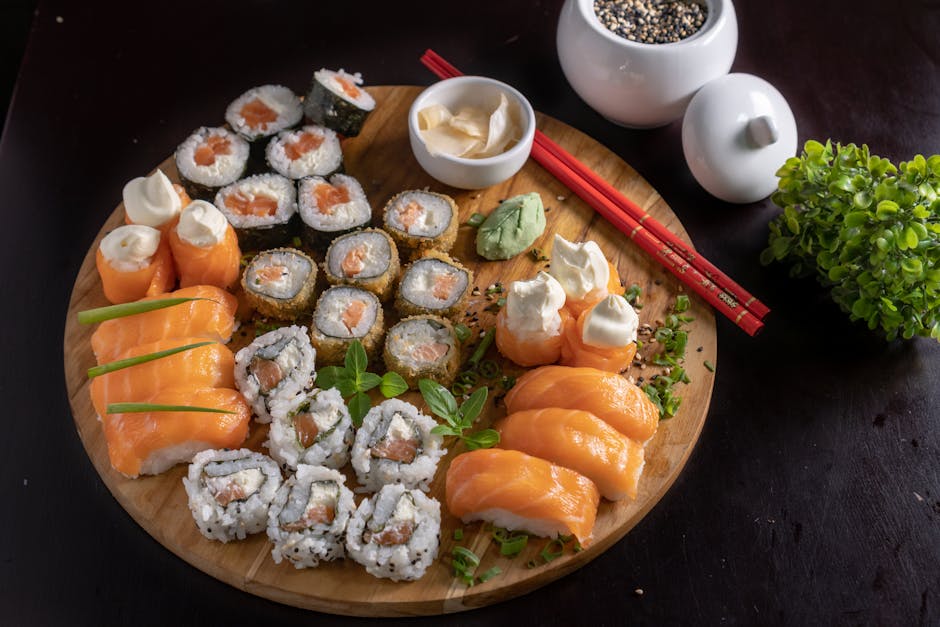
Fu-unji (Fuunji) — Technically in Shinjuku (a 5-minute train ride), but so close to Shibuya that it belongs on this list. Fu-unji is famous for its tsukemen (dipping ramen), where thick noodles are served separately from a concentrated, intensely flavorful fish and pork broth. The queue is almost always 20 – 40 minutes, and it is worth every minute. Around 1,000 yen per bowl.
AFURI Shibuya — Known for its yuzu shio (citrus salt) ramen, AFURI serves a lighter, more refined bowl that is unlike the heavy tonkotsu styles most visitors expect. The clear broth is fragrant with yuzu citrus and made with water from Mount Afuri in Kanagawa. The Shibuya branch is on the lower floors of Shibuya Hikarie. Around 1,100 yen.
Ichiran Shibuya — The famous solo-dining ramen chain where each customer sits in an individual booth separated by partitions. You order via a vending machine, customize your ramen on a paper form (noodle firmness, broth richness, spice level), and your bowl appears through a bamboo curtain without you ever seeing the cook. It is a uniquely Japanese dining experience, even if ramen purists debate whether it is the best bowl in town. Around 1,000 yen.
Budget: 900 – 1,500 yen per bowl
Best time: Arrive before 11:30 AM or after 2:00 PM to avoid the worst lunch queues
19. Shibuya Club Scene — WOMB, Contact, and Vision
Shibuya has been the beating heart of Tokyo’s electronic music and club scene for decades. If you are into dance music — from techno and house to drum and bass and experimental electronic — Shibuya’s clubs are world-class.
WOMB is the most internationally famous, a four-floor superclub that has hosted every major DJ in the world. The main floor features one of Asia’s largest mirror balls and a sound system that will rearrange your internal organs. Entry typically runs 2,500 – 4,000 yen depending on the night and lineup.
Contact was a legendary intimate venue known for its Funktion-One sound system and strict no-photos policy. Check current status before planning a visit, as Tokyo’s club landscape shifts frequently.
Sound Museum Vision is a multi-room mega-club near Dogenzaka with different genres playing in different rooms on any given night — you might walk from a house music room into a hip-hop room into an ambient lounge. Entry: 2,000 – 3,500 yen.
Location: Dogenzaka area, Shibuya (all within walking distance of each other)
Hours: Most clubs open around 10:00 PM – 11:00 PM and run until 5:00 AM or later
Cover: 2,000 – 4,000 yen (often includes one drink)
Age requirement: 20+ (Japan’s legal drinking age). Bring your passport as photo ID.
20. Golden Gai and Shinjuku — One Stop from Shibuya
Shinjuku is just one stop from Shibuya on the JR Yamanote Line (3 minutes), or a 20-minute walk if you prefer to stroll through the backstreets. Many visitors combine Shibuya and Shinjuku into a single day or evening, and it is an easy pairing.
The highlight of Shinjuku for nightlife is Golden Gai — a labyrinth of six narrow alleys containing over 200 tiny bars, each seating barely 5 to 10 people. Unlike Shibuya’s Nonbei Yokocho, Golden Gai has become a major international destination, and many bars now actively welcome foreign visitors with English menus and friendly bartenders. Each bar has its own theme — jazz, punk, cinema, manga, philosophy — and the experience of squeezing into a bar the size of a walk-in closet and sharing drinks with strangers is one of Tokyo’s great pleasures.
Beyond Golden Gai, Shinjuku offers Kabukicho (Tokyo’s largest entertainment district), Omoide Yokocho (another atmospheric alley of tiny food stalls near the west exit), the Tokyo Metropolitan Government Building observation deck (free), and some of the city’s best department store shopping.
Access from Shibuya: JR Yamanote Line, 1 stop, 3 minutes, 150 yen
Golden Gai location: Kabukicho 1-chome, Shinjuku-ku (5-minute walk from Shinjuku East Exit)
Golden Gai hours: Most bars open 7:00 PM – midnight (some until 5:00 AM)
Budget: 1,500 – 3,000 yen per bar (cover charge plus 2-3 drinks)
Full guide: Golden Gai Complete Guide
How to Get to Shibuya
Shibuya is one of the best-connected stations in Tokyo, served by multiple train and subway lines. Getting here from almost anywhere in the city is straightforward.
JR Lines
- JR Yamanote Line — Tokyo’s main loop line connects Shibuya to Shinjuku (4 min), Harajuku (2 min), Ikebukuro (15 min), Tokyo Station (25 min), Shinagawa (12 min), and Akihabara (30 min). This is the line you will use most.
- JR Saikyo Line / Shonan-Shinjuku Line — Direct service to Shinjuku, Ikebukuro, Omiya, and Yokohama.
Tokyo Metro
- Ginza Line — Connects Shibuya to Omotesando (2 min), Aoyama-itchome, Akasaka-mitsuke, Ginza (15 min), and Asakusa (30 min).
- Hanzomon Line — Connects to Omotesando, Otemachi, and continues to Oshiage (Tokyo Skytree area).
- Fukutoshin Line — Connects to Meiji-Jingumae (Harajuku), Shinjuku-Sanchome, Ikebukuro, and through to Saitama.
Private Railways
- Tokyu Toyoko Line — Direct service to Naka-Meguro, Jiyugaoka, Yokohama, and Motomachi-Chukagai (Yokohama Chinatown).
- Tokyu Den-en-toshi Line — Service to Sangen-Jaya, Futako-Tamagawa, and western suburbs.
- Keio Inokashira Line — Connects to Shimokitazawa (3 min) and Kichijoji (15 min).
From Airports
- Narita Airport: Narita Express (N’EX) to Shibuya Station, approximately 75 minutes, 3,250 yen.
- Haneda Airport: Keikyu Line to Shinagawa, transfer to JR Yamanote Line, approximately 40 minutes total, around 600 yen. Alternatively, Limousine Bus direct to Shibuya Mark City, approximately 50 minutes, 1,200 yen.
Best Time to Visit Shibuya
Time of Day
- Early Morning (6:00 AM – 8:00 AM): Best for crowd-free photos at Shibuya Crossing and Hachiko Statue. Meiji Shrine is magical at this hour.
- Midday (11:00 AM – 2:00 PM): Peak shopping hours. Good for Shibuya 109, Cat Street, Harajuku, and Shibuya Parco. Beat the ramen lunch rush by arriving before 11:30 AM.
- Late Afternoon (4:00 PM – 6:00 PM): Head to Shibuya Sky for sunset views. The crossing gets busier as commuters join the mix.
- Evening (7:00 PM – 10:00 PM): Peak energy. Center-gai and Dogenzaka light up. Nonbei Yokocho bars open. This is Shibuya at its most alive.
- Late Night (10:00 PM – 5:00 AM): Club scene kicks off. Don Quijote is open. Late-night ramen. The crossing thins out but never fully empties.
Season
- Spring (March – May): Cherry blossom season. Yoyogi Park and Meiji Shrine are stunning. Mild weather, comfortable for walking. Peak tourist season — book Shibuya Sky in advance.
- Summer (June – August): Hot and humid, but summer festivals and events are frequent. Carry water and take breaks in air-conditioned buildings.
- Autumn (October – November): Best weather. Comfortable temperatures, clear skies, autumn foliage in Yoyogi Park and Meiji Shrine forest. Arguably the ideal time to visit.
- Winter (December – February): Cold but rarely below freezing. Holiday illuminations light up the streets from late November through Christmas. Clearest skies for Shibuya Sky views — best chance to see Mount Fuji.
Frequently Asked Questions
How many days do you need in Shibuya?
You can hit the major highlights — Shibuya Crossing, Hachiko, Shibuya Sky, Shibuya 109, and a meal — in half a day. But to properly explore the district including Harajuku, Cat Street, Meiji Shrine, Nonbei Yokocho, and the nightlife, plan for a full day and evening. If you are adding experiences like a JDM car rental, go-kart tour, or Mt. Takao day trip, Shibuya can easily fill two to three days of your Tokyo itinerary.
Is Shibuya safe at night?
Yes. Shibuya is very safe at night, as is Tokyo generally. The streets remain busy and well-lit until the early hours, and violent crime is extremely rare. Standard precautions apply — keep your belongings secure and be aware of drink-spiking at clubs (as in any major city). The main nuisance you may encounter is aggressive touts (called “catch” in Japanese) on Dogenzaka trying to lure you into overpriced bars or hostess clubs. Politely decline and keep walking.
Can I walk from Shibuya to Shinjuku?
Yes. The walk from Shibuya Station to Shinjuku Station takes approximately 20 to 25 minutes via Meiji-dori or the back streets. It is a pleasant walk that passes through interesting neighborhoods. Alternatively, take the JR Yamanote Line for one stop (3 minutes, 150 yen). Harajuku is between the two and makes a natural stopping point.
What is the best observation deck in Shibuya?
Shibuya Sky at the top of Shibuya Scramble Square is the clear winner. At 229 meters with an open-air rooftop, it offers the best views in the district and arguably in all of Tokyo. The direct view down to Shibuya Crossing is unique to this observation deck. Book online in advance for sunset time slots — the transition from daylight to Tokyo’s nightscape is the most dramatic viewing experience available. Adults: 2,000 yen.
This guide was last updated in April 2026. Prices and hours may change — check official websites for the latest information before your visit.
[st_af id=”862″]
[st_af id=”854″]
🇯🇵 Plan Your Japan Experience
JDM Car Rental
Drive a GT-R, Supra, RX-7, or Silvia on the roads they were built for. Hakone passes, Wangan highway, mountain touge — your dream JDM experience.
Daikoku PA Tour
Visit Japan’s most legendary car meet. Hundreds of modified cars, passionate owners, and the heartbeat of JDM culture. Guided weekend night tours available.
Photo Guide Tour
Capture stunning photos at locations only locals know. Hidden shrines, backstreet alleys, rooftop views, and golden hour spots for unforgettable shots.