Akihabara Guide: Tokyo’s Ultimate Anime, Gaming & Electronics District (2026)
There is no place on Earth quite like Akihabara. This single neighborhood in central Tokyo has become the global capital of anime, manga, video games, electronics, and every conceivable form of Japanese pop culture. What began as a post-war black market for radio parts evolved into Japan’s electronics mecca, and then transformed again into the otaku paradise that draws millions of visitors every year. Whether you are a lifelong anime fan making a pilgrimage, a retro gaming collector hunting for rare cartridges, or a curious traveler who simply wants to see what all the fuss is about, Akihabara Tokyo delivers an experience that is overwhelming, exhilarating, and absolutely unforgettable.
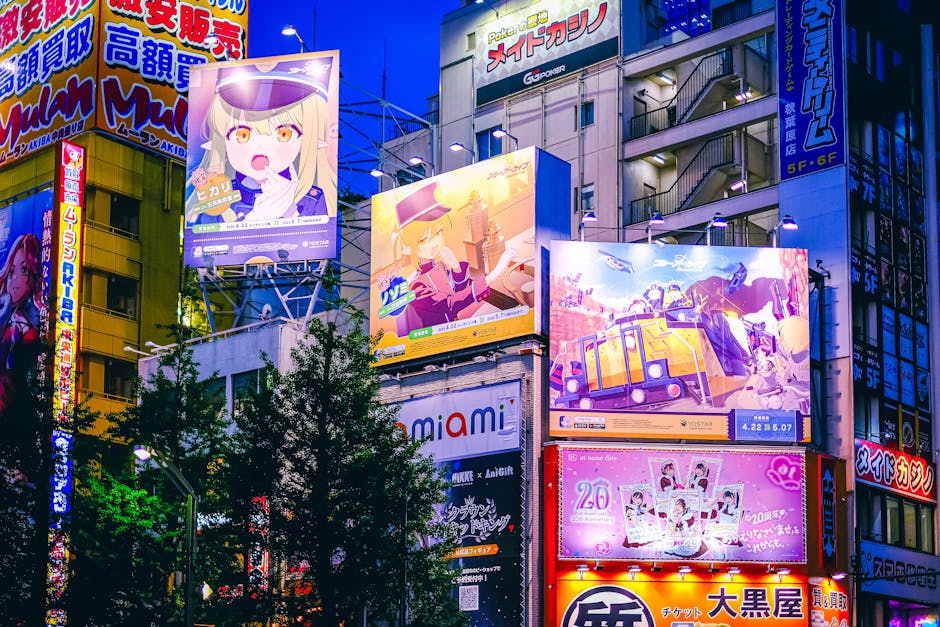
Walking through Akihabara for the first time is a sensory assault in the best possible way. Multi-story buildings covered in anime billboards tower above you. Arcade sounds spill onto the sidewalk. Shop attendants dressed as maids hand out flyers. Display windows packed with thousands of figurines catch the light. It is loud, colorful, dense, and completely unlike any other shopping district you have ever visited.
This Akihabara guide covers everything you need to know for your visit in 2026 — the best shops for anime, manga, games, electronics, and collectibles, plus the maid cafes, themed restaurants, practical tips for tax-free shopping, and the neighborhood’s best-kept secrets that most tourists walk right past.
The History of Akihabara: From Electric Town to Otaku Paradise
After World War II ended in 1945, the area around Akihabara Station became a black market hub for radio parts and electronic components. Students from nearby universities gathered here to buy vacuum tubes and resistors, earning the area its nickname: Denki Gai (Electric Town). Through the following decades, Akihabara evolved with Japan’s booming consumer electronics industry — televisions, stereos, and eventually personal computers drew shoppers from across the country.
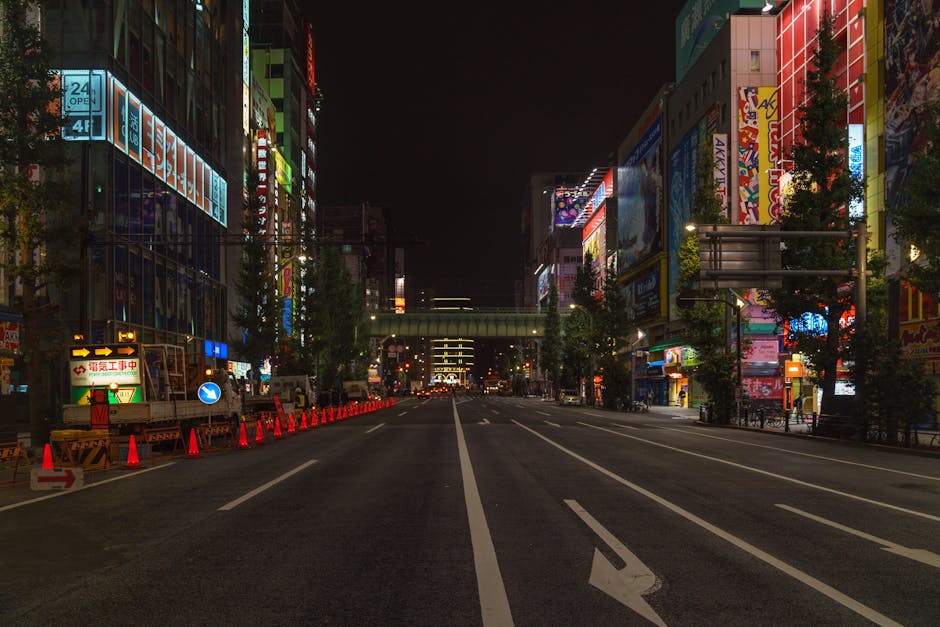
The transformation into an otaku district began in the 1990s as anime, manga, and video game culture grew. Shops catering to these interests multiplied rapidly, accelerated by the popularity of series like Neon Genesis Evangelion and Love Live! (which is actually set in Akihabara). Maid cafes opened, figure shops took over entire floors, and by 2010, the cultural transformation was complete. Today, the old electronics DNA coexists with the anime landscape — tiny component shops still operate on the back streets while anime billboards dominate the skyline.
Getting to Akihabara
Akihabara Station is served by the JR Yamanote Line (Tokyo’s main loop line, direct from Shinjuku in 20 minutes, Shibuya in 25, Tokyo Station in 4, Ueno in 4), the JR Sobu Line, JR Keihin-Tohoku Line, Tokyo Metro Hibiya Line, and Tsukuba Express. Use the Electric Town Exit (Denki Gai Exit) to land right in the heart of the action on Chuo Dori, Akihabara’s main shopping street.
Best Anime & Manga Shops
Anime and manga shopping is the primary reason most international visitors come to Akihabara. These are the essential stores for Akihabara shopping.
Mandarake Complex
Mandarake Complex is an eight-story temple of used anime, manga, and pop culture goods. Each floor specializes in a different category — manga, anime cels, doujinshi, vintage toys, and more. What makes Mandarake special is the rarity of its inventory: limited edition production cels from Studio Ghibli, first-edition manga from the 1960s, and discontinued merchandise collectors have hunted for years. Prices range from ¥100 for common manga to hundreds of thousands of yen for genuinely rare pieces.
Animate Akihabara
Animate focuses on new merchandise — the latest figures, current-season character goods, art books, soundtracks, and light novels. Well-organized by series, Animate also stocks affordable keychains, stationery, and acrylic stands that make great souvenirs. They run frequent collaboration events with popular anime offering limited-edition exclusives.
Akihabara Radio Kaikan
Radio Kaikan is a landmark building housing multiple floors of specialized shops — figure retailers, trading card stores, hobby supplies, and niche genre specialists. Fans of Steins;Gate will recognize it from the anime. Notable tenants include Kaiyodo Hobby Lobby and Yellow Submarine (tabletop gaming and trading cards).
More Shops Worth Visiting
Kotobukiya — A major figure manufacturer with a dedicated retail store, excellent for ARTFX and Bishoujo figure lines. Gamers — Multi-story anime goods with strong idol-anime selections. Toranoana and Melonbooks — Essential for doujinshi (self-published fan works), offering a window into a creative ecosystem most tourists never discover.
Gaming: Retro Games, Arcades & Game Centers
Super Potato
Super Potato is the most famous retro game store in Japan. The shelves are packed with games and consoles spanning every era — Famicom, Super Famicom, Nintendo 64, Sega Saturn, Dreamcast, PC Engine, Neo Geo, and more. The top floor features a retro arcade with playable vintage cabinets at ¥100 per credit. For the best deals, also explore smaller shops like Retro Game Camp, Friends, and Trader on the side streets.
Arcades and Game Centers
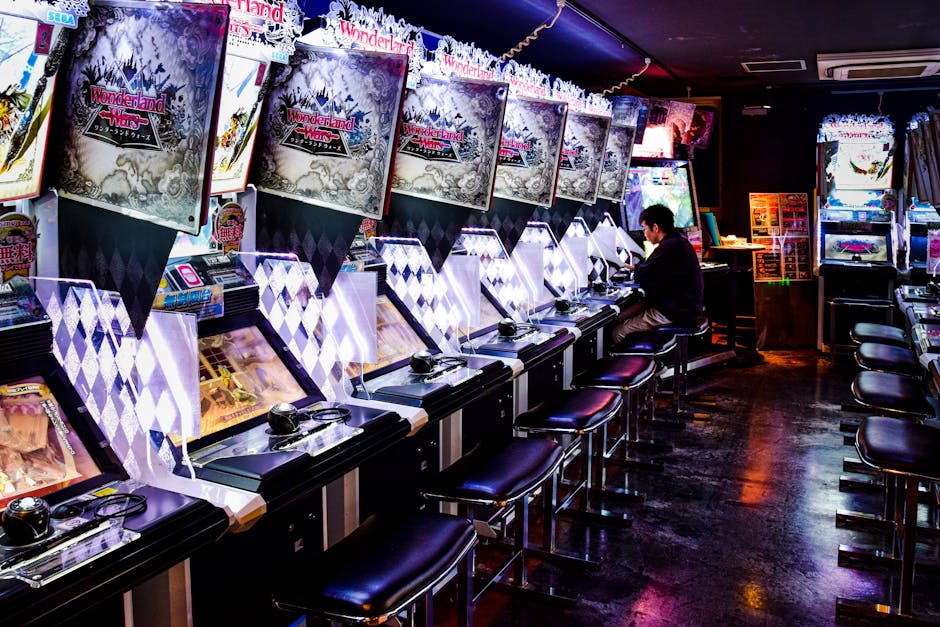
Akihabara’s game centers are multi-story entertainment complexes, often five to eight floors tall. A typical layout: crane games (UFO catchers) on the ground floors, rhythm games (Taiko no Tatsujin, maimai) in the middle, and fighting games (Tekken, Street Fighter) higher up. Major venues include GiGO, Taito Station, and Hey — the latter is legendary among fighting game enthusiasts for its ground floor packed with classic cabinets and expert players.
Electronics & Gadgets
Yodobashi Camera Akiba is a massive electronics department store next to Akihabara Station. It sells essentially every electronic product in Japan — cameras, laptops, smartphones, headphones, drones, audio equipment — with tax-free shopping for tourists and knowledgeable staff. The upper floors include restaurants and hobby shops.
For old-school Akihabara, explore the tiny component shops on the back streets west of Chuo Dori. These cramped stores sell resistors, LEDs, circuit boards, and soldering equipment. The “Under-Guard” shops beneath the elevated train tracks south of the station house some of the original vendors from Akihabara’s Electric Town era.
Maid Cafes
Maid cafes are one of Akihabara’s most iconic and frequently misunderstood attractions. The concept is straightforward — a cafe where waitstaff dress in maid costumes and treat customers as “masters” (goshujin-sama) or “princesses” (ojou-sama), creating a theatrical dining experience rooted in anime aesthetics. The food is standard cafe fare — omurice, parfaits, pancakes — decorated with cute faces drawn in ketchup or chocolate. Before you eat, the maid may ask you to perform a small “spell” to make the food taste better, involving a heart shape with your hands and a chanted phrase. It is silly, theatrical, and entirely the point.
Walking through Akihabara, you will encounter maid cafe staff on the sidewalks handing out flyers. This is normal and not aggressive — a polite “no thank you” is all that is needed if you are not interested.
Most charge a table fee (¥500-800 per 60 minutes) on top of food prices. Some offer additional paid options like polaroid photos with the maids or game sessions. A typical visit costs ¥2,000-4,000. The best choices for first-timers: @home cafe (largest, most tourist-friendly, English-speaking staff), Maidreamin (polished with regular stage performances), and Cure Maid Cafe (elegant and calm, focused on quality tea — ideal if you want the experience without the high energy).
Themed Cafes & Character Shops
Akihabara frequently hosts collaboration cafes — temporary themed dining experiences dedicated to a specific anime or game, serving themed food and selling exclusive merchandise. Check online listings before your visit to see what is running. For Pokemon fans, the Pokemon Center Tokyo DX in nearby Nihonbashi is the closest official store. Gundam fans will find multiple shops specializing in Gunpla (Gundam model kits), with Radio Kaikan housing some of the best selections.
Figures & Collectibles
Akihabara is the world capital of anime figure collecting. The main types and price ranges:
- Prize figures (Banpresto, Taito) — ¥1,000-3,000, decent quality
- Scale figures (Good Smile Company, Alter, Kotobukiya) — ¥10,000-30,000+, highly detailed
- Nendoroids — Chibi-style poseable figures, ¥4,000-6,000
- Figma — Articulated action figures, ¥5,000-8,000
- Garage kits — Unassembled resin kits for advanced hobbyists, often very rare
For new figures, try Kotobukiya, Animate, and AmiAmi (their physical Akihabara store has competitive prices). For used and discounted pieces, Mandarake is unbeatable. Pre-owned figures in Japan are typically in excellent condition — Japanese collectors are meticulous about keeping original boxes.
Gachapon: Capsule Machine Heaven
Gachapon machines are everywhere in Akihabara. Insert ¥200-500, twist the handle, receive a random capsule toy. The variety is extraordinary — miniature food replicas, anime figures, absurdist humor pieces, and franchise collaborations. Modern gachapon quality is remarkably high for the price.
The largest collections are at Gachapon Kaikan on the main street (hundreds of machines) and Akihabara Gachapon Hall. Machines only accept coins — bring plenty of ¥100 coins or use the change machines found inside gachapon shops.
Trading Card Shops
The trading card game (TCG) scene in Akihabara is massive. Whether you play Pokemon TCG, Yu-Gi-Oh!, Magic: The Gathering, or One Piece Card Game, you will find specialized shops selling both sealed products and individual cards sorted by rarity. Key shops include Yellow Submarine (in Radio Kaikan), Card Kingdom, and Hareruya. Many have play spaces for tournaments. Japanese-language cards are often significantly cheaper than English equivalents, and Japan gets exclusive sets never released internationally.
Cosplay Culture
Cosplay and Akihabara are deeply intertwined. You will often see cosplayers on the streets, particularly on weekends. ACOS (Animate Cosplay) sells ready-made costumes and accessories. For cosplay supplies including wigs, colored contacts, and props, several specialist shops are scattered throughout the neighborhood. If you encounter cosplayers, always ask permission before photographing — most are happy to pose.
Don Quijote Akihabara
Don Quijote (Donki) is the famous discount variety store, and the Akihabara location has an expanded selection of anime merchandise, cosplay costumes, and character goods alongside the usual snacks, cosmetics, and household items. It is one of the best places to buy Japanese snacks in bulk as souvenirs. Tax-free shopping is available for purchases over ¥5,000. Don Quijote stays open late — perfect if other shops have already closed.
Food in Akihabara
Ramen
Akihabara has some genuinely great ramen shops. Kyushu Jangara Ramen near the station serves rich, creamy tonkotsu (pork bone broth) ramen and is a favorite among locals and tourists alike. Fuunji in nearby Kanda is famous for intense tsukemen (dipping ramen). Several other shops along the back streets offer everything from miso ramen to spicy tantanmen.
Budget Eats
Beef bowl chains like Yoshinoya, Matsuya, and Sukiya offer filling meals for ¥400-600. CoCo Ichibanya curry lets you customize spice level and toppings. Convenience stores (7-Eleven, Lawson, FamilyMart) sell surprisingly good onigiri, sandwiches, and bento for ¥100-500. For a proper sit-down meal, look for small izakaya on the side streets — lunch sets with a main dish, rice, and miso soup typically run ¥800-1,200. Yodobashi Camera’s restaurant floor on the upper levels offers a wide variety — sushi, tempura, tonkatsu, and udon — all solid quality and convenient if you are already shopping in the building.
Hokosha Tengoku: The Weekend Pedestrian Zone
On Sundays (and some Saturdays and holidays, typically from 1:00 PM to 5:00 PM, though times vary by season), Akihabara’s main street Chuo Dori closes to vehicle traffic and becomes a pedestrian paradise (hokosha tengoku, literally “pedestrian heaven”). This tradition dates back decades and is one of the best times to experience Akihabara’s energy at its peak. The street fills with people walking freely, cosplayers posing for photos, street performers, and promotional events by anime studios or game companies. The experience of walking down the center of a normally busy six-lane road, surrounded by towering anime billboards on both sides, is uniquely Akihabara.
Nearby Spots Worth Visiting
Kanda Myojin Shrine
Kanda Myojin Shrine is a 10-minute walk from Akihabara Station with over 1,200 years of history. It has embraced otaku culture — the shrine sells anime-themed ema (wooden prayer plaques) and has collaborated with series like Love Live!. A peaceful contrast to Akihabara’s commercial intensity.
Ueno
Just one stop north on the JR Yamanote Line, Ueno offers museums (Tokyo National Museum, National Museum of Nature and Science), Ueno Park, and Ameyoko Market — a bustling street market selling fresh seafood, clothing, and snacks at bargain prices.
Anime Pilgrimage Day Trips
Serious anime fans should consider a trip to Chichibu in Saitama Prefecture — the real-world setting of Anohana: The Flower We Saw That Day. About 90 minutes from Tokyo, you can rent a JDM car from Samurai Car Japan and drive the scenic mountain roads to Chichibu, combining an anime pilgrimage with a Japanese driving adventure.
Practical Tips for Visiting Akihabara
When to Go
Most shops open 10:00-11:00 AM and close 8:00-9:00 PM. Game centers stay open until 11:00 PM or midnight. Weekdays are significantly quieter than weekends — aim for Tuesday or Wednesday for crowd-free browsing.
Budget Guide
- Gachapon and small souvenirs: ¥1,000-3,000
- Arcade gaming (1-2 hours): ¥1,000-2,000
- Maid cafe: ¥2,000-4,000
- Anime goods: ¥3,000-10,000
- Figures: ¥1,000-30,000+
- Meals: ¥800-3,000
A realistic half-day budget for casual shopping, an arcade visit, and lunch: ¥5,000-10,000.
Tax-Free Shopping
As a foreign tourist on a temporary visitor visa, you are eligible for tax-free shopping on purchases over ¥5,000 (excluding tax) at participating stores — saving you the 10% consumption tax, which adds up quickly on bigger purchases. Bring your passport everywhere you shop — you need it to complete tax-free transactions. Look for “Tax Free” signs in shop windows. The ¥5,000 minimum applies per store, per day, and you cannot combine purchases from different shops. Yodobashi Camera, Don Quijote, Animate, and most large stores participate. At Yodobashi, you also earn reward points (typically 10%) on top of the tax-free discount, making it an excellent deal on electronics.
Essential Etiquette
- Do not eat while walking — considered rude in Japan
- Ask before photographing people — cosplayers, maid cafe staff, everyone
- Do not touch merchandise without permission, especially figures in glass cases
- Carry your trash — public bins are rare; use convenience store bins
Common Mistakes to Avoid
- Only visiting Chuo Dori: The best finds are on the back streets and side alleys
- Ignoring upper floors: Many buildings have 5-8 floors of shops — always check the building directory
- Forgetting your passport: Losing 10% on a ¥20,000 purchase hurts
- Coming too early: Shops open at 10:00-11:00 AM — start at Ueno or Kanda Shrine first
Akihabara After Dark & Beyond
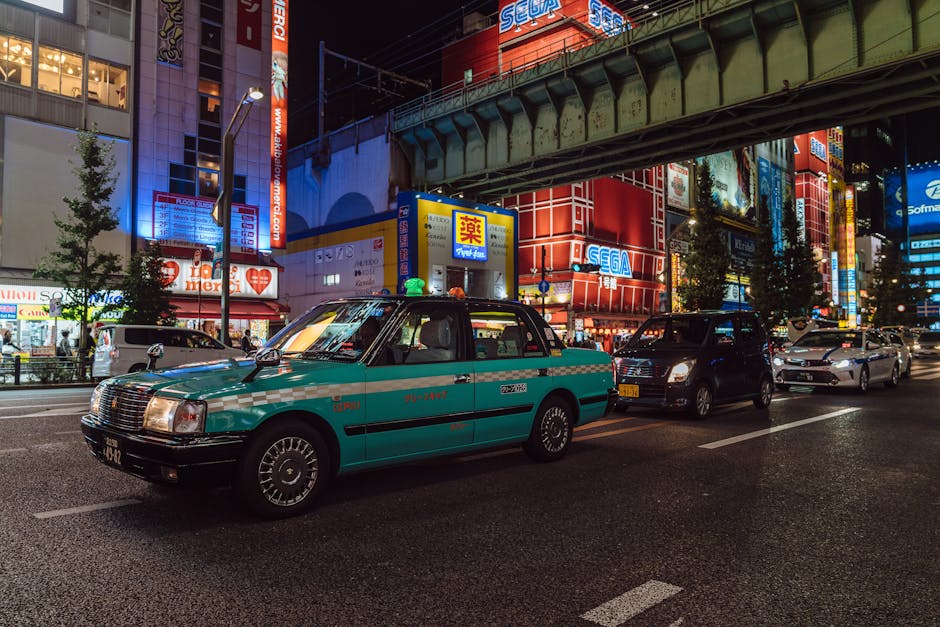
After the shops close, game centers and Don Quijote keep Akihabara alive into the late evening. For continuing your night, head to Shibuya for nightlife or explore our guide to unique experiences in Tokyo. If you are building a multi-day Tokyo trip, our Tokyo 5-Day Itinerary shows how to fit Akihabara into a broader exploration of the city. Car enthusiasts should check out the Tokyo go-kart experience or consider renting a JDM car to explore anime pilgrimage sites beyond the city.
Akihabara is one of those rare places that delivers exactly what it promises. Whether you spend two hours or two days, whether you buy nothing or fill a suitcase, the experience of walking through Electric Town — absorbing its energy, browsing its impossibly deep shops, hearing arcade sounds mix with J-pop — is something you will remember for the rest of your life. Come with curiosity, leave your self-consciousness at the station exit, and have an amazing time.