Tokyo Food Guide: 25 Best Things to Eat and Where to Find Them (2026)
Tokyo holds more Michelin stars than Paris and New York combined, with over 80,000 restaurants spanning every price point and cuisine imaginable. Whether you are slurping ramen at midnight, grabbing an onigiri from 7-Eleven at 6 AM, or sitting through a twelve-course kaiseki dinner, the quality is consistently, almost unreasonably high. Tokyo food is in a category of its own.
This Tokyo food guide walks you through the 25 best things to eat in Tokyo, with specific restaurant recommendations, realistic price ranges, and the practical tips that make the difference between a good meal and an unforgettable one.
1. Ramen
Tokyo is ground zero for Japan’s ramen obsession. Most shops seat 8-15 people at a counter. You order from a vending machine at the entrance, hand your ticket to the cook, and your bowl arrives within minutes. Eat fast — the noodles are best before they soften in the broth.
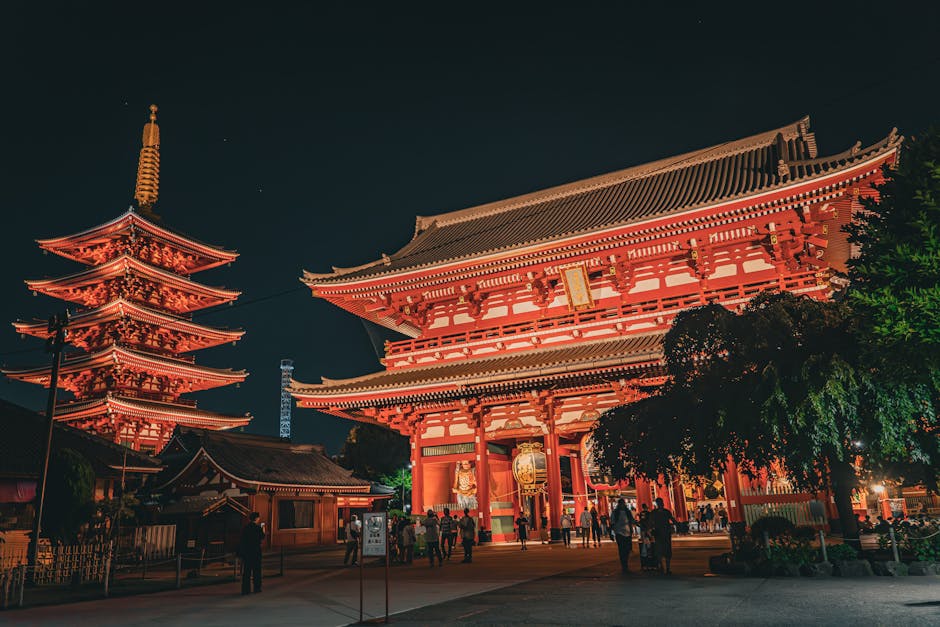
Where to eat: Fuunji (Shinjuku) serves some of Tokyo’s best tsukemen with an absurdly concentrated dipping broth (1,000-1,300 yen). Ichiran (multiple locations) offers customizable tonkotsu ramen in private booths (1,000-1,500 yen). Afuri (Ebisu, Harajuku) is known for refreshing yuzu shio ramen (1,100-1,400 yen).
2. Sushi
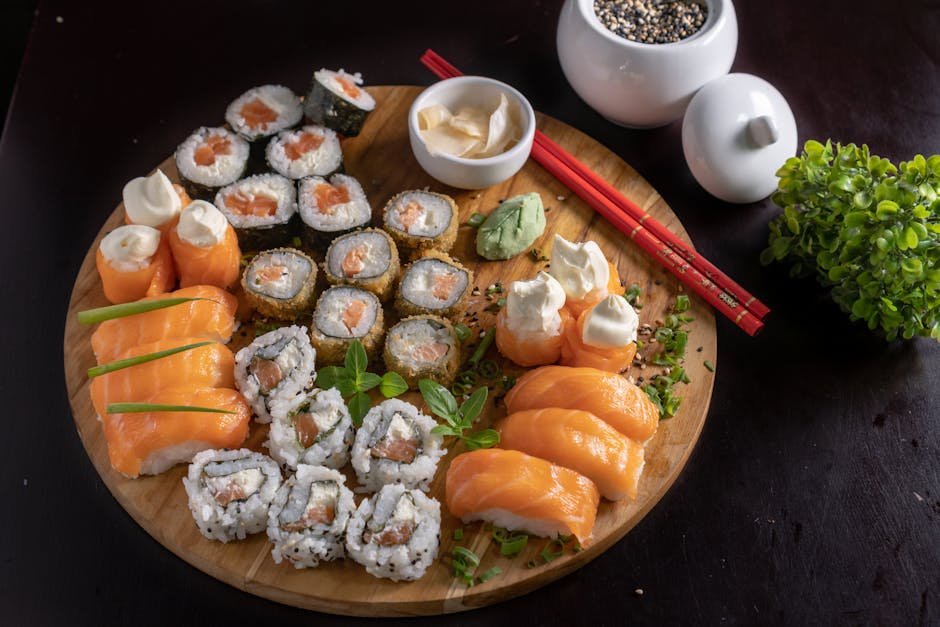
Tokyo-style Edomae sushi emphasizes precision and fresh seafood. The range of experiences is enormous — from 30,000-yen omakase counters to excellent conveyor belt restaurants where plates start at 100 yen.
Where to eat: The Tsukiji Outer Market area remains packed with sushi restaurants at reasonable prices (2,500-5,000 yen for a set). Skip the famous two-hour lines and try any busy shop with fresh-looking displays. For budget sushi, chains like Sushiro and Kura Sushi serve surprisingly good conveyor belt sushi (1,000-2,500 yen).
3. Tempura
At the best tempura counters, the batter is practically translucent and each piece is served the moment it leaves the oil. Tsunahachi (Shinjuku), operating since 1923, offers a classic counter experience (lunch sets 1,500-3,500 yen). For budget tempura, Tendon Tenya serves excellent tendon (tempura over rice) for 500-800 yen.
4. Tonkatsu
A thick pork cutlet coated in panko breadcrumbs and deep-fried to a golden crunch — served with unlimited cabbage, miso soup, rice, and tangy sauce. You grind sesame seeds at the table and mix them with the sauce.
Where to eat: Maisen (Omotesando), located in a converted bathhouse, is Tokyo’s most famous tonkatsu spot. Their kurobuta pork loin cutlet is thick, juicy, and shatteringly crispy (1,800-3,000 yen). Butagumi (Nishi-Azabu) offers a more upscale experience with multiple pork breeds (2,500-4,000 yen).
5. Yakitori
Skewered chicken grilled over binchotan charcoal — using every part from breast to heart to cartilage. Great yakitori spans the spectrum from smoky train-track stalls to refined restaurants with wine pairings.
Where to eat: Omoide Yokocho (Shinjuku) is a narrow alley of tiny stalls that has been here since the post-war era (100-200 yen per skewer). Toriki (Meguro) is a no-frills local favorite with chef-selected courses (3,000-4,000 yen).
6. Udon
Thick, chewy noodles served in hot broth or cold with a dipping sauce. Shin (Shinjuku) serves handmade Sanuki-style noodles with a legendary curry udon (800-1,200 yen). Maruka (Tokyo Station area) offers excellent cold dipping udon perfect for summer (700-1,100 yen).
7. Soba
Earthy buckwheat noodles treated with the same reverence as sushi at top establishments. Kanda Matsuya (Kanda), operating since 1884, serves perfected zaru soba on a bamboo mat (700-1,500 yen). Honmura An (Roppongi) pairs handmade soba with creative appetizers and sake (1,500-3,500 yen).
8. Gyoza
Japanese pan-fried dumplings — smaller and more garlicky than their Chinese cousins, with a crispy golden bottom and juicy pork filling. Harajuku Gyozaro serves only gyoza and beer — nothing else (290 yen per plate of 6). Gyoza no Fukuho (Ebisu, Shibuya) is consistently ranked among Tokyo’s best (300-500 yen per plate).
9. Curry Rice
Japanese curry is thick, sweet, mild, and deeply savory — nothing like Indian or Thai curries. It is everywhere and one of the best cheap meals in the city.
Where to eat: CoCo Ichibanya (multiple locations) lets you customize spice level, rice amount, and toppings (600-1,200 yen). Go Go Curry (Shinjuku, Akihabara) serves darker, thicker Kanazawa-style curry with a breaded pork cutlet (750-1,100 yen).
10. Okonomiyaki
A savory pancake of batter, shredded cabbage, and your choice of protein, topped with brown sauce, mayo, bonito flakes, and seaweed powder. At many restaurants, you cook it yourself at a griddle built into your table.
Where to eat: Sakuratei (Harajuku) is a popular cook-it-yourself spot with English menus (1,000-1,800 yen). Sometaro (Asakusa) offers old-school charm in a traditional wooden building (800-1,500 yen).
11. Takoyaki
Golden balls of battered octopus — crispy outside, molten inside — drizzled with sauce, mayo, and bonito flakes. Gindaco (multiple locations) is Japan’s biggest takoyaki chain with an extra-crispy exterior (500-700 yen for 8 pieces). Harajuku street vendors also serve them fresh off the griddle (400-600 yen).
12. Wagyu Beef
A5 wagyu is so densely marbled it literally dissolves on your tongue. Tokyo offers it as yakiniku (grill-it-yourself BBQ), teppanyaki, shabu-shabu, and sukiyaki.
Where to eat: Yakiniku restaurants in Shibuya range from budget all-you-can-eat (3,000-6,000 yen at chains like Gyukaku) to premium spots (8,000-15,000 yen). Standing steak restaurants like Ikinari Steak serve wagyu by weight at reasonable prices (2,000-4,000 yen).
13. Unagi (Eel)
Grilled freshwater eel glazed with a sweet soy-based tare sauce over rice — rich, buttery, and deeply savory. Obana (Minami-Senju), operating for over 100 years, is widely considered one of Tokyo’s best (3,000-5,000 yen). Nodaiwa (Azabu-Juban) has served Michelin-recognized eel since the Edo period (3,500-6,000 yen).
14. Monjayaki (Tsukishima)
Tokyo’s messier cousin to okonomiyaki — a thin, liquid batter that never fully sets, cooked on your table griddle and scraped off in gooey, crispy bites with a tiny metal spatula.
Where to eat: Tsukishima Monja Street has over 70 monjayaki restaurants lining both sides. Pick any that catches your eye. Order 2-3 varieties to share (800-1,500 yen each).
15. Onigiri
Japan’s answer to the sandwich — triangles of seasoned rice wrapped in nori with fillings like salmon, tuna mayo, or pickled plum. Available everywhere for almost nothing, but specialty shops elevate the form.
Where to eat: Onigiri Asakusa Yadoroku, Tokyo’s oldest onigiri shop (since 1954), serves them freshly made and still warm (250-400 yen). Bongo (Otsuka) is a cult-favorite with massive rice balls and over 50 fillings (300-400 yen).
16. Convenience Store Food
This is the entry that surprises every first-time visitor. Tokyo’s konbini — 7-Eleven, Lawson, FamilyMart — serve food that would embarrass many sit-down restaurants elsewhere. The quality is genuinely remarkable.
Best picks: 7-Eleven for onigiri and egg sandwiches. Lawson for karaage-kun fried chicken and premium desserts. FamilyMart for Famichiki (an unreasonably good fried chicken fillet) and cream-filled melon pan.
17. Japanese Breakfast
A traditional washoku breakfast is a multi-dish tray of grilled fish, miso soup, pickled vegetables, rice, nori, and green tea. Simple elements that together form something extraordinary.
Where to eat: Many Tokyo hotels offer excellent Japanese breakfast buffets. For a budget option, Yayoi-ken (multiple locations, some open from 4 AM) serves traditional breakfast sets for 500-900 yen.
18. Depachika (Department Store Basements)
The food floors in department store basements are lavish, curated food halls selling everything from wagyu bento boxes to artisanal chocolates. The presentation is stunning and the free samples are generous.
Best depachika: Isetan Shinjuku (B1) is arguably Tokyo’s best, with a sweet section worth an hour alone. Tokyu Food Show (Shibuya Station) is enormous and convenient after a day in Shibuya. Daimaru Tokyo (Tokyo Station) is perfect for buying ekiben before a shinkansen trip. Bento boxes run 1,000-2,500 yen.
19. Street Food in Harajuku
Takeshita-dori and surrounding backstreets are Tokyo’s street food epicenter — colorful, Instagram-friendly, and occasionally delicious beneath the aesthetic excess.
What to try: Crepes at Marion Crepes or Santa Monica Crepes — enormous and stuffed with whipped cream, fruit, and ice cream (500-800 yen). Cotton candy art sculpted into massive colorful shapes (500-1,000 yen). Plus takoyaki, yakitori, and kebab stalls for savory options (400-700 yen).
20. Matcha Desserts
Matcha appears in everything from soft-serve and tiramisu to cheesecake and elaborate parfaits. The earthy, slightly bitter flavor is a perfect counterpoint to sweetness.
Where to eat: Nanaya (Aoyama) offers matcha gelato in seven intensity levels — level 7 is overwhelmingly, magnificently green (400-600 yen). Tsujiri (Ginza, Omotesando) serves elaborate matcha parfaits (800-1,400 yen).
21. Japanese Cheesecake
Nothing like New York cheesecake — this is pillowy, jiggly, and lighter than air. Closer to a souffle than a cake, with a delicate cream cheese flavor. Watching a fresh one wobble out of the oven is half the fun.
Where to eat: Uncle Rikuro’s (Tokyo Station) from Osaka serves the iconic jiggly cheesecake (800-1,000 yen for a whole cake). Mr. Cheesecake (online/pop-ups) is considered Japan’s best — texture between cheesecake and creme brulee — but sells out fast (3,000-4,000 yen).
22. Taiyaki
Fish-shaped pastries with a crispy waffle shell filled with sweet red bean paste, custard cream, or chocolate. A beloved traditional street snack that modern shops have pushed even further with ice cream and cheese fillings.
Where to eat: Naniwaya Souhonten (Azabu-Juban), making taiyaki since 1909, cooks each fish individually for a thinner, crispier shell (200 yen). Taiyaki Wakaba (Yotsuya) fills every bite all the way to the tail (170-200 yen).
23. Melon Pan
Despite the name, melon pan contains no melon — the name comes from the crosshatch cookie-dough crust that resembles cantaloupe skin. The outside shatters; the inside is soft, fluffy bread. Simple and ridiculously good warm.
Where to eat: Kagetsudo (Asakusa, near Senso-ji Temple) sells enormous freshly baked melon pan that draws constant lines (220 yen). Any bakery or convenience store also stocks them — FamilyMart’s version is surprisingly good (150-250 yen).
24. Izakaya Dining Culture
Japan’s version of a pub — casual, lively, with genuinely excellent food. You order drinks and a stream of small shared plates from a menu of 50-100 items. Grilled, fried, raw, pickled — everything is covered. The evening unfolds at its own pace.
Where to eat: Golden Gai (Shinjuku) combines bars with izakaya-style food. Torikizoku (multiple locations) offers almost everything for 350 yen — lively, loud, and popular with young people (1,500-3,000 yen per person).
25. Kaiseki (Multi-Course Fine Dining)
The pinnacle of Japanese cuisine — a sequence of 7 to 14 small, exquisitely prepared courses using seasonal ingredients at their peak, served on carefully chosen ceramics. A kaiseki meal is as much about art and philosophy as it is about flavor. Expect 2-3 hours for the full experience.
Where to eat: Kozue (Park Hyatt, Shinjuku) offers kaiseki with panoramic city views and English-speaking staff — more accessible than many traditional spots (10,000-20,000 yen for dinner). The Kagurazaka neighborhood near Iidabashi has traditional kaiseki in beautiful old buildings (8,000-25,000 yen).
Practical Tips for Eating in Tokyo
Cash Is Still King
Many of Tokyo’s best small restaurants are cash-only. Always carry 5,000-10,000 yen. ATMs in 7-Eleven and post offices accept international cards.
Lunch Sets Save Serious Money
Restaurants charging 8,000-15,000 yen for dinner often serve lunch sets for 1,500-3,000 yen with virtually identical food quality. If you want to experience a high-end Tokyo restaurant affordably, go for lunch.
Food Allergy Communication
Prepare a written card in Japanese listing your allergies. Show it to staff at every restaurant. The Japanese word for allergy is “arerugi” (アレルギー).
Tipping Does Not Exist
Do not tip anywhere in Japan. It is not expected and can cause confusion.
Eating Etiquette
- Slurping noodles is expected — it aerates them and signals enjoyment.
- Do not stick chopsticks upright in rice — this resembles a funeral ritual.
- Say “itadakimasu” before eating and “gochisousama deshita” when finished.
- Do not pass food from chopstick to chopstick — another funeral association.
Food Road Trips from Tokyo
Some of Japan’s best food experiences require a short trip outside the city — coastal seafood in Shonan, mountain soba in Chichibu, roadside ramen joints only locals know. Renting a car from Samurai Car Japan gives you the freedom to reach places the trains cannot easily access.
Where to Eat by Neighborhood
- Shinjuku — Ramen (Fuunji), yakitori (Omoide Yokocho), izakayas, Golden Gai
- Shibuya — Yakiniku, conveyor belt sushi, izakayas, depachika (see our Shibuya guide)
- Ginza — High-end sushi, tempura, kaiseki, depachika
- Asakusa — Traditional sweets, tempura, unagi, melon pan at Kagetsudo
- Tsukiji/Toyosu — Sushi, sashimi, tamagoyaki, seafood donburi
- Harajuku/Omotesando — Street food, Afuri ramen, Maisen tonkatsu, matcha desserts
- Tsukishima — Monjayaki (the only neighborhood that matters for it)
- Akihabara — Themed cafes, Go Go Curry, chain variety
Building Your Tokyo Food Itinerary
Breakfast: Alternate between traditional Japanese breakfasts and convenience store runs. Both are worth experiencing.
Lunch: Hit the ramen shops, tonkatsu restaurants, soba houses, and tempura counters. Lunch sets are almost always a better deal than dinner.
Afternoon snack: Browse a depachika, grab a taiyaki or melon pan, try matcha gelato at Nanaya, or eat takoyaki in Harajuku.
Dinner: Spend your dinner budget on izakaya hopping, yakitori under the train tracks, yakiniku, or a kaiseki splurge.
Late night: End with ramen. Late-night ramen after drinking is called “shime” — the closing act — and it is a Tokyo tradition.
If you are spending five days in Tokyo, you can comfortably try all 25 items by spreading them across meals and snacks. Do not try to eat everything in one day.
What makes Tokyo the world’s greatest food city is the consistency at every level. A 300-yen convenience store onigiri is made with the same attention to detail as a 30,000-yen kaiseki course. There is no throwaway food in Tokyo. Everything is made as if someone’s reputation depends on it — because in Japanese food culture, it does.