Kawaguchiko Ohashi Bridge: Mt. Fuji Views & Travel Tips
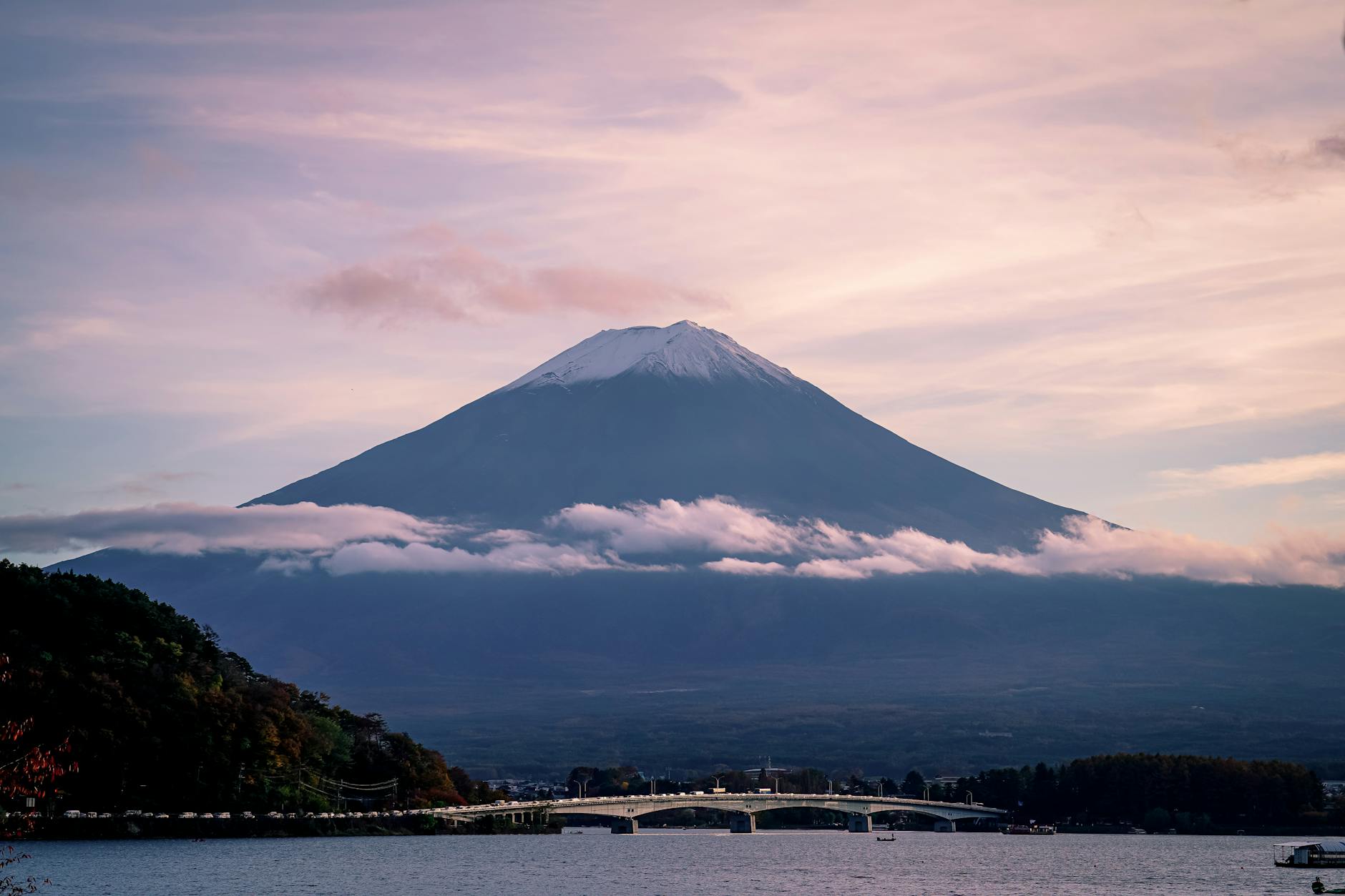
Standing on the elegant Kawaguchiko Ohashi Bridge, with the iconic silhouette of Mount Fuji rising majestically behind you and the calm waters of Lake Kawaguchi stretching out before you, it’s easy to understand why this spot has become one of the most photographed locations in all of Japan. The bridge, known locally as Kawaguchiko Ōhashi, offers one of the most breathtaking and accessible views of Japan’s most famous mountain, making it an essential stop on any Fuji Five Lakes itinerary.
Located in the heart of the Fuji Kawaguchiko area in Yamanashi Prefecture, this historic red-lacquered bridge has been welcoming visitors for over a century. Whether you’re a photography enthusiast chasing that perfect shot, a couple seeking a romantic stroll, or a traveler simply wanting to experience the natural beauty that has inspired Japanese artists for centuries, the Kawaguchiko Ohashi Bridge delivers an unforgettable experience. In this comprehensive guide, we’ll walk you through everything you need to know to make the most of your visit to this spectacular destination.
Overview: Why Visit Kawaguchiko Ohashi Bridge
The Kawaguchiko Ohashi Bridge is a 156-meter wooden pedestrian bridge that spans the northwestern shore of Lake Kawaguchi, one of the five lakes that make up the Fuji Goko (Fuji Five Lakes) region. Built in 1916, this charming red bridge has become the unofficial symbol of the Kawaguchiko area, appearing on countless travel brochures, postcards, and social media posts from visitors around the world.
What makes this bridge so special is its unbeatable vantage point for viewing Mount Fuji. Unlike many other spots in the area where the mountain may be partially obscured by surrounding hills or trees, the Kawaguchiko Ohashi Bridge offers an unobstructed view of Japan’s highest peak, particularly stunning during the early morning hours when the air is clearest and the famous “Fuji-san” is often visible in all its glory. The combination of the red bridge, the blue lake, and the white-capped mountain creates a scene that feels almost too perfect to be real.
Beyond the views, the bridge area itself is a pleasant destination with walking paths, nearby shops selling local specialties, and easy access to other attractions in the Fuji Five Lakes region. Whether you spend an hour here or make it part of a full day of exploration, the Kawaguchiko Ohashi Bridge should be at the top of your list when visiting the Mt. Fuji area.
Top Things to See and Do at Kawaguchiko Ohashi Bridge
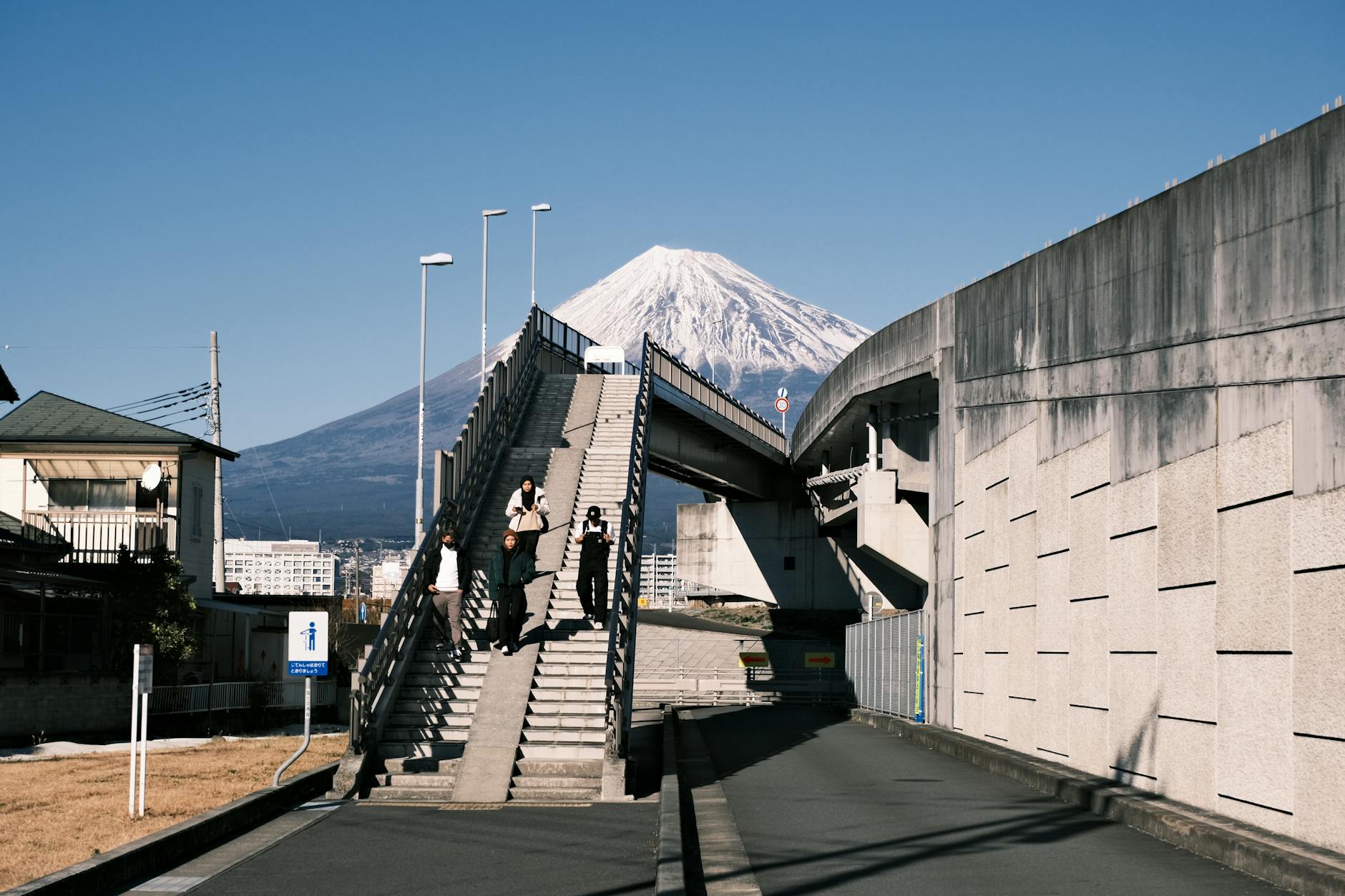
While the bridge itself is the main attraction, there’s plenty more to see and do in the immediate area. Here’s a detailed breakdown of the top experiences:
1. Walk Across the Bridge
The most obvious activity is simply walking across the Kawaguchiko Ohashi Bridge itself. Take your time crossing the wooden planks, stopping halfway to admire the 360-degree views of Mt. Fuji at one end and the surrounding town at the other. The bridge is pedestrian-only, so you can stroll safely while enjoying the scenery. Address: Kawaguchiko Ohashi, Fujikawaguchiko-machi, Minamitsuru-gun, Yamanashi-ken.
2. Mt. Fuji Panoramic Ropeway
Just a short walk from the bridge (about 10 minutes), you’ll find the Mt. Fuji Panoramic Ropeway (Fuji Mt. Panorama Ropeway). This cable car takes you up to the observation deck at Tenjozan Park, offering even more spectacular views of Mt. Fuji and Lake Kawaguchi from above. The ride costs approximately ¥900 for adults (one way) or ¥1,700 for adults (round trip). Children ages 6-12 pay approximately ¥450 (one way) or ¥850 (round trip). Operating hours are typically 9:00 AM to 5:30 PM, but hours vary by season.
3. Oishi Park
Located on the northern shore of Lake Kawaguchi, Oishi Park (Oishi Kōen) is a spacious public park that offers excellent views of Mt. Fuji, particularly beautiful during the Kawaguchi Cherry Blossom Festival in mid-April. The park features walking paths, flower gardens, and a small playground. Entry is free. Address: Oishi, Fujikawaguchiko-machi, Minamitsuru-gun, Yamanashi-ken.
4. Kawaguchiko Music Forest
This European-style music village is a unique attraction near the Ohashi Bridge, featuring mechanical music boxes, antique music instruments, and beautiful gardens. The museum showcases a collection of over 350 music boxes from around the world. Admission is approximately ¥1,500 for adults, ¥700 for children (ages 4-14). Open daily from 9:00 AM to 5:30 PM (last entry at 5:00 PM). Address: 3077-20 Kawaguchi, Fujikawaguchiko-machi, Minamitsuru-gun, Yamanashi-ken.
5. Lake Kawaguchi Boat Ride
For a different perspective of Mt. Fuji and the Ohashi Bridge, consider taking a pleasure boat cruise on Lake Kawaguchi. The “Sightseeing Boat Rose” offers regular departures from the Kawaguchiko Pier, with cruises lasting about 20 minutes. Adult tickets are approximately ¥1,000, with discounted rates for children.
6. Kawaguchiko Natural Living Center
Near the bridge, you’ll find this information center where you can pick up maps, get travel advice, and learn about local attractions. The center also has a small observation deck with views of Mt. Fuji.
Food & Dining Recommendations
After exploring the Kawaguchiko Ohashi Bridge area, you’ll want to refuel with some delicious local cuisine. The Fujikawaguchiko area offers a variety of dining options, from casual eateries to more refined restaurants. Here are some recommendations:
Local Specialties to Try
- Hoto Noodles: A regional specialty consisting of flat wheat noodles served in a miso-based soup with vegetables. Hearty and perfect after a day of sightseeing.
- Yoshida Udon: Another local noodle dish, thicker and chewier than regular udon, often served in a savory broth.
- Mt. Fuji-Shaped Cookies: These cute souvenirs are available at many shops near the bridge and make for delicious treats or gifts.
- Fuji Honey: Local honey produced in the Mt. Fuji region, available at gift shops throughout the area.
Restaurant Recommendations
Narukawa Sobahonten – A popular spot known for its delicious hoto noodles. The restaurant has large windows with Mt. Fuji views. Address: 2-7-20 Kawaguchi, Fujikawaguchiko-machi. Budget: ¥1,000-¥2,000 per person.
Matsumoto Soba – A traditional soba restaurant serving hand-made buckwheat noodles. Address: 1-7-20 Kawaguchi, Fujikawaguchiko-machi. Budget: ¥1,200-¥2,000 per person.
Kawaguchiko Terrace – A modern food court area near the bridge with multiple options including Japanese curry, ramen, and Western fare. Budget: ¥800-¥1,500 per person.
Café La Pause – A charming French-style café near the bridge offering coffee, cakes, and light meals with pleasant lake views. Budget: ¥1,000-¥1,800 per person.
Komeda’s Coffee – A well-known Japanese coffee chain near Kawaguchiko Station, perfect for a quick breakfast or coffee break. Budget: ¥500-¥1,000 per person.
Getting to Kawaguchiko Ohashi Bridge
Reaching the Kawaguchiko Ohashi Bridge is straightforward, with several transportation options available from Tokyo and other major cities. Here’s everything you need to know:
From Tokyo by Train
The most popular way to reach Kawaguchiko is via the Fujikyuko Line (Fuji Express Line). From Shinjuku Station, take the Fujikyuko Line directly to Kawaguchiko Station. The journey takes approximately 1 hour 45 minutes to 2 hours and costs around ¥1,230 for a one-way trip (plus ¥830 for the express surcharge if taking the rapid service).
Alternatively, you can take the JR Chuo Line from Tokyo Station or Shinjuku Station to Otsuki Station (about 1 hour), then transfer to the Fujikyuko Line for the remaining 45 minutes to Kawaguchiko Station.
From Tokyo by Bus
Highway buses offer a convenient and often cheaper alternative. The Keio Bus and Fujikyu Bus operate services from:
- Shinjuku Station – Direct buses take about 1 hour 50 minutes, costing approximately ¥2,100 (one way) or ¥3,800 (round trip).
- Tokyo Station – Direct buses take about 2 hours, with similar pricing.
- Haneda Airport – Direct buses available, taking approximately 2 hours 30 minutes.
From Kawaguchiko Station to the Bridge
Once you arrive at Kawaguchiko Station, the Ohashi Bridge is about a 15-20 minute walk. Head east from the station along the main road (Route 139) toward the lake. You’ll see signs directing you to the bridge. Alternatively, you can take the local bus (Fujikyu Bus) from Kawaguchiko Station to the “Ohashi” stop, which is right at the bridge entrance.
By Car
If you’re renting a car, the Kawaguchiko Ohashi Bridge is easily accessible via the Chuo Expressway. Take the “Kawaguchiko IC” exit and follow signs to the Kawaguchiko area. Parking is available at several lots near the bridge (approximately ¥500-¥1,000 per day).
Best Time to Visit Kawaguchiko Ohashi Bridge
The beauty of the Kawaguchiko Ohashi Bridge can be enjoyed year-round, but certain seasons offer particularly spectacular experiences. Here’s a breakdown of what to expect throughout the year:
Spring (March – May)
Spring is one of the most popular times to visit, especially during cherry blossom season. The Kawaguchiko Cherry Blossom Festival typically takes place from early to mid-April, when the area around the bridge and nearby Oishi Park are transformed into a pink wonderland. The combination of cherry blossoms, the red bridge, and Mt. Fuji in the background creates an iconic Japanese scene. Average temperatures range from 10°C to 20°C.
Summer (June – August)
Summer brings warmer temperatures (20°C to 30°C) and longer days, allowing for more time to explore. The area is lush and green, though Mt. Fuji visibility can sometimes be affected by summer haze. This is also a popular time for festivals, including the Kawaguchiko Summer Festival in August, which features fireworks over the lake.
Autumn (September – November)
Autumn is arguably the most beautiful season to visit the Kawaguchiko Ohashi Bridge. The Japanese maples and other trees around the lake turn brilliant shades of red, orange, and yellow, creating a stunning contrast with the red bridge and Mt. Fuji. Peak autumn foliage typically occurs from late October to mid-November. Temperatures range from 5°C to 20°C, so bring layers.
Winter (December – February)
Winter offers a completely different but equally stunning experience. On clear winter days, Mt. Fuji is often visible in all its snow-capped glory, and the crisp, clean air provides excellent visibility. The bridge area is less crowded, allowing for a more peaceful experience. However, be prepared for cold temperatures (0°C to 10°C) and shorter daylight hours. Some attractions may have reduced hours during the winter months.
General Visibility Tips
Mt. Fuji is famously shy about showing itself, and visibility can change quickly regardless of season. The mountain is most likely to be visible early in the morning and on clear, sunny days following rainfall (which clears the air). Winter generally offers the best visibility, while summer often has more haze. Check the Mt. Fuji visibility forecast before your trip if possible.
Pro Tips for Your Visit
Based on local knowledge and traveler experience, here are some insider tips to help you make the most of your visit to the Kawaguchiko Ohashi Bridge:
- Check weather and visibility forecasts: Before making the trip from Tokyo, check if Mt. Fuji is expected to be visible. There’s nothing more disappointing than arriving at the bridge only to find the mountain hidden behind clouds. The Japan Meteorological Agency website provides visibility forecasts.
- Bring a tripod for photography: If you’re serious about photography, a tripod will help you capture the best shots, especially during sunrise or sunset when light levels are lower. The bridge’s wooden planks can be slightly uneven, making handheld shots trickier.
- Wear comfortable shoes: The bridge and surrounding area are best explored on foot. Wear comfortable walking shoes, especially if you plan to visit multiple attractions in the area.
- Bring cash: While some larger restaurants and shops accept credit cards, many smaller establishments and local shops in the Kawaguchiko area are cash-only. Make sure to have enough Japanese yen on hand.
- Consider staying overnight: To truly experience the area at its best (sunrise and sunset), consider staying at one of the many ryokan (traditional Japanese inns) or hotels in the Kawaguchiko area. Early morning at the bridge is magical when you don’t have to rush back to Tokyo.
- Download offline maps: Cell phone reception can be spotty in some areas around Mt. Fuji. Download offline maps of the area before your visit to ensure you can navigate even without internet connectivity.
Nearby Day Trips and Combinations
The Kawaguchiko Ohashi Bridge makes an excellent base for exploring the wider Fuji Five Lakes region. Here are some nearby attractions that can easily be combined with your visit:
Chureito Pagoda
One of the most iconic views of Mt. Fuji can be found at Chureito Pagoda, a five-story pagoda set against the mountain’s backdrop. Located in the Arakura Fuji Sengen Shrine area, it’s about a 20-minute bus ride from Kawaguchiko Station. The pagoda is particularly stunning during cherry blossom season and autumn. Entry to the shrine and pagoda area is free.
Lake Yamanaka
The largest of the Fuji Five Lakes, Lake Yamanaka offers similar Mt. Fuji views with fewer crowds. It’s about a 30-minute drive or bus ride from Kawaguchiko. The area is known for its flower fields and the Yamanaka Teddy Bear Doll Museum.
Fuji Highland Park
A popular amusement park with roller coasters and rides, located near Lake Yamanaka. Great for families or thrill-seekers looking for a different kind of Mt. Fuji area experience. Admission varies by attraction.
Saiko Iyashi no Sato
A traditional village showcasing thatched-roof farmhouses from the Edo period. Located about 20 minutes from Kawaguchiko by car, it offers a glimpse into rural Japanese life. Admission is approximately ¥700 for adults.
Fujisan World Heritage Center
Learn about the cultural and natural significance of Mt. Fuji at this informative museum near Kawaguchiko Station. The museum features exhibits on the mountain’s geology, history, and its status as a UNESCO World Heritage Site. Admission is approximately ¥600 for adults.
Frequently Asked Questions
Is the Kawaguchiko Ohashi Bridge free to visit?
Yes, the Kawaguchiko Ohashi Bridge is completely free to access. You can walk across the bridge as many times as you like without paying any admission fee. However, some nearby attractions like the Mt. Fuji Panoramic Ropeway and Kawaguchiko Music Forest have separate admission fees.
How long should I spend at the bridge?
Most visitors spend about 30 minutes to 1 hour at the bridge itself, walking across it, taking photos, and enjoying the views. However, when combined with nearby attractions like the Mt. Fuji Panoramic Ropeway, Oishi Park, and the lakeside area, you can easily spend half a day to a full day exploring the area.
Can I see Mt. Fuji from the bridge year-round?
Mt. Fuji is visible from the bridge throughout the year, but visibility varies greatly depending on weather conditions, season, and time of day. Winter generally offers the clearest views, while summer often has more atmospheric haze. Early morning typically provides the best visibility regardless of season.
Is the bridge wheelchair accessible?
The Kawaguchiko Ohashi Bridge has wooden planks and may be challenging for wheelchair users. The surface is relatively smooth, but there are no handrails on both sides throughout the entire bridge. If mobility is a concern, consider visiting the nearby Oishi Park or the Mt. Fuji Panoramic Ropeway observation deck, which may offer more accessible viewing opportunities.
What should I do if Mt. Fuji is not visible when I visit?
Don’t be discouraged! Even without Mt. Fuji, the Kawaguchiko Ohashi Bridge and the surrounding area are still beautiful. The red bridge against the blue lake, surrounded by seasonal flowers or autumn foliage, makes for a lovely experience. Consider visiting the Mt. Fuji Panoramic Ropeway for elevated views that might see over any low-lying clouds, or return another time during your trip if possible.
🚗 Experience Japan’s Car Culture
While you’re exploring Japan, don’t miss the chance to experience the legendary JDM car scene. Our Daikoku PA Night Tour takes you to Japan’s most famous car meet — see Nissan GT-Rs, Toyota Supras, and hundreds of modified cars in their natural habitat.
[st_af id=”854″]
Book a Mt. Fuji & Hakone Day Trip
See Mt. Fuji up close on a full-day tour from Tokyo. Includes Lake Ashi cruise, Hakone Ropeway, and stunning views. Free cancellation.
Related Articles
- Mt Fuji Climbing Guide: Routes, Gear and When to Go
- Hakone Hot Spring Day Trip from Tokyo
- Mt Fuji Day Trip from Tokyo
[st_af id=”77″]
🇯🇵 Plan Your Japan Experience
JDM Car Rental
Drive a GT-R, Supra, RX-7, or Silvia on the roads they were built for. Hakone passes, Wangan highway, mountain touge — your dream JDM experience.
Daikoku PA Tour
Visit Japan’s most legendary car meet. Hundreds of modified cars, passionate owners, and the heartbeat of JDM culture. Guided weekend night tours available.
Photo Guide Tour
Capture stunning photos at locations only locals know. Hidden shrines, backstreet alleys, rooftop views, and golden hour spots for unforgettable shots.