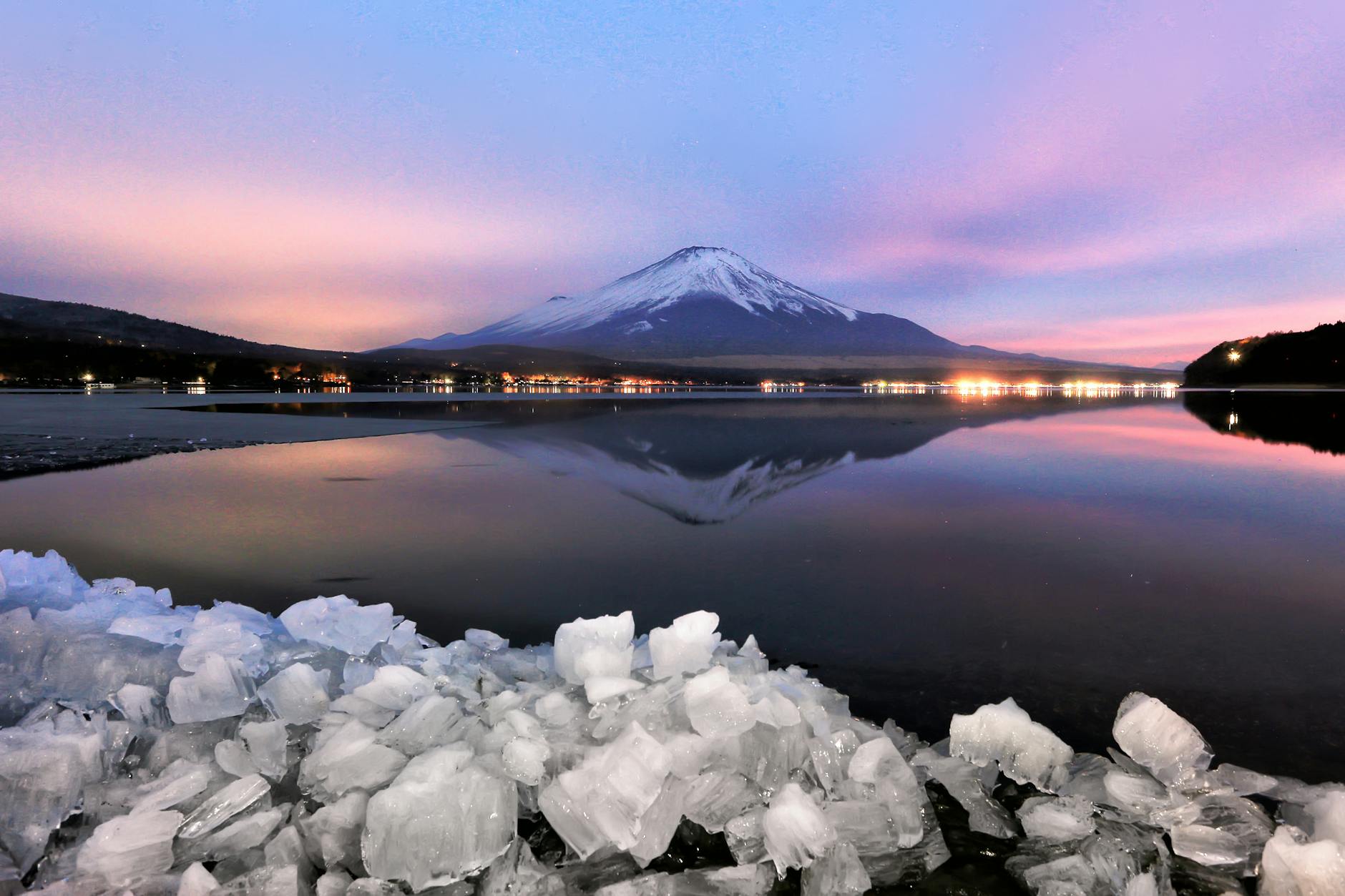
Mt. Fuji Climbing Guide: Routes, Gear, and When to Go
Mount Fuji (富士山, Fujisan), Japan’s iconic stratovolcano, is more than just a pretty picture postcard. It’s a symbol of national pride, a spiritual landmark, and a challenging yet rewarding climb for adventurers from around the globe. If you’re planning to conquer this majestic peak, this comprehensive guide will provide you with everything you need to know, from choosing the right route and packing the essential gear to understanding the optimal climbing season and respecting the mountain’s cultural significance.
Why Climb Mt. Fuji?
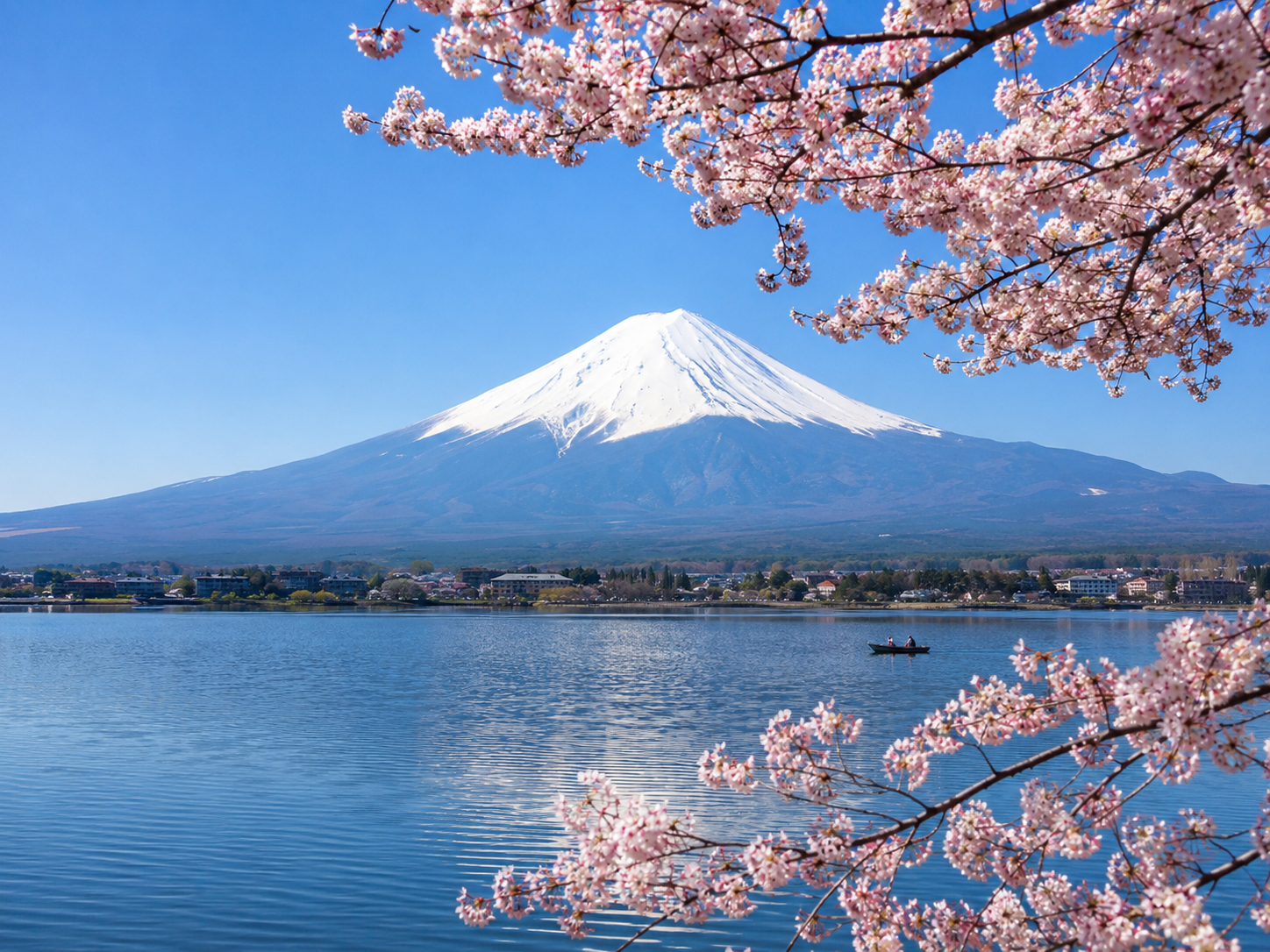
Climbing Mt. Fuji is a unique experience that combines physical challenge with breathtaking scenery and a touch of Japanese culture. Here’s why so many people are drawn to its slopes:
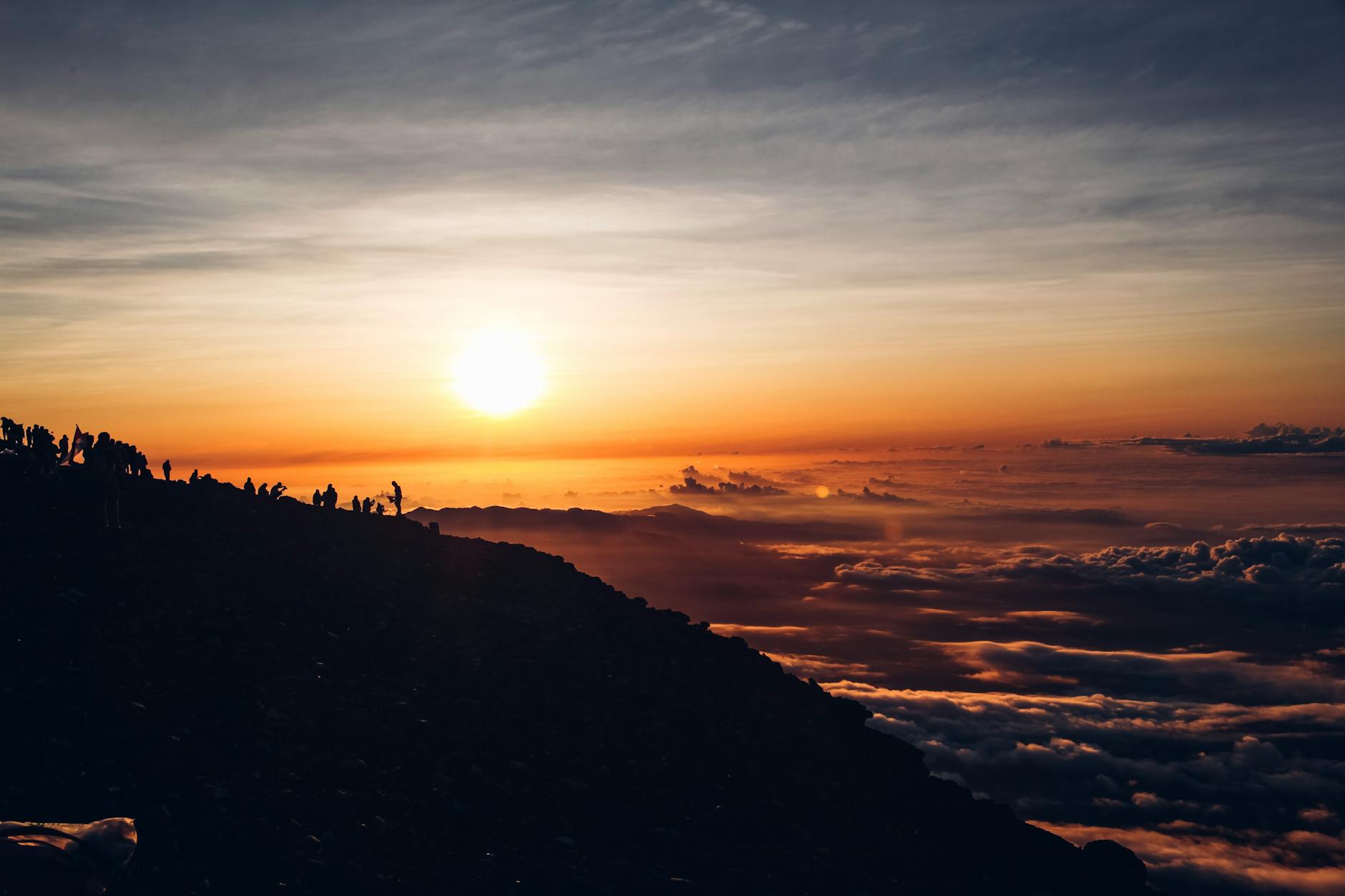
- The Summit Sunrise (Goraiko): Witnessing the sunrise from the summit of Mt. Fuji is a truly unforgettable moment. The vibrant colors painting the sky above the clouds are a reward for the arduous climb.
- Physical Challenge: Reaching the summit requires stamina and determination, offering a sense of accomplishment and personal growth.
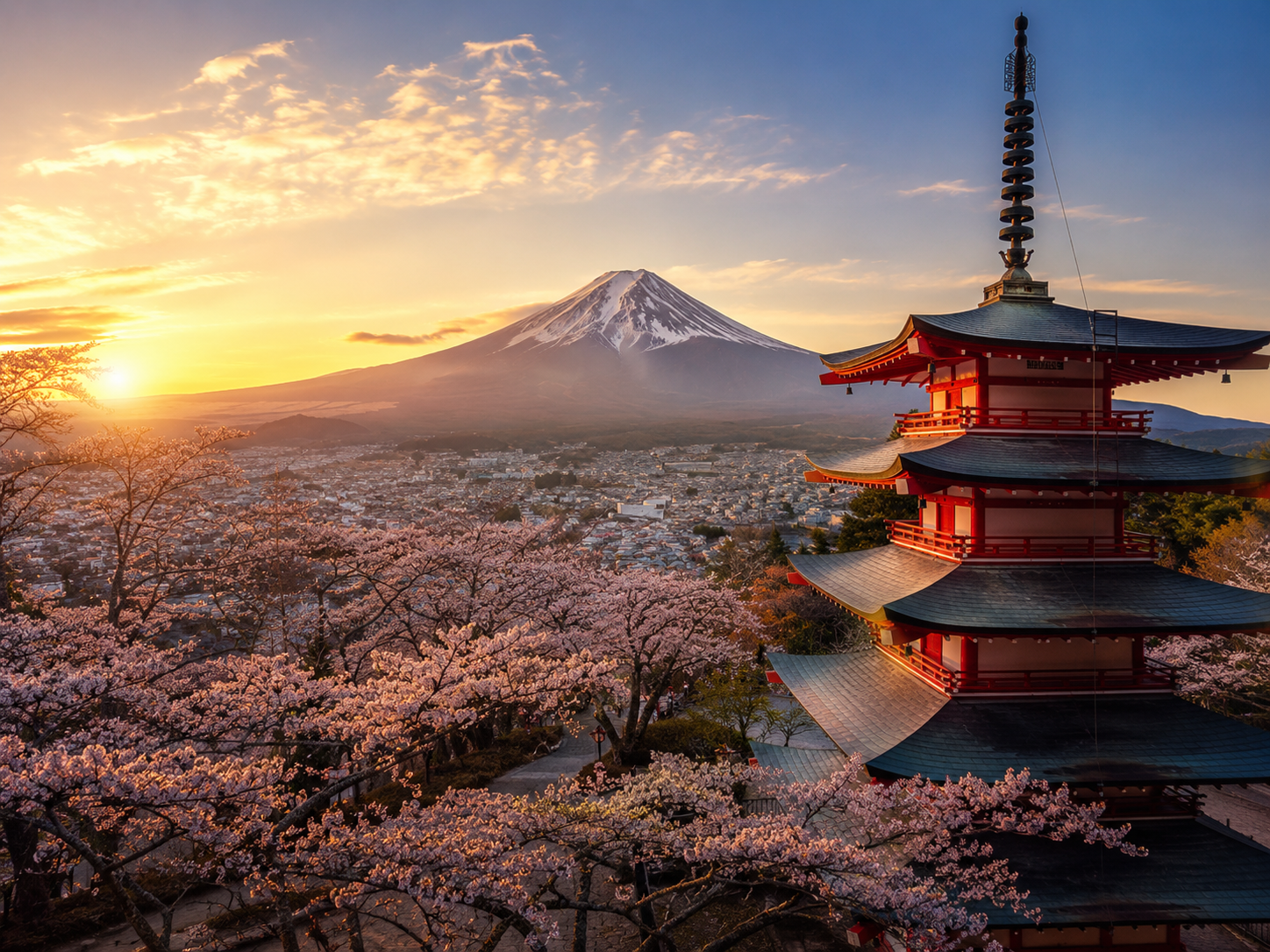
- Cultural Significance: Mt. Fuji has been a sacred mountain for centuries, inspiring artists, poets, and pilgrims. Climbing it allows you to connect with this rich history and spiritual heritage.
- Panoramic Views: On a clear day, the views from the summit are spectacular, stretching across the surrounding landscapes of Japan, including lakes, mountains, and even the distant coastline.
- Unique Experience: The climb itself is an experience. The mountain huts, the camaraderie with fellow climbers, and the stark volcanic landscape create a memorable journey.
When to Climb: The Climbing Season
The official climbing season for Mt. Fuji is typically from early July to mid-September. This is when the mountain huts are open, and the trails are maintained. Climbing outside of this period is strongly discouraged due to hazardous conditions, including snow, ice, and unpredictable weather. There are no rescue services available outside the official season.
July: The trails open gradually throughout July. The weather can be unpredictable, with frequent rain and fog. Weekends tend to be less crowded than August.
August: This is the peak season, with the best weather conditions but also the largest crowds. Expect long queues on the trails and in the mountain huts. Obon week (mid-August) is particularly busy.
September: The crowds begin to thin out in September, but the weather becomes more unstable. There’s a higher chance of rain and strong winds. Some mountain huts may close earlier in the month.
Weekdays vs. Weekends: Weekday climbs are generally less crowded than weekend climbs, especially during August. If possible, plan your ascent for a weekday to avoid long queues and a more enjoyable experience.
Choosing Your Route: The Four Main Trails
There are four main trails leading to the summit of Mt. Fuji, each offering a different level of difficulty, scenery, and accessibility. Here’s a breakdown of each route:
- Yoshida Trail (Yellow): The most popular and well-equipped trail, starting from Fuji Subaru Line 5th Station. It’s relatively easy to access by bus from Tokyo, and it has the most mountain huts. This route is recommended for first-time climbers. It’s also the route where you are most likely to get stuck in long queues during peak season.
- Subashiri Trail (Red): A forested trail starting from Subashiri 5th Station. It’s less crowded than the Yoshida Trail, especially in the lower sections, but it’s slightly steeper and longer. The descent down the Yoshida Trail is common, as it’s faster.
- Gotemba Trail (Green): The longest and most challenging trail, starting from Gotemba 5th Station. It’s the least crowded route, but it’s also the most strenuous, with a significant elevation gain and fewer mountain huts. Recommended for experienced hikers. The descent is a long, sandy slope where you can “sand ski” down.
- Fujinomiya Trail (Blue): The shortest but steepest trail, starting from Fujinomiya 5th Station. It offers stunning views but requires a good level of fitness. It has several mountain huts along the way.
Choosing the Right Route: Consider your fitness level, experience, and preference for crowds when selecting a route. The Yoshida Trail is generally recommended for beginners, while the Gotemba Trail is best suited for experienced hikers seeking a less crowded challenge. Research each route thoroughly and choose the one that best fits your needs.
Essential Gear and Packing List
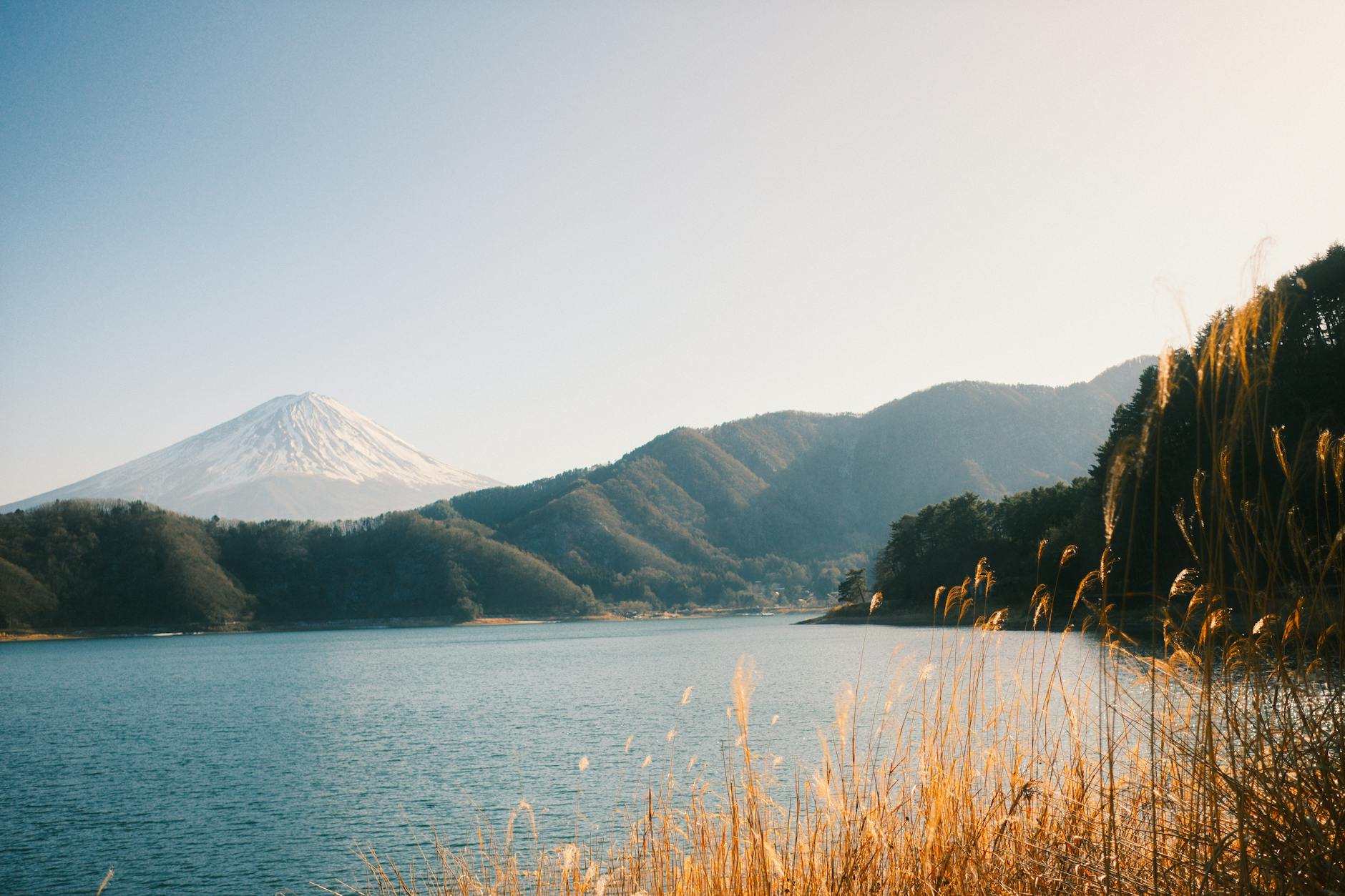
Proper gear is crucial for a safe and comfortable climb. The weather on Mt. Fuji can change rapidly, so be prepared for all conditions. Here’s a recommended packing list:
- Hiking Boots: Sturdy, waterproof hiking boots with good ankle support are essential. Break them in before your climb.
- Waterproof Jacket and Pants: Rain gear is a must, even on sunny days. Choose lightweight, breathable materials.
- Warm Layers: Temperatures can drop significantly at higher altitudes, even in summer. Pack fleece jackets, sweaters, and thermal underwear.
- Moisture-Wicking Base Layers: Avoid cotton, which can become damp and cold. Choose synthetic or merino wool base layers.
- Hiking Socks: Pack several pairs of thick, moisture-wicking hiking socks.
- Hat and Gloves: Protect yourself from the sun and cold with a wide-brimmed hat and warm gloves.
- Headlamp or Flashlight: Essential for hiking in the dark, especially during the early morning ascent to the summit.
- Sunglasses and Sunscreen: The sun is intense at high altitudes. Protect your eyes and skin with sunglasses and sunscreen.
- Backpack: Choose a comfortable backpack with a capacity of 25-35 liters.
- Water: Bring at least 2-3 liters of water. You can also purchase water at the mountain huts.
- Food: Pack high-energy snacks such as energy bars, nuts, dried fruit, and chocolate. You can also buy food at the mountain huts, but it’s expensive.
- Cash: Credit cards are not widely accepted at the mountain huts. Bring enough cash to pay for accommodation, food, and souvenirs.
- First-Aid Kit: Include essentials such as pain relievers, bandages, antiseptic wipes, and blister treatment.
- Altitude Sickness Medication (Optional): Consult your doctor about altitude sickness medication if you are concerned.
- Walking Stick (Optional): A walking stick can provide extra support and stability on the steep trails. You can purchase wooden walking sticks at the 5th stations, and get them branded at each station as you ascend as a souvenir.
- Plastic Bags: For trash and to protect your belongings from rain.
- Toilet Paper: Toilets at the mountain huts may not always have toilet paper.
- Japanese Yen: Essential for purchases at the mountain huts and for transportation.
Mountain Huts: Accommodation on Mt. Fuji
Mountain huts offer basic accommodation along the trails, providing shelter from the elements and a place to rest. They are typically crowded and offer simple amenities, such as sleeping bags, blankets, and basic meals. Reservations are essential, especially during peak season. You can typically book a bed online or by phone. Expect to pay around ¥5,000-¥9,000 per night, including dinner and breakfast.
What to Expect: Mountain huts are basic and communal. You’ll typically sleep in shared dormitories with mattresses or sleeping bags laid out on the floor. Toilets are usually simple pit latrines. Food is typically a basic Japanese meal, such as curry rice or ramen.
Things to Consider:
- Book in Advance: Reservations are essential, especially during peak season.
- Bring Earplugs: Mountain huts can be noisy.
- Bring a Headlamp: Essential for navigating the hut at night.
- Be Prepared for Crowds: Mountain huts are typically crowded, especially during peak season.
- Respect Quiet Hours: Most mountain huts have quiet hours, typically from 9 pm to 4 am.
Climbing Mt. Fuji: Step-by-Step Guide
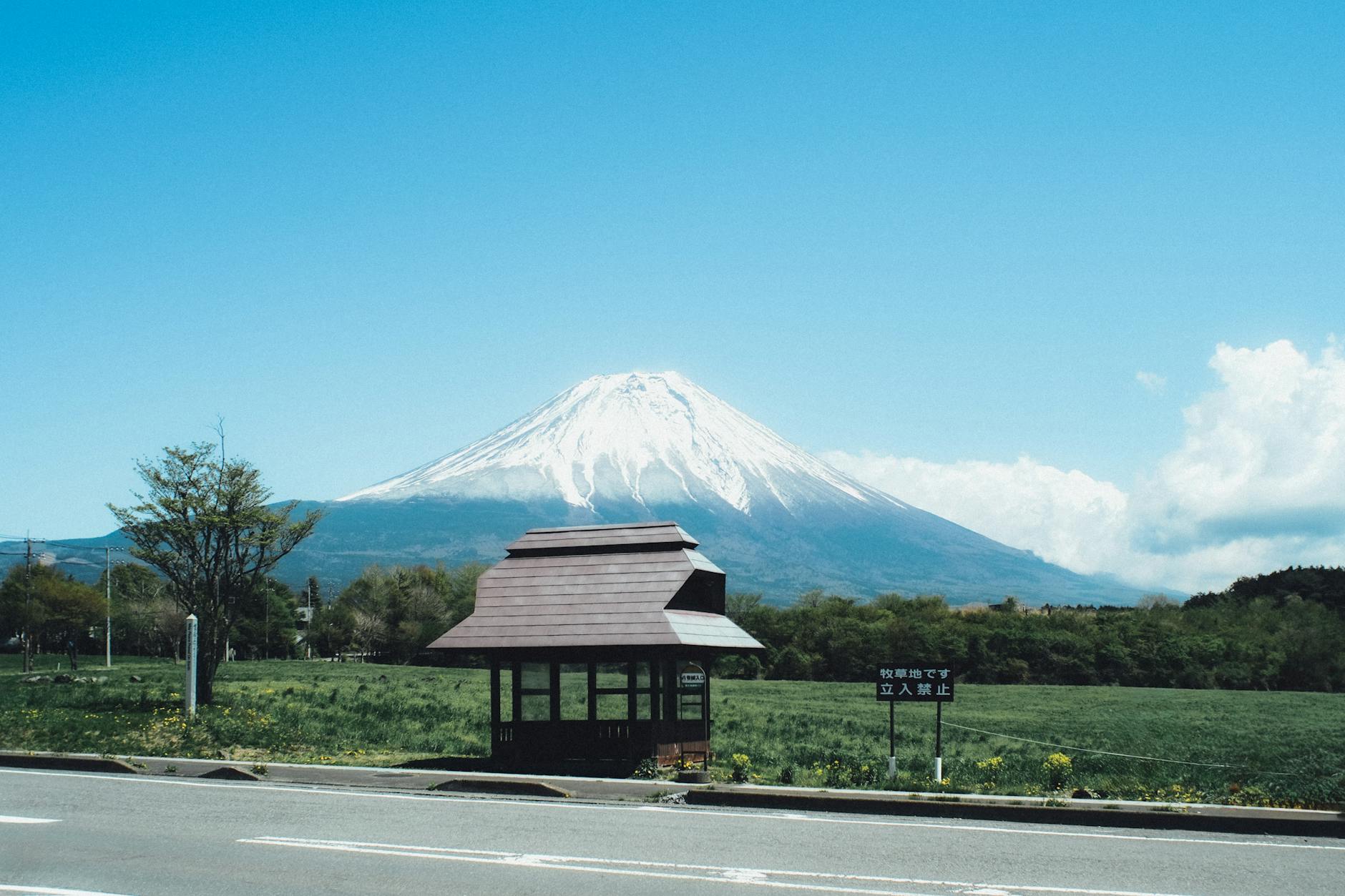
Here’s a general outline of a typical Mt. Fuji climbing itinerary:
- Day 1:
- Travel to the 5th Station of your chosen trail (e.g., Fuji Subaru Line 5th Station for the Yoshida Trail).
- Acclimatize to the altitude by spending a few hours at the 5th Station.
- Begin your ascent in the afternoon.
- Hike to your pre-booked mountain hut (usually located between the 7th and 8th stations).
- Have dinner and get some rest.
- Day 2:
- Wake up early (around 1-2 am) and begin your ascent to the summit.
- Reach the summit before sunrise (Goraiko).
- Enjoy the sunrise and take photos.
- Descend the mountain.
- Return to the 5th Station and travel back to your accommodation.
Altitude Sickness: Prevention and Treatment
Altitude sickness is a common concern when climbing Mt. Fuji. Symptoms can include headache, nausea, dizziness, and fatigue. Here’s how to prevent and treat altitude sickness:
- Acclimatize: Spend time at a higher altitude before starting your climb. Arrive at the 5th station several hours before beginning your ascent.
- Hydrate: Drink plenty of water throughout your climb.
- Pace Yourself: Climb slowly and steadily. Avoid overexertion.
- Eat Light Meals: Avoid heavy, fatty foods.
- Avoid Alcohol and Smoking: These can worsen altitude sickness symptoms.
- Descend: If you experience severe symptoms of altitude sickness, descend immediately.
- Medication: Consult your doctor about altitude sickness medication, such as acetazolamide (Diamox).
Safety Tips for Climbing Mt. Fuji
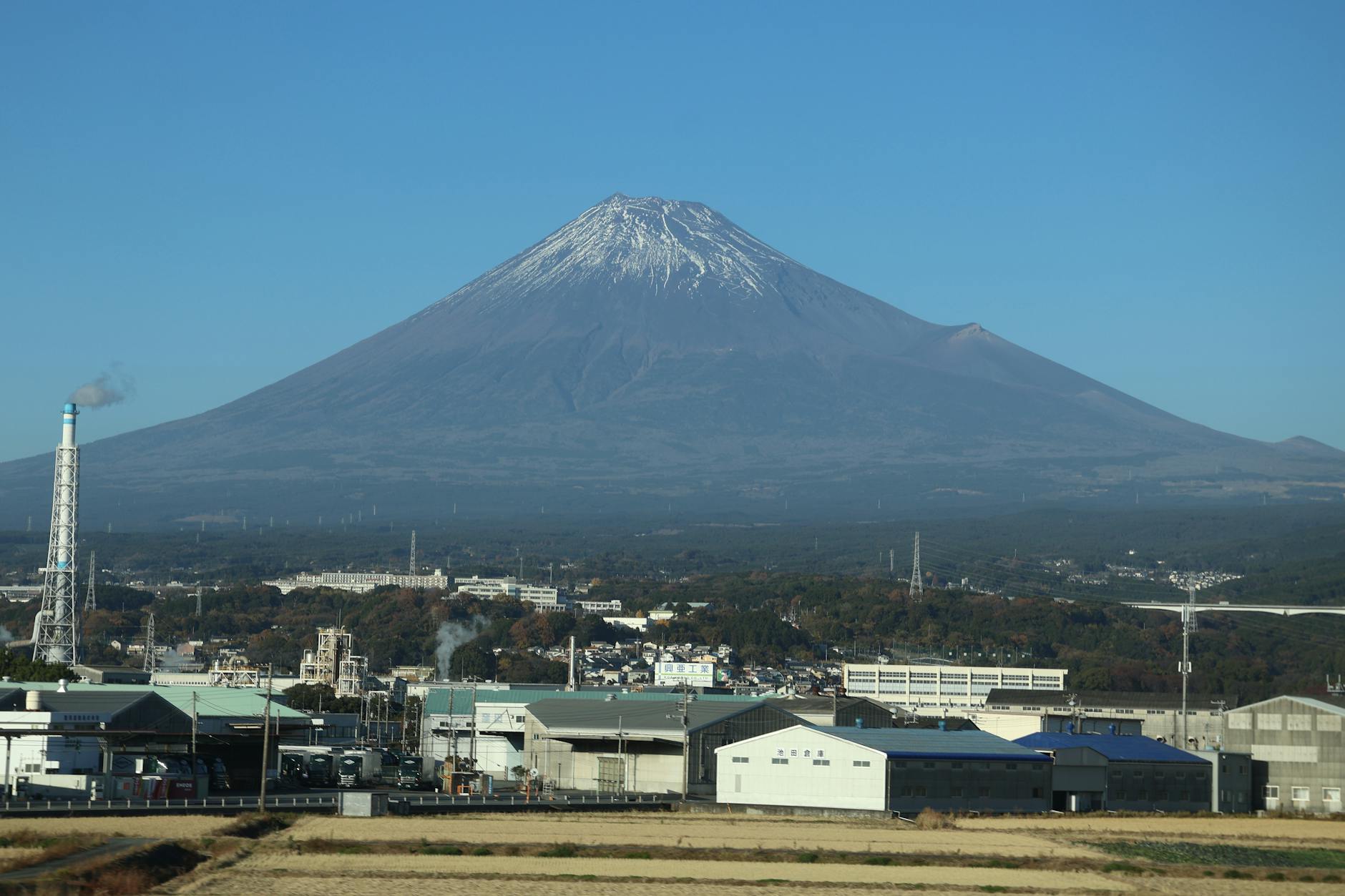
Your safety is paramount when climbing Mt. Fuji. Here are some essential safety tips:
- Check the Weather Forecast: Before starting your climb, check the weather forecast and be prepared for changing conditions.
- Inform Someone of Your Plans: Let someone know your itinerary and expected return time.
- Stay on the Marked Trails: Avoid straying from the designated trails.
- Climb with a Partner: It’s safer to climb with a friend or group.
- Carry a Mobile Phone: Ensure your phone is fully charged and has sufficient battery life. However, signal strength can be unreliable in some areas.
- Be Aware of Your Surroundings: Pay attention to the terrain and potential hazards.
- Take Breaks: Rest frequently to avoid fatigue.
- Descend Safely: Descending can be more challenging than ascending. Take your time and be careful on steep sections.
- Respect the Mountain: Leave no trace behind. Pack out all your trash and avoid disturbing the natural environment.
Cultural Considerations and Etiquette
Mt. Fuji is a sacred mountain in Japanese culture. Show respect for the environment and local customs:
- Leave No Trace: Pack out all your trash.
- Be Quiet and Respectful: Avoid loud noises and disruptive behavior, especially in mountain huts and near religious sites.
- Respect Local Customs: Observe local customs and traditions.
- Don’t Litter: Dispose of your trash properly.
- Be Considerate of Other Climbers: Share the trail and be mindful of other climbers.
Getting to Mt. Fuji
The most common starting point for climbing Mt. Fuji is the 5th Station of your chosen trail. Here’s how to get there from Tokyo:
- Bus: The most convenient and affordable option is to take a direct bus from Tokyo (Shinjuku or Tokyo Station) to the Fuji Subaru Line 5th Station (for the Yoshida Trail) or other 5th stations.
- Train and Bus: You can take a train to Kawaguchiko Station and then transfer to a bus to the Fuji Subaru Line 5th Station.
- Car: You can drive to the 5th Station, but parking is limited and can be expensive. During peak season, private vehicles may be restricted from accessing the upper sections of the road leading to the 5th station.
Alternative: Enjoying Mt. Fuji Without Climbing
If climbing Mt. Fuji isn’t for you, there are still plenty of ways to enjoy its beauty:
- Lake Kawaguchiko: This lake offers stunning views of Mt. Fuji and is a popular spot for photography and recreation.
- Hakone: This mountain resort town offers beautiful views of Mt. Fuji, hot springs, and art museums.
- Fuji Five Lakes: Explore the other four lakes surrounding Mt. Fuji: Yamanakako, Saiko, Shojiko, and Motosuko.
- Fuji Q Highland: This amusement park offers thrilling rides and views of Mt. Fuji.
- Oshino Hakkai: This picturesque village features eight clear ponds fed by snowmelt from Mt. Fuji.
Consider a guided tour to explore the area around Mount Fuji. This can take away the stress of planning and logistics, allowing you to simply relax and enjoy the scenery.
Ready to experience the magic of Mt. Fuji?
Whether you choose to climb to the summit or admire it from afar, Mt. Fuji is an unforgettable experience. With careful planning and preparation, you can make the most of your visit to this iconic Japanese landmark.
Related Articles
- Hakone Hot Spring Day Trip from Tokyo
- Mt Fuji Day Trip from Tokyo
- Hakone Freepass 2026: What to Know
[st_af id=”854″]