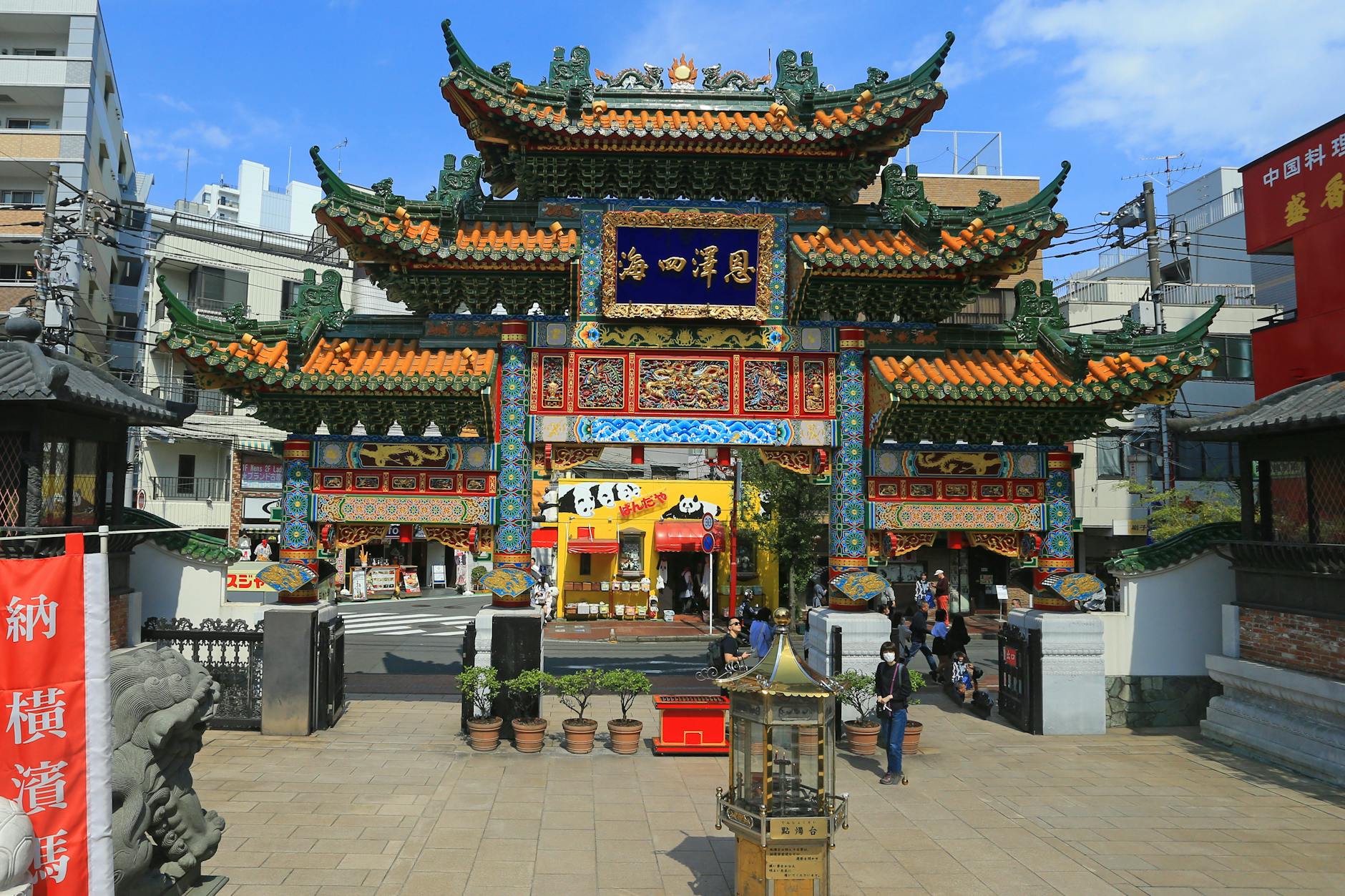
Yokohama Chinatown: A Comprehensive Guide to Japan’s Largest Chinatown
Yokohama Chinatown (横浜中華街, Yokohama Chūkagai) is a vibrant and bustling district located in Yokohama, Japan. As the largest Chinatown in Japan, and one of the largest in the world, it offers a fascinating glimpse into Chinese culture, cuisine, and history. With its colorful architecture, tantalizing aromas, and a plethora of shops and restaurants, Yokohama Chinatown is a must-visit destination for anyone traveling to Japan. This comprehensive guide will provide you with everything you need to know to plan your visit, from its rich history to the best places to eat and explore.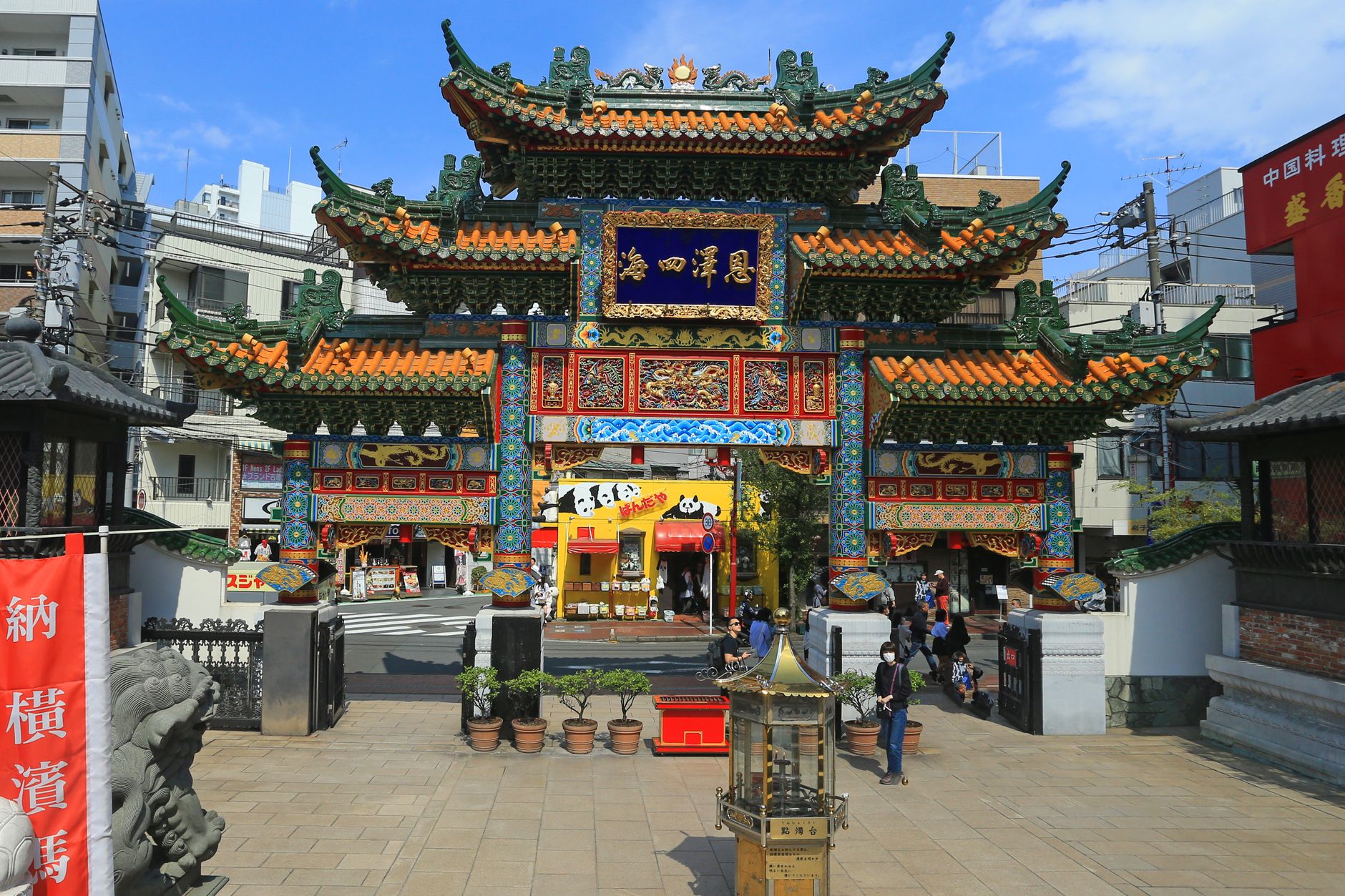
A Brief History of Yokohama Chinatown
Yokohama Chinatown’s history dates back to 1859, when Yokohama was opened to foreign trade after centuries of isolation. Chinese traders, primarily from Guangzhou, quickly established themselves in the area, seeking economic opportunities. Initially, they provided services to foreign residents, but as they grew in numbers, they formed their own community, establishing businesses, schoo
- By Train: The most convenient way to access Chinatown is via the Minatomirai Line. Get off at Motomachi-Chukagai Station (元町・中華街駅), which is directly connected to the heart of Chinatown. Alternatively, you can take the JR Negishi Line to Ishikawacho Station (石川町駅). From there, it’s a short 5-10 minute walk to the Chinatown’s entrance.
- By Bus: Several bus lines serve the area, including those operated by Yokohama City Bus. Check the local bus schedules for routes that stop near Chinatown.
- By Taxi: Taxis are readily available in Yokohama, but they can be a more expensive option.
Navigating Chinatown
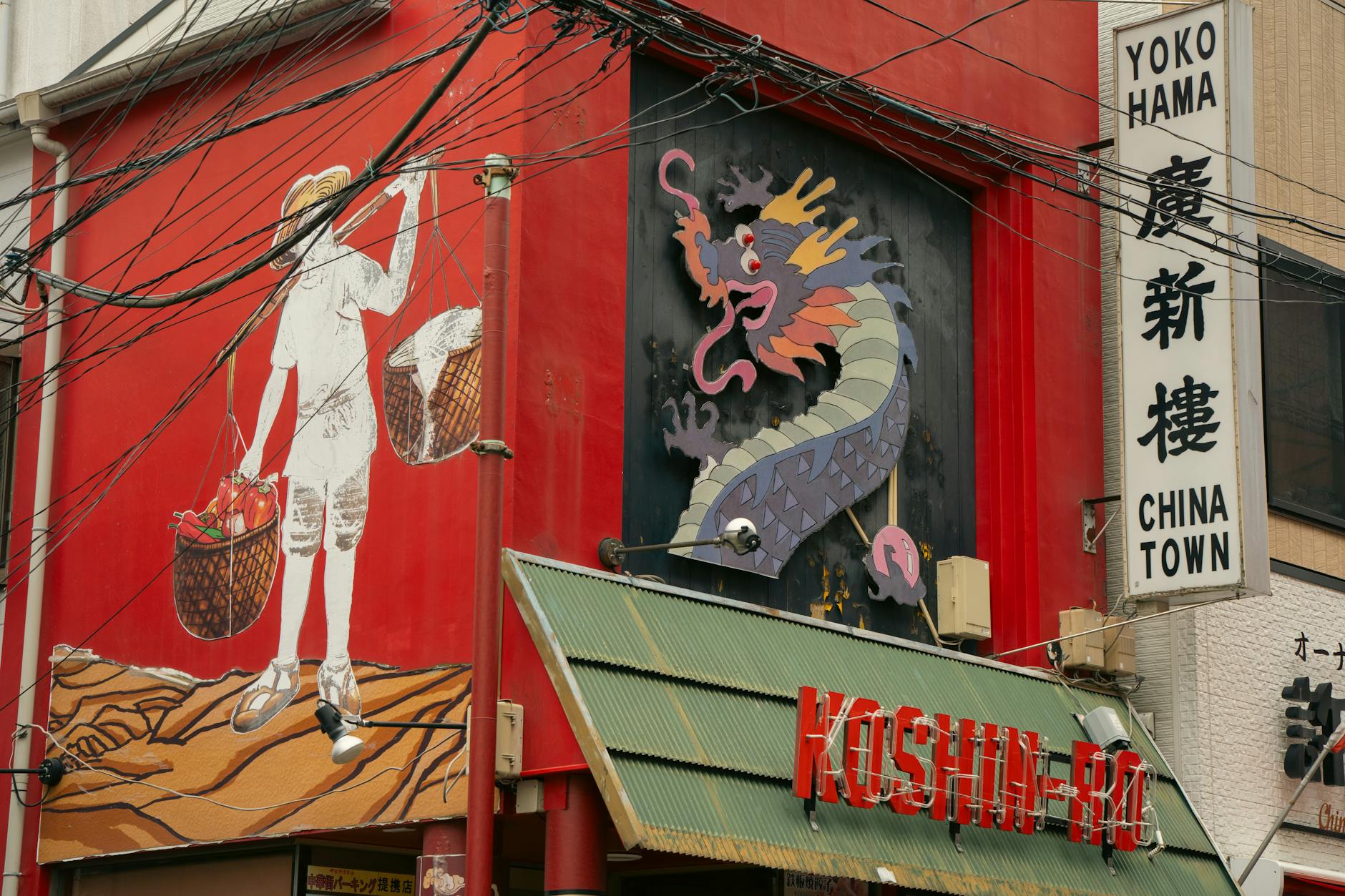
- Main Streets: The four main streets are Chukagai Odori (中華街大通り), Kanteibyo-dori (関帝廟通り), Nakamadori (南門シルクロード), and Choyomon-dori (長安道). These streets are the busiest and offer a wide variety of shops and restaurants.
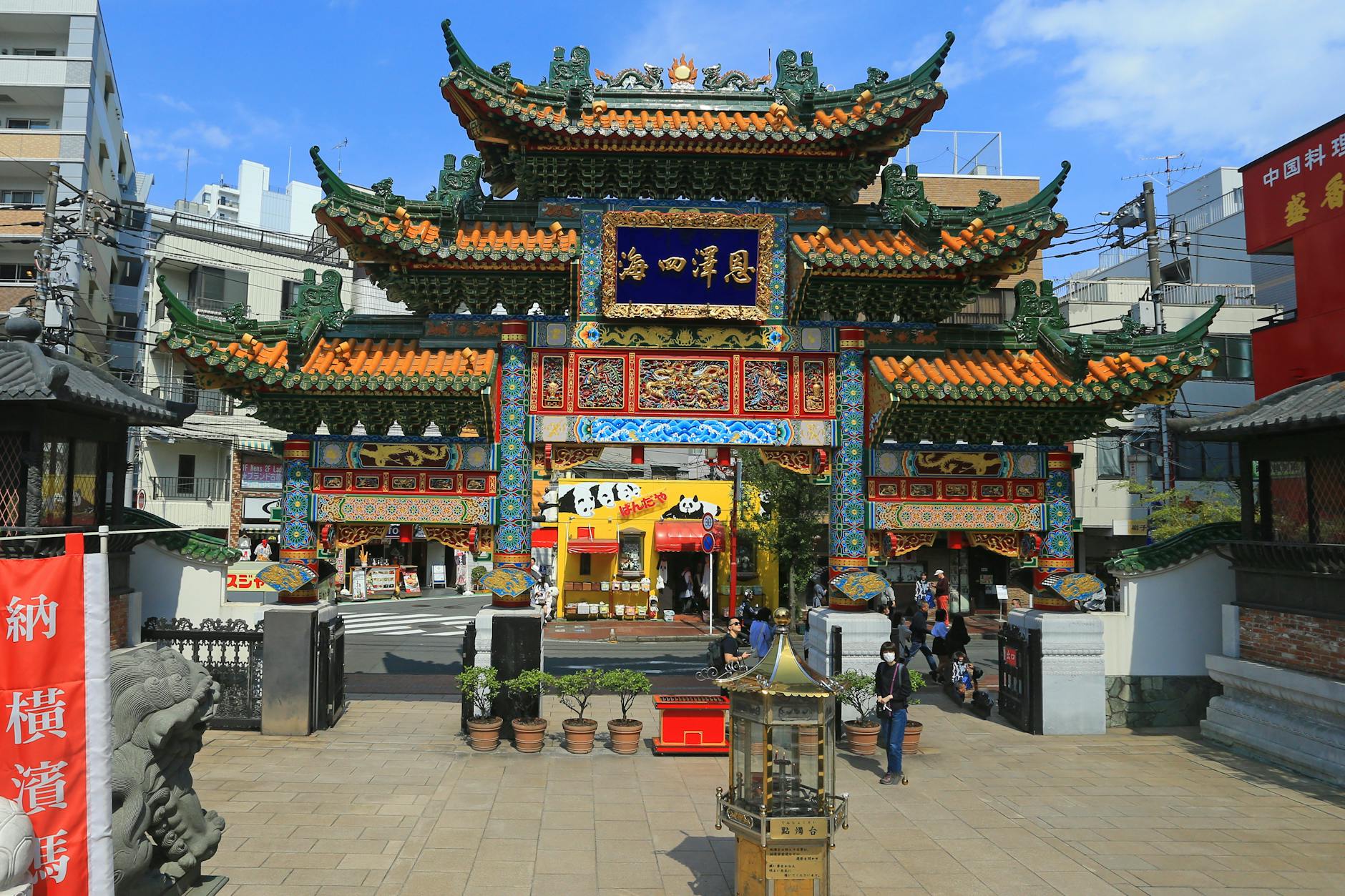
- Gates: Chinatown is marked by ten colorful gates (paifang), each representing a different aspect of Chinese culture and philosophy. The most famous is the Zenrinmon Gate (善隣門), the main entrance to Chinatown.
- Maps: Pick up a map at the Yokohama Chinatown Development Cooperative Association office (横浜中華街発展会協同組合) or at one of the tourist information centers. Many shops and restaurants also provide maps.
Must-See Attractions and Activities
- Kanteibyo Temple (関帝廟): This ornate temple is dedicated to Guan Yu, a famous general from the Three Kingdoms period. It’s a beautiful example of traditional Chinese architecture and a significant cultural center.
- Mazu Temple (媽祖廟): Dedicated to the sea goddess Mazu, this temple is a more recent addition to Chinatown, having been built in 2006. It is equally impressive in its design and serves as an important place of worship for those seeking safe journeys and good fortune.
- Yokohama Overseas Chinese Cemetery (横浜外国人墓地): Located on a hill overlooking Chinatown, this cemetery offers a glimpse into the history of the Chinese community in Yokohama. Many prominent figures from Chinatown’s past are buried here.
- Chinatown Square (中華街広場): This central square is a popular gathering place and often hosts events and performances, especially during festivals.
- Fortune Telling: Numerous fortune tellers offer their services in Chinatown, providing insights into your future based on various methods, such as palm reading, astrology, and face reading.
- Shopping: Explore the countless shops selling Chinese tea, herbs, spices, silk products, crafts, and souvenirs. Haggling is not common, but you might find discounts during sales.
A Culinary Adventure: What to Eat in Yokohama Chinatown
- Peking Duck (北京ダック): A classic Chinese dish, Peking duck is a must-try in Yokohama Chinatown. Several restaurants specialize in this delicacy, serving crispy-skinned duck with thin pancakes, scallions, and sweet bean sauce.
- Xiao Long Bao (小籠包): These soup-filled dumplings are a popular snack. Be careful when eating them, as the soup inside can be very hot.
- Mapo Tofu (麻婆豆腐): A spicy and flavorful Sichuan dish made with tofu, ground meat, and chili bean sauce.
- Chow Mein (炒麺): Stir-fried noodles with vegetables and meat or seafood are a staple of Chinese cuisine.
- Dim Sum (点心): Enjoy a variety of bite-sized dishes served in bamboo steamers, such as steamed buns, dumplings, and spring rolls.
- Ramen (拉麺): While ramen is a Japanese dish, many restaurants in Chinatown offer their own variations, often incorporating Chinese flavors and ingredients.
- Chinese Sweets: Indulge in traditional Chinese sweets, such as mooncakes, sesame balls, and almond tofu.
- Steamed Buns (肉まん): These fluffy buns filled with savory meat fillings are a popular snack, especially during the colder months.
- Manchinro (聘珍楼): One of the oldest and most prestigious restaurants in Yokohama Chinatown, offering Cantonese cuisine in an elegant setting.
- Shofukumon (招福門): Known for its dim sum and Peking duck, Shofukumon is a popular choice for families and groups.
- Edosei (江戸清): Famous for its giant steamed buns (butaman), Edosei is a great place to grab a quick and satisfying snack.
- Kinkiro (金陵): A long-established restaurant specializing in Shandong cuisine, known for its seafood dishes.
Festivals and Events
Yokohama Chinatown hosts several vibrant festivals throughout the year, offering a unique cultural experience.- Chinese New Year (Spring Festival) (春節): Celebrated in January or February, Chinese New Year is the most important festival in Chinatown. The streets are filled with lion dances, dragon dances, and other traditional performances.
- Lantern Festival (元宵節): Held on the 15th day of the first lunar month, the Lantern Festival features beautiful lantern displays and traditional Chinese performances.
- Mid-Autumn Festival (中秋節): Celebrated in September or October, the Mid-Autumn Festival is a time for family reunions and mooncake eating.
Practical Tips for Your Visit
- Best Time to Visit: Yokohama Chinatown is open year-round, but the best time to visit is during the spring (March-May) or autumn (September-November) when the weather is pleasant. Weekdays are generally less crowded than weekends and holidays.
- Currency: The currency in Japan is the Japanese Yen (JPY). Credit cards are accepted in many restaurants and shops, but it’s always a good idea to carry some cash.
- Language: While some people in Chinatown speak English, it’s helpful to learn a few basic Japanese phrases.
- Etiquette: Be mindful of cultural differences. Avoid loud talking, and do not point with your chopsticks. Tipping is not customary in Japan.
- Internet Access: Many cafes and restaurants offer free Wi-Fi. You can also rent a pocket Wi-Fi device or purchase a SIM card for your smartphone.
- Restrooms: Public restrooms are available in Chinatown, but they may not always be readily accessible. It’s a good idea to use the restrooms in restaurants or shops when you have the opportunity.
- Safety: Yokohama is a very safe city. However, it’s always wise to be aware of your surroundings and take precautions against pickpockets, especially in crowded areas.
Beyond Chinatown: Exploring Yokohama
While Yokohama Chinatown is a major attraction, Yokohama offers many other interesting sights and activities. Consider exploring these other areas:- Minato Mirai 21: A modern waterfront district with skyscrapers, shopping malls, amusement parks, and museums.
- Sankeien Garden: A beautiful Japanese garden featuring historic buildings relocated from all over Japan.
- Yokohama Red Brick Warehouse: A historic warehouse complex that has been converted into a shopping and dining destination.
- Cup Noodles Museum Yokohama: An interactive museum dedicated to the history of instant noodles.
Book Your Yokohama Experience Today!
Make the most of your trip to Yokohama and explore beyond Chinatown. Discover hidden gems, experience local culture, and create unforgettable memories. Ready to explore Yokohama? Book your tours and activities now!🏎️ While You’re in Yokohama: Daikoku PA JDM Night Tour
Yokohama is also home to Daikoku PA — Japan’s most famous JDM car meet, held every Friday and Saturday night. If you are a car fan, combining Yokohama Chinatown with an evening Daikoku PA tour makes for an unforgettable day. Daikoku Tour runs English-guided private tours from Yokohama Station.
→ Getting to Daikoku PA from Yokohama