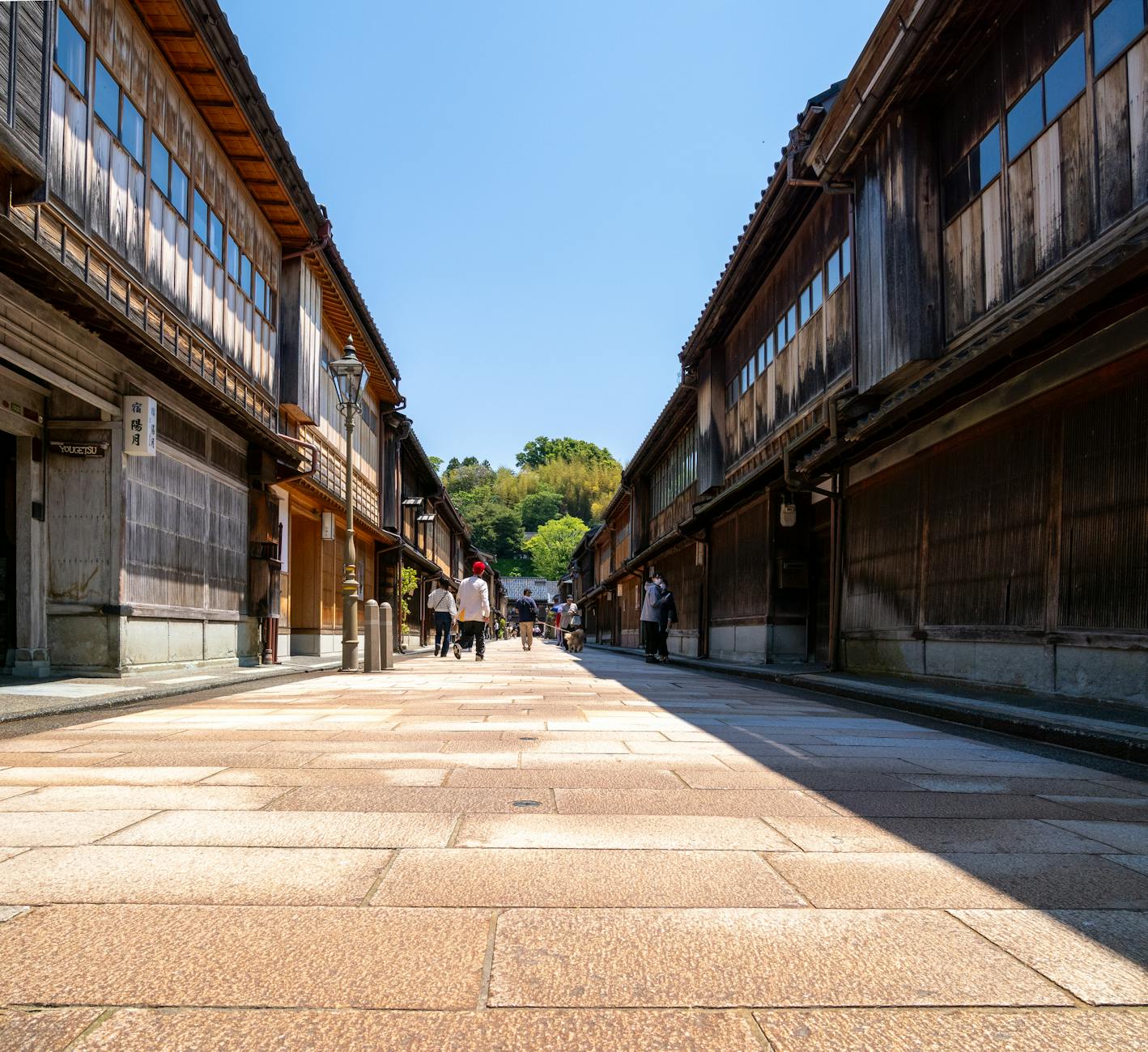
Just 30 to 40 minutes northwest of Ikebukuro, the city of Kawagoe (川越) feels like a portal into Japan’s Edo period. Nicknamed “Koedo” (小江戸) — meaning “Little Edo” — Kawagoe preserves a rare stretch of black-walled merchant warehouses, a centuries-old bell tower, ancient shrines, and sweet-potato-scented alleyways that Tokyo itself long since paved over. Whether you have a single day or a leisurely weekend, Kawagoe rewards every hour you give it.
This guide covers everything you need: the top attractions including Kawagoe Kumano Shrine, Kawagoe Hachimangu Shrine, and Kawagoe Castle Honmaru Palace, the best food to eat, how to get there, a full one-day itinerary, and practical tips. Let’s explore Tokyo’s most charming day trip.
Why Visit Kawagoe? The “Little Edo” Appeal
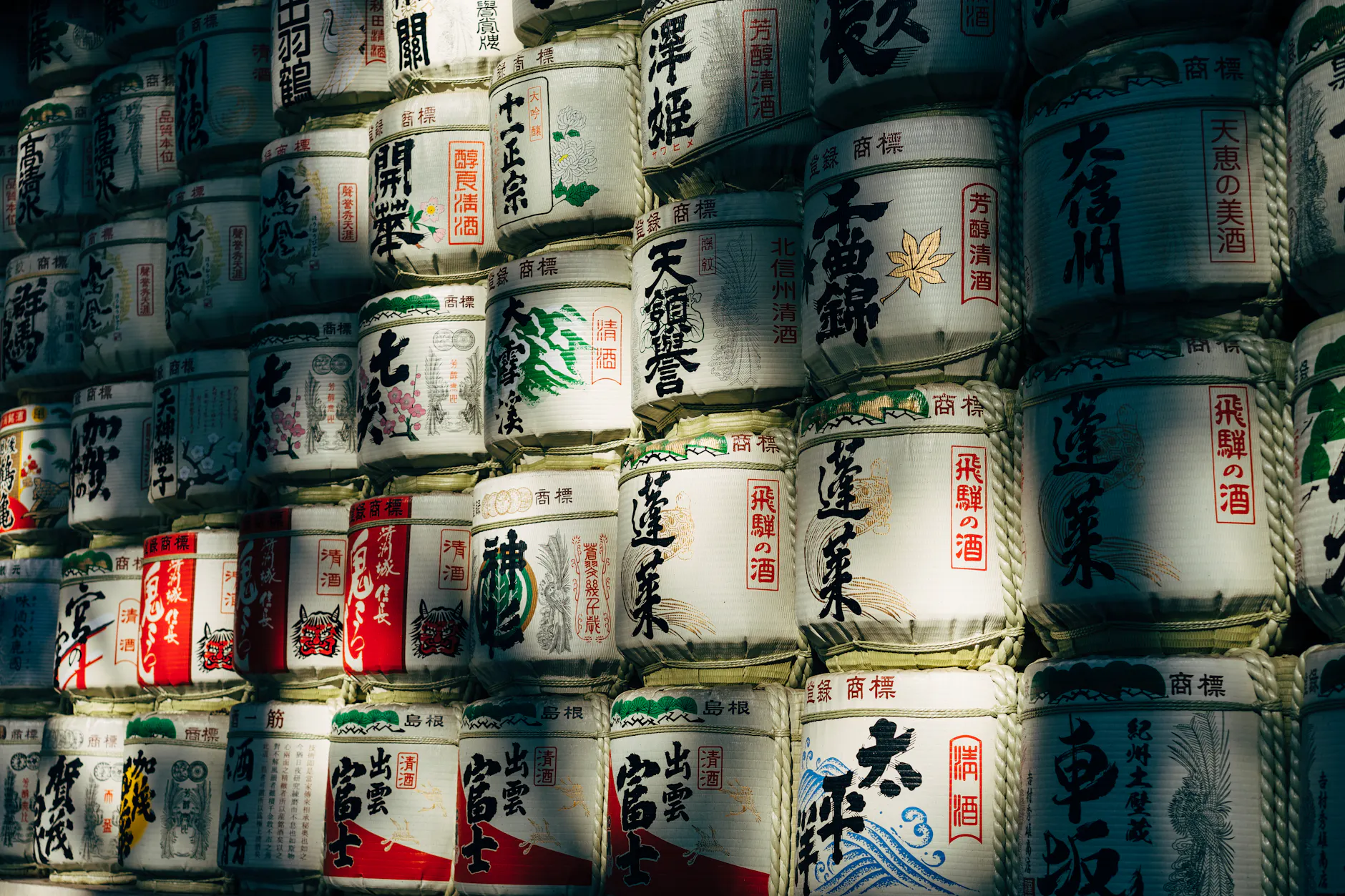
After the Great Fire of 1893 devastated large parts of the town, Kawagoe’s merchants rebuilt using kurazukuri (蔵造り) — thick clay-walled storehouses that resisted fire — rather than the wooden construction typical elsewhere. The result is a townscape of dark, tile-roofed warehouses that has survived remarkably intact. UNESCO has recognized the Kawagoe Festival (held each October) as an Intangible Cultural Heritage, and the Kurazukuri district itself is designated a National Important Preservation District.
Crucially, Kawagoe avoids the over-tourism that plagues Kyoto on busy weekends. The crowds are manageable, the entry fees are low (or free), and the overall vibe is relaxed yet genuinely historical — a combination that is increasingly hard to find in Japan’s most-visited cities.
Top Attractions in Kawagoe
1. Kurazukuri District (蔵造り) — The Historic Heart
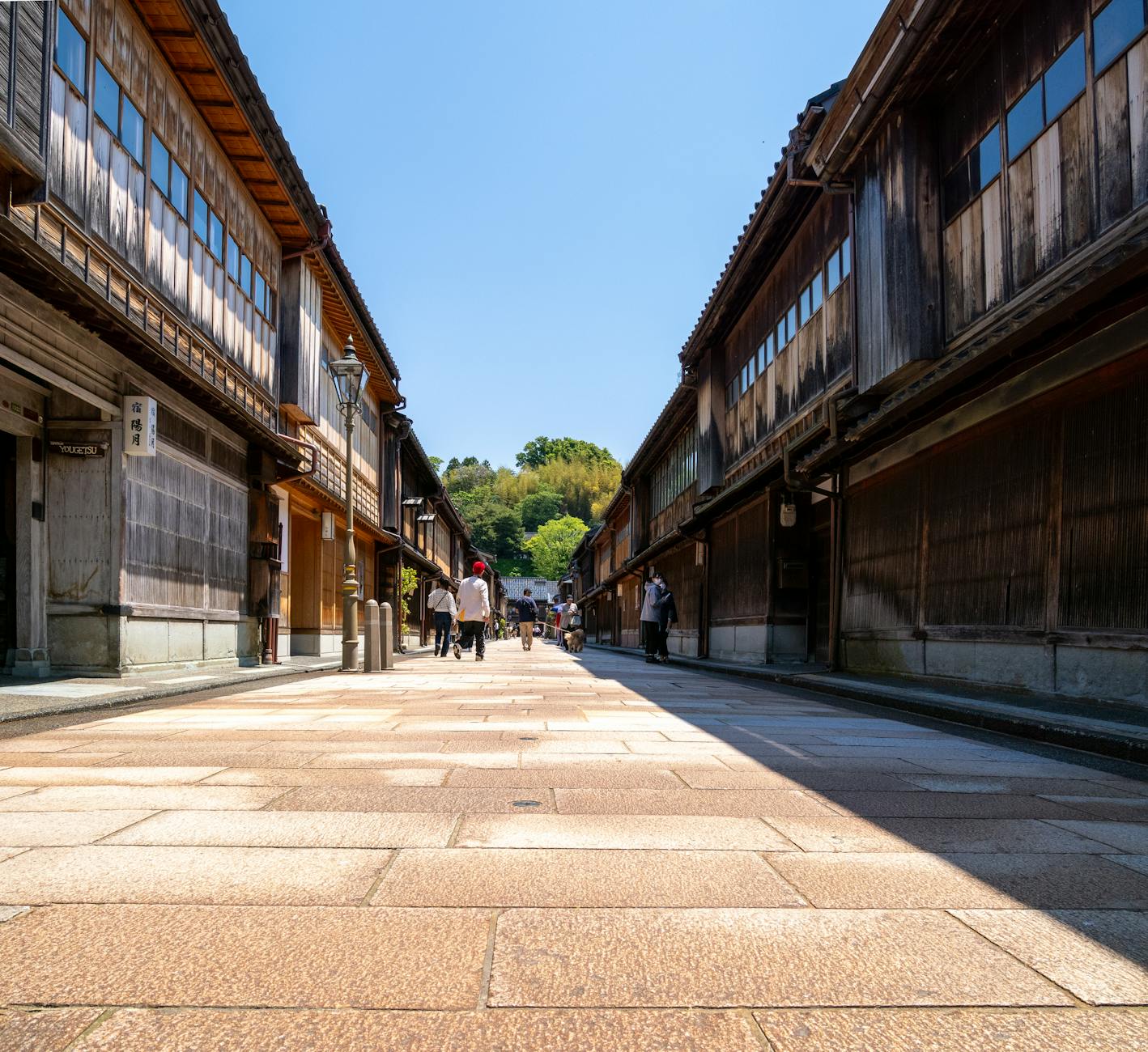
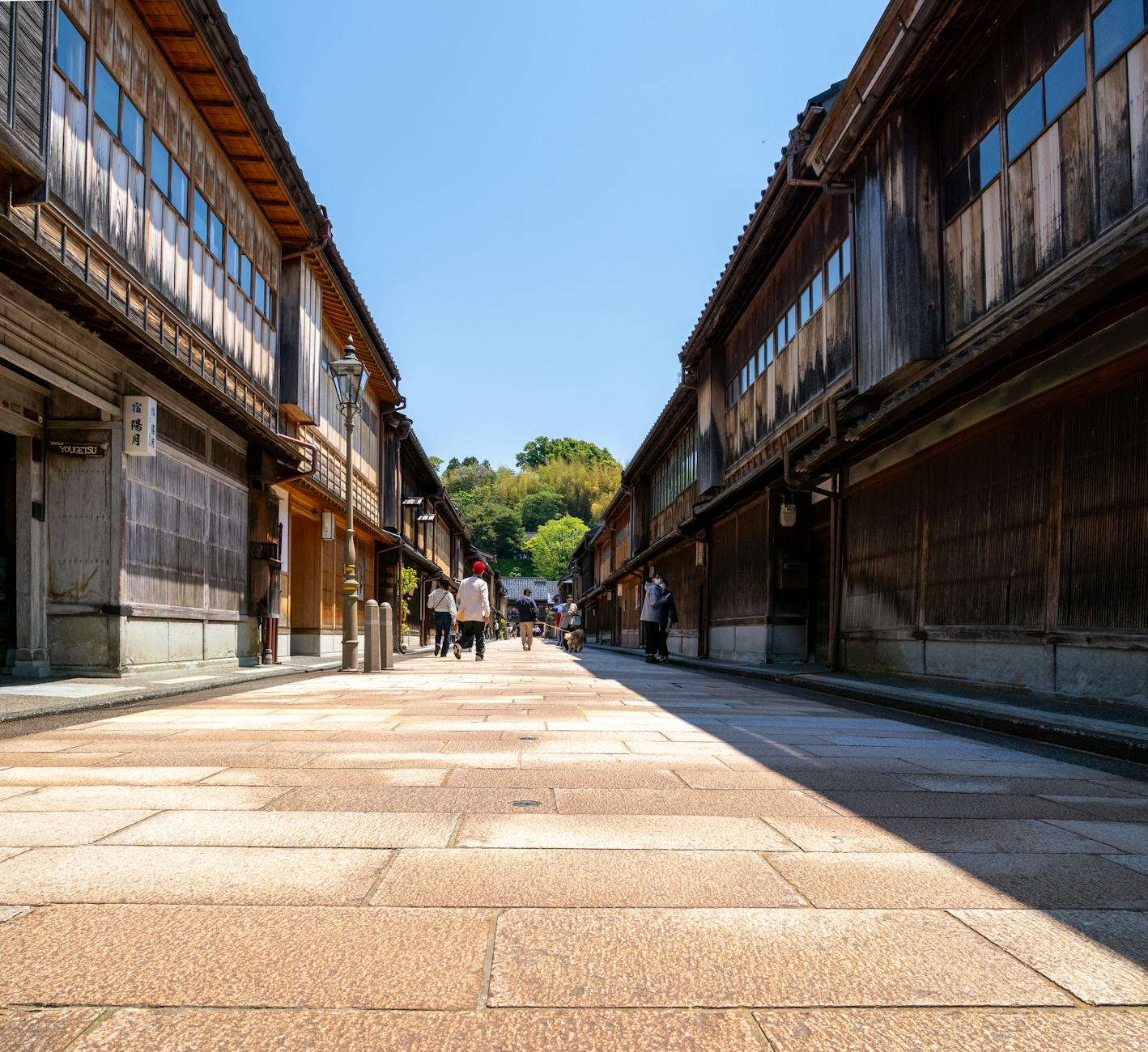
The Kurazukuri storehouse district on Ichiban-gai (First Street) is the beating heart of Kawagoe’s Little Edo identity. A compact stretch of perhaps 300 meters, lined on both sides by imposing black-plastered warehouses, it is unlike anything else in the greater Tokyo area. Most buildings date from the Meiji era (late 19th century) and now house craft shops, restaurants, cafés, and boutiques — but the heavy tiled roofs and thick earthen walls make the commercial activity feel secondary to the architecture.
Stroll Ichiban-gai at your own pace and look for architectural details: the heavy wooden shutters called udatsu that once helped contain fires, the decorative ridge ornaments on rooftops, and the deep indigo merchant banners swaying in the breeze. The district is free to walk and opens 24 hours — though shops typically operate 10:00–17:00.
2. Toki no Kane — The Bell Tower That Defines Kawagoe
Standing at the southern end of the Kurazukuri district, the Toki no Kane (時の鐘) — “Bell of Time” — is Kawagoe’s most iconic landmark. The current wooden tower, about 16 meters tall, dates from the 1890s but its predecessor stood on the same spot since the early Edo period (around 1624). For nearly four centuries this bell has marked the hours for Kawagoe residents.
Today the bell rings automatically four times a day: 6:00 am, noon, 3:00 pm, and 6:00 pm. If your timing is right, hearing the deep, resonant toll echo down the warehouse street is one of those quietly memorable travel moments. The tower is free to admire from outside; there is no interior access. The surrounding area is one of the best photo spots in the city, especially on misty mornings or at golden hour.
3. Kawagoe Castle Honmaru Palace (川越城本丸御殿) — Free Entry, Impressive Interior
Kawagoe Castle Honmaru Palace is one of the most underrated attractions in all of greater Tokyo. Built in 1848 for the Matsudaira domain lords, it is the only remaining original castle palace building in the entire Kanto region — a remarkable survivor given how comprehensively the Meiji government demolished feudal castles after 1868.
Entry is just ¥100 (effectively free), and the interior is impressive: wide tatami corridors, painted fusuma sliding doors, and a large reception hall where domain officials once presented themselves to the lord. Scale models of the original castle complex show how grand the full fortress was before demolition. Allow 30–45 minutes.
Hours: 9:00–17:00 (closed Mondays and the day after public holidays). A short walk northwest of the Kurazukuri district. The grounds include a small garden and additional exhibit buildings.
4. Kashiya Yokocho — Candy Alley (菓子屋横丁)
Kashiya Yokocho (菓子屋横丁), literally “Candy Alley,” is a narrow lane just west of the Kurazukuri district that has sold traditional Japanese confections since the Meiji era. In its heyday it was home to more than 70 sweet shops; today around 20 remain, which is still enough to fill an afternoon of delicious browsing.
The shops sell dagashi — old-fashioned inexpensive sweets — alongside Kawagoe’s signature imo (sweet potato) products. Look out for: imo soft-serve ice cream, imo manju (steamed sweet potato buns), imo yokan (sweet potato jelly), imo karinto (fried sweet potato sticks), and imo chips. Prices are wonderfully low: most individual items are ¥100–¥300. The lane itself is photogenic with its vintage signage and retro sweet displays.
The sweet potato association dates back to the Edo period, when Kawagoe was a major producer of sweet potatoes (then called Kawagoe imo) that were shipped down the Shingashi River to Edo. The tradition has never died out.
5. Hikawa Shrine (氷川神社) — Wind Chimes and Colorful Ema
Kawagoe’s most visually striking shrine, Hikawa Shrine (氷川神社), is a 15-minute walk north of the Kurazukuri district along a pleasant tree-lined approach. Founded over 1,500 years ago, Hikawa Shrine is dedicated to a deity of marriage and family, and it has become extremely popular with couples and those praying for good relationships.
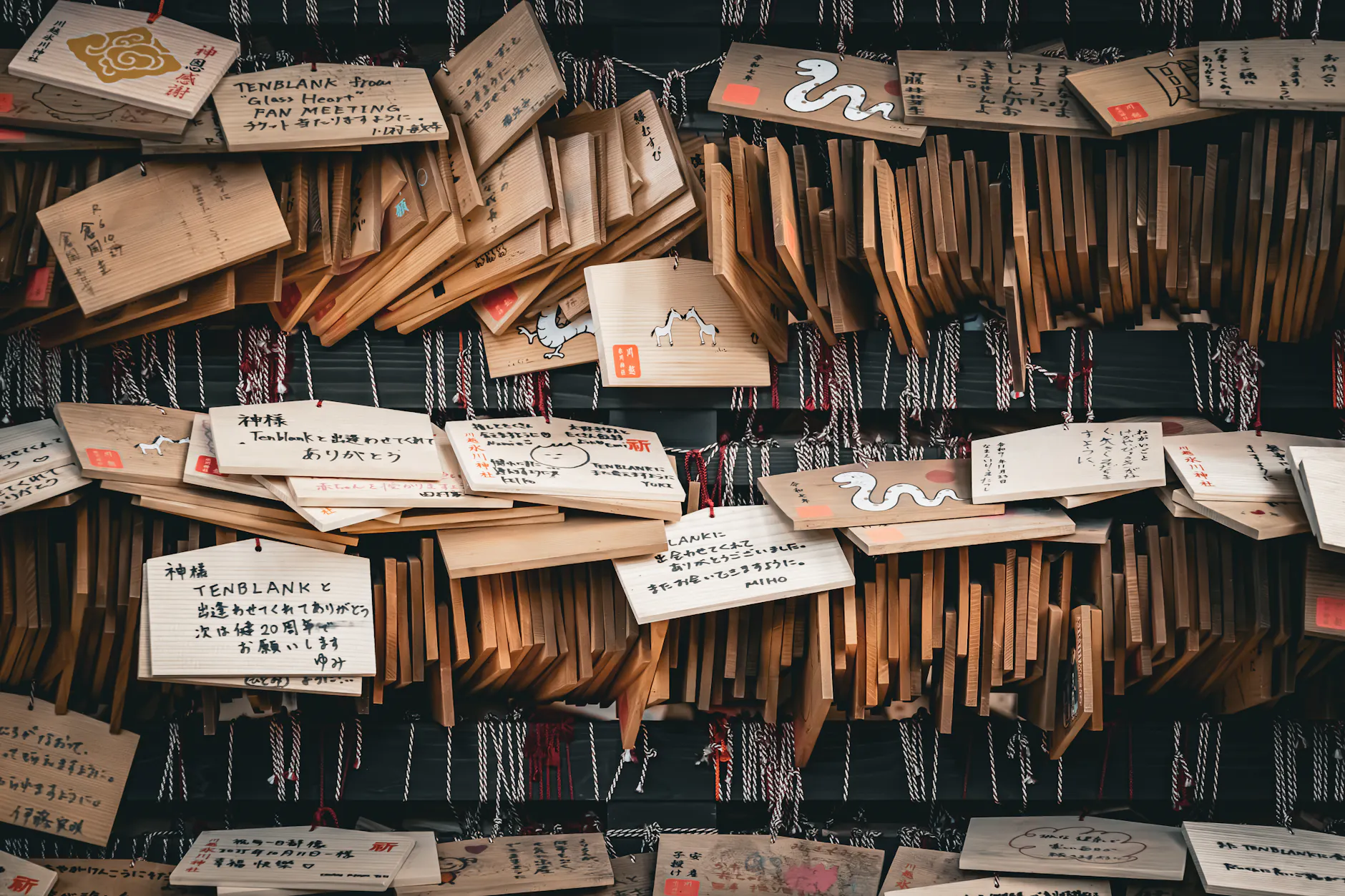
Two things make Hikawa Shrine particularly memorable. First, the ema votive plaques are elaborately illustrated in full color — images of koi fish, seasonal flowers, and the shrine’s signature wind-chime motif — making the ema-hanging area one of the most photogenic in all of Saitama. Second, each summer (typically late June through August) the shrine hosts its famous Furin Kazari (風鈴回廊) wind-chime corridor, when thousands of glass wind chimes are hung along the approach path, creating a tinkling canopy of sound and light. If you visit in summer, this is unmissable.
The shrine grounds are freely accessible at all hours. The main hall opens for worship from early morning. Omamori (amulets) for love and relationships are sold at the shrine office.
6. Kawagoe Kumano Shrine (熊野神社) — The Foot Maze
Kawagoe Kumano Shrine (熊野神社) is one of the most distinctive — and least-known — attractions in Kawagoe. Tucked just off the main Kurazukuri shopping street, this compact shrine is dedicated to Kumano Gongen, a powerful deity venerated at the famous Kumano Grand Shrines in Wakayama Prefecture.
What sets Kawagoe Kumano Shrine apart is the Nadeshiko Maze (足踏み八卦/Fumifumi Hakke) — a circular stone path laid into the ground at the shrine’s entrance. Visitors are meant to walk the maze barefoot (there are sandals available), following the winding route as a form of ritual purification. The path represents the eight trigrams of the I Ching and is believed to bring good luck and ward off misfortune. It takes only a few minutes to walk, but the experience is unique and quietly meditative — unlike anything at most Japanese shrines.
The shrine is free to enter. The foot maze runs ¥100. Look for the distinctive red torii gate just off Ichiban-gai and the brightly colored ema boards depicting the Yatagarasu (three-legged crow), a symbol of Kumano.
7. Kawagoe Hachimangu Shrine (八幡宮)
Kawagoe Hachimangu Shrine (八幡宮) is one of the oldest Shinto shrines in Kawagoe, dedicated to Hachiman — the deity of archery and warfare — who was also considered a protector of the samurai class. The shrine has deep roots in the area’s feudal history, having received patronage from successive lords of Kawagoe Castle.
The grounds are serene and less crowded than Hikawa Shrine, making them an ideal spot for quiet reflection. The main hall features intricate wood carving typical of late Edo-period shrine architecture. The surrounding neighborhood is pleasantly residential, offering a glimpse of everyday Kawagoe away from the tourist streets. The shrine is freely accessible and particularly atmospheric on weekend mornings when local families come to pray.
Getting to Kawagoe from Tokyo
Kawagoe is exceptionally easy to reach from central Tokyo. There are three main options:
Tobu Tojo Line (Recommended)
The fastest and most convenient route is the Tobu Tojo Line from Ikebukuro Station. The TJ Liner express takes about 30 minutes to Kawagoe Station; the regular express takes 35–40 minutes. One-way fare: approximately ¥480. Trains run frequently throughout the day. Kawagoe Station is about a 10-minute walk from the Kurazukuri district, or you can take a local bus (5 minutes).
Seibu Shinjuku Line
From Seibu-Shinjuku Station (note: not the main JR Shinjuku Station — it’s a short walk away), the Seibu Shinjuku Line runs to Honkawagoe Station, which drops you directly in the heart of the Kurazukuri district. Journey time is approximately 55 minutes, making it slightly slower but more central. Useful if you are already on the Seibu network.
Kawagoe Day Pass (Best Value)
The Tobu Kawagoe Day Pass (東武東上線 川越フリーきっぷ) costs approximately ¥1,000 from Ikebukuro and includes unlimited round-trip travel on the Tobu Tojo Line plus unlimited rides on the Tobu Bus network within Kawagoe. If you plan to use buses to reach Kawagoe Castle or outlying shrines, this pass pays for itself immediately.
Kawagoe 1-Day Itinerary
This itinerary covers all the major highlights in a single enjoyable day, with time built in for food and browsing. Depart Ikebukuro no later than 9:00 am to avoid the midday weekend crowds.
Morning (9:30 am – 12:00 noon)
- 9:30 am — Arrive at Kawagoe Station. Walk or take a short bus ride to the Kurazukuri district. Begin with a quiet stroll along Ichiban-gai before the crowds arrive.
- 10:00 am — Visit the Kurazukuri Museum (¥100) for architectural context.
- 10:30 am — Walk south to the Toki no Kane bell tower. If you time it right, noon toll is at 12:00 pm — but the 10:30 am appearance is still worth it for photos.
- 10:45 am — Head west to Kashiya Yokocho (Candy Alley). Sample imo soft serve, pick up dagashi sweets, and explore the retro-style shops.
- 11:30 am — Visit Kawagoe Kumano Shrine. Walk the foot maze, pick up a Yatagarasu ema, and enjoy the peaceful atmosphere.
Midday (12:00 noon – 2:00 pm)
- 12:00 noon — Listen to the Toki no Kane bell ring from wherever you are in the district.
- 12:15 pm — Lunch. Head to the streets near Honkawagoe Station for unagi (eel) restaurants, or grab imo-based foods from the stalls along the main street. Budget ¥1,000–¥2,500 for lunch.
- 1:15 pm — Walk (20 minutes) or take a bus to Kawagoe Castle Honmaru Palace (¥100). Spend 30–45 minutes exploring the tatami halls, painted doors, and scale models.
Afternoon (2:00 pm – 5:00 pm)
- 2:00 pm — Walk or bus to Hikawa Shrine. Explore the tree-lined approach, admire the colorful ema boards, and if visiting in summer, experience the wind-chime corridor.
- 3:00 pm — If time permits, detour to Kawagoe Hachimangu Shrine for a quieter, more contemplative shrine experience.
- 3:30 pm — Return to the Kurazukuri district for final souvenir shopping. Look for Kawagoe-made sweet potato liquor, craft ceramics, and artisan snacks to take home.
- 4:30 pm — Hear the Toki no Kane toll at 6:00 pm if you extend your stay, or begin making your way back to Kawagoe Station for the return journey.
Total estimated cost for the day: approximately ¥3,000–¥5,000 per person (including transport, entry fees, lunch, and a reasonable souvenir budget).
Kawagoe Food Guide
Kawagoe has a distinctive food culture anchored by the sweet potato and the river eel. Here is what to eat and where to find it:
Imo (Sweet Potato) — The Kawagoe Signature
Kawagoe’s association with sweet potatoes (locally called kawagoe imo) stretches back to the Edo period. Today the ingredient appears in virtually every form imaginable along the main shopping streets:
- Imo soft serve — creamy purple or orange soft-serve ice cream; widely available from ¥350
- Imo manju — steamed buns with sweet potato filling; ¥150–¥200 each
- Imo yokan — sweet potato jelly set in bars; a classic Japanese confection
- Imo karinto — fried, glazed sweet potato sticks; addictively crunchy snack food
- Imo chips — thickly sliced sweet potato chips, often sold warm in paper bags
- Imo shochu — sweet potato spirit, a popular take-home souvenir
Unagi (Eel) — A Kawagoe Specialty
Kawagoe has a long tradition of unagi (freshwater eel) cuisine, originating from the eel-rich Shingashi and Iruma Rivers that run through the city. The area around the Kurazukuri district and near Honkawagoe Station has several excellent traditional eel restaurants. Expect to pay ¥2,500–¥5,000 for a full unaju (eel over rice in a lacquered box) set. This is considered a splurge but is a quintessentially Japanese dining experience worth treating yourself to at least once.
Kashiya Yokocho Traditional Sweets
Beyond imo products, Candy Alley sells a range of old-fashioned dagashi — the low-cost nostalgic sweets beloved by generations of Japanese children. Look for ramune candy, konbu (dried seaweed) snacks, bekko ame (amber candy), and ningyo yaki (small cakes shaped like figures). Most cost ¥50–¥200, making Kashiya Yokocho a wonderful place to load up on inexpensive souvenirs.
Kawagoe Pudding (プリン)
In recent years, several specialty pudding shops have opened in Kawagoe, capitalizing on Japan’s enduring crème caramel obsession. Rich, densely textured puddings in small glass jars — often flavored with sweet potato, matcha, or black sesame — are sold for ¥300–¥500 each. Pudding Kobo near the Kurazukuri district is consistently well-reviewed. These make excellent eat-in or take-home treats.
Best Time to Visit Kawagoe
Kawagoe is rewarding year-round, but each season has distinct highlights. For broader seasonal advice about Japan, see our Best Time to Visit Japan guide.
Spring (March–May): Cherry Blossoms
The Shingashi River (新河岸川) — the historic waterway that carried Kawagoe’s goods to Edo — is lined with cherry trees that bloom beautifully in late March and early April. A riverside walk during sakura season, with the Kurazukuri warehouse rooftops visible behind the blossoms, makes for some of the most striking photographs in the region. This is one of the most popular times to visit; arrive early on weekends.
Summer (June–August): Wind-Chime Festival
The Furin Kazari (風鈴回廊) wind-chime corridor at Hikawa Shrine runs from late June through August. Thousands of colorful glass wind chimes are hung along the approach path, creating a magical, tinkling canopy. This is Kawagoe’s most Instagrammed event and draws significant crowds on summer weekends — visit on a weekday morning for the most peaceful experience.
Autumn (October): Kawagoe Festival
The Kawagoe Matsuri (川越まつり) takes place on the third weekend of October each year and is the city’s most spectacular event. Enormous, elaborately decorated festival floats (dashi) up to 8 meters tall are pulled through the streets by teams of hundreds, accompanied by traditional music and dance. The festival has been recognized by UNESCO as a component of Japan’s Intangible Cultural Heritage. The streets are crowded with food stalls, performers, and spectators in yukata. Book accommodation months in advance if attending.
Winter (December–February): Quiet Season
Winter is the least crowded time to visit Kawagoe. The kurazukuri district is atmospheric on cold, clear days, and the reduced foot traffic allows for leisurely exploration. Several traditional restaurants run winter-only warming menus. The New Year shrine visits (hatsumode) at Hikawa Shrine and Kawagoe Hachimangu Shrine in early January draw large local crowds — an authentic cultural experience rather than a tourist spectacle.
Practical Tips and Budget
Getting Around Kawagoe
The core Kurazukuri district, Toki no Kane, Kashiya Yokocho, and Kumano Shrine are all within a 5–10 minute walk of each other. Kawagoe Castle is about 15 minutes on foot from the bell tower; Hikawa Shrine is about 20 minutes north of the main shopping street. The Koedo Loop Bus (小江戸巡回バス) runs a circuit connecting all major sights every 20–30 minutes for ¥200 per ride, or free if you have the Kawagoe Day Pass.
Sample Budget (per person, one day)
| Item | Cost |
|---|---|
| Round-trip train (Ikebukuro–Kawagoe Day Pass) | ¥1,000 |
| Kawagoe Castle Honmaru Palace entry | ¥100 |
| Kurazukuri Museum entry | ¥100 |
| Kumano Shrine foot maze | ¥100 |
| Lunch (mid-range) | ¥1,500 |
| Snacks and sweets | ¥800 |
| Souvenirs (optional) | ¥1,000+ |
| Total (without souvenirs) | ¥3,600 |
Key Tips
- Weekday mornings are the best time to visit: fewer crowds, shops just opening, and a more authentic atmosphere.
- Most shops in the Kurazukuri district accept cash only. Bring yen — ATMs are available at the 7-Eleven and convenience stores near Kawagoe Station.
- Wear comfortable walking shoes. The main sights are spread across about 3 km of walking distance end to end.
- Most shrine grounds are freely accessible 24 hours; shrine offices and museums typically close by 17:00.
- The Kawagoe Castle Honmaru Palace is closed on Mondays. If Monday is a public holiday, it closes on Tuesday instead.
- During the Kawagoe Matsuri (October), the central streets are closed to traffic and extremely crowded. Arrive early and use the Loop Bus from outlying parking areas if driving.
- A full day in Kawagoe is ideal; a half-day (4–5 hours) is enough for the core Kurazukuri–Bell Tower–Candy Alley circuit if you are short on time.
- Best Day Trips from Tokyo — the complete guide covering all top destinations within 90 minutes
- Kamakura Day Trip Guide — temples, the Great Buddha, and coastal scenery south of Tokyo
- Yokohama Guide — Japan’s most cosmopolitan port city, just 30 minutes from Tokyo
- Best Time to Visit Japan — seasonal breakdown for planning your trip
- Japan Rail Pass Guide — is the JR Pass worth it? Everything you need to know
JDM tour guide!
Step into the world of “Fast & Furious” with our exclusive Daikoku Tour!
Experience the legendary car meet atmosphere for yourself. Make it the ultimate highlight of your Tokyo trip!
Frequently Asked Questions
How far is Kawagoe from Tokyo?
Kawagoe is approximately 30–40 km northwest of central Tokyo. By the fastest train (Tobu Tojo Line express from Ikebukuro), the journey takes about 30 minutes. By slower local trains or the Seibu Shinjuku Line, it takes 45–60 minutes.
Is Kawagoe worth visiting for a day trip?
Absolutely. Kawagoe offers a genuinely different experience from Tokyo — historic architecture, ancient shrines, unique food culture, and a relaxed pace — all within easy reach. It consistently ranks among the best day trips from Tokyo and rewards both first-time visitors and those returning for a second or third look. A full day is ideal; motivated visitors can cover the highlights in half a day.
What is the Kawagoe Kumano Shrine known for?
Kawagoe Kumano Shrine is best known for its Nadeshiko Maze (足踏み八卦) — a circular stone path that visitors walk barefoot as a ritual of purification and good fortune. The maze represents the eight trigrams of the I Ching. The shrine is also associated with the Yatagarasu three-legged crow of Kumano mythology. It is located just off the main Kurazukuri shopping street, making it an easy addition to any Kawagoe itinerary.
Is Kawagoe Castle Honmaru Palace worth visiting?
Yes — it is one of the most remarkable bargains in the Tokyo day-trip circuit. For just ¥100, you can walk through the only surviving original castle palace building in the entire Kanto region, explore tatami-floored audience halls, view painted sliding doors, and examine scale models of the original castle complex. Allow 30–45 minutes and check ahead that it is not closed on the Monday of your visit.
What is “Koedo” (小江戸)?
“Koedo” (小江戸) means “Little Edo” and refers to Kawagoe’s resemblance to the old capital of Edo (now Tokyo) during the Edo period (1603–1868). The nickname applies to the kurazukuri storehouse architecture, the traditional craft and confectionery culture, and the Kawagoe Festival floats that echo the grand Edo festivals. Kawagoe is not the only city in Japan with this nickname (Sawara and Tochigi also claim it), but it is the most famous and most visited.
When is the Kawagoe Festival?
The Kawagoe Matsuri (川越まつり) takes place on the third Saturday and Sunday of October each year. It features enormous 8-meter-tall wooden festival floats pulled through the streets, traditional flute and drum music, and dancers in historic costume. The festival is recognized by UNESCO and is the most crowded event in Kawagoe’s calendar — plan and book accommodation well in advance if you wish to attend.
Can I visit Kawagoe without a Japan Rail Pass?
Yes — in fact, the Japan Rail Pass does not cover Kawagoe at all, since the city is served by private Tobu and Seibu lines rather than JR. Simply purchase a Kawagoe Day Pass at Ikebukuro Station for approximately ¥1,000 (round trip plus unlimited buses). No advance booking or special pass is required.
Book a Kyoto Experience
Explore Kyoto’s most stunning temples, geisha districts, and hidden gems with a local guide. Small group, big experience. Free cancellation.
Related Articles
- Kamakura Great Buddha Day Trip Guide
- Hakone Hot Spring Day Trip from Tokyo
- Mt Fuji Day Trip from Tokyo
[st_af id=”862″]
🇯🇵 Plan Your Japan Experience
JDM Car Rental
Drive a GT-R, Supra, RX-7, or Silvia on the roads they were built for. Hakone passes, Wangan highway, mountain touge — your dream JDM experience.
Daikoku PA Tour
Visit Japan’s most legendary car meet. Hundreds of modified cars, passionate owners, and the heartbeat of JDM culture. Guided weekend night tours available.
Photo Guide Tour
Capture stunning photos at locations only locals know. Hidden shrines, backstreet alleys, rooftop views, and golden hour spots for unforgettable shots.