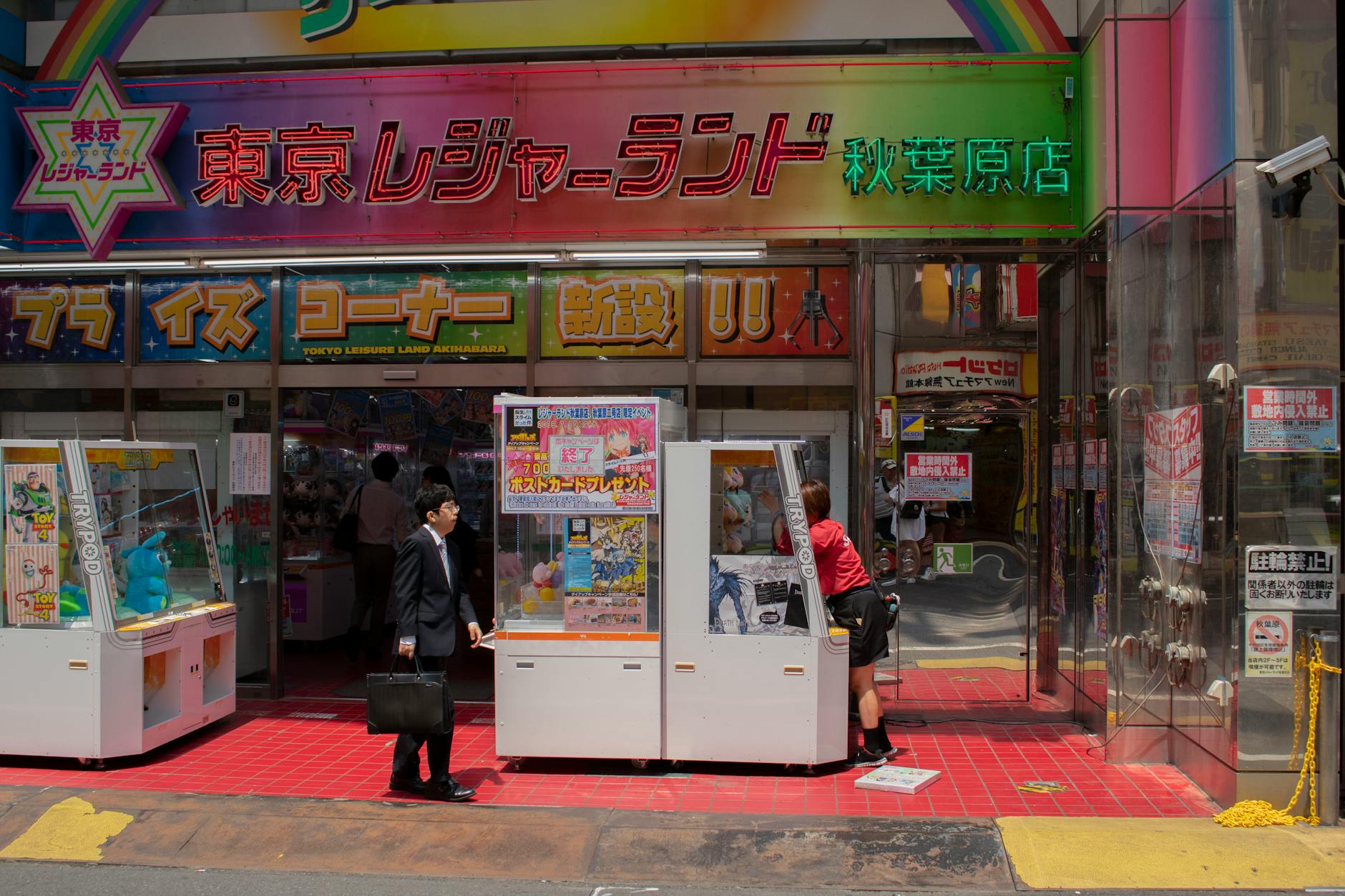
Japan is the undisputed birthplace of anime — a global art form that has captivated hundreds of millions of fans across every continent. But for true anime enthusiasts, simply watching shows at home is never enough. Japan calls to you. Whether you dream of wandering the neon-lit streets of Akihabara, hunting for rare figures in Nakano Broadway, visiting the real-life locations that inspired your favorite series, or stepping inside the Ghibli Museum, Japan offers an unparalleled pilgrimage experience for anime fans of all kinds.
In 2026, anime tourism — known in Japanese as seichi junrei (聖地巡礼), or “sacred place pilgrimage” — is bigger than ever. Millions of international visitors now plan trips around anime destinations, and the Japanese tourism industry has fully embraced this cultural export. This complete guide covers everything you need to know: the best anime districts in Tokyo, collector’s markets, anime museums, real-life pilgrimage sites, collaboration cafes, and practical tips for making the most of your anime journey through Japan.
Akihabara: Tokyo’s Anime & Manga District
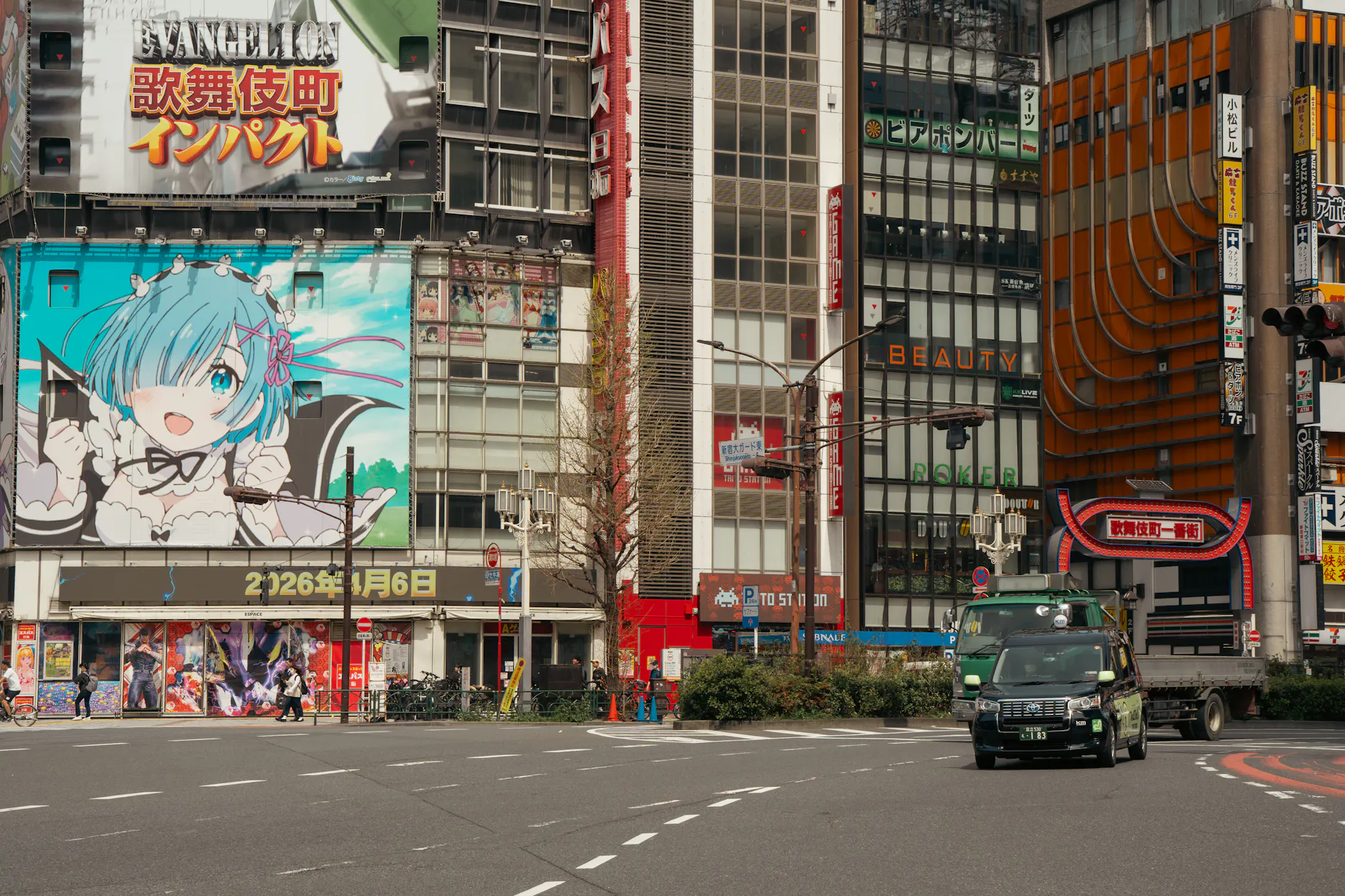
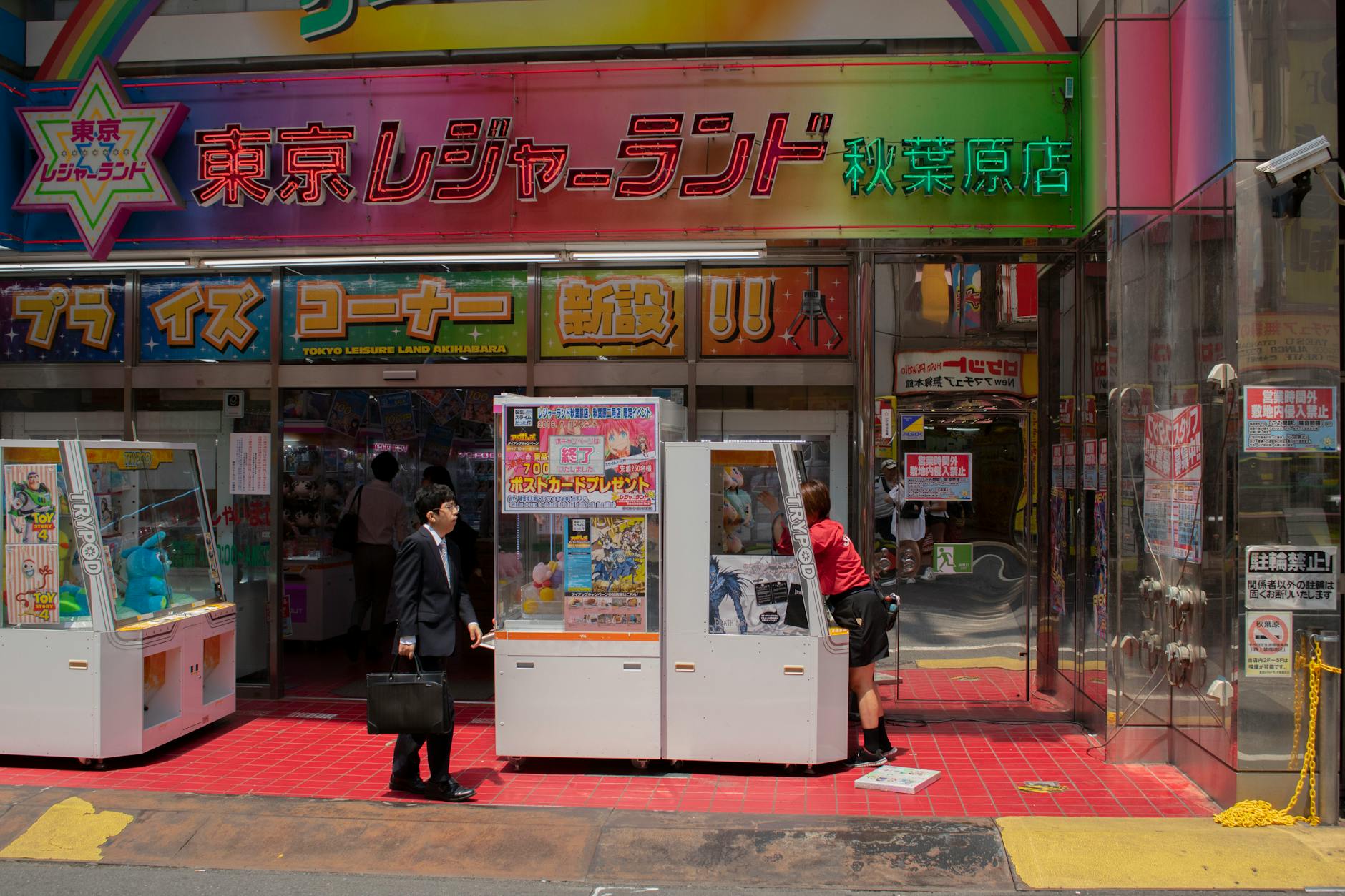
No guide to anime in Japan would be complete without Akihabara. Known as “Electric Town” (Denki-gai), this neighborhood in central Tokyo transformed from a postwar electronics market into the world capital of otaku (geek) culture. Today, Akihabara is a sensory overload of blinking arcade lights, multi-story manga stores, maid cafe flyers, and towering billboards of anime characters — a living, breathing monument to Japanese pop culture.
For anime fans visiting Japan, Akihabara is a mandatory stop. The main boulevard, Chuo-dori, is lined with enormous retail towers dedicated entirely to anime, manga, figures, and games. The side streets are even more rewarding: narrow alleys packed with specialty shops selling vintage doujinshi (fan comics), garage kits, and obscure merchandise you simply cannot find outside Japan.
Must-Visit Anime Stores in Akihabara
- Animate Akihabara — Japan’s largest anime retail chain, stocking the latest figures, Blu-rays, character goods, and merchandise from currently airing series. Multiple floors dedicated to different categories.
- Yodobashi Camera Multimedia Akihabara — A mega-complex where you can find anime merchandise, gaming products, and electronics all under one roof. The scale is staggering.
- Mandarake Complex — An eight-floor building entirely dedicated to used anime goods, vintage manga, rare figures, and out-of-print items. This is where serious collectors come to hunt.
- Kotobukiya Akihabara — Specializes in high-end model kits and collector figures, particularly their own ARTFX and bishoujo statue lines.
- Akihabara Radio Kaikan — One of the most historic buildings in the district, housing dozens of specialty shops across multiple floors. A treasure trove for figure collectors and model builders.
Maid Cafes: Akihabara’s Unique Experience
Maid cafes are one of Akihabara’s most distinctive offerings. At these themed cafes, waitresses dressed in maid costumes serve food and drinks while treating customers as “masters” and “mistresses” returning home. The atmosphere is playful and theatrical — staff perform magic spells over your food, play games with you, and pose for photos. Popular spots include @home Cafe and Maidreamin, both of which have English-friendly staff. Expect to pay a cover charge on top of your order, typically ¥500–¥700 per person.
Nakano Broadway: The Collector’s Paradise
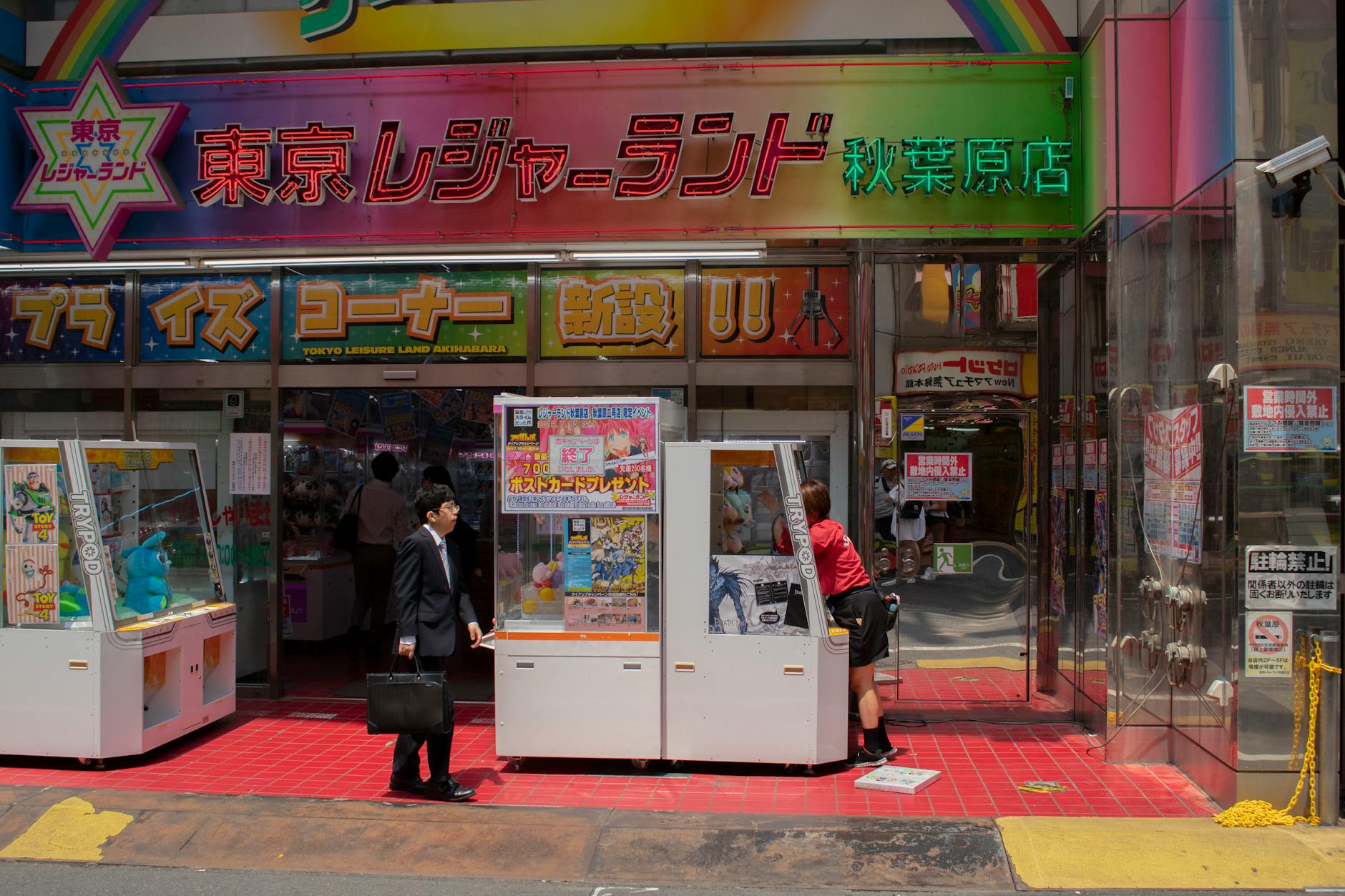
If Akihabara is the flashy, tourist-friendly face of anime shopping, Nakano Broadway is its older, quirkier sibling. Located inside a 1960s shopping complex just two minutes from Nakano Station, this four-story labyrinth is a paradise for serious collectors and anyone searching for rare, vintage, or out-of-print anime merchandise.
What makes Nakano Broadway special is the density and age of its inventory. The complex houses dozens of individual shops, many of which specialize in specific eras or genres — 1970s mecha anime, vintage Sailor Moon goods, original animation cels, first-edition manga volumes, and discontinued garage kits. If you’re looking for something specific that you couldn’t find in Akihabara, Nakano Broadway is where you look next.
Mandarake at Nakano Broadway
Mandarake was actually born here, and the original Nakano Broadway location remains its most sprawling outpost. Spread across multiple floors and storefronts within the complex, Mandarake Nakano stocks everything from used doujinshi and cosplay costumes to animation production materials and vintage toys. Prices are generally lower than in Akihabara, and the selection of older items is unmatched in Tokyo.
The upper floors of Nakano Broadway also house independent collectors’ stalls, vintage clothing stores, and the occasional hidden gem shop tucked behind an unmarked door. Set aside at least two hours to explore properly — rushing through Nakano Broadway is a mistake.
Ikebukuro: The Rival to Akihabara
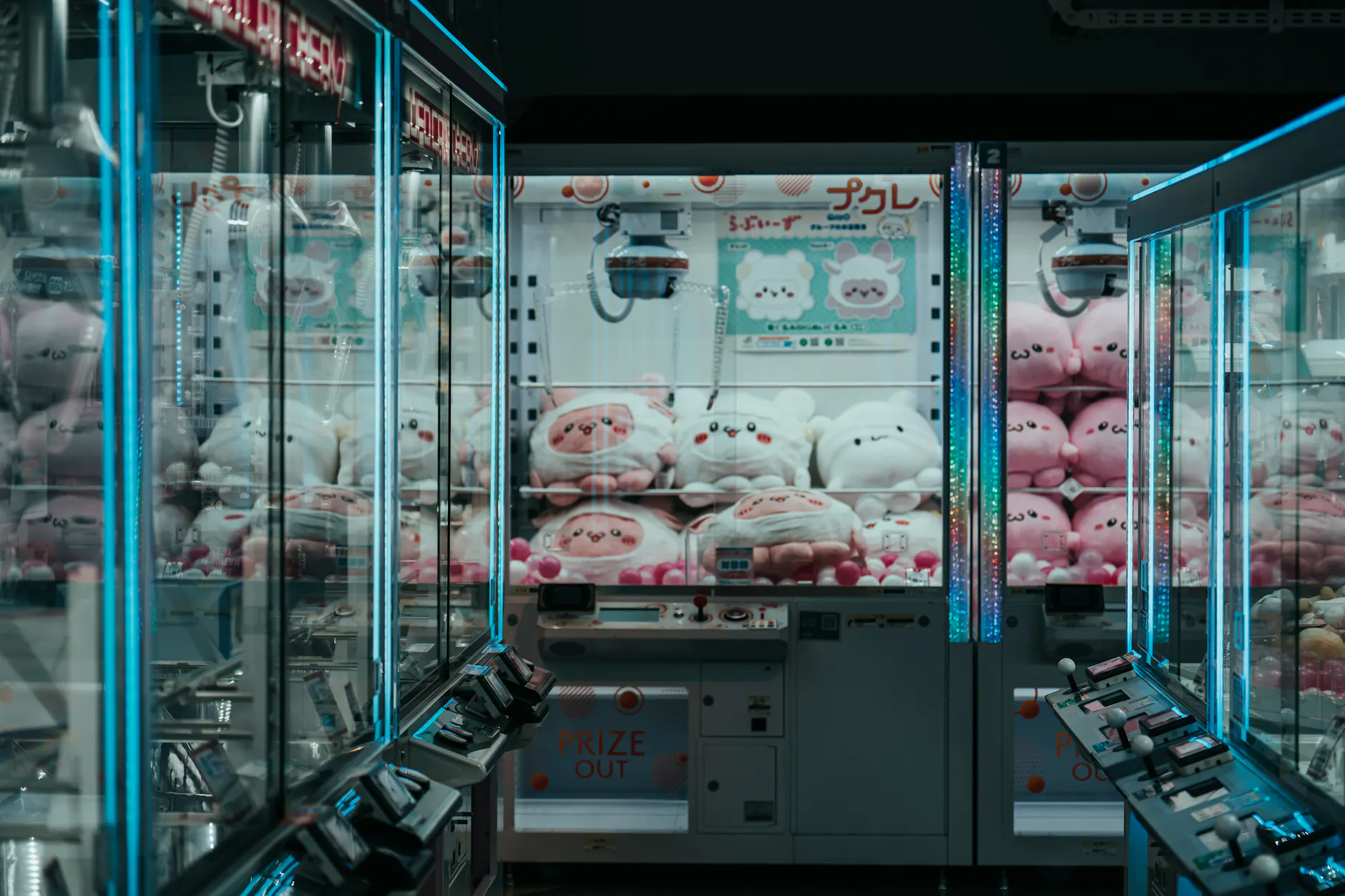
While Akihabara dominates the conversation about anime districts in Tokyo, Ikebukuro has quietly built itself into an equally impressive — and in some ways more diverse — hub for anime culture. Located on the Yamanote Line just 15 minutes from Shinjuku, Ikebukuro has a distinctly different energy from Akihabara, and it’s especially beloved by fans of female-oriented anime and manga.
Sunshine City Complex
The Sunshine City shopping and entertainment complex in Ikebukuro is a massive multi-building development that regularly hosts anime events, figure exhibitions, and collaboration pop-ups. The complex includes Namja Town, a quirky indoor theme park that frequently runs anime-themed seasonal events. Sunshine City is also home to the Pokémon Center Mega Tokyo, one of the largest Pokémon stores in the world, which is essential visiting even for casual fans.
Animate Ikebukuro: One of Japan’s Largest Anime Stores
Animate Ikebukuro is the flagship store of Japan’s most popular anime retail chain, and it’s a genuine landmark. Spanning multiple floors of a dedicated building, this store carries an enormous range of anime merchandise, light novels, drama CDs, character goods, and merchandise from ongoing seasonal anime. The basement floor typically features collaboration goods and limited-edition items tied to currently popular series.
Female-Oriented Anime Culture in Ikebukuro
One of Ikebukuro’s most distinctive features is its thriving scene for josei and BL (boys’ love) manga, otome games, and female-oriented fan culture. The area around Ikebukuro’s east exit — sometimes nicknamed “Otome Road” — is packed with shops catering to this audience, including specialty BL manga retailers, character goods shops focused on reverse harem and romance anime, and cosplay supply stores.
This makes Ikebukuro a genuinely unique destination compared to Akihabara. Fans of titles like Genshin Impact, Touken Ranbu, Hypnosis Mic, and similar IP with strong female fanbases will find Ikebukuro far more rewarding than Akihabara for their specific interests. The collaboration cafes in Ikebukuro also tend to lean toward these properties.
Anime Pilgrimage in Japan: Real-Life Locations
Seichi junrei (聖地巡礼) — anime pilgrimage — is one of the most meaningful experiences Japan has to offer anime fans. The concept is simple: visit the real-world locations that served as visual references for your favorite anime series. Standing at the exact spot where a pivotal scene was set, recognizing the architecture, the angle of light, the street signs in the background — it creates a profound connection between the fictional world and reality that no amount of merchandise can replicate.
Japan’s anime industry has deep roots in location scouting. Studios like Makoto Shinkai’s CoMix Wave Films are famous for meticulous recreation of real Tokyo neighborhoods, while Ghibli drew from rural Japan and even international locations for their world-building. Here are the most significant pilgrimage sites for anime fans visiting Japan.
Tokyo Pilgrimage Locations
- Your Name (Kimi no Na wa) — Yotsuya & Shinjuku: Makoto Shinkai’s 2016 masterpiece used real Tokyo locations with stunning accuracy. The iconic Suga Shrine staircase in Yotsuya (where Mitsuha and Taki’s reunion takes place) has become one of the most-photographed anime pilgrimage spots in Japan. The surrounding Yotsuya neighborhood, Shinjuku Gyoen, and various Shinjuku landmarks also appear throughout the film.
- 5 Centimeters Per Second — Shinjuku: Another Shinkai film where Shinjuku’s train stations, overpasses, and night-lit streets feature prominently. Fans of this melancholic romance will recognize many corners of the city.
- Weathering With You (Tenki no Ko) — Shinjuku & Shibuya: Shinkai’s follow-up to Your Name used even more precisely rendered Tokyo locations, including areas around Shinjuku’s skyscraper district and Yoyogi Park. The rooftop scene is set near a building that still stands today.
- Tokyo Magnitude 8.0 — Odaiba: The futuristic Odaiba waterfront district appears in several disaster anime productions and makes for a scenic pilgrimage even beyond anime.
Chichibu: AnoHana Pilgrimage
Ano Hi Mita Hana no Namae wo Bokutachi wa Mada Shiranai (AnoHana / “Anohana: The Flower We Saw That Day”) transformed the quiet rural town of Chichibu in Saitama Prefecture into one of Japan’s most beloved anime pilgrimage destinations. The series was set almost entirely in Chichibu, with its distinctive mountain backdrop, Chichibu Shrine, and rural train stations rendered lovingly in the anime. A local trail connecting the key locations has been established, and the town fully embraces its anime heritage with official merchandise and signage.
Chichibu is about 90 minutes from Tokyo by express train on the Seibu Chichibu Line, making it an excellent day trip. The area also has beautiful nature, traditional festivals, and excellent ramen — it’s a rewarding destination even beyond the anime pilgrimage angle. For a deeper exploration of Chichibu’s anime connections and shrines, see our Chichibu anime shrines driving route guide.
Kamakura: Slam Dunk & More
The iconic opening sequence of Slam Dunk — where Hanamichi Sakuragi runs along a coastal road with the ocean gleaming behind him — was filmed at the Kamakura Kōkō-mae railway crossing on the Enoshima Electric Railway (Enoden line). This level crossing has become one of the most photographed locations in all of Japan, attracting thousands of anime fans annually. The surrounding Shonan coast and Enoshima Island make Kamakura an outstanding full-day trip from Tokyo.
Kamakura also features in several other anime productions and is a historically rich destination in its own right, with ancient temples, the Great Buddha, and hiking trails. Read our Kamakura day trip guide for complete planning information.
Mt. Haruna: Initial D Racing Routes
For fans of Initial D — the legendary touge (mountain pass) racing manga and anime series — Mount Haruna in Gunma Prefecture is the ultimate pilgrimage. The Haruna mountain circuit is the real-world “Akina mountain pass” where protagonist Takumi Fujiwara’s legendary AE86 Trueno battles with various rival teams. The hairpin turns, the guardrails, the forest scenery — it’s all there, waiting for you.
Car enthusiasts who love Initial D or other racing anime can take it further with a JDM sports car rental from Samurai Car Japan in Shibuya — imagine driving an actual AE86, Silvia S15, or RX-7 on the very roads that inspired the series. Visit JDM car rental in Japan for full details. For a complete guide to the Mt. Haruna driving circuit with all key corners mapped, see our Mt. Haruna Initial D driving route guide.
Anime Museums in Japan
Beyond shopping and pilgrimage, Japan is home to a remarkable collection of official museums and exhibition spaces dedicated to anime and manga. These range from the world-famous Ghibli Museum to dedicated tributes to the founding masters of Japanese comics.
Ghibli Museum, Mitaka (Tokyo)
The Ghibli Museum in Mitaka, western Tokyo, is arguably the most beloved anime museum in the world. Designed by Studio Ghibli director Hayao Miyazaki himself, the museum is a whimsical, hand-crafted space full of original animation artwork, concept sketches, production tools, and interactive exhibits that reveal the painstaking artistry behind films like My Neighbor Totoro, Spirited Away, and Princess Mononoke. A life-size Catbus sculpture is a permanent fixture that delights children and adults alike.
The museum also screens exclusive short films not available anywhere else — these are changed periodically and are among the most coveted anime experiences in Japan. The surrounding Inokashira Park is beautiful in spring and perfect for extending your visit.
Doraemon Museum (Fujiko F. Fujio Museum), Kawasaki
Located in Kawasaki City, just 30 minutes from central Tokyo, the Fujiko F. Fujio Museum (commonly called the Doraemon Museum) is dedicated to the legendary manga artist who created Doraemon — one of the most beloved characters in Japanese cultural history. The museum houses original artwork, manuscripts, personal belongings, and large-scale installations bringing Doraemon’s world to life. A short original film exclusive to the museum is screened regularly. This is a wonderful destination even if you’re not a hardcore anime fan, as Doraemon resonates deeply with virtually every Japanese person you’ll meet.
Like the Ghibli Museum, tickets must be reserved in advance. They are available through Lawson convenience stores in Japan (use the Loppi kiosk) or through overseas authorized agents.
Osamu Tezuka Manga Museum, Takarazuka
For those interested in the origins of modern manga and anime, the Osamu Tezuka Manga Museum in Takarazuka City (near Osaka and Kobe) is essential. Osamu Tezuka — the “God of Manga” — created Astro Boy, Black Jack, Princess Knight, and Kimba the White Lion, essentially laying the groundwork for the visual language and narrative conventions of all anime that followed. The museum contains his original manuscripts, a reconstruction of his studio, and interactive exhibits tracing the evolution of his art. The surrounding Takarazuka city is also famous for its all-female Takarazuka Revue theater troupe, making it a culturally rich day trip from Osaka.
teamLab Planets & Borderless (Tokyo)
While not strictly an anime museum, teamLab‘s immersive digital art installations in Tokyo share DNA with anime’s visual sensibility — they’re beloved by anime fans for their vibrant colors, fantastical imagery, and otherworldly atmosphere. teamLab Planets in Toyosu features rooms where you wade through shallow water surrounded by projected galaxies and flowers. The new teamLab Borderless in Azabudai Hills (reopened in 2024) is an even larger labyrinthine experience. Both are popular, especially with visitors who appreciate anime aesthetics and want a unique Tokyo experience. See our unique Tokyo experiences guide for more ideas like this.
Anime Cafes and Collaboration Cafes
One of the most uniquely Japanese anime experiences is the collaboration cafe (collab cafe). These are temporary pop-up cafes — often running for four to eight weeks — where the menu, decor, staff uniforms, and atmosphere are entirely themed around a specific anime series, game, or character. The food and drinks are shaped or decorated to resemble characters, locations, or iconic items from the IP, and the cafe itself is plastered with exclusive artwork.
Collab cafes are a significant part of Japanese fan culture. They typically offer exclusive merchandise only available at that cafe during its run — once the collaboration ends, those goods are gone forever. This creates genuine urgency, and popular collaborations can have queues lasting hours. Major districts for collab cafes include Akihabara, Ikebukuro, Shibuya, and Harajuku.
Permanent Anime Cafes Worth Visiting
- Gundam Cafe (Akihabara): A permanent Gundam-themed cafe near Akihabara Station serving mecha-inspired food and drinks in an immersive environment. Reliable option that doesn’t require advance booking for most visits.
- Evangelion Cafe (Harajuku/rotating locations): While not always at the same address, Evangelion collaboration spaces appear regularly in Tokyo and offer some of the most creative themed menus in the scene.
- Pokémon Cafe (Nihonbashi): The official Pokémon Cafe near Nihonbashi requires advance reservations (often weeks in advance) and offers an extremely well-produced experience with character-shaped food and rotating seasonal menus. One of the best-run themed cafes in Japan.
- Kirby Cafe (Tokyo Skytree): A permanent Kirby-themed cafe at Tokyo Skytree’s Solamachi shopping complex. The food presentations are exceptionally creative and the space is beautifully designed — a top recommendation even for those with only passing Kirby familiarity.
Universal Studios Japan (Osaka): Anime Attractions
Universal Studios Japan (USJ) in Osaka has become one of the world’s leading theme parks for anime and gaming IP, arguably rivaling or surpassing its American parent parks in terms of pop culture relevance. If your trip includes Osaka — and it should — USJ deserves at least a full day on your itinerary.
Nintendo World
Super Nintendo World is the park’s crown jewel: a meticulously designed, fully immersive recreation of the Mushroom Kingdom from Super Mario Bros. The level of detail is extraordinary — interactive question blocks, Bowser’s Castle looming overhead, and the headline Mario Kart: Koopa’s Challenge ride that uses AR technology to blend physical and digital elements. Purchase a Power-Up Band (a wristband) at the entrance to interact with the environment and collect virtual items as you walk through the zone.
One Piece, Demon Slayer & More
USJ regularly runs seasonal anime zones that rotate throughout the year. Major anime attractions that have appeared include One Piece (a perennial presence at USJ), Demon Slayer, Attack on Titan, and Dragon Ball themed experiences. These typically feature themed food, photo spots, limited merchandise, and occasionally dedicated rides or shows. The lineup changes each year, so check USJ’s official website before your visit to see what anime features are currently running.
Beyond anime, USJ’s The Wizarding World of Harry Potter and Jaws area remain iconic attractions. Plan your visit on a weekday to avoid the most intense crowds, and purchase Express Passes for the most popular rides if your schedule is tight.
Tips for Anime Tourists: Practical Advice
Best Time to Visit: Anime Japan Convention (March)
Anime Japan, held annually at Tokyo Big Sight in late March, is Japan’s largest anime industry event open to the general public. With over 130,000 attendees across two days, it features exclusive anime previews for upcoming seasons, special merchandise, stage events with voice actors and directors, and hands-on experiences with new anime games. If you can plan your trip around Anime Japan, it’s an extraordinary window into the live anime industry ecosystem. Tickets must be purchased in advance through the official website.
Smart Shopping: Mandarake vs. Surugaya
For budget-conscious anime shoppers, the two dominant used merchandise chains offer different advantages:
- Mandarake — Best for rare, collectible, and vintage items. Condition grades are reliable and their rare item sections are meticulously curated. Prices reflect rarity accurately. Multiple locations in Akihabara and Nakano Broadway.
- Surugaya (Suruga-ya) — Best for budget finds on newer merchandise. Frequently has lower prices than Mandarake on common items, and their bulk bins and ¥100–¥500 sections can yield genuine surprises. Also has a huge presence in Akihabara.
- Book Off — Japan’s largest second-hand chain carries used manga, DVDs, and CDs at rock-bottom prices. The Akihabara and Ikebukuro branches have substantial anime sections. For casual collectors, Book Off manga hunting is a beloved Tokyo activity.
Limited Edition Items and Booking Ahead
Japan’s anime merchandise market runs on exclusivity. Limited edition items — “limited” or “tokuten” goods — are tied to specific purchase events, collaboration periods, or regional stores, and they disappear quickly. If you see something marked as limited at an Animate, a collaboration cafe, or an event space, do not assume you can come back for it later. Buy it when you see it.
For collaboration cafes specifically, book reservations the moment they open — usually 2–4 weeks before the cafe’s launch date. Major services like Fanplus and cafe-specific booking pages handle reservations. Having a Japanese phone number (via a SIM card) or a trusted booking service helps significantly with the reservation process.
How to Find Current Seasonal Anime Events
Japan’s anime event calendar is dense and constantly changing. The best resources for staying current:
- Twitter/X — Following official accounts for Animate, Mandarake, and your favorite anime properties will surface event announcements in real time.
- Akiba-Hobby / Akiba Blog — English-language sites tracking Akihabara events, new figure releases, and limited merchandise.
- Japan Tourism Agency seasonal event calendars — The official tourism portal lists major anime festivals and seasonal events.
- Eventbrite Japan / Peatix — Many ticketed anime events in Japan list on these platforms with English descriptions.
Getting Around Japan’s Anime Destinations
Japan’s public transit system is one of the best in the world, and virtually all major anime destinations in Tokyo are within easy reach of the Yamanote Line or subway network. Here’s a quick reference for reaching the key spots:
- Akihabara — JR Yamanote Line or Keihin-Tohoku Line to Akihabara Station (east exit). Also accessible via Tokyo Metro Hibiya Line.
- Nakano Broadway — JR Chuo Line or Tokyo Metro Tozai Line to Nakano Station (north exit). Walk straight through the Sun Mall arcade (~5 minutes).
- Ikebukuro — JR Yamanote Line, Seibu Ikebukuro Line, or Tobu Tojo Line to Ikebukuro Station. Animate and Sunshine City are east exit (Higashi-guchi).
- Ghibli Museum (Mitaka) — JR Chuo Line to Mitaka Station, then community bus (Corocoro Bus) from south exit. Journey from Shinjuku: approximately 30 minutes including bus.
- Doraemon Museum (Kawasaki) — Odakyu Line to Noborito Station (25 minutes from Shinjuku), then 15-minute walk or shuttle bus.
- Chichibu (AnoHana) — Seibu Chichibu Line Limited Express “Laview” from Seibu-Shinjuku or Ikebukuro (~90 minutes).
- Kamakura (Slam Dunk crossing) — JR Yokosuka Line from Tokyo Station to Kamakura (~55 minutes), then Enoden Line to Kamakura Kōkō-mae (~18 minutes).
- USJ, Osaka — JR Yumesaki Line (Universal City Line) from Osaka (Nishi-Kujo or Namba) to Universal City Station (~5 minutes from Nishi-Kujo).
For visiting multiple anime destinations across Japan efficiently, consider a Japan Rail Pass if you’re covering distances beyond Tokyo, or a Tokyo Metro 24/48/72-hour pass for intensive Tokyo-only itineraries. IC cards (Suica, Pasmo) work on virtually all transit in Japan and are the most convenient option for day-to-day travel.
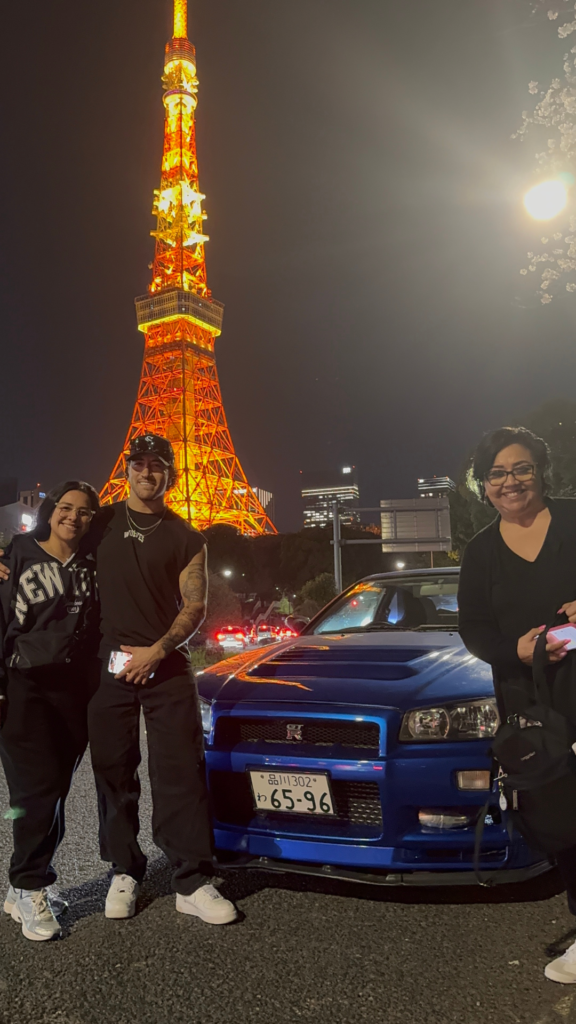
JDM tour guide!
Step into the world of “Fast & Furious” with our exclusive Daikoku Tour!
Experience the legendary car meet atmosphere for yourself. Make it the ultimate highlight of your Tokyo trip!
- Complete Akihabara Guide: Electric Town for Anime & Manga Fans
- Chichibu Anime Pilgrimage: AnoHana Shrines & Driving Route
- Mt. Haruna Driving Route: The Real Initial D Circuit
- Kamakura Day Trip Guide: Slam Dunk, Great Buddha & More
- Things to Do in Shinjuku: Complete Area Guide
- Unique Experiences in Tokyo You Won’t Find Anywhere Else
- JDM Car Rental in Japan: Drive the Cars from Your Favorite Anime
Frequently Asked Questions About Anime in Japan
Is Akihabara worth visiting for anime fans?
Absolutely. Akihabara is the global capital of anime retail and fan culture, and no anime trip to Japan is complete without at least one visit. The sheer scale and variety of merchandise, the unique maid cafe experience, and the atmosphere of being surrounded by thousands of fellow fans make it unlike anywhere else on earth. Plan for at least half a day, ideally a full day if you’re a serious shopper.
What is the best anime district in Tokyo?
It depends on what you’re looking for. Akihabara is the most famous and offers the widest variety of merchandise for all types of anime fans. Ikebukuro is better for fans of female-oriented titles (BL, otome games, reverse harem anime). Nakano Broadway is best for collectors hunting rare and vintage items. Dedicated fans should visit all three — they each offer genuinely different experiences.
Where is the best place to buy anime figures in Japan?
For new, in-print figures, Kotobukiya Akihabara, Volks Akihabara, and Animate stores carry the best selection at retail prices. For used and discounted figures, Mandarake (Akihabara and Nakano Broadway) and Surugaya (Akihabara) are the go-to destinations. For highest-end garage kits and limited resin figures, Nakano Broadway’s specialist shops are hard to beat.
Do you need to book the Ghibli Museum in advance?
Yes — tickets for the Ghibli Museum are not sold on-site. They must be reserved in advance through the official reservation system (ghibli-museum.jp). International visitors should book through authorized overseas agents or the official international booking portal. Demand is extremely high; aim to book at least two to three months before your visit, especially for weekends and holiday periods.
What is anime pilgrimage (seichi junrei)?
Anime pilgrimage (seichi junrei / 聖地巡礼) refers to the practice of visiting real-world locations that were used as visual references or settings in anime series and films. Fans travel to these sites to recreate scenes, photograph the locations, and experience a deeper connection with the stories they love. Major pilgrimage sites include Chichibu (AnoHana), Kamakura (Slam Dunk), Yotsuya/Shinjuku (Your Name), and Mt. Haruna in Gunma (Initial D).
Is there an anime museum in Tokyo?
The most famous anime museum near Tokyo is the Ghibli Museum in Mitaka, which is technically within the greater Tokyo Metropolitan area. Technically in Kawasaki (30 minutes from Tokyo) is the Doraemon/Fujiko F. Fujio Museum. For a broader definition of anime/manga museums, the Osamu Tezuka Museum in Takarazuka (near Osaka) is one of Japan’s most significant. Tokyo also hosts numerous temporary anime exhibitions throughout the year at venues like Shibuya Hikarie and Tokyo Skytree’s Solamachi.
When is the best time to visit Japan for anime events?
March is arguably the best month for anime events in Japan, anchored by Anime Japan (Tokyo Big Sight, late March), the industry’s largest consumer-facing event. Summer (July-August) is also excellent, with Comiket (the world’s largest doujinshi/fan-made comic market) held at Tokyo Big Sight in early August, attracting over 500,000 attendees across three days. Winter Comiket in December is equally massive. For less crowded shopping, the post-Comiket weeks in late August and September are ideal.
[st_af id=”862″]
[st_af id=”854″]
🇯🇵 Plan Your Japan Experience
JDM Car Rental
Drive a GT-R, Supra, RX-7, or Silvia on the roads they were built for. Hakone passes, Wangan highway, mountain touge — your dream JDM experience.
Daikoku PA Tour
Visit Japan’s most legendary car meet. Hundreds of modified cars, passionate owners, and the heartbeat of JDM culture. Guided weekend night tours available.
Photo Guide Tour
Capture stunning photos at locations only locals know. Hidden shrines, backstreet alleys, rooftop views, and golden hour spots for unforgettable shots.