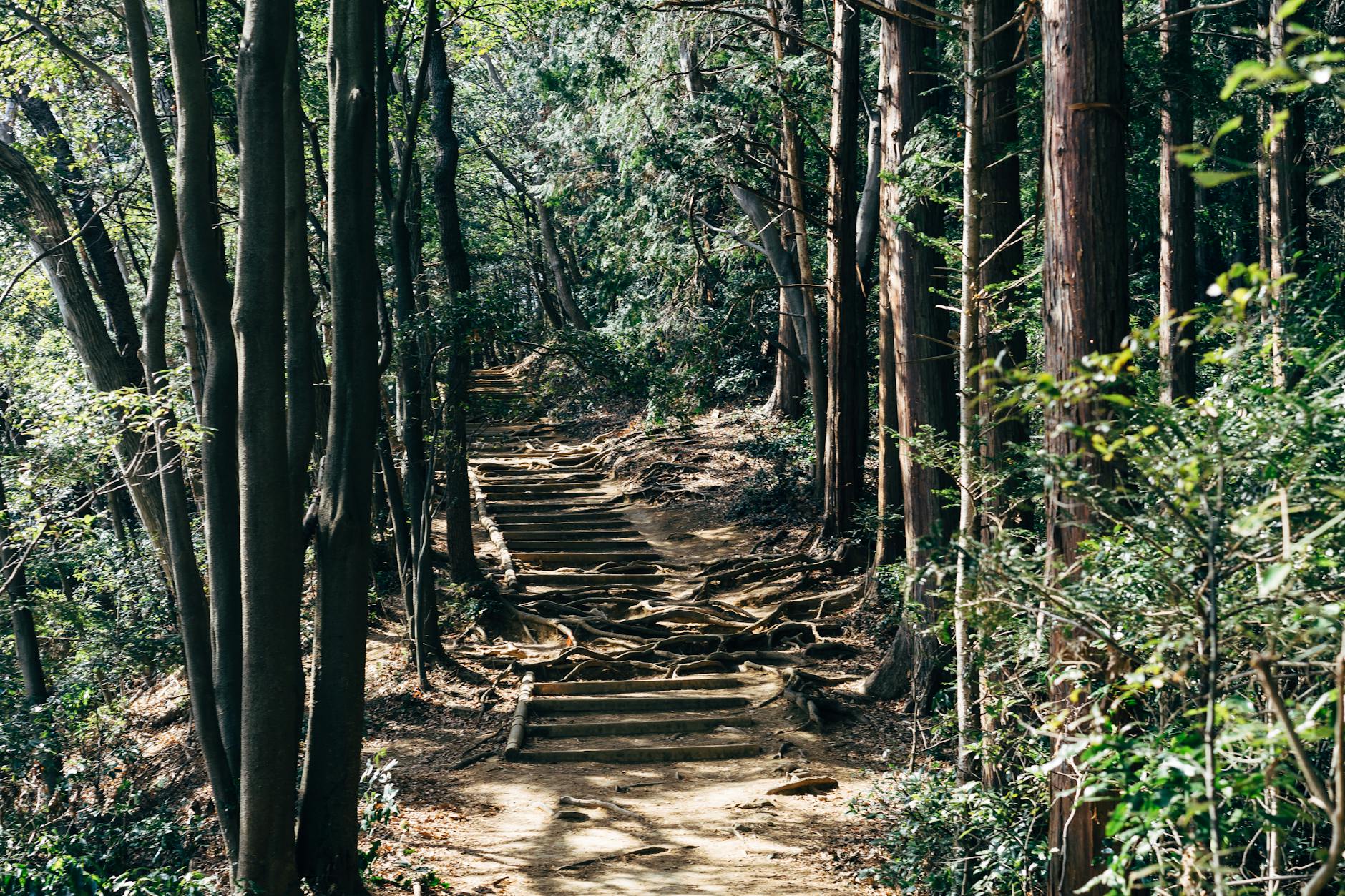
Standing at just 599 meters, Mount Takao — known in Japanese as Takao-san (高尾山) — punches far above its modest height. It holds a remarkable world record: more people hike Mount Takao every year than any other mountain on Earth. Over 2.5 million visitors make the trip annually, yet somehow it never feels ordinary. With a sacred Shingon temple founded in the 8th century, towering cedar forests, one of the best views of Mount Fuji in the Kanto region, and trails for every fitness level, Takao-san is simply unmissable.
Best of all, it is remarkably easy to reach. From Shinjuku Station in the heart of Tokyo, the Keio Line whisks you to Takaosanguchi Station in around 47–60 minutes for just ¥430. Whether you have a half-day to spare or want to spend a full day exploring, Mount Takao delivers one of the most rewarding day trips from Tokyo you can make in any season.
Why Visit Mount Takao?
Mount Takao is far more than just a pleasant hill walk on the edge of the city. Here is why it belongs at the top of your Tokyo itinerary.
The World’s Most Visited Mountain
Guinness World Records recognises Takao-san as the most hiked mountain on the planet. More than 2.5 million visitors per year — that is more than Mount Fuji, more than the Swiss Alps’ popular routes, more than anywhere else. The mountain’s extraordinary accessibility from central Tokyo and the sheer variety of experiences it offers drive those numbers.
UNESCO Eco Park
In 2014, Mount Takao received UNESCO Biosphere Reserve (Eco Park) designation. The mountain sits within a surprising pocket of ancient forest on the edge of one of the world’s largest cities, home to over 1,600 plant species and 5,000 insect species. Walking the trails, you can genuinely forget you are less than an hour from Shinjuku.
A Sacred Mountain With Deep History
Yakuo-in Temple, founded in 744 AD, sits partway up the mountain and has been drawing pilgrims for over 1,200 years. The mountain is considered sacred in the Shingon Buddhist tradition and is closely associated with Tengu — the long-nosed, red-faced mountain goblins of Japanese mythology. You will encounter Tengu statues, carvings, and imagery at every turn, adding a wonderful layer of folklore to the hike.
Spectacular Mount Fuji Views
On a clear day, the summit offers a breathtaking direct view of Mount Fuji rising above the distant ridgeline. Winter mornings — especially from December through February — deliver the sharpest, most dramatic Fuji vistas, with dry air and snow-capped peak combining for an unforgettable sight. Mount Fuji is visible on roughly 200 days per year from the summit.
Exceptional Seasonal Beauty
Spring brings 1,500+ cherry trees into bloom across the lower slopes. Autumn transforms the mountain into one of the finest foliage destinations in the entire Tokyo region, typically peaking in mid-November with maples and beeches turning vivid red, orange, and gold. For advice on timing your trip to Japan, see our guide on the best time to visit Japan.
The 8 Hiking Trails of Mount Takao
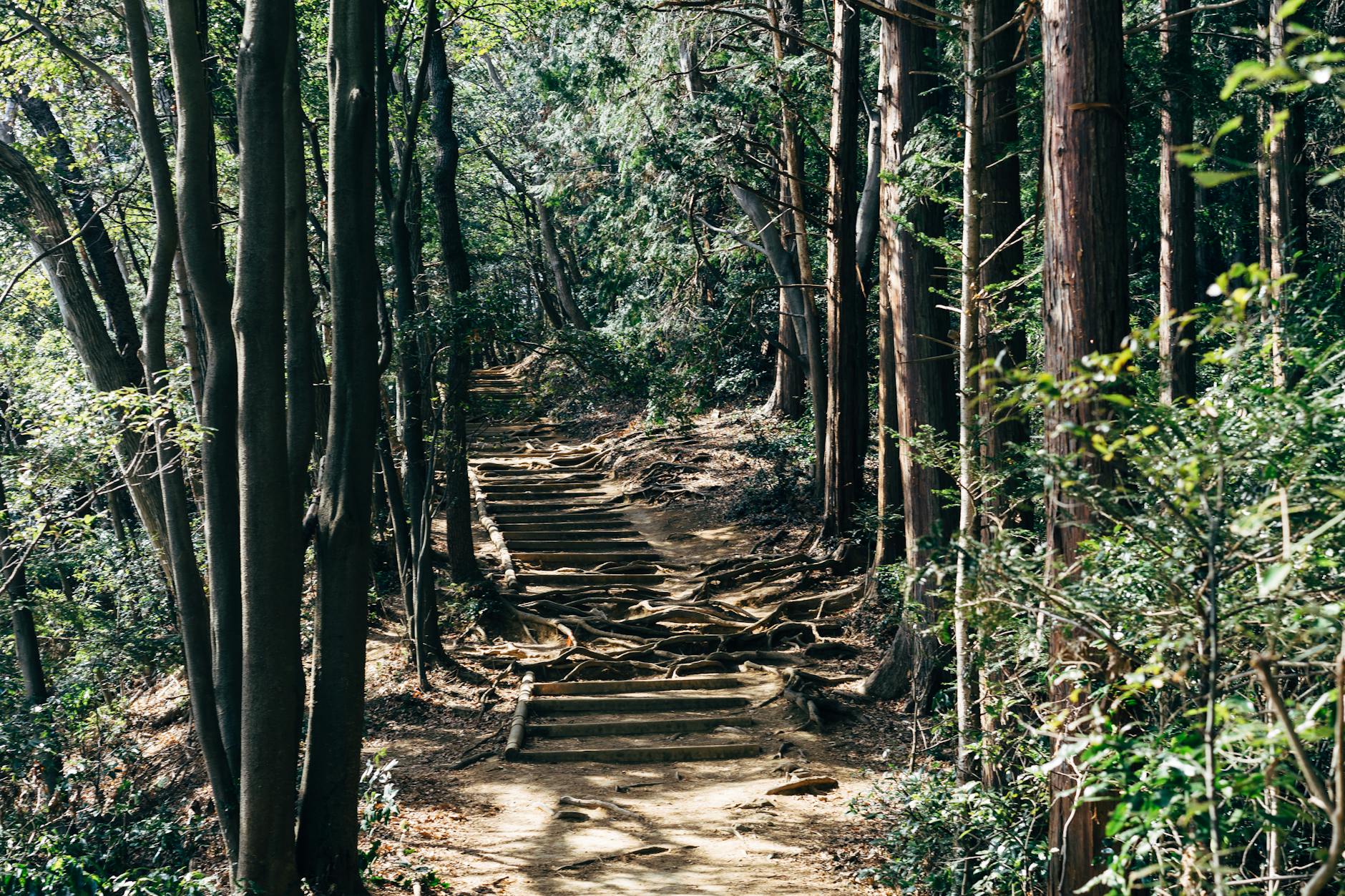
Mount Takao has eight numbered trails plus a long-distance ridge route, giving hikers of every level a fitting challenge. Here is a complete guide to each one.
Trail 1 — The Main Trail (Ichi-go-do) ⭐ Most Popular
Distance: 3.8 km to summit | Time: 90 minutes from base, ~40 minutes from cable car top station | Difficulty: Easy–Moderate
Trail 1 is the most-walked route on the mountain and the perfect choice for first-time visitors. Much of the lower section is paved, making it accessible even in regular trainers. The trail passes directly through the precincts of Yakuo-in Temple, meaning you get both nature and culture in one go. Restaurants, food stalls, and souvenir shops line the lower portion, so you can grab tororo soba on the way up or down.
A cable car and chairlift are available from the base station area up to Takaosan Station (midpoint), cutting the walk significantly for families with young children or those who prefer a gentler introduction. From Takaosan Station to the summit is approximately 40 minutes on foot.
Trail 2 — Shizen Kansatsu-ro (Nature Observation Trail)
Distance: Short loop | Difficulty: Easy
Trail 2 branches off from Trail 1 and loops back, creating a pleasant nature observation detour. The trail passes through dense forest and is excellent for birdwatching and spotting the rich plant life that earned the mountain its UNESCO designation. A good option for families who want a quieter forest feel without leaving the main route entirely.
Trail 3 — Inariyama Trail (Most Challenging)
Distance: 3.1 km | Time: 90–120 minutes | Difficulty: Moderate–Challenging
Trail 3 runs along the Inariyama ridge and is the most physically demanding of the standard numbered trails. You will climb through forest with good elevated views opening up along the ridge, making the extra effort worthwhile. The trail passes the Inariyama observation deck partway up, offering sweeping views over the surrounding valleys. Best suited to hikers who are comfortable on uneven terrain.
Trail 4 — Suspension Bridge Trail
Difficulty: Easy–Moderate
Trail 4 is famous for the Nakai-jo suspension bridge, a 37-metre span above a forested valley that provides both a thrill and excellent photo opportunities. The trail is shorter and connects to other routes, making it ideal as part of a combined circuit rather than a standalone hike.
Trail 5 — Connecting Trail
Difficulty: Easy
Trail 5 is a short connector path that links other trails, useful for customising your route or shortcutting between sections of the mountain. Not normally walked end-to-end on its own.
Trail 6 — Biwa Waterfall Trail ⭐ Recommended for Descent
Distance: 3.3 km | Time: 60–80 minutes | Difficulty: Moderate
Trail 6 is the most scenic alternative to the main trail and is strongly recommended for the descent after climbing via Trail 1. The route follows a valley stream through dense cedar forest, passing several small waterfalls including the picturesque Biwa waterfall. It feels genuinely wild and is noticeably quieter than Trail 1 — a great opportunity for solitude and forest bathing (shinrin-yoku). Note that the trail can be muddy after rain; proper walking shoes are recommended.
Trail 7 — Jyato-ki Waterfall Trail
Difficulty: Moderate
Trail 7 passes through forest and by the Jyato-ki waterfall. Like Trail 6, it offers a quieter, more immersive forest experience than the main trail and is a good option for hikers seeking to avoid the crowds.
Takao-Jinba Ridge Trail — Extended Adventure
Distance: 10+ km one-way | Time: 4–6 hours | Difficulty: Challenging
For experienced hikers seeking a full-day adventure, the Takao-Jinba Ridge Trail connects Mount Takao to Mount Jinba (857m) via a spectacular mountain ridge. The route passes through multiple peaks including Mount Kagenobu (727m) and offers sustained views and a genuine sense of wilderness. You can descend into Sagamiko on the far side and return to Tokyo by train. Allow a full day and carry sufficient food and water.
Yakuo-in Temple (薬王院) — The Heart of the Mountain
No visit to Mount Takao is complete without spending time at Yakuo-in Temple, one of the most important Shingon Buddhist temples in the Kanto region. Founded in 744 AD during the reign of Emperor Shomu, the temple complex has been a centre of mountain worship and pilgrimage for over 1,200 years.
The Temple Complex
The main deity enshrined here is Izuna Daigongen, a syncretic deity combining Buddhist and Shinto elements. The approach to the main hall passes through the dramatic San-mon gate, a vivid red torii-style structure adorned with elaborate carvings of clouds, dragons, and celestial figures. Beyond the gate, the main hall (Honden) and worship hall (Haiden) are richly decorated in the Edo-period style, with intricate woodwork painted in red, gold, and green.
The Tengu of Mount Takao
Throughout the temple complex and along the trails, you will encounter the iconic Tengu — mythical mountain goblins with long noses, red faces, and fierce expressions. In Japanese folklore, Tengu are guardians of the mountains and are associated with martial arts, ascetic practice, and supernatural power. Mount Takao’s Tengu are considered the protectors of Yakuo-in, and their imagery is absolutely everywhere: enormous statues at the temple gate, carved reliefs on the main hall, decorations on souvenir items. It gives the mountain a distinctive mythological character you will not find anywhere else.
The Hyakunichi-mairi Pilgrimage
Devoted followers participate in the Hyakunichi-mairi tradition — climbing the mountain 100 times earns the pilgrim a special ceremony at Yakuo-in. You will often see elderly Japanese visitors with tallied climbing cards, testament to the mountain’s enduring spiritual significance alongside its modern role as a recreational destination.
Entry: Free to visit. Donation boxes at various points throughout the temple. The temple grounds are open year-round.
The Summit (599m) — Views Across the Kanto Plain
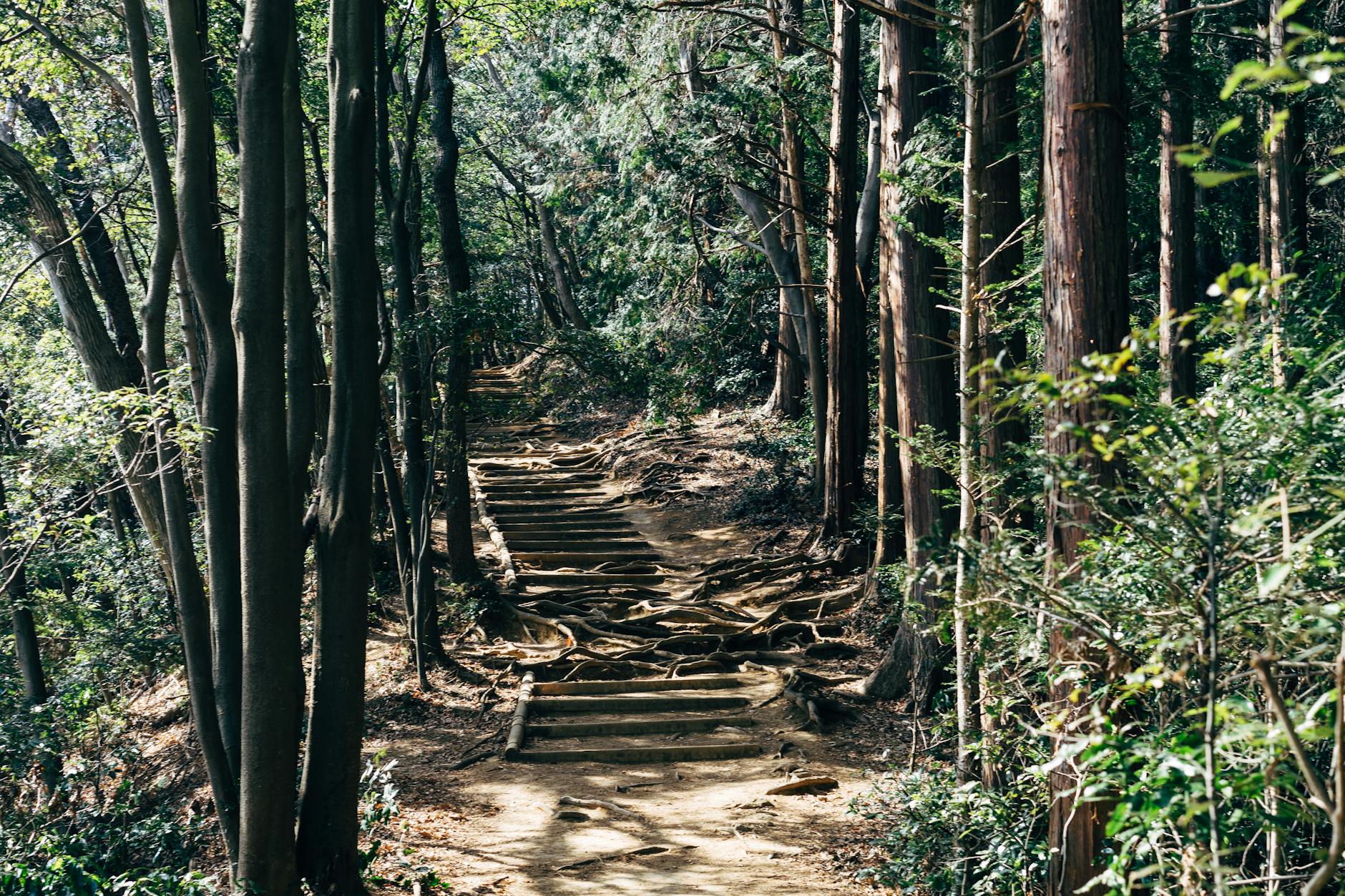
The summit of Mount Takao sits at 599 metres above sea level and offers one of the most celebrated viewpoints in the greater Tokyo area. On a clear day, the panorama is extraordinary: the Kanto Plain stretches to the east toward the Pacific, while Mount Fuji rises dramatically to the southwest, its symmetrical cone unmistakable above the horizon.
When to See Mount Fuji
Mount Fuji is visible from the summit on approximately 200 days per year. Your best chances are:
- Winter (December–February): Dry, crisp air gives the clearest views. Fuji is snow-capped and at its most photogenic. Morning visits are almost always better than afternoons as heat haze builds throughout the day.
- After rainfall: The day following rain or a storm often produces exceptional visibility as the air is washed clean.
- Early morning any season: Get to the summit before 10am for the best chance of a clear view before afternoon haze develops.
The summit has multiple viewing platforms, a café serving hot drinks and simple food, and picnic seating. It can get very crowded on autumn weekends — if you want a peaceful summit experience, aim for a weekday or arrive early.
Cable Car and Chairlift
Mount Takao offers two mechanical options for reaching the upper mountain quickly — ideal for families with young children, visitors with mobility considerations, or anyone who simply wants to save their legs for the summit section.
Cable Car (ケーブルカー)
The Takao Cable Car runs from Kiyotaki Station (base) to Takaosan Station (mid-mountain) in just 6 minutes. It is one of the steepest cable cars in Japan, with a maximum gradient of 31 degrees, making the ride itself something of an attraction. From Takaosan Station, it is approximately 40 minutes on foot to the summit via Trail 1, passing through the Yakuo-in Temple complex.
- One-way fare: ¥490
- Return fare: ¥950
- Operating hours: From approximately 8:00am (last car varies by season, typically 6–7pm)
- Frequency: Every 15 minutes; more frequent on busy days
Chairlift (リフト)
The open-air chairlift runs parallel to the cable car and offers a more scenic, open-air ride through the treetops — wonderful in cherry blossom season and autumn. It departs from a slightly different starting point near the cable car base.
- One-way fare: ¥490
- Return fare: ¥950
- Note: Not available in poor weather; may be suspended during heavy rain or strong winds
Food and Drinks on Mount Takao
Mount Takao’s trail is lined with restaurants, food stalls, and cafés — particularly on Trail 1. You will not go hungry, and the local specialities are genuinely worth trying.
Tororo Soba — The Signature Dish
Tororo soba is Mount Takao’s culinary calling card: chewy buckwheat noodles served with a generous pour of grated nagaimo (mountain yam), which becomes gloriously sticky and silky when grated. The combination is light, earthy, and deeply satisfying after a hike. Multiple restaurants on Trail 1 serve the dish; the most famous is Ukai Tofu-ya near the cable car base, a beautiful traditional restaurant set in a historic garden (reservations recommended for dinner).
Other Food Options
- Beer garden near the summit — open during summer (July–September) on weekends; popular for post-hike refreshments with views
- Yakitori and grilled skewers — available from stalls on busy weekends along the lower trail
- Roasted sweet potatoes (yaki-imo) — a seasonal autumn favourite sold from carts near the trailhead
- Soft drinks and snacks — vending machines and small shops dot Trail 1 regularly
- Summit café — hot drinks, light meals, and ice cream available year-round at the top
Mount Takao Monkey Park and Wild Plant Garden
Located near the lower cable car station, the Mount Takao Monkey Park is a compact but enjoyable attraction, particularly for families visiting with children. The park is home to a troop of Japanese macaques (snow monkeys), and the viewing setup allows you to observe them up close in a natural hillside setting.
Adjacent to the Monkey Park, the Wild Plant Garden displays over 300 native plant species found on and around the mountain, providing an educational introduction to the mountain’s rich flora before you head up the trails.
- Entry fee: ¥430 (adults)
- Hours: 9:30am–4:00pm (last entry); closed Tuesdays (except public holidays)
- Location: Near the lower cable car station (Kiyotaki Station area)
Seasonal Highlights — Mount Takao Throughout the Year
Spring (Late March – April): Cherry Blossoms
Mount Takao is one of the finest cherry blossom (sakura) destinations accessible from Tokyo. Over 1,500 cherry trees bloom across the lower slopes, creating canopies of pink and white blossom along the trails and around Yakuo-in Temple. The annual Sakura Matsuri (Cherry Blossom Festival) fills the mountain with visitors, particularly on weekends. Spring is also a beautiful time for wildflowers and fresh green foliage emerging throughout the forest.
Summer (June – August): Cool Forest Walks
The dense forest canopy keeps temperatures noticeably cooler than the city below, making Mount Takao a pleasant escape from Tokyo’s humid summer heat. The mountain hosts night hiking events in summer, allowing visitors to experience the forest trails in the evening cool — a genuinely atmospheric experience. The summit beer garden operates on summer weekends, making it a sociable destination for evening visitors.
Autumn (October – November): Legendary Foliage ⭐ Peak Season
Autumn is, without question, Mount Takao’s most spectacular season. The mountain is widely regarded as one of the best autumn foliage (koyo) destinations in the entire Tokyo region. The colour transformation typically peaks in mid-November, when maples and beeches turn vivid shades of crimson, amber, and gold against a backdrop of dark green cedar. The mountain illuminates the foliage with special lighting events in the evenings during peak koyo season.
This is also the mountain’s busiest period. Weekend visits in mid-November can see queues of 1+ hour for the cable car and significant crowds on Trail 1. Plan for a weekday visit if possible, or start very early on weekends.
Winter (December – February): Best Fuji Views and New Year Sunrise
Winter is the secret favourite season for experienced Takao hikers. The trails are quieter, the air is crisp and clear, and Mount Fuji views are at their finest — the snow-capped peak visible in sharp relief against blue winter skies on most clear days.
The highlight of the winter season is the New Year Sunrise (Hatsuhinode) on January 1st. Thousands of people climb Mount Takao on New Year’s Eve to welcome the first sunrise of the year from the summit — a deeply moving tradition that combines the spiritual significance of the mountain with one of Japan’s most cherished New Year customs. If you are in Tokyo over New Year, this is an unforgettable experience.
Getting to Mount Takao from Tokyo
By Train (Recommended)
The easiest and most popular way to reach Mount Takao is by the Keio Line from Shinjuku Station. Take a Keio Line train bound for Takaosanguchi (高尾山口) — the express service takes approximately 47 minutes; local trains take up to 60 minutes. The single fare is ¥430 each way. Trains run frequently throughout the day and the station is a short 5-minute walk from all trail heads.
JR Pass holders: You can take the JR Chuo Line from Shinjuku to Takao Station (the stop before Takaosanguchi), then transfer to the Keio Line for one stop. This allows JR Pass users to cover most of the journey with their pass. For more on getting around Japan by rail, see our Japan Rail Pass guide.
By Car
Driving to Mount Takao from central Tokyo takes approximately 60–90 minutes via the Chuo Expressway (exit at Hachioji IC or Takao IC). Paid parking is available near the trailhead at ¥1,000–¥2,000 per day. However, parking fills extremely quickly on autumn weekends and during cherry blossom season — arriving by 7am is advisable on busy days, or consider taking the train instead.
For those who want to make the drive an experience in itself, the mountain roads and scenic expressway around Takao are genuinely enjoyable to drive. Samurai Car Japan in Shibuya offers JDM sports car rentals — the winding mountain roads near Takao make for a fantastic drive, and arriving in a classic Japanese sports car adds an unforgettable dimension to the day trip.
Essential Tips for Hiking Mount Takao
- Start early: Aim to be at the trailhead by 8–9am, especially on autumn weekends. The mountain gets very busy by mid-morning during peak seasons.
- Wear proper footwear: Trail 1 is largely paved and walkable in trainers, but Trails 3, 6, and 7 have rocky and potentially muddy sections — lightweight hiking shoes or trail runners are ideal.
- Bring water: Vending machines are available along Trail 1 but at inflated mountain prices. Fill a bottle at a convenience store in Tokyo before you travel.
- Visit on a weekday if possible: Midweek visits offer a dramatically different, more peaceful experience than weekends — especially true in autumn and spring.
- Check the weather: Rain and fog can obscure all views from the summit. The mountain’s forest trails are walkable in light rain, but the summit Fuji view will be completely hidden. Check the forecast before going and consider postponing if heavy rain is expected.
- Bilingual signage: All main trails have Japanese/English signage, making navigation straightforward for foreign visitors.
- Mobile phone coverage: All major Japanese carriers (Docomo, au, Softbank) have signal throughout the mountain.
- Restrooms: Available at multiple points along Trail 1, at the summit, and at Yakuo-in Temple.
- Download offline maps: Trails 3, 6, and 7 are less busy and signage is less frequent — having an offline map (Maps.me or Google Maps offline) is helpful.
- Respect the temple: Yakuo-in Temple is an active religious site. Behave respectfully, dress appropriately, and follow any posted guidance about photography restrictions.
Combining Mount Takao With Other Tokyo Day Trips
Mount Takao pairs beautifully with other activities in the Tokyo region. On the same day, you could combine the mountain with an evening in Tokyo — the hike typically finishes by early afternoon, leaving plenty of time to return to the city for dinner and exploration. Our guide to things to do in Tokyo at night has plenty of inspiration for after your hike.
If you are planning multiple day trips from Tokyo, consider pairing Mount Takao with Nikko for an extraordinary combination of nature and UNESCO World Heritage temples and shrines. Alternatively, the Chichibu area to the north of Takao offers another superb nature and shrine destination accessible from Tokyo.
Frequently Asked Questions About Mount Takao
What is the best trail for beginners at Mount Takao?
Trail 1 is the best choice for first-timers and beginners. It is largely paved, well-signposted in English, lined with food stalls and restaurants, and passes through Yakuo-in Temple — giving you the full Mount Takao experience. You can also take the cable car partway up if you want to reduce the total walking distance. The round trip via Trail 1 takes around 3 hours at a leisurely pace including time at the temple and summit.
Can I see Mount Fuji from Mount Takao?
Yes — on clear days, Mount Fuji is clearly visible from the summit. The best conditions are winter mornings (December–February), when dry air and the snow-capped peak combine for spectacular views. Fuji is visible roughly 200 days per year, so your odds are good. Morning visits give significantly better visibility than afternoon visits due to heat haze. If seeing Fuji is your priority, check a clear-day forecast and go as early as possible.
How long does it take to hike Mount Takao?
A typical visit allowing for the hike up and down, time at Yakuo-in Temple, and 30 minutes at the summit takes 3–4 hours. If you take the cable car up and hike down (or vice versa), allow 2–3 hours. The full Takao-Jinba Ridge hike is a full-day commitment of 6–8 hours. Most visitors find a half-day sufficient for a satisfying experience, with time to spare for lunch on the trail.
What is the best time to visit Mount Takao?
Each season offers something different. Mid-November is the most spectacular for autumn foliage but also the most crowded. Late March to early April is wonderful for cherry blossoms with manageable crowds on weekdays. Winter (December–February) is underrated — quieter trails, crisp air, and the best Mount Fuji views. Summer can be hot and humid at the base but the forest canopy provides welcome cool on the upper trails. See our best time to visit Japan guide for broader seasonal planning advice.
Can I combine Mount Takao with other day trips?
Yes — Mount Takao works well as a half-day trip, leaving plenty of time for other activities. Many visitors combine it with an evening in Tokyo, or book it as one of several day trips from a Tokyo base. The mountain is also well-positioned if you are travelling westward towards Kyoto on the Chuo-Shinkansen route, as it sits in the same direction from central Tokyo. For a broader selection of day trip options, our day trips from Tokyo guide covers the full range of possibilities within easy reach of the capital.
Is Mount Takao suitable for children and elderly visitors?
Absolutely. Trail 1 with the cable car option is one of the most accessible hiking experiences in Japan. The cable car eliminates the steepest section, and the paved trail from the mid-station to the summit is manageable for most fitness levels. The Monkey Park at the base is a particular hit with younger children. For elderly visitors or those with mobility considerations, the cable car (rather than chairlift) is recommended as it is fully enclosed and operates on all weather days.
JDM tour guide!
Step into the world of “Fast & Furious” with our exclusive Daikoku Tour!
Experience the legendary car meet atmosphere for yourself. Make it the ultimate highlight of your Tokyo trip!

[st_af id=”862″]
[st_af id=”854″]
🇯🇵 Plan Your Japan Experience
JDM Car Rental
Drive a GT-R, Supra, RX-7, or Silvia on the roads they were built for. Hakone passes, Wangan highway, mountain touge — your dream JDM experience.
Daikoku PA Tour
Visit Japan’s most legendary car meet. Hundreds of modified cars, passionate owners, and the heartbeat of JDM culture. Guided weekend night tours available.
Photo Guide Tour
Capture stunning photos at locations only locals know. Hidden shrines, backstreet alleys, rooftop views, and golden hour spots for unforgettable shots.