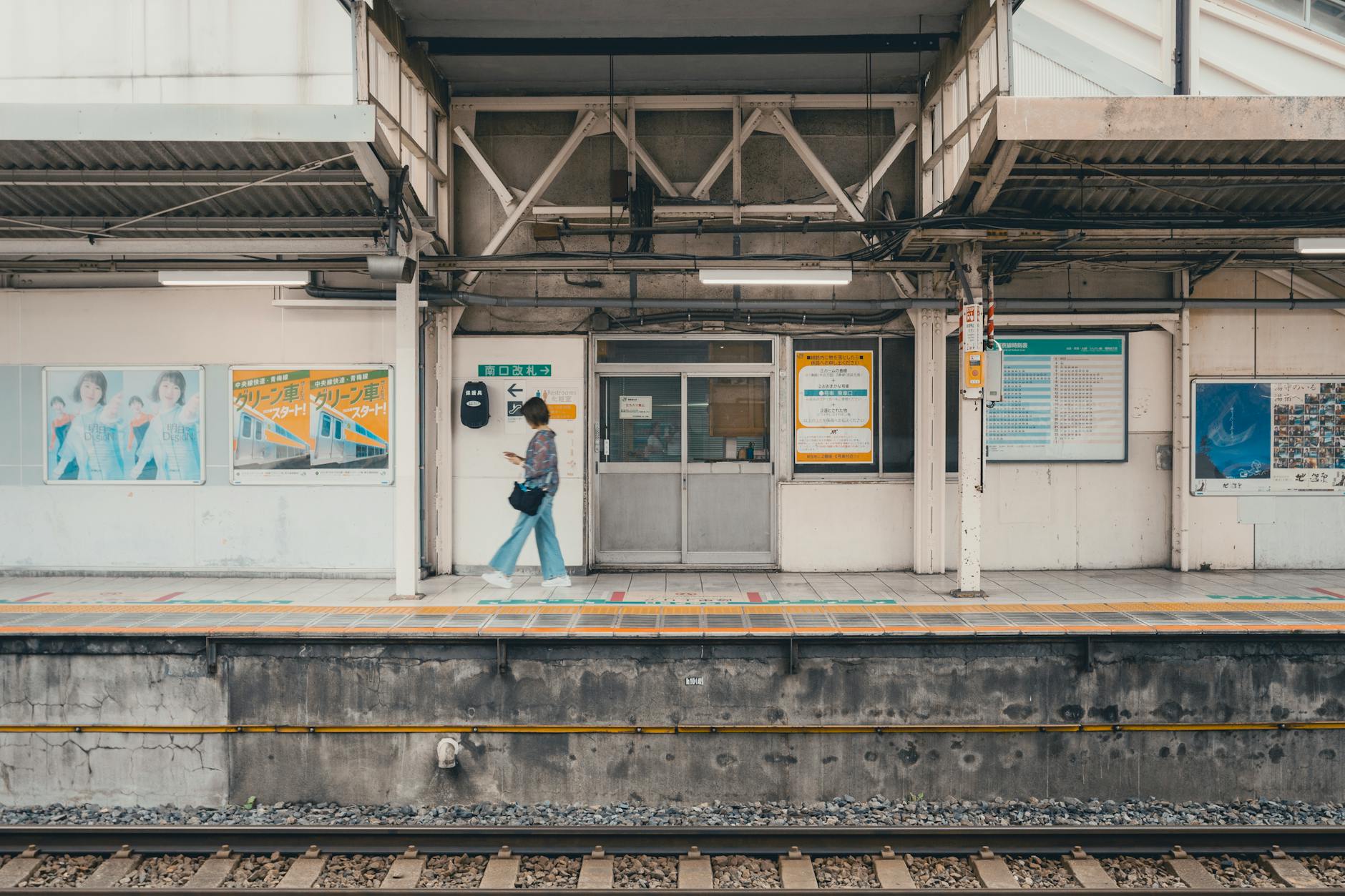
Japan is one of the best countries in the world for solo travel. Full stop. It’s safe, organized, easy to navigate, and — perhaps most importantly — completely accepting of people who prefer to do things at their own pace. Whether you’re a first-time solo traveler or an experienced globetrotter trying Japan for the first time, this guide covers everything you need to know: safety, logistics, budget, solo dining, accommodation, and how to make the most of traveling alone in Japan.
The question most people ask before booking isn’t “what should I see?” — it’s “is it okay to go alone?” This guide answers that question directly, and then gives you everything you need to plan the trip. Thousands of solo travelers visit Japan every year and come back saying the same thing: it’s the easiest solo trip they’ve ever taken. Here’s why — and how to do it right.
Is Japan Safe for Solo Travelers?
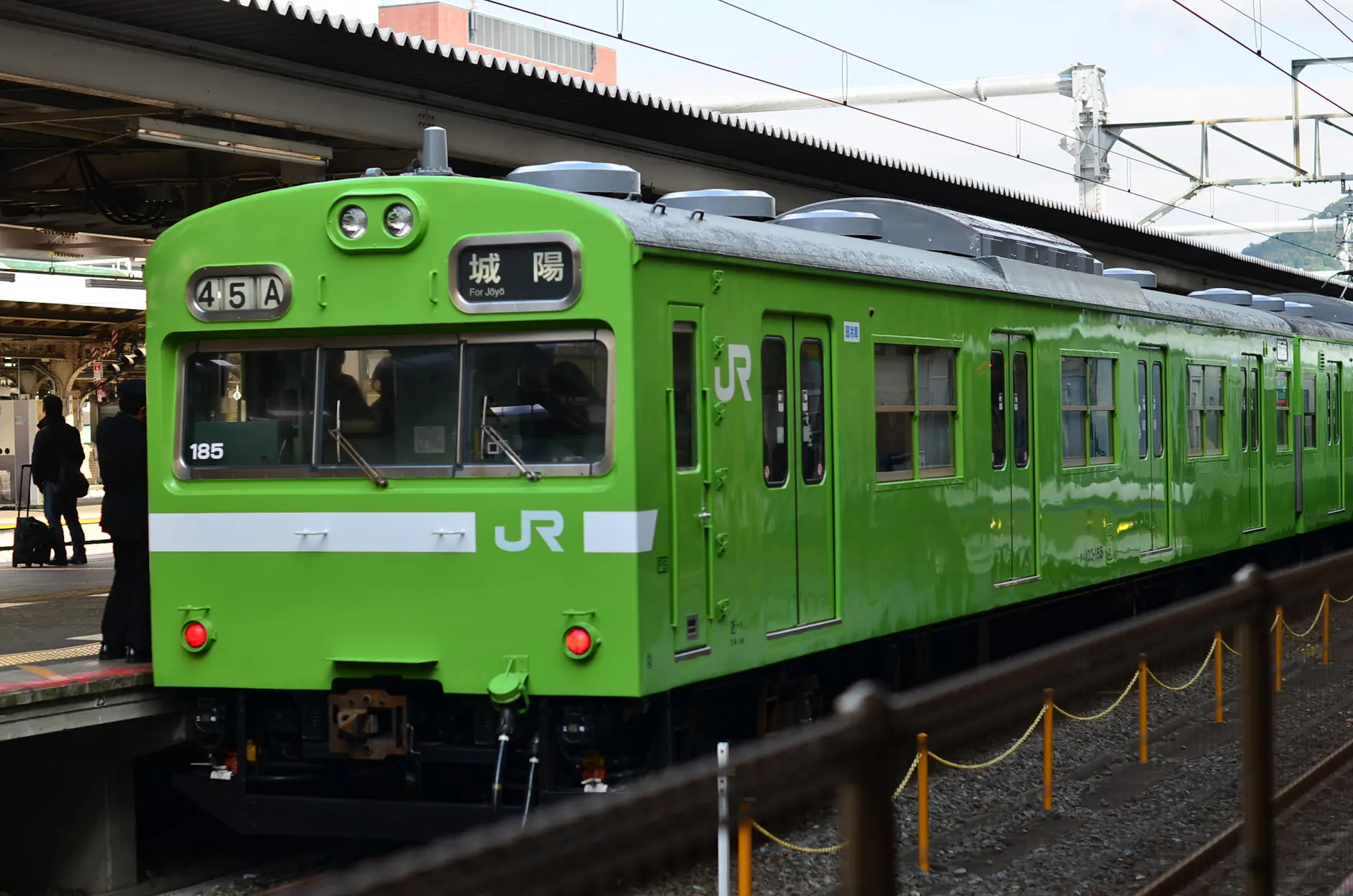
Japan consistently ranks among the top three safest countries in the world by every major global index, including the Global Peace Index. For solo travelers — regardless of gender — this is the single most important thing to understand before your trip: Japan is genuinely, remarkably safe.
Violent crime against tourists is extremely rare. Random attacks, muggings, and street crime of the kind that travelers worry about in other destinations simply don’t happen with any regularity in Japan’s major cities. The crime rate in Tokyo is lower than almost every major city in Europe or North America.
One of the most striking examples of Japan’s safety culture: lost items are routinely returned. Japan has one of the highest lost-item return rates in the world — over 90% of lost wallets, phones, and bags reported to police are returned to their owners. Forget your phone on a train? There’s a genuinely good chance it’ll be handed in at the station lost and found. This isn’t a myth — it’s a documented cultural norm.
Night safety is another area where Japan stands apart. Walking alone at night in Tokyo, Osaka, or Kyoto — as a woman or as anyone — is generally safe in a way that surprises first-time visitors. Streets are well-lit, people mind their own business, and the concept of being followed or hassled is the exception rather than the rule.
Is Japan Friendly to Solo Travelers?
Safety and friendliness are two different things, and Japan excels at both in a distinctly Japanese way. Japanese culture deeply respects personal space and individual autonomy. You will rarely, if ever, be bothered, stared at, or hassled for being alone. In fact, many Japanese people will admire your independence quietly and say nothing at all — which, depending on your travel style, is exactly what you want.
Solo dining in Japan is not only accepted — it’s designed for. The Japanese concept of ohitorisama (一人様, “one person welcome”) is a genuine cultural institution. Counter seats at ramen shops, sushi bars, and izakayas were built specifically for solo diners. You’ll sit at the bar, be handed a menu, eat your meal without anyone giving you a second look, and leave. It’s efficient, comfortable, and actually enjoyable once you lean into it.
Solo travel is so normalized in Japan that many hotels and ryokan offer single-occupancy rooms at reasonable rates — a stark contrast to Europe, where solo travelers often pay a “single supplement” that effectively charges them as much as a couple. In Japan, budget business hotels like APA and Toyoko Inn are specifically designed for one person and priced accordingly.
Solo Travel in Japan for Women
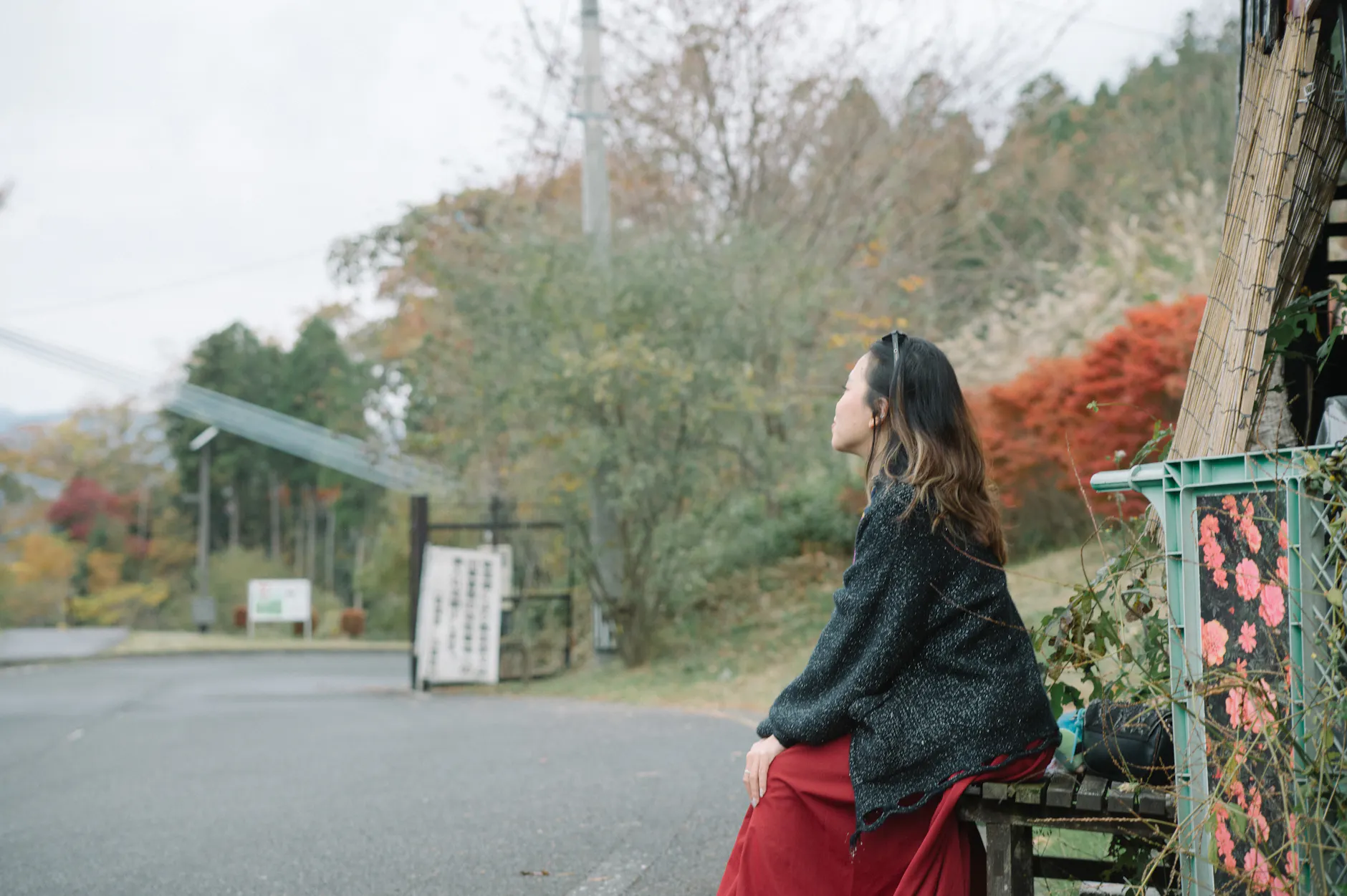
Japan is widely considered one of the safest countries in the world for solo female travel, and the numbers and lived experience of millions of women bear that out. Solo female travel in Japan has been growing steadily for years, and the infrastructure to support it is excellent.
Women-only train cars operate on major urban rail lines in Tokyo, Osaka, Kyoto, and other cities. During designated hours (typically morning and evening rush hours), specific train cars are reserved for women only — clearly marked with pink signage on the platform floor and on the carriage itself. You’re not required to use them, but they exist and are widely used.
Women-only accommodation floors or designated female-only dormitory rooms are standard at many hotels, hostels, and capsule hotels. When booking, filter specifically for female-only options — they’re common enough that you’ll have real choices across all budget levels.
Night walking as a solo woman in Japan is largely a non-issue in tourist areas and residential neighborhoods. First-time visitors are consistently surprised at how comfortable they feel. That said, common sense applies everywhere in the world — be aware of your surroundings, especially in nightlife-heavy areas.
Language and Communication as a Solo Traveler
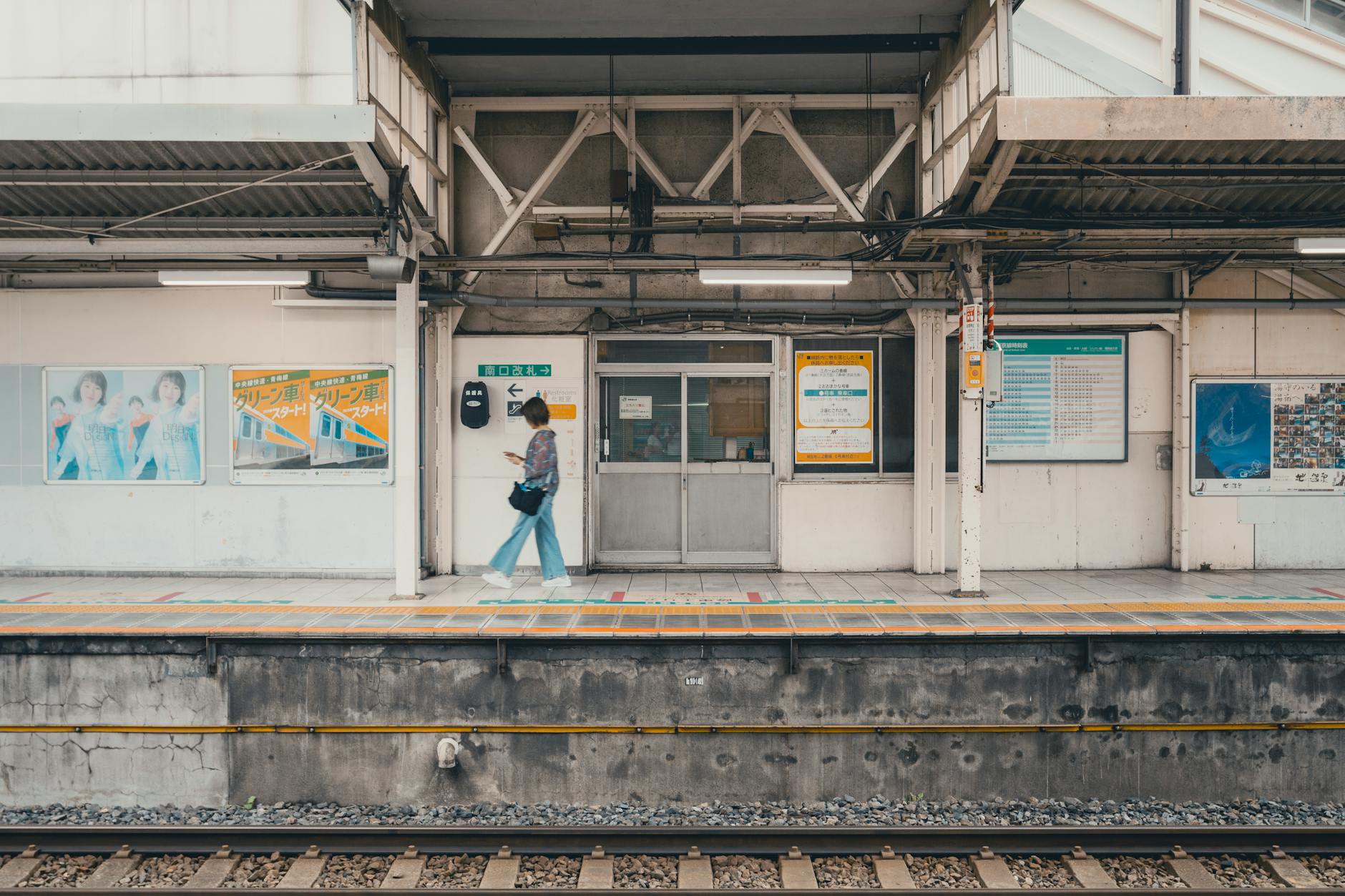
The language barrier is the number-one fear for solo travelers planning a Japan trip, and it’s the one that fades fastest once you actually arrive. Here’s the reality: in 2026, navigating Japan as a non-Japanese speaker is easier than it has ever been, and it will be fine.
All major train stations and most tourist attractions have English signage. The entire Shinkansen network announces stops in English. Tokyo’s subway system has English, Chinese, and Korean on every sign and every map. Google Maps works in Japan and provides accurate transit directions with English instructions. You can navigate an entire Tokyo trip without knowing a single character of Japanese.
Restaurant menus are a bigger challenge — but not an insurmountable one. Many restaurants in tourist areas have English menus or picture menus. Where they don’t, Google Translate’s camera function lets you point your phone at any text and get a real-time translation overlay. It’s not perfect, but it’s good enough to know what you’re ordering.
Learning just a few key phrases will dramatically improve your solo experience — not because you’ll need them to survive, but because Japanese people genuinely appreciate any effort to use the language, even badly.
- “Hitori desu” (一人です) — “I’m alone / one person.” Use this when entering restaurants and checking into accommodation. The single most useful phrase for solo travelers.
- “Eigo menyu wa arimasu ka?” (英語メニューはありますか?) — “Do you have an English menu?” Works almost everywhere in tourist areas.
- “Sumimasen” (すみません) — “Excuse me.” Use it to get a waiter’s attention, ask to pass by someone, or start any interaction. The most universally useful word in Japan.
- “Arigatou gozaimasu” (ありがとうございます) — “Thank you very much.” You’ll use this dozens of times a day.
- “Doko desu ka?” (どこですか?) — “Where is it?” Point at a map and say the place name + doko desu ka? You’ll get a direction.
Accommodation for Solo Travelers: A Complete Breakdown
Japan has a wider range of solo-traveler-appropriate accommodation than almost any country in the world. Here’s a realistic breakdown by type, price, and what to expect:
Capsule Hotels: ¥3,500–6,000/night
The iconic Japan experience. Modern capsule hotels are nothing like the claustrophobic pods people imagine — brands like 9 Hours, First Cabin, and THE MILLENNIALS offer full-size sleeping pods with USB charging, personal lighting controls, and comfortable mattresses. Shared showers, toilets, and lounge areas are typically well-maintained. Many capsule hotels are male-only or female-only for entire floors, which increases comfort. Lockers secure your belongings. This is hands-down the most “Japan” accommodation experience available at a budget price.
Hostel Dormitories: ¥2,500–4,500/night
The social choice. Japan’s hostels are generally clean, well-run, and staffed by people who speak English. Dorm rooms range from 4-bed boutique setups to 12-bed budget options. Common rooms are a genuine meeting place for solo travelers from around the world. If you want to connect with other travelers — walking tour partners, dinner companions, day trip buddies — a hostel makes this effortless. Look for: Khaosan Tokyo Ninja, Nui. Hostel in Asakusa, or Book and Bed for a literary experience.
Budget Business Hotels (APA, Toyoko Inn, Super Hotel): ¥6,000–10,000/night
The best value for solo travelers who want privacy and convenience without paying premium prices. These chains are designed for business travelers and are therefore entirely single-occupancy oriented — rooms are small but thoughtfully laid out, and locations are almost always near major train stations. Breakfast buffets (¥500-800 extra) are efficient and reliable. APA Hotels are particularly ubiquitous and usually include access to a small onsen or large communal bath.
Guesthouses with Private Rooms: ¥5,000–8,000/night
The middle ground: private room, shared bathroom, typically run by a family or small operator with a personal touch. Often in residential neighborhoods rather than tourist centers, which gives you a more authentic experience. English-speaking hosts are common at guesthouses that market to international travelers.
Ryokan (Traditional Japanese Inn): ¥15,000–30,000+/night
The splurge. A traditional ryokan experience — tatami floors, yukata robes, multi-course kaiseki dinner, communal onsen bath — is one of the most memorable things you can do in Japan. Many ryokan now accept single travelers (this was historically awkward as rates include meals priced per person), especially if you book directly and mention you’re traveling solo. Budget for at least one night at a ryokan; it’s worth the expense.
Best Cities for Solo Travel in Japan
Every major city in Japan is viable for solo travel, but each has a different character that suits different types of solo travelers:
Tokyo — Best for First-Time Solo Travelers
Tokyo is the ideal starting point. It’s enormous enough that you’ll never run out of things to do, but so well organized that getting around is straightforward even alone. The city rewards the solo traveler who wants to set their own pace — spend three hours in a single neighborhood coffee shop, take a 6am train to Tsukiji, or spend an entire evening wandering Shibuya. The tourist infrastructure is the best in Japan: English everywhere, multiple transport options for every route, accommodation at every price point in every area.
Kyoto — Best for Contemplative Solo Travel
Kyoto is the solo travel city for people who want to go slow. Temples at dawn before the crowds arrive, quiet tea houses hidden in Gion’s backstreets, cycling through bamboo groves at your own pace — Kyoto’s pleasures are deeply personal and best experienced alone. The city is compact enough to navigate by bicycle, and its cafes and kissaten (old-school coffee shops) are perfect places to sit quietly and process the day.
Osaka — Most Socially Open Japanese City
Osaka has a reputation — earned — for being the most outgoing, friendly, and food-obsessed city in Japan. Locals (Osakans, or Osakajin) are famously warmer and more talkative than the Tokyo stereotype, and the izakaya and standing bar culture makes it genuinely easy to strike up conversations. If you want to feel less alone during solo travel, Osaka is your city. Dotonbori’s neon-lit food street alone is worth an evening.
Hiroshima and Miyajima
For solo travelers who want a more meaningful, reflective experience, Hiroshima and nearby Miyajima Island offer something different. The Peace Memorial Museum is one of the most moving museums in the world — an experience that hits differently when you’re processing it quietly and alone. Miyajima’s floating torii gate and friendly deer are a perfect afternoon. Two days in Hiroshima is a deeply worthwhile solo trip from Kyoto or Osaka.
Hokkaido (Sapporo, Furano, Niseko)
For solo nature travelers: Hokkaido is spectacular. Sapporo is a livable, uncrowded city with excellent food (miso ramen, crab, dairy). Furano’s lavender fields in July are a solo photography dream. Niseko in winter is world-class skiing with an international crowd that’s naturally social. Hokkaido rewards independent travelers willing to rent a car and explore on their own schedule.
Best Experiences for Solo Travelers in Japan
Some experiences in Japan are objectively better alone. Here are the ones that define a solo Japan trip:
- Day trips by Shinkansen or JR: The entire country opens up when you’re solo and untethered to anyone else’s schedule. Take the Shinkansen to Kyoto for the day from Tokyo (2h15m), spend the morning at Fushimi Inari before crowds, and be back for dinner. Day trips to Kamakura, Nikko, and Hakone are all doable and deeply rewarding alone.
- Onsen bathing: Soaking in a hot spring is a meditative, deeply personal experience — and one that’s completely normal to do solo. Communal baths are separated by gender. Private baths (kashikiri onsen) can be rented by the hour at many ryokan for absolute privacy.
- The ramen counter seat: Sit at the counter of a Tokyo ramen shop, order from the ticket vending machine, watch the chef work, eat in focused silence, and leave. This is the quintessential solo Japan dining experience — efficient, delicious, and entirely without social pressure.
- Tokyo neighborhood wandering: Shimokitazawa (vintage shops, live music, indie cafes), Yanaka (old Tokyo atmosphere, temple alleys, tofu shops), Nakameguro (canal-side coffee, boutiques) — these neighborhoods reward going slowly and at your own pace. Alone is genuinely better for this.
- Sunrise at a famous viewpoint: Fushimi Inari’s torii gates at 6am before the tour groups. Arashiyama bamboo grove at 7am in morning mist. The crowds at these spots are famous — but a solo traveler with no one to coordinate with can simply set their alarm for early and experience them nearly alone.
- JDM sports car rental: For car enthusiasts, renting a sports car in Japan and driving solo is an unforgettable experience. Samurai Car Japan in Shibuya specializes in handling foreign tourists and can put you in a proper JDM sports car. Drive the Wangan at night, head toward Fuji on the Tomei, or take winding mountain roads at your own pace — this is a solo experience that’s essentially impossible to replicate anywhere else in the world.
Solo Travel Itinerary: 7 Days in Japan
This itinerary is designed for a first-time solo traveler with 7 days. It balances Tokyo time with a Kyoto/Osaka extension and includes flexibility for your own pace:
Day 1: Arrive in Tokyo
Arrive Narita or Haneda, take the Narita Express or Keikyu Line directly to your hotel. Check in (check-in is typically from 3pm — if you arrive early, leave luggage and explore). Eat a konbini meal or find a nearby ramen shop. If you have energy: Shibuya Crossing at night is the perfect first-night Tokyo experience — stand on the second floor of the Starbucks above the crossing and watch the organized chaos below.
Day 2: Tokyo — Harajuku, Meiji Shrine, Shibuya
Start at Meiji Shrine (open from dawn — morning forest walk is serene). Walk through Harajuku’s Takeshita Street for the spectacle, then cross to Omotesando for architecture and cafes. Afternoon: Shibuya neighborhood exploration — Nonbei Yokocho (a tiny alley of tiny bars), Daikanyama for boutique browsing, Nakameguro for canal-side coffee.
Day 3: Tokyo — Asakusa and East Side
Asakusa and Senso-ji Temple in the morning (go before 9am for atmosphere without crowds). Walk the Nakamise shopping street for snacks and souvenirs. Cross the Azuma Bridge for the Skytree view. Afternoon options: Ueno Park museums (Tokyo National Museum is world-class), Akihabara for electronics/anime, or Yanaka for old-Tokyo streets.
Day 4: Day Trip — Nikko or Kamakura
The solo day trip is the Japan travel move. Nikko (2 hours from Tokyo by JR/Tobu): elaborate Tosho-gu shrine complex, cedar forests, waterfalls — a full day of World Heritage temples in the mountains. Kamakura (1 hour by JR): the Great Buddha, seaside temples, surfing town atmosphere, hiking trails between shrines. Both are excellent solo choices.
Day 5: Shinkansen to Kyoto
Take the morning Shinkansen from Tokyo Station (2h15m to Kyoto, book in advance). Check in, then head straight to Fushimi Inari Taisha in the late afternoon — the thousands of torii gates are most beautiful in late afternoon light, and the path thins out above the first ridge. Evening in Gion — walk the historic streets, look into wooden-lattice windows, find a counter-seat restaurant in Pontocho alley.
Day 6: Kyoto at Your Own Pace, Then Osaka
Solo morning in Kyoto: Arashiyama bamboo grove (early — 7am to beat crowds), Tenryu-ji garden, Philosopher’s Path. Afternoon Shinkansen or JR to Osaka (15 minutes). Check in, then hit Dotonbori for dinner — takoyaki, okonomiyaki, ramen, or anything from the street stalls lining the canal.
Day 7: Osaka, Then Home
Morning: Kuromon Market (the “Osaka kitchen”) for breakfast snacks, Osaka Castle grounds. Airport: Osaka Itami (for domestic) or Kansai International (KIX) for international flights. KIX is 75 minutes from Osaka by Haruka Express. Alternatively, return to Tokyo for flights from Narita/Haneda.
Solo Travel Budget in Japan: What to Expect
Japan’s reputation for being expensive is misleading. Japan can be extremely affordable, especially for solo travelers — because you’re only paying for yourself, and the country has a robust infrastructure of budget options that don’t feel like budget experiences.
Daily Budget Ranges
- Budget (¥8,000–12,000/day): Capsule hotel or hostel dorm, two konbini meals + one restaurant meal, IC card for transport, one paid attraction per day. This is a genuinely comfortable experience, not an austere one.
- Mid-range (¥15,000–25,000/day): Budget business hotel, all restaurant meals, JR pass usage, 1-2 paid attractions. The sweet spot for most solo travelers.
- Comfortable (¥30,000–50,000+/day): Mid-range hotel, full restaurant dining, all activities, shopping budget included.
Key Budget Strategies for Solo Travelers
- Konbini meals: Japanese convenience stores (7-Eleven, Lawson, FamilyMart) sell genuinely good food — onigiri (rice balls), sandwiches, hot foods, soba — at ¥200-500 per item. Two konbini meals per day saves significant money without sacrificing quality.
- IC card transport: Load a Suica or Pasmo card at any station machine. Tap in and out on every train and bus. No need to buy individual tickets. The IC card system covers all of Tokyo’s trains, subways, and buses.
- JR Pass evaluation: The 7-day JR Pass (approximately ¥50,000) is worth it if you’re doing the Tokyo → Kyoto → Osaka route with day trips. If you’re staying in one city, don’t buy one — use individual tickets or IC card.
- Free attractions: Some of Japan’s best experiences are free. Meiji Shrine, Senso-ji Temple, Fushimi Inari, walking Gion, neighborhood exploration, teamLab’s free outdoor artwork at Odaiba. Budget for paid activities only when they’re genuinely worth it.
Meeting Other Travelers as a Solo Visitor
Solo travel doesn’t have to mean lonely travel. Japan has excellent infrastructure for meeting other travelers if that’s what you want:
- Hostels: The most reliable way to meet people. A good hostel’s common room is self-organizing — people naturally fall into conversations over a beer or while planning the next day. Hostels like Nui. in Asakusa or Khaosan Tokyo Ninja have strong social reputations.
- Free walking tours: Sandemans and similar companies run tip-based walking tours in Tokyo that are excellent for day-one orientation and meeting other solo travelers. Shared experience creates instant conversation. Highly recommended as your Day 1 or 2 activity.
- Reddit and Facebook groups: r/JapanTravel has an active community with weekly “meet up” threads. Facebook groups like “Solo Travel Japan” and “Japan Expats & Travelers” let you post where you’ll be and find people doing similar things.
- Bar counter culture: Tokyo’s bar scene is exceptionally solo-friendly. Counter seating is standard at almost every bar, and the physical proximity naturally creates conversation. Shinjuku’s Golden Gai — 200+ tiny bars, most seating 8-10 people at most — is the best solo bar experience in the world.
- Day tour groups: Joining a one-day bus tour to Nikko, Hakone, or Kamakura from Tokyo puts you with 20-30 other travelers for a day, with no planning required.
Essential Safety Tips for Solo Japan Travel
Japan is safe, but these five steps take your trip from safe to genuinely worry-free:
- Share your itinerary: Send a copy of your hotel addresses, flight details, and rough day plans to someone at home. Takes 10 minutes; provides real peace of mind for them and accountability for you.
- Get travel insurance: Medical care in Japan is excellent — and expensive for foreigners without coverage. Travel insurance covering medical evacuation is non-negotiable for international travel. World Nomads and SafetyWing are popular with long-term and solo travelers.
- Get an eSIM or local SIM on arrival: Data connectivity is essential for navigation, translation, and emergency communication. eSIM options from IIJmio, HIS Mobile, or Airalo can be activated before you land. Physical SIMs from Docomo, SoftBank, and IIJmio are available at airport convenience stores. Never be without data in Japan.
- Keep digital copies of everything: Scan your passport, travel insurance policy, hotel confirmations, and emergency contact numbers. Upload to Google Drive or iCloud. If you lose your wallet and phone simultaneously (unlikely, but plan for it), you need these accessible.
- Register with your country’s embassy: The US STEP program, UK FCDO Travel Alerts, and similar services take 5-10 minutes to sign up for and will notify you of any travel advisories or emergencies in Japan. Free, fast, and legitimately useful in the unlikely event of a natural disaster or major incident.
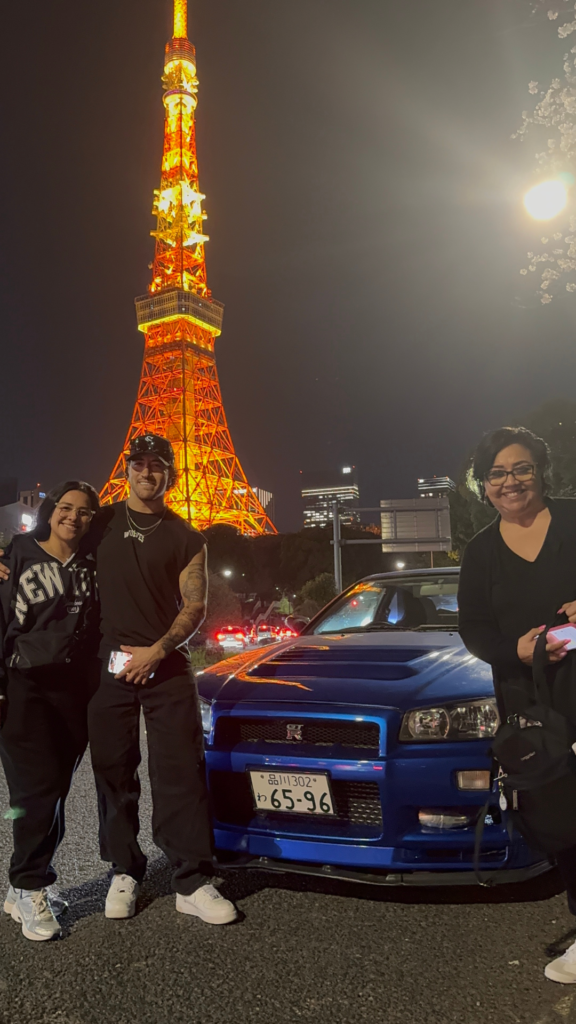
JDM tour guide!
Step into the world of “Fast & Furious” with our exclusive Daikoku Tour!
Experience the legendary car meet atmosphere for yourself. Make it the ultimate highlight of your Tokyo trip!
Frequently Asked Questions: Solo Travel in Japan
Is Japan safe for solo female travelers?
Yes — Japan is consistently ranked among the top destinations in the world for solo female travel. The combination of extremely low violent crime rates, women-only train cars during rush hours, female-only accommodation options at hostels and capsule hotels, and a cultural norm of not bothering strangers makes Japan one of the most comfortable solo female travel experiences available. Standard precautions apply (avoid excessive alcohol in nightlife districts, trust your instincts), but the baseline safety level is genuinely high.
Is it weird to travel Japan alone?
Not at all — and this is one of the things that surprises first-timers most. Solo travel is entirely normalized in Japan. The concept of ohitorisama (one-person culture) means restaurants, hotels, and attractions are designed to accommodate and welcome solo visitors. You will not be the only solo traveler anywhere you go, and you won’t receive looks or comments for being alone. If anything, Japan is more comfortable for solo travelers than most group-oriented travel destinations.
Can I visit Japan without speaking Japanese?
Yes, absolutely. Millions of people visit Japan every year without speaking any Japanese. Major tourist areas, Shinkansen stations, and most accommodation have English. Google Translate’s camera function handles menus and signs. Learning three phrases — “hitori desu” (one person), “sumimasen” (excuse me), and “arigatou gozaimasu” (thank you) — will handle 80% of your daily interactions with warmth.
Is Japan good for solo travel on a budget?
Japan is excellent for budget solo travel — arguably more budget-friendly than its reputation suggests. Capsule hotels from ¥3,500/night, konbini meals at ¥500-1,000/day, and efficient IC card transport make a ¥8,000-12,000 daily budget entirely comfortable. The key insight: unlike couple or group travel where you might feel pressure to share a higher-end hotel room, solo travelers access the full range of single-occupancy budget options that genuinely don’t sacrifice quality.
What is the best city in Japan for solo travelers?
Tokyo is the best first city for solo first-timers — the infrastructure, English availability, transport system, and sheer density of things to do make it the easiest entry point. For more experienced solo travelers or those seeking specific experiences: Kyoto for temple and culture immersion, Osaka for social warmth and food, Hokkaido for nature and outdoor activities. All Japanese cities are safe and viable for solo travel.
How do solo travelers eat in Japan?
Easily and comfortably. Japan is arguably the world’s best country for solo dining. Counter seating at ramen shops, sushi bars, izakayas, and standing bars is culturally standard and specifically designed for solo diners. Automated ticket vending machines at ramen shops let you order without speaking. Conveyor-belt sushi (kaiten-zushi) means you point and eat. Konbinis serve genuinely good food for under ¥500. The ohitorisama culture means eating alone is not stigmatized in any way.
Is it lonely to travel Japan alone?
Some solo travelers find Japan uniquely non-lonely precisely because of how self-contained and internally rich the solo experience is. When you’re making every decision yourself, eating when you want, wandering without compromise, and absorbing the country at your own pace, loneliness is rarely the dominant feeling. That said, if social connection matters to you: stay in hostels, join walking tours, go to bars with counter seating, use Reddit/Facebook groups to meet other travelers. The option to connect is always there — you just have to activate it.
How many days do I need in Japan for a solo trip?
A minimum of 7 days allows you to experience Tokyo plus one or two additional cities (Kyoto, Osaka, Hiroshima). 10-14 days is the sweet spot for a first solo trip — enough time to not feel rushed, add a day trip or two, and recover from jet lag without sacrificing sightseeing. If you only have 5 days, focus entirely on Tokyo — it’s big enough to fill a week alone. Three weeks or more opens up Hokkaido, Okinawa, Tohoku, and the Japanese Alps.
[st_af id=”862″]
[st_af id=”854″]
🇯🇵 Plan Your Japan Experience
JDM Car Rental
Drive a GT-R, Supra, RX-7, or Silvia on the roads they were built for. Hakone passes, Wangan highway, mountain touge — your dream JDM experience.
Daikoku PA Tour
Visit Japan’s most legendary car meet. Hundreds of modified cars, passionate owners, and the heartbeat of JDM culture. Guided weekend night tours available.
Photo Guide Tour
Capture stunning photos at locations only locals know. Hidden shrines, backstreet alleys, rooftop views, and golden hour spots for unforgettable shots.