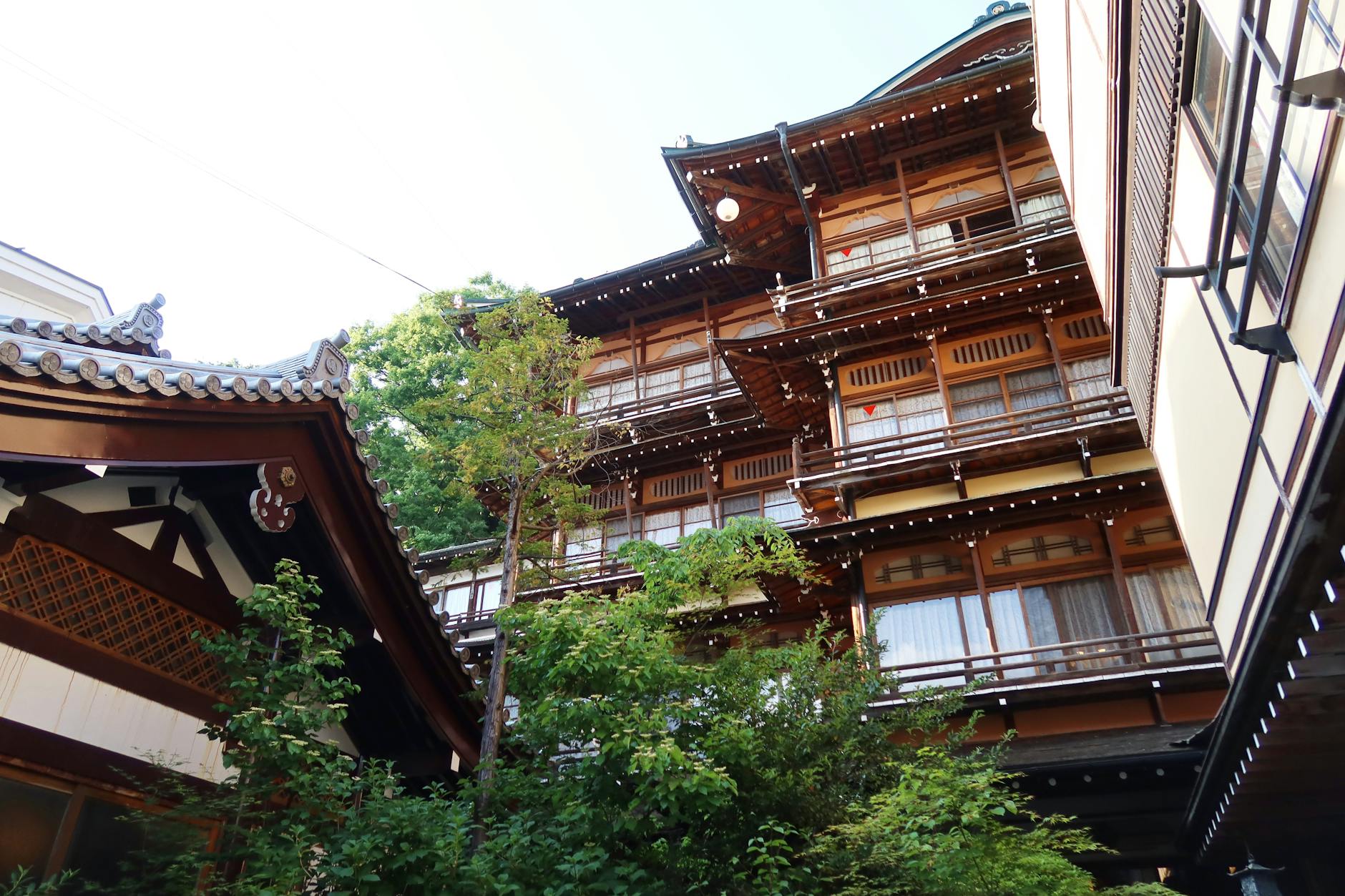
Japan has over 3,000 onsen (hot spring) resorts and more than 27,000 individual hot spring sources scattered across every corner of the country. Bathing in natural thermal waters is one of Japan’s oldest and most beloved traditions — practiced for over 1,300 years — and for foreign visitors, it’s consistently one of the highlights of the entire trip. But japan onsen culture can feel intimidating if you’ve never done it before. What are the rules? Do you really have to be naked? What if you have tattoos? What do you actually do once you walk through the door?
This guide covers everything a first-time visitor needs to know: the etiquette, the rules, the best onsen towns near Tokyo, a full step-by-step walkthrough of the experience, and answers to every question you’re probably too embarrassed to Google. By the end, you’ll be ready to walk in confidently and enjoy one of the most relaxing experiences Japan has to offer.
What Is an Onsen?
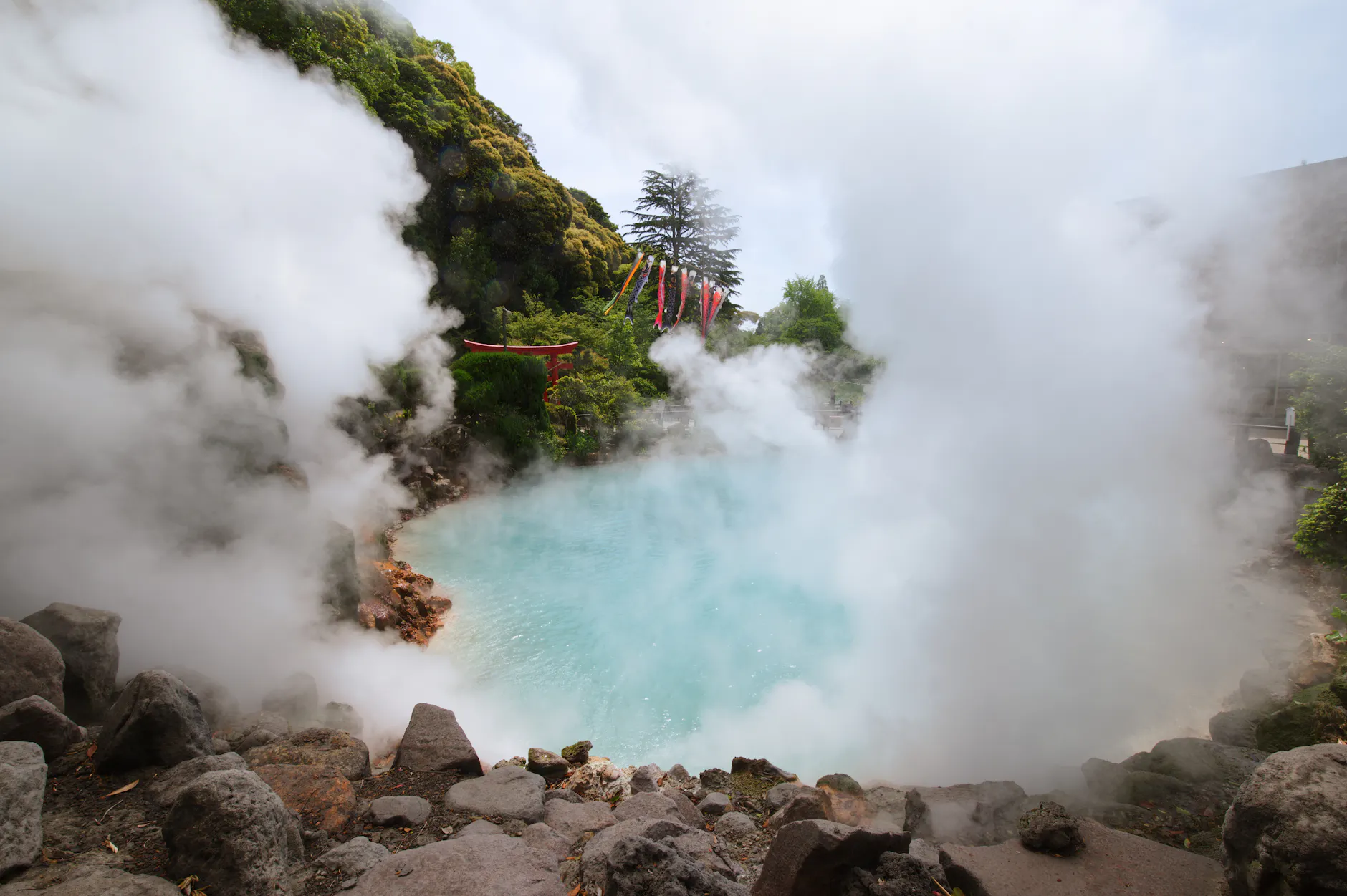
An onsen (温泉) is a natural hot spring bath fed by geothermal water heated by volcanic activity deep underground. Japan sits on the Pacific Ring of Fire, making it one of the most volcanically active countries on Earth — and that geological activity produces an extraordinary abundance of hot spring water across the entire country.
It’s important to understand the difference between an onsen and a sentō. A sentō (銭湯) is a public bathhouse that uses regular heated tap water. An onsen uses actual geothermal spring water. The distinction matters both legally (Japan has strict certification standards for what qualifies as onsen water) and experientially — onsen water contains dissolved minerals that give it unique colors, smells, and health properties that regular tap water simply doesn’t have.
Here’s a quick overview of what makes onsen special:
- Temperature: Typically 40–45°C (104–113°F), though some pools are cooler (30–38°C) for extended soaking
- Mineral content: Varies dramatically by location — sulfur (Kusatsu), iron (Yufuin, turns the water rust-orange), sodium chloride (Hakone, feels silky), bicarbonate (great for skin), radon, and dozens more
- Water appearance: White/milky (sulfur), brown/rust (iron), clear (sodium chloride), blue-green (bicarbonate) — the color tells you what’s in the water
- Scale: Over 3,000 recognized onsen resorts (温泉地) and more than 27,000 certified hot spring sources nationwide
- Tradition: The practice of therapeutic bathing (tōji, 湯治) dates back to at least the 8th century, referenced in Japan’s oldest chronicles
Traditionally, Japanese people believed onsen water had medicinal properties — and modern research backs this up to a degree. Sulfur baths are known to help with skin conditions like eczema and psoriasis. Sodium bicarbonate waters soften skin dramatically. Hot spring bathing in general improves circulation, reduces muscle tension, lowers cortisol levels, and promotes deep sleep. There’s a reason onsen towns are full of ryokan (traditional inns) where guests check in for two or three nights: once you sink into that milky water under an open sky, you don’t want to leave.
Onsen Etiquette Rules — What You Must Know
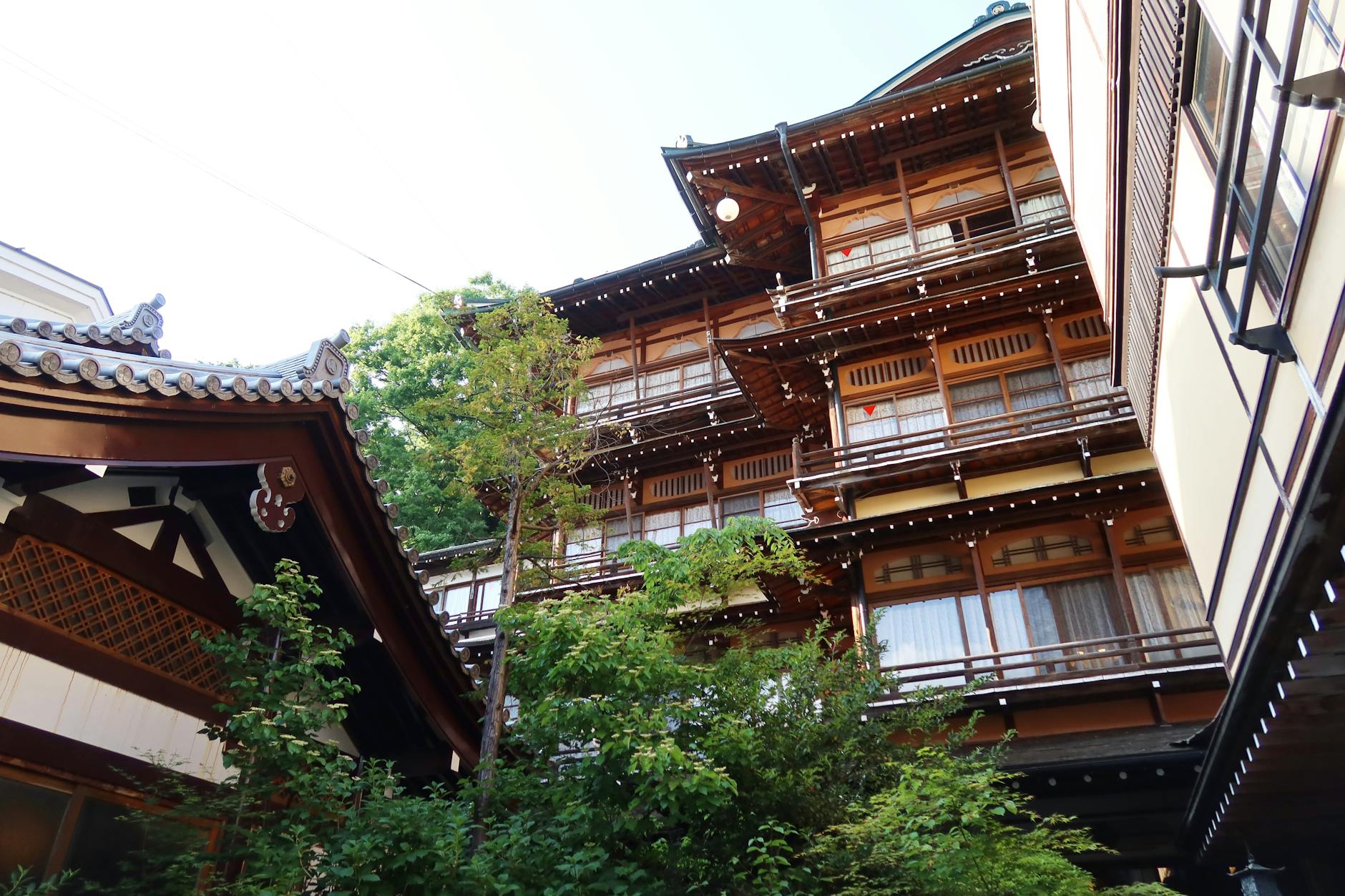
Onsen etiquette is one of the most-searched topics for travelers visiting japanese hot springs — and for good reason. Get it wrong and you might embarrass yourself or genuinely inconvenience other bathers. Get it right and you’ll blend in seamlessly. Here is every rule you need to know, in the order you’ll encounter them.
1. Wash Your Entire Body Before Entering
This is the single most important rule in all of onsen culture, and it is non-negotiable. Before you step into any shared bath, you must sit at the washing station (called kakeyu, 掛け湯) and wash your entire body thoroughly using the provided soap, shampoo, and handheld shower. Rinse off completely. Every centimeter of your body must be clean before your skin contacts the communal water.
Why? Because the bath water is shared. Onsen water is not chlorinated like a swimming pool — it’s natural mineral water, and its quality and clarity depend entirely on bathers keeping themselves clean before entering. This is as fundamental to onsen culture as removing shoes before entering a Japanese home.
2. No Swimwear in Traditional Onsen
Most traditional Japanese onsen require you to bathe completely nude. This surprises many Western visitors, but it is standard practice — and once you’ve done it once, it feels completely natural. The idea is that swimwear carries detergents, sunscreen, and other chemicals that contaminate the mineral water.
You’ll be given a small modesty towel (tenugui, 手拭い) when you enter. You can bring this towel with you into the bathing area and even carry it into the water if you feel more comfortable, but you must NOT wring it out in the bath water. Most bathers fold it and place it on their head (a classic onsen move that also keeps blood pressure in check) or set it at the edge of the bath.
Some onsen — particularly tourist-oriented facilities and mixed-gender (konyoku) baths — do permit or even require swimwear. Always check the facility’s rules before going. When in doubt, assume nude is the standard for gender-separated baths.
3. Tattoo Rules at Onsen
Tattoo restrictions at Japanese onsen are one of the most discussed topics among foreign travelers, and the situation is more nuanced now than it was even five years ago. Historically, tattoos were associated with the yakuza (Japanese organized crime), and many traditional onsen establishments banned tattooed guests entirely to distance themselves from that association.
Today, the rules vary widely:
- Strictly traditional onsen: Tattoos still prohibited, regardless of size or cultural origin. This applies to most older, locally-run establishments.
- Resort-style and tourist-oriented onsen: Many now explicitly welcome tattooed guests, especially in areas with high foreign visitor numbers like Hakone and Kyoto.
- Private bath rental (kashikiri-buro, 貸切風呂): Almost universally available at any onsen facility. You rent a private bath for 45–60 minutes (typically ¥1,500–¥3,000 extra) and use it exclusively with your own party. Tattoos are always welcome here.
- Waterproof covering patches: Some onsen now allow tattooed guests to cover small tattoos with waterproof patch stickers provided at the entrance.
4. Tie Up Long Hair
If you have long hair, it must be tied up before you enter the bath so that it doesn’t touch or trail in the water. This applies in the washing area and in the bath itself. Hair is considered a source of contamination in communal water.
5. No Photography in Bathing Areas
Photography is strictly prohibited in changing rooms and bathing areas — no exceptions. This is both a privacy rule and a legal one. Other bathers have every reasonable expectation of privacy, and taking photos in onsen bathing areas can result in police involvement in serious cases.
For outdoor rotenburo (露天風呂) baths: some scenic facilities allow photography of the landscape when no other guests are present, but you must always ask staff first. Never assume photography is permitted just because it’s an outdoor space.
6. Keep Noise Low, Phones Away
Onsen are places of rest and quiet contemplation. Keep your voice low, avoid loud conversations, and leave your mobile phone in the locker room. Most onsen have signs prohibiting phones in the bathing area. Even if there are no signs, the expectation is silence or whispered conversation. The sound of water, birdsong, and occasionally a bamboo water feature is the soundtrack of a good onsen visit.
7. Don’t Stay Too Long — The Correct Soaking Method
Sitting in a 42°C bath for 45 minutes straight is not how Japanese people use onsen — and it’s not good for your body. The traditional approach is to soak for 10–15 minutes, then exit and cool down completely (either in a cool-water bath, under a cold shower, or simply resting in the changing room), then re-enter for another short soak. Repeat 2–3 cycles.
8. Don’t Drink Alcohol Before Bathing
Hot water + alcohol is a dangerous combination that can cause dizziness, loss of consciousness, and in serious cases, drowning. Some onsen areas have traditions of beer or sake after bathing (which is fine and enjoyable), but never enter the bath while intoxicated. If you’ve had more than one drink, wait, rehydrate, and enter the bath only when fully sober.
What to Expect — Step by Step Onsen Experience
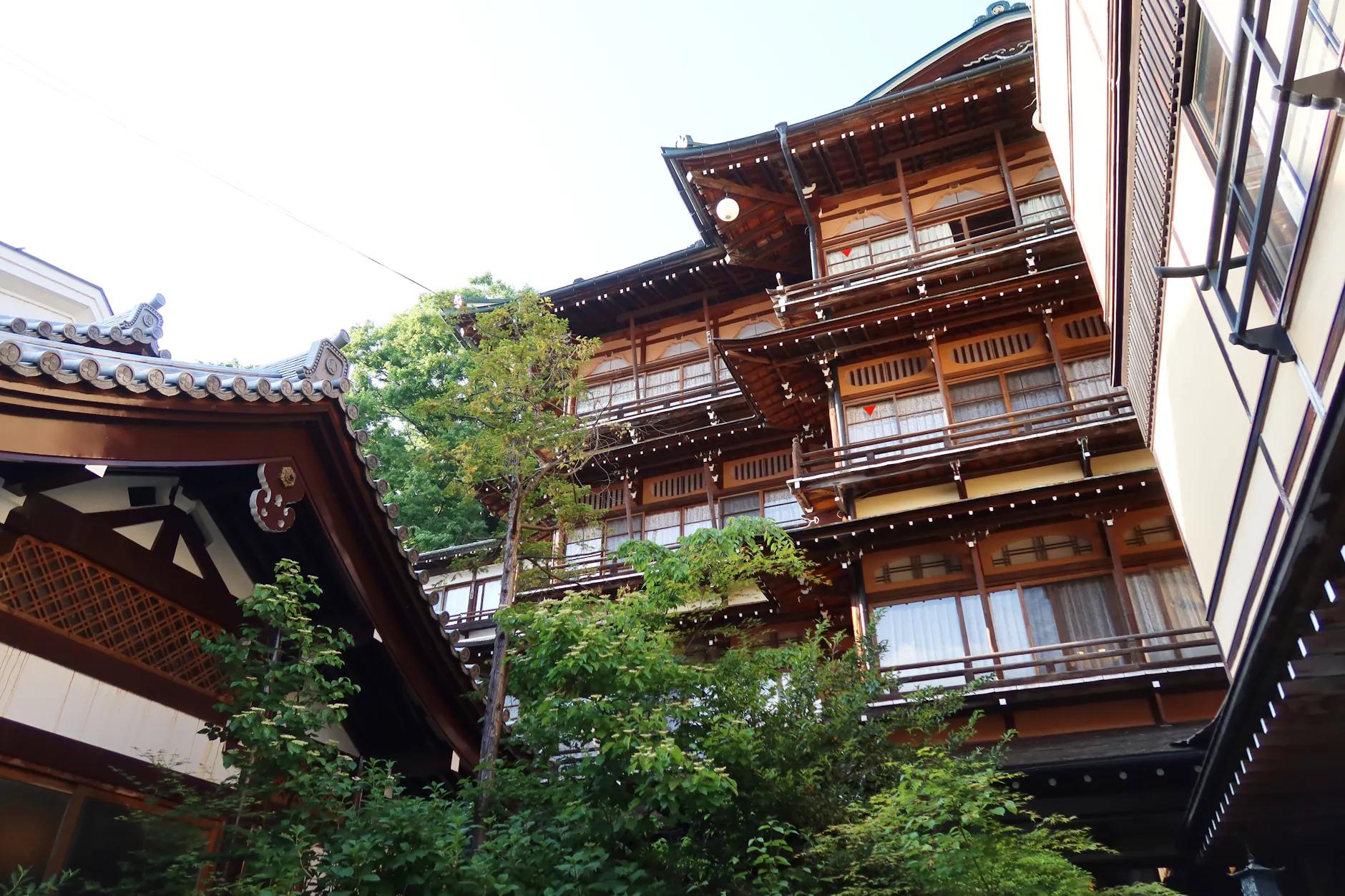
If you’ve never visited a Japanese onsen before, here is the complete experience from arrival to the afterglow — exactly what happens at each step so you can walk in with total confidence.
Step 1: Arrive and Pay
At the entrance, you’ll pay admission. Prices vary by facility type:
- Public day-use onsen (higaeri): ¥500–¥1,500 per person
- Resort onsen day-use: ¥1,000–¥3,500 per person
- Private bath (kashikiri) add-on: ¥1,500–¥4,000 extra for 45–60 minutes
- Ryokan with onsen (overnight): Onsen access included in room rate (typically ¥15,000–¥50,000 per person per night with dinner)
You may be given a locker key, a wristband, a small towel, or all three. At ryokan, you’ll typically be shown to your room first and given a yukata (light cotton kimono) to wear between your room and the bath.
Step 2: Shoes Off at the Entrance
Remove your shoes at the entrance and either store them in a shoe locker or use the provided geta (wooden sandals) if you’re walking through a ryokan. This is standard Japanese indoor etiquette.
Step 3: Find the Correct Entrance
Onsen are gender-separated. Look for the correct entrance: 男 (otoko) means Men, 女 (onna) means Women. These are often color-coded (blue for men, red for women) or marked with a noren (fabric curtain). The curtain colors are the international standard: blue/navy = men, red/pink = women. At some traditional onsen, the men’s and women’s baths rotate each morning, so always check the current signage.
Step 4: Undress in the Changing Room
The changing room (datsuijo, 脱衣所) will have lockers, baskets, or shelves. Undress completely and store all your clothes and belongings in your locker. Take only your small towel with you into the bathing area. Leave your phone, wallet, and camera in the locker.
Step 5: Shower and Wash at the Washing Station
Take a seat at any available washing station. You’ll find a small stool, a handheld showerhead, a bowl (oke), and typically bottles of shampoo, conditioner, and body wash. Wash your hair and entire body thoroughly. Rinse completely. This is mandatory — see the etiquette section above for why this matters so much.
Step 6: Enter the Bath
Step in slowly. The water will be hot — typically 40–43°C — so don’t rush. Ease in gradually, letting your body adjust. Once submerged to shoulder or chest depth, find a comfortable position and relax. Many baths have submerged ledges or seats.
Step 7: Explore Multiple Baths
Most onsen facilities have multiple bathing options: a main indoor bath, an outdoor bath (rotenburo), a cool-water bath, a jet bath, a sauna, and sometimes specialty baths (electric bath, ultra-hot bath, cold plunge). Try the outdoor bath — that’s where the magic happens. Sitting in steaming water under a winter sky, looking at a bamboo garden or mountain forest, is an experience you will not forget.
Step 8: Exit, Dry Off, Moisturize
When you’re done, towel dry in the changing room. Many onsen provide body lotion or moisturizer — use it. The minerals in onsen water can be dehydrating to skin, especially sulfur-heavy waters. Get dressed, retrieve your belongings, and head to the rest area.
Step 9: The After-Glow (Sagariburo)
After an onsen, your body temperature is elevated, your muscles are loose, and your mind is calm. This post-bath state — sometimes called sagariburo — is half the point. Most onsen facilities have a rest area with reclining chairs, low lighting, and vending machines selling cold drinks, milk (a Japanese onsen tradition), and beer. Lie down for 20–30 minutes before driving or walking. The afterglow is real and it is wonderful.
Types of Onsen in Japan
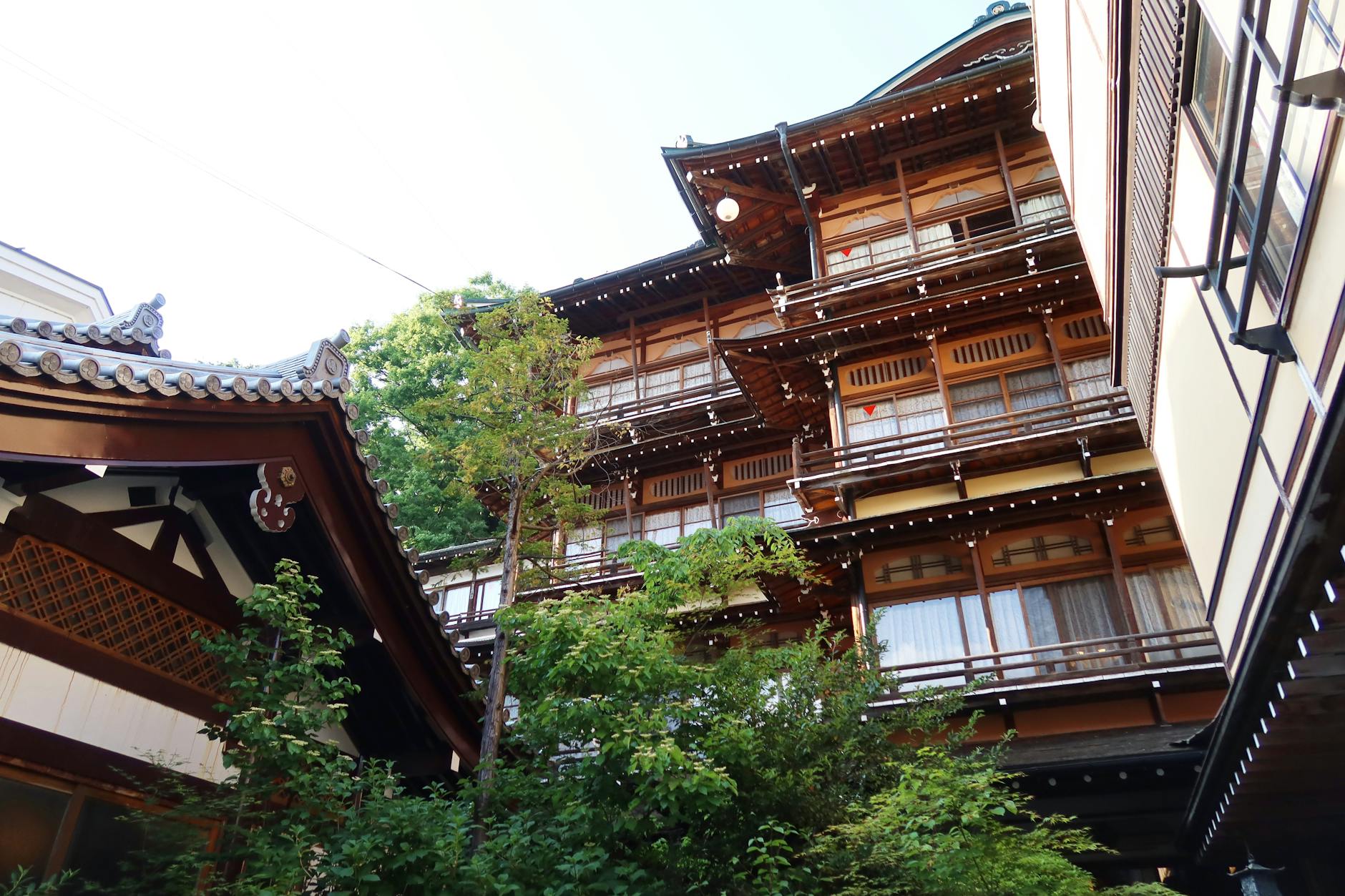
Not all onsen are the same. Understanding the different types will help you choose the right experience for your trip and comfort level.
Rotenburo (Outdoor Bath) — 露天風呂
The quintessential Japanese onsen image: steam rising from a natural stone pool surrounded by autumn leaves, mountain peaks, or a bamboo forest. Rotenburo are outdoor baths open to the elements, and they are universally considered the most beautiful and memorable onsen experience. In winter, soaking in a rotenburo while snow falls around you (yukimi onsen, snow-viewing bath) is a bucket-list experience for many visitors to Japan.
Indoor Bath (Uchiyoku) — 内浴
Available year-round regardless of weather, indoor baths are often beautifully designed with cedar wood, slate, or polished stone. Many traditional ryokan have exquisitely crafted indoor baths with large windows overlooking gardens. In summer, indoor baths provide an air-conditioned retreat; in rainy season, they keep the experience comfortable.
Private Rental Bath (Kashikiri-buro) — 貸切風呂
Book an entire private bath — indoor or outdoor — for exclusive use by your group for 45–60 minutes. This is perfect for couples seeking romance, families with young children, travelers who are shy about communal bathing, and visitors with tattoos. Prices typically range from ¥1,500–¥4,000 for 45 minutes. Advance reservation is strongly recommended at busy facilities. Many travelers who initially planned to use the communal bath end up preferring this option and wishing they’d booked it every time.
Mixed Gender Bath (Konyoku) — 混浴
Mixed-gender onsen (konyoku) are rare today but do still exist at some traditional mountain resorts and historic properties. Rules vary: some require a bathing garment (nyūyoku-gi), others are clothing-optional. Women are not obligated to enter a konyoku and many don’t. If you’re interested in the historical tradition of konyoku, look for facilities that have maintained this practice specifically — it is very different from a modern co-ed pool.
Day-Use Onsen (Higaeri) — 日帰り温泉
No overnight stay required. You pay the entry fee, use the bath for a few hours, and leave. Higaeri onsen are perfect for day-trippers, budget travelers, and anyone who wants the onsen experience without the cost of a ryokan. Many excellent higaeri facilities exist near Tokyo in Hakone, Nikko, and Atami — some rival full ryokan in quality of their bathing facilities.
Onsen Ryokan — 温泉旅館
The complete onsen experience. A traditional Japanese inn where your stay includes: private room (tatami floor, futon bedding), yukata to wear throughout your stay, multi-course kaiseki dinner, Japanese breakfast, and unlimited access to communal onsen baths. At top-tier ryokan, your room may have its own private in-room or in-garden bath (rotenburo tsuki heya). This is Japan’s most immersive cultural accommodation experience, and a two-night onsen ryokan stay is something many visitors describe as the best part of their Japan trip.
Best Onsen Towns Near Tokyo
Tokyo itself doesn’t have onsen (the city is built on geological structures that don’t produce hot springs naturally — though there are a handful of “onsen” facilities using deep-drilled mineral water in the city). But within two hours of Tokyo Station, you’ll find some of Japan’s finest onsen destinations. Here are the best, ordered by distance.
Hakone — 1–2 Hours from Tokyo
Hakone is the most popular onsen destination in Japan by visitor numbers, and it earns that reputation. Just 90 minutes from Shinjuku by romance car express train, or 90 minutes by car on the Tomei Expressway, Hakone offers a full range of onsen experiences against a backdrop of mountain forests, Lake Ashi, and on clear days, an unmistakable view of Mt. Fuji.
What to know:
- Dozens of onsen ryokan at every price point, from budget guesthouses to five-star luxury
- Water type: mainly sodium bicarbonate (silky-smooth on skin) and sodium chloride
- Day-use options abound — Tenzan Tohji-kyo is particularly recommended (multiple indoor and outdoor baths, open-air cedar bath, tattoo-friendly, ¥1,500 admission)
- Yunessun onsen theme park: swimwear-required facility with unusual baths including green tea, red wine, and sake — fun for families and groups
- By car, you can stop at Hakone as part of a Mt. Fuji driving loop
See our full Hakone driving route and onsen guide for the complete itinerary.
Nikko Yumoto Onsen — 2–2.5 Hours from Tokyo
Past the famous shrines and waterfalls of Nikko, continuing up into the mountains brings you to Yumoto Onsen — a small, quiet mountain village surrounded by forests at 1,478 meters elevation. The water here is milky white and sulfuric, and the location is dramatically more secluded than Hakone. Yumoto is for travelers who want to escape the tourist trail and soak in an onsen that feels genuinely remote.
What to know:
- Water type: calcium-sulfate (white, milky, strong sulfur smell)
- Best visited as an overnight stay — day-tripping from Tokyo is long
- Combine with Nikko shrines and Kegon Falls for a full weekend itinerary
- Fewer international tourists than Hakone — more authentic feel
See our Nikko driving route guide for the complete itinerary.
Atami — 45 Minutes from Tokyo by Shinkansen
Atami is Japan’s closest coastal onsen resort to Tokyo — just 45 minutes on the Kodama Shinkansen from Tokyo Station. Perched on a hillside above Sagami Bay, Atami is famous for its ocean-view ryokan, its art museum (MOA Museum of Art, which itself has an onsen), and a more traditional, retro-Japan atmosphere that feels like stepping back to the Showa era.
What to know:
- Water type: sodium chloride (salinity, warming, good for circulation)
- Perfect for a one-night getaway from Tokyo with minimal travel time
- Budget-friendly options alongside luxury ryokan
- MOA Museum of Art is a world-class attraction to pair with your onsen visit
- Seafood dinner at your ryokan typically features local Izu Peninsula catch
See our full guide: Atami — Tokyo’s Best Hot Spring Day Trip.
Kusatsu — 3 Hours from Tokyo
Kusatsu is widely considered Japan’s #1 onsen town by Japanese travelers themselves. Located in Gunma Prefecture at 1,156 meters elevation, it receives over 3 million visitors per year. The reason: it has the highest sulfur content of any major onsen town in Japan, combined with naturally acidic water (pH ~2) that is bactericidal, anti-inflammatory, and extraordinarily distinctive.
At the center of Kusatsu’s main street is the Yubatake (湯畑, hot spring field) — a wooden framework through which 32,300 liters of 55°C spring water flows every minute, cooling as it falls through wooden troughs before being piped to the town’s many onsen facilities. It’s illuminated at night, steam rising from the hot water, and the sulfur smell hangs in the winter air. This is one of Japan’s most distinctive travel experiences.
What to know:
- Water type: acidic sulfur (milky white, strong smell, bactericidal properties)
- The town has free public foot baths (ashiyu) throughout — great for a first taste
- Netsu-no-yu: traditional Kusatsu bathing ceremony where attendants stir the water with wooden paddles — worth watching or participating in
- Multiple free public baths (otonoyu, shirahatayu) for the authentic experience
Noboribetsu, Hokkaido — Best Onsen in Northern Japan
If you’re visiting Hokkaido, Noboribetsu (登別) near Sapporo is Japan’s most visited onsen resort in the north, and it’s genuinely unlike any other onsen town. The town sits adjacent to Jigokudani (地獄谷, “Hell Valley”) — an active volcanic crater that steams, bubbles, and vents sulfuric gas around the clock. The landscape is alien and dramatic, with orange-stained earth, volcanic rock, and multiple colored pools.
What sets Noboribetsu apart:
- Up to 11 different types of spring water in one town (sulfur, iron, salt, bicarbonate, etc.) — more variety than any other single onsen destination
- Large resort hotels with enormous bathing facilities accommodating hundreds of guests
- Jigokudani walking trail is free and open daily — extraordinary volcanic landscape
- Best visited as part of a Hokkaido road trip from Sapporo (45 minutes by express train or 1 hour by car)
Kinosaki Onsen — 2.5 Hours from Osaka
If there is one onsen town in Japan that most completely captures the idealized “onsen town” experience, it is Kinosaki (城崎温泉) in Hyogo Prefecture. A willow-lined canal runs through the town center, crossed by arched stone bridges. Traditional wooden inn buildings line both banks. And most uniquely: the town has seven public bathhouses (sotoyu), each with different design, atmosphere, and mineral content. Guests staying at any ryokan receive a pass to visit all seven.
The Kinosaki ritual: put on your ryokan’s yukata, slip on wooden geta (clogs), and spend the evening walking from bathhouse to bathhouse through the illuminated streets. Slip into a bath, dry off, walk to the next one. Between baths, stop at a tiny street stall for yakitori or matcha ice cream. This is the onsen experience that Japanese people dream about, and it is absolutely worth the journey from Osaka or Kyoto.
What to know:
- Water type: sodium chloride (warming, good for the skin)
- 2.5 hours from Osaka by limited express (Kinosaki Coupler line)
- Overnight stay is essential — day-tripping misses the evening bath-hopping experience
- Book ryokan well in advance — this is one of Japan’s most popular destinations and sells out months ahead in peak seasons
What to Bring to an Onsen
The good news: most onsen facilities provide everything you need. Here’s a breakdown of what’s typically included and what you might want to bring:
Usually Provided by the Facility
- Small towel (tenugui) — often included in admission price, or available to rent for ¥100–¥300
- Large bath towel — provided at ryokan; at day-use facilities, usually available to rent
- Shampoo and conditioner
- Body wash and soap
- Hair dryer (in changing room)
- Basic skincare (lotion, cotton pads) at higher-end facilities
- Yukata (at ryokan and some day-use facilities)
Recommended to Bring
- Hair tie: If you have long hair, pack one. Don’t rely on the facility having them.
- Your own shampoo/conditioner: If you have a sensitive scalp or specific hair needs, the provided products may not suit you.
- Body moisturizer: Onsen minerals, especially sulfur and salt, can dry out skin. Apply moisturizer after bathing. Most ryokan provide this, but day-use onsen may not.
- Change of clean clothes: You’ll feel noticeably different after an onsen — fresh clothes complete the experience.
- Waterproof bag or pouch: If you want to bring a small item (watch, hair clip) to the changing room area.
- Cash: Many smaller onsen and rural day-use facilities are cash only. ¥2,000–¥5,000 per person is typically sufficient for admission plus a small purchase.
Onsen for Solo Travelers
Solo travel at onsen is completely normal and absolutely respected in Japan. Unlike many travel activities, onsen bathing is fundamentally an individual experience — you soak, you rest, you exist quietly in warm water. There is no social pressure to interact with other bathers, no expectation to be part of a group, and no awkwardness about being alone.
In fact, many Japanese people specifically visit onsen solo — traveling alone to an onsen town for a night or two of complete rest is a well-established practice called hitori onsen tabi (solo onsen journey). You’re in good company.
Tips for solo travelers:
- Single rooms at onsen ryokan: Increasingly available as solo travel has grown. Look for “お一人様歓迎” (solo travelers welcome) or “シングルプラン” (single plan) when booking.
- Day-use higaeri onsen: The budget-friendly option. ¥500–¥1,500 for a full bathing experience with no accommodation cost.
- Hakone and Atami: Both have excellent day-use facilities perfect for solo day-trippers from Tokyo.
- Kinosaki: The bath-hopping experience is just as good — arguably better — alone. You move at your own pace, stay as long as you want at each bath, and don’t have to negotiate with anyone.
How Onsen Fits Into a Japan Road Trip
Japan’s best onsen destinations are also some of its most scenic driving routes. The combination of mountain roads, coastal highways, and the reward of a steaming outdoor bath at journey’s end is one of travel’s great pleasures. The best way to experience Japan’s onsen towns near Tokyo — especially if you want to cover multiple destinations in one trip — is by renting a car.
Classic onsen road trip ideas from Tokyo:
- Mt. Fuji + Hakone Loop: Drive to Fuji Five Lakes for views of the mountain, then continue on Route 138 into Hakone for an evening onsen. Return to Tokyo via the Tomei Expressway. 2-day itinerary, approx. 280km round trip.
- Nikko + Yumoto Onsen: Nikko shrines and waterfalls in the morning, then continue up the mountain road to Yumoto Onsen for an overnight stay. Return through Utsunomiya (with a gyoza lunch). 2-day, approx. 320km.
- Izu Peninsula Coastal Loop: Drive the Izu Skyline, stop at various hot spring inlets and footbaths, overnight in Shuzenji Onsen, continue around to Shimoda. 2–3 day, approx. 350km.
And if you want to make any of these road trips truly unforgettable — Samurai Car Japan in Shibuya offers JDM sports car rentals that let you drive the mountain roads in something genuinely exciting. Picture arriving at a centuries-old onsen ryokan in the mountains via a Nissan GT-R or a Toyota 86 — that particular juxtaposition of Japan’s ancient traditions and its automotive engineering genius is, in a word, very Japan. It’s the kind of memory that makes a trip legendary.
JDM tour guide!
Step into the world of “Fast & Furious” with our exclusive Daikoku Tour!
Experience the legendary car meet atmosphere for yourself. Make it the ultimate highlight of your Tokyo trip!
Frequently Asked Questions About Onsen in Japan
Do you have to be naked in a Japanese onsen?
In most traditional Japanese onsen, yes — bathing is done in the nude. This is standard practice and considered normal and natural in Japanese bathing culture. The small modesty towel provided is for use in the bathing area (folded on your head, set at the bath’s edge) but should not be submerged in the communal water. Some modern tourist-oriented facilities and all mixed-gender (konyoku) baths may require or allow swimwear — always check the specific facility’s rules. If you’re uncomfortable with communal nude bathing, booking a private rental bath (kashikiri-buro) is an excellent alternative that gives you the full onsen experience in complete privacy.
Can foreigners with tattoos use onsen in Japan?
It depends on the facility. Traditional onsen still commonly prohibit tattoos due to historical associations with organized crime. However, an increasing number of onsen — particularly resort-style facilities in tourist areas — now explicitly welcome tattooed guests. When researching, look for “tattoo-friendly onsen” listings or search for “タトゥーOK” on the facility’s Japanese website. The safest universal option: book a private rental bath (kashikiri-buro). These are available at virtually every onsen resort, you rent the bath by the hour for your group only, and tattoos are always welcome. Cost is typically ¥1,500–¥4,000 for 45 minutes on top of regular admission.
What is the difference between onsen and sentō?
An onsen uses certified natural geothermal hot spring water — volcanic water that has traveled through rock and earth, absorbing minerals as it goes. The water must meet specific mineral content thresholds under Japanese law to be certified as onsen. A sentō is a public bathhouse that heats regular tap water. Both are bathing communal facilities and follow similar etiquette, but the water is fundamentally different. Onsen water has mineral properties (sulfur, iron, sodium bicarbonate, etc.) that give it color, smell, and health effects that regular tap water doesn’t have. When you’re looking for the therapeutic and cultural experience Japan is famous for, you want an onsen.
How long should you stay in an onsen?
The recommended approach is 10–15 minutes per soak, with a cool-down break in between. The traditional Japanese method involves multiple short soaks (2–3 sessions of 10 minutes each) with cool-down periods between sessions. This is healthier and more comfortable than one long continuous soak, prevents overheating and dehydration, and is how Japanese bathing culture has always approached onsen. For Kusatsu’s exceptionally strong sulfuric water, the traditional method is just 3 minutes per session. Always listen to your body — if you feel dizzy, overheated, or lightheaded, exit immediately, drink water, and rest in a cool area.
Can children use onsen in Japan?
Yes, with guidelines. Children over 3 can use onsen, typically accompanied by a parent in the appropriate gender-separated bath. Children under 3 should not use hot onsen baths — the water temperature is too high for their developing bodies. For families, a private rental bath (kashikiri-buro) is ideal as it lets parents supervise young children freely without concern for other bathers. Some tourist-oriented facilities have family baths specifically designed for parents with young children. Always check the facility’s age policy, as a small number of traditional onsen restrict children entirely to maintain the quiet atmosphere.
Is it okay to wear a swimsuit in an onsen?
In most traditional Japanese onsen, no — swimwear is not permitted in communal baths. The reason is that swimwear carries detergents, sunscreen residue, and other chemicals that contaminate the natural mineral water. However, exceptions exist: Yunessun in Hakone is a swimwear-required onsen theme park; mixed-gender (konyoku) facilities often require or allow bathing garments; and some international resort hotels have started accommodating swimwear in dedicated pools. If you specifically want a swimwear-friendly experience, look for facilities that explicitly advertise it. For the authentic japan onsen experience that locals recommend, nude bathing in a gender-separated communal bath is the standard.
What should I do if I don’t know the rules at an onsen?
The most important rule (wash before entering) is universal and non-negotiable. Beyond that, watch what other bathers are doing and follow their lead — this works perfectly well in almost any onsen situation. If you’re at a larger facility, many have English-language instruction signs and brochures. If you’re unsure about anything specific — whether tattoos are allowed, where to put your towel, which bath has which temperature — don’t hesitate to ask staff. Japan’s service culture means staff are accustomed to helping visitors and will not make you feel bad for asking. Most onsen staff near tourist areas have enough English to answer common questions, and a smile and a bow go a long way.
Which onsen is closest to Tokyo for a day trip?
Atami is the closest traditional onsen resort to Tokyo by travel time — just 45 minutes on the Kodama Shinkansen from Tokyo Station, making it a realistic day trip even from central Tokyo. Hakone is slightly further (about 90 minutes by train or car) but offers significantly more variety in onsen options, scenery, and activities, making it the most popular choice for first-time visitors. For a budget-friendly, no-frills local onsen experience, there are also several onsen facilities in the greater Tokyo area (particularly in Kawasaki, Tachikawa, and Tokyo Bay area) that use deep-drilled hot spring water — not the mountain onsen experience, but a genuine option for those with limited time.
Whether you’re planning a quick day trip from Tokyo or a week-long journey through Japan’s most celebrated onsen towns, the experience of sinking into natural geothermal water at the end of a day of exploration is one you’ll want to repeat on every subsequent Japan trip. Onsen Japan culture runs deep — in the water itself, in the architecture of the wooden inns, in the ritual of the wash and the soak and the rest — and once you’ve experienced it, you’ll understand why Japanese people plan their holidays around it.
Now go book that ryokan.
[st_af id=”862″]
Book a Hot Spring Day Trip
Escape Tokyo and relax in Hakone’s famous hot springs. Includes transport, scenic views of Mt. Fuji, and onsen access. Free cancellation.
Related Articles
- Mt Fuji Climbing Guide: Routes, Gear and When to Go
- Hakone Hot Spring Day Trip from Tokyo
- Mt Fuji Day Trip from Tokyo
[st_af id=”854″]
🇯🇵 Plan Your Japan Experience
JDM Car Rental
Drive a GT-R, Supra, RX-7, or Silvia on the roads they were built for. Hakone passes, Wangan highway, mountain touge — your dream JDM experience.
Daikoku PA Tour
Visit Japan’s most legendary car meet. Hundreds of modified cars, passionate owners, and the heartbeat of JDM culture. Guided weekend night tours available.
Photo Guide Tour
Capture stunning photos at locations only locals know. Hidden shrines, backstreet alleys, rooftop views, and golden hour spots for unforgettable shots.