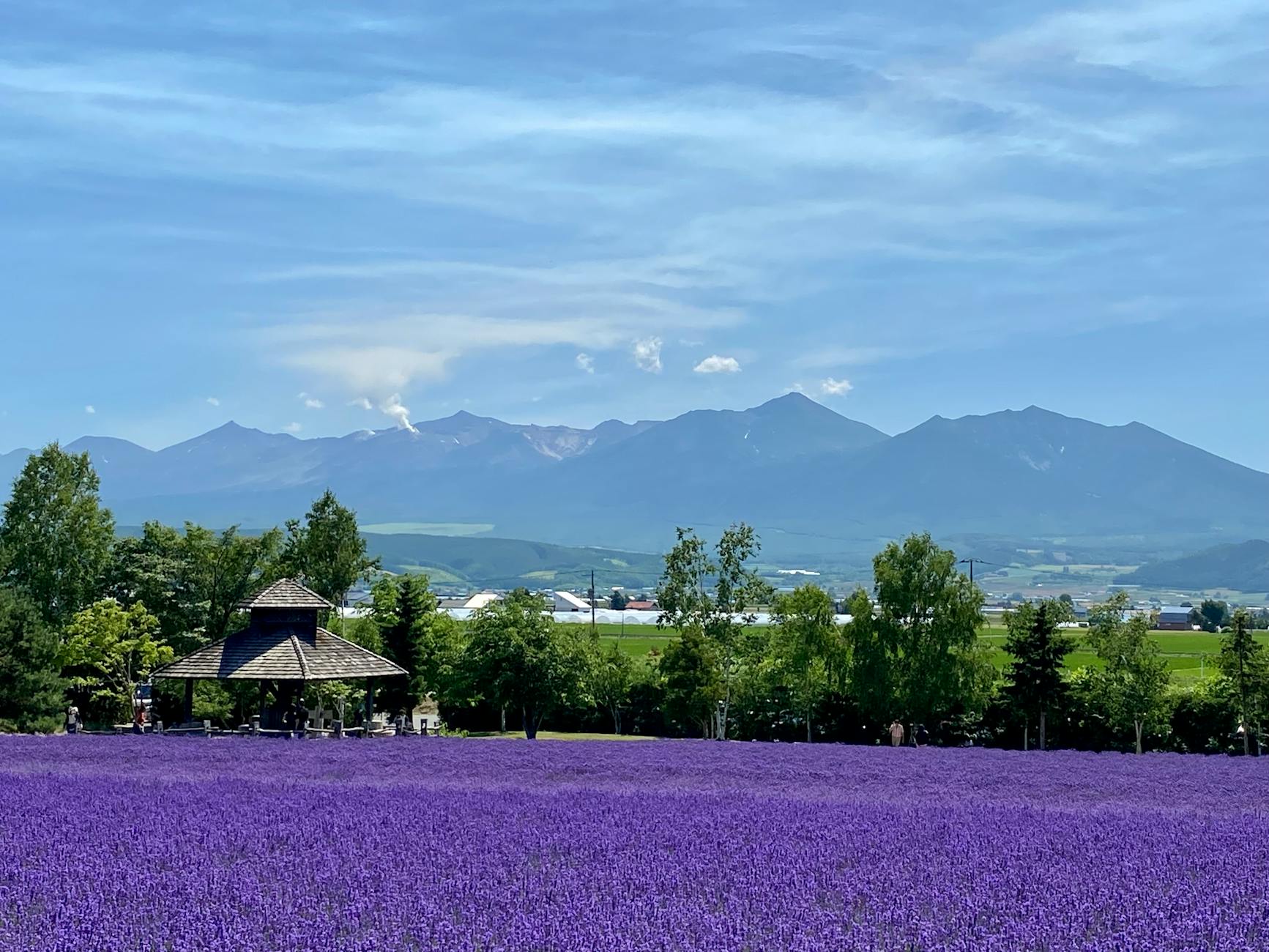
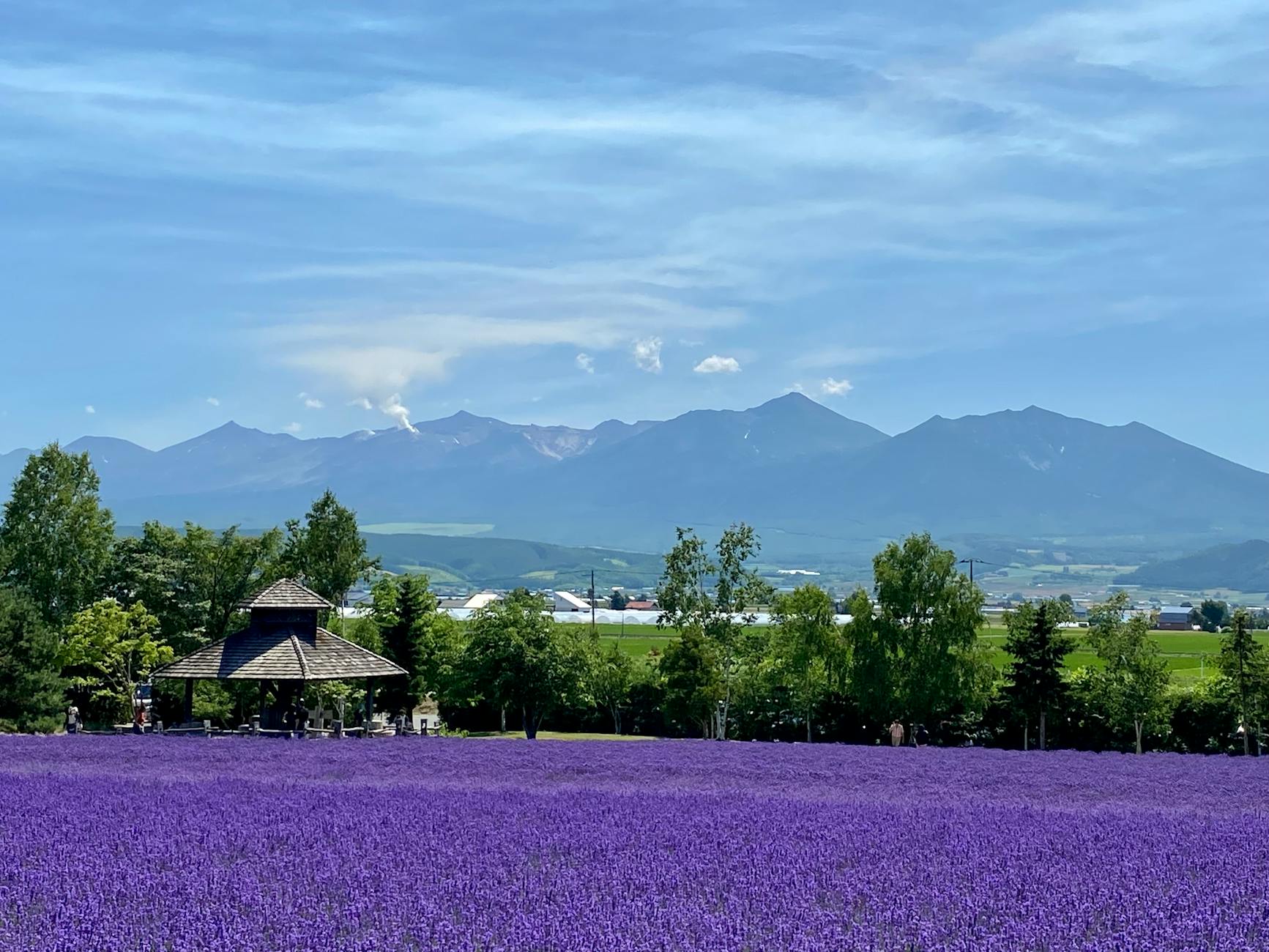
Hokkaido is Japan’s ultimate road trip destination — and it’s not even close. Japan’s second-largest island offers something that’s almost impossible to find elsewhere in the country: vast, open roads cutting through farmland, mountains, and coastline with almost no congestion. Whether you’re chasing Furano’s famous lavender fields in July, the fiery autumn foliage of Daisetsuzan National Park in October, or the deep powder snow of Niseko in February, a rental car doesn’t just make your Hokkaido trip more convenient — it transforms it entirely. Without a car, you’ll see Sapporo. With one, you’ll see the real Hokkaido.
Why Hokkaido is Perfect for a Road Trip
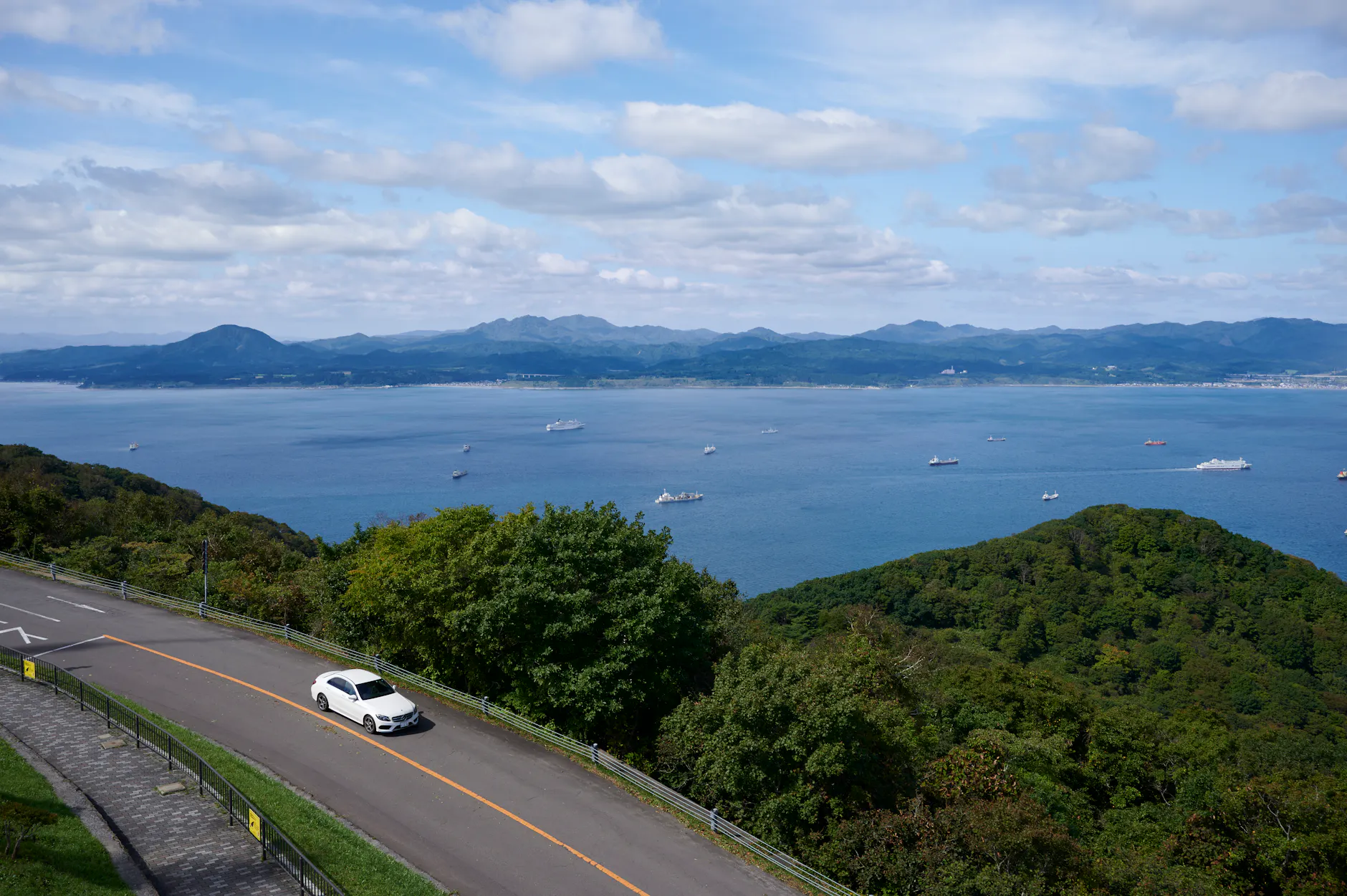
Hokkaido covers 83,000 square kilometers — roughly the size of Austria — but has just 5 million residents, most concentrated in Sapporo. Outside the capital, population density drops dramatically, leaving behind a landscape of open farmland, volcanic mountains, thermal hot springs, and unspoiled coastline.
The roads reflect this geography. Unlike mainland Japan’s often narrow, winding mountain routes, much of Hokkaido’s road network runs in long, straight lines across flat agricultural plains. National Route 12 between Asahikawa and Bibai holds the record for Japan’s longest straight road — 29 km without a single curve. These are roads built for driving.
Seasonal highlights that reward road trippers:
- July: Furano lavender in full bloom, sunflower fields in Hokuryu
- October: Spectacular autumn colors across Daisetsuzan and Shiretoko
- December–February: Deep powder snow, world-class skiing at Niseko and Furano
- April–May: Cherry blossoms arrive late in Hokkaido — often in early May
What You Need to Rent a Car in Hokkaido
The documentation requirements are the same across all of Japan. To rent a car in Hokkaido as a foreign visitor, you’ll need:
- International Driving Permit (IDP) — Must be issued under the 1949 Geneva Convention format
- Your valid home country driver’s license — Must be presented alongside the IDP
- Passport — Required for identity verification at the rental counter
- Credit card — Required for the security deposit; most companies don’t accept debit-only cards
Best Car Rental Companies in Hokkaido
All major Japanese rental chains operate in Hokkaido, with particularly strong coverage at New Chitose Airport and Sapporo. Here are the top options:
Toyota Rent a Car
The most reliable and widely available option, with locations at New Chitose Airport, Sapporo Station (Ekimae), and multiple Sapporo city branches. Toyota’s fleet is modern and well-maintained, navigation systems with English mode are available on request, and airport counters typically have English-speaking staff or printed English guides. First choice for most visitors.
Nippon Rent a Car
A solid national chain with competitive pricing and good Hokkaido coverage. Nippon is particularly worth checking for longer rental periods (5+ days) where their weekly rates can represent strong value. Airport pickup is available at New Chitose.
Times Car Rental
Times Car offers transparent, no-surprise pricing with a clean online booking system. Good for visitors who prefer booking through an English-friendly interface and want predictable costs. Coverage in Hokkaido is solid for major cities and the airport.
OTS Rent a Car
OTS is known for competitive budget pricing. Originally an Okinawa-based company that expanded nationally, OTS is worth checking for price comparisons — especially for economy-class vehicles. A good option if you’re prioritizing cost over brand familiarity.
Driving in Hokkaido
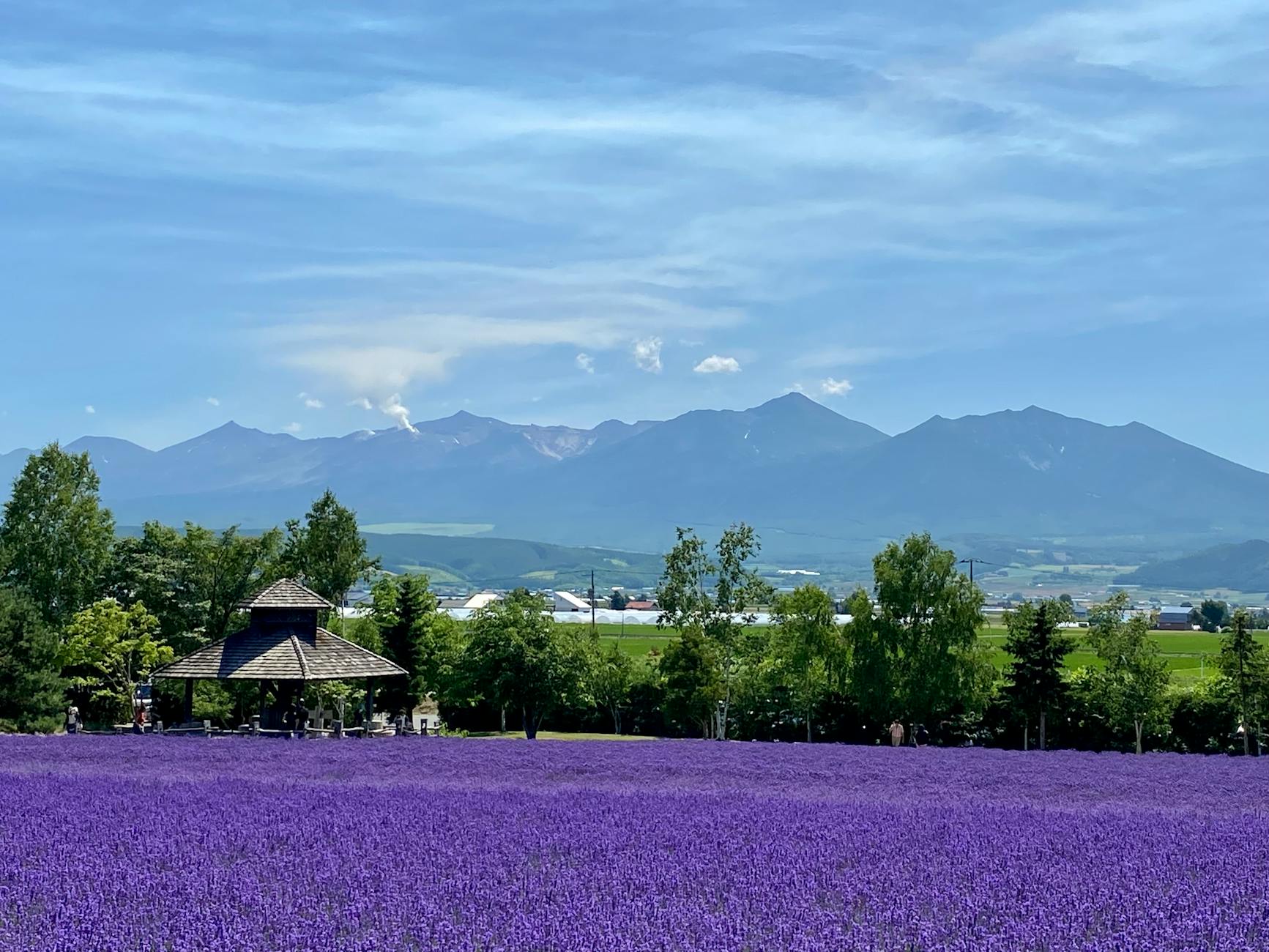
Hokkaido follows Japanese road rules — drive on the left, steering wheel on the right. Here’s what you need to know about driving conditions specific to Hokkaido:
Speed Limits
Hokkaido has Japan’s highest expressway speed limit — up to 100 km/h on certain stretches, with some trial sections allowing 110–120 km/h. On regular national routes, the limit is typically 60 km/h, though rural straight roads can feel fast at that speed. Always observe posted limits; speed cameras are present, and Japanese traffic enforcement is strict.
Expressways
Hokkaido has a solid expressway network connecting its major cities. The main routes:
- Sapporo → Asahikawa: Hokkaido Expressway, approx. 1.5 hrs
- Sapporo → Hakodate: approx. 3.5–4 hrs via expressway
- Sapporo → Obihiro (Tokachi): approx. 2 hrs via Doto Expressway
Tolls are paid at booths or via ETC card. If you don’t have an ETC card, carry cash — toll amounts can add up on longer trips.
Gas Stations
Gas stations are plentiful in and around Sapporo and on major national routes. However, in eastern Hokkaido (Shiretoko, Nemuro, Kushiro rural areas) and northern regions, stations can be sparse and may close by early evening. The golden rule: fill up whenever you see a gas station, even if you’re at half a tank.
Essential Hokkaido Driving Routes
Hokkaido’s scale rewards multi-day road trips. Here are the routes that showcase the island at its best:
Sapporo → Furano → Biei Blue Pond → Asahikawa (3-Day Loop)
This is Hokkaido’s classic road trip — and for good reason. From Sapporo, head east toward Furano for its iconic lavender fields (Farm Tomita is the most famous, best in mid-July). Continue north to Biei to see the patchwork hills and the electric-blue Shirogane Blue Pond. End in Asahikawa, Hokkaido’s second-largest city. Return via a different route through the Daisetsuzan foothills. Three days is ideal; two days is doable at a faster pace.
Sapporo → Otaru → Niseko → Hakodate (Western Coast Route)
Head west from Sapporo to Otaru (40 minutes), with its preserved canal district and exceptional sushi. Continue southwest to Niseko — Japan’s most famous ski resort, also beautiful in summer as a hiking and hot spring destination. Continue the drive south along the Niseko-Shakotan-Otaru Quasi-National Park coastline to Hakodate, one of Japan’s most historically significant port cities. Allow 3–4 days for this route.
Sapporo → Shiretoko Peninsula (Eastern Hokkaido, 2–3 Days)
The Shiretoko Peninsula is one of Japan’s two UNESCO World Natural Heritage Sites and one of the least-developed wild areas in the country. The drive east from Sapporo (approximately 5–6 hours via expressway to Abashiri, then along the coast) passes through Kushiro Wetland, Lake Akan, and Lake Mashu — each spectacular on their own. Shiretoko itself rewards those who make the effort with drift ice in winter, brown bear sightings in spring, and dramatic volcanic scenery year-round. This is not a casual day trip — plan a minimum of two nights in the Shiretoko area.
Tokachi Plains Loop (Best for Open-Road Driving)
If the appeal of Hokkaido for you is the pure experience of driving long, straight roads through agricultural plains with mountains on the horizon — the Tokachi region is the answer. Obihiro serves as a base, with routes heading in every direction through cattle farms, wheat fields, and small agricultural towns. This is also the region for Tokachi craft beer, dairy farm restaurants, and Obihiro’s famous buta-don (pork rice bowl).
Renting in Sapporo vs. New Chitose Airport
Most visitors to Hokkaido arrive at New Chitose Airport (CTS), approximately 45 minutes south of Sapporo by train. You have two main options for picking up your rental:
New Chitose Airport (Recommended)
Picking up at the airport is the most convenient option if you plan to start your road trip immediately. All major rental companies have desks at or near the arrivals hall, with shuttle buses to their depots a short distance from the terminal. You can clear customs, pick up your bags, and be in your rental car within 30–45 minutes of landing.
Sapporo Ekimae (City Center)
If you’re spending a day or two in Sapporo first before starting your road trip, picking up in the city is more practical. The Sapporo Station area has multiple rental locations from all major chains. Take the airport express train (JR Airport Limited Express) into the city, spend time in Sapporo, then pick up your car when you’re ready to head out.
Best Season to Drive Hokkaido
Each season in Hokkaido offers a dramatically different experience. Here’s what to expect:
Summer (June–August) — Best Overall Season
Clear roads, comfortable temperatures (20–25°C), and Hokkaido’s famous floral landscapes make summer the most popular time to visit. July is peak lavender season in Furano. The long daylight hours (sunset around 7–8pm) give you more time on the road. Roads are in excellent condition and free of any weather hazards. This is the ideal season for first-time Hokkaido visitors.
Autumn (September–October)
Hokkaido’s autumn colors arrive earlier than anywhere else in Japan — foliage peaks in late September at higher elevations and mid-October at lower levels. The light is exceptional, crowds are thinner than summer, and temperatures are ideal for driving (10–18°C). One of the best times to visit if you can avoid the summer peak period.
Winter (December–March)
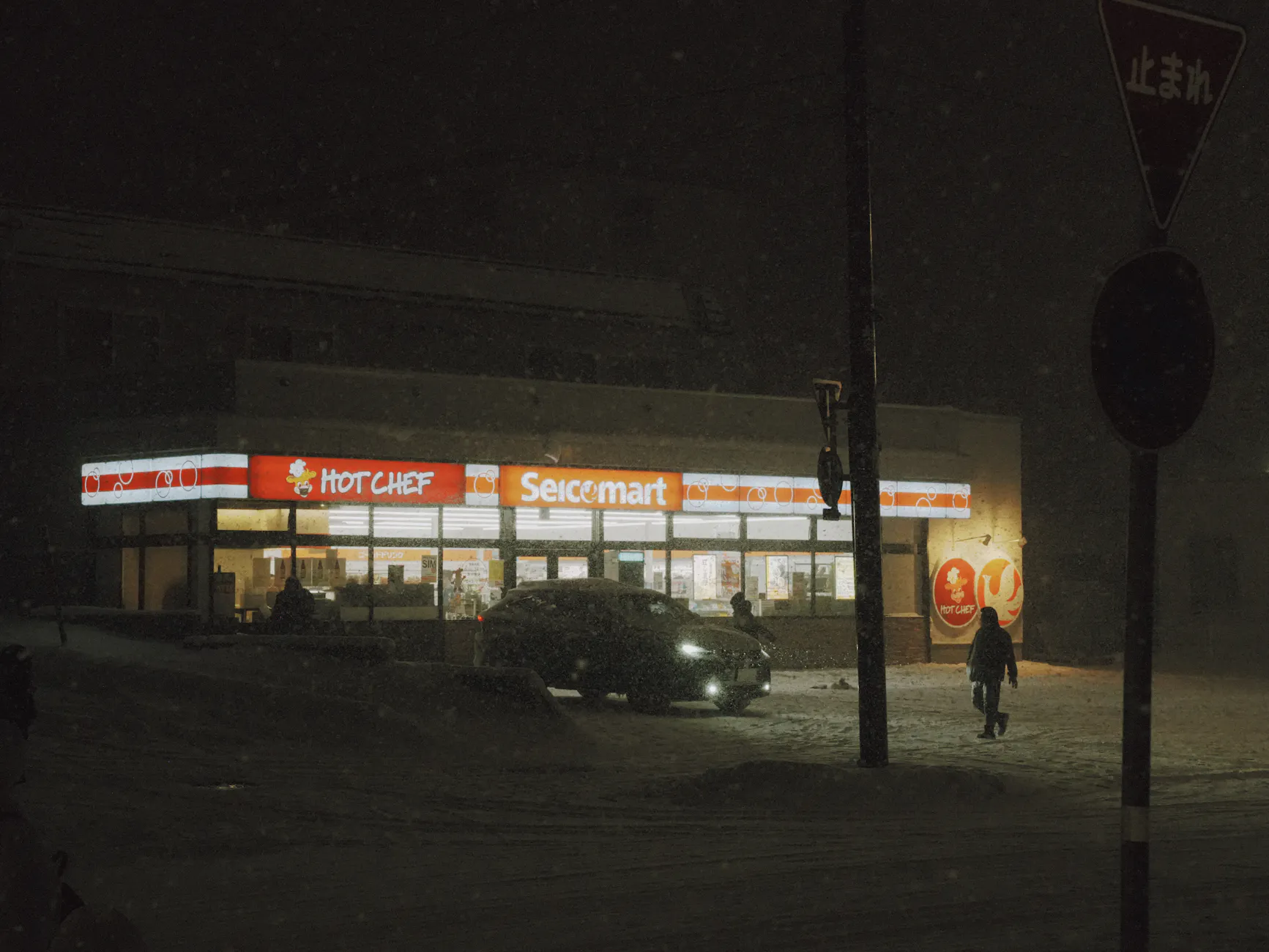
Hokkaido transforms into a snow country destination with world-class powder skiing at Niseko, Furano, and Rusutsu, plus the famous Sapporo Snow Festival in February. Driving is absolutely possible but requires winter driving skills, a properly equipped vehicle (winter tires are mandatory), and conservative speeds. Stunning for those prepared for it; potentially dangerous for those who aren’t.
Spring (April–May)
Spring arrives late in Hokkaido. Mountain passes may remain closed into May, and northern areas can still see snow in April. However, cherry blossoms bloom in early May (later than the mainland), and the emergence of green across the farmland after a long winter is beautiful. A quieter, less expensive time to visit — though check road status before heading into mountain areas.
One-Tank Road Trips from Sapporo
Not everyone has a week for a Hokkaido road trip. If you have a day or two and a base in Sapporo, these destinations are easily reachable on a single tank:
- Otaru (40 min): Preserved canal district, acclaimed sushi restaurants, glass crafts. A perfect half-day trip from Sapporo.
- Niseko (90 min): World-famous ski resort in winter; in summer, a base for hiking, hot springs, and rafting with Mt. Yotei as a backdrop.
- Noboribetsu (1.5 hrs): Japan’s most famous hot spring resort town, built around the Jigokudani volcanic valley. The sulfur vents and steaming terrain are unlike anything else in Japan.
- Furano and Biei (2 hrs): The lavender and patchwork hill country that defines Hokkaido’s most iconic imagery. Best in July but beautiful in any season.
JDM Sports Car Experience in Japan
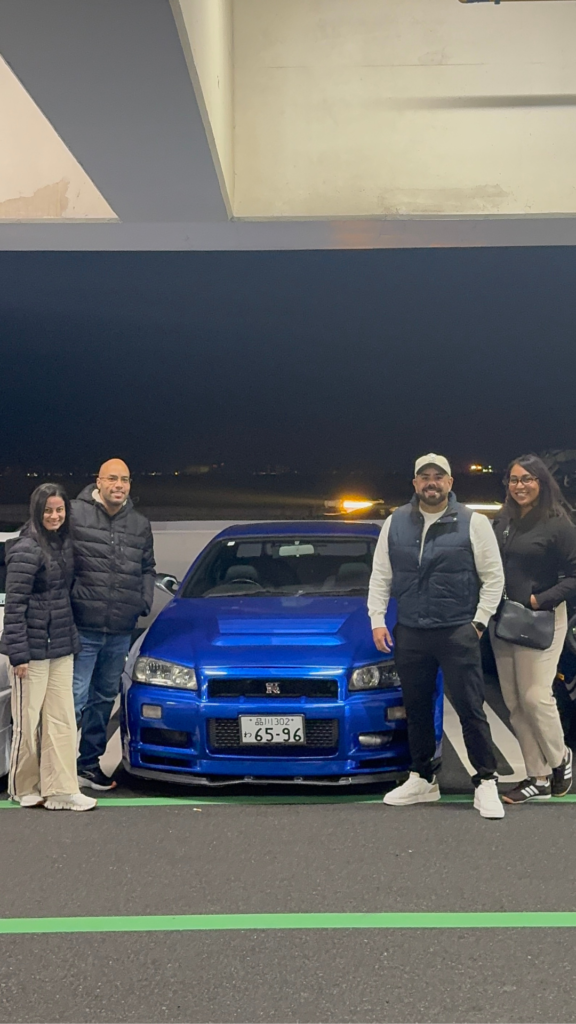
If your Japan trip includes time in Tokyo, there’s one more driving experience worth knowing about. Samurai Car Japan in Shibuya offers JDM sports car rentals — Nissan GT-R, Toyota Supra, Mazda RX-7 — for driving through Tokyo’s iconic expressways and coastal roads. It’s the kind of experience that’s impossible to replicate outside of Japan, and it pairs perfectly with a Hokkaido road trip as part of a longer Japan itinerary.
Why not elevate your journey with a legendary JDM experience?
Our Services:
- Self-Drive Rentals
- Guided Tours
- Drift Experiences
Please visit the dedicated page for more details.
Frequently Asked Questions
Do I need an International Driving Permit to rent a car in Hokkaido?
Yes. Foreign visitors renting a car in Hokkaido (and anywhere in Japan) must present a valid IDP issued under the 1949 Geneva Convention format, along with their home country license. The 1968 Vienna Convention IDP is not accepted. A small number of countries (including Germany, France, Switzerland, Belgium, Monaco, Slovenia, and Taiwan) have bilateral agreements with Japan — if you’re unsure whether your country qualifies, confirm with your rental company before arriving.
Is it safe to drive in Hokkaido in winter?
It can be, with proper preparation. All reputable rental companies equip vehicles with winter tires during the December–March period as standard. The key risks are black ice, reduced visibility in snowstorms, and mountain passes that can close after heavy snowfall. Drive slowly, leave generous stopping distances, avoid sudden inputs, and check road conditions before heading into mountain areas. Visitors with no winter driving experience should consider limiting driving to major routes and avoiding night driving in rural areas.
Can I pick up in Sapporo and return in Hakodate?
Yes, one-way rentals between Sapporo and Hakodate (and other Hokkaido cities) are available from most major companies. However, one-way fees in Hokkaido are substantial — typically ¥10,000–¥20,000 or more depending on the company and distance. If your itinerary naturally creates a loop (e.g., Sapporo → western coast → Hakodate → back north), designing a round-trip route will save you meaningfully on rental costs.
What type of car should I rent for a Hokkaido road trip?
For summer and autumn travel, a standard compact or mid-size sedan is perfectly adequate for most routes. If you’re planning to visit rough rural tracks, dirt roads near national parks, or elevated areas, a small SUV or crossover provides more clearance and comfort. For winter travel, an SUV or AWD vehicle is strongly recommended — particularly if you’re visiting ski resorts or mountain areas. Always confirm winter tires are fitted regardless of vehicle type.
How far can I realistically drive in a day in Hokkaido?
On expressways, covering 300–400 km in a day is comfortable. On scenic national routes with stops, 150–250 km is a more realistic daily target if you actually want to experience the places you’re passing through. The Sapporo–Shiretoko drive (approximately 380 km) is possible in one long day on expressways but is much better broken into two days with overnight stops along the way. Hokkaido rewards a slower pace — the scenery between destinations is often as rewarding as the destinations themselves.
[st_af id=”862″]
🇯🇵 Plan Your Japan Experience
JDM Car Rental
Drive a GT-R, Supra, RX-7, or Silvia on the roads they were built for. Hakone passes, Wangan highway, mountain touge — your dream JDM experience.
Daikoku PA Tour
Visit Japan’s most legendary car meet. Hundreds of modified cars, passionate owners, and the heartbeat of JDM culture. Guided weekend night tours available.
Photo Guide Tour
Capture stunning photos at locations only locals know. Hidden shrines, backstreet alleys, rooftop views, and golden hour spots for unforgettable shots.
Leave a Reply