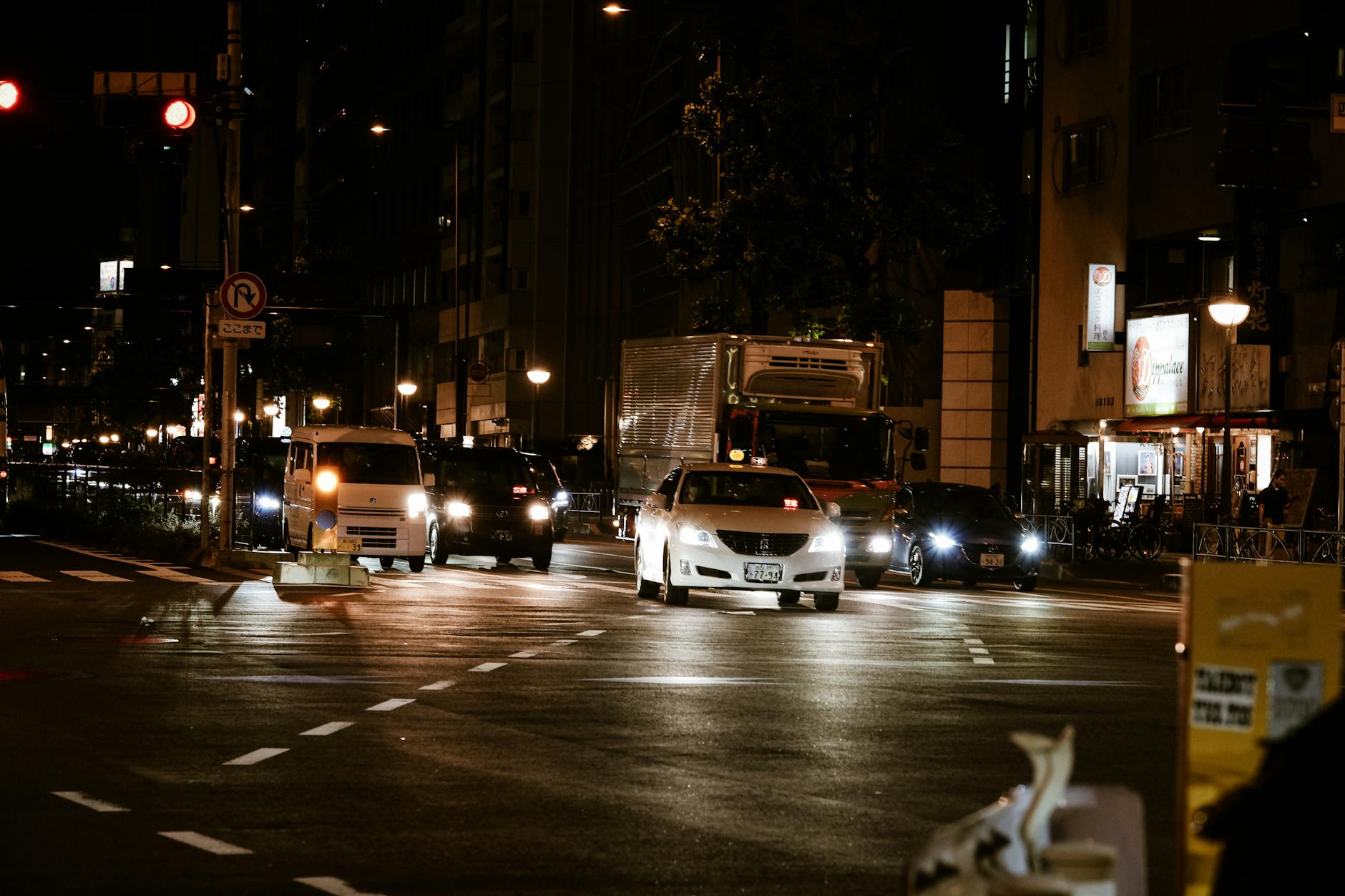
It’s been almost two decades since The Fast and the Furious: Tokyo Drift hit theaters, and the film still does something no car commercial ever managed — it makes you want to pack your bags, fly to Japan, and drive a Nissan Silvia S15 through rain-slicked streets while a soundtrack of Japanese hip-hop plays. If you’re reading this, the film worked on you too.
The good news: the car culture Tokyo Drift portrays is completely real. The underground meets, the modified JDM machines, the expressway runs at night — all of it exists in Japan right now. The better news: you don’t need to be a fictional American teenager to experience it. You just need to know where to go.
This guide breaks down the real Tokyo Drift locations, the actual car culture behind the film, where to find drift events and car meets, and — most importantly — how to get behind the wheel of the exact cars from the movie.
Was Tokyo Drift Actually Filmed in Tokyo?
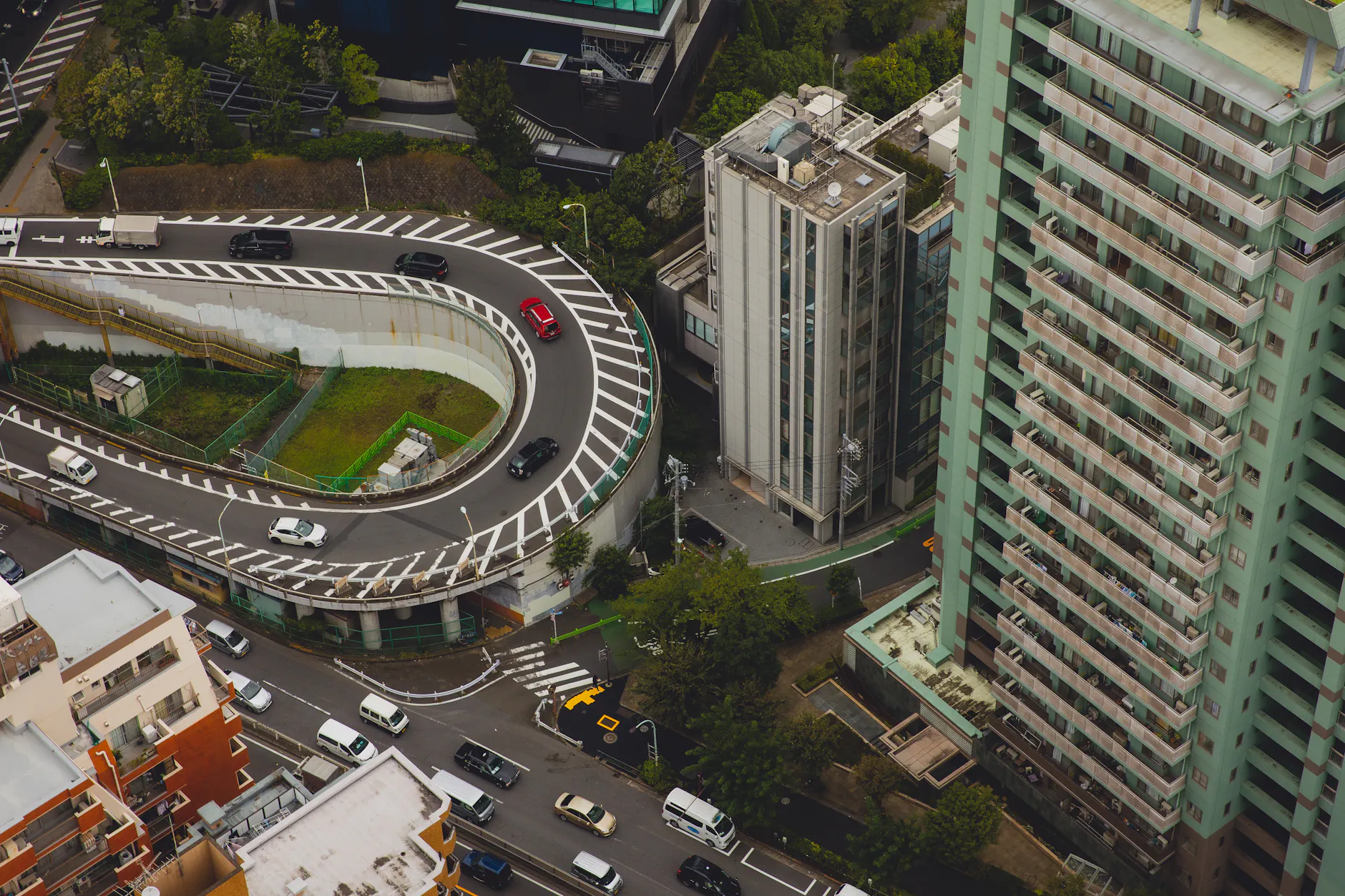
Here’s the honest answer that most fan sites won’t give you: the majority of street racing scenes in Tokyo Drift were not filmed in Tokyo.
The production used downtown Los Angeles as a stand-in for Tokyo’s streets. The tight urban corridors, the multilevel parking structures, the iconic parking garage drift sequence — most of these were shot in LA’s Little Tokyo neighborhood and surrounding areas. Hollywood magic (and a lot of Japanese signage) filled in the rest.
That said, real Tokyo footage is absolutely in the film. The opening establishing shots of Tokyo, the famous Shibuya Scramble Crossing scene, and various exterior city views were captured on location. Director Justin Lin and the production team did spend time in Japan scouting and shooting, and the atmosphere they captured is genuine.
More importantly: the car culture the film depicts is 100% authentic. Modified JDM machines, underground parking area meets, winding expressway runs at night, drift culture as a social scene — Tokyo Drift didn’t invent any of this. It just showed it to the world.
Pro Tip
Real “Tokyo Drift” Locations You Can Visit
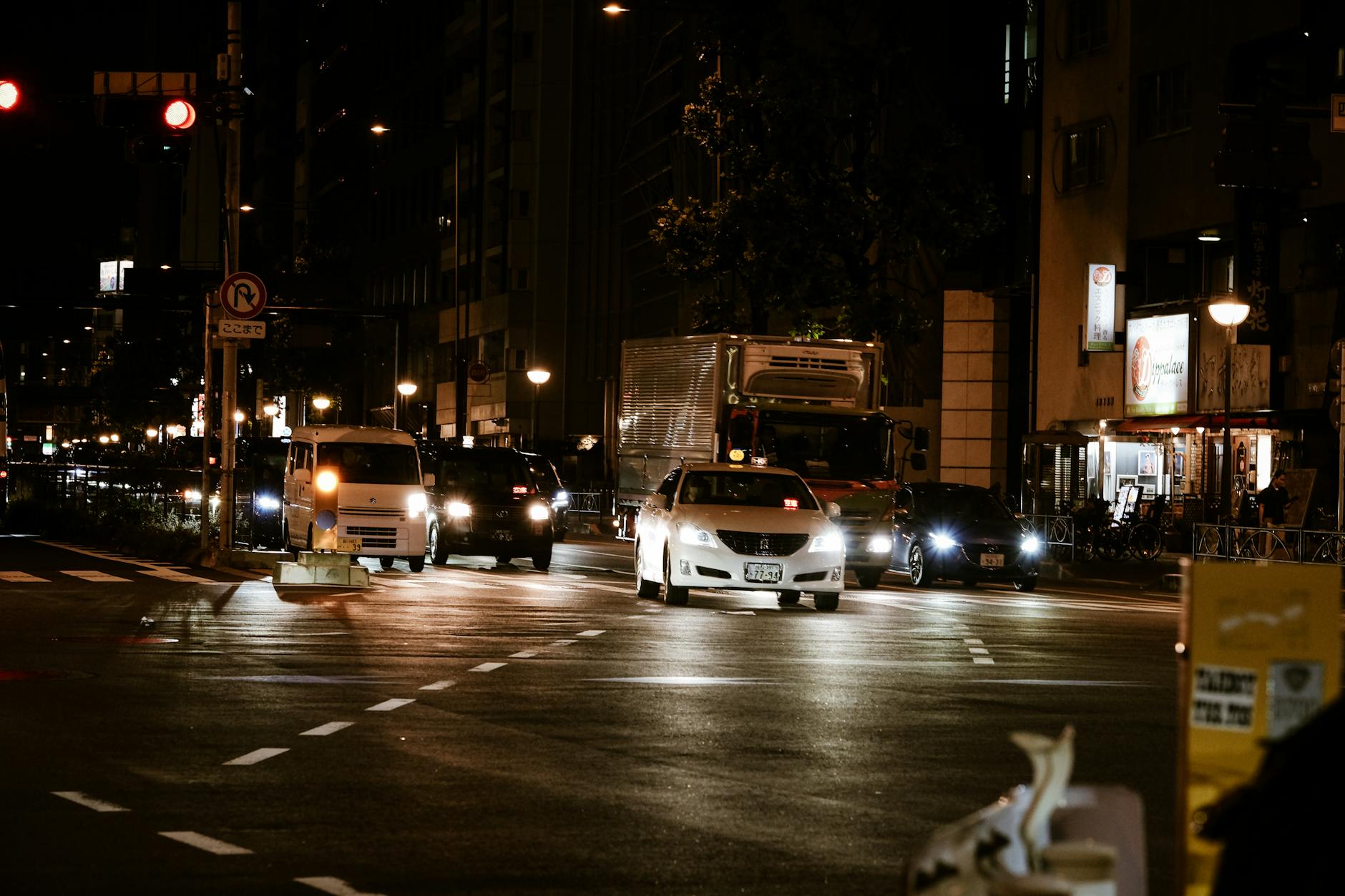
Even if the movie’s street scenes were shot in LA, the locations that inspired them — and the real-world equivalents — are very much accessible. Here’s where to go.
Daikoku Parking Area (PA) — The Real-Life Car Meet Hub of Japan
If Tokyo Drift has a real-world equivalent in terms of atmosphere, it’s Daikoku PA in Yokohama. This highway rest stop on the Daikoku Junction of the Bayshore Expressway (Route 3) has been a legendary car meet venue for decades. Every weekend — and many weeknights — the parking area fills with some of the most immaculate modified JDM vehicles in Japan.
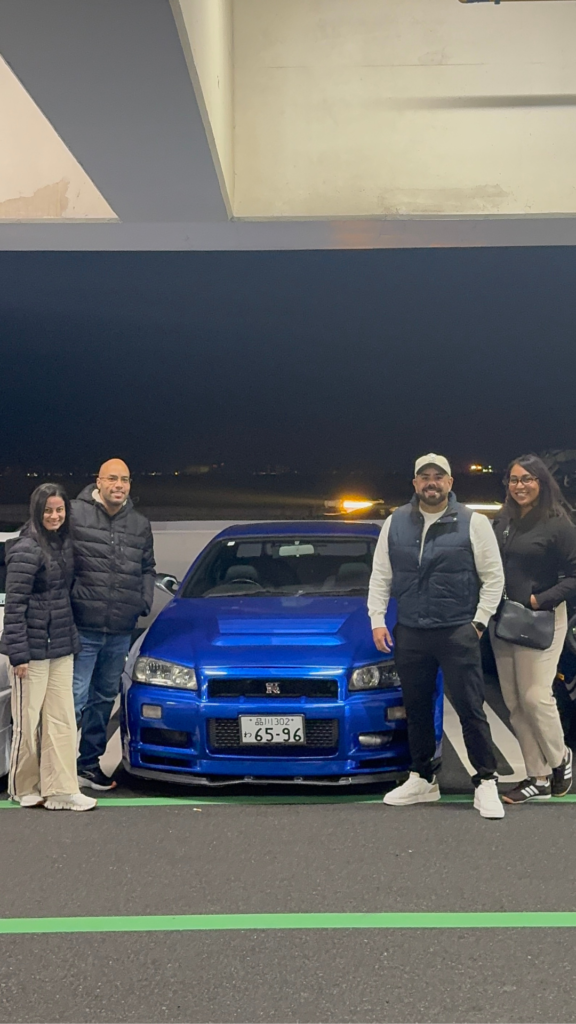
You will see Nissan Silvias, R34 GT-Rs, Mazda RX-7s, Honda S2000s, Toyota Supras. You will see exactly the cars from the film, in exactly the atmosphere the film tried to capture. Owners gather, compare builds, talk shop, and occasionally (very occasionally, and not officially sanctioned) demonstrate what their cars can do.
Daikoku PA is accessible from the Bayshore Expressway and is open 24 hours. The biggest meets tend to happen Friday and Saturday nights. Arrive after 10 PM for peak activity. There’s no charge — it’s a highway rest stop — and the car community is generally welcoming to respectful visitors.
For a full breakdown of timing, access, and what to expect, read our Daikoku PA Car Meet Guide.
Tatsumi PA — Tokyo’s Most Famous Urban Car Meet
Tatsumi PA sits on the Bayshore Expressway within Tokyo itself, near the Tatsumi Junction. It’s more centrally located than Daikoku and has its own legendary reputation in Japanese car culture — it features prominently in the Wangan Midnight manga and anime, and in countless car culture videos and documentaries.
Tatsumi is smaller than Daikoku but often more concentrated — the cars that show up tend to be serious builds. It’s a 24-hour rest stop with a convenience store, and the meets happen organically, particularly late at night on weekends. This is about as close as you’ll get to the nighttime parking structure atmosphere from the film.
Access: Enter the Bayshore Expressway (Route 3) heading toward Yokohama from central Tokyo, and Tatsumi PA is one of the first stops. From the city side, it’s accessible from the C1 expressway via the Tatsumi interchange.
C1 Inner Circular Expressway — The Legendary Loop
The C1 Inner Circular Route is a loop expressway that circles central Tokyo below street level — a network of tunnels, elevated sections, and tight curves running through the heart of the city. It passes under Shinjuku, through Shibuya, under Ginza, and connects to every major expressway radiating out of the capital.
The C1 is infamous in Japanese car culture as the loop that gives the “Wangan” subculture its midnight dimension. The route has featured in countless car films, video games (the Tokyo Xtreme Racer series, Gran Turismo), and car culture media. The atmosphere of driving it at night — bright tunnels, the city above you, the occasional thunder of a modified engine — is genuinely cinematic.
To be absolutely clear: street racing on any public road in Japan is illegal and carries severe penalties including license suspension and imprisonment. But driving the C1 legally, at legal speeds, in an interesting car, is a legitimate and memorable experience. Many car rental customers specifically request the C1 night drive route.
Wangan (Bayshore Route) — The Straight to Yokohama
The Wangan Line (Bay Shore Route, Metropolitan Expressway Route 3) is the straight expressway running from central Tokyo along the waterfront toward Yokohama. It passes Rainbow Bridge, skirts the artificial islands of Odaiba, passes Tatsumi PA, continues through the industrial waterfront, and eventually reaches Daikoku PA before arriving in Yokohama.
The Wangan is the setting for the Wangan Midnight manga — a 1990 series about illegal street racing on this exact road that became one of Japan’s most beloved car culture properties. The road’s long straights and the silhouette of Rainbow Bridge against the Tokyo skyline create a visual that feels like it was designed for car photography.
Drive the Wangan legally in a quality car and you’ll understand immediately why it became legendary. The Rainbow Bridge approach at night, with Tokyo Tower and the city lights behind you, is one of the great car driving experiences available to tourists in Japan.
The Cars of Tokyo Drift — and Where to Rent Them in Japan
The vehicle selection in Tokyo Drift wasn’t random. These were specifically chosen as representative icons of Japanese car culture — the machines that defined an era of JDM performance. Here’s a breakdown, and how you can drive each one.
Nissan Silvia S15 — The Hero Car
The Nissan Silvia S15 is the car Sean Boswell learns to drift in — the film’s primary vehicle and its visual identity. The S15 was the final evolution of Nissan’s long-running Silvia line, produced from 1999 to 2002 and never officially exported to the United States (which is part of why the film had such impact on American audiences — it showed them a car they’d never seen).
The S15 was purpose-built for driving: rear-wheel drive, relatively light, with a turbocharged SR20DET engine that responds well to tuning. It became the default drift car for a generation of Japanese enthusiasts. Finding one in good condition today requires knowing where to look.
Mazda RX-7 FD — Han’s Car
Han’s Mazda RX-7 FD3S is arguably the most beloved car in the entire Fast and Furious franchise. The character Han became an icon partly because of his personality and partly because of his orange RX-7 — a combination that somehow felt perfect. The FD RX-7 was produced from 1992 to 2002 and remains one of the most beautiful Japanese sports cars ever made.
The RX-7 uses a rotary engine — the Wankel 13B-REW — which produces a distinctive sound and power delivery unlike any conventional engine. It’s lighter than comparable sports cars, with near-perfect 50/50 weight distribution. Driving one is an experience that has no equivalent.
Nissan GT-R R34 — The Legendary Skyline
The Nissan Skyline GT-R R34 has achieved a level of cultural mythologism almost unmatched in the automotive world. The R34 was produced from 1999 to 2002, was never officially sold in the US, and became legendary through video games (Gran Turismo, Need for Speed) and films before most Americans had ever seen one in person.
Its RB26DETT twin-turbocharged straight-six engine and ATTESA E-TS AWD system made it genuinely fast by any standard. Today the R34 is one of the most coveted collector cars in the world. Being in Japan — where they were actually produced and driven — and getting behind the wheel of one is genuinely rare.
Honda S2000 — The Japanese Roadster Classic
The Honda S2000 was Honda’s celebration of its 50th anniversary — a proper roadster with a naturally aspirated 2.0L F20C engine that revved to 9,000 RPM and produced 240 horsepower, remarkable figures for a naturally aspirated engine of that displacement. It was sharp, precise, and demanding — a driver’s car in the truest sense.
The S2000 in Tokyo Drift was driven by several characters and served as the film’s emblem of accessible Japanese performance. Open-top, high-revving, rear-wheel drive — it represents a type of pure driving experience that has mostly disappeared from modern automotive production.
Pro Tip
Japan’s Real Drift Culture
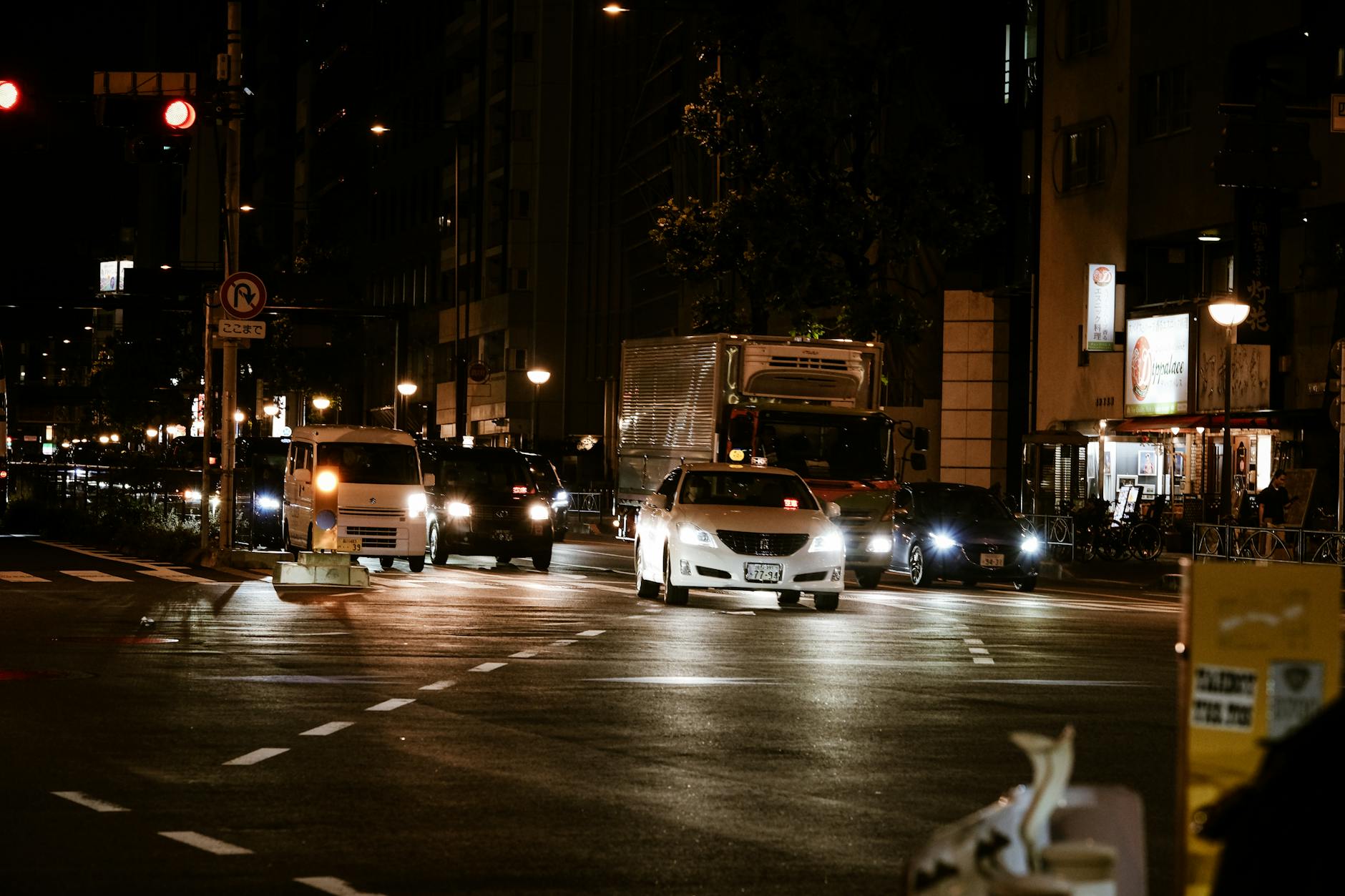
Drifting in Japan isn’t a movie invention. It evolved organically from the mountain road (“touge”) driving culture of the 1970s and 1980s, where enthusiasts would push their rear-wheel-drive cars to the limit on tight mountain passes. Keiichi Tsuchiya — known as the “Drift King” — popularized the technique and helped it evolve from touge outlawry to mainstream motorsport.
Ebisu Circuit — Japan’s Drift Mecca
Ebisu Circuit in Fukushima Prefecture is the most important destination for anyone serious about drift culture. The complex contains multiple circuits — including a dedicated drift course — and hosts regular events where you can watch, learn, or participate. It’s the venue where countless professional drivers developed their skills and where the international drift community makes pilgrimages.
For tourists, Ebisu offers several options: spectating at drift events, passenger rides with professional drivers, and sometimes drift experiences where you can take a car sideways in a controlled environment. Getting to Ebisu requires either renting a car (about 3.5 hours from Tokyo) or taking the Shinkansen to Fukushima and arranging local transport — but for a drift experience, it’s worth the journey.
D1 Grand Prix — Professional Drift Series
The D1 Grand Prix is Japan’s premier professional drifting series, established in 2001 by Keiichi Tsuchiya. Events are held at circuits across Japan throughout the year, and attending a D1 event is the definitive spectator experience for drift culture. The level of car control displayed by D1 drivers goes beyond what you’ll see anywhere else — these are the world’s best practitioners of a discipline that originated in Japan.
D1 events are ticketed and relatively affordable by motorsport standards. The atmosphere is intense, the cars are spectacular, and the smoke-filled exhibition of controlled sliding is unlike anything else in motorsport.
For a complete guide to experiencing drift culture as a tourist, including how to book experiences and what to expect, see our Drift Experience Japan Guide.
JDM Car Meets to Attend as a Tourist
Japan’s car meet culture is extensive, regular, and — unlike in many countries — generally organized and peaceful. Here’s where to find the best gatherings.
Daikoku PA — Every Weekend
Already covered above, but worth repeating: Daikoku PA on Friday and Saturday nights is the most consistently spectacular car meet you’ll find in the Kanto region. No tickets, no formal organization — cars simply arrive, park, and the gathering takes shape organically. Expect to see everything from mild modifications to full competition builds.
Odaiba Car Meets
Odaiba, the artificial island in Tokyo Bay, occasionally hosts organized car meets and always attracts informal gatherings near the waterfront areas. The backdrop — Rainbow Bridge, the Tokyo skyline, the waterfront — makes it particularly photogenic. Odaiba also hosts the Tokyo Auto Salon in January, the most important automotive modification show in Asia, which draws hundreds of thousands of visitors.
Fuji Speedway Events
Fuji Speedway at the base of Mt. Fuji hosts a full calendar of events throughout the year, including track days, race events, and car culture gatherings. The setting — with Mt. Fuji visible behind the circuit on clear days — is spectacular, and the level of Japanese automotive culture on display at Fuji events is extremely high. It’s about 1.5 hours from central Tokyo by car.
How to Drive a Real JDM Sports Car in Tokyo
Here’s the thing about Tokyo Drift: the actual experience of the film — the cars, the atmosphere, the routes — is completely accessible to anyone visiting Japan. You don’t need underground connections, a fictional mentor, or a winning race. You just need to book with the right rental company.
Samurai Car Japan, based in Shibuya, is a JDM sports car rental operation that offers exactly what the film promised. The fleet includes actual Nissan GT-Rs, Mazda RX-7s, Nissan Silvias, and other iconic JDM machines — not replicas, not inspired-by versions, the actual cars.
From the Shibuya showroom — less than a kilometer from the Shibuya Scramble Crossing you saw in the film — you can rent these vehicles and drive routes that feel pulled directly from the movie:
- The Wangan run: Tokyo waterfront to Yokohama along the Bayshore Expressway
- Rainbow Bridge: the iconic crossing with the city behind you
- C1 night drive: the loop under central Tokyo
- Daikoku PA: drive there in an RX-7 and join the actual car meet
This is the Tokyo Drift experience made real and legal. The cars are maintained to high standards, the Shibuya location puts you at the center of car culture Tokyo, and the routes you can access are the actual roads that inspired the film’s atmosphere — even if the film’s cameras were pointed at Los Angeles.
For pricing, fleet details, and booking, visit: Samurai Car Japan JDM Car Rental
Why not elevate your journey with a legendary JDM experience?
Our Services:
- Self-Drive Rentals
- Guided Tours
- Drift Experiences
Please visit the dedicated page for more details.
Related Guides
Frequently Asked Questions
Was Tokyo Drift actually filmed in Tokyo?
Partially. The street racing sequences and most interior scenes were filmed in downtown Los Angeles, which was dressed to look like Tokyo. However, real Tokyo footage — including the Shibuya Scramble Crossing — appears in the film. More importantly, the car culture the film depicts is entirely authentic to Japan.
What cars were in Tokyo Drift?
The most prominent vehicles in The Fast and the Furious: Tokyo Drift include the Nissan Silvia S15 (the hero car), Mazda RX-7 FD3S (Han’s car), Nissan Skyline GT-R R34, Honda S2000, and Mitsubishi Lancer Evolution. All are iconic JDM vehicles from Japan’s golden era of sports car production.
Can you drift legally in Japan?
Yes, on private tracks and at designated drift events. Ebisu Circuit in Fukushima is the most famous venue for drift experiences. Street drifting on public roads is illegal in Japan and carries significant penalties. Stick to circuit events for the legitimate drift experience.
Where do car meets happen in Tokyo?
The most famous regular meets are at Daikoku PA (Yokohama) and Tatsumi PA (Tokyo), both on the Bayshore Expressway. Odaiba occasionally hosts organized events. The Tokyo Auto Salon at Makuhari Messe in January is the region’s largest automotive event. All of these are accessible to tourists.
Can tourists rent JDM sports cars in Japan?
Yes. Samurai Car Japan in Shibuya specializes in JDM sports car rental for tourists. They offer vehicles including the Nissan GT-R, Mazda RX-7, Toyota Supra, and Nissan Silvia. You need a valid International Driving Permit (IDP) and your home country driver’s license. Visit the rental page for full requirements and booking.
[st_af id=”862″]
[st_af id=”854″]
🇯🇵 Plan Your Japan Experience
JDM Car Rental
Drive a GT-R, Supra, RX-7, or Silvia on the roads they were built for. Hakone passes, Wangan highway, mountain touge — your dream JDM experience.
Daikoku PA Tour
Visit Japan’s most legendary car meet. Hundreds of modified cars, passionate owners, and the heartbeat of JDM culture. Guided weekend night tours available.
Photo Guide Tour
Capture stunning photos at locations only locals know. Hidden shrines, backstreet alleys, rooftop views, and golden hour spots for unforgettable shots.
Leave a Reply