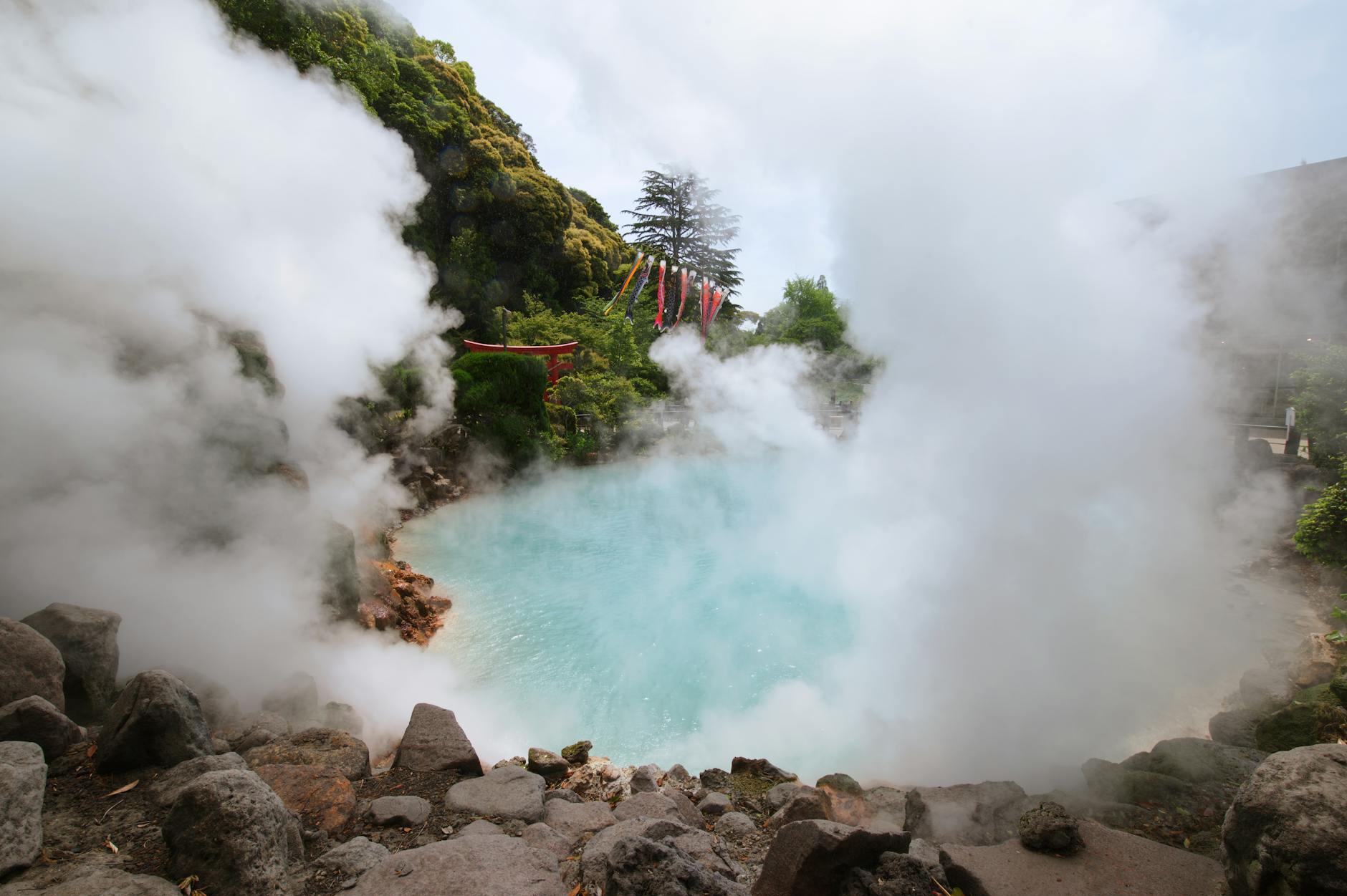
You’ve got tattoos. You want to experience Japan’s legendary onsen culture. For years, those two facts seemed incompatible — but in 2026, the reality is far more nuanced than a blanket “no tattoos allowed” rule might suggest. Tattoo-friendly onsen in Japan do exist, and with the right information, even heavily tattooed visitors can enjoy the country’s incredible hot spring tradition.
This guide covers specific tattoo-friendly onsen in Tokyo, Kyoto, Hakone, Osaka, and beyond — with real details on policies, prices, and what to expect. We’ll also walk you through alternatives like private onsen (kashikiri) and how to navigate the tattoo patch system that some facilities accept.
Why Tattoos Are Banned at Most Japanese Onsen
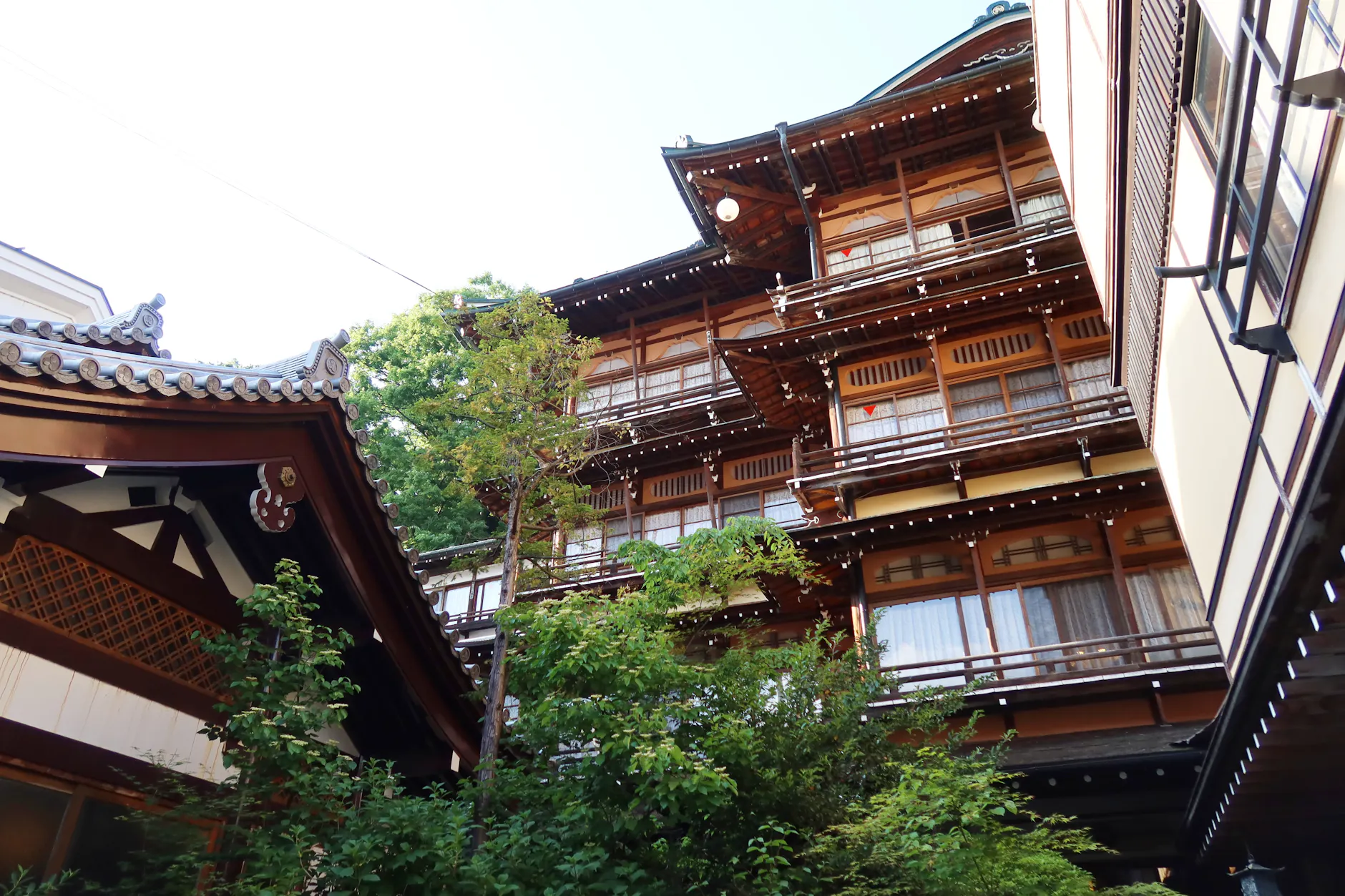
The tattoo ban at Japanese onsen has deep historical roots, not a simple aesthetic preference. In Japan, tattoos became strongly associated with the yakuza (Japanese organized crime syndicates) during the Edo period. Full-body tattoos were part of the visual identity of gangsters, and onsen operators — wanting to maintain family-friendly, safe environments — implemented blanket bans to exclude yakuza members.
This policy became industry standard across thousands of onsen facilities throughout the 20th century. Even as tattoo culture shifted globally and body art became mainstream among tourists and younger generations, the ban persisted largely unchanged for decades.
However, Japan’s relationship with tattoo rules is actively changing. The explosion of inbound tourism — Japan welcomed a record 36 million visitors in 2024 — has forced many facilities to reconsider rigid policies. In the most recent nationwide survey on this question — run by the Japan Tourism Agency in 2015 — 56% of bathing facilities said they refused guests with tattoos, 31% said they did not refuse them, and 13% allowed them under conditions such as covering the tattoo. No newer nationwide survey has been published, but acceptance has widened in tourist-heavy areas since then. In major tourist areas, accommodation operators and local onsen have increasingly adapted to serve international guests.
Your Options as a Tattooed Visitor
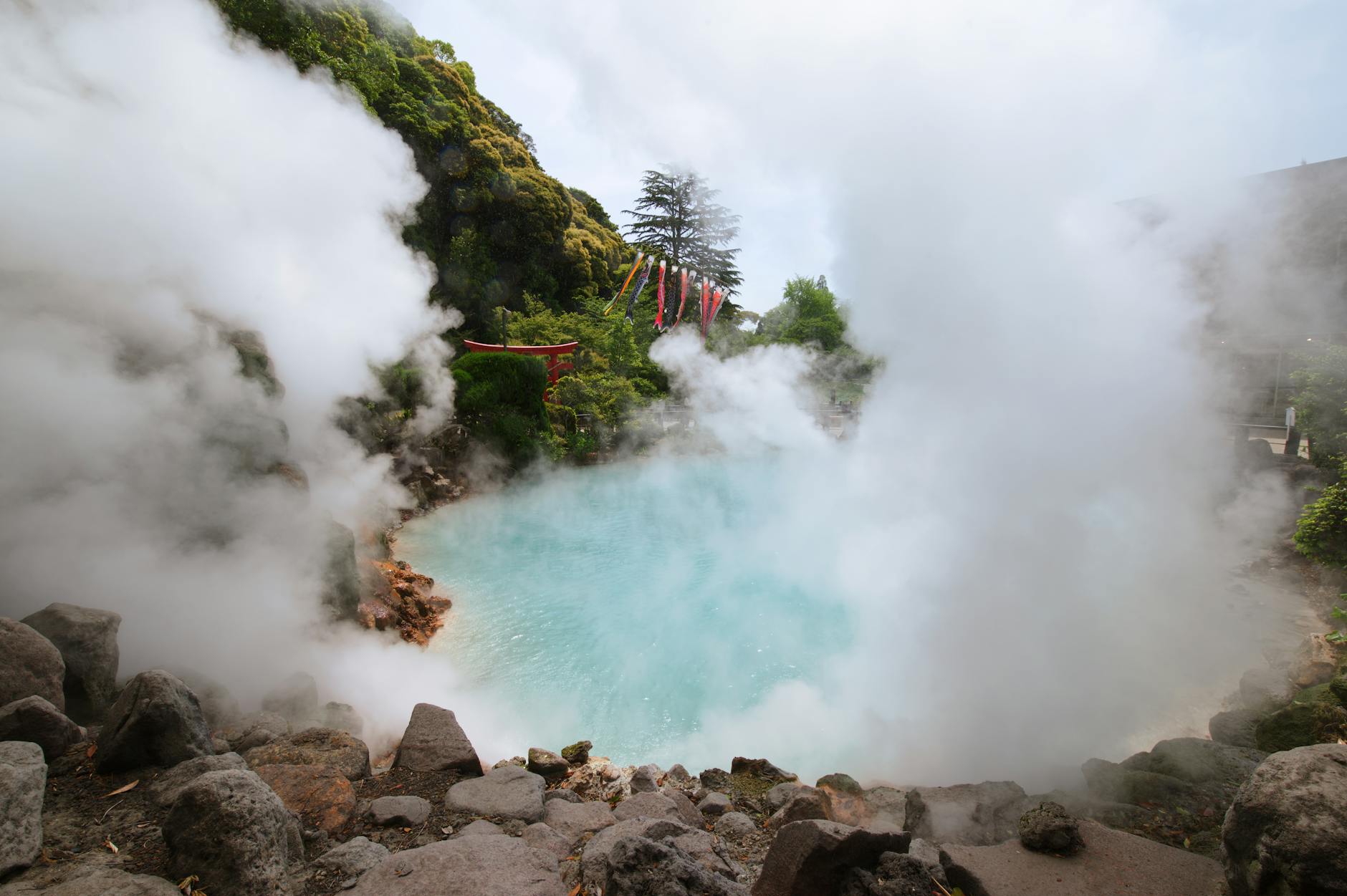
Before diving into specific locations, it helps to understand the four main strategies available to tattooed travelers visiting Japan:
Option 1: Tattoo-Friendly Onsen (Explicitly Allow All Tattoos)
A growing number of onsen and sento (public baths) explicitly welcome tattooed guests in their shared communal baths. These facilities have made a deliberate policy decision, often driven by international tourism, to drop the traditional ban entirely. These are the gold standard for tattooed visitors — no stress, no patch requirements, no questions.
Option 2: Private Onsen — Kashikiri (貸切風呂)
Kashikiri (貸切風呂) means “reserved bath” — you rent the entire bathing facility for a private session, typically 45 minutes to 1 hour. Because you’re not sharing the space with other guests, tattoo policies are almost universally waived. This is the safest option for heavily tattooed visitors who want guaranteed access to a genuine onsen experience, including at traditionally stricter destinations like Hakone.
Kashikiri rates vary widely: budget options start around ¥1,000–2,000 per session at day facilities, while ryokan (Japanese inn) private baths can run ¥3,000–10,000+ for the time slot. Many ryokan include kashikiri access as part of the room rate for overnight guests.
Option 3: Waterproof Tattoo Cover Patches
Some onsen allow tattooed guests to enter communal baths if they cover their tattoos with waterproof adhesive patches — called コンシーラーシール (concealer seals) in Japanese. These skin-toned waterproof stickers are available at Japanese drug stores (drugstores like Matsumoto Kiyoshi) and some onsen facilities sell them at reception.
This option only works for small, concealable tattoos. If you have sleeve tattoos, chest pieces, or large back tattoos, patches won’t be sufficient. Always confirm with the facility that this policy is currently in effect before purchasing patches and arriving.
Option 4: Day Spas and Modern Sento with Updated Policies
Urban day spas and newer “super sento” complexes (large bath complexes with multiple pools, saunas, and relaxation areas) are often more progressive about tattoo policies. They cater heavily to younger Japanese guests and international tourists. Some allow small tattoos, others welcome all tattoos, and many offer private room options. These facilities typically have clearly stated English-language policies on their websites.
Tattoo-Friendly Onsen in Tokyo
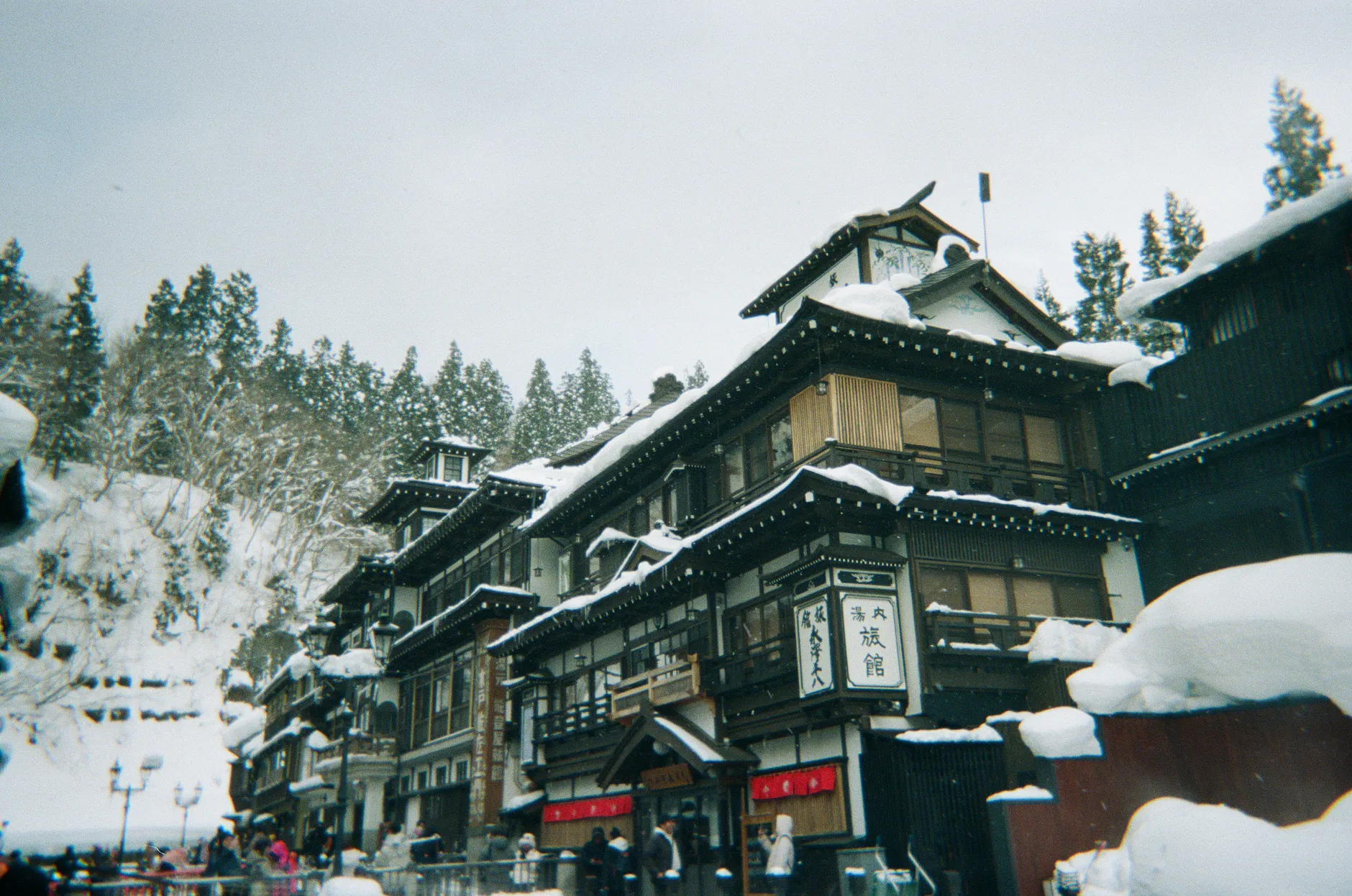
Tokyo has a surprisingly strong selection of onsen and sento options for tattooed visitors. The city’s diversity and large international population have pushed many facilities toward more inclusive policies. Here are the best options:
1. Saya no Yu (さやの湯処) — Nerima
Location: Nerima Ward, Tokyo (10-minute walk from Hikifune Station, Tobu Skytree Line)
Type: Natural onsen, communal and private baths
Tattoo Policy: Explicitly tattoo-friendly — all tattoos welcome in communal baths
Price: Approximately ¥700–900 day entry; private baths available from ¥2,200/45 min
Hours: 10:00–25:00 (last entry 24:00)
Saya no Yu is one of Tokyo’s most-cited tattoo-friendly onsen and draws from a genuine natural hot spring source beneath the facility. The water has a dark, almost tea-colored appearance characteristic of Tokyo’s famous “black water” (黒湯 kuroi-yu) — sodium bicarbonate-rich spring water that softens the skin. The facility includes both indoor and outdoor baths, making it a full onsen experience rather than just a public bath. The tattoo-welcoming policy is explicitly stated on their website, making it a reliable first choice.
2. Shirako no Yu (白子の湯) — Nakano/Nerima Area
Location: Nerima Ward, western Tokyo
Type: Natural hot spring (kuroi-yu black water), communal baths
Tattoo Policy: Tattoos permitted
Price: Standard sento/onsen entry rates (~¥500–800)
Hours: Afternoons through late evening (check current hours)
Another kuroi-yu facility in the Nerima area, Shirako no Yu draws from Tokyo’s distinctive black alkaline spring water. The neighborhood feel makes it a more authentic local onsen experience rather than a tourist-oriented complex. A solid option for visitors staying in western Tokyo who want a genuine onsen soak without navigating tattoo anxiety.
3. Jakotsu-yu (蛇骨湯) — Asakusa
Location: Asakusa, Taito Ward — 5 minutes from Asakusa Station
Type: Traditional sento (public bath), black water natural spring
Tattoo Policy: Tattoos allowed
Price: ~¥500 entry (standard Tokyo sento rate)
Hours: 15:00–25:00 (closed Wednesdays)
Jakotsu-yu is one of the most beloved traditional sento in central Tokyo and a rare gem: a centuries-old bathhouse in the heart of tourist-heavy Asakusa that explicitly welcomes tattoos. The water is genuine kuroi-yu black spring water — a Tokyo specialty — and the wooden interior has been lovingly maintained. This is as close as you can get to a traditional Edo-period bath experience while being tattooed. Given its central location near Senso-ji Temple and the Asakusa entertainment district, it’s ideal to combine with a full day of sightseeing.
4. Okutama and Ome Area Onsen — Western Tokyo
Location: Okutama, Ome — accessible from Shinjuku via JR Chuo Line (1.5–2 hours)
Type: Mountain/forest onsen, various facilities
Tattoo Policy: Several facilities in this area permit tattoos; check individually
Price: Typically ¥700–1,200 for day bathing
The Okutama valley in western Tokyo — still within Tokyo Prefecture — offers a dramatically different onsen setting: mountain rivers, cedar forests, and rustic facilities far from the city center. Facilities like Moegi no Yu in Okutama town have shown more flexible tattoo policies compared to resort-area onsen, and the rural mountain atmosphere makes it worth the journey. Combine a visit with hiking the Okutama gorge trails for a full day adventure. This area is also a great option for day trips by car from central Tokyo.
5. Yuen Bettei Daita — Shimokitazawa
Location: Daita, Setagaya Ward — near Shimokitazawa, one of Tokyo’s hippest neighborhoods
Type: Onsen ryokan with private room baths (kashikiri)
Tattoo Policy: Private baths available; tattoos welcome in private facilities
Price: Overnight stays from approximately ¥15,000–30,000 per person; day use private baths available
Hours: Day use available (check current schedule)
Yuen Bettei Daita is a boutique onsen ryokan in the artsy Shimokitazawa neighborhood that operates primarily on a private bath model. Each room or session uses individual bathing facilities, meaning shared communal baths aren’t an issue. This is a premium experience — expect a full ryokan atmosphere with seasonal kaiseki meals available — but for heavily tattooed visitors who want a traditional Japanese inn experience, it’s one of the most accessible options in central Tokyo.
Tattoo-Friendly Onsen in Hakone
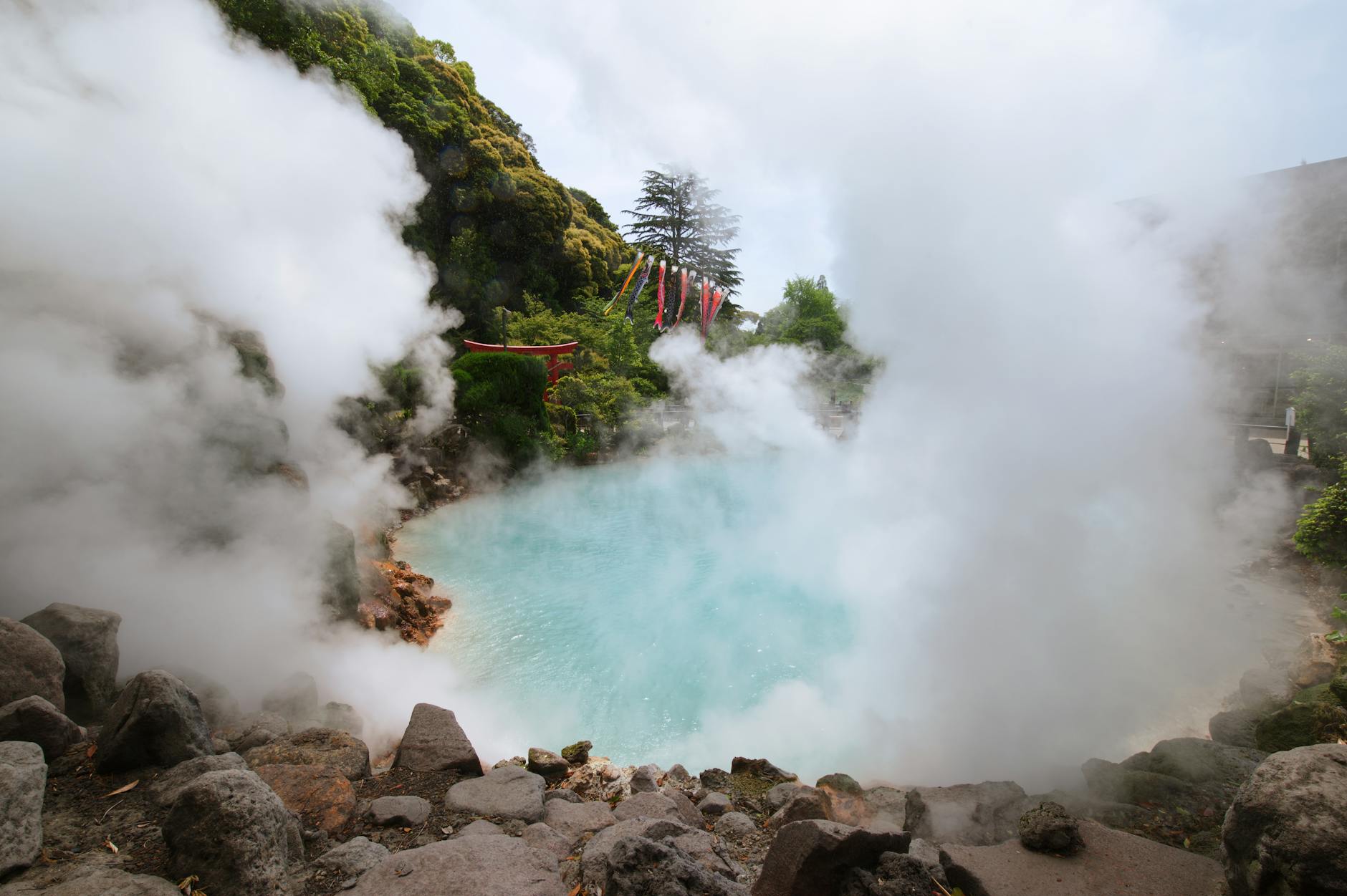
Hakone is arguably Japan’s most famous onsen destination — dramatic mountain scenery, views of Mt. Fuji, historic ryokan, and some of the country’s most celebrated hot spring waters. It’s also famously one of the harder regions to navigate as a tattooed visitor. Most of Hakone’s traditional ryokan and public onsen maintain strict no-tattoo policies for their communal baths.
However, that doesn’t mean tattooed visitors can’t enjoy Hakone’s legendary waters. Here’s what’s available:
Tenzan Tohji-kyo (天山湯治郷) — Hakone-Yumoto
Location: Hakone-Yumoto — accessible from Hakone-Yumoto Station
Type: Large outdoor onsen complex, multiple pools
Tattoo Policy: Tattoos explicitly permitted in communal baths — one of the very few in Hakone
Price: ¥1,400–1,800 for day use
Hours: 11:00–22:00 (last entry 21:00)
Tenzan Tohji-kyo is the standout exception in Hakone’s otherwise tattoo-restrictive landscape. This large outdoor onsen complex in the valley below Hakone-Yumoto explicitly welcomes tattooed guests in its communal baths — an unusual policy for this region. The facility features multiple outdoor pools at different temperatures nestled in a forested gorge, with the sound of a mountain river adding to the atmosphere. This is a genuinely beautiful, large-scale onsen experience, not a budget compromise. If you’re visiting Hakone with tattoos, this should be your first call.
Gora Kadan — Private Outdoor Onsen
Location: Gora area, Hakone
Type: Luxury ryokan with private onsen
Tattoo Policy: Private baths for overnight guests — tattoo policy for communal areas may apply; confirm for kashikiri
Price: Premium pricing (¥50,000+ per person per night typical)
Gora Kadan is one of Japan’s most celebrated luxury ryokan, a former imperial villa turned boutique inn. As with most high-end ryokan, overnight guests typically have access to private open-air baths (rotenburo) attached to their rooms, bypassing communal bath restrictions entirely. For tattooed visitors with budget to match, this delivers the full Hakone experience — impeccable kaiseki dining, meticulous service, and private onsen with Mt. Fuji area scenery — without any tattoo concerns.
Hakone Kashikiri Strategy: Day-Use Private Baths
Many mid-range and budget ryokan in Hakone offer kashikiri (private bath rental) by the hour for non-staying guests. Facilities like Hakone Kowakien Yunessun also offer room-attached private onsen options. Call ahead using basic Japanese phrases — “Irezumi ga arimasu ga, kashikiri wa tsukaemasu ka?” (私は刺青がありますが、貸切は使えますか?) — or simply ask at reception whether tattooed guests can book private baths. In most cases, the answer will be yes.
Tattoo-Friendly Onsen in Kyoto
Kyoto’s onsen scene is different from Tokyo’s or Hakone’s — the city sits in a basin with limited natural spring access, so much of the “onsen” experience here is either pumped-in spring water from surrounding mountains or sento (public baths using heated water). That said, Kyoto has some genuinely wonderful bathing options, and tattoo policies vary widely.
Funaoka Onsen (船岡温泉) — Kinkaku-ji Area
Location: Kita Ward, near Kinkaku-ji (Golden Pavilion) — Funaoka Onsen-mae bus stop
Type: Historic sento (public bath), designated cultural property
Tattoo Policy: Tattoos permitted
Price: ~¥490 (standard Kyoto sento rate)
Hours: 15:00–25:00 weekdays; 8:00–25:00 weekends (closed Tuesdays)
Funaoka Onsen is one of Kyoto’s most historically significant sento — the building itself is a Registered Tangible Cultural Property of Japan, featuring intricately carved wooden decorations and a uniquely atmospheric tiled interior. It’s more than 100 years old. The facility permits tattoos, making it an extraordinary opportunity: you can bathe in a century-old cultural treasure without worrying about your ink. The hot spring water here includes both electric baths and medicinal herb baths alongside standard tubs. This is a bucket-list experience even without the tattoo angle.
Kurama Onsen (鞍馬温泉) — Kurama Village
Location: Kurama, northern Kyoto — 30 minutes from Kyoto City center on the Eizan Railway
Type: Natural mountain onsen, outdoor and indoor baths
Tattoo Policy: Mixed — outdoor “露天風呂” (open-air bath) section may have different rules than indoor communal bath; private options available. Always confirm current policy before visiting.
Price: ¥1,500–2,500 depending on facility access
Hours: 10:30–21:00 (last entry 20:30)
Kurama Onsen sits in the mountains north of Kyoto, reached via a scenic narrow-gauge railway through cedar forests. The outdoor baths here with views of the mountain valley are genuinely spectacular. Policy specifics have varied over time — the outdoor section has been reported as more accessible for tattooed visitors than the indoor communal baths. Call ahead (075-741-2131) or check their website for current policy. Even if communal baths require a pass, the private room option makes Kurama worth the trip from Kyoto.
Kyoto Private Onsen Ryokan Options
Kyoto has a growing selection of boutique machiya (traditional townhouse) ryokan that include private tubs or open-air baths. While these are typically heated water rather than natural spring, the experience of bathing in a renovated 100-year-old townhouse in Gion or Fushimi makes them worthwhile regardless. For tattooed visitors wanting overnight stays with guaranteed bath access, look for ryokan listing “kashikiri furo” or “private onsen” in their amenities. The Fushimi district (sake-brewing area south of central Kyoto) has several mid-range options along these lines.
Tattoo-Friendly Onsen in Osaka
Osaka’s onsen scene centers on large super sento complexes and urban day spas rather than traditional ryokan-style facilities. The city’s more casual, modern atmosphere compared to Kyoto or traditional onsen towns means some facilities have adopted more flexible policies — though Osaka’s major complexes still vary significantly on tattoos.
Naniwa no Yu (なにわの湯) — Osaka
Location: Kita Ward, Osaka — near Nakatsu Station (Osaka Metro Midosuji/Tanimachi Lines)
Type: Large urban onsen complex with rooftop open-air baths
Tattoo Policy: Small tattoos permitted with waterproof cover patches; large visible tattoos may be subject to individual discretion
Price: ¥700–1,100 depending on time of day
Hours: 10:00–25:00 (last entry 24:00)
Naniwa no Yu is one of central Osaka’s most popular onsen facilities, known especially for its rooftop outdoor bath with views over the Osaka cityscape. The tattoo policy is more nuanced here: small tattoos covered with waterproof patches are typically accepted, but guests with extensive ink may face more scrutiny. The facility is transparent about this on their Japanese-language website. Purchase waterproof cover patches (available at reception or nearby drug stores) and use judgment about visibility. This won’t work for full-sleeve or large visible tattoos.
Spa World (スパワールド) — Shinsekai
Location: Shinsekai district, Osaka — Dobutsuen-mae Station
Type: Enormous themed spa complex with international-themed bath zones
Tattoo Policy: Communal baths do not allow tattoos; private zone booking available
Price: ¥1,000–1,500 for standard entry; additional charges for private areas
Hours: 10:00–8:45 next day (near 24-hour operation)
Spa World is one of Osaka’s most-visited tourist attractions — a giant multi-floor spa with European-themed and Asian-themed bath zones. Unfortunately, the communal baths here maintain no-tattoo policies. However, the facility has private bathing rooms that can be booked separately, making it accessible for tattooed visitors who want to experience the iconic complex. For the full Spa World experience (including the themed areas, saunas, and food floor), book a private bath room or focus on the non-bath entertainment sections.
Onsen World (オンセン世界) and Smaller Osaka Facilities
Osaka has numerous smaller neighborhood onsen (銭湯 sento) scattered throughout residential districts. These local facilities vary enormously on tattoo policies — some don’t enforce rules strictly in practice, while others are firm. In the Tennoji, Namba, and Shinsekai areas especially, you’ll find older neighborhood baths that may be more flexible. Always inquire politely before entering. The best approach in Osaka is to ask your hotel or accommodation for the nearest sento with flexible tattoo policies — locals will often know which nearby facilities are less strict.
Private Onsen (Kashikiri) Across Japan — The Safest Option
For tattooed visitors who want guaranteed access to onsen experiences throughout Japan — especially in traditionally strict regions like Hakone, Nikko, or the Tohoku ryokan circuit — kashikiri (貸切風呂) private onsen should be your default strategy.
Here’s what you need to know about booking private onsen:
- Ryokan guests often have automatic access: Many traditional inns include kashikiri sessions as part of the room rate for overnight guests. When booking, confirm whether private bath access is included and whether tattooed guests are welcome to use it.
- Day-use kashikiri is widely available: Even if you’re not staying overnight, most ryokan and many day facilities offer private bath rentals. Sessions typically run 45–60 minutes and cost ¥1,500–5,000 for two people at budget facilities, up to ¥10,000+ at high-end ryokan.
- Booking in advance is essential: Popular kashikiri facilities fill up quickly, especially on weekends and during peak travel seasons (Golden Week, autumn foliage, sakura season). Reserve by phone or online well in advance.
- Language tip: You can communicate the request with: “Kashikiri onsen wa arimasu ka? Irezumi ga arimasu ga…” (貸切温泉はありますか?刺青がありますが…) — “Do you have private baths? I have tattoos…”
- Hotel onsen with private baths: Major hotel brands in Japan — APA, Dormy Inn, Route Inn — often have onsen facilities at their properties with private bath options. These modern hotels tend to have more flexible policies than traditional ryokan.
Tips for Tattooed Onsen Visitors in Japan
Always Confirm Before You Arrive
Onsen tattoo policies can and do change — sometimes seasonally, sometimes permanently, and sometimes inconsistently depending on who’s working reception. Never rely solely on information from travel blogs or review sites, no matter how recent. Always check the facility’s official Japanese website (Google Translate works well for this) or call ahead. A quick email inquiry will usually get a prompt, honest response from staff.
Waterproof Tattoo Cover Patches: How and Where to Get Them
Waterproof tattoo cover patches (コンシーラーシール or 入浴用防水シール) are sold at major Japanese drug store chains — Matsumoto Kiyoshi (マツキヨ), Welcia, and Cosmed all typically carry them. They come in various skin tones and sizes. Apply before entering the bath and press firmly to ensure adhesion. They’re designed for bathing use and can withstand submersion in onsen water for the duration of a typical soak.
Important caveats: these patches work for small, compact tattoos only. A wrist tattoo or small ankle piece can be covered effectively. A shoulder tattoo or half-sleeve cannot. Don’t attempt to use patches as a workaround at facilities with clear no-tattoo policies — it’s disrespectful to the facility and risks being asked to leave after you’ve already entered.
Tattoo Size and Placement Matters
Facilities that use patch systems or allow “small tattoos” typically mean tattoos that are:
- Smaller than a palm in surface area
- Fully covered by a standard waterproof patch
- Located on easily concealable body areas (ankle, wrist, upper arm)
Large-scale tattoo work — full sleeves, back pieces, chest tattoos, neck or face tattoos — remains unwelcome at many facilities even those with “small tattoo” patch policies. For visitors with extensive ink, the realistic options are tattoo-explicitly-welcoming facilities and kashikiri private onsen.
Japan’s Improving Attitude Toward Tattooed Foreign Tourists
The Japan Tourism Agency has publicly encouraged onsen operators to accommodate tattooed foreign visitors, recognizing that tattoos are cultural symbols rather than crime affiliations in most countries. Several major tourism-focused prefectures — including Kanagawa (Hakone), Kyoto, and Tokyo — have published guidance supporting more nuanced tattoo policies.
In practice, this means that at tourist-oriented facilities, the practical enforcement of no-tattoo rules has softened considerably. Staff at facilities near major tourist areas increasingly use judgment — a foreigner with visible tattoos in Kyoto or Asakusa is far less likely to be turned away than might have been the case five or ten years ago. That said, don’t rely on this cultural shift without confirming policy first.
Being Respectful Goes a Long Way
Regardless of policy specifics, approaching onsen visits with humility and respect for Japanese bathing culture makes a significant difference. Learn the basic etiquette — wash thoroughly before entering any pool, don’t bring towels into the bath water, keep voices low, avoid splashing. When staff or other guests see a tattooed visitor following onsen etiquette carefully, the experience is positive for everyone. Onsen culture is one of Japan’s most treasured traditions; engaging with it respectfully is the foundation of every good visit.
JDM tour guide!
Step into the world of “Fast & Furious” with our exclusive Daikoku Tour!
Experience the legendary car meet atmosphere for yourself. Make it the ultimate highlight of your Tokyo trip!
Frequently Asked Questions
Can you cover tattoos at onsen in Japan?
Yes, at some facilities. Waterproof tattoo cover patches (コンシーラーシール) are accepted at onsen that allow “small tattoos with patches.” This works for small, concealable tattoos only. Large tattoos — sleeves, back pieces, chest — cannot be adequately covered and won’t be accepted at these facilities. Always confirm the facility’s current patch policy before visiting.
Are there onsen that allow tattoos in Tokyo?
Yes — Tokyo has a good selection of tattoo-friendly onsen and sento. Saya no Yu (Nerima), Jakotsu-yu (Asakusa), and Shirako no Yu are among the explicitly tattoo-welcoming options. Several facilities in the Okutama mountain area west of the city also welcome tattooed guests. Tokyo’s kuroi-yu (black water) onsen are particularly accessible for tattooed visitors.
What is kashikiri onsen?
Kashikiri (貸切風呂) means “reserved bath” or “private bath rental.” You book the entire bathing facility — typically a small room with a tub and sometimes an outdoor portion — exclusively for your group, for a set time (usually 45–60 minutes). Because no other guests are present, tattoo policies almost universally don’t apply. Kashikiri is available at many ryokan (Japanese inns) and some day facilities, typically for ¥1,500–10,000 per session depending on the facility’s level.
Is Hakone tattoo friendly?
Hakone is generally one of the stricter onsen regions for tattooed visitors in its communal baths. However, Tenzan Tohji-kyo in Hakone-Yumoto explicitly welcomes tattoos in its communal outdoor baths — a rare exception. Many Hakone ryokan and day facilities also offer kashikiri (private bath) options that are accessible regardless of tattoos. With advance planning, tattooed visitors can absolutely enjoy Hakone’s legendary hot springs.
Are tattoos becoming more accepted at Japanese onsen?
Yes, gradually. Japan Tourism Agency data shows a slow but steady increase in the number of facilities accommodating tattooed visitors, particularly in tourist-heavy areas. In that 2015 survey, 31% of facilities said they did not refuse tattooed guests, with a further 13% allowing them under conditions such as covering the tattoo. The shift is driven primarily by the influx of international tourists for whom tattoos carry no criminal connotation. Progress is real but uneven; traditional ryokan in less tourist-dependent areas remain the most conservative.
What should I say at onsen if I have a tattoo?
When in doubt, be proactive. At reception, you can say: “Sumimasen, irezumi ga arimasu ga, daijoubu desu ka?” (すみません、刺青がありますが、大丈夫ですか?) — “Excuse me, I have a tattoo — is that okay?” Most staff will appreciate the respectful approach and give you a clear answer. If the communal bath isn’t available, they’ll usually suggest a kashikiri option if one exists.
Can foreigners with tattoos use onsen more easily than Japanese people?
In some cases, yes. There’s a degree of cultural grace extended to foreign visitors at tourist-oriented facilities, where staff understand that tattoos have different meanings internationally. However, you should not assume this — policies are applied based on facility rules, not the nationality of the visitor. Always check first rather than relying on perceived leniency.
What is the best onsen near Tokyo for tattooed visitors?
Within central Tokyo, Jakotsu-yu in Asakusa and Saya no Yu in Nerima are the most reliably tattoo-friendly options. For day trips near Tokyo, the Okutama mountain area has several options, and Atami (35 minutes by Shinkansen) has onsen facilities with private bath options. See our full guide to Atami as a Tokyo day trip for more details on accessing hot spring facilities near the Shinkansen resort town.
[st_af id=”862″]
Book a Hot Spring Day Trip
Escape Tokyo and relax in Hakone’s famous hot springs. Includes transport, scenic views of Mt. Fuji, and onsen access. Free cancellation.
Related Articles
- Mt Fuji Climbing Guide: Routes, Gear and When to Go
- Hakone Hot Spring Day Trip from Tokyo
- Mt Fuji Day Trip from Tokyo
[st_af id=”854″]
🇯🇵 Plan Your Japan Experience
JDM Car Rental
Drive a GT-R, Supra, RX-7, or Silvia on the roads they were built for. Hakone passes, Wangan highway, mountain touge — your dream JDM experience.
Daikoku PA Tour
Visit Japan’s most legendary car meet. Hundreds of modified cars, passionate owners, and the heartbeat of JDM culture. Guided weekend night tours available.
Photo Guide Tour
Capture stunning photos at locations only locals know. Hidden shrines, backstreet alleys, rooftop views, and golden hour spots for unforgettable shots.