Shibuya to Sado Island by Car: The Ultimate Remote Island Drive Through UNESCO Gold Mines, Taiko Drums & Dramatic Coastal Cliffs
There’s a certain kind of travel magic that only happens when you leave the well-worn tourist trail behind — and this drive delivers it in spades. Starting from the buzzing streets of Shibuya, Tokyo, this route takes you north through the mountains, down to the Sea of Japan coast, and then across the water to Sado Island: a remote, culturally rich landmass that feels like it belongs to another era entirely. This isn’t just a scenic drive. It’s a journey into samurai exile legends, thundering taiko drums, centuries-old gold mines, and coastlines so dramatic you’ll be pulling over every five minutes.
What makes this particular route so compelling for road-trippers is the sheer variety it packs into just a few days. You’ll cruise Japan’s expressway network with the wind at your back, roll into the gritty port city of Niigata, then board a ferry that carries your car to an island that most international tourists have never even heard of. Once on Sado, the roads open up into something extraordinary — winding coastal highways where you’re the only car in sight, fishing villages that look untouched since the Edo period, and a cultural heartbeat anchored by the world-famous Kodo taiko ensemble. If you’ve been craving a Japan experience beyond Kyoto’s temples and Tokyo’s neon lights, this is it.
The best news? You can kick it all off without any fuss. Grab your rental car in Shibuya — right in the heart of Tokyo — and within minutes you’re merging onto the expressway heading northwest. No trains, no luggage lockers, no timetables. Just you, a full tank of gas, and one of Japan’s most underrated road trips stretching out ahead of you. Let’s go.
Route Overview: Shibuya to Sado Island in 3–4 Days
This route works beautifully as a 3–4 day trip, giving you enough time to absorb Sado Island properly without rushing. Here’s the full breakdown of what to expect at each stage, with honest driving time estimates from someone who’s actually done it:
- Pick up your rental car at Samurai Car Japan in Shibuya, Tokyo — your adventure begins here
- Shibuya, Tokyo → Niigata Port — approximately 340 km via the Kan-Etsu Expressway (E17); allow 3.5–4.5 hours including a rest stop. Toll costs approximately ¥5,000–¥6,500 with an ETC card
- Niigata Port → Sado Island (by ferry) — Jetfoil (car-compatible car ferry, not the passenger-only jetfoil) takes about 2.5 hours; departs from Niigata Sado Kisen Terminal
- Ryotsu Port (Sado arrival) → Sado Gold Mine (Aikawa area) — approximately 40 km via Route 350; allow about 1 hour on island roads
- Sado Gold Mine → Senkaku Bay — approximately 5 km north; 10–15 minutes drive
- Senkaku Bay → Ogi Port (Tub Boat Experience) — approximately 45 km south via the scenic coastal Route 45; allow 1–1.5 hours of gorgeous coastal driving
- Ogi Port → Kodo Taiko Center (Ogi/Nishimikawa area) — approximately 15 km inland; 20–30 minutes
- Sado Coastal Circuit — full island loop approximately 280 km; allow a full day
🗺️ Open This Route in Google Maps
Opens in Google Maps app on mobile
Stop 1: The Drive from Shibuya to Niigata Port
The moment you pull out of Shibuya with your GPS set to Niigata, you’ll feel the city loosen its grip almost immediately. The route north takes you onto the Shuto Expressway heading toward the Kan-Etsu Expressway (E17) — Japan’s main artery linking Tokyo to Niigata Prefecture. The early stretch through greater Tokyo can be slow during morning rush hour (avoid departing between 7:30–9:00 AM if possible), but once you clear the outer suburbs of Saitama, the road opens up beautifully.
The Kan-Etsu Expressway is genuinely one of Japan’s most enjoyable highway drives. As you push northwest, the flat Kanto plain gives way to rolling hills and then the dramatic peaks of the Mikuni Mountain Range. The Kan-Etsu Tunnel — Japan’s longest road tunnel at just over 11 km — punches directly through the mountains and emerges on the Sea of Japan side in a moment that never gets old. You go from snow-capped peaks to a completely different climate zone in seconds. Temperature can drop noticeably on the Niigata side, especially from autumn onward.
From the tunnel exit, it’s a smooth 80 km or so down to Niigata city. The expressway follows river valleys through some seriously beautiful landscape — rice paddies, forested ridgelines, small mountain towns visible from the highway. You’ll want to pull over at the Yuzawa SA (Service Area) for coffee and a bowl of local soba before descending into Niigata. Once in the city, follow signs for Niigata Sado Kisen Ferry Terminal (新潟佐渡汽船ターミナル) — it’s well-signed from the expressway exits around Niigata-Nishi IC.
- Road: Shuto Expressway → Kan-Etsu Expressway (E17) → Hokuriku Expressway exit at Niigata-Nishi IC
- Distance: Approximately 340 km
- Drive time: 3.5–4.5 hours
- Toll cost: Approximately ¥5,000–¥6,500 (ETC rate); ¥7,500–¥9,000 (cash rate)
- Parking at Niigata Ferry Terminal: The Sado Kisen Terminal has a large paid car park; rates around ¥500–¥800 per day. If you’re taking your car on the ferry, you won’t need terminal parking — your car goes onboard
Stop 2: Niigata Port — Gateway to the Sea of Japan
Niigata is a proper city with real grit and character, and it deserves at least an evening if your schedule allows. It’s famous for being Japan’s rice capital, the birthplace of some of the country’s finest sake, and as the closest major city to Russia (which gives it an unexpectedly cosmopolitan edge). The port area itself is atmospheric — massive cargo ships, the smell of salt air, fishing boats, and the squat silhouette of the ferry terminal where your crossing to Sado begins.
If you arrive the evening before your ferry, park up near the waterfront and explore the Bandai City area, where you’ll find excellent seafood restaurants and izakayas doing tremendous things with local Niigata nihonshu. The city’s fish market, Niigata Furusato Village, is worth a morning visit if you have time before your sailing.
On ferry day, arrive at the Niigata Sado Kisen Terminal at least 60 minutes before departure for car loading. The terminal staff are accustomed to foreign visitors, and there’s usually someone who can help with English. The crossing to Ryotsu Port on Sado takes approximately 2 hours 30 minutes on the car ferry — grab a seat on the outdoor deck for the departure views of Niigata’s coastline fading into the sea. By the time you spot Sado’s mountains emerging from the horizon, you’ll understand exactly why people fall in love with this island.
- Ferry operator: Sado Kisen (佐渡汽船)
- Departure point: Niigata Port Terminal, Bandai 2-chome
- Crossing time: 2 hours 30 minutes (car ferry); 1 hour (Jetfoil, passenger only)
- Car ferry price (standard sedan): Approximately ¥12,000–¥16,000 one way
Stop 3: Sado Gold Mine — UNESCO World Heritage Underground Drama
From Ryotsu Port (your arrival point on Sado), head west along Route 350 toward the Aikawa area on the island’s northwestern coast. This 40 km drive takes about an hour and is your first proper taste of Sado’s roads: narrow in places, beautifully paved, winding through mountain passes and rice terraces with views of the Sea of Japan appearing and disappearing through gaps in the forest. This is already some of the best driving you’ll have done in Japan.
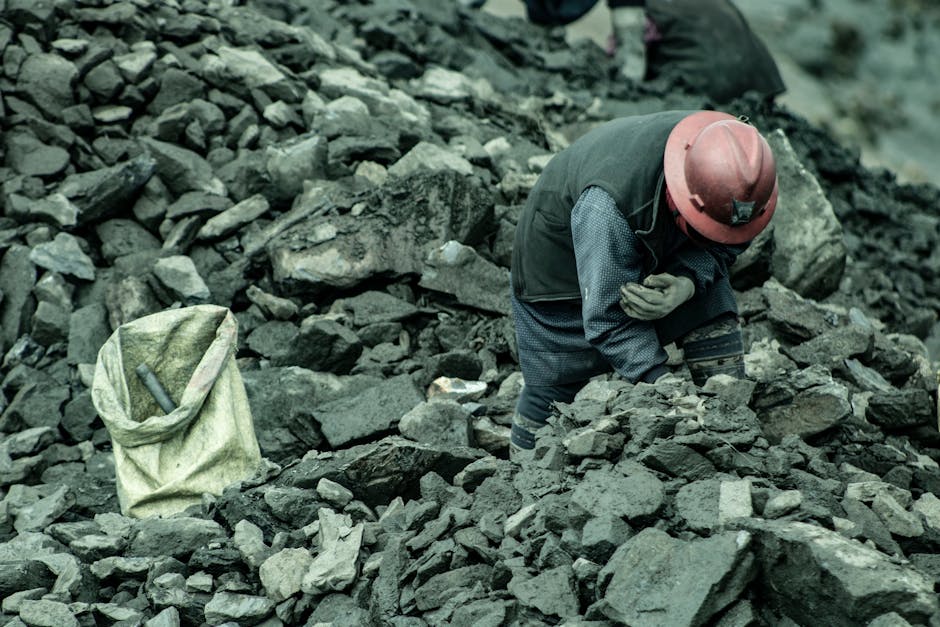
The Sado Gold Mine (Sado Kinzan) sits in a forested mountain valley just above the old mining town of Aikawa. This place operated continuously from 1601 to 1989 — nearly 400 years of gold and silver extraction that funded the Tokugawa shogunate and shaped Japanese history. In 2024, it was inscribed as a UNESCO World Heritage Site, and visiting it today is one of the most extraordinary cultural experiences in all of Japan.
There are two main tunnel routes to explore. The Sodayū Tunnel is the most popular, featuring remarkably detailed mechanical mannequins — Edo-period robot miners, essentially — recreating exactly how workers would have extracted ore by candlelight using iron chisels and hand-operated pumps. The attention to historical accuracy is haunting. Walking those dark, dripping tunnels with the figures frozen mid-swing gives you a visceral connection to the tens of thousands of men who worked, and often died, inside these mountains.
The Doyu no Warito — a massive open-cut excavation pit created by centuries of mining — is visible from a lookout point nearby and is genuinely jaw-dropping in scale. Allow at least 2–3 hours at the mine complex.
- Address: 1305 Shimo-Aikawa, Sado City
- Opening hours: 8:30 AM – 5:30 PM (April–October); 8:30 AM – 5:00 PM (November–March)
- Admission: ¥1,000 adults
- Parking: Free large car park at the site entrance — no issues parking here
- Road to mine: Route 350 from Ryotsu, then local signposted roads into Aikawa. Roads narrow near the mine entrance — take it slowly in the last 2 km
Stop 4: Senkaku Bay — Glass-Bottom Boats Through Volcanic Grandeur
Just 5–7 km north of the Gold Mine entrance, following the coastal road that hugs Sado’s rugged northwest shoreline, is Senkaku Bay — and it’s one of those places that makes you understand why people dedicate their lives to travel. The bay is a collection of dramatically sculpted sea stacks, arches, and volcanic rock formations rising from crystal-clear water in shades of turquoise and deep indigo. It looks almost fake, like a film set.
The driving approach along this coastal stretch is genuinely thrilling. The road narrows to a single lane in places, carved into cliffsides with the sea dropping away below. Pull off at any of the informal viewpoints along the way — you’ll spot them easily from the tyre-worn gravel patches where other drivers have done exactly the same thing. The panorama looking south along the cliffs toward the mine area is particularly outstanding.
At Senkaku Bay itself, the main activity is a glass-bottom boat tour operated by local fishing families. These 30–40 minute cruises take you through the rock formations at sea level, where you can see the volcanic geology up close and watch fish moving beneath the transparent hull. Skippers often narrate in Japanese but the scenery explains itself perfectly. The tours operate from a small pier at the base of the cliffs — there’s a short steep walk down from the car park.
- Glass-bottom boat: Approximately ¥1,500 adults; departs frequently when weather permits
- Parking: Small car park at the Senkaku Bay viewpoint area — free, limited spaces (15–20 cars). Arrive early in summer
- Time needed: 1–1.5 hours including boat tour and viewpoint exploration
- Best time of day: Morning — the light falls into the bay from the east and illuminates the water color most dramatically before noon
Driving this route? We’ve got you covered.
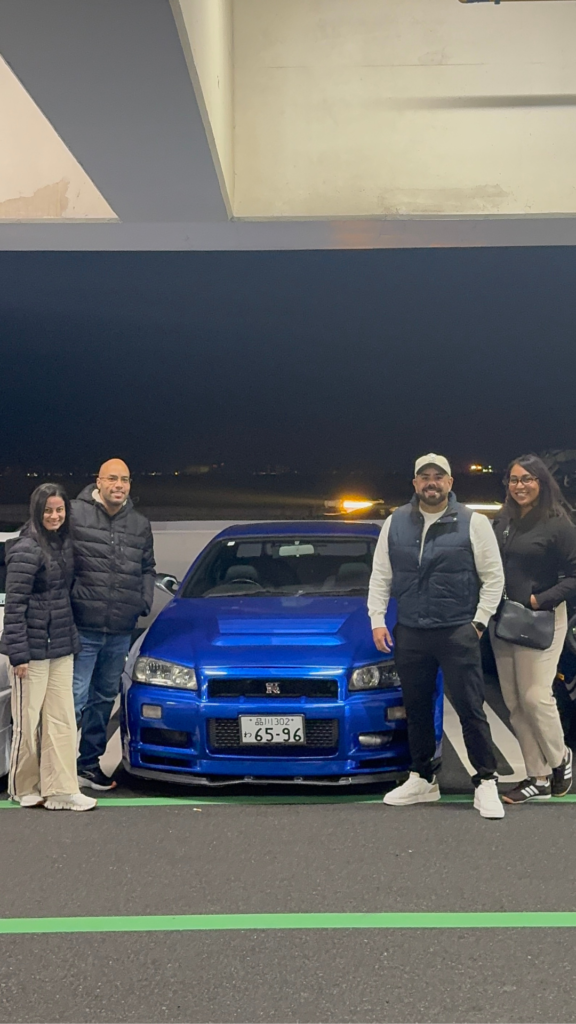
Hundreds of international visitors have driven this route with a car from Samurai Car Japan. Our team will brief you on road conditions, tolls, and the best stops before you set off.
Stop 5: Kodo Taiko Center — The Drumbeat at the Heart of Sado
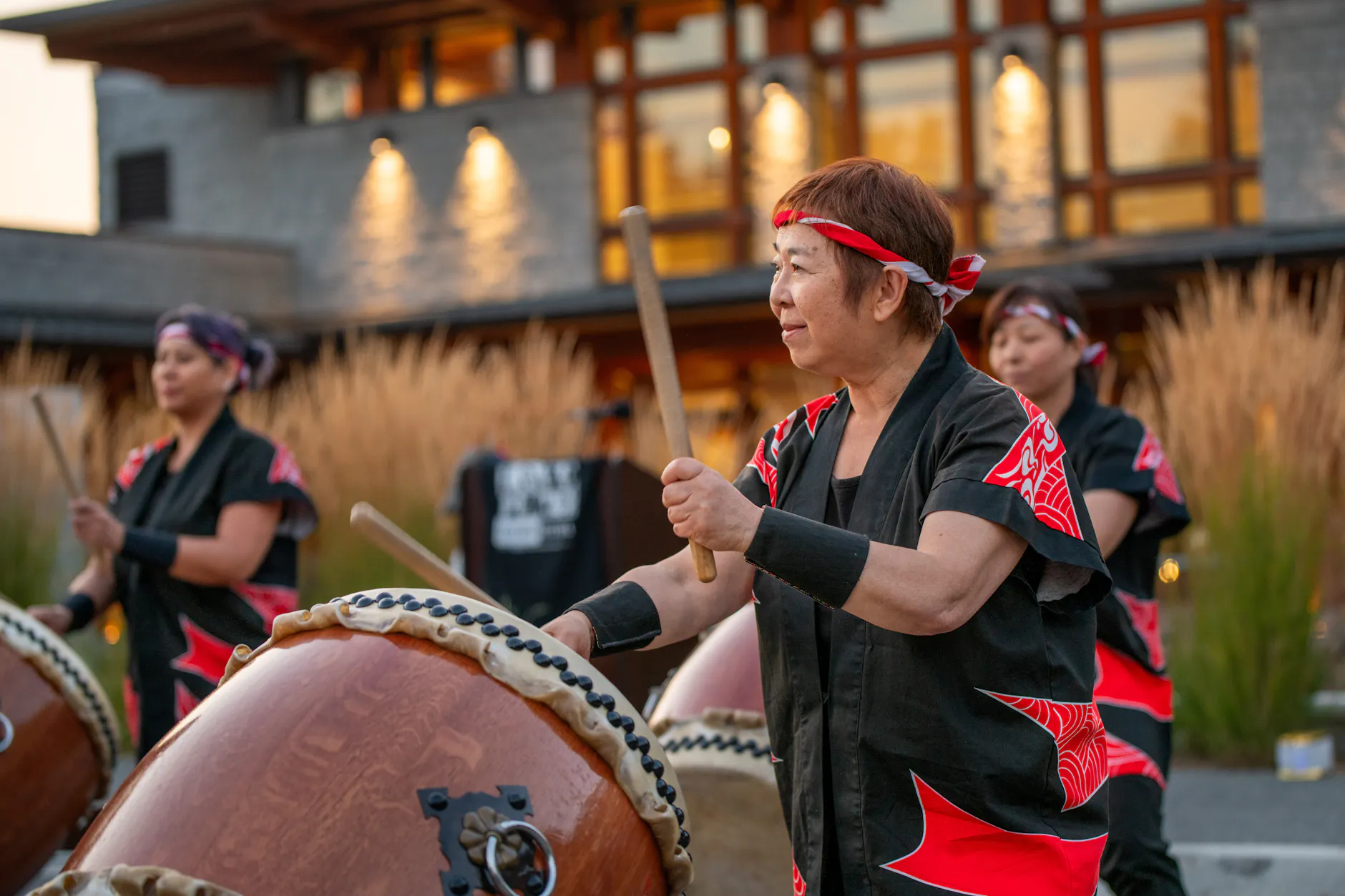
If the Gold Mine is Sado’s historical soul, then Kodo is its living heartbeat. The Kodo Taiko ensemble is arguably the most famous taiko drum group in the world — they’ve performed in Carnegie Hall, toured over 50 countries, and built an international reputation for performances that are as much spiritual ritual as concert. And yet their home base remains a small, deliberately remote village on Sado Island called Shimo-Nagaoka in the Ogi area, where they live, train, farm rice, and maintain a way of life tied completely to the rhythms of the island.
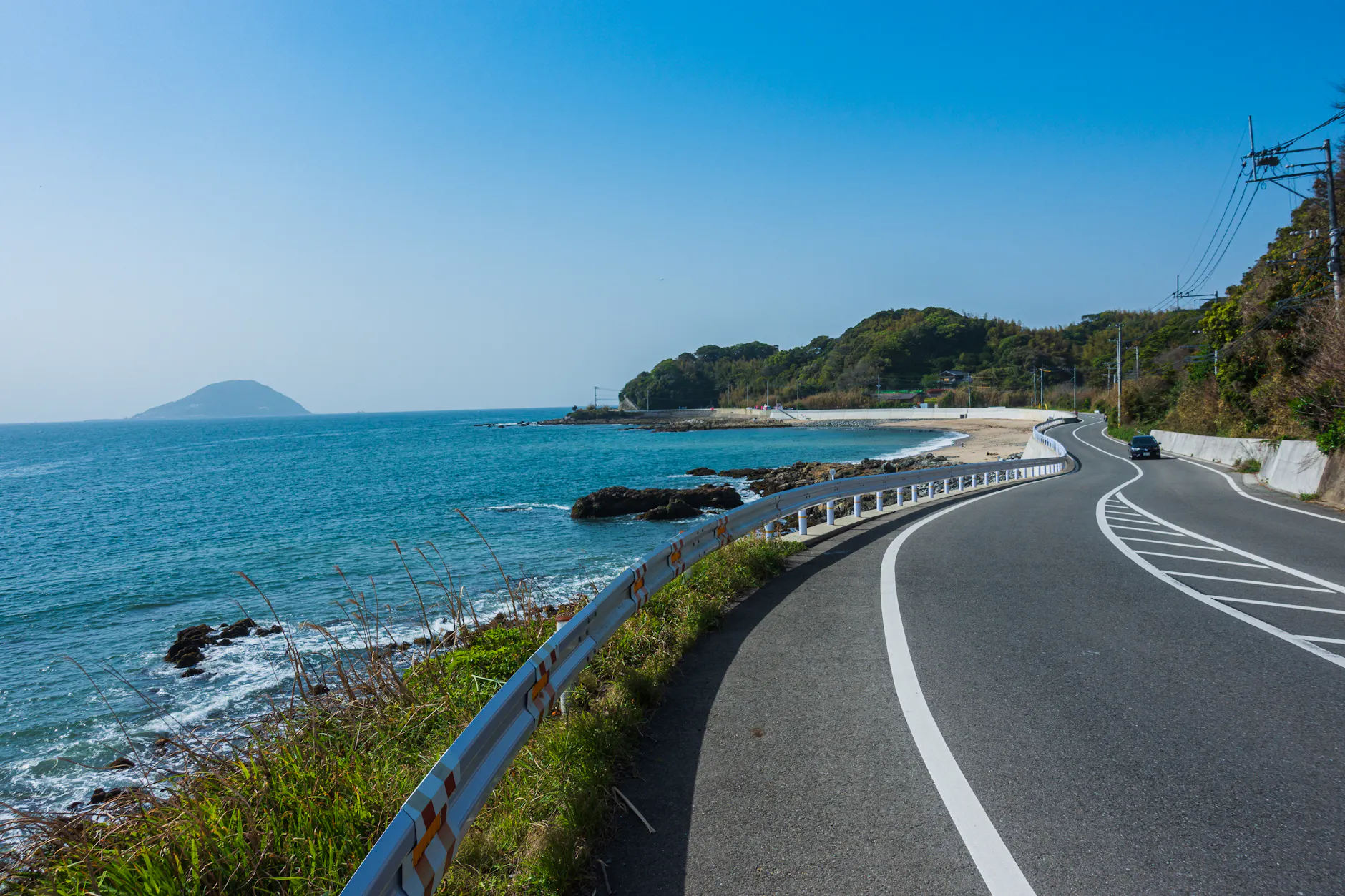
The drive south from Senkaku Bay to the Ogi area along Sado’s western coast is approximately 45 km and takes around 1–1.5 hours depending on how many times you stop to stare at the ocean (spoiler: many times). The coastal Route 45 through this section is genuinely one of the best drives on the island — winding clifftop road, tiny fishing hamlets clinging to narrow coves, terraced rice fields tumbling toward the sea. This is the stretch that will make your Instagram followers deeply jealous.
The Kodo Cultural Village complex is not a tourist trap — it’s a working community that opens its doors to visitors in thoughtful ways. During the Earth Celebration festival (held every August), Kodo hosts international musicians and the entire island transforms. But outside festival season, you can visit the village, attend scheduled public performances (check their website for dates), and sometimes participate in introductory taiko workshops. Even if performances aren’t scheduled during your visit, the drive to the village and the atmosphere of the surrounding landscape is worth the trip alone.
- Location: Shimo-Nagaoka area, Sado City (south of Ogi Port, inland)
- Website: kodo.or.jp for performance dates and workshop bookings
- Earth Celebration festival: Third week of August annually — book accommodation on Sado 6+ months ahead for this period
- Parking: Informal parking near the village entrance; follow road signs
- Time needed: 1–2 hours for a visit; full day during festival
Stop 6: Tub Boat Experience at Ogi Port
Ogi Port, the small harbor town on Sado’s southwestern tip, is the home of one of Japan’s most charming and photogenic traditions: the tarai-bune, or tub boat. These perfectly round wooden vessels — originally used by local women to collect shellfish and seaweed from the rocky shoreline — are about as Japanese as it gets, and you can actually ride one here. The experience is operated by local women who punt the boats through the harbor with a single bamboo pole, demonstrating the extraordinary skill required to navigate a circular vessel.
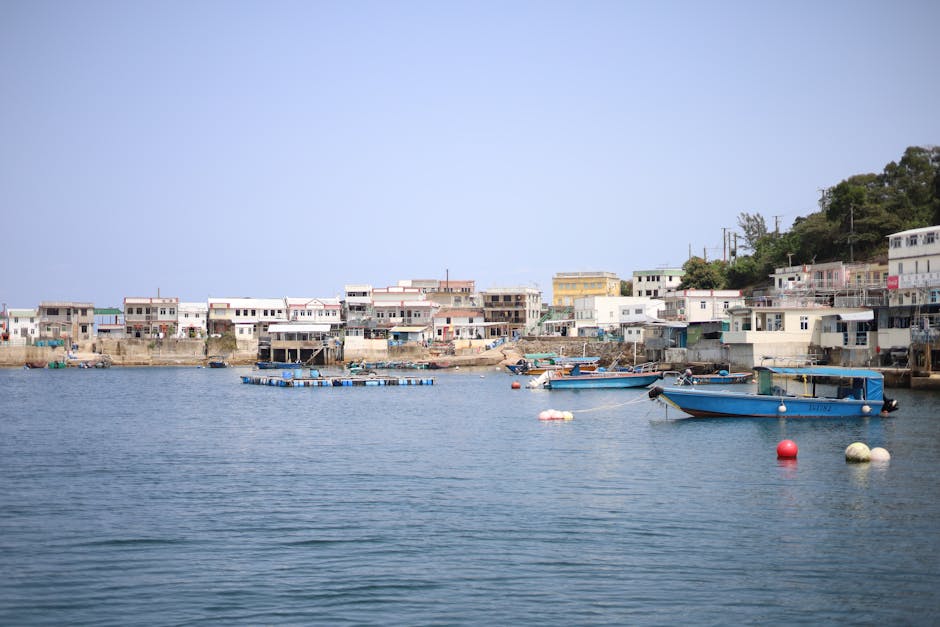
It sounds gimmicky described on paper, but in person it’s genuinely delightful — and photographically, the combination of the round wooden boats, the traditional clothing worn by the pilots, and Ogi’s scenic harbor backdrop produces images that are hard to beat. Rides last about 10 minutes and depart regularly from the Ogi Harbor pier.
Ogi itself is a lovely place to spend an hour or two. The town has retained much of its Edo-era streetscape, with old merchant houses and storehouses lining the harbor. There are several good restaurants and a couple of excellent craft shops selling Sado woodwork and lacquerware — perfect for picking up something genuinely local.
- Tub boat (tarai-bune) price: Approximately ¥600–¥800 adults
- Operating hours: 8:00 AM – 5:00 PM (April–November); reduced in winter
- Parking: Ogi Port has a free public car park adjacent to the pier — very easy
- Time needed: 1–2 hours for the port area and surrounding town
Stop 7: The Sado Coastal Circuit — Drive the Whole Island in a Day
Save at least one full day on Sado for what I consider the single best driving experience in the entire route: a complete circumnavigation of the island. The full coastal loop is approximately 280 km and takes a full day — not because the roads are slow, but because you will simply be unable to stop stopping. This is edge-of-the-world driving at its finest.
The recommended direction is counterclockwise, starting from Ryotsu Port and heading south along the eastern coast first. The eastern coastline has a gentler character — long sandy beaches, pine forests, small ports — before the southern cape area opens into dramatic rock headlands. Then the western coast hits you like a freight train. The stretch from Ogi north to Aikawa along National Route 45 and 350 is all clifftops and plunging sea views, with the horizon of the open Sea of Japan stretching away to the west.
Key driving highlights on the circuit:
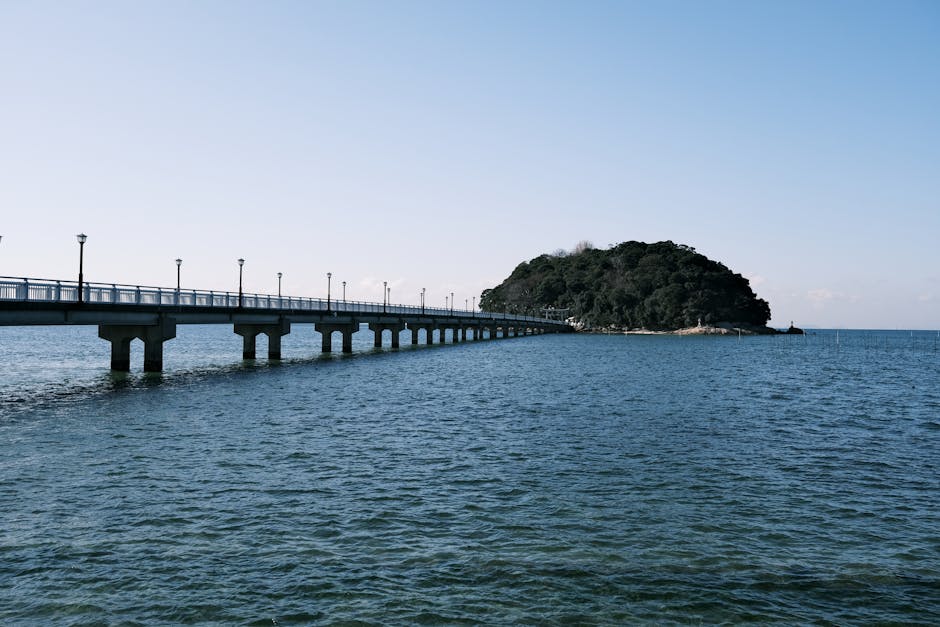
- Yajima and Kyojima — twin rock islands connected by a bridge, accessible via a short walk from a clifftop car park on the western coast
- Ono no Taura — a sweeping bay on the southern coast with a beautiful long beach and near-zero crowds
- Mano area — the historical heart of Sado, with ancient shrines and exiled-nobleman history stretching back to Emperor Juntoku and the poet Zeami
- Sawata Plain — the broad central valley connecting the island’s two mountain ranges; driving through here at golden hour with rice fields glowing either side is something you will not forget
There are no toll roads on Sado Island. Fuel stations exist in Ryotsu, Aikawa, Sawata, and Ogi — fill up in Ryotsu or Sawata before heading into the more remote sections. Mobile signal can be patchy on the western coast, so download your maps offline before setting out.
Driving Tips for This Route
Road Conditions
The Kan-Etsu Expressway between Tokyo and Niigata is excellent quality year-round, with multiple service areas, good lighting, and regular snow plowing in winter. The mountain section near the Kan-Etsu Tunnel can have snow and icy patches from December through March — winter tyres are mandatory in this area, so confirm your rental car is equipped appropriately. On Sado Island, the main roads (Routes 350, 45, and the coastal routes) are well-maintained, but many secondary roads are narrow. Avoid large SUVs if you plan to explore smaller coastal villages.
Driving in Japan as a Foreign Visitor
- International Driving Permit (IDP): Required for all foreign visitors renting and driving in Japan. Obtain from your home country’s automobile association before departure — this cannot be arranged in Japan
- Traffic drives on the left in Japan. Most foreigners adapt within 30–60 minutes
- Speed limits: Expressways 100 km/h; national routes 60 km/h; urban areas 40–50 km/h. Speed cameras are common on highways
- ETC card: Essential for using expressway toll lanes without stopping. Ask for one when picking up your rental — Samurai Car Japan includes ETC with their rentals
Fuel and Services
Fuel in Japan is readily available at highway service areas and in all towns along the route. As of 2024–2025, regular gasoline (レギュラー) runs approximately ¥165–¥180 per litre. Highway service areas (SA) on the Kan-Etsu are spaced every 40–60 km. On Sado Island, fill up in major towns — don’t count on finding fuel on the remote western coast.
Where to Eat Along the Route
Niigata City
Furumachi Koji — a narrow alley of izakayas and sake bars in central Niigata, perfect for the evening before your ferry. Order the local hegi soba (buckwheat noodles bound with seaweed) and pair it with Niigata’s famous junmai daiginjo sake. Budget ¥2,000–¥4,000 per person including drinks.
Ryotsu Port Area (Sado Arrival)
Sado Gyomin Market near the port has fresh sashimi sets featuring local fish caught that morning — yellowtail, sea bream, and flying fish are Sado specialties. Breakfast or lunch here before heading west sets the tone perfectly. Expect to pay ¥800–¥1,500 for a seafood set.
Aikawa (Gold Mine Area)
The small town of Aikawa has several lunch restaurants catering to mine visitors. Kanpachi Shokudo serves generous bowls of Sado seafood ramen and local yakizakana (grilled fish) sets for under ¥1,200. Nothing fancy — just exactly what you need after a morning in the mine tunnels.
Ogi Port
The harbourside in Ogi has a handful of small restaurants doing excellent fresh seafood. Look for places displaying the day’s catch outside. Ogi no Sato restaurant is a local favourite with set lunches featuring multiple small dishes of Sado-caught fish, pickles, and rice. Lunch sets around ¥1,500–¥2,000.
Best Season for This Drive
Spring (April – May) ⭐⭐⭐⭐⭐
Simply outstanding. Cherry blossoms bloom across Sado in early April, and the coastal roads are framed by wildflowers. Weather is mild, ferry services are at full frequency, and the Gold Mine is at its most atmospheric without summer crowds. Highly recommended.
Summer (June – August) ⭐⭐⭐⭐
Peak season, especially in August for the Kodo Earth Celebration festival. The Sea of Japan coast is warm, beach driving is spectacular, and the island is buzzing with life. The downside is accommodation prices and ferry capacity — book everything well in advance. The Kan-Etsu Expressway is completely clear and fast.
Autumn (September – November) ⭐⭐⭐⭐⭐
Arguably the best time to drive this route. Autumn foliage hits the Mikuni Mountains on the Kan-Etsu expressway in October and November, making the Tokyo–Niigata drive breathtakingly beautiful. Sado’s rice harvest season (September–October) transforms the plains into gold. Crowds are minimal and weather is stable.
Winter (December – March) ⭐⭐⭐
Dramatic and remote, but challenging. The Kan-Etsu Expressway tunnel area requires winter tyres, ferry crossings can be cancelled due to rough seas, and several tourist facilities on Sado operate reduced hours. For experienced winter drivers who don’t mind unpredictability, the snow-covered island has a stark, haunting beauty.
Frequently Asked Questions
Where can I rent a car for this route?
The most convenient starting point is Samurai Car Japan in Shibuya, Tokyo. They specialise in international visitors and include ETC cards, English GPS navigation, and International Driving Permit support. They also offer JDM sports cars if you want to make the Kan-Etsu expressway run in something memorable — imagine crossing the Mikuni Mountains in a GT-R or a Supra. You can book directly at samuraicarjapanjdm.jp.
Do I need to book the ferry to Sado Island in advance?
Yes — especially if you’re taking your car. The car ferry to Sado (operated by Sado Kisen) has limited vehicle capacity and fills up quickly during summer, Golden Week (late April–early May), and the Kodo Earth Celebration festival in August. Book at least 2–4 weeks ahead in shoulder season and 2–3 months ahead for peak periods. The Sado Kisen website offers online booking in Japanese; third-party booking services and your car rental shop can often assist with reservations.
How long should I spend on Sado Island?
A minimum of 2 full days is needed to cover the Gold Mine, Senkaku Bay, and Ogi. Three days is ideal — it gives you time for the coastal circuit drive, a Kodo-related experience, and some genuinely slow travel at a pace the island deserves. Four days if you want to hike, visit smaller shrines and temples, and truly exhale. Don’t try to squeeze Sado into a single day trip — it defeats the entire purpose of going.
Are the roads on Sado Island suitable for a regular rental car?
Yes, for the vast majority of the main route. Standard sedans and compact cars handle every road on the island’s main circuit comfortably. The western coastal road has some narrow sections, but they’re manageable with careful driving. Only very small farm tracks and mountain forestry roads require high-clearance or 4WD vehicles — and you don’t need those to reach any of the key attractions. Avoid booking a large minivan or full-size SUV if you can help it, as parking and narrow roads become genuinely awkward.
Can I drive in Japan with a foreign license?
Not directly — you need an International Driving Permit (IDP) alongside your home country driving license. The IDP must be obtained in your home country before you arrive in Japan (the JDP Geneva Convention 1949 format is required for most nationalities — check your country’s specific requirements). Japan does not issue IDPs to foreign visitors. The good news is that the process is straightforward in most countries — apply through your national automobile association, usually same-day or next-day processing, for around USD $20–$30.
Why not elevate your journey with a legendary JDM experience?
Our Services:
- Self-Drive Rentals
- Guided Tours
- Drift Experiences
Please visit the dedicated page for more details.
Dive Deeper into Japanese Culture
Go beyond the surface — experience traditional Japanese arts, flavors, and customs with an expert local guide. Free cancellation.
Related Articles
- Kyoto Tea Ceremony Experience
- Tokyo Sumo Wrestling Tournament Tickets
- Zazen Meditation in Japan: How to Experience Zen at a Real Temple
🇯🇵 Plan Your Japan Experience
JDM Car Rental
Drive a GT-R, Supra, RX-7, or Silvia on the roads they were built for. Hakone passes, Wangan highway, mountain touge — your dream JDM experience.
Daikoku PA Tour
Visit Japan's most legendary car meet. Hundreds of modified cars, passionate owners, and the heartbeat of JDM culture. Guided weekend night tours available.
Photo Guide Tour
Capture stunning photos at locations only locals know. Hidden shrines, backstreet alleys, rooftop views, and golden hour spots for unforgettable shots.