Tokyo Wangan Night Drive: Rainbow Bridge, Odaiba & Daikoku PA by JDM Car
There’s a stretch of expressway hugging Tokyo Bay that has become the stuff of automotive legend. If you’ve ever flipped through the pages of Wangan Midnight or felt your pulse quicken watching black-and-white footage of R34 GT-Rs tearing through neon-lit tunnels, you already know the route we’re talking about. The Wangan — the Bayshore Expressway — is Japan’s most iconic highway, and driving it at night, with the city lights smearing across Tokyo Bay and the Rainbow Bridge glowing overhead, is a bucket-list experience for any car enthusiast visiting Japan.
This route takes you from the heart of Shibuya through some of the most visually spectacular and culturally significant driving roads in the country. You’ll cross the Rainbow Bridge with Tokyo Tower burning red in your rearview mirror, cruise through the futuristic waterfront of Odaiba, sweep across Yokohama Bay Bridge with its blue suspension cables lit up against the night sky, and finally roll into Daikoku Parking Area — Japan’s most famous car meet spot — where on any given weekend night, you’ll find hundreds of modified JDMs idling under fluorescent lights. This is car culture at its most alive, and the best way to experience it is behind the wheel yourself.
The good news? You can grab your rental car right in Shibuya before hitting the expressway. Starting from central Tokyo means you’re already close to the on-ramps, and with an ETC card in hand and a GPS locked to English, even first-time drivers in Japan will find this route surprisingly manageable. Lace up, fire up the engine, and let’s talk about how to do this drive properly.
Route Overview
This is a compact but deeply satisfying urban night drive, covering roughly 50–60 kilometers in total and taking anywhere from 2.5 to 5 hours depending on how long you linger at each stop. The route is almost entirely expressway or fast urban road, making it accessible to drivers who aren’t yet comfortable with Japan’s narrow backstreets. Here’s the full breakdown:
- Pick up your rental car at Samurai Car Japan in Shibuya, Tokyo — Starting point
- Shibuya → Rainbow Bridge via Metropolitan Expressway Route 3 (Shibuya Line) and Route 11 (Daiba Line) — approx. 25–35 minutes, 15 km
- Rainbow Bridge → Odaiba — 5 minutes, 2 km (the bridge leads directly into Odaiba)
- Odaiba → Tatsumi PA via the Bayshore Expressway (Route B/C1 connecting to the Wangan) — approx. 20 minutes, 12 km
- Tatsumi PA → Yokohama Bay Bridge via the Wangan (Metropolitan Expressway Bayshore Route / Route B) — approx. 30 minutes, 25 km
- Yokohama Bay Bridge → Daikoku Parking Area — 5–10 minutes, 4 km (Daikoku PA is just off the bridge approach on the Wangan)
Total estimated drive time (excluding stops): 1.5–2 hours
Total distance: approximately 55 km
Recommended start time: 9:00 PM onward for full neon effect
Estimated toll costs: ¥1,500–¥2,200 total using ETC (slightly higher without ETC card)
🗺️ Open This Route in Google Maps
Opens in Google Maps app on mobile
Stop 1: Leaving Shibuya — The Metropolitan Expressway Run
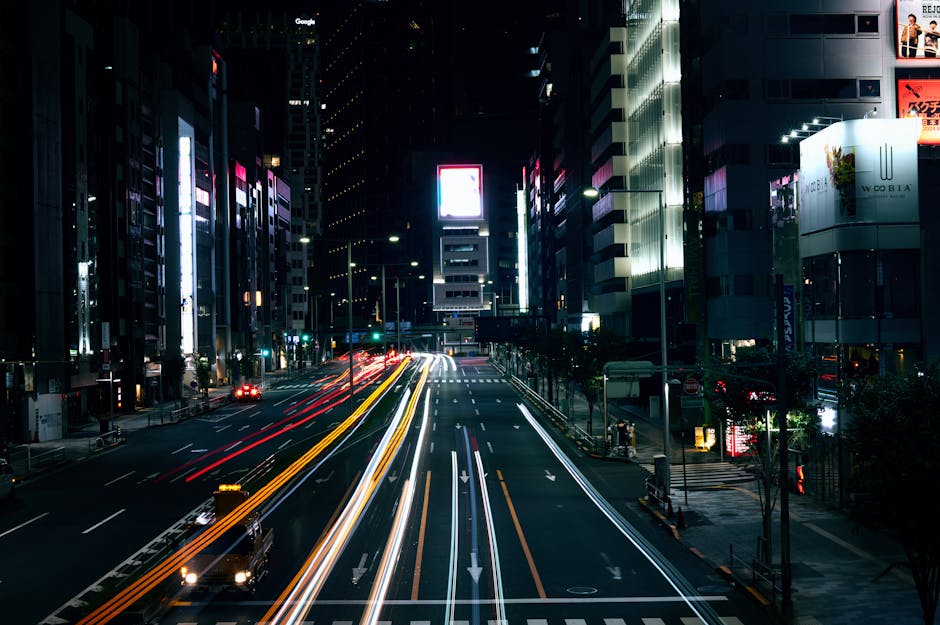
The journey begins the moment you pull out of Shibuya. If you’ve rented a JDM sports car — a GT-R, Supra, or something with a throaty exhaust — this is when you first hear the engine note echo off the tight city streets and feel the anticipation building. From Shibuya, you’ll head toward the Metropolitan Expressway Route 3 (also called the Shibuya Line), which funnels you east and south toward the bay. The city at night is alive with neon signs, crossing streams of headlights, and the general controlled chaos of Tokyo traffic — but once you’re on the expressway, things open up beautifully.
Follow Route 3 toward the junction with Route 11 (Daiba Line), which curves gracefully toward the waterfront. As you descend toward sea level on the Daiba Line, the cityscape transforms. Office towers give way to the glow of Tokyo Bay in front of you, and suddenly — there it is. The Rainbow Bridge emerges from the darkness ahead, its twin towers framing a perfect gateway to the waterfront world beyond.
- Road: Metropolitan Expressway Route 3 (Shibuya Line) → Route 11 (Daiba Line)
- Distance from Shibuya: approximately 15 km
- Drive time: 25–35 minutes depending on traffic
- Toll estimate: ¥400–¥600 via ETC
Stop 2: Rainbow Bridge — Tokyo’s Gateway to the Bay
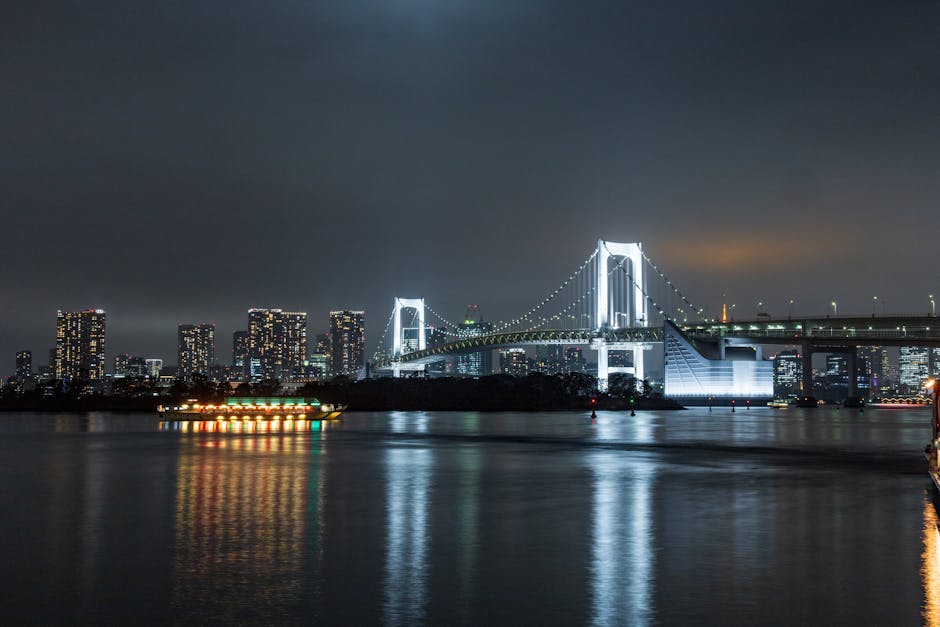
Nothing prepares you for your first crossing of the Rainbow Bridge at night. The suspension cables are illuminated with color-changing LED lights (hence the name), the twin towers glow white, and as you drive across the 570-meter span, you get a panoramic view of Tokyo Bay that is genuinely breathtaking. To your left, Tokyo Tower stands like a burning ember against the skyline. To your right, the waterfront of Odaiba twinkles with the Fuji TV globe and the neon outlines of Decks shopping complex. Dead ahead, the city of the future awaits.
You can’t stop on the bridge itself — it’s a live expressway — but the crossing takes about 2–3 minutes at normal speed, and every second is worth savoring. The best strategy is to slow down within legal limits, take in the view, and know that the photo opportunity comes shortly after, once you’re in Odaiba.
- Road: Metropolitan Expressway Route 11 (Daiba Line)
- Bridge length: 570 meters (main span)
- Speed limit on bridge: 60 km/h
- Best viewing angle while driving: Inbound (from Shibuya side toward Odaiba)
- Photography: Pull over at Odaiba Seaside Park after crossing for the reverse view
Stop 3: Odaiba — Neon Waterfront and JDM Culture
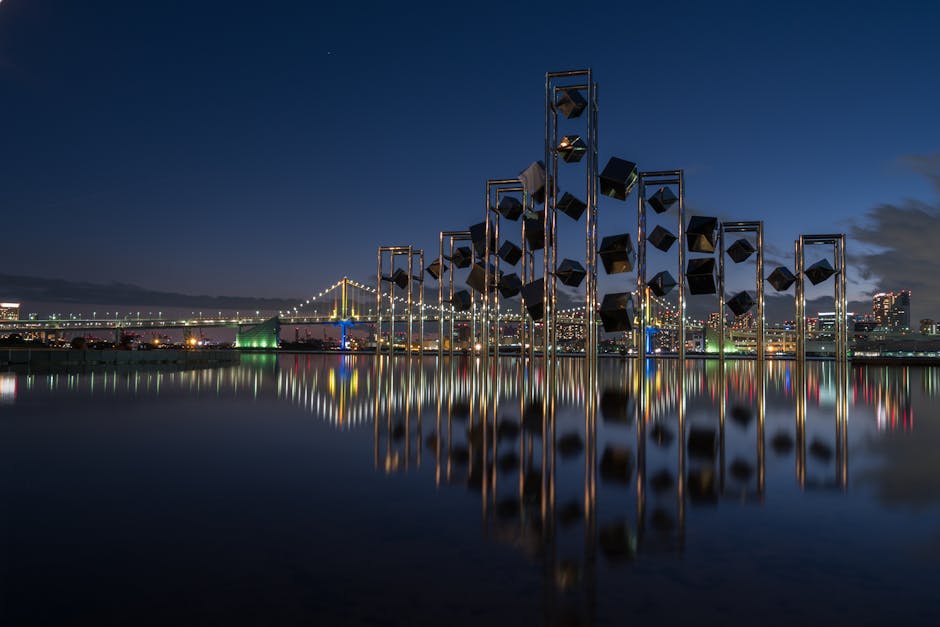
Odaiba is Tokyo’s artificial island, built on reclaimed land in Tokyo Bay, and it feels like stepping into a science fiction novel. The architecture is ambitious and futuristic, the streets are wide and easy to navigate, and at night the whole district radiates with color. For car enthusiasts and JDM fans, Odaiba carries extra weight — this was home to Toyota Megaweb (now closed, but the legacy lives on in the area’s automotive culture), and the streets around the waterfront are a magnet for modified car owners who cruise here on weekends.
The life-size RX-78-2 Gundam statue (and its successor models at Diver City Plaza) is an unmissable landmark — even if you’re not an anime fan, standing next to an 18-meter robot at night with the city glowing behind you is an experience that transcends fandom. The statue is illuminated after dark and makes for spectacular photos. Park in any of the Odaiba area lots and walk the waterfront promenade for 20–30 minutes.
- Recommended time in Odaiba: 30–60 minutes
- Gundam statue: DiverCity Tokyo Plaza, illuminated until 11 PM most nights
- Parking: Odaiba Seaside Park area has paid lots from ¥300–¥500/30 min; DiverCity Plaza has a large multi-story car park at ¥400/30 min (first hour free with venue stamp)
- Best waterfront drive: The road running along Odaiba’s northern shore (Daiba Park road) is wide, scenic, and perfect for slow cruising at night
Driving this route? We’ve got you covered.
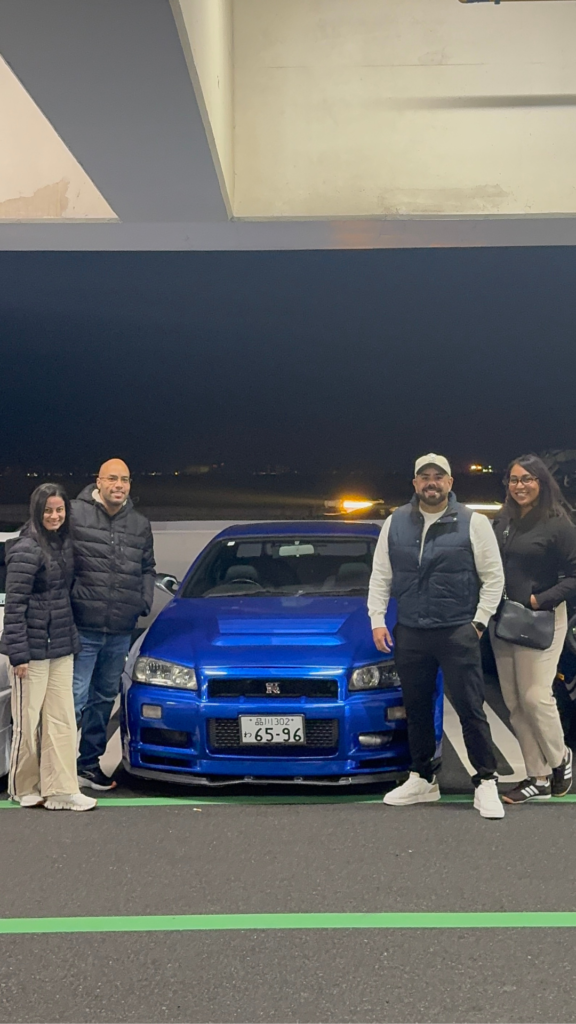
Hundreds of international visitors have driven this route with a car from Samurai Car Japan. Our team will brief you on road conditions, tolls, and the best stops before you set off.
Stop 4: Tatsumi PA — Your First Taste of Japan’s Car Meet Culture
From Odaiba, you’ll re-enter the expressway and merge onto the Bayshore Expressway (Metropolitan Expressway Bayshore Route, Route B) heading toward Kawasaki and Yokohama. You’re now on the Wangan proper — the same highway that inspired Michiharu Kusunoki’s legendary manga series Wangan Midnight and its subsequent anime. The road here is wide, straight, and on a clear night absolutely electric. The bay opens up to your right, industrial skylines glow orange and white to your left, and the road seems to stretch toward infinity.
About 12 kilometers east of Odaiba, Tatsumi Parking Area appears on the left side of the expressway. This is one of the Wangan’s most famous car gathering spots, and on weekend nights it draws a serious crowd of tuned cars — everything from slammed Civics to widebody GT-Rs to immaculate kei cars built to impossible specifications. Pull in, park, and walk the lot slowly. Nobody minds spectators here — car culture in Japan is welcoming and proud. You’ll hear exhaust notes, see underbody lighting, and smell tire rubber and coffee from the vending machines. This is the real thing.
- Road to Tatsumi: Metropolitan Expressway Bayshore Route (Route B), eastbound from Odaiba
- Distance from Odaiba: approximately 12 km
- Drive time: 15–20 minutes
- Tatsumi PA facilities: Vending machines, toilets, seating area
- Car meet activity: Fridays, Saturdays, and Sundays from 10 PM onward
- Parking: Free at the PA
- Recommended time: 20–30 minutes
Stop 5: The Wangan Run to Yokohama Bay Bridge
Leaving Tatsumi, you continue southwest on the Bayshore Expressway toward Yokohama — and this section is the heart of the Wangan experience. The road is straight, wide, and lit only by the amber glow of highway lights and the industrial blaze of the Kawasaki coastline to your right. This is the stretch that the Devil Z and the Blackbird raced in the manga. On a clear night with light traffic, it’s easy to understand why this road became mythological in Japanese car culture. Even at the legal 80 km/h speed limit, the Wangan feels fast — the lane markings blur, the bay air rushes through your vents, and the road ahead just keeps going.
As you approach Yokohama, the Bayshore Expressway lifts you up onto elevated sections with sweeping views of the industrial port and, eventually, the magnificent Yokohama Bay Bridge materializing ahead. The bridge’s twin towers, connected by elegant blue-lit cables, are first visible from several kilometers away — a slow, theatrical reveal that builds genuine excitement.
- Road: Metropolitan Expressway Bayshore Route (Route B), continuing southwest
- Distance from Tatsumi to Yokohama Bay Bridge: approximately 22 km
- Drive time: 20–25 minutes (no traffic)
- Speed limit: 80 km/h on most of the Wangan (strictly enforced — speed cameras are present)
- Additional toll from Tatsumi area to Daikoku: approximately ¥500–¥700 via ETC
Stop 6: Yokohama Bay Bridge — Blue Light Over the Port
The Yokohama Bay Bridge is one of Japan’s most beautiful road bridges, and crossing it at night is a genuine highlight of this entire route. The bridge spans 860 meters across the entrance to Yokohama Port, connecting Honmoku on the Yokohama side to Daikoku-futo in the industrial reclaimed land area. At night, the cables are illuminated in blue, the steel towers glow against the dark sky, and the port below twinkles with the lights of container ships and tugboats moving through the channel.
The crossing takes about 3–4 minutes at highway speed, and the elevated perspective gives you a sweeping view of Yokohama’s waterfront — including the iconic Yokohama Landmark Tower, the tallest skyscraper in the city, glowing on the left horizon. After crossing the bridge, you’re on Daikoku-futo, the man-made island that is home to the legendary Daikoku Parking Area — your final destination for the night.
Just a few kilometers from Daikoku PA is also the gateway to Yokohama’s famous Chinatown district (Chukagai), accessible by exiting the expressway in central Yokohama — worth noting if you want to add a food stop to your evening. Japan’s largest Chinatown glows with red lanterns and neon signs well past midnight on weekends.
- Road: Metropolitan Expressway Bayshore Route continues over Yokohama Bay Bridge
- Bridge span: 860 meters
- Height above water: 55 meters
- Best view: Looking northwest toward Yokohama Landmark Tower and the harbor
- Distance to Daikoku PA after bridge: approximately 3 km
Stop 7: Daikoku Parking Area — The Holy Ground of Japanese Car Culture
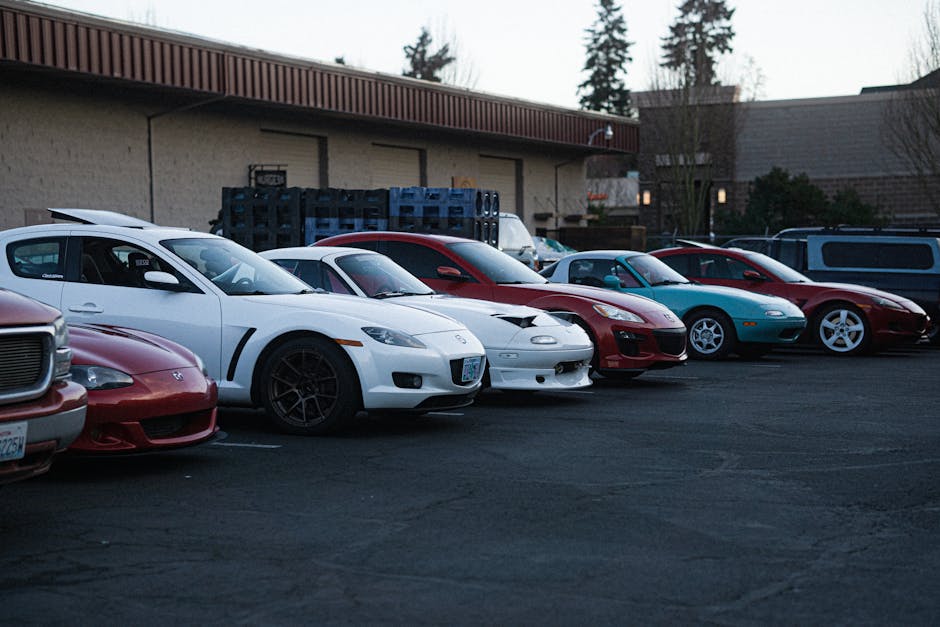
If there is one place on this entire route that you absolutely cannot skip, it’s Daikoku PA. Located on Daikoku-futo island just off the Yokohama Bay Bridge approach, this unassuming highway rest stop has become one of the most famous car gathering locations on the planet. On weekend nights — especially Friday and Saturday from 10 PM to 2 AM — the massive parking lot fills up with hundreds of modified cars. We’re talking widebody R35 GT-Rs, classic AE86 Corollas, turbocharged Evos, stance-built Silvias, fire-breathing FD3S RX-7s, vintage Hakosuka Skylines, and everything in between. The variety is staggering, the builds are meticulous, and the atmosphere is electric.
Unlike many car meets in other countries, Daikoku has a calm, respectful, almost gallery-like quality to it. People park their cars, pop hoods, stand around talking, and genuinely appreciate each other’s builds. There’s no aggression, no showing off through reckless driving (that happens on the Wangan, and the police crack down hard on it). This is pure automotive appreciation — Japanese style. As a foreign visitor arriving in a JDM rental car, you’ll be welcomed with curiosity and warmth. Have your phone ready for photos, but always ask before photographing someone’s car up close — a polite gesture universally respected in Japanese car culture.
- Location: Daikoku Parking Area (大黒パーキングエリア), Daikoku-futo, Yokohama
- Access: Metropolitan Expressway Bayshore Route — exit after crossing Yokohama Bay Bridge heading west, or access directly from the Daikoku PA junction (the PA is on the expressway itself)
- Parking: Free (it’s a highway rest area)
- Facilities: Toilets, vending machines, small convenience kiosk
- Best nights: Friday, Saturday, and Sunday after 10 PM
- Recommended time: 45 minutes to 2 hours — you could spend all night here
- Note: Daikoku PA is accessible from both the inbound and outbound sides of the expressway; follow expressway signs carefully
Practical Driving Tips for the Wangan Night Drive
Road Conditions and Navigation
The Metropolitan Expressway system is extremely well-maintained and clearly signed. Most major junctions have signs in both Japanese and English (romanized). That said, the interchanges can come up fast, especially in the city sections — having an English GPS or Google Maps running on your phone mount is essential. The ETC card (included when you rent from Samurai Car Japan) means you can pass through all toll gates without stopping, which is a significant advantage on busy nights.
Best Time to Drive This Route
- Ideal start time: 9:00–10:00 PM on a Friday or Saturday for maximum car culture atmosphere
- Rainbow Bridge lighting: Active from sunset until midnight approximately
- Yokohama Bay Bridge lighting: Active nightly, varies by season
- Daikoku PA peak activity: 10 PM – 2 AM Friday/Saturday
- Traffic: The Wangan can be congested on weekday evenings (5–8 PM); weekend nights after 9 PM are generally much clearer
Toll Information
The entire route uses the Metropolitan Expressway network. Tolls are distance-based and charged through the ETC system. Approximate total toll cost for the full route (Shibuya to Daikoku PA via all stops) is ¥1,500–¥2,200 with ETC. Without an ETC card, you’ll pay at staffed booths and costs are slightly higher. The ETC card included with your Samurai Car Japan rental handles all of this automatically.
Fuel Stations
There are no fuel stations on the Metropolitan Expressway itself in this section, so fill up before getting on the expressway. There are 24-hour ENEOS and Cosmo stations in the Shibuya and Minato ward areas. If you need fuel during the drive, exit in Odaiba (several stations near Ariake) or Yokohama (multiple stations near the Bayshore exits).
International Driving Permit (IDP)
Foreign visitors need a valid International Driving Permit (IDP) along with their home country license to legally drive in Japan. The IDP must be from a country party to the 1949 Geneva Convention on Road Traffic. If you hold a license from certain countries (including Switzerland, France, Germany, Belgium, Monaco, Slovenia, and Taiwan), different rules may apply — check with your rental provider. Samurai Car Japan is experienced with international visitor requirements and can advise you at pickup.
Where to Eat Along the Route
In Odaiba
Decks Tokyo Beach (Odaiba, directly on the waterfront) houses multiple restaurants across its two shopping buildings, including izakayas, ramen shops, and the beloved Takoyaki Museum where you can try Osaka-style octopus balls from multiple competing vendors. Open until 11 PM most nights. Odaiba Seaside Barbecue operates seasonally and is spectacular for outdoor eating with Rainbow Bridge views.
In Yokohama — Chinatown (Yamashita area)
A short detour off the Bayshore Expressway brings you to Yokohama Chinatown (中華街, Chukagai), Japan’s largest and arguably most atmospheric. It’s active well past midnight on weekends. Don’t miss Manchinro Honten for dim sum, or simply wander the lantern-lit streets eating from food stalls — steamed buns (nikuman), sesame balls, and roasted chestnuts are all available late.
At Daikoku PA
The vending machines at Daikoku PA are surprisingly well-stocked — hot canned coffee, cold drinks, cup noodles — and there’s something deeply satisfying about eating instant ramen on the hood of a JDM car while surrounded by some of Japan’s most impressive builds. It’s not gourmet, but it’s completely authentic. For a proper late-night meal nearby, there are several 24-hour ramen shops near the Yokohama-Daikoku exit off the Wangan.
Best Season for This Drive
Spring (March–May) — Highly Recommended
Spring nights are cool and clear, producing the sharpest visibility for night driving. The bay air is fresh, and cherry blossom season (late March–early April) adds surreal beauty to the Odaiba waterfront area. Car meets are active year-round but seem to have an extra energy in spring as enthusiasts come out after the cold winter months. Temperatures range 10–18°C at night — comfortable for driving with windows down on the Wangan.
Summer (June–August) — Great for Atmosphere, Warm Nights
Summer brings the highest activity levels at Daikoku and Tatsumi PAs — warm nights mean people stay out later and the meets go bigger. The humidity in July and August can make the air hazy, slightly softening the neon reflections on the bay, but the atmosphere more than compensates. The Odaiba fireworks festival (typically late July/early August) makes this area especially spectacular if the timing aligns. Note that summer holiday weekends (Obon week in mid-August) can bring heavier expressway traffic.
Autumn (September–November) — Perfect Conditions
Arguably the best season for this drive. The air is crisp and clear, night temperatures are ideal (12–20°C), visibility is excellent, and the Yokohama Bay Bridge and Rainbow Bridge look stunning against autumn skies. Traffic is generally lighter than summer, and car culture events often peak in autumn as the competition season winds down.
Winter (December–February) — Cold but Atmospheric
Winter nights on the Wangan have a harsh, industrial beauty to them. The cold air makes engine sounds crisper, the neon of Yokohama’s port reflects more sharply in the still bay water, and the cars at Daikoku PA still show up in serious numbers. Be prepared for temperatures around 3–8°C at midnight on the waterfront — a proper jacket is essential. Snow is rare in the Yokohama/Tokyo bay area but not impossible in late January/February, so check forecasts before driving if you visit in deep winter.
Frequently Asked Questions
Where can I rent a car for this route?
The most convenient starting point is Samurai Car Japan in Shibuya, Tokyo. Unlike standard rental chains, Samurai Car Japan specializes in serving international visitors and JDM enthusiasts — they offer English GPS navigation, ETC cards, International Driving Permit support, and a fleet that includes genuine JDM sports cars like the Nissan GT-R, Toyota Supra, Mazda RX-7, and more. Picking up in Shibuya also means you’re perfectly positioned to jump directly onto the Metropolitan Expressway toward the bay.
Do I need an International Driving Permit (IDP) to drive in Japan?
Yes, in almost all cases foreign visitors need a valid IDP issued in their home country alongside their national driver’s license. Japan recognizes IDPs issued under the 1949 Geneva Convention. Some countries (Germany, France, Switzerland, Belgium, Monaco, Slovenia, and Taiwan) have bilateral agreements that allow their licenses to be used directly with a certified Japanese translation — check the Japan Automobile Federation (JAF) website or ask your rental provider for the latest information specific to your nationality.
Is the Wangan (Bayshore Expressway) safe to drive at night?
Yes, the Wangan is a well-maintained, well-lit expressway and is perfectly safe when driven within the law. Speed limits are 80 km/h and are enforced by fixed and mobile cameras. The road’s reputation in manga and anime is based on illegal street racing that occurred decades ago — today, police patrol actively, and the culture at the parking areas is focused on appreciation, not reckless driving. Treat it as you would any other expressway, enjoy the scenery, and you’ll have a completely safe and memorable experience.
Can I visit Daikoku Parking Area without a car?
Technically no — Daikoku PA is only accessible from the Metropolitan Expressway. You cannot walk or cycle in. This is one of the reasons having a rental car for this route is so important: arriving by car is part of the experience, and you’ll fit right into the atmosphere rather than standing on the sidelines. If you arrive in something interesting — a GT-R, a Supra, a well-maintained sports car — you become part of the show rather than just a spectator.
How much does the full route cost in tolls?
Using an ETC card (which is included with Samurai Car Japan rentals), you can expect to pay approximately ¥1,500–¥2,200 in total expressway tolls for the complete route from Shibuya to Daikoku PA via Rainbow Bridge, Odaiba, and the Wangan. Prices vary slightly depending on the exact route and any detours. Without an ETC card, you’ll pay at toll booths and costs are marginally higher. The ETC card also ensures you never need to fumble for cash at toll plazas — the gates open automatically as you drive through.
Why not elevate your journey with a legendary JDM experience?
Our Services:
- Self-Drive Rentals
- Guided Tours
- Drift Experiences
Please visit the dedicated page for more details.