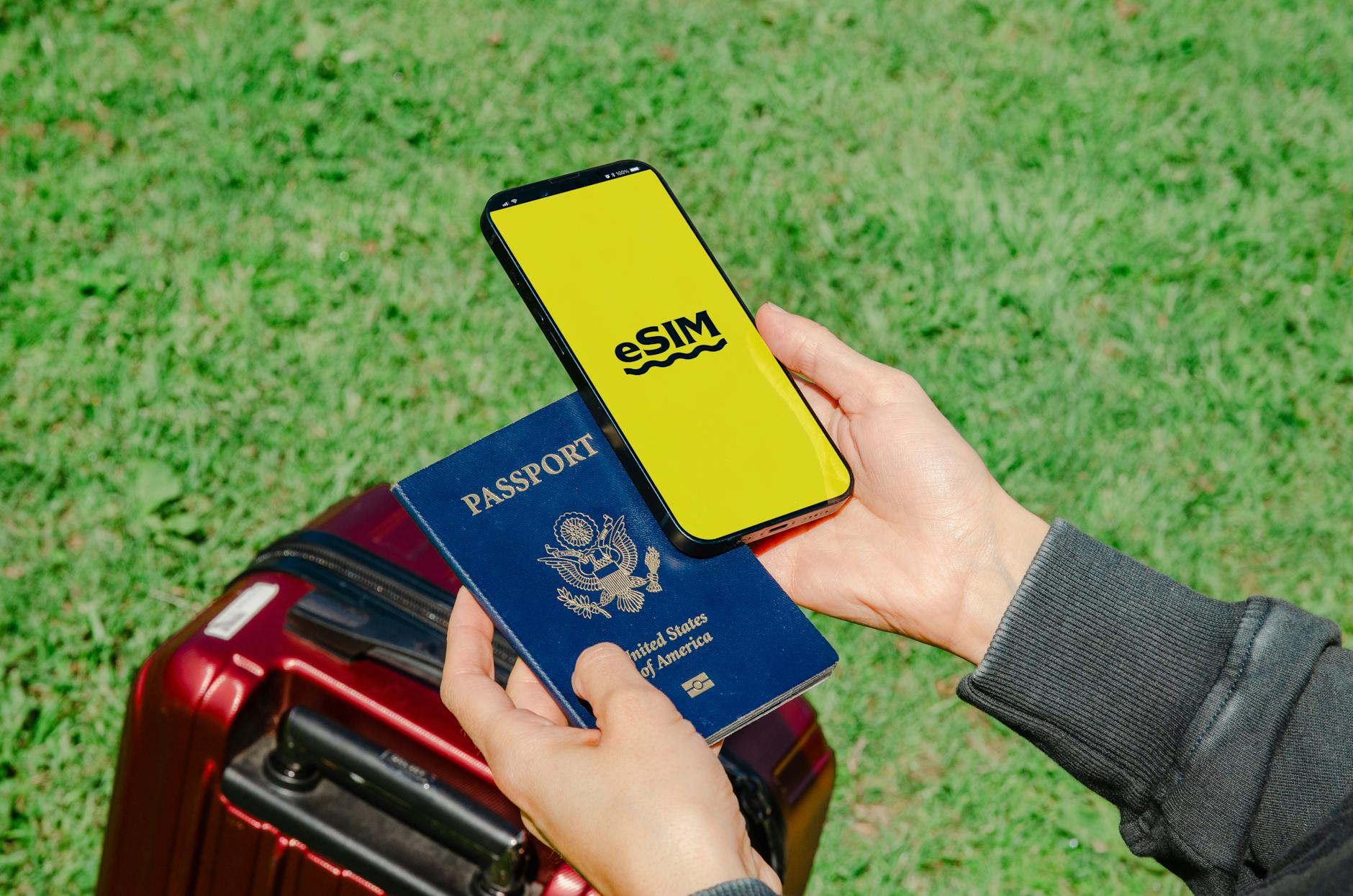
No matter which option you choose, staying connected will undoubtedly enhance your travel experience in Japan, allowing you to navigate with ease, communicate with locals, and share your unforgettable adventures with the world.
Ready to explore Japan? Enhance your trip with guided tours and unique experiences!
Ultimately, the best option is the one that best suits your specific needs and preferences. Consider your budget, the number of devices you need to connect, your technical expertise, and your travel style when making your decision.
No matter which option you choose, staying connected will undoubtedly enhance your travel experience in Japan, allowing you to navigate with ease, communicate with locals, and share your unforgettable adventures with the world.
Ready to explore Japan? Enhance your trip with guided tours and unique experiences!
Ultimately, the best option is the one that best suits your specific needs and preferences. Consider your budget, the number of devices you need to connect, your technical expertise, and your travel style when making your decision.
No matter which option you choose, staying connected will undoubtedly enhance your travel experience in Japan, allowing you to navigate with ease, communicate with locals, and share your unforgettable adventures with the world.
Ready to explore Japan? Enhance your trip with guided tours and unique experiences!
* **Pocket WiFi:** Ideal for groups, families, or those who need to connect multiple devices. Offers wide coverage and easy setup but requires carrying an extra device.
* **Local SIM Card:** A cost-effective option for individual travelers who need internet access and local calls. Requires an unlocked phone and SIM card swapping.
* **eSIM:** The most convenient option for those with compatible devices. Offers easy activation and dual SIM functionality but may have limited provider options.
Feature
Pocket WiFi
Local SIM Card
eSIM
**Number of Devices**
Multiple (5-10)
Single
Single
**Cost**
Moderate (Cost-effective for groups)
Low (Cost-effective for individuals)
Variable (Depends on provider)
**Convenience**
Requires carrying an extra device
Requires SIM card swapping
Most convenient (Digital activation)
**Coverage**
Wide
Wide
Wide
**Ease of Use**
Easy
Moderate
Easy
**Compatibility**
Works with any WiFi-enabled device
Requires unlocked phone
Requires eSIM-compatible phone
**Local Calls**
Not included (Requires VoIP apps)
Included
Potentially (Depends on plan)
Ultimately, the best option is the one that best suits your specific needs and preferences. Consider your budget, the number of devices you need to connect, your technical expertise, and your travel style when making your decision.
No matter which option you choose, staying connected will undoubtedly enhance your travel experience in Japan, allowing you to navigate with ease, communicate with locals, and share your unforgettable adventures with the world.
Ready to explore Japan? Enhance your trip with guided tours and unique experiences!
* **Pocket WiFi:** Ideal for groups, families, or those who need to connect multiple devices. Offers wide coverage and easy setup but requires carrying an extra device.
* **Local SIM Card:** A cost-effective option for individual travelers who need internet access and local calls. Requires an unlocked phone and SIM card swapping.
* **eSIM:** The most convenient option for those with compatible devices. Offers easy activation and dual SIM functionality but may have limited provider options.
Feature
Pocket WiFi
Local SIM Card
eSIM
**Number of Devices**
Multiple (5-10)
Single
Single
**Cost**
Moderate (Cost-effective for groups)
Low (Cost-effective for individuals)
Variable (Depends on provider)
**Convenience**
Requires carrying an extra device
Requires SIM card swapping
Most convenient (Digital activation)
**Coverage**
Wide
Wide
Wide
**Ease of Use**
Easy
Moderate
Easy
**Compatibility**
Works with any WiFi-enabled device
Requires unlocked phone
Requires eSIM-compatible phone
**Local Calls**
Not included (Requires VoIP apps)
Included
Potentially (Depends on plan)
Ultimately, the best option is the one that best suits your specific needs and preferences. Consider your budget, the number of devices you need to connect, your technical expertise, and your travel style when making your decision.
No matter which option you choose, staying connected will undoubtedly enhance your travel experience in Japan, allowing you to navigate with ease, communicate with locals, and share your unforgettable adventures with the world.
Ready to explore Japan? Enhance your trip with guided tours and unique experiences!
* **Silence Your Phone:** Always silence your phone or put it on vibrate mode in trains, buses, and other public transportation.
* **Avoid Talking on the Phone:** Refrain from talking on the phone in crowded areas, such as trains or buses. If you need to make a call, step aside to a less crowded area.
* **Be Mindful of Noise:** Avoid playing music or videos loudly on your phone in public places. Use headphones or earbuds.
* **No Photography Without Permission:** Be respectful of people’s privacy and avoid taking photos of them without their permission.
* **Turn Off Flash in Temples and Shrines:** Turn off the flash on your camera when taking photos in temples and shrines.
* **Respect Quiet Zones:** Be aware of designated quiet zones, such as train cars or libraries, and avoid using your phone in these areas.
* **Avoid Using Phone While Walking:** It is considered impolite and dangerous to walk while looking at your phone.
### Making the Right Choice: Which Option is Best for You?
Choosing the best connectivity option depends on your individual needs, travel style, and budget. Here’s a summary to help you decide:
* **Pocket WiFi:** Ideal for groups, families, or those who need to connect multiple devices. Offers wide coverage and easy setup but requires carrying an extra device.
* **Local SIM Card:** A cost-effective option for individual travelers who need internet access and local calls. Requires an unlocked phone and SIM card swapping.
* **eSIM:** The most convenient option for those with compatible devices. Offers easy activation and dual SIM functionality but may have limited provider options.
Feature
Pocket WiFi
Local SIM Card
eSIM
**Number of Devices**
Multiple (5-10)
Single
Single
**Cost**
Moderate (Cost-effective for groups)
Low (Cost-effective for individuals)
Variable (Depends on provider)
**Convenience**
Requires carrying an extra device
Requires SIM card swapping
Most convenient (Digital activation)
**Coverage**
Wide
Wide
Wide
**Ease of Use**
Easy
Moderate
Easy
**Compatibility**
Works with any WiFi-enabled device
Requires unlocked phone
Requires eSIM-compatible phone
**Local Calls**
Not included (Requires VoIP apps)
Included
Potentially (Depends on plan)
Ultimately, the best option is the one that best suits your specific needs and preferences. Consider your budget, the number of devices you need to connect, your technical expertise, and your travel style when making your decision.
No matter which option you choose, staying connected will undoubtedly enhance your travel experience in Japan, allowing you to navigate with ease, communicate with locals, and share your unforgettable adventures with the world.
Ready to explore Japan? Enhance your trip with guided tours and unique experiences!
* **Check Device Compatibility:** Ensure your phone or tablet supports eSIM technology. Refer to your device’s specifications or contact your carrier.
* **Research eSIM Providers:** Compare different eSIM providers and choose a plan that meets your needs and budget.
* **Activate Before Arrival:** Activate your eSIM plan before your trip to avoid any issues upon arrival.
* **Follow Activation Instructions Carefully:** Follow the activation instructions provided by your eSIM provider.
* **Save Your QR Code:** Save a screenshot or printout of your eSIM QR code in case you need to reactivate it.
* **Disable Data Roaming:** Disable data roaming on your primary SIM card to avoid unexpected charges.
### Cultural Considerations When Using Mobile Devices in Japan
While staying connected is important, it’s also essential to be mindful of Japanese customs and etiquette when using mobile devices in public places:
* **Silence Your Phone:** Always silence your phone or put it on vibrate mode in trains, buses, and other public transportation.
* **Avoid Talking on the Phone:** Refrain from talking on the phone in crowded areas, such as trains or buses. If you need to make a call, step aside to a less crowded area.
* **Be Mindful of Noise:** Avoid playing music or videos loudly on your phone in public places. Use headphones or earbuds.
* **No Photography Without Permission:** Be respectful of people’s privacy and avoid taking photos of them without their permission.
* **Turn Off Flash in Temples and Shrines:** Turn off the flash on your camera when taking photos in temples and shrines.
* **Respect Quiet Zones:** Be aware of designated quiet zones, such as train cars or libraries, and avoid using your phone in these areas.
* **Avoid Using Phone While Walking:** It is considered impolite and dangerous to walk while looking at your phone.
### Making the Right Choice: Which Option is Best for You?
Choosing the best connectivity option depends on your individual needs, travel style, and budget. Here’s a summary to help you decide:
* **Pocket WiFi:** Ideal for groups, families, or those who need to connect multiple devices. Offers wide coverage and easy setup but requires carrying an extra device.
* **Local SIM Card:** A cost-effective option for individual travelers who need internet access and local calls. Requires an unlocked phone and SIM card swapping.
* **eSIM:** The most convenient option for those with compatible devices. Offers easy activation and dual SIM functionality but may have limited provider options.
Feature
Pocket WiFi
Local SIM Card
eSIM
**Number of Devices**
Multiple (5-10)
Single
Single
**Cost**
Moderate (Cost-effective for groups)
Low (Cost-effective for individuals)
Variable (Depends on provider)
**Convenience**
Requires carrying an extra device
Requires SIM card swapping
Most convenient (Digital activation)
**Coverage**
Wide
Wide
Wide
**Ease of Use**
Easy
Moderate
Easy
**Compatibility**
Works with any WiFi-enabled device
Requires unlocked phone
Requires eSIM-compatible phone
**Local Calls**
Not included (Requires VoIP apps)
Included
Potentially (Depends on plan)
Ultimately, the best option is the one that best suits your specific needs and preferences. Consider your budget, the number of devices you need to connect, your technical expertise, and your travel style when making your decision.
No matter which option you choose, staying connected will undoubtedly enhance your travel experience in Japan, allowing you to navigate with ease, communicate with locals, and share your unforgettable adventures with the world.
Ready to explore Japan? Enhance your trip with guided tours and unique experiences!
* **Limited Device Compatibility:** Not all smartphones and tablets support eSIM technology. Check your device’s compatibility before your trip.
* **Potential Activation Issues:** Activating an eSIM can sometimes be challenging, especially if you’re not familiar with the process.
* **Limited Provider Options:** While eSIM support is growing, the number of providers offering eSIM plans for Japan may be limited compared to traditional SIM cards.
* **Reliance on Internet Connection:** You need an internet connection to download and activate your eSIM profile.
* **Data Roaming Charges (Potentially):** Be careful to disable your primary SIM’s data roaming to avoid unexpected charges.
**Practical Tips for eSIM Users:**
* **Check Device Compatibility:** Ensure your phone or tablet supports eSIM technology. Refer to your device’s specifications or contact your carrier.
* **Research eSIM Providers:** Compare different eSIM providers and choose a plan that meets your needs and budget.
* **Activate Before Arrival:** Activate your eSIM plan before your trip to avoid any issues upon arrival.
* **Follow Activation Instructions Carefully:** Follow the activation instructions provided by your eSIM provider.
* **Save Your QR Code:** Save a screenshot or printout of your eSIM QR code in case you need to reactivate it.
* **Disable Data Roaming:** Disable data roaming on your primary SIM card to avoid unexpected charges.
### Cultural Considerations When Using Mobile Devices in Japan
While staying connected is important, it’s also essential to be mindful of Japanese customs and etiquette when using mobile devices in public places:
* **Silence Your Phone:** Always silence your phone or put it on vibrate mode in trains, buses, and other public transportation.
* **Avoid Talking on the Phone:** Refrain from talking on the phone in crowded areas, such as trains or buses. If you need to make a call, step aside to a less crowded area.
* **Be Mindful of Noise:** Avoid playing music or videos loudly on your phone in public places. Use headphones or earbuds.
* **No Photography Without Permission:** Be respectful of people’s privacy and avoid taking photos of them without their permission.
* **Turn Off Flash in Temples and Shrines:** Turn off the flash on your camera when taking photos in temples and shrines.
* **Respect Quiet Zones:** Be aware of designated quiet zones, such as train cars or libraries, and avoid using your phone in these areas.
* **Avoid Using Phone While Walking:** It is considered impolite and dangerous to walk while looking at your phone.
### Making the Right Choice: Which Option is Best for You?
Choosing the best connectivity option depends on your individual needs, travel style, and budget. Here’s a summary to help you decide:
* **Pocket WiFi:** Ideal for groups, families, or those who need to connect multiple devices. Offers wide coverage and easy setup but requires carrying an extra device.
* **Local SIM Card:** A cost-effective option for individual travelers who need internet access and local calls. Requires an unlocked phone and SIM card swapping.
* **eSIM:** The most convenient option for those with compatible devices. Offers easy activation and dual SIM functionality but may have limited provider options.
Feature
Pocket WiFi
Local SIM Card
eSIM
**Number of Devices**
Multiple (5-10)
Single
Single
**Cost**
Moderate (Cost-effective for groups)
Low (Cost-effective for individuals)
Variable (Depends on provider)
**Convenience**
Requires carrying an extra device
Requires SIM card swapping
Most convenient (Digital activation)
**Coverage**
Wide
Wide
Wide
**Ease of Use**
Easy
Moderate
Easy
**Compatibility**
Works with any WiFi-enabled device
Requires unlocked phone
Requires eSIM-compatible phone
**Local Calls**
Not included (Requires VoIP apps)
Included
Potentially (Depends on plan)
Ultimately, the best option is the one that best suits your specific needs and preferences. Consider your budget, the number of devices you need to connect, your technical expertise, and your travel style when making your decision.
No matter which option you choose, staying connected will undoubtedly enhance your travel experience in Japan, allowing you to navigate with ease, communicate with locals, and share your unforgettable adventures with the world.
Ready to explore Japan? Enhance your trip with guided tours and unique experiences!
* **Convenience:** No need to physically swap SIM cards. Activate your data plan digitally.
* **Dual SIM Functionality:** Use your existing phone number for calls and texts while using the eSIM for data.
* **Easy Activation:** Activate your eSIM plan online or through an app.
* **Multiple Profiles:** Store multiple eSIM profiles on your device and switch between them as needed.
* **Environmentally Friendly:** Reduces the need for physical SIM cards.
**Cons of eSIM:**
* **Limited Device Compatibility:** Not all smartphones and tablets support eSIM technology. Check your device’s compatibility before your trip.
* **Potential Activation Issues:** Activating an eSIM can sometimes be challenging, especially if you’re not familiar with the process.
* **Limited Provider Options:** While eSIM support is growing, the number of providers offering eSIM plans for Japan may be limited compared to traditional SIM cards.
* **Reliance on Internet Connection:** You need an internet connection to download and activate your eSIM profile.
* **Data Roaming Charges (Potentially):** Be careful to disable your primary SIM’s data roaming to avoid unexpected charges.
**Practical Tips for eSIM Users:**
* **Check Device Compatibility:** Ensure your phone or tablet supports eSIM technology. Refer to your device’s specifications or contact your carrier.
* **Research eSIM Providers:** Compare different eSIM providers and choose a plan that meets your needs and budget.
* **Activate Before Arrival:** Activate your eSIM plan before your trip to avoid any issues upon arrival.
* **Follow Activation Instructions Carefully:** Follow the activation instructions provided by your eSIM provider.
* **Save Your QR Code:** Save a screenshot or printout of your eSIM QR code in case you need to reactivate it.
* **Disable Data Roaming:** Disable data roaming on your primary SIM card to avoid unexpected charges.
### Cultural Considerations When Using Mobile Devices in Japan
While staying connected is important, it’s also essential to be mindful of Japanese customs and etiquette when using mobile devices in public places:
* **Silence Your Phone:** Always silence your phone or put it on vibrate mode in trains, buses, and other public transportation.
* **Avoid Talking on the Phone:** Refrain from talking on the phone in crowded areas, such as trains or buses. If you need to make a call, step aside to a less crowded area.
* **Be Mindful of Noise:** Avoid playing music or videos loudly on your phone in public places. Use headphones or earbuds.
* **No Photography Without Permission:** Be respectful of people’s privacy and avoid taking photos of them without their permission.
* **Turn Off Flash in Temples and Shrines:** Turn off the flash on your camera when taking photos in temples and shrines.
* **Respect Quiet Zones:** Be aware of designated quiet zones, such as train cars or libraries, and avoid using your phone in these areas.
* **Avoid Using Phone While Walking:** It is considered impolite and dangerous to walk while looking at your phone.
### Making the Right Choice: Which Option is Best for You?
Choosing the best connectivity option depends on your individual needs, travel style, and budget. Here’s a summary to help you decide:
* **Pocket WiFi:** Ideal for groups, families, or those who need to connect multiple devices. Offers wide coverage and easy setup but requires carrying an extra device.
* **Local SIM Card:** A cost-effective option for individual travelers who need internet access and local calls. Requires an unlocked phone and SIM card swapping.
* **eSIM:** The most convenient option for those with compatible devices. Offers easy activation and dual SIM functionality but may have limited provider options.
Feature
Pocket WiFi
Local SIM Card
eSIM
**Number of Devices**
Multiple (5-10)
Single
Single
**Cost**
Moderate (Cost-effective for groups)
Low (Cost-effective for individuals)
Variable (Depends on provider)
**Convenience**
Requires carrying an extra device
Requires SIM card swapping
Most convenient (Digital activation)
**Coverage**
Wide
Wide
Wide
**Ease of Use**
Easy
Moderate
Easy
**Compatibility**
Works with any WiFi-enabled device
Requires unlocked phone
Requires eSIM-compatible phone
**Local Calls**
Not included (Requires VoIP apps)
Included
Potentially (Depends on plan)
Ultimately, the best option is the one that best suits your specific needs and preferences. Consider your budget, the number of devices you need to connect, your technical expertise, and your travel style when making your decision.
No matter which option you choose, staying connected will undoubtedly enhance your travel experience in Japan, allowing you to navigate with ease, communicate with locals, and share your unforgettable adventures with the world.
Ready to explore Japan? Enhance your trip with guided tours and unique experiences!
* **Check Phone Compatibility:** Ensure your phone is unlocked and compatible with Japanese mobile networks.
* **Purchase at the Airport:** Buying a SIM card at the airport upon arrival is often the easiest option.
* **Choose the Right Data Plan:** Select a data plan that meets your needs. Consider how much data you’ll use for navigation, social media, video streaming, and other activities.
* **Ask for Assistance:** Don’t hesitate to ask for assistance from the store staff when purchasing and activating your SIM card.
* **Keep Your Original SIM Card Safe:** Store your original SIM card in a safe place to prevent loss or damage.
* **Learn Basic Japanese Phrases:** Knowing some basic Japanese phrases can be helpful when purchasing a SIM card.
### Option 3: eSIM (Embedded SIM)
An eSIM, or embedded SIM, is a digital SIM card that is built into your smartphone or tablet. It allows you to activate a mobile data plan without the need for a physical SIM card. eSIMs are becoming increasingly popular among travelers due to their convenience and flexibility.
**Pros of eSIM:**
* **Convenience:** No need to physically swap SIM cards. Activate your data plan digitally.
* **Dual SIM Functionality:** Use your existing phone number for calls and texts while using the eSIM for data.
* **Easy Activation:** Activate your eSIM plan online or through an app.
* **Multiple Profiles:** Store multiple eSIM profiles on your device and switch between them as needed.
* **Environmentally Friendly:** Reduces the need for physical SIM cards.
**Cons of eSIM:**
* **Limited Device Compatibility:** Not all smartphones and tablets support eSIM technology. Check your device’s compatibility before your trip.
* **Potential Activation Issues:** Activating an eSIM can sometimes be challenging, especially if you’re not familiar with the process.
* **Limited Provider Options:** While eSIM support is growing, the number of providers offering eSIM plans for Japan may be limited compared to traditional SIM cards.
* **Reliance on Internet Connection:** You need an internet connection to download and activate your eSIM profile.
* **Data Roaming Charges (Potentially):** Be careful to disable your primary SIM’s data roaming to avoid unexpected charges.
**Practical Tips for eSIM Users:**
* **Check Device Compatibility:** Ensure your phone or tablet supports eSIM technology. Refer to your device’s specifications or contact your carrier.
* **Research eSIM Providers:** Compare different eSIM providers and choose a plan that meets your needs and budget.
* **Activate Before Arrival:** Activate your eSIM plan before your trip to avoid any issues upon arrival.
* **Follow Activation Instructions Carefully:** Follow the activation instructions provided by your eSIM provider.
* **Save Your QR Code:** Save a screenshot or printout of your eSIM QR code in case you need to reactivate it.
* **Disable Data Roaming:** Disable data roaming on your primary SIM card to avoid unexpected charges.
### Cultural Considerations When Using Mobile Devices in Japan
While staying connected is important, it’s also essential to be mindful of Japanese customs and etiquette when using mobile devices in public places:
* **Silence Your Phone:** Always silence your phone or put it on vibrate mode in trains, buses, and other public transportation.
* **Avoid Talking on the Phone:** Refrain from talking on the phone in crowded areas, such as trains or buses. If you need to make a call, step aside to a less crowded area.
* **Be Mindful of Noise:** Avoid playing music or videos loudly on your phone in public places. Use headphones or earbuds.
* **No Photography Without Permission:** Be respectful of people’s privacy and avoid taking photos of them without their permission.
* **Turn Off Flash in Temples and Shrines:** Turn off the flash on your camera when taking photos in temples and shrines.
* **Respect Quiet Zones:** Be aware of designated quiet zones, such as train cars or libraries, and avoid using your phone in these areas.
* **Avoid Using Phone While Walking:** It is considered impolite and dangerous to walk while looking at your phone.
### Making the Right Choice: Which Option is Best for You?
Choosing the best connectivity option depends on your individual needs, travel style, and budget. Here’s a summary to help you decide:
* **Pocket WiFi:** Ideal for groups, families, or those who need to connect multiple devices. Offers wide coverage and easy setup but requires carrying an extra device.
* **Local SIM Card:** A cost-effective option for individual travelers who need internet access and local calls. Requires an unlocked phone and SIM card swapping.
* **eSIM:** The most convenient option for those with compatible devices. Offers easy activation and dual SIM functionality but may have limited provider options.
Feature
Pocket WiFi
Local SIM Card
eSIM
**Number of Devices**
Multiple (5-10)
Single
Single
**Cost**
Moderate (Cost-effective for groups)
Low (Cost-effective for individuals)
Variable (Depends on provider)
**Convenience**
Requires carrying an extra device
Requires SIM card swapping
Most convenient (Digital activation)
**Coverage**
Wide
Wide
Wide
**Ease of Use**
Easy
Moderate
Easy
**Compatibility**
Works with any WiFi-enabled device
Requires unlocked phone
Requires eSIM-compatible phone
**Local Calls**
Not included (Requires VoIP apps)
Included
Potentially (Depends on plan)
Ultimately, the best option is the one that best suits your specific needs and preferences. Consider your budget, the number of devices you need to connect, your technical expertise, and your travel style when making your decision.
No matter which option you choose, staying connected will undoubtedly enhance your travel experience in Japan, allowing you to navigate with ease, communicate with locals, and share your unforgettable adventures with the world.
Ready to explore Japan? Enhance your trip with guided tours and unique experiences!
* **SIM Card Compatibility:** Your phone must be unlocked to use a local SIM card. Check your phone’s compatibility before your trip.
* **SIM Card Swapping:** You need to remove your existing SIM card, which can be inconvenient if you need to access your original phone number or data.
* **Language Barrier:** Purchasing a SIM card can be challenging if you don’t speak Japanese.
* **Limited Data Plans:** Some SIM card providers offer limited data plans, which may not be sufficient if you’re a heavy internet user.
* **Activation Process:** Activating a SIM card can sometimes be complicated, especially if you don’t understand the instructions.
**Practical Tips for Local SIM Card Users:**
* **Check Phone Compatibility:** Ensure your phone is unlocked and compatible with Japanese mobile networks.
* **Purchase at the Airport:** Buying a SIM card at the airport upon arrival is often the easiest option.
* **Choose the Right Data Plan:** Select a data plan that meets your needs. Consider how much data you’ll use for navigation, social media, video streaming, and other activities.
* **Ask for Assistance:** Don’t hesitate to ask for assistance from the store staff when purchasing and activating your SIM card.
* **Keep Your Original SIM Card Safe:** Store your original SIM card in a safe place to prevent loss or damage.
* **Learn Basic Japanese Phrases:** Knowing some basic Japanese phrases can be helpful when purchasing a SIM card.
### Option 3: eSIM (Embedded SIM)
An eSIM, or embedded SIM, is a digital SIM card that is built into your smartphone or tablet. It allows you to activate a mobile data plan without the need for a physical SIM card. eSIMs are becoming increasingly popular among travelers due to their convenience and flexibility.
**Pros of eSIM:**
* **Convenience:** No need to physically swap SIM cards. Activate your data plan digitally.
* **Dual SIM Functionality:** Use your existing phone number for calls and texts while using the eSIM for data.
* **Easy Activation:** Activate your eSIM plan online or through an app.
* **Multiple Profiles:** Store multiple eSIM profiles on your device and switch between them as needed.
* **Environmentally Friendly:** Reduces the need for physical SIM cards.
**Cons of eSIM:**
* **Limited Device Compatibility:** Not all smartphones and tablets support eSIM technology. Check your device’s compatibility before your trip.
* **Potential Activation Issues:** Activating an eSIM can sometimes be challenging, especially if you’re not familiar with the process.
* **Limited Provider Options:** While eSIM support is growing, the number of providers offering eSIM plans for Japan may be limited compared to traditional SIM cards.
* **Reliance on Internet Connection:** You need an internet connection to download and activate your eSIM profile.
* **Data Roaming Charges (Potentially):** Be careful to disable your primary SIM’s data roaming to avoid unexpected charges.
**Practical Tips for eSIM Users:**
* **Check Device Compatibility:** Ensure your phone or tablet supports eSIM technology. Refer to your device’s specifications or contact your carrier.
* **Research eSIM Providers:** Compare different eSIM providers and choose a plan that meets your needs and budget.
* **Activate Before Arrival:** Activate your eSIM plan before your trip to avoid any issues upon arrival.
* **Follow Activation Instructions Carefully:** Follow the activation instructions provided by your eSIM provider.
* **Save Your QR Code:** Save a screenshot or printout of your eSIM QR code in case you need to reactivate it.
* **Disable Data Roaming:** Disable data roaming on your primary SIM card to avoid unexpected charges.
### Cultural Considerations When Using Mobile Devices in Japan
While staying connected is important, it’s also essential to be mindful of Japanese customs and etiquette when using mobile devices in public places:
* **Silence Your Phone:** Always silence your phone or put it on vibrate mode in trains, buses, and other public transportation.
* **Avoid Talking on the Phone:** Refrain from talking on the phone in crowded areas, such as trains or buses. If you need to make a call, step aside to a less crowded area.
* **Be Mindful of Noise:** Avoid playing music or videos loudly on your phone in public places. Use headphones or earbuds.
* **No Photography Without Permission:** Be respectful of people’s privacy and avoid taking photos of them without their permission.
* **Turn Off Flash in Temples and Shrines:** Turn off the flash on your camera when taking photos in temples and shrines.
* **Respect Quiet Zones:** Be aware of designated quiet zones, such as train cars or libraries, and avoid using your phone in these areas.
* **Avoid Using Phone While Walking:** It is considered impolite and dangerous to walk while looking at your phone.
### Making the Right Choice: Which Option is Best for You?
Choosing the best connectivity option depends on your individual needs, travel style, and budget. Here’s a summary to help you decide:
* **Pocket WiFi:** Ideal for groups, families, or those who need to connect multiple devices. Offers wide coverage and easy setup but requires carrying an extra device.
* **Local SIM Card:** A cost-effective option for individual travelers who need internet access and local calls. Requires an unlocked phone and SIM card swapping.
* **eSIM:** The most convenient option for those with compatible devices. Offers easy activation and dual SIM functionality but may have limited provider options.
Feature
Pocket WiFi
Local SIM Card
eSIM
**Number of Devices**
Multiple (5-10)
Single
Single
**Cost**
Moderate (Cost-effective for groups)
Low (Cost-effective for individuals)
Variable (Depends on provider)
**Convenience**
Requires carrying an extra device
Requires SIM card swapping
Most convenient (Digital activation)
**Coverage**
Wide
Wide
Wide
**Ease of Use**
Easy
Moderate
Easy
**Compatibility**
Works with any WiFi-enabled device
Requires unlocked phone
Requires eSIM-compatible phone
**Local Calls**
Not included (Requires VoIP apps)
Included
Potentially (Depends on plan)
Ultimately, the best option is the one that best suits your specific needs and preferences. Consider your budget, the number of devices you need to connect, your technical expertise, and your travel style when making your decision.
No matter which option you choose, staying connected will undoubtedly enhance your travel experience in Japan, allowing you to navigate with ease, communicate with locals, and share your unforgettable adventures with the world.
Ready to explore Japan? Enhance your trip with guided tours and unique experiences!
* **Cost-Effective:** Local SIM cards can be more affordable than Pocket WiFi rental, especially for individual travelers or those who only need internet access for a short period.
* **Convenience:** You can purchase a SIM card upon arrival at the airport or in major cities.
* **No Extra Device to Carry:** You don’t need to carry an additional device, as you’ll be using your own smartphone.
* **Flexibility:** You can choose a SIM card with a data plan that suits your needs and budget.
* **Local Calls:** You can make local calls, which can be useful for contacting hotels, restaurants, or other businesses.
**Cons of Local SIM Card:**
* **SIM Card Compatibility:** Your phone must be unlocked to use a local SIM card. Check your phone’s compatibility before your trip.
* **SIM Card Swapping:** You need to remove your existing SIM card, which can be inconvenient if you need to access your original phone number or data.
* **Language Barrier:** Purchasing a SIM card can be challenging if you don’t speak Japanese.
* **Limited Data Plans:** Some SIM card providers offer limited data plans, which may not be sufficient if you’re a heavy internet user.
* **Activation Process:** Activating a SIM card can sometimes be complicated, especially if you don’t understand the instructions.
**Practical Tips for Local SIM Card Users:**
* **Check Phone Compatibility:** Ensure your phone is unlocked and compatible with Japanese mobile networks.
* **Purchase at the Airport:** Buying a SIM card at the airport upon arrival is often the easiest option.
* **Choose the Right Data Plan:** Select a data plan that meets your needs. Consider how much data you’ll use for navigation, social media, video streaming, and other activities.
* **Ask for Assistance:** Don’t hesitate to ask for assistance from the store staff when purchasing and activating your SIM card.
* **Keep Your Original SIM Card Safe:** Store your original SIM card in a safe place to prevent loss or damage.
* **Learn Basic Japanese Phrases:** Knowing some basic Japanese phrases can be helpful when purchasing a SIM card.
### Option 3: eSIM (Embedded SIM)
An eSIM, or embedded SIM, is a digital SIM card that is built into your smartphone or tablet. It allows you to activate a mobile data plan without the need for a physical SIM card. eSIMs are becoming increasingly popular among travelers due to their convenience and flexibility.
**Pros of eSIM:**
* **Convenience:** No need to physically swap SIM cards. Activate your data plan digitally.
* **Dual SIM Functionality:** Use your existing phone number for calls and texts while using the eSIM for data.
* **Easy Activation:** Activate your eSIM plan online or through an app.
* **Multiple Profiles:** Store multiple eSIM profiles on your device and switch between them as needed.
* **Environmentally Friendly:** Reduces the need for physical SIM cards.
**Cons of eSIM:**
* **Limited Device Compatibility:** Not all smartphones and tablets support eSIM technology. Check your device’s compatibility before your trip.
* **Potential Activation Issues:** Activating an eSIM can sometimes be challenging, especially if you’re not familiar with the process.
* **Limited Provider Options:** While eSIM support is growing, the number of providers offering eSIM plans for Japan may be limited compared to traditional SIM cards.
* **Reliance on Internet Connection:** You need an internet connection to download and activate your eSIM profile.
* **Data Roaming Charges (Potentially):** Be careful to disable your primary SIM’s data roaming to avoid unexpected charges.
**Practical Tips for eSIM Users:**
* **Check Device Compatibility:** Ensure your phone or tablet supports eSIM technology. Refer to your device’s specifications or contact your carrier.
* **Research eSIM Providers:** Compare different eSIM providers and choose a plan that meets your needs and budget.
* **Activate Before Arrival:** Activate your eSIM plan before your trip to avoid any issues upon arrival.
* **Follow Activation Instructions Carefully:** Follow the activation instructions provided by your eSIM provider.
* **Save Your QR Code:** Save a screenshot or printout of your eSIM QR code in case you need to reactivate it.
* **Disable Data Roaming:** Disable data roaming on your primary SIM card to avoid unexpected charges.
### Cultural Considerations When Using Mobile Devices in Japan
While staying connected is important, it’s also essential to be mindful of Japanese customs and etiquette when using mobile devices in public places:
* **Silence Your Phone:** Always silence your phone or put it on vibrate mode in trains, buses, and other public transportation.
* **Avoid Talking on the Phone:** Refrain from talking on the phone in crowded areas, such as trains or buses. If you need to make a call, step aside to a less crowded area.
* **Be Mindful of Noise:** Avoid playing music or videos loudly on your phone in public places. Use headphones or earbuds.
* **No Photography Without Permission:** Be respectful of people’s privacy and avoid taking photos of them without their permission.
* **Turn Off Flash in Temples and Shrines:** Turn off the flash on your camera when taking photos in temples and shrines.
* **Respect Quiet Zones:** Be aware of designated quiet zones, such as train cars or libraries, and avoid using your phone in these areas.
* **Avoid Using Phone While Walking:** It is considered impolite and dangerous to walk while looking at your phone.
### Making the Right Choice: Which Option is Best for You?
Choosing the best connectivity option depends on your individual needs, travel style, and budget. Here’s a summary to help you decide:
* **Pocket WiFi:** Ideal for groups, families, or those who need to connect multiple devices. Offers wide coverage and easy setup but requires carrying an extra device.
* **Local SIM Card:** A cost-effective option for individual travelers who need internet access and local calls. Requires an unlocked phone and SIM card swapping.
* **eSIM:** The most convenient option for those with compatible devices. Offers easy activation and dual SIM functionality but may have limited provider options.
Feature
Pocket WiFi
Local SIM Card
eSIM
**Number of Devices**
Multiple (5-10)
Single
Single
**Cost**
Moderate (Cost-effective for groups)
Low (Cost-effective for individuals)
Variable (Depends on provider)
**Convenience**
Requires carrying an extra device
Requires SIM card swapping
Most convenient (Digital activation)
**Coverage**
Wide
Wide
Wide
**Ease of Use**
Easy
Moderate
Easy
**Compatibility**
Works with any WiFi-enabled device
Requires unlocked phone
Requires eSIM-compatible phone
**Local Calls**
Not included (Requires VoIP apps)
Included
Potentially (Depends on plan)
Ultimately, the best option is the one that best suits your specific needs and preferences. Consider your budget, the number of devices you need to connect, your technical expertise, and your travel style when making your decision.
No matter which option you choose, staying connected will undoubtedly enhance your travel experience in Japan, allowing you to navigate with ease, communicate with locals, and share your unforgettable adventures with the world.
Ready to explore Japan? Enhance your trip with guided tours and unique experiences!
* **Book in Advance:** Reserve your Pocket WiFi device online before your trip to ensure availability, especially during peak season.
* **Check Data Limits:** Choose a data plan that meets your needs. Consider how much data you’ll use for navigation, social media, video streaming, and other activities.
* **Pick-Up and Return Locations:** Check the pick-up and return locations of the rental service. Some services offer airport pick-up and drop-off, while others require you to visit a specific office.
* **Battery Management:** Bring a portable charger to keep your Pocket WiFi device powered throughout the day.
* **Read the Instructions:** Familiarize yourself with the device’s instructions before you start using it.
* **Secure the Device:** Keep the device in a safe place to prevent loss or damage.
### Option 2: Local SIM Card
Purchasing a local SIM card is another popular option for tourists who want to stay connected in Japan. It allows you to access the internet and make local calls using a Japanese mobile network.
**Pros of Local SIM Card:**
* **Cost-Effective:** Local SIM cards can be more affordable than Pocket WiFi rental, especially for individual travelers or those who only need internet access for a short period.
* **Convenience:** You can purchase a SIM card upon arrival at the airport or in major cities.
* **No Extra Device to Carry:** You don’t need to carry an additional device, as you’ll be using your own smartphone.
* **Flexibility:** You can choose a SIM card with a data plan that suits your needs and budget.
* **Local Calls:** You can make local calls, which can be useful for contacting hotels, restaurants, or other businesses.
**Cons of Local SIM Card:**
* **SIM Card Compatibility:** Your phone must be unlocked to use a local SIM card. Check your phone’s compatibility before your trip.
* **SIM Card Swapping:** You need to remove your existing SIM card, which can be inconvenient if you need to access your original phone number or data.
* **Language Barrier:** Purchasing a SIM card can be challenging if you don’t speak Japanese.
* **Limited Data Plans:** Some SIM card providers offer limited data plans, which may not be sufficient if you’re a heavy internet user.
* **Activation Process:** Activating a SIM card can sometimes be complicated, especially if you don’t understand the instructions.
**Practical Tips for Local SIM Card Users:**
* **Check Phone Compatibility:** Ensure your phone is unlocked and compatible with Japanese mobile networks.
* **Purchase at the Airport:** Buying a SIM card at the airport upon arrival is often the easiest option.
* **Choose the Right Data Plan:** Select a data plan that meets your needs. Consider how much data you’ll use for navigation, social media, video streaming, and other activities.
* **Ask for Assistance:** Don’t hesitate to ask for assistance from the store staff when purchasing and activating your SIM card.
* **Keep Your Original SIM Card Safe:** Store your original SIM card in a safe place to prevent loss or damage.
* **Learn Basic Japanese Phrases:** Knowing some basic Japanese phrases can be helpful when purchasing a SIM card.
### Option 3: eSIM (Embedded SIM)
An eSIM, or embedded SIM, is a digital SIM card that is built into your smartphone or tablet. It allows you to activate a mobile data plan without the need for a physical SIM card. eSIMs are becoming increasingly popular among travelers due to their convenience and flexibility.
**Pros of eSIM:**
* **Convenience:** No need to physically swap SIM cards. Activate your data plan digitally.
* **Dual SIM Functionality:** Use your existing phone number for calls and texts while using the eSIM for data.
* **Easy Activation:** Activate your eSIM plan online or through an app.
* **Multiple Profiles:** Store multiple eSIM profiles on your device and switch between them as needed.
* **Environmentally Friendly:** Reduces the need for physical SIM cards.
**Cons of eSIM:**
* **Limited Device Compatibility:** Not all smartphones and tablets support eSIM technology. Check your device’s compatibility before your trip.
* **Potential Activation Issues:** Activating an eSIM can sometimes be challenging, especially if you’re not familiar with the process.
* **Limited Provider Options:** While eSIM support is growing, the number of providers offering eSIM plans for Japan may be limited compared to traditional SIM cards.
* **Reliance on Internet Connection:** You need an internet connection to download and activate your eSIM profile.
* **Data Roaming Charges (Potentially):** Be careful to disable your primary SIM’s data roaming to avoid unexpected charges.
**Practical Tips for eSIM Users:**
* **Check Device Compatibility:** Ensure your phone or tablet supports eSIM technology. Refer to your device’s specifications or contact your carrier.
* **Research eSIM Providers:** Compare different eSIM providers and choose a plan that meets your needs and budget.
* **Activate Before Arrival:** Activate your eSIM plan before your trip to avoid any issues upon arrival.
* **Follow Activation Instructions Carefully:** Follow the activation instructions provided by your eSIM provider.
* **Save Your QR Code:** Save a screenshot or printout of your eSIM QR code in case you need to reactivate it.
* **Disable Data Roaming:** Disable data roaming on your primary SIM card to avoid unexpected charges.
### Cultural Considerations When Using Mobile Devices in Japan
While staying connected is important, it’s also essential to be mindful of Japanese customs and etiquette when using mobile devices in public places:
* **Silence Your Phone:** Always silence your phone or put it on vibrate mode in trains, buses, and other public transportation.
* **Avoid Talking on the Phone:** Refrain from talking on the phone in crowded areas, such as trains or buses. If you need to make a call, step aside to a less crowded area.
* **Be Mindful of Noise:** Avoid playing music or videos loudly on your phone in public places. Use headphones or earbuds.
* **No Photography Without Permission:** Be respectful of people’s privacy and avoid taking photos of them without their permission.
* **Turn Off Flash in Temples and Shrines:** Turn off the flash on your camera when taking photos in temples and shrines.
* **Respect Quiet Zones:** Be aware of designated quiet zones, such as train cars or libraries, and avoid using your phone in these areas.
* **Avoid Using Phone While Walking:** It is considered impolite and dangerous to walk while looking at your phone.
### Making the Right Choice: Which Option is Best for You?
Choosing the best connectivity option depends on your individual needs, travel style, and budget. Here’s a summary to help you decide:
* **Pocket WiFi:** Ideal for groups, families, or those who need to connect multiple devices. Offers wide coverage and easy setup but requires carrying an extra device.
* **Local SIM Card:** A cost-effective option for individual travelers who need internet access and local calls. Requires an unlocked phone and SIM card swapping.
* **eSIM:** The most convenient option for those with compatible devices. Offers easy activation and dual SIM functionality but may have limited provider options.
Feature
Pocket WiFi
Local SIM Card
eSIM
**Number of Devices**
Multiple (5-10)
Single
Single
**Cost**
Moderate (Cost-effective for groups)
Low (Cost-effective for individuals)
Variable (Depends on provider)
**Convenience**
Requires carrying an extra device
Requires SIM card swapping
Most convenient (Digital activation)
**Coverage**
Wide
Wide
Wide
**Ease of Use**
Easy
Moderate
Easy
**Compatibility**
Works with any WiFi-enabled device
Requires unlocked phone
Requires eSIM-compatible phone
**Local Calls**
Not included (Requires VoIP apps)
Included
Potentially (Depends on plan)
Ultimately, the best option is the one that best suits your specific needs and preferences. Consider your budget, the number of devices you need to connect, your technical expertise, and your travel style when making your decision.
No matter which option you choose, staying connected will undoubtedly enhance your travel experience in Japan, allowing you to navigate with ease, communicate with locals, and share your unforgettable adventures with the world.
Ready to explore Japan? Enhance your trip with guided tours and unique experiences!
* **Extra Device to Carry:** You need to carry an additional device, which can be inconvenient, especially if you’re traveling light.
* **Battery Life:** Pocket WiFi devices have limited battery life, typically lasting between 8-12 hours. You’ll need to charge it regularly.
* **Rental Process:** You need to pick up and return the device, which can take time and effort, especially if your arrival or departure times are inconvenient.
* **Potential Loss or Damage:** You’re responsible for the device, and you may be charged a fee for loss or damage.
* **Limited Data Plans:** Some Pocket WiFi rental services offer limited data plans, which may not be sufficient if you’re a heavy internet user.
**Practical Tips for Pocket WiFi Users:**
* **Book in Advance:** Reserve your Pocket WiFi device online before your trip to ensure availability, especially during peak season.
* **Check Data Limits:** Choose a data plan that meets your needs. Consider how much data you’ll use for navigation, social media, video streaming, and other activities.
* **Pick-Up and Return Locations:** Check the pick-up and return locations of the rental service. Some services offer airport pick-up and drop-off, while others require you to visit a specific office.
* **Battery Management:** Bring a portable charger to keep your Pocket WiFi device powered throughout the day.
* **Read the Instructions:** Familiarize yourself with the device’s instructions before you start using it.
* **Secure the Device:** Keep the device in a safe place to prevent loss or damage.
### Option 2: Local SIM Card
Purchasing a local SIM card is another popular option for tourists who want to stay connected in Japan. It allows you to access the internet and make local calls using a Japanese mobile network.
**Pros of Local SIM Card:**
* **Cost-Effective:** Local SIM cards can be more affordable than Pocket WiFi rental, especially for individual travelers or those who only need internet access for a short period.
* **Convenience:** You can purchase a SIM card upon arrival at the airport or in major cities.
* **No Extra Device to Carry:** You don’t need to carry an additional device, as you’ll be using your own smartphone.
* **Flexibility:** You can choose a SIM card with a data plan that suits your needs and budget.
* **Local Calls:** You can make local calls, which can be useful for contacting hotels, restaurants, or other businesses.
**Cons of Local SIM Card:**
* **SIM Card Compatibility:** Your phone must be unlocked to use a local SIM card. Check your phone’s compatibility before your trip.
* **SIM Card Swapping:** You need to remove your existing SIM card, which can be inconvenient if you need to access your original phone number or data.
* **Language Barrier:** Purchasing a SIM card can be challenging if you don’t speak Japanese.
* **Limited Data Plans:** Some SIM card providers offer limited data plans, which may not be sufficient if you’re a heavy internet user.
* **Activation Process:** Activating a SIM card can sometimes be complicated, especially if you don’t understand the instructions.
**Practical Tips for Local SIM Card Users:**
* **Check Phone Compatibility:** Ensure your phone is unlocked and compatible with Japanese mobile networks.
* **Purchase at the Airport:** Buying a SIM card at the airport upon arrival is often the easiest option.
* **Choose the Right Data Plan:** Select a data plan that meets your needs. Consider how much data you’ll use for navigation, social media, video streaming, and other activities.
* **Ask for Assistance:** Don’t hesitate to ask for assistance from the store staff when purchasing and activating your SIM card.
* **Keep Your Original SIM Card Safe:** Store your original SIM card in a safe place to prevent loss or damage.
* **Learn Basic Japanese Phrases:** Knowing some basic Japanese phrases can be helpful when purchasing a SIM card.
### Option 3: eSIM (Embedded SIM)
An eSIM, or embedded SIM, is a digital SIM card that is built into your smartphone or tablet. It allows you to activate a mobile data plan without the need for a physical SIM card. eSIMs are becoming increasingly popular among travelers due to their convenience and flexibility.
**Pros of eSIM:**
* **Convenience:** No need to physically swap SIM cards. Activate your data plan digitally.
* **Dual SIM Functionality:** Use your existing phone number for calls and texts while using the eSIM for data.
* **Easy Activation:** Activate your eSIM plan online or through an app.
* **Multiple Profiles:** Store multiple eSIM profiles on your device and switch between them as needed.
* **Environmentally Friendly:** Reduces the need for physical SIM cards.
**Cons of eSIM:**
* **Limited Device Compatibility:** Not all smartphones and tablets support eSIM technology. Check your device’s compatibility before your trip.
* **Potential Activation Issues:** Activating an eSIM can sometimes be challenging, especially if you’re not familiar with the process.
* **Limited Provider Options:** While eSIM support is growing, the number of providers offering eSIM plans for Japan may be limited compared to traditional SIM cards.
* **Reliance on Internet Connection:** You need an internet connection to download and activate your eSIM profile.
* **Data Roaming Charges (Potentially):** Be careful to disable your primary SIM’s data roaming to avoid unexpected charges.
**Practical Tips for eSIM Users:**
* **Check Device Compatibility:** Ensure your phone or tablet supports eSIM technology. Refer to your device’s specifications or contact your carrier.
* **Research eSIM Providers:** Compare different eSIM providers and choose a plan that meets your needs and budget.
* **Activate Before Arrival:** Activate your eSIM plan before your trip to avoid any issues upon arrival.
* **Follow Activation Instructions Carefully:** Follow the activation instructions provided by your eSIM provider.
* **Save Your QR Code:** Save a screenshot or printout of your eSIM QR code in case you need to reactivate it.
* **Disable Data Roaming:** Disable data roaming on your primary SIM card to avoid unexpected charges.
### Cultural Considerations When Using Mobile Devices in Japan
While staying connected is important, it’s also essential to be mindful of Japanese customs and etiquette when using mobile devices in public places:
* **Silence Your Phone:** Always silence your phone or put it on vibrate mode in trains, buses, and other public transportation.
* **Avoid Talking on the Phone:** Refrain from talking on the phone in crowded areas, such as trains or buses. If you need to make a call, step aside to a less crowded area.
* **Be Mindful of Noise:** Avoid playing music or videos loudly on your phone in public places. Use headphones or earbuds.
* **No Photography Without Permission:** Be respectful of people’s privacy and avoid taking photos of them without their permission.
* **Turn Off Flash in Temples and Shrines:** Turn off the flash on your camera when taking photos in temples and shrines.
* **Respect Quiet Zones:** Be aware of designated quiet zones, such as train cars or libraries, and avoid using your phone in these areas.
* **Avoid Using Phone While Walking:** It is considered impolite and dangerous to walk while looking at your phone.
### Making the Right Choice: Which Option is Best for You?
Choosing the best connectivity option depends on your individual needs, travel style, and budget. Here’s a summary to help you decide:
* **Pocket WiFi:** Ideal for groups, families, or those who need to connect multiple devices. Offers wide coverage and easy setup but requires carrying an extra device.
* **Local SIM Card:** A cost-effective option for individual travelers who need internet access and local calls. Requires an unlocked phone and SIM card swapping.
* **eSIM:** The most convenient option for those with compatible devices. Offers easy activation and dual SIM functionality but may have limited provider options.
Feature
Pocket WiFi
Local SIM Card
eSIM
**Number of Devices**
Multiple (5-10)
Single
Single
**Cost**
Moderate (Cost-effective for groups)
Low (Cost-effective for individuals)
Variable (Depends on provider)
**Convenience**
Requires carrying an extra device
Requires SIM card swapping
Most convenient (Digital activation)
**Coverage**
Wide
Wide
Wide
**Ease of Use**
Easy
Moderate
Easy
**Compatibility**
Works with any WiFi-enabled device
Requires unlocked phone
Requires eSIM-compatible phone
**Local Calls**
Not included (Requires VoIP apps)
Included
Potentially (Depends on plan)
Ultimately, the best option is the one that best suits your specific needs and preferences. Consider your budget, the number of devices you need to connect, your technical expertise, and your travel style when making your decision.
No matter which option you choose, staying connected will undoubtedly enhance your travel experience in Japan, allowing you to navigate with ease, communicate with locals, and share your unforgettable adventures with the world.
Ready to explore Japan? Enhance your trip with guided tours and unique experiences!
* **Multiple Device Connectivity:** Connect up to 5-10 devices simultaneously, making it ideal for families or groups traveling together.
* **Easy to Use:** Simply turn on the device and connect your devices to the WiFi network. No technical expertise required.
* **Wide Coverage:** Pocket WiFi devices typically offer excellent coverage throughout Japan, including major cities and even some rural areas.
* **Cost-Effective for Groups:** If you’re traveling with a group, renting a single Pocket WiFi device can be more cost-effective than purchasing individual SIM cards or eSIMs.
* **No SIM Card Swapping:** You don’t need to worry about removing your existing SIM card, which is especially convenient if you have a local SIM or use your phone for work.
**Cons of Pocket WiFi:**
* **Extra Device to Carry:** You need to carry an additional device, which can be inconvenient, especially if you’re traveling light.
* **Battery Life:** Pocket WiFi devices have limited battery life, typically lasting between 8-12 hours. You’ll need to charge it regularly.
* **Rental Process:** You need to pick up and return the device, which can take time and effort, especially if your arrival or departure times are inconvenient.
* **Potential Loss or Damage:** You’re responsible for the device, and you may be charged a fee for loss or damage.
* **Limited Data Plans:** Some Pocket WiFi rental services offer limited data plans, which may not be sufficient if you’re a heavy internet user.
**Practical Tips for Pocket WiFi Users:**
* **Book in Advance:** Reserve your Pocket WiFi device online before your trip to ensure availability, especially during peak season.
* **Check Data Limits:** Choose a data plan that meets your needs. Consider how much data you’ll use for navigation, social media, video streaming, and other activities.
* **Pick-Up and Return Locations:** Check the pick-up and return locations of the rental service. Some services offer airport pick-up and drop-off, while others require you to visit a specific office.
* **Battery Management:** Bring a portable charger to keep your Pocket WiFi device powered throughout the day.
* **Read the Instructions:** Familiarize yourself with the device’s instructions before you start using it.
* **Secure the Device:** Keep the device in a safe place to prevent loss or damage.
### Option 2: Local SIM Card
Purchasing a local SIM card is another popular option for tourists who want to stay connected in Japan. It allows you to access the internet and make local calls using a Japanese mobile network.
**Pros of Local SIM Card:**
* **Cost-Effective:** Local SIM cards can be more affordable than Pocket WiFi rental, especially for individual travelers or those who only need internet access for a short period.
* **Convenience:** You can purchase a SIM card upon arrival at the airport or in major cities.
* **No Extra Device to Carry:** You don’t need to carry an additional device, as you’ll be using your own smartphone.
* **Flexibility:** You can choose a SIM card with a data plan that suits your needs and budget.
* **Local Calls:** You can make local calls, which can be useful for contacting hotels, restaurants, or other businesses.
**Cons of Local SIM Card:**
* **SIM Card Compatibility:** Your phone must be unlocked to use a local SIM card. Check your phone’s compatibility before your trip.
* **SIM Card Swapping:** You need to remove your existing SIM card, which can be inconvenient if you need to access your original phone number or data.
* **Language Barrier:** Purchasing a SIM card can be challenging if you don’t speak Japanese.
* **Limited Data Plans:** Some SIM card providers offer limited data plans, which may not be sufficient if you’re a heavy internet user.
* **Activation Process:** Activating a SIM card can sometimes be complicated, especially if you don’t understand the instructions.
**Practical Tips for Local SIM Card Users:**
* **Check Phone Compatibility:** Ensure your phone is unlocked and compatible with Japanese mobile networks.
* **Purchase at the Airport:** Buying a SIM card at the airport upon arrival is often the easiest option.
* **Choose the Right Data Plan:** Select a data plan that meets your needs. Consider how much data you’ll use for navigation, social media, video streaming, and other activities.
* **Ask for Assistance:** Don’t hesitate to ask for assistance from the store staff when purchasing and activating your SIM card.
* **Keep Your Original SIM Card Safe:** Store your original SIM card in a safe place to prevent loss or damage.
* **Learn Basic Japanese Phrases:** Knowing some basic Japanese phrases can be helpful when purchasing a SIM card.
### Option 3: eSIM (Embedded SIM)
An eSIM, or embedded SIM, is a digital SIM card that is built into your smartphone or tablet. It allows you to activate a mobile data plan without the need for a physical SIM card. eSIMs are becoming increasingly popular among travelers due to their convenience and flexibility.
**Pros of eSIM:**
* **Convenience:** No need to physically swap SIM cards. Activate your data plan digitally.
* **Dual SIM Functionality:** Use your existing phone number for calls and texts while using the eSIM for data.
* **Easy Activation:** Activate your eSIM plan online or through an app.
* **Multiple Profiles:** Store multiple eSIM profiles on your device and switch between them as needed.
* **Environmentally Friendly:** Reduces the need for physical SIM cards.
**Cons of eSIM:**
* **Limited Device Compatibility:** Not all smartphones and tablets support eSIM technology. Check your device’s compatibility before your trip.
* **Potential Activation Issues:** Activating an eSIM can sometimes be challenging, especially if you’re not familiar with the process.
* **Limited Provider Options:** While eSIM support is growing, the number of providers offering eSIM plans for Japan may be limited compared to traditional SIM cards.
* **Reliance on Internet Connection:** You need an internet connection to download and activate your eSIM profile.
* **Data Roaming Charges (Potentially):** Be careful to disable your primary SIM’s data roaming to avoid unexpected charges.
**Practical Tips for eSIM Users:**
* **Check Device Compatibility:** Ensure your phone or tablet supports eSIM technology. Refer to your device’s specifications or contact your carrier.
* **Research eSIM Providers:** Compare different eSIM providers and choose a plan that meets your needs and budget.
* **Activate Before Arrival:** Activate your eSIM plan before your trip to avoid any issues upon arrival.
* **Follow Activation Instructions Carefully:** Follow the activation instructions provided by your eSIM provider.
* **Save Your QR Code:** Save a screenshot or printout of your eSIM QR code in case you need to reactivate it.
* **Disable Data Roaming:** Disable data roaming on your primary SIM card to avoid unexpected charges.
### Cultural Considerations When Using Mobile Devices in Japan
While staying connected is important, it’s also essential to be mindful of Japanese customs and etiquette when using mobile devices in public places:
* **Silence Your Phone:** Always silence your phone or put it on vibrate mode in trains, buses, and other public transportation.
* **Avoid Talking on the Phone:** Refrain from talking on the phone in crowded areas, such as trains or buses. If you need to make a call, step aside to a less crowded area.
* **Be Mindful of Noise:** Avoid playing music or videos loudly on your phone in public places. Use headphones or earbuds.
* **No Photography Without Permission:** Be respectful of people’s privacy and avoid taking photos of them without their permission.
* **Turn Off Flash in Temples and Shrines:** Turn off the flash on your camera when taking photos in temples and shrines.
* **Respect Quiet Zones:** Be aware of designated quiet zones, such as train cars or libraries, and avoid using your phone in these areas.
* **Avoid Using Phone While Walking:** It is considered impolite and dangerous to walk while looking at your phone.
### Making the Right Choice: Which Option is Best for You?
Choosing the best connectivity option depends on your individual needs, travel style, and budget. Here’s a summary to help you decide:
* **Pocket WiFi:** Ideal for groups, families, or those who need to connect multiple devices. Offers wide coverage and easy setup but requires carrying an extra device.
* **Local SIM Card:** A cost-effective option for individual travelers who need internet access and local calls. Requires an unlocked phone and SIM card swapping.
* **eSIM:** The most convenient option for those with compatible devices. Offers easy activation and dual SIM functionality but may have limited provider options.
Feature
Pocket WiFi
Local SIM Card
eSIM
**Number of Devices**
Multiple (5-10)
Single
Single
**Cost**
Moderate (Cost-effective for groups)
Low (Cost-effective for individuals)
Variable (Depends on provider)
**Convenience**
Requires carrying an extra device
Requires SIM card swapping
Most convenient (Digital activation)
**Coverage**
Wide
Wide
Wide
**Ease of Use**
Easy
Moderate
Easy
**Compatibility**
Works with any WiFi-enabled device
Requires unlocked phone
Requires eSIM-compatible phone
**Local Calls**
Not included (Requires VoIP apps)
Included
Potentially (Depends on plan)
Ultimately, the best option is the one that best suits your specific needs and preferences. Consider your budget, the number of devices you need to connect, your technical expertise, and your travel style when making your decision.
No matter which option you choose, staying connected will undoubtedly enhance your travel experience in Japan, allowing you to navigate with ease, communicate with locals, and share your unforgettable adventures with the world.
Ready to explore Japan? Enhance your trip with guided tours and unique experiences!
* **Navigation:** Japan’s public transportation system, while incredibly efficient, can be complex. Apps like Google Maps or Japan Transit Planner are invaluable for navigating train lines, bus routes, and finding the quickest way to your destination.
* **Translation:** While English is spoken in tourist areas, knowing some basic Japanese phrases can enhance your experience. Translation apps can help you communicate with locals in restaurants, shops, or when asking for directions.
* **Information Access:** From checking weather forecasts to researching local restaurants and attractions, having internet access allows you to gather information on the go.
* **Communication:** Staying in touch with family and friends back home is essential. Whether it’s through messaging apps, video calls, or social media, a reliable internet connection ensures you can share your travel experiences.
* **Emergency Situations:** In case of emergencies, having access to the internet allows you to contact local authorities, access important information, and communicate with your embassy.
* **Online Bookings:** Many attractions, tours, and restaurants in Japan require online bookings, especially during peak season. Having a stable internet connection allows you to make reservations on the spot.
### Option 1: Pocket WiFi Rental
A Pocket WiFi, also known as a mobile WiFi router, is a portable device that creates a WiFi hotspot, allowing multiple devices to connect to the internet simultaneously. It’s a popular choice for tourists traveling in groups or those who need to connect multiple devices, such as smartphones, tablets, and laptops.
**Pros of Pocket WiFi:**
* **Multiple Device Connectivity:** Connect up to 5-10 devices simultaneously, making it ideal for families or groups traveling together.
* **Easy to Use:** Simply turn on the device and connect your devices to the WiFi network. No technical expertise required.
* **Wide Coverage:** Pocket WiFi devices typically offer excellent coverage throughout Japan, including major cities and even some rural areas.
* **Cost-Effective for Groups:** If you’re traveling with a group, renting a single Pocket WiFi device can be more cost-effective than purchasing individual SIM cards or eSIMs.
* **No SIM Card Swapping:** You don’t need to worry about removing your existing SIM card, which is especially convenient if you have a local SIM or use your phone for work.
**Cons of Pocket WiFi:**
* **Extra Device to Carry:** You need to carry an additional device, which can be inconvenient, especially if you’re traveling light.
* **Battery Life:** Pocket WiFi devices have limited battery life, typically lasting between 8-12 hours. You’ll need to charge it regularly.
* **Rental Process:** You need to pick up and return the device, which can take time and effort, especially if your arrival or departure times are inconvenient.
* **Potential Loss or Damage:** You’re responsible for the device, and you may be charged a fee for loss or damage.
* **Limited Data Plans:** Some Pocket WiFi rental services offer limited data plans, which may not be sufficient if you’re a heavy internet user.
**Practical Tips for Pocket WiFi Users:**
* **Book in Advance:** Reserve your Pocket WiFi device online before your trip to ensure availability, especially during peak season.
* **Check Data Limits:** Choose a data plan that meets your needs. Consider how much data you’ll use for navigation, social media, video streaming, and other activities.
* **Pick-Up and Return Locations:** Check the pick-up and return locations of the rental service. Some services offer airport pick-up and drop-off, while others require you to visit a specific office.
* **Battery Management:** Bring a portable charger to keep your Pocket WiFi device powered throughout the day.
* **Read the Instructions:** Familiarize yourself with the device’s instructions before you start using it.
* **Secure the Device:** Keep the device in a safe place to prevent loss or damage.
### Option 2: Local SIM Card
Purchasing a local SIM card is another popular option for tourists who want to stay connected in Japan. It allows you to access the internet and make local calls using a Japanese mobile network.
**Pros of Local SIM Card:**
* **Cost-Effective:** Local SIM cards can be more affordable than Pocket WiFi rental, especially for individual travelers or those who only need internet access for a short period.
* **Convenience:** You can purchase a SIM card upon arrival at the airport or in major cities.
* **No Extra Device to Carry:** You don’t need to carry an additional device, as you’ll be using your own smartphone.
* **Flexibility:** You can choose a SIM card with a data plan that suits your needs and budget.
* **Local Calls:** You can make local calls, which can be useful for contacting hotels, restaurants, or other businesses.
**Cons of Local SIM Card:**
* **SIM Card Compatibility:** Your phone must be unlocked to use a local SIM card. Check your phone’s compatibility before your trip.
* **SIM Card Swapping:** You need to remove your existing SIM card, which can be inconvenient if you need to access your original phone number or data.
* **Language Barrier:** Purchasing a SIM card can be challenging if you don’t speak Japanese.
* **Limited Data Plans:** Some SIM card providers offer limited data plans, which may not be sufficient if you’re a heavy internet user.
* **Activation Process:** Activating a SIM card can sometimes be complicated, especially if you don’t understand the instructions.
**Practical Tips for Local SIM Card Users:**
* **Check Phone Compatibility:** Ensure your phone is unlocked and compatible with Japanese mobile networks.
* **Purchase at the Airport:** Buying a SIM card at the airport upon arrival is often the easiest option.
* **Choose the Right Data Plan:** Select a data plan that meets your needs. Consider how much data you’ll use for navigation, social media, video streaming, and other activities.
* **Ask for Assistance:** Don’t hesitate to ask for assistance from the store staff when purchasing and activating your SIM card.
* **Keep Your Original SIM Card Safe:** Store your original SIM card in a safe place to prevent loss or damage.
* **Learn Basic Japanese Phrases:** Knowing some basic Japanese phrases can be helpful when purchasing a SIM card.
### Option 3: eSIM (Embedded SIM)
An eSIM, or embedded SIM, is a digital SIM card that is built into your smartphone or tablet. It allows you to activate a mobile data plan without the need for a physical SIM card. eSIMs are becoming increasingly popular among travelers due to their convenience and flexibility.
**Pros of eSIM:**
* **Convenience:** No need to physically swap SIM cards. Activate your data plan digitally.
* **Dual SIM Functionality:** Use your existing phone number for calls and texts while using the eSIM for data.
* **Easy Activation:** Activate your eSIM plan online or through an app.
* **Multiple Profiles:** Store multiple eSIM profiles on your device and switch between them as needed.
* **Environmentally Friendly:** Reduces the need for physical SIM cards.
**Cons of eSIM:**
* **Limited Device Compatibility:** Not all smartphones and tablets support eSIM technology. Check your device’s compatibility before your trip.
* **Potential Activation Issues:** Activating an eSIM can sometimes be challenging, especially if you’re not familiar with the process.
* **Limited Provider Options:** While eSIM support is growing, the number of providers offering eSIM plans for Japan may be limited compared to traditional SIM cards.
* **Reliance on Internet Connection:** You need an internet connection to download and activate your eSIM profile.
* **Data Roaming Charges (Potentially):** Be careful to disable your primary SIM’s data roaming to avoid unexpected charges.
**Practical Tips for eSIM Users:**
* **Check Device Compatibility:** Ensure your phone or tablet supports eSIM technology. Refer to your device’s specifications or contact your carrier.
* **Research eSIM Providers:** Compare different eSIM providers and choose a plan that meets your needs and budget.
* **Activate Before Arrival:** Activate your eSIM plan before your trip to avoid any issues upon arrival.
* **Follow Activation Instructions Carefully:** Follow the activation instructions provided by your eSIM provider.
* **Save Your QR Code:** Save a screenshot or printout of your eSIM QR code in case you need to reactivate it.
* **Disable Data Roaming:** Disable data roaming on your primary SIM card to avoid unexpected charges.
### Cultural Considerations When Using Mobile Devices in Japan
While staying connected is important, it’s also essential to be mindful of Japanese customs and etiquette when using mobile devices in public places:
* **Silence Your Phone:** Always silence your phone or put it on vibrate mode in trains, buses, and other public transportation.
* **Avoid Talking on the Phone:** Refrain from talking on the phone in crowded areas, such as trains or buses. If you need to make a call, step aside to a less crowded area.
* **Be Mindful of Noise:** Avoid playing music or videos loudly on your phone in public places. Use headphones or earbuds.
* **No Photography Without Permission:** Be respectful of people’s privacy and avoid taking photos of them without their permission.
* **Turn Off Flash in Temples and Shrines:** Turn off the flash on your camera when taking photos in temples and shrines.
* **Respect Quiet Zones:** Be aware of designated quiet zones, such as train cars or libraries, and avoid using your phone in these areas.
* **Avoid Using Phone While Walking:** It is considered impolite and dangerous to walk while looking at your phone.
### Making the Right Choice: Which Option is Best for You?
Choosing the best connectivity option depends on your individual needs, travel style, and budget. Here’s a summary to help you decide:
* **Pocket WiFi:** Ideal for groups, families, or those who need to connect multiple devices. Offers wide coverage and easy setup but requires carrying an extra device.
* **Local SIM Card:** A cost-effective option for individual travelers who need internet access and local calls. Requires an unlocked phone and SIM card swapping.
* **eSIM:** The most convenient option for those with compatible devices. Offers easy activation and dual SIM functionality but may have limited provider options.
Feature
Pocket WiFi
Local SIM Card
eSIM
**Number of Devices**
Multiple (5-10)
Single
Single
**Cost**
Moderate (Cost-effective for groups)
Low (Cost-effective for individuals)
Variable (Depends on provider)
**Convenience**
Requires carrying an extra device
Requires SIM card swapping
Most convenient (Digital activation)
**Coverage**
Wide
Wide
Wide
**Ease of Use**
Easy
Moderate
Easy
**Compatibility**
Works with any WiFi-enabled device
Requires unlocked phone
Requires eSIM-compatible phone
**Local Calls**
Not included (Requires VoIP apps)
Included
Potentially (Depends on plan)
Ultimately, the best option is the one that best suits your specific needs and preferences. Consider your budget, the number of devices you need to connect, your technical expertise, and your travel style when making your decision.
No matter which option you choose, staying connected will undoubtedly enhance your travel experience in Japan, allowing you to navigate with ease, communicate with locals, and share your unforgettable adventures with the world.
Ready to explore Japan? Enhance your trip with guided tours and unique experiences!
Ultimately, the best option is the one that best suits your specific needs and preferences. Consider your budget, the number of devices you need to connect, your technical expertise, and your travel style when making your decision.
No matter which option you choose, staying connected will undoubtedly enhance your travel experience in Japan, allowing you to navigate with ease, communicate with locals, and share your unforgettable adventures with the world.
Ready to explore Japan? Enhance your trip with guided tours and unique experiences!
## Japan Pocket WiFi vs. SIM Card vs. eSIM: Connecting to Japan for Tourists
Japan, the land of the rising sun, awaits with its captivating blend of ancient traditions and cutting-edge technology. From exploring serene temples in Kyoto to navigating the bustling streets of Tokyo, staying connected is crucial for a seamless and enriching travel experience. But with so many options available, how do you choose the best way to access the internet in Japan? This comprehensive guide will delve into the pros and cons of Pocket WiFi, SIM cards, and eSIMs, helping you decide which option suits your needs and budget best.
### Why Staying Connected is Essential in Japan
Before we dive into the specifics of each connectivity option, let’s understand why staying connected is so important during your trip to Japan:
* **Navigation:** Japan’s public transportation system, while incredibly efficient, can be complex. Apps like Google Maps or Japan Transit Planner are invaluable for navigating train lines, bus routes, and finding the quickest way to your destination.
* **Translation:** While English is spoken in tourist areas, knowing some basic Japanese phrases can enhance your experience. Translation apps can help you communicate with locals in restaurants, shops, or when asking for directions.
* **Information Access:** From checking weather forecasts to researching local restaurants and attractions, having internet access allows you to gather information on the go.
* **Communication:** Staying in touch with family and friends back home is essential. Whether it’s through messaging apps, video calls, or social media, a reliable internet connection ensures you can share your travel experiences.
* **Emergency Situations:** In case of emergencies, having access to the internet allows you to contact local authorities, access important information, and communicate with your embassy.
* **Online Bookings:** Many attractions, tours, and restaurants in Japan require online bookings, especially during peak season. Having a stable internet connection allows you to make reservations on the spot.
### Option 1: Pocket WiFi Rental
A Pocket WiFi, also known as a mobile WiFi router, is a portable device that creates a WiFi hotspot, allowing multiple devices to connect to the internet simultaneously. It’s a popular choice for tourists traveling in groups or those who need to connect multiple devices, such as smartphones, tablets, and laptops.
**Pros of Pocket WiFi:**
* **Multiple Device Connectivity:** Connect up to 5-10 devices simultaneously, making it ideal for families or groups traveling together.
* **Easy to Use:** Simply turn on the device and connect your devices to the WiFi network. No technical expertise required.
* **Wide Coverage:** Pocket WiFi devices typically offer excellent coverage throughout Japan, including major cities and even some rural areas.
* **Cost-Effective for Groups:** If you’re traveling with a group, renting a single Pocket WiFi device can be more cost-effective than purchasing individual SIM cards or eSIMs.
* **No SIM Card Swapping:** You don’t need to worry about removing your existing SIM card, which is especially convenient if you have a local SIM or use your phone for work.
**Cons of Pocket WiFi:**
* **Extra Device to Carry:** You need to carry an additional device, which can be inconvenient, especially if you’re traveling light.
* **Battery Life:** Pocket WiFi devices have limited battery life, typically lasting between 8-12 hours. You’ll need to charge it regularly.
* **Rental Process:** You need to pick up and return the device, which can take time and effort, especially if your arrival or departure times are inconvenient.
* **Potential Loss or Damage:** You’re responsible for the device, and you may be charged a fee for loss or damage.
* **Limited Data Plans:** Some Pocket WiFi rental services offer limited data plans, which may not be sufficient if you’re a heavy internet user.
**Practical Tips for Pocket WiFi Users:**
* **Book in Advance:** Reserve your Pocket WiFi device online before your trip to ensure availability, especially during peak season.
* **Check Data Limits:** Choose a data plan that meets your needs. Consider how much data you’ll use for navigation, social media, video streaming, and other activities.
* **Pick-Up and Return Locations:** Check the pick-up and return locations of the rental service. Some services offer airport pick-up and drop-off, while others require you to visit a specific office.
* **Battery Management:** Bring a portable charger to keep your Pocket WiFi device powered throughout the day.
* **Read the Instructions:** Familiarize yourself with the device’s instructions before you start using it.
* **Secure the Device:** Keep the device in a safe place to prevent loss or damage.
### Option 2: Local SIM Card
Purchasing a local SIM card is another popular option for tourists who want to stay connected in Japan. It allows you to access the internet and make local calls using a Japanese mobile network.
**Pros of Local SIM Card:**
* **Cost-Effective:** Local SIM cards can be more affordable than Pocket WiFi rental, especially for individual travelers or those who only need internet access for a short period.
* **Convenience:** You can purchase a SIM card upon arrival at the airport or in major cities.
* **No Extra Device to Carry:** You don’t need to carry an additional device, as you’ll be using your own smartphone.
* **Flexibility:** You can choose a SIM card with a data plan that suits your needs and budget.
* **Local Calls:** You can make local calls, which can be useful for contacting hotels, restaurants, or other businesses.
**Cons of Local SIM Card:**
* **SIM Card Compatibility:** Your phone must be unlocked to use a local SIM card. Check your phone’s compatibility before your trip.
* **SIM Card Swapping:** You need to remove your existing SIM card, which can be inconvenient if you need to access your original phone number or data.
* **Language Barrier:** Purchasing a SIM card can be challenging if you don’t speak Japanese.
* **Limited Data Plans:** Some SIM card providers offer limited data plans, which may not be sufficient if you’re a heavy internet user.
* **Activation Process:** Activating a SIM card can sometimes be complicated, especially if you don’t understand the instructions.
**Practical Tips for Local SIM Card Users:**
* **Check Phone Compatibility:** Ensure your phone is unlocked and compatible with Japanese mobile networks.
* **Purchase at the Airport:** Buying a SIM card at the airport upon arrival is often the easiest option.
* **Choose the Right Data Plan:** Select a data plan that meets your needs. Consider how much data you’ll use for navigation, social media, video streaming, and other activities.
* **Ask for Assistance:** Don’t hesitate to ask for assistance from the store staff when purchasing and activating your SIM card.
* **Keep Your Original SIM Card Safe:** Store your original SIM card in a safe place to prevent loss or damage.
* **Learn Basic Japanese Phrases:** Knowing some basic Japanese phrases can be helpful when purchasing a SIM card.
### Option 3: eSIM (Embedded SIM)
An eSIM, or embedded SIM, is a digital SIM card that is built into your smartphone or tablet. It allows you to activate a mobile data plan without the need for a physical SIM card. eSIMs are becoming increasingly popular among travelers due to their convenience and flexibility.
**Pros of eSIM:**
* **Convenience:** No need to physically swap SIM cards. Activate your data plan digitally.
* **Dual SIM Functionality:** Use your existing phone number for calls and texts while using the eSIM for data.
* **Easy Activation:** Activate your eSIM plan online or through an app.
* **Multiple Profiles:** Store multiple eSIM profiles on your device and switch between them as needed.
* **Environmentally Friendly:** Reduces the need for physical SIM cards.
**Cons of eSIM:**
* **Limited Device Compatibility:** Not all smartphones and tablets support eSIM technology. Check your device’s compatibility before your trip.
* **Potential Activation Issues:** Activating an eSIM can sometimes be challenging, especially if you’re not familiar with the process.
* **Limited Provider Options:** While eSIM support is growing, the number of providers offering eSIM plans for Japan may be limited compared to traditional SIM cards.
* **Reliance on Internet Connection:** You need an internet connection to download and activate your eSIM profile.
* **Data Roaming Charges (Potentially):** Be careful to disable your primary SIM’s data roaming to avoid unexpected charges.
**Practical Tips for eSIM Users:**
* **Check Device Compatibility:** Ensure your phone or tablet supports eSIM technology. Refer to your device’s specifications or contact your carrier.
* **Research eSIM Providers:** Compare different eSIM providers and choose a plan that meets your needs and budget.
* **Activate Before Arrival:** Activate your eSIM plan before your trip to avoid any issues upon arrival.
* **Follow Activation Instructions Carefully:** Follow the activation instructions provided by your eSIM provider.
* **Save Your QR Code:** Save a screenshot or printout of your eSIM QR code in case you need to reactivate it.
* **Disable Data Roaming:** Disable data roaming on your primary SIM card to avoid unexpected charges.
### Cultural Considerations When Using Mobile Devices in Japan
While staying connected is important, it’s also essential to be mindful of Japanese customs and etiquette when using mobile devices in public places:
* **Silence Your Phone:** Always silence your phone or put it on vibrate mode in trains, buses, and other public transportation.
* **Avoid Talking on the Phone:** Refrain from talking on the phone in crowded areas, such as trains or buses. If you need to make a call, step aside to a less crowded area.
* **Be Mindful of Noise:** Avoid playing music or videos loudly on your phone in public places. Use headphones or earbuds.
* **No Photography Without Permission:** Be respectful of people’s privacy and avoid taking photos of them without their permission.
* **Turn Off Flash in Temples and Shrines:** Turn off the flash on your camera when taking photos in temples and shrines.
* **Respect Quiet Zones:** Be aware of designated quiet zones, such as train cars or libraries, and avoid using your phone in these areas.
* **Avoid Using Phone While Walking:** It is considered impolite and dangerous to walk while looking at your phone.
### Making the Right Choice: Which Option is Best for You?
Choosing the best connectivity option depends on your individual needs, travel style, and budget. Here’s a summary to help you decide:
* **Pocket WiFi:** Ideal for groups, families, or those who need to connect multiple devices. Offers wide coverage and easy setup but requires carrying an extra device.
* **Local SIM Card:** A cost-effective option for individual travelers who need internet access and local calls. Requires an unlocked phone and SIM card swapping.
* **eSIM:** The most convenient option for those with compatible devices. Offers easy activation and dual SIM functionality but may have limited provider options.
Feature
Pocket WiFi
Local SIM Card
eSIM
**Number of Devices**
Multiple (5-10)
Single
Single
**Cost**
Moderate (Cost-effective for groups)
Low (Cost-effective for individuals)
Variable (Depends on provider)
**Convenience**
Requires carrying an extra device
Requires SIM card swapping
Most convenient (Digital activation)
**Coverage**
Wide
Wide
Wide
**Ease of Use**
Easy
Moderate
Easy
**Compatibility**
Works with any WiFi-enabled device
Requires unlocked phone
Requires eSIM-compatible phone
**Local Calls**
Not included (Requires VoIP apps)
Included
Potentially (Depends on plan)
Ultimately, the best option is the one that best suits your specific needs and preferences. Consider your budget, the number of devices you need to connect, your technical expertise, and your travel style when making your decision.
No matter which option you choose, staying connected will undoubtedly enhance your travel experience in Japan, allowing you to navigate with ease, communicate with locals, and share your unforgettable adventures with the world.
Ready to explore Japan? Enhance your trip with guided tours and unique experiences!
* **Pocket WiFi:** Ideal for groups, families, or those who need to connect multiple devices. Offers wide coverage and easy setup but requires carrying an extra device.
* **Local SIM Card:** A cost-effective option for individual travelers who need internet access and local calls. Requires an unlocked phone and SIM card swapping.
* **eSIM:** The most convenient option for those with compatible devices. Offers easy activation and dual SIM functionality but may have limited provider options.
Feature
Pocket WiFi
Local SIM Card
eSIM
**Number of Devices**
Multiple (5-10)
Single
Single
**Cost**
Moderate (Cost-effective for groups)
Low (Cost-effective for individuals)
Variable (Depends on provider)
**Convenience**
Requires carrying an extra device
Requires SIM card swapping
Most convenient (Digital activation)
**Coverage**
Wide
Wide
Wide
**Ease of Use**
Easy
Moderate
Easy
**Compatibility**
Works with any WiFi-enabled device
Requires unlocked phone
Requires eSIM-compatible phone
**Local Calls**
Not included (Requires VoIP apps)
Included
Potentially (Depends on plan)
Ultimately, the best option is the one that best suits your specific needs and preferences. Consider your budget, the number of devices you need to connect, your technical expertise, and your travel style when making your decision.
No matter which option you choose, staying connected will undoubtedly enhance your travel experience in Japan, allowing you to navigate with ease, communicate with locals, and share your unforgettable adventures with the world.
Ready to explore Japan? Enhance your trip with guided tours and unique experiences!
## Japan Pocket WiFi vs. SIM Card vs. eSIM: Connecting to Japan for Tourists
Japan, the land of the rising sun, awaits with its captivating blend of ancient traditions and cutting-edge technology. From exploring serene temples in Kyoto to navigating the bustling streets of Tokyo, staying connected is crucial for a seamless and enriching travel experience. But with so many options available, how do you choose the best way to access the internet in Japan? This comprehensive guide will delve into the pros and cons of Pocket WiFi, SIM cards, and eSIMs, helping you decide which option suits your needs and budget best.
### Why Staying Connected is Essential in Japan
Before we dive into the specifics of each connectivity option, let’s understand why staying connected is so important during your trip to Japan:
* **Navigation:** Japan’s public transportation system, while incredibly efficient, can be complex. Apps like Google Maps or Japan Transit Planner are invaluable for navigating train lines, bus routes, and finding the quickest way to your destination.
* **Translation:** While English is spoken in tourist areas, knowing some basic Japanese phrases can enhance your experience. Translation apps can help you communicate with locals in restaurants, shops, or when asking for directions.
* **Information Access:** From checking weather forecasts to researching local restaurants and attractions, having internet access allows you to gather information on the go.
* **Communication:** Staying in touch with family and friends back home is essential. Whether it’s through messaging apps, video calls, or social media, a reliable internet connection ensures you can share your travel experiences.
* **Emergency Situations:** In case of emergencies, having access to the internet allows you to contact local authorities, access important information, and communicate with your embassy.
* **Online Bookings:** Many attractions, tours, and restaurants in Japan require online bookings, especially during peak season. Having a stable internet connection allows you to make reservations on the spot.
### Option 1: Pocket WiFi Rental
A Pocket WiFi, also known as a mobile WiFi router, is a portable device that creates a WiFi hotspot, allowing multiple devices to connect to the internet simultaneously. It’s a popular choice for tourists traveling in groups or those who need to connect multiple devices, such as smartphones, tablets, and laptops.
**Pros of Pocket WiFi:**
* **Multiple Device Connectivity:** Connect up to 5-10 devices simultaneously, making it ideal for families or groups traveling together.
* **Easy to Use:** Simply turn on the device and connect your devices to the WiFi network. No technical expertise required.
* **Wide Coverage:** Pocket WiFi devices typically offer excellent coverage throughout Japan, including major cities and even some rural areas.
* **Cost-Effective for Groups:** If you’re traveling with a group, renting a single Pocket WiFi device can be more cost-effective than purchasing individual SIM cards or eSIMs.
* **No SIM Card Swapping:** You don’t need to worry about removing your existing SIM card, which is especially convenient if you have a local SIM or use your phone for work.
**Cons of Pocket WiFi:**
* **Extra Device to Carry:** You need to carry an additional device, which can be inconvenient, especially if you’re traveling light.
* **Battery Life:** Pocket WiFi devices have limited battery life, typically lasting between 8-12 hours. You’ll need to charge it regularly.
* **Rental Process:** You need to pick up and return the device, which can take time and effort, especially if your arrival or departure times are inconvenient.
* **Potential Loss or Damage:** You’re responsible for the device, and you may be charged a fee for loss or damage.
* **Limited Data Plans:** Some Pocket WiFi rental services offer limited data plans, which may not be sufficient if you’re a heavy internet user.
**Practical Tips for Pocket WiFi Users:**
* **Book in Advance:** Reserve your Pocket WiFi device online before your trip to ensure availability, especially during peak season.
* **Check Data Limits:** Choose a data plan that meets your needs. Consider how much data you’ll use for navigation, social media, video streaming, and other activities.
* **Pick-Up and Return Locations:** Check the pick-up and return locations of the rental service. Some services offer airport pick-up and drop-off, while others require you to visit a specific office.
* **Battery Management:** Bring a portable charger to keep your Pocket WiFi device powered throughout the day.
* **Read the Instructions:** Familiarize yourself with the device’s instructions before you start using it.
* **Secure the Device:** Keep the device in a safe place to prevent loss or damage.
### Option 2: Local SIM Card
Purchasing a local SIM card is another popular option for tourists who want to stay connected in Japan. It allows you to access the internet and make local calls using a Japanese mobile network.
**Pros of Local SIM Card:**
* **Cost-Effective:** Local SIM cards can be more affordable than Pocket WiFi rental, especially for individual travelers or those who only need internet access for a short period.
* **Convenience:** You can purchase a SIM card upon arrival at the airport or in major cities.
* **No Extra Device to Carry:** You don’t need to carry an additional device, as you’ll be using your own smartphone.
* **Flexibility:** You can choose a SIM card with a data plan that suits your needs and budget.
* **Local Calls:** You can make local calls, which can be useful for contacting hotels, restaurants, or other businesses.
**Cons of Local SIM Card:**
* **SIM Card Compatibility:** Your phone must be unlocked to use a local SIM card. Check your phone’s compatibility before your trip.
* **SIM Card Swapping:** You need to remove your existing SIM card, which can be inconvenient if you need to access your original phone number or data.
* **Language Barrier:** Purchasing a SIM card can be challenging if you don’t speak Japanese.
* **Limited Data Plans:** Some SIM card providers offer limited data plans, which may not be sufficient if you’re a heavy internet user.
* **Activation Process:** Activating a SIM card can sometimes be complicated, especially if you don’t understand the instructions.
**Practical Tips for Local SIM Card Users:**
* **Check Phone Compatibility:** Ensure your phone is unlocked and compatible with Japanese mobile networks.
* **Purchase at the Airport:** Buying a SIM card at the airport upon arrival is often the easiest option.
* **Choose the Right Data Plan:** Select a data plan that meets your needs. Consider how much data you’ll use for navigation, social media, video streaming, and other activities.
* **Ask for Assistance:** Don’t hesitate to ask for assistance from the store staff when purchasing and activating your SIM card.
* **Keep Your Original SIM Card Safe:** Store your original SIM card in a safe place to prevent loss or damage.
* **Learn Basic Japanese Phrases:** Knowing some basic Japanese phrases can be helpful when purchasing a SIM card.
### Option 3: eSIM (Embedded SIM)
An eSIM, or embedded SIM, is a digital SIM card that is built into your smartphone or tablet. It allows you to activate a mobile data plan without the need for a physical SIM card. eSIMs are becoming increasingly popular among travelers due to their convenience and flexibility.
**Pros of eSIM:**
* **Convenience:** No need to physically swap SIM cards. Activate your data plan digitally.
* **Dual SIM Functionality:** Use your existing phone number for calls and texts while using the eSIM for data.
* **Easy Activation:** Activate your eSIM plan online or through an app.
* **Multiple Profiles:** Store multiple eSIM profiles on your device and switch between them as needed.
* **Environmentally Friendly:** Reduces the need for physical SIM cards.
**Cons of eSIM:**
* **Limited Device Compatibility:** Not all smartphones and tablets support eSIM technology. Check your device’s compatibility before your trip.
* **Potential Activation Issues:** Activating an eSIM can sometimes be challenging, especially if you’re not familiar with the process.
* **Limited Provider Options:** While eSIM support is growing, the number of providers offering eSIM plans for Japan may be limited compared to traditional SIM cards.
* **Reliance on Internet Connection:** You need an internet connection to download and activate your eSIM profile.
* **Data Roaming Charges (Potentially):** Be careful to disable your primary SIM’s data roaming to avoid unexpected charges.
**Practical Tips for eSIM Users:**
* **Check Device Compatibility:** Ensure your phone or tablet supports eSIM technology. Refer to your device’s specifications or contact your carrier.
* **Research eSIM Providers:** Compare different eSIM providers and choose a plan that meets your needs and budget.
* **Activate Before Arrival:** Activate your eSIM plan before your trip to avoid any issues upon arrival.
* **Follow Activation Instructions Carefully:** Follow the activation instructions provided by your eSIM provider.
* **Save Your QR Code:** Save a screenshot or printout of your eSIM QR code in case you need to reactivate it.
* **Disable Data Roaming:** Disable data roaming on your primary SIM card to avoid unexpected charges.
### Cultural Considerations When Using Mobile Devices in Japan
While staying connected is important, it’s also essential to be mindful of Japanese customs and etiquette when using mobile devices in public places:
* **Silence Your Phone:** Always silence your phone or put it on vibrate mode in trains, buses, and other public transportation.
* **Avoid Talking on the Phone:** Refrain from talking on the phone in crowded areas, such as trains or buses. If you need to make a call, step aside to a less crowded area.
* **Be Mindful of Noise:** Avoid playing music or videos loudly on your phone in public places. Use headphones or earbuds.
* **No Photography Without Permission:** Be respectful of people’s privacy and avoid taking photos of them without their permission.
* **Turn Off Flash in Temples and Shrines:** Turn off the flash on your camera when taking photos in temples and shrines.
* **Respect Quiet Zones:** Be aware of designated quiet zones, such as train cars or libraries, and avoid using your phone in these areas.
* **Avoid Using Phone While Walking:** It is considered impolite and dangerous to walk while looking at your phone.
### Making the Right Choice: Which Option is Best for You?
Choosing the best connectivity option depends on your individual needs, travel style, and budget. Here’s a summary to help you decide:
* **Pocket WiFi:** Ideal for groups, families, or those who need to connect multiple devices. Offers wide coverage and easy setup but requires carrying an extra device.
* **Local SIM Card:** A cost-effective option for individual travelers who need internet access and local calls. Requires an unlocked phone and SIM card swapping.
* **eSIM:** The most convenient option for those with compatible devices. Offers easy activation and dual SIM functionality but may have limited provider options.
Feature
Pocket WiFi
Local SIM Card
eSIM
**Number of Devices**
Multiple (5-10)
Single
Single
**Cost**
Moderate (Cost-effective for groups)
Low (Cost-effective for individuals)
Variable (Depends on provider)
**Convenience**
Requires carrying an extra device
Requires SIM card swapping
Most convenient (Digital activation)
**Coverage**
Wide
Wide
Wide
**Ease of Use**
Easy
Moderate
Easy
**Compatibility**
Works with any WiFi-enabled device
Requires unlocked phone
Requires eSIM-compatible phone
**Local Calls**
Not included (Requires VoIP apps)
Included
Potentially (Depends on plan)
Ultimately, the best option is the one that best suits your specific needs and preferences. Consider your budget, the number of devices you need to connect, your technical expertise, and your travel style when making your decision.
No matter which option you choose, staying connected will undoubtedly enhance your travel experience in Japan, allowing you to navigate with ease, communicate with locals, and share your unforgettable adventures with the world.
Ready to explore Japan? Enhance your trip with guided tours and unique experiences!
* **Pocket WiFi:** Ideal for groups, families, or those who need to connect multiple devices. Offers wide coverage and easy setup but requires carrying an extra device.
* **Local SIM Card:** A cost-effective option for individual travelers who need internet access and local calls. Requires an unlocked phone and SIM card swapping.
* **eSIM:** The most convenient option for those with compatible devices. Offers easy activation and dual SIM functionality but may have limited provider options.
Feature
Pocket WiFi
Local SIM Card
eSIM
**Number of Devices**
Multiple (5-10)
Single
Single
**Cost**
Moderate (Cost-effective for groups)
Low (Cost-effective for individuals)
Variable (Depends on provider)
**Convenience**
Requires carrying an extra device
Requires SIM card swapping
Most convenient (Digital activation)
**Coverage**
Wide
Wide
Wide
**Ease of Use**
Easy
Moderate
Easy
**Compatibility**
Works with any WiFi-enabled device
Requires unlocked phone
Requires eSIM-compatible phone
**Local Calls**
Not included (Requires VoIP apps)
Included
Potentially (Depends on plan)
Ultimately, the best option is the one that best suits your specific needs and preferences. Consider your budget, the number of devices you need to connect, your technical expertise, and your travel style when making your decision.
No matter which option you choose, staying connected will undoubtedly enhance your travel experience in Japan, allowing you to navigate with ease, communicate with locals, and share your unforgettable adventures with the world.
Ready to explore Japan? Enhance your trip with guided tours and unique experiences!
## Japan Pocket WiFi vs. SIM Card vs. eSIM: Connecting to Japan for Tourists
Japan, the land of the rising sun, awaits with its captivating blend of ancient traditions and cutting-edge technology. From exploring serene temples in Kyoto to navigating the bustling streets of Tokyo, staying connected is crucial for a seamless and enriching travel experience. But with so many options available, how do you choose the best way to access the internet in Japan? This comprehensive guide will delve into the pros and cons of Pocket WiFi, SIM cards, and eSIMs, helping you decide which option suits your needs and budget best.
### Why Staying Connected is Essential in Japan
Before we dive into the specifics of each connectivity option, let’s understand why staying connected is so important during your trip to Japan:
* **Navigation:** Japan’s public transportation system, while incredibly efficient, can be complex. Apps like Google Maps or Japan Transit Planner are invaluable for navigating train lines, bus routes, and finding the quickest way to your destination.
* **Translation:** While English is spoken in tourist areas, knowing some basic Japanese phrases can enhance your experience. Translation apps can help you communicate with locals in restaurants, shops, or when asking for directions.
* **Information Access:** From checking weather forecasts to researching local restaurants and attractions, having internet access allows you to gather information on the go.
* **Communication:** Staying in touch with family and friends back home is essential. Whether it’s through messaging apps, video calls, or social media, a reliable internet connection ensures you can share your travel experiences.
* **Emergency Situations:** In case of emergencies, having access to the internet allows you to contact local authorities, access important information, and communicate with your embassy.
* **Online Bookings:** Many attractions, tours, and restaurants in Japan require online bookings, especially during peak season. Having a stable internet connection allows you to make reservations on the spot.
### Option 1: Pocket WiFi Rental
A Pocket WiFi, also known as a mobile WiFi router, is a portable device that creates a WiFi hotspot, allowing multiple devices to connect to the internet simultaneously. It’s a popular choice for tourists traveling in groups or those who need to connect multiple devices, such as smartphones, tablets, and laptops.
**Pros of Pocket WiFi:**
* **Multiple Device Connectivity:** Connect up to 5-10 devices simultaneously, making it ideal for families or groups traveling together.
* **Easy to Use:** Simply turn on the device and connect your devices to the WiFi network. No technical expertise required.
* **Wide Coverage:** Pocket WiFi devices typically offer excellent coverage throughout Japan, including major cities and even some rural areas.
* **Cost-Effective for Groups:** If you’re traveling with a group, renting a single Pocket WiFi device can be more cost-effective than purchasing individual SIM cards or eSIMs.
* **No SIM Card Swapping:** You don’t need to worry about removing your existing SIM card, which is especially convenient if you have a local SIM or use your phone for work.
**Cons of Pocket WiFi:**
* **Extra Device to Carry:** You need to carry an additional device, which can be inconvenient, especially if you’re traveling light.
* **Battery Life:** Pocket WiFi devices have limited battery life, typically lasting between 8-12 hours. You’ll need to charge it regularly.
* **Rental Process:** You need to pick up and return the device, which can take time and effort, especially if your arrival or departure times are inconvenient.
* **Potential Loss or Damage:** You’re responsible for the device, and you may be charged a fee for loss or damage.
* **Limited Data Plans:** Some Pocket WiFi rental services offer limited data plans, which may not be sufficient if you’re a heavy internet user.
**Practical Tips for Pocket WiFi Users:**
* **Book in Advance:** Reserve your Pocket WiFi device online before your trip to ensure availability, especially during peak season.
* **Check Data Limits:** Choose a data plan that meets your needs. Consider how much data you’ll use for navigation, social media, video streaming, and other activities.
* **Pick-Up and Return Locations:** Check the pick-up and return locations of the rental service. Some services offer airport pick-up and drop-off, while others require you to visit a specific office.
* **Battery Management:** Bring a portable charger to keep your Pocket WiFi device powered throughout the day.
* **Read the Instructions:** Familiarize yourself with the device’s instructions before you start using it.
* **Secure the Device:** Keep the device in a safe place to prevent loss or damage.
### Option 2: Local SIM Card
Purchasing a local SIM card is another popular option for tourists who want to stay connected in Japan. It allows you to access the internet and make local calls using a Japanese mobile network.
**Pros of Local SIM Card:**
* **Cost-Effective:** Local SIM cards can be more affordable than Pocket WiFi rental, especially for individual travelers or those who only need internet access for a short period.
* **Convenience:** You can purchase a SIM card upon arrival at the airport or in major cities.
* **No Extra Device to Carry:** You don’t need to carry an additional device, as you’ll be using your own smartphone.
* **Flexibility:** You can choose a SIM card with a data plan that suits your needs and budget.
* **Local Calls:** You can make local calls, which can be useful for contacting hotels, restaurants, or other businesses.
**Cons of Local SIM Card:**
* **SIM Card Compatibility:** Your phone must be unlocked to use a local SIM card. Check your phone’s compatibility before your trip.
* **SIM Card Swapping:** You need to remove your existing SIM card, which can be inconvenient if you need to access your original phone number or data.
* **Language Barrier:** Purchasing a SIM card can be challenging if you don’t speak Japanese.
* **Limited Data Plans:** Some SIM card providers offer limited data plans, which may not be sufficient if you’re a heavy internet user.
* **Activation Process:** Activating a SIM card can sometimes be complicated, especially if you don’t understand the instructions.
**Practical Tips for Local SIM Card Users:**
* **Check Phone Compatibility:** Ensure your phone is unlocked and compatible with Japanese mobile networks.
* **Purchase at the Airport:** Buying a SIM card at the airport upon arrival is often the easiest option.
* **Choose the Right Data Plan:** Select a data plan that meets your needs. Consider how much data you’ll use for navigation, social media, video streaming, and other activities.
* **Ask for Assistance:** Don’t hesitate to ask for assistance from the store staff when purchasing and activating your SIM card.
* **Keep Your Original SIM Card Safe:** Store your original SIM card in a safe place to prevent loss or damage.
* **Learn Basic Japanese Phrases:** Knowing some basic Japanese phrases can be helpful when purchasing a SIM card.
### Option 3: eSIM (Embedded SIM)
An eSIM, or embedded SIM, is a digital SIM card that is built into your smartphone or tablet. It allows you to activate a mobile data plan without the need for a physical SIM card. eSIMs are becoming increasingly popular among travelers due to their convenience and flexibility.
**Pros of eSIM:**
* **Convenience:** No need to physically swap SIM cards. Activate your data plan digitally.
* **Dual SIM Functionality:** Use your existing phone number for calls and texts while using the eSIM for data.
* **Easy Activation:** Activate your eSIM plan online or through an app.
* **Multiple Profiles:** Store multiple eSIM profiles on your device and switch between them as needed.
* **Environmentally Friendly:** Reduces the need for physical SIM cards.
**Cons of eSIM:**
* **Limited Device Compatibility:** Not all smartphones and tablets support eSIM technology. Check your device’s compatibility before your trip.
* **Potential Activation Issues:** Activating an eSIM can sometimes be challenging, especially if you’re not familiar with the process.
* **Limited Provider Options:** While eSIM support is growing, the number of providers offering eSIM plans for Japan may be limited compared to traditional SIM cards.
* **Reliance on Internet Connection:** You need an internet connection to download and activate your eSIM profile.
* **Data Roaming Charges (Potentially):** Be careful to disable your primary SIM’s data roaming to avoid unexpected charges.
**Practical Tips for eSIM Users:**
* **Check Device Compatibility:** Ensure your phone or tablet supports eSIM technology. Refer to your device’s specifications or contact your carrier.
* **Research eSIM Providers:** Compare different eSIM providers and choose a plan that meets your needs and budget.
* **Activate Before Arrival:** Activate your eSIM plan before your trip to avoid any issues upon arrival.
* **Follow Activation Instructions Carefully:** Follow the activation instructions provided by your eSIM provider.
* **Save Your QR Code:** Save a screenshot or printout of your eSIM QR code in case you need to reactivate it.
* **Disable Data Roaming:** Disable data roaming on your primary SIM card to avoid unexpected charges.
### Cultural Considerations When Using Mobile Devices in Japan
While staying connected is important, it’s also essential to be mindful of Japanese customs and etiquette when using mobile devices in public places:
* **Silence Your Phone:** Always silence your phone or put it on vibrate mode in trains, buses, and other public transportation.
* **Avoid Talking on the Phone:** Refrain from talking on the phone in crowded areas, such as trains or buses. If you need to make a call, step aside to a less crowded area.
* **Be Mindful of Noise:** Avoid playing music or videos loudly on your phone in public places. Use headphones or earbuds.
* **No Photography Without Permission:** Be respectful of people’s privacy and avoid taking photos of them without their permission.
* **Turn Off Flash in Temples and Shrines:** Turn off the flash on your camera when taking photos in temples and shrines.
* **Respect Quiet Zones:** Be aware of designated quiet zones, such as train cars or libraries, and avoid using your phone in these areas.
* **Avoid Using Phone While Walking:** It is considered impolite and dangerous to walk while looking at your phone.
### Making the Right Choice: Which Option is Best for You?
Choosing the best connectivity option depends on your individual needs, travel style, and budget. Here’s a summary to help you decide:
* **Pocket WiFi:** Ideal for groups, families, or those who need to connect multiple devices. Offers wide coverage and easy setup but requires carrying an extra device.
* **Local SIM Card:** A cost-effective option for individual travelers who need internet access and local calls. Requires an unlocked phone and SIM card swapping.
* **eSIM:** The most convenient option for those with compatible devices. Offers easy activation and dual SIM functionality but may have limited provider options.
Feature
Pocket WiFi
Local SIM Card
eSIM
**Number of Devices**
Multiple (5-10)
Single
Single
**Cost**
Moderate (Cost-effective for groups)
Low (Cost-effective for individuals)
Variable (Depends on provider)
**Convenience**
Requires carrying an extra device
Requires SIM card swapping
Most convenient (Digital activation)
**Coverage**
Wide
Wide
Wide
**Ease of Use**
Easy
Moderate
Easy
**Compatibility**
Works with any WiFi-enabled device
Requires unlocked phone
Requires eSIM-compatible phone
**Local Calls**
Not included (Requires VoIP apps)
Included
Potentially (Depends on plan)
Ultimately, the best option is the one that best suits your specific needs and preferences. Consider your budget, the number of devices you need to connect, your technical expertise, and your travel style when making your decision.
No matter which option you choose, staying connected will undoubtedly enhance your travel experience in Japan, allowing you to navigate with ease, communicate with locals, and share your unforgettable adventures with the world.
Ready to explore Japan? Enhance your trip with guided tours and unique experiences!
* **Silence Your Phone:** Always silence your phone or put it on vibrate mode in trains, buses, and other public transportation.
* **Avoid Talking on the Phone:** Refrain from talking on the phone in crowded areas, such as trains or buses. If you need to make a call, step aside to a less crowded area.
* **Be Mindful of Noise:** Avoid playing music or videos loudly on your phone in public places. Use headphones or earbuds.
* **No Photography Without Permission:** Be respectful of people’s privacy and avoid taking photos of them without their permission.
* **Turn Off Flash in Temples and Shrines:** Turn off the flash on your camera when taking photos in temples and shrines.
* **Respect Quiet Zones:** Be aware of designated quiet zones, such as train cars or libraries, and avoid using your phone in these areas.
* **Avoid Using Phone While Walking:** It is considered impolite and dangerous to walk while looking at your phone.
### Making the Right Choice: Which Option is Best for You?
Choosing the best connectivity option depends on your individual needs, travel style, and budget. Here’s a summary to help you decide:
* **Pocket WiFi:** Ideal for groups, families, or those who need to connect multiple devices. Offers wide coverage and easy setup but requires carrying an extra device.
* **Local SIM Card:** A cost-effective option for individual travelers who need internet access and local calls. Requires an unlocked phone and SIM card swapping.
* **eSIM:** The most convenient option for those with compatible devices. Offers easy activation and dual SIM functionality but may have limited provider options.
Feature
Pocket WiFi
Local SIM Card
eSIM
**Number of Devices**
Multiple (5-10)
Single
Single
**Cost**
Moderate (Cost-effective for groups)
Low (Cost-effective for individuals)
Variable (Depends on provider)
**Convenience**
Requires carrying an extra device
Requires SIM card swapping
Most convenient (Digital activation)
**Coverage**
Wide
Wide
Wide
**Ease of Use**
Easy
Moderate
Easy
**Compatibility**
Works with any WiFi-enabled device
Requires unlocked phone
Requires eSIM-compatible phone
**Local Calls**
Not included (Requires VoIP apps)
Included
Potentially (Depends on plan)
Ultimately, the best option is the one that best suits your specific needs and preferences. Consider your budget, the number of devices you need to connect, your technical expertise, and your travel style when making your decision.
No matter which option you choose, staying connected will undoubtedly enhance your travel experience in Japan, allowing you to navigate with ease, communicate with locals, and share your unforgettable adventures with the world.
Ready to explore Japan? Enhance your trip with guided tours and unique experiences!
## Japan Pocket WiFi vs. SIM Card vs. eSIM: Connecting to Japan for Tourists
Japan, the land of the rising sun, awaits with its captivating blend of ancient traditions and cutting-edge technology. From exploring serene temples in Kyoto to navigating the bustling streets of Tokyo, staying connected is crucial for a seamless and enriching travel experience. But with so many options available, how do you choose the best way to access the internet in Japan? This comprehensive guide will delve into the pros and cons of Pocket WiFi, SIM cards, and eSIMs, helping you decide which option suits your needs and budget best.
### Why Staying Connected is Essential in Japan
Before we dive into the specifics of each connectivity option, let’s understand why staying connected is so important during your trip to Japan:
* **Navigation:** Japan’s public transportation system, while incredibly efficient, can be complex. Apps like Google Maps or Japan Transit Planner are invaluable for navigating train lines, bus routes, and finding the quickest way to your destination.
* **Translation:** While English is spoken in tourist areas, knowing some basic Japanese phrases can enhance your experience. Translation apps can help you communicate with locals in restaurants, shops, or when asking for directions.
* **Information Access:** From checking weather forecasts to researching local restaurants and attractions, having internet access allows you to gather information on the go.
* **Communication:** Staying in touch with family and friends back home is essential. Whether it’s through messaging apps, video calls, or social media, a reliable internet connection ensures you can share your travel experiences.
* **Emergency Situations:** In case of emergencies, having access to the internet allows you to contact local authorities, access important information, and communicate with your embassy.
* **Online Bookings:** Many attractions, tours, and restaurants in Japan require online bookings, especially during peak season. Having a stable internet connection allows you to make reservations on the spot.
### Option 1: Pocket WiFi Rental
A Pocket WiFi, also known as a mobile WiFi router, is a portable device that creates a WiFi hotspot, allowing multiple devices to connect to the internet simultaneously. It’s a popular choice for tourists traveling in groups or those who need to connect multiple devices, such as smartphones, tablets, and laptops.
**Pros of Pocket WiFi:**
* **Multiple Device Connectivity:** Connect up to 5-10 devices simultaneously, making it ideal for families or groups traveling together.
* **Easy to Use:** Simply turn on the device and connect your devices to the WiFi network. No technical expertise required.
* **Wide Coverage:** Pocket WiFi devices typically offer excellent coverage throughout Japan, including major cities and even some rural areas.
* **Cost-Effective for Groups:** If you’re traveling with a group, renting a single Pocket WiFi device can be more cost-effective than purchasing individual SIM cards or eSIMs.
* **No SIM Card Swapping:** You don’t need to worry about removing your existing SIM card, which is especially convenient if you have a local SIM or use your phone for work.
**Cons of Pocket WiFi:**
* **Extra Device to Carry:** You need to carry an additional device, which can be inconvenient, especially if you’re traveling light.
* **Battery Life:** Pocket WiFi devices have limited battery life, typically lasting between 8-12 hours. You’ll need to charge it regularly.
* **Rental Process:** You need to pick up and return the device, which can take time and effort, especially if your arrival or departure times are inconvenient.
* **Potential Loss or Damage:** You’re responsible for the device, and you may be charged a fee for loss or damage.
* **Limited Data Plans:** Some Pocket WiFi rental services offer limited data plans, which may not be sufficient if you’re a heavy internet user.
**Practical Tips for Pocket WiFi Users:**
* **Book in Advance:** Reserve your Pocket WiFi device online before your trip to ensure availability, especially during peak season.
* **Check Data Limits:** Choose a data plan that meets your needs. Consider how much data you’ll use for navigation, social media, video streaming, and other activities.
* **Pick-Up and Return Locations:** Check the pick-up and return locations of the rental service. Some services offer airport pick-up and drop-off, while others require you to visit a specific office.
* **Battery Management:** Bring a portable charger to keep your Pocket WiFi device powered throughout the day.
* **Read the Instructions:** Familiarize yourself with the device’s instructions before you start using it.
* **Secure the Device:** Keep the device in a safe place to prevent loss or damage.
### Option 2: Local SIM Card
Purchasing a local SIM card is another popular option for tourists who want to stay connected in Japan. It allows you to access the internet and make local calls using a Japanese mobile network.
**Pros of Local SIM Card:**
* **Cost-Effective:** Local SIM cards can be more affordable than Pocket WiFi rental, especially for individual travelers or those who only need internet access for a short period.
* **Convenience:** You can purchase a SIM card upon arrival at the airport or in major cities.
* **No Extra Device to Carry:** You don’t need to carry an additional device, as you’ll be using your own smartphone.
* **Flexibility:** You can choose a SIM card with a data plan that suits your needs and budget.
* **Local Calls:** You can make local calls, which can be useful for contacting hotels, restaurants, or other businesses.
**Cons of Local SIM Card:**
* **SIM Card Compatibility:** Your phone must be unlocked to use a local SIM card. Check your phone’s compatibility before your trip.
* **SIM Card Swapping:** You need to remove your existing SIM card, which can be inconvenient if you need to access your original phone number or data.
* **Language Barrier:** Purchasing a SIM card can be challenging if you don’t speak Japanese.
* **Limited Data Plans:** Some SIM card providers offer limited data plans, which may not be sufficient if you’re a heavy internet user.
* **Activation Process:** Activating a SIM card can sometimes be complicated, especially if you don’t understand the instructions.
**Practical Tips for Local SIM Card Users:**
* **Check Phone Compatibility:** Ensure your phone is unlocked and compatible with Japanese mobile networks.
* **Purchase at the Airport:** Buying a SIM card at the airport upon arrival is often the easiest option.
* **Choose the Right Data Plan:** Select a data plan that meets your needs. Consider how much data you’ll use for navigation, social media, video streaming, and other activities.
* **Ask for Assistance:** Don’t hesitate to ask for assistance from the store staff when purchasing and activating your SIM card.
* **Keep Your Original SIM Card Safe:** Store your original SIM card in a safe place to prevent loss or damage.
* **Learn Basic Japanese Phrases:** Knowing some basic Japanese phrases can be helpful when purchasing a SIM card.
### Option 3: eSIM (Embedded SIM)
An eSIM, or embedded SIM, is a digital SIM card that is built into your smartphone or tablet. It allows you to activate a mobile data plan without the need for a physical SIM card. eSIMs are becoming increasingly popular among travelers due to their convenience and flexibility.
**Pros of eSIM:**
* **Convenience:** No need to physically swap SIM cards. Activate your data plan digitally.
* **Dual SIM Functionality:** Use your existing phone number for calls and texts while using the eSIM for data.
* **Easy Activation:** Activate your eSIM plan online or through an app.
* **Multiple Profiles:** Store multiple eSIM profiles on your device and switch between them as needed.
* **Environmentally Friendly:** Reduces the need for physical SIM cards.
**Cons of eSIM:**
* **Limited Device Compatibility:** Not all smartphones and tablets support eSIM technology. Check your device’s compatibility before your trip.
* **Potential Activation Issues:** Activating an eSIM can sometimes be challenging, especially if you’re not familiar with the process.
* **Limited Provider Options:** While eSIM support is growing, the number of providers offering eSIM plans for Japan may be limited compared to traditional SIM cards.
* **Reliance on Internet Connection:** You need an internet connection to download and activate your eSIM profile.
* **Data Roaming Charges (Potentially):** Be careful to disable your primary SIM’s data roaming to avoid unexpected charges.
**Practical Tips for eSIM Users:**
* **Check Device Compatibility:** Ensure your phone or tablet supports eSIM technology. Refer to your device’s specifications or contact your carrier.
* **Research eSIM Providers:** Compare different eSIM providers and choose a plan that meets your needs and budget.
* **Activate Before Arrival:** Activate your eSIM plan before your trip to avoid any issues upon arrival.
* **Follow Activation Instructions Carefully:** Follow the activation instructions provided by your eSIM provider.
* **Save Your QR Code:** Save a screenshot or printout of your eSIM QR code in case you need to reactivate it.
* **Disable Data Roaming:** Disable data roaming on your primary SIM card to avoid unexpected charges.
### Cultural Considerations When Using Mobile Devices in Japan
While staying connected is important, it’s also essential to be mindful of Japanese customs and etiquette when using mobile devices in public places:
* **Silence Your Phone:** Always silence your phone or put it on vibrate mode in trains, buses, and other public transportation.
* **Avoid Talking on the Phone:** Refrain from talking on the phone in crowded areas, such as trains or buses. If you need to make a call, step aside to a less crowded area.
* **Be Mindful of Noise:** Avoid playing music or videos loudly on your phone in public places. Use headphones or earbuds.
* **No Photography Without Permission:** Be respectful of people’s privacy and avoid taking photos of them without their permission.
* **Turn Off Flash in Temples and Shrines:** Turn off the flash on your camera when taking photos in temples and shrines.
* **Respect Quiet Zones:** Be aware of designated quiet zones, such as train cars or libraries, and avoid using your phone in these areas.
* **Avoid Using Phone While Walking:** It is considered impolite and dangerous to walk while looking at your phone.
### Making the Right Choice: Which Option is Best for You?
Choosing the best connectivity option depends on your individual needs, travel style, and budget. Here’s a summary to help you decide:
* **Pocket WiFi:** Ideal for groups, families, or those who need to connect multiple devices. Offers wide coverage and easy setup but requires carrying an extra device.
* **Local SIM Card:** A cost-effective option for individual travelers who need internet access and local calls. Requires an unlocked phone and SIM card swapping.
* **eSIM:** The most convenient option for those with compatible devices. Offers easy activation and dual SIM functionality but may have limited provider options.
Feature
Pocket WiFi
Local SIM Card
eSIM
**Number of Devices**
Multiple (5-10)
Single
Single
**Cost**
Moderate (Cost-effective for groups)
Low (Cost-effective for individuals)
Variable (Depends on provider)
**Convenience**
Requires carrying an extra device
Requires SIM card swapping
Most convenient (Digital activation)
**Coverage**
Wide
Wide
Wide
**Ease of Use**
Easy
Moderate
Easy
**Compatibility**
Works with any WiFi-enabled device
Requires unlocked phone
Requires eSIM-compatible phone
**Local Calls**
Not included (Requires VoIP apps)
Included
Potentially (Depends on plan)
Ultimately, the best option is the one that best suits your specific needs and preferences. Consider your budget, the number of devices you need to connect, your technical expertise, and your travel style when making your decision.
No matter which option you choose, staying connected will undoubtedly enhance your travel experience in Japan, allowing you to navigate with ease, communicate with locals, and share your unforgettable adventures with the world.
Ready to explore Japan? Enhance your trip with guided tours and unique experiences!
* **Check Device Compatibility:** Ensure your phone or tablet supports eSIM technology. Refer to your device’s specifications or contact your carrier.
* **Research eSIM Providers:** Compare different eSIM providers and choose a plan that meets your needs and budget.
* **Activate Before Arrival:** Activate your eSIM plan before your trip to avoid any issues upon arrival.
* **Follow Activation Instructions Carefully:** Follow the activation instructions provided by your eSIM provider.
* **Save Your QR Code:** Save a screenshot or printout of your eSIM QR code in case you need to reactivate it.
* **Disable Data Roaming:** Disable data roaming on your primary SIM card to avoid unexpected charges.
### Cultural Considerations When Using Mobile Devices in Japan
While staying connected is important, it’s also essential to be mindful of Japanese customs and etiquette when using mobile devices in public places:
* **Silence Your Phone:** Always silence your phone or put it on vibrate mode in trains, buses, and other public transportation.
* **Avoid Talking on the Phone:** Refrain from talking on the phone in crowded areas, such as trains or buses. If you need to make a call, step aside to a less crowded area.
* **Be Mindful of Noise:** Avoid playing music or videos loudly on your phone in public places. Use headphones or earbuds.
* **No Photography Without Permission:** Be respectful of people’s privacy and avoid taking photos of them without their permission.
* **Turn Off Flash in Temples and Shrines:** Turn off the flash on your camera when taking photos in temples and shrines.
* **Respect Quiet Zones:** Be aware of designated quiet zones, such as train cars or libraries, and avoid using your phone in these areas.
* **Avoid Using Phone While Walking:** It is considered impolite and dangerous to walk while looking at your phone.
### Making the Right Choice: Which Option is Best for You?
Choosing the best connectivity option depends on your individual needs, travel style, and budget. Here’s a summary to help you decide:
* **Pocket WiFi:** Ideal for groups, families, or those who need to connect multiple devices. Offers wide coverage and easy setup but requires carrying an extra device.
* **Local SIM Card:** A cost-effective option for individual travelers who need internet access and local calls. Requires an unlocked phone and SIM card swapping.
* **eSIM:** The most convenient option for those with compatible devices. Offers easy activation and dual SIM functionality but may have limited provider options.
Feature
Pocket WiFi
Local SIM Card
eSIM
**Number of Devices**
Multiple (5-10)
Single
Single
**Cost**
Moderate (Cost-effective for groups)
Low (Cost-effective for individuals)
Variable (Depends on provider)
**Convenience**
Requires carrying an extra device
Requires SIM card swapping
Most convenient (Digital activation)
**Coverage**
Wide
Wide
Wide
**Ease of Use**
Easy
Moderate
Easy
**Compatibility**
Works with any WiFi-enabled device
Requires unlocked phone
Requires eSIM-compatible phone
**Local Calls**
Not included (Requires VoIP apps)
Included
Potentially (Depends on plan)
Ultimately, the best option is the one that best suits your specific needs and preferences. Consider your budget, the number of devices you need to connect, your technical expertise, and your travel style when making your decision.
No matter which option you choose, staying connected will undoubtedly enhance your travel experience in Japan, allowing you to navigate with ease, communicate with locals, and share your unforgettable adventures with the world.
Ready to explore Japan? Enhance your trip with guided tours and unique experiences!
## Japan Pocket WiFi vs. SIM Card vs. eSIM: Connecting to Japan for Tourists
Japan, the land of the rising sun, awaits with its captivating blend of ancient traditions and cutting-edge technology. From exploring serene temples in Kyoto to navigating the bustling streets of Tokyo, staying connected is crucial for a seamless and enriching travel experience. But with so many options available, how do you choose the best way to access the internet in Japan? This comprehensive guide will delve into the pros and cons of Pocket WiFi, SIM cards, and eSIMs, helping you decide which option suits your needs and budget best.
### Why Staying Connected is Essential in Japan
Before we dive into the specifics of each connectivity option, let’s understand why staying connected is so important during your trip to Japan:
* **Navigation:** Japan’s public transportation system, while incredibly efficient, can be complex. Apps like Google Maps or Japan Transit Planner are invaluable for navigating train lines, bus routes, and finding the quickest way to your destination.
* **Translation:** While English is spoken in tourist areas, knowing some basic Japanese phrases can enhance your experience. Translation apps can help you communicate with locals in restaurants, shops, or when asking for directions.
* **Information Access:** From checking weather forecasts to researching local restaurants and attractions, having internet access allows you to gather information on the go.
* **Communication:** Staying in touch with family and friends back home is essential. Whether it’s through messaging apps, video calls, or social media, a reliable internet connection ensures you can share your travel experiences.
* **Emergency Situations:** In case of emergencies, having access to the internet allows you to contact local authorities, access important information, and communicate with your embassy.
* **Online Bookings:** Many attractions, tours, and restaurants in Japan require online bookings, especially during peak season. Having a stable internet connection allows you to make reservations on the spot.
### Option 1: Pocket WiFi Rental
A Pocket WiFi, also known as a mobile WiFi router, is a portable device that creates a WiFi hotspot, allowing multiple devices to connect to the internet simultaneously. It’s a popular choice for tourists traveling in groups or those who need to connect multiple devices, such as smartphones, tablets, and laptops.
**Pros of Pocket WiFi:**
* **Multiple Device Connectivity:** Connect up to 5-10 devices simultaneously, making it ideal for families or groups traveling together.
* **Easy to Use:** Simply turn on the device and connect your devices to the WiFi network. No technical expertise required.
* **Wide Coverage:** Pocket WiFi devices typically offer excellent coverage throughout Japan, including major cities and even some rural areas.
* **Cost-Effective for Groups:** If you’re traveling with a group, renting a single Pocket WiFi device can be more cost-effective than purchasing individual SIM cards or eSIMs.
* **No SIM Card Swapping:** You don’t need to worry about removing your existing SIM card, which is especially convenient if you have a local SIM or use your phone for work.
**Cons of Pocket WiFi:**
* **Extra Device to Carry:** You need to carry an additional device, which can be inconvenient, especially if you’re traveling light.
* **Battery Life:** Pocket WiFi devices have limited battery life, typically lasting between 8-12 hours. You’ll need to charge it regularly.
* **Rental Process:** You need to pick up and return the device, which can take time and effort, especially if your arrival or departure times are inconvenient.
* **Potential Loss or Damage:** You’re responsible for the device, and you may be charged a fee for loss or damage.
* **Limited Data Plans:** Some Pocket WiFi rental services offer limited data plans, which may not be sufficient if you’re a heavy internet user.
**Practical Tips for Pocket WiFi Users:**
* **Book in Advance:** Reserve your Pocket WiFi device online before your trip to ensure availability, especially during peak season.
* **Check Data Limits:** Choose a data plan that meets your needs. Consider how much data you’ll use for navigation, social media, video streaming, and other activities.
* **Pick-Up and Return Locations:** Check the pick-up and return locations of the rental service. Some services offer airport pick-up and drop-off, while others require you to visit a specific office.
* **Battery Management:** Bring a portable charger to keep your Pocket WiFi device powered throughout the day.
* **Read the Instructions:** Familiarize yourself with the device’s instructions before you start using it.
* **Secure the Device:** Keep the device in a safe place to prevent loss or damage.
### Option 2: Local SIM Card
Purchasing a local SIM card is another popular option for tourists who want to stay connected in Japan. It allows you to access the internet and make local calls using a Japanese mobile network.
**Pros of Local SIM Card:**
* **Cost-Effective:** Local SIM cards can be more affordable than Pocket WiFi rental, especially for individual travelers or those who only need internet access for a short period.
* **Convenience:** You can purchase a SIM card upon arrival at the airport or in major cities.
* **No Extra Device to Carry:** You don’t need to carry an additional device, as you’ll be using your own smartphone.
* **Flexibility:** You can choose a SIM card with a data plan that suits your needs and budget.
* **Local Calls:** You can make local calls, which can be useful for contacting hotels, restaurants, or other businesses.
**Cons of Local SIM Card:**
* **SIM Card Compatibility:** Your phone must be unlocked to use a local SIM card. Check your phone’s compatibility before your trip.
* **SIM Card Swapping:** You need to remove your existing SIM card, which can be inconvenient if you need to access your original phone number or data.
* **Language Barrier:** Purchasing a SIM card can be challenging if you don’t speak Japanese.
* **Limited Data Plans:** Some SIM card providers offer limited data plans, which may not be sufficient if you’re a heavy internet user.
* **Activation Process:** Activating a SIM card can sometimes be complicated, especially if you don’t understand the instructions.
**Practical Tips for Local SIM Card Users:**
* **Check Phone Compatibility:** Ensure your phone is unlocked and compatible with Japanese mobile networks.
* **Purchase at the Airport:** Buying a SIM card at the airport upon arrival is often the easiest option.
* **Choose the Right Data Plan:** Select a data plan that meets your needs. Consider how much data you’ll use for navigation, social media, video streaming, and other activities.
* **Ask for Assistance:** Don’t hesitate to ask for assistance from the store staff when purchasing and activating your SIM card.
* **Keep Your Original SIM Card Safe:** Store your original SIM card in a safe place to prevent loss or damage.
* **Learn Basic Japanese Phrases:** Knowing some basic Japanese phrases can be helpful when purchasing a SIM card.
### Option 3: eSIM (Embedded SIM)
An eSIM, or embedded SIM, is a digital SIM card that is built into your smartphone or tablet. It allows you to activate a mobile data plan without the need for a physical SIM card. eSIMs are becoming increasingly popular among travelers due to their convenience and flexibility.
**Pros of eSIM:**
* **Convenience:** No need to physically swap SIM cards. Activate your data plan digitally.
* **Dual SIM Functionality:** Use your existing phone number for calls and texts while using the eSIM for data.
* **Easy Activation:** Activate your eSIM plan online or through an app.
* **Multiple Profiles:** Store multiple eSIM profiles on your device and switch between them as needed.
* **Environmentally Friendly:** Reduces the need for physical SIM cards.
**Cons of eSIM:**
* **Limited Device Compatibility:** Not all smartphones and tablets support eSIM technology. Check your device’s compatibility before your trip.
* **Potential Activation Issues:** Activating an eSIM can sometimes be challenging, especially if you’re not familiar with the process.
* **Limited Provider Options:** While eSIM support is growing, the number of providers offering eSIM plans for Japan may be limited compared to traditional SIM cards.
* **Reliance on Internet Connection:** You need an internet connection to download and activate your eSIM profile.
* **Data Roaming Charges (Potentially):** Be careful to disable your primary SIM’s data roaming to avoid unexpected charges.
**Practical Tips for eSIM Users:**
* **Check Device Compatibility:** Ensure your phone or tablet supports eSIM technology. Refer to your device’s specifications or contact your carrier.
* **Research eSIM Providers:** Compare different eSIM providers and choose a plan that meets your needs and budget.
* **Activate Before Arrival:** Activate your eSIM plan before your trip to avoid any issues upon arrival.
* **Follow Activation Instructions Carefully:** Follow the activation instructions provided by your eSIM provider.
* **Save Your QR Code:** Save a screenshot or printout of your eSIM QR code in case you need to reactivate it.
* **Disable Data Roaming:** Disable data roaming on your primary SIM card to avoid unexpected charges.
### Cultural Considerations When Using Mobile Devices in Japan
While staying connected is important, it’s also essential to be mindful of Japanese customs and etiquette when using mobile devices in public places:
* **Silence Your Phone:** Always silence your phone or put it on vibrate mode in trains, buses, and other public transportation.
* **Avoid Talking on the Phone:** Refrain from talking on the phone in crowded areas, such as trains or buses. If you need to make a call, step aside to a less crowded area.
* **Be Mindful of Noise:** Avoid playing music or videos loudly on your phone in public places. Use headphones or earbuds.
* **No Photography Without Permission:** Be respectful of people’s privacy and avoid taking photos of them without their permission.
* **Turn Off Flash in Temples and Shrines:** Turn off the flash on your camera when taking photos in temples and shrines.
* **Respect Quiet Zones:** Be aware of designated quiet zones, such as train cars or libraries, and avoid using your phone in these areas.
* **Avoid Using Phone While Walking:** It is considered impolite and dangerous to walk while looking at your phone.
### Making the Right Choice: Which Option is Best for You?
Choosing the best connectivity option depends on your individual needs, travel style, and budget. Here’s a summary to help you decide:
* **Pocket WiFi:** Ideal for groups, families, or those who need to connect multiple devices. Offers wide coverage and easy setup but requires carrying an extra device.
* **Local SIM Card:** A cost-effective option for individual travelers who need internet access and local calls. Requires an unlocked phone and SIM card swapping.
* **eSIM:** The most convenient option for those with compatible devices. Offers easy activation and dual SIM functionality but may have limited provider options.
Feature
Pocket WiFi
Local SIM Card
eSIM
**Number of Devices**
Multiple (5-10)
Single
Single
**Cost**
Moderate (Cost-effective for groups)
Low (Cost-effective for individuals)
Variable (Depends on provider)
**Convenience**
Requires carrying an extra device
Requires SIM card swapping
Most convenient (Digital activation)
**Coverage**
Wide
Wide
Wide
**Ease of Use**
Easy
Moderate
Easy
**Compatibility**
Works with any WiFi-enabled device
Requires unlocked phone
Requires eSIM-compatible phone
**Local Calls**
Not included (Requires VoIP apps)
Included
Potentially (Depends on plan)
Ultimately, the best option is the one that best suits your specific needs and preferences. Consider your budget, the number of devices you need to connect, your technical expertise, and your travel style when making your decision.
No matter which option you choose, staying connected will undoubtedly enhance your travel experience in Japan, allowing you to navigate with ease, communicate with locals, and share your unforgettable adventures with the world.
Ready to explore Japan? Enhance your trip with guided tours and unique experiences!
* **Limited Device Compatibility:** Not all smartphones and tablets support eSIM technology. Check your device’s compatibility before your trip.
* **Potential Activation Issues:** Activating an eSIM can sometimes be challenging, especially if you’re not familiar with the process.
* **Limited Provider Options:** While eSIM support is growing, the number of providers offering eSIM plans for Japan may be limited compared to traditional SIM cards.
* **Reliance on Internet Connection:** You need an internet connection to download and activate your eSIM profile.
* **Data Roaming Charges (Potentially):** Be careful to disable your primary SIM’s data roaming to avoid unexpected charges.
**Practical Tips for eSIM Users:**
* **Check Device Compatibility:** Ensure your phone or tablet supports eSIM technology. Refer to your device’s specifications or contact your carrier.
* **Research eSIM Providers:** Compare different eSIM providers and choose a plan that meets your needs and budget.
* **Activate Before Arrival:** Activate your eSIM plan before your trip to avoid any issues upon arrival.
* **Follow Activation Instructions Carefully:** Follow the activation instructions provided by your eSIM provider.
* **Save Your QR Code:** Save a screenshot or printout of your eSIM QR code in case you need to reactivate it.
* **Disable Data Roaming:** Disable data roaming on your primary SIM card to avoid unexpected charges.
### Cultural Considerations When Using Mobile Devices in Japan
While staying connected is important, it’s also essential to be mindful of Japanese customs and etiquette when using mobile devices in public places:
* **Silence Your Phone:** Always silence your phone or put it on vibrate mode in trains, buses, and other public transportation.
* **Avoid Talking on the Phone:** Refrain from talking on the phone in crowded areas, such as trains or buses. If you need to make a call, step aside to a less crowded area.
* **Be Mindful of Noise:** Avoid playing music or videos loudly on your phone in public places. Use headphones or earbuds.
* **No Photography Without Permission:** Be respectful of people’s privacy and avoid taking photos of them without their permission.
* **Turn Off Flash in Temples and Shrines:** Turn off the flash on your camera when taking photos in temples and shrines.
* **Respect Quiet Zones:** Be aware of designated quiet zones, such as train cars or libraries, and avoid using your phone in these areas.
* **Avoid Using Phone While Walking:** It is considered impolite and dangerous to walk while looking at your phone.
### Making the Right Choice: Which Option is Best for You?
Choosing the best connectivity option depends on your individual needs, travel style, and budget. Here’s a summary to help you decide:
* **Pocket WiFi:** Ideal for groups, families, or those who need to connect multiple devices. Offers wide coverage and easy setup but requires carrying an extra device.
* **Local SIM Card:** A cost-effective option for individual travelers who need internet access and local calls. Requires an unlocked phone and SIM card swapping.
* **eSIM:** The most convenient option for those with compatible devices. Offers easy activation and dual SIM functionality but may have limited provider options.
Feature
Pocket WiFi
Local SIM Card
eSIM
**Number of Devices**
Multiple (5-10)
Single
Single
**Cost**
Moderate (Cost-effective for groups)
Low (Cost-effective for individuals)
Variable (Depends on provider)
**Convenience**
Requires carrying an extra device
Requires SIM card swapping
Most convenient (Digital activation)
**Coverage**
Wide
Wide
Wide
**Ease of Use**
Easy
Moderate
Easy
**Compatibility**
Works with any WiFi-enabled device
Requires unlocked phone
Requires eSIM-compatible phone
**Local Calls**
Not included (Requires VoIP apps)
Included
Potentially (Depends on plan)
Ultimately, the best option is the one that best suits your specific needs and preferences. Consider your budget, the number of devices you need to connect, your technical expertise, and your travel style when making your decision.
No matter which option you choose, staying connected will undoubtedly enhance your travel experience in Japan, allowing you to navigate with ease, communicate with locals, and share your unforgettable adventures with the world.
Ready to explore Japan? Enhance your trip with guided tours and unique experiences!
## Japan Pocket WiFi vs. SIM Card vs. eSIM: Connecting to Japan for Tourists
Japan, the land of the rising sun, awaits with its captivating blend of ancient traditions and cutting-edge technology. From exploring serene temples in Kyoto to navigating the bustling streets of Tokyo, staying connected is crucial for a seamless and enriching travel experience. But with so many options available, how do you choose the best way to access the internet in Japan? This comprehensive guide will delve into the pros and cons of Pocket WiFi, SIM cards, and eSIMs, helping you decide which option suits your needs and budget best.
### Why Staying Connected is Essential in Japan
Before we dive into the specifics of each connectivity option, let’s understand why staying connected is so important during your trip to Japan:
* **Navigation:** Japan’s public transportation system, while incredibly efficient, can be complex. Apps like Google Maps or Japan Transit Planner are invaluable for navigating train lines, bus routes, and finding the quickest way to your destination.
* **Translation:** While English is spoken in tourist areas, knowing some basic Japanese phrases can enhance your experience. Translation apps can help you communicate with locals in restaurants, shops, or when asking for directions.
* **Information Access:** From checking weather forecasts to researching local restaurants and attractions, having internet access allows you to gather information on the go.
* **Communication:** Staying in touch with family and friends back home is essential. Whether it’s through messaging apps, video calls, or social media, a reliable internet connection ensures you can share your travel experiences.
* **Emergency Situations:** In case of emergencies, having access to the internet allows you to contact local authorities, access important information, and communicate with your embassy.
* **Online Bookings:** Many attractions, tours, and restaurants in Japan require online bookings, especially during peak season. Having a stable internet connection allows you to make reservations on the spot.
### Option 1: Pocket WiFi Rental
A Pocket WiFi, also known as a mobile WiFi router, is a portable device that creates a WiFi hotspot, allowing multiple devices to connect to the internet simultaneously. It’s a popular choice for tourists traveling in groups or those who need to connect multiple devices, such as smartphones, tablets, and laptops.
**Pros of Pocket WiFi:**
* **Multiple Device Connectivity:** Connect up to 5-10 devices simultaneously, making it ideal for families or groups traveling together.
* **Easy to Use:** Simply turn on the device and connect your devices to the WiFi network. No technical expertise required.
* **Wide Coverage:** Pocket WiFi devices typically offer excellent coverage throughout Japan, including major cities and even some rural areas.
* **Cost-Effective for Groups:** If you’re traveling with a group, renting a single Pocket WiFi device can be more cost-effective than purchasing individual SIM cards or eSIMs.
* **No SIM Card Swapping:** You don’t need to worry about removing your existing SIM card, which is especially convenient if you have a local SIM or use your phone for work.
**Cons of Pocket WiFi:**
* **Extra Device to Carry:** You need to carry an additional device, which can be inconvenient, especially if you’re traveling light.
* **Battery Life:** Pocket WiFi devices have limited battery life, typically lasting between 8-12 hours. You’ll need to charge it regularly.
* **Rental Process:** You need to pick up and return the device, which can take time and effort, especially if your arrival or departure times are inconvenient.
* **Potential Loss or Damage:** You’re responsible for the device, and you may be charged a fee for loss or damage.
* **Limited Data Plans:** Some Pocket WiFi rental services offer limited data plans, which may not be sufficient if you’re a heavy internet user.
**Practical Tips for Pocket WiFi Users:**
* **Book in Advance:** Reserve your Pocket WiFi device online before your trip to ensure availability, especially during peak season.
* **Check Data Limits:** Choose a data plan that meets your needs. Consider how much data you’ll use for navigation, social media, video streaming, and other activities.
* **Pick-Up and Return Locations:** Check the pick-up and return locations of the rental service. Some services offer airport pick-up and drop-off, while others require you to visit a specific office.
* **Battery Management:** Bring a portable charger to keep your Pocket WiFi device powered throughout the day.
* **Read the Instructions:** Familiarize yourself with the device’s instructions before you start using it.
* **Secure the Device:** Keep the device in a safe place to prevent loss or damage.
### Option 2: Local SIM Card
Purchasing a local SIM card is another popular option for tourists who want to stay connected in Japan. It allows you to access the internet and make local calls using a Japanese mobile network.
**Pros of Local SIM Card:**
* **Cost-Effective:** Local SIM cards can be more affordable than Pocket WiFi rental, especially for individual travelers or those who only need internet access for a short period.
* **Convenience:** You can purchase a SIM card upon arrival at the airport or in major cities.
* **No Extra Device to Carry:** You don’t need to carry an additional device, as you’ll be using your own smartphone.
* **Flexibility:** You can choose a SIM card with a data plan that suits your needs and budget.
* **Local Calls:** You can make local calls, which can be useful for contacting hotels, restaurants, or other businesses.
**Cons of Local SIM Card:**
* **SIM Card Compatibility:** Your phone must be unlocked to use a local SIM card. Check your phone’s compatibility before your trip.
* **SIM Card Swapping:** You need to remove your existing SIM card, which can be inconvenient if you need to access your original phone number or data.
* **Language Barrier:** Purchasing a SIM card can be challenging if you don’t speak Japanese.
* **Limited Data Plans:** Some SIM card providers offer limited data plans, which may not be sufficient if you’re a heavy internet user.
* **Activation Process:** Activating a SIM card can sometimes be complicated, especially if you don’t understand the instructions.
**Practical Tips for Local SIM Card Users:**
* **Check Phone Compatibility:** Ensure your phone is unlocked and compatible with Japanese mobile networks.
* **Purchase at the Airport:** Buying a SIM card at the airport upon arrival is often the easiest option.
* **Choose the Right Data Plan:** Select a data plan that meets your needs. Consider how much data you’ll use for navigation, social media, video streaming, and other activities.
* **Ask for Assistance:** Don’t hesitate to ask for assistance from the store staff when purchasing and activating your SIM card.
* **Keep Your Original SIM Card Safe:** Store your original SIM card in a safe place to prevent loss or damage.
* **Learn Basic Japanese Phrases:** Knowing some basic Japanese phrases can be helpful when purchasing a SIM card.
### Option 3: eSIM (Embedded SIM)
An eSIM, or embedded SIM, is a digital SIM card that is built into your smartphone or tablet. It allows you to activate a mobile data plan without the need for a physical SIM card. eSIMs are becoming increasingly popular among travelers due to their convenience and flexibility.
**Pros of eSIM:**
* **Convenience:** No need to physically swap SIM cards. Activate your data plan digitally.
* **Dual SIM Functionality:** Use your existing phone number for calls and texts while using the eSIM for data.
* **Easy Activation:** Activate your eSIM plan online or through an app.
* **Multiple Profiles:** Store multiple eSIM profiles on your device and switch between them as needed.
* **Environmentally Friendly:** Reduces the need for physical SIM cards.
**Cons of eSIM:**
* **Limited Device Compatibility:** Not all smartphones and tablets support eSIM technology. Check your device’s compatibility before your trip.
* **Potential Activation Issues:** Activating an eSIM can sometimes be challenging, especially if you’re not familiar with the process.
* **Limited Provider Options:** While eSIM support is growing, the number of providers offering eSIM plans for Japan may be limited compared to traditional SIM cards.
* **Reliance on Internet Connection:** You need an internet connection to download and activate your eSIM profile.
* **Data Roaming Charges (Potentially):** Be careful to disable your primary SIM’s data roaming to avoid unexpected charges.
**Practical Tips for eSIM Users:**
* **Check Device Compatibility:** Ensure your phone or tablet supports eSIM technology. Refer to your device’s specifications or contact your carrier.
* **Research eSIM Providers:** Compare different eSIM providers and choose a plan that meets your needs and budget.
* **Activate Before Arrival:** Activate your eSIM plan before your trip to avoid any issues upon arrival.
* **Follow Activation Instructions Carefully:** Follow the activation instructions provided by your eSIM provider.
* **Save Your QR Code:** Save a screenshot or printout of your eSIM QR code in case you need to reactivate it.
* **Disable Data Roaming:** Disable data roaming on your primary SIM card to avoid unexpected charges.
### Cultural Considerations When Using Mobile Devices in Japan
While staying connected is important, it’s also essential to be mindful of Japanese customs and etiquette when using mobile devices in public places:
* **Silence Your Phone:** Always silence your phone or put it on vibrate mode in trains, buses, and other public transportation.
* **Avoid Talking on the Phone:** Refrain from talking on the phone in crowded areas, such as trains or buses. If you need to make a call, step aside to a less crowded area.
* **Be Mindful of Noise:** Avoid playing music or videos loudly on your phone in public places. Use headphones or earbuds.
* **No Photography Without Permission:** Be respectful of people’s privacy and avoid taking photos of them without their permission.
* **Turn Off Flash in Temples and Shrines:** Turn off the flash on your camera when taking photos in temples and shrines.
* **Respect Quiet Zones:** Be aware of designated quiet zones, such as train cars or libraries, and avoid using your phone in these areas.
* **Avoid Using Phone While Walking:** It is considered impolite and dangerous to walk while looking at your phone.
### Making the Right Choice: Which Option is Best for You?
Choosing the best connectivity option depends on your individual needs, travel style, and budget. Here’s a summary to help you decide:
* **Pocket WiFi:** Ideal for groups, families, or those who need to connect multiple devices. Offers wide coverage and easy setup but requires carrying an extra device.
* **Local SIM Card:** A cost-effective option for individual travelers who need internet access and local calls. Requires an unlocked phone and SIM card swapping.
* **eSIM:** The most convenient option for those with compatible devices. Offers easy activation and dual SIM functionality but may have limited provider options.
Feature
Pocket WiFi
Local SIM Card
eSIM
**Number of Devices**
Multiple (5-10)
Single
Single
**Cost**
Moderate (Cost-effective for groups)
Low (Cost-effective for individuals)
Variable (Depends on provider)
**Convenience**
Requires carrying an extra device
Requires SIM card swapping
Most convenient (Digital activation)
**Coverage**
Wide
Wide
Wide
**Ease of Use**
Easy
Moderate
Easy
**Compatibility**
Works with any WiFi-enabled device
Requires unlocked phone
Requires eSIM-compatible phone
**Local Calls**
Not included (Requires VoIP apps)
Included
Potentially (Depends on plan)
Ultimately, the best option is the one that best suits your specific needs and preferences. Consider your budget, the number of devices you need to connect, your technical expertise, and your travel style when making your decision.
No matter which option you choose, staying connected will undoubtedly enhance your travel experience in Japan, allowing you to navigate with ease, communicate with locals, and share your unforgettable adventures with the world.
Ready to explore Japan? Enhance your trip with guided tours and unique experiences!
* **Convenience:** No need to physically swap SIM cards. Activate your data plan digitally.
* **Dual SIM Functionality:** Use your existing phone number for calls and texts while using the eSIM for data.
* **Easy Activation:** Activate your eSIM plan online or through an app.
* **Multiple Profiles:** Store multiple eSIM profiles on your device and switch between them as needed.
* **Environmentally Friendly:** Reduces the need for physical SIM cards.
**Cons of eSIM:**
* **Limited Device Compatibility:** Not all smartphones and tablets support eSIM technology. Check your device’s compatibility before your trip.
* **Potential Activation Issues:** Activating an eSIM can sometimes be challenging, especially if you’re not familiar with the process.
* **Limited Provider Options:** While eSIM support is growing, the number of providers offering eSIM plans for Japan may be limited compared to traditional SIM cards.
* **Reliance on Internet Connection:** You need an internet connection to download and activate your eSIM profile.
* **Data Roaming Charges (Potentially):** Be careful to disable your primary SIM’s data roaming to avoid unexpected charges.
**Practical Tips for eSIM Users:**
* **Check Device Compatibility:** Ensure your phone or tablet supports eSIM technology. Refer to your device’s specifications or contact your carrier.
* **Research eSIM Providers:** Compare different eSIM providers and choose a plan that meets your needs and budget.
* **Activate Before Arrival:** Activate your eSIM plan before your trip to avoid any issues upon arrival.
* **Follow Activation Instructions Carefully:** Follow the activation instructions provided by your eSIM provider.
* **Save Your QR Code:** Save a screenshot or printout of your eSIM QR code in case you need to reactivate it.
* **Disable Data Roaming:** Disable data roaming on your primary SIM card to avoid unexpected charges.
### Cultural Considerations When Using Mobile Devices in Japan
While staying connected is important, it’s also essential to be mindful of Japanese customs and etiquette when using mobile devices in public places:
* **Silence Your Phone:** Always silence your phone or put it on vibrate mode in trains, buses, and other public transportation.
* **Avoid Talking on the Phone:** Refrain from talking on the phone in crowded areas, such as trains or buses. If you need to make a call, step aside to a less crowded area.
* **Be Mindful of Noise:** Avoid playing music or videos loudly on your phone in public places. Use headphones or earbuds.
* **No Photography Without Permission:** Be respectful of people’s privacy and avoid taking photos of them without their permission.
* **Turn Off Flash in Temples and Shrines:** Turn off the flash on your camera when taking photos in temples and shrines.
* **Respect Quiet Zones:** Be aware of designated quiet zones, such as train cars or libraries, and avoid using your phone in these areas.
* **Avoid Using Phone While Walking:** It is considered impolite and dangerous to walk while looking at your phone.
### Making the Right Choice: Which Option is Best for You?
Choosing the best connectivity option depends on your individual needs, travel style, and budget. Here’s a summary to help you decide:
* **Pocket WiFi:** Ideal for groups, families, or those who need to connect multiple devices. Offers wide coverage and easy setup but requires carrying an extra device.
* **Local SIM Card:** A cost-effective option for individual travelers who need internet access and local calls. Requires an unlocked phone and SIM card swapping.
* **eSIM:** The most convenient option for those with compatible devices. Offers easy activation and dual SIM functionality but may have limited provider options.
Feature
Pocket WiFi
Local SIM Card
eSIM
**Number of Devices**
Multiple (5-10)
Single
Single
**Cost**
Moderate (Cost-effective for groups)
Low (Cost-effective for individuals)
Variable (Depends on provider)
**Convenience**
Requires carrying an extra device
Requires SIM card swapping
Most convenient (Digital activation)
**Coverage**
Wide
Wide
Wide
**Ease of Use**
Easy
Moderate
Easy
**Compatibility**
Works with any WiFi-enabled device
Requires unlocked phone
Requires eSIM-compatible phone
**Local Calls**
Not included (Requires VoIP apps)
Included
Potentially (Depends on plan)
Ultimately, the best option is the one that best suits your specific needs and preferences. Consider your budget, the number of devices you need to connect, your technical expertise, and your travel style when making your decision.
No matter which option you choose, staying connected will undoubtedly enhance your travel experience in Japan, allowing you to navigate with ease, communicate with locals, and share your unforgettable adventures with the world.
Ready to explore Japan? Enhance your trip with guided tours and unique experiences!
## Japan Pocket WiFi vs. SIM Card vs. eSIM: Connecting to Japan for Tourists
Japan, the land of the rising sun, awaits with its captivating blend of ancient traditions and cutting-edge technology. From exploring serene temples in Kyoto to navigating the bustling streets of Tokyo, staying connected is crucial for a seamless and enriching travel experience. But with so many options available, how do you choose the best way to access the internet in Japan? This comprehensive guide will delve into the pros and cons of Pocket WiFi, SIM cards, and eSIMs, helping you decide which option suits your needs and budget best.
### Why Staying Connected is Essential in Japan
Before we dive into the specifics of each connectivity option, let’s understand why staying connected is so important during your trip to Japan:
* **Navigation:** Japan’s public transportation system, while incredibly efficient, can be complex. Apps like Google Maps or Japan Transit Planner are invaluable for navigating train lines, bus routes, and finding the quickest way to your destination.
* **Translation:** While English is spoken in tourist areas, knowing some basic Japanese phrases can enhance your experience. Translation apps can help you communicate with locals in restaurants, shops, or when asking for directions.
* **Information Access:** From checking weather forecasts to researching local restaurants and attractions, having internet access allows you to gather information on the go.
* **Communication:** Staying in touch with family and friends back home is essential. Whether it’s through messaging apps, video calls, or social media, a reliable internet connection ensures you can share your travel experiences.
* **Emergency Situations:** In case of emergencies, having access to the internet allows you to contact local authorities, access important information, and communicate with your embassy.
* **Online Bookings:** Many attractions, tours, and restaurants in Japan require online bookings, especially during peak season. Having a stable internet connection allows you to make reservations on the spot.
### Option 1: Pocket WiFi Rental
A Pocket WiFi, also known as a mobile WiFi router, is a portable device that creates a WiFi hotspot, allowing multiple devices to connect to the internet simultaneously. It’s a popular choice for tourists traveling in groups or those who need to connect multiple devices, such as smartphones, tablets, and laptops.
**Pros of Pocket WiFi:**
* **Multiple Device Connectivity:** Connect up to 5-10 devices simultaneously, making it ideal for families or groups traveling together.
* **Easy to Use:** Simply turn on the device and connect your devices to the WiFi network. No technical expertise required.
* **Wide Coverage:** Pocket WiFi devices typically offer excellent coverage throughout Japan, including major cities and even some rural areas.
* **Cost-Effective for Groups:** If you’re traveling with a group, renting a single Pocket WiFi device can be more cost-effective than purchasing individual SIM cards or eSIMs.
* **No SIM Card Swapping:** You don’t need to worry about removing your existing SIM card, which is especially convenient if you have a local SIM or use your phone for work.
**Cons of Pocket WiFi:**
* **Extra Device to Carry:** You need to carry an additional device, which can be inconvenient, especially if you’re traveling light.
* **Battery Life:** Pocket WiFi devices have limited battery life, typically lasting between 8-12 hours. You’ll need to charge it regularly.
* **Rental Process:** You need to pick up and return the device, which can take time and effort, especially if your arrival or departure times are inconvenient.
* **Potential Loss or Damage:** You’re responsible for the device, and you may be charged a fee for loss or damage.
* **Limited Data Plans:** Some Pocket WiFi rental services offer limited data plans, which may not be sufficient if you’re a heavy internet user.
**Practical Tips for Pocket WiFi Users:**
* **Book in Advance:** Reserve your Pocket WiFi device online before your trip to ensure availability, especially during peak season.
* **Check Data Limits:** Choose a data plan that meets your needs. Consider how much data you’ll use for navigation, social media, video streaming, and other activities.
* **Pick-Up and Return Locations:** Check the pick-up and return locations of the rental service. Some services offer airport pick-up and drop-off, while others require you to visit a specific office.
* **Battery Management:** Bring a portable charger to keep your Pocket WiFi device powered throughout the day.
* **Read the Instructions:** Familiarize yourself with the device’s instructions before you start using it.
* **Secure the Device:** Keep the device in a safe place to prevent loss or damage.
### Option 2: Local SIM Card
Purchasing a local SIM card is another popular option for tourists who want to stay connected in Japan. It allows you to access the internet and make local calls using a Japanese mobile network.
**Pros of Local SIM Card:**
* **Cost-Effective:** Local SIM cards can be more affordable than Pocket WiFi rental, especially for individual travelers or those who only need internet access for a short period.
* **Convenience:** You can purchase a SIM card upon arrival at the airport or in major cities.
* **No Extra Device to Carry:** You don’t need to carry an additional device, as you’ll be using your own smartphone.
* **Flexibility:** You can choose a SIM card with a data plan that suits your needs and budget.
* **Local Calls:** You can make local calls, which can be useful for contacting hotels, restaurants, or other businesses.
**Cons of Local SIM Card:**
* **SIM Card Compatibility:** Your phone must be unlocked to use a local SIM card. Check your phone’s compatibility before your trip.
* **SIM Card Swapping:** You need to remove your existing SIM card, which can be inconvenient if you need to access your original phone number or data.
* **Language Barrier:** Purchasing a SIM card can be challenging if you don’t speak Japanese.
* **Limited Data Plans:** Some SIM card providers offer limited data plans, which may not be sufficient if you’re a heavy internet user.
* **Activation Process:** Activating a SIM card can sometimes be complicated, especially if you don’t understand the instructions.
**Practical Tips for Local SIM Card Users:**
* **Check Phone Compatibility:** Ensure your phone is unlocked and compatible with Japanese mobile networks.
* **Purchase at the Airport:** Buying a SIM card at the airport upon arrival is often the easiest option.
* **Choose the Right Data Plan:** Select a data plan that meets your needs. Consider how much data you’ll use for navigation, social media, video streaming, and other activities.
* **Ask for Assistance:** Don’t hesitate to ask for assistance from the store staff when purchasing and activating your SIM card.
* **Keep Your Original SIM Card Safe:** Store your original SIM card in a safe place to prevent loss or damage.
* **Learn Basic Japanese Phrases:** Knowing some basic Japanese phrases can be helpful when purchasing a SIM card.
### Option 3: eSIM (Embedded SIM)
An eSIM, or embedded SIM, is a digital SIM card that is built into your smartphone or tablet. It allows you to activate a mobile data plan without the need for a physical SIM card. eSIMs are becoming increasingly popular among travelers due to their convenience and flexibility.
**Pros of eSIM:**
* **Convenience:** No need to physically swap SIM cards. Activate your data plan digitally.
* **Dual SIM Functionality:** Use your existing phone number for calls and texts while using the eSIM for data.
* **Easy Activation:** Activate your eSIM plan online or through an app.
* **Multiple Profiles:** Store multiple eSIM profiles on your device and switch between them as needed.
* **Environmentally Friendly:** Reduces the need for physical SIM cards.
**Cons of eSIM:**
* **Limited Device Compatibility:** Not all smartphones and tablets support eSIM technology. Check your device’s compatibility before your trip.
* **Potential Activation Issues:** Activating an eSIM can sometimes be challenging, especially if you’re not familiar with the process.
* **Limited Provider Options:** While eSIM support is growing, the number of providers offering eSIM plans for Japan may be limited compared to traditional SIM cards.
* **Reliance on Internet Connection:** You need an internet connection to download and activate your eSIM profile.
* **Data Roaming Charges (Potentially):** Be careful to disable your primary SIM’s data roaming to avoid unexpected charges.
**Practical Tips for eSIM Users:**
* **Check Device Compatibility:** Ensure your phone or tablet supports eSIM technology. Refer to your device’s specifications or contact your carrier.
* **Research eSIM Providers:** Compare different eSIM providers and choose a plan that meets your needs and budget.
* **Activate Before Arrival:** Activate your eSIM plan before your trip to avoid any issues upon arrival.
* **Follow Activation Instructions Carefully:** Follow the activation instructions provided by your eSIM provider.
* **Save Your QR Code:** Save a screenshot or printout of your eSIM QR code in case you need to reactivate it.
* **Disable Data Roaming:** Disable data roaming on your primary SIM card to avoid unexpected charges.
### Cultural Considerations When Using Mobile Devices in Japan
While staying connected is important, it’s also essential to be mindful of Japanese customs and etiquette when using mobile devices in public places:
* **Silence Your Phone:** Always silence your phone or put it on vibrate mode in trains, buses, and other public transportation.
* **Avoid Talking on the Phone:** Refrain from talking on the phone in crowded areas, such as trains or buses. If you need to make a call, step aside to a less crowded area.
* **Be Mindful of Noise:** Avoid playing music or videos loudly on your phone in public places. Use headphones or earbuds.
* **No Photography Without Permission:** Be respectful of people’s privacy and avoid taking photos of them without their permission.
* **Turn Off Flash in Temples and Shrines:** Turn off the flash on your camera when taking photos in temples and shrines.
* **Respect Quiet Zones:** Be aware of designated quiet zones, such as train cars or libraries, and avoid using your phone in these areas.
* **Avoid Using Phone While Walking:** It is considered impolite and dangerous to walk while looking at your phone.
### Making the Right Choice: Which Option is Best for You?
Choosing the best connectivity option depends on your individual needs, travel style, and budget. Here’s a summary to help you decide:
* **Pocket WiFi:** Ideal for groups, families, or those who need to connect multiple devices. Offers wide coverage and easy setup but requires carrying an extra device.
* **Local SIM Card:** A cost-effective option for individual travelers who need internet access and local calls. Requires an unlocked phone and SIM card swapping.
* **eSIM:** The most convenient option for those with compatible devices. Offers easy activation and dual SIM functionality but may have limited provider options.
Feature
Pocket WiFi
Local SIM Card
eSIM
**Number of Devices**
Multiple (5-10)
Single
Single
**Cost**
Moderate (Cost-effective for groups)
Low (Cost-effective for individuals)
Variable (Depends on provider)
**Convenience**
Requires carrying an extra device
Requires SIM card swapping
Most convenient (Digital activation)
**Coverage**
Wide
Wide
Wide
**Ease of Use**
Easy
Moderate
Easy
**Compatibility**
Works with any WiFi-enabled device
Requires unlocked phone
Requires eSIM-compatible phone
**Local Calls**
Not included (Requires VoIP apps)
Included
Potentially (Depends on plan)
Ultimately, the best option is the one that best suits your specific needs and preferences. Consider your budget, the number of devices you need to connect, your technical expertise, and your travel style when making your decision.
No matter which option you choose, staying connected will undoubtedly enhance your travel experience in Japan, allowing you to navigate with ease, communicate with locals, and share your unforgettable adventures with the world.
Ready to explore Japan? Enhance your trip with guided tours and unique experiences!
* **Check Phone Compatibility:** Ensure your phone is unlocked and compatible with Japanese mobile networks.
* **Purchase at the Airport:** Buying a SIM card at the airport upon arrival is often the easiest option.
* **Choose the Right Data Plan:** Select a data plan that meets your needs. Consider how much data you’ll use for navigation, social media, video streaming, and other activities.
* **Ask for Assistance:** Don’t hesitate to ask for assistance from the store staff when purchasing and activating your SIM card.
* **Keep Your Original SIM Card Safe:** Store your original SIM card in a safe place to prevent loss or damage.
* **Learn Basic Japanese Phrases:** Knowing some basic Japanese phrases can be helpful when purchasing a SIM card.
### Option 3: eSIM (Embedded SIM)
An eSIM, or embedded SIM, is a digital SIM card that is built into your smartphone or tablet. It allows you to activate a mobile data plan without the need for a physical SIM card. eSIMs are becoming increasingly popular among travelers due to their convenience and flexibility.
**Pros of eSIM:**
* **Convenience:** No need to physically swap SIM cards. Activate your data plan digitally.
* **Dual SIM Functionality:** Use your existing phone number for calls and texts while using the eSIM for data.
* **Easy Activation:** Activate your eSIM plan online or through an app.
* **Multiple Profiles:** Store multiple eSIM profiles on your device and switch between them as needed.
* **Environmentally Friendly:** Reduces the need for physical SIM cards.
**Cons of eSIM:**
* **Limited Device Compatibility:** Not all smartphones and tablets support eSIM technology. Check your device’s compatibility before your trip.
* **Potential Activation Issues:** Activating an eSIM can sometimes be challenging, especially if you’re not familiar with the process.
* **Limited Provider Options:** While eSIM support is growing, the number of providers offering eSIM plans for Japan may be limited compared to traditional SIM cards.
* **Reliance on Internet Connection:** You need an internet connection to download and activate your eSIM profile.
* **Data Roaming Charges (Potentially):** Be careful to disable your primary SIM’s data roaming to avoid unexpected charges.
**Practical Tips for eSIM Users:**
* **Check Device Compatibility:** Ensure your phone or tablet supports eSIM technology. Refer to your device’s specifications or contact your carrier.
* **Research eSIM Providers:** Compare different eSIM providers and choose a plan that meets your needs and budget.
* **Activate Before Arrival:** Activate your eSIM plan before your trip to avoid any issues upon arrival.
* **Follow Activation Instructions Carefully:** Follow the activation instructions provided by your eSIM provider.
* **Save Your QR Code:** Save a screenshot or printout of your eSIM QR code in case you need to reactivate it.
* **Disable Data Roaming:** Disable data roaming on your primary SIM card to avoid unexpected charges.
### Cultural Considerations When Using Mobile Devices in Japan
While staying connected is important, it’s also essential to be mindful of Japanese customs and etiquette when using mobile devices in public places:
* **Silence Your Phone:** Always silence your phone or put it on vibrate mode in trains, buses, and other public transportation.
* **Avoid Talking on the Phone:** Refrain from talking on the phone in crowded areas, such as trains or buses. If you need to make a call, step aside to a less crowded area.
* **Be Mindful of Noise:** Avoid playing music or videos loudly on your phone in public places. Use headphones or earbuds.
* **No Photography Without Permission:** Be respectful of people’s privacy and avoid taking photos of them without their permission.
* **Turn Off Flash in Temples and Shrines:** Turn off the flash on your camera when taking photos in temples and shrines.
* **Respect Quiet Zones:** Be aware of designated quiet zones, such as train cars or libraries, and avoid using your phone in these areas.
* **Avoid Using Phone While Walking:** It is considered impolite and dangerous to walk while looking at your phone.
### Making the Right Choice: Which Option is Best for You?
Choosing the best connectivity option depends on your individual needs, travel style, and budget. Here’s a summary to help you decide:
* **Pocket WiFi:** Ideal for groups, families, or those who need to connect multiple devices. Offers wide coverage and easy setup but requires carrying an extra device.
* **Local SIM Card:** A cost-effective option for individual travelers who need internet access and local calls. Requires an unlocked phone and SIM card swapping.
* **eSIM:** The most convenient option for those with compatible devices. Offers easy activation and dual SIM functionality but may have limited provider options.
Feature
Pocket WiFi
Local SIM Card
eSIM
**Number of Devices**
Multiple (5-10)
Single
Single
**Cost**
Moderate (Cost-effective for groups)
Low (Cost-effective for individuals)
Variable (Depends on provider)
**Convenience**
Requires carrying an extra device
Requires SIM card swapping
Most convenient (Digital activation)
**Coverage**
Wide
Wide
Wide
**Ease of Use**
Easy
Moderate
Easy
**Compatibility**
Works with any WiFi-enabled device
Requires unlocked phone
Requires eSIM-compatible phone
**Local Calls**
Not included (Requires VoIP apps)
Included
Potentially (Depends on plan)
Ultimately, the best option is the one that best suits your specific needs and preferences. Consider your budget, the number of devices you need to connect, your technical expertise, and your travel style when making your decision.
No matter which option you choose, staying connected will undoubtedly enhance your travel experience in Japan, allowing you to navigate with ease, communicate with locals, and share your unforgettable adventures with the world.
Ready to explore Japan? Enhance your trip with guided tours and unique experiences!
## Japan Pocket WiFi vs. SIM Card vs. eSIM: Connecting to Japan for Tourists
Japan, the land of the rising sun, awaits with its captivating blend of ancient traditions and cutting-edge technology. From exploring serene temples in Kyoto to navigating the bustling streets of Tokyo, staying connected is crucial for a seamless and enriching travel experience. But with so many options available, how do you choose the best way to access the internet in Japan? This comprehensive guide will delve into the pros and cons of Pocket WiFi, SIM cards, and eSIMs, helping you decide which option suits your needs and budget best.
### Why Staying Connected is Essential in Japan
Before we dive into the specifics of each connectivity option, let’s understand why staying connected is so important during your trip to Japan:
* **Navigation:** Japan’s public transportation system, while incredibly efficient, can be complex. Apps like Google Maps or Japan Transit Planner are invaluable for navigating train lines, bus routes, and finding the quickest way to your destination.
* **Translation:** While English is spoken in tourist areas, knowing some basic Japanese phrases can enhance your experience. Translation apps can help you communicate with locals in restaurants, shops, or when asking for directions.
* **Information Access:** From checking weather forecasts to researching local restaurants and attractions, having internet access allows you to gather information on the go.
* **Communication:** Staying in touch with family and friends back home is essential. Whether it’s through messaging apps, video calls, or social media, a reliable internet connection ensures you can share your travel experiences.
* **Emergency Situations:** In case of emergencies, having access to the internet allows you to contact local authorities, access important information, and communicate with your embassy.
* **Online Bookings:** Many attractions, tours, and restaurants in Japan require online bookings, especially during peak season. Having a stable internet connection allows you to make reservations on the spot.
### Option 1: Pocket WiFi Rental
A Pocket WiFi, also known as a mobile WiFi router, is a portable device that creates a WiFi hotspot, allowing multiple devices to connect to the internet simultaneously. It’s a popular choice for tourists traveling in groups or those who need to connect multiple devices, such as smartphones, tablets, and laptops.
**Pros of Pocket WiFi:**
* **Multiple Device Connectivity:** Connect up to 5-10 devices simultaneously, making it ideal for families or groups traveling together.
* **Easy to Use:** Simply turn on the device and connect your devices to the WiFi network. No technical expertise required.
* **Wide Coverage:** Pocket WiFi devices typically offer excellent coverage throughout Japan, including major cities and even some rural areas.
* **Cost-Effective for Groups:** If you’re traveling with a group, renting a single Pocket WiFi device can be more cost-effective than purchasing individual SIM cards or eSIMs.
* **No SIM Card Swapping:** You don’t need to worry about removing your existing SIM card, which is especially convenient if you have a local SIM or use your phone for work.
**Cons of Pocket WiFi:**
* **Extra Device to Carry:** You need to carry an additional device, which can be inconvenient, especially if you’re traveling light.
* **Battery Life:** Pocket WiFi devices have limited battery life, typically lasting between 8-12 hours. You’ll need to charge it regularly.
* **Rental Process:** You need to pick up and return the device, which can take time and effort, especially if your arrival or departure times are inconvenient.
* **Potential Loss or Damage:** You’re responsible for the device, and you may be charged a fee for loss or damage.
* **Limited Data Plans:** Some Pocket WiFi rental services offer limited data plans, which may not be sufficient if you’re a heavy internet user.
**Practical Tips for Pocket WiFi Users:**
* **Book in Advance:** Reserve your Pocket WiFi device online before your trip to ensure availability, especially during peak season.
* **Check Data Limits:** Choose a data plan that meets your needs. Consider how much data you’ll use for navigation, social media, video streaming, and other activities.
* **Pick-Up and Return Locations:** Check the pick-up and return locations of the rental service. Some services offer airport pick-up and drop-off, while others require you to visit a specific office.
* **Battery Management:** Bring a portable charger to keep your Pocket WiFi device powered throughout the day.
* **Read the Instructions:** Familiarize yourself with the device’s instructions before you start using it.
* **Secure the Device:** Keep the device in a safe place to prevent loss or damage.
### Option 2: Local SIM Card
Purchasing a local SIM card is another popular option for tourists who want to stay connected in Japan. It allows you to access the internet and make local calls using a Japanese mobile network.
**Pros of Local SIM Card:**
* **Cost-Effective:** Local SIM cards can be more affordable than Pocket WiFi rental, especially for individual travelers or those who only need internet access for a short period.
* **Convenience:** You can purchase a SIM card upon arrival at the airport or in major cities.
* **No Extra Device to Carry:** You don’t need to carry an additional device, as you’ll be using your own smartphone.
* **Flexibility:** You can choose a SIM card with a data plan that suits your needs and budget.
* **Local Calls:** You can make local calls, which can be useful for contacting hotels, restaurants, or other businesses.
**Cons of Local SIM Card:**
* **SIM Card Compatibility:** Your phone must be unlocked to use a local SIM card. Check your phone’s compatibility before your trip.
* **SIM Card Swapping:** You need to remove your existing SIM card, which can be inconvenient if you need to access your original phone number or data.
* **Language Barrier:** Purchasing a SIM card can be challenging if you don’t speak Japanese.
* **Limited Data Plans:** Some SIM card providers offer limited data plans, which may not be sufficient if you’re a heavy internet user.
* **Activation Process:** Activating a SIM card can sometimes be complicated, especially if you don’t understand the instructions.
**Practical Tips for Local SIM Card Users:**
* **Check Phone Compatibility:** Ensure your phone is unlocked and compatible with Japanese mobile networks.
* **Purchase at the Airport:** Buying a SIM card at the airport upon arrival is often the easiest option.
* **Choose the Right Data Plan:** Select a data plan that meets your needs. Consider how much data you’ll use for navigation, social media, video streaming, and other activities.
* **Ask for Assistance:** Don’t hesitate to ask for assistance from the store staff when purchasing and activating your SIM card.
* **Keep Your Original SIM Card Safe:** Store your original SIM card in a safe place to prevent loss or damage.
* **Learn Basic Japanese Phrases:** Knowing some basic Japanese phrases can be helpful when purchasing a SIM card.
### Option 3: eSIM (Embedded SIM)
An eSIM, or embedded SIM, is a digital SIM card that is built into your smartphone or tablet. It allows you to activate a mobile data plan without the need for a physical SIM card. eSIMs are becoming increasingly popular among travelers due to their convenience and flexibility.
**Pros of eSIM:**
* **Convenience:** No need to physically swap SIM cards. Activate your data plan digitally.
* **Dual SIM Functionality:** Use your existing phone number for calls and texts while using the eSIM for data.
* **Easy Activation:** Activate your eSIM plan online or through an app.
* **Multiple Profiles:** Store multiple eSIM profiles on your device and switch between them as needed.
* **Environmentally Friendly:** Reduces the need for physical SIM cards.
**Cons of eSIM:**
* **Limited Device Compatibility:** Not all smartphones and tablets support eSIM technology. Check your device’s compatibility before your trip.
* **Potential Activation Issues:** Activating an eSIM can sometimes be challenging, especially if you’re not familiar with the process.
* **Limited Provider Options:** While eSIM support is growing, the number of providers offering eSIM plans for Japan may be limited compared to traditional SIM cards.
* **Reliance on Internet Connection:** You need an internet connection to download and activate your eSIM profile.
* **Data Roaming Charges (Potentially):** Be careful to disable your primary SIM’s data roaming to avoid unexpected charges.
**Practical Tips for eSIM Users:**
* **Check Device Compatibility:** Ensure your phone or tablet supports eSIM technology. Refer to your device’s specifications or contact your carrier.
* **Research eSIM Providers:** Compare different eSIM providers and choose a plan that meets your needs and budget.
* **Activate Before Arrival:** Activate your eSIM plan before your trip to avoid any issues upon arrival.
* **Follow Activation Instructions Carefully:** Follow the activation instructions provided by your eSIM provider.
* **Save Your QR Code:** Save a screenshot or printout of your eSIM QR code in case you need to reactivate it.
* **Disable Data Roaming:** Disable data roaming on your primary SIM card to avoid unexpected charges.
### Cultural Considerations When Using Mobile Devices in Japan
While staying connected is important, it’s also essential to be mindful of Japanese customs and etiquette when using mobile devices in public places:
* **Silence Your Phone:** Always silence your phone or put it on vibrate mode in trains, buses, and other public transportation.
* **Avoid Talking on the Phone:** Refrain from talking on the phone in crowded areas, such as trains or buses. If you need to make a call, step aside to a less crowded area.
* **Be Mindful of Noise:** Avoid playing music or videos loudly on your phone in public places. Use headphones or earbuds.
* **No Photography Without Permission:** Be respectful of people’s privacy and avoid taking photos of them without their permission.
* **Turn Off Flash in Temples and Shrines:** Turn off the flash on your camera when taking photos in temples and shrines.
* **Respect Quiet Zones:** Be aware of designated quiet zones, such as train cars or libraries, and avoid using your phone in these areas.
* **Avoid Using Phone While Walking:** It is considered impolite and dangerous to walk while looking at your phone.
### Making the Right Choice: Which Option is Best for You?
Choosing the best connectivity option depends on your individual needs, travel style, and budget. Here’s a summary to help you decide:
* **Pocket WiFi:** Ideal for groups, families, or those who need to connect multiple devices. Offers wide coverage and easy setup but requires carrying an extra device.
* **Local SIM Card:** A cost-effective option for individual travelers who need internet access and local calls. Requires an unlocked phone and SIM card swapping.
* **eSIM:** The most convenient option for those with compatible devices. Offers easy activation and dual SIM functionality but may have limited provider options.
Feature
Pocket WiFi
Local SIM Card
eSIM
**Number of Devices**
Multiple (5-10)
Single
Single
**Cost**
Moderate (Cost-effective for groups)
Low (Cost-effective for individuals)
Variable (Depends on provider)
**Convenience**
Requires carrying an extra device
Requires SIM card swapping
Most convenient (Digital activation)
**Coverage**
Wide
Wide
Wide
**Ease of Use**
Easy
Moderate
Easy
**Compatibility**
Works with any WiFi-enabled device
Requires unlocked phone
Requires eSIM-compatible phone
**Local Calls**
Not included (Requires VoIP apps)
Included
Potentially (Depends on plan)
Ultimately, the best option is the one that best suits your specific needs and preferences. Consider your budget, the number of devices you need to connect, your technical expertise, and your travel style when making your decision.
No matter which option you choose, staying connected will undoubtedly enhance your travel experience in Japan, allowing you to navigate with ease, communicate with locals, and share your unforgettable adventures with the world.
Ready to explore Japan? Enhance your trip with guided tours and unique experiences!
* **SIM Card Compatibility:** Your phone must be unlocked to use a local SIM card. Check your phone’s compatibility before your trip.
* **SIM Card Swapping:** You need to remove your existing SIM card, which can be inconvenient if you need to access your original phone number or data.
* **Language Barrier:** Purchasing a SIM card can be challenging if you don’t speak Japanese.
* **Limited Data Plans:** Some SIM card providers offer limited data plans, which may not be sufficient if you’re a heavy internet user.
* **Activation Process:** Activating a SIM card can sometimes be complicated, especially if you don’t understand the instructions.
**Practical Tips for Local SIM Card Users:**
* **Check Phone Compatibility:** Ensure your phone is unlocked and compatible with Japanese mobile networks.
* **Purchase at the Airport:** Buying a SIM card at the airport upon arrival is often the easiest option.
* **Choose the Right Data Plan:** Select a data plan that meets your needs. Consider how much data you’ll use for navigation, social media, video streaming, and other activities.
* **Ask for Assistance:** Don’t hesitate to ask for assistance from the store staff when purchasing and activating your SIM card.
* **Keep Your Original SIM Card Safe:** Store your original SIM card in a safe place to prevent loss or damage.
* **Learn Basic Japanese Phrases:** Knowing some basic Japanese phrases can be helpful when purchasing a SIM card.
### Option 3: eSIM (Embedded SIM)
An eSIM, or embedded SIM, is a digital SIM card that is built into your smartphone or tablet. It allows you to activate a mobile data plan without the need for a physical SIM card. eSIMs are becoming increasingly popular among travelers due to their convenience and flexibility.
**Pros of eSIM:**
* **Convenience:** No need to physically swap SIM cards. Activate your data plan digitally.
* **Dual SIM Functionality:** Use your existing phone number for calls and texts while using the eSIM for data.
* **Easy Activation:** Activate your eSIM plan online or through an app.
* **Multiple Profiles:** Store multiple eSIM profiles on your device and switch between them as needed.
* **Environmentally Friendly:** Reduces the need for physical SIM cards.
**Cons of eSIM:**
* **Limited Device Compatibility:** Not all smartphones and tablets support eSIM technology. Check your device’s compatibility before your trip.
* **Potential Activation Issues:** Activating an eSIM can sometimes be challenging, especially if you’re not familiar with the process.
* **Limited Provider Options:** While eSIM support is growing, the number of providers offering eSIM plans for Japan may be limited compared to traditional SIM cards.
* **Reliance on Internet Connection:** You need an internet connection to download and activate your eSIM profile.
* **Data Roaming Charges (Potentially):** Be careful to disable your primary SIM’s data roaming to avoid unexpected charges.
**Practical Tips for eSIM Users:**
* **Check Device Compatibility:** Ensure your phone or tablet supports eSIM technology. Refer to your device’s specifications or contact your carrier.
* **Research eSIM Providers:** Compare different eSIM providers and choose a plan that meets your needs and budget.
* **Activate Before Arrival:** Activate your eSIM plan before your trip to avoid any issues upon arrival.
* **Follow Activation Instructions Carefully:** Follow the activation instructions provided by your eSIM provider.
* **Save Your QR Code:** Save a screenshot or printout of your eSIM QR code in case you need to reactivate it.
* **Disable Data Roaming:** Disable data roaming on your primary SIM card to avoid unexpected charges.
### Cultural Considerations When Using Mobile Devices in Japan
While staying connected is important, it’s also essential to be mindful of Japanese customs and etiquette when using mobile devices in public places:
* **Silence Your Phone:** Always silence your phone or put it on vibrate mode in trains, buses, and other public transportation.
* **Avoid Talking on the Phone:** Refrain from talking on the phone in crowded areas, such as trains or buses. If you need to make a call, step aside to a less crowded area.
* **Be Mindful of Noise:** Avoid playing music or videos loudly on your phone in public places. Use headphones or earbuds.
* **No Photography Without Permission:** Be respectful of people’s privacy and avoid taking photos of them without their permission.
* **Turn Off Flash in Temples and Shrines:** Turn off the flash on your camera when taking photos in temples and shrines.
* **Respect Quiet Zones:** Be aware of designated quiet zones, such as train cars or libraries, and avoid using your phone in these areas.
* **Avoid Using Phone While Walking:** It is considered impolite and dangerous to walk while looking at your phone.
### Making the Right Choice: Which Option is Best for You?
Choosing the best connectivity option depends on your individual needs, travel style, and budget. Here’s a summary to help you decide:
* **Pocket WiFi:** Ideal for groups, families, or those who need to connect multiple devices. Offers wide coverage and easy setup but requires carrying an extra device.
* **Local SIM Card:** A cost-effective option for individual travelers who need internet access and local calls. Requires an unlocked phone and SIM card swapping.
* **eSIM:** The most convenient option for those with compatible devices. Offers easy activation and dual SIM functionality but may have limited provider options.
Feature
Pocket WiFi
Local SIM Card
eSIM
**Number of Devices**
Multiple (5-10)
Single
Single
**Cost**
Moderate (Cost-effective for groups)
Low (Cost-effective for individuals)
Variable (Depends on provider)
**Convenience**
Requires carrying an extra device
Requires SIM card swapping
Most convenient (Digital activation)
**Coverage**
Wide
Wide
Wide
**Ease of Use**
Easy
Moderate
Easy
**Compatibility**
Works with any WiFi-enabled device
Requires unlocked phone
Requires eSIM-compatible phone
**Local Calls**
Not included (Requires VoIP apps)
Included
Potentially (Depends on plan)
Ultimately, the best option is the one that best suits your specific needs and preferences. Consider your budget, the number of devices you need to connect, your technical expertise, and your travel style when making your decision.
No matter which option you choose, staying connected will undoubtedly enhance your travel experience in Japan, allowing you to navigate with ease, communicate with locals, and share your unforgettable adventures with the world.
Ready to explore Japan? Enhance your trip with guided tours and unique experiences!
## Japan Pocket WiFi vs. SIM Card vs. eSIM: Connecting to Japan for Tourists
Japan, the land of the rising sun, awaits with its captivating blend of ancient traditions and cutting-edge technology. From exploring serene temples in Kyoto to navigating the bustling streets of Tokyo, staying connected is crucial for a seamless and enriching travel experience. But with so many options available, how do you choose the best way to access the internet in Japan? This comprehensive guide will delve into the pros and cons of Pocket WiFi, SIM cards, and eSIMs, helping you decide which option suits your needs and budget best.
### Why Staying Connected is Essential in Japan
Before we dive into the specifics of each connectivity option, let’s understand why staying connected is so important during your trip to Japan:
* **Navigation:** Japan’s public transportation system, while incredibly efficient, can be complex. Apps like Google Maps or Japan Transit Planner are invaluable for navigating train lines, bus routes, and finding the quickest way to your destination.
* **Translation:** While English is spoken in tourist areas, knowing some basic Japanese phrases can enhance your experience. Translation apps can help you communicate with locals in restaurants, shops, or when asking for directions.
* **Information Access:** From checking weather forecasts to researching local restaurants and attractions, having internet access allows you to gather information on the go.
* **Communication:** Staying in touch with family and friends back home is essential. Whether it’s through messaging apps, video calls, or social media, a reliable internet connection ensures you can share your travel experiences.
* **Emergency Situations:** In case of emergencies, having access to the internet allows you to contact local authorities, access important information, and communicate with your embassy.
* **Online Bookings:** Many attractions, tours, and restaurants in Japan require online bookings, especially during peak season. Having a stable internet connection allows you to make reservations on the spot.
### Option 1: Pocket WiFi Rental
A Pocket WiFi, also known as a mobile WiFi router, is a portable device that creates a WiFi hotspot, allowing multiple devices to connect to the internet simultaneously. It’s a popular choice for tourists traveling in groups or those who need to connect multiple devices, such as smartphones, tablets, and laptops.
**Pros of Pocket WiFi:**
* **Multiple Device Connectivity:** Connect up to 5-10 devices simultaneously, making it ideal for families or groups traveling together.
* **Easy to Use:** Simply turn on the device and connect your devices to the WiFi network. No technical expertise required.
* **Wide Coverage:** Pocket WiFi devices typically offer excellent coverage throughout Japan, including major cities and even some rural areas.
* **Cost-Effective for Groups:** If you’re traveling with a group, renting a single Pocket WiFi device can be more cost-effective than purchasing individual SIM cards or eSIMs.
* **No SIM Card Swapping:** You don’t need to worry about removing your existing SIM card, which is especially convenient if you have a local SIM or use your phone for work.
**Cons of Pocket WiFi:**
* **Extra Device to Carry:** You need to carry an additional device, which can be inconvenient, especially if you’re traveling light.
* **Battery Life:** Pocket WiFi devices have limited battery life, typically lasting between 8-12 hours. You’ll need to charge it regularly.
* **Rental Process:** You need to pick up and return the device, which can take time and effort, especially if your arrival or departure times are inconvenient.
* **Potential Loss or Damage:** You’re responsible for the device, and you may be charged a fee for loss or damage.
* **Limited Data Plans:** Some Pocket WiFi rental services offer limited data plans, which may not be sufficient if you’re a heavy internet user.
**Practical Tips for Pocket WiFi Users:**
* **Book in Advance:** Reserve your Pocket WiFi device online before your trip to ensure availability, especially during peak season.
* **Check Data Limits:** Choose a data plan that meets your needs. Consider how much data you’ll use for navigation, social media, video streaming, and other activities.
* **Pick-Up and Return Locations:** Check the pick-up and return locations of the rental service. Some services offer airport pick-up and drop-off, while others require you to visit a specific office.
* **Battery Management:** Bring a portable charger to keep your Pocket WiFi device powered throughout the day.
* **Read the Instructions:** Familiarize yourself with the device’s instructions before you start using it.
* **Secure the Device:** Keep the device in a safe place to prevent loss or damage.
### Option 2: Local SIM Card
Purchasing a local SIM card is another popular option for tourists who want to stay connected in Japan. It allows you to access the internet and make local calls using a Japanese mobile network.
**Pros of Local SIM Card:**
* **Cost-Effective:** Local SIM cards can be more affordable than Pocket WiFi rental, especially for individual travelers or those who only need internet access for a short period.
* **Convenience:** You can purchase a SIM card upon arrival at the airport or in major cities.
* **No Extra Device to Carry:** You don’t need to carry an additional device, as you’ll be using your own smartphone.
* **Flexibility:** You can choose a SIM card with a data plan that suits your needs and budget.
* **Local Calls:** You can make local calls, which can be useful for contacting hotels, restaurants, or other businesses.
**Cons of Local SIM Card:**
* **SIM Card Compatibility:** Your phone must be unlocked to use a local SIM card. Check your phone’s compatibility before your trip.
* **SIM Card Swapping:** You need to remove your existing SIM card, which can be inconvenient if you need to access your original phone number or data.
* **Language Barrier:** Purchasing a SIM card can be challenging if you don’t speak Japanese.
* **Limited Data Plans:** Some SIM card providers offer limited data plans, which may not be sufficient if you’re a heavy internet user.
* **Activation Process:** Activating a SIM card can sometimes be complicated, especially if you don’t understand the instructions.
**Practical Tips for Local SIM Card Users:**
* **Check Phone Compatibility:** Ensure your phone is unlocked and compatible with Japanese mobile networks.
* **Purchase at the Airport:** Buying a SIM card at the airport upon arrival is often the easiest option.
* **Choose the Right Data Plan:** Select a data plan that meets your needs. Consider how much data you’ll use for navigation, social media, video streaming, and other activities.
* **Ask for Assistance:** Don’t hesitate to ask for assistance from the store staff when purchasing and activating your SIM card.
* **Keep Your Original SIM Card Safe:** Store your original SIM card in a safe place to prevent loss or damage.
* **Learn Basic Japanese Phrases:** Knowing some basic Japanese phrases can be helpful when purchasing a SIM card.
### Option 3: eSIM (Embedded SIM)
An eSIM, or embedded SIM, is a digital SIM card that is built into your smartphone or tablet. It allows you to activate a mobile data plan without the need for a physical SIM card. eSIMs are becoming increasingly popular among travelers due to their convenience and flexibility.
**Pros of eSIM:**
* **Convenience:** No need to physically swap SIM cards. Activate your data plan digitally.
* **Dual SIM Functionality:** Use your existing phone number for calls and texts while using the eSIM for data.
* **Easy Activation:** Activate your eSIM plan online or through an app.
* **Multiple Profiles:** Store multiple eSIM profiles on your device and switch between them as needed.
* **Environmentally Friendly:** Reduces the need for physical SIM cards.
**Cons of eSIM:**
* **Limited Device Compatibility:** Not all smartphones and tablets support eSIM technology. Check your device’s compatibility before your trip.
* **Potential Activation Issues:** Activating an eSIM can sometimes be challenging, especially if you’re not familiar with the process.
* **Limited Provider Options:** While eSIM support is growing, the number of providers offering eSIM plans for Japan may be limited compared to traditional SIM cards.
* **Reliance on Internet Connection:** You need an internet connection to download and activate your eSIM profile.
* **Data Roaming Charges (Potentially):** Be careful to disable your primary SIM’s data roaming to avoid unexpected charges.
**Practical Tips for eSIM Users:**
* **Check Device Compatibility:** Ensure your phone or tablet supports eSIM technology. Refer to your device’s specifications or contact your carrier.
* **Research eSIM Providers:** Compare different eSIM providers and choose a plan that meets your needs and budget.
* **Activate Before Arrival:** Activate your eSIM plan before your trip to avoid any issues upon arrival.
* **Follow Activation Instructions Carefully:** Follow the activation instructions provided by your eSIM provider.
* **Save Your QR Code:** Save a screenshot or printout of your eSIM QR code in case you need to reactivate it.
* **Disable Data Roaming:** Disable data roaming on your primary SIM card to avoid unexpected charges.
### Cultural Considerations When Using Mobile Devices in Japan
While staying connected is important, it’s also essential to be mindful of Japanese customs and etiquette when using mobile devices in public places:
* **Silence Your Phone:** Always silence your phone or put it on vibrate mode in trains, buses, and other public transportation.
* **Avoid Talking on the Phone:** Refrain from talking on the phone in crowded areas, such as trains or buses. If you need to make a call, step aside to a less crowded area.
* **Be Mindful of Noise:** Avoid playing music or videos loudly on your phone in public places. Use headphones or earbuds.
* **No Photography Without Permission:** Be respectful of people’s privacy and avoid taking photos of them without their permission.
* **Turn Off Flash in Temples and Shrines:** Turn off the flash on your camera when taking photos in temples and shrines.
* **Respect Quiet Zones:** Be aware of designated quiet zones, such as train cars or libraries, and avoid using your phone in these areas.
* **Avoid Using Phone While Walking:** It is considered impolite and dangerous to walk while looking at your phone.
### Making the Right Choice: Which Option is Best for You?
Choosing the best connectivity option depends on your individual needs, travel style, and budget. Here’s a summary to help you decide:
* **Pocket WiFi:** Ideal for groups, families, or those who need to connect multiple devices. Offers wide coverage and easy setup but requires carrying an extra device.
* **Local SIM Card:** A cost-effective option for individual travelers who need internet access and local calls. Requires an unlocked phone and SIM card swapping.
* **eSIM:** The most convenient option for those with compatible devices. Offers easy activation and dual SIM functionality but may have limited provider options.
Feature
Pocket WiFi
Local SIM Card
eSIM
**Number of Devices**
Multiple (5-10)
Single
Single
**Cost**
Moderate (Cost-effective for groups)
Low (Cost-effective for individuals)
Variable (Depends on provider)
**Convenience**
Requires carrying an extra device
Requires SIM card swapping
Most convenient (Digital activation)
**Coverage**
Wide
Wide
Wide
**Ease of Use**
Easy
Moderate
Easy
**Compatibility**
Works with any WiFi-enabled device
Requires unlocked phone
Requires eSIM-compatible phone
**Local Calls**
Not included (Requires VoIP apps)
Included
Potentially (Depends on plan)
Ultimately, the best option is the one that best suits your specific needs and preferences. Consider your budget, the number of devices you need to connect, your technical expertise, and your travel style when making your decision.
No matter which option you choose, staying connected will undoubtedly enhance your travel experience in Japan, allowing you to navigate with ease, communicate with locals, and share your unforgettable adventures with the world.
Ready to explore Japan? Enhance your trip with guided tours and unique experiences!
* **Cost-Effective:** Local SIM cards can be more affordable than Pocket WiFi rental, especially for individual travelers or those who only need internet access for a short period.
* **Convenience:** You can purchase a SIM card upon arrival at the airport or in major cities.
* **No Extra Device to Carry:** You don’t need to carry an additional device, as you’ll be using your own smartphone.
* **Flexibility:** You can choose a SIM card with a data plan that suits your needs and budget.
* **Local Calls:** You can make local calls, which can be useful for contacting hotels, restaurants, or other businesses.
**Cons of Local SIM Card:**
* **SIM Card Compatibility:** Your phone must be unlocked to use a local SIM card. Check your phone’s compatibility before your trip.
* **SIM Card Swapping:** You need to remove your existing SIM card, which can be inconvenient if you need to access your original phone number or data.
* **Language Barrier:** Purchasing a SIM card can be challenging if you don’t speak Japanese.
* **Limited Data Plans:** Some SIM card providers offer limited data plans, which may not be sufficient if you’re a heavy internet user.
* **Activation Process:** Activating a SIM card can sometimes be complicated, especially if you don’t understand the instructions.
**Practical Tips for Local SIM Card Users:**
* **Check Phone Compatibility:** Ensure your phone is unlocked and compatible with Japanese mobile networks.
* **Purchase at the Airport:** Buying a SIM card at the airport upon arrival is often the easiest option.
* **Choose the Right Data Plan:** Select a data plan that meets your needs. Consider how much data you’ll use for navigation, social media, video streaming, and other activities.
* **Ask for Assistance:** Don’t hesitate to ask for assistance from the store staff when purchasing and activating your SIM card.
* **Keep Your Original SIM Card Safe:** Store your original SIM card in a safe place to prevent loss or damage.
* **Learn Basic Japanese Phrases:** Knowing some basic Japanese phrases can be helpful when purchasing a SIM card.
### Option 3: eSIM (Embedded SIM)
An eSIM, or embedded SIM, is a digital SIM card that is built into your smartphone or tablet. It allows you to activate a mobile data plan without the need for a physical SIM card. eSIMs are becoming increasingly popular among travelers due to their convenience and flexibility.
**Pros of eSIM:**
* **Convenience:** No need to physically swap SIM cards. Activate your data plan digitally.
* **Dual SIM Functionality:** Use your existing phone number for calls and texts while using the eSIM for data.
* **Easy Activation:** Activate your eSIM plan online or through an app.
* **Multiple Profiles:** Store multiple eSIM profiles on your device and switch between them as needed.
* **Environmentally Friendly:** Reduces the need for physical SIM cards.
**Cons of eSIM:**
* **Limited Device Compatibility:** Not all smartphones and tablets support eSIM technology. Check your device’s compatibility before your trip.
* **Potential Activation Issues:** Activating an eSIM can sometimes be challenging, especially if you’re not familiar with the process.
* **Limited Provider Options:** While eSIM support is growing, the number of providers offering eSIM plans for Japan may be limited compared to traditional SIM cards.
* **Reliance on Internet Connection:** You need an internet connection to download and activate your eSIM profile.
* **Data Roaming Charges (Potentially):** Be careful to disable your primary SIM’s data roaming to avoid unexpected charges.
**Practical Tips for eSIM Users:**
* **Check Device Compatibility:** Ensure your phone or tablet supports eSIM technology. Refer to your device’s specifications or contact your carrier.
* **Research eSIM Providers:** Compare different eSIM providers and choose a plan that meets your needs and budget.
* **Activate Before Arrival:** Activate your eSIM plan before your trip to avoid any issues upon arrival.
* **Follow Activation Instructions Carefully:** Follow the activation instructions provided by your eSIM provider.
* **Save Your QR Code:** Save a screenshot or printout of your eSIM QR code in case you need to reactivate it.
* **Disable Data Roaming:** Disable data roaming on your primary SIM card to avoid unexpected charges.
### Cultural Considerations When Using Mobile Devices in Japan
While staying connected is important, it’s also essential to be mindful of Japanese customs and etiquette when using mobile devices in public places:
* **Silence Your Phone:** Always silence your phone or put it on vibrate mode in trains, buses, and other public transportation.
* **Avoid Talking on the Phone:** Refrain from talking on the phone in crowded areas, such as trains or buses. If you need to make a call, step aside to a less crowded area.
* **Be Mindful of Noise:** Avoid playing music or videos loudly on your phone in public places. Use headphones or earbuds.
* **No Photography Without Permission:** Be respectful of people’s privacy and avoid taking photos of them without their permission.
* **Turn Off Flash in Temples and Shrines:** Turn off the flash on your camera when taking photos in temples and shrines.
* **Respect Quiet Zones:** Be aware of designated quiet zones, such as train cars or libraries, and avoid using your phone in these areas.
* **Avoid Using Phone While Walking:** It is considered impolite and dangerous to walk while looking at your phone.
### Making the Right Choice: Which Option is Best for You?
Choosing the best connectivity option depends on your individual needs, travel style, and budget. Here’s a summary to help you decide:
* **Pocket WiFi:** Ideal for groups, families, or those who need to connect multiple devices. Offers wide coverage and easy setup but requires carrying an extra device.
* **Local SIM Card:** A cost-effective option for individual travelers who need internet access and local calls. Requires an unlocked phone and SIM card swapping.
* **eSIM:** The most convenient option for those with compatible devices. Offers easy activation and dual SIM functionality but may have limited provider options.
Feature
Pocket WiFi
Local SIM Card
eSIM
**Number of Devices**
Multiple (5-10)
Single
Single
**Cost**
Moderate (Cost-effective for groups)
Low (Cost-effective for individuals)
Variable (Depends on provider)
**Convenience**
Requires carrying an extra device
Requires SIM card swapping
Most convenient (Digital activation)
**Coverage**
Wide
Wide
Wide
**Ease of Use**
Easy
Moderate
Easy
**Compatibility**
Works with any WiFi-enabled device
Requires unlocked phone
Requires eSIM-compatible phone
**Local Calls**
Not included (Requires VoIP apps)
Included
Potentially (Depends on plan)
Ultimately, the best option is the one that best suits your specific needs and preferences. Consider your budget, the number of devices you need to connect, your technical expertise, and your travel style when making your decision.
No matter which option you choose, staying connected will undoubtedly enhance your travel experience in Japan, allowing you to navigate with ease, communicate with locals, and share your unforgettable adventures with the world.
Ready to explore Japan? Enhance your trip with guided tours and unique experiences!
## Japan Pocket WiFi vs. SIM Card vs. eSIM: Connecting to Japan for Tourists
Japan, the land of the rising sun, awaits with its captivating blend of ancient traditions and cutting-edge technology. From exploring serene temples in Kyoto to navigating the bustling streets of Tokyo, staying connected is crucial for a seamless and enriching travel experience. But with so many options available, how do you choose the best way to access the internet in Japan? This comprehensive guide will delve into the pros and cons of Pocket WiFi, SIM cards, and eSIMs, helping you decide which option suits your needs and budget best.
### Why Staying Connected is Essential in Japan
Before we dive into the specifics of each connectivity option, let’s understand why staying connected is so important during your trip to Japan:
* **Navigation:** Japan’s public transportation system, while incredibly efficient, can be complex. Apps like Google Maps or Japan Transit Planner are invaluable for navigating train lines, bus routes, and finding the quickest way to your destination.
* **Translation:** While English is spoken in tourist areas, knowing some basic Japanese phrases can enhance your experience. Translation apps can help you communicate with locals in restaurants, shops, or when asking for directions.
* **Information Access:** From checking weather forecasts to researching local restaurants and attractions, having internet access allows you to gather information on the go.
* **Communication:** Staying in touch with family and friends back home is essential. Whether it’s through messaging apps, video calls, or social media, a reliable internet connection ensures you can share your travel experiences.
* **Emergency Situations:** In case of emergencies, having access to the internet allows you to contact local authorities, access important information, and communicate with your embassy.
* **Online Bookings:** Many attractions, tours, and restaurants in Japan require online bookings, especially during peak season. Having a stable internet connection allows you to make reservations on the spot.
### Option 1: Pocket WiFi Rental
A Pocket WiFi, also known as a mobile WiFi router, is a portable device that creates a WiFi hotspot, allowing multiple devices to connect to the internet simultaneously. It’s a popular choice for tourists traveling in groups or those who need to connect multiple devices, such as smartphones, tablets, and laptops.
**Pros of Pocket WiFi:**
* **Multiple Device Connectivity:** Connect up to 5-10 devices simultaneously, making it ideal for families or groups traveling together.
* **Easy to Use:** Simply turn on the device and connect your devices to the WiFi network. No technical expertise required.
* **Wide Coverage:** Pocket WiFi devices typically offer excellent coverage throughout Japan, including major cities and even some rural areas.
* **Cost-Effective for Groups:** If you’re traveling with a group, renting a single Pocket WiFi device can be more cost-effective than purchasing individual SIM cards or eSIMs.
* **No SIM Card Swapping:** You don’t need to worry about removing your existing SIM card, which is especially convenient if you have a local SIM or use your phone for work.
**Cons of Pocket WiFi:**
* **Extra Device to Carry:** You need to carry an additional device, which can be inconvenient, especially if you’re traveling light.
* **Battery Life:** Pocket WiFi devices have limited battery life, typically lasting between 8-12 hours. You’ll need to charge it regularly.
* **Rental Process:** You need to pick up and return the device, which can take time and effort, especially if your arrival or departure times are inconvenient.
* **Potential Loss or Damage:** You’re responsible for the device, and you may be charged a fee for loss or damage.
* **Limited Data Plans:** Some Pocket WiFi rental services offer limited data plans, which may not be sufficient if you’re a heavy internet user.
**Practical Tips for Pocket WiFi Users:**
* **Book in Advance:** Reserve your Pocket WiFi device online before your trip to ensure availability, especially during peak season.
* **Check Data Limits:** Choose a data plan that meets your needs. Consider how much data you’ll use for navigation, social media, video streaming, and other activities.
* **Pick-Up and Return Locations:** Check the pick-up and return locations of the rental service. Some services offer airport pick-up and drop-off, while others require you to visit a specific office.
* **Battery Management:** Bring a portable charger to keep your Pocket WiFi device powered throughout the day.
* **Read the Instructions:** Familiarize yourself with the device’s instructions before you start using it.
* **Secure the Device:** Keep the device in a safe place to prevent loss or damage.
### Option 2: Local SIM Card
Purchasing a local SIM card is another popular option for tourists who want to stay connected in Japan. It allows you to access the internet and make local calls using a Japanese mobile network.
**Pros of Local SIM Card:**
* **Cost-Effective:** Local SIM cards can be more affordable than Pocket WiFi rental, especially for individual travelers or those who only need internet access for a short period.
* **Convenience:** You can purchase a SIM card upon arrival at the airport or in major cities.
* **No Extra Device to Carry:** You don’t need to carry an additional device, as you’ll be using your own smartphone.
* **Flexibility:** You can choose a SIM card with a data plan that suits your needs and budget.
* **Local Calls:** You can make local calls, which can be useful for contacting hotels, restaurants, or other businesses.
**Cons of Local SIM Card:**
* **SIM Card Compatibility:** Your phone must be unlocked to use a local SIM card. Check your phone’s compatibility before your trip.
* **SIM Card Swapping:** You need to remove your existing SIM card, which can be inconvenient if you need to access your original phone number or data.
* **Language Barrier:** Purchasing a SIM card can be challenging if you don’t speak Japanese.
* **Limited Data Plans:** Some SIM card providers offer limited data plans, which may not be sufficient if you’re a heavy internet user.
* **Activation Process:** Activating a SIM card can sometimes be complicated, especially if you don’t understand the instructions.
**Practical Tips for Local SIM Card Users:**
* **Check Phone Compatibility:** Ensure your phone is unlocked and compatible with Japanese mobile networks.
* **Purchase at the Airport:** Buying a SIM card at the airport upon arrival is often the easiest option.
* **Choose the Right Data Plan:** Select a data plan that meets your needs. Consider how much data you’ll use for navigation, social media, video streaming, and other activities.
* **Ask for Assistance:** Don’t hesitate to ask for assistance from the store staff when purchasing and activating your SIM card.
* **Keep Your Original SIM Card Safe:** Store your original SIM card in a safe place to prevent loss or damage.
* **Learn Basic Japanese Phrases:** Knowing some basic Japanese phrases can be helpful when purchasing a SIM card.
### Option 3: eSIM (Embedded SIM)
An eSIM, or embedded SIM, is a digital SIM card that is built into your smartphone or tablet. It allows you to activate a mobile data plan without the need for a physical SIM card. eSIMs are becoming increasingly popular among travelers due to their convenience and flexibility.
**Pros of eSIM:**
* **Convenience:** No need to physically swap SIM cards. Activate your data plan digitally.
* **Dual SIM Functionality:** Use your existing phone number for calls and texts while using the eSIM for data.
* **Easy Activation:** Activate your eSIM plan online or through an app.
* **Multiple Profiles:** Store multiple eSIM profiles on your device and switch between them as needed.
* **Environmentally Friendly:** Reduces the need for physical SIM cards.
**Cons of eSIM:**
* **Limited Device Compatibility:** Not all smartphones and tablets support eSIM technology. Check your device’s compatibility before your trip.
* **Potential Activation Issues:** Activating an eSIM can sometimes be challenging, especially if you’re not familiar with the process.
* **Limited Provider Options:** While eSIM support is growing, the number of providers offering eSIM plans for Japan may be limited compared to traditional SIM cards.
* **Reliance on Internet Connection:** You need an internet connection to download and activate your eSIM profile.
* **Data Roaming Charges (Potentially):** Be careful to disable your primary SIM’s data roaming to avoid unexpected charges.
**Practical Tips for eSIM Users:**
* **Check Device Compatibility:** Ensure your phone or tablet supports eSIM technology. Refer to your device’s specifications or contact your carrier.
* **Research eSIM Providers:** Compare different eSIM providers and choose a plan that meets your needs and budget.
* **Activate Before Arrival:** Activate your eSIM plan before your trip to avoid any issues upon arrival.
* **Follow Activation Instructions Carefully:** Follow the activation instructions provided by your eSIM provider.
* **Save Your QR Code:** Save a screenshot or printout of your eSIM QR code in case you need to reactivate it.
* **Disable Data Roaming:** Disable data roaming on your primary SIM card to avoid unexpected charges.
### Cultural Considerations When Using Mobile Devices in Japan
While staying connected is important, it’s also essential to be mindful of Japanese customs and etiquette when using mobile devices in public places:
* **Silence Your Phone:** Always silence your phone or put it on vibrate mode in trains, buses, and other public transportation.
* **Avoid Talking on the Phone:** Refrain from talking on the phone in crowded areas, such as trains or buses. If you need to make a call, step aside to a less crowded area.
* **Be Mindful of Noise:** Avoid playing music or videos loudly on your phone in public places. Use headphones or earbuds.
* **No Photography Without Permission:** Be respectful of people’s privacy and avoid taking photos of them without their permission.
* **Turn Off Flash in Temples and Shrines:** Turn off the flash on your camera when taking photos in temples and shrines.
* **Respect Quiet Zones:** Be aware of designated quiet zones, such as train cars or libraries, and avoid using your phone in these areas.
* **Avoid Using Phone While Walking:** It is considered impolite and dangerous to walk while looking at your phone.
### Making the Right Choice: Which Option is Best for You?
Choosing the best connectivity option depends on your individual needs, travel style, and budget. Here’s a summary to help you decide:
* **Pocket WiFi:** Ideal for groups, families, or those who need to connect multiple devices. Offers wide coverage and easy setup but requires carrying an extra device.
* **Local SIM Card:** A cost-effective option for individual travelers who need internet access and local calls. Requires an unlocked phone and SIM card swapping.
* **eSIM:** The most convenient option for those with compatible devices. Offers easy activation and dual SIM functionality but may have limited provider options.
Feature
Pocket WiFi
Local SIM Card
eSIM
**Number of Devices**
Multiple (5-10)
Single
Single
**Cost**
Moderate (Cost-effective for groups)
Low (Cost-effective for individuals)
Variable (Depends on provider)
**Convenience**
Requires carrying an extra device
Requires SIM card swapping
Most convenient (Digital activation)
**Coverage**
Wide
Wide
Wide
**Ease of Use**
Easy
Moderate
Easy
**Compatibility**
Works with any WiFi-enabled device
Requires unlocked phone
Requires eSIM-compatible phone
**Local Calls**
Not included (Requires VoIP apps)
Included
Potentially (Depends on plan)
Ultimately, the best option is the one that best suits your specific needs and preferences. Consider your budget, the number of devices you need to connect, your technical expertise, and your travel style when making your decision.
No matter which option you choose, staying connected will undoubtedly enhance your travel experience in Japan, allowing you to navigate with ease, communicate with locals, and share your unforgettable adventures with the world.
Ready to explore Japan? Enhance your trip with guided tours and unique experiences!
* **Book in Advance:** Reserve your Pocket WiFi device online before your trip to ensure availability, especially during peak season.
* **Check Data Limits:** Choose a data plan that meets your needs. Consider how much data you’ll use for navigation, social media, video streaming, and other activities.
* **Pick-Up and Return Locations:** Check the pick-up and return locations of the rental service. Some services offer airport pick-up and drop-off, while others require you to visit a specific office.
* **Battery Management:** Bring a portable charger to keep your Pocket WiFi device powered throughout the day.
* **Read the Instructions:** Familiarize yourself with the device’s instructions before you start using it.
* **Secure the Device:** Keep the device in a safe place to prevent loss or damage.
### Option 2: Local SIM Card
Purchasing a local SIM card is another popular option for tourists who want to stay connected in Japan. It allows you to access the internet and make local calls using a Japanese mobile network.
**Pros of Local SIM Card:**
* **Cost-Effective:** Local SIM cards can be more affordable than Pocket WiFi rental, especially for individual travelers or those who only need internet access for a short period.
* **Convenience:** You can purchase a SIM card upon arrival at the airport or in major cities.
* **No Extra Device to Carry:** You don’t need to carry an additional device, as you’ll be using your own smartphone.
* **Flexibility:** You can choose a SIM card with a data plan that suits your needs and budget.
* **Local Calls:** You can make local calls, which can be useful for contacting hotels, restaurants, or other businesses.
**Cons of Local SIM Card:**
* **SIM Card Compatibility:** Your phone must be unlocked to use a local SIM card. Check your phone’s compatibility before your trip.
* **SIM Card Swapping:** You need to remove your existing SIM card, which can be inconvenient if you need to access your original phone number or data.
* **Language Barrier:** Purchasing a SIM card can be challenging if you don’t speak Japanese.
* **Limited Data Plans:** Some SIM card providers offer limited data plans, which may not be sufficient if you’re a heavy internet user.
* **Activation Process:** Activating a SIM card can sometimes be complicated, especially if you don’t understand the instructions.
**Practical Tips for Local SIM Card Users:**
* **Check Phone Compatibility:** Ensure your phone is unlocked and compatible with Japanese mobile networks.
* **Purchase at the Airport:** Buying a SIM card at the airport upon arrival is often the easiest option.
* **Choose the Right Data Plan:** Select a data plan that meets your needs. Consider how much data you’ll use for navigation, social media, video streaming, and other activities.
* **Ask for Assistance:** Don’t hesitate to ask for assistance from the store staff when purchasing and activating your SIM card.
* **Keep Your Original SIM Card Safe:** Store your original SIM card in a safe place to prevent loss or damage.
* **Learn Basic Japanese Phrases:** Knowing some basic Japanese phrases can be helpful when purchasing a SIM card.
### Option 3: eSIM (Embedded SIM)
An eSIM, or embedded SIM, is a digital SIM card that is built into your smartphone or tablet. It allows you to activate a mobile data plan without the need for a physical SIM card. eSIMs are becoming increasingly popular among travelers due to their convenience and flexibility.
**Pros of eSIM:**
* **Convenience:** No need to physically swap SIM cards. Activate your data plan digitally.
* **Dual SIM Functionality:** Use your existing phone number for calls and texts while using the eSIM for data.
* **Easy Activation:** Activate your eSIM plan online or through an app.
* **Multiple Profiles:** Store multiple eSIM profiles on your device and switch between them as needed.
* **Environmentally Friendly:** Reduces the need for physical SIM cards.
**Cons of eSIM:**
* **Limited Device Compatibility:** Not all smartphones and tablets support eSIM technology. Check your device’s compatibility before your trip.
* **Potential Activation Issues:** Activating an eSIM can sometimes be challenging, especially if you’re not familiar with the process.
* **Limited Provider Options:** While eSIM support is growing, the number of providers offering eSIM plans for Japan may be limited compared to traditional SIM cards.
* **Reliance on Internet Connection:** You need an internet connection to download and activate your eSIM profile.
* **Data Roaming Charges (Potentially):** Be careful to disable your primary SIM’s data roaming to avoid unexpected charges.
**Practical Tips for eSIM Users:**
* **Check Device Compatibility:** Ensure your phone or tablet supports eSIM technology. Refer to your device’s specifications or contact your carrier.
* **Research eSIM Providers:** Compare different eSIM providers and choose a plan that meets your needs and budget.
* **Activate Before Arrival:** Activate your eSIM plan before your trip to avoid any issues upon arrival.
* **Follow Activation Instructions Carefully:** Follow the activation instructions provided by your eSIM provider.
* **Save Your QR Code:** Save a screenshot or printout of your eSIM QR code in case you need to reactivate it.
* **Disable Data Roaming:** Disable data roaming on your primary SIM card to avoid unexpected charges.
### Cultural Considerations When Using Mobile Devices in Japan
While staying connected is important, it’s also essential to be mindful of Japanese customs and etiquette when using mobile devices in public places:
* **Silence Your Phone:** Always silence your phone or put it on vibrate mode in trains, buses, and other public transportation.
* **Avoid Talking on the Phone:** Refrain from talking on the phone in crowded areas, such as trains or buses. If you need to make a call, step aside to a less crowded area.
* **Be Mindful of Noise:** Avoid playing music or videos loudly on your phone in public places. Use headphones or earbuds.
* **No Photography Without Permission:** Be respectful of people’s privacy and avoid taking photos of them without their permission.
* **Turn Off Flash in Temples and Shrines:** Turn off the flash on your camera when taking photos in temples and shrines.
* **Respect Quiet Zones:** Be aware of designated quiet zones, such as train cars or libraries, and avoid using your phone in these areas.
* **Avoid Using Phone While Walking:** It is considered impolite and dangerous to walk while looking at your phone.
### Making the Right Choice: Which Option is Best for You?
Choosing the best connectivity option depends on your individual needs, travel style, and budget. Here’s a summary to help you decide:
* **Pocket WiFi:** Ideal for groups, families, or those who need to connect multiple devices. Offers wide coverage and easy setup but requires carrying an extra device.
* **Local SIM Card:** A cost-effective option for individual travelers who need internet access and local calls. Requires an unlocked phone and SIM card swapping.
* **eSIM:** The most convenient option for those with compatible devices. Offers easy activation and dual SIM functionality but may have limited provider options.
Feature
Pocket WiFi
Local SIM Card
eSIM
**Number of Devices**
Multiple (5-10)
Single
Single
**Cost**
Moderate (Cost-effective for groups)
Low (Cost-effective for individuals)
Variable (Depends on provider)
**Convenience**
Requires carrying an extra device
Requires SIM card swapping
Most convenient (Digital activation)
**Coverage**
Wide
Wide
Wide
**Ease of Use**
Easy
Moderate
Easy
**Compatibility**
Works with any WiFi-enabled device
Requires unlocked phone
Requires eSIM-compatible phone
**Local Calls**
Not included (Requires VoIP apps)
Included
Potentially (Depends on plan)
Ultimately, the best option is the one that best suits your specific needs and preferences. Consider your budget, the number of devices you need to connect, your technical expertise, and your travel style when making your decision.
No matter which option you choose, staying connected will undoubtedly enhance your travel experience in Japan, allowing you to navigate with ease, communicate with locals, and share your unforgettable adventures with the world.
Ready to explore Japan? Enhance your trip with guided tours and unique experiences!
## Japan Pocket WiFi vs. SIM Card vs. eSIM: Connecting to Japan for Tourists
Japan, the land of the rising sun, awaits with its captivating blend of ancient traditions and cutting-edge technology. From exploring serene temples in Kyoto to navigating the bustling streets of Tokyo, staying connected is crucial for a seamless and enriching travel experience. But with so many options available, how do you choose the best way to access the internet in Japan? This comprehensive guide will delve into the pros and cons of Pocket WiFi, SIM cards, and eSIMs, helping you decide which option suits your needs and budget best.
### Why Staying Connected is Essential in Japan
Before we dive into the specifics of each connectivity option, let’s understand why staying connected is so important during your trip to Japan:
* **Navigation:** Japan’s public transportation system, while incredibly efficient, can be complex. Apps like Google Maps or Japan Transit Planner are invaluable for navigating train lines, bus routes, and finding the quickest way to your destination.
* **Translation:** While English is spoken in tourist areas, knowing some basic Japanese phrases can enhance your experience. Translation apps can help you communicate with locals in restaurants, shops, or when asking for directions.
* **Information Access:** From checking weather forecasts to researching local restaurants and attractions, having internet access allows you to gather information on the go.
* **Communication:** Staying in touch with family and friends back home is essential. Whether it’s through messaging apps, video calls, or social media, a reliable internet connection ensures you can share your travel experiences.
* **Emergency Situations:** In case of emergencies, having access to the internet allows you to contact local authorities, access important information, and communicate with your embassy.
* **Online Bookings:** Many attractions, tours, and restaurants in Japan require online bookings, especially during peak season. Having a stable internet connection allows you to make reservations on the spot.
### Option 1: Pocket WiFi Rental
A Pocket WiFi, also known as a mobile WiFi router, is a portable device that creates a WiFi hotspot, allowing multiple devices to connect to the internet simultaneously. It’s a popular choice for tourists traveling in groups or those who need to connect multiple devices, such as smartphones, tablets, and laptops.
**Pros of Pocket WiFi:**
* **Multiple Device Connectivity:** Connect up to 5-10 devices simultaneously, making it ideal for families or groups traveling together.
* **Easy to Use:** Simply turn on the device and connect your devices to the WiFi network. No technical expertise required.
* **Wide Coverage:** Pocket WiFi devices typically offer excellent coverage throughout Japan, including major cities and even some rural areas.
* **Cost-Effective for Groups:** If you’re traveling with a group, renting a single Pocket WiFi device can be more cost-effective than purchasing individual SIM cards or eSIMs.
* **No SIM Card Swapping:** You don’t need to worry about removing your existing SIM card, which is especially convenient if you have a local SIM or use your phone for work.
**Cons of Pocket WiFi:**
* **Extra Device to Carry:** You need to carry an additional device, which can be inconvenient, especially if you’re traveling light.
* **Battery Life:** Pocket WiFi devices have limited battery life, typically lasting between 8-12 hours. You’ll need to charge it regularly.
* **Rental Process:** You need to pick up and return the device, which can take time and effort, especially if your arrival or departure times are inconvenient.
* **Potential Loss or Damage:** You’re responsible for the device, and you may be charged a fee for loss or damage.
* **Limited Data Plans:** Some Pocket WiFi rental services offer limited data plans, which may not be sufficient if you’re a heavy internet user.
**Practical Tips for Pocket WiFi Users:**
* **Book in Advance:** Reserve your Pocket WiFi device online before your trip to ensure availability, especially during peak season.
* **Check Data Limits:** Choose a data plan that meets your needs. Consider how much data you’ll use for navigation, social media, video streaming, and other activities.
* **Pick-Up and Return Locations:** Check the pick-up and return locations of the rental service. Some services offer airport pick-up and drop-off, while others require you to visit a specific office.
* **Battery Management:** Bring a portable charger to keep your Pocket WiFi device powered throughout the day.
* **Read the Instructions:** Familiarize yourself with the device’s instructions before you start using it.
* **Secure the Device:** Keep the device in a safe place to prevent loss or damage.
### Option 2: Local SIM Card
Purchasing a local SIM card is another popular option for tourists who want to stay connected in Japan. It allows you to access the internet and make local calls using a Japanese mobile network.
**Pros of Local SIM Card:**
* **Cost-Effective:** Local SIM cards can be more affordable than Pocket WiFi rental, especially for individual travelers or those who only need internet access for a short period.
* **Convenience:** You can purchase a SIM card upon arrival at the airport or in major cities.
* **No Extra Device to Carry:** You don’t need to carry an additional device, as you’ll be using your own smartphone.
* **Flexibility:** You can choose a SIM card with a data plan that suits your needs and budget.
* **Local Calls:** You can make local calls, which can be useful for contacting hotels, restaurants, or other businesses.
**Cons of Local SIM Card:**
* **SIM Card Compatibility:** Your phone must be unlocked to use a local SIM card. Check your phone’s compatibility before your trip.
* **SIM Card Swapping:** You need to remove your existing SIM card, which can be inconvenient if you need to access your original phone number or data.
* **Language Barrier:** Purchasing a SIM card can be challenging if you don’t speak Japanese.
* **Limited Data Plans:** Some SIM card providers offer limited data plans, which may not be sufficient if you’re a heavy internet user.
* **Activation Process:** Activating a SIM card can sometimes be complicated, especially if you don’t understand the instructions.
**Practical Tips for Local SIM Card Users:**
* **Check Phone Compatibility:** Ensure your phone is unlocked and compatible with Japanese mobile networks.
* **Purchase at the Airport:** Buying a SIM card at the airport upon arrival is often the easiest option.
* **Choose the Right Data Plan:** Select a data plan that meets your needs. Consider how much data you’ll use for navigation, social media, video streaming, and other activities.
* **Ask for Assistance:** Don’t hesitate to ask for assistance from the store staff when purchasing and activating your SIM card.
* **Keep Your Original SIM Card Safe:** Store your original SIM card in a safe place to prevent loss or damage.
* **Learn Basic Japanese Phrases:** Knowing some basic Japanese phrases can be helpful when purchasing a SIM card.
### Option 3: eSIM (Embedded SIM)
An eSIM, or embedded SIM, is a digital SIM card that is built into your smartphone or tablet. It allows you to activate a mobile data plan without the need for a physical SIM card. eSIMs are becoming increasingly popular among travelers due to their convenience and flexibility.
**Pros of eSIM:**
* **Convenience:** No need to physically swap SIM cards. Activate your data plan digitally.
* **Dual SIM Functionality:** Use your existing phone number for calls and texts while using the eSIM for data.
* **Easy Activation:** Activate your eSIM plan online or through an app.
* **Multiple Profiles:** Store multiple eSIM profiles on your device and switch between them as needed.
* **Environmentally Friendly:** Reduces the need for physical SIM cards.
**Cons of eSIM:**
* **Limited Device Compatibility:** Not all smartphones and tablets support eSIM technology. Check your device’s compatibility before your trip.
* **Potential Activation Issues:** Activating an eSIM can sometimes be challenging, especially if you’re not familiar with the process.
* **Limited Provider Options:** While eSIM support is growing, the number of providers offering eSIM plans for Japan may be limited compared to traditional SIM cards.
* **Reliance on Internet Connection:** You need an internet connection to download and activate your eSIM profile.
* **Data Roaming Charges (Potentially):** Be careful to disable your primary SIM’s data roaming to avoid unexpected charges.
**Practical Tips for eSIM Users:**
* **Check Device Compatibility:** Ensure your phone or tablet supports eSIM technology. Refer to your device’s specifications or contact your carrier.
* **Research eSIM Providers:** Compare different eSIM providers and choose a plan that meets your needs and budget.
* **Activate Before Arrival:** Activate your eSIM plan before your trip to avoid any issues upon arrival.
* **Follow Activation Instructions Carefully:** Follow the activation instructions provided by your eSIM provider.
* **Save Your QR Code:** Save a screenshot or printout of your eSIM QR code in case you need to reactivate it.
* **Disable Data Roaming:** Disable data roaming on your primary SIM card to avoid unexpected charges.
### Cultural Considerations When Using Mobile Devices in Japan
While staying connected is important, it’s also essential to be mindful of Japanese customs and etiquette when using mobile devices in public places:
* **Silence Your Phone:** Always silence your phone or put it on vibrate mode in trains, buses, and other public transportation.
* **Avoid Talking on the Phone:** Refrain from talking on the phone in crowded areas, such as trains or buses. If you need to make a call, step aside to a less crowded area.
* **Be Mindful of Noise:** Avoid playing music or videos loudly on your phone in public places. Use headphones or earbuds.
* **No Photography Without Permission:** Be respectful of people’s privacy and avoid taking photos of them without their permission.
* **Turn Off Flash in Temples and Shrines:** Turn off the flash on your camera when taking photos in temples and shrines.
* **Respect Quiet Zones:** Be aware of designated quiet zones, such as train cars or libraries, and avoid using your phone in these areas.
* **Avoid Using Phone While Walking:** It is considered impolite and dangerous to walk while looking at your phone.
### Making the Right Choice: Which Option is Best for You?
Choosing the best connectivity option depends on your individual needs, travel style, and budget. Here’s a summary to help you decide:
* **Pocket WiFi:** Ideal for groups, families, or those who need to connect multiple devices. Offers wide coverage and easy setup but requires carrying an extra device.
* **Local SIM Card:** A cost-effective option for individual travelers who need internet access and local calls. Requires an unlocked phone and SIM card swapping.
* **eSIM:** The most convenient option for those with compatible devices. Offers easy activation and dual SIM functionality but may have limited provider options.
Feature
Pocket WiFi
Local SIM Card
eSIM
**Number of Devices**
Multiple (5-10)
Single
Single
**Cost**
Moderate (Cost-effective for groups)
Low (Cost-effective for individuals)
Variable (Depends on provider)
**Convenience**
Requires carrying an extra device
Requires SIM card swapping
Most convenient (Digital activation)
**Coverage**
Wide
Wide
Wide
**Ease of Use**
Easy
Moderate
Easy
**Compatibility**
Works with any WiFi-enabled device
Requires unlocked phone
Requires eSIM-compatible phone
**Local Calls**
Not included (Requires VoIP apps)
Included
Potentially (Depends on plan)
Ultimately, the best option is the one that best suits your specific needs and preferences. Consider your budget, the number of devices you need to connect, your technical expertise, and your travel style when making your decision.
No matter which option you choose, staying connected will undoubtedly enhance your travel experience in Japan, allowing you to navigate with ease, communicate with locals, and share your unforgettable adventures with the world.
Ready to explore Japan? Enhance your trip with guided tours and unique experiences!
* **Extra Device to Carry:** You need to carry an additional device, which can be inconvenient, especially if you’re traveling light.
* **Battery Life:** Pocket WiFi devices have limited battery life, typically lasting between 8-12 hours. You’ll need to charge it regularly.
* **Rental Process:** You need to pick up and return the device, which can take time and effort, especially if your arrival or departure times are inconvenient.
* **Potential Loss or Damage:** You’re responsible for the device, and you may be charged a fee for loss or damage.
* **Limited Data Plans:** Some Pocket WiFi rental services offer limited data plans, which may not be sufficient if you’re a heavy internet user.
**Practical Tips for Pocket WiFi Users:**
* **Book in Advance:** Reserve your Pocket WiFi device online before your trip to ensure availability, especially during peak season.
* **Check Data Limits:** Choose a data plan that meets your needs. Consider how much data you’ll use for navigation, social media, video streaming, and other activities.
* **Pick-Up and Return Locations:** Check the pick-up and return locations of the rental service. Some services offer airport pick-up and drop-off, while others require you to visit a specific office.
* **Battery Management:** Bring a portable charger to keep your Pocket WiFi device powered throughout the day.
* **Read the Instructions:** Familiarize yourself with the device’s instructions before you start using it.
* **Secure the Device:** Keep the device in a safe place to prevent loss or damage.
### Option 2: Local SIM Card
Purchasing a local SIM card is another popular option for tourists who want to stay connected in Japan. It allows you to access the internet and make local calls using a Japanese mobile network.
**Pros of Local SIM Card:**
* **Cost-Effective:** Local SIM cards can be more affordable than Pocket WiFi rental, especially for individual travelers or those who only need internet access for a short period.
* **Convenience:** You can purchase a SIM card upon arrival at the airport or in major cities.
* **No Extra Device to Carry:** You don’t need to carry an additional device, as you’ll be using your own smartphone.
* **Flexibility:** You can choose a SIM card with a data plan that suits your needs and budget.
* **Local Calls:** You can make local calls, which can be useful for contacting hotels, restaurants, or other businesses.
**Cons of Local SIM Card:**
* **SIM Card Compatibility:** Your phone must be unlocked to use a local SIM card. Check your phone’s compatibility before your trip.
* **SIM Card Swapping:** You need to remove your existing SIM card, which can be inconvenient if you need to access your original phone number or data.
* **Language Barrier:** Purchasing a SIM card can be challenging if you don’t speak Japanese.
* **Limited Data Plans:** Some SIM card providers offer limited data plans, which may not be sufficient if you’re a heavy internet user.
* **Activation Process:** Activating a SIM card can sometimes be complicated, especially if you don’t understand the instructions.
**Practical Tips for Local SIM Card Users:**
* **Check Phone Compatibility:** Ensure your phone is unlocked and compatible with Japanese mobile networks.
* **Purchase at the Airport:** Buying a SIM card at the airport upon arrival is often the easiest option.
* **Choose the Right Data Plan:** Select a data plan that meets your needs. Consider how much data you’ll use for navigation, social media, video streaming, and other activities.
* **Ask for Assistance:** Don’t hesitate to ask for assistance from the store staff when purchasing and activating your SIM card.
* **Keep Your Original SIM Card Safe:** Store your original SIM card in a safe place to prevent loss or damage.
* **Learn Basic Japanese Phrases:** Knowing some basic Japanese phrases can be helpful when purchasing a SIM card.
### Option 3: eSIM (Embedded SIM)
An eSIM, or embedded SIM, is a digital SIM card that is built into your smartphone or tablet. It allows you to activate a mobile data plan without the need for a physical SIM card. eSIMs are becoming increasingly popular among travelers due to their convenience and flexibility.
**Pros of eSIM:**
* **Convenience:** No need to physically swap SIM cards. Activate your data plan digitally.
* **Dual SIM Functionality:** Use your existing phone number for calls and texts while using the eSIM for data.
* **Easy Activation:** Activate your eSIM plan online or through an app.
* **Multiple Profiles:** Store multiple eSIM profiles on your device and switch between them as needed.
* **Environmentally Friendly:** Reduces the need for physical SIM cards.
**Cons of eSIM:**
* **Limited Device Compatibility:** Not all smartphones and tablets support eSIM technology. Check your device’s compatibility before your trip.
* **Potential Activation Issues:** Activating an eSIM can sometimes be challenging, especially if you’re not familiar with the process.
* **Limited Provider Options:** While eSIM support is growing, the number of providers offering eSIM plans for Japan may be limited compared to traditional SIM cards.
* **Reliance on Internet Connection:** You need an internet connection to download and activate your eSIM profile.
* **Data Roaming Charges (Potentially):** Be careful to disable your primary SIM’s data roaming to avoid unexpected charges.
**Practical Tips for eSIM Users:**
* **Check Device Compatibility:** Ensure your phone or tablet supports eSIM technology. Refer to your device’s specifications or contact your carrier.
* **Research eSIM Providers:** Compare different eSIM providers and choose a plan that meets your needs and budget.
* **Activate Before Arrival:** Activate your eSIM plan before your trip to avoid any issues upon arrival.
* **Follow Activation Instructions Carefully:** Follow the activation instructions provided by your eSIM provider.
* **Save Your QR Code:** Save a screenshot or printout of your eSIM QR code in case you need to reactivate it.
* **Disable Data Roaming:** Disable data roaming on your primary SIM card to avoid unexpected charges.
### Cultural Considerations When Using Mobile Devices in Japan
While staying connected is important, it’s also essential to be mindful of Japanese customs and etiquette when using mobile devices in public places:
* **Silence Your Phone:** Always silence your phone or put it on vibrate mode in trains, buses, and other public transportation.
* **Avoid Talking on the Phone:** Refrain from talking on the phone in crowded areas, such as trains or buses. If you need to make a call, step aside to a less crowded area.
* **Be Mindful of Noise:** Avoid playing music or videos loudly on your phone in public places. Use headphones or earbuds.
* **No Photography Without Permission:** Be respectful of people’s privacy and avoid taking photos of them without their permission.
* **Turn Off Flash in Temples and Shrines:** Turn off the flash on your camera when taking photos in temples and shrines.
* **Respect Quiet Zones:** Be aware of designated quiet zones, such as train cars or libraries, and avoid using your phone in these areas.
* **Avoid Using Phone While Walking:** It is considered impolite and dangerous to walk while looking at your phone.
### Making the Right Choice: Which Option is Best for You?
Choosing the best connectivity option depends on your individual needs, travel style, and budget. Here’s a summary to help you decide:
* **Pocket WiFi:** Ideal for groups, families, or those who need to connect multiple devices. Offers wide coverage and easy setup but requires carrying an extra device.
* **Local SIM Card:** A cost-effective option for individual travelers who need internet access and local calls. Requires an unlocked phone and SIM card swapping.
* **eSIM:** The most convenient option for those with compatible devices. Offers easy activation and dual SIM functionality but may have limited provider options.
Feature
Pocket WiFi
Local SIM Card
eSIM
**Number of Devices**
Multiple (5-10)
Single
Single
**Cost**
Moderate (Cost-effective for groups)
Low (Cost-effective for individuals)
Variable (Depends on provider)
**Convenience**
Requires carrying an extra device
Requires SIM card swapping
Most convenient (Digital activation)
**Coverage**
Wide
Wide
Wide
**Ease of Use**
Easy
Moderate
Easy
**Compatibility**
Works with any WiFi-enabled device
Requires unlocked phone
Requires eSIM-compatible phone
**Local Calls**
Not included (Requires VoIP apps)
Included
Potentially (Depends on plan)
Ultimately, the best option is the one that best suits your specific needs and preferences. Consider your budget, the number of devices you need to connect, your technical expertise, and your travel style when making your decision.
No matter which option you choose, staying connected will undoubtedly enhance your travel experience in Japan, allowing you to navigate with ease, communicate with locals, and share your unforgettable adventures with the world.
Ready to explore Japan? Enhance your trip with guided tours and unique experiences!
## Japan Pocket WiFi vs. SIM Card vs. eSIM: Connecting to Japan for Tourists
Japan, the land of the rising sun, awaits with its captivating blend of ancient traditions and cutting-edge technology. From exploring serene temples in Kyoto to navigating the bustling streets of Tokyo, staying connected is crucial for a seamless and enriching travel experience. But with so many options available, how do you choose the best way to access the internet in Japan? This comprehensive guide will delve into the pros and cons of Pocket WiFi, SIM cards, and eSIMs, helping you decide which option suits your needs and budget best.
### Why Staying Connected is Essential in Japan
Before we dive into the specifics of each connectivity option, let’s understand why staying connected is so important during your trip to Japan:
* **Navigation:** Japan’s public transportation system, while incredibly efficient, can be complex. Apps like Google Maps or Japan Transit Planner are invaluable for navigating train lines, bus routes, and finding the quickest way to your destination.
* **Translation:** While English is spoken in tourist areas, knowing some basic Japanese phrases can enhance your experience. Translation apps can help you communicate with locals in restaurants, shops, or when asking for directions.
* **Information Access:** From checking weather forecasts to researching local restaurants and attractions, having internet access allows you to gather information on the go.
* **Communication:** Staying in touch with family and friends back home is essential. Whether it’s through messaging apps, video calls, or social media, a reliable internet connection ensures you can share your travel experiences.
* **Emergency Situations:** In case of emergencies, having access to the internet allows you to contact local authorities, access important information, and communicate with your embassy.
* **Online Bookings:** Many attractions, tours, and restaurants in Japan require online bookings, especially during peak season. Having a stable internet connection allows you to make reservations on the spot.
### Option 1: Pocket WiFi Rental
A Pocket WiFi, also known as a mobile WiFi router, is a portable device that creates a WiFi hotspot, allowing multiple devices to connect to the internet simultaneously. It’s a popular choice for tourists traveling in groups or those who need to connect multiple devices, such as smartphones, tablets, and laptops.
**Pros of Pocket WiFi:**
* **Multiple Device Connectivity:** Connect up to 5-10 devices simultaneously, making it ideal for families or groups traveling together.
* **Easy to Use:** Simply turn on the device and connect your devices to the WiFi network. No technical expertise required.
* **Wide Coverage:** Pocket WiFi devices typically offer excellent coverage throughout Japan, including major cities and even some rural areas.
* **Cost-Effective for Groups:** If you’re traveling with a group, renting a single Pocket WiFi device can be more cost-effective than purchasing individual SIM cards or eSIMs.
* **No SIM Card Swapping:** You don’t need to worry about removing your existing SIM card, which is especially convenient if you have a local SIM or use your phone for work.
**Cons of Pocket WiFi:**
* **Extra Device to Carry:** You need to carry an additional device, which can be inconvenient, especially if you’re traveling light.
* **Battery Life:** Pocket WiFi devices have limited battery life, typically lasting between 8-12 hours. You’ll need to charge it regularly.
* **Rental Process:** You need to pick up and return the device, which can take time and effort, especially if your arrival or departure times are inconvenient.
* **Potential Loss or Damage:** You’re responsible for the device, and you may be charged a fee for loss or damage.
* **Limited Data Plans:** Some Pocket WiFi rental services offer limited data plans, which may not be sufficient if you’re a heavy internet user.
**Practical Tips for Pocket WiFi Users:**
* **Book in Advance:** Reserve your Pocket WiFi device online before your trip to ensure availability, especially during peak season.
* **Check Data Limits:** Choose a data plan that meets your needs. Consider how much data you’ll use for navigation, social media, video streaming, and other activities.
* **Pick-Up and Return Locations:** Check the pick-up and return locations of the rental service. Some services offer airport pick-up and drop-off, while others require you to visit a specific office.
* **Battery Management:** Bring a portable charger to keep your Pocket WiFi device powered throughout the day.
* **Read the Instructions:** Familiarize yourself with the device’s instructions before you start using it.
* **Secure the Device:** Keep the device in a safe place to prevent loss or damage.
### Option 2: Local SIM Card
Purchasing a local SIM card is another popular option for tourists who want to stay connected in Japan. It allows you to access the internet and make local calls using a Japanese mobile network.
**Pros of Local SIM Card:**
* **Cost-Effective:** Local SIM cards can be more affordable than Pocket WiFi rental, especially for individual travelers or those who only need internet access for a short period.
* **Convenience:** You can purchase a SIM card upon arrival at the airport or in major cities.
* **No Extra Device to Carry:** You don’t need to carry an additional device, as you’ll be using your own smartphone.
* **Flexibility:** You can choose a SIM card with a data plan that suits your needs and budget.
* **Local Calls:** You can make local calls, which can be useful for contacting hotels, restaurants, or other businesses.
**Cons of Local SIM Card:**
* **SIM Card Compatibility:** Your phone must be unlocked to use a local SIM card. Check your phone’s compatibility before your trip.
* **SIM Card Swapping:** You need to remove your existing SIM card, which can be inconvenient if you need to access your original phone number or data.
* **Language Barrier:** Purchasing a SIM card can be challenging if you don’t speak Japanese.
* **Limited Data Plans:** Some SIM card providers offer limited data plans, which may not be sufficient if you’re a heavy internet user.
* **Activation Process:** Activating a SIM card can sometimes be complicated, especially if you don’t understand the instructions.
**Practical Tips for Local SIM Card Users:**
* **Check Phone Compatibility:** Ensure your phone is unlocked and compatible with Japanese mobile networks.
* **Purchase at the Airport:** Buying a SIM card at the airport upon arrival is often the easiest option.
* **Choose the Right Data Plan:** Select a data plan that meets your needs. Consider how much data you’ll use for navigation, social media, video streaming, and other activities.
* **Ask for Assistance:** Don’t hesitate to ask for assistance from the store staff when purchasing and activating your SIM card.
* **Keep Your Original SIM Card Safe:** Store your original SIM card in a safe place to prevent loss or damage.
* **Learn Basic Japanese Phrases:** Knowing some basic Japanese phrases can be helpful when purchasing a SIM card.
### Option 3: eSIM (Embedded SIM)
An eSIM, or embedded SIM, is a digital SIM card that is built into your smartphone or tablet. It allows you to activate a mobile data plan without the need for a physical SIM card. eSIMs are becoming increasingly popular among travelers due to their convenience and flexibility.
**Pros of eSIM:**
* **Convenience:** No need to physically swap SIM cards. Activate your data plan digitally.
* **Dual SIM Functionality:** Use your existing phone number for calls and texts while using the eSIM for data.
* **Easy Activation:** Activate your eSIM plan online or through an app.
* **Multiple Profiles:** Store multiple eSIM profiles on your device and switch between them as needed.
* **Environmentally Friendly:** Reduces the need for physical SIM cards.
**Cons of eSIM:**
* **Limited Device Compatibility:** Not all smartphones and tablets support eSIM technology. Check your device’s compatibility before your trip.
* **Potential Activation Issues:** Activating an eSIM can sometimes be challenging, especially if you’re not familiar with the process.
* **Limited Provider Options:** While eSIM support is growing, the number of providers offering eSIM plans for Japan may be limited compared to traditional SIM cards.
* **Reliance on Internet Connection:** You need an internet connection to download and activate your eSIM profile.
* **Data Roaming Charges (Potentially):** Be careful to disable your primary SIM’s data roaming to avoid unexpected charges.
**Practical Tips for eSIM Users:**
* **Check Device Compatibility:** Ensure your phone or tablet supports eSIM technology. Refer to your device’s specifications or contact your carrier.
* **Research eSIM Providers:** Compare different eSIM providers and choose a plan that meets your needs and budget.
* **Activate Before Arrival:** Activate your eSIM plan before your trip to avoid any issues upon arrival.
* **Follow Activation Instructions Carefully:** Follow the activation instructions provided by your eSIM provider.
* **Save Your QR Code:** Save a screenshot or printout of your eSIM QR code in case you need to reactivate it.
* **Disable Data Roaming:** Disable data roaming on your primary SIM card to avoid unexpected charges.
### Cultural Considerations When Using Mobile Devices in Japan
While staying connected is important, it’s also essential to be mindful of Japanese customs and etiquette when using mobile devices in public places:
* **Silence Your Phone:** Always silence your phone or put it on vibrate mode in trains, buses, and other public transportation.
* **Avoid Talking on the Phone:** Refrain from talking on the phone in crowded areas, such as trains or buses. If you need to make a call, step aside to a less crowded area.
* **Be Mindful of Noise:** Avoid playing music or videos loudly on your phone in public places. Use headphones or earbuds.
* **No Photography Without Permission:** Be respectful of people’s privacy and avoid taking photos of them without their permission.
* **Turn Off Flash in Temples and Shrines:** Turn off the flash on your camera when taking photos in temples and shrines.
* **Respect Quiet Zones:** Be aware of designated quiet zones, such as train cars or libraries, and avoid using your phone in these areas.
* **Avoid Using Phone While Walking:** It is considered impolite and dangerous to walk while looking at your phone.
### Making the Right Choice: Which Option is Best for You?
Choosing the best connectivity option depends on your individual needs, travel style, and budget. Here’s a summary to help you decide:
* **Pocket WiFi:** Ideal for groups, families, or those who need to connect multiple devices. Offers wide coverage and easy setup but requires carrying an extra device.
* **Local SIM Card:** A cost-effective option for individual travelers who need internet access and local calls. Requires an unlocked phone and SIM card swapping.
* **eSIM:** The most convenient option for those with compatible devices. Offers easy activation and dual SIM functionality but may have limited provider options.
Feature
Pocket WiFi
Local SIM Card
eSIM
**Number of Devices**
Multiple (5-10)
Single
Single
**Cost**
Moderate (Cost-effective for groups)
Low (Cost-effective for individuals)
Variable (Depends on provider)
**Convenience**
Requires carrying an extra device
Requires SIM card swapping
Most convenient (Digital activation)
**Coverage**
Wide
Wide
Wide
**Ease of Use**
Easy
Moderate
Easy
**Compatibility**
Works with any WiFi-enabled device
Requires unlocked phone
Requires eSIM-compatible phone
**Local Calls**
Not included (Requires VoIP apps)
Included
Potentially (Depends on plan)
Ultimately, the best option is the one that best suits your specific needs and preferences. Consider your budget, the number of devices you need to connect, your technical expertise, and your travel style when making your decision.
No matter which option you choose, staying connected will undoubtedly enhance your travel experience in Japan, allowing you to navigate with ease, communicate with locals, and share your unforgettable adventures with the world.
Ready to explore Japan? Enhance your trip with guided tours and unique experiences!
* **Multiple Device Connectivity:** Connect up to 5-10 devices simultaneously, making it ideal for families or groups traveling together.
* **Easy to Use:** Simply turn on the device and connect your devices to the WiFi network. No technical expertise required.
* **Wide Coverage:** Pocket WiFi devices typically offer excellent coverage throughout Japan, including major cities and even some rural areas.
* **Cost-Effective for Groups:** If you’re traveling with a group, renting a single Pocket WiFi device can be more cost-effective than purchasing individual SIM cards or eSIMs.
* **No SIM Card Swapping:** You don’t need to worry about removing your existing SIM card, which is especially convenient if you have a local SIM or use your phone for work.
**Cons of Pocket WiFi:**
* **Extra Device to Carry:** You need to carry an additional device, which can be inconvenient, especially if you’re traveling light.
* **Battery Life:** Pocket WiFi devices have limited battery life, typically lasting between 8-12 hours. You’ll need to charge it regularly.
* **Rental Process:** You need to pick up and return the device, which can take time and effort, especially if your arrival or departure times are inconvenient.
* **Potential Loss or Damage:** You’re responsible for the device, and you may be charged a fee for loss or damage.
* **Limited Data Plans:** Some Pocket WiFi rental services offer limited data plans, which may not be sufficient if you’re a heavy internet user.
**Practical Tips for Pocket WiFi Users:**
* **Book in Advance:** Reserve your Pocket WiFi device online before your trip to ensure availability, especially during peak season.
* **Check Data Limits:** Choose a data plan that meets your needs. Consider how much data you’ll use for navigation, social media, video streaming, and other activities.
* **Pick-Up and Return Locations:** Check the pick-up and return locations of the rental service. Some services offer airport pick-up and drop-off, while others require you to visit a specific office.
* **Battery Management:** Bring a portable charger to keep your Pocket WiFi device powered throughout the day.
* **Read the Instructions:** Familiarize yourself with the device’s instructions before you start using it.
* **Secure the Device:** Keep the device in a safe place to prevent loss or damage.
### Option 2: Local SIM Card
Purchasing a local SIM card is another popular option for tourists who want to stay connected in Japan. It allows you to access the internet and make local calls using a Japanese mobile network.
**Pros of Local SIM Card:**
* **Cost-Effective:** Local SIM cards can be more affordable than Pocket WiFi rental, especially for individual travelers or those who only need internet access for a short period.
* **Convenience:** You can purchase a SIM card upon arrival at the airport or in major cities.
* **No Extra Device to Carry:** You don’t need to carry an additional device, as you’ll be using your own smartphone.
* **Flexibility:** You can choose a SIM card with a data plan that suits your needs and budget.
* **Local Calls:** You can make local calls, which can be useful for contacting hotels, restaurants, or other businesses.
**Cons of Local SIM Card:**
* **SIM Card Compatibility:** Your phone must be unlocked to use a local SIM card. Check your phone’s compatibility before your trip.
* **SIM Card Swapping:** You need to remove your existing SIM card, which can be inconvenient if you need to access your original phone number or data.
* **Language Barrier:** Purchasing a SIM card can be challenging if you don’t speak Japanese.
* **Limited Data Plans:** Some SIM card providers offer limited data plans, which may not be sufficient if you’re a heavy internet user.
* **Activation Process:** Activating a SIM card can sometimes be complicated, especially if you don’t understand the instructions.
**Practical Tips for Local SIM Card Users:**
* **Check Phone Compatibility:** Ensure your phone is unlocked and compatible with Japanese mobile networks.
* **Purchase at the Airport:** Buying a SIM card at the airport upon arrival is often the easiest option.
* **Choose the Right Data Plan:** Select a data plan that meets your needs. Consider how much data you’ll use for navigation, social media, video streaming, and other activities.
* **Ask for Assistance:** Don’t hesitate to ask for assistance from the store staff when purchasing and activating your SIM card.
* **Keep Your Original SIM Card Safe:** Store your original SIM card in a safe place to prevent loss or damage.
* **Learn Basic Japanese Phrases:** Knowing some basic Japanese phrases can be helpful when purchasing a SIM card.
### Option 3: eSIM (Embedded SIM)
An eSIM, or embedded SIM, is a digital SIM card that is built into your smartphone or tablet. It allows you to activate a mobile data plan without the need for a physical SIM card. eSIMs are becoming increasingly popular among travelers due to their convenience and flexibility.
**Pros of eSIM:**
* **Convenience:** No need to physically swap SIM cards. Activate your data plan digitally.
* **Dual SIM Functionality:** Use your existing phone number for calls and texts while using the eSIM for data.
* **Easy Activation:** Activate your eSIM plan online or through an app.
* **Multiple Profiles:** Store multiple eSIM profiles on your device and switch between them as needed.
* **Environmentally Friendly:** Reduces the need for physical SIM cards.
**Cons of eSIM:**
* **Limited Device Compatibility:** Not all smartphones and tablets support eSIM technology. Check your device’s compatibility before your trip.
* **Potential Activation Issues:** Activating an eSIM can sometimes be challenging, especially if you’re not familiar with the process.
* **Limited Provider Options:** While eSIM support is growing, the number of providers offering eSIM plans for Japan may be limited compared to traditional SIM cards.
* **Reliance on Internet Connection:** You need an internet connection to download and activate your eSIM profile.
* **Data Roaming Charges (Potentially):** Be careful to disable your primary SIM’s data roaming to avoid unexpected charges.
**Practical Tips for eSIM Users:**
* **Check Device Compatibility:** Ensure your phone or tablet supports eSIM technology. Refer to your device’s specifications or contact your carrier.
* **Research eSIM Providers:** Compare different eSIM providers and choose a plan that meets your needs and budget.
* **Activate Before Arrival:** Activate your eSIM plan before your trip to avoid any issues upon arrival.
* **Follow Activation Instructions Carefully:** Follow the activation instructions provided by your eSIM provider.
* **Save Your QR Code:** Save a screenshot or printout of your eSIM QR code in case you need to reactivate it.
* **Disable Data Roaming:** Disable data roaming on your primary SIM card to avoid unexpected charges.
### Cultural Considerations When Using Mobile Devices in Japan
While staying connected is important, it’s also essential to be mindful of Japanese customs and etiquette when using mobile devices in public places:
* **Silence Your Phone:** Always silence your phone or put it on vibrate mode in trains, buses, and other public transportation.
* **Avoid Talking on the Phone:** Refrain from talking on the phone in crowded areas, such as trains or buses. If you need to make a call, step aside to a less crowded area.
* **Be Mindful of Noise:** Avoid playing music or videos loudly on your phone in public places. Use headphones or earbuds.
* **No Photography Without Permission:** Be respectful of people’s privacy and avoid taking photos of them without their permission.
* **Turn Off Flash in Temples and Shrines:** Turn off the flash on your camera when taking photos in temples and shrines.
* **Respect Quiet Zones:** Be aware of designated quiet zones, such as train cars or libraries, and avoid using your phone in these areas.
* **Avoid Using Phone While Walking:** It is considered impolite and dangerous to walk while looking at your phone.
### Making the Right Choice: Which Option is Best for You?
Choosing the best connectivity option depends on your individual needs, travel style, and budget. Here’s a summary to help you decide:
* **Pocket WiFi:** Ideal for groups, families, or those who need to connect multiple devices. Offers wide coverage and easy setup but requires carrying an extra device.
* **Local SIM Card:** A cost-effective option for individual travelers who need internet access and local calls. Requires an unlocked phone and SIM card swapping.
* **eSIM:** The most convenient option for those with compatible devices. Offers easy activation and dual SIM functionality but may have limited provider options.
Feature
Pocket WiFi
Local SIM Card
eSIM
**Number of Devices**
Multiple (5-10)
Single
Single
**Cost**
Moderate (Cost-effective for groups)
Low (Cost-effective for individuals)
Variable (Depends on provider)
**Convenience**
Requires carrying an extra device
Requires SIM card swapping
Most convenient (Digital activation)
**Coverage**
Wide
Wide
Wide
**Ease of Use**
Easy
Moderate
Easy
**Compatibility**
Works with any WiFi-enabled device
Requires unlocked phone
Requires eSIM-compatible phone
**Local Calls**
Not included (Requires VoIP apps)
Included
Potentially (Depends on plan)
Ultimately, the best option is the one that best suits your specific needs and preferences. Consider your budget, the number of devices you need to connect, your technical expertise, and your travel style when making your decision.
No matter which option you choose, staying connected will undoubtedly enhance your travel experience in Japan, allowing you to navigate with ease, communicate with locals, and share your unforgettable adventures with the world.
Ready to explore Japan? Enhance your trip with guided tours and unique experiences!
## Japan Pocket WiFi vs. SIM Card vs. eSIM: Connecting to Japan for Tourists
Japan, the land of the rising sun, awaits with its captivating blend of ancient traditions and cutting-edge technology. From exploring serene temples in Kyoto to navigating the bustling streets of Tokyo, staying connected is crucial for a seamless and enriching travel experience. But with so many options available, how do you choose the best way to access the internet in Japan? This comprehensive guide will delve into the pros and cons of Pocket WiFi, SIM cards, and eSIMs, helping you decide which option suits your needs and budget best.
### Why Staying Connected is Essential in Japan
Before we dive into the specifics of each connectivity option, let’s understand why staying connected is so important during your trip to Japan:
* **Navigation:** Japan’s public transportation system, while incredibly efficient, can be complex. Apps like Google Maps or Japan Transit Planner are invaluable for navigating train lines, bus routes, and finding the quickest way to your destination.
* **Translation:** While English is spoken in tourist areas, knowing some basic Japanese phrases can enhance your experience. Translation apps can help you communicate with locals in restaurants, shops, or when asking for directions.
* **Information Access:** From checking weather forecasts to researching local restaurants and attractions, having internet access allows you to gather information on the go.
* **Communication:** Staying in touch with family and friends back home is essential. Whether it’s through messaging apps, video calls, or social media, a reliable internet connection ensures you can share your travel experiences.
* **Emergency Situations:** In case of emergencies, having access to the internet allows you to contact local authorities, access important information, and communicate with your embassy.
* **Online Bookings:** Many attractions, tours, and restaurants in Japan require online bookings, especially during peak season. Having a stable internet connection allows you to make reservations on the spot.
### Option 1: Pocket WiFi Rental
A Pocket WiFi, also known as a mobile WiFi router, is a portable device that creates a WiFi hotspot, allowing multiple devices to connect to the internet simultaneously. It’s a popular choice for tourists traveling in groups or those who need to connect multiple devices, such as smartphones, tablets, and laptops.
**Pros of Pocket WiFi:**
* **Multiple Device Connectivity:** Connect up to 5-10 devices simultaneously, making it ideal for families or groups traveling together.
* **Easy to Use:** Simply turn on the device and connect your devices to the WiFi network. No technical expertise required.
* **Wide Coverage:** Pocket WiFi devices typically offer excellent coverage throughout Japan, including major cities and even some rural areas.
* **Cost-Effective for Groups:** If you’re traveling with a group, renting a single Pocket WiFi device can be more cost-effective than purchasing individual SIM cards or eSIMs.
* **No SIM Card Swapping:** You don’t need to worry about removing your existing SIM card, which is especially convenient if you have a local SIM or use your phone for work.
**Cons of Pocket WiFi:**
* **Extra Device to Carry:** You need to carry an additional device, which can be inconvenient, especially if you’re traveling light.
* **Battery Life:** Pocket WiFi devices have limited battery life, typically lasting between 8-12 hours. You’ll need to charge it regularly.
* **Rental Process:** You need to pick up and return the device, which can take time and effort, especially if your arrival or departure times are inconvenient.
* **Potential Loss or Damage:** You’re responsible for the device, and you may be charged a fee for loss or damage.
* **Limited Data Plans:** Some Pocket WiFi rental services offer limited data plans, which may not be sufficient if you’re a heavy internet user.
**Practical Tips for Pocket WiFi Users:**
* **Book in Advance:** Reserve your Pocket WiFi device online before your trip to ensure availability, especially during peak season.
* **Check Data Limits:** Choose a data plan that meets your needs. Consider how much data you’ll use for navigation, social media, video streaming, and other activities.
* **Pick-Up and Return Locations:** Check the pick-up and return locations of the rental service. Some services offer airport pick-up and drop-off, while others require you to visit a specific office.
* **Battery Management:** Bring a portable charger to keep your Pocket WiFi device powered throughout the day.
* **Read the Instructions:** Familiarize yourself with the device’s instructions before you start using it.
* **Secure the Device:** Keep the device in a safe place to prevent loss or damage.
### Option 2: Local SIM Card
Purchasing a local SIM card is another popular option for tourists who want to stay connected in Japan. It allows you to access the internet and make local calls using a Japanese mobile network.
**Pros of Local SIM Card:**
* **Cost-Effective:** Local SIM cards can be more affordable than Pocket WiFi rental, especially for individual travelers or those who only need internet access for a short period.
* **Convenience:** You can purchase a SIM card upon arrival at the airport or in major cities.
* **No Extra Device to Carry:** You don’t need to carry an additional device, as you’ll be using your own smartphone.
* **Flexibility:** You can choose a SIM card with a data plan that suits your needs and budget.
* **Local Calls:** You can make local calls, which can be useful for contacting hotels, restaurants, or other businesses.
**Cons of Local SIM Card:**
* **SIM Card Compatibility:** Your phone must be unlocked to use a local SIM card. Check your phone’s compatibility before your trip.
* **SIM Card Swapping:** You need to remove your existing SIM card, which can be inconvenient if you need to access your original phone number or data.
* **Language Barrier:** Purchasing a SIM card can be challenging if you don’t speak Japanese.
* **Limited Data Plans:** Some SIM card providers offer limited data plans, which may not be sufficient if you’re a heavy internet user.
* **Activation Process:** Activating a SIM card can sometimes be complicated, especially if you don’t understand the instructions.
**Practical Tips for Local SIM Card Users:**
* **Check Phone Compatibility:** Ensure your phone is unlocked and compatible with Japanese mobile networks.
* **Purchase at the Airport:** Buying a SIM card at the airport upon arrival is often the easiest option.
* **Choose the Right Data Plan:** Select a data plan that meets your needs. Consider how much data you’ll use for navigation, social media, video streaming, and other activities.
* **Ask for Assistance:** Don’t hesitate to ask for assistance from the store staff when purchasing and activating your SIM card.
* **Keep Your Original SIM Card Safe:** Store your original SIM card in a safe place to prevent loss or damage.
* **Learn Basic Japanese Phrases:** Knowing some basic Japanese phrases can be helpful when purchasing a SIM card.
### Option 3: eSIM (Embedded SIM)
An eSIM, or embedded SIM, is a digital SIM card that is built into your smartphone or tablet. It allows you to activate a mobile data plan without the need for a physical SIM card. eSIMs are becoming increasingly popular among travelers due to their convenience and flexibility.
**Pros of eSIM:**
* **Convenience:** No need to physically swap SIM cards. Activate your data plan digitally.
* **Dual SIM Functionality:** Use your existing phone number for calls and texts while using the eSIM for data.
* **Easy Activation:** Activate your eSIM plan online or through an app.
* **Multiple Profiles:** Store multiple eSIM profiles on your device and switch between them as needed.
* **Environmentally Friendly:** Reduces the need for physical SIM cards.
**Cons of eSIM:**
* **Limited Device Compatibility:** Not all smartphones and tablets support eSIM technology. Check your device’s compatibility before your trip.
* **Potential Activation Issues:** Activating an eSIM can sometimes be challenging, especially if you’re not familiar with the process.
* **Limited Provider Options:** While eSIM support is growing, the number of providers offering eSIM plans for Japan may be limited compared to traditional SIM cards.
* **Reliance on Internet Connection:** You need an internet connection to download and activate your eSIM profile.
* **Data Roaming Charges (Potentially):** Be careful to disable your primary SIM’s data roaming to avoid unexpected charges.
**Practical Tips for eSIM Users:**
* **Check Device Compatibility:** Ensure your phone or tablet supports eSIM technology. Refer to your device’s specifications or contact your carrier.
* **Research eSIM Providers:** Compare different eSIM providers and choose a plan that meets your needs and budget.
* **Activate Before Arrival:** Activate your eSIM plan before your trip to avoid any issues upon arrival.
* **Follow Activation Instructions Carefully:** Follow the activation instructions provided by your eSIM provider.
* **Save Your QR Code:** Save a screenshot or printout of your eSIM QR code in case you need to reactivate it.
* **Disable Data Roaming:** Disable data roaming on your primary SIM card to avoid unexpected charges.
### Cultural Considerations When Using Mobile Devices in Japan
While staying connected is important, it’s also essential to be mindful of Japanese customs and etiquette when using mobile devices in public places:
* **Silence Your Phone:** Always silence your phone or put it on vibrate mode in trains, buses, and other public transportation.
* **Avoid Talking on the Phone:** Refrain from talking on the phone in crowded areas, such as trains or buses. If you need to make a call, step aside to a less crowded area.
* **Be Mindful of Noise:** Avoid playing music or videos loudly on your phone in public places. Use headphones or earbuds.
* **No Photography Without Permission:** Be respectful of people’s privacy and avoid taking photos of them without their permission.
* **Turn Off Flash in Temples and Shrines:** Turn off the flash on your camera when taking photos in temples and shrines.
* **Respect Quiet Zones:** Be aware of designated quiet zones, such as train cars or libraries, and avoid using your phone in these areas.
* **Avoid Using Phone While Walking:** It is considered impolite and dangerous to walk while looking at your phone.
### Making the Right Choice: Which Option is Best for You?
Choosing the best connectivity option depends on your individual needs, travel style, and budget. Here’s a summary to help you decide:
* **Pocket WiFi:** Ideal for groups, families, or those who need to connect multiple devices. Offers wide coverage and easy setup but requires carrying an extra device.
* **Local SIM Card:** A cost-effective option for individual travelers who need internet access and local calls. Requires an unlocked phone and SIM card swapping.
* **eSIM:** The most convenient option for those with compatible devices. Offers easy activation and dual SIM functionality but may have limited provider options.
Feature
Pocket WiFi
Local SIM Card
eSIM
**Number of Devices**
Multiple (5-10)
Single
Single
**Cost**
Moderate (Cost-effective for groups)
Low (Cost-effective for individuals)
Variable (Depends on provider)
**Convenience**
Requires carrying an extra device
Requires SIM card swapping
Most convenient (Digital activation)
**Coverage**
Wide
Wide
Wide
**Ease of Use**
Easy
Moderate
Easy
**Compatibility**
Works with any WiFi-enabled device
Requires unlocked phone
Requires eSIM-compatible phone
**Local Calls**
Not included (Requires VoIP apps)
Included
Potentially (Depends on plan)
Ultimately, the best option is the one that best suits your specific needs and preferences. Consider your budget, the number of devices you need to connect, your technical expertise, and your travel style when making your decision.
No matter which option you choose, staying connected will undoubtedly enhance your travel experience in Japan, allowing you to navigate with ease, communicate with locals, and share your unforgettable adventures with the world.
Ready to explore Japan? Enhance your trip with guided tours and unique experiences!
* **Navigation:** Japan’s public transportation system, while incredibly efficient, can be complex. Apps like Google Maps or Japan Transit Planner are invaluable for navigating train lines, bus routes, and finding the quickest way to your destination.
* **Translation:** While English is spoken in tourist areas, knowing some basic Japanese phrases can enhance your experience. Translation apps can help you communicate with locals in restaurants, shops, or when asking for directions.
* **Information Access:** From checking weather forecasts to researching local restaurants and attractions, having internet access allows you to gather information on the go.
* **Communication:** Staying in touch with family and friends back home is essential. Whether it’s through messaging apps, video calls, or social media, a reliable internet connection ensures you can share your travel experiences.
* **Emergency Situations:** In case of emergencies, having access to the internet allows you to contact local authorities, access important information, and communicate with your embassy.
* **Online Bookings:** Many attractions, tours, and restaurants in Japan require online bookings, especially during peak season. Having a stable internet connection allows you to make reservations on the spot.
### Option 1: Pocket WiFi Rental
A Pocket WiFi, also known as a mobile WiFi router, is a portable device that creates a WiFi hotspot, allowing multiple devices to connect to the internet simultaneously. It’s a popular choice for tourists traveling in groups or those who need to connect multiple devices, such as smartphones, tablets, and laptops.
**Pros of Pocket WiFi:**
* **Multiple Device Connectivity:** Connect up to 5-10 devices simultaneously, making it ideal for families or groups traveling together.
* **Easy to Use:** Simply turn on the device and connect your devices to the WiFi network. No technical expertise required.
* **Wide Coverage:** Pocket WiFi devices typically offer excellent coverage throughout Japan, including major cities and even some rural areas.
* **Cost-Effective for Groups:** If you’re traveling with a group, renting a single Pocket WiFi device can be more cost-effective than purchasing individual SIM cards or eSIMs.
* **No SIM Card Swapping:** You don’t need to worry about removing your existing SIM card, which is especially convenient if you have a local SIM or use your phone for work.
**Cons of Pocket WiFi:**
* **Extra Device to Carry:** You need to carry an additional device, which can be inconvenient, especially if you’re traveling light.
* **Battery Life:** Pocket WiFi devices have limited battery life, typically lasting between 8-12 hours. You’ll need to charge it regularly.
* **Rental Process:** You need to pick up and return the device, which can take time and effort, especially if your arrival or departure times are inconvenient.
* **Potential Loss or Damage:** You’re responsible for the device, and you may be charged a fee for loss or damage.
* **Limited Data Plans:** Some Pocket WiFi rental services offer limited data plans, which may not be sufficient if you’re a heavy internet user.
**Practical Tips for Pocket WiFi Users:**
* **Book in Advance:** Reserve your Pocket WiFi device online before your trip to ensure availability, especially during peak season.
* **Check Data Limits:** Choose a data plan that meets your needs. Consider how much data you’ll use for navigation, social media, video streaming, and other activities.
* **Pick-Up and Return Locations:** Check the pick-up and return locations of the rental service. Some services offer airport pick-up and drop-off, while others require you to visit a specific office.
* **Battery Management:** Bring a portable charger to keep your Pocket WiFi device powered throughout the day.
* **Read the Instructions:** Familiarize yourself with the device’s instructions before you start using it.
* **Secure the Device:** Keep the device in a safe place to prevent loss or damage.
### Option 2: Local SIM Card
Purchasing a local SIM card is another popular option for tourists who want to stay connected in Japan. It allows you to access the internet and make local calls using a Japanese mobile network.
**Pros of Local SIM Card:**
* **Cost-Effective:** Local SIM cards can be more affordable than Pocket WiFi rental, especially for individual travelers or those who only need internet access for a short period.
* **Convenience:** You can purchase a SIM card upon arrival at the airport or in major cities.
* **No Extra Device to Carry:** You don’t need to carry an additional device, as you’ll be using your own smartphone.
* **Flexibility:** You can choose a SIM card with a data plan that suits your needs and budget.
* **Local Calls:** You can make local calls, which can be useful for contacting hotels, restaurants, or other businesses.
**Cons of Local SIM Card:**
* **SIM Card Compatibility:** Your phone must be unlocked to use a local SIM card. Check your phone’s compatibility before your trip.
* **SIM Card Swapping:** You need to remove your existing SIM card, which can be inconvenient if you need to access your original phone number or data.
* **Language Barrier:** Purchasing a SIM card can be challenging if you don’t speak Japanese.
* **Limited Data Plans:** Some SIM card providers offer limited data plans, which may not be sufficient if you’re a heavy internet user.
* **Activation Process:** Activating a SIM card can sometimes be complicated, especially if you don’t understand the instructions.
**Practical Tips for Local SIM Card Users:**
* **Check Phone Compatibility:** Ensure your phone is unlocked and compatible with Japanese mobile networks.
* **Purchase at the Airport:** Buying a SIM card at the airport upon arrival is often the easiest option.
* **Choose the Right Data Plan:** Select a data plan that meets your needs. Consider how much data you’ll use for navigation, social media, video streaming, and other activities.
* **Ask for Assistance:** Don’t hesitate to ask for assistance from the store staff when purchasing and activating your SIM card.
* **Keep Your Original SIM Card Safe:** Store your original SIM card in a safe place to prevent loss or damage.
* **Learn Basic Japanese Phrases:** Knowing some basic Japanese phrases can be helpful when purchasing a SIM card.
### Option 3: eSIM (Embedded SIM)
An eSIM, or embedded SIM, is a digital SIM card that is built into your smartphone or tablet. It allows you to activate a mobile data plan without the need for a physical SIM card. eSIMs are becoming increasingly popular among travelers due to their convenience and flexibility.
**Pros of eSIM:**
* **Convenience:** No need to physically swap SIM cards. Activate your data plan digitally.
* **Dual SIM Functionality:** Use your existing phone number for calls and texts while using the eSIM for data.
* **Easy Activation:** Activate your eSIM plan online or through an app.
* **Multiple Profiles:** Store multiple eSIM profiles on your device and switch between them as needed.
* **Environmentally Friendly:** Reduces the need for physical SIM cards.
**Cons of eSIM:**
* **Limited Device Compatibility:** Not all smartphones and tablets support eSIM technology. Check your device’s compatibility before your trip.
* **Potential Activation Issues:** Activating an eSIM can sometimes be challenging, especially if you’re not familiar with the process.
* **Limited Provider Options:** While eSIM support is growing, the number of providers offering eSIM plans for Japan may be limited compared to traditional SIM cards.
* **Reliance on Internet Connection:** You need an internet connection to download and activate your eSIM profile.
* **Data Roaming Charges (Potentially):** Be careful to disable your primary SIM’s data roaming to avoid unexpected charges.
**Practical Tips for eSIM Users:**
* **Check Device Compatibility:** Ensure your phone or tablet supports eSIM technology. Refer to your device’s specifications or contact your carrier.
* **Research eSIM Providers:** Compare different eSIM providers and choose a plan that meets your needs and budget.
* **Activate Before Arrival:** Activate your eSIM plan before your trip to avoid any issues upon arrival.
* **Follow Activation Instructions Carefully:** Follow the activation instructions provided by your eSIM provider.
* **Save Your QR Code:** Save a screenshot or printout of your eSIM QR code in case you need to reactivate it.
* **Disable Data Roaming:** Disable data roaming on your primary SIM card to avoid unexpected charges.
### Cultural Considerations When Using Mobile Devices in Japan
While staying connected is important, it’s also essential to be mindful of Japanese customs and etiquette when using mobile devices in public places:
* **Silence Your Phone:** Always silence your phone or put it on vibrate mode in trains, buses, and other public transportation.
* **Avoid Talking on the Phone:** Refrain from talking on the phone in crowded areas, such as trains or buses. If you need to make a call, step aside to a less crowded area.
* **Be Mindful of Noise:** Avoid playing music or videos loudly on your phone in public places. Use headphones or earbuds.
* **No Photography Without Permission:** Be respectful of people’s privacy and avoid taking photos of them without their permission.
* **Turn Off Flash in Temples and Shrines:** Turn off the flash on your camera when taking photos in temples and shrines.
* **Respect Quiet Zones:** Be aware of designated quiet zones, such as train cars or libraries, and avoid using your phone in these areas.
* **Avoid Using Phone While Walking:** It is considered impolite and dangerous to walk while looking at your phone.
### Making the Right Choice: Which Option is Best for You?
Choosing the best connectivity option depends on your individual needs, travel style, and budget. Here’s a summary to help you decide:
* **Pocket WiFi:** Ideal for groups, families, or those who need to connect multiple devices. Offers wide coverage and easy setup but requires carrying an extra device.
* **Local SIM Card:** A cost-effective option for individual travelers who need internet access and local calls. Requires an unlocked phone and SIM card swapping.
* **eSIM:** The most convenient option for those with compatible devices. Offers easy activation and dual SIM functionality but may have limited provider options.
Feature
Pocket WiFi
Local SIM Card
eSIM
**Number of Devices**
Multiple (5-10)
Single
Single
**Cost**
Moderate (Cost-effective for groups)
Low (Cost-effective for individuals)
Variable (Depends on provider)
**Convenience**
Requires carrying an extra device
Requires SIM card swapping
Most convenient (Digital activation)
**Coverage**
Wide
Wide
Wide
**Ease of Use**
Easy
Moderate
Easy
**Compatibility**
Works with any WiFi-enabled device
Requires unlocked phone
Requires eSIM-compatible phone
**Local Calls**
Not included (Requires VoIP apps)
Included
Potentially (Depends on plan)
Ultimately, the best option is the one that best suits your specific needs and preferences. Consider your budget, the number of devices you need to connect, your technical expertise, and your travel style when making your decision.
No matter which option you choose, staying connected will undoubtedly enhance your travel experience in Japan, allowing you to navigate with ease, communicate with locals, and share your unforgettable adventures with the world.
Ready to explore Japan? Enhance your trip with guided tours and unique experiences!
## Japan Pocket WiFi vs. SIM Card vs. eSIM: Connecting to Japan for Tourists
Japan, the land of the rising sun, awaits with its captivating blend of ancient traditions and cutting-edge technology. From exploring serene temples in Kyoto to navigating the bustling streets of Tokyo, staying connected is crucial for a seamless and enriching travel experience. But with so many options available, how do you choose the best way to access the internet in Japan? This comprehensive guide will delve into the pros and cons of Pocket WiFi, SIM cards, and eSIMs, helping you decide which option suits your needs and budget best.
### Why Staying Connected is Essential in Japan
Before we dive into the specifics of each connectivity option, let’s understand why staying connected is so important during your trip to Japan:
* **Navigation:** Japan’s public transportation system, while incredibly efficient, can be complex. Apps like Google Maps or Japan Transit Planner are invaluable for navigating train lines, bus routes, and finding the quickest way to your destination.
* **Translation:** While English is spoken in tourist areas, knowing some basic Japanese phrases can enhance your experience. Translation apps can help you communicate with locals in restaurants, shops, or when asking for directions.
* **Information Access:** From checking weather forecasts to researching local restaurants and attractions, having internet access allows you to gather information on the go.
* **Communication:** Staying in touch with family and friends back home is essential. Whether it’s through messaging apps, video calls, or social media, a reliable internet connection ensures you can share your travel experiences.
* **Emergency Situations:** In case of emergencies, having access to the internet allows you to contact local authorities, access important information, and communicate with your embassy.
* **Online Bookings:** Many attractions, tours, and restaurants in Japan require online bookings, especially during peak season. Having a stable internet connection allows you to make reservations on the spot.
### Option 1: Pocket WiFi Rental
A Pocket WiFi, also known as a mobile WiFi router, is a portable device that creates a WiFi hotspot, allowing multiple devices to connect to the internet simultaneously. It’s a popular choice for tourists traveling in groups or those who need to connect multiple devices, such as smartphones, tablets, and laptops.
**Pros of Pocket WiFi:**
* **Multiple Device Connectivity:** Connect up to 5-10 devices simultaneously, making it ideal for families or groups traveling together.
* **Easy to Use:** Simply turn on the device and connect your devices to the WiFi network. No technical expertise required.
* **Wide Coverage:** Pocket WiFi devices typically offer excellent coverage throughout Japan, including major cities and even some rural areas.
* **Cost-Effective for Groups:** If you’re traveling with a group, renting a single Pocket WiFi device can be more cost-effective than purchasing individual SIM cards or eSIMs.
* **No SIM Card Swapping:** You don’t need to worry about removing your existing SIM card, which is especially convenient if you have a local SIM or use your phone for work.
**Cons of Pocket WiFi:**
* **Extra Device to Carry:** You need to carry an additional device, which can be inconvenient, especially if you’re traveling light.
* **Battery Life:** Pocket WiFi devices have limited battery life, typically lasting between 8-12 hours. You’ll need to charge it regularly.
* **Rental Process:** You need to pick up and return the device, which can take time and effort, especially if your arrival or departure times are inconvenient.
* **Potential Loss or Damage:** You’re responsible for the device, and you may be charged a fee for loss or damage.
* **Limited Data Plans:** Some Pocket WiFi rental services offer limited data plans, which may not be sufficient if you’re a heavy internet user.
**Practical Tips for Pocket WiFi Users:**
* **Book in Advance:** Reserve your Pocket WiFi device online before your trip to ensure availability, especially during peak season.
* **Check Data Limits:** Choose a data plan that meets your needs. Consider how much data you’ll use for navigation, social media, video streaming, and other activities.
* **Pick-Up and Return Locations:** Check the pick-up and return locations of the rental service. Some services offer airport pick-up and drop-off, while others require you to visit a specific office.
* **Battery Management:** Bring a portable charger to keep your Pocket WiFi device powered throughout the day.
* **Read the Instructions:** Familiarize yourself with the device’s instructions before you start using it.
* **Secure the Device:** Keep the device in a safe place to prevent loss or damage.
### Option 2: Local SIM Card
Purchasing a local SIM card is another popular option for tourists who want to stay connected in Japan. It allows you to access the internet and make local calls using a Japanese mobile network.
**Pros of Local SIM Card:**
* **Cost-Effective:** Local SIM cards can be more affordable than Pocket WiFi rental, especially for individual travelers or those who only need internet access for a short period.
* **Convenience:** You can purchase a SIM card upon arrival at the airport or in major cities.
* **No Extra Device to Carry:** You don’t need to carry an additional device, as you’ll be using your own smartphone.
* **Flexibility:** You can choose a SIM card with a data plan that suits your needs and budget.
* **Local Calls:** You can make local calls, which can be useful for contacting hotels, restaurants, or other businesses.
**Cons of Local SIM Card:**
* **SIM Card Compatibility:** Your phone must be unlocked to use a local SIM card. Check your phone’s compatibility before your trip.
* **SIM Card Swapping:** You need to remove your existing SIM card, which can be inconvenient if you need to access your original phone number or data.
* **Language Barrier:** Purchasing a SIM card can be challenging if you don’t speak Japanese.
* **Limited Data Plans:** Some SIM card providers offer limited data plans, which may not be sufficient if you’re a heavy internet user.
* **Activation Process:** Activating a SIM card can sometimes be complicated, especially if you don’t understand the instructions.
**Practical Tips for Local SIM Card Users:**
* **Check Phone Compatibility:** Ensure your phone is unlocked and compatible with Japanese mobile networks.
* **Purchase at the Airport:** Buying a SIM card at the airport upon arrival is often the easiest option.
* **Choose the Right Data Plan:** Select a data plan that meets your needs. Consider how much data you’ll use for navigation, social media, video streaming, and other activities.
* **Ask for Assistance:** Don’t hesitate to ask for assistance from the store staff when purchasing and activating your SIM card.
* **Keep Your Original SIM Card Safe:** Store your original SIM card in a safe place to prevent loss or damage.
* **Learn Basic Japanese Phrases:** Knowing some basic Japanese phrases can be helpful when purchasing a SIM card.
### Option 3: eSIM (Embedded SIM)
An eSIM, or embedded SIM, is a digital SIM card that is built into your smartphone or tablet. It allows you to activate a mobile data plan without the need for a physical SIM card. eSIMs are becoming increasingly popular among travelers due to their convenience and flexibility.
**Pros of eSIM:**
* **Convenience:** No need to physically swap SIM cards. Activate your data plan digitally.
* **Dual SIM Functionality:** Use your existing phone number for calls and texts while using the eSIM for data.
* **Easy Activation:** Activate your eSIM plan online or through an app.
* **Multiple Profiles:** Store multiple eSIM profiles on your device and switch between them as needed.
* **Environmentally Friendly:** Reduces the need for physical SIM cards.
**Cons of eSIM:**
* **Limited Device Compatibility:** Not all smartphones and tablets support eSIM technology. Check your device’s compatibility before your trip.
* **Potential Activation Issues:** Activating an eSIM can sometimes be challenging, especially if you’re not familiar with the process.
* **Limited Provider Options:** While eSIM support is growing, the number of providers offering eSIM plans for Japan may be limited compared to traditional SIM cards.
* **Reliance on Internet Connection:** You need an internet connection to download and activate your eSIM profile.
* **Data Roaming Charges (Potentially):** Be careful to disable your primary SIM’s data roaming to avoid unexpected charges.
**Practical Tips for eSIM Users:**
* **Check Device Compatibility:** Ensure your phone or tablet supports eSIM technology. Refer to your device’s specifications or contact your carrier.
* **Research eSIM Providers:** Compare different eSIM providers and choose a plan that meets your needs and budget.
* **Activate Before Arrival:** Activate your eSIM plan before your trip to avoid any issues upon arrival.
* **Follow Activation Instructions Carefully:** Follow the activation instructions provided by your eSIM provider.
* **Save Your QR Code:** Save a screenshot or printout of your eSIM QR code in case you need to reactivate it.
* **Disable Data Roaming:** Disable data roaming on your primary SIM card to avoid unexpected charges.
### Cultural Considerations When Using Mobile Devices in Japan
While staying connected is important, it’s also essential to be mindful of Japanese customs and etiquette when using mobile devices in public places:
* **Silence Your Phone:** Always silence your phone or put it on vibrate mode in trains, buses, and other public transportation.
* **Avoid Talking on the Phone:** Refrain from talking on the phone in crowded areas, such as trains or buses. If you need to make a call, step aside to a less crowded area.
* **Be Mindful of Noise:** Avoid playing music or videos loudly on your phone in public places. Use headphones or earbuds.
* **No Photography Without Permission:** Be respectful of people’s privacy and avoid taking photos of them without their permission.
* **Turn Off Flash in Temples and Shrines:** Turn off the flash on your camera when taking photos in temples and shrines.
* **Respect Quiet Zones:** Be aware of designated quiet zones, such as train cars or libraries, and avoid using your phone in these areas.
* **Avoid Using Phone While Walking:** It is considered impolite and dangerous to walk while looking at your phone.
### Making the Right Choice: Which Option is Best for You?
Choosing the best connectivity option depends on your individual needs, travel style, and budget. Here’s a summary to help you decide:
* **Pocket WiFi:** Ideal for groups, families, or those who need to connect multiple devices. Offers wide coverage and easy setup but requires carrying an extra device.
* **Local SIM Card:** A cost-effective option for individual travelers who need internet access and local calls. Requires an unlocked phone and SIM card swapping.
* **eSIM:** The most convenient option for those with compatible devices. Offers easy activation and dual SIM functionality but may have limited provider options.
Feature
Pocket WiFi
Local SIM Card
eSIM
**Number of Devices**
Multiple (5-10)
Single
Single
**Cost**
Moderate (Cost-effective for groups)
Low (Cost-effective for individuals)
Variable (Depends on provider)
**Convenience**
Requires carrying an extra device
Requires SIM card swapping
Most convenient (Digital activation)
**Coverage**
Wide
Wide
Wide
**Ease of Use**
Easy
Moderate
Easy
**Compatibility**
Works with any WiFi-enabled device
Requires unlocked phone
Requires eSIM-compatible phone
**Local Calls**
Not included (Requires VoIP apps)
Included
Potentially (Depends on plan)
Ultimately, the best option is the one that best suits your specific needs and preferences. Consider your budget, the number of devices you need to connect, your technical expertise, and your travel style when making your decision.
No matter which option you choose, staying connected will undoubtedly enhance your travel experience in Japan, allowing you to navigate with ease, communicate with locals, and share your unforgettable adventures with the world.
Ready to explore Japan? Enhance your trip with guided tours and unique experiences!
Ultimately, the best option is the one that best suits your specific needs and preferences. Consider your budget, the number of devices you need to connect, your technical expertise, and your travel style when making your decision.
No matter which option you choose, staying connected will undoubtedly enhance your travel experience in Japan, allowing you to navigate with ease, communicate with locals, and share your unforgettable adventures with the world.
Ready to explore Japan? Enhance your trip with guided tours and unique experiences!
* **Navigation:** Japan’s public transportation system, while incredibly efficient, can be complex. Apps like Google Maps or Japan Transit Planner are invaluable for navigating train lines, bus routes, and finding the quickest way to your destination.
* **Translation:** While English is spoken in tourist areas, knowing some basic Japanese phrases can enhance your experience. Translation apps can help you communicate with locals in restaurants, shops, or when asking for directions.
* **Information Access:** From checking weather forecasts to researching local restaurants and attractions, having internet access allows you to gather information on the go.
* **Communication:** Staying in touch with family and friends back home is essential. Whether it’s through messaging apps, video calls, or social media, a reliable internet connection ensures you can share your travel experiences.
* **Emergency Situations:** In case of emergencies, having access to the internet allows you to contact local authorities, access important information, and communicate with your embassy.
* **Online Bookings:** Many attractions, tours, and restaurants in Japan require online bookings, especially during peak season. Having a stable internet connection allows you to make reservations on the spot.
### Option 1: Pocket WiFi Rental
A Pocket WiFi, also known as a mobile WiFi router, is a portable device that creates a WiFi hotspot, allowing multiple devices to connect to the internet simultaneously. It’s a popular choice for tourists traveling in groups or those who need to connect multiple devices, such as smartphones, tablets, and laptops.
**Pros of Pocket WiFi:**
* **Multiple Device Connectivity:** Connect up to 5-10 devices simultaneously, making it ideal for families or groups traveling together.
* **Easy to Use:** Simply turn on the device and connect your devices to the WiFi network. No technical expertise required.
* **Wide Coverage:** Pocket WiFi devices typically offer excellent coverage throughout Japan, including major cities and even some rural areas.
* **Cost-Effective for Groups:** If you’re traveling with a group, renting a single Pocket WiFi device can be more cost-effective than purchasing individual SIM cards or eSIMs.
* **No SIM Card Swapping:** You don’t need to worry about removing your existing SIM card, which is especially convenient if you have a local SIM or use your phone for work.
**Cons of Pocket WiFi:**
* **Extra Device to Carry:** You need to carry an additional device, which can be inconvenient, especially if you’re traveling light.
* **Battery Life:** Pocket WiFi devices have limited battery life, typically lasting between 8-12 hours. You’ll need to charge it regularly.
* **Rental Process:** You need to pick up and return the device, which can take time and effort, especially if your arrival or departure times are inconvenient.
* **Potential Loss or Damage:** You’re responsible for the device, and you may be charged a fee for loss or damage.
* **Limited Data Plans:** Some Pocket WiFi rental services offer limited data plans, which may not be sufficient if you’re a heavy internet user.
**Practical Tips for Pocket WiFi Users:**
* **Book in Advance:** Reserve your Pocket WiFi device online before your trip to ensure availability, especially during peak season.
* **Check Data Limits:** Choose a data plan that meets your needs. Consider how much data you’ll use for navigation, social media, video streaming, and other activities.
* **Pick-Up and Return Locations:** Check the pick-up and return locations of the rental service. Some services offer airport pick-up and drop-off, while others require you to visit a specific office.
* **Battery Management:** Bring a portable charger to keep your Pocket WiFi device powered throughout the day.
* **Read the Instructions:** Familiarize yourself with the device’s instructions before you start using it.
* **Secure the Device:** Keep the device in a safe place to prevent loss or damage.
### Option 2: Local SIM Card
Purchasing a local SIM card is another popular option for tourists who want to stay connected in Japan. It allows you to access the internet and make local calls using a Japanese mobile network.
**Pros of Local SIM Card:**
* **Cost-Effective:** Local SIM cards can be more affordable than Pocket WiFi rental, especially for individual travelers or those who only need internet access for a short period.
* **Convenience:** You can purchase a SIM card upon arrival at the airport or in major cities.
* **No Extra Device to Carry:** You don’t need to carry an additional device, as you’ll be using your own smartphone.
* **Flexibility:** You can choose a SIM card with a data plan that suits your needs and budget.
* **Local Calls:** You can make local calls, which can be useful for contacting hotels, restaurants, or other businesses.
**Cons of Local SIM Card:**
* **SIM Card Compatibility:** Your phone must be unlocked to use a local SIM card. Check your phone’s compatibility before your trip.
* **SIM Card Swapping:** You need to remove your existing SIM card, which can be inconvenient if you need to access your original phone number or data.
* **Language Barrier:** Purchasing a SIM card can be challenging if you don’t speak Japanese.
* **Limited Data Plans:** Some SIM card providers offer limited data plans, which may not be sufficient if you’re a heavy internet user.
* **Activation Process:** Activating a SIM card can sometimes be complicated, especially if you don’t understand the instructions.
**Practical Tips for Local SIM Card Users:**
* **Check Phone Compatibility:** Ensure your phone is unlocked and compatible with Japanese mobile networks.
* **Purchase at the Airport:** Buying a SIM card at the airport upon arrival is often the easiest option.
* **Choose the Right Data Plan:** Select a data plan that meets your needs. Consider how much data you’ll use for navigation, social media, video streaming, and other activities.
* **Ask for Assistance:** Don’t hesitate to ask for assistance from the store staff when purchasing and activating your SIM card.
* **Keep Your Original SIM Card Safe:** Store your original SIM card in a safe place to prevent loss or damage.
* **Learn Basic Japanese Phrases:** Knowing some basic Japanese phrases can be helpful when purchasing a SIM card.
### Option 3: eSIM (Embedded SIM)
An eSIM, or embedded SIM, is a digital SIM card that is built into your smartphone or tablet. It allows you to activate a mobile data plan without the need for a physical SIM card. eSIMs are becoming increasingly popular among travelers due to their convenience and flexibility.
**Pros of eSIM:**
* **Convenience:** No need to physically swap SIM cards. Activate your data plan digitally.
* **Dual SIM Functionality:** Use your existing phone number for calls and texts while using the eSIM for data.
* **Easy Activation:** Activate your eSIM plan online or through an app.
* **Multiple Profiles:** Store multiple eSIM profiles on your device and switch between them as needed.
* **Environmentally Friendly:** Reduces the need for physical SIM cards.
**Cons of eSIM:**
* **Limited Device Compatibility:** Not all smartphones and tablets support eSIM technology. Check your device’s compatibility before your trip.
* **Potential Activation Issues:** Activating an eSIM can sometimes be challenging, especially if you’re not familiar with the process.
* **Limited Provider Options:** While eSIM support is growing, the number of providers offering eSIM plans for Japan may be limited compared to traditional SIM cards.
* **Reliance on Internet Connection:** You need an internet connection to download and activate your eSIM profile.
* **Data Roaming Charges (Potentially):** Be careful to disable your primary SIM’s data roaming to avoid unexpected charges.
**Practical Tips for eSIM Users:**
* **Check Device Compatibility:** Ensure your phone or tablet supports eSIM technology. Refer to your device’s specifications or contact your carrier.
* **Research eSIM Providers:** Compare different eSIM providers and choose a plan that meets your needs and budget.
* **Activate Before Arrival:** Activate your eSIM plan before your trip to avoid any issues upon arrival.
* **Follow Activation Instructions Carefully:** Follow the activation instructions provided by your eSIM provider.
* **Save Your QR Code:** Save a screenshot or printout of your eSIM QR code in case you need to reactivate it.
* **Disable Data Roaming:** Disable data roaming on your primary SIM card to avoid unexpected charges.
### Cultural Considerations When Using Mobile Devices in Japan
While staying connected is important, it’s also essential to be mindful of Japanese customs and etiquette when using mobile devices in public places:
* **Silence Your Phone:** Always silence your phone or put it on vibrate mode in trains, buses, and other public transportation.
* **Avoid Talking on the Phone:** Refrain from talking on the phone in crowded areas, such as trains or buses. If you need to make a call, step aside to a less crowded area.
* **Be Mindful of Noise:** Avoid playing music or videos loudly on your phone in public places. Use headphones or earbuds.
* **No Photography Without Permission:** Be respectful of people’s privacy and avoid taking photos of them without their permission.
* **Turn Off Flash in Temples and Shrines:** Turn off the flash on your camera when taking photos in temples and shrines.
* **Respect Quiet Zones:** Be aware of designated quiet zones, such as train cars or libraries, and avoid using your phone in these areas.
* **Avoid Using Phone While Walking:** It is considered impolite and dangerous to walk while looking at your phone.
### Making the Right Choice: Which Option is Best for You?
Choosing the best connectivity option depends on your individual needs, travel style, and budget. Here’s a summary to help you decide:
* **Pocket WiFi:** Ideal for groups, families, or those who need to connect multiple devices. Offers wide coverage and easy setup but requires carrying an extra device.
* **Local SIM Card:** A cost-effective option for individual travelers who need internet access and local calls. Requires an unlocked phone and SIM card swapping.
* **eSIM:** The most convenient option for those with compatible devices. Offers easy activation and dual SIM functionality but may have limited provider options.
Feature
Pocket WiFi
Local SIM Card
eSIM
**Number of Devices**
Multiple (5-10)
Single
Single
**Cost**
Moderate (Cost-effective for groups)
Low (Cost-effective for individuals)
Variable (Depends on provider)
**Convenience**
Requires carrying an extra device
Requires SIM card swapping
Most convenient (Digital activation)
**Coverage**
Wide
Wide
Wide
**Ease of Use**
Easy
Moderate
Easy
**Compatibility**
Works with any WiFi-enabled device
Requires unlocked phone
Requires eSIM-compatible phone
**Local Calls**
Not included (Requires VoIP apps)
Included
Potentially (Depends on plan)
Ultimately, the best option is the one that best suits your specific needs and preferences. Consider your budget, the number of devices you need to connect, your technical expertise, and your travel style when making your decision.
No matter which option you choose, staying connected will undoubtedly enhance your travel experience in Japan, allowing you to navigate with ease, communicate with locals, and share your unforgettable adventures with the world.
Ready to explore Japan? Enhance your trip with guided tours and unique experiences!
## Japan Pocket WiFi vs. SIM Card vs. eSIM: Connecting to Japan for Tourists
Japan, the land of the rising sun, awaits with its captivating blend of ancient traditions and cutting-edge technology. From exploring serene temples in Kyoto to navigating the bustling streets of Tokyo, staying connected is crucial for a seamless and enriching travel experience. But with so many options available, how do you choose the best way to access the internet in Japan? This comprehensive guide will delve into the pros and cons of Pocket WiFi, SIM cards, and eSIMs, helping you decide which option suits your needs and budget best.
### Why Staying Connected is Essential in Japan
Before we dive into the specifics of each connectivity option, let’s understand why staying connected is so important during your trip to Japan:
* **Navigation:** Japan’s public transportation system, while incredibly efficient, can be complex. Apps like Google Maps or Japan Transit Planner are invaluable for navigating train lines, bus routes, and finding the quickest way to your destination.
* **Translation:** While English is spoken in tourist areas, knowing some basic Japanese phrases can enhance your experience. Translation apps can help you communicate with locals in restaurants, shops, or when asking for directions.
* **Information Access:** From checking weather forecasts to researching local restaurants and attractions, having internet access allows you to gather information on the go.
* **Communication:** Staying in touch with family and friends back home is essential. Whether it’s through messaging apps, video calls, or social media, a reliable internet connection ensures you can share your travel experiences.
* **Emergency Situations:** In case of emergencies, having access to the internet allows you to contact local authorities, access important information, and communicate with your embassy.
* **Online Bookings:** Many attractions, tours, and restaurants in Japan require online bookings, especially during peak season. Having a stable internet connection allows you to make reservations on the spot.
### Option 1: Pocket WiFi Rental
A Pocket WiFi, also known as a mobile WiFi router, is a portable device that creates a WiFi hotspot, allowing multiple devices to connect to the internet simultaneously. It’s a popular choice for tourists traveling in groups or those who need to connect multiple devices, such as smartphones, tablets, and laptops.
**Pros of Pocket WiFi:**
* **Multiple Device Connectivity:** Connect up to 5-10 devices simultaneously, making it ideal for families or groups traveling together.
* **Easy to Use:** Simply turn on the device and connect your devices to the WiFi network. No technical expertise required.
* **Wide Coverage:** Pocket WiFi devices typically offer excellent coverage throughout Japan, including major cities and even some rural areas.
* **Cost-Effective for Groups:** If you’re traveling with a group, renting a single Pocket WiFi device can be more cost-effective than purchasing individual SIM cards or eSIMs.
* **No SIM Card Swapping:** You don’t need to worry about removing your existing SIM card, which is especially convenient if you have a local SIM or use your phone for work.
**Cons of Pocket WiFi:**
* **Extra Device to Carry:** You need to carry an additional device, which can be inconvenient, especially if you’re traveling light.
* **Battery Life:** Pocket WiFi devices have limited battery life, typically lasting between 8-12 hours. You’ll need to charge it regularly.
* **Rental Process:** You need to pick up and return the device, which can take time and effort, especially if your arrival or departure times are inconvenient.
* **Potential Loss or Damage:** You’re responsible for the device, and you may be charged a fee for loss or damage.
* **Limited Data Plans:** Some Pocket WiFi rental services offer limited data plans, which may not be sufficient if you’re a heavy internet user.
**Practical Tips for Pocket WiFi Users:**
* **Book in Advance:** Reserve your Pocket WiFi device online before your trip to ensure availability, especially during peak season.
* **Check Data Limits:** Choose a data plan that meets your needs. Consider how much data you’ll use for navigation, social media, video streaming, and other activities.
* **Pick-Up and Return Locations:** Check the pick-up and return locations of the rental service. Some services offer airport pick-up and drop-off, while others require you to visit a specific office.
* **Battery Management:** Bring a portable charger to keep your Pocket WiFi device powered throughout the day.
* **Read the Instructions:** Familiarize yourself with the device’s instructions before you start using it.
* **Secure the Device:** Keep the device in a safe place to prevent loss or damage.
### Option 2: Local SIM Card
Purchasing a local SIM card is another popular option for tourists who want to stay connected in Japan. It allows you to access the internet and make local calls using a Japanese mobile network.
**Pros of Local SIM Card:**
* **Cost-Effective:** Local SIM cards can be more affordable than Pocket WiFi rental, especially for individual travelers or those who only need internet access for a short period.
* **Convenience:** You can purchase a SIM card upon arrival at the airport or in major cities.
* **No Extra Device to Carry:** You don’t need to carry an additional device, as you’ll be using your own smartphone.
* **Flexibility:** You can choose a SIM card with a data plan that suits your needs and budget.
* **Local Calls:** You can make local calls, which can be useful for contacting hotels, restaurants, or other businesses.
**Cons of Local SIM Card:**
* **SIM Card Compatibility:** Your phone must be unlocked to use a local SIM card. Check your phone’s compatibility before your trip.
* **SIM Card Swapping:** You need to remove your existing SIM card, which can be inconvenient if you need to access your original phone number or data.
* **Language Barrier:** Purchasing a SIM card can be challenging if you don’t speak Japanese.
* **Limited Data Plans:** Some SIM card providers offer limited data plans, which may not be sufficient if you’re a heavy internet user.
* **Activation Process:** Activating a SIM card can sometimes be complicated, especially if you don’t understand the instructions.
**Practical Tips for Local SIM Card Users:**
* **Check Phone Compatibility:** Ensure your phone is unlocked and compatible with Japanese mobile networks.
* **Purchase at the Airport:** Buying a SIM card at the airport upon arrival is often the easiest option.
* **Choose the Right Data Plan:** Select a data plan that meets your needs. Consider how much data you’ll use for navigation, social media, video streaming, and other activities.
* **Ask for Assistance:** Don’t hesitate to ask for assistance from the store staff when purchasing and activating your SIM card.
* **Keep Your Original SIM Card Safe:** Store your original SIM card in a safe place to prevent loss or damage.
* **Learn Basic Japanese Phrases:** Knowing some basic Japanese phrases can be helpful when purchasing a SIM card.
### Option 3: eSIM (Embedded SIM)
An eSIM, or embedded SIM, is a digital SIM card that is built into your smartphone or tablet. It allows you to activate a mobile data plan without the need for a physical SIM card. eSIMs are becoming increasingly popular among travelers due to their convenience and flexibility.
**Pros of eSIM:**
* **Convenience:** No need to physically swap SIM cards. Activate your data plan digitally.
* **Dual SIM Functionality:** Use your existing phone number for calls and texts while using the eSIM for data.
* **Easy Activation:** Activate your eSIM plan online or through an app.
* **Multiple Profiles:** Store multiple eSIM profiles on your device and switch between them as needed.
* **Environmentally Friendly:** Reduces the need for physical SIM cards.
**Cons of eSIM:**
* **Limited Device Compatibility:** Not all smartphones and tablets support eSIM technology. Check your device’s compatibility before your trip.
* **Potential Activation Issues:** Activating an eSIM can sometimes be challenging, especially if you’re not familiar with the process.
* **Limited Provider Options:** While eSIM support is growing, the number of providers offering eSIM plans for Japan may be limited compared to traditional SIM cards.
* **Reliance on Internet Connection:** You need an internet connection to download and activate your eSIM profile.
* **Data Roaming Charges (Potentially):** Be careful to disable your primary SIM’s data roaming to avoid unexpected charges.
**Practical Tips for eSIM Users:**
* **Check Device Compatibility:** Ensure your phone or tablet supports eSIM technology. Refer to your device’s specifications or contact your carrier.
* **Research eSIM Providers:** Compare different eSIM providers and choose a plan that meets your needs and budget.
* **Activate Before Arrival:** Activate your eSIM plan before your trip to avoid any issues upon arrival.
* **Follow Activation Instructions Carefully:** Follow the activation instructions provided by your eSIM provider.
* **Save Your QR Code:** Save a screenshot or printout of your eSIM QR code in case you need to reactivate it.
* **Disable Data Roaming:** Disable data roaming on your primary SIM card to avoid unexpected charges.
### Cultural Considerations When Using Mobile Devices in Japan
While staying connected is important, it’s also essential to be mindful of Japanese customs and etiquette when using mobile devices in public places:
* **Silence Your Phone:** Always silence your phone or put it on vibrate mode in trains, buses, and other public transportation.
* **Avoid Talking on the Phone:** Refrain from talking on the phone in crowded areas, such as trains or buses. If you need to make a call, step aside to a less crowded area.
* **Be Mindful of Noise:** Avoid playing music or videos loudly on your phone in public places. Use headphones or earbuds.
* **No Photography Without Permission:** Be respectful of people’s privacy and avoid taking photos of them without their permission.
* **Turn Off Flash in Temples and Shrines:** Turn off the flash on your camera when taking photos in temples and shrines.
* **Respect Quiet Zones:** Be aware of designated quiet zones, such as train cars or libraries, and avoid using your phone in these areas.
* **Avoid Using Phone While Walking:** It is considered impolite and dangerous to walk while looking at your phone.
### Making the Right Choice: Which Option is Best for You?
Choosing the best connectivity option depends on your individual needs, travel style, and budget. Here’s a summary to help you decide:
* **Pocket WiFi:** Ideal for groups, families, or those who need to connect multiple devices. Offers wide coverage and easy setup but requires carrying an extra device.
* **Local SIM Card:** A cost-effective option for individual travelers who need internet access and local calls. Requires an unlocked phone and SIM card swapping.
* **eSIM:** The most convenient option for those with compatible devices. Offers easy activation and dual SIM functionality but may have limited provider options.
Feature
Pocket WiFi
Local SIM Card
eSIM
**Number of Devices**
Multiple (5-10)
Single
Single
**Cost**
Moderate (Cost-effective for groups)
Low (Cost-effective for individuals)
Variable (Depends on provider)
**Convenience**
Requires carrying an extra device
Requires SIM card swapping
Most convenient (Digital activation)
**Coverage**
Wide
Wide
Wide
**Ease of Use**
Easy
Moderate
Easy
**Compatibility**
Works with any WiFi-enabled device
Requires unlocked phone
Requires eSIM-compatible phone
**Local Calls**
Not included (Requires VoIP apps)
Included
Potentially (Depends on plan)
Ultimately, the best option is the one that best suits your specific needs and preferences. Consider your budget, the number of devices you need to connect, your technical expertise, and your travel style when making your decision.
No matter which option you choose, staying connected will undoubtedly enhance your travel experience in Japan, allowing you to navigate with ease, communicate with locals, and share your unforgettable adventures with the world.
Ready to explore Japan? Enhance your trip with guided tours and unique experiences!
* **Pocket WiFi:** Ideal for groups, families, or those who need to connect multiple devices. Offers wide coverage and easy setup but requires carrying an extra device.
* **Local SIM Card:** A cost-effective option for individual travelers who need internet access and local calls. Requires an unlocked phone and SIM card swapping.
* **eSIM:** The most convenient option for those with compatible devices. Offers easy activation and dual SIM functionality but may have limited provider options.
Feature
Pocket WiFi
Local SIM Card
eSIM
**Number of Devices**
Multiple (5-10)
Single
Single
**Cost**
Moderate (Cost-effective for groups)
Low (Cost-effective for individuals)
Variable (Depends on provider)
**Convenience**
Requires carrying an extra device
Requires SIM card swapping
Most convenient (Digital activation)
**Coverage**
Wide
Wide
Wide
**Ease of Use**
Easy
Moderate
Easy
**Compatibility**
Works with any WiFi-enabled device
Requires unlocked phone
Requires eSIM-compatible phone
**Local Calls**
Not included (Requires VoIP apps)
Included
Potentially (Depends on plan)
Ultimately, the best option is the one that best suits your specific needs and preferences. Consider your budget, the number of devices you need to connect, your technical expertise, and your travel style when making your decision.
No matter which option you choose, staying connected will undoubtedly enhance your travel experience in Japan, allowing you to navigate with ease, communicate with locals, and share your unforgettable adventures with the world.
Ready to explore Japan? Enhance your trip with guided tours and unique experiences!
* **Navigation:** Japan’s public transportation system, while incredibly efficient, can be complex. Apps like Google Maps or Japan Transit Planner are invaluable for navigating train lines, bus routes, and finding the quickest way to your destination.
* **Translation:** While English is spoken in tourist areas, knowing some basic Japanese phrases can enhance your experience. Translation apps can help you communicate with locals in restaurants, shops, or when asking for directions.
* **Information Access:** From checking weather forecasts to researching local restaurants and attractions, having internet access allows you to gather information on the go.
* **Communication:** Staying in touch with family and friends back home is essential. Whether it’s through messaging apps, video calls, or social media, a reliable internet connection ensures you can share your travel experiences.
* **Emergency Situations:** In case of emergencies, having access to the internet allows you to contact local authorities, access important information, and communicate with your embassy.
* **Online Bookings:** Many attractions, tours, and restaurants in Japan require online bookings, especially during peak season. Having a stable internet connection allows you to make reservations on the spot.
### Option 1: Pocket WiFi Rental
A Pocket WiFi, also known as a mobile WiFi router, is a portable device that creates a WiFi hotspot, allowing multiple devices to connect to the internet simultaneously. It’s a popular choice for tourists traveling in groups or those who need to connect multiple devices, such as smartphones, tablets, and laptops.
**Pros of Pocket WiFi:**
* **Multiple Device Connectivity:** Connect up to 5-10 devices simultaneously, making it ideal for families or groups traveling together.
* **Easy to Use:** Simply turn on the device and connect your devices to the WiFi network. No technical expertise required.
* **Wide Coverage:** Pocket WiFi devices typically offer excellent coverage throughout Japan, including major cities and even some rural areas.
* **Cost-Effective for Groups:** If you’re traveling with a group, renting a single Pocket WiFi device can be more cost-effective than purchasing individual SIM cards or eSIMs.
* **No SIM Card Swapping:** You don’t need to worry about removing your existing SIM card, which is especially convenient if you have a local SIM or use your phone for work.
**Cons of Pocket WiFi:**
* **Extra Device to Carry:** You need to carry an additional device, which can be inconvenient, especially if you’re traveling light.
* **Battery Life:** Pocket WiFi devices have limited battery life, typically lasting between 8-12 hours. You’ll need to charge it regularly.
* **Rental Process:** You need to pick up and return the device, which can take time and effort, especially if your arrival or departure times are inconvenient.
* **Potential Loss or Damage:** You’re responsible for the device, and you may be charged a fee for loss or damage.
* **Limited Data Plans:** Some Pocket WiFi rental services offer limited data plans, which may not be sufficient if you’re a heavy internet user.
**Practical Tips for Pocket WiFi Users:**
* **Book in Advance:** Reserve your Pocket WiFi device online before your trip to ensure availability, especially during peak season.
* **Check Data Limits:** Choose a data plan that meets your needs. Consider how much data you’ll use for navigation, social media, video streaming, and other activities.
* **Pick-Up and Return Locations:** Check the pick-up and return locations of the rental service. Some services offer airport pick-up and drop-off, while others require you to visit a specific office.
* **Battery Management:** Bring a portable charger to keep your Pocket WiFi device powered throughout the day.
* **Read the Instructions:** Familiarize yourself with the device’s instructions before you start using it.
* **Secure the Device:** Keep the device in a safe place to prevent loss or damage.
### Option 2: Local SIM Card
Purchasing a local SIM card is another popular option for tourists who want to stay connected in Japan. It allows you to access the internet and make local calls using a Japanese mobile network.
**Pros of Local SIM Card:**
* **Cost-Effective:** Local SIM cards can be more affordable than Pocket WiFi rental, especially for individual travelers or those who only need internet access for a short period.
* **Convenience:** You can purchase a SIM card upon arrival at the airport or in major cities.
* **No Extra Device to Carry:** You don’t need to carry an additional device, as you’ll be using your own smartphone.
* **Flexibility:** You can choose a SIM card with a data plan that suits your needs and budget.
* **Local Calls:** You can make local calls, which can be useful for contacting hotels, restaurants, or other businesses.
**Cons of Local SIM Card:**
* **SIM Card Compatibility:** Your phone must be unlocked to use a local SIM card. Check your phone’s compatibility before your trip.
* **SIM Card Swapping:** You need to remove your existing SIM card, which can be inconvenient if you need to access your original phone number or data.
* **Language Barrier:** Purchasing a SIM card can be challenging if you don’t speak Japanese.
* **Limited Data Plans:** Some SIM card providers offer limited data plans, which may not be sufficient if you’re a heavy internet user.
* **Activation Process:** Activating a SIM card can sometimes be complicated, especially if you don’t understand the instructions.
**Practical Tips for Local SIM Card Users:**
* **Check Phone Compatibility:** Ensure your phone is unlocked and compatible with Japanese mobile networks.
* **Purchase at the Airport:** Buying a SIM card at the airport upon arrival is often the easiest option.
* **Choose the Right Data Plan:** Select a data plan that meets your needs. Consider how much data you’ll use for navigation, social media, video streaming, and other activities.
* **Ask for Assistance:** Don’t hesitate to ask for assistance from the store staff when purchasing and activating your SIM card.
* **Keep Your Original SIM Card Safe:** Store your original SIM card in a safe place to prevent loss or damage.
* **Learn Basic Japanese Phrases:** Knowing some basic Japanese phrases can be helpful when purchasing a SIM card.
### Option 3: eSIM (Embedded SIM)
An eSIM, or embedded SIM, is a digital SIM card that is built into your smartphone or tablet. It allows you to activate a mobile data plan without the need for a physical SIM card. eSIMs are becoming increasingly popular among travelers due to their convenience and flexibility.
**Pros of eSIM:**
* **Convenience:** No need to physically swap SIM cards. Activate your data plan digitally.
* **Dual SIM Functionality:** Use your existing phone number for calls and texts while using the eSIM for data.
* **Easy Activation:** Activate your eSIM plan online or through an app.
* **Multiple Profiles:** Store multiple eSIM profiles on your device and switch between them as needed.
* **Environmentally Friendly:** Reduces the need for physical SIM cards.
**Cons of eSIM:**
* **Limited Device Compatibility:** Not all smartphones and tablets support eSIM technology. Check your device’s compatibility before your trip.
* **Potential Activation Issues:** Activating an eSIM can sometimes be challenging, especially if you’re not familiar with the process.
* **Limited Provider Options:** While eSIM support is growing, the number of providers offering eSIM plans for Japan may be limited compared to traditional SIM cards.
* **Reliance on Internet Connection:** You need an internet connection to download and activate your eSIM profile.
* **Data Roaming Charges (Potentially):** Be careful to disable your primary SIM’s data roaming to avoid unexpected charges.
**Practical Tips for eSIM Users:**
* **Check Device Compatibility:** Ensure your phone or tablet supports eSIM technology. Refer to your device’s specifications or contact your carrier.
* **Research eSIM Providers:** Compare different eSIM providers and choose a plan that meets your needs and budget.
* **Activate Before Arrival:** Activate your eSIM plan before your trip to avoid any issues upon arrival.
* **Follow Activation Instructions Carefully:** Follow the activation instructions provided by your eSIM provider.
* **Save Your QR Code:** Save a screenshot or printout of your eSIM QR code in case you need to reactivate it.
* **Disable Data Roaming:** Disable data roaming on your primary SIM card to avoid unexpected charges.
### Cultural Considerations When Using Mobile Devices in Japan
While staying connected is important, it’s also essential to be mindful of Japanese customs and etiquette when using mobile devices in public places:
* **Silence Your Phone:** Always silence your phone or put it on vibrate mode in trains, buses, and other public transportation.
* **Avoid Talking on the Phone:** Refrain from talking on the phone in crowded areas, such as trains or buses. If you need to make a call, step aside to a less crowded area.
* **Be Mindful of Noise:** Avoid playing music or videos loudly on your phone in public places. Use headphones or earbuds.
* **No Photography Without Permission:** Be respectful of people’s privacy and avoid taking photos of them without their permission.
* **Turn Off Flash in Temples and Shrines:** Turn off the flash on your camera when taking photos in temples and shrines.
* **Respect Quiet Zones:** Be aware of designated quiet zones, such as train cars or libraries, and avoid using your phone in these areas.
* **Avoid Using Phone While Walking:** It is considered impolite and dangerous to walk while looking at your phone.
### Making the Right Choice: Which Option is Best for You?
Choosing the best connectivity option depends on your individual needs, travel style, and budget. Here’s a summary to help you decide:
* **Pocket WiFi:** Ideal for groups, families, or those who need to connect multiple devices. Offers wide coverage and easy setup but requires carrying an extra device.
* **Local SIM Card:** A cost-effective option for individual travelers who need internet access and local calls. Requires an unlocked phone and SIM card swapping.
* **eSIM:** The most convenient option for those with compatible devices. Offers easy activation and dual SIM functionality but may have limited provider options.
Feature
Pocket WiFi
Local SIM Card
eSIM
**Number of Devices**
Multiple (5-10)
Single
Single
**Cost**
Moderate (Cost-effective for groups)
Low (Cost-effective for individuals)
Variable (Depends on provider)
**Convenience**
Requires carrying an extra device
Requires SIM card swapping
Most convenient (Digital activation)
**Coverage**
Wide
Wide
Wide
**Ease of Use**
Easy
Moderate
Easy
**Compatibility**
Works with any WiFi-enabled device
Requires unlocked phone
Requires eSIM-compatible phone
**Local Calls**
Not included (Requires VoIP apps)
Included
Potentially (Depends on plan)
Ultimately, the best option is the one that best suits your specific needs and preferences. Consider your budget, the number of devices you need to connect, your technical expertise, and your travel style when making your decision.
No matter which option you choose, staying connected will undoubtedly enhance your travel experience in Japan, allowing you to navigate with ease, communicate with locals, and share your unforgettable adventures with the world.
Ready to explore Japan? Enhance your trip with guided tours and unique experiences!
## Japan Pocket WiFi vs. SIM Card vs. eSIM: Connecting to Japan for Tourists
Japan, the land of the rising sun, awaits with its captivating blend of ancient traditions and cutting-edge technology. From exploring serene temples in Kyoto to navigating the bustling streets of Tokyo, staying connected is crucial for a seamless and enriching travel experience. But with so many options available, how do you choose the best way to access the internet in Japan? This comprehensive guide will delve into the pros and cons of Pocket WiFi, SIM cards, and eSIMs, helping you decide which option suits your needs and budget best.
### Why Staying Connected is Essential in Japan
Before we dive into the specifics of each connectivity option, let’s understand why staying connected is so important during your trip to Japan:
* **Navigation:** Japan’s public transportation system, while incredibly efficient, can be complex. Apps like Google Maps or Japan Transit Planner are invaluable for navigating train lines, bus routes, and finding the quickest way to your destination.
* **Translation:** While English is spoken in tourist areas, knowing some basic Japanese phrases can enhance your experience. Translation apps can help you communicate with locals in restaurants, shops, or when asking for directions.
* **Information Access:** From checking weather forecasts to researching local restaurants and attractions, having internet access allows you to gather information on the go.
* **Communication:** Staying in touch with family and friends back home is essential. Whether it’s through messaging apps, video calls, or social media, a reliable internet connection ensures you can share your travel experiences.
* **Emergency Situations:** In case of emergencies, having access to the internet allows you to contact local authorities, access important information, and communicate with your embassy.
* **Online Bookings:** Many attractions, tours, and restaurants in Japan require online bookings, especially during peak season. Having a stable internet connection allows you to make reservations on the spot.
### Option 1: Pocket WiFi Rental
A Pocket WiFi, also known as a mobile WiFi router, is a portable device that creates a WiFi hotspot, allowing multiple devices to connect to the internet simultaneously. It’s a popular choice for tourists traveling in groups or those who need to connect multiple devices, such as smartphones, tablets, and laptops.
**Pros of Pocket WiFi:**
* **Multiple Device Connectivity:** Connect up to 5-10 devices simultaneously, making it ideal for families or groups traveling together.
* **Easy to Use:** Simply turn on the device and connect your devices to the WiFi network. No technical expertise required.
* **Wide Coverage:** Pocket WiFi devices typically offer excellent coverage throughout Japan, including major cities and even some rural areas.
* **Cost-Effective for Groups:** If you’re traveling with a group, renting a single Pocket WiFi device can be more cost-effective than purchasing individual SIM cards or eSIMs.
* **No SIM Card Swapping:** You don’t need to worry about removing your existing SIM card, which is especially convenient if you have a local SIM or use your phone for work.
**Cons of Pocket WiFi:**
* **Extra Device to Carry:** You need to carry an additional device, which can be inconvenient, especially if you’re traveling light.
* **Battery Life:** Pocket WiFi devices have limited battery life, typically lasting between 8-12 hours. You’ll need to charge it regularly.
* **Rental Process:** You need to pick up and return the device, which can take time and effort, especially if your arrival or departure times are inconvenient.
* **Potential Loss or Damage:** You’re responsible for the device, and you may be charged a fee for loss or damage.
* **Limited Data Plans:** Some Pocket WiFi rental services offer limited data plans, which may not be sufficient if you’re a heavy internet user.
**Practical Tips for Pocket WiFi Users:**
* **Book in Advance:** Reserve your Pocket WiFi device online before your trip to ensure availability, especially during peak season.
* **Check Data Limits:** Choose a data plan that meets your needs. Consider how much data you’ll use for navigation, social media, video streaming, and other activities.
* **Pick-Up and Return Locations:** Check the pick-up and return locations of the rental service. Some services offer airport pick-up and drop-off, while others require you to visit a specific office.
* **Battery Management:** Bring a portable charger to keep your Pocket WiFi device powered throughout the day.
* **Read the Instructions:** Familiarize yourself with the device’s instructions before you start using it.
* **Secure the Device:** Keep the device in a safe place to prevent loss or damage.
### Option 2: Local SIM Card
Purchasing a local SIM card is another popular option for tourists who want to stay connected in Japan. It allows you to access the internet and make local calls using a Japanese mobile network.
**Pros of Local SIM Card:**
* **Cost-Effective:** Local SIM cards can be more affordable than Pocket WiFi rental, especially for individual travelers or those who only need internet access for a short period.
* **Convenience:** You can purchase a SIM card upon arrival at the airport or in major cities.
* **No Extra Device to Carry:** You don’t need to carry an additional device, as you’ll be using your own smartphone.
* **Flexibility:** You can choose a SIM card with a data plan that suits your needs and budget.
* **Local Calls:** You can make local calls, which can be useful for contacting hotels, restaurants, or other businesses.
**Cons of Local SIM Card:**
* **SIM Card Compatibility:** Your phone must be unlocked to use a local SIM card. Check your phone’s compatibility before your trip.
* **SIM Card Swapping:** You need to remove your existing SIM card, which can be inconvenient if you need to access your original phone number or data.
* **Language Barrier:** Purchasing a SIM card can be challenging if you don’t speak Japanese.
* **Limited Data Plans:** Some SIM card providers offer limited data plans, which may not be sufficient if you’re a heavy internet user.
* **Activation Process:** Activating a SIM card can sometimes be complicated, especially if you don’t understand the instructions.
**Practical Tips for Local SIM Card Users:**
* **Check Phone Compatibility:** Ensure your phone is unlocked and compatible with Japanese mobile networks.
* **Purchase at the Airport:** Buying a SIM card at the airport upon arrival is often the easiest option.
* **Choose the Right Data Plan:** Select a data plan that meets your needs. Consider how much data you’ll use for navigation, social media, video streaming, and other activities.
* **Ask for Assistance:** Don’t hesitate to ask for assistance from the store staff when purchasing and activating your SIM card.
* **Keep Your Original SIM Card Safe:** Store your original SIM card in a safe place to prevent loss or damage.
* **Learn Basic Japanese Phrases:** Knowing some basic Japanese phrases can be helpful when purchasing a SIM card.
### Option 3: eSIM (Embedded SIM)
An eSIM, or embedded SIM, is a digital SIM card that is built into your smartphone or tablet. It allows you to activate a mobile data plan without the need for a physical SIM card. eSIMs are becoming increasingly popular among travelers due to their convenience and flexibility.
**Pros of eSIM:**
* **Convenience:** No need to physically swap SIM cards. Activate your data plan digitally.
* **Dual SIM Functionality:** Use your existing phone number for calls and texts while using the eSIM for data.
* **Easy Activation:** Activate your eSIM plan online or through an app.
* **Multiple Profiles:** Store multiple eSIM profiles on your device and switch between them as needed.
* **Environmentally Friendly:** Reduces the need for physical SIM cards.
**Cons of eSIM:**
* **Limited Device Compatibility:** Not all smartphones and tablets support eSIM technology. Check your device’s compatibility before your trip.
* **Potential Activation Issues:** Activating an eSIM can sometimes be challenging, especially if you’re not familiar with the process.
* **Limited Provider Options:** While eSIM support is growing, the number of providers offering eSIM plans for Japan may be limited compared to traditional SIM cards.
* **Reliance on Internet Connection:** You need an internet connection to download and activate your eSIM profile.
* **Data Roaming Charges (Potentially):** Be careful to disable your primary SIM’s data roaming to avoid unexpected charges.
**Practical Tips for eSIM Users:**
* **Check Device Compatibility:** Ensure your phone or tablet supports eSIM technology. Refer to your device’s specifications or contact your carrier.
* **Research eSIM Providers:** Compare different eSIM providers and choose a plan that meets your needs and budget.
* **Activate Before Arrival:** Activate your eSIM plan before your trip to avoid any issues upon arrival.
* **Follow Activation Instructions Carefully:** Follow the activation instructions provided by your eSIM provider.
* **Save Your QR Code:** Save a screenshot or printout of your eSIM QR code in case you need to reactivate it.
* **Disable Data Roaming:** Disable data roaming on your primary SIM card to avoid unexpected charges.
### Cultural Considerations When Using Mobile Devices in Japan
While staying connected is important, it’s also essential to be mindful of Japanese customs and etiquette when using mobile devices in public places:
* **Silence Your Phone:** Always silence your phone or put it on vibrate mode in trains, buses, and other public transportation.
* **Avoid Talking on the Phone:** Refrain from talking on the phone in crowded areas, such as trains or buses. If you need to make a call, step aside to a less crowded area.
* **Be Mindful of Noise:** Avoid playing music or videos loudly on your phone in public places. Use headphones or earbuds.
* **No Photography Without Permission:** Be respectful of people’s privacy and avoid taking photos of them without their permission.
* **Turn Off Flash in Temples and Shrines:** Turn off the flash on your camera when taking photos in temples and shrines.
* **Respect Quiet Zones:** Be aware of designated quiet zones, such as train cars or libraries, and avoid using your phone in these areas.
* **Avoid Using Phone While Walking:** It is considered impolite and dangerous to walk while looking at your phone.
### Making the Right Choice: Which Option is Best for You?
Choosing the best connectivity option depends on your individual needs, travel style, and budget. Here’s a summary to help you decide:
* **Pocket WiFi:** Ideal for groups, families, or those who need to connect multiple devices. Offers wide coverage and easy setup but requires carrying an extra device.
* **Local SIM Card:** A cost-effective option for individual travelers who need internet access and local calls. Requires an unlocked phone and SIM card swapping.
* **eSIM:** The most convenient option for those with compatible devices. Offers easy activation and dual SIM functionality but may have limited provider options.
Feature
Pocket WiFi
Local SIM Card
eSIM
**Number of Devices**
Multiple (5-10)
Single
Single
**Cost**
Moderate (Cost-effective for groups)
Low (Cost-effective for individuals)
Variable (Depends on provider)
**Convenience**
Requires carrying an extra device
Requires SIM card swapping
Most convenient (Digital activation)
**Coverage**
Wide
Wide
Wide
**Ease of Use**
Easy
Moderate
Easy
**Compatibility**
Works with any WiFi-enabled device
Requires unlocked phone
Requires eSIM-compatible phone
**Local Calls**
Not included (Requires VoIP apps)
Included
Potentially (Depends on plan)
Ultimately, the best option is the one that best suits your specific needs and preferences. Consider your budget, the number of devices you need to connect, your technical expertise, and your travel style when making your decision.
No matter which option you choose, staying connected will undoubtedly enhance your travel experience in Japan, allowing you to navigate with ease, communicate with locals, and share your unforgettable adventures with the world.
Ready to explore Japan? Enhance your trip with guided tours and unique experiences!
* **Pocket WiFi:** Ideal for groups, families, or those who need to connect multiple devices. Offers wide coverage and easy setup but requires carrying an extra device.
* **Local SIM Card:** A cost-effective option for individual travelers who need internet access and local calls. Requires an unlocked phone and SIM card swapping.
* **eSIM:** The most convenient option for those with compatible devices. Offers easy activation and dual SIM functionality but may have limited provider options.
Feature
Pocket WiFi
Local SIM Card
eSIM
**Number of Devices**
Multiple (5-10)
Single
Single
**Cost**
Moderate (Cost-effective for groups)
Low (Cost-effective for individuals)
Variable (Depends on provider)
**Convenience**
Requires carrying an extra device
Requires SIM card swapping
Most convenient (Digital activation)
**Coverage**
Wide
Wide
Wide
**Ease of Use**
Easy
Moderate
Easy
**Compatibility**
Works with any WiFi-enabled device
Requires unlocked phone
Requires eSIM-compatible phone
**Local Calls**
Not included (Requires VoIP apps)
Included
Potentially (Depends on plan)
Ultimately, the best option is the one that best suits your specific needs and preferences. Consider your budget, the number of devices you need to connect, your technical expertise, and your travel style when making your decision.
No matter which option you choose, staying connected will undoubtedly enhance your travel experience in Japan, allowing you to navigate with ease, communicate with locals, and share your unforgettable adventures with the world.
Ready to explore Japan? Enhance your trip with guided tours and unique experiences!
* **Navigation:** Japan’s public transportation system, while incredibly efficient, can be complex. Apps like Google Maps or Japan Transit Planner are invaluable for navigating train lines, bus routes, and finding the quickest way to your destination.
* **Translation:** While English is spoken in tourist areas, knowing some basic Japanese phrases can enhance your experience. Translation apps can help you communicate with locals in restaurants, shops, or when asking for directions.
* **Information Access:** From checking weather forecasts to researching local restaurants and attractions, having internet access allows you to gather information on the go.
* **Communication:** Staying in touch with family and friends back home is essential. Whether it’s through messaging apps, video calls, or social media, a reliable internet connection ensures you can share your travel experiences.
* **Emergency Situations:** In case of emergencies, having access to the internet allows you to contact local authorities, access important information, and communicate with your embassy.
* **Online Bookings:** Many attractions, tours, and restaurants in Japan require online bookings, especially during peak season. Having a stable internet connection allows you to make reservations on the spot.
### Option 1: Pocket WiFi Rental
A Pocket WiFi, also known as a mobile WiFi router, is a portable device that creates a WiFi hotspot, allowing multiple devices to connect to the internet simultaneously. It’s a popular choice for tourists traveling in groups or those who need to connect multiple devices, such as smartphones, tablets, and laptops.
**Pros of Pocket WiFi:**
* **Multiple Device Connectivity:** Connect up to 5-10 devices simultaneously, making it ideal for families or groups traveling together.
* **Easy to Use:** Simply turn on the device and connect your devices to the WiFi network. No technical expertise required.
* **Wide Coverage:** Pocket WiFi devices typically offer excellent coverage throughout Japan, including major cities and even some rural areas.
* **Cost-Effective for Groups:** If you’re traveling with a group, renting a single Pocket WiFi device can be more cost-effective than purchasing individual SIM cards or eSIMs.
* **No SIM Card Swapping:** You don’t need to worry about removing your existing SIM card, which is especially convenient if you have a local SIM or use your phone for work.
**Cons of Pocket WiFi:**
* **Extra Device to Carry:** You need to carry an additional device, which can be inconvenient, especially if you’re traveling light.
* **Battery Life:** Pocket WiFi devices have limited battery life, typically lasting between 8-12 hours. You’ll need to charge it regularly.
* **Rental Process:** You need to pick up and return the device, which can take time and effort, especially if your arrival or departure times are inconvenient.
* **Potential Loss or Damage:** You’re responsible for the device, and you may be charged a fee for loss or damage.
* **Limited Data Plans:** Some Pocket WiFi rental services offer limited data plans, which may not be sufficient if you’re a heavy internet user.
**Practical Tips for Pocket WiFi Users:**
* **Book in Advance:** Reserve your Pocket WiFi device online before your trip to ensure availability, especially during peak season.
* **Check Data Limits:** Choose a data plan that meets your needs. Consider how much data you’ll use for navigation, social media, video streaming, and other activities.
* **Pick-Up and Return Locations:** Check the pick-up and return locations of the rental service. Some services offer airport pick-up and drop-off, while others require you to visit a specific office.
* **Battery Management:** Bring a portable charger to keep your Pocket WiFi device powered throughout the day.
* **Read the Instructions:** Familiarize yourself with the device’s instructions before you start using it.
* **Secure the Device:** Keep the device in a safe place to prevent loss or damage.
### Option 2: Local SIM Card
Purchasing a local SIM card is another popular option for tourists who want to stay connected in Japan. It allows you to access the internet and make local calls using a Japanese mobile network.
**Pros of Local SIM Card:**
* **Cost-Effective:** Local SIM cards can be more affordable than Pocket WiFi rental, especially for individual travelers or those who only need internet access for a short period.
* **Convenience:** You can purchase a SIM card upon arrival at the airport or in major cities.
* **No Extra Device to Carry:** You don’t need to carry an additional device, as you’ll be using your own smartphone.
* **Flexibility:** You can choose a SIM card with a data plan that suits your needs and budget.
* **Local Calls:** You can make local calls, which can be useful for contacting hotels, restaurants, or other businesses.
**Cons of Local SIM Card:**
* **SIM Card Compatibility:** Your phone must be unlocked to use a local SIM card. Check your phone’s compatibility before your trip.
* **SIM Card Swapping:** You need to remove your existing SIM card, which can be inconvenient if you need to access your original phone number or data.
* **Language Barrier:** Purchasing a SIM card can be challenging if you don’t speak Japanese.
* **Limited Data Plans:** Some SIM card providers offer limited data plans, which may not be sufficient if you’re a heavy internet user.
* **Activation Process:** Activating a SIM card can sometimes be complicated, especially if you don’t understand the instructions.
**Practical Tips for Local SIM Card Users:**
* **Check Phone Compatibility:** Ensure your phone is unlocked and compatible with Japanese mobile networks.
* **Purchase at the Airport:** Buying a SIM card at the airport upon arrival is often the easiest option.
* **Choose the Right Data Plan:** Select a data plan that meets your needs. Consider how much data you’ll use for navigation, social media, video streaming, and other activities.
* **Ask for Assistance:** Don’t hesitate to ask for assistance from the store staff when purchasing and activating your SIM card.
* **Keep Your Original SIM Card Safe:** Store your original SIM card in a safe place to prevent loss or damage.
* **Learn Basic Japanese Phrases:** Knowing some basic Japanese phrases can be helpful when purchasing a SIM card.
### Option 3: eSIM (Embedded SIM)
An eSIM, or embedded SIM, is a digital SIM card that is built into your smartphone or tablet. It allows you to activate a mobile data plan without the need for a physical SIM card. eSIMs are becoming increasingly popular among travelers due to their convenience and flexibility.
**Pros of eSIM:**
* **Convenience:** No need to physically swap SIM cards. Activate your data plan digitally.
* **Dual SIM Functionality:** Use your existing phone number for calls and texts while using the eSIM for data.
* **Easy Activation:** Activate your eSIM plan online or through an app.
* **Multiple Profiles:** Store multiple eSIM profiles on your device and switch between them as needed.
* **Environmentally Friendly:** Reduces the need for physical SIM cards.
**Cons of eSIM:**
* **Limited Device Compatibility:** Not all smartphones and tablets support eSIM technology. Check your device’s compatibility before your trip.
* **Potential Activation Issues:** Activating an eSIM can sometimes be challenging, especially if you’re not familiar with the process.
* **Limited Provider Options:** While eSIM support is growing, the number of providers offering eSIM plans for Japan may be limited compared to traditional SIM cards.
* **Reliance on Internet Connection:** You need an internet connection to download and activate your eSIM profile.
* **Data Roaming Charges (Potentially):** Be careful to disable your primary SIM’s data roaming to avoid unexpected charges.
**Practical Tips for eSIM Users:**
* **Check Device Compatibility:** Ensure your phone or tablet supports eSIM technology. Refer to your device’s specifications or contact your carrier.
* **Research eSIM Providers:** Compare different eSIM providers and choose a plan that meets your needs and budget.
* **Activate Before Arrival:** Activate your eSIM plan before your trip to avoid any issues upon arrival.
* **Follow Activation Instructions Carefully:** Follow the activation instructions provided by your eSIM provider.
* **Save Your QR Code:** Save a screenshot or printout of your eSIM QR code in case you need to reactivate it.
* **Disable Data Roaming:** Disable data roaming on your primary SIM card to avoid unexpected charges.
### Cultural Considerations When Using Mobile Devices in Japan
While staying connected is important, it’s also essential to be mindful of Japanese customs and etiquette when using mobile devices in public places:
* **Silence Your Phone:** Always silence your phone or put it on vibrate mode in trains, buses, and other public transportation.
* **Avoid Talking on the Phone:** Refrain from talking on the phone in crowded areas, such as trains or buses. If you need to make a call, step aside to a less crowded area.
* **Be Mindful of Noise:** Avoid playing music or videos loudly on your phone in public places. Use headphones or earbuds.
* **No Photography Without Permission:** Be respectful of people’s privacy and avoid taking photos of them without their permission.
* **Turn Off Flash in Temples and Shrines:** Turn off the flash on your camera when taking photos in temples and shrines.
* **Respect Quiet Zones:** Be aware of designated quiet zones, such as train cars or libraries, and avoid using your phone in these areas.
* **Avoid Using Phone While Walking:** It is considered impolite and dangerous to walk while looking at your phone.
### Making the Right Choice: Which Option is Best for You?
Choosing the best connectivity option depends on your individual needs, travel style, and budget. Here’s a summary to help you decide:
* **Pocket WiFi:** Ideal for groups, families, or those who need to connect multiple devices. Offers wide coverage and easy setup but requires carrying an extra device.
* **Local SIM Card:** A cost-effective option for individual travelers who need internet access and local calls. Requires an unlocked phone and SIM card swapping.
* **eSIM:** The most convenient option for those with compatible devices. Offers easy activation and dual SIM functionality but may have limited provider options.
Feature
Pocket WiFi
Local SIM Card
eSIM
**Number of Devices**
Multiple (5-10)
Single
Single
**Cost**
Moderate (Cost-effective for groups)
Low (Cost-effective for individuals)
Variable (Depends on provider)
**Convenience**
Requires carrying an extra device
Requires SIM card swapping
Most convenient (Digital activation)
**Coverage**
Wide
Wide
Wide
**Ease of Use**
Easy
Moderate
Easy
**Compatibility**
Works with any WiFi-enabled device
Requires unlocked phone
Requires eSIM-compatible phone
**Local Calls**
Not included (Requires VoIP apps)
Included
Potentially (Depends on plan)
Ultimately, the best option is the one that best suits your specific needs and preferences. Consider your budget, the number of devices you need to connect, your technical expertise, and your travel style when making your decision.
No matter which option you choose, staying connected will undoubtedly enhance your travel experience in Japan, allowing you to navigate with ease, communicate with locals, and share your unforgettable adventures with the world.
Ready to explore Japan? Enhance your trip with guided tours and unique experiences!
## Japan Pocket WiFi vs. SIM Card vs. eSIM: Connecting to Japan for Tourists
Japan, the land of the rising sun, awaits with its captivating blend of ancient traditions and cutting-edge technology. From exploring serene temples in Kyoto to navigating the bustling streets of Tokyo, staying connected is crucial for a seamless and enriching travel experience. But with so many options available, how do you choose the best way to access the internet in Japan? This comprehensive guide will delve into the pros and cons of Pocket WiFi, SIM cards, and eSIMs, helping you decide which option suits your needs and budget best.
### Why Staying Connected is Essential in Japan
Before we dive into the specifics of each connectivity option, let’s understand why staying connected is so important during your trip to Japan:
* **Navigation:** Japan’s public transportation system, while incredibly efficient, can be complex. Apps like Google Maps or Japan Transit Planner are invaluable for navigating train lines, bus routes, and finding the quickest way to your destination.
* **Translation:** While English is spoken in tourist areas, knowing some basic Japanese phrases can enhance your experience. Translation apps can help you communicate with locals in restaurants, shops, or when asking for directions.
* **Information Access:** From checking weather forecasts to researching local restaurants and attractions, having internet access allows you to gather information on the go.
* **Communication:** Staying in touch with family and friends back home is essential. Whether it’s through messaging apps, video calls, or social media, a reliable internet connection ensures you can share your travel experiences.
* **Emergency Situations:** In case of emergencies, having access to the internet allows you to contact local authorities, access important information, and communicate with your embassy.
* **Online Bookings:** Many attractions, tours, and restaurants in Japan require online bookings, especially during peak season. Having a stable internet connection allows you to make reservations on the spot.
### Option 1: Pocket WiFi Rental
A Pocket WiFi, also known as a mobile WiFi router, is a portable device that creates a WiFi hotspot, allowing multiple devices to connect to the internet simultaneously. It’s a popular choice for tourists traveling in groups or those who need to connect multiple devices, such as smartphones, tablets, and laptops.
**Pros of Pocket WiFi:**
* **Multiple Device Connectivity:** Connect up to 5-10 devices simultaneously, making it ideal for families or groups traveling together.
* **Easy to Use:** Simply turn on the device and connect your devices to the WiFi network. No technical expertise required.
* **Wide Coverage:** Pocket WiFi devices typically offer excellent coverage throughout Japan, including major cities and even some rural areas.
* **Cost-Effective for Groups:** If you’re traveling with a group, renting a single Pocket WiFi device can be more cost-effective than purchasing individual SIM cards or eSIMs.
* **No SIM Card Swapping:** You don’t need to worry about removing your existing SIM card, which is especially convenient if you have a local SIM or use your phone for work.
**Cons of Pocket WiFi:**
* **Extra Device to Carry:** You need to carry an additional device, which can be inconvenient, especially if you’re traveling light.
* **Battery Life:** Pocket WiFi devices have limited battery life, typically lasting between 8-12 hours. You’ll need to charge it regularly.
* **Rental Process:** You need to pick up and return the device, which can take time and effort, especially if your arrival or departure times are inconvenient.
* **Potential Loss or Damage:** You’re responsible for the device, and you may be charged a fee for loss or damage.
* **Limited Data Plans:** Some Pocket WiFi rental services offer limited data plans, which may not be sufficient if you’re a heavy internet user.
**Practical Tips for Pocket WiFi Users:**
* **Book in Advance:** Reserve your Pocket WiFi device online before your trip to ensure availability, especially during peak season.
* **Check Data Limits:** Choose a data plan that meets your needs. Consider how much data you’ll use for navigation, social media, video streaming, and other activities.
* **Pick-Up and Return Locations:** Check the pick-up and return locations of the rental service. Some services offer airport pick-up and drop-off, while others require you to visit a specific office.
* **Battery Management:** Bring a portable charger to keep your Pocket WiFi device powered throughout the day.
* **Read the Instructions:** Familiarize yourself with the device’s instructions before you start using it.
* **Secure the Device:** Keep the device in a safe place to prevent loss or damage.
### Option 2: Local SIM Card
Purchasing a local SIM card is another popular option for tourists who want to stay connected in Japan. It allows you to access the internet and make local calls using a Japanese mobile network.
**Pros of Local SIM Card:**
* **Cost-Effective:** Local SIM cards can be more affordable than Pocket WiFi rental, especially for individual travelers or those who only need internet access for a short period.
* **Convenience:** You can purchase a SIM card upon arrival at the airport or in major cities.
* **No Extra Device to Carry:** You don’t need to carry an additional device, as you’ll be using your own smartphone.
* **Flexibility:** You can choose a SIM card with a data plan that suits your needs and budget.
* **Local Calls:** You can make local calls, which can be useful for contacting hotels, restaurants, or other businesses.
**Cons of Local SIM Card:**
* **SIM Card Compatibility:** Your phone must be unlocked to use a local SIM card. Check your phone’s compatibility before your trip.
* **SIM Card Swapping:** You need to remove your existing SIM card, which can be inconvenient if you need to access your original phone number or data.
* **Language Barrier:** Purchasing a SIM card can be challenging if you don’t speak Japanese.
* **Limited Data Plans:** Some SIM card providers offer limited data plans, which may not be sufficient if you’re a heavy internet user.
* **Activation Process:** Activating a SIM card can sometimes be complicated, especially if you don’t understand the instructions.
**Practical Tips for Local SIM Card Users:**
* **Check Phone Compatibility:** Ensure your phone is unlocked and compatible with Japanese mobile networks.
* **Purchase at the Airport:** Buying a SIM card at the airport upon arrival is often the easiest option.
* **Choose the Right Data Plan:** Select a data plan that meets your needs. Consider how much data you’ll use for navigation, social media, video streaming, and other activities.
* **Ask for Assistance:** Don’t hesitate to ask for assistance from the store staff when purchasing and activating your SIM card.
* **Keep Your Original SIM Card Safe:** Store your original SIM card in a safe place to prevent loss or damage.
* **Learn Basic Japanese Phrases:** Knowing some basic Japanese phrases can be helpful when purchasing a SIM card.
### Option 3: eSIM (Embedded SIM)
An eSIM, or embedded SIM, is a digital SIM card that is built into your smartphone or tablet. It allows you to activate a mobile data plan without the need for a physical SIM card. eSIMs are becoming increasingly popular among travelers due to their convenience and flexibility.
**Pros of eSIM:**
* **Convenience:** No need to physically swap SIM cards. Activate your data plan digitally.
* **Dual SIM Functionality:** Use your existing phone number for calls and texts while using the eSIM for data.
* **Easy Activation:** Activate your eSIM plan online or through an app.
* **Multiple Profiles:** Store multiple eSIM profiles on your device and switch between them as needed.
* **Environmentally Friendly:** Reduces the need for physical SIM cards.
**Cons of eSIM:**
* **Limited Device Compatibility:** Not all smartphones and tablets support eSIM technology. Check your device’s compatibility before your trip.
* **Potential Activation Issues:** Activating an eSIM can sometimes be challenging, especially if you’re not familiar with the process.
* **Limited Provider Options:** While eSIM support is growing, the number of providers offering eSIM plans for Japan may be limited compared to traditional SIM cards.
* **Reliance on Internet Connection:** You need an internet connection to download and activate your eSIM profile.
* **Data Roaming Charges (Potentially):** Be careful to disable your primary SIM’s data roaming to avoid unexpected charges.
**Practical Tips for eSIM Users:**
* **Check Device Compatibility:** Ensure your phone or tablet supports eSIM technology. Refer to your device’s specifications or contact your carrier.
* **Research eSIM Providers:** Compare different eSIM providers and choose a plan that meets your needs and budget.
* **Activate Before Arrival:** Activate your eSIM plan before your trip to avoid any issues upon arrival.
* **Follow Activation Instructions Carefully:** Follow the activation instructions provided by your eSIM provider.
* **Save Your QR Code:** Save a screenshot or printout of your eSIM QR code in case you need to reactivate it.
* **Disable Data Roaming:** Disable data roaming on your primary SIM card to avoid unexpected charges.
### Cultural Considerations When Using Mobile Devices in Japan
While staying connected is important, it’s also essential to be mindful of Japanese customs and etiquette when using mobile devices in public places:
* **Silence Your Phone:** Always silence your phone or put it on vibrate mode in trains, buses, and other public transportation.
* **Avoid Talking on the Phone:** Refrain from talking on the phone in crowded areas, such as trains or buses. If you need to make a call, step aside to a less crowded area.
* **Be Mindful of Noise:** Avoid playing music or videos loudly on your phone in public places. Use headphones or earbuds.
* **No Photography Without Permission:** Be respectful of people’s privacy and avoid taking photos of them without their permission.
* **Turn Off Flash in Temples and Shrines:** Turn off the flash on your camera when taking photos in temples and shrines.
* **Respect Quiet Zones:** Be aware of designated quiet zones, such as train cars or libraries, and avoid using your phone in these areas.
* **Avoid Using Phone While Walking:** It is considered impolite and dangerous to walk while looking at your phone.
### Making the Right Choice: Which Option is Best for You?
Choosing the best connectivity option depends on your individual needs, travel style, and budget. Here’s a summary to help you decide:
* **Pocket WiFi:** Ideal for groups, families, or those who need to connect multiple devices. Offers wide coverage and easy setup but requires carrying an extra device.
* **Local SIM Card:** A cost-effective option for individual travelers who need internet access and local calls. Requires an unlocked phone and SIM card swapping.
* **eSIM:** The most convenient option for those with compatible devices. Offers easy activation and dual SIM functionality but may have limited provider options.
Feature
Pocket WiFi
Local SIM Card
eSIM
**Number of Devices**
Multiple (5-10)
Single
Single
**Cost**
Moderate (Cost-effective for groups)
Low (Cost-effective for individuals)
Variable (Depends on provider)
**Convenience**
Requires carrying an extra device
Requires SIM card swapping
Most convenient (Digital activation)
**Coverage**
Wide
Wide
Wide
**Ease of Use**
Easy
Moderate
Easy
**Compatibility**
Works with any WiFi-enabled device
Requires unlocked phone
Requires eSIM-compatible phone
**Local Calls**
Not included (Requires VoIP apps)
Included
Potentially (Depends on plan)
Ultimately, the best option is the one that best suits your specific needs and preferences. Consider your budget, the number of devices you need to connect, your technical expertise, and your travel style when making your decision.
No matter which option you choose, staying connected will undoubtedly enhance your travel experience in Japan, allowing you to navigate with ease, communicate with locals, and share your unforgettable adventures with the world.
Ready to explore Japan? Enhance your trip with guided tours and unique experiences!
* **Silence Your Phone:** Always silence your phone or put it on vibrate mode in trains, buses, and other public transportation.
* **Avoid Talking on the Phone:** Refrain from talking on the phone in crowded areas, such as trains or buses. If you need to make a call, step aside to a less crowded area.
* **Be Mindful of Noise:** Avoid playing music or videos loudly on your phone in public places. Use headphones or earbuds.
* **No Photography Without Permission:** Be respectful of people’s privacy and avoid taking photos of them without their permission.
* **Turn Off Flash in Temples and Shrines:** Turn off the flash on your camera when taking photos in temples and shrines.
* **Respect Quiet Zones:** Be aware of designated quiet zones, such as train cars or libraries, and avoid using your phone in these areas.
* **Avoid Using Phone While Walking:** It is considered impolite and dangerous to walk while looking at your phone.
### Making the Right Choice: Which Option is Best for You?
Choosing the best connectivity option depends on your individual needs, travel style, and budget. Here’s a summary to help you decide:
* **Pocket WiFi:** Ideal for groups, families, or those who need to connect multiple devices. Offers wide coverage and easy setup but requires carrying an extra device.
* **Local SIM Card:** A cost-effective option for individual travelers who need internet access and local calls. Requires an unlocked phone and SIM card swapping.
* **eSIM:** The most convenient option for those with compatible devices. Offers easy activation and dual SIM functionality but may have limited provider options.
Feature
Pocket WiFi
Local SIM Card
eSIM
**Number of Devices**
Multiple (5-10)
Single
Single
**Cost**
Moderate (Cost-effective for groups)
Low (Cost-effective for individuals)
Variable (Depends on provider)
**Convenience**
Requires carrying an extra device
Requires SIM card swapping
Most convenient (Digital activation)
**Coverage**
Wide
Wide
Wide
**Ease of Use**
Easy
Moderate
Easy
**Compatibility**
Works with any WiFi-enabled device
Requires unlocked phone
Requires eSIM-compatible phone
**Local Calls**
Not included (Requires VoIP apps)
Included
Potentially (Depends on plan)
Ultimately, the best option is the one that best suits your specific needs and preferences. Consider your budget, the number of devices you need to connect, your technical expertise, and your travel style when making your decision.
No matter which option you choose, staying connected will undoubtedly enhance your travel experience in Japan, allowing you to navigate with ease, communicate with locals, and share your unforgettable adventures with the world.
Ready to explore Japan? Enhance your trip with guided tours and unique experiences!
* **Navigation:** Japan’s public transportation system, while incredibly efficient, can be complex. Apps like Google Maps or Japan Transit Planner are invaluable for navigating train lines, bus routes, and finding the quickest way to your destination.
* **Translation:** While English is spoken in tourist areas, knowing some basic Japanese phrases can enhance your experience. Translation apps can help you communicate with locals in restaurants, shops, or when asking for directions.
* **Information Access:** From checking weather forecasts to researching local restaurants and attractions, having internet access allows you to gather information on the go.
* **Communication:** Staying in touch with family and friends back home is essential. Whether it’s through messaging apps, video calls, or social media, a reliable internet connection ensures you can share your travel experiences.
* **Emergency Situations:** In case of emergencies, having access to the internet allows you to contact local authorities, access important information, and communicate with your embassy.
* **Online Bookings:** Many attractions, tours, and restaurants in Japan require online bookings, especially during peak season. Having a stable internet connection allows you to make reservations on the spot.
### Option 1: Pocket WiFi Rental
A Pocket WiFi, also known as a mobile WiFi router, is a portable device that creates a WiFi hotspot, allowing multiple devices to connect to the internet simultaneously. It’s a popular choice for tourists traveling in groups or those who need to connect multiple devices, such as smartphones, tablets, and laptops.
**Pros of Pocket WiFi:**
* **Multiple Device Connectivity:** Connect up to 5-10 devices simultaneously, making it ideal for families or groups traveling together.
* **Easy to Use:** Simply turn on the device and connect your devices to the WiFi network. No technical expertise required.
* **Wide Coverage:** Pocket WiFi devices typically offer excellent coverage throughout Japan, including major cities and even some rural areas.
* **Cost-Effective for Groups:** If you’re traveling with a group, renting a single Pocket WiFi device can be more cost-effective than purchasing individual SIM cards or eSIMs.
* **No SIM Card Swapping:** You don’t need to worry about removing your existing SIM card, which is especially convenient if you have a local SIM or use your phone for work.
**Cons of Pocket WiFi:**
* **Extra Device to Carry:** You need to carry an additional device, which can be inconvenient, especially if you’re traveling light.
* **Battery Life:** Pocket WiFi devices have limited battery life, typically lasting between 8-12 hours. You’ll need to charge it regularly.
* **Rental Process:** You need to pick up and return the device, which can take time and effort, especially if your arrival or departure times are inconvenient.
* **Potential Loss or Damage:** You’re responsible for the device, and you may be charged a fee for loss or damage.
* **Limited Data Plans:** Some Pocket WiFi rental services offer limited data plans, which may not be sufficient if you’re a heavy internet user.
**Practical Tips for Pocket WiFi Users:**
* **Book in Advance:** Reserve your Pocket WiFi device online before your trip to ensure availability, especially during peak season.
* **Check Data Limits:** Choose a data plan that meets your needs. Consider how much data you’ll use for navigation, social media, video streaming, and other activities.
* **Pick-Up and Return Locations:** Check the pick-up and return locations of the rental service. Some services offer airport pick-up and drop-off, while others require you to visit a specific office.
* **Battery Management:** Bring a portable charger to keep your Pocket WiFi device powered throughout the day.
* **Read the Instructions:** Familiarize yourself with the device’s instructions before you start using it.
* **Secure the Device:** Keep the device in a safe place to prevent loss or damage.
### Option 2: Local SIM Card
Purchasing a local SIM card is another popular option for tourists who want to stay connected in Japan. It allows you to access the internet and make local calls using a Japanese mobile network.
**Pros of Local SIM Card:**
* **Cost-Effective:** Local SIM cards can be more affordable than Pocket WiFi rental, especially for individual travelers or those who only need internet access for a short period.
* **Convenience:** You can purchase a SIM card upon arrival at the airport or in major cities.
* **No Extra Device to Carry:** You don’t need to carry an additional device, as you’ll be using your own smartphone.
* **Flexibility:** You can choose a SIM card with a data plan that suits your needs and budget.
* **Local Calls:** You can make local calls, which can be useful for contacting hotels, restaurants, or other businesses.
**Cons of Local SIM Card:**
* **SIM Card Compatibility:** Your phone must be unlocked to use a local SIM card. Check your phone’s compatibility before your trip.
* **SIM Card Swapping:** You need to remove your existing SIM card, which can be inconvenient if you need to access your original phone number or data.
* **Language Barrier:** Purchasing a SIM card can be challenging if you don’t speak Japanese.
* **Limited Data Plans:** Some SIM card providers offer limited data plans, which may not be sufficient if you’re a heavy internet user.
* **Activation Process:** Activating a SIM card can sometimes be complicated, especially if you don’t understand the instructions.
**Practical Tips for Local SIM Card Users:**
* **Check Phone Compatibility:** Ensure your phone is unlocked and compatible with Japanese mobile networks.
* **Purchase at the Airport:** Buying a SIM card at the airport upon arrival is often the easiest option.
* **Choose the Right Data Plan:** Select a data plan that meets your needs. Consider how much data you’ll use for navigation, social media, video streaming, and other activities.
* **Ask for Assistance:** Don’t hesitate to ask for assistance from the store staff when purchasing and activating your SIM card.
* **Keep Your Original SIM Card Safe:** Store your original SIM card in a safe place to prevent loss or damage.
* **Learn Basic Japanese Phrases:** Knowing some basic Japanese phrases can be helpful when purchasing a SIM card.
### Option 3: eSIM (Embedded SIM)
An eSIM, or embedded SIM, is a digital SIM card that is built into your smartphone or tablet. It allows you to activate a mobile data plan without the need for a physical SIM card. eSIMs are becoming increasingly popular among travelers due to their convenience and flexibility.
**Pros of eSIM:**
* **Convenience:** No need to physically swap SIM cards. Activate your data plan digitally.
* **Dual SIM Functionality:** Use your existing phone number for calls and texts while using the eSIM for data.
* **Easy Activation:** Activate your eSIM plan online or through an app.
* **Multiple Profiles:** Store multiple eSIM profiles on your device and switch between them as needed.
* **Environmentally Friendly:** Reduces the need for physical SIM cards.
**Cons of eSIM:**
* **Limited Device Compatibility:** Not all smartphones and tablets support eSIM technology. Check your device’s compatibility before your trip.
* **Potential Activation Issues:** Activating an eSIM can sometimes be challenging, especially if you’re not familiar with the process.
* **Limited Provider Options:** While eSIM support is growing, the number of providers offering eSIM plans for Japan may be limited compared to traditional SIM cards.
* **Reliance on Internet Connection:** You need an internet connection to download and activate your eSIM profile.
* **Data Roaming Charges (Potentially):** Be careful to disable your primary SIM’s data roaming to avoid unexpected charges.
**Practical Tips for eSIM Users:**
* **Check Device Compatibility:** Ensure your phone or tablet supports eSIM technology. Refer to your device’s specifications or contact your carrier.
* **Research eSIM Providers:** Compare different eSIM providers and choose a plan that meets your needs and budget.
* **Activate Before Arrival:** Activate your eSIM plan before your trip to avoid any issues upon arrival.
* **Follow Activation Instructions Carefully:** Follow the activation instructions provided by your eSIM provider.
* **Save Your QR Code:** Save a screenshot or printout of your eSIM QR code in case you need to reactivate it.
* **Disable Data Roaming:** Disable data roaming on your primary SIM card to avoid unexpected charges.
### Cultural Considerations When Using Mobile Devices in Japan
While staying connected is important, it’s also essential to be mindful of Japanese customs and etiquette when using mobile devices in public places:
* **Silence Your Phone:** Always silence your phone or put it on vibrate mode in trains, buses, and other public transportation.
* **Avoid Talking on the Phone:** Refrain from talking on the phone in crowded areas, such as trains or buses. If you need to make a call, step aside to a less crowded area.
* **Be Mindful of Noise:** Avoid playing music or videos loudly on your phone in public places. Use headphones or earbuds.
* **No Photography Without Permission:** Be respectful of people’s privacy and avoid taking photos of them without their permission.
* **Turn Off Flash in Temples and Shrines:** Turn off the flash on your camera when taking photos in temples and shrines.
* **Respect Quiet Zones:** Be aware of designated quiet zones, such as train cars or libraries, and avoid using your phone in these areas.
* **Avoid Using Phone While Walking:** It is considered impolite and dangerous to walk while looking at your phone.
### Making the Right Choice: Which Option is Best for You?
Choosing the best connectivity option depends on your individual needs, travel style, and budget. Here’s a summary to help you decide:
* **Pocket WiFi:** Ideal for groups, families, or those who need to connect multiple devices. Offers wide coverage and easy setup but requires carrying an extra device.
* **Local SIM Card:** A cost-effective option for individual travelers who need internet access and local calls. Requires an unlocked phone and SIM card swapping.
* **eSIM:** The most convenient option for those with compatible devices. Offers easy activation and dual SIM functionality but may have limited provider options.
Feature
Pocket WiFi
Local SIM Card
eSIM
**Number of Devices**
Multiple (5-10)
Single
Single
**Cost**
Moderate (Cost-effective for groups)
Low (Cost-effective for individuals)
Variable (Depends on provider)
**Convenience**
Requires carrying an extra device
Requires SIM card swapping
Most convenient (Digital activation)
**Coverage**
Wide
Wide
Wide
**Ease of Use**
Easy
Moderate
Easy
**Compatibility**
Works with any WiFi-enabled device
Requires unlocked phone
Requires eSIM-compatible phone
**Local Calls**
Not included (Requires VoIP apps)
Included
Potentially (Depends on plan)
Ultimately, the best option is the one that best suits your specific needs and preferences. Consider your budget, the number of devices you need to connect, your technical expertise, and your travel style when making your decision.
No matter which option you choose, staying connected will undoubtedly enhance your travel experience in Japan, allowing you to navigate with ease, communicate with locals, and share your unforgettable adventures with the world.
Ready to explore Japan? Enhance your trip with guided tours and unique experiences!
## Japan Pocket WiFi vs. SIM Card vs. eSIM: Connecting to Japan for Tourists
Japan, the land of the rising sun, awaits with its captivating blend of ancient traditions and cutting-edge technology. From exploring serene temples in Kyoto to navigating the bustling streets of Tokyo, staying connected is crucial for a seamless and enriching travel experience. But with so many options available, how do you choose the best way to access the internet in Japan? This comprehensive guide will delve into the pros and cons of Pocket WiFi, SIM cards, and eSIMs, helping you decide which option suits your needs and budget best.
### Why Staying Connected is Essential in Japan
Before we dive into the specifics of each connectivity option, let’s understand why staying connected is so important during your trip to Japan:
* **Navigation:** Japan’s public transportation system, while incredibly efficient, can be complex. Apps like Google Maps or Japan Transit Planner are invaluable for navigating train lines, bus routes, and finding the quickest way to your destination.
* **Translation:** While English is spoken in tourist areas, knowing some basic Japanese phrases can enhance your experience. Translation apps can help you communicate with locals in restaurants, shops, or when asking for directions.
* **Information Access:** From checking weather forecasts to researching local restaurants and attractions, having internet access allows you to gather information on the go.
* **Communication:** Staying in touch with family and friends back home is essential. Whether it’s through messaging apps, video calls, or social media, a reliable internet connection ensures you can share your travel experiences.
* **Emergency Situations:** In case of emergencies, having access to the internet allows you to contact local authorities, access important information, and communicate with your embassy.
* **Online Bookings:** Many attractions, tours, and restaurants in Japan require online bookings, especially during peak season. Having a stable internet connection allows you to make reservations on the spot.
### Option 1: Pocket WiFi Rental
A Pocket WiFi, also known as a mobile WiFi router, is a portable device that creates a WiFi hotspot, allowing multiple devices to connect to the internet simultaneously. It’s a popular choice for tourists traveling in groups or those who need to connect multiple devices, such as smartphones, tablets, and laptops.
**Pros of Pocket WiFi:**
* **Multiple Device Connectivity:** Connect up to 5-10 devices simultaneously, making it ideal for families or groups traveling together.
* **Easy to Use:** Simply turn on the device and connect your devices to the WiFi network. No technical expertise required.
* **Wide Coverage:** Pocket WiFi devices typically offer excellent coverage throughout Japan, including major cities and even some rural areas.
* **Cost-Effective for Groups:** If you’re traveling with a group, renting a single Pocket WiFi device can be more cost-effective than purchasing individual SIM cards or eSIMs.
* **No SIM Card Swapping:** You don’t need to worry about removing your existing SIM card, which is especially convenient if you have a local SIM or use your phone for work.
**Cons of Pocket WiFi:**
* **Extra Device to Carry:** You need to carry an additional device, which can be inconvenient, especially if you’re traveling light.
* **Battery Life:** Pocket WiFi devices have limited battery life, typically lasting between 8-12 hours. You’ll need to charge it regularly.
* **Rental Process:** You need to pick up and return the device, which can take time and effort, especially if your arrival or departure times are inconvenient.
* **Potential Loss or Damage:** You’re responsible for the device, and you may be charged a fee for loss or damage.
* **Limited Data Plans:** Some Pocket WiFi rental services offer limited data plans, which may not be sufficient if you’re a heavy internet user.
**Practical Tips for Pocket WiFi Users:**
* **Book in Advance:** Reserve your Pocket WiFi device online before your trip to ensure availability, especially during peak season.
* **Check Data Limits:** Choose a data plan that meets your needs. Consider how much data you’ll use for navigation, social media, video streaming, and other activities.
* **Pick-Up and Return Locations:** Check the pick-up and return locations of the rental service. Some services offer airport pick-up and drop-off, while others require you to visit a specific office.
* **Battery Management:** Bring a portable charger to keep your Pocket WiFi device powered throughout the day.
* **Read the Instructions:** Familiarize yourself with the device’s instructions before you start using it.
* **Secure the Device:** Keep the device in a safe place to prevent loss or damage.
### Option 2: Local SIM Card
Purchasing a local SIM card is another popular option for tourists who want to stay connected in Japan. It allows you to access the internet and make local calls using a Japanese mobile network.
**Pros of Local SIM Card:**
* **Cost-Effective:** Local SIM cards can be more affordable than Pocket WiFi rental, especially for individual travelers or those who only need internet access for a short period.
* **Convenience:** You can purchase a SIM card upon arrival at the airport or in major cities.
* **No Extra Device to Carry:** You don’t need to carry an additional device, as you’ll be using your own smartphone.
* **Flexibility:** You can choose a SIM card with a data plan that suits your needs and budget.
* **Local Calls:** You can make local calls, which can be useful for contacting hotels, restaurants, or other businesses.
**Cons of Local SIM Card:**
* **SIM Card Compatibility:** Your phone must be unlocked to use a local SIM card. Check your phone’s compatibility before your trip.
* **SIM Card Swapping:** You need to remove your existing SIM card, which can be inconvenient if you need to access your original phone number or data.
* **Language Barrier:** Purchasing a SIM card can be challenging if you don’t speak Japanese.
* **Limited Data Plans:** Some SIM card providers offer limited data plans, which may not be sufficient if you’re a heavy internet user.
* **Activation Process:** Activating a SIM card can sometimes be complicated, especially if you don’t understand the instructions.
**Practical Tips for Local SIM Card Users:**
* **Check Phone Compatibility:** Ensure your phone is unlocked and compatible with Japanese mobile networks.
* **Purchase at the Airport:** Buying a SIM card at the airport upon arrival is often the easiest option.
* **Choose the Right Data Plan:** Select a data plan that meets your needs. Consider how much data you’ll use for navigation, social media, video streaming, and other activities.
* **Ask for Assistance:** Don’t hesitate to ask for assistance from the store staff when purchasing and activating your SIM card.
* **Keep Your Original SIM Card Safe:** Store your original SIM card in a safe place to prevent loss or damage.
* **Learn Basic Japanese Phrases:** Knowing some basic Japanese phrases can be helpful when purchasing a SIM card.
### Option 3: eSIM (Embedded SIM)
An eSIM, or embedded SIM, is a digital SIM card that is built into your smartphone or tablet. It allows you to activate a mobile data plan without the need for a physical SIM card. eSIMs are becoming increasingly popular among travelers due to their convenience and flexibility.
**Pros of eSIM:**
* **Convenience:** No need to physically swap SIM cards. Activate your data plan digitally.
* **Dual SIM Functionality:** Use your existing phone number for calls and texts while using the eSIM for data.
* **Easy Activation:** Activate your eSIM plan online or through an app.
* **Multiple Profiles:** Store multiple eSIM profiles on your device and switch between them as needed.
* **Environmentally Friendly:** Reduces the need for physical SIM cards.
**Cons of eSIM:**
* **Limited Device Compatibility:** Not all smartphones and tablets support eSIM technology. Check your device’s compatibility before your trip.
* **Potential Activation Issues:** Activating an eSIM can sometimes be challenging, especially if you’re not familiar with the process.
* **Limited Provider Options:** While eSIM support is growing, the number of providers offering eSIM plans for Japan may be limited compared to traditional SIM cards.
* **Reliance on Internet Connection:** You need an internet connection to download and activate your eSIM profile.
* **Data Roaming Charges (Potentially):** Be careful to disable your primary SIM’s data roaming to avoid unexpected charges.
**Practical Tips for eSIM Users:**
* **Check Device Compatibility:** Ensure your phone or tablet supports eSIM technology. Refer to your device’s specifications or contact your carrier.
* **Research eSIM Providers:** Compare different eSIM providers and choose a plan that meets your needs and budget.
* **Activate Before Arrival:** Activate your eSIM plan before your trip to avoid any issues upon arrival.
* **Follow Activation Instructions Carefully:** Follow the activation instructions provided by your eSIM provider.
* **Save Your QR Code:** Save a screenshot or printout of your eSIM QR code in case you need to reactivate it.
* **Disable Data Roaming:** Disable data roaming on your primary SIM card to avoid unexpected charges.
### Cultural Considerations When Using Mobile Devices in Japan
While staying connected is important, it’s also essential to be mindful of Japanese customs and etiquette when using mobile devices in public places:
* **Silence Your Phone:** Always silence your phone or put it on vibrate mode in trains, buses, and other public transportation.
* **Avoid Talking on the Phone:** Refrain from talking on the phone in crowded areas, such as trains or buses. If you need to make a call, step aside to a less crowded area.
* **Be Mindful of Noise:** Avoid playing music or videos loudly on your phone in public places. Use headphones or earbuds.
* **No Photography Without Permission:** Be respectful of people’s privacy and avoid taking photos of them without their permission.
* **Turn Off Flash in Temples and Shrines:** Turn off the flash on your camera when taking photos in temples and shrines.
* **Respect Quiet Zones:** Be aware of designated quiet zones, such as train cars or libraries, and avoid using your phone in these areas.
* **Avoid Using Phone While Walking:** It is considered impolite and dangerous to walk while looking at your phone.
### Making the Right Choice: Which Option is Best for You?
Choosing the best connectivity option depends on your individual needs, travel style, and budget. Here’s a summary to help you decide:
* **Pocket WiFi:** Ideal for groups, families, or those who need to connect multiple devices. Offers wide coverage and easy setup but requires carrying an extra device.
* **Local SIM Card:** A cost-effective option for individual travelers who need internet access and local calls. Requires an unlocked phone and SIM card swapping.
* **eSIM:** The most convenient option for those with compatible devices. Offers easy activation and dual SIM functionality but may have limited provider options.
Feature
Pocket WiFi
Local SIM Card
eSIM
**Number of Devices**
Multiple (5-10)
Single
Single
**Cost**
Moderate (Cost-effective for groups)
Low (Cost-effective for individuals)
Variable (Depends on provider)
**Convenience**
Requires carrying an extra device
Requires SIM card swapping
Most convenient (Digital activation)
**Coverage**
Wide
Wide
Wide
**Ease of Use**
Easy
Moderate
Easy
**Compatibility**
Works with any WiFi-enabled device
Requires unlocked phone
Requires eSIM-compatible phone
**Local Calls**
Not included (Requires VoIP apps)
Included
Potentially (Depends on plan)
Ultimately, the best option is the one that best suits your specific needs and preferences. Consider your budget, the number of devices you need to connect, your technical expertise, and your travel style when making your decision.
No matter which option you choose, staying connected will undoubtedly enhance your travel experience in Japan, allowing you to navigate with ease, communicate with locals, and share your unforgettable adventures with the world.
Ready to explore Japan? Enhance your trip with guided tours and unique experiences!
* **Check Device Compatibility:** Ensure your phone or tablet supports eSIM technology. Refer to your device’s specifications or contact your carrier.
* **Research eSIM Providers:** Compare different eSIM providers and choose a plan that meets your needs and budget.
* **Activate Before Arrival:** Activate your eSIM plan before your trip to avoid any issues upon arrival.
* **Follow Activation Instructions Carefully:** Follow the activation instructions provided by your eSIM provider.
* **Save Your QR Code:** Save a screenshot or printout of your eSIM QR code in case you need to reactivate it.
* **Disable Data Roaming:** Disable data roaming on your primary SIM card to avoid unexpected charges.
### Cultural Considerations When Using Mobile Devices in Japan
While staying connected is important, it’s also essential to be mindful of Japanese customs and etiquette when using mobile devices in public places:
* **Silence Your Phone:** Always silence your phone or put it on vibrate mode in trains, buses, and other public transportation.
* **Avoid Talking on the Phone:** Refrain from talking on the phone in crowded areas, such as trains or buses. If you need to make a call, step aside to a less crowded area.
* **Be Mindful of Noise:** Avoid playing music or videos loudly on your phone in public places. Use headphones or earbuds.
* **No Photography Without Permission:** Be respectful of people’s privacy and avoid taking photos of them without their permission.
* **Turn Off Flash in Temples and Shrines:** Turn off the flash on your camera when taking photos in temples and shrines.
* **Respect Quiet Zones:** Be aware of designated quiet zones, such as train cars or libraries, and avoid using your phone in these areas.
* **Avoid Using Phone While Walking:** It is considered impolite and dangerous to walk while looking at your phone.
### Making the Right Choice: Which Option is Best for You?
Choosing the best connectivity option depends on your individual needs, travel style, and budget. Here’s a summary to help you decide:
* **Pocket WiFi:** Ideal for groups, families, or those who need to connect multiple devices. Offers wide coverage and easy setup but requires carrying an extra device.
* **Local SIM Card:** A cost-effective option for individual travelers who need internet access and local calls. Requires an unlocked phone and SIM card swapping.
* **eSIM:** The most convenient option for those with compatible devices. Offers easy activation and dual SIM functionality but may have limited provider options.
Feature
Pocket WiFi
Local SIM Card
eSIM
**Number of Devices**
Multiple (5-10)
Single
Single
**Cost**
Moderate (Cost-effective for groups)
Low (Cost-effective for individuals)
Variable (Depends on provider)
**Convenience**
Requires carrying an extra device
Requires SIM card swapping
Most convenient (Digital activation)
**Coverage**
Wide
Wide
Wide
**Ease of Use**
Easy
Moderate
Easy
**Compatibility**
Works with any WiFi-enabled device
Requires unlocked phone
Requires eSIM-compatible phone
**Local Calls**
Not included (Requires VoIP apps)
Included
Potentially (Depends on plan)
Ultimately, the best option is the one that best suits your specific needs and preferences. Consider your budget, the number of devices you need to connect, your technical expertise, and your travel style when making your decision.
No matter which option you choose, staying connected will undoubtedly enhance your travel experience in Japan, allowing you to navigate with ease, communicate with locals, and share your unforgettable adventures with the world.
Ready to explore Japan? Enhance your trip with guided tours and unique experiences!
* **Navigation:** Japan’s public transportation system, while incredibly efficient, can be complex. Apps like Google Maps or Japan Transit Planner are invaluable for navigating train lines, bus routes, and finding the quickest way to your destination.
* **Translation:** While English is spoken in tourist areas, knowing some basic Japanese phrases can enhance your experience. Translation apps can help you communicate with locals in restaurants, shops, or when asking for directions.
* **Information Access:** From checking weather forecasts to researching local restaurants and attractions, having internet access allows you to gather information on the go.
* **Communication:** Staying in touch with family and friends back home is essential. Whether it’s through messaging apps, video calls, or social media, a reliable internet connection ensures you can share your travel experiences.
* **Emergency Situations:** In case of emergencies, having access to the internet allows you to contact local authorities, access important information, and communicate with your embassy.
* **Online Bookings:** Many attractions, tours, and restaurants in Japan require online bookings, especially during peak season. Having a stable internet connection allows you to make reservations on the spot.
### Option 1: Pocket WiFi Rental
A Pocket WiFi, also known as a mobile WiFi router, is a portable device that creates a WiFi hotspot, allowing multiple devices to connect to the internet simultaneously. It’s a popular choice for tourists traveling in groups or those who need to connect multiple devices, such as smartphones, tablets, and laptops.
**Pros of Pocket WiFi:**
* **Multiple Device Connectivity:** Connect up to 5-10 devices simultaneously, making it ideal for families or groups traveling together.
* **Easy to Use:** Simply turn on the device and connect your devices to the WiFi network. No technical expertise required.
* **Wide Coverage:** Pocket WiFi devices typically offer excellent coverage throughout Japan, including major cities and even some rural areas.
* **Cost-Effective for Groups:** If you’re traveling with a group, renting a single Pocket WiFi device can be more cost-effective than purchasing individual SIM cards or eSIMs.
* **No SIM Card Swapping:** You don’t need to worry about removing your existing SIM card, which is especially convenient if you have a local SIM or use your phone for work.
**Cons of Pocket WiFi:**
* **Extra Device to Carry:** You need to carry an additional device, which can be inconvenient, especially if you’re traveling light.
* **Battery Life:** Pocket WiFi devices have limited battery life, typically lasting between 8-12 hours. You’ll need to charge it regularly.
* **Rental Process:** You need to pick up and return the device, which can take time and effort, especially if your arrival or departure times are inconvenient.
* **Potential Loss or Damage:** You’re responsible for the device, and you may be charged a fee for loss or damage.
* **Limited Data Plans:** Some Pocket WiFi rental services offer limited data plans, which may not be sufficient if you’re a heavy internet user.
**Practical Tips for Pocket WiFi Users:**
* **Book in Advance:** Reserve your Pocket WiFi device online before your trip to ensure availability, especially during peak season.
* **Check Data Limits:** Choose a data plan that meets your needs. Consider how much data you’ll use for navigation, social media, video streaming, and other activities.
* **Pick-Up and Return Locations:** Check the pick-up and return locations of the rental service. Some services offer airport pick-up and drop-off, while others require you to visit a specific office.
* **Battery Management:** Bring a portable charger to keep your Pocket WiFi device powered throughout the day.
* **Read the Instructions:** Familiarize yourself with the device’s instructions before you start using it.
* **Secure the Device:** Keep the device in a safe place to prevent loss or damage.
### Option 2: Local SIM Card
Purchasing a local SIM card is another popular option for tourists who want to stay connected in Japan. It allows you to access the internet and make local calls using a Japanese mobile network.
**Pros of Local SIM Card:**
* **Cost-Effective:** Local SIM cards can be more affordable than Pocket WiFi rental, especially for individual travelers or those who only need internet access for a short period.
* **Convenience:** You can purchase a SIM card upon arrival at the airport or in major cities.
* **No Extra Device to Carry:** You don’t need to carry an additional device, as you’ll be using your own smartphone.
* **Flexibility:** You can choose a SIM card with a data plan that suits your needs and budget.
* **Local Calls:** You can make local calls, which can be useful for contacting hotels, restaurants, or other businesses.
**Cons of Local SIM Card:**
* **SIM Card Compatibility:** Your phone must be unlocked to use a local SIM card. Check your phone’s compatibility before your trip.
* **SIM Card Swapping:** You need to remove your existing SIM card, which can be inconvenient if you need to access your original phone number or data.
* **Language Barrier:** Purchasing a SIM card can be challenging if you don’t speak Japanese.
* **Limited Data Plans:** Some SIM card providers offer limited data plans, which may not be sufficient if you’re a heavy internet user.
* **Activation Process:** Activating a SIM card can sometimes be complicated, especially if you don’t understand the instructions.
**Practical Tips for Local SIM Card Users:**
* **Check Phone Compatibility:** Ensure your phone is unlocked and compatible with Japanese mobile networks.
* **Purchase at the Airport:** Buying a SIM card at the airport upon arrival is often the easiest option.
* **Choose the Right Data Plan:** Select a data plan that meets your needs. Consider how much data you’ll use for navigation, social media, video streaming, and other activities.
* **Ask for Assistance:** Don’t hesitate to ask for assistance from the store staff when purchasing and activating your SIM card.
* **Keep Your Original SIM Card Safe:** Store your original SIM card in a safe place to prevent loss or damage.
* **Learn Basic Japanese Phrases:** Knowing some basic Japanese phrases can be helpful when purchasing a SIM card.
### Option 3: eSIM (Embedded SIM)
An eSIM, or embedded SIM, is a digital SIM card that is built into your smartphone or tablet. It allows you to activate a mobile data plan without the need for a physical SIM card. eSIMs are becoming increasingly popular among travelers due to their convenience and flexibility.
**Pros of eSIM:**
* **Convenience:** No need to physically swap SIM cards. Activate your data plan digitally.
* **Dual SIM Functionality:** Use your existing phone number for calls and texts while using the eSIM for data.
* **Easy Activation:** Activate your eSIM plan online or through an app.
* **Multiple Profiles:** Store multiple eSIM profiles on your device and switch between them as needed.
* **Environmentally Friendly:** Reduces the need for physical SIM cards.
**Cons of eSIM:**
* **Limited Device Compatibility:** Not all smartphones and tablets support eSIM technology. Check your device’s compatibility before your trip.
* **Potential Activation Issues:** Activating an eSIM can sometimes be challenging, especially if you’re not familiar with the process.
* **Limited Provider Options:** While eSIM support is growing, the number of providers offering eSIM plans for Japan may be limited compared to traditional SIM cards.
* **Reliance on Internet Connection:** You need an internet connection to download and activate your eSIM profile.
* **Data Roaming Charges (Potentially):** Be careful to disable your primary SIM’s data roaming to avoid unexpected charges.
**Practical Tips for eSIM Users:**
* **Check Device Compatibility:** Ensure your phone or tablet supports eSIM technology. Refer to your device’s specifications or contact your carrier.
* **Research eSIM Providers:** Compare different eSIM providers and choose a plan that meets your needs and budget.
* **Activate Before Arrival:** Activate your eSIM plan before your trip to avoid any issues upon arrival.
* **Follow Activation Instructions Carefully:** Follow the activation instructions provided by your eSIM provider.
* **Save Your QR Code:** Save a screenshot or printout of your eSIM QR code in case you need to reactivate it.
* **Disable Data Roaming:** Disable data roaming on your primary SIM card to avoid unexpected charges.
### Cultural Considerations When Using Mobile Devices in Japan
While staying connected is important, it’s also essential to be mindful of Japanese customs and etiquette when using mobile devices in public places:
* **Silence Your Phone:** Always silence your phone or put it on vibrate mode in trains, buses, and other public transportation.
* **Avoid Talking on the Phone:** Refrain from talking on the phone in crowded areas, such as trains or buses. If you need to make a call, step aside to a less crowded area.
* **Be Mindful of Noise:** Avoid playing music or videos loudly on your phone in public places. Use headphones or earbuds.
* **No Photography Without Permission:** Be respectful of people’s privacy and avoid taking photos of them without their permission.
* **Turn Off Flash in Temples and Shrines:** Turn off the flash on your camera when taking photos in temples and shrines.
* **Respect Quiet Zones:** Be aware of designated quiet zones, such as train cars or libraries, and avoid using your phone in these areas.
* **Avoid Using Phone While Walking:** It is considered impolite and dangerous to walk while looking at your phone.
### Making the Right Choice: Which Option is Best for You?
Choosing the best connectivity option depends on your individual needs, travel style, and budget. Here’s a summary to help you decide:
* **Pocket WiFi:** Ideal for groups, families, or those who need to connect multiple devices. Offers wide coverage and easy setup but requires carrying an extra device.
* **Local SIM Card:** A cost-effective option for individual travelers who need internet access and local calls. Requires an unlocked phone and SIM card swapping.
* **eSIM:** The most convenient option for those with compatible devices. Offers easy activation and dual SIM functionality but may have limited provider options.
Feature
Pocket WiFi
Local SIM Card
eSIM
**Number of Devices**
Multiple (5-10)
Single
Single
**Cost**
Moderate (Cost-effective for groups)
Low (Cost-effective for individuals)
Variable (Depends on provider)
**Convenience**
Requires carrying an extra device
Requires SIM card swapping
Most convenient (Digital activation)
**Coverage**
Wide
Wide
Wide
**Ease of Use**
Easy
Moderate
Easy
**Compatibility**
Works with any WiFi-enabled device
Requires unlocked phone
Requires eSIM-compatible phone
**Local Calls**
Not included (Requires VoIP apps)
Included
Potentially (Depends on plan)
Ultimately, the best option is the one that best suits your specific needs and preferences. Consider your budget, the number of devices you need to connect, your technical expertise, and your travel style when making your decision.
No matter which option you choose, staying connected will undoubtedly enhance your travel experience in Japan, allowing you to navigate with ease, communicate with locals, and share your unforgettable adventures with the world.
Ready to explore Japan? Enhance your trip with guided tours and unique experiences!
## Japan Pocket WiFi vs. SIM Card vs. eSIM: Connecting to Japan for Tourists
Japan, the land of the rising sun, awaits with its captivating blend of ancient traditions and cutting-edge technology. From exploring serene temples in Kyoto to navigating the bustling streets of Tokyo, staying connected is crucial for a seamless and enriching travel experience. But with so many options available, how do you choose the best way to access the internet in Japan? This comprehensive guide will delve into the pros and cons of Pocket WiFi, SIM cards, and eSIMs, helping you decide which option suits your needs and budget best.
### Why Staying Connected is Essential in Japan
Before we dive into the specifics of each connectivity option, let’s understand why staying connected is so important during your trip to Japan:
* **Navigation:** Japan’s public transportation system, while incredibly efficient, can be complex. Apps like Google Maps or Japan Transit Planner are invaluable for navigating train lines, bus routes, and finding the quickest way to your destination.
* **Translation:** While English is spoken in tourist areas, knowing some basic Japanese phrases can enhance your experience. Translation apps can help you communicate with locals in restaurants, shops, or when asking for directions.
* **Information Access:** From checking weather forecasts to researching local restaurants and attractions, having internet access allows you to gather information on the go.
* **Communication:** Staying in touch with family and friends back home is essential. Whether it’s through messaging apps, video calls, or social media, a reliable internet connection ensures you can share your travel experiences.
* **Emergency Situations:** In case of emergencies, having access to the internet allows you to contact local authorities, access important information, and communicate with your embassy.
* **Online Bookings:** Many attractions, tours, and restaurants in Japan require online bookings, especially during peak season. Having a stable internet connection allows you to make reservations on the spot.
### Option 1: Pocket WiFi Rental
A Pocket WiFi, also known as a mobile WiFi router, is a portable device that creates a WiFi hotspot, allowing multiple devices to connect to the internet simultaneously. It’s a popular choice for tourists traveling in groups or those who need to connect multiple devices, such as smartphones, tablets, and laptops.
**Pros of Pocket WiFi:**
* **Multiple Device Connectivity:** Connect up to 5-10 devices simultaneously, making it ideal for families or groups traveling together.
* **Easy to Use:** Simply turn on the device and connect your devices to the WiFi network. No technical expertise required.
* **Wide Coverage:** Pocket WiFi devices typically offer excellent coverage throughout Japan, including major cities and even some rural areas.
* **Cost-Effective for Groups:** If you’re traveling with a group, renting a single Pocket WiFi device can be more cost-effective than purchasing individual SIM cards or eSIMs.
* **No SIM Card Swapping:** You don’t need to worry about removing your existing SIM card, which is especially convenient if you have a local SIM or use your phone for work.
**Cons of Pocket WiFi:**
* **Extra Device to Carry:** You need to carry an additional device, which can be inconvenient, especially if you’re traveling light.
* **Battery Life:** Pocket WiFi devices have limited battery life, typically lasting between 8-12 hours. You’ll need to charge it regularly.
* **Rental Process:** You need to pick up and return the device, which can take time and effort, especially if your arrival or departure times are inconvenient.
* **Potential Loss or Damage:** You’re responsible for the device, and you may be charged a fee for loss or damage.
* **Limited Data Plans:** Some Pocket WiFi rental services offer limited data plans, which may not be sufficient if you’re a heavy internet user.
**Practical Tips for Pocket WiFi Users:**
* **Book in Advance:** Reserve your Pocket WiFi device online before your trip to ensure availability, especially during peak season.
* **Check Data Limits:** Choose a data plan that meets your needs. Consider how much data you’ll use for navigation, social media, video streaming, and other activities.
* **Pick-Up and Return Locations:** Check the pick-up and return locations of the rental service. Some services offer airport pick-up and drop-off, while others require you to visit a specific office.
* **Battery Management:** Bring a portable charger to keep your Pocket WiFi device powered throughout the day.
* **Read the Instructions:** Familiarize yourself with the device’s instructions before you start using it.
* **Secure the Device:** Keep the device in a safe place to prevent loss or damage.
### Option 2: Local SIM Card
Purchasing a local SIM card is another popular option for tourists who want to stay connected in Japan. It allows you to access the internet and make local calls using a Japanese mobile network.
**Pros of Local SIM Card:**
* **Cost-Effective:** Local SIM cards can be more affordable than Pocket WiFi rental, especially for individual travelers or those who only need internet access for a short period.
* **Convenience:** You can purchase a SIM card upon arrival at the airport or in major cities.
* **No Extra Device to Carry:** You don’t need to carry an additional device, as you’ll be using your own smartphone.
* **Flexibility:** You can choose a SIM card with a data plan that suits your needs and budget.
* **Local Calls:** You can make local calls, which can be useful for contacting hotels, restaurants, or other businesses.
**Cons of Local SIM Card:**
* **SIM Card Compatibility:** Your phone must be unlocked to use a local SIM card. Check your phone’s compatibility before your trip.
* **SIM Card Swapping:** You need to remove your existing SIM card, which can be inconvenient if you need to access your original phone number or data.
* **Language Barrier:** Purchasing a SIM card can be challenging if you don’t speak Japanese.
* **Limited Data Plans:** Some SIM card providers offer limited data plans, which may not be sufficient if you’re a heavy internet user.
* **Activation Process:** Activating a SIM card can sometimes be complicated, especially if you don’t understand the instructions.
**Practical Tips for Local SIM Card Users:**
* **Check Phone Compatibility:** Ensure your phone is unlocked and compatible with Japanese mobile networks.
* **Purchase at the Airport:** Buying a SIM card at the airport upon arrival is often the easiest option.
* **Choose the Right Data Plan:** Select a data plan that meets your needs. Consider how much data you’ll use for navigation, social media, video streaming, and other activities.
* **Ask for Assistance:** Don’t hesitate to ask for assistance from the store staff when purchasing and activating your SIM card.
* **Keep Your Original SIM Card Safe:** Store your original SIM card in a safe place to prevent loss or damage.
* **Learn Basic Japanese Phrases:** Knowing some basic Japanese phrases can be helpful when purchasing a SIM card.
### Option 3: eSIM (Embedded SIM)
An eSIM, or embedded SIM, is a digital SIM card that is built into your smartphone or tablet. It allows you to activate a mobile data plan without the need for a physical SIM card. eSIMs are becoming increasingly popular among travelers due to their convenience and flexibility.
**Pros of eSIM:**
* **Convenience:** No need to physically swap SIM cards. Activate your data plan digitally.
* **Dual SIM Functionality:** Use your existing phone number for calls and texts while using the eSIM for data.
* **Easy Activation:** Activate your eSIM plan online or through an app.
* **Multiple Profiles:** Store multiple eSIM profiles on your device and switch between them as needed.
* **Environmentally Friendly:** Reduces the need for physical SIM cards.
**Cons of eSIM:**
* **Limited Device Compatibility:** Not all smartphones and tablets support eSIM technology. Check your device’s compatibility before your trip.
* **Potential Activation Issues:** Activating an eSIM can sometimes be challenging, especially if you’re not familiar with the process.
* **Limited Provider Options:** While eSIM support is growing, the number of providers offering eSIM plans for Japan may be limited compared to traditional SIM cards.
* **Reliance on Internet Connection:** You need an internet connection to download and activate your eSIM profile.
* **Data Roaming Charges (Potentially):** Be careful to disable your primary SIM’s data roaming to avoid unexpected charges.
**Practical Tips for eSIM Users:**
* **Check Device Compatibility:** Ensure your phone or tablet supports eSIM technology. Refer to your device’s specifications or contact your carrier.
* **Research eSIM Providers:** Compare different eSIM providers and choose a plan that meets your needs and budget.
* **Activate Before Arrival:** Activate your eSIM plan before your trip to avoid any issues upon arrival.
* **Follow Activation Instructions Carefully:** Follow the activation instructions provided by your eSIM provider.
* **Save Your QR Code:** Save a screenshot or printout of your eSIM QR code in case you need to reactivate it.
* **Disable Data Roaming:** Disable data roaming on your primary SIM card to avoid unexpected charges.
### Cultural Considerations When Using Mobile Devices in Japan
While staying connected is important, it’s also essential to be mindful of Japanese customs and etiquette when using mobile devices in public places:
* **Silence Your Phone:** Always silence your phone or put it on vibrate mode in trains, buses, and other public transportation.
* **Avoid Talking on the Phone:** Refrain from talking on the phone in crowded areas, such as trains or buses. If you need to make a call, step aside to a less crowded area.
* **Be Mindful of Noise:** Avoid playing music or videos loudly on your phone in public places. Use headphones or earbuds.
* **No Photography Without Permission:** Be respectful of people’s privacy and avoid taking photos of them without their permission.
* **Turn Off Flash in Temples and Shrines:** Turn off the flash on your camera when taking photos in temples and shrines.
* **Respect Quiet Zones:** Be aware of designated quiet zones, such as train cars or libraries, and avoid using your phone in these areas.
* **Avoid Using Phone While Walking:** It is considered impolite and dangerous to walk while looking at your phone.
### Making the Right Choice: Which Option is Best for You?
Choosing the best connectivity option depends on your individual needs, travel style, and budget. Here’s a summary to help you decide:
* **Pocket WiFi:** Ideal for groups, families, or those who need to connect multiple devices. Offers wide coverage and easy setup but requires carrying an extra device.
* **Local SIM Card:** A cost-effective option for individual travelers who need internet access and local calls. Requires an unlocked phone and SIM card swapping.
* **eSIM:** The most convenient option for those with compatible devices. Offers easy activation and dual SIM functionality but may have limited provider options.
Feature
Pocket WiFi
Local SIM Card
eSIM
**Number of Devices**
Multiple (5-10)
Single
Single
**Cost**
Moderate (Cost-effective for groups)
Low (Cost-effective for individuals)
Variable (Depends on provider)
**Convenience**
Requires carrying an extra device
Requires SIM card swapping
Most convenient (Digital activation)
**Coverage**
Wide
Wide
Wide
**Ease of Use**
Easy
Moderate
Easy
**Compatibility**
Works with any WiFi-enabled device
Requires unlocked phone
Requires eSIM-compatible phone
**Local Calls**
Not included (Requires VoIP apps)
Included
Potentially (Depends on plan)
Ultimately, the best option is the one that best suits your specific needs and preferences. Consider your budget, the number of devices you need to connect, your technical expertise, and your travel style when making your decision.
No matter which option you choose, staying connected will undoubtedly enhance your travel experience in Japan, allowing you to navigate with ease, communicate with locals, and share your unforgettable adventures with the world.
Ready to explore Japan? Enhance your trip with guided tours and unique experiences!
* **Limited Device Compatibility:** Not all smartphones and tablets support eSIM technology. Check your device’s compatibility before your trip.
* **Potential Activation Issues:** Activating an eSIM can sometimes be challenging, especially if you’re not familiar with the process.
* **Limited Provider Options:** While eSIM support is growing, the number of providers offering eSIM plans for Japan may be limited compared to traditional SIM cards.
* **Reliance on Internet Connection:** You need an internet connection to download and activate your eSIM profile.
* **Data Roaming Charges (Potentially):** Be careful to disable your primary SIM’s data roaming to avoid unexpected charges.
**Practical Tips for eSIM Users:**
* **Check Device Compatibility:** Ensure your phone or tablet supports eSIM technology. Refer to your device’s specifications or contact your carrier.
* **Research eSIM Providers:** Compare different eSIM providers and choose a plan that meets your needs and budget.
* **Activate Before Arrival:** Activate your eSIM plan before your trip to avoid any issues upon arrival.
* **Follow Activation Instructions Carefully:** Follow the activation instructions provided by your eSIM provider.
* **Save Your QR Code:** Save a screenshot or printout of your eSIM QR code in case you need to reactivate it.
* **Disable Data Roaming:** Disable data roaming on your primary SIM card to avoid unexpected charges.
### Cultural Considerations When Using Mobile Devices in Japan
While staying connected is important, it’s also essential to be mindful of Japanese customs and etiquette when using mobile devices in public places:
* **Silence Your Phone:** Always silence your phone or put it on vibrate mode in trains, buses, and other public transportation.
* **Avoid Talking on the Phone:** Refrain from talking on the phone in crowded areas, such as trains or buses. If you need to make a call, step aside to a less crowded area.
* **Be Mindful of Noise:** Avoid playing music or videos loudly on your phone in public places. Use headphones or earbuds.
* **No Photography Without Permission:** Be respectful of people’s privacy and avoid taking photos of them without their permission.
* **Turn Off Flash in Temples and Shrines:** Turn off the flash on your camera when taking photos in temples and shrines.
* **Respect Quiet Zones:** Be aware of designated quiet zones, such as train cars or libraries, and avoid using your phone in these areas.
* **Avoid Using Phone While Walking:** It is considered impolite and dangerous to walk while looking at your phone.
### Making the Right Choice: Which Option is Best for You?
Choosing the best connectivity option depends on your individual needs, travel style, and budget. Here’s a summary to help you decide:
* **Pocket WiFi:** Ideal for groups, families, or those who need to connect multiple devices. Offers wide coverage and easy setup but requires carrying an extra device.
* **Local SIM Card:** A cost-effective option for individual travelers who need internet access and local calls. Requires an unlocked phone and SIM card swapping.
* **eSIM:** The most convenient option for those with compatible devices. Offers easy activation and dual SIM functionality but may have limited provider options.
Feature
Pocket WiFi
Local SIM Card
eSIM
**Number of Devices**
Multiple (5-10)
Single
Single
**Cost**
Moderate (Cost-effective for groups)
Low (Cost-effective for individuals)
Variable (Depends on provider)
**Convenience**
Requires carrying an extra device
Requires SIM card swapping
Most convenient (Digital activation)
**Coverage**
Wide
Wide
Wide
**Ease of Use**
Easy
Moderate
Easy
**Compatibility**
Works with any WiFi-enabled device
Requires unlocked phone
Requires eSIM-compatible phone
**Local Calls**
Not included (Requires VoIP apps)
Included
Potentially (Depends on plan)
Ultimately, the best option is the one that best suits your specific needs and preferences. Consider your budget, the number of devices you need to connect, your technical expertise, and your travel style when making your decision.
No matter which option you choose, staying connected will undoubtedly enhance your travel experience in Japan, allowing you to navigate with ease, communicate with locals, and share your unforgettable adventures with the world.
Ready to explore Japan? Enhance your trip with guided tours and unique experiences!
* **Navigation:** Japan’s public transportation system, while incredibly efficient, can be complex. Apps like Google Maps or Japan Transit Planner are invaluable for navigating train lines, bus routes, and finding the quickest way to your destination.
* **Translation:** While English is spoken in tourist areas, knowing some basic Japanese phrases can enhance your experience. Translation apps can help you communicate with locals in restaurants, shops, or when asking for directions.
* **Information Access:** From checking weather forecasts to researching local restaurants and attractions, having internet access allows you to gather information on the go.
* **Communication:** Staying in touch with family and friends back home is essential. Whether it’s through messaging apps, video calls, or social media, a reliable internet connection ensures you can share your travel experiences.
* **Emergency Situations:** In case of emergencies, having access to the internet allows you to contact local authorities, access important information, and communicate with your embassy.
* **Online Bookings:** Many attractions, tours, and restaurants in Japan require online bookings, especially during peak season. Having a stable internet connection allows you to make reservations on the spot.
### Option 1: Pocket WiFi Rental
A Pocket WiFi, also known as a mobile WiFi router, is a portable device that creates a WiFi hotspot, allowing multiple devices to connect to the internet simultaneously. It’s a popular choice for tourists traveling in groups or those who need to connect multiple devices, such as smartphones, tablets, and laptops.
**Pros of Pocket WiFi:**
* **Multiple Device Connectivity:** Connect up to 5-10 devices simultaneously, making it ideal for families or groups traveling together.
* **Easy to Use:** Simply turn on the device and connect your devices to the WiFi network. No technical expertise required.
* **Wide Coverage:** Pocket WiFi devices typically offer excellent coverage throughout Japan, including major cities and even some rural areas.
* **Cost-Effective for Groups:** If you’re traveling with a group, renting a single Pocket WiFi device can be more cost-effective than purchasing individual SIM cards or eSIMs.
* **No SIM Card Swapping:** You don’t need to worry about removing your existing SIM card, which is especially convenient if you have a local SIM or use your phone for work.
**Cons of Pocket WiFi:**
* **Extra Device to Carry:** You need to carry an additional device, which can be inconvenient, especially if you’re traveling light.
* **Battery Life:** Pocket WiFi devices have limited battery life, typically lasting between 8-12 hours. You’ll need to charge it regularly.
* **Rental Process:** You need to pick up and return the device, which can take time and effort, especially if your arrival or departure times are inconvenient.
* **Potential Loss or Damage:** You’re responsible for the device, and you may be charged a fee for loss or damage.
* **Limited Data Plans:** Some Pocket WiFi rental services offer limited data plans, which may not be sufficient if you’re a heavy internet user.
**Practical Tips for Pocket WiFi Users:**
* **Book in Advance:** Reserve your Pocket WiFi device online before your trip to ensure availability, especially during peak season.
* **Check Data Limits:** Choose a data plan that meets your needs. Consider how much data you’ll use for navigation, social media, video streaming, and other activities.
* **Pick-Up and Return Locations:** Check the pick-up and return locations of the rental service. Some services offer airport pick-up and drop-off, while others require you to visit a specific office.
* **Battery Management:** Bring a portable charger to keep your Pocket WiFi device powered throughout the day.
* **Read the Instructions:** Familiarize yourself with the device’s instructions before you start using it.
* **Secure the Device:** Keep the device in a safe place to prevent loss or damage.
### Option 2: Local SIM Card
Purchasing a local SIM card is another popular option for tourists who want to stay connected in Japan. It allows you to access the internet and make local calls using a Japanese mobile network.
**Pros of Local SIM Card:**
* **Cost-Effective:** Local SIM cards can be more affordable than Pocket WiFi rental, especially for individual travelers or those who only need internet access for a short period.
* **Convenience:** You can purchase a SIM card upon arrival at the airport or in major cities.
* **No Extra Device to Carry:** You don’t need to carry an additional device, as you’ll be using your own smartphone.
* **Flexibility:** You can choose a SIM card with a data plan that suits your needs and budget.
* **Local Calls:** You can make local calls, which can be useful for contacting hotels, restaurants, or other businesses.
**Cons of Local SIM Card:**
* **SIM Card Compatibility:** Your phone must be unlocked to use a local SIM card. Check your phone’s compatibility before your trip.
* **SIM Card Swapping:** You need to remove your existing SIM card, which can be inconvenient if you need to access your original phone number or data.
* **Language Barrier:** Purchasing a SIM card can be challenging if you don’t speak Japanese.
* **Limited Data Plans:** Some SIM card providers offer limited data plans, which may not be sufficient if you’re a heavy internet user.
* **Activation Process:** Activating a SIM card can sometimes be complicated, especially if you don’t understand the instructions.
**Practical Tips for Local SIM Card Users:**
* **Check Phone Compatibility:** Ensure your phone is unlocked and compatible with Japanese mobile networks.
* **Purchase at the Airport:** Buying a SIM card at the airport upon arrival is often the easiest option.
* **Choose the Right Data Plan:** Select a data plan that meets your needs. Consider how much data you’ll use for navigation, social media, video streaming, and other activities.
* **Ask for Assistance:** Don’t hesitate to ask for assistance from the store staff when purchasing and activating your SIM card.
* **Keep Your Original SIM Card Safe:** Store your original SIM card in a safe place to prevent loss or damage.
* **Learn Basic Japanese Phrases:** Knowing some basic Japanese phrases can be helpful when purchasing a SIM card.
### Option 3: eSIM (Embedded SIM)
An eSIM, or embedded SIM, is a digital SIM card that is built into your smartphone or tablet. It allows you to activate a mobile data plan without the need for a physical SIM card. eSIMs are becoming increasingly popular among travelers due to their convenience and flexibility.
**Pros of eSIM:**
* **Convenience:** No need to physically swap SIM cards. Activate your data plan digitally.
* **Dual SIM Functionality:** Use your existing phone number for calls and texts while using the eSIM for data.
* **Easy Activation:** Activate your eSIM plan online or through an app.
* **Multiple Profiles:** Store multiple eSIM profiles on your device and switch between them as needed.
* **Environmentally Friendly:** Reduces the need for physical SIM cards.
**Cons of eSIM:**
* **Limited Device Compatibility:** Not all smartphones and tablets support eSIM technology. Check your device’s compatibility before your trip.
* **Potential Activation Issues:** Activating an eSIM can sometimes be challenging, especially if you’re not familiar with the process.
* **Limited Provider Options:** While eSIM support is growing, the number of providers offering eSIM plans for Japan may be limited compared to traditional SIM cards.
* **Reliance on Internet Connection:** You need an internet connection to download and activate your eSIM profile.
* **Data Roaming Charges (Potentially):** Be careful to disable your primary SIM’s data roaming to avoid unexpected charges.
**Practical Tips for eSIM Users:**
* **Check Device Compatibility:** Ensure your phone or tablet supports eSIM technology. Refer to your device’s specifications or contact your carrier.
* **Research eSIM Providers:** Compare different eSIM providers and choose a plan that meets your needs and budget.
* **Activate Before Arrival:** Activate your eSIM plan before your trip to avoid any issues upon arrival.
* **Follow Activation Instructions Carefully:** Follow the activation instructions provided by your eSIM provider.
* **Save Your QR Code:** Save a screenshot or printout of your eSIM QR code in case you need to reactivate it.
* **Disable Data Roaming:** Disable data roaming on your primary SIM card to avoid unexpected charges.
### Cultural Considerations When Using Mobile Devices in Japan
While staying connected is important, it’s also essential to be mindful of Japanese customs and etiquette when using mobile devices in public places:
* **Silence Your Phone:** Always silence your phone or put it on vibrate mode in trains, buses, and other public transportation.
* **Avoid Talking on the Phone:** Refrain from talking on the phone in crowded areas, such as trains or buses. If you need to make a call, step aside to a less crowded area.
* **Be Mindful of Noise:** Avoid playing music or videos loudly on your phone in public places. Use headphones or earbuds.
* **No Photography Without Permission:** Be respectful of people’s privacy and avoid taking photos of them without their permission.
* **Turn Off Flash in Temples and Shrines:** Turn off the flash on your camera when taking photos in temples and shrines.
* **Respect Quiet Zones:** Be aware of designated quiet zones, such as train cars or libraries, and avoid using your phone in these areas.
* **Avoid Using Phone While Walking:** It is considered impolite and dangerous to walk while looking at your phone.
### Making the Right Choice: Which Option is Best for You?
Choosing the best connectivity option depends on your individual needs, travel style, and budget. Here’s a summary to help you decide:
* **Pocket WiFi:** Ideal for groups, families, or those who need to connect multiple devices. Offers wide coverage and easy setup but requires carrying an extra device.
* **Local SIM Card:** A cost-effective option for individual travelers who need internet access and local calls. Requires an unlocked phone and SIM card swapping.
* **eSIM:** The most convenient option for those with compatible devices. Offers easy activation and dual SIM functionality but may have limited provider options.
Feature
Pocket WiFi
Local SIM Card
eSIM
**Number of Devices**
Multiple (5-10)
Single
Single
**Cost**
Moderate (Cost-effective for groups)
Low (Cost-effective for individuals)
Variable (Depends on provider)
**Convenience**
Requires carrying an extra device
Requires SIM card swapping
Most convenient (Digital activation)
**Coverage**
Wide
Wide
Wide
**Ease of Use**
Easy
Moderate
Easy
**Compatibility**
Works with any WiFi-enabled device
Requires unlocked phone
Requires eSIM-compatible phone
**Local Calls**
Not included (Requires VoIP apps)
Included
Potentially (Depends on plan)
Ultimately, the best option is the one that best suits your specific needs and preferences. Consider your budget, the number of devices you need to connect, your technical expertise, and your travel style when making your decision.
No matter which option you choose, staying connected will undoubtedly enhance your travel experience in Japan, allowing you to navigate with ease, communicate with locals, and share your unforgettable adventures with the world.
Ready to explore Japan? Enhance your trip with guided tours and unique experiences!
## Japan Pocket WiFi vs. SIM Card vs. eSIM: Connecting to Japan for Tourists
Japan, the land of the rising sun, awaits with its captivating blend of ancient traditions and cutting-edge technology. From exploring serene temples in Kyoto to navigating the bustling streets of Tokyo, staying connected is crucial for a seamless and enriching travel experience. But with so many options available, how do you choose the best way to access the internet in Japan? This comprehensive guide will delve into the pros and cons of Pocket WiFi, SIM cards, and eSIMs, helping you decide which option suits your needs and budget best.
### Why Staying Connected is Essential in Japan
Before we dive into the specifics of each connectivity option, let’s understand why staying connected is so important during your trip to Japan:
* **Navigation:** Japan’s public transportation system, while incredibly efficient, can be complex. Apps like Google Maps or Japan Transit Planner are invaluable for navigating train lines, bus routes, and finding the quickest way to your destination.
* **Translation:** While English is spoken in tourist areas, knowing some basic Japanese phrases can enhance your experience. Translation apps can help you communicate with locals in restaurants, shops, or when asking for directions.
* **Information Access:** From checking weather forecasts to researching local restaurants and attractions, having internet access allows you to gather information on the go.
* **Communication:** Staying in touch with family and friends back home is essential. Whether it’s through messaging apps, video calls, or social media, a reliable internet connection ensures you can share your travel experiences.
* **Emergency Situations:** In case of emergencies, having access to the internet allows you to contact local authorities, access important information, and communicate with your embassy.
* **Online Bookings:** Many attractions, tours, and restaurants in Japan require online bookings, especially during peak season. Having a stable internet connection allows you to make reservations on the spot.
### Option 1: Pocket WiFi Rental
A Pocket WiFi, also known as a mobile WiFi router, is a portable device that creates a WiFi hotspot, allowing multiple devices to connect to the internet simultaneously. It’s a popular choice for tourists traveling in groups or those who need to connect multiple devices, such as smartphones, tablets, and laptops.
**Pros of Pocket WiFi:**
* **Multiple Device Connectivity:** Connect up to 5-10 devices simultaneously, making it ideal for families or groups traveling together.
* **Easy to Use:** Simply turn on the device and connect your devices to the WiFi network. No technical expertise required.
* **Wide Coverage:** Pocket WiFi devices typically offer excellent coverage throughout Japan, including major cities and even some rural areas.
* **Cost-Effective for Groups:** If you’re traveling with a group, renting a single Pocket WiFi device can be more cost-effective than purchasing individual SIM cards or eSIMs.
* **No SIM Card Swapping:** You don’t need to worry about removing your existing SIM card, which is especially convenient if you have a local SIM or use your phone for work.
**Cons of Pocket WiFi:**
* **Extra Device to Carry:** You need to carry an additional device, which can be inconvenient, especially if you’re traveling light.
* **Battery Life:** Pocket WiFi devices have limited battery life, typically lasting between 8-12 hours. You’ll need to charge it regularly.
* **Rental Process:** You need to pick up and return the device, which can take time and effort, especially if your arrival or departure times are inconvenient.
* **Potential Loss or Damage:** You’re responsible for the device, and you may be charged a fee for loss or damage.
* **Limited Data Plans:** Some Pocket WiFi rental services offer limited data plans, which may not be sufficient if you’re a heavy internet user.
**Practical Tips for Pocket WiFi Users:**
* **Book in Advance:** Reserve your Pocket WiFi device online before your trip to ensure availability, especially during peak season.
* **Check Data Limits:** Choose a data plan that meets your needs. Consider how much data you’ll use for navigation, social media, video streaming, and other activities.
* **Pick-Up and Return Locations:** Check the pick-up and return locations of the rental service. Some services offer airport pick-up and drop-off, while others require you to visit a specific office.
* **Battery Management:** Bring a portable charger to keep your Pocket WiFi device powered throughout the day.
* **Read the Instructions:** Familiarize yourself with the device’s instructions before you start using it.
* **Secure the Device:** Keep the device in a safe place to prevent loss or damage.
### Option 2: Local SIM Card
Purchasing a local SIM card is another popular option for tourists who want to stay connected in Japan. It allows you to access the internet and make local calls using a Japanese mobile network.
**Pros of Local SIM Card:**
* **Cost-Effective:** Local SIM cards can be more affordable than Pocket WiFi rental, especially for individual travelers or those who only need internet access for a short period.
* **Convenience:** You can purchase a SIM card upon arrival at the airport or in major cities.
* **No Extra Device to Carry:** You don’t need to carry an additional device, as you’ll be using your own smartphone.
* **Flexibility:** You can choose a SIM card with a data plan that suits your needs and budget.
* **Local Calls:** You can make local calls, which can be useful for contacting hotels, restaurants, or other businesses.
**Cons of Local SIM Card:**
* **SIM Card Compatibility:** Your phone must be unlocked to use a local SIM card. Check your phone’s compatibility before your trip.
* **SIM Card Swapping:** You need to remove your existing SIM card, which can be inconvenient if you need to access your original phone number or data.
* **Language Barrier:** Purchasing a SIM card can be challenging if you don’t speak Japanese.
* **Limited Data Plans:** Some SIM card providers offer limited data plans, which may not be sufficient if you’re a heavy internet user.
* **Activation Process:** Activating a SIM card can sometimes be complicated, especially if you don’t understand the instructions.
**Practical Tips for Local SIM Card Users:**
* **Check Phone Compatibility:** Ensure your phone is unlocked and compatible with Japanese mobile networks.
* **Purchase at the Airport:** Buying a SIM card at the airport upon arrival is often the easiest option.
* **Choose the Right Data Plan:** Select a data plan that meets your needs. Consider how much data you’ll use for navigation, social media, video streaming, and other activities.
* **Ask for Assistance:** Don’t hesitate to ask for assistance from the store staff when purchasing and activating your SIM card.
* **Keep Your Original SIM Card Safe:** Store your original SIM card in a safe place to prevent loss or damage.
* **Learn Basic Japanese Phrases:** Knowing some basic Japanese phrases can be helpful when purchasing a SIM card.
### Option 3: eSIM (Embedded SIM)
An eSIM, or embedded SIM, is a digital SIM card that is built into your smartphone or tablet. It allows you to activate a mobile data plan without the need for a physical SIM card. eSIMs are becoming increasingly popular among travelers due to their convenience and flexibility.
**Pros of eSIM:**
* **Convenience:** No need to physically swap SIM cards. Activate your data plan digitally.
* **Dual SIM Functionality:** Use your existing phone number for calls and texts while using the eSIM for data.
* **Easy Activation:** Activate your eSIM plan online or through an app.
* **Multiple Profiles:** Store multiple eSIM profiles on your device and switch between them as needed.
* **Environmentally Friendly:** Reduces the need for physical SIM cards.
**Cons of eSIM:**
* **Limited Device Compatibility:** Not all smartphones and tablets support eSIM technology. Check your device’s compatibility before your trip.
* **Potential Activation Issues:** Activating an eSIM can sometimes be challenging, especially if you’re not familiar with the process.
* **Limited Provider Options:** While eSIM support is growing, the number of providers offering eSIM plans for Japan may be limited compared to traditional SIM cards.
* **Reliance on Internet Connection:** You need an internet connection to download and activate your eSIM profile.
* **Data Roaming Charges (Potentially):** Be careful to disable your primary SIM’s data roaming to avoid unexpected charges.
**Practical Tips for eSIM Users:**
* **Check Device Compatibility:** Ensure your phone or tablet supports eSIM technology. Refer to your device’s specifications or contact your carrier.
* **Research eSIM Providers:** Compare different eSIM providers and choose a plan that meets your needs and budget.
* **Activate Before Arrival:** Activate your eSIM plan before your trip to avoid any issues upon arrival.
* **Follow Activation Instructions Carefully:** Follow the activation instructions provided by your eSIM provider.
* **Save Your QR Code:** Save a screenshot or printout of your eSIM QR code in case you need to reactivate it.
* **Disable Data Roaming:** Disable data roaming on your primary SIM card to avoid unexpected charges.
### Cultural Considerations When Using Mobile Devices in Japan
While staying connected is important, it’s also essential to be mindful of Japanese customs and etiquette when using mobile devices in public places:
* **Silence Your Phone:** Always silence your phone or put it on vibrate mode in trains, buses, and other public transportation.
* **Avoid Talking on the Phone:** Refrain from talking on the phone in crowded areas, such as trains or buses. If you need to make a call, step aside to a less crowded area.
* **Be Mindful of Noise:** Avoid playing music or videos loudly on your phone in public places. Use headphones or earbuds.
* **No Photography Without Permission:** Be respectful of people’s privacy and avoid taking photos of them without their permission.
* **Turn Off Flash in Temples and Shrines:** Turn off the flash on your camera when taking photos in temples and shrines.
* **Respect Quiet Zones:** Be aware of designated quiet zones, such as train cars or libraries, and avoid using your phone in these areas.
* **Avoid Using Phone While Walking:** It is considered impolite and dangerous to walk while looking at your phone.
### Making the Right Choice: Which Option is Best for You?
Choosing the best connectivity option depends on your individual needs, travel style, and budget. Here’s a summary to help you decide:
* **Pocket WiFi:** Ideal for groups, families, or those who need to connect multiple devices. Offers wide coverage and easy setup but requires carrying an extra device.
* **Local SIM Card:** A cost-effective option for individual travelers who need internet access and local calls. Requires an unlocked phone and SIM card swapping.
* **eSIM:** The most convenient option for those with compatible devices. Offers easy activation and dual SIM functionality but may have limited provider options.
Feature
Pocket WiFi
Local SIM Card
eSIM
**Number of Devices**
Multiple (5-10)
Single
Single
**Cost**
Moderate (Cost-effective for groups)
Low (Cost-effective for individuals)
Variable (Depends on provider)
**Convenience**
Requires carrying an extra device
Requires SIM card swapping
Most convenient (Digital activation)
**Coverage**
Wide
Wide
Wide
**Ease of Use**
Easy
Moderate
Easy
**Compatibility**
Works with any WiFi-enabled device
Requires unlocked phone
Requires eSIM-compatible phone
**Local Calls**
Not included (Requires VoIP apps)
Included
Potentially (Depends on plan)
Ultimately, the best option is the one that best suits your specific needs and preferences. Consider your budget, the number of devices you need to connect, your technical expertise, and your travel style when making your decision.
No matter which option you choose, staying connected will undoubtedly enhance your travel experience in Japan, allowing you to navigate with ease, communicate with locals, and share your unforgettable adventures with the world.
Ready to explore Japan? Enhance your trip with guided tours and unique experiences!
* **Convenience:** No need to physically swap SIM cards. Activate your data plan digitally.
* **Dual SIM Functionality:** Use your existing phone number for calls and texts while using the eSIM for data.
* **Easy Activation:** Activate your eSIM plan online or through an app.
* **Multiple Profiles:** Store multiple eSIM profiles on your device and switch between them as needed.
* **Environmentally Friendly:** Reduces the need for physical SIM cards.
**Cons of eSIM:**
* **Limited Device Compatibility:** Not all smartphones and tablets support eSIM technology. Check your device’s compatibility before your trip.
* **Potential Activation Issues:** Activating an eSIM can sometimes be challenging, especially if you’re not familiar with the process.
* **Limited Provider Options:** While eSIM support is growing, the number of providers offering eSIM plans for Japan may be limited compared to traditional SIM cards.
* **Reliance on Internet Connection:** You need an internet connection to download and activate your eSIM profile.
* **Data Roaming Charges (Potentially):** Be careful to disable your primary SIM’s data roaming to avoid unexpected charges.
**Practical Tips for eSIM Users:**
* **Check Device Compatibility:** Ensure your phone or tablet supports eSIM technology. Refer to your device’s specifications or contact your carrier.
* **Research eSIM Providers:** Compare different eSIM providers and choose a plan that meets your needs and budget.
* **Activate Before Arrival:** Activate your eSIM plan before your trip to avoid any issues upon arrival.
* **Follow Activation Instructions Carefully:** Follow the activation instructions provided by your eSIM provider.
* **Save Your QR Code:** Save a screenshot or printout of your eSIM QR code in case you need to reactivate it.
* **Disable Data Roaming:** Disable data roaming on your primary SIM card to avoid unexpected charges.
### Cultural Considerations When Using Mobile Devices in Japan
While staying connected is important, it’s also essential to be mindful of Japanese customs and etiquette when using mobile devices in public places:
* **Silence Your Phone:** Always silence your phone or put it on vibrate mode in trains, buses, and other public transportation.
* **Avoid Talking on the Phone:** Refrain from talking on the phone in crowded areas, such as trains or buses. If you need to make a call, step aside to a less crowded area.
* **Be Mindful of Noise:** Avoid playing music or videos loudly on your phone in public places. Use headphones or earbuds.
* **No Photography Without Permission:** Be respectful of people’s privacy and avoid taking photos of them without their permission.
* **Turn Off Flash in Temples and Shrines:** Turn off the flash on your camera when taking photos in temples and shrines.
* **Respect Quiet Zones:** Be aware of designated quiet zones, such as train cars or libraries, and avoid using your phone in these areas.
* **Avoid Using Phone While Walking:** It is considered impolite and dangerous to walk while looking at your phone.
### Making the Right Choice: Which Option is Best for You?
Choosing the best connectivity option depends on your individual needs, travel style, and budget. Here’s a summary to help you decide:
* **Pocket WiFi:** Ideal for groups, families, or those who need to connect multiple devices. Offers wide coverage and easy setup but requires carrying an extra device.
* **Local SIM Card:** A cost-effective option for individual travelers who need internet access and local calls. Requires an unlocked phone and SIM card swapping.
* **eSIM:** The most convenient option for those with compatible devices. Offers easy activation and dual SIM functionality but may have limited provider options.
Feature
Pocket WiFi
Local SIM Card
eSIM
**Number of Devices**
Multiple (5-10)
Single
Single
**Cost**
Moderate (Cost-effective for groups)
Low (Cost-effective for individuals)
Variable (Depends on provider)
**Convenience**
Requires carrying an extra device
Requires SIM card swapping
Most convenient (Digital activation)
**Coverage**
Wide
Wide
Wide
**Ease of Use**
Easy
Moderate
Easy
**Compatibility**
Works with any WiFi-enabled device
Requires unlocked phone
Requires eSIM-compatible phone
**Local Calls**
Not included (Requires VoIP apps)
Included
Potentially (Depends on plan)
Ultimately, the best option is the one that best suits your specific needs and preferences. Consider your budget, the number of devices you need to connect, your technical expertise, and your travel style when making your decision.
No matter which option you choose, staying connected will undoubtedly enhance your travel experience in Japan, allowing you to navigate with ease, communicate with locals, and share your unforgettable adventures with the world.
Ready to explore Japan? Enhance your trip with guided tours and unique experiences!
* **Navigation:** Japan’s public transportation system, while incredibly efficient, can be complex. Apps like Google Maps or Japan Transit Planner are invaluable for navigating train lines, bus routes, and finding the quickest way to your destination.
* **Translation:** While English is spoken in tourist areas, knowing some basic Japanese phrases can enhance your experience. Translation apps can help you communicate with locals in restaurants, shops, or when asking for directions.
* **Information Access:** From checking weather forecasts to researching local restaurants and attractions, having internet access allows you to gather information on the go.
* **Communication:** Staying in touch with family and friends back home is essential. Whether it’s through messaging apps, video calls, or social media, a reliable internet connection ensures you can share your travel experiences.
* **Emergency Situations:** In case of emergencies, having access to the internet allows you to contact local authorities, access important information, and communicate with your embassy.
* **Online Bookings:** Many attractions, tours, and restaurants in Japan require online bookings, especially during peak season. Having a stable internet connection allows you to make reservations on the spot.
### Option 1: Pocket WiFi Rental
A Pocket WiFi, also known as a mobile WiFi router, is a portable device that creates a WiFi hotspot, allowing multiple devices to connect to the internet simultaneously. It’s a popular choice for tourists traveling in groups or those who need to connect multiple devices, such as smartphones, tablets, and laptops.
**Pros of Pocket WiFi:**
* **Multiple Device Connectivity:** Connect up to 5-10 devices simultaneously, making it ideal for families or groups traveling together.
* **Easy to Use:** Simply turn on the device and connect your devices to the WiFi network. No technical expertise required.
* **Wide Coverage:** Pocket WiFi devices typically offer excellent coverage throughout Japan, including major cities and even some rural areas.
* **Cost-Effective for Groups:** If you’re traveling with a group, renting a single Pocket WiFi device can be more cost-effective than purchasing individual SIM cards or eSIMs.
* **No SIM Card Swapping:** You don’t need to worry about removing your existing SIM card, which is especially convenient if you have a local SIM or use your phone for work.
**Cons of Pocket WiFi:**
* **Extra Device to Carry:** You need to carry an additional device, which can be inconvenient, especially if you’re traveling light.
* **Battery Life:** Pocket WiFi devices have limited battery life, typically lasting between 8-12 hours. You’ll need to charge it regularly.
* **Rental Process:** You need to pick up and return the device, which can take time and effort, especially if your arrival or departure times are inconvenient.
* **Potential Loss or Damage:** You’re responsible for the device, and you may be charged a fee for loss or damage.
* **Limited Data Plans:** Some Pocket WiFi rental services offer limited data plans, which may not be sufficient if you’re a heavy internet user.
**Practical Tips for Pocket WiFi Users:**
* **Book in Advance:** Reserve your Pocket WiFi device online before your trip to ensure availability, especially during peak season.
* **Check Data Limits:** Choose a data plan that meets your needs. Consider how much data you’ll use for navigation, social media, video streaming, and other activities.
* **Pick-Up and Return Locations:** Check the pick-up and return locations of the rental service. Some services offer airport pick-up and drop-off, while others require you to visit a specific office.
* **Battery Management:** Bring a portable charger to keep your Pocket WiFi device powered throughout the day.
* **Read the Instructions:** Familiarize yourself with the device’s instructions before you start using it.
* **Secure the Device:** Keep the device in a safe place to prevent loss or damage.
### Option 2: Local SIM Card
Purchasing a local SIM card is another popular option for tourists who want to stay connected in Japan. It allows you to access the internet and make local calls using a Japanese mobile network.
**Pros of Local SIM Card:**
* **Cost-Effective:** Local SIM cards can be more affordable than Pocket WiFi rental, especially for individual travelers or those who only need internet access for a short period.
* **Convenience:** You can purchase a SIM card upon arrival at the airport or in major cities.
* **No Extra Device to Carry:** You don’t need to carry an additional device, as you’ll be using your own smartphone.
* **Flexibility:** You can choose a SIM card with a data plan that suits your needs and budget.
* **Local Calls:** You can make local calls, which can be useful for contacting hotels, restaurants, or other businesses.
**Cons of Local SIM Card:**
* **SIM Card Compatibility:** Your phone must be unlocked to use a local SIM card. Check your phone’s compatibility before your trip.
* **SIM Card Swapping:** You need to remove your existing SIM card, which can be inconvenient if you need to access your original phone number or data.
* **Language Barrier:** Purchasing a SIM card can be challenging if you don’t speak Japanese.
* **Limited Data Plans:** Some SIM card providers offer limited data plans, which may not be sufficient if you’re a heavy internet user.
* **Activation Process:** Activating a SIM card can sometimes be complicated, especially if you don’t understand the instructions.
**Practical Tips for Local SIM Card Users:**
* **Check Phone Compatibility:** Ensure your phone is unlocked and compatible with Japanese mobile networks.
* **Purchase at the Airport:** Buying a SIM card at the airport upon arrival is often the easiest option.
* **Choose the Right Data Plan:** Select a data plan that meets your needs. Consider how much data you’ll use for navigation, social media, video streaming, and other activities.
* **Ask for Assistance:** Don’t hesitate to ask for assistance from the store staff when purchasing and activating your SIM card.
* **Keep Your Original SIM Card Safe:** Store your original SIM card in a safe place to prevent loss or damage.
* **Learn Basic Japanese Phrases:** Knowing some basic Japanese phrases can be helpful when purchasing a SIM card.
### Option 3: eSIM (Embedded SIM)
An eSIM, or embedded SIM, is a digital SIM card that is built into your smartphone or tablet. It allows you to activate a mobile data plan without the need for a physical SIM card. eSIMs are becoming increasingly popular among travelers due to their convenience and flexibility.
**Pros of eSIM:**
* **Convenience:** No need to physically swap SIM cards. Activate your data plan digitally.
* **Dual SIM Functionality:** Use your existing phone number for calls and texts while using the eSIM for data.
* **Easy Activation:** Activate your eSIM plan online or through an app.
* **Multiple Profiles:** Store multiple eSIM profiles on your device and switch between them as needed.
* **Environmentally Friendly:** Reduces the need for physical SIM cards.
**Cons of eSIM:**
* **Limited Device Compatibility:** Not all smartphones and tablets support eSIM technology. Check your device’s compatibility before your trip.
* **Potential Activation Issues:** Activating an eSIM can sometimes be challenging, especially if you’re not familiar with the process.
* **Limited Provider Options:** While eSIM support is growing, the number of providers offering eSIM plans for Japan may be limited compared to traditional SIM cards.
* **Reliance on Internet Connection:** You need an internet connection to download and activate your eSIM profile.
* **Data Roaming Charges (Potentially):** Be careful to disable your primary SIM’s data roaming to avoid unexpected charges.
**Practical Tips for eSIM Users:**
* **Check Device Compatibility:** Ensure your phone or tablet supports eSIM technology. Refer to your device’s specifications or contact your carrier.
* **Research eSIM Providers:** Compare different eSIM providers and choose a plan that meets your needs and budget.
* **Activate Before Arrival:** Activate your eSIM plan before your trip to avoid any issues upon arrival.
* **Follow Activation Instructions Carefully:** Follow the activation instructions provided by your eSIM provider.
* **Save Your QR Code:** Save a screenshot or printout of your eSIM QR code in case you need to reactivate it.
* **Disable Data Roaming:** Disable data roaming on your primary SIM card to avoid unexpected charges.
### Cultural Considerations When Using Mobile Devices in Japan
While staying connected is important, it’s also essential to be mindful of Japanese customs and etiquette when using mobile devices in public places:
* **Silence Your Phone:** Always silence your phone or put it on vibrate mode in trains, buses, and other public transportation.
* **Avoid Talking on the Phone:** Refrain from talking on the phone in crowded areas, such as trains or buses. If you need to make a call, step aside to a less crowded area.
* **Be Mindful of Noise:** Avoid playing music or videos loudly on your phone in public places. Use headphones or earbuds.
* **No Photography Without Permission:** Be respectful of people’s privacy and avoid taking photos of them without their permission.
* **Turn Off Flash in Temples and Shrines:** Turn off the flash on your camera when taking photos in temples and shrines.
* **Respect Quiet Zones:** Be aware of designated quiet zones, such as train cars or libraries, and avoid using your phone in these areas.
* **Avoid Using Phone While Walking:** It is considered impolite and dangerous to walk while looking at your phone.
### Making the Right Choice: Which Option is Best for You?
Choosing the best connectivity option depends on your individual needs, travel style, and budget. Here’s a summary to help you decide:
* **Pocket WiFi:** Ideal for groups, families, or those who need to connect multiple devices. Offers wide coverage and easy setup but requires carrying an extra device.
* **Local SIM Card:** A cost-effective option for individual travelers who need internet access and local calls. Requires an unlocked phone and SIM card swapping.
* **eSIM:** The most convenient option for those with compatible devices. Offers easy activation and dual SIM functionality but may have limited provider options.
Feature
Pocket WiFi
Local SIM Card
eSIM
**Number of Devices**
Multiple (5-10)
Single
Single
**Cost**
Moderate (Cost-effective for groups)
Low (Cost-effective for individuals)
Variable (Depends on provider)
**Convenience**
Requires carrying an extra device
Requires SIM card swapping
Most convenient (Digital activation)
**Coverage**
Wide
Wide
Wide
**Ease of Use**
Easy
Moderate
Easy
**Compatibility**
Works with any WiFi-enabled device
Requires unlocked phone
Requires eSIM-compatible phone
**Local Calls**
Not included (Requires VoIP apps)
Included
Potentially (Depends on plan)
Ultimately, the best option is the one that best suits your specific needs and preferences. Consider your budget, the number of devices you need to connect, your technical expertise, and your travel style when making your decision.
No matter which option you choose, staying connected will undoubtedly enhance your travel experience in Japan, allowing you to navigate with ease, communicate with locals, and share your unforgettable adventures with the world.
Ready to explore Japan? Enhance your trip with guided tours and unique experiences!
## Japan Pocket WiFi vs. SIM Card vs. eSIM: Connecting to Japan for Tourists
Japan, the land of the rising sun, awaits with its captivating blend of ancient traditions and cutting-edge technology. From exploring serene temples in Kyoto to navigating the bustling streets of Tokyo, staying connected is crucial for a seamless and enriching travel experience. But with so many options available, how do you choose the best way to access the internet in Japan? This comprehensive guide will delve into the pros and cons of Pocket WiFi, SIM cards, and eSIMs, helping you decide which option suits your needs and budget best.
### Why Staying Connected is Essential in Japan
Before we dive into the specifics of each connectivity option, let’s understand why staying connected is so important during your trip to Japan:
* **Navigation:** Japan’s public transportation system, while incredibly efficient, can be complex. Apps like Google Maps or Japan Transit Planner are invaluable for navigating train lines, bus routes, and finding the quickest way to your destination.
* **Translation:** While English is spoken in tourist areas, knowing some basic Japanese phrases can enhance your experience. Translation apps can help you communicate with locals in restaurants, shops, or when asking for directions.
* **Information Access:** From checking weather forecasts to researching local restaurants and attractions, having internet access allows you to gather information on the go.
* **Communication:** Staying in touch with family and friends back home is essential. Whether it’s through messaging apps, video calls, or social media, a reliable internet connection ensures you can share your travel experiences.
* **Emergency Situations:** In case of emergencies, having access to the internet allows you to contact local authorities, access important information, and communicate with your embassy.
* **Online Bookings:** Many attractions, tours, and restaurants in Japan require online bookings, especially during peak season. Having a stable internet connection allows you to make reservations on the spot.
### Option 1: Pocket WiFi Rental
A Pocket WiFi, also known as a mobile WiFi router, is a portable device that creates a WiFi hotspot, allowing multiple devices to connect to the internet simultaneously. It’s a popular choice for tourists traveling in groups or those who need to connect multiple devices, such as smartphones, tablets, and laptops.
**Pros of Pocket WiFi:**
* **Multiple Device Connectivity:** Connect up to 5-10 devices simultaneously, making it ideal for families or groups traveling together.
* **Easy to Use:** Simply turn on the device and connect your devices to the WiFi network. No technical expertise required.
* **Wide Coverage:** Pocket WiFi devices typically offer excellent coverage throughout Japan, including major cities and even some rural areas.
* **Cost-Effective for Groups:** If you’re traveling with a group, renting a single Pocket WiFi device can be more cost-effective than purchasing individual SIM cards or eSIMs.
* **No SIM Card Swapping:** You don’t need to worry about removing your existing SIM card, which is especially convenient if you have a local SIM or use your phone for work.
**Cons of Pocket WiFi:**
* **Extra Device to Carry:** You need to carry an additional device, which can be inconvenient, especially if you’re traveling light.
* **Battery Life:** Pocket WiFi devices have limited battery life, typically lasting between 8-12 hours. You’ll need to charge it regularly.
* **Rental Process:** You need to pick up and return the device, which can take time and effort, especially if your arrival or departure times are inconvenient.
* **Potential Loss or Damage:** You’re responsible for the device, and you may be charged a fee for loss or damage.
* **Limited Data Plans:** Some Pocket WiFi rental services offer limited data plans, which may not be sufficient if you’re a heavy internet user.
**Practical Tips for Pocket WiFi Users:**
* **Book in Advance:** Reserve your Pocket WiFi device online before your trip to ensure availability, especially during peak season.
* **Check Data Limits:** Choose a data plan that meets your needs. Consider how much data you’ll use for navigation, social media, video streaming, and other activities.
* **Pick-Up and Return Locations:** Check the pick-up and return locations of the rental service. Some services offer airport pick-up and drop-off, while others require you to visit a specific office.
* **Battery Management:** Bring a portable charger to keep your Pocket WiFi device powered throughout the day.
* **Read the Instructions:** Familiarize yourself with the device’s instructions before you start using it.
* **Secure the Device:** Keep the device in a safe place to prevent loss or damage.
### Option 2: Local SIM Card
Purchasing a local SIM card is another popular option for tourists who want to stay connected in Japan. It allows you to access the internet and make local calls using a Japanese mobile network.
**Pros of Local SIM Card:**
* **Cost-Effective:** Local SIM cards can be more affordable than Pocket WiFi rental, especially for individual travelers or those who only need internet access for a short period.
* **Convenience:** You can purchase a SIM card upon arrival at the airport or in major cities.
* **No Extra Device to Carry:** You don’t need to carry an additional device, as you’ll be using your own smartphone.
* **Flexibility:** You can choose a SIM card with a data plan that suits your needs and budget.
* **Local Calls:** You can make local calls, which can be useful for contacting hotels, restaurants, or other businesses.
**Cons of Local SIM Card:**
* **SIM Card Compatibility:** Your phone must be unlocked to use a local SIM card. Check your phone’s compatibility before your trip.
* **SIM Card Swapping:** You need to remove your existing SIM card, which can be inconvenient if you need to access your original phone number or data.
* **Language Barrier:** Purchasing a SIM card can be challenging if you don’t speak Japanese.
* **Limited Data Plans:** Some SIM card providers offer limited data plans, which may not be sufficient if you’re a heavy internet user.
* **Activation Process:** Activating a SIM card can sometimes be complicated, especially if you don’t understand the instructions.
**Practical Tips for Local SIM Card Users:**
* **Check Phone Compatibility:** Ensure your phone is unlocked and compatible with Japanese mobile networks.
* **Purchase at the Airport:** Buying a SIM card at the airport upon arrival is often the easiest option.
* **Choose the Right Data Plan:** Select a data plan that meets your needs. Consider how much data you’ll use for navigation, social media, video streaming, and other activities.
* **Ask for Assistance:** Don’t hesitate to ask for assistance from the store staff when purchasing and activating your SIM card.
* **Keep Your Original SIM Card Safe:** Store your original SIM card in a safe place to prevent loss or damage.
* **Learn Basic Japanese Phrases:** Knowing some basic Japanese phrases can be helpful when purchasing a SIM card.
### Option 3: eSIM (Embedded SIM)
An eSIM, or embedded SIM, is a digital SIM card that is built into your smartphone or tablet. It allows you to activate a mobile data plan without the need for a physical SIM card. eSIMs are becoming increasingly popular among travelers due to their convenience and flexibility.
**Pros of eSIM:**
* **Convenience:** No need to physically swap SIM cards. Activate your data plan digitally.
* **Dual SIM Functionality:** Use your existing phone number for calls and texts while using the eSIM for data.
* **Easy Activation:** Activate your eSIM plan online or through an app.
* **Multiple Profiles:** Store multiple eSIM profiles on your device and switch between them as needed.
* **Environmentally Friendly:** Reduces the need for physical SIM cards.
**Cons of eSIM:**
* **Limited Device Compatibility:** Not all smartphones and tablets support eSIM technology. Check your device’s compatibility before your trip.
* **Potential Activation Issues:** Activating an eSIM can sometimes be challenging, especially if you’re not familiar with the process.
* **Limited Provider Options:** While eSIM support is growing, the number of providers offering eSIM plans for Japan may be limited compared to traditional SIM cards.
* **Reliance on Internet Connection:** You need an internet connection to download and activate your eSIM profile.
* **Data Roaming Charges (Potentially):** Be careful to disable your primary SIM’s data roaming to avoid unexpected charges.
**Practical Tips for eSIM Users:**
* **Check Device Compatibility:** Ensure your phone or tablet supports eSIM technology. Refer to your device’s specifications or contact your carrier.
* **Research eSIM Providers:** Compare different eSIM providers and choose a plan that meets your needs and budget.
* **Activate Before Arrival:** Activate your eSIM plan before your trip to avoid any issues upon arrival.
* **Follow Activation Instructions Carefully:** Follow the activation instructions provided by your eSIM provider.
* **Save Your QR Code:** Save a screenshot or printout of your eSIM QR code in case you need to reactivate it.
* **Disable Data Roaming:** Disable data roaming on your primary SIM card to avoid unexpected charges.
### Cultural Considerations When Using Mobile Devices in Japan
While staying connected is important, it’s also essential to be mindful of Japanese customs and etiquette when using mobile devices in public places:
* **Silence Your Phone:** Always silence your phone or put it on vibrate mode in trains, buses, and other public transportation.
* **Avoid Talking on the Phone:** Refrain from talking on the phone in crowded areas, such as trains or buses. If you need to make a call, step aside to a less crowded area.
* **Be Mindful of Noise:** Avoid playing music or videos loudly on your phone in public places. Use headphones or earbuds.
* **No Photography Without Permission:** Be respectful of people’s privacy and avoid taking photos of them without their permission.
* **Turn Off Flash in Temples and Shrines:** Turn off the flash on your camera when taking photos in temples and shrines.
* **Respect Quiet Zones:** Be aware of designated quiet zones, such as train cars or libraries, and avoid using your phone in these areas.
* **Avoid Using Phone While Walking:** It is considered impolite and dangerous to walk while looking at your phone.
### Making the Right Choice: Which Option is Best for You?
Choosing the best connectivity option depends on your individual needs, travel style, and budget. Here’s a summary to help you decide:
* **Pocket WiFi:** Ideal for groups, families, or those who need to connect multiple devices. Offers wide coverage and easy setup but requires carrying an extra device.
* **Local SIM Card:** A cost-effective option for individual travelers who need internet access and local calls. Requires an unlocked phone and SIM card swapping.
* **eSIM:** The most convenient option for those with compatible devices. Offers easy activation and dual SIM functionality but may have limited provider options.
Feature
Pocket WiFi
Local SIM Card
eSIM
**Number of Devices**
Multiple (5-10)
Single
Single
**Cost**
Moderate (Cost-effective for groups)
Low (Cost-effective for individuals)
Variable (Depends on provider)
**Convenience**
Requires carrying an extra device
Requires SIM card swapping
Most convenient (Digital activation)
**Coverage**
Wide
Wide
Wide
**Ease of Use**
Easy
Moderate
Easy
**Compatibility**
Works with any WiFi-enabled device
Requires unlocked phone
Requires eSIM-compatible phone
**Local Calls**
Not included (Requires VoIP apps)
Included
Potentially (Depends on plan)
Ultimately, the best option is the one that best suits your specific needs and preferences. Consider your budget, the number of devices you need to connect, your technical expertise, and your travel style when making your decision.
No matter which option you choose, staying connected will undoubtedly enhance your travel experience in Japan, allowing you to navigate with ease, communicate with locals, and share your unforgettable adventures with the world.
Ready to explore Japan? Enhance your trip with guided tours and unique experiences!
* **Check Phone Compatibility:** Ensure your phone is unlocked and compatible with Japanese mobile networks.
* **Purchase at the Airport:** Buying a SIM card at the airport upon arrival is often the easiest option.
* **Choose the Right Data Plan:** Select a data plan that meets your needs. Consider how much data you’ll use for navigation, social media, video streaming, and other activities.
* **Ask for Assistance:** Don’t hesitate to ask for assistance from the store staff when purchasing and activating your SIM card.
* **Keep Your Original SIM Card Safe:** Store your original SIM card in a safe place to prevent loss or damage.
* **Learn Basic Japanese Phrases:** Knowing some basic Japanese phrases can be helpful when purchasing a SIM card.
### Option 3: eSIM (Embedded SIM)
An eSIM, or embedded SIM, is a digital SIM card that is built into your smartphone or tablet. It allows you to activate a mobile data plan without the need for a physical SIM card. eSIMs are becoming increasingly popular among travelers due to their convenience and flexibility.
**Pros of eSIM:**
* **Convenience:** No need to physically swap SIM cards. Activate your data plan digitally.
* **Dual SIM Functionality:** Use your existing phone number for calls and texts while using the eSIM for data.
* **Easy Activation:** Activate your eSIM plan online or through an app.
* **Multiple Profiles:** Store multiple eSIM profiles on your device and switch between them as needed.
* **Environmentally Friendly:** Reduces the need for physical SIM cards.
**Cons of eSIM:**
* **Limited Device Compatibility:** Not all smartphones and tablets support eSIM technology. Check your device’s compatibility before your trip.
* **Potential Activation Issues:** Activating an eSIM can sometimes be challenging, especially if you’re not familiar with the process.
* **Limited Provider Options:** While eSIM support is growing, the number of providers offering eSIM plans for Japan may be limited compared to traditional SIM cards.
* **Reliance on Internet Connection:** You need an internet connection to download and activate your eSIM profile.
* **Data Roaming Charges (Potentially):** Be careful to disable your primary SIM’s data roaming to avoid unexpected charges.
**Practical Tips for eSIM Users:**
* **Check Device Compatibility:** Ensure your phone or tablet supports eSIM technology. Refer to your device’s specifications or contact your carrier.
* **Research eSIM Providers:** Compare different eSIM providers and choose a plan that meets your needs and budget.
* **Activate Before Arrival:** Activate your eSIM plan before your trip to avoid any issues upon arrival.
* **Follow Activation Instructions Carefully:** Follow the activation instructions provided by your eSIM provider.
* **Save Your QR Code:** Save a screenshot or printout of your eSIM QR code in case you need to reactivate it.
* **Disable Data Roaming:** Disable data roaming on your primary SIM card to avoid unexpected charges.
### Cultural Considerations When Using Mobile Devices in Japan
While staying connected is important, it’s also essential to be mindful of Japanese customs and etiquette when using mobile devices in public places:
* **Silence Your Phone:** Always silence your phone or put it on vibrate mode in trains, buses, and other public transportation.
* **Avoid Talking on the Phone:** Refrain from talking on the phone in crowded areas, such as trains or buses. If you need to make a call, step aside to a less crowded area.
* **Be Mindful of Noise:** Avoid playing music or videos loudly on your phone in public places. Use headphones or earbuds.
* **No Photography Without Permission:** Be respectful of people’s privacy and avoid taking photos of them without their permission.
* **Turn Off Flash in Temples and Shrines:** Turn off the flash on your camera when taking photos in temples and shrines.
* **Respect Quiet Zones:** Be aware of designated quiet zones, such as train cars or libraries, and avoid using your phone in these areas.
* **Avoid Using Phone While Walking:** It is considered impolite and dangerous to walk while looking at your phone.
### Making the Right Choice: Which Option is Best for You?
Choosing the best connectivity option depends on your individual needs, travel style, and budget. Here’s a summary to help you decide:
* **Pocket WiFi:** Ideal for groups, families, or those who need to connect multiple devices. Offers wide coverage and easy setup but requires carrying an extra device.
* **Local SIM Card:** A cost-effective option for individual travelers who need internet access and local calls. Requires an unlocked phone and SIM card swapping.
* **eSIM:** The most convenient option for those with compatible devices. Offers easy activation and dual SIM functionality but may have limited provider options.
Feature
Pocket WiFi
Local SIM Card
eSIM
**Number of Devices**
Multiple (5-10)
Single
Single
**Cost**
Moderate (Cost-effective for groups)
Low (Cost-effective for individuals)
Variable (Depends on provider)
**Convenience**
Requires carrying an extra device
Requires SIM card swapping
Most convenient (Digital activation)
**Coverage**
Wide
Wide
Wide
**Ease of Use**
Easy
Moderate
Easy
**Compatibility**
Works with any WiFi-enabled device
Requires unlocked phone
Requires eSIM-compatible phone
**Local Calls**
Not included (Requires VoIP apps)
Included
Potentially (Depends on plan)
Ultimately, the best option is the one that best suits your specific needs and preferences. Consider your budget, the number of devices you need to connect, your technical expertise, and your travel style when making your decision.
No matter which option you choose, staying connected will undoubtedly enhance your travel experience in Japan, allowing you to navigate with ease, communicate with locals, and share your unforgettable adventures with the world.
Ready to explore Japan? Enhance your trip with guided tours and unique experiences!
* **Navigation:** Japan’s public transportation system, while incredibly efficient, can be complex. Apps like Google Maps or Japan Transit Planner are invaluable for navigating train lines, bus routes, and finding the quickest way to your destination.
* **Translation:** While English is spoken in tourist areas, knowing some basic Japanese phrases can enhance your experience. Translation apps can help you communicate with locals in restaurants, shops, or when asking for directions.
* **Information Access:** From checking weather forecasts to researching local restaurants and attractions, having internet access allows you to gather information on the go.
* **Communication:** Staying in touch with family and friends back home is essential. Whether it’s through messaging apps, video calls, or social media, a reliable internet connection ensures you can share your travel experiences.
* **Emergency Situations:** In case of emergencies, having access to the internet allows you to contact local authorities, access important information, and communicate with your embassy.
* **Online Bookings:** Many attractions, tours, and restaurants in Japan require online bookings, especially during peak season. Having a stable internet connection allows you to make reservations on the spot.
### Option 1: Pocket WiFi Rental
A Pocket WiFi, also known as a mobile WiFi router, is a portable device that creates a WiFi hotspot, allowing multiple devices to connect to the internet simultaneously. It’s a popular choice for tourists traveling in groups or those who need to connect multiple devices, such as smartphones, tablets, and laptops.
**Pros of Pocket WiFi:**
* **Multiple Device Connectivity:** Connect up to 5-10 devices simultaneously, making it ideal for families or groups traveling together.
* **Easy to Use:** Simply turn on the device and connect your devices to the WiFi network. No technical expertise required.
* **Wide Coverage:** Pocket WiFi devices typically offer excellent coverage throughout Japan, including major cities and even some rural areas.
* **Cost-Effective for Groups:** If you’re traveling with a group, renting a single Pocket WiFi device can be more cost-effective than purchasing individual SIM cards or eSIMs.
* **No SIM Card Swapping:** You don’t need to worry about removing your existing SIM card, which is especially convenient if you have a local SIM or use your phone for work.
**Cons of Pocket WiFi:**
* **Extra Device to Carry:** You need to carry an additional device, which can be inconvenient, especially if you’re traveling light.
* **Battery Life:** Pocket WiFi devices have limited battery life, typically lasting between 8-12 hours. You’ll need to charge it regularly.
* **Rental Process:** You need to pick up and return the device, which can take time and effort, especially if your arrival or departure times are inconvenient.
* **Potential Loss or Damage:** You’re responsible for the device, and you may be charged a fee for loss or damage.
* **Limited Data Plans:** Some Pocket WiFi rental services offer limited data plans, which may not be sufficient if you’re a heavy internet user.
**Practical Tips for Pocket WiFi Users:**
* **Book in Advance:** Reserve your Pocket WiFi device online before your trip to ensure availability, especially during peak season.
* **Check Data Limits:** Choose a data plan that meets your needs. Consider how much data you’ll use for navigation, social media, video streaming, and other activities.
* **Pick-Up and Return Locations:** Check the pick-up and return locations of the rental service. Some services offer airport pick-up and drop-off, while others require you to visit a specific office.
* **Battery Management:** Bring a portable charger to keep your Pocket WiFi device powered throughout the day.
* **Read the Instructions:** Familiarize yourself with the device’s instructions before you start using it.
* **Secure the Device:** Keep the device in a safe place to prevent loss or damage.
### Option 2: Local SIM Card
Purchasing a local SIM card is another popular option for tourists who want to stay connected in Japan. It allows you to access the internet and make local calls using a Japanese mobile network.
**Pros of Local SIM Card:**
* **Cost-Effective:** Local SIM cards can be more affordable than Pocket WiFi rental, especially for individual travelers or those who only need internet access for a short period.
* **Convenience:** You can purchase a SIM card upon arrival at the airport or in major cities.
* **No Extra Device to Carry:** You don’t need to carry an additional device, as you’ll be using your own smartphone.
* **Flexibility:** You can choose a SIM card with a data plan that suits your needs and budget.
* **Local Calls:** You can make local calls, which can be useful for contacting hotels, restaurants, or other businesses.
**Cons of Local SIM Card:**
* **SIM Card Compatibility:** Your phone must be unlocked to use a local SIM card. Check your phone’s compatibility before your trip.
* **SIM Card Swapping:** You need to remove your existing SIM card, which can be inconvenient if you need to access your original phone number or data.
* **Language Barrier:** Purchasing a SIM card can be challenging if you don’t speak Japanese.
* **Limited Data Plans:** Some SIM card providers offer limited data plans, which may not be sufficient if you’re a heavy internet user.
* **Activation Process:** Activating a SIM card can sometimes be complicated, especially if you don’t understand the instructions.
**Practical Tips for Local SIM Card Users:**
* **Check Phone Compatibility:** Ensure your phone is unlocked and compatible with Japanese mobile networks.
* **Purchase at the Airport:** Buying a SIM card at the airport upon arrival is often the easiest option.
* **Choose the Right Data Plan:** Select a data plan that meets your needs. Consider how much data you’ll use for navigation, social media, video streaming, and other activities.
* **Ask for Assistance:** Don’t hesitate to ask for assistance from the store staff when purchasing and activating your SIM card.
* **Keep Your Original SIM Card Safe:** Store your original SIM card in a safe place to prevent loss or damage.
* **Learn Basic Japanese Phrases:** Knowing some basic Japanese phrases can be helpful when purchasing a SIM card.
### Option 3: eSIM (Embedded SIM)
An eSIM, or embedded SIM, is a digital SIM card that is built into your smartphone or tablet. It allows you to activate a mobile data plan without the need for a physical SIM card. eSIMs are becoming increasingly popular among travelers due to their convenience and flexibility.
**Pros of eSIM:**
* **Convenience:** No need to physically swap SIM cards. Activate your data plan digitally.
* **Dual SIM Functionality:** Use your existing phone number for calls and texts while using the eSIM for data.
* **Easy Activation:** Activate your eSIM plan online or through an app.
* **Multiple Profiles:** Store multiple eSIM profiles on your device and switch between them as needed.
* **Environmentally Friendly:** Reduces the need for physical SIM cards.
**Cons of eSIM:**
* **Limited Device Compatibility:** Not all smartphones and tablets support eSIM technology. Check your device’s compatibility before your trip.
* **Potential Activation Issues:** Activating an eSIM can sometimes be challenging, especially if you’re not familiar with the process.
* **Limited Provider Options:** While eSIM support is growing, the number of providers offering eSIM plans for Japan may be limited compared to traditional SIM cards.
* **Reliance on Internet Connection:** You need an internet connection to download and activate your eSIM profile.
* **Data Roaming Charges (Potentially):** Be careful to disable your primary SIM’s data roaming to avoid unexpected charges.
**Practical Tips for eSIM Users:**
* **Check Device Compatibility:** Ensure your phone or tablet supports eSIM technology. Refer to your device’s specifications or contact your carrier.
* **Research eSIM Providers:** Compare different eSIM providers and choose a plan that meets your needs and budget.
* **Activate Before Arrival:** Activate your eSIM plan before your trip to avoid any issues upon arrival.
* **Follow Activation Instructions Carefully:** Follow the activation instructions provided by your eSIM provider.
* **Save Your QR Code:** Save a screenshot or printout of your eSIM QR code in case you need to reactivate it.
* **Disable Data Roaming:** Disable data roaming on your primary SIM card to avoid unexpected charges.
### Cultural Considerations When Using Mobile Devices in Japan
While staying connected is important, it’s also essential to be mindful of Japanese customs and etiquette when using mobile devices in public places:
* **Silence Your Phone:** Always silence your phone or put it on vibrate mode in trains, buses, and other public transportation.
* **Avoid Talking on the Phone:** Refrain from talking on the phone in crowded areas, such as trains or buses. If you need to make a call, step aside to a less crowded area.
* **Be Mindful of Noise:** Avoid playing music or videos loudly on your phone in public places. Use headphones or earbuds.
* **No Photography Without Permission:** Be respectful of people’s privacy and avoid taking photos of them without their permission.
* **Turn Off Flash in Temples and Shrines:** Turn off the flash on your camera when taking photos in temples and shrines.
* **Respect Quiet Zones:** Be aware of designated quiet zones, such as train cars or libraries, and avoid using your phone in these areas.
* **Avoid Using Phone While Walking:** It is considered impolite and dangerous to walk while looking at your phone.
### Making the Right Choice: Which Option is Best for You?
Choosing the best connectivity option depends on your individual needs, travel style, and budget. Here’s a summary to help you decide:
* **Pocket WiFi:** Ideal for groups, families, or those who need to connect multiple devices. Offers wide coverage and easy setup but requires carrying an extra device.
* **Local SIM Card:** A cost-effective option for individual travelers who need internet access and local calls. Requires an unlocked phone and SIM card swapping.
* **eSIM:** The most convenient option for those with compatible devices. Offers easy activation and dual SIM functionality but may have limited provider options.
Feature
Pocket WiFi
Local SIM Card
eSIM
**Number of Devices**
Multiple (5-10)
Single
Single
**Cost**
Moderate (Cost-effective for groups)
Low (Cost-effective for individuals)
Variable (Depends on provider)
**Convenience**
Requires carrying an extra device
Requires SIM card swapping
Most convenient (Digital activation)
**Coverage**
Wide
Wide
Wide
**Ease of Use**
Easy
Moderate
Easy
**Compatibility**
Works with any WiFi-enabled device
Requires unlocked phone
Requires eSIM-compatible phone
**Local Calls**
Not included (Requires VoIP apps)
Included
Potentially (Depends on plan)
Ultimately, the best option is the one that best suits your specific needs and preferences. Consider your budget, the number of devices you need to connect, your technical expertise, and your travel style when making your decision.
No matter which option you choose, staying connected will undoubtedly enhance your travel experience in Japan, allowing you to navigate with ease, communicate with locals, and share your unforgettable adventures with the world.
Ready to explore Japan? Enhance your trip with guided tours and unique experiences!
## Japan Pocket WiFi vs. SIM Card vs. eSIM: Connecting to Japan for Tourists
Japan, the land of the rising sun, awaits with its captivating blend of ancient traditions and cutting-edge technology. From exploring serene temples in Kyoto to navigating the bustling streets of Tokyo, staying connected is crucial for a seamless and enriching travel experience. But with so many options available, how do you choose the best way to access the internet in Japan? This comprehensive guide will delve into the pros and cons of Pocket WiFi, SIM cards, and eSIMs, helping you decide which option suits your needs and budget best.
### Why Staying Connected is Essential in Japan
Before we dive into the specifics of each connectivity option, let’s understand why staying connected is so important during your trip to Japan:
* **Navigation:** Japan’s public transportation system, while incredibly efficient, can be complex. Apps like Google Maps or Japan Transit Planner are invaluable for navigating train lines, bus routes, and finding the quickest way to your destination.
* **Translation:** While English is spoken in tourist areas, knowing some basic Japanese phrases can enhance your experience. Translation apps can help you communicate with locals in restaurants, shops, or when asking for directions.
* **Information Access:** From checking weather forecasts to researching local restaurants and attractions, having internet access allows you to gather information on the go.
* **Communication:** Staying in touch with family and friends back home is essential. Whether it’s through messaging apps, video calls, or social media, a reliable internet connection ensures you can share your travel experiences.
* **Emergency Situations:** In case of emergencies, having access to the internet allows you to contact local authorities, access important information, and communicate with your embassy.
* **Online Bookings:** Many attractions, tours, and restaurants in Japan require online bookings, especially during peak season. Having a stable internet connection allows you to make reservations on the spot.
### Option 1: Pocket WiFi Rental
A Pocket WiFi, also known as a mobile WiFi router, is a portable device that creates a WiFi hotspot, allowing multiple devices to connect to the internet simultaneously. It’s a popular choice for tourists traveling in groups or those who need to connect multiple devices, such as smartphones, tablets, and laptops.
**Pros of Pocket WiFi:**
* **Multiple Device Connectivity:** Connect up to 5-10 devices simultaneously, making it ideal for families or groups traveling together.
* **Easy to Use:** Simply turn on the device and connect your devices to the WiFi network. No technical expertise required.
* **Wide Coverage:** Pocket WiFi devices typically offer excellent coverage throughout Japan, including major cities and even some rural areas.
* **Cost-Effective for Groups:** If you’re traveling with a group, renting a single Pocket WiFi device can be more cost-effective than purchasing individual SIM cards or eSIMs.
* **No SIM Card Swapping:** You don’t need to worry about removing your existing SIM card, which is especially convenient if you have a local SIM or use your phone for work.
**Cons of Pocket WiFi:**
* **Extra Device to Carry:** You need to carry an additional device, which can be inconvenient, especially if you’re traveling light.
* **Battery Life:** Pocket WiFi devices have limited battery life, typically lasting between 8-12 hours. You’ll need to charge it regularly.
* **Rental Process:** You need to pick up and return the device, which can take time and effort, especially if your arrival or departure times are inconvenient.
* **Potential Loss or Damage:** You’re responsible for the device, and you may be charged a fee for loss or damage.
* **Limited Data Plans:** Some Pocket WiFi rental services offer limited data plans, which may not be sufficient if you’re a heavy internet user.
**Practical Tips for Pocket WiFi Users:**
* **Book in Advance:** Reserve your Pocket WiFi device online before your trip to ensure availability, especially during peak season.
* **Check Data Limits:** Choose a data plan that meets your needs. Consider how much data you’ll use for navigation, social media, video streaming, and other activities.
* **Pick-Up and Return Locations:** Check the pick-up and return locations of the rental service. Some services offer airport pick-up and drop-off, while others require you to visit a specific office.
* **Battery Management:** Bring a portable charger to keep your Pocket WiFi device powered throughout the day.
* **Read the Instructions:** Familiarize yourself with the device’s instructions before you start using it.
* **Secure the Device:** Keep the device in a safe place to prevent loss or damage.
### Option 2: Local SIM Card
Purchasing a local SIM card is another popular option for tourists who want to stay connected in Japan. It allows you to access the internet and make local calls using a Japanese mobile network.
**Pros of Local SIM Card:**
* **Cost-Effective:** Local SIM cards can be more affordable than Pocket WiFi rental, especially for individual travelers or those who only need internet access for a short period.
* **Convenience:** You can purchase a SIM card upon arrival at the airport or in major cities.
* **No Extra Device to Carry:** You don’t need to carry an additional device, as you’ll be using your own smartphone.
* **Flexibility:** You can choose a SIM card with a data plan that suits your needs and budget.
* **Local Calls:** You can make local calls, which can be useful for contacting hotels, restaurants, or other businesses.
**Cons of Local SIM Card:**
* **SIM Card Compatibility:** Your phone must be unlocked to use a local SIM card. Check your phone’s compatibility before your trip.
* **SIM Card Swapping:** You need to remove your existing SIM card, which can be inconvenient if you need to access your original phone number or data.
* **Language Barrier:** Purchasing a SIM card can be challenging if you don’t speak Japanese.
* **Limited Data Plans:** Some SIM card providers offer limited data plans, which may not be sufficient if you’re a heavy internet user.
* **Activation Process:** Activating a SIM card can sometimes be complicated, especially if you don’t understand the instructions.
**Practical Tips for Local SIM Card Users:**
* **Check Phone Compatibility:** Ensure your phone is unlocked and compatible with Japanese mobile networks.
* **Purchase at the Airport:** Buying a SIM card at the airport upon arrival is often the easiest option.
* **Choose the Right Data Plan:** Select a data plan that meets your needs. Consider how much data you’ll use for navigation, social media, video streaming, and other activities.
* **Ask for Assistance:** Don’t hesitate to ask for assistance from the store staff when purchasing and activating your SIM card.
* **Keep Your Original SIM Card Safe:** Store your original SIM card in a safe place to prevent loss or damage.
* **Learn Basic Japanese Phrases:** Knowing some basic Japanese phrases can be helpful when purchasing a SIM card.
### Option 3: eSIM (Embedded SIM)
An eSIM, or embedded SIM, is a digital SIM card that is built into your smartphone or tablet. It allows you to activate a mobile data plan without the need for a physical SIM card. eSIMs are becoming increasingly popular among travelers due to their convenience and flexibility.
**Pros of eSIM:**
* **Convenience:** No need to physically swap SIM cards. Activate your data plan digitally.
* **Dual SIM Functionality:** Use your existing phone number for calls and texts while using the eSIM for data.
* **Easy Activation:** Activate your eSIM plan online or through an app.
* **Multiple Profiles:** Store multiple eSIM profiles on your device and switch between them as needed.
* **Environmentally Friendly:** Reduces the need for physical SIM cards.
**Cons of eSIM:**
* **Limited Device Compatibility:** Not all smartphones and tablets support eSIM technology. Check your device’s compatibility before your trip.
* **Potential Activation Issues:** Activating an eSIM can sometimes be challenging, especially if you’re not familiar with the process.
* **Limited Provider Options:** While eSIM support is growing, the number of providers offering eSIM plans for Japan may be limited compared to traditional SIM cards.
* **Reliance on Internet Connection:** You need an internet connection to download and activate your eSIM profile.
* **Data Roaming Charges (Potentially):** Be careful to disable your primary SIM’s data roaming to avoid unexpected charges.
**Practical Tips for eSIM Users:**
* **Check Device Compatibility:** Ensure your phone or tablet supports eSIM technology. Refer to your device’s specifications or contact your carrier.
* **Research eSIM Providers:** Compare different eSIM providers and choose a plan that meets your needs and budget.
* **Activate Before Arrival:** Activate your eSIM plan before your trip to avoid any issues upon arrival.
* **Follow Activation Instructions Carefully:** Follow the activation instructions provided by your eSIM provider.
* **Save Your QR Code:** Save a screenshot or printout of your eSIM QR code in case you need to reactivate it.
* **Disable Data Roaming:** Disable data roaming on your primary SIM card to avoid unexpected charges.
### Cultural Considerations When Using Mobile Devices in Japan
While staying connected is important, it’s also essential to be mindful of Japanese customs and etiquette when using mobile devices in public places:
* **Silence Your Phone:** Always silence your phone or put it on vibrate mode in trains, buses, and other public transportation.
* **Avoid Talking on the Phone:** Refrain from talking on the phone in crowded areas, such as trains or buses. If you need to make a call, step aside to a less crowded area.
* **Be Mindful of Noise:** Avoid playing music or videos loudly on your phone in public places. Use headphones or earbuds.
* **No Photography Without Permission:** Be respectful of people’s privacy and avoid taking photos of them without their permission.
* **Turn Off Flash in Temples and Shrines:** Turn off the flash on your camera when taking photos in temples and shrines.
* **Respect Quiet Zones:** Be aware of designated quiet zones, such as train cars or libraries, and avoid using your phone in these areas.
* **Avoid Using Phone While Walking:** It is considered impolite and dangerous to walk while looking at your phone.
### Making the Right Choice: Which Option is Best for You?
Choosing the best connectivity option depends on your individual needs, travel style, and budget. Here’s a summary to help you decide:
* **Pocket WiFi:** Ideal for groups, families, or those who need to connect multiple devices. Offers wide coverage and easy setup but requires carrying an extra device.
* **Local SIM Card:** A cost-effective option for individual travelers who need internet access and local calls. Requires an unlocked phone and SIM card swapping.
* **eSIM:** The most convenient option for those with compatible devices. Offers easy activation and dual SIM functionality but may have limited provider options.
Feature
Pocket WiFi
Local SIM Card
eSIM
**Number of Devices**
Multiple (5-10)
Single
Single
**Cost**
Moderate (Cost-effective for groups)
Low (Cost-effective for individuals)
Variable (Depends on provider)
**Convenience**
Requires carrying an extra device
Requires SIM card swapping
Most convenient (Digital activation)
**Coverage**
Wide
Wide
Wide
**Ease of Use**
Easy
Moderate
Easy
**Compatibility**
Works with any WiFi-enabled device
Requires unlocked phone
Requires eSIM-compatible phone
**Local Calls**
Not included (Requires VoIP apps)
Included
Potentially (Depends on plan)
Ultimately, the best option is the one that best suits your specific needs and preferences. Consider your budget, the number of devices you need to connect, your technical expertise, and your travel style when making your decision.
No matter which option you choose, staying connected will undoubtedly enhance your travel experience in Japan, allowing you to navigate with ease, communicate with locals, and share your unforgettable adventures with the world.
Ready to explore Japan? Enhance your trip with guided tours and unique experiences!
* **SIM Card Compatibility:** Your phone must be unlocked to use a local SIM card. Check your phone’s compatibility before your trip.
* **SIM Card Swapping:** You need to remove your existing SIM card, which can be inconvenient if you need to access your original phone number or data.
* **Language Barrier:** Purchasing a SIM card can be challenging if you don’t speak Japanese.
* **Limited Data Plans:** Some SIM card providers offer limited data plans, which may not be sufficient if you’re a heavy internet user.
* **Activation Process:** Activating a SIM card can sometimes be complicated, especially if you don’t understand the instructions.
**Practical Tips for Local SIM Card Users:**
* **Check Phone Compatibility:** Ensure your phone is unlocked and compatible with Japanese mobile networks.
* **Purchase at the Airport:** Buying a SIM card at the airport upon arrival is often the easiest option.
* **Choose the Right Data Plan:** Select a data plan that meets your needs. Consider how much data you’ll use for navigation, social media, video streaming, and other activities.
* **Ask for Assistance:** Don’t hesitate to ask for assistance from the store staff when purchasing and activating your SIM card.
* **Keep Your Original SIM Card Safe:** Store your original SIM card in a safe place to prevent loss or damage.
* **Learn Basic Japanese Phrases:** Knowing some basic Japanese phrases can be helpful when purchasing a SIM card.
### Option 3: eSIM (Embedded SIM)
An eSIM, or embedded SIM, is a digital SIM card that is built into your smartphone or tablet. It allows you to activate a mobile data plan without the need for a physical SIM card. eSIMs are becoming increasingly popular among travelers due to their convenience and flexibility.
**Pros of eSIM:**
* **Convenience:** No need to physically swap SIM cards. Activate your data plan digitally.
* **Dual SIM Functionality:** Use your existing phone number for calls and texts while using the eSIM for data.
* **Easy Activation:** Activate your eSIM plan online or through an app.
* **Multiple Profiles:** Store multiple eSIM profiles on your device and switch between them as needed.
* **Environmentally Friendly:** Reduces the need for physical SIM cards.
**Cons of eSIM:**
* **Limited Device Compatibility:** Not all smartphones and tablets support eSIM technology. Check your device’s compatibility before your trip.
* **Potential Activation Issues:** Activating an eSIM can sometimes be challenging, especially if you’re not familiar with the process.
* **Limited Provider Options:** While eSIM support is growing, the number of providers offering eSIM plans for Japan may be limited compared to traditional SIM cards.
* **Reliance on Internet Connection:** You need an internet connection to download and activate your eSIM profile.
* **Data Roaming Charges (Potentially):** Be careful to disable your primary SIM’s data roaming to avoid unexpected charges.
**Practical Tips for eSIM Users:**
* **Check Device Compatibility:** Ensure your phone or tablet supports eSIM technology. Refer to your device’s specifications or contact your carrier.
* **Research eSIM Providers:** Compare different eSIM providers and choose a plan that meets your needs and budget.
* **Activate Before Arrival:** Activate your eSIM plan before your trip to avoid any issues upon arrival.
* **Follow Activation Instructions Carefully:** Follow the activation instructions provided by your eSIM provider.
* **Save Your QR Code:** Save a screenshot or printout of your eSIM QR code in case you need to reactivate it.
* **Disable Data Roaming:** Disable data roaming on your primary SIM card to avoid unexpected charges.
### Cultural Considerations When Using Mobile Devices in Japan
While staying connected is important, it’s also essential to be mindful of Japanese customs and etiquette when using mobile devices in public places:
* **Silence Your Phone:** Always silence your phone or put it on vibrate mode in trains, buses, and other public transportation.
* **Avoid Talking on the Phone:** Refrain from talking on the phone in crowded areas, such as trains or buses. If you need to make a call, step aside to a less crowded area.
* **Be Mindful of Noise:** Avoid playing music or videos loudly on your phone in public places. Use headphones or earbuds.
* **No Photography Without Permission:** Be respectful of people’s privacy and avoid taking photos of them without their permission.
* **Turn Off Flash in Temples and Shrines:** Turn off the flash on your camera when taking photos in temples and shrines.
* **Respect Quiet Zones:** Be aware of designated quiet zones, such as train cars or libraries, and avoid using your phone in these areas.
* **Avoid Using Phone While Walking:** It is considered impolite and dangerous to walk while looking at your phone.
### Making the Right Choice: Which Option is Best for You?
Choosing the best connectivity option depends on your individual needs, travel style, and budget. Here’s a summary to help you decide:
* **Pocket WiFi:** Ideal for groups, families, or those who need to connect multiple devices. Offers wide coverage and easy setup but requires carrying an extra device.
* **Local SIM Card:** A cost-effective option for individual travelers who need internet access and local calls. Requires an unlocked phone and SIM card swapping.
* **eSIM:** The most convenient option for those with compatible devices. Offers easy activation and dual SIM functionality but may have limited provider options.
Feature
Pocket WiFi
Local SIM Card
eSIM
**Number of Devices**
Multiple (5-10)
Single
Single
**Cost**
Moderate (Cost-effective for groups)
Low (Cost-effective for individuals)
Variable (Depends on provider)
**Convenience**
Requires carrying an extra device
Requires SIM card swapping
Most convenient (Digital activation)
**Coverage**
Wide
Wide
Wide
**Ease of Use**
Easy
Moderate
Easy
**Compatibility**
Works with any WiFi-enabled device
Requires unlocked phone
Requires eSIM-compatible phone
**Local Calls**
Not included (Requires VoIP apps)
Included
Potentially (Depends on plan)
Ultimately, the best option is the one that best suits your specific needs and preferences. Consider your budget, the number of devices you need to connect, your technical expertise, and your travel style when making your decision.
No matter which option you choose, staying connected will undoubtedly enhance your travel experience in Japan, allowing you to navigate with ease, communicate with locals, and share your unforgettable adventures with the world.
Ready to explore Japan? Enhance your trip with guided tours and unique experiences!
* **Navigation:** Japan’s public transportation system, while incredibly efficient, can be complex. Apps like Google Maps or Japan Transit Planner are invaluable for navigating train lines, bus routes, and finding the quickest way to your destination.
* **Translation:** While English is spoken in tourist areas, knowing some basic Japanese phrases can enhance your experience. Translation apps can help you communicate with locals in restaurants, shops, or when asking for directions.
* **Information Access:** From checking weather forecasts to researching local restaurants and attractions, having internet access allows you to gather information on the go.
* **Communication:** Staying in touch with family and friends back home is essential. Whether it’s through messaging apps, video calls, or social media, a reliable internet connection ensures you can share your travel experiences.
* **Emergency Situations:** In case of emergencies, having access to the internet allows you to contact local authorities, access important information, and communicate with your embassy.
* **Online Bookings:** Many attractions, tours, and restaurants in Japan require online bookings, especially during peak season. Having a stable internet connection allows you to make reservations on the spot.
### Option 1: Pocket WiFi Rental
A Pocket WiFi, also known as a mobile WiFi router, is a portable device that creates a WiFi hotspot, allowing multiple devices to connect to the internet simultaneously. It’s a popular choice for tourists traveling in groups or those who need to connect multiple devices, such as smartphones, tablets, and laptops.
**Pros of Pocket WiFi:**
* **Multiple Device Connectivity:** Connect up to 5-10 devices simultaneously, making it ideal for families or groups traveling together.
* **Easy to Use:** Simply turn on the device and connect your devices to the WiFi network. No technical expertise required.
* **Wide Coverage:** Pocket WiFi devices typically offer excellent coverage throughout Japan, including major cities and even some rural areas.
* **Cost-Effective for Groups:** If you’re traveling with a group, renting a single Pocket WiFi device can be more cost-effective than purchasing individual SIM cards or eSIMs.
* **No SIM Card Swapping:** You don’t need to worry about removing your existing SIM card, which is especially convenient if you have a local SIM or use your phone for work.
**Cons of Pocket WiFi:**
* **Extra Device to Carry:** You need to carry an additional device, which can be inconvenient, especially if you’re traveling light.
* **Battery Life:** Pocket WiFi devices have limited battery life, typically lasting between 8-12 hours. You’ll need to charge it regularly.
* **Rental Process:** You need to pick up and return the device, which can take time and effort, especially if your arrival or departure times are inconvenient.
* **Potential Loss or Damage:** You’re responsible for the device, and you may be charged a fee for loss or damage.
* **Limited Data Plans:** Some Pocket WiFi rental services offer limited data plans, which may not be sufficient if you’re a heavy internet user.
**Practical Tips for Pocket WiFi Users:**
* **Book in Advance:** Reserve your Pocket WiFi device online before your trip to ensure availability, especially during peak season.
* **Check Data Limits:** Choose a data plan that meets your needs. Consider how much data you’ll use for navigation, social media, video streaming, and other activities.
* **Pick-Up and Return Locations:** Check the pick-up and return locations of the rental service. Some services offer airport pick-up and drop-off, while others require you to visit a specific office.
* **Battery Management:** Bring a portable charger to keep your Pocket WiFi device powered throughout the day.
* **Read the Instructions:** Familiarize yourself with the device’s instructions before you start using it.
* **Secure the Device:** Keep the device in a safe place to prevent loss or damage.
### Option 2: Local SIM Card
Purchasing a local SIM card is another popular option for tourists who want to stay connected in Japan. It allows you to access the internet and make local calls using a Japanese mobile network.
**Pros of Local SIM Card:**
* **Cost-Effective:** Local SIM cards can be more affordable than Pocket WiFi rental, especially for individual travelers or those who only need internet access for a short period.
* **Convenience:** You can purchase a SIM card upon arrival at the airport or in major cities.
* **No Extra Device to Carry:** You don’t need to carry an additional device, as you’ll be using your own smartphone.
* **Flexibility:** You can choose a SIM card with a data plan that suits your needs and budget.
* **Local Calls:** You can make local calls, which can be useful for contacting hotels, restaurants, or other businesses.
**Cons of Local SIM Card:**
* **SIM Card Compatibility:** Your phone must be unlocked to use a local SIM card. Check your phone’s compatibility before your trip.
* **SIM Card Swapping:** You need to remove your existing SIM card, which can be inconvenient if you need to access your original phone number or data.
* **Language Barrier:** Purchasing a SIM card can be challenging if you don’t speak Japanese.
* **Limited Data Plans:** Some SIM card providers offer limited data plans, which may not be sufficient if you’re a heavy internet user.
* **Activation Process:** Activating a SIM card can sometimes be complicated, especially if you don’t understand the instructions.
**Practical Tips for Local SIM Card Users:**
* **Check Phone Compatibility:** Ensure your phone is unlocked and compatible with Japanese mobile networks.
* **Purchase at the Airport:** Buying a SIM card at the airport upon arrival is often the easiest option.
* **Choose the Right Data Plan:** Select a data plan that meets your needs. Consider how much data you’ll use for navigation, social media, video streaming, and other activities.
* **Ask for Assistance:** Don’t hesitate to ask for assistance from the store staff when purchasing and activating your SIM card.
* **Keep Your Original SIM Card Safe:** Store your original SIM card in a safe place to prevent loss or damage.
* **Learn Basic Japanese Phrases:** Knowing some basic Japanese phrases can be helpful when purchasing a SIM card.
### Option 3: eSIM (Embedded SIM)
An eSIM, or embedded SIM, is a digital SIM card that is built into your smartphone or tablet. It allows you to activate a mobile data plan without the need for a physical SIM card. eSIMs are becoming increasingly popular among travelers due to their convenience and flexibility.
**Pros of eSIM:**
* **Convenience:** No need to physically swap SIM cards. Activate your data plan digitally.
* **Dual SIM Functionality:** Use your existing phone number for calls and texts while using the eSIM for data.
* **Easy Activation:** Activate your eSIM plan online or through an app.
* **Multiple Profiles:** Store multiple eSIM profiles on your device and switch between them as needed.
* **Environmentally Friendly:** Reduces the need for physical SIM cards.
**Cons of eSIM:**
* **Limited Device Compatibility:** Not all smartphones and tablets support eSIM technology. Check your device’s compatibility before your trip.
* **Potential Activation Issues:** Activating an eSIM can sometimes be challenging, especially if you’re not familiar with the process.
* **Limited Provider Options:** While eSIM support is growing, the number of providers offering eSIM plans for Japan may be limited compared to traditional SIM cards.
* **Reliance on Internet Connection:** You need an internet connection to download and activate your eSIM profile.
* **Data Roaming Charges (Potentially):** Be careful to disable your primary SIM’s data roaming to avoid unexpected charges.
**Practical Tips for eSIM Users:**
* **Check Device Compatibility:** Ensure your phone or tablet supports eSIM technology. Refer to your device’s specifications or contact your carrier.
* **Research eSIM Providers:** Compare different eSIM providers and choose a plan that meets your needs and budget.
* **Activate Before Arrival:** Activate your eSIM plan before your trip to avoid any issues upon arrival.
* **Follow Activation Instructions Carefully:** Follow the activation instructions provided by your eSIM provider.
* **Save Your QR Code:** Save a screenshot or printout of your eSIM QR code in case you need to reactivate it.
* **Disable Data Roaming:** Disable data roaming on your primary SIM card to avoid unexpected charges.
### Cultural Considerations When Using Mobile Devices in Japan
While staying connected is important, it’s also essential to be mindful of Japanese customs and etiquette when using mobile devices in public places:
* **Silence Your Phone:** Always silence your phone or put it on vibrate mode in trains, buses, and other public transportation.
* **Avoid Talking on the Phone:** Refrain from talking on the phone in crowded areas, such as trains or buses. If you need to make a call, step aside to a less crowded area.
* **Be Mindful of Noise:** Avoid playing music or videos loudly on your phone in public places. Use headphones or earbuds.
* **No Photography Without Permission:** Be respectful of people’s privacy and avoid taking photos of them without their permission.
* **Turn Off Flash in Temples and Shrines:** Turn off the flash on your camera when taking photos in temples and shrines.
* **Respect Quiet Zones:** Be aware of designated quiet zones, such as train cars or libraries, and avoid using your phone in these areas.
* **Avoid Using Phone While Walking:** It is considered impolite and dangerous to walk while looking at your phone.
### Making the Right Choice: Which Option is Best for You?
Choosing the best connectivity option depends on your individual needs, travel style, and budget. Here’s a summary to help you decide:
* **Pocket WiFi:** Ideal for groups, families, or those who need to connect multiple devices. Offers wide coverage and easy setup but requires carrying an extra device.
* **Local SIM Card:** A cost-effective option for individual travelers who need internet access and local calls. Requires an unlocked phone and SIM card swapping.
* **eSIM:** The most convenient option for those with compatible devices. Offers easy activation and dual SIM functionality but may have limited provider options.
Feature
Pocket WiFi
Local SIM Card
eSIM
**Number of Devices**
Multiple (5-10)
Single
Single
**Cost**
Moderate (Cost-effective for groups)
Low (Cost-effective for individuals)
Variable (Depends on provider)
**Convenience**
Requires carrying an extra device
Requires SIM card swapping
Most convenient (Digital activation)
**Coverage**
Wide
Wide
Wide
**Ease of Use**
Easy
Moderate
Easy
**Compatibility**
Works with any WiFi-enabled device
Requires unlocked phone
Requires eSIM-compatible phone
**Local Calls**
Not included (Requires VoIP apps)
Included
Potentially (Depends on plan)
Ultimately, the best option is the one that best suits your specific needs and preferences. Consider your budget, the number of devices you need to connect, your technical expertise, and your travel style when making your decision.
No matter which option you choose, staying connected will undoubtedly enhance your travel experience in Japan, allowing you to navigate with ease, communicate with locals, and share your unforgettable adventures with the world.
Ready to explore Japan? Enhance your trip with guided tours and unique experiences!
## Japan Pocket WiFi vs. SIM Card vs. eSIM: Connecting to Japan for Tourists
Japan, the land of the rising sun, awaits with its captivating blend of ancient traditions and cutting-edge technology. From exploring serene temples in Kyoto to navigating the bustling streets of Tokyo, staying connected is crucial for a seamless and enriching travel experience. But with so many options available, how do you choose the best way to access the internet in Japan? This comprehensive guide will delve into the pros and cons of Pocket WiFi, SIM cards, and eSIMs, helping you decide which option suits your needs and budget best.
### Why Staying Connected is Essential in Japan
Before we dive into the specifics of each connectivity option, let’s understand why staying connected is so important during your trip to Japan:
* **Navigation:** Japan’s public transportation system, while incredibly efficient, can be complex. Apps like Google Maps or Japan Transit Planner are invaluable for navigating train lines, bus routes, and finding the quickest way to your destination.
* **Translation:** While English is spoken in tourist areas, knowing some basic Japanese phrases can enhance your experience. Translation apps can help you communicate with locals in restaurants, shops, or when asking for directions.
* **Information Access:** From checking weather forecasts to researching local restaurants and attractions, having internet access allows you to gather information on the go.
* **Communication:** Staying in touch with family and friends back home is essential. Whether it’s through messaging apps, video calls, or social media, a reliable internet connection ensures you can share your travel experiences.
* **Emergency Situations:** In case of emergencies, having access to the internet allows you to contact local authorities, access important information, and communicate with your embassy.
* **Online Bookings:** Many attractions, tours, and restaurants in Japan require online bookings, especially during peak season. Having a stable internet connection allows you to make reservations on the spot.
### Option 1: Pocket WiFi Rental
A Pocket WiFi, also known as a mobile WiFi router, is a portable device that creates a WiFi hotspot, allowing multiple devices to connect to the internet simultaneously. It’s a popular choice for tourists traveling in groups or those who need to connect multiple devices, such as smartphones, tablets, and laptops.
**Pros of Pocket WiFi:**
* **Multiple Device Connectivity:** Connect up to 5-10 devices simultaneously, making it ideal for families or groups traveling together.
* **Easy to Use:** Simply turn on the device and connect your devices to the WiFi network. No technical expertise required.
* **Wide Coverage:** Pocket WiFi devices typically offer excellent coverage throughout Japan, including major cities and even some rural areas.
* **Cost-Effective for Groups:** If you’re traveling with a group, renting a single Pocket WiFi device can be more cost-effective than purchasing individual SIM cards or eSIMs.
* **No SIM Card Swapping:** You don’t need to worry about removing your existing SIM card, which is especially convenient if you have a local SIM or use your phone for work.
**Cons of Pocket WiFi:**
* **Extra Device to Carry:** You need to carry an additional device, which can be inconvenient, especially if you’re traveling light.
* **Battery Life:** Pocket WiFi devices have limited battery life, typically lasting between 8-12 hours. You’ll need to charge it regularly.
* **Rental Process:** You need to pick up and return the device, which can take time and effort, especially if your arrival or departure times are inconvenient.
* **Potential Loss or Damage:** You’re responsible for the device, and you may be charged a fee for loss or damage.
* **Limited Data Plans:** Some Pocket WiFi rental services offer limited data plans, which may not be sufficient if you’re a heavy internet user.
**Practical Tips for Pocket WiFi Users:**
* **Book in Advance:** Reserve your Pocket WiFi device online before your trip to ensure availability, especially during peak season.
* **Check Data Limits:** Choose a data plan that meets your needs. Consider how much data you’ll use for navigation, social media, video streaming, and other activities.
* **Pick-Up and Return Locations:** Check the pick-up and return locations of the rental service. Some services offer airport pick-up and drop-off, while others require you to visit a specific office.
* **Battery Management:** Bring a portable charger to keep your Pocket WiFi device powered throughout the day.
* **Read the Instructions:** Familiarize yourself with the device’s instructions before you start using it.
* **Secure the Device:** Keep the device in a safe place to prevent loss or damage.
### Option 2: Local SIM Card
Purchasing a local SIM card is another popular option for tourists who want to stay connected in Japan. It allows you to access the internet and make local calls using a Japanese mobile network.
**Pros of Local SIM Card:**
* **Cost-Effective:** Local SIM cards can be more affordable than Pocket WiFi rental, especially for individual travelers or those who only need internet access for a short period.
* **Convenience:** You can purchase a SIM card upon arrival at the airport or in major cities.
* **No Extra Device to Carry:** You don’t need to carry an additional device, as you’ll be using your own smartphone.
* **Flexibility:** You can choose a SIM card with a data plan that suits your needs and budget.
* **Local Calls:** You can make local calls, which can be useful for contacting hotels, restaurants, or other businesses.
**Cons of Local SIM Card:**
* **SIM Card Compatibility:** Your phone must be unlocked to use a local SIM card. Check your phone’s compatibility before your trip.
* **SIM Card Swapping:** You need to remove your existing SIM card, which can be inconvenient if you need to access your original phone number or data.
* **Language Barrier:** Purchasing a SIM card can be challenging if you don’t speak Japanese.
* **Limited Data Plans:** Some SIM card providers offer limited data plans, which may not be sufficient if you’re a heavy internet user.
* **Activation Process:** Activating a SIM card can sometimes be complicated, especially if you don’t understand the instructions.
**Practical Tips for Local SIM Card Users:**
* **Check Phone Compatibility:** Ensure your phone is unlocked and compatible with Japanese mobile networks.
* **Purchase at the Airport:** Buying a SIM card at the airport upon arrival is often the easiest option.
* **Choose the Right Data Plan:** Select a data plan that meets your needs. Consider how much data you’ll use for navigation, social media, video streaming, and other activities.
* **Ask for Assistance:** Don’t hesitate to ask for assistance from the store staff when purchasing and activating your SIM card.
* **Keep Your Original SIM Card Safe:** Store your original SIM card in a safe place to prevent loss or damage.
* **Learn Basic Japanese Phrases:** Knowing some basic Japanese phrases can be helpful when purchasing a SIM card.
### Option 3: eSIM (Embedded SIM)
An eSIM, or embedded SIM, is a digital SIM card that is built into your smartphone or tablet. It allows you to activate a mobile data plan without the need for a physical SIM card. eSIMs are becoming increasingly popular among travelers due to their convenience and flexibility.
**Pros of eSIM:**
* **Convenience:** No need to physically swap SIM cards. Activate your data plan digitally.
* **Dual SIM Functionality:** Use your existing phone number for calls and texts while using the eSIM for data.
* **Easy Activation:** Activate your eSIM plan online or through an app.
* **Multiple Profiles:** Store multiple eSIM profiles on your device and switch between them as needed.
* **Environmentally Friendly:** Reduces the need for physical SIM cards.
**Cons of eSIM:**
* **Limited Device Compatibility:** Not all smartphones and tablets support eSIM technology. Check your device’s compatibility before your trip.
* **Potential Activation Issues:** Activating an eSIM can sometimes be challenging, especially if you’re not familiar with the process.
* **Limited Provider Options:** While eSIM support is growing, the number of providers offering eSIM plans for Japan may be limited compared to traditional SIM cards.
* **Reliance on Internet Connection:** You need an internet connection to download and activate your eSIM profile.
* **Data Roaming Charges (Potentially):** Be careful to disable your primary SIM’s data roaming to avoid unexpected charges.
**Practical Tips for eSIM Users:**
* **Check Device Compatibility:** Ensure your phone or tablet supports eSIM technology. Refer to your device’s specifications or contact your carrier.
* **Research eSIM Providers:** Compare different eSIM providers and choose a plan that meets your needs and budget.
* **Activate Before Arrival:** Activate your eSIM plan before your trip to avoid any issues upon arrival.
* **Follow Activation Instructions Carefully:** Follow the activation instructions provided by your eSIM provider.
* **Save Your QR Code:** Save a screenshot or printout of your eSIM QR code in case you need to reactivate it.
* **Disable Data Roaming:** Disable data roaming on your primary SIM card to avoid unexpected charges.
### Cultural Considerations When Using Mobile Devices in Japan
While staying connected is important, it’s also essential to be mindful of Japanese customs and etiquette when using mobile devices in public places:
* **Silence Your Phone:** Always silence your phone or put it on vibrate mode in trains, buses, and other public transportation.
* **Avoid Talking on the Phone:** Refrain from talking on the phone in crowded areas, such as trains or buses. If you need to make a call, step aside to a less crowded area.
* **Be Mindful of Noise:** Avoid playing music or videos loudly on your phone in public places. Use headphones or earbuds.
* **No Photography Without Permission:** Be respectful of people’s privacy and avoid taking photos of them without their permission.
* **Turn Off Flash in Temples and Shrines:** Turn off the flash on your camera when taking photos in temples and shrines.
* **Respect Quiet Zones:** Be aware of designated quiet zones, such as train cars or libraries, and avoid using your phone in these areas.
* **Avoid Using Phone While Walking:** It is considered impolite and dangerous to walk while looking at your phone.
### Making the Right Choice: Which Option is Best for You?
Choosing the best connectivity option depends on your individual needs, travel style, and budget. Here’s a summary to help you decide:
* **Pocket WiFi:** Ideal for groups, families, or those who need to connect multiple devices. Offers wide coverage and easy setup but requires carrying an extra device.
* **Local SIM Card:** A cost-effective option for individual travelers who need internet access and local calls. Requires an unlocked phone and SIM card swapping.
* **eSIM:** The most convenient option for those with compatible devices. Offers easy activation and dual SIM functionality but may have limited provider options.
Feature
Pocket WiFi
Local SIM Card
eSIM
**Number of Devices**
Multiple (5-10)
Single
Single
**Cost**
Moderate (Cost-effective for groups)
Low (Cost-effective for individuals)
Variable (Depends on provider)
**Convenience**
Requires carrying an extra device
Requires SIM card swapping
Most convenient (Digital activation)
**Coverage**
Wide
Wide
Wide
**Ease of Use**
Easy
Moderate
Easy
**Compatibility**
Works with any WiFi-enabled device
Requires unlocked phone
Requires eSIM-compatible phone
**Local Calls**
Not included (Requires VoIP apps)
Included
Potentially (Depends on plan)
Ultimately, the best option is the one that best suits your specific needs and preferences. Consider your budget, the number of devices you need to connect, your technical expertise, and your travel style when making your decision.
No matter which option you choose, staying connected will undoubtedly enhance your travel experience in Japan, allowing you to navigate with ease, communicate with locals, and share your unforgettable adventures with the world.
Ready to explore Japan? Enhance your trip with guided tours and unique experiences!
* **Cost-Effective:** Local SIM cards can be more affordable than Pocket WiFi rental, especially for individual travelers or those who only need internet access for a short period.
* **Convenience:** You can purchase a SIM card upon arrival at the airport or in major cities.
* **No Extra Device to Carry:** You don’t need to carry an additional device, as you’ll be using your own smartphone.
* **Flexibility:** You can choose a SIM card with a data plan that suits your needs and budget.
* **Local Calls:** You can make local calls, which can be useful for contacting hotels, restaurants, or other businesses.
**Cons of Local SIM Card:**
* **SIM Card Compatibility:** Your phone must be unlocked to use a local SIM card. Check your phone’s compatibility before your trip.
* **SIM Card Swapping:** You need to remove your existing SIM card, which can be inconvenient if you need to access your original phone number or data.
* **Language Barrier:** Purchasing a SIM card can be challenging if you don’t speak Japanese.
* **Limited Data Plans:** Some SIM card providers offer limited data plans, which may not be sufficient if you’re a heavy internet user.
* **Activation Process:** Activating a SIM card can sometimes be complicated, especially if you don’t understand the instructions.
**Practical Tips for Local SIM Card Users:**
* **Check Phone Compatibility:** Ensure your phone is unlocked and compatible with Japanese mobile networks.
* **Purchase at the Airport:** Buying a SIM card at the airport upon arrival is often the easiest option.
* **Choose the Right Data Plan:** Select a data plan that meets your needs. Consider how much data you’ll use for navigation, social media, video streaming, and other activities.
* **Ask for Assistance:** Don’t hesitate to ask for assistance from the store staff when purchasing and activating your SIM card.
* **Keep Your Original SIM Card Safe:** Store your original SIM card in a safe place to prevent loss or damage.
* **Learn Basic Japanese Phrases:** Knowing some basic Japanese phrases can be helpful when purchasing a SIM card.
### Option 3: eSIM (Embedded SIM)
An eSIM, or embedded SIM, is a digital SIM card that is built into your smartphone or tablet. It allows you to activate a mobile data plan without the need for a physical SIM card. eSIMs are becoming increasingly popular among travelers due to their convenience and flexibility.
**Pros of eSIM:**
* **Convenience:** No need to physically swap SIM cards. Activate your data plan digitally.
* **Dual SIM Functionality:** Use your existing phone number for calls and texts while using the eSIM for data.
* **Easy Activation:** Activate your eSIM plan online or through an app.
* **Multiple Profiles:** Store multiple eSIM profiles on your device and switch between them as needed.
* **Environmentally Friendly:** Reduces the need for physical SIM cards.
**Cons of eSIM:**
* **Limited Device Compatibility:** Not all smartphones and tablets support eSIM technology. Check your device’s compatibility before your trip.
* **Potential Activation Issues:** Activating an eSIM can sometimes be challenging, especially if you’re not familiar with the process.
* **Limited Provider Options:** While eSIM support is growing, the number of providers offering eSIM plans for Japan may be limited compared to traditional SIM cards.
* **Reliance on Internet Connection:** You need an internet connection to download and activate your eSIM profile.
* **Data Roaming Charges (Potentially):** Be careful to disable your primary SIM’s data roaming to avoid unexpected charges.
**Practical Tips for eSIM Users:**
* **Check Device Compatibility:** Ensure your phone or tablet supports eSIM technology. Refer to your device’s specifications or contact your carrier.
* **Research eSIM Providers:** Compare different eSIM providers and choose a plan that meets your needs and budget.
* **Activate Before Arrival:** Activate your eSIM plan before your trip to avoid any issues upon arrival.
* **Follow Activation Instructions Carefully:** Follow the activation instructions provided by your eSIM provider.
* **Save Your QR Code:** Save a screenshot or printout of your eSIM QR code in case you need to reactivate it.
* **Disable Data Roaming:** Disable data roaming on your primary SIM card to avoid unexpected charges.
### Cultural Considerations When Using Mobile Devices in Japan
While staying connected is important, it’s also essential to be mindful of Japanese customs and etiquette when using mobile devices in public places:
* **Silence Your Phone:** Always silence your phone or put it on vibrate mode in trains, buses, and other public transportation.
* **Avoid Talking on the Phone:** Refrain from talking on the phone in crowded areas, such as trains or buses. If you need to make a call, step aside to a less crowded area.
* **Be Mindful of Noise:** Avoid playing music or videos loudly on your phone in public places. Use headphones or earbuds.
* **No Photography Without Permission:** Be respectful of people’s privacy and avoid taking photos of them without their permission.
* **Turn Off Flash in Temples and Shrines:** Turn off the flash on your camera when taking photos in temples and shrines.
* **Respect Quiet Zones:** Be aware of designated quiet zones, such as train cars or libraries, and avoid using your phone in these areas.
* **Avoid Using Phone While Walking:** It is considered impolite and dangerous to walk while looking at your phone.
### Making the Right Choice: Which Option is Best for You?
Choosing the best connectivity option depends on your individual needs, travel style, and budget. Here’s a summary to help you decide:
* **Pocket WiFi:** Ideal for groups, families, or those who need to connect multiple devices. Offers wide coverage and easy setup but requires carrying an extra device.
* **Local SIM Card:** A cost-effective option for individual travelers who need internet access and local calls. Requires an unlocked phone and SIM card swapping.
* **eSIM:** The most convenient option for those with compatible devices. Offers easy activation and dual SIM functionality but may have limited provider options.
Feature
Pocket WiFi
Local SIM Card
eSIM
**Number of Devices**
Multiple (5-10)
Single
Single
**Cost**
Moderate (Cost-effective for groups)
Low (Cost-effective for individuals)
Variable (Depends on provider)
**Convenience**
Requires carrying an extra device
Requires SIM card swapping
Most convenient (Digital activation)
**Coverage**
Wide
Wide
Wide
**Ease of Use**
Easy
Moderate
Easy
**Compatibility**
Works with any WiFi-enabled device
Requires unlocked phone
Requires eSIM-compatible phone
**Local Calls**
Not included (Requires VoIP apps)
Included
Potentially (Depends on plan)
Ultimately, the best option is the one that best suits your specific needs and preferences. Consider your budget, the number of devices you need to connect, your technical expertise, and your travel style when making your decision.
No matter which option you choose, staying connected will undoubtedly enhance your travel experience in Japan, allowing you to navigate with ease, communicate with locals, and share your unforgettable adventures with the world.
Ready to explore Japan? Enhance your trip with guided tours and unique experiences!
* **Navigation:** Japan’s public transportation system, while incredibly efficient, can be complex. Apps like Google Maps or Japan Transit Planner are invaluable for navigating train lines, bus routes, and finding the quickest way to your destination.
* **Translation:** While English is spoken in tourist areas, knowing some basic Japanese phrases can enhance your experience. Translation apps can help you communicate with locals in restaurants, shops, or when asking for directions.
* **Information Access:** From checking weather forecasts to researching local restaurants and attractions, having internet access allows you to gather information on the go.
* **Communication:** Staying in touch with family and friends back home is essential. Whether it’s through messaging apps, video calls, or social media, a reliable internet connection ensures you can share your travel experiences.
* **Emergency Situations:** In case of emergencies, having access to the internet allows you to contact local authorities, access important information, and communicate with your embassy.
* **Online Bookings:** Many attractions, tours, and restaurants in Japan require online bookings, especially during peak season. Having a stable internet connection allows you to make reservations on the spot.
### Option 1: Pocket WiFi Rental
A Pocket WiFi, also known as a mobile WiFi router, is a portable device that creates a WiFi hotspot, allowing multiple devices to connect to the internet simultaneously. It’s a popular choice for tourists traveling in groups or those who need to connect multiple devices, such as smartphones, tablets, and laptops.
**Pros of Pocket WiFi:**
* **Multiple Device Connectivity:** Connect up to 5-10 devices simultaneously, making it ideal for families or groups traveling together.
* **Easy to Use:** Simply turn on the device and connect your devices to the WiFi network. No technical expertise required.
* **Wide Coverage:** Pocket WiFi devices typically offer excellent coverage throughout Japan, including major cities and even some rural areas.
* **Cost-Effective for Groups:** If you’re traveling with a group, renting a single Pocket WiFi device can be more cost-effective than purchasing individual SIM cards or eSIMs.
* **No SIM Card Swapping:** You don’t need to worry about removing your existing SIM card, which is especially convenient if you have a local SIM or use your phone for work.
**Cons of Pocket WiFi:**
* **Extra Device to Carry:** You need to carry an additional device, which can be inconvenient, especially if you’re traveling light.
* **Battery Life:** Pocket WiFi devices have limited battery life, typically lasting between 8-12 hours. You’ll need to charge it regularly.
* **Rental Process:** You need to pick up and return the device, which can take time and effort, especially if your arrival or departure times are inconvenient.
* **Potential Loss or Damage:** You’re responsible for the device, and you may be charged a fee for loss or damage.
* **Limited Data Plans:** Some Pocket WiFi rental services offer limited data plans, which may not be sufficient if you’re a heavy internet user.
**Practical Tips for Pocket WiFi Users:**
* **Book in Advance:** Reserve your Pocket WiFi device online before your trip to ensure availability, especially during peak season.
* **Check Data Limits:** Choose a data plan that meets your needs. Consider how much data you’ll use for navigation, social media, video streaming, and other activities.
* **Pick-Up and Return Locations:** Check the pick-up and return locations of the rental service. Some services offer airport pick-up and drop-off, while others require you to visit a specific office.
* **Battery Management:** Bring a portable charger to keep your Pocket WiFi device powered throughout the day.
* **Read the Instructions:** Familiarize yourself with the device’s instructions before you start using it.
* **Secure the Device:** Keep the device in a safe place to prevent loss or damage.
### Option 2: Local SIM Card
Purchasing a local SIM card is another popular option for tourists who want to stay connected in Japan. It allows you to access the internet and make local calls using a Japanese mobile network.
**Pros of Local SIM Card:**
* **Cost-Effective:** Local SIM cards can be more affordable than Pocket WiFi rental, especially for individual travelers or those who only need internet access for a short period.
* **Convenience:** You can purchase a SIM card upon arrival at the airport or in major cities.
* **No Extra Device to Carry:** You don’t need to carry an additional device, as you’ll be using your own smartphone.
* **Flexibility:** You can choose a SIM card with a data plan that suits your needs and budget.
* **Local Calls:** You can make local calls, which can be useful for contacting hotels, restaurants, or other businesses.
**Cons of Local SIM Card:**
* **SIM Card Compatibility:** Your phone must be unlocked to use a local SIM card. Check your phone’s compatibility before your trip.
* **SIM Card Swapping:** You need to remove your existing SIM card, which can be inconvenient if you need to access your original phone number or data.
* **Language Barrier:** Purchasing a SIM card can be challenging if you don’t speak Japanese.
* **Limited Data Plans:** Some SIM card providers offer limited data plans, which may not be sufficient if you’re a heavy internet user.
* **Activation Process:** Activating a SIM card can sometimes be complicated, especially if you don’t understand the instructions.
**Practical Tips for Local SIM Card Users:**
* **Check Phone Compatibility:** Ensure your phone is unlocked and compatible with Japanese mobile networks.
* **Purchase at the Airport:** Buying a SIM card at the airport upon arrival is often the easiest option.
* **Choose the Right Data Plan:** Select a data plan that meets your needs. Consider how much data you’ll use for navigation, social media, video streaming, and other activities.
* **Ask for Assistance:** Don’t hesitate to ask for assistance from the store staff when purchasing and activating your SIM card.
* **Keep Your Original SIM Card Safe:** Store your original SIM card in a safe place to prevent loss or damage.
* **Learn Basic Japanese Phrases:** Knowing some basic Japanese phrases can be helpful when purchasing a SIM card.
### Option 3: eSIM (Embedded SIM)
An eSIM, or embedded SIM, is a digital SIM card that is built into your smartphone or tablet. It allows you to activate a mobile data plan without the need for a physical SIM card. eSIMs are becoming increasingly popular among travelers due to their convenience and flexibility.
**Pros of eSIM:**
* **Convenience:** No need to physically swap SIM cards. Activate your data plan digitally.
* **Dual SIM Functionality:** Use your existing phone number for calls and texts while using the eSIM for data.
* **Easy Activation:** Activate your eSIM plan online or through an app.
* **Multiple Profiles:** Store multiple eSIM profiles on your device and switch between them as needed.
* **Environmentally Friendly:** Reduces the need for physical SIM cards.
**Cons of eSIM:**
* **Limited Device Compatibility:** Not all smartphones and tablets support eSIM technology. Check your device’s compatibility before your trip.
* **Potential Activation Issues:** Activating an eSIM can sometimes be challenging, especially if you’re not familiar with the process.
* **Limited Provider Options:** While eSIM support is growing, the number of providers offering eSIM plans for Japan may be limited compared to traditional SIM cards.
* **Reliance on Internet Connection:** You need an internet connection to download and activate your eSIM profile.
* **Data Roaming Charges (Potentially):** Be careful to disable your primary SIM’s data roaming to avoid unexpected charges.
**Practical Tips for eSIM Users:**
* **Check Device Compatibility:** Ensure your phone or tablet supports eSIM technology. Refer to your device’s specifications or contact your carrier.
* **Research eSIM Providers:** Compare different eSIM providers and choose a plan that meets your needs and budget.
* **Activate Before Arrival:** Activate your eSIM plan before your trip to avoid any issues upon arrival.
* **Follow Activation Instructions Carefully:** Follow the activation instructions provided by your eSIM provider.
* **Save Your QR Code:** Save a screenshot or printout of your eSIM QR code in case you need to reactivate it.
* **Disable Data Roaming:** Disable data roaming on your primary SIM card to avoid unexpected charges.
### Cultural Considerations When Using Mobile Devices in Japan
While staying connected is important, it’s also essential to be mindful of Japanese customs and etiquette when using mobile devices in public places:
* **Silence Your Phone:** Always silence your phone or put it on vibrate mode in trains, buses, and other public transportation.
* **Avoid Talking on the Phone:** Refrain from talking on the phone in crowded areas, such as trains or buses. If you need to make a call, step aside to a less crowded area.
* **Be Mindful of Noise:** Avoid playing music or videos loudly on your phone in public places. Use headphones or earbuds.
* **No Photography Without Permission:** Be respectful of people’s privacy and avoid taking photos of them without their permission.
* **Turn Off Flash in Temples and Shrines:** Turn off the flash on your camera when taking photos in temples and shrines.
* **Respect Quiet Zones:** Be aware of designated quiet zones, such as train cars or libraries, and avoid using your phone in these areas.
* **Avoid Using Phone While Walking:** It is considered impolite and dangerous to walk while looking at your phone.
### Making the Right Choice: Which Option is Best for You?
Choosing the best connectivity option depends on your individual needs, travel style, and budget. Here’s a summary to help you decide:
* **Pocket WiFi:** Ideal for groups, families, or those who need to connect multiple devices. Offers wide coverage and easy setup but requires carrying an extra device.
* **Local SIM Card:** A cost-effective option for individual travelers who need internet access and local calls. Requires an unlocked phone and SIM card swapping.
* **eSIM:** The most convenient option for those with compatible devices. Offers easy activation and dual SIM functionality but may have limited provider options.
Feature
Pocket WiFi
Local SIM Card
eSIM
**Number of Devices**
Multiple (5-10)
Single
Single
**Cost**
Moderate (Cost-effective for groups)
Low (Cost-effective for individuals)
Variable (Depends on provider)
**Convenience**
Requires carrying an extra device
Requires SIM card swapping
Most convenient (Digital activation)
**Coverage**
Wide
Wide
Wide
**Ease of Use**
Easy
Moderate
Easy
**Compatibility**
Works with any WiFi-enabled device
Requires unlocked phone
Requires eSIM-compatible phone
**Local Calls**
Not included (Requires VoIP apps)
Included
Potentially (Depends on plan)
Ultimately, the best option is the one that best suits your specific needs and preferences. Consider your budget, the number of devices you need to connect, your technical expertise, and your travel style when making your decision.
No matter which option you choose, staying connected will undoubtedly enhance your travel experience in Japan, allowing you to navigate with ease, communicate with locals, and share your unforgettable adventures with the world.
Ready to explore Japan? Enhance your trip with guided tours and unique experiences!
## Japan Pocket WiFi vs. SIM Card vs. eSIM: Connecting to Japan for Tourists
Japan, the land of the rising sun, awaits with its captivating blend of ancient traditions and cutting-edge technology. From exploring serene temples in Kyoto to navigating the bustling streets of Tokyo, staying connected is crucial for a seamless and enriching travel experience. But with so many options available, how do you choose the best way to access the internet in Japan? This comprehensive guide will delve into the pros and cons of Pocket WiFi, SIM cards, and eSIMs, helping you decide which option suits your needs and budget best.
### Why Staying Connected is Essential in Japan
Before we dive into the specifics of each connectivity option, let’s understand why staying connected is so important during your trip to Japan:
* **Navigation:** Japan’s public transportation system, while incredibly efficient, can be complex. Apps like Google Maps or Japan Transit Planner are invaluable for navigating train lines, bus routes, and finding the quickest way to your destination.
* **Translation:** While English is spoken in tourist areas, knowing some basic Japanese phrases can enhance your experience. Translation apps can help you communicate with locals in restaurants, shops, or when asking for directions.
* **Information Access:** From checking weather forecasts to researching local restaurants and attractions, having internet access allows you to gather information on the go.
* **Communication:** Staying in touch with family and friends back home is essential. Whether it’s through messaging apps, video calls, or social media, a reliable internet connection ensures you can share your travel experiences.
* **Emergency Situations:** In case of emergencies, having access to the internet allows you to contact local authorities, access important information, and communicate with your embassy.
* **Online Bookings:** Many attractions, tours, and restaurants in Japan require online bookings, especially during peak season. Having a stable internet connection allows you to make reservations on the spot.
### Option 1: Pocket WiFi Rental
A Pocket WiFi, also known as a mobile WiFi router, is a portable device that creates a WiFi hotspot, allowing multiple devices to connect to the internet simultaneously. It’s a popular choice for tourists traveling in groups or those who need to connect multiple devices, such as smartphones, tablets, and laptops.
**Pros of Pocket WiFi:**
* **Multiple Device Connectivity:** Connect up to 5-10 devices simultaneously, making it ideal for families or groups traveling together.
* **Easy to Use:** Simply turn on the device and connect your devices to the WiFi network. No technical expertise required.
* **Wide Coverage:** Pocket WiFi devices typically offer excellent coverage throughout Japan, including major cities and even some rural areas.
* **Cost-Effective for Groups:** If you’re traveling with a group, renting a single Pocket WiFi device can be more cost-effective than purchasing individual SIM cards or eSIMs.
* **No SIM Card Swapping:** You don’t need to worry about removing your existing SIM card, which is especially convenient if you have a local SIM or use your phone for work.
**Cons of Pocket WiFi:**
* **Extra Device to Carry:** You need to carry an additional device, which can be inconvenient, especially if you’re traveling light.
* **Battery Life:** Pocket WiFi devices have limited battery life, typically lasting between 8-12 hours. You’ll need to charge it regularly.
* **Rental Process:** You need to pick up and return the device, which can take time and effort, especially if your arrival or departure times are inconvenient.
* **Potential Loss or Damage:** You’re responsible for the device, and you may be charged a fee for loss or damage.
* **Limited Data Plans:** Some Pocket WiFi rental services offer limited data plans, which may not be sufficient if you’re a heavy internet user.
**Practical Tips for Pocket WiFi Users:**
* **Book in Advance:** Reserve your Pocket WiFi device online before your trip to ensure availability, especially during peak season.
* **Check Data Limits:** Choose a data plan that meets your needs. Consider how much data you’ll use for navigation, social media, video streaming, and other activities.
* **Pick-Up and Return Locations:** Check the pick-up and return locations of the rental service. Some services offer airport pick-up and drop-off, while others require you to visit a specific office.
* **Battery Management:** Bring a portable charger to keep your Pocket WiFi device powered throughout the day.
* **Read the Instructions:** Familiarize yourself with the device’s instructions before you start using it.
* **Secure the Device:** Keep the device in a safe place to prevent loss or damage.
### Option 2: Local SIM Card
Purchasing a local SIM card is another popular option for tourists who want to stay connected in Japan. It allows you to access the internet and make local calls using a Japanese mobile network.
**Pros of Local SIM Card:**
* **Cost-Effective:** Local SIM cards can be more affordable than Pocket WiFi rental, especially for individual travelers or those who only need internet access for a short period.
* **Convenience:** You can purchase a SIM card upon arrival at the airport or in major cities.
* **No Extra Device to Carry:** You don’t need to carry an additional device, as you’ll be using your own smartphone.
* **Flexibility:** You can choose a SIM card with a data plan that suits your needs and budget.
* **Local Calls:** You can make local calls, which can be useful for contacting hotels, restaurants, or other businesses.
**Cons of Local SIM Card:**
* **SIM Card Compatibility:** Your phone must be unlocked to use a local SIM card. Check your phone’s compatibility before your trip.
* **SIM Card Swapping:** You need to remove your existing SIM card, which can be inconvenient if you need to access your original phone number or data.
* **Language Barrier:** Purchasing a SIM card can be challenging if you don’t speak Japanese.
* **Limited Data Plans:** Some SIM card providers offer limited data plans, which may not be sufficient if you’re a heavy internet user.
* **Activation Process:** Activating a SIM card can sometimes be complicated, especially if you don’t understand the instructions.
**Practical Tips for Local SIM Card Users:**
* **Check Phone Compatibility:** Ensure your phone is unlocked and compatible with Japanese mobile networks.
* **Purchase at the Airport:** Buying a SIM card at the airport upon arrival is often the easiest option.
* **Choose the Right Data Plan:** Select a data plan that meets your needs. Consider how much data you’ll use for navigation, social media, video streaming, and other activities.
* **Ask for Assistance:** Don’t hesitate to ask for assistance from the store staff when purchasing and activating your SIM card.
* **Keep Your Original SIM Card Safe:** Store your original SIM card in a safe place to prevent loss or damage.
* **Learn Basic Japanese Phrases:** Knowing some basic Japanese phrases can be helpful when purchasing a SIM card.
### Option 3: eSIM (Embedded SIM)
An eSIM, or embedded SIM, is a digital SIM card that is built into your smartphone or tablet. It allows you to activate a mobile data plan without the need for a physical SIM card. eSIMs are becoming increasingly popular among travelers due to their convenience and flexibility.
**Pros of eSIM:**
* **Convenience:** No need to physically swap SIM cards. Activate your data plan digitally.
* **Dual SIM Functionality:** Use your existing phone number for calls and texts while using the eSIM for data.
* **Easy Activation:** Activate your eSIM plan online or through an app.
* **Multiple Profiles:** Store multiple eSIM profiles on your device and switch between them as needed.
* **Environmentally Friendly:** Reduces the need for physical SIM cards.
**Cons of eSIM:**
* **Limited Device Compatibility:** Not all smartphones and tablets support eSIM technology. Check your device’s compatibility before your trip.
* **Potential Activation Issues:** Activating an eSIM can sometimes be challenging, especially if you’re not familiar with the process.
* **Limited Provider Options:** While eSIM support is growing, the number of providers offering eSIM plans for Japan may be limited compared to traditional SIM cards.
* **Reliance on Internet Connection:** You need an internet connection to download and activate your eSIM profile.
* **Data Roaming Charges (Potentially):** Be careful to disable your primary SIM’s data roaming to avoid unexpected charges.
**Practical Tips for eSIM Users:**
* **Check Device Compatibility:** Ensure your phone or tablet supports eSIM technology. Refer to your device’s specifications or contact your carrier.
* **Research eSIM Providers:** Compare different eSIM providers and choose a plan that meets your needs and budget.
* **Activate Before Arrival:** Activate your eSIM plan before your trip to avoid any issues upon arrival.
* **Follow Activation Instructions Carefully:** Follow the activation instructions provided by your eSIM provider.
* **Save Your QR Code:** Save a screenshot or printout of your eSIM QR code in case you need to reactivate it.
* **Disable Data Roaming:** Disable data roaming on your primary SIM card to avoid unexpected charges.
### Cultural Considerations When Using Mobile Devices in Japan
While staying connected is important, it’s also essential to be mindful of Japanese customs and etiquette when using mobile devices in public places:
* **Silence Your Phone:** Always silence your phone or put it on vibrate mode in trains, buses, and other public transportation.
* **Avoid Talking on the Phone:** Refrain from talking on the phone in crowded areas, such as trains or buses. If you need to make a call, step aside to a less crowded area.
* **Be Mindful of Noise:** Avoid playing music or videos loudly on your phone in public places. Use headphones or earbuds.
* **No Photography Without Permission:** Be respectful of people’s privacy and avoid taking photos of them without their permission.
* **Turn Off Flash in Temples and Shrines:** Turn off the flash on your camera when taking photos in temples and shrines.
* **Respect Quiet Zones:** Be aware of designated quiet zones, such as train cars or libraries, and avoid using your phone in these areas.
* **Avoid Using Phone While Walking:** It is considered impolite and dangerous to walk while looking at your phone.
### Making the Right Choice: Which Option is Best for You?
Choosing the best connectivity option depends on your individual needs, travel style, and budget. Here’s a summary to help you decide:
* **Pocket WiFi:** Ideal for groups, families, or those who need to connect multiple devices. Offers wide coverage and easy setup but requires carrying an extra device.
* **Local SIM Card:** A cost-effective option for individual travelers who need internet access and local calls. Requires an unlocked phone and SIM card swapping.
* **eSIM:** The most convenient option for those with compatible devices. Offers easy activation and dual SIM functionality but may have limited provider options.
Feature
Pocket WiFi
Local SIM Card
eSIM
**Number of Devices**
Multiple (5-10)
Single
Single
**Cost**
Moderate (Cost-effective for groups)
Low (Cost-effective for individuals)
Variable (Depends on provider)
**Convenience**
Requires carrying an extra device
Requires SIM card swapping
Most convenient (Digital activation)
**Coverage**
Wide
Wide
Wide
**Ease of Use**
Easy
Moderate
Easy
**Compatibility**
Works with any WiFi-enabled device
Requires unlocked phone
Requires eSIM-compatible phone
**Local Calls**
Not included (Requires VoIP apps)
Included
Potentially (Depends on plan)
Ultimately, the best option is the one that best suits your specific needs and preferences. Consider your budget, the number of devices you need to connect, your technical expertise, and your travel style when making your decision.
No matter which option you choose, staying connected will undoubtedly enhance your travel experience in Japan, allowing you to navigate with ease, communicate with locals, and share your unforgettable adventures with the world.
Ready to explore Japan? Enhance your trip with guided tours and unique experiences!
* **Book in Advance:** Reserve your Pocket WiFi device online before your trip to ensure availability, especially during peak season.
* **Check Data Limits:** Choose a data plan that meets your needs. Consider how much data you’ll use for navigation, social media, video streaming, and other activities.
* **Pick-Up and Return Locations:** Check the pick-up and return locations of the rental service. Some services offer airport pick-up and drop-off, while others require you to visit a specific office.
* **Battery Management:** Bring a portable charger to keep your Pocket WiFi device powered throughout the day.
* **Read the Instructions:** Familiarize yourself with the device’s instructions before you start using it.
* **Secure the Device:** Keep the device in a safe place to prevent loss or damage.
### Option 2: Local SIM Card
Purchasing a local SIM card is another popular option for tourists who want to stay connected in Japan. It allows you to access the internet and make local calls using a Japanese mobile network.
**Pros of Local SIM Card:**
* **Cost-Effective:** Local SIM cards can be more affordable than Pocket WiFi rental, especially for individual travelers or those who only need internet access for a short period.
* **Convenience:** You can purchase a SIM card upon arrival at the airport or in major cities.
* **No Extra Device to Carry:** You don’t need to carry an additional device, as you’ll be using your own smartphone.
* **Flexibility:** You can choose a SIM card with a data plan that suits your needs and budget.
* **Local Calls:** You can make local calls, which can be useful for contacting hotels, restaurants, or other businesses.
**Cons of Local SIM Card:**
* **SIM Card Compatibility:** Your phone must be unlocked to use a local SIM card. Check your phone’s compatibility before your trip.
* **SIM Card Swapping:** You need to remove your existing SIM card, which can be inconvenient if you need to access your original phone number or data.
* **Language Barrier:** Purchasing a SIM card can be challenging if you don’t speak Japanese.
* **Limited Data Plans:** Some SIM card providers offer limited data plans, which may not be sufficient if you’re a heavy internet user.
* **Activation Process:** Activating a SIM card can sometimes be complicated, especially if you don’t understand the instructions.
**Practical Tips for Local SIM Card Users:**
* **Check Phone Compatibility:** Ensure your phone is unlocked and compatible with Japanese mobile networks.
* **Purchase at the Airport:** Buying a SIM card at the airport upon arrival is often the easiest option.
* **Choose the Right Data Plan:** Select a data plan that meets your needs. Consider how much data you’ll use for navigation, social media, video streaming, and other activities.
* **Ask for Assistance:** Don’t hesitate to ask for assistance from the store staff when purchasing and activating your SIM card.
* **Keep Your Original SIM Card Safe:** Store your original SIM card in a safe place to prevent loss or damage.
* **Learn Basic Japanese Phrases:** Knowing some basic Japanese phrases can be helpful when purchasing a SIM card.
### Option 3: eSIM (Embedded SIM)
An eSIM, or embedded SIM, is a digital SIM card that is built into your smartphone or tablet. It allows you to activate a mobile data plan without the need for a physical SIM card. eSIMs are becoming increasingly popular among travelers due to their convenience and flexibility.
**Pros of eSIM:**
* **Convenience:** No need to physically swap SIM cards. Activate your data plan digitally.
* **Dual SIM Functionality:** Use your existing phone number for calls and texts while using the eSIM for data.
* **Easy Activation:** Activate your eSIM plan online or through an app.
* **Multiple Profiles:** Store multiple eSIM profiles on your device and switch between them as needed.
* **Environmentally Friendly:** Reduces the need for physical SIM cards.
**Cons of eSIM:**
* **Limited Device Compatibility:** Not all smartphones and tablets support eSIM technology. Check your device’s compatibility before your trip.
* **Potential Activation Issues:** Activating an eSIM can sometimes be challenging, especially if you’re not familiar with the process.
* **Limited Provider Options:** While eSIM support is growing, the number of providers offering eSIM plans for Japan may be limited compared to traditional SIM cards.
* **Reliance on Internet Connection:** You need an internet connection to download and activate your eSIM profile.
* **Data Roaming Charges (Potentially):** Be careful to disable your primary SIM’s data roaming to avoid unexpected charges.
**Practical Tips for eSIM Users:**
* **Check Device Compatibility:** Ensure your phone or tablet supports eSIM technology. Refer to your device’s specifications or contact your carrier.
* **Research eSIM Providers:** Compare different eSIM providers and choose a plan that meets your needs and budget.
* **Activate Before Arrival:** Activate your eSIM plan before your trip to avoid any issues upon arrival.
* **Follow Activation Instructions Carefully:** Follow the activation instructions provided by your eSIM provider.
* **Save Your QR Code:** Save a screenshot or printout of your eSIM QR code in case you need to reactivate it.
* **Disable Data Roaming:** Disable data roaming on your primary SIM card to avoid unexpected charges.
### Cultural Considerations When Using Mobile Devices in Japan
While staying connected is important, it’s also essential to be mindful of Japanese customs and etiquette when using mobile devices in public places:
* **Silence Your Phone:** Always silence your phone or put it on vibrate mode in trains, buses, and other public transportation.
* **Avoid Talking on the Phone:** Refrain from talking on the phone in crowded areas, such as trains or buses. If you need to make a call, step aside to a less crowded area.
* **Be Mindful of Noise:** Avoid playing music or videos loudly on your phone in public places. Use headphones or earbuds.
* **No Photography Without Permission:** Be respectful of people’s privacy and avoid taking photos of them without their permission.
* **Turn Off Flash in Temples and Shrines:** Turn off the flash on your camera when taking photos in temples and shrines.
* **Respect Quiet Zones:** Be aware of designated quiet zones, such as train cars or libraries, and avoid using your phone in these areas.
* **Avoid Using Phone While Walking:** It is considered impolite and dangerous to walk while looking at your phone.
### Making the Right Choice: Which Option is Best for You?
Choosing the best connectivity option depends on your individual needs, travel style, and budget. Here’s a summary to help you decide:
* **Pocket WiFi:** Ideal for groups, families, or those who need to connect multiple devices. Offers wide coverage and easy setup but requires carrying an extra device.
* **Local SIM Card:** A cost-effective option for individual travelers who need internet access and local calls. Requires an unlocked phone and SIM card swapping.
* **eSIM:** The most convenient option for those with compatible devices. Offers easy activation and dual SIM functionality but may have limited provider options.
Feature
Pocket WiFi
Local SIM Card
eSIM
**Number of Devices**
Multiple (5-10)
Single
Single
**Cost**
Moderate (Cost-effective for groups)
Low (Cost-effective for individuals)
Variable (Depends on provider)
**Convenience**
Requires carrying an extra device
Requires SIM card swapping
Most convenient (Digital activation)
**Coverage**
Wide
Wide
Wide
**Ease of Use**
Easy
Moderate
Easy
**Compatibility**
Works with any WiFi-enabled device
Requires unlocked phone
Requires eSIM-compatible phone
**Local Calls**
Not included (Requires VoIP apps)
Included
Potentially (Depends on plan)
Ultimately, the best option is the one that best suits your specific needs and preferences. Consider your budget, the number of devices you need to connect, your technical expertise, and your travel style when making your decision.
No matter which option you choose, staying connected will undoubtedly enhance your travel experience in Japan, allowing you to navigate with ease, communicate with locals, and share your unforgettable adventures with the world.
Ready to explore Japan? Enhance your trip with guided tours and unique experiences!
* **Navigation:** Japan’s public transportation system, while incredibly efficient, can be complex. Apps like Google Maps or Japan Transit Planner are invaluable for navigating train lines, bus routes, and finding the quickest way to your destination.
* **Translation:** While English is spoken in tourist areas, knowing some basic Japanese phrases can enhance your experience. Translation apps can help you communicate with locals in restaurants, shops, or when asking for directions.
* **Information Access:** From checking weather forecasts to researching local restaurants and attractions, having internet access allows you to gather information on the go.
* **Communication:** Staying in touch with family and friends back home is essential. Whether it’s through messaging apps, video calls, or social media, a reliable internet connection ensures you can share your travel experiences.
* **Emergency Situations:** In case of emergencies, having access to the internet allows you to contact local authorities, access important information, and communicate with your embassy.
* **Online Bookings:** Many attractions, tours, and restaurants in Japan require online bookings, especially during peak season. Having a stable internet connection allows you to make reservations on the spot.
### Option 1: Pocket WiFi Rental
A Pocket WiFi, also known as a mobile WiFi router, is a portable device that creates a WiFi hotspot, allowing multiple devices to connect to the internet simultaneously. It’s a popular choice for tourists traveling in groups or those who need to connect multiple devices, such as smartphones, tablets, and laptops.
**Pros of Pocket WiFi:**
* **Multiple Device Connectivity:** Connect up to 5-10 devices simultaneously, making it ideal for families or groups traveling together.
* **Easy to Use:** Simply turn on the device and connect your devices to the WiFi network. No technical expertise required.
* **Wide Coverage:** Pocket WiFi devices typically offer excellent coverage throughout Japan, including major cities and even some rural areas.
* **Cost-Effective for Groups:** If you’re traveling with a group, renting a single Pocket WiFi device can be more cost-effective than purchasing individual SIM cards or eSIMs.
* **No SIM Card Swapping:** You don’t need to worry about removing your existing SIM card, which is especially convenient if you have a local SIM or use your phone for work.
**Cons of Pocket WiFi:**
* **Extra Device to Carry:** You need to carry an additional device, which can be inconvenient, especially if you’re traveling light.
* **Battery Life:** Pocket WiFi devices have limited battery life, typically lasting between 8-12 hours. You’ll need to charge it regularly.
* **Rental Process:** You need to pick up and return the device, which can take time and effort, especially if your arrival or departure times are inconvenient.
* **Potential Loss or Damage:** You’re responsible for the device, and you may be charged a fee for loss or damage.
* **Limited Data Plans:** Some Pocket WiFi rental services offer limited data plans, which may not be sufficient if you’re a heavy internet user.
**Practical Tips for Pocket WiFi Users:**
* **Book in Advance:** Reserve your Pocket WiFi device online before your trip to ensure availability, especially during peak season.
* **Check Data Limits:** Choose a data plan that meets your needs. Consider how much data you’ll use for navigation, social media, video streaming, and other activities.
* **Pick-Up and Return Locations:** Check the pick-up and return locations of the rental service. Some services offer airport pick-up and drop-off, while others require you to visit a specific office.
* **Battery Management:** Bring a portable charger to keep your Pocket WiFi device powered throughout the day.
* **Read the Instructions:** Familiarize yourself with the device’s instructions before you start using it.
* **Secure the Device:** Keep the device in a safe place to prevent loss or damage.
### Option 2: Local SIM Card
Purchasing a local SIM card is another popular option for tourists who want to stay connected in Japan. It allows you to access the internet and make local calls using a Japanese mobile network.
**Pros of Local SIM Card:**
* **Cost-Effective:** Local SIM cards can be more affordable than Pocket WiFi rental, especially for individual travelers or those who only need internet access for a short period.
* **Convenience:** You can purchase a SIM card upon arrival at the airport or in major cities.
* **No Extra Device to Carry:** You don’t need to carry an additional device, as you’ll be using your own smartphone.
* **Flexibility:** You can choose a SIM card with a data plan that suits your needs and budget.
* **Local Calls:** You can make local calls, which can be useful for contacting hotels, restaurants, or other businesses.
**Cons of Local SIM Card:**
* **SIM Card Compatibility:** Your phone must be unlocked to use a local SIM card. Check your phone’s compatibility before your trip.
* **SIM Card Swapping:** You need to remove your existing SIM card, which can be inconvenient if you need to access your original phone number or data.
* **Language Barrier:** Purchasing a SIM card can be challenging if you don’t speak Japanese.
* **Limited Data Plans:** Some SIM card providers offer limited data plans, which may not be sufficient if you’re a heavy internet user.
* **Activation Process:** Activating a SIM card can sometimes be complicated, especially if you don’t understand the instructions.
**Practical Tips for Local SIM Card Users:**
* **Check Phone Compatibility:** Ensure your phone is unlocked and compatible with Japanese mobile networks.
* **Purchase at the Airport:** Buying a SIM card at the airport upon arrival is often the easiest option.
* **Choose the Right Data Plan:** Select a data plan that meets your needs. Consider how much data you’ll use for navigation, social media, video streaming, and other activities.
* **Ask for Assistance:** Don’t hesitate to ask for assistance from the store staff when purchasing and activating your SIM card.
* **Keep Your Original SIM Card Safe:** Store your original SIM card in a safe place to prevent loss or damage.
* **Learn Basic Japanese Phrases:** Knowing some basic Japanese phrases can be helpful when purchasing a SIM card.
### Option 3: eSIM (Embedded SIM)
An eSIM, or embedded SIM, is a digital SIM card that is built into your smartphone or tablet. It allows you to activate a mobile data plan without the need for a physical SIM card. eSIMs are becoming increasingly popular among travelers due to their convenience and flexibility.
**Pros of eSIM:**
* **Convenience:** No need to physically swap SIM cards. Activate your data plan digitally.
* **Dual SIM Functionality:** Use your existing phone number for calls and texts while using the eSIM for data.
* **Easy Activation:** Activate your eSIM plan online or through an app.
* **Multiple Profiles:** Store multiple eSIM profiles on your device and switch between them as needed.
* **Environmentally Friendly:** Reduces the need for physical SIM cards.
**Cons of eSIM:**
* **Limited Device Compatibility:** Not all smartphones and tablets support eSIM technology. Check your device’s compatibility before your trip.
* **Potential Activation Issues:** Activating an eSIM can sometimes be challenging, especially if you’re not familiar with the process.
* **Limited Provider Options:** While eSIM support is growing, the number of providers offering eSIM plans for Japan may be limited compared to traditional SIM cards.
* **Reliance on Internet Connection:** You need an internet connection to download and activate your eSIM profile.
* **Data Roaming Charges (Potentially):** Be careful to disable your primary SIM’s data roaming to avoid unexpected charges.
**Practical Tips for eSIM Users:**
* **Check Device Compatibility:** Ensure your phone or tablet supports eSIM technology. Refer to your device’s specifications or contact your carrier.
* **Research eSIM Providers:** Compare different eSIM providers and choose a plan that meets your needs and budget.
* **Activate Before Arrival:** Activate your eSIM plan before your trip to avoid any issues upon arrival.
* **Follow Activation Instructions Carefully:** Follow the activation instructions provided by your eSIM provider.
* **Save Your QR Code:** Save a screenshot or printout of your eSIM QR code in case you need to reactivate it.
* **Disable Data Roaming:** Disable data roaming on your primary SIM card to avoid unexpected charges.
### Cultural Considerations When Using Mobile Devices in Japan
While staying connected is important, it’s also essential to be mindful of Japanese customs and etiquette when using mobile devices in public places:
* **Silence Your Phone:** Always silence your phone or put it on vibrate mode in trains, buses, and other public transportation.
* **Avoid Talking on the Phone:** Refrain from talking on the phone in crowded areas, such as trains or buses. If you need to make a call, step aside to a less crowded area.
* **Be Mindful of Noise:** Avoid playing music or videos loudly on your phone in public places. Use headphones or earbuds.
* **No Photography Without Permission:** Be respectful of people’s privacy and avoid taking photos of them without their permission.
* **Turn Off Flash in Temples and Shrines:** Turn off the flash on your camera when taking photos in temples and shrines.
* **Respect Quiet Zones:** Be aware of designated quiet zones, such as train cars or libraries, and avoid using your phone in these areas.
* **Avoid Using Phone While Walking:** It is considered impolite and dangerous to walk while looking at your phone.
### Making the Right Choice: Which Option is Best for You?
Choosing the best connectivity option depends on your individual needs, travel style, and budget. Here’s a summary to help you decide:
* **Pocket WiFi:** Ideal for groups, families, or those who need to connect multiple devices. Offers wide coverage and easy setup but requires carrying an extra device.
* **Local SIM Card:** A cost-effective option for individual travelers who need internet access and local calls. Requires an unlocked phone and SIM card swapping.
* **eSIM:** The most convenient option for those with compatible devices. Offers easy activation and dual SIM functionality but may have limited provider options.
Feature
Pocket WiFi
Local SIM Card
eSIM
**Number of Devices**
Multiple (5-10)
Single
Single
**Cost**
Moderate (Cost-effective for groups)
Low (Cost-effective for individuals)
Variable (Depends on provider)
**Convenience**
Requires carrying an extra device
Requires SIM card swapping
Most convenient (Digital activation)
**Coverage**
Wide
Wide
Wide
**Ease of Use**
Easy
Moderate
Easy
**Compatibility**
Works with any WiFi-enabled device
Requires unlocked phone
Requires eSIM-compatible phone
**Local Calls**
Not included (Requires VoIP apps)
Included
Potentially (Depends on plan)
Ultimately, the best option is the one that best suits your specific needs and preferences. Consider your budget, the number of devices you need to connect, your technical expertise, and your travel style when making your decision.
No matter which option you choose, staying connected will undoubtedly enhance your travel experience in Japan, allowing you to navigate with ease, communicate with locals, and share your unforgettable adventures with the world.
Ready to explore Japan? Enhance your trip with guided tours and unique experiences!
## Japan Pocket WiFi vs. SIM Card vs. eSIM: Connecting to Japan for Tourists
Japan, the land of the rising sun, awaits with its captivating blend of ancient traditions and cutting-edge technology. From exploring serene temples in Kyoto to navigating the bustling streets of Tokyo, staying connected is crucial for a seamless and enriching travel experience. But with so many options available, how do you choose the best way to access the internet in Japan? This comprehensive guide will delve into the pros and cons of Pocket WiFi, SIM cards, and eSIMs, helping you decide which option suits your needs and budget best.
### Why Staying Connected is Essential in Japan
Before we dive into the specifics of each connectivity option, let’s understand why staying connected is so important during your trip to Japan:
* **Navigation:** Japan’s public transportation system, while incredibly efficient, can be complex. Apps like Google Maps or Japan Transit Planner are invaluable for navigating train lines, bus routes, and finding the quickest way to your destination.
* **Translation:** While English is spoken in tourist areas, knowing some basic Japanese phrases can enhance your experience. Translation apps can help you communicate with locals in restaurants, shops, or when asking for directions.
* **Information Access:** From checking weather forecasts to researching local restaurants and attractions, having internet access allows you to gather information on the go.
* **Communication:** Staying in touch with family and friends back home is essential. Whether it’s through messaging apps, video calls, or social media, a reliable internet connection ensures you can share your travel experiences.
* **Emergency Situations:** In case of emergencies, having access to the internet allows you to contact local authorities, access important information, and communicate with your embassy.
* **Online Bookings:** Many attractions, tours, and restaurants in Japan require online bookings, especially during peak season. Having a stable internet connection allows you to make reservations on the spot.
### Option 1: Pocket WiFi Rental
A Pocket WiFi, also known as a mobile WiFi router, is a portable device that creates a WiFi hotspot, allowing multiple devices to connect to the internet simultaneously. It’s a popular choice for tourists traveling in groups or those who need to connect multiple devices, such as smartphones, tablets, and laptops.
**Pros of Pocket WiFi:**
* **Multiple Device Connectivity:** Connect up to 5-10 devices simultaneously, making it ideal for families or groups traveling together.
* **Easy to Use:** Simply turn on the device and connect your devices to the WiFi network. No technical expertise required.
* **Wide Coverage:** Pocket WiFi devices typically offer excellent coverage throughout Japan, including major cities and even some rural areas.
* **Cost-Effective for Groups:** If you’re traveling with a group, renting a single Pocket WiFi device can be more cost-effective than purchasing individual SIM cards or eSIMs.
* **No SIM Card Swapping:** You don’t need to worry about removing your existing SIM card, which is especially convenient if you have a local SIM or use your phone for work.
**Cons of Pocket WiFi:**
* **Extra Device to Carry:** You need to carry an additional device, which can be inconvenient, especially if you’re traveling light.
* **Battery Life:** Pocket WiFi devices have limited battery life, typically lasting between 8-12 hours. You’ll need to charge it regularly.
* **Rental Process:** You need to pick up and return the device, which can take time and effort, especially if your arrival or departure times are inconvenient.
* **Potential Loss or Damage:** You’re responsible for the device, and you may be charged a fee for loss or damage.
* **Limited Data Plans:** Some Pocket WiFi rental services offer limited data plans, which may not be sufficient if you’re a heavy internet user.
**Practical Tips for Pocket WiFi Users:**
* **Book in Advance:** Reserve your Pocket WiFi device online before your trip to ensure availability, especially during peak season.
* **Check Data Limits:** Choose a data plan that meets your needs. Consider how much data you’ll use for navigation, social media, video streaming, and other activities.
* **Pick-Up and Return Locations:** Check the pick-up and return locations of the rental service. Some services offer airport pick-up and drop-off, while others require you to visit a specific office.
* **Battery Management:** Bring a portable charger to keep your Pocket WiFi device powered throughout the day.
* **Read the Instructions:** Familiarize yourself with the device’s instructions before you start using it.
* **Secure the Device:** Keep the device in a safe place to prevent loss or damage.
### Option 2: Local SIM Card
Purchasing a local SIM card is another popular option for tourists who want to stay connected in Japan. It allows you to access the internet and make local calls using a Japanese mobile network.
**Pros of Local SIM Card:**
* **Cost-Effective:** Local SIM cards can be more affordable than Pocket WiFi rental, especially for individual travelers or those who only need internet access for a short period.
* **Convenience:** You can purchase a SIM card upon arrival at the airport or in major cities.
* **No Extra Device to Carry:** You don’t need to carry an additional device, as you’ll be using your own smartphone.
* **Flexibility:** You can choose a SIM card with a data plan that suits your needs and budget.
* **Local Calls:** You can make local calls, which can be useful for contacting hotels, restaurants, or other businesses.
**Cons of Local SIM Card:**
* **SIM Card Compatibility:** Your phone must be unlocked to use a local SIM card. Check your phone’s compatibility before your trip.
* **SIM Card Swapping:** You need to remove your existing SIM card, which can be inconvenient if you need to access your original phone number or data.
* **Language Barrier:** Purchasing a SIM card can be challenging if you don’t speak Japanese.
* **Limited Data Plans:** Some SIM card providers offer limited data plans, which may not be sufficient if you’re a heavy internet user.
* **Activation Process:** Activating a SIM card can sometimes be complicated, especially if you don’t understand the instructions.
**Practical Tips for Local SIM Card Users:**
* **Check Phone Compatibility:** Ensure your phone is unlocked and compatible with Japanese mobile networks.
* **Purchase at the Airport:** Buying a SIM card at the airport upon arrival is often the easiest option.
* **Choose the Right Data Plan:** Select a data plan that meets your needs. Consider how much data you’ll use for navigation, social media, video streaming, and other activities.
* **Ask for Assistance:** Don’t hesitate to ask for assistance from the store staff when purchasing and activating your SIM card.
* **Keep Your Original SIM Card Safe:** Store your original SIM card in a safe place to prevent loss or damage.
* **Learn Basic Japanese Phrases:** Knowing some basic Japanese phrases can be helpful when purchasing a SIM card.
### Option 3: eSIM (Embedded SIM)
An eSIM, or embedded SIM, is a digital SIM card that is built into your smartphone or tablet. It allows you to activate a mobile data plan without the need for a physical SIM card. eSIMs are becoming increasingly popular among travelers due to their convenience and flexibility.
**Pros of eSIM:**
* **Convenience:** No need to physically swap SIM cards. Activate your data plan digitally.
* **Dual SIM Functionality:** Use your existing phone number for calls and texts while using the eSIM for data.
* **Easy Activation:** Activate your eSIM plan online or through an app.
* **Multiple Profiles:** Store multiple eSIM profiles on your device and switch between them as needed.
* **Environmentally Friendly:** Reduces the need for physical SIM cards.
**Cons of eSIM:**
* **Limited Device Compatibility:** Not all smartphones and tablets support eSIM technology. Check your device’s compatibility before your trip.
* **Potential Activation Issues:** Activating an eSIM can sometimes be challenging, especially if you’re not familiar with the process.
* **Limited Provider Options:** While eSIM support is growing, the number of providers offering eSIM plans for Japan may be limited compared to traditional SIM cards.
* **Reliance on Internet Connection:** You need an internet connection to download and activate your eSIM profile.
* **Data Roaming Charges (Potentially):** Be careful to disable your primary SIM’s data roaming to avoid unexpected charges.
**Practical Tips for eSIM Users:**
* **Check Device Compatibility:** Ensure your phone or tablet supports eSIM technology. Refer to your device’s specifications or contact your carrier.
* **Research eSIM Providers:** Compare different eSIM providers and choose a plan that meets your needs and budget.
* **Activate Before Arrival:** Activate your eSIM plan before your trip to avoid any issues upon arrival.
* **Follow Activation Instructions Carefully:** Follow the activation instructions provided by your eSIM provider.
* **Save Your QR Code:** Save a screenshot or printout of your eSIM QR code in case you need to reactivate it.
* **Disable Data Roaming:** Disable data roaming on your primary SIM card to avoid unexpected charges.
### Cultural Considerations When Using Mobile Devices in Japan
While staying connected is important, it’s also essential to be mindful of Japanese customs and etiquette when using mobile devices in public places:
* **Silence Your Phone:** Always silence your phone or put it on vibrate mode in trains, buses, and other public transportation.
* **Avoid Talking on the Phone:** Refrain from talking on the phone in crowded areas, such as trains or buses. If you need to make a call, step aside to a less crowded area.
* **Be Mindful of Noise:** Avoid playing music or videos loudly on your phone in public places. Use headphones or earbuds.
* **No Photography Without Permission:** Be respectful of people’s privacy and avoid taking photos of them without their permission.
* **Turn Off Flash in Temples and Shrines:** Turn off the flash on your camera when taking photos in temples and shrines.
* **Respect Quiet Zones:** Be aware of designated quiet zones, such as train cars or libraries, and avoid using your phone in these areas.
* **Avoid Using Phone While Walking:** It is considered impolite and dangerous to walk while looking at your phone.
### Making the Right Choice: Which Option is Best for You?
Choosing the best connectivity option depends on your individual needs, travel style, and budget. Here’s a summary to help you decide:
* **Pocket WiFi:** Ideal for groups, families, or those who need to connect multiple devices. Offers wide coverage and easy setup but requires carrying an extra device.
* **Local SIM Card:** A cost-effective option for individual travelers who need internet access and local calls. Requires an unlocked phone and SIM card swapping.
* **eSIM:** The most convenient option for those with compatible devices. Offers easy activation and dual SIM functionality but may have limited provider options.
Feature
Pocket WiFi
Local SIM Card
eSIM
**Number of Devices**
Multiple (5-10)
Single
Single
**Cost**
Moderate (Cost-effective for groups)
Low (Cost-effective for individuals)
Variable (Depends on provider)
**Convenience**
Requires carrying an extra device
Requires SIM card swapping
Most convenient (Digital activation)
**Coverage**
Wide
Wide
Wide
**Ease of Use**
Easy
Moderate
Easy
**Compatibility**
Works with any WiFi-enabled device
Requires unlocked phone
Requires eSIM-compatible phone
**Local Calls**
Not included (Requires VoIP apps)
Included
Potentially (Depends on plan)
Ultimately, the best option is the one that best suits your specific needs and preferences. Consider your budget, the number of devices you need to connect, your technical expertise, and your travel style when making your decision.
No matter which option you choose, staying connected will undoubtedly enhance your travel experience in Japan, allowing you to navigate with ease, communicate with locals, and share your unforgettable adventures with the world.
Ready to explore Japan? Enhance your trip with guided tours and unique experiences!
* **Extra Device to Carry:** You need to carry an additional device, which can be inconvenient, especially if you’re traveling light.
* **Battery Life:** Pocket WiFi devices have limited battery life, typically lasting between 8-12 hours. You’ll need to charge it regularly.
* **Rental Process:** You need to pick up and return the device, which can take time and effort, especially if your arrival or departure times are inconvenient.
* **Potential Loss or Damage:** You’re responsible for the device, and you may be charged a fee for loss or damage.
* **Limited Data Plans:** Some Pocket WiFi rental services offer limited data plans, which may not be sufficient if you’re a heavy internet user.
**Practical Tips for Pocket WiFi Users:**
* **Book in Advance:** Reserve your Pocket WiFi device online before your trip to ensure availability, especially during peak season.
* **Check Data Limits:** Choose a data plan that meets your needs. Consider how much data you’ll use for navigation, social media, video streaming, and other activities.
* **Pick-Up and Return Locations:** Check the pick-up and return locations of the rental service. Some services offer airport pick-up and drop-off, while others require you to visit a specific office.
* **Battery Management:** Bring a portable charger to keep your Pocket WiFi device powered throughout the day.
* **Read the Instructions:** Familiarize yourself with the device’s instructions before you start using it.
* **Secure the Device:** Keep the device in a safe place to prevent loss or damage.
### Option 2: Local SIM Card
Purchasing a local SIM card is another popular option for tourists who want to stay connected in Japan. It allows you to access the internet and make local calls using a Japanese mobile network.
**Pros of Local SIM Card:**
* **Cost-Effective:** Local SIM cards can be more affordable than Pocket WiFi rental, especially for individual travelers or those who only need internet access for a short period.
* **Convenience:** You can purchase a SIM card upon arrival at the airport or in major cities.
* **No Extra Device to Carry:** You don’t need to carry an additional device, as you’ll be using your own smartphone.
* **Flexibility:** You can choose a SIM card with a data plan that suits your needs and budget.
* **Local Calls:** You can make local calls, which can be useful for contacting hotels, restaurants, or other businesses.
**Cons of Local SIM Card:**
* **SIM Card Compatibility:** Your phone must be unlocked to use a local SIM card. Check your phone’s compatibility before your trip.
* **SIM Card Swapping:** You need to remove your existing SIM card, which can be inconvenient if you need to access your original phone number or data.
* **Language Barrier:** Purchasing a SIM card can be challenging if you don’t speak Japanese.
* **Limited Data Plans:** Some SIM card providers offer limited data plans, which may not be sufficient if you’re a heavy internet user.
* **Activation Process:** Activating a SIM card can sometimes be complicated, especially if you don’t understand the instructions.
**Practical Tips for Local SIM Card Users:**
* **Check Phone Compatibility:** Ensure your phone is unlocked and compatible with Japanese mobile networks.
* **Purchase at the Airport:** Buying a SIM card at the airport upon arrival is often the easiest option.
* **Choose the Right Data Plan:** Select a data plan that meets your needs. Consider how much data you’ll use for navigation, social media, video streaming, and other activities.
* **Ask for Assistance:** Don’t hesitate to ask for assistance from the store staff when purchasing and activating your SIM card.
* **Keep Your Original SIM Card Safe:** Store your original SIM card in a safe place to prevent loss or damage.
* **Learn Basic Japanese Phrases:** Knowing some basic Japanese phrases can be helpful when purchasing a SIM card.
### Option 3: eSIM (Embedded SIM)
An eSIM, or embedded SIM, is a digital SIM card that is built into your smartphone or tablet. It allows you to activate a mobile data plan without the need for a physical SIM card. eSIMs are becoming increasingly popular among travelers due to their convenience and flexibility.
**Pros of eSIM:**
* **Convenience:** No need to physically swap SIM cards. Activate your data plan digitally.
* **Dual SIM Functionality:** Use your existing phone number for calls and texts while using the eSIM for data.
* **Easy Activation:** Activate your eSIM plan online or through an app.
* **Multiple Profiles:** Store multiple eSIM profiles on your device and switch between them as needed.
* **Environmentally Friendly:** Reduces the need for physical SIM cards.
**Cons of eSIM:**
* **Limited Device Compatibility:** Not all smartphones and tablets support eSIM technology. Check your device’s compatibility before your trip.
* **Potential Activation Issues:** Activating an eSIM can sometimes be challenging, especially if you’re not familiar with the process.
* **Limited Provider Options:** While eSIM support is growing, the number of providers offering eSIM plans for Japan may be limited compared to traditional SIM cards.
* **Reliance on Internet Connection:** You need an internet connection to download and activate your eSIM profile.
* **Data Roaming Charges (Potentially):** Be careful to disable your primary SIM’s data roaming to avoid unexpected charges.
**Practical Tips for eSIM Users:**
* **Check Device Compatibility:** Ensure your phone or tablet supports eSIM technology. Refer to your device’s specifications or contact your carrier.
* **Research eSIM Providers:** Compare different eSIM providers and choose a plan that meets your needs and budget.
* **Activate Before Arrival:** Activate your eSIM plan before your trip to avoid any issues upon arrival.
* **Follow Activation Instructions Carefully:** Follow the activation instructions provided by your eSIM provider.
* **Save Your QR Code:** Save a screenshot or printout of your eSIM QR code in case you need to reactivate it.
* **Disable Data Roaming:** Disable data roaming on your primary SIM card to avoid unexpected charges.
### Cultural Considerations When Using Mobile Devices in Japan
While staying connected is important, it’s also essential to be mindful of Japanese customs and etiquette when using mobile devices in public places:
* **Silence Your Phone:** Always silence your phone or put it on vibrate mode in trains, buses, and other public transportation.
* **Avoid Talking on the Phone:** Refrain from talking on the phone in crowded areas, such as trains or buses. If you need to make a call, step aside to a less crowded area.
* **Be Mindful of Noise:** Avoid playing music or videos loudly on your phone in public places. Use headphones or earbuds.
* **No Photography Without Permission:** Be respectful of people’s privacy and avoid taking photos of them without their permission.
* **Turn Off Flash in Temples and Shrines:** Turn off the flash on your camera when taking photos in temples and shrines.
* **Respect Quiet Zones:** Be aware of designated quiet zones, such as train cars or libraries, and avoid using your phone in these areas.
* **Avoid Using Phone While Walking:** It is considered impolite and dangerous to walk while looking at your phone.
### Making the Right Choice: Which Option is Best for You?
Choosing the best connectivity option depends on your individual needs, travel style, and budget. Here’s a summary to help you decide:
* **Pocket WiFi:** Ideal for groups, families, or those who need to connect multiple devices. Offers wide coverage and easy setup but requires carrying an extra device.
* **Local SIM Card:** A cost-effective option for individual travelers who need internet access and local calls. Requires an unlocked phone and SIM card swapping.
* **eSIM:** The most convenient option for those with compatible devices. Offers easy activation and dual SIM functionality but may have limited provider options.
Feature
Pocket WiFi
Local SIM Card
eSIM
**Number of Devices**
Multiple (5-10)
Single
Single
**Cost**
Moderate (Cost-effective for groups)
Low (Cost-effective for individuals)
Variable (Depends on provider)
**Convenience**
Requires carrying an extra device
Requires SIM card swapping
Most convenient (Digital activation)
**Coverage**
Wide
Wide
Wide
**Ease of Use**
Easy
Moderate
Easy
**Compatibility**
Works with any WiFi-enabled device
Requires unlocked phone
Requires eSIM-compatible phone
**Local Calls**
Not included (Requires VoIP apps)
Included
Potentially (Depends on plan)
Ultimately, the best option is the one that best suits your specific needs and preferences. Consider your budget, the number of devices you need to connect, your technical expertise, and your travel style when making your decision.
No matter which option you choose, staying connected will undoubtedly enhance your travel experience in Japan, allowing you to navigate with ease, communicate with locals, and share your unforgettable adventures with the world.
Ready to explore Japan? Enhance your trip with guided tours and unique experiences!
* **Navigation:** Japan’s public transportation system, while incredibly efficient, can be complex. Apps like Google Maps or Japan Transit Planner are invaluable for navigating train lines, bus routes, and finding the quickest way to your destination.
* **Translation:** While English is spoken in tourist areas, knowing some basic Japanese phrases can enhance your experience. Translation apps can help you communicate with locals in restaurants, shops, or when asking for directions.
* **Information Access:** From checking weather forecasts to researching local restaurants and attractions, having internet access allows you to gather information on the go.
* **Communication:** Staying in touch with family and friends back home is essential. Whether it’s through messaging apps, video calls, or social media, a reliable internet connection ensures you can share your travel experiences.
* **Emergency Situations:** In case of emergencies, having access to the internet allows you to contact local authorities, access important information, and communicate with your embassy.
* **Online Bookings:** Many attractions, tours, and restaurants in Japan require online bookings, especially during peak season. Having a stable internet connection allows you to make reservations on the spot.
### Option 1: Pocket WiFi Rental
A Pocket WiFi, also known as a mobile WiFi router, is a portable device that creates a WiFi hotspot, allowing multiple devices to connect to the internet simultaneously. It’s a popular choice for tourists traveling in groups or those who need to connect multiple devices, such as smartphones, tablets, and laptops.
**Pros of Pocket WiFi:**
* **Multiple Device Connectivity:** Connect up to 5-10 devices simultaneously, making it ideal for families or groups traveling together.
* **Easy to Use:** Simply turn on the device and connect your devices to the WiFi network. No technical expertise required.
* **Wide Coverage:** Pocket WiFi devices typically offer excellent coverage throughout Japan, including major cities and even some rural areas.
* **Cost-Effective for Groups:** If you’re traveling with a group, renting a single Pocket WiFi device can be more cost-effective than purchasing individual SIM cards or eSIMs.
* **No SIM Card Swapping:** You don’t need to worry about removing your existing SIM card, which is especially convenient if you have a local SIM or use your phone for work.
**Cons of Pocket WiFi:**
* **Extra Device to Carry:** You need to carry an additional device, which can be inconvenient, especially if you’re traveling light.
* **Battery Life:** Pocket WiFi devices have limited battery life, typically lasting between 8-12 hours. You’ll need to charge it regularly.
* **Rental Process:** You need to pick up and return the device, which can take time and effort, especially if your arrival or departure times are inconvenient.
* **Potential Loss or Damage:** You’re responsible for the device, and you may be charged a fee for loss or damage.
* **Limited Data Plans:** Some Pocket WiFi rental services offer limited data plans, which may not be sufficient if you’re a heavy internet user.
**Practical Tips for Pocket WiFi Users:**
* **Book in Advance:** Reserve your Pocket WiFi device online before your trip to ensure availability, especially during peak season.
* **Check Data Limits:** Choose a data plan that meets your needs. Consider how much data you’ll use for navigation, social media, video streaming, and other activities.
* **Pick-Up and Return Locations:** Check the pick-up and return locations of the rental service. Some services offer airport pick-up and drop-off, while others require you to visit a specific office.
* **Battery Management:** Bring a portable charger to keep your Pocket WiFi device powered throughout the day.
* **Read the Instructions:** Familiarize yourself with the device’s instructions before you start using it.
* **Secure the Device:** Keep the device in a safe place to prevent loss or damage.
### Option 2: Local SIM Card
Purchasing a local SIM card is another popular option for tourists who want to stay connected in Japan. It allows you to access the internet and make local calls using a Japanese mobile network.
**Pros of Local SIM Card:**
* **Cost-Effective:** Local SIM cards can be more affordable than Pocket WiFi rental, especially for individual travelers or those who only need internet access for a short period.
* **Convenience:** You can purchase a SIM card upon arrival at the airport or in major cities.
* **No Extra Device to Carry:** You don’t need to carry an additional device, as you’ll be using your own smartphone.
* **Flexibility:** You can choose a SIM card with a data plan that suits your needs and budget.
* **Local Calls:** You can make local calls, which can be useful for contacting hotels, restaurants, or other businesses.
**Cons of Local SIM Card:**
* **SIM Card Compatibility:** Your phone must be unlocked to use a local SIM card. Check your phone’s compatibility before your trip.
* **SIM Card Swapping:** You need to remove your existing SIM card, which can be inconvenient if you need to access your original phone number or data.
* **Language Barrier:** Purchasing a SIM card can be challenging if you don’t speak Japanese.
* **Limited Data Plans:** Some SIM card providers offer limited data plans, which may not be sufficient if you’re a heavy internet user.
* **Activation Process:** Activating a SIM card can sometimes be complicated, especially if you don’t understand the instructions.
**Practical Tips for Local SIM Card Users:**
* **Check Phone Compatibility:** Ensure your phone is unlocked and compatible with Japanese mobile networks.
* **Purchase at the Airport:** Buying a SIM card at the airport upon arrival is often the easiest option.
* **Choose the Right Data Plan:** Select a data plan that meets your needs. Consider how much data you’ll use for navigation, social media, video streaming, and other activities.
* **Ask for Assistance:** Don’t hesitate to ask for assistance from the store staff when purchasing and activating your SIM card.
* **Keep Your Original SIM Card Safe:** Store your original SIM card in a safe place to prevent loss or damage.
* **Learn Basic Japanese Phrases:** Knowing some basic Japanese phrases can be helpful when purchasing a SIM card.
### Option 3: eSIM (Embedded SIM)
An eSIM, or embedded SIM, is a digital SIM card that is built into your smartphone or tablet. It allows you to activate a mobile data plan without the need for a physical SIM card. eSIMs are becoming increasingly popular among travelers due to their convenience and flexibility.
**Pros of eSIM:**
* **Convenience:** No need to physically swap SIM cards. Activate your data plan digitally.
* **Dual SIM Functionality:** Use your existing phone number for calls and texts while using the eSIM for data.
* **Easy Activation:** Activate your eSIM plan online or through an app.
* **Multiple Profiles:** Store multiple eSIM profiles on your device and switch between them as needed.
* **Environmentally Friendly:** Reduces the need for physical SIM cards.
**Cons of eSIM:**
* **Limited Device Compatibility:** Not all smartphones and tablets support eSIM technology. Check your device’s compatibility before your trip.
* **Potential Activation Issues:** Activating an eSIM can sometimes be challenging, especially if you’re not familiar with the process.
* **Limited Provider Options:** While eSIM support is growing, the number of providers offering eSIM plans for Japan may be limited compared to traditional SIM cards.
* **Reliance on Internet Connection:** You need an internet connection to download and activate your eSIM profile.
* **Data Roaming Charges (Potentially):** Be careful to disable your primary SIM’s data roaming to avoid unexpected charges.
**Practical Tips for eSIM Users:**
* **Check Device Compatibility:** Ensure your phone or tablet supports eSIM technology. Refer to your device’s specifications or contact your carrier.
* **Research eSIM Providers:** Compare different eSIM providers and choose a plan that meets your needs and budget.
* **Activate Before Arrival:** Activate your eSIM plan before your trip to avoid any issues upon arrival.
* **Follow Activation Instructions Carefully:** Follow the activation instructions provided by your eSIM provider.
* **Save Your QR Code:** Save a screenshot or printout of your eSIM QR code in case you need to reactivate it.
* **Disable Data Roaming:** Disable data roaming on your primary SIM card to avoid unexpected charges.
### Cultural Considerations When Using Mobile Devices in Japan
While staying connected is important, it’s also essential to be mindful of Japanese customs and etiquette when using mobile devices in public places:
* **Silence Your Phone:** Always silence your phone or put it on vibrate mode in trains, buses, and other public transportation.
* **Avoid Talking on the Phone:** Refrain from talking on the phone in crowded areas, such as trains or buses. If you need to make a call, step aside to a less crowded area.
* **Be Mindful of Noise:** Avoid playing music or videos loudly on your phone in public places. Use headphones or earbuds.
* **No Photography Without Permission:** Be respectful of people’s privacy and avoid taking photos of them without their permission.
* **Turn Off Flash in Temples and Shrines:** Turn off the flash on your camera when taking photos in temples and shrines.
* **Respect Quiet Zones:** Be aware of designated quiet zones, such as train cars or libraries, and avoid using your phone in these areas.
* **Avoid Using Phone While Walking:** It is considered impolite and dangerous to walk while looking at your phone.
### Making the Right Choice: Which Option is Best for You?
Choosing the best connectivity option depends on your individual needs, travel style, and budget. Here’s a summary to help you decide:
* **Pocket WiFi:** Ideal for groups, families, or those who need to connect multiple devices. Offers wide coverage and easy setup but requires carrying an extra device.
* **Local SIM Card:** A cost-effective option for individual travelers who need internet access and local calls. Requires an unlocked phone and SIM card swapping.
* **eSIM:** The most convenient option for those with compatible devices. Offers easy activation and dual SIM functionality but may have limited provider options.
Feature
Pocket WiFi
Local SIM Card
eSIM
**Number of Devices**
Multiple (5-10)
Single
Single
**Cost**
Moderate (Cost-effective for groups)
Low (Cost-effective for individuals)
Variable (Depends on provider)
**Convenience**
Requires carrying an extra device
Requires SIM card swapping
Most convenient (Digital activation)
**Coverage**
Wide
Wide
Wide
**Ease of Use**
Easy
Moderate
Easy
**Compatibility**
Works with any WiFi-enabled device
Requires unlocked phone
Requires eSIM-compatible phone
**Local Calls**
Not included (Requires VoIP apps)
Included
Potentially (Depends on plan)
Ultimately, the best option is the one that best suits your specific needs and preferences. Consider your budget, the number of devices you need to connect, your technical expertise, and your travel style when making your decision.
No matter which option you choose, staying connected will undoubtedly enhance your travel experience in Japan, allowing you to navigate with ease, communicate with locals, and share your unforgettable adventures with the world.
Ready to explore Japan? Enhance your trip with guided tours and unique experiences!
## Japan Pocket WiFi vs. SIM Card vs. eSIM: Connecting to Japan for Tourists
Japan, the land of the rising sun, awaits with its captivating blend of ancient traditions and cutting-edge technology. From exploring serene temples in Kyoto to navigating the bustling streets of Tokyo, staying connected is crucial for a seamless and enriching travel experience. But with so many options available, how do you choose the best way to access the internet in Japan? This comprehensive guide will delve into the pros and cons of Pocket WiFi, SIM cards, and eSIMs, helping you decide which option suits your needs and budget best.
### Why Staying Connected is Essential in Japan
Before we dive into the specifics of each connectivity option, let’s understand why staying connected is so important during your trip to Japan:
* **Navigation:** Japan’s public transportation system, while incredibly efficient, can be complex. Apps like Google Maps or Japan Transit Planner are invaluable for navigating train lines, bus routes, and finding the quickest way to your destination.
* **Translation:** While English is spoken in tourist areas, knowing some basic Japanese phrases can enhance your experience. Translation apps can help you communicate with locals in restaurants, shops, or when asking for directions.
* **Information Access:** From checking weather forecasts to researching local restaurants and attractions, having internet access allows you to gather information on the go.
* **Communication:** Staying in touch with family and friends back home is essential. Whether it’s through messaging apps, video calls, or social media, a reliable internet connection ensures you can share your travel experiences.
* **Emergency Situations:** In case of emergencies, having access to the internet allows you to contact local authorities, access important information, and communicate with your embassy.
* **Online Bookings:** Many attractions, tours, and restaurants in Japan require online bookings, especially during peak season. Having a stable internet connection allows you to make reservations on the spot.
### Option 1: Pocket WiFi Rental
A Pocket WiFi, also known as a mobile WiFi router, is a portable device that creates a WiFi hotspot, allowing multiple devices to connect to the internet simultaneously. It’s a popular choice for tourists traveling in groups or those who need to connect multiple devices, such as smartphones, tablets, and laptops.
**Pros of Pocket WiFi:**
* **Multiple Device Connectivity:** Connect up to 5-10 devices simultaneously, making it ideal for families or groups traveling together.
* **Easy to Use:** Simply turn on the device and connect your devices to the WiFi network. No technical expertise required.
* **Wide Coverage:** Pocket WiFi devices typically offer excellent coverage throughout Japan, including major cities and even some rural areas.
* **Cost-Effective for Groups:** If you’re traveling with a group, renting a single Pocket WiFi device can be more cost-effective than purchasing individual SIM cards or eSIMs.
* **No SIM Card Swapping:** You don’t need to worry about removing your existing SIM card, which is especially convenient if you have a local SIM or use your phone for work.
**Cons of Pocket WiFi:**
* **Extra Device to Carry:** You need to carry an additional device, which can be inconvenient, especially if you’re traveling light.
* **Battery Life:** Pocket WiFi devices have limited battery life, typically lasting between 8-12 hours. You’ll need to charge it regularly.
* **Rental Process:** You need to pick up and return the device, which can take time and effort, especially if your arrival or departure times are inconvenient.
* **Potential Loss or Damage:** You’re responsible for the device, and you may be charged a fee for loss or damage.
* **Limited Data Plans:** Some Pocket WiFi rental services offer limited data plans, which may not be sufficient if you’re a heavy internet user.
**Practical Tips for Pocket WiFi Users:**
* **Book in Advance:** Reserve your Pocket WiFi device online before your trip to ensure availability, especially during peak season.
* **Check Data Limits:** Choose a data plan that meets your needs. Consider how much data you’ll use for navigation, social media, video streaming, and other activities.
* **Pick-Up and Return Locations:** Check the pick-up and return locations of the rental service. Some services offer airport pick-up and drop-off, while others require you to visit a specific office.
* **Battery Management:** Bring a portable charger to keep your Pocket WiFi device powered throughout the day.
* **Read the Instructions:** Familiarize yourself with the device’s instructions before you start using it.
* **Secure the Device:** Keep the device in a safe place to prevent loss or damage.
### Option 2: Local SIM Card
Purchasing a local SIM card is another popular option for tourists who want to stay connected in Japan. It allows you to access the internet and make local calls using a Japanese mobile network.
**Pros of Local SIM Card:**
* **Cost-Effective:** Local SIM cards can be more affordable than Pocket WiFi rental, especially for individual travelers or those who only need internet access for a short period.
* **Convenience:** You can purchase a SIM card upon arrival at the airport or in major cities.
* **No Extra Device to Carry:** You don’t need to carry an additional device, as you’ll be using your own smartphone.
* **Flexibility:** You can choose a SIM card with a data plan that suits your needs and budget.
* **Local Calls:** You can make local calls, which can be useful for contacting hotels, restaurants, or other businesses.
**Cons of Local SIM Card:**
* **SIM Card Compatibility:** Your phone must be unlocked to use a local SIM card. Check your phone’s compatibility before your trip.
* **SIM Card Swapping:** You need to remove your existing SIM card, which can be inconvenient if you need to access your original phone number or data.
* **Language Barrier:** Purchasing a SIM card can be challenging if you don’t speak Japanese.
* **Limited Data Plans:** Some SIM card providers offer limited data plans, which may not be sufficient if you’re a heavy internet user.
* **Activation Process:** Activating a SIM card can sometimes be complicated, especially if you don’t understand the instructions.
**Practical Tips for Local SIM Card Users:**
* **Check Phone Compatibility:** Ensure your phone is unlocked and compatible with Japanese mobile networks.
* **Purchase at the Airport:** Buying a SIM card at the airport upon arrival is often the easiest option.
* **Choose the Right Data Plan:** Select a data plan that meets your needs. Consider how much data you’ll use for navigation, social media, video streaming, and other activities.
* **Ask for Assistance:** Don’t hesitate to ask for assistance from the store staff when purchasing and activating your SIM card.
* **Keep Your Original SIM Card Safe:** Store your original SIM card in a safe place to prevent loss or damage.
* **Learn Basic Japanese Phrases:** Knowing some basic Japanese phrases can be helpful when purchasing a SIM card.
### Option 3: eSIM (Embedded SIM)
An eSIM, or embedded SIM, is a digital SIM card that is built into your smartphone or tablet. It allows you to activate a mobile data plan without the need for a physical SIM card. eSIMs are becoming increasingly popular among travelers due to their convenience and flexibility.
**Pros of eSIM:**
* **Convenience:** No need to physically swap SIM cards. Activate your data plan digitally.
* **Dual SIM Functionality:** Use your existing phone number for calls and texts while using the eSIM for data.
* **Easy Activation:** Activate your eSIM plan online or through an app.
* **Multiple Profiles:** Store multiple eSIM profiles on your device and switch between them as needed.
* **Environmentally Friendly:** Reduces the need for physical SIM cards.
**Cons of eSIM:**
* **Limited Device Compatibility:** Not all smartphones and tablets support eSIM technology. Check your device’s compatibility before your trip.
* **Potential Activation Issues:** Activating an eSIM can sometimes be challenging, especially if you’re not familiar with the process.
* **Limited Provider Options:** While eSIM support is growing, the number of providers offering eSIM plans for Japan may be limited compared to traditional SIM cards.
* **Reliance on Internet Connection:** You need an internet connection to download and activate your eSIM profile.
* **Data Roaming Charges (Potentially):** Be careful to disable your primary SIM’s data roaming to avoid unexpected charges.
**Practical Tips for eSIM Users:**
* **Check Device Compatibility:** Ensure your phone or tablet supports eSIM technology. Refer to your device’s specifications or contact your carrier.
* **Research eSIM Providers:** Compare different eSIM providers and choose a plan that meets your needs and budget.
* **Activate Before Arrival:** Activate your eSIM plan before your trip to avoid any issues upon arrival.
* **Follow Activation Instructions Carefully:** Follow the activation instructions provided by your eSIM provider.
* **Save Your QR Code:** Save a screenshot or printout of your eSIM QR code in case you need to reactivate it.
* **Disable Data Roaming:** Disable data roaming on your primary SIM card to avoid unexpected charges.
### Cultural Considerations When Using Mobile Devices in Japan
While staying connected is important, it’s also essential to be mindful of Japanese customs and etiquette when using mobile devices in public places:
* **Silence Your Phone:** Always silence your phone or put it on vibrate mode in trains, buses, and other public transportation.
* **Avoid Talking on the Phone:** Refrain from talking on the phone in crowded areas, such as trains or buses. If you need to make a call, step aside to a less crowded area.
* **Be Mindful of Noise:** Avoid playing music or videos loudly on your phone in public places. Use headphones or earbuds.
* **No Photography Without Permission:** Be respectful of people’s privacy and avoid taking photos of them without their permission.
* **Turn Off Flash in Temples and Shrines:** Turn off the flash on your camera when taking photos in temples and shrines.
* **Respect Quiet Zones:** Be aware of designated quiet zones, such as train cars or libraries, and avoid using your phone in these areas.
* **Avoid Using Phone While Walking:** It is considered impolite and dangerous to walk while looking at your phone.
### Making the Right Choice: Which Option is Best for You?
Choosing the best connectivity option depends on your individual needs, travel style, and budget. Here’s a summary to help you decide:
* **Pocket WiFi:** Ideal for groups, families, or those who need to connect multiple devices. Offers wide coverage and easy setup but requires carrying an extra device.
* **Local SIM Card:** A cost-effective option for individual travelers who need internet access and local calls. Requires an unlocked phone and SIM card swapping.
* **eSIM:** The most convenient option for those with compatible devices. Offers easy activation and dual SIM functionality but may have limited provider options.
Feature
Pocket WiFi
Local SIM Card
eSIM
**Number of Devices**
Multiple (5-10)
Single
Single
**Cost**
Moderate (Cost-effective for groups)
Low (Cost-effective for individuals)
Variable (Depends on provider)
**Convenience**
Requires carrying an extra device
Requires SIM card swapping
Most convenient (Digital activation)
**Coverage**
Wide
Wide
Wide
**Ease of Use**
Easy
Moderate
Easy
**Compatibility**
Works with any WiFi-enabled device
Requires unlocked phone
Requires eSIM-compatible phone
**Local Calls**
Not included (Requires VoIP apps)
Included
Potentially (Depends on plan)
Ultimately, the best option is the one that best suits your specific needs and preferences. Consider your budget, the number of devices you need to connect, your technical expertise, and your travel style when making your decision.
No matter which option you choose, staying connected will undoubtedly enhance your travel experience in Japan, allowing you to navigate with ease, communicate with locals, and share your unforgettable adventures with the world.
Ready to explore Japan? Enhance your trip with guided tours and unique experiences!
* **Multiple Device Connectivity:** Connect up to 5-10 devices simultaneously, making it ideal for families or groups traveling together.
* **Easy to Use:** Simply turn on the device and connect your devices to the WiFi network. No technical expertise required.
* **Wide Coverage:** Pocket WiFi devices typically offer excellent coverage throughout Japan, including major cities and even some rural areas.
* **Cost-Effective for Groups:** If you’re traveling with a group, renting a single Pocket WiFi device can be more cost-effective than purchasing individual SIM cards or eSIMs.
* **No SIM Card Swapping:** You don’t need to worry about removing your existing SIM card, which is especially convenient if you have a local SIM or use your phone for work.
**Cons of Pocket WiFi:**
* **Extra Device to Carry:** You need to carry an additional device, which can be inconvenient, especially if you’re traveling light.
* **Battery Life:** Pocket WiFi devices have limited battery life, typically lasting between 8-12 hours. You’ll need to charge it regularly.
* **Rental Process:** You need to pick up and return the device, which can take time and effort, especially if your arrival or departure times are inconvenient.
* **Potential Loss or Damage:** You’re responsible for the device, and you may be charged a fee for loss or damage.
* **Limited Data Plans:** Some Pocket WiFi rental services offer limited data plans, which may not be sufficient if you’re a heavy internet user.
**Practical Tips for Pocket WiFi Users:**
* **Book in Advance:** Reserve your Pocket WiFi device online before your trip to ensure availability, especially during peak season.
* **Check Data Limits:** Choose a data plan that meets your needs. Consider how much data you’ll use for navigation, social media, video streaming, and other activities.
* **Pick-Up and Return Locations:** Check the pick-up and return locations of the rental service. Some services offer airport pick-up and drop-off, while others require you to visit a specific office.
* **Battery Management:** Bring a portable charger to keep your Pocket WiFi device powered throughout the day.
* **Read the Instructions:** Familiarize yourself with the device’s instructions before you start using it.
* **Secure the Device:** Keep the device in a safe place to prevent loss or damage.
### Option 2: Local SIM Card
Purchasing a local SIM card is another popular option for tourists who want to stay connected in Japan. It allows you to access the internet and make local calls using a Japanese mobile network.
**Pros of Local SIM Card:**
* **Cost-Effective:** Local SIM cards can be more affordable than Pocket WiFi rental, especially for individual travelers or those who only need internet access for a short period.
* **Convenience:** You can purchase a SIM card upon arrival at the airport or in major cities.
* **No Extra Device to Carry:** You don’t need to carry an additional device, as you’ll be using your own smartphone.
* **Flexibility:** You can choose a SIM card with a data plan that suits your needs and budget.
* **Local Calls:** You can make local calls, which can be useful for contacting hotels, restaurants, or other businesses.
**Cons of Local SIM Card:**
* **SIM Card Compatibility:** Your phone must be unlocked to use a local SIM card. Check your phone’s compatibility before your trip.
* **SIM Card Swapping:** You need to remove your existing SIM card, which can be inconvenient if you need to access your original phone number or data.
* **Language Barrier:** Purchasing a SIM card can be challenging if you don’t speak Japanese.
* **Limited Data Plans:** Some SIM card providers offer limited data plans, which may not be sufficient if you’re a heavy internet user.
* **Activation Process:** Activating a SIM card can sometimes be complicated, especially if you don’t understand the instructions.
**Practical Tips for Local SIM Card Users:**
* **Check Phone Compatibility:** Ensure your phone is unlocked and compatible with Japanese mobile networks.
* **Purchase at the Airport:** Buying a SIM card at the airport upon arrival is often the easiest option.
* **Choose the Right Data Plan:** Select a data plan that meets your needs. Consider how much data you’ll use for navigation, social media, video streaming, and other activities.
* **Ask for Assistance:** Don’t hesitate to ask for assistance from the store staff when purchasing and activating your SIM card.
* **Keep Your Original SIM Card Safe:** Store your original SIM card in a safe place to prevent loss or damage.
* **Learn Basic Japanese Phrases:** Knowing some basic Japanese phrases can be helpful when purchasing a SIM card.
### Option 3: eSIM (Embedded SIM)
An eSIM, or embedded SIM, is a digital SIM card that is built into your smartphone or tablet. It allows you to activate a mobile data plan without the need for a physical SIM card. eSIMs are becoming increasingly popular among travelers due to their convenience and flexibility.
**Pros of eSIM:**
* **Convenience:** No need to physically swap SIM cards. Activate your data plan digitally.
* **Dual SIM Functionality:** Use your existing phone number for calls and texts while using the eSIM for data.
* **Easy Activation:** Activate your eSIM plan online or through an app.
* **Multiple Profiles:** Store multiple eSIM profiles on your device and switch between them as needed.
* **Environmentally Friendly:** Reduces the need for physical SIM cards.
**Cons of eSIM:**
* **Limited Device Compatibility:** Not all smartphones and tablets support eSIM technology. Check your device’s compatibility before your trip.
* **Potential Activation Issues:** Activating an eSIM can sometimes be challenging, especially if you’re not familiar with the process.
* **Limited Provider Options:** While eSIM support is growing, the number of providers offering eSIM plans for Japan may be limited compared to traditional SIM cards.
* **Reliance on Internet Connection:** You need an internet connection to download and activate your eSIM profile.
* **Data Roaming Charges (Potentially):** Be careful to disable your primary SIM’s data roaming to avoid unexpected charges.
**Practical Tips for eSIM Users:**
* **Check Device Compatibility:** Ensure your phone or tablet supports eSIM technology. Refer to your device’s specifications or contact your carrier.
* **Research eSIM Providers:** Compare different eSIM providers and choose a plan that meets your needs and budget.
* **Activate Before Arrival:** Activate your eSIM plan before your trip to avoid any issues upon arrival.
* **Follow Activation Instructions Carefully:** Follow the activation instructions provided by your eSIM provider.
* **Save Your QR Code:** Save a screenshot or printout of your eSIM QR code in case you need to reactivate it.
* **Disable Data Roaming:** Disable data roaming on your primary SIM card to avoid unexpected charges.
### Cultural Considerations When Using Mobile Devices in Japan
While staying connected is important, it’s also essential to be mindful of Japanese customs and etiquette when using mobile devices in public places:
* **Silence Your Phone:** Always silence your phone or put it on vibrate mode in trains, buses, and other public transportation.
* **Avoid Talking on the Phone:** Refrain from talking on the phone in crowded areas, such as trains or buses. If you need to make a call, step aside to a less crowded area.
* **Be Mindful of Noise:** Avoid playing music or videos loudly on your phone in public places. Use headphones or earbuds.
* **No Photography Without Permission:** Be respectful of people’s privacy and avoid taking photos of them without their permission.
* **Turn Off Flash in Temples and Shrines:** Turn off the flash on your camera when taking photos in temples and shrines.
* **Respect Quiet Zones:** Be aware of designated quiet zones, such as train cars or libraries, and avoid using your phone in these areas.
* **Avoid Using Phone While Walking:** It is considered impolite and dangerous to walk while looking at your phone.
### Making the Right Choice: Which Option is Best for You?
Choosing the best connectivity option depends on your individual needs, travel style, and budget. Here’s a summary to help you decide:
* **Pocket WiFi:** Ideal for groups, families, or those who need to connect multiple devices. Offers wide coverage and easy setup but requires carrying an extra device.
* **Local SIM Card:** A cost-effective option for individual travelers who need internet access and local calls. Requires an unlocked phone and SIM card swapping.
* **eSIM:** The most convenient option for those with compatible devices. Offers easy activation and dual SIM functionality but may have limited provider options.
Feature
Pocket WiFi
Local SIM Card
eSIM
**Number of Devices**
Multiple (5-10)
Single
Single
**Cost**
Moderate (Cost-effective for groups)
Low (Cost-effective for individuals)
Variable (Depends on provider)
**Convenience**
Requires carrying an extra device
Requires SIM card swapping
Most convenient (Digital activation)
**Coverage**
Wide
Wide
Wide
**Ease of Use**
Easy
Moderate
Easy
**Compatibility**
Works with any WiFi-enabled device
Requires unlocked phone
Requires eSIM-compatible phone
**Local Calls**
Not included (Requires VoIP apps)
Included
Potentially (Depends on plan)
Ultimately, the best option is the one that best suits your specific needs and preferences. Consider your budget, the number of devices you need to connect, your technical expertise, and your travel style when making your decision.
No matter which option you choose, staying connected will undoubtedly enhance your travel experience in Japan, allowing you to navigate with ease, communicate with locals, and share your unforgettable adventures with the world.
Ready to explore Japan? Enhance your trip with guided tours and unique experiences!
* **Navigation:** Japan’s public transportation system, while incredibly efficient, can be complex. Apps like Google Maps or Japan Transit Planner are invaluable for navigating train lines, bus routes, and finding the quickest way to your destination.
* **Translation:** While English is spoken in tourist areas, knowing some basic Japanese phrases can enhance your experience. Translation apps can help you communicate with locals in restaurants, shops, or when asking for directions.
* **Information Access:** From checking weather forecasts to researching local restaurants and attractions, having internet access allows you to gather information on the go.
* **Communication:** Staying in touch with family and friends back home is essential. Whether it’s through messaging apps, video calls, or social media, a reliable internet connection ensures you can share your travel experiences.
* **Emergency Situations:** In case of emergencies, having access to the internet allows you to contact local authorities, access important information, and communicate with your embassy.
* **Online Bookings:** Many attractions, tours, and restaurants in Japan require online bookings, especially during peak season. Having a stable internet connection allows you to make reservations on the spot.
### Option 1: Pocket WiFi Rental
A Pocket WiFi, also known as a mobile WiFi router, is a portable device that creates a WiFi hotspot, allowing multiple devices to connect to the internet simultaneously. It’s a popular choice for tourists traveling in groups or those who need to connect multiple devices, such as smartphones, tablets, and laptops.
**Pros of Pocket WiFi:**
* **Multiple Device Connectivity:** Connect up to 5-10 devices simultaneously, making it ideal for families or groups traveling together.
* **Easy to Use:** Simply turn on the device and connect your devices to the WiFi network. No technical expertise required.
* **Wide Coverage:** Pocket WiFi devices typically offer excellent coverage throughout Japan, including major cities and even some rural areas.
* **Cost-Effective for Groups:** If you’re traveling with a group, renting a single Pocket WiFi device can be more cost-effective than purchasing individual SIM cards or eSIMs.
* **No SIM Card Swapping:** You don’t need to worry about removing your existing SIM card, which is especially convenient if you have a local SIM or use your phone for work.
**Cons of Pocket WiFi:**
* **Extra Device to Carry:** You need to carry an additional device, which can be inconvenient, especially if you’re traveling light.
* **Battery Life:** Pocket WiFi devices have limited battery life, typically lasting between 8-12 hours. You’ll need to charge it regularly.
* **Rental Process:** You need to pick up and return the device, which can take time and effort, especially if your arrival or departure times are inconvenient.
* **Potential Loss or Damage:** You’re responsible for the device, and you may be charged a fee for loss or damage.
* **Limited Data Plans:** Some Pocket WiFi rental services offer limited data plans, which may not be sufficient if you’re a heavy internet user.
**Practical Tips for Pocket WiFi Users:**
* **Book in Advance:** Reserve your Pocket WiFi device online before your trip to ensure availability, especially during peak season.
* **Check Data Limits:** Choose a data plan that meets your needs. Consider how much data you’ll use for navigation, social media, video streaming, and other activities.
* **Pick-Up and Return Locations:** Check the pick-up and return locations of the rental service. Some services offer airport pick-up and drop-off, while others require you to visit a specific office.
* **Battery Management:** Bring a portable charger to keep your Pocket WiFi device powered throughout the day.
* **Read the Instructions:** Familiarize yourself with the device’s instructions before you start using it.
* **Secure the Device:** Keep the device in a safe place to prevent loss or damage.
### Option 2: Local SIM Card
Purchasing a local SIM card is another popular option for tourists who want to stay connected in Japan. It allows you to access the internet and make local calls using a Japanese mobile network.
**Pros of Local SIM Card:**
* **Cost-Effective:** Local SIM cards can be more affordable than Pocket WiFi rental, especially for individual travelers or those who only need internet access for a short period.
* **Convenience:** You can purchase a SIM card upon arrival at the airport or in major cities.
* **No Extra Device to Carry:** You don’t need to carry an additional device, as you’ll be using your own smartphone.
* **Flexibility:** You can choose a SIM card with a data plan that suits your needs and budget.
* **Local Calls:** You can make local calls, which can be useful for contacting hotels, restaurants, or other businesses.
**Cons of Local SIM Card:**
* **SIM Card Compatibility:** Your phone must be unlocked to use a local SIM card. Check your phone’s compatibility before your trip.
* **SIM Card Swapping:** You need to remove your existing SIM card, which can be inconvenient if you need to access your original phone number or data.
* **Language Barrier:** Purchasing a SIM card can be challenging if you don’t speak Japanese.
* **Limited Data Plans:** Some SIM card providers offer limited data plans, which may not be sufficient if you’re a heavy internet user.
* **Activation Process:** Activating a SIM card can sometimes be complicated, especially if you don’t understand the instructions.
**Practical Tips for Local SIM Card Users:**
* **Check Phone Compatibility:** Ensure your phone is unlocked and compatible with Japanese mobile networks.
* **Purchase at the Airport:** Buying a SIM card at the airport upon arrival is often the easiest option.
* **Choose the Right Data Plan:** Select a data plan that meets your needs. Consider how much data you’ll use for navigation, social media, video streaming, and other activities.
* **Ask for Assistance:** Don’t hesitate to ask for assistance from the store staff when purchasing and activating your SIM card.
* **Keep Your Original SIM Card Safe:** Store your original SIM card in a safe place to prevent loss or damage.
* **Learn Basic Japanese Phrases:** Knowing some basic Japanese phrases can be helpful when purchasing a SIM card.
### Option 3: eSIM (Embedded SIM)
An eSIM, or embedded SIM, is a digital SIM card that is built into your smartphone or tablet. It allows you to activate a mobile data plan without the need for a physical SIM card. eSIMs are becoming increasingly popular among travelers due to their convenience and flexibility.
**Pros of eSIM:**
* **Convenience:** No need to physically swap SIM cards. Activate your data plan digitally.
* **Dual SIM Functionality:** Use your existing phone number for calls and texts while using the eSIM for data.
* **Easy Activation:** Activate your eSIM plan online or through an app.
* **Multiple Profiles:** Store multiple eSIM profiles on your device and switch between them as needed.
* **Environmentally Friendly:** Reduces the need for physical SIM cards.
**Cons of eSIM:**
* **Limited Device Compatibility:** Not all smartphones and tablets support eSIM technology. Check your device’s compatibility before your trip.
* **Potential Activation Issues:** Activating an eSIM can sometimes be challenging, especially if you’re not familiar with the process.
* **Limited Provider Options:** While eSIM support is growing, the number of providers offering eSIM plans for Japan may be limited compared to traditional SIM cards.
* **Reliance on Internet Connection:** You need an internet connection to download and activate your eSIM profile.
* **Data Roaming Charges (Potentially):** Be careful to disable your primary SIM’s data roaming to avoid unexpected charges.
**Practical Tips for eSIM Users:**
* **Check Device Compatibility:** Ensure your phone or tablet supports eSIM technology. Refer to your device’s specifications or contact your carrier.
* **Research eSIM Providers:** Compare different eSIM providers and choose a plan that meets your needs and budget.
* **Activate Before Arrival:** Activate your eSIM plan before your trip to avoid any issues upon arrival.
* **Follow Activation Instructions Carefully:** Follow the activation instructions provided by your eSIM provider.
* **Save Your QR Code:** Save a screenshot or printout of your eSIM QR code in case you need to reactivate it.
* **Disable Data Roaming:** Disable data roaming on your primary SIM card to avoid unexpected charges.
### Cultural Considerations When Using Mobile Devices in Japan
While staying connected is important, it’s also essential to be mindful of Japanese customs and etiquette when using mobile devices in public places:
* **Silence Your Phone:** Always silence your phone or put it on vibrate mode in trains, buses, and other public transportation.
* **Avoid Talking on the Phone:** Refrain from talking on the phone in crowded areas, such as trains or buses. If you need to make a call, step aside to a less crowded area.
* **Be Mindful of Noise:** Avoid playing music or videos loudly on your phone in public places. Use headphones or earbuds.
* **No Photography Without Permission:** Be respectful of people’s privacy and avoid taking photos of them without their permission.
* **Turn Off Flash in Temples and Shrines:** Turn off the flash on your camera when taking photos in temples and shrines.
* **Respect Quiet Zones:** Be aware of designated quiet zones, such as train cars or libraries, and avoid using your phone in these areas.
* **Avoid Using Phone While Walking:** It is considered impolite and dangerous to walk while looking at your phone.
### Making the Right Choice: Which Option is Best for You?
Choosing the best connectivity option depends on your individual needs, travel style, and budget. Here’s a summary to help you decide:
* **Pocket WiFi:** Ideal for groups, families, or those who need to connect multiple devices. Offers wide coverage and easy setup but requires carrying an extra device.
* **Local SIM Card:** A cost-effective option for individual travelers who need internet access and local calls. Requires an unlocked phone and SIM card swapping.
* **eSIM:** The most convenient option for those with compatible devices. Offers easy activation and dual SIM functionality but may have limited provider options.
Feature
Pocket WiFi
Local SIM Card
eSIM
**Number of Devices**
Multiple (5-10)
Single
Single
**Cost**
Moderate (Cost-effective for groups)
Low (Cost-effective for individuals)
Variable (Depends on provider)
**Convenience**
Requires carrying an extra device
Requires SIM card swapping
Most convenient (Digital activation)
**Coverage**
Wide
Wide
Wide
**Ease of Use**
Easy
Moderate
Easy
**Compatibility**
Works with any WiFi-enabled device
Requires unlocked phone
Requires eSIM-compatible phone
**Local Calls**
Not included (Requires VoIP apps)
Included
Potentially (Depends on plan)
Ultimately, the best option is the one that best suits your specific needs and preferences. Consider your budget, the number of devices you need to connect, your technical expertise, and your travel style when making your decision.
No matter which option you choose, staying connected will undoubtedly enhance your travel experience in Japan, allowing you to navigate with ease, communicate with locals, and share your unforgettable adventures with the world.
Ready to explore Japan? Enhance your trip with guided tours and unique experiences!
## Japan Pocket WiFi vs. SIM Card vs. eSIM: Connecting to Japan for Tourists
Japan, the land of the rising sun, awaits with its captivating blend of ancient traditions and cutting-edge technology. From exploring serene temples in Kyoto to navigating the bustling streets of Tokyo, staying connected is crucial for a seamless and enriching travel experience. But with so many options available, how do you choose the best way to access the internet in Japan? This comprehensive guide will delve into the pros and cons of Pocket WiFi, SIM cards, and eSIMs, helping you decide which option suits your needs and budget best.
### Why Staying Connected is Essential in Japan
Before we dive into the specifics of each connectivity option, let’s understand why staying connected is so important during your trip to Japan:
* **Navigation:** Japan’s public transportation system, while incredibly efficient, can be complex. Apps like Google Maps or Japan Transit Planner are invaluable for navigating train lines, bus routes, and finding the quickest way to your destination.
* **Translation:** While English is spoken in tourist areas, knowing some basic Japanese phrases can enhance your experience. Translation apps can help you communicate with locals in restaurants, shops, or when asking for directions.
* **Information Access:** From checking weather forecasts to researching local restaurants and attractions, having internet access allows you to gather information on the go.
* **Communication:** Staying in touch with family and friends back home is essential. Whether it’s through messaging apps, video calls, or social media, a reliable internet connection ensures you can share your travel experiences.
* **Emergency Situations:** In case of emergencies, having access to the internet allows you to contact local authorities, access important information, and communicate with your embassy.
* **Online Bookings:** Many attractions, tours, and restaurants in Japan require online bookings, especially during peak season. Having a stable internet connection allows you to make reservations on the spot.
### Option 1: Pocket WiFi Rental
A Pocket WiFi, also known as a mobile WiFi router, is a portable device that creates a WiFi hotspot, allowing multiple devices to connect to the internet simultaneously. It’s a popular choice for tourists traveling in groups or those who need to connect multiple devices, such as smartphones, tablets, and laptops.
**Pros of Pocket WiFi:**
* **Multiple Device Connectivity:** Connect up to 5-10 devices simultaneously, making it ideal for families or groups traveling together.
* **Easy to Use:** Simply turn on the device and connect your devices to the WiFi network. No technical expertise required.
* **Wide Coverage:** Pocket WiFi devices typically offer excellent coverage throughout Japan, including major cities and even some rural areas.
* **Cost-Effective for Groups:** If you’re traveling with a group, renting a single Pocket WiFi device can be more cost-effective than purchasing individual SIM cards or eSIMs.
* **No SIM Card Swapping:** You don’t need to worry about removing your existing SIM card, which is especially convenient if you have a local SIM or use your phone for work.
**Cons of Pocket WiFi:**
* **Extra Device to Carry:** You need to carry an additional device, which can be inconvenient, especially if you’re traveling light.
* **Battery Life:** Pocket WiFi devices have limited battery life, typically lasting between 8-12 hours. You’ll need to charge it regularly.
* **Rental Process:** You need to pick up and return the device, which can take time and effort, especially if your arrival or departure times are inconvenient.
* **Potential Loss or Damage:** You’re responsible for the device, and you may be charged a fee for loss or damage.
* **Limited Data Plans:** Some Pocket WiFi rental services offer limited data plans, which may not be sufficient if you’re a heavy internet user.
**Practical Tips for Pocket WiFi Users:**
* **Book in Advance:** Reserve your Pocket WiFi device online before your trip to ensure availability, especially during peak season.
* **Check Data Limits:** Choose a data plan that meets your needs. Consider how much data you’ll use for navigation, social media, video streaming, and other activities.
* **Pick-Up and Return Locations:** Check the pick-up and return locations of the rental service. Some services offer airport pick-up and drop-off, while others require you to visit a specific office.
* **Battery Management:** Bring a portable charger to keep your Pocket WiFi device powered throughout the day.
* **Read the Instructions:** Familiarize yourself with the device’s instructions before you start using it.
* **Secure the Device:** Keep the device in a safe place to prevent loss or damage.
### Option 2: Local SIM Card
Purchasing a local SIM card is another popular option for tourists who want to stay connected in Japan. It allows you to access the internet and make local calls using a Japanese mobile network.
**Pros of Local SIM Card:**
* **Cost-Effective:** Local SIM cards can be more affordable than Pocket WiFi rental, especially for individual travelers or those who only need internet access for a short period.
* **Convenience:** You can purchase a SIM card upon arrival at the airport or in major cities.
* **No Extra Device to Carry:** You don’t need to carry an additional device, as you’ll be using your own smartphone.
* **Flexibility:** You can choose a SIM card with a data plan that suits your needs and budget.
* **Local Calls:** You can make local calls, which can be useful for contacting hotels, restaurants, or other businesses.
**Cons of Local SIM Card:**
* **SIM Card Compatibility:** Your phone must be unlocked to use a local SIM card. Check your phone’s compatibility before your trip.
* **SIM Card Swapping:** You need to remove your existing SIM card, which can be inconvenient if you need to access your original phone number or data.
* **Language Barrier:** Purchasing a SIM card can be challenging if you don’t speak Japanese.
* **Limited Data Plans:** Some SIM card providers offer limited data plans, which may not be sufficient if you’re a heavy internet user.
* **Activation Process:** Activating a SIM card can sometimes be complicated, especially if you don’t understand the instructions.
**Practical Tips for Local SIM Card Users:**
* **Check Phone Compatibility:** Ensure your phone is unlocked and compatible with Japanese mobile networks.
* **Purchase at the Airport:** Buying a SIM card at the airport upon arrival is often the easiest option.
* **Choose the Right Data Plan:** Select a data plan that meets your needs. Consider how much data you’ll use for navigation, social media, video streaming, and other activities.
* **Ask for Assistance:** Don’t hesitate to ask for assistance from the store staff when purchasing and activating your SIM card.
* **Keep Your Original SIM Card Safe:** Store your original SIM card in a safe place to prevent loss or damage.
* **Learn Basic Japanese Phrases:** Knowing some basic Japanese phrases can be helpful when purchasing a SIM card.
### Option 3: eSIM (Embedded SIM)
An eSIM, or embedded SIM, is a digital SIM card that is built into your smartphone or tablet. It allows you to activate a mobile data plan without the need for a physical SIM card. eSIMs are becoming increasingly popular among travelers due to their convenience and flexibility.
**Pros of eSIM:**
* **Convenience:** No need to physically swap SIM cards. Activate your data plan digitally.
* **Dual SIM Functionality:** Use your existing phone number for calls and texts while using the eSIM for data.
* **Easy Activation:** Activate your eSIM plan online or through an app.
* **Multiple Profiles:** Store multiple eSIM profiles on your device and switch between them as needed.
* **Environmentally Friendly:** Reduces the need for physical SIM cards.
**Cons of eSIM:**
* **Limited Device Compatibility:** Not all smartphones and tablets support eSIM technology. Check your device’s compatibility before your trip.
* **Potential Activation Issues:** Activating an eSIM can sometimes be challenging, especially if you’re not familiar with the process.
* **Limited Provider Options:** While eSIM support is growing, the number of providers offering eSIM plans for Japan may be limited compared to traditional SIM cards.
* **Reliance on Internet Connection:** You need an internet connection to download and activate your eSIM profile.
* **Data Roaming Charges (Potentially):** Be careful to disable your primary SIM’s data roaming to avoid unexpected charges.
**Practical Tips for eSIM Users:**
* **Check Device Compatibility:** Ensure your phone or tablet supports eSIM technology. Refer to your device’s specifications or contact your carrier.
* **Research eSIM Providers:** Compare different eSIM providers and choose a plan that meets your needs and budget.
* **Activate Before Arrival:** Activate your eSIM plan before your trip to avoid any issues upon arrival.
* **Follow Activation Instructions Carefully:** Follow the activation instructions provided by your eSIM provider.
* **Save Your QR Code:** Save a screenshot or printout of your eSIM QR code in case you need to reactivate it.
* **Disable Data Roaming:** Disable data roaming on your primary SIM card to avoid unexpected charges.
### Cultural Considerations When Using Mobile Devices in Japan
While staying connected is important, it’s also essential to be mindful of Japanese customs and etiquette when using mobile devices in public places:
* **Silence Your Phone:** Always silence your phone or put it on vibrate mode in trains, buses, and other public transportation.
* **Avoid Talking on the Phone:** Refrain from talking on the phone in crowded areas, such as trains or buses. If you need to make a call, step aside to a less crowded area.
* **Be Mindful of Noise:** Avoid playing music or videos loudly on your phone in public places. Use headphones or earbuds.
* **No Photography Without Permission:** Be respectful of people’s privacy and avoid taking photos of them without their permission.
* **Turn Off Flash in Temples and Shrines:** Turn off the flash on your camera when taking photos in temples and shrines.
* **Respect Quiet Zones:** Be aware of designated quiet zones, such as train cars or libraries, and avoid using your phone in these areas.
* **Avoid Using Phone While Walking:** It is considered impolite and dangerous to walk while looking at your phone.
### Making the Right Choice: Which Option is Best for You?
Choosing the best connectivity option depends on your individual needs, travel style, and budget. Here’s a summary to help you decide:
* **Pocket WiFi:** Ideal for groups, families, or those who need to connect multiple devices. Offers wide coverage and easy setup but requires carrying an extra device.
* **Local SIM Card:** A cost-effective option for individual travelers who need internet access and local calls. Requires an unlocked phone and SIM card swapping.
* **eSIM:** The most convenient option for those with compatible devices. Offers easy activation and dual SIM functionality but may have limited provider options.
Feature
Pocket WiFi
Local SIM Card
eSIM
**Number of Devices**
Multiple (5-10)
Single
Single
**Cost**
Moderate (Cost-effective for groups)
Low (Cost-effective for individuals)
Variable (Depends on provider)
**Convenience**
Requires carrying an extra device
Requires SIM card swapping
Most convenient (Digital activation)
**Coverage**
Wide
Wide
Wide
**Ease of Use**
Easy
Moderate
Easy
**Compatibility**
Works with any WiFi-enabled device
Requires unlocked phone
Requires eSIM-compatible phone
**Local Calls**
Not included (Requires VoIP apps)
Included
Potentially (Depends on plan)
Ultimately, the best option is the one that best suits your specific needs and preferences. Consider your budget, the number of devices you need to connect, your technical expertise, and your travel style when making your decision.
No matter which option you choose, staying connected will undoubtedly enhance your travel experience in Japan, allowing you to navigate with ease, communicate with locals, and share your unforgettable adventures with the world.
Ready to explore Japan? Enhance your trip with guided tours and unique experiences!
Ultimately, the best option is the one that best suits your specific needs and preferences. Consider your budget, the number of devices you need to connect, your technical expertise, and your travel style when making your decision.
No matter which option you choose, staying connected will undoubtedly enhance your travel experience in Japan, allowing you to navigate with ease, communicate with locals, and share your unforgettable adventures with the world.
Ready to explore Japan? Enhance your trip with guided tours and unique experiences!
* **Multiple Device Connectivity:** Connect up to 5-10 devices simultaneously, making it ideal for families or groups traveling together.
* **Easy to Use:** Simply turn on the device and connect your devices to the WiFi network. No technical expertise required.
* **Wide Coverage:** Pocket WiFi devices typically offer excellent coverage throughout Japan, including major cities and even some rural areas.
* **Cost-Effective for Groups:** If you’re traveling with a group, renting a single Pocket WiFi device can be more cost-effective than purchasing individual SIM cards or eSIMs.
* **No SIM Card Swapping:** You don’t need to worry about removing your existing SIM card, which is especially convenient if you have a local SIM or use your phone for work.
**Cons of Pocket WiFi:**
* **Extra Device to Carry:** You need to carry an additional device, which can be inconvenient, especially if you’re traveling light.
* **Battery Life:** Pocket WiFi devices have limited battery life, typically lasting between 8-12 hours. You’ll need to charge it regularly.
* **Rental Process:** You need to pick up and return the device, which can take time and effort, especially if your arrival or departure times are inconvenient.
* **Potential Loss or Damage:** You’re responsible for the device, and you may be charged a fee for loss or damage.
* **Limited Data Plans:** Some Pocket WiFi rental services offer limited data plans, which may not be sufficient if you’re a heavy internet user.
**Practical Tips for Pocket WiFi Users:**
* **Book in Advance:** Reserve your Pocket WiFi device online before your trip to ensure availability, especially during peak season.
* **Check Data Limits:** Choose a data plan that meets your needs. Consider how much data you’ll use for navigation, social media, video streaming, and other activities.
* **Pick-Up and Return Locations:** Check the pick-up and return locations of the rental service. Some services offer airport pick-up and drop-off, while others require you to visit a specific office.
* **Battery Management:** Bring a portable charger to keep your Pocket WiFi device powered throughout the day.
* **Read the Instructions:** Familiarize yourself with the device’s instructions before you start using it.
* **Secure the Device:** Keep the device in a safe place to prevent loss or damage.
### Option 2: Local SIM Card
Purchasing a local SIM card is another popular option for tourists who want to stay connected in Japan. It allows you to access the internet and make local calls using a Japanese mobile network.
**Pros of Local SIM Card:**
* **Cost-Effective:** Local SIM cards can be more affordable than Pocket WiFi rental, especially for individual travelers or those who only need internet access for a short period.
* **Convenience:** You can purchase a SIM card upon arrival at the airport or in major cities.
* **No Extra Device to Carry:** You don’t need to carry an additional device, as you’ll be using your own smartphone.
* **Flexibility:** You can choose a SIM card with a data plan that suits your needs and budget.
* **Local Calls:** You can make local calls, which can be useful for contacting hotels, restaurants, or other businesses.
**Cons of Local SIM Card:**
* **SIM Card Compatibility:** Your phone must be unlocked to use a local SIM card. Check your phone’s compatibility before your trip.
* **SIM Card Swapping:** You need to remove your existing SIM card, which can be inconvenient if you need to access your original phone number or data.
* **Language Barrier:** Purchasing a SIM card can be challenging if you don’t speak Japanese.
* **Limited Data Plans:** Some SIM card providers offer limited data plans, which may not be sufficient if you’re a heavy internet user.
* **Activation Process:** Activating a SIM card can sometimes be complicated, especially if you don’t understand the instructions.
**Practical Tips for Local SIM Card Users:**
* **Check Phone Compatibility:** Ensure your phone is unlocked and compatible with Japanese mobile networks.
* **Purchase at the Airport:** Buying a SIM card at the airport upon arrival is often the easiest option.
* **Choose the Right Data Plan:** Select a data plan that meets your needs. Consider how much data you’ll use for navigation, social media, video streaming, and other activities.
* **Ask for Assistance:** Don’t hesitate to ask for assistance from the store staff when purchasing and activating your SIM card.
* **Keep Your Original SIM Card Safe:** Store your original SIM card in a safe place to prevent loss or damage.
* **Learn Basic Japanese Phrases:** Knowing some basic Japanese phrases can be helpful when purchasing a SIM card.
### Option 3: eSIM (Embedded SIM)
An eSIM, or embedded SIM, is a digital SIM card that is built into your smartphone or tablet. It allows you to activate a mobile data plan without the need for a physical SIM card. eSIMs are becoming increasingly popular among travelers due to their convenience and flexibility.
**Pros of eSIM:**
* **Convenience:** No need to physically swap SIM cards. Activate your data plan digitally.
* **Dual SIM Functionality:** Use your existing phone number for calls and texts while using the eSIM for data.
* **Easy Activation:** Activate your eSIM plan online or through an app.
* **Multiple Profiles:** Store multiple eSIM profiles on your device and switch between them as needed.
* **Environmentally Friendly:** Reduces the need for physical SIM cards.
**Cons of eSIM:**
* **Limited Device Compatibility:** Not all smartphones and tablets support eSIM technology. Check your device’s compatibility before your trip.
* **Potential Activation Issues:** Activating an eSIM can sometimes be challenging, especially if you’re not familiar with the process.
* **Limited Provider Options:** While eSIM support is growing, the number of providers offering eSIM plans for Japan may be limited compared to traditional SIM cards.
* **Reliance on Internet Connection:** You need an internet connection to download and activate your eSIM profile.
* **Data Roaming Charges (Potentially):** Be careful to disable your primary SIM’s data roaming to avoid unexpected charges.
**Practical Tips for eSIM Users:**
* **Check Device Compatibility:** Ensure your phone or tablet supports eSIM technology. Refer to your device’s specifications or contact your carrier.
* **Research eSIM Providers:** Compare different eSIM providers and choose a plan that meets your needs and budget.
* **Activate Before Arrival:** Activate your eSIM plan before your trip to avoid any issues upon arrival.
* **Follow Activation Instructions Carefully:** Follow the activation instructions provided by your eSIM provider.
* **Save Your QR Code:** Save a screenshot or printout of your eSIM QR code in case you need to reactivate it.
* **Disable Data Roaming:** Disable data roaming on your primary SIM card to avoid unexpected charges.
### Cultural Considerations When Using Mobile Devices in Japan
While staying connected is important, it’s also essential to be mindful of Japanese customs and etiquette when using mobile devices in public places:
* **Silence Your Phone:** Always silence your phone or put it on vibrate mode in trains, buses, and other public transportation.
* **Avoid Talking on the Phone:** Refrain from talking on the phone in crowded areas, such as trains or buses. If you need to make a call, step aside to a less crowded area.
* **Be Mindful of Noise:** Avoid playing music or videos loudly on your phone in public places. Use headphones or earbuds.
* **No Photography Without Permission:** Be respectful of people’s privacy and avoid taking photos of them without their permission.
* **Turn Off Flash in Temples and Shrines:** Turn off the flash on your camera when taking photos in temples and shrines.
* **Respect Quiet Zones:** Be aware of designated quiet zones, such as train cars or libraries, and avoid using your phone in these areas.
* **Avoid Using Phone While Walking:** It is considered impolite and dangerous to walk while looking at your phone.
### Making the Right Choice: Which Option is Best for You?
Choosing the best connectivity option depends on your individual needs, travel style, and budget. Here’s a summary to help you decide:
* **Pocket WiFi:** Ideal for groups, families, or those who need to connect multiple devices. Offers wide coverage and easy setup but requires carrying an extra device.
* **Local SIM Card:** A cost-effective option for individual travelers who need internet access and local calls. Requires an unlocked phone and SIM card swapping.
* **eSIM:** The most convenient option for those with compatible devices. Offers easy activation and dual SIM functionality but may have limited provider options.
Feature
Pocket WiFi
Local SIM Card
eSIM
**Number of Devices**
Multiple (5-10)
Single
Single
**Cost**
Moderate (Cost-effective for groups)
Low (Cost-effective for individuals)
Variable (Depends on provider)
**Convenience**
Requires carrying an extra device
Requires SIM card swapping
Most convenient (Digital activation)
**Coverage**
Wide
Wide
Wide
**Ease of Use**
Easy
Moderate
Easy
**Compatibility**
Works with any WiFi-enabled device
Requires unlocked phone
Requires eSIM-compatible phone
**Local Calls**
Not included (Requires VoIP apps)
Included
Potentially (Depends on plan)
Ultimately, the best option is the one that best suits your specific needs and preferences. Consider your budget, the number of devices you need to connect, your technical expertise, and your travel style when making your decision.
No matter which option you choose, staying connected will undoubtedly enhance your travel experience in Japan, allowing you to navigate with ease, communicate with locals, and share your unforgettable adventures with the world.
Ready to explore Japan? Enhance your trip with guided tours and unique experiences!
* **Navigation:** Japan’s public transportation system, while incredibly efficient, can be complex. Apps like Google Maps or Japan Transit Planner are invaluable for navigating train lines, bus routes, and finding the quickest way to your destination.
* **Translation:** While English is spoken in tourist areas, knowing some basic Japanese phrases can enhance your experience. Translation apps can help you communicate with locals in restaurants, shops, or when asking for directions.
* **Information Access:** From checking weather forecasts to researching local restaurants and attractions, having internet access allows you to gather information on the go.
* **Communication:** Staying in touch with family and friends back home is essential. Whether it’s through messaging apps, video calls, or social media, a reliable internet connection ensures you can share your travel experiences.
* **Emergency Situations:** In case of emergencies, having access to the internet allows you to contact local authorities, access important information, and communicate with your embassy.
* **Online Bookings:** Many attractions, tours, and restaurants in Japan require online bookings, especially during peak season. Having a stable internet connection allows you to make reservations on the spot.
### Option 1: Pocket WiFi Rental
A Pocket WiFi, also known as a mobile WiFi router, is a portable device that creates a WiFi hotspot, allowing multiple devices to connect to the internet simultaneously. It’s a popular choice for tourists traveling in groups or those who need to connect multiple devices, such as smartphones, tablets, and laptops.
**Pros of Pocket WiFi:**
* **Multiple Device Connectivity:** Connect up to 5-10 devices simultaneously, making it ideal for families or groups traveling together.
* **Easy to Use:** Simply turn on the device and connect your devices to the WiFi network. No technical expertise required.
* **Wide Coverage:** Pocket WiFi devices typically offer excellent coverage throughout Japan, including major cities and even some rural areas.
* **Cost-Effective for Groups:** If you’re traveling with a group, renting a single Pocket WiFi device can be more cost-effective than purchasing individual SIM cards or eSIMs.
* **No SIM Card Swapping:** You don’t need to worry about removing your existing SIM card, which is especially convenient if you have a local SIM or use your phone for work.
**Cons of Pocket WiFi:**
* **Extra Device to Carry:** You need to carry an additional device, which can be inconvenient, especially if you’re traveling light.
* **Battery Life:** Pocket WiFi devices have limited battery life, typically lasting between 8-12 hours. You’ll need to charge it regularly.
* **Rental Process:** You need to pick up and return the device, which can take time and effort, especially if your arrival or departure times are inconvenient.
* **Potential Loss or Damage:** You’re responsible for the device, and you may be charged a fee for loss or damage.
* **Limited Data Plans:** Some Pocket WiFi rental services offer limited data plans, which may not be sufficient if you’re a heavy internet user.
**Practical Tips for Pocket WiFi Users:**
* **Book in Advance:** Reserve your Pocket WiFi device online before your trip to ensure availability, especially during peak season.
* **Check Data Limits:** Choose a data plan that meets your needs. Consider how much data you’ll use for navigation, social media, video streaming, and other activities.
* **Pick-Up and Return Locations:** Check the pick-up and return locations of the rental service. Some services offer airport pick-up and drop-off, while others require you to visit a specific office.
* **Battery Management:** Bring a portable charger to keep your Pocket WiFi device powered throughout the day.
* **Read the Instructions:** Familiarize yourself with the device’s instructions before you start using it.
* **Secure the Device:** Keep the device in a safe place to prevent loss or damage.
### Option 2: Local SIM Card
Purchasing a local SIM card is another popular option for tourists who want to stay connected in Japan. It allows you to access the internet and make local calls using a Japanese mobile network.
**Pros of Local SIM Card:**
* **Cost-Effective:** Local SIM cards can be more affordable than Pocket WiFi rental, especially for individual travelers or those who only need internet access for a short period.
* **Convenience:** You can purchase a SIM card upon arrival at the airport or in major cities.
* **No Extra Device to Carry:** You don’t need to carry an additional device, as you’ll be using your own smartphone.
* **Flexibility:** You can choose a SIM card with a data plan that suits your needs and budget.
* **Local Calls:** You can make local calls, which can be useful for contacting hotels, restaurants, or other businesses.
**Cons of Local SIM Card:**
* **SIM Card Compatibility:** Your phone must be unlocked to use a local SIM card. Check your phone’s compatibility before your trip.
* **SIM Card Swapping:** You need to remove your existing SIM card, which can be inconvenient if you need to access your original phone number or data.
* **Language Barrier:** Purchasing a SIM card can be challenging if you don’t speak Japanese.
* **Limited Data Plans:** Some SIM card providers offer limited data plans, which may not be sufficient if you’re a heavy internet user.
* **Activation Process:** Activating a SIM card can sometimes be complicated, especially if you don’t understand the instructions.
**Practical Tips for Local SIM Card Users:**
* **Check Phone Compatibility:** Ensure your phone is unlocked and compatible with Japanese mobile networks.
* **Purchase at the Airport:** Buying a SIM card at the airport upon arrival is often the easiest option.
* **Choose the Right Data Plan:** Select a data plan that meets your needs. Consider how much data you’ll use for navigation, social media, video streaming, and other activities.
* **Ask for Assistance:** Don’t hesitate to ask for assistance from the store staff when purchasing and activating your SIM card.
* **Keep Your Original SIM Card Safe:** Store your original SIM card in a safe place to prevent loss or damage.
* **Learn Basic Japanese Phrases:** Knowing some basic Japanese phrases can be helpful when purchasing a SIM card.
### Option 3: eSIM (Embedded SIM)
An eSIM, or embedded SIM, is a digital SIM card that is built into your smartphone or tablet. It allows you to activate a mobile data plan without the need for a physical SIM card. eSIMs are becoming increasingly popular among travelers due to their convenience and flexibility.
**Pros of eSIM:**
* **Convenience:** No need to physically swap SIM cards. Activate your data plan digitally.
* **Dual SIM Functionality:** Use your existing phone number for calls and texts while using the eSIM for data.
* **Easy Activation:** Activate your eSIM plan online or through an app.
* **Multiple Profiles:** Store multiple eSIM profiles on your device and switch between them as needed.
* **Environmentally Friendly:** Reduces the need for physical SIM cards.
**Cons of eSIM:**
* **Limited Device Compatibility:** Not all smartphones and tablets support eSIM technology. Check your device’s compatibility before your trip.
* **Potential Activation Issues:** Activating an eSIM can sometimes be challenging, especially if you’re not familiar with the process.
* **Limited Provider Options:** While eSIM support is growing, the number of providers offering eSIM plans for Japan may be limited compared to traditional SIM cards.
* **Reliance on Internet Connection:** You need an internet connection to download and activate your eSIM profile.
* **Data Roaming Charges (Potentially):** Be careful to disable your primary SIM’s data roaming to avoid unexpected charges.
**Practical Tips for eSIM Users:**
* **Check Device Compatibility:** Ensure your phone or tablet supports eSIM technology. Refer to your device’s specifications or contact your carrier.
* **Research eSIM Providers:** Compare different eSIM providers and choose a plan that meets your needs and budget.
* **Activate Before Arrival:** Activate your eSIM plan before your trip to avoid any issues upon arrival.
* **Follow Activation Instructions Carefully:** Follow the activation instructions provided by your eSIM provider.
* **Save Your QR Code:** Save a screenshot or printout of your eSIM QR code in case you need to reactivate it.
* **Disable Data Roaming:** Disable data roaming on your primary SIM card to avoid unexpected charges.
### Cultural Considerations When Using Mobile Devices in Japan
While staying connected is important, it’s also essential to be mindful of Japanese customs and etiquette when using mobile devices in public places:
* **Silence Your Phone:** Always silence your phone or put it on vibrate mode in trains, buses, and other public transportation.
* **Avoid Talking on the Phone:** Refrain from talking on the phone in crowded areas, such as trains or buses. If you need to make a call, step aside to a less crowded area.
* **Be Mindful of Noise:** Avoid playing music or videos loudly on your phone in public places. Use headphones or earbuds.
* **No Photography Without Permission:** Be respectful of people’s privacy and avoid taking photos of them without their permission.
* **Turn Off Flash in Temples and Shrines:** Turn off the flash on your camera when taking photos in temples and shrines.
* **Respect Quiet Zones:** Be aware of designated quiet zones, such as train cars or libraries, and avoid using your phone in these areas.
* **Avoid Using Phone While Walking:** It is considered impolite and dangerous to walk while looking at your phone.
### Making the Right Choice: Which Option is Best for You?
Choosing the best connectivity option depends on your individual needs, travel style, and budget. Here’s a summary to help you decide:
* **Pocket WiFi:** Ideal for groups, families, or those who need to connect multiple devices. Offers wide coverage and easy setup but requires carrying an extra device.
* **Local SIM Card:** A cost-effective option for individual travelers who need internet access and local calls. Requires an unlocked phone and SIM card swapping.
* **eSIM:** The most convenient option for those with compatible devices. Offers easy activation and dual SIM functionality but may have limited provider options.
Feature
Pocket WiFi
Local SIM Card
eSIM
**Number of Devices**
Multiple (5-10)
Single
Single
**Cost**
Moderate (Cost-effective for groups)
Low (Cost-effective for individuals)
Variable (Depends on provider)
**Convenience**
Requires carrying an extra device
Requires SIM card swapping
Most convenient (Digital activation)
**Coverage**
Wide
Wide
Wide
**Ease of Use**
Easy
Moderate
Easy
**Compatibility**
Works with any WiFi-enabled device
Requires unlocked phone
Requires eSIM-compatible phone
**Local Calls**
Not included (Requires VoIP apps)
Included
Potentially (Depends on plan)
Ultimately, the best option is the one that best suits your specific needs and preferences. Consider your budget, the number of devices you need to connect, your technical expertise, and your travel style when making your decision.
No matter which option you choose, staying connected will undoubtedly enhance your travel experience in Japan, allowing you to navigate with ease, communicate with locals, and share your unforgettable adventures with the world.
Ready to explore Japan? Enhance your trip with guided tours and unique experiences!
## Japan Pocket WiFi vs. SIM Card vs. eSIM: Connecting to Japan for Tourists
Japan, the land of the rising sun, awaits with its captivating blend of ancient traditions and cutting-edge technology. From exploring serene temples in Kyoto to navigating the bustling streets of Tokyo, staying connected is crucial for a seamless and enriching travel experience. But with so many options available, how do you choose the best way to access the internet in Japan? This comprehensive guide will delve into the pros and cons of Pocket WiFi, SIM cards, and eSIMs, helping you decide which option suits your needs and budget best.
### Why Staying Connected is Essential in Japan
Before we dive into the specifics of each connectivity option, let’s understand why staying connected is so important during your trip to Japan:
* **Navigation:** Japan’s public transportation system, while incredibly efficient, can be complex. Apps like Google Maps or Japan Transit Planner are invaluable for navigating train lines, bus routes, and finding the quickest way to your destination.
* **Translation:** While English is spoken in tourist areas, knowing some basic Japanese phrases can enhance your experience. Translation apps can help you communicate with locals in restaurants, shops, or when asking for directions.
* **Information Access:** From checking weather forecasts to researching local restaurants and attractions, having internet access allows you to gather information on the go.
* **Communication:** Staying in touch with family and friends back home is essential. Whether it’s through messaging apps, video calls, or social media, a reliable internet connection ensures you can share your travel experiences.
* **Emergency Situations:** In case of emergencies, having access to the internet allows you to contact local authorities, access important information, and communicate with your embassy.
* **Online Bookings:** Many attractions, tours, and restaurants in Japan require online bookings, especially during peak season. Having a stable internet connection allows you to make reservations on the spot.
### Option 1: Pocket WiFi Rental
A Pocket WiFi, also known as a mobile WiFi router, is a portable device that creates a WiFi hotspot, allowing multiple devices to connect to the internet simultaneously. It’s a popular choice for tourists traveling in groups or those who need to connect multiple devices, such as smartphones, tablets, and laptops.
**Pros of Pocket WiFi:**
* **Multiple Device Connectivity:** Connect up to 5-10 devices simultaneously, making it ideal for families or groups traveling together.
* **Easy to Use:** Simply turn on the device and connect your devices to the WiFi network. No technical expertise required.
* **Wide Coverage:** Pocket WiFi devices typically offer excellent coverage throughout Japan, including major cities and even some rural areas.
* **Cost-Effective for Groups:** If you’re traveling with a group, renting a single Pocket WiFi device can be more cost-effective than purchasing individual SIM cards or eSIMs.
* **No SIM Card Swapping:** You don’t need to worry about removing your existing SIM card, which is especially convenient if you have a local SIM or use your phone for work.
**Cons of Pocket WiFi:**
* **Extra Device to Carry:** You need to carry an additional device, which can be inconvenient, especially if you’re traveling light.
* **Battery Life:** Pocket WiFi devices have limited battery life, typically lasting between 8-12 hours. You’ll need to charge it regularly.
* **Rental Process:** You need to pick up and return the device, which can take time and effort, especially if your arrival or departure times are inconvenient.
* **Potential Loss or Damage:** You’re responsible for the device, and you may be charged a fee for loss or damage.
* **Limited Data Plans:** Some Pocket WiFi rental services offer limited data plans, which may not be sufficient if you’re a heavy internet user.
**Practical Tips for Pocket WiFi Users:**
* **Book in Advance:** Reserve your Pocket WiFi device online before your trip to ensure availability, especially during peak season.
* **Check Data Limits:** Choose a data plan that meets your needs. Consider how much data you’ll use for navigation, social media, video streaming, and other activities.
* **Pick-Up and Return Locations:** Check the pick-up and return locations of the rental service. Some services offer airport pick-up and drop-off, while others require you to visit a specific office.
* **Battery Management:** Bring a portable charger to keep your Pocket WiFi device powered throughout the day.
* **Read the Instructions:** Familiarize yourself with the device’s instructions before you start using it.
* **Secure the Device:** Keep the device in a safe place to prevent loss or damage.
### Option 2: Local SIM Card
Purchasing a local SIM card is another popular option for tourists who want to stay connected in Japan. It allows you to access the internet and make local calls using a Japanese mobile network.
**Pros of Local SIM Card:**
* **Cost-Effective:** Local SIM cards can be more affordable than Pocket WiFi rental, especially for individual travelers or those who only need internet access for a short period.
* **Convenience:** You can purchase a SIM card upon arrival at the airport or in major cities.
* **No Extra Device to Carry:** You don’t need to carry an additional device, as you’ll be using your own smartphone.
* **Flexibility:** You can choose a SIM card with a data plan that suits your needs and budget.
* **Local Calls:** You can make local calls, which can be useful for contacting hotels, restaurants, or other businesses.
**Cons of Local SIM Card:**
* **SIM Card Compatibility:** Your phone must be unlocked to use a local SIM card. Check your phone’s compatibility before your trip.
* **SIM Card Swapping:** You need to remove your existing SIM card, which can be inconvenient if you need to access your original phone number or data.
* **Language Barrier:** Purchasing a SIM card can be challenging if you don’t speak Japanese.
* **Limited Data Plans:** Some SIM card providers offer limited data plans, which may not be sufficient if you’re a heavy internet user.
* **Activation Process:** Activating a SIM card can sometimes be complicated, especially if you don’t understand the instructions.
**Practical Tips for Local SIM Card Users:**
* **Check Phone Compatibility:** Ensure your phone is unlocked and compatible with Japanese mobile networks.
* **Purchase at the Airport:** Buying a SIM card at the airport upon arrival is often the easiest option.
* **Choose the Right Data Plan:** Select a data plan that meets your needs. Consider how much data you’ll use for navigation, social media, video streaming, and other activities.
* **Ask for Assistance:** Don’t hesitate to ask for assistance from the store staff when purchasing and activating your SIM card.
* **Keep Your Original SIM Card Safe:** Store your original SIM card in a safe place to prevent loss or damage.
* **Learn Basic Japanese Phrases:** Knowing some basic Japanese phrases can be helpful when purchasing a SIM card.
### Option 3: eSIM (Embedded SIM)
An eSIM, or embedded SIM, is a digital SIM card that is built into your smartphone or tablet. It allows you to activate a mobile data plan without the need for a physical SIM card. eSIMs are becoming increasingly popular among travelers due to their convenience and flexibility.
**Pros of eSIM:**
* **Convenience:** No need to physically swap SIM cards. Activate your data plan digitally.
* **Dual SIM Functionality:** Use your existing phone number for calls and texts while using the eSIM for data.
* **Easy Activation:** Activate your eSIM plan online or through an app.
* **Multiple Profiles:** Store multiple eSIM profiles on your device and switch between them as needed.
* **Environmentally Friendly:** Reduces the need for physical SIM cards.
**Cons of eSIM:**
* **Limited Device Compatibility:** Not all smartphones and tablets support eSIM technology. Check your device’s compatibility before your trip.
* **Potential Activation Issues:** Activating an eSIM can sometimes be challenging, especially if you’re not familiar with the process.
* **Limited Provider Options:** While eSIM support is growing, the number of providers offering eSIM plans for Japan may be limited compared to traditional SIM cards.
* **Reliance on Internet Connection:** You need an internet connection to download and activate your eSIM profile.
* **Data Roaming Charges (Potentially):** Be careful to disable your primary SIM’s data roaming to avoid unexpected charges.
**Practical Tips for eSIM Users:**
* **Check Device Compatibility:** Ensure your phone or tablet supports eSIM technology. Refer to your device’s specifications or contact your carrier.
* **Research eSIM Providers:** Compare different eSIM providers and choose a plan that meets your needs and budget.
* **Activate Before Arrival:** Activate your eSIM plan before your trip to avoid any issues upon arrival.
* **Follow Activation Instructions Carefully:** Follow the activation instructions provided by your eSIM provider.
* **Save Your QR Code:** Save a screenshot or printout of your eSIM QR code in case you need to reactivate it.
* **Disable Data Roaming:** Disable data roaming on your primary SIM card to avoid unexpected charges.
### Cultural Considerations When Using Mobile Devices in Japan
While staying connected is important, it’s also essential to be mindful of Japanese customs and etiquette when using mobile devices in public places:
* **Silence Your Phone:** Always silence your phone or put it on vibrate mode in trains, buses, and other public transportation.
* **Avoid Talking on the Phone:** Refrain from talking on the phone in crowded areas, such as trains or buses. If you need to make a call, step aside to a less crowded area.
* **Be Mindful of Noise:** Avoid playing music or videos loudly on your phone in public places. Use headphones or earbuds.
* **No Photography Without Permission:** Be respectful of people’s privacy and avoid taking photos of them without their permission.
* **Turn Off Flash in Temples and Shrines:** Turn off the flash on your camera when taking photos in temples and shrines.
* **Respect Quiet Zones:** Be aware of designated quiet zones, such as train cars or libraries, and avoid using your phone in these areas.
* **Avoid Using Phone While Walking:** It is considered impolite and dangerous to walk while looking at your phone.
### Making the Right Choice: Which Option is Best for You?
Choosing the best connectivity option depends on your individual needs, travel style, and budget. Here’s a summary to help you decide:
* **Pocket WiFi:** Ideal for groups, families, or those who need to connect multiple devices. Offers wide coverage and easy setup but requires carrying an extra device.
* **Local SIM Card:** A cost-effective option for individual travelers who need internet access and local calls. Requires an unlocked phone and SIM card swapping.
* **eSIM:** The most convenient option for those with compatible devices. Offers easy activation and dual SIM functionality but may have limited provider options.
Feature
Pocket WiFi
Local SIM Card
eSIM
**Number of Devices**
Multiple (5-10)
Single
Single
**Cost**
Moderate (Cost-effective for groups)
Low (Cost-effective for individuals)
Variable (Depends on provider)
**Convenience**
Requires carrying an extra device
Requires SIM card swapping
Most convenient (Digital activation)
**Coverage**
Wide
Wide
Wide
**Ease of Use**
Easy
Moderate
Easy
**Compatibility**
Works with any WiFi-enabled device
Requires unlocked phone
Requires eSIM-compatible phone
**Local Calls**
Not included (Requires VoIP apps)
Included
Potentially (Depends on plan)
Ultimately, the best option is the one that best suits your specific needs and preferences. Consider your budget, the number of devices you need to connect, your technical expertise, and your travel style when making your decision.
No matter which option you choose, staying connected will undoubtedly enhance your travel experience in Japan, allowing you to navigate with ease, communicate with locals, and share your unforgettable adventures with the world.
Ready to explore Japan? Enhance your trip with guided tours and unique experiences!
* **Pocket WiFi:** Ideal for groups, families, or those who need to connect multiple devices. Offers wide coverage and easy setup but requires carrying an extra device.
* **Local SIM Card:** A cost-effective option for individual travelers who need internet access and local calls. Requires an unlocked phone and SIM card swapping.
* **eSIM:** The most convenient option for those with compatible devices. Offers easy activation and dual SIM functionality but may have limited provider options.
Feature
Pocket WiFi
Local SIM Card
eSIM
**Number of Devices**
Multiple (5-10)
Single
Single
**Cost**
Moderate (Cost-effective for groups)
Low (Cost-effective for individuals)
Variable (Depends on provider)
**Convenience**
Requires carrying an extra device
Requires SIM card swapping
Most convenient (Digital activation)
**Coverage**
Wide
Wide
Wide
**Ease of Use**
Easy
Moderate
Easy
**Compatibility**
Works with any WiFi-enabled device
Requires unlocked phone
Requires eSIM-compatible phone
**Local Calls**
Not included (Requires VoIP apps)
Included
Potentially (Depends on plan)
Ultimately, the best option is the one that best suits your specific needs and preferences. Consider your budget, the number of devices you need to connect, your technical expertise, and your travel style when making your decision.
No matter which option you choose, staying connected will undoubtedly enhance your travel experience in Japan, allowing you to navigate with ease, communicate with locals, and share your unforgettable adventures with the world.
Ready to explore Japan? Enhance your trip with guided tours and unique experiences!
* **Multiple Device Connectivity:** Connect up to 5-10 devices simultaneously, making it ideal for families or groups traveling together.
* **Easy to Use:** Simply turn on the device and connect your devices to the WiFi network. No technical expertise required.
* **Wide Coverage:** Pocket WiFi devices typically offer excellent coverage throughout Japan, including major cities and even some rural areas.
* **Cost-Effective for Groups:** If you’re traveling with a group, renting a single Pocket WiFi device can be more cost-effective than purchasing individual SIM cards or eSIMs.
* **No SIM Card Swapping:** You don’t need to worry about removing your existing SIM card, which is especially convenient if you have a local SIM or use your phone for work.
**Cons of Pocket WiFi:**
* **Extra Device to Carry:** You need to carry an additional device, which can be inconvenient, especially if you’re traveling light.
* **Battery Life:** Pocket WiFi devices have limited battery life, typically lasting between 8-12 hours. You’ll need to charge it regularly.
* **Rental Process:** You need to pick up and return the device, which can take time and effort, especially if your arrival or departure times are inconvenient.
* **Potential Loss or Damage:** You’re responsible for the device, and you may be charged a fee for loss or damage.
* **Limited Data Plans:** Some Pocket WiFi rental services offer limited data plans, which may not be sufficient if you’re a heavy internet user.
**Practical Tips for Pocket WiFi Users:**
* **Book in Advance:** Reserve your Pocket WiFi device online before your trip to ensure availability, especially during peak season.
* **Check Data Limits:** Choose a data plan that meets your needs. Consider how much data you’ll use for navigation, social media, video streaming, and other activities.
* **Pick-Up and Return Locations:** Check the pick-up and return locations of the rental service. Some services offer airport pick-up and drop-off, while others require you to visit a specific office.
* **Battery Management:** Bring a portable charger to keep your Pocket WiFi device powered throughout the day.
* **Read the Instructions:** Familiarize yourself with the device’s instructions before you start using it.
* **Secure the Device:** Keep the device in a safe place to prevent loss or damage.
### Option 2: Local SIM Card
Purchasing a local SIM card is another popular option for tourists who want to stay connected in Japan. It allows you to access the internet and make local calls using a Japanese mobile network.
**Pros of Local SIM Card:**
* **Cost-Effective:** Local SIM cards can be more affordable than Pocket WiFi rental, especially for individual travelers or those who only need internet access for a short period.
* **Convenience:** You can purchase a SIM card upon arrival at the airport or in major cities.
* **No Extra Device to Carry:** You don’t need to carry an additional device, as you’ll be using your own smartphone.
* **Flexibility:** You can choose a SIM card with a data plan that suits your needs and budget.
* **Local Calls:** You can make local calls, which can be useful for contacting hotels, restaurants, or other businesses.
**Cons of Local SIM Card:**
* **SIM Card Compatibility:** Your phone must be unlocked to use a local SIM card. Check your phone’s compatibility before your trip.
* **SIM Card Swapping:** You need to remove your existing SIM card, which can be inconvenient if you need to access your original phone number or data.
* **Language Barrier:** Purchasing a SIM card can be challenging if you don’t speak Japanese.
* **Limited Data Plans:** Some SIM card providers offer limited data plans, which may not be sufficient if you’re a heavy internet user.
* **Activation Process:** Activating a SIM card can sometimes be complicated, especially if you don’t understand the instructions.
**Practical Tips for Local SIM Card Users:**
* **Check Phone Compatibility:** Ensure your phone is unlocked and compatible with Japanese mobile networks.
* **Purchase at the Airport:** Buying a SIM card at the airport upon arrival is often the easiest option.
* **Choose the Right Data Plan:** Select a data plan that meets your needs. Consider how much data you’ll use for navigation, social media, video streaming, and other activities.
* **Ask for Assistance:** Don’t hesitate to ask for assistance from the store staff when purchasing and activating your SIM card.
* **Keep Your Original SIM Card Safe:** Store your original SIM card in a safe place to prevent loss or damage.
* **Learn Basic Japanese Phrases:** Knowing some basic Japanese phrases can be helpful when purchasing a SIM card.
### Option 3: eSIM (Embedded SIM)
An eSIM, or embedded SIM, is a digital SIM card that is built into your smartphone or tablet. It allows you to activate a mobile data plan without the need for a physical SIM card. eSIMs are becoming increasingly popular among travelers due to their convenience and flexibility.
**Pros of eSIM:**
* **Convenience:** No need to physically swap SIM cards. Activate your data plan digitally.
* **Dual SIM Functionality:** Use your existing phone number for calls and texts while using the eSIM for data.
* **Easy Activation:** Activate your eSIM plan online or through an app.
* **Multiple Profiles:** Store multiple eSIM profiles on your device and switch between them as needed.
* **Environmentally Friendly:** Reduces the need for physical SIM cards.
**Cons of eSIM:**
* **Limited Device Compatibility:** Not all smartphones and tablets support eSIM technology. Check your device’s compatibility before your trip.
* **Potential Activation Issues:** Activating an eSIM can sometimes be challenging, especially if you’re not familiar with the process.
* **Limited Provider Options:** While eSIM support is growing, the number of providers offering eSIM plans for Japan may be limited compared to traditional SIM cards.
* **Reliance on Internet Connection:** You need an internet connection to download and activate your eSIM profile.
* **Data Roaming Charges (Potentially):** Be careful to disable your primary SIM’s data roaming to avoid unexpected charges.
**Practical Tips for eSIM Users:**
* **Check Device Compatibility:** Ensure your phone or tablet supports eSIM technology. Refer to your device’s specifications or contact your carrier.
* **Research eSIM Providers:** Compare different eSIM providers and choose a plan that meets your needs and budget.
* **Activate Before Arrival:** Activate your eSIM plan before your trip to avoid any issues upon arrival.
* **Follow Activation Instructions Carefully:** Follow the activation instructions provided by your eSIM provider.
* **Save Your QR Code:** Save a screenshot or printout of your eSIM QR code in case you need to reactivate it.
* **Disable Data Roaming:** Disable data roaming on your primary SIM card to avoid unexpected charges.
### Cultural Considerations When Using Mobile Devices in Japan
While staying connected is important, it’s also essential to be mindful of Japanese customs and etiquette when using mobile devices in public places:
* **Silence Your Phone:** Always silence your phone or put it on vibrate mode in trains, buses, and other public transportation.
* **Avoid Talking on the Phone:** Refrain from talking on the phone in crowded areas, such as trains or buses. If you need to make a call, step aside to a less crowded area.
* **Be Mindful of Noise:** Avoid playing music or videos loudly on your phone in public places. Use headphones or earbuds.
* **No Photography Without Permission:** Be respectful of people’s privacy and avoid taking photos of them without their permission.
* **Turn Off Flash in Temples and Shrines:** Turn off the flash on your camera when taking photos in temples and shrines.
* **Respect Quiet Zones:** Be aware of designated quiet zones, such as train cars or libraries, and avoid using your phone in these areas.
* **Avoid Using Phone While Walking:** It is considered impolite and dangerous to walk while looking at your phone.
### Making the Right Choice: Which Option is Best for You?
Choosing the best connectivity option depends on your individual needs, travel style, and budget. Here’s a summary to help you decide:
* **Pocket WiFi:** Ideal for groups, families, or those who need to connect multiple devices. Offers wide coverage and easy setup but requires carrying an extra device.
* **Local SIM Card:** A cost-effective option for individual travelers who need internet access and local calls. Requires an unlocked phone and SIM card swapping.
* **eSIM:** The most convenient option for those with compatible devices. Offers easy activation and dual SIM functionality but may have limited provider options.
Feature
Pocket WiFi
Local SIM Card
eSIM
**Number of Devices**
Multiple (5-10)
Single
Single
**Cost**
Moderate (Cost-effective for groups)
Low (Cost-effective for individuals)
Variable (Depends on provider)
**Convenience**
Requires carrying an extra device
Requires SIM card swapping
Most convenient (Digital activation)
**Coverage**
Wide
Wide
Wide
**Ease of Use**
Easy
Moderate
Easy
**Compatibility**
Works with any WiFi-enabled device
Requires unlocked phone
Requires eSIM-compatible phone
**Local Calls**
Not included (Requires VoIP apps)
Included
Potentially (Depends on plan)
Ultimately, the best option is the one that best suits your specific needs and preferences. Consider your budget, the number of devices you need to connect, your technical expertise, and your travel style when making your decision.
No matter which option you choose, staying connected will undoubtedly enhance your travel experience in Japan, allowing you to navigate with ease, communicate with locals, and share your unforgettable adventures with the world.
Ready to explore Japan? Enhance your trip with guided tours and unique experiences!
* **Navigation:** Japan’s public transportation system, while incredibly efficient, can be complex. Apps like Google Maps or Japan Transit Planner are invaluable for navigating train lines, bus routes, and finding the quickest way to your destination.
* **Translation:** While English is spoken in tourist areas, knowing some basic Japanese phrases can enhance your experience. Translation apps can help you communicate with locals in restaurants, shops, or when asking for directions.
* **Information Access:** From checking weather forecasts to researching local restaurants and attractions, having internet access allows you to gather information on the go.
* **Communication:** Staying in touch with family and friends back home is essential. Whether it’s through messaging apps, video calls, or social media, a reliable internet connection ensures you can share your travel experiences.
* **Emergency Situations:** In case of emergencies, having access to the internet allows you to contact local authorities, access important information, and communicate with your embassy.
* **Online Bookings:** Many attractions, tours, and restaurants in Japan require online bookings, especially during peak season. Having a stable internet connection allows you to make reservations on the spot.
### Option 1: Pocket WiFi Rental
A Pocket WiFi, also known as a mobile WiFi router, is a portable device that creates a WiFi hotspot, allowing multiple devices to connect to the internet simultaneously. It’s a popular choice for tourists traveling in groups or those who need to connect multiple devices, such as smartphones, tablets, and laptops.
**Pros of Pocket WiFi:**
* **Multiple Device Connectivity:** Connect up to 5-10 devices simultaneously, making it ideal for families or groups traveling together.
* **Easy to Use:** Simply turn on the device and connect your devices to the WiFi network. No technical expertise required.
* **Wide Coverage:** Pocket WiFi devices typically offer excellent coverage throughout Japan, including major cities and even some rural areas.
* **Cost-Effective for Groups:** If you’re traveling with a group, renting a single Pocket WiFi device can be more cost-effective than purchasing individual SIM cards or eSIMs.
* **No SIM Card Swapping:** You don’t need to worry about removing your existing SIM card, which is especially convenient if you have a local SIM or use your phone for work.
**Cons of Pocket WiFi:**
* **Extra Device to Carry:** You need to carry an additional device, which can be inconvenient, especially if you’re traveling light.
* **Battery Life:** Pocket WiFi devices have limited battery life, typically lasting between 8-12 hours. You’ll need to charge it regularly.
* **Rental Process:** You need to pick up and return the device, which can take time and effort, especially if your arrival or departure times are inconvenient.
* **Potential Loss or Damage:** You’re responsible for the device, and you may be charged a fee for loss or damage.
* **Limited Data Plans:** Some Pocket WiFi rental services offer limited data plans, which may not be sufficient if you’re a heavy internet user.
**Practical Tips for Pocket WiFi Users:**
* **Book in Advance:** Reserve your Pocket WiFi device online before your trip to ensure availability, especially during peak season.
* **Check Data Limits:** Choose a data plan that meets your needs. Consider how much data you’ll use for navigation, social media, video streaming, and other activities.
* **Pick-Up and Return Locations:** Check the pick-up and return locations of the rental service. Some services offer airport pick-up and drop-off, while others require you to visit a specific office.
* **Battery Management:** Bring a portable charger to keep your Pocket WiFi device powered throughout the day.
* **Read the Instructions:** Familiarize yourself with the device’s instructions before you start using it.
* **Secure the Device:** Keep the device in a safe place to prevent loss or damage.
### Option 2: Local SIM Card
Purchasing a local SIM card is another popular option for tourists who want to stay connected in Japan. It allows you to access the internet and make local calls using a Japanese mobile network.
**Pros of Local SIM Card:**
* **Cost-Effective:** Local SIM cards can be more affordable than Pocket WiFi rental, especially for individual travelers or those who only need internet access for a short period.
* **Convenience:** You can purchase a SIM card upon arrival at the airport or in major cities.
* **No Extra Device to Carry:** You don’t need to carry an additional device, as you’ll be using your own smartphone.
* **Flexibility:** You can choose a SIM card with a data plan that suits your needs and budget.
* **Local Calls:** You can make local calls, which can be useful for contacting hotels, restaurants, or other businesses.
**Cons of Local SIM Card:**
* **SIM Card Compatibility:** Your phone must be unlocked to use a local SIM card. Check your phone’s compatibility before your trip.
* **SIM Card Swapping:** You need to remove your existing SIM card, which can be inconvenient if you need to access your original phone number or data.
* **Language Barrier:** Purchasing a SIM card can be challenging if you don’t speak Japanese.
* **Limited Data Plans:** Some SIM card providers offer limited data plans, which may not be sufficient if you’re a heavy internet user.
* **Activation Process:** Activating a SIM card can sometimes be complicated, especially if you don’t understand the instructions.
**Practical Tips for Local SIM Card Users:**
* **Check Phone Compatibility:** Ensure your phone is unlocked and compatible with Japanese mobile networks.
* **Purchase at the Airport:** Buying a SIM card at the airport upon arrival is often the easiest option.
* **Choose the Right Data Plan:** Select a data plan that meets your needs. Consider how much data you’ll use for navigation, social media, video streaming, and other activities.
* **Ask for Assistance:** Don’t hesitate to ask for assistance from the store staff when purchasing and activating your SIM card.
* **Keep Your Original SIM Card Safe:** Store your original SIM card in a safe place to prevent loss or damage.
* **Learn Basic Japanese Phrases:** Knowing some basic Japanese phrases can be helpful when purchasing a SIM card.
### Option 3: eSIM (Embedded SIM)
An eSIM, or embedded SIM, is a digital SIM card that is built into your smartphone or tablet. It allows you to activate a mobile data plan without the need for a physical SIM card. eSIMs are becoming increasingly popular among travelers due to their convenience and flexibility.
**Pros of eSIM:**
* **Convenience:** No need to physically swap SIM cards. Activate your data plan digitally.
* **Dual SIM Functionality:** Use your existing phone number for calls and texts while using the eSIM for data.
* **Easy Activation:** Activate your eSIM plan online or through an app.
* **Multiple Profiles:** Store multiple eSIM profiles on your device and switch between them as needed.
* **Environmentally Friendly:** Reduces the need for physical SIM cards.
**Cons of eSIM:**
* **Limited Device Compatibility:** Not all smartphones and tablets support eSIM technology. Check your device’s compatibility before your trip.
* **Potential Activation Issues:** Activating an eSIM can sometimes be challenging, especially if you’re not familiar with the process.
* **Limited Provider Options:** While eSIM support is growing, the number of providers offering eSIM plans for Japan may be limited compared to traditional SIM cards.
* **Reliance on Internet Connection:** You need an internet connection to download and activate your eSIM profile.
* **Data Roaming Charges (Potentially):** Be careful to disable your primary SIM’s data roaming to avoid unexpected charges.
**Practical Tips for eSIM Users:**
* **Check Device Compatibility:** Ensure your phone or tablet supports eSIM technology. Refer to your device’s specifications or contact your carrier.
* **Research eSIM Providers:** Compare different eSIM providers and choose a plan that meets your needs and budget.
* **Activate Before Arrival:** Activate your eSIM plan before your trip to avoid any issues upon arrival.
* **Follow Activation Instructions Carefully:** Follow the activation instructions provided by your eSIM provider.
* **Save Your QR Code:** Save a screenshot or printout of your eSIM QR code in case you need to reactivate it.
* **Disable Data Roaming:** Disable data roaming on your primary SIM card to avoid unexpected charges.
### Cultural Considerations When Using Mobile Devices in Japan
While staying connected is important, it’s also essential to be mindful of Japanese customs and etiquette when using mobile devices in public places:
* **Silence Your Phone:** Always silence your phone or put it on vibrate mode in trains, buses, and other public transportation.
* **Avoid Talking on the Phone:** Refrain from talking on the phone in crowded areas, such as trains or buses. If you need to make a call, step aside to a less crowded area.
* **Be Mindful of Noise:** Avoid playing music or videos loudly on your phone in public places. Use headphones or earbuds.
* **No Photography Without Permission:** Be respectful of people’s privacy and avoid taking photos of them without their permission.
* **Turn Off Flash in Temples and Shrines:** Turn off the flash on your camera when taking photos in temples and shrines.
* **Respect Quiet Zones:** Be aware of designated quiet zones, such as train cars or libraries, and avoid using your phone in these areas.
* **Avoid Using Phone While Walking:** It is considered impolite and dangerous to walk while looking at your phone.
### Making the Right Choice: Which Option is Best for You?
Choosing the best connectivity option depends on your individual needs, travel style, and budget. Here’s a summary to help you decide:
* **Pocket WiFi:** Ideal for groups, families, or those who need to connect multiple devices. Offers wide coverage and easy setup but requires carrying an extra device.
* **Local SIM Card:** A cost-effective option for individual travelers who need internet access and local calls. Requires an unlocked phone and SIM card swapping.
* **eSIM:** The most convenient option for those with compatible devices. Offers easy activation and dual SIM functionality but may have limited provider options.
Feature
Pocket WiFi
Local SIM Card
eSIM
**Number of Devices**
Multiple (5-10)
Single
Single
**Cost**
Moderate (Cost-effective for groups)
Low (Cost-effective for individuals)
Variable (Depends on provider)
**Convenience**
Requires carrying an extra device
Requires SIM card swapping
Most convenient (Digital activation)
**Coverage**
Wide
Wide
Wide
**Ease of Use**
Easy
Moderate
Easy
**Compatibility**
Works with any WiFi-enabled device
Requires unlocked phone
Requires eSIM-compatible phone
**Local Calls**
Not included (Requires VoIP apps)
Included
Potentially (Depends on plan)
Ultimately, the best option is the one that best suits your specific needs and preferences. Consider your budget, the number of devices you need to connect, your technical expertise, and your travel style when making your decision.
No matter which option you choose, staying connected will undoubtedly enhance your travel experience in Japan, allowing you to navigate with ease, communicate with locals, and share your unforgettable adventures with the world.
Ready to explore Japan? Enhance your trip with guided tours and unique experiences!
## Japan Pocket WiFi vs. SIM Card vs. eSIM: Connecting to Japan for Tourists
Japan, the land of the rising sun, awaits with its captivating blend of ancient traditions and cutting-edge technology. From exploring serene temples in Kyoto to navigating the bustling streets of Tokyo, staying connected is crucial for a seamless and enriching travel experience. But with so many options available, how do you choose the best way to access the internet in Japan? This comprehensive guide will delve into the pros and cons of Pocket WiFi, SIM cards, and eSIMs, helping you decide which option suits your needs and budget best.
### Why Staying Connected is Essential in Japan
Before we dive into the specifics of each connectivity option, let’s understand why staying connected is so important during your trip to Japan:
* **Navigation:** Japan’s public transportation system, while incredibly efficient, can be complex. Apps like Google Maps or Japan Transit Planner are invaluable for navigating train lines, bus routes, and finding the quickest way to your destination.
* **Translation:** While English is spoken in tourist areas, knowing some basic Japanese phrases can enhance your experience. Translation apps can help you communicate with locals in restaurants, shops, or when asking for directions.
* **Information Access:** From checking weather forecasts to researching local restaurants and attractions, having internet access allows you to gather information on the go.
* **Communication:** Staying in touch with family and friends back home is essential. Whether it’s through messaging apps, video calls, or social media, a reliable internet connection ensures you can share your travel experiences.
* **Emergency Situations:** In case of emergencies, having access to the internet allows you to contact local authorities, access important information, and communicate with your embassy.
* **Online Bookings:** Many attractions, tours, and restaurants in Japan require online bookings, especially during peak season. Having a stable internet connection allows you to make reservations on the spot.
### Option 1: Pocket WiFi Rental
A Pocket WiFi, also known as a mobile WiFi router, is a portable device that creates a WiFi hotspot, allowing multiple devices to connect to the internet simultaneously. It’s a popular choice for tourists traveling in groups or those who need to connect multiple devices, such as smartphones, tablets, and laptops.
**Pros of Pocket WiFi:**
* **Multiple Device Connectivity:** Connect up to 5-10 devices simultaneously, making it ideal for families or groups traveling together.
* **Easy to Use:** Simply turn on the device and connect your devices to the WiFi network. No technical expertise required.
* **Wide Coverage:** Pocket WiFi devices typically offer excellent coverage throughout Japan, including major cities and even some rural areas.
* **Cost-Effective for Groups:** If you’re traveling with a group, renting a single Pocket WiFi device can be more cost-effective than purchasing individual SIM cards or eSIMs.
* **No SIM Card Swapping:** You don’t need to worry about removing your existing SIM card, which is especially convenient if you have a local SIM or use your phone for work.
**Cons of Pocket WiFi:**
* **Extra Device to Carry:** You need to carry an additional device, which can be inconvenient, especially if you’re traveling light.
* **Battery Life:** Pocket WiFi devices have limited battery life, typically lasting between 8-12 hours. You’ll need to charge it regularly.
* **Rental Process:** You need to pick up and return the device, which can take time and effort, especially if your arrival or departure times are inconvenient.
* **Potential Loss or Damage:** You’re responsible for the device, and you may be charged a fee for loss or damage.
* **Limited Data Plans:** Some Pocket WiFi rental services offer limited data plans, which may not be sufficient if you’re a heavy internet user.
**Practical Tips for Pocket WiFi Users:**
* **Book in Advance:** Reserve your Pocket WiFi device online before your trip to ensure availability, especially during peak season.
* **Check Data Limits:** Choose a data plan that meets your needs. Consider how much data you’ll use for navigation, social media, video streaming, and other activities.
* **Pick-Up and Return Locations:** Check the pick-up and return locations of the rental service. Some services offer airport pick-up and drop-off, while others require you to visit a specific office.
* **Battery Management:** Bring a portable charger to keep your Pocket WiFi device powered throughout the day.
* **Read the Instructions:** Familiarize yourself with the device’s instructions before you start using it.
* **Secure the Device:** Keep the device in a safe place to prevent loss or damage.
### Option 2: Local SIM Card
Purchasing a local SIM card is another popular option for tourists who want to stay connected in Japan. It allows you to access the internet and make local calls using a Japanese mobile network.
**Pros of Local SIM Card:**
* **Cost-Effective:** Local SIM cards can be more affordable than Pocket WiFi rental, especially for individual travelers or those who only need internet access for a short period.
* **Convenience:** You can purchase a SIM card upon arrival at the airport or in major cities.
* **No Extra Device to Carry:** You don’t need to carry an additional device, as you’ll be using your own smartphone.
* **Flexibility:** You can choose a SIM card with a data plan that suits your needs and budget.
* **Local Calls:** You can make local calls, which can be useful for contacting hotels, restaurants, or other businesses.
**Cons of Local SIM Card:**
* **SIM Card Compatibility:** Your phone must be unlocked to use a local SIM card. Check your phone’s compatibility before your trip.
* **SIM Card Swapping:** You need to remove your existing SIM card, which can be inconvenient if you need to access your original phone number or data.
* **Language Barrier:** Purchasing a SIM card can be challenging if you don’t speak Japanese.
* **Limited Data Plans:** Some SIM card providers offer limited data plans, which may not be sufficient if you’re a heavy internet user.
* **Activation Process:** Activating a SIM card can sometimes be complicated, especially if you don’t understand the instructions.
**Practical Tips for Local SIM Card Users:**
* **Check Phone Compatibility:** Ensure your phone is unlocked and compatible with Japanese mobile networks.
* **Purchase at the Airport:** Buying a SIM card at the airport upon arrival is often the easiest option.
* **Choose the Right Data Plan:** Select a data plan that meets your needs. Consider how much data you’ll use for navigation, social media, video streaming, and other activities.
* **Ask for Assistance:** Don’t hesitate to ask for assistance from the store staff when purchasing and activating your SIM card.
* **Keep Your Original SIM Card Safe:** Store your original SIM card in a safe place to prevent loss or damage.
* **Learn Basic Japanese Phrases:** Knowing some basic Japanese phrases can be helpful when purchasing a SIM card.
### Option 3: eSIM (Embedded SIM)
An eSIM, or embedded SIM, is a digital SIM card that is built into your smartphone or tablet. It allows you to activate a mobile data plan without the need for a physical SIM card. eSIMs are becoming increasingly popular among travelers due to their convenience and flexibility.
**Pros of eSIM:**
* **Convenience:** No need to physically swap SIM cards. Activate your data plan digitally.
* **Dual SIM Functionality:** Use your existing phone number for calls and texts while using the eSIM for data.
* **Easy Activation:** Activate your eSIM plan online or through an app.
* **Multiple Profiles:** Store multiple eSIM profiles on your device and switch between them as needed.
* **Environmentally Friendly:** Reduces the need for physical SIM cards.
**Cons of eSIM:**
* **Limited Device Compatibility:** Not all smartphones and tablets support eSIM technology. Check your device’s compatibility before your trip.
* **Potential Activation Issues:** Activating an eSIM can sometimes be challenging, especially if you’re not familiar with the process.
* **Limited Provider Options:** While eSIM support is growing, the number of providers offering eSIM plans for Japan may be limited compared to traditional SIM cards.
* **Reliance on Internet Connection:** You need an internet connection to download and activate your eSIM profile.
* **Data Roaming Charges (Potentially):** Be careful to disable your primary SIM’s data roaming to avoid unexpected charges.
**Practical Tips for eSIM Users:**
* **Check Device Compatibility:** Ensure your phone or tablet supports eSIM technology. Refer to your device’s specifications or contact your carrier.
* **Research eSIM Providers:** Compare different eSIM providers and choose a plan that meets your needs and budget.
* **Activate Before Arrival:** Activate your eSIM plan before your trip to avoid any issues upon arrival.
* **Follow Activation Instructions Carefully:** Follow the activation instructions provided by your eSIM provider.
* **Save Your QR Code:** Save a screenshot or printout of your eSIM QR code in case you need to reactivate it.
* **Disable Data Roaming:** Disable data roaming on your primary SIM card to avoid unexpected charges.
### Cultural Considerations When Using Mobile Devices in Japan
While staying connected is important, it’s also essential to be mindful of Japanese customs and etiquette when using mobile devices in public places:
* **Silence Your Phone:** Always silence your phone or put it on vibrate mode in trains, buses, and other public transportation.
* **Avoid Talking on the Phone:** Refrain from talking on the phone in crowded areas, such as trains or buses. If you need to make a call, step aside to a less crowded area.
* **Be Mindful of Noise:** Avoid playing music or videos loudly on your phone in public places. Use headphones or earbuds.
* **No Photography Without Permission:** Be respectful of people’s privacy and avoid taking photos of them without their permission.
* **Turn Off Flash in Temples and Shrines:** Turn off the flash on your camera when taking photos in temples and shrines.
* **Respect Quiet Zones:** Be aware of designated quiet zones, such as train cars or libraries, and avoid using your phone in these areas.
* **Avoid Using Phone While Walking:** It is considered impolite and dangerous to walk while looking at your phone.
### Making the Right Choice: Which Option is Best for You?
Choosing the best connectivity option depends on your individual needs, travel style, and budget. Here’s a summary to help you decide:
* **Pocket WiFi:** Ideal for groups, families, or those who need to connect multiple devices. Offers wide coverage and easy setup but requires carrying an extra device.
* **Local SIM Card:** A cost-effective option for individual travelers who need internet access and local calls. Requires an unlocked phone and SIM card swapping.
* **eSIM:** The most convenient option for those with compatible devices. Offers easy activation and dual SIM functionality but may have limited provider options.
Feature
Pocket WiFi
Local SIM Card
eSIM
**Number of Devices**
Multiple (5-10)
Single
Single
**Cost**
Moderate (Cost-effective for groups)
Low (Cost-effective for individuals)
Variable (Depends on provider)
**Convenience**
Requires carrying an extra device
Requires SIM card swapping
Most convenient (Digital activation)
**Coverage**
Wide
Wide
Wide
**Ease of Use**
Easy
Moderate
Easy
**Compatibility**
Works with any WiFi-enabled device
Requires unlocked phone
Requires eSIM-compatible phone
**Local Calls**
Not included (Requires VoIP apps)
Included
Potentially (Depends on plan)
Ultimately, the best option is the one that best suits your specific needs and preferences. Consider your budget, the number of devices you need to connect, your technical expertise, and your travel style when making your decision.
No matter which option you choose, staying connected will undoubtedly enhance your travel experience in Japan, allowing you to navigate with ease, communicate with locals, and share your unforgettable adventures with the world.
Ready to explore Japan? Enhance your trip with guided tours and unique experiences!
* **Pocket WiFi:** Ideal for groups, families, or those who need to connect multiple devices. Offers wide coverage and easy setup but requires carrying an extra device.
* **Local SIM Card:** A cost-effective option for individual travelers who need internet access and local calls. Requires an unlocked phone and SIM card swapping.
* **eSIM:** The most convenient option for those with compatible devices. Offers easy activation and dual SIM functionality but may have limited provider options.
Feature
Pocket WiFi
Local SIM Card
eSIM
**Number of Devices**
Multiple (5-10)
Single
Single
**Cost**
Moderate (Cost-effective for groups)
Low (Cost-effective for individuals)
Variable (Depends on provider)
**Convenience**
Requires carrying an extra device
Requires SIM card swapping
Most convenient (Digital activation)
**Coverage**
Wide
Wide
Wide
**Ease of Use**
Easy
Moderate
Easy
**Compatibility**
Works with any WiFi-enabled device
Requires unlocked phone
Requires eSIM-compatible phone
**Local Calls**
Not included (Requires VoIP apps)
Included
Potentially (Depends on plan)
Ultimately, the best option is the one that best suits your specific needs and preferences. Consider your budget, the number of devices you need to connect, your technical expertise, and your travel style when making your decision.
No matter which option you choose, staying connected will undoubtedly enhance your travel experience in Japan, allowing you to navigate with ease, communicate with locals, and share your unforgettable adventures with the world.
Ready to explore Japan? Enhance your trip with guided tours and unique experiences!
* **Multiple Device Connectivity:** Connect up to 5-10 devices simultaneously, making it ideal for families or groups traveling together.
* **Easy to Use:** Simply turn on the device and connect your devices to the WiFi network. No technical expertise required.
* **Wide Coverage:** Pocket WiFi devices typically offer excellent coverage throughout Japan, including major cities and even some rural areas.
* **Cost-Effective for Groups:** If you’re traveling with a group, renting a single Pocket WiFi device can be more cost-effective than purchasing individual SIM cards or eSIMs.
* **No SIM Card Swapping:** You don’t need to worry about removing your existing SIM card, which is especially convenient if you have a local SIM or use your phone for work.
**Cons of Pocket WiFi:**
* **Extra Device to Carry:** You need to carry an additional device, which can be inconvenient, especially if you’re traveling light.
* **Battery Life:** Pocket WiFi devices have limited battery life, typically lasting between 8-12 hours. You’ll need to charge it regularly.
* **Rental Process:** You need to pick up and return the device, which can take time and effort, especially if your arrival or departure times are inconvenient.
* **Potential Loss or Damage:** You’re responsible for the device, and you may be charged a fee for loss or damage.
* **Limited Data Plans:** Some Pocket WiFi rental services offer limited data plans, which may not be sufficient if you’re a heavy internet user.
**Practical Tips for Pocket WiFi Users:**
* **Book in Advance:** Reserve your Pocket WiFi device online before your trip to ensure availability, especially during peak season.
* **Check Data Limits:** Choose a data plan that meets your needs. Consider how much data you’ll use for navigation, social media, video streaming, and other activities.
* **Pick-Up and Return Locations:** Check the pick-up and return locations of the rental service. Some services offer airport pick-up and drop-off, while others require you to visit a specific office.
* **Battery Management:** Bring a portable charger to keep your Pocket WiFi device powered throughout the day.
* **Read the Instructions:** Familiarize yourself with the device’s instructions before you start using it.
* **Secure the Device:** Keep the device in a safe place to prevent loss or damage.
### Option 2: Local SIM Card
Purchasing a local SIM card is another popular option for tourists who want to stay connected in Japan. It allows you to access the internet and make local calls using a Japanese mobile network.
**Pros of Local SIM Card:**
* **Cost-Effective:** Local SIM cards can be more affordable than Pocket WiFi rental, especially for individual travelers or those who only need internet access for a short period.
* **Convenience:** You can purchase a SIM card upon arrival at the airport or in major cities.
* **No Extra Device to Carry:** You don’t need to carry an additional device, as you’ll be using your own smartphone.
* **Flexibility:** You can choose a SIM card with a data plan that suits your needs and budget.
* **Local Calls:** You can make local calls, which can be useful for contacting hotels, restaurants, or other businesses.
**Cons of Local SIM Card:**
* **SIM Card Compatibility:** Your phone must be unlocked to use a local SIM card. Check your phone’s compatibility before your trip.
* **SIM Card Swapping:** You need to remove your existing SIM card, which can be inconvenient if you need to access your original phone number or data.
* **Language Barrier:** Purchasing a SIM card can be challenging if you don’t speak Japanese.
* **Limited Data Plans:** Some SIM card providers offer limited data plans, which may not be sufficient if you’re a heavy internet user.
* **Activation Process:** Activating a SIM card can sometimes be complicated, especially if you don’t understand the instructions.
**Practical Tips for Local SIM Card Users:**
* **Check Phone Compatibility:** Ensure your phone is unlocked and compatible with Japanese mobile networks.
* **Purchase at the Airport:** Buying a SIM card at the airport upon arrival is often the easiest option.
* **Choose the Right Data Plan:** Select a data plan that meets your needs. Consider how much data you’ll use for navigation, social media, video streaming, and other activities.
* **Ask for Assistance:** Don’t hesitate to ask for assistance from the store staff when purchasing and activating your SIM card.
* **Keep Your Original SIM Card Safe:** Store your original SIM card in a safe place to prevent loss or damage.
* **Learn Basic Japanese Phrases:** Knowing some basic Japanese phrases can be helpful when purchasing a SIM card.
### Option 3: eSIM (Embedded SIM)
An eSIM, or embedded SIM, is a digital SIM card that is built into your smartphone or tablet. It allows you to activate a mobile data plan without the need for a physical SIM card. eSIMs are becoming increasingly popular among travelers due to their convenience and flexibility.
**Pros of eSIM:**
* **Convenience:** No need to physically swap SIM cards. Activate your data plan digitally.
* **Dual SIM Functionality:** Use your existing phone number for calls and texts while using the eSIM for data.
* **Easy Activation:** Activate your eSIM plan online or through an app.
* **Multiple Profiles:** Store multiple eSIM profiles on your device and switch between them as needed.
* **Environmentally Friendly:** Reduces the need for physical SIM cards.
**Cons of eSIM:**
* **Limited Device Compatibility:** Not all smartphones and tablets support eSIM technology. Check your device’s compatibility before your trip.
* **Potential Activation Issues:** Activating an eSIM can sometimes be challenging, especially if you’re not familiar with the process.
* **Limited Provider Options:** While eSIM support is growing, the number of providers offering eSIM plans for Japan may be limited compared to traditional SIM cards.
* **Reliance on Internet Connection:** You need an internet connection to download and activate your eSIM profile.
* **Data Roaming Charges (Potentially):** Be careful to disable your primary SIM’s data roaming to avoid unexpected charges.
**Practical Tips for eSIM Users:**
* **Check Device Compatibility:** Ensure your phone or tablet supports eSIM technology. Refer to your device’s specifications or contact your carrier.
* **Research eSIM Providers:** Compare different eSIM providers and choose a plan that meets your needs and budget.
* **Activate Before Arrival:** Activate your eSIM plan before your trip to avoid any issues upon arrival.
* **Follow Activation Instructions Carefully:** Follow the activation instructions provided by your eSIM provider.
* **Save Your QR Code:** Save a screenshot or printout of your eSIM QR code in case you need to reactivate it.
* **Disable Data Roaming:** Disable data roaming on your primary SIM card to avoid unexpected charges.
### Cultural Considerations When Using Mobile Devices in Japan
While staying connected is important, it’s also essential to be mindful of Japanese customs and etiquette when using mobile devices in public places:
* **Silence Your Phone:** Always silence your phone or put it on vibrate mode in trains, buses, and other public transportation.
* **Avoid Talking on the Phone:** Refrain from talking on the phone in crowded areas, such as trains or buses. If you need to make a call, step aside to a less crowded area.
* **Be Mindful of Noise:** Avoid playing music or videos loudly on your phone in public places. Use headphones or earbuds.
* **No Photography Without Permission:** Be respectful of people’s privacy and avoid taking photos of them without their permission.
* **Turn Off Flash in Temples and Shrines:** Turn off the flash on your camera when taking photos in temples and shrines.
* **Respect Quiet Zones:** Be aware of designated quiet zones, such as train cars or libraries, and avoid using your phone in these areas.
* **Avoid Using Phone While Walking:** It is considered impolite and dangerous to walk while looking at your phone.
### Making the Right Choice: Which Option is Best for You?
Choosing the best connectivity option depends on your individual needs, travel style, and budget. Here’s a summary to help you decide:
* **Pocket WiFi:** Ideal for groups, families, or those who need to connect multiple devices. Offers wide coverage and easy setup but requires carrying an extra device.
* **Local SIM Card:** A cost-effective option for individual travelers who need internet access and local calls. Requires an unlocked phone and SIM card swapping.
* **eSIM:** The most convenient option for those with compatible devices. Offers easy activation and dual SIM functionality but may have limited provider options.
Feature
Pocket WiFi
Local SIM Card
eSIM
**Number of Devices**
Multiple (5-10)
Single
Single
**Cost**
Moderate (Cost-effective for groups)
Low (Cost-effective for individuals)
Variable (Depends on provider)
**Convenience**
Requires carrying an extra device
Requires SIM card swapping
Most convenient (Digital activation)
**Coverage**
Wide
Wide
Wide
**Ease of Use**
Easy
Moderate
Easy
**Compatibility**
Works with any WiFi-enabled device
Requires unlocked phone
Requires eSIM-compatible phone
**Local Calls**
Not included (Requires VoIP apps)
Included
Potentially (Depends on plan)
Ultimately, the best option is the one that best suits your specific needs and preferences. Consider your budget, the number of devices you need to connect, your technical expertise, and your travel style when making your decision.
No matter which option you choose, staying connected will undoubtedly enhance your travel experience in Japan, allowing you to navigate with ease, communicate with locals, and share your unforgettable adventures with the world.
Ready to explore Japan? Enhance your trip with guided tours and unique experiences!
* **Navigation:** Japan’s public transportation system, while incredibly efficient, can be complex. Apps like Google Maps or Japan Transit Planner are invaluable for navigating train lines, bus routes, and finding the quickest way to your destination.
* **Translation:** While English is spoken in tourist areas, knowing some basic Japanese phrases can enhance your experience. Translation apps can help you communicate with locals in restaurants, shops, or when asking for directions.
* **Information Access:** From checking weather forecasts to researching local restaurants and attractions, having internet access allows you to gather information on the go.
* **Communication:** Staying in touch with family and friends back home is essential. Whether it’s through messaging apps, video calls, or social media, a reliable internet connection ensures you can share your travel experiences.
* **Emergency Situations:** In case of emergencies, having access to the internet allows you to contact local authorities, access important information, and communicate with your embassy.
* **Online Bookings:** Many attractions, tours, and restaurants in Japan require online bookings, especially during peak season. Having a stable internet connection allows you to make reservations on the spot.
### Option 1: Pocket WiFi Rental
A Pocket WiFi, also known as a mobile WiFi router, is a portable device that creates a WiFi hotspot, allowing multiple devices to connect to the internet simultaneously. It’s a popular choice for tourists traveling in groups or those who need to connect multiple devices, such as smartphones, tablets, and laptops.
**Pros of Pocket WiFi:**
* **Multiple Device Connectivity:** Connect up to 5-10 devices simultaneously, making it ideal for families or groups traveling together.
* **Easy to Use:** Simply turn on the device and connect your devices to the WiFi network. No technical expertise required.
* **Wide Coverage:** Pocket WiFi devices typically offer excellent coverage throughout Japan, including major cities and even some rural areas.
* **Cost-Effective for Groups:** If you’re traveling with a group, renting a single Pocket WiFi device can be more cost-effective than purchasing individual SIM cards or eSIMs.
* **No SIM Card Swapping:** You don’t need to worry about removing your existing SIM card, which is especially convenient if you have a local SIM or use your phone for work.
**Cons of Pocket WiFi:**
* **Extra Device to Carry:** You need to carry an additional device, which can be inconvenient, especially if you’re traveling light.
* **Battery Life:** Pocket WiFi devices have limited battery life, typically lasting between 8-12 hours. You’ll need to charge it regularly.
* **Rental Process:** You need to pick up and return the device, which can take time and effort, especially if your arrival or departure times are inconvenient.
* **Potential Loss or Damage:** You’re responsible for the device, and you may be charged a fee for loss or damage.
* **Limited Data Plans:** Some Pocket WiFi rental services offer limited data plans, which may not be sufficient if you’re a heavy internet user.
**Practical Tips for Pocket WiFi Users:**
* **Book in Advance:** Reserve your Pocket WiFi device online before your trip to ensure availability, especially during peak season.
* **Check Data Limits:** Choose a data plan that meets your needs. Consider how much data you’ll use for navigation, social media, video streaming, and other activities.
* **Pick-Up and Return Locations:** Check the pick-up and return locations of the rental service. Some services offer airport pick-up and drop-off, while others require you to visit a specific office.
* **Battery Management:** Bring a portable charger to keep your Pocket WiFi device powered throughout the day.
* **Read the Instructions:** Familiarize yourself with the device’s instructions before you start using it.
* **Secure the Device:** Keep the device in a safe place to prevent loss or damage.
### Option 2: Local SIM Card
Purchasing a local SIM card is another popular option for tourists who want to stay connected in Japan. It allows you to access the internet and make local calls using a Japanese mobile network.
**Pros of Local SIM Card:**
* **Cost-Effective:** Local SIM cards can be more affordable than Pocket WiFi rental, especially for individual travelers or those who only need internet access for a short period.
* **Convenience:** You can purchase a SIM card upon arrival at the airport or in major cities.
* **No Extra Device to Carry:** You don’t need to carry an additional device, as you’ll be using your own smartphone.
* **Flexibility:** You can choose a SIM card with a data plan that suits your needs and budget.
* **Local Calls:** You can make local calls, which can be useful for contacting hotels, restaurants, or other businesses.
**Cons of Local SIM Card:**
* **SIM Card Compatibility:** Your phone must be unlocked to use a local SIM card. Check your phone’s compatibility before your trip.
* **SIM Card Swapping:** You need to remove your existing SIM card, which can be inconvenient if you need to access your original phone number or data.
* **Language Barrier:** Purchasing a SIM card can be challenging if you don’t speak Japanese.
* **Limited Data Plans:** Some SIM card providers offer limited data plans, which may not be sufficient if you’re a heavy internet user.
* **Activation Process:** Activating a SIM card can sometimes be complicated, especially if you don’t understand the instructions.
**Practical Tips for Local SIM Card Users:**
* **Check Phone Compatibility:** Ensure your phone is unlocked and compatible with Japanese mobile networks.
* **Purchase at the Airport:** Buying a SIM card at the airport upon arrival is often the easiest option.
* **Choose the Right Data Plan:** Select a data plan that meets your needs. Consider how much data you’ll use for navigation, social media, video streaming, and other activities.
* **Ask for Assistance:** Don’t hesitate to ask for assistance from the store staff when purchasing and activating your SIM card.
* **Keep Your Original SIM Card Safe:** Store your original SIM card in a safe place to prevent loss or damage.
* **Learn Basic Japanese Phrases:** Knowing some basic Japanese phrases can be helpful when purchasing a SIM card.
### Option 3: eSIM (Embedded SIM)
An eSIM, or embedded SIM, is a digital SIM card that is built into your smartphone or tablet. It allows you to activate a mobile data plan without the need for a physical SIM card. eSIMs are becoming increasingly popular among travelers due to their convenience and flexibility.
**Pros of eSIM:**
* **Convenience:** No need to physically swap SIM cards. Activate your data plan digitally.
* **Dual SIM Functionality:** Use your existing phone number for calls and texts while using the eSIM for data.
* **Easy Activation:** Activate your eSIM plan online or through an app.
* **Multiple Profiles:** Store multiple eSIM profiles on your device and switch between them as needed.
* **Environmentally Friendly:** Reduces the need for physical SIM cards.
**Cons of eSIM:**
* **Limited Device Compatibility:** Not all smartphones and tablets support eSIM technology. Check your device’s compatibility before your trip.
* **Potential Activation Issues:** Activating an eSIM can sometimes be challenging, especially if you’re not familiar with the process.
* **Limited Provider Options:** While eSIM support is growing, the number of providers offering eSIM plans for Japan may be limited compared to traditional SIM cards.
* **Reliance on Internet Connection:** You need an internet connection to download and activate your eSIM profile.
* **Data Roaming Charges (Potentially):** Be careful to disable your primary SIM’s data roaming to avoid unexpected charges.
**Practical Tips for eSIM Users:**
* **Check Device Compatibility:** Ensure your phone or tablet supports eSIM technology. Refer to your device’s specifications or contact your carrier.
* **Research eSIM Providers:** Compare different eSIM providers and choose a plan that meets your needs and budget.
* **Activate Before Arrival:** Activate your eSIM plan before your trip to avoid any issues upon arrival.
* **Follow Activation Instructions Carefully:** Follow the activation instructions provided by your eSIM provider.
* **Save Your QR Code:** Save a screenshot or printout of your eSIM QR code in case you need to reactivate it.
* **Disable Data Roaming:** Disable data roaming on your primary SIM card to avoid unexpected charges.
### Cultural Considerations When Using Mobile Devices in Japan
While staying connected is important, it’s also essential to be mindful of Japanese customs and etiquette when using mobile devices in public places:
* **Silence Your Phone:** Always silence your phone or put it on vibrate mode in trains, buses, and other public transportation.
* **Avoid Talking on the Phone:** Refrain from talking on the phone in crowded areas, such as trains or buses. If you need to make a call, step aside to a less crowded area.
* **Be Mindful of Noise:** Avoid playing music or videos loudly on your phone in public places. Use headphones or earbuds.
* **No Photography Without Permission:** Be respectful of people’s privacy and avoid taking photos of them without their permission.
* **Turn Off Flash in Temples and Shrines:** Turn off the flash on your camera when taking photos in temples and shrines.
* **Respect Quiet Zones:** Be aware of designated quiet zones, such as train cars or libraries, and avoid using your phone in these areas.
* **Avoid Using Phone While Walking:** It is considered impolite and dangerous to walk while looking at your phone.
### Making the Right Choice: Which Option is Best for You?
Choosing the best connectivity option depends on your individual needs, travel style, and budget. Here’s a summary to help you decide:
* **Pocket WiFi:** Ideal for groups, families, or those who need to connect multiple devices. Offers wide coverage and easy setup but requires carrying an extra device.
* **Local SIM Card:** A cost-effective option for individual travelers who need internet access and local calls. Requires an unlocked phone and SIM card swapping.
* **eSIM:** The most convenient option for those with compatible devices. Offers easy activation and dual SIM functionality but may have limited provider options.
Feature
Pocket WiFi
Local SIM Card
eSIM
**Number of Devices**
Multiple (5-10)
Single
Single
**Cost**
Moderate (Cost-effective for groups)
Low (Cost-effective for individuals)
Variable (Depends on provider)
**Convenience**
Requires carrying an extra device
Requires SIM card swapping
Most convenient (Digital activation)
**Coverage**
Wide
Wide
Wide
**Ease of Use**
Easy
Moderate
Easy
**Compatibility**
Works with any WiFi-enabled device
Requires unlocked phone
Requires eSIM-compatible phone
**Local Calls**
Not included (Requires VoIP apps)
Included
Potentially (Depends on plan)
Ultimately, the best option is the one that best suits your specific needs and preferences. Consider your budget, the number of devices you need to connect, your technical expertise, and your travel style when making your decision.
No matter which option you choose, staying connected will undoubtedly enhance your travel experience in Japan, allowing you to navigate with ease, communicate with locals, and share your unforgettable adventures with the world.
Ready to explore Japan? Enhance your trip with guided tours and unique experiences!
## Japan Pocket WiFi vs. SIM Card vs. eSIM: Connecting to Japan for Tourists
Japan, the land of the rising sun, awaits with its captivating blend of ancient traditions and cutting-edge technology. From exploring serene temples in Kyoto to navigating the bustling streets of Tokyo, staying connected is crucial for a seamless and enriching travel experience. But with so many options available, how do you choose the best way to access the internet in Japan? This comprehensive guide will delve into the pros and cons of Pocket WiFi, SIM cards, and eSIMs, helping you decide which option suits your needs and budget best.
### Why Staying Connected is Essential in Japan
Before we dive into the specifics of each connectivity option, let’s understand why staying connected is so important during your trip to Japan:
* **Navigation:** Japan’s public transportation system, while incredibly efficient, can be complex. Apps like Google Maps or Japan Transit Planner are invaluable for navigating train lines, bus routes, and finding the quickest way to your destination.
* **Translation:** While English is spoken in tourist areas, knowing some basic Japanese phrases can enhance your experience. Translation apps can help you communicate with locals in restaurants, shops, or when asking for directions.
* **Information Access:** From checking weather forecasts to researching local restaurants and attractions, having internet access allows you to gather information on the go.
* **Communication:** Staying in touch with family and friends back home is essential. Whether it’s through messaging apps, video calls, or social media, a reliable internet connection ensures you can share your travel experiences.
* **Emergency Situations:** In case of emergencies, having access to the internet allows you to contact local authorities, access important information, and communicate with your embassy.
* **Online Bookings:** Many attractions, tours, and restaurants in Japan require online bookings, especially during peak season. Having a stable internet connection allows you to make reservations on the spot.
### Option 1: Pocket WiFi Rental
A Pocket WiFi, also known as a mobile WiFi router, is a portable device that creates a WiFi hotspot, allowing multiple devices to connect to the internet simultaneously. It’s a popular choice for tourists traveling in groups or those who need to connect multiple devices, such as smartphones, tablets, and laptops.
**Pros of Pocket WiFi:**
* **Multiple Device Connectivity:** Connect up to 5-10 devices simultaneously, making it ideal for families or groups traveling together.
* **Easy to Use:** Simply turn on the device and connect your devices to the WiFi network. No technical expertise required.
* **Wide Coverage:** Pocket WiFi devices typically offer excellent coverage throughout Japan, including major cities and even some rural areas.
* **Cost-Effective for Groups:** If you’re traveling with a group, renting a single Pocket WiFi device can be more cost-effective than purchasing individual SIM cards or eSIMs.
* **No SIM Card Swapping:** You don’t need to worry about removing your existing SIM card, which is especially convenient if you have a local SIM or use your phone for work.
**Cons of Pocket WiFi:**
* **Extra Device to Carry:** You need to carry an additional device, which can be inconvenient, especially if you’re traveling light.
* **Battery Life:** Pocket WiFi devices have limited battery life, typically lasting between 8-12 hours. You’ll need to charge it regularly.
* **Rental Process:** You need to pick up and return the device, which can take time and effort, especially if your arrival or departure times are inconvenient.
* **Potential Loss or Damage:** You’re responsible for the device, and you may be charged a fee for loss or damage.
* **Limited Data Plans:** Some Pocket WiFi rental services offer limited data plans, which may not be sufficient if you’re a heavy internet user.
**Practical Tips for Pocket WiFi Users:**
* **Book in Advance:** Reserve your Pocket WiFi device online before your trip to ensure availability, especially during peak season.
* **Check Data Limits:** Choose a data plan that meets your needs. Consider how much data you’ll use for navigation, social media, video streaming, and other activities.
* **Pick-Up and Return Locations:** Check the pick-up and return locations of the rental service. Some services offer airport pick-up and drop-off, while others require you to visit a specific office.
* **Battery Management:** Bring a portable charger to keep your Pocket WiFi device powered throughout the day.
* **Read the Instructions:** Familiarize yourself with the device’s instructions before you start using it.
* **Secure the Device:** Keep the device in a safe place to prevent loss or damage.
### Option 2: Local SIM Card
Purchasing a local SIM card is another popular option for tourists who want to stay connected in Japan. It allows you to access the internet and make local calls using a Japanese mobile network.
**Pros of Local SIM Card:**
* **Cost-Effective:** Local SIM cards can be more affordable than Pocket WiFi rental, especially for individual travelers or those who only need internet access for a short period.
* **Convenience:** You can purchase a SIM card upon arrival at the airport or in major cities.
* **No Extra Device to Carry:** You don’t need to carry an additional device, as you’ll be using your own smartphone.
* **Flexibility:** You can choose a SIM card with a data plan that suits your needs and budget.
* **Local Calls:** You can make local calls, which can be useful for contacting hotels, restaurants, or other businesses.
**Cons of Local SIM Card:**
* **SIM Card Compatibility:** Your phone must be unlocked to use a local SIM card. Check your phone’s compatibility before your trip.
* **SIM Card Swapping:** You need to remove your existing SIM card, which can be inconvenient if you need to access your original phone number or data.
* **Language Barrier:** Purchasing a SIM card can be challenging if you don’t speak Japanese.
* **Limited Data Plans:** Some SIM card providers offer limited data plans, which may not be sufficient if you’re a heavy internet user.
* **Activation Process:** Activating a SIM card can sometimes be complicated, especially if you don’t understand the instructions.
**Practical Tips for Local SIM Card Users:**
* **Check Phone Compatibility:** Ensure your phone is unlocked and compatible with Japanese mobile networks.
* **Purchase at the Airport:** Buying a SIM card at the airport upon arrival is often the easiest option.
* **Choose the Right Data Plan:** Select a data plan that meets your needs. Consider how much data you’ll use for navigation, social media, video streaming, and other activities.
* **Ask for Assistance:** Don’t hesitate to ask for assistance from the store staff when purchasing and activating your SIM card.
* **Keep Your Original SIM Card Safe:** Store your original SIM card in a safe place to prevent loss or damage.
* **Learn Basic Japanese Phrases:** Knowing some basic Japanese phrases can be helpful when purchasing a SIM card.
### Option 3: eSIM (Embedded SIM)
An eSIM, or embedded SIM, is a digital SIM card that is built into your smartphone or tablet. It allows you to activate a mobile data plan without the need for a physical SIM card. eSIMs are becoming increasingly popular among travelers due to their convenience and flexibility.
**Pros of eSIM:**
* **Convenience:** No need to physically swap SIM cards. Activate your data plan digitally.
* **Dual SIM Functionality:** Use your existing phone number for calls and texts while using the eSIM for data.
* **Easy Activation:** Activate your eSIM plan online or through an app.
* **Multiple Profiles:** Store multiple eSIM profiles on your device and switch between them as needed.
* **Environmentally Friendly:** Reduces the need for physical SIM cards.
**Cons of eSIM:**
* **Limited Device Compatibility:** Not all smartphones and tablets support eSIM technology. Check your device’s compatibility before your trip.
* **Potential Activation Issues:** Activating an eSIM can sometimes be challenging, especially if you’re not familiar with the process.
* **Limited Provider Options:** While eSIM support is growing, the number of providers offering eSIM plans for Japan may be limited compared to traditional SIM cards.
* **Reliance on Internet Connection:** You need an internet connection to download and activate your eSIM profile.
* **Data Roaming Charges (Potentially):** Be careful to disable your primary SIM’s data roaming to avoid unexpected charges.
**Practical Tips for eSIM Users:**
* **Check Device Compatibility:** Ensure your phone or tablet supports eSIM technology. Refer to your device’s specifications or contact your carrier.
* **Research eSIM Providers:** Compare different eSIM providers and choose a plan that meets your needs and budget.
* **Activate Before Arrival:** Activate your eSIM plan before your trip to avoid any issues upon arrival.
* **Follow Activation Instructions Carefully:** Follow the activation instructions provided by your eSIM provider.
* **Save Your QR Code:** Save a screenshot or printout of your eSIM QR code in case you need to reactivate it.
* **Disable Data Roaming:** Disable data roaming on your primary SIM card to avoid unexpected charges.
### Cultural Considerations When Using Mobile Devices in Japan
While staying connected is important, it’s also essential to be mindful of Japanese customs and etiquette when using mobile devices in public places:
* **Silence Your Phone:** Always silence your phone or put it on vibrate mode in trains, buses, and other public transportation.
* **Avoid Talking on the Phone:** Refrain from talking on the phone in crowded areas, such as trains or buses. If you need to make a call, step aside to a less crowded area.
* **Be Mindful of Noise:** Avoid playing music or videos loudly on your phone in public places. Use headphones or earbuds.
* **No Photography Without Permission:** Be respectful of people’s privacy and avoid taking photos of them without their permission.
* **Turn Off Flash in Temples and Shrines:** Turn off the flash on your camera when taking photos in temples and shrines.
* **Respect Quiet Zones:** Be aware of designated quiet zones, such as train cars or libraries, and avoid using your phone in these areas.
* **Avoid Using Phone While Walking:** It is considered impolite and dangerous to walk while looking at your phone.
### Making the Right Choice: Which Option is Best for You?
Choosing the best connectivity option depends on your individual needs, travel style, and budget. Here’s a summary to help you decide:
* **Pocket WiFi:** Ideal for groups, families, or those who need to connect multiple devices. Offers wide coverage and easy setup but requires carrying an extra device.
* **Local SIM Card:** A cost-effective option for individual travelers who need internet access and local calls. Requires an unlocked phone and SIM card swapping.
* **eSIM:** The most convenient option for those with compatible devices. Offers easy activation and dual SIM functionality but may have limited provider options.
Feature
Pocket WiFi
Local SIM Card
eSIM
**Number of Devices**
Multiple (5-10)
Single
Single
**Cost**
Moderate (Cost-effective for groups)
Low (Cost-effective for individuals)
Variable (Depends on provider)
**Convenience**
Requires carrying an extra device
Requires SIM card swapping
Most convenient (Digital activation)
**Coverage**
Wide
Wide
Wide
**Ease of Use**
Easy
Moderate
Easy
**Compatibility**
Works with any WiFi-enabled device
Requires unlocked phone
Requires eSIM-compatible phone
**Local Calls**
Not included (Requires VoIP apps)
Included
Potentially (Depends on plan)
Ultimately, the best option is the one that best suits your specific needs and preferences. Consider your budget, the number of devices you need to connect, your technical expertise, and your travel style when making your decision.
No matter which option you choose, staying connected will undoubtedly enhance your travel experience in Japan, allowing you to navigate with ease, communicate with locals, and share your unforgettable adventures with the world.
Ready to explore Japan? Enhance your trip with guided tours and unique experiences!
* **Silence Your Phone:** Always silence your phone or put it on vibrate mode in trains, buses, and other public transportation.
* **Avoid Talking on the Phone:** Refrain from talking on the phone in crowded areas, such as trains or buses. If you need to make a call, step aside to a less crowded area.
* **Be Mindful of Noise:** Avoid playing music or videos loudly on your phone in public places. Use headphones or earbuds.
* **No Photography Without Permission:** Be respectful of people’s privacy and avoid taking photos of them without their permission.
* **Turn Off Flash in Temples and Shrines:** Turn off the flash on your camera when taking photos in temples and shrines.
* **Respect Quiet Zones:** Be aware of designated quiet zones, such as train cars or libraries, and avoid using your phone in these areas.
* **Avoid Using Phone While Walking:** It is considered impolite and dangerous to walk while looking at your phone.
### Making the Right Choice: Which Option is Best for You?
Choosing the best connectivity option depends on your individual needs, travel style, and budget. Here’s a summary to help you decide:
* **Pocket WiFi:** Ideal for groups, families, or those who need to connect multiple devices. Offers wide coverage and easy setup but requires carrying an extra device.
* **Local SIM Card:** A cost-effective option for individual travelers who need internet access and local calls. Requires an unlocked phone and SIM card swapping.
* **eSIM:** The most convenient option for those with compatible devices. Offers easy activation and dual SIM functionality but may have limited provider options.
Feature
Pocket WiFi
Local SIM Card
eSIM
**Number of Devices**
Multiple (5-10)
Single
Single
**Cost**
Moderate (Cost-effective for groups)
Low (Cost-effective for individuals)
Variable (Depends on provider)
**Convenience**
Requires carrying an extra device
Requires SIM card swapping
Most convenient (Digital activation)
**Coverage**
Wide
Wide
Wide
**Ease of Use**
Easy
Moderate
Easy
**Compatibility**
Works with any WiFi-enabled device
Requires unlocked phone
Requires eSIM-compatible phone
**Local Calls**
Not included (Requires VoIP apps)
Included
Potentially (Depends on plan)
Ultimately, the best option is the one that best suits your specific needs and preferences. Consider your budget, the number of devices you need to connect, your technical expertise, and your travel style when making your decision.
No matter which option you choose, staying connected will undoubtedly enhance your travel experience in Japan, allowing you to navigate with ease, communicate with locals, and share your unforgettable adventures with the world.
Ready to explore Japan? Enhance your trip with guided tours and unique experiences!
* **Multiple Device Connectivity:** Connect up to 5-10 devices simultaneously, making it ideal for families or groups traveling together.
* **Easy to Use:** Simply turn on the device and connect your devices to the WiFi network. No technical expertise required.
* **Wide Coverage:** Pocket WiFi devices typically offer excellent coverage throughout Japan, including major cities and even some rural areas.
* **Cost-Effective for Groups:** If you’re traveling with a group, renting a single Pocket WiFi device can be more cost-effective than purchasing individual SIM cards or eSIMs.
* **No SIM Card Swapping:** You don’t need to worry about removing your existing SIM card, which is especially convenient if you have a local SIM or use your phone for work.
**Cons of Pocket WiFi:**
* **Extra Device to Carry:** You need to carry an additional device, which can be inconvenient, especially if you’re traveling light.
* **Battery Life:** Pocket WiFi devices have limited battery life, typically lasting between 8-12 hours. You’ll need to charge it regularly.
* **Rental Process:** You need to pick up and return the device, which can take time and effort, especially if your arrival or departure times are inconvenient.
* **Potential Loss or Damage:** You’re responsible for the device, and you may be charged a fee for loss or damage.
* **Limited Data Plans:** Some Pocket WiFi rental services offer limited data plans, which may not be sufficient if you’re a heavy internet user.
**Practical Tips for Pocket WiFi Users:**
* **Book in Advance:** Reserve your Pocket WiFi device online before your trip to ensure availability, especially during peak season.
* **Check Data Limits:** Choose a data plan that meets your needs. Consider how much data you’ll use for navigation, social media, video streaming, and other activities.
* **Pick-Up and Return Locations:** Check the pick-up and return locations of the rental service. Some services offer airport pick-up and drop-off, while others require you to visit a specific office.
* **Battery Management:** Bring a portable charger to keep your Pocket WiFi device powered throughout the day.
* **Read the Instructions:** Familiarize yourself with the device’s instructions before you start using it.
* **Secure the Device:** Keep the device in a safe place to prevent loss or damage.
### Option 2: Local SIM Card
Purchasing a local SIM card is another popular option for tourists who want to stay connected in Japan. It allows you to access the internet and make local calls using a Japanese mobile network.
**Pros of Local SIM Card:**
* **Cost-Effective:** Local SIM cards can be more affordable than Pocket WiFi rental, especially for individual travelers or those who only need internet access for a short period.
* **Convenience:** You can purchase a SIM card upon arrival at the airport or in major cities.
* **No Extra Device to Carry:** You don’t need to carry an additional device, as you’ll be using your own smartphone.
* **Flexibility:** You can choose a SIM card with a data plan that suits your needs and budget.
* **Local Calls:** You can make local calls, which can be useful for contacting hotels, restaurants, or other businesses.
**Cons of Local SIM Card:**
* **SIM Card Compatibility:** Your phone must be unlocked to use a local SIM card. Check your phone’s compatibility before your trip.
* **SIM Card Swapping:** You need to remove your existing SIM card, which can be inconvenient if you need to access your original phone number or data.
* **Language Barrier:** Purchasing a SIM card can be challenging if you don’t speak Japanese.
* **Limited Data Plans:** Some SIM card providers offer limited data plans, which may not be sufficient if you’re a heavy internet user.
* **Activation Process:** Activating a SIM card can sometimes be complicated, especially if you don’t understand the instructions.
**Practical Tips for Local SIM Card Users:**
* **Check Phone Compatibility:** Ensure your phone is unlocked and compatible with Japanese mobile networks.
* **Purchase at the Airport:** Buying a SIM card at the airport upon arrival is often the easiest option.
* **Choose the Right Data Plan:** Select a data plan that meets your needs. Consider how much data you’ll use for navigation, social media, video streaming, and other activities.
* **Ask for Assistance:** Don’t hesitate to ask for assistance from the store staff when purchasing and activating your SIM card.
* **Keep Your Original SIM Card Safe:** Store your original SIM card in a safe place to prevent loss or damage.
* **Learn Basic Japanese Phrases:** Knowing some basic Japanese phrases can be helpful when purchasing a SIM card.
### Option 3: eSIM (Embedded SIM)
An eSIM, or embedded SIM, is a digital SIM card that is built into your smartphone or tablet. It allows you to activate a mobile data plan without the need for a physical SIM card. eSIMs are becoming increasingly popular among travelers due to their convenience and flexibility.
**Pros of eSIM:**
* **Convenience:** No need to physically swap SIM cards. Activate your data plan digitally.
* **Dual SIM Functionality:** Use your existing phone number for calls and texts while using the eSIM for data.
* **Easy Activation:** Activate your eSIM plan online or through an app.
* **Multiple Profiles:** Store multiple eSIM profiles on your device and switch between them as needed.
* **Environmentally Friendly:** Reduces the need for physical SIM cards.
**Cons of eSIM:**
* **Limited Device Compatibility:** Not all smartphones and tablets support eSIM technology. Check your device’s compatibility before your trip.
* **Potential Activation Issues:** Activating an eSIM can sometimes be challenging, especially if you’re not familiar with the process.
* **Limited Provider Options:** While eSIM support is growing, the number of providers offering eSIM plans for Japan may be limited compared to traditional SIM cards.
* **Reliance on Internet Connection:** You need an internet connection to download and activate your eSIM profile.
* **Data Roaming Charges (Potentially):** Be careful to disable your primary SIM’s data roaming to avoid unexpected charges.
**Practical Tips for eSIM Users:**
* **Check Device Compatibility:** Ensure your phone or tablet supports eSIM technology. Refer to your device’s specifications or contact your carrier.
* **Research eSIM Providers:** Compare different eSIM providers and choose a plan that meets your needs and budget.
* **Activate Before Arrival:** Activate your eSIM plan before your trip to avoid any issues upon arrival.
* **Follow Activation Instructions Carefully:** Follow the activation instructions provided by your eSIM provider.
* **Save Your QR Code:** Save a screenshot or printout of your eSIM QR code in case you need to reactivate it.
* **Disable Data Roaming:** Disable data roaming on your primary SIM card to avoid unexpected charges.
### Cultural Considerations When Using Mobile Devices in Japan
While staying connected is important, it’s also essential to be mindful of Japanese customs and etiquette when using mobile devices in public places:
* **Silence Your Phone:** Always silence your phone or put it on vibrate mode in trains, buses, and other public transportation.
* **Avoid Talking on the Phone:** Refrain from talking on the phone in crowded areas, such as trains or buses. If you need to make a call, step aside to a less crowded area.
* **Be Mindful of Noise:** Avoid playing music or videos loudly on your phone in public places. Use headphones or earbuds.
* **No Photography Without Permission:** Be respectful of people’s privacy and avoid taking photos of them without their permission.
* **Turn Off Flash in Temples and Shrines:** Turn off the flash on your camera when taking photos in temples and shrines.
* **Respect Quiet Zones:** Be aware of designated quiet zones, such as train cars or libraries, and avoid using your phone in these areas.
* **Avoid Using Phone While Walking:** It is considered impolite and dangerous to walk while looking at your phone.
### Making the Right Choice: Which Option is Best for You?
Choosing the best connectivity option depends on your individual needs, travel style, and budget. Here’s a summary to help you decide:
* **Pocket WiFi:** Ideal for groups, families, or those who need to connect multiple devices. Offers wide coverage and easy setup but requires carrying an extra device.
* **Local SIM Card:** A cost-effective option for individual travelers who need internet access and local calls. Requires an unlocked phone and SIM card swapping.
* **eSIM:** The most convenient option for those with compatible devices. Offers easy activation and dual SIM functionality but may have limited provider options.
Feature
Pocket WiFi
Local SIM Card
eSIM
**Number of Devices**
Multiple (5-10)
Single
Single
**Cost**
Moderate (Cost-effective for groups)
Low (Cost-effective for individuals)
Variable (Depends on provider)
**Convenience**
Requires carrying an extra device
Requires SIM card swapping
Most convenient (Digital activation)
**Coverage**
Wide
Wide
Wide
**Ease of Use**
Easy
Moderate
Easy
**Compatibility**
Works with any WiFi-enabled device
Requires unlocked phone
Requires eSIM-compatible phone
**Local Calls**
Not included (Requires VoIP apps)
Included
Potentially (Depends on plan)
Ultimately, the best option is the one that best suits your specific needs and preferences. Consider your budget, the number of devices you need to connect, your technical expertise, and your travel style when making your decision.
No matter which option you choose, staying connected will undoubtedly enhance your travel experience in Japan, allowing you to navigate with ease, communicate with locals, and share your unforgettable adventures with the world.
Ready to explore Japan? Enhance your trip with guided tours and unique experiences!
* **Navigation:** Japan’s public transportation system, while incredibly efficient, can be complex. Apps like Google Maps or Japan Transit Planner are invaluable for navigating train lines, bus routes, and finding the quickest way to your destination.
* **Translation:** While English is spoken in tourist areas, knowing some basic Japanese phrases can enhance your experience. Translation apps can help you communicate with locals in restaurants, shops, or when asking for directions.
* **Information Access:** From checking weather forecasts to researching local restaurants and attractions, having internet access allows you to gather information on the go.
* **Communication:** Staying in touch with family and friends back home is essential. Whether it’s through messaging apps, video calls, or social media, a reliable internet connection ensures you can share your travel experiences.
* **Emergency Situations:** In case of emergencies, having access to the internet allows you to contact local authorities, access important information, and communicate with your embassy.
* **Online Bookings:** Many attractions, tours, and restaurants in Japan require online bookings, especially during peak season. Having a stable internet connection allows you to make reservations on the spot.
### Option 1: Pocket WiFi Rental
A Pocket WiFi, also known as a mobile WiFi router, is a portable device that creates a WiFi hotspot, allowing multiple devices to connect to the internet simultaneously. It’s a popular choice for tourists traveling in groups or those who need to connect multiple devices, such as smartphones, tablets, and laptops.
**Pros of Pocket WiFi:**
* **Multiple Device Connectivity:** Connect up to 5-10 devices simultaneously, making it ideal for families or groups traveling together.
* **Easy to Use:** Simply turn on the device and connect your devices to the WiFi network. No technical expertise required.
* **Wide Coverage:** Pocket WiFi devices typically offer excellent coverage throughout Japan, including major cities and even some rural areas.
* **Cost-Effective for Groups:** If you’re traveling with a group, renting a single Pocket WiFi device can be more cost-effective than purchasing individual SIM cards or eSIMs.
* **No SIM Card Swapping:** You don’t need to worry about removing your existing SIM card, which is especially convenient if you have a local SIM or use your phone for work.
**Cons of Pocket WiFi:**
* **Extra Device to Carry:** You need to carry an additional device, which can be inconvenient, especially if you’re traveling light.
* **Battery Life:** Pocket WiFi devices have limited battery life, typically lasting between 8-12 hours. You’ll need to charge it regularly.
* **Rental Process:** You need to pick up and return the device, which can take time and effort, especially if your arrival or departure times are inconvenient.
* **Potential Loss or Damage:** You’re responsible for the device, and you may be charged a fee for loss or damage.
* **Limited Data Plans:** Some Pocket WiFi rental services offer limited data plans, which may not be sufficient if you’re a heavy internet user.
**Practical Tips for Pocket WiFi Users:**
* **Book in Advance:** Reserve your Pocket WiFi device online before your trip to ensure availability, especially during peak season.
* **Check Data Limits:** Choose a data plan that meets your needs. Consider how much data you’ll use for navigation, social media, video streaming, and other activities.
* **Pick-Up and Return Locations:** Check the pick-up and return locations of the rental service. Some services offer airport pick-up and drop-off, while others require you to visit a specific office.
* **Battery Management:** Bring a portable charger to keep your Pocket WiFi device powered throughout the day.
* **Read the Instructions:** Familiarize yourself with the device’s instructions before you start using it.
* **Secure the Device:** Keep the device in a safe place to prevent loss or damage.
### Option 2: Local SIM Card
Purchasing a local SIM card is another popular option for tourists who want to stay connected in Japan. It allows you to access the internet and make local calls using a Japanese mobile network.
**Pros of Local SIM Card:**
* **Cost-Effective:** Local SIM cards can be more affordable than Pocket WiFi rental, especially for individual travelers or those who only need internet access for a short period.
* **Convenience:** You can purchase a SIM card upon arrival at the airport or in major cities.
* **No Extra Device to Carry:** You don’t need to carry an additional device, as you’ll be using your own smartphone.
* **Flexibility:** You can choose a SIM card with a data plan that suits your needs and budget.
* **Local Calls:** You can make local calls, which can be useful for contacting hotels, restaurants, or other businesses.
**Cons of Local SIM Card:**
* **SIM Card Compatibility:** Your phone must be unlocked to use a local SIM card. Check your phone’s compatibility before your trip.
* **SIM Card Swapping:** You need to remove your existing SIM card, which can be inconvenient if you need to access your original phone number or data.
* **Language Barrier:** Purchasing a SIM card can be challenging if you don’t speak Japanese.
* **Limited Data Plans:** Some SIM card providers offer limited data plans, which may not be sufficient if you’re a heavy internet user.
* **Activation Process:** Activating a SIM card can sometimes be complicated, especially if you don’t understand the instructions.
**Practical Tips for Local SIM Card Users:**
* **Check Phone Compatibility:** Ensure your phone is unlocked and compatible with Japanese mobile networks.
* **Purchase at the Airport:** Buying a SIM card at the airport upon arrival is often the easiest option.
* **Choose the Right Data Plan:** Select a data plan that meets your needs. Consider how much data you’ll use for navigation, social media, video streaming, and other activities.
* **Ask for Assistance:** Don’t hesitate to ask for assistance from the store staff when purchasing and activating your SIM card.
* **Keep Your Original SIM Card Safe:** Store your original SIM card in a safe place to prevent loss or damage.
* **Learn Basic Japanese Phrases:** Knowing some basic Japanese phrases can be helpful when purchasing a SIM card.
### Option 3: eSIM (Embedded SIM)
An eSIM, or embedded SIM, is a digital SIM card that is built into your smartphone or tablet. It allows you to activate a mobile data plan without the need for a physical SIM card. eSIMs are becoming increasingly popular among travelers due to their convenience and flexibility.
**Pros of eSIM:**
* **Convenience:** No need to physically swap SIM cards. Activate your data plan digitally.
* **Dual SIM Functionality:** Use your existing phone number for calls and texts while using the eSIM for data.
* **Easy Activation:** Activate your eSIM plan online or through an app.
* **Multiple Profiles:** Store multiple eSIM profiles on your device and switch between them as needed.
* **Environmentally Friendly:** Reduces the need for physical SIM cards.
**Cons of eSIM:**
* **Limited Device Compatibility:** Not all smartphones and tablets support eSIM technology. Check your device’s compatibility before your trip.
* **Potential Activation Issues:** Activating an eSIM can sometimes be challenging, especially if you’re not familiar with the process.
* **Limited Provider Options:** While eSIM support is growing, the number of providers offering eSIM plans for Japan may be limited compared to traditional SIM cards.
* **Reliance on Internet Connection:** You need an internet connection to download and activate your eSIM profile.
* **Data Roaming Charges (Potentially):** Be careful to disable your primary SIM’s data roaming to avoid unexpected charges.
**Practical Tips for eSIM Users:**
* **Check Device Compatibility:** Ensure your phone or tablet supports eSIM technology. Refer to your device’s specifications or contact your carrier.
* **Research eSIM Providers:** Compare different eSIM providers and choose a plan that meets your needs and budget.
* **Activate Before Arrival:** Activate your eSIM plan before your trip to avoid any issues upon arrival.
* **Follow Activation Instructions Carefully:** Follow the activation instructions provided by your eSIM provider.
* **Save Your QR Code:** Save a screenshot or printout of your eSIM QR code in case you need to reactivate it.
* **Disable Data Roaming:** Disable data roaming on your primary SIM card to avoid unexpected charges.
### Cultural Considerations When Using Mobile Devices in Japan
While staying connected is important, it’s also essential to be mindful of Japanese customs and etiquette when using mobile devices in public places:
* **Silence Your Phone:** Always silence your phone or put it on vibrate mode in trains, buses, and other public transportation.
* **Avoid Talking on the Phone:** Refrain from talking on the phone in crowded areas, such as trains or buses. If you need to make a call, step aside to a less crowded area.
* **Be Mindful of Noise:** Avoid playing music or videos loudly on your phone in public places. Use headphones or earbuds.
* **No Photography Without Permission:** Be respectful of people’s privacy and avoid taking photos of them without their permission.
* **Turn Off Flash in Temples and Shrines:** Turn off the flash on your camera when taking photos in temples and shrines.
* **Respect Quiet Zones:** Be aware of designated quiet zones, such as train cars or libraries, and avoid using your phone in these areas.
* **Avoid Using Phone While Walking:** It is considered impolite and dangerous to walk while looking at your phone.
### Making the Right Choice: Which Option is Best for You?
Choosing the best connectivity option depends on your individual needs, travel style, and budget. Here’s a summary to help you decide:
* **Pocket WiFi:** Ideal for groups, families, or those who need to connect multiple devices. Offers wide coverage and easy setup but requires carrying an extra device.
* **Local SIM Card:** A cost-effective option for individual travelers who need internet access and local calls. Requires an unlocked phone and SIM card swapping.
* **eSIM:** The most convenient option for those with compatible devices. Offers easy activation and dual SIM functionality but may have limited provider options.
Feature
Pocket WiFi
Local SIM Card
eSIM
**Number of Devices**
Multiple (5-10)
Single
Single
**Cost**
Moderate (Cost-effective for groups)
Low (Cost-effective for individuals)
Variable (Depends on provider)
**Convenience**
Requires carrying an extra device
Requires SIM card swapping
Most convenient (Digital activation)
**Coverage**
Wide
Wide
Wide
**Ease of Use**
Easy
Moderate
Easy
**Compatibility**
Works with any WiFi-enabled device
Requires unlocked phone
Requires eSIM-compatible phone
**Local Calls**
Not included (Requires VoIP apps)
Included
Potentially (Depends on plan)
Ultimately, the best option is the one that best suits your specific needs and preferences. Consider your budget, the number of devices you need to connect, your technical expertise, and your travel style when making your decision.
No matter which option you choose, staying connected will undoubtedly enhance your travel experience in Japan, allowing you to navigate with ease, communicate with locals, and share your unforgettable adventures with the world.
Ready to explore Japan? Enhance your trip with guided tours and unique experiences!
## Japan Pocket WiFi vs. SIM Card vs. eSIM: Connecting to Japan for Tourists
Japan, the land of the rising sun, awaits with its captivating blend of ancient traditions and cutting-edge technology. From exploring serene temples in Kyoto to navigating the bustling streets of Tokyo, staying connected is crucial for a seamless and enriching travel experience. But with so many options available, how do you choose the best way to access the internet in Japan? This comprehensive guide will delve into the pros and cons of Pocket WiFi, SIM cards, and eSIMs, helping you decide which option suits your needs and budget best.
### Why Staying Connected is Essential in Japan
Before we dive into the specifics of each connectivity option, let’s understand why staying connected is so important during your trip to Japan:
* **Navigation:** Japan’s public transportation system, while incredibly efficient, can be complex. Apps like Google Maps or Japan Transit Planner are invaluable for navigating train lines, bus routes, and finding the quickest way to your destination.
* **Translation:** While English is spoken in tourist areas, knowing some basic Japanese phrases can enhance your experience. Translation apps can help you communicate with locals in restaurants, shops, or when asking for directions.
* **Information Access:** From checking weather forecasts to researching local restaurants and attractions, having internet access allows you to gather information on the go.
* **Communication:** Staying in touch with family and friends back home is essential. Whether it’s through messaging apps, video calls, or social media, a reliable internet connection ensures you can share your travel experiences.
* **Emergency Situations:** In case of emergencies, having access to the internet allows you to contact local authorities, access important information, and communicate with your embassy.
* **Online Bookings:** Many attractions, tours, and restaurants in Japan require online bookings, especially during peak season. Having a stable internet connection allows you to make reservations on the spot.
### Option 1: Pocket WiFi Rental
A Pocket WiFi, also known as a mobile WiFi router, is a portable device that creates a WiFi hotspot, allowing multiple devices to connect to the internet simultaneously. It’s a popular choice for tourists traveling in groups or those who need to connect multiple devices, such as smartphones, tablets, and laptops.
**Pros of Pocket WiFi:**
* **Multiple Device Connectivity:** Connect up to 5-10 devices simultaneously, making it ideal for families or groups traveling together.
* **Easy to Use:** Simply turn on the device and connect your devices to the WiFi network. No technical expertise required.
* **Wide Coverage:** Pocket WiFi devices typically offer excellent coverage throughout Japan, including major cities and even some rural areas.
* **Cost-Effective for Groups:** If you’re traveling with a group, renting a single Pocket WiFi device can be more cost-effective than purchasing individual SIM cards or eSIMs.
* **No SIM Card Swapping:** You don’t need to worry about removing your existing SIM card, which is especially convenient if you have a local SIM or use your phone for work.
**Cons of Pocket WiFi:**
* **Extra Device to Carry:** You need to carry an additional device, which can be inconvenient, especially if you’re traveling light.
* **Battery Life:** Pocket WiFi devices have limited battery life, typically lasting between 8-12 hours. You’ll need to charge it regularly.
* **Rental Process:** You need to pick up and return the device, which can take time and effort, especially if your arrival or departure times are inconvenient.
* **Potential Loss or Damage:** You’re responsible for the device, and you may be charged a fee for loss or damage.
* **Limited Data Plans:** Some Pocket WiFi rental services offer limited data plans, which may not be sufficient if you’re a heavy internet user.
**Practical Tips for Pocket WiFi Users:**
* **Book in Advance:** Reserve your Pocket WiFi device online before your trip to ensure availability, especially during peak season.
* **Check Data Limits:** Choose a data plan that meets your needs. Consider how much data you’ll use for navigation, social media, video streaming, and other activities.
* **Pick-Up and Return Locations:** Check the pick-up and return locations of the rental service. Some services offer airport pick-up and drop-off, while others require you to visit a specific office.
* **Battery Management:** Bring a portable charger to keep your Pocket WiFi device powered throughout the day.
* **Read the Instructions:** Familiarize yourself with the device’s instructions before you start using it.
* **Secure the Device:** Keep the device in a safe place to prevent loss or damage.
### Option 2: Local SIM Card
Purchasing a local SIM card is another popular option for tourists who want to stay connected in Japan. It allows you to access the internet and make local calls using a Japanese mobile network.
**Pros of Local SIM Card:**
* **Cost-Effective:** Local SIM cards can be more affordable than Pocket WiFi rental, especially for individual travelers or those who only need internet access for a short period.
* **Convenience:** You can purchase a SIM card upon arrival at the airport or in major cities.
* **No Extra Device to Carry:** You don’t need to carry an additional device, as you’ll be using your own smartphone.
* **Flexibility:** You can choose a SIM card with a data plan that suits your needs and budget.
* **Local Calls:** You can make local calls, which can be useful for contacting hotels, restaurants, or other businesses.
**Cons of Local SIM Card:**
* **SIM Card Compatibility:** Your phone must be unlocked to use a local SIM card. Check your phone’s compatibility before your trip.
* **SIM Card Swapping:** You need to remove your existing SIM card, which can be inconvenient if you need to access your original phone number or data.
* **Language Barrier:** Purchasing a SIM card can be challenging if you don’t speak Japanese.
* **Limited Data Plans:** Some SIM card providers offer limited data plans, which may not be sufficient if you’re a heavy internet user.
* **Activation Process:** Activating a SIM card can sometimes be complicated, especially if you don’t understand the instructions.
**Practical Tips for Local SIM Card Users:**
* **Check Phone Compatibility:** Ensure your phone is unlocked and compatible with Japanese mobile networks.
* **Purchase at the Airport:** Buying a SIM card at the airport upon arrival is often the easiest option.
* **Choose the Right Data Plan:** Select a data plan that meets your needs. Consider how much data you’ll use for navigation, social media, video streaming, and other activities.
* **Ask for Assistance:** Don’t hesitate to ask for assistance from the store staff when purchasing and activating your SIM card.
* **Keep Your Original SIM Card Safe:** Store your original SIM card in a safe place to prevent loss or damage.
* **Learn Basic Japanese Phrases:** Knowing some basic Japanese phrases can be helpful when purchasing a SIM card.
### Option 3: eSIM (Embedded SIM)
An eSIM, or embedded SIM, is a digital SIM card that is built into your smartphone or tablet. It allows you to activate a mobile data plan without the need for a physical SIM card. eSIMs are becoming increasingly popular among travelers due to their convenience and flexibility.
**Pros of eSIM:**
* **Convenience:** No need to physically swap SIM cards. Activate your data plan digitally.
* **Dual SIM Functionality:** Use your existing phone number for calls and texts while using the eSIM for data.
* **Easy Activation:** Activate your eSIM plan online or through an app.
* **Multiple Profiles:** Store multiple eSIM profiles on your device and switch between them as needed.
* **Environmentally Friendly:** Reduces the need for physical SIM cards.
**Cons of eSIM:**
* **Limited Device Compatibility:** Not all smartphones and tablets support eSIM technology. Check your device’s compatibility before your trip.
* **Potential Activation Issues:** Activating an eSIM can sometimes be challenging, especially if you’re not familiar with the process.
* **Limited Provider Options:** While eSIM support is growing, the number of providers offering eSIM plans for Japan may be limited compared to traditional SIM cards.
* **Reliance on Internet Connection:** You need an internet connection to download and activate your eSIM profile.
* **Data Roaming Charges (Potentially):** Be careful to disable your primary SIM’s data roaming to avoid unexpected charges.
**Practical Tips for eSIM Users:**
* **Check Device Compatibility:** Ensure your phone or tablet supports eSIM technology. Refer to your device’s specifications or contact your carrier.
* **Research eSIM Providers:** Compare different eSIM providers and choose a plan that meets your needs and budget.
* **Activate Before Arrival:** Activate your eSIM plan before your trip to avoid any issues upon arrival.
* **Follow Activation Instructions Carefully:** Follow the activation instructions provided by your eSIM provider.
* **Save Your QR Code:** Save a screenshot or printout of your eSIM QR code in case you need to reactivate it.
* **Disable Data Roaming:** Disable data roaming on your primary SIM card to avoid unexpected charges.
### Cultural Considerations When Using Mobile Devices in Japan
While staying connected is important, it’s also essential to be mindful of Japanese customs and etiquette when using mobile devices in public places:
* **Silence Your Phone:** Always silence your phone or put it on vibrate mode in trains, buses, and other public transportation.
* **Avoid Talking on the Phone:** Refrain from talking on the phone in crowded areas, such as trains or buses. If you need to make a call, step aside to a less crowded area.
* **Be Mindful of Noise:** Avoid playing music or videos loudly on your phone in public places. Use headphones or earbuds.
* **No Photography Without Permission:** Be respectful of people’s privacy and avoid taking photos of them without their permission.
* **Turn Off Flash in Temples and Shrines:** Turn off the flash on your camera when taking photos in temples and shrines.
* **Respect Quiet Zones:** Be aware of designated quiet zones, such as train cars or libraries, and avoid using your phone in these areas.
* **Avoid Using Phone While Walking:** It is considered impolite and dangerous to walk while looking at your phone.
### Making the Right Choice: Which Option is Best for You?
Choosing the best connectivity option depends on your individual needs, travel style, and budget. Here’s a summary to help you decide:
* **Pocket WiFi:** Ideal for groups, families, or those who need to connect multiple devices. Offers wide coverage and easy setup but requires carrying an extra device.
* **Local SIM Card:** A cost-effective option for individual travelers who need internet access and local calls. Requires an unlocked phone and SIM card swapping.
* **eSIM:** The most convenient option for those with compatible devices. Offers easy activation and dual SIM functionality but may have limited provider options.
Feature
Pocket WiFi
Local SIM Card
eSIM
**Number of Devices**
Multiple (5-10)
Single
Single
**Cost**
Moderate (Cost-effective for groups)
Low (Cost-effective for individuals)
Variable (Depends on provider)
**Convenience**
Requires carrying an extra device
Requires SIM card swapping
Most convenient (Digital activation)
**Coverage**
Wide
Wide
Wide
**Ease of Use**
Easy
Moderate
Easy
**Compatibility**
Works with any WiFi-enabled device
Requires unlocked phone
Requires eSIM-compatible phone
**Local Calls**
Not included (Requires VoIP apps)
Included
Potentially (Depends on plan)
Ultimately, the best option is the one that best suits your specific needs and preferences. Consider your budget, the number of devices you need to connect, your technical expertise, and your travel style when making your decision.
No matter which option you choose, staying connected will undoubtedly enhance your travel experience in Japan, allowing you to navigate with ease, communicate with locals, and share your unforgettable adventures with the world.
Ready to explore Japan? Enhance your trip with guided tours and unique experiences!
* **Check Device Compatibility:** Ensure your phone or tablet supports eSIM technology. Refer to your device’s specifications or contact your carrier.
* **Research eSIM Providers:** Compare different eSIM providers and choose a plan that meets your needs and budget.
* **Activate Before Arrival:** Activate your eSIM plan before your trip to avoid any issues upon arrival.
* **Follow Activation Instructions Carefully:** Follow the activation instructions provided by your eSIM provider.
* **Save Your QR Code:** Save a screenshot or printout of your eSIM QR code in case you need to reactivate it.
* **Disable Data Roaming:** Disable data roaming on your primary SIM card to avoid unexpected charges.
### Cultural Considerations When Using Mobile Devices in Japan
While staying connected is important, it’s also essential to be mindful of Japanese customs and etiquette when using mobile devices in public places:
* **Silence Your Phone:** Always silence your phone or put it on vibrate mode in trains, buses, and other public transportation.
* **Avoid Talking on the Phone:** Refrain from talking on the phone in crowded areas, such as trains or buses. If you need to make a call, step aside to a less crowded area.
* **Be Mindful of Noise:** Avoid playing music or videos loudly on your phone in public places. Use headphones or earbuds.
* **No Photography Without Permission:** Be respectful of people’s privacy and avoid taking photos of them without their permission.
* **Turn Off Flash in Temples and Shrines:** Turn off the flash on your camera when taking photos in temples and shrines.
* **Respect Quiet Zones:** Be aware of designated quiet zones, such as train cars or libraries, and avoid using your phone in these areas.
* **Avoid Using Phone While Walking:** It is considered impolite and dangerous to walk while looking at your phone.
### Making the Right Choice: Which Option is Best for You?
Choosing the best connectivity option depends on your individual needs, travel style, and budget. Here’s a summary to help you decide:
* **Pocket WiFi:** Ideal for groups, families, or those who need to connect multiple devices. Offers wide coverage and easy setup but requires carrying an extra device.
* **Local SIM Card:** A cost-effective option for individual travelers who need internet access and local calls. Requires an unlocked phone and SIM card swapping.
* **eSIM:** The most convenient option for those with compatible devices. Offers easy activation and dual SIM functionality but may have limited provider options.
Feature
Pocket WiFi
Local SIM Card
eSIM
**Number of Devices**
Multiple (5-10)
Single
Single
**Cost**
Moderate (Cost-effective for groups)
Low (Cost-effective for individuals)
Variable (Depends on provider)
**Convenience**
Requires carrying an extra device
Requires SIM card swapping
Most convenient (Digital activation)
**Coverage**
Wide
Wide
Wide
**Ease of Use**
Easy
Moderate
Easy
**Compatibility**
Works with any WiFi-enabled device
Requires unlocked phone
Requires eSIM-compatible phone
**Local Calls**
Not included (Requires VoIP apps)
Included
Potentially (Depends on plan)
Ultimately, the best option is the one that best suits your specific needs and preferences. Consider your budget, the number of devices you need to connect, your technical expertise, and your travel style when making your decision.
No matter which option you choose, staying connected will undoubtedly enhance your travel experience in Japan, allowing you to navigate with ease, communicate with locals, and share your unforgettable adventures with the world.
Ready to explore Japan? Enhance your trip with guided tours and unique experiences!
* **Multiple Device Connectivity:** Connect up to 5-10 devices simultaneously, making it ideal for families or groups traveling together.
* **Easy to Use:** Simply turn on the device and connect your devices to the WiFi network. No technical expertise required.
* **Wide Coverage:** Pocket WiFi devices typically offer excellent coverage throughout Japan, including major cities and even some rural areas.
* **Cost-Effective for Groups:** If you’re traveling with a group, renting a single Pocket WiFi device can be more cost-effective than purchasing individual SIM cards or eSIMs.
* **No SIM Card Swapping:** You don’t need to worry about removing your existing SIM card, which is especially convenient if you have a local SIM or use your phone for work.
**Cons of Pocket WiFi:**
* **Extra Device to Carry:** You need to carry an additional device, which can be inconvenient, especially if you’re traveling light.
* **Battery Life:** Pocket WiFi devices have limited battery life, typically lasting between 8-12 hours. You’ll need to charge it regularly.
* **Rental Process:** You need to pick up and return the device, which can take time and effort, especially if your arrival or departure times are inconvenient.
* **Potential Loss or Damage:** You’re responsible for the device, and you may be charged a fee for loss or damage.
* **Limited Data Plans:** Some Pocket WiFi rental services offer limited data plans, which may not be sufficient if you’re a heavy internet user.
**Practical Tips for Pocket WiFi Users:**
* **Book in Advance:** Reserve your Pocket WiFi device online before your trip to ensure availability, especially during peak season.
* **Check Data Limits:** Choose a data plan that meets your needs. Consider how much data you’ll use for navigation, social media, video streaming, and other activities.
* **Pick-Up and Return Locations:** Check the pick-up and return locations of the rental service. Some services offer airport pick-up and drop-off, while others require you to visit a specific office.
* **Battery Management:** Bring a portable charger to keep your Pocket WiFi device powered throughout the day.
* **Read the Instructions:** Familiarize yourself with the device’s instructions before you start using it.
* **Secure the Device:** Keep the device in a safe place to prevent loss or damage.
### Option 2: Local SIM Card
Purchasing a local SIM card is another popular option for tourists who want to stay connected in Japan. It allows you to access the internet and make local calls using a Japanese mobile network.
**Pros of Local SIM Card:**
* **Cost-Effective:** Local SIM cards can be more affordable than Pocket WiFi rental, especially for individual travelers or those who only need internet access for a short period.
* **Convenience:** You can purchase a SIM card upon arrival at the airport or in major cities.
* **No Extra Device to Carry:** You don’t need to carry an additional device, as you’ll be using your own smartphone.
* **Flexibility:** You can choose a SIM card with a data plan that suits your needs and budget.
* **Local Calls:** You can make local calls, which can be useful for contacting hotels, restaurants, or other businesses.
**Cons of Local SIM Card:**
* **SIM Card Compatibility:** Your phone must be unlocked to use a local SIM card. Check your phone’s compatibility before your trip.
* **SIM Card Swapping:** You need to remove your existing SIM card, which can be inconvenient if you need to access your original phone number or data.
* **Language Barrier:** Purchasing a SIM card can be challenging if you don’t speak Japanese.
* **Limited Data Plans:** Some SIM card providers offer limited data plans, which may not be sufficient if you’re a heavy internet user.
* **Activation Process:** Activating a SIM card can sometimes be complicated, especially if you don’t understand the instructions.
**Practical Tips for Local SIM Card Users:**
* **Check Phone Compatibility:** Ensure your phone is unlocked and compatible with Japanese mobile networks.
* **Purchase at the Airport:** Buying a SIM card at the airport upon arrival is often the easiest option.
* **Choose the Right Data Plan:** Select a data plan that meets your needs. Consider how much data you’ll use for navigation, social media, video streaming, and other activities.
* **Ask for Assistance:** Don’t hesitate to ask for assistance from the store staff when purchasing and activating your SIM card.
* **Keep Your Original SIM Card Safe:** Store your original SIM card in a safe place to prevent loss or damage.
* **Learn Basic Japanese Phrases:** Knowing some basic Japanese phrases can be helpful when purchasing a SIM card.
### Option 3: eSIM (Embedded SIM)
An eSIM, or embedded SIM, is a digital SIM card that is built into your smartphone or tablet. It allows you to activate a mobile data plan without the need for a physical SIM card. eSIMs are becoming increasingly popular among travelers due to their convenience and flexibility.
**Pros of eSIM:**
* **Convenience:** No need to physically swap SIM cards. Activate your data plan digitally.
* **Dual SIM Functionality:** Use your existing phone number for calls and texts while using the eSIM for data.
* **Easy Activation:** Activate your eSIM plan online or through an app.
* **Multiple Profiles:** Store multiple eSIM profiles on your device and switch between them as needed.
* **Environmentally Friendly:** Reduces the need for physical SIM cards.
**Cons of eSIM:**
* **Limited Device Compatibility:** Not all smartphones and tablets support eSIM technology. Check your device’s compatibility before your trip.
* **Potential Activation Issues:** Activating an eSIM can sometimes be challenging, especially if you’re not familiar with the process.
* **Limited Provider Options:** While eSIM support is growing, the number of providers offering eSIM plans for Japan may be limited compared to traditional SIM cards.
* **Reliance on Internet Connection:** You need an internet connection to download and activate your eSIM profile.
* **Data Roaming Charges (Potentially):** Be careful to disable your primary SIM’s data roaming to avoid unexpected charges.
**Practical Tips for eSIM Users:**
* **Check Device Compatibility:** Ensure your phone or tablet supports eSIM technology. Refer to your device’s specifications or contact your carrier.
* **Research eSIM Providers:** Compare different eSIM providers and choose a plan that meets your needs and budget.
* **Activate Before Arrival:** Activate your eSIM plan before your trip to avoid any issues upon arrival.
* **Follow Activation Instructions Carefully:** Follow the activation instructions provided by your eSIM provider.
* **Save Your QR Code:** Save a screenshot or printout of your eSIM QR code in case you need to reactivate it.
* **Disable Data Roaming:** Disable data roaming on your primary SIM card to avoid unexpected charges.
### Cultural Considerations When Using Mobile Devices in Japan
While staying connected is important, it’s also essential to be mindful of Japanese customs and etiquette when using mobile devices in public places:
* **Silence Your Phone:** Always silence your phone or put it on vibrate mode in trains, buses, and other public transportation.
* **Avoid Talking on the Phone:** Refrain from talking on the phone in crowded areas, such as trains or buses. If you need to make a call, step aside to a less crowded area.
* **Be Mindful of Noise:** Avoid playing music or videos loudly on your phone in public places. Use headphones or earbuds.
* **No Photography Without Permission:** Be respectful of people’s privacy and avoid taking photos of them without their permission.
* **Turn Off Flash in Temples and Shrines:** Turn off the flash on your camera when taking photos in temples and shrines.
* **Respect Quiet Zones:** Be aware of designated quiet zones, such as train cars or libraries, and avoid using your phone in these areas.
* **Avoid Using Phone While Walking:** It is considered impolite and dangerous to walk while looking at your phone.
### Making the Right Choice: Which Option is Best for You?
Choosing the best connectivity option depends on your individual needs, travel style, and budget. Here’s a summary to help you decide:
* **Pocket WiFi:** Ideal for groups, families, or those who need to connect multiple devices. Offers wide coverage and easy setup but requires carrying an extra device.
* **Local SIM Card:** A cost-effective option for individual travelers who need internet access and local calls. Requires an unlocked phone and SIM card swapping.
* **eSIM:** The most convenient option for those with compatible devices. Offers easy activation and dual SIM functionality but may have limited provider options.
Feature
Pocket WiFi
Local SIM Card
eSIM
**Number of Devices**
Multiple (5-10)
Single
Single
**Cost**
Moderate (Cost-effective for groups)
Low (Cost-effective for individuals)
Variable (Depends on provider)
**Convenience**
Requires carrying an extra device
Requires SIM card swapping
Most convenient (Digital activation)
**Coverage**
Wide
Wide
Wide
**Ease of Use**
Easy
Moderate
Easy
**Compatibility**
Works with any WiFi-enabled device
Requires unlocked phone
Requires eSIM-compatible phone
**Local Calls**
Not included (Requires VoIP apps)
Included
Potentially (Depends on plan)
Ultimately, the best option is the one that best suits your specific needs and preferences. Consider your budget, the number of devices you need to connect, your technical expertise, and your travel style when making your decision.
No matter which option you choose, staying connected will undoubtedly enhance your travel experience in Japan, allowing you to navigate with ease, communicate with locals, and share your unforgettable adventures with the world.
Ready to explore Japan? Enhance your trip with guided tours and unique experiences!
* **Navigation:** Japan’s public transportation system, while incredibly efficient, can be complex. Apps like Google Maps or Japan Transit Planner are invaluable for navigating train lines, bus routes, and finding the quickest way to your destination.
* **Translation:** While English is spoken in tourist areas, knowing some basic Japanese phrases can enhance your experience. Translation apps can help you communicate with locals in restaurants, shops, or when asking for directions.
* **Information Access:** From checking weather forecasts to researching local restaurants and attractions, having internet access allows you to gather information on the go.
* **Communication:** Staying in touch with family and friends back home is essential. Whether it’s through messaging apps, video calls, or social media, a reliable internet connection ensures you can share your travel experiences.
* **Emergency Situations:** In case of emergencies, having access to the internet allows you to contact local authorities, access important information, and communicate with your embassy.
* **Online Bookings:** Many attractions, tours, and restaurants in Japan require online bookings, especially during peak season. Having a stable internet connection allows you to make reservations on the spot.
### Option 1: Pocket WiFi Rental
A Pocket WiFi, also known as a mobile WiFi router, is a portable device that creates a WiFi hotspot, allowing multiple devices to connect to the internet simultaneously. It’s a popular choice for tourists traveling in groups or those who need to connect multiple devices, such as smartphones, tablets, and laptops.
**Pros of Pocket WiFi:**
* **Multiple Device Connectivity:** Connect up to 5-10 devices simultaneously, making it ideal for families or groups traveling together.
* **Easy to Use:** Simply turn on the device and connect your devices to the WiFi network. No technical expertise required.
* **Wide Coverage:** Pocket WiFi devices typically offer excellent coverage throughout Japan, including major cities and even some rural areas.
* **Cost-Effective for Groups:** If you’re traveling with a group, renting a single Pocket WiFi device can be more cost-effective than purchasing individual SIM cards or eSIMs.
* **No SIM Card Swapping:** You don’t need to worry about removing your existing SIM card, which is especially convenient if you have a local SIM or use your phone for work.
**Cons of Pocket WiFi:**
* **Extra Device to Carry:** You need to carry an additional device, which can be inconvenient, especially if you’re traveling light.
* **Battery Life:** Pocket WiFi devices have limited battery life, typically lasting between 8-12 hours. You’ll need to charge it regularly.
* **Rental Process:** You need to pick up and return the device, which can take time and effort, especially if your arrival or departure times are inconvenient.
* **Potential Loss or Damage:** You’re responsible for the device, and you may be charged a fee for loss or damage.
* **Limited Data Plans:** Some Pocket WiFi rental services offer limited data plans, which may not be sufficient if you’re a heavy internet user.
**Practical Tips for Pocket WiFi Users:**
* **Book in Advance:** Reserve your Pocket WiFi device online before your trip to ensure availability, especially during peak season.
* **Check Data Limits:** Choose a data plan that meets your needs. Consider how much data you’ll use for navigation, social media, video streaming, and other activities.
* **Pick-Up and Return Locations:** Check the pick-up and return locations of the rental service. Some services offer airport pick-up and drop-off, while others require you to visit a specific office.
* **Battery Management:** Bring a portable charger to keep your Pocket WiFi device powered throughout the day.
* **Read the Instructions:** Familiarize yourself with the device’s instructions before you start using it.
* **Secure the Device:** Keep the device in a safe place to prevent loss or damage.
### Option 2: Local SIM Card
Purchasing a local SIM card is another popular option for tourists who want to stay connected in Japan. It allows you to access the internet and make local calls using a Japanese mobile network.
**Pros of Local SIM Card:**
* **Cost-Effective:** Local SIM cards can be more affordable than Pocket WiFi rental, especially for individual travelers or those who only need internet access for a short period.
* **Convenience:** You can purchase a SIM card upon arrival at the airport or in major cities.
* **No Extra Device to Carry:** You don’t need to carry an additional device, as you’ll be using your own smartphone.
* **Flexibility:** You can choose a SIM card with a data plan that suits your needs and budget.
* **Local Calls:** You can make local calls, which can be useful for contacting hotels, restaurants, or other businesses.
**Cons of Local SIM Card:**
* **SIM Card Compatibility:** Your phone must be unlocked to use a local SIM card. Check your phone’s compatibility before your trip.
* **SIM Card Swapping:** You need to remove your existing SIM card, which can be inconvenient if you need to access your original phone number or data.
* **Language Barrier:** Purchasing a SIM card can be challenging if you don’t speak Japanese.
* **Limited Data Plans:** Some SIM card providers offer limited data plans, which may not be sufficient if you’re a heavy internet user.
* **Activation Process:** Activating a SIM card can sometimes be complicated, especially if you don’t understand the instructions.
**Practical Tips for Local SIM Card Users:**
* **Check Phone Compatibility:** Ensure your phone is unlocked and compatible with Japanese mobile networks.
* **Purchase at the Airport:** Buying a SIM card at the airport upon arrival is often the easiest option.
* **Choose the Right Data Plan:** Select a data plan that meets your needs. Consider how much data you’ll use for navigation, social media, video streaming, and other activities.
* **Ask for Assistance:** Don’t hesitate to ask for assistance from the store staff when purchasing and activating your SIM card.
* **Keep Your Original SIM Card Safe:** Store your original SIM card in a safe place to prevent loss or damage.
* **Learn Basic Japanese Phrases:** Knowing some basic Japanese phrases can be helpful when purchasing a SIM card.
### Option 3: eSIM (Embedded SIM)
An eSIM, or embedded SIM, is a digital SIM card that is built into your smartphone or tablet. It allows you to activate a mobile data plan without the need for a physical SIM card. eSIMs are becoming increasingly popular among travelers due to their convenience and flexibility.
**Pros of eSIM:**
* **Convenience:** No need to physically swap SIM cards. Activate your data plan digitally.
* **Dual SIM Functionality:** Use your existing phone number for calls and texts while using the eSIM for data.
* **Easy Activation:** Activate your eSIM plan online or through an app.
* **Multiple Profiles:** Store multiple eSIM profiles on your device and switch between them as needed.
* **Environmentally Friendly:** Reduces the need for physical SIM cards.
**Cons of eSIM:**
* **Limited Device Compatibility:** Not all smartphones and tablets support eSIM technology. Check your device’s compatibility before your trip.
* **Potential Activation Issues:** Activating an eSIM can sometimes be challenging, especially if you’re not familiar with the process.
* **Limited Provider Options:** While eSIM support is growing, the number of providers offering eSIM plans for Japan may be limited compared to traditional SIM cards.
* **Reliance on Internet Connection:** You need an internet connection to download and activate your eSIM profile.
* **Data Roaming Charges (Potentially):** Be careful to disable your primary SIM’s data roaming to avoid unexpected charges.
**Practical Tips for eSIM Users:**
* **Check Device Compatibility:** Ensure your phone or tablet supports eSIM technology. Refer to your device’s specifications or contact your carrier.
* **Research eSIM Providers:** Compare different eSIM providers and choose a plan that meets your needs and budget.
* **Activate Before Arrival:** Activate your eSIM plan before your trip to avoid any issues upon arrival.
* **Follow Activation Instructions Carefully:** Follow the activation instructions provided by your eSIM provider.
* **Save Your QR Code:** Save a screenshot or printout of your eSIM QR code in case you need to reactivate it.
* **Disable Data Roaming:** Disable data roaming on your primary SIM card to avoid unexpected charges.
### Cultural Considerations When Using Mobile Devices in Japan
While staying connected is important, it’s also essential to be mindful of Japanese customs and etiquette when using mobile devices in public places:
* **Silence Your Phone:** Always silence your phone or put it on vibrate mode in trains, buses, and other public transportation.
* **Avoid Talking on the Phone:** Refrain from talking on the phone in crowded areas, such as trains or buses. If you need to make a call, step aside to a less crowded area.
* **Be Mindful of Noise:** Avoid playing music or videos loudly on your phone in public places. Use headphones or earbuds.
* **No Photography Without Permission:** Be respectful of people’s privacy and avoid taking photos of them without their permission.
* **Turn Off Flash in Temples and Shrines:** Turn off the flash on your camera when taking photos in temples and shrines.
* **Respect Quiet Zones:** Be aware of designated quiet zones, such as train cars or libraries, and avoid using your phone in these areas.
* **Avoid Using Phone While Walking:** It is considered impolite and dangerous to walk while looking at your phone.
### Making the Right Choice: Which Option is Best for You?
Choosing the best connectivity option depends on your individual needs, travel style, and budget. Here’s a summary to help you decide:
* **Pocket WiFi:** Ideal for groups, families, or those who need to connect multiple devices. Offers wide coverage and easy setup but requires carrying an extra device.
* **Local SIM Card:** A cost-effective option for individual travelers who need internet access and local calls. Requires an unlocked phone and SIM card swapping.
* **eSIM:** The most convenient option for those with compatible devices. Offers easy activation and dual SIM functionality but may have limited provider options.
Feature
Pocket WiFi
Local SIM Card
eSIM
**Number of Devices**
Multiple (5-10)
Single
Single
**Cost**
Moderate (Cost-effective for groups)
Low (Cost-effective for individuals)
Variable (Depends on provider)
**Convenience**
Requires carrying an extra device
Requires SIM card swapping
Most convenient (Digital activation)
**Coverage**
Wide
Wide
Wide
**Ease of Use**
Easy
Moderate
Easy
**Compatibility**
Works with any WiFi-enabled device
Requires unlocked phone
Requires eSIM-compatible phone
**Local Calls**
Not included (Requires VoIP apps)
Included
Potentially (Depends on plan)
Ultimately, the best option is the one that best suits your specific needs and preferences. Consider your budget, the number of devices you need to connect, your technical expertise, and your travel style when making your decision.
No matter which option you choose, staying connected will undoubtedly enhance your travel experience in Japan, allowing you to navigate with ease, communicate with locals, and share your unforgettable adventures with the world.
Ready to explore Japan? Enhance your trip with guided tours and unique experiences!
## Japan Pocket WiFi vs. SIM Card vs. eSIM: Connecting to Japan for Tourists
Japan, the land of the rising sun, awaits with its captivating blend of ancient traditions and cutting-edge technology. From exploring serene temples in Kyoto to navigating the bustling streets of Tokyo, staying connected is crucial for a seamless and enriching travel experience. But with so many options available, how do you choose the best way to access the internet in Japan? This comprehensive guide will delve into the pros and cons of Pocket WiFi, SIM cards, and eSIMs, helping you decide which option suits your needs and budget best.
### Why Staying Connected is Essential in Japan
Before we dive into the specifics of each connectivity option, let’s understand why staying connected is so important during your trip to Japan:
* **Navigation:** Japan’s public transportation system, while incredibly efficient, can be complex. Apps like Google Maps or Japan Transit Planner are invaluable for navigating train lines, bus routes, and finding the quickest way to your destination.
* **Translation:** While English is spoken in tourist areas, knowing some basic Japanese phrases can enhance your experience. Translation apps can help you communicate with locals in restaurants, shops, or when asking for directions.
* **Information Access:** From checking weather forecasts to researching local restaurants and attractions, having internet access allows you to gather information on the go.
* **Communication:** Staying in touch with family and friends back home is essential. Whether it’s through messaging apps, video calls, or social media, a reliable internet connection ensures you can share your travel experiences.
* **Emergency Situations:** In case of emergencies, having access to the internet allows you to contact local authorities, access important information, and communicate with your embassy.
* **Online Bookings:** Many attractions, tours, and restaurants in Japan require online bookings, especially during peak season. Having a stable internet connection allows you to make reservations on the spot.
### Option 1: Pocket WiFi Rental
A Pocket WiFi, also known as a mobile WiFi router, is a portable device that creates a WiFi hotspot, allowing multiple devices to connect to the internet simultaneously. It’s a popular choice for tourists traveling in groups or those who need to connect multiple devices, such as smartphones, tablets, and laptops.
**Pros of Pocket WiFi:**
* **Multiple Device Connectivity:** Connect up to 5-10 devices simultaneously, making it ideal for families or groups traveling together.
* **Easy to Use:** Simply turn on the device and connect your devices to the WiFi network. No technical expertise required.
* **Wide Coverage:** Pocket WiFi devices typically offer excellent coverage throughout Japan, including major cities and even some rural areas.
* **Cost-Effective for Groups:** If you’re traveling with a group, renting a single Pocket WiFi device can be more cost-effective than purchasing individual SIM cards or eSIMs.
* **No SIM Card Swapping:** You don’t need to worry about removing your existing SIM card, which is especially convenient if you have a local SIM or use your phone for work.
**Cons of Pocket WiFi:**
* **Extra Device to Carry:** You need to carry an additional device, which can be inconvenient, especially if you’re traveling light.
* **Battery Life:** Pocket WiFi devices have limited battery life, typically lasting between 8-12 hours. You’ll need to charge it regularly.
* **Rental Process:** You need to pick up and return the device, which can take time and effort, especially if your arrival or departure times are inconvenient.
* **Potential Loss or Damage:** You’re responsible for the device, and you may be charged a fee for loss or damage.
* **Limited Data Plans:** Some Pocket WiFi rental services offer limited data plans, which may not be sufficient if you’re a heavy internet user.
**Practical Tips for Pocket WiFi Users:**
* **Book in Advance:** Reserve your Pocket WiFi device online before your trip to ensure availability, especially during peak season.
* **Check Data Limits:** Choose a data plan that meets your needs. Consider how much data you’ll use for navigation, social media, video streaming, and other activities.
* **Pick-Up and Return Locations:** Check the pick-up and return locations of the rental service. Some services offer airport pick-up and drop-off, while others require you to visit a specific office.
* **Battery Management:** Bring a portable charger to keep your Pocket WiFi device powered throughout the day.
* **Read the Instructions:** Familiarize yourself with the device’s instructions before you start using it.
* **Secure the Device:** Keep the device in a safe place to prevent loss or damage.
### Option 2: Local SIM Card
Purchasing a local SIM card is another popular option for tourists who want to stay connected in Japan. It allows you to access the internet and make local calls using a Japanese mobile network.
**Pros of Local SIM Card:**
* **Cost-Effective:** Local SIM cards can be more affordable than Pocket WiFi rental, especially for individual travelers or those who only need internet access for a short period.
* **Convenience:** You can purchase a SIM card upon arrival at the airport or in major cities.
* **No Extra Device to Carry:** You don’t need to carry an additional device, as you’ll be using your own smartphone.
* **Flexibility:** You can choose a SIM card with a data plan that suits your needs and budget.
* **Local Calls:** You can make local calls, which can be useful for contacting hotels, restaurants, or other businesses.
**Cons of Local SIM Card:**
* **SIM Card Compatibility:** Your phone must be unlocked to use a local SIM card. Check your phone’s compatibility before your trip.
* **SIM Card Swapping:** You need to remove your existing SIM card, which can be inconvenient if you need to access your original phone number or data.
* **Language Barrier:** Purchasing a SIM card can be challenging if you don’t speak Japanese.
* **Limited Data Plans:** Some SIM card providers offer limited data plans, which may not be sufficient if you’re a heavy internet user.
* **Activation Process:** Activating a SIM card can sometimes be complicated, especially if you don’t understand the instructions.
**Practical Tips for Local SIM Card Users:**
* **Check Phone Compatibility:** Ensure your phone is unlocked and compatible with Japanese mobile networks.
* **Purchase at the Airport:** Buying a SIM card at the airport upon arrival is often the easiest option.
* **Choose the Right Data Plan:** Select a data plan that meets your needs. Consider how much data you’ll use for navigation, social media, video streaming, and other activities.
* **Ask for Assistance:** Don’t hesitate to ask for assistance from the store staff when purchasing and activating your SIM card.
* **Keep Your Original SIM Card Safe:** Store your original SIM card in a safe place to prevent loss or damage.
* **Learn Basic Japanese Phrases:** Knowing some basic Japanese phrases can be helpful when purchasing a SIM card.
### Option 3: eSIM (Embedded SIM)
An eSIM, or embedded SIM, is a digital SIM card that is built into your smartphone or tablet. It allows you to activate a mobile data plan without the need for a physical SIM card. eSIMs are becoming increasingly popular among travelers due to their convenience and flexibility.
**Pros of eSIM:**
* **Convenience:** No need to physically swap SIM cards. Activate your data plan digitally.
* **Dual SIM Functionality:** Use your existing phone number for calls and texts while using the eSIM for data.
* **Easy Activation:** Activate your eSIM plan online or through an app.
* **Multiple Profiles:** Store multiple eSIM profiles on your device and switch between them as needed.
* **Environmentally Friendly:** Reduces the need for physical SIM cards.
**Cons of eSIM:**
* **Limited Device Compatibility:** Not all smartphones and tablets support eSIM technology. Check your device’s compatibility before your trip.
* **Potential Activation Issues:** Activating an eSIM can sometimes be challenging, especially if you’re not familiar with the process.
* **Limited Provider Options:** While eSIM support is growing, the number of providers offering eSIM plans for Japan may be limited compared to traditional SIM cards.
* **Reliance on Internet Connection:** You need an internet connection to download and activate your eSIM profile.
* **Data Roaming Charges (Potentially):** Be careful to disable your primary SIM’s data roaming to avoid unexpected charges.
**Practical Tips for eSIM Users:**
* **Check Device Compatibility:** Ensure your phone or tablet supports eSIM technology. Refer to your device’s specifications or contact your carrier.
* **Research eSIM Providers:** Compare different eSIM providers and choose a plan that meets your needs and budget.
* **Activate Before Arrival:** Activate your eSIM plan before your trip to avoid any issues upon arrival.
* **Follow Activation Instructions Carefully:** Follow the activation instructions provided by your eSIM provider.
* **Save Your QR Code:** Save a screenshot or printout of your eSIM QR code in case you need to reactivate it.
* **Disable Data Roaming:** Disable data roaming on your primary SIM card to avoid unexpected charges.
### Cultural Considerations When Using Mobile Devices in Japan
While staying connected is important, it’s also essential to be mindful of Japanese customs and etiquette when using mobile devices in public places:
* **Silence Your Phone:** Always silence your phone or put it on vibrate mode in trains, buses, and other public transportation.
* **Avoid Talking on the Phone:** Refrain from talking on the phone in crowded areas, such as trains or buses. If you need to make a call, step aside to a less crowded area.
* **Be Mindful of Noise:** Avoid playing music or videos loudly on your phone in public places. Use headphones or earbuds.
* **No Photography Without Permission:** Be respectful of people’s privacy and avoid taking photos of them without their permission.
* **Turn Off Flash in Temples and Shrines:** Turn off the flash on your camera when taking photos in temples and shrines.
* **Respect Quiet Zones:** Be aware of designated quiet zones, such as train cars or libraries, and avoid using your phone in these areas.
* **Avoid Using Phone While Walking:** It is considered impolite and dangerous to walk while looking at your phone.
### Making the Right Choice: Which Option is Best for You?
Choosing the best connectivity option depends on your individual needs, travel style, and budget. Here’s a summary to help you decide:
* **Pocket WiFi:** Ideal for groups, families, or those who need to connect multiple devices. Offers wide coverage and easy setup but requires carrying an extra device.
* **Local SIM Card:** A cost-effective option for individual travelers who need internet access and local calls. Requires an unlocked phone and SIM card swapping.
* **eSIM:** The most convenient option for those with compatible devices. Offers easy activation and dual SIM functionality but may have limited provider options.
Feature
Pocket WiFi
Local SIM Card
eSIM
**Number of Devices**
Multiple (5-10)
Single
Single
**Cost**
Moderate (Cost-effective for groups)
Low (Cost-effective for individuals)
Variable (Depends on provider)
**Convenience**
Requires carrying an extra device
Requires SIM card swapping
Most convenient (Digital activation)
**Coverage**
Wide
Wide
Wide
**Ease of Use**
Easy
Moderate
Easy
**Compatibility**
Works with any WiFi-enabled device
Requires unlocked phone
Requires eSIM-compatible phone
**Local Calls**
Not included (Requires VoIP apps)
Included
Potentially (Depends on plan)
Ultimately, the best option is the one that best suits your specific needs and preferences. Consider your budget, the number of devices you need to connect, your technical expertise, and your travel style when making your decision.
No matter which option you choose, staying connected will undoubtedly enhance your travel experience in Japan, allowing you to navigate with ease, communicate with locals, and share your unforgettable adventures with the world.
Ready to explore Japan? Enhance your trip with guided tours and unique experiences!
* **Limited Device Compatibility:** Not all smartphones and tablets support eSIM technology. Check your device’s compatibility before your trip.
* **Potential Activation Issues:** Activating an eSIM can sometimes be challenging, especially if you’re not familiar with the process.
* **Limited Provider Options:** While eSIM support is growing, the number of providers offering eSIM plans for Japan may be limited compared to traditional SIM cards.
* **Reliance on Internet Connection:** You need an internet connection to download and activate your eSIM profile.
* **Data Roaming Charges (Potentially):** Be careful to disable your primary SIM’s data roaming to avoid unexpected charges.
**Practical Tips for eSIM Users:**
* **Check Device Compatibility:** Ensure your phone or tablet supports eSIM technology. Refer to your device’s specifications or contact your carrier.
* **Research eSIM Providers:** Compare different eSIM providers and choose a plan that meets your needs and budget.
* **Activate Before Arrival:** Activate your eSIM plan before your trip to avoid any issues upon arrival.
* **Follow Activation Instructions Carefully:** Follow the activation instructions provided by your eSIM provider.
* **Save Your QR Code:** Save a screenshot or printout of your eSIM QR code in case you need to reactivate it.
* **Disable Data Roaming:** Disable data roaming on your primary SIM card to avoid unexpected charges.
### Cultural Considerations When Using Mobile Devices in Japan
While staying connected is important, it’s also essential to be mindful of Japanese customs and etiquette when using mobile devices in public places:
* **Silence Your Phone:** Always silence your phone or put it on vibrate mode in trains, buses, and other public transportation.
* **Avoid Talking on the Phone:** Refrain from talking on the phone in crowded areas, such as trains or buses. If you need to make a call, step aside to a less crowded area.
* **Be Mindful of Noise:** Avoid playing music or videos loudly on your phone in public places. Use headphones or earbuds.
* **No Photography Without Permission:** Be respectful of people’s privacy and avoid taking photos of them without their permission.
* **Turn Off Flash in Temples and Shrines:** Turn off the flash on your camera when taking photos in temples and shrines.
* **Respect Quiet Zones:** Be aware of designated quiet zones, such as train cars or libraries, and avoid using your phone in these areas.
* **Avoid Using Phone While Walking:** It is considered impolite and dangerous to walk while looking at your phone.
### Making the Right Choice: Which Option is Best for You?
Choosing the best connectivity option depends on your individual needs, travel style, and budget. Here’s a summary to help you decide:
* **Pocket WiFi:** Ideal for groups, families, or those who need to connect multiple devices. Offers wide coverage and easy setup but requires carrying an extra device.
* **Local SIM Card:** A cost-effective option for individual travelers who need internet access and local calls. Requires an unlocked phone and SIM card swapping.
* **eSIM:** The most convenient option for those with compatible devices. Offers easy activation and dual SIM functionality but may have limited provider options.
Feature
Pocket WiFi
Local SIM Card
eSIM
**Number of Devices**
Multiple (5-10)
Single
Single
**Cost**
Moderate (Cost-effective for groups)
Low (Cost-effective for individuals)
Variable (Depends on provider)
**Convenience**
Requires carrying an extra device
Requires SIM card swapping
Most convenient (Digital activation)
**Coverage**
Wide
Wide
Wide
**Ease of Use**
Easy
Moderate
Easy
**Compatibility**
Works with any WiFi-enabled device
Requires unlocked phone
Requires eSIM-compatible phone
**Local Calls**
Not included (Requires VoIP apps)
Included
Potentially (Depends on plan)
Ultimately, the best option is the one that best suits your specific needs and preferences. Consider your budget, the number of devices you need to connect, your technical expertise, and your travel style when making your decision.
No matter which option you choose, staying connected will undoubtedly enhance your travel experience in Japan, allowing you to navigate with ease, communicate with locals, and share your unforgettable adventures with the world.
Ready to explore Japan? Enhance your trip with guided tours and unique experiences!
* **Multiple Device Connectivity:** Connect up to 5-10 devices simultaneously, making it ideal for families or groups traveling together.
* **Easy to Use:** Simply turn on the device and connect your devices to the WiFi network. No technical expertise required.
* **Wide Coverage:** Pocket WiFi devices typically offer excellent coverage throughout Japan, including major cities and even some rural areas.
* **Cost-Effective for Groups:** If you’re traveling with a group, renting a single Pocket WiFi device can be more cost-effective than purchasing individual SIM cards or eSIMs.
* **No SIM Card Swapping:** You don’t need to worry about removing your existing SIM card, which is especially convenient if you have a local SIM or use your phone for work.
**Cons of Pocket WiFi:**
* **Extra Device to Carry:** You need to carry an additional device, which can be inconvenient, especially if you’re traveling light.
* **Battery Life:** Pocket WiFi devices have limited battery life, typically lasting between 8-12 hours. You’ll need to charge it regularly.
* **Rental Process:** You need to pick up and return the device, which can take time and effort, especially if your arrival or departure times are inconvenient.
* **Potential Loss or Damage:** You’re responsible for the device, and you may be charged a fee for loss or damage.
* **Limited Data Plans:** Some Pocket WiFi rental services offer limited data plans, which may not be sufficient if you’re a heavy internet user.
**Practical Tips for Pocket WiFi Users:**
* **Book in Advance:** Reserve your Pocket WiFi device online before your trip to ensure availability, especially during peak season.
* **Check Data Limits:** Choose a data plan that meets your needs. Consider how much data you’ll use for navigation, social media, video streaming, and other activities.
* **Pick-Up and Return Locations:** Check the pick-up and return locations of the rental service. Some services offer airport pick-up and drop-off, while others require you to visit a specific office.
* **Battery Management:** Bring a portable charger to keep your Pocket WiFi device powered throughout the day.
* **Read the Instructions:** Familiarize yourself with the device’s instructions before you start using it.
* **Secure the Device:** Keep the device in a safe place to prevent loss or damage.
### Option 2: Local SIM Card
Purchasing a local SIM card is another popular option for tourists who want to stay connected in Japan. It allows you to access the internet and make local calls using a Japanese mobile network.
**Pros of Local SIM Card:**
* **Cost-Effective:** Local SIM cards can be more affordable than Pocket WiFi rental, especially for individual travelers or those who only need internet access for a short period.
* **Convenience:** You can purchase a SIM card upon arrival at the airport or in major cities.
* **No Extra Device to Carry:** You don’t need to carry an additional device, as you’ll be using your own smartphone.
* **Flexibility:** You can choose a SIM card with a data plan that suits your needs and budget.
* **Local Calls:** You can make local calls, which can be useful for contacting hotels, restaurants, or other businesses.
**Cons of Local SIM Card:**
* **SIM Card Compatibility:** Your phone must be unlocked to use a local SIM card. Check your phone’s compatibility before your trip.
* **SIM Card Swapping:** You need to remove your existing SIM card, which can be inconvenient if you need to access your original phone number or data.
* **Language Barrier:** Purchasing a SIM card can be challenging if you don’t speak Japanese.
* **Limited Data Plans:** Some SIM card providers offer limited data plans, which may not be sufficient if you’re a heavy internet user.
* **Activation Process:** Activating a SIM card can sometimes be complicated, especially if you don’t understand the instructions.
**Practical Tips for Local SIM Card Users:**
* **Check Phone Compatibility:** Ensure your phone is unlocked and compatible with Japanese mobile networks.
* **Purchase at the Airport:** Buying a SIM card at the airport upon arrival is often the easiest option.
* **Choose the Right Data Plan:** Select a data plan that meets your needs. Consider how much data you’ll use for navigation, social media, video streaming, and other activities.
* **Ask for Assistance:** Don’t hesitate to ask for assistance from the store staff when purchasing and activating your SIM card.
* **Keep Your Original SIM Card Safe:** Store your original SIM card in a safe place to prevent loss or damage.
* **Learn Basic Japanese Phrases:** Knowing some basic Japanese phrases can be helpful when purchasing a SIM card.
### Option 3: eSIM (Embedded SIM)
An eSIM, or embedded SIM, is a digital SIM card that is built into your smartphone or tablet. It allows you to activate a mobile data plan without the need for a physical SIM card. eSIMs are becoming increasingly popular among travelers due to their convenience and flexibility.
**Pros of eSIM:**
* **Convenience:** No need to physically swap SIM cards. Activate your data plan digitally.
* **Dual SIM Functionality:** Use your existing phone number for calls and texts while using the eSIM for data.
* **Easy Activation:** Activate your eSIM plan online or through an app.
* **Multiple Profiles:** Store multiple eSIM profiles on your device and switch between them as needed.
* **Environmentally Friendly:** Reduces the need for physical SIM cards.
**Cons of eSIM:**
* **Limited Device Compatibility:** Not all smartphones and tablets support eSIM technology. Check your device’s compatibility before your trip.
* **Potential Activation Issues:** Activating an eSIM can sometimes be challenging, especially if you’re not familiar with the process.
* **Limited Provider Options:** While eSIM support is growing, the number of providers offering eSIM plans for Japan may be limited compared to traditional SIM cards.
* **Reliance on Internet Connection:** You need an internet connection to download and activate your eSIM profile.
* **Data Roaming Charges (Potentially):** Be careful to disable your primary SIM’s data roaming to avoid unexpected charges.
**Practical Tips for eSIM Users:**
* **Check Device Compatibility:** Ensure your phone or tablet supports eSIM technology. Refer to your device’s specifications or contact your carrier.
* **Research eSIM Providers:** Compare different eSIM providers and choose a plan that meets your needs and budget.
* **Activate Before Arrival:** Activate your eSIM plan before your trip to avoid any issues upon arrival.
* **Follow Activation Instructions Carefully:** Follow the activation instructions provided by your eSIM provider.
* **Save Your QR Code:** Save a screenshot or printout of your eSIM QR code in case you need to reactivate it.
* **Disable Data Roaming:** Disable data roaming on your primary SIM card to avoid unexpected charges.
### Cultural Considerations When Using Mobile Devices in Japan
While staying connected is important, it’s also essential to be mindful of Japanese customs and etiquette when using mobile devices in public places:
* **Silence Your Phone:** Always silence your phone or put it on vibrate mode in trains, buses, and other public transportation.
* **Avoid Talking on the Phone:** Refrain from talking on the phone in crowded areas, such as trains or buses. If you need to make a call, step aside to a less crowded area.
* **Be Mindful of Noise:** Avoid playing music or videos loudly on your phone in public places. Use headphones or earbuds.
* **No Photography Without Permission:** Be respectful of people’s privacy and avoid taking photos of them without their permission.
* **Turn Off Flash in Temples and Shrines:** Turn off the flash on your camera when taking photos in temples and shrines.
* **Respect Quiet Zones:** Be aware of designated quiet zones, such as train cars or libraries, and avoid using your phone in these areas.
* **Avoid Using Phone While Walking:** It is considered impolite and dangerous to walk while looking at your phone.
### Making the Right Choice: Which Option is Best for You?
Choosing the best connectivity option depends on your individual needs, travel style, and budget. Here’s a summary to help you decide:
* **Pocket WiFi:** Ideal for groups, families, or those who need to connect multiple devices. Offers wide coverage and easy setup but requires carrying an extra device.
* **Local SIM Card:** A cost-effective option for individual travelers who need internet access and local calls. Requires an unlocked phone and SIM card swapping.
* **eSIM:** The most convenient option for those with compatible devices. Offers easy activation and dual SIM functionality but may have limited provider options.
Feature
Pocket WiFi
Local SIM Card
eSIM
**Number of Devices**
Multiple (5-10)
Single
Single
**Cost**
Moderate (Cost-effective for groups)
Low (Cost-effective for individuals)
Variable (Depends on provider)
**Convenience**
Requires carrying an extra device
Requires SIM card swapping
Most convenient (Digital activation)
**Coverage**
Wide
Wide
Wide
**Ease of Use**
Easy
Moderate
Easy
**Compatibility**
Works with any WiFi-enabled device
Requires unlocked phone
Requires eSIM-compatible phone
**Local Calls**
Not included (Requires VoIP apps)
Included
Potentially (Depends on plan)
Ultimately, the best option is the one that best suits your specific needs and preferences. Consider your budget, the number of devices you need to connect, your technical expertise, and your travel style when making your decision.
No matter which option you choose, staying connected will undoubtedly enhance your travel experience in Japan, allowing you to navigate with ease, communicate with locals, and share your unforgettable adventures with the world.
Ready to explore Japan? Enhance your trip with guided tours and unique experiences!
* **Navigation:** Japan’s public transportation system, while incredibly efficient, can be complex. Apps like Google Maps or Japan Transit Planner are invaluable for navigating train lines, bus routes, and finding the quickest way to your destination.
* **Translation:** While English is spoken in tourist areas, knowing some basic Japanese phrases can enhance your experience. Translation apps can help you communicate with locals in restaurants, shops, or when asking for directions.
* **Information Access:** From checking weather forecasts to researching local restaurants and attractions, having internet access allows you to gather information on the go.
* **Communication:** Staying in touch with family and friends back home is essential. Whether it’s through messaging apps, video calls, or social media, a reliable internet connection ensures you can share your travel experiences.
* **Emergency Situations:** In case of emergencies, having access to the internet allows you to contact local authorities, access important information, and communicate with your embassy.
* **Online Bookings:** Many attractions, tours, and restaurants in Japan require online bookings, especially during peak season. Having a stable internet connection allows you to make reservations on the spot.
### Option 1: Pocket WiFi Rental
A Pocket WiFi, also known as a mobile WiFi router, is a portable device that creates a WiFi hotspot, allowing multiple devices to connect to the internet simultaneously. It’s a popular choice for tourists traveling in groups or those who need to connect multiple devices, such as smartphones, tablets, and laptops.
**Pros of Pocket WiFi:**
* **Multiple Device Connectivity:** Connect up to 5-10 devices simultaneously, making it ideal for families or groups traveling together.
* **Easy to Use:** Simply turn on the device and connect your devices to the WiFi network. No technical expertise required.
* **Wide Coverage:** Pocket WiFi devices typically offer excellent coverage throughout Japan, including major cities and even some rural areas.
* **Cost-Effective for Groups:** If you’re traveling with a group, renting a single Pocket WiFi device can be more cost-effective than purchasing individual SIM cards or eSIMs.
* **No SIM Card Swapping:** You don’t need to worry about removing your existing SIM card, which is especially convenient if you have a local SIM or use your phone for work.
**Cons of Pocket WiFi:**
* **Extra Device to Carry:** You need to carry an additional device, which can be inconvenient, especially if you’re traveling light.
* **Battery Life:** Pocket WiFi devices have limited battery life, typically lasting between 8-12 hours. You’ll need to charge it regularly.
* **Rental Process:** You need to pick up and return the device, which can take time and effort, especially if your arrival or departure times are inconvenient.
* **Potential Loss or Damage:** You’re responsible for the device, and you may be charged a fee for loss or damage.
* **Limited Data Plans:** Some Pocket WiFi rental services offer limited data plans, which may not be sufficient if you’re a heavy internet user.
**Practical Tips for Pocket WiFi Users:**
* **Book in Advance:** Reserve your Pocket WiFi device online before your trip to ensure availability, especially during peak season.
* **Check Data Limits:** Choose a data plan that meets your needs. Consider how much data you’ll use for navigation, social media, video streaming, and other activities.
* **Pick-Up and Return Locations:** Check the pick-up and return locations of the rental service. Some services offer airport pick-up and drop-off, while others require you to visit a specific office.
* **Battery Management:** Bring a portable charger to keep your Pocket WiFi device powered throughout the day.
* **Read the Instructions:** Familiarize yourself with the device’s instructions before you start using it.
* **Secure the Device:** Keep the device in a safe place to prevent loss or damage.
### Option 2: Local SIM Card
Purchasing a local SIM card is another popular option for tourists who want to stay connected in Japan. It allows you to access the internet and make local calls using a Japanese mobile network.
**Pros of Local SIM Card:**
* **Cost-Effective:** Local SIM cards can be more affordable than Pocket WiFi rental, especially for individual travelers or those who only need internet access for a short period.
* **Convenience:** You can purchase a SIM card upon arrival at the airport or in major cities.
* **No Extra Device to Carry:** You don’t need to carry an additional device, as you’ll be using your own smartphone.
* **Flexibility:** You can choose a SIM card with a data plan that suits your needs and budget.
* **Local Calls:** You can make local calls, which can be useful for contacting hotels, restaurants, or other businesses.
**Cons of Local SIM Card:**
* **SIM Card Compatibility:** Your phone must be unlocked to use a local SIM card. Check your phone’s compatibility before your trip.
* **SIM Card Swapping:** You need to remove your existing SIM card, which can be inconvenient if you need to access your original phone number or data.
* **Language Barrier:** Purchasing a SIM card can be challenging if you don’t speak Japanese.
* **Limited Data Plans:** Some SIM card providers offer limited data plans, which may not be sufficient if you’re a heavy internet user.
* **Activation Process:** Activating a SIM card can sometimes be complicated, especially if you don’t understand the instructions.
**Practical Tips for Local SIM Card Users:**
* **Check Phone Compatibility:** Ensure your phone is unlocked and compatible with Japanese mobile networks.
* **Purchase at the Airport:** Buying a SIM card at the airport upon arrival is often the easiest option.
* **Choose the Right Data Plan:** Select a data plan that meets your needs. Consider how much data you’ll use for navigation, social media, video streaming, and other activities.
* **Ask for Assistance:** Don’t hesitate to ask for assistance from the store staff when purchasing and activating your SIM card.
* **Keep Your Original SIM Card Safe:** Store your original SIM card in a safe place to prevent loss or damage.
* **Learn Basic Japanese Phrases:** Knowing some basic Japanese phrases can be helpful when purchasing a SIM card.
### Option 3: eSIM (Embedded SIM)
An eSIM, or embedded SIM, is a digital SIM card that is built into your smartphone or tablet. It allows you to activate a mobile data plan without the need for a physical SIM card. eSIMs are becoming increasingly popular among travelers due to their convenience and flexibility.
**Pros of eSIM:**
* **Convenience:** No need to physically swap SIM cards. Activate your data plan digitally.
* **Dual SIM Functionality:** Use your existing phone number for calls and texts while using the eSIM for data.
* **Easy Activation:** Activate your eSIM plan online or through an app.
* **Multiple Profiles:** Store multiple eSIM profiles on your device and switch between them as needed.
* **Environmentally Friendly:** Reduces the need for physical SIM cards.
**Cons of eSIM:**
* **Limited Device Compatibility:** Not all smartphones and tablets support eSIM technology. Check your device’s compatibility before your trip.
* **Potential Activation Issues:** Activating an eSIM can sometimes be challenging, especially if you’re not familiar with the process.
* **Limited Provider Options:** While eSIM support is growing, the number of providers offering eSIM plans for Japan may be limited compared to traditional SIM cards.
* **Reliance on Internet Connection:** You need an internet connection to download and activate your eSIM profile.
* **Data Roaming Charges (Potentially):** Be careful to disable your primary SIM’s data roaming to avoid unexpected charges.
**Practical Tips for eSIM Users:**
* **Check Device Compatibility:** Ensure your phone or tablet supports eSIM technology. Refer to your device’s specifications or contact your carrier.
* **Research eSIM Providers:** Compare different eSIM providers and choose a plan that meets your needs and budget.
* **Activate Before Arrival:** Activate your eSIM plan before your trip to avoid any issues upon arrival.
* **Follow Activation Instructions Carefully:** Follow the activation instructions provided by your eSIM provider.
* **Save Your QR Code:** Save a screenshot or printout of your eSIM QR code in case you need to reactivate it.
* **Disable Data Roaming:** Disable data roaming on your primary SIM card to avoid unexpected charges.
### Cultural Considerations When Using Mobile Devices in Japan
While staying connected is important, it’s also essential to be mindful of Japanese customs and etiquette when using mobile devices in public places:
* **Silence Your Phone:** Always silence your phone or put it on vibrate mode in trains, buses, and other public transportation.
* **Avoid Talking on the Phone:** Refrain from talking on the phone in crowded areas, such as trains or buses. If you need to make a call, step aside to a less crowded area.
* **Be Mindful of Noise:** Avoid playing music or videos loudly on your phone in public places. Use headphones or earbuds.
* **No Photography Without Permission:** Be respectful of people’s privacy and avoid taking photos of them without their permission.
* **Turn Off Flash in Temples and Shrines:** Turn off the flash on your camera when taking photos in temples and shrines.
* **Respect Quiet Zones:** Be aware of designated quiet zones, such as train cars or libraries, and avoid using your phone in these areas.
* **Avoid Using Phone While Walking:** It is considered impolite and dangerous to walk while looking at your phone.
### Making the Right Choice: Which Option is Best for You?
Choosing the best connectivity option depends on your individual needs, travel style, and budget. Here’s a summary to help you decide:
* **Pocket WiFi:** Ideal for groups, families, or those who need to connect multiple devices. Offers wide coverage and easy setup but requires carrying an extra device.
* **Local SIM Card:** A cost-effective option for individual travelers who need internet access and local calls. Requires an unlocked phone and SIM card swapping.
* **eSIM:** The most convenient option for those with compatible devices. Offers easy activation and dual SIM functionality but may have limited provider options.
Feature
Pocket WiFi
Local SIM Card
eSIM
**Number of Devices**
Multiple (5-10)
Single
Single
**Cost**
Moderate (Cost-effective for groups)
Low (Cost-effective for individuals)
Variable (Depends on provider)
**Convenience**
Requires carrying an extra device
Requires SIM card swapping
Most convenient (Digital activation)
**Coverage**
Wide
Wide
Wide
**Ease of Use**
Easy
Moderate
Easy
**Compatibility**
Works with any WiFi-enabled device
Requires unlocked phone
Requires eSIM-compatible phone
**Local Calls**
Not included (Requires VoIP apps)
Included
Potentially (Depends on plan)
Ultimately, the best option is the one that best suits your specific needs and preferences. Consider your budget, the number of devices you need to connect, your technical expertise, and your travel style when making your decision.
No matter which option you choose, staying connected will undoubtedly enhance your travel experience in Japan, allowing you to navigate with ease, communicate with locals, and share your unforgettable adventures with the world.
Ready to explore Japan? Enhance your trip with guided tours and unique experiences!
## Japan Pocket WiFi vs. SIM Card vs. eSIM: Connecting to Japan for Tourists
Japan, the land of the rising sun, awaits with its captivating blend of ancient traditions and cutting-edge technology. From exploring serene temples in Kyoto to navigating the bustling streets of Tokyo, staying connected is crucial for a seamless and enriching travel experience. But with so many options available, how do you choose the best way to access the internet in Japan? This comprehensive guide will delve into the pros and cons of Pocket WiFi, SIM cards, and eSIMs, helping you decide which option suits your needs and budget best.
### Why Staying Connected is Essential in Japan
Before we dive into the specifics of each connectivity option, let’s understand why staying connected is so important during your trip to Japan:
* **Navigation:** Japan’s public transportation system, while incredibly efficient, can be complex. Apps like Google Maps or Japan Transit Planner are invaluable for navigating train lines, bus routes, and finding the quickest way to your destination.
* **Translation:** While English is spoken in tourist areas, knowing some basic Japanese phrases can enhance your experience. Translation apps can help you communicate with locals in restaurants, shops, or when asking for directions.
* **Information Access:** From checking weather forecasts to researching local restaurants and attractions, having internet access allows you to gather information on the go.
* **Communication:** Staying in touch with family and friends back home is essential. Whether it’s through messaging apps, video calls, or social media, a reliable internet connection ensures you can share your travel experiences.
* **Emergency Situations:** In case of emergencies, having access to the internet allows you to contact local authorities, access important information, and communicate with your embassy.
* **Online Bookings:** Many attractions, tours, and restaurants in Japan require online bookings, especially during peak season. Having a stable internet connection allows you to make reservations on the spot.
### Option 1: Pocket WiFi Rental
A Pocket WiFi, also known as a mobile WiFi router, is a portable device that creates a WiFi hotspot, allowing multiple devices to connect to the internet simultaneously. It’s a popular choice for tourists traveling in groups or those who need to connect multiple devices, such as smartphones, tablets, and laptops.
**Pros of Pocket WiFi:**
* **Multiple Device Connectivity:** Connect up to 5-10 devices simultaneously, making it ideal for families or groups traveling together.
* **Easy to Use:** Simply turn on the device and connect your devices to the WiFi network. No technical expertise required.
* **Wide Coverage:** Pocket WiFi devices typically offer excellent coverage throughout Japan, including major cities and even some rural areas.
* **Cost-Effective for Groups:** If you’re traveling with a group, renting a single Pocket WiFi device can be more cost-effective than purchasing individual SIM cards or eSIMs.
* **No SIM Card Swapping:** You don’t need to worry about removing your existing SIM card, which is especially convenient if you have a local SIM or use your phone for work.
**Cons of Pocket WiFi:**
* **Extra Device to Carry:** You need to carry an additional device, which can be inconvenient, especially if you’re traveling light.
* **Battery Life:** Pocket WiFi devices have limited battery life, typically lasting between 8-12 hours. You’ll need to charge it regularly.
* **Rental Process:** You need to pick up and return the device, which can take time and effort, especially if your arrival or departure times are inconvenient.
* **Potential Loss or Damage:** You’re responsible for the device, and you may be charged a fee for loss or damage.
* **Limited Data Plans:** Some Pocket WiFi rental services offer limited data plans, which may not be sufficient if you’re a heavy internet user.
**Practical Tips for Pocket WiFi Users:**
* **Book in Advance:** Reserve your Pocket WiFi device online before your trip to ensure availability, especially during peak season.
* **Check Data Limits:** Choose a data plan that meets your needs. Consider how much data you’ll use for navigation, social media, video streaming, and other activities.
* **Pick-Up and Return Locations:** Check the pick-up and return locations of the rental service. Some services offer airport pick-up and drop-off, while others require you to visit a specific office.
* **Battery Management:** Bring a portable charger to keep your Pocket WiFi device powered throughout the day.
* **Read the Instructions:** Familiarize yourself with the device’s instructions before you start using it.
* **Secure the Device:** Keep the device in a safe place to prevent loss or damage.
### Option 2: Local SIM Card
Purchasing a local SIM card is another popular option for tourists who want to stay connected in Japan. It allows you to access the internet and make local calls using a Japanese mobile network.
**Pros of Local SIM Card:**
* **Cost-Effective:** Local SIM cards can be more affordable than Pocket WiFi rental, especially for individual travelers or those who only need internet access for a short period.
* **Convenience:** You can purchase a SIM card upon arrival at the airport or in major cities.
* **No Extra Device to Carry:** You don’t need to carry an additional device, as you’ll be using your own smartphone.
* **Flexibility:** You can choose a SIM card with a data plan that suits your needs and budget.
* **Local Calls:** You can make local calls, which can be useful for contacting hotels, restaurants, or other businesses.
**Cons of Local SIM Card:**
* **SIM Card Compatibility:** Your phone must be unlocked to use a local SIM card. Check your phone’s compatibility before your trip.
* **SIM Card Swapping:** You need to remove your existing SIM card, which can be inconvenient if you need to access your original phone number or data.
* **Language Barrier:** Purchasing a SIM card can be challenging if you don’t speak Japanese.
* **Limited Data Plans:** Some SIM card providers offer limited data plans, which may not be sufficient if you’re a heavy internet user.
* **Activation Process:** Activating a SIM card can sometimes be complicated, especially if you don’t understand the instructions.
**Practical Tips for Local SIM Card Users:**
* **Check Phone Compatibility:** Ensure your phone is unlocked and compatible with Japanese mobile networks.
* **Purchase at the Airport:** Buying a SIM card at the airport upon arrival is often the easiest option.
* **Choose the Right Data Plan:** Select a data plan that meets your needs. Consider how much data you’ll use for navigation, social media, video streaming, and other activities.
* **Ask for Assistance:** Don’t hesitate to ask for assistance from the store staff when purchasing and activating your SIM card.
* **Keep Your Original SIM Card Safe:** Store your original SIM card in a safe place to prevent loss or damage.
* **Learn Basic Japanese Phrases:** Knowing some basic Japanese phrases can be helpful when purchasing a SIM card.
### Option 3: eSIM (Embedded SIM)
An eSIM, or embedded SIM, is a digital SIM card that is built into your smartphone or tablet. It allows you to activate a mobile data plan without the need for a physical SIM card. eSIMs are becoming increasingly popular among travelers due to their convenience and flexibility.
**Pros of eSIM:**
* **Convenience:** No need to physically swap SIM cards. Activate your data plan digitally.
* **Dual SIM Functionality:** Use your existing phone number for calls and texts while using the eSIM for data.
* **Easy Activation:** Activate your eSIM plan online or through an app.
* **Multiple Profiles:** Store multiple eSIM profiles on your device and switch between them as needed.
* **Environmentally Friendly:** Reduces the need for physical SIM cards.
**Cons of eSIM:**
* **Limited Device Compatibility:** Not all smartphones and tablets support eSIM technology. Check your device’s compatibility before your trip.
* **Potential Activation Issues:** Activating an eSIM can sometimes be challenging, especially if you’re not familiar with the process.
* **Limited Provider Options:** While eSIM support is growing, the number of providers offering eSIM plans for Japan may be limited compared to traditional SIM cards.
* **Reliance on Internet Connection:** You need an internet connection to download and activate your eSIM profile.
* **Data Roaming Charges (Potentially):** Be careful to disable your primary SIM’s data roaming to avoid unexpected charges.
**Practical Tips for eSIM Users:**
* **Check Device Compatibility:** Ensure your phone or tablet supports eSIM technology. Refer to your device’s specifications or contact your carrier.
* **Research eSIM Providers:** Compare different eSIM providers and choose a plan that meets your needs and budget.
* **Activate Before Arrival:** Activate your eSIM plan before your trip to avoid any issues upon arrival.
* **Follow Activation Instructions Carefully:** Follow the activation instructions provided by your eSIM provider.
* **Save Your QR Code:** Save a screenshot or printout of your eSIM QR code in case you need to reactivate it.
* **Disable Data Roaming:** Disable data roaming on your primary SIM card to avoid unexpected charges.
### Cultural Considerations When Using Mobile Devices in Japan
While staying connected is important, it’s also essential to be mindful of Japanese customs and etiquette when using mobile devices in public places:
* **Silence Your Phone:** Always silence your phone or put it on vibrate mode in trains, buses, and other public transportation.
* **Avoid Talking on the Phone:** Refrain from talking on the phone in crowded areas, such as trains or buses. If you need to make a call, step aside to a less crowded area.
* **Be Mindful of Noise:** Avoid playing music or videos loudly on your phone in public places. Use headphones or earbuds.
* **No Photography Without Permission:** Be respectful of people’s privacy and avoid taking photos of them without their permission.
* **Turn Off Flash in Temples and Shrines:** Turn off the flash on your camera when taking photos in temples and shrines.
* **Respect Quiet Zones:** Be aware of designated quiet zones, such as train cars or libraries, and avoid using your phone in these areas.
* **Avoid Using Phone While Walking:** It is considered impolite and dangerous to walk while looking at your phone.
### Making the Right Choice: Which Option is Best for You?
Choosing the best connectivity option depends on your individual needs, travel style, and budget. Here’s a summary to help you decide:
* **Pocket WiFi:** Ideal for groups, families, or those who need to connect multiple devices. Offers wide coverage and easy setup but requires carrying an extra device.
* **Local SIM Card:** A cost-effective option for individual travelers who need internet access and local calls. Requires an unlocked phone and SIM card swapping.
* **eSIM:** The most convenient option for those with compatible devices. Offers easy activation and dual SIM functionality but may have limited provider options.
Feature
Pocket WiFi
Local SIM Card
eSIM
**Number of Devices**
Multiple (5-10)
Single
Single
**Cost**
Moderate (Cost-effective for groups)
Low (Cost-effective for individuals)
Variable (Depends on provider)
**Convenience**
Requires carrying an extra device
Requires SIM card swapping
Most convenient (Digital activation)
**Coverage**
Wide
Wide
Wide
**Ease of Use**
Easy
Moderate
Easy
**Compatibility**
Works with any WiFi-enabled device
Requires unlocked phone
Requires eSIM-compatible phone
**Local Calls**
Not included (Requires VoIP apps)
Included
Potentially (Depends on plan)
Ultimately, the best option is the one that best suits your specific needs and preferences. Consider your budget, the number of devices you need to connect, your technical expertise, and your travel style when making your decision.
No matter which option you choose, staying connected will undoubtedly enhance your travel experience in Japan, allowing you to navigate with ease, communicate with locals, and share your unforgettable adventures with the world.
Ready to explore Japan? Enhance your trip with guided tours and unique experiences!
* **Convenience:** No need to physically swap SIM cards. Activate your data plan digitally.
* **Dual SIM Functionality:** Use your existing phone number for calls and texts while using the eSIM for data.
* **Easy Activation:** Activate your eSIM plan online or through an app.
* **Multiple Profiles:** Store multiple eSIM profiles on your device and switch between them as needed.
* **Environmentally Friendly:** Reduces the need for physical SIM cards.
**Cons of eSIM:**
* **Limited Device Compatibility:** Not all smartphones and tablets support eSIM technology. Check your device’s compatibility before your trip.
* **Potential Activation Issues:** Activating an eSIM can sometimes be challenging, especially if you’re not familiar with the process.
* **Limited Provider Options:** While eSIM support is growing, the number of providers offering eSIM plans for Japan may be limited compared to traditional SIM cards.
* **Reliance on Internet Connection:** You need an internet connection to download and activate your eSIM profile.
* **Data Roaming Charges (Potentially):** Be careful to disable your primary SIM’s data roaming to avoid unexpected charges.
**Practical Tips for eSIM Users:**
* **Check Device Compatibility:** Ensure your phone or tablet supports eSIM technology. Refer to your device’s specifications or contact your carrier.
* **Research eSIM Providers:** Compare different eSIM providers and choose a plan that meets your needs and budget.
* **Activate Before Arrival:** Activate your eSIM plan before your trip to avoid any issues upon arrival.
* **Follow Activation Instructions Carefully:** Follow the activation instructions provided by your eSIM provider.
* **Save Your QR Code:** Save a screenshot or printout of your eSIM QR code in case you need to reactivate it.
* **Disable Data Roaming:** Disable data roaming on your primary SIM card to avoid unexpected charges.
### Cultural Considerations When Using Mobile Devices in Japan
While staying connected is important, it’s also essential to be mindful of Japanese customs and etiquette when using mobile devices in public places:
* **Silence Your Phone:** Always silence your phone or put it on vibrate mode in trains, buses, and other public transportation.
* **Avoid Talking on the Phone:** Refrain from talking on the phone in crowded areas, such as trains or buses. If you need to make a call, step aside to a less crowded area.
* **Be Mindful of Noise:** Avoid playing music or videos loudly on your phone in public places. Use headphones or earbuds.
* **No Photography Without Permission:** Be respectful of people’s privacy and avoid taking photos of them without their permission.
* **Turn Off Flash in Temples and Shrines:** Turn off the flash on your camera when taking photos in temples and shrines.
* **Respect Quiet Zones:** Be aware of designated quiet zones, such as train cars or libraries, and avoid using your phone in these areas.
* **Avoid Using Phone While Walking:** It is considered impolite and dangerous to walk while looking at your phone.
### Making the Right Choice: Which Option is Best for You?
Choosing the best connectivity option depends on your individual needs, travel style, and budget. Here’s a summary to help you decide:
* **Pocket WiFi:** Ideal for groups, families, or those who need to connect multiple devices. Offers wide coverage and easy setup but requires carrying an extra device.
* **Local SIM Card:** A cost-effective option for individual travelers who need internet access and local calls. Requires an unlocked phone and SIM card swapping.
* **eSIM:** The most convenient option for those with compatible devices. Offers easy activation and dual SIM functionality but may have limited provider options.
Feature
Pocket WiFi
Local SIM Card
eSIM
**Number of Devices**
Multiple (5-10)
Single
Single
**Cost**
Moderate (Cost-effective for groups)
Low (Cost-effective for individuals)
Variable (Depends on provider)
**Convenience**
Requires carrying an extra device
Requires SIM card swapping
Most convenient (Digital activation)
**Coverage**
Wide
Wide
Wide
**Ease of Use**
Easy
Moderate
Easy
**Compatibility**
Works with any WiFi-enabled device
Requires unlocked phone
Requires eSIM-compatible phone
**Local Calls**
Not included (Requires VoIP apps)
Included
Potentially (Depends on plan)
Ultimately, the best option is the one that best suits your specific needs and preferences. Consider your budget, the number of devices you need to connect, your technical expertise, and your travel style when making your decision.
No matter which option you choose, staying connected will undoubtedly enhance your travel experience in Japan, allowing you to navigate with ease, communicate with locals, and share your unforgettable adventures with the world.
Ready to explore Japan? Enhance your trip with guided tours and unique experiences!
* **Multiple Device Connectivity:** Connect up to 5-10 devices simultaneously, making it ideal for families or groups traveling together.
* **Easy to Use:** Simply turn on the device and connect your devices to the WiFi network. No technical expertise required.
* **Wide Coverage:** Pocket WiFi devices typically offer excellent coverage throughout Japan, including major cities and even some rural areas.
* **Cost-Effective for Groups:** If you’re traveling with a group, renting a single Pocket WiFi device can be more cost-effective than purchasing individual SIM cards or eSIMs.
* **No SIM Card Swapping:** You don’t need to worry about removing your existing SIM card, which is especially convenient if you have a local SIM or use your phone for work.
**Cons of Pocket WiFi:**
* **Extra Device to Carry:** You need to carry an additional device, which can be inconvenient, especially if you’re traveling light.
* **Battery Life:** Pocket WiFi devices have limited battery life, typically lasting between 8-12 hours. You’ll need to charge it regularly.
* **Rental Process:** You need to pick up and return the device, which can take time and effort, especially if your arrival or departure times are inconvenient.
* **Potential Loss or Damage:** You’re responsible for the device, and you may be charged a fee for loss or damage.
* **Limited Data Plans:** Some Pocket WiFi rental services offer limited data plans, which may not be sufficient if you’re a heavy internet user.
**Practical Tips for Pocket WiFi Users:**
* **Book in Advance:** Reserve your Pocket WiFi device online before your trip to ensure availability, especially during peak season.
* **Check Data Limits:** Choose a data plan that meets your needs. Consider how much data you’ll use for navigation, social media, video streaming, and other activities.
* **Pick-Up and Return Locations:** Check the pick-up and return locations of the rental service. Some services offer airport pick-up and drop-off, while others require you to visit a specific office.
* **Battery Management:** Bring a portable charger to keep your Pocket WiFi device powered throughout the day.
* **Read the Instructions:** Familiarize yourself with the device’s instructions before you start using it.
* **Secure the Device:** Keep the device in a safe place to prevent loss or damage.
### Option 2: Local SIM Card
Purchasing a local SIM card is another popular option for tourists who want to stay connected in Japan. It allows you to access the internet and make local calls using a Japanese mobile network.
**Pros of Local SIM Card:**
* **Cost-Effective:** Local SIM cards can be more affordable than Pocket WiFi rental, especially for individual travelers or those who only need internet access for a short period.
* **Convenience:** You can purchase a SIM card upon arrival at the airport or in major cities.
* **No Extra Device to Carry:** You don’t need to carry an additional device, as you’ll be using your own smartphone.
* **Flexibility:** You can choose a SIM card with a data plan that suits your needs and budget.
* **Local Calls:** You can make local calls, which can be useful for contacting hotels, restaurants, or other businesses.
**Cons of Local SIM Card:**
* **SIM Card Compatibility:** Your phone must be unlocked to use a local SIM card. Check your phone’s compatibility before your trip.
* **SIM Card Swapping:** You need to remove your existing SIM card, which can be inconvenient if you need to access your original phone number or data.
* **Language Barrier:** Purchasing a SIM card can be challenging if you don’t speak Japanese.
* **Limited Data Plans:** Some SIM card providers offer limited data plans, which may not be sufficient if you’re a heavy internet user.
* **Activation Process:** Activating a SIM card can sometimes be complicated, especially if you don’t understand the instructions.
**Practical Tips for Local SIM Card Users:**
* **Check Phone Compatibility:** Ensure your phone is unlocked and compatible with Japanese mobile networks.
* **Purchase at the Airport:** Buying a SIM card at the airport upon arrival is often the easiest option.
* **Choose the Right Data Plan:** Select a data plan that meets your needs. Consider how much data you’ll use for navigation, social media, video streaming, and other activities.
* **Ask for Assistance:** Don’t hesitate to ask for assistance from the store staff when purchasing and activating your SIM card.
* **Keep Your Original SIM Card Safe:** Store your original SIM card in a safe place to prevent loss or damage.
* **Learn Basic Japanese Phrases:** Knowing some basic Japanese phrases can be helpful when purchasing a SIM card.
### Option 3: eSIM (Embedded SIM)
An eSIM, or embedded SIM, is a digital SIM card that is built into your smartphone or tablet. It allows you to activate a mobile data plan without the need for a physical SIM card. eSIMs are becoming increasingly popular among travelers due to their convenience and flexibility.
**Pros of eSIM:**
* **Convenience:** No need to physically swap SIM cards. Activate your data plan digitally.
* **Dual SIM Functionality:** Use your existing phone number for calls and texts while using the eSIM for data.
* **Easy Activation:** Activate your eSIM plan online or through an app.
* **Multiple Profiles:** Store multiple eSIM profiles on your device and switch between them as needed.
* **Environmentally Friendly:** Reduces the need for physical SIM cards.
**Cons of eSIM:**
* **Limited Device Compatibility:** Not all smartphones and tablets support eSIM technology. Check your device’s compatibility before your trip.
* **Potential Activation Issues:** Activating an eSIM can sometimes be challenging, especially if you’re not familiar with the process.
* **Limited Provider Options:** While eSIM support is growing, the number of providers offering eSIM plans for Japan may be limited compared to traditional SIM cards.
* **Reliance on Internet Connection:** You need an internet connection to download and activate your eSIM profile.
* **Data Roaming Charges (Potentially):** Be careful to disable your primary SIM’s data roaming to avoid unexpected charges.
**Practical Tips for eSIM Users:**
* **Check Device Compatibility:** Ensure your phone or tablet supports eSIM technology. Refer to your device’s specifications or contact your carrier.
* **Research eSIM Providers:** Compare different eSIM providers and choose a plan that meets your needs and budget.
* **Activate Before Arrival:** Activate your eSIM plan before your trip to avoid any issues upon arrival.
* **Follow Activation Instructions Carefully:** Follow the activation instructions provided by your eSIM provider.
* **Save Your QR Code:** Save a screenshot or printout of your eSIM QR code in case you need to reactivate it.
* **Disable Data Roaming:** Disable data roaming on your primary SIM card to avoid unexpected charges.
### Cultural Considerations When Using Mobile Devices in Japan
While staying connected is important, it’s also essential to be mindful of Japanese customs and etiquette when using mobile devices in public places:
* **Silence Your Phone:** Always silence your phone or put it on vibrate mode in trains, buses, and other public transportation.
* **Avoid Talking on the Phone:** Refrain from talking on the phone in crowded areas, such as trains or buses. If you need to make a call, step aside to a less crowded area.
* **Be Mindful of Noise:** Avoid playing music or videos loudly on your phone in public places. Use headphones or earbuds.
* **No Photography Without Permission:** Be respectful of people’s privacy and avoid taking photos of them without their permission.
* **Turn Off Flash in Temples and Shrines:** Turn off the flash on your camera when taking photos in temples and shrines.
* **Respect Quiet Zones:** Be aware of designated quiet zones, such as train cars or libraries, and avoid using your phone in these areas.
* **Avoid Using Phone While Walking:** It is considered impolite and dangerous to walk while looking at your phone.
### Making the Right Choice: Which Option is Best for You?
Choosing the best connectivity option depends on your individual needs, travel style, and budget. Here’s a summary to help you decide:
* **Pocket WiFi:** Ideal for groups, families, or those who need to connect multiple devices. Offers wide coverage and easy setup but requires carrying an extra device.
* **Local SIM Card:** A cost-effective option for individual travelers who need internet access and local calls. Requires an unlocked phone and SIM card swapping.
* **eSIM:** The most convenient option for those with compatible devices. Offers easy activation and dual SIM functionality but may have limited provider options.
Feature
Pocket WiFi
Local SIM Card
eSIM
**Number of Devices**
Multiple (5-10)
Single
Single
**Cost**
Moderate (Cost-effective for groups)
Low (Cost-effective for individuals)
Variable (Depends on provider)
**Convenience**
Requires carrying an extra device
Requires SIM card swapping
Most convenient (Digital activation)
**Coverage**
Wide
Wide
Wide
**Ease of Use**
Easy
Moderate
Easy
**Compatibility**
Works with any WiFi-enabled device
Requires unlocked phone
Requires eSIM-compatible phone
**Local Calls**
Not included (Requires VoIP apps)
Included
Potentially (Depends on plan)
Ultimately, the best option is the one that best suits your specific needs and preferences. Consider your budget, the number of devices you need to connect, your technical expertise, and your travel style when making your decision.
No matter which option you choose, staying connected will undoubtedly enhance your travel experience in Japan, allowing you to navigate with ease, communicate with locals, and share your unforgettable adventures with the world.
Ready to explore Japan? Enhance your trip with guided tours and unique experiences!
* **Navigation:** Japan’s public transportation system, while incredibly efficient, can be complex. Apps like Google Maps or Japan Transit Planner are invaluable for navigating train lines, bus routes, and finding the quickest way to your destination.
* **Translation:** While English is spoken in tourist areas, knowing some basic Japanese phrases can enhance your experience. Translation apps can help you communicate with locals in restaurants, shops, or when asking for directions.
* **Information Access:** From checking weather forecasts to researching local restaurants and attractions, having internet access allows you to gather information on the go.
* **Communication:** Staying in touch with family and friends back home is essential. Whether it’s through messaging apps, video calls, or social media, a reliable internet connection ensures you can share your travel experiences.
* **Emergency Situations:** In case of emergencies, having access to the internet allows you to contact local authorities, access important information, and communicate with your embassy.
* **Online Bookings:** Many attractions, tours, and restaurants in Japan require online bookings, especially during peak season. Having a stable internet connection allows you to make reservations on the spot.
### Option 1: Pocket WiFi Rental
A Pocket WiFi, also known as a mobile WiFi router, is a portable device that creates a WiFi hotspot, allowing multiple devices to connect to the internet simultaneously. It’s a popular choice for tourists traveling in groups or those who need to connect multiple devices, such as smartphones, tablets, and laptops.
**Pros of Pocket WiFi:**
* **Multiple Device Connectivity:** Connect up to 5-10 devices simultaneously, making it ideal for families or groups traveling together.
* **Easy to Use:** Simply turn on the device and connect your devices to the WiFi network. No technical expertise required.
* **Wide Coverage:** Pocket WiFi devices typically offer excellent coverage throughout Japan, including major cities and even some rural areas.
* **Cost-Effective for Groups:** If you’re traveling with a group, renting a single Pocket WiFi device can be more cost-effective than purchasing individual SIM cards or eSIMs.
* **No SIM Card Swapping:** You don’t need to worry about removing your existing SIM card, which is especially convenient if you have a local SIM or use your phone for work.
**Cons of Pocket WiFi:**
* **Extra Device to Carry:** You need to carry an additional device, which can be inconvenient, especially if you’re traveling light.
* **Battery Life:** Pocket WiFi devices have limited battery life, typically lasting between 8-12 hours. You’ll need to charge it regularly.
* **Rental Process:** You need to pick up and return the device, which can take time and effort, especially if your arrival or departure times are inconvenient.
* **Potential Loss or Damage:** You’re responsible for the device, and you may be charged a fee for loss or damage.
* **Limited Data Plans:** Some Pocket WiFi rental services offer limited data plans, which may not be sufficient if you’re a heavy internet user.
**Practical Tips for Pocket WiFi Users:**
* **Book in Advance:** Reserve your Pocket WiFi device online before your trip to ensure availability, especially during peak season.
* **Check Data Limits:** Choose a data plan that meets your needs. Consider how much data you’ll use for navigation, social media, video streaming, and other activities.
* **Pick-Up and Return Locations:** Check the pick-up and return locations of the rental service. Some services offer airport pick-up and drop-off, while others require you to visit a specific office.
* **Battery Management:** Bring a portable charger to keep your Pocket WiFi device powered throughout the day.
* **Read the Instructions:** Familiarize yourself with the device’s instructions before you start using it.
* **Secure the Device:** Keep the device in a safe place to prevent loss or damage.
### Option 2: Local SIM Card
Purchasing a local SIM card is another popular option for tourists who want to stay connected in Japan. It allows you to access the internet and make local calls using a Japanese mobile network.
**Pros of Local SIM Card:**
* **Cost-Effective:** Local SIM cards can be more affordable than Pocket WiFi rental, especially for individual travelers or those who only need internet access for a short period.
* **Convenience:** You can purchase a SIM card upon arrival at the airport or in major cities.
* **No Extra Device to Carry:** You don’t need to carry an additional device, as you’ll be using your own smartphone.
* **Flexibility:** You can choose a SIM card with a data plan that suits your needs and budget.
* **Local Calls:** You can make local calls, which can be useful for contacting hotels, restaurants, or other businesses.
**Cons of Local SIM Card:**
* **SIM Card Compatibility:** Your phone must be unlocked to use a local SIM card. Check your phone’s compatibility before your trip.
* **SIM Card Swapping:** You need to remove your existing SIM card, which can be inconvenient if you need to access your original phone number or data.
* **Language Barrier:** Purchasing a SIM card can be challenging if you don’t speak Japanese.
* **Limited Data Plans:** Some SIM card providers offer limited data plans, which may not be sufficient if you’re a heavy internet user.
* **Activation Process:** Activating a SIM card can sometimes be complicated, especially if you don’t understand the instructions.
**Practical Tips for Local SIM Card Users:**
* **Check Phone Compatibility:** Ensure your phone is unlocked and compatible with Japanese mobile networks.
* **Purchase at the Airport:** Buying a SIM card at the airport upon arrival is often the easiest option.
* **Choose the Right Data Plan:** Select a data plan that meets your needs. Consider how much data you’ll use for navigation, social media, video streaming, and other activities.
* **Ask for Assistance:** Don’t hesitate to ask for assistance from the store staff when purchasing and activating your SIM card.
* **Keep Your Original SIM Card Safe:** Store your original SIM card in a safe place to prevent loss or damage.
* **Learn Basic Japanese Phrases:** Knowing some basic Japanese phrases can be helpful when purchasing a SIM card.
### Option 3: eSIM (Embedded SIM)
An eSIM, or embedded SIM, is a digital SIM card that is built into your smartphone or tablet. It allows you to activate a mobile data plan without the need for a physical SIM card. eSIMs are becoming increasingly popular among travelers due to their convenience and flexibility.
**Pros of eSIM:**
* **Convenience:** No need to physically swap SIM cards. Activate your data plan digitally.
* **Dual SIM Functionality:** Use your existing phone number for calls and texts while using the eSIM for data.
* **Easy Activation:** Activate your eSIM plan online or through an app.
* **Multiple Profiles:** Store multiple eSIM profiles on your device and switch between them as needed.
* **Environmentally Friendly:** Reduces the need for physical SIM cards.
**Cons of eSIM:**
* **Limited Device Compatibility:** Not all smartphones and tablets support eSIM technology. Check your device’s compatibility before your trip.
* **Potential Activation Issues:** Activating an eSIM can sometimes be challenging, especially if you’re not familiar with the process.
* **Limited Provider Options:** While eSIM support is growing, the number of providers offering eSIM plans for Japan may be limited compared to traditional SIM cards.
* **Reliance on Internet Connection:** You need an internet connection to download and activate your eSIM profile.
* **Data Roaming Charges (Potentially):** Be careful to disable your primary SIM’s data roaming to avoid unexpected charges.
**Practical Tips for eSIM Users:**
* **Check Device Compatibility:** Ensure your phone or tablet supports eSIM technology. Refer to your device’s specifications or contact your carrier.
* **Research eSIM Providers:** Compare different eSIM providers and choose a plan that meets your needs and budget.
* **Activate Before Arrival:** Activate your eSIM plan before your trip to avoid any issues upon arrival.
* **Follow Activation Instructions Carefully:** Follow the activation instructions provided by your eSIM provider.
* **Save Your QR Code:** Save a screenshot or printout of your eSIM QR code in case you need to reactivate it.
* **Disable Data Roaming:** Disable data roaming on your primary SIM card to avoid unexpected charges.
### Cultural Considerations When Using Mobile Devices in Japan
While staying connected is important, it’s also essential to be mindful of Japanese customs and etiquette when using mobile devices in public places:
* **Silence Your Phone:** Always silence your phone or put it on vibrate mode in trains, buses, and other public transportation.
* **Avoid Talking on the Phone:** Refrain from talking on the phone in crowded areas, such as trains or buses. If you need to make a call, step aside to a less crowded area.
* **Be Mindful of Noise:** Avoid playing music or videos loudly on your phone in public places. Use headphones or earbuds.
* **No Photography Without Permission:** Be respectful of people’s privacy and avoid taking photos of them without their permission.
* **Turn Off Flash in Temples and Shrines:** Turn off the flash on your camera when taking photos in temples and shrines.
* **Respect Quiet Zones:** Be aware of designated quiet zones, such as train cars or libraries, and avoid using your phone in these areas.
* **Avoid Using Phone While Walking:** It is considered impolite and dangerous to walk while looking at your phone.
### Making the Right Choice: Which Option is Best for You?
Choosing the best connectivity option depends on your individual needs, travel style, and budget. Here’s a summary to help you decide:
* **Pocket WiFi:** Ideal for groups, families, or those who need to connect multiple devices. Offers wide coverage and easy setup but requires carrying an extra device.
* **Local SIM Card:** A cost-effective option for individual travelers who need internet access and local calls. Requires an unlocked phone and SIM card swapping.
* **eSIM:** The most convenient option for those with compatible devices. Offers easy activation and dual SIM functionality but may have limited provider options.
Feature
Pocket WiFi
Local SIM Card
eSIM
**Number of Devices**
Multiple (5-10)
Single
Single
**Cost**
Moderate (Cost-effective for groups)
Low (Cost-effective for individuals)
Variable (Depends on provider)
**Convenience**
Requires carrying an extra device
Requires SIM card swapping
Most convenient (Digital activation)
**Coverage**
Wide
Wide
Wide
**Ease of Use**
Easy
Moderate
Easy
**Compatibility**
Works with any WiFi-enabled device
Requires unlocked phone
Requires eSIM-compatible phone
**Local Calls**
Not included (Requires VoIP apps)
Included
Potentially (Depends on plan)
Ultimately, the best option is the one that best suits your specific needs and preferences. Consider your budget, the number of devices you need to connect, your technical expertise, and your travel style when making your decision.
No matter which option you choose, staying connected will undoubtedly enhance your travel experience in Japan, allowing you to navigate with ease, communicate with locals, and share your unforgettable adventures with the world.
Ready to explore Japan? Enhance your trip with guided tours and unique experiences!
## Japan Pocket WiFi vs. SIM Card vs. eSIM: Connecting to Japan for Tourists
Japan, the land of the rising sun, awaits with its captivating blend of ancient traditions and cutting-edge technology. From exploring serene temples in Kyoto to navigating the bustling streets of Tokyo, staying connected is crucial for a seamless and enriching travel experience. But with so many options available, how do you choose the best way to access the internet in Japan? This comprehensive guide will delve into the pros and cons of Pocket WiFi, SIM cards, and eSIMs, helping you decide which option suits your needs and budget best.
### Why Staying Connected is Essential in Japan
Before we dive into the specifics of each connectivity option, let’s understand why staying connected is so important during your trip to Japan:
* **Navigation:** Japan’s public transportation system, while incredibly efficient, can be complex. Apps like Google Maps or Japan Transit Planner are invaluable for navigating train lines, bus routes, and finding the quickest way to your destination.
* **Translation:** While English is spoken in tourist areas, knowing some basic Japanese phrases can enhance your experience. Translation apps can help you communicate with locals in restaurants, shops, or when asking for directions.
* **Information Access:** From checking weather forecasts to researching local restaurants and attractions, having internet access allows you to gather information on the go.
* **Communication:** Staying in touch with family and friends back home is essential. Whether it’s through messaging apps, video calls, or social media, a reliable internet connection ensures you can share your travel experiences.
* **Emergency Situations:** In case of emergencies, having access to the internet allows you to contact local authorities, access important information, and communicate with your embassy.
* **Online Bookings:** Many attractions, tours, and restaurants in Japan require online bookings, especially during peak season. Having a stable internet connection allows you to make reservations on the spot.
### Option 1: Pocket WiFi Rental
A Pocket WiFi, also known as a mobile WiFi router, is a portable device that creates a WiFi hotspot, allowing multiple devices to connect to the internet simultaneously. It’s a popular choice for tourists traveling in groups or those who need to connect multiple devices, such as smartphones, tablets, and laptops.
**Pros of Pocket WiFi:**
* **Multiple Device Connectivity:** Connect up to 5-10 devices simultaneously, making it ideal for families or groups traveling together.
* **Easy to Use:** Simply turn on the device and connect your devices to the WiFi network. No technical expertise required.
* **Wide Coverage:** Pocket WiFi devices typically offer excellent coverage throughout Japan, including major cities and even some rural areas.
* **Cost-Effective for Groups:** If you’re traveling with a group, renting a single Pocket WiFi device can be more cost-effective than purchasing individual SIM cards or eSIMs.
* **No SIM Card Swapping:** You don’t need to worry about removing your existing SIM card, which is especially convenient if you have a local SIM or use your phone for work.
**Cons of Pocket WiFi:**
* **Extra Device to Carry:** You need to carry an additional device, which can be inconvenient, especially if you’re traveling light.
* **Battery Life:** Pocket WiFi devices have limited battery life, typically lasting between 8-12 hours. You’ll need to charge it regularly.
* **Rental Process:** You need to pick up and return the device, which can take time and effort, especially if your arrival or departure times are inconvenient.
* **Potential Loss or Damage:** You’re responsible for the device, and you may be charged a fee for loss or damage.
* **Limited Data Plans:** Some Pocket WiFi rental services offer limited data plans, which may not be sufficient if you’re a heavy internet user.
**Practical Tips for Pocket WiFi Users:**
* **Book in Advance:** Reserve your Pocket WiFi device online before your trip to ensure availability, especially during peak season.
* **Check Data Limits:** Choose a data plan that meets your needs. Consider how much data you’ll use for navigation, social media, video streaming, and other activities.
* **Pick-Up and Return Locations:** Check the pick-up and return locations of the rental service. Some services offer airport pick-up and drop-off, while others require you to visit a specific office.
* **Battery Management:** Bring a portable charger to keep your Pocket WiFi device powered throughout the day.
* **Read the Instructions:** Familiarize yourself with the device’s instructions before you start using it.
* **Secure the Device:** Keep the device in a safe place to prevent loss or damage.
### Option 2: Local SIM Card
Purchasing a local SIM card is another popular option for tourists who want to stay connected in Japan. It allows you to access the internet and make local calls using a Japanese mobile network.
**Pros of Local SIM Card:**
* **Cost-Effective:** Local SIM cards can be more affordable than Pocket WiFi rental, especially for individual travelers or those who only need internet access for a short period.
* **Convenience:** You can purchase a SIM card upon arrival at the airport or in major cities.
* **No Extra Device to Carry:** You don’t need to carry an additional device, as you’ll be using your own smartphone.
* **Flexibility:** You can choose a SIM card with a data plan that suits your needs and budget.
* **Local Calls:** You can make local calls, which can be useful for contacting hotels, restaurants, or other businesses.
**Cons of Local SIM Card:**
* **SIM Card Compatibility:** Your phone must be unlocked to use a local SIM card. Check your phone’s compatibility before your trip.
* **SIM Card Swapping:** You need to remove your existing SIM card, which can be inconvenient if you need to access your original phone number or data.
* **Language Barrier:** Purchasing a SIM card can be challenging if you don’t speak Japanese.
* **Limited Data Plans:** Some SIM card providers offer limited data plans, which may not be sufficient if you’re a heavy internet user.
* **Activation Process:** Activating a SIM card can sometimes be complicated, especially if you don’t understand the instructions.
**Practical Tips for Local SIM Card Users:**
* **Check Phone Compatibility:** Ensure your phone is unlocked and compatible with Japanese mobile networks.
* **Purchase at the Airport:** Buying a SIM card at the airport upon arrival is often the easiest option.
* **Choose the Right Data Plan:** Select a data plan that meets your needs. Consider how much data you’ll use for navigation, social media, video streaming, and other activities.
* **Ask for Assistance:** Don’t hesitate to ask for assistance from the store staff when purchasing and activating your SIM card.
* **Keep Your Original SIM Card Safe:** Store your original SIM card in a safe place to prevent loss or damage.
* **Learn Basic Japanese Phrases:** Knowing some basic Japanese phrases can be helpful when purchasing a SIM card.
### Option 3: eSIM (Embedded SIM)
An eSIM, or embedded SIM, is a digital SIM card that is built into your smartphone or tablet. It allows you to activate a mobile data plan without the need for a physical SIM card. eSIMs are becoming increasingly popular among travelers due to their convenience and flexibility.
**Pros of eSIM:**
* **Convenience:** No need to physically swap SIM cards. Activate your data plan digitally.
* **Dual SIM Functionality:** Use your existing phone number for calls and texts while using the eSIM for data.
* **Easy Activation:** Activate your eSIM plan online or through an app.
* **Multiple Profiles:** Store multiple eSIM profiles on your device and switch between them as needed.
* **Environmentally Friendly:** Reduces the need for physical SIM cards.
**Cons of eSIM:**
* **Limited Device Compatibility:** Not all smartphones and tablets support eSIM technology. Check your device’s compatibility before your trip.
* **Potential Activation Issues:** Activating an eSIM can sometimes be challenging, especially if you’re not familiar with the process.
* **Limited Provider Options:** While eSIM support is growing, the number of providers offering eSIM plans for Japan may be limited compared to traditional SIM cards.
* **Reliance on Internet Connection:** You need an internet connection to download and activate your eSIM profile.
* **Data Roaming Charges (Potentially):** Be careful to disable your primary SIM’s data roaming to avoid unexpected charges.
**Practical Tips for eSIM Users:**
* **Check Device Compatibility:** Ensure your phone or tablet supports eSIM technology. Refer to your device’s specifications or contact your carrier.
* **Research eSIM Providers:** Compare different eSIM providers and choose a plan that meets your needs and budget.
* **Activate Before Arrival:** Activate your eSIM plan before your trip to avoid any issues upon arrival.
* **Follow Activation Instructions Carefully:** Follow the activation instructions provided by your eSIM provider.
* **Save Your QR Code:** Save a screenshot or printout of your eSIM QR code in case you need to reactivate it.
* **Disable Data Roaming:** Disable data roaming on your primary SIM card to avoid unexpected charges.
### Cultural Considerations When Using Mobile Devices in Japan
While staying connected is important, it’s also essential to be mindful of Japanese customs and etiquette when using mobile devices in public places:
* **Silence Your Phone:** Always silence your phone or put it on vibrate mode in trains, buses, and other public transportation.
* **Avoid Talking on the Phone:** Refrain from talking on the phone in crowded areas, such as trains or buses. If you need to make a call, step aside to a less crowded area.
* **Be Mindful of Noise:** Avoid playing music or videos loudly on your phone in public places. Use headphones or earbuds.
* **No Photography Without Permission:** Be respectful of people’s privacy and avoid taking photos of them without their permission.
* **Turn Off Flash in Temples and Shrines:** Turn off the flash on your camera when taking photos in temples and shrines.
* **Respect Quiet Zones:** Be aware of designated quiet zones, such as train cars or libraries, and avoid using your phone in these areas.
* **Avoid Using Phone While Walking:** It is considered impolite and dangerous to walk while looking at your phone.
### Making the Right Choice: Which Option is Best for You?
Choosing the best connectivity option depends on your individual needs, travel style, and budget. Here’s a summary to help you decide:
* **Pocket WiFi:** Ideal for groups, families, or those who need to connect multiple devices. Offers wide coverage and easy setup but requires carrying an extra device.
* **Local SIM Card:** A cost-effective option for individual travelers who need internet access and local calls. Requires an unlocked phone and SIM card swapping.
* **eSIM:** The most convenient option for those with compatible devices. Offers easy activation and dual SIM functionality but may have limited provider options.
Feature
Pocket WiFi
Local SIM Card
eSIM
**Number of Devices**
Multiple (5-10)
Single
Single
**Cost**
Moderate (Cost-effective for groups)
Low (Cost-effective for individuals)
Variable (Depends on provider)
**Convenience**
Requires carrying an extra device
Requires SIM card swapping
Most convenient (Digital activation)
**Coverage**
Wide
Wide
Wide
**Ease of Use**
Easy
Moderate
Easy
**Compatibility**
Works with any WiFi-enabled device
Requires unlocked phone
Requires eSIM-compatible phone
**Local Calls**
Not included (Requires VoIP apps)
Included
Potentially (Depends on plan)
Ultimately, the best option is the one that best suits your specific needs and preferences. Consider your budget, the number of devices you need to connect, your technical expertise, and your travel style when making your decision.
No matter which option you choose, staying connected will undoubtedly enhance your travel experience in Japan, allowing you to navigate with ease, communicate with locals, and share your unforgettable adventures with the world.
Ready to explore Japan? Enhance your trip with guided tours and unique experiences!
* **Check Phone Compatibility:** Ensure your phone is unlocked and compatible with Japanese mobile networks.
* **Purchase at the Airport:** Buying a SIM card at the airport upon arrival is often the easiest option.
* **Choose the Right Data Plan:** Select a data plan that meets your needs. Consider how much data you’ll use for navigation, social media, video streaming, and other activities.
* **Ask for Assistance:** Don’t hesitate to ask for assistance from the store staff when purchasing and activating your SIM card.
* **Keep Your Original SIM Card Safe:** Store your original SIM card in a safe place to prevent loss or damage.
* **Learn Basic Japanese Phrases:** Knowing some basic Japanese phrases can be helpful when purchasing a SIM card.
### Option 3: eSIM (Embedded SIM)
An eSIM, or embedded SIM, is a digital SIM card that is built into your smartphone or tablet. It allows you to activate a mobile data plan without the need for a physical SIM card. eSIMs are becoming increasingly popular among travelers due to their convenience and flexibility.
**Pros of eSIM:**
* **Convenience:** No need to physically swap SIM cards. Activate your data plan digitally.
* **Dual SIM Functionality:** Use your existing phone number for calls and texts while using the eSIM for data.
* **Easy Activation:** Activate your eSIM plan online or through an app.
* **Multiple Profiles:** Store multiple eSIM profiles on your device and switch between them as needed.
* **Environmentally Friendly:** Reduces the need for physical SIM cards.
**Cons of eSIM:**
* **Limited Device Compatibility:** Not all smartphones and tablets support eSIM technology. Check your device’s compatibility before your trip.
* **Potential Activation Issues:** Activating an eSIM can sometimes be challenging, especially if you’re not familiar with the process.
* **Limited Provider Options:** While eSIM support is growing, the number of providers offering eSIM plans for Japan may be limited compared to traditional SIM cards.
* **Reliance on Internet Connection:** You need an internet connection to download and activate your eSIM profile.
* **Data Roaming Charges (Potentially):** Be careful to disable your primary SIM’s data roaming to avoid unexpected charges.
**Practical Tips for eSIM Users:**
* **Check Device Compatibility:** Ensure your phone or tablet supports eSIM technology. Refer to your device’s specifications or contact your carrier.
* **Research eSIM Providers:** Compare different eSIM providers and choose a plan that meets your needs and budget.
* **Activate Before Arrival:** Activate your eSIM plan before your trip to avoid any issues upon arrival.
* **Follow Activation Instructions Carefully:** Follow the activation instructions provided by your eSIM provider.
* **Save Your QR Code:** Save a screenshot or printout of your eSIM QR code in case you need to reactivate it.
* **Disable Data Roaming:** Disable data roaming on your primary SIM card to avoid unexpected charges.
### Cultural Considerations When Using Mobile Devices in Japan
While staying connected is important, it’s also essential to be mindful of Japanese customs and etiquette when using mobile devices in public places:
* **Silence Your Phone:** Always silence your phone or put it on vibrate mode in trains, buses, and other public transportation.
* **Avoid Talking on the Phone:** Refrain from talking on the phone in crowded areas, such as trains or buses. If you need to make a call, step aside to a less crowded area.
* **Be Mindful of Noise:** Avoid playing music or videos loudly on your phone in public places. Use headphones or earbuds.
* **No Photography Without Permission:** Be respectful of people’s privacy and avoid taking photos of them without their permission.
* **Turn Off Flash in Temples and Shrines:** Turn off the flash on your camera when taking photos in temples and shrines.
* **Respect Quiet Zones:** Be aware of designated quiet zones, such as train cars or libraries, and avoid using your phone in these areas.
* **Avoid Using Phone While Walking:** It is considered impolite and dangerous to walk while looking at your phone.
### Making the Right Choice: Which Option is Best for You?
Choosing the best connectivity option depends on your individual needs, travel style, and budget. Here’s a summary to help you decide:
* **Pocket WiFi:** Ideal for groups, families, or those who need to connect multiple devices. Offers wide coverage and easy setup but requires carrying an extra device.
* **Local SIM Card:** A cost-effective option for individual travelers who need internet access and local calls. Requires an unlocked phone and SIM card swapping.
* **eSIM:** The most convenient option for those with compatible devices. Offers easy activation and dual SIM functionality but may have limited provider options.
Feature
Pocket WiFi
Local SIM Card
eSIM
**Number of Devices**
Multiple (5-10)
Single
Single
**Cost**
Moderate (Cost-effective for groups)
Low (Cost-effective for individuals)
Variable (Depends on provider)
**Convenience**
Requires carrying an extra device
Requires SIM card swapping
Most convenient (Digital activation)
**Coverage**
Wide
Wide
Wide
**Ease of Use**
Easy
Moderate
Easy
**Compatibility**
Works with any WiFi-enabled device
Requires unlocked phone
Requires eSIM-compatible phone
**Local Calls**
Not included (Requires VoIP apps)
Included
Potentially (Depends on plan)
Ultimately, the best option is the one that best suits your specific needs and preferences. Consider your budget, the number of devices you need to connect, your technical expertise, and your travel style when making your decision.
No matter which option you choose, staying connected will undoubtedly enhance your travel experience in Japan, allowing you to navigate with ease, communicate with locals, and share your unforgettable adventures with the world.
Ready to explore Japan? Enhance your trip with guided tours and unique experiences!
* **Multiple Device Connectivity:** Connect up to 5-10 devices simultaneously, making it ideal for families or groups traveling together.
* **Easy to Use:** Simply turn on the device and connect your devices to the WiFi network. No technical expertise required.
* **Wide Coverage:** Pocket WiFi devices typically offer excellent coverage throughout Japan, including major cities and even some rural areas.
* **Cost-Effective for Groups:** If you’re traveling with a group, renting a single Pocket WiFi device can be more cost-effective than purchasing individual SIM cards or eSIMs.
* **No SIM Card Swapping:** You don’t need to worry about removing your existing SIM card, which is especially convenient if you have a local SIM or use your phone for work.
**Cons of Pocket WiFi:**
* **Extra Device to Carry:** You need to carry an additional device, which can be inconvenient, especially if you’re traveling light.
* **Battery Life:** Pocket WiFi devices have limited battery life, typically lasting between 8-12 hours. You’ll need to charge it regularly.
* **Rental Process:** You need to pick up and return the device, which can take time and effort, especially if your arrival or departure times are inconvenient.
* **Potential Loss or Damage:** You’re responsible for the device, and you may be charged a fee for loss or damage.
* **Limited Data Plans:** Some Pocket WiFi rental services offer limited data plans, which may not be sufficient if you’re a heavy internet user.
**Practical Tips for Pocket WiFi Users:**
* **Book in Advance:** Reserve your Pocket WiFi device online before your trip to ensure availability, especially during peak season.
* **Check Data Limits:** Choose a data plan that meets your needs. Consider how much data you’ll use for navigation, social media, video streaming, and other activities.
* **Pick-Up and Return Locations:** Check the pick-up and return locations of the rental service. Some services offer airport pick-up and drop-off, while others require you to visit a specific office.
* **Battery Management:** Bring a portable charger to keep your Pocket WiFi device powered throughout the day.
* **Read the Instructions:** Familiarize yourself with the device’s instructions before you start using it.
* **Secure the Device:** Keep the device in a safe place to prevent loss or damage.
### Option 2: Local SIM Card
Purchasing a local SIM card is another popular option for tourists who want to stay connected in Japan. It allows you to access the internet and make local calls using a Japanese mobile network.
**Pros of Local SIM Card:**
* **Cost-Effective:** Local SIM cards can be more affordable than Pocket WiFi rental, especially for individual travelers or those who only need internet access for a short period.
* **Convenience:** You can purchase a SIM card upon arrival at the airport or in major cities.
* **No Extra Device to Carry:** You don’t need to carry an additional device, as you’ll be using your own smartphone.
* **Flexibility:** You can choose a SIM card with a data plan that suits your needs and budget.
* **Local Calls:** You can make local calls, which can be useful for contacting hotels, restaurants, or other businesses.
**Cons of Local SIM Card:**
* **SIM Card Compatibility:** Your phone must be unlocked to use a local SIM card. Check your phone’s compatibility before your trip.
* **SIM Card Swapping:** You need to remove your existing SIM card, which can be inconvenient if you need to access your original phone number or data.
* **Language Barrier:** Purchasing a SIM card can be challenging if you don’t speak Japanese.
* **Limited Data Plans:** Some SIM card providers offer limited data plans, which may not be sufficient if you’re a heavy internet user.
* **Activation Process:** Activating a SIM card can sometimes be complicated, especially if you don’t understand the instructions.
**Practical Tips for Local SIM Card Users:**
* **Check Phone Compatibility:** Ensure your phone is unlocked and compatible with Japanese mobile networks.
* **Purchase at the Airport:** Buying a SIM card at the airport upon arrival is often the easiest option.
* **Choose the Right Data Plan:** Select a data plan that meets your needs. Consider how much data you’ll use for navigation, social media, video streaming, and other activities.
* **Ask for Assistance:** Don’t hesitate to ask for assistance from the store staff when purchasing and activating your SIM card.
* **Keep Your Original SIM Card Safe:** Store your original SIM card in a safe place to prevent loss or damage.
* **Learn Basic Japanese Phrases:** Knowing some basic Japanese phrases can be helpful when purchasing a SIM card.
### Option 3: eSIM (Embedded SIM)
An eSIM, or embedded SIM, is a digital SIM card that is built into your smartphone or tablet. It allows you to activate a mobile data plan without the need for a physical SIM card. eSIMs are becoming increasingly popular among travelers due to their convenience and flexibility.
**Pros of eSIM:**
* **Convenience:** No need to physically swap SIM cards. Activate your data plan digitally.
* **Dual SIM Functionality:** Use your existing phone number for calls and texts while using the eSIM for data.
* **Easy Activation:** Activate your eSIM plan online or through an app.
* **Multiple Profiles:** Store multiple eSIM profiles on your device and switch between them as needed.
* **Environmentally Friendly:** Reduces the need for physical SIM cards.
**Cons of eSIM:**
* **Limited Device Compatibility:** Not all smartphones and tablets support eSIM technology. Check your device’s compatibility before your trip.
* **Potential Activation Issues:** Activating an eSIM can sometimes be challenging, especially if you’re not familiar with the process.
* **Limited Provider Options:** While eSIM support is growing, the number of providers offering eSIM plans for Japan may be limited compared to traditional SIM cards.
* **Reliance on Internet Connection:** You need an internet connection to download and activate your eSIM profile.
* **Data Roaming Charges (Potentially):** Be careful to disable your primary SIM’s data roaming to avoid unexpected charges.
**Practical Tips for eSIM Users:**
* **Check Device Compatibility:** Ensure your phone or tablet supports eSIM technology. Refer to your device’s specifications or contact your carrier.
* **Research eSIM Providers:** Compare different eSIM providers and choose a plan that meets your needs and budget.
* **Activate Before Arrival:** Activate your eSIM plan before your trip to avoid any issues upon arrival.
* **Follow Activation Instructions Carefully:** Follow the activation instructions provided by your eSIM provider.
* **Save Your QR Code:** Save a screenshot or printout of your eSIM QR code in case you need to reactivate it.
* **Disable Data Roaming:** Disable data roaming on your primary SIM card to avoid unexpected charges.
### Cultural Considerations When Using Mobile Devices in Japan
While staying connected is important, it’s also essential to be mindful of Japanese customs and etiquette when using mobile devices in public places:
* **Silence Your Phone:** Always silence your phone or put it on vibrate mode in trains, buses, and other public transportation.
* **Avoid Talking on the Phone:** Refrain from talking on the phone in crowded areas, such as trains or buses. If you need to make a call, step aside to a less crowded area.
* **Be Mindful of Noise:** Avoid playing music or videos loudly on your phone in public places. Use headphones or earbuds.
* **No Photography Without Permission:** Be respectful of people’s privacy and avoid taking photos of them without their permission.
* **Turn Off Flash in Temples and Shrines:** Turn off the flash on your camera when taking photos in temples and shrines.
* **Respect Quiet Zones:** Be aware of designated quiet zones, such as train cars or libraries, and avoid using your phone in these areas.
* **Avoid Using Phone While Walking:** It is considered impolite and dangerous to walk while looking at your phone.
### Making the Right Choice: Which Option is Best for You?
Choosing the best connectivity option depends on your individual needs, travel style, and budget. Here’s a summary to help you decide:
* **Pocket WiFi:** Ideal for groups, families, or those who need to connect multiple devices. Offers wide coverage and easy setup but requires carrying an extra device.
* **Local SIM Card:** A cost-effective option for individual travelers who need internet access and local calls. Requires an unlocked phone and SIM card swapping.
* **eSIM:** The most convenient option for those with compatible devices. Offers easy activation and dual SIM functionality but may have limited provider options.
Feature
Pocket WiFi
Local SIM Card
eSIM
**Number of Devices**
Multiple (5-10)
Single
Single
**Cost**
Moderate (Cost-effective for groups)
Low (Cost-effective for individuals)
Variable (Depends on provider)
**Convenience**
Requires carrying an extra device
Requires SIM card swapping
Most convenient (Digital activation)
**Coverage**
Wide
Wide
Wide
**Ease of Use**
Easy
Moderate
Easy
**Compatibility**
Works with any WiFi-enabled device
Requires unlocked phone
Requires eSIM-compatible phone
**Local Calls**
Not included (Requires VoIP apps)
Included
Potentially (Depends on plan)
Ultimately, the best option is the one that best suits your specific needs and preferences. Consider your budget, the number of devices you need to connect, your technical expertise, and your travel style when making your decision.
No matter which option you choose, staying connected will undoubtedly enhance your travel experience in Japan, allowing you to navigate with ease, communicate with locals, and share your unforgettable adventures with the world.
Ready to explore Japan? Enhance your trip with guided tours and unique experiences!
* **Navigation:** Japan’s public transportation system, while incredibly efficient, can be complex. Apps like Google Maps or Japan Transit Planner are invaluable for navigating train lines, bus routes, and finding the quickest way to your destination.
* **Translation:** While English is spoken in tourist areas, knowing some basic Japanese phrases can enhance your experience. Translation apps can help you communicate with locals in restaurants, shops, or when asking for directions.
* **Information Access:** From checking weather forecasts to researching local restaurants and attractions, having internet access allows you to gather information on the go.
* **Communication:** Staying in touch with family and friends back home is essential. Whether it’s through messaging apps, video calls, or social media, a reliable internet connection ensures you can share your travel experiences.
* **Emergency Situations:** In case of emergencies, having access to the internet allows you to contact local authorities, access important information, and communicate with your embassy.
* **Online Bookings:** Many attractions, tours, and restaurants in Japan require online bookings, especially during peak season. Having a stable internet connection allows you to make reservations on the spot.
### Option 1: Pocket WiFi Rental
A Pocket WiFi, also known as a mobile WiFi router, is a portable device that creates a WiFi hotspot, allowing multiple devices to connect to the internet simultaneously. It’s a popular choice for tourists traveling in groups or those who need to connect multiple devices, such as smartphones, tablets, and laptops.
**Pros of Pocket WiFi:**
* **Multiple Device Connectivity:** Connect up to 5-10 devices simultaneously, making it ideal for families or groups traveling together.
* **Easy to Use:** Simply turn on the device and connect your devices to the WiFi network. No technical expertise required.
* **Wide Coverage:** Pocket WiFi devices typically offer excellent coverage throughout Japan, including major cities and even some rural areas.
* **Cost-Effective for Groups:** If you’re traveling with a group, renting a single Pocket WiFi device can be more cost-effective than purchasing individual SIM cards or eSIMs.
* **No SIM Card Swapping:** You don’t need to worry about removing your existing SIM card, which is especially convenient if you have a local SIM or use your phone for work.
**Cons of Pocket WiFi:**
* **Extra Device to Carry:** You need to carry an additional device, which can be inconvenient, especially if you’re traveling light.
* **Battery Life:** Pocket WiFi devices have limited battery life, typically lasting between 8-12 hours. You’ll need to charge it regularly.
* **Rental Process:** You need to pick up and return the device, which can take time and effort, especially if your arrival or departure times are inconvenient.
* **Potential Loss or Damage:** You’re responsible for the device, and you may be charged a fee for loss or damage.
* **Limited Data Plans:** Some Pocket WiFi rental services offer limited data plans, which may not be sufficient if you’re a heavy internet user.
**Practical Tips for Pocket WiFi Users:**
* **Book in Advance:** Reserve your Pocket WiFi device online before your trip to ensure availability, especially during peak season.
* **Check Data Limits:** Choose a data plan that meets your needs. Consider how much data you’ll use for navigation, social media, video streaming, and other activities.
* **Pick-Up and Return Locations:** Check the pick-up and return locations of the rental service. Some services offer airport pick-up and drop-off, while others require you to visit a specific office.
* **Battery Management:** Bring a portable charger to keep your Pocket WiFi device powered throughout the day.
* **Read the Instructions:** Familiarize yourself with the device’s instructions before you start using it.
* **Secure the Device:** Keep the device in a safe place to prevent loss or damage.
### Option 2: Local SIM Card
Purchasing a local SIM card is another popular option for tourists who want to stay connected in Japan. It allows you to access the internet and make local calls using a Japanese mobile network.
**Pros of Local SIM Card:**
* **Cost-Effective:** Local SIM cards can be more affordable than Pocket WiFi rental, especially for individual travelers or those who only need internet access for a short period.
* **Convenience:** You can purchase a SIM card upon arrival at the airport or in major cities.
* **No Extra Device to Carry:** You don’t need to carry an additional device, as you’ll be using your own smartphone.
* **Flexibility:** You can choose a SIM card with a data plan that suits your needs and budget.
* **Local Calls:** You can make local calls, which can be useful for contacting hotels, restaurants, or other businesses.
**Cons of Local SIM Card:**
* **SIM Card Compatibility:** Your phone must be unlocked to use a local SIM card. Check your phone’s compatibility before your trip.
* **SIM Card Swapping:** You need to remove your existing SIM card, which can be inconvenient if you need to access your original phone number or data.
* **Language Barrier:** Purchasing a SIM card can be challenging if you don’t speak Japanese.
* **Limited Data Plans:** Some SIM card providers offer limited data plans, which may not be sufficient if you’re a heavy internet user.
* **Activation Process:** Activating a SIM card can sometimes be complicated, especially if you don’t understand the instructions.
**Practical Tips for Local SIM Card Users:**
* **Check Phone Compatibility:** Ensure your phone is unlocked and compatible with Japanese mobile networks.
* **Purchase at the Airport:** Buying a SIM card at the airport upon arrival is often the easiest option.
* **Choose the Right Data Plan:** Select a data plan that meets your needs. Consider how much data you’ll use for navigation, social media, video streaming, and other activities.
* **Ask for Assistance:** Don’t hesitate to ask for assistance from the store staff when purchasing and activating your SIM card.
* **Keep Your Original SIM Card Safe:** Store your original SIM card in a safe place to prevent loss or damage.
* **Learn Basic Japanese Phrases:** Knowing some basic Japanese phrases can be helpful when purchasing a SIM card.
### Option 3: eSIM (Embedded SIM)
An eSIM, or embedded SIM, is a digital SIM card that is built into your smartphone or tablet. It allows you to activate a mobile data plan without the need for a physical SIM card. eSIMs are becoming increasingly popular among travelers due to their convenience and flexibility.
**Pros of eSIM:**
* **Convenience:** No need to physically swap SIM cards. Activate your data plan digitally.
* **Dual SIM Functionality:** Use your existing phone number for calls and texts while using the eSIM for data.
* **Easy Activation:** Activate your eSIM plan online or through an app.
* **Multiple Profiles:** Store multiple eSIM profiles on your device and switch between them as needed.
* **Environmentally Friendly:** Reduces the need for physical SIM cards.
**Cons of eSIM:**
* **Limited Device Compatibility:** Not all smartphones and tablets support eSIM technology. Check your device’s compatibility before your trip.
* **Potential Activation Issues:** Activating an eSIM can sometimes be challenging, especially if you’re not familiar with the process.
* **Limited Provider Options:** While eSIM support is growing, the number of providers offering eSIM plans for Japan may be limited compared to traditional SIM cards.
* **Reliance on Internet Connection:** You need an internet connection to download and activate your eSIM profile.
* **Data Roaming Charges (Potentially):** Be careful to disable your primary SIM’s data roaming to avoid unexpected charges.
**Practical Tips for eSIM Users:**
* **Check Device Compatibility:** Ensure your phone or tablet supports eSIM technology. Refer to your device’s specifications or contact your carrier.
* **Research eSIM Providers:** Compare different eSIM providers and choose a plan that meets your needs and budget.
* **Activate Before Arrival:** Activate your eSIM plan before your trip to avoid any issues upon arrival.
* **Follow Activation Instructions Carefully:** Follow the activation instructions provided by your eSIM provider.
* **Save Your QR Code:** Save a screenshot or printout of your eSIM QR code in case you need to reactivate it.
* **Disable Data Roaming:** Disable data roaming on your primary SIM card to avoid unexpected charges.
### Cultural Considerations When Using Mobile Devices in Japan
While staying connected is important, it’s also essential to be mindful of Japanese customs and etiquette when using mobile devices in public places:
* **Silence Your Phone:** Always silence your phone or put it on vibrate mode in trains, buses, and other public transportation.
* **Avoid Talking on the Phone:** Refrain from talking on the phone in crowded areas, such as trains or buses. If you need to make a call, step aside to a less crowded area.
* **Be Mindful of Noise:** Avoid playing music or videos loudly on your phone in public places. Use headphones or earbuds.
* **No Photography Without Permission:** Be respectful of people’s privacy and avoid taking photos of them without their permission.
* **Turn Off Flash in Temples and Shrines:** Turn off the flash on your camera when taking photos in temples and shrines.
* **Respect Quiet Zones:** Be aware of designated quiet zones, such as train cars or libraries, and avoid using your phone in these areas.
* **Avoid Using Phone While Walking:** It is considered impolite and dangerous to walk while looking at your phone.
### Making the Right Choice: Which Option is Best for You?
Choosing the best connectivity option depends on your individual needs, travel style, and budget. Here’s a summary to help you decide:
* **Pocket WiFi:** Ideal for groups, families, or those who need to connect multiple devices. Offers wide coverage and easy setup but requires carrying an extra device.
* **Local SIM Card:** A cost-effective option for individual travelers who need internet access and local calls. Requires an unlocked phone and SIM card swapping.
* **eSIM:** The most convenient option for those with compatible devices. Offers easy activation and dual SIM functionality but may have limited provider options.
Feature
Pocket WiFi
Local SIM Card
eSIM
**Number of Devices**
Multiple (5-10)
Single
Single
**Cost**
Moderate (Cost-effective for groups)
Low (Cost-effective for individuals)
Variable (Depends on provider)
**Convenience**
Requires carrying an extra device
Requires SIM card swapping
Most convenient (Digital activation)
**Coverage**
Wide
Wide
Wide
**Ease of Use**
Easy
Moderate
Easy
**Compatibility**
Works with any WiFi-enabled device
Requires unlocked phone
Requires eSIM-compatible phone
**Local Calls**
Not included (Requires VoIP apps)
Included
Potentially (Depends on plan)
Ultimately, the best option is the one that best suits your specific needs and preferences. Consider your budget, the number of devices you need to connect, your technical expertise, and your travel style when making your decision.
No matter which option you choose, staying connected will undoubtedly enhance your travel experience in Japan, allowing you to navigate with ease, communicate with locals, and share your unforgettable adventures with the world.
Ready to explore Japan? Enhance your trip with guided tours and unique experiences!
## Japan Pocket WiFi vs. SIM Card vs. eSIM: Connecting to Japan for Tourists
Japan, the land of the rising sun, awaits with its captivating blend of ancient traditions and cutting-edge technology. From exploring serene temples in Kyoto to navigating the bustling streets of Tokyo, staying connected is crucial for a seamless and enriching travel experience. But with so many options available, how do you choose the best way to access the internet in Japan? This comprehensive guide will delve into the pros and cons of Pocket WiFi, SIM cards, and eSIMs, helping you decide which option suits your needs and budget best.
### Why Staying Connected is Essential in Japan
Before we dive into the specifics of each connectivity option, let’s understand why staying connected is so important during your trip to Japan:
* **Navigation:** Japan’s public transportation system, while incredibly efficient, can be complex. Apps like Google Maps or Japan Transit Planner are invaluable for navigating train lines, bus routes, and finding the quickest way to your destination.
* **Translation:** While English is spoken in tourist areas, knowing some basic Japanese phrases can enhance your experience. Translation apps can help you communicate with locals in restaurants, shops, or when asking for directions.
* **Information Access:** From checking weather forecasts to researching local restaurants and attractions, having internet access allows you to gather information on the go.
* **Communication:** Staying in touch with family and friends back home is essential. Whether it’s through messaging apps, video calls, or social media, a reliable internet connection ensures you can share your travel experiences.
* **Emergency Situations:** In case of emergencies, having access to the internet allows you to contact local authorities, access important information, and communicate with your embassy.
* **Online Bookings:** Many attractions, tours, and restaurants in Japan require online bookings, especially during peak season. Having a stable internet connection allows you to make reservations on the spot.
### Option 1: Pocket WiFi Rental
A Pocket WiFi, also known as a mobile WiFi router, is a portable device that creates a WiFi hotspot, allowing multiple devices to connect to the internet simultaneously. It’s a popular choice for tourists traveling in groups or those who need to connect multiple devices, such as smartphones, tablets, and laptops.
**Pros of Pocket WiFi:**
* **Multiple Device Connectivity:** Connect up to 5-10 devices simultaneously, making it ideal for families or groups traveling together.
* **Easy to Use:** Simply turn on the device and connect your devices to the WiFi network. No technical expertise required.
* **Wide Coverage:** Pocket WiFi devices typically offer excellent coverage throughout Japan, including major cities and even some rural areas.
* **Cost-Effective for Groups:** If you’re traveling with a group, renting a single Pocket WiFi device can be more cost-effective than purchasing individual SIM cards or eSIMs.
* **No SIM Card Swapping:** You don’t need to worry about removing your existing SIM card, which is especially convenient if you have a local SIM or use your phone for work.
**Cons of Pocket WiFi:**
* **Extra Device to Carry:** You need to carry an additional device, which can be inconvenient, especially if you’re traveling light.
* **Battery Life:** Pocket WiFi devices have limited battery life, typically lasting between 8-12 hours. You’ll need to charge it regularly.
* **Rental Process:** You need to pick up and return the device, which can take time and effort, especially if your arrival or departure times are inconvenient.
* **Potential Loss or Damage:** You’re responsible for the device, and you may be charged a fee for loss or damage.
* **Limited Data Plans:** Some Pocket WiFi rental services offer limited data plans, which may not be sufficient if you’re a heavy internet user.
**Practical Tips for Pocket WiFi Users:**
* **Book in Advance:** Reserve your Pocket WiFi device online before your trip to ensure availability, especially during peak season.
* **Check Data Limits:** Choose a data plan that meets your needs. Consider how much data you’ll use for navigation, social media, video streaming, and other activities.
* **Pick-Up and Return Locations:** Check the pick-up and return locations of the rental service. Some services offer airport pick-up and drop-off, while others require you to visit a specific office.
* **Battery Management:** Bring a portable charger to keep your Pocket WiFi device powered throughout the day.
* **Read the Instructions:** Familiarize yourself with the device’s instructions before you start using it.
* **Secure the Device:** Keep the device in a safe place to prevent loss or damage.
### Option 2: Local SIM Card
Purchasing a local SIM card is another popular option for tourists who want to stay connected in Japan. It allows you to access the internet and make local calls using a Japanese mobile network.
**Pros of Local SIM Card:**
* **Cost-Effective:** Local SIM cards can be more affordable than Pocket WiFi rental, especially for individual travelers or those who only need internet access for a short period.
* **Convenience:** You can purchase a SIM card upon arrival at the airport or in major cities.
* **No Extra Device to Carry:** You don’t need to carry an additional device, as you’ll be using your own smartphone.
* **Flexibility:** You can choose a SIM card with a data plan that suits your needs and budget.
* **Local Calls:** You can make local calls, which can be useful for contacting hotels, restaurants, or other businesses.
**Cons of Local SIM Card:**
* **SIM Card Compatibility:** Your phone must be unlocked to use a local SIM card. Check your phone’s compatibility before your trip.
* **SIM Card Swapping:** You need to remove your existing SIM card, which can be inconvenient if you need to access your original phone number or data.
* **Language Barrier:** Purchasing a SIM card can be challenging if you don’t speak Japanese.
* **Limited Data Plans:** Some SIM card providers offer limited data plans, which may not be sufficient if you’re a heavy internet user.
* **Activation Process:** Activating a SIM card can sometimes be complicated, especially if you don’t understand the instructions.
**Practical Tips for Local SIM Card Users:**
* **Check Phone Compatibility:** Ensure your phone is unlocked and compatible with Japanese mobile networks.
* **Purchase at the Airport:** Buying a SIM card at the airport upon arrival is often the easiest option.
* **Choose the Right Data Plan:** Select a data plan that meets your needs. Consider how much data you’ll use for navigation, social media, video streaming, and other activities.
* **Ask for Assistance:** Don’t hesitate to ask for assistance from the store staff when purchasing and activating your SIM card.
* **Keep Your Original SIM Card Safe:** Store your original SIM card in a safe place to prevent loss or damage.
* **Learn Basic Japanese Phrases:** Knowing some basic Japanese phrases can be helpful when purchasing a SIM card.
### Option 3: eSIM (Embedded SIM)
An eSIM, or embedded SIM, is a digital SIM card that is built into your smartphone or tablet. It allows you to activate a mobile data plan without the need for a physical SIM card. eSIMs are becoming increasingly popular among travelers due to their convenience and flexibility.
**Pros of eSIM:**
* **Convenience:** No need to physically swap SIM cards. Activate your data plan digitally.
* **Dual SIM Functionality:** Use your existing phone number for calls and texts while using the eSIM for data.
* **Easy Activation:** Activate your eSIM plan online or through an app.
* **Multiple Profiles:** Store multiple eSIM profiles on your device and switch between them as needed.
* **Environmentally Friendly:** Reduces the need for physical SIM cards.
**Cons of eSIM:**
* **Limited Device Compatibility:** Not all smartphones and tablets support eSIM technology. Check your device’s compatibility before your trip.
* **Potential Activation Issues:** Activating an eSIM can sometimes be challenging, especially if you’re not familiar with the process.
* **Limited Provider Options:** While eSIM support is growing, the number of providers offering eSIM plans for Japan may be limited compared to traditional SIM cards.
* **Reliance on Internet Connection:** You need an internet connection to download and activate your eSIM profile.
* **Data Roaming Charges (Potentially):** Be careful to disable your primary SIM’s data roaming to avoid unexpected charges.
**Practical Tips for eSIM Users:**
* **Check Device Compatibility:** Ensure your phone or tablet supports eSIM technology. Refer to your device’s specifications or contact your carrier.
* **Research eSIM Providers:** Compare different eSIM providers and choose a plan that meets your needs and budget.
* **Activate Before Arrival:** Activate your eSIM plan before your trip to avoid any issues upon arrival.
* **Follow Activation Instructions Carefully:** Follow the activation instructions provided by your eSIM provider.
* **Save Your QR Code:** Save a screenshot or printout of your eSIM QR code in case you need to reactivate it.
* **Disable Data Roaming:** Disable data roaming on your primary SIM card to avoid unexpected charges.
### Cultural Considerations When Using Mobile Devices in Japan
While staying connected is important, it’s also essential to be mindful of Japanese customs and etiquette when using mobile devices in public places:
* **Silence Your Phone:** Always silence your phone or put it on vibrate mode in trains, buses, and other public transportation.
* **Avoid Talking on the Phone:** Refrain from talking on the phone in crowded areas, such as trains or buses. If you need to make a call, step aside to a less crowded area.
* **Be Mindful of Noise:** Avoid playing music or videos loudly on your phone in public places. Use headphones or earbuds.
* **No Photography Without Permission:** Be respectful of people’s privacy and avoid taking photos of them without their permission.
* **Turn Off Flash in Temples and Shrines:** Turn off the flash on your camera when taking photos in temples and shrines.
* **Respect Quiet Zones:** Be aware of designated quiet zones, such as train cars or libraries, and avoid using your phone in these areas.
* **Avoid Using Phone While Walking:** It is considered impolite and dangerous to walk while looking at your phone.
### Making the Right Choice: Which Option is Best for You?
Choosing the best connectivity option depends on your individual needs, travel style, and budget. Here’s a summary to help you decide:
* **Pocket WiFi:** Ideal for groups, families, or those who need to connect multiple devices. Offers wide coverage and easy setup but requires carrying an extra device.
* **Local SIM Card:** A cost-effective option for individual travelers who need internet access and local calls. Requires an unlocked phone and SIM card swapping.
* **eSIM:** The most convenient option for those with compatible devices. Offers easy activation and dual SIM functionality but may have limited provider options.
Feature
Pocket WiFi
Local SIM Card
eSIM
**Number of Devices**
Multiple (5-10)
Single
Single
**Cost**
Moderate (Cost-effective for groups)
Low (Cost-effective for individuals)
Variable (Depends on provider)
**Convenience**
Requires carrying an extra device
Requires SIM card swapping
Most convenient (Digital activation)
**Coverage**
Wide
Wide
Wide
**Ease of Use**
Easy
Moderate
Easy
**Compatibility**
Works with any WiFi-enabled device
Requires unlocked phone
Requires eSIM-compatible phone
**Local Calls**
Not included (Requires VoIP apps)
Included
Potentially (Depends on plan)
Ultimately, the best option is the one that best suits your specific needs and preferences. Consider your budget, the number of devices you need to connect, your technical expertise, and your travel style when making your decision.
No matter which option you choose, staying connected will undoubtedly enhance your travel experience in Japan, allowing you to navigate with ease, communicate with locals, and share your unforgettable adventures with the world.
Ready to explore Japan? Enhance your trip with guided tours and unique experiences!
* **SIM Card Compatibility:** Your phone must be unlocked to use a local SIM card. Check your phone’s compatibility before your trip.
* **SIM Card Swapping:** You need to remove your existing SIM card, which can be inconvenient if you need to access your original phone number or data.
* **Language Barrier:** Purchasing a SIM card can be challenging if you don’t speak Japanese.
* **Limited Data Plans:** Some SIM card providers offer limited data plans, which may not be sufficient if you’re a heavy internet user.
* **Activation Process:** Activating a SIM card can sometimes be complicated, especially if you don’t understand the instructions.
**Practical Tips for Local SIM Card Users:**
* **Check Phone Compatibility:** Ensure your phone is unlocked and compatible with Japanese mobile networks.
* **Purchase at the Airport:** Buying a SIM card at the airport upon arrival is often the easiest option.
* **Choose the Right Data Plan:** Select a data plan that meets your needs. Consider how much data you’ll use for navigation, social media, video streaming, and other activities.
* **Ask for Assistance:** Don’t hesitate to ask for assistance from the store staff when purchasing and activating your SIM card.
* **Keep Your Original SIM Card Safe:** Store your original SIM card in a safe place to prevent loss or damage.
* **Learn Basic Japanese Phrases:** Knowing some basic Japanese phrases can be helpful when purchasing a SIM card.
### Option 3: eSIM (Embedded SIM)
An eSIM, or embedded SIM, is a digital SIM card that is built into your smartphone or tablet. It allows you to activate a mobile data plan without the need for a physical SIM card. eSIMs are becoming increasingly popular among travelers due to their convenience and flexibility.
**Pros of eSIM:**
* **Convenience:** No need to physically swap SIM cards. Activate your data plan digitally.
* **Dual SIM Functionality:** Use your existing phone number for calls and texts while using the eSIM for data.
* **Easy Activation:** Activate your eSIM plan online or through an app.
* **Multiple Profiles:** Store multiple eSIM profiles on your device and switch between them as needed.
* **Environmentally Friendly:** Reduces the need for physical SIM cards.
**Cons of eSIM:**
* **Limited Device Compatibility:** Not all smartphones and tablets support eSIM technology. Check your device’s compatibility before your trip.
* **Potential Activation Issues:** Activating an eSIM can sometimes be challenging, especially if you’re not familiar with the process.
* **Limited Provider Options:** While eSIM support is growing, the number of providers offering eSIM plans for Japan may be limited compared to traditional SIM cards.
* **Reliance on Internet Connection:** You need an internet connection to download and activate your eSIM profile.
* **Data Roaming Charges (Potentially):** Be careful to disable your primary SIM’s data roaming to avoid unexpected charges.
**Practical Tips for eSIM Users:**
* **Check Device Compatibility:** Ensure your phone or tablet supports eSIM technology. Refer to your device’s specifications or contact your carrier.
* **Research eSIM Providers:** Compare different eSIM providers and choose a plan that meets your needs and budget.
* **Activate Before Arrival:** Activate your eSIM plan before your trip to avoid any issues upon arrival.
* **Follow Activation Instructions Carefully:** Follow the activation instructions provided by your eSIM provider.
* **Save Your QR Code:** Save a screenshot or printout of your eSIM QR code in case you need to reactivate it.
* **Disable Data Roaming:** Disable data roaming on your primary SIM card to avoid unexpected charges.
### Cultural Considerations When Using Mobile Devices in Japan
While staying connected is important, it’s also essential to be mindful of Japanese customs and etiquette when using mobile devices in public places:
* **Silence Your Phone:** Always silence your phone or put it on vibrate mode in trains, buses, and other public transportation.
* **Avoid Talking on the Phone:** Refrain from talking on the phone in crowded areas, such as trains or buses. If you need to make a call, step aside to a less crowded area.
* **Be Mindful of Noise:** Avoid playing music or videos loudly on your phone in public places. Use headphones or earbuds.
* **No Photography Without Permission:** Be respectful of people’s privacy and avoid taking photos of them without their permission.
* **Turn Off Flash in Temples and Shrines:** Turn off the flash on your camera when taking photos in temples and shrines.
* **Respect Quiet Zones:** Be aware of designated quiet zones, such as train cars or libraries, and avoid using your phone in these areas.
* **Avoid Using Phone While Walking:** It is considered impolite and dangerous to walk while looking at your phone.
### Making the Right Choice: Which Option is Best for You?
Choosing the best connectivity option depends on your individual needs, travel style, and budget. Here’s a summary to help you decide:
* **Pocket WiFi:** Ideal for groups, families, or those who need to connect multiple devices. Offers wide coverage and easy setup but requires carrying an extra device.
* **Local SIM Card:** A cost-effective option for individual travelers who need internet access and local calls. Requires an unlocked phone and SIM card swapping.
* **eSIM:** The most convenient option for those with compatible devices. Offers easy activation and dual SIM functionality but may have limited provider options.
Feature
Pocket WiFi
Local SIM Card
eSIM
**Number of Devices**
Multiple (5-10)
Single
Single
**Cost**
Moderate (Cost-effective for groups)
Low (Cost-effective for individuals)
Variable (Depends on provider)
**Convenience**
Requires carrying an extra device
Requires SIM card swapping
Most convenient (Digital activation)
**Coverage**
Wide
Wide
Wide
**Ease of Use**
Easy
Moderate
Easy
**Compatibility**
Works with any WiFi-enabled device
Requires unlocked phone
Requires eSIM-compatible phone
**Local Calls**
Not included (Requires VoIP apps)
Included
Potentially (Depends on plan)
Ultimately, the best option is the one that best suits your specific needs and preferences. Consider your budget, the number of devices you need to connect, your technical expertise, and your travel style when making your decision.
No matter which option you choose, staying connected will undoubtedly enhance your travel experience in Japan, allowing you to navigate with ease, communicate with locals, and share your unforgettable adventures with the world.
Ready to explore Japan? Enhance your trip with guided tours and unique experiences!
* **Multiple Device Connectivity:** Connect up to 5-10 devices simultaneously, making it ideal for families or groups traveling together.
* **Easy to Use:** Simply turn on the device and connect your devices to the WiFi network. No technical expertise required.
* **Wide Coverage:** Pocket WiFi devices typically offer excellent coverage throughout Japan, including major cities and even some rural areas.
* **Cost-Effective for Groups:** If you’re traveling with a group, renting a single Pocket WiFi device can be more cost-effective than purchasing individual SIM cards or eSIMs.
* **No SIM Card Swapping:** You don’t need to worry about removing your existing SIM card, which is especially convenient if you have a local SIM or use your phone for work.
**Cons of Pocket WiFi:**
* **Extra Device to Carry:** You need to carry an additional device, which can be inconvenient, especially if you’re traveling light.
* **Battery Life:** Pocket WiFi devices have limited battery life, typically lasting between 8-12 hours. You’ll need to charge it regularly.
* **Rental Process:** You need to pick up and return the device, which can take time and effort, especially if your arrival or departure times are inconvenient.
* **Potential Loss or Damage:** You’re responsible for the device, and you may be charged a fee for loss or damage.
* **Limited Data Plans:** Some Pocket WiFi rental services offer limited data plans, which may not be sufficient if you’re a heavy internet user.
**Practical Tips for Pocket WiFi Users:**
* **Book in Advance:** Reserve your Pocket WiFi device online before your trip to ensure availability, especially during peak season.
* **Check Data Limits:** Choose a data plan that meets your needs. Consider how much data you’ll use for navigation, social media, video streaming, and other activities.
* **Pick-Up and Return Locations:** Check the pick-up and return locations of the rental service. Some services offer airport pick-up and drop-off, while others require you to visit a specific office.
* **Battery Management:** Bring a portable charger to keep your Pocket WiFi device powered throughout the day.
* **Read the Instructions:** Familiarize yourself with the device’s instructions before you start using it.
* **Secure the Device:** Keep the device in a safe place to prevent loss or damage.
### Option 2: Local SIM Card
Purchasing a local SIM card is another popular option for tourists who want to stay connected in Japan. It allows you to access the internet and make local calls using a Japanese mobile network.
**Pros of Local SIM Card:**
* **Cost-Effective:** Local SIM cards can be more affordable than Pocket WiFi rental, especially for individual travelers or those who only need internet access for a short period.
* **Convenience:** You can purchase a SIM card upon arrival at the airport or in major cities.
* **No Extra Device to Carry:** You don’t need to carry an additional device, as you’ll be using your own smartphone.
* **Flexibility:** You can choose a SIM card with a data plan that suits your needs and budget.
* **Local Calls:** You can make local calls, which can be useful for contacting hotels, restaurants, or other businesses.
**Cons of Local SIM Card:**
* **SIM Card Compatibility:** Your phone must be unlocked to use a local SIM card. Check your phone’s compatibility before your trip.
* **SIM Card Swapping:** You need to remove your existing SIM card, which can be inconvenient if you need to access your original phone number or data.
* **Language Barrier:** Purchasing a SIM card can be challenging if you don’t speak Japanese.
* **Limited Data Plans:** Some SIM card providers offer limited data plans, which may not be sufficient if you’re a heavy internet user.
* **Activation Process:** Activating a SIM card can sometimes be complicated, especially if you don’t understand the instructions.
**Practical Tips for Local SIM Card Users:**
* **Check Phone Compatibility:** Ensure your phone is unlocked and compatible with Japanese mobile networks.
* **Purchase at the Airport:** Buying a SIM card at the airport upon arrival is often the easiest option.
* **Choose the Right Data Plan:** Select a data plan that meets your needs. Consider how much data you’ll use for navigation, social media, video streaming, and other activities.
* **Ask for Assistance:** Don’t hesitate to ask for assistance from the store staff when purchasing and activating your SIM card.
* **Keep Your Original SIM Card Safe:** Store your original SIM card in a safe place to prevent loss or damage.
* **Learn Basic Japanese Phrases:** Knowing some basic Japanese phrases can be helpful when purchasing a SIM card.
### Option 3: eSIM (Embedded SIM)
An eSIM, or embedded SIM, is a digital SIM card that is built into your smartphone or tablet. It allows you to activate a mobile data plan without the need for a physical SIM card. eSIMs are becoming increasingly popular among travelers due to their convenience and flexibility.
**Pros of eSIM:**
* **Convenience:** No need to physically swap SIM cards. Activate your data plan digitally.
* **Dual SIM Functionality:** Use your existing phone number for calls and texts while using the eSIM for data.
* **Easy Activation:** Activate your eSIM plan online or through an app.
* **Multiple Profiles:** Store multiple eSIM profiles on your device and switch between them as needed.
* **Environmentally Friendly:** Reduces the need for physical SIM cards.
**Cons of eSIM:**
* **Limited Device Compatibility:** Not all smartphones and tablets support eSIM technology. Check your device’s compatibility before your trip.
* **Potential Activation Issues:** Activating an eSIM can sometimes be challenging, especially if you’re not familiar with the process.
* **Limited Provider Options:** While eSIM support is growing, the number of providers offering eSIM plans for Japan may be limited compared to traditional SIM cards.
* **Reliance on Internet Connection:** You need an internet connection to download and activate your eSIM profile.
* **Data Roaming Charges (Potentially):** Be careful to disable your primary SIM’s data roaming to avoid unexpected charges.
**Practical Tips for eSIM Users:**
* **Check Device Compatibility:** Ensure your phone or tablet supports eSIM technology. Refer to your device’s specifications or contact your carrier.
* **Research eSIM Providers:** Compare different eSIM providers and choose a plan that meets your needs and budget.
* **Activate Before Arrival:** Activate your eSIM plan before your trip to avoid any issues upon arrival.
* **Follow Activation Instructions Carefully:** Follow the activation instructions provided by your eSIM provider.
* **Save Your QR Code:** Save a screenshot or printout of your eSIM QR code in case you need to reactivate it.
* **Disable Data Roaming:** Disable data roaming on your primary SIM card to avoid unexpected charges.
### Cultural Considerations When Using Mobile Devices in Japan
While staying connected is important, it’s also essential to be mindful of Japanese customs and etiquette when using mobile devices in public places:
* **Silence Your Phone:** Always silence your phone or put it on vibrate mode in trains, buses, and other public transportation.
* **Avoid Talking on the Phone:** Refrain from talking on the phone in crowded areas, such as trains or buses. If you need to make a call, step aside to a less crowded area.
* **Be Mindful of Noise:** Avoid playing music or videos loudly on your phone in public places. Use headphones or earbuds.
* **No Photography Without Permission:** Be respectful of people’s privacy and avoid taking photos of them without their permission.
* **Turn Off Flash in Temples and Shrines:** Turn off the flash on your camera when taking photos in temples and shrines.
* **Respect Quiet Zones:** Be aware of designated quiet zones, such as train cars or libraries, and avoid using your phone in these areas.
* **Avoid Using Phone While Walking:** It is considered impolite and dangerous to walk while looking at your phone.
### Making the Right Choice: Which Option is Best for You?
Choosing the best connectivity option depends on your individual needs, travel style, and budget. Here’s a summary to help you decide:
* **Pocket WiFi:** Ideal for groups, families, or those who need to connect multiple devices. Offers wide coverage and easy setup but requires carrying an extra device.
* **Local SIM Card:** A cost-effective option for individual travelers who need internet access and local calls. Requires an unlocked phone and SIM card swapping.
* **eSIM:** The most convenient option for those with compatible devices. Offers easy activation and dual SIM functionality but may have limited provider options.
Feature
Pocket WiFi
Local SIM Card
eSIM
**Number of Devices**
Multiple (5-10)
Single
Single
**Cost**
Moderate (Cost-effective for groups)
Low (Cost-effective for individuals)
Variable (Depends on provider)
**Convenience**
Requires carrying an extra device
Requires SIM card swapping
Most convenient (Digital activation)
**Coverage**
Wide
Wide
Wide
**Ease of Use**
Easy
Moderate
Easy
**Compatibility**
Works with any WiFi-enabled device
Requires unlocked phone
Requires eSIM-compatible phone
**Local Calls**
Not included (Requires VoIP apps)
Included
Potentially (Depends on plan)
Ultimately, the best option is the one that best suits your specific needs and preferences. Consider your budget, the number of devices you need to connect, your technical expertise, and your travel style when making your decision.
No matter which option you choose, staying connected will undoubtedly enhance your travel experience in Japan, allowing you to navigate with ease, communicate with locals, and share your unforgettable adventures with the world.
Ready to explore Japan? Enhance your trip with guided tours and unique experiences!
* **Navigation:** Japan’s public transportation system, while incredibly efficient, can be complex. Apps like Google Maps or Japan Transit Planner are invaluable for navigating train lines, bus routes, and finding the quickest way to your destination.
* **Translation:** While English is spoken in tourist areas, knowing some basic Japanese phrases can enhance your experience. Translation apps can help you communicate with locals in restaurants, shops, or when asking for directions.
* **Information Access:** From checking weather forecasts to researching local restaurants and attractions, having internet access allows you to gather information on the go.
* **Communication:** Staying in touch with family and friends back home is essential. Whether it’s through messaging apps, video calls, or social media, a reliable internet connection ensures you can share your travel experiences.
* **Emergency Situations:** In case of emergencies, having access to the internet allows you to contact local authorities, access important information, and communicate with your embassy.
* **Online Bookings:** Many attractions, tours, and restaurants in Japan require online bookings, especially during peak season. Having a stable internet connection allows you to make reservations on the spot.
### Option 1: Pocket WiFi Rental
A Pocket WiFi, also known as a mobile WiFi router, is a portable device that creates a WiFi hotspot, allowing multiple devices to connect to the internet simultaneously. It’s a popular choice for tourists traveling in groups or those who need to connect multiple devices, such as smartphones, tablets, and laptops.
**Pros of Pocket WiFi:**
* **Multiple Device Connectivity:** Connect up to 5-10 devices simultaneously, making it ideal for families or groups traveling together.
* **Easy to Use:** Simply turn on the device and connect your devices to the WiFi network. No technical expertise required.
* **Wide Coverage:** Pocket WiFi devices typically offer excellent coverage throughout Japan, including major cities and even some rural areas.
* **Cost-Effective for Groups:** If you’re traveling with a group, renting a single Pocket WiFi device can be more cost-effective than purchasing individual SIM cards or eSIMs.
* **No SIM Card Swapping:** You don’t need to worry about removing your existing SIM card, which is especially convenient if you have a local SIM or use your phone for work.
**Cons of Pocket WiFi:**
* **Extra Device to Carry:** You need to carry an additional device, which can be inconvenient, especially if you’re traveling light.
* **Battery Life:** Pocket WiFi devices have limited battery life, typically lasting between 8-12 hours. You’ll need to charge it regularly.
* **Rental Process:** You need to pick up and return the device, which can take time and effort, especially if your arrival or departure times are inconvenient.
* **Potential Loss or Damage:** You’re responsible for the device, and you may be charged a fee for loss or damage.
* **Limited Data Plans:** Some Pocket WiFi rental services offer limited data plans, which may not be sufficient if you’re a heavy internet user.
**Practical Tips for Pocket WiFi Users:**
* **Book in Advance:** Reserve your Pocket WiFi device online before your trip to ensure availability, especially during peak season.
* **Check Data Limits:** Choose a data plan that meets your needs. Consider how much data you’ll use for navigation, social media, video streaming, and other activities.
* **Pick-Up and Return Locations:** Check the pick-up and return locations of the rental service. Some services offer airport pick-up and drop-off, while others require you to visit a specific office.
* **Battery Management:** Bring a portable charger to keep your Pocket WiFi device powered throughout the day.
* **Read the Instructions:** Familiarize yourself with the device’s instructions before you start using it.
* **Secure the Device:** Keep the device in a safe place to prevent loss or damage.
### Option 2: Local SIM Card
Purchasing a local SIM card is another popular option for tourists who want to stay connected in Japan. It allows you to access the internet and make local calls using a Japanese mobile network.
**Pros of Local SIM Card:**
* **Cost-Effective:** Local SIM cards can be more affordable than Pocket WiFi rental, especially for individual travelers or those who only need internet access for a short period.
* **Convenience:** You can purchase a SIM card upon arrival at the airport or in major cities.
* **No Extra Device to Carry:** You don’t need to carry an additional device, as you’ll be using your own smartphone.
* **Flexibility:** You can choose a SIM card with a data plan that suits your needs and budget.
* **Local Calls:** You can make local calls, which can be useful for contacting hotels, restaurants, or other businesses.
**Cons of Local SIM Card:**
* **SIM Card Compatibility:** Your phone must be unlocked to use a local SIM card. Check your phone’s compatibility before your trip.
* **SIM Card Swapping:** You need to remove your existing SIM card, which can be inconvenient if you need to access your original phone number or data.
* **Language Barrier:** Purchasing a SIM card can be challenging if you don’t speak Japanese.
* **Limited Data Plans:** Some SIM card providers offer limited data plans, which may not be sufficient if you’re a heavy internet user.
* **Activation Process:** Activating a SIM card can sometimes be complicated, especially if you don’t understand the instructions.
**Practical Tips for Local SIM Card Users:**
* **Check Phone Compatibility:** Ensure your phone is unlocked and compatible with Japanese mobile networks.
* **Purchase at the Airport:** Buying a SIM card at the airport upon arrival is often the easiest option.
* **Choose the Right Data Plan:** Select a data plan that meets your needs. Consider how much data you’ll use for navigation, social media, video streaming, and other activities.
* **Ask for Assistance:** Don’t hesitate to ask for assistance from the store staff when purchasing and activating your SIM card.
* **Keep Your Original SIM Card Safe:** Store your original SIM card in a safe place to prevent loss or damage.
* **Learn Basic Japanese Phrases:** Knowing some basic Japanese phrases can be helpful when purchasing a SIM card.
### Option 3: eSIM (Embedded SIM)
An eSIM, or embedded SIM, is a digital SIM card that is built into your smartphone or tablet. It allows you to activate a mobile data plan without the need for a physical SIM card. eSIMs are becoming increasingly popular among travelers due to their convenience and flexibility.
**Pros of eSIM:**
* **Convenience:** No need to physically swap SIM cards. Activate your data plan digitally.
* **Dual SIM Functionality:** Use your existing phone number for calls and texts while using the eSIM for data.
* **Easy Activation:** Activate your eSIM plan online or through an app.
* **Multiple Profiles:** Store multiple eSIM profiles on your device and switch between them as needed.
* **Environmentally Friendly:** Reduces the need for physical SIM cards.
**Cons of eSIM:**
* **Limited Device Compatibility:** Not all smartphones and tablets support eSIM technology. Check your device’s compatibility before your trip.
* **Potential Activation Issues:** Activating an eSIM can sometimes be challenging, especially if you’re not familiar with the process.
* **Limited Provider Options:** While eSIM support is growing, the number of providers offering eSIM plans for Japan may be limited compared to traditional SIM cards.
* **Reliance on Internet Connection:** You need an internet connection to download and activate your eSIM profile.
* **Data Roaming Charges (Potentially):** Be careful to disable your primary SIM’s data roaming to avoid unexpected charges.
**Practical Tips for eSIM Users:**
* **Check Device Compatibility:** Ensure your phone or tablet supports eSIM technology. Refer to your device’s specifications or contact your carrier.
* **Research eSIM Providers:** Compare different eSIM providers and choose a plan that meets your needs and budget.
* **Activate Before Arrival:** Activate your eSIM plan before your trip to avoid any issues upon arrival.
* **Follow Activation Instructions Carefully:** Follow the activation instructions provided by your eSIM provider.
* **Save Your QR Code:** Save a screenshot or printout of your eSIM QR code in case you need to reactivate it.
* **Disable Data Roaming:** Disable data roaming on your primary SIM card to avoid unexpected charges.
### Cultural Considerations When Using Mobile Devices in Japan
While staying connected is important, it’s also essential to be mindful of Japanese customs and etiquette when using mobile devices in public places:
* **Silence Your Phone:** Always silence your phone or put it on vibrate mode in trains, buses, and other public transportation.
* **Avoid Talking on the Phone:** Refrain from talking on the phone in crowded areas, such as trains or buses. If you need to make a call, step aside to a less crowded area.
* **Be Mindful of Noise:** Avoid playing music or videos loudly on your phone in public places. Use headphones or earbuds.
* **No Photography Without Permission:** Be respectful of people’s privacy and avoid taking photos of them without their permission.
* **Turn Off Flash in Temples and Shrines:** Turn off the flash on your camera when taking photos in temples and shrines.
* **Respect Quiet Zones:** Be aware of designated quiet zones, such as train cars or libraries, and avoid using your phone in these areas.
* **Avoid Using Phone While Walking:** It is considered impolite and dangerous to walk while looking at your phone.
### Making the Right Choice: Which Option is Best for You?
Choosing the best connectivity option depends on your individual needs, travel style, and budget. Here’s a summary to help you decide:
* **Pocket WiFi:** Ideal for groups, families, or those who need to connect multiple devices. Offers wide coverage and easy setup but requires carrying an extra device.
* **Local SIM Card:** A cost-effective option for individual travelers who need internet access and local calls. Requires an unlocked phone and SIM card swapping.
* **eSIM:** The most convenient option for those with compatible devices. Offers easy activation and dual SIM functionality but may have limited provider options.
Feature
Pocket WiFi
Local SIM Card
eSIM
**Number of Devices**
Multiple (5-10)
Single
Single
**Cost**
Moderate (Cost-effective for groups)
Low (Cost-effective for individuals)
Variable (Depends on provider)
**Convenience**
Requires carrying an extra device
Requires SIM card swapping
Most convenient (Digital activation)
**Coverage**
Wide
Wide
Wide
**Ease of Use**
Easy
Moderate
Easy
**Compatibility**
Works with any WiFi-enabled device
Requires unlocked phone
Requires eSIM-compatible phone
**Local Calls**
Not included (Requires VoIP apps)
Included
Potentially (Depends on plan)
Ultimately, the best option is the one that best suits your specific needs and preferences. Consider your budget, the number of devices you need to connect, your technical expertise, and your travel style when making your decision.
No matter which option you choose, staying connected will undoubtedly enhance your travel experience in Japan, allowing you to navigate with ease, communicate with locals, and share your unforgettable adventures with the world.
Ready to explore Japan? Enhance your trip with guided tours and unique experiences!
## Japan Pocket WiFi vs. SIM Card vs. eSIM: Connecting to Japan for Tourists
Japan, the land of the rising sun, awaits with its captivating blend of ancient traditions and cutting-edge technology. From exploring serene temples in Kyoto to navigating the bustling streets of Tokyo, staying connected is crucial for a seamless and enriching travel experience. But with so many options available, how do you choose the best way to access the internet in Japan? This comprehensive guide will delve into the pros and cons of Pocket WiFi, SIM cards, and eSIMs, helping you decide which option suits your needs and budget best.
### Why Staying Connected is Essential in Japan
Before we dive into the specifics of each connectivity option, let’s understand why staying connected is so important during your trip to Japan:
* **Navigation:** Japan’s public transportation system, while incredibly efficient, can be complex. Apps like Google Maps or Japan Transit Planner are invaluable for navigating train lines, bus routes, and finding the quickest way to your destination.
* **Translation:** While English is spoken in tourist areas, knowing some basic Japanese phrases can enhance your experience. Translation apps can help you communicate with locals in restaurants, shops, or when asking for directions.
* **Information Access:** From checking weather forecasts to researching local restaurants and attractions, having internet access allows you to gather information on the go.
* **Communication:** Staying in touch with family and friends back home is essential. Whether it’s through messaging apps, video calls, or social media, a reliable internet connection ensures you can share your travel experiences.
* **Emergency Situations:** In case of emergencies, having access to the internet allows you to contact local authorities, access important information, and communicate with your embassy.
* **Online Bookings:** Many attractions, tours, and restaurants in Japan require online bookings, especially during peak season. Having a stable internet connection allows you to make reservations on the spot.
### Option 1: Pocket WiFi Rental
A Pocket WiFi, also known as a mobile WiFi router, is a portable device that creates a WiFi hotspot, allowing multiple devices to connect to the internet simultaneously. It’s a popular choice for tourists traveling in groups or those who need to connect multiple devices, such as smartphones, tablets, and laptops.
**Pros of Pocket WiFi:**
* **Multiple Device Connectivity:** Connect up to 5-10 devices simultaneously, making it ideal for families or groups traveling together.
* **Easy to Use:** Simply turn on the device and connect your devices to the WiFi network. No technical expertise required.
* **Wide Coverage:** Pocket WiFi devices typically offer excellent coverage throughout Japan, including major cities and even some rural areas.
* **Cost-Effective for Groups:** If you’re traveling with a group, renting a single Pocket WiFi device can be more cost-effective than purchasing individual SIM cards or eSIMs.
* **No SIM Card Swapping:** You don’t need to worry about removing your existing SIM card, which is especially convenient if you have a local SIM or use your phone for work.
**Cons of Pocket WiFi:**
* **Extra Device to Carry:** You need to carry an additional device, which can be inconvenient, especially if you’re traveling light.
* **Battery Life:** Pocket WiFi devices have limited battery life, typically lasting between 8-12 hours. You’ll need to charge it regularly.
* **Rental Process:** You need to pick up and return the device, which can take time and effort, especially if your arrival or departure times are inconvenient.
* **Potential Loss or Damage:** You’re responsible for the device, and you may be charged a fee for loss or damage.
* **Limited Data Plans:** Some Pocket WiFi rental services offer limited data plans, which may not be sufficient if you’re a heavy internet user.
**Practical Tips for Pocket WiFi Users:**
* **Book in Advance:** Reserve your Pocket WiFi device online before your trip to ensure availability, especially during peak season.
* **Check Data Limits:** Choose a data plan that meets your needs. Consider how much data you’ll use for navigation, social media, video streaming, and other activities.
* **Pick-Up and Return Locations:** Check the pick-up and return locations of the rental service. Some services offer airport pick-up and drop-off, while others require you to visit a specific office.
* **Battery Management:** Bring a portable charger to keep your Pocket WiFi device powered throughout the day.
* **Read the Instructions:** Familiarize yourself with the device’s instructions before you start using it.
* **Secure the Device:** Keep the device in a safe place to prevent loss or damage.
### Option 2: Local SIM Card
Purchasing a local SIM card is another popular option for tourists who want to stay connected in Japan. It allows you to access the internet and make local calls using a Japanese mobile network.
**Pros of Local SIM Card:**
* **Cost-Effective:** Local SIM cards can be more affordable than Pocket WiFi rental, especially for individual travelers or those who only need internet access for a short period.
* **Convenience:** You can purchase a SIM card upon arrival at the airport or in major cities.
* **No Extra Device to Carry:** You don’t need to carry an additional device, as you’ll be using your own smartphone.
* **Flexibility:** You can choose a SIM card with a data plan that suits your needs and budget.
* **Local Calls:** You can make local calls, which can be useful for contacting hotels, restaurants, or other businesses.
**Cons of Local SIM Card:**
* **SIM Card Compatibility:** Your phone must be unlocked to use a local SIM card. Check your phone’s compatibility before your trip.
* **SIM Card Swapping:** You need to remove your existing SIM card, which can be inconvenient if you need to access your original phone number or data.
* **Language Barrier:** Purchasing a SIM card can be challenging if you don’t speak Japanese.
* **Limited Data Plans:** Some SIM card providers offer limited data plans, which may not be sufficient if you’re a heavy internet user.
* **Activation Process:** Activating a SIM card can sometimes be complicated, especially if you don’t understand the instructions.
**Practical Tips for Local SIM Card Users:**
* **Check Phone Compatibility:** Ensure your phone is unlocked and compatible with Japanese mobile networks.
* **Purchase at the Airport:** Buying a SIM card at the airport upon arrival is often the easiest option.
* **Choose the Right Data Plan:** Select a data plan that meets your needs. Consider how much data you’ll use for navigation, social media, video streaming, and other activities.
* **Ask for Assistance:** Don’t hesitate to ask for assistance from the store staff when purchasing and activating your SIM card.
* **Keep Your Original SIM Card Safe:** Store your original SIM card in a safe place to prevent loss or damage.
* **Learn Basic Japanese Phrases:** Knowing some basic Japanese phrases can be helpful when purchasing a SIM card.
### Option 3: eSIM (Embedded SIM)
An eSIM, or embedded SIM, is a digital SIM card that is built into your smartphone or tablet. It allows you to activate a mobile data plan without the need for a physical SIM card. eSIMs are becoming increasingly popular among travelers due to their convenience and flexibility.
**Pros of eSIM:**
* **Convenience:** No need to physically swap SIM cards. Activate your data plan digitally.
* **Dual SIM Functionality:** Use your existing phone number for calls and texts while using the eSIM for data.
* **Easy Activation:** Activate your eSIM plan online or through an app.
* **Multiple Profiles:** Store multiple eSIM profiles on your device and switch between them as needed.
* **Environmentally Friendly:** Reduces the need for physical SIM cards.
**Cons of eSIM:**
* **Limited Device Compatibility:** Not all smartphones and tablets support eSIM technology. Check your device’s compatibility before your trip.
* **Potential Activation Issues:** Activating an eSIM can sometimes be challenging, especially if you’re not familiar with the process.
* **Limited Provider Options:** While eSIM support is growing, the number of providers offering eSIM plans for Japan may be limited compared to traditional SIM cards.
* **Reliance on Internet Connection:** You need an internet connection to download and activate your eSIM profile.
* **Data Roaming Charges (Potentially):** Be careful to disable your primary SIM’s data roaming to avoid unexpected charges.
**Practical Tips for eSIM Users:**
* **Check Device Compatibility:** Ensure your phone or tablet supports eSIM technology. Refer to your device’s specifications or contact your carrier.
* **Research eSIM Providers:** Compare different eSIM providers and choose a plan that meets your needs and budget.
* **Activate Before Arrival:** Activate your eSIM plan before your trip to avoid any issues upon arrival.
* **Follow Activation Instructions Carefully:** Follow the activation instructions provided by your eSIM provider.
* **Save Your QR Code:** Save a screenshot or printout of your eSIM QR code in case you need to reactivate it.
* **Disable Data Roaming:** Disable data roaming on your primary SIM card to avoid unexpected charges.
### Cultural Considerations When Using Mobile Devices in Japan
While staying connected is important, it’s also essential to be mindful of Japanese customs and etiquette when using mobile devices in public places:
* **Silence Your Phone:** Always silence your phone or put it on vibrate mode in trains, buses, and other public transportation.
* **Avoid Talking on the Phone:** Refrain from talking on the phone in crowded areas, such as trains or buses. If you need to make a call, step aside to a less crowded area.
* **Be Mindful of Noise:** Avoid playing music or videos loudly on your phone in public places. Use headphones or earbuds.
* **No Photography Without Permission:** Be respectful of people’s privacy and avoid taking photos of them without their permission.
* **Turn Off Flash in Temples and Shrines:** Turn off the flash on your camera when taking photos in temples and shrines.
* **Respect Quiet Zones:** Be aware of designated quiet zones, such as train cars or libraries, and avoid using your phone in these areas.
* **Avoid Using Phone While Walking:** It is considered impolite and dangerous to walk while looking at your phone.
### Making the Right Choice: Which Option is Best for You?
Choosing the best connectivity option depends on your individual needs, travel style, and budget. Here’s a summary to help you decide:
* **Pocket WiFi:** Ideal for groups, families, or those who need to connect multiple devices. Offers wide coverage and easy setup but requires carrying an extra device.
* **Local SIM Card:** A cost-effective option for individual travelers who need internet access and local calls. Requires an unlocked phone and SIM card swapping.
* **eSIM:** The most convenient option for those with compatible devices. Offers easy activation and dual SIM functionality but may have limited provider options.
Feature
Pocket WiFi
Local SIM Card
eSIM
**Number of Devices**
Multiple (5-10)
Single
Single
**Cost**
Moderate (Cost-effective for groups)
Low (Cost-effective for individuals)
Variable (Depends on provider)
**Convenience**
Requires carrying an extra device
Requires SIM card swapping
Most convenient (Digital activation)
**Coverage**
Wide
Wide
Wide
**Ease of Use**
Easy
Moderate
Easy
**Compatibility**
Works with any WiFi-enabled device
Requires unlocked phone
Requires eSIM-compatible phone
**Local Calls**
Not included (Requires VoIP apps)
Included
Potentially (Depends on plan)
Ultimately, the best option is the one that best suits your specific needs and preferences. Consider your budget, the number of devices you need to connect, your technical expertise, and your travel style when making your decision.
No matter which option you choose, staying connected will undoubtedly enhance your travel experience in Japan, allowing you to navigate with ease, communicate with locals, and share your unforgettable adventures with the world.
Ready to explore Japan? Enhance your trip with guided tours and unique experiences!
* **Cost-Effective:** Local SIM cards can be more affordable than Pocket WiFi rental, especially for individual travelers or those who only need internet access for a short period.
* **Convenience:** You can purchase a SIM card upon arrival at the airport or in major cities.
* **No Extra Device to Carry:** You don’t need to carry an additional device, as you’ll be using your own smartphone.
* **Flexibility:** You can choose a SIM card with a data plan that suits your needs and budget.
* **Local Calls:** You can make local calls, which can be useful for contacting hotels, restaurants, or other businesses.
**Cons of Local SIM Card:**
* **SIM Card Compatibility:** Your phone must be unlocked to use a local SIM card. Check your phone’s compatibility before your trip.
* **SIM Card Swapping:** You need to remove your existing SIM card, which can be inconvenient if you need to access your original phone number or data.
* **Language Barrier:** Purchasing a SIM card can be challenging if you don’t speak Japanese.
* **Limited Data Plans:** Some SIM card providers offer limited data plans, which may not be sufficient if you’re a heavy internet user.
* **Activation Process:** Activating a SIM card can sometimes be complicated, especially if you don’t understand the instructions.
**Practical Tips for Local SIM Card Users:**
* **Check Phone Compatibility:** Ensure your phone is unlocked and compatible with Japanese mobile networks.
* **Purchase at the Airport:** Buying a SIM card at the airport upon arrival is often the easiest option.
* **Choose the Right Data Plan:** Select a data plan that meets your needs. Consider how much data you’ll use for navigation, social media, video streaming, and other activities.
* **Ask for Assistance:** Don’t hesitate to ask for assistance from the store staff when purchasing and activating your SIM card.
* **Keep Your Original SIM Card Safe:** Store your original SIM card in a safe place to prevent loss or damage.
* **Learn Basic Japanese Phrases:** Knowing some basic Japanese phrases can be helpful when purchasing a SIM card.
### Option 3: eSIM (Embedded SIM)
An eSIM, or embedded SIM, is a digital SIM card that is built into your smartphone or tablet. It allows you to activate a mobile data plan without the need for a physical SIM card. eSIMs are becoming increasingly popular among travelers due to their convenience and flexibility.
**Pros of eSIM:**
* **Convenience:** No need to physically swap SIM cards. Activate your data plan digitally.
* **Dual SIM Functionality:** Use your existing phone number for calls and texts while using the eSIM for data.
* **Easy Activation:** Activate your eSIM plan online or through an app.
* **Multiple Profiles:** Store multiple eSIM profiles on your device and switch between them as needed.
* **Environmentally Friendly:** Reduces the need for physical SIM cards.
**Cons of eSIM:**
* **Limited Device Compatibility:** Not all smartphones and tablets support eSIM technology. Check your device’s compatibility before your trip.
* **Potential Activation Issues:** Activating an eSIM can sometimes be challenging, especially if you’re not familiar with the process.
* **Limited Provider Options:** While eSIM support is growing, the number of providers offering eSIM plans for Japan may be limited compared to traditional SIM cards.
* **Reliance on Internet Connection:** You need an internet connection to download and activate your eSIM profile.
* **Data Roaming Charges (Potentially):** Be careful to disable your primary SIM’s data roaming to avoid unexpected charges.
**Practical Tips for eSIM Users:**
* **Check Device Compatibility:** Ensure your phone or tablet supports eSIM technology. Refer to your device’s specifications or contact your carrier.
* **Research eSIM Providers:** Compare different eSIM providers and choose a plan that meets your needs and budget.
* **Activate Before Arrival:** Activate your eSIM plan before your trip to avoid any issues upon arrival.
* **Follow Activation Instructions Carefully:** Follow the activation instructions provided by your eSIM provider.
* **Save Your QR Code:** Save a screenshot or printout of your eSIM QR code in case you need to reactivate it.
* **Disable Data Roaming:** Disable data roaming on your primary SIM card to avoid unexpected charges.
### Cultural Considerations When Using Mobile Devices in Japan
While staying connected is important, it’s also essential to be mindful of Japanese customs and etiquette when using mobile devices in public places:
* **Silence Your Phone:** Always silence your phone or put it on vibrate mode in trains, buses, and other public transportation.
* **Avoid Talking on the Phone:** Refrain from talking on the phone in crowded areas, such as trains or buses. If you need to make a call, step aside to a less crowded area.
* **Be Mindful of Noise:** Avoid playing music or videos loudly on your phone in public places. Use headphones or earbuds.
* **No Photography Without Permission:** Be respectful of people’s privacy and avoid taking photos of them without their permission.
* **Turn Off Flash in Temples and Shrines:** Turn off the flash on your camera when taking photos in temples and shrines.
* **Respect Quiet Zones:** Be aware of designated quiet zones, such as train cars or libraries, and avoid using your phone in these areas.
* **Avoid Using Phone While Walking:** It is considered impolite and dangerous to walk while looking at your phone.
### Making the Right Choice: Which Option is Best for You?
Choosing the best connectivity option depends on your individual needs, travel style, and budget. Here’s a summary to help you decide:
* **Pocket WiFi:** Ideal for groups, families, or those who need to connect multiple devices. Offers wide coverage and easy setup but requires carrying an extra device.
* **Local SIM Card:** A cost-effective option for individual travelers who need internet access and local calls. Requires an unlocked phone and SIM card swapping.
* **eSIM:** The most convenient option for those with compatible devices. Offers easy activation and dual SIM functionality but may have limited provider options.
Feature
Pocket WiFi
Local SIM Card
eSIM
**Number of Devices**
Multiple (5-10)
Single
Single
**Cost**
Moderate (Cost-effective for groups)
Low (Cost-effective for individuals)
Variable (Depends on provider)
**Convenience**
Requires carrying an extra device
Requires SIM card swapping
Most convenient (Digital activation)
**Coverage**
Wide
Wide
Wide
**Ease of Use**
Easy
Moderate
Easy
**Compatibility**
Works with any WiFi-enabled device
Requires unlocked phone
Requires eSIM-compatible phone
**Local Calls**
Not included (Requires VoIP apps)
Included
Potentially (Depends on plan)
Ultimately, the best option is the one that best suits your specific needs and preferences. Consider your budget, the number of devices you need to connect, your technical expertise, and your travel style when making your decision.
No matter which option you choose, staying connected will undoubtedly enhance your travel experience in Japan, allowing you to navigate with ease, communicate with locals, and share your unforgettable adventures with the world.
Ready to explore Japan? Enhance your trip with guided tours and unique experiences!
* **Multiple Device Connectivity:** Connect up to 5-10 devices simultaneously, making it ideal for families or groups traveling together.
* **Easy to Use:** Simply turn on the device and connect your devices to the WiFi network. No technical expertise required.
* **Wide Coverage:** Pocket WiFi devices typically offer excellent coverage throughout Japan, including major cities and even some rural areas.
* **Cost-Effective for Groups:** If you’re traveling with a group, renting a single Pocket WiFi device can be more cost-effective than purchasing individual SIM cards or eSIMs.
* **No SIM Card Swapping:** You don’t need to worry about removing your existing SIM card, which is especially convenient if you have a local SIM or use your phone for work.
**Cons of Pocket WiFi:**
* **Extra Device to Carry:** You need to carry an additional device, which can be inconvenient, especially if you’re traveling light.
* **Battery Life:** Pocket WiFi devices have limited battery life, typically lasting between 8-12 hours. You’ll need to charge it regularly.
* **Rental Process:** You need to pick up and return the device, which can take time and effort, especially if your arrival or departure times are inconvenient.
* **Potential Loss or Damage:** You’re responsible for the device, and you may be charged a fee for loss or damage.
* **Limited Data Plans:** Some Pocket WiFi rental services offer limited data plans, which may not be sufficient if you’re a heavy internet user.
**Practical Tips for Pocket WiFi Users:**
* **Book in Advance:** Reserve your Pocket WiFi device online before your trip to ensure availability, especially during peak season.
* **Check Data Limits:** Choose a data plan that meets your needs. Consider how much data you’ll use for navigation, social media, video streaming, and other activities.
* **Pick-Up and Return Locations:** Check the pick-up and return locations of the rental service. Some services offer airport pick-up and drop-off, while others require you to visit a specific office.
* **Battery Management:** Bring a portable charger to keep your Pocket WiFi device powered throughout the day.
* **Read the Instructions:** Familiarize yourself with the device’s instructions before you start using it.
* **Secure the Device:** Keep the device in a safe place to prevent loss or damage.
### Option 2: Local SIM Card
Purchasing a local SIM card is another popular option for tourists who want to stay connected in Japan. It allows you to access the internet and make local calls using a Japanese mobile network.
**Pros of Local SIM Card:**
* **Cost-Effective:** Local SIM cards can be more affordable than Pocket WiFi rental, especially for individual travelers or those who only need internet access for a short period.
* **Convenience:** You can purchase a SIM card upon arrival at the airport or in major cities.
* **No Extra Device to Carry:** You don’t need to carry an additional device, as you’ll be using your own smartphone.
* **Flexibility:** You can choose a SIM card with a data plan that suits your needs and budget.
* **Local Calls:** You can make local calls, which can be useful for contacting hotels, restaurants, or other businesses.
**Cons of Local SIM Card:**
* **SIM Card Compatibility:** Your phone must be unlocked to use a local SIM card. Check your phone’s compatibility before your trip.
* **SIM Card Swapping:** You need to remove your existing SIM card, which can be inconvenient if you need to access your original phone number or data.
* **Language Barrier:** Purchasing a SIM card can be challenging if you don’t speak Japanese.
* **Limited Data Plans:** Some SIM card providers offer limited data plans, which may not be sufficient if you’re a heavy internet user.
* **Activation Process:** Activating a SIM card can sometimes be complicated, especially if you don’t understand the instructions.
**Practical Tips for Local SIM Card Users:**
* **Check Phone Compatibility:** Ensure your phone is unlocked and compatible with Japanese mobile networks.
* **Purchase at the Airport:** Buying a SIM card at the airport upon arrival is often the easiest option.
* **Choose the Right Data Plan:** Select a data plan that meets your needs. Consider how much data you’ll use for navigation, social media, video streaming, and other activities.
* **Ask for Assistance:** Don’t hesitate to ask for assistance from the store staff when purchasing and activating your SIM card.
* **Keep Your Original SIM Card Safe:** Store your original SIM card in a safe place to prevent loss or damage.
* **Learn Basic Japanese Phrases:** Knowing some basic Japanese phrases can be helpful when purchasing a SIM card.
### Option 3: eSIM (Embedded SIM)
An eSIM, or embedded SIM, is a digital SIM card that is built into your smartphone or tablet. It allows you to activate a mobile data plan without the need for a physical SIM card. eSIMs are becoming increasingly popular among travelers due to their convenience and flexibility.
**Pros of eSIM:**
* **Convenience:** No need to physically swap SIM cards. Activate your data plan digitally.
* **Dual SIM Functionality:** Use your existing phone number for calls and texts while using the eSIM for data.
* **Easy Activation:** Activate your eSIM plan online or through an app.
* **Multiple Profiles:** Store multiple eSIM profiles on your device and switch between them as needed.
* **Environmentally Friendly:** Reduces the need for physical SIM cards.
**Cons of eSIM:**
* **Limited Device Compatibility:** Not all smartphones and tablets support eSIM technology. Check your device’s compatibility before your trip.
* **Potential Activation Issues:** Activating an eSIM can sometimes be challenging, especially if you’re not familiar with the process.
* **Limited Provider Options:** While eSIM support is growing, the number of providers offering eSIM plans for Japan may be limited compared to traditional SIM cards.
* **Reliance on Internet Connection:** You need an internet connection to download and activate your eSIM profile.
* **Data Roaming Charges (Potentially):** Be careful to disable your primary SIM’s data roaming to avoid unexpected charges.
**Practical Tips for eSIM Users:**
* **Check Device Compatibility:** Ensure your phone or tablet supports eSIM technology. Refer to your device’s specifications or contact your carrier.
* **Research eSIM Providers:** Compare different eSIM providers and choose a plan that meets your needs and budget.
* **Activate Before Arrival:** Activate your eSIM plan before your trip to avoid any issues upon arrival.
* **Follow Activation Instructions Carefully:** Follow the activation instructions provided by your eSIM provider.
* **Save Your QR Code:** Save a screenshot or printout of your eSIM QR code in case you need to reactivate it.
* **Disable Data Roaming:** Disable data roaming on your primary SIM card to avoid unexpected charges.
### Cultural Considerations When Using Mobile Devices in Japan
While staying connected is important, it’s also essential to be mindful of Japanese customs and etiquette when using mobile devices in public places:
* **Silence Your Phone:** Always silence your phone or put it on vibrate mode in trains, buses, and other public transportation.
* **Avoid Talking on the Phone:** Refrain from talking on the phone in crowded areas, such as trains or buses. If you need to make a call, step aside to a less crowded area.
* **Be Mindful of Noise:** Avoid playing music or videos loudly on your phone in public places. Use headphones or earbuds.
* **No Photography Without Permission:** Be respectful of people’s privacy and avoid taking photos of them without their permission.
* **Turn Off Flash in Temples and Shrines:** Turn off the flash on your camera when taking photos in temples and shrines.
* **Respect Quiet Zones:** Be aware of designated quiet zones, such as train cars or libraries, and avoid using your phone in these areas.
* **Avoid Using Phone While Walking:** It is considered impolite and dangerous to walk while looking at your phone.
### Making the Right Choice: Which Option is Best for You?
Choosing the best connectivity option depends on your individual needs, travel style, and budget. Here’s a summary to help you decide:
* **Pocket WiFi:** Ideal for groups, families, or those who need to connect multiple devices. Offers wide coverage and easy setup but requires carrying an extra device.
* **Local SIM Card:** A cost-effective option for individual travelers who need internet access and local calls. Requires an unlocked phone and SIM card swapping.
* **eSIM:** The most convenient option for those with compatible devices. Offers easy activation and dual SIM functionality but may have limited provider options.
Feature
Pocket WiFi
Local SIM Card
eSIM
**Number of Devices**
Multiple (5-10)
Single
Single
**Cost**
Moderate (Cost-effective for groups)
Low (Cost-effective for individuals)
Variable (Depends on provider)
**Convenience**
Requires carrying an extra device
Requires SIM card swapping
Most convenient (Digital activation)
**Coverage**
Wide
Wide
Wide
**Ease of Use**
Easy
Moderate
Easy
**Compatibility**
Works with any WiFi-enabled device
Requires unlocked phone
Requires eSIM-compatible phone
**Local Calls**
Not included (Requires VoIP apps)
Included
Potentially (Depends on plan)
Ultimately, the best option is the one that best suits your specific needs and preferences. Consider your budget, the number of devices you need to connect, your technical expertise, and your travel style when making your decision.
No matter which option you choose, staying connected will undoubtedly enhance your travel experience in Japan, allowing you to navigate with ease, communicate with locals, and share your unforgettable adventures with the world.
Ready to explore Japan? Enhance your trip with guided tours and unique experiences!
* **Navigation:** Japan’s public transportation system, while incredibly efficient, can be complex. Apps like Google Maps or Japan Transit Planner are invaluable for navigating train lines, bus routes, and finding the quickest way to your destination.
* **Translation:** While English is spoken in tourist areas, knowing some basic Japanese phrases can enhance your experience. Translation apps can help you communicate with locals in restaurants, shops, or when asking for directions.
* **Information Access:** From checking weather forecasts to researching local restaurants and attractions, having internet access allows you to gather information on the go.
* **Communication:** Staying in touch with family and friends back home is essential. Whether it’s through messaging apps, video calls, or social media, a reliable internet connection ensures you can share your travel experiences.
* **Emergency Situations:** In case of emergencies, having access to the internet allows you to contact local authorities, access important information, and communicate with your embassy.
* **Online Bookings:** Many attractions, tours, and restaurants in Japan require online bookings, especially during peak season. Having a stable internet connection allows you to make reservations on the spot.
### Option 1: Pocket WiFi Rental
A Pocket WiFi, also known as a mobile WiFi router, is a portable device that creates a WiFi hotspot, allowing multiple devices to connect to the internet simultaneously. It’s a popular choice for tourists traveling in groups or those who need to connect multiple devices, such as smartphones, tablets, and laptops.
**Pros of Pocket WiFi:**
* **Multiple Device Connectivity:** Connect up to 5-10 devices simultaneously, making it ideal for families or groups traveling together.
* **Easy to Use:** Simply turn on the device and connect your devices to the WiFi network. No technical expertise required.
* **Wide Coverage:** Pocket WiFi devices typically offer excellent coverage throughout Japan, including major cities and even some rural areas.
* **Cost-Effective for Groups:** If you’re traveling with a group, renting a single Pocket WiFi device can be more cost-effective than purchasing individual SIM cards or eSIMs.
* **No SIM Card Swapping:** You don’t need to worry about removing your existing SIM card, which is especially convenient if you have a local SIM or use your phone for work.
**Cons of Pocket WiFi:**
* **Extra Device to Carry:** You need to carry an additional device, which can be inconvenient, especially if you’re traveling light.
* **Battery Life:** Pocket WiFi devices have limited battery life, typically lasting between 8-12 hours. You’ll need to charge it regularly.
* **Rental Process:** You need to pick up and return the device, which can take time and effort, especially if your arrival or departure times are inconvenient.
* **Potential Loss or Damage:** You’re responsible for the device, and you may be charged a fee for loss or damage.
* **Limited Data Plans:** Some Pocket WiFi rental services offer limited data plans, which may not be sufficient if you’re a heavy internet user.
**Practical Tips for Pocket WiFi Users:**
* **Book in Advance:** Reserve your Pocket WiFi device online before your trip to ensure availability, especially during peak season.
* **Check Data Limits:** Choose a data plan that meets your needs. Consider how much data you’ll use for navigation, social media, video streaming, and other activities.
* **Pick-Up and Return Locations:** Check the pick-up and return locations of the rental service. Some services offer airport pick-up and drop-off, while others require you to visit a specific office.
* **Battery Management:** Bring a portable charger to keep your Pocket WiFi device powered throughout the day.
* **Read the Instructions:** Familiarize yourself with the device’s instructions before you start using it.
* **Secure the Device:** Keep the device in a safe place to prevent loss or damage.
### Option 2: Local SIM Card
Purchasing a local SIM card is another popular option for tourists who want to stay connected in Japan. It allows you to access the internet and make local calls using a Japanese mobile network.
**Pros of Local SIM Card:**
* **Cost-Effective:** Local SIM cards can be more affordable than Pocket WiFi rental, especially for individual travelers or those who only need internet access for a short period.
* **Convenience:** You can purchase a SIM card upon arrival at the airport or in major cities.
* **No Extra Device to Carry:** You don’t need to carry an additional device, as you’ll be using your own smartphone.
* **Flexibility:** You can choose a SIM card with a data plan that suits your needs and budget.
* **Local Calls:** You can make local calls, which can be useful for contacting hotels, restaurants, or other businesses.
**Cons of Local SIM Card:**
* **SIM Card Compatibility:** Your phone must be unlocked to use a local SIM card. Check your phone’s compatibility before your trip.
* **SIM Card Swapping:** You need to remove your existing SIM card, which can be inconvenient if you need to access your original phone number or data.
* **Language Barrier:** Purchasing a SIM card can be challenging if you don’t speak Japanese.
* **Limited Data Plans:** Some SIM card providers offer limited data plans, which may not be sufficient if you’re a heavy internet user.
* **Activation Process:** Activating a SIM card can sometimes be complicated, especially if you don’t understand the instructions.
**Practical Tips for Local SIM Card Users:**
* **Check Phone Compatibility:** Ensure your phone is unlocked and compatible with Japanese mobile networks.
* **Purchase at the Airport:** Buying a SIM card at the airport upon arrival is often the easiest option.
* **Choose the Right Data Plan:** Select a data plan that meets your needs. Consider how much data you’ll use for navigation, social media, video streaming, and other activities.
* **Ask for Assistance:** Don’t hesitate to ask for assistance from the store staff when purchasing and activating your SIM card.
* **Keep Your Original SIM Card Safe:** Store your original SIM card in a safe place to prevent loss or damage.
* **Learn Basic Japanese Phrases:** Knowing some basic Japanese phrases can be helpful when purchasing a SIM card.
### Option 3: eSIM (Embedded SIM)
An eSIM, or embedded SIM, is a digital SIM card that is built into your smartphone or tablet. It allows you to activate a mobile data plan without the need for a physical SIM card. eSIMs are becoming increasingly popular among travelers due to their convenience and flexibility.
**Pros of eSIM:**
* **Convenience:** No need to physically swap SIM cards. Activate your data plan digitally.
* **Dual SIM Functionality:** Use your existing phone number for calls and texts while using the eSIM for data.
* **Easy Activation:** Activate your eSIM plan online or through an app.
* **Multiple Profiles:** Store multiple eSIM profiles on your device and switch between them as needed.
* **Environmentally Friendly:** Reduces the need for physical SIM cards.
**Cons of eSIM:**
* **Limited Device Compatibility:** Not all smartphones and tablets support eSIM technology. Check your device’s compatibility before your trip.
* **Potential Activation Issues:** Activating an eSIM can sometimes be challenging, especially if you’re not familiar with the process.
* **Limited Provider Options:** While eSIM support is growing, the number of providers offering eSIM plans for Japan may be limited compared to traditional SIM cards.
* **Reliance on Internet Connection:** You need an internet connection to download and activate your eSIM profile.
* **Data Roaming Charges (Potentially):** Be careful to disable your primary SIM’s data roaming to avoid unexpected charges.
**Practical Tips for eSIM Users:**
* **Check Device Compatibility:** Ensure your phone or tablet supports eSIM technology. Refer to your device’s specifications or contact your carrier.
* **Research eSIM Providers:** Compare different eSIM providers and choose a plan that meets your needs and budget.
* **Activate Before Arrival:** Activate your eSIM plan before your trip to avoid any issues upon arrival.
* **Follow Activation Instructions Carefully:** Follow the activation instructions provided by your eSIM provider.
* **Save Your QR Code:** Save a screenshot or printout of your eSIM QR code in case you need to reactivate it.
* **Disable Data Roaming:** Disable data roaming on your primary SIM card to avoid unexpected charges.
### Cultural Considerations When Using Mobile Devices in Japan
While staying connected is important, it’s also essential to be mindful of Japanese customs and etiquette when using mobile devices in public places:
* **Silence Your Phone:** Always silence your phone or put it on vibrate mode in trains, buses, and other public transportation.
* **Avoid Talking on the Phone:** Refrain from talking on the phone in crowded areas, such as trains or buses. If you need to make a call, step aside to a less crowded area.
* **Be Mindful of Noise:** Avoid playing music or videos loudly on your phone in public places. Use headphones or earbuds.
* **No Photography Without Permission:** Be respectful of people’s privacy and avoid taking photos of them without their permission.
* **Turn Off Flash in Temples and Shrines:** Turn off the flash on your camera when taking photos in temples and shrines.
* **Respect Quiet Zones:** Be aware of designated quiet zones, such as train cars or libraries, and avoid using your phone in these areas.
* **Avoid Using Phone While Walking:** It is considered impolite and dangerous to walk while looking at your phone.
### Making the Right Choice: Which Option is Best for You?
Choosing the best connectivity option depends on your individual needs, travel style, and budget. Here’s a summary to help you decide:
* **Pocket WiFi:** Ideal for groups, families, or those who need to connect multiple devices. Offers wide coverage and easy setup but requires carrying an extra device.
* **Local SIM Card:** A cost-effective option for individual travelers who need internet access and local calls. Requires an unlocked phone and SIM card swapping.
* **eSIM:** The most convenient option for those with compatible devices. Offers easy activation and dual SIM functionality but may have limited provider options.
Feature
Pocket WiFi
Local SIM Card
eSIM
**Number of Devices**
Multiple (5-10)
Single
Single
**Cost**
Moderate (Cost-effective for groups)
Low (Cost-effective for individuals)
Variable (Depends on provider)
**Convenience**
Requires carrying an extra device
Requires SIM card swapping
Most convenient (Digital activation)
**Coverage**
Wide
Wide
Wide
**Ease of Use**
Easy
Moderate
Easy
**Compatibility**
Works with any WiFi-enabled device
Requires unlocked phone
Requires eSIM-compatible phone
**Local Calls**
Not included (Requires VoIP apps)
Included
Potentially (Depends on plan)
Ultimately, the best option is the one that best suits your specific needs and preferences. Consider your budget, the number of devices you need to connect, your technical expertise, and your travel style when making your decision.
No matter which option you choose, staying connected will undoubtedly enhance your travel experience in Japan, allowing you to navigate with ease, communicate with locals, and share your unforgettable adventures with the world.
Ready to explore Japan? Enhance your trip with guided tours and unique experiences!
## Japan Pocket WiFi vs. SIM Card vs. eSIM: Connecting to Japan for Tourists
Japan, the land of the rising sun, awaits with its captivating blend of ancient traditions and cutting-edge technology. From exploring serene temples in Kyoto to navigating the bustling streets of Tokyo, staying connected is crucial for a seamless and enriching travel experience. But with so many options available, how do you choose the best way to access the internet in Japan? This comprehensive guide will delve into the pros and cons of Pocket WiFi, SIM cards, and eSIMs, helping you decide which option suits your needs and budget best.
### Why Staying Connected is Essential in Japan
Before we dive into the specifics of each connectivity option, let’s understand why staying connected is so important during your trip to Japan:
* **Navigation:** Japan’s public transportation system, while incredibly efficient, can be complex. Apps like Google Maps or Japan Transit Planner are invaluable for navigating train lines, bus routes, and finding the quickest way to your destination.
* **Translation:** While English is spoken in tourist areas, knowing some basic Japanese phrases can enhance your experience. Translation apps can help you communicate with locals in restaurants, shops, or when asking for directions.
* **Information Access:** From checking weather forecasts to researching local restaurants and attractions, having internet access allows you to gather information on the go.
* **Communication:** Staying in touch with family and friends back home is essential. Whether it’s through messaging apps, video calls, or social media, a reliable internet connection ensures you can share your travel experiences.
* **Emergency Situations:** In case of emergencies, having access to the internet allows you to contact local authorities, access important information, and communicate with your embassy.
* **Online Bookings:** Many attractions, tours, and restaurants in Japan require online bookings, especially during peak season. Having a stable internet connection allows you to make reservations on the spot.
### Option 1: Pocket WiFi Rental
A Pocket WiFi, also known as a mobile WiFi router, is a portable device that creates a WiFi hotspot, allowing multiple devices to connect to the internet simultaneously. It’s a popular choice for tourists traveling in groups or those who need to connect multiple devices, such as smartphones, tablets, and laptops.
**Pros of Pocket WiFi:**
* **Multiple Device Connectivity:** Connect up to 5-10 devices simultaneously, making it ideal for families or groups traveling together.
* **Easy to Use:** Simply turn on the device and connect your devices to the WiFi network. No technical expertise required.
* **Wide Coverage:** Pocket WiFi devices typically offer excellent coverage throughout Japan, including major cities and even some rural areas.
* **Cost-Effective for Groups:** If you’re traveling with a group, renting a single Pocket WiFi device can be more cost-effective than purchasing individual SIM cards or eSIMs.
* **No SIM Card Swapping:** You don’t need to worry about removing your existing SIM card, which is especially convenient if you have a local SIM or use your phone for work.
**Cons of Pocket WiFi:**
* **Extra Device to Carry:** You need to carry an additional device, which can be inconvenient, especially if you’re traveling light.
* **Battery Life:** Pocket WiFi devices have limited battery life, typically lasting between 8-12 hours. You’ll need to charge it regularly.
* **Rental Process:** You need to pick up and return the device, which can take time and effort, especially if your arrival or departure times are inconvenient.
* **Potential Loss or Damage:** You’re responsible for the device, and you may be charged a fee for loss or damage.
* **Limited Data Plans:** Some Pocket WiFi rental services offer limited data plans, which may not be sufficient if you’re a heavy internet user.
**Practical Tips for Pocket WiFi Users:**
* **Book in Advance:** Reserve your Pocket WiFi device online before your trip to ensure availability, especially during peak season.
* **Check Data Limits:** Choose a data plan that meets your needs. Consider how much data you’ll use for navigation, social media, video streaming, and other activities.
* **Pick-Up and Return Locations:** Check the pick-up and return locations of the rental service. Some services offer airport pick-up and drop-off, while others require you to visit a specific office.
* **Battery Management:** Bring a portable charger to keep your Pocket WiFi device powered throughout the day.
* **Read the Instructions:** Familiarize yourself with the device’s instructions before you start using it.
* **Secure the Device:** Keep the device in a safe place to prevent loss or damage.
### Option 2: Local SIM Card
Purchasing a local SIM card is another popular option for tourists who want to stay connected in Japan. It allows you to access the internet and make local calls using a Japanese mobile network.
**Pros of Local SIM Card:**
* **Cost-Effective:** Local SIM cards can be more affordable than Pocket WiFi rental, especially for individual travelers or those who only need internet access for a short period.
* **Convenience:** You can purchase a SIM card upon arrival at the airport or in major cities.
* **No Extra Device to Carry:** You don’t need to carry an additional device, as you’ll be using your own smartphone.
* **Flexibility:** You can choose a SIM card with a data plan that suits your needs and budget.
* **Local Calls:** You can make local calls, which can be useful for contacting hotels, restaurants, or other businesses.
**Cons of Local SIM Card:**
* **SIM Card Compatibility:** Your phone must be unlocked to use a local SIM card. Check your phone’s compatibility before your trip.
* **SIM Card Swapping:** You need to remove your existing SIM card, which can be inconvenient if you need to access your original phone number or data.
* **Language Barrier:** Purchasing a SIM card can be challenging if you don’t speak Japanese.
* **Limited Data Plans:** Some SIM card providers offer limited data plans, which may not be sufficient if you’re a heavy internet user.
* **Activation Process:** Activating a SIM card can sometimes be complicated, especially if you don’t understand the instructions.
**Practical Tips for Local SIM Card Users:**
* **Check Phone Compatibility:** Ensure your phone is unlocked and compatible with Japanese mobile networks.
* **Purchase at the Airport:** Buying a SIM card at the airport upon arrival is often the easiest option.
* **Choose the Right Data Plan:** Select a data plan that meets your needs. Consider how much data you’ll use for navigation, social media, video streaming, and other activities.
* **Ask for Assistance:** Don’t hesitate to ask for assistance from the store staff when purchasing and activating your SIM card.
* **Keep Your Original SIM Card Safe:** Store your original SIM card in a safe place to prevent loss or damage.
* **Learn Basic Japanese Phrases:** Knowing some basic Japanese phrases can be helpful when purchasing a SIM card.
### Option 3: eSIM (Embedded SIM)
An eSIM, or embedded SIM, is a digital SIM card that is built into your smartphone or tablet. It allows you to activate a mobile data plan without the need for a physical SIM card. eSIMs are becoming increasingly popular among travelers due to their convenience and flexibility.
**Pros of eSIM:**
* **Convenience:** No need to physically swap SIM cards. Activate your data plan digitally.
* **Dual SIM Functionality:** Use your existing phone number for calls and texts while using the eSIM for data.
* **Easy Activation:** Activate your eSIM plan online or through an app.
* **Multiple Profiles:** Store multiple eSIM profiles on your device and switch between them as needed.
* **Environmentally Friendly:** Reduces the need for physical SIM cards.
**Cons of eSIM:**
* **Limited Device Compatibility:** Not all smartphones and tablets support eSIM technology. Check your device’s compatibility before your trip.
* **Potential Activation Issues:** Activating an eSIM can sometimes be challenging, especially if you’re not familiar with the process.
* **Limited Provider Options:** While eSIM support is growing, the number of providers offering eSIM plans for Japan may be limited compared to traditional SIM cards.
* **Reliance on Internet Connection:** You need an internet connection to download and activate your eSIM profile.
* **Data Roaming Charges (Potentially):** Be careful to disable your primary SIM’s data roaming to avoid unexpected charges.
**Practical Tips for eSIM Users:**
* **Check Device Compatibility:** Ensure your phone or tablet supports eSIM technology. Refer to your device’s specifications or contact your carrier.
* **Research eSIM Providers:** Compare different eSIM providers and choose a plan that meets your needs and budget.
* **Activate Before Arrival:** Activate your eSIM plan before your trip to avoid any issues upon arrival.
* **Follow Activation Instructions Carefully:** Follow the activation instructions provided by your eSIM provider.
* **Save Your QR Code:** Save a screenshot or printout of your eSIM QR code in case you need to reactivate it.
* **Disable Data Roaming:** Disable data roaming on your primary SIM card to avoid unexpected charges.
### Cultural Considerations When Using Mobile Devices in Japan
While staying connected is important, it’s also essential to be mindful of Japanese customs and etiquette when using mobile devices in public places:
* **Silence Your Phone:** Always silence your phone or put it on vibrate mode in trains, buses, and other public transportation.
* **Avoid Talking on the Phone:** Refrain from talking on the phone in crowded areas, such as trains or buses. If you need to make a call, step aside to a less crowded area.
* **Be Mindful of Noise:** Avoid playing music or videos loudly on your phone in public places. Use headphones or earbuds.
* **No Photography Without Permission:** Be respectful of people’s privacy and avoid taking photos of them without their permission.
* **Turn Off Flash in Temples and Shrines:** Turn off the flash on your camera when taking photos in temples and shrines.
* **Respect Quiet Zones:** Be aware of designated quiet zones, such as train cars or libraries, and avoid using your phone in these areas.
* **Avoid Using Phone While Walking:** It is considered impolite and dangerous to walk while looking at your phone.
### Making the Right Choice: Which Option is Best for You?
Choosing the best connectivity option depends on your individual needs, travel style, and budget. Here’s a summary to help you decide:
* **Pocket WiFi:** Ideal for groups, families, or those who need to connect multiple devices. Offers wide coverage and easy setup but requires carrying an extra device.
* **Local SIM Card:** A cost-effective option for individual travelers who need internet access and local calls. Requires an unlocked phone and SIM card swapping.
* **eSIM:** The most convenient option for those with compatible devices. Offers easy activation and dual SIM functionality but may have limited provider options.
Feature
Pocket WiFi
Local SIM Card
eSIM
**Number of Devices**
Multiple (5-10)
Single
Single
**Cost**
Moderate (Cost-effective for groups)
Low (Cost-effective for individuals)
Variable (Depends on provider)
**Convenience**
Requires carrying an extra device
Requires SIM card swapping
Most convenient (Digital activation)
**Coverage**
Wide
Wide
Wide
**Ease of Use**
Easy
Moderate
Easy
**Compatibility**
Works with any WiFi-enabled device
Requires unlocked phone
Requires eSIM-compatible phone
**Local Calls**
Not included (Requires VoIP apps)
Included
Potentially (Depends on plan)
Ultimately, the best option is the one that best suits your specific needs and preferences. Consider your budget, the number of devices you need to connect, your technical expertise, and your travel style when making your decision.
No matter which option you choose, staying connected will undoubtedly enhance your travel experience in Japan, allowing you to navigate with ease, communicate with locals, and share your unforgettable adventures with the world.
Ready to explore Japan? Enhance your trip with guided tours and unique experiences!
* **Book in Advance:** Reserve your Pocket WiFi device online before your trip to ensure availability, especially during peak season.
* **Check Data Limits:** Choose a data plan that meets your needs. Consider how much data you’ll use for navigation, social media, video streaming, and other activities.
* **Pick-Up and Return Locations:** Check the pick-up and return locations of the rental service. Some services offer airport pick-up and drop-off, while others require you to visit a specific office.
* **Battery Management:** Bring a portable charger to keep your Pocket WiFi device powered throughout the day.
* **Read the Instructions:** Familiarize yourself with the device’s instructions before you start using it.
* **Secure the Device:** Keep the device in a safe place to prevent loss or damage.
### Option 2: Local SIM Card
Purchasing a local SIM card is another popular option for tourists who want to stay connected in Japan. It allows you to access the internet and make local calls using a Japanese mobile network.
**Pros of Local SIM Card:**
* **Cost-Effective:** Local SIM cards can be more affordable than Pocket WiFi rental, especially for individual travelers or those who only need internet access for a short period.
* **Convenience:** You can purchase a SIM card upon arrival at the airport or in major cities.
* **No Extra Device to Carry:** You don’t need to carry an additional device, as you’ll be using your own smartphone.
* **Flexibility:** You can choose a SIM card with a data plan that suits your needs and budget.
* **Local Calls:** You can make local calls, which can be useful for contacting hotels, restaurants, or other businesses.
**Cons of Local SIM Card:**
* **SIM Card Compatibility:** Your phone must be unlocked to use a local SIM card. Check your phone’s compatibility before your trip.
* **SIM Card Swapping:** You need to remove your existing SIM card, which can be inconvenient if you need to access your original phone number or data.
* **Language Barrier:** Purchasing a SIM card can be challenging if you don’t speak Japanese.
* **Limited Data Plans:** Some SIM card providers offer limited data plans, which may not be sufficient if you’re a heavy internet user.
* **Activation Process:** Activating a SIM card can sometimes be complicated, especially if you don’t understand the instructions.
**Practical Tips for Local SIM Card Users:**
* **Check Phone Compatibility:** Ensure your phone is unlocked and compatible with Japanese mobile networks.
* **Purchase at the Airport:** Buying a SIM card at the airport upon arrival is often the easiest option.
* **Choose the Right Data Plan:** Select a data plan that meets your needs. Consider how much data you’ll use for navigation, social media, video streaming, and other activities.
* **Ask for Assistance:** Don’t hesitate to ask for assistance from the store staff when purchasing and activating your SIM card.
* **Keep Your Original SIM Card Safe:** Store your original SIM card in a safe place to prevent loss or damage.
* **Learn Basic Japanese Phrases:** Knowing some basic Japanese phrases can be helpful when purchasing a SIM card.
### Option 3: eSIM (Embedded SIM)
An eSIM, or embedded SIM, is a digital SIM card that is built into your smartphone or tablet. It allows you to activate a mobile data plan without the need for a physical SIM card. eSIMs are becoming increasingly popular among travelers due to their convenience and flexibility.
**Pros of eSIM:**
* **Convenience:** No need to physically swap SIM cards. Activate your data plan digitally.
* **Dual SIM Functionality:** Use your existing phone number for calls and texts while using the eSIM for data.
* **Easy Activation:** Activate your eSIM plan online or through an app.
* **Multiple Profiles:** Store multiple eSIM profiles on your device and switch between them as needed.
* **Environmentally Friendly:** Reduces the need for physical SIM cards.
**Cons of eSIM:**
* **Limited Device Compatibility:** Not all smartphones and tablets support eSIM technology. Check your device’s compatibility before your trip.
* **Potential Activation Issues:** Activating an eSIM can sometimes be challenging, especially if you’re not familiar with the process.
* **Limited Provider Options:** While eSIM support is growing, the number of providers offering eSIM plans for Japan may be limited compared to traditional SIM cards.
* **Reliance on Internet Connection:** You need an internet connection to download and activate your eSIM profile.
* **Data Roaming Charges (Potentially):** Be careful to disable your primary SIM’s data roaming to avoid unexpected charges.
**Practical Tips for eSIM Users:**
* **Check Device Compatibility:** Ensure your phone or tablet supports eSIM technology. Refer to your device’s specifications or contact your carrier.
* **Research eSIM Providers:** Compare different eSIM providers and choose a plan that meets your needs and budget.
* **Activate Before Arrival:** Activate your eSIM plan before your trip to avoid any issues upon arrival.
* **Follow Activation Instructions Carefully:** Follow the activation instructions provided by your eSIM provider.
* **Save Your QR Code:** Save a screenshot or printout of your eSIM QR code in case you need to reactivate it.
* **Disable Data Roaming:** Disable data roaming on your primary SIM card to avoid unexpected charges.
### Cultural Considerations When Using Mobile Devices in Japan
While staying connected is important, it’s also essential to be mindful of Japanese customs and etiquette when using mobile devices in public places:
* **Silence Your Phone:** Always silence your phone or put it on vibrate mode in trains, buses, and other public transportation.
* **Avoid Talking on the Phone:** Refrain from talking on the phone in crowded areas, such as trains or buses. If you need to make a call, step aside to a less crowded area.
* **Be Mindful of Noise:** Avoid playing music or videos loudly on your phone in public places. Use headphones or earbuds.
* **No Photography Without Permission:** Be respectful of people’s privacy and avoid taking photos of them without their permission.
* **Turn Off Flash in Temples and Shrines:** Turn off the flash on your camera when taking photos in temples and shrines.
* **Respect Quiet Zones:** Be aware of designated quiet zones, such as train cars or libraries, and avoid using your phone in these areas.
* **Avoid Using Phone While Walking:** It is considered impolite and dangerous to walk while looking at your phone.
### Making the Right Choice: Which Option is Best for You?
Choosing the best connectivity option depends on your individual needs, travel style, and budget. Here’s a summary to help you decide:
* **Pocket WiFi:** Ideal for groups, families, or those who need to connect multiple devices. Offers wide coverage and easy setup but requires carrying an extra device.
* **Local SIM Card:** A cost-effective option for individual travelers who need internet access and local calls. Requires an unlocked phone and SIM card swapping.
* **eSIM:** The most convenient option for those with compatible devices. Offers easy activation and dual SIM functionality but may have limited provider options.
Feature
Pocket WiFi
Local SIM Card
eSIM
**Number of Devices**
Multiple (5-10)
Single
Single
**Cost**
Moderate (Cost-effective for groups)
Low (Cost-effective for individuals)
Variable (Depends on provider)
**Convenience**
Requires carrying an extra device
Requires SIM card swapping
Most convenient (Digital activation)
**Coverage**
Wide
Wide
Wide
**Ease of Use**
Easy
Moderate
Easy
**Compatibility**
Works with any WiFi-enabled device
Requires unlocked phone
Requires eSIM-compatible phone
**Local Calls**
Not included (Requires VoIP apps)
Included
Potentially (Depends on plan)
Ultimately, the best option is the one that best suits your specific needs and preferences. Consider your budget, the number of devices you need to connect, your technical expertise, and your travel style when making your decision.
No matter which option you choose, staying connected will undoubtedly enhance your travel experience in Japan, allowing you to navigate with ease, communicate with locals, and share your unforgettable adventures with the world.
Ready to explore Japan? Enhance your trip with guided tours and unique experiences!
* **Multiple Device Connectivity:** Connect up to 5-10 devices simultaneously, making it ideal for families or groups traveling together.
* **Easy to Use:** Simply turn on the device and connect your devices to the WiFi network. No technical expertise required.
* **Wide Coverage:** Pocket WiFi devices typically offer excellent coverage throughout Japan, including major cities and even some rural areas.
* **Cost-Effective for Groups:** If you’re traveling with a group, renting a single Pocket WiFi device can be more cost-effective than purchasing individual SIM cards or eSIMs.
* **No SIM Card Swapping:** You don’t need to worry about removing your existing SIM card, which is especially convenient if you have a local SIM or use your phone for work.
**Cons of Pocket WiFi:**
* **Extra Device to Carry:** You need to carry an additional device, which can be inconvenient, especially if you’re traveling light.
* **Battery Life:** Pocket WiFi devices have limited battery life, typically lasting between 8-12 hours. You’ll need to charge it regularly.
* **Rental Process:** You need to pick up and return the device, which can take time and effort, especially if your arrival or departure times are inconvenient.
* **Potential Loss or Damage:** You’re responsible for the device, and you may be charged a fee for loss or damage.
* **Limited Data Plans:** Some Pocket WiFi rental services offer limited data plans, which may not be sufficient if you’re a heavy internet user.
**Practical Tips for Pocket WiFi Users:**
* **Book in Advance:** Reserve your Pocket WiFi device online before your trip to ensure availability, especially during peak season.
* **Check Data Limits:** Choose a data plan that meets your needs. Consider how much data you’ll use for navigation, social media, video streaming, and other activities.
* **Pick-Up and Return Locations:** Check the pick-up and return locations of the rental service. Some services offer airport pick-up and drop-off, while others require you to visit a specific office.
* **Battery Management:** Bring a portable charger to keep your Pocket WiFi device powered throughout the day.
* **Read the Instructions:** Familiarize yourself with the device’s instructions before you start using it.
* **Secure the Device:** Keep the device in a safe place to prevent loss or damage.
### Option 2: Local SIM Card
Purchasing a local SIM card is another popular option for tourists who want to stay connected in Japan. It allows you to access the internet and make local calls using a Japanese mobile network.
**Pros of Local SIM Card:**
* **Cost-Effective:** Local SIM cards can be more affordable than Pocket WiFi rental, especially for individual travelers or those who only need internet access for a short period.
* **Convenience:** You can purchase a SIM card upon arrival at the airport or in major cities.
* **No Extra Device to Carry:** You don’t need to carry an additional device, as you’ll be using your own smartphone.
* **Flexibility:** You can choose a SIM card with a data plan that suits your needs and budget.
* **Local Calls:** You can make local calls, which can be useful for contacting hotels, restaurants, or other businesses.
**Cons of Local SIM Card:**
* **SIM Card Compatibility:** Your phone must be unlocked to use a local SIM card. Check your phone’s compatibility before your trip.
* **SIM Card Swapping:** You need to remove your existing SIM card, which can be inconvenient if you need to access your original phone number or data.
* **Language Barrier:** Purchasing a SIM card can be challenging if you don’t speak Japanese.
* **Limited Data Plans:** Some SIM card providers offer limited data plans, which may not be sufficient if you’re a heavy internet user.
* **Activation Process:** Activating a SIM card can sometimes be complicated, especially if you don’t understand the instructions.
**Practical Tips for Local SIM Card Users:**
* **Check Phone Compatibility:** Ensure your phone is unlocked and compatible with Japanese mobile networks.
* **Purchase at the Airport:** Buying a SIM card at the airport upon arrival is often the easiest option.
* **Choose the Right Data Plan:** Select a data plan that meets your needs. Consider how much data you’ll use for navigation, social media, video streaming, and other activities.
* **Ask for Assistance:** Don’t hesitate to ask for assistance from the store staff when purchasing and activating your SIM card.
* **Keep Your Original SIM Card Safe:** Store your original SIM card in a safe place to prevent loss or damage.
* **Learn Basic Japanese Phrases:** Knowing some basic Japanese phrases can be helpful when purchasing a SIM card.
### Option 3: eSIM (Embedded SIM)
An eSIM, or embedded SIM, is a digital SIM card that is built into your smartphone or tablet. It allows you to activate a mobile data plan without the need for a physical SIM card. eSIMs are becoming increasingly popular among travelers due to their convenience and flexibility.
**Pros of eSIM:**
* **Convenience:** No need to physically swap SIM cards. Activate your data plan digitally.
* **Dual SIM Functionality:** Use your existing phone number for calls and texts while using the eSIM for data.
* **Easy Activation:** Activate your eSIM plan online or through an app.
* **Multiple Profiles:** Store multiple eSIM profiles on your device and switch between them as needed.
* **Environmentally Friendly:** Reduces the need for physical SIM cards.
**Cons of eSIM:**
* **Limited Device Compatibility:** Not all smartphones and tablets support eSIM technology. Check your device’s compatibility before your trip.
* **Potential Activation Issues:** Activating an eSIM can sometimes be challenging, especially if you’re not familiar with the process.
* **Limited Provider Options:** While eSIM support is growing, the number of providers offering eSIM plans for Japan may be limited compared to traditional SIM cards.
* **Reliance on Internet Connection:** You need an internet connection to download and activate your eSIM profile.
* **Data Roaming Charges (Potentially):** Be careful to disable your primary SIM’s data roaming to avoid unexpected charges.
**Practical Tips for eSIM Users:**
* **Check Device Compatibility:** Ensure your phone or tablet supports eSIM technology. Refer to your device’s specifications or contact your carrier.
* **Research eSIM Providers:** Compare different eSIM providers and choose a plan that meets your needs and budget.
* **Activate Before Arrival:** Activate your eSIM plan before your trip to avoid any issues upon arrival.
* **Follow Activation Instructions Carefully:** Follow the activation instructions provided by your eSIM provider.
* **Save Your QR Code:** Save a screenshot or printout of your eSIM QR code in case you need to reactivate it.
* **Disable Data Roaming:** Disable data roaming on your primary SIM card to avoid unexpected charges.
### Cultural Considerations When Using Mobile Devices in Japan
While staying connected is important, it’s also essential to be mindful of Japanese customs and etiquette when using mobile devices in public places:
* **Silence Your Phone:** Always silence your phone or put it on vibrate mode in trains, buses, and other public transportation.
* **Avoid Talking on the Phone:** Refrain from talking on the phone in crowded areas, such as trains or buses. If you need to make a call, step aside to a less crowded area.
* **Be Mindful of Noise:** Avoid playing music or videos loudly on your phone in public places. Use headphones or earbuds.
* **No Photography Without Permission:** Be respectful of people’s privacy and avoid taking photos of them without their permission.
* **Turn Off Flash in Temples and Shrines:** Turn off the flash on your camera when taking photos in temples and shrines.
* **Respect Quiet Zones:** Be aware of designated quiet zones, such as train cars or libraries, and avoid using your phone in these areas.
* **Avoid Using Phone While Walking:** It is considered impolite and dangerous to walk while looking at your phone.
### Making the Right Choice: Which Option is Best for You?
Choosing the best connectivity option depends on your individual needs, travel style, and budget. Here’s a summary to help you decide:
* **Pocket WiFi:** Ideal for groups, families, or those who need to connect multiple devices. Offers wide coverage and easy setup but requires carrying an extra device.
* **Local SIM Card:** A cost-effective option for individual travelers who need internet access and local calls. Requires an unlocked phone and SIM card swapping.
* **eSIM:** The most convenient option for those with compatible devices. Offers easy activation and dual SIM functionality but may have limited provider options.
Feature
Pocket WiFi
Local SIM Card
eSIM
**Number of Devices**
Multiple (5-10)
Single
Single
**Cost**
Moderate (Cost-effective for groups)
Low (Cost-effective for individuals)
Variable (Depends on provider)
**Convenience**
Requires carrying an extra device
Requires SIM card swapping
Most convenient (Digital activation)
**Coverage**
Wide
Wide
Wide
**Ease of Use**
Easy
Moderate
Easy
**Compatibility**
Works with any WiFi-enabled device
Requires unlocked phone
Requires eSIM-compatible phone
**Local Calls**
Not included (Requires VoIP apps)
Included
Potentially (Depends on plan)
Ultimately, the best option is the one that best suits your specific needs and preferences. Consider your budget, the number of devices you need to connect, your technical expertise, and your travel style when making your decision.
No matter which option you choose, staying connected will undoubtedly enhance your travel experience in Japan, allowing you to navigate with ease, communicate with locals, and share your unforgettable adventures with the world.
Ready to explore Japan? Enhance your trip with guided tours and unique experiences!
* **Navigation:** Japan’s public transportation system, while incredibly efficient, can be complex. Apps like Google Maps or Japan Transit Planner are invaluable for navigating train lines, bus routes, and finding the quickest way to your destination.
* **Translation:** While English is spoken in tourist areas, knowing some basic Japanese phrases can enhance your experience. Translation apps can help you communicate with locals in restaurants, shops, or when asking for directions.
* **Information Access:** From checking weather forecasts to researching local restaurants and attractions, having internet access allows you to gather information on the go.
* **Communication:** Staying in touch with family and friends back home is essential. Whether it’s through messaging apps, video calls, or social media, a reliable internet connection ensures you can share your travel experiences.
* **Emergency Situations:** In case of emergencies, having access to the internet allows you to contact local authorities, access important information, and communicate with your embassy.
* **Online Bookings:** Many attractions, tours, and restaurants in Japan require online bookings, especially during peak season. Having a stable internet connection allows you to make reservations on the spot.
### Option 1: Pocket WiFi Rental
A Pocket WiFi, also known as a mobile WiFi router, is a portable device that creates a WiFi hotspot, allowing multiple devices to connect to the internet simultaneously. It’s a popular choice for tourists traveling in groups or those who need to connect multiple devices, such as smartphones, tablets, and laptops.
**Pros of Pocket WiFi:**
* **Multiple Device Connectivity:** Connect up to 5-10 devices simultaneously, making it ideal for families or groups traveling together.
* **Easy to Use:** Simply turn on the device and connect your devices to the WiFi network. No technical expertise required.
* **Wide Coverage:** Pocket WiFi devices typically offer excellent coverage throughout Japan, including major cities and even some rural areas.
* **Cost-Effective for Groups:** If you’re traveling with a group, renting a single Pocket WiFi device can be more cost-effective than purchasing individual SIM cards or eSIMs.
* **No SIM Card Swapping:** You don’t need to worry about removing your existing SIM card, which is especially convenient if you have a local SIM or use your phone for work.
**Cons of Pocket WiFi:**
* **Extra Device to Carry:** You need to carry an additional device, which can be inconvenient, especially if you’re traveling light.
* **Battery Life:** Pocket WiFi devices have limited battery life, typically lasting between 8-12 hours. You’ll need to charge it regularly.
* **Rental Process:** You need to pick up and return the device, which can take time and effort, especially if your arrival or departure times are inconvenient.
* **Potential Loss or Damage:** You’re responsible for the device, and you may be charged a fee for loss or damage.
* **Limited Data Plans:** Some Pocket WiFi rental services offer limited data plans, which may not be sufficient if you’re a heavy internet user.
**Practical Tips for Pocket WiFi Users:**
* **Book in Advance:** Reserve your Pocket WiFi device online before your trip to ensure availability, especially during peak season.
* **Check Data Limits:** Choose a data plan that meets your needs. Consider how much data you’ll use for navigation, social media, video streaming, and other activities.
* **Pick-Up and Return Locations:** Check the pick-up and return locations of the rental service. Some services offer airport pick-up and drop-off, while others require you to visit a specific office.
* **Battery Management:** Bring a portable charger to keep your Pocket WiFi device powered throughout the day.
* **Read the Instructions:** Familiarize yourself with the device’s instructions before you start using it.
* **Secure the Device:** Keep the device in a safe place to prevent loss or damage.
### Option 2: Local SIM Card
Purchasing a local SIM card is another popular option for tourists who want to stay connected in Japan. It allows you to access the internet and make local calls using a Japanese mobile network.
**Pros of Local SIM Card:**
* **Cost-Effective:** Local SIM cards can be more affordable than Pocket WiFi rental, especially for individual travelers or those who only need internet access for a short period.
* **Convenience:** You can purchase a SIM card upon arrival at the airport or in major cities.
* **No Extra Device to Carry:** You don’t need to carry an additional device, as you’ll be using your own smartphone.
* **Flexibility:** You can choose a SIM card with a data plan that suits your needs and budget.
* **Local Calls:** You can make local calls, which can be useful for contacting hotels, restaurants, or other businesses.
**Cons of Local SIM Card:**
* **SIM Card Compatibility:** Your phone must be unlocked to use a local SIM card. Check your phone’s compatibility before your trip.
* **SIM Card Swapping:** You need to remove your existing SIM card, which can be inconvenient if you need to access your original phone number or data.
* **Language Barrier:** Purchasing a SIM card can be challenging if you don’t speak Japanese.
* **Limited Data Plans:** Some SIM card providers offer limited data plans, which may not be sufficient if you’re a heavy internet user.
* **Activation Process:** Activating a SIM card can sometimes be complicated, especially if you don’t understand the instructions.
**Practical Tips for Local SIM Card Users:**
* **Check Phone Compatibility:** Ensure your phone is unlocked and compatible with Japanese mobile networks.
* **Purchase at the Airport:** Buying a SIM card at the airport upon arrival is often the easiest option.
* **Choose the Right Data Plan:** Select a data plan that meets your needs. Consider how much data you’ll use for navigation, social media, video streaming, and other activities.
* **Ask for Assistance:** Don’t hesitate to ask for assistance from the store staff when purchasing and activating your SIM card.
* **Keep Your Original SIM Card Safe:** Store your original SIM card in a safe place to prevent loss or damage.
* **Learn Basic Japanese Phrases:** Knowing some basic Japanese phrases can be helpful when purchasing a SIM card.
### Option 3: eSIM (Embedded SIM)
An eSIM, or embedded SIM, is a digital SIM card that is built into your smartphone or tablet. It allows you to activate a mobile data plan without the need for a physical SIM card. eSIMs are becoming increasingly popular among travelers due to their convenience and flexibility.
**Pros of eSIM:**
* **Convenience:** No need to physically swap SIM cards. Activate your data plan digitally.
* **Dual SIM Functionality:** Use your existing phone number for calls and texts while using the eSIM for data.
* **Easy Activation:** Activate your eSIM plan online or through an app.
* **Multiple Profiles:** Store multiple eSIM profiles on your device and switch between them as needed.
* **Environmentally Friendly:** Reduces the need for physical SIM cards.
**Cons of eSIM:**
* **Limited Device Compatibility:** Not all smartphones and tablets support eSIM technology. Check your device’s compatibility before your trip.
* **Potential Activation Issues:** Activating an eSIM can sometimes be challenging, especially if you’re not familiar with the process.
* **Limited Provider Options:** While eSIM support is growing, the number of providers offering eSIM plans for Japan may be limited compared to traditional SIM cards.
* **Reliance on Internet Connection:** You need an internet connection to download and activate your eSIM profile.
* **Data Roaming Charges (Potentially):** Be careful to disable your primary SIM’s data roaming to avoid unexpected charges.
**Practical Tips for eSIM Users:**
* **Check Device Compatibility:** Ensure your phone or tablet supports eSIM technology. Refer to your device’s specifications or contact your carrier.
* **Research eSIM Providers:** Compare different eSIM providers and choose a plan that meets your needs and budget.
* **Activate Before Arrival:** Activate your eSIM plan before your trip to avoid any issues upon arrival.
* **Follow Activation Instructions Carefully:** Follow the activation instructions provided by your eSIM provider.
* **Save Your QR Code:** Save a screenshot or printout of your eSIM QR code in case you need to reactivate it.
* **Disable Data Roaming:** Disable data roaming on your primary SIM card to avoid unexpected charges.
### Cultural Considerations When Using Mobile Devices in Japan
While staying connected is important, it’s also essential to be mindful of Japanese customs and etiquette when using mobile devices in public places:
* **Silence Your Phone:** Always silence your phone or put it on vibrate mode in trains, buses, and other public transportation.
* **Avoid Talking on the Phone:** Refrain from talking on the phone in crowded areas, such as trains or buses. If you need to make a call, step aside to a less crowded area.
* **Be Mindful of Noise:** Avoid playing music or videos loudly on your phone in public places. Use headphones or earbuds.
* **No Photography Without Permission:** Be respectful of people’s privacy and avoid taking photos of them without their permission.
* **Turn Off Flash in Temples and Shrines:** Turn off the flash on your camera when taking photos in temples and shrines.
* **Respect Quiet Zones:** Be aware of designated quiet zones, such as train cars or libraries, and avoid using your phone in these areas.
* **Avoid Using Phone While Walking:** It is considered impolite and dangerous to walk while looking at your phone.
### Making the Right Choice: Which Option is Best for You?
Choosing the best connectivity option depends on your individual needs, travel style, and budget. Here’s a summary to help you decide:
* **Pocket WiFi:** Ideal for groups, families, or those who need to connect multiple devices. Offers wide coverage and easy setup but requires carrying an extra device.
* **Local SIM Card:** A cost-effective option for individual travelers who need internet access and local calls. Requires an unlocked phone and SIM card swapping.
* **eSIM:** The most convenient option for those with compatible devices. Offers easy activation and dual SIM functionality but may have limited provider options.
Feature
Pocket WiFi
Local SIM Card
eSIM
**Number of Devices**
Multiple (5-10)
Single
Single
**Cost**
Moderate (Cost-effective for groups)
Low (Cost-effective for individuals)
Variable (Depends on provider)
**Convenience**
Requires carrying an extra device
Requires SIM card swapping
Most convenient (Digital activation)
**Coverage**
Wide
Wide
Wide
**Ease of Use**
Easy
Moderate
Easy
**Compatibility**
Works with any WiFi-enabled device
Requires unlocked phone
Requires eSIM-compatible phone
**Local Calls**
Not included (Requires VoIP apps)
Included
Potentially (Depends on plan)
Ultimately, the best option is the one that best suits your specific needs and preferences. Consider your budget, the number of devices you need to connect, your technical expertise, and your travel style when making your decision.
No matter which option you choose, staying connected will undoubtedly enhance your travel experience in Japan, allowing you to navigate with ease, communicate with locals, and share your unforgettable adventures with the world.
Ready to explore Japan? Enhance your trip with guided tours and unique experiences!
## Japan Pocket WiFi vs. SIM Card vs. eSIM: Connecting to Japan for Tourists
Japan, the land of the rising sun, awaits with its captivating blend of ancient traditions and cutting-edge technology. From exploring serene temples in Kyoto to navigating the bustling streets of Tokyo, staying connected is crucial for a seamless and enriching travel experience. But with so many options available, how do you choose the best way to access the internet in Japan? This comprehensive guide will delve into the pros and cons of Pocket WiFi, SIM cards, and eSIMs, helping you decide which option suits your needs and budget best.
### Why Staying Connected is Essential in Japan
Before we dive into the specifics of each connectivity option, let’s understand why staying connected is so important during your trip to Japan:
* **Navigation:** Japan’s public transportation system, while incredibly efficient, can be complex. Apps like Google Maps or Japan Transit Planner are invaluable for navigating train lines, bus routes, and finding the quickest way to your destination.
* **Translation:** While English is spoken in tourist areas, knowing some basic Japanese phrases can enhance your experience. Translation apps can help you communicate with locals in restaurants, shops, or when asking for directions.
* **Information Access:** From checking weather forecasts to researching local restaurants and attractions, having internet access allows you to gather information on the go.
* **Communication:** Staying in touch with family and friends back home is essential. Whether it’s through messaging apps, video calls, or social media, a reliable internet connection ensures you can share your travel experiences.
* **Emergency Situations:** In case of emergencies, having access to the internet allows you to contact local authorities, access important information, and communicate with your embassy.
* **Online Bookings:** Many attractions, tours, and restaurants in Japan require online bookings, especially during peak season. Having a stable internet connection allows you to make reservations on the spot.
### Option 1: Pocket WiFi Rental
A Pocket WiFi, also known as a mobile WiFi router, is a portable device that creates a WiFi hotspot, allowing multiple devices to connect to the internet simultaneously. It’s a popular choice for tourists traveling in groups or those who need to connect multiple devices, such as smartphones, tablets, and laptops.
**Pros of Pocket WiFi:**
* **Multiple Device Connectivity:** Connect up to 5-10 devices simultaneously, making it ideal for families or groups traveling together.
* **Easy to Use:** Simply turn on the device and connect your devices to the WiFi network. No technical expertise required.
* **Wide Coverage:** Pocket WiFi devices typically offer excellent coverage throughout Japan, including major cities and even some rural areas.
* **Cost-Effective for Groups:** If you’re traveling with a group, renting a single Pocket WiFi device can be more cost-effective than purchasing individual SIM cards or eSIMs.
* **No SIM Card Swapping:** You don’t need to worry about removing your existing SIM card, which is especially convenient if you have a local SIM or use your phone for work.
**Cons of Pocket WiFi:**
* **Extra Device to Carry:** You need to carry an additional device, which can be inconvenient, especially if you’re traveling light.
* **Battery Life:** Pocket WiFi devices have limited battery life, typically lasting between 8-12 hours. You’ll need to charge it regularly.
* **Rental Process:** You need to pick up and return the device, which can take time and effort, especially if your arrival or departure times are inconvenient.
* **Potential Loss or Damage:** You’re responsible for the device, and you may be charged a fee for loss or damage.
* **Limited Data Plans:** Some Pocket WiFi rental services offer limited data plans, which may not be sufficient if you’re a heavy internet user.
**Practical Tips for Pocket WiFi Users:**
* **Book in Advance:** Reserve your Pocket WiFi device online before your trip to ensure availability, especially during peak season.
* **Check Data Limits:** Choose a data plan that meets your needs. Consider how much data you’ll use for navigation, social media, video streaming, and other activities.
* **Pick-Up and Return Locations:** Check the pick-up and return locations of the rental service. Some services offer airport pick-up and drop-off, while others require you to visit a specific office.
* **Battery Management:** Bring a portable charger to keep your Pocket WiFi device powered throughout the day.
* **Read the Instructions:** Familiarize yourself with the device’s instructions before you start using it.
* **Secure the Device:** Keep the device in a safe place to prevent loss or damage.
### Option 2: Local SIM Card
Purchasing a local SIM card is another popular option for tourists who want to stay connected in Japan. It allows you to access the internet and make local calls using a Japanese mobile network.
**Pros of Local SIM Card:**
* **Cost-Effective:** Local SIM cards can be more affordable than Pocket WiFi rental, especially for individual travelers or those who only need internet access for a short period.
* **Convenience:** You can purchase a SIM card upon arrival at the airport or in major cities.
* **No Extra Device to Carry:** You don’t need to carry an additional device, as you’ll be using your own smartphone.
* **Flexibility:** You can choose a SIM card with a data plan that suits your needs and budget.
* **Local Calls:** You can make local calls, which can be useful for contacting hotels, restaurants, or other businesses.
**Cons of Local SIM Card:**
* **SIM Card Compatibility:** Your phone must be unlocked to use a local SIM card. Check your phone’s compatibility before your trip.
* **SIM Card Swapping:** You need to remove your existing SIM card, which can be inconvenient if you need to access your original phone number or data.
* **Language Barrier:** Purchasing a SIM card can be challenging if you don’t speak Japanese.
* **Limited Data Plans:** Some SIM card providers offer limited data plans, which may not be sufficient if you’re a heavy internet user.
* **Activation Process:** Activating a SIM card can sometimes be complicated, especially if you don’t understand the instructions.
**Practical Tips for Local SIM Card Users:**
* **Check Phone Compatibility:** Ensure your phone is unlocked and compatible with Japanese mobile networks.
* **Purchase at the Airport:** Buying a SIM card at the airport upon arrival is often the easiest option.
* **Choose the Right Data Plan:** Select a data plan that meets your needs. Consider how much data you’ll use for navigation, social media, video streaming, and other activities.
* **Ask for Assistance:** Don’t hesitate to ask for assistance from the store staff when purchasing and activating your SIM card.
* **Keep Your Original SIM Card Safe:** Store your original SIM card in a safe place to prevent loss or damage.
* **Learn Basic Japanese Phrases:** Knowing some basic Japanese phrases can be helpful when purchasing a SIM card.
### Option 3: eSIM (Embedded SIM)
An eSIM, or embedded SIM, is a digital SIM card that is built into your smartphone or tablet. It allows you to activate a mobile data plan without the need for a physical SIM card. eSIMs are becoming increasingly popular among travelers due to their convenience and flexibility.
**Pros of eSIM:**
* **Convenience:** No need to physically swap SIM cards. Activate your data plan digitally.
* **Dual SIM Functionality:** Use your existing phone number for calls and texts while using the eSIM for data.
* **Easy Activation:** Activate your eSIM plan online or through an app.
* **Multiple Profiles:** Store multiple eSIM profiles on your device and switch between them as needed.
* **Environmentally Friendly:** Reduces the need for physical SIM cards.
**Cons of eSIM:**
* **Limited Device Compatibility:** Not all smartphones and tablets support eSIM technology. Check your device’s compatibility before your trip.
* **Potential Activation Issues:** Activating an eSIM can sometimes be challenging, especially if you’re not familiar with the process.
* **Limited Provider Options:** While eSIM support is growing, the number of providers offering eSIM plans for Japan may be limited compared to traditional SIM cards.
* **Reliance on Internet Connection:** You need an internet connection to download and activate your eSIM profile.
* **Data Roaming Charges (Potentially):** Be careful to disable your primary SIM’s data roaming to avoid unexpected charges.
**Practical Tips for eSIM Users:**
* **Check Device Compatibility:** Ensure your phone or tablet supports eSIM technology. Refer to your device’s specifications or contact your carrier.
* **Research eSIM Providers:** Compare different eSIM providers and choose a plan that meets your needs and budget.
* **Activate Before Arrival:** Activate your eSIM plan before your trip to avoid any issues upon arrival.
* **Follow Activation Instructions Carefully:** Follow the activation instructions provided by your eSIM provider.
* **Save Your QR Code:** Save a screenshot or printout of your eSIM QR code in case you need to reactivate it.
* **Disable Data Roaming:** Disable data roaming on your primary SIM card to avoid unexpected charges.
### Cultural Considerations When Using Mobile Devices in Japan
While staying connected is important, it’s also essential to be mindful of Japanese customs and etiquette when using mobile devices in public places:
* **Silence Your Phone:** Always silence your phone or put it on vibrate mode in trains, buses, and other public transportation.
* **Avoid Talking on the Phone:** Refrain from talking on the phone in crowded areas, such as trains or buses. If you need to make a call, step aside to a less crowded area.
* **Be Mindful of Noise:** Avoid playing music or videos loudly on your phone in public places. Use headphones or earbuds.
* **No Photography Without Permission:** Be respectful of people’s privacy and avoid taking photos of them without their permission.
* **Turn Off Flash in Temples and Shrines:** Turn off the flash on your camera when taking photos in temples and shrines.
* **Respect Quiet Zones:** Be aware of designated quiet zones, such as train cars or libraries, and avoid using your phone in these areas.
* **Avoid Using Phone While Walking:** It is considered impolite and dangerous to walk while looking at your phone.
### Making the Right Choice: Which Option is Best for You?
Choosing the best connectivity option depends on your individual needs, travel style, and budget. Here’s a summary to help you decide:
* **Pocket WiFi:** Ideal for groups, families, or those who need to connect multiple devices. Offers wide coverage and easy setup but requires carrying an extra device.
* **Local SIM Card:** A cost-effective option for individual travelers who need internet access and local calls. Requires an unlocked phone and SIM card swapping.
* **eSIM:** The most convenient option for those with compatible devices. Offers easy activation and dual SIM functionality but may have limited provider options.
Feature
Pocket WiFi
Local SIM Card
eSIM
**Number of Devices**
Multiple (5-10)
Single
Single
**Cost**
Moderate (Cost-effective for groups)
Low (Cost-effective for individuals)
Variable (Depends on provider)
**Convenience**
Requires carrying an extra device
Requires SIM card swapping
Most convenient (Digital activation)
**Coverage**
Wide
Wide
Wide
**Ease of Use**
Easy
Moderate
Easy
**Compatibility**
Works with any WiFi-enabled device
Requires unlocked phone
Requires eSIM-compatible phone
**Local Calls**
Not included (Requires VoIP apps)
Included
Potentially (Depends on plan)
Ultimately, the best option is the one that best suits your specific needs and preferences. Consider your budget, the number of devices you need to connect, your technical expertise, and your travel style when making your decision.
No matter which option you choose, staying connected will undoubtedly enhance your travel experience in Japan, allowing you to navigate with ease, communicate with locals, and share your unforgettable adventures with the world.
Ready to explore Japan? Enhance your trip with guided tours and unique experiences!
* **Extra Device to Carry:** You need to carry an additional device, which can be inconvenient, especially if you’re traveling light.
* **Battery Life:** Pocket WiFi devices have limited battery life, typically lasting between 8-12 hours. You’ll need to charge it regularly.
* **Rental Process:** You need to pick up and return the device, which can take time and effort, especially if your arrival or departure times are inconvenient.
* **Potential Loss or Damage:** You’re responsible for the device, and you may be charged a fee for loss or damage.
* **Limited Data Plans:** Some Pocket WiFi rental services offer limited data plans, which may not be sufficient if you’re a heavy internet user.
**Practical Tips for Pocket WiFi Users:**
* **Book in Advance:** Reserve your Pocket WiFi device online before your trip to ensure availability, especially during peak season.
* **Check Data Limits:** Choose a data plan that meets your needs. Consider how much data you’ll use for navigation, social media, video streaming, and other activities.
* **Pick-Up and Return Locations:** Check the pick-up and return locations of the rental service. Some services offer airport pick-up and drop-off, while others require you to visit a specific office.
* **Battery Management:** Bring a portable charger to keep your Pocket WiFi device powered throughout the day.
* **Read the Instructions:** Familiarize yourself with the device’s instructions before you start using it.
* **Secure the Device:** Keep the device in a safe place to prevent loss or damage.
### Option 2: Local SIM Card
Purchasing a local SIM card is another popular option for tourists who want to stay connected in Japan. It allows you to access the internet and make local calls using a Japanese mobile network.
**Pros of Local SIM Card:**
* **Cost-Effective:** Local SIM cards can be more affordable than Pocket WiFi rental, especially for individual travelers or those who only need internet access for a short period.
* **Convenience:** You can purchase a SIM card upon arrival at the airport or in major cities.
* **No Extra Device to Carry:** You don’t need to carry an additional device, as you’ll be using your own smartphone.
* **Flexibility:** You can choose a SIM card with a data plan that suits your needs and budget.
* **Local Calls:** You can make local calls, which can be useful for contacting hotels, restaurants, or other businesses.
**Cons of Local SIM Card:**
* **SIM Card Compatibility:** Your phone must be unlocked to use a local SIM card. Check your phone’s compatibility before your trip.
* **SIM Card Swapping:** You need to remove your existing SIM card, which can be inconvenient if you need to access your original phone number or data.
* **Language Barrier:** Purchasing a SIM card can be challenging if you don’t speak Japanese.
* **Limited Data Plans:** Some SIM card providers offer limited data plans, which may not be sufficient if you’re a heavy internet user.
* **Activation Process:** Activating a SIM card can sometimes be complicated, especially if you don’t understand the instructions.
**Practical Tips for Local SIM Card Users:**
* **Check Phone Compatibility:** Ensure your phone is unlocked and compatible with Japanese mobile networks.
* **Purchase at the Airport:** Buying a SIM card at the airport upon arrival is often the easiest option.
* **Choose the Right Data Plan:** Select a data plan that meets your needs. Consider how much data you’ll use for navigation, social media, video streaming, and other activities.
* **Ask for Assistance:** Don’t hesitate to ask for assistance from the store staff when purchasing and activating your SIM card.
* **Keep Your Original SIM Card Safe:** Store your original SIM card in a safe place to prevent loss or damage.
* **Learn Basic Japanese Phrases:** Knowing some basic Japanese phrases can be helpful when purchasing a SIM card.
### Option 3: eSIM (Embedded SIM)
An eSIM, or embedded SIM, is a digital SIM card that is built into your smartphone or tablet. It allows you to activate a mobile data plan without the need for a physical SIM card. eSIMs are becoming increasingly popular among travelers due to their convenience and flexibility.
**Pros of eSIM:**
* **Convenience:** No need to physically swap SIM cards. Activate your data plan digitally.
* **Dual SIM Functionality:** Use your existing phone number for calls and texts while using the eSIM for data.
* **Easy Activation:** Activate your eSIM plan online or through an app.
* **Multiple Profiles:** Store multiple eSIM profiles on your device and switch between them as needed.
* **Environmentally Friendly:** Reduces the need for physical SIM cards.
**Cons of eSIM:**
* **Limited Device Compatibility:** Not all smartphones and tablets support eSIM technology. Check your device’s compatibility before your trip.
* **Potential Activation Issues:** Activating an eSIM can sometimes be challenging, especially if you’re not familiar with the process.
* **Limited Provider Options:** While eSIM support is growing, the number of providers offering eSIM plans for Japan may be limited compared to traditional SIM cards.
* **Reliance on Internet Connection:** You need an internet connection to download and activate your eSIM profile.
* **Data Roaming Charges (Potentially):** Be careful to disable your primary SIM’s data roaming to avoid unexpected charges.
**Practical Tips for eSIM Users:**
* **Check Device Compatibility:** Ensure your phone or tablet supports eSIM technology. Refer to your device’s specifications or contact your carrier.
* **Research eSIM Providers:** Compare different eSIM providers and choose a plan that meets your needs and budget.
* **Activate Before Arrival:** Activate your eSIM plan before your trip to avoid any issues upon arrival.
* **Follow Activation Instructions Carefully:** Follow the activation instructions provided by your eSIM provider.
* **Save Your QR Code:** Save a screenshot or printout of your eSIM QR code in case you need to reactivate it.
* **Disable Data Roaming:** Disable data roaming on your primary SIM card to avoid unexpected charges.
### Cultural Considerations When Using Mobile Devices in Japan
While staying connected is important, it’s also essential to be mindful of Japanese customs and etiquette when using mobile devices in public places:
* **Silence Your Phone:** Always silence your phone or put it on vibrate mode in trains, buses, and other public transportation.
* **Avoid Talking on the Phone:** Refrain from talking on the phone in crowded areas, such as trains or buses. If you need to make a call, step aside to a less crowded area.
* **Be Mindful of Noise:** Avoid playing music or videos loudly on your phone in public places. Use headphones or earbuds.
* **No Photography Without Permission:** Be respectful of people’s privacy and avoid taking photos of them without their permission.
* **Turn Off Flash in Temples and Shrines:** Turn off the flash on your camera when taking photos in temples and shrines.
* **Respect Quiet Zones:** Be aware of designated quiet zones, such as train cars or libraries, and avoid using your phone in these areas.
* **Avoid Using Phone While Walking:** It is considered impolite and dangerous to walk while looking at your phone.
### Making the Right Choice: Which Option is Best for You?
Choosing the best connectivity option depends on your individual needs, travel style, and budget. Here’s a summary to help you decide:
* **Pocket WiFi:** Ideal for groups, families, or those who need to connect multiple devices. Offers wide coverage and easy setup but requires carrying an extra device.
* **Local SIM Card:** A cost-effective option for individual travelers who need internet access and local calls. Requires an unlocked phone and SIM card swapping.
* **eSIM:** The most convenient option for those with compatible devices. Offers easy activation and dual SIM functionality but may have limited provider options.
Feature
Pocket WiFi
Local SIM Card
eSIM
**Number of Devices**
Multiple (5-10)
Single
Single
**Cost**
Moderate (Cost-effective for groups)
Low (Cost-effective for individuals)
Variable (Depends on provider)
**Convenience**
Requires carrying an extra device
Requires SIM card swapping
Most convenient (Digital activation)
**Coverage**
Wide
Wide
Wide
**Ease of Use**
Easy
Moderate
Easy
**Compatibility**
Works with any WiFi-enabled device
Requires unlocked phone
Requires eSIM-compatible phone
**Local Calls**
Not included (Requires VoIP apps)
Included
Potentially (Depends on plan)
Ultimately, the best option is the one that best suits your specific needs and preferences. Consider your budget, the number of devices you need to connect, your technical expertise, and your travel style when making your decision.
No matter which option you choose, staying connected will undoubtedly enhance your travel experience in Japan, allowing you to navigate with ease, communicate with locals, and share your unforgettable adventures with the world.
Ready to explore Japan? Enhance your trip with guided tours and unique experiences!
* **Multiple Device Connectivity:** Connect up to 5-10 devices simultaneously, making it ideal for families or groups traveling together.
* **Easy to Use:** Simply turn on the device and connect your devices to the WiFi network. No technical expertise required.
* **Wide Coverage:** Pocket WiFi devices typically offer excellent coverage throughout Japan, including major cities and even some rural areas.
* **Cost-Effective for Groups:** If you’re traveling with a group, renting a single Pocket WiFi device can be more cost-effective than purchasing individual SIM cards or eSIMs.
* **No SIM Card Swapping:** You don’t need to worry about removing your existing SIM card, which is especially convenient if you have a local SIM or use your phone for work.
**Cons of Pocket WiFi:**
* **Extra Device to Carry:** You need to carry an additional device, which can be inconvenient, especially if you’re traveling light.
* **Battery Life:** Pocket WiFi devices have limited battery life, typically lasting between 8-12 hours. You’ll need to charge it regularly.
* **Rental Process:** You need to pick up and return the device, which can take time and effort, especially if your arrival or departure times are inconvenient.
* **Potential Loss or Damage:** You’re responsible for the device, and you may be charged a fee for loss or damage.
* **Limited Data Plans:** Some Pocket WiFi rental services offer limited data plans, which may not be sufficient if you’re a heavy internet user.
**Practical Tips for Pocket WiFi Users:**
* **Book in Advance:** Reserve your Pocket WiFi device online before your trip to ensure availability, especially during peak season.
* **Check Data Limits:** Choose a data plan that meets your needs. Consider how much data you’ll use for navigation, social media, video streaming, and other activities.
* **Pick-Up and Return Locations:** Check the pick-up and return locations of the rental service. Some services offer airport pick-up and drop-off, while others require you to visit a specific office.
* **Battery Management:** Bring a portable charger to keep your Pocket WiFi device powered throughout the day.
* **Read the Instructions:** Familiarize yourself with the device’s instructions before you start using it.
* **Secure the Device:** Keep the device in a safe place to prevent loss or damage.
### Option 2: Local SIM Card
Purchasing a local SIM card is another popular option for tourists who want to stay connected in Japan. It allows you to access the internet and make local calls using a Japanese mobile network.
**Pros of Local SIM Card:**
* **Cost-Effective:** Local SIM cards can be more affordable than Pocket WiFi rental, especially for individual travelers or those who only need internet access for a short period.
* **Convenience:** You can purchase a SIM card upon arrival at the airport or in major cities.
* **No Extra Device to Carry:** You don’t need to carry an additional device, as you’ll be using your own smartphone.
* **Flexibility:** You can choose a SIM card with a data plan that suits your needs and budget.
* **Local Calls:** You can make local calls, which can be useful for contacting hotels, restaurants, or other businesses.
**Cons of Local SIM Card:**
* **SIM Card Compatibility:** Your phone must be unlocked to use a local SIM card. Check your phone’s compatibility before your trip.
* **SIM Card Swapping:** You need to remove your existing SIM card, which can be inconvenient if you need to access your original phone number or data.
* **Language Barrier:** Purchasing a SIM card can be challenging if you don’t speak Japanese.
* **Limited Data Plans:** Some SIM card providers offer limited data plans, which may not be sufficient if you’re a heavy internet user.
* **Activation Process:** Activating a SIM card can sometimes be complicated, especially if you don’t understand the instructions.
**Practical Tips for Local SIM Card Users:**
* **Check Phone Compatibility:** Ensure your phone is unlocked and compatible with Japanese mobile networks.
* **Purchase at the Airport:** Buying a SIM card at the airport upon arrival is often the easiest option.
* **Choose the Right Data Plan:** Select a data plan that meets your needs. Consider how much data you’ll use for navigation, social media, video streaming, and other activities.
* **Ask for Assistance:** Don’t hesitate to ask for assistance from the store staff when purchasing and activating your SIM card.
* **Keep Your Original SIM Card Safe:** Store your original SIM card in a safe place to prevent loss or damage.
* **Learn Basic Japanese Phrases:** Knowing some basic Japanese phrases can be helpful when purchasing a SIM card.
### Option 3: eSIM (Embedded SIM)
An eSIM, or embedded SIM, is a digital SIM card that is built into your smartphone or tablet. It allows you to activate a mobile data plan without the need for a physical SIM card. eSIMs are becoming increasingly popular among travelers due to their convenience and flexibility.
**Pros of eSIM:**
* **Convenience:** No need to physically swap SIM cards. Activate your data plan digitally.
* **Dual SIM Functionality:** Use your existing phone number for calls and texts while using the eSIM for data.
* **Easy Activation:** Activate your eSIM plan online or through an app.
* **Multiple Profiles:** Store multiple eSIM profiles on your device and switch between them as needed.
* **Environmentally Friendly:** Reduces the need for physical SIM cards.
**Cons of eSIM:**
* **Limited Device Compatibility:** Not all smartphones and tablets support eSIM technology. Check your device’s compatibility before your trip.
* **Potential Activation Issues:** Activating an eSIM can sometimes be challenging, especially if you’re not familiar with the process.
* **Limited Provider Options:** While eSIM support is growing, the number of providers offering eSIM plans for Japan may be limited compared to traditional SIM cards.
* **Reliance on Internet Connection:** You need an internet connection to download and activate your eSIM profile.
* **Data Roaming Charges (Potentially):** Be careful to disable your primary SIM’s data roaming to avoid unexpected charges.
**Practical Tips for eSIM Users:**
* **Check Device Compatibility:** Ensure your phone or tablet supports eSIM technology. Refer to your device’s specifications or contact your carrier.
* **Research eSIM Providers:** Compare different eSIM providers and choose a plan that meets your needs and budget.
* **Activate Before Arrival:** Activate your eSIM plan before your trip to avoid any issues upon arrival.
* **Follow Activation Instructions Carefully:** Follow the activation instructions provided by your eSIM provider.
* **Save Your QR Code:** Save a screenshot or printout of your eSIM QR code in case you need to reactivate it.
* **Disable Data Roaming:** Disable data roaming on your primary SIM card to avoid unexpected charges.
### Cultural Considerations When Using Mobile Devices in Japan
While staying connected is important, it’s also essential to be mindful of Japanese customs and etiquette when using mobile devices in public places:
* **Silence Your Phone:** Always silence your phone or put it on vibrate mode in trains, buses, and other public transportation.
* **Avoid Talking on the Phone:** Refrain from talking on the phone in crowded areas, such as trains or buses. If you need to make a call, step aside to a less crowded area.
* **Be Mindful of Noise:** Avoid playing music or videos loudly on your phone in public places. Use headphones or earbuds.
* **No Photography Without Permission:** Be respectful of people’s privacy and avoid taking photos of them without their permission.
* **Turn Off Flash in Temples and Shrines:** Turn off the flash on your camera when taking photos in temples and shrines.
* **Respect Quiet Zones:** Be aware of designated quiet zones, such as train cars or libraries, and avoid using your phone in these areas.
* **Avoid Using Phone While Walking:** It is considered impolite and dangerous to walk while looking at your phone.
### Making the Right Choice: Which Option is Best for You?
Choosing the best connectivity option depends on your individual needs, travel style, and budget. Here’s a summary to help you decide:
* **Pocket WiFi:** Ideal for groups, families, or those who need to connect multiple devices. Offers wide coverage and easy setup but requires carrying an extra device.
* **Local SIM Card:** A cost-effective option for individual travelers who need internet access and local calls. Requires an unlocked phone and SIM card swapping.
* **eSIM:** The most convenient option for those with compatible devices. Offers easy activation and dual SIM functionality but may have limited provider options.
Feature
Pocket WiFi
Local SIM Card
eSIM
**Number of Devices**
Multiple (5-10)
Single
Single
**Cost**
Moderate (Cost-effective for groups)
Low (Cost-effective for individuals)
Variable (Depends on provider)
**Convenience**
Requires carrying an extra device
Requires SIM card swapping
Most convenient (Digital activation)
**Coverage**
Wide
Wide
Wide
**Ease of Use**
Easy
Moderate
Easy
**Compatibility**
Works with any WiFi-enabled device
Requires unlocked phone
Requires eSIM-compatible phone
**Local Calls**
Not included (Requires VoIP apps)
Included
Potentially (Depends on plan)
Ultimately, the best option is the one that best suits your specific needs and preferences. Consider your budget, the number of devices you need to connect, your technical expertise, and your travel style when making your decision.
No matter which option you choose, staying connected will undoubtedly enhance your travel experience in Japan, allowing you to navigate with ease, communicate with locals, and share your unforgettable adventures with the world.
Ready to explore Japan? Enhance your trip with guided tours and unique experiences!
* **Navigation:** Japan’s public transportation system, while incredibly efficient, can be complex. Apps like Google Maps or Japan Transit Planner are invaluable for navigating train lines, bus routes, and finding the quickest way to your destination.
* **Translation:** While English is spoken in tourist areas, knowing some basic Japanese phrases can enhance your experience. Translation apps can help you communicate with locals in restaurants, shops, or when asking for directions.
* **Information Access:** From checking weather forecasts to researching local restaurants and attractions, having internet access allows you to gather information on the go.
* **Communication:** Staying in touch with family and friends back home is essential. Whether it’s through messaging apps, video calls, or social media, a reliable internet connection ensures you can share your travel experiences.
* **Emergency Situations:** In case of emergencies, having access to the internet allows you to contact local authorities, access important information, and communicate with your embassy.
* **Online Bookings:** Many attractions, tours, and restaurants in Japan require online bookings, especially during peak season. Having a stable internet connection allows you to make reservations on the spot.
### Option 1: Pocket WiFi Rental
A Pocket WiFi, also known as a mobile WiFi router, is a portable device that creates a WiFi hotspot, allowing multiple devices to connect to the internet simultaneously. It’s a popular choice for tourists traveling in groups or those who need to connect multiple devices, such as smartphones, tablets, and laptops.
**Pros of Pocket WiFi:**
* **Multiple Device Connectivity:** Connect up to 5-10 devices simultaneously, making it ideal for families or groups traveling together.
* **Easy to Use:** Simply turn on the device and connect your devices to the WiFi network. No technical expertise required.
* **Wide Coverage:** Pocket WiFi devices typically offer excellent coverage throughout Japan, including major cities and even some rural areas.
* **Cost-Effective for Groups:** If you’re traveling with a group, renting a single Pocket WiFi device can be more cost-effective than purchasing individual SIM cards or eSIMs.
* **No SIM Card Swapping:** You don’t need to worry about removing your existing SIM card, which is especially convenient if you have a local SIM or use your phone for work.
**Cons of Pocket WiFi:**
* **Extra Device to Carry:** You need to carry an additional device, which can be inconvenient, especially if you’re traveling light.
* **Battery Life:** Pocket WiFi devices have limited battery life, typically lasting between 8-12 hours. You’ll need to charge it regularly.
* **Rental Process:** You need to pick up and return the device, which can take time and effort, especially if your arrival or departure times are inconvenient.
* **Potential Loss or Damage:** You’re responsible for the device, and you may be charged a fee for loss or damage.
* **Limited Data Plans:** Some Pocket WiFi rental services offer limited data plans, which may not be sufficient if you’re a heavy internet user.
**Practical Tips for Pocket WiFi Users:**
* **Book in Advance:** Reserve your Pocket WiFi device online before your trip to ensure availability, especially during peak season.
* **Check Data Limits:** Choose a data plan that meets your needs. Consider how much data you’ll use for navigation, social media, video streaming, and other activities.
* **Pick-Up and Return Locations:** Check the pick-up and return locations of the rental service. Some services offer airport pick-up and drop-off, while others require you to visit a specific office.
* **Battery Management:** Bring a portable charger to keep your Pocket WiFi device powered throughout the day.
* **Read the Instructions:** Familiarize yourself with the device’s instructions before you start using it.
* **Secure the Device:** Keep the device in a safe place to prevent loss or damage.
### Option 2: Local SIM Card
Purchasing a local SIM card is another popular option for tourists who want to stay connected in Japan. It allows you to access the internet and make local calls using a Japanese mobile network.
**Pros of Local SIM Card:**
* **Cost-Effective:** Local SIM cards can be more affordable than Pocket WiFi rental, especially for individual travelers or those who only need internet access for a short period.
* **Convenience:** You can purchase a SIM card upon arrival at the airport or in major cities.
* **No Extra Device to Carry:** You don’t need to carry an additional device, as you’ll be using your own smartphone.
* **Flexibility:** You can choose a SIM card with a data plan that suits your needs and budget.
* **Local Calls:** You can make local calls, which can be useful for contacting hotels, restaurants, or other businesses.
**Cons of Local SIM Card:**
* **SIM Card Compatibility:** Your phone must be unlocked to use a local SIM card. Check your phone’s compatibility before your trip.
* **SIM Card Swapping:** You need to remove your existing SIM card, which can be inconvenient if you need to access your original phone number or data.
* **Language Barrier:** Purchasing a SIM card can be challenging if you don’t speak Japanese.
* **Limited Data Plans:** Some SIM card providers offer limited data plans, which may not be sufficient if you’re a heavy internet user.
* **Activation Process:** Activating a SIM card can sometimes be complicated, especially if you don’t understand the instructions.
**Practical Tips for Local SIM Card Users:**
* **Check Phone Compatibility:** Ensure your phone is unlocked and compatible with Japanese mobile networks.
* **Purchase at the Airport:** Buying a SIM card at the airport upon arrival is often the easiest option.
* **Choose the Right Data Plan:** Select a data plan that meets your needs. Consider how much data you’ll use for navigation, social media, video streaming, and other activities.
* **Ask for Assistance:** Don’t hesitate to ask for assistance from the store staff when purchasing and activating your SIM card.
* **Keep Your Original SIM Card Safe:** Store your original SIM card in a safe place to prevent loss or damage.
* **Learn Basic Japanese Phrases:** Knowing some basic Japanese phrases can be helpful when purchasing a SIM card.
### Option 3: eSIM (Embedded SIM)
An eSIM, or embedded SIM, is a digital SIM card that is built into your smartphone or tablet. It allows you to activate a mobile data plan without the need for a physical SIM card. eSIMs are becoming increasingly popular among travelers due to their convenience and flexibility.
**Pros of eSIM:**
* **Convenience:** No need to physically swap SIM cards. Activate your data plan digitally.
* **Dual SIM Functionality:** Use your existing phone number for calls and texts while using the eSIM for data.
* **Easy Activation:** Activate your eSIM plan online or through an app.
* **Multiple Profiles:** Store multiple eSIM profiles on your device and switch between them as needed.
* **Environmentally Friendly:** Reduces the need for physical SIM cards.
**Cons of eSIM:**
* **Limited Device Compatibility:** Not all smartphones and tablets support eSIM technology. Check your device’s compatibility before your trip.
* **Potential Activation Issues:** Activating an eSIM can sometimes be challenging, especially if you’re not familiar with the process.
* **Limited Provider Options:** While eSIM support is growing, the number of providers offering eSIM plans for Japan may be limited compared to traditional SIM cards.
* **Reliance on Internet Connection:** You need an internet connection to download and activate your eSIM profile.
* **Data Roaming Charges (Potentially):** Be careful to disable your primary SIM’s data roaming to avoid unexpected charges.
**Practical Tips for eSIM Users:**
* **Check Device Compatibility:** Ensure your phone or tablet supports eSIM technology. Refer to your device’s specifications or contact your carrier.
* **Research eSIM Providers:** Compare different eSIM providers and choose a plan that meets your needs and budget.
* **Activate Before Arrival:** Activate your eSIM plan before your trip to avoid any issues upon arrival.
* **Follow Activation Instructions Carefully:** Follow the activation instructions provided by your eSIM provider.
* **Save Your QR Code:** Save a screenshot or printout of your eSIM QR code in case you need to reactivate it.
* **Disable Data Roaming:** Disable data roaming on your primary SIM card to avoid unexpected charges.
### Cultural Considerations When Using Mobile Devices in Japan
While staying connected is important, it’s also essential to be mindful of Japanese customs and etiquette when using mobile devices in public places:
* **Silence Your Phone:** Always silence your phone or put it on vibrate mode in trains, buses, and other public transportation.
* **Avoid Talking on the Phone:** Refrain from talking on the phone in crowded areas, such as trains or buses. If you need to make a call, step aside to a less crowded area.
* **Be Mindful of Noise:** Avoid playing music or videos loudly on your phone in public places. Use headphones or earbuds.
* **No Photography Without Permission:** Be respectful of people’s privacy and avoid taking photos of them without their permission.
* **Turn Off Flash in Temples and Shrines:** Turn off the flash on your camera when taking photos in temples and shrines.
* **Respect Quiet Zones:** Be aware of designated quiet zones, such as train cars or libraries, and avoid using your phone in these areas.
* **Avoid Using Phone While Walking:** It is considered impolite and dangerous to walk while looking at your phone.
### Making the Right Choice: Which Option is Best for You?
Choosing the best connectivity option depends on your individual needs, travel style, and budget. Here’s a summary to help you decide:
* **Pocket WiFi:** Ideal for groups, families, or those who need to connect multiple devices. Offers wide coverage and easy setup but requires carrying an extra device.
* **Local SIM Card:** A cost-effective option for individual travelers who need internet access and local calls. Requires an unlocked phone and SIM card swapping.
* **eSIM:** The most convenient option for those with compatible devices. Offers easy activation and dual SIM functionality but may have limited provider options.
Feature
Pocket WiFi
Local SIM Card
eSIM
**Number of Devices**
Multiple (5-10)
Single
Single
**Cost**
Moderate (Cost-effective for groups)
Low (Cost-effective for individuals)
Variable (Depends on provider)
**Convenience**
Requires carrying an extra device
Requires SIM card swapping
Most convenient (Digital activation)
**Coverage**
Wide
Wide
Wide
**Ease of Use**
Easy
Moderate
Easy
**Compatibility**
Works with any WiFi-enabled device
Requires unlocked phone
Requires eSIM-compatible phone
**Local Calls**
Not included (Requires VoIP apps)
Included
Potentially (Depends on plan)
Ultimately, the best option is the one that best suits your specific needs and preferences. Consider your budget, the number of devices you need to connect, your technical expertise, and your travel style when making your decision.
No matter which option you choose, staying connected will undoubtedly enhance your travel experience in Japan, allowing you to navigate with ease, communicate with locals, and share your unforgettable adventures with the world.
Ready to explore Japan? Enhance your trip with guided tours and unique experiences!
## Japan Pocket WiFi vs. SIM Card vs. eSIM: Connecting to Japan for Tourists
Japan, the land of the rising sun, awaits with its captivating blend of ancient traditions and cutting-edge technology. From exploring serene temples in Kyoto to navigating the bustling streets of Tokyo, staying connected is crucial for a seamless and enriching travel experience. But with so many options available, how do you choose the best way to access the internet in Japan? This comprehensive guide will delve into the pros and cons of Pocket WiFi, SIM cards, and eSIMs, helping you decide which option suits your needs and budget best.
### Why Staying Connected is Essential in Japan
Before we dive into the specifics of each connectivity option, let’s understand why staying connected is so important during your trip to Japan:
* **Navigation:** Japan’s public transportation system, while incredibly efficient, can be complex. Apps like Google Maps or Japan Transit Planner are invaluable for navigating train lines, bus routes, and finding the quickest way to your destination.
* **Translation:** While English is spoken in tourist areas, knowing some basic Japanese phrases can enhance your experience. Translation apps can help you communicate with locals in restaurants, shops, or when asking for directions.
* **Information Access:** From checking weather forecasts to researching local restaurants and attractions, having internet access allows you to gather information on the go.
* **Communication:** Staying in touch with family and friends back home is essential. Whether it’s through messaging apps, video calls, or social media, a reliable internet connection ensures you can share your travel experiences.
* **Emergency Situations:** In case of emergencies, having access to the internet allows you to contact local authorities, access important information, and communicate with your embassy.
* **Online Bookings:** Many attractions, tours, and restaurants in Japan require online bookings, especially during peak season. Having a stable internet connection allows you to make reservations on the spot.
### Option 1: Pocket WiFi Rental
A Pocket WiFi, also known as a mobile WiFi router, is a portable device that creates a WiFi hotspot, allowing multiple devices to connect to the internet simultaneously. It’s a popular choice for tourists traveling in groups or those who need to connect multiple devices, such as smartphones, tablets, and laptops.
**Pros of Pocket WiFi:**
* **Multiple Device Connectivity:** Connect up to 5-10 devices simultaneously, making it ideal for families or groups traveling together.
* **Easy to Use:** Simply turn on the device and connect your devices to the WiFi network. No technical expertise required.
* **Wide Coverage:** Pocket WiFi devices typically offer excellent coverage throughout Japan, including major cities and even some rural areas.
* **Cost-Effective for Groups:** If you’re traveling with a group, renting a single Pocket WiFi device can be more cost-effective than purchasing individual SIM cards or eSIMs.
* **No SIM Card Swapping:** You don’t need to worry about removing your existing SIM card, which is especially convenient if you have a local SIM or use your phone for work.
**Cons of Pocket WiFi:**
* **Extra Device to Carry:** You need to carry an additional device, which can be inconvenient, especially if you’re traveling light.
* **Battery Life:** Pocket WiFi devices have limited battery life, typically lasting between 8-12 hours. You’ll need to charge it regularly.
* **Rental Process:** You need to pick up and return the device, which can take time and effort, especially if your arrival or departure times are inconvenient.
* **Potential Loss or Damage:** You’re responsible for the device, and you may be charged a fee for loss or damage.
* **Limited Data Plans:** Some Pocket WiFi rental services offer limited data plans, which may not be sufficient if you’re a heavy internet user.
**Practical Tips for Pocket WiFi Users:**
* **Book in Advance:** Reserve your Pocket WiFi device online before your trip to ensure availability, especially during peak season.
* **Check Data Limits:** Choose a data plan that meets your needs. Consider how much data you’ll use for navigation, social media, video streaming, and other activities.
* **Pick-Up and Return Locations:** Check the pick-up and return locations of the rental service. Some services offer airport pick-up and drop-off, while others require you to visit a specific office.
* **Battery Management:** Bring a portable charger to keep your Pocket WiFi device powered throughout the day.
* **Read the Instructions:** Familiarize yourself with the device’s instructions before you start using it.
* **Secure the Device:** Keep the device in a safe place to prevent loss or damage.
### Option 2: Local SIM Card
Purchasing a local SIM card is another popular option for tourists who want to stay connected in Japan. It allows you to access the internet and make local calls using a Japanese mobile network.
**Pros of Local SIM Card:**
* **Cost-Effective:** Local SIM cards can be more affordable than Pocket WiFi rental, especially for individual travelers or those who only need internet access for a short period.
* **Convenience:** You can purchase a SIM card upon arrival at the airport or in major cities.
* **No Extra Device to Carry:** You don’t need to carry an additional device, as you’ll be using your own smartphone.
* **Flexibility:** You can choose a SIM card with a data plan that suits your needs and budget.
* **Local Calls:** You can make local calls, which can be useful for contacting hotels, restaurants, or other businesses.
**Cons of Local SIM Card:**
* **SIM Card Compatibility:** Your phone must be unlocked to use a local SIM card. Check your phone’s compatibility before your trip.
* **SIM Card Swapping:** You need to remove your existing SIM card, which can be inconvenient if you need to access your original phone number or data.
* **Language Barrier:** Purchasing a SIM card can be challenging if you don’t speak Japanese.
* **Limited Data Plans:** Some SIM card providers offer limited data plans, which may not be sufficient if you’re a heavy internet user.
* **Activation Process:** Activating a SIM card can sometimes be complicated, especially if you don’t understand the instructions.
**Practical Tips for Local SIM Card Users:**
* **Check Phone Compatibility:** Ensure your phone is unlocked and compatible with Japanese mobile networks.
* **Purchase at the Airport:** Buying a SIM card at the airport upon arrival is often the easiest option.
* **Choose the Right Data Plan:** Select a data plan that meets your needs. Consider how much data you’ll use for navigation, social media, video streaming, and other activities.
* **Ask for Assistance:** Don’t hesitate to ask for assistance from the store staff when purchasing and activating your SIM card.
* **Keep Your Original SIM Card Safe:** Store your original SIM card in a safe place to prevent loss or damage.
* **Learn Basic Japanese Phrases:** Knowing some basic Japanese phrases can be helpful when purchasing a SIM card.
### Option 3: eSIM (Embedded SIM)
An eSIM, or embedded SIM, is a digital SIM card that is built into your smartphone or tablet. It allows you to activate a mobile data plan without the need for a physical SIM card. eSIMs are becoming increasingly popular among travelers due to their convenience and flexibility.
**Pros of eSIM:**
* **Convenience:** No need to physically swap SIM cards. Activate your data plan digitally.
* **Dual SIM Functionality:** Use your existing phone number for calls and texts while using the eSIM for data.
* **Easy Activation:** Activate your eSIM plan online or through an app.
* **Multiple Profiles:** Store multiple eSIM profiles on your device and switch between them as needed.
* **Environmentally Friendly:** Reduces the need for physical SIM cards.
**Cons of eSIM:**
* **Limited Device Compatibility:** Not all smartphones and tablets support eSIM technology. Check your device’s compatibility before your trip.
* **Potential Activation Issues:** Activating an eSIM can sometimes be challenging, especially if you’re not familiar with the process.
* **Limited Provider Options:** While eSIM support is growing, the number of providers offering eSIM plans for Japan may be limited compared to traditional SIM cards.
* **Reliance on Internet Connection:** You need an internet connection to download and activate your eSIM profile.
* **Data Roaming Charges (Potentially):** Be careful to disable your primary SIM’s data roaming to avoid unexpected charges.
**Practical Tips for eSIM Users:**
* **Check Device Compatibility:** Ensure your phone or tablet supports eSIM technology. Refer to your device’s specifications or contact your carrier.
* **Research eSIM Providers:** Compare different eSIM providers and choose a plan that meets your needs and budget.
* **Activate Before Arrival:** Activate your eSIM plan before your trip to avoid any issues upon arrival.
* **Follow Activation Instructions Carefully:** Follow the activation instructions provided by your eSIM provider.
* **Save Your QR Code:** Save a screenshot or printout of your eSIM QR code in case you need to reactivate it.
* **Disable Data Roaming:** Disable data roaming on your primary SIM card to avoid unexpected charges.
### Cultural Considerations When Using Mobile Devices in Japan
While staying connected is important, it’s also essential to be mindful of Japanese customs and etiquette when using mobile devices in public places:
* **Silence Your Phone:** Always silence your phone or put it on vibrate mode in trains, buses, and other public transportation.
* **Avoid Talking on the Phone:** Refrain from talking on the phone in crowded areas, such as trains or buses. If you need to make a call, step aside to a less crowded area.
* **Be Mindful of Noise:** Avoid playing music or videos loudly on your phone in public places. Use headphones or earbuds.
* **No Photography Without Permission:** Be respectful of people’s privacy and avoid taking photos of them without their permission.
* **Turn Off Flash in Temples and Shrines:** Turn off the flash on your camera when taking photos in temples and shrines.
* **Respect Quiet Zones:** Be aware of designated quiet zones, such as train cars or libraries, and avoid using your phone in these areas.
* **Avoid Using Phone While Walking:** It is considered impolite and dangerous to walk while looking at your phone.
### Making the Right Choice: Which Option is Best for You?
Choosing the best connectivity option depends on your individual needs, travel style, and budget. Here’s a summary to help you decide:
* **Pocket WiFi:** Ideal for groups, families, or those who need to connect multiple devices. Offers wide coverage and easy setup but requires carrying an extra device.
* **Local SIM Card:** A cost-effective option for individual travelers who need internet access and local calls. Requires an unlocked phone and SIM card swapping.
* **eSIM:** The most convenient option for those with compatible devices. Offers easy activation and dual SIM functionality but may have limited provider options.
Feature
Pocket WiFi
Local SIM Card
eSIM
**Number of Devices**
Multiple (5-10)
Single
Single
**Cost**
Moderate (Cost-effective for groups)
Low (Cost-effective for individuals)
Variable (Depends on provider)
**Convenience**
Requires carrying an extra device
Requires SIM card swapping
Most convenient (Digital activation)
**Coverage**
Wide
Wide
Wide
**Ease of Use**
Easy
Moderate
Easy
**Compatibility**
Works with any WiFi-enabled device
Requires unlocked phone
Requires eSIM-compatible phone
**Local Calls**
Not included (Requires VoIP apps)
Included
Potentially (Depends on plan)
Ultimately, the best option is the one that best suits your specific needs and preferences. Consider your budget, the number of devices you need to connect, your technical expertise, and your travel style when making your decision.
No matter which option you choose, staying connected will undoubtedly enhance your travel experience in Japan, allowing you to navigate with ease, communicate with locals, and share your unforgettable adventures with the world.
Ready to explore Japan? Enhance your trip with guided tours and unique experiences!
Ultimately, the best option is the one that best suits your specific needs and preferences. Consider your budget, the number of devices you need to connect, your technical expertise, and your travel style when making your decision.
No matter which option you choose, staying connected will undoubtedly enhance your travel experience in Japan, allowing you to navigate with ease, communicate with locals, and share your unforgettable adventures with the world.
Ready to explore Japan? Enhance your trip with guided tours and unique experiences!
* **Extra Device to Carry:** You need to carry an additional device, which can be inconvenient, especially if you’re traveling light.
* **Battery Life:** Pocket WiFi devices have limited battery life, typically lasting between 8-12 hours. You’ll need to charge it regularly.
* **Rental Process:** You need to pick up and return the device, which can take time and effort, especially if your arrival or departure times are inconvenient.
* **Potential Loss or Damage:** You’re responsible for the device, and you may be charged a fee for loss or damage.
* **Limited Data Plans:** Some Pocket WiFi rental services offer limited data plans, which may not be sufficient if you’re a heavy internet user.
**Practical Tips for Pocket WiFi Users:**
* **Book in Advance:** Reserve your Pocket WiFi device online before your trip to ensure availability, especially during peak season.
* **Check Data Limits:** Choose a data plan that meets your needs. Consider how much data you’ll use for navigation, social media, video streaming, and other activities.
* **Pick-Up and Return Locations:** Check the pick-up and return locations of the rental service. Some services offer airport pick-up and drop-off, while others require you to visit a specific office.
* **Battery Management:** Bring a portable charger to keep your Pocket WiFi device powered throughout the day.
* **Read the Instructions:** Familiarize yourself with the device’s instructions before you start using it.
* **Secure the Device:** Keep the device in a safe place to prevent loss or damage.
### Option 2: Local SIM Card
Purchasing a local SIM card is another popular option for tourists who want to stay connected in Japan. It allows you to access the internet and make local calls using a Japanese mobile network.
**Pros of Local SIM Card:**
* **Cost-Effective:** Local SIM cards can be more affordable than Pocket WiFi rental, especially for individual travelers or those who only need internet access for a short period.
* **Convenience:** You can purchase a SIM card upon arrival at the airport or in major cities.
* **No Extra Device to Carry:** You don’t need to carry an additional device, as you’ll be using your own smartphone.
* **Flexibility:** You can choose a SIM card with a data plan that suits your needs and budget.
* **Local Calls:** You can make local calls, which can be useful for contacting hotels, restaurants, or other businesses.
**Cons of Local SIM Card:**
* **SIM Card Compatibility:** Your phone must be unlocked to use a local SIM card. Check your phone’s compatibility before your trip.
* **SIM Card Swapping:** You need to remove your existing SIM card, which can be inconvenient if you need to access your original phone number or data.
* **Language Barrier:** Purchasing a SIM card can be challenging if you don’t speak Japanese.
* **Limited Data Plans:** Some SIM card providers offer limited data plans, which may not be sufficient if you’re a heavy internet user.
* **Activation Process:** Activating a SIM card can sometimes be complicated, especially if you don’t understand the instructions.
**Practical Tips for Local SIM Card Users:**
* **Check Phone Compatibility:** Ensure your phone is unlocked and compatible with Japanese mobile networks.
* **Purchase at the Airport:** Buying a SIM card at the airport upon arrival is often the easiest option.
* **Choose the Right Data Plan:** Select a data plan that meets your needs. Consider how much data you’ll use for navigation, social media, video streaming, and other activities.
* **Ask for Assistance:** Don’t hesitate to ask for assistance from the store staff when purchasing and activating your SIM card.
* **Keep Your Original SIM Card Safe:** Store your original SIM card in a safe place to prevent loss or damage.
* **Learn Basic Japanese Phrases:** Knowing some basic Japanese phrases can be helpful when purchasing a SIM card.
### Option 3: eSIM (Embedded SIM)
An eSIM, or embedded SIM, is a digital SIM card that is built into your smartphone or tablet. It allows you to activate a mobile data plan without the need for a physical SIM card. eSIMs are becoming increasingly popular among travelers due to their convenience and flexibility.
**Pros of eSIM:**
* **Convenience:** No need to physically swap SIM cards. Activate your data plan digitally.
* **Dual SIM Functionality:** Use your existing phone number for calls and texts while using the eSIM for data.
* **Easy Activation:** Activate your eSIM plan online or through an app.
* **Multiple Profiles:** Store multiple eSIM profiles on your device and switch between them as needed.
* **Environmentally Friendly:** Reduces the need for physical SIM cards.
**Cons of eSIM:**
* **Limited Device Compatibility:** Not all smartphones and tablets support eSIM technology. Check your device’s compatibility before your trip.
* **Potential Activation Issues:** Activating an eSIM can sometimes be challenging, especially if you’re not familiar with the process.
* **Limited Provider Options:** While eSIM support is growing, the number of providers offering eSIM plans for Japan may be limited compared to traditional SIM cards.
* **Reliance on Internet Connection:** You need an internet connection to download and activate your eSIM profile.
* **Data Roaming Charges (Potentially):** Be careful to disable your primary SIM’s data roaming to avoid unexpected charges.
**Practical Tips for eSIM Users:**
* **Check Device Compatibility:** Ensure your phone or tablet supports eSIM technology. Refer to your device’s specifications or contact your carrier.
* **Research eSIM Providers:** Compare different eSIM providers and choose a plan that meets your needs and budget.
* **Activate Before Arrival:** Activate your eSIM plan before your trip to avoid any issues upon arrival.
* **Follow Activation Instructions Carefully:** Follow the activation instructions provided by your eSIM provider.
* **Save Your QR Code:** Save a screenshot or printout of your eSIM QR code in case you need to reactivate it.
* **Disable Data Roaming:** Disable data roaming on your primary SIM card to avoid unexpected charges.
### Cultural Considerations When Using Mobile Devices in Japan
While staying connected is important, it’s also essential to be mindful of Japanese customs and etiquette when using mobile devices in public places:
* **Silence Your Phone:** Always silence your phone or put it on vibrate mode in trains, buses, and other public transportation.
* **Avoid Talking on the Phone:** Refrain from talking on the phone in crowded areas, such as trains or buses. If you need to make a call, step aside to a less crowded area.
* **Be Mindful of Noise:** Avoid playing music or videos loudly on your phone in public places. Use headphones or earbuds.
* **No Photography Without Permission:** Be respectful of people’s privacy and avoid taking photos of them without their permission.
* **Turn Off Flash in Temples and Shrines:** Turn off the flash on your camera when taking photos in temples and shrines.
* **Respect Quiet Zones:** Be aware of designated quiet zones, such as train cars or libraries, and avoid using your phone in these areas.
* **Avoid Using Phone While Walking:** It is considered impolite and dangerous to walk while looking at your phone.
### Making the Right Choice: Which Option is Best for You?
Choosing the best connectivity option depends on your individual needs, travel style, and budget. Here’s a summary to help you decide:
* **Pocket WiFi:** Ideal for groups, families, or those who need to connect multiple devices. Offers wide coverage and easy setup but requires carrying an extra device.
* **Local SIM Card:** A cost-effective option for individual travelers who need internet access and local calls. Requires an unlocked phone and SIM card swapping.
* **eSIM:** The most convenient option for those with compatible devices. Offers easy activation and dual SIM functionality but may have limited provider options.
Feature
Pocket WiFi
Local SIM Card
eSIM
**Number of Devices**
Multiple (5-10)
Single
Single
**Cost**
Moderate (Cost-effective for groups)
Low (Cost-effective for individuals)
Variable (Depends on provider)
**Convenience**
Requires carrying an extra device
Requires SIM card swapping
Most convenient (Digital activation)
**Coverage**
Wide
Wide
Wide
**Ease of Use**
Easy
Moderate
Easy
**Compatibility**
Works with any WiFi-enabled device
Requires unlocked phone
Requires eSIM-compatible phone
**Local Calls**
Not included (Requires VoIP apps)
Included
Potentially (Depends on plan)
Ultimately, the best option is the one that best suits your specific needs and preferences. Consider your budget, the number of devices you need to connect, your technical expertise, and your travel style when making your decision.
No matter which option you choose, staying connected will undoubtedly enhance your travel experience in Japan, allowing you to navigate with ease, communicate with locals, and share your unforgettable adventures with the world.
Ready to explore Japan? Enhance your trip with guided tours and unique experiences!
* **Multiple Device Connectivity:** Connect up to 5-10 devices simultaneously, making it ideal for families or groups traveling together.
* **Easy to Use:** Simply turn on the device and connect your devices to the WiFi network. No technical expertise required.
* **Wide Coverage:** Pocket WiFi devices typically offer excellent coverage throughout Japan, including major cities and even some rural areas.
* **Cost-Effective for Groups:** If you’re traveling with a group, renting a single Pocket WiFi device can be more cost-effective than purchasing individual SIM cards or eSIMs.
* **No SIM Card Swapping:** You don’t need to worry about removing your existing SIM card, which is especially convenient if you have a local SIM or use your phone for work.
**Cons of Pocket WiFi:**
* **Extra Device to Carry:** You need to carry an additional device, which can be inconvenient, especially if you’re traveling light.
* **Battery Life:** Pocket WiFi devices have limited battery life, typically lasting between 8-12 hours. You’ll need to charge it regularly.
* **Rental Process:** You need to pick up and return the device, which can take time and effort, especially if your arrival or departure times are inconvenient.
* **Potential Loss or Damage:** You’re responsible for the device, and you may be charged a fee for loss or damage.
* **Limited Data Plans:** Some Pocket WiFi rental services offer limited data plans, which may not be sufficient if you’re a heavy internet user.
**Practical Tips for Pocket WiFi Users:**
* **Book in Advance:** Reserve your Pocket WiFi device online before your trip to ensure availability, especially during peak season.
* **Check Data Limits:** Choose a data plan that meets your needs. Consider how much data you’ll use for navigation, social media, video streaming, and other activities.
* **Pick-Up and Return Locations:** Check the pick-up and return locations of the rental service. Some services offer airport pick-up and drop-off, while others require you to visit a specific office.
* **Battery Management:** Bring a portable charger to keep your Pocket WiFi device powered throughout the day.
* **Read the Instructions:** Familiarize yourself with the device’s instructions before you start using it.
* **Secure the Device:** Keep the device in a safe place to prevent loss or damage.
### Option 2: Local SIM Card
Purchasing a local SIM card is another popular option for tourists who want to stay connected in Japan. It allows you to access the internet and make local calls using a Japanese mobile network.
**Pros of Local SIM Card:**
* **Cost-Effective:** Local SIM cards can be more affordable than Pocket WiFi rental, especially for individual travelers or those who only need internet access for a short period.
* **Convenience:** You can purchase a SIM card upon arrival at the airport or in major cities.
* **No Extra Device to Carry:** You don’t need to carry an additional device, as you’ll be using your own smartphone.
* **Flexibility:** You can choose a SIM card with a data plan that suits your needs and budget.
* **Local Calls:** You can make local calls, which can be useful for contacting hotels, restaurants, or other businesses.
**Cons of Local SIM Card:**
* **SIM Card Compatibility:** Your phone must be unlocked to use a local SIM card. Check your phone’s compatibility before your trip.
* **SIM Card Swapping:** You need to remove your existing SIM card, which can be inconvenient if you need to access your original phone number or data.
* **Language Barrier:** Purchasing a SIM card can be challenging if you don’t speak Japanese.
* **Limited Data Plans:** Some SIM card providers offer limited data plans, which may not be sufficient if you’re a heavy internet user.
* **Activation Process:** Activating a SIM card can sometimes be complicated, especially if you don’t understand the instructions.
**Practical Tips for Local SIM Card Users:**
* **Check Phone Compatibility:** Ensure your phone is unlocked and compatible with Japanese mobile networks.
* **Purchase at the Airport:** Buying a SIM card at the airport upon arrival is often the easiest option.
* **Choose the Right Data Plan:** Select a data plan that meets your needs. Consider how much data you’ll use for navigation, social media, video streaming, and other activities.
* **Ask for Assistance:** Don’t hesitate to ask for assistance from the store staff when purchasing and activating your SIM card.
* **Keep Your Original SIM Card Safe:** Store your original SIM card in a safe place to prevent loss or damage.
* **Learn Basic Japanese Phrases:** Knowing some basic Japanese phrases can be helpful when purchasing a SIM card.
### Option 3: eSIM (Embedded SIM)
An eSIM, or embedded SIM, is a digital SIM card that is built into your smartphone or tablet. It allows you to activate a mobile data plan without the need for a physical SIM card. eSIMs are becoming increasingly popular among travelers due to their convenience and flexibility.
**Pros of eSIM:**
* **Convenience:** No need to physically swap SIM cards. Activate your data plan digitally.
* **Dual SIM Functionality:** Use your existing phone number for calls and texts while using the eSIM for data.
* **Easy Activation:** Activate your eSIM plan online or through an app.
* **Multiple Profiles:** Store multiple eSIM profiles on your device and switch between them as needed.
* **Environmentally Friendly:** Reduces the need for physical SIM cards.
**Cons of eSIM:**
* **Limited Device Compatibility:** Not all smartphones and tablets support eSIM technology. Check your device’s compatibility before your trip.
* **Potential Activation Issues:** Activating an eSIM can sometimes be challenging, especially if you’re not familiar with the process.
* **Limited Provider Options:** While eSIM support is growing, the number of providers offering eSIM plans for Japan may be limited compared to traditional SIM cards.
* **Reliance on Internet Connection:** You need an internet connection to download and activate your eSIM profile.
* **Data Roaming Charges (Potentially):** Be careful to disable your primary SIM’s data roaming to avoid unexpected charges.
**Practical Tips for eSIM Users:**
* **Check Device Compatibility:** Ensure your phone or tablet supports eSIM technology. Refer to your device’s specifications or contact your carrier.
* **Research eSIM Providers:** Compare different eSIM providers and choose a plan that meets your needs and budget.
* **Activate Before Arrival:** Activate your eSIM plan before your trip to avoid any issues upon arrival.
* **Follow Activation Instructions Carefully:** Follow the activation instructions provided by your eSIM provider.
* **Save Your QR Code:** Save a screenshot or printout of your eSIM QR code in case you need to reactivate it.
* **Disable Data Roaming:** Disable data roaming on your primary SIM card to avoid unexpected charges.
### Cultural Considerations When Using Mobile Devices in Japan
While staying connected is important, it’s also essential to be mindful of Japanese customs and etiquette when using mobile devices in public places:
* **Silence Your Phone:** Always silence your phone or put it on vibrate mode in trains, buses, and other public transportation.
* **Avoid Talking on the Phone:** Refrain from talking on the phone in crowded areas, such as trains or buses. If you need to make a call, step aside to a less crowded area.
* **Be Mindful of Noise:** Avoid playing music or videos loudly on your phone in public places. Use headphones or earbuds.
* **No Photography Without Permission:** Be respectful of people’s privacy and avoid taking photos of them without their permission.
* **Turn Off Flash in Temples and Shrines:** Turn off the flash on your camera when taking photos in temples and shrines.
* **Respect Quiet Zones:** Be aware of designated quiet zones, such as train cars or libraries, and avoid using your phone in these areas.
* **Avoid Using Phone While Walking:** It is considered impolite and dangerous to walk while looking at your phone.
### Making the Right Choice: Which Option is Best for You?
Choosing the best connectivity option depends on your individual needs, travel style, and budget. Here’s a summary to help you decide:
* **Pocket WiFi:** Ideal for groups, families, or those who need to connect multiple devices. Offers wide coverage and easy setup but requires carrying an extra device.
* **Local SIM Card:** A cost-effective option for individual travelers who need internet access and local calls. Requires an unlocked phone and SIM card swapping.
* **eSIM:** The most convenient option for those with compatible devices. Offers easy activation and dual SIM functionality but may have limited provider options.
Feature
Pocket WiFi
Local SIM Card
eSIM
**Number of Devices**
Multiple (5-10)
Single
Single
**Cost**
Moderate (Cost-effective for groups)
Low (Cost-effective for individuals)
Variable (Depends on provider)
**Convenience**
Requires carrying an extra device
Requires SIM card swapping
Most convenient (Digital activation)
**Coverage**
Wide
Wide
Wide
**Ease of Use**
Easy
Moderate
Easy
**Compatibility**
Works with any WiFi-enabled device
Requires unlocked phone
Requires eSIM-compatible phone
**Local Calls**
Not included (Requires VoIP apps)
Included
Potentially (Depends on plan)
Ultimately, the best option is the one that best suits your specific needs and preferences. Consider your budget, the number of devices you need to connect, your technical expertise, and your travel style when making your decision.
No matter which option you choose, staying connected will undoubtedly enhance your travel experience in Japan, allowing you to navigate with ease, communicate with locals, and share your unforgettable adventures with the world.
Ready to explore Japan? Enhance your trip with guided tours and unique experiences!
* **Navigation:** Japan’s public transportation system, while incredibly efficient, can be complex. Apps like Google Maps or Japan Transit Planner are invaluable for navigating train lines, bus routes, and finding the quickest way to your destination.
* **Translation:** While English is spoken in tourist areas, knowing some basic Japanese phrases can enhance your experience. Translation apps can help you communicate with locals in restaurants, shops, or when asking for directions.
* **Information Access:** From checking weather forecasts to researching local restaurants and attractions, having internet access allows you to gather information on the go.
* **Communication:** Staying in touch with family and friends back home is essential. Whether it’s through messaging apps, video calls, or social media, a reliable internet connection ensures you can share your travel experiences.
* **Emergency Situations:** In case of emergencies, having access to the internet allows you to contact local authorities, access important information, and communicate with your embassy.
* **Online Bookings:** Many attractions, tours, and restaurants in Japan require online bookings, especially during peak season. Having a stable internet connection allows you to make reservations on the spot.
### Option 1: Pocket WiFi Rental
A Pocket WiFi, also known as a mobile WiFi router, is a portable device that creates a WiFi hotspot, allowing multiple devices to connect to the internet simultaneously. It’s a popular choice for tourists traveling in groups or those who need to connect multiple devices, such as smartphones, tablets, and laptops.
**Pros of Pocket WiFi:**
* **Multiple Device Connectivity:** Connect up to 5-10 devices simultaneously, making it ideal for families or groups traveling together.
* **Easy to Use:** Simply turn on the device and connect your devices to the WiFi network. No technical expertise required.
* **Wide Coverage:** Pocket WiFi devices typically offer excellent coverage throughout Japan, including major cities and even some rural areas.
* **Cost-Effective for Groups:** If you’re traveling with a group, renting a single Pocket WiFi device can be more cost-effective than purchasing individual SIM cards or eSIMs.
* **No SIM Card Swapping:** You don’t need to worry about removing your existing SIM card, which is especially convenient if you have a local SIM or use your phone for work.
**Cons of Pocket WiFi:**
* **Extra Device to Carry:** You need to carry an additional device, which can be inconvenient, especially if you’re traveling light.
* **Battery Life:** Pocket WiFi devices have limited battery life, typically lasting between 8-12 hours. You’ll need to charge it regularly.
* **Rental Process:** You need to pick up and return the device, which can take time and effort, especially if your arrival or departure times are inconvenient.
* **Potential Loss or Damage:** You’re responsible for the device, and you may be charged a fee for loss or damage.
* **Limited Data Plans:** Some Pocket WiFi rental services offer limited data plans, which may not be sufficient if you’re a heavy internet user.
**Practical Tips for Pocket WiFi Users:**
* **Book in Advance:** Reserve your Pocket WiFi device online before your trip to ensure availability, especially during peak season.
* **Check Data Limits:** Choose a data plan that meets your needs. Consider how much data you’ll use for navigation, social media, video streaming, and other activities.
* **Pick-Up and Return Locations:** Check the pick-up and return locations of the rental service. Some services offer airport pick-up and drop-off, while others require you to visit a specific office.
* **Battery Management:** Bring a portable charger to keep your Pocket WiFi device powered throughout the day.
* **Read the Instructions:** Familiarize yourself with the device’s instructions before you start using it.
* **Secure the Device:** Keep the device in a safe place to prevent loss or damage.
### Option 2: Local SIM Card
Purchasing a local SIM card is another popular option for tourists who want to stay connected in Japan. It allows you to access the internet and make local calls using a Japanese mobile network.
**Pros of Local SIM Card:**
* **Cost-Effective:** Local SIM cards can be more affordable than Pocket WiFi rental, especially for individual travelers or those who only need internet access for a short period.
* **Convenience:** You can purchase a SIM card upon arrival at the airport or in major cities.
* **No Extra Device to Carry:** You don’t need to carry an additional device, as you’ll be using your own smartphone.
* **Flexibility:** You can choose a SIM card with a data plan that suits your needs and budget.
* **Local Calls:** You can make local calls, which can be useful for contacting hotels, restaurants, or other businesses.
**Cons of Local SIM Card:**
* **SIM Card Compatibility:** Your phone must be unlocked to use a local SIM card. Check your phone’s compatibility before your trip.
* **SIM Card Swapping:** You need to remove your existing SIM card, which can be inconvenient if you need to access your original phone number or data.
* **Language Barrier:** Purchasing a SIM card can be challenging if you don’t speak Japanese.
* **Limited Data Plans:** Some SIM card providers offer limited data plans, which may not be sufficient if you’re a heavy internet user.
* **Activation Process:** Activating a SIM card can sometimes be complicated, especially if you don’t understand the instructions.
**Practical Tips for Local SIM Card Users:**
* **Check Phone Compatibility:** Ensure your phone is unlocked and compatible with Japanese mobile networks.
* **Purchase at the Airport:** Buying a SIM card at the airport upon arrival is often the easiest option.
* **Choose the Right Data Plan:** Select a data plan that meets your needs. Consider how much data you’ll use for navigation, social media, video streaming, and other activities.
* **Ask for Assistance:** Don’t hesitate to ask for assistance from the store staff when purchasing and activating your SIM card.
* **Keep Your Original SIM Card Safe:** Store your original SIM card in a safe place to prevent loss or damage.
* **Learn Basic Japanese Phrases:** Knowing some basic Japanese phrases can be helpful when purchasing a SIM card.
### Option 3: eSIM (Embedded SIM)
An eSIM, or embedded SIM, is a digital SIM card that is built into your smartphone or tablet. It allows you to activate a mobile data plan without the need for a physical SIM card. eSIMs are becoming increasingly popular among travelers due to their convenience and flexibility.
**Pros of eSIM:**
* **Convenience:** No need to physically swap SIM cards. Activate your data plan digitally.
* **Dual SIM Functionality:** Use your existing phone number for calls and texts while using the eSIM for data.
* **Easy Activation:** Activate your eSIM plan online or through an app.
* **Multiple Profiles:** Store multiple eSIM profiles on your device and switch between them as needed.
* **Environmentally Friendly:** Reduces the need for physical SIM cards.
**Cons of eSIM:**
* **Limited Device Compatibility:** Not all smartphones and tablets support eSIM technology. Check your device’s compatibility before your trip.
* **Potential Activation Issues:** Activating an eSIM can sometimes be challenging, especially if you’re not familiar with the process.
* **Limited Provider Options:** While eSIM support is growing, the number of providers offering eSIM plans for Japan may be limited compared to traditional SIM cards.
* **Reliance on Internet Connection:** You need an internet connection to download and activate your eSIM profile.
* **Data Roaming Charges (Potentially):** Be careful to disable your primary SIM’s data roaming to avoid unexpected charges.
**Practical Tips for eSIM Users:**
* **Check Device Compatibility:** Ensure your phone or tablet supports eSIM technology. Refer to your device’s specifications or contact your carrier.
* **Research eSIM Providers:** Compare different eSIM providers and choose a plan that meets your needs and budget.
* **Activate Before Arrival:** Activate your eSIM plan before your trip to avoid any issues upon arrival.
* **Follow Activation Instructions Carefully:** Follow the activation instructions provided by your eSIM provider.
* **Save Your QR Code:** Save a screenshot or printout of your eSIM QR code in case you need to reactivate it.
* **Disable Data Roaming:** Disable data roaming on your primary SIM card to avoid unexpected charges.
### Cultural Considerations When Using Mobile Devices in Japan
While staying connected is important, it’s also essential to be mindful of Japanese customs and etiquette when using mobile devices in public places:
* **Silence Your Phone:** Always silence your phone or put it on vibrate mode in trains, buses, and other public transportation.
* **Avoid Talking on the Phone:** Refrain from talking on the phone in crowded areas, such as trains or buses. If you need to make a call, step aside to a less crowded area.
* **Be Mindful of Noise:** Avoid playing music or videos loudly on your phone in public places. Use headphones or earbuds.
* **No Photography Without Permission:** Be respectful of people’s privacy and avoid taking photos of them without their permission.
* **Turn Off Flash in Temples and Shrines:** Turn off the flash on your camera when taking photos in temples and shrines.
* **Respect Quiet Zones:** Be aware of designated quiet zones, such as train cars or libraries, and avoid using your phone in these areas.
* **Avoid Using Phone While Walking:** It is considered impolite and dangerous to walk while looking at your phone.
### Making the Right Choice: Which Option is Best for You?
Choosing the best connectivity option depends on your individual needs, travel style, and budget. Here’s a summary to help you decide:
* **Pocket WiFi:** Ideal for groups, families, or those who need to connect multiple devices. Offers wide coverage and easy setup but requires carrying an extra device.
* **Local SIM Card:** A cost-effective option for individual travelers who need internet access and local calls. Requires an unlocked phone and SIM card swapping.
* **eSIM:** The most convenient option for those with compatible devices. Offers easy activation and dual SIM functionality but may have limited provider options.
Feature
Pocket WiFi
Local SIM Card
eSIM
**Number of Devices**
Multiple (5-10)
Single
Single
**Cost**
Moderate (Cost-effective for groups)
Low (Cost-effective for individuals)
Variable (Depends on provider)
**Convenience**
Requires carrying an extra device
Requires SIM card swapping
Most convenient (Digital activation)
**Coverage**
Wide
Wide
Wide
**Ease of Use**
Easy
Moderate
Easy
**Compatibility**
Works with any WiFi-enabled device
Requires unlocked phone
Requires eSIM-compatible phone
**Local Calls**
Not included (Requires VoIP apps)
Included
Potentially (Depends on plan)
Ultimately, the best option is the one that best suits your specific needs and preferences. Consider your budget, the number of devices you need to connect, your technical expertise, and your travel style when making your decision.
No matter which option you choose, staying connected will undoubtedly enhance your travel experience in Japan, allowing you to navigate with ease, communicate with locals, and share your unforgettable adventures with the world.
Ready to explore Japan? Enhance your trip with guided tours and unique experiences!
## Japan Pocket WiFi vs. SIM Card vs. eSIM: Connecting to Japan for Tourists
Japan, the land of the rising sun, awaits with its captivating blend of ancient traditions and cutting-edge technology. From exploring serene temples in Kyoto to navigating the bustling streets of Tokyo, staying connected is crucial for a seamless and enriching travel experience. But with so many options available, how do you choose the best way to access the internet in Japan? This comprehensive guide will delve into the pros and cons of Pocket WiFi, SIM cards, and eSIMs, helping you decide which option suits your needs and budget best.
### Why Staying Connected is Essential in Japan
Before we dive into the specifics of each connectivity option, let’s understand why staying connected is so important during your trip to Japan:
* **Navigation:** Japan’s public transportation system, while incredibly efficient, can be complex. Apps like Google Maps or Japan Transit Planner are invaluable for navigating train lines, bus routes, and finding the quickest way to your destination.
* **Translation:** While English is spoken in tourist areas, knowing some basic Japanese phrases can enhance your experience. Translation apps can help you communicate with locals in restaurants, shops, or when asking for directions.
* **Information Access:** From checking weather forecasts to researching local restaurants and attractions, having internet access allows you to gather information on the go.
* **Communication:** Staying in touch with family and friends back home is essential. Whether it’s through messaging apps, video calls, or social media, a reliable internet connection ensures you can share your travel experiences.
* **Emergency Situations:** In case of emergencies, having access to the internet allows you to contact local authorities, access important information, and communicate with your embassy.
* **Online Bookings:** Many attractions, tours, and restaurants in Japan require online bookings, especially during peak season. Having a stable internet connection allows you to make reservations on the spot.
### Option 1: Pocket WiFi Rental
A Pocket WiFi, also known as a mobile WiFi router, is a portable device that creates a WiFi hotspot, allowing multiple devices to connect to the internet simultaneously. It’s a popular choice for tourists traveling in groups or those who need to connect multiple devices, such as smartphones, tablets, and laptops.
**Pros of Pocket WiFi:**
* **Multiple Device Connectivity:** Connect up to 5-10 devices simultaneously, making it ideal for families or groups traveling together.
* **Easy to Use:** Simply turn on the device and connect your devices to the WiFi network. No technical expertise required.
* **Wide Coverage:** Pocket WiFi devices typically offer excellent coverage throughout Japan, including major cities and even some rural areas.
* **Cost-Effective for Groups:** If you’re traveling with a group, renting a single Pocket WiFi device can be more cost-effective than purchasing individual SIM cards or eSIMs.
* **No SIM Card Swapping:** You don’t need to worry about removing your existing SIM card, which is especially convenient if you have a local SIM or use your phone for work.
**Cons of Pocket WiFi:**
* **Extra Device to Carry:** You need to carry an additional device, which can be inconvenient, especially if you’re traveling light.
* **Battery Life:** Pocket WiFi devices have limited battery life, typically lasting between 8-12 hours. You’ll need to charge it regularly.
* **Rental Process:** You need to pick up and return the device, which can take time and effort, especially if your arrival or departure times are inconvenient.
* **Potential Loss or Damage:** You’re responsible for the device, and you may be charged a fee for loss or damage.
* **Limited Data Plans:** Some Pocket WiFi rental services offer limited data plans, which may not be sufficient if you’re a heavy internet user.
**Practical Tips for Pocket WiFi Users:**
* **Book in Advance:** Reserve your Pocket WiFi device online before your trip to ensure availability, especially during peak season.
* **Check Data Limits:** Choose a data plan that meets your needs. Consider how much data you’ll use for navigation, social media, video streaming, and other activities.
* **Pick-Up and Return Locations:** Check the pick-up and return locations of the rental service. Some services offer airport pick-up and drop-off, while others require you to visit a specific office.
* **Battery Management:** Bring a portable charger to keep your Pocket WiFi device powered throughout the day.
* **Read the Instructions:** Familiarize yourself with the device’s instructions before you start using it.
* **Secure the Device:** Keep the device in a safe place to prevent loss or damage.
### Option 2: Local SIM Card
Purchasing a local SIM card is another popular option for tourists who want to stay connected in Japan. It allows you to access the internet and make local calls using a Japanese mobile network.
**Pros of Local SIM Card:**
* **Cost-Effective:** Local SIM cards can be more affordable than Pocket WiFi rental, especially for individual travelers or those who only need internet access for a short period.
* **Convenience:** You can purchase a SIM card upon arrival at the airport or in major cities.
* **No Extra Device to Carry:** You don’t need to carry an additional device, as you’ll be using your own smartphone.
* **Flexibility:** You can choose a SIM card with a data plan that suits your needs and budget.
* **Local Calls:** You can make local calls, which can be useful for contacting hotels, restaurants, or other businesses.
**Cons of Local SIM Card:**
* **SIM Card Compatibility:** Your phone must be unlocked to use a local SIM card. Check your phone’s compatibility before your trip.
* **SIM Card Swapping:** You need to remove your existing SIM card, which can be inconvenient if you need to access your original phone number or data.
* **Language Barrier:** Purchasing a SIM card can be challenging if you don’t speak Japanese.
* **Limited Data Plans:** Some SIM card providers offer limited data plans, which may not be sufficient if you’re a heavy internet user.
* **Activation Process:** Activating a SIM card can sometimes be complicated, especially if you don’t understand the instructions.
**Practical Tips for Local SIM Card Users:**
* **Check Phone Compatibility:** Ensure your phone is unlocked and compatible with Japanese mobile networks.
* **Purchase at the Airport:** Buying a SIM card at the airport upon arrival is often the easiest option.
* **Choose the Right Data Plan:** Select a data plan that meets your needs. Consider how much data you’ll use for navigation, social media, video streaming, and other activities.
* **Ask for Assistance:** Don’t hesitate to ask for assistance from the store staff when purchasing and activating your SIM card.
* **Keep Your Original SIM Card Safe:** Store your original SIM card in a safe place to prevent loss or damage.
* **Learn Basic Japanese Phrases:** Knowing some basic Japanese phrases can be helpful when purchasing a SIM card.
### Option 3: eSIM (Embedded SIM)
An eSIM, or embedded SIM, is a digital SIM card that is built into your smartphone or tablet. It allows you to activate a mobile data plan without the need for a physical SIM card. eSIMs are becoming increasingly popular among travelers due to their convenience and flexibility.
**Pros of eSIM:**
* **Convenience:** No need to physically swap SIM cards. Activate your data plan digitally.
* **Dual SIM Functionality:** Use your existing phone number for calls and texts while using the eSIM for data.
* **Easy Activation:** Activate your eSIM plan online or through an app.
* **Multiple Profiles:** Store multiple eSIM profiles on your device and switch between them as needed.
* **Environmentally Friendly:** Reduces the need for physical SIM cards.
**Cons of eSIM:**
* **Limited Device Compatibility:** Not all smartphones and tablets support eSIM technology. Check your device’s compatibility before your trip.
* **Potential Activation Issues:** Activating an eSIM can sometimes be challenging, especially if you’re not familiar with the process.
* **Limited Provider Options:** While eSIM support is growing, the number of providers offering eSIM plans for Japan may be limited compared to traditional SIM cards.
* **Reliance on Internet Connection:** You need an internet connection to download and activate your eSIM profile.
* **Data Roaming Charges (Potentially):** Be careful to disable your primary SIM’s data roaming to avoid unexpected charges.
**Practical Tips for eSIM Users:**
* **Check Device Compatibility:** Ensure your phone or tablet supports eSIM technology. Refer to your device’s specifications or contact your carrier.
* **Research eSIM Providers:** Compare different eSIM providers and choose a plan that meets your needs and budget.
* **Activate Before Arrival:** Activate your eSIM plan before your trip to avoid any issues upon arrival.
* **Follow Activation Instructions Carefully:** Follow the activation instructions provided by your eSIM provider.
* **Save Your QR Code:** Save a screenshot or printout of your eSIM QR code in case you need to reactivate it.
* **Disable Data Roaming:** Disable data roaming on your primary SIM card to avoid unexpected charges.
### Cultural Considerations When Using Mobile Devices in Japan
While staying connected is important, it’s also essential to be mindful of Japanese customs and etiquette when using mobile devices in public places:
* **Silence Your Phone:** Always silence your phone or put it on vibrate mode in trains, buses, and other public transportation.
* **Avoid Talking on the Phone:** Refrain from talking on the phone in crowded areas, such as trains or buses. If you need to make a call, step aside to a less crowded area.
* **Be Mindful of Noise:** Avoid playing music or videos loudly on your phone in public places. Use headphones or earbuds.
* **No Photography Without Permission:** Be respectful of people’s privacy and avoid taking photos of them without their permission.
* **Turn Off Flash in Temples and Shrines:** Turn off the flash on your camera when taking photos in temples and shrines.
* **Respect Quiet Zones:** Be aware of designated quiet zones, such as train cars or libraries, and avoid using your phone in these areas.
* **Avoid Using Phone While Walking:** It is considered impolite and dangerous to walk while looking at your phone.
### Making the Right Choice: Which Option is Best for You?
Choosing the best connectivity option depends on your individual needs, travel style, and budget. Here’s a summary to help you decide:
* **Pocket WiFi:** Ideal for groups, families, or those who need to connect multiple devices. Offers wide coverage and easy setup but requires carrying an extra device.
* **Local SIM Card:** A cost-effective option for individual travelers who need internet access and local calls. Requires an unlocked phone and SIM card swapping.
* **eSIM:** The most convenient option for those with compatible devices. Offers easy activation and dual SIM functionality but may have limited provider options.
Feature
Pocket WiFi
Local SIM Card
eSIM
**Number of Devices**
Multiple (5-10)
Single
Single
**Cost**
Moderate (Cost-effective for groups)
Low (Cost-effective for individuals)
Variable (Depends on provider)
**Convenience**
Requires carrying an extra device
Requires SIM card swapping
Most convenient (Digital activation)
**Coverage**
Wide
Wide
Wide
**Ease of Use**
Easy
Moderate
Easy
**Compatibility**
Works with any WiFi-enabled device
Requires unlocked phone
Requires eSIM-compatible phone
**Local Calls**
Not included (Requires VoIP apps)
Included
Potentially (Depends on plan)
Ultimately, the best option is the one that best suits your specific needs and preferences. Consider your budget, the number of devices you need to connect, your technical expertise, and your travel style when making your decision.
No matter which option you choose, staying connected will undoubtedly enhance your travel experience in Japan, allowing you to navigate with ease, communicate with locals, and share your unforgettable adventures with the world.
Ready to explore Japan? Enhance your trip with guided tours and unique experiences!
* **Pocket WiFi:** Ideal for groups, families, or those who need to connect multiple devices. Offers wide coverage and easy setup but requires carrying an extra device.
* **Local SIM Card:** A cost-effective option for individual travelers who need internet access and local calls. Requires an unlocked phone and SIM card swapping.
* **eSIM:** The most convenient option for those with compatible devices. Offers easy activation and dual SIM functionality but may have limited provider options.
Feature
Pocket WiFi
Local SIM Card
eSIM
**Number of Devices**
Multiple (5-10)
Single
Single
**Cost**
Moderate (Cost-effective for groups)
Low (Cost-effective for individuals)
Variable (Depends on provider)
**Convenience**
Requires carrying an extra device
Requires SIM card swapping
Most convenient (Digital activation)
**Coverage**
Wide
Wide
Wide
**Ease of Use**
Easy
Moderate
Easy
**Compatibility**
Works with any WiFi-enabled device
Requires unlocked phone
Requires eSIM-compatible phone
**Local Calls**
Not included (Requires VoIP apps)
Included
Potentially (Depends on plan)
Ultimately, the best option is the one that best suits your specific needs and preferences. Consider your budget, the number of devices you need to connect, your technical expertise, and your travel style when making your decision.
No matter which option you choose, staying connected will undoubtedly enhance your travel experience in Japan, allowing you to navigate with ease, communicate with locals, and share your unforgettable adventures with the world.
Ready to explore Japan? Enhance your trip with guided tours and unique experiences!
* **Extra Device to Carry:** You need to carry an additional device, which can be inconvenient, especially if you’re traveling light.
* **Battery Life:** Pocket WiFi devices have limited battery life, typically lasting between 8-12 hours. You’ll need to charge it regularly.
* **Rental Process:** You need to pick up and return the device, which can take time and effort, especially if your arrival or departure times are inconvenient.
* **Potential Loss or Damage:** You’re responsible for the device, and you may be charged a fee for loss or damage.
* **Limited Data Plans:** Some Pocket WiFi rental services offer limited data plans, which may not be sufficient if you’re a heavy internet user.
**Practical Tips for Pocket WiFi Users:**
* **Book in Advance:** Reserve your Pocket WiFi device online before your trip to ensure availability, especially during peak season.
* **Check Data Limits:** Choose a data plan that meets your needs. Consider how much data you’ll use for navigation, social media, video streaming, and other activities.
* **Pick-Up and Return Locations:** Check the pick-up and return locations of the rental service. Some services offer airport pick-up and drop-off, while others require you to visit a specific office.
* **Battery Management:** Bring a portable charger to keep your Pocket WiFi device powered throughout the day.
* **Read the Instructions:** Familiarize yourself with the device’s instructions before you start using it.
* **Secure the Device:** Keep the device in a safe place to prevent loss or damage.
### Option 2: Local SIM Card
Purchasing a local SIM card is another popular option for tourists who want to stay connected in Japan. It allows you to access the internet and make local calls using a Japanese mobile network.
**Pros of Local SIM Card:**
* **Cost-Effective:** Local SIM cards can be more affordable than Pocket WiFi rental, especially for individual travelers or those who only need internet access for a short period.
* **Convenience:** You can purchase a SIM card upon arrival at the airport or in major cities.
* **No Extra Device to Carry:** You don’t need to carry an additional device, as you’ll be using your own smartphone.
* **Flexibility:** You can choose a SIM card with a data plan that suits your needs and budget.
* **Local Calls:** You can make local calls, which can be useful for contacting hotels, restaurants, or other businesses.
**Cons of Local SIM Card:**
* **SIM Card Compatibility:** Your phone must be unlocked to use a local SIM card. Check your phone’s compatibility before your trip.
* **SIM Card Swapping:** You need to remove your existing SIM card, which can be inconvenient if you need to access your original phone number or data.
* **Language Barrier:** Purchasing a SIM card can be challenging if you don’t speak Japanese.
* **Limited Data Plans:** Some SIM card providers offer limited data plans, which may not be sufficient if you’re a heavy internet user.
* **Activation Process:** Activating a SIM card can sometimes be complicated, especially if you don’t understand the instructions.
**Practical Tips for Local SIM Card Users:**
* **Check Phone Compatibility:** Ensure your phone is unlocked and compatible with Japanese mobile networks.
* **Purchase at the Airport:** Buying a SIM card at the airport upon arrival is often the easiest option.
* **Choose the Right Data Plan:** Select a data plan that meets your needs. Consider how much data you’ll use for navigation, social media, video streaming, and other activities.
* **Ask for Assistance:** Don’t hesitate to ask for assistance from the store staff when purchasing and activating your SIM card.
* **Keep Your Original SIM Card Safe:** Store your original SIM card in a safe place to prevent loss or damage.
* **Learn Basic Japanese Phrases:** Knowing some basic Japanese phrases can be helpful when purchasing a SIM card.
### Option 3: eSIM (Embedded SIM)
An eSIM, or embedded SIM, is a digital SIM card that is built into your smartphone or tablet. It allows you to activate a mobile data plan without the need for a physical SIM card. eSIMs are becoming increasingly popular among travelers due to their convenience and flexibility.
**Pros of eSIM:**
* **Convenience:** No need to physically swap SIM cards. Activate your data plan digitally.
* **Dual SIM Functionality:** Use your existing phone number for calls and texts while using the eSIM for data.
* **Easy Activation:** Activate your eSIM plan online or through an app.
* **Multiple Profiles:** Store multiple eSIM profiles on your device and switch between them as needed.
* **Environmentally Friendly:** Reduces the need for physical SIM cards.
**Cons of eSIM:**
* **Limited Device Compatibility:** Not all smartphones and tablets support eSIM technology. Check your device’s compatibility before your trip.
* **Potential Activation Issues:** Activating an eSIM can sometimes be challenging, especially if you’re not familiar with the process.
* **Limited Provider Options:** While eSIM support is growing, the number of providers offering eSIM plans for Japan may be limited compared to traditional SIM cards.
* **Reliance on Internet Connection:** You need an internet connection to download and activate your eSIM profile.
* **Data Roaming Charges (Potentially):** Be careful to disable your primary SIM’s data roaming to avoid unexpected charges.
**Practical Tips for eSIM Users:**
* **Check Device Compatibility:** Ensure your phone or tablet supports eSIM technology. Refer to your device’s specifications or contact your carrier.
* **Research eSIM Providers:** Compare different eSIM providers and choose a plan that meets your needs and budget.
* **Activate Before Arrival:** Activate your eSIM plan before your trip to avoid any issues upon arrival.
* **Follow Activation Instructions Carefully:** Follow the activation instructions provided by your eSIM provider.
* **Save Your QR Code:** Save a screenshot or printout of your eSIM QR code in case you need to reactivate it.
* **Disable Data Roaming:** Disable data roaming on your primary SIM card to avoid unexpected charges.
### Cultural Considerations When Using Mobile Devices in Japan
While staying connected is important, it’s also essential to be mindful of Japanese customs and etiquette when using mobile devices in public places:
* **Silence Your Phone:** Always silence your phone or put it on vibrate mode in trains, buses, and other public transportation.
* **Avoid Talking on the Phone:** Refrain from talking on the phone in crowded areas, such as trains or buses. If you need to make a call, step aside to a less crowded area.
* **Be Mindful of Noise:** Avoid playing music or videos loudly on your phone in public places. Use headphones or earbuds.
* **No Photography Without Permission:** Be respectful of people’s privacy and avoid taking photos of them without their permission.
* **Turn Off Flash in Temples and Shrines:** Turn off the flash on your camera when taking photos in temples and shrines.
* **Respect Quiet Zones:** Be aware of designated quiet zones, such as train cars or libraries, and avoid using your phone in these areas.
* **Avoid Using Phone While Walking:** It is considered impolite and dangerous to walk while looking at your phone.
### Making the Right Choice: Which Option is Best for You?
Choosing the best connectivity option depends on your individual needs, travel style, and budget. Here’s a summary to help you decide:
* **Pocket WiFi:** Ideal for groups, families, or those who need to connect multiple devices. Offers wide coverage and easy setup but requires carrying an extra device.
* **Local SIM Card:** A cost-effective option for individual travelers who need internet access and local calls. Requires an unlocked phone and SIM card swapping.
* **eSIM:** The most convenient option for those with compatible devices. Offers easy activation and dual SIM functionality but may have limited provider options.
Feature
Pocket WiFi
Local SIM Card
eSIM
**Number of Devices**
Multiple (5-10)
Single
Single
**Cost**
Moderate (Cost-effective for groups)
Low (Cost-effective for individuals)
Variable (Depends on provider)
**Convenience**
Requires carrying an extra device
Requires SIM card swapping
Most convenient (Digital activation)
**Coverage**
Wide
Wide
Wide
**Ease of Use**
Easy
Moderate
Easy
**Compatibility**
Works with any WiFi-enabled device
Requires unlocked phone
Requires eSIM-compatible phone
**Local Calls**
Not included (Requires VoIP apps)
Included
Potentially (Depends on plan)
Ultimately, the best option is the one that best suits your specific needs and preferences. Consider your budget, the number of devices you need to connect, your technical expertise, and your travel style when making your decision.
No matter which option you choose, staying connected will undoubtedly enhance your travel experience in Japan, allowing you to navigate with ease, communicate with locals, and share your unforgettable adventures with the world.
Ready to explore Japan? Enhance your trip with guided tours and unique experiences!
* **Multiple Device Connectivity:** Connect up to 5-10 devices simultaneously, making it ideal for families or groups traveling together.
* **Easy to Use:** Simply turn on the device and connect your devices to the WiFi network. No technical expertise required.
* **Wide Coverage:** Pocket WiFi devices typically offer excellent coverage throughout Japan, including major cities and even some rural areas.
* **Cost-Effective for Groups:** If you’re traveling with a group, renting a single Pocket WiFi device can be more cost-effective than purchasing individual SIM cards or eSIMs.
* **No SIM Card Swapping:** You don’t need to worry about removing your existing SIM card, which is especially convenient if you have a local SIM or use your phone for work.
**Cons of Pocket WiFi:**
* **Extra Device to Carry:** You need to carry an additional device, which can be inconvenient, especially if you’re traveling light.
* **Battery Life:** Pocket WiFi devices have limited battery life, typically lasting between 8-12 hours. You’ll need to charge it regularly.
* **Rental Process:** You need to pick up and return the device, which can take time and effort, especially if your arrival or departure times are inconvenient.
* **Potential Loss or Damage:** You’re responsible for the device, and you may be charged a fee for loss or damage.
* **Limited Data Plans:** Some Pocket WiFi rental services offer limited data plans, which may not be sufficient if you’re a heavy internet user.
**Practical Tips for Pocket WiFi Users:**
* **Book in Advance:** Reserve your Pocket WiFi device online before your trip to ensure availability, especially during peak season.
* **Check Data Limits:** Choose a data plan that meets your needs. Consider how much data you’ll use for navigation, social media, video streaming, and other activities.
* **Pick-Up and Return Locations:** Check the pick-up and return locations of the rental service. Some services offer airport pick-up and drop-off, while others require you to visit a specific office.
* **Battery Management:** Bring a portable charger to keep your Pocket WiFi device powered throughout the day.
* **Read the Instructions:** Familiarize yourself with the device’s instructions before you start using it.
* **Secure the Device:** Keep the device in a safe place to prevent loss or damage.
### Option 2: Local SIM Card
Purchasing a local SIM card is another popular option for tourists who want to stay connected in Japan. It allows you to access the internet and make local calls using a Japanese mobile network.
**Pros of Local SIM Card:**
* **Cost-Effective:** Local SIM cards can be more affordable than Pocket WiFi rental, especially for individual travelers or those who only need internet access for a short period.
* **Convenience:** You can purchase a SIM card upon arrival at the airport or in major cities.
* **No Extra Device to Carry:** You don’t need to carry an additional device, as you’ll be using your own smartphone.
* **Flexibility:** You can choose a SIM card with a data plan that suits your needs and budget.
* **Local Calls:** You can make local calls, which can be useful for contacting hotels, restaurants, or other businesses.
**Cons of Local SIM Card:**
* **SIM Card Compatibility:** Your phone must be unlocked to use a local SIM card. Check your phone’s compatibility before your trip.
* **SIM Card Swapping:** You need to remove your existing SIM card, which can be inconvenient if you need to access your original phone number or data.
* **Language Barrier:** Purchasing a SIM card can be challenging if you don’t speak Japanese.
* **Limited Data Plans:** Some SIM card providers offer limited data plans, which may not be sufficient if you’re a heavy internet user.
* **Activation Process:** Activating a SIM card can sometimes be complicated, especially if you don’t understand the instructions.
**Practical Tips for Local SIM Card Users:**
* **Check Phone Compatibility:** Ensure your phone is unlocked and compatible with Japanese mobile networks.
* **Purchase at the Airport:** Buying a SIM card at the airport upon arrival is often the easiest option.
* **Choose the Right Data Plan:** Select a data plan that meets your needs. Consider how much data you’ll use for navigation, social media, video streaming, and other activities.
* **Ask for Assistance:** Don’t hesitate to ask for assistance from the store staff when purchasing and activating your SIM card.
* **Keep Your Original SIM Card Safe:** Store your original SIM card in a safe place to prevent loss or damage.
* **Learn Basic Japanese Phrases:** Knowing some basic Japanese phrases can be helpful when purchasing a SIM card.
### Option 3: eSIM (Embedded SIM)
An eSIM, or embedded SIM, is a digital SIM card that is built into your smartphone or tablet. It allows you to activate a mobile data plan without the need for a physical SIM card. eSIMs are becoming increasingly popular among travelers due to their convenience and flexibility.
**Pros of eSIM:**
* **Convenience:** No need to physically swap SIM cards. Activate your data plan digitally.
* **Dual SIM Functionality:** Use your existing phone number for calls and texts while using the eSIM for data.
* **Easy Activation:** Activate your eSIM plan online or through an app.
* **Multiple Profiles:** Store multiple eSIM profiles on your device and switch between them as needed.
* **Environmentally Friendly:** Reduces the need for physical SIM cards.
**Cons of eSIM:**
* **Limited Device Compatibility:** Not all smartphones and tablets support eSIM technology. Check your device’s compatibility before your trip.
* **Potential Activation Issues:** Activating an eSIM can sometimes be challenging, especially if you’re not familiar with the process.
* **Limited Provider Options:** While eSIM support is growing, the number of providers offering eSIM plans for Japan may be limited compared to traditional SIM cards.
* **Reliance on Internet Connection:** You need an internet connection to download and activate your eSIM profile.
* **Data Roaming Charges (Potentially):** Be careful to disable your primary SIM’s data roaming to avoid unexpected charges.
**Practical Tips for eSIM Users:**
* **Check Device Compatibility:** Ensure your phone or tablet supports eSIM technology. Refer to your device’s specifications or contact your carrier.
* **Research eSIM Providers:** Compare different eSIM providers and choose a plan that meets your needs and budget.
* **Activate Before Arrival:** Activate your eSIM plan before your trip to avoid any issues upon arrival.
* **Follow Activation Instructions Carefully:** Follow the activation instructions provided by your eSIM provider.
* **Save Your QR Code:** Save a screenshot or printout of your eSIM QR code in case you need to reactivate it.
* **Disable Data Roaming:** Disable data roaming on your primary SIM card to avoid unexpected charges.
### Cultural Considerations When Using Mobile Devices in Japan
While staying connected is important, it’s also essential to be mindful of Japanese customs and etiquette when using mobile devices in public places:
* **Silence Your Phone:** Always silence your phone or put it on vibrate mode in trains, buses, and other public transportation.
* **Avoid Talking on the Phone:** Refrain from talking on the phone in crowded areas, such as trains or buses. If you need to make a call, step aside to a less crowded area.
* **Be Mindful of Noise:** Avoid playing music or videos loudly on your phone in public places. Use headphones or earbuds.
* **No Photography Without Permission:** Be respectful of people’s privacy and avoid taking photos of them without their permission.
* **Turn Off Flash in Temples and Shrines:** Turn off the flash on your camera when taking photos in temples and shrines.
* **Respect Quiet Zones:** Be aware of designated quiet zones, such as train cars or libraries, and avoid using your phone in these areas.
* **Avoid Using Phone While Walking:** It is considered impolite and dangerous to walk while looking at your phone.
### Making the Right Choice: Which Option is Best for You?
Choosing the best connectivity option depends on your individual needs, travel style, and budget. Here’s a summary to help you decide:
* **Pocket WiFi:** Ideal for groups, families, or those who need to connect multiple devices. Offers wide coverage and easy setup but requires carrying an extra device.
* **Local SIM Card:** A cost-effective option for individual travelers who need internet access and local calls. Requires an unlocked phone and SIM card swapping.
* **eSIM:** The most convenient option for those with compatible devices. Offers easy activation and dual SIM functionality but may have limited provider options.
Feature
Pocket WiFi
Local SIM Card
eSIM
**Number of Devices**
Multiple (5-10)
Single
Single
**Cost**
Moderate (Cost-effective for groups)
Low (Cost-effective for individuals)
Variable (Depends on provider)
**Convenience**
Requires carrying an extra device
Requires SIM card swapping
Most convenient (Digital activation)
**Coverage**
Wide
Wide
Wide
**Ease of Use**
Easy
Moderate
Easy
**Compatibility**
Works with any WiFi-enabled device
Requires unlocked phone
Requires eSIM-compatible phone
**Local Calls**
Not included (Requires VoIP apps)
Included
Potentially (Depends on plan)
Ultimately, the best option is the one that best suits your specific needs and preferences. Consider your budget, the number of devices you need to connect, your technical expertise, and your travel style when making your decision.
No matter which option you choose, staying connected will undoubtedly enhance your travel experience in Japan, allowing you to navigate with ease, communicate with locals, and share your unforgettable adventures with the world.
Ready to explore Japan? Enhance your trip with guided tours and unique experiences!
* **Navigation:** Japan’s public transportation system, while incredibly efficient, can be complex. Apps like Google Maps or Japan Transit Planner are invaluable for navigating train lines, bus routes, and finding the quickest way to your destination.
* **Translation:** While English is spoken in tourist areas, knowing some basic Japanese phrases can enhance your experience. Translation apps can help you communicate with locals in restaurants, shops, or when asking for directions.
* **Information Access:** From checking weather forecasts to researching local restaurants and attractions, having internet access allows you to gather information on the go.
* **Communication:** Staying in touch with family and friends back home is essential. Whether it’s through messaging apps, video calls, or social media, a reliable internet connection ensures you can share your travel experiences.
* **Emergency Situations:** In case of emergencies, having access to the internet allows you to contact local authorities, access important information, and communicate with your embassy.
* **Online Bookings:** Many attractions, tours, and restaurants in Japan require online bookings, especially during peak season. Having a stable internet connection allows you to make reservations on the spot.
### Option 1: Pocket WiFi Rental
A Pocket WiFi, also known as a mobile WiFi router, is a portable device that creates a WiFi hotspot, allowing multiple devices to connect to the internet simultaneously. It’s a popular choice for tourists traveling in groups or those who need to connect multiple devices, such as smartphones, tablets, and laptops.
**Pros of Pocket WiFi:**
* **Multiple Device Connectivity:** Connect up to 5-10 devices simultaneously, making it ideal for families or groups traveling together.
* **Easy to Use:** Simply turn on the device and connect your devices to the WiFi network. No technical expertise required.
* **Wide Coverage:** Pocket WiFi devices typically offer excellent coverage throughout Japan, including major cities and even some rural areas.
* **Cost-Effective for Groups:** If you’re traveling with a group, renting a single Pocket WiFi device can be more cost-effective than purchasing individual SIM cards or eSIMs.
* **No SIM Card Swapping:** You don’t need to worry about removing your existing SIM card, which is especially convenient if you have a local SIM or use your phone for work.
**Cons of Pocket WiFi:**
* **Extra Device to Carry:** You need to carry an additional device, which can be inconvenient, especially if you’re traveling light.
* **Battery Life:** Pocket WiFi devices have limited battery life, typically lasting between 8-12 hours. You’ll need to charge it regularly.
* **Rental Process:** You need to pick up and return the device, which can take time and effort, especially if your arrival or departure times are inconvenient.
* **Potential Loss or Damage:** You’re responsible for the device, and you may be charged a fee for loss or damage.
* **Limited Data Plans:** Some Pocket WiFi rental services offer limited data plans, which may not be sufficient if you’re a heavy internet user.
**Practical Tips for Pocket WiFi Users:**
* **Book in Advance:** Reserve your Pocket WiFi device online before your trip to ensure availability, especially during peak season.
* **Check Data Limits:** Choose a data plan that meets your needs. Consider how much data you’ll use for navigation, social media, video streaming, and other activities.
* **Pick-Up and Return Locations:** Check the pick-up and return locations of the rental service. Some services offer airport pick-up and drop-off, while others require you to visit a specific office.
* **Battery Management:** Bring a portable charger to keep your Pocket WiFi device powered throughout the day.
* **Read the Instructions:** Familiarize yourself with the device’s instructions before you start using it.
* **Secure the Device:** Keep the device in a safe place to prevent loss or damage.
### Option 2: Local SIM Card
Purchasing a local SIM card is another popular option for tourists who want to stay connected in Japan. It allows you to access the internet and make local calls using a Japanese mobile network.
**Pros of Local SIM Card:**
* **Cost-Effective:** Local SIM cards can be more affordable than Pocket WiFi rental, especially for individual travelers or those who only need internet access for a short period.
* **Convenience:** You can purchase a SIM card upon arrival at the airport or in major cities.
* **No Extra Device to Carry:** You don’t need to carry an additional device, as you’ll be using your own smartphone.
* **Flexibility:** You can choose a SIM card with a data plan that suits your needs and budget.
* **Local Calls:** You can make local calls, which can be useful for contacting hotels, restaurants, or other businesses.
**Cons of Local SIM Card:**
* **SIM Card Compatibility:** Your phone must be unlocked to use a local SIM card. Check your phone’s compatibility before your trip.
* **SIM Card Swapping:** You need to remove your existing SIM card, which can be inconvenient if you need to access your original phone number or data.
* **Language Barrier:** Purchasing a SIM card can be challenging if you don’t speak Japanese.
* **Limited Data Plans:** Some SIM card providers offer limited data plans, which may not be sufficient if you’re a heavy internet user.
* **Activation Process:** Activating a SIM card can sometimes be complicated, especially if you don’t understand the instructions.
**Practical Tips for Local SIM Card Users:**
* **Check Phone Compatibility:** Ensure your phone is unlocked and compatible with Japanese mobile networks.
* **Purchase at the Airport:** Buying a SIM card at the airport upon arrival is often the easiest option.
* **Choose the Right Data Plan:** Select a data plan that meets your needs. Consider how much data you’ll use for navigation, social media, video streaming, and other activities.
* **Ask for Assistance:** Don’t hesitate to ask for assistance from the store staff when purchasing and activating your SIM card.
* **Keep Your Original SIM Card Safe:** Store your original SIM card in a safe place to prevent loss or damage.
* **Learn Basic Japanese Phrases:** Knowing some basic Japanese phrases can be helpful when purchasing a SIM card.
### Option 3: eSIM (Embedded SIM)
An eSIM, or embedded SIM, is a digital SIM card that is built into your smartphone or tablet. It allows you to activate a mobile data plan without the need for a physical SIM card. eSIMs are becoming increasingly popular among travelers due to their convenience and flexibility.
**Pros of eSIM:**
* **Convenience:** No need to physically swap SIM cards. Activate your data plan digitally.
* **Dual SIM Functionality:** Use your existing phone number for calls and texts while using the eSIM for data.
* **Easy Activation:** Activate your eSIM plan online or through an app.
* **Multiple Profiles:** Store multiple eSIM profiles on your device and switch between them as needed.
* **Environmentally Friendly:** Reduces the need for physical SIM cards.
**Cons of eSIM:**
* **Limited Device Compatibility:** Not all smartphones and tablets support eSIM technology. Check your device’s compatibility before your trip.
* **Potential Activation Issues:** Activating an eSIM can sometimes be challenging, especially if you’re not familiar with the process.
* **Limited Provider Options:** While eSIM support is growing, the number of providers offering eSIM plans for Japan may be limited compared to traditional SIM cards.
* **Reliance on Internet Connection:** You need an internet connection to download and activate your eSIM profile.
* **Data Roaming Charges (Potentially):** Be careful to disable your primary SIM’s data roaming to avoid unexpected charges.
**Practical Tips for eSIM Users:**
* **Check Device Compatibility:** Ensure your phone or tablet supports eSIM technology. Refer to your device’s specifications or contact your carrier.
* **Research eSIM Providers:** Compare different eSIM providers and choose a plan that meets your needs and budget.
* **Activate Before Arrival:** Activate your eSIM plan before your trip to avoid any issues upon arrival.
* **Follow Activation Instructions Carefully:** Follow the activation instructions provided by your eSIM provider.
* **Save Your QR Code:** Save a screenshot or printout of your eSIM QR code in case you need to reactivate it.
* **Disable Data Roaming:** Disable data roaming on your primary SIM card to avoid unexpected charges.
### Cultural Considerations When Using Mobile Devices in Japan
While staying connected is important, it’s also essential to be mindful of Japanese customs and etiquette when using mobile devices in public places:
* **Silence Your Phone:** Always silence your phone or put it on vibrate mode in trains, buses, and other public transportation.
* **Avoid Talking on the Phone:** Refrain from talking on the phone in crowded areas, such as trains or buses. If you need to make a call, step aside to a less crowded area.
* **Be Mindful of Noise:** Avoid playing music or videos loudly on your phone in public places. Use headphones or earbuds.
* **No Photography Without Permission:** Be respectful of people’s privacy and avoid taking photos of them without their permission.
* **Turn Off Flash in Temples and Shrines:** Turn off the flash on your camera when taking photos in temples and shrines.
* **Respect Quiet Zones:** Be aware of designated quiet zones, such as train cars or libraries, and avoid using your phone in these areas.
* **Avoid Using Phone While Walking:** It is considered impolite and dangerous to walk while looking at your phone.
### Making the Right Choice: Which Option is Best for You?
Choosing the best connectivity option depends on your individual needs, travel style, and budget. Here’s a summary to help you decide:
* **Pocket WiFi:** Ideal for groups, families, or those who need to connect multiple devices. Offers wide coverage and easy setup but requires carrying an extra device.
* **Local SIM Card:** A cost-effective option for individual travelers who need internet access and local calls. Requires an unlocked phone and SIM card swapping.
* **eSIM:** The most convenient option for those with compatible devices. Offers easy activation and dual SIM functionality but may have limited provider options.
Feature
Pocket WiFi
Local SIM Card
eSIM
**Number of Devices**
Multiple (5-10)
Single
Single
**Cost**
Moderate (Cost-effective for groups)
Low (Cost-effective for individuals)
Variable (Depends on provider)
**Convenience**
Requires carrying an extra device
Requires SIM card swapping
Most convenient (Digital activation)
**Coverage**
Wide
Wide
Wide
**Ease of Use**
Easy
Moderate
Easy
**Compatibility**
Works with any WiFi-enabled device
Requires unlocked phone
Requires eSIM-compatible phone
**Local Calls**
Not included (Requires VoIP apps)
Included
Potentially (Depends on plan)
Ultimately, the best option is the one that best suits your specific needs and preferences. Consider your budget, the number of devices you need to connect, your technical expertise, and your travel style when making your decision.
No matter which option you choose, staying connected will undoubtedly enhance your travel experience in Japan, allowing you to navigate with ease, communicate with locals, and share your unforgettable adventures with the world.
Ready to explore Japan? Enhance your trip with guided tours and unique experiences!
## Japan Pocket WiFi vs. SIM Card vs. eSIM: Connecting to Japan for Tourists
Japan, the land of the rising sun, awaits with its captivating blend of ancient traditions and cutting-edge technology. From exploring serene temples in Kyoto to navigating the bustling streets of Tokyo, staying connected is crucial for a seamless and enriching travel experience. But with so many options available, how do you choose the best way to access the internet in Japan? This comprehensive guide will delve into the pros and cons of Pocket WiFi, SIM cards, and eSIMs, helping you decide which option suits your needs and budget best.
### Why Staying Connected is Essential in Japan
Before we dive into the specifics of each connectivity option, let’s understand why staying connected is so important during your trip to Japan:
* **Navigation:** Japan’s public transportation system, while incredibly efficient, can be complex. Apps like Google Maps or Japan Transit Planner are invaluable for navigating train lines, bus routes, and finding the quickest way to your destination.
* **Translation:** While English is spoken in tourist areas, knowing some basic Japanese phrases can enhance your experience. Translation apps can help you communicate with locals in restaurants, shops, or when asking for directions.
* **Information Access:** From checking weather forecasts to researching local restaurants and attractions, having internet access allows you to gather information on the go.
* **Communication:** Staying in touch with family and friends back home is essential. Whether it’s through messaging apps, video calls, or social media, a reliable internet connection ensures you can share your travel experiences.
* **Emergency Situations:** In case of emergencies, having access to the internet allows you to contact local authorities, access important information, and communicate with your embassy.
* **Online Bookings:** Many attractions, tours, and restaurants in Japan require online bookings, especially during peak season. Having a stable internet connection allows you to make reservations on the spot.
### Option 1: Pocket WiFi Rental
A Pocket WiFi, also known as a mobile WiFi router, is a portable device that creates a WiFi hotspot, allowing multiple devices to connect to the internet simultaneously. It’s a popular choice for tourists traveling in groups or those who need to connect multiple devices, such as smartphones, tablets, and laptops.
**Pros of Pocket WiFi:**
* **Multiple Device Connectivity:** Connect up to 5-10 devices simultaneously, making it ideal for families or groups traveling together.
* **Easy to Use:** Simply turn on the device and connect your devices to the WiFi network. No technical expertise required.
* **Wide Coverage:** Pocket WiFi devices typically offer excellent coverage throughout Japan, including major cities and even some rural areas.
* **Cost-Effective for Groups:** If you’re traveling with a group, renting a single Pocket WiFi device can be more cost-effective than purchasing individual SIM cards or eSIMs.
* **No SIM Card Swapping:** You don’t need to worry about removing your existing SIM card, which is especially convenient if you have a local SIM or use your phone for work.
**Cons of Pocket WiFi:**
* **Extra Device to Carry:** You need to carry an additional device, which can be inconvenient, especially if you’re traveling light.
* **Battery Life:** Pocket WiFi devices have limited battery life, typically lasting between 8-12 hours. You’ll need to charge it regularly.
* **Rental Process:** You need to pick up and return the device, which can take time and effort, especially if your arrival or departure times are inconvenient.
* **Potential Loss or Damage:** You’re responsible for the device, and you may be charged a fee for loss or damage.
* **Limited Data Plans:** Some Pocket WiFi rental services offer limited data plans, which may not be sufficient if you’re a heavy internet user.
**Practical Tips for Pocket WiFi Users:**
* **Book in Advance:** Reserve your Pocket WiFi device online before your trip to ensure availability, especially during peak season.
* **Check Data Limits:** Choose a data plan that meets your needs. Consider how much data you’ll use for navigation, social media, video streaming, and other activities.
* **Pick-Up and Return Locations:** Check the pick-up and return locations of the rental service. Some services offer airport pick-up and drop-off, while others require you to visit a specific office.
* **Battery Management:** Bring a portable charger to keep your Pocket WiFi device powered throughout the day.
* **Read the Instructions:** Familiarize yourself with the device’s instructions before you start using it.
* **Secure the Device:** Keep the device in a safe place to prevent loss or damage.
### Option 2: Local SIM Card
Purchasing a local SIM card is another popular option for tourists who want to stay connected in Japan. It allows you to access the internet and make local calls using a Japanese mobile network.
**Pros of Local SIM Card:**
* **Cost-Effective:** Local SIM cards can be more affordable than Pocket WiFi rental, especially for individual travelers or those who only need internet access for a short period.
* **Convenience:** You can purchase a SIM card upon arrival at the airport or in major cities.
* **No Extra Device to Carry:** You don’t need to carry an additional device, as you’ll be using your own smartphone.
* **Flexibility:** You can choose a SIM card with a data plan that suits your needs and budget.
* **Local Calls:** You can make local calls, which can be useful for contacting hotels, restaurants, or other businesses.
**Cons of Local SIM Card:**
* **SIM Card Compatibility:** Your phone must be unlocked to use a local SIM card. Check your phone’s compatibility before your trip.
* **SIM Card Swapping:** You need to remove your existing SIM card, which can be inconvenient if you need to access your original phone number or data.
* **Language Barrier:** Purchasing a SIM card can be challenging if you don’t speak Japanese.
* **Limited Data Plans:** Some SIM card providers offer limited data plans, which may not be sufficient if you’re a heavy internet user.
* **Activation Process:** Activating a SIM card can sometimes be complicated, especially if you don’t understand the instructions.
**Practical Tips for Local SIM Card Users:**
* **Check Phone Compatibility:** Ensure your phone is unlocked and compatible with Japanese mobile networks.
* **Purchase at the Airport:** Buying a SIM card at the airport upon arrival is often the easiest option.
* **Choose the Right Data Plan:** Select a data plan that meets your needs. Consider how much data you’ll use for navigation, social media, video streaming, and other activities.
* **Ask for Assistance:** Don’t hesitate to ask for assistance from the store staff when purchasing and activating your SIM card.
* **Keep Your Original SIM Card Safe:** Store your original SIM card in a safe place to prevent loss or damage.
* **Learn Basic Japanese Phrases:** Knowing some basic Japanese phrases can be helpful when purchasing a SIM card.
### Option 3: eSIM (Embedded SIM)
An eSIM, or embedded SIM, is a digital SIM card that is built into your smartphone or tablet. It allows you to activate a mobile data plan without the need for a physical SIM card. eSIMs are becoming increasingly popular among travelers due to their convenience and flexibility.
**Pros of eSIM:**
* **Convenience:** No need to physically swap SIM cards. Activate your data plan digitally.
* **Dual SIM Functionality:** Use your existing phone number for calls and texts while using the eSIM for data.
* **Easy Activation:** Activate your eSIM plan online or through an app.
* **Multiple Profiles:** Store multiple eSIM profiles on your device and switch between them as needed.
* **Environmentally Friendly:** Reduces the need for physical SIM cards.
**Cons of eSIM:**
* **Limited Device Compatibility:** Not all smartphones and tablets support eSIM technology. Check your device’s compatibility before your trip.
* **Potential Activation Issues:** Activating an eSIM can sometimes be challenging, especially if you’re not familiar with the process.
* **Limited Provider Options:** While eSIM support is growing, the number of providers offering eSIM plans for Japan may be limited compared to traditional SIM cards.
* **Reliance on Internet Connection:** You need an internet connection to download and activate your eSIM profile.
* **Data Roaming Charges (Potentially):** Be careful to disable your primary SIM’s data roaming to avoid unexpected charges.
**Practical Tips for eSIM Users:**
* **Check Device Compatibility:** Ensure your phone or tablet supports eSIM technology. Refer to your device’s specifications or contact your carrier.
* **Research eSIM Providers:** Compare different eSIM providers and choose a plan that meets your needs and budget.
* **Activate Before Arrival:** Activate your eSIM plan before your trip to avoid any issues upon arrival.
* **Follow Activation Instructions Carefully:** Follow the activation instructions provided by your eSIM provider.
* **Save Your QR Code:** Save a screenshot or printout of your eSIM QR code in case you need to reactivate it.
* **Disable Data Roaming:** Disable data roaming on your primary SIM card to avoid unexpected charges.
### Cultural Considerations When Using Mobile Devices in Japan
While staying connected is important, it’s also essential to be mindful of Japanese customs and etiquette when using mobile devices in public places:
* **Silence Your Phone:** Always silence your phone or put it on vibrate mode in trains, buses, and other public transportation.
* **Avoid Talking on the Phone:** Refrain from talking on the phone in crowded areas, such as trains or buses. If you need to make a call, step aside to a less crowded area.
* **Be Mindful of Noise:** Avoid playing music or videos loudly on your phone in public places. Use headphones or earbuds.
* **No Photography Without Permission:** Be respectful of people’s privacy and avoid taking photos of them without their permission.
* **Turn Off Flash in Temples and Shrines:** Turn off the flash on your camera when taking photos in temples and shrines.
* **Respect Quiet Zones:** Be aware of designated quiet zones, such as train cars or libraries, and avoid using your phone in these areas.
* **Avoid Using Phone While Walking:** It is considered impolite and dangerous to walk while looking at your phone.
### Making the Right Choice: Which Option is Best for You?
Choosing the best connectivity option depends on your individual needs, travel style, and budget. Here’s a summary to help you decide:
* **Pocket WiFi:** Ideal for groups, families, or those who need to connect multiple devices. Offers wide coverage and easy setup but requires carrying an extra device.
* **Local SIM Card:** A cost-effective option for individual travelers who need internet access and local calls. Requires an unlocked phone and SIM card swapping.
* **eSIM:** The most convenient option for those with compatible devices. Offers easy activation and dual SIM functionality but may have limited provider options.
Feature
Pocket WiFi
Local SIM Card
eSIM
**Number of Devices**
Multiple (5-10)
Single
Single
**Cost**
Moderate (Cost-effective for groups)
Low (Cost-effective for individuals)
Variable (Depends on provider)
**Convenience**
Requires carrying an extra device
Requires SIM card swapping
Most convenient (Digital activation)
**Coverage**
Wide
Wide
Wide
**Ease of Use**
Easy
Moderate
Easy
**Compatibility**
Works with any WiFi-enabled device
Requires unlocked phone
Requires eSIM-compatible phone
**Local Calls**
Not included (Requires VoIP apps)
Included
Potentially (Depends on plan)
Ultimately, the best option is the one that best suits your specific needs and preferences. Consider your budget, the number of devices you need to connect, your technical expertise, and your travel style when making your decision.
No matter which option you choose, staying connected will undoubtedly enhance your travel experience in Japan, allowing you to navigate with ease, communicate with locals, and share your unforgettable adventures with the world.
Ready to explore Japan? Enhance your trip with guided tours and unique experiences!
* **Pocket WiFi:** Ideal for groups, families, or those who need to connect multiple devices. Offers wide coverage and easy setup but requires carrying an extra device.
* **Local SIM Card:** A cost-effective option for individual travelers who need internet access and local calls. Requires an unlocked phone and SIM card swapping.
* **eSIM:** The most convenient option for those with compatible devices. Offers easy activation and dual SIM functionality but may have limited provider options.
Feature
Pocket WiFi
Local SIM Card
eSIM
**Number of Devices**
Multiple (5-10)
Single
Single
**Cost**
Moderate (Cost-effective for groups)
Low (Cost-effective for individuals)
Variable (Depends on provider)
**Convenience**
Requires carrying an extra device
Requires SIM card swapping
Most convenient (Digital activation)
**Coverage**
Wide
Wide
Wide
**Ease of Use**
Easy
Moderate
Easy
**Compatibility**
Works with any WiFi-enabled device
Requires unlocked phone
Requires eSIM-compatible phone
**Local Calls**
Not included (Requires VoIP apps)
Included
Potentially (Depends on plan)
Ultimately, the best option is the one that best suits your specific needs and preferences. Consider your budget, the number of devices you need to connect, your technical expertise, and your travel style when making your decision.
No matter which option you choose, staying connected will undoubtedly enhance your travel experience in Japan, allowing you to navigate with ease, communicate with locals, and share your unforgettable adventures with the world.
Ready to explore Japan? Enhance your trip with guided tours and unique experiences!
* **Extra Device to Carry:** You need to carry an additional device, which can be inconvenient, especially if you’re traveling light.
* **Battery Life:** Pocket WiFi devices have limited battery life, typically lasting between 8-12 hours. You’ll need to charge it regularly.
* **Rental Process:** You need to pick up and return the device, which can take time and effort, especially if your arrival or departure times are inconvenient.
* **Potential Loss or Damage:** You’re responsible for the device, and you may be charged a fee for loss or damage.
* **Limited Data Plans:** Some Pocket WiFi rental services offer limited data plans, which may not be sufficient if you’re a heavy internet user.
**Practical Tips for Pocket WiFi Users:**
* **Book in Advance:** Reserve your Pocket WiFi device online before your trip to ensure availability, especially during peak season.
* **Check Data Limits:** Choose a data plan that meets your needs. Consider how much data you’ll use for navigation, social media, video streaming, and other activities.
* **Pick-Up and Return Locations:** Check the pick-up and return locations of the rental service. Some services offer airport pick-up and drop-off, while others require you to visit a specific office.
* **Battery Management:** Bring a portable charger to keep your Pocket WiFi device powered throughout the day.
* **Read the Instructions:** Familiarize yourself with the device’s instructions before you start using it.
* **Secure the Device:** Keep the device in a safe place to prevent loss or damage.
### Option 2: Local SIM Card
Purchasing a local SIM card is another popular option for tourists who want to stay connected in Japan. It allows you to access the internet and make local calls using a Japanese mobile network.
**Pros of Local SIM Card:**
* **Cost-Effective:** Local SIM cards can be more affordable than Pocket WiFi rental, especially for individual travelers or those who only need internet access for a short period.
* **Convenience:** You can purchase a SIM card upon arrival at the airport or in major cities.
* **No Extra Device to Carry:** You don’t need to carry an additional device, as you’ll be using your own smartphone.
* **Flexibility:** You can choose a SIM card with a data plan that suits your needs and budget.
* **Local Calls:** You can make local calls, which can be useful for contacting hotels, restaurants, or other businesses.
**Cons of Local SIM Card:**
* **SIM Card Compatibility:** Your phone must be unlocked to use a local SIM card. Check your phone’s compatibility before your trip.
* **SIM Card Swapping:** You need to remove your existing SIM card, which can be inconvenient if you need to access your original phone number or data.
* **Language Barrier:** Purchasing a SIM card can be challenging if you don’t speak Japanese.
* **Limited Data Plans:** Some SIM card providers offer limited data plans, which may not be sufficient if you’re a heavy internet user.
* **Activation Process:** Activating a SIM card can sometimes be complicated, especially if you don’t understand the instructions.
**Practical Tips for Local SIM Card Users:**
* **Check Phone Compatibility:** Ensure your phone is unlocked and compatible with Japanese mobile networks.
* **Purchase at the Airport:** Buying a SIM card at the airport upon arrival is often the easiest option.
* **Choose the Right Data Plan:** Select a data plan that meets your needs. Consider how much data you’ll use for navigation, social media, video streaming, and other activities.
* **Ask for Assistance:** Don’t hesitate to ask for assistance from the store staff when purchasing and activating your SIM card.
* **Keep Your Original SIM Card Safe:** Store your original SIM card in a safe place to prevent loss or damage.
* **Learn Basic Japanese Phrases:** Knowing some basic Japanese phrases can be helpful when purchasing a SIM card.
### Option 3: eSIM (Embedded SIM)
An eSIM, or embedded SIM, is a digital SIM card that is built into your smartphone or tablet. It allows you to activate a mobile data plan without the need for a physical SIM card. eSIMs are becoming increasingly popular among travelers due to their convenience and flexibility.
**Pros of eSIM:**
* **Convenience:** No need to physically swap SIM cards. Activate your data plan digitally.
* **Dual SIM Functionality:** Use your existing phone number for calls and texts while using the eSIM for data.
* **Easy Activation:** Activate your eSIM plan online or through an app.
* **Multiple Profiles:** Store multiple eSIM profiles on your device and switch between them as needed.
* **Environmentally Friendly:** Reduces the need for physical SIM cards.
**Cons of eSIM:**
* **Limited Device Compatibility:** Not all smartphones and tablets support eSIM technology. Check your device’s compatibility before your trip.
* **Potential Activation Issues:** Activating an eSIM can sometimes be challenging, especially if you’re not familiar with the process.
* **Limited Provider Options:** While eSIM support is growing, the number of providers offering eSIM plans for Japan may be limited compared to traditional SIM cards.
* **Reliance on Internet Connection:** You need an internet connection to download and activate your eSIM profile.
* **Data Roaming Charges (Potentially):** Be careful to disable your primary SIM’s data roaming to avoid unexpected charges.
**Practical Tips for eSIM Users:**
* **Check Device Compatibility:** Ensure your phone or tablet supports eSIM technology. Refer to your device’s specifications or contact your carrier.
* **Research eSIM Providers:** Compare different eSIM providers and choose a plan that meets your needs and budget.
* **Activate Before Arrival:** Activate your eSIM plan before your trip to avoid any issues upon arrival.
* **Follow Activation Instructions Carefully:** Follow the activation instructions provided by your eSIM provider.
* **Save Your QR Code:** Save a screenshot or printout of your eSIM QR code in case you need to reactivate it.
* **Disable Data Roaming:** Disable data roaming on your primary SIM card to avoid unexpected charges.
### Cultural Considerations When Using Mobile Devices in Japan
While staying connected is important, it’s also essential to be mindful of Japanese customs and etiquette when using mobile devices in public places:
* **Silence Your Phone:** Always silence your phone or put it on vibrate mode in trains, buses, and other public transportation.
* **Avoid Talking on the Phone:** Refrain from talking on the phone in crowded areas, such as trains or buses. If you need to make a call, step aside to a less crowded area.
* **Be Mindful of Noise:** Avoid playing music or videos loudly on your phone in public places. Use headphones or earbuds.
* **No Photography Without Permission:** Be respectful of people’s privacy and avoid taking photos of them without their permission.
* **Turn Off Flash in Temples and Shrines:** Turn off the flash on your camera when taking photos in temples and shrines.
* **Respect Quiet Zones:** Be aware of designated quiet zones, such as train cars or libraries, and avoid using your phone in these areas.
* **Avoid Using Phone While Walking:** It is considered impolite and dangerous to walk while looking at your phone.
### Making the Right Choice: Which Option is Best for You?
Choosing the best connectivity option depends on your individual needs, travel style, and budget. Here’s a summary to help you decide:
* **Pocket WiFi:** Ideal for groups, families, or those who need to connect multiple devices. Offers wide coverage and easy setup but requires carrying an extra device.
* **Local SIM Card:** A cost-effective option for individual travelers who need internet access and local calls. Requires an unlocked phone and SIM card swapping.
* **eSIM:** The most convenient option for those with compatible devices. Offers easy activation and dual SIM functionality but may have limited provider options.
Feature
Pocket WiFi
Local SIM Card
eSIM
**Number of Devices**
Multiple (5-10)
Single
Single
**Cost**
Moderate (Cost-effective for groups)
Low (Cost-effective for individuals)
Variable (Depends on provider)
**Convenience**
Requires carrying an extra device
Requires SIM card swapping
Most convenient (Digital activation)
**Coverage**
Wide
Wide
Wide
**Ease of Use**
Easy
Moderate
Easy
**Compatibility**
Works with any WiFi-enabled device
Requires unlocked phone
Requires eSIM-compatible phone
**Local Calls**
Not included (Requires VoIP apps)
Included
Potentially (Depends on plan)
Ultimately, the best option is the one that best suits your specific needs and preferences. Consider your budget, the number of devices you need to connect, your technical expertise, and your travel style when making your decision.
No matter which option you choose, staying connected will undoubtedly enhance your travel experience in Japan, allowing you to navigate with ease, communicate with locals, and share your unforgettable adventures with the world.
Ready to explore Japan? Enhance your trip with guided tours and unique experiences!
* **Multiple Device Connectivity:** Connect up to 5-10 devices simultaneously, making it ideal for families or groups traveling together.
* **Easy to Use:** Simply turn on the device and connect your devices to the WiFi network. No technical expertise required.
* **Wide Coverage:** Pocket WiFi devices typically offer excellent coverage throughout Japan, including major cities and even some rural areas.
* **Cost-Effective for Groups:** If you’re traveling with a group, renting a single Pocket WiFi device can be more cost-effective than purchasing individual SIM cards or eSIMs.
* **No SIM Card Swapping:** You don’t need to worry about removing your existing SIM card, which is especially convenient if you have a local SIM or use your phone for work.
**Cons of Pocket WiFi:**
* **Extra Device to Carry:** You need to carry an additional device, which can be inconvenient, especially if you’re traveling light.
* **Battery Life:** Pocket WiFi devices have limited battery life, typically lasting between 8-12 hours. You’ll need to charge it regularly.
* **Rental Process:** You need to pick up and return the device, which can take time and effort, especially if your arrival or departure times are inconvenient.
* **Potential Loss or Damage:** You’re responsible for the device, and you may be charged a fee for loss or damage.
* **Limited Data Plans:** Some Pocket WiFi rental services offer limited data plans, which may not be sufficient if you’re a heavy internet user.
**Practical Tips for Pocket WiFi Users:**
* **Book in Advance:** Reserve your Pocket WiFi device online before your trip to ensure availability, especially during peak season.
* **Check Data Limits:** Choose a data plan that meets your needs. Consider how much data you’ll use for navigation, social media, video streaming, and other activities.
* **Pick-Up and Return Locations:** Check the pick-up and return locations of the rental service. Some services offer airport pick-up and drop-off, while others require you to visit a specific office.
* **Battery Management:** Bring a portable charger to keep your Pocket WiFi device powered throughout the day.
* **Read the Instructions:** Familiarize yourself with the device’s instructions before you start using it.
* **Secure the Device:** Keep the device in a safe place to prevent loss or damage.
### Option 2: Local SIM Card
Purchasing a local SIM card is another popular option for tourists who want to stay connected in Japan. It allows you to access the internet and make local calls using a Japanese mobile network.
**Pros of Local SIM Card:**
* **Cost-Effective:** Local SIM cards can be more affordable than Pocket WiFi rental, especially for individual travelers or those who only need internet access for a short period.
* **Convenience:** You can purchase a SIM card upon arrival at the airport or in major cities.
* **No Extra Device to Carry:** You don’t need to carry an additional device, as you’ll be using your own smartphone.
* **Flexibility:** You can choose a SIM card with a data plan that suits your needs and budget.
* **Local Calls:** You can make local calls, which can be useful for contacting hotels, restaurants, or other businesses.
**Cons of Local SIM Card:**
* **SIM Card Compatibility:** Your phone must be unlocked to use a local SIM card. Check your phone’s compatibility before your trip.
* **SIM Card Swapping:** You need to remove your existing SIM card, which can be inconvenient if you need to access your original phone number or data.
* **Language Barrier:** Purchasing a SIM card can be challenging if you don’t speak Japanese.
* **Limited Data Plans:** Some SIM card providers offer limited data plans, which may not be sufficient if you’re a heavy internet user.
* **Activation Process:** Activating a SIM card can sometimes be complicated, especially if you don’t understand the instructions.
**Practical Tips for Local SIM Card Users:**
* **Check Phone Compatibility:** Ensure your phone is unlocked and compatible with Japanese mobile networks.
* **Purchase at the Airport:** Buying a SIM card at the airport upon arrival is often the easiest option.
* **Choose the Right Data Plan:** Select a data plan that meets your needs. Consider how much data you’ll use for navigation, social media, video streaming, and other activities.
* **Ask for Assistance:** Don’t hesitate to ask for assistance from the store staff when purchasing and activating your SIM card.
* **Keep Your Original SIM Card Safe:** Store your original SIM card in a safe place to prevent loss or damage.
* **Learn Basic Japanese Phrases:** Knowing some basic Japanese phrases can be helpful when purchasing a SIM card.
### Option 3: eSIM (Embedded SIM)
An eSIM, or embedded SIM, is a digital SIM card that is built into your smartphone or tablet. It allows you to activate a mobile data plan without the need for a physical SIM card. eSIMs are becoming increasingly popular among travelers due to their convenience and flexibility.
**Pros of eSIM:**
* **Convenience:** No need to physically swap SIM cards. Activate your data plan digitally.
* **Dual SIM Functionality:** Use your existing phone number for calls and texts while using the eSIM for data.
* **Easy Activation:** Activate your eSIM plan online or through an app.
* **Multiple Profiles:** Store multiple eSIM profiles on your device and switch between them as needed.
* **Environmentally Friendly:** Reduces the need for physical SIM cards.
**Cons of eSIM:**
* **Limited Device Compatibility:** Not all smartphones and tablets support eSIM technology. Check your device’s compatibility before your trip.
* **Potential Activation Issues:** Activating an eSIM can sometimes be challenging, especially if you’re not familiar with the process.
* **Limited Provider Options:** While eSIM support is growing, the number of providers offering eSIM plans for Japan may be limited compared to traditional SIM cards.
* **Reliance on Internet Connection:** You need an internet connection to download and activate your eSIM profile.
* **Data Roaming Charges (Potentially):** Be careful to disable your primary SIM’s data roaming to avoid unexpected charges.
**Practical Tips for eSIM Users:**
* **Check Device Compatibility:** Ensure your phone or tablet supports eSIM technology. Refer to your device’s specifications or contact your carrier.
* **Research eSIM Providers:** Compare different eSIM providers and choose a plan that meets your needs and budget.
* **Activate Before Arrival:** Activate your eSIM plan before your trip to avoid any issues upon arrival.
* **Follow Activation Instructions Carefully:** Follow the activation instructions provided by your eSIM provider.
* **Save Your QR Code:** Save a screenshot or printout of your eSIM QR code in case you need to reactivate it.
* **Disable Data Roaming:** Disable data roaming on your primary SIM card to avoid unexpected charges.
### Cultural Considerations When Using Mobile Devices in Japan
While staying connected is important, it’s also essential to be mindful of Japanese customs and etiquette when using mobile devices in public places:
* **Silence Your Phone:** Always silence your phone or put it on vibrate mode in trains, buses, and other public transportation.
* **Avoid Talking on the Phone:** Refrain from talking on the phone in crowded areas, such as trains or buses. If you need to make a call, step aside to a less crowded area.
* **Be Mindful of Noise:** Avoid playing music or videos loudly on your phone in public places. Use headphones or earbuds.
* **No Photography Without Permission:** Be respectful of people’s privacy and avoid taking photos of them without their permission.
* **Turn Off Flash in Temples and Shrines:** Turn off the flash on your camera when taking photos in temples and shrines.
* **Respect Quiet Zones:** Be aware of designated quiet zones, such as train cars or libraries, and avoid using your phone in these areas.
* **Avoid Using Phone While Walking:** It is considered impolite and dangerous to walk while looking at your phone.
### Making the Right Choice: Which Option is Best for You?
Choosing the best connectivity option depends on your individual needs, travel style, and budget. Here’s a summary to help you decide:
* **Pocket WiFi:** Ideal for groups, families, or those who need to connect multiple devices. Offers wide coverage and easy setup but requires carrying an extra device.
* **Local SIM Card:** A cost-effective option for individual travelers who need internet access and local calls. Requires an unlocked phone and SIM card swapping.
* **eSIM:** The most convenient option for those with compatible devices. Offers easy activation and dual SIM functionality but may have limited provider options.
Feature
Pocket WiFi
Local SIM Card
eSIM
**Number of Devices**
Multiple (5-10)
Single
Single
**Cost**
Moderate (Cost-effective for groups)
Low (Cost-effective for individuals)
Variable (Depends on provider)
**Convenience**
Requires carrying an extra device
Requires SIM card swapping
Most convenient (Digital activation)
**Coverage**
Wide
Wide
Wide
**Ease of Use**
Easy
Moderate
Easy
**Compatibility**
Works with any WiFi-enabled device
Requires unlocked phone
Requires eSIM-compatible phone
**Local Calls**
Not included (Requires VoIP apps)
Included
Potentially (Depends on plan)
Ultimately, the best option is the one that best suits your specific needs and preferences. Consider your budget, the number of devices you need to connect, your technical expertise, and your travel style when making your decision.
No matter which option you choose, staying connected will undoubtedly enhance your travel experience in Japan, allowing you to navigate with ease, communicate with locals, and share your unforgettable adventures with the world.
Ready to explore Japan? Enhance your trip with guided tours and unique experiences!
* **Navigation:** Japan’s public transportation system, while incredibly efficient, can be complex. Apps like Google Maps or Japan Transit Planner are invaluable for navigating train lines, bus routes, and finding the quickest way to your destination.
* **Translation:** While English is spoken in tourist areas, knowing some basic Japanese phrases can enhance your experience. Translation apps can help you communicate with locals in restaurants, shops, or when asking for directions.
* **Information Access:** From checking weather forecasts to researching local restaurants and attractions, having internet access allows you to gather information on the go.
* **Communication:** Staying in touch with family and friends back home is essential. Whether it’s through messaging apps, video calls, or social media, a reliable internet connection ensures you can share your travel experiences.
* **Emergency Situations:** In case of emergencies, having access to the internet allows you to contact local authorities, access important information, and communicate with your embassy.
* **Online Bookings:** Many attractions, tours, and restaurants in Japan require online bookings, especially during peak season. Having a stable internet connection allows you to make reservations on the spot.
### Option 1: Pocket WiFi Rental
A Pocket WiFi, also known as a mobile WiFi router, is a portable device that creates a WiFi hotspot, allowing multiple devices to connect to the internet simultaneously. It’s a popular choice for tourists traveling in groups or those who need to connect multiple devices, such as smartphones, tablets, and laptops.
**Pros of Pocket WiFi:**
* **Multiple Device Connectivity:** Connect up to 5-10 devices simultaneously, making it ideal for families or groups traveling together.
* **Easy to Use:** Simply turn on the device and connect your devices to the WiFi network. No technical expertise required.
* **Wide Coverage:** Pocket WiFi devices typically offer excellent coverage throughout Japan, including major cities and even some rural areas.
* **Cost-Effective for Groups:** If you’re traveling with a group, renting a single Pocket WiFi device can be more cost-effective than purchasing individual SIM cards or eSIMs.
* **No SIM Card Swapping:** You don’t need to worry about removing your existing SIM card, which is especially convenient if you have a local SIM or use your phone for work.
**Cons of Pocket WiFi:**
* **Extra Device to Carry:** You need to carry an additional device, which can be inconvenient, especially if you’re traveling light.
* **Battery Life:** Pocket WiFi devices have limited battery life, typically lasting between 8-12 hours. You’ll need to charge it regularly.
* **Rental Process:** You need to pick up and return the device, which can take time and effort, especially if your arrival or departure times are inconvenient.
* **Potential Loss or Damage:** You’re responsible for the device, and you may be charged a fee for loss or damage.
* **Limited Data Plans:** Some Pocket WiFi rental services offer limited data plans, which may not be sufficient if you’re a heavy internet user.
**Practical Tips for Pocket WiFi Users:**
* **Book in Advance:** Reserve your Pocket WiFi device online before your trip to ensure availability, especially during peak season.
* **Check Data Limits:** Choose a data plan that meets your needs. Consider how much data you’ll use for navigation, social media, video streaming, and other activities.
* **Pick-Up and Return Locations:** Check the pick-up and return locations of the rental service. Some services offer airport pick-up and drop-off, while others require you to visit a specific office.
* **Battery Management:** Bring a portable charger to keep your Pocket WiFi device powered throughout the day.
* **Read the Instructions:** Familiarize yourself with the device’s instructions before you start using it.
* **Secure the Device:** Keep the device in a safe place to prevent loss or damage.
### Option 2: Local SIM Card
Purchasing a local SIM card is another popular option for tourists who want to stay connected in Japan. It allows you to access the internet and make local calls using a Japanese mobile network.
**Pros of Local SIM Card:**
* **Cost-Effective:** Local SIM cards can be more affordable than Pocket WiFi rental, especially for individual travelers or those who only need internet access for a short period.
* **Convenience:** You can purchase a SIM card upon arrival at the airport or in major cities.
* **No Extra Device to Carry:** You don’t need to carry an additional device, as you’ll be using your own smartphone.
* **Flexibility:** You can choose a SIM card with a data plan that suits your needs and budget.
* **Local Calls:** You can make local calls, which can be useful for contacting hotels, restaurants, or other businesses.
**Cons of Local SIM Card:**
* **SIM Card Compatibility:** Your phone must be unlocked to use a local SIM card. Check your phone’s compatibility before your trip.
* **SIM Card Swapping:** You need to remove your existing SIM card, which can be inconvenient if you need to access your original phone number or data.
* **Language Barrier:** Purchasing a SIM card can be challenging if you don’t speak Japanese.
* **Limited Data Plans:** Some SIM card providers offer limited data plans, which may not be sufficient if you’re a heavy internet user.
* **Activation Process:** Activating a SIM card can sometimes be complicated, especially if you don’t understand the instructions.
**Practical Tips for Local SIM Card Users:**
* **Check Phone Compatibility:** Ensure your phone is unlocked and compatible with Japanese mobile networks.
* **Purchase at the Airport:** Buying a SIM card at the airport upon arrival is often the easiest option.
* **Choose the Right Data Plan:** Select a data plan that meets your needs. Consider how much data you’ll use for navigation, social media, video streaming, and other activities.
* **Ask for Assistance:** Don’t hesitate to ask for assistance from the store staff when purchasing and activating your SIM card.
* **Keep Your Original SIM Card Safe:** Store your original SIM card in a safe place to prevent loss or damage.
* **Learn Basic Japanese Phrases:** Knowing some basic Japanese phrases can be helpful when purchasing a SIM card.
### Option 3: eSIM (Embedded SIM)
An eSIM, or embedded SIM, is a digital SIM card that is built into your smartphone or tablet. It allows you to activate a mobile data plan without the need for a physical SIM card. eSIMs are becoming increasingly popular among travelers due to their convenience and flexibility.
**Pros of eSIM:**
* **Convenience:** No need to physically swap SIM cards. Activate your data plan digitally.
* **Dual SIM Functionality:** Use your existing phone number for calls and texts while using the eSIM for data.
* **Easy Activation:** Activate your eSIM plan online or through an app.
* **Multiple Profiles:** Store multiple eSIM profiles on your device and switch between them as needed.
* **Environmentally Friendly:** Reduces the need for physical SIM cards.
**Cons of eSIM:**
* **Limited Device Compatibility:** Not all smartphones and tablets support eSIM technology. Check your device’s compatibility before your trip.
* **Potential Activation Issues:** Activating an eSIM can sometimes be challenging, especially if you’re not familiar with the process.
* **Limited Provider Options:** While eSIM support is growing, the number of providers offering eSIM plans for Japan may be limited compared to traditional SIM cards.
* **Reliance on Internet Connection:** You need an internet connection to download and activate your eSIM profile.
* **Data Roaming Charges (Potentially):** Be careful to disable your primary SIM’s data roaming to avoid unexpected charges.
**Practical Tips for eSIM Users:**
* **Check Device Compatibility:** Ensure your phone or tablet supports eSIM technology. Refer to your device’s specifications or contact your carrier.
* **Research eSIM Providers:** Compare different eSIM providers and choose a plan that meets your needs and budget.
* **Activate Before Arrival:** Activate your eSIM plan before your trip to avoid any issues upon arrival.
* **Follow Activation Instructions Carefully:** Follow the activation instructions provided by your eSIM provider.
* **Save Your QR Code:** Save a screenshot or printout of your eSIM QR code in case you need to reactivate it.
* **Disable Data Roaming:** Disable data roaming on your primary SIM card to avoid unexpected charges.
### Cultural Considerations When Using Mobile Devices in Japan
While staying connected is important, it’s also essential to be mindful of Japanese customs and etiquette when using mobile devices in public places:
* **Silence Your Phone:** Always silence your phone or put it on vibrate mode in trains, buses, and other public transportation.
* **Avoid Talking on the Phone:** Refrain from talking on the phone in crowded areas, such as trains or buses. If you need to make a call, step aside to a less crowded area.
* **Be Mindful of Noise:** Avoid playing music or videos loudly on your phone in public places. Use headphones or earbuds.
* **No Photography Without Permission:** Be respectful of people’s privacy and avoid taking photos of them without their permission.
* **Turn Off Flash in Temples and Shrines:** Turn off the flash on your camera when taking photos in temples and shrines.
* **Respect Quiet Zones:** Be aware of designated quiet zones, such as train cars or libraries, and avoid using your phone in these areas.
* **Avoid Using Phone While Walking:** It is considered impolite and dangerous to walk while looking at your phone.
### Making the Right Choice: Which Option is Best for You?
Choosing the best connectivity option depends on your individual needs, travel style, and budget. Here’s a summary to help you decide:
* **Pocket WiFi:** Ideal for groups, families, or those who need to connect multiple devices. Offers wide coverage and easy setup but requires carrying an extra device.
* **Local SIM Card:** A cost-effective option for individual travelers who need internet access and local calls. Requires an unlocked phone and SIM card swapping.
* **eSIM:** The most convenient option for those with compatible devices. Offers easy activation and dual SIM functionality but may have limited provider options.
Feature
Pocket WiFi
Local SIM Card
eSIM
**Number of Devices**
Multiple (5-10)
Single
Single
**Cost**
Moderate (Cost-effective for groups)
Low (Cost-effective for individuals)
Variable (Depends on provider)
**Convenience**
Requires carrying an extra device
Requires SIM card swapping
Most convenient (Digital activation)
**Coverage**
Wide
Wide
Wide
**Ease of Use**
Easy
Moderate
Easy
**Compatibility**
Works with any WiFi-enabled device
Requires unlocked phone
Requires eSIM-compatible phone
**Local Calls**
Not included (Requires VoIP apps)
Included
Potentially (Depends on plan)
Ultimately, the best option is the one that best suits your specific needs and preferences. Consider your budget, the number of devices you need to connect, your technical expertise, and your travel style when making your decision.
No matter which option you choose, staying connected will undoubtedly enhance your travel experience in Japan, allowing you to navigate with ease, communicate with locals, and share your unforgettable adventures with the world.
Ready to explore Japan? Enhance your trip with guided tours and unique experiences!
## Japan Pocket WiFi vs. SIM Card vs. eSIM: Connecting to Japan for Tourists
Japan, the land of the rising sun, awaits with its captivating blend of ancient traditions and cutting-edge technology. From exploring serene temples in Kyoto to navigating the bustling streets of Tokyo, staying connected is crucial for a seamless and enriching travel experience. But with so many options available, how do you choose the best way to access the internet in Japan? This comprehensive guide will delve into the pros and cons of Pocket WiFi, SIM cards, and eSIMs, helping you decide which option suits your needs and budget best.
### Why Staying Connected is Essential in Japan
Before we dive into the specifics of each connectivity option, let’s understand why staying connected is so important during your trip to Japan:
* **Navigation:** Japan’s public transportation system, while incredibly efficient, can be complex. Apps like Google Maps or Japan Transit Planner are invaluable for navigating train lines, bus routes, and finding the quickest way to your destination.
* **Translation:** While English is spoken in tourist areas, knowing some basic Japanese phrases can enhance your experience. Translation apps can help you communicate with locals in restaurants, shops, or when asking for directions.
* **Information Access:** From checking weather forecasts to researching local restaurants and attractions, having internet access allows you to gather information on the go.
* **Communication:** Staying in touch with family and friends back home is essential. Whether it’s through messaging apps, video calls, or social media, a reliable internet connection ensures you can share your travel experiences.
* **Emergency Situations:** In case of emergencies, having access to the internet allows you to contact local authorities, access important information, and communicate with your embassy.
* **Online Bookings:** Many attractions, tours, and restaurants in Japan require online bookings, especially during peak season. Having a stable internet connection allows you to make reservations on the spot.
### Option 1: Pocket WiFi Rental
A Pocket WiFi, also known as a mobile WiFi router, is a portable device that creates a WiFi hotspot, allowing multiple devices to connect to the internet simultaneously. It’s a popular choice for tourists traveling in groups or those who need to connect multiple devices, such as smartphones, tablets, and laptops.
**Pros of Pocket WiFi:**
* **Multiple Device Connectivity:** Connect up to 5-10 devices simultaneously, making it ideal for families or groups traveling together.
* **Easy to Use:** Simply turn on the device and connect your devices to the WiFi network. No technical expertise required.
* **Wide Coverage:** Pocket WiFi devices typically offer excellent coverage throughout Japan, including major cities and even some rural areas.
* **Cost-Effective for Groups:** If you’re traveling with a group, renting a single Pocket WiFi device can be more cost-effective than purchasing individual SIM cards or eSIMs.
* **No SIM Card Swapping:** You don’t need to worry about removing your existing SIM card, which is especially convenient if you have a local SIM or use your phone for work.
**Cons of Pocket WiFi:**
* **Extra Device to Carry:** You need to carry an additional device, which can be inconvenient, especially if you’re traveling light.
* **Battery Life:** Pocket WiFi devices have limited battery life, typically lasting between 8-12 hours. You’ll need to charge it regularly.
* **Rental Process:** You need to pick up and return the device, which can take time and effort, especially if your arrival or departure times are inconvenient.
* **Potential Loss or Damage:** You’re responsible for the device, and you may be charged a fee for loss or damage.
* **Limited Data Plans:** Some Pocket WiFi rental services offer limited data plans, which may not be sufficient if you’re a heavy internet user.
**Practical Tips for Pocket WiFi Users:**
* **Book in Advance:** Reserve your Pocket WiFi device online before your trip to ensure availability, especially during peak season.
* **Check Data Limits:** Choose a data plan that meets your needs. Consider how much data you’ll use for navigation, social media, video streaming, and other activities.
* **Pick-Up and Return Locations:** Check the pick-up and return locations of the rental service. Some services offer airport pick-up and drop-off, while others require you to visit a specific office.
* **Battery Management:** Bring a portable charger to keep your Pocket WiFi device powered throughout the day.
* **Read the Instructions:** Familiarize yourself with the device’s instructions before you start using it.
* **Secure the Device:** Keep the device in a safe place to prevent loss or damage.
### Option 2: Local SIM Card
Purchasing a local SIM card is another popular option for tourists who want to stay connected in Japan. It allows you to access the internet and make local calls using a Japanese mobile network.
**Pros of Local SIM Card:**
* **Cost-Effective:** Local SIM cards can be more affordable than Pocket WiFi rental, especially for individual travelers or those who only need internet access for a short period.
* **Convenience:** You can purchase a SIM card upon arrival at the airport or in major cities.
* **No Extra Device to Carry:** You don’t need to carry an additional device, as you’ll be using your own smartphone.
* **Flexibility:** You can choose a SIM card with a data plan that suits your needs and budget.
* **Local Calls:** You can make local calls, which can be useful for contacting hotels, restaurants, or other businesses.
**Cons of Local SIM Card:**
* **SIM Card Compatibility:** Your phone must be unlocked to use a local SIM card. Check your phone’s compatibility before your trip.
* **SIM Card Swapping:** You need to remove your existing SIM card, which can be inconvenient if you need to access your original phone number or data.
* **Language Barrier:** Purchasing a SIM card can be challenging if you don’t speak Japanese.
* **Limited Data Plans:** Some SIM card providers offer limited data plans, which may not be sufficient if you’re a heavy internet user.
* **Activation Process:** Activating a SIM card can sometimes be complicated, especially if you don’t understand the instructions.
**Practical Tips for Local SIM Card Users:**
* **Check Phone Compatibility:** Ensure your phone is unlocked and compatible with Japanese mobile networks.
* **Purchase at the Airport:** Buying a SIM card at the airport upon arrival is often the easiest option.
* **Choose the Right Data Plan:** Select a data plan that meets your needs. Consider how much data you’ll use for navigation, social media, video streaming, and other activities.
* **Ask for Assistance:** Don’t hesitate to ask for assistance from the store staff when purchasing and activating your SIM card.
* **Keep Your Original SIM Card Safe:** Store your original SIM card in a safe place to prevent loss or damage.
* **Learn Basic Japanese Phrases:** Knowing some basic Japanese phrases can be helpful when purchasing a SIM card.
### Option 3: eSIM (Embedded SIM)
An eSIM, or embedded SIM, is a digital SIM card that is built into your smartphone or tablet. It allows you to activate a mobile data plan without the need for a physical SIM card. eSIMs are becoming increasingly popular among travelers due to their convenience and flexibility.
**Pros of eSIM:**
* **Convenience:** No need to physically swap SIM cards. Activate your data plan digitally.
* **Dual SIM Functionality:** Use your existing phone number for calls and texts while using the eSIM for data.
* **Easy Activation:** Activate your eSIM plan online or through an app.
* **Multiple Profiles:** Store multiple eSIM profiles on your device and switch between them as needed.
* **Environmentally Friendly:** Reduces the need for physical SIM cards.
**Cons of eSIM:**
* **Limited Device Compatibility:** Not all smartphones and tablets support eSIM technology. Check your device’s compatibility before your trip.
* **Potential Activation Issues:** Activating an eSIM can sometimes be challenging, especially if you’re not familiar with the process.
* **Limited Provider Options:** While eSIM support is growing, the number of providers offering eSIM plans for Japan may be limited compared to traditional SIM cards.
* **Reliance on Internet Connection:** You need an internet connection to download and activate your eSIM profile.
* **Data Roaming Charges (Potentially):** Be careful to disable your primary SIM’s data roaming to avoid unexpected charges.
**Practical Tips for eSIM Users:**
* **Check Device Compatibility:** Ensure your phone or tablet supports eSIM technology. Refer to your device’s specifications or contact your carrier.
* **Research eSIM Providers:** Compare different eSIM providers and choose a plan that meets your needs and budget.
* **Activate Before Arrival:** Activate your eSIM plan before your trip to avoid any issues upon arrival.
* **Follow Activation Instructions Carefully:** Follow the activation instructions provided by your eSIM provider.
* **Save Your QR Code:** Save a screenshot or printout of your eSIM QR code in case you need to reactivate it.
* **Disable Data Roaming:** Disable data roaming on your primary SIM card to avoid unexpected charges.
### Cultural Considerations When Using Mobile Devices in Japan
While staying connected is important, it’s also essential to be mindful of Japanese customs and etiquette when using mobile devices in public places:
* **Silence Your Phone:** Always silence your phone or put it on vibrate mode in trains, buses, and other public transportation.
* **Avoid Talking on the Phone:** Refrain from talking on the phone in crowded areas, such as trains or buses. If you need to make a call, step aside to a less crowded area.
* **Be Mindful of Noise:** Avoid playing music or videos loudly on your phone in public places. Use headphones or earbuds.
* **No Photography Without Permission:** Be respectful of people’s privacy and avoid taking photos of them without their permission.
* **Turn Off Flash in Temples and Shrines:** Turn off the flash on your camera when taking photos in temples and shrines.
* **Respect Quiet Zones:** Be aware of designated quiet zones, such as train cars or libraries, and avoid using your phone in these areas.
* **Avoid Using Phone While Walking:** It is considered impolite and dangerous to walk while looking at your phone.
### Making the Right Choice: Which Option is Best for You?
Choosing the best connectivity option depends on your individual needs, travel style, and budget. Here’s a summary to help you decide:
* **Pocket WiFi:** Ideal for groups, families, or those who need to connect multiple devices. Offers wide coverage and easy setup but requires carrying an extra device.
* **Local SIM Card:** A cost-effective option for individual travelers who need internet access and local calls. Requires an unlocked phone and SIM card swapping.
* **eSIM:** The most convenient option for those with compatible devices. Offers easy activation and dual SIM functionality but may have limited provider options.
Feature
Pocket WiFi
Local SIM Card
eSIM
**Number of Devices**
Multiple (5-10)
Single
Single
**Cost**
Moderate (Cost-effective for groups)
Low (Cost-effective for individuals)
Variable (Depends on provider)
**Convenience**
Requires carrying an extra device
Requires SIM card swapping
Most convenient (Digital activation)
**Coverage**
Wide
Wide
Wide
**Ease of Use**
Easy
Moderate
Easy
**Compatibility**
Works with any WiFi-enabled device
Requires unlocked phone
Requires eSIM-compatible phone
**Local Calls**
Not included (Requires VoIP apps)
Included
Potentially (Depends on plan)
Ultimately, the best option is the one that best suits your specific needs and preferences. Consider your budget, the number of devices you need to connect, your technical expertise, and your travel style when making your decision.
No matter which option you choose, staying connected will undoubtedly enhance your travel experience in Japan, allowing you to navigate with ease, communicate with locals, and share your unforgettable adventures with the world.
Ready to explore Japan? Enhance your trip with guided tours and unique experiences!
* **Silence Your Phone:** Always silence your phone or put it on vibrate mode in trains, buses, and other public transportation.
* **Avoid Talking on the Phone:** Refrain from talking on the phone in crowded areas, such as trains or buses. If you need to make a call, step aside to a less crowded area.
* **Be Mindful of Noise:** Avoid playing music or videos loudly on your phone in public places. Use headphones or earbuds.
* **No Photography Without Permission:** Be respectful of people’s privacy and avoid taking photos of them without their permission.
* **Turn Off Flash in Temples and Shrines:** Turn off the flash on your camera when taking photos in temples and shrines.
* **Respect Quiet Zones:** Be aware of designated quiet zones, such as train cars or libraries, and avoid using your phone in these areas.
* **Avoid Using Phone While Walking:** It is considered impolite and dangerous to walk while looking at your phone.
### Making the Right Choice: Which Option is Best for You?
Choosing the best connectivity option depends on your individual needs, travel style, and budget. Here’s a summary to help you decide:
* **Pocket WiFi:** Ideal for groups, families, or those who need to connect multiple devices. Offers wide coverage and easy setup but requires carrying an extra device.
* **Local SIM Card:** A cost-effective option for individual travelers who need internet access and local calls. Requires an unlocked phone and SIM card swapping.
* **eSIM:** The most convenient option for those with compatible devices. Offers easy activation and dual SIM functionality but may have limited provider options.
Feature
Pocket WiFi
Local SIM Card
eSIM
**Number of Devices**
Multiple (5-10)
Single
Single
**Cost**
Moderate (Cost-effective for groups)
Low (Cost-effective for individuals)
Variable (Depends on provider)
**Convenience**
Requires carrying an extra device
Requires SIM card swapping
Most convenient (Digital activation)
**Coverage**
Wide
Wide
Wide
**Ease of Use**
Easy
Moderate
Easy
**Compatibility**
Works with any WiFi-enabled device
Requires unlocked phone
Requires eSIM-compatible phone
**Local Calls**
Not included (Requires VoIP apps)
Included
Potentially (Depends on plan)
Ultimately, the best option is the one that best suits your specific needs and preferences. Consider your budget, the number of devices you need to connect, your technical expertise, and your travel style when making your decision.
No matter which option you choose, staying connected will undoubtedly enhance your travel experience in Japan, allowing you to navigate with ease, communicate with locals, and share your unforgettable adventures with the world.
Ready to explore Japan? Enhance your trip with guided tours and unique experiences!
* **Extra Device to Carry:** You need to carry an additional device, which can be inconvenient, especially if you’re traveling light.
* **Battery Life:** Pocket WiFi devices have limited battery life, typically lasting between 8-12 hours. You’ll need to charge it regularly.
* **Rental Process:** You need to pick up and return the device, which can take time and effort, especially if your arrival or departure times are inconvenient.
* **Potential Loss or Damage:** You’re responsible for the device, and you may be charged a fee for loss or damage.
* **Limited Data Plans:** Some Pocket WiFi rental services offer limited data plans, which may not be sufficient if you’re a heavy internet user.
**Practical Tips for Pocket WiFi Users:**
* **Book in Advance:** Reserve your Pocket WiFi device online before your trip to ensure availability, especially during peak season.
* **Check Data Limits:** Choose a data plan that meets your needs. Consider how much data you’ll use for navigation, social media, video streaming, and other activities.
* **Pick-Up and Return Locations:** Check the pick-up and return locations of the rental service. Some services offer airport pick-up and drop-off, while others require you to visit a specific office.
* **Battery Management:** Bring a portable charger to keep your Pocket WiFi device powered throughout the day.
* **Read the Instructions:** Familiarize yourself with the device’s instructions before you start using it.
* **Secure the Device:** Keep the device in a safe place to prevent loss or damage.
### Option 2: Local SIM Card
Purchasing a local SIM card is another popular option for tourists who want to stay connected in Japan. It allows you to access the internet and make local calls using a Japanese mobile network.
**Pros of Local SIM Card:**
* **Cost-Effective:** Local SIM cards can be more affordable than Pocket WiFi rental, especially for individual travelers or those who only need internet access for a short period.
* **Convenience:** You can purchase a SIM card upon arrival at the airport or in major cities.
* **No Extra Device to Carry:** You don’t need to carry an additional device, as you’ll be using your own smartphone.
* **Flexibility:** You can choose a SIM card with a data plan that suits your needs and budget.
* **Local Calls:** You can make local calls, which can be useful for contacting hotels, restaurants, or other businesses.
**Cons of Local SIM Card:**
* **SIM Card Compatibility:** Your phone must be unlocked to use a local SIM card. Check your phone’s compatibility before your trip.
* **SIM Card Swapping:** You need to remove your existing SIM card, which can be inconvenient if you need to access your original phone number or data.
* **Language Barrier:** Purchasing a SIM card can be challenging if you don’t speak Japanese.
* **Limited Data Plans:** Some SIM card providers offer limited data plans, which may not be sufficient if you’re a heavy internet user.
* **Activation Process:** Activating a SIM card can sometimes be complicated, especially if you don’t understand the instructions.
**Practical Tips for Local SIM Card Users:**
* **Check Phone Compatibility:** Ensure your phone is unlocked and compatible with Japanese mobile networks.
* **Purchase at the Airport:** Buying a SIM card at the airport upon arrival is often the easiest option.
* **Choose the Right Data Plan:** Select a data plan that meets your needs. Consider how much data you’ll use for navigation, social media, video streaming, and other activities.
* **Ask for Assistance:** Don’t hesitate to ask for assistance from the store staff when purchasing and activating your SIM card.
* **Keep Your Original SIM Card Safe:** Store your original SIM card in a safe place to prevent loss or damage.
* **Learn Basic Japanese Phrases:** Knowing some basic Japanese phrases can be helpful when purchasing a SIM card.
### Option 3: eSIM (Embedded SIM)
An eSIM, or embedded SIM, is a digital SIM card that is built into your smartphone or tablet. It allows you to activate a mobile data plan without the need for a physical SIM card. eSIMs are becoming increasingly popular among travelers due to their convenience and flexibility.
**Pros of eSIM:**
* **Convenience:** No need to physically swap SIM cards. Activate your data plan digitally.
* **Dual SIM Functionality:** Use your existing phone number for calls and texts while using the eSIM for data.
* **Easy Activation:** Activate your eSIM plan online or through an app.
* **Multiple Profiles:** Store multiple eSIM profiles on your device and switch between them as needed.
* **Environmentally Friendly:** Reduces the need for physical SIM cards.
**Cons of eSIM:**
* **Limited Device Compatibility:** Not all smartphones and tablets support eSIM technology. Check your device’s compatibility before your trip.
* **Potential Activation Issues:** Activating an eSIM can sometimes be challenging, especially if you’re not familiar with the process.
* **Limited Provider Options:** While eSIM support is growing, the number of providers offering eSIM plans for Japan may be limited compared to traditional SIM cards.
* **Reliance on Internet Connection:** You need an internet connection to download and activate your eSIM profile.
* **Data Roaming Charges (Potentially):** Be careful to disable your primary SIM’s data roaming to avoid unexpected charges.
**Practical Tips for eSIM Users:**
* **Check Device Compatibility:** Ensure your phone or tablet supports eSIM technology. Refer to your device’s specifications or contact your carrier.
* **Research eSIM Providers:** Compare different eSIM providers and choose a plan that meets your needs and budget.
* **Activate Before Arrival:** Activate your eSIM plan before your trip to avoid any issues upon arrival.
* **Follow Activation Instructions Carefully:** Follow the activation instructions provided by your eSIM provider.
* **Save Your QR Code:** Save a screenshot or printout of your eSIM QR code in case you need to reactivate it.
* **Disable Data Roaming:** Disable data roaming on your primary SIM card to avoid unexpected charges.
### Cultural Considerations When Using Mobile Devices in Japan
While staying connected is important, it’s also essential to be mindful of Japanese customs and etiquette when using mobile devices in public places:
* **Silence Your Phone:** Always silence your phone or put it on vibrate mode in trains, buses, and other public transportation.
* **Avoid Talking on the Phone:** Refrain from talking on the phone in crowded areas, such as trains or buses. If you need to make a call, step aside to a less crowded area.
* **Be Mindful of Noise:** Avoid playing music or videos loudly on your phone in public places. Use headphones or earbuds.
* **No Photography Without Permission:** Be respectful of people’s privacy and avoid taking photos of them without their permission.
* **Turn Off Flash in Temples and Shrines:** Turn off the flash on your camera when taking photos in temples and shrines.
* **Respect Quiet Zones:** Be aware of designated quiet zones, such as train cars or libraries, and avoid using your phone in these areas.
* **Avoid Using Phone While Walking:** It is considered impolite and dangerous to walk while looking at your phone.
### Making the Right Choice: Which Option is Best for You?
Choosing the best connectivity option depends on your individual needs, travel style, and budget. Here’s a summary to help you decide:
* **Pocket WiFi:** Ideal for groups, families, or those who need to connect multiple devices. Offers wide coverage and easy setup but requires carrying an extra device.
* **Local SIM Card:** A cost-effective option for individual travelers who need internet access and local calls. Requires an unlocked phone and SIM card swapping.
* **eSIM:** The most convenient option for those with compatible devices. Offers easy activation and dual SIM functionality but may have limited provider options.
Feature
Pocket WiFi
Local SIM Card
eSIM
**Number of Devices**
Multiple (5-10)
Single
Single
**Cost**
Moderate (Cost-effective for groups)
Low (Cost-effective for individuals)
Variable (Depends on provider)
**Convenience**
Requires carrying an extra device
Requires SIM card swapping
Most convenient (Digital activation)
**Coverage**
Wide
Wide
Wide
**Ease of Use**
Easy
Moderate
Easy
**Compatibility**
Works with any WiFi-enabled device
Requires unlocked phone
Requires eSIM-compatible phone
**Local Calls**
Not included (Requires VoIP apps)
Included
Potentially (Depends on plan)
Ultimately, the best option is the one that best suits your specific needs and preferences. Consider your budget, the number of devices you need to connect, your technical expertise, and your travel style when making your decision.
No matter which option you choose, staying connected will undoubtedly enhance your travel experience in Japan, allowing you to navigate with ease, communicate with locals, and share your unforgettable adventures with the world.
Ready to explore Japan? Enhance your trip with guided tours and unique experiences!
* **Multiple Device Connectivity:** Connect up to 5-10 devices simultaneously, making it ideal for families or groups traveling together.
* **Easy to Use:** Simply turn on the device and connect your devices to the WiFi network. No technical expertise required.
* **Wide Coverage:** Pocket WiFi devices typically offer excellent coverage throughout Japan, including major cities and even some rural areas.
* **Cost-Effective for Groups:** If you’re traveling with a group, renting a single Pocket WiFi device can be more cost-effective than purchasing individual SIM cards or eSIMs.
* **No SIM Card Swapping:** You don’t need to worry about removing your existing SIM card, which is especially convenient if you have a local SIM or use your phone for work.
**Cons of Pocket WiFi:**
* **Extra Device to Carry:** You need to carry an additional device, which can be inconvenient, especially if you’re traveling light.
* **Battery Life:** Pocket WiFi devices have limited battery life, typically lasting between 8-12 hours. You’ll need to charge it regularly.
* **Rental Process:** You need to pick up and return the device, which can take time and effort, especially if your arrival or departure times are inconvenient.
* **Potential Loss or Damage:** You’re responsible for the device, and you may be charged a fee for loss or damage.
* **Limited Data Plans:** Some Pocket WiFi rental services offer limited data plans, which may not be sufficient if you’re a heavy internet user.
**Practical Tips for Pocket WiFi Users:**
* **Book in Advance:** Reserve your Pocket WiFi device online before your trip to ensure availability, especially during peak season.
* **Check Data Limits:** Choose a data plan that meets your needs. Consider how much data you’ll use for navigation, social media, video streaming, and other activities.
* **Pick-Up and Return Locations:** Check the pick-up and return locations of the rental service. Some services offer airport pick-up and drop-off, while others require you to visit a specific office.
* **Battery Management:** Bring a portable charger to keep your Pocket WiFi device powered throughout the day.
* **Read the Instructions:** Familiarize yourself with the device’s instructions before you start using it.
* **Secure the Device:** Keep the device in a safe place to prevent loss or damage.
### Option 2: Local SIM Card
Purchasing a local SIM card is another popular option for tourists who want to stay connected in Japan. It allows you to access the internet and make local calls using a Japanese mobile network.
**Pros of Local SIM Card:**
* **Cost-Effective:** Local SIM cards can be more affordable than Pocket WiFi rental, especially for individual travelers or those who only need internet access for a short period.
* **Convenience:** You can purchase a SIM card upon arrival at the airport or in major cities.
* **No Extra Device to Carry:** You don’t need to carry an additional device, as you’ll be using your own smartphone.
* **Flexibility:** You can choose a SIM card with a data plan that suits your needs and budget.
* **Local Calls:** You can make local calls, which can be useful for contacting hotels, restaurants, or other businesses.
**Cons of Local SIM Card:**
* **SIM Card Compatibility:** Your phone must be unlocked to use a local SIM card. Check your phone’s compatibility before your trip.
* **SIM Card Swapping:** You need to remove your existing SIM card, which can be inconvenient if you need to access your original phone number or data.
* **Language Barrier:** Purchasing a SIM card can be challenging if you don’t speak Japanese.
* **Limited Data Plans:** Some SIM card providers offer limited data plans, which may not be sufficient if you’re a heavy internet user.
* **Activation Process:** Activating a SIM card can sometimes be complicated, especially if you don’t understand the instructions.
**Practical Tips for Local SIM Card Users:**
* **Check Phone Compatibility:** Ensure your phone is unlocked and compatible with Japanese mobile networks.
* **Purchase at the Airport:** Buying a SIM card at the airport upon arrival is often the easiest option.
* **Choose the Right Data Plan:** Select a data plan that meets your needs. Consider how much data you’ll use for navigation, social media, video streaming, and other activities.
* **Ask for Assistance:** Don’t hesitate to ask for assistance from the store staff when purchasing and activating your SIM card.
* **Keep Your Original SIM Card Safe:** Store your original SIM card in a safe place to prevent loss or damage.
* **Learn Basic Japanese Phrases:** Knowing some basic Japanese phrases can be helpful when purchasing a SIM card.
### Option 3: eSIM (Embedded SIM)
An eSIM, or embedded SIM, is a digital SIM card that is built into your smartphone or tablet. It allows you to activate a mobile data plan without the need for a physical SIM card. eSIMs are becoming increasingly popular among travelers due to their convenience and flexibility.
**Pros of eSIM:**
* **Convenience:** No need to physically swap SIM cards. Activate your data plan digitally.
* **Dual SIM Functionality:** Use your existing phone number for calls and texts while using the eSIM for data.
* **Easy Activation:** Activate your eSIM plan online or through an app.
* **Multiple Profiles:** Store multiple eSIM profiles on your device and switch between them as needed.
* **Environmentally Friendly:** Reduces the need for physical SIM cards.
**Cons of eSIM:**
* **Limited Device Compatibility:** Not all smartphones and tablets support eSIM technology. Check your device’s compatibility before your trip.
* **Potential Activation Issues:** Activating an eSIM can sometimes be challenging, especially if you’re not familiar with the process.
* **Limited Provider Options:** While eSIM support is growing, the number of providers offering eSIM plans for Japan may be limited compared to traditional SIM cards.
* **Reliance on Internet Connection:** You need an internet connection to download and activate your eSIM profile.
* **Data Roaming Charges (Potentially):** Be careful to disable your primary SIM’s data roaming to avoid unexpected charges.
**Practical Tips for eSIM Users:**
* **Check Device Compatibility:** Ensure your phone or tablet supports eSIM technology. Refer to your device’s specifications or contact your carrier.
* **Research eSIM Providers:** Compare different eSIM providers and choose a plan that meets your needs and budget.
* **Activate Before Arrival:** Activate your eSIM plan before your trip to avoid any issues upon arrival.
* **Follow Activation Instructions Carefully:** Follow the activation instructions provided by your eSIM provider.
* **Save Your QR Code:** Save a screenshot or printout of your eSIM QR code in case you need to reactivate it.
* **Disable Data Roaming:** Disable data roaming on your primary SIM card to avoid unexpected charges.
### Cultural Considerations When Using Mobile Devices in Japan
While staying connected is important, it’s also essential to be mindful of Japanese customs and etiquette when using mobile devices in public places:
* **Silence Your Phone:** Always silence your phone or put it on vibrate mode in trains, buses, and other public transportation.
* **Avoid Talking on the Phone:** Refrain from talking on the phone in crowded areas, such as trains or buses. If you need to make a call, step aside to a less crowded area.
* **Be Mindful of Noise:** Avoid playing music or videos loudly on your phone in public places. Use headphones or earbuds.
* **No Photography Without Permission:** Be respectful of people’s privacy and avoid taking photos of them without their permission.
* **Turn Off Flash in Temples and Shrines:** Turn off the flash on your camera when taking photos in temples and shrines.
* **Respect Quiet Zones:** Be aware of designated quiet zones, such as train cars or libraries, and avoid using your phone in these areas.
* **Avoid Using Phone While Walking:** It is considered impolite and dangerous to walk while looking at your phone.
### Making the Right Choice: Which Option is Best for You?
Choosing the best connectivity option depends on your individual needs, travel style, and budget. Here’s a summary to help you decide:
* **Pocket WiFi:** Ideal for groups, families, or those who need to connect multiple devices. Offers wide coverage and easy setup but requires carrying an extra device.
* **Local SIM Card:** A cost-effective option for individual travelers who need internet access and local calls. Requires an unlocked phone and SIM card swapping.
* **eSIM:** The most convenient option for those with compatible devices. Offers easy activation and dual SIM functionality but may have limited provider options.
Feature
Pocket WiFi
Local SIM Card
eSIM
**Number of Devices**
Multiple (5-10)
Single
Single
**Cost**
Moderate (Cost-effective for groups)
Low (Cost-effective for individuals)
Variable (Depends on provider)
**Convenience**
Requires carrying an extra device
Requires SIM card swapping
Most convenient (Digital activation)
**Coverage**
Wide
Wide
Wide
**Ease of Use**
Easy
Moderate
Easy
**Compatibility**
Works with any WiFi-enabled device
Requires unlocked phone
Requires eSIM-compatible phone
**Local Calls**
Not included (Requires VoIP apps)
Included
Potentially (Depends on plan)
Ultimately, the best option is the one that best suits your specific needs and preferences. Consider your budget, the number of devices you need to connect, your technical expertise, and your travel style when making your decision.
No matter which option you choose, staying connected will undoubtedly enhance your travel experience in Japan, allowing you to navigate with ease, communicate with locals, and share your unforgettable adventures with the world.
Ready to explore Japan? Enhance your trip with guided tours and unique experiences!
* **Navigation:** Japan’s public transportation system, while incredibly efficient, can be complex. Apps like Google Maps or Japan Transit Planner are invaluable for navigating train lines, bus routes, and finding the quickest way to your destination.
* **Translation:** While English is spoken in tourist areas, knowing some basic Japanese phrases can enhance your experience. Translation apps can help you communicate with locals in restaurants, shops, or when asking for directions.
* **Information Access:** From checking weather forecasts to researching local restaurants and attractions, having internet access allows you to gather information on the go.
* **Communication:** Staying in touch with family and friends back home is essential. Whether it’s through messaging apps, video calls, or social media, a reliable internet connection ensures you can share your travel experiences.
* **Emergency Situations:** In case of emergencies, having access to the internet allows you to contact local authorities, access important information, and communicate with your embassy.
* **Online Bookings:** Many attractions, tours, and restaurants in Japan require online bookings, especially during peak season. Having a stable internet connection allows you to make reservations on the spot.
### Option 1: Pocket WiFi Rental
A Pocket WiFi, also known as a mobile WiFi router, is a portable device that creates a WiFi hotspot, allowing multiple devices to connect to the internet simultaneously. It’s a popular choice for tourists traveling in groups or those who need to connect multiple devices, such as smartphones, tablets, and laptops.
**Pros of Pocket WiFi:**
* **Multiple Device Connectivity:** Connect up to 5-10 devices simultaneously, making it ideal for families or groups traveling together.
* **Easy to Use:** Simply turn on the device and connect your devices to the WiFi network. No technical expertise required.
* **Wide Coverage:** Pocket WiFi devices typically offer excellent coverage throughout Japan, including major cities and even some rural areas.
* **Cost-Effective for Groups:** If you’re traveling with a group, renting a single Pocket WiFi device can be more cost-effective than purchasing individual SIM cards or eSIMs.
* **No SIM Card Swapping:** You don’t need to worry about removing your existing SIM card, which is especially convenient if you have a local SIM or use your phone for work.
**Cons of Pocket WiFi:**
* **Extra Device to Carry:** You need to carry an additional device, which can be inconvenient, especially if you’re traveling light.
* **Battery Life:** Pocket WiFi devices have limited battery life, typically lasting between 8-12 hours. You’ll need to charge it regularly.
* **Rental Process:** You need to pick up and return the device, which can take time and effort, especially if your arrival or departure times are inconvenient.
* **Potential Loss or Damage:** You’re responsible for the device, and you may be charged a fee for loss or damage.
* **Limited Data Plans:** Some Pocket WiFi rental services offer limited data plans, which may not be sufficient if you’re a heavy internet user.
**Practical Tips for Pocket WiFi Users:**
* **Book in Advance:** Reserve your Pocket WiFi device online before your trip to ensure availability, especially during peak season.
* **Check Data Limits:** Choose a data plan that meets your needs. Consider how much data you’ll use for navigation, social media, video streaming, and other activities.
* **Pick-Up and Return Locations:** Check the pick-up and return locations of the rental service. Some services offer airport pick-up and drop-off, while others require you to visit a specific office.
* **Battery Management:** Bring a portable charger to keep your Pocket WiFi device powered throughout the day.
* **Read the Instructions:** Familiarize yourself with the device’s instructions before you start using it.
* **Secure the Device:** Keep the device in a safe place to prevent loss or damage.
### Option 2: Local SIM Card
Purchasing a local SIM card is another popular option for tourists who want to stay connected in Japan. It allows you to access the internet and make local calls using a Japanese mobile network.
**Pros of Local SIM Card:**
* **Cost-Effective:** Local SIM cards can be more affordable than Pocket WiFi rental, especially for individual travelers or those who only need internet access for a short period.
* **Convenience:** You can purchase a SIM card upon arrival at the airport or in major cities.
* **No Extra Device to Carry:** You don’t need to carry an additional device, as you’ll be using your own smartphone.
* **Flexibility:** You can choose a SIM card with a data plan that suits your needs and budget.
* **Local Calls:** You can make local calls, which can be useful for contacting hotels, restaurants, or other businesses.
**Cons of Local SIM Card:**
* **SIM Card Compatibility:** Your phone must be unlocked to use a local SIM card. Check your phone’s compatibility before your trip.
* **SIM Card Swapping:** You need to remove your existing SIM card, which can be inconvenient if you need to access your original phone number or data.
* **Language Barrier:** Purchasing a SIM card can be challenging if you don’t speak Japanese.
* **Limited Data Plans:** Some SIM card providers offer limited data plans, which may not be sufficient if you’re a heavy internet user.
* **Activation Process:** Activating a SIM card can sometimes be complicated, especially if you don’t understand the instructions.
**Practical Tips for Local SIM Card Users:**
* **Check Phone Compatibility:** Ensure your phone is unlocked and compatible with Japanese mobile networks.
* **Purchase at the Airport:** Buying a SIM card at the airport upon arrival is often the easiest option.
* **Choose the Right Data Plan:** Select a data plan that meets your needs. Consider how much data you’ll use for navigation, social media, video streaming, and other activities.
* **Ask for Assistance:** Don’t hesitate to ask for assistance from the store staff when purchasing and activating your SIM card.
* **Keep Your Original SIM Card Safe:** Store your original SIM card in a safe place to prevent loss or damage.
* **Learn Basic Japanese Phrases:** Knowing some basic Japanese phrases can be helpful when purchasing a SIM card.
### Option 3: eSIM (Embedded SIM)
An eSIM, or embedded SIM, is a digital SIM card that is built into your smartphone or tablet. It allows you to activate a mobile data plan without the need for a physical SIM card. eSIMs are becoming increasingly popular among travelers due to their convenience and flexibility.
**Pros of eSIM:**
* **Convenience:** No need to physically swap SIM cards. Activate your data plan digitally.
* **Dual SIM Functionality:** Use your existing phone number for calls and texts while using the eSIM for data.
* **Easy Activation:** Activate your eSIM plan online or through an app.
* **Multiple Profiles:** Store multiple eSIM profiles on your device and switch between them as needed.
* **Environmentally Friendly:** Reduces the need for physical SIM cards.
**Cons of eSIM:**
* **Limited Device Compatibility:** Not all smartphones and tablets support eSIM technology. Check your device’s compatibility before your trip.
* **Potential Activation Issues:** Activating an eSIM can sometimes be challenging, especially if you’re not familiar with the process.
* **Limited Provider Options:** While eSIM support is growing, the number of providers offering eSIM plans for Japan may be limited compared to traditional SIM cards.
* **Reliance on Internet Connection:** You need an internet connection to download and activate your eSIM profile.
* **Data Roaming Charges (Potentially):** Be careful to disable your primary SIM’s data roaming to avoid unexpected charges.
**Practical Tips for eSIM Users:**
* **Check Device Compatibility:** Ensure your phone or tablet supports eSIM technology. Refer to your device’s specifications or contact your carrier.
* **Research eSIM Providers:** Compare different eSIM providers and choose a plan that meets your needs and budget.
* **Activate Before Arrival:** Activate your eSIM plan before your trip to avoid any issues upon arrival.
* **Follow Activation Instructions Carefully:** Follow the activation instructions provided by your eSIM provider.
* **Save Your QR Code:** Save a screenshot or printout of your eSIM QR code in case you need to reactivate it.
* **Disable Data Roaming:** Disable data roaming on your primary SIM card to avoid unexpected charges.
### Cultural Considerations When Using Mobile Devices in Japan
While staying connected is important, it’s also essential to be mindful of Japanese customs and etiquette when using mobile devices in public places:
* **Silence Your Phone:** Always silence your phone or put it on vibrate mode in trains, buses, and other public transportation.
* **Avoid Talking on the Phone:** Refrain from talking on the phone in crowded areas, such as trains or buses. If you need to make a call, step aside to a less crowded area.
* **Be Mindful of Noise:** Avoid playing music or videos loudly on your phone in public places. Use headphones or earbuds.
* **No Photography Without Permission:** Be respectful of people’s privacy and avoid taking photos of them without their permission.
* **Turn Off Flash in Temples and Shrines:** Turn off the flash on your camera when taking photos in temples and shrines.
* **Respect Quiet Zones:** Be aware of designated quiet zones, such as train cars or libraries, and avoid using your phone in these areas.
* **Avoid Using Phone While Walking:** It is considered impolite and dangerous to walk while looking at your phone.
### Making the Right Choice: Which Option is Best for You?
Choosing the best connectivity option depends on your individual needs, travel style, and budget. Here’s a summary to help you decide:
* **Pocket WiFi:** Ideal for groups, families, or those who need to connect multiple devices. Offers wide coverage and easy setup but requires carrying an extra device.
* **Local SIM Card:** A cost-effective option for individual travelers who need internet access and local calls. Requires an unlocked phone and SIM card swapping.
* **eSIM:** The most convenient option for those with compatible devices. Offers easy activation and dual SIM functionality but may have limited provider options.
Feature
Pocket WiFi
Local SIM Card
eSIM
**Number of Devices**
Multiple (5-10)
Single
Single
**Cost**
Moderate (Cost-effective for groups)
Low (Cost-effective for individuals)
Variable (Depends on provider)
**Convenience**
Requires carrying an extra device
Requires SIM card swapping
Most convenient (Digital activation)
**Coverage**
Wide
Wide
Wide
**Ease of Use**
Easy
Moderate
Easy
**Compatibility**
Works with any WiFi-enabled device
Requires unlocked phone
Requires eSIM-compatible phone
**Local Calls**
Not included (Requires VoIP apps)
Included
Potentially (Depends on plan)
Ultimately, the best option is the one that best suits your specific needs and preferences. Consider your budget, the number of devices you need to connect, your technical expertise, and your travel style when making your decision.
No matter which option you choose, staying connected will undoubtedly enhance your travel experience in Japan, allowing you to navigate with ease, communicate with locals, and share your unforgettable adventures with the world.
Ready to explore Japan? Enhance your trip with guided tours and unique experiences!
## Japan Pocket WiFi vs. SIM Card vs. eSIM: Connecting to Japan for Tourists
Japan, the land of the rising sun, awaits with its captivating blend of ancient traditions and cutting-edge technology. From exploring serene temples in Kyoto to navigating the bustling streets of Tokyo, staying connected is crucial for a seamless and enriching travel experience. But with so many options available, how do you choose the best way to access the internet in Japan? This comprehensive guide will delve into the pros and cons of Pocket WiFi, SIM cards, and eSIMs, helping you decide which option suits your needs and budget best.
### Why Staying Connected is Essential in Japan
Before we dive into the specifics of each connectivity option, let’s understand why staying connected is so important during your trip to Japan:
* **Navigation:** Japan’s public transportation system, while incredibly efficient, can be complex. Apps like Google Maps or Japan Transit Planner are invaluable for navigating train lines, bus routes, and finding the quickest way to your destination.
* **Translation:** While English is spoken in tourist areas, knowing some basic Japanese phrases can enhance your experience. Translation apps can help you communicate with locals in restaurants, shops, or when asking for directions.
* **Information Access:** From checking weather forecasts to researching local restaurants and attractions, having internet access allows you to gather information on the go.
* **Communication:** Staying in touch with family and friends back home is essential. Whether it’s through messaging apps, video calls, or social media, a reliable internet connection ensures you can share your travel experiences.
* **Emergency Situations:** In case of emergencies, having access to the internet allows you to contact local authorities, access important information, and communicate with your embassy.
* **Online Bookings:** Many attractions, tours, and restaurants in Japan require online bookings, especially during peak season. Having a stable internet connection allows you to make reservations on the spot.
### Option 1: Pocket WiFi Rental
A Pocket WiFi, also known as a mobile WiFi router, is a portable device that creates a WiFi hotspot, allowing multiple devices to connect to the internet simultaneously. It’s a popular choice for tourists traveling in groups or those who need to connect multiple devices, such as smartphones, tablets, and laptops.
**Pros of Pocket WiFi:**
* **Multiple Device Connectivity:** Connect up to 5-10 devices simultaneously, making it ideal for families or groups traveling together.
* **Easy to Use:** Simply turn on the device and connect your devices to the WiFi network. No technical expertise required.
* **Wide Coverage:** Pocket WiFi devices typically offer excellent coverage throughout Japan, including major cities and even some rural areas.
* **Cost-Effective for Groups:** If you’re traveling with a group, renting a single Pocket WiFi device can be more cost-effective than purchasing individual SIM cards or eSIMs.
* **No SIM Card Swapping:** You don’t need to worry about removing your existing SIM card, which is especially convenient if you have a local SIM or use your phone for work.
**Cons of Pocket WiFi:**
* **Extra Device to Carry:** You need to carry an additional device, which can be inconvenient, especially if you’re traveling light.
* **Battery Life:** Pocket WiFi devices have limited battery life, typically lasting between 8-12 hours. You’ll need to charge it regularly.
* **Rental Process:** You need to pick up and return the device, which can take time and effort, especially if your arrival or departure times are inconvenient.
* **Potential Loss or Damage:** You’re responsible for the device, and you may be charged a fee for loss or damage.
* **Limited Data Plans:** Some Pocket WiFi rental services offer limited data plans, which may not be sufficient if you’re a heavy internet user.
**Practical Tips for Pocket WiFi Users:**
* **Book in Advance:** Reserve your Pocket WiFi device online before your trip to ensure availability, especially during peak season.
* **Check Data Limits:** Choose a data plan that meets your needs. Consider how much data you’ll use for navigation, social media, video streaming, and other activities.
* **Pick-Up and Return Locations:** Check the pick-up and return locations of the rental service. Some services offer airport pick-up and drop-off, while others require you to visit a specific office.
* **Battery Management:** Bring a portable charger to keep your Pocket WiFi device powered throughout the day.
* **Read the Instructions:** Familiarize yourself with the device’s instructions before you start using it.
* **Secure the Device:** Keep the device in a safe place to prevent loss or damage.
### Option 2: Local SIM Card
Purchasing a local SIM card is another popular option for tourists who want to stay connected in Japan. It allows you to access the internet and make local calls using a Japanese mobile network.
**Pros of Local SIM Card:**
* **Cost-Effective:** Local SIM cards can be more affordable than Pocket WiFi rental, especially for individual travelers or those who only need internet access for a short period.
* **Convenience:** You can purchase a SIM card upon arrival at the airport or in major cities.
* **No Extra Device to Carry:** You don’t need to carry an additional device, as you’ll be using your own smartphone.
* **Flexibility:** You can choose a SIM card with a data plan that suits your needs and budget.
* **Local Calls:** You can make local calls, which can be useful for contacting hotels, restaurants, or other businesses.
**Cons of Local SIM Card:**
* **SIM Card Compatibility:** Your phone must be unlocked to use a local SIM card. Check your phone’s compatibility before your trip.
* **SIM Card Swapping:** You need to remove your existing SIM card, which can be inconvenient if you need to access your original phone number or data.
* **Language Barrier:** Purchasing a SIM card can be challenging if you don’t speak Japanese.
* **Limited Data Plans:** Some SIM card providers offer limited data plans, which may not be sufficient if you’re a heavy internet user.
* **Activation Process:** Activating a SIM card can sometimes be complicated, especially if you don’t understand the instructions.
**Practical Tips for Local SIM Card Users:**
* **Check Phone Compatibility:** Ensure your phone is unlocked and compatible with Japanese mobile networks.
* **Purchase at the Airport:** Buying a SIM card at the airport upon arrival is often the easiest option.
* **Choose the Right Data Plan:** Select a data plan that meets your needs. Consider how much data you’ll use for navigation, social media, video streaming, and other activities.
* **Ask for Assistance:** Don’t hesitate to ask for assistance from the store staff when purchasing and activating your SIM card.
* **Keep Your Original SIM Card Safe:** Store your original SIM card in a safe place to prevent loss or damage.
* **Learn Basic Japanese Phrases:** Knowing some basic Japanese phrases can be helpful when purchasing a SIM card.
### Option 3: eSIM (Embedded SIM)
An eSIM, or embedded SIM, is a digital SIM card that is built into your smartphone or tablet. It allows you to activate a mobile data plan without the need for a physical SIM card. eSIMs are becoming increasingly popular among travelers due to their convenience and flexibility.
**Pros of eSIM:**
* **Convenience:** No need to physically swap SIM cards. Activate your data plan digitally.
* **Dual SIM Functionality:** Use your existing phone number for calls and texts while using the eSIM for data.
* **Easy Activation:** Activate your eSIM plan online or through an app.
* **Multiple Profiles:** Store multiple eSIM profiles on your device and switch between them as needed.
* **Environmentally Friendly:** Reduces the need for physical SIM cards.
**Cons of eSIM:**
* **Limited Device Compatibility:** Not all smartphones and tablets support eSIM technology. Check your device’s compatibility before your trip.
* **Potential Activation Issues:** Activating an eSIM can sometimes be challenging, especially if you’re not familiar with the process.
* **Limited Provider Options:** While eSIM support is growing, the number of providers offering eSIM plans for Japan may be limited compared to traditional SIM cards.
* **Reliance on Internet Connection:** You need an internet connection to download and activate your eSIM profile.
* **Data Roaming Charges (Potentially):** Be careful to disable your primary SIM’s data roaming to avoid unexpected charges.
**Practical Tips for eSIM Users:**
* **Check Device Compatibility:** Ensure your phone or tablet supports eSIM technology. Refer to your device’s specifications or contact your carrier.
* **Research eSIM Providers:** Compare different eSIM providers and choose a plan that meets your needs and budget.
* **Activate Before Arrival:** Activate your eSIM plan before your trip to avoid any issues upon arrival.
* **Follow Activation Instructions Carefully:** Follow the activation instructions provided by your eSIM provider.
* **Save Your QR Code:** Save a screenshot or printout of your eSIM QR code in case you need to reactivate it.
* **Disable Data Roaming:** Disable data roaming on your primary SIM card to avoid unexpected charges.
### Cultural Considerations When Using Mobile Devices in Japan
While staying connected is important, it’s also essential to be mindful of Japanese customs and etiquette when using mobile devices in public places:
* **Silence Your Phone:** Always silence your phone or put it on vibrate mode in trains, buses, and other public transportation.
* **Avoid Talking on the Phone:** Refrain from talking on the phone in crowded areas, such as trains or buses. If you need to make a call, step aside to a less crowded area.
* **Be Mindful of Noise:** Avoid playing music or videos loudly on your phone in public places. Use headphones or earbuds.
* **No Photography Without Permission:** Be respectful of people’s privacy and avoid taking photos of them without their permission.
* **Turn Off Flash in Temples and Shrines:** Turn off the flash on your camera when taking photos in temples and shrines.
* **Respect Quiet Zones:** Be aware of designated quiet zones, such as train cars or libraries, and avoid using your phone in these areas.
* **Avoid Using Phone While Walking:** It is considered impolite and dangerous to walk while looking at your phone.
### Making the Right Choice: Which Option is Best for You?
Choosing the best connectivity option depends on your individual needs, travel style, and budget. Here’s a summary to help you decide:
* **Pocket WiFi:** Ideal for groups, families, or those who need to connect multiple devices. Offers wide coverage and easy setup but requires carrying an extra device.
* **Local SIM Card:** A cost-effective option for individual travelers who need internet access and local calls. Requires an unlocked phone and SIM card swapping.
* **eSIM:** The most convenient option for those with compatible devices. Offers easy activation and dual SIM functionality but may have limited provider options.
Feature
Pocket WiFi
Local SIM Card
eSIM
**Number of Devices**
Multiple (5-10)
Single
Single
**Cost**
Moderate (Cost-effective for groups)
Low (Cost-effective for individuals)
Variable (Depends on provider)
**Convenience**
Requires carrying an extra device
Requires SIM card swapping
Most convenient (Digital activation)
**Coverage**
Wide
Wide
Wide
**Ease of Use**
Easy
Moderate
Easy
**Compatibility**
Works with any WiFi-enabled device
Requires unlocked phone
Requires eSIM-compatible phone
**Local Calls**
Not included (Requires VoIP apps)
Included
Potentially (Depends on plan)
Ultimately, the best option is the one that best suits your specific needs and preferences. Consider your budget, the number of devices you need to connect, your technical expertise, and your travel style when making your decision.
No matter which option you choose, staying connected will undoubtedly enhance your travel experience in Japan, allowing you to navigate with ease, communicate with locals, and share your unforgettable adventures with the world.
Ready to explore Japan? Enhance your trip with guided tours and unique experiences!
* **Check Device Compatibility:** Ensure your phone or tablet supports eSIM technology. Refer to your device’s specifications or contact your carrier.
* **Research eSIM Providers:** Compare different eSIM providers and choose a plan that meets your needs and budget.
* **Activate Before Arrival:** Activate your eSIM plan before your trip to avoid any issues upon arrival.
* **Follow Activation Instructions Carefully:** Follow the activation instructions provided by your eSIM provider.
* **Save Your QR Code:** Save a screenshot or printout of your eSIM QR code in case you need to reactivate it.
* **Disable Data Roaming:** Disable data roaming on your primary SIM card to avoid unexpected charges.
### Cultural Considerations When Using Mobile Devices in Japan
While staying connected is important, it’s also essential to be mindful of Japanese customs and etiquette when using mobile devices in public places:
* **Silence Your Phone:** Always silence your phone or put it on vibrate mode in trains, buses, and other public transportation.
* **Avoid Talking on the Phone:** Refrain from talking on the phone in crowded areas, such as trains or buses. If you need to make a call, step aside to a less crowded area.
* **Be Mindful of Noise:** Avoid playing music or videos loudly on your phone in public places. Use headphones or earbuds.
* **No Photography Without Permission:** Be respectful of people’s privacy and avoid taking photos of them without their permission.
* **Turn Off Flash in Temples and Shrines:** Turn off the flash on your camera when taking photos in temples and shrines.
* **Respect Quiet Zones:** Be aware of designated quiet zones, such as train cars or libraries, and avoid using your phone in these areas.
* **Avoid Using Phone While Walking:** It is considered impolite and dangerous to walk while looking at your phone.
### Making the Right Choice: Which Option is Best for You?
Choosing the best connectivity option depends on your individual needs, travel style, and budget. Here’s a summary to help you decide:
* **Pocket WiFi:** Ideal for groups, families, or those who need to connect multiple devices. Offers wide coverage and easy setup but requires carrying an extra device.
* **Local SIM Card:** A cost-effective option for individual travelers who need internet access and local calls. Requires an unlocked phone and SIM card swapping.
* **eSIM:** The most convenient option for those with compatible devices. Offers easy activation and dual SIM functionality but may have limited provider options.
Feature
Pocket WiFi
Local SIM Card
eSIM
**Number of Devices**
Multiple (5-10)
Single
Single
**Cost**
Moderate (Cost-effective for groups)
Low (Cost-effective for individuals)
Variable (Depends on provider)
**Convenience**
Requires carrying an extra device
Requires SIM card swapping
Most convenient (Digital activation)
**Coverage**
Wide
Wide
Wide
**Ease of Use**
Easy
Moderate
Easy
**Compatibility**
Works with any WiFi-enabled device
Requires unlocked phone
Requires eSIM-compatible phone
**Local Calls**
Not included (Requires VoIP apps)
Included
Potentially (Depends on plan)
Ultimately, the best option is the one that best suits your specific needs and preferences. Consider your budget, the number of devices you need to connect, your technical expertise, and your travel style when making your decision.
No matter which option you choose, staying connected will undoubtedly enhance your travel experience in Japan, allowing you to navigate with ease, communicate with locals, and share your unforgettable adventures with the world.
Ready to explore Japan? Enhance your trip with guided tours and unique experiences!
* **Extra Device to Carry:** You need to carry an additional device, which can be inconvenient, especially if you’re traveling light.
* **Battery Life:** Pocket WiFi devices have limited battery life, typically lasting between 8-12 hours. You’ll need to charge it regularly.
* **Rental Process:** You need to pick up and return the device, which can take time and effort, especially if your arrival or departure times are inconvenient.
* **Potential Loss or Damage:** You’re responsible for the device, and you may be charged a fee for loss or damage.
* **Limited Data Plans:** Some Pocket WiFi rental services offer limited data plans, which may not be sufficient if you’re a heavy internet user.
**Practical Tips for Pocket WiFi Users:**
* **Book in Advance:** Reserve your Pocket WiFi device online before your trip to ensure availability, especially during peak season.
* **Check Data Limits:** Choose a data plan that meets your needs. Consider how much data you’ll use for navigation, social media, video streaming, and other activities.
* **Pick-Up and Return Locations:** Check the pick-up and return locations of the rental service. Some services offer airport pick-up and drop-off, while others require you to visit a specific office.
* **Battery Management:** Bring a portable charger to keep your Pocket WiFi device powered throughout the day.
* **Read the Instructions:** Familiarize yourself with the device’s instructions before you start using it.
* **Secure the Device:** Keep the device in a safe place to prevent loss or damage.
### Option 2: Local SIM Card
Purchasing a local SIM card is another popular option for tourists who want to stay connected in Japan. It allows you to access the internet and make local calls using a Japanese mobile network.
**Pros of Local SIM Card:**
* **Cost-Effective:** Local SIM cards can be more affordable than Pocket WiFi rental, especially for individual travelers or those who only need internet access for a short period.
* **Convenience:** You can purchase a SIM card upon arrival at the airport or in major cities.
* **No Extra Device to Carry:** You don’t need to carry an additional device, as you’ll be using your own smartphone.
* **Flexibility:** You can choose a SIM card with a data plan that suits your needs and budget.
* **Local Calls:** You can make local calls, which can be useful for contacting hotels, restaurants, or other businesses.
**Cons of Local SIM Card:**
* **SIM Card Compatibility:** Your phone must be unlocked to use a local SIM card. Check your phone’s compatibility before your trip.
* **SIM Card Swapping:** You need to remove your existing SIM card, which can be inconvenient if you need to access your original phone number or data.
* **Language Barrier:** Purchasing a SIM card can be challenging if you don’t speak Japanese.
* **Limited Data Plans:** Some SIM card providers offer limited data plans, which may not be sufficient if you’re a heavy internet user.
* **Activation Process:** Activating a SIM card can sometimes be complicated, especially if you don’t understand the instructions.
**Practical Tips for Local SIM Card Users:**
* **Check Phone Compatibility:** Ensure your phone is unlocked and compatible with Japanese mobile networks.
* **Purchase at the Airport:** Buying a SIM card at the airport upon arrival is often the easiest option.
* **Choose the Right Data Plan:** Select a data plan that meets your needs. Consider how much data you’ll use for navigation, social media, video streaming, and other activities.
* **Ask for Assistance:** Don’t hesitate to ask for assistance from the store staff when purchasing and activating your SIM card.
* **Keep Your Original SIM Card Safe:** Store your original SIM card in a safe place to prevent loss or damage.
* **Learn Basic Japanese Phrases:** Knowing some basic Japanese phrases can be helpful when purchasing a SIM card.
### Option 3: eSIM (Embedded SIM)
An eSIM, or embedded SIM, is a digital SIM card that is built into your smartphone or tablet. It allows you to activate a mobile data plan without the need for a physical SIM card. eSIMs are becoming increasingly popular among travelers due to their convenience and flexibility.
**Pros of eSIM:**
* **Convenience:** No need to physically swap SIM cards. Activate your data plan digitally.
* **Dual SIM Functionality:** Use your existing phone number for calls and texts while using the eSIM for data.
* **Easy Activation:** Activate your eSIM plan online or through an app.
* **Multiple Profiles:** Store multiple eSIM profiles on your device and switch between them as needed.
* **Environmentally Friendly:** Reduces the need for physical SIM cards.
**Cons of eSIM:**
* **Limited Device Compatibility:** Not all smartphones and tablets support eSIM technology. Check your device’s compatibility before your trip.
* **Potential Activation Issues:** Activating an eSIM can sometimes be challenging, especially if you’re not familiar with the process.
* **Limited Provider Options:** While eSIM support is growing, the number of providers offering eSIM plans for Japan may be limited compared to traditional SIM cards.
* **Reliance on Internet Connection:** You need an internet connection to download and activate your eSIM profile.
* **Data Roaming Charges (Potentially):** Be careful to disable your primary SIM’s data roaming to avoid unexpected charges.
**Practical Tips for eSIM Users:**
* **Check Device Compatibility:** Ensure your phone or tablet supports eSIM technology. Refer to your device’s specifications or contact your carrier.
* **Research eSIM Providers:** Compare different eSIM providers and choose a plan that meets your needs and budget.
* **Activate Before Arrival:** Activate your eSIM plan before your trip to avoid any issues upon arrival.
* **Follow Activation Instructions Carefully:** Follow the activation instructions provided by your eSIM provider.
* **Save Your QR Code:** Save a screenshot or printout of your eSIM QR code in case you need to reactivate it.
* **Disable Data Roaming:** Disable data roaming on your primary SIM card to avoid unexpected charges.
### Cultural Considerations When Using Mobile Devices in Japan
While staying connected is important, it’s also essential to be mindful of Japanese customs and etiquette when using mobile devices in public places:
* **Silence Your Phone:** Always silence your phone or put it on vibrate mode in trains, buses, and other public transportation.
* **Avoid Talking on the Phone:** Refrain from talking on the phone in crowded areas, such as trains or buses. If you need to make a call, step aside to a less crowded area.
* **Be Mindful of Noise:** Avoid playing music or videos loudly on your phone in public places. Use headphones or earbuds.
* **No Photography Without Permission:** Be respectful of people’s privacy and avoid taking photos of them without their permission.
* **Turn Off Flash in Temples and Shrines:** Turn off the flash on your camera when taking photos in temples and shrines.
* **Respect Quiet Zones:** Be aware of designated quiet zones, such as train cars or libraries, and avoid using your phone in these areas.
* **Avoid Using Phone While Walking:** It is considered impolite and dangerous to walk while looking at your phone.
### Making the Right Choice: Which Option is Best for You?
Choosing the best connectivity option depends on your individual needs, travel style, and budget. Here’s a summary to help you decide:
* **Pocket WiFi:** Ideal for groups, families, or those who need to connect multiple devices. Offers wide coverage and easy setup but requires carrying an extra device.
* **Local SIM Card:** A cost-effective option for individual travelers who need internet access and local calls. Requires an unlocked phone and SIM card swapping.
* **eSIM:** The most convenient option for those with compatible devices. Offers easy activation and dual SIM functionality but may have limited provider options.
Feature
Pocket WiFi
Local SIM Card
eSIM
**Number of Devices**
Multiple (5-10)
Single
Single
**Cost**
Moderate (Cost-effective for groups)
Low (Cost-effective for individuals)
Variable (Depends on provider)
**Convenience**
Requires carrying an extra device
Requires SIM card swapping
Most convenient (Digital activation)
**Coverage**
Wide
Wide
Wide
**Ease of Use**
Easy
Moderate
Easy
**Compatibility**
Works with any WiFi-enabled device
Requires unlocked phone
Requires eSIM-compatible phone
**Local Calls**
Not included (Requires VoIP apps)
Included
Potentially (Depends on plan)
Ultimately, the best option is the one that best suits your specific needs and preferences. Consider your budget, the number of devices you need to connect, your technical expertise, and your travel style when making your decision.
No matter which option you choose, staying connected will undoubtedly enhance your travel experience in Japan, allowing you to navigate with ease, communicate with locals, and share your unforgettable adventures with the world.
Ready to explore Japan? Enhance your trip with guided tours and unique experiences!
* **Multiple Device Connectivity:** Connect up to 5-10 devices simultaneously, making it ideal for families or groups traveling together.
* **Easy to Use:** Simply turn on the device and connect your devices to the WiFi network. No technical expertise required.
* **Wide Coverage:** Pocket WiFi devices typically offer excellent coverage throughout Japan, including major cities and even some rural areas.
* **Cost-Effective for Groups:** If you’re traveling with a group, renting a single Pocket WiFi device can be more cost-effective than purchasing individual SIM cards or eSIMs.
* **No SIM Card Swapping:** You don’t need to worry about removing your existing SIM card, which is especially convenient if you have a local SIM or use your phone for work.
**Cons of Pocket WiFi:**
* **Extra Device to Carry:** You need to carry an additional device, which can be inconvenient, especially if you’re traveling light.
* **Battery Life:** Pocket WiFi devices have limited battery life, typically lasting between 8-12 hours. You’ll need to charge it regularly.
* **Rental Process:** You need to pick up and return the device, which can take time and effort, especially if your arrival or departure times are inconvenient.
* **Potential Loss or Damage:** You’re responsible for the device, and you may be charged a fee for loss or damage.
* **Limited Data Plans:** Some Pocket WiFi rental services offer limited data plans, which may not be sufficient if you’re a heavy internet user.
**Practical Tips for Pocket WiFi Users:**
* **Book in Advance:** Reserve your Pocket WiFi device online before your trip to ensure availability, especially during peak season.
* **Check Data Limits:** Choose a data plan that meets your needs. Consider how much data you’ll use for navigation, social media, video streaming, and other activities.
* **Pick-Up and Return Locations:** Check the pick-up and return locations of the rental service. Some services offer airport pick-up and drop-off, while others require you to visit a specific office.
* **Battery Management:** Bring a portable charger to keep your Pocket WiFi device powered throughout the day.
* **Read the Instructions:** Familiarize yourself with the device’s instructions before you start using it.
* **Secure the Device:** Keep the device in a safe place to prevent loss or damage.
### Option 2: Local SIM Card
Purchasing a local SIM card is another popular option for tourists who want to stay connected in Japan. It allows you to access the internet and make local calls using a Japanese mobile network.
**Pros of Local SIM Card:**
* **Cost-Effective:** Local SIM cards can be more affordable than Pocket WiFi rental, especially for individual travelers or those who only need internet access for a short period.
* **Convenience:** You can purchase a SIM card upon arrival at the airport or in major cities.
* **No Extra Device to Carry:** You don’t need to carry an additional device, as you’ll be using your own smartphone.
* **Flexibility:** You can choose a SIM card with a data plan that suits your needs and budget.
* **Local Calls:** You can make local calls, which can be useful for contacting hotels, restaurants, or other businesses.
**Cons of Local SIM Card:**
* **SIM Card Compatibility:** Your phone must be unlocked to use a local SIM card. Check your phone’s compatibility before your trip.
* **SIM Card Swapping:** You need to remove your existing SIM card, which can be inconvenient if you need to access your original phone number or data.
* **Language Barrier:** Purchasing a SIM card can be challenging if you don’t speak Japanese.
* **Limited Data Plans:** Some SIM card providers offer limited data plans, which may not be sufficient if you’re a heavy internet user.
* **Activation Process:** Activating a SIM card can sometimes be complicated, especially if you don’t understand the instructions.
**Practical Tips for Local SIM Card Users:**
* **Check Phone Compatibility:** Ensure your phone is unlocked and compatible with Japanese mobile networks.
* **Purchase at the Airport:** Buying a SIM card at the airport upon arrival is often the easiest option.
* **Choose the Right Data Plan:** Select a data plan that meets your needs. Consider how much data you’ll use for navigation, social media, video streaming, and other activities.
* **Ask for Assistance:** Don’t hesitate to ask for assistance from the store staff when purchasing and activating your SIM card.
* **Keep Your Original SIM Card Safe:** Store your original SIM card in a safe place to prevent loss or damage.
* **Learn Basic Japanese Phrases:** Knowing some basic Japanese phrases can be helpful when purchasing a SIM card.
### Option 3: eSIM (Embedded SIM)
An eSIM, or embedded SIM, is a digital SIM card that is built into your smartphone or tablet. It allows you to activate a mobile data plan without the need for a physical SIM card. eSIMs are becoming increasingly popular among travelers due to their convenience and flexibility.
**Pros of eSIM:**
* **Convenience:** No need to physically swap SIM cards. Activate your data plan digitally.
* **Dual SIM Functionality:** Use your existing phone number for calls and texts while using the eSIM for data.
* **Easy Activation:** Activate your eSIM plan online or through an app.
* **Multiple Profiles:** Store multiple eSIM profiles on your device and switch between them as needed.
* **Environmentally Friendly:** Reduces the need for physical SIM cards.
**Cons of eSIM:**
* **Limited Device Compatibility:** Not all smartphones and tablets support eSIM technology. Check your device’s compatibility before your trip.
* **Potential Activation Issues:** Activating an eSIM can sometimes be challenging, especially if you’re not familiar with the process.
* **Limited Provider Options:** While eSIM support is growing, the number of providers offering eSIM plans for Japan may be limited compared to traditional SIM cards.
* **Reliance on Internet Connection:** You need an internet connection to download and activate your eSIM profile.
* **Data Roaming Charges (Potentially):** Be careful to disable your primary SIM’s data roaming to avoid unexpected charges.
**Practical Tips for eSIM Users:**
* **Check Device Compatibility:** Ensure your phone or tablet supports eSIM technology. Refer to your device’s specifications or contact your carrier.
* **Research eSIM Providers:** Compare different eSIM providers and choose a plan that meets your needs and budget.
* **Activate Before Arrival:** Activate your eSIM plan before your trip to avoid any issues upon arrival.
* **Follow Activation Instructions Carefully:** Follow the activation instructions provided by your eSIM provider.
* **Save Your QR Code:** Save a screenshot or printout of your eSIM QR code in case you need to reactivate it.
* **Disable Data Roaming:** Disable data roaming on your primary SIM card to avoid unexpected charges.
### Cultural Considerations When Using Mobile Devices in Japan
While staying connected is important, it’s also essential to be mindful of Japanese customs and etiquette when using mobile devices in public places:
* **Silence Your Phone:** Always silence your phone or put it on vibrate mode in trains, buses, and other public transportation.
* **Avoid Talking on the Phone:** Refrain from talking on the phone in crowded areas, such as trains or buses. If you need to make a call, step aside to a less crowded area.
* **Be Mindful of Noise:** Avoid playing music or videos loudly on your phone in public places. Use headphones or earbuds.
* **No Photography Without Permission:** Be respectful of people’s privacy and avoid taking photos of them without their permission.
* **Turn Off Flash in Temples and Shrines:** Turn off the flash on your camera when taking photos in temples and shrines.
* **Respect Quiet Zones:** Be aware of designated quiet zones, such as train cars or libraries, and avoid using your phone in these areas.
* **Avoid Using Phone While Walking:** It is considered impolite and dangerous to walk while looking at your phone.
### Making the Right Choice: Which Option is Best for You?
Choosing the best connectivity option depends on your individual needs, travel style, and budget. Here’s a summary to help you decide:
* **Pocket WiFi:** Ideal for groups, families, or those who need to connect multiple devices. Offers wide coverage and easy setup but requires carrying an extra device.
* **Local SIM Card:** A cost-effective option for individual travelers who need internet access and local calls. Requires an unlocked phone and SIM card swapping.
* **eSIM:** The most convenient option for those with compatible devices. Offers easy activation and dual SIM functionality but may have limited provider options.
Feature
Pocket WiFi
Local SIM Card
eSIM
**Number of Devices**
Multiple (5-10)
Single
Single
**Cost**
Moderate (Cost-effective for groups)
Low (Cost-effective for individuals)
Variable (Depends on provider)
**Convenience**
Requires carrying an extra device
Requires SIM card swapping
Most convenient (Digital activation)
**Coverage**
Wide
Wide
Wide
**Ease of Use**
Easy
Moderate
Easy
**Compatibility**
Works with any WiFi-enabled device
Requires unlocked phone
Requires eSIM-compatible phone
**Local Calls**
Not included (Requires VoIP apps)
Included
Potentially (Depends on plan)
Ultimately, the best option is the one that best suits your specific needs and preferences. Consider your budget, the number of devices you need to connect, your technical expertise, and your travel style when making your decision.
No matter which option you choose, staying connected will undoubtedly enhance your travel experience in Japan, allowing you to navigate with ease, communicate with locals, and share your unforgettable adventures with the world.
Ready to explore Japan? Enhance your trip with guided tours and unique experiences!
* **Navigation:** Japan’s public transportation system, while incredibly efficient, can be complex. Apps like Google Maps or Japan Transit Planner are invaluable for navigating train lines, bus routes, and finding the quickest way to your destination.
* **Translation:** While English is spoken in tourist areas, knowing some basic Japanese phrases can enhance your experience. Translation apps can help you communicate with locals in restaurants, shops, or when asking for directions.
* **Information Access:** From checking weather forecasts to researching local restaurants and attractions, having internet access allows you to gather information on the go.
* **Communication:** Staying in touch with family and friends back home is essential. Whether it’s through messaging apps, video calls, or social media, a reliable internet connection ensures you can share your travel experiences.
* **Emergency Situations:** In case of emergencies, having access to the internet allows you to contact local authorities, access important information, and communicate with your embassy.
* **Online Bookings:** Many attractions, tours, and restaurants in Japan require online bookings, especially during peak season. Having a stable internet connection allows you to make reservations on the spot.
### Option 1: Pocket WiFi Rental
A Pocket WiFi, also known as a mobile WiFi router, is a portable device that creates a WiFi hotspot, allowing multiple devices to connect to the internet simultaneously. It’s a popular choice for tourists traveling in groups or those who need to connect multiple devices, such as smartphones, tablets, and laptops.
**Pros of Pocket WiFi:**
* **Multiple Device Connectivity:** Connect up to 5-10 devices simultaneously, making it ideal for families or groups traveling together.
* **Easy to Use:** Simply turn on the device and connect your devices to the WiFi network. No technical expertise required.
* **Wide Coverage:** Pocket WiFi devices typically offer excellent coverage throughout Japan, including major cities and even some rural areas.
* **Cost-Effective for Groups:** If you’re traveling with a group, renting a single Pocket WiFi device can be more cost-effective than purchasing individual SIM cards or eSIMs.
* **No SIM Card Swapping:** You don’t need to worry about removing your existing SIM card, which is especially convenient if you have a local SIM or use your phone for work.
**Cons of Pocket WiFi:**
* **Extra Device to Carry:** You need to carry an additional device, which can be inconvenient, especially if you’re traveling light.
* **Battery Life:** Pocket WiFi devices have limited battery life, typically lasting between 8-12 hours. You’ll need to charge it regularly.
* **Rental Process:** You need to pick up and return the device, which can take time and effort, especially if your arrival or departure times are inconvenient.
* **Potential Loss or Damage:** You’re responsible for the device, and you may be charged a fee for loss or damage.
* **Limited Data Plans:** Some Pocket WiFi rental services offer limited data plans, which may not be sufficient if you’re a heavy internet user.
**Practical Tips for Pocket WiFi Users:**
* **Book in Advance:** Reserve your Pocket WiFi device online before your trip to ensure availability, especially during peak season.
* **Check Data Limits:** Choose a data plan that meets your needs. Consider how much data you’ll use for navigation, social media, video streaming, and other activities.
* **Pick-Up and Return Locations:** Check the pick-up and return locations of the rental service. Some services offer airport pick-up and drop-off, while others require you to visit a specific office.
* **Battery Management:** Bring a portable charger to keep your Pocket WiFi device powered throughout the day.
* **Read the Instructions:** Familiarize yourself with the device’s instructions before you start using it.
* **Secure the Device:** Keep the device in a safe place to prevent loss or damage.
### Option 2: Local SIM Card
Purchasing a local SIM card is another popular option for tourists who want to stay connected in Japan. It allows you to access the internet and make local calls using a Japanese mobile network.
**Pros of Local SIM Card:**
* **Cost-Effective:** Local SIM cards can be more affordable than Pocket WiFi rental, especially for individual travelers or those who only need internet access for a short period.
* **Convenience:** You can purchase a SIM card upon arrival at the airport or in major cities.
* **No Extra Device to Carry:** You don’t need to carry an additional device, as you’ll be using your own smartphone.
* **Flexibility:** You can choose a SIM card with a data plan that suits your needs and budget.
* **Local Calls:** You can make local calls, which can be useful for contacting hotels, restaurants, or other businesses.
**Cons of Local SIM Card:**
* **SIM Card Compatibility:** Your phone must be unlocked to use a local SIM card. Check your phone’s compatibility before your trip.
* **SIM Card Swapping:** You need to remove your existing SIM card, which can be inconvenient if you need to access your original phone number or data.
* **Language Barrier:** Purchasing a SIM card can be challenging if you don’t speak Japanese.
* **Limited Data Plans:** Some SIM card providers offer limited data plans, which may not be sufficient if you’re a heavy internet user.
* **Activation Process:** Activating a SIM card can sometimes be complicated, especially if you don’t understand the instructions.
**Practical Tips for Local SIM Card Users:**
* **Check Phone Compatibility:** Ensure your phone is unlocked and compatible with Japanese mobile networks.
* **Purchase at the Airport:** Buying a SIM card at the airport upon arrival is often the easiest option.
* **Choose the Right Data Plan:** Select a data plan that meets your needs. Consider how much data you’ll use for navigation, social media, video streaming, and other activities.
* **Ask for Assistance:** Don’t hesitate to ask for assistance from the store staff when purchasing and activating your SIM card.
* **Keep Your Original SIM Card Safe:** Store your original SIM card in a safe place to prevent loss or damage.
* **Learn Basic Japanese Phrases:** Knowing some basic Japanese phrases can be helpful when purchasing a SIM card.
### Option 3: eSIM (Embedded SIM)
An eSIM, or embedded SIM, is a digital SIM card that is built into your smartphone or tablet. It allows you to activate a mobile data plan without the need for a physical SIM card. eSIMs are becoming increasingly popular among travelers due to their convenience and flexibility.
**Pros of eSIM:**
* **Convenience:** No need to physically swap SIM cards. Activate your data plan digitally.
* **Dual SIM Functionality:** Use your existing phone number for calls and texts while using the eSIM for data.
* **Easy Activation:** Activate your eSIM plan online or through an app.
* **Multiple Profiles:** Store multiple eSIM profiles on your device and switch between them as needed.
* **Environmentally Friendly:** Reduces the need for physical SIM cards.
**Cons of eSIM:**
* **Limited Device Compatibility:** Not all smartphones and tablets support eSIM technology. Check your device’s compatibility before your trip.
* **Potential Activation Issues:** Activating an eSIM can sometimes be challenging, especially if you’re not familiar with the process.
* **Limited Provider Options:** While eSIM support is growing, the number of providers offering eSIM plans for Japan may be limited compared to traditional SIM cards.
* **Reliance on Internet Connection:** You need an internet connection to download and activate your eSIM profile.
* **Data Roaming Charges (Potentially):** Be careful to disable your primary SIM’s data roaming to avoid unexpected charges.
**Practical Tips for eSIM Users:**
* **Check Device Compatibility:** Ensure your phone or tablet supports eSIM technology. Refer to your device’s specifications or contact your carrier.
* **Research eSIM Providers:** Compare different eSIM providers and choose a plan that meets your needs and budget.
* **Activate Before Arrival:** Activate your eSIM plan before your trip to avoid any issues upon arrival.
* **Follow Activation Instructions Carefully:** Follow the activation instructions provided by your eSIM provider.
* **Save Your QR Code:** Save a screenshot or printout of your eSIM QR code in case you need to reactivate it.
* **Disable Data Roaming:** Disable data roaming on your primary SIM card to avoid unexpected charges.
### Cultural Considerations When Using Mobile Devices in Japan
While staying connected is important, it’s also essential to be mindful of Japanese customs and etiquette when using mobile devices in public places:
* **Silence Your Phone:** Always silence your phone or put it on vibrate mode in trains, buses, and other public transportation.
* **Avoid Talking on the Phone:** Refrain from talking on the phone in crowded areas, such as trains or buses. If you need to make a call, step aside to a less crowded area.
* **Be Mindful of Noise:** Avoid playing music or videos loudly on your phone in public places. Use headphones or earbuds.
* **No Photography Without Permission:** Be respectful of people’s privacy and avoid taking photos of them without their permission.
* **Turn Off Flash in Temples and Shrines:** Turn off the flash on your camera when taking photos in temples and shrines.
* **Respect Quiet Zones:** Be aware of designated quiet zones, such as train cars or libraries, and avoid using your phone in these areas.
* **Avoid Using Phone While Walking:** It is considered impolite and dangerous to walk while looking at your phone.
### Making the Right Choice: Which Option is Best for You?
Choosing the best connectivity option depends on your individual needs, travel style, and budget. Here’s a summary to help you decide:
* **Pocket WiFi:** Ideal for groups, families, or those who need to connect multiple devices. Offers wide coverage and easy setup but requires carrying an extra device.
* **Local SIM Card:** A cost-effective option for individual travelers who need internet access and local calls. Requires an unlocked phone and SIM card swapping.
* **eSIM:** The most convenient option for those with compatible devices. Offers easy activation and dual SIM functionality but may have limited provider options.
Feature
Pocket WiFi
Local SIM Card
eSIM
**Number of Devices**
Multiple (5-10)
Single
Single
**Cost**
Moderate (Cost-effective for groups)
Low (Cost-effective for individuals)
Variable (Depends on provider)
**Convenience**
Requires carrying an extra device
Requires SIM card swapping
Most convenient (Digital activation)
**Coverage**
Wide
Wide
Wide
**Ease of Use**
Easy
Moderate
Easy
**Compatibility**
Works with any WiFi-enabled device
Requires unlocked phone
Requires eSIM-compatible phone
**Local Calls**
Not included (Requires VoIP apps)
Included
Potentially (Depends on plan)
Ultimately, the best option is the one that best suits your specific needs and preferences. Consider your budget, the number of devices you need to connect, your technical expertise, and your travel style when making your decision.
No matter which option you choose, staying connected will undoubtedly enhance your travel experience in Japan, allowing you to navigate with ease, communicate with locals, and share your unforgettable adventures with the world.
Ready to explore Japan? Enhance your trip with guided tours and unique experiences!
## Japan Pocket WiFi vs. SIM Card vs. eSIM: Connecting to Japan for Tourists
Japan, the land of the rising sun, awaits with its captivating blend of ancient traditions and cutting-edge technology. From exploring serene temples in Kyoto to navigating the bustling streets of Tokyo, staying connected is crucial for a seamless and enriching travel experience. But with so many options available, how do you choose the best way to access the internet in Japan? This comprehensive guide will delve into the pros and cons of Pocket WiFi, SIM cards, and eSIMs, helping you decide which option suits your needs and budget best.
### Why Staying Connected is Essential in Japan
Before we dive into the specifics of each connectivity option, let’s understand why staying connected is so important during your trip to Japan:
* **Navigation:** Japan’s public transportation system, while incredibly efficient, can be complex. Apps like Google Maps or Japan Transit Planner are invaluable for navigating train lines, bus routes, and finding the quickest way to your destination.
* **Translation:** While English is spoken in tourist areas, knowing some basic Japanese phrases can enhance your experience. Translation apps can help you communicate with locals in restaurants, shops, or when asking for directions.
* **Information Access:** From checking weather forecasts to researching local restaurants and attractions, having internet access allows you to gather information on the go.
* **Communication:** Staying in touch with family and friends back home is essential. Whether it’s through messaging apps, video calls, or social media, a reliable internet connection ensures you can share your travel experiences.
* **Emergency Situations:** In case of emergencies, having access to the internet allows you to contact local authorities, access important information, and communicate with your embassy.
* **Online Bookings:** Many attractions, tours, and restaurants in Japan require online bookings, especially during peak season. Having a stable internet connection allows you to make reservations on the spot.
### Option 1: Pocket WiFi Rental
A Pocket WiFi, also known as a mobile WiFi router, is a portable device that creates a WiFi hotspot, allowing multiple devices to connect to the internet simultaneously. It’s a popular choice for tourists traveling in groups or those who need to connect multiple devices, such as smartphones, tablets, and laptops.
**Pros of Pocket WiFi:**
* **Multiple Device Connectivity:** Connect up to 5-10 devices simultaneously, making it ideal for families or groups traveling together.
* **Easy to Use:** Simply turn on the device and connect your devices to the WiFi network. No technical expertise required.
* **Wide Coverage:** Pocket WiFi devices typically offer excellent coverage throughout Japan, including major cities and even some rural areas.
* **Cost-Effective for Groups:** If you’re traveling with a group, renting a single Pocket WiFi device can be more cost-effective than purchasing individual SIM cards or eSIMs.
* **No SIM Card Swapping:** You don’t need to worry about removing your existing SIM card, which is especially convenient if you have a local SIM or use your phone for work.
**Cons of Pocket WiFi:**
* **Extra Device to Carry:** You need to carry an additional device, which can be inconvenient, especially if you’re traveling light.
* **Battery Life:** Pocket WiFi devices have limited battery life, typically lasting between 8-12 hours. You’ll need to charge it regularly.
* **Rental Process:** You need to pick up and return the device, which can take time and effort, especially if your arrival or departure times are inconvenient.
* **Potential Loss or Damage:** You’re responsible for the device, and you may be charged a fee for loss or damage.
* **Limited Data Plans:** Some Pocket WiFi rental services offer limited data plans, which may not be sufficient if you’re a heavy internet user.
**Practical Tips for Pocket WiFi Users:**
* **Book in Advance:** Reserve your Pocket WiFi device online before your trip to ensure availability, especially during peak season.
* **Check Data Limits:** Choose a data plan that meets your needs. Consider how much data you’ll use for navigation, social media, video streaming, and other activities.
* **Pick-Up and Return Locations:** Check the pick-up and return locations of the rental service. Some services offer airport pick-up and drop-off, while others require you to visit a specific office.
* **Battery Management:** Bring a portable charger to keep your Pocket WiFi device powered throughout the day.
* **Read the Instructions:** Familiarize yourself with the device’s instructions before you start using it.
* **Secure the Device:** Keep the device in a safe place to prevent loss or damage.
### Option 2: Local SIM Card
Purchasing a local SIM card is another popular option for tourists who want to stay connected in Japan. It allows you to access the internet and make local calls using a Japanese mobile network.
**Pros of Local SIM Card:**
* **Cost-Effective:** Local SIM cards can be more affordable than Pocket WiFi rental, especially for individual travelers or those who only need internet access for a short period.
* **Convenience:** You can purchase a SIM card upon arrival at the airport or in major cities.
* **No Extra Device to Carry:** You don’t need to carry an additional device, as you’ll be using your own smartphone.
* **Flexibility:** You can choose a SIM card with a data plan that suits your needs and budget.
* **Local Calls:** You can make local calls, which can be useful for contacting hotels, restaurants, or other businesses.
**Cons of Local SIM Card:**
* **SIM Card Compatibility:** Your phone must be unlocked to use a local SIM card. Check your phone’s compatibility before your trip.
* **SIM Card Swapping:** You need to remove your existing SIM card, which can be inconvenient if you need to access your original phone number or data.
* **Language Barrier:** Purchasing a SIM card can be challenging if you don’t speak Japanese.
* **Limited Data Plans:** Some SIM card providers offer limited data plans, which may not be sufficient if you’re a heavy internet user.
* **Activation Process:** Activating a SIM card can sometimes be complicated, especially if you don’t understand the instructions.
**Practical Tips for Local SIM Card Users:**
* **Check Phone Compatibility:** Ensure your phone is unlocked and compatible with Japanese mobile networks.
* **Purchase at the Airport:** Buying a SIM card at the airport upon arrival is often the easiest option.
* **Choose the Right Data Plan:** Select a data plan that meets your needs. Consider how much data you’ll use for navigation, social media, video streaming, and other activities.
* **Ask for Assistance:** Don’t hesitate to ask for assistance from the store staff when purchasing and activating your SIM card.
* **Keep Your Original SIM Card Safe:** Store your original SIM card in a safe place to prevent loss or damage.
* **Learn Basic Japanese Phrases:** Knowing some basic Japanese phrases can be helpful when purchasing a SIM card.
### Option 3: eSIM (Embedded SIM)
An eSIM, or embedded SIM, is a digital SIM card that is built into your smartphone or tablet. It allows you to activate a mobile data plan without the need for a physical SIM card. eSIMs are becoming increasingly popular among travelers due to their convenience and flexibility.
**Pros of eSIM:**
* **Convenience:** No need to physically swap SIM cards. Activate your data plan digitally.
* **Dual SIM Functionality:** Use your existing phone number for calls and texts while using the eSIM for data.
* **Easy Activation:** Activate your eSIM plan online or through an app.
* **Multiple Profiles:** Store multiple eSIM profiles on your device and switch between them as needed.
* **Environmentally Friendly:** Reduces the need for physical SIM cards.
**Cons of eSIM:**
* **Limited Device Compatibility:** Not all smartphones and tablets support eSIM technology. Check your device’s compatibility before your trip.
* **Potential Activation Issues:** Activating an eSIM can sometimes be challenging, especially if you’re not familiar with the process.
* **Limited Provider Options:** While eSIM support is growing, the number of providers offering eSIM plans for Japan may be limited compared to traditional SIM cards.
* **Reliance on Internet Connection:** You need an internet connection to download and activate your eSIM profile.
* **Data Roaming Charges (Potentially):** Be careful to disable your primary SIM’s data roaming to avoid unexpected charges.
**Practical Tips for eSIM Users:**
* **Check Device Compatibility:** Ensure your phone or tablet supports eSIM technology. Refer to your device’s specifications or contact your carrier.
* **Research eSIM Providers:** Compare different eSIM providers and choose a plan that meets your needs and budget.
* **Activate Before Arrival:** Activate your eSIM plan before your trip to avoid any issues upon arrival.
* **Follow Activation Instructions Carefully:** Follow the activation instructions provided by your eSIM provider.
* **Save Your QR Code:** Save a screenshot or printout of your eSIM QR code in case you need to reactivate it.
* **Disable Data Roaming:** Disable data roaming on your primary SIM card to avoid unexpected charges.
### Cultural Considerations When Using Mobile Devices in Japan
While staying connected is important, it’s also essential to be mindful of Japanese customs and etiquette when using mobile devices in public places:
* **Silence Your Phone:** Always silence your phone or put it on vibrate mode in trains, buses, and other public transportation.
* **Avoid Talking on the Phone:** Refrain from talking on the phone in crowded areas, such as trains or buses. If you need to make a call, step aside to a less crowded area.
* **Be Mindful of Noise:** Avoid playing music or videos loudly on your phone in public places. Use headphones or earbuds.
* **No Photography Without Permission:** Be respectful of people’s privacy and avoid taking photos of them without their permission.
* **Turn Off Flash in Temples and Shrines:** Turn off the flash on your camera when taking photos in temples and shrines.
* **Respect Quiet Zones:** Be aware of designated quiet zones, such as train cars or libraries, and avoid using your phone in these areas.
* **Avoid Using Phone While Walking:** It is considered impolite and dangerous to walk while looking at your phone.
### Making the Right Choice: Which Option is Best for You?
Choosing the best connectivity option depends on your individual needs, travel style, and budget. Here’s a summary to help you decide:
* **Pocket WiFi:** Ideal for groups, families, or those who need to connect multiple devices. Offers wide coverage and easy setup but requires carrying an extra device.
* **Local SIM Card:** A cost-effective option for individual travelers who need internet access and local calls. Requires an unlocked phone and SIM card swapping.
* **eSIM:** The most convenient option for those with compatible devices. Offers easy activation and dual SIM functionality but may have limited provider options.
Feature
Pocket WiFi
Local SIM Card
eSIM
**Number of Devices**
Multiple (5-10)
Single
Single
**Cost**
Moderate (Cost-effective for groups)
Low (Cost-effective for individuals)
Variable (Depends on provider)
**Convenience**
Requires carrying an extra device
Requires SIM card swapping
Most convenient (Digital activation)
**Coverage**
Wide
Wide
Wide
**Ease of Use**
Easy
Moderate
Easy
**Compatibility**
Works with any WiFi-enabled device
Requires unlocked phone
Requires eSIM-compatible phone
**Local Calls**
Not included (Requires VoIP apps)
Included
Potentially (Depends on plan)
Ultimately, the best option is the one that best suits your specific needs and preferences. Consider your budget, the number of devices you need to connect, your technical expertise, and your travel style when making your decision.
No matter which option you choose, staying connected will undoubtedly enhance your travel experience in Japan, allowing you to navigate with ease, communicate with locals, and share your unforgettable adventures with the world.
Ready to explore Japan? Enhance your trip with guided tours and unique experiences!
* **Limited Device Compatibility:** Not all smartphones and tablets support eSIM technology. Check your device’s compatibility before your trip.
* **Potential Activation Issues:** Activating an eSIM can sometimes be challenging, especially if you’re not familiar with the process.
* **Limited Provider Options:** While eSIM support is growing, the number of providers offering eSIM plans for Japan may be limited compared to traditional SIM cards.
* **Reliance on Internet Connection:** You need an internet connection to download and activate your eSIM profile.
* **Data Roaming Charges (Potentially):** Be careful to disable your primary SIM’s data roaming to avoid unexpected charges.
**Practical Tips for eSIM Users:**
* **Check Device Compatibility:** Ensure your phone or tablet supports eSIM technology. Refer to your device’s specifications or contact your carrier.
* **Research eSIM Providers:** Compare different eSIM providers and choose a plan that meets your needs and budget.
* **Activate Before Arrival:** Activate your eSIM plan before your trip to avoid any issues upon arrival.
* **Follow Activation Instructions Carefully:** Follow the activation instructions provided by your eSIM provider.
* **Save Your QR Code:** Save a screenshot or printout of your eSIM QR code in case you need to reactivate it.
* **Disable Data Roaming:** Disable data roaming on your primary SIM card to avoid unexpected charges.
### Cultural Considerations When Using Mobile Devices in Japan
While staying connected is important, it’s also essential to be mindful of Japanese customs and etiquette when using mobile devices in public places:
* **Silence Your Phone:** Always silence your phone or put it on vibrate mode in trains, buses, and other public transportation.
* **Avoid Talking on the Phone:** Refrain from talking on the phone in crowded areas, such as trains or buses. If you need to make a call, step aside to a less crowded area.
* **Be Mindful of Noise:** Avoid playing music or videos loudly on your phone in public places. Use headphones or earbuds.
* **No Photography Without Permission:** Be respectful of people’s privacy and avoid taking photos of them without their permission.
* **Turn Off Flash in Temples and Shrines:** Turn off the flash on your camera when taking photos in temples and shrines.
* **Respect Quiet Zones:** Be aware of designated quiet zones, such as train cars or libraries, and avoid using your phone in these areas.
* **Avoid Using Phone While Walking:** It is considered impolite and dangerous to walk while looking at your phone.
### Making the Right Choice: Which Option is Best for You?
Choosing the best connectivity option depends on your individual needs, travel style, and budget. Here’s a summary to help you decide:
* **Pocket WiFi:** Ideal for groups, families, or those who need to connect multiple devices. Offers wide coverage and easy setup but requires carrying an extra device.
* **Local SIM Card:** A cost-effective option for individual travelers who need internet access and local calls. Requires an unlocked phone and SIM card swapping.
* **eSIM:** The most convenient option for those with compatible devices. Offers easy activation and dual SIM functionality but may have limited provider options.
Feature
Pocket WiFi
Local SIM Card
eSIM
**Number of Devices**
Multiple (5-10)
Single
Single
**Cost**
Moderate (Cost-effective for groups)
Low (Cost-effective for individuals)
Variable (Depends on provider)
**Convenience**
Requires carrying an extra device
Requires SIM card swapping
Most convenient (Digital activation)
**Coverage**
Wide
Wide
Wide
**Ease of Use**
Easy
Moderate
Easy
**Compatibility**
Works with any WiFi-enabled device
Requires unlocked phone
Requires eSIM-compatible phone
**Local Calls**
Not included (Requires VoIP apps)
Included
Potentially (Depends on plan)
Ultimately, the best option is the one that best suits your specific needs and preferences. Consider your budget, the number of devices you need to connect, your technical expertise, and your travel style when making your decision.
No matter which option you choose, staying connected will undoubtedly enhance your travel experience in Japan, allowing you to navigate with ease, communicate with locals, and share your unforgettable adventures with the world.
Ready to explore Japan? Enhance your trip with guided tours and unique experiences!
* **Extra Device to Carry:** You need to carry an additional device, which can be inconvenient, especially if you’re traveling light.
* **Battery Life:** Pocket WiFi devices have limited battery life, typically lasting between 8-12 hours. You’ll need to charge it regularly.
* **Rental Process:** You need to pick up and return the device, which can take time and effort, especially if your arrival or departure times are inconvenient.
* **Potential Loss or Damage:** You’re responsible for the device, and you may be charged a fee for loss or damage.
* **Limited Data Plans:** Some Pocket WiFi rental services offer limited data plans, which may not be sufficient if you’re a heavy internet user.
**Practical Tips for Pocket WiFi Users:**
* **Book in Advance:** Reserve your Pocket WiFi device online before your trip to ensure availability, especially during peak season.
* **Check Data Limits:** Choose a data plan that meets your needs. Consider how much data you’ll use for navigation, social media, video streaming, and other activities.
* **Pick-Up and Return Locations:** Check the pick-up and return locations of the rental service. Some services offer airport pick-up and drop-off, while others require you to visit a specific office.
* **Battery Management:** Bring a portable charger to keep your Pocket WiFi device powered throughout the day.
* **Read the Instructions:** Familiarize yourself with the device’s instructions before you start using it.
* **Secure the Device:** Keep the device in a safe place to prevent loss or damage.
### Option 2: Local SIM Card
Purchasing a local SIM card is another popular option for tourists who want to stay connected in Japan. It allows you to access the internet and make local calls using a Japanese mobile network.
**Pros of Local SIM Card:**
* **Cost-Effective:** Local SIM cards can be more affordable than Pocket WiFi rental, especially for individual travelers or those who only need internet access for a short period.
* **Convenience:** You can purchase a SIM card upon arrival at the airport or in major cities.
* **No Extra Device to Carry:** You don’t need to carry an additional device, as you’ll be using your own smartphone.
* **Flexibility:** You can choose a SIM card with a data plan that suits your needs and budget.
* **Local Calls:** You can make local calls, which can be useful for contacting hotels, restaurants, or other businesses.
**Cons of Local SIM Card:**
* **SIM Card Compatibility:** Your phone must be unlocked to use a local SIM card. Check your phone’s compatibility before your trip.
* **SIM Card Swapping:** You need to remove your existing SIM card, which can be inconvenient if you need to access your original phone number or data.
* **Language Barrier:** Purchasing a SIM card can be challenging if you don’t speak Japanese.
* **Limited Data Plans:** Some SIM card providers offer limited data plans, which may not be sufficient if you’re a heavy internet user.
* **Activation Process:** Activating a SIM card can sometimes be complicated, especially if you don’t understand the instructions.
**Practical Tips for Local SIM Card Users:**
* **Check Phone Compatibility:** Ensure your phone is unlocked and compatible with Japanese mobile networks.
* **Purchase at the Airport:** Buying a SIM card at the airport upon arrival is often the easiest option.
* **Choose the Right Data Plan:** Select a data plan that meets your needs. Consider how much data you’ll use for navigation, social media, video streaming, and other activities.
* **Ask for Assistance:** Don’t hesitate to ask for assistance from the store staff when purchasing and activating your SIM card.
* **Keep Your Original SIM Card Safe:** Store your original SIM card in a safe place to prevent loss or damage.
* **Learn Basic Japanese Phrases:** Knowing some basic Japanese phrases can be helpful when purchasing a SIM card.
### Option 3: eSIM (Embedded SIM)
An eSIM, or embedded SIM, is a digital SIM card that is built into your smartphone or tablet. It allows you to activate a mobile data plan without the need for a physical SIM card. eSIMs are becoming increasingly popular among travelers due to their convenience and flexibility.
**Pros of eSIM:**
* **Convenience:** No need to physically swap SIM cards. Activate your data plan digitally.
* **Dual SIM Functionality:** Use your existing phone number for calls and texts while using the eSIM for data.
* **Easy Activation:** Activate your eSIM plan online or through an app.
* **Multiple Profiles:** Store multiple eSIM profiles on your device and switch between them as needed.
* **Environmentally Friendly:** Reduces the need for physical SIM cards.
**Cons of eSIM:**
* **Limited Device Compatibility:** Not all smartphones and tablets support eSIM technology. Check your device’s compatibility before your trip.
* **Potential Activation Issues:** Activating an eSIM can sometimes be challenging, especially if you’re not familiar with the process.
* **Limited Provider Options:** While eSIM support is growing, the number of providers offering eSIM plans for Japan may be limited compared to traditional SIM cards.
* **Reliance on Internet Connection:** You need an internet connection to download and activate your eSIM profile.
* **Data Roaming Charges (Potentially):** Be careful to disable your primary SIM’s data roaming to avoid unexpected charges.
**Practical Tips for eSIM Users:**
* **Check Device Compatibility:** Ensure your phone or tablet supports eSIM technology. Refer to your device’s specifications or contact your carrier.
* **Research eSIM Providers:** Compare different eSIM providers and choose a plan that meets your needs and budget.
* **Activate Before Arrival:** Activate your eSIM plan before your trip to avoid any issues upon arrival.
* **Follow Activation Instructions Carefully:** Follow the activation instructions provided by your eSIM provider.
* **Save Your QR Code:** Save a screenshot or printout of your eSIM QR code in case you need to reactivate it.
* **Disable Data Roaming:** Disable data roaming on your primary SIM card to avoid unexpected charges.
### Cultural Considerations When Using Mobile Devices in Japan
While staying connected is important, it’s also essential to be mindful of Japanese customs and etiquette when using mobile devices in public places:
* **Silence Your Phone:** Always silence your phone or put it on vibrate mode in trains, buses, and other public transportation.
* **Avoid Talking on the Phone:** Refrain from talking on the phone in crowded areas, such as trains or buses. If you need to make a call, step aside to a less crowded area.
* **Be Mindful of Noise:** Avoid playing music or videos loudly on your phone in public places. Use headphones or earbuds.
* **No Photography Without Permission:** Be respectful of people’s privacy and avoid taking photos of them without their permission.
* **Turn Off Flash in Temples and Shrines:** Turn off the flash on your camera when taking photos in temples and shrines.
* **Respect Quiet Zones:** Be aware of designated quiet zones, such as train cars or libraries, and avoid using your phone in these areas.
* **Avoid Using Phone While Walking:** It is considered impolite and dangerous to walk while looking at your phone.
### Making the Right Choice: Which Option is Best for You?
Choosing the best connectivity option depends on your individual needs, travel style, and budget. Here’s a summary to help you decide:
* **Pocket WiFi:** Ideal for groups, families, or those who need to connect multiple devices. Offers wide coverage and easy setup but requires carrying an extra device.
* **Local SIM Card:** A cost-effective option for individual travelers who need internet access and local calls. Requires an unlocked phone and SIM card swapping.
* **eSIM:** The most convenient option for those with compatible devices. Offers easy activation and dual SIM functionality but may have limited provider options.
Feature
Pocket WiFi
Local SIM Card
eSIM
**Number of Devices**
Multiple (5-10)
Single
Single
**Cost**
Moderate (Cost-effective for groups)
Low (Cost-effective for individuals)
Variable (Depends on provider)
**Convenience**
Requires carrying an extra device
Requires SIM card swapping
Most convenient (Digital activation)
**Coverage**
Wide
Wide
Wide
**Ease of Use**
Easy
Moderate
Easy
**Compatibility**
Works with any WiFi-enabled device
Requires unlocked phone
Requires eSIM-compatible phone
**Local Calls**
Not included (Requires VoIP apps)
Included
Potentially (Depends on plan)
Ultimately, the best option is the one that best suits your specific needs and preferences. Consider your budget, the number of devices you need to connect, your technical expertise, and your travel style when making your decision.
No matter which option you choose, staying connected will undoubtedly enhance your travel experience in Japan, allowing you to navigate with ease, communicate with locals, and share your unforgettable adventures with the world.
Ready to explore Japan? Enhance your trip with guided tours and unique experiences!
* **Multiple Device Connectivity:** Connect up to 5-10 devices simultaneously, making it ideal for families or groups traveling together.
* **Easy to Use:** Simply turn on the device and connect your devices to the WiFi network. No technical expertise required.
* **Wide Coverage:** Pocket WiFi devices typically offer excellent coverage throughout Japan, including major cities and even some rural areas.
* **Cost-Effective for Groups:** If you’re traveling with a group, renting a single Pocket WiFi device can be more cost-effective than purchasing individual SIM cards or eSIMs.
* **No SIM Card Swapping:** You don’t need to worry about removing your existing SIM card, which is especially convenient if you have a local SIM or use your phone for work.
**Cons of Pocket WiFi:**
* **Extra Device to Carry:** You need to carry an additional device, which can be inconvenient, especially if you’re traveling light.
* **Battery Life:** Pocket WiFi devices have limited battery life, typically lasting between 8-12 hours. You’ll need to charge it regularly.
* **Rental Process:** You need to pick up and return the device, which can take time and effort, especially if your arrival or departure times are inconvenient.
* **Potential Loss or Damage:** You’re responsible for the device, and you may be charged a fee for loss or damage.
* **Limited Data Plans:** Some Pocket WiFi rental services offer limited data plans, which may not be sufficient if you’re a heavy internet user.
**Practical Tips for Pocket WiFi Users:**
* **Book in Advance:** Reserve your Pocket WiFi device online before your trip to ensure availability, especially during peak season.
* **Check Data Limits:** Choose a data plan that meets your needs. Consider how much data you’ll use for navigation, social media, video streaming, and other activities.
* **Pick-Up and Return Locations:** Check the pick-up and return locations of the rental service. Some services offer airport pick-up and drop-off, while others require you to visit a specific office.
* **Battery Management:** Bring a portable charger to keep your Pocket WiFi device powered throughout the day.
* **Read the Instructions:** Familiarize yourself with the device’s instructions before you start using it.
* **Secure the Device:** Keep the device in a safe place to prevent loss or damage.
### Option 2: Local SIM Card
Purchasing a local SIM card is another popular option for tourists who want to stay connected in Japan. It allows you to access the internet and make local calls using a Japanese mobile network.
**Pros of Local SIM Card:**
* **Cost-Effective:** Local SIM cards can be more affordable than Pocket WiFi rental, especially for individual travelers or those who only need internet access for a short period.
* **Convenience:** You can purchase a SIM card upon arrival at the airport or in major cities.
* **No Extra Device to Carry:** You don’t need to carry an additional device, as you’ll be using your own smartphone.
* **Flexibility:** You can choose a SIM card with a data plan that suits your needs and budget.
* **Local Calls:** You can make local calls, which can be useful for contacting hotels, restaurants, or other businesses.
**Cons of Local SIM Card:**
* **SIM Card Compatibility:** Your phone must be unlocked to use a local SIM card. Check your phone’s compatibility before your trip.
* **SIM Card Swapping:** You need to remove your existing SIM card, which can be inconvenient if you need to access your original phone number or data.
* **Language Barrier:** Purchasing a SIM card can be challenging if you don’t speak Japanese.
* **Limited Data Plans:** Some SIM card providers offer limited data plans, which may not be sufficient if you’re a heavy internet user.
* **Activation Process:** Activating a SIM card can sometimes be complicated, especially if you don’t understand the instructions.
**Practical Tips for Local SIM Card Users:**
* **Check Phone Compatibility:** Ensure your phone is unlocked and compatible with Japanese mobile networks.
* **Purchase at the Airport:** Buying a SIM card at the airport upon arrival is often the easiest option.
* **Choose the Right Data Plan:** Select a data plan that meets your needs. Consider how much data you’ll use for navigation, social media, video streaming, and other activities.
* **Ask for Assistance:** Don’t hesitate to ask for assistance from the store staff when purchasing and activating your SIM card.
* **Keep Your Original SIM Card Safe:** Store your original SIM card in a safe place to prevent loss or damage.
* **Learn Basic Japanese Phrases:** Knowing some basic Japanese phrases can be helpful when purchasing a SIM card.
### Option 3: eSIM (Embedded SIM)
An eSIM, or embedded SIM, is a digital SIM card that is built into your smartphone or tablet. It allows you to activate a mobile data plan without the need for a physical SIM card. eSIMs are becoming increasingly popular among travelers due to their convenience and flexibility.
**Pros of eSIM:**
* **Convenience:** No need to physically swap SIM cards. Activate your data plan digitally.
* **Dual SIM Functionality:** Use your existing phone number for calls and texts while using the eSIM for data.
* **Easy Activation:** Activate your eSIM plan online or through an app.
* **Multiple Profiles:** Store multiple eSIM profiles on your device and switch between them as needed.
* **Environmentally Friendly:** Reduces the need for physical SIM cards.
**Cons of eSIM:**
* **Limited Device Compatibility:** Not all smartphones and tablets support eSIM technology. Check your device’s compatibility before your trip.
* **Potential Activation Issues:** Activating an eSIM can sometimes be challenging, especially if you’re not familiar with the process.
* **Limited Provider Options:** While eSIM support is growing, the number of providers offering eSIM plans for Japan may be limited compared to traditional SIM cards.
* **Reliance on Internet Connection:** You need an internet connection to download and activate your eSIM profile.
* **Data Roaming Charges (Potentially):** Be careful to disable your primary SIM’s data roaming to avoid unexpected charges.
**Practical Tips for eSIM Users:**
* **Check Device Compatibility:** Ensure your phone or tablet supports eSIM technology. Refer to your device’s specifications or contact your carrier.
* **Research eSIM Providers:** Compare different eSIM providers and choose a plan that meets your needs and budget.
* **Activate Before Arrival:** Activate your eSIM plan before your trip to avoid any issues upon arrival.
* **Follow Activation Instructions Carefully:** Follow the activation instructions provided by your eSIM provider.
* **Save Your QR Code:** Save a screenshot or printout of your eSIM QR code in case you need to reactivate it.
* **Disable Data Roaming:** Disable data roaming on your primary SIM card to avoid unexpected charges.
### Cultural Considerations When Using Mobile Devices in Japan
While staying connected is important, it’s also essential to be mindful of Japanese customs and etiquette when using mobile devices in public places:
* **Silence Your Phone:** Always silence your phone or put it on vibrate mode in trains, buses, and other public transportation.
* **Avoid Talking on the Phone:** Refrain from talking on the phone in crowded areas, such as trains or buses. If you need to make a call, step aside to a less crowded area.
* **Be Mindful of Noise:** Avoid playing music or videos loudly on your phone in public places. Use headphones or earbuds.
* **No Photography Without Permission:** Be respectful of people’s privacy and avoid taking photos of them without their permission.
* **Turn Off Flash in Temples and Shrines:** Turn off the flash on your camera when taking photos in temples and shrines.
* **Respect Quiet Zones:** Be aware of designated quiet zones, such as train cars or libraries, and avoid using your phone in these areas.
* **Avoid Using Phone While Walking:** It is considered impolite and dangerous to walk while looking at your phone.
### Making the Right Choice: Which Option is Best for You?
Choosing the best connectivity option depends on your individual needs, travel style, and budget. Here’s a summary to help you decide:
* **Pocket WiFi:** Ideal for groups, families, or those who need to connect multiple devices. Offers wide coverage and easy setup but requires carrying an extra device.
* **Local SIM Card:** A cost-effective option for individual travelers who need internet access and local calls. Requires an unlocked phone and SIM card swapping.
* **eSIM:** The most convenient option for those with compatible devices. Offers easy activation and dual SIM functionality but may have limited provider options.
Feature
Pocket WiFi
Local SIM Card
eSIM
**Number of Devices**
Multiple (5-10)
Single
Single
**Cost**
Moderate (Cost-effective for groups)
Low (Cost-effective for individuals)
Variable (Depends on provider)
**Convenience**
Requires carrying an extra device
Requires SIM card swapping
Most convenient (Digital activation)
**Coverage**
Wide
Wide
Wide
**Ease of Use**
Easy
Moderate
Easy
**Compatibility**
Works with any WiFi-enabled device
Requires unlocked phone
Requires eSIM-compatible phone
**Local Calls**
Not included (Requires VoIP apps)
Included
Potentially (Depends on plan)
Ultimately, the best option is the one that best suits your specific needs and preferences. Consider your budget, the number of devices you need to connect, your technical expertise, and your travel style when making your decision.
No matter which option you choose, staying connected will undoubtedly enhance your travel experience in Japan, allowing you to navigate with ease, communicate with locals, and share your unforgettable adventures with the world.
Ready to explore Japan? Enhance your trip with guided tours and unique experiences!
* **Navigation:** Japan’s public transportation system, while incredibly efficient, can be complex. Apps like Google Maps or Japan Transit Planner are invaluable for navigating train lines, bus routes, and finding the quickest way to your destination.
* **Translation:** While English is spoken in tourist areas, knowing some basic Japanese phrases can enhance your experience. Translation apps can help you communicate with locals in restaurants, shops, or when asking for directions.
* **Information Access:** From checking weather forecasts to researching local restaurants and attractions, having internet access allows you to gather information on the go.
* **Communication:** Staying in touch with family and friends back home is essential. Whether it’s through messaging apps, video calls, or social media, a reliable internet connection ensures you can share your travel experiences.
* **Emergency Situations:** In case of emergencies, having access to the internet allows you to contact local authorities, access important information, and communicate with your embassy.
* **Online Bookings:** Many attractions, tours, and restaurants in Japan require online bookings, especially during peak season. Having a stable internet connection allows you to make reservations on the spot.
### Option 1: Pocket WiFi Rental
A Pocket WiFi, also known as a mobile WiFi router, is a portable device that creates a WiFi hotspot, allowing multiple devices to connect to the internet simultaneously. It’s a popular choice for tourists traveling in groups or those who need to connect multiple devices, such as smartphones, tablets, and laptops.
**Pros of Pocket WiFi:**
* **Multiple Device Connectivity:** Connect up to 5-10 devices simultaneously, making it ideal for families or groups traveling together.
* **Easy to Use:** Simply turn on the device and connect your devices to the WiFi network. No technical expertise required.
* **Wide Coverage:** Pocket WiFi devices typically offer excellent coverage throughout Japan, including major cities and even some rural areas.
* **Cost-Effective for Groups:** If you’re traveling with a group, renting a single Pocket WiFi device can be more cost-effective than purchasing individual SIM cards or eSIMs.
* **No SIM Card Swapping:** You don’t need to worry about removing your existing SIM card, which is especially convenient if you have a local SIM or use your phone for work.
**Cons of Pocket WiFi:**
* **Extra Device to Carry:** You need to carry an additional device, which can be inconvenient, especially if you’re traveling light.
* **Battery Life:** Pocket WiFi devices have limited battery life, typically lasting between 8-12 hours. You’ll need to charge it regularly.
* **Rental Process:** You need to pick up and return the device, which can take time and effort, especially if your arrival or departure times are inconvenient.
* **Potential Loss or Damage:** You’re responsible for the device, and you may be charged a fee for loss or damage.
* **Limited Data Plans:** Some Pocket WiFi rental services offer limited data plans, which may not be sufficient if you’re a heavy internet user.
**Practical Tips for Pocket WiFi Users:**
* **Book in Advance:** Reserve your Pocket WiFi device online before your trip to ensure availability, especially during peak season.
* **Check Data Limits:** Choose a data plan that meets your needs. Consider how much data you’ll use for navigation, social media, video streaming, and other activities.
* **Pick-Up and Return Locations:** Check the pick-up and return locations of the rental service. Some services offer airport pick-up and drop-off, while others require you to visit a specific office.
* **Battery Management:** Bring a portable charger to keep your Pocket WiFi device powered throughout the day.
* **Read the Instructions:** Familiarize yourself with the device’s instructions before you start using it.
* **Secure the Device:** Keep the device in a safe place to prevent loss or damage.
### Option 2: Local SIM Card
Purchasing a local SIM card is another popular option for tourists who want to stay connected in Japan. It allows you to access the internet and make local calls using a Japanese mobile network.
**Pros of Local SIM Card:**
* **Cost-Effective:** Local SIM cards can be more affordable than Pocket WiFi rental, especially for individual travelers or those who only need internet access for a short period.
* **Convenience:** You can purchase a SIM card upon arrival at the airport or in major cities.
* **No Extra Device to Carry:** You don’t need to carry an additional device, as you’ll be using your own smartphone.
* **Flexibility:** You can choose a SIM card with a data plan that suits your needs and budget.
* **Local Calls:** You can make local calls, which can be useful for contacting hotels, restaurants, or other businesses.
**Cons of Local SIM Card:**
* **SIM Card Compatibility:** Your phone must be unlocked to use a local SIM card. Check your phone’s compatibility before your trip.
* **SIM Card Swapping:** You need to remove your existing SIM card, which can be inconvenient if you need to access your original phone number or data.
* **Language Barrier:** Purchasing a SIM card can be challenging if you don’t speak Japanese.
* **Limited Data Plans:** Some SIM card providers offer limited data plans, which may not be sufficient if you’re a heavy internet user.
* **Activation Process:** Activating a SIM card can sometimes be complicated, especially if you don’t understand the instructions.
**Practical Tips for Local SIM Card Users:**
* **Check Phone Compatibility:** Ensure your phone is unlocked and compatible with Japanese mobile networks.
* **Purchase at the Airport:** Buying a SIM card at the airport upon arrival is often the easiest option.
* **Choose the Right Data Plan:** Select a data plan that meets your needs. Consider how much data you’ll use for navigation, social media, video streaming, and other activities.
* **Ask for Assistance:** Don’t hesitate to ask for assistance from the store staff when purchasing and activating your SIM card.
* **Keep Your Original SIM Card Safe:** Store your original SIM card in a safe place to prevent loss or damage.
* **Learn Basic Japanese Phrases:** Knowing some basic Japanese phrases can be helpful when purchasing a SIM card.
### Option 3: eSIM (Embedded SIM)
An eSIM, or embedded SIM, is a digital SIM card that is built into your smartphone or tablet. It allows you to activate a mobile data plan without the need for a physical SIM card. eSIMs are becoming increasingly popular among travelers due to their convenience and flexibility.
**Pros of eSIM:**
* **Convenience:** No need to physically swap SIM cards. Activate your data plan digitally.
* **Dual SIM Functionality:** Use your existing phone number for calls and texts while using the eSIM for data.
* **Easy Activation:** Activate your eSIM plan online or through an app.
* **Multiple Profiles:** Store multiple eSIM profiles on your device and switch between them as needed.
* **Environmentally Friendly:** Reduces the need for physical SIM cards.
**Cons of eSIM:**
* **Limited Device Compatibility:** Not all smartphones and tablets support eSIM technology. Check your device’s compatibility before your trip.
* **Potential Activation Issues:** Activating an eSIM can sometimes be challenging, especially if you’re not familiar with the process.
* **Limited Provider Options:** While eSIM support is growing, the number of providers offering eSIM plans for Japan may be limited compared to traditional SIM cards.
* **Reliance on Internet Connection:** You need an internet connection to download and activate your eSIM profile.
* **Data Roaming Charges (Potentially):** Be careful to disable your primary SIM’s data roaming to avoid unexpected charges.
**Practical Tips for eSIM Users:**
* **Check Device Compatibility:** Ensure your phone or tablet supports eSIM technology. Refer to your device’s specifications or contact your carrier.
* **Research eSIM Providers:** Compare different eSIM providers and choose a plan that meets your needs and budget.
* **Activate Before Arrival:** Activate your eSIM plan before your trip to avoid any issues upon arrival.
* **Follow Activation Instructions Carefully:** Follow the activation instructions provided by your eSIM provider.
* **Save Your QR Code:** Save a screenshot or printout of your eSIM QR code in case you need to reactivate it.
* **Disable Data Roaming:** Disable data roaming on your primary SIM card to avoid unexpected charges.
### Cultural Considerations When Using Mobile Devices in Japan
While staying connected is important, it’s also essential to be mindful of Japanese customs and etiquette when using mobile devices in public places:
* **Silence Your Phone:** Always silence your phone or put it on vibrate mode in trains, buses, and other public transportation.
* **Avoid Talking on the Phone:** Refrain from talking on the phone in crowded areas, such as trains or buses. If you need to make a call, step aside to a less crowded area.
* **Be Mindful of Noise:** Avoid playing music or videos loudly on your phone in public places. Use headphones or earbuds.
* **No Photography Without Permission:** Be respectful of people’s privacy and avoid taking photos of them without their permission.
* **Turn Off Flash in Temples and Shrines:** Turn off the flash on your camera when taking photos in temples and shrines.
* **Respect Quiet Zones:** Be aware of designated quiet zones, such as train cars or libraries, and avoid using your phone in these areas.
* **Avoid Using Phone While Walking:** It is considered impolite and dangerous to walk while looking at your phone.
### Making the Right Choice: Which Option is Best for You?
Choosing the best connectivity option depends on your individual needs, travel style, and budget. Here’s a summary to help you decide:
* **Pocket WiFi:** Ideal for groups, families, or those who need to connect multiple devices. Offers wide coverage and easy setup but requires carrying an extra device.
* **Local SIM Card:** A cost-effective option for individual travelers who need internet access and local calls. Requires an unlocked phone and SIM card swapping.
* **eSIM:** The most convenient option for those with compatible devices. Offers easy activation and dual SIM functionality but may have limited provider options.
Feature
Pocket WiFi
Local SIM Card
eSIM
**Number of Devices**
Multiple (5-10)
Single
Single
**Cost**
Moderate (Cost-effective for groups)
Low (Cost-effective for individuals)
Variable (Depends on provider)
**Convenience**
Requires carrying an extra device
Requires SIM card swapping
Most convenient (Digital activation)
**Coverage**
Wide
Wide
Wide
**Ease of Use**
Easy
Moderate
Easy
**Compatibility**
Works with any WiFi-enabled device
Requires unlocked phone
Requires eSIM-compatible phone
**Local Calls**
Not included (Requires VoIP apps)
Included
Potentially (Depends on plan)
Ultimately, the best option is the one that best suits your specific needs and preferences. Consider your budget, the number of devices you need to connect, your technical expertise, and your travel style when making your decision.
No matter which option you choose, staying connected will undoubtedly enhance your travel experience in Japan, allowing you to navigate with ease, communicate with locals, and share your unforgettable adventures with the world.
Ready to explore Japan? Enhance your trip with guided tours and unique experiences!
## Japan Pocket WiFi vs. SIM Card vs. eSIM: Connecting to Japan for Tourists
Japan, the land of the rising sun, awaits with its captivating blend of ancient traditions and cutting-edge technology. From exploring serene temples in Kyoto to navigating the bustling streets of Tokyo, staying connected is crucial for a seamless and enriching travel experience. But with so many options available, how do you choose the best way to access the internet in Japan? This comprehensive guide will delve into the pros and cons of Pocket WiFi, SIM cards, and eSIMs, helping you decide which option suits your needs and budget best.
### Why Staying Connected is Essential in Japan
Before we dive into the specifics of each connectivity option, let’s understand why staying connected is so important during your trip to Japan:
* **Navigation:** Japan’s public transportation system, while incredibly efficient, can be complex. Apps like Google Maps or Japan Transit Planner are invaluable for navigating train lines, bus routes, and finding the quickest way to your destination.
* **Translation:** While English is spoken in tourist areas, knowing some basic Japanese phrases can enhance your experience. Translation apps can help you communicate with locals in restaurants, shops, or when asking for directions.
* **Information Access:** From checking weather forecasts to researching local restaurants and attractions, having internet access allows you to gather information on the go.
* **Communication:** Staying in touch with family and friends back home is essential. Whether it’s through messaging apps, video calls, or social media, a reliable internet connection ensures you can share your travel experiences.
* **Emergency Situations:** In case of emergencies, having access to the internet allows you to contact local authorities, access important information, and communicate with your embassy.
* **Online Bookings:** Many attractions, tours, and restaurants in Japan require online bookings, especially during peak season. Having a stable internet connection allows you to make reservations on the spot.
### Option 1: Pocket WiFi Rental
A Pocket WiFi, also known as a mobile WiFi router, is a portable device that creates a WiFi hotspot, allowing multiple devices to connect to the internet simultaneously. It’s a popular choice for tourists traveling in groups or those who need to connect multiple devices, such as smartphones, tablets, and laptops.
**Pros of Pocket WiFi:**
* **Multiple Device Connectivity:** Connect up to 5-10 devices simultaneously, making it ideal for families or groups traveling together.
* **Easy to Use:** Simply turn on the device and connect your devices to the WiFi network. No technical expertise required.
* **Wide Coverage:** Pocket WiFi devices typically offer excellent coverage throughout Japan, including major cities and even some rural areas.
* **Cost-Effective for Groups:** If you’re traveling with a group, renting a single Pocket WiFi device can be more cost-effective than purchasing individual SIM cards or eSIMs.
* **No SIM Card Swapping:** You don’t need to worry about removing your existing SIM card, which is especially convenient if you have a local SIM or use your phone for work.
**Cons of Pocket WiFi:**
* **Extra Device to Carry:** You need to carry an additional device, which can be inconvenient, especially if you’re traveling light.
* **Battery Life:** Pocket WiFi devices have limited battery life, typically lasting between 8-12 hours. You’ll need to charge it regularly.
* **Rental Process:** You need to pick up and return the device, which can take time and effort, especially if your arrival or departure times are inconvenient.
* **Potential Loss or Damage:** You’re responsible for the device, and you may be charged a fee for loss or damage.
* **Limited Data Plans:** Some Pocket WiFi rental services offer limited data plans, which may not be sufficient if you’re a heavy internet user.
**Practical Tips for Pocket WiFi Users:**
* **Book in Advance:** Reserve your Pocket WiFi device online before your trip to ensure availability, especially during peak season.
* **Check Data Limits:** Choose a data plan that meets your needs. Consider how much data you’ll use for navigation, social media, video streaming, and other activities.
* **Pick-Up and Return Locations:** Check the pick-up and return locations of the rental service. Some services offer airport pick-up and drop-off, while others require you to visit a specific office.
* **Battery Management:** Bring a portable charger to keep your Pocket WiFi device powered throughout the day.
* **Read the Instructions:** Familiarize yourself with the device’s instructions before you start using it.
* **Secure the Device:** Keep the device in a safe place to prevent loss or damage.
### Option 2: Local SIM Card
Purchasing a local SIM card is another popular option for tourists who want to stay connected in Japan. It allows you to access the internet and make local calls using a Japanese mobile network.
**Pros of Local SIM Card:**
* **Cost-Effective:** Local SIM cards can be more affordable than Pocket WiFi rental, especially for individual travelers or those who only need internet access for a short period.
* **Convenience:** You can purchase a SIM card upon arrival at the airport or in major cities.
* **No Extra Device to Carry:** You don’t need to carry an additional device, as you’ll be using your own smartphone.
* **Flexibility:** You can choose a SIM card with a data plan that suits your needs and budget.
* **Local Calls:** You can make local calls, which can be useful for contacting hotels, restaurants, or other businesses.
**Cons of Local SIM Card:**
* **SIM Card Compatibility:** Your phone must be unlocked to use a local SIM card. Check your phone’s compatibility before your trip.
* **SIM Card Swapping:** You need to remove your existing SIM card, which can be inconvenient if you need to access your original phone number or data.
* **Language Barrier:** Purchasing a SIM card can be challenging if you don’t speak Japanese.
* **Limited Data Plans:** Some SIM card providers offer limited data plans, which may not be sufficient if you’re a heavy internet user.
* **Activation Process:** Activating a SIM card can sometimes be complicated, especially if you don’t understand the instructions.
**Practical Tips for Local SIM Card Users:**
* **Check Phone Compatibility:** Ensure your phone is unlocked and compatible with Japanese mobile networks.
* **Purchase at the Airport:** Buying a SIM card at the airport upon arrival is often the easiest option.
* **Choose the Right Data Plan:** Select a data plan that meets your needs. Consider how much data you’ll use for navigation, social media, video streaming, and other activities.
* **Ask for Assistance:** Don’t hesitate to ask for assistance from the store staff when purchasing and activating your SIM card.
* **Keep Your Original SIM Card Safe:** Store your original SIM card in a safe place to prevent loss or damage.
* **Learn Basic Japanese Phrases:** Knowing some basic Japanese phrases can be helpful when purchasing a SIM card.
### Option 3: eSIM (Embedded SIM)
An eSIM, or embedded SIM, is a digital SIM card that is built into your smartphone or tablet. It allows you to activate a mobile data plan without the need for a physical SIM card. eSIMs are becoming increasingly popular among travelers due to their convenience and flexibility.
**Pros of eSIM:**
* **Convenience:** No need to physically swap SIM cards. Activate your data plan digitally.
* **Dual SIM Functionality:** Use your existing phone number for calls and texts while using the eSIM for data.
* **Easy Activation:** Activate your eSIM plan online or through an app.
* **Multiple Profiles:** Store multiple eSIM profiles on your device and switch between them as needed.
* **Environmentally Friendly:** Reduces the need for physical SIM cards.
**Cons of eSIM:**
* **Limited Device Compatibility:** Not all smartphones and tablets support eSIM technology. Check your device’s compatibility before your trip.
* **Potential Activation Issues:** Activating an eSIM can sometimes be challenging, especially if you’re not familiar with the process.
* **Limited Provider Options:** While eSIM support is growing, the number of providers offering eSIM plans for Japan may be limited compared to traditional SIM cards.
* **Reliance on Internet Connection:** You need an internet connection to download and activate your eSIM profile.
* **Data Roaming Charges (Potentially):** Be careful to disable your primary SIM’s data roaming to avoid unexpected charges.
**Practical Tips for eSIM Users:**
* **Check Device Compatibility:** Ensure your phone or tablet supports eSIM technology. Refer to your device’s specifications or contact your carrier.
* **Research eSIM Providers:** Compare different eSIM providers and choose a plan that meets your needs and budget.
* **Activate Before Arrival:** Activate your eSIM plan before your trip to avoid any issues upon arrival.
* **Follow Activation Instructions Carefully:** Follow the activation instructions provided by your eSIM provider.
* **Save Your QR Code:** Save a screenshot or printout of your eSIM QR code in case you need to reactivate it.
* **Disable Data Roaming:** Disable data roaming on your primary SIM card to avoid unexpected charges.
### Cultural Considerations When Using Mobile Devices in Japan
While staying connected is important, it’s also essential to be mindful of Japanese customs and etiquette when using mobile devices in public places:
* **Silence Your Phone:** Always silence your phone or put it on vibrate mode in trains, buses, and other public transportation.
* **Avoid Talking on the Phone:** Refrain from talking on the phone in crowded areas, such as trains or buses. If you need to make a call, step aside to a less crowded area.
* **Be Mindful of Noise:** Avoid playing music or videos loudly on your phone in public places. Use headphones or earbuds.
* **No Photography Without Permission:** Be respectful of people’s privacy and avoid taking photos of them without their permission.
* **Turn Off Flash in Temples and Shrines:** Turn off the flash on your camera when taking photos in temples and shrines.
* **Respect Quiet Zones:** Be aware of designated quiet zones, such as train cars or libraries, and avoid using your phone in these areas.
* **Avoid Using Phone While Walking:** It is considered impolite and dangerous to walk while looking at your phone.
### Making the Right Choice: Which Option is Best for You?
Choosing the best connectivity option depends on your individual needs, travel style, and budget. Here’s a summary to help you decide:
* **Pocket WiFi:** Ideal for groups, families, or those who need to connect multiple devices. Offers wide coverage and easy setup but requires carrying an extra device.
* **Local SIM Card:** A cost-effective option for individual travelers who need internet access and local calls. Requires an unlocked phone and SIM card swapping.
* **eSIM:** The most convenient option for those with compatible devices. Offers easy activation and dual SIM functionality but may have limited provider options.
Feature
Pocket WiFi
Local SIM Card
eSIM
**Number of Devices**
Multiple (5-10)
Single
Single
**Cost**
Moderate (Cost-effective for groups)
Low (Cost-effective for individuals)
Variable (Depends on provider)
**Convenience**
Requires carrying an extra device
Requires SIM card swapping
Most convenient (Digital activation)
**Coverage**
Wide
Wide
Wide
**Ease of Use**
Easy
Moderate
Easy
**Compatibility**
Works with any WiFi-enabled device
Requires unlocked phone
Requires eSIM-compatible phone
**Local Calls**
Not included (Requires VoIP apps)
Included
Potentially (Depends on plan)
Ultimately, the best option is the one that best suits your specific needs and preferences. Consider your budget, the number of devices you need to connect, your technical expertise, and your travel style when making your decision.
No matter which option you choose, staying connected will undoubtedly enhance your travel experience in Japan, allowing you to navigate with ease, communicate with locals, and share your unforgettable adventures with the world.
Ready to explore Japan? Enhance your trip with guided tours and unique experiences!
* **Convenience:** No need to physically swap SIM cards. Activate your data plan digitally.
* **Dual SIM Functionality:** Use your existing phone number for calls and texts while using the eSIM for data.
* **Easy Activation:** Activate your eSIM plan online or through an app.
* **Multiple Profiles:** Store multiple eSIM profiles on your device and switch between them as needed.
* **Environmentally Friendly:** Reduces the need for physical SIM cards.
**Cons of eSIM:**
* **Limited Device Compatibility:** Not all smartphones and tablets support eSIM technology. Check your device’s compatibility before your trip.
* **Potential Activation Issues:** Activating an eSIM can sometimes be challenging, especially if you’re not familiar with the process.
* **Limited Provider Options:** While eSIM support is growing, the number of providers offering eSIM plans for Japan may be limited compared to traditional SIM cards.
* **Reliance on Internet Connection:** You need an internet connection to download and activate your eSIM profile.
* **Data Roaming Charges (Potentially):** Be careful to disable your primary SIM’s data roaming to avoid unexpected charges.
**Practical Tips for eSIM Users:**
* **Check Device Compatibility:** Ensure your phone or tablet supports eSIM technology. Refer to your device’s specifications or contact your carrier.
* **Research eSIM Providers:** Compare different eSIM providers and choose a plan that meets your needs and budget.
* **Activate Before Arrival:** Activate your eSIM plan before your trip to avoid any issues upon arrival.
* **Follow Activation Instructions Carefully:** Follow the activation instructions provided by your eSIM provider.
* **Save Your QR Code:** Save a screenshot or printout of your eSIM QR code in case you need to reactivate it.
* **Disable Data Roaming:** Disable data roaming on your primary SIM card to avoid unexpected charges.
### Cultural Considerations When Using Mobile Devices in Japan
While staying connected is important, it’s also essential to be mindful of Japanese customs and etiquette when using mobile devices in public places:
* **Silence Your Phone:** Always silence your phone or put it on vibrate mode in trains, buses, and other public transportation.
* **Avoid Talking on the Phone:** Refrain from talking on the phone in crowded areas, such as trains or buses. If you need to make a call, step aside to a less crowded area.
* **Be Mindful of Noise:** Avoid playing music or videos loudly on your phone in public places. Use headphones or earbuds.
* **No Photography Without Permission:** Be respectful of people’s privacy and avoid taking photos of them without their permission.
* **Turn Off Flash in Temples and Shrines:** Turn off the flash on your camera when taking photos in temples and shrines.
* **Respect Quiet Zones:** Be aware of designated quiet zones, such as train cars or libraries, and avoid using your phone in these areas.
* **Avoid Using Phone While Walking:** It is considered impolite and dangerous to walk while looking at your phone.
### Making the Right Choice: Which Option is Best for You?
Choosing the best connectivity option depends on your individual needs, travel style, and budget. Here’s a summary to help you decide:
* **Pocket WiFi:** Ideal for groups, families, or those who need to connect multiple devices. Offers wide coverage and easy setup but requires carrying an extra device.
* **Local SIM Card:** A cost-effective option for individual travelers who need internet access and local calls. Requires an unlocked phone and SIM card swapping.
* **eSIM:** The most convenient option for those with compatible devices. Offers easy activation and dual SIM functionality but may have limited provider options.
Feature
Pocket WiFi
Local SIM Card
eSIM
**Number of Devices**
Multiple (5-10)
Single
Single
**Cost**
Moderate (Cost-effective for groups)
Low (Cost-effective for individuals)
Variable (Depends on provider)
**Convenience**
Requires carrying an extra device
Requires SIM card swapping
Most convenient (Digital activation)
**Coverage**
Wide
Wide
Wide
**Ease of Use**
Easy
Moderate
Easy
**Compatibility**
Works with any WiFi-enabled device
Requires unlocked phone
Requires eSIM-compatible phone
**Local Calls**
Not included (Requires VoIP apps)
Included
Potentially (Depends on plan)
Ultimately, the best option is the one that best suits your specific needs and preferences. Consider your budget, the number of devices you need to connect, your technical expertise, and your travel style when making your decision.
No matter which option you choose, staying connected will undoubtedly enhance your travel experience in Japan, allowing you to navigate with ease, communicate with locals, and share your unforgettable adventures with the world.
Ready to explore Japan? Enhance your trip with guided tours and unique experiences!
* **Extra Device to Carry:** You need to carry an additional device, which can be inconvenient, especially if you’re traveling light.
* **Battery Life:** Pocket WiFi devices have limited battery life, typically lasting between 8-12 hours. You’ll need to charge it regularly.
* **Rental Process:** You need to pick up and return the device, which can take time and effort, especially if your arrival or departure times are inconvenient.
* **Potential Loss or Damage:** You’re responsible for the device, and you may be charged a fee for loss or damage.
* **Limited Data Plans:** Some Pocket WiFi rental services offer limited data plans, which may not be sufficient if you’re a heavy internet user.
**Practical Tips for Pocket WiFi Users:**
* **Book in Advance:** Reserve your Pocket WiFi device online before your trip to ensure availability, especially during peak season.
* **Check Data Limits:** Choose a data plan that meets your needs. Consider how much data you’ll use for navigation, social media, video streaming, and other activities.
* **Pick-Up and Return Locations:** Check the pick-up and return locations of the rental service. Some services offer airport pick-up and drop-off, while others require you to visit a specific office.
* **Battery Management:** Bring a portable charger to keep your Pocket WiFi device powered throughout the day.
* **Read the Instructions:** Familiarize yourself with the device’s instructions before you start using it.
* **Secure the Device:** Keep the device in a safe place to prevent loss or damage.
### Option 2: Local SIM Card
Purchasing a local SIM card is another popular option for tourists who want to stay connected in Japan. It allows you to access the internet and make local calls using a Japanese mobile network.
**Pros of Local SIM Card:**
* **Cost-Effective:** Local SIM cards can be more affordable than Pocket WiFi rental, especially for individual travelers or those who only need internet access for a short period.
* **Convenience:** You can purchase a SIM card upon arrival at the airport or in major cities.
* **No Extra Device to Carry:** You don’t need to carry an additional device, as you’ll be using your own smartphone.
* **Flexibility:** You can choose a SIM card with a data plan that suits your needs and budget.
* **Local Calls:** You can make local calls, which can be useful for contacting hotels, restaurants, or other businesses.
**Cons of Local SIM Card:**
* **SIM Card Compatibility:** Your phone must be unlocked to use a local SIM card. Check your phone’s compatibility before your trip.
* **SIM Card Swapping:** You need to remove your existing SIM card, which can be inconvenient if you need to access your original phone number or data.
* **Language Barrier:** Purchasing a SIM card can be challenging if you don’t speak Japanese.
* **Limited Data Plans:** Some SIM card providers offer limited data plans, which may not be sufficient if you’re a heavy internet user.
* **Activation Process:** Activating a SIM card can sometimes be complicated, especially if you don’t understand the instructions.
**Practical Tips for Local SIM Card Users:**
* **Check Phone Compatibility:** Ensure your phone is unlocked and compatible with Japanese mobile networks.
* **Purchase at the Airport:** Buying a SIM card at the airport upon arrival is often the easiest option.
* **Choose the Right Data Plan:** Select a data plan that meets your needs. Consider how much data you’ll use for navigation, social media, video streaming, and other activities.
* **Ask for Assistance:** Don’t hesitate to ask for assistance from the store staff when purchasing and activating your SIM card.
* **Keep Your Original SIM Card Safe:** Store your original SIM card in a safe place to prevent loss or damage.
* **Learn Basic Japanese Phrases:** Knowing some basic Japanese phrases can be helpful when purchasing a SIM card.
### Option 3: eSIM (Embedded SIM)
An eSIM, or embedded SIM, is a digital SIM card that is built into your smartphone or tablet. It allows you to activate a mobile data plan without the need for a physical SIM card. eSIMs are becoming increasingly popular among travelers due to their convenience and flexibility.
**Pros of eSIM:**
* **Convenience:** No need to physically swap SIM cards. Activate your data plan digitally.
* **Dual SIM Functionality:** Use your existing phone number for calls and texts while using the eSIM for data.
* **Easy Activation:** Activate your eSIM plan online or through an app.
* **Multiple Profiles:** Store multiple eSIM profiles on your device and switch between them as needed.
* **Environmentally Friendly:** Reduces the need for physical SIM cards.
**Cons of eSIM:**
* **Limited Device Compatibility:** Not all smartphones and tablets support eSIM technology. Check your device’s compatibility before your trip.
* **Potential Activation Issues:** Activating an eSIM can sometimes be challenging, especially if you’re not familiar with the process.
* **Limited Provider Options:** While eSIM support is growing, the number of providers offering eSIM plans for Japan may be limited compared to traditional SIM cards.
* **Reliance on Internet Connection:** You need an internet connection to download and activate your eSIM profile.
* **Data Roaming Charges (Potentially):** Be careful to disable your primary SIM’s data roaming to avoid unexpected charges.
**Practical Tips for eSIM Users:**
* **Check Device Compatibility:** Ensure your phone or tablet supports eSIM technology. Refer to your device’s specifications or contact your carrier.
* **Research eSIM Providers:** Compare different eSIM providers and choose a plan that meets your needs and budget.
* **Activate Before Arrival:** Activate your eSIM plan before your trip to avoid any issues upon arrival.
* **Follow Activation Instructions Carefully:** Follow the activation instructions provided by your eSIM provider.
* **Save Your QR Code:** Save a screenshot or printout of your eSIM QR code in case you need to reactivate it.
* **Disable Data Roaming:** Disable data roaming on your primary SIM card to avoid unexpected charges.
### Cultural Considerations When Using Mobile Devices in Japan
While staying connected is important, it’s also essential to be mindful of Japanese customs and etiquette when using mobile devices in public places:
* **Silence Your Phone:** Always silence your phone or put it on vibrate mode in trains, buses, and other public transportation.
* **Avoid Talking on the Phone:** Refrain from talking on the phone in crowded areas, such as trains or buses. If you need to make a call, step aside to a less crowded area.
* **Be Mindful of Noise:** Avoid playing music or videos loudly on your phone in public places. Use headphones or earbuds.
* **No Photography Without Permission:** Be respectful of people’s privacy and avoid taking photos of them without their permission.
* **Turn Off Flash in Temples and Shrines:** Turn off the flash on your camera when taking photos in temples and shrines.
* **Respect Quiet Zones:** Be aware of designated quiet zones, such as train cars or libraries, and avoid using your phone in these areas.
* **Avoid Using Phone While Walking:** It is considered impolite and dangerous to walk while looking at your phone.
### Making the Right Choice: Which Option is Best for You?
Choosing the best connectivity option depends on your individual needs, travel style, and budget. Here’s a summary to help you decide:
* **Pocket WiFi:** Ideal for groups, families, or those who need to connect multiple devices. Offers wide coverage and easy setup but requires carrying an extra device.
* **Local SIM Card:** A cost-effective option for individual travelers who need internet access and local calls. Requires an unlocked phone and SIM card swapping.
* **eSIM:** The most convenient option for those with compatible devices. Offers easy activation and dual SIM functionality but may have limited provider options.
Feature
Pocket WiFi
Local SIM Card
eSIM
**Number of Devices**
Multiple (5-10)
Single
Single
**Cost**
Moderate (Cost-effective for groups)
Low (Cost-effective for individuals)
Variable (Depends on provider)
**Convenience**
Requires carrying an extra device
Requires SIM card swapping
Most convenient (Digital activation)
**Coverage**
Wide
Wide
Wide
**Ease of Use**
Easy
Moderate
Easy
**Compatibility**
Works with any WiFi-enabled device
Requires unlocked phone
Requires eSIM-compatible phone
**Local Calls**
Not included (Requires VoIP apps)
Included
Potentially (Depends on plan)
Ultimately, the best option is the one that best suits your specific needs and preferences. Consider your budget, the number of devices you need to connect, your technical expertise, and your travel style when making your decision.
No matter which option you choose, staying connected will undoubtedly enhance your travel experience in Japan, allowing you to navigate with ease, communicate with locals, and share your unforgettable adventures with the world.
Ready to explore Japan? Enhance your trip with guided tours and unique experiences!
* **Multiple Device Connectivity:** Connect up to 5-10 devices simultaneously, making it ideal for families or groups traveling together.
* **Easy to Use:** Simply turn on the device and connect your devices to the WiFi network. No technical expertise required.
* **Wide Coverage:** Pocket WiFi devices typically offer excellent coverage throughout Japan, including major cities and even some rural areas.
* **Cost-Effective for Groups:** If you’re traveling with a group, renting a single Pocket WiFi device can be more cost-effective than purchasing individual SIM cards or eSIMs.
* **No SIM Card Swapping:** You don’t need to worry about removing your existing SIM card, which is especially convenient if you have a local SIM or use your phone for work.
**Cons of Pocket WiFi:**
* **Extra Device to Carry:** You need to carry an additional device, which can be inconvenient, especially if you’re traveling light.
* **Battery Life:** Pocket WiFi devices have limited battery life, typically lasting between 8-12 hours. You’ll need to charge it regularly.
* **Rental Process:** You need to pick up and return the device, which can take time and effort, especially if your arrival or departure times are inconvenient.
* **Potential Loss or Damage:** You’re responsible for the device, and you may be charged a fee for loss or damage.
* **Limited Data Plans:** Some Pocket WiFi rental services offer limited data plans, which may not be sufficient if you’re a heavy internet user.
**Practical Tips for Pocket WiFi Users:**
* **Book in Advance:** Reserve your Pocket WiFi device online before your trip to ensure availability, especially during peak season.
* **Check Data Limits:** Choose a data plan that meets your needs. Consider how much data you’ll use for navigation, social media, video streaming, and other activities.
* **Pick-Up and Return Locations:** Check the pick-up and return locations of the rental service. Some services offer airport pick-up and drop-off, while others require you to visit a specific office.
* **Battery Management:** Bring a portable charger to keep your Pocket WiFi device powered throughout the day.
* **Read the Instructions:** Familiarize yourself with the device’s instructions before you start using it.
* **Secure the Device:** Keep the device in a safe place to prevent loss or damage.
### Option 2: Local SIM Card
Purchasing a local SIM card is another popular option for tourists who want to stay connected in Japan. It allows you to access the internet and make local calls using a Japanese mobile network.
**Pros of Local SIM Card:**
* **Cost-Effective:** Local SIM cards can be more affordable than Pocket WiFi rental, especially for individual travelers or those who only need internet access for a short period.
* **Convenience:** You can purchase a SIM card upon arrival at the airport or in major cities.
* **No Extra Device to Carry:** You don’t need to carry an additional device, as you’ll be using your own smartphone.
* **Flexibility:** You can choose a SIM card with a data plan that suits your needs and budget.
* **Local Calls:** You can make local calls, which can be useful for contacting hotels, restaurants, or other businesses.
**Cons of Local SIM Card:**
* **SIM Card Compatibility:** Your phone must be unlocked to use a local SIM card. Check your phone’s compatibility before your trip.
* **SIM Card Swapping:** You need to remove your existing SIM card, which can be inconvenient if you need to access your original phone number or data.
* **Language Barrier:** Purchasing a SIM card can be challenging if you don’t speak Japanese.
* **Limited Data Plans:** Some SIM card providers offer limited data plans, which may not be sufficient if you’re a heavy internet user.
* **Activation Process:** Activating a SIM card can sometimes be complicated, especially if you don’t understand the instructions.
**Practical Tips for Local SIM Card Users:**
* **Check Phone Compatibility:** Ensure your phone is unlocked and compatible with Japanese mobile networks.
* **Purchase at the Airport:** Buying a SIM card at the airport upon arrival is often the easiest option.
* **Choose the Right Data Plan:** Select a data plan that meets your needs. Consider how much data you’ll use for navigation, social media, video streaming, and other activities.
* **Ask for Assistance:** Don’t hesitate to ask for assistance from the store staff when purchasing and activating your SIM card.
* **Keep Your Original SIM Card Safe:** Store your original SIM card in a safe place to prevent loss or damage.
* **Learn Basic Japanese Phrases:** Knowing some basic Japanese phrases can be helpful when purchasing a SIM card.
### Option 3: eSIM (Embedded SIM)
An eSIM, or embedded SIM, is a digital SIM card that is built into your smartphone or tablet. It allows you to activate a mobile data plan without the need for a physical SIM card. eSIMs are becoming increasingly popular among travelers due to their convenience and flexibility.
**Pros of eSIM:**
* **Convenience:** No need to physically swap SIM cards. Activate your data plan digitally.
* **Dual SIM Functionality:** Use your existing phone number for calls and texts while using the eSIM for data.
* **Easy Activation:** Activate your eSIM plan online or through an app.
* **Multiple Profiles:** Store multiple eSIM profiles on your device and switch between them as needed.
* **Environmentally Friendly:** Reduces the need for physical SIM cards.
**Cons of eSIM:**
* **Limited Device Compatibility:** Not all smartphones and tablets support eSIM technology. Check your device’s compatibility before your trip.
* **Potential Activation Issues:** Activating an eSIM can sometimes be challenging, especially if you’re not familiar with the process.
* **Limited Provider Options:** While eSIM support is growing, the number of providers offering eSIM plans for Japan may be limited compared to traditional SIM cards.
* **Reliance on Internet Connection:** You need an internet connection to download and activate your eSIM profile.
* **Data Roaming Charges (Potentially):** Be careful to disable your primary SIM’s data roaming to avoid unexpected charges.
**Practical Tips for eSIM Users:**
* **Check Device Compatibility:** Ensure your phone or tablet supports eSIM technology. Refer to your device’s specifications or contact your carrier.
* **Research eSIM Providers:** Compare different eSIM providers and choose a plan that meets your needs and budget.
* **Activate Before Arrival:** Activate your eSIM plan before your trip to avoid any issues upon arrival.
* **Follow Activation Instructions Carefully:** Follow the activation instructions provided by your eSIM provider.
* **Save Your QR Code:** Save a screenshot or printout of your eSIM QR code in case you need to reactivate it.
* **Disable Data Roaming:** Disable data roaming on your primary SIM card to avoid unexpected charges.
### Cultural Considerations When Using Mobile Devices in Japan
While staying connected is important, it’s also essential to be mindful of Japanese customs and etiquette when using mobile devices in public places:
* **Silence Your Phone:** Always silence your phone or put it on vibrate mode in trains, buses, and other public transportation.
* **Avoid Talking on the Phone:** Refrain from talking on the phone in crowded areas, such as trains or buses. If you need to make a call, step aside to a less crowded area.
* **Be Mindful of Noise:** Avoid playing music or videos loudly on your phone in public places. Use headphones or earbuds.
* **No Photography Without Permission:** Be respectful of people’s privacy and avoid taking photos of them without their permission.
* **Turn Off Flash in Temples and Shrines:** Turn off the flash on your camera when taking photos in temples and shrines.
* **Respect Quiet Zones:** Be aware of designated quiet zones, such as train cars or libraries, and avoid using your phone in these areas.
* **Avoid Using Phone While Walking:** It is considered impolite and dangerous to walk while looking at your phone.
### Making the Right Choice: Which Option is Best for You?
Choosing the best connectivity option depends on your individual needs, travel style, and budget. Here’s a summary to help you decide:
* **Pocket WiFi:** Ideal for groups, families, or those who need to connect multiple devices. Offers wide coverage and easy setup but requires carrying an extra device.
* **Local SIM Card:** A cost-effective option for individual travelers who need internet access and local calls. Requires an unlocked phone and SIM card swapping.
* **eSIM:** The most convenient option for those with compatible devices. Offers easy activation and dual SIM functionality but may have limited provider options.
Feature
Pocket WiFi
Local SIM Card
eSIM
**Number of Devices**
Multiple (5-10)
Single
Single
**Cost**
Moderate (Cost-effective for groups)
Low (Cost-effective for individuals)
Variable (Depends on provider)
**Convenience**
Requires carrying an extra device
Requires SIM card swapping
Most convenient (Digital activation)
**Coverage**
Wide
Wide
Wide
**Ease of Use**
Easy
Moderate
Easy
**Compatibility**
Works with any WiFi-enabled device
Requires unlocked phone
Requires eSIM-compatible phone
**Local Calls**
Not included (Requires VoIP apps)
Included
Potentially (Depends on plan)
Ultimately, the best option is the one that best suits your specific needs and preferences. Consider your budget, the number of devices you need to connect, your technical expertise, and your travel style when making your decision.
No matter which option you choose, staying connected will undoubtedly enhance your travel experience in Japan, allowing you to navigate with ease, communicate with locals, and share your unforgettable adventures with the world.
Ready to explore Japan? Enhance your trip with guided tours and unique experiences!
* **Navigation:** Japan’s public transportation system, while incredibly efficient, can be complex. Apps like Google Maps or Japan Transit Planner are invaluable for navigating train lines, bus routes, and finding the quickest way to your destination.
* **Translation:** While English is spoken in tourist areas, knowing some basic Japanese phrases can enhance your experience. Translation apps can help you communicate with locals in restaurants, shops, or when asking for directions.
* **Information Access:** From checking weather forecasts to researching local restaurants and attractions, having internet access allows you to gather information on the go.
* **Communication:** Staying in touch with family and friends back home is essential. Whether it’s through messaging apps, video calls, or social media, a reliable internet connection ensures you can share your travel experiences.
* **Emergency Situations:** In case of emergencies, having access to the internet allows you to contact local authorities, access important information, and communicate with your embassy.
* **Online Bookings:** Many attractions, tours, and restaurants in Japan require online bookings, especially during peak season. Having a stable internet connection allows you to make reservations on the spot.
### Option 1: Pocket WiFi Rental
A Pocket WiFi, also known as a mobile WiFi router, is a portable device that creates a WiFi hotspot, allowing multiple devices to connect to the internet simultaneously. It’s a popular choice for tourists traveling in groups or those who need to connect multiple devices, such as smartphones, tablets, and laptops.
**Pros of Pocket WiFi:**
* **Multiple Device Connectivity:** Connect up to 5-10 devices simultaneously, making it ideal for families or groups traveling together.
* **Easy to Use:** Simply turn on the device and connect your devices to the WiFi network. No technical expertise required.
* **Wide Coverage:** Pocket WiFi devices typically offer excellent coverage throughout Japan, including major cities and even some rural areas.
* **Cost-Effective for Groups:** If you’re traveling with a group, renting a single Pocket WiFi device can be more cost-effective than purchasing individual SIM cards or eSIMs.
* **No SIM Card Swapping:** You don’t need to worry about removing your existing SIM card, which is especially convenient if you have a local SIM or use your phone for work.
**Cons of Pocket WiFi:**
* **Extra Device to Carry:** You need to carry an additional device, which can be inconvenient, especially if you’re traveling light.
* **Battery Life:** Pocket WiFi devices have limited battery life, typically lasting between 8-12 hours. You’ll need to charge it regularly.
* **Rental Process:** You need to pick up and return the device, which can take time and effort, especially if your arrival or departure times are inconvenient.
* **Potential Loss or Damage:** You’re responsible for the device, and you may be charged a fee for loss or damage.
* **Limited Data Plans:** Some Pocket WiFi rental services offer limited data plans, which may not be sufficient if you’re a heavy internet user.
**Practical Tips for Pocket WiFi Users:**
* **Book in Advance:** Reserve your Pocket WiFi device online before your trip to ensure availability, especially during peak season.
* **Check Data Limits:** Choose a data plan that meets your needs. Consider how much data you’ll use for navigation, social media, video streaming, and other activities.
* **Pick-Up and Return Locations:** Check the pick-up and return locations of the rental service. Some services offer airport pick-up and drop-off, while others require you to visit a specific office.
* **Battery Management:** Bring a portable charger to keep your Pocket WiFi device powered throughout the day.
* **Read the Instructions:** Familiarize yourself with the device’s instructions before you start using it.
* **Secure the Device:** Keep the device in a safe place to prevent loss or damage.
### Option 2: Local SIM Card
Purchasing a local SIM card is another popular option for tourists who want to stay connected in Japan. It allows you to access the internet and make local calls using a Japanese mobile network.
**Pros of Local SIM Card:**
* **Cost-Effective:** Local SIM cards can be more affordable than Pocket WiFi rental, especially for individual travelers or those who only need internet access for a short period.
* **Convenience:** You can purchase a SIM card upon arrival at the airport or in major cities.
* **No Extra Device to Carry:** You don’t need to carry an additional device, as you’ll be using your own smartphone.
* **Flexibility:** You can choose a SIM card with a data plan that suits your needs and budget.
* **Local Calls:** You can make local calls, which can be useful for contacting hotels, restaurants, or other businesses.
**Cons of Local SIM Card:**
* **SIM Card Compatibility:** Your phone must be unlocked to use a local SIM card. Check your phone’s compatibility before your trip.
* **SIM Card Swapping:** You need to remove your existing SIM card, which can be inconvenient if you need to access your original phone number or data.
* **Language Barrier:** Purchasing a SIM card can be challenging if you don’t speak Japanese.
* **Limited Data Plans:** Some SIM card providers offer limited data plans, which may not be sufficient if you’re a heavy internet user.
* **Activation Process:** Activating a SIM card can sometimes be complicated, especially if you don’t understand the instructions.
**Practical Tips for Local SIM Card Users:**
* **Check Phone Compatibility:** Ensure your phone is unlocked and compatible with Japanese mobile networks.
* **Purchase at the Airport:** Buying a SIM card at the airport upon arrival is often the easiest option.
* **Choose the Right Data Plan:** Select a data plan that meets your needs. Consider how much data you’ll use for navigation, social media, video streaming, and other activities.
* **Ask for Assistance:** Don’t hesitate to ask for assistance from the store staff when purchasing and activating your SIM card.
* **Keep Your Original SIM Card Safe:** Store your original SIM card in a safe place to prevent loss or damage.
* **Learn Basic Japanese Phrases:** Knowing some basic Japanese phrases can be helpful when purchasing a SIM card.
### Option 3: eSIM (Embedded SIM)
An eSIM, or embedded SIM, is a digital SIM card that is built into your smartphone or tablet. It allows you to activate a mobile data plan without the need for a physical SIM card. eSIMs are becoming increasingly popular among travelers due to their convenience and flexibility.
**Pros of eSIM:**
* **Convenience:** No need to physically swap SIM cards. Activate your data plan digitally.
* **Dual SIM Functionality:** Use your existing phone number for calls and texts while using the eSIM for data.
* **Easy Activation:** Activate your eSIM plan online or through an app.
* **Multiple Profiles:** Store multiple eSIM profiles on your device and switch between them as needed.
* **Environmentally Friendly:** Reduces the need for physical SIM cards.
**Cons of eSIM:**
* **Limited Device Compatibility:** Not all smartphones and tablets support eSIM technology. Check your device’s compatibility before your trip.
* **Potential Activation Issues:** Activating an eSIM can sometimes be challenging, especially if you’re not familiar with the process.
* **Limited Provider Options:** While eSIM support is growing, the number of providers offering eSIM plans for Japan may be limited compared to traditional SIM cards.
* **Reliance on Internet Connection:** You need an internet connection to download and activate your eSIM profile.
* **Data Roaming Charges (Potentially):** Be careful to disable your primary SIM’s data roaming to avoid unexpected charges.
**Practical Tips for eSIM Users:**
* **Check Device Compatibility:** Ensure your phone or tablet supports eSIM technology. Refer to your device’s specifications or contact your carrier.
* **Research eSIM Providers:** Compare different eSIM providers and choose a plan that meets your needs and budget.
* **Activate Before Arrival:** Activate your eSIM plan before your trip to avoid any issues upon arrival.
* **Follow Activation Instructions Carefully:** Follow the activation instructions provided by your eSIM provider.
* **Save Your QR Code:** Save a screenshot or printout of your eSIM QR code in case you need to reactivate it.
* **Disable Data Roaming:** Disable data roaming on your primary SIM card to avoid unexpected charges.
### Cultural Considerations When Using Mobile Devices in Japan
While staying connected is important, it’s also essential to be mindful of Japanese customs and etiquette when using mobile devices in public places:
* **Silence Your Phone:** Always silence your phone or put it on vibrate mode in trains, buses, and other public transportation.
* **Avoid Talking on the Phone:** Refrain from talking on the phone in crowded areas, such as trains or buses. If you need to make a call, step aside to a less crowded area.
* **Be Mindful of Noise:** Avoid playing music or videos loudly on your phone in public places. Use headphones or earbuds.
* **No Photography Without Permission:** Be respectful of people’s privacy and avoid taking photos of them without their permission.
* **Turn Off Flash in Temples and Shrines:** Turn off the flash on your camera when taking photos in temples and shrines.
* **Respect Quiet Zones:** Be aware of designated quiet zones, such as train cars or libraries, and avoid using your phone in these areas.
* **Avoid Using Phone While Walking:** It is considered impolite and dangerous to walk while looking at your phone.
### Making the Right Choice: Which Option is Best for You?
Choosing the best connectivity option depends on your individual needs, travel style, and budget. Here’s a summary to help you decide:
* **Pocket WiFi:** Ideal for groups, families, or those who need to connect multiple devices. Offers wide coverage and easy setup but requires carrying an extra device.
* **Local SIM Card:** A cost-effective option for individual travelers who need internet access and local calls. Requires an unlocked phone and SIM card swapping.
* **eSIM:** The most convenient option for those with compatible devices. Offers easy activation and dual SIM functionality but may have limited provider options.
Feature
Pocket WiFi
Local SIM Card
eSIM
**Number of Devices**
Multiple (5-10)
Single
Single
**Cost**
Moderate (Cost-effective for groups)
Low (Cost-effective for individuals)
Variable (Depends on provider)
**Convenience**
Requires carrying an extra device
Requires SIM card swapping
Most convenient (Digital activation)
**Coverage**
Wide
Wide
Wide
**Ease of Use**
Easy
Moderate
Easy
**Compatibility**
Works with any WiFi-enabled device
Requires unlocked phone
Requires eSIM-compatible phone
**Local Calls**
Not included (Requires VoIP apps)
Included
Potentially (Depends on plan)
Ultimately, the best option is the one that best suits your specific needs and preferences. Consider your budget, the number of devices you need to connect, your technical expertise, and your travel style when making your decision.
No matter which option you choose, staying connected will undoubtedly enhance your travel experience in Japan, allowing you to navigate with ease, communicate with locals, and share your unforgettable adventures with the world.
Ready to explore Japan? Enhance your trip with guided tours and unique experiences!
## Japan Pocket WiFi vs. SIM Card vs. eSIM: Connecting to Japan for Tourists
Japan, the land of the rising sun, awaits with its captivating blend of ancient traditions and cutting-edge technology. From exploring serene temples in Kyoto to navigating the bustling streets of Tokyo, staying connected is crucial for a seamless and enriching travel experience. But with so many options available, how do you choose the best way to access the internet in Japan? This comprehensive guide will delve into the pros and cons of Pocket WiFi, SIM cards, and eSIMs, helping you decide which option suits your needs and budget best.
### Why Staying Connected is Essential in Japan
Before we dive into the specifics of each connectivity option, let’s understand why staying connected is so important during your trip to Japan:
* **Navigation:** Japan’s public transportation system, while incredibly efficient, can be complex. Apps like Google Maps or Japan Transit Planner are invaluable for navigating train lines, bus routes, and finding the quickest way to your destination.
* **Translation:** While English is spoken in tourist areas, knowing some basic Japanese phrases can enhance your experience. Translation apps can help you communicate with locals in restaurants, shops, or when asking for directions.
* **Information Access:** From checking weather forecasts to researching local restaurants and attractions, having internet access allows you to gather information on the go.
* **Communication:** Staying in touch with family and friends back home is essential. Whether it’s through messaging apps, video calls, or social media, a reliable internet connection ensures you can share your travel experiences.
* **Emergency Situations:** In case of emergencies, having access to the internet allows you to contact local authorities, access important information, and communicate with your embassy.
* **Online Bookings:** Many attractions, tours, and restaurants in Japan require online bookings, especially during peak season. Having a stable internet connection allows you to make reservations on the spot.
### Option 1: Pocket WiFi Rental
A Pocket WiFi, also known as a mobile WiFi router, is a portable device that creates a WiFi hotspot, allowing multiple devices to connect to the internet simultaneously. It’s a popular choice for tourists traveling in groups or those who need to connect multiple devices, such as smartphones, tablets, and laptops.
**Pros of Pocket WiFi:**
* **Multiple Device Connectivity:** Connect up to 5-10 devices simultaneously, making it ideal for families or groups traveling together.
* **Easy to Use:** Simply turn on the device and connect your devices to the WiFi network. No technical expertise required.
* **Wide Coverage:** Pocket WiFi devices typically offer excellent coverage throughout Japan, including major cities and even some rural areas.
* **Cost-Effective for Groups:** If you’re traveling with a group, renting a single Pocket WiFi device can be more cost-effective than purchasing individual SIM cards or eSIMs.
* **No SIM Card Swapping:** You don’t need to worry about removing your existing SIM card, which is especially convenient if you have a local SIM or use your phone for work.
**Cons of Pocket WiFi:**
* **Extra Device to Carry:** You need to carry an additional device, which can be inconvenient, especially if you’re traveling light.
* **Battery Life:** Pocket WiFi devices have limited battery life, typically lasting between 8-12 hours. You’ll need to charge it regularly.
* **Rental Process:** You need to pick up and return the device, which can take time and effort, especially if your arrival or departure times are inconvenient.
* **Potential Loss or Damage:** You’re responsible for the device, and you may be charged a fee for loss or damage.
* **Limited Data Plans:** Some Pocket WiFi rental services offer limited data plans, which may not be sufficient if you’re a heavy internet user.
**Practical Tips for Pocket WiFi Users:**
* **Book in Advance:** Reserve your Pocket WiFi device online before your trip to ensure availability, especially during peak season.
* **Check Data Limits:** Choose a data plan that meets your needs. Consider how much data you’ll use for navigation, social media, video streaming, and other activities.
* **Pick-Up and Return Locations:** Check the pick-up and return locations of the rental service. Some services offer airport pick-up and drop-off, while others require you to visit a specific office.
* **Battery Management:** Bring a portable charger to keep your Pocket WiFi device powered throughout the day.
* **Read the Instructions:** Familiarize yourself with the device’s instructions before you start using it.
* **Secure the Device:** Keep the device in a safe place to prevent loss or damage.
### Option 2: Local SIM Card
Purchasing a local SIM card is another popular option for tourists who want to stay connected in Japan. It allows you to access the internet and make local calls using a Japanese mobile network.
**Pros of Local SIM Card:**
* **Cost-Effective:** Local SIM cards can be more affordable than Pocket WiFi rental, especially for individual travelers or those who only need internet access for a short period.
* **Convenience:** You can purchase a SIM card upon arrival at the airport or in major cities.
* **No Extra Device to Carry:** You don’t need to carry an additional device, as you’ll be using your own smartphone.
* **Flexibility:** You can choose a SIM card with a data plan that suits your needs and budget.
* **Local Calls:** You can make local calls, which can be useful for contacting hotels, restaurants, or other businesses.
**Cons of Local SIM Card:**
* **SIM Card Compatibility:** Your phone must be unlocked to use a local SIM card. Check your phone’s compatibility before your trip.
* **SIM Card Swapping:** You need to remove your existing SIM card, which can be inconvenient if you need to access your original phone number or data.
* **Language Barrier:** Purchasing a SIM card can be challenging if you don’t speak Japanese.
* **Limited Data Plans:** Some SIM card providers offer limited data plans, which may not be sufficient if you’re a heavy internet user.
* **Activation Process:** Activating a SIM card can sometimes be complicated, especially if you don’t understand the instructions.
**Practical Tips for Local SIM Card Users:**
* **Check Phone Compatibility:** Ensure your phone is unlocked and compatible with Japanese mobile networks.
* **Purchase at the Airport:** Buying a SIM card at the airport upon arrival is often the easiest option.
* **Choose the Right Data Plan:** Select a data plan that meets your needs. Consider how much data you’ll use for navigation, social media, video streaming, and other activities.
* **Ask for Assistance:** Don’t hesitate to ask for assistance from the store staff when purchasing and activating your SIM card.
* **Keep Your Original SIM Card Safe:** Store your original SIM card in a safe place to prevent loss or damage.
* **Learn Basic Japanese Phrases:** Knowing some basic Japanese phrases can be helpful when purchasing a SIM card.
### Option 3: eSIM (Embedded SIM)
An eSIM, or embedded SIM, is a digital SIM card that is built into your smartphone or tablet. It allows you to activate a mobile data plan without the need for a physical SIM card. eSIMs are becoming increasingly popular among travelers due to their convenience and flexibility.
**Pros of eSIM:**
* **Convenience:** No need to physically swap SIM cards. Activate your data plan digitally.
* **Dual SIM Functionality:** Use your existing phone number for calls and texts while using the eSIM for data.
* **Easy Activation:** Activate your eSIM plan online or through an app.
* **Multiple Profiles:** Store multiple eSIM profiles on your device and switch between them as needed.
* **Environmentally Friendly:** Reduces the need for physical SIM cards.
**Cons of eSIM:**
* **Limited Device Compatibility:** Not all smartphones and tablets support eSIM technology. Check your device’s compatibility before your trip.
* **Potential Activation Issues:** Activating an eSIM can sometimes be challenging, especially if you’re not familiar with the process.
* **Limited Provider Options:** While eSIM support is growing, the number of providers offering eSIM plans for Japan may be limited compared to traditional SIM cards.
* **Reliance on Internet Connection:** You need an internet connection to download and activate your eSIM profile.
* **Data Roaming Charges (Potentially):** Be careful to disable your primary SIM’s data roaming to avoid unexpected charges.
**Practical Tips for eSIM Users:**
* **Check Device Compatibility:** Ensure your phone or tablet supports eSIM technology. Refer to your device’s specifications or contact your carrier.
* **Research eSIM Providers:** Compare different eSIM providers and choose a plan that meets your needs and budget.
* **Activate Before Arrival:** Activate your eSIM plan before your trip to avoid any issues upon arrival.
* **Follow Activation Instructions Carefully:** Follow the activation instructions provided by your eSIM provider.
* **Save Your QR Code:** Save a screenshot or printout of your eSIM QR code in case you need to reactivate it.
* **Disable Data Roaming:** Disable data roaming on your primary SIM card to avoid unexpected charges.
### Cultural Considerations When Using Mobile Devices in Japan
While staying connected is important, it’s also essential to be mindful of Japanese customs and etiquette when using mobile devices in public places:
* **Silence Your Phone:** Always silence your phone or put it on vibrate mode in trains, buses, and other public transportation.
* **Avoid Talking on the Phone:** Refrain from talking on the phone in crowded areas, such as trains or buses. If you need to make a call, step aside to a less crowded area.
* **Be Mindful of Noise:** Avoid playing music or videos loudly on your phone in public places. Use headphones or earbuds.
* **No Photography Without Permission:** Be respectful of people’s privacy and avoid taking photos of them without their permission.
* **Turn Off Flash in Temples and Shrines:** Turn off the flash on your camera when taking photos in temples and shrines.
* **Respect Quiet Zones:** Be aware of designated quiet zones, such as train cars or libraries, and avoid using your phone in these areas.
* **Avoid Using Phone While Walking:** It is considered impolite and dangerous to walk while looking at your phone.
### Making the Right Choice: Which Option is Best for You?
Choosing the best connectivity option depends on your individual needs, travel style, and budget. Here’s a summary to help you decide:
* **Pocket WiFi:** Ideal for groups, families, or those who need to connect multiple devices. Offers wide coverage and easy setup but requires carrying an extra device.
* **Local SIM Card:** A cost-effective option for individual travelers who need internet access and local calls. Requires an unlocked phone and SIM card swapping.
* **eSIM:** The most convenient option for those with compatible devices. Offers easy activation and dual SIM functionality but may have limited provider options.
Feature
Pocket WiFi
Local SIM Card
eSIM
**Number of Devices**
Multiple (5-10)
Single
Single
**Cost**
Moderate (Cost-effective for groups)
Low (Cost-effective for individuals)
Variable (Depends on provider)
**Convenience**
Requires carrying an extra device
Requires SIM card swapping
Most convenient (Digital activation)
**Coverage**
Wide
Wide
Wide
**Ease of Use**
Easy
Moderate
Easy
**Compatibility**
Works with any WiFi-enabled device
Requires unlocked phone
Requires eSIM-compatible phone
**Local Calls**
Not included (Requires VoIP apps)
Included
Potentially (Depends on plan)
Ultimately, the best option is the one that best suits your specific needs and preferences. Consider your budget, the number of devices you need to connect, your technical expertise, and your travel style when making your decision.
No matter which option you choose, staying connected will undoubtedly enhance your travel experience in Japan, allowing you to navigate with ease, communicate with locals, and share your unforgettable adventures with the world.
Ready to explore Japan? Enhance your trip with guided tours and unique experiences!
* **Check Phone Compatibility:** Ensure your phone is unlocked and compatible with Japanese mobile networks.
* **Purchase at the Airport:** Buying a SIM card at the airport upon arrival is often the easiest option.
* **Choose the Right Data Plan:** Select a data plan that meets your needs. Consider how much data you’ll use for navigation, social media, video streaming, and other activities.
* **Ask for Assistance:** Don’t hesitate to ask for assistance from the store staff when purchasing and activating your SIM card.
* **Keep Your Original SIM Card Safe:** Store your original SIM card in a safe place to prevent loss or damage.
* **Learn Basic Japanese Phrases:** Knowing some basic Japanese phrases can be helpful when purchasing a SIM card.
### Option 3: eSIM (Embedded SIM)
An eSIM, or embedded SIM, is a digital SIM card that is built into your smartphone or tablet. It allows you to activate a mobile data plan without the need for a physical SIM card. eSIMs are becoming increasingly popular among travelers due to their convenience and flexibility.
**Pros of eSIM:**
* **Convenience:** No need to physically swap SIM cards. Activate your data plan digitally.
* **Dual SIM Functionality:** Use your existing phone number for calls and texts while using the eSIM for data.
* **Easy Activation:** Activate your eSIM plan online or through an app.
* **Multiple Profiles:** Store multiple eSIM profiles on your device and switch between them as needed.
* **Environmentally Friendly:** Reduces the need for physical SIM cards.
**Cons of eSIM:**
* **Limited Device Compatibility:** Not all smartphones and tablets support eSIM technology. Check your device’s compatibility before your trip.
* **Potential Activation Issues:** Activating an eSIM can sometimes be challenging, especially if you’re not familiar with the process.
* **Limited Provider Options:** While eSIM support is growing, the number of providers offering eSIM plans for Japan may be limited compared to traditional SIM cards.
* **Reliance on Internet Connection:** You need an internet connection to download and activate your eSIM profile.
* **Data Roaming Charges (Potentially):** Be careful to disable your primary SIM’s data roaming to avoid unexpected charges.
**Practical Tips for eSIM Users:**
* **Check Device Compatibility:** Ensure your phone or tablet supports eSIM technology. Refer to your device’s specifications or contact your carrier.
* **Research eSIM Providers:** Compare different eSIM providers and choose a plan that meets your needs and budget.
* **Activate Before Arrival:** Activate your eSIM plan before your trip to avoid any issues upon arrival.
* **Follow Activation Instructions Carefully:** Follow the activation instructions provided by your eSIM provider.
* **Save Your QR Code:** Save a screenshot or printout of your eSIM QR code in case you need to reactivate it.
* **Disable Data Roaming:** Disable data roaming on your primary SIM card to avoid unexpected charges.
### Cultural Considerations When Using Mobile Devices in Japan
While staying connected is important, it’s also essential to be mindful of Japanese customs and etiquette when using mobile devices in public places:
* **Silence Your Phone:** Always silence your phone or put it on vibrate mode in trains, buses, and other public transportation.
* **Avoid Talking on the Phone:** Refrain from talking on the phone in crowded areas, such as trains or buses. If you need to make a call, step aside to a less crowded area.
* **Be Mindful of Noise:** Avoid playing music or videos loudly on your phone in public places. Use headphones or earbuds.
* **No Photography Without Permission:** Be respectful of people’s privacy and avoid taking photos of them without their permission.
* **Turn Off Flash in Temples and Shrines:** Turn off the flash on your camera when taking photos in temples and shrines.
* **Respect Quiet Zones:** Be aware of designated quiet zones, such as train cars or libraries, and avoid using your phone in these areas.
* **Avoid Using Phone While Walking:** It is considered impolite and dangerous to walk while looking at your phone.
### Making the Right Choice: Which Option is Best for You?
Choosing the best connectivity option depends on your individual needs, travel style, and budget. Here’s a summary to help you decide:
* **Pocket WiFi:** Ideal for groups, families, or those who need to connect multiple devices. Offers wide coverage and easy setup but requires carrying an extra device.
* **Local SIM Card:** A cost-effective option for individual travelers who need internet access and local calls. Requires an unlocked phone and SIM card swapping.
* **eSIM:** The most convenient option for those with compatible devices. Offers easy activation and dual SIM functionality but may have limited provider options.
Feature
Pocket WiFi
Local SIM Card
eSIM
**Number of Devices**
Multiple (5-10)
Single
Single
**Cost**
Moderate (Cost-effective for groups)
Low (Cost-effective for individuals)
Variable (Depends on provider)
**Convenience**
Requires carrying an extra device
Requires SIM card swapping
Most convenient (Digital activation)
**Coverage**
Wide
Wide
Wide
**Ease of Use**
Easy
Moderate
Easy
**Compatibility**
Works with any WiFi-enabled device
Requires unlocked phone
Requires eSIM-compatible phone
**Local Calls**
Not included (Requires VoIP apps)
Included
Potentially (Depends on plan)
Ultimately, the best option is the one that best suits your specific needs and preferences. Consider your budget, the number of devices you need to connect, your technical expertise, and your travel style when making your decision.
No matter which option you choose, staying connected will undoubtedly enhance your travel experience in Japan, allowing you to navigate with ease, communicate with locals, and share your unforgettable adventures with the world.
Ready to explore Japan? Enhance your trip with guided tours and unique experiences!
* **Extra Device to Carry:** You need to carry an additional device, which can be inconvenient, especially if you’re traveling light.
* **Battery Life:** Pocket WiFi devices have limited battery life, typically lasting between 8-12 hours. You’ll need to charge it regularly.
* **Rental Process:** You need to pick up and return the device, which can take time and effort, especially if your arrival or departure times are inconvenient.
* **Potential Loss or Damage:** You’re responsible for the device, and you may be charged a fee for loss or damage.
* **Limited Data Plans:** Some Pocket WiFi rental services offer limited data plans, which may not be sufficient if you’re a heavy internet user.
**Practical Tips for Pocket WiFi Users:**
* **Book in Advance:** Reserve your Pocket WiFi device online before your trip to ensure availability, especially during peak season.
* **Check Data Limits:** Choose a data plan that meets your needs. Consider how much data you’ll use for navigation, social media, video streaming, and other activities.
* **Pick-Up and Return Locations:** Check the pick-up and return locations of the rental service. Some services offer airport pick-up and drop-off, while others require you to visit a specific office.
* **Battery Management:** Bring a portable charger to keep your Pocket WiFi device powered throughout the day.
* **Read the Instructions:** Familiarize yourself with the device’s instructions before you start using it.
* **Secure the Device:** Keep the device in a safe place to prevent loss or damage.
### Option 2: Local SIM Card
Purchasing a local SIM card is another popular option for tourists who want to stay connected in Japan. It allows you to access the internet and make local calls using a Japanese mobile network.
**Pros of Local SIM Card:**
* **Cost-Effective:** Local SIM cards can be more affordable than Pocket WiFi rental, especially for individual travelers or those who only need internet access for a short period.
* **Convenience:** You can purchase a SIM card upon arrival at the airport or in major cities.
* **No Extra Device to Carry:** You don’t need to carry an additional device, as you’ll be using your own smartphone.
* **Flexibility:** You can choose a SIM card with a data plan that suits your needs and budget.
* **Local Calls:** You can make local calls, which can be useful for contacting hotels, restaurants, or other businesses.
**Cons of Local SIM Card:**
* **SIM Card Compatibility:** Your phone must be unlocked to use a local SIM card. Check your phone’s compatibility before your trip.
* **SIM Card Swapping:** You need to remove your existing SIM card, which can be inconvenient if you need to access your original phone number or data.
* **Language Barrier:** Purchasing a SIM card can be challenging if you don’t speak Japanese.
* **Limited Data Plans:** Some SIM card providers offer limited data plans, which may not be sufficient if you’re a heavy internet user.
* **Activation Process:** Activating a SIM card can sometimes be complicated, especially if you don’t understand the instructions.
**Practical Tips for Local SIM Card Users:**
* **Check Phone Compatibility:** Ensure your phone is unlocked and compatible with Japanese mobile networks.
* **Purchase at the Airport:** Buying a SIM card at the airport upon arrival is often the easiest option.
* **Choose the Right Data Plan:** Select a data plan that meets your needs. Consider how much data you’ll use for navigation, social media, video streaming, and other activities.
* **Ask for Assistance:** Don’t hesitate to ask for assistance from the store staff when purchasing and activating your SIM card.
* **Keep Your Original SIM Card Safe:** Store your original SIM card in a safe place to prevent loss or damage.
* **Learn Basic Japanese Phrases:** Knowing some basic Japanese phrases can be helpful when purchasing a SIM card.
### Option 3: eSIM (Embedded SIM)
An eSIM, or embedded SIM, is a digital SIM card that is built into your smartphone or tablet. It allows you to activate a mobile data plan without the need for a physical SIM card. eSIMs are becoming increasingly popular among travelers due to their convenience and flexibility.
**Pros of eSIM:**
* **Convenience:** No need to physically swap SIM cards. Activate your data plan digitally.
* **Dual SIM Functionality:** Use your existing phone number for calls and texts while using the eSIM for data.
* **Easy Activation:** Activate your eSIM plan online or through an app.
* **Multiple Profiles:** Store multiple eSIM profiles on your device and switch between them as needed.
* **Environmentally Friendly:** Reduces the need for physical SIM cards.
**Cons of eSIM:**
* **Limited Device Compatibility:** Not all smartphones and tablets support eSIM technology. Check your device’s compatibility before your trip.
* **Potential Activation Issues:** Activating an eSIM can sometimes be challenging, especially if you’re not familiar with the process.
* **Limited Provider Options:** While eSIM support is growing, the number of providers offering eSIM plans for Japan may be limited compared to traditional SIM cards.
* **Reliance on Internet Connection:** You need an internet connection to download and activate your eSIM profile.
* **Data Roaming Charges (Potentially):** Be careful to disable your primary SIM’s data roaming to avoid unexpected charges.
**Practical Tips for eSIM Users:**
* **Check Device Compatibility:** Ensure your phone or tablet supports eSIM technology. Refer to your device’s specifications or contact your carrier.
* **Research eSIM Providers:** Compare different eSIM providers and choose a plan that meets your needs and budget.
* **Activate Before Arrival:** Activate your eSIM plan before your trip to avoid any issues upon arrival.
* **Follow Activation Instructions Carefully:** Follow the activation instructions provided by your eSIM provider.
* **Save Your QR Code:** Save a screenshot or printout of your eSIM QR code in case you need to reactivate it.
* **Disable Data Roaming:** Disable data roaming on your primary SIM card to avoid unexpected charges.
### Cultural Considerations When Using Mobile Devices in Japan
While staying connected is important, it’s also essential to be mindful of Japanese customs and etiquette when using mobile devices in public places:
* **Silence Your Phone:** Always silence your phone or put it on vibrate mode in trains, buses, and other public transportation.
* **Avoid Talking on the Phone:** Refrain from talking on the phone in crowded areas, such as trains or buses. If you need to make a call, step aside to a less crowded area.
* **Be Mindful of Noise:** Avoid playing music or videos loudly on your phone in public places. Use headphones or earbuds.
* **No Photography Without Permission:** Be respectful of people’s privacy and avoid taking photos of them without their permission.
* **Turn Off Flash in Temples and Shrines:** Turn off the flash on your camera when taking photos in temples and shrines.
* **Respect Quiet Zones:** Be aware of designated quiet zones, such as train cars or libraries, and avoid using your phone in these areas.
* **Avoid Using Phone While Walking:** It is considered impolite and dangerous to walk while looking at your phone.
### Making the Right Choice: Which Option is Best for You?
Choosing the best connectivity option depends on your individual needs, travel style, and budget. Here’s a summary to help you decide:
* **Pocket WiFi:** Ideal for groups, families, or those who need to connect multiple devices. Offers wide coverage and easy setup but requires carrying an extra device.
* **Local SIM Card:** A cost-effective option for individual travelers who need internet access and local calls. Requires an unlocked phone and SIM card swapping.
* **eSIM:** The most convenient option for those with compatible devices. Offers easy activation and dual SIM functionality but may have limited provider options.
Feature
Pocket WiFi
Local SIM Card
eSIM
**Number of Devices**
Multiple (5-10)
Single
Single
**Cost**
Moderate (Cost-effective for groups)
Low (Cost-effective for individuals)
Variable (Depends on provider)
**Convenience**
Requires carrying an extra device
Requires SIM card swapping
Most convenient (Digital activation)
**Coverage**
Wide
Wide
Wide
**Ease of Use**
Easy
Moderate
Easy
**Compatibility**
Works with any WiFi-enabled device
Requires unlocked phone
Requires eSIM-compatible phone
**Local Calls**
Not included (Requires VoIP apps)
Included
Potentially (Depends on plan)
Ultimately, the best option is the one that best suits your specific needs and preferences. Consider your budget, the number of devices you need to connect, your technical expertise, and your travel style when making your decision.
No matter which option you choose, staying connected will undoubtedly enhance your travel experience in Japan, allowing you to navigate with ease, communicate with locals, and share your unforgettable adventures with the world.
Ready to explore Japan? Enhance your trip with guided tours and unique experiences!
* **Multiple Device Connectivity:** Connect up to 5-10 devices simultaneously, making it ideal for families or groups traveling together.
* **Easy to Use:** Simply turn on the device and connect your devices to the WiFi network. No technical expertise required.
* **Wide Coverage:** Pocket WiFi devices typically offer excellent coverage throughout Japan, including major cities and even some rural areas.
* **Cost-Effective for Groups:** If you’re traveling with a group, renting a single Pocket WiFi device can be more cost-effective than purchasing individual SIM cards or eSIMs.
* **No SIM Card Swapping:** You don’t need to worry about removing your existing SIM card, which is especially convenient if you have a local SIM or use your phone for work.
**Cons of Pocket WiFi:**
* **Extra Device to Carry:** You need to carry an additional device, which can be inconvenient, especially if you’re traveling light.
* **Battery Life:** Pocket WiFi devices have limited battery life, typically lasting between 8-12 hours. You’ll need to charge it regularly.
* **Rental Process:** You need to pick up and return the device, which can take time and effort, especially if your arrival or departure times are inconvenient.
* **Potential Loss or Damage:** You’re responsible for the device, and you may be charged a fee for loss or damage.
* **Limited Data Plans:** Some Pocket WiFi rental services offer limited data plans, which may not be sufficient if you’re a heavy internet user.
**Practical Tips for Pocket WiFi Users:**
* **Book in Advance:** Reserve your Pocket WiFi device online before your trip to ensure availability, especially during peak season.
* **Check Data Limits:** Choose a data plan that meets your needs. Consider how much data you’ll use for navigation, social media, video streaming, and other activities.
* **Pick-Up and Return Locations:** Check the pick-up and return locations of the rental service. Some services offer airport pick-up and drop-off, while others require you to visit a specific office.
* **Battery Management:** Bring a portable charger to keep your Pocket WiFi device powered throughout the day.
* **Read the Instructions:** Familiarize yourself with the device’s instructions before you start using it.
* **Secure the Device:** Keep the device in a safe place to prevent loss or damage.
### Option 2: Local SIM Card
Purchasing a local SIM card is another popular option for tourists who want to stay connected in Japan. It allows you to access the internet and make local calls using a Japanese mobile network.
**Pros of Local SIM Card:**
* **Cost-Effective:** Local SIM cards can be more affordable than Pocket WiFi rental, especially for individual travelers or those who only need internet access for a short period.
* **Convenience:** You can purchase a SIM card upon arrival at the airport or in major cities.
* **No Extra Device to Carry:** You don’t need to carry an additional device, as you’ll be using your own smartphone.
* **Flexibility:** You can choose a SIM card with a data plan that suits your needs and budget.
* **Local Calls:** You can make local calls, which can be useful for contacting hotels, restaurants, or other businesses.
**Cons of Local SIM Card:**
* **SIM Card Compatibility:** Your phone must be unlocked to use a local SIM card. Check your phone’s compatibility before your trip.
* **SIM Card Swapping:** You need to remove your existing SIM card, which can be inconvenient if you need to access your original phone number or data.
* **Language Barrier:** Purchasing a SIM card can be challenging if you don’t speak Japanese.
* **Limited Data Plans:** Some SIM card providers offer limited data plans, which may not be sufficient if you’re a heavy internet user.
* **Activation Process:** Activating a SIM card can sometimes be complicated, especially if you don’t understand the instructions.
**Practical Tips for Local SIM Card Users:**
* **Check Phone Compatibility:** Ensure your phone is unlocked and compatible with Japanese mobile networks.
* **Purchase at the Airport:** Buying a SIM card at the airport upon arrival is often the easiest option.
* **Choose the Right Data Plan:** Select a data plan that meets your needs. Consider how much data you’ll use for navigation, social media, video streaming, and other activities.
* **Ask for Assistance:** Don’t hesitate to ask for assistance from the store staff when purchasing and activating your SIM card.
* **Keep Your Original SIM Card Safe:** Store your original SIM card in a safe place to prevent loss or damage.
* **Learn Basic Japanese Phrases:** Knowing some basic Japanese phrases can be helpful when purchasing a SIM card.
### Option 3: eSIM (Embedded SIM)
An eSIM, or embedded SIM, is a digital SIM card that is built into your smartphone or tablet. It allows you to activate a mobile data plan without the need for a physical SIM card. eSIMs are becoming increasingly popular among travelers due to their convenience and flexibility.
**Pros of eSIM:**
* **Convenience:** No need to physically swap SIM cards. Activate your data plan digitally.
* **Dual SIM Functionality:** Use your existing phone number for calls and texts while using the eSIM for data.
* **Easy Activation:** Activate your eSIM plan online or through an app.
* **Multiple Profiles:** Store multiple eSIM profiles on your device and switch between them as needed.
* **Environmentally Friendly:** Reduces the need for physical SIM cards.
**Cons of eSIM:**
* **Limited Device Compatibility:** Not all smartphones and tablets support eSIM technology. Check your device’s compatibility before your trip.
* **Potential Activation Issues:** Activating an eSIM can sometimes be challenging, especially if you’re not familiar with the process.
* **Limited Provider Options:** While eSIM support is growing, the number of providers offering eSIM plans for Japan may be limited compared to traditional SIM cards.
* **Reliance on Internet Connection:** You need an internet connection to download and activate your eSIM profile.
* **Data Roaming Charges (Potentially):** Be careful to disable your primary SIM’s data roaming to avoid unexpected charges.
**Practical Tips for eSIM Users:**
* **Check Device Compatibility:** Ensure your phone or tablet supports eSIM technology. Refer to your device’s specifications or contact your carrier.
* **Research eSIM Providers:** Compare different eSIM providers and choose a plan that meets your needs and budget.
* **Activate Before Arrival:** Activate your eSIM plan before your trip to avoid any issues upon arrival.
* **Follow Activation Instructions Carefully:** Follow the activation instructions provided by your eSIM provider.
* **Save Your QR Code:** Save a screenshot or printout of your eSIM QR code in case you need to reactivate it.
* **Disable Data Roaming:** Disable data roaming on your primary SIM card to avoid unexpected charges.
### Cultural Considerations When Using Mobile Devices in Japan
While staying connected is important, it’s also essential to be mindful of Japanese customs and etiquette when using mobile devices in public places:
* **Silence Your Phone:** Always silence your phone or put it on vibrate mode in trains, buses, and other public transportation.
* **Avoid Talking on the Phone:** Refrain from talking on the phone in crowded areas, such as trains or buses. If you need to make a call, step aside to a less crowded area.
* **Be Mindful of Noise:** Avoid playing music or videos loudly on your phone in public places. Use headphones or earbuds.
* **No Photography Without Permission:** Be respectful of people’s privacy and avoid taking photos of them without their permission.
* **Turn Off Flash in Temples and Shrines:** Turn off the flash on your camera when taking photos in temples and shrines.
* **Respect Quiet Zones:** Be aware of designated quiet zones, such as train cars or libraries, and avoid using your phone in these areas.
* **Avoid Using Phone While Walking:** It is considered impolite and dangerous to walk while looking at your phone.
### Making the Right Choice: Which Option is Best for You?
Choosing the best connectivity option depends on your individual needs, travel style, and budget. Here’s a summary to help you decide:
* **Pocket WiFi:** Ideal for groups, families, or those who need to connect multiple devices. Offers wide coverage and easy setup but requires carrying an extra device.
* **Local SIM Card:** A cost-effective option for individual travelers who need internet access and local calls. Requires an unlocked phone and SIM card swapping.
* **eSIM:** The most convenient option for those with compatible devices. Offers easy activation and dual SIM functionality but may have limited provider options.
Feature
Pocket WiFi
Local SIM Card
eSIM
**Number of Devices**
Multiple (5-10)
Single
Single
**Cost**
Moderate (Cost-effective for groups)
Low (Cost-effective for individuals)
Variable (Depends on provider)
**Convenience**
Requires carrying an extra device
Requires SIM card swapping
Most convenient (Digital activation)
**Coverage**
Wide
Wide
Wide
**Ease of Use**
Easy
Moderate
Easy
**Compatibility**
Works with any WiFi-enabled device
Requires unlocked phone
Requires eSIM-compatible phone
**Local Calls**
Not included (Requires VoIP apps)
Included
Potentially (Depends on plan)
Ultimately, the best option is the one that best suits your specific needs and preferences. Consider your budget, the number of devices you need to connect, your technical expertise, and your travel style when making your decision.
No matter which option you choose, staying connected will undoubtedly enhance your travel experience in Japan, allowing you to navigate with ease, communicate with locals, and share your unforgettable adventures with the world.
Ready to explore Japan? Enhance your trip with guided tours and unique experiences!
* **Navigation:** Japan’s public transportation system, while incredibly efficient, can be complex. Apps like Google Maps or Japan Transit Planner are invaluable for navigating train lines, bus routes, and finding the quickest way to your destination.
* **Translation:** While English is spoken in tourist areas, knowing some basic Japanese phrases can enhance your experience. Translation apps can help you communicate with locals in restaurants, shops, or when asking for directions.
* **Information Access:** From checking weather forecasts to researching local restaurants and attractions, having internet access allows you to gather information on the go.
* **Communication:** Staying in touch with family and friends back home is essential. Whether it’s through messaging apps, video calls, or social media, a reliable internet connection ensures you can share your travel experiences.
* **Emergency Situations:** In case of emergencies, having access to the internet allows you to contact local authorities, access important information, and communicate with your embassy.
* **Online Bookings:** Many attractions, tours, and restaurants in Japan require online bookings, especially during peak season. Having a stable internet connection allows you to make reservations on the spot.
### Option 1: Pocket WiFi Rental
A Pocket WiFi, also known as a mobile WiFi router, is a portable device that creates a WiFi hotspot, allowing multiple devices to connect to the internet simultaneously. It’s a popular choice for tourists traveling in groups or those who need to connect multiple devices, such as smartphones, tablets, and laptops.
**Pros of Pocket WiFi:**
* **Multiple Device Connectivity:** Connect up to 5-10 devices simultaneously, making it ideal for families or groups traveling together.
* **Easy to Use:** Simply turn on the device and connect your devices to the WiFi network. No technical expertise required.
* **Wide Coverage:** Pocket WiFi devices typically offer excellent coverage throughout Japan, including major cities and even some rural areas.
* **Cost-Effective for Groups:** If you’re traveling with a group, renting a single Pocket WiFi device can be more cost-effective than purchasing individual SIM cards or eSIMs.
* **No SIM Card Swapping:** You don’t need to worry about removing your existing SIM card, which is especially convenient if you have a local SIM or use your phone for work.
**Cons of Pocket WiFi:**
* **Extra Device to Carry:** You need to carry an additional device, which can be inconvenient, especially if you’re traveling light.
* **Battery Life:** Pocket WiFi devices have limited battery life, typically lasting between 8-12 hours. You’ll need to charge it regularly.
* **Rental Process:** You need to pick up and return the device, which can take time and effort, especially if your arrival or departure times are inconvenient.
* **Potential Loss or Damage:** You’re responsible for the device, and you may be charged a fee for loss or damage.
* **Limited Data Plans:** Some Pocket WiFi rental services offer limited data plans, which may not be sufficient if you’re a heavy internet user.
**Practical Tips for Pocket WiFi Users:**
* **Book in Advance:** Reserve your Pocket WiFi device online before your trip to ensure availability, especially during peak season.
* **Check Data Limits:** Choose a data plan that meets your needs. Consider how much data you’ll use for navigation, social media, video streaming, and other activities.
* **Pick-Up and Return Locations:** Check the pick-up and return locations of the rental service. Some services offer airport pick-up and drop-off, while others require you to visit a specific office.
* **Battery Management:** Bring a portable charger to keep your Pocket WiFi device powered throughout the day.
* **Read the Instructions:** Familiarize yourself with the device’s instructions before you start using it.
* **Secure the Device:** Keep the device in a safe place to prevent loss or damage.
### Option 2: Local SIM Card
Purchasing a local SIM card is another popular option for tourists who want to stay connected in Japan. It allows you to access the internet and make local calls using a Japanese mobile network.
**Pros of Local SIM Card:**
* **Cost-Effective:** Local SIM cards can be more affordable than Pocket WiFi rental, especially for individual travelers or those who only need internet access for a short period.
* **Convenience:** You can purchase a SIM card upon arrival at the airport or in major cities.
* **No Extra Device to Carry:** You don’t need to carry an additional device, as you’ll be using your own smartphone.
* **Flexibility:** You can choose a SIM card with a data plan that suits your needs and budget.
* **Local Calls:** You can make local calls, which can be useful for contacting hotels, restaurants, or other businesses.
**Cons of Local SIM Card:**
* **SIM Card Compatibility:** Your phone must be unlocked to use a local SIM card. Check your phone’s compatibility before your trip.
* **SIM Card Swapping:** You need to remove your existing SIM card, which can be inconvenient if you need to access your original phone number or data.
* **Language Barrier:** Purchasing a SIM card can be challenging if you don’t speak Japanese.
* **Limited Data Plans:** Some SIM card providers offer limited data plans, which may not be sufficient if you’re a heavy internet user.
* **Activation Process:** Activating a SIM card can sometimes be complicated, especially if you don’t understand the instructions.
**Practical Tips for Local SIM Card Users:**
* **Check Phone Compatibility:** Ensure your phone is unlocked and compatible with Japanese mobile networks.
* **Purchase at the Airport:** Buying a SIM card at the airport upon arrival is often the easiest option.
* **Choose the Right Data Plan:** Select a data plan that meets your needs. Consider how much data you’ll use for navigation, social media, video streaming, and other activities.
* **Ask for Assistance:** Don’t hesitate to ask for assistance from the store staff when purchasing and activating your SIM card.
* **Keep Your Original SIM Card Safe:** Store your original SIM card in a safe place to prevent loss or damage.
* **Learn Basic Japanese Phrases:** Knowing some basic Japanese phrases can be helpful when purchasing a SIM card.
### Option 3: eSIM (Embedded SIM)
An eSIM, or embedded SIM, is a digital SIM card that is built into your smartphone or tablet. It allows you to activate a mobile data plan without the need for a physical SIM card. eSIMs are becoming increasingly popular among travelers due to their convenience and flexibility.
**Pros of eSIM:**
* **Convenience:** No need to physically swap SIM cards. Activate your data plan digitally.
* **Dual SIM Functionality:** Use your existing phone number for calls and texts while using the eSIM for data.
* **Easy Activation:** Activate your eSIM plan online or through an app.
* **Multiple Profiles:** Store multiple eSIM profiles on your device and switch between them as needed.
* **Environmentally Friendly:** Reduces the need for physical SIM cards.
**Cons of eSIM:**
* **Limited Device Compatibility:** Not all smartphones and tablets support eSIM technology. Check your device’s compatibility before your trip.
* **Potential Activation Issues:** Activating an eSIM can sometimes be challenging, especially if you’re not familiar with the process.
* **Limited Provider Options:** While eSIM support is growing, the number of providers offering eSIM plans for Japan may be limited compared to traditional SIM cards.
* **Reliance on Internet Connection:** You need an internet connection to download and activate your eSIM profile.
* **Data Roaming Charges (Potentially):** Be careful to disable your primary SIM’s data roaming to avoid unexpected charges.
**Practical Tips for eSIM Users:**
* **Check Device Compatibility:** Ensure your phone or tablet supports eSIM technology. Refer to your device’s specifications or contact your carrier.
* **Research eSIM Providers:** Compare different eSIM providers and choose a plan that meets your needs and budget.
* **Activate Before Arrival:** Activate your eSIM plan before your trip to avoid any issues upon arrival.
* **Follow Activation Instructions Carefully:** Follow the activation instructions provided by your eSIM provider.
* **Save Your QR Code:** Save a screenshot or printout of your eSIM QR code in case you need to reactivate it.
* **Disable Data Roaming:** Disable data roaming on your primary SIM card to avoid unexpected charges.
### Cultural Considerations When Using Mobile Devices in Japan
While staying connected is important, it’s also essential to be mindful of Japanese customs and etiquette when using mobile devices in public places:
* **Silence Your Phone:** Always silence your phone or put it on vibrate mode in trains, buses, and other public transportation.
* **Avoid Talking on the Phone:** Refrain from talking on the phone in crowded areas, such as trains or buses. If you need to make a call, step aside to a less crowded area.
* **Be Mindful of Noise:** Avoid playing music or videos loudly on your phone in public places. Use headphones or earbuds.
* **No Photography Without Permission:** Be respectful of people’s privacy and avoid taking photos of them without their permission.
* **Turn Off Flash in Temples and Shrines:** Turn off the flash on your camera when taking photos in temples and shrines.
* **Respect Quiet Zones:** Be aware of designated quiet zones, such as train cars or libraries, and avoid using your phone in these areas.
* **Avoid Using Phone While Walking:** It is considered impolite and dangerous to walk while looking at your phone.
### Making the Right Choice: Which Option is Best for You?
Choosing the best connectivity option depends on your individual needs, travel style, and budget. Here’s a summary to help you decide:
* **Pocket WiFi:** Ideal for groups, families, or those who need to connect multiple devices. Offers wide coverage and easy setup but requires carrying an extra device.
* **Local SIM Card:** A cost-effective option for individual travelers who need internet access and local calls. Requires an unlocked phone and SIM card swapping.
* **eSIM:** The most convenient option for those with compatible devices. Offers easy activation and dual SIM functionality but may have limited provider options.
Feature
Pocket WiFi
Local SIM Card
eSIM
**Number of Devices**
Multiple (5-10)
Single
Single
**Cost**
Moderate (Cost-effective for groups)
Low (Cost-effective for individuals)
Variable (Depends on provider)
**Convenience**
Requires carrying an extra device
Requires SIM card swapping
Most convenient (Digital activation)
**Coverage**
Wide
Wide
Wide
**Ease of Use**
Easy
Moderate
Easy
**Compatibility**
Works with any WiFi-enabled device
Requires unlocked phone
Requires eSIM-compatible phone
**Local Calls**
Not included (Requires VoIP apps)
Included
Potentially (Depends on plan)
Ultimately, the best option is the one that best suits your specific needs and preferences. Consider your budget, the number of devices you need to connect, your technical expertise, and your travel style when making your decision.
No matter which option you choose, staying connected will undoubtedly enhance your travel experience in Japan, allowing you to navigate with ease, communicate with locals, and share your unforgettable adventures with the world.
Ready to explore Japan? Enhance your trip with guided tours and unique experiences!
## Japan Pocket WiFi vs. SIM Card vs. eSIM: Connecting to Japan for Tourists
Japan, the land of the rising sun, awaits with its captivating blend of ancient traditions and cutting-edge technology. From exploring serene temples in Kyoto to navigating the bustling streets of Tokyo, staying connected is crucial for a seamless and enriching travel experience. But with so many options available, how do you choose the best way to access the internet in Japan? This comprehensive guide will delve into the pros and cons of Pocket WiFi, SIM cards, and eSIMs, helping you decide which option suits your needs and budget best.
### Why Staying Connected is Essential in Japan
Before we dive into the specifics of each connectivity option, let’s understand why staying connected is so important during your trip to Japan:
* **Navigation:** Japan’s public transportation system, while incredibly efficient, can be complex. Apps like Google Maps or Japan Transit Planner are invaluable for navigating train lines, bus routes, and finding the quickest way to your destination.
* **Translation:** While English is spoken in tourist areas, knowing some basic Japanese phrases can enhance your experience. Translation apps can help you communicate with locals in restaurants, shops, or when asking for directions.
* **Information Access:** From checking weather forecasts to researching local restaurants and attractions, having internet access allows you to gather information on the go.
* **Communication:** Staying in touch with family and friends back home is essential. Whether it’s through messaging apps, video calls, or social media, a reliable internet connection ensures you can share your travel experiences.
* **Emergency Situations:** In case of emergencies, having access to the internet allows you to contact local authorities, access important information, and communicate with your embassy.
* **Online Bookings:** Many attractions, tours, and restaurants in Japan require online bookings, especially during peak season. Having a stable internet connection allows you to make reservations on the spot.
### Option 1: Pocket WiFi Rental
A Pocket WiFi, also known as a mobile WiFi router, is a portable device that creates a WiFi hotspot, allowing multiple devices to connect to the internet simultaneously. It’s a popular choice for tourists traveling in groups or those who need to connect multiple devices, such as smartphones, tablets, and laptops.
**Pros of Pocket WiFi:**
* **Multiple Device Connectivity:** Connect up to 5-10 devices simultaneously, making it ideal for families or groups traveling together.
* **Easy to Use:** Simply turn on the device and connect your devices to the WiFi network. No technical expertise required.
* **Wide Coverage:** Pocket WiFi devices typically offer excellent coverage throughout Japan, including major cities and even some rural areas.
* **Cost-Effective for Groups:** If you’re traveling with a group, renting a single Pocket WiFi device can be more cost-effective than purchasing individual SIM cards or eSIMs.
* **No SIM Card Swapping:** You don’t need to worry about removing your existing SIM card, which is especially convenient if you have a local SIM or use your phone for work.
**Cons of Pocket WiFi:**
* **Extra Device to Carry:** You need to carry an additional device, which can be inconvenient, especially if you’re traveling light.
* **Battery Life:** Pocket WiFi devices have limited battery life, typically lasting between 8-12 hours. You’ll need to charge it regularly.
* **Rental Process:** You need to pick up and return the device, which can take time and effort, especially if your arrival or departure times are inconvenient.
* **Potential Loss or Damage:** You’re responsible for the device, and you may be charged a fee for loss or damage.
* **Limited Data Plans:** Some Pocket WiFi rental services offer limited data plans, which may not be sufficient if you’re a heavy internet user.
**Practical Tips for Pocket WiFi Users:**
* **Book in Advance:** Reserve your Pocket WiFi device online before your trip to ensure availability, especially during peak season.
* **Check Data Limits:** Choose a data plan that meets your needs. Consider how much data you’ll use for navigation, social media, video streaming, and other activities.
* **Pick-Up and Return Locations:** Check the pick-up and return locations of the rental service. Some services offer airport pick-up and drop-off, while others require you to visit a specific office.
* **Battery Management:** Bring a portable charger to keep your Pocket WiFi device powered throughout the day.
* **Read the Instructions:** Familiarize yourself with the device’s instructions before you start using it.
* **Secure the Device:** Keep the device in a safe place to prevent loss or damage.
### Option 2: Local SIM Card
Purchasing a local SIM card is another popular option for tourists who want to stay connected in Japan. It allows you to access the internet and make local calls using a Japanese mobile network.
**Pros of Local SIM Card:**
* **Cost-Effective:** Local SIM cards can be more affordable than Pocket WiFi rental, especially for individual travelers or those who only need internet access for a short period.
* **Convenience:** You can purchase a SIM card upon arrival at the airport or in major cities.
* **No Extra Device to Carry:** You don’t need to carry an additional device, as you’ll be using your own smartphone.
* **Flexibility:** You can choose a SIM card with a data plan that suits your needs and budget.
* **Local Calls:** You can make local calls, which can be useful for contacting hotels, restaurants, or other businesses.
**Cons of Local SIM Card:**
* **SIM Card Compatibility:** Your phone must be unlocked to use a local SIM card. Check your phone’s compatibility before your trip.
* **SIM Card Swapping:** You need to remove your existing SIM card, which can be inconvenient if you need to access your original phone number or data.
* **Language Barrier:** Purchasing a SIM card can be challenging if you don’t speak Japanese.
* **Limited Data Plans:** Some SIM card providers offer limited data plans, which may not be sufficient if you’re a heavy internet user.
* **Activation Process:** Activating a SIM card can sometimes be complicated, especially if you don’t understand the instructions.
**Practical Tips for Local SIM Card Users:**
* **Check Phone Compatibility:** Ensure your phone is unlocked and compatible with Japanese mobile networks.
* **Purchase at the Airport:** Buying a SIM card at the airport upon arrival is often the easiest option.
* **Choose the Right Data Plan:** Select a data plan that meets your needs. Consider how much data you’ll use for navigation, social media, video streaming, and other activities.
* **Ask for Assistance:** Don’t hesitate to ask for assistance from the store staff when purchasing and activating your SIM card.
* **Keep Your Original SIM Card Safe:** Store your original SIM card in a safe place to prevent loss or damage.
* **Learn Basic Japanese Phrases:** Knowing some basic Japanese phrases can be helpful when purchasing a SIM card.
### Option 3: eSIM (Embedded SIM)
An eSIM, or embedded SIM, is a digital SIM card that is built into your smartphone or tablet. It allows you to activate a mobile data plan without the need for a physical SIM card. eSIMs are becoming increasingly popular among travelers due to their convenience and flexibility.
**Pros of eSIM:**
* **Convenience:** No need to physically swap SIM cards. Activate your data plan digitally.
* **Dual SIM Functionality:** Use your existing phone number for calls and texts while using the eSIM for data.
* **Easy Activation:** Activate your eSIM plan online or through an app.
* **Multiple Profiles:** Store multiple eSIM profiles on your device and switch between them as needed.
* **Environmentally Friendly:** Reduces the need for physical SIM cards.
**Cons of eSIM:**
* **Limited Device Compatibility:** Not all smartphones and tablets support eSIM technology. Check your device’s compatibility before your trip.
* **Potential Activation Issues:** Activating an eSIM can sometimes be challenging, especially if you’re not familiar with the process.
* **Limited Provider Options:** While eSIM support is growing, the number of providers offering eSIM plans for Japan may be limited compared to traditional SIM cards.
* **Reliance on Internet Connection:** You need an internet connection to download and activate your eSIM profile.
* **Data Roaming Charges (Potentially):** Be careful to disable your primary SIM’s data roaming to avoid unexpected charges.
**Practical Tips for eSIM Users:**
* **Check Device Compatibility:** Ensure your phone or tablet supports eSIM technology. Refer to your device’s specifications or contact your carrier.
* **Research eSIM Providers:** Compare different eSIM providers and choose a plan that meets your needs and budget.
* **Activate Before Arrival:** Activate your eSIM plan before your trip to avoid any issues upon arrival.
* **Follow Activation Instructions Carefully:** Follow the activation instructions provided by your eSIM provider.
* **Save Your QR Code:** Save a screenshot or printout of your eSIM QR code in case you need to reactivate it.
* **Disable Data Roaming:** Disable data roaming on your primary SIM card to avoid unexpected charges.
### Cultural Considerations When Using Mobile Devices in Japan
While staying connected is important, it’s also essential to be mindful of Japanese customs and etiquette when using mobile devices in public places:
* **Silence Your Phone:** Always silence your phone or put it on vibrate mode in trains, buses, and other public transportation.
* **Avoid Talking on the Phone:** Refrain from talking on the phone in crowded areas, such as trains or buses. If you need to make a call, step aside to a less crowded area.
* **Be Mindful of Noise:** Avoid playing music or videos loudly on your phone in public places. Use headphones or earbuds.
* **No Photography Without Permission:** Be respectful of people’s privacy and avoid taking photos of them without their permission.
* **Turn Off Flash in Temples and Shrines:** Turn off the flash on your camera when taking photos in temples and shrines.
* **Respect Quiet Zones:** Be aware of designated quiet zones, such as train cars or libraries, and avoid using your phone in these areas.
* **Avoid Using Phone While Walking:** It is considered impolite and dangerous to walk while looking at your phone.
### Making the Right Choice: Which Option is Best for You?
Choosing the best connectivity option depends on your individual needs, travel style, and budget. Here’s a summary to help you decide:
* **Pocket WiFi:** Ideal for groups, families, or those who need to connect multiple devices. Offers wide coverage and easy setup but requires carrying an extra device.
* **Local SIM Card:** A cost-effective option for individual travelers who need internet access and local calls. Requires an unlocked phone and SIM card swapping.
* **eSIM:** The most convenient option for those with compatible devices. Offers easy activation and dual SIM functionality but may have limited provider options.
Feature
Pocket WiFi
Local SIM Card
eSIM
**Number of Devices**
Multiple (5-10)
Single
Single
**Cost**
Moderate (Cost-effective for groups)
Low (Cost-effective for individuals)
Variable (Depends on provider)
**Convenience**
Requires carrying an extra device
Requires SIM card swapping
Most convenient (Digital activation)
**Coverage**
Wide
Wide
Wide
**Ease of Use**
Easy
Moderate
Easy
**Compatibility**
Works with any WiFi-enabled device
Requires unlocked phone
Requires eSIM-compatible phone
**Local Calls**
Not included (Requires VoIP apps)
Included
Potentially (Depends on plan)
Ultimately, the best option is the one that best suits your specific needs and preferences. Consider your budget, the number of devices you need to connect, your technical expertise, and your travel style when making your decision.
No matter which option you choose, staying connected will undoubtedly enhance your travel experience in Japan, allowing you to navigate with ease, communicate with locals, and share your unforgettable adventures with the world.
Ready to explore Japan? Enhance your trip with guided tours and unique experiences!
* **SIM Card Compatibility:** Your phone must be unlocked to use a local SIM card. Check your phone’s compatibility before your trip.
* **SIM Card Swapping:** You need to remove your existing SIM card, which can be inconvenient if you need to access your original phone number or data.
* **Language Barrier:** Purchasing a SIM card can be challenging if you don’t speak Japanese.
* **Limited Data Plans:** Some SIM card providers offer limited data plans, which may not be sufficient if you’re a heavy internet user.
* **Activation Process:** Activating a SIM card can sometimes be complicated, especially if you don’t understand the instructions.
**Practical Tips for Local SIM Card Users:**
* **Check Phone Compatibility:** Ensure your phone is unlocked and compatible with Japanese mobile networks.
* **Purchase at the Airport:** Buying a SIM card at the airport upon arrival is often the easiest option.
* **Choose the Right Data Plan:** Select a data plan that meets your needs. Consider how much data you’ll use for navigation, social media, video streaming, and other activities.
* **Ask for Assistance:** Don’t hesitate to ask for assistance from the store staff when purchasing and activating your SIM card.
* **Keep Your Original SIM Card Safe:** Store your original SIM card in a safe place to prevent loss or damage.
* **Learn Basic Japanese Phrases:** Knowing some basic Japanese phrases can be helpful when purchasing a SIM card.
### Option 3: eSIM (Embedded SIM)
An eSIM, or embedded SIM, is a digital SIM card that is built into your smartphone or tablet. It allows you to activate a mobile data plan without the need for a physical SIM card. eSIMs are becoming increasingly popular among travelers due to their convenience and flexibility.
**Pros of eSIM:**
* **Convenience:** No need to physically swap SIM cards. Activate your data plan digitally.
* **Dual SIM Functionality:** Use your existing phone number for calls and texts while using the eSIM for data.
* **Easy Activation:** Activate your eSIM plan online or through an app.
* **Multiple Profiles:** Store multiple eSIM profiles on your device and switch between them as needed.
* **Environmentally Friendly:** Reduces the need for physical SIM cards.
**Cons of eSIM:**
* **Limited Device Compatibility:** Not all smartphones and tablets support eSIM technology. Check your device’s compatibility before your trip.
* **Potential Activation Issues:** Activating an eSIM can sometimes be challenging, especially if you’re not familiar with the process.
* **Limited Provider Options:** While eSIM support is growing, the number of providers offering eSIM plans for Japan may be limited compared to traditional SIM cards.
* **Reliance on Internet Connection:** You need an internet connection to download and activate your eSIM profile.
* **Data Roaming Charges (Potentially):** Be careful to disable your primary SIM’s data roaming to avoid unexpected charges.
**Practical Tips for eSIM Users:**
* **Check Device Compatibility:** Ensure your phone or tablet supports eSIM technology. Refer to your device’s specifications or contact your carrier.
* **Research eSIM Providers:** Compare different eSIM providers and choose a plan that meets your needs and budget.
* **Activate Before Arrival:** Activate your eSIM plan before your trip to avoid any issues upon arrival.
* **Follow Activation Instructions Carefully:** Follow the activation instructions provided by your eSIM provider.
* **Save Your QR Code:** Save a screenshot or printout of your eSIM QR code in case you need to reactivate it.
* **Disable Data Roaming:** Disable data roaming on your primary SIM card to avoid unexpected charges.
### Cultural Considerations When Using Mobile Devices in Japan
While staying connected is important, it’s also essential to be mindful of Japanese customs and etiquette when using mobile devices in public places:
* **Silence Your Phone:** Always silence your phone or put it on vibrate mode in trains, buses, and other public transportation.
* **Avoid Talking on the Phone:** Refrain from talking on the phone in crowded areas, such as trains or buses. If you need to make a call, step aside to a less crowded area.
* **Be Mindful of Noise:** Avoid playing music or videos loudly on your phone in public places. Use headphones or earbuds.
* **No Photography Without Permission:** Be respectful of people’s privacy and avoid taking photos of them without their permission.
* **Turn Off Flash in Temples and Shrines:** Turn off the flash on your camera when taking photos in temples and shrines.
* **Respect Quiet Zones:** Be aware of designated quiet zones, such as train cars or libraries, and avoid using your phone in these areas.
* **Avoid Using Phone While Walking:** It is considered impolite and dangerous to walk while looking at your phone.
### Making the Right Choice: Which Option is Best for You?
Choosing the best connectivity option depends on your individual needs, travel style, and budget. Here’s a summary to help you decide:
* **Pocket WiFi:** Ideal for groups, families, or those who need to connect multiple devices. Offers wide coverage and easy setup but requires carrying an extra device.
* **Local SIM Card:** A cost-effective option for individual travelers who need internet access and local calls. Requires an unlocked phone and SIM card swapping.
* **eSIM:** The most convenient option for those with compatible devices. Offers easy activation and dual SIM functionality but may have limited provider options.
Feature
Pocket WiFi
Local SIM Card
eSIM
**Number of Devices**
Multiple (5-10)
Single
Single
**Cost**
Moderate (Cost-effective for groups)
Low (Cost-effective for individuals)
Variable (Depends on provider)
**Convenience**
Requires carrying an extra device
Requires SIM card swapping
Most convenient (Digital activation)
**Coverage**
Wide
Wide
Wide
**Ease of Use**
Easy
Moderate
Easy
**Compatibility**
Works with any WiFi-enabled device
Requires unlocked phone
Requires eSIM-compatible phone
**Local Calls**
Not included (Requires VoIP apps)
Included
Potentially (Depends on plan)
Ultimately, the best option is the one that best suits your specific needs and preferences. Consider your budget, the number of devices you need to connect, your technical expertise, and your travel style when making your decision.
No matter which option you choose, staying connected will undoubtedly enhance your travel experience in Japan, allowing you to navigate with ease, communicate with locals, and share your unforgettable adventures with the world.
Ready to explore Japan? Enhance your trip with guided tours and unique experiences!
* **Extra Device to Carry:** You need to carry an additional device, which can be inconvenient, especially if you’re traveling light.
* **Battery Life:** Pocket WiFi devices have limited battery life, typically lasting between 8-12 hours. You’ll need to charge it regularly.
* **Rental Process:** You need to pick up and return the device, which can take time and effort, especially if your arrival or departure times are inconvenient.
* **Potential Loss or Damage:** You’re responsible for the device, and you may be charged a fee for loss or damage.
* **Limited Data Plans:** Some Pocket WiFi rental services offer limited data plans, which may not be sufficient if you’re a heavy internet user.
**Practical Tips for Pocket WiFi Users:**
* **Book in Advance:** Reserve your Pocket WiFi device online before your trip to ensure availability, especially during peak season.
* **Check Data Limits:** Choose a data plan that meets your needs. Consider how much data you’ll use for navigation, social media, video streaming, and other activities.
* **Pick-Up and Return Locations:** Check the pick-up and return locations of the rental service. Some services offer airport pick-up and drop-off, while others require you to visit a specific office.
* **Battery Management:** Bring a portable charger to keep your Pocket WiFi device powered throughout the day.
* **Read the Instructions:** Familiarize yourself with the device’s instructions before you start using it.
* **Secure the Device:** Keep the device in a safe place to prevent loss or damage.
### Option 2: Local SIM Card
Purchasing a local SIM card is another popular option for tourists who want to stay connected in Japan. It allows you to access the internet and make local calls using a Japanese mobile network.
**Pros of Local SIM Card:**
* **Cost-Effective:** Local SIM cards can be more affordable than Pocket WiFi rental, especially for individual travelers or those who only need internet access for a short period.
* **Convenience:** You can purchase a SIM card upon arrival at the airport or in major cities.
* **No Extra Device to Carry:** You don’t need to carry an additional device, as you’ll be using your own smartphone.
* **Flexibility:** You can choose a SIM card with a data plan that suits your needs and budget.
* **Local Calls:** You can make local calls, which can be useful for contacting hotels, restaurants, or other businesses.
**Cons of Local SIM Card:**
* **SIM Card Compatibility:** Your phone must be unlocked to use a local SIM card. Check your phone’s compatibility before your trip.
* **SIM Card Swapping:** You need to remove your existing SIM card, which can be inconvenient if you need to access your original phone number or data.
* **Language Barrier:** Purchasing a SIM card can be challenging if you don’t speak Japanese.
* **Limited Data Plans:** Some SIM card providers offer limited data plans, which may not be sufficient if you’re a heavy internet user.
* **Activation Process:** Activating a SIM card can sometimes be complicated, especially if you don’t understand the instructions.
**Practical Tips for Local SIM Card Users:**
* **Check Phone Compatibility:** Ensure your phone is unlocked and compatible with Japanese mobile networks.
* **Purchase at the Airport:** Buying a SIM card at the airport upon arrival is often the easiest option.
* **Choose the Right Data Plan:** Select a data plan that meets your needs. Consider how much data you’ll use for navigation, social media, video streaming, and other activities.
* **Ask for Assistance:** Don’t hesitate to ask for assistance from the store staff when purchasing and activating your SIM card.
* **Keep Your Original SIM Card Safe:** Store your original SIM card in a safe place to prevent loss or damage.
* **Learn Basic Japanese Phrases:** Knowing some basic Japanese phrases can be helpful when purchasing a SIM card.
### Option 3: eSIM (Embedded SIM)
An eSIM, or embedded SIM, is a digital SIM card that is built into your smartphone or tablet. It allows you to activate a mobile data plan without the need for a physical SIM card. eSIMs are becoming increasingly popular among travelers due to their convenience and flexibility.
**Pros of eSIM:**
* **Convenience:** No need to physically swap SIM cards. Activate your data plan digitally.
* **Dual SIM Functionality:** Use your existing phone number for calls and texts while using the eSIM for data.
* **Easy Activation:** Activate your eSIM plan online or through an app.
* **Multiple Profiles:** Store multiple eSIM profiles on your device and switch between them as needed.
* **Environmentally Friendly:** Reduces the need for physical SIM cards.
**Cons of eSIM:**
* **Limited Device Compatibility:** Not all smartphones and tablets support eSIM technology. Check your device’s compatibility before your trip.
* **Potential Activation Issues:** Activating an eSIM can sometimes be challenging, especially if you’re not familiar with the process.
* **Limited Provider Options:** While eSIM support is growing, the number of providers offering eSIM plans for Japan may be limited compared to traditional SIM cards.
* **Reliance on Internet Connection:** You need an internet connection to download and activate your eSIM profile.
* **Data Roaming Charges (Potentially):** Be careful to disable your primary SIM’s data roaming to avoid unexpected charges.
**Practical Tips for eSIM Users:**
* **Check Device Compatibility:** Ensure your phone or tablet supports eSIM technology. Refer to your device’s specifications or contact your carrier.
* **Research eSIM Providers:** Compare different eSIM providers and choose a plan that meets your needs and budget.
* **Activate Before Arrival:** Activate your eSIM plan before your trip to avoid any issues upon arrival.
* **Follow Activation Instructions Carefully:** Follow the activation instructions provided by your eSIM provider.
* **Save Your QR Code:** Save a screenshot or printout of your eSIM QR code in case you need to reactivate it.
* **Disable Data Roaming:** Disable data roaming on your primary SIM card to avoid unexpected charges.
### Cultural Considerations When Using Mobile Devices in Japan
While staying connected is important, it’s also essential to be mindful of Japanese customs and etiquette when using mobile devices in public places:
* **Silence Your Phone:** Always silence your phone or put it on vibrate mode in trains, buses, and other public transportation.
* **Avoid Talking on the Phone:** Refrain from talking on the phone in crowded areas, such as trains or buses. If you need to make a call, step aside to a less crowded area.
* **Be Mindful of Noise:** Avoid playing music or videos loudly on your phone in public places. Use headphones or earbuds.
* **No Photography Without Permission:** Be respectful of people’s privacy and avoid taking photos of them without their permission.
* **Turn Off Flash in Temples and Shrines:** Turn off the flash on your camera when taking photos in temples and shrines.
* **Respect Quiet Zones:** Be aware of designated quiet zones, such as train cars or libraries, and avoid using your phone in these areas.
* **Avoid Using Phone While Walking:** It is considered impolite and dangerous to walk while looking at your phone.
### Making the Right Choice: Which Option is Best for You?
Choosing the best connectivity option depends on your individual needs, travel style, and budget. Here’s a summary to help you decide:
* **Pocket WiFi:** Ideal for groups, families, or those who need to connect multiple devices. Offers wide coverage and easy setup but requires carrying an extra device.
* **Local SIM Card:** A cost-effective option for individual travelers who need internet access and local calls. Requires an unlocked phone and SIM card swapping.
* **eSIM:** The most convenient option for those with compatible devices. Offers easy activation and dual SIM functionality but may have limited provider options.
Feature
Pocket WiFi
Local SIM Card
eSIM
**Number of Devices**
Multiple (5-10)
Single
Single
**Cost**
Moderate (Cost-effective for groups)
Low (Cost-effective for individuals)
Variable (Depends on provider)
**Convenience**
Requires carrying an extra device
Requires SIM card swapping
Most convenient (Digital activation)
**Coverage**
Wide
Wide
Wide
**Ease of Use**
Easy
Moderate
Easy
**Compatibility**
Works with any WiFi-enabled device
Requires unlocked phone
Requires eSIM-compatible phone
**Local Calls**
Not included (Requires VoIP apps)
Included
Potentially (Depends on plan)
Ultimately, the best option is the one that best suits your specific needs and preferences. Consider your budget, the number of devices you need to connect, your technical expertise, and your travel style when making your decision.
No matter which option you choose, staying connected will undoubtedly enhance your travel experience in Japan, allowing you to navigate with ease, communicate with locals, and share your unforgettable adventures with the world.
Ready to explore Japan? Enhance your trip with guided tours and unique experiences!
* **Multiple Device Connectivity:** Connect up to 5-10 devices simultaneously, making it ideal for families or groups traveling together.
* **Easy to Use:** Simply turn on the device and connect your devices to the WiFi network. No technical expertise required.
* **Wide Coverage:** Pocket WiFi devices typically offer excellent coverage throughout Japan, including major cities and even some rural areas.
* **Cost-Effective for Groups:** If you’re traveling with a group, renting a single Pocket WiFi device can be more cost-effective than purchasing individual SIM cards or eSIMs.
* **No SIM Card Swapping:** You don’t need to worry about removing your existing SIM card, which is especially convenient if you have a local SIM or use your phone for work.
**Cons of Pocket WiFi:**
* **Extra Device to Carry:** You need to carry an additional device, which can be inconvenient, especially if you’re traveling light.
* **Battery Life:** Pocket WiFi devices have limited battery life, typically lasting between 8-12 hours. You’ll need to charge it regularly.
* **Rental Process:** You need to pick up and return the device, which can take time and effort, especially if your arrival or departure times are inconvenient.
* **Potential Loss or Damage:** You’re responsible for the device, and you may be charged a fee for loss or damage.
* **Limited Data Plans:** Some Pocket WiFi rental services offer limited data plans, which may not be sufficient if you’re a heavy internet user.
**Practical Tips for Pocket WiFi Users:**
* **Book in Advance:** Reserve your Pocket WiFi device online before your trip to ensure availability, especially during peak season.
* **Check Data Limits:** Choose a data plan that meets your needs. Consider how much data you’ll use for navigation, social media, video streaming, and other activities.
* **Pick-Up and Return Locations:** Check the pick-up and return locations of the rental service. Some services offer airport pick-up and drop-off, while others require you to visit a specific office.
* **Battery Management:** Bring a portable charger to keep your Pocket WiFi device powered throughout the day.
* **Read the Instructions:** Familiarize yourself with the device’s instructions before you start using it.
* **Secure the Device:** Keep the device in a safe place to prevent loss or damage.
### Option 2: Local SIM Card
Purchasing a local SIM card is another popular option for tourists who want to stay connected in Japan. It allows you to access the internet and make local calls using a Japanese mobile network.
**Pros of Local SIM Card:**
* **Cost-Effective:** Local SIM cards can be more affordable than Pocket WiFi rental, especially for individual travelers or those who only need internet access for a short period.
* **Convenience:** You can purchase a SIM card upon arrival at the airport or in major cities.
* **No Extra Device to Carry:** You don’t need to carry an additional device, as you’ll be using your own smartphone.
* **Flexibility:** You can choose a SIM card with a data plan that suits your needs and budget.
* **Local Calls:** You can make local calls, which can be useful for contacting hotels, restaurants, or other businesses.
**Cons of Local SIM Card:**
* **SIM Card Compatibility:** Your phone must be unlocked to use a local SIM card. Check your phone’s compatibility before your trip.
* **SIM Card Swapping:** You need to remove your existing SIM card, which can be inconvenient if you need to access your original phone number or data.
* **Language Barrier:** Purchasing a SIM card can be challenging if you don’t speak Japanese.
* **Limited Data Plans:** Some SIM card providers offer limited data plans, which may not be sufficient if you’re a heavy internet user.
* **Activation Process:** Activating a SIM card can sometimes be complicated, especially if you don’t understand the instructions.
**Practical Tips for Local SIM Card Users:**
* **Check Phone Compatibility:** Ensure your phone is unlocked and compatible with Japanese mobile networks.
* **Purchase at the Airport:** Buying a SIM card at the airport upon arrival is often the easiest option.
* **Choose the Right Data Plan:** Select a data plan that meets your needs. Consider how much data you’ll use for navigation, social media, video streaming, and other activities.
* **Ask for Assistance:** Don’t hesitate to ask for assistance from the store staff when purchasing and activating your SIM card.
* **Keep Your Original SIM Card Safe:** Store your original SIM card in a safe place to prevent loss or damage.
* **Learn Basic Japanese Phrases:** Knowing some basic Japanese phrases can be helpful when purchasing a SIM card.
### Option 3: eSIM (Embedded SIM)
An eSIM, or embedded SIM, is a digital SIM card that is built into your smartphone or tablet. It allows you to activate a mobile data plan without the need for a physical SIM card. eSIMs are becoming increasingly popular among travelers due to their convenience and flexibility.
**Pros of eSIM:**
* **Convenience:** No need to physically swap SIM cards. Activate your data plan digitally.
* **Dual SIM Functionality:** Use your existing phone number for calls and texts while using the eSIM for data.
* **Easy Activation:** Activate your eSIM plan online or through an app.
* **Multiple Profiles:** Store multiple eSIM profiles on your device and switch between them as needed.
* **Environmentally Friendly:** Reduces the need for physical SIM cards.
**Cons of eSIM:**
* **Limited Device Compatibility:** Not all smartphones and tablets support eSIM technology. Check your device’s compatibility before your trip.
* **Potential Activation Issues:** Activating an eSIM can sometimes be challenging, especially if you’re not familiar with the process.
* **Limited Provider Options:** While eSIM support is growing, the number of providers offering eSIM plans for Japan may be limited compared to traditional SIM cards.
* **Reliance on Internet Connection:** You need an internet connection to download and activate your eSIM profile.
* **Data Roaming Charges (Potentially):** Be careful to disable your primary SIM’s data roaming to avoid unexpected charges.
**Practical Tips for eSIM Users:**
* **Check Device Compatibility:** Ensure your phone or tablet supports eSIM technology. Refer to your device’s specifications or contact your carrier.
* **Research eSIM Providers:** Compare different eSIM providers and choose a plan that meets your needs and budget.
* **Activate Before Arrival:** Activate your eSIM plan before your trip to avoid any issues upon arrival.
* **Follow Activation Instructions Carefully:** Follow the activation instructions provided by your eSIM provider.
* **Save Your QR Code:** Save a screenshot or printout of your eSIM QR code in case you need to reactivate it.
* **Disable Data Roaming:** Disable data roaming on your primary SIM card to avoid unexpected charges.
### Cultural Considerations When Using Mobile Devices in Japan
While staying connected is important, it’s also essential to be mindful of Japanese customs and etiquette when using mobile devices in public places:
* **Silence Your Phone:** Always silence your phone or put it on vibrate mode in trains, buses, and other public transportation.
* **Avoid Talking on the Phone:** Refrain from talking on the phone in crowded areas, such as trains or buses. If you need to make a call, step aside to a less crowded area.
* **Be Mindful of Noise:** Avoid playing music or videos loudly on your phone in public places. Use headphones or earbuds.
* **No Photography Without Permission:** Be respectful of people’s privacy and avoid taking photos of them without their permission.
* **Turn Off Flash in Temples and Shrines:** Turn off the flash on your camera when taking photos in temples and shrines.
* **Respect Quiet Zones:** Be aware of designated quiet zones, such as train cars or libraries, and avoid using your phone in these areas.
* **Avoid Using Phone While Walking:** It is considered impolite and dangerous to walk while looking at your phone.
### Making the Right Choice: Which Option is Best for You?
Choosing the best connectivity option depends on your individual needs, travel style, and budget. Here’s a summary to help you decide:
* **Pocket WiFi:** Ideal for groups, families, or those who need to connect multiple devices. Offers wide coverage and easy setup but requires carrying an extra device.
* **Local SIM Card:** A cost-effective option for individual travelers who need internet access and local calls. Requires an unlocked phone and SIM card swapping.
* **eSIM:** The most convenient option for those with compatible devices. Offers easy activation and dual SIM functionality but may have limited provider options.
Feature
Pocket WiFi
Local SIM Card
eSIM
**Number of Devices**
Multiple (5-10)
Single
Single
**Cost**
Moderate (Cost-effective for groups)
Low (Cost-effective for individuals)
Variable (Depends on provider)
**Convenience**
Requires carrying an extra device
Requires SIM card swapping
Most convenient (Digital activation)
**Coverage**
Wide
Wide
Wide
**Ease of Use**
Easy
Moderate
Easy
**Compatibility**
Works with any WiFi-enabled device
Requires unlocked phone
Requires eSIM-compatible phone
**Local Calls**
Not included (Requires VoIP apps)
Included
Potentially (Depends on plan)
Ultimately, the best option is the one that best suits your specific needs and preferences. Consider your budget, the number of devices you need to connect, your technical expertise, and your travel style when making your decision.
No matter which option you choose, staying connected will undoubtedly enhance your travel experience in Japan, allowing you to navigate with ease, communicate with locals, and share your unforgettable adventures with the world.
Ready to explore Japan? Enhance your trip with guided tours and unique experiences!
* **Navigation:** Japan’s public transportation system, while incredibly efficient, can be complex. Apps like Google Maps or Japan Transit Planner are invaluable for navigating train lines, bus routes, and finding the quickest way to your destination.
* **Translation:** While English is spoken in tourist areas, knowing some basic Japanese phrases can enhance your experience. Translation apps can help you communicate with locals in restaurants, shops, or when asking for directions.
* **Information Access:** From checking weather forecasts to researching local restaurants and attractions, having internet access allows you to gather information on the go.
* **Communication:** Staying in touch with family and friends back home is essential. Whether it’s through messaging apps, video calls, or social media, a reliable internet connection ensures you can share your travel experiences.
* **Emergency Situations:** In case of emergencies, having access to the internet allows you to contact local authorities, access important information, and communicate with your embassy.
* **Online Bookings:** Many attractions, tours, and restaurants in Japan require online bookings, especially during peak season. Having a stable internet connection allows you to make reservations on the spot.
### Option 1: Pocket WiFi Rental
A Pocket WiFi, also known as a mobile WiFi router, is a portable device that creates a WiFi hotspot, allowing multiple devices to connect to the internet simultaneously. It’s a popular choice for tourists traveling in groups or those who need to connect multiple devices, such as smartphones, tablets, and laptops.
**Pros of Pocket WiFi:**
* **Multiple Device Connectivity:** Connect up to 5-10 devices simultaneously, making it ideal for families or groups traveling together.
* **Easy to Use:** Simply turn on the device and connect your devices to the WiFi network. No technical expertise required.
* **Wide Coverage:** Pocket WiFi devices typically offer excellent coverage throughout Japan, including major cities and even some rural areas.
* **Cost-Effective for Groups:** If you’re traveling with a group, renting a single Pocket WiFi device can be more cost-effective than purchasing individual SIM cards or eSIMs.
* **No SIM Card Swapping:** You don’t need to worry about removing your existing SIM card, which is especially convenient if you have a local SIM or use your phone for work.
**Cons of Pocket WiFi:**
* **Extra Device to Carry:** You need to carry an additional device, which can be inconvenient, especially if you’re traveling light.
* **Battery Life:** Pocket WiFi devices have limited battery life, typically lasting between 8-12 hours. You’ll need to charge it regularly.
* **Rental Process:** You need to pick up and return the device, which can take time and effort, especially if your arrival or departure times are inconvenient.
* **Potential Loss or Damage:** You’re responsible for the device, and you may be charged a fee for loss or damage.
* **Limited Data Plans:** Some Pocket WiFi rental services offer limited data plans, which may not be sufficient if you’re a heavy internet user.
**Practical Tips for Pocket WiFi Users:**
* **Book in Advance:** Reserve your Pocket WiFi device online before your trip to ensure availability, especially during peak season.
* **Check Data Limits:** Choose a data plan that meets your needs. Consider how much data you’ll use for navigation, social media, video streaming, and other activities.
* **Pick-Up and Return Locations:** Check the pick-up and return locations of the rental service. Some services offer airport pick-up and drop-off, while others require you to visit a specific office.
* **Battery Management:** Bring a portable charger to keep your Pocket WiFi device powered throughout the day.
* **Read the Instructions:** Familiarize yourself with the device’s instructions before you start using it.
* **Secure the Device:** Keep the device in a safe place to prevent loss or damage.
### Option 2: Local SIM Card
Purchasing a local SIM card is another popular option for tourists who want to stay connected in Japan. It allows you to access the internet and make local calls using a Japanese mobile network.
**Pros of Local SIM Card:**
* **Cost-Effective:** Local SIM cards can be more affordable than Pocket WiFi rental, especially for individual travelers or those who only need internet access for a short period.
* **Convenience:** You can purchase a SIM card upon arrival at the airport or in major cities.
* **No Extra Device to Carry:** You don’t need to carry an additional device, as you’ll be using your own smartphone.
* **Flexibility:** You can choose a SIM card with a data plan that suits your needs and budget.
* **Local Calls:** You can make local calls, which can be useful for contacting hotels, restaurants, or other businesses.
**Cons of Local SIM Card:**
* **SIM Card Compatibility:** Your phone must be unlocked to use a local SIM card. Check your phone’s compatibility before your trip.
* **SIM Card Swapping:** You need to remove your existing SIM card, which can be inconvenient if you need to access your original phone number or data.
* **Language Barrier:** Purchasing a SIM card can be challenging if you don’t speak Japanese.
* **Limited Data Plans:** Some SIM card providers offer limited data plans, which may not be sufficient if you’re a heavy internet user.
* **Activation Process:** Activating a SIM card can sometimes be complicated, especially if you don’t understand the instructions.
**Practical Tips for Local SIM Card Users:**
* **Check Phone Compatibility:** Ensure your phone is unlocked and compatible with Japanese mobile networks.
* **Purchase at the Airport:** Buying a SIM card at the airport upon arrival is often the easiest option.
* **Choose the Right Data Plan:** Select a data plan that meets your needs. Consider how much data you’ll use for navigation, social media, video streaming, and other activities.
* **Ask for Assistance:** Don’t hesitate to ask for assistance from the store staff when purchasing and activating your SIM card.
* **Keep Your Original SIM Card Safe:** Store your original SIM card in a safe place to prevent loss or damage.
* **Learn Basic Japanese Phrases:** Knowing some basic Japanese phrases can be helpful when purchasing a SIM card.
### Option 3: eSIM (Embedded SIM)
An eSIM, or embedded SIM, is a digital SIM card that is built into your smartphone or tablet. It allows you to activate a mobile data plan without the need for a physical SIM card. eSIMs are becoming increasingly popular among travelers due to their convenience and flexibility.
**Pros of eSIM:**
* **Convenience:** No need to physically swap SIM cards. Activate your data plan digitally.
* **Dual SIM Functionality:** Use your existing phone number for calls and texts while using the eSIM for data.
* **Easy Activation:** Activate your eSIM plan online or through an app.
* **Multiple Profiles:** Store multiple eSIM profiles on your device and switch between them as needed.
* **Environmentally Friendly:** Reduces the need for physical SIM cards.
**Cons of eSIM:**
* **Limited Device Compatibility:** Not all smartphones and tablets support eSIM technology. Check your device’s compatibility before your trip.
* **Potential Activation Issues:** Activating an eSIM can sometimes be challenging, especially if you’re not familiar with the process.
* **Limited Provider Options:** While eSIM support is growing, the number of providers offering eSIM plans for Japan may be limited compared to traditional SIM cards.
* **Reliance on Internet Connection:** You need an internet connection to download and activate your eSIM profile.
* **Data Roaming Charges (Potentially):** Be careful to disable your primary SIM’s data roaming to avoid unexpected charges.
**Practical Tips for eSIM Users:**
* **Check Device Compatibility:** Ensure your phone or tablet supports eSIM technology. Refer to your device’s specifications or contact your carrier.
* **Research eSIM Providers:** Compare different eSIM providers and choose a plan that meets your needs and budget.
* **Activate Before Arrival:** Activate your eSIM plan before your trip to avoid any issues upon arrival.
* **Follow Activation Instructions Carefully:** Follow the activation instructions provided by your eSIM provider.
* **Save Your QR Code:** Save a screenshot or printout of your eSIM QR code in case you need to reactivate it.
* **Disable Data Roaming:** Disable data roaming on your primary SIM card to avoid unexpected charges.
### Cultural Considerations When Using Mobile Devices in Japan
While staying connected is important, it’s also essential to be mindful of Japanese customs and etiquette when using mobile devices in public places:
* **Silence Your Phone:** Always silence your phone or put it on vibrate mode in trains, buses, and other public transportation.
* **Avoid Talking on the Phone:** Refrain from talking on the phone in crowded areas, such as trains or buses. If you need to make a call, step aside to a less crowded area.
* **Be Mindful of Noise:** Avoid playing music or videos loudly on your phone in public places. Use headphones or earbuds.
* **No Photography Without Permission:** Be respectful of people’s privacy and avoid taking photos of them without their permission.
* **Turn Off Flash in Temples and Shrines:** Turn off the flash on your camera when taking photos in temples and shrines.
* **Respect Quiet Zones:** Be aware of designated quiet zones, such as train cars or libraries, and avoid using your phone in these areas.
* **Avoid Using Phone While Walking:** It is considered impolite and dangerous to walk while looking at your phone.
### Making the Right Choice: Which Option is Best for You?
Choosing the best connectivity option depends on your individual needs, travel style, and budget. Here’s a summary to help you decide:
* **Pocket WiFi:** Ideal for groups, families, or those who need to connect multiple devices. Offers wide coverage and easy setup but requires carrying an extra device.
* **Local SIM Card:** A cost-effective option for individual travelers who need internet access and local calls. Requires an unlocked phone and SIM card swapping.
* **eSIM:** The most convenient option for those with compatible devices. Offers easy activation and dual SIM functionality but may have limited provider options.
Feature
Pocket WiFi
Local SIM Card
eSIM
**Number of Devices**
Multiple (5-10)
Single
Single
**Cost**
Moderate (Cost-effective for groups)
Low (Cost-effective for individuals)
Variable (Depends on provider)
**Convenience**
Requires carrying an extra device
Requires SIM card swapping
Most convenient (Digital activation)
**Coverage**
Wide
Wide
Wide
**Ease of Use**
Easy
Moderate
Easy
**Compatibility**
Works with any WiFi-enabled device
Requires unlocked phone
Requires eSIM-compatible phone
**Local Calls**
Not included (Requires VoIP apps)
Included
Potentially (Depends on plan)
Ultimately, the best option is the one that best suits your specific needs and preferences. Consider your budget, the number of devices you need to connect, your technical expertise, and your travel style when making your decision.
No matter which option you choose, staying connected will undoubtedly enhance your travel experience in Japan, allowing you to navigate with ease, communicate with locals, and share your unforgettable adventures with the world.
Ready to explore Japan? Enhance your trip with guided tours and unique experiences!
## Japan Pocket WiFi vs. SIM Card vs. eSIM: Connecting to Japan for Tourists
Japan, the land of the rising sun, awaits with its captivating blend of ancient traditions and cutting-edge technology. From exploring serene temples in Kyoto to navigating the bustling streets of Tokyo, staying connected is crucial for a seamless and enriching travel experience. But with so many options available, how do you choose the best way to access the internet in Japan? This comprehensive guide will delve into the pros and cons of Pocket WiFi, SIM cards, and eSIMs, helping you decide which option suits your needs and budget best.
### Why Staying Connected is Essential in Japan
Before we dive into the specifics of each connectivity option, let’s understand why staying connected is so important during your trip to Japan:
* **Navigation:** Japan’s public transportation system, while incredibly efficient, can be complex. Apps like Google Maps or Japan Transit Planner are invaluable for navigating train lines, bus routes, and finding the quickest way to your destination.
* **Translation:** While English is spoken in tourist areas, knowing some basic Japanese phrases can enhance your experience. Translation apps can help you communicate with locals in restaurants, shops, or when asking for directions.
* **Information Access:** From checking weather forecasts to researching local restaurants and attractions, having internet access allows you to gather information on the go.
* **Communication:** Staying in touch with family and friends back home is essential. Whether it’s through messaging apps, video calls, or social media, a reliable internet connection ensures you can share your travel experiences.
* **Emergency Situations:** In case of emergencies, having access to the internet allows you to contact local authorities, access important information, and communicate with your embassy.
* **Online Bookings:** Many attractions, tours, and restaurants in Japan require online bookings, especially during peak season. Having a stable internet connection allows you to make reservations on the spot.
### Option 1: Pocket WiFi Rental
A Pocket WiFi, also known as a mobile WiFi router, is a portable device that creates a WiFi hotspot, allowing multiple devices to connect to the internet simultaneously. It’s a popular choice for tourists traveling in groups or those who need to connect multiple devices, such as smartphones, tablets, and laptops.
**Pros of Pocket WiFi:**
* **Multiple Device Connectivity:** Connect up to 5-10 devices simultaneously, making it ideal for families or groups traveling together.
* **Easy to Use:** Simply turn on the device and connect your devices to the WiFi network. No technical expertise required.
* **Wide Coverage:** Pocket WiFi devices typically offer excellent coverage throughout Japan, including major cities and even some rural areas.
* **Cost-Effective for Groups:** If you’re traveling with a group, renting a single Pocket WiFi device can be more cost-effective than purchasing individual SIM cards or eSIMs.
* **No SIM Card Swapping:** You don’t need to worry about removing your existing SIM card, which is especially convenient if you have a local SIM or use your phone for work.
**Cons of Pocket WiFi:**
* **Extra Device to Carry:** You need to carry an additional device, which can be inconvenient, especially if you’re traveling light.
* **Battery Life:** Pocket WiFi devices have limited battery life, typically lasting between 8-12 hours. You’ll need to charge it regularly.
* **Rental Process:** You need to pick up and return the device, which can take time and effort, especially if your arrival or departure times are inconvenient.
* **Potential Loss or Damage:** You’re responsible for the device, and you may be charged a fee for loss or damage.
* **Limited Data Plans:** Some Pocket WiFi rental services offer limited data plans, which may not be sufficient if you’re a heavy internet user.
**Practical Tips for Pocket WiFi Users:**
* **Book in Advance:** Reserve your Pocket WiFi device online before your trip to ensure availability, especially during peak season.
* **Check Data Limits:** Choose a data plan that meets your needs. Consider how much data you’ll use for navigation, social media, video streaming, and other activities.
* **Pick-Up and Return Locations:** Check the pick-up and return locations of the rental service. Some services offer airport pick-up and drop-off, while others require you to visit a specific office.
* **Battery Management:** Bring a portable charger to keep your Pocket WiFi device powered throughout the day.
* **Read the Instructions:** Familiarize yourself with the device’s instructions before you start using it.
* **Secure the Device:** Keep the device in a safe place to prevent loss or damage.
### Option 2: Local SIM Card
Purchasing a local SIM card is another popular option for tourists who want to stay connected in Japan. It allows you to access the internet and make local calls using a Japanese mobile network.
**Pros of Local SIM Card:**
* **Cost-Effective:** Local SIM cards can be more affordable than Pocket WiFi rental, especially for individual travelers or those who only need internet access for a short period.
* **Convenience:** You can purchase a SIM card upon arrival at the airport or in major cities.
* **No Extra Device to Carry:** You don’t need to carry an additional device, as you’ll be using your own smartphone.
* **Flexibility:** You can choose a SIM card with a data plan that suits your needs and budget.
* **Local Calls:** You can make local calls, which can be useful for contacting hotels, restaurants, or other businesses.
**Cons of Local SIM Card:**
* **SIM Card Compatibility:** Your phone must be unlocked to use a local SIM card. Check your phone’s compatibility before your trip.
* **SIM Card Swapping:** You need to remove your existing SIM card, which can be inconvenient if you need to access your original phone number or data.
* **Language Barrier:** Purchasing a SIM card can be challenging if you don’t speak Japanese.
* **Limited Data Plans:** Some SIM card providers offer limited data plans, which may not be sufficient if you’re a heavy internet user.
* **Activation Process:** Activating a SIM card can sometimes be complicated, especially if you don’t understand the instructions.
**Practical Tips for Local SIM Card Users:**
* **Check Phone Compatibility:** Ensure your phone is unlocked and compatible with Japanese mobile networks.
* **Purchase at the Airport:** Buying a SIM card at the airport upon arrival is often the easiest option.
* **Choose the Right Data Plan:** Select a data plan that meets your needs. Consider how much data you’ll use for navigation, social media, video streaming, and other activities.
* **Ask for Assistance:** Don’t hesitate to ask for assistance from the store staff when purchasing and activating your SIM card.
* **Keep Your Original SIM Card Safe:** Store your original SIM card in a safe place to prevent loss or damage.
* **Learn Basic Japanese Phrases:** Knowing some basic Japanese phrases can be helpful when purchasing a SIM card.
### Option 3: eSIM (Embedded SIM)
An eSIM, or embedded SIM, is a digital SIM card that is built into your smartphone or tablet. It allows you to activate a mobile data plan without the need for a physical SIM card. eSIMs are becoming increasingly popular among travelers due to their convenience and flexibility.
**Pros of eSIM:**
* **Convenience:** No need to physically swap SIM cards. Activate your data plan digitally.
* **Dual SIM Functionality:** Use your existing phone number for calls and texts while using the eSIM for data.
* **Easy Activation:** Activate your eSIM plan online or through an app.
* **Multiple Profiles:** Store multiple eSIM profiles on your device and switch between them as needed.
* **Environmentally Friendly:** Reduces the need for physical SIM cards.
**Cons of eSIM:**
* **Limited Device Compatibility:** Not all smartphones and tablets support eSIM technology. Check your device’s compatibility before your trip.
* **Potential Activation Issues:** Activating an eSIM can sometimes be challenging, especially if you’re not familiar with the process.
* **Limited Provider Options:** While eSIM support is growing, the number of providers offering eSIM plans for Japan may be limited compared to traditional SIM cards.
* **Reliance on Internet Connection:** You need an internet connection to download and activate your eSIM profile.
* **Data Roaming Charges (Potentially):** Be careful to disable your primary SIM’s data roaming to avoid unexpected charges.
**Practical Tips for eSIM Users:**
* **Check Device Compatibility:** Ensure your phone or tablet supports eSIM technology. Refer to your device’s specifications or contact your carrier.
* **Research eSIM Providers:** Compare different eSIM providers and choose a plan that meets your needs and budget.
* **Activate Before Arrival:** Activate your eSIM plan before your trip to avoid any issues upon arrival.
* **Follow Activation Instructions Carefully:** Follow the activation instructions provided by your eSIM provider.
* **Save Your QR Code:** Save a screenshot or printout of your eSIM QR code in case you need to reactivate it.
* **Disable Data Roaming:** Disable data roaming on your primary SIM card to avoid unexpected charges.
### Cultural Considerations When Using Mobile Devices in Japan
While staying connected is important, it’s also essential to be mindful of Japanese customs and etiquette when using mobile devices in public places:
* **Silence Your Phone:** Always silence your phone or put it on vibrate mode in trains, buses, and other public transportation.
* **Avoid Talking on the Phone:** Refrain from talking on the phone in crowded areas, such as trains or buses. If you need to make a call, step aside to a less crowded area.
* **Be Mindful of Noise:** Avoid playing music or videos loudly on your phone in public places. Use headphones or earbuds.
* **No Photography Without Permission:** Be respectful of people’s privacy and avoid taking photos of them without their permission.
* **Turn Off Flash in Temples and Shrines:** Turn off the flash on your camera when taking photos in temples and shrines.
* **Respect Quiet Zones:** Be aware of designated quiet zones, such as train cars or libraries, and avoid using your phone in these areas.
* **Avoid Using Phone While Walking:** It is considered impolite and dangerous to walk while looking at your phone.
### Making the Right Choice: Which Option is Best for You?
Choosing the best connectivity option depends on your individual needs, travel style, and budget. Here’s a summary to help you decide:
* **Pocket WiFi:** Ideal for groups, families, or those who need to connect multiple devices. Offers wide coverage and easy setup but requires carrying an extra device.
* **Local SIM Card:** A cost-effective option for individual travelers who need internet access and local calls. Requires an unlocked phone and SIM card swapping.
* **eSIM:** The most convenient option for those with compatible devices. Offers easy activation and dual SIM functionality but may have limited provider options.
Feature
Pocket WiFi
Local SIM Card
eSIM
**Number of Devices**
Multiple (5-10)
Single
Single
**Cost**
Moderate (Cost-effective for groups)
Low (Cost-effective for individuals)
Variable (Depends on provider)
**Convenience**
Requires carrying an extra device
Requires SIM card swapping
Most convenient (Digital activation)
**Coverage**
Wide
Wide
Wide
**Ease of Use**
Easy
Moderate
Easy
**Compatibility**
Works with any WiFi-enabled device
Requires unlocked phone
Requires eSIM-compatible phone
**Local Calls**
Not included (Requires VoIP apps)
Included
Potentially (Depends on plan)
Ultimately, the best option is the one that best suits your specific needs and preferences. Consider your budget, the number of devices you need to connect, your technical expertise, and your travel style when making your decision.
No matter which option you choose, staying connected will undoubtedly enhance your travel experience in Japan, allowing you to navigate with ease, communicate with locals, and share your unforgettable adventures with the world.
Ready to explore Japan? Enhance your trip with guided tours and unique experiences!
* **Cost-Effective:** Local SIM cards can be more affordable than Pocket WiFi rental, especially for individual travelers or those who only need internet access for a short period.
* **Convenience:** You can purchase a SIM card upon arrival at the airport or in major cities.
* **No Extra Device to Carry:** You don’t need to carry an additional device, as you’ll be using your own smartphone.
* **Flexibility:** You can choose a SIM card with a data plan that suits your needs and budget.
* **Local Calls:** You can make local calls, which can be useful for contacting hotels, restaurants, or other businesses.
**Cons of Local SIM Card:**
* **SIM Card Compatibility:** Your phone must be unlocked to use a local SIM card. Check your phone’s compatibility before your trip.
* **SIM Card Swapping:** You need to remove your existing SIM card, which can be inconvenient if you need to access your original phone number or data.
* **Language Barrier:** Purchasing a SIM card can be challenging if you don’t speak Japanese.
* **Limited Data Plans:** Some SIM card providers offer limited data plans, which may not be sufficient if you’re a heavy internet user.
* **Activation Process:** Activating a SIM card can sometimes be complicated, especially if you don’t understand the instructions.
**Practical Tips for Local SIM Card Users:**
* **Check Phone Compatibility:** Ensure your phone is unlocked and compatible with Japanese mobile networks.
* **Purchase at the Airport:** Buying a SIM card at the airport upon arrival is often the easiest option.
* **Choose the Right Data Plan:** Select a data plan that meets your needs. Consider how much data you’ll use for navigation, social media, video streaming, and other activities.
* **Ask for Assistance:** Don’t hesitate to ask for assistance from the store staff when purchasing and activating your SIM card.
* **Keep Your Original SIM Card Safe:** Store your original SIM card in a safe place to prevent loss or damage.
* **Learn Basic Japanese Phrases:** Knowing some basic Japanese phrases can be helpful when purchasing a SIM card.
### Option 3: eSIM (Embedded SIM)
An eSIM, or embedded SIM, is a digital SIM card that is built into your smartphone or tablet. It allows you to activate a mobile data plan without the need for a physical SIM card. eSIMs are becoming increasingly popular among travelers due to their convenience and flexibility.
**Pros of eSIM:**
* **Convenience:** No need to physically swap SIM cards. Activate your data plan digitally.
* **Dual SIM Functionality:** Use your existing phone number for calls and texts while using the eSIM for data.
* **Easy Activation:** Activate your eSIM plan online or through an app.
* **Multiple Profiles:** Store multiple eSIM profiles on your device and switch between them as needed.
* **Environmentally Friendly:** Reduces the need for physical SIM cards.
**Cons of eSIM:**
* **Limited Device Compatibility:** Not all smartphones and tablets support eSIM technology. Check your device’s compatibility before your trip.
* **Potential Activation Issues:** Activating an eSIM can sometimes be challenging, especially if you’re not familiar with the process.
* **Limited Provider Options:** While eSIM support is growing, the number of providers offering eSIM plans for Japan may be limited compared to traditional SIM cards.
* **Reliance on Internet Connection:** You need an internet connection to download and activate your eSIM profile.
* **Data Roaming Charges (Potentially):** Be careful to disable your primary SIM’s data roaming to avoid unexpected charges.
**Practical Tips for eSIM Users:**
* **Check Device Compatibility:** Ensure your phone or tablet supports eSIM technology. Refer to your device’s specifications or contact your carrier.
* **Research eSIM Providers:** Compare different eSIM providers and choose a plan that meets your needs and budget.
* **Activate Before Arrival:** Activate your eSIM plan before your trip to avoid any issues upon arrival.
* **Follow Activation Instructions Carefully:** Follow the activation instructions provided by your eSIM provider.
* **Save Your QR Code:** Save a screenshot or printout of your eSIM QR code in case you need to reactivate it.
* **Disable Data Roaming:** Disable data roaming on your primary SIM card to avoid unexpected charges.
### Cultural Considerations When Using Mobile Devices in Japan
While staying connected is important, it’s also essential to be mindful of Japanese customs and etiquette when using mobile devices in public places:
* **Silence Your Phone:** Always silence your phone or put it on vibrate mode in trains, buses, and other public transportation.
* **Avoid Talking on the Phone:** Refrain from talking on the phone in crowded areas, such as trains or buses. If you need to make a call, step aside to a less crowded area.
* **Be Mindful of Noise:** Avoid playing music or videos loudly on your phone in public places. Use headphones or earbuds.
* **No Photography Without Permission:** Be respectful of people’s privacy and avoid taking photos of them without their permission.
* **Turn Off Flash in Temples and Shrines:** Turn off the flash on your camera when taking photos in temples and shrines.
* **Respect Quiet Zones:** Be aware of designated quiet zones, such as train cars or libraries, and avoid using your phone in these areas.
* **Avoid Using Phone While Walking:** It is considered impolite and dangerous to walk while looking at your phone.
### Making the Right Choice: Which Option is Best for You?
Choosing the best connectivity option depends on your individual needs, travel style, and budget. Here’s a summary to help you decide:
* **Pocket WiFi:** Ideal for groups, families, or those who need to connect multiple devices. Offers wide coverage and easy setup but requires carrying an extra device.
* **Local SIM Card:** A cost-effective option for individual travelers who need internet access and local calls. Requires an unlocked phone and SIM card swapping.
* **eSIM:** The most convenient option for those with compatible devices. Offers easy activation and dual SIM functionality but may have limited provider options.
Feature
Pocket WiFi
Local SIM Card
eSIM
**Number of Devices**
Multiple (5-10)
Single
Single
**Cost**
Moderate (Cost-effective for groups)
Low (Cost-effective for individuals)
Variable (Depends on provider)
**Convenience**
Requires carrying an extra device
Requires SIM card swapping
Most convenient (Digital activation)
**Coverage**
Wide
Wide
Wide
**Ease of Use**
Easy
Moderate
Easy
**Compatibility**
Works with any WiFi-enabled device
Requires unlocked phone
Requires eSIM-compatible phone
**Local Calls**
Not included (Requires VoIP apps)
Included
Potentially (Depends on plan)
Ultimately, the best option is the one that best suits your specific needs and preferences. Consider your budget, the number of devices you need to connect, your technical expertise, and your travel style when making your decision.
No matter which option you choose, staying connected will undoubtedly enhance your travel experience in Japan, allowing you to navigate with ease, communicate with locals, and share your unforgettable adventures with the world.
Ready to explore Japan? Enhance your trip with guided tours and unique experiences!
* **Extra Device to Carry:** You need to carry an additional device, which can be inconvenient, especially if you’re traveling light.
* **Battery Life:** Pocket WiFi devices have limited battery life, typically lasting between 8-12 hours. You’ll need to charge it regularly.
* **Rental Process:** You need to pick up and return the device, which can take time and effort, especially if your arrival or departure times are inconvenient.
* **Potential Loss or Damage:** You’re responsible for the device, and you may be charged a fee for loss or damage.
* **Limited Data Plans:** Some Pocket WiFi rental services offer limited data plans, which may not be sufficient if you’re a heavy internet user.
**Practical Tips for Pocket WiFi Users:**
* **Book in Advance:** Reserve your Pocket WiFi device online before your trip to ensure availability, especially during peak season.
* **Check Data Limits:** Choose a data plan that meets your needs. Consider how much data you’ll use for navigation, social media, video streaming, and other activities.
* **Pick-Up and Return Locations:** Check the pick-up and return locations of the rental service. Some services offer airport pick-up and drop-off, while others require you to visit a specific office.
* **Battery Management:** Bring a portable charger to keep your Pocket WiFi device powered throughout the day.
* **Read the Instructions:** Familiarize yourself with the device’s instructions before you start using it.
* **Secure the Device:** Keep the device in a safe place to prevent loss or damage.
### Option 2: Local SIM Card
Purchasing a local SIM card is another popular option for tourists who want to stay connected in Japan. It allows you to access the internet and make local calls using a Japanese mobile network.
**Pros of Local SIM Card:**
* **Cost-Effective:** Local SIM cards can be more affordable than Pocket WiFi rental, especially for individual travelers or those who only need internet access for a short period.
* **Convenience:** You can purchase a SIM card upon arrival at the airport or in major cities.
* **No Extra Device to Carry:** You don’t need to carry an additional device, as you’ll be using your own smartphone.
* **Flexibility:** You can choose a SIM card with a data plan that suits your needs and budget.
* **Local Calls:** You can make local calls, which can be useful for contacting hotels, restaurants, or other businesses.
**Cons of Local SIM Card:**
* **SIM Card Compatibility:** Your phone must be unlocked to use a local SIM card. Check your phone’s compatibility before your trip.
* **SIM Card Swapping:** You need to remove your existing SIM card, which can be inconvenient if you need to access your original phone number or data.
* **Language Barrier:** Purchasing a SIM card can be challenging if you don’t speak Japanese.
* **Limited Data Plans:** Some SIM card providers offer limited data plans, which may not be sufficient if you’re a heavy internet user.
* **Activation Process:** Activating a SIM card can sometimes be complicated, especially if you don’t understand the instructions.
**Practical Tips for Local SIM Card Users:**
* **Check Phone Compatibility:** Ensure your phone is unlocked and compatible with Japanese mobile networks.
* **Purchase at the Airport:** Buying a SIM card at the airport upon arrival is often the easiest option.
* **Choose the Right Data Plan:** Select a data plan that meets your needs. Consider how much data you’ll use for navigation, social media, video streaming, and other activities.
* **Ask for Assistance:** Don’t hesitate to ask for assistance from the store staff when purchasing and activating your SIM card.
* **Keep Your Original SIM Card Safe:** Store your original SIM card in a safe place to prevent loss or damage.
* **Learn Basic Japanese Phrases:** Knowing some basic Japanese phrases can be helpful when purchasing a SIM card.
### Option 3: eSIM (Embedded SIM)
An eSIM, or embedded SIM, is a digital SIM card that is built into your smartphone or tablet. It allows you to activate a mobile data plan without the need for a physical SIM card. eSIMs are becoming increasingly popular among travelers due to their convenience and flexibility.
**Pros of eSIM:**
* **Convenience:** No need to physically swap SIM cards. Activate your data plan digitally.
* **Dual SIM Functionality:** Use your existing phone number for calls and texts while using the eSIM for data.
* **Easy Activation:** Activate your eSIM plan online or through an app.
* **Multiple Profiles:** Store multiple eSIM profiles on your device and switch between them as needed.
* **Environmentally Friendly:** Reduces the need for physical SIM cards.
**Cons of eSIM:**
* **Limited Device Compatibility:** Not all smartphones and tablets support eSIM technology. Check your device’s compatibility before your trip.
* **Potential Activation Issues:** Activating an eSIM can sometimes be challenging, especially if you’re not familiar with the process.
* **Limited Provider Options:** While eSIM support is growing, the number of providers offering eSIM plans for Japan may be limited compared to traditional SIM cards.
* **Reliance on Internet Connection:** You need an internet connection to download and activate your eSIM profile.
* **Data Roaming Charges (Potentially):** Be careful to disable your primary SIM’s data roaming to avoid unexpected charges.
**Practical Tips for eSIM Users:**
* **Check Device Compatibility:** Ensure your phone or tablet supports eSIM technology. Refer to your device’s specifications or contact your carrier.
* **Research eSIM Providers:** Compare different eSIM providers and choose a plan that meets your needs and budget.
* **Activate Before Arrival:** Activate your eSIM plan before your trip to avoid any issues upon arrival.
* **Follow Activation Instructions Carefully:** Follow the activation instructions provided by your eSIM provider.
* **Save Your QR Code:** Save a screenshot or printout of your eSIM QR code in case you need to reactivate it.
* **Disable Data Roaming:** Disable data roaming on your primary SIM card to avoid unexpected charges.
### Cultural Considerations When Using Mobile Devices in Japan
While staying connected is important, it’s also essential to be mindful of Japanese customs and etiquette when using mobile devices in public places:
* **Silence Your Phone:** Always silence your phone or put it on vibrate mode in trains, buses, and other public transportation.
* **Avoid Talking on the Phone:** Refrain from talking on the phone in crowded areas, such as trains or buses. If you need to make a call, step aside to a less crowded area.
* **Be Mindful of Noise:** Avoid playing music or videos loudly on your phone in public places. Use headphones or earbuds.
* **No Photography Without Permission:** Be respectful of people’s privacy and avoid taking photos of them without their permission.
* **Turn Off Flash in Temples and Shrines:** Turn off the flash on your camera when taking photos in temples and shrines.
* **Respect Quiet Zones:** Be aware of designated quiet zones, such as train cars or libraries, and avoid using your phone in these areas.
* **Avoid Using Phone While Walking:** It is considered impolite and dangerous to walk while looking at your phone.
### Making the Right Choice: Which Option is Best for You?
Choosing the best connectivity option depends on your individual needs, travel style, and budget. Here’s a summary to help you decide:
* **Pocket WiFi:** Ideal for groups, families, or those who need to connect multiple devices. Offers wide coverage and easy setup but requires carrying an extra device.
* **Local SIM Card:** A cost-effective option for individual travelers who need internet access and local calls. Requires an unlocked phone and SIM card swapping.
* **eSIM:** The most convenient option for those with compatible devices. Offers easy activation and dual SIM functionality but may have limited provider options.
Feature
Pocket WiFi
Local SIM Card
eSIM
**Number of Devices**
Multiple (5-10)
Single
Single
**Cost**
Moderate (Cost-effective for groups)
Low (Cost-effective for individuals)
Variable (Depends on provider)
**Convenience**
Requires carrying an extra device
Requires SIM card swapping
Most convenient (Digital activation)
**Coverage**
Wide
Wide
Wide
**Ease of Use**
Easy
Moderate
Easy
**Compatibility**
Works with any WiFi-enabled device
Requires unlocked phone
Requires eSIM-compatible phone
**Local Calls**
Not included (Requires VoIP apps)
Included
Potentially (Depends on plan)
Ultimately, the best option is the one that best suits your specific needs and preferences. Consider your budget, the number of devices you need to connect, your technical expertise, and your travel style when making your decision.
No matter which option you choose, staying connected will undoubtedly enhance your travel experience in Japan, allowing you to navigate with ease, communicate with locals, and share your unforgettable adventures with the world.
Ready to explore Japan? Enhance your trip with guided tours and unique experiences!
* **Multiple Device Connectivity:** Connect up to 5-10 devices simultaneously, making it ideal for families or groups traveling together.
* **Easy to Use:** Simply turn on the device and connect your devices to the WiFi network. No technical expertise required.
* **Wide Coverage:** Pocket WiFi devices typically offer excellent coverage throughout Japan, including major cities and even some rural areas.
* **Cost-Effective for Groups:** If you’re traveling with a group, renting a single Pocket WiFi device can be more cost-effective than purchasing individual SIM cards or eSIMs.
* **No SIM Card Swapping:** You don’t need to worry about removing your existing SIM card, which is especially convenient if you have a local SIM or use your phone for work.
**Cons of Pocket WiFi:**
* **Extra Device to Carry:** You need to carry an additional device, which can be inconvenient, especially if you’re traveling light.
* **Battery Life:** Pocket WiFi devices have limited battery life, typically lasting between 8-12 hours. You’ll need to charge it regularly.
* **Rental Process:** You need to pick up and return the device, which can take time and effort, especially if your arrival or departure times are inconvenient.
* **Potential Loss or Damage:** You’re responsible for the device, and you may be charged a fee for loss or damage.
* **Limited Data Plans:** Some Pocket WiFi rental services offer limited data plans, which may not be sufficient if you’re a heavy internet user.
**Practical Tips for Pocket WiFi Users:**
* **Book in Advance:** Reserve your Pocket WiFi device online before your trip to ensure availability, especially during peak season.
* **Check Data Limits:** Choose a data plan that meets your needs. Consider how much data you’ll use for navigation, social media, video streaming, and other activities.
* **Pick-Up and Return Locations:** Check the pick-up and return locations of the rental service. Some services offer airport pick-up and drop-off, while others require you to visit a specific office.
* **Battery Management:** Bring a portable charger to keep your Pocket WiFi device powered throughout the day.
* **Read the Instructions:** Familiarize yourself with the device’s instructions before you start using it.
* **Secure the Device:** Keep the device in a safe place to prevent loss or damage.
### Option 2: Local SIM Card
Purchasing a local SIM card is another popular option for tourists who want to stay connected in Japan. It allows you to access the internet and make local calls using a Japanese mobile network.
**Pros of Local SIM Card:**
* **Cost-Effective:** Local SIM cards can be more affordable than Pocket WiFi rental, especially for individual travelers or those who only need internet access for a short period.
* **Convenience:** You can purchase a SIM card upon arrival at the airport or in major cities.
* **No Extra Device to Carry:** You don’t need to carry an additional device, as you’ll be using your own smartphone.
* **Flexibility:** You can choose a SIM card with a data plan that suits your needs and budget.
* **Local Calls:** You can make local calls, which can be useful for contacting hotels, restaurants, or other businesses.
**Cons of Local SIM Card:**
* **SIM Card Compatibility:** Your phone must be unlocked to use a local SIM card. Check your phone’s compatibility before your trip.
* **SIM Card Swapping:** You need to remove your existing SIM card, which can be inconvenient if you need to access your original phone number or data.
* **Language Barrier:** Purchasing a SIM card can be challenging if you don’t speak Japanese.
* **Limited Data Plans:** Some SIM card providers offer limited data plans, which may not be sufficient if you’re a heavy internet user.
* **Activation Process:** Activating a SIM card can sometimes be complicated, especially if you don’t understand the instructions.
**Practical Tips for Local SIM Card Users:**
* **Check Phone Compatibility:** Ensure your phone is unlocked and compatible with Japanese mobile networks.
* **Purchase at the Airport:** Buying a SIM card at the airport upon arrival is often the easiest option.
* **Choose the Right Data Plan:** Select a data plan that meets your needs. Consider how much data you’ll use for navigation, social media, video streaming, and other activities.
* **Ask for Assistance:** Don’t hesitate to ask for assistance from the store staff when purchasing and activating your SIM card.
* **Keep Your Original SIM Card Safe:** Store your original SIM card in a safe place to prevent loss or damage.
* **Learn Basic Japanese Phrases:** Knowing some basic Japanese phrases can be helpful when purchasing a SIM card.
### Option 3: eSIM (Embedded SIM)
An eSIM, or embedded SIM, is a digital SIM card that is built into your smartphone or tablet. It allows you to activate a mobile data plan without the need for a physical SIM card. eSIMs are becoming increasingly popular among travelers due to their convenience and flexibility.
**Pros of eSIM:**
* **Convenience:** No need to physically swap SIM cards. Activate your data plan digitally.
* **Dual SIM Functionality:** Use your existing phone number for calls and texts while using the eSIM for data.
* **Easy Activation:** Activate your eSIM plan online or through an app.
* **Multiple Profiles:** Store multiple eSIM profiles on your device and switch between them as needed.
* **Environmentally Friendly:** Reduces the need for physical SIM cards.
**Cons of eSIM:**
* **Limited Device Compatibility:** Not all smartphones and tablets support eSIM technology. Check your device’s compatibility before your trip.
* **Potential Activation Issues:** Activating an eSIM can sometimes be challenging, especially if you’re not familiar with the process.
* **Limited Provider Options:** While eSIM support is growing, the number of providers offering eSIM plans for Japan may be limited compared to traditional SIM cards.
* **Reliance on Internet Connection:** You need an internet connection to download and activate your eSIM profile.
* **Data Roaming Charges (Potentially):** Be careful to disable your primary SIM’s data roaming to avoid unexpected charges.
**Practical Tips for eSIM Users:**
* **Check Device Compatibility:** Ensure your phone or tablet supports eSIM technology. Refer to your device’s specifications or contact your carrier.
* **Research eSIM Providers:** Compare different eSIM providers and choose a plan that meets your needs and budget.
* **Activate Before Arrival:** Activate your eSIM plan before your trip to avoid any issues upon arrival.
* **Follow Activation Instructions Carefully:** Follow the activation instructions provided by your eSIM provider.
* **Save Your QR Code:** Save a screenshot or printout of your eSIM QR code in case you need to reactivate it.
* **Disable Data Roaming:** Disable data roaming on your primary SIM card to avoid unexpected charges.
### Cultural Considerations When Using Mobile Devices in Japan
While staying connected is important, it’s also essential to be mindful of Japanese customs and etiquette when using mobile devices in public places:
* **Silence Your Phone:** Always silence your phone or put it on vibrate mode in trains, buses, and other public transportation.
* **Avoid Talking on the Phone:** Refrain from talking on the phone in crowded areas, such as trains or buses. If you need to make a call, step aside to a less crowded area.
* **Be Mindful of Noise:** Avoid playing music or videos loudly on your phone in public places. Use headphones or earbuds.
* **No Photography Without Permission:** Be respectful of people’s privacy and avoid taking photos of them without their permission.
* **Turn Off Flash in Temples and Shrines:** Turn off the flash on your camera when taking photos in temples and shrines.
* **Respect Quiet Zones:** Be aware of designated quiet zones, such as train cars or libraries, and avoid using your phone in these areas.
* **Avoid Using Phone While Walking:** It is considered impolite and dangerous to walk while looking at your phone.
### Making the Right Choice: Which Option is Best for You?
Choosing the best connectivity option depends on your individual needs, travel style, and budget. Here’s a summary to help you decide:
* **Pocket WiFi:** Ideal for groups, families, or those who need to connect multiple devices. Offers wide coverage and easy setup but requires carrying an extra device.
* **Local SIM Card:** A cost-effective option for individual travelers who need internet access and local calls. Requires an unlocked phone and SIM card swapping.
* **eSIM:** The most convenient option for those with compatible devices. Offers easy activation and dual SIM functionality but may have limited provider options.
Feature
Pocket WiFi
Local SIM Card
eSIM
**Number of Devices**
Multiple (5-10)
Single
Single
**Cost**
Moderate (Cost-effective for groups)
Low (Cost-effective for individuals)
Variable (Depends on provider)
**Convenience**
Requires carrying an extra device
Requires SIM card swapping
Most convenient (Digital activation)
**Coverage**
Wide
Wide
Wide
**Ease of Use**
Easy
Moderate
Easy
**Compatibility**
Works with any WiFi-enabled device
Requires unlocked phone
Requires eSIM-compatible phone
**Local Calls**
Not included (Requires VoIP apps)
Included
Potentially (Depends on plan)
Ultimately, the best option is the one that best suits your specific needs and preferences. Consider your budget, the number of devices you need to connect, your technical expertise, and your travel style when making your decision.
No matter which option you choose, staying connected will undoubtedly enhance your travel experience in Japan, allowing you to navigate with ease, communicate with locals, and share your unforgettable adventures with the world.
Ready to explore Japan? Enhance your trip with guided tours and unique experiences!
* **Navigation:** Japan’s public transportation system, while incredibly efficient, can be complex. Apps like Google Maps or Japan Transit Planner are invaluable for navigating train lines, bus routes, and finding the quickest way to your destination.
* **Translation:** While English is spoken in tourist areas, knowing some basic Japanese phrases can enhance your experience. Translation apps can help you communicate with locals in restaurants, shops, or when asking for directions.
* **Information Access:** From checking weather forecasts to researching local restaurants and attractions, having internet access allows you to gather information on the go.
* **Communication:** Staying in touch with family and friends back home is essential. Whether it’s through messaging apps, video calls, or social media, a reliable internet connection ensures you can share your travel experiences.
* **Emergency Situations:** In case of emergencies, having access to the internet allows you to contact local authorities, access important information, and communicate with your embassy.
* **Online Bookings:** Many attractions, tours, and restaurants in Japan require online bookings, especially during peak season. Having a stable internet connection allows you to make reservations on the spot.
### Option 1: Pocket WiFi Rental
A Pocket WiFi, also known as a mobile WiFi router, is a portable device that creates a WiFi hotspot, allowing multiple devices to connect to the internet simultaneously. It’s a popular choice for tourists traveling in groups or those who need to connect multiple devices, such as smartphones, tablets, and laptops.
**Pros of Pocket WiFi:**
* **Multiple Device Connectivity:** Connect up to 5-10 devices simultaneously, making it ideal for families or groups traveling together.
* **Easy to Use:** Simply turn on the device and connect your devices to the WiFi network. No technical expertise required.
* **Wide Coverage:** Pocket WiFi devices typically offer excellent coverage throughout Japan, including major cities and even some rural areas.
* **Cost-Effective for Groups:** If you’re traveling with a group, renting a single Pocket WiFi device can be more cost-effective than purchasing individual SIM cards or eSIMs.
* **No SIM Card Swapping:** You don’t need to worry about removing your existing SIM card, which is especially convenient if you have a local SIM or use your phone for work.
**Cons of Pocket WiFi:**
* **Extra Device to Carry:** You need to carry an additional device, which can be inconvenient, especially if you’re traveling light.
* **Battery Life:** Pocket WiFi devices have limited battery life, typically lasting between 8-12 hours. You’ll need to charge it regularly.
* **Rental Process:** You need to pick up and return the device, which can take time and effort, especially if your arrival or departure times are inconvenient.
* **Potential Loss or Damage:** You’re responsible for the device, and you may be charged a fee for loss or damage.
* **Limited Data Plans:** Some Pocket WiFi rental services offer limited data plans, which may not be sufficient if you’re a heavy internet user.
**Practical Tips for Pocket WiFi Users:**
* **Book in Advance:** Reserve your Pocket WiFi device online before your trip to ensure availability, especially during peak season.
* **Check Data Limits:** Choose a data plan that meets your needs. Consider how much data you’ll use for navigation, social media, video streaming, and other activities.
* **Pick-Up and Return Locations:** Check the pick-up and return locations of the rental service. Some services offer airport pick-up and drop-off, while others require you to visit a specific office.
* **Battery Management:** Bring a portable charger to keep your Pocket WiFi device powered throughout the day.
* **Read the Instructions:** Familiarize yourself with the device’s instructions before you start using it.
* **Secure the Device:** Keep the device in a safe place to prevent loss or damage.
### Option 2: Local SIM Card
Purchasing a local SIM card is another popular option for tourists who want to stay connected in Japan. It allows you to access the internet and make local calls using a Japanese mobile network.
**Pros of Local SIM Card:**
* **Cost-Effective:** Local SIM cards can be more affordable than Pocket WiFi rental, especially for individual travelers or those who only need internet access for a short period.
* **Convenience:** You can purchase a SIM card upon arrival at the airport or in major cities.
* **No Extra Device to Carry:** You don’t need to carry an additional device, as you’ll be using your own smartphone.
* **Flexibility:** You can choose a SIM card with a data plan that suits your needs and budget.
* **Local Calls:** You can make local calls, which can be useful for contacting hotels, restaurants, or other businesses.
**Cons of Local SIM Card:**
* **SIM Card Compatibility:** Your phone must be unlocked to use a local SIM card. Check your phone’s compatibility before your trip.
* **SIM Card Swapping:** You need to remove your existing SIM card, which can be inconvenient if you need to access your original phone number or data.
* **Language Barrier:** Purchasing a SIM card can be challenging if you don’t speak Japanese.
* **Limited Data Plans:** Some SIM card providers offer limited data plans, which may not be sufficient if you’re a heavy internet user.
* **Activation Process:** Activating a SIM card can sometimes be complicated, especially if you don’t understand the instructions.
**Practical Tips for Local SIM Card Users:**
* **Check Phone Compatibility:** Ensure your phone is unlocked and compatible with Japanese mobile networks.
* **Purchase at the Airport:** Buying a SIM card at the airport upon arrival is often the easiest option.
* **Choose the Right Data Plan:** Select a data plan that meets your needs. Consider how much data you’ll use for navigation, social media, video streaming, and other activities.
* **Ask for Assistance:** Don’t hesitate to ask for assistance from the store staff when purchasing and activating your SIM card.
* **Keep Your Original SIM Card Safe:** Store your original SIM card in a safe place to prevent loss or damage.
* **Learn Basic Japanese Phrases:** Knowing some basic Japanese phrases can be helpful when purchasing a SIM card.
### Option 3: eSIM (Embedded SIM)
An eSIM, or embedded SIM, is a digital SIM card that is built into your smartphone or tablet. It allows you to activate a mobile data plan without the need for a physical SIM card. eSIMs are becoming increasingly popular among travelers due to their convenience and flexibility.
**Pros of eSIM:**
* **Convenience:** No need to physically swap SIM cards. Activate your data plan digitally.
* **Dual SIM Functionality:** Use your existing phone number for calls and texts while using the eSIM for data.
* **Easy Activation:** Activate your eSIM plan online or through an app.
* **Multiple Profiles:** Store multiple eSIM profiles on your device and switch between them as needed.
* **Environmentally Friendly:** Reduces the need for physical SIM cards.
**Cons of eSIM:**
* **Limited Device Compatibility:** Not all smartphones and tablets support eSIM technology. Check your device’s compatibility before your trip.
* **Potential Activation Issues:** Activating an eSIM can sometimes be challenging, especially if you’re not familiar with the process.
* **Limited Provider Options:** While eSIM support is growing, the number of providers offering eSIM plans for Japan may be limited compared to traditional SIM cards.
* **Reliance on Internet Connection:** You need an internet connection to download and activate your eSIM profile.
* **Data Roaming Charges (Potentially):** Be careful to disable your primary SIM’s data roaming to avoid unexpected charges.
**Practical Tips for eSIM Users:**
* **Check Device Compatibility:** Ensure your phone or tablet supports eSIM technology. Refer to your device’s specifications or contact your carrier.
* **Research eSIM Providers:** Compare different eSIM providers and choose a plan that meets your needs and budget.
* **Activate Before Arrival:** Activate your eSIM plan before your trip to avoid any issues upon arrival.
* **Follow Activation Instructions Carefully:** Follow the activation instructions provided by your eSIM provider.
* **Save Your QR Code:** Save a screenshot or printout of your eSIM QR code in case you need to reactivate it.
* **Disable Data Roaming:** Disable data roaming on your primary SIM card to avoid unexpected charges.
### Cultural Considerations When Using Mobile Devices in Japan
While staying connected is important, it’s also essential to be mindful of Japanese customs and etiquette when using mobile devices in public places:
* **Silence Your Phone:** Always silence your phone or put it on vibrate mode in trains, buses, and other public transportation.
* **Avoid Talking on the Phone:** Refrain from talking on the phone in crowded areas, such as trains or buses. If you need to make a call, step aside to a less crowded area.
* **Be Mindful of Noise:** Avoid playing music or videos loudly on your phone in public places. Use headphones or earbuds.
* **No Photography Without Permission:** Be respectful of people’s privacy and avoid taking photos of them without their permission.
* **Turn Off Flash in Temples and Shrines:** Turn off the flash on your camera when taking photos in temples and shrines.
* **Respect Quiet Zones:** Be aware of designated quiet zones, such as train cars or libraries, and avoid using your phone in these areas.
* **Avoid Using Phone While Walking:** It is considered impolite and dangerous to walk while looking at your phone.
### Making the Right Choice: Which Option is Best for You?
Choosing the best connectivity option depends on your individual needs, travel style, and budget. Here’s a summary to help you decide:
* **Pocket WiFi:** Ideal for groups, families, or those who need to connect multiple devices. Offers wide coverage and easy setup but requires carrying an extra device.
* **Local SIM Card:** A cost-effective option for individual travelers who need internet access and local calls. Requires an unlocked phone and SIM card swapping.
* **eSIM:** The most convenient option for those with compatible devices. Offers easy activation and dual SIM functionality but may have limited provider options.
Feature
Pocket WiFi
Local SIM Card
eSIM
**Number of Devices**
Multiple (5-10)
Single
Single
**Cost**
Moderate (Cost-effective for groups)
Low (Cost-effective for individuals)
Variable (Depends on provider)
**Convenience**
Requires carrying an extra device
Requires SIM card swapping
Most convenient (Digital activation)
**Coverage**
Wide
Wide
Wide
**Ease of Use**
Easy
Moderate
Easy
**Compatibility**
Works with any WiFi-enabled device
Requires unlocked phone
Requires eSIM-compatible phone
**Local Calls**
Not included (Requires VoIP apps)
Included
Potentially (Depends on plan)
Ultimately, the best option is the one that best suits your specific needs and preferences. Consider your budget, the number of devices you need to connect, your technical expertise, and your travel style when making your decision.
No matter which option you choose, staying connected will undoubtedly enhance your travel experience in Japan, allowing you to navigate with ease, communicate with locals, and share your unforgettable adventures with the world.
Ready to explore Japan? Enhance your trip with guided tours and unique experiences!
## Japan Pocket WiFi vs. SIM Card vs. eSIM: Connecting to Japan for Tourists
Japan, the land of the rising sun, awaits with its captivating blend of ancient traditions and cutting-edge technology. From exploring serene temples in Kyoto to navigating the bustling streets of Tokyo, staying connected is crucial for a seamless and enriching travel experience. But with so many options available, how do you choose the best way to access the internet in Japan? This comprehensive guide will delve into the pros and cons of Pocket WiFi, SIM cards, and eSIMs, helping you decide which option suits your needs and budget best.
### Why Staying Connected is Essential in Japan
Before we dive into the specifics of each connectivity option, let’s understand why staying connected is so important during your trip to Japan:
* **Navigation:** Japan’s public transportation system, while incredibly efficient, can be complex. Apps like Google Maps or Japan Transit Planner are invaluable for navigating train lines, bus routes, and finding the quickest way to your destination.
* **Translation:** While English is spoken in tourist areas, knowing some basic Japanese phrases can enhance your experience. Translation apps can help you communicate with locals in restaurants, shops, or when asking for directions.
* **Information Access:** From checking weather forecasts to researching local restaurants and attractions, having internet access allows you to gather information on the go.
* **Communication:** Staying in touch with family and friends back home is essential. Whether it’s through messaging apps, video calls, or social media, a reliable internet connection ensures you can share your travel experiences.
* **Emergency Situations:** In case of emergencies, having access to the internet allows you to contact local authorities, access important information, and communicate with your embassy.
* **Online Bookings:** Many attractions, tours, and restaurants in Japan require online bookings, especially during peak season. Having a stable internet connection allows you to make reservations on the spot.
### Option 1: Pocket WiFi Rental
A Pocket WiFi, also known as a mobile WiFi router, is a portable device that creates a WiFi hotspot, allowing multiple devices to connect to the internet simultaneously. It’s a popular choice for tourists traveling in groups or those who need to connect multiple devices, such as smartphones, tablets, and laptops.
**Pros of Pocket WiFi:**
* **Multiple Device Connectivity:** Connect up to 5-10 devices simultaneously, making it ideal for families or groups traveling together.
* **Easy to Use:** Simply turn on the device and connect your devices to the WiFi network. No technical expertise required.
* **Wide Coverage:** Pocket WiFi devices typically offer excellent coverage throughout Japan, including major cities and even some rural areas.
* **Cost-Effective for Groups:** If you’re traveling with a group, renting a single Pocket WiFi device can be more cost-effective than purchasing individual SIM cards or eSIMs.
* **No SIM Card Swapping:** You don’t need to worry about removing your existing SIM card, which is especially convenient if you have a local SIM or use your phone for work.
**Cons of Pocket WiFi:**
* **Extra Device to Carry:** You need to carry an additional device, which can be inconvenient, especially if you’re traveling light.
* **Battery Life:** Pocket WiFi devices have limited battery life, typically lasting between 8-12 hours. You’ll need to charge it regularly.
* **Rental Process:** You need to pick up and return the device, which can take time and effort, especially if your arrival or departure times are inconvenient.
* **Potential Loss or Damage:** You’re responsible for the device, and you may be charged a fee for loss or damage.
* **Limited Data Plans:** Some Pocket WiFi rental services offer limited data plans, which may not be sufficient if you’re a heavy internet user.
**Practical Tips for Pocket WiFi Users:**
* **Book in Advance:** Reserve your Pocket WiFi device online before your trip to ensure availability, especially during peak season.
* **Check Data Limits:** Choose a data plan that meets your needs. Consider how much data you’ll use for navigation, social media, video streaming, and other activities.
* **Pick-Up and Return Locations:** Check the pick-up and return locations of the rental service. Some services offer airport pick-up and drop-off, while others require you to visit a specific office.
* **Battery Management:** Bring a portable charger to keep your Pocket WiFi device powered throughout the day.
* **Read the Instructions:** Familiarize yourself with the device’s instructions before you start using it.
* **Secure the Device:** Keep the device in a safe place to prevent loss or damage.
### Option 2: Local SIM Card
Purchasing a local SIM card is another popular option for tourists who want to stay connected in Japan. It allows you to access the internet and make local calls using a Japanese mobile network.
**Pros of Local SIM Card:**
* **Cost-Effective:** Local SIM cards can be more affordable than Pocket WiFi rental, especially for individual travelers or those who only need internet access for a short period.
* **Convenience:** You can purchase a SIM card upon arrival at the airport or in major cities.
* **No Extra Device to Carry:** You don’t need to carry an additional device, as you’ll be using your own smartphone.
* **Flexibility:** You can choose a SIM card with a data plan that suits your needs and budget.
* **Local Calls:** You can make local calls, which can be useful for contacting hotels, restaurants, or other businesses.
**Cons of Local SIM Card:**
* **SIM Card Compatibility:** Your phone must be unlocked to use a local SIM card. Check your phone’s compatibility before your trip.
* **SIM Card Swapping:** You need to remove your existing SIM card, which can be inconvenient if you need to access your original phone number or data.
* **Language Barrier:** Purchasing a SIM card can be challenging if you don’t speak Japanese.
* **Limited Data Plans:** Some SIM card providers offer limited data plans, which may not be sufficient if you’re a heavy internet user.
* **Activation Process:** Activating a SIM card can sometimes be complicated, especially if you don’t understand the instructions.
**Practical Tips for Local SIM Card Users:**
* **Check Phone Compatibility:** Ensure your phone is unlocked and compatible with Japanese mobile networks.
* **Purchase at the Airport:** Buying a SIM card at the airport upon arrival is often the easiest option.
* **Choose the Right Data Plan:** Select a data plan that meets your needs. Consider how much data you’ll use for navigation, social media, video streaming, and other activities.
* **Ask for Assistance:** Don’t hesitate to ask for assistance from the store staff when purchasing and activating your SIM card.
* **Keep Your Original SIM Card Safe:** Store your original SIM card in a safe place to prevent loss or damage.
* **Learn Basic Japanese Phrases:** Knowing some basic Japanese phrases can be helpful when purchasing a SIM card.
### Option 3: eSIM (Embedded SIM)
An eSIM, or embedded SIM, is a digital SIM card that is built into your smartphone or tablet. It allows you to activate a mobile data plan without the need for a physical SIM card. eSIMs are becoming increasingly popular among travelers due to their convenience and flexibility.
**Pros of eSIM:**
* **Convenience:** No need to physically swap SIM cards. Activate your data plan digitally.
* **Dual SIM Functionality:** Use your existing phone number for calls and texts while using the eSIM for data.
* **Easy Activation:** Activate your eSIM plan online or through an app.
* **Multiple Profiles:** Store multiple eSIM profiles on your device and switch between them as needed.
* **Environmentally Friendly:** Reduces the need for physical SIM cards.
**Cons of eSIM:**
* **Limited Device Compatibility:** Not all smartphones and tablets support eSIM technology. Check your device’s compatibility before your trip.
* **Potential Activation Issues:** Activating an eSIM can sometimes be challenging, especially if you’re not familiar with the process.
* **Limited Provider Options:** While eSIM support is growing, the number of providers offering eSIM plans for Japan may be limited compared to traditional SIM cards.
* **Reliance on Internet Connection:** You need an internet connection to download and activate your eSIM profile.
* **Data Roaming Charges (Potentially):** Be careful to disable your primary SIM’s data roaming to avoid unexpected charges.
**Practical Tips for eSIM Users:**
* **Check Device Compatibility:** Ensure your phone or tablet supports eSIM technology. Refer to your device’s specifications or contact your carrier.
* **Research eSIM Providers:** Compare different eSIM providers and choose a plan that meets your needs and budget.
* **Activate Before Arrival:** Activate your eSIM plan before your trip to avoid any issues upon arrival.
* **Follow Activation Instructions Carefully:** Follow the activation instructions provided by your eSIM provider.
* **Save Your QR Code:** Save a screenshot or printout of your eSIM QR code in case you need to reactivate it.
* **Disable Data Roaming:** Disable data roaming on your primary SIM card to avoid unexpected charges.
### Cultural Considerations When Using Mobile Devices in Japan
While staying connected is important, it’s also essential to be mindful of Japanese customs and etiquette when using mobile devices in public places:
* **Silence Your Phone:** Always silence your phone or put it on vibrate mode in trains, buses, and other public transportation.
* **Avoid Talking on the Phone:** Refrain from talking on the phone in crowded areas, such as trains or buses. If you need to make a call, step aside to a less crowded area.
* **Be Mindful of Noise:** Avoid playing music or videos loudly on your phone in public places. Use headphones or earbuds.
* **No Photography Without Permission:** Be respectful of people’s privacy and avoid taking photos of them without their permission.
* **Turn Off Flash in Temples and Shrines:** Turn off the flash on your camera when taking photos in temples and shrines.
* **Respect Quiet Zones:** Be aware of designated quiet zones, such as train cars or libraries, and avoid using your phone in these areas.
* **Avoid Using Phone While Walking:** It is considered impolite and dangerous to walk while looking at your phone.
### Making the Right Choice: Which Option is Best for You?
Choosing the best connectivity option depends on your individual needs, travel style, and budget. Here’s a summary to help you decide:
* **Pocket WiFi:** Ideal for groups, families, or those who need to connect multiple devices. Offers wide coverage and easy setup but requires carrying an extra device.
* **Local SIM Card:** A cost-effective option for individual travelers who need internet access and local calls. Requires an unlocked phone and SIM card swapping.
* **eSIM:** The most convenient option for those with compatible devices. Offers easy activation and dual SIM functionality but may have limited provider options.
Feature
Pocket WiFi
Local SIM Card
eSIM
**Number of Devices**
Multiple (5-10)
Single
Single
**Cost**
Moderate (Cost-effective for groups)
Low (Cost-effective for individuals)
Variable (Depends on provider)
**Convenience**
Requires carrying an extra device
Requires SIM card swapping
Most convenient (Digital activation)
**Coverage**
Wide
Wide
Wide
**Ease of Use**
Easy
Moderate
Easy
**Compatibility**
Works with any WiFi-enabled device
Requires unlocked phone
Requires eSIM-compatible phone
**Local Calls**
Not included (Requires VoIP apps)
Included
Potentially (Depends on plan)
Ultimately, the best option is the one that best suits your specific needs and preferences. Consider your budget, the number of devices you need to connect, your technical expertise, and your travel style when making your decision.
No matter which option you choose, staying connected will undoubtedly enhance your travel experience in Japan, allowing you to navigate with ease, communicate with locals, and share your unforgettable adventures with the world.
Ready to explore Japan? Enhance your trip with guided tours and unique experiences!
* **Book in Advance:** Reserve your Pocket WiFi device online before your trip to ensure availability, especially during peak season.
* **Check Data Limits:** Choose a data plan that meets your needs. Consider how much data you’ll use for navigation, social media, video streaming, and other activities.
* **Pick-Up and Return Locations:** Check the pick-up and return locations of the rental service. Some services offer airport pick-up and drop-off, while others require you to visit a specific office.
* **Battery Management:** Bring a portable charger to keep your Pocket WiFi device powered throughout the day.
* **Read the Instructions:** Familiarize yourself with the device’s instructions before you start using it.
* **Secure the Device:** Keep the device in a safe place to prevent loss or damage.
### Option 2: Local SIM Card
Purchasing a local SIM card is another popular option for tourists who want to stay connected in Japan. It allows you to access the internet and make local calls using a Japanese mobile network.
**Pros of Local SIM Card:**
* **Cost-Effective:** Local SIM cards can be more affordable than Pocket WiFi rental, especially for individual travelers or those who only need internet access for a short period.
* **Convenience:** You can purchase a SIM card upon arrival at the airport or in major cities.
* **No Extra Device to Carry:** You don’t need to carry an additional device, as you’ll be using your own smartphone.
* **Flexibility:** You can choose a SIM card with a data plan that suits your needs and budget.
* **Local Calls:** You can make local calls, which can be useful for contacting hotels, restaurants, or other businesses.
**Cons of Local SIM Card:**
* **SIM Card Compatibility:** Your phone must be unlocked to use a local SIM card. Check your phone’s compatibility before your trip.
* **SIM Card Swapping:** You need to remove your existing SIM card, which can be inconvenient if you need to access your original phone number or data.
* **Language Barrier:** Purchasing a SIM card can be challenging if you don’t speak Japanese.
* **Limited Data Plans:** Some SIM card providers offer limited data plans, which may not be sufficient if you’re a heavy internet user.
* **Activation Process:** Activating a SIM card can sometimes be complicated, especially if you don’t understand the instructions.
**Practical Tips for Local SIM Card Users:**
* **Check Phone Compatibility:** Ensure your phone is unlocked and compatible with Japanese mobile networks.
* **Purchase at the Airport:** Buying a SIM card at the airport upon arrival is often the easiest option.
* **Choose the Right Data Plan:** Select a data plan that meets your needs. Consider how much data you’ll use for navigation, social media, video streaming, and other activities.
* **Ask for Assistance:** Don’t hesitate to ask for assistance from the store staff when purchasing and activating your SIM card.
* **Keep Your Original SIM Card Safe:** Store your original SIM card in a safe place to prevent loss or damage.
* **Learn Basic Japanese Phrases:** Knowing some basic Japanese phrases can be helpful when purchasing a SIM card.
### Option 3: eSIM (Embedded SIM)
An eSIM, or embedded SIM, is a digital SIM card that is built into your smartphone or tablet. It allows you to activate a mobile data plan without the need for a physical SIM card. eSIMs are becoming increasingly popular among travelers due to their convenience and flexibility.
**Pros of eSIM:**
* **Convenience:** No need to physically swap SIM cards. Activate your data plan digitally.
* **Dual SIM Functionality:** Use your existing phone number for calls and texts while using the eSIM for data.
* **Easy Activation:** Activate your eSIM plan online or through an app.
* **Multiple Profiles:** Store multiple eSIM profiles on your device and switch between them as needed.
* **Environmentally Friendly:** Reduces the need for physical SIM cards.
**Cons of eSIM:**
* **Limited Device Compatibility:** Not all smartphones and tablets support eSIM technology. Check your device’s compatibility before your trip.
* **Potential Activation Issues:** Activating an eSIM can sometimes be challenging, especially if you’re not familiar with the process.
* **Limited Provider Options:** While eSIM support is growing, the number of providers offering eSIM plans for Japan may be limited compared to traditional SIM cards.
* **Reliance on Internet Connection:** You need an internet connection to download and activate your eSIM profile.
* **Data Roaming Charges (Potentially):** Be careful to disable your primary SIM’s data roaming to avoid unexpected charges.
**Practical Tips for eSIM Users:**
* **Check Device Compatibility:** Ensure your phone or tablet supports eSIM technology. Refer to your device’s specifications or contact your carrier.
* **Research eSIM Providers:** Compare different eSIM providers and choose a plan that meets your needs and budget.
* **Activate Before Arrival:** Activate your eSIM plan before your trip to avoid any issues upon arrival.
* **Follow Activation Instructions Carefully:** Follow the activation instructions provided by your eSIM provider.
* **Save Your QR Code:** Save a screenshot or printout of your eSIM QR code in case you need to reactivate it.
* **Disable Data Roaming:** Disable data roaming on your primary SIM card to avoid unexpected charges.
### Cultural Considerations When Using Mobile Devices in Japan
While staying connected is important, it’s also essential to be mindful of Japanese customs and etiquette when using mobile devices in public places:
* **Silence Your Phone:** Always silence your phone or put it on vibrate mode in trains, buses, and other public transportation.
* **Avoid Talking on the Phone:** Refrain from talking on the phone in crowded areas, such as trains or buses. If you need to make a call, step aside to a less crowded area.
* **Be Mindful of Noise:** Avoid playing music or videos loudly on your phone in public places. Use headphones or earbuds.
* **No Photography Without Permission:** Be respectful of people’s privacy and avoid taking photos of them without their permission.
* **Turn Off Flash in Temples and Shrines:** Turn off the flash on your camera when taking photos in temples and shrines.
* **Respect Quiet Zones:** Be aware of designated quiet zones, such as train cars or libraries, and avoid using your phone in these areas.
* **Avoid Using Phone While Walking:** It is considered impolite and dangerous to walk while looking at your phone.
### Making the Right Choice: Which Option is Best for You?
Choosing the best connectivity option depends on your individual needs, travel style, and budget. Here’s a summary to help you decide:
* **Pocket WiFi:** Ideal for groups, families, or those who need to connect multiple devices. Offers wide coverage and easy setup but requires carrying an extra device.
* **Local SIM Card:** A cost-effective option for individual travelers who need internet access and local calls. Requires an unlocked phone and SIM card swapping.
* **eSIM:** The most convenient option for those with compatible devices. Offers easy activation and dual SIM functionality but may have limited provider options.
Feature
Pocket WiFi
Local SIM Card
eSIM
**Number of Devices**
Multiple (5-10)
Single
Single
**Cost**
Moderate (Cost-effective for groups)
Low (Cost-effective for individuals)
Variable (Depends on provider)
**Convenience**
Requires carrying an extra device
Requires SIM card swapping
Most convenient (Digital activation)
**Coverage**
Wide
Wide
Wide
**Ease of Use**
Easy
Moderate
Easy
**Compatibility**
Works with any WiFi-enabled device
Requires unlocked phone
Requires eSIM-compatible phone
**Local Calls**
Not included (Requires VoIP apps)
Included
Potentially (Depends on plan)
Ultimately, the best option is the one that best suits your specific needs and preferences. Consider your budget, the number of devices you need to connect, your technical expertise, and your travel style when making your decision.
No matter which option you choose, staying connected will undoubtedly enhance your travel experience in Japan, allowing you to navigate with ease, communicate with locals, and share your unforgettable adventures with the world.
Ready to explore Japan? Enhance your trip with guided tours and unique experiences!
* **Extra Device to Carry:** You need to carry an additional device, which can be inconvenient, especially if you’re traveling light.
* **Battery Life:** Pocket WiFi devices have limited battery life, typically lasting between 8-12 hours. You’ll need to charge it regularly.
* **Rental Process:** You need to pick up and return the device, which can take time and effort, especially if your arrival or departure times are inconvenient.
* **Potential Loss or Damage:** You’re responsible for the device, and you may be charged a fee for loss or damage.
* **Limited Data Plans:** Some Pocket WiFi rental services offer limited data plans, which may not be sufficient if you’re a heavy internet user.
**Practical Tips for Pocket WiFi Users:**
* **Book in Advance:** Reserve your Pocket WiFi device online before your trip to ensure availability, especially during peak season.
* **Check Data Limits:** Choose a data plan that meets your needs. Consider how much data you’ll use for navigation, social media, video streaming, and other activities.
* **Pick-Up and Return Locations:** Check the pick-up and return locations of the rental service. Some services offer airport pick-up and drop-off, while others require you to visit a specific office.
* **Battery Management:** Bring a portable charger to keep your Pocket WiFi device powered throughout the day.
* **Read the Instructions:** Familiarize yourself with the device’s instructions before you start using it.
* **Secure the Device:** Keep the device in a safe place to prevent loss or damage.
### Option 2: Local SIM Card
Purchasing a local SIM card is another popular option for tourists who want to stay connected in Japan. It allows you to access the internet and make local calls using a Japanese mobile network.
**Pros of Local SIM Card:**
* **Cost-Effective:** Local SIM cards can be more affordable than Pocket WiFi rental, especially for individual travelers or those who only need internet access for a short period.
* **Convenience:** You can purchase a SIM card upon arrival at the airport or in major cities.
* **No Extra Device to Carry:** You don’t need to carry an additional device, as you’ll be using your own smartphone.
* **Flexibility:** You can choose a SIM card with a data plan that suits your needs and budget.
* **Local Calls:** You can make local calls, which can be useful for contacting hotels, restaurants, or other businesses.
**Cons of Local SIM Card:**
* **SIM Card Compatibility:** Your phone must be unlocked to use a local SIM card. Check your phone’s compatibility before your trip.
* **SIM Card Swapping:** You need to remove your existing SIM card, which can be inconvenient if you need to access your original phone number or data.
* **Language Barrier:** Purchasing a SIM card can be challenging if you don’t speak Japanese.
* **Limited Data Plans:** Some SIM card providers offer limited data plans, which may not be sufficient if you’re a heavy internet user.
* **Activation Process:** Activating a SIM card can sometimes be complicated, especially if you don’t understand the instructions.
**Practical Tips for Local SIM Card Users:**
* **Check Phone Compatibility:** Ensure your phone is unlocked and compatible with Japanese mobile networks.
* **Purchase at the Airport:** Buying a SIM card at the airport upon arrival is often the easiest option.
* **Choose the Right Data Plan:** Select a data plan that meets your needs. Consider how much data you’ll use for navigation, social media, video streaming, and other activities.
* **Ask for Assistance:** Don’t hesitate to ask for assistance from the store staff when purchasing and activating your SIM card.
* **Keep Your Original SIM Card Safe:** Store your original SIM card in a safe place to prevent loss or damage.
* **Learn Basic Japanese Phrases:** Knowing some basic Japanese phrases can be helpful when purchasing a SIM card.
### Option 3: eSIM (Embedded SIM)
An eSIM, or embedded SIM, is a digital SIM card that is built into your smartphone or tablet. It allows you to activate a mobile data plan without the need for a physical SIM card. eSIMs are becoming increasingly popular among travelers due to their convenience and flexibility.
**Pros of eSIM:**
* **Convenience:** No need to physically swap SIM cards. Activate your data plan digitally.
* **Dual SIM Functionality:** Use your existing phone number for calls and texts while using the eSIM for data.
* **Easy Activation:** Activate your eSIM plan online or through an app.
* **Multiple Profiles:** Store multiple eSIM profiles on your device and switch between them as needed.
* **Environmentally Friendly:** Reduces the need for physical SIM cards.
**Cons of eSIM:**
* **Limited Device Compatibility:** Not all smartphones and tablets support eSIM technology. Check your device’s compatibility before your trip.
* **Potential Activation Issues:** Activating an eSIM can sometimes be challenging, especially if you’re not familiar with the process.
* **Limited Provider Options:** While eSIM support is growing, the number of providers offering eSIM plans for Japan may be limited compared to traditional SIM cards.
* **Reliance on Internet Connection:** You need an internet connection to download and activate your eSIM profile.
* **Data Roaming Charges (Potentially):** Be careful to disable your primary SIM’s data roaming to avoid unexpected charges.
**Practical Tips for eSIM Users:**
* **Check Device Compatibility:** Ensure your phone or tablet supports eSIM technology. Refer to your device’s specifications or contact your carrier.
* **Research eSIM Providers:** Compare different eSIM providers and choose a plan that meets your needs and budget.
* **Activate Before Arrival:** Activate your eSIM plan before your trip to avoid any issues upon arrival.
* **Follow Activation Instructions Carefully:** Follow the activation instructions provided by your eSIM provider.
* **Save Your QR Code:** Save a screenshot or printout of your eSIM QR code in case you need to reactivate it.
* **Disable Data Roaming:** Disable data roaming on your primary SIM card to avoid unexpected charges.
### Cultural Considerations When Using Mobile Devices in Japan
While staying connected is important, it’s also essential to be mindful of Japanese customs and etiquette when using mobile devices in public places:
* **Silence Your Phone:** Always silence your phone or put it on vibrate mode in trains, buses, and other public transportation.
* **Avoid Talking on the Phone:** Refrain from talking on the phone in crowded areas, such as trains or buses. If you need to make a call, step aside to a less crowded area.
* **Be Mindful of Noise:** Avoid playing music or videos loudly on your phone in public places. Use headphones or earbuds.
* **No Photography Without Permission:** Be respectful of people’s privacy and avoid taking photos of them without their permission.
* **Turn Off Flash in Temples and Shrines:** Turn off the flash on your camera when taking photos in temples and shrines.
* **Respect Quiet Zones:** Be aware of designated quiet zones, such as train cars or libraries, and avoid using your phone in these areas.
* **Avoid Using Phone While Walking:** It is considered impolite and dangerous to walk while looking at your phone.
### Making the Right Choice: Which Option is Best for You?
Choosing the best connectivity option depends on your individual needs, travel style, and budget. Here’s a summary to help you decide:
* **Pocket WiFi:** Ideal for groups, families, or those who need to connect multiple devices. Offers wide coverage and easy setup but requires carrying an extra device.
* **Local SIM Card:** A cost-effective option for individual travelers who need internet access and local calls. Requires an unlocked phone and SIM card swapping.
* **eSIM:** The most convenient option for those with compatible devices. Offers easy activation and dual SIM functionality but may have limited provider options.
Feature
Pocket WiFi
Local SIM Card
eSIM
**Number of Devices**
Multiple (5-10)
Single
Single
**Cost**
Moderate (Cost-effective for groups)
Low (Cost-effective for individuals)
Variable (Depends on provider)
**Convenience**
Requires carrying an extra device
Requires SIM card swapping
Most convenient (Digital activation)
**Coverage**
Wide
Wide
Wide
**Ease of Use**
Easy
Moderate
Easy
**Compatibility**
Works with any WiFi-enabled device
Requires unlocked phone
Requires eSIM-compatible phone
**Local Calls**
Not included (Requires VoIP apps)
Included
Potentially (Depends on plan)
Ultimately, the best option is the one that best suits your specific needs and preferences. Consider your budget, the number of devices you need to connect, your technical expertise, and your travel style when making your decision.
No matter which option you choose, staying connected will undoubtedly enhance your travel experience in Japan, allowing you to navigate with ease, communicate with locals, and share your unforgettable adventures with the world.
Ready to explore Japan? Enhance your trip with guided tours and unique experiences!
* **Multiple Device Connectivity:** Connect up to 5-10 devices simultaneously, making it ideal for families or groups traveling together.
* **Easy to Use:** Simply turn on the device and connect your devices to the WiFi network. No technical expertise required.
* **Wide Coverage:** Pocket WiFi devices typically offer excellent coverage throughout Japan, including major cities and even some rural areas.
* **Cost-Effective for Groups:** If you’re traveling with a group, renting a single Pocket WiFi device can be more cost-effective than purchasing individual SIM cards or eSIMs.
* **No SIM Card Swapping:** You don’t need to worry about removing your existing SIM card, which is especially convenient if you have a local SIM or use your phone for work.
**Cons of Pocket WiFi:**
* **Extra Device to Carry:** You need to carry an additional device, which can be inconvenient, especially if you’re traveling light.
* **Battery Life:** Pocket WiFi devices have limited battery life, typically lasting between 8-12 hours. You’ll need to charge it regularly.
* **Rental Process:** You need to pick up and return the device, which can take time and effort, especially if your arrival or departure times are inconvenient.
* **Potential Loss or Damage:** You’re responsible for the device, and you may be charged a fee for loss or damage.
* **Limited Data Plans:** Some Pocket WiFi rental services offer limited data plans, which may not be sufficient if you’re a heavy internet user.
**Practical Tips for Pocket WiFi Users:**
* **Book in Advance:** Reserve your Pocket WiFi device online before your trip to ensure availability, especially during peak season.
* **Check Data Limits:** Choose a data plan that meets your needs. Consider how much data you’ll use for navigation, social media, video streaming, and other activities.
* **Pick-Up and Return Locations:** Check the pick-up and return locations of the rental service. Some services offer airport pick-up and drop-off, while others require you to visit a specific office.
* **Battery Management:** Bring a portable charger to keep your Pocket WiFi device powered throughout the day.
* **Read the Instructions:** Familiarize yourself with the device’s instructions before you start using it.
* **Secure the Device:** Keep the device in a safe place to prevent loss or damage.
### Option 2: Local SIM Card
Purchasing a local SIM card is another popular option for tourists who want to stay connected in Japan. It allows you to access the internet and make local calls using a Japanese mobile network.
**Pros of Local SIM Card:**
* **Cost-Effective:** Local SIM cards can be more affordable than Pocket WiFi rental, especially for individual travelers or those who only need internet access for a short period.
* **Convenience:** You can purchase a SIM card upon arrival at the airport or in major cities.
* **No Extra Device to Carry:** You don’t need to carry an additional device, as you’ll be using your own smartphone.
* **Flexibility:** You can choose a SIM card with a data plan that suits your needs and budget.
* **Local Calls:** You can make local calls, which can be useful for contacting hotels, restaurants, or other businesses.
**Cons of Local SIM Card:**
* **SIM Card Compatibility:** Your phone must be unlocked to use a local SIM card. Check your phone’s compatibility before your trip.
* **SIM Card Swapping:** You need to remove your existing SIM card, which can be inconvenient if you need to access your original phone number or data.
* **Language Barrier:** Purchasing a SIM card can be challenging if you don’t speak Japanese.
* **Limited Data Plans:** Some SIM card providers offer limited data plans, which may not be sufficient if you’re a heavy internet user.
* **Activation Process:** Activating a SIM card can sometimes be complicated, especially if you don’t understand the instructions.
**Practical Tips for Local SIM Card Users:**
* **Check Phone Compatibility:** Ensure your phone is unlocked and compatible with Japanese mobile networks.
* **Purchase at the Airport:** Buying a SIM card at the airport upon arrival is often the easiest option.
* **Choose the Right Data Plan:** Select a data plan that meets your needs. Consider how much data you’ll use for navigation, social media, video streaming, and other activities.
* **Ask for Assistance:** Don’t hesitate to ask for assistance from the store staff when purchasing and activating your SIM card.
* **Keep Your Original SIM Card Safe:** Store your original SIM card in a safe place to prevent loss or damage.
* **Learn Basic Japanese Phrases:** Knowing some basic Japanese phrases can be helpful when purchasing a SIM card.
### Option 3: eSIM (Embedded SIM)
An eSIM, or embedded SIM, is a digital SIM card that is built into your smartphone or tablet. It allows you to activate a mobile data plan without the need for a physical SIM card. eSIMs are becoming increasingly popular among travelers due to their convenience and flexibility.
**Pros of eSIM:**
* **Convenience:** No need to physically swap SIM cards. Activate your data plan digitally.
* **Dual SIM Functionality:** Use your existing phone number for calls and texts while using the eSIM for data.
* **Easy Activation:** Activate your eSIM plan online or through an app.
* **Multiple Profiles:** Store multiple eSIM profiles on your device and switch between them as needed.
* **Environmentally Friendly:** Reduces the need for physical SIM cards.
**Cons of eSIM:**
* **Limited Device Compatibility:** Not all smartphones and tablets support eSIM technology. Check your device’s compatibility before your trip.
* **Potential Activation Issues:** Activating an eSIM can sometimes be challenging, especially if you’re not familiar with the process.
* **Limited Provider Options:** While eSIM support is growing, the number of providers offering eSIM plans for Japan may be limited compared to traditional SIM cards.
* **Reliance on Internet Connection:** You need an internet connection to download and activate your eSIM profile.
* **Data Roaming Charges (Potentially):** Be careful to disable your primary SIM’s data roaming to avoid unexpected charges.
**Practical Tips for eSIM Users:**
* **Check Device Compatibility:** Ensure your phone or tablet supports eSIM technology. Refer to your device’s specifications or contact your carrier.
* **Research eSIM Providers:** Compare different eSIM providers and choose a plan that meets your needs and budget.
* **Activate Before Arrival:** Activate your eSIM plan before your trip to avoid any issues upon arrival.
* **Follow Activation Instructions Carefully:** Follow the activation instructions provided by your eSIM provider.
* **Save Your QR Code:** Save a screenshot or printout of your eSIM QR code in case you need to reactivate it.
* **Disable Data Roaming:** Disable data roaming on your primary SIM card to avoid unexpected charges.
### Cultural Considerations When Using Mobile Devices in Japan
While staying connected is important, it’s also essential to be mindful of Japanese customs and etiquette when using mobile devices in public places:
* **Silence Your Phone:** Always silence your phone or put it on vibrate mode in trains, buses, and other public transportation.
* **Avoid Talking on the Phone:** Refrain from talking on the phone in crowded areas, such as trains or buses. If you need to make a call, step aside to a less crowded area.
* **Be Mindful of Noise:** Avoid playing music or videos loudly on your phone in public places. Use headphones or earbuds.
* **No Photography Without Permission:** Be respectful of people’s privacy and avoid taking photos of them without their permission.
* **Turn Off Flash in Temples and Shrines:** Turn off the flash on your camera when taking photos in temples and shrines.
* **Respect Quiet Zones:** Be aware of designated quiet zones, such as train cars or libraries, and avoid using your phone in these areas.
* **Avoid Using Phone While Walking:** It is considered impolite and dangerous to walk while looking at your phone.
### Making the Right Choice: Which Option is Best for You?
Choosing the best connectivity option depends on your individual needs, travel style, and budget. Here’s a summary to help you decide:
* **Pocket WiFi:** Ideal for groups, families, or those who need to connect multiple devices. Offers wide coverage and easy setup but requires carrying an extra device.
* **Local SIM Card:** A cost-effective option for individual travelers who need internet access and local calls. Requires an unlocked phone and SIM card swapping.
* **eSIM:** The most convenient option for those with compatible devices. Offers easy activation and dual SIM functionality but may have limited provider options.
Feature
Pocket WiFi
Local SIM Card
eSIM
**Number of Devices**
Multiple (5-10)
Single
Single
**Cost**
Moderate (Cost-effective for groups)
Low (Cost-effective for individuals)
Variable (Depends on provider)
**Convenience**
Requires carrying an extra device
Requires SIM card swapping
Most convenient (Digital activation)
**Coverage**
Wide
Wide
Wide
**Ease of Use**
Easy
Moderate
Easy
**Compatibility**
Works with any WiFi-enabled device
Requires unlocked phone
Requires eSIM-compatible phone
**Local Calls**
Not included (Requires VoIP apps)
Included
Potentially (Depends on plan)
Ultimately, the best option is the one that best suits your specific needs and preferences. Consider your budget, the number of devices you need to connect, your technical expertise, and your travel style when making your decision.
No matter which option you choose, staying connected will undoubtedly enhance your travel experience in Japan, allowing you to navigate with ease, communicate with locals, and share your unforgettable adventures with the world.
Ready to explore Japan? Enhance your trip with guided tours and unique experiences!
* **Navigation:** Japan’s public transportation system, while incredibly efficient, can be complex. Apps like Google Maps or Japan Transit Planner are invaluable for navigating train lines, bus routes, and finding the quickest way to your destination.
* **Translation:** While English is spoken in tourist areas, knowing some basic Japanese phrases can enhance your experience. Translation apps can help you communicate with locals in restaurants, shops, or when asking for directions.
* **Information Access:** From checking weather forecasts to researching local restaurants and attractions, having internet access allows you to gather information on the go.
* **Communication:** Staying in touch with family and friends back home is essential. Whether it’s through messaging apps, video calls, or social media, a reliable internet connection ensures you can share your travel experiences.
* **Emergency Situations:** In case of emergencies, having access to the internet allows you to contact local authorities, access important information, and communicate with your embassy.
* **Online Bookings:** Many attractions, tours, and restaurants in Japan require online bookings, especially during peak season. Having a stable internet connection allows you to make reservations on the spot.
### Option 1: Pocket WiFi Rental
A Pocket WiFi, also known as a mobile WiFi router, is a portable device that creates a WiFi hotspot, allowing multiple devices to connect to the internet simultaneously. It’s a popular choice for tourists traveling in groups or those who need to connect multiple devices, such as smartphones, tablets, and laptops.
**Pros of Pocket WiFi:**
* **Multiple Device Connectivity:** Connect up to 5-10 devices simultaneously, making it ideal for families or groups traveling together.
* **Easy to Use:** Simply turn on the device and connect your devices to the WiFi network. No technical expertise required.
* **Wide Coverage:** Pocket WiFi devices typically offer excellent coverage throughout Japan, including major cities and even some rural areas.
* **Cost-Effective for Groups:** If you’re traveling with a group, renting a single Pocket WiFi device can be more cost-effective than purchasing individual SIM cards or eSIMs.
* **No SIM Card Swapping:** You don’t need to worry about removing your existing SIM card, which is especially convenient if you have a local SIM or use your phone for work.
**Cons of Pocket WiFi:**
* **Extra Device to Carry:** You need to carry an additional device, which can be inconvenient, especially if you’re traveling light.
* **Battery Life:** Pocket WiFi devices have limited battery life, typically lasting between 8-12 hours. You’ll need to charge it regularly.
* **Rental Process:** You need to pick up and return the device, which can take time and effort, especially if your arrival or departure times are inconvenient.
* **Potential Loss or Damage:** You’re responsible for the device, and you may be charged a fee for loss or damage.
* **Limited Data Plans:** Some Pocket WiFi rental services offer limited data plans, which may not be sufficient if you’re a heavy internet user.
**Practical Tips for Pocket WiFi Users:**
* **Book in Advance:** Reserve your Pocket WiFi device online before your trip to ensure availability, especially during peak season.
* **Check Data Limits:** Choose a data plan that meets your needs. Consider how much data you’ll use for navigation, social media, video streaming, and other activities.
* **Pick-Up and Return Locations:** Check the pick-up and return locations of the rental service. Some services offer airport pick-up and drop-off, while others require you to visit a specific office.
* **Battery Management:** Bring a portable charger to keep your Pocket WiFi device powered throughout the day.
* **Read the Instructions:** Familiarize yourself with the device’s instructions before you start using it.
* **Secure the Device:** Keep the device in a safe place to prevent loss or damage.
### Option 2: Local SIM Card
Purchasing a local SIM card is another popular option for tourists who want to stay connected in Japan. It allows you to access the internet and make local calls using a Japanese mobile network.
**Pros of Local SIM Card:**
* **Cost-Effective:** Local SIM cards can be more affordable than Pocket WiFi rental, especially for individual travelers or those who only need internet access for a short period.
* **Convenience:** You can purchase a SIM card upon arrival at the airport or in major cities.
* **No Extra Device to Carry:** You don’t need to carry an additional device, as you’ll be using your own smartphone.
* **Flexibility:** You can choose a SIM card with a data plan that suits your needs and budget.
* **Local Calls:** You can make local calls, which can be useful for contacting hotels, restaurants, or other businesses.
**Cons of Local SIM Card:**
* **SIM Card Compatibility:** Your phone must be unlocked to use a local SIM card. Check your phone’s compatibility before your trip.
* **SIM Card Swapping:** You need to remove your existing SIM card, which can be inconvenient if you need to access your original phone number or data.
* **Language Barrier:** Purchasing a SIM card can be challenging if you don’t speak Japanese.
* **Limited Data Plans:** Some SIM card providers offer limited data plans, which may not be sufficient if you’re a heavy internet user.
* **Activation Process:** Activating a SIM card can sometimes be complicated, especially if you don’t understand the instructions.
**Practical Tips for Local SIM Card Users:**
* **Check Phone Compatibility:** Ensure your phone is unlocked and compatible with Japanese mobile networks.
* **Purchase at the Airport:** Buying a SIM card at the airport upon arrival is often the easiest option.
* **Choose the Right Data Plan:** Select a data plan that meets your needs. Consider how much data you’ll use for navigation, social media, video streaming, and other activities.
* **Ask for Assistance:** Don’t hesitate to ask for assistance from the store staff when purchasing and activating your SIM card.
* **Keep Your Original SIM Card Safe:** Store your original SIM card in a safe place to prevent loss or damage.
* **Learn Basic Japanese Phrases:** Knowing some basic Japanese phrases can be helpful when purchasing a SIM card.
### Option 3: eSIM (Embedded SIM)
An eSIM, or embedded SIM, is a digital SIM card that is built into your smartphone or tablet. It allows you to activate a mobile data plan without the need for a physical SIM card. eSIMs are becoming increasingly popular among travelers due to their convenience and flexibility.
**Pros of eSIM:**
* **Convenience:** No need to physically swap SIM cards. Activate your data plan digitally.
* **Dual SIM Functionality:** Use your existing phone number for calls and texts while using the eSIM for data.
* **Easy Activation:** Activate your eSIM plan online or through an app.
* **Multiple Profiles:** Store multiple eSIM profiles on your device and switch between them as needed.
* **Environmentally Friendly:** Reduces the need for physical SIM cards.
**Cons of eSIM:**
* **Limited Device Compatibility:** Not all smartphones and tablets support eSIM technology. Check your device’s compatibility before your trip.
* **Potential Activation Issues:** Activating an eSIM can sometimes be challenging, especially if you’re not familiar with the process.
* **Limited Provider Options:** While eSIM support is growing, the number of providers offering eSIM plans for Japan may be limited compared to traditional SIM cards.
* **Reliance on Internet Connection:** You need an internet connection to download and activate your eSIM profile.
* **Data Roaming Charges (Potentially):** Be careful to disable your primary SIM’s data roaming to avoid unexpected charges.
**Practical Tips for eSIM Users:**
* **Check Device Compatibility:** Ensure your phone or tablet supports eSIM technology. Refer to your device’s specifications or contact your carrier.
* **Research eSIM Providers:** Compare different eSIM providers and choose a plan that meets your needs and budget.
* **Activate Before Arrival:** Activate your eSIM plan before your trip to avoid any issues upon arrival.
* **Follow Activation Instructions Carefully:** Follow the activation instructions provided by your eSIM provider.
* **Save Your QR Code:** Save a screenshot or printout of your eSIM QR code in case you need to reactivate it.
* **Disable Data Roaming:** Disable data roaming on your primary SIM card to avoid unexpected charges.
### Cultural Considerations When Using Mobile Devices in Japan
While staying connected is important, it’s also essential to be mindful of Japanese customs and etiquette when using mobile devices in public places:
* **Silence Your Phone:** Always silence your phone or put it on vibrate mode in trains, buses, and other public transportation.
* **Avoid Talking on the Phone:** Refrain from talking on the phone in crowded areas, such as trains or buses. If you need to make a call, step aside to a less crowded area.
* **Be Mindful of Noise:** Avoid playing music or videos loudly on your phone in public places. Use headphones or earbuds.
* **No Photography Without Permission:** Be respectful of people’s privacy and avoid taking photos of them without their permission.
* **Turn Off Flash in Temples and Shrines:** Turn off the flash on your camera when taking photos in temples and shrines.
* **Respect Quiet Zones:** Be aware of designated quiet zones, such as train cars or libraries, and avoid using your phone in these areas.
* **Avoid Using Phone While Walking:** It is considered impolite and dangerous to walk while looking at your phone.
### Making the Right Choice: Which Option is Best for You?
Choosing the best connectivity option depends on your individual needs, travel style, and budget. Here’s a summary to help you decide:
* **Pocket WiFi:** Ideal for groups, families, or those who need to connect multiple devices. Offers wide coverage and easy setup but requires carrying an extra device.
* **Local SIM Card:** A cost-effective option for individual travelers who need internet access and local calls. Requires an unlocked phone and SIM card swapping.
* **eSIM:** The most convenient option for those with compatible devices. Offers easy activation and dual SIM functionality but may have limited provider options.
Feature
Pocket WiFi
Local SIM Card
eSIM
**Number of Devices**
Multiple (5-10)
Single
Single
**Cost**
Moderate (Cost-effective for groups)
Low (Cost-effective for individuals)
Variable (Depends on provider)
**Convenience**
Requires carrying an extra device
Requires SIM card swapping
Most convenient (Digital activation)
**Coverage**
Wide
Wide
Wide
**Ease of Use**
Easy
Moderate
Easy
**Compatibility**
Works with any WiFi-enabled device
Requires unlocked phone
Requires eSIM-compatible phone
**Local Calls**
Not included (Requires VoIP apps)
Included
Potentially (Depends on plan)
Ultimately, the best option is the one that best suits your specific needs and preferences. Consider your budget, the number of devices you need to connect, your technical expertise, and your travel style when making your decision.
No matter which option you choose, staying connected will undoubtedly enhance your travel experience in Japan, allowing you to navigate with ease, communicate with locals, and share your unforgettable adventures with the world.
Ready to explore Japan? Enhance your trip with guided tours and unique experiences!
## Japan Pocket WiFi vs. SIM Card vs. eSIM: Connecting to Japan for Tourists
Japan, the land of the rising sun, awaits with its captivating blend of ancient traditions and cutting-edge technology. From exploring serene temples in Kyoto to navigating the bustling streets of Tokyo, staying connected is crucial for a seamless and enriching travel experience. But with so many options available, how do you choose the best way to access the internet in Japan? This comprehensive guide will delve into the pros and cons of Pocket WiFi, SIM cards, and eSIMs, helping you decide which option suits your needs and budget best.
### Why Staying Connected is Essential in Japan
Before we dive into the specifics of each connectivity option, let’s understand why staying connected is so important during your trip to Japan:
* **Navigation:** Japan’s public transportation system, while incredibly efficient, can be complex. Apps like Google Maps or Japan Transit Planner are invaluable for navigating train lines, bus routes, and finding the quickest way to your destination.
* **Translation:** While English is spoken in tourist areas, knowing some basic Japanese phrases can enhance your experience. Translation apps can help you communicate with locals in restaurants, shops, or when asking for directions.
* **Information Access:** From checking weather forecasts to researching local restaurants and attractions, having internet access allows you to gather information on the go.
* **Communication:** Staying in touch with family and friends back home is essential. Whether it’s through messaging apps, video calls, or social media, a reliable internet connection ensures you can share your travel experiences.
* **Emergency Situations:** In case of emergencies, having access to the internet allows you to contact local authorities, access important information, and communicate with your embassy.
* **Online Bookings:** Many attractions, tours, and restaurants in Japan require online bookings, especially during peak season. Having a stable internet connection allows you to make reservations on the spot.
### Option 1: Pocket WiFi Rental
A Pocket WiFi, also known as a mobile WiFi router, is a portable device that creates a WiFi hotspot, allowing multiple devices to connect to the internet simultaneously. It’s a popular choice for tourists traveling in groups or those who need to connect multiple devices, such as smartphones, tablets, and laptops.
**Pros of Pocket WiFi:**
* **Multiple Device Connectivity:** Connect up to 5-10 devices simultaneously, making it ideal for families or groups traveling together.
* **Easy to Use:** Simply turn on the device and connect your devices to the WiFi network. No technical expertise required.
* **Wide Coverage:** Pocket WiFi devices typically offer excellent coverage throughout Japan, including major cities and even some rural areas.
* **Cost-Effective for Groups:** If you’re traveling with a group, renting a single Pocket WiFi device can be more cost-effective than purchasing individual SIM cards or eSIMs.
* **No SIM Card Swapping:** You don’t need to worry about removing your existing SIM card, which is especially convenient if you have a local SIM or use your phone for work.
**Cons of Pocket WiFi:**
* **Extra Device to Carry:** You need to carry an additional device, which can be inconvenient, especially if you’re traveling light.
* **Battery Life:** Pocket WiFi devices have limited battery life, typically lasting between 8-12 hours. You’ll need to charge it regularly.
* **Rental Process:** You need to pick up and return the device, which can take time and effort, especially if your arrival or departure times are inconvenient.
* **Potential Loss or Damage:** You’re responsible for the device, and you may be charged a fee for loss or damage.
* **Limited Data Plans:** Some Pocket WiFi rental services offer limited data plans, which may not be sufficient if you’re a heavy internet user.
**Practical Tips for Pocket WiFi Users:**
* **Book in Advance:** Reserve your Pocket WiFi device online before your trip to ensure availability, especially during peak season.
* **Check Data Limits:** Choose a data plan that meets your needs. Consider how much data you’ll use for navigation, social media, video streaming, and other activities.
* **Pick-Up and Return Locations:** Check the pick-up and return locations of the rental service. Some services offer airport pick-up and drop-off, while others require you to visit a specific office.
* **Battery Management:** Bring a portable charger to keep your Pocket WiFi device powered throughout the day.
* **Read the Instructions:** Familiarize yourself with the device’s instructions before you start using it.
* **Secure the Device:** Keep the device in a safe place to prevent loss or damage.
### Option 2: Local SIM Card
Purchasing a local SIM card is another popular option for tourists who want to stay connected in Japan. It allows you to access the internet and make local calls using a Japanese mobile network.
**Pros of Local SIM Card:**
* **Cost-Effective:** Local SIM cards can be more affordable than Pocket WiFi rental, especially for individual travelers or those who only need internet access for a short period.
* **Convenience:** You can purchase a SIM card upon arrival at the airport or in major cities.
* **No Extra Device to Carry:** You don’t need to carry an additional device, as you’ll be using your own smartphone.
* **Flexibility:** You can choose a SIM card with a data plan that suits your needs and budget.
* **Local Calls:** You can make local calls, which can be useful for contacting hotels, restaurants, or other businesses.
**Cons of Local SIM Card:**
* **SIM Card Compatibility:** Your phone must be unlocked to use a local SIM card. Check your phone’s compatibility before your trip.
* **SIM Card Swapping:** You need to remove your existing SIM card, which can be inconvenient if you need to access your original phone number or data.
* **Language Barrier:** Purchasing a SIM card can be challenging if you don’t speak Japanese.
* **Limited Data Plans:** Some SIM card providers offer limited data plans, which may not be sufficient if you’re a heavy internet user.
* **Activation Process:** Activating a SIM card can sometimes be complicated, especially if you don’t understand the instructions.
**Practical Tips for Local SIM Card Users:**
* **Check Phone Compatibility:** Ensure your phone is unlocked and compatible with Japanese mobile networks.
* **Purchase at the Airport:** Buying a SIM card at the airport upon arrival is often the easiest option.
* **Choose the Right Data Plan:** Select a data plan that meets your needs. Consider how much data you’ll use for navigation, social media, video streaming, and other activities.
* **Ask for Assistance:** Don’t hesitate to ask for assistance from the store staff when purchasing and activating your SIM card.
* **Keep Your Original SIM Card Safe:** Store your original SIM card in a safe place to prevent loss or damage.
* **Learn Basic Japanese Phrases:** Knowing some basic Japanese phrases can be helpful when purchasing a SIM card.
### Option 3: eSIM (Embedded SIM)
An eSIM, or embedded SIM, is a digital SIM card that is built into your smartphone or tablet. It allows you to activate a mobile data plan without the need for a physical SIM card. eSIMs are becoming increasingly popular among travelers due to their convenience and flexibility.
**Pros of eSIM:**
* **Convenience:** No need to physically swap SIM cards. Activate your data plan digitally.
* **Dual SIM Functionality:** Use your existing phone number for calls and texts while using the eSIM for data.
* **Easy Activation:** Activate your eSIM plan online or through an app.
* **Multiple Profiles:** Store multiple eSIM profiles on your device and switch between them as needed.
* **Environmentally Friendly:** Reduces the need for physical SIM cards.
**Cons of eSIM:**
* **Limited Device Compatibility:** Not all smartphones and tablets support eSIM technology. Check your device’s compatibility before your trip.
* **Potential Activation Issues:** Activating an eSIM can sometimes be challenging, especially if you’re not familiar with the process.
* **Limited Provider Options:** While eSIM support is growing, the number of providers offering eSIM plans for Japan may be limited compared to traditional SIM cards.
* **Reliance on Internet Connection:** You need an internet connection to download and activate your eSIM profile.
* **Data Roaming Charges (Potentially):** Be careful to disable your primary SIM’s data roaming to avoid unexpected charges.
**Practical Tips for eSIM Users:**
* **Check Device Compatibility:** Ensure your phone or tablet supports eSIM technology. Refer to your device’s specifications or contact your carrier.
* **Research eSIM Providers:** Compare different eSIM providers and choose a plan that meets your needs and budget.
* **Activate Before Arrival:** Activate your eSIM plan before your trip to avoid any issues upon arrival.
* **Follow Activation Instructions Carefully:** Follow the activation instructions provided by your eSIM provider.
* **Save Your QR Code:** Save a screenshot or printout of your eSIM QR code in case you need to reactivate it.
* **Disable Data Roaming:** Disable data roaming on your primary SIM card to avoid unexpected charges.
### Cultural Considerations When Using Mobile Devices in Japan
While staying connected is important, it’s also essential to be mindful of Japanese customs and etiquette when using mobile devices in public places:
* **Silence Your Phone:** Always silence your phone or put it on vibrate mode in trains, buses, and other public transportation.
* **Avoid Talking on the Phone:** Refrain from talking on the phone in crowded areas, such as trains or buses. If you need to make a call, step aside to a less crowded area.
* **Be Mindful of Noise:** Avoid playing music or videos loudly on your phone in public places. Use headphones or earbuds.
* **No Photography Without Permission:** Be respectful of people’s privacy and avoid taking photos of them without their permission.
* **Turn Off Flash in Temples and Shrines:** Turn off the flash on your camera when taking photos in temples and shrines.
* **Respect Quiet Zones:** Be aware of designated quiet zones, such as train cars or libraries, and avoid using your phone in these areas.
* **Avoid Using Phone While Walking:** It is considered impolite and dangerous to walk while looking at your phone.
### Making the Right Choice: Which Option is Best for You?
Choosing the best connectivity option depends on your individual needs, travel style, and budget. Here’s a summary to help you decide:
* **Pocket WiFi:** Ideal for groups, families, or those who need to connect multiple devices. Offers wide coverage and easy setup but requires carrying an extra device.
* **Local SIM Card:** A cost-effective option for individual travelers who need internet access and local calls. Requires an unlocked phone and SIM card swapping.
* **eSIM:** The most convenient option for those with compatible devices. Offers easy activation and dual SIM functionality but may have limited provider options.
Feature
Pocket WiFi
Local SIM Card
eSIM
**Number of Devices**
Multiple (5-10)
Single
Single
**Cost**
Moderate (Cost-effective for groups)
Low (Cost-effective for individuals)
Variable (Depends on provider)
**Convenience**
Requires carrying an extra device
Requires SIM card swapping
Most convenient (Digital activation)
**Coverage**
Wide
Wide
Wide
**Ease of Use**
Easy
Moderate
Easy
**Compatibility**
Works with any WiFi-enabled device
Requires unlocked phone
Requires eSIM-compatible phone
**Local Calls**
Not included (Requires VoIP apps)
Included
Potentially (Depends on plan)
Ultimately, the best option is the one that best suits your specific needs and preferences. Consider your budget, the number of devices you need to connect, your technical expertise, and your travel style when making your decision.
No matter which option you choose, staying connected will undoubtedly enhance your travel experience in Japan, allowing you to navigate with ease, communicate with locals, and share your unforgettable adventures with the world.
Ready to explore Japan? Enhance your trip with guided tours and unique experiences!
Ultimately, the best option is the one that best suits your specific needs and preferences. Consider your budget, the number of devices you need to connect, your technical expertise, and your travel style when making your decision.
No matter which option you choose, staying connected will undoubtedly enhance your travel experience in Japan, allowing you to navigate with ease, communicate with locals, and share your unforgettable adventures with the world.
Ready to explore Japan? Enhance your trip with guided tours and unique experiences!
* **Book in Advance:** Reserve your Pocket WiFi device online before your trip to ensure availability, especially during peak season.
* **Check Data Limits:** Choose a data plan that meets your needs. Consider how much data you’ll use for navigation, social media, video streaming, and other activities.
* **Pick-Up and Return Locations:** Check the pick-up and return locations of the rental service. Some services offer airport pick-up and drop-off, while others require you to visit a specific office.
* **Battery Management:** Bring a portable charger to keep your Pocket WiFi device powered throughout the day.
* **Read the Instructions:** Familiarize yourself with the device’s instructions before you start using it.
* **Secure the Device:** Keep the device in a safe place to prevent loss or damage.
### Option 2: Local SIM Card
Purchasing a local SIM card is another popular option for tourists who want to stay connected in Japan. It allows you to access the internet and make local calls using a Japanese mobile network.
**Pros of Local SIM Card:**
* **Cost-Effective:** Local SIM cards can be more affordable than Pocket WiFi rental, especially for individual travelers or those who only need internet access for a short period.
* **Convenience:** You can purchase a SIM card upon arrival at the airport or in major cities.
* **No Extra Device to Carry:** You don’t need to carry an additional device, as you’ll be using your own smartphone.
* **Flexibility:** You can choose a SIM card with a data plan that suits your needs and budget.
* **Local Calls:** You can make local calls, which can be useful for contacting hotels, restaurants, or other businesses.
**Cons of Local SIM Card:**
* **SIM Card Compatibility:** Your phone must be unlocked to use a local SIM card. Check your phone’s compatibility before your trip.
* **SIM Card Swapping:** You need to remove your existing SIM card, which can be inconvenient if you need to access your original phone number or data.
* **Language Barrier:** Purchasing a SIM card can be challenging if you don’t speak Japanese.
* **Limited Data Plans:** Some SIM card providers offer limited data plans, which may not be sufficient if you’re a heavy internet user.
* **Activation Process:** Activating a SIM card can sometimes be complicated, especially if you don’t understand the instructions.
**Practical Tips for Local SIM Card Users:**
* **Check Phone Compatibility:** Ensure your phone is unlocked and compatible with Japanese mobile networks.
* **Purchase at the Airport:** Buying a SIM card at the airport upon arrival is often the easiest option.
* **Choose the Right Data Plan:** Select a data plan that meets your needs. Consider how much data you’ll use for navigation, social media, video streaming, and other activities.
* **Ask for Assistance:** Don’t hesitate to ask for assistance from the store staff when purchasing and activating your SIM card.
* **Keep Your Original SIM Card Safe:** Store your original SIM card in a safe place to prevent loss or damage.
* **Learn Basic Japanese Phrases:** Knowing some basic Japanese phrases can be helpful when purchasing a SIM card.
### Option 3: eSIM (Embedded SIM)
An eSIM, or embedded SIM, is a digital SIM card that is built into your smartphone or tablet. It allows you to activate a mobile data plan without the need for a physical SIM card. eSIMs are becoming increasingly popular among travelers due to their convenience and flexibility.
**Pros of eSIM:**
* **Convenience:** No need to physically swap SIM cards. Activate your data plan digitally.
* **Dual SIM Functionality:** Use your existing phone number for calls and texts while using the eSIM for data.
* **Easy Activation:** Activate your eSIM plan online or through an app.
* **Multiple Profiles:** Store multiple eSIM profiles on your device and switch between them as needed.
* **Environmentally Friendly:** Reduces the need for physical SIM cards.
**Cons of eSIM:**
* **Limited Device Compatibility:** Not all smartphones and tablets support eSIM technology. Check your device’s compatibility before your trip.
* **Potential Activation Issues:** Activating an eSIM can sometimes be challenging, especially if you’re not familiar with the process.
* **Limited Provider Options:** While eSIM support is growing, the number of providers offering eSIM plans for Japan may be limited compared to traditional SIM cards.
* **Reliance on Internet Connection:** You need an internet connection to download and activate your eSIM profile.
* **Data Roaming Charges (Potentially):** Be careful to disable your primary SIM’s data roaming to avoid unexpected charges.
**Practical Tips for eSIM Users:**
* **Check Device Compatibility:** Ensure your phone or tablet supports eSIM technology. Refer to your device’s specifications or contact your carrier.
* **Research eSIM Providers:** Compare different eSIM providers and choose a plan that meets your needs and budget.
* **Activate Before Arrival:** Activate your eSIM plan before your trip to avoid any issues upon arrival.
* **Follow Activation Instructions Carefully:** Follow the activation instructions provided by your eSIM provider.
* **Save Your QR Code:** Save a screenshot or printout of your eSIM QR code in case you need to reactivate it.
* **Disable Data Roaming:** Disable data roaming on your primary SIM card to avoid unexpected charges.
### Cultural Considerations When Using Mobile Devices in Japan
While staying connected is important, it’s also essential to be mindful of Japanese customs and etiquette when using mobile devices in public places:
* **Silence Your Phone:** Always silence your phone or put it on vibrate mode in trains, buses, and other public transportation.
* **Avoid Talking on the Phone:** Refrain from talking on the phone in crowded areas, such as trains or buses. If you need to make a call, step aside to a less crowded area.
* **Be Mindful of Noise:** Avoid playing music or videos loudly on your phone in public places. Use headphones or earbuds.
* **No Photography Without Permission:** Be respectful of people’s privacy and avoid taking photos of them without their permission.
* **Turn Off Flash in Temples and Shrines:** Turn off the flash on your camera when taking photos in temples and shrines.
* **Respect Quiet Zones:** Be aware of designated quiet zones, such as train cars or libraries, and avoid using your phone in these areas.
* **Avoid Using Phone While Walking:** It is considered impolite and dangerous to walk while looking at your phone.
### Making the Right Choice: Which Option is Best for You?
Choosing the best connectivity option depends on your individual needs, travel style, and budget. Here’s a summary to help you decide:
* **Pocket WiFi:** Ideal for groups, families, or those who need to connect multiple devices. Offers wide coverage and easy setup but requires carrying an extra device.
* **Local SIM Card:** A cost-effective option for individual travelers who need internet access and local calls. Requires an unlocked phone and SIM card swapping.
* **eSIM:** The most convenient option for those with compatible devices. Offers easy activation and dual SIM functionality but may have limited provider options.
Feature
Pocket WiFi
Local SIM Card
eSIM
**Number of Devices**
Multiple (5-10)
Single
Single
**Cost**
Moderate (Cost-effective for groups)
Low (Cost-effective for individuals)
Variable (Depends on provider)
**Convenience**
Requires carrying an extra device
Requires SIM card swapping
Most convenient (Digital activation)
**Coverage**
Wide
Wide
Wide
**Ease of Use**
Easy
Moderate
Easy
**Compatibility**
Works with any WiFi-enabled device
Requires unlocked phone
Requires eSIM-compatible phone
**Local Calls**
Not included (Requires VoIP apps)
Included
Potentially (Depends on plan)
Ultimately, the best option is the one that best suits your specific needs and preferences. Consider your budget, the number of devices you need to connect, your technical expertise, and your travel style when making your decision.
No matter which option you choose, staying connected will undoubtedly enhance your travel experience in Japan, allowing you to navigate with ease, communicate with locals, and share your unforgettable adventures with the world.
Ready to explore Japan? Enhance your trip with guided tours and unique experiences!
* **Extra Device to Carry:** You need to carry an additional device, which can be inconvenient, especially if you’re traveling light.
* **Battery Life:** Pocket WiFi devices have limited battery life, typically lasting between 8-12 hours. You’ll need to charge it regularly.
* **Rental Process:** You need to pick up and return the device, which can take time and effort, especially if your arrival or departure times are inconvenient.
* **Potential Loss or Damage:** You’re responsible for the device, and you may be charged a fee for loss or damage.
* **Limited Data Plans:** Some Pocket WiFi rental services offer limited data plans, which may not be sufficient if you’re a heavy internet user.
**Practical Tips for Pocket WiFi Users:**
* **Book in Advance:** Reserve your Pocket WiFi device online before your trip to ensure availability, especially during peak season.
* **Check Data Limits:** Choose a data plan that meets your needs. Consider how much data you’ll use for navigation, social media, video streaming, and other activities.
* **Pick-Up and Return Locations:** Check the pick-up and return locations of the rental service. Some services offer airport pick-up and drop-off, while others require you to visit a specific office.
* **Battery Management:** Bring a portable charger to keep your Pocket WiFi device powered throughout the day.
* **Read the Instructions:** Familiarize yourself with the device’s instructions before you start using it.
* **Secure the Device:** Keep the device in a safe place to prevent loss or damage.
### Option 2: Local SIM Card
Purchasing a local SIM card is another popular option for tourists who want to stay connected in Japan. It allows you to access the internet and make local calls using a Japanese mobile network.
**Pros of Local SIM Card:**
* **Cost-Effective:** Local SIM cards can be more affordable than Pocket WiFi rental, especially for individual travelers or those who only need internet access for a short period.
* **Convenience:** You can purchase a SIM card upon arrival at the airport or in major cities.
* **No Extra Device to Carry:** You don’t need to carry an additional device, as you’ll be using your own smartphone.
* **Flexibility:** You can choose a SIM card with a data plan that suits your needs and budget.
* **Local Calls:** You can make local calls, which can be useful for contacting hotels, restaurants, or other businesses.
**Cons of Local SIM Card:**
* **SIM Card Compatibility:** Your phone must be unlocked to use a local SIM card. Check your phone’s compatibility before your trip.
* **SIM Card Swapping:** You need to remove your existing SIM card, which can be inconvenient if you need to access your original phone number or data.
* **Language Barrier:** Purchasing a SIM card can be challenging if you don’t speak Japanese.
* **Limited Data Plans:** Some SIM card providers offer limited data plans, which may not be sufficient if you’re a heavy internet user.
* **Activation Process:** Activating a SIM card can sometimes be complicated, especially if you don’t understand the instructions.
**Practical Tips for Local SIM Card Users:**
* **Check Phone Compatibility:** Ensure your phone is unlocked and compatible with Japanese mobile networks.
* **Purchase at the Airport:** Buying a SIM card at the airport upon arrival is often the easiest option.
* **Choose the Right Data Plan:** Select a data plan that meets your needs. Consider how much data you’ll use for navigation, social media, video streaming, and other activities.
* **Ask for Assistance:** Don’t hesitate to ask for assistance from the store staff when purchasing and activating your SIM card.
* **Keep Your Original SIM Card Safe:** Store your original SIM card in a safe place to prevent loss or damage.
* **Learn Basic Japanese Phrases:** Knowing some basic Japanese phrases can be helpful when purchasing a SIM card.
### Option 3: eSIM (Embedded SIM)
An eSIM, or embedded SIM, is a digital SIM card that is built into your smartphone or tablet. It allows you to activate a mobile data plan without the need for a physical SIM card. eSIMs are becoming increasingly popular among travelers due to their convenience and flexibility.
**Pros of eSIM:**
* **Convenience:** No need to physically swap SIM cards. Activate your data plan digitally.
* **Dual SIM Functionality:** Use your existing phone number for calls and texts while using the eSIM for data.
* **Easy Activation:** Activate your eSIM plan online or through an app.
* **Multiple Profiles:** Store multiple eSIM profiles on your device and switch between them as needed.
* **Environmentally Friendly:** Reduces the need for physical SIM cards.
**Cons of eSIM:**
* **Limited Device Compatibility:** Not all smartphones and tablets support eSIM technology. Check your device’s compatibility before your trip.
* **Potential Activation Issues:** Activating an eSIM can sometimes be challenging, especially if you’re not familiar with the process.
* **Limited Provider Options:** While eSIM support is growing, the number of providers offering eSIM plans for Japan may be limited compared to traditional SIM cards.
* **Reliance on Internet Connection:** You need an internet connection to download and activate your eSIM profile.
* **Data Roaming Charges (Potentially):** Be careful to disable your primary SIM’s data roaming to avoid unexpected charges.
**Practical Tips for eSIM Users:**
* **Check Device Compatibility:** Ensure your phone or tablet supports eSIM technology. Refer to your device’s specifications or contact your carrier.
* **Research eSIM Providers:** Compare different eSIM providers and choose a plan that meets your needs and budget.
* **Activate Before Arrival:** Activate your eSIM plan before your trip to avoid any issues upon arrival.
* **Follow Activation Instructions Carefully:** Follow the activation instructions provided by your eSIM provider.
* **Save Your QR Code:** Save a screenshot or printout of your eSIM QR code in case you need to reactivate it.
* **Disable Data Roaming:** Disable data roaming on your primary SIM card to avoid unexpected charges.
### Cultural Considerations When Using Mobile Devices in Japan
While staying connected is important, it’s also essential to be mindful of Japanese customs and etiquette when using mobile devices in public places:
* **Silence Your Phone:** Always silence your phone or put it on vibrate mode in trains, buses, and other public transportation.
* **Avoid Talking on the Phone:** Refrain from talking on the phone in crowded areas, such as trains or buses. If you need to make a call, step aside to a less crowded area.
* **Be Mindful of Noise:** Avoid playing music or videos loudly on your phone in public places. Use headphones or earbuds.
* **No Photography Without Permission:** Be respectful of people’s privacy and avoid taking photos of them without their permission.
* **Turn Off Flash in Temples and Shrines:** Turn off the flash on your camera when taking photos in temples and shrines.
* **Respect Quiet Zones:** Be aware of designated quiet zones, such as train cars or libraries, and avoid using your phone in these areas.
* **Avoid Using Phone While Walking:** It is considered impolite and dangerous to walk while looking at your phone.
### Making the Right Choice: Which Option is Best for You?
Choosing the best connectivity option depends on your individual needs, travel style, and budget. Here’s a summary to help you decide:
* **Pocket WiFi:** Ideal for groups, families, or those who need to connect multiple devices. Offers wide coverage and easy setup but requires carrying an extra device.
* **Local SIM Card:** A cost-effective option for individual travelers who need internet access and local calls. Requires an unlocked phone and SIM card swapping.
* **eSIM:** The most convenient option for those with compatible devices. Offers easy activation and dual SIM functionality but may have limited provider options.
Feature
Pocket WiFi
Local SIM Card
eSIM
**Number of Devices**
Multiple (5-10)
Single
Single
**Cost**
Moderate (Cost-effective for groups)
Low (Cost-effective for individuals)
Variable (Depends on provider)
**Convenience**
Requires carrying an extra device
Requires SIM card swapping
Most convenient (Digital activation)
**Coverage**
Wide
Wide
Wide
**Ease of Use**
Easy
Moderate
Easy
**Compatibility**
Works with any WiFi-enabled device
Requires unlocked phone
Requires eSIM-compatible phone
**Local Calls**
Not included (Requires VoIP apps)
Included
Potentially (Depends on plan)
Ultimately, the best option is the one that best suits your specific needs and preferences. Consider your budget, the number of devices you need to connect, your technical expertise, and your travel style when making your decision.
No matter which option you choose, staying connected will undoubtedly enhance your travel experience in Japan, allowing you to navigate with ease, communicate with locals, and share your unforgettable adventures with the world.
Ready to explore Japan? Enhance your trip with guided tours and unique experiences!
* **Multiple Device Connectivity:** Connect up to 5-10 devices simultaneously, making it ideal for families or groups traveling together.
* **Easy to Use:** Simply turn on the device and connect your devices to the WiFi network. No technical expertise required.
* **Wide Coverage:** Pocket WiFi devices typically offer excellent coverage throughout Japan, including major cities and even some rural areas.
* **Cost-Effective for Groups:** If you’re traveling with a group, renting a single Pocket WiFi device can be more cost-effective than purchasing individual SIM cards or eSIMs.
* **No SIM Card Swapping:** You don’t need to worry about removing your existing SIM card, which is especially convenient if you have a local SIM or use your phone for work.
**Cons of Pocket WiFi:**
* **Extra Device to Carry:** You need to carry an additional device, which can be inconvenient, especially if you’re traveling light.
* **Battery Life:** Pocket WiFi devices have limited battery life, typically lasting between 8-12 hours. You’ll need to charge it regularly.
* **Rental Process:** You need to pick up and return the device, which can take time and effort, especially if your arrival or departure times are inconvenient.
* **Potential Loss or Damage:** You’re responsible for the device, and you may be charged a fee for loss or damage.
* **Limited Data Plans:** Some Pocket WiFi rental services offer limited data plans, which may not be sufficient if you’re a heavy internet user.
**Practical Tips for Pocket WiFi Users:**
* **Book in Advance:** Reserve your Pocket WiFi device online before your trip to ensure availability, especially during peak season.
* **Check Data Limits:** Choose a data plan that meets your needs. Consider how much data you’ll use for navigation, social media, video streaming, and other activities.
* **Pick-Up and Return Locations:** Check the pick-up and return locations of the rental service. Some services offer airport pick-up and drop-off, while others require you to visit a specific office.
* **Battery Management:** Bring a portable charger to keep your Pocket WiFi device powered throughout the day.
* **Read the Instructions:** Familiarize yourself with the device’s instructions before you start using it.
* **Secure the Device:** Keep the device in a safe place to prevent loss or damage.
### Option 2: Local SIM Card
Purchasing a local SIM card is another popular option for tourists who want to stay connected in Japan. It allows you to access the internet and make local calls using a Japanese mobile network.
**Pros of Local SIM Card:**
* **Cost-Effective:** Local SIM cards can be more affordable than Pocket WiFi rental, especially for individual travelers or those who only need internet access for a short period.
* **Convenience:** You can purchase a SIM card upon arrival at the airport or in major cities.
* **No Extra Device to Carry:** You don’t need to carry an additional device, as you’ll be using your own smartphone.
* **Flexibility:** You can choose a SIM card with a data plan that suits your needs and budget.
* **Local Calls:** You can make local calls, which can be useful for contacting hotels, restaurants, or other businesses.
**Cons of Local SIM Card:**
* **SIM Card Compatibility:** Your phone must be unlocked to use a local SIM card. Check your phone’s compatibility before your trip.
* **SIM Card Swapping:** You need to remove your existing SIM card, which can be inconvenient if you need to access your original phone number or data.
* **Language Barrier:** Purchasing a SIM card can be challenging if you don’t speak Japanese.
* **Limited Data Plans:** Some SIM card providers offer limited data plans, which may not be sufficient if you’re a heavy internet user.
* **Activation Process:** Activating a SIM card can sometimes be complicated, especially if you don’t understand the instructions.
**Practical Tips for Local SIM Card Users:**
* **Check Phone Compatibility:** Ensure your phone is unlocked and compatible with Japanese mobile networks.
* **Purchase at the Airport:** Buying a SIM card at the airport upon arrival is often the easiest option.
* **Choose the Right Data Plan:** Select a data plan that meets your needs. Consider how much data you’ll use for navigation, social media, video streaming, and other activities.
* **Ask for Assistance:** Don’t hesitate to ask for assistance from the store staff when purchasing and activating your SIM card.
* **Keep Your Original SIM Card Safe:** Store your original SIM card in a safe place to prevent loss or damage.
* **Learn Basic Japanese Phrases:** Knowing some basic Japanese phrases can be helpful when purchasing a SIM card.
### Option 3: eSIM (Embedded SIM)
An eSIM, or embedded SIM, is a digital SIM card that is built into your smartphone or tablet. It allows you to activate a mobile data plan without the need for a physical SIM card. eSIMs are becoming increasingly popular among travelers due to their convenience and flexibility.
**Pros of eSIM:**
* **Convenience:** No need to physically swap SIM cards. Activate your data plan digitally.
* **Dual SIM Functionality:** Use your existing phone number for calls and texts while using the eSIM for data.
* **Easy Activation:** Activate your eSIM plan online or through an app.
* **Multiple Profiles:** Store multiple eSIM profiles on your device and switch between them as needed.
* **Environmentally Friendly:** Reduces the need for physical SIM cards.
**Cons of eSIM:**
* **Limited Device Compatibility:** Not all smartphones and tablets support eSIM technology. Check your device’s compatibility before your trip.
* **Potential Activation Issues:** Activating an eSIM can sometimes be challenging, especially if you’re not familiar with the process.
* **Limited Provider Options:** While eSIM support is growing, the number of providers offering eSIM plans for Japan may be limited compared to traditional SIM cards.
* **Reliance on Internet Connection:** You need an internet connection to download and activate your eSIM profile.
* **Data Roaming Charges (Potentially):** Be careful to disable your primary SIM’s data roaming to avoid unexpected charges.
**Practical Tips for eSIM Users:**
* **Check Device Compatibility:** Ensure your phone or tablet supports eSIM technology. Refer to your device’s specifications or contact your carrier.
* **Research eSIM Providers:** Compare different eSIM providers and choose a plan that meets your needs and budget.
* **Activate Before Arrival:** Activate your eSIM plan before your trip to avoid any issues upon arrival.
* **Follow Activation Instructions Carefully:** Follow the activation instructions provided by your eSIM provider.
* **Save Your QR Code:** Save a screenshot or printout of your eSIM QR code in case you need to reactivate it.
* **Disable Data Roaming:** Disable data roaming on your primary SIM card to avoid unexpected charges.
### Cultural Considerations When Using Mobile Devices in Japan
While staying connected is important, it’s also essential to be mindful of Japanese customs and etiquette when using mobile devices in public places:
* **Silence Your Phone:** Always silence your phone or put it on vibrate mode in trains, buses, and other public transportation.
* **Avoid Talking on the Phone:** Refrain from talking on the phone in crowded areas, such as trains or buses. If you need to make a call, step aside to a less crowded area.
* **Be Mindful of Noise:** Avoid playing music or videos loudly on your phone in public places. Use headphones or earbuds.
* **No Photography Without Permission:** Be respectful of people’s privacy and avoid taking photos of them without their permission.
* **Turn Off Flash in Temples and Shrines:** Turn off the flash on your camera when taking photos in temples and shrines.
* **Respect Quiet Zones:** Be aware of designated quiet zones, such as train cars or libraries, and avoid using your phone in these areas.
* **Avoid Using Phone While Walking:** It is considered impolite and dangerous to walk while looking at your phone.
### Making the Right Choice: Which Option is Best for You?
Choosing the best connectivity option depends on your individual needs, travel style, and budget. Here’s a summary to help you decide:
* **Pocket WiFi:** Ideal for groups, families, or those who need to connect multiple devices. Offers wide coverage and easy setup but requires carrying an extra device.
* **Local SIM Card:** A cost-effective option for individual travelers who need internet access and local calls. Requires an unlocked phone and SIM card swapping.
* **eSIM:** The most convenient option for those with compatible devices. Offers easy activation and dual SIM functionality but may have limited provider options.
Feature
Pocket WiFi
Local SIM Card
eSIM
**Number of Devices**
Multiple (5-10)
Single
Single
**Cost**
Moderate (Cost-effective for groups)
Low (Cost-effective for individuals)
Variable (Depends on provider)
**Convenience**
Requires carrying an extra device
Requires SIM card swapping
Most convenient (Digital activation)
**Coverage**
Wide
Wide
Wide
**Ease of Use**
Easy
Moderate
Easy
**Compatibility**
Works with any WiFi-enabled device
Requires unlocked phone
Requires eSIM-compatible phone
**Local Calls**
Not included (Requires VoIP apps)
Included
Potentially (Depends on plan)
Ultimately, the best option is the one that best suits your specific needs and preferences. Consider your budget, the number of devices you need to connect, your technical expertise, and your travel style when making your decision.
No matter which option you choose, staying connected will undoubtedly enhance your travel experience in Japan, allowing you to navigate with ease, communicate with locals, and share your unforgettable adventures with the world.
Ready to explore Japan? Enhance your trip with guided tours and unique experiences!
* **Navigation:** Japan’s public transportation system, while incredibly efficient, can be complex. Apps like Google Maps or Japan Transit Planner are invaluable for navigating train lines, bus routes, and finding the quickest way to your destination.
* **Translation:** While English is spoken in tourist areas, knowing some basic Japanese phrases can enhance your experience. Translation apps can help you communicate with locals in restaurants, shops, or when asking for directions.
* **Information Access:** From checking weather forecasts to researching local restaurants and attractions, having internet access allows you to gather information on the go.
* **Communication:** Staying in touch with family and friends back home is essential. Whether it’s through messaging apps, video calls, or social media, a reliable internet connection ensures you can share your travel experiences.
* **Emergency Situations:** In case of emergencies, having access to the internet allows you to contact local authorities, access important information, and communicate with your embassy.
* **Online Bookings:** Many attractions, tours, and restaurants in Japan require online bookings, especially during peak season. Having a stable internet connection allows you to make reservations on the spot.
### Option 1: Pocket WiFi Rental
A Pocket WiFi, also known as a mobile WiFi router, is a portable device that creates a WiFi hotspot, allowing multiple devices to connect to the internet simultaneously. It’s a popular choice for tourists traveling in groups or those who need to connect multiple devices, such as smartphones, tablets, and laptops.
**Pros of Pocket WiFi:**
* **Multiple Device Connectivity:** Connect up to 5-10 devices simultaneously, making it ideal for families or groups traveling together.
* **Easy to Use:** Simply turn on the device and connect your devices to the WiFi network. No technical expertise required.
* **Wide Coverage:** Pocket WiFi devices typically offer excellent coverage throughout Japan, including major cities and even some rural areas.
* **Cost-Effective for Groups:** If you’re traveling with a group, renting a single Pocket WiFi device can be more cost-effective than purchasing individual SIM cards or eSIMs.
* **No SIM Card Swapping:** You don’t need to worry about removing your existing SIM card, which is especially convenient if you have a local SIM or use your phone for work.
**Cons of Pocket WiFi:**
* **Extra Device to Carry:** You need to carry an additional device, which can be inconvenient, especially if you’re traveling light.
* **Battery Life:** Pocket WiFi devices have limited battery life, typically lasting between 8-12 hours. You’ll need to charge it regularly.
* **Rental Process:** You need to pick up and return the device, which can take time and effort, especially if your arrival or departure times are inconvenient.
* **Potential Loss or Damage:** You’re responsible for the device, and you may be charged a fee for loss or damage.
* **Limited Data Plans:** Some Pocket WiFi rental services offer limited data plans, which may not be sufficient if you’re a heavy internet user.
**Practical Tips for Pocket WiFi Users:**
* **Book in Advance:** Reserve your Pocket WiFi device online before your trip to ensure availability, especially during peak season.
* **Check Data Limits:** Choose a data plan that meets your needs. Consider how much data you’ll use for navigation, social media, video streaming, and other activities.
* **Pick-Up and Return Locations:** Check the pick-up and return locations of the rental service. Some services offer airport pick-up and drop-off, while others require you to visit a specific office.
* **Battery Management:** Bring a portable charger to keep your Pocket WiFi device powered throughout the day.
* **Read the Instructions:** Familiarize yourself with the device’s instructions before you start using it.
* **Secure the Device:** Keep the device in a safe place to prevent loss or damage.
### Option 2: Local SIM Card
Purchasing a local SIM card is another popular option for tourists who want to stay connected in Japan. It allows you to access the internet and make local calls using a Japanese mobile network.
**Pros of Local SIM Card:**
* **Cost-Effective:** Local SIM cards can be more affordable than Pocket WiFi rental, especially for individual travelers or those who only need internet access for a short period.
* **Convenience:** You can purchase a SIM card upon arrival at the airport or in major cities.
* **No Extra Device to Carry:** You don’t need to carry an additional device, as you’ll be using your own smartphone.
* **Flexibility:** You can choose a SIM card with a data plan that suits your needs and budget.
* **Local Calls:** You can make local calls, which can be useful for contacting hotels, restaurants, or other businesses.
**Cons of Local SIM Card:**
* **SIM Card Compatibility:** Your phone must be unlocked to use a local SIM card. Check your phone’s compatibility before your trip.
* **SIM Card Swapping:** You need to remove your existing SIM card, which can be inconvenient if you need to access your original phone number or data.
* **Language Barrier:** Purchasing a SIM card can be challenging if you don’t speak Japanese.
* **Limited Data Plans:** Some SIM card providers offer limited data plans, which may not be sufficient if you’re a heavy internet user.
* **Activation Process:** Activating a SIM card can sometimes be complicated, especially if you don’t understand the instructions.
**Practical Tips for Local SIM Card Users:**
* **Check Phone Compatibility:** Ensure your phone is unlocked and compatible with Japanese mobile networks.
* **Purchase at the Airport:** Buying a SIM card at the airport upon arrival is often the easiest option.
* **Choose the Right Data Plan:** Select a data plan that meets your needs. Consider how much data you’ll use for navigation, social media, video streaming, and other activities.
* **Ask for Assistance:** Don’t hesitate to ask for assistance from the store staff when purchasing and activating your SIM card.
* **Keep Your Original SIM Card Safe:** Store your original SIM card in a safe place to prevent loss or damage.
* **Learn Basic Japanese Phrases:** Knowing some basic Japanese phrases can be helpful when purchasing a SIM card.
### Option 3: eSIM (Embedded SIM)
An eSIM, or embedded SIM, is a digital SIM card that is built into your smartphone or tablet. It allows you to activate a mobile data plan without the need for a physical SIM card. eSIMs are becoming increasingly popular among travelers due to their convenience and flexibility.
**Pros of eSIM:**
* **Convenience:** No need to physically swap SIM cards. Activate your data plan digitally.
* **Dual SIM Functionality:** Use your existing phone number for calls and texts while using the eSIM for data.
* **Easy Activation:** Activate your eSIM plan online or through an app.
* **Multiple Profiles:** Store multiple eSIM profiles on your device and switch between them as needed.
* **Environmentally Friendly:** Reduces the need for physical SIM cards.
**Cons of eSIM:**
* **Limited Device Compatibility:** Not all smartphones and tablets support eSIM technology. Check your device’s compatibility before your trip.
* **Potential Activation Issues:** Activating an eSIM can sometimes be challenging, especially if you’re not familiar with the process.
* **Limited Provider Options:** While eSIM support is growing, the number of providers offering eSIM plans for Japan may be limited compared to traditional SIM cards.
* **Reliance on Internet Connection:** You need an internet connection to download and activate your eSIM profile.
* **Data Roaming Charges (Potentially):** Be careful to disable your primary SIM’s data roaming to avoid unexpected charges.
**Practical Tips for eSIM Users:**
* **Check Device Compatibility:** Ensure your phone or tablet supports eSIM technology. Refer to your device’s specifications or contact your carrier.
* **Research eSIM Providers:** Compare different eSIM providers and choose a plan that meets your needs and budget.
* **Activate Before Arrival:** Activate your eSIM plan before your trip to avoid any issues upon arrival.
* **Follow Activation Instructions Carefully:** Follow the activation instructions provided by your eSIM provider.
* **Save Your QR Code:** Save a screenshot or printout of your eSIM QR code in case you need to reactivate it.
* **Disable Data Roaming:** Disable data roaming on your primary SIM card to avoid unexpected charges.
### Cultural Considerations When Using Mobile Devices in Japan
While staying connected is important, it’s also essential to be mindful of Japanese customs and etiquette when using mobile devices in public places:
* **Silence Your Phone:** Always silence your phone or put it on vibrate mode in trains, buses, and other public transportation.
* **Avoid Talking on the Phone:** Refrain from talking on the phone in crowded areas, such as trains or buses. If you need to make a call, step aside to a less crowded area.
* **Be Mindful of Noise:** Avoid playing music or videos loudly on your phone in public places. Use headphones or earbuds.
* **No Photography Without Permission:** Be respectful of people’s privacy and avoid taking photos of them without their permission.
* **Turn Off Flash in Temples and Shrines:** Turn off the flash on your camera when taking photos in temples and shrines.
* **Respect Quiet Zones:** Be aware of designated quiet zones, such as train cars or libraries, and avoid using your phone in these areas.
* **Avoid Using Phone While Walking:** It is considered impolite and dangerous to walk while looking at your phone.
### Making the Right Choice: Which Option is Best for You?
Choosing the best connectivity option depends on your individual needs, travel style, and budget. Here’s a summary to help you decide:
* **Pocket WiFi:** Ideal for groups, families, or those who need to connect multiple devices. Offers wide coverage and easy setup but requires carrying an extra device.
* **Local SIM Card:** A cost-effective option for individual travelers who need internet access and local calls. Requires an unlocked phone and SIM card swapping.
* **eSIM:** The most convenient option for those with compatible devices. Offers easy activation and dual SIM functionality but may have limited provider options.
Feature
Pocket WiFi
Local SIM Card
eSIM
**Number of Devices**
Multiple (5-10)
Single
Single
**Cost**
Moderate (Cost-effective for groups)
Low (Cost-effective for individuals)
Variable (Depends on provider)
**Convenience**
Requires carrying an extra device
Requires SIM card swapping
Most convenient (Digital activation)
**Coverage**
Wide
Wide
Wide
**Ease of Use**
Easy
Moderate
Easy
**Compatibility**
Works with any WiFi-enabled device
Requires unlocked phone
Requires eSIM-compatible phone
**Local Calls**
Not included (Requires VoIP apps)
Included
Potentially (Depends on plan)
Ultimately, the best option is the one that best suits your specific needs and preferences. Consider your budget, the number of devices you need to connect, your technical expertise, and your travel style when making your decision.
No matter which option you choose, staying connected will undoubtedly enhance your travel experience in Japan, allowing you to navigate with ease, communicate with locals, and share your unforgettable adventures with the world.
Ready to explore Japan? Enhance your trip with guided tours and unique experiences!
## Japan Pocket WiFi vs. SIM Card vs. eSIM: Connecting to Japan for Tourists
Japan, the land of the rising sun, awaits with its captivating blend of ancient traditions and cutting-edge technology. From exploring serene temples in Kyoto to navigating the bustling streets of Tokyo, staying connected is crucial for a seamless and enriching travel experience. But with so many options available, how do you choose the best way to access the internet in Japan? This comprehensive guide will delve into the pros and cons of Pocket WiFi, SIM cards, and eSIMs, helping you decide which option suits your needs and budget best.
### Why Staying Connected is Essential in Japan
Before we dive into the specifics of each connectivity option, let’s understand why staying connected is so important during your trip to Japan:
* **Navigation:** Japan’s public transportation system, while incredibly efficient, can be complex. Apps like Google Maps or Japan Transit Planner are invaluable for navigating train lines, bus routes, and finding the quickest way to your destination.
* **Translation:** While English is spoken in tourist areas, knowing some basic Japanese phrases can enhance your experience. Translation apps can help you communicate with locals in restaurants, shops, or when asking for directions.
* **Information Access:** From checking weather forecasts to researching local restaurants and attractions, having internet access allows you to gather information on the go.
* **Communication:** Staying in touch with family and friends back home is essential. Whether it’s through messaging apps, video calls, or social media, a reliable internet connection ensures you can share your travel experiences.
* **Emergency Situations:** In case of emergencies, having access to the internet allows you to contact local authorities, access important information, and communicate with your embassy.
* **Online Bookings:** Many attractions, tours, and restaurants in Japan require online bookings, especially during peak season. Having a stable internet connection allows you to make reservations on the spot.
### Option 1: Pocket WiFi Rental
A Pocket WiFi, also known as a mobile WiFi router, is a portable device that creates a WiFi hotspot, allowing multiple devices to connect to the internet simultaneously. It’s a popular choice for tourists traveling in groups or those who need to connect multiple devices, such as smartphones, tablets, and laptops.
**Pros of Pocket WiFi:**
* **Multiple Device Connectivity:** Connect up to 5-10 devices simultaneously, making it ideal for families or groups traveling together.
* **Easy to Use:** Simply turn on the device and connect your devices to the WiFi network. No technical expertise required.
* **Wide Coverage:** Pocket WiFi devices typically offer excellent coverage throughout Japan, including major cities and even some rural areas.
* **Cost-Effective for Groups:** If you’re traveling with a group, renting a single Pocket WiFi device can be more cost-effective than purchasing individual SIM cards or eSIMs.
* **No SIM Card Swapping:** You don’t need to worry about removing your existing SIM card, which is especially convenient if you have a local SIM or use your phone for work.
**Cons of Pocket WiFi:**
* **Extra Device to Carry:** You need to carry an additional device, which can be inconvenient, especially if you’re traveling light.
* **Battery Life:** Pocket WiFi devices have limited battery life, typically lasting between 8-12 hours. You’ll need to charge it regularly.
* **Rental Process:** You need to pick up and return the device, which can take time and effort, especially if your arrival or departure times are inconvenient.
* **Potential Loss or Damage:** You’re responsible for the device, and you may be charged a fee for loss or damage.
* **Limited Data Plans:** Some Pocket WiFi rental services offer limited data plans, which may not be sufficient if you’re a heavy internet user.
**Practical Tips for Pocket WiFi Users:**
* **Book in Advance:** Reserve your Pocket WiFi device online before your trip to ensure availability, especially during peak season.
* **Check Data Limits:** Choose a data plan that meets your needs. Consider how much data you’ll use for navigation, social media, video streaming, and other activities.
* **Pick-Up and Return Locations:** Check the pick-up and return locations of the rental service. Some services offer airport pick-up and drop-off, while others require you to visit a specific office.
* **Battery Management:** Bring a portable charger to keep your Pocket WiFi device powered throughout the day.
* **Read the Instructions:** Familiarize yourself with the device’s instructions before you start using it.
* **Secure the Device:** Keep the device in a safe place to prevent loss or damage.
### Option 2: Local SIM Card
Purchasing a local SIM card is another popular option for tourists who want to stay connected in Japan. It allows you to access the internet and make local calls using a Japanese mobile network.
**Pros of Local SIM Card:**
* **Cost-Effective:** Local SIM cards can be more affordable than Pocket WiFi rental, especially for individual travelers or those who only need internet access for a short period.
* **Convenience:** You can purchase a SIM card upon arrival at the airport or in major cities.
* **No Extra Device to Carry:** You don’t need to carry an additional device, as you’ll be using your own smartphone.
* **Flexibility:** You can choose a SIM card with a data plan that suits your needs and budget.
* **Local Calls:** You can make local calls, which can be useful for contacting hotels, restaurants, or other businesses.
**Cons of Local SIM Card:**
* **SIM Card Compatibility:** Your phone must be unlocked to use a local SIM card. Check your phone’s compatibility before your trip.
* **SIM Card Swapping:** You need to remove your existing SIM card, which can be inconvenient if you need to access your original phone number or data.
* **Language Barrier:** Purchasing a SIM card can be challenging if you don’t speak Japanese.
* **Limited Data Plans:** Some SIM card providers offer limited data plans, which may not be sufficient if you’re a heavy internet user.
* **Activation Process:** Activating a SIM card can sometimes be complicated, especially if you don’t understand the instructions.
**Practical Tips for Local SIM Card Users:**
* **Check Phone Compatibility:** Ensure your phone is unlocked and compatible with Japanese mobile networks.
* **Purchase at the Airport:** Buying a SIM card at the airport upon arrival is often the easiest option.
* **Choose the Right Data Plan:** Select a data plan that meets your needs. Consider how much data you’ll use for navigation, social media, video streaming, and other activities.
* **Ask for Assistance:** Don’t hesitate to ask for assistance from the store staff when purchasing and activating your SIM card.
* **Keep Your Original SIM Card Safe:** Store your original SIM card in a safe place to prevent loss or damage.
* **Learn Basic Japanese Phrases:** Knowing some basic Japanese phrases can be helpful when purchasing a SIM card.
### Option 3: eSIM (Embedded SIM)
An eSIM, or embedded SIM, is a digital SIM card that is built into your smartphone or tablet. It allows you to activate a mobile data plan without the need for a physical SIM card. eSIMs are becoming increasingly popular among travelers due to their convenience and flexibility.
**Pros of eSIM:**
* **Convenience:** No need to physically swap SIM cards. Activate your data plan digitally.
* **Dual SIM Functionality:** Use your existing phone number for calls and texts while using the eSIM for data.
* **Easy Activation:** Activate your eSIM plan online or through an app.
* **Multiple Profiles:** Store multiple eSIM profiles on your device and switch between them as needed.
* **Environmentally Friendly:** Reduces the need for physical SIM cards.
**Cons of eSIM:**
* **Limited Device Compatibility:** Not all smartphones and tablets support eSIM technology. Check your device’s compatibility before your trip.
* **Potential Activation Issues:** Activating an eSIM can sometimes be challenging, especially if you’re not familiar with the process.
* **Limited Provider Options:** While eSIM support is growing, the number of providers offering eSIM plans for Japan may be limited compared to traditional SIM cards.
* **Reliance on Internet Connection:** You need an internet connection to download and activate your eSIM profile.
* **Data Roaming Charges (Potentially):** Be careful to disable your primary SIM’s data roaming to avoid unexpected charges.
**Practical Tips for eSIM Users:**
* **Check Device Compatibility:** Ensure your phone or tablet supports eSIM technology. Refer to your device’s specifications or contact your carrier.
* **Research eSIM Providers:** Compare different eSIM providers and choose a plan that meets your needs and budget.
* **Activate Before Arrival:** Activate your eSIM plan before your trip to avoid any issues upon arrival.
* **Follow Activation Instructions Carefully:** Follow the activation instructions provided by your eSIM provider.
* **Save Your QR Code:** Save a screenshot or printout of your eSIM QR code in case you need to reactivate it.
* **Disable Data Roaming:** Disable data roaming on your primary SIM card to avoid unexpected charges.
### Cultural Considerations When Using Mobile Devices in Japan
While staying connected is important, it’s also essential to be mindful of Japanese customs and etiquette when using mobile devices in public places:
* **Silence Your Phone:** Always silence your phone or put it on vibrate mode in trains, buses, and other public transportation.
* **Avoid Talking on the Phone:** Refrain from talking on the phone in crowded areas, such as trains or buses. If you need to make a call, step aside to a less crowded area.
* **Be Mindful of Noise:** Avoid playing music or videos loudly on your phone in public places. Use headphones or earbuds.
* **No Photography Without Permission:** Be respectful of people’s privacy and avoid taking photos of them without their permission.
* **Turn Off Flash in Temples and Shrines:** Turn off the flash on your camera when taking photos in temples and shrines.
* **Respect Quiet Zones:** Be aware of designated quiet zones, such as train cars or libraries, and avoid using your phone in these areas.
* **Avoid Using Phone While Walking:** It is considered impolite and dangerous to walk while looking at your phone.
### Making the Right Choice: Which Option is Best for You?
Choosing the best connectivity option depends on your individual needs, travel style, and budget. Here’s a summary to help you decide:
* **Pocket WiFi:** Ideal for groups, families, or those who need to connect multiple devices. Offers wide coverage and easy setup but requires carrying an extra device.
* **Local SIM Card:** A cost-effective option for individual travelers who need internet access and local calls. Requires an unlocked phone and SIM card swapping.
* **eSIM:** The most convenient option for those with compatible devices. Offers easy activation and dual SIM functionality but may have limited provider options.
Feature
Pocket WiFi
Local SIM Card
eSIM
**Number of Devices**
Multiple (5-10)
Single
Single
**Cost**
Moderate (Cost-effective for groups)
Low (Cost-effective for individuals)
Variable (Depends on provider)
**Convenience**
Requires carrying an extra device
Requires SIM card swapping
Most convenient (Digital activation)
**Coverage**
Wide
Wide
Wide
**Ease of Use**
Easy
Moderate
Easy
**Compatibility**
Works with any WiFi-enabled device
Requires unlocked phone
Requires eSIM-compatible phone
**Local Calls**
Not included (Requires VoIP apps)
Included
Potentially (Depends on plan)
Ultimately, the best option is the one that best suits your specific needs and preferences. Consider your budget, the number of devices you need to connect, your technical expertise, and your travel style when making your decision.
No matter which option you choose, staying connected will undoubtedly enhance your travel experience in Japan, allowing you to navigate with ease, communicate with locals, and share your unforgettable adventures with the world.
Ready to explore Japan? Enhance your trip with guided tours and unique experiences!
* **Pocket WiFi:** Ideal for groups, families, or those who need to connect multiple devices. Offers wide coverage and easy setup but requires carrying an extra device.
* **Local SIM Card:** A cost-effective option for individual travelers who need internet access and local calls. Requires an unlocked phone and SIM card swapping.
* **eSIM:** The most convenient option for those with compatible devices. Offers easy activation and dual SIM functionality but may have limited provider options.
Feature
Pocket WiFi
Local SIM Card
eSIM
**Number of Devices**
Multiple (5-10)
Single
Single
**Cost**
Moderate (Cost-effective for groups)
Low (Cost-effective for individuals)
Variable (Depends on provider)
**Convenience**
Requires carrying an extra device
Requires SIM card swapping
Most convenient (Digital activation)
**Coverage**
Wide
Wide
Wide
**Ease of Use**
Easy
Moderate
Easy
**Compatibility**
Works with any WiFi-enabled device
Requires unlocked phone
Requires eSIM-compatible phone
**Local Calls**
Not included (Requires VoIP apps)
Included
Potentially (Depends on plan)
Ultimately, the best option is the one that best suits your specific needs and preferences. Consider your budget, the number of devices you need to connect, your technical expertise, and your travel style when making your decision.
No matter which option you choose, staying connected will undoubtedly enhance your travel experience in Japan, allowing you to navigate with ease, communicate with locals, and share your unforgettable adventures with the world.
Ready to explore Japan? Enhance your trip with guided tours and unique experiences!
* **Book in Advance:** Reserve your Pocket WiFi device online before your trip to ensure availability, especially during peak season.
* **Check Data Limits:** Choose a data plan that meets your needs. Consider how much data you’ll use for navigation, social media, video streaming, and other activities.
* **Pick-Up and Return Locations:** Check the pick-up and return locations of the rental service. Some services offer airport pick-up and drop-off, while others require you to visit a specific office.
* **Battery Management:** Bring a portable charger to keep your Pocket WiFi device powered throughout the day.
* **Read the Instructions:** Familiarize yourself with the device’s instructions before you start using it.
* **Secure the Device:** Keep the device in a safe place to prevent loss or damage.
### Option 2: Local SIM Card
Purchasing a local SIM card is another popular option for tourists who want to stay connected in Japan. It allows you to access the internet and make local calls using a Japanese mobile network.
**Pros of Local SIM Card:**
* **Cost-Effective:** Local SIM cards can be more affordable than Pocket WiFi rental, especially for individual travelers or those who only need internet access for a short period.
* **Convenience:** You can purchase a SIM card upon arrival at the airport or in major cities.
* **No Extra Device to Carry:** You don’t need to carry an additional device, as you’ll be using your own smartphone.
* **Flexibility:** You can choose a SIM card with a data plan that suits your needs and budget.
* **Local Calls:** You can make local calls, which can be useful for contacting hotels, restaurants, or other businesses.
**Cons of Local SIM Card:**
* **SIM Card Compatibility:** Your phone must be unlocked to use a local SIM card. Check your phone’s compatibility before your trip.
* **SIM Card Swapping:** You need to remove your existing SIM card, which can be inconvenient if you need to access your original phone number or data.
* **Language Barrier:** Purchasing a SIM card can be challenging if you don’t speak Japanese.
* **Limited Data Plans:** Some SIM card providers offer limited data plans, which may not be sufficient if you’re a heavy internet user.
* **Activation Process:** Activating a SIM card can sometimes be complicated, especially if you don’t understand the instructions.
**Practical Tips for Local SIM Card Users:**
* **Check Phone Compatibility:** Ensure your phone is unlocked and compatible with Japanese mobile networks.
* **Purchase at the Airport:** Buying a SIM card at the airport upon arrival is often the easiest option.
* **Choose the Right Data Plan:** Select a data plan that meets your needs. Consider how much data you’ll use for navigation, social media, video streaming, and other activities.
* **Ask for Assistance:** Don’t hesitate to ask for assistance from the store staff when purchasing and activating your SIM card.
* **Keep Your Original SIM Card Safe:** Store your original SIM card in a safe place to prevent loss or damage.
* **Learn Basic Japanese Phrases:** Knowing some basic Japanese phrases can be helpful when purchasing a SIM card.
### Option 3: eSIM (Embedded SIM)
An eSIM, or embedded SIM, is a digital SIM card that is built into your smartphone or tablet. It allows you to activate a mobile data plan without the need for a physical SIM card. eSIMs are becoming increasingly popular among travelers due to their convenience and flexibility.
**Pros of eSIM:**
* **Convenience:** No need to physically swap SIM cards. Activate your data plan digitally.
* **Dual SIM Functionality:** Use your existing phone number for calls and texts while using the eSIM for data.
* **Easy Activation:** Activate your eSIM plan online or through an app.
* **Multiple Profiles:** Store multiple eSIM profiles on your device and switch between them as needed.
* **Environmentally Friendly:** Reduces the need for physical SIM cards.
**Cons of eSIM:**
* **Limited Device Compatibility:** Not all smartphones and tablets support eSIM technology. Check your device’s compatibility before your trip.
* **Potential Activation Issues:** Activating an eSIM can sometimes be challenging, especially if you’re not familiar with the process.
* **Limited Provider Options:** While eSIM support is growing, the number of providers offering eSIM plans for Japan may be limited compared to traditional SIM cards.
* **Reliance on Internet Connection:** You need an internet connection to download and activate your eSIM profile.
* **Data Roaming Charges (Potentially):** Be careful to disable your primary SIM’s data roaming to avoid unexpected charges.
**Practical Tips for eSIM Users:**
* **Check Device Compatibility:** Ensure your phone or tablet supports eSIM technology. Refer to your device’s specifications or contact your carrier.
* **Research eSIM Providers:** Compare different eSIM providers and choose a plan that meets your needs and budget.
* **Activate Before Arrival:** Activate your eSIM plan before your trip to avoid any issues upon arrival.
* **Follow Activation Instructions Carefully:** Follow the activation instructions provided by your eSIM provider.
* **Save Your QR Code:** Save a screenshot or printout of your eSIM QR code in case you need to reactivate it.
* **Disable Data Roaming:** Disable data roaming on your primary SIM card to avoid unexpected charges.
### Cultural Considerations When Using Mobile Devices in Japan
While staying connected is important, it’s also essential to be mindful of Japanese customs and etiquette when using mobile devices in public places:
* **Silence Your Phone:** Always silence your phone or put it on vibrate mode in trains, buses, and other public transportation.
* **Avoid Talking on the Phone:** Refrain from talking on the phone in crowded areas, such as trains or buses. If you need to make a call, step aside to a less crowded area.
* **Be Mindful of Noise:** Avoid playing music or videos loudly on your phone in public places. Use headphones or earbuds.
* **No Photography Without Permission:** Be respectful of people’s privacy and avoid taking photos of them without their permission.
* **Turn Off Flash in Temples and Shrines:** Turn off the flash on your camera when taking photos in temples and shrines.
* **Respect Quiet Zones:** Be aware of designated quiet zones, such as train cars or libraries, and avoid using your phone in these areas.
* **Avoid Using Phone While Walking:** It is considered impolite and dangerous to walk while looking at your phone.
### Making the Right Choice: Which Option is Best for You?
Choosing the best connectivity option depends on your individual needs, travel style, and budget. Here’s a summary to help you decide:
* **Pocket WiFi:** Ideal for groups, families, or those who need to connect multiple devices. Offers wide coverage and easy setup but requires carrying an extra device.
* **Local SIM Card:** A cost-effective option for individual travelers who need internet access and local calls. Requires an unlocked phone and SIM card swapping.
* **eSIM:** The most convenient option for those with compatible devices. Offers easy activation and dual SIM functionality but may have limited provider options.
Feature
Pocket WiFi
Local SIM Card
eSIM
**Number of Devices**
Multiple (5-10)
Single
Single
**Cost**
Moderate (Cost-effective for groups)
Low (Cost-effective for individuals)
Variable (Depends on provider)
**Convenience**
Requires carrying an extra device
Requires SIM card swapping
Most convenient (Digital activation)
**Coverage**
Wide
Wide
Wide
**Ease of Use**
Easy
Moderate
Easy
**Compatibility**
Works with any WiFi-enabled device
Requires unlocked phone
Requires eSIM-compatible phone
**Local Calls**
Not included (Requires VoIP apps)
Included
Potentially (Depends on plan)
Ultimately, the best option is the one that best suits your specific needs and preferences. Consider your budget, the number of devices you need to connect, your technical expertise, and your travel style when making your decision.
No matter which option you choose, staying connected will undoubtedly enhance your travel experience in Japan, allowing you to navigate with ease, communicate with locals, and share your unforgettable adventures with the world.
Ready to explore Japan? Enhance your trip with guided tours and unique experiences!
* **Extra Device to Carry:** You need to carry an additional device, which can be inconvenient, especially if you’re traveling light.
* **Battery Life:** Pocket WiFi devices have limited battery life, typically lasting between 8-12 hours. You’ll need to charge it regularly.
* **Rental Process:** You need to pick up and return the device, which can take time and effort, especially if your arrival or departure times are inconvenient.
* **Potential Loss or Damage:** You’re responsible for the device, and you may be charged a fee for loss or damage.
* **Limited Data Plans:** Some Pocket WiFi rental services offer limited data plans, which may not be sufficient if you’re a heavy internet user.
**Practical Tips for Pocket WiFi Users:**
* **Book in Advance:** Reserve your Pocket WiFi device online before your trip to ensure availability, especially during peak season.
* **Check Data Limits:** Choose a data plan that meets your needs. Consider how much data you’ll use for navigation, social media, video streaming, and other activities.
* **Pick-Up and Return Locations:** Check the pick-up and return locations of the rental service. Some services offer airport pick-up and drop-off, while others require you to visit a specific office.
* **Battery Management:** Bring a portable charger to keep your Pocket WiFi device powered throughout the day.
* **Read the Instructions:** Familiarize yourself with the device’s instructions before you start using it.
* **Secure the Device:** Keep the device in a safe place to prevent loss or damage.
### Option 2: Local SIM Card
Purchasing a local SIM card is another popular option for tourists who want to stay connected in Japan. It allows you to access the internet and make local calls using a Japanese mobile network.
**Pros of Local SIM Card:**
* **Cost-Effective:** Local SIM cards can be more affordable than Pocket WiFi rental, especially for individual travelers or those who only need internet access for a short period.
* **Convenience:** You can purchase a SIM card upon arrival at the airport or in major cities.
* **No Extra Device to Carry:** You don’t need to carry an additional device, as you’ll be using your own smartphone.
* **Flexibility:** You can choose a SIM card with a data plan that suits your needs and budget.
* **Local Calls:** You can make local calls, which can be useful for contacting hotels, restaurants, or other businesses.
**Cons of Local SIM Card:**
* **SIM Card Compatibility:** Your phone must be unlocked to use a local SIM card. Check your phone’s compatibility before your trip.
* **SIM Card Swapping:** You need to remove your existing SIM card, which can be inconvenient if you need to access your original phone number or data.
* **Language Barrier:** Purchasing a SIM card can be challenging if you don’t speak Japanese.
* **Limited Data Plans:** Some SIM card providers offer limited data plans, which may not be sufficient if you’re a heavy internet user.
* **Activation Process:** Activating a SIM card can sometimes be complicated, especially if you don’t understand the instructions.
**Practical Tips for Local SIM Card Users:**
* **Check Phone Compatibility:** Ensure your phone is unlocked and compatible with Japanese mobile networks.
* **Purchase at the Airport:** Buying a SIM card at the airport upon arrival is often the easiest option.
* **Choose the Right Data Plan:** Select a data plan that meets your needs. Consider how much data you’ll use for navigation, social media, video streaming, and other activities.
* **Ask for Assistance:** Don’t hesitate to ask for assistance from the store staff when purchasing and activating your SIM card.
* **Keep Your Original SIM Card Safe:** Store your original SIM card in a safe place to prevent loss or damage.
* **Learn Basic Japanese Phrases:** Knowing some basic Japanese phrases can be helpful when purchasing a SIM card.
### Option 3: eSIM (Embedded SIM)
An eSIM, or embedded SIM, is a digital SIM card that is built into your smartphone or tablet. It allows you to activate a mobile data plan without the need for a physical SIM card. eSIMs are becoming increasingly popular among travelers due to their convenience and flexibility.
**Pros of eSIM:**
* **Convenience:** No need to physically swap SIM cards. Activate your data plan digitally.
* **Dual SIM Functionality:** Use your existing phone number for calls and texts while using the eSIM for data.
* **Easy Activation:** Activate your eSIM plan online or through an app.
* **Multiple Profiles:** Store multiple eSIM profiles on your device and switch between them as needed.
* **Environmentally Friendly:** Reduces the need for physical SIM cards.
**Cons of eSIM:**
* **Limited Device Compatibility:** Not all smartphones and tablets support eSIM technology. Check your device’s compatibility before your trip.
* **Potential Activation Issues:** Activating an eSIM can sometimes be challenging, especially if you’re not familiar with the process.
* **Limited Provider Options:** While eSIM support is growing, the number of providers offering eSIM plans for Japan may be limited compared to traditional SIM cards.
* **Reliance on Internet Connection:** You need an internet connection to download and activate your eSIM profile.
* **Data Roaming Charges (Potentially):** Be careful to disable your primary SIM’s data roaming to avoid unexpected charges.
**Practical Tips for eSIM Users:**
* **Check Device Compatibility:** Ensure your phone or tablet supports eSIM technology. Refer to your device’s specifications or contact your carrier.
* **Research eSIM Providers:** Compare different eSIM providers and choose a plan that meets your needs and budget.
* **Activate Before Arrival:** Activate your eSIM plan before your trip to avoid any issues upon arrival.
* **Follow Activation Instructions Carefully:** Follow the activation instructions provided by your eSIM provider.
* **Save Your QR Code:** Save a screenshot or printout of your eSIM QR code in case you need to reactivate it.
* **Disable Data Roaming:** Disable data roaming on your primary SIM card to avoid unexpected charges.
### Cultural Considerations When Using Mobile Devices in Japan
While staying connected is important, it’s also essential to be mindful of Japanese customs and etiquette when using mobile devices in public places:
* **Silence Your Phone:** Always silence your phone or put it on vibrate mode in trains, buses, and other public transportation.
* **Avoid Talking on the Phone:** Refrain from talking on the phone in crowded areas, such as trains or buses. If you need to make a call, step aside to a less crowded area.
* **Be Mindful of Noise:** Avoid playing music or videos loudly on your phone in public places. Use headphones or earbuds.
* **No Photography Without Permission:** Be respectful of people’s privacy and avoid taking photos of them without their permission.
* **Turn Off Flash in Temples and Shrines:** Turn off the flash on your camera when taking photos in temples and shrines.
* **Respect Quiet Zones:** Be aware of designated quiet zones, such as train cars or libraries, and avoid using your phone in these areas.
* **Avoid Using Phone While Walking:** It is considered impolite and dangerous to walk while looking at your phone.
### Making the Right Choice: Which Option is Best for You?
Choosing the best connectivity option depends on your individual needs, travel style, and budget. Here’s a summary to help you decide:
* **Pocket WiFi:** Ideal for groups, families, or those who need to connect multiple devices. Offers wide coverage and easy setup but requires carrying an extra device.
* **Local SIM Card:** A cost-effective option for individual travelers who need internet access and local calls. Requires an unlocked phone and SIM card swapping.
* **eSIM:** The most convenient option for those with compatible devices. Offers easy activation and dual SIM functionality but may have limited provider options.
Feature
Pocket WiFi
Local SIM Card
eSIM
**Number of Devices**
Multiple (5-10)
Single
Single
**Cost**
Moderate (Cost-effective for groups)
Low (Cost-effective for individuals)
Variable (Depends on provider)
**Convenience**
Requires carrying an extra device
Requires SIM card swapping
Most convenient (Digital activation)
**Coverage**
Wide
Wide
Wide
**Ease of Use**
Easy
Moderate
Easy
**Compatibility**
Works with any WiFi-enabled device
Requires unlocked phone
Requires eSIM-compatible phone
**Local Calls**
Not included (Requires VoIP apps)
Included
Potentially (Depends on plan)
Ultimately, the best option is the one that best suits your specific needs and preferences. Consider your budget, the number of devices you need to connect, your technical expertise, and your travel style when making your decision.
No matter which option you choose, staying connected will undoubtedly enhance your travel experience in Japan, allowing you to navigate with ease, communicate with locals, and share your unforgettable adventures with the world.
Ready to explore Japan? Enhance your trip with guided tours and unique experiences!
* **Multiple Device Connectivity:** Connect up to 5-10 devices simultaneously, making it ideal for families or groups traveling together.
* **Easy to Use:** Simply turn on the device and connect your devices to the WiFi network. No technical expertise required.
* **Wide Coverage:** Pocket WiFi devices typically offer excellent coverage throughout Japan, including major cities and even some rural areas.
* **Cost-Effective for Groups:** If you’re traveling with a group, renting a single Pocket WiFi device can be more cost-effective than purchasing individual SIM cards or eSIMs.
* **No SIM Card Swapping:** You don’t need to worry about removing your existing SIM card, which is especially convenient if you have a local SIM or use your phone for work.
**Cons of Pocket WiFi:**
* **Extra Device to Carry:** You need to carry an additional device, which can be inconvenient, especially if you’re traveling light.
* **Battery Life:** Pocket WiFi devices have limited battery life, typically lasting between 8-12 hours. You’ll need to charge it regularly.
* **Rental Process:** You need to pick up and return the device, which can take time and effort, especially if your arrival or departure times are inconvenient.
* **Potential Loss or Damage:** You’re responsible for the device, and you may be charged a fee for loss or damage.
* **Limited Data Plans:** Some Pocket WiFi rental services offer limited data plans, which may not be sufficient if you’re a heavy internet user.
**Practical Tips for Pocket WiFi Users:**
* **Book in Advance:** Reserve your Pocket WiFi device online before your trip to ensure availability, especially during peak season.
* **Check Data Limits:** Choose a data plan that meets your needs. Consider how much data you’ll use for navigation, social media, video streaming, and other activities.
* **Pick-Up and Return Locations:** Check the pick-up and return locations of the rental service. Some services offer airport pick-up and drop-off, while others require you to visit a specific office.
* **Battery Management:** Bring a portable charger to keep your Pocket WiFi device powered throughout the day.
* **Read the Instructions:** Familiarize yourself with the device’s instructions before you start using it.
* **Secure the Device:** Keep the device in a safe place to prevent loss or damage.
### Option 2: Local SIM Card
Purchasing a local SIM card is another popular option for tourists who want to stay connected in Japan. It allows you to access the internet and make local calls using a Japanese mobile network.
**Pros of Local SIM Card:**
* **Cost-Effective:** Local SIM cards can be more affordable than Pocket WiFi rental, especially for individual travelers or those who only need internet access for a short period.
* **Convenience:** You can purchase a SIM card upon arrival at the airport or in major cities.
* **No Extra Device to Carry:** You don’t need to carry an additional device, as you’ll be using your own smartphone.
* **Flexibility:** You can choose a SIM card with a data plan that suits your needs and budget.
* **Local Calls:** You can make local calls, which can be useful for contacting hotels, restaurants, or other businesses.
**Cons of Local SIM Card:**
* **SIM Card Compatibility:** Your phone must be unlocked to use a local SIM card. Check your phone’s compatibility before your trip.
* **SIM Card Swapping:** You need to remove your existing SIM card, which can be inconvenient if you need to access your original phone number or data.
* **Language Barrier:** Purchasing a SIM card can be challenging if you don’t speak Japanese.
* **Limited Data Plans:** Some SIM card providers offer limited data plans, which may not be sufficient if you’re a heavy internet user.
* **Activation Process:** Activating a SIM card can sometimes be complicated, especially if you don’t understand the instructions.
**Practical Tips for Local SIM Card Users:**
* **Check Phone Compatibility:** Ensure your phone is unlocked and compatible with Japanese mobile networks.
* **Purchase at the Airport:** Buying a SIM card at the airport upon arrival is often the easiest option.
* **Choose the Right Data Plan:** Select a data plan that meets your needs. Consider how much data you’ll use for navigation, social media, video streaming, and other activities.
* **Ask for Assistance:** Don’t hesitate to ask for assistance from the store staff when purchasing and activating your SIM card.
* **Keep Your Original SIM Card Safe:** Store your original SIM card in a safe place to prevent loss or damage.
* **Learn Basic Japanese Phrases:** Knowing some basic Japanese phrases can be helpful when purchasing a SIM card.
### Option 3: eSIM (Embedded SIM)
An eSIM, or embedded SIM, is a digital SIM card that is built into your smartphone or tablet. It allows you to activate a mobile data plan without the need for a physical SIM card. eSIMs are becoming increasingly popular among travelers due to their convenience and flexibility.
**Pros of eSIM:**
* **Convenience:** No need to physically swap SIM cards. Activate your data plan digitally.
* **Dual SIM Functionality:** Use your existing phone number for calls and texts while using the eSIM for data.
* **Easy Activation:** Activate your eSIM plan online or through an app.
* **Multiple Profiles:** Store multiple eSIM profiles on your device and switch between them as needed.
* **Environmentally Friendly:** Reduces the need for physical SIM cards.
**Cons of eSIM:**
* **Limited Device Compatibility:** Not all smartphones and tablets support eSIM technology. Check your device’s compatibility before your trip.
* **Potential Activation Issues:** Activating an eSIM can sometimes be challenging, especially if you’re not familiar with the process.
* **Limited Provider Options:** While eSIM support is growing, the number of providers offering eSIM plans for Japan may be limited compared to traditional SIM cards.
* **Reliance on Internet Connection:** You need an internet connection to download and activate your eSIM profile.
* **Data Roaming Charges (Potentially):** Be careful to disable your primary SIM’s data roaming to avoid unexpected charges.
**Practical Tips for eSIM Users:**
* **Check Device Compatibility:** Ensure your phone or tablet supports eSIM technology. Refer to your device’s specifications or contact your carrier.
* **Research eSIM Providers:** Compare different eSIM providers and choose a plan that meets your needs and budget.
* **Activate Before Arrival:** Activate your eSIM plan before your trip to avoid any issues upon arrival.
* **Follow Activation Instructions Carefully:** Follow the activation instructions provided by your eSIM provider.
* **Save Your QR Code:** Save a screenshot or printout of your eSIM QR code in case you need to reactivate it.
* **Disable Data Roaming:** Disable data roaming on your primary SIM card to avoid unexpected charges.
### Cultural Considerations When Using Mobile Devices in Japan
While staying connected is important, it’s also essential to be mindful of Japanese customs and etiquette when using mobile devices in public places:
* **Silence Your Phone:** Always silence your phone or put it on vibrate mode in trains, buses, and other public transportation.
* **Avoid Talking on the Phone:** Refrain from talking on the phone in crowded areas, such as trains or buses. If you need to make a call, step aside to a less crowded area.
* **Be Mindful of Noise:** Avoid playing music or videos loudly on your phone in public places. Use headphones or earbuds.
* **No Photography Without Permission:** Be respectful of people’s privacy and avoid taking photos of them without their permission.
* **Turn Off Flash in Temples and Shrines:** Turn off the flash on your camera when taking photos in temples and shrines.
* **Respect Quiet Zones:** Be aware of designated quiet zones, such as train cars or libraries, and avoid using your phone in these areas.
* **Avoid Using Phone While Walking:** It is considered impolite and dangerous to walk while looking at your phone.
### Making the Right Choice: Which Option is Best for You?
Choosing the best connectivity option depends on your individual needs, travel style, and budget. Here’s a summary to help you decide:
* **Pocket WiFi:** Ideal for groups, families, or those who need to connect multiple devices. Offers wide coverage and easy setup but requires carrying an extra device.
* **Local SIM Card:** A cost-effective option for individual travelers who need internet access and local calls. Requires an unlocked phone and SIM card swapping.
* **eSIM:** The most convenient option for those with compatible devices. Offers easy activation and dual SIM functionality but may have limited provider options.
Feature
Pocket WiFi
Local SIM Card
eSIM
**Number of Devices**
Multiple (5-10)
Single
Single
**Cost**
Moderate (Cost-effective for groups)
Low (Cost-effective for individuals)
Variable (Depends on provider)
**Convenience**
Requires carrying an extra device
Requires SIM card swapping
Most convenient (Digital activation)
**Coverage**
Wide
Wide
Wide
**Ease of Use**
Easy
Moderate
Easy
**Compatibility**
Works with any WiFi-enabled device
Requires unlocked phone
Requires eSIM-compatible phone
**Local Calls**
Not included (Requires VoIP apps)
Included
Potentially (Depends on plan)
Ultimately, the best option is the one that best suits your specific needs and preferences. Consider your budget, the number of devices you need to connect, your technical expertise, and your travel style when making your decision.
No matter which option you choose, staying connected will undoubtedly enhance your travel experience in Japan, allowing you to navigate with ease, communicate with locals, and share your unforgettable adventures with the world.
Ready to explore Japan? Enhance your trip with guided tours and unique experiences!
* **Navigation:** Japan’s public transportation system, while incredibly efficient, can be complex. Apps like Google Maps or Japan Transit Planner are invaluable for navigating train lines, bus routes, and finding the quickest way to your destination.
* **Translation:** While English is spoken in tourist areas, knowing some basic Japanese phrases can enhance your experience. Translation apps can help you communicate with locals in restaurants, shops, or when asking for directions.
* **Information Access:** From checking weather forecasts to researching local restaurants and attractions, having internet access allows you to gather information on the go.
* **Communication:** Staying in touch with family and friends back home is essential. Whether it’s through messaging apps, video calls, or social media, a reliable internet connection ensures you can share your travel experiences.
* **Emergency Situations:** In case of emergencies, having access to the internet allows you to contact local authorities, access important information, and communicate with your embassy.
* **Online Bookings:** Many attractions, tours, and restaurants in Japan require online bookings, especially during peak season. Having a stable internet connection allows you to make reservations on the spot.
### Option 1: Pocket WiFi Rental
A Pocket WiFi, also known as a mobile WiFi router, is a portable device that creates a WiFi hotspot, allowing multiple devices to connect to the internet simultaneously. It’s a popular choice for tourists traveling in groups or those who need to connect multiple devices, such as smartphones, tablets, and laptops.
**Pros of Pocket WiFi:**
* **Multiple Device Connectivity:** Connect up to 5-10 devices simultaneously, making it ideal for families or groups traveling together.
* **Easy to Use:** Simply turn on the device and connect your devices to the WiFi network. No technical expertise required.
* **Wide Coverage:** Pocket WiFi devices typically offer excellent coverage throughout Japan, including major cities and even some rural areas.
* **Cost-Effective for Groups:** If you’re traveling with a group, renting a single Pocket WiFi device can be more cost-effective than purchasing individual SIM cards or eSIMs.
* **No SIM Card Swapping:** You don’t need to worry about removing your existing SIM card, which is especially convenient if you have a local SIM or use your phone for work.
**Cons of Pocket WiFi:**
* **Extra Device to Carry:** You need to carry an additional device, which can be inconvenient, especially if you’re traveling light.
* **Battery Life:** Pocket WiFi devices have limited battery life, typically lasting between 8-12 hours. You’ll need to charge it regularly.
* **Rental Process:** You need to pick up and return the device, which can take time and effort, especially if your arrival or departure times are inconvenient.
* **Potential Loss or Damage:** You’re responsible for the device, and you may be charged a fee for loss or damage.
* **Limited Data Plans:** Some Pocket WiFi rental services offer limited data plans, which may not be sufficient if you’re a heavy internet user.
**Practical Tips for Pocket WiFi Users:**
* **Book in Advance:** Reserve your Pocket WiFi device online before your trip to ensure availability, especially during peak season.
* **Check Data Limits:** Choose a data plan that meets your needs. Consider how much data you’ll use for navigation, social media, video streaming, and other activities.
* **Pick-Up and Return Locations:** Check the pick-up and return locations of the rental service. Some services offer airport pick-up and drop-off, while others require you to visit a specific office.
* **Battery Management:** Bring a portable charger to keep your Pocket WiFi device powered throughout the day.
* **Read the Instructions:** Familiarize yourself with the device’s instructions before you start using it.
* **Secure the Device:** Keep the device in a safe place to prevent loss or damage.
### Option 2: Local SIM Card
Purchasing a local SIM card is another popular option for tourists who want to stay connected in Japan. It allows you to access the internet and make local calls using a Japanese mobile network.
**Pros of Local SIM Card:**
* **Cost-Effective:** Local SIM cards can be more affordable than Pocket WiFi rental, especially for individual travelers or those who only need internet access for a short period.
* **Convenience:** You can purchase a SIM card upon arrival at the airport or in major cities.
* **No Extra Device to Carry:** You don’t need to carry an additional device, as you’ll be using your own smartphone.
* **Flexibility:** You can choose a SIM card with a data plan that suits your needs and budget.
* **Local Calls:** You can make local calls, which can be useful for contacting hotels, restaurants, or other businesses.
**Cons of Local SIM Card:**
* **SIM Card Compatibility:** Your phone must be unlocked to use a local SIM card. Check your phone’s compatibility before your trip.
* **SIM Card Swapping:** You need to remove your existing SIM card, which can be inconvenient if you need to access your original phone number or data.
* **Language Barrier:** Purchasing a SIM card can be challenging if you don’t speak Japanese.
* **Limited Data Plans:** Some SIM card providers offer limited data plans, which may not be sufficient if you’re a heavy internet user.
* **Activation Process:** Activating a SIM card can sometimes be complicated, especially if you don’t understand the instructions.
**Practical Tips for Local SIM Card Users:**
* **Check Phone Compatibility:** Ensure your phone is unlocked and compatible with Japanese mobile networks.
* **Purchase at the Airport:** Buying a SIM card at the airport upon arrival is often the easiest option.
* **Choose the Right Data Plan:** Select a data plan that meets your needs. Consider how much data you’ll use for navigation, social media, video streaming, and other activities.
* **Ask for Assistance:** Don’t hesitate to ask for assistance from the store staff when purchasing and activating your SIM card.
* **Keep Your Original SIM Card Safe:** Store your original SIM card in a safe place to prevent loss or damage.
* **Learn Basic Japanese Phrases:** Knowing some basic Japanese phrases can be helpful when purchasing a SIM card.
### Option 3: eSIM (Embedded SIM)
An eSIM, or embedded SIM, is a digital SIM card that is built into your smartphone or tablet. It allows you to activate a mobile data plan without the need for a physical SIM card. eSIMs are becoming increasingly popular among travelers due to their convenience and flexibility.
**Pros of eSIM:**
* **Convenience:** No need to physically swap SIM cards. Activate your data plan digitally.
* **Dual SIM Functionality:** Use your existing phone number for calls and texts while using the eSIM for data.
* **Easy Activation:** Activate your eSIM plan online or through an app.
* **Multiple Profiles:** Store multiple eSIM profiles on your device and switch between them as needed.
* **Environmentally Friendly:** Reduces the need for physical SIM cards.
**Cons of eSIM:**
* **Limited Device Compatibility:** Not all smartphones and tablets support eSIM technology. Check your device’s compatibility before your trip.
* **Potential Activation Issues:** Activating an eSIM can sometimes be challenging, especially if you’re not familiar with the process.
* **Limited Provider Options:** While eSIM support is growing, the number of providers offering eSIM plans for Japan may be limited compared to traditional SIM cards.
* **Reliance on Internet Connection:** You need an internet connection to download and activate your eSIM profile.
* **Data Roaming Charges (Potentially):** Be careful to disable your primary SIM’s data roaming to avoid unexpected charges.
**Practical Tips for eSIM Users:**
* **Check Device Compatibility:** Ensure your phone or tablet supports eSIM technology. Refer to your device’s specifications or contact your carrier.
* **Research eSIM Providers:** Compare different eSIM providers and choose a plan that meets your needs and budget.
* **Activate Before Arrival:** Activate your eSIM plan before your trip to avoid any issues upon arrival.
* **Follow Activation Instructions Carefully:** Follow the activation instructions provided by your eSIM provider.
* **Save Your QR Code:** Save a screenshot or printout of your eSIM QR code in case you need to reactivate it.
* **Disable Data Roaming:** Disable data roaming on your primary SIM card to avoid unexpected charges.
### Cultural Considerations When Using Mobile Devices in Japan
While staying connected is important, it’s also essential to be mindful of Japanese customs and etiquette when using mobile devices in public places:
* **Silence Your Phone:** Always silence your phone or put it on vibrate mode in trains, buses, and other public transportation.
* **Avoid Talking on the Phone:** Refrain from talking on the phone in crowded areas, such as trains or buses. If you need to make a call, step aside to a less crowded area.
* **Be Mindful of Noise:** Avoid playing music or videos loudly on your phone in public places. Use headphones or earbuds.
* **No Photography Without Permission:** Be respectful of people’s privacy and avoid taking photos of them without their permission.
* **Turn Off Flash in Temples and Shrines:** Turn off the flash on your camera when taking photos in temples and shrines.
* **Respect Quiet Zones:** Be aware of designated quiet zones, such as train cars or libraries, and avoid using your phone in these areas.
* **Avoid Using Phone While Walking:** It is considered impolite and dangerous to walk while looking at your phone.
### Making the Right Choice: Which Option is Best for You?
Choosing the best connectivity option depends on your individual needs, travel style, and budget. Here’s a summary to help you decide:
* **Pocket WiFi:** Ideal for groups, families, or those who need to connect multiple devices. Offers wide coverage and easy setup but requires carrying an extra device.
* **Local SIM Card:** A cost-effective option for individual travelers who need internet access and local calls. Requires an unlocked phone and SIM card swapping.
* **eSIM:** The most convenient option for those with compatible devices. Offers easy activation and dual SIM functionality but may have limited provider options.
Feature
Pocket WiFi
Local SIM Card
eSIM
**Number of Devices**
Multiple (5-10)
Single
Single
**Cost**
Moderate (Cost-effective for groups)
Low (Cost-effective for individuals)
Variable (Depends on provider)
**Convenience**
Requires carrying an extra device
Requires SIM card swapping
Most convenient (Digital activation)
**Coverage**
Wide
Wide
Wide
**Ease of Use**
Easy
Moderate
Easy
**Compatibility**
Works with any WiFi-enabled device
Requires unlocked phone
Requires eSIM-compatible phone
**Local Calls**
Not included (Requires VoIP apps)
Included
Potentially (Depends on plan)
Ultimately, the best option is the one that best suits your specific needs and preferences. Consider your budget, the number of devices you need to connect, your technical expertise, and your travel style when making your decision.
No matter which option you choose, staying connected will undoubtedly enhance your travel experience in Japan, allowing you to navigate with ease, communicate with locals, and share your unforgettable adventures with the world.
Ready to explore Japan? Enhance your trip with guided tours and unique experiences!
## Japan Pocket WiFi vs. SIM Card vs. eSIM: Connecting to Japan for Tourists
Japan, the land of the rising sun, awaits with its captivating blend of ancient traditions and cutting-edge technology. From exploring serene temples in Kyoto to navigating the bustling streets of Tokyo, staying connected is crucial for a seamless and enriching travel experience. But with so many options available, how do you choose the best way to access the internet in Japan? This comprehensive guide will delve into the pros and cons of Pocket WiFi, SIM cards, and eSIMs, helping you decide which option suits your needs and budget best.
### Why Staying Connected is Essential in Japan
Before we dive into the specifics of each connectivity option, let’s understand why staying connected is so important during your trip to Japan:
* **Navigation:** Japan’s public transportation system, while incredibly efficient, can be complex. Apps like Google Maps or Japan Transit Planner are invaluable for navigating train lines, bus routes, and finding the quickest way to your destination.
* **Translation:** While English is spoken in tourist areas, knowing some basic Japanese phrases can enhance your experience. Translation apps can help you communicate with locals in restaurants, shops, or when asking for directions.
* **Information Access:** From checking weather forecasts to researching local restaurants and attractions, having internet access allows you to gather information on the go.
* **Communication:** Staying in touch with family and friends back home is essential. Whether it’s through messaging apps, video calls, or social media, a reliable internet connection ensures you can share your travel experiences.
* **Emergency Situations:** In case of emergencies, having access to the internet allows you to contact local authorities, access important information, and communicate with your embassy.
* **Online Bookings:** Many attractions, tours, and restaurants in Japan require online bookings, especially during peak season. Having a stable internet connection allows you to make reservations on the spot.
### Option 1: Pocket WiFi Rental
A Pocket WiFi, also known as a mobile WiFi router, is a portable device that creates a WiFi hotspot, allowing multiple devices to connect to the internet simultaneously. It’s a popular choice for tourists traveling in groups or those who need to connect multiple devices, such as smartphones, tablets, and laptops.
**Pros of Pocket WiFi:**
* **Multiple Device Connectivity:** Connect up to 5-10 devices simultaneously, making it ideal for families or groups traveling together.
* **Easy to Use:** Simply turn on the device and connect your devices to the WiFi network. No technical expertise required.
* **Wide Coverage:** Pocket WiFi devices typically offer excellent coverage throughout Japan, including major cities and even some rural areas.
* **Cost-Effective for Groups:** If you’re traveling with a group, renting a single Pocket WiFi device can be more cost-effective than purchasing individual SIM cards or eSIMs.
* **No SIM Card Swapping:** You don’t need to worry about removing your existing SIM card, which is especially convenient if you have a local SIM or use your phone for work.
**Cons of Pocket WiFi:**
* **Extra Device to Carry:** You need to carry an additional device, which can be inconvenient, especially if you’re traveling light.
* **Battery Life:** Pocket WiFi devices have limited battery life, typically lasting between 8-12 hours. You’ll need to charge it regularly.
* **Rental Process:** You need to pick up and return the device, which can take time and effort, especially if your arrival or departure times are inconvenient.
* **Potential Loss or Damage:** You’re responsible for the device, and you may be charged a fee for loss or damage.
* **Limited Data Plans:** Some Pocket WiFi rental services offer limited data plans, which may not be sufficient if you’re a heavy internet user.
**Practical Tips for Pocket WiFi Users:**
* **Book in Advance:** Reserve your Pocket WiFi device online before your trip to ensure availability, especially during peak season.
* **Check Data Limits:** Choose a data plan that meets your needs. Consider how much data you’ll use for navigation, social media, video streaming, and other activities.
* **Pick-Up and Return Locations:** Check the pick-up and return locations of the rental service. Some services offer airport pick-up and drop-off, while others require you to visit a specific office.
* **Battery Management:** Bring a portable charger to keep your Pocket WiFi device powered throughout the day.
* **Read the Instructions:** Familiarize yourself with the device’s instructions before you start using it.
* **Secure the Device:** Keep the device in a safe place to prevent loss or damage.
### Option 2: Local SIM Card
Purchasing a local SIM card is another popular option for tourists who want to stay connected in Japan. It allows you to access the internet and make local calls using a Japanese mobile network.
**Pros of Local SIM Card:**
* **Cost-Effective:** Local SIM cards can be more affordable than Pocket WiFi rental, especially for individual travelers or those who only need internet access for a short period.
* **Convenience:** You can purchase a SIM card upon arrival at the airport or in major cities.
* **No Extra Device to Carry:** You don’t need to carry an additional device, as you’ll be using your own smartphone.
* **Flexibility:** You can choose a SIM card with a data plan that suits your needs and budget.
* **Local Calls:** You can make local calls, which can be useful for contacting hotels, restaurants, or other businesses.
**Cons of Local SIM Card:**
* **SIM Card Compatibility:** Your phone must be unlocked to use a local SIM card. Check your phone’s compatibility before your trip.
* **SIM Card Swapping:** You need to remove your existing SIM card, which can be inconvenient if you need to access your original phone number or data.
* **Language Barrier:** Purchasing a SIM card can be challenging if you don’t speak Japanese.
* **Limited Data Plans:** Some SIM card providers offer limited data plans, which may not be sufficient if you’re a heavy internet user.
* **Activation Process:** Activating a SIM card can sometimes be complicated, especially if you don’t understand the instructions.
**Practical Tips for Local SIM Card Users:**
* **Check Phone Compatibility:** Ensure your phone is unlocked and compatible with Japanese mobile networks.
* **Purchase at the Airport:** Buying a SIM card at the airport upon arrival is often the easiest option.
* **Choose the Right Data Plan:** Select a data plan that meets your needs. Consider how much data you’ll use for navigation, social media, video streaming, and other activities.
* **Ask for Assistance:** Don’t hesitate to ask for assistance from the store staff when purchasing and activating your SIM card.
* **Keep Your Original SIM Card Safe:** Store your original SIM card in a safe place to prevent loss or damage.
* **Learn Basic Japanese Phrases:** Knowing some basic Japanese phrases can be helpful when purchasing a SIM card.
### Option 3: eSIM (Embedded SIM)
An eSIM, or embedded SIM, is a digital SIM card that is built into your smartphone or tablet. It allows you to activate a mobile data plan without the need for a physical SIM card. eSIMs are becoming increasingly popular among travelers due to their convenience and flexibility.
**Pros of eSIM:**
* **Convenience:** No need to physically swap SIM cards. Activate your data plan digitally.
* **Dual SIM Functionality:** Use your existing phone number for calls and texts while using the eSIM for data.
* **Easy Activation:** Activate your eSIM plan online or through an app.
* **Multiple Profiles:** Store multiple eSIM profiles on your device and switch between them as needed.
* **Environmentally Friendly:** Reduces the need for physical SIM cards.
**Cons of eSIM:**
* **Limited Device Compatibility:** Not all smartphones and tablets support eSIM technology. Check your device’s compatibility before your trip.
* **Potential Activation Issues:** Activating an eSIM can sometimes be challenging, especially if you’re not familiar with the process.
* **Limited Provider Options:** While eSIM support is growing, the number of providers offering eSIM plans for Japan may be limited compared to traditional SIM cards.
* **Reliance on Internet Connection:** You need an internet connection to download and activate your eSIM profile.
* **Data Roaming Charges (Potentially):** Be careful to disable your primary SIM’s data roaming to avoid unexpected charges.
**Practical Tips for eSIM Users:**
* **Check Device Compatibility:** Ensure your phone or tablet supports eSIM technology. Refer to your device’s specifications or contact your carrier.
* **Research eSIM Providers:** Compare different eSIM providers and choose a plan that meets your needs and budget.
* **Activate Before Arrival:** Activate your eSIM plan before your trip to avoid any issues upon arrival.
* **Follow Activation Instructions Carefully:** Follow the activation instructions provided by your eSIM provider.
* **Save Your QR Code:** Save a screenshot or printout of your eSIM QR code in case you need to reactivate it.
* **Disable Data Roaming:** Disable data roaming on your primary SIM card to avoid unexpected charges.
### Cultural Considerations When Using Mobile Devices in Japan
While staying connected is important, it’s also essential to be mindful of Japanese customs and etiquette when using mobile devices in public places:
* **Silence Your Phone:** Always silence your phone or put it on vibrate mode in trains, buses, and other public transportation.
* **Avoid Talking on the Phone:** Refrain from talking on the phone in crowded areas, such as trains or buses. If you need to make a call, step aside to a less crowded area.
* **Be Mindful of Noise:** Avoid playing music or videos loudly on your phone in public places. Use headphones or earbuds.
* **No Photography Without Permission:** Be respectful of people’s privacy and avoid taking photos of them without their permission.
* **Turn Off Flash in Temples and Shrines:** Turn off the flash on your camera when taking photos in temples and shrines.
* **Respect Quiet Zones:** Be aware of designated quiet zones, such as train cars or libraries, and avoid using your phone in these areas.
* **Avoid Using Phone While Walking:** It is considered impolite and dangerous to walk while looking at your phone.
### Making the Right Choice: Which Option is Best for You?
Choosing the best connectivity option depends on your individual needs, travel style, and budget. Here’s a summary to help you decide:
* **Pocket WiFi:** Ideal for groups, families, or those who need to connect multiple devices. Offers wide coverage and easy setup but requires carrying an extra device.
* **Local SIM Card:** A cost-effective option for individual travelers who need internet access and local calls. Requires an unlocked phone and SIM card swapping.
* **eSIM:** The most convenient option for those with compatible devices. Offers easy activation and dual SIM functionality but may have limited provider options.
Feature
Pocket WiFi
Local SIM Card
eSIM
**Number of Devices**
Multiple (5-10)
Single
Single
**Cost**
Moderate (Cost-effective for groups)
Low (Cost-effective for individuals)
Variable (Depends on provider)
**Convenience**
Requires carrying an extra device
Requires SIM card swapping
Most convenient (Digital activation)
**Coverage**
Wide
Wide
Wide
**Ease of Use**
Easy
Moderate
Easy
**Compatibility**
Works with any WiFi-enabled device
Requires unlocked phone
Requires eSIM-compatible phone
**Local Calls**
Not included (Requires VoIP apps)
Included
Potentially (Depends on plan)
Ultimately, the best option is the one that best suits your specific needs and preferences. Consider your budget, the number of devices you need to connect, your technical expertise, and your travel style when making your decision.
No matter which option you choose, staying connected will undoubtedly enhance your travel experience in Japan, allowing you to navigate with ease, communicate with locals, and share your unforgettable adventures with the world.
Ready to explore Japan? Enhance your trip with guided tours and unique experiences!
* **Pocket WiFi:** Ideal for groups, families, or those who need to connect multiple devices. Offers wide coverage and easy setup but requires carrying an extra device.
* **Local SIM Card:** A cost-effective option for individual travelers who need internet access and local calls. Requires an unlocked phone and SIM card swapping.
* **eSIM:** The most convenient option for those with compatible devices. Offers easy activation and dual SIM functionality but may have limited provider options.
Feature
Pocket WiFi
Local SIM Card
eSIM
**Number of Devices**
Multiple (5-10)
Single
Single
**Cost**
Moderate (Cost-effective for groups)
Low (Cost-effective for individuals)
Variable (Depends on provider)
**Convenience**
Requires carrying an extra device
Requires SIM card swapping
Most convenient (Digital activation)
**Coverage**
Wide
Wide
Wide
**Ease of Use**
Easy
Moderate
Easy
**Compatibility**
Works with any WiFi-enabled device
Requires unlocked phone
Requires eSIM-compatible phone
**Local Calls**
Not included (Requires VoIP apps)
Included
Potentially (Depends on plan)
Ultimately, the best option is the one that best suits your specific needs and preferences. Consider your budget, the number of devices you need to connect, your technical expertise, and your travel style when making your decision.
No matter which option you choose, staying connected will undoubtedly enhance your travel experience in Japan, allowing you to navigate with ease, communicate with locals, and share your unforgettable adventures with the world.
Ready to explore Japan? Enhance your trip with guided tours and unique experiences!
* **Book in Advance:** Reserve your Pocket WiFi device online before your trip to ensure availability, especially during peak season.
* **Check Data Limits:** Choose a data plan that meets your needs. Consider how much data you’ll use for navigation, social media, video streaming, and other activities.
* **Pick-Up and Return Locations:** Check the pick-up and return locations of the rental service. Some services offer airport pick-up and drop-off, while others require you to visit a specific office.
* **Battery Management:** Bring a portable charger to keep your Pocket WiFi device powered throughout the day.
* **Read the Instructions:** Familiarize yourself with the device’s instructions before you start using it.
* **Secure the Device:** Keep the device in a safe place to prevent loss or damage.
### Option 2: Local SIM Card
Purchasing a local SIM card is another popular option for tourists who want to stay connected in Japan. It allows you to access the internet and make local calls using a Japanese mobile network.
**Pros of Local SIM Card:**
* **Cost-Effective:** Local SIM cards can be more affordable than Pocket WiFi rental, especially for individual travelers or those who only need internet access for a short period.
* **Convenience:** You can purchase a SIM card upon arrival at the airport or in major cities.
* **No Extra Device to Carry:** You don’t need to carry an additional device, as you’ll be using your own smartphone.
* **Flexibility:** You can choose a SIM card with a data plan that suits your needs and budget.
* **Local Calls:** You can make local calls, which can be useful for contacting hotels, restaurants, or other businesses.
**Cons of Local SIM Card:**
* **SIM Card Compatibility:** Your phone must be unlocked to use a local SIM card. Check your phone’s compatibility before your trip.
* **SIM Card Swapping:** You need to remove your existing SIM card, which can be inconvenient if you need to access your original phone number or data.
* **Language Barrier:** Purchasing a SIM card can be challenging if you don’t speak Japanese.
* **Limited Data Plans:** Some SIM card providers offer limited data plans, which may not be sufficient if you’re a heavy internet user.
* **Activation Process:** Activating a SIM card can sometimes be complicated, especially if you don’t understand the instructions.
**Practical Tips for Local SIM Card Users:**
* **Check Phone Compatibility:** Ensure your phone is unlocked and compatible with Japanese mobile networks.
* **Purchase at the Airport:** Buying a SIM card at the airport upon arrival is often the easiest option.
* **Choose the Right Data Plan:** Select a data plan that meets your needs. Consider how much data you’ll use for navigation, social media, video streaming, and other activities.
* **Ask for Assistance:** Don’t hesitate to ask for assistance from the store staff when purchasing and activating your SIM card.
* **Keep Your Original SIM Card Safe:** Store your original SIM card in a safe place to prevent loss or damage.
* **Learn Basic Japanese Phrases:** Knowing some basic Japanese phrases can be helpful when purchasing a SIM card.
### Option 3: eSIM (Embedded SIM)
An eSIM, or embedded SIM, is a digital SIM card that is built into your smartphone or tablet. It allows you to activate a mobile data plan without the need for a physical SIM card. eSIMs are becoming increasingly popular among travelers due to their convenience and flexibility.
**Pros of eSIM:**
* **Convenience:** No need to physically swap SIM cards. Activate your data plan digitally.
* **Dual SIM Functionality:** Use your existing phone number for calls and texts while using the eSIM for data.
* **Easy Activation:** Activate your eSIM plan online or through an app.
* **Multiple Profiles:** Store multiple eSIM profiles on your device and switch between them as needed.
* **Environmentally Friendly:** Reduces the need for physical SIM cards.
**Cons of eSIM:**
* **Limited Device Compatibility:** Not all smartphones and tablets support eSIM technology. Check your device’s compatibility before your trip.
* **Potential Activation Issues:** Activating an eSIM can sometimes be challenging, especially if you’re not familiar with the process.
* **Limited Provider Options:** While eSIM support is growing, the number of providers offering eSIM plans for Japan may be limited compared to traditional SIM cards.
* **Reliance on Internet Connection:** You need an internet connection to download and activate your eSIM profile.
* **Data Roaming Charges (Potentially):** Be careful to disable your primary SIM’s data roaming to avoid unexpected charges.
**Practical Tips for eSIM Users:**
* **Check Device Compatibility:** Ensure your phone or tablet supports eSIM technology. Refer to your device’s specifications or contact your carrier.
* **Research eSIM Providers:** Compare different eSIM providers and choose a plan that meets your needs and budget.
* **Activate Before Arrival:** Activate your eSIM plan before your trip to avoid any issues upon arrival.
* **Follow Activation Instructions Carefully:** Follow the activation instructions provided by your eSIM provider.
* **Save Your QR Code:** Save a screenshot or printout of your eSIM QR code in case you need to reactivate it.
* **Disable Data Roaming:** Disable data roaming on your primary SIM card to avoid unexpected charges.
### Cultural Considerations When Using Mobile Devices in Japan
While staying connected is important, it’s also essential to be mindful of Japanese customs and etiquette when using mobile devices in public places:
* **Silence Your Phone:** Always silence your phone or put it on vibrate mode in trains, buses, and other public transportation.
* **Avoid Talking on the Phone:** Refrain from talking on the phone in crowded areas, such as trains or buses. If you need to make a call, step aside to a less crowded area.
* **Be Mindful of Noise:** Avoid playing music or videos loudly on your phone in public places. Use headphones or earbuds.
* **No Photography Without Permission:** Be respectful of people’s privacy and avoid taking photos of them without their permission.
* **Turn Off Flash in Temples and Shrines:** Turn off the flash on your camera when taking photos in temples and shrines.
* **Respect Quiet Zones:** Be aware of designated quiet zones, such as train cars or libraries, and avoid using your phone in these areas.
* **Avoid Using Phone While Walking:** It is considered impolite and dangerous to walk while looking at your phone.
### Making the Right Choice: Which Option is Best for You?
Choosing the best connectivity option depends on your individual needs, travel style, and budget. Here’s a summary to help you decide:
* **Pocket WiFi:** Ideal for groups, families, or those who need to connect multiple devices. Offers wide coverage and easy setup but requires carrying an extra device.
* **Local SIM Card:** A cost-effective option for individual travelers who need internet access and local calls. Requires an unlocked phone and SIM card swapping.
* **eSIM:** The most convenient option for those with compatible devices. Offers easy activation and dual SIM functionality but may have limited provider options.
Feature
Pocket WiFi
Local SIM Card
eSIM
**Number of Devices**
Multiple (5-10)
Single
Single
**Cost**
Moderate (Cost-effective for groups)
Low (Cost-effective for individuals)
Variable (Depends on provider)
**Convenience**
Requires carrying an extra device
Requires SIM card swapping
Most convenient (Digital activation)
**Coverage**
Wide
Wide
Wide
**Ease of Use**
Easy
Moderate
Easy
**Compatibility**
Works with any WiFi-enabled device
Requires unlocked phone
Requires eSIM-compatible phone
**Local Calls**
Not included (Requires VoIP apps)
Included
Potentially (Depends on plan)
Ultimately, the best option is the one that best suits your specific needs and preferences. Consider your budget, the number of devices you need to connect, your technical expertise, and your travel style when making your decision.
No matter which option you choose, staying connected will undoubtedly enhance your travel experience in Japan, allowing you to navigate with ease, communicate with locals, and share your unforgettable adventures with the world.
Ready to explore Japan? Enhance your trip with guided tours and unique experiences!
* **Extra Device to Carry:** You need to carry an additional device, which can be inconvenient, especially if you’re traveling light.
* **Battery Life:** Pocket WiFi devices have limited battery life, typically lasting between 8-12 hours. You’ll need to charge it regularly.
* **Rental Process:** You need to pick up and return the device, which can take time and effort, especially if your arrival or departure times are inconvenient.
* **Potential Loss or Damage:** You’re responsible for the device, and you may be charged a fee for loss or damage.
* **Limited Data Plans:** Some Pocket WiFi rental services offer limited data plans, which may not be sufficient if you’re a heavy internet user.
**Practical Tips for Pocket WiFi Users:**
* **Book in Advance:** Reserve your Pocket WiFi device online before your trip to ensure availability, especially during peak season.
* **Check Data Limits:** Choose a data plan that meets your needs. Consider how much data you’ll use for navigation, social media, video streaming, and other activities.
* **Pick-Up and Return Locations:** Check the pick-up and return locations of the rental service. Some services offer airport pick-up and drop-off, while others require you to visit a specific office.
* **Battery Management:** Bring a portable charger to keep your Pocket WiFi device powered throughout the day.
* **Read the Instructions:** Familiarize yourself with the device’s instructions before you start using it.
* **Secure the Device:** Keep the device in a safe place to prevent loss or damage.
### Option 2: Local SIM Card
Purchasing a local SIM card is another popular option for tourists who want to stay connected in Japan. It allows you to access the internet and make local calls using a Japanese mobile network.
**Pros of Local SIM Card:**
* **Cost-Effective:** Local SIM cards can be more affordable than Pocket WiFi rental, especially for individual travelers or those who only need internet access for a short period.
* **Convenience:** You can purchase a SIM card upon arrival at the airport or in major cities.
* **No Extra Device to Carry:** You don’t need to carry an additional device, as you’ll be using your own smartphone.
* **Flexibility:** You can choose a SIM card with a data plan that suits your needs and budget.
* **Local Calls:** You can make local calls, which can be useful for contacting hotels, restaurants, or other businesses.
**Cons of Local SIM Card:**
* **SIM Card Compatibility:** Your phone must be unlocked to use a local SIM card. Check your phone’s compatibility before your trip.
* **SIM Card Swapping:** You need to remove your existing SIM card, which can be inconvenient if you need to access your original phone number or data.
* **Language Barrier:** Purchasing a SIM card can be challenging if you don’t speak Japanese.
* **Limited Data Plans:** Some SIM card providers offer limited data plans, which may not be sufficient if you’re a heavy internet user.
* **Activation Process:** Activating a SIM card can sometimes be complicated, especially if you don’t understand the instructions.
**Practical Tips for Local SIM Card Users:**
* **Check Phone Compatibility:** Ensure your phone is unlocked and compatible with Japanese mobile networks.
* **Purchase at the Airport:** Buying a SIM card at the airport upon arrival is often the easiest option.
* **Choose the Right Data Plan:** Select a data plan that meets your needs. Consider how much data you’ll use for navigation, social media, video streaming, and other activities.
* **Ask for Assistance:** Don’t hesitate to ask for assistance from the store staff when purchasing and activating your SIM card.
* **Keep Your Original SIM Card Safe:** Store your original SIM card in a safe place to prevent loss or damage.
* **Learn Basic Japanese Phrases:** Knowing some basic Japanese phrases can be helpful when purchasing a SIM card.
### Option 3: eSIM (Embedded SIM)
An eSIM, or embedded SIM, is a digital SIM card that is built into your smartphone or tablet. It allows you to activate a mobile data plan without the need for a physical SIM card. eSIMs are becoming increasingly popular among travelers due to their convenience and flexibility.
**Pros of eSIM:**
* **Convenience:** No need to physically swap SIM cards. Activate your data plan digitally.
* **Dual SIM Functionality:** Use your existing phone number for calls and texts while using the eSIM for data.
* **Easy Activation:** Activate your eSIM plan online or through an app.
* **Multiple Profiles:** Store multiple eSIM profiles on your device and switch between them as needed.
* **Environmentally Friendly:** Reduces the need for physical SIM cards.
**Cons of eSIM:**
* **Limited Device Compatibility:** Not all smartphones and tablets support eSIM technology. Check your device’s compatibility before your trip.
* **Potential Activation Issues:** Activating an eSIM can sometimes be challenging, especially if you’re not familiar with the process.
* **Limited Provider Options:** While eSIM support is growing, the number of providers offering eSIM plans for Japan may be limited compared to traditional SIM cards.
* **Reliance on Internet Connection:** You need an internet connection to download and activate your eSIM profile.
* **Data Roaming Charges (Potentially):** Be careful to disable your primary SIM’s data roaming to avoid unexpected charges.
**Practical Tips for eSIM Users:**
* **Check Device Compatibility:** Ensure your phone or tablet supports eSIM technology. Refer to your device’s specifications or contact your carrier.
* **Research eSIM Providers:** Compare different eSIM providers and choose a plan that meets your needs and budget.
* **Activate Before Arrival:** Activate your eSIM plan before your trip to avoid any issues upon arrival.
* **Follow Activation Instructions Carefully:** Follow the activation instructions provided by your eSIM provider.
* **Save Your QR Code:** Save a screenshot or printout of your eSIM QR code in case you need to reactivate it.
* **Disable Data Roaming:** Disable data roaming on your primary SIM card to avoid unexpected charges.
### Cultural Considerations When Using Mobile Devices in Japan
While staying connected is important, it’s also essential to be mindful of Japanese customs and etiquette when using mobile devices in public places:
* **Silence Your Phone:** Always silence your phone or put it on vibrate mode in trains, buses, and other public transportation.
* **Avoid Talking on the Phone:** Refrain from talking on the phone in crowded areas, such as trains or buses. If you need to make a call, step aside to a less crowded area.
* **Be Mindful of Noise:** Avoid playing music or videos loudly on your phone in public places. Use headphones or earbuds.
* **No Photography Without Permission:** Be respectful of people’s privacy and avoid taking photos of them without their permission.
* **Turn Off Flash in Temples and Shrines:** Turn off the flash on your camera when taking photos in temples and shrines.
* **Respect Quiet Zones:** Be aware of designated quiet zones, such as train cars or libraries, and avoid using your phone in these areas.
* **Avoid Using Phone While Walking:** It is considered impolite and dangerous to walk while looking at your phone.
### Making the Right Choice: Which Option is Best for You?
Choosing the best connectivity option depends on your individual needs, travel style, and budget. Here’s a summary to help you decide:
* **Pocket WiFi:** Ideal for groups, families, or those who need to connect multiple devices. Offers wide coverage and easy setup but requires carrying an extra device.
* **Local SIM Card:** A cost-effective option for individual travelers who need internet access and local calls. Requires an unlocked phone and SIM card swapping.
* **eSIM:** The most convenient option for those with compatible devices. Offers easy activation and dual SIM functionality but may have limited provider options.
Feature
Pocket WiFi
Local SIM Card
eSIM
**Number of Devices**
Multiple (5-10)
Single
Single
**Cost**
Moderate (Cost-effective for groups)
Low (Cost-effective for individuals)
Variable (Depends on provider)
**Convenience**
Requires carrying an extra device
Requires SIM card swapping
Most convenient (Digital activation)
**Coverage**
Wide
Wide
Wide
**Ease of Use**
Easy
Moderate
Easy
**Compatibility**
Works with any WiFi-enabled device
Requires unlocked phone
Requires eSIM-compatible phone
**Local Calls**
Not included (Requires VoIP apps)
Included
Potentially (Depends on plan)
Ultimately, the best option is the one that best suits your specific needs and preferences. Consider your budget, the number of devices you need to connect, your technical expertise, and your travel style when making your decision.
No matter which option you choose, staying connected will undoubtedly enhance your travel experience in Japan, allowing you to navigate with ease, communicate with locals, and share your unforgettable adventures with the world.
Ready to explore Japan? Enhance your trip with guided tours and unique experiences!
* **Multiple Device Connectivity:** Connect up to 5-10 devices simultaneously, making it ideal for families or groups traveling together.
* **Easy to Use:** Simply turn on the device and connect your devices to the WiFi network. No technical expertise required.
* **Wide Coverage:** Pocket WiFi devices typically offer excellent coverage throughout Japan, including major cities and even some rural areas.
* **Cost-Effective for Groups:** If you’re traveling with a group, renting a single Pocket WiFi device can be more cost-effective than purchasing individual SIM cards or eSIMs.
* **No SIM Card Swapping:** You don’t need to worry about removing your existing SIM card, which is especially convenient if you have a local SIM or use your phone for work.
**Cons of Pocket WiFi:**
* **Extra Device to Carry:** You need to carry an additional device, which can be inconvenient, especially if you’re traveling light.
* **Battery Life:** Pocket WiFi devices have limited battery life, typically lasting between 8-12 hours. You’ll need to charge it regularly.
* **Rental Process:** You need to pick up and return the device, which can take time and effort, especially if your arrival or departure times are inconvenient.
* **Potential Loss or Damage:** You’re responsible for the device, and you may be charged a fee for loss or damage.
* **Limited Data Plans:** Some Pocket WiFi rental services offer limited data plans, which may not be sufficient if you’re a heavy internet user.
**Practical Tips for Pocket WiFi Users:**
* **Book in Advance:** Reserve your Pocket WiFi device online before your trip to ensure availability, especially during peak season.
* **Check Data Limits:** Choose a data plan that meets your needs. Consider how much data you’ll use for navigation, social media, video streaming, and other activities.
* **Pick-Up and Return Locations:** Check the pick-up and return locations of the rental service. Some services offer airport pick-up and drop-off, while others require you to visit a specific office.
* **Battery Management:** Bring a portable charger to keep your Pocket WiFi device powered throughout the day.
* **Read the Instructions:** Familiarize yourself with the device’s instructions before you start using it.
* **Secure the Device:** Keep the device in a safe place to prevent loss or damage.
### Option 2: Local SIM Card
Purchasing a local SIM card is another popular option for tourists who want to stay connected in Japan. It allows you to access the internet and make local calls using a Japanese mobile network.
**Pros of Local SIM Card:**
* **Cost-Effective:** Local SIM cards can be more affordable than Pocket WiFi rental, especially for individual travelers or those who only need internet access for a short period.
* **Convenience:** You can purchase a SIM card upon arrival at the airport or in major cities.
* **No Extra Device to Carry:** You don’t need to carry an additional device, as you’ll be using your own smartphone.
* **Flexibility:** You can choose a SIM card with a data plan that suits your needs and budget.
* **Local Calls:** You can make local calls, which can be useful for contacting hotels, restaurants, or other businesses.
**Cons of Local SIM Card:**
* **SIM Card Compatibility:** Your phone must be unlocked to use a local SIM card. Check your phone’s compatibility before your trip.
* **SIM Card Swapping:** You need to remove your existing SIM card, which can be inconvenient if you need to access your original phone number or data.
* **Language Barrier:** Purchasing a SIM card can be challenging if you don’t speak Japanese.
* **Limited Data Plans:** Some SIM card providers offer limited data plans, which may not be sufficient if you’re a heavy internet user.
* **Activation Process:** Activating a SIM card can sometimes be complicated, especially if you don’t understand the instructions.
**Practical Tips for Local SIM Card Users:**
* **Check Phone Compatibility:** Ensure your phone is unlocked and compatible with Japanese mobile networks.
* **Purchase at the Airport:** Buying a SIM card at the airport upon arrival is often the easiest option.
* **Choose the Right Data Plan:** Select a data plan that meets your needs. Consider how much data you’ll use for navigation, social media, video streaming, and other activities.
* **Ask for Assistance:** Don’t hesitate to ask for assistance from the store staff when purchasing and activating your SIM card.
* **Keep Your Original SIM Card Safe:** Store your original SIM card in a safe place to prevent loss or damage.
* **Learn Basic Japanese Phrases:** Knowing some basic Japanese phrases can be helpful when purchasing a SIM card.
### Option 3: eSIM (Embedded SIM)
An eSIM, or embedded SIM, is a digital SIM card that is built into your smartphone or tablet. It allows you to activate a mobile data plan without the need for a physical SIM card. eSIMs are becoming increasingly popular among travelers due to their convenience and flexibility.
**Pros of eSIM:**
* **Convenience:** No need to physically swap SIM cards. Activate your data plan digitally.
* **Dual SIM Functionality:** Use your existing phone number for calls and texts while using the eSIM for data.
* **Easy Activation:** Activate your eSIM plan online or through an app.
* **Multiple Profiles:** Store multiple eSIM profiles on your device and switch between them as needed.
* **Environmentally Friendly:** Reduces the need for physical SIM cards.
**Cons of eSIM:**
* **Limited Device Compatibility:** Not all smartphones and tablets support eSIM technology. Check your device’s compatibility before your trip.
* **Potential Activation Issues:** Activating an eSIM can sometimes be challenging, especially if you’re not familiar with the process.
* **Limited Provider Options:** While eSIM support is growing, the number of providers offering eSIM plans for Japan may be limited compared to traditional SIM cards.
* **Reliance on Internet Connection:** You need an internet connection to download and activate your eSIM profile.
* **Data Roaming Charges (Potentially):** Be careful to disable your primary SIM’s data roaming to avoid unexpected charges.
**Practical Tips for eSIM Users:**
* **Check Device Compatibility:** Ensure your phone or tablet supports eSIM technology. Refer to your device’s specifications or contact your carrier.
* **Research eSIM Providers:** Compare different eSIM providers and choose a plan that meets your needs and budget.
* **Activate Before Arrival:** Activate your eSIM plan before your trip to avoid any issues upon arrival.
* **Follow Activation Instructions Carefully:** Follow the activation instructions provided by your eSIM provider.
* **Save Your QR Code:** Save a screenshot or printout of your eSIM QR code in case you need to reactivate it.
* **Disable Data Roaming:** Disable data roaming on your primary SIM card to avoid unexpected charges.
### Cultural Considerations When Using Mobile Devices in Japan
While staying connected is important, it’s also essential to be mindful of Japanese customs and etiquette when using mobile devices in public places:
* **Silence Your Phone:** Always silence your phone or put it on vibrate mode in trains, buses, and other public transportation.
* **Avoid Talking on the Phone:** Refrain from talking on the phone in crowded areas, such as trains or buses. If you need to make a call, step aside to a less crowded area.
* **Be Mindful of Noise:** Avoid playing music or videos loudly on your phone in public places. Use headphones or earbuds.
* **No Photography Without Permission:** Be respectful of people’s privacy and avoid taking photos of them without their permission.
* **Turn Off Flash in Temples and Shrines:** Turn off the flash on your camera when taking photos in temples and shrines.
* **Respect Quiet Zones:** Be aware of designated quiet zones, such as train cars or libraries, and avoid using your phone in these areas.
* **Avoid Using Phone While Walking:** It is considered impolite and dangerous to walk while looking at your phone.
### Making the Right Choice: Which Option is Best for You?
Choosing the best connectivity option depends on your individual needs, travel style, and budget. Here’s a summary to help you decide:
* **Pocket WiFi:** Ideal for groups, families, or those who need to connect multiple devices. Offers wide coverage and easy setup but requires carrying an extra device.
* **Local SIM Card:** A cost-effective option for individual travelers who need internet access and local calls. Requires an unlocked phone and SIM card swapping.
* **eSIM:** The most convenient option for those with compatible devices. Offers easy activation and dual SIM functionality but may have limited provider options.
Feature
Pocket WiFi
Local SIM Card
eSIM
**Number of Devices**
Multiple (5-10)
Single
Single
**Cost**
Moderate (Cost-effective for groups)
Low (Cost-effective for individuals)
Variable (Depends on provider)
**Convenience**
Requires carrying an extra device
Requires SIM card swapping
Most convenient (Digital activation)
**Coverage**
Wide
Wide
Wide
**Ease of Use**
Easy
Moderate
Easy
**Compatibility**
Works with any WiFi-enabled device
Requires unlocked phone
Requires eSIM-compatible phone
**Local Calls**
Not included (Requires VoIP apps)
Included
Potentially (Depends on plan)
Ultimately, the best option is the one that best suits your specific needs and preferences. Consider your budget, the number of devices you need to connect, your technical expertise, and your travel style when making your decision.
No matter which option you choose, staying connected will undoubtedly enhance your travel experience in Japan, allowing you to navigate with ease, communicate with locals, and share your unforgettable adventures with the world.
Ready to explore Japan? Enhance your trip with guided tours and unique experiences!
* **Navigation:** Japan’s public transportation system, while incredibly efficient, can be complex. Apps like Google Maps or Japan Transit Planner are invaluable for navigating train lines, bus routes, and finding the quickest way to your destination.
* **Translation:** While English is spoken in tourist areas, knowing some basic Japanese phrases can enhance your experience. Translation apps can help you communicate with locals in restaurants, shops, or when asking for directions.
* **Information Access:** From checking weather forecasts to researching local restaurants and attractions, having internet access allows you to gather information on the go.
* **Communication:** Staying in touch with family and friends back home is essential. Whether it’s through messaging apps, video calls, or social media, a reliable internet connection ensures you can share your travel experiences.
* **Emergency Situations:** In case of emergencies, having access to the internet allows you to contact local authorities, access important information, and communicate with your embassy.
* **Online Bookings:** Many attractions, tours, and restaurants in Japan require online bookings, especially during peak season. Having a stable internet connection allows you to make reservations on the spot.
### Option 1: Pocket WiFi Rental
A Pocket WiFi, also known as a mobile WiFi router, is a portable device that creates a WiFi hotspot, allowing multiple devices to connect to the internet simultaneously. It’s a popular choice for tourists traveling in groups or those who need to connect multiple devices, such as smartphones, tablets, and laptops.
**Pros of Pocket WiFi:**
* **Multiple Device Connectivity:** Connect up to 5-10 devices simultaneously, making it ideal for families or groups traveling together.
* **Easy to Use:** Simply turn on the device and connect your devices to the WiFi network. No technical expertise required.
* **Wide Coverage:** Pocket WiFi devices typically offer excellent coverage throughout Japan, including major cities and even some rural areas.
* **Cost-Effective for Groups:** If you’re traveling with a group, renting a single Pocket WiFi device can be more cost-effective than purchasing individual SIM cards or eSIMs.
* **No SIM Card Swapping:** You don’t need to worry about removing your existing SIM card, which is especially convenient if you have a local SIM or use your phone for work.
**Cons of Pocket WiFi:**
* **Extra Device to Carry:** You need to carry an additional device, which can be inconvenient, especially if you’re traveling light.
* **Battery Life:** Pocket WiFi devices have limited battery life, typically lasting between 8-12 hours. You’ll need to charge it regularly.
* **Rental Process:** You need to pick up and return the device, which can take time and effort, especially if your arrival or departure times are inconvenient.
* **Potential Loss or Damage:** You’re responsible for the device, and you may be charged a fee for loss or damage.
* **Limited Data Plans:** Some Pocket WiFi rental services offer limited data plans, which may not be sufficient if you’re a heavy internet user.
**Practical Tips for Pocket WiFi Users:**
* **Book in Advance:** Reserve your Pocket WiFi device online before your trip to ensure availability, especially during peak season.
* **Check Data Limits:** Choose a data plan that meets your needs. Consider how much data you’ll use for navigation, social media, video streaming, and other activities.
* **Pick-Up and Return Locations:** Check the pick-up and return locations of the rental service. Some services offer airport pick-up and drop-off, while others require you to visit a specific office.
* **Battery Management:** Bring a portable charger to keep your Pocket WiFi device powered throughout the day.
* **Read the Instructions:** Familiarize yourself with the device’s instructions before you start using it.
* **Secure the Device:** Keep the device in a safe place to prevent loss or damage.
### Option 2: Local SIM Card
Purchasing a local SIM card is another popular option for tourists who want to stay connected in Japan. It allows you to access the internet and make local calls using a Japanese mobile network.
**Pros of Local SIM Card:**
* **Cost-Effective:** Local SIM cards can be more affordable than Pocket WiFi rental, especially for individual travelers or those who only need internet access for a short period.
* **Convenience:** You can purchase a SIM card upon arrival at the airport or in major cities.
* **No Extra Device to Carry:** You don’t need to carry an additional device, as you’ll be using your own smartphone.
* **Flexibility:** You can choose a SIM card with a data plan that suits your needs and budget.
* **Local Calls:** You can make local calls, which can be useful for contacting hotels, restaurants, or other businesses.
**Cons of Local SIM Card:**
* **SIM Card Compatibility:** Your phone must be unlocked to use a local SIM card. Check your phone’s compatibility before your trip.
* **SIM Card Swapping:** You need to remove your existing SIM card, which can be inconvenient if you need to access your original phone number or data.
* **Language Barrier:** Purchasing a SIM card can be challenging if you don’t speak Japanese.
* **Limited Data Plans:** Some SIM card providers offer limited data plans, which may not be sufficient if you’re a heavy internet user.
* **Activation Process:** Activating a SIM card can sometimes be complicated, especially if you don’t understand the instructions.
**Practical Tips for Local SIM Card Users:**
* **Check Phone Compatibility:** Ensure your phone is unlocked and compatible with Japanese mobile networks.
* **Purchase at the Airport:** Buying a SIM card at the airport upon arrival is often the easiest option.
* **Choose the Right Data Plan:** Select a data plan that meets your needs. Consider how much data you’ll use for navigation, social media, video streaming, and other activities.
* **Ask for Assistance:** Don’t hesitate to ask for assistance from the store staff when purchasing and activating your SIM card.
* **Keep Your Original SIM Card Safe:** Store your original SIM card in a safe place to prevent loss or damage.
* **Learn Basic Japanese Phrases:** Knowing some basic Japanese phrases can be helpful when purchasing a SIM card.
### Option 3: eSIM (Embedded SIM)
An eSIM, or embedded SIM, is a digital SIM card that is built into your smartphone or tablet. It allows you to activate a mobile data plan without the need for a physical SIM card. eSIMs are becoming increasingly popular among travelers due to their convenience and flexibility.
**Pros of eSIM:**
* **Convenience:** No need to physically swap SIM cards. Activate your data plan digitally.
* **Dual SIM Functionality:** Use your existing phone number for calls and texts while using the eSIM for data.
* **Easy Activation:** Activate your eSIM plan online or through an app.
* **Multiple Profiles:** Store multiple eSIM profiles on your device and switch between them as needed.
* **Environmentally Friendly:** Reduces the need for physical SIM cards.
**Cons of eSIM:**
* **Limited Device Compatibility:** Not all smartphones and tablets support eSIM technology. Check your device’s compatibility before your trip.
* **Potential Activation Issues:** Activating an eSIM can sometimes be challenging, especially if you’re not familiar with the process.
* **Limited Provider Options:** While eSIM support is growing, the number of providers offering eSIM plans for Japan may be limited compared to traditional SIM cards.
* **Reliance on Internet Connection:** You need an internet connection to download and activate your eSIM profile.
* **Data Roaming Charges (Potentially):** Be careful to disable your primary SIM’s data roaming to avoid unexpected charges.
**Practical Tips for eSIM Users:**
* **Check Device Compatibility:** Ensure your phone or tablet supports eSIM technology. Refer to your device’s specifications or contact your carrier.
* **Research eSIM Providers:** Compare different eSIM providers and choose a plan that meets your needs and budget.
* **Activate Before Arrival:** Activate your eSIM plan before your trip to avoid any issues upon arrival.
* **Follow Activation Instructions Carefully:** Follow the activation instructions provided by your eSIM provider.
* **Save Your QR Code:** Save a screenshot or printout of your eSIM QR code in case you need to reactivate it.
* **Disable Data Roaming:** Disable data roaming on your primary SIM card to avoid unexpected charges.
### Cultural Considerations When Using Mobile Devices in Japan
While staying connected is important, it’s also essential to be mindful of Japanese customs and etiquette when using mobile devices in public places:
* **Silence Your Phone:** Always silence your phone or put it on vibrate mode in trains, buses, and other public transportation.
* **Avoid Talking on the Phone:** Refrain from talking on the phone in crowded areas, such as trains or buses. If you need to make a call, step aside to a less crowded area.
* **Be Mindful of Noise:** Avoid playing music or videos loudly on your phone in public places. Use headphones or earbuds.
* **No Photography Without Permission:** Be respectful of people’s privacy and avoid taking photos of them without their permission.
* **Turn Off Flash in Temples and Shrines:** Turn off the flash on your camera when taking photos in temples and shrines.
* **Respect Quiet Zones:** Be aware of designated quiet zones, such as train cars or libraries, and avoid using your phone in these areas.
* **Avoid Using Phone While Walking:** It is considered impolite and dangerous to walk while looking at your phone.
### Making the Right Choice: Which Option is Best for You?
Choosing the best connectivity option depends on your individual needs, travel style, and budget. Here’s a summary to help you decide:
* **Pocket WiFi:** Ideal for groups, families, or those who need to connect multiple devices. Offers wide coverage and easy setup but requires carrying an extra device.
* **Local SIM Card:** A cost-effective option for individual travelers who need internet access and local calls. Requires an unlocked phone and SIM card swapping.
* **eSIM:** The most convenient option for those with compatible devices. Offers easy activation and dual SIM functionality but may have limited provider options.
Feature
Pocket WiFi
Local SIM Card
eSIM
**Number of Devices**
Multiple (5-10)
Single
Single
**Cost**
Moderate (Cost-effective for groups)
Low (Cost-effective for individuals)
Variable (Depends on provider)
**Convenience**
Requires carrying an extra device
Requires SIM card swapping
Most convenient (Digital activation)
**Coverage**
Wide
Wide
Wide
**Ease of Use**
Easy
Moderate
Easy
**Compatibility**
Works with any WiFi-enabled device
Requires unlocked phone
Requires eSIM-compatible phone
**Local Calls**
Not included (Requires VoIP apps)
Included
Potentially (Depends on plan)
Ultimately, the best option is the one that best suits your specific needs and preferences. Consider your budget, the number of devices you need to connect, your technical expertise, and your travel style when making your decision.
No matter which option you choose, staying connected will undoubtedly enhance your travel experience in Japan, allowing you to navigate with ease, communicate with locals, and share your unforgettable adventures with the world.
Ready to explore Japan? Enhance your trip with guided tours and unique experiences!
## Japan Pocket WiFi vs. SIM Card vs. eSIM: Connecting to Japan for Tourists
Japan, the land of the rising sun, awaits with its captivating blend of ancient traditions and cutting-edge technology. From exploring serene temples in Kyoto to navigating the bustling streets of Tokyo, staying connected is crucial for a seamless and enriching travel experience. But with so many options available, how do you choose the best way to access the internet in Japan? This comprehensive guide will delve into the pros and cons of Pocket WiFi, SIM cards, and eSIMs, helping you decide which option suits your needs and budget best.
### Why Staying Connected is Essential in Japan
Before we dive into the specifics of each connectivity option, let’s understand why staying connected is so important during your trip to Japan:
* **Navigation:** Japan’s public transportation system, while incredibly efficient, can be complex. Apps like Google Maps or Japan Transit Planner are invaluable for navigating train lines, bus routes, and finding the quickest way to your destination.
* **Translation:** While English is spoken in tourist areas, knowing some basic Japanese phrases can enhance your experience. Translation apps can help you communicate with locals in restaurants, shops, or when asking for directions.
* **Information Access:** From checking weather forecasts to researching local restaurants and attractions, having internet access allows you to gather information on the go.
* **Communication:** Staying in touch with family and friends back home is essential. Whether it’s through messaging apps, video calls, or social media, a reliable internet connection ensures you can share your travel experiences.
* **Emergency Situations:** In case of emergencies, having access to the internet allows you to contact local authorities, access important information, and communicate with your embassy.
* **Online Bookings:** Many attractions, tours, and restaurants in Japan require online bookings, especially during peak season. Having a stable internet connection allows you to make reservations on the spot.
### Option 1: Pocket WiFi Rental
A Pocket WiFi, also known as a mobile WiFi router, is a portable device that creates a WiFi hotspot, allowing multiple devices to connect to the internet simultaneously. It’s a popular choice for tourists traveling in groups or those who need to connect multiple devices, such as smartphones, tablets, and laptops.
**Pros of Pocket WiFi:**
* **Multiple Device Connectivity:** Connect up to 5-10 devices simultaneously, making it ideal for families or groups traveling together.
* **Easy to Use:** Simply turn on the device and connect your devices to the WiFi network. No technical expertise required.
* **Wide Coverage:** Pocket WiFi devices typically offer excellent coverage throughout Japan, including major cities and even some rural areas.
* **Cost-Effective for Groups:** If you’re traveling with a group, renting a single Pocket WiFi device can be more cost-effective than purchasing individual SIM cards or eSIMs.
* **No SIM Card Swapping:** You don’t need to worry about removing your existing SIM card, which is especially convenient if you have a local SIM or use your phone for work.
**Cons of Pocket WiFi:**
* **Extra Device to Carry:** You need to carry an additional device, which can be inconvenient, especially if you’re traveling light.
* **Battery Life:** Pocket WiFi devices have limited battery life, typically lasting between 8-12 hours. You’ll need to charge it regularly.
* **Rental Process:** You need to pick up and return the device, which can take time and effort, especially if your arrival or departure times are inconvenient.
* **Potential Loss or Damage:** You’re responsible for the device, and you may be charged a fee for loss or damage.
* **Limited Data Plans:** Some Pocket WiFi rental services offer limited data plans, which may not be sufficient if you’re a heavy internet user.
**Practical Tips for Pocket WiFi Users:**
* **Book in Advance:** Reserve your Pocket WiFi device online before your trip to ensure availability, especially during peak season.
* **Check Data Limits:** Choose a data plan that meets your needs. Consider how much data you’ll use for navigation, social media, video streaming, and other activities.
* **Pick-Up and Return Locations:** Check the pick-up and return locations of the rental service. Some services offer airport pick-up and drop-off, while others require you to visit a specific office.
* **Battery Management:** Bring a portable charger to keep your Pocket WiFi device powered throughout the day.
* **Read the Instructions:** Familiarize yourself with the device’s instructions before you start using it.
* **Secure the Device:** Keep the device in a safe place to prevent loss or damage.
### Option 2: Local SIM Card
Purchasing a local SIM card is another popular option for tourists who want to stay connected in Japan. It allows you to access the internet and make local calls using a Japanese mobile network.
**Pros of Local SIM Card:**
* **Cost-Effective:** Local SIM cards can be more affordable than Pocket WiFi rental, especially for individual travelers or those who only need internet access for a short period.
* **Convenience:** You can purchase a SIM card upon arrival at the airport or in major cities.
* **No Extra Device to Carry:** You don’t need to carry an additional device, as you’ll be using your own smartphone.
* **Flexibility:** You can choose a SIM card with a data plan that suits your needs and budget.
* **Local Calls:** You can make local calls, which can be useful for contacting hotels, restaurants, or other businesses.
**Cons of Local SIM Card:**
* **SIM Card Compatibility:** Your phone must be unlocked to use a local SIM card. Check your phone’s compatibility before your trip.
* **SIM Card Swapping:** You need to remove your existing SIM card, which can be inconvenient if you need to access your original phone number or data.
* **Language Barrier:** Purchasing a SIM card can be challenging if you don’t speak Japanese.
* **Limited Data Plans:** Some SIM card providers offer limited data plans, which may not be sufficient if you’re a heavy internet user.
* **Activation Process:** Activating a SIM card can sometimes be complicated, especially if you don’t understand the instructions.
**Practical Tips for Local SIM Card Users:**
* **Check Phone Compatibility:** Ensure your phone is unlocked and compatible with Japanese mobile networks.
* **Purchase at the Airport:** Buying a SIM card at the airport upon arrival is often the easiest option.
* **Choose the Right Data Plan:** Select a data plan that meets your needs. Consider how much data you’ll use for navigation, social media, video streaming, and other activities.
* **Ask for Assistance:** Don’t hesitate to ask for assistance from the store staff when purchasing and activating your SIM card.
* **Keep Your Original SIM Card Safe:** Store your original SIM card in a safe place to prevent loss or damage.
* **Learn Basic Japanese Phrases:** Knowing some basic Japanese phrases can be helpful when purchasing a SIM card.
### Option 3: eSIM (Embedded SIM)
An eSIM, or embedded SIM, is a digital SIM card that is built into your smartphone or tablet. It allows you to activate a mobile data plan without the need for a physical SIM card. eSIMs are becoming increasingly popular among travelers due to their convenience and flexibility.
**Pros of eSIM:**
* **Convenience:** No need to physically swap SIM cards. Activate your data plan digitally.
* **Dual SIM Functionality:** Use your existing phone number for calls and texts while using the eSIM for data.
* **Easy Activation:** Activate your eSIM plan online or through an app.
* **Multiple Profiles:** Store multiple eSIM profiles on your device and switch between them as needed.
* **Environmentally Friendly:** Reduces the need for physical SIM cards.
**Cons of eSIM:**
* **Limited Device Compatibility:** Not all smartphones and tablets support eSIM technology. Check your device’s compatibility before your trip.
* **Potential Activation Issues:** Activating an eSIM can sometimes be challenging, especially if you’re not familiar with the process.
* **Limited Provider Options:** While eSIM support is growing, the number of providers offering eSIM plans for Japan may be limited compared to traditional SIM cards.
* **Reliance on Internet Connection:** You need an internet connection to download and activate your eSIM profile.
* **Data Roaming Charges (Potentially):** Be careful to disable your primary SIM’s data roaming to avoid unexpected charges.
**Practical Tips for eSIM Users:**
* **Check Device Compatibility:** Ensure your phone or tablet supports eSIM technology. Refer to your device’s specifications or contact your carrier.
* **Research eSIM Providers:** Compare different eSIM providers and choose a plan that meets your needs and budget.
* **Activate Before Arrival:** Activate your eSIM plan before your trip to avoid any issues upon arrival.
* **Follow Activation Instructions Carefully:** Follow the activation instructions provided by your eSIM provider.
* **Save Your QR Code:** Save a screenshot or printout of your eSIM QR code in case you need to reactivate it.
* **Disable Data Roaming:** Disable data roaming on your primary SIM card to avoid unexpected charges.
### Cultural Considerations When Using Mobile Devices in Japan
While staying connected is important, it’s also essential to be mindful of Japanese customs and etiquette when using mobile devices in public places:
* **Silence Your Phone:** Always silence your phone or put it on vibrate mode in trains, buses, and other public transportation.
* **Avoid Talking on the Phone:** Refrain from talking on the phone in crowded areas, such as trains or buses. If you need to make a call, step aside to a less crowded area.
* **Be Mindful of Noise:** Avoid playing music or videos loudly on your phone in public places. Use headphones or earbuds.
* **No Photography Without Permission:** Be respectful of people’s privacy and avoid taking photos of them without their permission.
* **Turn Off Flash in Temples and Shrines:** Turn off the flash on your camera when taking photos in temples and shrines.
* **Respect Quiet Zones:** Be aware of designated quiet zones, such as train cars or libraries, and avoid using your phone in these areas.
* **Avoid Using Phone While Walking:** It is considered impolite and dangerous to walk while looking at your phone.
### Making the Right Choice: Which Option is Best for You?
Choosing the best connectivity option depends on your individual needs, travel style, and budget. Here’s a summary to help you decide:
* **Pocket WiFi:** Ideal for groups, families, or those who need to connect multiple devices. Offers wide coverage and easy setup but requires carrying an extra device.
* **Local SIM Card:** A cost-effective option for individual travelers who need internet access and local calls. Requires an unlocked phone and SIM card swapping.
* **eSIM:** The most convenient option for those with compatible devices. Offers easy activation and dual SIM functionality but may have limited provider options.
Feature
Pocket WiFi
Local SIM Card
eSIM
**Number of Devices**
Multiple (5-10)
Single
Single
**Cost**
Moderate (Cost-effective for groups)
Low (Cost-effective for individuals)
Variable (Depends on provider)
**Convenience**
Requires carrying an extra device
Requires SIM card swapping
Most convenient (Digital activation)
**Coverage**
Wide
Wide
Wide
**Ease of Use**
Easy
Moderate
Easy
**Compatibility**
Works with any WiFi-enabled device
Requires unlocked phone
Requires eSIM-compatible phone
**Local Calls**
Not included (Requires VoIP apps)
Included
Potentially (Depends on plan)
Ultimately, the best option is the one that best suits your specific needs and preferences. Consider your budget, the number of devices you need to connect, your technical expertise, and your travel style when making your decision.
No matter which option you choose, staying connected will undoubtedly enhance your travel experience in Japan, allowing you to navigate with ease, communicate with locals, and share your unforgettable adventures with the world.
Ready to explore Japan? Enhance your trip with guided tours and unique experiences!
* **Silence Your Phone:** Always silence your phone or put it on vibrate mode in trains, buses, and other public transportation.
* **Avoid Talking on the Phone:** Refrain from talking on the phone in crowded areas, such as trains or buses. If you need to make a call, step aside to a less crowded area.
* **Be Mindful of Noise:** Avoid playing music or videos loudly on your phone in public places. Use headphones or earbuds.
* **No Photography Without Permission:** Be respectful of people’s privacy and avoid taking photos of them without their permission.
* **Turn Off Flash in Temples and Shrines:** Turn off the flash on your camera when taking photos in temples and shrines.
* **Respect Quiet Zones:** Be aware of designated quiet zones, such as train cars or libraries, and avoid using your phone in these areas.
* **Avoid Using Phone While Walking:** It is considered impolite and dangerous to walk while looking at your phone.
### Making the Right Choice: Which Option is Best for You?
Choosing the best connectivity option depends on your individual needs, travel style, and budget. Here’s a summary to help you decide:
* **Pocket WiFi:** Ideal for groups, families, or those who need to connect multiple devices. Offers wide coverage and easy setup but requires carrying an extra device.
* **Local SIM Card:** A cost-effective option for individual travelers who need internet access and local calls. Requires an unlocked phone and SIM card swapping.
* **eSIM:** The most convenient option for those with compatible devices. Offers easy activation and dual SIM functionality but may have limited provider options.
Feature
Pocket WiFi
Local SIM Card
eSIM
**Number of Devices**
Multiple (5-10)
Single
Single
**Cost**
Moderate (Cost-effective for groups)
Low (Cost-effective for individuals)
Variable (Depends on provider)
**Convenience**
Requires carrying an extra device
Requires SIM card swapping
Most convenient (Digital activation)
**Coverage**
Wide
Wide
Wide
**Ease of Use**
Easy
Moderate
Easy
**Compatibility**
Works with any WiFi-enabled device
Requires unlocked phone
Requires eSIM-compatible phone
**Local Calls**
Not included (Requires VoIP apps)
Included
Potentially (Depends on plan)
Ultimately, the best option is the one that best suits your specific needs and preferences. Consider your budget, the number of devices you need to connect, your technical expertise, and your travel style when making your decision.
No matter which option you choose, staying connected will undoubtedly enhance your travel experience in Japan, allowing you to navigate with ease, communicate with locals, and share your unforgettable adventures with the world.
Ready to explore Japan? Enhance your trip with guided tours and unique experiences!
* **Book in Advance:** Reserve your Pocket WiFi device online before your trip to ensure availability, especially during peak season.
* **Check Data Limits:** Choose a data plan that meets your needs. Consider how much data you’ll use for navigation, social media, video streaming, and other activities.
* **Pick-Up and Return Locations:** Check the pick-up and return locations of the rental service. Some services offer airport pick-up and drop-off, while others require you to visit a specific office.
* **Battery Management:** Bring a portable charger to keep your Pocket WiFi device powered throughout the day.
* **Read the Instructions:** Familiarize yourself with the device’s instructions before you start using it.
* **Secure the Device:** Keep the device in a safe place to prevent loss or damage.
### Option 2: Local SIM Card
Purchasing a local SIM card is another popular option for tourists who want to stay connected in Japan. It allows you to access the internet and make local calls using a Japanese mobile network.
**Pros of Local SIM Card:**
* **Cost-Effective:** Local SIM cards can be more affordable than Pocket WiFi rental, especially for individual travelers or those who only need internet access for a short period.
* **Convenience:** You can purchase a SIM card upon arrival at the airport or in major cities.
* **No Extra Device to Carry:** You don’t need to carry an additional device, as you’ll be using your own smartphone.
* **Flexibility:** You can choose a SIM card with a data plan that suits your needs and budget.
* **Local Calls:** You can make local calls, which can be useful for contacting hotels, restaurants, or other businesses.
**Cons of Local SIM Card:**
* **SIM Card Compatibility:** Your phone must be unlocked to use a local SIM card. Check your phone’s compatibility before your trip.
* **SIM Card Swapping:** You need to remove your existing SIM card, which can be inconvenient if you need to access your original phone number or data.
* **Language Barrier:** Purchasing a SIM card can be challenging if you don’t speak Japanese.
* **Limited Data Plans:** Some SIM card providers offer limited data plans, which may not be sufficient if you’re a heavy internet user.
* **Activation Process:** Activating a SIM card can sometimes be complicated, especially if you don’t understand the instructions.
**Practical Tips for Local SIM Card Users:**
* **Check Phone Compatibility:** Ensure your phone is unlocked and compatible with Japanese mobile networks.
* **Purchase at the Airport:** Buying a SIM card at the airport upon arrival is often the easiest option.
* **Choose the Right Data Plan:** Select a data plan that meets your needs. Consider how much data you’ll use for navigation, social media, video streaming, and other activities.
* **Ask for Assistance:** Don’t hesitate to ask for assistance from the store staff when purchasing and activating your SIM card.
* **Keep Your Original SIM Card Safe:** Store your original SIM card in a safe place to prevent loss or damage.
* **Learn Basic Japanese Phrases:** Knowing some basic Japanese phrases can be helpful when purchasing a SIM card.
### Option 3: eSIM (Embedded SIM)
An eSIM, or embedded SIM, is a digital SIM card that is built into your smartphone or tablet. It allows you to activate a mobile data plan without the need for a physical SIM card. eSIMs are becoming increasingly popular among travelers due to their convenience and flexibility.
**Pros of eSIM:**
* **Convenience:** No need to physically swap SIM cards. Activate your data plan digitally.
* **Dual SIM Functionality:** Use your existing phone number for calls and texts while using the eSIM for data.
* **Easy Activation:** Activate your eSIM plan online or through an app.
* **Multiple Profiles:** Store multiple eSIM profiles on your device and switch between them as needed.
* **Environmentally Friendly:** Reduces the need for physical SIM cards.
**Cons of eSIM:**
* **Limited Device Compatibility:** Not all smartphones and tablets support eSIM technology. Check your device’s compatibility before your trip.
* **Potential Activation Issues:** Activating an eSIM can sometimes be challenging, especially if you’re not familiar with the process.
* **Limited Provider Options:** While eSIM support is growing, the number of providers offering eSIM plans for Japan may be limited compared to traditional SIM cards.
* **Reliance on Internet Connection:** You need an internet connection to download and activate your eSIM profile.
* **Data Roaming Charges (Potentially):** Be careful to disable your primary SIM’s data roaming to avoid unexpected charges.
**Practical Tips for eSIM Users:**
* **Check Device Compatibility:** Ensure your phone or tablet supports eSIM technology. Refer to your device’s specifications or contact your carrier.
* **Research eSIM Providers:** Compare different eSIM providers and choose a plan that meets your needs and budget.
* **Activate Before Arrival:** Activate your eSIM plan before your trip to avoid any issues upon arrival.
* **Follow Activation Instructions Carefully:** Follow the activation instructions provided by your eSIM provider.
* **Save Your QR Code:** Save a screenshot or printout of your eSIM QR code in case you need to reactivate it.
* **Disable Data Roaming:** Disable data roaming on your primary SIM card to avoid unexpected charges.
### Cultural Considerations When Using Mobile Devices in Japan
While staying connected is important, it’s also essential to be mindful of Japanese customs and etiquette when using mobile devices in public places:
* **Silence Your Phone:** Always silence your phone or put it on vibrate mode in trains, buses, and other public transportation.
* **Avoid Talking on the Phone:** Refrain from talking on the phone in crowded areas, such as trains or buses. If you need to make a call, step aside to a less crowded area.
* **Be Mindful of Noise:** Avoid playing music or videos loudly on your phone in public places. Use headphones or earbuds.
* **No Photography Without Permission:** Be respectful of people’s privacy and avoid taking photos of them without their permission.
* **Turn Off Flash in Temples and Shrines:** Turn off the flash on your camera when taking photos in temples and shrines.
* **Respect Quiet Zones:** Be aware of designated quiet zones, such as train cars or libraries, and avoid using your phone in these areas.
* **Avoid Using Phone While Walking:** It is considered impolite and dangerous to walk while looking at your phone.
### Making the Right Choice: Which Option is Best for You?
Choosing the best connectivity option depends on your individual needs, travel style, and budget. Here’s a summary to help you decide:
* **Pocket WiFi:** Ideal for groups, families, or those who need to connect multiple devices. Offers wide coverage and easy setup but requires carrying an extra device.
* **Local SIM Card:** A cost-effective option for individual travelers who need internet access and local calls. Requires an unlocked phone and SIM card swapping.
* **eSIM:** The most convenient option for those with compatible devices. Offers easy activation and dual SIM functionality but may have limited provider options.
Feature
Pocket WiFi
Local SIM Card
eSIM
**Number of Devices**
Multiple (5-10)
Single
Single
**Cost**
Moderate (Cost-effective for groups)
Low (Cost-effective for individuals)
Variable (Depends on provider)
**Convenience**
Requires carrying an extra device
Requires SIM card swapping
Most convenient (Digital activation)
**Coverage**
Wide
Wide
Wide
**Ease of Use**
Easy
Moderate
Easy
**Compatibility**
Works with any WiFi-enabled device
Requires unlocked phone
Requires eSIM-compatible phone
**Local Calls**
Not included (Requires VoIP apps)
Included
Potentially (Depends on plan)
Ultimately, the best option is the one that best suits your specific needs and preferences. Consider your budget, the number of devices you need to connect, your technical expertise, and your travel style when making your decision.
No matter which option you choose, staying connected will undoubtedly enhance your travel experience in Japan, allowing you to navigate with ease, communicate with locals, and share your unforgettable adventures with the world.
Ready to explore Japan? Enhance your trip with guided tours and unique experiences!
* **Extra Device to Carry:** You need to carry an additional device, which can be inconvenient, especially if you’re traveling light.
* **Battery Life:** Pocket WiFi devices have limited battery life, typically lasting between 8-12 hours. You’ll need to charge it regularly.
* **Rental Process:** You need to pick up and return the device, which can take time and effort, especially if your arrival or departure times are inconvenient.
* **Potential Loss or Damage:** You’re responsible for the device, and you may be charged a fee for loss or damage.
* **Limited Data Plans:** Some Pocket WiFi rental services offer limited data plans, which may not be sufficient if you’re a heavy internet user.
**Practical Tips for Pocket WiFi Users:**
* **Book in Advance:** Reserve your Pocket WiFi device online before your trip to ensure availability, especially during peak season.
* **Check Data Limits:** Choose a data plan that meets your needs. Consider how much data you’ll use for navigation, social media, video streaming, and other activities.
* **Pick-Up and Return Locations:** Check the pick-up and return locations of the rental service. Some services offer airport pick-up and drop-off, while others require you to visit a specific office.
* **Battery Management:** Bring a portable charger to keep your Pocket WiFi device powered throughout the day.
* **Read the Instructions:** Familiarize yourself with the device’s instructions before you start using it.
* **Secure the Device:** Keep the device in a safe place to prevent loss or damage.
### Option 2: Local SIM Card
Purchasing a local SIM card is another popular option for tourists who want to stay connected in Japan. It allows you to access the internet and make local calls using a Japanese mobile network.
**Pros of Local SIM Card:**
* **Cost-Effective:** Local SIM cards can be more affordable than Pocket WiFi rental, especially for individual travelers or those who only need internet access for a short period.
* **Convenience:** You can purchase a SIM card upon arrival at the airport or in major cities.
* **No Extra Device to Carry:** You don’t need to carry an additional device, as you’ll be using your own smartphone.
* **Flexibility:** You can choose a SIM card with a data plan that suits your needs and budget.
* **Local Calls:** You can make local calls, which can be useful for contacting hotels, restaurants, or other businesses.
**Cons of Local SIM Card:**
* **SIM Card Compatibility:** Your phone must be unlocked to use a local SIM card. Check your phone’s compatibility before your trip.
* **SIM Card Swapping:** You need to remove your existing SIM card, which can be inconvenient if you need to access your original phone number or data.
* **Language Barrier:** Purchasing a SIM card can be challenging if you don’t speak Japanese.
* **Limited Data Plans:** Some SIM card providers offer limited data plans, which may not be sufficient if you’re a heavy internet user.
* **Activation Process:** Activating a SIM card can sometimes be complicated, especially if you don’t understand the instructions.
**Practical Tips for Local SIM Card Users:**
* **Check Phone Compatibility:** Ensure your phone is unlocked and compatible with Japanese mobile networks.
* **Purchase at the Airport:** Buying a SIM card at the airport upon arrival is often the easiest option.
* **Choose the Right Data Plan:** Select a data plan that meets your needs. Consider how much data you’ll use for navigation, social media, video streaming, and other activities.
* **Ask for Assistance:** Don’t hesitate to ask for assistance from the store staff when purchasing and activating your SIM card.
* **Keep Your Original SIM Card Safe:** Store your original SIM card in a safe place to prevent loss or damage.
* **Learn Basic Japanese Phrases:** Knowing some basic Japanese phrases can be helpful when purchasing a SIM card.
### Option 3: eSIM (Embedded SIM)
An eSIM, or embedded SIM, is a digital SIM card that is built into your smartphone or tablet. It allows you to activate a mobile data plan without the need for a physical SIM card. eSIMs are becoming increasingly popular among travelers due to their convenience and flexibility.
**Pros of eSIM:**
* **Convenience:** No need to physically swap SIM cards. Activate your data plan digitally.
* **Dual SIM Functionality:** Use your existing phone number for calls and texts while using the eSIM for data.
* **Easy Activation:** Activate your eSIM plan online or through an app.
* **Multiple Profiles:** Store multiple eSIM profiles on your device and switch between them as needed.
* **Environmentally Friendly:** Reduces the need for physical SIM cards.
**Cons of eSIM:**
* **Limited Device Compatibility:** Not all smartphones and tablets support eSIM technology. Check your device’s compatibility before your trip.
* **Potential Activation Issues:** Activating an eSIM can sometimes be challenging, especially if you’re not familiar with the process.
* **Limited Provider Options:** While eSIM support is growing, the number of providers offering eSIM plans for Japan may be limited compared to traditional SIM cards.
* **Reliance on Internet Connection:** You need an internet connection to download and activate your eSIM profile.
* **Data Roaming Charges (Potentially):** Be careful to disable your primary SIM’s data roaming to avoid unexpected charges.
**Practical Tips for eSIM Users:**
* **Check Device Compatibility:** Ensure your phone or tablet supports eSIM technology. Refer to your device’s specifications or contact your carrier.
* **Research eSIM Providers:** Compare different eSIM providers and choose a plan that meets your needs and budget.
* **Activate Before Arrival:** Activate your eSIM plan before your trip to avoid any issues upon arrival.
* **Follow Activation Instructions Carefully:** Follow the activation instructions provided by your eSIM provider.
* **Save Your QR Code:** Save a screenshot or printout of your eSIM QR code in case you need to reactivate it.
* **Disable Data Roaming:** Disable data roaming on your primary SIM card to avoid unexpected charges.
### Cultural Considerations When Using Mobile Devices in Japan
While staying connected is important, it’s also essential to be mindful of Japanese customs and etiquette when using mobile devices in public places:
* **Silence Your Phone:** Always silence your phone or put it on vibrate mode in trains, buses, and other public transportation.
* **Avoid Talking on the Phone:** Refrain from talking on the phone in crowded areas, such as trains or buses. If you need to make a call, step aside to a less crowded area.
* **Be Mindful of Noise:** Avoid playing music or videos loudly on your phone in public places. Use headphones or earbuds.
* **No Photography Without Permission:** Be respectful of people’s privacy and avoid taking photos of them without their permission.
* **Turn Off Flash in Temples and Shrines:** Turn off the flash on your camera when taking photos in temples and shrines.
* **Respect Quiet Zones:** Be aware of designated quiet zones, such as train cars or libraries, and avoid using your phone in these areas.
* **Avoid Using Phone While Walking:** It is considered impolite and dangerous to walk while looking at your phone.
### Making the Right Choice: Which Option is Best for You?
Choosing the best connectivity option depends on your individual needs, travel style, and budget. Here’s a summary to help you decide:
* **Pocket WiFi:** Ideal for groups, families, or those who need to connect multiple devices. Offers wide coverage and easy setup but requires carrying an extra device.
* **Local SIM Card:** A cost-effective option for individual travelers who need internet access and local calls. Requires an unlocked phone and SIM card swapping.
* **eSIM:** The most convenient option for those with compatible devices. Offers easy activation and dual SIM functionality but may have limited provider options.
Feature
Pocket WiFi
Local SIM Card
eSIM
**Number of Devices**
Multiple (5-10)
Single
Single
**Cost**
Moderate (Cost-effective for groups)
Low (Cost-effective for individuals)
Variable (Depends on provider)
**Convenience**
Requires carrying an extra device
Requires SIM card swapping
Most convenient (Digital activation)
**Coverage**
Wide
Wide
Wide
**Ease of Use**
Easy
Moderate
Easy
**Compatibility**
Works with any WiFi-enabled device
Requires unlocked phone
Requires eSIM-compatible phone
**Local Calls**
Not included (Requires VoIP apps)
Included
Potentially (Depends on plan)
Ultimately, the best option is the one that best suits your specific needs and preferences. Consider your budget, the number of devices you need to connect, your technical expertise, and your travel style when making your decision.
No matter which option you choose, staying connected will undoubtedly enhance your travel experience in Japan, allowing you to navigate with ease, communicate with locals, and share your unforgettable adventures with the world.
Ready to explore Japan? Enhance your trip with guided tours and unique experiences!
* **Multiple Device Connectivity:** Connect up to 5-10 devices simultaneously, making it ideal for families or groups traveling together.
* **Easy to Use:** Simply turn on the device and connect your devices to the WiFi network. No technical expertise required.
* **Wide Coverage:** Pocket WiFi devices typically offer excellent coverage throughout Japan, including major cities and even some rural areas.
* **Cost-Effective for Groups:** If you’re traveling with a group, renting a single Pocket WiFi device can be more cost-effective than purchasing individual SIM cards or eSIMs.
* **No SIM Card Swapping:** You don’t need to worry about removing your existing SIM card, which is especially convenient if you have a local SIM or use your phone for work.
**Cons of Pocket WiFi:**
* **Extra Device to Carry:** You need to carry an additional device, which can be inconvenient, especially if you’re traveling light.
* **Battery Life:** Pocket WiFi devices have limited battery life, typically lasting between 8-12 hours. You’ll need to charge it regularly.
* **Rental Process:** You need to pick up and return the device, which can take time and effort, especially if your arrival or departure times are inconvenient.
* **Potential Loss or Damage:** You’re responsible for the device, and you may be charged a fee for loss or damage.
* **Limited Data Plans:** Some Pocket WiFi rental services offer limited data plans, which may not be sufficient if you’re a heavy internet user.
**Practical Tips for Pocket WiFi Users:**
* **Book in Advance:** Reserve your Pocket WiFi device online before your trip to ensure availability, especially during peak season.
* **Check Data Limits:** Choose a data plan that meets your needs. Consider how much data you’ll use for navigation, social media, video streaming, and other activities.
* **Pick-Up and Return Locations:** Check the pick-up and return locations of the rental service. Some services offer airport pick-up and drop-off, while others require you to visit a specific office.
* **Battery Management:** Bring a portable charger to keep your Pocket WiFi device powered throughout the day.
* **Read the Instructions:** Familiarize yourself with the device’s instructions before you start using it.
* **Secure the Device:** Keep the device in a safe place to prevent loss or damage.
### Option 2: Local SIM Card
Purchasing a local SIM card is another popular option for tourists who want to stay connected in Japan. It allows you to access the internet and make local calls using a Japanese mobile network.
**Pros of Local SIM Card:**
* **Cost-Effective:** Local SIM cards can be more affordable than Pocket WiFi rental, especially for individual travelers or those who only need internet access for a short period.
* **Convenience:** You can purchase a SIM card upon arrival at the airport or in major cities.
* **No Extra Device to Carry:** You don’t need to carry an additional device, as you’ll be using your own smartphone.
* **Flexibility:** You can choose a SIM card with a data plan that suits your needs and budget.
* **Local Calls:** You can make local calls, which can be useful for contacting hotels, restaurants, or other businesses.
**Cons of Local SIM Card:**
* **SIM Card Compatibility:** Your phone must be unlocked to use a local SIM card. Check your phone’s compatibility before your trip.
* **SIM Card Swapping:** You need to remove your existing SIM card, which can be inconvenient if you need to access your original phone number or data.
* **Language Barrier:** Purchasing a SIM card can be challenging if you don’t speak Japanese.
* **Limited Data Plans:** Some SIM card providers offer limited data plans, which may not be sufficient if you’re a heavy internet user.
* **Activation Process:** Activating a SIM card can sometimes be complicated, especially if you don’t understand the instructions.
**Practical Tips for Local SIM Card Users:**
* **Check Phone Compatibility:** Ensure your phone is unlocked and compatible with Japanese mobile networks.
* **Purchase at the Airport:** Buying a SIM card at the airport upon arrival is often the easiest option.
* **Choose the Right Data Plan:** Select a data plan that meets your needs. Consider how much data you’ll use for navigation, social media, video streaming, and other activities.
* **Ask for Assistance:** Don’t hesitate to ask for assistance from the store staff when purchasing and activating your SIM card.
* **Keep Your Original SIM Card Safe:** Store your original SIM card in a safe place to prevent loss or damage.
* **Learn Basic Japanese Phrases:** Knowing some basic Japanese phrases can be helpful when purchasing a SIM card.
### Option 3: eSIM (Embedded SIM)
An eSIM, or embedded SIM, is a digital SIM card that is built into your smartphone or tablet. It allows you to activate a mobile data plan without the need for a physical SIM card. eSIMs are becoming increasingly popular among travelers due to their convenience and flexibility.
**Pros of eSIM:**
* **Convenience:** No need to physically swap SIM cards. Activate your data plan digitally.
* **Dual SIM Functionality:** Use your existing phone number for calls and texts while using the eSIM for data.
* **Easy Activation:** Activate your eSIM plan online or through an app.
* **Multiple Profiles:** Store multiple eSIM profiles on your device and switch between them as needed.
* **Environmentally Friendly:** Reduces the need for physical SIM cards.
**Cons of eSIM:**
* **Limited Device Compatibility:** Not all smartphones and tablets support eSIM technology. Check your device’s compatibility before your trip.
* **Potential Activation Issues:** Activating an eSIM can sometimes be challenging, especially if you’re not familiar with the process.
* **Limited Provider Options:** While eSIM support is growing, the number of providers offering eSIM plans for Japan may be limited compared to traditional SIM cards.
* **Reliance on Internet Connection:** You need an internet connection to download and activate your eSIM profile.
* **Data Roaming Charges (Potentially):** Be careful to disable your primary SIM’s data roaming to avoid unexpected charges.
**Practical Tips for eSIM Users:**
* **Check Device Compatibility:** Ensure your phone or tablet supports eSIM technology. Refer to your device’s specifications or contact your carrier.
* **Research eSIM Providers:** Compare different eSIM providers and choose a plan that meets your needs and budget.
* **Activate Before Arrival:** Activate your eSIM plan before your trip to avoid any issues upon arrival.
* **Follow Activation Instructions Carefully:** Follow the activation instructions provided by your eSIM provider.
* **Save Your QR Code:** Save a screenshot or printout of your eSIM QR code in case you need to reactivate it.
* **Disable Data Roaming:** Disable data roaming on your primary SIM card to avoid unexpected charges.
### Cultural Considerations When Using Mobile Devices in Japan
While staying connected is important, it’s also essential to be mindful of Japanese customs and etiquette when using mobile devices in public places:
* **Silence Your Phone:** Always silence your phone or put it on vibrate mode in trains, buses, and other public transportation.
* **Avoid Talking on the Phone:** Refrain from talking on the phone in crowded areas, such as trains or buses. If you need to make a call, step aside to a less crowded area.
* **Be Mindful of Noise:** Avoid playing music or videos loudly on your phone in public places. Use headphones or earbuds.
* **No Photography Without Permission:** Be respectful of people’s privacy and avoid taking photos of them without their permission.
* **Turn Off Flash in Temples and Shrines:** Turn off the flash on your camera when taking photos in temples and shrines.
* **Respect Quiet Zones:** Be aware of designated quiet zones, such as train cars or libraries, and avoid using your phone in these areas.
* **Avoid Using Phone While Walking:** It is considered impolite and dangerous to walk while looking at your phone.
### Making the Right Choice: Which Option is Best for You?
Choosing the best connectivity option depends on your individual needs, travel style, and budget. Here’s a summary to help you decide:
* **Pocket WiFi:** Ideal for groups, families, or those who need to connect multiple devices. Offers wide coverage and easy setup but requires carrying an extra device.
* **Local SIM Card:** A cost-effective option for individual travelers who need internet access and local calls. Requires an unlocked phone and SIM card swapping.
* **eSIM:** The most convenient option for those with compatible devices. Offers easy activation and dual SIM functionality but may have limited provider options.
Feature
Pocket WiFi
Local SIM Card
eSIM
**Number of Devices**
Multiple (5-10)
Single
Single
**Cost**
Moderate (Cost-effective for groups)
Low (Cost-effective for individuals)
Variable (Depends on provider)
**Convenience**
Requires carrying an extra device
Requires SIM card swapping
Most convenient (Digital activation)
**Coverage**
Wide
Wide
Wide
**Ease of Use**
Easy
Moderate
Easy
**Compatibility**
Works with any WiFi-enabled device
Requires unlocked phone
Requires eSIM-compatible phone
**Local Calls**
Not included (Requires VoIP apps)
Included
Potentially (Depends on plan)
Ultimately, the best option is the one that best suits your specific needs and preferences. Consider your budget, the number of devices you need to connect, your technical expertise, and your travel style when making your decision.
No matter which option you choose, staying connected will undoubtedly enhance your travel experience in Japan, allowing you to navigate with ease, communicate with locals, and share your unforgettable adventures with the world.
Ready to explore Japan? Enhance your trip with guided tours and unique experiences!
* **Navigation:** Japan’s public transportation system, while incredibly efficient, can be complex. Apps like Google Maps or Japan Transit Planner are invaluable for navigating train lines, bus routes, and finding the quickest way to your destination.
* **Translation:** While English is spoken in tourist areas, knowing some basic Japanese phrases can enhance your experience. Translation apps can help you communicate with locals in restaurants, shops, or when asking for directions.
* **Information Access:** From checking weather forecasts to researching local restaurants and attractions, having internet access allows you to gather information on the go.
* **Communication:** Staying in touch with family and friends back home is essential. Whether it’s through messaging apps, video calls, or social media, a reliable internet connection ensures you can share your travel experiences.
* **Emergency Situations:** In case of emergencies, having access to the internet allows you to contact local authorities, access important information, and communicate with your embassy.
* **Online Bookings:** Many attractions, tours, and restaurants in Japan require online bookings, especially during peak season. Having a stable internet connection allows you to make reservations on the spot.
### Option 1: Pocket WiFi Rental
A Pocket WiFi, also known as a mobile WiFi router, is a portable device that creates a WiFi hotspot, allowing multiple devices to connect to the internet simultaneously. It’s a popular choice for tourists traveling in groups or those who need to connect multiple devices, such as smartphones, tablets, and laptops.
**Pros of Pocket WiFi:**
* **Multiple Device Connectivity:** Connect up to 5-10 devices simultaneously, making it ideal for families or groups traveling together.
* **Easy to Use:** Simply turn on the device and connect your devices to the WiFi network. No technical expertise required.
* **Wide Coverage:** Pocket WiFi devices typically offer excellent coverage throughout Japan, including major cities and even some rural areas.
* **Cost-Effective for Groups:** If you’re traveling with a group, renting a single Pocket WiFi device can be more cost-effective than purchasing individual SIM cards or eSIMs.
* **No SIM Card Swapping:** You don’t need to worry about removing your existing SIM card, which is especially convenient if you have a local SIM or use your phone for work.
**Cons of Pocket WiFi:**
* **Extra Device to Carry:** You need to carry an additional device, which can be inconvenient, especially if you’re traveling light.
* **Battery Life:** Pocket WiFi devices have limited battery life, typically lasting between 8-12 hours. You’ll need to charge it regularly.
* **Rental Process:** You need to pick up and return the device, which can take time and effort, especially if your arrival or departure times are inconvenient.
* **Potential Loss or Damage:** You’re responsible for the device, and you may be charged a fee for loss or damage.
* **Limited Data Plans:** Some Pocket WiFi rental services offer limited data plans, which may not be sufficient if you’re a heavy internet user.
**Practical Tips for Pocket WiFi Users:**
* **Book in Advance:** Reserve your Pocket WiFi device online before your trip to ensure availability, especially during peak season.
* **Check Data Limits:** Choose a data plan that meets your needs. Consider how much data you’ll use for navigation, social media, video streaming, and other activities.
* **Pick-Up and Return Locations:** Check the pick-up and return locations of the rental service. Some services offer airport pick-up and drop-off, while others require you to visit a specific office.
* **Battery Management:** Bring a portable charger to keep your Pocket WiFi device powered throughout the day.
* **Read the Instructions:** Familiarize yourself with the device’s instructions before you start using it.
* **Secure the Device:** Keep the device in a safe place to prevent loss or damage.
### Option 2: Local SIM Card
Purchasing a local SIM card is another popular option for tourists who want to stay connected in Japan. It allows you to access the internet and make local calls using a Japanese mobile network.
**Pros of Local SIM Card:**
* **Cost-Effective:** Local SIM cards can be more affordable than Pocket WiFi rental, especially for individual travelers or those who only need internet access for a short period.
* **Convenience:** You can purchase a SIM card upon arrival at the airport or in major cities.
* **No Extra Device to Carry:** You don’t need to carry an additional device, as you’ll be using your own smartphone.
* **Flexibility:** You can choose a SIM card with a data plan that suits your needs and budget.
* **Local Calls:** You can make local calls, which can be useful for contacting hotels, restaurants, or other businesses.
**Cons of Local SIM Card:**
* **SIM Card Compatibility:** Your phone must be unlocked to use a local SIM card. Check your phone’s compatibility before your trip.
* **SIM Card Swapping:** You need to remove your existing SIM card, which can be inconvenient if you need to access your original phone number or data.
* **Language Barrier:** Purchasing a SIM card can be challenging if you don’t speak Japanese.
* **Limited Data Plans:** Some SIM card providers offer limited data plans, which may not be sufficient if you’re a heavy internet user.
* **Activation Process:** Activating a SIM card can sometimes be complicated, especially if you don’t understand the instructions.
**Practical Tips for Local SIM Card Users:**
* **Check Phone Compatibility:** Ensure your phone is unlocked and compatible with Japanese mobile networks.
* **Purchase at the Airport:** Buying a SIM card at the airport upon arrival is often the easiest option.
* **Choose the Right Data Plan:** Select a data plan that meets your needs. Consider how much data you’ll use for navigation, social media, video streaming, and other activities.
* **Ask for Assistance:** Don’t hesitate to ask for assistance from the store staff when purchasing and activating your SIM card.
* **Keep Your Original SIM Card Safe:** Store your original SIM card in a safe place to prevent loss or damage.
* **Learn Basic Japanese Phrases:** Knowing some basic Japanese phrases can be helpful when purchasing a SIM card.
### Option 3: eSIM (Embedded SIM)
An eSIM, or embedded SIM, is a digital SIM card that is built into your smartphone or tablet. It allows you to activate a mobile data plan without the need for a physical SIM card. eSIMs are becoming increasingly popular among travelers due to their convenience and flexibility.
**Pros of eSIM:**
* **Convenience:** No need to physically swap SIM cards. Activate your data plan digitally.
* **Dual SIM Functionality:** Use your existing phone number for calls and texts while using the eSIM for data.
* **Easy Activation:** Activate your eSIM plan online or through an app.
* **Multiple Profiles:** Store multiple eSIM profiles on your device and switch between them as needed.
* **Environmentally Friendly:** Reduces the need for physical SIM cards.
**Cons of eSIM:**
* **Limited Device Compatibility:** Not all smartphones and tablets support eSIM technology. Check your device’s compatibility before your trip.
* **Potential Activation Issues:** Activating an eSIM can sometimes be challenging, especially if you’re not familiar with the process.
* **Limited Provider Options:** While eSIM support is growing, the number of providers offering eSIM plans for Japan may be limited compared to traditional SIM cards.
* **Reliance on Internet Connection:** You need an internet connection to download and activate your eSIM profile.
* **Data Roaming Charges (Potentially):** Be careful to disable your primary SIM’s data roaming to avoid unexpected charges.
**Practical Tips for eSIM Users:**
* **Check Device Compatibility:** Ensure your phone or tablet supports eSIM technology. Refer to your device’s specifications or contact your carrier.
* **Research eSIM Providers:** Compare different eSIM providers and choose a plan that meets your needs and budget.
* **Activate Before Arrival:** Activate your eSIM plan before your trip to avoid any issues upon arrival.
* **Follow Activation Instructions Carefully:** Follow the activation instructions provided by your eSIM provider.
* **Save Your QR Code:** Save a screenshot or printout of your eSIM QR code in case you need to reactivate it.
* **Disable Data Roaming:** Disable data roaming on your primary SIM card to avoid unexpected charges.
### Cultural Considerations When Using Mobile Devices in Japan
While staying connected is important, it’s also essential to be mindful of Japanese customs and etiquette when using mobile devices in public places:
* **Silence Your Phone:** Always silence your phone or put it on vibrate mode in trains, buses, and other public transportation.
* **Avoid Talking on the Phone:** Refrain from talking on the phone in crowded areas, such as trains or buses. If you need to make a call, step aside to a less crowded area.
* **Be Mindful of Noise:** Avoid playing music or videos loudly on your phone in public places. Use headphones or earbuds.
* **No Photography Without Permission:** Be respectful of people’s privacy and avoid taking photos of them without their permission.
* **Turn Off Flash in Temples and Shrines:** Turn off the flash on your camera when taking photos in temples and shrines.
* **Respect Quiet Zones:** Be aware of designated quiet zones, such as train cars or libraries, and avoid using your phone in these areas.
* **Avoid Using Phone While Walking:** It is considered impolite and dangerous to walk while looking at your phone.
### Making the Right Choice: Which Option is Best for You?
Choosing the best connectivity option depends on your individual needs, travel style, and budget. Here’s a summary to help you decide:
* **Pocket WiFi:** Ideal for groups, families, or those who need to connect multiple devices. Offers wide coverage and easy setup but requires carrying an extra device.
* **Local SIM Card:** A cost-effective option for individual travelers who need internet access and local calls. Requires an unlocked phone and SIM card swapping.
* **eSIM:** The most convenient option for those with compatible devices. Offers easy activation and dual SIM functionality but may have limited provider options.
Feature
Pocket WiFi
Local SIM Card
eSIM
**Number of Devices**
Multiple (5-10)
Single
Single
**Cost**
Moderate (Cost-effective for groups)
Low (Cost-effective for individuals)
Variable (Depends on provider)
**Convenience**
Requires carrying an extra device
Requires SIM card swapping
Most convenient (Digital activation)
**Coverage**
Wide
Wide
Wide
**Ease of Use**
Easy
Moderate
Easy
**Compatibility**
Works with any WiFi-enabled device
Requires unlocked phone
Requires eSIM-compatible phone
**Local Calls**
Not included (Requires VoIP apps)
Included
Potentially (Depends on plan)
Ultimately, the best option is the one that best suits your specific needs and preferences. Consider your budget, the number of devices you need to connect, your technical expertise, and your travel style when making your decision.
No matter which option you choose, staying connected will undoubtedly enhance your travel experience in Japan, allowing you to navigate with ease, communicate with locals, and share your unforgettable adventures with the world.
Ready to explore Japan? Enhance your trip with guided tours and unique experiences!
## Japan Pocket WiFi vs. SIM Card vs. eSIM: Connecting to Japan for Tourists
Japan, the land of the rising sun, awaits with its captivating blend of ancient traditions and cutting-edge technology. From exploring serene temples in Kyoto to navigating the bustling streets of Tokyo, staying connected is crucial for a seamless and enriching travel experience. But with so many options available, how do you choose the best way to access the internet in Japan? This comprehensive guide will delve into the pros and cons of Pocket WiFi, SIM cards, and eSIMs, helping you decide which option suits your needs and budget best.
### Why Staying Connected is Essential in Japan
Before we dive into the specifics of each connectivity option, let’s understand why staying connected is so important during your trip to Japan:
* **Navigation:** Japan’s public transportation system, while incredibly efficient, can be complex. Apps like Google Maps or Japan Transit Planner are invaluable for navigating train lines, bus routes, and finding the quickest way to your destination.
* **Translation:** While English is spoken in tourist areas, knowing some basic Japanese phrases can enhance your experience. Translation apps can help you communicate with locals in restaurants, shops, or when asking for directions.
* **Information Access:** From checking weather forecasts to researching local restaurants and attractions, having internet access allows you to gather information on the go.
* **Communication:** Staying in touch with family and friends back home is essential. Whether it’s through messaging apps, video calls, or social media, a reliable internet connection ensures you can share your travel experiences.
* **Emergency Situations:** In case of emergencies, having access to the internet allows you to contact local authorities, access important information, and communicate with your embassy.
* **Online Bookings:** Many attractions, tours, and restaurants in Japan require online bookings, especially during peak season. Having a stable internet connection allows you to make reservations on the spot.
### Option 1: Pocket WiFi Rental
A Pocket WiFi, also known as a mobile WiFi router, is a portable device that creates a WiFi hotspot, allowing multiple devices to connect to the internet simultaneously. It’s a popular choice for tourists traveling in groups or those who need to connect multiple devices, such as smartphones, tablets, and laptops.
**Pros of Pocket WiFi:**
* **Multiple Device Connectivity:** Connect up to 5-10 devices simultaneously, making it ideal for families or groups traveling together.
* **Easy to Use:** Simply turn on the device and connect your devices to the WiFi network. No technical expertise required.
* **Wide Coverage:** Pocket WiFi devices typically offer excellent coverage throughout Japan, including major cities and even some rural areas.
* **Cost-Effective for Groups:** If you’re traveling with a group, renting a single Pocket WiFi device can be more cost-effective than purchasing individual SIM cards or eSIMs.
* **No SIM Card Swapping:** You don’t need to worry about removing your existing SIM card, which is especially convenient if you have a local SIM or use your phone for work.
**Cons of Pocket WiFi:**
* **Extra Device to Carry:** You need to carry an additional device, which can be inconvenient, especially if you’re traveling light.
* **Battery Life:** Pocket WiFi devices have limited battery life, typically lasting between 8-12 hours. You’ll need to charge it regularly.
* **Rental Process:** You need to pick up and return the device, which can take time and effort, especially if your arrival or departure times are inconvenient.
* **Potential Loss or Damage:** You’re responsible for the device, and you may be charged a fee for loss or damage.
* **Limited Data Plans:** Some Pocket WiFi rental services offer limited data plans, which may not be sufficient if you’re a heavy internet user.
**Practical Tips for Pocket WiFi Users:**
* **Book in Advance:** Reserve your Pocket WiFi device online before your trip to ensure availability, especially during peak season.
* **Check Data Limits:** Choose a data plan that meets your needs. Consider how much data you’ll use for navigation, social media, video streaming, and other activities.
* **Pick-Up and Return Locations:** Check the pick-up and return locations of the rental service. Some services offer airport pick-up and drop-off, while others require you to visit a specific office.
* **Battery Management:** Bring a portable charger to keep your Pocket WiFi device powered throughout the day.
* **Read the Instructions:** Familiarize yourself with the device’s instructions before you start using it.
* **Secure the Device:** Keep the device in a safe place to prevent loss or damage.
### Option 2: Local SIM Card
Purchasing a local SIM card is another popular option for tourists who want to stay connected in Japan. It allows you to access the internet and make local calls using a Japanese mobile network.
**Pros of Local SIM Card:**
* **Cost-Effective:** Local SIM cards can be more affordable than Pocket WiFi rental, especially for individual travelers or those who only need internet access for a short period.
* **Convenience:** You can purchase a SIM card upon arrival at the airport or in major cities.
* **No Extra Device to Carry:** You don’t need to carry an additional device, as you’ll be using your own smartphone.
* **Flexibility:** You can choose a SIM card with a data plan that suits your needs and budget.
* **Local Calls:** You can make local calls, which can be useful for contacting hotels, restaurants, or other businesses.
**Cons of Local SIM Card:**
* **SIM Card Compatibility:** Your phone must be unlocked to use a local SIM card. Check your phone’s compatibility before your trip.
* **SIM Card Swapping:** You need to remove your existing SIM card, which can be inconvenient if you need to access your original phone number or data.
* **Language Barrier:** Purchasing a SIM card can be challenging if you don’t speak Japanese.
* **Limited Data Plans:** Some SIM card providers offer limited data plans, which may not be sufficient if you’re a heavy internet user.
* **Activation Process:** Activating a SIM card can sometimes be complicated, especially if you don’t understand the instructions.
**Practical Tips for Local SIM Card Users:**
* **Check Phone Compatibility:** Ensure your phone is unlocked and compatible with Japanese mobile networks.
* **Purchase at the Airport:** Buying a SIM card at the airport upon arrival is often the easiest option.
* **Choose the Right Data Plan:** Select a data plan that meets your needs. Consider how much data you’ll use for navigation, social media, video streaming, and other activities.
* **Ask for Assistance:** Don’t hesitate to ask for assistance from the store staff when purchasing and activating your SIM card.
* **Keep Your Original SIM Card Safe:** Store your original SIM card in a safe place to prevent loss or damage.
* **Learn Basic Japanese Phrases:** Knowing some basic Japanese phrases can be helpful when purchasing a SIM card.
### Option 3: eSIM (Embedded SIM)
An eSIM, or embedded SIM, is a digital SIM card that is built into your smartphone or tablet. It allows you to activate a mobile data plan without the need for a physical SIM card. eSIMs are becoming increasingly popular among travelers due to their convenience and flexibility.
**Pros of eSIM:**
* **Convenience:** No need to physically swap SIM cards. Activate your data plan digitally.
* **Dual SIM Functionality:** Use your existing phone number for calls and texts while using the eSIM for data.
* **Easy Activation:** Activate your eSIM plan online or through an app.
* **Multiple Profiles:** Store multiple eSIM profiles on your device and switch between them as needed.
* **Environmentally Friendly:** Reduces the need for physical SIM cards.
**Cons of eSIM:**
* **Limited Device Compatibility:** Not all smartphones and tablets support eSIM technology. Check your device’s compatibility before your trip.
* **Potential Activation Issues:** Activating an eSIM can sometimes be challenging, especially if you’re not familiar with the process.
* **Limited Provider Options:** While eSIM support is growing, the number of providers offering eSIM plans for Japan may be limited compared to traditional SIM cards.
* **Reliance on Internet Connection:** You need an internet connection to download and activate your eSIM profile.
* **Data Roaming Charges (Potentially):** Be careful to disable your primary SIM’s data roaming to avoid unexpected charges.
**Practical Tips for eSIM Users:**
* **Check Device Compatibility:** Ensure your phone or tablet supports eSIM technology. Refer to your device’s specifications or contact your carrier.
* **Research eSIM Providers:** Compare different eSIM providers and choose a plan that meets your needs and budget.
* **Activate Before Arrival:** Activate your eSIM plan before your trip to avoid any issues upon arrival.
* **Follow Activation Instructions Carefully:** Follow the activation instructions provided by your eSIM provider.
* **Save Your QR Code:** Save a screenshot or printout of your eSIM QR code in case you need to reactivate it.
* **Disable Data Roaming:** Disable data roaming on your primary SIM card to avoid unexpected charges.
### Cultural Considerations When Using Mobile Devices in Japan
While staying connected is important, it’s also essential to be mindful of Japanese customs and etiquette when using mobile devices in public places:
* **Silence Your Phone:** Always silence your phone or put it on vibrate mode in trains, buses, and other public transportation.
* **Avoid Talking on the Phone:** Refrain from talking on the phone in crowded areas, such as trains or buses. If you need to make a call, step aside to a less crowded area.
* **Be Mindful of Noise:** Avoid playing music or videos loudly on your phone in public places. Use headphones or earbuds.
* **No Photography Without Permission:** Be respectful of people’s privacy and avoid taking photos of them without their permission.
* **Turn Off Flash in Temples and Shrines:** Turn off the flash on your camera when taking photos in temples and shrines.
* **Respect Quiet Zones:** Be aware of designated quiet zones, such as train cars or libraries, and avoid using your phone in these areas.
* **Avoid Using Phone While Walking:** It is considered impolite and dangerous to walk while looking at your phone.
### Making the Right Choice: Which Option is Best for You?
Choosing the best connectivity option depends on your individual needs, travel style, and budget. Here’s a summary to help you decide:
* **Pocket WiFi:** Ideal for groups, families, or those who need to connect multiple devices. Offers wide coverage and easy setup but requires carrying an extra device.
* **Local SIM Card:** A cost-effective option for individual travelers who need internet access and local calls. Requires an unlocked phone and SIM card swapping.
* **eSIM:** The most convenient option for those with compatible devices. Offers easy activation and dual SIM functionality but may have limited provider options.
Feature
Pocket WiFi
Local SIM Card
eSIM
**Number of Devices**
Multiple (5-10)
Single
Single
**Cost**
Moderate (Cost-effective for groups)
Low (Cost-effective for individuals)
Variable (Depends on provider)
**Convenience**
Requires carrying an extra device
Requires SIM card swapping
Most convenient (Digital activation)
**Coverage**
Wide
Wide
Wide
**Ease of Use**
Easy
Moderate
Easy
**Compatibility**
Works with any WiFi-enabled device
Requires unlocked phone
Requires eSIM-compatible phone
**Local Calls**
Not included (Requires VoIP apps)
Included
Potentially (Depends on plan)
Ultimately, the best option is the one that best suits your specific needs and preferences. Consider your budget, the number of devices you need to connect, your technical expertise, and your travel style when making your decision.
No matter which option you choose, staying connected will undoubtedly enhance your travel experience in Japan, allowing you to navigate with ease, communicate with locals, and share your unforgettable adventures with the world.
Ready to explore Japan? Enhance your trip with guided tours and unique experiences!
* **Check Device Compatibility:** Ensure your phone or tablet supports eSIM technology. Refer to your device’s specifications or contact your carrier.
* **Research eSIM Providers:** Compare different eSIM providers and choose a plan that meets your needs and budget.
* **Activate Before Arrival:** Activate your eSIM plan before your trip to avoid any issues upon arrival.
* **Follow Activation Instructions Carefully:** Follow the activation instructions provided by your eSIM provider.
* **Save Your QR Code:** Save a screenshot or printout of your eSIM QR code in case you need to reactivate it.
* **Disable Data Roaming:** Disable data roaming on your primary SIM card to avoid unexpected charges.
### Cultural Considerations When Using Mobile Devices in Japan
While staying connected is important, it’s also essential to be mindful of Japanese customs and etiquette when using mobile devices in public places:
* **Silence Your Phone:** Always silence your phone or put it on vibrate mode in trains, buses, and other public transportation.
* **Avoid Talking on the Phone:** Refrain from talking on the phone in crowded areas, such as trains or buses. If you need to make a call, step aside to a less crowded area.
* **Be Mindful of Noise:** Avoid playing music or videos loudly on your phone in public places. Use headphones or earbuds.
* **No Photography Without Permission:** Be respectful of people’s privacy and avoid taking photos of them without their permission.
* **Turn Off Flash in Temples and Shrines:** Turn off the flash on your camera when taking photos in temples and shrines.
* **Respect Quiet Zones:** Be aware of designated quiet zones, such as train cars or libraries, and avoid using your phone in these areas.
* **Avoid Using Phone While Walking:** It is considered impolite and dangerous to walk while looking at your phone.
### Making the Right Choice: Which Option is Best for You?
Choosing the best connectivity option depends on your individual needs, travel style, and budget. Here’s a summary to help you decide:
* **Pocket WiFi:** Ideal for groups, families, or those who need to connect multiple devices. Offers wide coverage and easy setup but requires carrying an extra device.
* **Local SIM Card:** A cost-effective option for individual travelers who need internet access and local calls. Requires an unlocked phone and SIM card swapping.
* **eSIM:** The most convenient option for those with compatible devices. Offers easy activation and dual SIM functionality but may have limited provider options.
Feature
Pocket WiFi
Local SIM Card
eSIM
**Number of Devices**
Multiple (5-10)
Single
Single
**Cost**
Moderate (Cost-effective for groups)
Low (Cost-effective for individuals)
Variable (Depends on provider)
**Convenience**
Requires carrying an extra device
Requires SIM card swapping
Most convenient (Digital activation)
**Coverage**
Wide
Wide
Wide
**Ease of Use**
Easy
Moderate
Easy
**Compatibility**
Works with any WiFi-enabled device
Requires unlocked phone
Requires eSIM-compatible phone
**Local Calls**
Not included (Requires VoIP apps)
Included
Potentially (Depends on plan)
Ultimately, the best option is the one that best suits your specific needs and preferences. Consider your budget, the number of devices you need to connect, your technical expertise, and your travel style when making your decision.
No matter which option you choose, staying connected will undoubtedly enhance your travel experience in Japan, allowing you to navigate with ease, communicate with locals, and share your unforgettable adventures with the world.
Ready to explore Japan? Enhance your trip with guided tours and unique experiences!
* **Book in Advance:** Reserve your Pocket WiFi device online before your trip to ensure availability, especially during peak season.
* **Check Data Limits:** Choose a data plan that meets your needs. Consider how much data you’ll use for navigation, social media, video streaming, and other activities.
* **Pick-Up and Return Locations:** Check the pick-up and return locations of the rental service. Some services offer airport pick-up and drop-off, while others require you to visit a specific office.
* **Battery Management:** Bring a portable charger to keep your Pocket WiFi device powered throughout the day.
* **Read the Instructions:** Familiarize yourself with the device’s instructions before you start using it.
* **Secure the Device:** Keep the device in a safe place to prevent loss or damage.
### Option 2: Local SIM Card
Purchasing a local SIM card is another popular option for tourists who want to stay connected in Japan. It allows you to access the internet and make local calls using a Japanese mobile network.
**Pros of Local SIM Card:**
* **Cost-Effective:** Local SIM cards can be more affordable than Pocket WiFi rental, especially for individual travelers or those who only need internet access for a short period.
* **Convenience:** You can purchase a SIM card upon arrival at the airport or in major cities.
* **No Extra Device to Carry:** You don’t need to carry an additional device, as you’ll be using your own smartphone.
* **Flexibility:** You can choose a SIM card with a data plan that suits your needs and budget.
* **Local Calls:** You can make local calls, which can be useful for contacting hotels, restaurants, or other businesses.
**Cons of Local SIM Card:**
* **SIM Card Compatibility:** Your phone must be unlocked to use a local SIM card. Check your phone’s compatibility before your trip.
* **SIM Card Swapping:** You need to remove your existing SIM card, which can be inconvenient if you need to access your original phone number or data.
* **Language Barrier:** Purchasing a SIM card can be challenging if you don’t speak Japanese.
* **Limited Data Plans:** Some SIM card providers offer limited data plans, which may not be sufficient if you’re a heavy internet user.
* **Activation Process:** Activating a SIM card can sometimes be complicated, especially if you don’t understand the instructions.
**Practical Tips for Local SIM Card Users:**
* **Check Phone Compatibility:** Ensure your phone is unlocked and compatible with Japanese mobile networks.
* **Purchase at the Airport:** Buying a SIM card at the airport upon arrival is often the easiest option.
* **Choose the Right Data Plan:** Select a data plan that meets your needs. Consider how much data you’ll use for navigation, social media, video streaming, and other activities.
* **Ask for Assistance:** Don’t hesitate to ask for assistance from the store staff when purchasing and activating your SIM card.
* **Keep Your Original SIM Card Safe:** Store your original SIM card in a safe place to prevent loss or damage.
* **Learn Basic Japanese Phrases:** Knowing some basic Japanese phrases can be helpful when purchasing a SIM card.
### Option 3: eSIM (Embedded SIM)
An eSIM, or embedded SIM, is a digital SIM card that is built into your smartphone or tablet. It allows you to activate a mobile data plan without the need for a physical SIM card. eSIMs are becoming increasingly popular among travelers due to their convenience and flexibility.
**Pros of eSIM:**
* **Convenience:** No need to physically swap SIM cards. Activate your data plan digitally.
* **Dual SIM Functionality:** Use your existing phone number for calls and texts while using the eSIM for data.
* **Easy Activation:** Activate your eSIM plan online or through an app.
* **Multiple Profiles:** Store multiple eSIM profiles on your device and switch between them as needed.
* **Environmentally Friendly:** Reduces the need for physical SIM cards.
**Cons of eSIM:**
* **Limited Device Compatibility:** Not all smartphones and tablets support eSIM technology. Check your device’s compatibility before your trip.
* **Potential Activation Issues:** Activating an eSIM can sometimes be challenging, especially if you’re not familiar with the process.
* **Limited Provider Options:** While eSIM support is growing, the number of providers offering eSIM plans for Japan may be limited compared to traditional SIM cards.
* **Reliance on Internet Connection:** You need an internet connection to download and activate your eSIM profile.
* **Data Roaming Charges (Potentially):** Be careful to disable your primary SIM’s data roaming to avoid unexpected charges.
**Practical Tips for eSIM Users:**
* **Check Device Compatibility:** Ensure your phone or tablet supports eSIM technology. Refer to your device’s specifications or contact your carrier.
* **Research eSIM Providers:** Compare different eSIM providers and choose a plan that meets your needs and budget.
* **Activate Before Arrival:** Activate your eSIM plan before your trip to avoid any issues upon arrival.
* **Follow Activation Instructions Carefully:** Follow the activation instructions provided by your eSIM provider.
* **Save Your QR Code:** Save a screenshot or printout of your eSIM QR code in case you need to reactivate it.
* **Disable Data Roaming:** Disable data roaming on your primary SIM card to avoid unexpected charges.
### Cultural Considerations When Using Mobile Devices in Japan
While staying connected is important, it’s also essential to be mindful of Japanese customs and etiquette when using mobile devices in public places:
* **Silence Your Phone:** Always silence your phone or put it on vibrate mode in trains, buses, and other public transportation.
* **Avoid Talking on the Phone:** Refrain from talking on the phone in crowded areas, such as trains or buses. If you need to make a call, step aside to a less crowded area.
* **Be Mindful of Noise:** Avoid playing music or videos loudly on your phone in public places. Use headphones or earbuds.
* **No Photography Without Permission:** Be respectful of people’s privacy and avoid taking photos of them without their permission.
* **Turn Off Flash in Temples and Shrines:** Turn off the flash on your camera when taking photos in temples and shrines.
* **Respect Quiet Zones:** Be aware of designated quiet zones, such as train cars or libraries, and avoid using your phone in these areas.
* **Avoid Using Phone While Walking:** It is considered impolite and dangerous to walk while looking at your phone.
### Making the Right Choice: Which Option is Best for You?
Choosing the best connectivity option depends on your individual needs, travel style, and budget. Here’s a summary to help you decide:
* **Pocket WiFi:** Ideal for groups, families, or those who need to connect multiple devices. Offers wide coverage and easy setup but requires carrying an extra device.
* **Local SIM Card:** A cost-effective option for individual travelers who need internet access and local calls. Requires an unlocked phone and SIM card swapping.
* **eSIM:** The most convenient option for those with compatible devices. Offers easy activation and dual SIM functionality but may have limited provider options.
Feature
Pocket WiFi
Local SIM Card
eSIM
**Number of Devices**
Multiple (5-10)
Single
Single
**Cost**
Moderate (Cost-effective for groups)
Low (Cost-effective for individuals)
Variable (Depends on provider)
**Convenience**
Requires carrying an extra device
Requires SIM card swapping
Most convenient (Digital activation)
**Coverage**
Wide
Wide
Wide
**Ease of Use**
Easy
Moderate
Easy
**Compatibility**
Works with any WiFi-enabled device
Requires unlocked phone
Requires eSIM-compatible phone
**Local Calls**
Not included (Requires VoIP apps)
Included
Potentially (Depends on plan)
Ultimately, the best option is the one that best suits your specific needs and preferences. Consider your budget, the number of devices you need to connect, your technical expertise, and your travel style when making your decision.
No matter which option you choose, staying connected will undoubtedly enhance your travel experience in Japan, allowing you to navigate with ease, communicate with locals, and share your unforgettable adventures with the world.
Ready to explore Japan? Enhance your trip with guided tours and unique experiences!
* **Extra Device to Carry:** You need to carry an additional device, which can be inconvenient, especially if you’re traveling light.
* **Battery Life:** Pocket WiFi devices have limited battery life, typically lasting between 8-12 hours. You’ll need to charge it regularly.
* **Rental Process:** You need to pick up and return the device, which can take time and effort, especially if your arrival or departure times are inconvenient.
* **Potential Loss or Damage:** You’re responsible for the device, and you may be charged a fee for loss or damage.
* **Limited Data Plans:** Some Pocket WiFi rental services offer limited data plans, which may not be sufficient if you’re a heavy internet user.
**Practical Tips for Pocket WiFi Users:**
* **Book in Advance:** Reserve your Pocket WiFi device online before your trip to ensure availability, especially during peak season.
* **Check Data Limits:** Choose a data plan that meets your needs. Consider how much data you’ll use for navigation, social media, video streaming, and other activities.
* **Pick-Up and Return Locations:** Check the pick-up and return locations of the rental service. Some services offer airport pick-up and drop-off, while others require you to visit a specific office.
* **Battery Management:** Bring a portable charger to keep your Pocket WiFi device powered throughout the day.
* **Read the Instructions:** Familiarize yourself with the device’s instructions before you start using it.
* **Secure the Device:** Keep the device in a safe place to prevent loss or damage.
### Option 2: Local SIM Card
Purchasing a local SIM card is another popular option for tourists who want to stay connected in Japan. It allows you to access the internet and make local calls using a Japanese mobile network.
**Pros of Local SIM Card:**
* **Cost-Effective:** Local SIM cards can be more affordable than Pocket WiFi rental, especially for individual travelers or those who only need internet access for a short period.
* **Convenience:** You can purchase a SIM card upon arrival at the airport or in major cities.
* **No Extra Device to Carry:** You don’t need to carry an additional device, as you’ll be using your own smartphone.
* **Flexibility:** You can choose a SIM card with a data plan that suits your needs and budget.
* **Local Calls:** You can make local calls, which can be useful for contacting hotels, restaurants, or other businesses.
**Cons of Local SIM Card:**
* **SIM Card Compatibility:** Your phone must be unlocked to use a local SIM card. Check your phone’s compatibility before your trip.
* **SIM Card Swapping:** You need to remove your existing SIM card, which can be inconvenient if you need to access your original phone number or data.
* **Language Barrier:** Purchasing a SIM card can be challenging if you don’t speak Japanese.
* **Limited Data Plans:** Some SIM card providers offer limited data plans, which may not be sufficient if you’re a heavy internet user.
* **Activation Process:** Activating a SIM card can sometimes be complicated, especially if you don’t understand the instructions.
**Practical Tips for Local SIM Card Users:**
* **Check Phone Compatibility:** Ensure your phone is unlocked and compatible with Japanese mobile networks.
* **Purchase at the Airport:** Buying a SIM card at the airport upon arrival is often the easiest option.
* **Choose the Right Data Plan:** Select a data plan that meets your needs. Consider how much data you’ll use for navigation, social media, video streaming, and other activities.
* **Ask for Assistance:** Don’t hesitate to ask for assistance from the store staff when purchasing and activating your SIM card.
* **Keep Your Original SIM Card Safe:** Store your original SIM card in a safe place to prevent loss or damage.
* **Learn Basic Japanese Phrases:** Knowing some basic Japanese phrases can be helpful when purchasing a SIM card.
### Option 3: eSIM (Embedded SIM)
An eSIM, or embedded SIM, is a digital SIM card that is built into your smartphone or tablet. It allows you to activate a mobile data plan without the need for a physical SIM card. eSIMs are becoming increasingly popular among travelers due to their convenience and flexibility.
**Pros of eSIM:**
* **Convenience:** No need to physically swap SIM cards. Activate your data plan digitally.
* **Dual SIM Functionality:** Use your existing phone number for calls and texts while using the eSIM for data.
* **Easy Activation:** Activate your eSIM plan online or through an app.
* **Multiple Profiles:** Store multiple eSIM profiles on your device and switch between them as needed.
* **Environmentally Friendly:** Reduces the need for physical SIM cards.
**Cons of eSIM:**
* **Limited Device Compatibility:** Not all smartphones and tablets support eSIM technology. Check your device’s compatibility before your trip.
* **Potential Activation Issues:** Activating an eSIM can sometimes be challenging, especially if you’re not familiar with the process.
* **Limited Provider Options:** While eSIM support is growing, the number of providers offering eSIM plans for Japan may be limited compared to traditional SIM cards.
* **Reliance on Internet Connection:** You need an internet connection to download and activate your eSIM profile.
* **Data Roaming Charges (Potentially):** Be careful to disable your primary SIM’s data roaming to avoid unexpected charges.
**Practical Tips for eSIM Users:**
* **Check Device Compatibility:** Ensure your phone or tablet supports eSIM technology. Refer to your device’s specifications or contact your carrier.
* **Research eSIM Providers:** Compare different eSIM providers and choose a plan that meets your needs and budget.
* **Activate Before Arrival:** Activate your eSIM plan before your trip to avoid any issues upon arrival.
* **Follow Activation Instructions Carefully:** Follow the activation instructions provided by your eSIM provider.
* **Save Your QR Code:** Save a screenshot or printout of your eSIM QR code in case you need to reactivate it.
* **Disable Data Roaming:** Disable data roaming on your primary SIM card to avoid unexpected charges.
### Cultural Considerations When Using Mobile Devices in Japan
While staying connected is important, it’s also essential to be mindful of Japanese customs and etiquette when using mobile devices in public places:
* **Silence Your Phone:** Always silence your phone or put it on vibrate mode in trains, buses, and other public transportation.
* **Avoid Talking on the Phone:** Refrain from talking on the phone in crowded areas, such as trains or buses. If you need to make a call, step aside to a less crowded area.
* **Be Mindful of Noise:** Avoid playing music or videos loudly on your phone in public places. Use headphones or earbuds.
* **No Photography Without Permission:** Be respectful of people’s privacy and avoid taking photos of them without their permission.
* **Turn Off Flash in Temples and Shrines:** Turn off the flash on your camera when taking photos in temples and shrines.
* **Respect Quiet Zones:** Be aware of designated quiet zones, such as train cars or libraries, and avoid using your phone in these areas.
* **Avoid Using Phone While Walking:** It is considered impolite and dangerous to walk while looking at your phone.
### Making the Right Choice: Which Option is Best for You?
Choosing the best connectivity option depends on your individual needs, travel style, and budget. Here’s a summary to help you decide:
* **Pocket WiFi:** Ideal for groups, families, or those who need to connect multiple devices. Offers wide coverage and easy setup but requires carrying an extra device.
* **Local SIM Card:** A cost-effective option for individual travelers who need internet access and local calls. Requires an unlocked phone and SIM card swapping.
* **eSIM:** The most convenient option for those with compatible devices. Offers easy activation and dual SIM functionality but may have limited provider options.
Feature
Pocket WiFi
Local SIM Card
eSIM
**Number of Devices**
Multiple (5-10)
Single
Single
**Cost**
Moderate (Cost-effective for groups)
Low (Cost-effective for individuals)
Variable (Depends on provider)
**Convenience**
Requires carrying an extra device
Requires SIM card swapping
Most convenient (Digital activation)
**Coverage**
Wide
Wide
Wide
**Ease of Use**
Easy
Moderate
Easy
**Compatibility**
Works with any WiFi-enabled device
Requires unlocked phone
Requires eSIM-compatible phone
**Local Calls**
Not included (Requires VoIP apps)
Included
Potentially (Depends on plan)
Ultimately, the best option is the one that best suits your specific needs and preferences. Consider your budget, the number of devices you need to connect, your technical expertise, and your travel style when making your decision.
No matter which option you choose, staying connected will undoubtedly enhance your travel experience in Japan, allowing you to navigate with ease, communicate with locals, and share your unforgettable adventures with the world.
Ready to explore Japan? Enhance your trip with guided tours and unique experiences!
* **Multiple Device Connectivity:** Connect up to 5-10 devices simultaneously, making it ideal for families or groups traveling together.
* **Easy to Use:** Simply turn on the device and connect your devices to the WiFi network. No technical expertise required.
* **Wide Coverage:** Pocket WiFi devices typically offer excellent coverage throughout Japan, including major cities and even some rural areas.
* **Cost-Effective for Groups:** If you’re traveling with a group, renting a single Pocket WiFi device can be more cost-effective than purchasing individual SIM cards or eSIMs.
* **No SIM Card Swapping:** You don’t need to worry about removing your existing SIM card, which is especially convenient if you have a local SIM or use your phone for work.
**Cons of Pocket WiFi:**
* **Extra Device to Carry:** You need to carry an additional device, which can be inconvenient, especially if you’re traveling light.
* **Battery Life:** Pocket WiFi devices have limited battery life, typically lasting between 8-12 hours. You’ll need to charge it regularly.
* **Rental Process:** You need to pick up and return the device, which can take time and effort, especially if your arrival or departure times are inconvenient.
* **Potential Loss or Damage:** You’re responsible for the device, and you may be charged a fee for loss or damage.
* **Limited Data Plans:** Some Pocket WiFi rental services offer limited data plans, which may not be sufficient if you’re a heavy internet user.
**Practical Tips for Pocket WiFi Users:**
* **Book in Advance:** Reserve your Pocket WiFi device online before your trip to ensure availability, especially during peak season.
* **Check Data Limits:** Choose a data plan that meets your needs. Consider how much data you’ll use for navigation, social media, video streaming, and other activities.
* **Pick-Up and Return Locations:** Check the pick-up and return locations of the rental service. Some services offer airport pick-up and drop-off, while others require you to visit a specific office.
* **Battery Management:** Bring a portable charger to keep your Pocket WiFi device powered throughout the day.
* **Read the Instructions:** Familiarize yourself with the device’s instructions before you start using it.
* **Secure the Device:** Keep the device in a safe place to prevent loss or damage.
### Option 2: Local SIM Card
Purchasing a local SIM card is another popular option for tourists who want to stay connected in Japan. It allows you to access the internet and make local calls using a Japanese mobile network.
**Pros of Local SIM Card:**
* **Cost-Effective:** Local SIM cards can be more affordable than Pocket WiFi rental, especially for individual travelers or those who only need internet access for a short period.
* **Convenience:** You can purchase a SIM card upon arrival at the airport or in major cities.
* **No Extra Device to Carry:** You don’t need to carry an additional device, as you’ll be using your own smartphone.
* **Flexibility:** You can choose a SIM card with a data plan that suits your needs and budget.
* **Local Calls:** You can make local calls, which can be useful for contacting hotels, restaurants, or other businesses.
**Cons of Local SIM Card:**
* **SIM Card Compatibility:** Your phone must be unlocked to use a local SIM card. Check your phone’s compatibility before your trip.
* **SIM Card Swapping:** You need to remove your existing SIM card, which can be inconvenient if you need to access your original phone number or data.
* **Language Barrier:** Purchasing a SIM card can be challenging if you don’t speak Japanese.
* **Limited Data Plans:** Some SIM card providers offer limited data plans, which may not be sufficient if you’re a heavy internet user.
* **Activation Process:** Activating a SIM card can sometimes be complicated, especially if you don’t understand the instructions.
**Practical Tips for Local SIM Card Users:**
* **Check Phone Compatibility:** Ensure your phone is unlocked and compatible with Japanese mobile networks.
* **Purchase at the Airport:** Buying a SIM card at the airport upon arrival is often the easiest option.
* **Choose the Right Data Plan:** Select a data plan that meets your needs. Consider how much data you’ll use for navigation, social media, video streaming, and other activities.
* **Ask for Assistance:** Don’t hesitate to ask for assistance from the store staff when purchasing and activating your SIM card.
* **Keep Your Original SIM Card Safe:** Store your original SIM card in a safe place to prevent loss or damage.
* **Learn Basic Japanese Phrases:** Knowing some basic Japanese phrases can be helpful when purchasing a SIM card.
### Option 3: eSIM (Embedded SIM)
An eSIM, or embedded SIM, is a digital SIM card that is built into your smartphone or tablet. It allows you to activate a mobile data plan without the need for a physical SIM card. eSIMs are becoming increasingly popular among travelers due to their convenience and flexibility.
**Pros of eSIM:**
* **Convenience:** No need to physically swap SIM cards. Activate your data plan digitally.
* **Dual SIM Functionality:** Use your existing phone number for calls and texts while using the eSIM for data.
* **Easy Activation:** Activate your eSIM plan online or through an app.
* **Multiple Profiles:** Store multiple eSIM profiles on your device and switch between them as needed.
* **Environmentally Friendly:** Reduces the need for physical SIM cards.
**Cons of eSIM:**
* **Limited Device Compatibility:** Not all smartphones and tablets support eSIM technology. Check your device’s compatibility before your trip.
* **Potential Activation Issues:** Activating an eSIM can sometimes be challenging, especially if you’re not familiar with the process.
* **Limited Provider Options:** While eSIM support is growing, the number of providers offering eSIM plans for Japan may be limited compared to traditional SIM cards.
* **Reliance on Internet Connection:** You need an internet connection to download and activate your eSIM profile.
* **Data Roaming Charges (Potentially):** Be careful to disable your primary SIM’s data roaming to avoid unexpected charges.
**Practical Tips for eSIM Users:**
* **Check Device Compatibility:** Ensure your phone or tablet supports eSIM technology. Refer to your device’s specifications or contact your carrier.
* **Research eSIM Providers:** Compare different eSIM providers and choose a plan that meets your needs and budget.
* **Activate Before Arrival:** Activate your eSIM plan before your trip to avoid any issues upon arrival.
* **Follow Activation Instructions Carefully:** Follow the activation instructions provided by your eSIM provider.
* **Save Your QR Code:** Save a screenshot or printout of your eSIM QR code in case you need to reactivate it.
* **Disable Data Roaming:** Disable data roaming on your primary SIM card to avoid unexpected charges.
### Cultural Considerations When Using Mobile Devices in Japan
While staying connected is important, it’s also essential to be mindful of Japanese customs and etiquette when using mobile devices in public places:
* **Silence Your Phone:** Always silence your phone or put it on vibrate mode in trains, buses, and other public transportation.
* **Avoid Talking on the Phone:** Refrain from talking on the phone in crowded areas, such as trains or buses. If you need to make a call, step aside to a less crowded area.
* **Be Mindful of Noise:** Avoid playing music or videos loudly on your phone in public places. Use headphones or earbuds.
* **No Photography Without Permission:** Be respectful of people’s privacy and avoid taking photos of them without their permission.
* **Turn Off Flash in Temples and Shrines:** Turn off the flash on your camera when taking photos in temples and shrines.
* **Respect Quiet Zones:** Be aware of designated quiet zones, such as train cars or libraries, and avoid using your phone in these areas.
* **Avoid Using Phone While Walking:** It is considered impolite and dangerous to walk while looking at your phone.
### Making the Right Choice: Which Option is Best for You?
Choosing the best connectivity option depends on your individual needs, travel style, and budget. Here’s a summary to help you decide:
* **Pocket WiFi:** Ideal for groups, families, or those who need to connect multiple devices. Offers wide coverage and easy setup but requires carrying an extra device.
* **Local SIM Card:** A cost-effective option for individual travelers who need internet access and local calls. Requires an unlocked phone and SIM card swapping.
* **eSIM:** The most convenient option for those with compatible devices. Offers easy activation and dual SIM functionality but may have limited provider options.
Feature
Pocket WiFi
Local SIM Card
eSIM
**Number of Devices**
Multiple (5-10)
Single
Single
**Cost**
Moderate (Cost-effective for groups)
Low (Cost-effective for individuals)
Variable (Depends on provider)
**Convenience**
Requires carrying an extra device
Requires SIM card swapping
Most convenient (Digital activation)
**Coverage**
Wide
Wide
Wide
**Ease of Use**
Easy
Moderate
Easy
**Compatibility**
Works with any WiFi-enabled device
Requires unlocked phone
Requires eSIM-compatible phone
**Local Calls**
Not included (Requires VoIP apps)
Included
Potentially (Depends on plan)
Ultimately, the best option is the one that best suits your specific needs and preferences. Consider your budget, the number of devices you need to connect, your technical expertise, and your travel style when making your decision.
No matter which option you choose, staying connected will undoubtedly enhance your travel experience in Japan, allowing you to navigate with ease, communicate with locals, and share your unforgettable adventures with the world.
Ready to explore Japan? Enhance your trip with guided tours and unique experiences!
* **Navigation:** Japan’s public transportation system, while incredibly efficient, can be complex. Apps like Google Maps or Japan Transit Planner are invaluable for navigating train lines, bus routes, and finding the quickest way to your destination.
* **Translation:** While English is spoken in tourist areas, knowing some basic Japanese phrases can enhance your experience. Translation apps can help you communicate with locals in restaurants, shops, or when asking for directions.
* **Information Access:** From checking weather forecasts to researching local restaurants and attractions, having internet access allows you to gather information on the go.
* **Communication:** Staying in touch with family and friends back home is essential. Whether it’s through messaging apps, video calls, or social media, a reliable internet connection ensures you can share your travel experiences.
* **Emergency Situations:** In case of emergencies, having access to the internet allows you to contact local authorities, access important information, and communicate with your embassy.
* **Online Bookings:** Many attractions, tours, and restaurants in Japan require online bookings, especially during peak season. Having a stable internet connection allows you to make reservations on the spot.
### Option 1: Pocket WiFi Rental
A Pocket WiFi, also known as a mobile WiFi router, is a portable device that creates a WiFi hotspot, allowing multiple devices to connect to the internet simultaneously. It’s a popular choice for tourists traveling in groups or those who need to connect multiple devices, such as smartphones, tablets, and laptops.
**Pros of Pocket WiFi:**
* **Multiple Device Connectivity:** Connect up to 5-10 devices simultaneously, making it ideal for families or groups traveling together.
* **Easy to Use:** Simply turn on the device and connect your devices to the WiFi network. No technical expertise required.
* **Wide Coverage:** Pocket WiFi devices typically offer excellent coverage throughout Japan, including major cities and even some rural areas.
* **Cost-Effective for Groups:** If you’re traveling with a group, renting a single Pocket WiFi device can be more cost-effective than purchasing individual SIM cards or eSIMs.
* **No SIM Card Swapping:** You don’t need to worry about removing your existing SIM card, which is especially convenient if you have a local SIM or use your phone for work.
**Cons of Pocket WiFi:**
* **Extra Device to Carry:** You need to carry an additional device, which can be inconvenient, especially if you’re traveling light.
* **Battery Life:** Pocket WiFi devices have limited battery life, typically lasting between 8-12 hours. You’ll need to charge it regularly.
* **Rental Process:** You need to pick up and return the device, which can take time and effort, especially if your arrival or departure times are inconvenient.
* **Potential Loss or Damage:** You’re responsible for the device, and you may be charged a fee for loss or damage.
* **Limited Data Plans:** Some Pocket WiFi rental services offer limited data plans, which may not be sufficient if you’re a heavy internet user.
**Practical Tips for Pocket WiFi Users:**
* **Book in Advance:** Reserve your Pocket WiFi device online before your trip to ensure availability, especially during peak season.
* **Check Data Limits:** Choose a data plan that meets your needs. Consider how much data you’ll use for navigation, social media, video streaming, and other activities.
* **Pick-Up and Return Locations:** Check the pick-up and return locations of the rental service. Some services offer airport pick-up and drop-off, while others require you to visit a specific office.
* **Battery Management:** Bring a portable charger to keep your Pocket WiFi device powered throughout the day.
* **Read the Instructions:** Familiarize yourself with the device’s instructions before you start using it.
* **Secure the Device:** Keep the device in a safe place to prevent loss or damage.
### Option 2: Local SIM Card
Purchasing a local SIM card is another popular option for tourists who want to stay connected in Japan. It allows you to access the internet and make local calls using a Japanese mobile network.
**Pros of Local SIM Card:**
* **Cost-Effective:** Local SIM cards can be more affordable than Pocket WiFi rental, especially for individual travelers or those who only need internet access for a short period.
* **Convenience:** You can purchase a SIM card upon arrival at the airport or in major cities.
* **No Extra Device to Carry:** You don’t need to carry an additional device, as you’ll be using your own smartphone.
* **Flexibility:** You can choose a SIM card with a data plan that suits your needs and budget.
* **Local Calls:** You can make local calls, which can be useful for contacting hotels, restaurants, or other businesses.
**Cons of Local SIM Card:**
* **SIM Card Compatibility:** Your phone must be unlocked to use a local SIM card. Check your phone’s compatibility before your trip.
* **SIM Card Swapping:** You need to remove your existing SIM card, which can be inconvenient if you need to access your original phone number or data.
* **Language Barrier:** Purchasing a SIM card can be challenging if you don’t speak Japanese.
* **Limited Data Plans:** Some SIM card providers offer limited data plans, which may not be sufficient if you’re a heavy internet user.
* **Activation Process:** Activating a SIM card can sometimes be complicated, especially if you don’t understand the instructions.
**Practical Tips for Local SIM Card Users:**
* **Check Phone Compatibility:** Ensure your phone is unlocked and compatible with Japanese mobile networks.
* **Purchase at the Airport:** Buying a SIM card at the airport upon arrival is often the easiest option.
* **Choose the Right Data Plan:** Select a data plan that meets your needs. Consider how much data you’ll use for navigation, social media, video streaming, and other activities.
* **Ask for Assistance:** Don’t hesitate to ask for assistance from the store staff when purchasing and activating your SIM card.
* **Keep Your Original SIM Card Safe:** Store your original SIM card in a safe place to prevent loss or damage.
* **Learn Basic Japanese Phrases:** Knowing some basic Japanese phrases can be helpful when purchasing a SIM card.
### Option 3: eSIM (Embedded SIM)
An eSIM, or embedded SIM, is a digital SIM card that is built into your smartphone or tablet. It allows you to activate a mobile data plan without the need for a physical SIM card. eSIMs are becoming increasingly popular among travelers due to their convenience and flexibility.
**Pros of eSIM:**
* **Convenience:** No need to physically swap SIM cards. Activate your data plan digitally.
* **Dual SIM Functionality:** Use your existing phone number for calls and texts while using the eSIM for data.
* **Easy Activation:** Activate your eSIM plan online or through an app.
* **Multiple Profiles:** Store multiple eSIM profiles on your device and switch between them as needed.
* **Environmentally Friendly:** Reduces the need for physical SIM cards.
**Cons of eSIM:**
* **Limited Device Compatibility:** Not all smartphones and tablets support eSIM technology. Check your device’s compatibility before your trip.
* **Potential Activation Issues:** Activating an eSIM can sometimes be challenging, especially if you’re not familiar with the process.
* **Limited Provider Options:** While eSIM support is growing, the number of providers offering eSIM plans for Japan may be limited compared to traditional SIM cards.
* **Reliance on Internet Connection:** You need an internet connection to download and activate your eSIM profile.
* **Data Roaming Charges (Potentially):** Be careful to disable your primary SIM’s data roaming to avoid unexpected charges.
**Practical Tips for eSIM Users:**
* **Check Device Compatibility:** Ensure your phone or tablet supports eSIM technology. Refer to your device’s specifications or contact your carrier.
* **Research eSIM Providers:** Compare different eSIM providers and choose a plan that meets your needs and budget.
* **Activate Before Arrival:** Activate your eSIM plan before your trip to avoid any issues upon arrival.
* **Follow Activation Instructions Carefully:** Follow the activation instructions provided by your eSIM provider.
* **Save Your QR Code:** Save a screenshot or printout of your eSIM QR code in case you need to reactivate it.
* **Disable Data Roaming:** Disable data roaming on your primary SIM card to avoid unexpected charges.
### Cultural Considerations When Using Mobile Devices in Japan
While staying connected is important, it’s also essential to be mindful of Japanese customs and etiquette when using mobile devices in public places:
* **Silence Your Phone:** Always silence your phone or put it on vibrate mode in trains, buses, and other public transportation.
* **Avoid Talking on the Phone:** Refrain from talking on the phone in crowded areas, such as trains or buses. If you need to make a call, step aside to a less crowded area.
* **Be Mindful of Noise:** Avoid playing music or videos loudly on your phone in public places. Use headphones or earbuds.
* **No Photography Without Permission:** Be respectful of people’s privacy and avoid taking photos of them without their permission.
* **Turn Off Flash in Temples and Shrines:** Turn off the flash on your camera when taking photos in temples and shrines.
* **Respect Quiet Zones:** Be aware of designated quiet zones, such as train cars or libraries, and avoid using your phone in these areas.
* **Avoid Using Phone While Walking:** It is considered impolite and dangerous to walk while looking at your phone.
### Making the Right Choice: Which Option is Best for You?
Choosing the best connectivity option depends on your individual needs, travel style, and budget. Here’s a summary to help you decide:
* **Pocket WiFi:** Ideal for groups, families, or those who need to connect multiple devices. Offers wide coverage and easy setup but requires carrying an extra device.
* **Local SIM Card:** A cost-effective option for individual travelers who need internet access and local calls. Requires an unlocked phone and SIM card swapping.
* **eSIM:** The most convenient option for those with compatible devices. Offers easy activation and dual SIM functionality but may have limited provider options.
Feature
Pocket WiFi
Local SIM Card
eSIM
**Number of Devices**
Multiple (5-10)
Single
Single
**Cost**
Moderate (Cost-effective for groups)
Low (Cost-effective for individuals)
Variable (Depends on provider)
**Convenience**
Requires carrying an extra device
Requires SIM card swapping
Most convenient (Digital activation)
**Coverage**
Wide
Wide
Wide
**Ease of Use**
Easy
Moderate
Easy
**Compatibility**
Works with any WiFi-enabled device
Requires unlocked phone
Requires eSIM-compatible phone
**Local Calls**
Not included (Requires VoIP apps)
Included
Potentially (Depends on plan)
Ultimately, the best option is the one that best suits your specific needs and preferences. Consider your budget, the number of devices you need to connect, your technical expertise, and your travel style when making your decision.
No matter which option you choose, staying connected will undoubtedly enhance your travel experience in Japan, allowing you to navigate with ease, communicate with locals, and share your unforgettable adventures with the world.
Ready to explore Japan? Enhance your trip with guided tours and unique experiences!
## Japan Pocket WiFi vs. SIM Card vs. eSIM: Connecting to Japan for Tourists
Japan, the land of the rising sun, awaits with its captivating blend of ancient traditions and cutting-edge technology. From exploring serene temples in Kyoto to navigating the bustling streets of Tokyo, staying connected is crucial for a seamless and enriching travel experience. But with so many options available, how do you choose the best way to access the internet in Japan? This comprehensive guide will delve into the pros and cons of Pocket WiFi, SIM cards, and eSIMs, helping you decide which option suits your needs and budget best.
### Why Staying Connected is Essential in Japan
Before we dive into the specifics of each connectivity option, let’s understand why staying connected is so important during your trip to Japan:
* **Navigation:** Japan’s public transportation system, while incredibly efficient, can be complex. Apps like Google Maps or Japan Transit Planner are invaluable for navigating train lines, bus routes, and finding the quickest way to your destination.
* **Translation:** While English is spoken in tourist areas, knowing some basic Japanese phrases can enhance your experience. Translation apps can help you communicate with locals in restaurants, shops, or when asking for directions.
* **Information Access:** From checking weather forecasts to researching local restaurants and attractions, having internet access allows you to gather information on the go.
* **Communication:** Staying in touch with family and friends back home is essential. Whether it’s through messaging apps, video calls, or social media, a reliable internet connection ensures you can share your travel experiences.
* **Emergency Situations:** In case of emergencies, having access to the internet allows you to contact local authorities, access important information, and communicate with your embassy.
* **Online Bookings:** Many attractions, tours, and restaurants in Japan require online bookings, especially during peak season. Having a stable internet connection allows you to make reservations on the spot.
### Option 1: Pocket WiFi Rental
A Pocket WiFi, also known as a mobile WiFi router, is a portable device that creates a WiFi hotspot, allowing multiple devices to connect to the internet simultaneously. It’s a popular choice for tourists traveling in groups or those who need to connect multiple devices, such as smartphones, tablets, and laptops.
**Pros of Pocket WiFi:**
* **Multiple Device Connectivity:** Connect up to 5-10 devices simultaneously, making it ideal for families or groups traveling together.
* **Easy to Use:** Simply turn on the device and connect your devices to the WiFi network. No technical expertise required.
* **Wide Coverage:** Pocket WiFi devices typically offer excellent coverage throughout Japan, including major cities and even some rural areas.
* **Cost-Effective for Groups:** If you’re traveling with a group, renting a single Pocket WiFi device can be more cost-effective than purchasing individual SIM cards or eSIMs.
* **No SIM Card Swapping:** You don’t need to worry about removing your existing SIM card, which is especially convenient if you have a local SIM or use your phone for work.
**Cons of Pocket WiFi:**
* **Extra Device to Carry:** You need to carry an additional device, which can be inconvenient, especially if you’re traveling light.
* **Battery Life:** Pocket WiFi devices have limited battery life, typically lasting between 8-12 hours. You’ll need to charge it regularly.
* **Rental Process:** You need to pick up and return the device, which can take time and effort, especially if your arrival or departure times are inconvenient.
* **Potential Loss or Damage:** You’re responsible for the device, and you may be charged a fee for loss or damage.
* **Limited Data Plans:** Some Pocket WiFi rental services offer limited data plans, which may not be sufficient if you’re a heavy internet user.
**Practical Tips for Pocket WiFi Users:**
* **Book in Advance:** Reserve your Pocket WiFi device online before your trip to ensure availability, especially during peak season.
* **Check Data Limits:** Choose a data plan that meets your needs. Consider how much data you’ll use for navigation, social media, video streaming, and other activities.
* **Pick-Up and Return Locations:** Check the pick-up and return locations of the rental service. Some services offer airport pick-up and drop-off, while others require you to visit a specific office.
* **Battery Management:** Bring a portable charger to keep your Pocket WiFi device powered throughout the day.
* **Read the Instructions:** Familiarize yourself with the device’s instructions before you start using it.
* **Secure the Device:** Keep the device in a safe place to prevent loss or damage.
### Option 2: Local SIM Card
Purchasing a local SIM card is another popular option for tourists who want to stay connected in Japan. It allows you to access the internet and make local calls using a Japanese mobile network.
**Pros of Local SIM Card:**
* **Cost-Effective:** Local SIM cards can be more affordable than Pocket WiFi rental, especially for individual travelers or those who only need internet access for a short period.
* **Convenience:** You can purchase a SIM card upon arrival at the airport or in major cities.
* **No Extra Device to Carry:** You don’t need to carry an additional device, as you’ll be using your own smartphone.
* **Flexibility:** You can choose a SIM card with a data plan that suits your needs and budget.
* **Local Calls:** You can make local calls, which can be useful for contacting hotels, restaurants, or other businesses.
**Cons of Local SIM Card:**
* **SIM Card Compatibility:** Your phone must be unlocked to use a local SIM card. Check your phone’s compatibility before your trip.
* **SIM Card Swapping:** You need to remove your existing SIM card, which can be inconvenient if you need to access your original phone number or data.
* **Language Barrier:** Purchasing a SIM card can be challenging if you don’t speak Japanese.
* **Limited Data Plans:** Some SIM card providers offer limited data plans, which may not be sufficient if you’re a heavy internet user.
* **Activation Process:** Activating a SIM card can sometimes be complicated, especially if you don’t understand the instructions.
**Practical Tips for Local SIM Card Users:**
* **Check Phone Compatibility:** Ensure your phone is unlocked and compatible with Japanese mobile networks.
* **Purchase at the Airport:** Buying a SIM card at the airport upon arrival is often the easiest option.
* **Choose the Right Data Plan:** Select a data plan that meets your needs. Consider how much data you’ll use for navigation, social media, video streaming, and other activities.
* **Ask for Assistance:** Don’t hesitate to ask for assistance from the store staff when purchasing and activating your SIM card.
* **Keep Your Original SIM Card Safe:** Store your original SIM card in a safe place to prevent loss or damage.
* **Learn Basic Japanese Phrases:** Knowing some basic Japanese phrases can be helpful when purchasing a SIM card.
### Option 3: eSIM (Embedded SIM)
An eSIM, or embedded SIM, is a digital SIM card that is built into your smartphone or tablet. It allows you to activate a mobile data plan without the need for a physical SIM card. eSIMs are becoming increasingly popular among travelers due to their convenience and flexibility.
**Pros of eSIM:**
* **Convenience:** No need to physically swap SIM cards. Activate your data plan digitally.
* **Dual SIM Functionality:** Use your existing phone number for calls and texts while using the eSIM for data.
* **Easy Activation:** Activate your eSIM plan online or through an app.
* **Multiple Profiles:** Store multiple eSIM profiles on your device and switch between them as needed.
* **Environmentally Friendly:** Reduces the need for physical SIM cards.
**Cons of eSIM:**
* **Limited Device Compatibility:** Not all smartphones and tablets support eSIM technology. Check your device’s compatibility before your trip.
* **Potential Activation Issues:** Activating an eSIM can sometimes be challenging, especially if you’re not familiar with the process.
* **Limited Provider Options:** While eSIM support is growing, the number of providers offering eSIM plans for Japan may be limited compared to traditional SIM cards.
* **Reliance on Internet Connection:** You need an internet connection to download and activate your eSIM profile.
* **Data Roaming Charges (Potentially):** Be careful to disable your primary SIM’s data roaming to avoid unexpected charges.
**Practical Tips for eSIM Users:**
* **Check Device Compatibility:** Ensure your phone or tablet supports eSIM technology. Refer to your device’s specifications or contact your carrier.
* **Research eSIM Providers:** Compare different eSIM providers and choose a plan that meets your needs and budget.
* **Activate Before Arrival:** Activate your eSIM plan before your trip to avoid any issues upon arrival.
* **Follow Activation Instructions Carefully:** Follow the activation instructions provided by your eSIM provider.
* **Save Your QR Code:** Save a screenshot or printout of your eSIM QR code in case you need to reactivate it.
* **Disable Data Roaming:** Disable data roaming on your primary SIM card to avoid unexpected charges.
### Cultural Considerations When Using Mobile Devices in Japan
While staying connected is important, it’s also essential to be mindful of Japanese customs and etiquette when using mobile devices in public places:
* **Silence Your Phone:** Always silence your phone or put it on vibrate mode in trains, buses, and other public transportation.
* **Avoid Talking on the Phone:** Refrain from talking on the phone in crowded areas, such as trains or buses. If you need to make a call, step aside to a less crowded area.
* **Be Mindful of Noise:** Avoid playing music or videos loudly on your phone in public places. Use headphones or earbuds.
* **No Photography Without Permission:** Be respectful of people’s privacy and avoid taking photos of them without their permission.
* **Turn Off Flash in Temples and Shrines:** Turn off the flash on your camera when taking photos in temples and shrines.
* **Respect Quiet Zones:** Be aware of designated quiet zones, such as train cars or libraries, and avoid using your phone in these areas.
* **Avoid Using Phone While Walking:** It is considered impolite and dangerous to walk while looking at your phone.
### Making the Right Choice: Which Option is Best for You?
Choosing the best connectivity option depends on your individual needs, travel style, and budget. Here’s a summary to help you decide:
* **Pocket WiFi:** Ideal for groups, families, or those who need to connect multiple devices. Offers wide coverage and easy setup but requires carrying an extra device.
* **Local SIM Card:** A cost-effective option for individual travelers who need internet access and local calls. Requires an unlocked phone and SIM card swapping.
* **eSIM:** The most convenient option for those with compatible devices. Offers easy activation and dual SIM functionality but may have limited provider options.
Feature
Pocket WiFi
Local SIM Card
eSIM
**Number of Devices**
Multiple (5-10)
Single
Single
**Cost**
Moderate (Cost-effective for groups)
Low (Cost-effective for individuals)
Variable (Depends on provider)
**Convenience**
Requires carrying an extra device
Requires SIM card swapping
Most convenient (Digital activation)
**Coverage**
Wide
Wide
Wide
**Ease of Use**
Easy
Moderate
Easy
**Compatibility**
Works with any WiFi-enabled device
Requires unlocked phone
Requires eSIM-compatible phone
**Local Calls**
Not included (Requires VoIP apps)
Included
Potentially (Depends on plan)
Ultimately, the best option is the one that best suits your specific needs and preferences. Consider your budget, the number of devices you need to connect, your technical expertise, and your travel style when making your decision.
No matter which option you choose, staying connected will undoubtedly enhance your travel experience in Japan, allowing you to navigate with ease, communicate with locals, and share your unforgettable adventures with the world.
Ready to explore Japan? Enhance your trip with guided tours and unique experiences!
* **Limited Device Compatibility:** Not all smartphones and tablets support eSIM technology. Check your device’s compatibility before your trip.
* **Potential Activation Issues:** Activating an eSIM can sometimes be challenging, especially if you’re not familiar with the process.
* **Limited Provider Options:** While eSIM support is growing, the number of providers offering eSIM plans for Japan may be limited compared to traditional SIM cards.
* **Reliance on Internet Connection:** You need an internet connection to download and activate your eSIM profile.
* **Data Roaming Charges (Potentially):** Be careful to disable your primary SIM’s data roaming to avoid unexpected charges.
**Practical Tips for eSIM Users:**
* **Check Device Compatibility:** Ensure your phone or tablet supports eSIM technology. Refer to your device’s specifications or contact your carrier.
* **Research eSIM Providers:** Compare different eSIM providers and choose a plan that meets your needs and budget.
* **Activate Before Arrival:** Activate your eSIM plan before your trip to avoid any issues upon arrival.
* **Follow Activation Instructions Carefully:** Follow the activation instructions provided by your eSIM provider.
* **Save Your QR Code:** Save a screenshot or printout of your eSIM QR code in case you need to reactivate it.
* **Disable Data Roaming:** Disable data roaming on your primary SIM card to avoid unexpected charges.
### Cultural Considerations When Using Mobile Devices in Japan
While staying connected is important, it’s also essential to be mindful of Japanese customs and etiquette when using mobile devices in public places:
* **Silence Your Phone:** Always silence your phone or put it on vibrate mode in trains, buses, and other public transportation.
* **Avoid Talking on the Phone:** Refrain from talking on the phone in crowded areas, such as trains or buses. If you need to make a call, step aside to a less crowded area.
* **Be Mindful of Noise:** Avoid playing music or videos loudly on your phone in public places. Use headphones or earbuds.
* **No Photography Without Permission:** Be respectful of people’s privacy and avoid taking photos of them without their permission.
* **Turn Off Flash in Temples and Shrines:** Turn off the flash on your camera when taking photos in temples and shrines.
* **Respect Quiet Zones:** Be aware of designated quiet zones, such as train cars or libraries, and avoid using your phone in these areas.
* **Avoid Using Phone While Walking:** It is considered impolite and dangerous to walk while looking at your phone.
### Making the Right Choice: Which Option is Best for You?
Choosing the best connectivity option depends on your individual needs, travel style, and budget. Here’s a summary to help you decide:
* **Pocket WiFi:** Ideal for groups, families, or those who need to connect multiple devices. Offers wide coverage and easy setup but requires carrying an extra device.
* **Local SIM Card:** A cost-effective option for individual travelers who need internet access and local calls. Requires an unlocked phone and SIM card swapping.
* **eSIM:** The most convenient option for those with compatible devices. Offers easy activation and dual SIM functionality but may have limited provider options.
Feature
Pocket WiFi
Local SIM Card
eSIM
**Number of Devices**
Multiple (5-10)
Single
Single
**Cost**
Moderate (Cost-effective for groups)
Low (Cost-effective for individuals)
Variable (Depends on provider)
**Convenience**
Requires carrying an extra device
Requires SIM card swapping
Most convenient (Digital activation)
**Coverage**
Wide
Wide
Wide
**Ease of Use**
Easy
Moderate
Easy
**Compatibility**
Works with any WiFi-enabled device
Requires unlocked phone
Requires eSIM-compatible phone
**Local Calls**
Not included (Requires VoIP apps)
Included
Potentially (Depends on plan)
Ultimately, the best option is the one that best suits your specific needs and preferences. Consider your budget, the number of devices you need to connect, your technical expertise, and your travel style when making your decision.
No matter which option you choose, staying connected will undoubtedly enhance your travel experience in Japan, allowing you to navigate with ease, communicate with locals, and share your unforgettable adventures with the world.
Ready to explore Japan? Enhance your trip with guided tours and unique experiences!
* **Book in Advance:** Reserve your Pocket WiFi device online before your trip to ensure availability, especially during peak season.
* **Check Data Limits:** Choose a data plan that meets your needs. Consider how much data you’ll use for navigation, social media, video streaming, and other activities.
* **Pick-Up and Return Locations:** Check the pick-up and return locations of the rental service. Some services offer airport pick-up and drop-off, while others require you to visit a specific office.
* **Battery Management:** Bring a portable charger to keep your Pocket WiFi device powered throughout the day.
* **Read the Instructions:** Familiarize yourself with the device’s instructions before you start using it.
* **Secure the Device:** Keep the device in a safe place to prevent loss or damage.
### Option 2: Local SIM Card
Purchasing a local SIM card is another popular option for tourists who want to stay connected in Japan. It allows you to access the internet and make local calls using a Japanese mobile network.
**Pros of Local SIM Card:**
* **Cost-Effective:** Local SIM cards can be more affordable than Pocket WiFi rental, especially for individual travelers or those who only need internet access for a short period.
* **Convenience:** You can purchase a SIM card upon arrival at the airport or in major cities.
* **No Extra Device to Carry:** You don’t need to carry an additional device, as you’ll be using your own smartphone.
* **Flexibility:** You can choose a SIM card with a data plan that suits your needs and budget.
* **Local Calls:** You can make local calls, which can be useful for contacting hotels, restaurants, or other businesses.
**Cons of Local SIM Card:**
* **SIM Card Compatibility:** Your phone must be unlocked to use a local SIM card. Check your phone’s compatibility before your trip.
* **SIM Card Swapping:** You need to remove your existing SIM card, which can be inconvenient if you need to access your original phone number or data.
* **Language Barrier:** Purchasing a SIM card can be challenging if you don’t speak Japanese.
* **Limited Data Plans:** Some SIM card providers offer limited data plans, which may not be sufficient if you’re a heavy internet user.
* **Activation Process:** Activating a SIM card can sometimes be complicated, especially if you don’t understand the instructions.
**Practical Tips for Local SIM Card Users:**
* **Check Phone Compatibility:** Ensure your phone is unlocked and compatible with Japanese mobile networks.
* **Purchase at the Airport:** Buying a SIM card at the airport upon arrival is often the easiest option.
* **Choose the Right Data Plan:** Select a data plan that meets your needs. Consider how much data you’ll use for navigation, social media, video streaming, and other activities.
* **Ask for Assistance:** Don’t hesitate to ask for assistance from the store staff when purchasing and activating your SIM card.
* **Keep Your Original SIM Card Safe:** Store your original SIM card in a safe place to prevent loss or damage.
* **Learn Basic Japanese Phrases:** Knowing some basic Japanese phrases can be helpful when purchasing a SIM card.
### Option 3: eSIM (Embedded SIM)
An eSIM, or embedded SIM, is a digital SIM card that is built into your smartphone or tablet. It allows you to activate a mobile data plan without the need for a physical SIM card. eSIMs are becoming increasingly popular among travelers due to their convenience and flexibility.
**Pros of eSIM:**
* **Convenience:** No need to physically swap SIM cards. Activate your data plan digitally.
* **Dual SIM Functionality:** Use your existing phone number for calls and texts while using the eSIM for data.
* **Easy Activation:** Activate your eSIM plan online or through an app.
* **Multiple Profiles:** Store multiple eSIM profiles on your device and switch between them as needed.
* **Environmentally Friendly:** Reduces the need for physical SIM cards.
**Cons of eSIM:**
* **Limited Device Compatibility:** Not all smartphones and tablets support eSIM technology. Check your device’s compatibility before your trip.
* **Potential Activation Issues:** Activating an eSIM can sometimes be challenging, especially if you’re not familiar with the process.
* **Limited Provider Options:** While eSIM support is growing, the number of providers offering eSIM plans for Japan may be limited compared to traditional SIM cards.
* **Reliance on Internet Connection:** You need an internet connection to download and activate your eSIM profile.
* **Data Roaming Charges (Potentially):** Be careful to disable your primary SIM’s data roaming to avoid unexpected charges.
**Practical Tips for eSIM Users:**
* **Check Device Compatibility:** Ensure your phone or tablet supports eSIM technology. Refer to your device’s specifications or contact your carrier.
* **Research eSIM Providers:** Compare different eSIM providers and choose a plan that meets your needs and budget.
* **Activate Before Arrival:** Activate your eSIM plan before your trip to avoid any issues upon arrival.
* **Follow Activation Instructions Carefully:** Follow the activation instructions provided by your eSIM provider.
* **Save Your QR Code:** Save a screenshot or printout of your eSIM QR code in case you need to reactivate it.
* **Disable Data Roaming:** Disable data roaming on your primary SIM card to avoid unexpected charges.
### Cultural Considerations When Using Mobile Devices in Japan
While staying connected is important, it’s also essential to be mindful of Japanese customs and etiquette when using mobile devices in public places:
* **Silence Your Phone:** Always silence your phone or put it on vibrate mode in trains, buses, and other public transportation.
* **Avoid Talking on the Phone:** Refrain from talking on the phone in crowded areas, such as trains or buses. If you need to make a call, step aside to a less crowded area.
* **Be Mindful of Noise:** Avoid playing music or videos loudly on your phone in public places. Use headphones or earbuds.
* **No Photography Without Permission:** Be respectful of people’s privacy and avoid taking photos of them without their permission.
* **Turn Off Flash in Temples and Shrines:** Turn off the flash on your camera when taking photos in temples and shrines.
* **Respect Quiet Zones:** Be aware of designated quiet zones, such as train cars or libraries, and avoid using your phone in these areas.
* **Avoid Using Phone While Walking:** It is considered impolite and dangerous to walk while looking at your phone.
### Making the Right Choice: Which Option is Best for You?
Choosing the best connectivity option depends on your individual needs, travel style, and budget. Here’s a summary to help you decide:
* **Pocket WiFi:** Ideal for groups, families, or those who need to connect multiple devices. Offers wide coverage and easy setup but requires carrying an extra device.
* **Local SIM Card:** A cost-effective option for individual travelers who need internet access and local calls. Requires an unlocked phone and SIM card swapping.
* **eSIM:** The most convenient option for those with compatible devices. Offers easy activation and dual SIM functionality but may have limited provider options.
Feature
Pocket WiFi
Local SIM Card
eSIM
**Number of Devices**
Multiple (5-10)
Single
Single
**Cost**
Moderate (Cost-effective for groups)
Low (Cost-effective for individuals)
Variable (Depends on provider)
**Convenience**
Requires carrying an extra device
Requires SIM card swapping
Most convenient (Digital activation)
**Coverage**
Wide
Wide
Wide
**Ease of Use**
Easy
Moderate
Easy
**Compatibility**
Works with any WiFi-enabled device
Requires unlocked phone
Requires eSIM-compatible phone
**Local Calls**
Not included (Requires VoIP apps)
Included
Potentially (Depends on plan)
Ultimately, the best option is the one that best suits your specific needs and preferences. Consider your budget, the number of devices you need to connect, your technical expertise, and your travel style when making your decision.
No matter which option you choose, staying connected will undoubtedly enhance your travel experience in Japan, allowing you to navigate with ease, communicate with locals, and share your unforgettable adventures with the world.
Ready to explore Japan? Enhance your trip with guided tours and unique experiences!
* **Extra Device to Carry:** You need to carry an additional device, which can be inconvenient, especially if you’re traveling light.
* **Battery Life:** Pocket WiFi devices have limited battery life, typically lasting between 8-12 hours. You’ll need to charge it regularly.
* **Rental Process:** You need to pick up and return the device, which can take time and effort, especially if your arrival or departure times are inconvenient.
* **Potential Loss or Damage:** You’re responsible for the device, and you may be charged a fee for loss or damage.
* **Limited Data Plans:** Some Pocket WiFi rental services offer limited data plans, which may not be sufficient if you’re a heavy internet user.
**Practical Tips for Pocket WiFi Users:**
* **Book in Advance:** Reserve your Pocket WiFi device online before your trip to ensure availability, especially during peak season.
* **Check Data Limits:** Choose a data plan that meets your needs. Consider how much data you’ll use for navigation, social media, video streaming, and other activities.
* **Pick-Up and Return Locations:** Check the pick-up and return locations of the rental service. Some services offer airport pick-up and drop-off, while others require you to visit a specific office.
* **Battery Management:** Bring a portable charger to keep your Pocket WiFi device powered throughout the day.
* **Read the Instructions:** Familiarize yourself with the device’s instructions before you start using it.
* **Secure the Device:** Keep the device in a safe place to prevent loss or damage.
### Option 2: Local SIM Card
Purchasing a local SIM card is another popular option for tourists who want to stay connected in Japan. It allows you to access the internet and make local calls using a Japanese mobile network.
**Pros of Local SIM Card:**
* **Cost-Effective:** Local SIM cards can be more affordable than Pocket WiFi rental, especially for individual travelers or those who only need internet access for a short period.
* **Convenience:** You can purchase a SIM card upon arrival at the airport or in major cities.
* **No Extra Device to Carry:** You don’t need to carry an additional device, as you’ll be using your own smartphone.
* **Flexibility:** You can choose a SIM card with a data plan that suits your needs and budget.
* **Local Calls:** You can make local calls, which can be useful for contacting hotels, restaurants, or other businesses.
**Cons of Local SIM Card:**
* **SIM Card Compatibility:** Your phone must be unlocked to use a local SIM card. Check your phone’s compatibility before your trip.
* **SIM Card Swapping:** You need to remove your existing SIM card, which can be inconvenient if you need to access your original phone number or data.
* **Language Barrier:** Purchasing a SIM card can be challenging if you don’t speak Japanese.
* **Limited Data Plans:** Some SIM card providers offer limited data plans, which may not be sufficient if you’re a heavy internet user.
* **Activation Process:** Activating a SIM card can sometimes be complicated, especially if you don’t understand the instructions.
**Practical Tips for Local SIM Card Users:**
* **Check Phone Compatibility:** Ensure your phone is unlocked and compatible with Japanese mobile networks.
* **Purchase at the Airport:** Buying a SIM card at the airport upon arrival is often the easiest option.
* **Choose the Right Data Plan:** Select a data plan that meets your needs. Consider how much data you’ll use for navigation, social media, video streaming, and other activities.
* **Ask for Assistance:** Don’t hesitate to ask for assistance from the store staff when purchasing and activating your SIM card.
* **Keep Your Original SIM Card Safe:** Store your original SIM card in a safe place to prevent loss or damage.
* **Learn Basic Japanese Phrases:** Knowing some basic Japanese phrases can be helpful when purchasing a SIM card.
### Option 3: eSIM (Embedded SIM)
An eSIM, or embedded SIM, is a digital SIM card that is built into your smartphone or tablet. It allows you to activate a mobile data plan without the need for a physical SIM card. eSIMs are becoming increasingly popular among travelers due to their convenience and flexibility.
**Pros of eSIM:**
* **Convenience:** No need to physically swap SIM cards. Activate your data plan digitally.
* **Dual SIM Functionality:** Use your existing phone number for calls and texts while using the eSIM for data.
* **Easy Activation:** Activate your eSIM plan online or through an app.
* **Multiple Profiles:** Store multiple eSIM profiles on your device and switch between them as needed.
* **Environmentally Friendly:** Reduces the need for physical SIM cards.
**Cons of eSIM:**
* **Limited Device Compatibility:** Not all smartphones and tablets support eSIM technology. Check your device’s compatibility before your trip.
* **Potential Activation Issues:** Activating an eSIM can sometimes be challenging, especially if you’re not familiar with the process.
* **Limited Provider Options:** While eSIM support is growing, the number of providers offering eSIM plans for Japan may be limited compared to traditional SIM cards.
* **Reliance on Internet Connection:** You need an internet connection to download and activate your eSIM profile.
* **Data Roaming Charges (Potentially):** Be careful to disable your primary SIM’s data roaming to avoid unexpected charges.
**Practical Tips for eSIM Users:**
* **Check Device Compatibility:** Ensure your phone or tablet supports eSIM technology. Refer to your device’s specifications or contact your carrier.
* **Research eSIM Providers:** Compare different eSIM providers and choose a plan that meets your needs and budget.
* **Activate Before Arrival:** Activate your eSIM plan before your trip to avoid any issues upon arrival.
* **Follow Activation Instructions Carefully:** Follow the activation instructions provided by your eSIM provider.
* **Save Your QR Code:** Save a screenshot or printout of your eSIM QR code in case you need to reactivate it.
* **Disable Data Roaming:** Disable data roaming on your primary SIM card to avoid unexpected charges.
### Cultural Considerations When Using Mobile Devices in Japan
While staying connected is important, it’s also essential to be mindful of Japanese customs and etiquette when using mobile devices in public places:
* **Silence Your Phone:** Always silence your phone or put it on vibrate mode in trains, buses, and other public transportation.
* **Avoid Talking on the Phone:** Refrain from talking on the phone in crowded areas, such as trains or buses. If you need to make a call, step aside to a less crowded area.
* **Be Mindful of Noise:** Avoid playing music or videos loudly on your phone in public places. Use headphones or earbuds.
* **No Photography Without Permission:** Be respectful of people’s privacy and avoid taking photos of them without their permission.
* **Turn Off Flash in Temples and Shrines:** Turn off the flash on your camera when taking photos in temples and shrines.
* **Respect Quiet Zones:** Be aware of designated quiet zones, such as train cars or libraries, and avoid using your phone in these areas.
* **Avoid Using Phone While Walking:** It is considered impolite and dangerous to walk while looking at your phone.
### Making the Right Choice: Which Option is Best for You?
Choosing the best connectivity option depends on your individual needs, travel style, and budget. Here’s a summary to help you decide:
* **Pocket WiFi:** Ideal for groups, families, or those who need to connect multiple devices. Offers wide coverage and easy setup but requires carrying an extra device.
* **Local SIM Card:** A cost-effective option for individual travelers who need internet access and local calls. Requires an unlocked phone and SIM card swapping.
* **eSIM:** The most convenient option for those with compatible devices. Offers easy activation and dual SIM functionality but may have limited provider options.
Feature
Pocket WiFi
Local SIM Card
eSIM
**Number of Devices**
Multiple (5-10)
Single
Single
**Cost**
Moderate (Cost-effective for groups)
Low (Cost-effective for individuals)
Variable (Depends on provider)
**Convenience**
Requires carrying an extra device
Requires SIM card swapping
Most convenient (Digital activation)
**Coverage**
Wide
Wide
Wide
**Ease of Use**
Easy
Moderate
Easy
**Compatibility**
Works with any WiFi-enabled device
Requires unlocked phone
Requires eSIM-compatible phone
**Local Calls**
Not included (Requires VoIP apps)
Included
Potentially (Depends on plan)
Ultimately, the best option is the one that best suits your specific needs and preferences. Consider your budget, the number of devices you need to connect, your technical expertise, and your travel style when making your decision.
No matter which option you choose, staying connected will undoubtedly enhance your travel experience in Japan, allowing you to navigate with ease, communicate with locals, and share your unforgettable adventures with the world.
Ready to explore Japan? Enhance your trip with guided tours and unique experiences!
* **Multiple Device Connectivity:** Connect up to 5-10 devices simultaneously, making it ideal for families or groups traveling together.
* **Easy to Use:** Simply turn on the device and connect your devices to the WiFi network. No technical expertise required.
* **Wide Coverage:** Pocket WiFi devices typically offer excellent coverage throughout Japan, including major cities and even some rural areas.
* **Cost-Effective for Groups:** If you’re traveling with a group, renting a single Pocket WiFi device can be more cost-effective than purchasing individual SIM cards or eSIMs.
* **No SIM Card Swapping:** You don’t need to worry about removing your existing SIM card, which is especially convenient if you have a local SIM or use your phone for work.
**Cons of Pocket WiFi:**
* **Extra Device to Carry:** You need to carry an additional device, which can be inconvenient, especially if you’re traveling light.
* **Battery Life:** Pocket WiFi devices have limited battery life, typically lasting between 8-12 hours. You’ll need to charge it regularly.
* **Rental Process:** You need to pick up and return the device, which can take time and effort, especially if your arrival or departure times are inconvenient.
* **Potential Loss or Damage:** You’re responsible for the device, and you may be charged a fee for loss or damage.
* **Limited Data Plans:** Some Pocket WiFi rental services offer limited data plans, which may not be sufficient if you’re a heavy internet user.
**Practical Tips for Pocket WiFi Users:**
* **Book in Advance:** Reserve your Pocket WiFi device online before your trip to ensure availability, especially during peak season.
* **Check Data Limits:** Choose a data plan that meets your needs. Consider how much data you’ll use for navigation, social media, video streaming, and other activities.
* **Pick-Up and Return Locations:** Check the pick-up and return locations of the rental service. Some services offer airport pick-up and drop-off, while others require you to visit a specific office.
* **Battery Management:** Bring a portable charger to keep your Pocket WiFi device powered throughout the day.
* **Read the Instructions:** Familiarize yourself with the device’s instructions before you start using it.
* **Secure the Device:** Keep the device in a safe place to prevent loss or damage.
### Option 2: Local SIM Card
Purchasing a local SIM card is another popular option for tourists who want to stay connected in Japan. It allows you to access the internet and make local calls using a Japanese mobile network.
**Pros of Local SIM Card:**
* **Cost-Effective:** Local SIM cards can be more affordable than Pocket WiFi rental, especially for individual travelers or those who only need internet access for a short period.
* **Convenience:** You can purchase a SIM card upon arrival at the airport or in major cities.
* **No Extra Device to Carry:** You don’t need to carry an additional device, as you’ll be using your own smartphone.
* **Flexibility:** You can choose a SIM card with a data plan that suits your needs and budget.
* **Local Calls:** You can make local calls, which can be useful for contacting hotels, restaurants, or other businesses.
**Cons of Local SIM Card:**
* **SIM Card Compatibility:** Your phone must be unlocked to use a local SIM card. Check your phone’s compatibility before your trip.
* **SIM Card Swapping:** You need to remove your existing SIM card, which can be inconvenient if you need to access your original phone number or data.
* **Language Barrier:** Purchasing a SIM card can be challenging if you don’t speak Japanese.
* **Limited Data Plans:** Some SIM card providers offer limited data plans, which may not be sufficient if you’re a heavy internet user.
* **Activation Process:** Activating a SIM card can sometimes be complicated, especially if you don’t understand the instructions.
**Practical Tips for Local SIM Card Users:**
* **Check Phone Compatibility:** Ensure your phone is unlocked and compatible with Japanese mobile networks.
* **Purchase at the Airport:** Buying a SIM card at the airport upon arrival is often the easiest option.
* **Choose the Right Data Plan:** Select a data plan that meets your needs. Consider how much data you’ll use for navigation, social media, video streaming, and other activities.
* **Ask for Assistance:** Don’t hesitate to ask for assistance from the store staff when purchasing and activating your SIM card.
* **Keep Your Original SIM Card Safe:** Store your original SIM card in a safe place to prevent loss or damage.
* **Learn Basic Japanese Phrases:** Knowing some basic Japanese phrases can be helpful when purchasing a SIM card.
### Option 3: eSIM (Embedded SIM)
An eSIM, or embedded SIM, is a digital SIM card that is built into your smartphone or tablet. It allows you to activate a mobile data plan without the need for a physical SIM card. eSIMs are becoming increasingly popular among travelers due to their convenience and flexibility.
**Pros of eSIM:**
* **Convenience:** No need to physically swap SIM cards. Activate your data plan digitally.
* **Dual SIM Functionality:** Use your existing phone number for calls and texts while using the eSIM for data.
* **Easy Activation:** Activate your eSIM plan online or through an app.
* **Multiple Profiles:** Store multiple eSIM profiles on your device and switch between them as needed.
* **Environmentally Friendly:** Reduces the need for physical SIM cards.
**Cons of eSIM:**
* **Limited Device Compatibility:** Not all smartphones and tablets support eSIM technology. Check your device’s compatibility before your trip.
* **Potential Activation Issues:** Activating an eSIM can sometimes be challenging, especially if you’re not familiar with the process.
* **Limited Provider Options:** While eSIM support is growing, the number of providers offering eSIM plans for Japan may be limited compared to traditional SIM cards.
* **Reliance on Internet Connection:** You need an internet connection to download and activate your eSIM profile.
* **Data Roaming Charges (Potentially):** Be careful to disable your primary SIM’s data roaming to avoid unexpected charges.
**Practical Tips for eSIM Users:**
* **Check Device Compatibility:** Ensure your phone or tablet supports eSIM technology. Refer to your device’s specifications or contact your carrier.
* **Research eSIM Providers:** Compare different eSIM providers and choose a plan that meets your needs and budget.
* **Activate Before Arrival:** Activate your eSIM plan before your trip to avoid any issues upon arrival.
* **Follow Activation Instructions Carefully:** Follow the activation instructions provided by your eSIM provider.
* **Save Your QR Code:** Save a screenshot or printout of your eSIM QR code in case you need to reactivate it.
* **Disable Data Roaming:** Disable data roaming on your primary SIM card to avoid unexpected charges.
### Cultural Considerations When Using Mobile Devices in Japan
While staying connected is important, it’s also essential to be mindful of Japanese customs and etiquette when using mobile devices in public places:
* **Silence Your Phone:** Always silence your phone or put it on vibrate mode in trains, buses, and other public transportation.
* **Avoid Talking on the Phone:** Refrain from talking on the phone in crowded areas, such as trains or buses. If you need to make a call, step aside to a less crowded area.
* **Be Mindful of Noise:** Avoid playing music or videos loudly on your phone in public places. Use headphones or earbuds.
* **No Photography Without Permission:** Be respectful of people’s privacy and avoid taking photos of them without their permission.
* **Turn Off Flash in Temples and Shrines:** Turn off the flash on your camera when taking photos in temples and shrines.
* **Respect Quiet Zones:** Be aware of designated quiet zones, such as train cars or libraries, and avoid using your phone in these areas.
* **Avoid Using Phone While Walking:** It is considered impolite and dangerous to walk while looking at your phone.
### Making the Right Choice: Which Option is Best for You?
Choosing the best connectivity option depends on your individual needs, travel style, and budget. Here’s a summary to help you decide:
* **Pocket WiFi:** Ideal for groups, families, or those who need to connect multiple devices. Offers wide coverage and easy setup but requires carrying an extra device.
* **Local SIM Card:** A cost-effective option for individual travelers who need internet access and local calls. Requires an unlocked phone and SIM card swapping.
* **eSIM:** The most convenient option for those with compatible devices. Offers easy activation and dual SIM functionality but may have limited provider options.
Feature
Pocket WiFi
Local SIM Card
eSIM
**Number of Devices**
Multiple (5-10)
Single
Single
**Cost**
Moderate (Cost-effective for groups)
Low (Cost-effective for individuals)
Variable (Depends on provider)
**Convenience**
Requires carrying an extra device
Requires SIM card swapping
Most convenient (Digital activation)
**Coverage**
Wide
Wide
Wide
**Ease of Use**
Easy
Moderate
Easy
**Compatibility**
Works with any WiFi-enabled device
Requires unlocked phone
Requires eSIM-compatible phone
**Local Calls**
Not included (Requires VoIP apps)
Included
Potentially (Depends on plan)
Ultimately, the best option is the one that best suits your specific needs and preferences. Consider your budget, the number of devices you need to connect, your technical expertise, and your travel style when making your decision.
No matter which option you choose, staying connected will undoubtedly enhance your travel experience in Japan, allowing you to navigate with ease, communicate with locals, and share your unforgettable adventures with the world.
Ready to explore Japan? Enhance your trip with guided tours and unique experiences!
* **Navigation:** Japan’s public transportation system, while incredibly efficient, can be complex. Apps like Google Maps or Japan Transit Planner are invaluable for navigating train lines, bus routes, and finding the quickest way to your destination.
* **Translation:** While English is spoken in tourist areas, knowing some basic Japanese phrases can enhance your experience. Translation apps can help you communicate with locals in restaurants, shops, or when asking for directions.
* **Information Access:** From checking weather forecasts to researching local restaurants and attractions, having internet access allows you to gather information on the go.
* **Communication:** Staying in touch with family and friends back home is essential. Whether it’s through messaging apps, video calls, or social media, a reliable internet connection ensures you can share your travel experiences.
* **Emergency Situations:** In case of emergencies, having access to the internet allows you to contact local authorities, access important information, and communicate with your embassy.
* **Online Bookings:** Many attractions, tours, and restaurants in Japan require online bookings, especially during peak season. Having a stable internet connection allows you to make reservations on the spot.
### Option 1: Pocket WiFi Rental
A Pocket WiFi, also known as a mobile WiFi router, is a portable device that creates a WiFi hotspot, allowing multiple devices to connect to the internet simultaneously. It’s a popular choice for tourists traveling in groups or those who need to connect multiple devices, such as smartphones, tablets, and laptops.
**Pros of Pocket WiFi:**
* **Multiple Device Connectivity:** Connect up to 5-10 devices simultaneously, making it ideal for families or groups traveling together.
* **Easy to Use:** Simply turn on the device and connect your devices to the WiFi network. No technical expertise required.
* **Wide Coverage:** Pocket WiFi devices typically offer excellent coverage throughout Japan, including major cities and even some rural areas.
* **Cost-Effective for Groups:** If you’re traveling with a group, renting a single Pocket WiFi device can be more cost-effective than purchasing individual SIM cards or eSIMs.
* **No SIM Card Swapping:** You don’t need to worry about removing your existing SIM card, which is especially convenient if you have a local SIM or use your phone for work.
**Cons of Pocket WiFi:**
* **Extra Device to Carry:** You need to carry an additional device, which can be inconvenient, especially if you’re traveling light.
* **Battery Life:** Pocket WiFi devices have limited battery life, typically lasting between 8-12 hours. You’ll need to charge it regularly.
* **Rental Process:** You need to pick up and return the device, which can take time and effort, especially if your arrival or departure times are inconvenient.
* **Potential Loss or Damage:** You’re responsible for the device, and you may be charged a fee for loss or damage.
* **Limited Data Plans:** Some Pocket WiFi rental services offer limited data plans, which may not be sufficient if you’re a heavy internet user.
**Practical Tips for Pocket WiFi Users:**
* **Book in Advance:** Reserve your Pocket WiFi device online before your trip to ensure availability, especially during peak season.
* **Check Data Limits:** Choose a data plan that meets your needs. Consider how much data you’ll use for navigation, social media, video streaming, and other activities.
* **Pick-Up and Return Locations:** Check the pick-up and return locations of the rental service. Some services offer airport pick-up and drop-off, while others require you to visit a specific office.
* **Battery Management:** Bring a portable charger to keep your Pocket WiFi device powered throughout the day.
* **Read the Instructions:** Familiarize yourself with the device’s instructions before you start using it.
* **Secure the Device:** Keep the device in a safe place to prevent loss or damage.
### Option 2: Local SIM Card
Purchasing a local SIM card is another popular option for tourists who want to stay connected in Japan. It allows you to access the internet and make local calls using a Japanese mobile network.
**Pros of Local SIM Card:**
* **Cost-Effective:** Local SIM cards can be more affordable than Pocket WiFi rental, especially for individual travelers or those who only need internet access for a short period.
* **Convenience:** You can purchase a SIM card upon arrival at the airport or in major cities.
* **No Extra Device to Carry:** You don’t need to carry an additional device, as you’ll be using your own smartphone.
* **Flexibility:** You can choose a SIM card with a data plan that suits your needs and budget.
* **Local Calls:** You can make local calls, which can be useful for contacting hotels, restaurants, or other businesses.
**Cons of Local SIM Card:**
* **SIM Card Compatibility:** Your phone must be unlocked to use a local SIM card. Check your phone’s compatibility before your trip.
* **SIM Card Swapping:** You need to remove your existing SIM card, which can be inconvenient if you need to access your original phone number or data.
* **Language Barrier:** Purchasing a SIM card can be challenging if you don’t speak Japanese.
* **Limited Data Plans:** Some SIM card providers offer limited data plans, which may not be sufficient if you’re a heavy internet user.
* **Activation Process:** Activating a SIM card can sometimes be complicated, especially if you don’t understand the instructions.
**Practical Tips for Local SIM Card Users:**
* **Check Phone Compatibility:** Ensure your phone is unlocked and compatible with Japanese mobile networks.
* **Purchase at the Airport:** Buying a SIM card at the airport upon arrival is often the easiest option.
* **Choose the Right Data Plan:** Select a data plan that meets your needs. Consider how much data you’ll use for navigation, social media, video streaming, and other activities.
* **Ask for Assistance:** Don’t hesitate to ask for assistance from the store staff when purchasing and activating your SIM card.
* **Keep Your Original SIM Card Safe:** Store your original SIM card in a safe place to prevent loss or damage.
* **Learn Basic Japanese Phrases:** Knowing some basic Japanese phrases can be helpful when purchasing a SIM card.
### Option 3: eSIM (Embedded SIM)
An eSIM, or embedded SIM, is a digital SIM card that is built into your smartphone or tablet. It allows you to activate a mobile data plan without the need for a physical SIM card. eSIMs are becoming increasingly popular among travelers due to their convenience and flexibility.
**Pros of eSIM:**
* **Convenience:** No need to physically swap SIM cards. Activate your data plan digitally.
* **Dual SIM Functionality:** Use your existing phone number for calls and texts while using the eSIM for data.
* **Easy Activation:** Activate your eSIM plan online or through an app.
* **Multiple Profiles:** Store multiple eSIM profiles on your device and switch between them as needed.
* **Environmentally Friendly:** Reduces the need for physical SIM cards.
**Cons of eSIM:**
* **Limited Device Compatibility:** Not all smartphones and tablets support eSIM technology. Check your device’s compatibility before your trip.
* **Potential Activation Issues:** Activating an eSIM can sometimes be challenging, especially if you’re not familiar with the process.
* **Limited Provider Options:** While eSIM support is growing, the number of providers offering eSIM plans for Japan may be limited compared to traditional SIM cards.
* **Reliance on Internet Connection:** You need an internet connection to download and activate your eSIM profile.
* **Data Roaming Charges (Potentially):** Be careful to disable your primary SIM’s data roaming to avoid unexpected charges.
**Practical Tips for eSIM Users:**
* **Check Device Compatibility:** Ensure your phone or tablet supports eSIM technology. Refer to your device’s specifications or contact your carrier.
* **Research eSIM Providers:** Compare different eSIM providers and choose a plan that meets your needs and budget.
* **Activate Before Arrival:** Activate your eSIM plan before your trip to avoid any issues upon arrival.
* **Follow Activation Instructions Carefully:** Follow the activation instructions provided by your eSIM provider.
* **Save Your QR Code:** Save a screenshot or printout of your eSIM QR code in case you need to reactivate it.
* **Disable Data Roaming:** Disable data roaming on your primary SIM card to avoid unexpected charges.
### Cultural Considerations When Using Mobile Devices in Japan
While staying connected is important, it’s also essential to be mindful of Japanese customs and etiquette when using mobile devices in public places:
* **Silence Your Phone:** Always silence your phone or put it on vibrate mode in trains, buses, and other public transportation.
* **Avoid Talking on the Phone:** Refrain from talking on the phone in crowded areas, such as trains or buses. If you need to make a call, step aside to a less crowded area.
* **Be Mindful of Noise:** Avoid playing music or videos loudly on your phone in public places. Use headphones or earbuds.
* **No Photography Without Permission:** Be respectful of people’s privacy and avoid taking photos of them without their permission.
* **Turn Off Flash in Temples and Shrines:** Turn off the flash on your camera when taking photos in temples and shrines.
* **Respect Quiet Zones:** Be aware of designated quiet zones, such as train cars or libraries, and avoid using your phone in these areas.
* **Avoid Using Phone While Walking:** It is considered impolite and dangerous to walk while looking at your phone.
### Making the Right Choice: Which Option is Best for You?
Choosing the best connectivity option depends on your individual needs, travel style, and budget. Here’s a summary to help you decide:
* **Pocket WiFi:** Ideal for groups, families, or those who need to connect multiple devices. Offers wide coverage and easy setup but requires carrying an extra device.
* **Local SIM Card:** A cost-effective option for individual travelers who need internet access and local calls. Requires an unlocked phone and SIM card swapping.
* **eSIM:** The most convenient option for those with compatible devices. Offers easy activation and dual SIM functionality but may have limited provider options.
Feature
Pocket WiFi
Local SIM Card
eSIM
**Number of Devices**
Multiple (5-10)
Single
Single
**Cost**
Moderate (Cost-effective for groups)
Low (Cost-effective for individuals)
Variable (Depends on provider)
**Convenience**
Requires carrying an extra device
Requires SIM card swapping
Most convenient (Digital activation)
**Coverage**
Wide
Wide
Wide
**Ease of Use**
Easy
Moderate
Easy
**Compatibility**
Works with any WiFi-enabled device
Requires unlocked phone
Requires eSIM-compatible phone
**Local Calls**
Not included (Requires VoIP apps)
Included
Potentially (Depends on plan)
Ultimately, the best option is the one that best suits your specific needs and preferences. Consider your budget, the number of devices you need to connect, your technical expertise, and your travel style when making your decision.
No matter which option you choose, staying connected will undoubtedly enhance your travel experience in Japan, allowing you to navigate with ease, communicate with locals, and share your unforgettable adventures with the world.
Ready to explore Japan? Enhance your trip with guided tours and unique experiences!
## Japan Pocket WiFi vs. SIM Card vs. eSIM: Connecting to Japan for Tourists
Japan, the land of the rising sun, awaits with its captivating blend of ancient traditions and cutting-edge technology. From exploring serene temples in Kyoto to navigating the bustling streets of Tokyo, staying connected is crucial for a seamless and enriching travel experience. But with so many options available, how do you choose the best way to access the internet in Japan? This comprehensive guide will delve into the pros and cons of Pocket WiFi, SIM cards, and eSIMs, helping you decide which option suits your needs and budget best.
### Why Staying Connected is Essential in Japan
Before we dive into the specifics of each connectivity option, let’s understand why staying connected is so important during your trip to Japan:
* **Navigation:** Japan’s public transportation system, while incredibly efficient, can be complex. Apps like Google Maps or Japan Transit Planner are invaluable for navigating train lines, bus routes, and finding the quickest way to your destination.
* **Translation:** While English is spoken in tourist areas, knowing some basic Japanese phrases can enhance your experience. Translation apps can help you communicate with locals in restaurants, shops, or when asking for directions.
* **Information Access:** From checking weather forecasts to researching local restaurants and attractions, having internet access allows you to gather information on the go.
* **Communication:** Staying in touch with family and friends back home is essential. Whether it’s through messaging apps, video calls, or social media, a reliable internet connection ensures you can share your travel experiences.
* **Emergency Situations:** In case of emergencies, having access to the internet allows you to contact local authorities, access important information, and communicate with your embassy.
* **Online Bookings:** Many attractions, tours, and restaurants in Japan require online bookings, especially during peak season. Having a stable internet connection allows you to make reservations on the spot.
### Option 1: Pocket WiFi Rental
A Pocket WiFi, also known as a mobile WiFi router, is a portable device that creates a WiFi hotspot, allowing multiple devices to connect to the internet simultaneously. It’s a popular choice for tourists traveling in groups or those who need to connect multiple devices, such as smartphones, tablets, and laptops.
**Pros of Pocket WiFi:**
* **Multiple Device Connectivity:** Connect up to 5-10 devices simultaneously, making it ideal for families or groups traveling together.
* **Easy to Use:** Simply turn on the device and connect your devices to the WiFi network. No technical expertise required.
* **Wide Coverage:** Pocket WiFi devices typically offer excellent coverage throughout Japan, including major cities and even some rural areas.
* **Cost-Effective for Groups:** If you’re traveling with a group, renting a single Pocket WiFi device can be more cost-effective than purchasing individual SIM cards or eSIMs.
* **No SIM Card Swapping:** You don’t need to worry about removing your existing SIM card, which is especially convenient if you have a local SIM or use your phone for work.
**Cons of Pocket WiFi:**
* **Extra Device to Carry:** You need to carry an additional device, which can be inconvenient, especially if you’re traveling light.
* **Battery Life:** Pocket WiFi devices have limited battery life, typically lasting between 8-12 hours. You’ll need to charge it regularly.
* **Rental Process:** You need to pick up and return the device, which can take time and effort, especially if your arrival or departure times are inconvenient.
* **Potential Loss or Damage:** You’re responsible for the device, and you may be charged a fee for loss or damage.
* **Limited Data Plans:** Some Pocket WiFi rental services offer limited data plans, which may not be sufficient if you’re a heavy internet user.
**Practical Tips for Pocket WiFi Users:**
* **Book in Advance:** Reserve your Pocket WiFi device online before your trip to ensure availability, especially during peak season.
* **Check Data Limits:** Choose a data plan that meets your needs. Consider how much data you’ll use for navigation, social media, video streaming, and other activities.
* **Pick-Up and Return Locations:** Check the pick-up and return locations of the rental service. Some services offer airport pick-up and drop-off, while others require you to visit a specific office.
* **Battery Management:** Bring a portable charger to keep your Pocket WiFi device powered throughout the day.
* **Read the Instructions:** Familiarize yourself with the device’s instructions before you start using it.
* **Secure the Device:** Keep the device in a safe place to prevent loss or damage.
### Option 2: Local SIM Card
Purchasing a local SIM card is another popular option for tourists who want to stay connected in Japan. It allows you to access the internet and make local calls using a Japanese mobile network.
**Pros of Local SIM Card:**
* **Cost-Effective:** Local SIM cards can be more affordable than Pocket WiFi rental, especially for individual travelers or those who only need internet access for a short period.
* **Convenience:** You can purchase a SIM card upon arrival at the airport or in major cities.
* **No Extra Device to Carry:** You don’t need to carry an additional device, as you’ll be using your own smartphone.
* **Flexibility:** You can choose a SIM card with a data plan that suits your needs and budget.
* **Local Calls:** You can make local calls, which can be useful for contacting hotels, restaurants, or other businesses.
**Cons of Local SIM Card:**
* **SIM Card Compatibility:** Your phone must be unlocked to use a local SIM card. Check your phone’s compatibility before your trip.
* **SIM Card Swapping:** You need to remove your existing SIM card, which can be inconvenient if you need to access your original phone number or data.
* **Language Barrier:** Purchasing a SIM card can be challenging if you don’t speak Japanese.
* **Limited Data Plans:** Some SIM card providers offer limited data plans, which may not be sufficient if you’re a heavy internet user.
* **Activation Process:** Activating a SIM card can sometimes be complicated, especially if you don’t understand the instructions.
**Practical Tips for Local SIM Card Users:**
* **Check Phone Compatibility:** Ensure your phone is unlocked and compatible with Japanese mobile networks.
* **Purchase at the Airport:** Buying a SIM card at the airport upon arrival is often the easiest option.
* **Choose the Right Data Plan:** Select a data plan that meets your needs. Consider how much data you’ll use for navigation, social media, video streaming, and other activities.
* **Ask for Assistance:** Don’t hesitate to ask for assistance from the store staff when purchasing and activating your SIM card.
* **Keep Your Original SIM Card Safe:** Store your original SIM card in a safe place to prevent loss or damage.
* **Learn Basic Japanese Phrases:** Knowing some basic Japanese phrases can be helpful when purchasing a SIM card.
### Option 3: eSIM (Embedded SIM)
An eSIM, or embedded SIM, is a digital SIM card that is built into your smartphone or tablet. It allows you to activate a mobile data plan without the need for a physical SIM card. eSIMs are becoming increasingly popular among travelers due to their convenience and flexibility.
**Pros of eSIM:**
* **Convenience:** No need to physically swap SIM cards. Activate your data plan digitally.
* **Dual SIM Functionality:** Use your existing phone number for calls and texts while using the eSIM for data.
* **Easy Activation:** Activate your eSIM plan online or through an app.
* **Multiple Profiles:** Store multiple eSIM profiles on your device and switch between them as needed.
* **Environmentally Friendly:** Reduces the need for physical SIM cards.
**Cons of eSIM:**
* **Limited Device Compatibility:** Not all smartphones and tablets support eSIM technology. Check your device’s compatibility before your trip.
* **Potential Activation Issues:** Activating an eSIM can sometimes be challenging, especially if you’re not familiar with the process.
* **Limited Provider Options:** While eSIM support is growing, the number of providers offering eSIM plans for Japan may be limited compared to traditional SIM cards.
* **Reliance on Internet Connection:** You need an internet connection to download and activate your eSIM profile.
* **Data Roaming Charges (Potentially):** Be careful to disable your primary SIM’s data roaming to avoid unexpected charges.
**Practical Tips for eSIM Users:**
* **Check Device Compatibility:** Ensure your phone or tablet supports eSIM technology. Refer to your device’s specifications or contact your carrier.
* **Research eSIM Providers:** Compare different eSIM providers and choose a plan that meets your needs and budget.
* **Activate Before Arrival:** Activate your eSIM plan before your trip to avoid any issues upon arrival.
* **Follow Activation Instructions Carefully:** Follow the activation instructions provided by your eSIM provider.
* **Save Your QR Code:** Save a screenshot or printout of your eSIM QR code in case you need to reactivate it.
* **Disable Data Roaming:** Disable data roaming on your primary SIM card to avoid unexpected charges.
### Cultural Considerations When Using Mobile Devices in Japan
While staying connected is important, it’s also essential to be mindful of Japanese customs and etiquette when using mobile devices in public places:
* **Silence Your Phone:** Always silence your phone or put it on vibrate mode in trains, buses, and other public transportation.
* **Avoid Talking on the Phone:** Refrain from talking on the phone in crowded areas, such as trains or buses. If you need to make a call, step aside to a less crowded area.
* **Be Mindful of Noise:** Avoid playing music or videos loudly on your phone in public places. Use headphones or earbuds.
* **No Photography Without Permission:** Be respectful of people’s privacy and avoid taking photos of them without their permission.
* **Turn Off Flash in Temples and Shrines:** Turn off the flash on your camera when taking photos in temples and shrines.
* **Respect Quiet Zones:** Be aware of designated quiet zones, such as train cars or libraries, and avoid using your phone in these areas.
* **Avoid Using Phone While Walking:** It is considered impolite and dangerous to walk while looking at your phone.
### Making the Right Choice: Which Option is Best for You?
Choosing the best connectivity option depends on your individual needs, travel style, and budget. Here’s a summary to help you decide:
* **Pocket WiFi:** Ideal for groups, families, or those who need to connect multiple devices. Offers wide coverage and easy setup but requires carrying an extra device.
* **Local SIM Card:** A cost-effective option for individual travelers who need internet access and local calls. Requires an unlocked phone and SIM card swapping.
* **eSIM:** The most convenient option for those with compatible devices. Offers easy activation and dual SIM functionality but may have limited provider options.
Feature
Pocket WiFi
Local SIM Card
eSIM
**Number of Devices**
Multiple (5-10)
Single
Single
**Cost**
Moderate (Cost-effective for groups)
Low (Cost-effective for individuals)
Variable (Depends on provider)
**Convenience**
Requires carrying an extra device
Requires SIM card swapping
Most convenient (Digital activation)
**Coverage**
Wide
Wide
Wide
**Ease of Use**
Easy
Moderate
Easy
**Compatibility**
Works with any WiFi-enabled device
Requires unlocked phone
Requires eSIM-compatible phone
**Local Calls**
Not included (Requires VoIP apps)
Included
Potentially (Depends on plan)
Ultimately, the best option is the one that best suits your specific needs and preferences. Consider your budget, the number of devices you need to connect, your technical expertise, and your travel style when making your decision.
No matter which option you choose, staying connected will undoubtedly enhance your travel experience in Japan, allowing you to navigate with ease, communicate with locals, and share your unforgettable adventures with the world.
Ready to explore Japan? Enhance your trip with guided tours and unique experiences!
* **Convenience:** No need to physically swap SIM cards. Activate your data plan digitally.
* **Dual SIM Functionality:** Use your existing phone number for calls and texts while using the eSIM for data.
* **Easy Activation:** Activate your eSIM plan online or through an app.
* **Multiple Profiles:** Store multiple eSIM profiles on your device and switch between them as needed.
* **Environmentally Friendly:** Reduces the need for physical SIM cards.
**Cons of eSIM:**
* **Limited Device Compatibility:** Not all smartphones and tablets support eSIM technology. Check your device’s compatibility before your trip.
* **Potential Activation Issues:** Activating an eSIM can sometimes be challenging, especially if you’re not familiar with the process.
* **Limited Provider Options:** While eSIM support is growing, the number of providers offering eSIM plans for Japan may be limited compared to traditional SIM cards.
* **Reliance on Internet Connection:** You need an internet connection to download and activate your eSIM profile.
* **Data Roaming Charges (Potentially):** Be careful to disable your primary SIM’s data roaming to avoid unexpected charges.
**Practical Tips for eSIM Users:**
* **Check Device Compatibility:** Ensure your phone or tablet supports eSIM technology. Refer to your device’s specifications or contact your carrier.
* **Research eSIM Providers:** Compare different eSIM providers and choose a plan that meets your needs and budget.
* **Activate Before Arrival:** Activate your eSIM plan before your trip to avoid any issues upon arrival.
* **Follow Activation Instructions Carefully:** Follow the activation instructions provided by your eSIM provider.
* **Save Your QR Code:** Save a screenshot or printout of your eSIM QR code in case you need to reactivate it.
* **Disable Data Roaming:** Disable data roaming on your primary SIM card to avoid unexpected charges.
### Cultural Considerations When Using Mobile Devices in Japan
While staying connected is important, it’s also essential to be mindful of Japanese customs and etiquette when using mobile devices in public places:
* **Silence Your Phone:** Always silence your phone or put it on vibrate mode in trains, buses, and other public transportation.
* **Avoid Talking on the Phone:** Refrain from talking on the phone in crowded areas, such as trains or buses. If you need to make a call, step aside to a less crowded area.
* **Be Mindful of Noise:** Avoid playing music or videos loudly on your phone in public places. Use headphones or earbuds.
* **No Photography Without Permission:** Be respectful of people’s privacy and avoid taking photos of them without their permission.
* **Turn Off Flash in Temples and Shrines:** Turn off the flash on your camera when taking photos in temples and shrines.
* **Respect Quiet Zones:** Be aware of designated quiet zones, such as train cars or libraries, and avoid using your phone in these areas.
* **Avoid Using Phone While Walking:** It is considered impolite and dangerous to walk while looking at your phone.
### Making the Right Choice: Which Option is Best for You?
Choosing the best connectivity option depends on your individual needs, travel style, and budget. Here’s a summary to help you decide:
* **Pocket WiFi:** Ideal for groups, families, or those who need to connect multiple devices. Offers wide coverage and easy setup but requires carrying an extra device.
* **Local SIM Card:** A cost-effective option for individual travelers who need internet access and local calls. Requires an unlocked phone and SIM card swapping.
* **eSIM:** The most convenient option for those with compatible devices. Offers easy activation and dual SIM functionality but may have limited provider options.
Feature
Pocket WiFi
Local SIM Card
eSIM
**Number of Devices**
Multiple (5-10)
Single
Single
**Cost**
Moderate (Cost-effective for groups)
Low (Cost-effective for individuals)
Variable (Depends on provider)
**Convenience**
Requires carrying an extra device
Requires SIM card swapping
Most convenient (Digital activation)
**Coverage**
Wide
Wide
Wide
**Ease of Use**
Easy
Moderate
Easy
**Compatibility**
Works with any WiFi-enabled device
Requires unlocked phone
Requires eSIM-compatible phone
**Local Calls**
Not included (Requires VoIP apps)
Included
Potentially (Depends on plan)
Ultimately, the best option is the one that best suits your specific needs and preferences. Consider your budget, the number of devices you need to connect, your technical expertise, and your travel style when making your decision.
No matter which option you choose, staying connected will undoubtedly enhance your travel experience in Japan, allowing you to navigate with ease, communicate with locals, and share your unforgettable adventures with the world.
Ready to explore Japan? Enhance your trip with guided tours and unique experiences!
* **Book in Advance:** Reserve your Pocket WiFi device online before your trip to ensure availability, especially during peak season.
* **Check Data Limits:** Choose a data plan that meets your needs. Consider how much data you’ll use for navigation, social media, video streaming, and other activities.
* **Pick-Up and Return Locations:** Check the pick-up and return locations of the rental service. Some services offer airport pick-up and drop-off, while others require you to visit a specific office.
* **Battery Management:** Bring a portable charger to keep your Pocket WiFi device powered throughout the day.
* **Read the Instructions:** Familiarize yourself with the device’s instructions before you start using it.
* **Secure the Device:** Keep the device in a safe place to prevent loss or damage.
### Option 2: Local SIM Card
Purchasing a local SIM card is another popular option for tourists who want to stay connected in Japan. It allows you to access the internet and make local calls using a Japanese mobile network.
**Pros of Local SIM Card:**
* **Cost-Effective:** Local SIM cards can be more affordable than Pocket WiFi rental, especially for individual travelers or those who only need internet access for a short period.
* **Convenience:** You can purchase a SIM card upon arrival at the airport or in major cities.
* **No Extra Device to Carry:** You don’t need to carry an additional device, as you’ll be using your own smartphone.
* **Flexibility:** You can choose a SIM card with a data plan that suits your needs and budget.
* **Local Calls:** You can make local calls, which can be useful for contacting hotels, restaurants, or other businesses.
**Cons of Local SIM Card:**
* **SIM Card Compatibility:** Your phone must be unlocked to use a local SIM card. Check your phone’s compatibility before your trip.
* **SIM Card Swapping:** You need to remove your existing SIM card, which can be inconvenient if you need to access your original phone number or data.
* **Language Barrier:** Purchasing a SIM card can be challenging if you don’t speak Japanese.
* **Limited Data Plans:** Some SIM card providers offer limited data plans, which may not be sufficient if you’re a heavy internet user.
* **Activation Process:** Activating a SIM card can sometimes be complicated, especially if you don’t understand the instructions.
**Practical Tips for Local SIM Card Users:**
* **Check Phone Compatibility:** Ensure your phone is unlocked and compatible with Japanese mobile networks.
* **Purchase at the Airport:** Buying a SIM card at the airport upon arrival is often the easiest option.
* **Choose the Right Data Plan:** Select a data plan that meets your needs. Consider how much data you’ll use for navigation, social media, video streaming, and other activities.
* **Ask for Assistance:** Don’t hesitate to ask for assistance from the store staff when purchasing and activating your SIM card.
* **Keep Your Original SIM Card Safe:** Store your original SIM card in a safe place to prevent loss or damage.
* **Learn Basic Japanese Phrases:** Knowing some basic Japanese phrases can be helpful when purchasing a SIM card.
### Option 3: eSIM (Embedded SIM)
An eSIM, or embedded SIM, is a digital SIM card that is built into your smartphone or tablet. It allows you to activate a mobile data plan without the need for a physical SIM card. eSIMs are becoming increasingly popular among travelers due to their convenience and flexibility.
**Pros of eSIM:**
* **Convenience:** No need to physically swap SIM cards. Activate your data plan digitally.
* **Dual SIM Functionality:** Use your existing phone number for calls and texts while using the eSIM for data.
* **Easy Activation:** Activate your eSIM plan online or through an app.
* **Multiple Profiles:** Store multiple eSIM profiles on your device and switch between them as needed.
* **Environmentally Friendly:** Reduces the need for physical SIM cards.
**Cons of eSIM:**
* **Limited Device Compatibility:** Not all smartphones and tablets support eSIM technology. Check your device’s compatibility before your trip.
* **Potential Activation Issues:** Activating an eSIM can sometimes be challenging, especially if you’re not familiar with the process.
* **Limited Provider Options:** While eSIM support is growing, the number of providers offering eSIM plans for Japan may be limited compared to traditional SIM cards.
* **Reliance on Internet Connection:** You need an internet connection to download and activate your eSIM profile.
* **Data Roaming Charges (Potentially):** Be careful to disable your primary SIM’s data roaming to avoid unexpected charges.
**Practical Tips for eSIM Users:**
* **Check Device Compatibility:** Ensure your phone or tablet supports eSIM technology. Refer to your device’s specifications or contact your carrier.
* **Research eSIM Providers:** Compare different eSIM providers and choose a plan that meets your needs and budget.
* **Activate Before Arrival:** Activate your eSIM plan before your trip to avoid any issues upon arrival.
* **Follow Activation Instructions Carefully:** Follow the activation instructions provided by your eSIM provider.
* **Save Your QR Code:** Save a screenshot or printout of your eSIM QR code in case you need to reactivate it.
* **Disable Data Roaming:** Disable data roaming on your primary SIM card to avoid unexpected charges.
### Cultural Considerations When Using Mobile Devices in Japan
While staying connected is important, it’s also essential to be mindful of Japanese customs and etiquette when using mobile devices in public places:
* **Silence Your Phone:** Always silence your phone or put it on vibrate mode in trains, buses, and other public transportation.
* **Avoid Talking on the Phone:** Refrain from talking on the phone in crowded areas, such as trains or buses. If you need to make a call, step aside to a less crowded area.
* **Be Mindful of Noise:** Avoid playing music or videos loudly on your phone in public places. Use headphones or earbuds.
* **No Photography Without Permission:** Be respectful of people’s privacy and avoid taking photos of them without their permission.
* **Turn Off Flash in Temples and Shrines:** Turn off the flash on your camera when taking photos in temples and shrines.
* **Respect Quiet Zones:** Be aware of designated quiet zones, such as train cars or libraries, and avoid using your phone in these areas.
* **Avoid Using Phone While Walking:** It is considered impolite and dangerous to walk while looking at your phone.
### Making the Right Choice: Which Option is Best for You?
Choosing the best connectivity option depends on your individual needs, travel style, and budget. Here’s a summary to help you decide:
* **Pocket WiFi:** Ideal for groups, families, or those who need to connect multiple devices. Offers wide coverage and easy setup but requires carrying an extra device.
* **Local SIM Card:** A cost-effective option for individual travelers who need internet access and local calls. Requires an unlocked phone and SIM card swapping.
* **eSIM:** The most convenient option for those with compatible devices. Offers easy activation and dual SIM functionality but may have limited provider options.
Feature
Pocket WiFi
Local SIM Card
eSIM
**Number of Devices**
Multiple (5-10)
Single
Single
**Cost**
Moderate (Cost-effective for groups)
Low (Cost-effective for individuals)
Variable (Depends on provider)
**Convenience**
Requires carrying an extra device
Requires SIM card swapping
Most convenient (Digital activation)
**Coverage**
Wide
Wide
Wide
**Ease of Use**
Easy
Moderate
Easy
**Compatibility**
Works with any WiFi-enabled device
Requires unlocked phone
Requires eSIM-compatible phone
**Local Calls**
Not included (Requires VoIP apps)
Included
Potentially (Depends on plan)
Ultimately, the best option is the one that best suits your specific needs and preferences. Consider your budget, the number of devices you need to connect, your technical expertise, and your travel style when making your decision.
No matter which option you choose, staying connected will undoubtedly enhance your travel experience in Japan, allowing you to navigate with ease, communicate with locals, and share your unforgettable adventures with the world.
Ready to explore Japan? Enhance your trip with guided tours and unique experiences!
* **Extra Device to Carry:** You need to carry an additional device, which can be inconvenient, especially if you’re traveling light.
* **Battery Life:** Pocket WiFi devices have limited battery life, typically lasting between 8-12 hours. You’ll need to charge it regularly.
* **Rental Process:** You need to pick up and return the device, which can take time and effort, especially if your arrival or departure times are inconvenient.
* **Potential Loss or Damage:** You’re responsible for the device, and you may be charged a fee for loss or damage.
* **Limited Data Plans:** Some Pocket WiFi rental services offer limited data plans, which may not be sufficient if you’re a heavy internet user.
**Practical Tips for Pocket WiFi Users:**
* **Book in Advance:** Reserve your Pocket WiFi device online before your trip to ensure availability, especially during peak season.
* **Check Data Limits:** Choose a data plan that meets your needs. Consider how much data you’ll use for navigation, social media, video streaming, and other activities.
* **Pick-Up and Return Locations:** Check the pick-up and return locations of the rental service. Some services offer airport pick-up and drop-off, while others require you to visit a specific office.
* **Battery Management:** Bring a portable charger to keep your Pocket WiFi device powered throughout the day.
* **Read the Instructions:** Familiarize yourself with the device’s instructions before you start using it.
* **Secure the Device:** Keep the device in a safe place to prevent loss or damage.
### Option 2: Local SIM Card
Purchasing a local SIM card is another popular option for tourists who want to stay connected in Japan. It allows you to access the internet and make local calls using a Japanese mobile network.
**Pros of Local SIM Card:**
* **Cost-Effective:** Local SIM cards can be more affordable than Pocket WiFi rental, especially for individual travelers or those who only need internet access for a short period.
* **Convenience:** You can purchase a SIM card upon arrival at the airport or in major cities.
* **No Extra Device to Carry:** You don’t need to carry an additional device, as you’ll be using your own smartphone.
* **Flexibility:** You can choose a SIM card with a data plan that suits your needs and budget.
* **Local Calls:** You can make local calls, which can be useful for contacting hotels, restaurants, or other businesses.
**Cons of Local SIM Card:**
* **SIM Card Compatibility:** Your phone must be unlocked to use a local SIM card. Check your phone’s compatibility before your trip.
* **SIM Card Swapping:** You need to remove your existing SIM card, which can be inconvenient if you need to access your original phone number or data.
* **Language Barrier:** Purchasing a SIM card can be challenging if you don’t speak Japanese.
* **Limited Data Plans:** Some SIM card providers offer limited data plans, which may not be sufficient if you’re a heavy internet user.
* **Activation Process:** Activating a SIM card can sometimes be complicated, especially if you don’t understand the instructions.
**Practical Tips for Local SIM Card Users:**
* **Check Phone Compatibility:** Ensure your phone is unlocked and compatible with Japanese mobile networks.
* **Purchase at the Airport:** Buying a SIM card at the airport upon arrival is often the easiest option.
* **Choose the Right Data Plan:** Select a data plan that meets your needs. Consider how much data you’ll use for navigation, social media, video streaming, and other activities.
* **Ask for Assistance:** Don’t hesitate to ask for assistance from the store staff when purchasing and activating your SIM card.
* **Keep Your Original SIM Card Safe:** Store your original SIM card in a safe place to prevent loss or damage.
* **Learn Basic Japanese Phrases:** Knowing some basic Japanese phrases can be helpful when purchasing a SIM card.
### Option 3: eSIM (Embedded SIM)
An eSIM, or embedded SIM, is a digital SIM card that is built into your smartphone or tablet. It allows you to activate a mobile data plan without the need for a physical SIM card. eSIMs are becoming increasingly popular among travelers due to their convenience and flexibility.
**Pros of eSIM:**
* **Convenience:** No need to physically swap SIM cards. Activate your data plan digitally.
* **Dual SIM Functionality:** Use your existing phone number for calls and texts while using the eSIM for data.
* **Easy Activation:** Activate your eSIM plan online or through an app.
* **Multiple Profiles:** Store multiple eSIM profiles on your device and switch between them as needed.
* **Environmentally Friendly:** Reduces the need for physical SIM cards.
**Cons of eSIM:**
* **Limited Device Compatibility:** Not all smartphones and tablets support eSIM technology. Check your device’s compatibility before your trip.
* **Potential Activation Issues:** Activating an eSIM can sometimes be challenging, especially if you’re not familiar with the process.
* **Limited Provider Options:** While eSIM support is growing, the number of providers offering eSIM plans for Japan may be limited compared to traditional SIM cards.
* **Reliance on Internet Connection:** You need an internet connection to download and activate your eSIM profile.
* **Data Roaming Charges (Potentially):** Be careful to disable your primary SIM’s data roaming to avoid unexpected charges.
**Practical Tips for eSIM Users:**
* **Check Device Compatibility:** Ensure your phone or tablet supports eSIM technology. Refer to your device’s specifications or contact your carrier.
* **Research eSIM Providers:** Compare different eSIM providers and choose a plan that meets your needs and budget.
* **Activate Before Arrival:** Activate your eSIM plan before your trip to avoid any issues upon arrival.
* **Follow Activation Instructions Carefully:** Follow the activation instructions provided by your eSIM provider.
* **Save Your QR Code:** Save a screenshot or printout of your eSIM QR code in case you need to reactivate it.
* **Disable Data Roaming:** Disable data roaming on your primary SIM card to avoid unexpected charges.
### Cultural Considerations When Using Mobile Devices in Japan
While staying connected is important, it’s also essential to be mindful of Japanese customs and etiquette when using mobile devices in public places:
* **Silence Your Phone:** Always silence your phone or put it on vibrate mode in trains, buses, and other public transportation.
* **Avoid Talking on the Phone:** Refrain from talking on the phone in crowded areas, such as trains or buses. If you need to make a call, step aside to a less crowded area.
* **Be Mindful of Noise:** Avoid playing music or videos loudly on your phone in public places. Use headphones or earbuds.
* **No Photography Without Permission:** Be respectful of people’s privacy and avoid taking photos of them without their permission.
* **Turn Off Flash in Temples and Shrines:** Turn off the flash on your camera when taking photos in temples and shrines.
* **Respect Quiet Zones:** Be aware of designated quiet zones, such as train cars or libraries, and avoid using your phone in these areas.
* **Avoid Using Phone While Walking:** It is considered impolite and dangerous to walk while looking at your phone.
### Making the Right Choice: Which Option is Best for You?
Choosing the best connectivity option depends on your individual needs, travel style, and budget. Here’s a summary to help you decide:
* **Pocket WiFi:** Ideal for groups, families, or those who need to connect multiple devices. Offers wide coverage and easy setup but requires carrying an extra device.
* **Local SIM Card:** A cost-effective option for individual travelers who need internet access and local calls. Requires an unlocked phone and SIM card swapping.
* **eSIM:** The most convenient option for those with compatible devices. Offers easy activation and dual SIM functionality but may have limited provider options.
Feature
Pocket WiFi
Local SIM Card
eSIM
**Number of Devices**
Multiple (5-10)
Single
Single
**Cost**
Moderate (Cost-effective for groups)
Low (Cost-effective for individuals)
Variable (Depends on provider)
**Convenience**
Requires carrying an extra device
Requires SIM card swapping
Most convenient (Digital activation)
**Coverage**
Wide
Wide
Wide
**Ease of Use**
Easy
Moderate
Easy
**Compatibility**
Works with any WiFi-enabled device
Requires unlocked phone
Requires eSIM-compatible phone
**Local Calls**
Not included (Requires VoIP apps)
Included
Potentially (Depends on plan)
Ultimately, the best option is the one that best suits your specific needs and preferences. Consider your budget, the number of devices you need to connect, your technical expertise, and your travel style when making your decision.
No matter which option you choose, staying connected will undoubtedly enhance your travel experience in Japan, allowing you to navigate with ease, communicate with locals, and share your unforgettable adventures with the world.
Ready to explore Japan? Enhance your trip with guided tours and unique experiences!
* **Multiple Device Connectivity:** Connect up to 5-10 devices simultaneously, making it ideal for families or groups traveling together.
* **Easy to Use:** Simply turn on the device and connect your devices to the WiFi network. No technical expertise required.
* **Wide Coverage:** Pocket WiFi devices typically offer excellent coverage throughout Japan, including major cities and even some rural areas.
* **Cost-Effective for Groups:** If you’re traveling with a group, renting a single Pocket WiFi device can be more cost-effective than purchasing individual SIM cards or eSIMs.
* **No SIM Card Swapping:** You don’t need to worry about removing your existing SIM card, which is especially convenient if you have a local SIM or use your phone for work.
**Cons of Pocket WiFi:**
* **Extra Device to Carry:** You need to carry an additional device, which can be inconvenient, especially if you’re traveling light.
* **Battery Life:** Pocket WiFi devices have limited battery life, typically lasting between 8-12 hours. You’ll need to charge it regularly.
* **Rental Process:** You need to pick up and return the device, which can take time and effort, especially if your arrival or departure times are inconvenient.
* **Potential Loss or Damage:** You’re responsible for the device, and you may be charged a fee for loss or damage.
* **Limited Data Plans:** Some Pocket WiFi rental services offer limited data plans, which may not be sufficient if you’re a heavy internet user.
**Practical Tips for Pocket WiFi Users:**
* **Book in Advance:** Reserve your Pocket WiFi device online before your trip to ensure availability, especially during peak season.
* **Check Data Limits:** Choose a data plan that meets your needs. Consider how much data you’ll use for navigation, social media, video streaming, and other activities.
* **Pick-Up and Return Locations:** Check the pick-up and return locations of the rental service. Some services offer airport pick-up and drop-off, while others require you to visit a specific office.
* **Battery Management:** Bring a portable charger to keep your Pocket WiFi device powered throughout the day.
* **Read the Instructions:** Familiarize yourself with the device’s instructions before you start using it.
* **Secure the Device:** Keep the device in a safe place to prevent loss or damage.
### Option 2: Local SIM Card
Purchasing a local SIM card is another popular option for tourists who want to stay connected in Japan. It allows you to access the internet and make local calls using a Japanese mobile network.
**Pros of Local SIM Card:**
* **Cost-Effective:** Local SIM cards can be more affordable than Pocket WiFi rental, especially for individual travelers or those who only need internet access for a short period.
* **Convenience:** You can purchase a SIM card upon arrival at the airport or in major cities.
* **No Extra Device to Carry:** You don’t need to carry an additional device, as you’ll be using your own smartphone.
* **Flexibility:** You can choose a SIM card with a data plan that suits your needs and budget.
* **Local Calls:** You can make local calls, which can be useful for contacting hotels, restaurants, or other businesses.
**Cons of Local SIM Card:**
* **SIM Card Compatibility:** Your phone must be unlocked to use a local SIM card. Check your phone’s compatibility before your trip.
* **SIM Card Swapping:** You need to remove your existing SIM card, which can be inconvenient if you need to access your original phone number or data.
* **Language Barrier:** Purchasing a SIM card can be challenging if you don’t speak Japanese.
* **Limited Data Plans:** Some SIM card providers offer limited data plans, which may not be sufficient if you’re a heavy internet user.
* **Activation Process:** Activating a SIM card can sometimes be complicated, especially if you don’t understand the instructions.
**Practical Tips for Local SIM Card Users:**
* **Check Phone Compatibility:** Ensure your phone is unlocked and compatible with Japanese mobile networks.
* **Purchase at the Airport:** Buying a SIM card at the airport upon arrival is often the easiest option.
* **Choose the Right Data Plan:** Select a data plan that meets your needs. Consider how much data you’ll use for navigation, social media, video streaming, and other activities.
* **Ask for Assistance:** Don’t hesitate to ask for assistance from the store staff when purchasing and activating your SIM card.
* **Keep Your Original SIM Card Safe:** Store your original SIM card in a safe place to prevent loss or damage.
* **Learn Basic Japanese Phrases:** Knowing some basic Japanese phrases can be helpful when purchasing a SIM card.
### Option 3: eSIM (Embedded SIM)
An eSIM, or embedded SIM, is a digital SIM card that is built into your smartphone or tablet. It allows you to activate a mobile data plan without the need for a physical SIM card. eSIMs are becoming increasingly popular among travelers due to their convenience and flexibility.
**Pros of eSIM:**
* **Convenience:** No need to physically swap SIM cards. Activate your data plan digitally.
* **Dual SIM Functionality:** Use your existing phone number for calls and texts while using the eSIM for data.
* **Easy Activation:** Activate your eSIM plan online or through an app.
* **Multiple Profiles:** Store multiple eSIM profiles on your device and switch between them as needed.
* **Environmentally Friendly:** Reduces the need for physical SIM cards.
**Cons of eSIM:**
* **Limited Device Compatibility:** Not all smartphones and tablets support eSIM technology. Check your device’s compatibility before your trip.
* **Potential Activation Issues:** Activating an eSIM can sometimes be challenging, especially if you’re not familiar with the process.
* **Limited Provider Options:** While eSIM support is growing, the number of providers offering eSIM plans for Japan may be limited compared to traditional SIM cards.
* **Reliance on Internet Connection:** You need an internet connection to download and activate your eSIM profile.
* **Data Roaming Charges (Potentially):** Be careful to disable your primary SIM’s data roaming to avoid unexpected charges.
**Practical Tips for eSIM Users:**
* **Check Device Compatibility:** Ensure your phone or tablet supports eSIM technology. Refer to your device’s specifications or contact your carrier.
* **Research eSIM Providers:** Compare different eSIM providers and choose a plan that meets your needs and budget.
* **Activate Before Arrival:** Activate your eSIM plan before your trip to avoid any issues upon arrival.
* **Follow Activation Instructions Carefully:** Follow the activation instructions provided by your eSIM provider.
* **Save Your QR Code:** Save a screenshot or printout of your eSIM QR code in case you need to reactivate it.
* **Disable Data Roaming:** Disable data roaming on your primary SIM card to avoid unexpected charges.
### Cultural Considerations When Using Mobile Devices in Japan
While staying connected is important, it’s also essential to be mindful of Japanese customs and etiquette when using mobile devices in public places:
* **Silence Your Phone:** Always silence your phone or put it on vibrate mode in trains, buses, and other public transportation.
* **Avoid Talking on the Phone:** Refrain from talking on the phone in crowded areas, such as trains or buses. If you need to make a call, step aside to a less crowded area.
* **Be Mindful of Noise:** Avoid playing music or videos loudly on your phone in public places. Use headphones or earbuds.
* **No Photography Without Permission:** Be respectful of people’s privacy and avoid taking photos of them without their permission.
* **Turn Off Flash in Temples and Shrines:** Turn off the flash on your camera when taking photos in temples and shrines.
* **Respect Quiet Zones:** Be aware of designated quiet zones, such as train cars or libraries, and avoid using your phone in these areas.
* **Avoid Using Phone While Walking:** It is considered impolite and dangerous to walk while looking at your phone.
### Making the Right Choice: Which Option is Best for You?
Choosing the best connectivity option depends on your individual needs, travel style, and budget. Here’s a summary to help you decide:
* **Pocket WiFi:** Ideal for groups, families, or those who need to connect multiple devices. Offers wide coverage and easy setup but requires carrying an extra device.
* **Local SIM Card:** A cost-effective option for individual travelers who need internet access and local calls. Requires an unlocked phone and SIM card swapping.
* **eSIM:** The most convenient option for those with compatible devices. Offers easy activation and dual SIM functionality but may have limited provider options.
Feature
Pocket WiFi
Local SIM Card
eSIM
**Number of Devices**
Multiple (5-10)
Single
Single
**Cost**
Moderate (Cost-effective for groups)
Low (Cost-effective for individuals)
Variable (Depends on provider)
**Convenience**
Requires carrying an extra device
Requires SIM card swapping
Most convenient (Digital activation)
**Coverage**
Wide
Wide
Wide
**Ease of Use**
Easy
Moderate
Easy
**Compatibility**
Works with any WiFi-enabled device
Requires unlocked phone
Requires eSIM-compatible phone
**Local Calls**
Not included (Requires VoIP apps)
Included
Potentially (Depends on plan)
Ultimately, the best option is the one that best suits your specific needs and preferences. Consider your budget, the number of devices you need to connect, your technical expertise, and your travel style when making your decision.
No matter which option you choose, staying connected will undoubtedly enhance your travel experience in Japan, allowing you to navigate with ease, communicate with locals, and share your unforgettable adventures with the world.
Ready to explore Japan? Enhance your trip with guided tours and unique experiences!
* **Navigation:** Japan’s public transportation system, while incredibly efficient, can be complex. Apps like Google Maps or Japan Transit Planner are invaluable for navigating train lines, bus routes, and finding the quickest way to your destination.
* **Translation:** While English is spoken in tourist areas, knowing some basic Japanese phrases can enhance your experience. Translation apps can help you communicate with locals in restaurants, shops, or when asking for directions.
* **Information Access:** From checking weather forecasts to researching local restaurants and attractions, having internet access allows you to gather information on the go.
* **Communication:** Staying in touch with family and friends back home is essential. Whether it’s through messaging apps, video calls, or social media, a reliable internet connection ensures you can share your travel experiences.
* **Emergency Situations:** In case of emergencies, having access to the internet allows you to contact local authorities, access important information, and communicate with your embassy.
* **Online Bookings:** Many attractions, tours, and restaurants in Japan require online bookings, especially during peak season. Having a stable internet connection allows you to make reservations on the spot.
### Option 1: Pocket WiFi Rental
A Pocket WiFi, also known as a mobile WiFi router, is a portable device that creates a WiFi hotspot, allowing multiple devices to connect to the internet simultaneously. It’s a popular choice for tourists traveling in groups or those who need to connect multiple devices, such as smartphones, tablets, and laptops.
**Pros of Pocket WiFi:**
* **Multiple Device Connectivity:** Connect up to 5-10 devices simultaneously, making it ideal for families or groups traveling together.
* **Easy to Use:** Simply turn on the device and connect your devices to the WiFi network. No technical expertise required.
* **Wide Coverage:** Pocket WiFi devices typically offer excellent coverage throughout Japan, including major cities and even some rural areas.
* **Cost-Effective for Groups:** If you’re traveling with a group, renting a single Pocket WiFi device can be more cost-effective than purchasing individual SIM cards or eSIMs.
* **No SIM Card Swapping:** You don’t need to worry about removing your existing SIM card, which is especially convenient if you have a local SIM or use your phone for work.
**Cons of Pocket WiFi:**
* **Extra Device to Carry:** You need to carry an additional device, which can be inconvenient, especially if you’re traveling light.
* **Battery Life:** Pocket WiFi devices have limited battery life, typically lasting between 8-12 hours. You’ll need to charge it regularly.
* **Rental Process:** You need to pick up and return the device, which can take time and effort, especially if your arrival or departure times are inconvenient.
* **Potential Loss or Damage:** You’re responsible for the device, and you may be charged a fee for loss or damage.
* **Limited Data Plans:** Some Pocket WiFi rental services offer limited data plans, which may not be sufficient if you’re a heavy internet user.
**Practical Tips for Pocket WiFi Users:**
* **Book in Advance:** Reserve your Pocket WiFi device online before your trip to ensure availability, especially during peak season.
* **Check Data Limits:** Choose a data plan that meets your needs. Consider how much data you’ll use for navigation, social media, video streaming, and other activities.
* **Pick-Up and Return Locations:** Check the pick-up and return locations of the rental service. Some services offer airport pick-up and drop-off, while others require you to visit a specific office.
* **Battery Management:** Bring a portable charger to keep your Pocket WiFi device powered throughout the day.
* **Read the Instructions:** Familiarize yourself with the device’s instructions before you start using it.
* **Secure the Device:** Keep the device in a safe place to prevent loss or damage.
### Option 2: Local SIM Card
Purchasing a local SIM card is another popular option for tourists who want to stay connected in Japan. It allows you to access the internet and make local calls using a Japanese mobile network.
**Pros of Local SIM Card:**
* **Cost-Effective:** Local SIM cards can be more affordable than Pocket WiFi rental, especially for individual travelers or those who only need internet access for a short period.
* **Convenience:** You can purchase a SIM card upon arrival at the airport or in major cities.
* **No Extra Device to Carry:** You don’t need to carry an additional device, as you’ll be using your own smartphone.
* **Flexibility:** You can choose a SIM card with a data plan that suits your needs and budget.
* **Local Calls:** You can make local calls, which can be useful for contacting hotels, restaurants, or other businesses.
**Cons of Local SIM Card:**
* **SIM Card Compatibility:** Your phone must be unlocked to use a local SIM card. Check your phone’s compatibility before your trip.
* **SIM Card Swapping:** You need to remove your existing SIM card, which can be inconvenient if you need to access your original phone number or data.
* **Language Barrier:** Purchasing a SIM card can be challenging if you don’t speak Japanese.
* **Limited Data Plans:** Some SIM card providers offer limited data plans, which may not be sufficient if you’re a heavy internet user.
* **Activation Process:** Activating a SIM card can sometimes be complicated, especially if you don’t understand the instructions.
**Practical Tips for Local SIM Card Users:**
* **Check Phone Compatibility:** Ensure your phone is unlocked and compatible with Japanese mobile networks.
* **Purchase at the Airport:** Buying a SIM card at the airport upon arrival is often the easiest option.
* **Choose the Right Data Plan:** Select a data plan that meets your needs. Consider how much data you’ll use for navigation, social media, video streaming, and other activities.
* **Ask for Assistance:** Don’t hesitate to ask for assistance from the store staff when purchasing and activating your SIM card.
* **Keep Your Original SIM Card Safe:** Store your original SIM card in a safe place to prevent loss or damage.
* **Learn Basic Japanese Phrases:** Knowing some basic Japanese phrases can be helpful when purchasing a SIM card.
### Option 3: eSIM (Embedded SIM)
An eSIM, or embedded SIM, is a digital SIM card that is built into your smartphone or tablet. It allows you to activate a mobile data plan without the need for a physical SIM card. eSIMs are becoming increasingly popular among travelers due to their convenience and flexibility.
**Pros of eSIM:**
* **Convenience:** No need to physically swap SIM cards. Activate your data plan digitally.
* **Dual SIM Functionality:** Use your existing phone number for calls and texts while using the eSIM for data.
* **Easy Activation:** Activate your eSIM plan online or through an app.
* **Multiple Profiles:** Store multiple eSIM profiles on your device and switch between them as needed.
* **Environmentally Friendly:** Reduces the need for physical SIM cards.
**Cons of eSIM:**
* **Limited Device Compatibility:** Not all smartphones and tablets support eSIM technology. Check your device’s compatibility before your trip.
* **Potential Activation Issues:** Activating an eSIM can sometimes be challenging, especially if you’re not familiar with the process.
* **Limited Provider Options:** While eSIM support is growing, the number of providers offering eSIM plans for Japan may be limited compared to traditional SIM cards.
* **Reliance on Internet Connection:** You need an internet connection to download and activate your eSIM profile.
* **Data Roaming Charges (Potentially):** Be careful to disable your primary SIM’s data roaming to avoid unexpected charges.
**Practical Tips for eSIM Users:**
* **Check Device Compatibility:** Ensure your phone or tablet supports eSIM technology. Refer to your device’s specifications or contact your carrier.
* **Research eSIM Providers:** Compare different eSIM providers and choose a plan that meets your needs and budget.
* **Activate Before Arrival:** Activate your eSIM plan before your trip to avoid any issues upon arrival.
* **Follow Activation Instructions Carefully:** Follow the activation instructions provided by your eSIM provider.
* **Save Your QR Code:** Save a screenshot or printout of your eSIM QR code in case you need to reactivate it.
* **Disable Data Roaming:** Disable data roaming on your primary SIM card to avoid unexpected charges.
### Cultural Considerations When Using Mobile Devices in Japan
While staying connected is important, it’s also essential to be mindful of Japanese customs and etiquette when using mobile devices in public places:
* **Silence Your Phone:** Always silence your phone or put it on vibrate mode in trains, buses, and other public transportation.
* **Avoid Talking on the Phone:** Refrain from talking on the phone in crowded areas, such as trains or buses. If you need to make a call, step aside to a less crowded area.
* **Be Mindful of Noise:** Avoid playing music or videos loudly on your phone in public places. Use headphones or earbuds.
* **No Photography Without Permission:** Be respectful of people’s privacy and avoid taking photos of them without their permission.
* **Turn Off Flash in Temples and Shrines:** Turn off the flash on your camera when taking photos in temples and shrines.
* **Respect Quiet Zones:** Be aware of designated quiet zones, such as train cars or libraries, and avoid using your phone in these areas.
* **Avoid Using Phone While Walking:** It is considered impolite and dangerous to walk while looking at your phone.
### Making the Right Choice: Which Option is Best for You?
Choosing the best connectivity option depends on your individual needs, travel style, and budget. Here’s a summary to help you decide:
* **Pocket WiFi:** Ideal for groups, families, or those who need to connect multiple devices. Offers wide coverage and easy setup but requires carrying an extra device.
* **Local SIM Card:** A cost-effective option for individual travelers who need internet access and local calls. Requires an unlocked phone and SIM card swapping.
* **eSIM:** The most convenient option for those with compatible devices. Offers easy activation and dual SIM functionality but may have limited provider options.
Feature
Pocket WiFi
Local SIM Card
eSIM
**Number of Devices**
Multiple (5-10)
Single
Single
**Cost**
Moderate (Cost-effective for groups)
Low (Cost-effective for individuals)
Variable (Depends on provider)
**Convenience**
Requires carrying an extra device
Requires SIM card swapping
Most convenient (Digital activation)
**Coverage**
Wide
Wide
Wide
**Ease of Use**
Easy
Moderate
Easy
**Compatibility**
Works with any WiFi-enabled device
Requires unlocked phone
Requires eSIM-compatible phone
**Local Calls**
Not included (Requires VoIP apps)
Included
Potentially (Depends on plan)
Ultimately, the best option is the one that best suits your specific needs and preferences. Consider your budget, the number of devices you need to connect, your technical expertise, and your travel style when making your decision.
No matter which option you choose, staying connected will undoubtedly enhance your travel experience in Japan, allowing you to navigate with ease, communicate with locals, and share your unforgettable adventures with the world.
Ready to explore Japan? Enhance your trip with guided tours and unique experiences!
## Japan Pocket WiFi vs. SIM Card vs. eSIM: Connecting to Japan for Tourists
Japan, the land of the rising sun, awaits with its captivating blend of ancient traditions and cutting-edge technology. From exploring serene temples in Kyoto to navigating the bustling streets of Tokyo, staying connected is crucial for a seamless and enriching travel experience. But with so many options available, how do you choose the best way to access the internet in Japan? This comprehensive guide will delve into the pros and cons of Pocket WiFi, SIM cards, and eSIMs, helping you decide which option suits your needs and budget best.
### Why Staying Connected is Essential in Japan
Before we dive into the specifics of each connectivity option, let’s understand why staying connected is so important during your trip to Japan:
* **Navigation:** Japan’s public transportation system, while incredibly efficient, can be complex. Apps like Google Maps or Japan Transit Planner are invaluable for navigating train lines, bus routes, and finding the quickest way to your destination.
* **Translation:** While English is spoken in tourist areas, knowing some basic Japanese phrases can enhance your experience. Translation apps can help you communicate with locals in restaurants, shops, or when asking for directions.
* **Information Access:** From checking weather forecasts to researching local restaurants and attractions, having internet access allows you to gather information on the go.
* **Communication:** Staying in touch with family and friends back home is essential. Whether it’s through messaging apps, video calls, or social media, a reliable internet connection ensures you can share your travel experiences.
* **Emergency Situations:** In case of emergencies, having access to the internet allows you to contact local authorities, access important information, and communicate with your embassy.
* **Online Bookings:** Many attractions, tours, and restaurants in Japan require online bookings, especially during peak season. Having a stable internet connection allows you to make reservations on the spot.
### Option 1: Pocket WiFi Rental
A Pocket WiFi, also known as a mobile WiFi router, is a portable device that creates a WiFi hotspot, allowing multiple devices to connect to the internet simultaneously. It’s a popular choice for tourists traveling in groups or those who need to connect multiple devices, such as smartphones, tablets, and laptops.
**Pros of Pocket WiFi:**
* **Multiple Device Connectivity:** Connect up to 5-10 devices simultaneously, making it ideal for families or groups traveling together.
* **Easy to Use:** Simply turn on the device and connect your devices to the WiFi network. No technical expertise required.
* **Wide Coverage:** Pocket WiFi devices typically offer excellent coverage throughout Japan, including major cities and even some rural areas.
* **Cost-Effective for Groups:** If you’re traveling with a group, renting a single Pocket WiFi device can be more cost-effective than purchasing individual SIM cards or eSIMs.
* **No SIM Card Swapping:** You don’t need to worry about removing your existing SIM card, which is especially convenient if you have a local SIM or use your phone for work.
**Cons of Pocket WiFi:**
* **Extra Device to Carry:** You need to carry an additional device, which can be inconvenient, especially if you’re traveling light.
* **Battery Life:** Pocket WiFi devices have limited battery life, typically lasting between 8-12 hours. You’ll need to charge it regularly.
* **Rental Process:** You need to pick up and return the device, which can take time and effort, especially if your arrival or departure times are inconvenient.
* **Potential Loss or Damage:** You’re responsible for the device, and you may be charged a fee for loss or damage.
* **Limited Data Plans:** Some Pocket WiFi rental services offer limited data plans, which may not be sufficient if you’re a heavy internet user.
**Practical Tips for Pocket WiFi Users:**
* **Book in Advance:** Reserve your Pocket WiFi device online before your trip to ensure availability, especially during peak season.
* **Check Data Limits:** Choose a data plan that meets your needs. Consider how much data you’ll use for navigation, social media, video streaming, and other activities.
* **Pick-Up and Return Locations:** Check the pick-up and return locations of the rental service. Some services offer airport pick-up and drop-off, while others require you to visit a specific office.
* **Battery Management:** Bring a portable charger to keep your Pocket WiFi device powered throughout the day.
* **Read the Instructions:** Familiarize yourself with the device’s instructions before you start using it.
* **Secure the Device:** Keep the device in a safe place to prevent loss or damage.
### Option 2: Local SIM Card
Purchasing a local SIM card is another popular option for tourists who want to stay connected in Japan. It allows you to access the internet and make local calls using a Japanese mobile network.
**Pros of Local SIM Card:**
* **Cost-Effective:** Local SIM cards can be more affordable than Pocket WiFi rental, especially for individual travelers or those who only need internet access for a short period.
* **Convenience:** You can purchase a SIM card upon arrival at the airport or in major cities.
* **No Extra Device to Carry:** You don’t need to carry an additional device, as you’ll be using your own smartphone.
* **Flexibility:** You can choose a SIM card with a data plan that suits your needs and budget.
* **Local Calls:** You can make local calls, which can be useful for contacting hotels, restaurants, or other businesses.
**Cons of Local SIM Card:**
* **SIM Card Compatibility:** Your phone must be unlocked to use a local SIM card. Check your phone’s compatibility before your trip.
* **SIM Card Swapping:** You need to remove your existing SIM card, which can be inconvenient if you need to access your original phone number or data.
* **Language Barrier:** Purchasing a SIM card can be challenging if you don’t speak Japanese.
* **Limited Data Plans:** Some SIM card providers offer limited data plans, which may not be sufficient if you’re a heavy internet user.
* **Activation Process:** Activating a SIM card can sometimes be complicated, especially if you don’t understand the instructions.
**Practical Tips for Local SIM Card Users:**
* **Check Phone Compatibility:** Ensure your phone is unlocked and compatible with Japanese mobile networks.
* **Purchase at the Airport:** Buying a SIM card at the airport upon arrival is often the easiest option.
* **Choose the Right Data Plan:** Select a data plan that meets your needs. Consider how much data you’ll use for navigation, social media, video streaming, and other activities.
* **Ask for Assistance:** Don’t hesitate to ask for assistance from the store staff when purchasing and activating your SIM card.
* **Keep Your Original SIM Card Safe:** Store your original SIM card in a safe place to prevent loss or damage.
* **Learn Basic Japanese Phrases:** Knowing some basic Japanese phrases can be helpful when purchasing a SIM card.
### Option 3: eSIM (Embedded SIM)
An eSIM, or embedded SIM, is a digital SIM card that is built into your smartphone or tablet. It allows you to activate a mobile data plan without the need for a physical SIM card. eSIMs are becoming increasingly popular among travelers due to their convenience and flexibility.
**Pros of eSIM:**
* **Convenience:** No need to physically swap SIM cards. Activate your data plan digitally.
* **Dual SIM Functionality:** Use your existing phone number for calls and texts while using the eSIM for data.
* **Easy Activation:** Activate your eSIM plan online or through an app.
* **Multiple Profiles:** Store multiple eSIM profiles on your device and switch between them as needed.
* **Environmentally Friendly:** Reduces the need for physical SIM cards.
**Cons of eSIM:**
* **Limited Device Compatibility:** Not all smartphones and tablets support eSIM technology. Check your device’s compatibility before your trip.
* **Potential Activation Issues:** Activating an eSIM can sometimes be challenging, especially if you’re not familiar with the process.
* **Limited Provider Options:** While eSIM support is growing, the number of providers offering eSIM plans for Japan may be limited compared to traditional SIM cards.
* **Reliance on Internet Connection:** You need an internet connection to download and activate your eSIM profile.
* **Data Roaming Charges (Potentially):** Be careful to disable your primary SIM’s data roaming to avoid unexpected charges.
**Practical Tips for eSIM Users:**
* **Check Device Compatibility:** Ensure your phone or tablet supports eSIM technology. Refer to your device’s specifications or contact your carrier.
* **Research eSIM Providers:** Compare different eSIM providers and choose a plan that meets your needs and budget.
* **Activate Before Arrival:** Activate your eSIM plan before your trip to avoid any issues upon arrival.
* **Follow Activation Instructions Carefully:** Follow the activation instructions provided by your eSIM provider.
* **Save Your QR Code:** Save a screenshot or printout of your eSIM QR code in case you need to reactivate it.
* **Disable Data Roaming:** Disable data roaming on your primary SIM card to avoid unexpected charges.
### Cultural Considerations When Using Mobile Devices in Japan
While staying connected is important, it’s also essential to be mindful of Japanese customs and etiquette when using mobile devices in public places:
* **Silence Your Phone:** Always silence your phone or put it on vibrate mode in trains, buses, and other public transportation.
* **Avoid Talking on the Phone:** Refrain from talking on the phone in crowded areas, such as trains or buses. If you need to make a call, step aside to a less crowded area.
* **Be Mindful of Noise:** Avoid playing music or videos loudly on your phone in public places. Use headphones or earbuds.
* **No Photography Without Permission:** Be respectful of people’s privacy and avoid taking photos of them without their permission.
* **Turn Off Flash in Temples and Shrines:** Turn off the flash on your camera when taking photos in temples and shrines.
* **Respect Quiet Zones:** Be aware of designated quiet zones, such as train cars or libraries, and avoid using your phone in these areas.
* **Avoid Using Phone While Walking:** It is considered impolite and dangerous to walk while looking at your phone.
### Making the Right Choice: Which Option is Best for You?
Choosing the best connectivity option depends on your individual needs, travel style, and budget. Here’s a summary to help you decide:
* **Pocket WiFi:** Ideal for groups, families, or those who need to connect multiple devices. Offers wide coverage and easy setup but requires carrying an extra device.
* **Local SIM Card:** A cost-effective option for individual travelers who need internet access and local calls. Requires an unlocked phone and SIM card swapping.
* **eSIM:** The most convenient option for those with compatible devices. Offers easy activation and dual SIM functionality but may have limited provider options.
Feature
Pocket WiFi
Local SIM Card
eSIM
**Number of Devices**
Multiple (5-10)
Single
Single
**Cost**
Moderate (Cost-effective for groups)
Low (Cost-effective for individuals)
Variable (Depends on provider)
**Convenience**
Requires carrying an extra device
Requires SIM card swapping
Most convenient (Digital activation)
**Coverage**
Wide
Wide
Wide
**Ease of Use**
Easy
Moderate
Easy
**Compatibility**
Works with any WiFi-enabled device
Requires unlocked phone
Requires eSIM-compatible phone
**Local Calls**
Not included (Requires VoIP apps)
Included
Potentially (Depends on plan)
Ultimately, the best option is the one that best suits your specific needs and preferences. Consider your budget, the number of devices you need to connect, your technical expertise, and your travel style when making your decision.
No matter which option you choose, staying connected will undoubtedly enhance your travel experience in Japan, allowing you to navigate with ease, communicate with locals, and share your unforgettable adventures with the world.
Ready to explore Japan? Enhance your trip with guided tours and unique experiences!
* **Check Phone Compatibility:** Ensure your phone is unlocked and compatible with Japanese mobile networks.
* **Purchase at the Airport:** Buying a SIM card at the airport upon arrival is often the easiest option.
* **Choose the Right Data Plan:** Select a data plan that meets your needs. Consider how much data you’ll use for navigation, social media, video streaming, and other activities.
* **Ask for Assistance:** Don’t hesitate to ask for assistance from the store staff when purchasing and activating your SIM card.
* **Keep Your Original SIM Card Safe:** Store your original SIM card in a safe place to prevent loss or damage.
* **Learn Basic Japanese Phrases:** Knowing some basic Japanese phrases can be helpful when purchasing a SIM card.
### Option 3: eSIM (Embedded SIM)
An eSIM, or embedded SIM, is a digital SIM card that is built into your smartphone or tablet. It allows you to activate a mobile data plan without the need for a physical SIM card. eSIMs are becoming increasingly popular among travelers due to their convenience and flexibility.
**Pros of eSIM:**
* **Convenience:** No need to physically swap SIM cards. Activate your data plan digitally.
* **Dual SIM Functionality:** Use your existing phone number for calls and texts while using the eSIM for data.
* **Easy Activation:** Activate your eSIM plan online or through an app.
* **Multiple Profiles:** Store multiple eSIM profiles on your device and switch between them as needed.
* **Environmentally Friendly:** Reduces the need for physical SIM cards.
**Cons of eSIM:**
* **Limited Device Compatibility:** Not all smartphones and tablets support eSIM technology. Check your device’s compatibility before your trip.
* **Potential Activation Issues:** Activating an eSIM can sometimes be challenging, especially if you’re not familiar with the process.
* **Limited Provider Options:** While eSIM support is growing, the number of providers offering eSIM plans for Japan may be limited compared to traditional SIM cards.
* **Reliance on Internet Connection:** You need an internet connection to download and activate your eSIM profile.
* **Data Roaming Charges (Potentially):** Be careful to disable your primary SIM’s data roaming to avoid unexpected charges.
**Practical Tips for eSIM Users:**
* **Check Device Compatibility:** Ensure your phone or tablet supports eSIM technology. Refer to your device’s specifications or contact your carrier.
* **Research eSIM Providers:** Compare different eSIM providers and choose a plan that meets your needs and budget.
* **Activate Before Arrival:** Activate your eSIM plan before your trip to avoid any issues upon arrival.
* **Follow Activation Instructions Carefully:** Follow the activation instructions provided by your eSIM provider.
* **Save Your QR Code:** Save a screenshot or printout of your eSIM QR code in case you need to reactivate it.
* **Disable Data Roaming:** Disable data roaming on your primary SIM card to avoid unexpected charges.
### Cultural Considerations When Using Mobile Devices in Japan
While staying connected is important, it’s also essential to be mindful of Japanese customs and etiquette when using mobile devices in public places:
* **Silence Your Phone:** Always silence your phone or put it on vibrate mode in trains, buses, and other public transportation.
* **Avoid Talking on the Phone:** Refrain from talking on the phone in crowded areas, such as trains or buses. If you need to make a call, step aside to a less crowded area.
* **Be Mindful of Noise:** Avoid playing music or videos loudly on your phone in public places. Use headphones or earbuds.
* **No Photography Without Permission:** Be respectful of people’s privacy and avoid taking photos of them without their permission.
* **Turn Off Flash in Temples and Shrines:** Turn off the flash on your camera when taking photos in temples and shrines.
* **Respect Quiet Zones:** Be aware of designated quiet zones, such as train cars or libraries, and avoid using your phone in these areas.
* **Avoid Using Phone While Walking:** It is considered impolite and dangerous to walk while looking at your phone.
### Making the Right Choice: Which Option is Best for You?
Choosing the best connectivity option depends on your individual needs, travel style, and budget. Here’s a summary to help you decide:
* **Pocket WiFi:** Ideal for groups, families, or those who need to connect multiple devices. Offers wide coverage and easy setup but requires carrying an extra device.
* **Local SIM Card:** A cost-effective option for individual travelers who need internet access and local calls. Requires an unlocked phone and SIM card swapping.
* **eSIM:** The most convenient option for those with compatible devices. Offers easy activation and dual SIM functionality but may have limited provider options.
Feature
Pocket WiFi
Local SIM Card
eSIM
**Number of Devices**
Multiple (5-10)
Single
Single
**Cost**
Moderate (Cost-effective for groups)
Low (Cost-effective for individuals)
Variable (Depends on provider)
**Convenience**
Requires carrying an extra device
Requires SIM card swapping
Most convenient (Digital activation)
**Coverage**
Wide
Wide
Wide
**Ease of Use**
Easy
Moderate
Easy
**Compatibility**
Works with any WiFi-enabled device
Requires unlocked phone
Requires eSIM-compatible phone
**Local Calls**
Not included (Requires VoIP apps)
Included
Potentially (Depends on plan)
Ultimately, the best option is the one that best suits your specific needs and preferences. Consider your budget, the number of devices you need to connect, your technical expertise, and your travel style when making your decision.
No matter which option you choose, staying connected will undoubtedly enhance your travel experience in Japan, allowing you to navigate with ease, communicate with locals, and share your unforgettable adventures with the world.
Ready to explore Japan? Enhance your trip with guided tours and unique experiences!
* **Book in Advance:** Reserve your Pocket WiFi device online before your trip to ensure availability, especially during peak season.
* **Check Data Limits:** Choose a data plan that meets your needs. Consider how much data you’ll use for navigation, social media, video streaming, and other activities.
* **Pick-Up and Return Locations:** Check the pick-up and return locations of the rental service. Some services offer airport pick-up and drop-off, while others require you to visit a specific office.
* **Battery Management:** Bring a portable charger to keep your Pocket WiFi device powered throughout the day.
* **Read the Instructions:** Familiarize yourself with the device’s instructions before you start using it.
* **Secure the Device:** Keep the device in a safe place to prevent loss or damage.
### Option 2: Local SIM Card
Purchasing a local SIM card is another popular option for tourists who want to stay connected in Japan. It allows you to access the internet and make local calls using a Japanese mobile network.
**Pros of Local SIM Card:**
* **Cost-Effective:** Local SIM cards can be more affordable than Pocket WiFi rental, especially for individual travelers or those who only need internet access for a short period.
* **Convenience:** You can purchase a SIM card upon arrival at the airport or in major cities.
* **No Extra Device to Carry:** You don’t need to carry an additional device, as you’ll be using your own smartphone.
* **Flexibility:** You can choose a SIM card with a data plan that suits your needs and budget.
* **Local Calls:** You can make local calls, which can be useful for contacting hotels, restaurants, or other businesses.
**Cons of Local SIM Card:**
* **SIM Card Compatibility:** Your phone must be unlocked to use a local SIM card. Check your phone’s compatibility before your trip.
* **SIM Card Swapping:** You need to remove your existing SIM card, which can be inconvenient if you need to access your original phone number or data.
* **Language Barrier:** Purchasing a SIM card can be challenging if you don’t speak Japanese.
* **Limited Data Plans:** Some SIM card providers offer limited data plans, which may not be sufficient if you’re a heavy internet user.
* **Activation Process:** Activating a SIM card can sometimes be complicated, especially if you don’t understand the instructions.
**Practical Tips for Local SIM Card Users:**
* **Check Phone Compatibility:** Ensure your phone is unlocked and compatible with Japanese mobile networks.
* **Purchase at the Airport:** Buying a SIM card at the airport upon arrival is often the easiest option.
* **Choose the Right Data Plan:** Select a data plan that meets your needs. Consider how much data you’ll use for navigation, social media, video streaming, and other activities.
* **Ask for Assistance:** Don’t hesitate to ask for assistance from the store staff when purchasing and activating your SIM card.
* **Keep Your Original SIM Card Safe:** Store your original SIM card in a safe place to prevent loss or damage.
* **Learn Basic Japanese Phrases:** Knowing some basic Japanese phrases can be helpful when purchasing a SIM card.
### Option 3: eSIM (Embedded SIM)
An eSIM, or embedded SIM, is a digital SIM card that is built into your smartphone or tablet. It allows you to activate a mobile data plan without the need for a physical SIM card. eSIMs are becoming increasingly popular among travelers due to their convenience and flexibility.
**Pros of eSIM:**
* **Convenience:** No need to physically swap SIM cards. Activate your data plan digitally.
* **Dual SIM Functionality:** Use your existing phone number for calls and texts while using the eSIM for data.
* **Easy Activation:** Activate your eSIM plan online or through an app.
* **Multiple Profiles:** Store multiple eSIM profiles on your device and switch between them as needed.
* **Environmentally Friendly:** Reduces the need for physical SIM cards.
**Cons of eSIM:**
* **Limited Device Compatibility:** Not all smartphones and tablets support eSIM technology. Check your device’s compatibility before your trip.
* **Potential Activation Issues:** Activating an eSIM can sometimes be challenging, especially if you’re not familiar with the process.
* **Limited Provider Options:** While eSIM support is growing, the number of providers offering eSIM plans for Japan may be limited compared to traditional SIM cards.
* **Reliance on Internet Connection:** You need an internet connection to download and activate your eSIM profile.
* **Data Roaming Charges (Potentially):** Be careful to disable your primary SIM’s data roaming to avoid unexpected charges.
**Practical Tips for eSIM Users:**
* **Check Device Compatibility:** Ensure your phone or tablet supports eSIM technology. Refer to your device’s specifications or contact your carrier.
* **Research eSIM Providers:** Compare different eSIM providers and choose a plan that meets your needs and budget.
* **Activate Before Arrival:** Activate your eSIM plan before your trip to avoid any issues upon arrival.
* **Follow Activation Instructions Carefully:** Follow the activation instructions provided by your eSIM provider.
* **Save Your QR Code:** Save a screenshot or printout of your eSIM QR code in case you need to reactivate it.
* **Disable Data Roaming:** Disable data roaming on your primary SIM card to avoid unexpected charges.
### Cultural Considerations When Using Mobile Devices in Japan
While staying connected is important, it’s also essential to be mindful of Japanese customs and etiquette when using mobile devices in public places:
* **Silence Your Phone:** Always silence your phone or put it on vibrate mode in trains, buses, and other public transportation.
* **Avoid Talking on the Phone:** Refrain from talking on the phone in crowded areas, such as trains or buses. If you need to make a call, step aside to a less crowded area.
* **Be Mindful of Noise:** Avoid playing music or videos loudly on your phone in public places. Use headphones or earbuds.
* **No Photography Without Permission:** Be respectful of people’s privacy and avoid taking photos of them without their permission.
* **Turn Off Flash in Temples and Shrines:** Turn off the flash on your camera when taking photos in temples and shrines.
* **Respect Quiet Zones:** Be aware of designated quiet zones, such as train cars or libraries, and avoid using your phone in these areas.
* **Avoid Using Phone While Walking:** It is considered impolite and dangerous to walk while looking at your phone.
### Making the Right Choice: Which Option is Best for You?
Choosing the best connectivity option depends on your individual needs, travel style, and budget. Here’s a summary to help you decide:
* **Pocket WiFi:** Ideal for groups, families, or those who need to connect multiple devices. Offers wide coverage and easy setup but requires carrying an extra device.
* **Local SIM Card:** A cost-effective option for individual travelers who need internet access and local calls. Requires an unlocked phone and SIM card swapping.
* **eSIM:** The most convenient option for those with compatible devices. Offers easy activation and dual SIM functionality but may have limited provider options.
Feature
Pocket WiFi
Local SIM Card
eSIM
**Number of Devices**
Multiple (5-10)
Single
Single
**Cost**
Moderate (Cost-effective for groups)
Low (Cost-effective for individuals)
Variable (Depends on provider)
**Convenience**
Requires carrying an extra device
Requires SIM card swapping
Most convenient (Digital activation)
**Coverage**
Wide
Wide
Wide
**Ease of Use**
Easy
Moderate
Easy
**Compatibility**
Works with any WiFi-enabled device
Requires unlocked phone
Requires eSIM-compatible phone
**Local Calls**
Not included (Requires VoIP apps)
Included
Potentially (Depends on plan)
Ultimately, the best option is the one that best suits your specific needs and preferences. Consider your budget, the number of devices you need to connect, your technical expertise, and your travel style when making your decision.
No matter which option you choose, staying connected will undoubtedly enhance your travel experience in Japan, allowing you to navigate with ease, communicate with locals, and share your unforgettable adventures with the world.
Ready to explore Japan? Enhance your trip with guided tours and unique experiences!
* **Extra Device to Carry:** You need to carry an additional device, which can be inconvenient, especially if you’re traveling light.
* **Battery Life:** Pocket WiFi devices have limited battery life, typically lasting between 8-12 hours. You’ll need to charge it regularly.
* **Rental Process:** You need to pick up and return the device, which can take time and effort, especially if your arrival or departure times are inconvenient.
* **Potential Loss or Damage:** You’re responsible for the device, and you may be charged a fee for loss or damage.
* **Limited Data Plans:** Some Pocket WiFi rental services offer limited data plans, which may not be sufficient if you’re a heavy internet user.
**Practical Tips for Pocket WiFi Users:**
* **Book in Advance:** Reserve your Pocket WiFi device online before your trip to ensure availability, especially during peak season.
* **Check Data Limits:** Choose a data plan that meets your needs. Consider how much data you’ll use for navigation, social media, video streaming, and other activities.
* **Pick-Up and Return Locations:** Check the pick-up and return locations of the rental service. Some services offer airport pick-up and drop-off, while others require you to visit a specific office.
* **Battery Management:** Bring a portable charger to keep your Pocket WiFi device powered throughout the day.
* **Read the Instructions:** Familiarize yourself with the device’s instructions before you start using it.
* **Secure the Device:** Keep the device in a safe place to prevent loss or damage.
### Option 2: Local SIM Card
Purchasing a local SIM card is another popular option for tourists who want to stay connected in Japan. It allows you to access the internet and make local calls using a Japanese mobile network.
**Pros of Local SIM Card:**
* **Cost-Effective:** Local SIM cards can be more affordable than Pocket WiFi rental, especially for individual travelers or those who only need internet access for a short period.
* **Convenience:** You can purchase a SIM card upon arrival at the airport or in major cities.
* **No Extra Device to Carry:** You don’t need to carry an additional device, as you’ll be using your own smartphone.
* **Flexibility:** You can choose a SIM card with a data plan that suits your needs and budget.
* **Local Calls:** You can make local calls, which can be useful for contacting hotels, restaurants, or other businesses.
**Cons of Local SIM Card:**
* **SIM Card Compatibility:** Your phone must be unlocked to use a local SIM card. Check your phone’s compatibility before your trip.
* **SIM Card Swapping:** You need to remove your existing SIM card, which can be inconvenient if you need to access your original phone number or data.
* **Language Barrier:** Purchasing a SIM card can be challenging if you don’t speak Japanese.
* **Limited Data Plans:** Some SIM card providers offer limited data plans, which may not be sufficient if you’re a heavy internet user.
* **Activation Process:** Activating a SIM card can sometimes be complicated, especially if you don’t understand the instructions.
**Practical Tips for Local SIM Card Users:**
* **Check Phone Compatibility:** Ensure your phone is unlocked and compatible with Japanese mobile networks.
* **Purchase at the Airport:** Buying a SIM card at the airport upon arrival is often the easiest option.
* **Choose the Right Data Plan:** Select a data plan that meets your needs. Consider how much data you’ll use for navigation, social media, video streaming, and other activities.
* **Ask for Assistance:** Don’t hesitate to ask for assistance from the store staff when purchasing and activating your SIM card.
* **Keep Your Original SIM Card Safe:** Store your original SIM card in a safe place to prevent loss or damage.
* **Learn Basic Japanese Phrases:** Knowing some basic Japanese phrases can be helpful when purchasing a SIM card.
### Option 3: eSIM (Embedded SIM)
An eSIM, or embedded SIM, is a digital SIM card that is built into your smartphone or tablet. It allows you to activate a mobile data plan without the need for a physical SIM card. eSIMs are becoming increasingly popular among travelers due to their convenience and flexibility.
**Pros of eSIM:**
* **Convenience:** No need to physically swap SIM cards. Activate your data plan digitally.
* **Dual SIM Functionality:** Use your existing phone number for calls and texts while using the eSIM for data.
* **Easy Activation:** Activate your eSIM plan online or through an app.
* **Multiple Profiles:** Store multiple eSIM profiles on your device and switch between them as needed.
* **Environmentally Friendly:** Reduces the need for physical SIM cards.
**Cons of eSIM:**
* **Limited Device Compatibility:** Not all smartphones and tablets support eSIM technology. Check your device’s compatibility before your trip.
* **Potential Activation Issues:** Activating an eSIM can sometimes be challenging, especially if you’re not familiar with the process.
* **Limited Provider Options:** While eSIM support is growing, the number of providers offering eSIM plans for Japan may be limited compared to traditional SIM cards.
* **Reliance on Internet Connection:** You need an internet connection to download and activate your eSIM profile.
* **Data Roaming Charges (Potentially):** Be careful to disable your primary SIM’s data roaming to avoid unexpected charges.
**Practical Tips for eSIM Users:**
* **Check Device Compatibility:** Ensure your phone or tablet supports eSIM technology. Refer to your device’s specifications or contact your carrier.
* **Research eSIM Providers:** Compare different eSIM providers and choose a plan that meets your needs and budget.
* **Activate Before Arrival:** Activate your eSIM plan before your trip to avoid any issues upon arrival.
* **Follow Activation Instructions Carefully:** Follow the activation instructions provided by your eSIM provider.
* **Save Your QR Code:** Save a screenshot or printout of your eSIM QR code in case you need to reactivate it.
* **Disable Data Roaming:** Disable data roaming on your primary SIM card to avoid unexpected charges.
### Cultural Considerations When Using Mobile Devices in Japan
While staying connected is important, it’s also essential to be mindful of Japanese customs and etiquette when using mobile devices in public places:
* **Silence Your Phone:** Always silence your phone or put it on vibrate mode in trains, buses, and other public transportation.
* **Avoid Talking on the Phone:** Refrain from talking on the phone in crowded areas, such as trains or buses. If you need to make a call, step aside to a less crowded area.
* **Be Mindful of Noise:** Avoid playing music or videos loudly on your phone in public places. Use headphones or earbuds.
* **No Photography Without Permission:** Be respectful of people’s privacy and avoid taking photos of them without their permission.
* **Turn Off Flash in Temples and Shrines:** Turn off the flash on your camera when taking photos in temples and shrines.
* **Respect Quiet Zones:** Be aware of designated quiet zones, such as train cars or libraries, and avoid using your phone in these areas.
* **Avoid Using Phone While Walking:** It is considered impolite and dangerous to walk while looking at your phone.
### Making the Right Choice: Which Option is Best for You?
Choosing the best connectivity option depends on your individual needs, travel style, and budget. Here’s a summary to help you decide:
* **Pocket WiFi:** Ideal for groups, families, or those who need to connect multiple devices. Offers wide coverage and easy setup but requires carrying an extra device.
* **Local SIM Card:** A cost-effective option for individual travelers who need internet access and local calls. Requires an unlocked phone and SIM card swapping.
* **eSIM:** The most convenient option for those with compatible devices. Offers easy activation and dual SIM functionality but may have limited provider options.
Feature
Pocket WiFi
Local SIM Card
eSIM
**Number of Devices**
Multiple (5-10)
Single
Single
**Cost**
Moderate (Cost-effective for groups)
Low (Cost-effective for individuals)
Variable (Depends on provider)
**Convenience**
Requires carrying an extra device
Requires SIM card swapping
Most convenient (Digital activation)
**Coverage**
Wide
Wide
Wide
**Ease of Use**
Easy
Moderate
Easy
**Compatibility**
Works with any WiFi-enabled device
Requires unlocked phone
Requires eSIM-compatible phone
**Local Calls**
Not included (Requires VoIP apps)
Included
Potentially (Depends on plan)
Ultimately, the best option is the one that best suits your specific needs and preferences. Consider your budget, the number of devices you need to connect, your technical expertise, and your travel style when making your decision.
No matter which option you choose, staying connected will undoubtedly enhance your travel experience in Japan, allowing you to navigate with ease, communicate with locals, and share your unforgettable adventures with the world.
Ready to explore Japan? Enhance your trip with guided tours and unique experiences!
* **Multiple Device Connectivity:** Connect up to 5-10 devices simultaneously, making it ideal for families or groups traveling together.
* **Easy to Use:** Simply turn on the device and connect your devices to the WiFi network. No technical expertise required.
* **Wide Coverage:** Pocket WiFi devices typically offer excellent coverage throughout Japan, including major cities and even some rural areas.
* **Cost-Effective for Groups:** If you’re traveling with a group, renting a single Pocket WiFi device can be more cost-effective than purchasing individual SIM cards or eSIMs.
* **No SIM Card Swapping:** You don’t need to worry about removing your existing SIM card, which is especially convenient if you have a local SIM or use your phone for work.
**Cons of Pocket WiFi:**
* **Extra Device to Carry:** You need to carry an additional device, which can be inconvenient, especially if you’re traveling light.
* **Battery Life:** Pocket WiFi devices have limited battery life, typically lasting between 8-12 hours. You’ll need to charge it regularly.
* **Rental Process:** You need to pick up and return the device, which can take time and effort, especially if your arrival or departure times are inconvenient.
* **Potential Loss or Damage:** You’re responsible for the device, and you may be charged a fee for loss or damage.
* **Limited Data Plans:** Some Pocket WiFi rental services offer limited data plans, which may not be sufficient if you’re a heavy internet user.
**Practical Tips for Pocket WiFi Users:**
* **Book in Advance:** Reserve your Pocket WiFi device online before your trip to ensure availability, especially during peak season.
* **Check Data Limits:** Choose a data plan that meets your needs. Consider how much data you’ll use for navigation, social media, video streaming, and other activities.
* **Pick-Up and Return Locations:** Check the pick-up and return locations of the rental service. Some services offer airport pick-up and drop-off, while others require you to visit a specific office.
* **Battery Management:** Bring a portable charger to keep your Pocket WiFi device powered throughout the day.
* **Read the Instructions:** Familiarize yourself with the device’s instructions before you start using it.
* **Secure the Device:** Keep the device in a safe place to prevent loss or damage.
### Option 2: Local SIM Card
Purchasing a local SIM card is another popular option for tourists who want to stay connected in Japan. It allows you to access the internet and make local calls using a Japanese mobile network.
**Pros of Local SIM Card:**
* **Cost-Effective:** Local SIM cards can be more affordable than Pocket WiFi rental, especially for individual travelers or those who only need internet access for a short period.
* **Convenience:** You can purchase a SIM card upon arrival at the airport or in major cities.
* **No Extra Device to Carry:** You don’t need to carry an additional device, as you’ll be using your own smartphone.
* **Flexibility:** You can choose a SIM card with a data plan that suits your needs and budget.
* **Local Calls:** You can make local calls, which can be useful for contacting hotels, restaurants, or other businesses.
**Cons of Local SIM Card:**
* **SIM Card Compatibility:** Your phone must be unlocked to use a local SIM card. Check your phone’s compatibility before your trip.
* **SIM Card Swapping:** You need to remove your existing SIM card, which can be inconvenient if you need to access your original phone number or data.
* **Language Barrier:** Purchasing a SIM card can be challenging if you don’t speak Japanese.
* **Limited Data Plans:** Some SIM card providers offer limited data plans, which may not be sufficient if you’re a heavy internet user.
* **Activation Process:** Activating a SIM card can sometimes be complicated, especially if you don’t understand the instructions.
**Practical Tips for Local SIM Card Users:**
* **Check Phone Compatibility:** Ensure your phone is unlocked and compatible with Japanese mobile networks.
* **Purchase at the Airport:** Buying a SIM card at the airport upon arrival is often the easiest option.
* **Choose the Right Data Plan:** Select a data plan that meets your needs. Consider how much data you’ll use for navigation, social media, video streaming, and other activities.
* **Ask for Assistance:** Don’t hesitate to ask for assistance from the store staff when purchasing and activating your SIM card.
* **Keep Your Original SIM Card Safe:** Store your original SIM card in a safe place to prevent loss or damage.
* **Learn Basic Japanese Phrases:** Knowing some basic Japanese phrases can be helpful when purchasing a SIM card.
### Option 3: eSIM (Embedded SIM)
An eSIM, or embedded SIM, is a digital SIM card that is built into your smartphone or tablet. It allows you to activate a mobile data plan without the need for a physical SIM card. eSIMs are becoming increasingly popular among travelers due to their convenience and flexibility.
**Pros of eSIM:**
* **Convenience:** No need to physically swap SIM cards. Activate your data plan digitally.
* **Dual SIM Functionality:** Use your existing phone number for calls and texts while using the eSIM for data.
* **Easy Activation:** Activate your eSIM plan online or through an app.
* **Multiple Profiles:** Store multiple eSIM profiles on your device and switch between them as needed.
* **Environmentally Friendly:** Reduces the need for physical SIM cards.
**Cons of eSIM:**
* **Limited Device Compatibility:** Not all smartphones and tablets support eSIM technology. Check your device’s compatibility before your trip.
* **Potential Activation Issues:** Activating an eSIM can sometimes be challenging, especially if you’re not familiar with the process.
* **Limited Provider Options:** While eSIM support is growing, the number of providers offering eSIM plans for Japan may be limited compared to traditional SIM cards.
* **Reliance on Internet Connection:** You need an internet connection to download and activate your eSIM profile.
* **Data Roaming Charges (Potentially):** Be careful to disable your primary SIM’s data roaming to avoid unexpected charges.
**Practical Tips for eSIM Users:**
* **Check Device Compatibility:** Ensure your phone or tablet supports eSIM technology. Refer to your device’s specifications or contact your carrier.
* **Research eSIM Providers:** Compare different eSIM providers and choose a plan that meets your needs and budget.
* **Activate Before Arrival:** Activate your eSIM plan before your trip to avoid any issues upon arrival.
* **Follow Activation Instructions Carefully:** Follow the activation instructions provided by your eSIM provider.
* **Save Your QR Code:** Save a screenshot or printout of your eSIM QR code in case you need to reactivate it.
* **Disable Data Roaming:** Disable data roaming on your primary SIM card to avoid unexpected charges.
### Cultural Considerations When Using Mobile Devices in Japan
While staying connected is important, it’s also essential to be mindful of Japanese customs and etiquette when using mobile devices in public places:
* **Silence Your Phone:** Always silence your phone or put it on vibrate mode in trains, buses, and other public transportation.
* **Avoid Talking on the Phone:** Refrain from talking on the phone in crowded areas, such as trains or buses. If you need to make a call, step aside to a less crowded area.
* **Be Mindful of Noise:** Avoid playing music or videos loudly on your phone in public places. Use headphones or earbuds.
* **No Photography Without Permission:** Be respectful of people’s privacy and avoid taking photos of them without their permission.
* **Turn Off Flash in Temples and Shrines:** Turn off the flash on your camera when taking photos in temples and shrines.
* **Respect Quiet Zones:** Be aware of designated quiet zones, such as train cars or libraries, and avoid using your phone in these areas.
* **Avoid Using Phone While Walking:** It is considered impolite and dangerous to walk while looking at your phone.
### Making the Right Choice: Which Option is Best for You?
Choosing the best connectivity option depends on your individual needs, travel style, and budget. Here’s a summary to help you decide:
* **Pocket WiFi:** Ideal for groups, families, or those who need to connect multiple devices. Offers wide coverage and easy setup but requires carrying an extra device.
* **Local SIM Card:** A cost-effective option for individual travelers who need internet access and local calls. Requires an unlocked phone and SIM card swapping.
* **eSIM:** The most convenient option for those with compatible devices. Offers easy activation and dual SIM functionality but may have limited provider options.
Feature
Pocket WiFi
Local SIM Card
eSIM
**Number of Devices**
Multiple (5-10)
Single
Single
**Cost**
Moderate (Cost-effective for groups)
Low (Cost-effective for individuals)
Variable (Depends on provider)
**Convenience**
Requires carrying an extra device
Requires SIM card swapping
Most convenient (Digital activation)
**Coverage**
Wide
Wide
Wide
**Ease of Use**
Easy
Moderate
Easy
**Compatibility**
Works with any WiFi-enabled device
Requires unlocked phone
Requires eSIM-compatible phone
**Local Calls**
Not included (Requires VoIP apps)
Included
Potentially (Depends on plan)
Ultimately, the best option is the one that best suits your specific needs and preferences. Consider your budget, the number of devices you need to connect, your technical expertise, and your travel style when making your decision.
No matter which option you choose, staying connected will undoubtedly enhance your travel experience in Japan, allowing you to navigate with ease, communicate with locals, and share your unforgettable adventures with the world.
Ready to explore Japan? Enhance your trip with guided tours and unique experiences!
* **Navigation:** Japan’s public transportation system, while incredibly efficient, can be complex. Apps like Google Maps or Japan Transit Planner are invaluable for navigating train lines, bus routes, and finding the quickest way to your destination.
* **Translation:** While English is spoken in tourist areas, knowing some basic Japanese phrases can enhance your experience. Translation apps can help you communicate with locals in restaurants, shops, or when asking for directions.
* **Information Access:** From checking weather forecasts to researching local restaurants and attractions, having internet access allows you to gather information on the go.
* **Communication:** Staying in touch with family and friends back home is essential. Whether it’s through messaging apps, video calls, or social media, a reliable internet connection ensures you can share your travel experiences.
* **Emergency Situations:** In case of emergencies, having access to the internet allows you to contact local authorities, access important information, and communicate with your embassy.
* **Online Bookings:** Many attractions, tours, and restaurants in Japan require online bookings, especially during peak season. Having a stable internet connection allows you to make reservations on the spot.
### Option 1: Pocket WiFi Rental
A Pocket WiFi, also known as a mobile WiFi router, is a portable device that creates a WiFi hotspot, allowing multiple devices to connect to the internet simultaneously. It’s a popular choice for tourists traveling in groups or those who need to connect multiple devices, such as smartphones, tablets, and laptops.
**Pros of Pocket WiFi:**
* **Multiple Device Connectivity:** Connect up to 5-10 devices simultaneously, making it ideal for families or groups traveling together.
* **Easy to Use:** Simply turn on the device and connect your devices to the WiFi network. No technical expertise required.
* **Wide Coverage:** Pocket WiFi devices typically offer excellent coverage throughout Japan, including major cities and even some rural areas.
* **Cost-Effective for Groups:** If you’re traveling with a group, renting a single Pocket WiFi device can be more cost-effective than purchasing individual SIM cards or eSIMs.
* **No SIM Card Swapping:** You don’t need to worry about removing your existing SIM card, which is especially convenient if you have a local SIM or use your phone for work.
**Cons of Pocket WiFi:**
* **Extra Device to Carry:** You need to carry an additional device, which can be inconvenient, especially if you’re traveling light.
* **Battery Life:** Pocket WiFi devices have limited battery life, typically lasting between 8-12 hours. You’ll need to charge it regularly.
* **Rental Process:** You need to pick up and return the device, which can take time and effort, especially if your arrival or departure times are inconvenient.
* **Potential Loss or Damage:** You’re responsible for the device, and you may be charged a fee for loss or damage.
* **Limited Data Plans:** Some Pocket WiFi rental services offer limited data plans, which may not be sufficient if you’re a heavy internet user.
**Practical Tips for Pocket WiFi Users:**
* **Book in Advance:** Reserve your Pocket WiFi device online before your trip to ensure availability, especially during peak season.
* **Check Data Limits:** Choose a data plan that meets your needs. Consider how much data you’ll use for navigation, social media, video streaming, and other activities.
* **Pick-Up and Return Locations:** Check the pick-up and return locations of the rental service. Some services offer airport pick-up and drop-off, while others require you to visit a specific office.
* **Battery Management:** Bring a portable charger to keep your Pocket WiFi device powered throughout the day.
* **Read the Instructions:** Familiarize yourself with the device’s instructions before you start using it.
* **Secure the Device:** Keep the device in a safe place to prevent loss or damage.
### Option 2: Local SIM Card
Purchasing a local SIM card is another popular option for tourists who want to stay connected in Japan. It allows you to access the internet and make local calls using a Japanese mobile network.
**Pros of Local SIM Card:**
* **Cost-Effective:** Local SIM cards can be more affordable than Pocket WiFi rental, especially for individual travelers or those who only need internet access for a short period.
* **Convenience:** You can purchase a SIM card upon arrival at the airport or in major cities.
* **No Extra Device to Carry:** You don’t need to carry an additional device, as you’ll be using your own smartphone.
* **Flexibility:** You can choose a SIM card with a data plan that suits your needs and budget.
* **Local Calls:** You can make local calls, which can be useful for contacting hotels, restaurants, or other businesses.
**Cons of Local SIM Card:**
* **SIM Card Compatibility:** Your phone must be unlocked to use a local SIM card. Check your phone’s compatibility before your trip.
* **SIM Card Swapping:** You need to remove your existing SIM card, which can be inconvenient if you need to access your original phone number or data.
* **Language Barrier:** Purchasing a SIM card can be challenging if you don’t speak Japanese.
* **Limited Data Plans:** Some SIM card providers offer limited data plans, which may not be sufficient if you’re a heavy internet user.
* **Activation Process:** Activating a SIM card can sometimes be complicated, especially if you don’t understand the instructions.
**Practical Tips for Local SIM Card Users:**
* **Check Phone Compatibility:** Ensure your phone is unlocked and compatible with Japanese mobile networks.
* **Purchase at the Airport:** Buying a SIM card at the airport upon arrival is often the easiest option.
* **Choose the Right Data Plan:** Select a data plan that meets your needs. Consider how much data you’ll use for navigation, social media, video streaming, and other activities.
* **Ask for Assistance:** Don’t hesitate to ask for assistance from the store staff when purchasing and activating your SIM card.
* **Keep Your Original SIM Card Safe:** Store your original SIM card in a safe place to prevent loss or damage.
* **Learn Basic Japanese Phrases:** Knowing some basic Japanese phrases can be helpful when purchasing a SIM card.
### Option 3: eSIM (Embedded SIM)
An eSIM, or embedded SIM, is a digital SIM card that is built into your smartphone or tablet. It allows you to activate a mobile data plan without the need for a physical SIM card. eSIMs are becoming increasingly popular among travelers due to their convenience and flexibility.
**Pros of eSIM:**
* **Convenience:** No need to physically swap SIM cards. Activate your data plan digitally.
* **Dual SIM Functionality:** Use your existing phone number for calls and texts while using the eSIM for data.
* **Easy Activation:** Activate your eSIM plan online or through an app.
* **Multiple Profiles:** Store multiple eSIM profiles on your device and switch between them as needed.
* **Environmentally Friendly:** Reduces the need for physical SIM cards.
**Cons of eSIM:**
* **Limited Device Compatibility:** Not all smartphones and tablets support eSIM technology. Check your device’s compatibility before your trip.
* **Potential Activation Issues:** Activating an eSIM can sometimes be challenging, especially if you’re not familiar with the process.
* **Limited Provider Options:** While eSIM support is growing, the number of providers offering eSIM plans for Japan may be limited compared to traditional SIM cards.
* **Reliance on Internet Connection:** You need an internet connection to download and activate your eSIM profile.
* **Data Roaming Charges (Potentially):** Be careful to disable your primary SIM’s data roaming to avoid unexpected charges.
**Practical Tips for eSIM Users:**
* **Check Device Compatibility:** Ensure your phone or tablet supports eSIM technology. Refer to your device’s specifications or contact your carrier.
* **Research eSIM Providers:** Compare different eSIM providers and choose a plan that meets your needs and budget.
* **Activate Before Arrival:** Activate your eSIM plan before your trip to avoid any issues upon arrival.
* **Follow Activation Instructions Carefully:** Follow the activation instructions provided by your eSIM provider.
* **Save Your QR Code:** Save a screenshot or printout of your eSIM QR code in case you need to reactivate it.
* **Disable Data Roaming:** Disable data roaming on your primary SIM card to avoid unexpected charges.
### Cultural Considerations When Using Mobile Devices in Japan
While staying connected is important, it’s also essential to be mindful of Japanese customs and etiquette when using mobile devices in public places:
* **Silence Your Phone:** Always silence your phone or put it on vibrate mode in trains, buses, and other public transportation.
* **Avoid Talking on the Phone:** Refrain from talking on the phone in crowded areas, such as trains or buses. If you need to make a call, step aside to a less crowded area.
* **Be Mindful of Noise:** Avoid playing music or videos loudly on your phone in public places. Use headphones or earbuds.
* **No Photography Without Permission:** Be respectful of people’s privacy and avoid taking photos of them without their permission.
* **Turn Off Flash in Temples and Shrines:** Turn off the flash on your camera when taking photos in temples and shrines.
* **Respect Quiet Zones:** Be aware of designated quiet zones, such as train cars or libraries, and avoid using your phone in these areas.
* **Avoid Using Phone While Walking:** It is considered impolite and dangerous to walk while looking at your phone.
### Making the Right Choice: Which Option is Best for You?
Choosing the best connectivity option depends on your individual needs, travel style, and budget. Here’s a summary to help you decide:
* **Pocket WiFi:** Ideal for groups, families, or those who need to connect multiple devices. Offers wide coverage and easy setup but requires carrying an extra device.
* **Local SIM Card:** A cost-effective option for individual travelers who need internet access and local calls. Requires an unlocked phone and SIM card swapping.
* **eSIM:** The most convenient option for those with compatible devices. Offers easy activation and dual SIM functionality but may have limited provider options.
Feature
Pocket WiFi
Local SIM Card
eSIM
**Number of Devices**
Multiple (5-10)
Single
Single
**Cost**
Moderate (Cost-effective for groups)
Low (Cost-effective for individuals)
Variable (Depends on provider)
**Convenience**
Requires carrying an extra device
Requires SIM card swapping
Most convenient (Digital activation)
**Coverage**
Wide
Wide
Wide
**Ease of Use**
Easy
Moderate
Easy
**Compatibility**
Works with any WiFi-enabled device
Requires unlocked phone
Requires eSIM-compatible phone
**Local Calls**
Not included (Requires VoIP apps)
Included
Potentially (Depends on plan)
Ultimately, the best option is the one that best suits your specific needs and preferences. Consider your budget, the number of devices you need to connect, your technical expertise, and your travel style when making your decision.
No matter which option you choose, staying connected will undoubtedly enhance your travel experience in Japan, allowing you to navigate with ease, communicate with locals, and share your unforgettable adventures with the world.
Ready to explore Japan? Enhance your trip with guided tours and unique experiences!
## Japan Pocket WiFi vs. SIM Card vs. eSIM: Connecting to Japan for Tourists
Japan, the land of the rising sun, awaits with its captivating blend of ancient traditions and cutting-edge technology. From exploring serene temples in Kyoto to navigating the bustling streets of Tokyo, staying connected is crucial for a seamless and enriching travel experience. But with so many options available, how do you choose the best way to access the internet in Japan? This comprehensive guide will delve into the pros and cons of Pocket WiFi, SIM cards, and eSIMs, helping you decide which option suits your needs and budget best.
### Why Staying Connected is Essential in Japan
Before we dive into the specifics of each connectivity option, let’s understand why staying connected is so important during your trip to Japan:
* **Navigation:** Japan’s public transportation system, while incredibly efficient, can be complex. Apps like Google Maps or Japan Transit Planner are invaluable for navigating train lines, bus routes, and finding the quickest way to your destination.
* **Translation:** While English is spoken in tourist areas, knowing some basic Japanese phrases can enhance your experience. Translation apps can help you communicate with locals in restaurants, shops, or when asking for directions.
* **Information Access:** From checking weather forecasts to researching local restaurants and attractions, having internet access allows you to gather information on the go.
* **Communication:** Staying in touch with family and friends back home is essential. Whether it’s through messaging apps, video calls, or social media, a reliable internet connection ensures you can share your travel experiences.
* **Emergency Situations:** In case of emergencies, having access to the internet allows you to contact local authorities, access important information, and communicate with your embassy.
* **Online Bookings:** Many attractions, tours, and restaurants in Japan require online bookings, especially during peak season. Having a stable internet connection allows you to make reservations on the spot.
### Option 1: Pocket WiFi Rental
A Pocket WiFi, also known as a mobile WiFi router, is a portable device that creates a WiFi hotspot, allowing multiple devices to connect to the internet simultaneously. It’s a popular choice for tourists traveling in groups or those who need to connect multiple devices, such as smartphones, tablets, and laptops.
**Pros of Pocket WiFi:**
* **Multiple Device Connectivity:** Connect up to 5-10 devices simultaneously, making it ideal for families or groups traveling together.
* **Easy to Use:** Simply turn on the device and connect your devices to the WiFi network. No technical expertise required.
* **Wide Coverage:** Pocket WiFi devices typically offer excellent coverage throughout Japan, including major cities and even some rural areas.
* **Cost-Effective for Groups:** If you’re traveling with a group, renting a single Pocket WiFi device can be more cost-effective than purchasing individual SIM cards or eSIMs.
* **No SIM Card Swapping:** You don’t need to worry about removing your existing SIM card, which is especially convenient if you have a local SIM or use your phone for work.
**Cons of Pocket WiFi:**
* **Extra Device to Carry:** You need to carry an additional device, which can be inconvenient, especially if you’re traveling light.
* **Battery Life:** Pocket WiFi devices have limited battery life, typically lasting between 8-12 hours. You’ll need to charge it regularly.
* **Rental Process:** You need to pick up and return the device, which can take time and effort, especially if your arrival or departure times are inconvenient.
* **Potential Loss or Damage:** You’re responsible for the device, and you may be charged a fee for loss or damage.
* **Limited Data Plans:** Some Pocket WiFi rental services offer limited data plans, which may not be sufficient if you’re a heavy internet user.
**Practical Tips for Pocket WiFi Users:**
* **Book in Advance:** Reserve your Pocket WiFi device online before your trip to ensure availability, especially during peak season.
* **Check Data Limits:** Choose a data plan that meets your needs. Consider how much data you’ll use for navigation, social media, video streaming, and other activities.
* **Pick-Up and Return Locations:** Check the pick-up and return locations of the rental service. Some services offer airport pick-up and drop-off, while others require you to visit a specific office.
* **Battery Management:** Bring a portable charger to keep your Pocket WiFi device powered throughout the day.
* **Read the Instructions:** Familiarize yourself with the device’s instructions before you start using it.
* **Secure the Device:** Keep the device in a safe place to prevent loss or damage.
### Option 2: Local SIM Card
Purchasing a local SIM card is another popular option for tourists who want to stay connected in Japan. It allows you to access the internet and make local calls using a Japanese mobile network.
**Pros of Local SIM Card:**
* **Cost-Effective:** Local SIM cards can be more affordable than Pocket WiFi rental, especially for individual travelers or those who only need internet access for a short period.
* **Convenience:** You can purchase a SIM card upon arrival at the airport or in major cities.
* **No Extra Device to Carry:** You don’t need to carry an additional device, as you’ll be using your own smartphone.
* **Flexibility:** You can choose a SIM card with a data plan that suits your needs and budget.
* **Local Calls:** You can make local calls, which can be useful for contacting hotels, restaurants, or other businesses.
**Cons of Local SIM Card:**
* **SIM Card Compatibility:** Your phone must be unlocked to use a local SIM card. Check your phone’s compatibility before your trip.
* **SIM Card Swapping:** You need to remove your existing SIM card, which can be inconvenient if you need to access your original phone number or data.
* **Language Barrier:** Purchasing a SIM card can be challenging if you don’t speak Japanese.
* **Limited Data Plans:** Some SIM card providers offer limited data plans, which may not be sufficient if you’re a heavy internet user.
* **Activation Process:** Activating a SIM card can sometimes be complicated, especially if you don’t understand the instructions.
**Practical Tips for Local SIM Card Users:**
* **Check Phone Compatibility:** Ensure your phone is unlocked and compatible with Japanese mobile networks.
* **Purchase at the Airport:** Buying a SIM card at the airport upon arrival is often the easiest option.
* **Choose the Right Data Plan:** Select a data plan that meets your needs. Consider how much data you’ll use for navigation, social media, video streaming, and other activities.
* **Ask for Assistance:** Don’t hesitate to ask for assistance from the store staff when purchasing and activating your SIM card.
* **Keep Your Original SIM Card Safe:** Store your original SIM card in a safe place to prevent loss or damage.
* **Learn Basic Japanese Phrases:** Knowing some basic Japanese phrases can be helpful when purchasing a SIM card.
### Option 3: eSIM (Embedded SIM)
An eSIM, or embedded SIM, is a digital SIM card that is built into your smartphone or tablet. It allows you to activate a mobile data plan without the need for a physical SIM card. eSIMs are becoming increasingly popular among travelers due to their convenience and flexibility.
**Pros of eSIM:**
* **Convenience:** No need to physically swap SIM cards. Activate your data plan digitally.
* **Dual SIM Functionality:** Use your existing phone number for calls and texts while using the eSIM for data.
* **Easy Activation:** Activate your eSIM plan online or through an app.
* **Multiple Profiles:** Store multiple eSIM profiles on your device and switch between them as needed.
* **Environmentally Friendly:** Reduces the need for physical SIM cards.
**Cons of eSIM:**
* **Limited Device Compatibility:** Not all smartphones and tablets support eSIM technology. Check your device’s compatibility before your trip.
* **Potential Activation Issues:** Activating an eSIM can sometimes be challenging, especially if you’re not familiar with the process.
* **Limited Provider Options:** While eSIM support is growing, the number of providers offering eSIM plans for Japan may be limited compared to traditional SIM cards.
* **Reliance on Internet Connection:** You need an internet connection to download and activate your eSIM profile.
* **Data Roaming Charges (Potentially):** Be careful to disable your primary SIM’s data roaming to avoid unexpected charges.
**Practical Tips for eSIM Users:**
* **Check Device Compatibility:** Ensure your phone or tablet supports eSIM technology. Refer to your device’s specifications or contact your carrier.
* **Research eSIM Providers:** Compare different eSIM providers and choose a plan that meets your needs and budget.
* **Activate Before Arrival:** Activate your eSIM plan before your trip to avoid any issues upon arrival.
* **Follow Activation Instructions Carefully:** Follow the activation instructions provided by your eSIM provider.
* **Save Your QR Code:** Save a screenshot or printout of your eSIM QR code in case you need to reactivate it.
* **Disable Data Roaming:** Disable data roaming on your primary SIM card to avoid unexpected charges.
### Cultural Considerations When Using Mobile Devices in Japan
While staying connected is important, it’s also essential to be mindful of Japanese customs and etiquette when using mobile devices in public places:
* **Silence Your Phone:** Always silence your phone or put it on vibrate mode in trains, buses, and other public transportation.
* **Avoid Talking on the Phone:** Refrain from talking on the phone in crowded areas, such as trains or buses. If you need to make a call, step aside to a less crowded area.
* **Be Mindful of Noise:** Avoid playing music or videos loudly on your phone in public places. Use headphones or earbuds.
* **No Photography Without Permission:** Be respectful of people’s privacy and avoid taking photos of them without their permission.
* **Turn Off Flash in Temples and Shrines:** Turn off the flash on your camera when taking photos in temples and shrines.
* **Respect Quiet Zones:** Be aware of designated quiet zones, such as train cars or libraries, and avoid using your phone in these areas.
* **Avoid Using Phone While Walking:** It is considered impolite and dangerous to walk while looking at your phone.
### Making the Right Choice: Which Option is Best for You?
Choosing the best connectivity option depends on your individual needs, travel style, and budget. Here’s a summary to help you decide:
* **Pocket WiFi:** Ideal for groups, families, or those who need to connect multiple devices. Offers wide coverage and easy setup but requires carrying an extra device.
* **Local SIM Card:** A cost-effective option for individual travelers who need internet access and local calls. Requires an unlocked phone and SIM card swapping.
* **eSIM:** The most convenient option for those with compatible devices. Offers easy activation and dual SIM functionality but may have limited provider options.
Feature
Pocket WiFi
Local SIM Card
eSIM
**Number of Devices**
Multiple (5-10)
Single
Single
**Cost**
Moderate (Cost-effective for groups)
Low (Cost-effective for individuals)
Variable (Depends on provider)
**Convenience**
Requires carrying an extra device
Requires SIM card swapping
Most convenient (Digital activation)
**Coverage**
Wide
Wide
Wide
**Ease of Use**
Easy
Moderate
Easy
**Compatibility**
Works with any WiFi-enabled device
Requires unlocked phone
Requires eSIM-compatible phone
**Local Calls**
Not included (Requires VoIP apps)
Included
Potentially (Depends on plan)
Ultimately, the best option is the one that best suits your specific needs and preferences. Consider your budget, the number of devices you need to connect, your technical expertise, and your travel style when making your decision.
No matter which option you choose, staying connected will undoubtedly enhance your travel experience in Japan, allowing you to navigate with ease, communicate with locals, and share your unforgettable adventures with the world.
Ready to explore Japan? Enhance your trip with guided tours and unique experiences!
* **SIM Card Compatibility:** Your phone must be unlocked to use a local SIM card. Check your phone’s compatibility before your trip.
* **SIM Card Swapping:** You need to remove your existing SIM card, which can be inconvenient if you need to access your original phone number or data.
* **Language Barrier:** Purchasing a SIM card can be challenging if you don’t speak Japanese.
* **Limited Data Plans:** Some SIM card providers offer limited data plans, which may not be sufficient if you’re a heavy internet user.
* **Activation Process:** Activating a SIM card can sometimes be complicated, especially if you don’t understand the instructions.
**Practical Tips for Local SIM Card Users:**
* **Check Phone Compatibility:** Ensure your phone is unlocked and compatible with Japanese mobile networks.
* **Purchase at the Airport:** Buying a SIM card at the airport upon arrival is often the easiest option.
* **Choose the Right Data Plan:** Select a data plan that meets your needs. Consider how much data you’ll use for navigation, social media, video streaming, and other activities.
* **Ask for Assistance:** Don’t hesitate to ask for assistance from the store staff when purchasing and activating your SIM card.
* **Keep Your Original SIM Card Safe:** Store your original SIM card in a safe place to prevent loss or damage.
* **Learn Basic Japanese Phrases:** Knowing some basic Japanese phrases can be helpful when purchasing a SIM card.
### Option 3: eSIM (Embedded SIM)
An eSIM, or embedded SIM, is a digital SIM card that is built into your smartphone or tablet. It allows you to activate a mobile data plan without the need for a physical SIM card. eSIMs are becoming increasingly popular among travelers due to their convenience and flexibility.
**Pros of eSIM:**
* **Convenience:** No need to physically swap SIM cards. Activate your data plan digitally.
* **Dual SIM Functionality:** Use your existing phone number for calls and texts while using the eSIM for data.
* **Easy Activation:** Activate your eSIM plan online or through an app.
* **Multiple Profiles:** Store multiple eSIM profiles on your device and switch between them as needed.
* **Environmentally Friendly:** Reduces the need for physical SIM cards.
**Cons of eSIM:**
* **Limited Device Compatibility:** Not all smartphones and tablets support eSIM technology. Check your device’s compatibility before your trip.
* **Potential Activation Issues:** Activating an eSIM can sometimes be challenging, especially if you’re not familiar with the process.
* **Limited Provider Options:** While eSIM support is growing, the number of providers offering eSIM plans for Japan may be limited compared to traditional SIM cards.
* **Reliance on Internet Connection:** You need an internet connection to download and activate your eSIM profile.
* **Data Roaming Charges (Potentially):** Be careful to disable your primary SIM’s data roaming to avoid unexpected charges.
**Practical Tips for eSIM Users:**
* **Check Device Compatibility:** Ensure your phone or tablet supports eSIM technology. Refer to your device’s specifications or contact your carrier.
* **Research eSIM Providers:** Compare different eSIM providers and choose a plan that meets your needs and budget.
* **Activate Before Arrival:** Activate your eSIM plan before your trip to avoid any issues upon arrival.
* **Follow Activation Instructions Carefully:** Follow the activation instructions provided by your eSIM provider.
* **Save Your QR Code:** Save a screenshot or printout of your eSIM QR code in case you need to reactivate it.
* **Disable Data Roaming:** Disable data roaming on your primary SIM card to avoid unexpected charges.
### Cultural Considerations When Using Mobile Devices in Japan
While staying connected is important, it’s also essential to be mindful of Japanese customs and etiquette when using mobile devices in public places:
* **Silence Your Phone:** Always silence your phone or put it on vibrate mode in trains, buses, and other public transportation.
* **Avoid Talking on the Phone:** Refrain from talking on the phone in crowded areas, such as trains or buses. If you need to make a call, step aside to a less crowded area.
* **Be Mindful of Noise:** Avoid playing music or videos loudly on your phone in public places. Use headphones or earbuds.
* **No Photography Without Permission:** Be respectful of people’s privacy and avoid taking photos of them without their permission.
* **Turn Off Flash in Temples and Shrines:** Turn off the flash on your camera when taking photos in temples and shrines.
* **Respect Quiet Zones:** Be aware of designated quiet zones, such as train cars or libraries, and avoid using your phone in these areas.
* **Avoid Using Phone While Walking:** It is considered impolite and dangerous to walk while looking at your phone.
### Making the Right Choice: Which Option is Best for You?
Choosing the best connectivity option depends on your individual needs, travel style, and budget. Here’s a summary to help you decide:
* **Pocket WiFi:** Ideal for groups, families, or those who need to connect multiple devices. Offers wide coverage and easy setup but requires carrying an extra device.
* **Local SIM Card:** A cost-effective option for individual travelers who need internet access and local calls. Requires an unlocked phone and SIM card swapping.
* **eSIM:** The most convenient option for those with compatible devices. Offers easy activation and dual SIM functionality but may have limited provider options.
Feature
Pocket WiFi
Local SIM Card
eSIM
**Number of Devices**
Multiple (5-10)
Single
Single
**Cost**
Moderate (Cost-effective for groups)
Low (Cost-effective for individuals)
Variable (Depends on provider)
**Convenience**
Requires carrying an extra device
Requires SIM card swapping
Most convenient (Digital activation)
**Coverage**
Wide
Wide
Wide
**Ease of Use**
Easy
Moderate
Easy
**Compatibility**
Works with any WiFi-enabled device
Requires unlocked phone
Requires eSIM-compatible phone
**Local Calls**
Not included (Requires VoIP apps)
Included
Potentially (Depends on plan)
Ultimately, the best option is the one that best suits your specific needs and preferences. Consider your budget, the number of devices you need to connect, your technical expertise, and your travel style when making your decision.
No matter which option you choose, staying connected will undoubtedly enhance your travel experience in Japan, allowing you to navigate with ease, communicate with locals, and share your unforgettable adventures with the world.
Ready to explore Japan? Enhance your trip with guided tours and unique experiences!
* **Book in Advance:** Reserve your Pocket WiFi device online before your trip to ensure availability, especially during peak season.
* **Check Data Limits:** Choose a data plan that meets your needs. Consider how much data you’ll use for navigation, social media, video streaming, and other activities.
* **Pick-Up and Return Locations:** Check the pick-up and return locations of the rental service. Some services offer airport pick-up and drop-off, while others require you to visit a specific office.
* **Battery Management:** Bring a portable charger to keep your Pocket WiFi device powered throughout the day.
* **Read the Instructions:** Familiarize yourself with the device’s instructions before you start using it.
* **Secure the Device:** Keep the device in a safe place to prevent loss or damage.
### Option 2: Local SIM Card
Purchasing a local SIM card is another popular option for tourists who want to stay connected in Japan. It allows you to access the internet and make local calls using a Japanese mobile network.
**Pros of Local SIM Card:**
* **Cost-Effective:** Local SIM cards can be more affordable than Pocket WiFi rental, especially for individual travelers or those who only need internet access for a short period.
* **Convenience:** You can purchase a SIM card upon arrival at the airport or in major cities.
* **No Extra Device to Carry:** You don’t need to carry an additional device, as you’ll be using your own smartphone.
* **Flexibility:** You can choose a SIM card with a data plan that suits your needs and budget.
* **Local Calls:** You can make local calls, which can be useful for contacting hotels, restaurants, or other businesses.
**Cons of Local SIM Card:**
* **SIM Card Compatibility:** Your phone must be unlocked to use a local SIM card. Check your phone’s compatibility before your trip.
* **SIM Card Swapping:** You need to remove your existing SIM card, which can be inconvenient if you need to access your original phone number or data.
* **Language Barrier:** Purchasing a SIM card can be challenging if you don’t speak Japanese.
* **Limited Data Plans:** Some SIM card providers offer limited data plans, which may not be sufficient if you’re a heavy internet user.
* **Activation Process:** Activating a SIM card can sometimes be complicated, especially if you don’t understand the instructions.
**Practical Tips for Local SIM Card Users:**
* **Check Phone Compatibility:** Ensure your phone is unlocked and compatible with Japanese mobile networks.
* **Purchase at the Airport:** Buying a SIM card at the airport upon arrival is often the easiest option.
* **Choose the Right Data Plan:** Select a data plan that meets your needs. Consider how much data you’ll use for navigation, social media, video streaming, and other activities.
* **Ask for Assistance:** Don’t hesitate to ask for assistance from the store staff when purchasing and activating your SIM card.
* **Keep Your Original SIM Card Safe:** Store your original SIM card in a safe place to prevent loss or damage.
* **Learn Basic Japanese Phrases:** Knowing some basic Japanese phrases can be helpful when purchasing a SIM card.
### Option 3: eSIM (Embedded SIM)
An eSIM, or embedded SIM, is a digital SIM card that is built into your smartphone or tablet. It allows you to activate a mobile data plan without the need for a physical SIM card. eSIMs are becoming increasingly popular among travelers due to their convenience and flexibility.
**Pros of eSIM:**
* **Convenience:** No need to physically swap SIM cards. Activate your data plan digitally.
* **Dual SIM Functionality:** Use your existing phone number for calls and texts while using the eSIM for data.
* **Easy Activation:** Activate your eSIM plan online or through an app.
* **Multiple Profiles:** Store multiple eSIM profiles on your device and switch between them as needed.
* **Environmentally Friendly:** Reduces the need for physical SIM cards.
**Cons of eSIM:**
* **Limited Device Compatibility:** Not all smartphones and tablets support eSIM technology. Check your device’s compatibility before your trip.
* **Potential Activation Issues:** Activating an eSIM can sometimes be challenging, especially if you’re not familiar with the process.
* **Limited Provider Options:** While eSIM support is growing, the number of providers offering eSIM plans for Japan may be limited compared to traditional SIM cards.
* **Reliance on Internet Connection:** You need an internet connection to download and activate your eSIM profile.
* **Data Roaming Charges (Potentially):** Be careful to disable your primary SIM’s data roaming to avoid unexpected charges.
**Practical Tips for eSIM Users:**
* **Check Device Compatibility:** Ensure your phone or tablet supports eSIM technology. Refer to your device’s specifications or contact your carrier.
* **Research eSIM Providers:** Compare different eSIM providers and choose a plan that meets your needs and budget.
* **Activate Before Arrival:** Activate your eSIM plan before your trip to avoid any issues upon arrival.
* **Follow Activation Instructions Carefully:** Follow the activation instructions provided by your eSIM provider.
* **Save Your QR Code:** Save a screenshot or printout of your eSIM QR code in case you need to reactivate it.
* **Disable Data Roaming:** Disable data roaming on your primary SIM card to avoid unexpected charges.
### Cultural Considerations When Using Mobile Devices in Japan
While staying connected is important, it’s also essential to be mindful of Japanese customs and etiquette when using mobile devices in public places:
* **Silence Your Phone:** Always silence your phone or put it on vibrate mode in trains, buses, and other public transportation.
* **Avoid Talking on the Phone:** Refrain from talking on the phone in crowded areas, such as trains or buses. If you need to make a call, step aside to a less crowded area.
* **Be Mindful of Noise:** Avoid playing music or videos loudly on your phone in public places. Use headphones or earbuds.
* **No Photography Without Permission:** Be respectful of people’s privacy and avoid taking photos of them without their permission.
* **Turn Off Flash in Temples and Shrines:** Turn off the flash on your camera when taking photos in temples and shrines.
* **Respect Quiet Zones:** Be aware of designated quiet zones, such as train cars or libraries, and avoid using your phone in these areas.
* **Avoid Using Phone While Walking:** It is considered impolite and dangerous to walk while looking at your phone.
### Making the Right Choice: Which Option is Best for You?
Choosing the best connectivity option depends on your individual needs, travel style, and budget. Here’s a summary to help you decide:
* **Pocket WiFi:** Ideal for groups, families, or those who need to connect multiple devices. Offers wide coverage and easy setup but requires carrying an extra device.
* **Local SIM Card:** A cost-effective option for individual travelers who need internet access and local calls. Requires an unlocked phone and SIM card swapping.
* **eSIM:** The most convenient option for those with compatible devices. Offers easy activation and dual SIM functionality but may have limited provider options.
Feature
Pocket WiFi
Local SIM Card
eSIM
**Number of Devices**
Multiple (5-10)
Single
Single
**Cost**
Moderate (Cost-effective for groups)
Low (Cost-effective for individuals)
Variable (Depends on provider)
**Convenience**
Requires carrying an extra device
Requires SIM card swapping
Most convenient (Digital activation)
**Coverage**
Wide
Wide
Wide
**Ease of Use**
Easy
Moderate
Easy
**Compatibility**
Works with any WiFi-enabled device
Requires unlocked phone
Requires eSIM-compatible phone
**Local Calls**
Not included (Requires VoIP apps)
Included
Potentially (Depends on plan)
Ultimately, the best option is the one that best suits your specific needs and preferences. Consider your budget, the number of devices you need to connect, your technical expertise, and your travel style when making your decision.
No matter which option you choose, staying connected will undoubtedly enhance your travel experience in Japan, allowing you to navigate with ease, communicate with locals, and share your unforgettable adventures with the world.
Ready to explore Japan? Enhance your trip with guided tours and unique experiences!
* **Extra Device to Carry:** You need to carry an additional device, which can be inconvenient, especially if you’re traveling light.
* **Battery Life:** Pocket WiFi devices have limited battery life, typically lasting between 8-12 hours. You’ll need to charge it regularly.
* **Rental Process:** You need to pick up and return the device, which can take time and effort, especially if your arrival or departure times are inconvenient.
* **Potential Loss or Damage:** You’re responsible for the device, and you may be charged a fee for loss or damage.
* **Limited Data Plans:** Some Pocket WiFi rental services offer limited data plans, which may not be sufficient if you’re a heavy internet user.
**Practical Tips for Pocket WiFi Users:**
* **Book in Advance:** Reserve your Pocket WiFi device online before your trip to ensure availability, especially during peak season.
* **Check Data Limits:** Choose a data plan that meets your needs. Consider how much data you’ll use for navigation, social media, video streaming, and other activities.
* **Pick-Up and Return Locations:** Check the pick-up and return locations of the rental service. Some services offer airport pick-up and drop-off, while others require you to visit a specific office.
* **Battery Management:** Bring a portable charger to keep your Pocket WiFi device powered throughout the day.
* **Read the Instructions:** Familiarize yourself with the device’s instructions before you start using it.
* **Secure the Device:** Keep the device in a safe place to prevent loss or damage.
### Option 2: Local SIM Card
Purchasing a local SIM card is another popular option for tourists who want to stay connected in Japan. It allows you to access the internet and make local calls using a Japanese mobile network.
**Pros of Local SIM Card:**
* **Cost-Effective:** Local SIM cards can be more affordable than Pocket WiFi rental, especially for individual travelers or those who only need internet access for a short period.
* **Convenience:** You can purchase a SIM card upon arrival at the airport or in major cities.
* **No Extra Device to Carry:** You don’t need to carry an additional device, as you’ll be using your own smartphone.
* **Flexibility:** You can choose a SIM card with a data plan that suits your needs and budget.
* **Local Calls:** You can make local calls, which can be useful for contacting hotels, restaurants, or other businesses.
**Cons of Local SIM Card:**
* **SIM Card Compatibility:** Your phone must be unlocked to use a local SIM card. Check your phone’s compatibility before your trip.
* **SIM Card Swapping:** You need to remove your existing SIM card, which can be inconvenient if you need to access your original phone number or data.
* **Language Barrier:** Purchasing a SIM card can be challenging if you don’t speak Japanese.
* **Limited Data Plans:** Some SIM card providers offer limited data plans, which may not be sufficient if you’re a heavy internet user.
* **Activation Process:** Activating a SIM card can sometimes be complicated, especially if you don’t understand the instructions.
**Practical Tips for Local SIM Card Users:**
* **Check Phone Compatibility:** Ensure your phone is unlocked and compatible with Japanese mobile networks.
* **Purchase at the Airport:** Buying a SIM card at the airport upon arrival is often the easiest option.
* **Choose the Right Data Plan:** Select a data plan that meets your needs. Consider how much data you’ll use for navigation, social media, video streaming, and other activities.
* **Ask for Assistance:** Don’t hesitate to ask for assistance from the store staff when purchasing and activating your SIM card.
* **Keep Your Original SIM Card Safe:** Store your original SIM card in a safe place to prevent loss or damage.
* **Learn Basic Japanese Phrases:** Knowing some basic Japanese phrases can be helpful when purchasing a SIM card.
### Option 3: eSIM (Embedded SIM)
An eSIM, or embedded SIM, is a digital SIM card that is built into your smartphone or tablet. It allows you to activate a mobile data plan without the need for a physical SIM card. eSIMs are becoming increasingly popular among travelers due to their convenience and flexibility.
**Pros of eSIM:**
* **Convenience:** No need to physically swap SIM cards. Activate your data plan digitally.
* **Dual SIM Functionality:** Use your existing phone number for calls and texts while using the eSIM for data.
* **Easy Activation:** Activate your eSIM plan online or through an app.
* **Multiple Profiles:** Store multiple eSIM profiles on your device and switch between them as needed.
* **Environmentally Friendly:** Reduces the need for physical SIM cards.
**Cons of eSIM:**
* **Limited Device Compatibility:** Not all smartphones and tablets support eSIM technology. Check your device’s compatibility before your trip.
* **Potential Activation Issues:** Activating an eSIM can sometimes be challenging, especially if you’re not familiar with the process.
* **Limited Provider Options:** While eSIM support is growing, the number of providers offering eSIM plans for Japan may be limited compared to traditional SIM cards.
* **Reliance on Internet Connection:** You need an internet connection to download and activate your eSIM profile.
* **Data Roaming Charges (Potentially):** Be careful to disable your primary SIM’s data roaming to avoid unexpected charges.
**Practical Tips for eSIM Users:**
* **Check Device Compatibility:** Ensure your phone or tablet supports eSIM technology. Refer to your device’s specifications or contact your carrier.
* **Research eSIM Providers:** Compare different eSIM providers and choose a plan that meets your needs and budget.
* **Activate Before Arrival:** Activate your eSIM plan before your trip to avoid any issues upon arrival.
* **Follow Activation Instructions Carefully:** Follow the activation instructions provided by your eSIM provider.
* **Save Your QR Code:** Save a screenshot or printout of your eSIM QR code in case you need to reactivate it.
* **Disable Data Roaming:** Disable data roaming on your primary SIM card to avoid unexpected charges.
### Cultural Considerations When Using Mobile Devices in Japan
While staying connected is important, it’s also essential to be mindful of Japanese customs and etiquette when using mobile devices in public places:
* **Silence Your Phone:** Always silence your phone or put it on vibrate mode in trains, buses, and other public transportation.
* **Avoid Talking on the Phone:** Refrain from talking on the phone in crowded areas, such as trains or buses. If you need to make a call, step aside to a less crowded area.
* **Be Mindful of Noise:** Avoid playing music or videos loudly on your phone in public places. Use headphones or earbuds.
* **No Photography Without Permission:** Be respectful of people’s privacy and avoid taking photos of them without their permission.
* **Turn Off Flash in Temples and Shrines:** Turn off the flash on your camera when taking photos in temples and shrines.
* **Respect Quiet Zones:** Be aware of designated quiet zones, such as train cars or libraries, and avoid using your phone in these areas.
* **Avoid Using Phone While Walking:** It is considered impolite and dangerous to walk while looking at your phone.
### Making the Right Choice: Which Option is Best for You?
Choosing the best connectivity option depends on your individual needs, travel style, and budget. Here’s a summary to help you decide:
* **Pocket WiFi:** Ideal for groups, families, or those who need to connect multiple devices. Offers wide coverage and easy setup but requires carrying an extra device.
* **Local SIM Card:** A cost-effective option for individual travelers who need internet access and local calls. Requires an unlocked phone and SIM card swapping.
* **eSIM:** The most convenient option for those with compatible devices. Offers easy activation and dual SIM functionality but may have limited provider options.
Feature
Pocket WiFi
Local SIM Card
eSIM
**Number of Devices**
Multiple (5-10)
Single
Single
**Cost**
Moderate (Cost-effective for groups)
Low (Cost-effective for individuals)
Variable (Depends on provider)
**Convenience**
Requires carrying an extra device
Requires SIM card swapping
Most convenient (Digital activation)
**Coverage**
Wide
Wide
Wide
**Ease of Use**
Easy
Moderate
Easy
**Compatibility**
Works with any WiFi-enabled device
Requires unlocked phone
Requires eSIM-compatible phone
**Local Calls**
Not included (Requires VoIP apps)
Included
Potentially (Depends on plan)
Ultimately, the best option is the one that best suits your specific needs and preferences. Consider your budget, the number of devices you need to connect, your technical expertise, and your travel style when making your decision.
No matter which option you choose, staying connected will undoubtedly enhance your travel experience in Japan, allowing you to navigate with ease, communicate with locals, and share your unforgettable adventures with the world.
Ready to explore Japan? Enhance your trip with guided tours and unique experiences!
* **Multiple Device Connectivity:** Connect up to 5-10 devices simultaneously, making it ideal for families or groups traveling together.
* **Easy to Use:** Simply turn on the device and connect your devices to the WiFi network. No technical expertise required.
* **Wide Coverage:** Pocket WiFi devices typically offer excellent coverage throughout Japan, including major cities and even some rural areas.
* **Cost-Effective for Groups:** If you’re traveling with a group, renting a single Pocket WiFi device can be more cost-effective than purchasing individual SIM cards or eSIMs.
* **No SIM Card Swapping:** You don’t need to worry about removing your existing SIM card, which is especially convenient if you have a local SIM or use your phone for work.
**Cons of Pocket WiFi:**
* **Extra Device to Carry:** You need to carry an additional device, which can be inconvenient, especially if you’re traveling light.
* **Battery Life:** Pocket WiFi devices have limited battery life, typically lasting between 8-12 hours. You’ll need to charge it regularly.
* **Rental Process:** You need to pick up and return the device, which can take time and effort, especially if your arrival or departure times are inconvenient.
* **Potential Loss or Damage:** You’re responsible for the device, and you may be charged a fee for loss or damage.
* **Limited Data Plans:** Some Pocket WiFi rental services offer limited data plans, which may not be sufficient if you’re a heavy internet user.
**Practical Tips for Pocket WiFi Users:**
* **Book in Advance:** Reserve your Pocket WiFi device online before your trip to ensure availability, especially during peak season.
* **Check Data Limits:** Choose a data plan that meets your needs. Consider how much data you’ll use for navigation, social media, video streaming, and other activities.
* **Pick-Up and Return Locations:** Check the pick-up and return locations of the rental service. Some services offer airport pick-up and drop-off, while others require you to visit a specific office.
* **Battery Management:** Bring a portable charger to keep your Pocket WiFi device powered throughout the day.
* **Read the Instructions:** Familiarize yourself with the device’s instructions before you start using it.
* **Secure the Device:** Keep the device in a safe place to prevent loss or damage.
### Option 2: Local SIM Card
Purchasing a local SIM card is another popular option for tourists who want to stay connected in Japan. It allows you to access the internet and make local calls using a Japanese mobile network.
**Pros of Local SIM Card:**
* **Cost-Effective:** Local SIM cards can be more affordable than Pocket WiFi rental, especially for individual travelers or those who only need internet access for a short period.
* **Convenience:** You can purchase a SIM card upon arrival at the airport or in major cities.
* **No Extra Device to Carry:** You don’t need to carry an additional device, as you’ll be using your own smartphone.
* **Flexibility:** You can choose a SIM card with a data plan that suits your needs and budget.
* **Local Calls:** You can make local calls, which can be useful for contacting hotels, restaurants, or other businesses.
**Cons of Local SIM Card:**
* **SIM Card Compatibility:** Your phone must be unlocked to use a local SIM card. Check your phone’s compatibility before your trip.
* **SIM Card Swapping:** You need to remove your existing SIM card, which can be inconvenient if you need to access your original phone number or data.
* **Language Barrier:** Purchasing a SIM card can be challenging if you don’t speak Japanese.
* **Limited Data Plans:** Some SIM card providers offer limited data plans, which may not be sufficient if you’re a heavy internet user.
* **Activation Process:** Activating a SIM card can sometimes be complicated, especially if you don’t understand the instructions.
**Practical Tips for Local SIM Card Users:**
* **Check Phone Compatibility:** Ensure your phone is unlocked and compatible with Japanese mobile networks.
* **Purchase at the Airport:** Buying a SIM card at the airport upon arrival is often the easiest option.
* **Choose the Right Data Plan:** Select a data plan that meets your needs. Consider how much data you’ll use for navigation, social media, video streaming, and other activities.
* **Ask for Assistance:** Don’t hesitate to ask for assistance from the store staff when purchasing and activating your SIM card.
* **Keep Your Original SIM Card Safe:** Store your original SIM card in a safe place to prevent loss or damage.
* **Learn Basic Japanese Phrases:** Knowing some basic Japanese phrases can be helpful when purchasing a SIM card.
### Option 3: eSIM (Embedded SIM)
An eSIM, or embedded SIM, is a digital SIM card that is built into your smartphone or tablet. It allows you to activate a mobile data plan without the need for a physical SIM card. eSIMs are becoming increasingly popular among travelers due to their convenience and flexibility.
**Pros of eSIM:**
* **Convenience:** No need to physically swap SIM cards. Activate your data plan digitally.
* **Dual SIM Functionality:** Use your existing phone number for calls and texts while using the eSIM for data.
* **Easy Activation:** Activate your eSIM plan online or through an app.
* **Multiple Profiles:** Store multiple eSIM profiles on your device and switch between them as needed.
* **Environmentally Friendly:** Reduces the need for physical SIM cards.
**Cons of eSIM:**
* **Limited Device Compatibility:** Not all smartphones and tablets support eSIM technology. Check your device’s compatibility before your trip.
* **Potential Activation Issues:** Activating an eSIM can sometimes be challenging, especially if you’re not familiar with the process.
* **Limited Provider Options:** While eSIM support is growing, the number of providers offering eSIM plans for Japan may be limited compared to traditional SIM cards.
* **Reliance on Internet Connection:** You need an internet connection to download and activate your eSIM profile.
* **Data Roaming Charges (Potentially):** Be careful to disable your primary SIM’s data roaming to avoid unexpected charges.
**Practical Tips for eSIM Users:**
* **Check Device Compatibility:** Ensure your phone or tablet supports eSIM technology. Refer to your device’s specifications or contact your carrier.
* **Research eSIM Providers:** Compare different eSIM providers and choose a plan that meets your needs and budget.
* **Activate Before Arrival:** Activate your eSIM plan before your trip to avoid any issues upon arrival.
* **Follow Activation Instructions Carefully:** Follow the activation instructions provided by your eSIM provider.
* **Save Your QR Code:** Save a screenshot or printout of your eSIM QR code in case you need to reactivate it.
* **Disable Data Roaming:** Disable data roaming on your primary SIM card to avoid unexpected charges.
### Cultural Considerations When Using Mobile Devices in Japan
While staying connected is important, it’s also essential to be mindful of Japanese customs and etiquette when using mobile devices in public places:
* **Silence Your Phone:** Always silence your phone or put it on vibrate mode in trains, buses, and other public transportation.
* **Avoid Talking on the Phone:** Refrain from talking on the phone in crowded areas, such as trains or buses. If you need to make a call, step aside to a less crowded area.
* **Be Mindful of Noise:** Avoid playing music or videos loudly on your phone in public places. Use headphones or earbuds.
* **No Photography Without Permission:** Be respectful of people’s privacy and avoid taking photos of them without their permission.
* **Turn Off Flash in Temples and Shrines:** Turn off the flash on your camera when taking photos in temples and shrines.
* **Respect Quiet Zones:** Be aware of designated quiet zones, such as train cars or libraries, and avoid using your phone in these areas.
* **Avoid Using Phone While Walking:** It is considered impolite and dangerous to walk while looking at your phone.
### Making the Right Choice: Which Option is Best for You?
Choosing the best connectivity option depends on your individual needs, travel style, and budget. Here’s a summary to help you decide:
* **Pocket WiFi:** Ideal for groups, families, or those who need to connect multiple devices. Offers wide coverage and easy setup but requires carrying an extra device.
* **Local SIM Card:** A cost-effective option for individual travelers who need internet access and local calls. Requires an unlocked phone and SIM card swapping.
* **eSIM:** The most convenient option for those with compatible devices. Offers easy activation and dual SIM functionality but may have limited provider options.
Feature
Pocket WiFi
Local SIM Card
eSIM
**Number of Devices**
Multiple (5-10)
Single
Single
**Cost**
Moderate (Cost-effective for groups)
Low (Cost-effective for individuals)
Variable (Depends on provider)
**Convenience**
Requires carrying an extra device
Requires SIM card swapping
Most convenient (Digital activation)
**Coverage**
Wide
Wide
Wide
**Ease of Use**
Easy
Moderate
Easy
**Compatibility**
Works with any WiFi-enabled device
Requires unlocked phone
Requires eSIM-compatible phone
**Local Calls**
Not included (Requires VoIP apps)
Included
Potentially (Depends on plan)
Ultimately, the best option is the one that best suits your specific needs and preferences. Consider your budget, the number of devices you need to connect, your technical expertise, and your travel style when making your decision.
No matter which option you choose, staying connected will undoubtedly enhance your travel experience in Japan, allowing you to navigate with ease, communicate with locals, and share your unforgettable adventures with the world.
Ready to explore Japan? Enhance your trip with guided tours and unique experiences!
* **Navigation:** Japan’s public transportation system, while incredibly efficient, can be complex. Apps like Google Maps or Japan Transit Planner are invaluable for navigating train lines, bus routes, and finding the quickest way to your destination.
* **Translation:** While English is spoken in tourist areas, knowing some basic Japanese phrases can enhance your experience. Translation apps can help you communicate with locals in restaurants, shops, or when asking for directions.
* **Information Access:** From checking weather forecasts to researching local restaurants and attractions, having internet access allows you to gather information on the go.
* **Communication:** Staying in touch with family and friends back home is essential. Whether it’s through messaging apps, video calls, or social media, a reliable internet connection ensures you can share your travel experiences.
* **Emergency Situations:** In case of emergencies, having access to the internet allows you to contact local authorities, access important information, and communicate with your embassy.
* **Online Bookings:** Many attractions, tours, and restaurants in Japan require online bookings, especially during peak season. Having a stable internet connection allows you to make reservations on the spot.
### Option 1: Pocket WiFi Rental
A Pocket WiFi, also known as a mobile WiFi router, is a portable device that creates a WiFi hotspot, allowing multiple devices to connect to the internet simultaneously. It’s a popular choice for tourists traveling in groups or those who need to connect multiple devices, such as smartphones, tablets, and laptops.
**Pros of Pocket WiFi:**
* **Multiple Device Connectivity:** Connect up to 5-10 devices simultaneously, making it ideal for families or groups traveling together.
* **Easy to Use:** Simply turn on the device and connect your devices to the WiFi network. No technical expertise required.
* **Wide Coverage:** Pocket WiFi devices typically offer excellent coverage throughout Japan, including major cities and even some rural areas.
* **Cost-Effective for Groups:** If you’re traveling with a group, renting a single Pocket WiFi device can be more cost-effective than purchasing individual SIM cards or eSIMs.
* **No SIM Card Swapping:** You don’t need to worry about removing your existing SIM card, which is especially convenient if you have a local SIM or use your phone for work.
**Cons of Pocket WiFi:**
* **Extra Device to Carry:** You need to carry an additional device, which can be inconvenient, especially if you’re traveling light.
* **Battery Life:** Pocket WiFi devices have limited battery life, typically lasting between 8-12 hours. You’ll need to charge it regularly.
* **Rental Process:** You need to pick up and return the device, which can take time and effort, especially if your arrival or departure times are inconvenient.
* **Potential Loss or Damage:** You’re responsible for the device, and you may be charged a fee for loss or damage.
* **Limited Data Plans:** Some Pocket WiFi rental services offer limited data plans, which may not be sufficient if you’re a heavy internet user.
**Practical Tips for Pocket WiFi Users:**
* **Book in Advance:** Reserve your Pocket WiFi device online before your trip to ensure availability, especially during peak season.
* **Check Data Limits:** Choose a data plan that meets your needs. Consider how much data you’ll use for navigation, social media, video streaming, and other activities.
* **Pick-Up and Return Locations:** Check the pick-up and return locations of the rental service. Some services offer airport pick-up and drop-off, while others require you to visit a specific office.
* **Battery Management:** Bring a portable charger to keep your Pocket WiFi device powered throughout the day.
* **Read the Instructions:** Familiarize yourself with the device’s instructions before you start using it.
* **Secure the Device:** Keep the device in a safe place to prevent loss or damage.
### Option 2: Local SIM Card
Purchasing a local SIM card is another popular option for tourists who want to stay connected in Japan. It allows you to access the internet and make local calls using a Japanese mobile network.
**Pros of Local SIM Card:**
* **Cost-Effective:** Local SIM cards can be more affordable than Pocket WiFi rental, especially for individual travelers or those who only need internet access for a short period.
* **Convenience:** You can purchase a SIM card upon arrival at the airport or in major cities.
* **No Extra Device to Carry:** You don’t need to carry an additional device, as you’ll be using your own smartphone.
* **Flexibility:** You can choose a SIM card with a data plan that suits your needs and budget.
* **Local Calls:** You can make local calls, which can be useful for contacting hotels, restaurants, or other businesses.
**Cons of Local SIM Card:**
* **SIM Card Compatibility:** Your phone must be unlocked to use a local SIM card. Check your phone’s compatibility before your trip.
* **SIM Card Swapping:** You need to remove your existing SIM card, which can be inconvenient if you need to access your original phone number or data.
* **Language Barrier:** Purchasing a SIM card can be challenging if you don’t speak Japanese.
* **Limited Data Plans:** Some SIM card providers offer limited data plans, which may not be sufficient if you’re a heavy internet user.
* **Activation Process:** Activating a SIM card can sometimes be complicated, especially if you don’t understand the instructions.
**Practical Tips for Local SIM Card Users:**
* **Check Phone Compatibility:** Ensure your phone is unlocked and compatible with Japanese mobile networks.
* **Purchase at the Airport:** Buying a SIM card at the airport upon arrival is often the easiest option.
* **Choose the Right Data Plan:** Select a data plan that meets your needs. Consider how much data you’ll use for navigation, social media, video streaming, and other activities.
* **Ask for Assistance:** Don’t hesitate to ask for assistance from the store staff when purchasing and activating your SIM card.
* **Keep Your Original SIM Card Safe:** Store your original SIM card in a safe place to prevent loss or damage.
* **Learn Basic Japanese Phrases:** Knowing some basic Japanese phrases can be helpful when purchasing a SIM card.
### Option 3: eSIM (Embedded SIM)
An eSIM, or embedded SIM, is a digital SIM card that is built into your smartphone or tablet. It allows you to activate a mobile data plan without the need for a physical SIM card. eSIMs are becoming increasingly popular among travelers due to their convenience and flexibility.
**Pros of eSIM:**
* **Convenience:** No need to physically swap SIM cards. Activate your data plan digitally.
* **Dual SIM Functionality:** Use your existing phone number for calls and texts while using the eSIM for data.
* **Easy Activation:** Activate your eSIM plan online or through an app.
* **Multiple Profiles:** Store multiple eSIM profiles on your device and switch between them as needed.
* **Environmentally Friendly:** Reduces the need for physical SIM cards.
**Cons of eSIM:**
* **Limited Device Compatibility:** Not all smartphones and tablets support eSIM technology. Check your device’s compatibility before your trip.
* **Potential Activation Issues:** Activating an eSIM can sometimes be challenging, especially if you’re not familiar with the process.
* **Limited Provider Options:** While eSIM support is growing, the number of providers offering eSIM plans for Japan may be limited compared to traditional SIM cards.
* **Reliance on Internet Connection:** You need an internet connection to download and activate your eSIM profile.
* **Data Roaming Charges (Potentially):** Be careful to disable your primary SIM’s data roaming to avoid unexpected charges.
**Practical Tips for eSIM Users:**
* **Check Device Compatibility:** Ensure your phone or tablet supports eSIM technology. Refer to your device’s specifications or contact your carrier.
* **Research eSIM Providers:** Compare different eSIM providers and choose a plan that meets your needs and budget.
* **Activate Before Arrival:** Activate your eSIM plan before your trip to avoid any issues upon arrival.
* **Follow Activation Instructions Carefully:** Follow the activation instructions provided by your eSIM provider.
* **Save Your QR Code:** Save a screenshot or printout of your eSIM QR code in case you need to reactivate it.
* **Disable Data Roaming:** Disable data roaming on your primary SIM card to avoid unexpected charges.
### Cultural Considerations When Using Mobile Devices in Japan
While staying connected is important, it’s also essential to be mindful of Japanese customs and etiquette when using mobile devices in public places:
* **Silence Your Phone:** Always silence your phone or put it on vibrate mode in trains, buses, and other public transportation.
* **Avoid Talking on the Phone:** Refrain from talking on the phone in crowded areas, such as trains or buses. If you need to make a call, step aside to a less crowded area.
* **Be Mindful of Noise:** Avoid playing music or videos loudly on your phone in public places. Use headphones or earbuds.
* **No Photography Without Permission:** Be respectful of people’s privacy and avoid taking photos of them without their permission.
* **Turn Off Flash in Temples and Shrines:** Turn off the flash on your camera when taking photos in temples and shrines.
* **Respect Quiet Zones:** Be aware of designated quiet zones, such as train cars or libraries, and avoid using your phone in these areas.
* **Avoid Using Phone While Walking:** It is considered impolite and dangerous to walk while looking at your phone.
### Making the Right Choice: Which Option is Best for You?
Choosing the best connectivity option depends on your individual needs, travel style, and budget. Here’s a summary to help you decide:
* **Pocket WiFi:** Ideal for groups, families, or those who need to connect multiple devices. Offers wide coverage and easy setup but requires carrying an extra device.
* **Local SIM Card:** A cost-effective option for individual travelers who need internet access and local calls. Requires an unlocked phone and SIM card swapping.
* **eSIM:** The most convenient option for those with compatible devices. Offers easy activation and dual SIM functionality but may have limited provider options.
Feature
Pocket WiFi
Local SIM Card
eSIM
**Number of Devices**
Multiple (5-10)
Single
Single
**Cost**
Moderate (Cost-effective for groups)
Low (Cost-effective for individuals)
Variable (Depends on provider)
**Convenience**
Requires carrying an extra device
Requires SIM card swapping
Most convenient (Digital activation)
**Coverage**
Wide
Wide
Wide
**Ease of Use**
Easy
Moderate
Easy
**Compatibility**
Works with any WiFi-enabled device
Requires unlocked phone
Requires eSIM-compatible phone
**Local Calls**
Not included (Requires VoIP apps)
Included
Potentially (Depends on plan)
Ultimately, the best option is the one that best suits your specific needs and preferences. Consider your budget, the number of devices you need to connect, your technical expertise, and your travel style when making your decision.
No matter which option you choose, staying connected will undoubtedly enhance your travel experience in Japan, allowing you to navigate with ease, communicate with locals, and share your unforgettable adventures with the world.
Ready to explore Japan? Enhance your trip with guided tours and unique experiences!
## Japan Pocket WiFi vs. SIM Card vs. eSIM: Connecting to Japan for Tourists
Japan, the land of the rising sun, awaits with its captivating blend of ancient traditions and cutting-edge technology. From exploring serene temples in Kyoto to navigating the bustling streets of Tokyo, staying connected is crucial for a seamless and enriching travel experience. But with so many options available, how do you choose the best way to access the internet in Japan? This comprehensive guide will delve into the pros and cons of Pocket WiFi, SIM cards, and eSIMs, helping you decide which option suits your needs and budget best.
### Why Staying Connected is Essential in Japan
Before we dive into the specifics of each connectivity option, let’s understand why staying connected is so important during your trip to Japan:
* **Navigation:** Japan’s public transportation system, while incredibly efficient, can be complex. Apps like Google Maps or Japan Transit Planner are invaluable for navigating train lines, bus routes, and finding the quickest way to your destination.
* **Translation:** While English is spoken in tourist areas, knowing some basic Japanese phrases can enhance your experience. Translation apps can help you communicate with locals in restaurants, shops, or when asking for directions.
* **Information Access:** From checking weather forecasts to researching local restaurants and attractions, having internet access allows you to gather information on the go.
* **Communication:** Staying in touch with family and friends back home is essential. Whether it’s through messaging apps, video calls, or social media, a reliable internet connection ensures you can share your travel experiences.
* **Emergency Situations:** In case of emergencies, having access to the internet allows you to contact local authorities, access important information, and communicate with your embassy.
* **Online Bookings:** Many attractions, tours, and restaurants in Japan require online bookings, especially during peak season. Having a stable internet connection allows you to make reservations on the spot.
### Option 1: Pocket WiFi Rental
A Pocket WiFi, also known as a mobile WiFi router, is a portable device that creates a WiFi hotspot, allowing multiple devices to connect to the internet simultaneously. It’s a popular choice for tourists traveling in groups or those who need to connect multiple devices, such as smartphones, tablets, and laptops.
**Pros of Pocket WiFi:**
* **Multiple Device Connectivity:** Connect up to 5-10 devices simultaneously, making it ideal for families or groups traveling together.
* **Easy to Use:** Simply turn on the device and connect your devices to the WiFi network. No technical expertise required.
* **Wide Coverage:** Pocket WiFi devices typically offer excellent coverage throughout Japan, including major cities and even some rural areas.
* **Cost-Effective for Groups:** If you’re traveling with a group, renting a single Pocket WiFi device can be more cost-effective than purchasing individual SIM cards or eSIMs.
* **No SIM Card Swapping:** You don’t need to worry about removing your existing SIM card, which is especially convenient if you have a local SIM or use your phone for work.
**Cons of Pocket WiFi:**
* **Extra Device to Carry:** You need to carry an additional device, which can be inconvenient, especially if you’re traveling light.
* **Battery Life:** Pocket WiFi devices have limited battery life, typically lasting between 8-12 hours. You’ll need to charge it regularly.
* **Rental Process:** You need to pick up and return the device, which can take time and effort, especially if your arrival or departure times are inconvenient.
* **Potential Loss or Damage:** You’re responsible for the device, and you may be charged a fee for loss or damage.
* **Limited Data Plans:** Some Pocket WiFi rental services offer limited data plans, which may not be sufficient if you’re a heavy internet user.
**Practical Tips for Pocket WiFi Users:**
* **Book in Advance:** Reserve your Pocket WiFi device online before your trip to ensure availability, especially during peak season.
* **Check Data Limits:** Choose a data plan that meets your needs. Consider how much data you’ll use for navigation, social media, video streaming, and other activities.
* **Pick-Up and Return Locations:** Check the pick-up and return locations of the rental service. Some services offer airport pick-up and drop-off, while others require you to visit a specific office.
* **Battery Management:** Bring a portable charger to keep your Pocket WiFi device powered throughout the day.
* **Read the Instructions:** Familiarize yourself with the device’s instructions before you start using it.
* **Secure the Device:** Keep the device in a safe place to prevent loss or damage.
### Option 2: Local SIM Card
Purchasing a local SIM card is another popular option for tourists who want to stay connected in Japan. It allows you to access the internet and make local calls using a Japanese mobile network.
**Pros of Local SIM Card:**
* **Cost-Effective:** Local SIM cards can be more affordable than Pocket WiFi rental, especially for individual travelers or those who only need internet access for a short period.
* **Convenience:** You can purchase a SIM card upon arrival at the airport or in major cities.
* **No Extra Device to Carry:** You don’t need to carry an additional device, as you’ll be using your own smartphone.
* **Flexibility:** You can choose a SIM card with a data plan that suits your needs and budget.
* **Local Calls:** You can make local calls, which can be useful for contacting hotels, restaurants, or other businesses.
**Cons of Local SIM Card:**
* **SIM Card Compatibility:** Your phone must be unlocked to use a local SIM card. Check your phone’s compatibility before your trip.
* **SIM Card Swapping:** You need to remove your existing SIM card, which can be inconvenient if you need to access your original phone number or data.
* **Language Barrier:** Purchasing a SIM card can be challenging if you don’t speak Japanese.
* **Limited Data Plans:** Some SIM card providers offer limited data plans, which may not be sufficient if you’re a heavy internet user.
* **Activation Process:** Activating a SIM card can sometimes be complicated, especially if you don’t understand the instructions.
**Practical Tips for Local SIM Card Users:**
* **Check Phone Compatibility:** Ensure your phone is unlocked and compatible with Japanese mobile networks.
* **Purchase at the Airport:** Buying a SIM card at the airport upon arrival is often the easiest option.
* **Choose the Right Data Plan:** Select a data plan that meets your needs. Consider how much data you’ll use for navigation, social media, video streaming, and other activities.
* **Ask for Assistance:** Don’t hesitate to ask for assistance from the store staff when purchasing and activating your SIM card.
* **Keep Your Original SIM Card Safe:** Store your original SIM card in a safe place to prevent loss or damage.
* **Learn Basic Japanese Phrases:** Knowing some basic Japanese phrases can be helpful when purchasing a SIM card.
### Option 3: eSIM (Embedded SIM)
An eSIM, or embedded SIM, is a digital SIM card that is built into your smartphone or tablet. It allows you to activate a mobile data plan without the need for a physical SIM card. eSIMs are becoming increasingly popular among travelers due to their convenience and flexibility.
**Pros of eSIM:**
* **Convenience:** No need to physically swap SIM cards. Activate your data plan digitally.
* **Dual SIM Functionality:** Use your existing phone number for calls and texts while using the eSIM for data.
* **Easy Activation:** Activate your eSIM plan online or through an app.
* **Multiple Profiles:** Store multiple eSIM profiles on your device and switch between them as needed.
* **Environmentally Friendly:** Reduces the need for physical SIM cards.
**Cons of eSIM:**
* **Limited Device Compatibility:** Not all smartphones and tablets support eSIM technology. Check your device’s compatibility before your trip.
* **Potential Activation Issues:** Activating an eSIM can sometimes be challenging, especially if you’re not familiar with the process.
* **Limited Provider Options:** While eSIM support is growing, the number of providers offering eSIM plans for Japan may be limited compared to traditional SIM cards.
* **Reliance on Internet Connection:** You need an internet connection to download and activate your eSIM profile.
* **Data Roaming Charges (Potentially):** Be careful to disable your primary SIM’s data roaming to avoid unexpected charges.
**Practical Tips for eSIM Users:**
* **Check Device Compatibility:** Ensure your phone or tablet supports eSIM technology. Refer to your device’s specifications or contact your carrier.
* **Research eSIM Providers:** Compare different eSIM providers and choose a plan that meets your needs and budget.
* **Activate Before Arrival:** Activate your eSIM plan before your trip to avoid any issues upon arrival.
* **Follow Activation Instructions Carefully:** Follow the activation instructions provided by your eSIM provider.
* **Save Your QR Code:** Save a screenshot or printout of your eSIM QR code in case you need to reactivate it.
* **Disable Data Roaming:** Disable data roaming on your primary SIM card to avoid unexpected charges.
### Cultural Considerations When Using Mobile Devices in Japan
While staying connected is important, it’s also essential to be mindful of Japanese customs and etiquette when using mobile devices in public places:
* **Silence Your Phone:** Always silence your phone or put it on vibrate mode in trains, buses, and other public transportation.
* **Avoid Talking on the Phone:** Refrain from talking on the phone in crowded areas, such as trains or buses. If you need to make a call, step aside to a less crowded area.
* **Be Mindful of Noise:** Avoid playing music or videos loudly on your phone in public places. Use headphones or earbuds.
* **No Photography Without Permission:** Be respectful of people’s privacy and avoid taking photos of them without their permission.
* **Turn Off Flash in Temples and Shrines:** Turn off the flash on your camera when taking photos in temples and shrines.
* **Respect Quiet Zones:** Be aware of designated quiet zones, such as train cars or libraries, and avoid using your phone in these areas.
* **Avoid Using Phone While Walking:** It is considered impolite and dangerous to walk while looking at your phone.
### Making the Right Choice: Which Option is Best for You?
Choosing the best connectivity option depends on your individual needs, travel style, and budget. Here’s a summary to help you decide:
* **Pocket WiFi:** Ideal for groups, families, or those who need to connect multiple devices. Offers wide coverage and easy setup but requires carrying an extra device.
* **Local SIM Card:** A cost-effective option for individual travelers who need internet access and local calls. Requires an unlocked phone and SIM card swapping.
* **eSIM:** The most convenient option for those with compatible devices. Offers easy activation and dual SIM functionality but may have limited provider options.
Feature
Pocket WiFi
Local SIM Card
eSIM
**Number of Devices**
Multiple (5-10)
Single
Single
**Cost**
Moderate (Cost-effective for groups)
Low (Cost-effective for individuals)
Variable (Depends on provider)
**Convenience**
Requires carrying an extra device
Requires SIM card swapping
Most convenient (Digital activation)
**Coverage**
Wide
Wide
Wide
**Ease of Use**
Easy
Moderate
Easy
**Compatibility**
Works with any WiFi-enabled device
Requires unlocked phone
Requires eSIM-compatible phone
**Local Calls**
Not included (Requires VoIP apps)
Included
Potentially (Depends on plan)
Ultimately, the best option is the one that best suits your specific needs and preferences. Consider your budget, the number of devices you need to connect, your technical expertise, and your travel style when making your decision.
No matter which option you choose, staying connected will undoubtedly enhance your travel experience in Japan, allowing you to navigate with ease, communicate with locals, and share your unforgettable adventures with the world.
Ready to explore Japan? Enhance your trip with guided tours and unique experiences!
* **Cost-Effective:** Local SIM cards can be more affordable than Pocket WiFi rental, especially for individual travelers or those who only need internet access for a short period.
* **Convenience:** You can purchase a SIM card upon arrival at the airport or in major cities.
* **No Extra Device to Carry:** You don’t need to carry an additional device, as you’ll be using your own smartphone.
* **Flexibility:** You can choose a SIM card with a data plan that suits your needs and budget.
* **Local Calls:** You can make local calls, which can be useful for contacting hotels, restaurants, or other businesses.
**Cons of Local SIM Card:**
* **SIM Card Compatibility:** Your phone must be unlocked to use a local SIM card. Check your phone’s compatibility before your trip.
* **SIM Card Swapping:** You need to remove your existing SIM card, which can be inconvenient if you need to access your original phone number or data.
* **Language Barrier:** Purchasing a SIM card can be challenging if you don’t speak Japanese.
* **Limited Data Plans:** Some SIM card providers offer limited data plans, which may not be sufficient if you’re a heavy internet user.
* **Activation Process:** Activating a SIM card can sometimes be complicated, especially if you don’t understand the instructions.
**Practical Tips for Local SIM Card Users:**
* **Check Phone Compatibility:** Ensure your phone is unlocked and compatible with Japanese mobile networks.
* **Purchase at the Airport:** Buying a SIM card at the airport upon arrival is often the easiest option.
* **Choose the Right Data Plan:** Select a data plan that meets your needs. Consider how much data you’ll use for navigation, social media, video streaming, and other activities.
* **Ask for Assistance:** Don’t hesitate to ask for assistance from the store staff when purchasing and activating your SIM card.
* **Keep Your Original SIM Card Safe:** Store your original SIM card in a safe place to prevent loss or damage.
* **Learn Basic Japanese Phrases:** Knowing some basic Japanese phrases can be helpful when purchasing a SIM card.
### Option 3: eSIM (Embedded SIM)
An eSIM, or embedded SIM, is a digital SIM card that is built into your smartphone or tablet. It allows you to activate a mobile data plan without the need for a physical SIM card. eSIMs are becoming increasingly popular among travelers due to their convenience and flexibility.
**Pros of eSIM:**
* **Convenience:** No need to physically swap SIM cards. Activate your data plan digitally.
* **Dual SIM Functionality:** Use your existing phone number for calls and texts while using the eSIM for data.
* **Easy Activation:** Activate your eSIM plan online or through an app.
* **Multiple Profiles:** Store multiple eSIM profiles on your device and switch between them as needed.
* **Environmentally Friendly:** Reduces the need for physical SIM cards.
**Cons of eSIM:**
* **Limited Device Compatibility:** Not all smartphones and tablets support eSIM technology. Check your device’s compatibility before your trip.
* **Potential Activation Issues:** Activating an eSIM can sometimes be challenging, especially if you’re not familiar with the process.
* **Limited Provider Options:** While eSIM support is growing, the number of providers offering eSIM plans for Japan may be limited compared to traditional SIM cards.
* **Reliance on Internet Connection:** You need an internet connection to download and activate your eSIM profile.
* **Data Roaming Charges (Potentially):** Be careful to disable your primary SIM’s data roaming to avoid unexpected charges.
**Practical Tips for eSIM Users:**
* **Check Device Compatibility:** Ensure your phone or tablet supports eSIM technology. Refer to your device’s specifications or contact your carrier.
* **Research eSIM Providers:** Compare different eSIM providers and choose a plan that meets your needs and budget.
* **Activate Before Arrival:** Activate your eSIM plan before your trip to avoid any issues upon arrival.
* **Follow Activation Instructions Carefully:** Follow the activation instructions provided by your eSIM provider.
* **Save Your QR Code:** Save a screenshot or printout of your eSIM QR code in case you need to reactivate it.
* **Disable Data Roaming:** Disable data roaming on your primary SIM card to avoid unexpected charges.
### Cultural Considerations When Using Mobile Devices in Japan
While staying connected is important, it’s also essential to be mindful of Japanese customs and etiquette when using mobile devices in public places:
* **Silence Your Phone:** Always silence your phone or put it on vibrate mode in trains, buses, and other public transportation.
* **Avoid Talking on the Phone:** Refrain from talking on the phone in crowded areas, such as trains or buses. If you need to make a call, step aside to a less crowded area.
* **Be Mindful of Noise:** Avoid playing music or videos loudly on your phone in public places. Use headphones or earbuds.
* **No Photography Without Permission:** Be respectful of people’s privacy and avoid taking photos of them without their permission.
* **Turn Off Flash in Temples and Shrines:** Turn off the flash on your camera when taking photos in temples and shrines.
* **Respect Quiet Zones:** Be aware of designated quiet zones, such as train cars or libraries, and avoid using your phone in these areas.
* **Avoid Using Phone While Walking:** It is considered impolite and dangerous to walk while looking at your phone.
### Making the Right Choice: Which Option is Best for You?
Choosing the best connectivity option depends on your individual needs, travel style, and budget. Here’s a summary to help you decide:
* **Pocket WiFi:** Ideal for groups, families, or those who need to connect multiple devices. Offers wide coverage and easy setup but requires carrying an extra device.
* **Local SIM Card:** A cost-effective option for individual travelers who need internet access and local calls. Requires an unlocked phone and SIM card swapping.
* **eSIM:** The most convenient option for those with compatible devices. Offers easy activation and dual SIM functionality but may have limited provider options.
Feature
Pocket WiFi
Local SIM Card
eSIM
**Number of Devices**
Multiple (5-10)
Single
Single
**Cost**
Moderate (Cost-effective for groups)
Low (Cost-effective for individuals)
Variable (Depends on provider)
**Convenience**
Requires carrying an extra device
Requires SIM card swapping
Most convenient (Digital activation)
**Coverage**
Wide
Wide
Wide
**Ease of Use**
Easy
Moderate
Easy
**Compatibility**
Works with any WiFi-enabled device
Requires unlocked phone
Requires eSIM-compatible phone
**Local Calls**
Not included (Requires VoIP apps)
Included
Potentially (Depends on plan)
Ultimately, the best option is the one that best suits your specific needs and preferences. Consider your budget, the number of devices you need to connect, your technical expertise, and your travel style when making your decision.
No matter which option you choose, staying connected will undoubtedly enhance your travel experience in Japan, allowing you to navigate with ease, communicate with locals, and share your unforgettable adventures with the world.
Ready to explore Japan? Enhance your trip with guided tours and unique experiences!
* **Book in Advance:** Reserve your Pocket WiFi device online before your trip to ensure availability, especially during peak season.
* **Check Data Limits:** Choose a data plan that meets your needs. Consider how much data you’ll use for navigation, social media, video streaming, and other activities.
* **Pick-Up and Return Locations:** Check the pick-up and return locations of the rental service. Some services offer airport pick-up and drop-off, while others require you to visit a specific office.
* **Battery Management:** Bring a portable charger to keep your Pocket WiFi device powered throughout the day.
* **Read the Instructions:** Familiarize yourself with the device’s instructions before you start using it.
* **Secure the Device:** Keep the device in a safe place to prevent loss or damage.
### Option 2: Local SIM Card
Purchasing a local SIM card is another popular option for tourists who want to stay connected in Japan. It allows you to access the internet and make local calls using a Japanese mobile network.
**Pros of Local SIM Card:**
* **Cost-Effective:** Local SIM cards can be more affordable than Pocket WiFi rental, especially for individual travelers or those who only need internet access for a short period.
* **Convenience:** You can purchase a SIM card upon arrival at the airport or in major cities.
* **No Extra Device to Carry:** You don’t need to carry an additional device, as you’ll be using your own smartphone.
* **Flexibility:** You can choose a SIM card with a data plan that suits your needs and budget.
* **Local Calls:** You can make local calls, which can be useful for contacting hotels, restaurants, or other businesses.
**Cons of Local SIM Card:**
* **SIM Card Compatibility:** Your phone must be unlocked to use a local SIM card. Check your phone’s compatibility before your trip.
* **SIM Card Swapping:** You need to remove your existing SIM card, which can be inconvenient if you need to access your original phone number or data.
* **Language Barrier:** Purchasing a SIM card can be challenging if you don’t speak Japanese.
* **Limited Data Plans:** Some SIM card providers offer limited data plans, which may not be sufficient if you’re a heavy internet user.
* **Activation Process:** Activating a SIM card can sometimes be complicated, especially if you don’t understand the instructions.
**Practical Tips for Local SIM Card Users:**
* **Check Phone Compatibility:** Ensure your phone is unlocked and compatible with Japanese mobile networks.
* **Purchase at the Airport:** Buying a SIM card at the airport upon arrival is often the easiest option.
* **Choose the Right Data Plan:** Select a data plan that meets your needs. Consider how much data you’ll use for navigation, social media, video streaming, and other activities.
* **Ask for Assistance:** Don’t hesitate to ask for assistance from the store staff when purchasing and activating your SIM card.
* **Keep Your Original SIM Card Safe:** Store your original SIM card in a safe place to prevent loss or damage.
* **Learn Basic Japanese Phrases:** Knowing some basic Japanese phrases can be helpful when purchasing a SIM card.
### Option 3: eSIM (Embedded SIM)
An eSIM, or embedded SIM, is a digital SIM card that is built into your smartphone or tablet. It allows you to activate a mobile data plan without the need for a physical SIM card. eSIMs are becoming increasingly popular among travelers due to their convenience and flexibility.
**Pros of eSIM:**
* **Convenience:** No need to physically swap SIM cards. Activate your data plan digitally.
* **Dual SIM Functionality:** Use your existing phone number for calls and texts while using the eSIM for data.
* **Easy Activation:** Activate your eSIM plan online or through an app.
* **Multiple Profiles:** Store multiple eSIM profiles on your device and switch between them as needed.
* **Environmentally Friendly:** Reduces the need for physical SIM cards.
**Cons of eSIM:**
* **Limited Device Compatibility:** Not all smartphones and tablets support eSIM technology. Check your device’s compatibility before your trip.
* **Potential Activation Issues:** Activating an eSIM can sometimes be challenging, especially if you’re not familiar with the process.
* **Limited Provider Options:** While eSIM support is growing, the number of providers offering eSIM plans for Japan may be limited compared to traditional SIM cards.
* **Reliance on Internet Connection:** You need an internet connection to download and activate your eSIM profile.
* **Data Roaming Charges (Potentially):** Be careful to disable your primary SIM’s data roaming to avoid unexpected charges.
**Practical Tips for eSIM Users:**
* **Check Device Compatibility:** Ensure your phone or tablet supports eSIM technology. Refer to your device’s specifications or contact your carrier.
* **Research eSIM Providers:** Compare different eSIM providers and choose a plan that meets your needs and budget.
* **Activate Before Arrival:** Activate your eSIM plan before your trip to avoid any issues upon arrival.
* **Follow Activation Instructions Carefully:** Follow the activation instructions provided by your eSIM provider.
* **Save Your QR Code:** Save a screenshot or printout of your eSIM QR code in case you need to reactivate it.
* **Disable Data Roaming:** Disable data roaming on your primary SIM card to avoid unexpected charges.
### Cultural Considerations When Using Mobile Devices in Japan
While staying connected is important, it’s also essential to be mindful of Japanese customs and etiquette when using mobile devices in public places:
* **Silence Your Phone:** Always silence your phone or put it on vibrate mode in trains, buses, and other public transportation.
* **Avoid Talking on the Phone:** Refrain from talking on the phone in crowded areas, such as trains or buses. If you need to make a call, step aside to a less crowded area.
* **Be Mindful of Noise:** Avoid playing music or videos loudly on your phone in public places. Use headphones or earbuds.
* **No Photography Without Permission:** Be respectful of people’s privacy and avoid taking photos of them without their permission.
* **Turn Off Flash in Temples and Shrines:** Turn off the flash on your camera when taking photos in temples and shrines.
* **Respect Quiet Zones:** Be aware of designated quiet zones, such as train cars or libraries, and avoid using your phone in these areas.
* **Avoid Using Phone While Walking:** It is considered impolite and dangerous to walk while looking at your phone.
### Making the Right Choice: Which Option is Best for You?
Choosing the best connectivity option depends on your individual needs, travel style, and budget. Here’s a summary to help you decide:
* **Pocket WiFi:** Ideal for groups, families, or those who need to connect multiple devices. Offers wide coverage and easy setup but requires carrying an extra device.
* **Local SIM Card:** A cost-effective option for individual travelers who need internet access and local calls. Requires an unlocked phone and SIM card swapping.
* **eSIM:** The most convenient option for those with compatible devices. Offers easy activation and dual SIM functionality but may have limited provider options.
Feature
Pocket WiFi
Local SIM Card
eSIM
**Number of Devices**
Multiple (5-10)
Single
Single
**Cost**
Moderate (Cost-effective for groups)
Low (Cost-effective for individuals)
Variable (Depends on provider)
**Convenience**
Requires carrying an extra device
Requires SIM card swapping
Most convenient (Digital activation)
**Coverage**
Wide
Wide
Wide
**Ease of Use**
Easy
Moderate
Easy
**Compatibility**
Works with any WiFi-enabled device
Requires unlocked phone
Requires eSIM-compatible phone
**Local Calls**
Not included (Requires VoIP apps)
Included
Potentially (Depends on plan)
Ultimately, the best option is the one that best suits your specific needs and preferences. Consider your budget, the number of devices you need to connect, your technical expertise, and your travel style when making your decision.
No matter which option you choose, staying connected will undoubtedly enhance your travel experience in Japan, allowing you to navigate with ease, communicate with locals, and share your unforgettable adventures with the world.
Ready to explore Japan? Enhance your trip with guided tours and unique experiences!
* **Extra Device to Carry:** You need to carry an additional device, which can be inconvenient, especially if you’re traveling light.
* **Battery Life:** Pocket WiFi devices have limited battery life, typically lasting between 8-12 hours. You’ll need to charge it regularly.
* **Rental Process:** You need to pick up and return the device, which can take time and effort, especially if your arrival or departure times are inconvenient.
* **Potential Loss or Damage:** You’re responsible for the device, and you may be charged a fee for loss or damage.
* **Limited Data Plans:** Some Pocket WiFi rental services offer limited data plans, which may not be sufficient if you’re a heavy internet user.
**Practical Tips for Pocket WiFi Users:**
* **Book in Advance:** Reserve your Pocket WiFi device online before your trip to ensure availability, especially during peak season.
* **Check Data Limits:** Choose a data plan that meets your needs. Consider how much data you’ll use for navigation, social media, video streaming, and other activities.
* **Pick-Up and Return Locations:** Check the pick-up and return locations of the rental service. Some services offer airport pick-up and drop-off, while others require you to visit a specific office.
* **Battery Management:** Bring a portable charger to keep your Pocket WiFi device powered throughout the day.
* **Read the Instructions:** Familiarize yourself with the device’s instructions before you start using it.
* **Secure the Device:** Keep the device in a safe place to prevent loss or damage.
### Option 2: Local SIM Card
Purchasing a local SIM card is another popular option for tourists who want to stay connected in Japan. It allows you to access the internet and make local calls using a Japanese mobile network.
**Pros of Local SIM Card:**
* **Cost-Effective:** Local SIM cards can be more affordable than Pocket WiFi rental, especially for individual travelers or those who only need internet access for a short period.
* **Convenience:** You can purchase a SIM card upon arrival at the airport or in major cities.
* **No Extra Device to Carry:** You don’t need to carry an additional device, as you’ll be using your own smartphone.
* **Flexibility:** You can choose a SIM card with a data plan that suits your needs and budget.
* **Local Calls:** You can make local calls, which can be useful for contacting hotels, restaurants, or other businesses.
**Cons of Local SIM Card:**
* **SIM Card Compatibility:** Your phone must be unlocked to use a local SIM card. Check your phone’s compatibility before your trip.
* **SIM Card Swapping:** You need to remove your existing SIM card, which can be inconvenient if you need to access your original phone number or data.
* **Language Barrier:** Purchasing a SIM card can be challenging if you don’t speak Japanese.
* **Limited Data Plans:** Some SIM card providers offer limited data plans, which may not be sufficient if you’re a heavy internet user.
* **Activation Process:** Activating a SIM card can sometimes be complicated, especially if you don’t understand the instructions.
**Practical Tips for Local SIM Card Users:**
* **Check Phone Compatibility:** Ensure your phone is unlocked and compatible with Japanese mobile networks.
* **Purchase at the Airport:** Buying a SIM card at the airport upon arrival is often the easiest option.
* **Choose the Right Data Plan:** Select a data plan that meets your needs. Consider how much data you’ll use for navigation, social media, video streaming, and other activities.
* **Ask for Assistance:** Don’t hesitate to ask for assistance from the store staff when purchasing and activating your SIM card.
* **Keep Your Original SIM Card Safe:** Store your original SIM card in a safe place to prevent loss or damage.
* **Learn Basic Japanese Phrases:** Knowing some basic Japanese phrases can be helpful when purchasing a SIM card.
### Option 3: eSIM (Embedded SIM)
An eSIM, or embedded SIM, is a digital SIM card that is built into your smartphone or tablet. It allows you to activate a mobile data plan without the need for a physical SIM card. eSIMs are becoming increasingly popular among travelers due to their convenience and flexibility.
**Pros of eSIM:**
* **Convenience:** No need to physically swap SIM cards. Activate your data plan digitally.
* **Dual SIM Functionality:** Use your existing phone number for calls and texts while using the eSIM for data.
* **Easy Activation:** Activate your eSIM plan online or through an app.
* **Multiple Profiles:** Store multiple eSIM profiles on your device and switch between them as needed.
* **Environmentally Friendly:** Reduces the need for physical SIM cards.
**Cons of eSIM:**
* **Limited Device Compatibility:** Not all smartphones and tablets support eSIM technology. Check your device’s compatibility before your trip.
* **Potential Activation Issues:** Activating an eSIM can sometimes be challenging, especially if you’re not familiar with the process.
* **Limited Provider Options:** While eSIM support is growing, the number of providers offering eSIM plans for Japan may be limited compared to traditional SIM cards.
* **Reliance on Internet Connection:** You need an internet connection to download and activate your eSIM profile.
* **Data Roaming Charges (Potentially):** Be careful to disable your primary SIM’s data roaming to avoid unexpected charges.
**Practical Tips for eSIM Users:**
* **Check Device Compatibility:** Ensure your phone or tablet supports eSIM technology. Refer to your device’s specifications or contact your carrier.
* **Research eSIM Providers:** Compare different eSIM providers and choose a plan that meets your needs and budget.
* **Activate Before Arrival:** Activate your eSIM plan before your trip to avoid any issues upon arrival.
* **Follow Activation Instructions Carefully:** Follow the activation instructions provided by your eSIM provider.
* **Save Your QR Code:** Save a screenshot or printout of your eSIM QR code in case you need to reactivate it.
* **Disable Data Roaming:** Disable data roaming on your primary SIM card to avoid unexpected charges.
### Cultural Considerations When Using Mobile Devices in Japan
While staying connected is important, it’s also essential to be mindful of Japanese customs and etiquette when using mobile devices in public places:
* **Silence Your Phone:** Always silence your phone or put it on vibrate mode in trains, buses, and other public transportation.
* **Avoid Talking on the Phone:** Refrain from talking on the phone in crowded areas, such as trains or buses. If you need to make a call, step aside to a less crowded area.
* **Be Mindful of Noise:** Avoid playing music or videos loudly on your phone in public places. Use headphones or earbuds.
* **No Photography Without Permission:** Be respectful of people’s privacy and avoid taking photos of them without their permission.
* **Turn Off Flash in Temples and Shrines:** Turn off the flash on your camera when taking photos in temples and shrines.
* **Respect Quiet Zones:** Be aware of designated quiet zones, such as train cars or libraries, and avoid using your phone in these areas.
* **Avoid Using Phone While Walking:** It is considered impolite and dangerous to walk while looking at your phone.
### Making the Right Choice: Which Option is Best for You?
Choosing the best connectivity option depends on your individual needs, travel style, and budget. Here’s a summary to help you decide:
* **Pocket WiFi:** Ideal for groups, families, or those who need to connect multiple devices. Offers wide coverage and easy setup but requires carrying an extra device.
* **Local SIM Card:** A cost-effective option for individual travelers who need internet access and local calls. Requires an unlocked phone and SIM card swapping.
* **eSIM:** The most convenient option for those with compatible devices. Offers easy activation and dual SIM functionality but may have limited provider options.
Feature
Pocket WiFi
Local SIM Card
eSIM
**Number of Devices**
Multiple (5-10)
Single
Single
**Cost**
Moderate (Cost-effective for groups)
Low (Cost-effective for individuals)
Variable (Depends on provider)
**Convenience**
Requires carrying an extra device
Requires SIM card swapping
Most convenient (Digital activation)
**Coverage**
Wide
Wide
Wide
**Ease of Use**
Easy
Moderate
Easy
**Compatibility**
Works with any WiFi-enabled device
Requires unlocked phone
Requires eSIM-compatible phone
**Local Calls**
Not included (Requires VoIP apps)
Included
Potentially (Depends on plan)
Ultimately, the best option is the one that best suits your specific needs and preferences. Consider your budget, the number of devices you need to connect, your technical expertise, and your travel style when making your decision.
No matter which option you choose, staying connected will undoubtedly enhance your travel experience in Japan, allowing you to navigate with ease, communicate with locals, and share your unforgettable adventures with the world.
Ready to explore Japan? Enhance your trip with guided tours and unique experiences!
* **Multiple Device Connectivity:** Connect up to 5-10 devices simultaneously, making it ideal for families or groups traveling together.
* **Easy to Use:** Simply turn on the device and connect your devices to the WiFi network. No technical expertise required.
* **Wide Coverage:** Pocket WiFi devices typically offer excellent coverage throughout Japan, including major cities and even some rural areas.
* **Cost-Effective for Groups:** If you’re traveling with a group, renting a single Pocket WiFi device can be more cost-effective than purchasing individual SIM cards or eSIMs.
* **No SIM Card Swapping:** You don’t need to worry about removing your existing SIM card, which is especially convenient if you have a local SIM or use your phone for work.
**Cons of Pocket WiFi:**
* **Extra Device to Carry:** You need to carry an additional device, which can be inconvenient, especially if you’re traveling light.
* **Battery Life:** Pocket WiFi devices have limited battery life, typically lasting between 8-12 hours. You’ll need to charge it regularly.
* **Rental Process:** You need to pick up and return the device, which can take time and effort, especially if your arrival or departure times are inconvenient.
* **Potential Loss or Damage:** You’re responsible for the device, and you may be charged a fee for loss or damage.
* **Limited Data Plans:** Some Pocket WiFi rental services offer limited data plans, which may not be sufficient if you’re a heavy internet user.
**Practical Tips for Pocket WiFi Users:**
* **Book in Advance:** Reserve your Pocket WiFi device online before your trip to ensure availability, especially during peak season.
* **Check Data Limits:** Choose a data plan that meets your needs. Consider how much data you’ll use for navigation, social media, video streaming, and other activities.
* **Pick-Up and Return Locations:** Check the pick-up and return locations of the rental service. Some services offer airport pick-up and drop-off, while others require you to visit a specific office.
* **Battery Management:** Bring a portable charger to keep your Pocket WiFi device powered throughout the day.
* **Read the Instructions:** Familiarize yourself with the device’s instructions before you start using it.
* **Secure the Device:** Keep the device in a safe place to prevent loss or damage.
### Option 2: Local SIM Card
Purchasing a local SIM card is another popular option for tourists who want to stay connected in Japan. It allows you to access the internet and make local calls using a Japanese mobile network.
**Pros of Local SIM Card:**
* **Cost-Effective:** Local SIM cards can be more affordable than Pocket WiFi rental, especially for individual travelers or those who only need internet access for a short period.
* **Convenience:** You can purchase a SIM card upon arrival at the airport or in major cities.
* **No Extra Device to Carry:** You don’t need to carry an additional device, as you’ll be using your own smartphone.
* **Flexibility:** You can choose a SIM card with a data plan that suits your needs and budget.
* **Local Calls:** You can make local calls, which can be useful for contacting hotels, restaurants, or other businesses.
**Cons of Local SIM Card:**
* **SIM Card Compatibility:** Your phone must be unlocked to use a local SIM card. Check your phone’s compatibility before your trip.
* **SIM Card Swapping:** You need to remove your existing SIM card, which can be inconvenient if you need to access your original phone number or data.
* **Language Barrier:** Purchasing a SIM card can be challenging if you don’t speak Japanese.
* **Limited Data Plans:** Some SIM card providers offer limited data plans, which may not be sufficient if you’re a heavy internet user.
* **Activation Process:** Activating a SIM card can sometimes be complicated, especially if you don’t understand the instructions.
**Practical Tips for Local SIM Card Users:**
* **Check Phone Compatibility:** Ensure your phone is unlocked and compatible with Japanese mobile networks.
* **Purchase at the Airport:** Buying a SIM card at the airport upon arrival is often the easiest option.
* **Choose the Right Data Plan:** Select a data plan that meets your needs. Consider how much data you’ll use for navigation, social media, video streaming, and other activities.
* **Ask for Assistance:** Don’t hesitate to ask for assistance from the store staff when purchasing and activating your SIM card.
* **Keep Your Original SIM Card Safe:** Store your original SIM card in a safe place to prevent loss or damage.
* **Learn Basic Japanese Phrases:** Knowing some basic Japanese phrases can be helpful when purchasing a SIM card.
### Option 3: eSIM (Embedded SIM)
An eSIM, or embedded SIM, is a digital SIM card that is built into your smartphone or tablet. It allows you to activate a mobile data plan without the need for a physical SIM card. eSIMs are becoming increasingly popular among travelers due to their convenience and flexibility.
**Pros of eSIM:**
* **Convenience:** No need to physically swap SIM cards. Activate your data plan digitally.
* **Dual SIM Functionality:** Use your existing phone number for calls and texts while using the eSIM for data.
* **Easy Activation:** Activate your eSIM plan online or through an app.
* **Multiple Profiles:** Store multiple eSIM profiles on your device and switch between them as needed.
* **Environmentally Friendly:** Reduces the need for physical SIM cards.
**Cons of eSIM:**
* **Limited Device Compatibility:** Not all smartphones and tablets support eSIM technology. Check your device’s compatibility before your trip.
* **Potential Activation Issues:** Activating an eSIM can sometimes be challenging, especially if you’re not familiar with the process.
* **Limited Provider Options:** While eSIM support is growing, the number of providers offering eSIM plans for Japan may be limited compared to traditional SIM cards.
* **Reliance on Internet Connection:** You need an internet connection to download and activate your eSIM profile.
* **Data Roaming Charges (Potentially):** Be careful to disable your primary SIM’s data roaming to avoid unexpected charges.
**Practical Tips for eSIM Users:**
* **Check Device Compatibility:** Ensure your phone or tablet supports eSIM technology. Refer to your device’s specifications or contact your carrier.
* **Research eSIM Providers:** Compare different eSIM providers and choose a plan that meets your needs and budget.
* **Activate Before Arrival:** Activate your eSIM plan before your trip to avoid any issues upon arrival.
* **Follow Activation Instructions Carefully:** Follow the activation instructions provided by your eSIM provider.
* **Save Your QR Code:** Save a screenshot or printout of your eSIM QR code in case you need to reactivate it.
* **Disable Data Roaming:** Disable data roaming on your primary SIM card to avoid unexpected charges.
### Cultural Considerations When Using Mobile Devices in Japan
While staying connected is important, it’s also essential to be mindful of Japanese customs and etiquette when using mobile devices in public places:
* **Silence Your Phone:** Always silence your phone or put it on vibrate mode in trains, buses, and other public transportation.
* **Avoid Talking on the Phone:** Refrain from talking on the phone in crowded areas, such as trains or buses. If you need to make a call, step aside to a less crowded area.
* **Be Mindful of Noise:** Avoid playing music or videos loudly on your phone in public places. Use headphones or earbuds.
* **No Photography Without Permission:** Be respectful of people’s privacy and avoid taking photos of them without their permission.
* **Turn Off Flash in Temples and Shrines:** Turn off the flash on your camera when taking photos in temples and shrines.
* **Respect Quiet Zones:** Be aware of designated quiet zones, such as train cars or libraries, and avoid using your phone in these areas.
* **Avoid Using Phone While Walking:** It is considered impolite and dangerous to walk while looking at your phone.
### Making the Right Choice: Which Option is Best for You?
Choosing the best connectivity option depends on your individual needs, travel style, and budget. Here’s a summary to help you decide:
* **Pocket WiFi:** Ideal for groups, families, or those who need to connect multiple devices. Offers wide coverage and easy setup but requires carrying an extra device.
* **Local SIM Card:** A cost-effective option for individual travelers who need internet access and local calls. Requires an unlocked phone and SIM card swapping.
* **eSIM:** The most convenient option for those with compatible devices. Offers easy activation and dual SIM functionality but may have limited provider options.
Feature
Pocket WiFi
Local SIM Card
eSIM
**Number of Devices**
Multiple (5-10)
Single
Single
**Cost**
Moderate (Cost-effective for groups)
Low (Cost-effective for individuals)
Variable (Depends on provider)
**Convenience**
Requires carrying an extra device
Requires SIM card swapping
Most convenient (Digital activation)
**Coverage**
Wide
Wide
Wide
**Ease of Use**
Easy
Moderate
Easy
**Compatibility**
Works with any WiFi-enabled device
Requires unlocked phone
Requires eSIM-compatible phone
**Local Calls**
Not included (Requires VoIP apps)
Included
Potentially (Depends on plan)
Ultimately, the best option is the one that best suits your specific needs and preferences. Consider your budget, the number of devices you need to connect, your technical expertise, and your travel style when making your decision.
No matter which option you choose, staying connected will undoubtedly enhance your travel experience in Japan, allowing you to navigate with ease, communicate with locals, and share your unforgettable adventures with the world.
Ready to explore Japan? Enhance your trip with guided tours and unique experiences!
* **Navigation:** Japan’s public transportation system, while incredibly efficient, can be complex. Apps like Google Maps or Japan Transit Planner are invaluable for navigating train lines, bus routes, and finding the quickest way to your destination.
* **Translation:** While English is spoken in tourist areas, knowing some basic Japanese phrases can enhance your experience. Translation apps can help you communicate with locals in restaurants, shops, or when asking for directions.
* **Information Access:** From checking weather forecasts to researching local restaurants and attractions, having internet access allows you to gather information on the go.
* **Communication:** Staying in touch with family and friends back home is essential. Whether it’s through messaging apps, video calls, or social media, a reliable internet connection ensures you can share your travel experiences.
* **Emergency Situations:** In case of emergencies, having access to the internet allows you to contact local authorities, access important information, and communicate with your embassy.
* **Online Bookings:** Many attractions, tours, and restaurants in Japan require online bookings, especially during peak season. Having a stable internet connection allows you to make reservations on the spot.
### Option 1: Pocket WiFi Rental
A Pocket WiFi, also known as a mobile WiFi router, is a portable device that creates a WiFi hotspot, allowing multiple devices to connect to the internet simultaneously. It’s a popular choice for tourists traveling in groups or those who need to connect multiple devices, such as smartphones, tablets, and laptops.
**Pros of Pocket WiFi:**
* **Multiple Device Connectivity:** Connect up to 5-10 devices simultaneously, making it ideal for families or groups traveling together.
* **Easy to Use:** Simply turn on the device and connect your devices to the WiFi network. No technical expertise required.
* **Wide Coverage:** Pocket WiFi devices typically offer excellent coverage throughout Japan, including major cities and even some rural areas.
* **Cost-Effective for Groups:** If you’re traveling with a group, renting a single Pocket WiFi device can be more cost-effective than purchasing individual SIM cards or eSIMs.
* **No SIM Card Swapping:** You don’t need to worry about removing your existing SIM card, which is especially convenient if you have a local SIM or use your phone for work.
**Cons of Pocket WiFi:**
* **Extra Device to Carry:** You need to carry an additional device, which can be inconvenient, especially if you’re traveling light.
* **Battery Life:** Pocket WiFi devices have limited battery life, typically lasting between 8-12 hours. You’ll need to charge it regularly.
* **Rental Process:** You need to pick up and return the device, which can take time and effort, especially if your arrival or departure times are inconvenient.
* **Potential Loss or Damage:** You’re responsible for the device, and you may be charged a fee for loss or damage.
* **Limited Data Plans:** Some Pocket WiFi rental services offer limited data plans, which may not be sufficient if you’re a heavy internet user.
**Practical Tips for Pocket WiFi Users:**
* **Book in Advance:** Reserve your Pocket WiFi device online before your trip to ensure availability, especially during peak season.
* **Check Data Limits:** Choose a data plan that meets your needs. Consider how much data you’ll use for navigation, social media, video streaming, and other activities.
* **Pick-Up and Return Locations:** Check the pick-up and return locations of the rental service. Some services offer airport pick-up and drop-off, while others require you to visit a specific office.
* **Battery Management:** Bring a portable charger to keep your Pocket WiFi device powered throughout the day.
* **Read the Instructions:** Familiarize yourself with the device’s instructions before you start using it.
* **Secure the Device:** Keep the device in a safe place to prevent loss or damage.
### Option 2: Local SIM Card
Purchasing a local SIM card is another popular option for tourists who want to stay connected in Japan. It allows you to access the internet and make local calls using a Japanese mobile network.
**Pros of Local SIM Card:**
* **Cost-Effective:** Local SIM cards can be more affordable than Pocket WiFi rental, especially for individual travelers or those who only need internet access for a short period.
* **Convenience:** You can purchase a SIM card upon arrival at the airport or in major cities.
* **No Extra Device to Carry:** You don’t need to carry an additional device, as you’ll be using your own smartphone.
* **Flexibility:** You can choose a SIM card with a data plan that suits your needs and budget.
* **Local Calls:** You can make local calls, which can be useful for contacting hotels, restaurants, or other businesses.
**Cons of Local SIM Card:**
* **SIM Card Compatibility:** Your phone must be unlocked to use a local SIM card. Check your phone’s compatibility before your trip.
* **SIM Card Swapping:** You need to remove your existing SIM card, which can be inconvenient if you need to access your original phone number or data.
* **Language Barrier:** Purchasing a SIM card can be challenging if you don’t speak Japanese.
* **Limited Data Plans:** Some SIM card providers offer limited data plans, which may not be sufficient if you’re a heavy internet user.
* **Activation Process:** Activating a SIM card can sometimes be complicated, especially if you don’t understand the instructions.
**Practical Tips for Local SIM Card Users:**
* **Check Phone Compatibility:** Ensure your phone is unlocked and compatible with Japanese mobile networks.
* **Purchase at the Airport:** Buying a SIM card at the airport upon arrival is often the easiest option.
* **Choose the Right Data Plan:** Select a data plan that meets your needs. Consider how much data you’ll use for navigation, social media, video streaming, and other activities.
* **Ask for Assistance:** Don’t hesitate to ask for assistance from the store staff when purchasing and activating your SIM card.
* **Keep Your Original SIM Card Safe:** Store your original SIM card in a safe place to prevent loss or damage.
* **Learn Basic Japanese Phrases:** Knowing some basic Japanese phrases can be helpful when purchasing a SIM card.
### Option 3: eSIM (Embedded SIM)
An eSIM, or embedded SIM, is a digital SIM card that is built into your smartphone or tablet. It allows you to activate a mobile data plan without the need for a physical SIM card. eSIMs are becoming increasingly popular among travelers due to their convenience and flexibility.
**Pros of eSIM:**
* **Convenience:** No need to physically swap SIM cards. Activate your data plan digitally.
* **Dual SIM Functionality:** Use your existing phone number for calls and texts while using the eSIM for data.
* **Easy Activation:** Activate your eSIM plan online or through an app.
* **Multiple Profiles:** Store multiple eSIM profiles on your device and switch between them as needed.
* **Environmentally Friendly:** Reduces the need for physical SIM cards.
**Cons of eSIM:**
* **Limited Device Compatibility:** Not all smartphones and tablets support eSIM technology. Check your device’s compatibility before your trip.
* **Potential Activation Issues:** Activating an eSIM can sometimes be challenging, especially if you’re not familiar with the process.
* **Limited Provider Options:** While eSIM support is growing, the number of providers offering eSIM plans for Japan may be limited compared to traditional SIM cards.
* **Reliance on Internet Connection:** You need an internet connection to download and activate your eSIM profile.
* **Data Roaming Charges (Potentially):** Be careful to disable your primary SIM’s data roaming to avoid unexpected charges.
**Practical Tips for eSIM Users:**
* **Check Device Compatibility:** Ensure your phone or tablet supports eSIM technology. Refer to your device’s specifications or contact your carrier.
* **Research eSIM Providers:** Compare different eSIM providers and choose a plan that meets your needs and budget.
* **Activate Before Arrival:** Activate your eSIM plan before your trip to avoid any issues upon arrival.
* **Follow Activation Instructions Carefully:** Follow the activation instructions provided by your eSIM provider.
* **Save Your QR Code:** Save a screenshot or printout of your eSIM QR code in case you need to reactivate it.
* **Disable Data Roaming:** Disable data roaming on your primary SIM card to avoid unexpected charges.
### Cultural Considerations When Using Mobile Devices in Japan
While staying connected is important, it’s also essential to be mindful of Japanese customs and etiquette when using mobile devices in public places:
* **Silence Your Phone:** Always silence your phone or put it on vibrate mode in trains, buses, and other public transportation.
* **Avoid Talking on the Phone:** Refrain from talking on the phone in crowded areas, such as trains or buses. If you need to make a call, step aside to a less crowded area.
* **Be Mindful of Noise:** Avoid playing music or videos loudly on your phone in public places. Use headphones or earbuds.
* **No Photography Without Permission:** Be respectful of people’s privacy and avoid taking photos of them without their permission.
* **Turn Off Flash in Temples and Shrines:** Turn off the flash on your camera when taking photos in temples and shrines.
* **Respect Quiet Zones:** Be aware of designated quiet zones, such as train cars or libraries, and avoid using your phone in these areas.
* **Avoid Using Phone While Walking:** It is considered impolite and dangerous to walk while looking at your phone.
### Making the Right Choice: Which Option is Best for You?
Choosing the best connectivity option depends on your individual needs, travel style, and budget. Here’s a summary to help you decide:
* **Pocket WiFi:** Ideal for groups, families, or those who need to connect multiple devices. Offers wide coverage and easy setup but requires carrying an extra device.
* **Local SIM Card:** A cost-effective option for individual travelers who need internet access and local calls. Requires an unlocked phone and SIM card swapping.
* **eSIM:** The most convenient option for those with compatible devices. Offers easy activation and dual SIM functionality but may have limited provider options.
Feature
Pocket WiFi
Local SIM Card
eSIM
**Number of Devices**
Multiple (5-10)
Single
Single
**Cost**
Moderate (Cost-effective for groups)
Low (Cost-effective for individuals)
Variable (Depends on provider)
**Convenience**
Requires carrying an extra device
Requires SIM card swapping
Most convenient (Digital activation)
**Coverage**
Wide
Wide
Wide
**Ease of Use**
Easy
Moderate
Easy
**Compatibility**
Works with any WiFi-enabled device
Requires unlocked phone
Requires eSIM-compatible phone
**Local Calls**
Not included (Requires VoIP apps)
Included
Potentially (Depends on plan)
Ultimately, the best option is the one that best suits your specific needs and preferences. Consider your budget, the number of devices you need to connect, your technical expertise, and your travel style when making your decision.
No matter which option you choose, staying connected will undoubtedly enhance your travel experience in Japan, allowing you to navigate with ease, communicate with locals, and share your unforgettable adventures with the world.
Ready to explore Japan? Enhance your trip with guided tours and unique experiences!
## Japan Pocket WiFi vs. SIM Card vs. eSIM: Connecting to Japan for Tourists
Japan, the land of the rising sun, awaits with its captivating blend of ancient traditions and cutting-edge technology. From exploring serene temples in Kyoto to navigating the bustling streets of Tokyo, staying connected is crucial for a seamless and enriching travel experience. But with so many options available, how do you choose the best way to access the internet in Japan? This comprehensive guide will delve into the pros and cons of Pocket WiFi, SIM cards, and eSIMs, helping you decide which option suits your needs and budget best.
### Why Staying Connected is Essential in Japan
Before we dive into the specifics of each connectivity option, let’s understand why staying connected is so important during your trip to Japan:
* **Navigation:** Japan’s public transportation system, while incredibly efficient, can be complex. Apps like Google Maps or Japan Transit Planner are invaluable for navigating train lines, bus routes, and finding the quickest way to your destination.
* **Translation:** While English is spoken in tourist areas, knowing some basic Japanese phrases can enhance your experience. Translation apps can help you communicate with locals in restaurants, shops, or when asking for directions.
* **Information Access:** From checking weather forecasts to researching local restaurants and attractions, having internet access allows you to gather information on the go.
* **Communication:** Staying in touch with family and friends back home is essential. Whether it’s through messaging apps, video calls, or social media, a reliable internet connection ensures you can share your travel experiences.
* **Emergency Situations:** In case of emergencies, having access to the internet allows you to contact local authorities, access important information, and communicate with your embassy.
* **Online Bookings:** Many attractions, tours, and restaurants in Japan require online bookings, especially during peak season. Having a stable internet connection allows you to make reservations on the spot.
### Option 1: Pocket WiFi Rental
A Pocket WiFi, also known as a mobile WiFi router, is a portable device that creates a WiFi hotspot, allowing multiple devices to connect to the internet simultaneously. It’s a popular choice for tourists traveling in groups or those who need to connect multiple devices, such as smartphones, tablets, and laptops.
**Pros of Pocket WiFi:**
* **Multiple Device Connectivity:** Connect up to 5-10 devices simultaneously, making it ideal for families or groups traveling together.
* **Easy to Use:** Simply turn on the device and connect your devices to the WiFi network. No technical expertise required.
* **Wide Coverage:** Pocket WiFi devices typically offer excellent coverage throughout Japan, including major cities and even some rural areas.
* **Cost-Effective for Groups:** If you’re traveling with a group, renting a single Pocket WiFi device can be more cost-effective than purchasing individual SIM cards or eSIMs.
* **No SIM Card Swapping:** You don’t need to worry about removing your existing SIM card, which is especially convenient if you have a local SIM or use your phone for work.
**Cons of Pocket WiFi:**
* **Extra Device to Carry:** You need to carry an additional device, which can be inconvenient, especially if you’re traveling light.
* **Battery Life:** Pocket WiFi devices have limited battery life, typically lasting between 8-12 hours. You’ll need to charge it regularly.
* **Rental Process:** You need to pick up and return the device, which can take time and effort, especially if your arrival or departure times are inconvenient.
* **Potential Loss or Damage:** You’re responsible for the device, and you may be charged a fee for loss or damage.
* **Limited Data Plans:** Some Pocket WiFi rental services offer limited data plans, which may not be sufficient if you’re a heavy internet user.
**Practical Tips for Pocket WiFi Users:**
* **Book in Advance:** Reserve your Pocket WiFi device online before your trip to ensure availability, especially during peak season.
* **Check Data Limits:** Choose a data plan that meets your needs. Consider how much data you’ll use for navigation, social media, video streaming, and other activities.
* **Pick-Up and Return Locations:** Check the pick-up and return locations of the rental service. Some services offer airport pick-up and drop-off, while others require you to visit a specific office.
* **Battery Management:** Bring a portable charger to keep your Pocket WiFi device powered throughout the day.
* **Read the Instructions:** Familiarize yourself with the device’s instructions before you start using it.
* **Secure the Device:** Keep the device in a safe place to prevent loss or damage.
### Option 2: Local SIM Card
Purchasing a local SIM card is another popular option for tourists who want to stay connected in Japan. It allows you to access the internet and make local calls using a Japanese mobile network.
**Pros of Local SIM Card:**
* **Cost-Effective:** Local SIM cards can be more affordable than Pocket WiFi rental, especially for individual travelers or those who only need internet access for a short period.
* **Convenience:** You can purchase a SIM card upon arrival at the airport or in major cities.
* **No Extra Device to Carry:** You don’t need to carry an additional device, as you’ll be using your own smartphone.
* **Flexibility:** You can choose a SIM card with a data plan that suits your needs and budget.
* **Local Calls:** You can make local calls, which can be useful for contacting hotels, restaurants, or other businesses.
**Cons of Local SIM Card:**
* **SIM Card Compatibility:** Your phone must be unlocked to use a local SIM card. Check your phone’s compatibility before your trip.
* **SIM Card Swapping:** You need to remove your existing SIM card, which can be inconvenient if you need to access your original phone number or data.
* **Language Barrier:** Purchasing a SIM card can be challenging if you don’t speak Japanese.
* **Limited Data Plans:** Some SIM card providers offer limited data plans, which may not be sufficient if you’re a heavy internet user.
* **Activation Process:** Activating a SIM card can sometimes be complicated, especially if you don’t understand the instructions.
**Practical Tips for Local SIM Card Users:**
* **Check Phone Compatibility:** Ensure your phone is unlocked and compatible with Japanese mobile networks.
* **Purchase at the Airport:** Buying a SIM card at the airport upon arrival is often the easiest option.
* **Choose the Right Data Plan:** Select a data plan that meets your needs. Consider how much data you’ll use for navigation, social media, video streaming, and other activities.
* **Ask for Assistance:** Don’t hesitate to ask for assistance from the store staff when purchasing and activating your SIM card.
* **Keep Your Original SIM Card Safe:** Store your original SIM card in a safe place to prevent loss or damage.
* **Learn Basic Japanese Phrases:** Knowing some basic Japanese phrases can be helpful when purchasing a SIM card.
### Option 3: eSIM (Embedded SIM)
An eSIM, or embedded SIM, is a digital SIM card that is built into your smartphone or tablet. It allows you to activate a mobile data plan without the need for a physical SIM card. eSIMs are becoming increasingly popular among travelers due to their convenience and flexibility.
**Pros of eSIM:**
* **Convenience:** No need to physically swap SIM cards. Activate your data plan digitally.
* **Dual SIM Functionality:** Use your existing phone number for calls and texts while using the eSIM for data.
* **Easy Activation:** Activate your eSIM plan online or through an app.
* **Multiple Profiles:** Store multiple eSIM profiles on your device and switch between them as needed.
* **Environmentally Friendly:** Reduces the need for physical SIM cards.
**Cons of eSIM:**
* **Limited Device Compatibility:** Not all smartphones and tablets support eSIM technology. Check your device’s compatibility before your trip.
* **Potential Activation Issues:** Activating an eSIM can sometimes be challenging, especially if you’re not familiar with the process.
* **Limited Provider Options:** While eSIM support is growing, the number of providers offering eSIM plans for Japan may be limited compared to traditional SIM cards.
* **Reliance on Internet Connection:** You need an internet connection to download and activate your eSIM profile.
* **Data Roaming Charges (Potentially):** Be careful to disable your primary SIM’s data roaming to avoid unexpected charges.
**Practical Tips for eSIM Users:**
* **Check Device Compatibility:** Ensure your phone or tablet supports eSIM technology. Refer to your device’s specifications or contact your carrier.
* **Research eSIM Providers:** Compare different eSIM providers and choose a plan that meets your needs and budget.
* **Activate Before Arrival:** Activate your eSIM plan before your trip to avoid any issues upon arrival.
* **Follow Activation Instructions Carefully:** Follow the activation instructions provided by your eSIM provider.
* **Save Your QR Code:** Save a screenshot or printout of your eSIM QR code in case you need to reactivate it.
* **Disable Data Roaming:** Disable data roaming on your primary SIM card to avoid unexpected charges.
### Cultural Considerations When Using Mobile Devices in Japan
While staying connected is important, it’s also essential to be mindful of Japanese customs and etiquette when using mobile devices in public places:
* **Silence Your Phone:** Always silence your phone or put it on vibrate mode in trains, buses, and other public transportation.
* **Avoid Talking on the Phone:** Refrain from talking on the phone in crowded areas, such as trains or buses. If you need to make a call, step aside to a less crowded area.
* **Be Mindful of Noise:** Avoid playing music or videos loudly on your phone in public places. Use headphones or earbuds.
* **No Photography Without Permission:** Be respectful of people’s privacy and avoid taking photos of them without their permission.
* **Turn Off Flash in Temples and Shrines:** Turn off the flash on your camera when taking photos in temples and shrines.
* **Respect Quiet Zones:** Be aware of designated quiet zones, such as train cars or libraries, and avoid using your phone in these areas.
* **Avoid Using Phone While Walking:** It is considered impolite and dangerous to walk while looking at your phone.
### Making the Right Choice: Which Option is Best for You?
Choosing the best connectivity option depends on your individual needs, travel style, and budget. Here’s a summary to help you decide:
* **Pocket WiFi:** Ideal for groups, families, or those who need to connect multiple devices. Offers wide coverage and easy setup but requires carrying an extra device.
* **Local SIM Card:** A cost-effective option for individual travelers who need internet access and local calls. Requires an unlocked phone and SIM card swapping.
* **eSIM:** The most convenient option for those with compatible devices. Offers easy activation and dual SIM functionality but may have limited provider options.
Feature
Pocket WiFi
Local SIM Card
eSIM
**Number of Devices**
Multiple (5-10)
Single
Single
**Cost**
Moderate (Cost-effective for groups)
Low (Cost-effective for individuals)
Variable (Depends on provider)
**Convenience**
Requires carrying an extra device
Requires SIM card swapping
Most convenient (Digital activation)
**Coverage**
Wide
Wide
Wide
**Ease of Use**
Easy
Moderate
Easy
**Compatibility**
Works with any WiFi-enabled device
Requires unlocked phone
Requires eSIM-compatible phone
**Local Calls**
Not included (Requires VoIP apps)
Included
Potentially (Depends on plan)
Ultimately, the best option is the one that best suits your specific needs and preferences. Consider your budget, the number of devices you need to connect, your technical expertise, and your travel style when making your decision.
No matter which option you choose, staying connected will undoubtedly enhance your travel experience in Japan, allowing you to navigate with ease, communicate with locals, and share your unforgettable adventures with the world.
Ready to explore Japan? Enhance your trip with guided tours and unique experiences!
Ultimately, the best option is the one that best suits your specific needs and preferences. Consider your budget, the number of devices you need to connect, your technical expertise, and your travel style when making your decision.
No matter which option you choose, staying connected will undoubtedly enhance your travel experience in Japan, allowing you to navigate with ease, communicate with locals, and share your unforgettable adventures with the world.
Ready to explore Japan? Enhance your trip with guided tours and unique experiences!
* **Cost-Effective:** Local SIM cards can be more affordable than Pocket WiFi rental, especially for individual travelers or those who only need internet access for a short period.
* **Convenience:** You can purchase a SIM card upon arrival at the airport or in major cities.
* **No Extra Device to Carry:** You don’t need to carry an additional device, as you’ll be using your own smartphone.
* **Flexibility:** You can choose a SIM card with a data plan that suits your needs and budget.
* **Local Calls:** You can make local calls, which can be useful for contacting hotels, restaurants, or other businesses.
**Cons of Local SIM Card:**
* **SIM Card Compatibility:** Your phone must be unlocked to use a local SIM card. Check your phone’s compatibility before your trip.
* **SIM Card Swapping:** You need to remove your existing SIM card, which can be inconvenient if you need to access your original phone number or data.
* **Language Barrier:** Purchasing a SIM card can be challenging if you don’t speak Japanese.
* **Limited Data Plans:** Some SIM card providers offer limited data plans, which may not be sufficient if you’re a heavy internet user.
* **Activation Process:** Activating a SIM card can sometimes be complicated, especially if you don’t understand the instructions.
**Practical Tips for Local SIM Card Users:**
* **Check Phone Compatibility:** Ensure your phone is unlocked and compatible with Japanese mobile networks.
* **Purchase at the Airport:** Buying a SIM card at the airport upon arrival is often the easiest option.
* **Choose the Right Data Plan:** Select a data plan that meets your needs. Consider how much data you’ll use for navigation, social media, video streaming, and other activities.
* **Ask for Assistance:** Don’t hesitate to ask for assistance from the store staff when purchasing and activating your SIM card.
* **Keep Your Original SIM Card Safe:** Store your original SIM card in a safe place to prevent loss or damage.
* **Learn Basic Japanese Phrases:** Knowing some basic Japanese phrases can be helpful when purchasing a SIM card.
### Option 3: eSIM (Embedded SIM)
An eSIM, or embedded SIM, is a digital SIM card that is built into your smartphone or tablet. It allows you to activate a mobile data plan without the need for a physical SIM card. eSIMs are becoming increasingly popular among travelers due to their convenience and flexibility.
**Pros of eSIM:**
* **Convenience:** No need to physically swap SIM cards. Activate your data plan digitally.
* **Dual SIM Functionality:** Use your existing phone number for calls and texts while using the eSIM for data.
* **Easy Activation:** Activate your eSIM plan online or through an app.
* **Multiple Profiles:** Store multiple eSIM profiles on your device and switch between them as needed.
* **Environmentally Friendly:** Reduces the need for physical SIM cards.
**Cons of eSIM:**
* **Limited Device Compatibility:** Not all smartphones and tablets support eSIM technology. Check your device’s compatibility before your trip.
* **Potential Activation Issues:** Activating an eSIM can sometimes be challenging, especially if you’re not familiar with the process.
* **Limited Provider Options:** While eSIM support is growing, the number of providers offering eSIM plans for Japan may be limited compared to traditional SIM cards.
* **Reliance on Internet Connection:** You need an internet connection to download and activate your eSIM profile.
* **Data Roaming Charges (Potentially):** Be careful to disable your primary SIM’s data roaming to avoid unexpected charges.
**Practical Tips for eSIM Users:**
* **Check Device Compatibility:** Ensure your phone or tablet supports eSIM technology. Refer to your device’s specifications or contact your carrier.
* **Research eSIM Providers:** Compare different eSIM providers and choose a plan that meets your needs and budget.
* **Activate Before Arrival:** Activate your eSIM plan before your trip to avoid any issues upon arrival.
* **Follow Activation Instructions Carefully:** Follow the activation instructions provided by your eSIM provider.
* **Save Your QR Code:** Save a screenshot or printout of your eSIM QR code in case you need to reactivate it.
* **Disable Data Roaming:** Disable data roaming on your primary SIM card to avoid unexpected charges.
### Cultural Considerations When Using Mobile Devices in Japan
While staying connected is important, it’s also essential to be mindful of Japanese customs and etiquette when using mobile devices in public places:
* **Silence Your Phone:** Always silence your phone or put it on vibrate mode in trains, buses, and other public transportation.
* **Avoid Talking on the Phone:** Refrain from talking on the phone in crowded areas, such as trains or buses. If you need to make a call, step aside to a less crowded area.
* **Be Mindful of Noise:** Avoid playing music or videos loudly on your phone in public places. Use headphones or earbuds.
* **No Photography Without Permission:** Be respectful of people’s privacy and avoid taking photos of them without their permission.
* **Turn Off Flash in Temples and Shrines:** Turn off the flash on your camera when taking photos in temples and shrines.
* **Respect Quiet Zones:** Be aware of designated quiet zones, such as train cars or libraries, and avoid using your phone in these areas.
* **Avoid Using Phone While Walking:** It is considered impolite and dangerous to walk while looking at your phone.
### Making the Right Choice: Which Option is Best for You?
Choosing the best connectivity option depends on your individual needs, travel style, and budget. Here’s a summary to help you decide:
* **Pocket WiFi:** Ideal for groups, families, or those who need to connect multiple devices. Offers wide coverage and easy setup but requires carrying an extra device.
* **Local SIM Card:** A cost-effective option for individual travelers who need internet access and local calls. Requires an unlocked phone and SIM card swapping.
* **eSIM:** The most convenient option for those with compatible devices. Offers easy activation and dual SIM functionality but may have limited provider options.
Feature
Pocket WiFi
Local SIM Card
eSIM
**Number of Devices**
Multiple (5-10)
Single
Single
**Cost**
Moderate (Cost-effective for groups)
Low (Cost-effective for individuals)
Variable (Depends on provider)
**Convenience**
Requires carrying an extra device
Requires SIM card swapping
Most convenient (Digital activation)
**Coverage**
Wide
Wide
Wide
**Ease of Use**
Easy
Moderate
Easy
**Compatibility**
Works with any WiFi-enabled device
Requires unlocked phone
Requires eSIM-compatible phone
**Local Calls**
Not included (Requires VoIP apps)
Included
Potentially (Depends on plan)
Ultimately, the best option is the one that best suits your specific needs and preferences. Consider your budget, the number of devices you need to connect, your technical expertise, and your travel style when making your decision.
No matter which option you choose, staying connected will undoubtedly enhance your travel experience in Japan, allowing you to navigate with ease, communicate with locals, and share your unforgettable adventures with the world.
Ready to explore Japan? Enhance your trip with guided tours and unique experiences!
* **Book in Advance:** Reserve your Pocket WiFi device online before your trip to ensure availability, especially during peak season.
* **Check Data Limits:** Choose a data plan that meets your needs. Consider how much data you’ll use for navigation, social media, video streaming, and other activities.
* **Pick-Up and Return Locations:** Check the pick-up and return locations of the rental service. Some services offer airport pick-up and drop-off, while others require you to visit a specific office.
* **Battery Management:** Bring a portable charger to keep your Pocket WiFi device powered throughout the day.
* **Read the Instructions:** Familiarize yourself with the device’s instructions before you start using it.
* **Secure the Device:** Keep the device in a safe place to prevent loss or damage.
### Option 2: Local SIM Card
Purchasing a local SIM card is another popular option for tourists who want to stay connected in Japan. It allows you to access the internet and make local calls using a Japanese mobile network.
**Pros of Local SIM Card:**
* **Cost-Effective:** Local SIM cards can be more affordable than Pocket WiFi rental, especially for individual travelers or those who only need internet access for a short period.
* **Convenience:** You can purchase a SIM card upon arrival at the airport or in major cities.
* **No Extra Device to Carry:** You don’t need to carry an additional device, as you’ll be using your own smartphone.
* **Flexibility:** You can choose a SIM card with a data plan that suits your needs and budget.
* **Local Calls:** You can make local calls, which can be useful for contacting hotels, restaurants, or other businesses.
**Cons of Local SIM Card:**
* **SIM Card Compatibility:** Your phone must be unlocked to use a local SIM card. Check your phone’s compatibility before your trip.
* **SIM Card Swapping:** You need to remove your existing SIM card, which can be inconvenient if you need to access your original phone number or data.
* **Language Barrier:** Purchasing a SIM card can be challenging if you don’t speak Japanese.
* **Limited Data Plans:** Some SIM card providers offer limited data plans, which may not be sufficient if you’re a heavy internet user.
* **Activation Process:** Activating a SIM card can sometimes be complicated, especially if you don’t understand the instructions.
**Practical Tips for Local SIM Card Users:**
* **Check Phone Compatibility:** Ensure your phone is unlocked and compatible with Japanese mobile networks.
* **Purchase at the Airport:** Buying a SIM card at the airport upon arrival is often the easiest option.
* **Choose the Right Data Plan:** Select a data plan that meets your needs. Consider how much data you’ll use for navigation, social media, video streaming, and other activities.
* **Ask for Assistance:** Don’t hesitate to ask for assistance from the store staff when purchasing and activating your SIM card.
* **Keep Your Original SIM Card Safe:** Store your original SIM card in a safe place to prevent loss or damage.
* **Learn Basic Japanese Phrases:** Knowing some basic Japanese phrases can be helpful when purchasing a SIM card.
### Option 3: eSIM (Embedded SIM)
An eSIM, or embedded SIM, is a digital SIM card that is built into your smartphone or tablet. It allows you to activate a mobile data plan without the need for a physical SIM card. eSIMs are becoming increasingly popular among travelers due to their convenience and flexibility.
**Pros of eSIM:**
* **Convenience:** No need to physically swap SIM cards. Activate your data plan digitally.
* **Dual SIM Functionality:** Use your existing phone number for calls and texts while using the eSIM for data.
* **Easy Activation:** Activate your eSIM plan online or through an app.
* **Multiple Profiles:** Store multiple eSIM profiles on your device and switch between them as needed.
* **Environmentally Friendly:** Reduces the need for physical SIM cards.
**Cons of eSIM:**
* **Limited Device Compatibility:** Not all smartphones and tablets support eSIM technology. Check your device’s compatibility before your trip.
* **Potential Activation Issues:** Activating an eSIM can sometimes be challenging, especially if you’re not familiar with the process.
* **Limited Provider Options:** While eSIM support is growing, the number of providers offering eSIM plans for Japan may be limited compared to traditional SIM cards.
* **Reliance on Internet Connection:** You need an internet connection to download and activate your eSIM profile.
* **Data Roaming Charges (Potentially):** Be careful to disable your primary SIM’s data roaming to avoid unexpected charges.
**Practical Tips for eSIM Users:**
* **Check Device Compatibility:** Ensure your phone or tablet supports eSIM technology. Refer to your device’s specifications or contact your carrier.
* **Research eSIM Providers:** Compare different eSIM providers and choose a plan that meets your needs and budget.
* **Activate Before Arrival:** Activate your eSIM plan before your trip to avoid any issues upon arrival.
* **Follow Activation Instructions Carefully:** Follow the activation instructions provided by your eSIM provider.
* **Save Your QR Code:** Save a screenshot or printout of your eSIM QR code in case you need to reactivate it.
* **Disable Data Roaming:** Disable data roaming on your primary SIM card to avoid unexpected charges.
### Cultural Considerations When Using Mobile Devices in Japan
While staying connected is important, it’s also essential to be mindful of Japanese customs and etiquette when using mobile devices in public places:
* **Silence Your Phone:** Always silence your phone or put it on vibrate mode in trains, buses, and other public transportation.
* **Avoid Talking on the Phone:** Refrain from talking on the phone in crowded areas, such as trains or buses. If you need to make a call, step aside to a less crowded area.
* **Be Mindful of Noise:** Avoid playing music or videos loudly on your phone in public places. Use headphones or earbuds.
* **No Photography Without Permission:** Be respectful of people’s privacy and avoid taking photos of them without their permission.
* **Turn Off Flash in Temples and Shrines:** Turn off the flash on your camera when taking photos in temples and shrines.
* **Respect Quiet Zones:** Be aware of designated quiet zones, such as train cars or libraries, and avoid using your phone in these areas.
* **Avoid Using Phone While Walking:** It is considered impolite and dangerous to walk while looking at your phone.
### Making the Right Choice: Which Option is Best for You?
Choosing the best connectivity option depends on your individual needs, travel style, and budget. Here’s a summary to help you decide:
* **Pocket WiFi:** Ideal for groups, families, or those who need to connect multiple devices. Offers wide coverage and easy setup but requires carrying an extra device.
* **Local SIM Card:** A cost-effective option for individual travelers who need internet access and local calls. Requires an unlocked phone and SIM card swapping.
* **eSIM:** The most convenient option for those with compatible devices. Offers easy activation and dual SIM functionality but may have limited provider options.
Feature
Pocket WiFi
Local SIM Card
eSIM
**Number of Devices**
Multiple (5-10)
Single
Single
**Cost**
Moderate (Cost-effective for groups)
Low (Cost-effective for individuals)
Variable (Depends on provider)
**Convenience**
Requires carrying an extra device
Requires SIM card swapping
Most convenient (Digital activation)
**Coverage**
Wide
Wide
Wide
**Ease of Use**
Easy
Moderate
Easy
**Compatibility**
Works with any WiFi-enabled device
Requires unlocked phone
Requires eSIM-compatible phone
**Local Calls**
Not included (Requires VoIP apps)
Included
Potentially (Depends on plan)
Ultimately, the best option is the one that best suits your specific needs and preferences. Consider your budget, the number of devices you need to connect, your technical expertise, and your travel style when making your decision.
No matter which option you choose, staying connected will undoubtedly enhance your travel experience in Japan, allowing you to navigate with ease, communicate with locals, and share your unforgettable adventures with the world.
Ready to explore Japan? Enhance your trip with guided tours and unique experiences!
* **Extra Device to Carry:** You need to carry an additional device, which can be inconvenient, especially if you’re traveling light.
* **Battery Life:** Pocket WiFi devices have limited battery life, typically lasting between 8-12 hours. You’ll need to charge it regularly.
* **Rental Process:** You need to pick up and return the device, which can take time and effort, especially if your arrival or departure times are inconvenient.
* **Potential Loss or Damage:** You’re responsible for the device, and you may be charged a fee for loss or damage.
* **Limited Data Plans:** Some Pocket WiFi rental services offer limited data plans, which may not be sufficient if you’re a heavy internet user.
**Practical Tips for Pocket WiFi Users:**
* **Book in Advance:** Reserve your Pocket WiFi device online before your trip to ensure availability, especially during peak season.
* **Check Data Limits:** Choose a data plan that meets your needs. Consider how much data you’ll use for navigation, social media, video streaming, and other activities.
* **Pick-Up and Return Locations:** Check the pick-up and return locations of the rental service. Some services offer airport pick-up and drop-off, while others require you to visit a specific office.
* **Battery Management:** Bring a portable charger to keep your Pocket WiFi device powered throughout the day.
* **Read the Instructions:** Familiarize yourself with the device’s instructions before you start using it.
* **Secure the Device:** Keep the device in a safe place to prevent loss or damage.
### Option 2: Local SIM Card
Purchasing a local SIM card is another popular option for tourists who want to stay connected in Japan. It allows you to access the internet and make local calls using a Japanese mobile network.
**Pros of Local SIM Card:**
* **Cost-Effective:** Local SIM cards can be more affordable than Pocket WiFi rental, especially for individual travelers or those who only need internet access for a short period.
* **Convenience:** You can purchase a SIM card upon arrival at the airport or in major cities.
* **No Extra Device to Carry:** You don’t need to carry an additional device, as you’ll be using your own smartphone.
* **Flexibility:** You can choose a SIM card with a data plan that suits your needs and budget.
* **Local Calls:** You can make local calls, which can be useful for contacting hotels, restaurants, or other businesses.
**Cons of Local SIM Card:**
* **SIM Card Compatibility:** Your phone must be unlocked to use a local SIM card. Check your phone’s compatibility before your trip.
* **SIM Card Swapping:** You need to remove your existing SIM card, which can be inconvenient if you need to access your original phone number or data.
* **Language Barrier:** Purchasing a SIM card can be challenging if you don’t speak Japanese.
* **Limited Data Plans:** Some SIM card providers offer limited data plans, which may not be sufficient if you’re a heavy internet user.
* **Activation Process:** Activating a SIM card can sometimes be complicated, especially if you don’t understand the instructions.
**Practical Tips for Local SIM Card Users:**
* **Check Phone Compatibility:** Ensure your phone is unlocked and compatible with Japanese mobile networks.
* **Purchase at the Airport:** Buying a SIM card at the airport upon arrival is often the easiest option.
* **Choose the Right Data Plan:** Select a data plan that meets your needs. Consider how much data you’ll use for navigation, social media, video streaming, and other activities.
* **Ask for Assistance:** Don’t hesitate to ask for assistance from the store staff when purchasing and activating your SIM card.
* **Keep Your Original SIM Card Safe:** Store your original SIM card in a safe place to prevent loss or damage.
* **Learn Basic Japanese Phrases:** Knowing some basic Japanese phrases can be helpful when purchasing a SIM card.
### Option 3: eSIM (Embedded SIM)
An eSIM, or embedded SIM, is a digital SIM card that is built into your smartphone or tablet. It allows you to activate a mobile data plan without the need for a physical SIM card. eSIMs are becoming increasingly popular among travelers due to their convenience and flexibility.
**Pros of eSIM:**
* **Convenience:** No need to physically swap SIM cards. Activate your data plan digitally.
* **Dual SIM Functionality:** Use your existing phone number for calls and texts while using the eSIM for data.
* **Easy Activation:** Activate your eSIM plan online or through an app.
* **Multiple Profiles:** Store multiple eSIM profiles on your device and switch between them as needed.
* **Environmentally Friendly:** Reduces the need for physical SIM cards.
**Cons of eSIM:**
* **Limited Device Compatibility:** Not all smartphones and tablets support eSIM technology. Check your device’s compatibility before your trip.
* **Potential Activation Issues:** Activating an eSIM can sometimes be challenging, especially if you’re not familiar with the process.
* **Limited Provider Options:** While eSIM support is growing, the number of providers offering eSIM plans for Japan may be limited compared to traditional SIM cards.
* **Reliance on Internet Connection:** You need an internet connection to download and activate your eSIM profile.
* **Data Roaming Charges (Potentially):** Be careful to disable your primary SIM’s data roaming to avoid unexpected charges.
**Practical Tips for eSIM Users:**
* **Check Device Compatibility:** Ensure your phone or tablet supports eSIM technology. Refer to your device’s specifications or contact your carrier.
* **Research eSIM Providers:** Compare different eSIM providers and choose a plan that meets your needs and budget.
* **Activate Before Arrival:** Activate your eSIM plan before your trip to avoid any issues upon arrival.
* **Follow Activation Instructions Carefully:** Follow the activation instructions provided by your eSIM provider.
* **Save Your QR Code:** Save a screenshot or printout of your eSIM QR code in case you need to reactivate it.
* **Disable Data Roaming:** Disable data roaming on your primary SIM card to avoid unexpected charges.
### Cultural Considerations When Using Mobile Devices in Japan
While staying connected is important, it’s also essential to be mindful of Japanese customs and etiquette when using mobile devices in public places:
* **Silence Your Phone:** Always silence your phone or put it on vibrate mode in trains, buses, and other public transportation.
* **Avoid Talking on the Phone:** Refrain from talking on the phone in crowded areas, such as trains or buses. If you need to make a call, step aside to a less crowded area.
* **Be Mindful of Noise:** Avoid playing music or videos loudly on your phone in public places. Use headphones or earbuds.
* **No Photography Without Permission:** Be respectful of people’s privacy and avoid taking photos of them without their permission.
* **Turn Off Flash in Temples and Shrines:** Turn off the flash on your camera when taking photos in temples and shrines.
* **Respect Quiet Zones:** Be aware of designated quiet zones, such as train cars or libraries, and avoid using your phone in these areas.
* **Avoid Using Phone While Walking:** It is considered impolite and dangerous to walk while looking at your phone.
### Making the Right Choice: Which Option is Best for You?
Choosing the best connectivity option depends on your individual needs, travel style, and budget. Here’s a summary to help you decide:
* **Pocket WiFi:** Ideal for groups, families, or those who need to connect multiple devices. Offers wide coverage and easy setup but requires carrying an extra device.
* **Local SIM Card:** A cost-effective option for individual travelers who need internet access and local calls. Requires an unlocked phone and SIM card swapping.
* **eSIM:** The most convenient option for those with compatible devices. Offers easy activation and dual SIM functionality but may have limited provider options.
Feature
Pocket WiFi
Local SIM Card
eSIM
**Number of Devices**
Multiple (5-10)
Single
Single
**Cost**
Moderate (Cost-effective for groups)
Low (Cost-effective for individuals)
Variable (Depends on provider)
**Convenience**
Requires carrying an extra device
Requires SIM card swapping
Most convenient (Digital activation)
**Coverage**
Wide
Wide
Wide
**Ease of Use**
Easy
Moderate
Easy
**Compatibility**
Works with any WiFi-enabled device
Requires unlocked phone
Requires eSIM-compatible phone
**Local Calls**
Not included (Requires VoIP apps)
Included
Potentially (Depends on plan)
Ultimately, the best option is the one that best suits your specific needs and preferences. Consider your budget, the number of devices you need to connect, your technical expertise, and your travel style when making your decision.
No matter which option you choose, staying connected will undoubtedly enhance your travel experience in Japan, allowing you to navigate with ease, communicate with locals, and share your unforgettable adventures with the world.
Ready to explore Japan? Enhance your trip with guided tours and unique experiences!
* **Multiple Device Connectivity:** Connect up to 5-10 devices simultaneously, making it ideal for families or groups traveling together.
* **Easy to Use:** Simply turn on the device and connect your devices to the WiFi network. No technical expertise required.
* **Wide Coverage:** Pocket WiFi devices typically offer excellent coverage throughout Japan, including major cities and even some rural areas.
* **Cost-Effective for Groups:** If you’re traveling with a group, renting a single Pocket WiFi device can be more cost-effective than purchasing individual SIM cards or eSIMs.
* **No SIM Card Swapping:** You don’t need to worry about removing your existing SIM card, which is especially convenient if you have a local SIM or use your phone for work.
**Cons of Pocket WiFi:**
* **Extra Device to Carry:** You need to carry an additional device, which can be inconvenient, especially if you’re traveling light.
* **Battery Life:** Pocket WiFi devices have limited battery life, typically lasting between 8-12 hours. You’ll need to charge it regularly.
* **Rental Process:** You need to pick up and return the device, which can take time and effort, especially if your arrival or departure times are inconvenient.
* **Potential Loss or Damage:** You’re responsible for the device, and you may be charged a fee for loss or damage.
* **Limited Data Plans:** Some Pocket WiFi rental services offer limited data plans, which may not be sufficient if you’re a heavy internet user.
**Practical Tips for Pocket WiFi Users:**
* **Book in Advance:** Reserve your Pocket WiFi device online before your trip to ensure availability, especially during peak season.
* **Check Data Limits:** Choose a data plan that meets your needs. Consider how much data you’ll use for navigation, social media, video streaming, and other activities.
* **Pick-Up and Return Locations:** Check the pick-up and return locations of the rental service. Some services offer airport pick-up and drop-off, while others require you to visit a specific office.
* **Battery Management:** Bring a portable charger to keep your Pocket WiFi device powered throughout the day.
* **Read the Instructions:** Familiarize yourself with the device’s instructions before you start using it.
* **Secure the Device:** Keep the device in a safe place to prevent loss or damage.
### Option 2: Local SIM Card
Purchasing a local SIM card is another popular option for tourists who want to stay connected in Japan. It allows you to access the internet and make local calls using a Japanese mobile network.
**Pros of Local SIM Card:**
* **Cost-Effective:** Local SIM cards can be more affordable than Pocket WiFi rental, especially for individual travelers or those who only need internet access for a short period.
* **Convenience:** You can purchase a SIM card upon arrival at the airport or in major cities.
* **No Extra Device to Carry:** You don’t need to carry an additional device, as you’ll be using your own smartphone.
* **Flexibility:** You can choose a SIM card with a data plan that suits your needs and budget.
* **Local Calls:** You can make local calls, which can be useful for contacting hotels, restaurants, or other businesses.
**Cons of Local SIM Card:**
* **SIM Card Compatibility:** Your phone must be unlocked to use a local SIM card. Check your phone’s compatibility before your trip.
* **SIM Card Swapping:** You need to remove your existing SIM card, which can be inconvenient if you need to access your original phone number or data.
* **Language Barrier:** Purchasing a SIM card can be challenging if you don’t speak Japanese.
* **Limited Data Plans:** Some SIM card providers offer limited data plans, which may not be sufficient if you’re a heavy internet user.
* **Activation Process:** Activating a SIM card can sometimes be complicated, especially if you don’t understand the instructions.
**Practical Tips for Local SIM Card Users:**
* **Check Phone Compatibility:** Ensure your phone is unlocked and compatible with Japanese mobile networks.
* **Purchase at the Airport:** Buying a SIM card at the airport upon arrival is often the easiest option.
* **Choose the Right Data Plan:** Select a data plan that meets your needs. Consider how much data you’ll use for navigation, social media, video streaming, and other activities.
* **Ask for Assistance:** Don’t hesitate to ask for assistance from the store staff when purchasing and activating your SIM card.
* **Keep Your Original SIM Card Safe:** Store your original SIM card in a safe place to prevent loss or damage.
* **Learn Basic Japanese Phrases:** Knowing some basic Japanese phrases can be helpful when purchasing a SIM card.
### Option 3: eSIM (Embedded SIM)
An eSIM, or embedded SIM, is a digital SIM card that is built into your smartphone or tablet. It allows you to activate a mobile data plan without the need for a physical SIM card. eSIMs are becoming increasingly popular among travelers due to their convenience and flexibility.
**Pros of eSIM:**
* **Convenience:** No need to physically swap SIM cards. Activate your data plan digitally.
* **Dual SIM Functionality:** Use your existing phone number for calls and texts while using the eSIM for data.
* **Easy Activation:** Activate your eSIM plan online or through an app.
* **Multiple Profiles:** Store multiple eSIM profiles on your device and switch between them as needed.
* **Environmentally Friendly:** Reduces the need for physical SIM cards.
**Cons of eSIM:**
* **Limited Device Compatibility:** Not all smartphones and tablets support eSIM technology. Check your device’s compatibility before your trip.
* **Potential Activation Issues:** Activating an eSIM can sometimes be challenging, especially if you’re not familiar with the process.
* **Limited Provider Options:** While eSIM support is growing, the number of providers offering eSIM plans for Japan may be limited compared to traditional SIM cards.
* **Reliance on Internet Connection:** You need an internet connection to download and activate your eSIM profile.
* **Data Roaming Charges (Potentially):** Be careful to disable your primary SIM’s data roaming to avoid unexpected charges.
**Practical Tips for eSIM Users:**
* **Check Device Compatibility:** Ensure your phone or tablet supports eSIM technology. Refer to your device’s specifications or contact your carrier.
* **Research eSIM Providers:** Compare different eSIM providers and choose a plan that meets your needs and budget.
* **Activate Before Arrival:** Activate your eSIM plan before your trip to avoid any issues upon arrival.
* **Follow Activation Instructions Carefully:** Follow the activation instructions provided by your eSIM provider.
* **Save Your QR Code:** Save a screenshot or printout of your eSIM QR code in case you need to reactivate it.
* **Disable Data Roaming:** Disable data roaming on your primary SIM card to avoid unexpected charges.
### Cultural Considerations When Using Mobile Devices in Japan
While staying connected is important, it’s also essential to be mindful of Japanese customs and etiquette when using mobile devices in public places:
* **Silence Your Phone:** Always silence your phone or put it on vibrate mode in trains, buses, and other public transportation.
* **Avoid Talking on the Phone:** Refrain from talking on the phone in crowded areas, such as trains or buses. If you need to make a call, step aside to a less crowded area.
* **Be Mindful of Noise:** Avoid playing music or videos loudly on your phone in public places. Use headphones or earbuds.
* **No Photography Without Permission:** Be respectful of people’s privacy and avoid taking photos of them without their permission.
* **Turn Off Flash in Temples and Shrines:** Turn off the flash on your camera when taking photos in temples and shrines.
* **Respect Quiet Zones:** Be aware of designated quiet zones, such as train cars or libraries, and avoid using your phone in these areas.
* **Avoid Using Phone While Walking:** It is considered impolite and dangerous to walk while looking at your phone.
### Making the Right Choice: Which Option is Best for You?
Choosing the best connectivity option depends on your individual needs, travel style, and budget. Here’s a summary to help you decide:
* **Pocket WiFi:** Ideal for groups, families, or those who need to connect multiple devices. Offers wide coverage and easy setup but requires carrying an extra device.
* **Local SIM Card:** A cost-effective option for individual travelers who need internet access and local calls. Requires an unlocked phone and SIM card swapping.
* **eSIM:** The most convenient option for those with compatible devices. Offers easy activation and dual SIM functionality but may have limited provider options.
Feature
Pocket WiFi
Local SIM Card
eSIM
**Number of Devices**
Multiple (5-10)
Single
Single
**Cost**
Moderate (Cost-effective for groups)
Low (Cost-effective for individuals)
Variable (Depends on provider)
**Convenience**
Requires carrying an extra device
Requires SIM card swapping
Most convenient (Digital activation)
**Coverage**
Wide
Wide
Wide
**Ease of Use**
Easy
Moderate
Easy
**Compatibility**
Works with any WiFi-enabled device
Requires unlocked phone
Requires eSIM-compatible phone
**Local Calls**
Not included (Requires VoIP apps)
Included
Potentially (Depends on plan)
Ultimately, the best option is the one that best suits your specific needs and preferences. Consider your budget, the number of devices you need to connect, your technical expertise, and your travel style when making your decision.
No matter which option you choose, staying connected will undoubtedly enhance your travel experience in Japan, allowing you to navigate with ease, communicate with locals, and share your unforgettable adventures with the world.
Ready to explore Japan? Enhance your trip with guided tours and unique experiences!
* **Navigation:** Japan’s public transportation system, while incredibly efficient, can be complex. Apps like Google Maps or Japan Transit Planner are invaluable for navigating train lines, bus routes, and finding the quickest way to your destination.
* **Translation:** While English is spoken in tourist areas, knowing some basic Japanese phrases can enhance your experience. Translation apps can help you communicate with locals in restaurants, shops, or when asking for directions.
* **Information Access:** From checking weather forecasts to researching local restaurants and attractions, having internet access allows you to gather information on the go.
* **Communication:** Staying in touch with family and friends back home is essential. Whether it’s through messaging apps, video calls, or social media, a reliable internet connection ensures you can share your travel experiences.
* **Emergency Situations:** In case of emergencies, having access to the internet allows you to contact local authorities, access important information, and communicate with your embassy.
* **Online Bookings:** Many attractions, tours, and restaurants in Japan require online bookings, especially during peak season. Having a stable internet connection allows you to make reservations on the spot.
### Option 1: Pocket WiFi Rental
A Pocket WiFi, also known as a mobile WiFi router, is a portable device that creates a WiFi hotspot, allowing multiple devices to connect to the internet simultaneously. It’s a popular choice for tourists traveling in groups or those who need to connect multiple devices, such as smartphones, tablets, and laptops.
**Pros of Pocket WiFi:**
* **Multiple Device Connectivity:** Connect up to 5-10 devices simultaneously, making it ideal for families or groups traveling together.
* **Easy to Use:** Simply turn on the device and connect your devices to the WiFi network. No technical expertise required.
* **Wide Coverage:** Pocket WiFi devices typically offer excellent coverage throughout Japan, including major cities and even some rural areas.
* **Cost-Effective for Groups:** If you’re traveling with a group, renting a single Pocket WiFi device can be more cost-effective than purchasing individual SIM cards or eSIMs.
* **No SIM Card Swapping:** You don’t need to worry about removing your existing SIM card, which is especially convenient if you have a local SIM or use your phone for work.
**Cons of Pocket WiFi:**
* **Extra Device to Carry:** You need to carry an additional device, which can be inconvenient, especially if you’re traveling light.
* **Battery Life:** Pocket WiFi devices have limited battery life, typically lasting between 8-12 hours. You’ll need to charge it regularly.
* **Rental Process:** You need to pick up and return the device, which can take time and effort, especially if your arrival or departure times are inconvenient.
* **Potential Loss or Damage:** You’re responsible for the device, and you may be charged a fee for loss or damage.
* **Limited Data Plans:** Some Pocket WiFi rental services offer limited data plans, which may not be sufficient if you’re a heavy internet user.
**Practical Tips for Pocket WiFi Users:**
* **Book in Advance:** Reserve your Pocket WiFi device online before your trip to ensure availability, especially during peak season.
* **Check Data Limits:** Choose a data plan that meets your needs. Consider how much data you’ll use for navigation, social media, video streaming, and other activities.
* **Pick-Up and Return Locations:** Check the pick-up and return locations of the rental service. Some services offer airport pick-up and drop-off, while others require you to visit a specific office.
* **Battery Management:** Bring a portable charger to keep your Pocket WiFi device powered throughout the day.
* **Read the Instructions:** Familiarize yourself with the device’s instructions before you start using it.
* **Secure the Device:** Keep the device in a safe place to prevent loss or damage.
### Option 2: Local SIM Card
Purchasing a local SIM card is another popular option for tourists who want to stay connected in Japan. It allows you to access the internet and make local calls using a Japanese mobile network.
**Pros of Local SIM Card:**
* **Cost-Effective:** Local SIM cards can be more affordable than Pocket WiFi rental, especially for individual travelers or those who only need internet access for a short period.
* **Convenience:** You can purchase a SIM card upon arrival at the airport or in major cities.
* **No Extra Device to Carry:** You don’t need to carry an additional device, as you’ll be using your own smartphone.
* **Flexibility:** You can choose a SIM card with a data plan that suits your needs and budget.
* **Local Calls:** You can make local calls, which can be useful for contacting hotels, restaurants, or other businesses.
**Cons of Local SIM Card:**
* **SIM Card Compatibility:** Your phone must be unlocked to use a local SIM card. Check your phone’s compatibility before your trip.
* **SIM Card Swapping:** You need to remove your existing SIM card, which can be inconvenient if you need to access your original phone number or data.
* **Language Barrier:** Purchasing a SIM card can be challenging if you don’t speak Japanese.
* **Limited Data Plans:** Some SIM card providers offer limited data plans, which may not be sufficient if you’re a heavy internet user.
* **Activation Process:** Activating a SIM card can sometimes be complicated, especially if you don’t understand the instructions.
**Practical Tips for Local SIM Card Users:**
* **Check Phone Compatibility:** Ensure your phone is unlocked and compatible with Japanese mobile networks.
* **Purchase at the Airport:** Buying a SIM card at the airport upon arrival is often the easiest option.
* **Choose the Right Data Plan:** Select a data plan that meets your needs. Consider how much data you’ll use for navigation, social media, video streaming, and other activities.
* **Ask for Assistance:** Don’t hesitate to ask for assistance from the store staff when purchasing and activating your SIM card.
* **Keep Your Original SIM Card Safe:** Store your original SIM card in a safe place to prevent loss or damage.
* **Learn Basic Japanese Phrases:** Knowing some basic Japanese phrases can be helpful when purchasing a SIM card.
### Option 3: eSIM (Embedded SIM)
An eSIM, or embedded SIM, is a digital SIM card that is built into your smartphone or tablet. It allows you to activate a mobile data plan without the need for a physical SIM card. eSIMs are becoming increasingly popular among travelers due to their convenience and flexibility.
**Pros of eSIM:**
* **Convenience:** No need to physically swap SIM cards. Activate your data plan digitally.
* **Dual SIM Functionality:** Use your existing phone number for calls and texts while using the eSIM for data.
* **Easy Activation:** Activate your eSIM plan online or through an app.
* **Multiple Profiles:** Store multiple eSIM profiles on your device and switch between them as needed.
* **Environmentally Friendly:** Reduces the need for physical SIM cards.
**Cons of eSIM:**
* **Limited Device Compatibility:** Not all smartphones and tablets support eSIM technology. Check your device’s compatibility before your trip.
* **Potential Activation Issues:** Activating an eSIM can sometimes be challenging, especially if you’re not familiar with the process.
* **Limited Provider Options:** While eSIM support is growing, the number of providers offering eSIM plans for Japan may be limited compared to traditional SIM cards.
* **Reliance on Internet Connection:** You need an internet connection to download and activate your eSIM profile.
* **Data Roaming Charges (Potentially):** Be careful to disable your primary SIM’s data roaming to avoid unexpected charges.
**Practical Tips for eSIM Users:**
* **Check Device Compatibility:** Ensure your phone or tablet supports eSIM technology. Refer to your device’s specifications or contact your carrier.
* **Research eSIM Providers:** Compare different eSIM providers and choose a plan that meets your needs and budget.
* **Activate Before Arrival:** Activate your eSIM plan before your trip to avoid any issues upon arrival.
* **Follow Activation Instructions Carefully:** Follow the activation instructions provided by your eSIM provider.
* **Save Your QR Code:** Save a screenshot or printout of your eSIM QR code in case you need to reactivate it.
* **Disable Data Roaming:** Disable data roaming on your primary SIM card to avoid unexpected charges.
### Cultural Considerations When Using Mobile Devices in Japan
While staying connected is important, it’s also essential to be mindful of Japanese customs and etiquette when using mobile devices in public places:
* **Silence Your Phone:** Always silence your phone or put it on vibrate mode in trains, buses, and other public transportation.
* **Avoid Talking on the Phone:** Refrain from talking on the phone in crowded areas, such as trains or buses. If you need to make a call, step aside to a less crowded area.
* **Be Mindful of Noise:** Avoid playing music or videos loudly on your phone in public places. Use headphones or earbuds.
* **No Photography Without Permission:** Be respectful of people’s privacy and avoid taking photos of them without their permission.
* **Turn Off Flash in Temples and Shrines:** Turn off the flash on your camera when taking photos in temples and shrines.
* **Respect Quiet Zones:** Be aware of designated quiet zones, such as train cars or libraries, and avoid using your phone in these areas.
* **Avoid Using Phone While Walking:** It is considered impolite and dangerous to walk while looking at your phone.
### Making the Right Choice: Which Option is Best for You?
Choosing the best connectivity option depends on your individual needs, travel style, and budget. Here’s a summary to help you decide:
* **Pocket WiFi:** Ideal for groups, families, or those who need to connect multiple devices. Offers wide coverage and easy setup but requires carrying an extra device.
* **Local SIM Card:** A cost-effective option for individual travelers who need internet access and local calls. Requires an unlocked phone and SIM card swapping.
* **eSIM:** The most convenient option for those with compatible devices. Offers easy activation and dual SIM functionality but may have limited provider options.
Feature
Pocket WiFi
Local SIM Card
eSIM
**Number of Devices**
Multiple (5-10)
Single
Single
**Cost**
Moderate (Cost-effective for groups)
Low (Cost-effective for individuals)
Variable (Depends on provider)
**Convenience**
Requires carrying an extra device
Requires SIM card swapping
Most convenient (Digital activation)
**Coverage**
Wide
Wide
Wide
**Ease of Use**
Easy
Moderate
Easy
**Compatibility**
Works with any WiFi-enabled device
Requires unlocked phone
Requires eSIM-compatible phone
**Local Calls**
Not included (Requires VoIP apps)
Included
Potentially (Depends on plan)
Ultimately, the best option is the one that best suits your specific needs and preferences. Consider your budget, the number of devices you need to connect, your technical expertise, and your travel style when making your decision.
No matter which option you choose, staying connected will undoubtedly enhance your travel experience in Japan, allowing you to navigate with ease, communicate with locals, and share your unforgettable adventures with the world.
Ready to explore Japan? Enhance your trip with guided tours and unique experiences!
## Japan Pocket WiFi vs. SIM Card vs. eSIM: Connecting to Japan for Tourists
Japan, the land of the rising sun, awaits with its captivating blend of ancient traditions and cutting-edge technology. From exploring serene temples in Kyoto to navigating the bustling streets of Tokyo, staying connected is crucial for a seamless and enriching travel experience. But with so many options available, how do you choose the best way to access the internet in Japan? This comprehensive guide will delve into the pros and cons of Pocket WiFi, SIM cards, and eSIMs, helping you decide which option suits your needs and budget best.
### Why Staying Connected is Essential in Japan
Before we dive into the specifics of each connectivity option, let’s understand why staying connected is so important during your trip to Japan:
* **Navigation:** Japan’s public transportation system, while incredibly efficient, can be complex. Apps like Google Maps or Japan Transit Planner are invaluable for navigating train lines, bus routes, and finding the quickest way to your destination.
* **Translation:** While English is spoken in tourist areas, knowing some basic Japanese phrases can enhance your experience. Translation apps can help you communicate with locals in restaurants, shops, or when asking for directions.
* **Information Access:** From checking weather forecasts to researching local restaurants and attractions, having internet access allows you to gather information on the go.
* **Communication:** Staying in touch with family and friends back home is essential. Whether it’s through messaging apps, video calls, or social media, a reliable internet connection ensures you can share your travel experiences.
* **Emergency Situations:** In case of emergencies, having access to the internet allows you to contact local authorities, access important information, and communicate with your embassy.
* **Online Bookings:** Many attractions, tours, and restaurants in Japan require online bookings, especially during peak season. Having a stable internet connection allows you to make reservations on the spot.
### Option 1: Pocket WiFi Rental
A Pocket WiFi, also known as a mobile WiFi router, is a portable device that creates a WiFi hotspot, allowing multiple devices to connect to the internet simultaneously. It’s a popular choice for tourists traveling in groups or those who need to connect multiple devices, such as smartphones, tablets, and laptops.
**Pros of Pocket WiFi:**
* **Multiple Device Connectivity:** Connect up to 5-10 devices simultaneously, making it ideal for families or groups traveling together.
* **Easy to Use:** Simply turn on the device and connect your devices to the WiFi network. No technical expertise required.
* **Wide Coverage:** Pocket WiFi devices typically offer excellent coverage throughout Japan, including major cities and even some rural areas.
* **Cost-Effective for Groups:** If you’re traveling with a group, renting a single Pocket WiFi device can be more cost-effective than purchasing individual SIM cards or eSIMs.
* **No SIM Card Swapping:** You don’t need to worry about removing your existing SIM card, which is especially convenient if you have a local SIM or use your phone for work.
**Cons of Pocket WiFi:**
* **Extra Device to Carry:** You need to carry an additional device, which can be inconvenient, especially if you’re traveling light.
* **Battery Life:** Pocket WiFi devices have limited battery life, typically lasting between 8-12 hours. You’ll need to charge it regularly.
* **Rental Process:** You need to pick up and return the device, which can take time and effort, especially if your arrival or departure times are inconvenient.
* **Potential Loss or Damage:** You’re responsible for the device, and you may be charged a fee for loss or damage.
* **Limited Data Plans:** Some Pocket WiFi rental services offer limited data plans, which may not be sufficient if you’re a heavy internet user.
**Practical Tips for Pocket WiFi Users:**
* **Book in Advance:** Reserve your Pocket WiFi device online before your trip to ensure availability, especially during peak season.
* **Check Data Limits:** Choose a data plan that meets your needs. Consider how much data you’ll use for navigation, social media, video streaming, and other activities.
* **Pick-Up and Return Locations:** Check the pick-up and return locations of the rental service. Some services offer airport pick-up and drop-off, while others require you to visit a specific office.
* **Battery Management:** Bring a portable charger to keep your Pocket WiFi device powered throughout the day.
* **Read the Instructions:** Familiarize yourself with the device’s instructions before you start using it.
* **Secure the Device:** Keep the device in a safe place to prevent loss or damage.
### Option 2: Local SIM Card
Purchasing a local SIM card is another popular option for tourists who want to stay connected in Japan. It allows you to access the internet and make local calls using a Japanese mobile network.
**Pros of Local SIM Card:**
* **Cost-Effective:** Local SIM cards can be more affordable than Pocket WiFi rental, especially for individual travelers or those who only need internet access for a short period.
* **Convenience:** You can purchase a SIM card upon arrival at the airport or in major cities.
* **No Extra Device to Carry:** You don’t need to carry an additional device, as you’ll be using your own smartphone.
* **Flexibility:** You can choose a SIM card with a data plan that suits your needs and budget.
* **Local Calls:** You can make local calls, which can be useful for contacting hotels, restaurants, or other businesses.
**Cons of Local SIM Card:**
* **SIM Card Compatibility:** Your phone must be unlocked to use a local SIM card. Check your phone’s compatibility before your trip.
* **SIM Card Swapping:** You need to remove your existing SIM card, which can be inconvenient if you need to access your original phone number or data.
* **Language Barrier:** Purchasing a SIM card can be challenging if you don’t speak Japanese.
* **Limited Data Plans:** Some SIM card providers offer limited data plans, which may not be sufficient if you’re a heavy internet user.
* **Activation Process:** Activating a SIM card can sometimes be complicated, especially if you don’t understand the instructions.
**Practical Tips for Local SIM Card Users:**
* **Check Phone Compatibility:** Ensure your phone is unlocked and compatible with Japanese mobile networks.
* **Purchase at the Airport:** Buying a SIM card at the airport upon arrival is often the easiest option.
* **Choose the Right Data Plan:** Select a data plan that meets your needs. Consider how much data you’ll use for navigation, social media, video streaming, and other activities.
* **Ask for Assistance:** Don’t hesitate to ask for assistance from the store staff when purchasing and activating your SIM card.
* **Keep Your Original SIM Card Safe:** Store your original SIM card in a safe place to prevent loss or damage.
* **Learn Basic Japanese Phrases:** Knowing some basic Japanese phrases can be helpful when purchasing a SIM card.
### Option 3: eSIM (Embedded SIM)
An eSIM, or embedded SIM, is a digital SIM card that is built into your smartphone or tablet. It allows you to activate a mobile data plan without the need for a physical SIM card. eSIMs are becoming increasingly popular among travelers due to their convenience and flexibility.
**Pros of eSIM:**
* **Convenience:** No need to physically swap SIM cards. Activate your data plan digitally.
* **Dual SIM Functionality:** Use your existing phone number for calls and texts while using the eSIM for data.
* **Easy Activation:** Activate your eSIM plan online or through an app.
* **Multiple Profiles:** Store multiple eSIM profiles on your device and switch between them as needed.
* **Environmentally Friendly:** Reduces the need for physical SIM cards.
**Cons of eSIM:**
* **Limited Device Compatibility:** Not all smartphones and tablets support eSIM technology. Check your device’s compatibility before your trip.
* **Potential Activation Issues:** Activating an eSIM can sometimes be challenging, especially if you’re not familiar with the process.
* **Limited Provider Options:** While eSIM support is growing, the number of providers offering eSIM plans for Japan may be limited compared to traditional SIM cards.
* **Reliance on Internet Connection:** You need an internet connection to download and activate your eSIM profile.
* **Data Roaming Charges (Potentially):** Be careful to disable your primary SIM’s data roaming to avoid unexpected charges.
**Practical Tips for eSIM Users:**
* **Check Device Compatibility:** Ensure your phone or tablet supports eSIM technology. Refer to your device’s specifications or contact your carrier.
* **Research eSIM Providers:** Compare different eSIM providers and choose a plan that meets your needs and budget.
* **Activate Before Arrival:** Activate your eSIM plan before your trip to avoid any issues upon arrival.
* **Follow Activation Instructions Carefully:** Follow the activation instructions provided by your eSIM provider.
* **Save Your QR Code:** Save a screenshot or printout of your eSIM QR code in case you need to reactivate it.
* **Disable Data Roaming:** Disable data roaming on your primary SIM card to avoid unexpected charges.
### Cultural Considerations When Using Mobile Devices in Japan
While staying connected is important, it’s also essential to be mindful of Japanese customs and etiquette when using mobile devices in public places:
* **Silence Your Phone:** Always silence your phone or put it on vibrate mode in trains, buses, and other public transportation.
* **Avoid Talking on the Phone:** Refrain from talking on the phone in crowded areas, such as trains or buses. If you need to make a call, step aside to a less crowded area.
* **Be Mindful of Noise:** Avoid playing music or videos loudly on your phone in public places. Use headphones or earbuds.
* **No Photography Without Permission:** Be respectful of people’s privacy and avoid taking photos of them without their permission.
* **Turn Off Flash in Temples and Shrines:** Turn off the flash on your camera when taking photos in temples and shrines.
* **Respect Quiet Zones:** Be aware of designated quiet zones, such as train cars or libraries, and avoid using your phone in these areas.
* **Avoid Using Phone While Walking:** It is considered impolite and dangerous to walk while looking at your phone.
### Making the Right Choice: Which Option is Best for You?
Choosing the best connectivity option depends on your individual needs, travel style, and budget. Here’s a summary to help you decide:
* **Pocket WiFi:** Ideal for groups, families, or those who need to connect multiple devices. Offers wide coverage and easy setup but requires carrying an extra device.
* **Local SIM Card:** A cost-effective option for individual travelers who need internet access and local calls. Requires an unlocked phone and SIM card swapping.
* **eSIM:** The most convenient option for those with compatible devices. Offers easy activation and dual SIM functionality but may have limited provider options.
Feature
Pocket WiFi
Local SIM Card
eSIM
**Number of Devices**
Multiple (5-10)
Single
Single
**Cost**
Moderate (Cost-effective for groups)
Low (Cost-effective for individuals)
Variable (Depends on provider)
**Convenience**
Requires carrying an extra device
Requires SIM card swapping
Most convenient (Digital activation)
**Coverage**
Wide
Wide
Wide
**Ease of Use**
Easy
Moderate
Easy
**Compatibility**
Works with any WiFi-enabled device
Requires unlocked phone
Requires eSIM-compatible phone
**Local Calls**
Not included (Requires VoIP apps)
Included
Potentially (Depends on plan)
Ultimately, the best option is the one that best suits your specific needs and preferences. Consider your budget, the number of devices you need to connect, your technical expertise, and your travel style when making your decision.
No matter which option you choose, staying connected will undoubtedly enhance your travel experience in Japan, allowing you to navigate with ease, communicate with locals, and share your unforgettable adventures with the world.
Ready to explore Japan? Enhance your trip with guided tours and unique experiences!
* **Pocket WiFi:** Ideal for groups, families, or those who need to connect multiple devices. Offers wide coverage and easy setup but requires carrying an extra device.
* **Local SIM Card:** A cost-effective option for individual travelers who need internet access and local calls. Requires an unlocked phone and SIM card swapping.
* **eSIM:** The most convenient option for those with compatible devices. Offers easy activation and dual SIM functionality but may have limited provider options.
Feature
Pocket WiFi
Local SIM Card
eSIM
**Number of Devices**
Multiple (5-10)
Single
Single
**Cost**
Moderate (Cost-effective for groups)
Low (Cost-effective for individuals)
Variable (Depends on provider)
**Convenience**
Requires carrying an extra device
Requires SIM card swapping
Most convenient (Digital activation)
**Coverage**
Wide
Wide
Wide
**Ease of Use**
Easy
Moderate
Easy
**Compatibility**
Works with any WiFi-enabled device
Requires unlocked phone
Requires eSIM-compatible phone
**Local Calls**
Not included (Requires VoIP apps)
Included
Potentially (Depends on plan)
Ultimately, the best option is the one that best suits your specific needs and preferences. Consider your budget, the number of devices you need to connect, your technical expertise, and your travel style when making your decision.
No matter which option you choose, staying connected will undoubtedly enhance your travel experience in Japan, allowing you to navigate with ease, communicate with locals, and share your unforgettable adventures with the world.
Ready to explore Japan? Enhance your trip with guided tours and unique experiences!
* **Cost-Effective:** Local SIM cards can be more affordable than Pocket WiFi rental, especially for individual travelers or those who only need internet access for a short period.
* **Convenience:** You can purchase a SIM card upon arrival at the airport or in major cities.
* **No Extra Device to Carry:** You don’t need to carry an additional device, as you’ll be using your own smartphone.
* **Flexibility:** You can choose a SIM card with a data plan that suits your needs and budget.
* **Local Calls:** You can make local calls, which can be useful for contacting hotels, restaurants, or other businesses.
**Cons of Local SIM Card:**
* **SIM Card Compatibility:** Your phone must be unlocked to use a local SIM card. Check your phone’s compatibility before your trip.
* **SIM Card Swapping:** You need to remove your existing SIM card, which can be inconvenient if you need to access your original phone number or data.
* **Language Barrier:** Purchasing a SIM card can be challenging if you don’t speak Japanese.
* **Limited Data Plans:** Some SIM card providers offer limited data plans, which may not be sufficient if you’re a heavy internet user.
* **Activation Process:** Activating a SIM card can sometimes be complicated, especially if you don’t understand the instructions.
**Practical Tips for Local SIM Card Users:**
* **Check Phone Compatibility:** Ensure your phone is unlocked and compatible with Japanese mobile networks.
* **Purchase at the Airport:** Buying a SIM card at the airport upon arrival is often the easiest option.
* **Choose the Right Data Plan:** Select a data plan that meets your needs. Consider how much data you’ll use for navigation, social media, video streaming, and other activities.
* **Ask for Assistance:** Don’t hesitate to ask for assistance from the store staff when purchasing and activating your SIM card.
* **Keep Your Original SIM Card Safe:** Store your original SIM card in a safe place to prevent loss or damage.
* **Learn Basic Japanese Phrases:** Knowing some basic Japanese phrases can be helpful when purchasing a SIM card.
### Option 3: eSIM (Embedded SIM)
An eSIM, or embedded SIM, is a digital SIM card that is built into your smartphone or tablet. It allows you to activate a mobile data plan without the need for a physical SIM card. eSIMs are becoming increasingly popular among travelers due to their convenience and flexibility.
**Pros of eSIM:**
* **Convenience:** No need to physically swap SIM cards. Activate your data plan digitally.
* **Dual SIM Functionality:** Use your existing phone number for calls and texts while using the eSIM for data.
* **Easy Activation:** Activate your eSIM plan online or through an app.
* **Multiple Profiles:** Store multiple eSIM profiles on your device and switch between them as needed.
* **Environmentally Friendly:** Reduces the need for physical SIM cards.
**Cons of eSIM:**
* **Limited Device Compatibility:** Not all smartphones and tablets support eSIM technology. Check your device’s compatibility before your trip.
* **Potential Activation Issues:** Activating an eSIM can sometimes be challenging, especially if you’re not familiar with the process.
* **Limited Provider Options:** While eSIM support is growing, the number of providers offering eSIM plans for Japan may be limited compared to traditional SIM cards.
* **Reliance on Internet Connection:** You need an internet connection to download and activate your eSIM profile.
* **Data Roaming Charges (Potentially):** Be careful to disable your primary SIM’s data roaming to avoid unexpected charges.
**Practical Tips for eSIM Users:**
* **Check Device Compatibility:** Ensure your phone or tablet supports eSIM technology. Refer to your device’s specifications or contact your carrier.
* **Research eSIM Providers:** Compare different eSIM providers and choose a plan that meets your needs and budget.
* **Activate Before Arrival:** Activate your eSIM plan before your trip to avoid any issues upon arrival.
* **Follow Activation Instructions Carefully:** Follow the activation instructions provided by your eSIM provider.
* **Save Your QR Code:** Save a screenshot or printout of your eSIM QR code in case you need to reactivate it.
* **Disable Data Roaming:** Disable data roaming on your primary SIM card to avoid unexpected charges.
### Cultural Considerations When Using Mobile Devices in Japan
While staying connected is important, it’s also essential to be mindful of Japanese customs and etiquette when using mobile devices in public places:
* **Silence Your Phone:** Always silence your phone or put it on vibrate mode in trains, buses, and other public transportation.
* **Avoid Talking on the Phone:** Refrain from talking on the phone in crowded areas, such as trains or buses. If you need to make a call, step aside to a less crowded area.
* **Be Mindful of Noise:** Avoid playing music or videos loudly on your phone in public places. Use headphones or earbuds.
* **No Photography Without Permission:** Be respectful of people’s privacy and avoid taking photos of them without their permission.
* **Turn Off Flash in Temples and Shrines:** Turn off the flash on your camera when taking photos in temples and shrines.
* **Respect Quiet Zones:** Be aware of designated quiet zones, such as train cars or libraries, and avoid using your phone in these areas.
* **Avoid Using Phone While Walking:** It is considered impolite and dangerous to walk while looking at your phone.
### Making the Right Choice: Which Option is Best for You?
Choosing the best connectivity option depends on your individual needs, travel style, and budget. Here’s a summary to help you decide:
* **Pocket WiFi:** Ideal for groups, families, or those who need to connect multiple devices. Offers wide coverage and easy setup but requires carrying an extra device.
* **Local SIM Card:** A cost-effective option for individual travelers who need internet access and local calls. Requires an unlocked phone and SIM card swapping.
* **eSIM:** The most convenient option for those with compatible devices. Offers easy activation and dual SIM functionality but may have limited provider options.
Feature
Pocket WiFi
Local SIM Card
eSIM
**Number of Devices**
Multiple (5-10)
Single
Single
**Cost**
Moderate (Cost-effective for groups)
Low (Cost-effective for individuals)
Variable (Depends on provider)
**Convenience**
Requires carrying an extra device
Requires SIM card swapping
Most convenient (Digital activation)
**Coverage**
Wide
Wide
Wide
**Ease of Use**
Easy
Moderate
Easy
**Compatibility**
Works with any WiFi-enabled device
Requires unlocked phone
Requires eSIM-compatible phone
**Local Calls**
Not included (Requires VoIP apps)
Included
Potentially (Depends on plan)
Ultimately, the best option is the one that best suits your specific needs and preferences. Consider your budget, the number of devices you need to connect, your technical expertise, and your travel style when making your decision.
No matter which option you choose, staying connected will undoubtedly enhance your travel experience in Japan, allowing you to navigate with ease, communicate with locals, and share your unforgettable adventures with the world.
Ready to explore Japan? Enhance your trip with guided tours and unique experiences!
* **Book in Advance:** Reserve your Pocket WiFi device online before your trip to ensure availability, especially during peak season.
* **Check Data Limits:** Choose a data plan that meets your needs. Consider how much data you’ll use for navigation, social media, video streaming, and other activities.
* **Pick-Up and Return Locations:** Check the pick-up and return locations of the rental service. Some services offer airport pick-up and drop-off, while others require you to visit a specific office.
* **Battery Management:** Bring a portable charger to keep your Pocket WiFi device powered throughout the day.
* **Read the Instructions:** Familiarize yourself with the device’s instructions before you start using it.
* **Secure the Device:** Keep the device in a safe place to prevent loss or damage.
### Option 2: Local SIM Card
Purchasing a local SIM card is another popular option for tourists who want to stay connected in Japan. It allows you to access the internet and make local calls using a Japanese mobile network.
**Pros of Local SIM Card:**
* **Cost-Effective:** Local SIM cards can be more affordable than Pocket WiFi rental, especially for individual travelers or those who only need internet access for a short period.
* **Convenience:** You can purchase a SIM card upon arrival at the airport or in major cities.
* **No Extra Device to Carry:** You don’t need to carry an additional device, as you’ll be using your own smartphone.
* **Flexibility:** You can choose a SIM card with a data plan that suits your needs and budget.
* **Local Calls:** You can make local calls, which can be useful for contacting hotels, restaurants, or other businesses.
**Cons of Local SIM Card:**
* **SIM Card Compatibility:** Your phone must be unlocked to use a local SIM card. Check your phone’s compatibility before your trip.
* **SIM Card Swapping:** You need to remove your existing SIM card, which can be inconvenient if you need to access your original phone number or data.
* **Language Barrier:** Purchasing a SIM card can be challenging if you don’t speak Japanese.
* **Limited Data Plans:** Some SIM card providers offer limited data plans, which may not be sufficient if you’re a heavy internet user.
* **Activation Process:** Activating a SIM card can sometimes be complicated, especially if you don’t understand the instructions.
**Practical Tips for Local SIM Card Users:**
* **Check Phone Compatibility:** Ensure your phone is unlocked and compatible with Japanese mobile networks.
* **Purchase at the Airport:** Buying a SIM card at the airport upon arrival is often the easiest option.
* **Choose the Right Data Plan:** Select a data plan that meets your needs. Consider how much data you’ll use for navigation, social media, video streaming, and other activities.
* **Ask for Assistance:** Don’t hesitate to ask for assistance from the store staff when purchasing and activating your SIM card.
* **Keep Your Original SIM Card Safe:** Store your original SIM card in a safe place to prevent loss or damage.
* **Learn Basic Japanese Phrases:** Knowing some basic Japanese phrases can be helpful when purchasing a SIM card.
### Option 3: eSIM (Embedded SIM)
An eSIM, or embedded SIM, is a digital SIM card that is built into your smartphone or tablet. It allows you to activate a mobile data plan without the need for a physical SIM card. eSIMs are becoming increasingly popular among travelers due to their convenience and flexibility.
**Pros of eSIM:**
* **Convenience:** No need to physically swap SIM cards. Activate your data plan digitally.
* **Dual SIM Functionality:** Use your existing phone number for calls and texts while using the eSIM for data.
* **Easy Activation:** Activate your eSIM plan online or through an app.
* **Multiple Profiles:** Store multiple eSIM profiles on your device and switch between them as needed.
* **Environmentally Friendly:** Reduces the need for physical SIM cards.
**Cons of eSIM:**
* **Limited Device Compatibility:** Not all smartphones and tablets support eSIM technology. Check your device’s compatibility before your trip.
* **Potential Activation Issues:** Activating an eSIM can sometimes be challenging, especially if you’re not familiar with the process.
* **Limited Provider Options:** While eSIM support is growing, the number of providers offering eSIM plans for Japan may be limited compared to traditional SIM cards.
* **Reliance on Internet Connection:** You need an internet connection to download and activate your eSIM profile.
* **Data Roaming Charges (Potentially):** Be careful to disable your primary SIM’s data roaming to avoid unexpected charges.
**Practical Tips for eSIM Users:**
* **Check Device Compatibility:** Ensure your phone or tablet supports eSIM technology. Refer to your device’s specifications or contact your carrier.
* **Research eSIM Providers:** Compare different eSIM providers and choose a plan that meets your needs and budget.
* **Activate Before Arrival:** Activate your eSIM plan before your trip to avoid any issues upon arrival.
* **Follow Activation Instructions Carefully:** Follow the activation instructions provided by your eSIM provider.
* **Save Your QR Code:** Save a screenshot or printout of your eSIM QR code in case you need to reactivate it.
* **Disable Data Roaming:** Disable data roaming on your primary SIM card to avoid unexpected charges.
### Cultural Considerations When Using Mobile Devices in Japan
While staying connected is important, it’s also essential to be mindful of Japanese customs and etiquette when using mobile devices in public places:
* **Silence Your Phone:** Always silence your phone or put it on vibrate mode in trains, buses, and other public transportation.
* **Avoid Talking on the Phone:** Refrain from talking on the phone in crowded areas, such as trains or buses. If you need to make a call, step aside to a less crowded area.
* **Be Mindful of Noise:** Avoid playing music or videos loudly on your phone in public places. Use headphones or earbuds.
* **No Photography Without Permission:** Be respectful of people’s privacy and avoid taking photos of them without their permission.
* **Turn Off Flash in Temples and Shrines:** Turn off the flash on your camera when taking photos in temples and shrines.
* **Respect Quiet Zones:** Be aware of designated quiet zones, such as train cars or libraries, and avoid using your phone in these areas.
* **Avoid Using Phone While Walking:** It is considered impolite and dangerous to walk while looking at your phone.
### Making the Right Choice: Which Option is Best for You?
Choosing the best connectivity option depends on your individual needs, travel style, and budget. Here’s a summary to help you decide:
* **Pocket WiFi:** Ideal for groups, families, or those who need to connect multiple devices. Offers wide coverage and easy setup but requires carrying an extra device.
* **Local SIM Card:** A cost-effective option for individual travelers who need internet access and local calls. Requires an unlocked phone and SIM card swapping.
* **eSIM:** The most convenient option for those with compatible devices. Offers easy activation and dual SIM functionality but may have limited provider options.
Feature
Pocket WiFi
Local SIM Card
eSIM
**Number of Devices**
Multiple (5-10)
Single
Single
**Cost**
Moderate (Cost-effective for groups)
Low (Cost-effective for individuals)
Variable (Depends on provider)
**Convenience**
Requires carrying an extra device
Requires SIM card swapping
Most convenient (Digital activation)
**Coverage**
Wide
Wide
Wide
**Ease of Use**
Easy
Moderate
Easy
**Compatibility**
Works with any WiFi-enabled device
Requires unlocked phone
Requires eSIM-compatible phone
**Local Calls**
Not included (Requires VoIP apps)
Included
Potentially (Depends on plan)
Ultimately, the best option is the one that best suits your specific needs and preferences. Consider your budget, the number of devices you need to connect, your technical expertise, and your travel style when making your decision.
No matter which option you choose, staying connected will undoubtedly enhance your travel experience in Japan, allowing you to navigate with ease, communicate with locals, and share your unforgettable adventures with the world.
Ready to explore Japan? Enhance your trip with guided tours and unique experiences!
* **Extra Device to Carry:** You need to carry an additional device, which can be inconvenient, especially if you’re traveling light.
* **Battery Life:** Pocket WiFi devices have limited battery life, typically lasting between 8-12 hours. You’ll need to charge it regularly.
* **Rental Process:** You need to pick up and return the device, which can take time and effort, especially if your arrival or departure times are inconvenient.
* **Potential Loss or Damage:** You’re responsible for the device, and you may be charged a fee for loss or damage.
* **Limited Data Plans:** Some Pocket WiFi rental services offer limited data plans, which may not be sufficient if you’re a heavy internet user.
**Practical Tips for Pocket WiFi Users:**
* **Book in Advance:** Reserve your Pocket WiFi device online before your trip to ensure availability, especially during peak season.
* **Check Data Limits:** Choose a data plan that meets your needs. Consider how much data you’ll use for navigation, social media, video streaming, and other activities.
* **Pick-Up and Return Locations:** Check the pick-up and return locations of the rental service. Some services offer airport pick-up and drop-off, while others require you to visit a specific office.
* **Battery Management:** Bring a portable charger to keep your Pocket WiFi device powered throughout the day.
* **Read the Instructions:** Familiarize yourself with the device’s instructions before you start using it.
* **Secure the Device:** Keep the device in a safe place to prevent loss or damage.
### Option 2: Local SIM Card
Purchasing a local SIM card is another popular option for tourists who want to stay connected in Japan. It allows you to access the internet and make local calls using a Japanese mobile network.
**Pros of Local SIM Card:**
* **Cost-Effective:** Local SIM cards can be more affordable than Pocket WiFi rental, especially for individual travelers or those who only need internet access for a short period.
* **Convenience:** You can purchase a SIM card upon arrival at the airport or in major cities.
* **No Extra Device to Carry:** You don’t need to carry an additional device, as you’ll be using your own smartphone.
* **Flexibility:** You can choose a SIM card with a data plan that suits your needs and budget.
* **Local Calls:** You can make local calls, which can be useful for contacting hotels, restaurants, or other businesses.
**Cons of Local SIM Card:**
* **SIM Card Compatibility:** Your phone must be unlocked to use a local SIM card. Check your phone’s compatibility before your trip.
* **SIM Card Swapping:** You need to remove your existing SIM card, which can be inconvenient if you need to access your original phone number or data.
* **Language Barrier:** Purchasing a SIM card can be challenging if you don’t speak Japanese.
* **Limited Data Plans:** Some SIM card providers offer limited data plans, which may not be sufficient if you’re a heavy internet user.
* **Activation Process:** Activating a SIM card can sometimes be complicated, especially if you don’t understand the instructions.
**Practical Tips for Local SIM Card Users:**
* **Check Phone Compatibility:** Ensure your phone is unlocked and compatible with Japanese mobile networks.
* **Purchase at the Airport:** Buying a SIM card at the airport upon arrival is often the easiest option.
* **Choose the Right Data Plan:** Select a data plan that meets your needs. Consider how much data you’ll use for navigation, social media, video streaming, and other activities.
* **Ask for Assistance:** Don’t hesitate to ask for assistance from the store staff when purchasing and activating your SIM card.
* **Keep Your Original SIM Card Safe:** Store your original SIM card in a safe place to prevent loss or damage.
* **Learn Basic Japanese Phrases:** Knowing some basic Japanese phrases can be helpful when purchasing a SIM card.
### Option 3: eSIM (Embedded SIM)
An eSIM, or embedded SIM, is a digital SIM card that is built into your smartphone or tablet. It allows you to activate a mobile data plan without the need for a physical SIM card. eSIMs are becoming increasingly popular among travelers due to their convenience and flexibility.
**Pros of eSIM:**
* **Convenience:** No need to physically swap SIM cards. Activate your data plan digitally.
* **Dual SIM Functionality:** Use your existing phone number for calls and texts while using the eSIM for data.
* **Easy Activation:** Activate your eSIM plan online or through an app.
* **Multiple Profiles:** Store multiple eSIM profiles on your device and switch between them as needed.
* **Environmentally Friendly:** Reduces the need for physical SIM cards.
**Cons of eSIM:**
* **Limited Device Compatibility:** Not all smartphones and tablets support eSIM technology. Check your device’s compatibility before your trip.
* **Potential Activation Issues:** Activating an eSIM can sometimes be challenging, especially if you’re not familiar with the process.
* **Limited Provider Options:** While eSIM support is growing, the number of providers offering eSIM plans for Japan may be limited compared to traditional SIM cards.
* **Reliance on Internet Connection:** You need an internet connection to download and activate your eSIM profile.
* **Data Roaming Charges (Potentially):** Be careful to disable your primary SIM’s data roaming to avoid unexpected charges.
**Practical Tips for eSIM Users:**
* **Check Device Compatibility:** Ensure your phone or tablet supports eSIM technology. Refer to your device’s specifications or contact your carrier.
* **Research eSIM Providers:** Compare different eSIM providers and choose a plan that meets your needs and budget.
* **Activate Before Arrival:** Activate your eSIM plan before your trip to avoid any issues upon arrival.
* **Follow Activation Instructions Carefully:** Follow the activation instructions provided by your eSIM provider.
* **Save Your QR Code:** Save a screenshot or printout of your eSIM QR code in case you need to reactivate it.
* **Disable Data Roaming:** Disable data roaming on your primary SIM card to avoid unexpected charges.
### Cultural Considerations When Using Mobile Devices in Japan
While staying connected is important, it’s also essential to be mindful of Japanese customs and etiquette when using mobile devices in public places:
* **Silence Your Phone:** Always silence your phone or put it on vibrate mode in trains, buses, and other public transportation.
* **Avoid Talking on the Phone:** Refrain from talking on the phone in crowded areas, such as trains or buses. If you need to make a call, step aside to a less crowded area.
* **Be Mindful of Noise:** Avoid playing music or videos loudly on your phone in public places. Use headphones or earbuds.
* **No Photography Without Permission:** Be respectful of people’s privacy and avoid taking photos of them without their permission.
* **Turn Off Flash in Temples and Shrines:** Turn off the flash on your camera when taking photos in temples and shrines.
* **Respect Quiet Zones:** Be aware of designated quiet zones, such as train cars or libraries, and avoid using your phone in these areas.
* **Avoid Using Phone While Walking:** It is considered impolite and dangerous to walk while looking at your phone.
### Making the Right Choice: Which Option is Best for You?
Choosing the best connectivity option depends on your individual needs, travel style, and budget. Here’s a summary to help you decide:
* **Pocket WiFi:** Ideal for groups, families, or those who need to connect multiple devices. Offers wide coverage and easy setup but requires carrying an extra device.
* **Local SIM Card:** A cost-effective option for individual travelers who need internet access and local calls. Requires an unlocked phone and SIM card swapping.
* **eSIM:** The most convenient option for those with compatible devices. Offers easy activation and dual SIM functionality but may have limited provider options.
Feature
Pocket WiFi
Local SIM Card
eSIM
**Number of Devices**
Multiple (5-10)
Single
Single
**Cost**
Moderate (Cost-effective for groups)
Low (Cost-effective for individuals)
Variable (Depends on provider)
**Convenience**
Requires carrying an extra device
Requires SIM card swapping
Most convenient (Digital activation)
**Coverage**
Wide
Wide
Wide
**Ease of Use**
Easy
Moderate
Easy
**Compatibility**
Works with any WiFi-enabled device
Requires unlocked phone
Requires eSIM-compatible phone
**Local Calls**
Not included (Requires VoIP apps)
Included
Potentially (Depends on plan)
Ultimately, the best option is the one that best suits your specific needs and preferences. Consider your budget, the number of devices you need to connect, your technical expertise, and your travel style when making your decision.
No matter which option you choose, staying connected will undoubtedly enhance your travel experience in Japan, allowing you to navigate with ease, communicate with locals, and share your unforgettable adventures with the world.
Ready to explore Japan? Enhance your trip with guided tours and unique experiences!
* **Multiple Device Connectivity:** Connect up to 5-10 devices simultaneously, making it ideal for families or groups traveling together.
* **Easy to Use:** Simply turn on the device and connect your devices to the WiFi network. No technical expertise required.
* **Wide Coverage:** Pocket WiFi devices typically offer excellent coverage throughout Japan, including major cities and even some rural areas.
* **Cost-Effective for Groups:** If you’re traveling with a group, renting a single Pocket WiFi device can be more cost-effective than purchasing individual SIM cards or eSIMs.
* **No SIM Card Swapping:** You don’t need to worry about removing your existing SIM card, which is especially convenient if you have a local SIM or use your phone for work.
**Cons of Pocket WiFi:**
* **Extra Device to Carry:** You need to carry an additional device, which can be inconvenient, especially if you’re traveling light.
* **Battery Life:** Pocket WiFi devices have limited battery life, typically lasting between 8-12 hours. You’ll need to charge it regularly.
* **Rental Process:** You need to pick up and return the device, which can take time and effort, especially if your arrival or departure times are inconvenient.
* **Potential Loss or Damage:** You’re responsible for the device, and you may be charged a fee for loss or damage.
* **Limited Data Plans:** Some Pocket WiFi rental services offer limited data plans, which may not be sufficient if you’re a heavy internet user.
**Practical Tips for Pocket WiFi Users:**
* **Book in Advance:** Reserve your Pocket WiFi device online before your trip to ensure availability, especially during peak season.
* **Check Data Limits:** Choose a data plan that meets your needs. Consider how much data you’ll use for navigation, social media, video streaming, and other activities.
* **Pick-Up and Return Locations:** Check the pick-up and return locations of the rental service. Some services offer airport pick-up and drop-off, while others require you to visit a specific office.
* **Battery Management:** Bring a portable charger to keep your Pocket WiFi device powered throughout the day.
* **Read the Instructions:** Familiarize yourself with the device’s instructions before you start using it.
* **Secure the Device:** Keep the device in a safe place to prevent loss or damage.
### Option 2: Local SIM Card
Purchasing a local SIM card is another popular option for tourists who want to stay connected in Japan. It allows you to access the internet and make local calls using a Japanese mobile network.
**Pros of Local SIM Card:**
* **Cost-Effective:** Local SIM cards can be more affordable than Pocket WiFi rental, especially for individual travelers or those who only need internet access for a short period.
* **Convenience:** You can purchase a SIM card upon arrival at the airport or in major cities.
* **No Extra Device to Carry:** You don’t need to carry an additional device, as you’ll be using your own smartphone.
* **Flexibility:** You can choose a SIM card with a data plan that suits your needs and budget.
* **Local Calls:** You can make local calls, which can be useful for contacting hotels, restaurants, or other businesses.
**Cons of Local SIM Card:**
* **SIM Card Compatibility:** Your phone must be unlocked to use a local SIM card. Check your phone’s compatibility before your trip.
* **SIM Card Swapping:** You need to remove your existing SIM card, which can be inconvenient if you need to access your original phone number or data.
* **Language Barrier:** Purchasing a SIM card can be challenging if you don’t speak Japanese.
* **Limited Data Plans:** Some SIM card providers offer limited data plans, which may not be sufficient if you’re a heavy internet user.
* **Activation Process:** Activating a SIM card can sometimes be complicated, especially if you don’t understand the instructions.
**Practical Tips for Local SIM Card Users:**
* **Check Phone Compatibility:** Ensure your phone is unlocked and compatible with Japanese mobile networks.
* **Purchase at the Airport:** Buying a SIM card at the airport upon arrival is often the easiest option.
* **Choose the Right Data Plan:** Select a data plan that meets your needs. Consider how much data you’ll use for navigation, social media, video streaming, and other activities.
* **Ask for Assistance:** Don’t hesitate to ask for assistance from the store staff when purchasing and activating your SIM card.
* **Keep Your Original SIM Card Safe:** Store your original SIM card in a safe place to prevent loss or damage.
* **Learn Basic Japanese Phrases:** Knowing some basic Japanese phrases can be helpful when purchasing a SIM card.
### Option 3: eSIM (Embedded SIM)
An eSIM, or embedded SIM, is a digital SIM card that is built into your smartphone or tablet. It allows you to activate a mobile data plan without the need for a physical SIM card. eSIMs are becoming increasingly popular among travelers due to their convenience and flexibility.
**Pros of eSIM:**
* **Convenience:** No need to physically swap SIM cards. Activate your data plan digitally.
* **Dual SIM Functionality:** Use your existing phone number for calls and texts while using the eSIM for data.
* **Easy Activation:** Activate your eSIM plan online or through an app.
* **Multiple Profiles:** Store multiple eSIM profiles on your device and switch between them as needed.
* **Environmentally Friendly:** Reduces the need for physical SIM cards.
**Cons of eSIM:**
* **Limited Device Compatibility:** Not all smartphones and tablets support eSIM technology. Check your device’s compatibility before your trip.
* **Potential Activation Issues:** Activating an eSIM can sometimes be challenging, especially if you’re not familiar with the process.
* **Limited Provider Options:** While eSIM support is growing, the number of providers offering eSIM plans for Japan may be limited compared to traditional SIM cards.
* **Reliance on Internet Connection:** You need an internet connection to download and activate your eSIM profile.
* **Data Roaming Charges (Potentially):** Be careful to disable your primary SIM’s data roaming to avoid unexpected charges.
**Practical Tips for eSIM Users:**
* **Check Device Compatibility:** Ensure your phone or tablet supports eSIM technology. Refer to your device’s specifications or contact your carrier.
* **Research eSIM Providers:** Compare different eSIM providers and choose a plan that meets your needs and budget.
* **Activate Before Arrival:** Activate your eSIM plan before your trip to avoid any issues upon arrival.
* **Follow Activation Instructions Carefully:** Follow the activation instructions provided by your eSIM provider.
* **Save Your QR Code:** Save a screenshot or printout of your eSIM QR code in case you need to reactivate it.
* **Disable Data Roaming:** Disable data roaming on your primary SIM card to avoid unexpected charges.
### Cultural Considerations When Using Mobile Devices in Japan
While staying connected is important, it’s also essential to be mindful of Japanese customs and etiquette when using mobile devices in public places:
* **Silence Your Phone:** Always silence your phone or put it on vibrate mode in trains, buses, and other public transportation.
* **Avoid Talking on the Phone:** Refrain from talking on the phone in crowded areas, such as trains or buses. If you need to make a call, step aside to a less crowded area.
* **Be Mindful of Noise:** Avoid playing music or videos loudly on your phone in public places. Use headphones or earbuds.
* **No Photography Without Permission:** Be respectful of people’s privacy and avoid taking photos of them without their permission.
* **Turn Off Flash in Temples and Shrines:** Turn off the flash on your camera when taking photos in temples and shrines.
* **Respect Quiet Zones:** Be aware of designated quiet zones, such as train cars or libraries, and avoid using your phone in these areas.
* **Avoid Using Phone While Walking:** It is considered impolite and dangerous to walk while looking at your phone.
### Making the Right Choice: Which Option is Best for You?
Choosing the best connectivity option depends on your individual needs, travel style, and budget. Here’s a summary to help you decide:
* **Pocket WiFi:** Ideal for groups, families, or those who need to connect multiple devices. Offers wide coverage and easy setup but requires carrying an extra device.
* **Local SIM Card:** A cost-effective option for individual travelers who need internet access and local calls. Requires an unlocked phone and SIM card swapping.
* **eSIM:** The most convenient option for those with compatible devices. Offers easy activation and dual SIM functionality but may have limited provider options.
Feature
Pocket WiFi
Local SIM Card
eSIM
**Number of Devices**
Multiple (5-10)
Single
Single
**Cost**
Moderate (Cost-effective for groups)
Low (Cost-effective for individuals)
Variable (Depends on provider)
**Convenience**
Requires carrying an extra device
Requires SIM card swapping
Most convenient (Digital activation)
**Coverage**
Wide
Wide
Wide
**Ease of Use**
Easy
Moderate
Easy
**Compatibility**
Works with any WiFi-enabled device
Requires unlocked phone
Requires eSIM-compatible phone
**Local Calls**
Not included (Requires VoIP apps)
Included
Potentially (Depends on plan)
Ultimately, the best option is the one that best suits your specific needs and preferences. Consider your budget, the number of devices you need to connect, your technical expertise, and your travel style when making your decision.
No matter which option you choose, staying connected will undoubtedly enhance your travel experience in Japan, allowing you to navigate with ease, communicate with locals, and share your unforgettable adventures with the world.
Ready to explore Japan? Enhance your trip with guided tours and unique experiences!
* **Navigation:** Japan’s public transportation system, while incredibly efficient, can be complex. Apps like Google Maps or Japan Transit Planner are invaluable for navigating train lines, bus routes, and finding the quickest way to your destination.
* **Translation:** While English is spoken in tourist areas, knowing some basic Japanese phrases can enhance your experience. Translation apps can help you communicate with locals in restaurants, shops, or when asking for directions.
* **Information Access:** From checking weather forecasts to researching local restaurants and attractions, having internet access allows you to gather information on the go.
* **Communication:** Staying in touch with family and friends back home is essential. Whether it’s through messaging apps, video calls, or social media, a reliable internet connection ensures you can share your travel experiences.
* **Emergency Situations:** In case of emergencies, having access to the internet allows you to contact local authorities, access important information, and communicate with your embassy.
* **Online Bookings:** Many attractions, tours, and restaurants in Japan require online bookings, especially during peak season. Having a stable internet connection allows you to make reservations on the spot.
### Option 1: Pocket WiFi Rental
A Pocket WiFi, also known as a mobile WiFi router, is a portable device that creates a WiFi hotspot, allowing multiple devices to connect to the internet simultaneously. It’s a popular choice for tourists traveling in groups or those who need to connect multiple devices, such as smartphones, tablets, and laptops.
**Pros of Pocket WiFi:**
* **Multiple Device Connectivity:** Connect up to 5-10 devices simultaneously, making it ideal for families or groups traveling together.
* **Easy to Use:** Simply turn on the device and connect your devices to the WiFi network. No technical expertise required.
* **Wide Coverage:** Pocket WiFi devices typically offer excellent coverage throughout Japan, including major cities and even some rural areas.
* **Cost-Effective for Groups:** If you’re traveling with a group, renting a single Pocket WiFi device can be more cost-effective than purchasing individual SIM cards or eSIMs.
* **No SIM Card Swapping:** You don’t need to worry about removing your existing SIM card, which is especially convenient if you have a local SIM or use your phone for work.
**Cons of Pocket WiFi:**
* **Extra Device to Carry:** You need to carry an additional device, which can be inconvenient, especially if you’re traveling light.
* **Battery Life:** Pocket WiFi devices have limited battery life, typically lasting between 8-12 hours. You’ll need to charge it regularly.
* **Rental Process:** You need to pick up and return the device, which can take time and effort, especially if your arrival or departure times are inconvenient.
* **Potential Loss or Damage:** You’re responsible for the device, and you may be charged a fee for loss or damage.
* **Limited Data Plans:** Some Pocket WiFi rental services offer limited data plans, which may not be sufficient if you’re a heavy internet user.
**Practical Tips for Pocket WiFi Users:**
* **Book in Advance:** Reserve your Pocket WiFi device online before your trip to ensure availability, especially during peak season.
* **Check Data Limits:** Choose a data plan that meets your needs. Consider how much data you’ll use for navigation, social media, video streaming, and other activities.
* **Pick-Up and Return Locations:** Check the pick-up and return locations of the rental service. Some services offer airport pick-up and drop-off, while others require you to visit a specific office.
* **Battery Management:** Bring a portable charger to keep your Pocket WiFi device powered throughout the day.
* **Read the Instructions:** Familiarize yourself with the device’s instructions before you start using it.
* **Secure the Device:** Keep the device in a safe place to prevent loss or damage.
### Option 2: Local SIM Card
Purchasing a local SIM card is another popular option for tourists who want to stay connected in Japan. It allows you to access the internet and make local calls using a Japanese mobile network.
**Pros of Local SIM Card:**
* **Cost-Effective:** Local SIM cards can be more affordable than Pocket WiFi rental, especially for individual travelers or those who only need internet access for a short period.
* **Convenience:** You can purchase a SIM card upon arrival at the airport or in major cities.
* **No Extra Device to Carry:** You don’t need to carry an additional device, as you’ll be using your own smartphone.
* **Flexibility:** You can choose a SIM card with a data plan that suits your needs and budget.
* **Local Calls:** You can make local calls, which can be useful for contacting hotels, restaurants, or other businesses.
**Cons of Local SIM Card:**
* **SIM Card Compatibility:** Your phone must be unlocked to use a local SIM card. Check your phone’s compatibility before your trip.
* **SIM Card Swapping:** You need to remove your existing SIM card, which can be inconvenient if you need to access your original phone number or data.
* **Language Barrier:** Purchasing a SIM card can be challenging if you don’t speak Japanese.
* **Limited Data Plans:** Some SIM card providers offer limited data plans, which may not be sufficient if you’re a heavy internet user.
* **Activation Process:** Activating a SIM card can sometimes be complicated, especially if you don’t understand the instructions.
**Practical Tips for Local SIM Card Users:**
* **Check Phone Compatibility:** Ensure your phone is unlocked and compatible with Japanese mobile networks.
* **Purchase at the Airport:** Buying a SIM card at the airport upon arrival is often the easiest option.
* **Choose the Right Data Plan:** Select a data plan that meets your needs. Consider how much data you’ll use for navigation, social media, video streaming, and other activities.
* **Ask for Assistance:** Don’t hesitate to ask for assistance from the store staff when purchasing and activating your SIM card.
* **Keep Your Original SIM Card Safe:** Store your original SIM card in a safe place to prevent loss or damage.
* **Learn Basic Japanese Phrases:** Knowing some basic Japanese phrases can be helpful when purchasing a SIM card.
### Option 3: eSIM (Embedded SIM)
An eSIM, or embedded SIM, is a digital SIM card that is built into your smartphone or tablet. It allows you to activate a mobile data plan without the need for a physical SIM card. eSIMs are becoming increasingly popular among travelers due to their convenience and flexibility.
**Pros of eSIM:**
* **Convenience:** No need to physically swap SIM cards. Activate your data plan digitally.
* **Dual SIM Functionality:** Use your existing phone number for calls and texts while using the eSIM for data.
* **Easy Activation:** Activate your eSIM plan online or through an app.
* **Multiple Profiles:** Store multiple eSIM profiles on your device and switch between them as needed.
* **Environmentally Friendly:** Reduces the need for physical SIM cards.
**Cons of eSIM:**
* **Limited Device Compatibility:** Not all smartphones and tablets support eSIM technology. Check your device’s compatibility before your trip.
* **Potential Activation Issues:** Activating an eSIM can sometimes be challenging, especially if you’re not familiar with the process.
* **Limited Provider Options:** While eSIM support is growing, the number of providers offering eSIM plans for Japan may be limited compared to traditional SIM cards.
* **Reliance on Internet Connection:** You need an internet connection to download and activate your eSIM profile.
* **Data Roaming Charges (Potentially):** Be careful to disable your primary SIM’s data roaming to avoid unexpected charges.
**Practical Tips for eSIM Users:**
* **Check Device Compatibility:** Ensure your phone or tablet supports eSIM technology. Refer to your device’s specifications or contact your carrier.
* **Research eSIM Providers:** Compare different eSIM providers and choose a plan that meets your needs and budget.
* **Activate Before Arrival:** Activate your eSIM plan before your trip to avoid any issues upon arrival.
* **Follow Activation Instructions Carefully:** Follow the activation instructions provided by your eSIM provider.
* **Save Your QR Code:** Save a screenshot or printout of your eSIM QR code in case you need to reactivate it.
* **Disable Data Roaming:** Disable data roaming on your primary SIM card to avoid unexpected charges.
### Cultural Considerations When Using Mobile Devices in Japan
While staying connected is important, it’s also essential to be mindful of Japanese customs and etiquette when using mobile devices in public places:
* **Silence Your Phone:** Always silence your phone or put it on vibrate mode in trains, buses, and other public transportation.
* **Avoid Talking on the Phone:** Refrain from talking on the phone in crowded areas, such as trains or buses. If you need to make a call, step aside to a less crowded area.
* **Be Mindful of Noise:** Avoid playing music or videos loudly on your phone in public places. Use headphones or earbuds.
* **No Photography Without Permission:** Be respectful of people’s privacy and avoid taking photos of them without their permission.
* **Turn Off Flash in Temples and Shrines:** Turn off the flash on your camera when taking photos in temples and shrines.
* **Respect Quiet Zones:** Be aware of designated quiet zones, such as train cars or libraries, and avoid using your phone in these areas.
* **Avoid Using Phone While Walking:** It is considered impolite and dangerous to walk while looking at your phone.
### Making the Right Choice: Which Option is Best for You?
Choosing the best connectivity option depends on your individual needs, travel style, and budget. Here’s a summary to help you decide:
* **Pocket WiFi:** Ideal for groups, families, or those who need to connect multiple devices. Offers wide coverage and easy setup but requires carrying an extra device.
* **Local SIM Card:** A cost-effective option for individual travelers who need internet access and local calls. Requires an unlocked phone and SIM card swapping.
* **eSIM:** The most convenient option for those with compatible devices. Offers easy activation and dual SIM functionality but may have limited provider options.
Feature
Pocket WiFi
Local SIM Card
eSIM
**Number of Devices**
Multiple (5-10)
Single
Single
**Cost**
Moderate (Cost-effective for groups)
Low (Cost-effective for individuals)
Variable (Depends on provider)
**Convenience**
Requires carrying an extra device
Requires SIM card swapping
Most convenient (Digital activation)
**Coverage**
Wide
Wide
Wide
**Ease of Use**
Easy
Moderate
Easy
**Compatibility**
Works with any WiFi-enabled device
Requires unlocked phone
Requires eSIM-compatible phone
**Local Calls**
Not included (Requires VoIP apps)
Included
Potentially (Depends on plan)
Ultimately, the best option is the one that best suits your specific needs and preferences. Consider your budget, the number of devices you need to connect, your technical expertise, and your travel style when making your decision.
No matter which option you choose, staying connected will undoubtedly enhance your travel experience in Japan, allowing you to navigate with ease, communicate with locals, and share your unforgettable adventures with the world.
Ready to explore Japan? Enhance your trip with guided tours and unique experiences!
## Japan Pocket WiFi vs. SIM Card vs. eSIM: Connecting to Japan for Tourists
Japan, the land of the rising sun, awaits with its captivating blend of ancient traditions and cutting-edge technology. From exploring serene temples in Kyoto to navigating the bustling streets of Tokyo, staying connected is crucial for a seamless and enriching travel experience. But with so many options available, how do you choose the best way to access the internet in Japan? This comprehensive guide will delve into the pros and cons of Pocket WiFi, SIM cards, and eSIMs, helping you decide which option suits your needs and budget best.
### Why Staying Connected is Essential in Japan
Before we dive into the specifics of each connectivity option, let’s understand why staying connected is so important during your trip to Japan:
* **Navigation:** Japan’s public transportation system, while incredibly efficient, can be complex. Apps like Google Maps or Japan Transit Planner are invaluable for navigating train lines, bus routes, and finding the quickest way to your destination.
* **Translation:** While English is spoken in tourist areas, knowing some basic Japanese phrases can enhance your experience. Translation apps can help you communicate with locals in restaurants, shops, or when asking for directions.
* **Information Access:** From checking weather forecasts to researching local restaurants and attractions, having internet access allows you to gather information on the go.
* **Communication:** Staying in touch with family and friends back home is essential. Whether it’s through messaging apps, video calls, or social media, a reliable internet connection ensures you can share your travel experiences.
* **Emergency Situations:** In case of emergencies, having access to the internet allows you to contact local authorities, access important information, and communicate with your embassy.
* **Online Bookings:** Many attractions, tours, and restaurants in Japan require online bookings, especially during peak season. Having a stable internet connection allows you to make reservations on the spot.
### Option 1: Pocket WiFi Rental
A Pocket WiFi, also known as a mobile WiFi router, is a portable device that creates a WiFi hotspot, allowing multiple devices to connect to the internet simultaneously. It’s a popular choice for tourists traveling in groups or those who need to connect multiple devices, such as smartphones, tablets, and laptops.
**Pros of Pocket WiFi:**
* **Multiple Device Connectivity:** Connect up to 5-10 devices simultaneously, making it ideal for families or groups traveling together.
* **Easy to Use:** Simply turn on the device and connect your devices to the WiFi network. No technical expertise required.
* **Wide Coverage:** Pocket WiFi devices typically offer excellent coverage throughout Japan, including major cities and even some rural areas.
* **Cost-Effective for Groups:** If you’re traveling with a group, renting a single Pocket WiFi device can be more cost-effective than purchasing individual SIM cards or eSIMs.
* **No SIM Card Swapping:** You don’t need to worry about removing your existing SIM card, which is especially convenient if you have a local SIM or use your phone for work.
**Cons of Pocket WiFi:**
* **Extra Device to Carry:** You need to carry an additional device, which can be inconvenient, especially if you’re traveling light.
* **Battery Life:** Pocket WiFi devices have limited battery life, typically lasting between 8-12 hours. You’ll need to charge it regularly.
* **Rental Process:** You need to pick up and return the device, which can take time and effort, especially if your arrival or departure times are inconvenient.
* **Potential Loss or Damage:** You’re responsible for the device, and you may be charged a fee for loss or damage.
* **Limited Data Plans:** Some Pocket WiFi rental services offer limited data plans, which may not be sufficient if you’re a heavy internet user.
**Practical Tips for Pocket WiFi Users:**
* **Book in Advance:** Reserve your Pocket WiFi device online before your trip to ensure availability, especially during peak season.
* **Check Data Limits:** Choose a data plan that meets your needs. Consider how much data you’ll use for navigation, social media, video streaming, and other activities.
* **Pick-Up and Return Locations:** Check the pick-up and return locations of the rental service. Some services offer airport pick-up and drop-off, while others require you to visit a specific office.
* **Battery Management:** Bring a portable charger to keep your Pocket WiFi device powered throughout the day.
* **Read the Instructions:** Familiarize yourself with the device’s instructions before you start using it.
* **Secure the Device:** Keep the device in a safe place to prevent loss or damage.
### Option 2: Local SIM Card
Purchasing a local SIM card is another popular option for tourists who want to stay connected in Japan. It allows you to access the internet and make local calls using a Japanese mobile network.
**Pros of Local SIM Card:**
* **Cost-Effective:** Local SIM cards can be more affordable than Pocket WiFi rental, especially for individual travelers or those who only need internet access for a short period.
* **Convenience:** You can purchase a SIM card upon arrival at the airport or in major cities.
* **No Extra Device to Carry:** You don’t need to carry an additional device, as you’ll be using your own smartphone.
* **Flexibility:** You can choose a SIM card with a data plan that suits your needs and budget.
* **Local Calls:** You can make local calls, which can be useful for contacting hotels, restaurants, or other businesses.
**Cons of Local SIM Card:**
* **SIM Card Compatibility:** Your phone must be unlocked to use a local SIM card. Check your phone’s compatibility before your trip.
* **SIM Card Swapping:** You need to remove your existing SIM card, which can be inconvenient if you need to access your original phone number or data.
* **Language Barrier:** Purchasing a SIM card can be challenging if you don’t speak Japanese.
* **Limited Data Plans:** Some SIM card providers offer limited data plans, which may not be sufficient if you’re a heavy internet user.
* **Activation Process:** Activating a SIM card can sometimes be complicated, especially if you don’t understand the instructions.
**Practical Tips for Local SIM Card Users:**
* **Check Phone Compatibility:** Ensure your phone is unlocked and compatible with Japanese mobile networks.
* **Purchase at the Airport:** Buying a SIM card at the airport upon arrival is often the easiest option.
* **Choose the Right Data Plan:** Select a data plan that meets your needs. Consider how much data you’ll use for navigation, social media, video streaming, and other activities.
* **Ask for Assistance:** Don’t hesitate to ask for assistance from the store staff when purchasing and activating your SIM card.
* **Keep Your Original SIM Card Safe:** Store your original SIM card in a safe place to prevent loss or damage.
* **Learn Basic Japanese Phrases:** Knowing some basic Japanese phrases can be helpful when purchasing a SIM card.
### Option 3: eSIM (Embedded SIM)
An eSIM, or embedded SIM, is a digital SIM card that is built into your smartphone or tablet. It allows you to activate a mobile data plan without the need for a physical SIM card. eSIMs are becoming increasingly popular among travelers due to their convenience and flexibility.
**Pros of eSIM:**
* **Convenience:** No need to physically swap SIM cards. Activate your data plan digitally.
* **Dual SIM Functionality:** Use your existing phone number for calls and texts while using the eSIM for data.
* **Easy Activation:** Activate your eSIM plan online or through an app.
* **Multiple Profiles:** Store multiple eSIM profiles on your device and switch between them as needed.
* **Environmentally Friendly:** Reduces the need for physical SIM cards.
**Cons of eSIM:**
* **Limited Device Compatibility:** Not all smartphones and tablets support eSIM technology. Check your device’s compatibility before your trip.
* **Potential Activation Issues:** Activating an eSIM can sometimes be challenging, especially if you’re not familiar with the process.
* **Limited Provider Options:** While eSIM support is growing, the number of providers offering eSIM plans for Japan may be limited compared to traditional SIM cards.
* **Reliance on Internet Connection:** You need an internet connection to download and activate your eSIM profile.
* **Data Roaming Charges (Potentially):** Be careful to disable your primary SIM’s data roaming to avoid unexpected charges.
**Practical Tips for eSIM Users:**
* **Check Device Compatibility:** Ensure your phone or tablet supports eSIM technology. Refer to your device’s specifications or contact your carrier.
* **Research eSIM Providers:** Compare different eSIM providers and choose a plan that meets your needs and budget.
* **Activate Before Arrival:** Activate your eSIM plan before your trip to avoid any issues upon arrival.
* **Follow Activation Instructions Carefully:** Follow the activation instructions provided by your eSIM provider.
* **Save Your QR Code:** Save a screenshot or printout of your eSIM QR code in case you need to reactivate it.
* **Disable Data Roaming:** Disable data roaming on your primary SIM card to avoid unexpected charges.
### Cultural Considerations When Using Mobile Devices in Japan
While staying connected is important, it’s also essential to be mindful of Japanese customs and etiquette when using mobile devices in public places:
* **Silence Your Phone:** Always silence your phone or put it on vibrate mode in trains, buses, and other public transportation.
* **Avoid Talking on the Phone:** Refrain from talking on the phone in crowded areas, such as trains or buses. If you need to make a call, step aside to a less crowded area.
* **Be Mindful of Noise:** Avoid playing music or videos loudly on your phone in public places. Use headphones or earbuds.
* **No Photography Without Permission:** Be respectful of people’s privacy and avoid taking photos of them without their permission.
* **Turn Off Flash in Temples and Shrines:** Turn off the flash on your camera when taking photos in temples and shrines.
* **Respect Quiet Zones:** Be aware of designated quiet zones, such as train cars or libraries, and avoid using your phone in these areas.
* **Avoid Using Phone While Walking:** It is considered impolite and dangerous to walk while looking at your phone.
### Making the Right Choice: Which Option is Best for You?
Choosing the best connectivity option depends on your individual needs, travel style, and budget. Here’s a summary to help you decide:
* **Pocket WiFi:** Ideal for groups, families, or those who need to connect multiple devices. Offers wide coverage and easy setup but requires carrying an extra device.
* **Local SIM Card:** A cost-effective option for individual travelers who need internet access and local calls. Requires an unlocked phone and SIM card swapping.
* **eSIM:** The most convenient option for those with compatible devices. Offers easy activation and dual SIM functionality but may have limited provider options.
Feature
Pocket WiFi
Local SIM Card
eSIM
**Number of Devices**
Multiple (5-10)
Single
Single
**Cost**
Moderate (Cost-effective for groups)
Low (Cost-effective for individuals)
Variable (Depends on provider)
**Convenience**
Requires carrying an extra device
Requires SIM card swapping
Most convenient (Digital activation)
**Coverage**
Wide
Wide
Wide
**Ease of Use**
Easy
Moderate
Easy
**Compatibility**
Works with any WiFi-enabled device
Requires unlocked phone
Requires eSIM-compatible phone
**Local Calls**
Not included (Requires VoIP apps)
Included
Potentially (Depends on plan)
Ultimately, the best option is the one that best suits your specific needs and preferences. Consider your budget, the number of devices you need to connect, your technical expertise, and your travel style when making your decision.
No matter which option you choose, staying connected will undoubtedly enhance your travel experience in Japan, allowing you to navigate with ease, communicate with locals, and share your unforgettable adventures with the world.
Ready to explore Japan? Enhance your trip with guided tours and unique experiences!
* **Pocket WiFi:** Ideal for groups, families, or those who need to connect multiple devices. Offers wide coverage and easy setup but requires carrying an extra device.
* **Local SIM Card:** A cost-effective option for individual travelers who need internet access and local calls. Requires an unlocked phone and SIM card swapping.
* **eSIM:** The most convenient option for those with compatible devices. Offers easy activation and dual SIM functionality but may have limited provider options.
Feature
Pocket WiFi
Local SIM Card
eSIM
**Number of Devices**
Multiple (5-10)
Single
Single
**Cost**
Moderate (Cost-effective for groups)
Low (Cost-effective for individuals)
Variable (Depends on provider)
**Convenience**
Requires carrying an extra device
Requires SIM card swapping
Most convenient (Digital activation)
**Coverage**
Wide
Wide
Wide
**Ease of Use**
Easy
Moderate
Easy
**Compatibility**
Works with any WiFi-enabled device
Requires unlocked phone
Requires eSIM-compatible phone
**Local Calls**
Not included (Requires VoIP apps)
Included
Potentially (Depends on plan)
Ultimately, the best option is the one that best suits your specific needs and preferences. Consider your budget, the number of devices you need to connect, your technical expertise, and your travel style when making your decision.
No matter which option you choose, staying connected will undoubtedly enhance your travel experience in Japan, allowing you to navigate with ease, communicate with locals, and share your unforgettable adventures with the world.
Ready to explore Japan? Enhance your trip with guided tours and unique experiences!
* **Cost-Effective:** Local SIM cards can be more affordable than Pocket WiFi rental, especially for individual travelers or those who only need internet access for a short period.
* **Convenience:** You can purchase a SIM card upon arrival at the airport or in major cities.
* **No Extra Device to Carry:** You don’t need to carry an additional device, as you’ll be using your own smartphone.
* **Flexibility:** You can choose a SIM card with a data plan that suits your needs and budget.
* **Local Calls:** You can make local calls, which can be useful for contacting hotels, restaurants, or other businesses.
**Cons of Local SIM Card:**
* **SIM Card Compatibility:** Your phone must be unlocked to use a local SIM card. Check your phone’s compatibility before your trip.
* **SIM Card Swapping:** You need to remove your existing SIM card, which can be inconvenient if you need to access your original phone number or data.
* **Language Barrier:** Purchasing a SIM card can be challenging if you don’t speak Japanese.
* **Limited Data Plans:** Some SIM card providers offer limited data plans, which may not be sufficient if you’re a heavy internet user.
* **Activation Process:** Activating a SIM card can sometimes be complicated, especially if you don’t understand the instructions.
**Practical Tips for Local SIM Card Users:**
* **Check Phone Compatibility:** Ensure your phone is unlocked and compatible with Japanese mobile networks.
* **Purchase at the Airport:** Buying a SIM card at the airport upon arrival is often the easiest option.
* **Choose the Right Data Plan:** Select a data plan that meets your needs. Consider how much data you’ll use for navigation, social media, video streaming, and other activities.
* **Ask for Assistance:** Don’t hesitate to ask for assistance from the store staff when purchasing and activating your SIM card.
* **Keep Your Original SIM Card Safe:** Store your original SIM card in a safe place to prevent loss or damage.
* **Learn Basic Japanese Phrases:** Knowing some basic Japanese phrases can be helpful when purchasing a SIM card.
### Option 3: eSIM (Embedded SIM)
An eSIM, or embedded SIM, is a digital SIM card that is built into your smartphone or tablet. It allows you to activate a mobile data plan without the need for a physical SIM card. eSIMs are becoming increasingly popular among travelers due to their convenience and flexibility.
**Pros of eSIM:**
* **Convenience:** No need to physically swap SIM cards. Activate your data plan digitally.
* **Dual SIM Functionality:** Use your existing phone number for calls and texts while using the eSIM for data.
* **Easy Activation:** Activate your eSIM plan online or through an app.
* **Multiple Profiles:** Store multiple eSIM profiles on your device and switch between them as needed.
* **Environmentally Friendly:** Reduces the need for physical SIM cards.
**Cons of eSIM:**
* **Limited Device Compatibility:** Not all smartphones and tablets support eSIM technology. Check your device’s compatibility before your trip.
* **Potential Activation Issues:** Activating an eSIM can sometimes be challenging, especially if you’re not familiar with the process.
* **Limited Provider Options:** While eSIM support is growing, the number of providers offering eSIM plans for Japan may be limited compared to traditional SIM cards.
* **Reliance on Internet Connection:** You need an internet connection to download and activate your eSIM profile.
* **Data Roaming Charges (Potentially):** Be careful to disable your primary SIM’s data roaming to avoid unexpected charges.
**Practical Tips for eSIM Users:**
* **Check Device Compatibility:** Ensure your phone or tablet supports eSIM technology. Refer to your device’s specifications or contact your carrier.
* **Research eSIM Providers:** Compare different eSIM providers and choose a plan that meets your needs and budget.
* **Activate Before Arrival:** Activate your eSIM plan before your trip to avoid any issues upon arrival.
* **Follow Activation Instructions Carefully:** Follow the activation instructions provided by your eSIM provider.
* **Save Your QR Code:** Save a screenshot or printout of your eSIM QR code in case you need to reactivate it.
* **Disable Data Roaming:** Disable data roaming on your primary SIM card to avoid unexpected charges.
### Cultural Considerations When Using Mobile Devices in Japan
While staying connected is important, it’s also essential to be mindful of Japanese customs and etiquette when using mobile devices in public places:
* **Silence Your Phone:** Always silence your phone or put it on vibrate mode in trains, buses, and other public transportation.
* **Avoid Talking on the Phone:** Refrain from talking on the phone in crowded areas, such as trains or buses. If you need to make a call, step aside to a less crowded area.
* **Be Mindful of Noise:** Avoid playing music or videos loudly on your phone in public places. Use headphones or earbuds.
* **No Photography Without Permission:** Be respectful of people’s privacy and avoid taking photos of them without their permission.
* **Turn Off Flash in Temples and Shrines:** Turn off the flash on your camera when taking photos in temples and shrines.
* **Respect Quiet Zones:** Be aware of designated quiet zones, such as train cars or libraries, and avoid using your phone in these areas.
* **Avoid Using Phone While Walking:** It is considered impolite and dangerous to walk while looking at your phone.
### Making the Right Choice: Which Option is Best for You?
Choosing the best connectivity option depends on your individual needs, travel style, and budget. Here’s a summary to help you decide:
* **Pocket WiFi:** Ideal for groups, families, or those who need to connect multiple devices. Offers wide coverage and easy setup but requires carrying an extra device.
* **Local SIM Card:** A cost-effective option for individual travelers who need internet access and local calls. Requires an unlocked phone and SIM card swapping.
* **eSIM:** The most convenient option for those with compatible devices. Offers easy activation and dual SIM functionality but may have limited provider options.
Feature
Pocket WiFi
Local SIM Card
eSIM
**Number of Devices**
Multiple (5-10)
Single
Single
**Cost**
Moderate (Cost-effective for groups)
Low (Cost-effective for individuals)
Variable (Depends on provider)
**Convenience**
Requires carrying an extra device
Requires SIM card swapping
Most convenient (Digital activation)
**Coverage**
Wide
Wide
Wide
**Ease of Use**
Easy
Moderate
Easy
**Compatibility**
Works with any WiFi-enabled device
Requires unlocked phone
Requires eSIM-compatible phone
**Local Calls**
Not included (Requires VoIP apps)
Included
Potentially (Depends on plan)
Ultimately, the best option is the one that best suits your specific needs and preferences. Consider your budget, the number of devices you need to connect, your technical expertise, and your travel style when making your decision.
No matter which option you choose, staying connected will undoubtedly enhance your travel experience in Japan, allowing you to navigate with ease, communicate with locals, and share your unforgettable adventures with the world.
Ready to explore Japan? Enhance your trip with guided tours and unique experiences!
* **Book in Advance:** Reserve your Pocket WiFi device online before your trip to ensure availability, especially during peak season.
* **Check Data Limits:** Choose a data plan that meets your needs. Consider how much data you’ll use for navigation, social media, video streaming, and other activities.
* **Pick-Up and Return Locations:** Check the pick-up and return locations of the rental service. Some services offer airport pick-up and drop-off, while others require you to visit a specific office.
* **Battery Management:** Bring a portable charger to keep your Pocket WiFi device powered throughout the day.
* **Read the Instructions:** Familiarize yourself with the device’s instructions before you start using it.
* **Secure the Device:** Keep the device in a safe place to prevent loss or damage.
### Option 2: Local SIM Card
Purchasing a local SIM card is another popular option for tourists who want to stay connected in Japan. It allows you to access the internet and make local calls using a Japanese mobile network.
**Pros of Local SIM Card:**
* **Cost-Effective:** Local SIM cards can be more affordable than Pocket WiFi rental, especially for individual travelers or those who only need internet access for a short period.
* **Convenience:** You can purchase a SIM card upon arrival at the airport or in major cities.
* **No Extra Device to Carry:** You don’t need to carry an additional device, as you’ll be using your own smartphone.
* **Flexibility:** You can choose a SIM card with a data plan that suits your needs and budget.
* **Local Calls:** You can make local calls, which can be useful for contacting hotels, restaurants, or other businesses.
**Cons of Local SIM Card:**
* **SIM Card Compatibility:** Your phone must be unlocked to use a local SIM card. Check your phone’s compatibility before your trip.
* **SIM Card Swapping:** You need to remove your existing SIM card, which can be inconvenient if you need to access your original phone number or data.
* **Language Barrier:** Purchasing a SIM card can be challenging if you don’t speak Japanese.
* **Limited Data Plans:** Some SIM card providers offer limited data plans, which may not be sufficient if you’re a heavy internet user.
* **Activation Process:** Activating a SIM card can sometimes be complicated, especially if you don’t understand the instructions.
**Practical Tips for Local SIM Card Users:**
* **Check Phone Compatibility:** Ensure your phone is unlocked and compatible with Japanese mobile networks.
* **Purchase at the Airport:** Buying a SIM card at the airport upon arrival is often the easiest option.
* **Choose the Right Data Plan:** Select a data plan that meets your needs. Consider how much data you’ll use for navigation, social media, video streaming, and other activities.
* **Ask for Assistance:** Don’t hesitate to ask for assistance from the store staff when purchasing and activating your SIM card.
* **Keep Your Original SIM Card Safe:** Store your original SIM card in a safe place to prevent loss or damage.
* **Learn Basic Japanese Phrases:** Knowing some basic Japanese phrases can be helpful when purchasing a SIM card.
### Option 3: eSIM (Embedded SIM)
An eSIM, or embedded SIM, is a digital SIM card that is built into your smartphone or tablet. It allows you to activate a mobile data plan without the need for a physical SIM card. eSIMs are becoming increasingly popular among travelers due to their convenience and flexibility.
**Pros of eSIM:**
* **Convenience:** No need to physically swap SIM cards. Activate your data plan digitally.
* **Dual SIM Functionality:** Use your existing phone number for calls and texts while using the eSIM for data.
* **Easy Activation:** Activate your eSIM plan online or through an app.
* **Multiple Profiles:** Store multiple eSIM profiles on your device and switch between them as needed.
* **Environmentally Friendly:** Reduces the need for physical SIM cards.
**Cons of eSIM:**
* **Limited Device Compatibility:** Not all smartphones and tablets support eSIM technology. Check your device’s compatibility before your trip.
* **Potential Activation Issues:** Activating an eSIM can sometimes be challenging, especially if you’re not familiar with the process.
* **Limited Provider Options:** While eSIM support is growing, the number of providers offering eSIM plans for Japan may be limited compared to traditional SIM cards.
* **Reliance on Internet Connection:** You need an internet connection to download and activate your eSIM profile.
* **Data Roaming Charges (Potentially):** Be careful to disable your primary SIM’s data roaming to avoid unexpected charges.
**Practical Tips for eSIM Users:**
* **Check Device Compatibility:** Ensure your phone or tablet supports eSIM technology. Refer to your device’s specifications or contact your carrier.
* **Research eSIM Providers:** Compare different eSIM providers and choose a plan that meets your needs and budget.
* **Activate Before Arrival:** Activate your eSIM plan before your trip to avoid any issues upon arrival.
* **Follow Activation Instructions Carefully:** Follow the activation instructions provided by your eSIM provider.
* **Save Your QR Code:** Save a screenshot or printout of your eSIM QR code in case you need to reactivate it.
* **Disable Data Roaming:** Disable data roaming on your primary SIM card to avoid unexpected charges.
### Cultural Considerations When Using Mobile Devices in Japan
While staying connected is important, it’s also essential to be mindful of Japanese customs and etiquette when using mobile devices in public places:
* **Silence Your Phone:** Always silence your phone or put it on vibrate mode in trains, buses, and other public transportation.
* **Avoid Talking on the Phone:** Refrain from talking on the phone in crowded areas, such as trains or buses. If you need to make a call, step aside to a less crowded area.
* **Be Mindful of Noise:** Avoid playing music or videos loudly on your phone in public places. Use headphones or earbuds.
* **No Photography Without Permission:** Be respectful of people’s privacy and avoid taking photos of them without their permission.
* **Turn Off Flash in Temples and Shrines:** Turn off the flash on your camera when taking photos in temples and shrines.
* **Respect Quiet Zones:** Be aware of designated quiet zones, such as train cars or libraries, and avoid using your phone in these areas.
* **Avoid Using Phone While Walking:** It is considered impolite and dangerous to walk while looking at your phone.
### Making the Right Choice: Which Option is Best for You?
Choosing the best connectivity option depends on your individual needs, travel style, and budget. Here’s a summary to help you decide:
* **Pocket WiFi:** Ideal for groups, families, or those who need to connect multiple devices. Offers wide coverage and easy setup but requires carrying an extra device.
* **Local SIM Card:** A cost-effective option for individual travelers who need internet access and local calls. Requires an unlocked phone and SIM card swapping.
* **eSIM:** The most convenient option for those with compatible devices. Offers easy activation and dual SIM functionality but may have limited provider options.
Feature
Pocket WiFi
Local SIM Card
eSIM
**Number of Devices**
Multiple (5-10)
Single
Single
**Cost**
Moderate (Cost-effective for groups)
Low (Cost-effective for individuals)
Variable (Depends on provider)
**Convenience**
Requires carrying an extra device
Requires SIM card swapping
Most convenient (Digital activation)
**Coverage**
Wide
Wide
Wide
**Ease of Use**
Easy
Moderate
Easy
**Compatibility**
Works with any WiFi-enabled device
Requires unlocked phone
Requires eSIM-compatible phone
**Local Calls**
Not included (Requires VoIP apps)
Included
Potentially (Depends on plan)
Ultimately, the best option is the one that best suits your specific needs and preferences. Consider your budget, the number of devices you need to connect, your technical expertise, and your travel style when making your decision.
No matter which option you choose, staying connected will undoubtedly enhance your travel experience in Japan, allowing you to navigate with ease, communicate with locals, and share your unforgettable adventures with the world.
Ready to explore Japan? Enhance your trip with guided tours and unique experiences!
* **Extra Device to Carry:** You need to carry an additional device, which can be inconvenient, especially if you’re traveling light.
* **Battery Life:** Pocket WiFi devices have limited battery life, typically lasting between 8-12 hours. You’ll need to charge it regularly.
* **Rental Process:** You need to pick up and return the device, which can take time and effort, especially if your arrival or departure times are inconvenient.
* **Potential Loss or Damage:** You’re responsible for the device, and you may be charged a fee for loss or damage.
* **Limited Data Plans:** Some Pocket WiFi rental services offer limited data plans, which may not be sufficient if you’re a heavy internet user.
**Practical Tips for Pocket WiFi Users:**
* **Book in Advance:** Reserve your Pocket WiFi device online before your trip to ensure availability, especially during peak season.
* **Check Data Limits:** Choose a data plan that meets your needs. Consider how much data you’ll use for navigation, social media, video streaming, and other activities.
* **Pick-Up and Return Locations:** Check the pick-up and return locations of the rental service. Some services offer airport pick-up and drop-off, while others require you to visit a specific office.
* **Battery Management:** Bring a portable charger to keep your Pocket WiFi device powered throughout the day.
* **Read the Instructions:** Familiarize yourself with the device’s instructions before you start using it.
* **Secure the Device:** Keep the device in a safe place to prevent loss or damage.
### Option 2: Local SIM Card
Purchasing a local SIM card is another popular option for tourists who want to stay connected in Japan. It allows you to access the internet and make local calls using a Japanese mobile network.
**Pros of Local SIM Card:**
* **Cost-Effective:** Local SIM cards can be more affordable than Pocket WiFi rental, especially for individual travelers or those who only need internet access for a short period.
* **Convenience:** You can purchase a SIM card upon arrival at the airport or in major cities.
* **No Extra Device to Carry:** You don’t need to carry an additional device, as you’ll be using your own smartphone.
* **Flexibility:** You can choose a SIM card with a data plan that suits your needs and budget.
* **Local Calls:** You can make local calls, which can be useful for contacting hotels, restaurants, or other businesses.
**Cons of Local SIM Card:**
* **SIM Card Compatibility:** Your phone must be unlocked to use a local SIM card. Check your phone’s compatibility before your trip.
* **SIM Card Swapping:** You need to remove your existing SIM card, which can be inconvenient if you need to access your original phone number or data.
* **Language Barrier:** Purchasing a SIM card can be challenging if you don’t speak Japanese.
* **Limited Data Plans:** Some SIM card providers offer limited data plans, which may not be sufficient if you’re a heavy internet user.
* **Activation Process:** Activating a SIM card can sometimes be complicated, especially if you don’t understand the instructions.
**Practical Tips for Local SIM Card Users:**
* **Check Phone Compatibility:** Ensure your phone is unlocked and compatible with Japanese mobile networks.
* **Purchase at the Airport:** Buying a SIM card at the airport upon arrival is often the easiest option.
* **Choose the Right Data Plan:** Select a data plan that meets your needs. Consider how much data you’ll use for navigation, social media, video streaming, and other activities.
* **Ask for Assistance:** Don’t hesitate to ask for assistance from the store staff when purchasing and activating your SIM card.
* **Keep Your Original SIM Card Safe:** Store your original SIM card in a safe place to prevent loss or damage.
* **Learn Basic Japanese Phrases:** Knowing some basic Japanese phrases can be helpful when purchasing a SIM card.
### Option 3: eSIM (Embedded SIM)
An eSIM, or embedded SIM, is a digital SIM card that is built into your smartphone or tablet. It allows you to activate a mobile data plan without the need for a physical SIM card. eSIMs are becoming increasingly popular among travelers due to their convenience and flexibility.
**Pros of eSIM:**
* **Convenience:** No need to physically swap SIM cards. Activate your data plan digitally.
* **Dual SIM Functionality:** Use your existing phone number for calls and texts while using the eSIM for data.
* **Easy Activation:** Activate your eSIM plan online or through an app.
* **Multiple Profiles:** Store multiple eSIM profiles on your device and switch between them as needed.
* **Environmentally Friendly:** Reduces the need for physical SIM cards.
**Cons of eSIM:**
* **Limited Device Compatibility:** Not all smartphones and tablets support eSIM technology. Check your device’s compatibility before your trip.
* **Potential Activation Issues:** Activating an eSIM can sometimes be challenging, especially if you’re not familiar with the process.
* **Limited Provider Options:** While eSIM support is growing, the number of providers offering eSIM plans for Japan may be limited compared to traditional SIM cards.
* **Reliance on Internet Connection:** You need an internet connection to download and activate your eSIM profile.
* **Data Roaming Charges (Potentially):** Be careful to disable your primary SIM’s data roaming to avoid unexpected charges.
**Practical Tips for eSIM Users:**
* **Check Device Compatibility:** Ensure your phone or tablet supports eSIM technology. Refer to your device’s specifications or contact your carrier.
* **Research eSIM Providers:** Compare different eSIM providers and choose a plan that meets your needs and budget.
* **Activate Before Arrival:** Activate your eSIM plan before your trip to avoid any issues upon arrival.
* **Follow Activation Instructions Carefully:** Follow the activation instructions provided by your eSIM provider.
* **Save Your QR Code:** Save a screenshot or printout of your eSIM QR code in case you need to reactivate it.
* **Disable Data Roaming:** Disable data roaming on your primary SIM card to avoid unexpected charges.
### Cultural Considerations When Using Mobile Devices in Japan
While staying connected is important, it’s also essential to be mindful of Japanese customs and etiquette when using mobile devices in public places:
* **Silence Your Phone:** Always silence your phone or put it on vibrate mode in trains, buses, and other public transportation.
* **Avoid Talking on the Phone:** Refrain from talking on the phone in crowded areas, such as trains or buses. If you need to make a call, step aside to a less crowded area.
* **Be Mindful of Noise:** Avoid playing music or videos loudly on your phone in public places. Use headphones or earbuds.
* **No Photography Without Permission:** Be respectful of people’s privacy and avoid taking photos of them without their permission.
* **Turn Off Flash in Temples and Shrines:** Turn off the flash on your camera when taking photos in temples and shrines.
* **Respect Quiet Zones:** Be aware of designated quiet zones, such as train cars or libraries, and avoid using your phone in these areas.
* **Avoid Using Phone While Walking:** It is considered impolite and dangerous to walk while looking at your phone.
### Making the Right Choice: Which Option is Best for You?
Choosing the best connectivity option depends on your individual needs, travel style, and budget. Here’s a summary to help you decide:
* **Pocket WiFi:** Ideal for groups, families, or those who need to connect multiple devices. Offers wide coverage and easy setup but requires carrying an extra device.
* **Local SIM Card:** A cost-effective option for individual travelers who need internet access and local calls. Requires an unlocked phone and SIM card swapping.
* **eSIM:** The most convenient option for those with compatible devices. Offers easy activation and dual SIM functionality but may have limited provider options.
Feature
Pocket WiFi
Local SIM Card
eSIM
**Number of Devices**
Multiple (5-10)
Single
Single
**Cost**
Moderate (Cost-effective for groups)
Low (Cost-effective for individuals)
Variable (Depends on provider)
**Convenience**
Requires carrying an extra device
Requires SIM card swapping
Most convenient (Digital activation)
**Coverage**
Wide
Wide
Wide
**Ease of Use**
Easy
Moderate
Easy
**Compatibility**
Works with any WiFi-enabled device
Requires unlocked phone
Requires eSIM-compatible phone
**Local Calls**
Not included (Requires VoIP apps)
Included
Potentially (Depends on plan)
Ultimately, the best option is the one that best suits your specific needs and preferences. Consider your budget, the number of devices you need to connect, your technical expertise, and your travel style when making your decision.
No matter which option you choose, staying connected will undoubtedly enhance your travel experience in Japan, allowing you to navigate with ease, communicate with locals, and share your unforgettable adventures with the world.
Ready to explore Japan? Enhance your trip with guided tours and unique experiences!
* **Multiple Device Connectivity:** Connect up to 5-10 devices simultaneously, making it ideal for families or groups traveling together.
* **Easy to Use:** Simply turn on the device and connect your devices to the WiFi network. No technical expertise required.
* **Wide Coverage:** Pocket WiFi devices typically offer excellent coverage throughout Japan, including major cities and even some rural areas.
* **Cost-Effective for Groups:** If you’re traveling with a group, renting a single Pocket WiFi device can be more cost-effective than purchasing individual SIM cards or eSIMs.
* **No SIM Card Swapping:** You don’t need to worry about removing your existing SIM card, which is especially convenient if you have a local SIM or use your phone for work.
**Cons of Pocket WiFi:**
* **Extra Device to Carry:** You need to carry an additional device, which can be inconvenient, especially if you’re traveling light.
* **Battery Life:** Pocket WiFi devices have limited battery life, typically lasting between 8-12 hours. You’ll need to charge it regularly.
* **Rental Process:** You need to pick up and return the device, which can take time and effort, especially if your arrival or departure times are inconvenient.
* **Potential Loss or Damage:** You’re responsible for the device, and you may be charged a fee for loss or damage.
* **Limited Data Plans:** Some Pocket WiFi rental services offer limited data plans, which may not be sufficient if you’re a heavy internet user.
**Practical Tips for Pocket WiFi Users:**
* **Book in Advance:** Reserve your Pocket WiFi device online before your trip to ensure availability, especially during peak season.
* **Check Data Limits:** Choose a data plan that meets your needs. Consider how much data you’ll use for navigation, social media, video streaming, and other activities.
* **Pick-Up and Return Locations:** Check the pick-up and return locations of the rental service. Some services offer airport pick-up and drop-off, while others require you to visit a specific office.
* **Battery Management:** Bring a portable charger to keep your Pocket WiFi device powered throughout the day.
* **Read the Instructions:** Familiarize yourself with the device’s instructions before you start using it.
* **Secure the Device:** Keep the device in a safe place to prevent loss or damage.
### Option 2: Local SIM Card
Purchasing a local SIM card is another popular option for tourists who want to stay connected in Japan. It allows you to access the internet and make local calls using a Japanese mobile network.
**Pros of Local SIM Card:**
* **Cost-Effective:** Local SIM cards can be more affordable than Pocket WiFi rental, especially for individual travelers or those who only need internet access for a short period.
* **Convenience:** You can purchase a SIM card upon arrival at the airport or in major cities.
* **No Extra Device to Carry:** You don’t need to carry an additional device, as you’ll be using your own smartphone.
* **Flexibility:** You can choose a SIM card with a data plan that suits your needs and budget.
* **Local Calls:** You can make local calls, which can be useful for contacting hotels, restaurants, or other businesses.
**Cons of Local SIM Card:**
* **SIM Card Compatibility:** Your phone must be unlocked to use a local SIM card. Check your phone’s compatibility before your trip.
* **SIM Card Swapping:** You need to remove your existing SIM card, which can be inconvenient if you need to access your original phone number or data.
* **Language Barrier:** Purchasing a SIM card can be challenging if you don’t speak Japanese.
* **Limited Data Plans:** Some SIM card providers offer limited data plans, which may not be sufficient if you’re a heavy internet user.
* **Activation Process:** Activating a SIM card can sometimes be complicated, especially if you don’t understand the instructions.
**Practical Tips for Local SIM Card Users:**
* **Check Phone Compatibility:** Ensure your phone is unlocked and compatible with Japanese mobile networks.
* **Purchase at the Airport:** Buying a SIM card at the airport upon arrival is often the easiest option.
* **Choose the Right Data Plan:** Select a data plan that meets your needs. Consider how much data you’ll use for navigation, social media, video streaming, and other activities.
* **Ask for Assistance:** Don’t hesitate to ask for assistance from the store staff when purchasing and activating your SIM card.
* **Keep Your Original SIM Card Safe:** Store your original SIM card in a safe place to prevent loss or damage.
* **Learn Basic Japanese Phrases:** Knowing some basic Japanese phrases can be helpful when purchasing a SIM card.
### Option 3: eSIM (Embedded SIM)
An eSIM, or embedded SIM, is a digital SIM card that is built into your smartphone or tablet. It allows you to activate a mobile data plan without the need for a physical SIM card. eSIMs are becoming increasingly popular among travelers due to their convenience and flexibility.
**Pros of eSIM:**
* **Convenience:** No need to physically swap SIM cards. Activate your data plan digitally.
* **Dual SIM Functionality:** Use your existing phone number for calls and texts while using the eSIM for data.
* **Easy Activation:** Activate your eSIM plan online or through an app.
* **Multiple Profiles:** Store multiple eSIM profiles on your device and switch between them as needed.
* **Environmentally Friendly:** Reduces the need for physical SIM cards.
**Cons of eSIM:**
* **Limited Device Compatibility:** Not all smartphones and tablets support eSIM technology. Check your device’s compatibility before your trip.
* **Potential Activation Issues:** Activating an eSIM can sometimes be challenging, especially if you’re not familiar with the process.
* **Limited Provider Options:** While eSIM support is growing, the number of providers offering eSIM plans for Japan may be limited compared to traditional SIM cards.
* **Reliance on Internet Connection:** You need an internet connection to download and activate your eSIM profile.
* **Data Roaming Charges (Potentially):** Be careful to disable your primary SIM’s data roaming to avoid unexpected charges.
**Practical Tips for eSIM Users:**
* **Check Device Compatibility:** Ensure your phone or tablet supports eSIM technology. Refer to your device’s specifications or contact your carrier.
* **Research eSIM Providers:** Compare different eSIM providers and choose a plan that meets your needs and budget.
* **Activate Before Arrival:** Activate your eSIM plan before your trip to avoid any issues upon arrival.
* **Follow Activation Instructions Carefully:** Follow the activation instructions provided by your eSIM provider.
* **Save Your QR Code:** Save a screenshot or printout of your eSIM QR code in case you need to reactivate it.
* **Disable Data Roaming:** Disable data roaming on your primary SIM card to avoid unexpected charges.
### Cultural Considerations When Using Mobile Devices in Japan
While staying connected is important, it’s also essential to be mindful of Japanese customs and etiquette when using mobile devices in public places:
* **Silence Your Phone:** Always silence your phone or put it on vibrate mode in trains, buses, and other public transportation.
* **Avoid Talking on the Phone:** Refrain from talking on the phone in crowded areas, such as trains or buses. If you need to make a call, step aside to a less crowded area.
* **Be Mindful of Noise:** Avoid playing music or videos loudly on your phone in public places. Use headphones or earbuds.
* **No Photography Without Permission:** Be respectful of people’s privacy and avoid taking photos of them without their permission.
* **Turn Off Flash in Temples and Shrines:** Turn off the flash on your camera when taking photos in temples and shrines.
* **Respect Quiet Zones:** Be aware of designated quiet zones, such as train cars or libraries, and avoid using your phone in these areas.
* **Avoid Using Phone While Walking:** It is considered impolite and dangerous to walk while looking at your phone.
### Making the Right Choice: Which Option is Best for You?
Choosing the best connectivity option depends on your individual needs, travel style, and budget. Here’s a summary to help you decide:
* **Pocket WiFi:** Ideal for groups, families, or those who need to connect multiple devices. Offers wide coverage and easy setup but requires carrying an extra device.
* **Local SIM Card:** A cost-effective option for individual travelers who need internet access and local calls. Requires an unlocked phone and SIM card swapping.
* **eSIM:** The most convenient option for those with compatible devices. Offers easy activation and dual SIM functionality but may have limited provider options.
Feature
Pocket WiFi
Local SIM Card
eSIM
**Number of Devices**
Multiple (5-10)
Single
Single
**Cost**
Moderate (Cost-effective for groups)
Low (Cost-effective for individuals)
Variable (Depends on provider)
**Convenience**
Requires carrying an extra device
Requires SIM card swapping
Most convenient (Digital activation)
**Coverage**
Wide
Wide
Wide
**Ease of Use**
Easy
Moderate
Easy
**Compatibility**
Works with any WiFi-enabled device
Requires unlocked phone
Requires eSIM-compatible phone
**Local Calls**
Not included (Requires VoIP apps)
Included
Potentially (Depends on plan)
Ultimately, the best option is the one that best suits your specific needs and preferences. Consider your budget, the number of devices you need to connect, your technical expertise, and your travel style when making your decision.
No matter which option you choose, staying connected will undoubtedly enhance your travel experience in Japan, allowing you to navigate with ease, communicate with locals, and share your unforgettable adventures with the world.
Ready to explore Japan? Enhance your trip with guided tours and unique experiences!
* **Navigation:** Japan’s public transportation system, while incredibly efficient, can be complex. Apps like Google Maps or Japan Transit Planner are invaluable for navigating train lines, bus routes, and finding the quickest way to your destination.
* **Translation:** While English is spoken in tourist areas, knowing some basic Japanese phrases can enhance your experience. Translation apps can help you communicate with locals in restaurants, shops, or when asking for directions.
* **Information Access:** From checking weather forecasts to researching local restaurants and attractions, having internet access allows you to gather information on the go.
* **Communication:** Staying in touch with family and friends back home is essential. Whether it’s through messaging apps, video calls, or social media, a reliable internet connection ensures you can share your travel experiences.
* **Emergency Situations:** In case of emergencies, having access to the internet allows you to contact local authorities, access important information, and communicate with your embassy.
* **Online Bookings:** Many attractions, tours, and restaurants in Japan require online bookings, especially during peak season. Having a stable internet connection allows you to make reservations on the spot.
### Option 1: Pocket WiFi Rental
A Pocket WiFi, also known as a mobile WiFi router, is a portable device that creates a WiFi hotspot, allowing multiple devices to connect to the internet simultaneously. It’s a popular choice for tourists traveling in groups or those who need to connect multiple devices, such as smartphones, tablets, and laptops.
**Pros of Pocket WiFi:**
* **Multiple Device Connectivity:** Connect up to 5-10 devices simultaneously, making it ideal for families or groups traveling together.
* **Easy to Use:** Simply turn on the device and connect your devices to the WiFi network. No technical expertise required.
* **Wide Coverage:** Pocket WiFi devices typically offer excellent coverage throughout Japan, including major cities and even some rural areas.
* **Cost-Effective for Groups:** If you’re traveling with a group, renting a single Pocket WiFi device can be more cost-effective than purchasing individual SIM cards or eSIMs.
* **No SIM Card Swapping:** You don’t need to worry about removing your existing SIM card, which is especially convenient if you have a local SIM or use your phone for work.
**Cons of Pocket WiFi:**
* **Extra Device to Carry:** You need to carry an additional device, which can be inconvenient, especially if you’re traveling light.
* **Battery Life:** Pocket WiFi devices have limited battery life, typically lasting between 8-12 hours. You’ll need to charge it regularly.
* **Rental Process:** You need to pick up and return the device, which can take time and effort, especially if your arrival or departure times are inconvenient.
* **Potential Loss or Damage:** You’re responsible for the device, and you may be charged a fee for loss or damage.
* **Limited Data Plans:** Some Pocket WiFi rental services offer limited data plans, which may not be sufficient if you’re a heavy internet user.
**Practical Tips for Pocket WiFi Users:**
* **Book in Advance:** Reserve your Pocket WiFi device online before your trip to ensure availability, especially during peak season.
* **Check Data Limits:** Choose a data plan that meets your needs. Consider how much data you’ll use for navigation, social media, video streaming, and other activities.
* **Pick-Up and Return Locations:** Check the pick-up and return locations of the rental service. Some services offer airport pick-up and drop-off, while others require you to visit a specific office.
* **Battery Management:** Bring a portable charger to keep your Pocket WiFi device powered throughout the day.
* **Read the Instructions:** Familiarize yourself with the device’s instructions before you start using it.
* **Secure the Device:** Keep the device in a safe place to prevent loss or damage.
### Option 2: Local SIM Card
Purchasing a local SIM card is another popular option for tourists who want to stay connected in Japan. It allows you to access the internet and make local calls using a Japanese mobile network.
**Pros of Local SIM Card:**
* **Cost-Effective:** Local SIM cards can be more affordable than Pocket WiFi rental, especially for individual travelers or those who only need internet access for a short period.
* **Convenience:** You can purchase a SIM card upon arrival at the airport or in major cities.
* **No Extra Device to Carry:** You don’t need to carry an additional device, as you’ll be using your own smartphone.
* **Flexibility:** You can choose a SIM card with a data plan that suits your needs and budget.
* **Local Calls:** You can make local calls, which can be useful for contacting hotels, restaurants, or other businesses.
**Cons of Local SIM Card:**
* **SIM Card Compatibility:** Your phone must be unlocked to use a local SIM card. Check your phone’s compatibility before your trip.
* **SIM Card Swapping:** You need to remove your existing SIM card, which can be inconvenient if you need to access your original phone number or data.
* **Language Barrier:** Purchasing a SIM card can be challenging if you don’t speak Japanese.
* **Limited Data Plans:** Some SIM card providers offer limited data plans, which may not be sufficient if you’re a heavy internet user.
* **Activation Process:** Activating a SIM card can sometimes be complicated, especially if you don’t understand the instructions.
**Practical Tips for Local SIM Card Users:**
* **Check Phone Compatibility:** Ensure your phone is unlocked and compatible with Japanese mobile networks.
* **Purchase at the Airport:** Buying a SIM card at the airport upon arrival is often the easiest option.
* **Choose the Right Data Plan:** Select a data plan that meets your needs. Consider how much data you’ll use for navigation, social media, video streaming, and other activities.
* **Ask for Assistance:** Don’t hesitate to ask for assistance from the store staff when purchasing and activating your SIM card.
* **Keep Your Original SIM Card Safe:** Store your original SIM card in a safe place to prevent loss or damage.
* **Learn Basic Japanese Phrases:** Knowing some basic Japanese phrases can be helpful when purchasing a SIM card.
### Option 3: eSIM (Embedded SIM)
An eSIM, or embedded SIM, is a digital SIM card that is built into your smartphone or tablet. It allows you to activate a mobile data plan without the need for a physical SIM card. eSIMs are becoming increasingly popular among travelers due to their convenience and flexibility.
**Pros of eSIM:**
* **Convenience:** No need to physically swap SIM cards. Activate your data plan digitally.
* **Dual SIM Functionality:** Use your existing phone number for calls and texts while using the eSIM for data.
* **Easy Activation:** Activate your eSIM plan online or through an app.
* **Multiple Profiles:** Store multiple eSIM profiles on your device and switch between them as needed.
* **Environmentally Friendly:** Reduces the need for physical SIM cards.
**Cons of eSIM:**
* **Limited Device Compatibility:** Not all smartphones and tablets support eSIM technology. Check your device’s compatibility before your trip.
* **Potential Activation Issues:** Activating an eSIM can sometimes be challenging, especially if you’re not familiar with the process.
* **Limited Provider Options:** While eSIM support is growing, the number of providers offering eSIM plans for Japan may be limited compared to traditional SIM cards.
* **Reliance on Internet Connection:** You need an internet connection to download and activate your eSIM profile.
* **Data Roaming Charges (Potentially):** Be careful to disable your primary SIM’s data roaming to avoid unexpected charges.
**Practical Tips for eSIM Users:**
* **Check Device Compatibility:** Ensure your phone or tablet supports eSIM technology. Refer to your device’s specifications or contact your carrier.
* **Research eSIM Providers:** Compare different eSIM providers and choose a plan that meets your needs and budget.
* **Activate Before Arrival:** Activate your eSIM plan before your trip to avoid any issues upon arrival.
* **Follow Activation Instructions Carefully:** Follow the activation instructions provided by your eSIM provider.
* **Save Your QR Code:** Save a screenshot or printout of your eSIM QR code in case you need to reactivate it.
* **Disable Data Roaming:** Disable data roaming on your primary SIM card to avoid unexpected charges.
### Cultural Considerations When Using Mobile Devices in Japan
While staying connected is important, it’s also essential to be mindful of Japanese customs and etiquette when using mobile devices in public places:
* **Silence Your Phone:** Always silence your phone or put it on vibrate mode in trains, buses, and other public transportation.
* **Avoid Talking on the Phone:** Refrain from talking on the phone in crowded areas, such as trains or buses. If you need to make a call, step aside to a less crowded area.
* **Be Mindful of Noise:** Avoid playing music or videos loudly on your phone in public places. Use headphones or earbuds.
* **No Photography Without Permission:** Be respectful of people’s privacy and avoid taking photos of them without their permission.
* **Turn Off Flash in Temples and Shrines:** Turn off the flash on your camera when taking photos in temples and shrines.
* **Respect Quiet Zones:** Be aware of designated quiet zones, such as train cars or libraries, and avoid using your phone in these areas.
* **Avoid Using Phone While Walking:** It is considered impolite and dangerous to walk while looking at your phone.
### Making the Right Choice: Which Option is Best for You?
Choosing the best connectivity option depends on your individual needs, travel style, and budget. Here’s a summary to help you decide:
* **Pocket WiFi:** Ideal for groups, families, or those who need to connect multiple devices. Offers wide coverage and easy setup but requires carrying an extra device.
* **Local SIM Card:** A cost-effective option for individual travelers who need internet access and local calls. Requires an unlocked phone and SIM card swapping.
* **eSIM:** The most convenient option for those with compatible devices. Offers easy activation and dual SIM functionality but may have limited provider options.
Feature
Pocket WiFi
Local SIM Card
eSIM
**Number of Devices**
Multiple (5-10)
Single
Single
**Cost**
Moderate (Cost-effective for groups)
Low (Cost-effective for individuals)
Variable (Depends on provider)
**Convenience**
Requires carrying an extra device
Requires SIM card swapping
Most convenient (Digital activation)
**Coverage**
Wide
Wide
Wide
**Ease of Use**
Easy
Moderate
Easy
**Compatibility**
Works with any WiFi-enabled device
Requires unlocked phone
Requires eSIM-compatible phone
**Local Calls**
Not included (Requires VoIP apps)
Included
Potentially (Depends on plan)
Ultimately, the best option is the one that best suits your specific needs and preferences. Consider your budget, the number of devices you need to connect, your technical expertise, and your travel style when making your decision.
No matter which option you choose, staying connected will undoubtedly enhance your travel experience in Japan, allowing you to navigate with ease, communicate with locals, and share your unforgettable adventures with the world.
Ready to explore Japan? Enhance your trip with guided tours and unique experiences!
## Japan Pocket WiFi vs. SIM Card vs. eSIM: Connecting to Japan for Tourists
Japan, the land of the rising sun, awaits with its captivating blend of ancient traditions and cutting-edge technology. From exploring serene temples in Kyoto to navigating the bustling streets of Tokyo, staying connected is crucial for a seamless and enriching travel experience. But with so many options available, how do you choose the best way to access the internet in Japan? This comprehensive guide will delve into the pros and cons of Pocket WiFi, SIM cards, and eSIMs, helping you decide which option suits your needs and budget best.
### Why Staying Connected is Essential in Japan
Before we dive into the specifics of each connectivity option, let’s understand why staying connected is so important during your trip to Japan:
* **Navigation:** Japan’s public transportation system, while incredibly efficient, can be complex. Apps like Google Maps or Japan Transit Planner are invaluable for navigating train lines, bus routes, and finding the quickest way to your destination.
* **Translation:** While English is spoken in tourist areas, knowing some basic Japanese phrases can enhance your experience. Translation apps can help you communicate with locals in restaurants, shops, or when asking for directions.
* **Information Access:** From checking weather forecasts to researching local restaurants and attractions, having internet access allows you to gather information on the go.
* **Communication:** Staying in touch with family and friends back home is essential. Whether it’s through messaging apps, video calls, or social media, a reliable internet connection ensures you can share your travel experiences.
* **Emergency Situations:** In case of emergencies, having access to the internet allows you to contact local authorities, access important information, and communicate with your embassy.
* **Online Bookings:** Many attractions, tours, and restaurants in Japan require online bookings, especially during peak season. Having a stable internet connection allows you to make reservations on the spot.
### Option 1: Pocket WiFi Rental
A Pocket WiFi, also known as a mobile WiFi router, is a portable device that creates a WiFi hotspot, allowing multiple devices to connect to the internet simultaneously. It’s a popular choice for tourists traveling in groups or those who need to connect multiple devices, such as smartphones, tablets, and laptops.
**Pros of Pocket WiFi:**
* **Multiple Device Connectivity:** Connect up to 5-10 devices simultaneously, making it ideal for families or groups traveling together.
* **Easy to Use:** Simply turn on the device and connect your devices to the WiFi network. No technical expertise required.
* **Wide Coverage:** Pocket WiFi devices typically offer excellent coverage throughout Japan, including major cities and even some rural areas.
* **Cost-Effective for Groups:** If you’re traveling with a group, renting a single Pocket WiFi device can be more cost-effective than purchasing individual SIM cards or eSIMs.
* **No SIM Card Swapping:** You don’t need to worry about removing your existing SIM card, which is especially convenient if you have a local SIM or use your phone for work.
**Cons of Pocket WiFi:**
* **Extra Device to Carry:** You need to carry an additional device, which can be inconvenient, especially if you’re traveling light.
* **Battery Life:** Pocket WiFi devices have limited battery life, typically lasting between 8-12 hours. You’ll need to charge it regularly.
* **Rental Process:** You need to pick up and return the device, which can take time and effort, especially if your arrival or departure times are inconvenient.
* **Potential Loss or Damage:** You’re responsible for the device, and you may be charged a fee for loss or damage.
* **Limited Data Plans:** Some Pocket WiFi rental services offer limited data plans, which may not be sufficient if you’re a heavy internet user.
**Practical Tips for Pocket WiFi Users:**
* **Book in Advance:** Reserve your Pocket WiFi device online before your trip to ensure availability, especially during peak season.
* **Check Data Limits:** Choose a data plan that meets your needs. Consider how much data you’ll use for navigation, social media, video streaming, and other activities.
* **Pick-Up and Return Locations:** Check the pick-up and return locations of the rental service. Some services offer airport pick-up and drop-off, while others require you to visit a specific office.
* **Battery Management:** Bring a portable charger to keep your Pocket WiFi device powered throughout the day.
* **Read the Instructions:** Familiarize yourself with the device’s instructions before you start using it.
* **Secure the Device:** Keep the device in a safe place to prevent loss or damage.
### Option 2: Local SIM Card
Purchasing a local SIM card is another popular option for tourists who want to stay connected in Japan. It allows you to access the internet and make local calls using a Japanese mobile network.
**Pros of Local SIM Card:**
* **Cost-Effective:** Local SIM cards can be more affordable than Pocket WiFi rental, especially for individual travelers or those who only need internet access for a short period.
* **Convenience:** You can purchase a SIM card upon arrival at the airport or in major cities.
* **No Extra Device to Carry:** You don’t need to carry an additional device, as you’ll be using your own smartphone.
* **Flexibility:** You can choose a SIM card with a data plan that suits your needs and budget.
* **Local Calls:** You can make local calls, which can be useful for contacting hotels, restaurants, or other businesses.
**Cons of Local SIM Card:**
* **SIM Card Compatibility:** Your phone must be unlocked to use a local SIM card. Check your phone’s compatibility before your trip.
* **SIM Card Swapping:** You need to remove your existing SIM card, which can be inconvenient if you need to access your original phone number or data.
* **Language Barrier:** Purchasing a SIM card can be challenging if you don’t speak Japanese.
* **Limited Data Plans:** Some SIM card providers offer limited data plans, which may not be sufficient if you’re a heavy internet user.
* **Activation Process:** Activating a SIM card can sometimes be complicated, especially if you don’t understand the instructions.
**Practical Tips for Local SIM Card Users:**
* **Check Phone Compatibility:** Ensure your phone is unlocked and compatible with Japanese mobile networks.
* **Purchase at the Airport:** Buying a SIM card at the airport upon arrival is often the easiest option.
* **Choose the Right Data Plan:** Select a data plan that meets your needs. Consider how much data you’ll use for navigation, social media, video streaming, and other activities.
* **Ask for Assistance:** Don’t hesitate to ask for assistance from the store staff when purchasing and activating your SIM card.
* **Keep Your Original SIM Card Safe:** Store your original SIM card in a safe place to prevent loss or damage.
* **Learn Basic Japanese Phrases:** Knowing some basic Japanese phrases can be helpful when purchasing a SIM card.
### Option 3: eSIM (Embedded SIM)
An eSIM, or embedded SIM, is a digital SIM card that is built into your smartphone or tablet. It allows you to activate a mobile data plan without the need for a physical SIM card. eSIMs are becoming increasingly popular among travelers due to their convenience and flexibility.
**Pros of eSIM:**
* **Convenience:** No need to physically swap SIM cards. Activate your data plan digitally.
* **Dual SIM Functionality:** Use your existing phone number for calls and texts while using the eSIM for data.
* **Easy Activation:** Activate your eSIM plan online or through an app.
* **Multiple Profiles:** Store multiple eSIM profiles on your device and switch between them as needed.
* **Environmentally Friendly:** Reduces the need for physical SIM cards.
**Cons of eSIM:**
* **Limited Device Compatibility:** Not all smartphones and tablets support eSIM technology. Check your device’s compatibility before your trip.
* **Potential Activation Issues:** Activating an eSIM can sometimes be challenging, especially if you’re not familiar with the process.
* **Limited Provider Options:** While eSIM support is growing, the number of providers offering eSIM plans for Japan may be limited compared to traditional SIM cards.
* **Reliance on Internet Connection:** You need an internet connection to download and activate your eSIM profile.
* **Data Roaming Charges (Potentially):** Be careful to disable your primary SIM’s data roaming to avoid unexpected charges.
**Practical Tips for eSIM Users:**
* **Check Device Compatibility:** Ensure your phone or tablet supports eSIM technology. Refer to your device’s specifications or contact your carrier.
* **Research eSIM Providers:** Compare different eSIM providers and choose a plan that meets your needs and budget.
* **Activate Before Arrival:** Activate your eSIM plan before your trip to avoid any issues upon arrival.
* **Follow Activation Instructions Carefully:** Follow the activation instructions provided by your eSIM provider.
* **Save Your QR Code:** Save a screenshot or printout of your eSIM QR code in case you need to reactivate it.
* **Disable Data Roaming:** Disable data roaming on your primary SIM card to avoid unexpected charges.
### Cultural Considerations When Using Mobile Devices in Japan
While staying connected is important, it’s also essential to be mindful of Japanese customs and etiquette when using mobile devices in public places:
* **Silence Your Phone:** Always silence your phone or put it on vibrate mode in trains, buses, and other public transportation.
* **Avoid Talking on the Phone:** Refrain from talking on the phone in crowded areas, such as trains or buses. If you need to make a call, step aside to a less crowded area.
* **Be Mindful of Noise:** Avoid playing music or videos loudly on your phone in public places. Use headphones or earbuds.
* **No Photography Without Permission:** Be respectful of people’s privacy and avoid taking photos of them without their permission.
* **Turn Off Flash in Temples and Shrines:** Turn off the flash on your camera when taking photos in temples and shrines.
* **Respect Quiet Zones:** Be aware of designated quiet zones, such as train cars or libraries, and avoid using your phone in these areas.
* **Avoid Using Phone While Walking:** It is considered impolite and dangerous to walk while looking at your phone.
### Making the Right Choice: Which Option is Best for You?
Choosing the best connectivity option depends on your individual needs, travel style, and budget. Here’s a summary to help you decide:
* **Pocket WiFi:** Ideal for groups, families, or those who need to connect multiple devices. Offers wide coverage and easy setup but requires carrying an extra device.
* **Local SIM Card:** A cost-effective option for individual travelers who need internet access and local calls. Requires an unlocked phone and SIM card swapping.
* **eSIM:** The most convenient option for those with compatible devices. Offers easy activation and dual SIM functionality but may have limited provider options.
Feature
Pocket WiFi
Local SIM Card
eSIM
**Number of Devices**
Multiple (5-10)
Single
Single
**Cost**
Moderate (Cost-effective for groups)
Low (Cost-effective for individuals)
Variable (Depends on provider)
**Convenience**
Requires carrying an extra device
Requires SIM card swapping
Most convenient (Digital activation)
**Coverage**
Wide
Wide
Wide
**Ease of Use**
Easy
Moderate
Easy
**Compatibility**
Works with any WiFi-enabled device
Requires unlocked phone
Requires eSIM-compatible phone
**Local Calls**
Not included (Requires VoIP apps)
Included
Potentially (Depends on plan)
Ultimately, the best option is the one that best suits your specific needs and preferences. Consider your budget, the number of devices you need to connect, your technical expertise, and your travel style when making your decision.
No matter which option you choose, staying connected will undoubtedly enhance your travel experience in Japan, allowing you to navigate with ease, communicate with locals, and share your unforgettable adventures with the world.
Ready to explore Japan? Enhance your trip with guided tours and unique experiences!
* **Silence Your Phone:** Always silence your phone or put it on vibrate mode in trains, buses, and other public transportation.
* **Avoid Talking on the Phone:** Refrain from talking on the phone in crowded areas, such as trains or buses. If you need to make a call, step aside to a less crowded area.
* **Be Mindful of Noise:** Avoid playing music or videos loudly on your phone in public places. Use headphones or earbuds.
* **No Photography Without Permission:** Be respectful of people’s privacy and avoid taking photos of them without their permission.
* **Turn Off Flash in Temples and Shrines:** Turn off the flash on your camera when taking photos in temples and shrines.
* **Respect Quiet Zones:** Be aware of designated quiet zones, such as train cars or libraries, and avoid using your phone in these areas.
* **Avoid Using Phone While Walking:** It is considered impolite and dangerous to walk while looking at your phone.
### Making the Right Choice: Which Option is Best for You?
Choosing the best connectivity option depends on your individual needs, travel style, and budget. Here’s a summary to help you decide:
* **Pocket WiFi:** Ideal for groups, families, or those who need to connect multiple devices. Offers wide coverage and easy setup but requires carrying an extra device.
* **Local SIM Card:** A cost-effective option for individual travelers who need internet access and local calls. Requires an unlocked phone and SIM card swapping.
* **eSIM:** The most convenient option for those with compatible devices. Offers easy activation and dual SIM functionality but may have limited provider options.
Feature
Pocket WiFi
Local SIM Card
eSIM
**Number of Devices**
Multiple (5-10)
Single
Single
**Cost**
Moderate (Cost-effective for groups)
Low (Cost-effective for individuals)
Variable (Depends on provider)
**Convenience**
Requires carrying an extra device
Requires SIM card swapping
Most convenient (Digital activation)
**Coverage**
Wide
Wide
Wide
**Ease of Use**
Easy
Moderate
Easy
**Compatibility**
Works with any WiFi-enabled device
Requires unlocked phone
Requires eSIM-compatible phone
**Local Calls**
Not included (Requires VoIP apps)
Included
Potentially (Depends on plan)
Ultimately, the best option is the one that best suits your specific needs and preferences. Consider your budget, the number of devices you need to connect, your technical expertise, and your travel style when making your decision.
No matter which option you choose, staying connected will undoubtedly enhance your travel experience in Japan, allowing you to navigate with ease, communicate with locals, and share your unforgettable adventures with the world.
Ready to explore Japan? Enhance your trip with guided tours and unique experiences!
* **Cost-Effective:** Local SIM cards can be more affordable than Pocket WiFi rental, especially for individual travelers or those who only need internet access for a short period.
* **Convenience:** You can purchase a SIM card upon arrival at the airport or in major cities.
* **No Extra Device to Carry:** You don’t need to carry an additional device, as you’ll be using your own smartphone.
* **Flexibility:** You can choose a SIM card with a data plan that suits your needs and budget.
* **Local Calls:** You can make local calls, which can be useful for contacting hotels, restaurants, or other businesses.
**Cons of Local SIM Card:**
* **SIM Card Compatibility:** Your phone must be unlocked to use a local SIM card. Check your phone’s compatibility before your trip.
* **SIM Card Swapping:** You need to remove your existing SIM card, which can be inconvenient if you need to access your original phone number or data.
* **Language Barrier:** Purchasing a SIM card can be challenging if you don’t speak Japanese.
* **Limited Data Plans:** Some SIM card providers offer limited data plans, which may not be sufficient if you’re a heavy internet user.
* **Activation Process:** Activating a SIM card can sometimes be complicated, especially if you don’t understand the instructions.
**Practical Tips for Local SIM Card Users:**
* **Check Phone Compatibility:** Ensure your phone is unlocked and compatible with Japanese mobile networks.
* **Purchase at the Airport:** Buying a SIM card at the airport upon arrival is often the easiest option.
* **Choose the Right Data Plan:** Select a data plan that meets your needs. Consider how much data you’ll use for navigation, social media, video streaming, and other activities.
* **Ask for Assistance:** Don’t hesitate to ask for assistance from the store staff when purchasing and activating your SIM card.
* **Keep Your Original SIM Card Safe:** Store your original SIM card in a safe place to prevent loss or damage.
* **Learn Basic Japanese Phrases:** Knowing some basic Japanese phrases can be helpful when purchasing a SIM card.
### Option 3: eSIM (Embedded SIM)
An eSIM, or embedded SIM, is a digital SIM card that is built into your smartphone or tablet. It allows you to activate a mobile data plan without the need for a physical SIM card. eSIMs are becoming increasingly popular among travelers due to their convenience and flexibility.
**Pros of eSIM:**
* **Convenience:** No need to physically swap SIM cards. Activate your data plan digitally.
* **Dual SIM Functionality:** Use your existing phone number for calls and texts while using the eSIM for data.
* **Easy Activation:** Activate your eSIM plan online or through an app.
* **Multiple Profiles:** Store multiple eSIM profiles on your device and switch between them as needed.
* **Environmentally Friendly:** Reduces the need for physical SIM cards.
**Cons of eSIM:**
* **Limited Device Compatibility:** Not all smartphones and tablets support eSIM technology. Check your device’s compatibility before your trip.
* **Potential Activation Issues:** Activating an eSIM can sometimes be challenging, especially if you’re not familiar with the process.
* **Limited Provider Options:** While eSIM support is growing, the number of providers offering eSIM plans for Japan may be limited compared to traditional SIM cards.
* **Reliance on Internet Connection:** You need an internet connection to download and activate your eSIM profile.
* **Data Roaming Charges (Potentially):** Be careful to disable your primary SIM’s data roaming to avoid unexpected charges.
**Practical Tips for eSIM Users:**
* **Check Device Compatibility:** Ensure your phone or tablet supports eSIM technology. Refer to your device’s specifications or contact your carrier.
* **Research eSIM Providers:** Compare different eSIM providers and choose a plan that meets your needs and budget.
* **Activate Before Arrival:** Activate your eSIM plan before your trip to avoid any issues upon arrival.
* **Follow Activation Instructions Carefully:** Follow the activation instructions provided by your eSIM provider.
* **Save Your QR Code:** Save a screenshot or printout of your eSIM QR code in case you need to reactivate it.
* **Disable Data Roaming:** Disable data roaming on your primary SIM card to avoid unexpected charges.
### Cultural Considerations When Using Mobile Devices in Japan
While staying connected is important, it’s also essential to be mindful of Japanese customs and etiquette when using mobile devices in public places:
* **Silence Your Phone:** Always silence your phone or put it on vibrate mode in trains, buses, and other public transportation.
* **Avoid Talking on the Phone:** Refrain from talking on the phone in crowded areas, such as trains or buses. If you need to make a call, step aside to a less crowded area.
* **Be Mindful of Noise:** Avoid playing music or videos loudly on your phone in public places. Use headphones or earbuds.
* **No Photography Without Permission:** Be respectful of people’s privacy and avoid taking photos of them without their permission.
* **Turn Off Flash in Temples and Shrines:** Turn off the flash on your camera when taking photos in temples and shrines.
* **Respect Quiet Zones:** Be aware of designated quiet zones, such as train cars or libraries, and avoid using your phone in these areas.
* **Avoid Using Phone While Walking:** It is considered impolite and dangerous to walk while looking at your phone.
### Making the Right Choice: Which Option is Best for You?
Choosing the best connectivity option depends on your individual needs, travel style, and budget. Here’s a summary to help you decide:
* **Pocket WiFi:** Ideal for groups, families, or those who need to connect multiple devices. Offers wide coverage and easy setup but requires carrying an extra device.
* **Local SIM Card:** A cost-effective option for individual travelers who need internet access and local calls. Requires an unlocked phone and SIM card swapping.
* **eSIM:** The most convenient option for those with compatible devices. Offers easy activation and dual SIM functionality but may have limited provider options.
Feature
Pocket WiFi
Local SIM Card
eSIM
**Number of Devices**
Multiple (5-10)
Single
Single
**Cost**
Moderate (Cost-effective for groups)
Low (Cost-effective for individuals)
Variable (Depends on provider)
**Convenience**
Requires carrying an extra device
Requires SIM card swapping
Most convenient (Digital activation)
**Coverage**
Wide
Wide
Wide
**Ease of Use**
Easy
Moderate
Easy
**Compatibility**
Works with any WiFi-enabled device
Requires unlocked phone
Requires eSIM-compatible phone
**Local Calls**
Not included (Requires VoIP apps)
Included
Potentially (Depends on plan)
Ultimately, the best option is the one that best suits your specific needs and preferences. Consider your budget, the number of devices you need to connect, your technical expertise, and your travel style when making your decision.
No matter which option you choose, staying connected will undoubtedly enhance your travel experience in Japan, allowing you to navigate with ease, communicate with locals, and share your unforgettable adventures with the world.
Ready to explore Japan? Enhance your trip with guided tours and unique experiences!
* **Book in Advance:** Reserve your Pocket WiFi device online before your trip to ensure availability, especially during peak season.
* **Check Data Limits:** Choose a data plan that meets your needs. Consider how much data you’ll use for navigation, social media, video streaming, and other activities.
* **Pick-Up and Return Locations:** Check the pick-up and return locations of the rental service. Some services offer airport pick-up and drop-off, while others require you to visit a specific office.
* **Battery Management:** Bring a portable charger to keep your Pocket WiFi device powered throughout the day.
* **Read the Instructions:** Familiarize yourself with the device’s instructions before you start using it.
* **Secure the Device:** Keep the device in a safe place to prevent loss or damage.
### Option 2: Local SIM Card
Purchasing a local SIM card is another popular option for tourists who want to stay connected in Japan. It allows you to access the internet and make local calls using a Japanese mobile network.
**Pros of Local SIM Card:**
* **Cost-Effective:** Local SIM cards can be more affordable than Pocket WiFi rental, especially for individual travelers or those who only need internet access for a short period.
* **Convenience:** You can purchase a SIM card upon arrival at the airport or in major cities.
* **No Extra Device to Carry:** You don’t need to carry an additional device, as you’ll be using your own smartphone.
* **Flexibility:** You can choose a SIM card with a data plan that suits your needs and budget.
* **Local Calls:** You can make local calls, which can be useful for contacting hotels, restaurants, or other businesses.
**Cons of Local SIM Card:**
* **SIM Card Compatibility:** Your phone must be unlocked to use a local SIM card. Check your phone’s compatibility before your trip.
* **SIM Card Swapping:** You need to remove your existing SIM card, which can be inconvenient if you need to access your original phone number or data.
* **Language Barrier:** Purchasing a SIM card can be challenging if you don’t speak Japanese.
* **Limited Data Plans:** Some SIM card providers offer limited data plans, which may not be sufficient if you’re a heavy internet user.
* **Activation Process:** Activating a SIM card can sometimes be complicated, especially if you don’t understand the instructions.
**Practical Tips for Local SIM Card Users:**
* **Check Phone Compatibility:** Ensure your phone is unlocked and compatible with Japanese mobile networks.
* **Purchase at the Airport:** Buying a SIM card at the airport upon arrival is often the easiest option.
* **Choose the Right Data Plan:** Select a data plan that meets your needs. Consider how much data you’ll use for navigation, social media, video streaming, and other activities.
* **Ask for Assistance:** Don’t hesitate to ask for assistance from the store staff when purchasing and activating your SIM card.
* **Keep Your Original SIM Card Safe:** Store your original SIM card in a safe place to prevent loss or damage.
* **Learn Basic Japanese Phrases:** Knowing some basic Japanese phrases can be helpful when purchasing a SIM card.
### Option 3: eSIM (Embedded SIM)
An eSIM, or embedded SIM, is a digital SIM card that is built into your smartphone or tablet. It allows you to activate a mobile data plan without the need for a physical SIM card. eSIMs are becoming increasingly popular among travelers due to their convenience and flexibility.
**Pros of eSIM:**
* **Convenience:** No need to physically swap SIM cards. Activate your data plan digitally.
* **Dual SIM Functionality:** Use your existing phone number for calls and texts while using the eSIM for data.
* **Easy Activation:** Activate your eSIM plan online or through an app.
* **Multiple Profiles:** Store multiple eSIM profiles on your device and switch between them as needed.
* **Environmentally Friendly:** Reduces the need for physical SIM cards.
**Cons of eSIM:**
* **Limited Device Compatibility:** Not all smartphones and tablets support eSIM technology. Check your device’s compatibility before your trip.
* **Potential Activation Issues:** Activating an eSIM can sometimes be challenging, especially if you’re not familiar with the process.
* **Limited Provider Options:** While eSIM support is growing, the number of providers offering eSIM plans for Japan may be limited compared to traditional SIM cards.
* **Reliance on Internet Connection:** You need an internet connection to download and activate your eSIM profile.
* **Data Roaming Charges (Potentially):** Be careful to disable your primary SIM’s data roaming to avoid unexpected charges.
**Practical Tips for eSIM Users:**
* **Check Device Compatibility:** Ensure your phone or tablet supports eSIM technology. Refer to your device’s specifications or contact your carrier.
* **Research eSIM Providers:** Compare different eSIM providers and choose a plan that meets your needs and budget.
* **Activate Before Arrival:** Activate your eSIM plan before your trip to avoid any issues upon arrival.
* **Follow Activation Instructions Carefully:** Follow the activation instructions provided by your eSIM provider.
* **Save Your QR Code:** Save a screenshot or printout of your eSIM QR code in case you need to reactivate it.
* **Disable Data Roaming:** Disable data roaming on your primary SIM card to avoid unexpected charges.
### Cultural Considerations When Using Mobile Devices in Japan
While staying connected is important, it’s also essential to be mindful of Japanese customs and etiquette when using mobile devices in public places:
* **Silence Your Phone:** Always silence your phone or put it on vibrate mode in trains, buses, and other public transportation.
* **Avoid Talking on the Phone:** Refrain from talking on the phone in crowded areas, such as trains or buses. If you need to make a call, step aside to a less crowded area.
* **Be Mindful of Noise:** Avoid playing music or videos loudly on your phone in public places. Use headphones or earbuds.
* **No Photography Without Permission:** Be respectful of people’s privacy and avoid taking photos of them without their permission.
* **Turn Off Flash in Temples and Shrines:** Turn off the flash on your camera when taking photos in temples and shrines.
* **Respect Quiet Zones:** Be aware of designated quiet zones, such as train cars or libraries, and avoid using your phone in these areas.
* **Avoid Using Phone While Walking:** It is considered impolite and dangerous to walk while looking at your phone.
### Making the Right Choice: Which Option is Best for You?
Choosing the best connectivity option depends on your individual needs, travel style, and budget. Here’s a summary to help you decide:
* **Pocket WiFi:** Ideal for groups, families, or those who need to connect multiple devices. Offers wide coverage and easy setup but requires carrying an extra device.
* **Local SIM Card:** A cost-effective option for individual travelers who need internet access and local calls. Requires an unlocked phone and SIM card swapping.
* **eSIM:** The most convenient option for those with compatible devices. Offers easy activation and dual SIM functionality but may have limited provider options.
Feature
Pocket WiFi
Local SIM Card
eSIM
**Number of Devices**
Multiple (5-10)
Single
Single
**Cost**
Moderate (Cost-effective for groups)
Low (Cost-effective for individuals)
Variable (Depends on provider)
**Convenience**
Requires carrying an extra device
Requires SIM card swapping
Most convenient (Digital activation)
**Coverage**
Wide
Wide
Wide
**Ease of Use**
Easy
Moderate
Easy
**Compatibility**
Works with any WiFi-enabled device
Requires unlocked phone
Requires eSIM-compatible phone
**Local Calls**
Not included (Requires VoIP apps)
Included
Potentially (Depends on plan)
Ultimately, the best option is the one that best suits your specific needs and preferences. Consider your budget, the number of devices you need to connect, your technical expertise, and your travel style when making your decision.
No matter which option you choose, staying connected will undoubtedly enhance your travel experience in Japan, allowing you to navigate with ease, communicate with locals, and share your unforgettable adventures with the world.
Ready to explore Japan? Enhance your trip with guided tours and unique experiences!
* **Extra Device to Carry:** You need to carry an additional device, which can be inconvenient, especially if you’re traveling light.
* **Battery Life:** Pocket WiFi devices have limited battery life, typically lasting between 8-12 hours. You’ll need to charge it regularly.
* **Rental Process:** You need to pick up and return the device, which can take time and effort, especially if your arrival or departure times are inconvenient.
* **Potential Loss or Damage:** You’re responsible for the device, and you may be charged a fee for loss or damage.
* **Limited Data Plans:** Some Pocket WiFi rental services offer limited data plans, which may not be sufficient if you’re a heavy internet user.
**Practical Tips for Pocket WiFi Users:**
* **Book in Advance:** Reserve your Pocket WiFi device online before your trip to ensure availability, especially during peak season.
* **Check Data Limits:** Choose a data plan that meets your needs. Consider how much data you’ll use for navigation, social media, video streaming, and other activities.
* **Pick-Up and Return Locations:** Check the pick-up and return locations of the rental service. Some services offer airport pick-up and drop-off, while others require you to visit a specific office.
* **Battery Management:** Bring a portable charger to keep your Pocket WiFi device powered throughout the day.
* **Read the Instructions:** Familiarize yourself with the device’s instructions before you start using it.
* **Secure the Device:** Keep the device in a safe place to prevent loss or damage.
### Option 2: Local SIM Card
Purchasing a local SIM card is another popular option for tourists who want to stay connected in Japan. It allows you to access the internet and make local calls using a Japanese mobile network.
**Pros of Local SIM Card:**
* **Cost-Effective:** Local SIM cards can be more affordable than Pocket WiFi rental, especially for individual travelers or those who only need internet access for a short period.
* **Convenience:** You can purchase a SIM card upon arrival at the airport or in major cities.
* **No Extra Device to Carry:** You don’t need to carry an additional device, as you’ll be using your own smartphone.
* **Flexibility:** You can choose a SIM card with a data plan that suits your needs and budget.
* **Local Calls:** You can make local calls, which can be useful for contacting hotels, restaurants, or other businesses.
**Cons of Local SIM Card:**
* **SIM Card Compatibility:** Your phone must be unlocked to use a local SIM card. Check your phone’s compatibility before your trip.
* **SIM Card Swapping:** You need to remove your existing SIM card, which can be inconvenient if you need to access your original phone number or data.
* **Language Barrier:** Purchasing a SIM card can be challenging if you don’t speak Japanese.
* **Limited Data Plans:** Some SIM card providers offer limited data plans, which may not be sufficient if you’re a heavy internet user.
* **Activation Process:** Activating a SIM card can sometimes be complicated, especially if you don’t understand the instructions.
**Practical Tips for Local SIM Card Users:**
* **Check Phone Compatibility:** Ensure your phone is unlocked and compatible with Japanese mobile networks.
* **Purchase at the Airport:** Buying a SIM card at the airport upon arrival is often the easiest option.
* **Choose the Right Data Plan:** Select a data plan that meets your needs. Consider how much data you’ll use for navigation, social media, video streaming, and other activities.
* **Ask for Assistance:** Don’t hesitate to ask for assistance from the store staff when purchasing and activating your SIM card.
* **Keep Your Original SIM Card Safe:** Store your original SIM card in a safe place to prevent loss or damage.
* **Learn Basic Japanese Phrases:** Knowing some basic Japanese phrases can be helpful when purchasing a SIM card.
### Option 3: eSIM (Embedded SIM)
An eSIM, or embedded SIM, is a digital SIM card that is built into your smartphone or tablet. It allows you to activate a mobile data plan without the need for a physical SIM card. eSIMs are becoming increasingly popular among travelers due to their convenience and flexibility.
**Pros of eSIM:**
* **Convenience:** No need to physically swap SIM cards. Activate your data plan digitally.
* **Dual SIM Functionality:** Use your existing phone number for calls and texts while using the eSIM for data.
* **Easy Activation:** Activate your eSIM plan online or through an app.
* **Multiple Profiles:** Store multiple eSIM profiles on your device and switch between them as needed.
* **Environmentally Friendly:** Reduces the need for physical SIM cards.
**Cons of eSIM:**
* **Limited Device Compatibility:** Not all smartphones and tablets support eSIM technology. Check your device’s compatibility before your trip.
* **Potential Activation Issues:** Activating an eSIM can sometimes be challenging, especially if you’re not familiar with the process.
* **Limited Provider Options:** While eSIM support is growing, the number of providers offering eSIM plans for Japan may be limited compared to traditional SIM cards.
* **Reliance on Internet Connection:** You need an internet connection to download and activate your eSIM profile.
* **Data Roaming Charges (Potentially):** Be careful to disable your primary SIM’s data roaming to avoid unexpected charges.
**Practical Tips for eSIM Users:**
* **Check Device Compatibility:** Ensure your phone or tablet supports eSIM technology. Refer to your device’s specifications or contact your carrier.
* **Research eSIM Providers:** Compare different eSIM providers and choose a plan that meets your needs and budget.
* **Activate Before Arrival:** Activate your eSIM plan before your trip to avoid any issues upon arrival.
* **Follow Activation Instructions Carefully:** Follow the activation instructions provided by your eSIM provider.
* **Save Your QR Code:** Save a screenshot or printout of your eSIM QR code in case you need to reactivate it.
* **Disable Data Roaming:** Disable data roaming on your primary SIM card to avoid unexpected charges.
### Cultural Considerations When Using Mobile Devices in Japan
While staying connected is important, it’s also essential to be mindful of Japanese customs and etiquette when using mobile devices in public places:
* **Silence Your Phone:** Always silence your phone or put it on vibrate mode in trains, buses, and other public transportation.
* **Avoid Talking on the Phone:** Refrain from talking on the phone in crowded areas, such as trains or buses. If you need to make a call, step aside to a less crowded area.
* **Be Mindful of Noise:** Avoid playing music or videos loudly on your phone in public places. Use headphones or earbuds.
* **No Photography Without Permission:** Be respectful of people’s privacy and avoid taking photos of them without their permission.
* **Turn Off Flash in Temples and Shrines:** Turn off the flash on your camera when taking photos in temples and shrines.
* **Respect Quiet Zones:** Be aware of designated quiet zones, such as train cars or libraries, and avoid using your phone in these areas.
* **Avoid Using Phone While Walking:** It is considered impolite and dangerous to walk while looking at your phone.
### Making the Right Choice: Which Option is Best for You?
Choosing the best connectivity option depends on your individual needs, travel style, and budget. Here’s a summary to help you decide:
* **Pocket WiFi:** Ideal for groups, families, or those who need to connect multiple devices. Offers wide coverage and easy setup but requires carrying an extra device.
* **Local SIM Card:** A cost-effective option for individual travelers who need internet access and local calls. Requires an unlocked phone and SIM card swapping.
* **eSIM:** The most convenient option for those with compatible devices. Offers easy activation and dual SIM functionality but may have limited provider options.
Feature
Pocket WiFi
Local SIM Card
eSIM
**Number of Devices**
Multiple (5-10)
Single
Single
**Cost**
Moderate (Cost-effective for groups)
Low (Cost-effective for individuals)
Variable (Depends on provider)
**Convenience**
Requires carrying an extra device
Requires SIM card swapping
Most convenient (Digital activation)
**Coverage**
Wide
Wide
Wide
**Ease of Use**
Easy
Moderate
Easy
**Compatibility**
Works with any WiFi-enabled device
Requires unlocked phone
Requires eSIM-compatible phone
**Local Calls**
Not included (Requires VoIP apps)
Included
Potentially (Depends on plan)
Ultimately, the best option is the one that best suits your specific needs and preferences. Consider your budget, the number of devices you need to connect, your technical expertise, and your travel style when making your decision.
No matter which option you choose, staying connected will undoubtedly enhance your travel experience in Japan, allowing you to navigate with ease, communicate with locals, and share your unforgettable adventures with the world.
Ready to explore Japan? Enhance your trip with guided tours and unique experiences!
* **Multiple Device Connectivity:** Connect up to 5-10 devices simultaneously, making it ideal for families or groups traveling together.
* **Easy to Use:** Simply turn on the device and connect your devices to the WiFi network. No technical expertise required.
* **Wide Coverage:** Pocket WiFi devices typically offer excellent coverage throughout Japan, including major cities and even some rural areas.
* **Cost-Effective for Groups:** If you’re traveling with a group, renting a single Pocket WiFi device can be more cost-effective than purchasing individual SIM cards or eSIMs.
* **No SIM Card Swapping:** You don’t need to worry about removing your existing SIM card, which is especially convenient if you have a local SIM or use your phone for work.
**Cons of Pocket WiFi:**
* **Extra Device to Carry:** You need to carry an additional device, which can be inconvenient, especially if you’re traveling light.
* **Battery Life:** Pocket WiFi devices have limited battery life, typically lasting between 8-12 hours. You’ll need to charge it regularly.
* **Rental Process:** You need to pick up and return the device, which can take time and effort, especially if your arrival or departure times are inconvenient.
* **Potential Loss or Damage:** You’re responsible for the device, and you may be charged a fee for loss or damage.
* **Limited Data Plans:** Some Pocket WiFi rental services offer limited data plans, which may not be sufficient if you’re a heavy internet user.
**Practical Tips for Pocket WiFi Users:**
* **Book in Advance:** Reserve your Pocket WiFi device online before your trip to ensure availability, especially during peak season.
* **Check Data Limits:** Choose a data plan that meets your needs. Consider how much data you’ll use for navigation, social media, video streaming, and other activities.
* **Pick-Up and Return Locations:** Check the pick-up and return locations of the rental service. Some services offer airport pick-up and drop-off, while others require you to visit a specific office.
* **Battery Management:** Bring a portable charger to keep your Pocket WiFi device powered throughout the day.
* **Read the Instructions:** Familiarize yourself with the device’s instructions before you start using it.
* **Secure the Device:** Keep the device in a safe place to prevent loss or damage.
### Option 2: Local SIM Card
Purchasing a local SIM card is another popular option for tourists who want to stay connected in Japan. It allows you to access the internet and make local calls using a Japanese mobile network.
**Pros of Local SIM Card:**
* **Cost-Effective:** Local SIM cards can be more affordable than Pocket WiFi rental, especially for individual travelers or those who only need internet access for a short period.
* **Convenience:** You can purchase a SIM card upon arrival at the airport or in major cities.
* **No Extra Device to Carry:** You don’t need to carry an additional device, as you’ll be using your own smartphone.
* **Flexibility:** You can choose a SIM card with a data plan that suits your needs and budget.
* **Local Calls:** You can make local calls, which can be useful for contacting hotels, restaurants, or other businesses.
**Cons of Local SIM Card:**
* **SIM Card Compatibility:** Your phone must be unlocked to use a local SIM card. Check your phone’s compatibility before your trip.
* **SIM Card Swapping:** You need to remove your existing SIM card, which can be inconvenient if you need to access your original phone number or data.
* **Language Barrier:** Purchasing a SIM card can be challenging if you don’t speak Japanese.
* **Limited Data Plans:** Some SIM card providers offer limited data plans, which may not be sufficient if you’re a heavy internet user.
* **Activation Process:** Activating a SIM card can sometimes be complicated, especially if you don’t understand the instructions.
**Practical Tips for Local SIM Card Users:**
* **Check Phone Compatibility:** Ensure your phone is unlocked and compatible with Japanese mobile networks.
* **Purchase at the Airport:** Buying a SIM card at the airport upon arrival is often the easiest option.
* **Choose the Right Data Plan:** Select a data plan that meets your needs. Consider how much data you’ll use for navigation, social media, video streaming, and other activities.
* **Ask for Assistance:** Don’t hesitate to ask for assistance from the store staff when purchasing and activating your SIM card.
* **Keep Your Original SIM Card Safe:** Store your original SIM card in a safe place to prevent loss or damage.
* **Learn Basic Japanese Phrases:** Knowing some basic Japanese phrases can be helpful when purchasing a SIM card.
### Option 3: eSIM (Embedded SIM)
An eSIM, or embedded SIM, is a digital SIM card that is built into your smartphone or tablet. It allows you to activate a mobile data plan without the need for a physical SIM card. eSIMs are becoming increasingly popular among travelers due to their convenience and flexibility.
**Pros of eSIM:**
* **Convenience:** No need to physically swap SIM cards. Activate your data plan digitally.
* **Dual SIM Functionality:** Use your existing phone number for calls and texts while using the eSIM for data.
* **Easy Activation:** Activate your eSIM plan online or through an app.
* **Multiple Profiles:** Store multiple eSIM profiles on your device and switch between them as needed.
* **Environmentally Friendly:** Reduces the need for physical SIM cards.
**Cons of eSIM:**
* **Limited Device Compatibility:** Not all smartphones and tablets support eSIM technology. Check your device’s compatibility before your trip.
* **Potential Activation Issues:** Activating an eSIM can sometimes be challenging, especially if you’re not familiar with the process.
* **Limited Provider Options:** While eSIM support is growing, the number of providers offering eSIM plans for Japan may be limited compared to traditional SIM cards.
* **Reliance on Internet Connection:** You need an internet connection to download and activate your eSIM profile.
* **Data Roaming Charges (Potentially):** Be careful to disable your primary SIM’s data roaming to avoid unexpected charges.
**Practical Tips for eSIM Users:**
* **Check Device Compatibility:** Ensure your phone or tablet supports eSIM technology. Refer to your device’s specifications or contact your carrier.
* **Research eSIM Providers:** Compare different eSIM providers and choose a plan that meets your needs and budget.
* **Activate Before Arrival:** Activate your eSIM plan before your trip to avoid any issues upon arrival.
* **Follow Activation Instructions Carefully:** Follow the activation instructions provided by your eSIM provider.
* **Save Your QR Code:** Save a screenshot or printout of your eSIM QR code in case you need to reactivate it.
* **Disable Data Roaming:** Disable data roaming on your primary SIM card to avoid unexpected charges.
### Cultural Considerations When Using Mobile Devices in Japan
While staying connected is important, it’s also essential to be mindful of Japanese customs and etiquette when using mobile devices in public places:
* **Silence Your Phone:** Always silence your phone or put it on vibrate mode in trains, buses, and other public transportation.
* **Avoid Talking on the Phone:** Refrain from talking on the phone in crowded areas, such as trains or buses. If you need to make a call, step aside to a less crowded area.
* **Be Mindful of Noise:** Avoid playing music or videos loudly on your phone in public places. Use headphones or earbuds.
* **No Photography Without Permission:** Be respectful of people’s privacy and avoid taking photos of them without their permission.
* **Turn Off Flash in Temples and Shrines:** Turn off the flash on your camera when taking photos in temples and shrines.
* **Respect Quiet Zones:** Be aware of designated quiet zones, such as train cars or libraries, and avoid using your phone in these areas.
* **Avoid Using Phone While Walking:** It is considered impolite and dangerous to walk while looking at your phone.
### Making the Right Choice: Which Option is Best for You?
Choosing the best connectivity option depends on your individual needs, travel style, and budget. Here’s a summary to help you decide:
* **Pocket WiFi:** Ideal for groups, families, or those who need to connect multiple devices. Offers wide coverage and easy setup but requires carrying an extra device.
* **Local SIM Card:** A cost-effective option for individual travelers who need internet access and local calls. Requires an unlocked phone and SIM card swapping.
* **eSIM:** The most convenient option for those with compatible devices. Offers easy activation and dual SIM functionality but may have limited provider options.
Feature
Pocket WiFi
Local SIM Card
eSIM
**Number of Devices**
Multiple (5-10)
Single
Single
**Cost**
Moderate (Cost-effective for groups)
Low (Cost-effective for individuals)
Variable (Depends on provider)
**Convenience**
Requires carrying an extra device
Requires SIM card swapping
Most convenient (Digital activation)
**Coverage**
Wide
Wide
Wide
**Ease of Use**
Easy
Moderate
Easy
**Compatibility**
Works with any WiFi-enabled device
Requires unlocked phone
Requires eSIM-compatible phone
**Local Calls**
Not included (Requires VoIP apps)
Included
Potentially (Depends on plan)
Ultimately, the best option is the one that best suits your specific needs and preferences. Consider your budget, the number of devices you need to connect, your technical expertise, and your travel style when making your decision.
No matter which option you choose, staying connected will undoubtedly enhance your travel experience in Japan, allowing you to navigate with ease, communicate with locals, and share your unforgettable adventures with the world.
Ready to explore Japan? Enhance your trip with guided tours and unique experiences!
* **Navigation:** Japan’s public transportation system, while incredibly efficient, can be complex. Apps like Google Maps or Japan Transit Planner are invaluable for navigating train lines, bus routes, and finding the quickest way to your destination.
* **Translation:** While English is spoken in tourist areas, knowing some basic Japanese phrases can enhance your experience. Translation apps can help you communicate with locals in restaurants, shops, or when asking for directions.
* **Information Access:** From checking weather forecasts to researching local restaurants and attractions, having internet access allows you to gather information on the go.
* **Communication:** Staying in touch with family and friends back home is essential. Whether it’s through messaging apps, video calls, or social media, a reliable internet connection ensures you can share your travel experiences.
* **Emergency Situations:** In case of emergencies, having access to the internet allows you to contact local authorities, access important information, and communicate with your embassy.
* **Online Bookings:** Many attractions, tours, and restaurants in Japan require online bookings, especially during peak season. Having a stable internet connection allows you to make reservations on the spot.
### Option 1: Pocket WiFi Rental
A Pocket WiFi, also known as a mobile WiFi router, is a portable device that creates a WiFi hotspot, allowing multiple devices to connect to the internet simultaneously. It’s a popular choice for tourists traveling in groups or those who need to connect multiple devices, such as smartphones, tablets, and laptops.
**Pros of Pocket WiFi:**
* **Multiple Device Connectivity:** Connect up to 5-10 devices simultaneously, making it ideal for families or groups traveling together.
* **Easy to Use:** Simply turn on the device and connect your devices to the WiFi network. No technical expertise required.
* **Wide Coverage:** Pocket WiFi devices typically offer excellent coverage throughout Japan, including major cities and even some rural areas.
* **Cost-Effective for Groups:** If you’re traveling with a group, renting a single Pocket WiFi device can be more cost-effective than purchasing individual SIM cards or eSIMs.
* **No SIM Card Swapping:** You don’t need to worry about removing your existing SIM card, which is especially convenient if you have a local SIM or use your phone for work.
**Cons of Pocket WiFi:**
* **Extra Device to Carry:** You need to carry an additional device, which can be inconvenient, especially if you’re traveling light.
* **Battery Life:** Pocket WiFi devices have limited battery life, typically lasting between 8-12 hours. You’ll need to charge it regularly.
* **Rental Process:** You need to pick up and return the device, which can take time and effort, especially if your arrival or departure times are inconvenient.
* **Potential Loss or Damage:** You’re responsible for the device, and you may be charged a fee for loss or damage.
* **Limited Data Plans:** Some Pocket WiFi rental services offer limited data plans, which may not be sufficient if you’re a heavy internet user.
**Practical Tips for Pocket WiFi Users:**
* **Book in Advance:** Reserve your Pocket WiFi device online before your trip to ensure availability, especially during peak season.
* **Check Data Limits:** Choose a data plan that meets your needs. Consider how much data you’ll use for navigation, social media, video streaming, and other activities.
* **Pick-Up and Return Locations:** Check the pick-up and return locations of the rental service. Some services offer airport pick-up and drop-off, while others require you to visit a specific office.
* **Battery Management:** Bring a portable charger to keep your Pocket WiFi device powered throughout the day.
* **Read the Instructions:** Familiarize yourself with the device’s instructions before you start using it.
* **Secure the Device:** Keep the device in a safe place to prevent loss or damage.
### Option 2: Local SIM Card
Purchasing a local SIM card is another popular option for tourists who want to stay connected in Japan. It allows you to access the internet and make local calls using a Japanese mobile network.
**Pros of Local SIM Card:**
* **Cost-Effective:** Local SIM cards can be more affordable than Pocket WiFi rental, especially for individual travelers or those who only need internet access for a short period.
* **Convenience:** You can purchase a SIM card upon arrival at the airport or in major cities.
* **No Extra Device to Carry:** You don’t need to carry an additional device, as you’ll be using your own smartphone.
* **Flexibility:** You can choose a SIM card with a data plan that suits your needs and budget.
* **Local Calls:** You can make local calls, which can be useful for contacting hotels, restaurants, or other businesses.
**Cons of Local SIM Card:**
* **SIM Card Compatibility:** Your phone must be unlocked to use a local SIM card. Check your phone’s compatibility before your trip.
* **SIM Card Swapping:** You need to remove your existing SIM card, which can be inconvenient if you need to access your original phone number or data.
* **Language Barrier:** Purchasing a SIM card can be challenging if you don’t speak Japanese.
* **Limited Data Plans:** Some SIM card providers offer limited data plans, which may not be sufficient if you’re a heavy internet user.
* **Activation Process:** Activating a SIM card can sometimes be complicated, especially if you don’t understand the instructions.
**Practical Tips for Local SIM Card Users:**
* **Check Phone Compatibility:** Ensure your phone is unlocked and compatible with Japanese mobile networks.
* **Purchase at the Airport:** Buying a SIM card at the airport upon arrival is often the easiest option.
* **Choose the Right Data Plan:** Select a data plan that meets your needs. Consider how much data you’ll use for navigation, social media, video streaming, and other activities.
* **Ask for Assistance:** Don’t hesitate to ask for assistance from the store staff when purchasing and activating your SIM card.
* **Keep Your Original SIM Card Safe:** Store your original SIM card in a safe place to prevent loss or damage.
* **Learn Basic Japanese Phrases:** Knowing some basic Japanese phrases can be helpful when purchasing a SIM card.
### Option 3: eSIM (Embedded SIM)
An eSIM, or embedded SIM, is a digital SIM card that is built into your smartphone or tablet. It allows you to activate a mobile data plan without the need for a physical SIM card. eSIMs are becoming increasingly popular among travelers due to their convenience and flexibility.
**Pros of eSIM:**
* **Convenience:** No need to physically swap SIM cards. Activate your data plan digitally.
* **Dual SIM Functionality:** Use your existing phone number for calls and texts while using the eSIM for data.
* **Easy Activation:** Activate your eSIM plan online or through an app.
* **Multiple Profiles:** Store multiple eSIM profiles on your device and switch between them as needed.
* **Environmentally Friendly:** Reduces the need for physical SIM cards.
**Cons of eSIM:**
* **Limited Device Compatibility:** Not all smartphones and tablets support eSIM technology. Check your device’s compatibility before your trip.
* **Potential Activation Issues:** Activating an eSIM can sometimes be challenging, especially if you’re not familiar with the process.
* **Limited Provider Options:** While eSIM support is growing, the number of providers offering eSIM plans for Japan may be limited compared to traditional SIM cards.
* **Reliance on Internet Connection:** You need an internet connection to download and activate your eSIM profile.
* **Data Roaming Charges (Potentially):** Be careful to disable your primary SIM’s data roaming to avoid unexpected charges.
**Practical Tips for eSIM Users:**
* **Check Device Compatibility:** Ensure your phone or tablet supports eSIM technology. Refer to your device’s specifications or contact your carrier.
* **Research eSIM Providers:** Compare different eSIM providers and choose a plan that meets your needs and budget.
* **Activate Before Arrival:** Activate your eSIM plan before your trip to avoid any issues upon arrival.
* **Follow Activation Instructions Carefully:** Follow the activation instructions provided by your eSIM provider.
* **Save Your QR Code:** Save a screenshot or printout of your eSIM QR code in case you need to reactivate it.
* **Disable Data Roaming:** Disable data roaming on your primary SIM card to avoid unexpected charges.
### Cultural Considerations When Using Mobile Devices in Japan
While staying connected is important, it’s also essential to be mindful of Japanese customs and etiquette when using mobile devices in public places:
* **Silence Your Phone:** Always silence your phone or put it on vibrate mode in trains, buses, and other public transportation.
* **Avoid Talking on the Phone:** Refrain from talking on the phone in crowded areas, such as trains or buses. If you need to make a call, step aside to a less crowded area.
* **Be Mindful of Noise:** Avoid playing music or videos loudly on your phone in public places. Use headphones or earbuds.
* **No Photography Without Permission:** Be respectful of people’s privacy and avoid taking photos of them without their permission.
* **Turn Off Flash in Temples and Shrines:** Turn off the flash on your camera when taking photos in temples and shrines.
* **Respect Quiet Zones:** Be aware of designated quiet zones, such as train cars or libraries, and avoid using your phone in these areas.
* **Avoid Using Phone While Walking:** It is considered impolite and dangerous to walk while looking at your phone.
### Making the Right Choice: Which Option is Best for You?
Choosing the best connectivity option depends on your individual needs, travel style, and budget. Here’s a summary to help you decide:
* **Pocket WiFi:** Ideal for groups, families, or those who need to connect multiple devices. Offers wide coverage and easy setup but requires carrying an extra device.
* **Local SIM Card:** A cost-effective option for individual travelers who need internet access and local calls. Requires an unlocked phone and SIM card swapping.
* **eSIM:** The most convenient option for those with compatible devices. Offers easy activation and dual SIM functionality but may have limited provider options.
Feature
Pocket WiFi
Local SIM Card
eSIM
**Number of Devices**
Multiple (5-10)
Single
Single
**Cost**
Moderate (Cost-effective for groups)
Low (Cost-effective for individuals)
Variable (Depends on provider)
**Convenience**
Requires carrying an extra device
Requires SIM card swapping
Most convenient (Digital activation)
**Coverage**
Wide
Wide
Wide
**Ease of Use**
Easy
Moderate
Easy
**Compatibility**
Works with any WiFi-enabled device
Requires unlocked phone
Requires eSIM-compatible phone
**Local Calls**
Not included (Requires VoIP apps)
Included
Potentially (Depends on plan)
Ultimately, the best option is the one that best suits your specific needs and preferences. Consider your budget, the number of devices you need to connect, your technical expertise, and your travel style when making your decision.
No matter which option you choose, staying connected will undoubtedly enhance your travel experience in Japan, allowing you to navigate with ease, communicate with locals, and share your unforgettable adventures with the world.
Ready to explore Japan? Enhance your trip with guided tours and unique experiences!
## Japan Pocket WiFi vs. SIM Card vs. eSIM: Connecting to Japan for Tourists
Japan, the land of the rising sun, awaits with its captivating blend of ancient traditions and cutting-edge technology. From exploring serene temples in Kyoto to navigating the bustling streets of Tokyo, staying connected is crucial for a seamless and enriching travel experience. But with so many options available, how do you choose the best way to access the internet in Japan? This comprehensive guide will delve into the pros and cons of Pocket WiFi, SIM cards, and eSIMs, helping you decide which option suits your needs and budget best.
### Why Staying Connected is Essential in Japan
Before we dive into the specifics of each connectivity option, let’s understand why staying connected is so important during your trip to Japan:
* **Navigation:** Japan’s public transportation system, while incredibly efficient, can be complex. Apps like Google Maps or Japan Transit Planner are invaluable for navigating train lines, bus routes, and finding the quickest way to your destination.
* **Translation:** While English is spoken in tourist areas, knowing some basic Japanese phrases can enhance your experience. Translation apps can help you communicate with locals in restaurants, shops, or when asking for directions.
* **Information Access:** From checking weather forecasts to researching local restaurants and attractions, having internet access allows you to gather information on the go.
* **Communication:** Staying in touch with family and friends back home is essential. Whether it’s through messaging apps, video calls, or social media, a reliable internet connection ensures you can share your travel experiences.
* **Emergency Situations:** In case of emergencies, having access to the internet allows you to contact local authorities, access important information, and communicate with your embassy.
* **Online Bookings:** Many attractions, tours, and restaurants in Japan require online bookings, especially during peak season. Having a stable internet connection allows you to make reservations on the spot.
### Option 1: Pocket WiFi Rental
A Pocket WiFi, also known as a mobile WiFi router, is a portable device that creates a WiFi hotspot, allowing multiple devices to connect to the internet simultaneously. It’s a popular choice for tourists traveling in groups or those who need to connect multiple devices, such as smartphones, tablets, and laptops.
**Pros of Pocket WiFi:**
* **Multiple Device Connectivity:** Connect up to 5-10 devices simultaneously, making it ideal for families or groups traveling together.
* **Easy to Use:** Simply turn on the device and connect your devices to the WiFi network. No technical expertise required.
* **Wide Coverage:** Pocket WiFi devices typically offer excellent coverage throughout Japan, including major cities and even some rural areas.
* **Cost-Effective for Groups:** If you’re traveling with a group, renting a single Pocket WiFi device can be more cost-effective than purchasing individual SIM cards or eSIMs.
* **No SIM Card Swapping:** You don’t need to worry about removing your existing SIM card, which is especially convenient if you have a local SIM or use your phone for work.
**Cons of Pocket WiFi:**
* **Extra Device to Carry:** You need to carry an additional device, which can be inconvenient, especially if you’re traveling light.
* **Battery Life:** Pocket WiFi devices have limited battery life, typically lasting between 8-12 hours. You’ll need to charge it regularly.
* **Rental Process:** You need to pick up and return the device, which can take time and effort, especially if your arrival or departure times are inconvenient.
* **Potential Loss or Damage:** You’re responsible for the device, and you may be charged a fee for loss or damage.
* **Limited Data Plans:** Some Pocket WiFi rental services offer limited data plans, which may not be sufficient if you’re a heavy internet user.
**Practical Tips for Pocket WiFi Users:**
* **Book in Advance:** Reserve your Pocket WiFi device online before your trip to ensure availability, especially during peak season.
* **Check Data Limits:** Choose a data plan that meets your needs. Consider how much data you’ll use for navigation, social media, video streaming, and other activities.
* **Pick-Up and Return Locations:** Check the pick-up and return locations of the rental service. Some services offer airport pick-up and drop-off, while others require you to visit a specific office.
* **Battery Management:** Bring a portable charger to keep your Pocket WiFi device powered throughout the day.
* **Read the Instructions:** Familiarize yourself with the device’s instructions before you start using it.
* **Secure the Device:** Keep the device in a safe place to prevent loss or damage.
### Option 2: Local SIM Card
Purchasing a local SIM card is another popular option for tourists who want to stay connected in Japan. It allows you to access the internet and make local calls using a Japanese mobile network.
**Pros of Local SIM Card:**
* **Cost-Effective:** Local SIM cards can be more affordable than Pocket WiFi rental, especially for individual travelers or those who only need internet access for a short period.
* **Convenience:** You can purchase a SIM card upon arrival at the airport or in major cities.
* **No Extra Device to Carry:** You don’t need to carry an additional device, as you’ll be using your own smartphone.
* **Flexibility:** You can choose a SIM card with a data plan that suits your needs and budget.
* **Local Calls:** You can make local calls, which can be useful for contacting hotels, restaurants, or other businesses.
**Cons of Local SIM Card:**
* **SIM Card Compatibility:** Your phone must be unlocked to use a local SIM card. Check your phone’s compatibility before your trip.
* **SIM Card Swapping:** You need to remove your existing SIM card, which can be inconvenient if you need to access your original phone number or data.
* **Language Barrier:** Purchasing a SIM card can be challenging if you don’t speak Japanese.
* **Limited Data Plans:** Some SIM card providers offer limited data plans, which may not be sufficient if you’re a heavy internet user.
* **Activation Process:** Activating a SIM card can sometimes be complicated, especially if you don’t understand the instructions.
**Practical Tips for Local SIM Card Users:**
* **Check Phone Compatibility:** Ensure your phone is unlocked and compatible with Japanese mobile networks.
* **Purchase at the Airport:** Buying a SIM card at the airport upon arrival is often the easiest option.
* **Choose the Right Data Plan:** Select a data plan that meets your needs. Consider how much data you’ll use for navigation, social media, video streaming, and other activities.
* **Ask for Assistance:** Don’t hesitate to ask for assistance from the store staff when purchasing and activating your SIM card.
* **Keep Your Original SIM Card Safe:** Store your original SIM card in a safe place to prevent loss or damage.
* **Learn Basic Japanese Phrases:** Knowing some basic Japanese phrases can be helpful when purchasing a SIM card.
### Option 3: eSIM (Embedded SIM)
An eSIM, or embedded SIM, is a digital SIM card that is built into your smartphone or tablet. It allows you to activate a mobile data plan without the need for a physical SIM card. eSIMs are becoming increasingly popular among travelers due to their convenience and flexibility.
**Pros of eSIM:**
* **Convenience:** No need to physically swap SIM cards. Activate your data plan digitally.
* **Dual SIM Functionality:** Use your existing phone number for calls and texts while using the eSIM for data.
* **Easy Activation:** Activate your eSIM plan online or through an app.
* **Multiple Profiles:** Store multiple eSIM profiles on your device and switch between them as needed.
* **Environmentally Friendly:** Reduces the need for physical SIM cards.
**Cons of eSIM:**
* **Limited Device Compatibility:** Not all smartphones and tablets support eSIM technology. Check your device’s compatibility before your trip.
* **Potential Activation Issues:** Activating an eSIM can sometimes be challenging, especially if you’re not familiar with the process.
* **Limited Provider Options:** While eSIM support is growing, the number of providers offering eSIM plans for Japan may be limited compared to traditional SIM cards.
* **Reliance on Internet Connection:** You need an internet connection to download and activate your eSIM profile.
* **Data Roaming Charges (Potentially):** Be careful to disable your primary SIM’s data roaming to avoid unexpected charges.
**Practical Tips for eSIM Users:**
* **Check Device Compatibility:** Ensure your phone or tablet supports eSIM technology. Refer to your device’s specifications or contact your carrier.
* **Research eSIM Providers:** Compare different eSIM providers and choose a plan that meets your needs and budget.
* **Activate Before Arrival:** Activate your eSIM plan before your trip to avoid any issues upon arrival.
* **Follow Activation Instructions Carefully:** Follow the activation instructions provided by your eSIM provider.
* **Save Your QR Code:** Save a screenshot or printout of your eSIM QR code in case you need to reactivate it.
* **Disable Data Roaming:** Disable data roaming on your primary SIM card to avoid unexpected charges.
### Cultural Considerations When Using Mobile Devices in Japan
While staying connected is important, it’s also essential to be mindful of Japanese customs and etiquette when using mobile devices in public places:
* **Silence Your Phone:** Always silence your phone or put it on vibrate mode in trains, buses, and other public transportation.
* **Avoid Talking on the Phone:** Refrain from talking on the phone in crowded areas, such as trains or buses. If you need to make a call, step aside to a less crowded area.
* **Be Mindful of Noise:** Avoid playing music or videos loudly on your phone in public places. Use headphones or earbuds.
* **No Photography Without Permission:** Be respectful of people’s privacy and avoid taking photos of them without their permission.
* **Turn Off Flash in Temples and Shrines:** Turn off the flash on your camera when taking photos in temples and shrines.
* **Respect Quiet Zones:** Be aware of designated quiet zones, such as train cars or libraries, and avoid using your phone in these areas.
* **Avoid Using Phone While Walking:** It is considered impolite and dangerous to walk while looking at your phone.
### Making the Right Choice: Which Option is Best for You?
Choosing the best connectivity option depends on your individual needs, travel style, and budget. Here’s a summary to help you decide:
* **Pocket WiFi:** Ideal for groups, families, or those who need to connect multiple devices. Offers wide coverage and easy setup but requires carrying an extra device.
* **Local SIM Card:** A cost-effective option for individual travelers who need internet access and local calls. Requires an unlocked phone and SIM card swapping.
* **eSIM:** The most convenient option for those with compatible devices. Offers easy activation and dual SIM functionality but may have limited provider options.
Feature
Pocket WiFi
Local SIM Card
eSIM
**Number of Devices**
Multiple (5-10)
Single
Single
**Cost**
Moderate (Cost-effective for groups)
Low (Cost-effective for individuals)
Variable (Depends on provider)
**Convenience**
Requires carrying an extra device
Requires SIM card swapping
Most convenient (Digital activation)
**Coverage**
Wide
Wide
Wide
**Ease of Use**
Easy
Moderate
Easy
**Compatibility**
Works with any WiFi-enabled device
Requires unlocked phone
Requires eSIM-compatible phone
**Local Calls**
Not included (Requires VoIP apps)
Included
Potentially (Depends on plan)
Ultimately, the best option is the one that best suits your specific needs and preferences. Consider your budget, the number of devices you need to connect, your technical expertise, and your travel style when making your decision.
No matter which option you choose, staying connected will undoubtedly enhance your travel experience in Japan, allowing you to navigate with ease, communicate with locals, and share your unforgettable adventures with the world.
Ready to explore Japan? Enhance your trip with guided tours and unique experiences!
* **Check Device Compatibility:** Ensure your phone or tablet supports eSIM technology. Refer to your device’s specifications or contact your carrier.
* **Research eSIM Providers:** Compare different eSIM providers and choose a plan that meets your needs and budget.
* **Activate Before Arrival:** Activate your eSIM plan before your trip to avoid any issues upon arrival.
* **Follow Activation Instructions Carefully:** Follow the activation instructions provided by your eSIM provider.
* **Save Your QR Code:** Save a screenshot or printout of your eSIM QR code in case you need to reactivate it.
* **Disable Data Roaming:** Disable data roaming on your primary SIM card to avoid unexpected charges.
### Cultural Considerations When Using Mobile Devices in Japan
While staying connected is important, it’s also essential to be mindful of Japanese customs and etiquette when using mobile devices in public places:
* **Silence Your Phone:** Always silence your phone or put it on vibrate mode in trains, buses, and other public transportation.
* **Avoid Talking on the Phone:** Refrain from talking on the phone in crowded areas, such as trains or buses. If you need to make a call, step aside to a less crowded area.
* **Be Mindful of Noise:** Avoid playing music or videos loudly on your phone in public places. Use headphones or earbuds.
* **No Photography Without Permission:** Be respectful of people’s privacy and avoid taking photos of them without their permission.
* **Turn Off Flash in Temples and Shrines:** Turn off the flash on your camera when taking photos in temples and shrines.
* **Respect Quiet Zones:** Be aware of designated quiet zones, such as train cars or libraries, and avoid using your phone in these areas.
* **Avoid Using Phone While Walking:** It is considered impolite and dangerous to walk while looking at your phone.
### Making the Right Choice: Which Option is Best for You?
Choosing the best connectivity option depends on your individual needs, travel style, and budget. Here’s a summary to help you decide:
* **Pocket WiFi:** Ideal for groups, families, or those who need to connect multiple devices. Offers wide coverage and easy setup but requires carrying an extra device.
* **Local SIM Card:** A cost-effective option for individual travelers who need internet access and local calls. Requires an unlocked phone and SIM card swapping.
* **eSIM:** The most convenient option for those with compatible devices. Offers easy activation and dual SIM functionality but may have limited provider options.
Feature
Pocket WiFi
Local SIM Card
eSIM
**Number of Devices**
Multiple (5-10)
Single
Single
**Cost**
Moderate (Cost-effective for groups)
Low (Cost-effective for individuals)
Variable (Depends on provider)
**Convenience**
Requires carrying an extra device
Requires SIM card swapping
Most convenient (Digital activation)
**Coverage**
Wide
Wide
Wide
**Ease of Use**
Easy
Moderate
Easy
**Compatibility**
Works with any WiFi-enabled device
Requires unlocked phone
Requires eSIM-compatible phone
**Local Calls**
Not included (Requires VoIP apps)
Included
Potentially (Depends on plan)
Ultimately, the best option is the one that best suits your specific needs and preferences. Consider your budget, the number of devices you need to connect, your technical expertise, and your travel style when making your decision.
No matter which option you choose, staying connected will undoubtedly enhance your travel experience in Japan, allowing you to navigate with ease, communicate with locals, and share your unforgettable adventures with the world.
Ready to explore Japan? Enhance your trip with guided tours and unique experiences!
* **Cost-Effective:** Local SIM cards can be more affordable than Pocket WiFi rental, especially for individual travelers or those who only need internet access for a short period.
* **Convenience:** You can purchase a SIM card upon arrival at the airport or in major cities.
* **No Extra Device to Carry:** You don’t need to carry an additional device, as you’ll be using your own smartphone.
* **Flexibility:** You can choose a SIM card with a data plan that suits your needs and budget.
* **Local Calls:** You can make local calls, which can be useful for contacting hotels, restaurants, or other businesses.
**Cons of Local SIM Card:**
* **SIM Card Compatibility:** Your phone must be unlocked to use a local SIM card. Check your phone’s compatibility before your trip.
* **SIM Card Swapping:** You need to remove your existing SIM card, which can be inconvenient if you need to access your original phone number or data.
* **Language Barrier:** Purchasing a SIM card can be challenging if you don’t speak Japanese.
* **Limited Data Plans:** Some SIM card providers offer limited data plans, which may not be sufficient if you’re a heavy internet user.
* **Activation Process:** Activating a SIM card can sometimes be complicated, especially if you don’t understand the instructions.
**Practical Tips for Local SIM Card Users:**
* **Check Phone Compatibility:** Ensure your phone is unlocked and compatible with Japanese mobile networks.
* **Purchase at the Airport:** Buying a SIM card at the airport upon arrival is often the easiest option.
* **Choose the Right Data Plan:** Select a data plan that meets your needs. Consider how much data you’ll use for navigation, social media, video streaming, and other activities.
* **Ask for Assistance:** Don’t hesitate to ask for assistance from the store staff when purchasing and activating your SIM card.
* **Keep Your Original SIM Card Safe:** Store your original SIM card in a safe place to prevent loss or damage.
* **Learn Basic Japanese Phrases:** Knowing some basic Japanese phrases can be helpful when purchasing a SIM card.
### Option 3: eSIM (Embedded SIM)
An eSIM, or embedded SIM, is a digital SIM card that is built into your smartphone or tablet. It allows you to activate a mobile data plan without the need for a physical SIM card. eSIMs are becoming increasingly popular among travelers due to their convenience and flexibility.
**Pros of eSIM:**
* **Convenience:** No need to physically swap SIM cards. Activate your data plan digitally.
* **Dual SIM Functionality:** Use your existing phone number for calls and texts while using the eSIM for data.
* **Easy Activation:** Activate your eSIM plan online or through an app.
* **Multiple Profiles:** Store multiple eSIM profiles on your device and switch between them as needed.
* **Environmentally Friendly:** Reduces the need for physical SIM cards.
**Cons of eSIM:**
* **Limited Device Compatibility:** Not all smartphones and tablets support eSIM technology. Check your device’s compatibility before your trip.
* **Potential Activation Issues:** Activating an eSIM can sometimes be challenging, especially if you’re not familiar with the process.
* **Limited Provider Options:** While eSIM support is growing, the number of providers offering eSIM plans for Japan may be limited compared to traditional SIM cards.
* **Reliance on Internet Connection:** You need an internet connection to download and activate your eSIM profile.
* **Data Roaming Charges (Potentially):** Be careful to disable your primary SIM’s data roaming to avoid unexpected charges.
**Practical Tips for eSIM Users:**
* **Check Device Compatibility:** Ensure your phone or tablet supports eSIM technology. Refer to your device’s specifications or contact your carrier.
* **Research eSIM Providers:** Compare different eSIM providers and choose a plan that meets your needs and budget.
* **Activate Before Arrival:** Activate your eSIM plan before your trip to avoid any issues upon arrival.
* **Follow Activation Instructions Carefully:** Follow the activation instructions provided by your eSIM provider.
* **Save Your QR Code:** Save a screenshot or printout of your eSIM QR code in case you need to reactivate it.
* **Disable Data Roaming:** Disable data roaming on your primary SIM card to avoid unexpected charges.
### Cultural Considerations When Using Mobile Devices in Japan
While staying connected is important, it’s also essential to be mindful of Japanese customs and etiquette when using mobile devices in public places:
* **Silence Your Phone:** Always silence your phone or put it on vibrate mode in trains, buses, and other public transportation.
* **Avoid Talking on the Phone:** Refrain from talking on the phone in crowded areas, such as trains or buses. If you need to make a call, step aside to a less crowded area.
* **Be Mindful of Noise:** Avoid playing music or videos loudly on your phone in public places. Use headphones or earbuds.
* **No Photography Without Permission:** Be respectful of people’s privacy and avoid taking photos of them without their permission.
* **Turn Off Flash in Temples and Shrines:** Turn off the flash on your camera when taking photos in temples and shrines.
* **Respect Quiet Zones:** Be aware of designated quiet zones, such as train cars or libraries, and avoid using your phone in these areas.
* **Avoid Using Phone While Walking:** It is considered impolite and dangerous to walk while looking at your phone.
### Making the Right Choice: Which Option is Best for You?
Choosing the best connectivity option depends on your individual needs, travel style, and budget. Here’s a summary to help you decide:
* **Pocket WiFi:** Ideal for groups, families, or those who need to connect multiple devices. Offers wide coverage and easy setup but requires carrying an extra device.
* **Local SIM Card:** A cost-effective option for individual travelers who need internet access and local calls. Requires an unlocked phone and SIM card swapping.
* **eSIM:** The most convenient option for those with compatible devices. Offers easy activation and dual SIM functionality but may have limited provider options.
Feature
Pocket WiFi
Local SIM Card
eSIM
**Number of Devices**
Multiple (5-10)
Single
Single
**Cost**
Moderate (Cost-effective for groups)
Low (Cost-effective for individuals)
Variable (Depends on provider)
**Convenience**
Requires carrying an extra device
Requires SIM card swapping
Most convenient (Digital activation)
**Coverage**
Wide
Wide
Wide
**Ease of Use**
Easy
Moderate
Easy
**Compatibility**
Works with any WiFi-enabled device
Requires unlocked phone
Requires eSIM-compatible phone
**Local Calls**
Not included (Requires VoIP apps)
Included
Potentially (Depends on plan)
Ultimately, the best option is the one that best suits your specific needs and preferences. Consider your budget, the number of devices you need to connect, your technical expertise, and your travel style when making your decision.
No matter which option you choose, staying connected will undoubtedly enhance your travel experience in Japan, allowing you to navigate with ease, communicate with locals, and share your unforgettable adventures with the world.
Ready to explore Japan? Enhance your trip with guided tours and unique experiences!
* **Book in Advance:** Reserve your Pocket WiFi device online before your trip to ensure availability, especially during peak season.
* **Check Data Limits:** Choose a data plan that meets your needs. Consider how much data you’ll use for navigation, social media, video streaming, and other activities.
* **Pick-Up and Return Locations:** Check the pick-up and return locations of the rental service. Some services offer airport pick-up and drop-off, while others require you to visit a specific office.
* **Battery Management:** Bring a portable charger to keep your Pocket WiFi device powered throughout the day.
* **Read the Instructions:** Familiarize yourself with the device’s instructions before you start using it.
* **Secure the Device:** Keep the device in a safe place to prevent loss or damage.
### Option 2: Local SIM Card
Purchasing a local SIM card is another popular option for tourists who want to stay connected in Japan. It allows you to access the internet and make local calls using a Japanese mobile network.
**Pros of Local SIM Card:**
* **Cost-Effective:** Local SIM cards can be more affordable than Pocket WiFi rental, especially for individual travelers or those who only need internet access for a short period.
* **Convenience:** You can purchase a SIM card upon arrival at the airport or in major cities.
* **No Extra Device to Carry:** You don’t need to carry an additional device, as you’ll be using your own smartphone.
* **Flexibility:** You can choose a SIM card with a data plan that suits your needs and budget.
* **Local Calls:** You can make local calls, which can be useful for contacting hotels, restaurants, or other businesses.
**Cons of Local SIM Card:**
* **SIM Card Compatibility:** Your phone must be unlocked to use a local SIM card. Check your phone’s compatibility before your trip.
* **SIM Card Swapping:** You need to remove your existing SIM card, which can be inconvenient if you need to access your original phone number or data.
* **Language Barrier:** Purchasing a SIM card can be challenging if you don’t speak Japanese.
* **Limited Data Plans:** Some SIM card providers offer limited data plans, which may not be sufficient if you’re a heavy internet user.
* **Activation Process:** Activating a SIM card can sometimes be complicated, especially if you don’t understand the instructions.
**Practical Tips for Local SIM Card Users:**
* **Check Phone Compatibility:** Ensure your phone is unlocked and compatible with Japanese mobile networks.
* **Purchase at the Airport:** Buying a SIM card at the airport upon arrival is often the easiest option.
* **Choose the Right Data Plan:** Select a data plan that meets your needs. Consider how much data you’ll use for navigation, social media, video streaming, and other activities.
* **Ask for Assistance:** Don’t hesitate to ask for assistance from the store staff when purchasing and activating your SIM card.
* **Keep Your Original SIM Card Safe:** Store your original SIM card in a safe place to prevent loss or damage.
* **Learn Basic Japanese Phrases:** Knowing some basic Japanese phrases can be helpful when purchasing a SIM card.
### Option 3: eSIM (Embedded SIM)
An eSIM, or embedded SIM, is a digital SIM card that is built into your smartphone or tablet. It allows you to activate a mobile data plan without the need for a physical SIM card. eSIMs are becoming increasingly popular among travelers due to their convenience and flexibility.
**Pros of eSIM:**
* **Convenience:** No need to physically swap SIM cards. Activate your data plan digitally.
* **Dual SIM Functionality:** Use your existing phone number for calls and texts while using the eSIM for data.
* **Easy Activation:** Activate your eSIM plan online or through an app.
* **Multiple Profiles:** Store multiple eSIM profiles on your device and switch between them as needed.
* **Environmentally Friendly:** Reduces the need for physical SIM cards.
**Cons of eSIM:**
* **Limited Device Compatibility:** Not all smartphones and tablets support eSIM technology. Check your device’s compatibility before your trip.
* **Potential Activation Issues:** Activating an eSIM can sometimes be challenging, especially if you’re not familiar with the process.
* **Limited Provider Options:** While eSIM support is growing, the number of providers offering eSIM plans for Japan may be limited compared to traditional SIM cards.
* **Reliance on Internet Connection:** You need an internet connection to download and activate your eSIM profile.
* **Data Roaming Charges (Potentially):** Be careful to disable your primary SIM’s data roaming to avoid unexpected charges.
**Practical Tips for eSIM Users:**
* **Check Device Compatibility:** Ensure your phone or tablet supports eSIM technology. Refer to your device’s specifications or contact your carrier.
* **Research eSIM Providers:** Compare different eSIM providers and choose a plan that meets your needs and budget.
* **Activate Before Arrival:** Activate your eSIM plan before your trip to avoid any issues upon arrival.
* **Follow Activation Instructions Carefully:** Follow the activation instructions provided by your eSIM provider.
* **Save Your QR Code:** Save a screenshot or printout of your eSIM QR code in case you need to reactivate it.
* **Disable Data Roaming:** Disable data roaming on your primary SIM card to avoid unexpected charges.
### Cultural Considerations When Using Mobile Devices in Japan
While staying connected is important, it’s also essential to be mindful of Japanese customs and etiquette when using mobile devices in public places:
* **Silence Your Phone:** Always silence your phone or put it on vibrate mode in trains, buses, and other public transportation.
* **Avoid Talking on the Phone:** Refrain from talking on the phone in crowded areas, such as trains or buses. If you need to make a call, step aside to a less crowded area.
* **Be Mindful of Noise:** Avoid playing music or videos loudly on your phone in public places. Use headphones or earbuds.
* **No Photography Without Permission:** Be respectful of people’s privacy and avoid taking photos of them without their permission.
* **Turn Off Flash in Temples and Shrines:** Turn off the flash on your camera when taking photos in temples and shrines.
* **Respect Quiet Zones:** Be aware of designated quiet zones, such as train cars or libraries, and avoid using your phone in these areas.
* **Avoid Using Phone While Walking:** It is considered impolite and dangerous to walk while looking at your phone.
### Making the Right Choice: Which Option is Best for You?
Choosing the best connectivity option depends on your individual needs, travel style, and budget. Here’s a summary to help you decide:
* **Pocket WiFi:** Ideal for groups, families, or those who need to connect multiple devices. Offers wide coverage and easy setup but requires carrying an extra device.
* **Local SIM Card:** A cost-effective option for individual travelers who need internet access and local calls. Requires an unlocked phone and SIM card swapping.
* **eSIM:** The most convenient option for those with compatible devices. Offers easy activation and dual SIM functionality but may have limited provider options.
Feature
Pocket WiFi
Local SIM Card
eSIM
**Number of Devices**
Multiple (5-10)
Single
Single
**Cost**
Moderate (Cost-effective for groups)
Low (Cost-effective for individuals)
Variable (Depends on provider)
**Convenience**
Requires carrying an extra device
Requires SIM card swapping
Most convenient (Digital activation)
**Coverage**
Wide
Wide
Wide
**Ease of Use**
Easy
Moderate
Easy
**Compatibility**
Works with any WiFi-enabled device
Requires unlocked phone
Requires eSIM-compatible phone
**Local Calls**
Not included (Requires VoIP apps)
Included
Potentially (Depends on plan)
Ultimately, the best option is the one that best suits your specific needs and preferences. Consider your budget, the number of devices you need to connect, your technical expertise, and your travel style when making your decision.
No matter which option you choose, staying connected will undoubtedly enhance your travel experience in Japan, allowing you to navigate with ease, communicate with locals, and share your unforgettable adventures with the world.
Ready to explore Japan? Enhance your trip with guided tours and unique experiences!
* **Extra Device to Carry:** You need to carry an additional device, which can be inconvenient, especially if you’re traveling light.
* **Battery Life:** Pocket WiFi devices have limited battery life, typically lasting between 8-12 hours. You’ll need to charge it regularly.
* **Rental Process:** You need to pick up and return the device, which can take time and effort, especially if your arrival or departure times are inconvenient.
* **Potential Loss or Damage:** You’re responsible for the device, and you may be charged a fee for loss or damage.
* **Limited Data Plans:** Some Pocket WiFi rental services offer limited data plans, which may not be sufficient if you’re a heavy internet user.
**Practical Tips for Pocket WiFi Users:**
* **Book in Advance:** Reserve your Pocket WiFi device online before your trip to ensure availability, especially during peak season.
* **Check Data Limits:** Choose a data plan that meets your needs. Consider how much data you’ll use for navigation, social media, video streaming, and other activities.
* **Pick-Up and Return Locations:** Check the pick-up and return locations of the rental service. Some services offer airport pick-up and drop-off, while others require you to visit a specific office.
* **Battery Management:** Bring a portable charger to keep your Pocket WiFi device powered throughout the day.
* **Read the Instructions:** Familiarize yourself with the device’s instructions before you start using it.
* **Secure the Device:** Keep the device in a safe place to prevent loss or damage.
### Option 2: Local SIM Card
Purchasing a local SIM card is another popular option for tourists who want to stay connected in Japan. It allows you to access the internet and make local calls using a Japanese mobile network.
**Pros of Local SIM Card:**
* **Cost-Effective:** Local SIM cards can be more affordable than Pocket WiFi rental, especially for individual travelers or those who only need internet access for a short period.
* **Convenience:** You can purchase a SIM card upon arrival at the airport or in major cities.
* **No Extra Device to Carry:** You don’t need to carry an additional device, as you’ll be using your own smartphone.
* **Flexibility:** You can choose a SIM card with a data plan that suits your needs and budget.
* **Local Calls:** You can make local calls, which can be useful for contacting hotels, restaurants, or other businesses.
**Cons of Local SIM Card:**
* **SIM Card Compatibility:** Your phone must be unlocked to use a local SIM card. Check your phone’s compatibility before your trip.
* **SIM Card Swapping:** You need to remove your existing SIM card, which can be inconvenient if you need to access your original phone number or data.
* **Language Barrier:** Purchasing a SIM card can be challenging if you don’t speak Japanese.
* **Limited Data Plans:** Some SIM card providers offer limited data plans, which may not be sufficient if you’re a heavy internet user.
* **Activation Process:** Activating a SIM card can sometimes be complicated, especially if you don’t understand the instructions.
**Practical Tips for Local SIM Card Users:**
* **Check Phone Compatibility:** Ensure your phone is unlocked and compatible with Japanese mobile networks.
* **Purchase at the Airport:** Buying a SIM card at the airport upon arrival is often the easiest option.
* **Choose the Right Data Plan:** Select a data plan that meets your needs. Consider how much data you’ll use for navigation, social media, video streaming, and other activities.
* **Ask for Assistance:** Don’t hesitate to ask for assistance from the store staff when purchasing and activating your SIM card.
* **Keep Your Original SIM Card Safe:** Store your original SIM card in a safe place to prevent loss or damage.
* **Learn Basic Japanese Phrases:** Knowing some basic Japanese phrases can be helpful when purchasing a SIM card.
### Option 3: eSIM (Embedded SIM)
An eSIM, or embedded SIM, is a digital SIM card that is built into your smartphone or tablet. It allows you to activate a mobile data plan without the need for a physical SIM card. eSIMs are becoming increasingly popular among travelers due to their convenience and flexibility.
**Pros of eSIM:**
* **Convenience:** No need to physically swap SIM cards. Activate your data plan digitally.
* **Dual SIM Functionality:** Use your existing phone number for calls and texts while using the eSIM for data.
* **Easy Activation:** Activate your eSIM plan online or through an app.
* **Multiple Profiles:** Store multiple eSIM profiles on your device and switch between them as needed.
* **Environmentally Friendly:** Reduces the need for physical SIM cards.
**Cons of eSIM:**
* **Limited Device Compatibility:** Not all smartphones and tablets support eSIM technology. Check your device’s compatibility before your trip.
* **Potential Activation Issues:** Activating an eSIM can sometimes be challenging, especially if you’re not familiar with the process.
* **Limited Provider Options:** While eSIM support is growing, the number of providers offering eSIM plans for Japan may be limited compared to traditional SIM cards.
* **Reliance on Internet Connection:** You need an internet connection to download and activate your eSIM profile.
* **Data Roaming Charges (Potentially):** Be careful to disable your primary SIM’s data roaming to avoid unexpected charges.
**Practical Tips for eSIM Users:**
* **Check Device Compatibility:** Ensure your phone or tablet supports eSIM technology. Refer to your device’s specifications or contact your carrier.
* **Research eSIM Providers:** Compare different eSIM providers and choose a plan that meets your needs and budget.
* **Activate Before Arrival:** Activate your eSIM plan before your trip to avoid any issues upon arrival.
* **Follow Activation Instructions Carefully:** Follow the activation instructions provided by your eSIM provider.
* **Save Your QR Code:** Save a screenshot or printout of your eSIM QR code in case you need to reactivate it.
* **Disable Data Roaming:** Disable data roaming on your primary SIM card to avoid unexpected charges.
### Cultural Considerations When Using Mobile Devices in Japan
While staying connected is important, it’s also essential to be mindful of Japanese customs and etiquette when using mobile devices in public places:
* **Silence Your Phone:** Always silence your phone or put it on vibrate mode in trains, buses, and other public transportation.
* **Avoid Talking on the Phone:** Refrain from talking on the phone in crowded areas, such as trains or buses. If you need to make a call, step aside to a less crowded area.
* **Be Mindful of Noise:** Avoid playing music or videos loudly on your phone in public places. Use headphones or earbuds.
* **No Photography Without Permission:** Be respectful of people’s privacy and avoid taking photos of them without their permission.
* **Turn Off Flash in Temples and Shrines:** Turn off the flash on your camera when taking photos in temples and shrines.
* **Respect Quiet Zones:** Be aware of designated quiet zones, such as train cars or libraries, and avoid using your phone in these areas.
* **Avoid Using Phone While Walking:** It is considered impolite and dangerous to walk while looking at your phone.
### Making the Right Choice: Which Option is Best for You?
Choosing the best connectivity option depends on your individual needs, travel style, and budget. Here’s a summary to help you decide:
* **Pocket WiFi:** Ideal for groups, families, or those who need to connect multiple devices. Offers wide coverage and easy setup but requires carrying an extra device.
* **Local SIM Card:** A cost-effective option for individual travelers who need internet access and local calls. Requires an unlocked phone and SIM card swapping.
* **eSIM:** The most convenient option for those with compatible devices. Offers easy activation and dual SIM functionality but may have limited provider options.
Feature
Pocket WiFi
Local SIM Card
eSIM
**Number of Devices**
Multiple (5-10)
Single
Single
**Cost**
Moderate (Cost-effective for groups)
Low (Cost-effective for individuals)
Variable (Depends on provider)
**Convenience**
Requires carrying an extra device
Requires SIM card swapping
Most convenient (Digital activation)
**Coverage**
Wide
Wide
Wide
**Ease of Use**
Easy
Moderate
Easy
**Compatibility**
Works with any WiFi-enabled device
Requires unlocked phone
Requires eSIM-compatible phone
**Local Calls**
Not included (Requires VoIP apps)
Included
Potentially (Depends on plan)
Ultimately, the best option is the one that best suits your specific needs and preferences. Consider your budget, the number of devices you need to connect, your technical expertise, and your travel style when making your decision.
No matter which option you choose, staying connected will undoubtedly enhance your travel experience in Japan, allowing you to navigate with ease, communicate with locals, and share your unforgettable adventures with the world.
Ready to explore Japan? Enhance your trip with guided tours and unique experiences!
* **Multiple Device Connectivity:** Connect up to 5-10 devices simultaneously, making it ideal for families or groups traveling together.
* **Easy to Use:** Simply turn on the device and connect your devices to the WiFi network. No technical expertise required.
* **Wide Coverage:** Pocket WiFi devices typically offer excellent coverage throughout Japan, including major cities and even some rural areas.
* **Cost-Effective for Groups:** If you’re traveling with a group, renting a single Pocket WiFi device can be more cost-effective than purchasing individual SIM cards or eSIMs.
* **No SIM Card Swapping:** You don’t need to worry about removing your existing SIM card, which is especially convenient if you have a local SIM or use your phone for work.
**Cons of Pocket WiFi:**
* **Extra Device to Carry:** You need to carry an additional device, which can be inconvenient, especially if you’re traveling light.
* **Battery Life:** Pocket WiFi devices have limited battery life, typically lasting between 8-12 hours. You’ll need to charge it regularly.
* **Rental Process:** You need to pick up and return the device, which can take time and effort, especially if your arrival or departure times are inconvenient.
* **Potential Loss or Damage:** You’re responsible for the device, and you may be charged a fee for loss or damage.
* **Limited Data Plans:** Some Pocket WiFi rental services offer limited data plans, which may not be sufficient if you’re a heavy internet user.
**Practical Tips for Pocket WiFi Users:**
* **Book in Advance:** Reserve your Pocket WiFi device online before your trip to ensure availability, especially during peak season.
* **Check Data Limits:** Choose a data plan that meets your needs. Consider how much data you’ll use for navigation, social media, video streaming, and other activities.
* **Pick-Up and Return Locations:** Check the pick-up and return locations of the rental service. Some services offer airport pick-up and drop-off, while others require you to visit a specific office.
* **Battery Management:** Bring a portable charger to keep your Pocket WiFi device powered throughout the day.
* **Read the Instructions:** Familiarize yourself with the device’s instructions before you start using it.
* **Secure the Device:** Keep the device in a safe place to prevent loss or damage.
### Option 2: Local SIM Card
Purchasing a local SIM card is another popular option for tourists who want to stay connected in Japan. It allows you to access the internet and make local calls using a Japanese mobile network.
**Pros of Local SIM Card:**
* **Cost-Effective:** Local SIM cards can be more affordable than Pocket WiFi rental, especially for individual travelers or those who only need internet access for a short period.
* **Convenience:** You can purchase a SIM card upon arrival at the airport or in major cities.
* **No Extra Device to Carry:** You don’t need to carry an additional device, as you’ll be using your own smartphone.
* **Flexibility:** You can choose a SIM card with a data plan that suits your needs and budget.
* **Local Calls:** You can make local calls, which can be useful for contacting hotels, restaurants, or other businesses.
**Cons of Local SIM Card:**
* **SIM Card Compatibility:** Your phone must be unlocked to use a local SIM card. Check your phone’s compatibility before your trip.
* **SIM Card Swapping:** You need to remove your existing SIM card, which can be inconvenient if you need to access your original phone number or data.
* **Language Barrier:** Purchasing a SIM card can be challenging if you don’t speak Japanese.
* **Limited Data Plans:** Some SIM card providers offer limited data plans, which may not be sufficient if you’re a heavy internet user.
* **Activation Process:** Activating a SIM card can sometimes be complicated, especially if you don’t understand the instructions.
**Practical Tips for Local SIM Card Users:**
* **Check Phone Compatibility:** Ensure your phone is unlocked and compatible with Japanese mobile networks.
* **Purchase at the Airport:** Buying a SIM card at the airport upon arrival is often the easiest option.
* **Choose the Right Data Plan:** Select a data plan that meets your needs. Consider how much data you’ll use for navigation, social media, video streaming, and other activities.
* **Ask for Assistance:** Don’t hesitate to ask for assistance from the store staff when purchasing and activating your SIM card.
* **Keep Your Original SIM Card Safe:** Store your original SIM card in a safe place to prevent loss or damage.
* **Learn Basic Japanese Phrases:** Knowing some basic Japanese phrases can be helpful when purchasing a SIM card.
### Option 3: eSIM (Embedded SIM)
An eSIM, or embedded SIM, is a digital SIM card that is built into your smartphone or tablet. It allows you to activate a mobile data plan without the need for a physical SIM card. eSIMs are becoming increasingly popular among travelers due to their convenience and flexibility.
**Pros of eSIM:**
* **Convenience:** No need to physically swap SIM cards. Activate your data plan digitally.
* **Dual SIM Functionality:** Use your existing phone number for calls and texts while using the eSIM for data.
* **Easy Activation:** Activate your eSIM plan online or through an app.
* **Multiple Profiles:** Store multiple eSIM profiles on your device and switch between them as needed.
* **Environmentally Friendly:** Reduces the need for physical SIM cards.
**Cons of eSIM:**
* **Limited Device Compatibility:** Not all smartphones and tablets support eSIM technology. Check your device’s compatibility before your trip.
* **Potential Activation Issues:** Activating an eSIM can sometimes be challenging, especially if you’re not familiar with the process.
* **Limited Provider Options:** While eSIM support is growing, the number of providers offering eSIM plans for Japan may be limited compared to traditional SIM cards.
* **Reliance on Internet Connection:** You need an internet connection to download and activate your eSIM profile.
* **Data Roaming Charges (Potentially):** Be careful to disable your primary SIM’s data roaming to avoid unexpected charges.
**Practical Tips for eSIM Users:**
* **Check Device Compatibility:** Ensure your phone or tablet supports eSIM technology. Refer to your device’s specifications or contact your carrier.
* **Research eSIM Providers:** Compare different eSIM providers and choose a plan that meets your needs and budget.
* **Activate Before Arrival:** Activate your eSIM plan before your trip to avoid any issues upon arrival.
* **Follow Activation Instructions Carefully:** Follow the activation instructions provided by your eSIM provider.
* **Save Your QR Code:** Save a screenshot or printout of your eSIM QR code in case you need to reactivate it.
* **Disable Data Roaming:** Disable data roaming on your primary SIM card to avoid unexpected charges.
### Cultural Considerations When Using Mobile Devices in Japan
While staying connected is important, it’s also essential to be mindful of Japanese customs and etiquette when using mobile devices in public places:
* **Silence Your Phone:** Always silence your phone or put it on vibrate mode in trains, buses, and other public transportation.
* **Avoid Talking on the Phone:** Refrain from talking on the phone in crowded areas, such as trains or buses. If you need to make a call, step aside to a less crowded area.
* **Be Mindful of Noise:** Avoid playing music or videos loudly on your phone in public places. Use headphones or earbuds.
* **No Photography Without Permission:** Be respectful of people’s privacy and avoid taking photos of them without their permission.
* **Turn Off Flash in Temples and Shrines:** Turn off the flash on your camera when taking photos in temples and shrines.
* **Respect Quiet Zones:** Be aware of designated quiet zones, such as train cars or libraries, and avoid using your phone in these areas.
* **Avoid Using Phone While Walking:** It is considered impolite and dangerous to walk while looking at your phone.
### Making the Right Choice: Which Option is Best for You?
Choosing the best connectivity option depends on your individual needs, travel style, and budget. Here’s a summary to help you decide:
* **Pocket WiFi:** Ideal for groups, families, or those who need to connect multiple devices. Offers wide coverage and easy setup but requires carrying an extra device.
* **Local SIM Card:** A cost-effective option for individual travelers who need internet access and local calls. Requires an unlocked phone and SIM card swapping.
* **eSIM:** The most convenient option for those with compatible devices. Offers easy activation and dual SIM functionality but may have limited provider options.
Feature
Pocket WiFi
Local SIM Card
eSIM
**Number of Devices**
Multiple (5-10)
Single
Single
**Cost**
Moderate (Cost-effective for groups)
Low (Cost-effective for individuals)
Variable (Depends on provider)
**Convenience**
Requires carrying an extra device
Requires SIM card swapping
Most convenient (Digital activation)
**Coverage**
Wide
Wide
Wide
**Ease of Use**
Easy
Moderate
Easy
**Compatibility**
Works with any WiFi-enabled device
Requires unlocked phone
Requires eSIM-compatible phone
**Local Calls**
Not included (Requires VoIP apps)
Included
Potentially (Depends on plan)
Ultimately, the best option is the one that best suits your specific needs and preferences. Consider your budget, the number of devices you need to connect, your technical expertise, and your travel style when making your decision.
No matter which option you choose, staying connected will undoubtedly enhance your travel experience in Japan, allowing you to navigate with ease, communicate with locals, and share your unforgettable adventures with the world.
Ready to explore Japan? Enhance your trip with guided tours and unique experiences!
* **Navigation:** Japan’s public transportation system, while incredibly efficient, can be complex. Apps like Google Maps or Japan Transit Planner are invaluable for navigating train lines, bus routes, and finding the quickest way to your destination.
* **Translation:** While English is spoken in tourist areas, knowing some basic Japanese phrases can enhance your experience. Translation apps can help you communicate with locals in restaurants, shops, or when asking for directions.
* **Information Access:** From checking weather forecasts to researching local restaurants and attractions, having internet access allows you to gather information on the go.
* **Communication:** Staying in touch with family and friends back home is essential. Whether it’s through messaging apps, video calls, or social media, a reliable internet connection ensures you can share your travel experiences.
* **Emergency Situations:** In case of emergencies, having access to the internet allows you to contact local authorities, access important information, and communicate with your embassy.
* **Online Bookings:** Many attractions, tours, and restaurants in Japan require online bookings, especially during peak season. Having a stable internet connection allows you to make reservations on the spot.
### Option 1: Pocket WiFi Rental
A Pocket WiFi, also known as a mobile WiFi router, is a portable device that creates a WiFi hotspot, allowing multiple devices to connect to the internet simultaneously. It’s a popular choice for tourists traveling in groups or those who need to connect multiple devices, such as smartphones, tablets, and laptops.
**Pros of Pocket WiFi:**
* **Multiple Device Connectivity:** Connect up to 5-10 devices simultaneously, making it ideal for families or groups traveling together.
* **Easy to Use:** Simply turn on the device and connect your devices to the WiFi network. No technical expertise required.
* **Wide Coverage:** Pocket WiFi devices typically offer excellent coverage throughout Japan, including major cities and even some rural areas.
* **Cost-Effective for Groups:** If you’re traveling with a group, renting a single Pocket WiFi device can be more cost-effective than purchasing individual SIM cards or eSIMs.
* **No SIM Card Swapping:** You don’t need to worry about removing your existing SIM card, which is especially convenient if you have a local SIM or use your phone for work.
**Cons of Pocket WiFi:**
* **Extra Device to Carry:** You need to carry an additional device, which can be inconvenient, especially if you’re traveling light.
* **Battery Life:** Pocket WiFi devices have limited battery life, typically lasting between 8-12 hours. You’ll need to charge it regularly.
* **Rental Process:** You need to pick up and return the device, which can take time and effort, especially if your arrival or departure times are inconvenient.
* **Potential Loss or Damage:** You’re responsible for the device, and you may be charged a fee for loss or damage.
* **Limited Data Plans:** Some Pocket WiFi rental services offer limited data plans, which may not be sufficient if you’re a heavy internet user.
**Practical Tips for Pocket WiFi Users:**
* **Book in Advance:** Reserve your Pocket WiFi device online before your trip to ensure availability, especially during peak season.
* **Check Data Limits:** Choose a data plan that meets your needs. Consider how much data you’ll use for navigation, social media, video streaming, and other activities.
* **Pick-Up and Return Locations:** Check the pick-up and return locations of the rental service. Some services offer airport pick-up and drop-off, while others require you to visit a specific office.
* **Battery Management:** Bring a portable charger to keep your Pocket WiFi device powered throughout the day.
* **Read the Instructions:** Familiarize yourself with the device’s instructions before you start using it.
* **Secure the Device:** Keep the device in a safe place to prevent loss or damage.
### Option 2: Local SIM Card
Purchasing a local SIM card is another popular option for tourists who want to stay connected in Japan. It allows you to access the internet and make local calls using a Japanese mobile network.
**Pros of Local SIM Card:**
* **Cost-Effective:** Local SIM cards can be more affordable than Pocket WiFi rental, especially for individual travelers or those who only need internet access for a short period.
* **Convenience:** You can purchase a SIM card upon arrival at the airport or in major cities.
* **No Extra Device to Carry:** You don’t need to carry an additional device, as you’ll be using your own smartphone.
* **Flexibility:** You can choose a SIM card with a data plan that suits your needs and budget.
* **Local Calls:** You can make local calls, which can be useful for contacting hotels, restaurants, or other businesses.
**Cons of Local SIM Card:**
* **SIM Card Compatibility:** Your phone must be unlocked to use a local SIM card. Check your phone’s compatibility before your trip.
* **SIM Card Swapping:** You need to remove your existing SIM card, which can be inconvenient if you need to access your original phone number or data.
* **Language Barrier:** Purchasing a SIM card can be challenging if you don’t speak Japanese.
* **Limited Data Plans:** Some SIM card providers offer limited data plans, which may not be sufficient if you’re a heavy internet user.
* **Activation Process:** Activating a SIM card can sometimes be complicated, especially if you don’t understand the instructions.
**Practical Tips for Local SIM Card Users:**
* **Check Phone Compatibility:** Ensure your phone is unlocked and compatible with Japanese mobile networks.
* **Purchase at the Airport:** Buying a SIM card at the airport upon arrival is often the easiest option.
* **Choose the Right Data Plan:** Select a data plan that meets your needs. Consider how much data you’ll use for navigation, social media, video streaming, and other activities.
* **Ask for Assistance:** Don’t hesitate to ask for assistance from the store staff when purchasing and activating your SIM card.
* **Keep Your Original SIM Card Safe:** Store your original SIM card in a safe place to prevent loss or damage.
* **Learn Basic Japanese Phrases:** Knowing some basic Japanese phrases can be helpful when purchasing a SIM card.
### Option 3: eSIM (Embedded SIM)
An eSIM, or embedded SIM, is a digital SIM card that is built into your smartphone or tablet. It allows you to activate a mobile data plan without the need for a physical SIM card. eSIMs are becoming increasingly popular among travelers due to their convenience and flexibility.
**Pros of eSIM:**
* **Convenience:** No need to physically swap SIM cards. Activate your data plan digitally.
* **Dual SIM Functionality:** Use your existing phone number for calls and texts while using the eSIM for data.
* **Easy Activation:** Activate your eSIM plan online or through an app.
* **Multiple Profiles:** Store multiple eSIM profiles on your device and switch between them as needed.
* **Environmentally Friendly:** Reduces the need for physical SIM cards.
**Cons of eSIM:**
* **Limited Device Compatibility:** Not all smartphones and tablets support eSIM technology. Check your device’s compatibility before your trip.
* **Potential Activation Issues:** Activating an eSIM can sometimes be challenging, especially if you’re not familiar with the process.
* **Limited Provider Options:** While eSIM support is growing, the number of providers offering eSIM plans for Japan may be limited compared to traditional SIM cards.
* **Reliance on Internet Connection:** You need an internet connection to download and activate your eSIM profile.
* **Data Roaming Charges (Potentially):** Be careful to disable your primary SIM’s data roaming to avoid unexpected charges.
**Practical Tips for eSIM Users:**
* **Check Device Compatibility:** Ensure your phone or tablet supports eSIM technology. Refer to your device’s specifications or contact your carrier.
* **Research eSIM Providers:** Compare different eSIM providers and choose a plan that meets your needs and budget.
* **Activate Before Arrival:** Activate your eSIM plan before your trip to avoid any issues upon arrival.
* **Follow Activation Instructions Carefully:** Follow the activation instructions provided by your eSIM provider.
* **Save Your QR Code:** Save a screenshot or printout of your eSIM QR code in case you need to reactivate it.
* **Disable Data Roaming:** Disable data roaming on your primary SIM card to avoid unexpected charges.
### Cultural Considerations When Using Mobile Devices in Japan
While staying connected is important, it’s also essential to be mindful of Japanese customs and etiquette when using mobile devices in public places:
* **Silence Your Phone:** Always silence your phone or put it on vibrate mode in trains, buses, and other public transportation.
* **Avoid Talking on the Phone:** Refrain from talking on the phone in crowded areas, such as trains or buses. If you need to make a call, step aside to a less crowded area.
* **Be Mindful of Noise:** Avoid playing music or videos loudly on your phone in public places. Use headphones or earbuds.
* **No Photography Without Permission:** Be respectful of people’s privacy and avoid taking photos of them without their permission.
* **Turn Off Flash in Temples and Shrines:** Turn off the flash on your camera when taking photos in temples and shrines.
* **Respect Quiet Zones:** Be aware of designated quiet zones, such as train cars or libraries, and avoid using your phone in these areas.
* **Avoid Using Phone While Walking:** It is considered impolite and dangerous to walk while looking at your phone.
### Making the Right Choice: Which Option is Best for You?
Choosing the best connectivity option depends on your individual needs, travel style, and budget. Here’s a summary to help you decide:
* **Pocket WiFi:** Ideal for groups, families, or those who need to connect multiple devices. Offers wide coverage and easy setup but requires carrying an extra device.
* **Local SIM Card:** A cost-effective option for individual travelers who need internet access and local calls. Requires an unlocked phone and SIM card swapping.
* **eSIM:** The most convenient option for those with compatible devices. Offers easy activation and dual SIM functionality but may have limited provider options.
Feature
Pocket WiFi
Local SIM Card
eSIM
**Number of Devices**
Multiple (5-10)
Single
Single
**Cost**
Moderate (Cost-effective for groups)
Low (Cost-effective for individuals)
Variable (Depends on provider)
**Convenience**
Requires carrying an extra device
Requires SIM card swapping
Most convenient (Digital activation)
**Coverage**
Wide
Wide
Wide
**Ease of Use**
Easy
Moderate
Easy
**Compatibility**
Works with any WiFi-enabled device
Requires unlocked phone
Requires eSIM-compatible phone
**Local Calls**
Not included (Requires VoIP apps)
Included
Potentially (Depends on plan)
Ultimately, the best option is the one that best suits your specific needs and preferences. Consider your budget, the number of devices you need to connect, your technical expertise, and your travel style when making your decision.
No matter which option you choose, staying connected will undoubtedly enhance your travel experience in Japan, allowing you to navigate with ease, communicate with locals, and share your unforgettable adventures with the world.
Ready to explore Japan? Enhance your trip with guided tours and unique experiences!
## Japan Pocket WiFi vs. SIM Card vs. eSIM: Connecting to Japan for Tourists
Japan, the land of the rising sun, awaits with its captivating blend of ancient traditions and cutting-edge technology. From exploring serene temples in Kyoto to navigating the bustling streets of Tokyo, staying connected is crucial for a seamless and enriching travel experience. But with so many options available, how do you choose the best way to access the internet in Japan? This comprehensive guide will delve into the pros and cons of Pocket WiFi, SIM cards, and eSIMs, helping you decide which option suits your needs and budget best.
### Why Staying Connected is Essential in Japan
Before we dive into the specifics of each connectivity option, let’s understand why staying connected is so important during your trip to Japan:
* **Navigation:** Japan’s public transportation system, while incredibly efficient, can be complex. Apps like Google Maps or Japan Transit Planner are invaluable for navigating train lines, bus routes, and finding the quickest way to your destination.
* **Translation:** While English is spoken in tourist areas, knowing some basic Japanese phrases can enhance your experience. Translation apps can help you communicate with locals in restaurants, shops, or when asking for directions.
* **Information Access:** From checking weather forecasts to researching local restaurants and attractions, having internet access allows you to gather information on the go.
* **Communication:** Staying in touch with family and friends back home is essential. Whether it’s through messaging apps, video calls, or social media, a reliable internet connection ensures you can share your travel experiences.
* **Emergency Situations:** In case of emergencies, having access to the internet allows you to contact local authorities, access important information, and communicate with your embassy.
* **Online Bookings:** Many attractions, tours, and restaurants in Japan require online bookings, especially during peak season. Having a stable internet connection allows you to make reservations on the spot.
### Option 1: Pocket WiFi Rental
A Pocket WiFi, also known as a mobile WiFi router, is a portable device that creates a WiFi hotspot, allowing multiple devices to connect to the internet simultaneously. It’s a popular choice for tourists traveling in groups or those who need to connect multiple devices, such as smartphones, tablets, and laptops.
**Pros of Pocket WiFi:**
* **Multiple Device Connectivity:** Connect up to 5-10 devices simultaneously, making it ideal for families or groups traveling together.
* **Easy to Use:** Simply turn on the device and connect your devices to the WiFi network. No technical expertise required.
* **Wide Coverage:** Pocket WiFi devices typically offer excellent coverage throughout Japan, including major cities and even some rural areas.
* **Cost-Effective for Groups:** If you’re traveling with a group, renting a single Pocket WiFi device can be more cost-effective than purchasing individual SIM cards or eSIMs.
* **No SIM Card Swapping:** You don’t need to worry about removing your existing SIM card, which is especially convenient if you have a local SIM or use your phone for work.
**Cons of Pocket WiFi:**
* **Extra Device to Carry:** You need to carry an additional device, which can be inconvenient, especially if you’re traveling light.
* **Battery Life:** Pocket WiFi devices have limited battery life, typically lasting between 8-12 hours. You’ll need to charge it regularly.
* **Rental Process:** You need to pick up and return the device, which can take time and effort, especially if your arrival or departure times are inconvenient.
* **Potential Loss or Damage:** You’re responsible for the device, and you may be charged a fee for loss or damage.
* **Limited Data Plans:** Some Pocket WiFi rental services offer limited data plans, which may not be sufficient if you’re a heavy internet user.
**Practical Tips for Pocket WiFi Users:**
* **Book in Advance:** Reserve your Pocket WiFi device online before your trip to ensure availability, especially during peak season.
* **Check Data Limits:** Choose a data plan that meets your needs. Consider how much data you’ll use for navigation, social media, video streaming, and other activities.
* **Pick-Up and Return Locations:** Check the pick-up and return locations of the rental service. Some services offer airport pick-up and drop-off, while others require you to visit a specific office.
* **Battery Management:** Bring a portable charger to keep your Pocket WiFi device powered throughout the day.
* **Read the Instructions:** Familiarize yourself with the device’s instructions before you start using it.
* **Secure the Device:** Keep the device in a safe place to prevent loss or damage.
### Option 2: Local SIM Card
Purchasing a local SIM card is another popular option for tourists who want to stay connected in Japan. It allows you to access the internet and make local calls using a Japanese mobile network.
**Pros of Local SIM Card:**
* **Cost-Effective:** Local SIM cards can be more affordable than Pocket WiFi rental, especially for individual travelers or those who only need internet access for a short period.
* **Convenience:** You can purchase a SIM card upon arrival at the airport or in major cities.
* **No Extra Device to Carry:** You don’t need to carry an additional device, as you’ll be using your own smartphone.
* **Flexibility:** You can choose a SIM card with a data plan that suits your needs and budget.
* **Local Calls:** You can make local calls, which can be useful for contacting hotels, restaurants, or other businesses.
**Cons of Local SIM Card:**
* **SIM Card Compatibility:** Your phone must be unlocked to use a local SIM card. Check your phone’s compatibility before your trip.
* **SIM Card Swapping:** You need to remove your existing SIM card, which can be inconvenient if you need to access your original phone number or data.
* **Language Barrier:** Purchasing a SIM card can be challenging if you don’t speak Japanese.
* **Limited Data Plans:** Some SIM card providers offer limited data plans, which may not be sufficient if you’re a heavy internet user.
* **Activation Process:** Activating a SIM card can sometimes be complicated, especially if you don’t understand the instructions.
**Practical Tips for Local SIM Card Users:**
* **Check Phone Compatibility:** Ensure your phone is unlocked and compatible with Japanese mobile networks.
* **Purchase at the Airport:** Buying a SIM card at the airport upon arrival is often the easiest option.
* **Choose the Right Data Plan:** Select a data plan that meets your needs. Consider how much data you’ll use for navigation, social media, video streaming, and other activities.
* **Ask for Assistance:** Don’t hesitate to ask for assistance from the store staff when purchasing and activating your SIM card.
* **Keep Your Original SIM Card Safe:** Store your original SIM card in a safe place to prevent loss or damage.
* **Learn Basic Japanese Phrases:** Knowing some basic Japanese phrases can be helpful when purchasing a SIM card.
### Option 3: eSIM (Embedded SIM)
An eSIM, or embedded SIM, is a digital SIM card that is built into your smartphone or tablet. It allows you to activate a mobile data plan without the need for a physical SIM card. eSIMs are becoming increasingly popular among travelers due to their convenience and flexibility.
**Pros of eSIM:**
* **Convenience:** No need to physically swap SIM cards. Activate your data plan digitally.
* **Dual SIM Functionality:** Use your existing phone number for calls and texts while using the eSIM for data.
* **Easy Activation:** Activate your eSIM plan online or through an app.
* **Multiple Profiles:** Store multiple eSIM profiles on your device and switch between them as needed.
* **Environmentally Friendly:** Reduces the need for physical SIM cards.
**Cons of eSIM:**
* **Limited Device Compatibility:** Not all smartphones and tablets support eSIM technology. Check your device’s compatibility before your trip.
* **Potential Activation Issues:** Activating an eSIM can sometimes be challenging, especially if you’re not familiar with the process.
* **Limited Provider Options:** While eSIM support is growing, the number of providers offering eSIM plans for Japan may be limited compared to traditional SIM cards.
* **Reliance on Internet Connection:** You need an internet connection to download and activate your eSIM profile.
* **Data Roaming Charges (Potentially):** Be careful to disable your primary SIM’s data roaming to avoid unexpected charges.
**Practical Tips for eSIM Users:**
* **Check Device Compatibility:** Ensure your phone or tablet supports eSIM technology. Refer to your device’s specifications or contact your carrier.
* **Research eSIM Providers:** Compare different eSIM providers and choose a plan that meets your needs and budget.
* **Activate Before Arrival:** Activate your eSIM plan before your trip to avoid any issues upon arrival.
* **Follow Activation Instructions Carefully:** Follow the activation instructions provided by your eSIM provider.
* **Save Your QR Code:** Save a screenshot or printout of your eSIM QR code in case you need to reactivate it.
* **Disable Data Roaming:** Disable data roaming on your primary SIM card to avoid unexpected charges.
### Cultural Considerations When Using Mobile Devices in Japan
While staying connected is important, it’s also essential to be mindful of Japanese customs and etiquette when using mobile devices in public places:
* **Silence Your Phone:** Always silence your phone or put it on vibrate mode in trains, buses, and other public transportation.
* **Avoid Talking on the Phone:** Refrain from talking on the phone in crowded areas, such as trains or buses. If you need to make a call, step aside to a less crowded area.
* **Be Mindful of Noise:** Avoid playing music or videos loudly on your phone in public places. Use headphones or earbuds.
* **No Photography Without Permission:** Be respectful of people’s privacy and avoid taking photos of them without their permission.
* **Turn Off Flash in Temples and Shrines:** Turn off the flash on your camera when taking photos in temples and shrines.
* **Respect Quiet Zones:** Be aware of designated quiet zones, such as train cars or libraries, and avoid using your phone in these areas.
* **Avoid Using Phone While Walking:** It is considered impolite and dangerous to walk while looking at your phone.
### Making the Right Choice: Which Option is Best for You?
Choosing the best connectivity option depends on your individual needs, travel style, and budget. Here’s a summary to help you decide:
* **Pocket WiFi:** Ideal for groups, families, or those who need to connect multiple devices. Offers wide coverage and easy setup but requires carrying an extra device.
* **Local SIM Card:** A cost-effective option for individual travelers who need internet access and local calls. Requires an unlocked phone and SIM card swapping.
* **eSIM:** The most convenient option for those with compatible devices. Offers easy activation and dual SIM functionality but may have limited provider options.
Feature
Pocket WiFi
Local SIM Card
eSIM
**Number of Devices**
Multiple (5-10)
Single
Single
**Cost**
Moderate (Cost-effective for groups)
Low (Cost-effective for individuals)
Variable (Depends on provider)
**Convenience**
Requires carrying an extra device
Requires SIM card swapping
Most convenient (Digital activation)
**Coverage**
Wide
Wide
Wide
**Ease of Use**
Easy
Moderate
Easy
**Compatibility**
Works with any WiFi-enabled device
Requires unlocked phone
Requires eSIM-compatible phone
**Local Calls**
Not included (Requires VoIP apps)
Included
Potentially (Depends on plan)
Ultimately, the best option is the one that best suits your specific needs and preferences. Consider your budget, the number of devices you need to connect, your technical expertise, and your travel style when making your decision.
No matter which option you choose, staying connected will undoubtedly enhance your travel experience in Japan, allowing you to navigate with ease, communicate with locals, and share your unforgettable adventures with the world.
Ready to explore Japan? Enhance your trip with guided tours and unique experiences!
* **Limited Device Compatibility:** Not all smartphones and tablets support eSIM technology. Check your device’s compatibility before your trip.
* **Potential Activation Issues:** Activating an eSIM can sometimes be challenging, especially if you’re not familiar with the process.
* **Limited Provider Options:** While eSIM support is growing, the number of providers offering eSIM plans for Japan may be limited compared to traditional SIM cards.
* **Reliance on Internet Connection:** You need an internet connection to download and activate your eSIM profile.
* **Data Roaming Charges (Potentially):** Be careful to disable your primary SIM’s data roaming to avoid unexpected charges.
**Practical Tips for eSIM Users:**
* **Check Device Compatibility:** Ensure your phone or tablet supports eSIM technology. Refer to your device’s specifications or contact your carrier.
* **Research eSIM Providers:** Compare different eSIM providers and choose a plan that meets your needs and budget.
* **Activate Before Arrival:** Activate your eSIM plan before your trip to avoid any issues upon arrival.
* **Follow Activation Instructions Carefully:** Follow the activation instructions provided by your eSIM provider.
* **Save Your QR Code:** Save a screenshot or printout of your eSIM QR code in case you need to reactivate it.
* **Disable Data Roaming:** Disable data roaming on your primary SIM card to avoid unexpected charges.
### Cultural Considerations When Using Mobile Devices in Japan
While staying connected is important, it’s also essential to be mindful of Japanese customs and etiquette when using mobile devices in public places:
* **Silence Your Phone:** Always silence your phone or put it on vibrate mode in trains, buses, and other public transportation.
* **Avoid Talking on the Phone:** Refrain from talking on the phone in crowded areas, such as trains or buses. If you need to make a call, step aside to a less crowded area.
* **Be Mindful of Noise:** Avoid playing music or videos loudly on your phone in public places. Use headphones or earbuds.
* **No Photography Without Permission:** Be respectful of people’s privacy and avoid taking photos of them without their permission.
* **Turn Off Flash in Temples and Shrines:** Turn off the flash on your camera when taking photos in temples and shrines.
* **Respect Quiet Zones:** Be aware of designated quiet zones, such as train cars or libraries, and avoid using your phone in these areas.
* **Avoid Using Phone While Walking:** It is considered impolite and dangerous to walk while looking at your phone.
### Making the Right Choice: Which Option is Best for You?
Choosing the best connectivity option depends on your individual needs, travel style, and budget. Here’s a summary to help you decide:
* **Pocket WiFi:** Ideal for groups, families, or those who need to connect multiple devices. Offers wide coverage and easy setup but requires carrying an extra device.
* **Local SIM Card:** A cost-effective option for individual travelers who need internet access and local calls. Requires an unlocked phone and SIM card swapping.
* **eSIM:** The most convenient option for those with compatible devices. Offers easy activation and dual SIM functionality but may have limited provider options.
Feature
Pocket WiFi
Local SIM Card
eSIM
**Number of Devices**
Multiple (5-10)
Single
Single
**Cost**
Moderate (Cost-effective for groups)
Low (Cost-effective for individuals)
Variable (Depends on provider)
**Convenience**
Requires carrying an extra device
Requires SIM card swapping
Most convenient (Digital activation)
**Coverage**
Wide
Wide
Wide
**Ease of Use**
Easy
Moderate
Easy
**Compatibility**
Works with any WiFi-enabled device
Requires unlocked phone
Requires eSIM-compatible phone
**Local Calls**
Not included (Requires VoIP apps)
Included
Potentially (Depends on plan)
Ultimately, the best option is the one that best suits your specific needs and preferences. Consider your budget, the number of devices you need to connect, your technical expertise, and your travel style when making your decision.
No matter which option you choose, staying connected will undoubtedly enhance your travel experience in Japan, allowing you to navigate with ease, communicate with locals, and share your unforgettable adventures with the world.
Ready to explore Japan? Enhance your trip with guided tours and unique experiences!
* **Cost-Effective:** Local SIM cards can be more affordable than Pocket WiFi rental, especially for individual travelers or those who only need internet access for a short period.
* **Convenience:** You can purchase a SIM card upon arrival at the airport or in major cities.
* **No Extra Device to Carry:** You don’t need to carry an additional device, as you’ll be using your own smartphone.
* **Flexibility:** You can choose a SIM card with a data plan that suits your needs and budget.
* **Local Calls:** You can make local calls, which can be useful for contacting hotels, restaurants, or other businesses.
**Cons of Local SIM Card:**
* **SIM Card Compatibility:** Your phone must be unlocked to use a local SIM card. Check your phone’s compatibility before your trip.
* **SIM Card Swapping:** You need to remove your existing SIM card, which can be inconvenient if you need to access your original phone number or data.
* **Language Barrier:** Purchasing a SIM card can be challenging if you don’t speak Japanese.
* **Limited Data Plans:** Some SIM card providers offer limited data plans, which may not be sufficient if you’re a heavy internet user.
* **Activation Process:** Activating a SIM card can sometimes be complicated, especially if you don’t understand the instructions.
**Practical Tips for Local SIM Card Users:**
* **Check Phone Compatibility:** Ensure your phone is unlocked and compatible with Japanese mobile networks.
* **Purchase at the Airport:** Buying a SIM card at the airport upon arrival is often the easiest option.
* **Choose the Right Data Plan:** Select a data plan that meets your needs. Consider how much data you’ll use for navigation, social media, video streaming, and other activities.
* **Ask for Assistance:** Don’t hesitate to ask for assistance from the store staff when purchasing and activating your SIM card.
* **Keep Your Original SIM Card Safe:** Store your original SIM card in a safe place to prevent loss or damage.
* **Learn Basic Japanese Phrases:** Knowing some basic Japanese phrases can be helpful when purchasing a SIM card.
### Option 3: eSIM (Embedded SIM)
An eSIM, or embedded SIM, is a digital SIM card that is built into your smartphone or tablet. It allows you to activate a mobile data plan without the need for a physical SIM card. eSIMs are becoming increasingly popular among travelers due to their convenience and flexibility.
**Pros of eSIM:**
* **Convenience:** No need to physically swap SIM cards. Activate your data plan digitally.
* **Dual SIM Functionality:** Use your existing phone number for calls and texts while using the eSIM for data.
* **Easy Activation:** Activate your eSIM plan online or through an app.
* **Multiple Profiles:** Store multiple eSIM profiles on your device and switch between them as needed.
* **Environmentally Friendly:** Reduces the need for physical SIM cards.
**Cons of eSIM:**
* **Limited Device Compatibility:** Not all smartphones and tablets support eSIM technology. Check your device’s compatibility before your trip.
* **Potential Activation Issues:** Activating an eSIM can sometimes be challenging, especially if you’re not familiar with the process.
* **Limited Provider Options:** While eSIM support is growing, the number of providers offering eSIM plans for Japan may be limited compared to traditional SIM cards.
* **Reliance on Internet Connection:** You need an internet connection to download and activate your eSIM profile.
* **Data Roaming Charges (Potentially):** Be careful to disable your primary SIM’s data roaming to avoid unexpected charges.
**Practical Tips for eSIM Users:**
* **Check Device Compatibility:** Ensure your phone or tablet supports eSIM technology. Refer to your device’s specifications or contact your carrier.
* **Research eSIM Providers:** Compare different eSIM providers and choose a plan that meets your needs and budget.
* **Activate Before Arrival:** Activate your eSIM plan before your trip to avoid any issues upon arrival.
* **Follow Activation Instructions Carefully:** Follow the activation instructions provided by your eSIM provider.
* **Save Your QR Code:** Save a screenshot or printout of your eSIM QR code in case you need to reactivate it.
* **Disable Data Roaming:** Disable data roaming on your primary SIM card to avoid unexpected charges.
### Cultural Considerations When Using Mobile Devices in Japan
While staying connected is important, it’s also essential to be mindful of Japanese customs and etiquette when using mobile devices in public places:
* **Silence Your Phone:** Always silence your phone or put it on vibrate mode in trains, buses, and other public transportation.
* **Avoid Talking on the Phone:** Refrain from talking on the phone in crowded areas, such as trains or buses. If you need to make a call, step aside to a less crowded area.
* **Be Mindful of Noise:** Avoid playing music or videos loudly on your phone in public places. Use headphones or earbuds.
* **No Photography Without Permission:** Be respectful of people’s privacy and avoid taking photos of them without their permission.
* **Turn Off Flash in Temples and Shrines:** Turn off the flash on your camera when taking photos in temples and shrines.
* **Respect Quiet Zones:** Be aware of designated quiet zones, such as train cars or libraries, and avoid using your phone in these areas.
* **Avoid Using Phone While Walking:** It is considered impolite and dangerous to walk while looking at your phone.
### Making the Right Choice: Which Option is Best for You?
Choosing the best connectivity option depends on your individual needs, travel style, and budget. Here’s a summary to help you decide:
* **Pocket WiFi:** Ideal for groups, families, or those who need to connect multiple devices. Offers wide coverage and easy setup but requires carrying an extra device.
* **Local SIM Card:** A cost-effective option for individual travelers who need internet access and local calls. Requires an unlocked phone and SIM card swapping.
* **eSIM:** The most convenient option for those with compatible devices. Offers easy activation and dual SIM functionality but may have limited provider options.
Feature
Pocket WiFi
Local SIM Card
eSIM
**Number of Devices**
Multiple (5-10)
Single
Single
**Cost**
Moderate (Cost-effective for groups)
Low (Cost-effective for individuals)
Variable (Depends on provider)
**Convenience**
Requires carrying an extra device
Requires SIM card swapping
Most convenient (Digital activation)
**Coverage**
Wide
Wide
Wide
**Ease of Use**
Easy
Moderate
Easy
**Compatibility**
Works with any WiFi-enabled device
Requires unlocked phone
Requires eSIM-compatible phone
**Local Calls**
Not included (Requires VoIP apps)
Included
Potentially (Depends on plan)
Ultimately, the best option is the one that best suits your specific needs and preferences. Consider your budget, the number of devices you need to connect, your technical expertise, and your travel style when making your decision.
No matter which option you choose, staying connected will undoubtedly enhance your travel experience in Japan, allowing you to navigate with ease, communicate with locals, and share your unforgettable adventures with the world.
Ready to explore Japan? Enhance your trip with guided tours and unique experiences!
* **Book in Advance:** Reserve your Pocket WiFi device online before your trip to ensure availability, especially during peak season.
* **Check Data Limits:** Choose a data plan that meets your needs. Consider how much data you’ll use for navigation, social media, video streaming, and other activities.
* **Pick-Up and Return Locations:** Check the pick-up and return locations of the rental service. Some services offer airport pick-up and drop-off, while others require you to visit a specific office.
* **Battery Management:** Bring a portable charger to keep your Pocket WiFi device powered throughout the day.
* **Read the Instructions:** Familiarize yourself with the device’s instructions before you start using it.
* **Secure the Device:** Keep the device in a safe place to prevent loss or damage.
### Option 2: Local SIM Card
Purchasing a local SIM card is another popular option for tourists who want to stay connected in Japan. It allows you to access the internet and make local calls using a Japanese mobile network.
**Pros of Local SIM Card:**
* **Cost-Effective:** Local SIM cards can be more affordable than Pocket WiFi rental, especially for individual travelers or those who only need internet access for a short period.
* **Convenience:** You can purchase a SIM card upon arrival at the airport or in major cities.
* **No Extra Device to Carry:** You don’t need to carry an additional device, as you’ll be using your own smartphone.
* **Flexibility:** You can choose a SIM card with a data plan that suits your needs and budget.
* **Local Calls:** You can make local calls, which can be useful for contacting hotels, restaurants, or other businesses.
**Cons of Local SIM Card:**
* **SIM Card Compatibility:** Your phone must be unlocked to use a local SIM card. Check your phone’s compatibility before your trip.
* **SIM Card Swapping:** You need to remove your existing SIM card, which can be inconvenient if you need to access your original phone number or data.
* **Language Barrier:** Purchasing a SIM card can be challenging if you don’t speak Japanese.
* **Limited Data Plans:** Some SIM card providers offer limited data plans, which may not be sufficient if you’re a heavy internet user.
* **Activation Process:** Activating a SIM card can sometimes be complicated, especially if you don’t understand the instructions.
**Practical Tips for Local SIM Card Users:**
* **Check Phone Compatibility:** Ensure your phone is unlocked and compatible with Japanese mobile networks.
* **Purchase at the Airport:** Buying a SIM card at the airport upon arrival is often the easiest option.
* **Choose the Right Data Plan:** Select a data plan that meets your needs. Consider how much data you’ll use for navigation, social media, video streaming, and other activities.
* **Ask for Assistance:** Don’t hesitate to ask for assistance from the store staff when purchasing and activating your SIM card.
* **Keep Your Original SIM Card Safe:** Store your original SIM card in a safe place to prevent loss or damage.
* **Learn Basic Japanese Phrases:** Knowing some basic Japanese phrases can be helpful when purchasing a SIM card.
### Option 3: eSIM (Embedded SIM)
An eSIM, or embedded SIM, is a digital SIM card that is built into your smartphone or tablet. It allows you to activate a mobile data plan without the need for a physical SIM card. eSIMs are becoming increasingly popular among travelers due to their convenience and flexibility.
**Pros of eSIM:**
* **Convenience:** No need to physically swap SIM cards. Activate your data plan digitally.
* **Dual SIM Functionality:** Use your existing phone number for calls and texts while using the eSIM for data.
* **Easy Activation:** Activate your eSIM plan online or through an app.
* **Multiple Profiles:** Store multiple eSIM profiles on your device and switch between them as needed.
* **Environmentally Friendly:** Reduces the need for physical SIM cards.
**Cons of eSIM:**
* **Limited Device Compatibility:** Not all smartphones and tablets support eSIM technology. Check your device’s compatibility before your trip.
* **Potential Activation Issues:** Activating an eSIM can sometimes be challenging, especially if you’re not familiar with the process.
* **Limited Provider Options:** While eSIM support is growing, the number of providers offering eSIM plans for Japan may be limited compared to traditional SIM cards.
* **Reliance on Internet Connection:** You need an internet connection to download and activate your eSIM profile.
* **Data Roaming Charges (Potentially):** Be careful to disable your primary SIM’s data roaming to avoid unexpected charges.
**Practical Tips for eSIM Users:**
* **Check Device Compatibility:** Ensure your phone or tablet supports eSIM technology. Refer to your device’s specifications or contact your carrier.
* **Research eSIM Providers:** Compare different eSIM providers and choose a plan that meets your needs and budget.
* **Activate Before Arrival:** Activate your eSIM plan before your trip to avoid any issues upon arrival.
* **Follow Activation Instructions Carefully:** Follow the activation instructions provided by your eSIM provider.
* **Save Your QR Code:** Save a screenshot or printout of your eSIM QR code in case you need to reactivate it.
* **Disable Data Roaming:** Disable data roaming on your primary SIM card to avoid unexpected charges.
### Cultural Considerations When Using Mobile Devices in Japan
While staying connected is important, it’s also essential to be mindful of Japanese customs and etiquette when using mobile devices in public places:
* **Silence Your Phone:** Always silence your phone or put it on vibrate mode in trains, buses, and other public transportation.
* **Avoid Talking on the Phone:** Refrain from talking on the phone in crowded areas, such as trains or buses. If you need to make a call, step aside to a less crowded area.
* **Be Mindful of Noise:** Avoid playing music or videos loudly on your phone in public places. Use headphones or earbuds.
* **No Photography Without Permission:** Be respectful of people’s privacy and avoid taking photos of them without their permission.
* **Turn Off Flash in Temples and Shrines:** Turn off the flash on your camera when taking photos in temples and shrines.
* **Respect Quiet Zones:** Be aware of designated quiet zones, such as train cars or libraries, and avoid using your phone in these areas.
* **Avoid Using Phone While Walking:** It is considered impolite and dangerous to walk while looking at your phone.
### Making the Right Choice: Which Option is Best for You?
Choosing the best connectivity option depends on your individual needs, travel style, and budget. Here’s a summary to help you decide:
* **Pocket WiFi:** Ideal for groups, families, or those who need to connect multiple devices. Offers wide coverage and easy setup but requires carrying an extra device.
* **Local SIM Card:** A cost-effective option for individual travelers who need internet access and local calls. Requires an unlocked phone and SIM card swapping.
* **eSIM:** The most convenient option for those with compatible devices. Offers easy activation and dual SIM functionality but may have limited provider options.
Feature
Pocket WiFi
Local SIM Card
eSIM
**Number of Devices**
Multiple (5-10)
Single
Single
**Cost**
Moderate (Cost-effective for groups)
Low (Cost-effective for individuals)
Variable (Depends on provider)
**Convenience**
Requires carrying an extra device
Requires SIM card swapping
Most convenient (Digital activation)
**Coverage**
Wide
Wide
Wide
**Ease of Use**
Easy
Moderate
Easy
**Compatibility**
Works with any WiFi-enabled device
Requires unlocked phone
Requires eSIM-compatible phone
**Local Calls**
Not included (Requires VoIP apps)
Included
Potentially (Depends on plan)
Ultimately, the best option is the one that best suits your specific needs and preferences. Consider your budget, the number of devices you need to connect, your technical expertise, and your travel style when making your decision.
No matter which option you choose, staying connected will undoubtedly enhance your travel experience in Japan, allowing you to navigate with ease, communicate with locals, and share your unforgettable adventures with the world.
Ready to explore Japan? Enhance your trip with guided tours and unique experiences!
* **Extra Device to Carry:** You need to carry an additional device, which can be inconvenient, especially if you’re traveling light.
* **Battery Life:** Pocket WiFi devices have limited battery life, typically lasting between 8-12 hours. You’ll need to charge it regularly.
* **Rental Process:** You need to pick up and return the device, which can take time and effort, especially if your arrival or departure times are inconvenient.
* **Potential Loss or Damage:** You’re responsible for the device, and you may be charged a fee for loss or damage.
* **Limited Data Plans:** Some Pocket WiFi rental services offer limited data plans, which may not be sufficient if you’re a heavy internet user.
**Practical Tips for Pocket WiFi Users:**
* **Book in Advance:** Reserve your Pocket WiFi device online before your trip to ensure availability, especially during peak season.
* **Check Data Limits:** Choose a data plan that meets your needs. Consider how much data you’ll use for navigation, social media, video streaming, and other activities.
* **Pick-Up and Return Locations:** Check the pick-up and return locations of the rental service. Some services offer airport pick-up and drop-off, while others require you to visit a specific office.
* **Battery Management:** Bring a portable charger to keep your Pocket WiFi device powered throughout the day.
* **Read the Instructions:** Familiarize yourself with the device’s instructions before you start using it.
* **Secure the Device:** Keep the device in a safe place to prevent loss or damage.
### Option 2: Local SIM Card
Purchasing a local SIM card is another popular option for tourists who want to stay connected in Japan. It allows you to access the internet and make local calls using a Japanese mobile network.
**Pros of Local SIM Card:**
* **Cost-Effective:** Local SIM cards can be more affordable than Pocket WiFi rental, especially for individual travelers or those who only need internet access for a short period.
* **Convenience:** You can purchase a SIM card upon arrival at the airport or in major cities.
* **No Extra Device to Carry:** You don’t need to carry an additional device, as you’ll be using your own smartphone.
* **Flexibility:** You can choose a SIM card with a data plan that suits your needs and budget.
* **Local Calls:** You can make local calls, which can be useful for contacting hotels, restaurants, or other businesses.
**Cons of Local SIM Card:**
* **SIM Card Compatibility:** Your phone must be unlocked to use a local SIM card. Check your phone’s compatibility before your trip.
* **SIM Card Swapping:** You need to remove your existing SIM card, which can be inconvenient if you need to access your original phone number or data.
* **Language Barrier:** Purchasing a SIM card can be challenging if you don’t speak Japanese.
* **Limited Data Plans:** Some SIM card providers offer limited data plans, which may not be sufficient if you’re a heavy internet user.
* **Activation Process:** Activating a SIM card can sometimes be complicated, especially if you don’t understand the instructions.
**Practical Tips for Local SIM Card Users:**
* **Check Phone Compatibility:** Ensure your phone is unlocked and compatible with Japanese mobile networks.
* **Purchase at the Airport:** Buying a SIM card at the airport upon arrival is often the easiest option.
* **Choose the Right Data Plan:** Select a data plan that meets your needs. Consider how much data you’ll use for navigation, social media, video streaming, and other activities.
* **Ask for Assistance:** Don’t hesitate to ask for assistance from the store staff when purchasing and activating your SIM card.
* **Keep Your Original SIM Card Safe:** Store your original SIM card in a safe place to prevent loss or damage.
* **Learn Basic Japanese Phrases:** Knowing some basic Japanese phrases can be helpful when purchasing a SIM card.
### Option 3: eSIM (Embedded SIM)
An eSIM, or embedded SIM, is a digital SIM card that is built into your smartphone or tablet. It allows you to activate a mobile data plan without the need for a physical SIM card. eSIMs are becoming increasingly popular among travelers due to their convenience and flexibility.
**Pros of eSIM:**
* **Convenience:** No need to physically swap SIM cards. Activate your data plan digitally.
* **Dual SIM Functionality:** Use your existing phone number for calls and texts while using the eSIM for data.
* **Easy Activation:** Activate your eSIM plan online or through an app.
* **Multiple Profiles:** Store multiple eSIM profiles on your device and switch between them as needed.
* **Environmentally Friendly:** Reduces the need for physical SIM cards.
**Cons of eSIM:**
* **Limited Device Compatibility:** Not all smartphones and tablets support eSIM technology. Check your device’s compatibility before your trip.
* **Potential Activation Issues:** Activating an eSIM can sometimes be challenging, especially if you’re not familiar with the process.
* **Limited Provider Options:** While eSIM support is growing, the number of providers offering eSIM plans for Japan may be limited compared to traditional SIM cards.
* **Reliance on Internet Connection:** You need an internet connection to download and activate your eSIM profile.
* **Data Roaming Charges (Potentially):** Be careful to disable your primary SIM’s data roaming to avoid unexpected charges.
**Practical Tips for eSIM Users:**
* **Check Device Compatibility:** Ensure your phone or tablet supports eSIM technology. Refer to your device’s specifications or contact your carrier.
* **Research eSIM Providers:** Compare different eSIM providers and choose a plan that meets your needs and budget.
* **Activate Before Arrival:** Activate your eSIM plan before your trip to avoid any issues upon arrival.
* **Follow Activation Instructions Carefully:** Follow the activation instructions provided by your eSIM provider.
* **Save Your QR Code:** Save a screenshot or printout of your eSIM QR code in case you need to reactivate it.
* **Disable Data Roaming:** Disable data roaming on your primary SIM card to avoid unexpected charges.
### Cultural Considerations When Using Mobile Devices in Japan
While staying connected is important, it’s also essential to be mindful of Japanese customs and etiquette when using mobile devices in public places:
* **Silence Your Phone:** Always silence your phone or put it on vibrate mode in trains, buses, and other public transportation.
* **Avoid Talking on the Phone:** Refrain from talking on the phone in crowded areas, such as trains or buses. If you need to make a call, step aside to a less crowded area.
* **Be Mindful of Noise:** Avoid playing music or videos loudly on your phone in public places. Use headphones or earbuds.
* **No Photography Without Permission:** Be respectful of people’s privacy and avoid taking photos of them without their permission.
* **Turn Off Flash in Temples and Shrines:** Turn off the flash on your camera when taking photos in temples and shrines.
* **Respect Quiet Zones:** Be aware of designated quiet zones, such as train cars or libraries, and avoid using your phone in these areas.
* **Avoid Using Phone While Walking:** It is considered impolite and dangerous to walk while looking at your phone.
### Making the Right Choice: Which Option is Best for You?
Choosing the best connectivity option depends on your individual needs, travel style, and budget. Here’s a summary to help you decide:
* **Pocket WiFi:** Ideal for groups, families, or those who need to connect multiple devices. Offers wide coverage and easy setup but requires carrying an extra device.
* **Local SIM Card:** A cost-effective option for individual travelers who need internet access and local calls. Requires an unlocked phone and SIM card swapping.
* **eSIM:** The most convenient option for those with compatible devices. Offers easy activation and dual SIM functionality but may have limited provider options.
Feature
Pocket WiFi
Local SIM Card
eSIM
**Number of Devices**
Multiple (5-10)
Single
Single
**Cost**
Moderate (Cost-effective for groups)
Low (Cost-effective for individuals)
Variable (Depends on provider)
**Convenience**
Requires carrying an extra device
Requires SIM card swapping
Most convenient (Digital activation)
**Coverage**
Wide
Wide
Wide
**Ease of Use**
Easy
Moderate
Easy
**Compatibility**
Works with any WiFi-enabled device
Requires unlocked phone
Requires eSIM-compatible phone
**Local Calls**
Not included (Requires VoIP apps)
Included
Potentially (Depends on plan)
Ultimately, the best option is the one that best suits your specific needs and preferences. Consider your budget, the number of devices you need to connect, your technical expertise, and your travel style when making your decision.
No matter which option you choose, staying connected will undoubtedly enhance your travel experience in Japan, allowing you to navigate with ease, communicate with locals, and share your unforgettable adventures with the world.
Ready to explore Japan? Enhance your trip with guided tours and unique experiences!
* **Multiple Device Connectivity:** Connect up to 5-10 devices simultaneously, making it ideal for families or groups traveling together.
* **Easy to Use:** Simply turn on the device and connect your devices to the WiFi network. No technical expertise required.
* **Wide Coverage:** Pocket WiFi devices typically offer excellent coverage throughout Japan, including major cities and even some rural areas.
* **Cost-Effective for Groups:** If you’re traveling with a group, renting a single Pocket WiFi device can be more cost-effective than purchasing individual SIM cards or eSIMs.
* **No SIM Card Swapping:** You don’t need to worry about removing your existing SIM card, which is especially convenient if you have a local SIM or use your phone for work.
**Cons of Pocket WiFi:**
* **Extra Device to Carry:** You need to carry an additional device, which can be inconvenient, especially if you’re traveling light.
* **Battery Life:** Pocket WiFi devices have limited battery life, typically lasting between 8-12 hours. You’ll need to charge it regularly.
* **Rental Process:** You need to pick up and return the device, which can take time and effort, especially if your arrival or departure times are inconvenient.
* **Potential Loss or Damage:** You’re responsible for the device, and you may be charged a fee for loss or damage.
* **Limited Data Plans:** Some Pocket WiFi rental services offer limited data plans, which may not be sufficient if you’re a heavy internet user.
**Practical Tips for Pocket WiFi Users:**
* **Book in Advance:** Reserve your Pocket WiFi device online before your trip to ensure availability, especially during peak season.
* **Check Data Limits:** Choose a data plan that meets your needs. Consider how much data you’ll use for navigation, social media, video streaming, and other activities.
* **Pick-Up and Return Locations:** Check the pick-up and return locations of the rental service. Some services offer airport pick-up and drop-off, while others require you to visit a specific office.
* **Battery Management:** Bring a portable charger to keep your Pocket WiFi device powered throughout the day.
* **Read the Instructions:** Familiarize yourself with the device’s instructions before you start using it.
* **Secure the Device:** Keep the device in a safe place to prevent loss or damage.
### Option 2: Local SIM Card
Purchasing a local SIM card is another popular option for tourists who want to stay connected in Japan. It allows you to access the internet and make local calls using a Japanese mobile network.
**Pros of Local SIM Card:**
* **Cost-Effective:** Local SIM cards can be more affordable than Pocket WiFi rental, especially for individual travelers or those who only need internet access for a short period.
* **Convenience:** You can purchase a SIM card upon arrival at the airport or in major cities.
* **No Extra Device to Carry:** You don’t need to carry an additional device, as you’ll be using your own smartphone.
* **Flexibility:** You can choose a SIM card with a data plan that suits your needs and budget.
* **Local Calls:** You can make local calls, which can be useful for contacting hotels, restaurants, or other businesses.
**Cons of Local SIM Card:**
* **SIM Card Compatibility:** Your phone must be unlocked to use a local SIM card. Check your phone’s compatibility before your trip.
* **SIM Card Swapping:** You need to remove your existing SIM card, which can be inconvenient if you need to access your original phone number or data.
* **Language Barrier:** Purchasing a SIM card can be challenging if you don’t speak Japanese.
* **Limited Data Plans:** Some SIM card providers offer limited data plans, which may not be sufficient if you’re a heavy internet user.
* **Activation Process:** Activating a SIM card can sometimes be complicated, especially if you don’t understand the instructions.
**Practical Tips for Local SIM Card Users:**
* **Check Phone Compatibility:** Ensure your phone is unlocked and compatible with Japanese mobile networks.
* **Purchase at the Airport:** Buying a SIM card at the airport upon arrival is often the easiest option.
* **Choose the Right Data Plan:** Select a data plan that meets your needs. Consider how much data you’ll use for navigation, social media, video streaming, and other activities.
* **Ask for Assistance:** Don’t hesitate to ask for assistance from the store staff when purchasing and activating your SIM card.
* **Keep Your Original SIM Card Safe:** Store your original SIM card in a safe place to prevent loss or damage.
* **Learn Basic Japanese Phrases:** Knowing some basic Japanese phrases can be helpful when purchasing a SIM card.
### Option 3: eSIM (Embedded SIM)
An eSIM, or embedded SIM, is a digital SIM card that is built into your smartphone or tablet. It allows you to activate a mobile data plan without the need for a physical SIM card. eSIMs are becoming increasingly popular among travelers due to their convenience and flexibility.
**Pros of eSIM:**
* **Convenience:** No need to physically swap SIM cards. Activate your data plan digitally.
* **Dual SIM Functionality:** Use your existing phone number for calls and texts while using the eSIM for data.
* **Easy Activation:** Activate your eSIM plan online or through an app.
* **Multiple Profiles:** Store multiple eSIM profiles on your device and switch between them as needed.
* **Environmentally Friendly:** Reduces the need for physical SIM cards.
**Cons of eSIM:**
* **Limited Device Compatibility:** Not all smartphones and tablets support eSIM technology. Check your device’s compatibility before your trip.
* **Potential Activation Issues:** Activating an eSIM can sometimes be challenging, especially if you’re not familiar with the process.
* **Limited Provider Options:** While eSIM support is growing, the number of providers offering eSIM plans for Japan may be limited compared to traditional SIM cards.
* **Reliance on Internet Connection:** You need an internet connection to download and activate your eSIM profile.
* **Data Roaming Charges (Potentially):** Be careful to disable your primary SIM’s data roaming to avoid unexpected charges.
**Practical Tips for eSIM Users:**
* **Check Device Compatibility:** Ensure your phone or tablet supports eSIM technology. Refer to your device’s specifications or contact your carrier.
* **Research eSIM Providers:** Compare different eSIM providers and choose a plan that meets your needs and budget.
* **Activate Before Arrival:** Activate your eSIM plan before your trip to avoid any issues upon arrival.
* **Follow Activation Instructions Carefully:** Follow the activation instructions provided by your eSIM provider.
* **Save Your QR Code:** Save a screenshot or printout of your eSIM QR code in case you need to reactivate it.
* **Disable Data Roaming:** Disable data roaming on your primary SIM card to avoid unexpected charges.
### Cultural Considerations When Using Mobile Devices in Japan
While staying connected is important, it’s also essential to be mindful of Japanese customs and etiquette when using mobile devices in public places:
* **Silence Your Phone:** Always silence your phone or put it on vibrate mode in trains, buses, and other public transportation.
* **Avoid Talking on the Phone:** Refrain from talking on the phone in crowded areas, such as trains or buses. If you need to make a call, step aside to a less crowded area.
* **Be Mindful of Noise:** Avoid playing music or videos loudly on your phone in public places. Use headphones or earbuds.
* **No Photography Without Permission:** Be respectful of people’s privacy and avoid taking photos of them without their permission.
* **Turn Off Flash in Temples and Shrines:** Turn off the flash on your camera when taking photos in temples and shrines.
* **Respect Quiet Zones:** Be aware of designated quiet zones, such as train cars or libraries, and avoid using your phone in these areas.
* **Avoid Using Phone While Walking:** It is considered impolite and dangerous to walk while looking at your phone.
### Making the Right Choice: Which Option is Best for You?
Choosing the best connectivity option depends on your individual needs, travel style, and budget. Here’s a summary to help you decide:
* **Pocket WiFi:** Ideal for groups, families, or those who need to connect multiple devices. Offers wide coverage and easy setup but requires carrying an extra device.
* **Local SIM Card:** A cost-effective option for individual travelers who need internet access and local calls. Requires an unlocked phone and SIM card swapping.
* **eSIM:** The most convenient option for those with compatible devices. Offers easy activation and dual SIM functionality but may have limited provider options.
Feature
Pocket WiFi
Local SIM Card
eSIM
**Number of Devices**
Multiple (5-10)
Single
Single
**Cost**
Moderate (Cost-effective for groups)
Low (Cost-effective for individuals)
Variable (Depends on provider)
**Convenience**
Requires carrying an extra device
Requires SIM card swapping
Most convenient (Digital activation)
**Coverage**
Wide
Wide
Wide
**Ease of Use**
Easy
Moderate
Easy
**Compatibility**
Works with any WiFi-enabled device
Requires unlocked phone
Requires eSIM-compatible phone
**Local Calls**
Not included (Requires VoIP apps)
Included
Potentially (Depends on plan)
Ultimately, the best option is the one that best suits your specific needs and preferences. Consider your budget, the number of devices you need to connect, your technical expertise, and your travel style when making your decision.
No matter which option you choose, staying connected will undoubtedly enhance your travel experience in Japan, allowing you to navigate with ease, communicate with locals, and share your unforgettable adventures with the world.
Ready to explore Japan? Enhance your trip with guided tours and unique experiences!
* **Navigation:** Japan’s public transportation system, while incredibly efficient, can be complex. Apps like Google Maps or Japan Transit Planner are invaluable for navigating train lines, bus routes, and finding the quickest way to your destination.
* **Translation:** While English is spoken in tourist areas, knowing some basic Japanese phrases can enhance your experience. Translation apps can help you communicate with locals in restaurants, shops, or when asking for directions.
* **Information Access:** From checking weather forecasts to researching local restaurants and attractions, having internet access allows you to gather information on the go.
* **Communication:** Staying in touch with family and friends back home is essential. Whether it’s through messaging apps, video calls, or social media, a reliable internet connection ensures you can share your travel experiences.
* **Emergency Situations:** In case of emergencies, having access to the internet allows you to contact local authorities, access important information, and communicate with your embassy.
* **Online Bookings:** Many attractions, tours, and restaurants in Japan require online bookings, especially during peak season. Having a stable internet connection allows you to make reservations on the spot.
### Option 1: Pocket WiFi Rental
A Pocket WiFi, also known as a mobile WiFi router, is a portable device that creates a WiFi hotspot, allowing multiple devices to connect to the internet simultaneously. It’s a popular choice for tourists traveling in groups or those who need to connect multiple devices, such as smartphones, tablets, and laptops.
**Pros of Pocket WiFi:**
* **Multiple Device Connectivity:** Connect up to 5-10 devices simultaneously, making it ideal for families or groups traveling together.
* **Easy to Use:** Simply turn on the device and connect your devices to the WiFi network. No technical expertise required.
* **Wide Coverage:** Pocket WiFi devices typically offer excellent coverage throughout Japan, including major cities and even some rural areas.
* **Cost-Effective for Groups:** If you’re traveling with a group, renting a single Pocket WiFi device can be more cost-effective than purchasing individual SIM cards or eSIMs.
* **No SIM Card Swapping:** You don’t need to worry about removing your existing SIM card, which is especially convenient if you have a local SIM or use your phone for work.
**Cons of Pocket WiFi:**
* **Extra Device to Carry:** You need to carry an additional device, which can be inconvenient, especially if you’re traveling light.
* **Battery Life:** Pocket WiFi devices have limited battery life, typically lasting between 8-12 hours. You’ll need to charge it regularly.
* **Rental Process:** You need to pick up and return the device, which can take time and effort, especially if your arrival or departure times are inconvenient.
* **Potential Loss or Damage:** You’re responsible for the device, and you may be charged a fee for loss or damage.
* **Limited Data Plans:** Some Pocket WiFi rental services offer limited data plans, which may not be sufficient if you’re a heavy internet user.
**Practical Tips for Pocket WiFi Users:**
* **Book in Advance:** Reserve your Pocket WiFi device online before your trip to ensure availability, especially during peak season.
* **Check Data Limits:** Choose a data plan that meets your needs. Consider how much data you’ll use for navigation, social media, video streaming, and other activities.
* **Pick-Up and Return Locations:** Check the pick-up and return locations of the rental service. Some services offer airport pick-up and drop-off, while others require you to visit a specific office.
* **Battery Management:** Bring a portable charger to keep your Pocket WiFi device powered throughout the day.
* **Read the Instructions:** Familiarize yourself with the device’s instructions before you start using it.
* **Secure the Device:** Keep the device in a safe place to prevent loss or damage.
### Option 2: Local SIM Card
Purchasing a local SIM card is another popular option for tourists who want to stay connected in Japan. It allows you to access the internet and make local calls using a Japanese mobile network.
**Pros of Local SIM Card:**
* **Cost-Effective:** Local SIM cards can be more affordable than Pocket WiFi rental, especially for individual travelers or those who only need internet access for a short period.
* **Convenience:** You can purchase a SIM card upon arrival at the airport or in major cities.
* **No Extra Device to Carry:** You don’t need to carry an additional device, as you’ll be using your own smartphone.
* **Flexibility:** You can choose a SIM card with a data plan that suits your needs and budget.
* **Local Calls:** You can make local calls, which can be useful for contacting hotels, restaurants, or other businesses.
**Cons of Local SIM Card:**
* **SIM Card Compatibility:** Your phone must be unlocked to use a local SIM card. Check your phone’s compatibility before your trip.
* **SIM Card Swapping:** You need to remove your existing SIM card, which can be inconvenient if you need to access your original phone number or data.
* **Language Barrier:** Purchasing a SIM card can be challenging if you don’t speak Japanese.
* **Limited Data Plans:** Some SIM card providers offer limited data plans, which may not be sufficient if you’re a heavy internet user.
* **Activation Process:** Activating a SIM card can sometimes be complicated, especially if you don’t understand the instructions.
**Practical Tips for Local SIM Card Users:**
* **Check Phone Compatibility:** Ensure your phone is unlocked and compatible with Japanese mobile networks.
* **Purchase at the Airport:** Buying a SIM card at the airport upon arrival is often the easiest option.
* **Choose the Right Data Plan:** Select a data plan that meets your needs. Consider how much data you’ll use for navigation, social media, video streaming, and other activities.
* **Ask for Assistance:** Don’t hesitate to ask for assistance from the store staff when purchasing and activating your SIM card.
* **Keep Your Original SIM Card Safe:** Store your original SIM card in a safe place to prevent loss or damage.
* **Learn Basic Japanese Phrases:** Knowing some basic Japanese phrases can be helpful when purchasing a SIM card.
### Option 3: eSIM (Embedded SIM)
An eSIM, or embedded SIM, is a digital SIM card that is built into your smartphone or tablet. It allows you to activate a mobile data plan without the need for a physical SIM card. eSIMs are becoming increasingly popular among travelers due to their convenience and flexibility.
**Pros of eSIM:**
* **Convenience:** No need to physically swap SIM cards. Activate your data plan digitally.
* **Dual SIM Functionality:** Use your existing phone number for calls and texts while using the eSIM for data.
* **Easy Activation:** Activate your eSIM plan online or through an app.
* **Multiple Profiles:** Store multiple eSIM profiles on your device and switch between them as needed.
* **Environmentally Friendly:** Reduces the need for physical SIM cards.
**Cons of eSIM:**
* **Limited Device Compatibility:** Not all smartphones and tablets support eSIM technology. Check your device’s compatibility before your trip.
* **Potential Activation Issues:** Activating an eSIM can sometimes be challenging, especially if you’re not familiar with the process.
* **Limited Provider Options:** While eSIM support is growing, the number of providers offering eSIM plans for Japan may be limited compared to traditional SIM cards.
* **Reliance on Internet Connection:** You need an internet connection to download and activate your eSIM profile.
* **Data Roaming Charges (Potentially):** Be careful to disable your primary SIM’s data roaming to avoid unexpected charges.
**Practical Tips for eSIM Users:**
* **Check Device Compatibility:** Ensure your phone or tablet supports eSIM technology. Refer to your device’s specifications or contact your carrier.
* **Research eSIM Providers:** Compare different eSIM providers and choose a plan that meets your needs and budget.
* **Activate Before Arrival:** Activate your eSIM plan before your trip to avoid any issues upon arrival.
* **Follow Activation Instructions Carefully:** Follow the activation instructions provided by your eSIM provider.
* **Save Your QR Code:** Save a screenshot or printout of your eSIM QR code in case you need to reactivate it.
* **Disable Data Roaming:** Disable data roaming on your primary SIM card to avoid unexpected charges.
### Cultural Considerations When Using Mobile Devices in Japan
While staying connected is important, it’s also essential to be mindful of Japanese customs and etiquette when using mobile devices in public places:
* **Silence Your Phone:** Always silence your phone or put it on vibrate mode in trains, buses, and other public transportation.
* **Avoid Talking on the Phone:** Refrain from talking on the phone in crowded areas, such as trains or buses. If you need to make a call, step aside to a less crowded area.
* **Be Mindful of Noise:** Avoid playing music or videos loudly on your phone in public places. Use headphones or earbuds.
* **No Photography Without Permission:** Be respectful of people’s privacy and avoid taking photos of them without their permission.
* **Turn Off Flash in Temples and Shrines:** Turn off the flash on your camera when taking photos in temples and shrines.
* **Respect Quiet Zones:** Be aware of designated quiet zones, such as train cars or libraries, and avoid using your phone in these areas.
* **Avoid Using Phone While Walking:** It is considered impolite and dangerous to walk while looking at your phone.
### Making the Right Choice: Which Option is Best for You?
Choosing the best connectivity option depends on your individual needs, travel style, and budget. Here’s a summary to help you decide:
* **Pocket WiFi:** Ideal for groups, families, or those who need to connect multiple devices. Offers wide coverage and easy setup but requires carrying an extra device.
* **Local SIM Card:** A cost-effective option for individual travelers who need internet access and local calls. Requires an unlocked phone and SIM card swapping.
* **eSIM:** The most convenient option for those with compatible devices. Offers easy activation and dual SIM functionality but may have limited provider options.
Feature
Pocket WiFi
Local SIM Card
eSIM
**Number of Devices**
Multiple (5-10)
Single
Single
**Cost**
Moderate (Cost-effective for groups)
Low (Cost-effective for individuals)
Variable (Depends on provider)
**Convenience**
Requires carrying an extra device
Requires SIM card swapping
Most convenient (Digital activation)
**Coverage**
Wide
Wide
Wide
**Ease of Use**
Easy
Moderate
Easy
**Compatibility**
Works with any WiFi-enabled device
Requires unlocked phone
Requires eSIM-compatible phone
**Local Calls**
Not included (Requires VoIP apps)
Included
Potentially (Depends on plan)
Ultimately, the best option is the one that best suits your specific needs and preferences. Consider your budget, the number of devices you need to connect, your technical expertise, and your travel style when making your decision.
No matter which option you choose, staying connected will undoubtedly enhance your travel experience in Japan, allowing you to navigate with ease, communicate with locals, and share your unforgettable adventures with the world.
Ready to explore Japan? Enhance your trip with guided tours and unique experiences!
## Japan Pocket WiFi vs. SIM Card vs. eSIM: Connecting to Japan for Tourists
Japan, the land of the rising sun, awaits with its captivating blend of ancient traditions and cutting-edge technology. From exploring serene temples in Kyoto to navigating the bustling streets of Tokyo, staying connected is crucial for a seamless and enriching travel experience. But with so many options available, how do you choose the best way to access the internet in Japan? This comprehensive guide will delve into the pros and cons of Pocket WiFi, SIM cards, and eSIMs, helping you decide which option suits your needs and budget best.
### Why Staying Connected is Essential in Japan
Before we dive into the specifics of each connectivity option, let’s understand why staying connected is so important during your trip to Japan:
* **Navigation:** Japan’s public transportation system, while incredibly efficient, can be complex. Apps like Google Maps or Japan Transit Planner are invaluable for navigating train lines, bus routes, and finding the quickest way to your destination.
* **Translation:** While English is spoken in tourist areas, knowing some basic Japanese phrases can enhance your experience. Translation apps can help you communicate with locals in restaurants, shops, or when asking for directions.
* **Information Access:** From checking weather forecasts to researching local restaurants and attractions, having internet access allows you to gather information on the go.
* **Communication:** Staying in touch with family and friends back home is essential. Whether it’s through messaging apps, video calls, or social media, a reliable internet connection ensures you can share your travel experiences.
* **Emergency Situations:** In case of emergencies, having access to the internet allows you to contact local authorities, access important information, and communicate with your embassy.
* **Online Bookings:** Many attractions, tours, and restaurants in Japan require online bookings, especially during peak season. Having a stable internet connection allows you to make reservations on the spot.
### Option 1: Pocket WiFi Rental
A Pocket WiFi, also known as a mobile WiFi router, is a portable device that creates a WiFi hotspot, allowing multiple devices to connect to the internet simultaneously. It’s a popular choice for tourists traveling in groups or those who need to connect multiple devices, such as smartphones, tablets, and laptops.
**Pros of Pocket WiFi:**
* **Multiple Device Connectivity:** Connect up to 5-10 devices simultaneously, making it ideal for families or groups traveling together.
* **Easy to Use:** Simply turn on the device and connect your devices to the WiFi network. No technical expertise required.
* **Wide Coverage:** Pocket WiFi devices typically offer excellent coverage throughout Japan, including major cities and even some rural areas.
* **Cost-Effective for Groups:** If you’re traveling with a group, renting a single Pocket WiFi device can be more cost-effective than purchasing individual SIM cards or eSIMs.
* **No SIM Card Swapping:** You don’t need to worry about removing your existing SIM card, which is especially convenient if you have a local SIM or use your phone for work.
**Cons of Pocket WiFi:**
* **Extra Device to Carry:** You need to carry an additional device, which can be inconvenient, especially if you’re traveling light.
* **Battery Life:** Pocket WiFi devices have limited battery life, typically lasting between 8-12 hours. You’ll need to charge it regularly.
* **Rental Process:** You need to pick up and return the device, which can take time and effort, especially if your arrival or departure times are inconvenient.
* **Potential Loss or Damage:** You’re responsible for the device, and you may be charged a fee for loss or damage.
* **Limited Data Plans:** Some Pocket WiFi rental services offer limited data plans, which may not be sufficient if you’re a heavy internet user.
**Practical Tips for Pocket WiFi Users:**
* **Book in Advance:** Reserve your Pocket WiFi device online before your trip to ensure availability, especially during peak season.
* **Check Data Limits:** Choose a data plan that meets your needs. Consider how much data you’ll use for navigation, social media, video streaming, and other activities.
* **Pick-Up and Return Locations:** Check the pick-up and return locations of the rental service. Some services offer airport pick-up and drop-off, while others require you to visit a specific office.
* **Battery Management:** Bring a portable charger to keep your Pocket WiFi device powered throughout the day.
* **Read the Instructions:** Familiarize yourself with the device’s instructions before you start using it.
* **Secure the Device:** Keep the device in a safe place to prevent loss or damage.
### Option 2: Local SIM Card
Purchasing a local SIM card is another popular option for tourists who want to stay connected in Japan. It allows you to access the internet and make local calls using a Japanese mobile network.
**Pros of Local SIM Card:**
* **Cost-Effective:** Local SIM cards can be more affordable than Pocket WiFi rental, especially for individual travelers or those who only need internet access for a short period.
* **Convenience:** You can purchase a SIM card upon arrival at the airport or in major cities.
* **No Extra Device to Carry:** You don’t need to carry an additional device, as you’ll be using your own smartphone.
* **Flexibility:** You can choose a SIM card with a data plan that suits your needs and budget.
* **Local Calls:** You can make local calls, which can be useful for contacting hotels, restaurants, or other businesses.
**Cons of Local SIM Card:**
* **SIM Card Compatibility:** Your phone must be unlocked to use a local SIM card. Check your phone’s compatibility before your trip.
* **SIM Card Swapping:** You need to remove your existing SIM card, which can be inconvenient if you need to access your original phone number or data.
* **Language Barrier:** Purchasing a SIM card can be challenging if you don’t speak Japanese.
* **Limited Data Plans:** Some SIM card providers offer limited data plans, which may not be sufficient if you’re a heavy internet user.
* **Activation Process:** Activating a SIM card can sometimes be complicated, especially if you don’t understand the instructions.
**Practical Tips for Local SIM Card Users:**
* **Check Phone Compatibility:** Ensure your phone is unlocked and compatible with Japanese mobile networks.
* **Purchase at the Airport:** Buying a SIM card at the airport upon arrival is often the easiest option.
* **Choose the Right Data Plan:** Select a data plan that meets your needs. Consider how much data you’ll use for navigation, social media, video streaming, and other activities.
* **Ask for Assistance:** Don’t hesitate to ask for assistance from the store staff when purchasing and activating your SIM card.
* **Keep Your Original SIM Card Safe:** Store your original SIM card in a safe place to prevent loss or damage.
* **Learn Basic Japanese Phrases:** Knowing some basic Japanese phrases can be helpful when purchasing a SIM card.
### Option 3: eSIM (Embedded SIM)
An eSIM, or embedded SIM, is a digital SIM card that is built into your smartphone or tablet. It allows you to activate a mobile data plan without the need for a physical SIM card. eSIMs are becoming increasingly popular among travelers due to their convenience and flexibility.
**Pros of eSIM:**
* **Convenience:** No need to physically swap SIM cards. Activate your data plan digitally.
* **Dual SIM Functionality:** Use your existing phone number for calls and texts while using the eSIM for data.
* **Easy Activation:** Activate your eSIM plan online or through an app.
* **Multiple Profiles:** Store multiple eSIM profiles on your device and switch between them as needed.
* **Environmentally Friendly:** Reduces the need for physical SIM cards.
**Cons of eSIM:**
* **Limited Device Compatibility:** Not all smartphones and tablets support eSIM technology. Check your device’s compatibility before your trip.
* **Potential Activation Issues:** Activating an eSIM can sometimes be challenging, especially if you’re not familiar with the process.
* **Limited Provider Options:** While eSIM support is growing, the number of providers offering eSIM plans for Japan may be limited compared to traditional SIM cards.
* **Reliance on Internet Connection:** You need an internet connection to download and activate your eSIM profile.
* **Data Roaming Charges (Potentially):** Be careful to disable your primary SIM’s data roaming to avoid unexpected charges.
**Practical Tips for eSIM Users:**
* **Check Device Compatibility:** Ensure your phone or tablet supports eSIM technology. Refer to your device’s specifications or contact your carrier.
* **Research eSIM Providers:** Compare different eSIM providers and choose a plan that meets your needs and budget.
* **Activate Before Arrival:** Activate your eSIM plan before your trip to avoid any issues upon arrival.
* **Follow Activation Instructions Carefully:** Follow the activation instructions provided by your eSIM provider.
* **Save Your QR Code:** Save a screenshot or printout of your eSIM QR code in case you need to reactivate it.
* **Disable Data Roaming:** Disable data roaming on your primary SIM card to avoid unexpected charges.
### Cultural Considerations When Using Mobile Devices in Japan
While staying connected is important, it’s also essential to be mindful of Japanese customs and etiquette when using mobile devices in public places:
* **Silence Your Phone:** Always silence your phone or put it on vibrate mode in trains, buses, and other public transportation.
* **Avoid Talking on the Phone:** Refrain from talking on the phone in crowded areas, such as trains or buses. If you need to make a call, step aside to a less crowded area.
* **Be Mindful of Noise:** Avoid playing music or videos loudly on your phone in public places. Use headphones or earbuds.
* **No Photography Without Permission:** Be respectful of people’s privacy and avoid taking photos of them without their permission.
* **Turn Off Flash in Temples and Shrines:** Turn off the flash on your camera when taking photos in temples and shrines.
* **Respect Quiet Zones:** Be aware of designated quiet zones, such as train cars or libraries, and avoid using your phone in these areas.
* **Avoid Using Phone While Walking:** It is considered impolite and dangerous to walk while looking at your phone.
### Making the Right Choice: Which Option is Best for You?
Choosing the best connectivity option depends on your individual needs, travel style, and budget. Here’s a summary to help you decide:
* **Pocket WiFi:** Ideal for groups, families, or those who need to connect multiple devices. Offers wide coverage and easy setup but requires carrying an extra device.
* **Local SIM Card:** A cost-effective option for individual travelers who need internet access and local calls. Requires an unlocked phone and SIM card swapping.
* **eSIM:** The most convenient option for those with compatible devices. Offers easy activation and dual SIM functionality but may have limited provider options.
Feature
Pocket WiFi
Local SIM Card
eSIM
**Number of Devices**
Multiple (5-10)
Single
Single
**Cost**
Moderate (Cost-effective for groups)
Low (Cost-effective for individuals)
Variable (Depends on provider)
**Convenience**
Requires carrying an extra device
Requires SIM card swapping
Most convenient (Digital activation)
**Coverage**
Wide
Wide
Wide
**Ease of Use**
Easy
Moderate
Easy
**Compatibility**
Works with any WiFi-enabled device
Requires unlocked phone
Requires eSIM-compatible phone
**Local Calls**
Not included (Requires VoIP apps)
Included
Potentially (Depends on plan)
Ultimately, the best option is the one that best suits your specific needs and preferences. Consider your budget, the number of devices you need to connect, your technical expertise, and your travel style when making your decision.
No matter which option you choose, staying connected will undoubtedly enhance your travel experience in Japan, allowing you to navigate with ease, communicate with locals, and share your unforgettable adventures with the world.
Ready to explore Japan? Enhance your trip with guided tours and unique experiences!
* **Convenience:** No need to physically swap SIM cards. Activate your data plan digitally.
* **Dual SIM Functionality:** Use your existing phone number for calls and texts while using the eSIM for data.
* **Easy Activation:** Activate your eSIM plan online or through an app.
* **Multiple Profiles:** Store multiple eSIM profiles on your device and switch between them as needed.
* **Environmentally Friendly:** Reduces the need for physical SIM cards.
**Cons of eSIM:**
* **Limited Device Compatibility:** Not all smartphones and tablets support eSIM technology. Check your device’s compatibility before your trip.
* **Potential Activation Issues:** Activating an eSIM can sometimes be challenging, especially if you’re not familiar with the process.
* **Limited Provider Options:** While eSIM support is growing, the number of providers offering eSIM plans for Japan may be limited compared to traditional SIM cards.
* **Reliance on Internet Connection:** You need an internet connection to download and activate your eSIM profile.
* **Data Roaming Charges (Potentially):** Be careful to disable your primary SIM’s data roaming to avoid unexpected charges.
**Practical Tips for eSIM Users:**
* **Check Device Compatibility:** Ensure your phone or tablet supports eSIM technology. Refer to your device’s specifications or contact your carrier.
* **Research eSIM Providers:** Compare different eSIM providers and choose a plan that meets your needs and budget.
* **Activate Before Arrival:** Activate your eSIM plan before your trip to avoid any issues upon arrival.
* **Follow Activation Instructions Carefully:** Follow the activation instructions provided by your eSIM provider.
* **Save Your QR Code:** Save a screenshot or printout of your eSIM QR code in case you need to reactivate it.
* **Disable Data Roaming:** Disable data roaming on your primary SIM card to avoid unexpected charges.
### Cultural Considerations When Using Mobile Devices in Japan
While staying connected is important, it’s also essential to be mindful of Japanese customs and etiquette when using mobile devices in public places:
* **Silence Your Phone:** Always silence your phone or put it on vibrate mode in trains, buses, and other public transportation.
* **Avoid Talking on the Phone:** Refrain from talking on the phone in crowded areas, such as trains or buses. If you need to make a call, step aside to a less crowded area.
* **Be Mindful of Noise:** Avoid playing music or videos loudly on your phone in public places. Use headphones or earbuds.
* **No Photography Without Permission:** Be respectful of people’s privacy and avoid taking photos of them without their permission.
* **Turn Off Flash in Temples and Shrines:** Turn off the flash on your camera when taking photos in temples and shrines.
* **Respect Quiet Zones:** Be aware of designated quiet zones, such as train cars or libraries, and avoid using your phone in these areas.
* **Avoid Using Phone While Walking:** It is considered impolite and dangerous to walk while looking at your phone.
### Making the Right Choice: Which Option is Best for You?
Choosing the best connectivity option depends on your individual needs, travel style, and budget. Here’s a summary to help you decide:
* **Pocket WiFi:** Ideal for groups, families, or those who need to connect multiple devices. Offers wide coverage and easy setup but requires carrying an extra device.
* **Local SIM Card:** A cost-effective option for individual travelers who need internet access and local calls. Requires an unlocked phone and SIM card swapping.
* **eSIM:** The most convenient option for those with compatible devices. Offers easy activation and dual SIM functionality but may have limited provider options.
Feature
Pocket WiFi
Local SIM Card
eSIM
**Number of Devices**
Multiple (5-10)
Single
Single
**Cost**
Moderate (Cost-effective for groups)
Low (Cost-effective for individuals)
Variable (Depends on provider)
**Convenience**
Requires carrying an extra device
Requires SIM card swapping
Most convenient (Digital activation)
**Coverage**
Wide
Wide
Wide
**Ease of Use**
Easy
Moderate
Easy
**Compatibility**
Works with any WiFi-enabled device
Requires unlocked phone
Requires eSIM-compatible phone
**Local Calls**
Not included (Requires VoIP apps)
Included
Potentially (Depends on plan)
Ultimately, the best option is the one that best suits your specific needs and preferences. Consider your budget, the number of devices you need to connect, your technical expertise, and your travel style when making your decision.
No matter which option you choose, staying connected will undoubtedly enhance your travel experience in Japan, allowing you to navigate with ease, communicate with locals, and share your unforgettable adventures with the world.
Ready to explore Japan? Enhance your trip with guided tours and unique experiences!
* **Cost-Effective:** Local SIM cards can be more affordable than Pocket WiFi rental, especially for individual travelers or those who only need internet access for a short period.
* **Convenience:** You can purchase a SIM card upon arrival at the airport or in major cities.
* **No Extra Device to Carry:** You don’t need to carry an additional device, as you’ll be using your own smartphone.
* **Flexibility:** You can choose a SIM card with a data plan that suits your needs and budget.
* **Local Calls:** You can make local calls, which can be useful for contacting hotels, restaurants, or other businesses.
**Cons of Local SIM Card:**
* **SIM Card Compatibility:** Your phone must be unlocked to use a local SIM card. Check your phone’s compatibility before your trip.
* **SIM Card Swapping:** You need to remove your existing SIM card, which can be inconvenient if you need to access your original phone number or data.
* **Language Barrier:** Purchasing a SIM card can be challenging if you don’t speak Japanese.
* **Limited Data Plans:** Some SIM card providers offer limited data plans, which may not be sufficient if you’re a heavy internet user.
* **Activation Process:** Activating a SIM card can sometimes be complicated, especially if you don’t understand the instructions.
**Practical Tips for Local SIM Card Users:**
* **Check Phone Compatibility:** Ensure your phone is unlocked and compatible with Japanese mobile networks.
* **Purchase at the Airport:** Buying a SIM card at the airport upon arrival is often the easiest option.
* **Choose the Right Data Plan:** Select a data plan that meets your needs. Consider how much data you’ll use for navigation, social media, video streaming, and other activities.
* **Ask for Assistance:** Don’t hesitate to ask for assistance from the store staff when purchasing and activating your SIM card.
* **Keep Your Original SIM Card Safe:** Store your original SIM card in a safe place to prevent loss or damage.
* **Learn Basic Japanese Phrases:** Knowing some basic Japanese phrases can be helpful when purchasing a SIM card.
### Option 3: eSIM (Embedded SIM)
An eSIM, or embedded SIM, is a digital SIM card that is built into your smartphone or tablet. It allows you to activate a mobile data plan without the need for a physical SIM card. eSIMs are becoming increasingly popular among travelers due to their convenience and flexibility.
**Pros of eSIM:**
* **Convenience:** No need to physically swap SIM cards. Activate your data plan digitally.
* **Dual SIM Functionality:** Use your existing phone number for calls and texts while using the eSIM for data.
* **Easy Activation:** Activate your eSIM plan online or through an app.
* **Multiple Profiles:** Store multiple eSIM profiles on your device and switch between them as needed.
* **Environmentally Friendly:** Reduces the need for physical SIM cards.
**Cons of eSIM:**
* **Limited Device Compatibility:** Not all smartphones and tablets support eSIM technology. Check your device’s compatibility before your trip.
* **Potential Activation Issues:** Activating an eSIM can sometimes be challenging, especially if you’re not familiar with the process.
* **Limited Provider Options:** While eSIM support is growing, the number of providers offering eSIM plans for Japan may be limited compared to traditional SIM cards.
* **Reliance on Internet Connection:** You need an internet connection to download and activate your eSIM profile.
* **Data Roaming Charges (Potentially):** Be careful to disable your primary SIM’s data roaming to avoid unexpected charges.
**Practical Tips for eSIM Users:**
* **Check Device Compatibility:** Ensure your phone or tablet supports eSIM technology. Refer to your device’s specifications or contact your carrier.
* **Research eSIM Providers:** Compare different eSIM providers and choose a plan that meets your needs and budget.
* **Activate Before Arrival:** Activate your eSIM plan before your trip to avoid any issues upon arrival.
* **Follow Activation Instructions Carefully:** Follow the activation instructions provided by your eSIM provider.
* **Save Your QR Code:** Save a screenshot or printout of your eSIM QR code in case you need to reactivate it.
* **Disable Data Roaming:** Disable data roaming on your primary SIM card to avoid unexpected charges.
### Cultural Considerations When Using Mobile Devices in Japan
While staying connected is important, it’s also essential to be mindful of Japanese customs and etiquette when using mobile devices in public places:
* **Silence Your Phone:** Always silence your phone or put it on vibrate mode in trains, buses, and other public transportation.
* **Avoid Talking on the Phone:** Refrain from talking on the phone in crowded areas, such as trains or buses. If you need to make a call, step aside to a less crowded area.
* **Be Mindful of Noise:** Avoid playing music or videos loudly on your phone in public places. Use headphones or earbuds.
* **No Photography Without Permission:** Be respectful of people’s privacy and avoid taking photos of them without their permission.
* **Turn Off Flash in Temples and Shrines:** Turn off the flash on your camera when taking photos in temples and shrines.
* **Respect Quiet Zones:** Be aware of designated quiet zones, such as train cars or libraries, and avoid using your phone in these areas.
* **Avoid Using Phone While Walking:** It is considered impolite and dangerous to walk while looking at your phone.
### Making the Right Choice: Which Option is Best for You?
Choosing the best connectivity option depends on your individual needs, travel style, and budget. Here’s a summary to help you decide:
* **Pocket WiFi:** Ideal for groups, families, or those who need to connect multiple devices. Offers wide coverage and easy setup but requires carrying an extra device.
* **Local SIM Card:** A cost-effective option for individual travelers who need internet access and local calls. Requires an unlocked phone and SIM card swapping.
* **eSIM:** The most convenient option for those with compatible devices. Offers easy activation and dual SIM functionality but may have limited provider options.
Feature
Pocket WiFi
Local SIM Card
eSIM
**Number of Devices**
Multiple (5-10)
Single
Single
**Cost**
Moderate (Cost-effective for groups)
Low (Cost-effective for individuals)
Variable (Depends on provider)
**Convenience**
Requires carrying an extra device
Requires SIM card swapping
Most convenient (Digital activation)
**Coverage**
Wide
Wide
Wide
**Ease of Use**
Easy
Moderate
Easy
**Compatibility**
Works with any WiFi-enabled device
Requires unlocked phone
Requires eSIM-compatible phone
**Local Calls**
Not included (Requires VoIP apps)
Included
Potentially (Depends on plan)
Ultimately, the best option is the one that best suits your specific needs and preferences. Consider your budget, the number of devices you need to connect, your technical expertise, and your travel style when making your decision.
No matter which option you choose, staying connected will undoubtedly enhance your travel experience in Japan, allowing you to navigate with ease, communicate with locals, and share your unforgettable adventures with the world.
Ready to explore Japan? Enhance your trip with guided tours and unique experiences!
* **Book in Advance:** Reserve your Pocket WiFi device online before your trip to ensure availability, especially during peak season.
* **Check Data Limits:** Choose a data plan that meets your needs. Consider how much data you’ll use for navigation, social media, video streaming, and other activities.
* **Pick-Up and Return Locations:** Check the pick-up and return locations of the rental service. Some services offer airport pick-up and drop-off, while others require you to visit a specific office.
* **Battery Management:** Bring a portable charger to keep your Pocket WiFi device powered throughout the day.
* **Read the Instructions:** Familiarize yourself with the device’s instructions before you start using it.
* **Secure the Device:** Keep the device in a safe place to prevent loss or damage.
### Option 2: Local SIM Card
Purchasing a local SIM card is another popular option for tourists who want to stay connected in Japan. It allows you to access the internet and make local calls using a Japanese mobile network.
**Pros of Local SIM Card:**
* **Cost-Effective:** Local SIM cards can be more affordable than Pocket WiFi rental, especially for individual travelers or those who only need internet access for a short period.
* **Convenience:** You can purchase a SIM card upon arrival at the airport or in major cities.
* **No Extra Device to Carry:** You don’t need to carry an additional device, as you’ll be using your own smartphone.
* **Flexibility:** You can choose a SIM card with a data plan that suits your needs and budget.
* **Local Calls:** You can make local calls, which can be useful for contacting hotels, restaurants, or other businesses.
**Cons of Local SIM Card:**
* **SIM Card Compatibility:** Your phone must be unlocked to use a local SIM card. Check your phone’s compatibility before your trip.
* **SIM Card Swapping:** You need to remove your existing SIM card, which can be inconvenient if you need to access your original phone number or data.
* **Language Barrier:** Purchasing a SIM card can be challenging if you don’t speak Japanese.
* **Limited Data Plans:** Some SIM card providers offer limited data plans, which may not be sufficient if you’re a heavy internet user.
* **Activation Process:** Activating a SIM card can sometimes be complicated, especially if you don’t understand the instructions.
**Practical Tips for Local SIM Card Users:**
* **Check Phone Compatibility:** Ensure your phone is unlocked and compatible with Japanese mobile networks.
* **Purchase at the Airport:** Buying a SIM card at the airport upon arrival is often the easiest option.
* **Choose the Right Data Plan:** Select a data plan that meets your needs. Consider how much data you’ll use for navigation, social media, video streaming, and other activities.
* **Ask for Assistance:** Don’t hesitate to ask for assistance from the store staff when purchasing and activating your SIM card.
* **Keep Your Original SIM Card Safe:** Store your original SIM card in a safe place to prevent loss or damage.
* **Learn Basic Japanese Phrases:** Knowing some basic Japanese phrases can be helpful when purchasing a SIM card.
### Option 3: eSIM (Embedded SIM)
An eSIM, or embedded SIM, is a digital SIM card that is built into your smartphone or tablet. It allows you to activate a mobile data plan without the need for a physical SIM card. eSIMs are becoming increasingly popular among travelers due to their convenience and flexibility.
**Pros of eSIM:**
* **Convenience:** No need to physically swap SIM cards. Activate your data plan digitally.
* **Dual SIM Functionality:** Use your existing phone number for calls and texts while using the eSIM for data.
* **Easy Activation:** Activate your eSIM plan online or through an app.
* **Multiple Profiles:** Store multiple eSIM profiles on your device and switch between them as needed.
* **Environmentally Friendly:** Reduces the need for physical SIM cards.
**Cons of eSIM:**
* **Limited Device Compatibility:** Not all smartphones and tablets support eSIM technology. Check your device’s compatibility before your trip.
* **Potential Activation Issues:** Activating an eSIM can sometimes be challenging, especially if you’re not familiar with the process.
* **Limited Provider Options:** While eSIM support is growing, the number of providers offering eSIM plans for Japan may be limited compared to traditional SIM cards.
* **Reliance on Internet Connection:** You need an internet connection to download and activate your eSIM profile.
* **Data Roaming Charges (Potentially):** Be careful to disable your primary SIM’s data roaming to avoid unexpected charges.
**Practical Tips for eSIM Users:**
* **Check Device Compatibility:** Ensure your phone or tablet supports eSIM technology. Refer to your device’s specifications or contact your carrier.
* **Research eSIM Providers:** Compare different eSIM providers and choose a plan that meets your needs and budget.
* **Activate Before Arrival:** Activate your eSIM plan before your trip to avoid any issues upon arrival.
* **Follow Activation Instructions Carefully:** Follow the activation instructions provided by your eSIM provider.
* **Save Your QR Code:** Save a screenshot or printout of your eSIM QR code in case you need to reactivate it.
* **Disable Data Roaming:** Disable data roaming on your primary SIM card to avoid unexpected charges.
### Cultural Considerations When Using Mobile Devices in Japan
While staying connected is important, it’s also essential to be mindful of Japanese customs and etiquette when using mobile devices in public places:
* **Silence Your Phone:** Always silence your phone or put it on vibrate mode in trains, buses, and other public transportation.
* **Avoid Talking on the Phone:** Refrain from talking on the phone in crowded areas, such as trains or buses. If you need to make a call, step aside to a less crowded area.
* **Be Mindful of Noise:** Avoid playing music or videos loudly on your phone in public places. Use headphones or earbuds.
* **No Photography Without Permission:** Be respectful of people’s privacy and avoid taking photos of them without their permission.
* **Turn Off Flash in Temples and Shrines:** Turn off the flash on your camera when taking photos in temples and shrines.
* **Respect Quiet Zones:** Be aware of designated quiet zones, such as train cars or libraries, and avoid using your phone in these areas.
* **Avoid Using Phone While Walking:** It is considered impolite and dangerous to walk while looking at your phone.
### Making the Right Choice: Which Option is Best for You?
Choosing the best connectivity option depends on your individual needs, travel style, and budget. Here’s a summary to help you decide:
* **Pocket WiFi:** Ideal for groups, families, or those who need to connect multiple devices. Offers wide coverage and easy setup but requires carrying an extra device.
* **Local SIM Card:** A cost-effective option for individual travelers who need internet access and local calls. Requires an unlocked phone and SIM card swapping.
* **eSIM:** The most convenient option for those with compatible devices. Offers easy activation and dual SIM functionality but may have limited provider options.
Feature
Pocket WiFi
Local SIM Card
eSIM
**Number of Devices**
Multiple (5-10)
Single
Single
**Cost**
Moderate (Cost-effective for groups)
Low (Cost-effective for individuals)
Variable (Depends on provider)
**Convenience**
Requires carrying an extra device
Requires SIM card swapping
Most convenient (Digital activation)
**Coverage**
Wide
Wide
Wide
**Ease of Use**
Easy
Moderate
Easy
**Compatibility**
Works with any WiFi-enabled device
Requires unlocked phone
Requires eSIM-compatible phone
**Local Calls**
Not included (Requires VoIP apps)
Included
Potentially (Depends on plan)
Ultimately, the best option is the one that best suits your specific needs and preferences. Consider your budget, the number of devices you need to connect, your technical expertise, and your travel style when making your decision.
No matter which option you choose, staying connected will undoubtedly enhance your travel experience in Japan, allowing you to navigate with ease, communicate with locals, and share your unforgettable adventures with the world.
Ready to explore Japan? Enhance your trip with guided tours and unique experiences!
* **Extra Device to Carry:** You need to carry an additional device, which can be inconvenient, especially if you’re traveling light.
* **Battery Life:** Pocket WiFi devices have limited battery life, typically lasting between 8-12 hours. You’ll need to charge it regularly.
* **Rental Process:** You need to pick up and return the device, which can take time and effort, especially if your arrival or departure times are inconvenient.
* **Potential Loss or Damage:** You’re responsible for the device, and you may be charged a fee for loss or damage.
* **Limited Data Plans:** Some Pocket WiFi rental services offer limited data plans, which may not be sufficient if you’re a heavy internet user.
**Practical Tips for Pocket WiFi Users:**
* **Book in Advance:** Reserve your Pocket WiFi device online before your trip to ensure availability, especially during peak season.
* **Check Data Limits:** Choose a data plan that meets your needs. Consider how much data you’ll use for navigation, social media, video streaming, and other activities.
* **Pick-Up and Return Locations:** Check the pick-up and return locations of the rental service. Some services offer airport pick-up and drop-off, while others require you to visit a specific office.
* **Battery Management:** Bring a portable charger to keep your Pocket WiFi device powered throughout the day.
* **Read the Instructions:** Familiarize yourself with the device’s instructions before you start using it.
* **Secure the Device:** Keep the device in a safe place to prevent loss or damage.
### Option 2: Local SIM Card
Purchasing a local SIM card is another popular option for tourists who want to stay connected in Japan. It allows you to access the internet and make local calls using a Japanese mobile network.
**Pros of Local SIM Card:**
* **Cost-Effective:** Local SIM cards can be more affordable than Pocket WiFi rental, especially for individual travelers or those who only need internet access for a short period.
* **Convenience:** You can purchase a SIM card upon arrival at the airport or in major cities.
* **No Extra Device to Carry:** You don’t need to carry an additional device, as you’ll be using your own smartphone.
* **Flexibility:** You can choose a SIM card with a data plan that suits your needs and budget.
* **Local Calls:** You can make local calls, which can be useful for contacting hotels, restaurants, or other businesses.
**Cons of Local SIM Card:**
* **SIM Card Compatibility:** Your phone must be unlocked to use a local SIM card. Check your phone’s compatibility before your trip.
* **SIM Card Swapping:** You need to remove your existing SIM card, which can be inconvenient if you need to access your original phone number or data.
* **Language Barrier:** Purchasing a SIM card can be challenging if you don’t speak Japanese.
* **Limited Data Plans:** Some SIM card providers offer limited data plans, which may not be sufficient if you’re a heavy internet user.
* **Activation Process:** Activating a SIM card can sometimes be complicated, especially if you don’t understand the instructions.
**Practical Tips for Local SIM Card Users:**
* **Check Phone Compatibility:** Ensure your phone is unlocked and compatible with Japanese mobile networks.
* **Purchase at the Airport:** Buying a SIM card at the airport upon arrival is often the easiest option.
* **Choose the Right Data Plan:** Select a data plan that meets your needs. Consider how much data you’ll use for navigation, social media, video streaming, and other activities.
* **Ask for Assistance:** Don’t hesitate to ask for assistance from the store staff when purchasing and activating your SIM card.
* **Keep Your Original SIM Card Safe:** Store your original SIM card in a safe place to prevent loss or damage.
* **Learn Basic Japanese Phrases:** Knowing some basic Japanese phrases can be helpful when purchasing a SIM card.
### Option 3: eSIM (Embedded SIM)
An eSIM, or embedded SIM, is a digital SIM card that is built into your smartphone or tablet. It allows you to activate a mobile data plan without the need for a physical SIM card. eSIMs are becoming increasingly popular among travelers due to their convenience and flexibility.
**Pros of eSIM:**
* **Convenience:** No need to physically swap SIM cards. Activate your data plan digitally.
* **Dual SIM Functionality:** Use your existing phone number for calls and texts while using the eSIM for data.
* **Easy Activation:** Activate your eSIM plan online or through an app.
* **Multiple Profiles:** Store multiple eSIM profiles on your device and switch between them as needed.
* **Environmentally Friendly:** Reduces the need for physical SIM cards.
**Cons of eSIM:**
* **Limited Device Compatibility:** Not all smartphones and tablets support eSIM technology. Check your device’s compatibility before your trip.
* **Potential Activation Issues:** Activating an eSIM can sometimes be challenging, especially if you’re not familiar with the process.
* **Limited Provider Options:** While eSIM support is growing, the number of providers offering eSIM plans for Japan may be limited compared to traditional SIM cards.
* **Reliance on Internet Connection:** You need an internet connection to download and activate your eSIM profile.
* **Data Roaming Charges (Potentially):** Be careful to disable your primary SIM’s data roaming to avoid unexpected charges.
**Practical Tips for eSIM Users:**
* **Check Device Compatibility:** Ensure your phone or tablet supports eSIM technology. Refer to your device’s specifications or contact your carrier.
* **Research eSIM Providers:** Compare different eSIM providers and choose a plan that meets your needs and budget.
* **Activate Before Arrival:** Activate your eSIM plan before your trip to avoid any issues upon arrival.
* **Follow Activation Instructions Carefully:** Follow the activation instructions provided by your eSIM provider.
* **Save Your QR Code:** Save a screenshot or printout of your eSIM QR code in case you need to reactivate it.
* **Disable Data Roaming:** Disable data roaming on your primary SIM card to avoid unexpected charges.
### Cultural Considerations When Using Mobile Devices in Japan
While staying connected is important, it’s also essential to be mindful of Japanese customs and etiquette when using mobile devices in public places:
* **Silence Your Phone:** Always silence your phone or put it on vibrate mode in trains, buses, and other public transportation.
* **Avoid Talking on the Phone:** Refrain from talking on the phone in crowded areas, such as trains or buses. If you need to make a call, step aside to a less crowded area.
* **Be Mindful of Noise:** Avoid playing music or videos loudly on your phone in public places. Use headphones or earbuds.
* **No Photography Without Permission:** Be respectful of people’s privacy and avoid taking photos of them without their permission.
* **Turn Off Flash in Temples and Shrines:** Turn off the flash on your camera when taking photos in temples and shrines.
* **Respect Quiet Zones:** Be aware of designated quiet zones, such as train cars or libraries, and avoid using your phone in these areas.
* **Avoid Using Phone While Walking:** It is considered impolite and dangerous to walk while looking at your phone.
### Making the Right Choice: Which Option is Best for You?
Choosing the best connectivity option depends on your individual needs, travel style, and budget. Here’s a summary to help you decide:
* **Pocket WiFi:** Ideal for groups, families, or those who need to connect multiple devices. Offers wide coverage and easy setup but requires carrying an extra device.
* **Local SIM Card:** A cost-effective option for individual travelers who need internet access and local calls. Requires an unlocked phone and SIM card swapping.
* **eSIM:** The most convenient option for those with compatible devices. Offers easy activation and dual SIM functionality but may have limited provider options.
Feature
Pocket WiFi
Local SIM Card
eSIM
**Number of Devices**
Multiple (5-10)
Single
Single
**Cost**
Moderate (Cost-effective for groups)
Low (Cost-effective for individuals)
Variable (Depends on provider)
**Convenience**
Requires carrying an extra device
Requires SIM card swapping
Most convenient (Digital activation)
**Coverage**
Wide
Wide
Wide
**Ease of Use**
Easy
Moderate
Easy
**Compatibility**
Works with any WiFi-enabled device
Requires unlocked phone
Requires eSIM-compatible phone
**Local Calls**
Not included (Requires VoIP apps)
Included
Potentially (Depends on plan)
Ultimately, the best option is the one that best suits your specific needs and preferences. Consider your budget, the number of devices you need to connect, your technical expertise, and your travel style when making your decision.
No matter which option you choose, staying connected will undoubtedly enhance your travel experience in Japan, allowing you to navigate with ease, communicate with locals, and share your unforgettable adventures with the world.
Ready to explore Japan? Enhance your trip with guided tours and unique experiences!
* **Multiple Device Connectivity:** Connect up to 5-10 devices simultaneously, making it ideal for families or groups traveling together.
* **Easy to Use:** Simply turn on the device and connect your devices to the WiFi network. No technical expertise required.
* **Wide Coverage:** Pocket WiFi devices typically offer excellent coverage throughout Japan, including major cities and even some rural areas.
* **Cost-Effective for Groups:** If you’re traveling with a group, renting a single Pocket WiFi device can be more cost-effective than purchasing individual SIM cards or eSIMs.
* **No SIM Card Swapping:** You don’t need to worry about removing your existing SIM card, which is especially convenient if you have a local SIM or use your phone for work.
**Cons of Pocket WiFi:**
* **Extra Device to Carry:** You need to carry an additional device, which can be inconvenient, especially if you’re traveling light.
* **Battery Life:** Pocket WiFi devices have limited battery life, typically lasting between 8-12 hours. You’ll need to charge it regularly.
* **Rental Process:** You need to pick up and return the device, which can take time and effort, especially if your arrival or departure times are inconvenient.
* **Potential Loss or Damage:** You’re responsible for the device, and you may be charged a fee for loss or damage.
* **Limited Data Plans:** Some Pocket WiFi rental services offer limited data plans, which may not be sufficient if you’re a heavy internet user.
**Practical Tips for Pocket WiFi Users:**
* **Book in Advance:** Reserve your Pocket WiFi device online before your trip to ensure availability, especially during peak season.
* **Check Data Limits:** Choose a data plan that meets your needs. Consider how much data you’ll use for navigation, social media, video streaming, and other activities.
* **Pick-Up and Return Locations:** Check the pick-up and return locations of the rental service. Some services offer airport pick-up and drop-off, while others require you to visit a specific office.
* **Battery Management:** Bring a portable charger to keep your Pocket WiFi device powered throughout the day.
* **Read the Instructions:** Familiarize yourself with the device’s instructions before you start using it.
* **Secure the Device:** Keep the device in a safe place to prevent loss or damage.
### Option 2: Local SIM Card
Purchasing a local SIM card is another popular option for tourists who want to stay connected in Japan. It allows you to access the internet and make local calls using a Japanese mobile network.
**Pros of Local SIM Card:**
* **Cost-Effective:** Local SIM cards can be more affordable than Pocket WiFi rental, especially for individual travelers or those who only need internet access for a short period.
* **Convenience:** You can purchase a SIM card upon arrival at the airport or in major cities.
* **No Extra Device to Carry:** You don’t need to carry an additional device, as you’ll be using your own smartphone.
* **Flexibility:** You can choose a SIM card with a data plan that suits your needs and budget.
* **Local Calls:** You can make local calls, which can be useful for contacting hotels, restaurants, or other businesses.
**Cons of Local SIM Card:**
* **SIM Card Compatibility:** Your phone must be unlocked to use a local SIM card. Check your phone’s compatibility before your trip.
* **SIM Card Swapping:** You need to remove your existing SIM card, which can be inconvenient if you need to access your original phone number or data.
* **Language Barrier:** Purchasing a SIM card can be challenging if you don’t speak Japanese.
* **Limited Data Plans:** Some SIM card providers offer limited data plans, which may not be sufficient if you’re a heavy internet user.
* **Activation Process:** Activating a SIM card can sometimes be complicated, especially if you don’t understand the instructions.
**Practical Tips for Local SIM Card Users:**
* **Check Phone Compatibility:** Ensure your phone is unlocked and compatible with Japanese mobile networks.
* **Purchase at the Airport:** Buying a SIM card at the airport upon arrival is often the easiest option.
* **Choose the Right Data Plan:** Select a data plan that meets your needs. Consider how much data you’ll use for navigation, social media, video streaming, and other activities.
* **Ask for Assistance:** Don’t hesitate to ask for assistance from the store staff when purchasing and activating your SIM card.
* **Keep Your Original SIM Card Safe:** Store your original SIM card in a safe place to prevent loss or damage.
* **Learn Basic Japanese Phrases:** Knowing some basic Japanese phrases can be helpful when purchasing a SIM card.
### Option 3: eSIM (Embedded SIM)
An eSIM, or embedded SIM, is a digital SIM card that is built into your smartphone or tablet. It allows you to activate a mobile data plan without the need for a physical SIM card. eSIMs are becoming increasingly popular among travelers due to their convenience and flexibility.
**Pros of eSIM:**
* **Convenience:** No need to physically swap SIM cards. Activate your data plan digitally.
* **Dual SIM Functionality:** Use your existing phone number for calls and texts while using the eSIM for data.
* **Easy Activation:** Activate your eSIM plan online or through an app.
* **Multiple Profiles:** Store multiple eSIM profiles on your device and switch between them as needed.
* **Environmentally Friendly:** Reduces the need for physical SIM cards.
**Cons of eSIM:**
* **Limited Device Compatibility:** Not all smartphones and tablets support eSIM technology. Check your device’s compatibility before your trip.
* **Potential Activation Issues:** Activating an eSIM can sometimes be challenging, especially if you’re not familiar with the process.
* **Limited Provider Options:** While eSIM support is growing, the number of providers offering eSIM plans for Japan may be limited compared to traditional SIM cards.
* **Reliance on Internet Connection:** You need an internet connection to download and activate your eSIM profile.
* **Data Roaming Charges (Potentially):** Be careful to disable your primary SIM’s data roaming to avoid unexpected charges.
**Practical Tips for eSIM Users:**
* **Check Device Compatibility:** Ensure your phone or tablet supports eSIM technology. Refer to your device’s specifications or contact your carrier.
* **Research eSIM Providers:** Compare different eSIM providers and choose a plan that meets your needs and budget.
* **Activate Before Arrival:** Activate your eSIM plan before your trip to avoid any issues upon arrival.
* **Follow Activation Instructions Carefully:** Follow the activation instructions provided by your eSIM provider.
* **Save Your QR Code:** Save a screenshot or printout of your eSIM QR code in case you need to reactivate it.
* **Disable Data Roaming:** Disable data roaming on your primary SIM card to avoid unexpected charges.
### Cultural Considerations When Using Mobile Devices in Japan
While staying connected is important, it’s also essential to be mindful of Japanese customs and etiquette when using mobile devices in public places:
* **Silence Your Phone:** Always silence your phone or put it on vibrate mode in trains, buses, and other public transportation.
* **Avoid Talking on the Phone:** Refrain from talking on the phone in crowded areas, such as trains or buses. If you need to make a call, step aside to a less crowded area.
* **Be Mindful of Noise:** Avoid playing music or videos loudly on your phone in public places. Use headphones or earbuds.
* **No Photography Without Permission:** Be respectful of people’s privacy and avoid taking photos of them without their permission.
* **Turn Off Flash in Temples and Shrines:** Turn off the flash on your camera when taking photos in temples and shrines.
* **Respect Quiet Zones:** Be aware of designated quiet zones, such as train cars or libraries, and avoid using your phone in these areas.
* **Avoid Using Phone While Walking:** It is considered impolite and dangerous to walk while looking at your phone.
### Making the Right Choice: Which Option is Best for You?
Choosing the best connectivity option depends on your individual needs, travel style, and budget. Here’s a summary to help you decide:
* **Pocket WiFi:** Ideal for groups, families, or those who need to connect multiple devices. Offers wide coverage and easy setup but requires carrying an extra device.
* **Local SIM Card:** A cost-effective option for individual travelers who need internet access and local calls. Requires an unlocked phone and SIM card swapping.
* **eSIM:** The most convenient option for those with compatible devices. Offers easy activation and dual SIM functionality but may have limited provider options.
Feature
Pocket WiFi
Local SIM Card
eSIM
**Number of Devices**
Multiple (5-10)
Single
Single
**Cost**
Moderate (Cost-effective for groups)
Low (Cost-effective for individuals)
Variable (Depends on provider)
**Convenience**
Requires carrying an extra device
Requires SIM card swapping
Most convenient (Digital activation)
**Coverage**
Wide
Wide
Wide
**Ease of Use**
Easy
Moderate
Easy
**Compatibility**
Works with any WiFi-enabled device
Requires unlocked phone
Requires eSIM-compatible phone
**Local Calls**
Not included (Requires VoIP apps)
Included
Potentially (Depends on plan)
Ultimately, the best option is the one that best suits your specific needs and preferences. Consider your budget, the number of devices you need to connect, your technical expertise, and your travel style when making your decision.
No matter which option you choose, staying connected will undoubtedly enhance your travel experience in Japan, allowing you to navigate with ease, communicate with locals, and share your unforgettable adventures with the world.
Ready to explore Japan? Enhance your trip with guided tours and unique experiences!
* **Navigation:** Japan’s public transportation system, while incredibly efficient, can be complex. Apps like Google Maps or Japan Transit Planner are invaluable for navigating train lines, bus routes, and finding the quickest way to your destination.
* **Translation:** While English is spoken in tourist areas, knowing some basic Japanese phrases can enhance your experience. Translation apps can help you communicate with locals in restaurants, shops, or when asking for directions.
* **Information Access:** From checking weather forecasts to researching local restaurants and attractions, having internet access allows you to gather information on the go.
* **Communication:** Staying in touch with family and friends back home is essential. Whether it’s through messaging apps, video calls, or social media, a reliable internet connection ensures you can share your travel experiences.
* **Emergency Situations:** In case of emergencies, having access to the internet allows you to contact local authorities, access important information, and communicate with your embassy.
* **Online Bookings:** Many attractions, tours, and restaurants in Japan require online bookings, especially during peak season. Having a stable internet connection allows you to make reservations on the spot.
### Option 1: Pocket WiFi Rental
A Pocket WiFi, also known as a mobile WiFi router, is a portable device that creates a WiFi hotspot, allowing multiple devices to connect to the internet simultaneously. It’s a popular choice for tourists traveling in groups or those who need to connect multiple devices, such as smartphones, tablets, and laptops.
**Pros of Pocket WiFi:**
* **Multiple Device Connectivity:** Connect up to 5-10 devices simultaneously, making it ideal for families or groups traveling together.
* **Easy to Use:** Simply turn on the device and connect your devices to the WiFi network. No technical expertise required.
* **Wide Coverage:** Pocket WiFi devices typically offer excellent coverage throughout Japan, including major cities and even some rural areas.
* **Cost-Effective for Groups:** If you’re traveling with a group, renting a single Pocket WiFi device can be more cost-effective than purchasing individual SIM cards or eSIMs.
* **No SIM Card Swapping:** You don’t need to worry about removing your existing SIM card, which is especially convenient if you have a local SIM or use your phone for work.
**Cons of Pocket WiFi:**
* **Extra Device to Carry:** You need to carry an additional device, which can be inconvenient, especially if you’re traveling light.
* **Battery Life:** Pocket WiFi devices have limited battery life, typically lasting between 8-12 hours. You’ll need to charge it regularly.
* **Rental Process:** You need to pick up and return the device, which can take time and effort, especially if your arrival or departure times are inconvenient.
* **Potential Loss or Damage:** You’re responsible for the device, and you may be charged a fee for loss or damage.
* **Limited Data Plans:** Some Pocket WiFi rental services offer limited data plans, which may not be sufficient if you’re a heavy internet user.
**Practical Tips for Pocket WiFi Users:**
* **Book in Advance:** Reserve your Pocket WiFi device online before your trip to ensure availability, especially during peak season.
* **Check Data Limits:** Choose a data plan that meets your needs. Consider how much data you’ll use for navigation, social media, video streaming, and other activities.
* **Pick-Up and Return Locations:** Check the pick-up and return locations of the rental service. Some services offer airport pick-up and drop-off, while others require you to visit a specific office.
* **Battery Management:** Bring a portable charger to keep your Pocket WiFi device powered throughout the day.
* **Read the Instructions:** Familiarize yourself with the device’s instructions before you start using it.
* **Secure the Device:** Keep the device in a safe place to prevent loss or damage.
### Option 2: Local SIM Card
Purchasing a local SIM card is another popular option for tourists who want to stay connected in Japan. It allows you to access the internet and make local calls using a Japanese mobile network.
**Pros of Local SIM Card:**
* **Cost-Effective:** Local SIM cards can be more affordable than Pocket WiFi rental, especially for individual travelers or those who only need internet access for a short period.
* **Convenience:** You can purchase a SIM card upon arrival at the airport or in major cities.
* **No Extra Device to Carry:** You don’t need to carry an additional device, as you’ll be using your own smartphone.
* **Flexibility:** You can choose a SIM card with a data plan that suits your needs and budget.
* **Local Calls:** You can make local calls, which can be useful for contacting hotels, restaurants, or other businesses.
**Cons of Local SIM Card:**
* **SIM Card Compatibility:** Your phone must be unlocked to use a local SIM card. Check your phone’s compatibility before your trip.
* **SIM Card Swapping:** You need to remove your existing SIM card, which can be inconvenient if you need to access your original phone number or data.
* **Language Barrier:** Purchasing a SIM card can be challenging if you don’t speak Japanese.
* **Limited Data Plans:** Some SIM card providers offer limited data plans, which may not be sufficient if you’re a heavy internet user.
* **Activation Process:** Activating a SIM card can sometimes be complicated, especially if you don’t understand the instructions.
**Practical Tips for Local SIM Card Users:**
* **Check Phone Compatibility:** Ensure your phone is unlocked and compatible with Japanese mobile networks.
* **Purchase at the Airport:** Buying a SIM card at the airport upon arrival is often the easiest option.
* **Choose the Right Data Plan:** Select a data plan that meets your needs. Consider how much data you’ll use for navigation, social media, video streaming, and other activities.
* **Ask for Assistance:** Don’t hesitate to ask for assistance from the store staff when purchasing and activating your SIM card.
* **Keep Your Original SIM Card Safe:** Store your original SIM card in a safe place to prevent loss or damage.
* **Learn Basic Japanese Phrases:** Knowing some basic Japanese phrases can be helpful when purchasing a SIM card.
### Option 3: eSIM (Embedded SIM)
An eSIM, or embedded SIM, is a digital SIM card that is built into your smartphone or tablet. It allows you to activate a mobile data plan without the need for a physical SIM card. eSIMs are becoming increasingly popular among travelers due to their convenience and flexibility.
**Pros of eSIM:**
* **Convenience:** No need to physically swap SIM cards. Activate your data plan digitally.
* **Dual SIM Functionality:** Use your existing phone number for calls and texts while using the eSIM for data.
* **Easy Activation:** Activate your eSIM plan online or through an app.
* **Multiple Profiles:** Store multiple eSIM profiles on your device and switch between them as needed.
* **Environmentally Friendly:** Reduces the need for physical SIM cards.
**Cons of eSIM:**
* **Limited Device Compatibility:** Not all smartphones and tablets support eSIM technology. Check your device’s compatibility before your trip.
* **Potential Activation Issues:** Activating an eSIM can sometimes be challenging, especially if you’re not familiar with the process.
* **Limited Provider Options:** While eSIM support is growing, the number of providers offering eSIM plans for Japan may be limited compared to traditional SIM cards.
* **Reliance on Internet Connection:** You need an internet connection to download and activate your eSIM profile.
* **Data Roaming Charges (Potentially):** Be careful to disable your primary SIM’s data roaming to avoid unexpected charges.
**Practical Tips for eSIM Users:**
* **Check Device Compatibility:** Ensure your phone or tablet supports eSIM technology. Refer to your device’s specifications or contact your carrier.
* **Research eSIM Providers:** Compare different eSIM providers and choose a plan that meets your needs and budget.
* **Activate Before Arrival:** Activate your eSIM plan before your trip to avoid any issues upon arrival.
* **Follow Activation Instructions Carefully:** Follow the activation instructions provided by your eSIM provider.
* **Save Your QR Code:** Save a screenshot or printout of your eSIM QR code in case you need to reactivate it.
* **Disable Data Roaming:** Disable data roaming on your primary SIM card to avoid unexpected charges.
### Cultural Considerations When Using Mobile Devices in Japan
While staying connected is important, it’s also essential to be mindful of Japanese customs and etiquette when using mobile devices in public places:
* **Silence Your Phone:** Always silence your phone or put it on vibrate mode in trains, buses, and other public transportation.
* **Avoid Talking on the Phone:** Refrain from talking on the phone in crowded areas, such as trains or buses. If you need to make a call, step aside to a less crowded area.
* **Be Mindful of Noise:** Avoid playing music or videos loudly on your phone in public places. Use headphones or earbuds.
* **No Photography Without Permission:** Be respectful of people’s privacy and avoid taking photos of them without their permission.
* **Turn Off Flash in Temples and Shrines:** Turn off the flash on your camera when taking photos in temples and shrines.
* **Respect Quiet Zones:** Be aware of designated quiet zones, such as train cars or libraries, and avoid using your phone in these areas.
* **Avoid Using Phone While Walking:** It is considered impolite and dangerous to walk while looking at your phone.
### Making the Right Choice: Which Option is Best for You?
Choosing the best connectivity option depends on your individual needs, travel style, and budget. Here’s a summary to help you decide:
* **Pocket WiFi:** Ideal for groups, families, or those who need to connect multiple devices. Offers wide coverage and easy setup but requires carrying an extra device.
* **Local SIM Card:** A cost-effective option for individual travelers who need internet access and local calls. Requires an unlocked phone and SIM card swapping.
* **eSIM:** The most convenient option for those with compatible devices. Offers easy activation and dual SIM functionality but may have limited provider options.
Feature
Pocket WiFi
Local SIM Card
eSIM
**Number of Devices**
Multiple (5-10)
Single
Single
**Cost**
Moderate (Cost-effective for groups)
Low (Cost-effective for individuals)
Variable (Depends on provider)
**Convenience**
Requires carrying an extra device
Requires SIM card swapping
Most convenient (Digital activation)
**Coverage**
Wide
Wide
Wide
**Ease of Use**
Easy
Moderate
Easy
**Compatibility**
Works with any WiFi-enabled device
Requires unlocked phone
Requires eSIM-compatible phone
**Local Calls**
Not included (Requires VoIP apps)
Included
Potentially (Depends on plan)
Ultimately, the best option is the one that best suits your specific needs and preferences. Consider your budget, the number of devices you need to connect, your technical expertise, and your travel style when making your decision.
No matter which option you choose, staying connected will undoubtedly enhance your travel experience in Japan, allowing you to navigate with ease, communicate with locals, and share your unforgettable adventures with the world.
Ready to explore Japan? Enhance your trip with guided tours and unique experiences!
## Japan Pocket WiFi vs. SIM Card vs. eSIM: Connecting to Japan for Tourists
Japan, the land of the rising sun, awaits with its captivating blend of ancient traditions and cutting-edge technology. From exploring serene temples in Kyoto to navigating the bustling streets of Tokyo, staying connected is crucial for a seamless and enriching travel experience. But with so many options available, how do you choose the best way to access the internet in Japan? This comprehensive guide will delve into the pros and cons of Pocket WiFi, SIM cards, and eSIMs, helping you decide which option suits your needs and budget best.
### Why Staying Connected is Essential in Japan
Before we dive into the specifics of each connectivity option, let’s understand why staying connected is so important during your trip to Japan:
* **Navigation:** Japan’s public transportation system, while incredibly efficient, can be complex. Apps like Google Maps or Japan Transit Planner are invaluable for navigating train lines, bus routes, and finding the quickest way to your destination.
* **Translation:** While English is spoken in tourist areas, knowing some basic Japanese phrases can enhance your experience. Translation apps can help you communicate with locals in restaurants, shops, or when asking for directions.
* **Information Access:** From checking weather forecasts to researching local restaurants and attractions, having internet access allows you to gather information on the go.
* **Communication:** Staying in touch with family and friends back home is essential. Whether it’s through messaging apps, video calls, or social media, a reliable internet connection ensures you can share your travel experiences.
* **Emergency Situations:** In case of emergencies, having access to the internet allows you to contact local authorities, access important information, and communicate with your embassy.
* **Online Bookings:** Many attractions, tours, and restaurants in Japan require online bookings, especially during peak season. Having a stable internet connection allows you to make reservations on the spot.
### Option 1: Pocket WiFi Rental
A Pocket WiFi, also known as a mobile WiFi router, is a portable device that creates a WiFi hotspot, allowing multiple devices to connect to the internet simultaneously. It’s a popular choice for tourists traveling in groups or those who need to connect multiple devices, such as smartphones, tablets, and laptops.
**Pros of Pocket WiFi:**
* **Multiple Device Connectivity:** Connect up to 5-10 devices simultaneously, making it ideal for families or groups traveling together.
* **Easy to Use:** Simply turn on the device and connect your devices to the WiFi network. No technical expertise required.
* **Wide Coverage:** Pocket WiFi devices typically offer excellent coverage throughout Japan, including major cities and even some rural areas.
* **Cost-Effective for Groups:** If you’re traveling with a group, renting a single Pocket WiFi device can be more cost-effective than purchasing individual SIM cards or eSIMs.
* **No SIM Card Swapping:** You don’t need to worry about removing your existing SIM card, which is especially convenient if you have a local SIM or use your phone for work.
**Cons of Pocket WiFi:**
* **Extra Device to Carry:** You need to carry an additional device, which can be inconvenient, especially if you’re traveling light.
* **Battery Life:** Pocket WiFi devices have limited battery life, typically lasting between 8-12 hours. You’ll need to charge it regularly.
* **Rental Process:** You need to pick up and return the device, which can take time and effort, especially if your arrival or departure times are inconvenient.
* **Potential Loss or Damage:** You’re responsible for the device, and you may be charged a fee for loss or damage.
* **Limited Data Plans:** Some Pocket WiFi rental services offer limited data plans, which may not be sufficient if you’re a heavy internet user.
**Practical Tips for Pocket WiFi Users:**
* **Book in Advance:** Reserve your Pocket WiFi device online before your trip to ensure availability, especially during peak season.
* **Check Data Limits:** Choose a data plan that meets your needs. Consider how much data you’ll use for navigation, social media, video streaming, and other activities.
* **Pick-Up and Return Locations:** Check the pick-up and return locations of the rental service. Some services offer airport pick-up and drop-off, while others require you to visit a specific office.
* **Battery Management:** Bring a portable charger to keep your Pocket WiFi device powered throughout the day.
* **Read the Instructions:** Familiarize yourself with the device’s instructions before you start using it.
* **Secure the Device:** Keep the device in a safe place to prevent loss or damage.
### Option 2: Local SIM Card
Purchasing a local SIM card is another popular option for tourists who want to stay connected in Japan. It allows you to access the internet and make local calls using a Japanese mobile network.
**Pros of Local SIM Card:**
* **Cost-Effective:** Local SIM cards can be more affordable than Pocket WiFi rental, especially for individual travelers or those who only need internet access for a short period.
* **Convenience:** You can purchase a SIM card upon arrival at the airport or in major cities.
* **No Extra Device to Carry:** You don’t need to carry an additional device, as you’ll be using your own smartphone.
* **Flexibility:** You can choose a SIM card with a data plan that suits your needs and budget.
* **Local Calls:** You can make local calls, which can be useful for contacting hotels, restaurants, or other businesses.
**Cons of Local SIM Card:**
* **SIM Card Compatibility:** Your phone must be unlocked to use a local SIM card. Check your phone’s compatibility before your trip.
* **SIM Card Swapping:** You need to remove your existing SIM card, which can be inconvenient if you need to access your original phone number or data.
* **Language Barrier:** Purchasing a SIM card can be challenging if you don’t speak Japanese.
* **Limited Data Plans:** Some SIM card providers offer limited data plans, which may not be sufficient if you’re a heavy internet user.
* **Activation Process:** Activating a SIM card can sometimes be complicated, especially if you don’t understand the instructions.
**Practical Tips for Local SIM Card Users:**
* **Check Phone Compatibility:** Ensure your phone is unlocked and compatible with Japanese mobile networks.
* **Purchase at the Airport:** Buying a SIM card at the airport upon arrival is often the easiest option.
* **Choose the Right Data Plan:** Select a data plan that meets your needs. Consider how much data you’ll use for navigation, social media, video streaming, and other activities.
* **Ask for Assistance:** Don’t hesitate to ask for assistance from the store staff when purchasing and activating your SIM card.
* **Keep Your Original SIM Card Safe:** Store your original SIM card in a safe place to prevent loss or damage.
* **Learn Basic Japanese Phrases:** Knowing some basic Japanese phrases can be helpful when purchasing a SIM card.
### Option 3: eSIM (Embedded SIM)
An eSIM, or embedded SIM, is a digital SIM card that is built into your smartphone or tablet. It allows you to activate a mobile data plan without the need for a physical SIM card. eSIMs are becoming increasingly popular among travelers due to their convenience and flexibility.
**Pros of eSIM:**
* **Convenience:** No need to physically swap SIM cards. Activate your data plan digitally.
* **Dual SIM Functionality:** Use your existing phone number for calls and texts while using the eSIM for data.
* **Easy Activation:** Activate your eSIM plan online or through an app.
* **Multiple Profiles:** Store multiple eSIM profiles on your device and switch between them as needed.
* **Environmentally Friendly:** Reduces the need for physical SIM cards.
**Cons of eSIM:**
* **Limited Device Compatibility:** Not all smartphones and tablets support eSIM technology. Check your device’s compatibility before your trip.
* **Potential Activation Issues:** Activating an eSIM can sometimes be challenging, especially if you’re not familiar with the process.
* **Limited Provider Options:** While eSIM support is growing, the number of providers offering eSIM plans for Japan may be limited compared to traditional SIM cards.
* **Reliance on Internet Connection:** You need an internet connection to download and activate your eSIM profile.
* **Data Roaming Charges (Potentially):** Be careful to disable your primary SIM’s data roaming to avoid unexpected charges.
**Practical Tips for eSIM Users:**
* **Check Device Compatibility:** Ensure your phone or tablet supports eSIM technology. Refer to your device’s specifications or contact your carrier.
* **Research eSIM Providers:** Compare different eSIM providers and choose a plan that meets your needs and budget.
* **Activate Before Arrival:** Activate your eSIM plan before your trip to avoid any issues upon arrival.
* **Follow Activation Instructions Carefully:** Follow the activation instructions provided by your eSIM provider.
* **Save Your QR Code:** Save a screenshot or printout of your eSIM QR code in case you need to reactivate it.
* **Disable Data Roaming:** Disable data roaming on your primary SIM card to avoid unexpected charges.
### Cultural Considerations When Using Mobile Devices in Japan
While staying connected is important, it’s also essential to be mindful of Japanese customs and etiquette when using mobile devices in public places:
* **Silence Your Phone:** Always silence your phone or put it on vibrate mode in trains, buses, and other public transportation.
* **Avoid Talking on the Phone:** Refrain from talking on the phone in crowded areas, such as trains or buses. If you need to make a call, step aside to a less crowded area.
* **Be Mindful of Noise:** Avoid playing music or videos loudly on your phone in public places. Use headphones or earbuds.
* **No Photography Without Permission:** Be respectful of people’s privacy and avoid taking photos of them without their permission.
* **Turn Off Flash in Temples and Shrines:** Turn off the flash on your camera when taking photos in temples and shrines.
* **Respect Quiet Zones:** Be aware of designated quiet zones, such as train cars or libraries, and avoid using your phone in these areas.
* **Avoid Using Phone While Walking:** It is considered impolite and dangerous to walk while looking at your phone.
### Making the Right Choice: Which Option is Best for You?
Choosing the best connectivity option depends on your individual needs, travel style, and budget. Here’s a summary to help you decide:
* **Pocket WiFi:** Ideal for groups, families, or those who need to connect multiple devices. Offers wide coverage and easy setup but requires carrying an extra device.
* **Local SIM Card:** A cost-effective option for individual travelers who need internet access and local calls. Requires an unlocked phone and SIM card swapping.
* **eSIM:** The most convenient option for those with compatible devices. Offers easy activation and dual SIM functionality but may have limited provider options.
Feature
Pocket WiFi
Local SIM Card
eSIM
**Number of Devices**
Multiple (5-10)
Single
Single
**Cost**
Moderate (Cost-effective for groups)
Low (Cost-effective for individuals)
Variable (Depends on provider)
**Convenience**
Requires carrying an extra device
Requires SIM card swapping
Most convenient (Digital activation)
**Coverage**
Wide
Wide
Wide
**Ease of Use**
Easy
Moderate
Easy
**Compatibility**
Works with any WiFi-enabled device
Requires unlocked phone
Requires eSIM-compatible phone
**Local Calls**
Not included (Requires VoIP apps)
Included
Potentially (Depends on plan)
Ultimately, the best option is the one that best suits your specific needs and preferences. Consider your budget, the number of devices you need to connect, your technical expertise, and your travel style when making your decision.
No matter which option you choose, staying connected will undoubtedly enhance your travel experience in Japan, allowing you to navigate with ease, communicate with locals, and share your unforgettable adventures with the world.
Ready to explore Japan? Enhance your trip with guided tours and unique experiences!
* **Check Phone Compatibility:** Ensure your phone is unlocked and compatible with Japanese mobile networks.
* **Purchase at the Airport:** Buying a SIM card at the airport upon arrival is often the easiest option.
* **Choose the Right Data Plan:** Select a data plan that meets your needs. Consider how much data you’ll use for navigation, social media, video streaming, and other activities.
* **Ask for Assistance:** Don’t hesitate to ask for assistance from the store staff when purchasing and activating your SIM card.
* **Keep Your Original SIM Card Safe:** Store your original SIM card in a safe place to prevent loss or damage.
* **Learn Basic Japanese Phrases:** Knowing some basic Japanese phrases can be helpful when purchasing a SIM card.
### Option 3: eSIM (Embedded SIM)
An eSIM, or embedded SIM, is a digital SIM card that is built into your smartphone or tablet. It allows you to activate a mobile data plan without the need for a physical SIM card. eSIMs are becoming increasingly popular among travelers due to their convenience and flexibility.
**Pros of eSIM:**
* **Convenience:** No need to physically swap SIM cards. Activate your data plan digitally.
* **Dual SIM Functionality:** Use your existing phone number for calls and texts while using the eSIM for data.
* **Easy Activation:** Activate your eSIM plan online or through an app.
* **Multiple Profiles:** Store multiple eSIM profiles on your device and switch between them as needed.
* **Environmentally Friendly:** Reduces the need for physical SIM cards.
**Cons of eSIM:**
* **Limited Device Compatibility:** Not all smartphones and tablets support eSIM technology. Check your device’s compatibility before your trip.
* **Potential Activation Issues:** Activating an eSIM can sometimes be challenging, especially if you’re not familiar with the process.
* **Limited Provider Options:** While eSIM support is growing, the number of providers offering eSIM plans for Japan may be limited compared to traditional SIM cards.
* **Reliance on Internet Connection:** You need an internet connection to download and activate your eSIM profile.
* **Data Roaming Charges (Potentially):** Be careful to disable your primary SIM’s data roaming to avoid unexpected charges.
**Practical Tips for eSIM Users:**
* **Check Device Compatibility:** Ensure your phone or tablet supports eSIM technology. Refer to your device’s specifications or contact your carrier.
* **Research eSIM Providers:** Compare different eSIM providers and choose a plan that meets your needs and budget.
* **Activate Before Arrival:** Activate your eSIM plan before your trip to avoid any issues upon arrival.
* **Follow Activation Instructions Carefully:** Follow the activation instructions provided by your eSIM provider.
* **Save Your QR Code:** Save a screenshot or printout of your eSIM QR code in case you need to reactivate it.
* **Disable Data Roaming:** Disable data roaming on your primary SIM card to avoid unexpected charges.
### Cultural Considerations When Using Mobile Devices in Japan
While staying connected is important, it’s also essential to be mindful of Japanese customs and etiquette when using mobile devices in public places:
* **Silence Your Phone:** Always silence your phone or put it on vibrate mode in trains, buses, and other public transportation.
* **Avoid Talking on the Phone:** Refrain from talking on the phone in crowded areas, such as trains or buses. If you need to make a call, step aside to a less crowded area.
* **Be Mindful of Noise:** Avoid playing music or videos loudly on your phone in public places. Use headphones or earbuds.
* **No Photography Without Permission:** Be respectful of people’s privacy and avoid taking photos of them without their permission.
* **Turn Off Flash in Temples and Shrines:** Turn off the flash on your camera when taking photos in temples and shrines.
* **Respect Quiet Zones:** Be aware of designated quiet zones, such as train cars or libraries, and avoid using your phone in these areas.
* **Avoid Using Phone While Walking:** It is considered impolite and dangerous to walk while looking at your phone.
### Making the Right Choice: Which Option is Best for You?
Choosing the best connectivity option depends on your individual needs, travel style, and budget. Here’s a summary to help you decide:
* **Pocket WiFi:** Ideal for groups, families, or those who need to connect multiple devices. Offers wide coverage and easy setup but requires carrying an extra device.
* **Local SIM Card:** A cost-effective option for individual travelers who need internet access and local calls. Requires an unlocked phone and SIM card swapping.
* **eSIM:** The most convenient option for those with compatible devices. Offers easy activation and dual SIM functionality but may have limited provider options.
Feature
Pocket WiFi
Local SIM Card
eSIM
**Number of Devices**
Multiple (5-10)
Single
Single
**Cost**
Moderate (Cost-effective for groups)
Low (Cost-effective for individuals)
Variable (Depends on provider)
**Convenience**
Requires carrying an extra device
Requires SIM card swapping
Most convenient (Digital activation)
**Coverage**
Wide
Wide
Wide
**Ease of Use**
Easy
Moderate
Easy
**Compatibility**
Works with any WiFi-enabled device
Requires unlocked phone
Requires eSIM-compatible phone
**Local Calls**
Not included (Requires VoIP apps)
Included
Potentially (Depends on plan)
Ultimately, the best option is the one that best suits your specific needs and preferences. Consider your budget, the number of devices you need to connect, your technical expertise, and your travel style when making your decision.
No matter which option you choose, staying connected will undoubtedly enhance your travel experience in Japan, allowing you to navigate with ease, communicate with locals, and share your unforgettable adventures with the world.
Ready to explore Japan? Enhance your trip with guided tours and unique experiences!
* **Cost-Effective:** Local SIM cards can be more affordable than Pocket WiFi rental, especially for individual travelers or those who only need internet access for a short period.
* **Convenience:** You can purchase a SIM card upon arrival at the airport or in major cities.
* **No Extra Device to Carry:** You don’t need to carry an additional device, as you’ll be using your own smartphone.
* **Flexibility:** You can choose a SIM card with a data plan that suits your needs and budget.
* **Local Calls:** You can make local calls, which can be useful for contacting hotels, restaurants, or other businesses.
**Cons of Local SIM Card:**
* **SIM Card Compatibility:** Your phone must be unlocked to use a local SIM card. Check your phone’s compatibility before your trip.
* **SIM Card Swapping:** You need to remove your existing SIM card, which can be inconvenient if you need to access your original phone number or data.
* **Language Barrier:** Purchasing a SIM card can be challenging if you don’t speak Japanese.
* **Limited Data Plans:** Some SIM card providers offer limited data plans, which may not be sufficient if you’re a heavy internet user.
* **Activation Process:** Activating a SIM card can sometimes be complicated, especially if you don’t understand the instructions.
**Practical Tips for Local SIM Card Users:**
* **Check Phone Compatibility:** Ensure your phone is unlocked and compatible with Japanese mobile networks.
* **Purchase at the Airport:** Buying a SIM card at the airport upon arrival is often the easiest option.
* **Choose the Right Data Plan:** Select a data plan that meets your needs. Consider how much data you’ll use for navigation, social media, video streaming, and other activities.
* **Ask for Assistance:** Don’t hesitate to ask for assistance from the store staff when purchasing and activating your SIM card.
* **Keep Your Original SIM Card Safe:** Store your original SIM card in a safe place to prevent loss or damage.
* **Learn Basic Japanese Phrases:** Knowing some basic Japanese phrases can be helpful when purchasing a SIM card.
### Option 3: eSIM (Embedded SIM)
An eSIM, or embedded SIM, is a digital SIM card that is built into your smartphone or tablet. It allows you to activate a mobile data plan without the need for a physical SIM card. eSIMs are becoming increasingly popular among travelers due to their convenience and flexibility.
**Pros of eSIM:**
* **Convenience:** No need to physically swap SIM cards. Activate your data plan digitally.
* **Dual SIM Functionality:** Use your existing phone number for calls and texts while using the eSIM for data.
* **Easy Activation:** Activate your eSIM plan online or through an app.
* **Multiple Profiles:** Store multiple eSIM profiles on your device and switch between them as needed.
* **Environmentally Friendly:** Reduces the need for physical SIM cards.
**Cons of eSIM:**
* **Limited Device Compatibility:** Not all smartphones and tablets support eSIM technology. Check your device’s compatibility before your trip.
* **Potential Activation Issues:** Activating an eSIM can sometimes be challenging, especially if you’re not familiar with the process.
* **Limited Provider Options:** While eSIM support is growing, the number of providers offering eSIM plans for Japan may be limited compared to traditional SIM cards.
* **Reliance on Internet Connection:** You need an internet connection to download and activate your eSIM profile.
* **Data Roaming Charges (Potentially):** Be careful to disable your primary SIM’s data roaming to avoid unexpected charges.
**Practical Tips for eSIM Users:**
* **Check Device Compatibility:** Ensure your phone or tablet supports eSIM technology. Refer to your device’s specifications or contact your carrier.
* **Research eSIM Providers:** Compare different eSIM providers and choose a plan that meets your needs and budget.
* **Activate Before Arrival:** Activate your eSIM plan before your trip to avoid any issues upon arrival.
* **Follow Activation Instructions Carefully:** Follow the activation instructions provided by your eSIM provider.
* **Save Your QR Code:** Save a screenshot or printout of your eSIM QR code in case you need to reactivate it.
* **Disable Data Roaming:** Disable data roaming on your primary SIM card to avoid unexpected charges.
### Cultural Considerations When Using Mobile Devices in Japan
While staying connected is important, it’s also essential to be mindful of Japanese customs and etiquette when using mobile devices in public places:
* **Silence Your Phone:** Always silence your phone or put it on vibrate mode in trains, buses, and other public transportation.
* **Avoid Talking on the Phone:** Refrain from talking on the phone in crowded areas, such as trains or buses. If you need to make a call, step aside to a less crowded area.
* **Be Mindful of Noise:** Avoid playing music or videos loudly on your phone in public places. Use headphones or earbuds.
* **No Photography Without Permission:** Be respectful of people’s privacy and avoid taking photos of them without their permission.
* **Turn Off Flash in Temples and Shrines:** Turn off the flash on your camera when taking photos in temples and shrines.
* **Respect Quiet Zones:** Be aware of designated quiet zones, such as train cars or libraries, and avoid using your phone in these areas.
* **Avoid Using Phone While Walking:** It is considered impolite and dangerous to walk while looking at your phone.
### Making the Right Choice: Which Option is Best for You?
Choosing the best connectivity option depends on your individual needs, travel style, and budget. Here’s a summary to help you decide:
* **Pocket WiFi:** Ideal for groups, families, or those who need to connect multiple devices. Offers wide coverage and easy setup but requires carrying an extra device.
* **Local SIM Card:** A cost-effective option for individual travelers who need internet access and local calls. Requires an unlocked phone and SIM card swapping.
* **eSIM:** The most convenient option for those with compatible devices. Offers easy activation and dual SIM functionality but may have limited provider options.
Feature
Pocket WiFi
Local SIM Card
eSIM
**Number of Devices**
Multiple (5-10)
Single
Single
**Cost**
Moderate (Cost-effective for groups)
Low (Cost-effective for individuals)
Variable (Depends on provider)
**Convenience**
Requires carrying an extra device
Requires SIM card swapping
Most convenient (Digital activation)
**Coverage**
Wide
Wide
Wide
**Ease of Use**
Easy
Moderate
Easy
**Compatibility**
Works with any WiFi-enabled device
Requires unlocked phone
Requires eSIM-compatible phone
**Local Calls**
Not included (Requires VoIP apps)
Included
Potentially (Depends on plan)
Ultimately, the best option is the one that best suits your specific needs and preferences. Consider your budget, the number of devices you need to connect, your technical expertise, and your travel style when making your decision.
No matter which option you choose, staying connected will undoubtedly enhance your travel experience in Japan, allowing you to navigate with ease, communicate with locals, and share your unforgettable adventures with the world.
Ready to explore Japan? Enhance your trip with guided tours and unique experiences!
* **Book in Advance:** Reserve your Pocket WiFi device online before your trip to ensure availability, especially during peak season.
* **Check Data Limits:** Choose a data plan that meets your needs. Consider how much data you’ll use for navigation, social media, video streaming, and other activities.
* **Pick-Up and Return Locations:** Check the pick-up and return locations of the rental service. Some services offer airport pick-up and drop-off, while others require you to visit a specific office.
* **Battery Management:** Bring a portable charger to keep your Pocket WiFi device powered throughout the day.
* **Read the Instructions:** Familiarize yourself with the device’s instructions before you start using it.
* **Secure the Device:** Keep the device in a safe place to prevent loss or damage.
### Option 2: Local SIM Card
Purchasing a local SIM card is another popular option for tourists who want to stay connected in Japan. It allows you to access the internet and make local calls using a Japanese mobile network.
**Pros of Local SIM Card:**
* **Cost-Effective:** Local SIM cards can be more affordable than Pocket WiFi rental, especially for individual travelers or those who only need internet access for a short period.
* **Convenience:** You can purchase a SIM card upon arrival at the airport or in major cities.
* **No Extra Device to Carry:** You don’t need to carry an additional device, as you’ll be using your own smartphone.
* **Flexibility:** You can choose a SIM card with a data plan that suits your needs and budget.
* **Local Calls:** You can make local calls, which can be useful for contacting hotels, restaurants, or other businesses.
**Cons of Local SIM Card:**
* **SIM Card Compatibility:** Your phone must be unlocked to use a local SIM card. Check your phone’s compatibility before your trip.
* **SIM Card Swapping:** You need to remove your existing SIM card, which can be inconvenient if you need to access your original phone number or data.
* **Language Barrier:** Purchasing a SIM card can be challenging if you don’t speak Japanese.
* **Limited Data Plans:** Some SIM card providers offer limited data plans, which may not be sufficient if you’re a heavy internet user.
* **Activation Process:** Activating a SIM card can sometimes be complicated, especially if you don’t understand the instructions.
**Practical Tips for Local SIM Card Users:**
* **Check Phone Compatibility:** Ensure your phone is unlocked and compatible with Japanese mobile networks.
* **Purchase at the Airport:** Buying a SIM card at the airport upon arrival is often the easiest option.
* **Choose the Right Data Plan:** Select a data plan that meets your needs. Consider how much data you’ll use for navigation, social media, video streaming, and other activities.
* **Ask for Assistance:** Don’t hesitate to ask for assistance from the store staff when purchasing and activating your SIM card.
* **Keep Your Original SIM Card Safe:** Store your original SIM card in a safe place to prevent loss or damage.
* **Learn Basic Japanese Phrases:** Knowing some basic Japanese phrases can be helpful when purchasing a SIM card.
### Option 3: eSIM (Embedded SIM)
An eSIM, or embedded SIM, is a digital SIM card that is built into your smartphone or tablet. It allows you to activate a mobile data plan without the need for a physical SIM card. eSIMs are becoming increasingly popular among travelers due to their convenience and flexibility.
**Pros of eSIM:**
* **Convenience:** No need to physically swap SIM cards. Activate your data plan digitally.
* **Dual SIM Functionality:** Use your existing phone number for calls and texts while using the eSIM for data.
* **Easy Activation:** Activate your eSIM plan online or through an app.
* **Multiple Profiles:** Store multiple eSIM profiles on your device and switch between them as needed.
* **Environmentally Friendly:** Reduces the need for physical SIM cards.
**Cons of eSIM:**
* **Limited Device Compatibility:** Not all smartphones and tablets support eSIM technology. Check your device’s compatibility before your trip.
* **Potential Activation Issues:** Activating an eSIM can sometimes be challenging, especially if you’re not familiar with the process.
* **Limited Provider Options:** While eSIM support is growing, the number of providers offering eSIM plans for Japan may be limited compared to traditional SIM cards.
* **Reliance on Internet Connection:** You need an internet connection to download and activate your eSIM profile.
* **Data Roaming Charges (Potentially):** Be careful to disable your primary SIM’s data roaming to avoid unexpected charges.
**Practical Tips for eSIM Users:**
* **Check Device Compatibility:** Ensure your phone or tablet supports eSIM technology. Refer to your device’s specifications or contact your carrier.
* **Research eSIM Providers:** Compare different eSIM providers and choose a plan that meets your needs and budget.
* **Activate Before Arrival:** Activate your eSIM plan before your trip to avoid any issues upon arrival.
* **Follow Activation Instructions Carefully:** Follow the activation instructions provided by your eSIM provider.
* **Save Your QR Code:** Save a screenshot or printout of your eSIM QR code in case you need to reactivate it.
* **Disable Data Roaming:** Disable data roaming on your primary SIM card to avoid unexpected charges.
### Cultural Considerations When Using Mobile Devices in Japan
While staying connected is important, it’s also essential to be mindful of Japanese customs and etiquette when using mobile devices in public places:
* **Silence Your Phone:** Always silence your phone or put it on vibrate mode in trains, buses, and other public transportation.
* **Avoid Talking on the Phone:** Refrain from talking on the phone in crowded areas, such as trains or buses. If you need to make a call, step aside to a less crowded area.
* **Be Mindful of Noise:** Avoid playing music or videos loudly on your phone in public places. Use headphones or earbuds.
* **No Photography Without Permission:** Be respectful of people’s privacy and avoid taking photos of them without their permission.
* **Turn Off Flash in Temples and Shrines:** Turn off the flash on your camera when taking photos in temples and shrines.
* **Respect Quiet Zones:** Be aware of designated quiet zones, such as train cars or libraries, and avoid using your phone in these areas.
* **Avoid Using Phone While Walking:** It is considered impolite and dangerous to walk while looking at your phone.
### Making the Right Choice: Which Option is Best for You?
Choosing the best connectivity option depends on your individual needs, travel style, and budget. Here’s a summary to help you decide:
* **Pocket WiFi:** Ideal for groups, families, or those who need to connect multiple devices. Offers wide coverage and easy setup but requires carrying an extra device.
* **Local SIM Card:** A cost-effective option for individual travelers who need internet access and local calls. Requires an unlocked phone and SIM card swapping.
* **eSIM:** The most convenient option for those with compatible devices. Offers easy activation and dual SIM functionality but may have limited provider options.
Feature
Pocket WiFi
Local SIM Card
eSIM
**Number of Devices**
Multiple (5-10)
Single
Single
**Cost**
Moderate (Cost-effective for groups)
Low (Cost-effective for individuals)
Variable (Depends on provider)
**Convenience**
Requires carrying an extra device
Requires SIM card swapping
Most convenient (Digital activation)
**Coverage**
Wide
Wide
Wide
**Ease of Use**
Easy
Moderate
Easy
**Compatibility**
Works with any WiFi-enabled device
Requires unlocked phone
Requires eSIM-compatible phone
**Local Calls**
Not included (Requires VoIP apps)
Included
Potentially (Depends on plan)
Ultimately, the best option is the one that best suits your specific needs and preferences. Consider your budget, the number of devices you need to connect, your technical expertise, and your travel style when making your decision.
No matter which option you choose, staying connected will undoubtedly enhance your travel experience in Japan, allowing you to navigate with ease, communicate with locals, and share your unforgettable adventures with the world.
Ready to explore Japan? Enhance your trip with guided tours and unique experiences!
* **Extra Device to Carry:** You need to carry an additional device, which can be inconvenient, especially if you’re traveling light.
* **Battery Life:** Pocket WiFi devices have limited battery life, typically lasting between 8-12 hours. You’ll need to charge it regularly.
* **Rental Process:** You need to pick up and return the device, which can take time and effort, especially if your arrival or departure times are inconvenient.
* **Potential Loss or Damage:** You’re responsible for the device, and you may be charged a fee for loss or damage.
* **Limited Data Plans:** Some Pocket WiFi rental services offer limited data plans, which may not be sufficient if you’re a heavy internet user.
**Practical Tips for Pocket WiFi Users:**
* **Book in Advance:** Reserve your Pocket WiFi device online before your trip to ensure availability, especially during peak season.
* **Check Data Limits:** Choose a data plan that meets your needs. Consider how much data you’ll use for navigation, social media, video streaming, and other activities.
* **Pick-Up and Return Locations:** Check the pick-up and return locations of the rental service. Some services offer airport pick-up and drop-off, while others require you to visit a specific office.
* **Battery Management:** Bring a portable charger to keep your Pocket WiFi device powered throughout the day.
* **Read the Instructions:** Familiarize yourself with the device’s instructions before you start using it.
* **Secure the Device:** Keep the device in a safe place to prevent loss or damage.
### Option 2: Local SIM Card
Purchasing a local SIM card is another popular option for tourists who want to stay connected in Japan. It allows you to access the internet and make local calls using a Japanese mobile network.
**Pros of Local SIM Card:**
* **Cost-Effective:** Local SIM cards can be more affordable than Pocket WiFi rental, especially for individual travelers or those who only need internet access for a short period.
* **Convenience:** You can purchase a SIM card upon arrival at the airport or in major cities.
* **No Extra Device to Carry:** You don’t need to carry an additional device, as you’ll be using your own smartphone.
* **Flexibility:** You can choose a SIM card with a data plan that suits your needs and budget.
* **Local Calls:** You can make local calls, which can be useful for contacting hotels, restaurants, or other businesses.
**Cons of Local SIM Card:**
* **SIM Card Compatibility:** Your phone must be unlocked to use a local SIM card. Check your phone’s compatibility before your trip.
* **SIM Card Swapping:** You need to remove your existing SIM card, which can be inconvenient if you need to access your original phone number or data.
* **Language Barrier:** Purchasing a SIM card can be challenging if you don’t speak Japanese.
* **Limited Data Plans:** Some SIM card providers offer limited data plans, which may not be sufficient if you’re a heavy internet user.
* **Activation Process:** Activating a SIM card can sometimes be complicated, especially if you don’t understand the instructions.
**Practical Tips for Local SIM Card Users:**
* **Check Phone Compatibility:** Ensure your phone is unlocked and compatible with Japanese mobile networks.
* **Purchase at the Airport:** Buying a SIM card at the airport upon arrival is often the easiest option.
* **Choose the Right Data Plan:** Select a data plan that meets your needs. Consider how much data you’ll use for navigation, social media, video streaming, and other activities.
* **Ask for Assistance:** Don’t hesitate to ask for assistance from the store staff when purchasing and activating your SIM card.
* **Keep Your Original SIM Card Safe:** Store your original SIM card in a safe place to prevent loss or damage.
* **Learn Basic Japanese Phrases:** Knowing some basic Japanese phrases can be helpful when purchasing a SIM card.
### Option 3: eSIM (Embedded SIM)
An eSIM, or embedded SIM, is a digital SIM card that is built into your smartphone or tablet. It allows you to activate a mobile data plan without the need for a physical SIM card. eSIMs are becoming increasingly popular among travelers due to their convenience and flexibility.
**Pros of eSIM:**
* **Convenience:** No need to physically swap SIM cards. Activate your data plan digitally.
* **Dual SIM Functionality:** Use your existing phone number for calls and texts while using the eSIM for data.
* **Easy Activation:** Activate your eSIM plan online or through an app.
* **Multiple Profiles:** Store multiple eSIM profiles on your device and switch between them as needed.
* **Environmentally Friendly:** Reduces the need for physical SIM cards.
**Cons of eSIM:**
* **Limited Device Compatibility:** Not all smartphones and tablets support eSIM technology. Check your device’s compatibility before your trip.
* **Potential Activation Issues:** Activating an eSIM can sometimes be challenging, especially if you’re not familiar with the process.
* **Limited Provider Options:** While eSIM support is growing, the number of providers offering eSIM plans for Japan may be limited compared to traditional SIM cards.
* **Reliance on Internet Connection:** You need an internet connection to download and activate your eSIM profile.
* **Data Roaming Charges (Potentially):** Be careful to disable your primary SIM’s data roaming to avoid unexpected charges.
**Practical Tips for eSIM Users:**
* **Check Device Compatibility:** Ensure your phone or tablet supports eSIM technology. Refer to your device’s specifications or contact your carrier.
* **Research eSIM Providers:** Compare different eSIM providers and choose a plan that meets your needs and budget.
* **Activate Before Arrival:** Activate your eSIM plan before your trip to avoid any issues upon arrival.
* **Follow Activation Instructions Carefully:** Follow the activation instructions provided by your eSIM provider.
* **Save Your QR Code:** Save a screenshot or printout of your eSIM QR code in case you need to reactivate it.
* **Disable Data Roaming:** Disable data roaming on your primary SIM card to avoid unexpected charges.
### Cultural Considerations When Using Mobile Devices in Japan
While staying connected is important, it’s also essential to be mindful of Japanese customs and etiquette when using mobile devices in public places:
* **Silence Your Phone:** Always silence your phone or put it on vibrate mode in trains, buses, and other public transportation.
* **Avoid Talking on the Phone:** Refrain from talking on the phone in crowded areas, such as trains or buses. If you need to make a call, step aside to a less crowded area.
* **Be Mindful of Noise:** Avoid playing music or videos loudly on your phone in public places. Use headphones or earbuds.
* **No Photography Without Permission:** Be respectful of people’s privacy and avoid taking photos of them without their permission.
* **Turn Off Flash in Temples and Shrines:** Turn off the flash on your camera when taking photos in temples and shrines.
* **Respect Quiet Zones:** Be aware of designated quiet zones, such as train cars or libraries, and avoid using your phone in these areas.
* **Avoid Using Phone While Walking:** It is considered impolite and dangerous to walk while looking at your phone.
### Making the Right Choice: Which Option is Best for You?
Choosing the best connectivity option depends on your individual needs, travel style, and budget. Here’s a summary to help you decide:
* **Pocket WiFi:** Ideal for groups, families, or those who need to connect multiple devices. Offers wide coverage and easy setup but requires carrying an extra device.
* **Local SIM Card:** A cost-effective option for individual travelers who need internet access and local calls. Requires an unlocked phone and SIM card swapping.
* **eSIM:** The most convenient option for those with compatible devices. Offers easy activation and dual SIM functionality but may have limited provider options.
Feature
Pocket WiFi
Local SIM Card
eSIM
**Number of Devices**
Multiple (5-10)
Single
Single
**Cost**
Moderate (Cost-effective for groups)
Low (Cost-effective for individuals)
Variable (Depends on provider)
**Convenience**
Requires carrying an extra device
Requires SIM card swapping
Most convenient (Digital activation)
**Coverage**
Wide
Wide
Wide
**Ease of Use**
Easy
Moderate
Easy
**Compatibility**
Works with any WiFi-enabled device
Requires unlocked phone
Requires eSIM-compatible phone
**Local Calls**
Not included (Requires VoIP apps)
Included
Potentially (Depends on plan)
Ultimately, the best option is the one that best suits your specific needs and preferences. Consider your budget, the number of devices you need to connect, your technical expertise, and your travel style when making your decision.
No matter which option you choose, staying connected will undoubtedly enhance your travel experience in Japan, allowing you to navigate with ease, communicate with locals, and share your unforgettable adventures with the world.
Ready to explore Japan? Enhance your trip with guided tours and unique experiences!
* **Multiple Device Connectivity:** Connect up to 5-10 devices simultaneously, making it ideal for families or groups traveling together.
* **Easy to Use:** Simply turn on the device and connect your devices to the WiFi network. No technical expertise required.
* **Wide Coverage:** Pocket WiFi devices typically offer excellent coverage throughout Japan, including major cities and even some rural areas.
* **Cost-Effective for Groups:** If you’re traveling with a group, renting a single Pocket WiFi device can be more cost-effective than purchasing individual SIM cards or eSIMs.
* **No SIM Card Swapping:** You don’t need to worry about removing your existing SIM card, which is especially convenient if you have a local SIM or use your phone for work.
**Cons of Pocket WiFi:**
* **Extra Device to Carry:** You need to carry an additional device, which can be inconvenient, especially if you’re traveling light.
* **Battery Life:** Pocket WiFi devices have limited battery life, typically lasting between 8-12 hours. You’ll need to charge it regularly.
* **Rental Process:** You need to pick up and return the device, which can take time and effort, especially if your arrival or departure times are inconvenient.
* **Potential Loss or Damage:** You’re responsible for the device, and you may be charged a fee for loss or damage.
* **Limited Data Plans:** Some Pocket WiFi rental services offer limited data plans, which may not be sufficient if you’re a heavy internet user.
**Practical Tips for Pocket WiFi Users:**
* **Book in Advance:** Reserve your Pocket WiFi device online before your trip to ensure availability, especially during peak season.
* **Check Data Limits:** Choose a data plan that meets your needs. Consider how much data you’ll use for navigation, social media, video streaming, and other activities.
* **Pick-Up and Return Locations:** Check the pick-up and return locations of the rental service. Some services offer airport pick-up and drop-off, while others require you to visit a specific office.
* **Battery Management:** Bring a portable charger to keep your Pocket WiFi device powered throughout the day.
* **Read the Instructions:** Familiarize yourself with the device’s instructions before you start using it.
* **Secure the Device:** Keep the device in a safe place to prevent loss or damage.
### Option 2: Local SIM Card
Purchasing a local SIM card is another popular option for tourists who want to stay connected in Japan. It allows you to access the internet and make local calls using a Japanese mobile network.
**Pros of Local SIM Card:**
* **Cost-Effective:** Local SIM cards can be more affordable than Pocket WiFi rental, especially for individual travelers or those who only need internet access for a short period.
* **Convenience:** You can purchase a SIM card upon arrival at the airport or in major cities.
* **No Extra Device to Carry:** You don’t need to carry an additional device, as you’ll be using your own smartphone.
* **Flexibility:** You can choose a SIM card with a data plan that suits your needs and budget.
* **Local Calls:** You can make local calls, which can be useful for contacting hotels, restaurants, or other businesses.
**Cons of Local SIM Card:**
* **SIM Card Compatibility:** Your phone must be unlocked to use a local SIM card. Check your phone’s compatibility before your trip.
* **SIM Card Swapping:** You need to remove your existing SIM card, which can be inconvenient if you need to access your original phone number or data.
* **Language Barrier:** Purchasing a SIM card can be challenging if you don’t speak Japanese.
* **Limited Data Plans:** Some SIM card providers offer limited data plans, which may not be sufficient if you’re a heavy internet user.
* **Activation Process:** Activating a SIM card can sometimes be complicated, especially if you don’t understand the instructions.
**Practical Tips for Local SIM Card Users:**
* **Check Phone Compatibility:** Ensure your phone is unlocked and compatible with Japanese mobile networks.
* **Purchase at the Airport:** Buying a SIM card at the airport upon arrival is often the easiest option.
* **Choose the Right Data Plan:** Select a data plan that meets your needs. Consider how much data you’ll use for navigation, social media, video streaming, and other activities.
* **Ask for Assistance:** Don’t hesitate to ask for assistance from the store staff when purchasing and activating your SIM card.
* **Keep Your Original SIM Card Safe:** Store your original SIM card in a safe place to prevent loss or damage.
* **Learn Basic Japanese Phrases:** Knowing some basic Japanese phrases can be helpful when purchasing a SIM card.
### Option 3: eSIM (Embedded SIM)
An eSIM, or embedded SIM, is a digital SIM card that is built into your smartphone or tablet. It allows you to activate a mobile data plan without the need for a physical SIM card. eSIMs are becoming increasingly popular among travelers due to their convenience and flexibility.
**Pros of eSIM:**
* **Convenience:** No need to physically swap SIM cards. Activate your data plan digitally.
* **Dual SIM Functionality:** Use your existing phone number for calls and texts while using the eSIM for data.
* **Easy Activation:** Activate your eSIM plan online or through an app.
* **Multiple Profiles:** Store multiple eSIM profiles on your device and switch between them as needed.
* **Environmentally Friendly:** Reduces the need for physical SIM cards.
**Cons of eSIM:**
* **Limited Device Compatibility:** Not all smartphones and tablets support eSIM technology. Check your device’s compatibility before your trip.
* **Potential Activation Issues:** Activating an eSIM can sometimes be challenging, especially if you’re not familiar with the process.
* **Limited Provider Options:** While eSIM support is growing, the number of providers offering eSIM plans for Japan may be limited compared to traditional SIM cards.
* **Reliance on Internet Connection:** You need an internet connection to download and activate your eSIM profile.
* **Data Roaming Charges (Potentially):** Be careful to disable your primary SIM’s data roaming to avoid unexpected charges.
**Practical Tips for eSIM Users:**
* **Check Device Compatibility:** Ensure your phone or tablet supports eSIM technology. Refer to your device’s specifications or contact your carrier.
* **Research eSIM Providers:** Compare different eSIM providers and choose a plan that meets your needs and budget.
* **Activate Before Arrival:** Activate your eSIM plan before your trip to avoid any issues upon arrival.
* **Follow Activation Instructions Carefully:** Follow the activation instructions provided by your eSIM provider.
* **Save Your QR Code:** Save a screenshot or printout of your eSIM QR code in case you need to reactivate it.
* **Disable Data Roaming:** Disable data roaming on your primary SIM card to avoid unexpected charges.
### Cultural Considerations When Using Mobile Devices in Japan
While staying connected is important, it’s also essential to be mindful of Japanese customs and etiquette when using mobile devices in public places:
* **Silence Your Phone:** Always silence your phone or put it on vibrate mode in trains, buses, and other public transportation.
* **Avoid Talking on the Phone:** Refrain from talking on the phone in crowded areas, such as trains or buses. If you need to make a call, step aside to a less crowded area.
* **Be Mindful of Noise:** Avoid playing music or videos loudly on your phone in public places. Use headphones or earbuds.
* **No Photography Without Permission:** Be respectful of people’s privacy and avoid taking photos of them without their permission.
* **Turn Off Flash in Temples and Shrines:** Turn off the flash on your camera when taking photos in temples and shrines.
* **Respect Quiet Zones:** Be aware of designated quiet zones, such as train cars or libraries, and avoid using your phone in these areas.
* **Avoid Using Phone While Walking:** It is considered impolite and dangerous to walk while looking at your phone.
### Making the Right Choice: Which Option is Best for You?
Choosing the best connectivity option depends on your individual needs, travel style, and budget. Here’s a summary to help you decide:
* **Pocket WiFi:** Ideal for groups, families, or those who need to connect multiple devices. Offers wide coverage and easy setup but requires carrying an extra device.
* **Local SIM Card:** A cost-effective option for individual travelers who need internet access and local calls. Requires an unlocked phone and SIM card swapping.
* **eSIM:** The most convenient option for those with compatible devices. Offers easy activation and dual SIM functionality but may have limited provider options.
Feature
Pocket WiFi
Local SIM Card
eSIM
**Number of Devices**
Multiple (5-10)
Single
Single
**Cost**
Moderate (Cost-effective for groups)
Low (Cost-effective for individuals)
Variable (Depends on provider)
**Convenience**
Requires carrying an extra device
Requires SIM card swapping
Most convenient (Digital activation)
**Coverage**
Wide
Wide
Wide
**Ease of Use**
Easy
Moderate
Easy
**Compatibility**
Works with any WiFi-enabled device
Requires unlocked phone
Requires eSIM-compatible phone
**Local Calls**
Not included (Requires VoIP apps)
Included
Potentially (Depends on plan)
Ultimately, the best option is the one that best suits your specific needs and preferences. Consider your budget, the number of devices you need to connect, your technical expertise, and your travel style when making your decision.
No matter which option you choose, staying connected will undoubtedly enhance your travel experience in Japan, allowing you to navigate with ease, communicate with locals, and share your unforgettable adventures with the world.
Ready to explore Japan? Enhance your trip with guided tours and unique experiences!
* **Navigation:** Japan’s public transportation system, while incredibly efficient, can be complex. Apps like Google Maps or Japan Transit Planner are invaluable for navigating train lines, bus routes, and finding the quickest way to your destination.
* **Translation:** While English is spoken in tourist areas, knowing some basic Japanese phrases can enhance your experience. Translation apps can help you communicate with locals in restaurants, shops, or when asking for directions.
* **Information Access:** From checking weather forecasts to researching local restaurants and attractions, having internet access allows you to gather information on the go.
* **Communication:** Staying in touch with family and friends back home is essential. Whether it’s through messaging apps, video calls, or social media, a reliable internet connection ensures you can share your travel experiences.
* **Emergency Situations:** In case of emergencies, having access to the internet allows you to contact local authorities, access important information, and communicate with your embassy.
* **Online Bookings:** Many attractions, tours, and restaurants in Japan require online bookings, especially during peak season. Having a stable internet connection allows you to make reservations on the spot.
### Option 1: Pocket WiFi Rental
A Pocket WiFi, also known as a mobile WiFi router, is a portable device that creates a WiFi hotspot, allowing multiple devices to connect to the internet simultaneously. It’s a popular choice for tourists traveling in groups or those who need to connect multiple devices, such as smartphones, tablets, and laptops.
**Pros of Pocket WiFi:**
* **Multiple Device Connectivity:** Connect up to 5-10 devices simultaneously, making it ideal for families or groups traveling together.
* **Easy to Use:** Simply turn on the device and connect your devices to the WiFi network. No technical expertise required.
* **Wide Coverage:** Pocket WiFi devices typically offer excellent coverage throughout Japan, including major cities and even some rural areas.
* **Cost-Effective for Groups:** If you’re traveling with a group, renting a single Pocket WiFi device can be more cost-effective than purchasing individual SIM cards or eSIMs.
* **No SIM Card Swapping:** You don’t need to worry about removing your existing SIM card, which is especially convenient if you have a local SIM or use your phone for work.
**Cons of Pocket WiFi:**
* **Extra Device to Carry:** You need to carry an additional device, which can be inconvenient, especially if you’re traveling light.
* **Battery Life:** Pocket WiFi devices have limited battery life, typically lasting between 8-12 hours. You’ll need to charge it regularly.
* **Rental Process:** You need to pick up and return the device, which can take time and effort, especially if your arrival or departure times are inconvenient.
* **Potential Loss or Damage:** You’re responsible for the device, and you may be charged a fee for loss or damage.
* **Limited Data Plans:** Some Pocket WiFi rental services offer limited data plans, which may not be sufficient if you’re a heavy internet user.
**Practical Tips for Pocket WiFi Users:**
* **Book in Advance:** Reserve your Pocket WiFi device online before your trip to ensure availability, especially during peak season.
* **Check Data Limits:** Choose a data plan that meets your needs. Consider how much data you’ll use for navigation, social media, video streaming, and other activities.
* **Pick-Up and Return Locations:** Check the pick-up and return locations of the rental service. Some services offer airport pick-up and drop-off, while others require you to visit a specific office.
* **Battery Management:** Bring a portable charger to keep your Pocket WiFi device powered throughout the day.
* **Read the Instructions:** Familiarize yourself with the device’s instructions before you start using it.
* **Secure the Device:** Keep the device in a safe place to prevent loss or damage.
### Option 2: Local SIM Card
Purchasing a local SIM card is another popular option for tourists who want to stay connected in Japan. It allows you to access the internet and make local calls using a Japanese mobile network.
**Pros of Local SIM Card:**
* **Cost-Effective:** Local SIM cards can be more affordable than Pocket WiFi rental, especially for individual travelers or those who only need internet access for a short period.
* **Convenience:** You can purchase a SIM card upon arrival at the airport or in major cities.
* **No Extra Device to Carry:** You don’t need to carry an additional device, as you’ll be using your own smartphone.
* **Flexibility:** You can choose a SIM card with a data plan that suits your needs and budget.
* **Local Calls:** You can make local calls, which can be useful for contacting hotels, restaurants, or other businesses.
**Cons of Local SIM Card:**
* **SIM Card Compatibility:** Your phone must be unlocked to use a local SIM card. Check your phone’s compatibility before your trip.
* **SIM Card Swapping:** You need to remove your existing SIM card, which can be inconvenient if you need to access your original phone number or data.
* **Language Barrier:** Purchasing a SIM card can be challenging if you don’t speak Japanese.
* **Limited Data Plans:** Some SIM card providers offer limited data plans, which may not be sufficient if you’re a heavy internet user.
* **Activation Process:** Activating a SIM card can sometimes be complicated, especially if you don’t understand the instructions.
**Practical Tips for Local SIM Card Users:**
* **Check Phone Compatibility:** Ensure your phone is unlocked and compatible with Japanese mobile networks.
* **Purchase at the Airport:** Buying a SIM card at the airport upon arrival is often the easiest option.
* **Choose the Right Data Plan:** Select a data plan that meets your needs. Consider how much data you’ll use for navigation, social media, video streaming, and other activities.
* **Ask for Assistance:** Don’t hesitate to ask for assistance from the store staff when purchasing and activating your SIM card.
* **Keep Your Original SIM Card Safe:** Store your original SIM card in a safe place to prevent loss or damage.
* **Learn Basic Japanese Phrases:** Knowing some basic Japanese phrases can be helpful when purchasing a SIM card.
### Option 3: eSIM (Embedded SIM)
An eSIM, or embedded SIM, is a digital SIM card that is built into your smartphone or tablet. It allows you to activate a mobile data plan without the need for a physical SIM card. eSIMs are becoming increasingly popular among travelers due to their convenience and flexibility.
**Pros of eSIM:**
* **Convenience:** No need to physically swap SIM cards. Activate your data plan digitally.
* **Dual SIM Functionality:** Use your existing phone number for calls and texts while using the eSIM for data.
* **Easy Activation:** Activate your eSIM plan online or through an app.
* **Multiple Profiles:** Store multiple eSIM profiles on your device and switch between them as needed.
* **Environmentally Friendly:** Reduces the need for physical SIM cards.
**Cons of eSIM:**
* **Limited Device Compatibility:** Not all smartphones and tablets support eSIM technology. Check your device’s compatibility before your trip.
* **Potential Activation Issues:** Activating an eSIM can sometimes be challenging, especially if you’re not familiar with the process.
* **Limited Provider Options:** While eSIM support is growing, the number of providers offering eSIM plans for Japan may be limited compared to traditional SIM cards.
* **Reliance on Internet Connection:** You need an internet connection to download and activate your eSIM profile.
* **Data Roaming Charges (Potentially):** Be careful to disable your primary SIM’s data roaming to avoid unexpected charges.
**Practical Tips for eSIM Users:**
* **Check Device Compatibility:** Ensure your phone or tablet supports eSIM technology. Refer to your device’s specifications or contact your carrier.
* **Research eSIM Providers:** Compare different eSIM providers and choose a plan that meets your needs and budget.
* **Activate Before Arrival:** Activate your eSIM plan before your trip to avoid any issues upon arrival.
* **Follow Activation Instructions Carefully:** Follow the activation instructions provided by your eSIM provider.
* **Save Your QR Code:** Save a screenshot or printout of your eSIM QR code in case you need to reactivate it.
* **Disable Data Roaming:** Disable data roaming on your primary SIM card to avoid unexpected charges.
### Cultural Considerations When Using Mobile Devices in Japan
While staying connected is important, it’s also essential to be mindful of Japanese customs and etiquette when using mobile devices in public places:
* **Silence Your Phone:** Always silence your phone or put it on vibrate mode in trains, buses, and other public transportation.
* **Avoid Talking on the Phone:** Refrain from talking on the phone in crowded areas, such as trains or buses. If you need to make a call, step aside to a less crowded area.
* **Be Mindful of Noise:** Avoid playing music or videos loudly on your phone in public places. Use headphones or earbuds.
* **No Photography Without Permission:** Be respectful of people’s privacy and avoid taking photos of them without their permission.
* **Turn Off Flash in Temples and Shrines:** Turn off the flash on your camera when taking photos in temples and shrines.
* **Respect Quiet Zones:** Be aware of designated quiet zones, such as train cars or libraries, and avoid using your phone in these areas.
* **Avoid Using Phone While Walking:** It is considered impolite and dangerous to walk while looking at your phone.
### Making the Right Choice: Which Option is Best for You?
Choosing the best connectivity option depends on your individual needs, travel style, and budget. Here’s a summary to help you decide:
* **Pocket WiFi:** Ideal for groups, families, or those who need to connect multiple devices. Offers wide coverage and easy setup but requires carrying an extra device.
* **Local SIM Card:** A cost-effective option for individual travelers who need internet access and local calls. Requires an unlocked phone and SIM card swapping.
* **eSIM:** The most convenient option for those with compatible devices. Offers easy activation and dual SIM functionality but may have limited provider options.
Feature
Pocket WiFi
Local SIM Card
eSIM
**Number of Devices**
Multiple (5-10)
Single
Single
**Cost**
Moderate (Cost-effective for groups)
Low (Cost-effective for individuals)
Variable (Depends on provider)
**Convenience**
Requires carrying an extra device
Requires SIM card swapping
Most convenient (Digital activation)
**Coverage**
Wide
Wide
Wide
**Ease of Use**
Easy
Moderate
Easy
**Compatibility**
Works with any WiFi-enabled device
Requires unlocked phone
Requires eSIM-compatible phone
**Local Calls**
Not included (Requires VoIP apps)
Included
Potentially (Depends on plan)
Ultimately, the best option is the one that best suits your specific needs and preferences. Consider your budget, the number of devices you need to connect, your technical expertise, and your travel style when making your decision.
No matter which option you choose, staying connected will undoubtedly enhance your travel experience in Japan, allowing you to navigate with ease, communicate with locals, and share your unforgettable adventures with the world.
Ready to explore Japan? Enhance your trip with guided tours and unique experiences!
## Japan Pocket WiFi vs. SIM Card vs. eSIM: Connecting to Japan for Tourists
Japan, the land of the rising sun, awaits with its captivating blend of ancient traditions and cutting-edge technology. From exploring serene temples in Kyoto to navigating the bustling streets of Tokyo, staying connected is crucial for a seamless and enriching travel experience. But with so many options available, how do you choose the best way to access the internet in Japan? This comprehensive guide will delve into the pros and cons of Pocket WiFi, SIM cards, and eSIMs, helping you decide which option suits your needs and budget best.
### Why Staying Connected is Essential in Japan
Before we dive into the specifics of each connectivity option, let’s understand why staying connected is so important during your trip to Japan:
* **Navigation:** Japan’s public transportation system, while incredibly efficient, can be complex. Apps like Google Maps or Japan Transit Planner are invaluable for navigating train lines, bus routes, and finding the quickest way to your destination.
* **Translation:** While English is spoken in tourist areas, knowing some basic Japanese phrases can enhance your experience. Translation apps can help you communicate with locals in restaurants, shops, or when asking for directions.
* **Information Access:** From checking weather forecasts to researching local restaurants and attractions, having internet access allows you to gather information on the go.
* **Communication:** Staying in touch with family and friends back home is essential. Whether it’s through messaging apps, video calls, or social media, a reliable internet connection ensures you can share your travel experiences.
* **Emergency Situations:** In case of emergencies, having access to the internet allows you to contact local authorities, access important information, and communicate with your embassy.
* **Online Bookings:** Many attractions, tours, and restaurants in Japan require online bookings, especially during peak season. Having a stable internet connection allows you to make reservations on the spot.
### Option 1: Pocket WiFi Rental
A Pocket WiFi, also known as a mobile WiFi router, is a portable device that creates a WiFi hotspot, allowing multiple devices to connect to the internet simultaneously. It’s a popular choice for tourists traveling in groups or those who need to connect multiple devices, such as smartphones, tablets, and laptops.
**Pros of Pocket WiFi:**
* **Multiple Device Connectivity:** Connect up to 5-10 devices simultaneously, making it ideal for families or groups traveling together.
* **Easy to Use:** Simply turn on the device and connect your devices to the WiFi network. No technical expertise required.
* **Wide Coverage:** Pocket WiFi devices typically offer excellent coverage throughout Japan, including major cities and even some rural areas.
* **Cost-Effective for Groups:** If you’re traveling with a group, renting a single Pocket WiFi device can be more cost-effective than purchasing individual SIM cards or eSIMs.
* **No SIM Card Swapping:** You don’t need to worry about removing your existing SIM card, which is especially convenient if you have a local SIM or use your phone for work.
**Cons of Pocket WiFi:**
* **Extra Device to Carry:** You need to carry an additional device, which can be inconvenient, especially if you’re traveling light.
* **Battery Life:** Pocket WiFi devices have limited battery life, typically lasting between 8-12 hours. You’ll need to charge it regularly.
* **Rental Process:** You need to pick up and return the device, which can take time and effort, especially if your arrival or departure times are inconvenient.
* **Potential Loss or Damage:** You’re responsible for the device, and you may be charged a fee for loss or damage.
* **Limited Data Plans:** Some Pocket WiFi rental services offer limited data plans, which may not be sufficient if you’re a heavy internet user.
**Practical Tips for Pocket WiFi Users:**
* **Book in Advance:** Reserve your Pocket WiFi device online before your trip to ensure availability, especially during peak season.
* **Check Data Limits:** Choose a data plan that meets your needs. Consider how much data you’ll use for navigation, social media, video streaming, and other activities.
* **Pick-Up and Return Locations:** Check the pick-up and return locations of the rental service. Some services offer airport pick-up and drop-off, while others require you to visit a specific office.
* **Battery Management:** Bring a portable charger to keep your Pocket WiFi device powered throughout the day.
* **Read the Instructions:** Familiarize yourself with the device’s instructions before you start using it.
* **Secure the Device:** Keep the device in a safe place to prevent loss or damage.
### Option 2: Local SIM Card
Purchasing a local SIM card is another popular option for tourists who want to stay connected in Japan. It allows you to access the internet and make local calls using a Japanese mobile network.
**Pros of Local SIM Card:**
* **Cost-Effective:** Local SIM cards can be more affordable than Pocket WiFi rental, especially for individual travelers or those who only need internet access for a short period.
* **Convenience:** You can purchase a SIM card upon arrival at the airport or in major cities.
* **No Extra Device to Carry:** You don’t need to carry an additional device, as you’ll be using your own smartphone.
* **Flexibility:** You can choose a SIM card with a data plan that suits your needs and budget.
* **Local Calls:** You can make local calls, which can be useful for contacting hotels, restaurants, or other businesses.
**Cons of Local SIM Card:**
* **SIM Card Compatibility:** Your phone must be unlocked to use a local SIM card. Check your phone’s compatibility before your trip.
* **SIM Card Swapping:** You need to remove your existing SIM card, which can be inconvenient if you need to access your original phone number or data.
* **Language Barrier:** Purchasing a SIM card can be challenging if you don’t speak Japanese.
* **Limited Data Plans:** Some SIM card providers offer limited data plans, which may not be sufficient if you’re a heavy internet user.
* **Activation Process:** Activating a SIM card can sometimes be complicated, especially if you don’t understand the instructions.
**Practical Tips for Local SIM Card Users:**
* **Check Phone Compatibility:** Ensure your phone is unlocked and compatible with Japanese mobile networks.
* **Purchase at the Airport:** Buying a SIM card at the airport upon arrival is often the easiest option.
* **Choose the Right Data Plan:** Select a data plan that meets your needs. Consider how much data you’ll use for navigation, social media, video streaming, and other activities.
* **Ask for Assistance:** Don’t hesitate to ask for assistance from the store staff when purchasing and activating your SIM card.
* **Keep Your Original SIM Card Safe:** Store your original SIM card in a safe place to prevent loss or damage.
* **Learn Basic Japanese Phrases:** Knowing some basic Japanese phrases can be helpful when purchasing a SIM card.
### Option 3: eSIM (Embedded SIM)
An eSIM, or embedded SIM, is a digital SIM card that is built into your smartphone or tablet. It allows you to activate a mobile data plan without the need for a physical SIM card. eSIMs are becoming increasingly popular among travelers due to their convenience and flexibility.
**Pros of eSIM:**
* **Convenience:** No need to physically swap SIM cards. Activate your data plan digitally.
* **Dual SIM Functionality:** Use your existing phone number for calls and texts while using the eSIM for data.
* **Easy Activation:** Activate your eSIM plan online or through an app.
* **Multiple Profiles:** Store multiple eSIM profiles on your device and switch between them as needed.
* **Environmentally Friendly:** Reduces the need for physical SIM cards.
**Cons of eSIM:**
* **Limited Device Compatibility:** Not all smartphones and tablets support eSIM technology. Check your device’s compatibility before your trip.
* **Potential Activation Issues:** Activating an eSIM can sometimes be challenging, especially if you’re not familiar with the process.
* **Limited Provider Options:** While eSIM support is growing, the number of providers offering eSIM plans for Japan may be limited compared to traditional SIM cards.
* **Reliance on Internet Connection:** You need an internet connection to download and activate your eSIM profile.
* **Data Roaming Charges (Potentially):** Be careful to disable your primary SIM’s data roaming to avoid unexpected charges.
**Practical Tips for eSIM Users:**
* **Check Device Compatibility:** Ensure your phone or tablet supports eSIM technology. Refer to your device’s specifications or contact your carrier.
* **Research eSIM Providers:** Compare different eSIM providers and choose a plan that meets your needs and budget.
* **Activate Before Arrival:** Activate your eSIM plan before your trip to avoid any issues upon arrival.
* **Follow Activation Instructions Carefully:** Follow the activation instructions provided by your eSIM provider.
* **Save Your QR Code:** Save a screenshot or printout of your eSIM QR code in case you need to reactivate it.
* **Disable Data Roaming:** Disable data roaming on your primary SIM card to avoid unexpected charges.
### Cultural Considerations When Using Mobile Devices in Japan
While staying connected is important, it’s also essential to be mindful of Japanese customs and etiquette when using mobile devices in public places:
* **Silence Your Phone:** Always silence your phone or put it on vibrate mode in trains, buses, and other public transportation.
* **Avoid Talking on the Phone:** Refrain from talking on the phone in crowded areas, such as trains or buses. If you need to make a call, step aside to a less crowded area.
* **Be Mindful of Noise:** Avoid playing music or videos loudly on your phone in public places. Use headphones or earbuds.
* **No Photography Without Permission:** Be respectful of people’s privacy and avoid taking photos of them without their permission.
* **Turn Off Flash in Temples and Shrines:** Turn off the flash on your camera when taking photos in temples and shrines.
* **Respect Quiet Zones:** Be aware of designated quiet zones, such as train cars or libraries, and avoid using your phone in these areas.
* **Avoid Using Phone While Walking:** It is considered impolite and dangerous to walk while looking at your phone.
### Making the Right Choice: Which Option is Best for You?
Choosing the best connectivity option depends on your individual needs, travel style, and budget. Here’s a summary to help you decide:
* **Pocket WiFi:** Ideal for groups, families, or those who need to connect multiple devices. Offers wide coverage and easy setup but requires carrying an extra device.
* **Local SIM Card:** A cost-effective option for individual travelers who need internet access and local calls. Requires an unlocked phone and SIM card swapping.
* **eSIM:** The most convenient option for those with compatible devices. Offers easy activation and dual SIM functionality but may have limited provider options.
Feature
Pocket WiFi
Local SIM Card
eSIM
**Number of Devices**
Multiple (5-10)
Single
Single
**Cost**
Moderate (Cost-effective for groups)
Low (Cost-effective for individuals)
Variable (Depends on provider)
**Convenience**
Requires carrying an extra device
Requires SIM card swapping
Most convenient (Digital activation)
**Coverage**
Wide
Wide
Wide
**Ease of Use**
Easy
Moderate
Easy
**Compatibility**
Works with any WiFi-enabled device
Requires unlocked phone
Requires eSIM-compatible phone
**Local Calls**
Not included (Requires VoIP apps)
Included
Potentially (Depends on plan)
Ultimately, the best option is the one that best suits your specific needs and preferences. Consider your budget, the number of devices you need to connect, your technical expertise, and your travel style when making your decision.
No matter which option you choose, staying connected will undoubtedly enhance your travel experience in Japan, allowing you to navigate with ease, communicate with locals, and share your unforgettable adventures with the world.
Ready to explore Japan? Enhance your trip with guided tours and unique experiences!
* **SIM Card Compatibility:** Your phone must be unlocked to use a local SIM card. Check your phone’s compatibility before your trip.
* **SIM Card Swapping:** You need to remove your existing SIM card, which can be inconvenient if you need to access your original phone number or data.
* **Language Barrier:** Purchasing a SIM card can be challenging if you don’t speak Japanese.
* **Limited Data Plans:** Some SIM card providers offer limited data plans, which may not be sufficient if you’re a heavy internet user.
* **Activation Process:** Activating a SIM card can sometimes be complicated, especially if you don’t understand the instructions.
**Practical Tips for Local SIM Card Users:**
* **Check Phone Compatibility:** Ensure your phone is unlocked and compatible with Japanese mobile networks.
* **Purchase at the Airport:** Buying a SIM card at the airport upon arrival is often the easiest option.
* **Choose the Right Data Plan:** Select a data plan that meets your needs. Consider how much data you’ll use for navigation, social media, video streaming, and other activities.
* **Ask for Assistance:** Don’t hesitate to ask for assistance from the store staff when purchasing and activating your SIM card.
* **Keep Your Original SIM Card Safe:** Store your original SIM card in a safe place to prevent loss or damage.
* **Learn Basic Japanese Phrases:** Knowing some basic Japanese phrases can be helpful when purchasing a SIM card.
### Option 3: eSIM (Embedded SIM)
An eSIM, or embedded SIM, is a digital SIM card that is built into your smartphone or tablet. It allows you to activate a mobile data plan without the need for a physical SIM card. eSIMs are becoming increasingly popular among travelers due to their convenience and flexibility.
**Pros of eSIM:**
* **Convenience:** No need to physically swap SIM cards. Activate your data plan digitally.
* **Dual SIM Functionality:** Use your existing phone number for calls and texts while using the eSIM for data.
* **Easy Activation:** Activate your eSIM plan online or through an app.
* **Multiple Profiles:** Store multiple eSIM profiles on your device and switch between them as needed.
* **Environmentally Friendly:** Reduces the need for physical SIM cards.
**Cons of eSIM:**
* **Limited Device Compatibility:** Not all smartphones and tablets support eSIM technology. Check your device’s compatibility before your trip.
* **Potential Activation Issues:** Activating an eSIM can sometimes be challenging, especially if you’re not familiar with the process.
* **Limited Provider Options:** While eSIM support is growing, the number of providers offering eSIM plans for Japan may be limited compared to traditional SIM cards.
* **Reliance on Internet Connection:** You need an internet connection to download and activate your eSIM profile.
* **Data Roaming Charges (Potentially):** Be careful to disable your primary SIM’s data roaming to avoid unexpected charges.
**Practical Tips for eSIM Users:**
* **Check Device Compatibility:** Ensure your phone or tablet supports eSIM technology. Refer to your device’s specifications or contact your carrier.
* **Research eSIM Providers:** Compare different eSIM providers and choose a plan that meets your needs and budget.
* **Activate Before Arrival:** Activate your eSIM plan before your trip to avoid any issues upon arrival.
* **Follow Activation Instructions Carefully:** Follow the activation instructions provided by your eSIM provider.
* **Save Your QR Code:** Save a screenshot or printout of your eSIM QR code in case you need to reactivate it.
* **Disable Data Roaming:** Disable data roaming on your primary SIM card to avoid unexpected charges.
### Cultural Considerations When Using Mobile Devices in Japan
While staying connected is important, it’s also essential to be mindful of Japanese customs and etiquette when using mobile devices in public places:
* **Silence Your Phone:** Always silence your phone or put it on vibrate mode in trains, buses, and other public transportation.
* **Avoid Talking on the Phone:** Refrain from talking on the phone in crowded areas, such as trains or buses. If you need to make a call, step aside to a less crowded area.
* **Be Mindful of Noise:** Avoid playing music or videos loudly on your phone in public places. Use headphones or earbuds.
* **No Photography Without Permission:** Be respectful of people’s privacy and avoid taking photos of them without their permission.
* **Turn Off Flash in Temples and Shrines:** Turn off the flash on your camera when taking photos in temples and shrines.
* **Respect Quiet Zones:** Be aware of designated quiet zones, such as train cars or libraries, and avoid using your phone in these areas.
* **Avoid Using Phone While Walking:** It is considered impolite and dangerous to walk while looking at your phone.
### Making the Right Choice: Which Option is Best for You?
Choosing the best connectivity option depends on your individual needs, travel style, and budget. Here’s a summary to help you decide:
* **Pocket WiFi:** Ideal for groups, families, or those who need to connect multiple devices. Offers wide coverage and easy setup but requires carrying an extra device.
* **Local SIM Card:** A cost-effective option for individual travelers who need internet access and local calls. Requires an unlocked phone and SIM card swapping.
* **eSIM:** The most convenient option for those with compatible devices. Offers easy activation and dual SIM functionality but may have limited provider options.
Feature
Pocket WiFi
Local SIM Card
eSIM
**Number of Devices**
Multiple (5-10)
Single
Single
**Cost**
Moderate (Cost-effective for groups)
Low (Cost-effective for individuals)
Variable (Depends on provider)
**Convenience**
Requires carrying an extra device
Requires SIM card swapping
Most convenient (Digital activation)
**Coverage**
Wide
Wide
Wide
**Ease of Use**
Easy
Moderate
Easy
**Compatibility**
Works with any WiFi-enabled device
Requires unlocked phone
Requires eSIM-compatible phone
**Local Calls**
Not included (Requires VoIP apps)
Included
Potentially (Depends on plan)
Ultimately, the best option is the one that best suits your specific needs and preferences. Consider your budget, the number of devices you need to connect, your technical expertise, and your travel style when making your decision.
No matter which option you choose, staying connected will undoubtedly enhance your travel experience in Japan, allowing you to navigate with ease, communicate with locals, and share your unforgettable adventures with the world.
Ready to explore Japan? Enhance your trip with guided tours and unique experiences!
* **Cost-Effective:** Local SIM cards can be more affordable than Pocket WiFi rental, especially for individual travelers or those who only need internet access for a short period.
* **Convenience:** You can purchase a SIM card upon arrival at the airport or in major cities.
* **No Extra Device to Carry:** You don’t need to carry an additional device, as you’ll be using your own smartphone.
* **Flexibility:** You can choose a SIM card with a data plan that suits your needs and budget.
* **Local Calls:** You can make local calls, which can be useful for contacting hotels, restaurants, or other businesses.
**Cons of Local SIM Card:**
* **SIM Card Compatibility:** Your phone must be unlocked to use a local SIM card. Check your phone’s compatibility before your trip.
* **SIM Card Swapping:** You need to remove your existing SIM card, which can be inconvenient if you need to access your original phone number or data.
* **Language Barrier:** Purchasing a SIM card can be challenging if you don’t speak Japanese.
* **Limited Data Plans:** Some SIM card providers offer limited data plans, which may not be sufficient if you’re a heavy internet user.
* **Activation Process:** Activating a SIM card can sometimes be complicated, especially if you don’t understand the instructions.
**Practical Tips for Local SIM Card Users:**
* **Check Phone Compatibility:** Ensure your phone is unlocked and compatible with Japanese mobile networks.
* **Purchase at the Airport:** Buying a SIM card at the airport upon arrival is often the easiest option.
* **Choose the Right Data Plan:** Select a data plan that meets your needs. Consider how much data you’ll use for navigation, social media, video streaming, and other activities.
* **Ask for Assistance:** Don’t hesitate to ask for assistance from the store staff when purchasing and activating your SIM card.
* **Keep Your Original SIM Card Safe:** Store your original SIM card in a safe place to prevent loss or damage.
* **Learn Basic Japanese Phrases:** Knowing some basic Japanese phrases can be helpful when purchasing a SIM card.
### Option 3: eSIM (Embedded SIM)
An eSIM, or embedded SIM, is a digital SIM card that is built into your smartphone or tablet. It allows you to activate a mobile data plan without the need for a physical SIM card. eSIMs are becoming increasingly popular among travelers due to their convenience and flexibility.
**Pros of eSIM:**
* **Convenience:** No need to physically swap SIM cards. Activate your data plan digitally.
* **Dual SIM Functionality:** Use your existing phone number for calls and texts while using the eSIM for data.
* **Easy Activation:** Activate your eSIM plan online or through an app.
* **Multiple Profiles:** Store multiple eSIM profiles on your device and switch between them as needed.
* **Environmentally Friendly:** Reduces the need for physical SIM cards.
**Cons of eSIM:**
* **Limited Device Compatibility:** Not all smartphones and tablets support eSIM technology. Check your device’s compatibility before your trip.
* **Potential Activation Issues:** Activating an eSIM can sometimes be challenging, especially if you’re not familiar with the process.
* **Limited Provider Options:** While eSIM support is growing, the number of providers offering eSIM plans for Japan may be limited compared to traditional SIM cards.
* **Reliance on Internet Connection:** You need an internet connection to download and activate your eSIM profile.
* **Data Roaming Charges (Potentially):** Be careful to disable your primary SIM’s data roaming to avoid unexpected charges.
**Practical Tips for eSIM Users:**
* **Check Device Compatibility:** Ensure your phone or tablet supports eSIM technology. Refer to your device’s specifications or contact your carrier.
* **Research eSIM Providers:** Compare different eSIM providers and choose a plan that meets your needs and budget.
* **Activate Before Arrival:** Activate your eSIM plan before your trip to avoid any issues upon arrival.
* **Follow Activation Instructions Carefully:** Follow the activation instructions provided by your eSIM provider.
* **Save Your QR Code:** Save a screenshot or printout of your eSIM QR code in case you need to reactivate it.
* **Disable Data Roaming:** Disable data roaming on your primary SIM card to avoid unexpected charges.
### Cultural Considerations When Using Mobile Devices in Japan
While staying connected is important, it’s also essential to be mindful of Japanese customs and etiquette when using mobile devices in public places:
* **Silence Your Phone:** Always silence your phone or put it on vibrate mode in trains, buses, and other public transportation.
* **Avoid Talking on the Phone:** Refrain from talking on the phone in crowded areas, such as trains or buses. If you need to make a call, step aside to a less crowded area.
* **Be Mindful of Noise:** Avoid playing music or videos loudly on your phone in public places. Use headphones or earbuds.
* **No Photography Without Permission:** Be respectful of people’s privacy and avoid taking photos of them without their permission.
* **Turn Off Flash in Temples and Shrines:** Turn off the flash on your camera when taking photos in temples and shrines.
* **Respect Quiet Zones:** Be aware of designated quiet zones, such as train cars or libraries, and avoid using your phone in these areas.
* **Avoid Using Phone While Walking:** It is considered impolite and dangerous to walk while looking at your phone.
### Making the Right Choice: Which Option is Best for You?
Choosing the best connectivity option depends on your individual needs, travel style, and budget. Here’s a summary to help you decide:
* **Pocket WiFi:** Ideal for groups, families, or those who need to connect multiple devices. Offers wide coverage and easy setup but requires carrying an extra device.
* **Local SIM Card:** A cost-effective option for individual travelers who need internet access and local calls. Requires an unlocked phone and SIM card swapping.
* **eSIM:** The most convenient option for those with compatible devices. Offers easy activation and dual SIM functionality but may have limited provider options.
Feature
Pocket WiFi
Local SIM Card
eSIM
**Number of Devices**
Multiple (5-10)
Single
Single
**Cost**
Moderate (Cost-effective for groups)
Low (Cost-effective for individuals)
Variable (Depends on provider)
**Convenience**
Requires carrying an extra device
Requires SIM card swapping
Most convenient (Digital activation)
**Coverage**
Wide
Wide
Wide
**Ease of Use**
Easy
Moderate
Easy
**Compatibility**
Works with any WiFi-enabled device
Requires unlocked phone
Requires eSIM-compatible phone
**Local Calls**
Not included (Requires VoIP apps)
Included
Potentially (Depends on plan)
Ultimately, the best option is the one that best suits your specific needs and preferences. Consider your budget, the number of devices you need to connect, your technical expertise, and your travel style when making your decision.
No matter which option you choose, staying connected will undoubtedly enhance your travel experience in Japan, allowing you to navigate with ease, communicate with locals, and share your unforgettable adventures with the world.
Ready to explore Japan? Enhance your trip with guided tours and unique experiences!
* **Book in Advance:** Reserve your Pocket WiFi device online before your trip to ensure availability, especially during peak season.
* **Check Data Limits:** Choose a data plan that meets your needs. Consider how much data you’ll use for navigation, social media, video streaming, and other activities.
* **Pick-Up and Return Locations:** Check the pick-up and return locations of the rental service. Some services offer airport pick-up and drop-off, while others require you to visit a specific office.
* **Battery Management:** Bring a portable charger to keep your Pocket WiFi device powered throughout the day.
* **Read the Instructions:** Familiarize yourself with the device’s instructions before you start using it.
* **Secure the Device:** Keep the device in a safe place to prevent loss or damage.
### Option 2: Local SIM Card
Purchasing a local SIM card is another popular option for tourists who want to stay connected in Japan. It allows you to access the internet and make local calls using a Japanese mobile network.
**Pros of Local SIM Card:**
* **Cost-Effective:** Local SIM cards can be more affordable than Pocket WiFi rental, especially for individual travelers or those who only need internet access for a short period.
* **Convenience:** You can purchase a SIM card upon arrival at the airport or in major cities.
* **No Extra Device to Carry:** You don’t need to carry an additional device, as you’ll be using your own smartphone.
* **Flexibility:** You can choose a SIM card with a data plan that suits your needs and budget.
* **Local Calls:** You can make local calls, which can be useful for contacting hotels, restaurants, or other businesses.
**Cons of Local SIM Card:**
* **SIM Card Compatibility:** Your phone must be unlocked to use a local SIM card. Check your phone’s compatibility before your trip.
* **SIM Card Swapping:** You need to remove your existing SIM card, which can be inconvenient if you need to access your original phone number or data.
* **Language Barrier:** Purchasing a SIM card can be challenging if you don’t speak Japanese.
* **Limited Data Plans:** Some SIM card providers offer limited data plans, which may not be sufficient if you’re a heavy internet user.
* **Activation Process:** Activating a SIM card can sometimes be complicated, especially if you don’t understand the instructions.
**Practical Tips for Local SIM Card Users:**
* **Check Phone Compatibility:** Ensure your phone is unlocked and compatible with Japanese mobile networks.
* **Purchase at the Airport:** Buying a SIM card at the airport upon arrival is often the easiest option.
* **Choose the Right Data Plan:** Select a data plan that meets your needs. Consider how much data you’ll use for navigation, social media, video streaming, and other activities.
* **Ask for Assistance:** Don’t hesitate to ask for assistance from the store staff when purchasing and activating your SIM card.
* **Keep Your Original SIM Card Safe:** Store your original SIM card in a safe place to prevent loss or damage.
* **Learn Basic Japanese Phrases:** Knowing some basic Japanese phrases can be helpful when purchasing a SIM card.
### Option 3: eSIM (Embedded SIM)
An eSIM, or embedded SIM, is a digital SIM card that is built into your smartphone or tablet. It allows you to activate a mobile data plan without the need for a physical SIM card. eSIMs are becoming increasingly popular among travelers due to their convenience and flexibility.
**Pros of eSIM:**
* **Convenience:** No need to physically swap SIM cards. Activate your data plan digitally.
* **Dual SIM Functionality:** Use your existing phone number for calls and texts while using the eSIM for data.
* **Easy Activation:** Activate your eSIM plan online or through an app.
* **Multiple Profiles:** Store multiple eSIM profiles on your device and switch between them as needed.
* **Environmentally Friendly:** Reduces the need for physical SIM cards.
**Cons of eSIM:**
* **Limited Device Compatibility:** Not all smartphones and tablets support eSIM technology. Check your device’s compatibility before your trip.
* **Potential Activation Issues:** Activating an eSIM can sometimes be challenging, especially if you’re not familiar with the process.
* **Limited Provider Options:** While eSIM support is growing, the number of providers offering eSIM plans for Japan may be limited compared to traditional SIM cards.
* **Reliance on Internet Connection:** You need an internet connection to download and activate your eSIM profile.
* **Data Roaming Charges (Potentially):** Be careful to disable your primary SIM’s data roaming to avoid unexpected charges.
**Practical Tips for eSIM Users:**
* **Check Device Compatibility:** Ensure your phone or tablet supports eSIM technology. Refer to your device’s specifications or contact your carrier.
* **Research eSIM Providers:** Compare different eSIM providers and choose a plan that meets your needs and budget.
* **Activate Before Arrival:** Activate your eSIM plan before your trip to avoid any issues upon arrival.
* **Follow Activation Instructions Carefully:** Follow the activation instructions provided by your eSIM provider.
* **Save Your QR Code:** Save a screenshot or printout of your eSIM QR code in case you need to reactivate it.
* **Disable Data Roaming:** Disable data roaming on your primary SIM card to avoid unexpected charges.
### Cultural Considerations When Using Mobile Devices in Japan
While staying connected is important, it’s also essential to be mindful of Japanese customs and etiquette when using mobile devices in public places:
* **Silence Your Phone:** Always silence your phone or put it on vibrate mode in trains, buses, and other public transportation.
* **Avoid Talking on the Phone:** Refrain from talking on the phone in crowded areas, such as trains or buses. If you need to make a call, step aside to a less crowded area.
* **Be Mindful of Noise:** Avoid playing music or videos loudly on your phone in public places. Use headphones or earbuds.
* **No Photography Without Permission:** Be respectful of people’s privacy and avoid taking photos of them without their permission.
* **Turn Off Flash in Temples and Shrines:** Turn off the flash on your camera when taking photos in temples and shrines.
* **Respect Quiet Zones:** Be aware of designated quiet zones, such as train cars or libraries, and avoid using your phone in these areas.
* **Avoid Using Phone While Walking:** It is considered impolite and dangerous to walk while looking at your phone.
### Making the Right Choice: Which Option is Best for You?
Choosing the best connectivity option depends on your individual needs, travel style, and budget. Here’s a summary to help you decide:
* **Pocket WiFi:** Ideal for groups, families, or those who need to connect multiple devices. Offers wide coverage and easy setup but requires carrying an extra device.
* **Local SIM Card:** A cost-effective option for individual travelers who need internet access and local calls. Requires an unlocked phone and SIM card swapping.
* **eSIM:** The most convenient option for those with compatible devices. Offers easy activation and dual SIM functionality but may have limited provider options.
Feature
Pocket WiFi
Local SIM Card
eSIM
**Number of Devices**
Multiple (5-10)
Single
Single
**Cost**
Moderate (Cost-effective for groups)
Low (Cost-effective for individuals)
Variable (Depends on provider)
**Convenience**
Requires carrying an extra device
Requires SIM card swapping
Most convenient (Digital activation)
**Coverage**
Wide
Wide
Wide
**Ease of Use**
Easy
Moderate
Easy
**Compatibility**
Works with any WiFi-enabled device
Requires unlocked phone
Requires eSIM-compatible phone
**Local Calls**
Not included (Requires VoIP apps)
Included
Potentially (Depends on plan)
Ultimately, the best option is the one that best suits your specific needs and preferences. Consider your budget, the number of devices you need to connect, your technical expertise, and your travel style when making your decision.
No matter which option you choose, staying connected will undoubtedly enhance your travel experience in Japan, allowing you to navigate with ease, communicate with locals, and share your unforgettable adventures with the world.
Ready to explore Japan? Enhance your trip with guided tours and unique experiences!
* **Extra Device to Carry:** You need to carry an additional device, which can be inconvenient, especially if you’re traveling light.
* **Battery Life:** Pocket WiFi devices have limited battery life, typically lasting between 8-12 hours. You’ll need to charge it regularly.
* **Rental Process:** You need to pick up and return the device, which can take time and effort, especially if your arrival or departure times are inconvenient.
* **Potential Loss or Damage:** You’re responsible for the device, and you may be charged a fee for loss or damage.
* **Limited Data Plans:** Some Pocket WiFi rental services offer limited data plans, which may not be sufficient if you’re a heavy internet user.
**Practical Tips for Pocket WiFi Users:**
* **Book in Advance:** Reserve your Pocket WiFi device online before your trip to ensure availability, especially during peak season.
* **Check Data Limits:** Choose a data plan that meets your needs. Consider how much data you’ll use for navigation, social media, video streaming, and other activities.
* **Pick-Up and Return Locations:** Check the pick-up and return locations of the rental service. Some services offer airport pick-up and drop-off, while others require you to visit a specific office.
* **Battery Management:** Bring a portable charger to keep your Pocket WiFi device powered throughout the day.
* **Read the Instructions:** Familiarize yourself with the device’s instructions before you start using it.
* **Secure the Device:** Keep the device in a safe place to prevent loss or damage.
### Option 2: Local SIM Card
Purchasing a local SIM card is another popular option for tourists who want to stay connected in Japan. It allows you to access the internet and make local calls using a Japanese mobile network.
**Pros of Local SIM Card:**
* **Cost-Effective:** Local SIM cards can be more affordable than Pocket WiFi rental, especially for individual travelers or those who only need internet access for a short period.
* **Convenience:** You can purchase a SIM card upon arrival at the airport or in major cities.
* **No Extra Device to Carry:** You don’t need to carry an additional device, as you’ll be using your own smartphone.
* **Flexibility:** You can choose a SIM card with a data plan that suits your needs and budget.
* **Local Calls:** You can make local calls, which can be useful for contacting hotels, restaurants, or other businesses.
**Cons of Local SIM Card:**
* **SIM Card Compatibility:** Your phone must be unlocked to use a local SIM card. Check your phone’s compatibility before your trip.
* **SIM Card Swapping:** You need to remove your existing SIM card, which can be inconvenient if you need to access your original phone number or data.
* **Language Barrier:** Purchasing a SIM card can be challenging if you don’t speak Japanese.
* **Limited Data Plans:** Some SIM card providers offer limited data plans, which may not be sufficient if you’re a heavy internet user.
* **Activation Process:** Activating a SIM card can sometimes be complicated, especially if you don’t understand the instructions.
**Practical Tips for Local SIM Card Users:**
* **Check Phone Compatibility:** Ensure your phone is unlocked and compatible with Japanese mobile networks.
* **Purchase at the Airport:** Buying a SIM card at the airport upon arrival is often the easiest option.
* **Choose the Right Data Plan:** Select a data plan that meets your needs. Consider how much data you’ll use for navigation, social media, video streaming, and other activities.
* **Ask for Assistance:** Don’t hesitate to ask for assistance from the store staff when purchasing and activating your SIM card.
* **Keep Your Original SIM Card Safe:** Store your original SIM card in a safe place to prevent loss or damage.
* **Learn Basic Japanese Phrases:** Knowing some basic Japanese phrases can be helpful when purchasing a SIM card.
### Option 3: eSIM (Embedded SIM)
An eSIM, or embedded SIM, is a digital SIM card that is built into your smartphone or tablet. It allows you to activate a mobile data plan without the need for a physical SIM card. eSIMs are becoming increasingly popular among travelers due to their convenience and flexibility.
**Pros of eSIM:**
* **Convenience:** No need to physically swap SIM cards. Activate your data plan digitally.
* **Dual SIM Functionality:** Use your existing phone number for calls and texts while using the eSIM for data.
* **Easy Activation:** Activate your eSIM plan online or through an app.
* **Multiple Profiles:** Store multiple eSIM profiles on your device and switch between them as needed.
* **Environmentally Friendly:** Reduces the need for physical SIM cards.
**Cons of eSIM:**
* **Limited Device Compatibility:** Not all smartphones and tablets support eSIM technology. Check your device’s compatibility before your trip.
* **Potential Activation Issues:** Activating an eSIM can sometimes be challenging, especially if you’re not familiar with the process.
* **Limited Provider Options:** While eSIM support is growing, the number of providers offering eSIM plans for Japan may be limited compared to traditional SIM cards.
* **Reliance on Internet Connection:** You need an internet connection to download and activate your eSIM profile.
* **Data Roaming Charges (Potentially):** Be careful to disable your primary SIM’s data roaming to avoid unexpected charges.
**Practical Tips for eSIM Users:**
* **Check Device Compatibility:** Ensure your phone or tablet supports eSIM technology. Refer to your device’s specifications or contact your carrier.
* **Research eSIM Providers:** Compare different eSIM providers and choose a plan that meets your needs and budget.
* **Activate Before Arrival:** Activate your eSIM plan before your trip to avoid any issues upon arrival.
* **Follow Activation Instructions Carefully:** Follow the activation instructions provided by your eSIM provider.
* **Save Your QR Code:** Save a screenshot or printout of your eSIM QR code in case you need to reactivate it.
* **Disable Data Roaming:** Disable data roaming on your primary SIM card to avoid unexpected charges.
### Cultural Considerations When Using Mobile Devices in Japan
While staying connected is important, it’s also essential to be mindful of Japanese customs and etiquette when using mobile devices in public places:
* **Silence Your Phone:** Always silence your phone or put it on vibrate mode in trains, buses, and other public transportation.
* **Avoid Talking on the Phone:** Refrain from talking on the phone in crowded areas, such as trains or buses. If you need to make a call, step aside to a less crowded area.
* **Be Mindful of Noise:** Avoid playing music or videos loudly on your phone in public places. Use headphones or earbuds.
* **No Photography Without Permission:** Be respectful of people’s privacy and avoid taking photos of them without their permission.
* **Turn Off Flash in Temples and Shrines:** Turn off the flash on your camera when taking photos in temples and shrines.
* **Respect Quiet Zones:** Be aware of designated quiet zones, such as train cars or libraries, and avoid using your phone in these areas.
* **Avoid Using Phone While Walking:** It is considered impolite and dangerous to walk while looking at your phone.
### Making the Right Choice: Which Option is Best for You?
Choosing the best connectivity option depends on your individual needs, travel style, and budget. Here’s a summary to help you decide:
* **Pocket WiFi:** Ideal for groups, families, or those who need to connect multiple devices. Offers wide coverage and easy setup but requires carrying an extra device.
* **Local SIM Card:** A cost-effective option for individual travelers who need internet access and local calls. Requires an unlocked phone and SIM card swapping.
* **eSIM:** The most convenient option for those with compatible devices. Offers easy activation and dual SIM functionality but may have limited provider options.
Feature
Pocket WiFi
Local SIM Card
eSIM
**Number of Devices**
Multiple (5-10)
Single
Single
**Cost**
Moderate (Cost-effective for groups)
Low (Cost-effective for individuals)
Variable (Depends on provider)
**Convenience**
Requires carrying an extra device
Requires SIM card swapping
Most convenient (Digital activation)
**Coverage**
Wide
Wide
Wide
**Ease of Use**
Easy
Moderate
Easy
**Compatibility**
Works with any WiFi-enabled device
Requires unlocked phone
Requires eSIM-compatible phone
**Local Calls**
Not included (Requires VoIP apps)
Included
Potentially (Depends on plan)
Ultimately, the best option is the one that best suits your specific needs and preferences. Consider your budget, the number of devices you need to connect, your technical expertise, and your travel style when making your decision.
No matter which option you choose, staying connected will undoubtedly enhance your travel experience in Japan, allowing you to navigate with ease, communicate with locals, and share your unforgettable adventures with the world.
Ready to explore Japan? Enhance your trip with guided tours and unique experiences!
* **Multiple Device Connectivity:** Connect up to 5-10 devices simultaneously, making it ideal for families or groups traveling together.
* **Easy to Use:** Simply turn on the device and connect your devices to the WiFi network. No technical expertise required.
* **Wide Coverage:** Pocket WiFi devices typically offer excellent coverage throughout Japan, including major cities and even some rural areas.
* **Cost-Effective for Groups:** If you’re traveling with a group, renting a single Pocket WiFi device can be more cost-effective than purchasing individual SIM cards or eSIMs.
* **No SIM Card Swapping:** You don’t need to worry about removing your existing SIM card, which is especially convenient if you have a local SIM or use your phone for work.
**Cons of Pocket WiFi:**
* **Extra Device to Carry:** You need to carry an additional device, which can be inconvenient, especially if you’re traveling light.
* **Battery Life:** Pocket WiFi devices have limited battery life, typically lasting between 8-12 hours. You’ll need to charge it regularly.
* **Rental Process:** You need to pick up and return the device, which can take time and effort, especially if your arrival or departure times are inconvenient.
* **Potential Loss or Damage:** You’re responsible for the device, and you may be charged a fee for loss or damage.
* **Limited Data Plans:** Some Pocket WiFi rental services offer limited data plans, which may not be sufficient if you’re a heavy internet user.
**Practical Tips for Pocket WiFi Users:**
* **Book in Advance:** Reserve your Pocket WiFi device online before your trip to ensure availability, especially during peak season.
* **Check Data Limits:** Choose a data plan that meets your needs. Consider how much data you’ll use for navigation, social media, video streaming, and other activities.
* **Pick-Up and Return Locations:** Check the pick-up and return locations of the rental service. Some services offer airport pick-up and drop-off, while others require you to visit a specific office.
* **Battery Management:** Bring a portable charger to keep your Pocket WiFi device powered throughout the day.
* **Read the Instructions:** Familiarize yourself with the device’s instructions before you start using it.
* **Secure the Device:** Keep the device in a safe place to prevent loss or damage.
### Option 2: Local SIM Card
Purchasing a local SIM card is another popular option for tourists who want to stay connected in Japan. It allows you to access the internet and make local calls using a Japanese mobile network.
**Pros of Local SIM Card:**
* **Cost-Effective:** Local SIM cards can be more affordable than Pocket WiFi rental, especially for individual travelers or those who only need internet access for a short period.
* **Convenience:** You can purchase a SIM card upon arrival at the airport or in major cities.
* **No Extra Device to Carry:** You don’t need to carry an additional device, as you’ll be using your own smartphone.
* **Flexibility:** You can choose a SIM card with a data plan that suits your needs and budget.
* **Local Calls:** You can make local calls, which can be useful for contacting hotels, restaurants, or other businesses.
**Cons of Local SIM Card:**
* **SIM Card Compatibility:** Your phone must be unlocked to use a local SIM card. Check your phone’s compatibility before your trip.
* **SIM Card Swapping:** You need to remove your existing SIM card, which can be inconvenient if you need to access your original phone number or data.
* **Language Barrier:** Purchasing a SIM card can be challenging if you don’t speak Japanese.
* **Limited Data Plans:** Some SIM card providers offer limited data plans, which may not be sufficient if you’re a heavy internet user.
* **Activation Process:** Activating a SIM card can sometimes be complicated, especially if you don’t understand the instructions.
**Practical Tips for Local SIM Card Users:**
* **Check Phone Compatibility:** Ensure your phone is unlocked and compatible with Japanese mobile networks.
* **Purchase at the Airport:** Buying a SIM card at the airport upon arrival is often the easiest option.
* **Choose the Right Data Plan:** Select a data plan that meets your needs. Consider how much data you’ll use for navigation, social media, video streaming, and other activities.
* **Ask for Assistance:** Don’t hesitate to ask for assistance from the store staff when purchasing and activating your SIM card.
* **Keep Your Original SIM Card Safe:** Store your original SIM card in a safe place to prevent loss or damage.
* **Learn Basic Japanese Phrases:** Knowing some basic Japanese phrases can be helpful when purchasing a SIM card.
### Option 3: eSIM (Embedded SIM)
An eSIM, or embedded SIM, is a digital SIM card that is built into your smartphone or tablet. It allows you to activate a mobile data plan without the need for a physical SIM card. eSIMs are becoming increasingly popular among travelers due to their convenience and flexibility.
**Pros of eSIM:**
* **Convenience:** No need to physically swap SIM cards. Activate your data plan digitally.
* **Dual SIM Functionality:** Use your existing phone number for calls and texts while using the eSIM for data.
* **Easy Activation:** Activate your eSIM plan online or through an app.
* **Multiple Profiles:** Store multiple eSIM profiles on your device and switch between them as needed.
* **Environmentally Friendly:** Reduces the need for physical SIM cards.
**Cons of eSIM:**
* **Limited Device Compatibility:** Not all smartphones and tablets support eSIM technology. Check your device’s compatibility before your trip.
* **Potential Activation Issues:** Activating an eSIM can sometimes be challenging, especially if you’re not familiar with the process.
* **Limited Provider Options:** While eSIM support is growing, the number of providers offering eSIM plans for Japan may be limited compared to traditional SIM cards.
* **Reliance on Internet Connection:** You need an internet connection to download and activate your eSIM profile.
* **Data Roaming Charges (Potentially):** Be careful to disable your primary SIM’s data roaming to avoid unexpected charges.
**Practical Tips for eSIM Users:**
* **Check Device Compatibility:** Ensure your phone or tablet supports eSIM technology. Refer to your device’s specifications or contact your carrier.
* **Research eSIM Providers:** Compare different eSIM providers and choose a plan that meets your needs and budget.
* **Activate Before Arrival:** Activate your eSIM plan before your trip to avoid any issues upon arrival.
* **Follow Activation Instructions Carefully:** Follow the activation instructions provided by your eSIM provider.
* **Save Your QR Code:** Save a screenshot or printout of your eSIM QR code in case you need to reactivate it.
* **Disable Data Roaming:** Disable data roaming on your primary SIM card to avoid unexpected charges.
### Cultural Considerations When Using Mobile Devices in Japan
While staying connected is important, it’s also essential to be mindful of Japanese customs and etiquette when using mobile devices in public places:
* **Silence Your Phone:** Always silence your phone or put it on vibrate mode in trains, buses, and other public transportation.
* **Avoid Talking on the Phone:** Refrain from talking on the phone in crowded areas, such as trains or buses. If you need to make a call, step aside to a less crowded area.
* **Be Mindful of Noise:** Avoid playing music or videos loudly on your phone in public places. Use headphones or earbuds.
* **No Photography Without Permission:** Be respectful of people’s privacy and avoid taking photos of them without their permission.
* **Turn Off Flash in Temples and Shrines:** Turn off the flash on your camera when taking photos in temples and shrines.
* **Respect Quiet Zones:** Be aware of designated quiet zones, such as train cars or libraries, and avoid using your phone in these areas.
* **Avoid Using Phone While Walking:** It is considered impolite and dangerous to walk while looking at your phone.
### Making the Right Choice: Which Option is Best for You?
Choosing the best connectivity option depends on your individual needs, travel style, and budget. Here’s a summary to help you decide:
* **Pocket WiFi:** Ideal for groups, families, or those who need to connect multiple devices. Offers wide coverage and easy setup but requires carrying an extra device.
* **Local SIM Card:** A cost-effective option for individual travelers who need internet access and local calls. Requires an unlocked phone and SIM card swapping.
* **eSIM:** The most convenient option for those with compatible devices. Offers easy activation and dual SIM functionality but may have limited provider options.
Feature
Pocket WiFi
Local SIM Card
eSIM
**Number of Devices**
Multiple (5-10)
Single
Single
**Cost**
Moderate (Cost-effective for groups)
Low (Cost-effective for individuals)
Variable (Depends on provider)
**Convenience**
Requires carrying an extra device
Requires SIM card swapping
Most convenient (Digital activation)
**Coverage**
Wide
Wide
Wide
**Ease of Use**
Easy
Moderate
Easy
**Compatibility**
Works with any WiFi-enabled device
Requires unlocked phone
Requires eSIM-compatible phone
**Local Calls**
Not included (Requires VoIP apps)
Included
Potentially (Depends on plan)
Ultimately, the best option is the one that best suits your specific needs and preferences. Consider your budget, the number of devices you need to connect, your technical expertise, and your travel style when making your decision.
No matter which option you choose, staying connected will undoubtedly enhance your travel experience in Japan, allowing you to navigate with ease, communicate with locals, and share your unforgettable adventures with the world.
Ready to explore Japan? Enhance your trip with guided tours and unique experiences!
* **Navigation:** Japan’s public transportation system, while incredibly efficient, can be complex. Apps like Google Maps or Japan Transit Planner are invaluable for navigating train lines, bus routes, and finding the quickest way to your destination.
* **Translation:** While English is spoken in tourist areas, knowing some basic Japanese phrases can enhance your experience. Translation apps can help you communicate with locals in restaurants, shops, or when asking for directions.
* **Information Access:** From checking weather forecasts to researching local restaurants and attractions, having internet access allows you to gather information on the go.
* **Communication:** Staying in touch with family and friends back home is essential. Whether it’s through messaging apps, video calls, or social media, a reliable internet connection ensures you can share your travel experiences.
* **Emergency Situations:** In case of emergencies, having access to the internet allows you to contact local authorities, access important information, and communicate with your embassy.
* **Online Bookings:** Many attractions, tours, and restaurants in Japan require online bookings, especially during peak season. Having a stable internet connection allows you to make reservations on the spot.
### Option 1: Pocket WiFi Rental
A Pocket WiFi, also known as a mobile WiFi router, is a portable device that creates a WiFi hotspot, allowing multiple devices to connect to the internet simultaneously. It’s a popular choice for tourists traveling in groups or those who need to connect multiple devices, such as smartphones, tablets, and laptops.
**Pros of Pocket WiFi:**
* **Multiple Device Connectivity:** Connect up to 5-10 devices simultaneously, making it ideal for families or groups traveling together.
* **Easy to Use:** Simply turn on the device and connect your devices to the WiFi network. No technical expertise required.
* **Wide Coverage:** Pocket WiFi devices typically offer excellent coverage throughout Japan, including major cities and even some rural areas.
* **Cost-Effective for Groups:** If you’re traveling with a group, renting a single Pocket WiFi device can be more cost-effective than purchasing individual SIM cards or eSIMs.
* **No SIM Card Swapping:** You don’t need to worry about removing your existing SIM card, which is especially convenient if you have a local SIM or use your phone for work.
**Cons of Pocket WiFi:**
* **Extra Device to Carry:** You need to carry an additional device, which can be inconvenient, especially if you’re traveling light.
* **Battery Life:** Pocket WiFi devices have limited battery life, typically lasting between 8-12 hours. You’ll need to charge it regularly.
* **Rental Process:** You need to pick up and return the device, which can take time and effort, especially if your arrival or departure times are inconvenient.
* **Potential Loss or Damage:** You’re responsible for the device, and you may be charged a fee for loss or damage.
* **Limited Data Plans:** Some Pocket WiFi rental services offer limited data plans, which may not be sufficient if you’re a heavy internet user.
**Practical Tips for Pocket WiFi Users:**
* **Book in Advance:** Reserve your Pocket WiFi device online before your trip to ensure availability, especially during peak season.
* **Check Data Limits:** Choose a data plan that meets your needs. Consider how much data you’ll use for navigation, social media, video streaming, and other activities.
* **Pick-Up and Return Locations:** Check the pick-up and return locations of the rental service. Some services offer airport pick-up and drop-off, while others require you to visit a specific office.
* **Battery Management:** Bring a portable charger to keep your Pocket WiFi device powered throughout the day.
* **Read the Instructions:** Familiarize yourself with the device’s instructions before you start using it.
* **Secure the Device:** Keep the device in a safe place to prevent loss or damage.
### Option 2: Local SIM Card
Purchasing a local SIM card is another popular option for tourists who want to stay connected in Japan. It allows you to access the internet and make local calls using a Japanese mobile network.
**Pros of Local SIM Card:**
* **Cost-Effective:** Local SIM cards can be more affordable than Pocket WiFi rental, especially for individual travelers or those who only need internet access for a short period.
* **Convenience:** You can purchase a SIM card upon arrival at the airport or in major cities.
* **No Extra Device to Carry:** You don’t need to carry an additional device, as you’ll be using your own smartphone.
* **Flexibility:** You can choose a SIM card with a data plan that suits your needs and budget.
* **Local Calls:** You can make local calls, which can be useful for contacting hotels, restaurants, or other businesses.
**Cons of Local SIM Card:**
* **SIM Card Compatibility:** Your phone must be unlocked to use a local SIM card. Check your phone’s compatibility before your trip.
* **SIM Card Swapping:** You need to remove your existing SIM card, which can be inconvenient if you need to access your original phone number or data.
* **Language Barrier:** Purchasing a SIM card can be challenging if you don’t speak Japanese.
* **Limited Data Plans:** Some SIM card providers offer limited data plans, which may not be sufficient if you’re a heavy internet user.
* **Activation Process:** Activating a SIM card can sometimes be complicated, especially if you don’t understand the instructions.
**Practical Tips for Local SIM Card Users:**
* **Check Phone Compatibility:** Ensure your phone is unlocked and compatible with Japanese mobile networks.
* **Purchase at the Airport:** Buying a SIM card at the airport upon arrival is often the easiest option.
* **Choose the Right Data Plan:** Select a data plan that meets your needs. Consider how much data you’ll use for navigation, social media, video streaming, and other activities.
* **Ask for Assistance:** Don’t hesitate to ask for assistance from the store staff when purchasing and activating your SIM card.
* **Keep Your Original SIM Card Safe:** Store your original SIM card in a safe place to prevent loss or damage.
* **Learn Basic Japanese Phrases:** Knowing some basic Japanese phrases can be helpful when purchasing a SIM card.
### Option 3: eSIM (Embedded SIM)
An eSIM, or embedded SIM, is a digital SIM card that is built into your smartphone or tablet. It allows you to activate a mobile data plan without the need for a physical SIM card. eSIMs are becoming increasingly popular among travelers due to their convenience and flexibility.
**Pros of eSIM:**
* **Convenience:** No need to physically swap SIM cards. Activate your data plan digitally.
* **Dual SIM Functionality:** Use your existing phone number for calls and texts while using the eSIM for data.
* **Easy Activation:** Activate your eSIM plan online or through an app.
* **Multiple Profiles:** Store multiple eSIM profiles on your device and switch between them as needed.
* **Environmentally Friendly:** Reduces the need for physical SIM cards.
**Cons of eSIM:**
* **Limited Device Compatibility:** Not all smartphones and tablets support eSIM technology. Check your device’s compatibility before your trip.
* **Potential Activation Issues:** Activating an eSIM can sometimes be challenging, especially if you’re not familiar with the process.
* **Limited Provider Options:** While eSIM support is growing, the number of providers offering eSIM plans for Japan may be limited compared to traditional SIM cards.
* **Reliance on Internet Connection:** You need an internet connection to download and activate your eSIM profile.
* **Data Roaming Charges (Potentially):** Be careful to disable your primary SIM’s data roaming to avoid unexpected charges.
**Practical Tips for eSIM Users:**
* **Check Device Compatibility:** Ensure your phone or tablet supports eSIM technology. Refer to your device’s specifications or contact your carrier.
* **Research eSIM Providers:** Compare different eSIM providers and choose a plan that meets your needs and budget.
* **Activate Before Arrival:** Activate your eSIM plan before your trip to avoid any issues upon arrival.
* **Follow Activation Instructions Carefully:** Follow the activation instructions provided by your eSIM provider.
* **Save Your QR Code:** Save a screenshot or printout of your eSIM QR code in case you need to reactivate it.
* **Disable Data Roaming:** Disable data roaming on your primary SIM card to avoid unexpected charges.
### Cultural Considerations When Using Mobile Devices in Japan
While staying connected is important, it’s also essential to be mindful of Japanese customs and etiquette when using mobile devices in public places:
* **Silence Your Phone:** Always silence your phone or put it on vibrate mode in trains, buses, and other public transportation.
* **Avoid Talking on the Phone:** Refrain from talking on the phone in crowded areas, such as trains or buses. If you need to make a call, step aside to a less crowded area.
* **Be Mindful of Noise:** Avoid playing music or videos loudly on your phone in public places. Use headphones or earbuds.
* **No Photography Without Permission:** Be respectful of people’s privacy and avoid taking photos of them without their permission.
* **Turn Off Flash in Temples and Shrines:** Turn off the flash on your camera when taking photos in temples and shrines.
* **Respect Quiet Zones:** Be aware of designated quiet zones, such as train cars or libraries, and avoid using your phone in these areas.
* **Avoid Using Phone While Walking:** It is considered impolite and dangerous to walk while looking at your phone.
### Making the Right Choice: Which Option is Best for You?
Choosing the best connectivity option depends on your individual needs, travel style, and budget. Here’s a summary to help you decide:
* **Pocket WiFi:** Ideal for groups, families, or those who need to connect multiple devices. Offers wide coverage and easy setup but requires carrying an extra device.
* **Local SIM Card:** A cost-effective option for individual travelers who need internet access and local calls. Requires an unlocked phone and SIM card swapping.
* **eSIM:** The most convenient option for those with compatible devices. Offers easy activation and dual SIM functionality but may have limited provider options.
Feature
Pocket WiFi
Local SIM Card
eSIM
**Number of Devices**
Multiple (5-10)
Single
Single
**Cost**
Moderate (Cost-effective for groups)
Low (Cost-effective for individuals)
Variable (Depends on provider)
**Convenience**
Requires carrying an extra device
Requires SIM card swapping
Most convenient (Digital activation)
**Coverage**
Wide
Wide
Wide
**Ease of Use**
Easy
Moderate
Easy
**Compatibility**
Works with any WiFi-enabled device
Requires unlocked phone
Requires eSIM-compatible phone
**Local Calls**
Not included (Requires VoIP apps)
Included
Potentially (Depends on plan)
Ultimately, the best option is the one that best suits your specific needs and preferences. Consider your budget, the number of devices you need to connect, your technical expertise, and your travel style when making your decision.
No matter which option you choose, staying connected will undoubtedly enhance your travel experience in Japan, allowing you to navigate with ease, communicate with locals, and share your unforgettable adventures with the world.
Ready to explore Japan? Enhance your trip with guided tours and unique experiences!
## Japan Pocket WiFi vs. SIM Card vs. eSIM: Connecting to Japan for Tourists
Japan, the land of the rising sun, awaits with its captivating blend of ancient traditions and cutting-edge technology. From exploring serene temples in Kyoto to navigating the bustling streets of Tokyo, staying connected is crucial for a seamless and enriching travel experience. But with so many options available, how do you choose the best way to access the internet in Japan? This comprehensive guide will delve into the pros and cons of Pocket WiFi, SIM cards, and eSIMs, helping you decide which option suits your needs and budget best.
### Why Staying Connected is Essential in Japan
Before we dive into the specifics of each connectivity option, let’s understand why staying connected is so important during your trip to Japan:
* **Navigation:** Japan’s public transportation system, while incredibly efficient, can be complex. Apps like Google Maps or Japan Transit Planner are invaluable for navigating train lines, bus routes, and finding the quickest way to your destination.
* **Translation:** While English is spoken in tourist areas, knowing some basic Japanese phrases can enhance your experience. Translation apps can help you communicate with locals in restaurants, shops, or when asking for directions.
* **Information Access:** From checking weather forecasts to researching local restaurants and attractions, having internet access allows you to gather information on the go.
* **Communication:** Staying in touch with family and friends back home is essential. Whether it’s through messaging apps, video calls, or social media, a reliable internet connection ensures you can share your travel experiences.
* **Emergency Situations:** In case of emergencies, having access to the internet allows you to contact local authorities, access important information, and communicate with your embassy.
* **Online Bookings:** Many attractions, tours, and restaurants in Japan require online bookings, especially during peak season. Having a stable internet connection allows you to make reservations on the spot.
### Option 1: Pocket WiFi Rental
A Pocket WiFi, also known as a mobile WiFi router, is a portable device that creates a WiFi hotspot, allowing multiple devices to connect to the internet simultaneously. It’s a popular choice for tourists traveling in groups or those who need to connect multiple devices, such as smartphones, tablets, and laptops.
**Pros of Pocket WiFi:**
* **Multiple Device Connectivity:** Connect up to 5-10 devices simultaneously, making it ideal for families or groups traveling together.
* **Easy to Use:** Simply turn on the device and connect your devices to the WiFi network. No technical expertise required.
* **Wide Coverage:** Pocket WiFi devices typically offer excellent coverage throughout Japan, including major cities and even some rural areas.
* **Cost-Effective for Groups:** If you’re traveling with a group, renting a single Pocket WiFi device can be more cost-effective than purchasing individual SIM cards or eSIMs.
* **No SIM Card Swapping:** You don’t need to worry about removing your existing SIM card, which is especially convenient if you have a local SIM or use your phone for work.
**Cons of Pocket WiFi:**
* **Extra Device to Carry:** You need to carry an additional device, which can be inconvenient, especially if you’re traveling light.
* **Battery Life:** Pocket WiFi devices have limited battery life, typically lasting between 8-12 hours. You’ll need to charge it regularly.
* **Rental Process:** You need to pick up and return the device, which can take time and effort, especially if your arrival or departure times are inconvenient.
* **Potential Loss or Damage:** You’re responsible for the device, and you may be charged a fee for loss or damage.
* **Limited Data Plans:** Some Pocket WiFi rental services offer limited data plans, which may not be sufficient if you’re a heavy internet user.
**Practical Tips for Pocket WiFi Users:**
* **Book in Advance:** Reserve your Pocket WiFi device online before your trip to ensure availability, especially during peak season.
* **Check Data Limits:** Choose a data plan that meets your needs. Consider how much data you’ll use for navigation, social media, video streaming, and other activities.
* **Pick-Up and Return Locations:** Check the pick-up and return locations of the rental service. Some services offer airport pick-up and drop-off, while others require you to visit a specific office.
* **Battery Management:** Bring a portable charger to keep your Pocket WiFi device powered throughout the day.
* **Read the Instructions:** Familiarize yourself with the device’s instructions before you start using it.
* **Secure the Device:** Keep the device in a safe place to prevent loss or damage.
### Option 2: Local SIM Card
Purchasing a local SIM card is another popular option for tourists who want to stay connected in Japan. It allows you to access the internet and make local calls using a Japanese mobile network.
**Pros of Local SIM Card:**
* **Cost-Effective:** Local SIM cards can be more affordable than Pocket WiFi rental, especially for individual travelers or those who only need internet access for a short period.
* **Convenience:** You can purchase a SIM card upon arrival at the airport or in major cities.
* **No Extra Device to Carry:** You don’t need to carry an additional device, as you’ll be using your own smartphone.
* **Flexibility:** You can choose a SIM card with a data plan that suits your needs and budget.
* **Local Calls:** You can make local calls, which can be useful for contacting hotels, restaurants, or other businesses.
**Cons of Local SIM Card:**
* **SIM Card Compatibility:** Your phone must be unlocked to use a local SIM card. Check your phone’s compatibility before your trip.
* **SIM Card Swapping:** You need to remove your existing SIM card, which can be inconvenient if you need to access your original phone number or data.
* **Language Barrier:** Purchasing a SIM card can be challenging if you don’t speak Japanese.
* **Limited Data Plans:** Some SIM card providers offer limited data plans, which may not be sufficient if you’re a heavy internet user.
* **Activation Process:** Activating a SIM card can sometimes be complicated, especially if you don’t understand the instructions.
**Practical Tips for Local SIM Card Users:**
* **Check Phone Compatibility:** Ensure your phone is unlocked and compatible with Japanese mobile networks.
* **Purchase at the Airport:** Buying a SIM card at the airport upon arrival is often the easiest option.
* **Choose the Right Data Plan:** Select a data plan that meets your needs. Consider how much data you’ll use for navigation, social media, video streaming, and other activities.
* **Ask for Assistance:** Don’t hesitate to ask for assistance from the store staff when purchasing and activating your SIM card.
* **Keep Your Original SIM Card Safe:** Store your original SIM card in a safe place to prevent loss or damage.
* **Learn Basic Japanese Phrases:** Knowing some basic Japanese phrases can be helpful when purchasing a SIM card.
### Option 3: eSIM (Embedded SIM)
An eSIM, or embedded SIM, is a digital SIM card that is built into your smartphone or tablet. It allows you to activate a mobile data plan without the need for a physical SIM card. eSIMs are becoming increasingly popular among travelers due to their convenience and flexibility.
**Pros of eSIM:**
* **Convenience:** No need to physically swap SIM cards. Activate your data plan digitally.
* **Dual SIM Functionality:** Use your existing phone number for calls and texts while using the eSIM for data.
* **Easy Activation:** Activate your eSIM plan online or through an app.
* **Multiple Profiles:** Store multiple eSIM profiles on your device and switch between them as needed.
* **Environmentally Friendly:** Reduces the need for physical SIM cards.
**Cons of eSIM:**
* **Limited Device Compatibility:** Not all smartphones and tablets support eSIM technology. Check your device’s compatibility before your trip.
* **Potential Activation Issues:** Activating an eSIM can sometimes be challenging, especially if you’re not familiar with the process.
* **Limited Provider Options:** While eSIM support is growing, the number of providers offering eSIM plans for Japan may be limited compared to traditional SIM cards.
* **Reliance on Internet Connection:** You need an internet connection to download and activate your eSIM profile.
* **Data Roaming Charges (Potentially):** Be careful to disable your primary SIM’s data roaming to avoid unexpected charges.
**Practical Tips for eSIM Users:**
* **Check Device Compatibility:** Ensure your phone or tablet supports eSIM technology. Refer to your device’s specifications or contact your carrier.
* **Research eSIM Providers:** Compare different eSIM providers and choose a plan that meets your needs and budget.
* **Activate Before Arrival:** Activate your eSIM plan before your trip to avoid any issues upon arrival.
* **Follow Activation Instructions Carefully:** Follow the activation instructions provided by your eSIM provider.
* **Save Your QR Code:** Save a screenshot or printout of your eSIM QR code in case you need to reactivate it.
* **Disable Data Roaming:** Disable data roaming on your primary SIM card to avoid unexpected charges.
### Cultural Considerations When Using Mobile Devices in Japan
While staying connected is important, it’s also essential to be mindful of Japanese customs and etiquette when using mobile devices in public places:
* **Silence Your Phone:** Always silence your phone or put it on vibrate mode in trains, buses, and other public transportation.
* **Avoid Talking on the Phone:** Refrain from talking on the phone in crowded areas, such as trains or buses. If you need to make a call, step aside to a less crowded area.
* **Be Mindful of Noise:** Avoid playing music or videos loudly on your phone in public places. Use headphones or earbuds.
* **No Photography Without Permission:** Be respectful of people’s privacy and avoid taking photos of them without their permission.
* **Turn Off Flash in Temples and Shrines:** Turn off the flash on your camera when taking photos in temples and shrines.
* **Respect Quiet Zones:** Be aware of designated quiet zones, such as train cars or libraries, and avoid using your phone in these areas.
* **Avoid Using Phone While Walking:** It is considered impolite and dangerous to walk while looking at your phone.
### Making the Right Choice: Which Option is Best for You?
Choosing the best connectivity option depends on your individual needs, travel style, and budget. Here’s a summary to help you decide:
* **Pocket WiFi:** Ideal for groups, families, or those who need to connect multiple devices. Offers wide coverage and easy setup but requires carrying an extra device.
* **Local SIM Card:** A cost-effective option for individual travelers who need internet access and local calls. Requires an unlocked phone and SIM card swapping.
* **eSIM:** The most convenient option for those with compatible devices. Offers easy activation and dual SIM functionality but may have limited provider options.
Feature
Pocket WiFi
Local SIM Card
eSIM
**Number of Devices**
Multiple (5-10)
Single
Single
**Cost**
Moderate (Cost-effective for groups)
Low (Cost-effective for individuals)
Variable (Depends on provider)
**Convenience**
Requires carrying an extra device
Requires SIM card swapping
Most convenient (Digital activation)
**Coverage**
Wide
Wide
Wide
**Ease of Use**
Easy
Moderate
Easy
**Compatibility**
Works with any WiFi-enabled device
Requires unlocked phone
Requires eSIM-compatible phone
**Local Calls**
Not included (Requires VoIP apps)
Included
Potentially (Depends on plan)
Ultimately, the best option is the one that best suits your specific needs and preferences. Consider your budget, the number of devices you need to connect, your technical expertise, and your travel style when making your decision.
No matter which option you choose, staying connected will undoubtedly enhance your travel experience in Japan, allowing you to navigate with ease, communicate with locals, and share your unforgettable adventures with the world.
Ready to explore Japan? Enhance your trip with guided tours and unique experiences!
Ultimately, the best option is the one that best suits your specific needs and preferences. Consider your budget, the number of devices you need to connect, your technical expertise, and your travel style when making your decision.
No matter which option you choose, staying connected will undoubtedly enhance your travel experience in Japan, allowing you to navigate with ease, communicate with locals, and share your unforgettable adventures with the world.
Ready to explore Japan? Enhance your trip with guided tours and unique experiences!
* **SIM Card Compatibility:** Your phone must be unlocked to use a local SIM card. Check your phone’s compatibility before your trip.
* **SIM Card Swapping:** You need to remove your existing SIM card, which can be inconvenient if you need to access your original phone number or data.
* **Language Barrier:** Purchasing a SIM card can be challenging if you don’t speak Japanese.
* **Limited Data Plans:** Some SIM card providers offer limited data plans, which may not be sufficient if you’re a heavy internet user.
* **Activation Process:** Activating a SIM card can sometimes be complicated, especially if you don’t understand the instructions.
**Practical Tips for Local SIM Card Users:**
* **Check Phone Compatibility:** Ensure your phone is unlocked and compatible with Japanese mobile networks.
* **Purchase at the Airport:** Buying a SIM card at the airport upon arrival is often the easiest option.
* **Choose the Right Data Plan:** Select a data plan that meets your needs. Consider how much data you’ll use for navigation, social media, video streaming, and other activities.
* **Ask for Assistance:** Don’t hesitate to ask for assistance from the store staff when purchasing and activating your SIM card.
* **Keep Your Original SIM Card Safe:** Store your original SIM card in a safe place to prevent loss or damage.
* **Learn Basic Japanese Phrases:** Knowing some basic Japanese phrases can be helpful when purchasing a SIM card.
### Option 3: eSIM (Embedded SIM)
An eSIM, or embedded SIM, is a digital SIM card that is built into your smartphone or tablet. It allows you to activate a mobile data plan without the need for a physical SIM card. eSIMs are becoming increasingly popular among travelers due to their convenience and flexibility.
**Pros of eSIM:**
* **Convenience:** No need to physically swap SIM cards. Activate your data plan digitally.
* **Dual SIM Functionality:** Use your existing phone number for calls and texts while using the eSIM for data.
* **Easy Activation:** Activate your eSIM plan online or through an app.
* **Multiple Profiles:** Store multiple eSIM profiles on your device and switch between them as needed.
* **Environmentally Friendly:** Reduces the need for physical SIM cards.
**Cons of eSIM:**
* **Limited Device Compatibility:** Not all smartphones and tablets support eSIM technology. Check your device’s compatibility before your trip.
* **Potential Activation Issues:** Activating an eSIM can sometimes be challenging, especially if you’re not familiar with the process.
* **Limited Provider Options:** While eSIM support is growing, the number of providers offering eSIM plans for Japan may be limited compared to traditional SIM cards.
* **Reliance on Internet Connection:** You need an internet connection to download and activate your eSIM profile.
* **Data Roaming Charges (Potentially):** Be careful to disable your primary SIM’s data roaming to avoid unexpected charges.
**Practical Tips for eSIM Users:**
* **Check Device Compatibility:** Ensure your phone or tablet supports eSIM technology. Refer to your device’s specifications or contact your carrier.
* **Research eSIM Providers:** Compare different eSIM providers and choose a plan that meets your needs and budget.
* **Activate Before Arrival:** Activate your eSIM plan before your trip to avoid any issues upon arrival.
* **Follow Activation Instructions Carefully:** Follow the activation instructions provided by your eSIM provider.
* **Save Your QR Code:** Save a screenshot or printout of your eSIM QR code in case you need to reactivate it.
* **Disable Data Roaming:** Disable data roaming on your primary SIM card to avoid unexpected charges.
### Cultural Considerations When Using Mobile Devices in Japan
While staying connected is important, it’s also essential to be mindful of Japanese customs and etiquette when using mobile devices in public places:
* **Silence Your Phone:** Always silence your phone or put it on vibrate mode in trains, buses, and other public transportation.
* **Avoid Talking on the Phone:** Refrain from talking on the phone in crowded areas, such as trains or buses. If you need to make a call, step aside to a less crowded area.
* **Be Mindful of Noise:** Avoid playing music or videos loudly on your phone in public places. Use headphones or earbuds.
* **No Photography Without Permission:** Be respectful of people’s privacy and avoid taking photos of them without their permission.
* **Turn Off Flash in Temples and Shrines:** Turn off the flash on your camera when taking photos in temples and shrines.
* **Respect Quiet Zones:** Be aware of designated quiet zones, such as train cars or libraries, and avoid using your phone in these areas.
* **Avoid Using Phone While Walking:** It is considered impolite and dangerous to walk while looking at your phone.
### Making the Right Choice: Which Option is Best for You?
Choosing the best connectivity option depends on your individual needs, travel style, and budget. Here’s a summary to help you decide:
* **Pocket WiFi:** Ideal for groups, families, or those who need to connect multiple devices. Offers wide coverage and easy setup but requires carrying an extra device.
* **Local SIM Card:** A cost-effective option for individual travelers who need internet access and local calls. Requires an unlocked phone and SIM card swapping.
* **eSIM:** The most convenient option for those with compatible devices. Offers easy activation and dual SIM functionality but may have limited provider options.
Feature
Pocket WiFi
Local SIM Card
eSIM
**Number of Devices**
Multiple (5-10)
Single
Single
**Cost**
Moderate (Cost-effective for groups)
Low (Cost-effective for individuals)
Variable (Depends on provider)
**Convenience**
Requires carrying an extra device
Requires SIM card swapping
Most convenient (Digital activation)
**Coverage**
Wide
Wide
Wide
**Ease of Use**
Easy
Moderate
Easy
**Compatibility**
Works with any WiFi-enabled device
Requires unlocked phone
Requires eSIM-compatible phone
**Local Calls**
Not included (Requires VoIP apps)
Included
Potentially (Depends on plan)
Ultimately, the best option is the one that best suits your specific needs and preferences. Consider your budget, the number of devices you need to connect, your technical expertise, and your travel style when making your decision.
No matter which option you choose, staying connected will undoubtedly enhance your travel experience in Japan, allowing you to navigate with ease, communicate with locals, and share your unforgettable adventures with the world.
Ready to explore Japan? Enhance your trip with guided tours and unique experiences!
* **Cost-Effective:** Local SIM cards can be more affordable than Pocket WiFi rental, especially for individual travelers or those who only need internet access for a short period.
* **Convenience:** You can purchase a SIM card upon arrival at the airport or in major cities.
* **No Extra Device to Carry:** You don’t need to carry an additional device, as you’ll be using your own smartphone.
* **Flexibility:** You can choose a SIM card with a data plan that suits your needs and budget.
* **Local Calls:** You can make local calls, which can be useful for contacting hotels, restaurants, or other businesses.
**Cons of Local SIM Card:**
* **SIM Card Compatibility:** Your phone must be unlocked to use a local SIM card. Check your phone’s compatibility before your trip.
* **SIM Card Swapping:** You need to remove your existing SIM card, which can be inconvenient if you need to access your original phone number or data.
* **Language Barrier:** Purchasing a SIM card can be challenging if you don’t speak Japanese.
* **Limited Data Plans:** Some SIM card providers offer limited data plans, which may not be sufficient if you’re a heavy internet user.
* **Activation Process:** Activating a SIM card can sometimes be complicated, especially if you don’t understand the instructions.
**Practical Tips for Local SIM Card Users:**
* **Check Phone Compatibility:** Ensure your phone is unlocked and compatible with Japanese mobile networks.
* **Purchase at the Airport:** Buying a SIM card at the airport upon arrival is often the easiest option.
* **Choose the Right Data Plan:** Select a data plan that meets your needs. Consider how much data you’ll use for navigation, social media, video streaming, and other activities.
* **Ask for Assistance:** Don’t hesitate to ask for assistance from the store staff when purchasing and activating your SIM card.
* **Keep Your Original SIM Card Safe:** Store your original SIM card in a safe place to prevent loss or damage.
* **Learn Basic Japanese Phrases:** Knowing some basic Japanese phrases can be helpful when purchasing a SIM card.
### Option 3: eSIM (Embedded SIM)
An eSIM, or embedded SIM, is a digital SIM card that is built into your smartphone or tablet. It allows you to activate a mobile data plan without the need for a physical SIM card. eSIMs are becoming increasingly popular among travelers due to their convenience and flexibility.
**Pros of eSIM:**
* **Convenience:** No need to physically swap SIM cards. Activate your data plan digitally.
* **Dual SIM Functionality:** Use your existing phone number for calls and texts while using the eSIM for data.
* **Easy Activation:** Activate your eSIM plan online or through an app.
* **Multiple Profiles:** Store multiple eSIM profiles on your device and switch between them as needed.
* **Environmentally Friendly:** Reduces the need for physical SIM cards.
**Cons of eSIM:**
* **Limited Device Compatibility:** Not all smartphones and tablets support eSIM technology. Check your device’s compatibility before your trip.
* **Potential Activation Issues:** Activating an eSIM can sometimes be challenging, especially if you’re not familiar with the process.
* **Limited Provider Options:** While eSIM support is growing, the number of providers offering eSIM plans for Japan may be limited compared to traditional SIM cards.
* **Reliance on Internet Connection:** You need an internet connection to download and activate your eSIM profile.
* **Data Roaming Charges (Potentially):** Be careful to disable your primary SIM’s data roaming to avoid unexpected charges.
**Practical Tips for eSIM Users:**
* **Check Device Compatibility:** Ensure your phone or tablet supports eSIM technology. Refer to your device’s specifications or contact your carrier.
* **Research eSIM Providers:** Compare different eSIM providers and choose a plan that meets your needs and budget.
* **Activate Before Arrival:** Activate your eSIM plan before your trip to avoid any issues upon arrival.
* **Follow Activation Instructions Carefully:** Follow the activation instructions provided by your eSIM provider.
* **Save Your QR Code:** Save a screenshot or printout of your eSIM QR code in case you need to reactivate it.
* **Disable Data Roaming:** Disable data roaming on your primary SIM card to avoid unexpected charges.
### Cultural Considerations When Using Mobile Devices in Japan
While staying connected is important, it’s also essential to be mindful of Japanese customs and etiquette when using mobile devices in public places:
* **Silence Your Phone:** Always silence your phone or put it on vibrate mode in trains, buses, and other public transportation.
* **Avoid Talking on the Phone:** Refrain from talking on the phone in crowded areas, such as trains or buses. If you need to make a call, step aside to a less crowded area.
* **Be Mindful of Noise:** Avoid playing music or videos loudly on your phone in public places. Use headphones or earbuds.
* **No Photography Without Permission:** Be respectful of people’s privacy and avoid taking photos of them without their permission.
* **Turn Off Flash in Temples and Shrines:** Turn off the flash on your camera when taking photos in temples and shrines.
* **Respect Quiet Zones:** Be aware of designated quiet zones, such as train cars or libraries, and avoid using your phone in these areas.
* **Avoid Using Phone While Walking:** It is considered impolite and dangerous to walk while looking at your phone.
### Making the Right Choice: Which Option is Best for You?
Choosing the best connectivity option depends on your individual needs, travel style, and budget. Here’s a summary to help you decide:
* **Pocket WiFi:** Ideal for groups, families, or those who need to connect multiple devices. Offers wide coverage and easy setup but requires carrying an extra device.
* **Local SIM Card:** A cost-effective option for individual travelers who need internet access and local calls. Requires an unlocked phone and SIM card swapping.
* **eSIM:** The most convenient option for those with compatible devices. Offers easy activation and dual SIM functionality but may have limited provider options.
Feature
Pocket WiFi
Local SIM Card
eSIM
**Number of Devices**
Multiple (5-10)
Single
Single
**Cost**
Moderate (Cost-effective for groups)
Low (Cost-effective for individuals)
Variable (Depends on provider)
**Convenience**
Requires carrying an extra device
Requires SIM card swapping
Most convenient (Digital activation)
**Coverage**
Wide
Wide
Wide
**Ease of Use**
Easy
Moderate
Easy
**Compatibility**
Works with any WiFi-enabled device
Requires unlocked phone
Requires eSIM-compatible phone
**Local Calls**
Not included (Requires VoIP apps)
Included
Potentially (Depends on plan)
Ultimately, the best option is the one that best suits your specific needs and preferences. Consider your budget, the number of devices you need to connect, your technical expertise, and your travel style when making your decision.
No matter which option you choose, staying connected will undoubtedly enhance your travel experience in Japan, allowing you to navigate with ease, communicate with locals, and share your unforgettable adventures with the world.
Ready to explore Japan? Enhance your trip with guided tours and unique experiences!
* **Book in Advance:** Reserve your Pocket WiFi device online before your trip to ensure availability, especially during peak season.
* **Check Data Limits:** Choose a data plan that meets your needs. Consider how much data you’ll use for navigation, social media, video streaming, and other activities.
* **Pick-Up and Return Locations:** Check the pick-up and return locations of the rental service. Some services offer airport pick-up and drop-off, while others require you to visit a specific office.
* **Battery Management:** Bring a portable charger to keep your Pocket WiFi device powered throughout the day.
* **Read the Instructions:** Familiarize yourself with the device’s instructions before you start using it.
* **Secure the Device:** Keep the device in a safe place to prevent loss or damage.
### Option 2: Local SIM Card
Purchasing a local SIM card is another popular option for tourists who want to stay connected in Japan. It allows you to access the internet and make local calls using a Japanese mobile network.
**Pros of Local SIM Card:**
* **Cost-Effective:** Local SIM cards can be more affordable than Pocket WiFi rental, especially for individual travelers or those who only need internet access for a short period.
* **Convenience:** You can purchase a SIM card upon arrival at the airport or in major cities.
* **No Extra Device to Carry:** You don’t need to carry an additional device, as you’ll be using your own smartphone.
* **Flexibility:** You can choose a SIM card with a data plan that suits your needs and budget.
* **Local Calls:** You can make local calls, which can be useful for contacting hotels, restaurants, or other businesses.
**Cons of Local SIM Card:**
* **SIM Card Compatibility:** Your phone must be unlocked to use a local SIM card. Check your phone’s compatibility before your trip.
* **SIM Card Swapping:** You need to remove your existing SIM card, which can be inconvenient if you need to access your original phone number or data.
* **Language Barrier:** Purchasing a SIM card can be challenging if you don’t speak Japanese.
* **Limited Data Plans:** Some SIM card providers offer limited data plans, which may not be sufficient if you’re a heavy internet user.
* **Activation Process:** Activating a SIM card can sometimes be complicated, especially if you don’t understand the instructions.
**Practical Tips for Local SIM Card Users:**
* **Check Phone Compatibility:** Ensure your phone is unlocked and compatible with Japanese mobile networks.
* **Purchase at the Airport:** Buying a SIM card at the airport upon arrival is often the easiest option.
* **Choose the Right Data Plan:** Select a data plan that meets your needs. Consider how much data you’ll use for navigation, social media, video streaming, and other activities.
* **Ask for Assistance:** Don’t hesitate to ask for assistance from the store staff when purchasing and activating your SIM card.
* **Keep Your Original SIM Card Safe:** Store your original SIM card in a safe place to prevent loss or damage.
* **Learn Basic Japanese Phrases:** Knowing some basic Japanese phrases can be helpful when purchasing a SIM card.
### Option 3: eSIM (Embedded SIM)
An eSIM, or embedded SIM, is a digital SIM card that is built into your smartphone or tablet. It allows you to activate a mobile data plan without the need for a physical SIM card. eSIMs are becoming increasingly popular among travelers due to their convenience and flexibility.
**Pros of eSIM:**
* **Convenience:** No need to physically swap SIM cards. Activate your data plan digitally.
* **Dual SIM Functionality:** Use your existing phone number for calls and texts while using the eSIM for data.
* **Easy Activation:** Activate your eSIM plan online or through an app.
* **Multiple Profiles:** Store multiple eSIM profiles on your device and switch between them as needed.
* **Environmentally Friendly:** Reduces the need for physical SIM cards.
**Cons of eSIM:**
* **Limited Device Compatibility:** Not all smartphones and tablets support eSIM technology. Check your device’s compatibility before your trip.
* **Potential Activation Issues:** Activating an eSIM can sometimes be challenging, especially if you’re not familiar with the process.
* **Limited Provider Options:** While eSIM support is growing, the number of providers offering eSIM plans for Japan may be limited compared to traditional SIM cards.
* **Reliance on Internet Connection:** You need an internet connection to download and activate your eSIM profile.
* **Data Roaming Charges (Potentially):** Be careful to disable your primary SIM’s data roaming to avoid unexpected charges.
**Practical Tips for eSIM Users:**
* **Check Device Compatibility:** Ensure your phone or tablet supports eSIM technology. Refer to your device’s specifications or contact your carrier.
* **Research eSIM Providers:** Compare different eSIM providers and choose a plan that meets your needs and budget.
* **Activate Before Arrival:** Activate your eSIM plan before your trip to avoid any issues upon arrival.
* **Follow Activation Instructions Carefully:** Follow the activation instructions provided by your eSIM provider.
* **Save Your QR Code:** Save a screenshot or printout of your eSIM QR code in case you need to reactivate it.
* **Disable Data Roaming:** Disable data roaming on your primary SIM card to avoid unexpected charges.
### Cultural Considerations When Using Mobile Devices in Japan
While staying connected is important, it’s also essential to be mindful of Japanese customs and etiquette when using mobile devices in public places:
* **Silence Your Phone:** Always silence your phone or put it on vibrate mode in trains, buses, and other public transportation.
* **Avoid Talking on the Phone:** Refrain from talking on the phone in crowded areas, such as trains or buses. If you need to make a call, step aside to a less crowded area.
* **Be Mindful of Noise:** Avoid playing music or videos loudly on your phone in public places. Use headphones or earbuds.
* **No Photography Without Permission:** Be respectful of people’s privacy and avoid taking photos of them without their permission.
* **Turn Off Flash in Temples and Shrines:** Turn off the flash on your camera when taking photos in temples and shrines.
* **Respect Quiet Zones:** Be aware of designated quiet zones, such as train cars or libraries, and avoid using your phone in these areas.
* **Avoid Using Phone While Walking:** It is considered impolite and dangerous to walk while looking at your phone.
### Making the Right Choice: Which Option is Best for You?
Choosing the best connectivity option depends on your individual needs, travel style, and budget. Here’s a summary to help you decide:
* **Pocket WiFi:** Ideal for groups, families, or those who need to connect multiple devices. Offers wide coverage and easy setup but requires carrying an extra device.
* **Local SIM Card:** A cost-effective option for individual travelers who need internet access and local calls. Requires an unlocked phone and SIM card swapping.
* **eSIM:** The most convenient option for those with compatible devices. Offers easy activation and dual SIM functionality but may have limited provider options.
Feature
Pocket WiFi
Local SIM Card
eSIM
**Number of Devices**
Multiple (5-10)
Single
Single
**Cost**
Moderate (Cost-effective for groups)
Low (Cost-effective for individuals)
Variable (Depends on provider)
**Convenience**
Requires carrying an extra device
Requires SIM card swapping
Most convenient (Digital activation)
**Coverage**
Wide
Wide
Wide
**Ease of Use**
Easy
Moderate
Easy
**Compatibility**
Works with any WiFi-enabled device
Requires unlocked phone
Requires eSIM-compatible phone
**Local Calls**
Not included (Requires VoIP apps)
Included
Potentially (Depends on plan)
Ultimately, the best option is the one that best suits your specific needs and preferences. Consider your budget, the number of devices you need to connect, your technical expertise, and your travel style when making your decision.
No matter which option you choose, staying connected will undoubtedly enhance your travel experience in Japan, allowing you to navigate with ease, communicate with locals, and share your unforgettable adventures with the world.
Ready to explore Japan? Enhance your trip with guided tours and unique experiences!
* **Extra Device to Carry:** You need to carry an additional device, which can be inconvenient, especially if you’re traveling light.
* **Battery Life:** Pocket WiFi devices have limited battery life, typically lasting between 8-12 hours. You’ll need to charge it regularly.
* **Rental Process:** You need to pick up and return the device, which can take time and effort, especially if your arrival or departure times are inconvenient.
* **Potential Loss or Damage:** You’re responsible for the device, and you may be charged a fee for loss or damage.
* **Limited Data Plans:** Some Pocket WiFi rental services offer limited data plans, which may not be sufficient if you’re a heavy internet user.
**Practical Tips for Pocket WiFi Users:**
* **Book in Advance:** Reserve your Pocket WiFi device online before your trip to ensure availability, especially during peak season.
* **Check Data Limits:** Choose a data plan that meets your needs. Consider how much data you’ll use for navigation, social media, video streaming, and other activities.
* **Pick-Up and Return Locations:** Check the pick-up and return locations of the rental service. Some services offer airport pick-up and drop-off, while others require you to visit a specific office.
* **Battery Management:** Bring a portable charger to keep your Pocket WiFi device powered throughout the day.
* **Read the Instructions:** Familiarize yourself with the device’s instructions before you start using it.
* **Secure the Device:** Keep the device in a safe place to prevent loss or damage.
### Option 2: Local SIM Card
Purchasing a local SIM card is another popular option for tourists who want to stay connected in Japan. It allows you to access the internet and make local calls using a Japanese mobile network.
**Pros of Local SIM Card:**
* **Cost-Effective:** Local SIM cards can be more affordable than Pocket WiFi rental, especially for individual travelers or those who only need internet access for a short period.
* **Convenience:** You can purchase a SIM card upon arrival at the airport or in major cities.
* **No Extra Device to Carry:** You don’t need to carry an additional device, as you’ll be using your own smartphone.
* **Flexibility:** You can choose a SIM card with a data plan that suits your needs and budget.
* **Local Calls:** You can make local calls, which can be useful for contacting hotels, restaurants, or other businesses.
**Cons of Local SIM Card:**
* **SIM Card Compatibility:** Your phone must be unlocked to use a local SIM card. Check your phone’s compatibility before your trip.
* **SIM Card Swapping:** You need to remove your existing SIM card, which can be inconvenient if you need to access your original phone number or data.
* **Language Barrier:** Purchasing a SIM card can be challenging if you don’t speak Japanese.
* **Limited Data Plans:** Some SIM card providers offer limited data plans, which may not be sufficient if you’re a heavy internet user.
* **Activation Process:** Activating a SIM card can sometimes be complicated, especially if you don’t understand the instructions.
**Practical Tips for Local SIM Card Users:**
* **Check Phone Compatibility:** Ensure your phone is unlocked and compatible with Japanese mobile networks.
* **Purchase at the Airport:** Buying a SIM card at the airport upon arrival is often the easiest option.
* **Choose the Right Data Plan:** Select a data plan that meets your needs. Consider how much data you’ll use for navigation, social media, video streaming, and other activities.
* **Ask for Assistance:** Don’t hesitate to ask for assistance from the store staff when purchasing and activating your SIM card.
* **Keep Your Original SIM Card Safe:** Store your original SIM card in a safe place to prevent loss or damage.
* **Learn Basic Japanese Phrases:** Knowing some basic Japanese phrases can be helpful when purchasing a SIM card.
### Option 3: eSIM (Embedded SIM)
An eSIM, or embedded SIM, is a digital SIM card that is built into your smartphone or tablet. It allows you to activate a mobile data plan without the need for a physical SIM card. eSIMs are becoming increasingly popular among travelers due to their convenience and flexibility.
**Pros of eSIM:**
* **Convenience:** No need to physically swap SIM cards. Activate your data plan digitally.
* **Dual SIM Functionality:** Use your existing phone number for calls and texts while using the eSIM for data.
* **Easy Activation:** Activate your eSIM plan online or through an app.
* **Multiple Profiles:** Store multiple eSIM profiles on your device and switch between them as needed.
* **Environmentally Friendly:** Reduces the need for physical SIM cards.
**Cons of eSIM:**
* **Limited Device Compatibility:** Not all smartphones and tablets support eSIM technology. Check your device’s compatibility before your trip.
* **Potential Activation Issues:** Activating an eSIM can sometimes be challenging, especially if you’re not familiar with the process.
* **Limited Provider Options:** While eSIM support is growing, the number of providers offering eSIM plans for Japan may be limited compared to traditional SIM cards.
* **Reliance on Internet Connection:** You need an internet connection to download and activate your eSIM profile.
* **Data Roaming Charges (Potentially):** Be careful to disable your primary SIM’s data roaming to avoid unexpected charges.
**Practical Tips for eSIM Users:**
* **Check Device Compatibility:** Ensure your phone or tablet supports eSIM technology. Refer to your device’s specifications or contact your carrier.
* **Research eSIM Providers:** Compare different eSIM providers and choose a plan that meets your needs and budget.
* **Activate Before Arrival:** Activate your eSIM plan before your trip to avoid any issues upon arrival.
* **Follow Activation Instructions Carefully:** Follow the activation instructions provided by your eSIM provider.
* **Save Your QR Code:** Save a screenshot or printout of your eSIM QR code in case you need to reactivate it.
* **Disable Data Roaming:** Disable data roaming on your primary SIM card to avoid unexpected charges.
### Cultural Considerations When Using Mobile Devices in Japan
While staying connected is important, it’s also essential to be mindful of Japanese customs and etiquette when using mobile devices in public places:
* **Silence Your Phone:** Always silence your phone or put it on vibrate mode in trains, buses, and other public transportation.
* **Avoid Talking on the Phone:** Refrain from talking on the phone in crowded areas, such as trains or buses. If you need to make a call, step aside to a less crowded area.
* **Be Mindful of Noise:** Avoid playing music or videos loudly on your phone in public places. Use headphones or earbuds.
* **No Photography Without Permission:** Be respectful of people’s privacy and avoid taking photos of them without their permission.
* **Turn Off Flash in Temples and Shrines:** Turn off the flash on your camera when taking photos in temples and shrines.
* **Respect Quiet Zones:** Be aware of designated quiet zones, such as train cars or libraries, and avoid using your phone in these areas.
* **Avoid Using Phone While Walking:** It is considered impolite and dangerous to walk while looking at your phone.
### Making the Right Choice: Which Option is Best for You?
Choosing the best connectivity option depends on your individual needs, travel style, and budget. Here’s a summary to help you decide:
* **Pocket WiFi:** Ideal for groups, families, or those who need to connect multiple devices. Offers wide coverage and easy setup but requires carrying an extra device.
* **Local SIM Card:** A cost-effective option for individual travelers who need internet access and local calls. Requires an unlocked phone and SIM card swapping.
* **eSIM:** The most convenient option for those with compatible devices. Offers easy activation and dual SIM functionality but may have limited provider options.
Feature
Pocket WiFi
Local SIM Card
eSIM
**Number of Devices**
Multiple (5-10)
Single
Single
**Cost**
Moderate (Cost-effective for groups)
Low (Cost-effective for individuals)
Variable (Depends on provider)
**Convenience**
Requires carrying an extra device
Requires SIM card swapping
Most convenient (Digital activation)
**Coverage**
Wide
Wide
Wide
**Ease of Use**
Easy
Moderate
Easy
**Compatibility**
Works with any WiFi-enabled device
Requires unlocked phone
Requires eSIM-compatible phone
**Local Calls**
Not included (Requires VoIP apps)
Included
Potentially (Depends on plan)
Ultimately, the best option is the one that best suits your specific needs and preferences. Consider your budget, the number of devices you need to connect, your technical expertise, and your travel style when making your decision.
No matter which option you choose, staying connected will undoubtedly enhance your travel experience in Japan, allowing you to navigate with ease, communicate with locals, and share your unforgettable adventures with the world.
Ready to explore Japan? Enhance your trip with guided tours and unique experiences!
* **Multiple Device Connectivity:** Connect up to 5-10 devices simultaneously, making it ideal for families or groups traveling together.
* **Easy to Use:** Simply turn on the device and connect your devices to the WiFi network. No technical expertise required.
* **Wide Coverage:** Pocket WiFi devices typically offer excellent coverage throughout Japan, including major cities and even some rural areas.
* **Cost-Effective for Groups:** If you’re traveling with a group, renting a single Pocket WiFi device can be more cost-effective than purchasing individual SIM cards or eSIMs.
* **No SIM Card Swapping:** You don’t need to worry about removing your existing SIM card, which is especially convenient if you have a local SIM or use your phone for work.
**Cons of Pocket WiFi:**
* **Extra Device to Carry:** You need to carry an additional device, which can be inconvenient, especially if you’re traveling light.
* **Battery Life:** Pocket WiFi devices have limited battery life, typically lasting between 8-12 hours. You’ll need to charge it regularly.
* **Rental Process:** You need to pick up and return the device, which can take time and effort, especially if your arrival or departure times are inconvenient.
* **Potential Loss or Damage:** You’re responsible for the device, and you may be charged a fee for loss or damage.
* **Limited Data Plans:** Some Pocket WiFi rental services offer limited data plans, which may not be sufficient if you’re a heavy internet user.
**Practical Tips for Pocket WiFi Users:**
* **Book in Advance:** Reserve your Pocket WiFi device online before your trip to ensure availability, especially during peak season.
* **Check Data Limits:** Choose a data plan that meets your needs. Consider how much data you’ll use for navigation, social media, video streaming, and other activities.
* **Pick-Up and Return Locations:** Check the pick-up and return locations of the rental service. Some services offer airport pick-up and drop-off, while others require you to visit a specific office.
* **Battery Management:** Bring a portable charger to keep your Pocket WiFi device powered throughout the day.
* **Read the Instructions:** Familiarize yourself with the device’s instructions before you start using it.
* **Secure the Device:** Keep the device in a safe place to prevent loss or damage.
### Option 2: Local SIM Card
Purchasing a local SIM card is another popular option for tourists who want to stay connected in Japan. It allows you to access the internet and make local calls using a Japanese mobile network.
**Pros of Local SIM Card:**
* **Cost-Effective:** Local SIM cards can be more affordable than Pocket WiFi rental, especially for individual travelers or those who only need internet access for a short period.
* **Convenience:** You can purchase a SIM card upon arrival at the airport or in major cities.
* **No Extra Device to Carry:** You don’t need to carry an additional device, as you’ll be using your own smartphone.
* **Flexibility:** You can choose a SIM card with a data plan that suits your needs and budget.
* **Local Calls:** You can make local calls, which can be useful for contacting hotels, restaurants, or other businesses.
**Cons of Local SIM Card:**
* **SIM Card Compatibility:** Your phone must be unlocked to use a local SIM card. Check your phone’s compatibility before your trip.
* **SIM Card Swapping:** You need to remove your existing SIM card, which can be inconvenient if you need to access your original phone number or data.
* **Language Barrier:** Purchasing a SIM card can be challenging if you don’t speak Japanese.
* **Limited Data Plans:** Some SIM card providers offer limited data plans, which may not be sufficient if you’re a heavy internet user.
* **Activation Process:** Activating a SIM card can sometimes be complicated, especially if you don’t understand the instructions.
**Practical Tips for Local SIM Card Users:**
* **Check Phone Compatibility:** Ensure your phone is unlocked and compatible with Japanese mobile networks.
* **Purchase at the Airport:** Buying a SIM card at the airport upon arrival is often the easiest option.
* **Choose the Right Data Plan:** Select a data plan that meets your needs. Consider how much data you’ll use for navigation, social media, video streaming, and other activities.
* **Ask for Assistance:** Don’t hesitate to ask for assistance from the store staff when purchasing and activating your SIM card.
* **Keep Your Original SIM Card Safe:** Store your original SIM card in a safe place to prevent loss or damage.
* **Learn Basic Japanese Phrases:** Knowing some basic Japanese phrases can be helpful when purchasing a SIM card.
### Option 3: eSIM (Embedded SIM)
An eSIM, or embedded SIM, is a digital SIM card that is built into your smartphone or tablet. It allows you to activate a mobile data plan without the need for a physical SIM card. eSIMs are becoming increasingly popular among travelers due to their convenience and flexibility.
**Pros of eSIM:**
* **Convenience:** No need to physically swap SIM cards. Activate your data plan digitally.
* **Dual SIM Functionality:** Use your existing phone number for calls and texts while using the eSIM for data.
* **Easy Activation:** Activate your eSIM plan online or through an app.
* **Multiple Profiles:** Store multiple eSIM profiles on your device and switch between them as needed.
* **Environmentally Friendly:** Reduces the need for physical SIM cards.
**Cons of eSIM:**
* **Limited Device Compatibility:** Not all smartphones and tablets support eSIM technology. Check your device’s compatibility before your trip.
* **Potential Activation Issues:** Activating an eSIM can sometimes be challenging, especially if you’re not familiar with the process.
* **Limited Provider Options:** While eSIM support is growing, the number of providers offering eSIM plans for Japan may be limited compared to traditional SIM cards.
* **Reliance on Internet Connection:** You need an internet connection to download and activate your eSIM profile.
* **Data Roaming Charges (Potentially):** Be careful to disable your primary SIM’s data roaming to avoid unexpected charges.
**Practical Tips for eSIM Users:**
* **Check Device Compatibility:** Ensure your phone or tablet supports eSIM technology. Refer to your device’s specifications or contact your carrier.
* **Research eSIM Providers:** Compare different eSIM providers and choose a plan that meets your needs and budget.
* **Activate Before Arrival:** Activate your eSIM plan before your trip to avoid any issues upon arrival.
* **Follow Activation Instructions Carefully:** Follow the activation instructions provided by your eSIM provider.
* **Save Your QR Code:** Save a screenshot or printout of your eSIM QR code in case you need to reactivate it.
* **Disable Data Roaming:** Disable data roaming on your primary SIM card to avoid unexpected charges.
### Cultural Considerations When Using Mobile Devices in Japan
While staying connected is important, it’s also essential to be mindful of Japanese customs and etiquette when using mobile devices in public places:
* **Silence Your Phone:** Always silence your phone or put it on vibrate mode in trains, buses, and other public transportation.
* **Avoid Talking on the Phone:** Refrain from talking on the phone in crowded areas, such as trains or buses. If you need to make a call, step aside to a less crowded area.
* **Be Mindful of Noise:** Avoid playing music or videos loudly on your phone in public places. Use headphones or earbuds.
* **No Photography Without Permission:** Be respectful of people’s privacy and avoid taking photos of them without their permission.
* **Turn Off Flash in Temples and Shrines:** Turn off the flash on your camera when taking photos in temples and shrines.
* **Respect Quiet Zones:** Be aware of designated quiet zones, such as train cars or libraries, and avoid using your phone in these areas.
* **Avoid Using Phone While Walking:** It is considered impolite and dangerous to walk while looking at your phone.
### Making the Right Choice: Which Option is Best for You?
Choosing the best connectivity option depends on your individual needs, travel style, and budget. Here’s a summary to help you decide:
* **Pocket WiFi:** Ideal for groups, families, or those who need to connect multiple devices. Offers wide coverage and easy setup but requires carrying an extra device.
* **Local SIM Card:** A cost-effective option for individual travelers who need internet access and local calls. Requires an unlocked phone and SIM card swapping.
* **eSIM:** The most convenient option for those with compatible devices. Offers easy activation and dual SIM functionality but may have limited provider options.
Feature
Pocket WiFi
Local SIM Card
eSIM
**Number of Devices**
Multiple (5-10)
Single
Single
**Cost**
Moderate (Cost-effective for groups)
Low (Cost-effective for individuals)
Variable (Depends on provider)
**Convenience**
Requires carrying an extra device
Requires SIM card swapping
Most convenient (Digital activation)
**Coverage**
Wide
Wide
Wide
**Ease of Use**
Easy
Moderate
Easy
**Compatibility**
Works with any WiFi-enabled device
Requires unlocked phone
Requires eSIM-compatible phone
**Local Calls**
Not included (Requires VoIP apps)
Included
Potentially (Depends on plan)
Ultimately, the best option is the one that best suits your specific needs and preferences. Consider your budget, the number of devices you need to connect, your technical expertise, and your travel style when making your decision.
No matter which option you choose, staying connected will undoubtedly enhance your travel experience in Japan, allowing you to navigate with ease, communicate with locals, and share your unforgettable adventures with the world.
Ready to explore Japan? Enhance your trip with guided tours and unique experiences!
* **Navigation:** Japan’s public transportation system, while incredibly efficient, can be complex. Apps like Google Maps or Japan Transit Planner are invaluable for navigating train lines, bus routes, and finding the quickest way to your destination.
* **Translation:** While English is spoken in tourist areas, knowing some basic Japanese phrases can enhance your experience. Translation apps can help you communicate with locals in restaurants, shops, or when asking for directions.
* **Information Access:** From checking weather forecasts to researching local restaurants and attractions, having internet access allows you to gather information on the go.
* **Communication:** Staying in touch with family and friends back home is essential. Whether it’s through messaging apps, video calls, or social media, a reliable internet connection ensures you can share your travel experiences.
* **Emergency Situations:** In case of emergencies, having access to the internet allows you to contact local authorities, access important information, and communicate with your embassy.
* **Online Bookings:** Many attractions, tours, and restaurants in Japan require online bookings, especially during peak season. Having a stable internet connection allows you to make reservations on the spot.
### Option 1: Pocket WiFi Rental
A Pocket WiFi, also known as a mobile WiFi router, is a portable device that creates a WiFi hotspot, allowing multiple devices to connect to the internet simultaneously. It’s a popular choice for tourists traveling in groups or those who need to connect multiple devices, such as smartphones, tablets, and laptops.
**Pros of Pocket WiFi:**
* **Multiple Device Connectivity:** Connect up to 5-10 devices simultaneously, making it ideal for families or groups traveling together.
* **Easy to Use:** Simply turn on the device and connect your devices to the WiFi network. No technical expertise required.
* **Wide Coverage:** Pocket WiFi devices typically offer excellent coverage throughout Japan, including major cities and even some rural areas.
* **Cost-Effective for Groups:** If you’re traveling with a group, renting a single Pocket WiFi device can be more cost-effective than purchasing individual SIM cards or eSIMs.
* **No SIM Card Swapping:** You don’t need to worry about removing your existing SIM card, which is especially convenient if you have a local SIM or use your phone for work.
**Cons of Pocket WiFi:**
* **Extra Device to Carry:** You need to carry an additional device, which can be inconvenient, especially if you’re traveling light.
* **Battery Life:** Pocket WiFi devices have limited battery life, typically lasting between 8-12 hours. You’ll need to charge it regularly.
* **Rental Process:** You need to pick up and return the device, which can take time and effort, especially if your arrival or departure times are inconvenient.
* **Potential Loss or Damage:** You’re responsible for the device, and you may be charged a fee for loss or damage.
* **Limited Data Plans:** Some Pocket WiFi rental services offer limited data plans, which may not be sufficient if you’re a heavy internet user.
**Practical Tips for Pocket WiFi Users:**
* **Book in Advance:** Reserve your Pocket WiFi device online before your trip to ensure availability, especially during peak season.
* **Check Data Limits:** Choose a data plan that meets your needs. Consider how much data you’ll use for navigation, social media, video streaming, and other activities.
* **Pick-Up and Return Locations:** Check the pick-up and return locations of the rental service. Some services offer airport pick-up and drop-off, while others require you to visit a specific office.
* **Battery Management:** Bring a portable charger to keep your Pocket WiFi device powered throughout the day.
* **Read the Instructions:** Familiarize yourself with the device’s instructions before you start using it.
* **Secure the Device:** Keep the device in a safe place to prevent loss or damage.
### Option 2: Local SIM Card
Purchasing a local SIM card is another popular option for tourists who want to stay connected in Japan. It allows you to access the internet and make local calls using a Japanese mobile network.
**Pros of Local SIM Card:**
* **Cost-Effective:** Local SIM cards can be more affordable than Pocket WiFi rental, especially for individual travelers or those who only need internet access for a short period.
* **Convenience:** You can purchase a SIM card upon arrival at the airport or in major cities.
* **No Extra Device to Carry:** You don’t need to carry an additional device, as you’ll be using your own smartphone.
* **Flexibility:** You can choose a SIM card with a data plan that suits your needs and budget.
* **Local Calls:** You can make local calls, which can be useful for contacting hotels, restaurants, or other businesses.
**Cons of Local SIM Card:**
* **SIM Card Compatibility:** Your phone must be unlocked to use a local SIM card. Check your phone’s compatibility before your trip.
* **SIM Card Swapping:** You need to remove your existing SIM card, which can be inconvenient if you need to access your original phone number or data.
* **Language Barrier:** Purchasing a SIM card can be challenging if you don’t speak Japanese.
* **Limited Data Plans:** Some SIM card providers offer limited data plans, which may not be sufficient if you’re a heavy internet user.
* **Activation Process:** Activating a SIM card can sometimes be complicated, especially if you don’t understand the instructions.
**Practical Tips for Local SIM Card Users:**
* **Check Phone Compatibility:** Ensure your phone is unlocked and compatible with Japanese mobile networks.
* **Purchase at the Airport:** Buying a SIM card at the airport upon arrival is often the easiest option.
* **Choose the Right Data Plan:** Select a data plan that meets your needs. Consider how much data you’ll use for navigation, social media, video streaming, and other activities.
* **Ask for Assistance:** Don’t hesitate to ask for assistance from the store staff when purchasing and activating your SIM card.
* **Keep Your Original SIM Card Safe:** Store your original SIM card in a safe place to prevent loss or damage.
* **Learn Basic Japanese Phrases:** Knowing some basic Japanese phrases can be helpful when purchasing a SIM card.
### Option 3: eSIM (Embedded SIM)
An eSIM, or embedded SIM, is a digital SIM card that is built into your smartphone or tablet. It allows you to activate a mobile data plan without the need for a physical SIM card. eSIMs are becoming increasingly popular among travelers due to their convenience and flexibility.
**Pros of eSIM:**
* **Convenience:** No need to physically swap SIM cards. Activate your data plan digitally.
* **Dual SIM Functionality:** Use your existing phone number for calls and texts while using the eSIM for data.
* **Easy Activation:** Activate your eSIM plan online or through an app.
* **Multiple Profiles:** Store multiple eSIM profiles on your device and switch between them as needed.
* **Environmentally Friendly:** Reduces the need for physical SIM cards.
**Cons of eSIM:**
* **Limited Device Compatibility:** Not all smartphones and tablets support eSIM technology. Check your device’s compatibility before your trip.
* **Potential Activation Issues:** Activating an eSIM can sometimes be challenging, especially if you’re not familiar with the process.
* **Limited Provider Options:** While eSIM support is growing, the number of providers offering eSIM plans for Japan may be limited compared to traditional SIM cards.
* **Reliance on Internet Connection:** You need an internet connection to download and activate your eSIM profile.
* **Data Roaming Charges (Potentially):** Be careful to disable your primary SIM’s data roaming to avoid unexpected charges.
**Practical Tips for eSIM Users:**
* **Check Device Compatibility:** Ensure your phone or tablet supports eSIM technology. Refer to your device’s specifications or contact your carrier.
* **Research eSIM Providers:** Compare different eSIM providers and choose a plan that meets your needs and budget.
* **Activate Before Arrival:** Activate your eSIM plan before your trip to avoid any issues upon arrival.
* **Follow Activation Instructions Carefully:** Follow the activation instructions provided by your eSIM provider.
* **Save Your QR Code:** Save a screenshot or printout of your eSIM QR code in case you need to reactivate it.
* **Disable Data Roaming:** Disable data roaming on your primary SIM card to avoid unexpected charges.
### Cultural Considerations When Using Mobile Devices in Japan
While staying connected is important, it’s also essential to be mindful of Japanese customs and etiquette when using mobile devices in public places:
* **Silence Your Phone:** Always silence your phone or put it on vibrate mode in trains, buses, and other public transportation.
* **Avoid Talking on the Phone:** Refrain from talking on the phone in crowded areas, such as trains or buses. If you need to make a call, step aside to a less crowded area.
* **Be Mindful of Noise:** Avoid playing music or videos loudly on your phone in public places. Use headphones or earbuds.
* **No Photography Without Permission:** Be respectful of people’s privacy and avoid taking photos of them without their permission.
* **Turn Off Flash in Temples and Shrines:** Turn off the flash on your camera when taking photos in temples and shrines.
* **Respect Quiet Zones:** Be aware of designated quiet zones, such as train cars or libraries, and avoid using your phone in these areas.
* **Avoid Using Phone While Walking:** It is considered impolite and dangerous to walk while looking at your phone.
### Making the Right Choice: Which Option is Best for You?
Choosing the best connectivity option depends on your individual needs, travel style, and budget. Here’s a summary to help you decide:
* **Pocket WiFi:** Ideal for groups, families, or those who need to connect multiple devices. Offers wide coverage and easy setup but requires carrying an extra device.
* **Local SIM Card:** A cost-effective option for individual travelers who need internet access and local calls. Requires an unlocked phone and SIM card swapping.
* **eSIM:** The most convenient option for those with compatible devices. Offers easy activation and dual SIM functionality but may have limited provider options.
Feature
Pocket WiFi
Local SIM Card
eSIM
**Number of Devices**
Multiple (5-10)
Single
Single
**Cost**
Moderate (Cost-effective for groups)
Low (Cost-effective for individuals)
Variable (Depends on provider)
**Convenience**
Requires carrying an extra device
Requires SIM card swapping
Most convenient (Digital activation)
**Coverage**
Wide
Wide
Wide
**Ease of Use**
Easy
Moderate
Easy
**Compatibility**
Works with any WiFi-enabled device
Requires unlocked phone
Requires eSIM-compatible phone
**Local Calls**
Not included (Requires VoIP apps)
Included
Potentially (Depends on plan)
Ultimately, the best option is the one that best suits your specific needs and preferences. Consider your budget, the number of devices you need to connect, your technical expertise, and your travel style when making your decision.
No matter which option you choose, staying connected will undoubtedly enhance your travel experience in Japan, allowing you to navigate with ease, communicate with locals, and share your unforgettable adventures with the world.
Ready to explore Japan? Enhance your trip with guided tours and unique experiences!
## Japan Pocket WiFi vs. SIM Card vs. eSIM: Connecting to Japan for Tourists
Japan, the land of the rising sun, awaits with its captivating blend of ancient traditions and cutting-edge technology. From exploring serene temples in Kyoto to navigating the bustling streets of Tokyo, staying connected is crucial for a seamless and enriching travel experience. But with so many options available, how do you choose the best way to access the internet in Japan? This comprehensive guide will delve into the pros and cons of Pocket WiFi, SIM cards, and eSIMs, helping you decide which option suits your needs and budget best.
### Why Staying Connected is Essential in Japan
Before we dive into the specifics of each connectivity option, let’s understand why staying connected is so important during your trip to Japan:
* **Navigation:** Japan’s public transportation system, while incredibly efficient, can be complex. Apps like Google Maps or Japan Transit Planner are invaluable for navigating train lines, bus routes, and finding the quickest way to your destination.
* **Translation:** While English is spoken in tourist areas, knowing some basic Japanese phrases can enhance your experience. Translation apps can help you communicate with locals in restaurants, shops, or when asking for directions.
* **Information Access:** From checking weather forecasts to researching local restaurants and attractions, having internet access allows you to gather information on the go.
* **Communication:** Staying in touch with family and friends back home is essential. Whether it’s through messaging apps, video calls, or social media, a reliable internet connection ensures you can share your travel experiences.
* **Emergency Situations:** In case of emergencies, having access to the internet allows you to contact local authorities, access important information, and communicate with your embassy.
* **Online Bookings:** Many attractions, tours, and restaurants in Japan require online bookings, especially during peak season. Having a stable internet connection allows you to make reservations on the spot.
### Option 1: Pocket WiFi Rental
A Pocket WiFi, also known as a mobile WiFi router, is a portable device that creates a WiFi hotspot, allowing multiple devices to connect to the internet simultaneously. It’s a popular choice for tourists traveling in groups or those who need to connect multiple devices, such as smartphones, tablets, and laptops.
**Pros of Pocket WiFi:**
* **Multiple Device Connectivity:** Connect up to 5-10 devices simultaneously, making it ideal for families or groups traveling together.
* **Easy to Use:** Simply turn on the device and connect your devices to the WiFi network. No technical expertise required.
* **Wide Coverage:** Pocket WiFi devices typically offer excellent coverage throughout Japan, including major cities and even some rural areas.
* **Cost-Effective for Groups:** If you’re traveling with a group, renting a single Pocket WiFi device can be more cost-effective than purchasing individual SIM cards or eSIMs.
* **No SIM Card Swapping:** You don’t need to worry about removing your existing SIM card, which is especially convenient if you have a local SIM or use your phone for work.
**Cons of Pocket WiFi:**
* **Extra Device to Carry:** You need to carry an additional device, which can be inconvenient, especially if you’re traveling light.
* **Battery Life:** Pocket WiFi devices have limited battery life, typically lasting between 8-12 hours. You’ll need to charge it regularly.
* **Rental Process:** You need to pick up and return the device, which can take time and effort, especially if your arrival or departure times are inconvenient.
* **Potential Loss or Damage:** You’re responsible for the device, and you may be charged a fee for loss or damage.
* **Limited Data Plans:** Some Pocket WiFi rental services offer limited data plans, which may not be sufficient if you’re a heavy internet user.
**Practical Tips for Pocket WiFi Users:**
* **Book in Advance:** Reserve your Pocket WiFi device online before your trip to ensure availability, especially during peak season.
* **Check Data Limits:** Choose a data plan that meets your needs. Consider how much data you’ll use for navigation, social media, video streaming, and other activities.
* **Pick-Up and Return Locations:** Check the pick-up and return locations of the rental service. Some services offer airport pick-up and drop-off, while others require you to visit a specific office.
* **Battery Management:** Bring a portable charger to keep your Pocket WiFi device powered throughout the day.
* **Read the Instructions:** Familiarize yourself with the device’s instructions before you start using it.
* **Secure the Device:** Keep the device in a safe place to prevent loss or damage.
### Option 2: Local SIM Card
Purchasing a local SIM card is another popular option for tourists who want to stay connected in Japan. It allows you to access the internet and make local calls using a Japanese mobile network.
**Pros of Local SIM Card:**
* **Cost-Effective:** Local SIM cards can be more affordable than Pocket WiFi rental, especially for individual travelers or those who only need internet access for a short period.
* **Convenience:** You can purchase a SIM card upon arrival at the airport or in major cities.
* **No Extra Device to Carry:** You don’t need to carry an additional device, as you’ll be using your own smartphone.
* **Flexibility:** You can choose a SIM card with a data plan that suits your needs and budget.
* **Local Calls:** You can make local calls, which can be useful for contacting hotels, restaurants, or other businesses.
**Cons of Local SIM Card:**
* **SIM Card Compatibility:** Your phone must be unlocked to use a local SIM card. Check your phone’s compatibility before your trip.
* **SIM Card Swapping:** You need to remove your existing SIM card, which can be inconvenient if you need to access your original phone number or data.
* **Language Barrier:** Purchasing a SIM card can be challenging if you don’t speak Japanese.
* **Limited Data Plans:** Some SIM card providers offer limited data plans, which may not be sufficient if you’re a heavy internet user.
* **Activation Process:** Activating a SIM card can sometimes be complicated, especially if you don’t understand the instructions.
**Practical Tips for Local SIM Card Users:**
* **Check Phone Compatibility:** Ensure your phone is unlocked and compatible with Japanese mobile networks.
* **Purchase at the Airport:** Buying a SIM card at the airport upon arrival is often the easiest option.
* **Choose the Right Data Plan:** Select a data plan that meets your needs. Consider how much data you’ll use for navigation, social media, video streaming, and other activities.
* **Ask for Assistance:** Don’t hesitate to ask for assistance from the store staff when purchasing and activating your SIM card.
* **Keep Your Original SIM Card Safe:** Store your original SIM card in a safe place to prevent loss or damage.
* **Learn Basic Japanese Phrases:** Knowing some basic Japanese phrases can be helpful when purchasing a SIM card.
### Option 3: eSIM (Embedded SIM)
An eSIM, or embedded SIM, is a digital SIM card that is built into your smartphone or tablet. It allows you to activate a mobile data plan without the need for a physical SIM card. eSIMs are becoming increasingly popular among travelers due to their convenience and flexibility.
**Pros of eSIM:**
* **Convenience:** No need to physically swap SIM cards. Activate your data plan digitally.
* **Dual SIM Functionality:** Use your existing phone number for calls and texts while using the eSIM for data.
* **Easy Activation:** Activate your eSIM plan online or through an app.
* **Multiple Profiles:** Store multiple eSIM profiles on your device and switch between them as needed.
* **Environmentally Friendly:** Reduces the need for physical SIM cards.
**Cons of eSIM:**
* **Limited Device Compatibility:** Not all smartphones and tablets support eSIM technology. Check your device’s compatibility before your trip.
* **Potential Activation Issues:** Activating an eSIM can sometimes be challenging, especially if you’re not familiar with the process.
* **Limited Provider Options:** While eSIM support is growing, the number of providers offering eSIM plans for Japan may be limited compared to traditional SIM cards.
* **Reliance on Internet Connection:** You need an internet connection to download and activate your eSIM profile.
* **Data Roaming Charges (Potentially):** Be careful to disable your primary SIM’s data roaming to avoid unexpected charges.
**Practical Tips for eSIM Users:**
* **Check Device Compatibility:** Ensure your phone or tablet supports eSIM technology. Refer to your device’s specifications or contact your carrier.
* **Research eSIM Providers:** Compare different eSIM providers and choose a plan that meets your needs and budget.
* **Activate Before Arrival:** Activate your eSIM plan before your trip to avoid any issues upon arrival.
* **Follow Activation Instructions Carefully:** Follow the activation instructions provided by your eSIM provider.
* **Save Your QR Code:** Save a screenshot or printout of your eSIM QR code in case you need to reactivate it.
* **Disable Data Roaming:** Disable data roaming on your primary SIM card to avoid unexpected charges.
### Cultural Considerations When Using Mobile Devices in Japan
While staying connected is important, it’s also essential to be mindful of Japanese customs and etiquette when using mobile devices in public places:
* **Silence Your Phone:** Always silence your phone or put it on vibrate mode in trains, buses, and other public transportation.
* **Avoid Talking on the Phone:** Refrain from talking on the phone in crowded areas, such as trains or buses. If you need to make a call, step aside to a less crowded area.
* **Be Mindful of Noise:** Avoid playing music or videos loudly on your phone in public places. Use headphones or earbuds.
* **No Photography Without Permission:** Be respectful of people’s privacy and avoid taking photos of them without their permission.
* **Turn Off Flash in Temples and Shrines:** Turn off the flash on your camera when taking photos in temples and shrines.
* **Respect Quiet Zones:** Be aware of designated quiet zones, such as train cars or libraries, and avoid using your phone in these areas.
* **Avoid Using Phone While Walking:** It is considered impolite and dangerous to walk while looking at your phone.
### Making the Right Choice: Which Option is Best for You?
Choosing the best connectivity option depends on your individual needs, travel style, and budget. Here’s a summary to help you decide:
* **Pocket WiFi:** Ideal for groups, families, or those who need to connect multiple devices. Offers wide coverage and easy setup but requires carrying an extra device.
* **Local SIM Card:** A cost-effective option for individual travelers who need internet access and local calls. Requires an unlocked phone and SIM card swapping.
* **eSIM:** The most convenient option for those with compatible devices. Offers easy activation and dual SIM functionality but may have limited provider options.
Feature
Pocket WiFi
Local SIM Card
eSIM
**Number of Devices**
Multiple (5-10)
Single
Single
**Cost**
Moderate (Cost-effective for groups)
Low (Cost-effective for individuals)
Variable (Depends on provider)
**Convenience**
Requires carrying an extra device
Requires SIM card swapping
Most convenient (Digital activation)
**Coverage**
Wide
Wide
Wide
**Ease of Use**
Easy
Moderate
Easy
**Compatibility**
Works with any WiFi-enabled device
Requires unlocked phone
Requires eSIM-compatible phone
**Local Calls**
Not included (Requires VoIP apps)
Included
Potentially (Depends on plan)
Ultimately, the best option is the one that best suits your specific needs and preferences. Consider your budget, the number of devices you need to connect, your technical expertise, and your travel style when making your decision.
No matter which option you choose, staying connected will undoubtedly enhance your travel experience in Japan, allowing you to navigate with ease, communicate with locals, and share your unforgettable adventures with the world.
Ready to explore Japan? Enhance your trip with guided tours and unique experiences!
* **Pocket WiFi:** Ideal for groups, families, or those who need to connect multiple devices. Offers wide coverage and easy setup but requires carrying an extra device.
* **Local SIM Card:** A cost-effective option for individual travelers who need internet access and local calls. Requires an unlocked phone and SIM card swapping.
* **eSIM:** The most convenient option for those with compatible devices. Offers easy activation and dual SIM functionality but may have limited provider options.
Feature
Pocket WiFi
Local SIM Card
eSIM
**Number of Devices**
Multiple (5-10)
Single
Single
**Cost**
Moderate (Cost-effective for groups)
Low (Cost-effective for individuals)
Variable (Depends on provider)
**Convenience**
Requires carrying an extra device
Requires SIM card swapping
Most convenient (Digital activation)
**Coverage**
Wide
Wide
Wide
**Ease of Use**
Easy
Moderate
Easy
**Compatibility**
Works with any WiFi-enabled device
Requires unlocked phone
Requires eSIM-compatible phone
**Local Calls**
Not included (Requires VoIP apps)
Included
Potentially (Depends on plan)
Ultimately, the best option is the one that best suits your specific needs and preferences. Consider your budget, the number of devices you need to connect, your technical expertise, and your travel style when making your decision.
No matter which option you choose, staying connected will undoubtedly enhance your travel experience in Japan, allowing you to navigate with ease, communicate with locals, and share your unforgettable adventures with the world.
Ready to explore Japan? Enhance your trip with guided tours and unique experiences!
* **SIM Card Compatibility:** Your phone must be unlocked to use a local SIM card. Check your phone’s compatibility before your trip.
* **SIM Card Swapping:** You need to remove your existing SIM card, which can be inconvenient if you need to access your original phone number or data.
* **Language Barrier:** Purchasing a SIM card can be challenging if you don’t speak Japanese.
* **Limited Data Plans:** Some SIM card providers offer limited data plans, which may not be sufficient if you’re a heavy internet user.
* **Activation Process:** Activating a SIM card can sometimes be complicated, especially if you don’t understand the instructions.
**Practical Tips for Local SIM Card Users:**
* **Check Phone Compatibility:** Ensure your phone is unlocked and compatible with Japanese mobile networks.
* **Purchase at the Airport:** Buying a SIM card at the airport upon arrival is often the easiest option.
* **Choose the Right Data Plan:** Select a data plan that meets your needs. Consider how much data you’ll use for navigation, social media, video streaming, and other activities.
* **Ask for Assistance:** Don’t hesitate to ask for assistance from the store staff when purchasing and activating your SIM card.
* **Keep Your Original SIM Card Safe:** Store your original SIM card in a safe place to prevent loss or damage.
* **Learn Basic Japanese Phrases:** Knowing some basic Japanese phrases can be helpful when purchasing a SIM card.
### Option 3: eSIM (Embedded SIM)
An eSIM, or embedded SIM, is a digital SIM card that is built into your smartphone or tablet. It allows you to activate a mobile data plan without the need for a physical SIM card. eSIMs are becoming increasingly popular among travelers due to their convenience and flexibility.
**Pros of eSIM:**
* **Convenience:** No need to physically swap SIM cards. Activate your data plan digitally.
* **Dual SIM Functionality:** Use your existing phone number for calls and texts while using the eSIM for data.
* **Easy Activation:** Activate your eSIM plan online or through an app.
* **Multiple Profiles:** Store multiple eSIM profiles on your device and switch between them as needed.
* **Environmentally Friendly:** Reduces the need for physical SIM cards.
**Cons of eSIM:**
* **Limited Device Compatibility:** Not all smartphones and tablets support eSIM technology. Check your device’s compatibility before your trip.
* **Potential Activation Issues:** Activating an eSIM can sometimes be challenging, especially if you’re not familiar with the process.
* **Limited Provider Options:** While eSIM support is growing, the number of providers offering eSIM plans for Japan may be limited compared to traditional SIM cards.
* **Reliance on Internet Connection:** You need an internet connection to download and activate your eSIM profile.
* **Data Roaming Charges (Potentially):** Be careful to disable your primary SIM’s data roaming to avoid unexpected charges.
**Practical Tips for eSIM Users:**
* **Check Device Compatibility:** Ensure your phone or tablet supports eSIM technology. Refer to your device’s specifications or contact your carrier.
* **Research eSIM Providers:** Compare different eSIM providers and choose a plan that meets your needs and budget.
* **Activate Before Arrival:** Activate your eSIM plan before your trip to avoid any issues upon arrival.
* **Follow Activation Instructions Carefully:** Follow the activation instructions provided by your eSIM provider.
* **Save Your QR Code:** Save a screenshot or printout of your eSIM QR code in case you need to reactivate it.
* **Disable Data Roaming:** Disable data roaming on your primary SIM card to avoid unexpected charges.
### Cultural Considerations When Using Mobile Devices in Japan
While staying connected is important, it’s also essential to be mindful of Japanese customs and etiquette when using mobile devices in public places:
* **Silence Your Phone:** Always silence your phone or put it on vibrate mode in trains, buses, and other public transportation.
* **Avoid Talking on the Phone:** Refrain from talking on the phone in crowded areas, such as trains or buses. If you need to make a call, step aside to a less crowded area.
* **Be Mindful of Noise:** Avoid playing music or videos loudly on your phone in public places. Use headphones or earbuds.
* **No Photography Without Permission:** Be respectful of people’s privacy and avoid taking photos of them without their permission.
* **Turn Off Flash in Temples and Shrines:** Turn off the flash on your camera when taking photos in temples and shrines.
* **Respect Quiet Zones:** Be aware of designated quiet zones, such as train cars or libraries, and avoid using your phone in these areas.
* **Avoid Using Phone While Walking:** It is considered impolite and dangerous to walk while looking at your phone.
### Making the Right Choice: Which Option is Best for You?
Choosing the best connectivity option depends on your individual needs, travel style, and budget. Here’s a summary to help you decide:
* **Pocket WiFi:** Ideal for groups, families, or those who need to connect multiple devices. Offers wide coverage and easy setup but requires carrying an extra device.
* **Local SIM Card:** A cost-effective option for individual travelers who need internet access and local calls. Requires an unlocked phone and SIM card swapping.
* **eSIM:** The most convenient option for those with compatible devices. Offers easy activation and dual SIM functionality but may have limited provider options.
Feature
Pocket WiFi
Local SIM Card
eSIM
**Number of Devices**
Multiple (5-10)
Single
Single
**Cost**
Moderate (Cost-effective for groups)
Low (Cost-effective for individuals)
Variable (Depends on provider)
**Convenience**
Requires carrying an extra device
Requires SIM card swapping
Most convenient (Digital activation)
**Coverage**
Wide
Wide
Wide
**Ease of Use**
Easy
Moderate
Easy
**Compatibility**
Works with any WiFi-enabled device
Requires unlocked phone
Requires eSIM-compatible phone
**Local Calls**
Not included (Requires VoIP apps)
Included
Potentially (Depends on plan)
Ultimately, the best option is the one that best suits your specific needs and preferences. Consider your budget, the number of devices you need to connect, your technical expertise, and your travel style when making your decision.
No matter which option you choose, staying connected will undoubtedly enhance your travel experience in Japan, allowing you to navigate with ease, communicate with locals, and share your unforgettable adventures with the world.
Ready to explore Japan? Enhance your trip with guided tours and unique experiences!
* **Cost-Effective:** Local SIM cards can be more affordable than Pocket WiFi rental, especially for individual travelers or those who only need internet access for a short period.
* **Convenience:** You can purchase a SIM card upon arrival at the airport or in major cities.
* **No Extra Device to Carry:** You don’t need to carry an additional device, as you’ll be using your own smartphone.
* **Flexibility:** You can choose a SIM card with a data plan that suits your needs and budget.
* **Local Calls:** You can make local calls, which can be useful for contacting hotels, restaurants, or other businesses.
**Cons of Local SIM Card:**
* **SIM Card Compatibility:** Your phone must be unlocked to use a local SIM card. Check your phone’s compatibility before your trip.
* **SIM Card Swapping:** You need to remove your existing SIM card, which can be inconvenient if you need to access your original phone number or data.
* **Language Barrier:** Purchasing a SIM card can be challenging if you don’t speak Japanese.
* **Limited Data Plans:** Some SIM card providers offer limited data plans, which may not be sufficient if you’re a heavy internet user.
* **Activation Process:** Activating a SIM card can sometimes be complicated, especially if you don’t understand the instructions.
**Practical Tips for Local SIM Card Users:**
* **Check Phone Compatibility:** Ensure your phone is unlocked and compatible with Japanese mobile networks.
* **Purchase at the Airport:** Buying a SIM card at the airport upon arrival is often the easiest option.
* **Choose the Right Data Plan:** Select a data plan that meets your needs. Consider how much data you’ll use for navigation, social media, video streaming, and other activities.
* **Ask for Assistance:** Don’t hesitate to ask for assistance from the store staff when purchasing and activating your SIM card.
* **Keep Your Original SIM Card Safe:** Store your original SIM card in a safe place to prevent loss or damage.
* **Learn Basic Japanese Phrases:** Knowing some basic Japanese phrases can be helpful when purchasing a SIM card.
### Option 3: eSIM (Embedded SIM)
An eSIM, or embedded SIM, is a digital SIM card that is built into your smartphone or tablet. It allows you to activate a mobile data plan without the need for a physical SIM card. eSIMs are becoming increasingly popular among travelers due to their convenience and flexibility.
**Pros of eSIM:**
* **Convenience:** No need to physically swap SIM cards. Activate your data plan digitally.
* **Dual SIM Functionality:** Use your existing phone number for calls and texts while using the eSIM for data.
* **Easy Activation:** Activate your eSIM plan online or through an app.
* **Multiple Profiles:** Store multiple eSIM profiles on your device and switch between them as needed.
* **Environmentally Friendly:** Reduces the need for physical SIM cards.
**Cons of eSIM:**
* **Limited Device Compatibility:** Not all smartphones and tablets support eSIM technology. Check your device’s compatibility before your trip.
* **Potential Activation Issues:** Activating an eSIM can sometimes be challenging, especially if you’re not familiar with the process.
* **Limited Provider Options:** While eSIM support is growing, the number of providers offering eSIM plans for Japan may be limited compared to traditional SIM cards.
* **Reliance on Internet Connection:** You need an internet connection to download and activate your eSIM profile.
* **Data Roaming Charges (Potentially):** Be careful to disable your primary SIM’s data roaming to avoid unexpected charges.
**Practical Tips for eSIM Users:**
* **Check Device Compatibility:** Ensure your phone or tablet supports eSIM technology. Refer to your device’s specifications or contact your carrier.
* **Research eSIM Providers:** Compare different eSIM providers and choose a plan that meets your needs and budget.
* **Activate Before Arrival:** Activate your eSIM plan before your trip to avoid any issues upon arrival.
* **Follow Activation Instructions Carefully:** Follow the activation instructions provided by your eSIM provider.
* **Save Your QR Code:** Save a screenshot or printout of your eSIM QR code in case you need to reactivate it.
* **Disable Data Roaming:** Disable data roaming on your primary SIM card to avoid unexpected charges.
### Cultural Considerations When Using Mobile Devices in Japan
While staying connected is important, it’s also essential to be mindful of Japanese customs and etiquette when using mobile devices in public places:
* **Silence Your Phone:** Always silence your phone or put it on vibrate mode in trains, buses, and other public transportation.
* **Avoid Talking on the Phone:** Refrain from talking on the phone in crowded areas, such as trains or buses. If you need to make a call, step aside to a less crowded area.
* **Be Mindful of Noise:** Avoid playing music or videos loudly on your phone in public places. Use headphones or earbuds.
* **No Photography Without Permission:** Be respectful of people’s privacy and avoid taking photos of them without their permission.
* **Turn Off Flash in Temples and Shrines:** Turn off the flash on your camera when taking photos in temples and shrines.
* **Respect Quiet Zones:** Be aware of designated quiet zones, such as train cars or libraries, and avoid using your phone in these areas.
* **Avoid Using Phone While Walking:** It is considered impolite and dangerous to walk while looking at your phone.
### Making the Right Choice: Which Option is Best for You?
Choosing the best connectivity option depends on your individual needs, travel style, and budget. Here’s a summary to help you decide:
* **Pocket WiFi:** Ideal for groups, families, or those who need to connect multiple devices. Offers wide coverage and easy setup but requires carrying an extra device.
* **Local SIM Card:** A cost-effective option for individual travelers who need internet access and local calls. Requires an unlocked phone and SIM card swapping.
* **eSIM:** The most convenient option for those with compatible devices. Offers easy activation and dual SIM functionality but may have limited provider options.
Feature
Pocket WiFi
Local SIM Card
eSIM
**Number of Devices**
Multiple (5-10)
Single
Single
**Cost**
Moderate (Cost-effective for groups)
Low (Cost-effective for individuals)
Variable (Depends on provider)
**Convenience**
Requires carrying an extra device
Requires SIM card swapping
Most convenient (Digital activation)
**Coverage**
Wide
Wide
Wide
**Ease of Use**
Easy
Moderate
Easy
**Compatibility**
Works with any WiFi-enabled device
Requires unlocked phone
Requires eSIM-compatible phone
**Local Calls**
Not included (Requires VoIP apps)
Included
Potentially (Depends on plan)
Ultimately, the best option is the one that best suits your specific needs and preferences. Consider your budget, the number of devices you need to connect, your technical expertise, and your travel style when making your decision.
No matter which option you choose, staying connected will undoubtedly enhance your travel experience in Japan, allowing you to navigate with ease, communicate with locals, and share your unforgettable adventures with the world.
Ready to explore Japan? Enhance your trip with guided tours and unique experiences!
* **Book in Advance:** Reserve your Pocket WiFi device online before your trip to ensure availability, especially during peak season.
* **Check Data Limits:** Choose a data plan that meets your needs. Consider how much data you’ll use for navigation, social media, video streaming, and other activities.
* **Pick-Up and Return Locations:** Check the pick-up and return locations of the rental service. Some services offer airport pick-up and drop-off, while others require you to visit a specific office.
* **Battery Management:** Bring a portable charger to keep your Pocket WiFi device powered throughout the day.
* **Read the Instructions:** Familiarize yourself with the device’s instructions before you start using it.
* **Secure the Device:** Keep the device in a safe place to prevent loss or damage.
### Option 2: Local SIM Card
Purchasing a local SIM card is another popular option for tourists who want to stay connected in Japan. It allows you to access the internet and make local calls using a Japanese mobile network.
**Pros of Local SIM Card:**
* **Cost-Effective:** Local SIM cards can be more affordable than Pocket WiFi rental, especially for individual travelers or those who only need internet access for a short period.
* **Convenience:** You can purchase a SIM card upon arrival at the airport or in major cities.
* **No Extra Device to Carry:** You don’t need to carry an additional device, as you’ll be using your own smartphone.
* **Flexibility:** You can choose a SIM card with a data plan that suits your needs and budget.
* **Local Calls:** You can make local calls, which can be useful for contacting hotels, restaurants, or other businesses.
**Cons of Local SIM Card:**
* **SIM Card Compatibility:** Your phone must be unlocked to use a local SIM card. Check your phone’s compatibility before your trip.
* **SIM Card Swapping:** You need to remove your existing SIM card, which can be inconvenient if you need to access your original phone number or data.
* **Language Barrier:** Purchasing a SIM card can be challenging if you don’t speak Japanese.
* **Limited Data Plans:** Some SIM card providers offer limited data plans, which may not be sufficient if you’re a heavy internet user.
* **Activation Process:** Activating a SIM card can sometimes be complicated, especially if you don’t understand the instructions.
**Practical Tips for Local SIM Card Users:**
* **Check Phone Compatibility:** Ensure your phone is unlocked and compatible with Japanese mobile networks.
* **Purchase at the Airport:** Buying a SIM card at the airport upon arrival is often the easiest option.
* **Choose the Right Data Plan:** Select a data plan that meets your needs. Consider how much data you’ll use for navigation, social media, video streaming, and other activities.
* **Ask for Assistance:** Don’t hesitate to ask for assistance from the store staff when purchasing and activating your SIM card.
* **Keep Your Original SIM Card Safe:** Store your original SIM card in a safe place to prevent loss or damage.
* **Learn Basic Japanese Phrases:** Knowing some basic Japanese phrases can be helpful when purchasing a SIM card.
### Option 3: eSIM (Embedded SIM)
An eSIM, or embedded SIM, is a digital SIM card that is built into your smartphone or tablet. It allows you to activate a mobile data plan without the need for a physical SIM card. eSIMs are becoming increasingly popular among travelers due to their convenience and flexibility.
**Pros of eSIM:**
* **Convenience:** No need to physically swap SIM cards. Activate your data plan digitally.
* **Dual SIM Functionality:** Use your existing phone number for calls and texts while using the eSIM for data.
* **Easy Activation:** Activate your eSIM plan online or through an app.
* **Multiple Profiles:** Store multiple eSIM profiles on your device and switch between them as needed.
* **Environmentally Friendly:** Reduces the need for physical SIM cards.
**Cons of eSIM:**
* **Limited Device Compatibility:** Not all smartphones and tablets support eSIM technology. Check your device’s compatibility before your trip.
* **Potential Activation Issues:** Activating an eSIM can sometimes be challenging, especially if you’re not familiar with the process.
* **Limited Provider Options:** While eSIM support is growing, the number of providers offering eSIM plans for Japan may be limited compared to traditional SIM cards.
* **Reliance on Internet Connection:** You need an internet connection to download and activate your eSIM profile.
* **Data Roaming Charges (Potentially):** Be careful to disable your primary SIM’s data roaming to avoid unexpected charges.
**Practical Tips for eSIM Users:**
* **Check Device Compatibility:** Ensure your phone or tablet supports eSIM technology. Refer to your device’s specifications or contact your carrier.
* **Research eSIM Providers:** Compare different eSIM providers and choose a plan that meets your needs and budget.
* **Activate Before Arrival:** Activate your eSIM plan before your trip to avoid any issues upon arrival.
* **Follow Activation Instructions Carefully:** Follow the activation instructions provided by your eSIM provider.
* **Save Your QR Code:** Save a screenshot or printout of your eSIM QR code in case you need to reactivate it.
* **Disable Data Roaming:** Disable data roaming on your primary SIM card to avoid unexpected charges.
### Cultural Considerations When Using Mobile Devices in Japan
While staying connected is important, it’s also essential to be mindful of Japanese customs and etiquette when using mobile devices in public places:
* **Silence Your Phone:** Always silence your phone or put it on vibrate mode in trains, buses, and other public transportation.
* **Avoid Talking on the Phone:** Refrain from talking on the phone in crowded areas, such as trains or buses. If you need to make a call, step aside to a less crowded area.
* **Be Mindful of Noise:** Avoid playing music or videos loudly on your phone in public places. Use headphones or earbuds.
* **No Photography Without Permission:** Be respectful of people’s privacy and avoid taking photos of them without their permission.
* **Turn Off Flash in Temples and Shrines:** Turn off the flash on your camera when taking photos in temples and shrines.
* **Respect Quiet Zones:** Be aware of designated quiet zones, such as train cars or libraries, and avoid using your phone in these areas.
* **Avoid Using Phone While Walking:** It is considered impolite and dangerous to walk while looking at your phone.
### Making the Right Choice: Which Option is Best for You?
Choosing the best connectivity option depends on your individual needs, travel style, and budget. Here’s a summary to help you decide:
* **Pocket WiFi:** Ideal for groups, families, or those who need to connect multiple devices. Offers wide coverage and easy setup but requires carrying an extra device.
* **Local SIM Card:** A cost-effective option for individual travelers who need internet access and local calls. Requires an unlocked phone and SIM card swapping.
* **eSIM:** The most convenient option for those with compatible devices. Offers easy activation and dual SIM functionality but may have limited provider options.
Feature
Pocket WiFi
Local SIM Card
eSIM
**Number of Devices**
Multiple (5-10)
Single
Single
**Cost**
Moderate (Cost-effective for groups)
Low (Cost-effective for individuals)
Variable (Depends on provider)
**Convenience**
Requires carrying an extra device
Requires SIM card swapping
Most convenient (Digital activation)
**Coverage**
Wide
Wide
Wide
**Ease of Use**
Easy
Moderate
Easy
**Compatibility**
Works with any WiFi-enabled device
Requires unlocked phone
Requires eSIM-compatible phone
**Local Calls**
Not included (Requires VoIP apps)
Included
Potentially (Depends on plan)
Ultimately, the best option is the one that best suits your specific needs and preferences. Consider your budget, the number of devices you need to connect, your technical expertise, and your travel style when making your decision.
No matter which option you choose, staying connected will undoubtedly enhance your travel experience in Japan, allowing you to navigate with ease, communicate with locals, and share your unforgettable adventures with the world.
Ready to explore Japan? Enhance your trip with guided tours and unique experiences!
* **Extra Device to Carry:** You need to carry an additional device, which can be inconvenient, especially if you’re traveling light.
* **Battery Life:** Pocket WiFi devices have limited battery life, typically lasting between 8-12 hours. You’ll need to charge it regularly.
* **Rental Process:** You need to pick up and return the device, which can take time and effort, especially if your arrival or departure times are inconvenient.
* **Potential Loss or Damage:** You’re responsible for the device, and you may be charged a fee for loss or damage.
* **Limited Data Plans:** Some Pocket WiFi rental services offer limited data plans, which may not be sufficient if you’re a heavy internet user.
**Practical Tips for Pocket WiFi Users:**
* **Book in Advance:** Reserve your Pocket WiFi device online before your trip to ensure availability, especially during peak season.
* **Check Data Limits:** Choose a data plan that meets your needs. Consider how much data you’ll use for navigation, social media, video streaming, and other activities.
* **Pick-Up and Return Locations:** Check the pick-up and return locations of the rental service. Some services offer airport pick-up and drop-off, while others require you to visit a specific office.
* **Battery Management:** Bring a portable charger to keep your Pocket WiFi device powered throughout the day.
* **Read the Instructions:** Familiarize yourself with the device’s instructions before you start using it.
* **Secure the Device:** Keep the device in a safe place to prevent loss or damage.
### Option 2: Local SIM Card
Purchasing a local SIM card is another popular option for tourists who want to stay connected in Japan. It allows you to access the internet and make local calls using a Japanese mobile network.
**Pros of Local SIM Card:**
* **Cost-Effective:** Local SIM cards can be more affordable than Pocket WiFi rental, especially for individual travelers or those who only need internet access for a short period.
* **Convenience:** You can purchase a SIM card upon arrival at the airport or in major cities.
* **No Extra Device to Carry:** You don’t need to carry an additional device, as you’ll be using your own smartphone.
* **Flexibility:** You can choose a SIM card with a data plan that suits your needs and budget.
* **Local Calls:** You can make local calls, which can be useful for contacting hotels, restaurants, or other businesses.
**Cons of Local SIM Card:**
* **SIM Card Compatibility:** Your phone must be unlocked to use a local SIM card. Check your phone’s compatibility before your trip.
* **SIM Card Swapping:** You need to remove your existing SIM card, which can be inconvenient if you need to access your original phone number or data.
* **Language Barrier:** Purchasing a SIM card can be challenging if you don’t speak Japanese.
* **Limited Data Plans:** Some SIM card providers offer limited data plans, which may not be sufficient if you’re a heavy internet user.
* **Activation Process:** Activating a SIM card can sometimes be complicated, especially if you don’t understand the instructions.
**Practical Tips for Local SIM Card Users:**
* **Check Phone Compatibility:** Ensure your phone is unlocked and compatible with Japanese mobile networks.
* **Purchase at the Airport:** Buying a SIM card at the airport upon arrival is often the easiest option.
* **Choose the Right Data Plan:** Select a data plan that meets your needs. Consider how much data you’ll use for navigation, social media, video streaming, and other activities.
* **Ask for Assistance:** Don’t hesitate to ask for assistance from the store staff when purchasing and activating your SIM card.
* **Keep Your Original SIM Card Safe:** Store your original SIM card in a safe place to prevent loss or damage.
* **Learn Basic Japanese Phrases:** Knowing some basic Japanese phrases can be helpful when purchasing a SIM card.
### Option 3: eSIM (Embedded SIM)
An eSIM, or embedded SIM, is a digital SIM card that is built into your smartphone or tablet. It allows you to activate a mobile data plan without the need for a physical SIM card. eSIMs are becoming increasingly popular among travelers due to their convenience and flexibility.
**Pros of eSIM:**
* **Convenience:** No need to physically swap SIM cards. Activate your data plan digitally.
* **Dual SIM Functionality:** Use your existing phone number for calls and texts while using the eSIM for data.
* **Easy Activation:** Activate your eSIM plan online or through an app.
* **Multiple Profiles:** Store multiple eSIM profiles on your device and switch between them as needed.
* **Environmentally Friendly:** Reduces the need for physical SIM cards.
**Cons of eSIM:**
* **Limited Device Compatibility:** Not all smartphones and tablets support eSIM technology. Check your device’s compatibility before your trip.
* **Potential Activation Issues:** Activating an eSIM can sometimes be challenging, especially if you’re not familiar with the process.
* **Limited Provider Options:** While eSIM support is growing, the number of providers offering eSIM plans for Japan may be limited compared to traditional SIM cards.
* **Reliance on Internet Connection:** You need an internet connection to download and activate your eSIM profile.
* **Data Roaming Charges (Potentially):** Be careful to disable your primary SIM’s data roaming to avoid unexpected charges.
**Practical Tips for eSIM Users:**
* **Check Device Compatibility:** Ensure your phone or tablet supports eSIM technology. Refer to your device’s specifications or contact your carrier.
* **Research eSIM Providers:** Compare different eSIM providers and choose a plan that meets your needs and budget.
* **Activate Before Arrival:** Activate your eSIM plan before your trip to avoid any issues upon arrival.
* **Follow Activation Instructions Carefully:** Follow the activation instructions provided by your eSIM provider.
* **Save Your QR Code:** Save a screenshot or printout of your eSIM QR code in case you need to reactivate it.
* **Disable Data Roaming:** Disable data roaming on your primary SIM card to avoid unexpected charges.
### Cultural Considerations When Using Mobile Devices in Japan
While staying connected is important, it’s also essential to be mindful of Japanese customs and etiquette when using mobile devices in public places:
* **Silence Your Phone:** Always silence your phone or put it on vibrate mode in trains, buses, and other public transportation.
* **Avoid Talking on the Phone:** Refrain from talking on the phone in crowded areas, such as trains or buses. If you need to make a call, step aside to a less crowded area.
* **Be Mindful of Noise:** Avoid playing music or videos loudly on your phone in public places. Use headphones or earbuds.
* **No Photography Without Permission:** Be respectful of people’s privacy and avoid taking photos of them without their permission.
* **Turn Off Flash in Temples and Shrines:** Turn off the flash on your camera when taking photos in temples and shrines.
* **Respect Quiet Zones:** Be aware of designated quiet zones, such as train cars or libraries, and avoid using your phone in these areas.
* **Avoid Using Phone While Walking:** It is considered impolite and dangerous to walk while looking at your phone.
### Making the Right Choice: Which Option is Best for You?
Choosing the best connectivity option depends on your individual needs, travel style, and budget. Here’s a summary to help you decide:
* **Pocket WiFi:** Ideal for groups, families, or those who need to connect multiple devices. Offers wide coverage and easy setup but requires carrying an extra device.
* **Local SIM Card:** A cost-effective option for individual travelers who need internet access and local calls. Requires an unlocked phone and SIM card swapping.
* **eSIM:** The most convenient option for those with compatible devices. Offers easy activation and dual SIM functionality but may have limited provider options.
Feature
Pocket WiFi
Local SIM Card
eSIM
**Number of Devices**
Multiple (5-10)
Single
Single
**Cost**
Moderate (Cost-effective for groups)
Low (Cost-effective for individuals)
Variable (Depends on provider)
**Convenience**
Requires carrying an extra device
Requires SIM card swapping
Most convenient (Digital activation)
**Coverage**
Wide
Wide
Wide
**Ease of Use**
Easy
Moderate
Easy
**Compatibility**
Works with any WiFi-enabled device
Requires unlocked phone
Requires eSIM-compatible phone
**Local Calls**
Not included (Requires VoIP apps)
Included
Potentially (Depends on plan)
Ultimately, the best option is the one that best suits your specific needs and preferences. Consider your budget, the number of devices you need to connect, your technical expertise, and your travel style when making your decision.
No matter which option you choose, staying connected will undoubtedly enhance your travel experience in Japan, allowing you to navigate with ease, communicate with locals, and share your unforgettable adventures with the world.
Ready to explore Japan? Enhance your trip with guided tours and unique experiences!
* **Multiple Device Connectivity:** Connect up to 5-10 devices simultaneously, making it ideal for families or groups traveling together.
* **Easy to Use:** Simply turn on the device and connect your devices to the WiFi network. No technical expertise required.
* **Wide Coverage:** Pocket WiFi devices typically offer excellent coverage throughout Japan, including major cities and even some rural areas.
* **Cost-Effective for Groups:** If you’re traveling with a group, renting a single Pocket WiFi device can be more cost-effective than purchasing individual SIM cards or eSIMs.
* **No SIM Card Swapping:** You don’t need to worry about removing your existing SIM card, which is especially convenient if you have a local SIM or use your phone for work.
**Cons of Pocket WiFi:**
* **Extra Device to Carry:** You need to carry an additional device, which can be inconvenient, especially if you’re traveling light.
* **Battery Life:** Pocket WiFi devices have limited battery life, typically lasting between 8-12 hours. You’ll need to charge it regularly.
* **Rental Process:** You need to pick up and return the device, which can take time and effort, especially if your arrival or departure times are inconvenient.
* **Potential Loss or Damage:** You’re responsible for the device, and you may be charged a fee for loss or damage.
* **Limited Data Plans:** Some Pocket WiFi rental services offer limited data plans, which may not be sufficient if you’re a heavy internet user.
**Practical Tips for Pocket WiFi Users:**
* **Book in Advance:** Reserve your Pocket WiFi device online before your trip to ensure availability, especially during peak season.
* **Check Data Limits:** Choose a data plan that meets your needs. Consider how much data you’ll use for navigation, social media, video streaming, and other activities.
* **Pick-Up and Return Locations:** Check the pick-up and return locations of the rental service. Some services offer airport pick-up and drop-off, while others require you to visit a specific office.
* **Battery Management:** Bring a portable charger to keep your Pocket WiFi device powered throughout the day.
* **Read the Instructions:** Familiarize yourself with the device’s instructions before you start using it.
* **Secure the Device:** Keep the device in a safe place to prevent loss or damage.
### Option 2: Local SIM Card
Purchasing a local SIM card is another popular option for tourists who want to stay connected in Japan. It allows you to access the internet and make local calls using a Japanese mobile network.
**Pros of Local SIM Card:**
* **Cost-Effective:** Local SIM cards can be more affordable than Pocket WiFi rental, especially for individual travelers or those who only need internet access for a short period.
* **Convenience:** You can purchase a SIM card upon arrival at the airport or in major cities.
* **No Extra Device to Carry:** You don’t need to carry an additional device, as you’ll be using your own smartphone.
* **Flexibility:** You can choose a SIM card with a data plan that suits your needs and budget.
* **Local Calls:** You can make local calls, which can be useful for contacting hotels, restaurants, or other businesses.
**Cons of Local SIM Card:**
* **SIM Card Compatibility:** Your phone must be unlocked to use a local SIM card. Check your phone’s compatibility before your trip.
* **SIM Card Swapping:** You need to remove your existing SIM card, which can be inconvenient if you need to access your original phone number or data.
* **Language Barrier:** Purchasing a SIM card can be challenging if you don’t speak Japanese.
* **Limited Data Plans:** Some SIM card providers offer limited data plans, which may not be sufficient if you’re a heavy internet user.
* **Activation Process:** Activating a SIM card can sometimes be complicated, especially if you don’t understand the instructions.
**Practical Tips for Local SIM Card Users:**
* **Check Phone Compatibility:** Ensure your phone is unlocked and compatible with Japanese mobile networks.
* **Purchase at the Airport:** Buying a SIM card at the airport upon arrival is often the easiest option.
* **Choose the Right Data Plan:** Select a data plan that meets your needs. Consider how much data you’ll use for navigation, social media, video streaming, and other activities.
* **Ask for Assistance:** Don’t hesitate to ask for assistance from the store staff when purchasing and activating your SIM card.
* **Keep Your Original SIM Card Safe:** Store your original SIM card in a safe place to prevent loss or damage.
* **Learn Basic Japanese Phrases:** Knowing some basic Japanese phrases can be helpful when purchasing a SIM card.
### Option 3: eSIM (Embedded SIM)
An eSIM, or embedded SIM, is a digital SIM card that is built into your smartphone or tablet. It allows you to activate a mobile data plan without the need for a physical SIM card. eSIMs are becoming increasingly popular among travelers due to their convenience and flexibility.
**Pros of eSIM:**
* **Convenience:** No need to physically swap SIM cards. Activate your data plan digitally.
* **Dual SIM Functionality:** Use your existing phone number for calls and texts while using the eSIM for data.
* **Easy Activation:** Activate your eSIM plan online or through an app.
* **Multiple Profiles:** Store multiple eSIM profiles on your device and switch between them as needed.
* **Environmentally Friendly:** Reduces the need for physical SIM cards.
**Cons of eSIM:**
* **Limited Device Compatibility:** Not all smartphones and tablets support eSIM technology. Check your device’s compatibility before your trip.
* **Potential Activation Issues:** Activating an eSIM can sometimes be challenging, especially if you’re not familiar with the process.
* **Limited Provider Options:** While eSIM support is growing, the number of providers offering eSIM plans for Japan may be limited compared to traditional SIM cards.
* **Reliance on Internet Connection:** You need an internet connection to download and activate your eSIM profile.
* **Data Roaming Charges (Potentially):** Be careful to disable your primary SIM’s data roaming to avoid unexpected charges.
**Practical Tips for eSIM Users:**
* **Check Device Compatibility:** Ensure your phone or tablet supports eSIM technology. Refer to your device’s specifications or contact your carrier.
* **Research eSIM Providers:** Compare different eSIM providers and choose a plan that meets your needs and budget.
* **Activate Before Arrival:** Activate your eSIM plan before your trip to avoid any issues upon arrival.
* **Follow Activation Instructions Carefully:** Follow the activation instructions provided by your eSIM provider.
* **Save Your QR Code:** Save a screenshot or printout of your eSIM QR code in case you need to reactivate it.
* **Disable Data Roaming:** Disable data roaming on your primary SIM card to avoid unexpected charges.
### Cultural Considerations When Using Mobile Devices in Japan
While staying connected is important, it’s also essential to be mindful of Japanese customs and etiquette when using mobile devices in public places:
* **Silence Your Phone:** Always silence your phone or put it on vibrate mode in trains, buses, and other public transportation.
* **Avoid Talking on the Phone:** Refrain from talking on the phone in crowded areas, such as trains or buses. If you need to make a call, step aside to a less crowded area.
* **Be Mindful of Noise:** Avoid playing music or videos loudly on your phone in public places. Use headphones or earbuds.
* **No Photography Without Permission:** Be respectful of people’s privacy and avoid taking photos of them without their permission.
* **Turn Off Flash in Temples and Shrines:** Turn off the flash on your camera when taking photos in temples and shrines.
* **Respect Quiet Zones:** Be aware of designated quiet zones, such as train cars or libraries, and avoid using your phone in these areas.
* **Avoid Using Phone While Walking:** It is considered impolite and dangerous to walk while looking at your phone.
### Making the Right Choice: Which Option is Best for You?
Choosing the best connectivity option depends on your individual needs, travel style, and budget. Here’s a summary to help you decide:
* **Pocket WiFi:** Ideal for groups, families, or those who need to connect multiple devices. Offers wide coverage and easy setup but requires carrying an extra device.
* **Local SIM Card:** A cost-effective option for individual travelers who need internet access and local calls. Requires an unlocked phone and SIM card swapping.
* **eSIM:** The most convenient option for those with compatible devices. Offers easy activation and dual SIM functionality but may have limited provider options.
Feature
Pocket WiFi
Local SIM Card
eSIM
**Number of Devices**
Multiple (5-10)
Single
Single
**Cost**
Moderate (Cost-effective for groups)
Low (Cost-effective for individuals)
Variable (Depends on provider)
**Convenience**
Requires carrying an extra device
Requires SIM card swapping
Most convenient (Digital activation)
**Coverage**
Wide
Wide
Wide
**Ease of Use**
Easy
Moderate
Easy
**Compatibility**
Works with any WiFi-enabled device
Requires unlocked phone
Requires eSIM-compatible phone
**Local Calls**
Not included (Requires VoIP apps)
Included
Potentially (Depends on plan)
Ultimately, the best option is the one that best suits your specific needs and preferences. Consider your budget, the number of devices you need to connect, your technical expertise, and your travel style when making your decision.
No matter which option you choose, staying connected will undoubtedly enhance your travel experience in Japan, allowing you to navigate with ease, communicate with locals, and share your unforgettable adventures with the world.
Ready to explore Japan? Enhance your trip with guided tours and unique experiences!
* **Navigation:** Japan’s public transportation system, while incredibly efficient, can be complex. Apps like Google Maps or Japan Transit Planner are invaluable for navigating train lines, bus routes, and finding the quickest way to your destination.
* **Translation:** While English is spoken in tourist areas, knowing some basic Japanese phrases can enhance your experience. Translation apps can help you communicate with locals in restaurants, shops, or when asking for directions.
* **Information Access:** From checking weather forecasts to researching local restaurants and attractions, having internet access allows you to gather information on the go.
* **Communication:** Staying in touch with family and friends back home is essential. Whether it’s through messaging apps, video calls, or social media, a reliable internet connection ensures you can share your travel experiences.
* **Emergency Situations:** In case of emergencies, having access to the internet allows you to contact local authorities, access important information, and communicate with your embassy.
* **Online Bookings:** Many attractions, tours, and restaurants in Japan require online bookings, especially during peak season. Having a stable internet connection allows you to make reservations on the spot.
### Option 1: Pocket WiFi Rental
A Pocket WiFi, also known as a mobile WiFi router, is a portable device that creates a WiFi hotspot, allowing multiple devices to connect to the internet simultaneously. It’s a popular choice for tourists traveling in groups or those who need to connect multiple devices, such as smartphones, tablets, and laptops.
**Pros of Pocket WiFi:**
* **Multiple Device Connectivity:** Connect up to 5-10 devices simultaneously, making it ideal for families or groups traveling together.
* **Easy to Use:** Simply turn on the device and connect your devices to the WiFi network. No technical expertise required.
* **Wide Coverage:** Pocket WiFi devices typically offer excellent coverage throughout Japan, including major cities and even some rural areas.
* **Cost-Effective for Groups:** If you’re traveling with a group, renting a single Pocket WiFi device can be more cost-effective than purchasing individual SIM cards or eSIMs.
* **No SIM Card Swapping:** You don’t need to worry about removing your existing SIM card, which is especially convenient if you have a local SIM or use your phone for work.
**Cons of Pocket WiFi:**
* **Extra Device to Carry:** You need to carry an additional device, which can be inconvenient, especially if you’re traveling light.
* **Battery Life:** Pocket WiFi devices have limited battery life, typically lasting between 8-12 hours. You’ll need to charge it regularly.
* **Rental Process:** You need to pick up and return the device, which can take time and effort, especially if your arrival or departure times are inconvenient.
* **Potential Loss or Damage:** You’re responsible for the device, and you may be charged a fee for loss or damage.
* **Limited Data Plans:** Some Pocket WiFi rental services offer limited data plans, which may not be sufficient if you’re a heavy internet user.
**Practical Tips for Pocket WiFi Users:**
* **Book in Advance:** Reserve your Pocket WiFi device online before your trip to ensure availability, especially during peak season.
* **Check Data Limits:** Choose a data plan that meets your needs. Consider how much data you’ll use for navigation, social media, video streaming, and other activities.
* **Pick-Up and Return Locations:** Check the pick-up and return locations of the rental service. Some services offer airport pick-up and drop-off, while others require you to visit a specific office.
* **Battery Management:** Bring a portable charger to keep your Pocket WiFi device powered throughout the day.
* **Read the Instructions:** Familiarize yourself with the device’s instructions before you start using it.
* **Secure the Device:** Keep the device in a safe place to prevent loss or damage.
### Option 2: Local SIM Card
Purchasing a local SIM card is another popular option for tourists who want to stay connected in Japan. It allows you to access the internet and make local calls using a Japanese mobile network.
**Pros of Local SIM Card:**
* **Cost-Effective:** Local SIM cards can be more affordable than Pocket WiFi rental, especially for individual travelers or those who only need internet access for a short period.
* **Convenience:** You can purchase a SIM card upon arrival at the airport or in major cities.
* **No Extra Device to Carry:** You don’t need to carry an additional device, as you’ll be using your own smartphone.
* **Flexibility:** You can choose a SIM card with a data plan that suits your needs and budget.
* **Local Calls:** You can make local calls, which can be useful for contacting hotels, restaurants, or other businesses.
**Cons of Local SIM Card:**
* **SIM Card Compatibility:** Your phone must be unlocked to use a local SIM card. Check your phone’s compatibility before your trip.
* **SIM Card Swapping:** You need to remove your existing SIM card, which can be inconvenient if you need to access your original phone number or data.
* **Language Barrier:** Purchasing a SIM card can be challenging if you don’t speak Japanese.
* **Limited Data Plans:** Some SIM card providers offer limited data plans, which may not be sufficient if you’re a heavy internet user.
* **Activation Process:** Activating a SIM card can sometimes be complicated, especially if you don’t understand the instructions.
**Practical Tips for Local SIM Card Users:**
* **Check Phone Compatibility:** Ensure your phone is unlocked and compatible with Japanese mobile networks.
* **Purchase at the Airport:** Buying a SIM card at the airport upon arrival is often the easiest option.
* **Choose the Right Data Plan:** Select a data plan that meets your needs. Consider how much data you’ll use for navigation, social media, video streaming, and other activities.
* **Ask for Assistance:** Don’t hesitate to ask for assistance from the store staff when purchasing and activating your SIM card.
* **Keep Your Original SIM Card Safe:** Store your original SIM card in a safe place to prevent loss or damage.
* **Learn Basic Japanese Phrases:** Knowing some basic Japanese phrases can be helpful when purchasing a SIM card.
### Option 3: eSIM (Embedded SIM)
An eSIM, or embedded SIM, is a digital SIM card that is built into your smartphone or tablet. It allows you to activate a mobile data plan without the need for a physical SIM card. eSIMs are becoming increasingly popular among travelers due to their convenience and flexibility.
**Pros of eSIM:**
* **Convenience:** No need to physically swap SIM cards. Activate your data plan digitally.
* **Dual SIM Functionality:** Use your existing phone number for calls and texts while using the eSIM for data.
* **Easy Activation:** Activate your eSIM plan online or through an app.
* **Multiple Profiles:** Store multiple eSIM profiles on your device and switch between them as needed.
* **Environmentally Friendly:** Reduces the need for physical SIM cards.
**Cons of eSIM:**
* **Limited Device Compatibility:** Not all smartphones and tablets support eSIM technology. Check your device’s compatibility before your trip.
* **Potential Activation Issues:** Activating an eSIM can sometimes be challenging, especially if you’re not familiar with the process.
* **Limited Provider Options:** While eSIM support is growing, the number of providers offering eSIM plans for Japan may be limited compared to traditional SIM cards.
* **Reliance on Internet Connection:** You need an internet connection to download and activate your eSIM profile.
* **Data Roaming Charges (Potentially):** Be careful to disable your primary SIM’s data roaming to avoid unexpected charges.
**Practical Tips for eSIM Users:**
* **Check Device Compatibility:** Ensure your phone or tablet supports eSIM technology. Refer to your device’s specifications or contact your carrier.
* **Research eSIM Providers:** Compare different eSIM providers and choose a plan that meets your needs and budget.
* **Activate Before Arrival:** Activate your eSIM plan before your trip to avoid any issues upon arrival.
* **Follow Activation Instructions Carefully:** Follow the activation instructions provided by your eSIM provider.
* **Save Your QR Code:** Save a screenshot or printout of your eSIM QR code in case you need to reactivate it.
* **Disable Data Roaming:** Disable data roaming on your primary SIM card to avoid unexpected charges.
### Cultural Considerations When Using Mobile Devices in Japan
While staying connected is important, it’s also essential to be mindful of Japanese customs and etiquette when using mobile devices in public places:
* **Silence Your Phone:** Always silence your phone or put it on vibrate mode in trains, buses, and other public transportation.
* **Avoid Talking on the Phone:** Refrain from talking on the phone in crowded areas, such as trains or buses. If you need to make a call, step aside to a less crowded area.
* **Be Mindful of Noise:** Avoid playing music or videos loudly on your phone in public places. Use headphones or earbuds.
* **No Photography Without Permission:** Be respectful of people’s privacy and avoid taking photos of them without their permission.
* **Turn Off Flash in Temples and Shrines:** Turn off the flash on your camera when taking photos in temples and shrines.
* **Respect Quiet Zones:** Be aware of designated quiet zones, such as train cars or libraries, and avoid using your phone in these areas.
* **Avoid Using Phone While Walking:** It is considered impolite and dangerous to walk while looking at your phone.
### Making the Right Choice: Which Option is Best for You?
Choosing the best connectivity option depends on your individual needs, travel style, and budget. Here’s a summary to help you decide:
* **Pocket WiFi:** Ideal for groups, families, or those who need to connect multiple devices. Offers wide coverage and easy setup but requires carrying an extra device.
* **Local SIM Card:** A cost-effective option for individual travelers who need internet access and local calls. Requires an unlocked phone and SIM card swapping.
* **eSIM:** The most convenient option for those with compatible devices. Offers easy activation and dual SIM functionality but may have limited provider options.
Feature
Pocket WiFi
Local SIM Card
eSIM
**Number of Devices**
Multiple (5-10)
Single
Single
**Cost**
Moderate (Cost-effective for groups)
Low (Cost-effective for individuals)
Variable (Depends on provider)
**Convenience**
Requires carrying an extra device
Requires SIM card swapping
Most convenient (Digital activation)
**Coverage**
Wide
Wide
Wide
**Ease of Use**
Easy
Moderate
Easy
**Compatibility**
Works with any WiFi-enabled device
Requires unlocked phone
Requires eSIM-compatible phone
**Local Calls**
Not included (Requires VoIP apps)
Included
Potentially (Depends on plan)
Ultimately, the best option is the one that best suits your specific needs and preferences. Consider your budget, the number of devices you need to connect, your technical expertise, and your travel style when making your decision.
No matter which option you choose, staying connected will undoubtedly enhance your travel experience in Japan, allowing you to navigate with ease, communicate with locals, and share your unforgettable adventures with the world.
Ready to explore Japan? Enhance your trip with guided tours and unique experiences!
## Japan Pocket WiFi vs. SIM Card vs. eSIM: Connecting to Japan for Tourists
Japan, the land of the rising sun, awaits with its captivating blend of ancient traditions and cutting-edge technology. From exploring serene temples in Kyoto to navigating the bustling streets of Tokyo, staying connected is crucial for a seamless and enriching travel experience. But with so many options available, how do you choose the best way to access the internet in Japan? This comprehensive guide will delve into the pros and cons of Pocket WiFi, SIM cards, and eSIMs, helping you decide which option suits your needs and budget best.
### Why Staying Connected is Essential in Japan
Before we dive into the specifics of each connectivity option, let’s understand why staying connected is so important during your trip to Japan:
* **Navigation:** Japan’s public transportation system, while incredibly efficient, can be complex. Apps like Google Maps or Japan Transit Planner are invaluable for navigating train lines, bus routes, and finding the quickest way to your destination.
* **Translation:** While English is spoken in tourist areas, knowing some basic Japanese phrases can enhance your experience. Translation apps can help you communicate with locals in restaurants, shops, or when asking for directions.
* **Information Access:** From checking weather forecasts to researching local restaurants and attractions, having internet access allows you to gather information on the go.
* **Communication:** Staying in touch with family and friends back home is essential. Whether it’s through messaging apps, video calls, or social media, a reliable internet connection ensures you can share your travel experiences.
* **Emergency Situations:** In case of emergencies, having access to the internet allows you to contact local authorities, access important information, and communicate with your embassy.
* **Online Bookings:** Many attractions, tours, and restaurants in Japan require online bookings, especially during peak season. Having a stable internet connection allows you to make reservations on the spot.
### Option 1: Pocket WiFi Rental
A Pocket WiFi, also known as a mobile WiFi router, is a portable device that creates a WiFi hotspot, allowing multiple devices to connect to the internet simultaneously. It’s a popular choice for tourists traveling in groups or those who need to connect multiple devices, such as smartphones, tablets, and laptops.
**Pros of Pocket WiFi:**
* **Multiple Device Connectivity:** Connect up to 5-10 devices simultaneously, making it ideal for families or groups traveling together.
* **Easy to Use:** Simply turn on the device and connect your devices to the WiFi network. No technical expertise required.
* **Wide Coverage:** Pocket WiFi devices typically offer excellent coverage throughout Japan, including major cities and even some rural areas.
* **Cost-Effective for Groups:** If you’re traveling with a group, renting a single Pocket WiFi device can be more cost-effective than purchasing individual SIM cards or eSIMs.
* **No SIM Card Swapping:** You don’t need to worry about removing your existing SIM card, which is especially convenient if you have a local SIM or use your phone for work.
**Cons of Pocket WiFi:**
* **Extra Device to Carry:** You need to carry an additional device, which can be inconvenient, especially if you’re traveling light.
* **Battery Life:** Pocket WiFi devices have limited battery life, typically lasting between 8-12 hours. You’ll need to charge it regularly.
* **Rental Process:** You need to pick up and return the device, which can take time and effort, especially if your arrival or departure times are inconvenient.
* **Potential Loss or Damage:** You’re responsible for the device, and you may be charged a fee for loss or damage.
* **Limited Data Plans:** Some Pocket WiFi rental services offer limited data plans, which may not be sufficient if you’re a heavy internet user.
**Practical Tips for Pocket WiFi Users:**
* **Book in Advance:** Reserve your Pocket WiFi device online before your trip to ensure availability, especially during peak season.
* **Check Data Limits:** Choose a data plan that meets your needs. Consider how much data you’ll use for navigation, social media, video streaming, and other activities.
* **Pick-Up and Return Locations:** Check the pick-up and return locations of the rental service. Some services offer airport pick-up and drop-off, while others require you to visit a specific office.
* **Battery Management:** Bring a portable charger to keep your Pocket WiFi device powered throughout the day.
* **Read the Instructions:** Familiarize yourself with the device’s instructions before you start using it.
* **Secure the Device:** Keep the device in a safe place to prevent loss or damage.
### Option 2: Local SIM Card
Purchasing a local SIM card is another popular option for tourists who want to stay connected in Japan. It allows you to access the internet and make local calls using a Japanese mobile network.
**Pros of Local SIM Card:**
* **Cost-Effective:** Local SIM cards can be more affordable than Pocket WiFi rental, especially for individual travelers or those who only need internet access for a short period.
* **Convenience:** You can purchase a SIM card upon arrival at the airport or in major cities.
* **No Extra Device to Carry:** You don’t need to carry an additional device, as you’ll be using your own smartphone.
* **Flexibility:** You can choose a SIM card with a data plan that suits your needs and budget.
* **Local Calls:** You can make local calls, which can be useful for contacting hotels, restaurants, or other businesses.
**Cons of Local SIM Card:**
* **SIM Card Compatibility:** Your phone must be unlocked to use a local SIM card. Check your phone’s compatibility before your trip.
* **SIM Card Swapping:** You need to remove your existing SIM card, which can be inconvenient if you need to access your original phone number or data.
* **Language Barrier:** Purchasing a SIM card can be challenging if you don’t speak Japanese.
* **Limited Data Plans:** Some SIM card providers offer limited data plans, which may not be sufficient if you’re a heavy internet user.
* **Activation Process:** Activating a SIM card can sometimes be complicated, especially if you don’t understand the instructions.
**Practical Tips for Local SIM Card Users:**
* **Check Phone Compatibility:** Ensure your phone is unlocked and compatible with Japanese mobile networks.
* **Purchase at the Airport:** Buying a SIM card at the airport upon arrival is often the easiest option.
* **Choose the Right Data Plan:** Select a data plan that meets your needs. Consider how much data you’ll use for navigation, social media, video streaming, and other activities.
* **Ask for Assistance:** Don’t hesitate to ask for assistance from the store staff when purchasing and activating your SIM card.
* **Keep Your Original SIM Card Safe:** Store your original SIM card in a safe place to prevent loss or damage.
* **Learn Basic Japanese Phrases:** Knowing some basic Japanese phrases can be helpful when purchasing a SIM card.
### Option 3: eSIM (Embedded SIM)
An eSIM, or embedded SIM, is a digital SIM card that is built into your smartphone or tablet. It allows you to activate a mobile data plan without the need for a physical SIM card. eSIMs are becoming increasingly popular among travelers due to their convenience and flexibility.
**Pros of eSIM:**
* **Convenience:** No need to physically swap SIM cards. Activate your data plan digitally.
* **Dual SIM Functionality:** Use your existing phone number for calls and texts while using the eSIM for data.
* **Easy Activation:** Activate your eSIM plan online or through an app.
* **Multiple Profiles:** Store multiple eSIM profiles on your device and switch between them as needed.
* **Environmentally Friendly:** Reduces the need for physical SIM cards.
**Cons of eSIM:**
* **Limited Device Compatibility:** Not all smartphones and tablets support eSIM technology. Check your device’s compatibility before your trip.
* **Potential Activation Issues:** Activating an eSIM can sometimes be challenging, especially if you’re not familiar with the process.
* **Limited Provider Options:** While eSIM support is growing, the number of providers offering eSIM plans for Japan may be limited compared to traditional SIM cards.
* **Reliance on Internet Connection:** You need an internet connection to download and activate your eSIM profile.
* **Data Roaming Charges (Potentially):** Be careful to disable your primary SIM’s data roaming to avoid unexpected charges.
**Practical Tips for eSIM Users:**
* **Check Device Compatibility:** Ensure your phone or tablet supports eSIM technology. Refer to your device’s specifications or contact your carrier.
* **Research eSIM Providers:** Compare different eSIM providers and choose a plan that meets your needs and budget.
* **Activate Before Arrival:** Activate your eSIM plan before your trip to avoid any issues upon arrival.
* **Follow Activation Instructions Carefully:** Follow the activation instructions provided by your eSIM provider.
* **Save Your QR Code:** Save a screenshot or printout of your eSIM QR code in case you need to reactivate it.
* **Disable Data Roaming:** Disable data roaming on your primary SIM card to avoid unexpected charges.
### Cultural Considerations When Using Mobile Devices in Japan
While staying connected is important, it’s also essential to be mindful of Japanese customs and etiquette when using mobile devices in public places:
* **Silence Your Phone:** Always silence your phone or put it on vibrate mode in trains, buses, and other public transportation.
* **Avoid Talking on the Phone:** Refrain from talking on the phone in crowded areas, such as trains or buses. If you need to make a call, step aside to a less crowded area.
* **Be Mindful of Noise:** Avoid playing music or videos loudly on your phone in public places. Use headphones or earbuds.
* **No Photography Without Permission:** Be respectful of people’s privacy and avoid taking photos of them without their permission.
* **Turn Off Flash in Temples and Shrines:** Turn off the flash on your camera when taking photos in temples and shrines.
* **Respect Quiet Zones:** Be aware of designated quiet zones, such as train cars or libraries, and avoid using your phone in these areas.
* **Avoid Using Phone While Walking:** It is considered impolite and dangerous to walk while looking at your phone.
### Making the Right Choice: Which Option is Best for You?
Choosing the best connectivity option depends on your individual needs, travel style, and budget. Here’s a summary to help you decide:
* **Pocket WiFi:** Ideal for groups, families, or those who need to connect multiple devices. Offers wide coverage and easy setup but requires carrying an extra device.
* **Local SIM Card:** A cost-effective option for individual travelers who need internet access and local calls. Requires an unlocked phone and SIM card swapping.
* **eSIM:** The most convenient option for those with compatible devices. Offers easy activation and dual SIM functionality but may have limited provider options.
Feature
Pocket WiFi
Local SIM Card
eSIM
**Number of Devices**
Multiple (5-10)
Single
Single
**Cost**
Moderate (Cost-effective for groups)
Low (Cost-effective for individuals)
Variable (Depends on provider)
**Convenience**
Requires carrying an extra device
Requires SIM card swapping
Most convenient (Digital activation)
**Coverage**
Wide
Wide
Wide
**Ease of Use**
Easy
Moderate
Easy
**Compatibility**
Works with any WiFi-enabled device
Requires unlocked phone
Requires eSIM-compatible phone
**Local Calls**
Not included (Requires VoIP apps)
Included
Potentially (Depends on plan)
Ultimately, the best option is the one that best suits your specific needs and preferences. Consider your budget, the number of devices you need to connect, your technical expertise, and your travel style when making your decision.
No matter which option you choose, staying connected will undoubtedly enhance your travel experience in Japan, allowing you to navigate with ease, communicate with locals, and share your unforgettable adventures with the world.
Ready to explore Japan? Enhance your trip with guided tours and unique experiences!
* **Pocket WiFi:** Ideal for groups, families, or those who need to connect multiple devices. Offers wide coverage and easy setup but requires carrying an extra device.
* **Local SIM Card:** A cost-effective option for individual travelers who need internet access and local calls. Requires an unlocked phone and SIM card swapping.
* **eSIM:** The most convenient option for those with compatible devices. Offers easy activation and dual SIM functionality but may have limited provider options.
Feature
Pocket WiFi
Local SIM Card
eSIM
**Number of Devices**
Multiple (5-10)
Single
Single
**Cost**
Moderate (Cost-effective for groups)
Low (Cost-effective for individuals)
Variable (Depends on provider)
**Convenience**
Requires carrying an extra device
Requires SIM card swapping
Most convenient (Digital activation)
**Coverage**
Wide
Wide
Wide
**Ease of Use**
Easy
Moderate
Easy
**Compatibility**
Works with any WiFi-enabled device
Requires unlocked phone
Requires eSIM-compatible phone
**Local Calls**
Not included (Requires VoIP apps)
Included
Potentially (Depends on plan)
Ultimately, the best option is the one that best suits your specific needs and preferences. Consider your budget, the number of devices you need to connect, your technical expertise, and your travel style when making your decision.
No matter which option you choose, staying connected will undoubtedly enhance your travel experience in Japan, allowing you to navigate with ease, communicate with locals, and share your unforgettable adventures with the world.
Ready to explore Japan? Enhance your trip with guided tours and unique experiences!
* **SIM Card Compatibility:** Your phone must be unlocked to use a local SIM card. Check your phone’s compatibility before your trip.
* **SIM Card Swapping:** You need to remove your existing SIM card, which can be inconvenient if you need to access your original phone number or data.
* **Language Barrier:** Purchasing a SIM card can be challenging if you don’t speak Japanese.
* **Limited Data Plans:** Some SIM card providers offer limited data plans, which may not be sufficient if you’re a heavy internet user.
* **Activation Process:** Activating a SIM card can sometimes be complicated, especially if you don’t understand the instructions.
**Practical Tips for Local SIM Card Users:**
* **Check Phone Compatibility:** Ensure your phone is unlocked and compatible with Japanese mobile networks.
* **Purchase at the Airport:** Buying a SIM card at the airport upon arrival is often the easiest option.
* **Choose the Right Data Plan:** Select a data plan that meets your needs. Consider how much data you’ll use for navigation, social media, video streaming, and other activities.
* **Ask for Assistance:** Don’t hesitate to ask for assistance from the store staff when purchasing and activating your SIM card.
* **Keep Your Original SIM Card Safe:** Store your original SIM card in a safe place to prevent loss or damage.
* **Learn Basic Japanese Phrases:** Knowing some basic Japanese phrases can be helpful when purchasing a SIM card.
### Option 3: eSIM (Embedded SIM)
An eSIM, or embedded SIM, is a digital SIM card that is built into your smartphone or tablet. It allows you to activate a mobile data plan without the need for a physical SIM card. eSIMs are becoming increasingly popular among travelers due to their convenience and flexibility.
**Pros of eSIM:**
* **Convenience:** No need to physically swap SIM cards. Activate your data plan digitally.
* **Dual SIM Functionality:** Use your existing phone number for calls and texts while using the eSIM for data.
* **Easy Activation:** Activate your eSIM plan online or through an app.
* **Multiple Profiles:** Store multiple eSIM profiles on your device and switch between them as needed.
* **Environmentally Friendly:** Reduces the need for physical SIM cards.
**Cons of eSIM:**
* **Limited Device Compatibility:** Not all smartphones and tablets support eSIM technology. Check your device’s compatibility before your trip.
* **Potential Activation Issues:** Activating an eSIM can sometimes be challenging, especially if you’re not familiar with the process.
* **Limited Provider Options:** While eSIM support is growing, the number of providers offering eSIM plans for Japan may be limited compared to traditional SIM cards.
* **Reliance on Internet Connection:** You need an internet connection to download and activate your eSIM profile.
* **Data Roaming Charges (Potentially):** Be careful to disable your primary SIM’s data roaming to avoid unexpected charges.
**Practical Tips for eSIM Users:**
* **Check Device Compatibility:** Ensure your phone or tablet supports eSIM technology. Refer to your device’s specifications or contact your carrier.
* **Research eSIM Providers:** Compare different eSIM providers and choose a plan that meets your needs and budget.
* **Activate Before Arrival:** Activate your eSIM plan before your trip to avoid any issues upon arrival.
* **Follow Activation Instructions Carefully:** Follow the activation instructions provided by your eSIM provider.
* **Save Your QR Code:** Save a screenshot or printout of your eSIM QR code in case you need to reactivate it.
* **Disable Data Roaming:** Disable data roaming on your primary SIM card to avoid unexpected charges.
### Cultural Considerations When Using Mobile Devices in Japan
While staying connected is important, it’s also essential to be mindful of Japanese customs and etiquette when using mobile devices in public places:
* **Silence Your Phone:** Always silence your phone or put it on vibrate mode in trains, buses, and other public transportation.
* **Avoid Talking on the Phone:** Refrain from talking on the phone in crowded areas, such as trains or buses. If you need to make a call, step aside to a less crowded area.
* **Be Mindful of Noise:** Avoid playing music or videos loudly on your phone in public places. Use headphones or earbuds.
* **No Photography Without Permission:** Be respectful of people’s privacy and avoid taking photos of them without their permission.
* **Turn Off Flash in Temples and Shrines:** Turn off the flash on your camera when taking photos in temples and shrines.
* **Respect Quiet Zones:** Be aware of designated quiet zones, such as train cars or libraries, and avoid using your phone in these areas.
* **Avoid Using Phone While Walking:** It is considered impolite and dangerous to walk while looking at your phone.
### Making the Right Choice: Which Option is Best for You?
Choosing the best connectivity option depends on your individual needs, travel style, and budget. Here’s a summary to help you decide:
* **Pocket WiFi:** Ideal for groups, families, or those who need to connect multiple devices. Offers wide coverage and easy setup but requires carrying an extra device.
* **Local SIM Card:** A cost-effective option for individual travelers who need internet access and local calls. Requires an unlocked phone and SIM card swapping.
* **eSIM:** The most convenient option for those with compatible devices. Offers easy activation and dual SIM functionality but may have limited provider options.
Feature
Pocket WiFi
Local SIM Card
eSIM
**Number of Devices**
Multiple (5-10)
Single
Single
**Cost**
Moderate (Cost-effective for groups)
Low (Cost-effective for individuals)
Variable (Depends on provider)
**Convenience**
Requires carrying an extra device
Requires SIM card swapping
Most convenient (Digital activation)
**Coverage**
Wide
Wide
Wide
**Ease of Use**
Easy
Moderate
Easy
**Compatibility**
Works with any WiFi-enabled device
Requires unlocked phone
Requires eSIM-compatible phone
**Local Calls**
Not included (Requires VoIP apps)
Included
Potentially (Depends on plan)
Ultimately, the best option is the one that best suits your specific needs and preferences. Consider your budget, the number of devices you need to connect, your technical expertise, and your travel style when making your decision.
No matter which option you choose, staying connected will undoubtedly enhance your travel experience in Japan, allowing you to navigate with ease, communicate with locals, and share your unforgettable adventures with the world.
Ready to explore Japan? Enhance your trip with guided tours and unique experiences!
* **Cost-Effective:** Local SIM cards can be more affordable than Pocket WiFi rental, especially for individual travelers or those who only need internet access for a short period.
* **Convenience:** You can purchase a SIM card upon arrival at the airport or in major cities.
* **No Extra Device to Carry:** You don’t need to carry an additional device, as you’ll be using your own smartphone.
* **Flexibility:** You can choose a SIM card with a data plan that suits your needs and budget.
* **Local Calls:** You can make local calls, which can be useful for contacting hotels, restaurants, or other businesses.
**Cons of Local SIM Card:**
* **SIM Card Compatibility:** Your phone must be unlocked to use a local SIM card. Check your phone’s compatibility before your trip.
* **SIM Card Swapping:** You need to remove your existing SIM card, which can be inconvenient if you need to access your original phone number or data.
* **Language Barrier:** Purchasing a SIM card can be challenging if you don’t speak Japanese.
* **Limited Data Plans:** Some SIM card providers offer limited data plans, which may not be sufficient if you’re a heavy internet user.
* **Activation Process:** Activating a SIM card can sometimes be complicated, especially if you don’t understand the instructions.
**Practical Tips for Local SIM Card Users:**
* **Check Phone Compatibility:** Ensure your phone is unlocked and compatible with Japanese mobile networks.
* **Purchase at the Airport:** Buying a SIM card at the airport upon arrival is often the easiest option.
* **Choose the Right Data Plan:** Select a data plan that meets your needs. Consider how much data you’ll use for navigation, social media, video streaming, and other activities.
* **Ask for Assistance:** Don’t hesitate to ask for assistance from the store staff when purchasing and activating your SIM card.
* **Keep Your Original SIM Card Safe:** Store your original SIM card in a safe place to prevent loss or damage.
* **Learn Basic Japanese Phrases:** Knowing some basic Japanese phrases can be helpful when purchasing a SIM card.
### Option 3: eSIM (Embedded SIM)
An eSIM, or embedded SIM, is a digital SIM card that is built into your smartphone or tablet. It allows you to activate a mobile data plan without the need for a physical SIM card. eSIMs are becoming increasingly popular among travelers due to their convenience and flexibility.
**Pros of eSIM:**
* **Convenience:** No need to physically swap SIM cards. Activate your data plan digitally.
* **Dual SIM Functionality:** Use your existing phone number for calls and texts while using the eSIM for data.
* **Easy Activation:** Activate your eSIM plan online or through an app.
* **Multiple Profiles:** Store multiple eSIM profiles on your device and switch between them as needed.
* **Environmentally Friendly:** Reduces the need for physical SIM cards.
**Cons of eSIM:**
* **Limited Device Compatibility:** Not all smartphones and tablets support eSIM technology. Check your device’s compatibility before your trip.
* **Potential Activation Issues:** Activating an eSIM can sometimes be challenging, especially if you’re not familiar with the process.
* **Limited Provider Options:** While eSIM support is growing, the number of providers offering eSIM plans for Japan may be limited compared to traditional SIM cards.
* **Reliance on Internet Connection:** You need an internet connection to download and activate your eSIM profile.
* **Data Roaming Charges (Potentially):** Be careful to disable your primary SIM’s data roaming to avoid unexpected charges.
**Practical Tips for eSIM Users:**
* **Check Device Compatibility:** Ensure your phone or tablet supports eSIM technology. Refer to your device’s specifications or contact your carrier.
* **Research eSIM Providers:** Compare different eSIM providers and choose a plan that meets your needs and budget.
* **Activate Before Arrival:** Activate your eSIM plan before your trip to avoid any issues upon arrival.
* **Follow Activation Instructions Carefully:** Follow the activation instructions provided by your eSIM provider.
* **Save Your QR Code:** Save a screenshot or printout of your eSIM QR code in case you need to reactivate it.
* **Disable Data Roaming:** Disable data roaming on your primary SIM card to avoid unexpected charges.
### Cultural Considerations When Using Mobile Devices in Japan
While staying connected is important, it’s also essential to be mindful of Japanese customs and etiquette when using mobile devices in public places:
* **Silence Your Phone:** Always silence your phone or put it on vibrate mode in trains, buses, and other public transportation.
* **Avoid Talking on the Phone:** Refrain from talking on the phone in crowded areas, such as trains or buses. If you need to make a call, step aside to a less crowded area.
* **Be Mindful of Noise:** Avoid playing music or videos loudly on your phone in public places. Use headphones or earbuds.
* **No Photography Without Permission:** Be respectful of people’s privacy and avoid taking photos of them without their permission.
* **Turn Off Flash in Temples and Shrines:** Turn off the flash on your camera when taking photos in temples and shrines.
* **Respect Quiet Zones:** Be aware of designated quiet zones, such as train cars or libraries, and avoid using your phone in these areas.
* **Avoid Using Phone While Walking:** It is considered impolite and dangerous to walk while looking at your phone.
### Making the Right Choice: Which Option is Best for You?
Choosing the best connectivity option depends on your individual needs, travel style, and budget. Here’s a summary to help you decide:
* **Pocket WiFi:** Ideal for groups, families, or those who need to connect multiple devices. Offers wide coverage and easy setup but requires carrying an extra device.
* **Local SIM Card:** A cost-effective option for individual travelers who need internet access and local calls. Requires an unlocked phone and SIM card swapping.
* **eSIM:** The most convenient option for those with compatible devices. Offers easy activation and dual SIM functionality but may have limited provider options.
Feature
Pocket WiFi
Local SIM Card
eSIM
**Number of Devices**
Multiple (5-10)
Single
Single
**Cost**
Moderate (Cost-effective for groups)
Low (Cost-effective for individuals)
Variable (Depends on provider)
**Convenience**
Requires carrying an extra device
Requires SIM card swapping
Most convenient (Digital activation)
**Coverage**
Wide
Wide
Wide
**Ease of Use**
Easy
Moderate
Easy
**Compatibility**
Works with any WiFi-enabled device
Requires unlocked phone
Requires eSIM-compatible phone
**Local Calls**
Not included (Requires VoIP apps)
Included
Potentially (Depends on plan)
Ultimately, the best option is the one that best suits your specific needs and preferences. Consider your budget, the number of devices you need to connect, your technical expertise, and your travel style when making your decision.
No matter which option you choose, staying connected will undoubtedly enhance your travel experience in Japan, allowing you to navigate with ease, communicate with locals, and share your unforgettable adventures with the world.
Ready to explore Japan? Enhance your trip with guided tours and unique experiences!
* **Book in Advance:** Reserve your Pocket WiFi device online before your trip to ensure availability, especially during peak season.
* **Check Data Limits:** Choose a data plan that meets your needs. Consider how much data you’ll use for navigation, social media, video streaming, and other activities.
* **Pick-Up and Return Locations:** Check the pick-up and return locations of the rental service. Some services offer airport pick-up and drop-off, while others require you to visit a specific office.
* **Battery Management:** Bring a portable charger to keep your Pocket WiFi device powered throughout the day.
* **Read the Instructions:** Familiarize yourself with the device’s instructions before you start using it.
* **Secure the Device:** Keep the device in a safe place to prevent loss or damage.
### Option 2: Local SIM Card
Purchasing a local SIM card is another popular option for tourists who want to stay connected in Japan. It allows you to access the internet and make local calls using a Japanese mobile network.
**Pros of Local SIM Card:**
* **Cost-Effective:** Local SIM cards can be more affordable than Pocket WiFi rental, especially for individual travelers or those who only need internet access for a short period.
* **Convenience:** You can purchase a SIM card upon arrival at the airport or in major cities.
* **No Extra Device to Carry:** You don’t need to carry an additional device, as you’ll be using your own smartphone.
* **Flexibility:** You can choose a SIM card with a data plan that suits your needs and budget.
* **Local Calls:** You can make local calls, which can be useful for contacting hotels, restaurants, or other businesses.
**Cons of Local SIM Card:**
* **SIM Card Compatibility:** Your phone must be unlocked to use a local SIM card. Check your phone’s compatibility before your trip.
* **SIM Card Swapping:** You need to remove your existing SIM card, which can be inconvenient if you need to access your original phone number or data.
* **Language Barrier:** Purchasing a SIM card can be challenging if you don’t speak Japanese.
* **Limited Data Plans:** Some SIM card providers offer limited data plans, which may not be sufficient if you’re a heavy internet user.
* **Activation Process:** Activating a SIM card can sometimes be complicated, especially if you don’t understand the instructions.
**Practical Tips for Local SIM Card Users:**
* **Check Phone Compatibility:** Ensure your phone is unlocked and compatible with Japanese mobile networks.
* **Purchase at the Airport:** Buying a SIM card at the airport upon arrival is often the easiest option.
* **Choose the Right Data Plan:** Select a data plan that meets your needs. Consider how much data you’ll use for navigation, social media, video streaming, and other activities.
* **Ask for Assistance:** Don’t hesitate to ask for assistance from the store staff when purchasing and activating your SIM card.
* **Keep Your Original SIM Card Safe:** Store your original SIM card in a safe place to prevent loss or damage.
* **Learn Basic Japanese Phrases:** Knowing some basic Japanese phrases can be helpful when purchasing a SIM card.
### Option 3: eSIM (Embedded SIM)
An eSIM, or embedded SIM, is a digital SIM card that is built into your smartphone or tablet. It allows you to activate a mobile data plan without the need for a physical SIM card. eSIMs are becoming increasingly popular among travelers due to their convenience and flexibility.
**Pros of eSIM:**
* **Convenience:** No need to physically swap SIM cards. Activate your data plan digitally.
* **Dual SIM Functionality:** Use your existing phone number for calls and texts while using the eSIM for data.
* **Easy Activation:** Activate your eSIM plan online or through an app.
* **Multiple Profiles:** Store multiple eSIM profiles on your device and switch between them as needed.
* **Environmentally Friendly:** Reduces the need for physical SIM cards.
**Cons of eSIM:**
* **Limited Device Compatibility:** Not all smartphones and tablets support eSIM technology. Check your device’s compatibility before your trip.
* **Potential Activation Issues:** Activating an eSIM can sometimes be challenging, especially if you’re not familiar with the process.
* **Limited Provider Options:** While eSIM support is growing, the number of providers offering eSIM plans for Japan may be limited compared to traditional SIM cards.
* **Reliance on Internet Connection:** You need an internet connection to download and activate your eSIM profile.
* **Data Roaming Charges (Potentially):** Be careful to disable your primary SIM’s data roaming to avoid unexpected charges.
**Practical Tips for eSIM Users:**
* **Check Device Compatibility:** Ensure your phone or tablet supports eSIM technology. Refer to your device’s specifications or contact your carrier.
* **Research eSIM Providers:** Compare different eSIM providers and choose a plan that meets your needs and budget.
* **Activate Before Arrival:** Activate your eSIM plan before your trip to avoid any issues upon arrival.
* **Follow Activation Instructions Carefully:** Follow the activation instructions provided by your eSIM provider.
* **Save Your QR Code:** Save a screenshot or printout of your eSIM QR code in case you need to reactivate it.
* **Disable Data Roaming:** Disable data roaming on your primary SIM card to avoid unexpected charges.
### Cultural Considerations When Using Mobile Devices in Japan
While staying connected is important, it’s also essential to be mindful of Japanese customs and etiquette when using mobile devices in public places:
* **Silence Your Phone:** Always silence your phone or put it on vibrate mode in trains, buses, and other public transportation.
* **Avoid Talking on the Phone:** Refrain from talking on the phone in crowded areas, such as trains or buses. If you need to make a call, step aside to a less crowded area.
* **Be Mindful of Noise:** Avoid playing music or videos loudly on your phone in public places. Use headphones or earbuds.
* **No Photography Without Permission:** Be respectful of people’s privacy and avoid taking photos of them without their permission.
* **Turn Off Flash in Temples and Shrines:** Turn off the flash on your camera when taking photos in temples and shrines.
* **Respect Quiet Zones:** Be aware of designated quiet zones, such as train cars or libraries, and avoid using your phone in these areas.
* **Avoid Using Phone While Walking:** It is considered impolite and dangerous to walk while looking at your phone.
### Making the Right Choice: Which Option is Best for You?
Choosing the best connectivity option depends on your individual needs, travel style, and budget. Here’s a summary to help you decide:
* **Pocket WiFi:** Ideal for groups, families, or those who need to connect multiple devices. Offers wide coverage and easy setup but requires carrying an extra device.
* **Local SIM Card:** A cost-effective option for individual travelers who need internet access and local calls. Requires an unlocked phone and SIM card swapping.
* **eSIM:** The most convenient option for those with compatible devices. Offers easy activation and dual SIM functionality but may have limited provider options.
Feature
Pocket WiFi
Local SIM Card
eSIM
**Number of Devices**
Multiple (5-10)
Single
Single
**Cost**
Moderate (Cost-effective for groups)
Low (Cost-effective for individuals)
Variable (Depends on provider)
**Convenience**
Requires carrying an extra device
Requires SIM card swapping
Most convenient (Digital activation)
**Coverage**
Wide
Wide
Wide
**Ease of Use**
Easy
Moderate
Easy
**Compatibility**
Works with any WiFi-enabled device
Requires unlocked phone
Requires eSIM-compatible phone
**Local Calls**
Not included (Requires VoIP apps)
Included
Potentially (Depends on plan)
Ultimately, the best option is the one that best suits your specific needs and preferences. Consider your budget, the number of devices you need to connect, your technical expertise, and your travel style when making your decision.
No matter which option you choose, staying connected will undoubtedly enhance your travel experience in Japan, allowing you to navigate with ease, communicate with locals, and share your unforgettable adventures with the world.
Ready to explore Japan? Enhance your trip with guided tours and unique experiences!
* **Extra Device to Carry:** You need to carry an additional device, which can be inconvenient, especially if you’re traveling light.
* **Battery Life:** Pocket WiFi devices have limited battery life, typically lasting between 8-12 hours. You’ll need to charge it regularly.
* **Rental Process:** You need to pick up and return the device, which can take time and effort, especially if your arrival or departure times are inconvenient.
* **Potential Loss or Damage:** You’re responsible for the device, and you may be charged a fee for loss or damage.
* **Limited Data Plans:** Some Pocket WiFi rental services offer limited data plans, which may not be sufficient if you’re a heavy internet user.
**Practical Tips for Pocket WiFi Users:**
* **Book in Advance:** Reserve your Pocket WiFi device online before your trip to ensure availability, especially during peak season.
* **Check Data Limits:** Choose a data plan that meets your needs. Consider how much data you’ll use for navigation, social media, video streaming, and other activities.
* **Pick-Up and Return Locations:** Check the pick-up and return locations of the rental service. Some services offer airport pick-up and drop-off, while others require you to visit a specific office.
* **Battery Management:** Bring a portable charger to keep your Pocket WiFi device powered throughout the day.
* **Read the Instructions:** Familiarize yourself with the device’s instructions before you start using it.
* **Secure the Device:** Keep the device in a safe place to prevent loss or damage.
### Option 2: Local SIM Card
Purchasing a local SIM card is another popular option for tourists who want to stay connected in Japan. It allows you to access the internet and make local calls using a Japanese mobile network.
**Pros of Local SIM Card:**
* **Cost-Effective:** Local SIM cards can be more affordable than Pocket WiFi rental, especially for individual travelers or those who only need internet access for a short period.
* **Convenience:** You can purchase a SIM card upon arrival at the airport or in major cities.
* **No Extra Device to Carry:** You don’t need to carry an additional device, as you’ll be using your own smartphone.
* **Flexibility:** You can choose a SIM card with a data plan that suits your needs and budget.
* **Local Calls:** You can make local calls, which can be useful for contacting hotels, restaurants, or other businesses.
**Cons of Local SIM Card:**
* **SIM Card Compatibility:** Your phone must be unlocked to use a local SIM card. Check your phone’s compatibility before your trip.
* **SIM Card Swapping:** You need to remove your existing SIM card, which can be inconvenient if you need to access your original phone number or data.
* **Language Barrier:** Purchasing a SIM card can be challenging if you don’t speak Japanese.
* **Limited Data Plans:** Some SIM card providers offer limited data plans, which may not be sufficient if you’re a heavy internet user.
* **Activation Process:** Activating a SIM card can sometimes be complicated, especially if you don’t understand the instructions.
**Practical Tips for Local SIM Card Users:**
* **Check Phone Compatibility:** Ensure your phone is unlocked and compatible with Japanese mobile networks.
* **Purchase at the Airport:** Buying a SIM card at the airport upon arrival is often the easiest option.
* **Choose the Right Data Plan:** Select a data plan that meets your needs. Consider how much data you’ll use for navigation, social media, video streaming, and other activities.
* **Ask for Assistance:** Don’t hesitate to ask for assistance from the store staff when purchasing and activating your SIM card.
* **Keep Your Original SIM Card Safe:** Store your original SIM card in a safe place to prevent loss or damage.
* **Learn Basic Japanese Phrases:** Knowing some basic Japanese phrases can be helpful when purchasing a SIM card.
### Option 3: eSIM (Embedded SIM)
An eSIM, or embedded SIM, is a digital SIM card that is built into your smartphone or tablet. It allows you to activate a mobile data plan without the need for a physical SIM card. eSIMs are becoming increasingly popular among travelers due to their convenience and flexibility.
**Pros of eSIM:**
* **Convenience:** No need to physically swap SIM cards. Activate your data plan digitally.
* **Dual SIM Functionality:** Use your existing phone number for calls and texts while using the eSIM for data.
* **Easy Activation:** Activate your eSIM plan online or through an app.
* **Multiple Profiles:** Store multiple eSIM profiles on your device and switch between them as needed.
* **Environmentally Friendly:** Reduces the need for physical SIM cards.
**Cons of eSIM:**
* **Limited Device Compatibility:** Not all smartphones and tablets support eSIM technology. Check your device’s compatibility before your trip.
* **Potential Activation Issues:** Activating an eSIM can sometimes be challenging, especially if you’re not familiar with the process.
* **Limited Provider Options:** While eSIM support is growing, the number of providers offering eSIM plans for Japan may be limited compared to traditional SIM cards.
* **Reliance on Internet Connection:** You need an internet connection to download and activate your eSIM profile.
* **Data Roaming Charges (Potentially):** Be careful to disable your primary SIM’s data roaming to avoid unexpected charges.
**Practical Tips for eSIM Users:**
* **Check Device Compatibility:** Ensure your phone or tablet supports eSIM technology. Refer to your device’s specifications or contact your carrier.
* **Research eSIM Providers:** Compare different eSIM providers and choose a plan that meets your needs and budget.
* **Activate Before Arrival:** Activate your eSIM plan before your trip to avoid any issues upon arrival.
* **Follow Activation Instructions Carefully:** Follow the activation instructions provided by your eSIM provider.
* **Save Your QR Code:** Save a screenshot or printout of your eSIM QR code in case you need to reactivate it.
* **Disable Data Roaming:** Disable data roaming on your primary SIM card to avoid unexpected charges.
### Cultural Considerations When Using Mobile Devices in Japan
While staying connected is important, it’s also essential to be mindful of Japanese customs and etiquette when using mobile devices in public places:
* **Silence Your Phone:** Always silence your phone or put it on vibrate mode in trains, buses, and other public transportation.
* **Avoid Talking on the Phone:** Refrain from talking on the phone in crowded areas, such as trains or buses. If you need to make a call, step aside to a less crowded area.
* **Be Mindful of Noise:** Avoid playing music or videos loudly on your phone in public places. Use headphones or earbuds.
* **No Photography Without Permission:** Be respectful of people’s privacy and avoid taking photos of them without their permission.
* **Turn Off Flash in Temples and Shrines:** Turn off the flash on your camera when taking photos in temples and shrines.
* **Respect Quiet Zones:** Be aware of designated quiet zones, such as train cars or libraries, and avoid using your phone in these areas.
* **Avoid Using Phone While Walking:** It is considered impolite and dangerous to walk while looking at your phone.
### Making the Right Choice: Which Option is Best for You?
Choosing the best connectivity option depends on your individual needs, travel style, and budget. Here’s a summary to help you decide:
* **Pocket WiFi:** Ideal for groups, families, or those who need to connect multiple devices. Offers wide coverage and easy setup but requires carrying an extra device.
* **Local SIM Card:** A cost-effective option for individual travelers who need internet access and local calls. Requires an unlocked phone and SIM card swapping.
* **eSIM:** The most convenient option for those with compatible devices. Offers easy activation and dual SIM functionality but may have limited provider options.
Feature
Pocket WiFi
Local SIM Card
eSIM
**Number of Devices**
Multiple (5-10)
Single
Single
**Cost**
Moderate (Cost-effective for groups)
Low (Cost-effective for individuals)
Variable (Depends on provider)
**Convenience**
Requires carrying an extra device
Requires SIM card swapping
Most convenient (Digital activation)
**Coverage**
Wide
Wide
Wide
**Ease of Use**
Easy
Moderate
Easy
**Compatibility**
Works with any WiFi-enabled device
Requires unlocked phone
Requires eSIM-compatible phone
**Local Calls**
Not included (Requires VoIP apps)
Included
Potentially (Depends on plan)
Ultimately, the best option is the one that best suits your specific needs and preferences. Consider your budget, the number of devices you need to connect, your technical expertise, and your travel style when making your decision.
No matter which option you choose, staying connected will undoubtedly enhance your travel experience in Japan, allowing you to navigate with ease, communicate with locals, and share your unforgettable adventures with the world.
Ready to explore Japan? Enhance your trip with guided tours and unique experiences!
* **Multiple Device Connectivity:** Connect up to 5-10 devices simultaneously, making it ideal for families or groups traveling together.
* **Easy to Use:** Simply turn on the device and connect your devices to the WiFi network. No technical expertise required.
* **Wide Coverage:** Pocket WiFi devices typically offer excellent coverage throughout Japan, including major cities and even some rural areas.
* **Cost-Effective for Groups:** If you’re traveling with a group, renting a single Pocket WiFi device can be more cost-effective than purchasing individual SIM cards or eSIMs.
* **No SIM Card Swapping:** You don’t need to worry about removing your existing SIM card, which is especially convenient if you have a local SIM or use your phone for work.
**Cons of Pocket WiFi:**
* **Extra Device to Carry:** You need to carry an additional device, which can be inconvenient, especially if you’re traveling light.
* **Battery Life:** Pocket WiFi devices have limited battery life, typically lasting between 8-12 hours. You’ll need to charge it regularly.
* **Rental Process:** You need to pick up and return the device, which can take time and effort, especially if your arrival or departure times are inconvenient.
* **Potential Loss or Damage:** You’re responsible for the device, and you may be charged a fee for loss or damage.
* **Limited Data Plans:** Some Pocket WiFi rental services offer limited data plans, which may not be sufficient if you’re a heavy internet user.
**Practical Tips for Pocket WiFi Users:**
* **Book in Advance:** Reserve your Pocket WiFi device online before your trip to ensure availability, especially during peak season.
* **Check Data Limits:** Choose a data plan that meets your needs. Consider how much data you’ll use for navigation, social media, video streaming, and other activities.
* **Pick-Up and Return Locations:** Check the pick-up and return locations of the rental service. Some services offer airport pick-up and drop-off, while others require you to visit a specific office.
* **Battery Management:** Bring a portable charger to keep your Pocket WiFi device powered throughout the day.
* **Read the Instructions:** Familiarize yourself with the device’s instructions before you start using it.
* **Secure the Device:** Keep the device in a safe place to prevent loss or damage.
### Option 2: Local SIM Card
Purchasing a local SIM card is another popular option for tourists who want to stay connected in Japan. It allows you to access the internet and make local calls using a Japanese mobile network.
**Pros of Local SIM Card:**
* **Cost-Effective:** Local SIM cards can be more affordable than Pocket WiFi rental, especially for individual travelers or those who only need internet access for a short period.
* **Convenience:** You can purchase a SIM card upon arrival at the airport or in major cities.
* **No Extra Device to Carry:** You don’t need to carry an additional device, as you’ll be using your own smartphone.
* **Flexibility:** You can choose a SIM card with a data plan that suits your needs and budget.
* **Local Calls:** You can make local calls, which can be useful for contacting hotels, restaurants, or other businesses.
**Cons of Local SIM Card:**
* **SIM Card Compatibility:** Your phone must be unlocked to use a local SIM card. Check your phone’s compatibility before your trip.
* **SIM Card Swapping:** You need to remove your existing SIM card, which can be inconvenient if you need to access your original phone number or data.
* **Language Barrier:** Purchasing a SIM card can be challenging if you don’t speak Japanese.
* **Limited Data Plans:** Some SIM card providers offer limited data plans, which may not be sufficient if you’re a heavy internet user.
* **Activation Process:** Activating a SIM card can sometimes be complicated, especially if you don’t understand the instructions.
**Practical Tips for Local SIM Card Users:**
* **Check Phone Compatibility:** Ensure your phone is unlocked and compatible with Japanese mobile networks.
* **Purchase at the Airport:** Buying a SIM card at the airport upon arrival is often the easiest option.
* **Choose the Right Data Plan:** Select a data plan that meets your needs. Consider how much data you’ll use for navigation, social media, video streaming, and other activities.
* **Ask for Assistance:** Don’t hesitate to ask for assistance from the store staff when purchasing and activating your SIM card.
* **Keep Your Original SIM Card Safe:** Store your original SIM card in a safe place to prevent loss or damage.
* **Learn Basic Japanese Phrases:** Knowing some basic Japanese phrases can be helpful when purchasing a SIM card.
### Option 3: eSIM (Embedded SIM)
An eSIM, or embedded SIM, is a digital SIM card that is built into your smartphone or tablet. It allows you to activate a mobile data plan without the need for a physical SIM card. eSIMs are becoming increasingly popular among travelers due to their convenience and flexibility.
**Pros of eSIM:**
* **Convenience:** No need to physically swap SIM cards. Activate your data plan digitally.
* **Dual SIM Functionality:** Use your existing phone number for calls and texts while using the eSIM for data.
* **Easy Activation:** Activate your eSIM plan online or through an app.
* **Multiple Profiles:** Store multiple eSIM profiles on your device and switch between them as needed.
* **Environmentally Friendly:** Reduces the need for physical SIM cards.
**Cons of eSIM:**
* **Limited Device Compatibility:** Not all smartphones and tablets support eSIM technology. Check your device’s compatibility before your trip.
* **Potential Activation Issues:** Activating an eSIM can sometimes be challenging, especially if you’re not familiar with the process.
* **Limited Provider Options:** While eSIM support is growing, the number of providers offering eSIM plans for Japan may be limited compared to traditional SIM cards.
* **Reliance on Internet Connection:** You need an internet connection to download and activate your eSIM profile.
* **Data Roaming Charges (Potentially):** Be careful to disable your primary SIM’s data roaming to avoid unexpected charges.
**Practical Tips for eSIM Users:**
* **Check Device Compatibility:** Ensure your phone or tablet supports eSIM technology. Refer to your device’s specifications or contact your carrier.
* **Research eSIM Providers:** Compare different eSIM providers and choose a plan that meets your needs and budget.
* **Activate Before Arrival:** Activate your eSIM plan before your trip to avoid any issues upon arrival.
* **Follow Activation Instructions Carefully:** Follow the activation instructions provided by your eSIM provider.
* **Save Your QR Code:** Save a screenshot or printout of your eSIM QR code in case you need to reactivate it.
* **Disable Data Roaming:** Disable data roaming on your primary SIM card to avoid unexpected charges.
### Cultural Considerations When Using Mobile Devices in Japan
While staying connected is important, it’s also essential to be mindful of Japanese customs and etiquette when using mobile devices in public places:
* **Silence Your Phone:** Always silence your phone or put it on vibrate mode in trains, buses, and other public transportation.
* **Avoid Talking on the Phone:** Refrain from talking on the phone in crowded areas, such as trains or buses. If you need to make a call, step aside to a less crowded area.
* **Be Mindful of Noise:** Avoid playing music or videos loudly on your phone in public places. Use headphones or earbuds.
* **No Photography Without Permission:** Be respectful of people’s privacy and avoid taking photos of them without their permission.
* **Turn Off Flash in Temples and Shrines:** Turn off the flash on your camera when taking photos in temples and shrines.
* **Respect Quiet Zones:** Be aware of designated quiet zones, such as train cars or libraries, and avoid using your phone in these areas.
* **Avoid Using Phone While Walking:** It is considered impolite and dangerous to walk while looking at your phone.
### Making the Right Choice: Which Option is Best for You?
Choosing the best connectivity option depends on your individual needs, travel style, and budget. Here’s a summary to help you decide:
* **Pocket WiFi:** Ideal for groups, families, or those who need to connect multiple devices. Offers wide coverage and easy setup but requires carrying an extra device.
* **Local SIM Card:** A cost-effective option for individual travelers who need internet access and local calls. Requires an unlocked phone and SIM card swapping.
* **eSIM:** The most convenient option for those with compatible devices. Offers easy activation and dual SIM functionality but may have limited provider options.
Feature
Pocket WiFi
Local SIM Card
eSIM
**Number of Devices**
Multiple (5-10)
Single
Single
**Cost**
Moderate (Cost-effective for groups)
Low (Cost-effective for individuals)
Variable (Depends on provider)
**Convenience**
Requires carrying an extra device
Requires SIM card swapping
Most convenient (Digital activation)
**Coverage**
Wide
Wide
Wide
**Ease of Use**
Easy
Moderate
Easy
**Compatibility**
Works with any WiFi-enabled device
Requires unlocked phone
Requires eSIM-compatible phone
**Local Calls**
Not included (Requires VoIP apps)
Included
Potentially (Depends on plan)
Ultimately, the best option is the one that best suits your specific needs and preferences. Consider your budget, the number of devices you need to connect, your technical expertise, and your travel style when making your decision.
No matter which option you choose, staying connected will undoubtedly enhance your travel experience in Japan, allowing you to navigate with ease, communicate with locals, and share your unforgettable adventures with the world.
Ready to explore Japan? Enhance your trip with guided tours and unique experiences!
* **Navigation:** Japan’s public transportation system, while incredibly efficient, can be complex. Apps like Google Maps or Japan Transit Planner are invaluable for navigating train lines, bus routes, and finding the quickest way to your destination.
* **Translation:** While English is spoken in tourist areas, knowing some basic Japanese phrases can enhance your experience. Translation apps can help you communicate with locals in restaurants, shops, or when asking for directions.
* **Information Access:** From checking weather forecasts to researching local restaurants and attractions, having internet access allows you to gather information on the go.
* **Communication:** Staying in touch with family and friends back home is essential. Whether it’s through messaging apps, video calls, or social media, a reliable internet connection ensures you can share your travel experiences.
* **Emergency Situations:** In case of emergencies, having access to the internet allows you to contact local authorities, access important information, and communicate with your embassy.
* **Online Bookings:** Many attractions, tours, and restaurants in Japan require online bookings, especially during peak season. Having a stable internet connection allows you to make reservations on the spot.
### Option 1: Pocket WiFi Rental
A Pocket WiFi, also known as a mobile WiFi router, is a portable device that creates a WiFi hotspot, allowing multiple devices to connect to the internet simultaneously. It’s a popular choice for tourists traveling in groups or those who need to connect multiple devices, such as smartphones, tablets, and laptops.
**Pros of Pocket WiFi:**
* **Multiple Device Connectivity:** Connect up to 5-10 devices simultaneously, making it ideal for families or groups traveling together.
* **Easy to Use:** Simply turn on the device and connect your devices to the WiFi network. No technical expertise required.
* **Wide Coverage:** Pocket WiFi devices typically offer excellent coverage throughout Japan, including major cities and even some rural areas.
* **Cost-Effective for Groups:** If you’re traveling with a group, renting a single Pocket WiFi device can be more cost-effective than purchasing individual SIM cards or eSIMs.
* **No SIM Card Swapping:** You don’t need to worry about removing your existing SIM card, which is especially convenient if you have a local SIM or use your phone for work.
**Cons of Pocket WiFi:**
* **Extra Device to Carry:** You need to carry an additional device, which can be inconvenient, especially if you’re traveling light.
* **Battery Life:** Pocket WiFi devices have limited battery life, typically lasting between 8-12 hours. You’ll need to charge it regularly.
* **Rental Process:** You need to pick up and return the device, which can take time and effort, especially if your arrival or departure times are inconvenient.
* **Potential Loss or Damage:** You’re responsible for the device, and you may be charged a fee for loss or damage.
* **Limited Data Plans:** Some Pocket WiFi rental services offer limited data plans, which may not be sufficient if you’re a heavy internet user.
**Practical Tips for Pocket WiFi Users:**
* **Book in Advance:** Reserve your Pocket WiFi device online before your trip to ensure availability, especially during peak season.
* **Check Data Limits:** Choose a data plan that meets your needs. Consider how much data you’ll use for navigation, social media, video streaming, and other activities.
* **Pick-Up and Return Locations:** Check the pick-up and return locations of the rental service. Some services offer airport pick-up and drop-off, while others require you to visit a specific office.
* **Battery Management:** Bring a portable charger to keep your Pocket WiFi device powered throughout the day.
* **Read the Instructions:** Familiarize yourself with the device’s instructions before you start using it.
* **Secure the Device:** Keep the device in a safe place to prevent loss or damage.
### Option 2: Local SIM Card
Purchasing a local SIM card is another popular option for tourists who want to stay connected in Japan. It allows you to access the internet and make local calls using a Japanese mobile network.
**Pros of Local SIM Card:**
* **Cost-Effective:** Local SIM cards can be more affordable than Pocket WiFi rental, especially for individual travelers or those who only need internet access for a short period.
* **Convenience:** You can purchase a SIM card upon arrival at the airport or in major cities.
* **No Extra Device to Carry:** You don’t need to carry an additional device, as you’ll be using your own smartphone.
* **Flexibility:** You can choose a SIM card with a data plan that suits your needs and budget.
* **Local Calls:** You can make local calls, which can be useful for contacting hotels, restaurants, or other businesses.
**Cons of Local SIM Card:**
* **SIM Card Compatibility:** Your phone must be unlocked to use a local SIM card. Check your phone’s compatibility before your trip.
* **SIM Card Swapping:** You need to remove your existing SIM card, which can be inconvenient if you need to access your original phone number or data.
* **Language Barrier:** Purchasing a SIM card can be challenging if you don’t speak Japanese.
* **Limited Data Plans:** Some SIM card providers offer limited data plans, which may not be sufficient if you’re a heavy internet user.
* **Activation Process:** Activating a SIM card can sometimes be complicated, especially if you don’t understand the instructions.
**Practical Tips for Local SIM Card Users:**
* **Check Phone Compatibility:** Ensure your phone is unlocked and compatible with Japanese mobile networks.
* **Purchase at the Airport:** Buying a SIM card at the airport upon arrival is often the easiest option.
* **Choose the Right Data Plan:** Select a data plan that meets your needs. Consider how much data you’ll use for navigation, social media, video streaming, and other activities.
* **Ask for Assistance:** Don’t hesitate to ask for assistance from the store staff when purchasing and activating your SIM card.
* **Keep Your Original SIM Card Safe:** Store your original SIM card in a safe place to prevent loss or damage.
* **Learn Basic Japanese Phrases:** Knowing some basic Japanese phrases can be helpful when purchasing a SIM card.
### Option 3: eSIM (Embedded SIM)
An eSIM, or embedded SIM, is a digital SIM card that is built into your smartphone or tablet. It allows you to activate a mobile data plan without the need for a physical SIM card. eSIMs are becoming increasingly popular among travelers due to their convenience and flexibility.
**Pros of eSIM:**
* **Convenience:** No need to physically swap SIM cards. Activate your data plan digitally.
* **Dual SIM Functionality:** Use your existing phone number for calls and texts while using the eSIM for data.
* **Easy Activation:** Activate your eSIM plan online or through an app.
* **Multiple Profiles:** Store multiple eSIM profiles on your device and switch between them as needed.
* **Environmentally Friendly:** Reduces the need for physical SIM cards.
**Cons of eSIM:**
* **Limited Device Compatibility:** Not all smartphones and tablets support eSIM technology. Check your device’s compatibility before your trip.
* **Potential Activation Issues:** Activating an eSIM can sometimes be challenging, especially if you’re not familiar with the process.
* **Limited Provider Options:** While eSIM support is growing, the number of providers offering eSIM plans for Japan may be limited compared to traditional SIM cards.
* **Reliance on Internet Connection:** You need an internet connection to download and activate your eSIM profile.
* **Data Roaming Charges (Potentially):** Be careful to disable your primary SIM’s data roaming to avoid unexpected charges.
**Practical Tips for eSIM Users:**
* **Check Device Compatibility:** Ensure your phone or tablet supports eSIM technology. Refer to your device’s specifications or contact your carrier.
* **Research eSIM Providers:** Compare different eSIM providers and choose a plan that meets your needs and budget.
* **Activate Before Arrival:** Activate your eSIM plan before your trip to avoid any issues upon arrival.
* **Follow Activation Instructions Carefully:** Follow the activation instructions provided by your eSIM provider.
* **Save Your QR Code:** Save a screenshot or printout of your eSIM QR code in case you need to reactivate it.
* **Disable Data Roaming:** Disable data roaming on your primary SIM card to avoid unexpected charges.
### Cultural Considerations When Using Mobile Devices in Japan
While staying connected is important, it’s also essential to be mindful of Japanese customs and etiquette when using mobile devices in public places:
* **Silence Your Phone:** Always silence your phone or put it on vibrate mode in trains, buses, and other public transportation.
* **Avoid Talking on the Phone:** Refrain from talking on the phone in crowded areas, such as trains or buses. If you need to make a call, step aside to a less crowded area.
* **Be Mindful of Noise:** Avoid playing music or videos loudly on your phone in public places. Use headphones or earbuds.
* **No Photography Without Permission:** Be respectful of people’s privacy and avoid taking photos of them without their permission.
* **Turn Off Flash in Temples and Shrines:** Turn off the flash on your camera when taking photos in temples and shrines.
* **Respect Quiet Zones:** Be aware of designated quiet zones, such as train cars or libraries, and avoid using your phone in these areas.
* **Avoid Using Phone While Walking:** It is considered impolite and dangerous to walk while looking at your phone.
### Making the Right Choice: Which Option is Best for You?
Choosing the best connectivity option depends on your individual needs, travel style, and budget. Here’s a summary to help you decide:
* **Pocket WiFi:** Ideal for groups, families, or those who need to connect multiple devices. Offers wide coverage and easy setup but requires carrying an extra device.
* **Local SIM Card:** A cost-effective option for individual travelers who need internet access and local calls. Requires an unlocked phone and SIM card swapping.
* **eSIM:** The most convenient option for those with compatible devices. Offers easy activation and dual SIM functionality but may have limited provider options.
Feature
Pocket WiFi
Local SIM Card
eSIM
**Number of Devices**
Multiple (5-10)
Single
Single
**Cost**
Moderate (Cost-effective for groups)
Low (Cost-effective for individuals)
Variable (Depends on provider)
**Convenience**
Requires carrying an extra device
Requires SIM card swapping
Most convenient (Digital activation)
**Coverage**
Wide
Wide
Wide
**Ease of Use**
Easy
Moderate
Easy
**Compatibility**
Works with any WiFi-enabled device
Requires unlocked phone
Requires eSIM-compatible phone
**Local Calls**
Not included (Requires VoIP apps)
Included
Potentially (Depends on plan)
Ultimately, the best option is the one that best suits your specific needs and preferences. Consider your budget, the number of devices you need to connect, your technical expertise, and your travel style when making your decision.
No matter which option you choose, staying connected will undoubtedly enhance your travel experience in Japan, allowing you to navigate with ease, communicate with locals, and share your unforgettable adventures with the world.
Ready to explore Japan? Enhance your trip with guided tours and unique experiences!
## Japan Pocket WiFi vs. SIM Card vs. eSIM: Connecting to Japan for Tourists
Japan, the land of the rising sun, awaits with its captivating blend of ancient traditions and cutting-edge technology. From exploring serene temples in Kyoto to navigating the bustling streets of Tokyo, staying connected is crucial for a seamless and enriching travel experience. But with so many options available, how do you choose the best way to access the internet in Japan? This comprehensive guide will delve into the pros and cons of Pocket WiFi, SIM cards, and eSIMs, helping you decide which option suits your needs and budget best.
### Why Staying Connected is Essential in Japan
Before we dive into the specifics of each connectivity option, let’s understand why staying connected is so important during your trip to Japan:
* **Navigation:** Japan’s public transportation system, while incredibly efficient, can be complex. Apps like Google Maps or Japan Transit Planner are invaluable for navigating train lines, bus routes, and finding the quickest way to your destination.
* **Translation:** While English is spoken in tourist areas, knowing some basic Japanese phrases can enhance your experience. Translation apps can help you communicate with locals in restaurants, shops, or when asking for directions.
* **Information Access:** From checking weather forecasts to researching local restaurants and attractions, having internet access allows you to gather information on the go.
* **Communication:** Staying in touch with family and friends back home is essential. Whether it’s through messaging apps, video calls, or social media, a reliable internet connection ensures you can share your travel experiences.
* **Emergency Situations:** In case of emergencies, having access to the internet allows you to contact local authorities, access important information, and communicate with your embassy.
* **Online Bookings:** Many attractions, tours, and restaurants in Japan require online bookings, especially during peak season. Having a stable internet connection allows you to make reservations on the spot.
### Option 1: Pocket WiFi Rental
A Pocket WiFi, also known as a mobile WiFi router, is a portable device that creates a WiFi hotspot, allowing multiple devices to connect to the internet simultaneously. It’s a popular choice for tourists traveling in groups or those who need to connect multiple devices, such as smartphones, tablets, and laptops.
**Pros of Pocket WiFi:**
* **Multiple Device Connectivity:** Connect up to 5-10 devices simultaneously, making it ideal for families or groups traveling together.
* **Easy to Use:** Simply turn on the device and connect your devices to the WiFi network. No technical expertise required.
* **Wide Coverage:** Pocket WiFi devices typically offer excellent coverage throughout Japan, including major cities and even some rural areas.
* **Cost-Effective for Groups:** If you’re traveling with a group, renting a single Pocket WiFi device can be more cost-effective than purchasing individual SIM cards or eSIMs.
* **No SIM Card Swapping:** You don’t need to worry about removing your existing SIM card, which is especially convenient if you have a local SIM or use your phone for work.
**Cons of Pocket WiFi:**
* **Extra Device to Carry:** You need to carry an additional device, which can be inconvenient, especially if you’re traveling light.
* **Battery Life:** Pocket WiFi devices have limited battery life, typically lasting between 8-12 hours. You’ll need to charge it regularly.
* **Rental Process:** You need to pick up and return the device, which can take time and effort, especially if your arrival or departure times are inconvenient.
* **Potential Loss or Damage:** You’re responsible for the device, and you may be charged a fee for loss or damage.
* **Limited Data Plans:** Some Pocket WiFi rental services offer limited data plans, which may not be sufficient if you’re a heavy internet user.
**Practical Tips for Pocket WiFi Users:**
* **Book in Advance:** Reserve your Pocket WiFi device online before your trip to ensure availability, especially during peak season.
* **Check Data Limits:** Choose a data plan that meets your needs. Consider how much data you’ll use for navigation, social media, video streaming, and other activities.
* **Pick-Up and Return Locations:** Check the pick-up and return locations of the rental service. Some services offer airport pick-up and drop-off, while others require you to visit a specific office.
* **Battery Management:** Bring a portable charger to keep your Pocket WiFi device powered throughout the day.
* **Read the Instructions:** Familiarize yourself with the device’s instructions before you start using it.
* **Secure the Device:** Keep the device in a safe place to prevent loss or damage.
### Option 2: Local SIM Card
Purchasing a local SIM card is another popular option for tourists who want to stay connected in Japan. It allows you to access the internet and make local calls using a Japanese mobile network.
**Pros of Local SIM Card:**
* **Cost-Effective:** Local SIM cards can be more affordable than Pocket WiFi rental, especially for individual travelers or those who only need internet access for a short period.
* **Convenience:** You can purchase a SIM card upon arrival at the airport or in major cities.
* **No Extra Device to Carry:** You don’t need to carry an additional device, as you’ll be using your own smartphone.
* **Flexibility:** You can choose a SIM card with a data plan that suits your needs and budget.
* **Local Calls:** You can make local calls, which can be useful for contacting hotels, restaurants, or other businesses.
**Cons of Local SIM Card:**
* **SIM Card Compatibility:** Your phone must be unlocked to use a local SIM card. Check your phone’s compatibility before your trip.
* **SIM Card Swapping:** You need to remove your existing SIM card, which can be inconvenient if you need to access your original phone number or data.
* **Language Barrier:** Purchasing a SIM card can be challenging if you don’t speak Japanese.
* **Limited Data Plans:** Some SIM card providers offer limited data plans, which may not be sufficient if you’re a heavy internet user.
* **Activation Process:** Activating a SIM card can sometimes be complicated, especially if you don’t understand the instructions.
**Practical Tips for Local SIM Card Users:**
* **Check Phone Compatibility:** Ensure your phone is unlocked and compatible with Japanese mobile networks.
* **Purchase at the Airport:** Buying a SIM card at the airport upon arrival is often the easiest option.
* **Choose the Right Data Plan:** Select a data plan that meets your needs. Consider how much data you’ll use for navigation, social media, video streaming, and other activities.
* **Ask for Assistance:** Don’t hesitate to ask for assistance from the store staff when purchasing and activating your SIM card.
* **Keep Your Original SIM Card Safe:** Store your original SIM card in a safe place to prevent loss or damage.
* **Learn Basic Japanese Phrases:** Knowing some basic Japanese phrases can be helpful when purchasing a SIM card.
### Option 3: eSIM (Embedded SIM)
An eSIM, or embedded SIM, is a digital SIM card that is built into your smartphone or tablet. It allows you to activate a mobile data plan without the need for a physical SIM card. eSIMs are becoming increasingly popular among travelers due to their convenience and flexibility.
**Pros of eSIM:**
* **Convenience:** No need to physically swap SIM cards. Activate your data plan digitally.
* **Dual SIM Functionality:** Use your existing phone number for calls and texts while using the eSIM for data.
* **Easy Activation:** Activate your eSIM plan online or through an app.
* **Multiple Profiles:** Store multiple eSIM profiles on your device and switch between them as needed.
* **Environmentally Friendly:** Reduces the need for physical SIM cards.
**Cons of eSIM:**
* **Limited Device Compatibility:** Not all smartphones and tablets support eSIM technology. Check your device’s compatibility before your trip.
* **Potential Activation Issues:** Activating an eSIM can sometimes be challenging, especially if you’re not familiar with the process.
* **Limited Provider Options:** While eSIM support is growing, the number of providers offering eSIM plans for Japan may be limited compared to traditional SIM cards.
* **Reliance on Internet Connection:** You need an internet connection to download and activate your eSIM profile.
* **Data Roaming Charges (Potentially):** Be careful to disable your primary SIM’s data roaming to avoid unexpected charges.
**Practical Tips for eSIM Users:**
* **Check Device Compatibility:** Ensure your phone or tablet supports eSIM technology. Refer to your device’s specifications or contact your carrier.
* **Research eSIM Providers:** Compare different eSIM providers and choose a plan that meets your needs and budget.
* **Activate Before Arrival:** Activate your eSIM plan before your trip to avoid any issues upon arrival.
* **Follow Activation Instructions Carefully:** Follow the activation instructions provided by your eSIM provider.
* **Save Your QR Code:** Save a screenshot or printout of your eSIM QR code in case you need to reactivate it.
* **Disable Data Roaming:** Disable data roaming on your primary SIM card to avoid unexpected charges.
### Cultural Considerations When Using Mobile Devices in Japan
While staying connected is important, it’s also essential to be mindful of Japanese customs and etiquette when using mobile devices in public places:
* **Silence Your Phone:** Always silence your phone or put it on vibrate mode in trains, buses, and other public transportation.
* **Avoid Talking on the Phone:** Refrain from talking on the phone in crowded areas, such as trains or buses. If you need to make a call, step aside to a less crowded area.
* **Be Mindful of Noise:** Avoid playing music or videos loudly on your phone in public places. Use headphones or earbuds.
* **No Photography Without Permission:** Be respectful of people’s privacy and avoid taking photos of them without their permission.
* **Turn Off Flash in Temples and Shrines:** Turn off the flash on your camera when taking photos in temples and shrines.
* **Respect Quiet Zones:** Be aware of designated quiet zones, such as train cars or libraries, and avoid using your phone in these areas.
* **Avoid Using Phone While Walking:** It is considered impolite and dangerous to walk while looking at your phone.
### Making the Right Choice: Which Option is Best for You?
Choosing the best connectivity option depends on your individual needs, travel style, and budget. Here’s a summary to help you decide:
* **Pocket WiFi:** Ideal for groups, families, or those who need to connect multiple devices. Offers wide coverage and easy setup but requires carrying an extra device.
* **Local SIM Card:** A cost-effective option for individual travelers who need internet access and local calls. Requires an unlocked phone and SIM card swapping.
* **eSIM:** The most convenient option for those with compatible devices. Offers easy activation and dual SIM functionality but may have limited provider options.
Feature
Pocket WiFi
Local SIM Card
eSIM
**Number of Devices**
Multiple (5-10)
Single
Single
**Cost**
Moderate (Cost-effective for groups)
Low (Cost-effective for individuals)
Variable (Depends on provider)
**Convenience**
Requires carrying an extra device
Requires SIM card swapping
Most convenient (Digital activation)
**Coverage**
Wide
Wide
Wide
**Ease of Use**
Easy
Moderate
Easy
**Compatibility**
Works with any WiFi-enabled device
Requires unlocked phone
Requires eSIM-compatible phone
**Local Calls**
Not included (Requires VoIP apps)
Included
Potentially (Depends on plan)
Ultimately, the best option is the one that best suits your specific needs and preferences. Consider your budget, the number of devices you need to connect, your technical expertise, and your travel style when making your decision.
No matter which option you choose, staying connected will undoubtedly enhance your travel experience in Japan, allowing you to navigate with ease, communicate with locals, and share your unforgettable adventures with the world.
Ready to explore Japan? Enhance your trip with guided tours and unique experiences!
* **Silence Your Phone:** Always silence your phone or put it on vibrate mode in trains, buses, and other public transportation.
* **Avoid Talking on the Phone:** Refrain from talking on the phone in crowded areas, such as trains or buses. If you need to make a call, step aside to a less crowded area.
* **Be Mindful of Noise:** Avoid playing music or videos loudly on your phone in public places. Use headphones or earbuds.
* **No Photography Without Permission:** Be respectful of people’s privacy and avoid taking photos of them without their permission.
* **Turn Off Flash in Temples and Shrines:** Turn off the flash on your camera when taking photos in temples and shrines.
* **Respect Quiet Zones:** Be aware of designated quiet zones, such as train cars or libraries, and avoid using your phone in these areas.
* **Avoid Using Phone While Walking:** It is considered impolite and dangerous to walk while looking at your phone.
### Making the Right Choice: Which Option is Best for You?
Choosing the best connectivity option depends on your individual needs, travel style, and budget. Here’s a summary to help you decide:
* **Pocket WiFi:** Ideal for groups, families, or those who need to connect multiple devices. Offers wide coverage and easy setup but requires carrying an extra device.
* **Local SIM Card:** A cost-effective option for individual travelers who need internet access and local calls. Requires an unlocked phone and SIM card swapping.
* **eSIM:** The most convenient option for those with compatible devices. Offers easy activation and dual SIM functionality but may have limited provider options.
Feature
Pocket WiFi
Local SIM Card
eSIM
**Number of Devices**
Multiple (5-10)
Single
Single
**Cost**
Moderate (Cost-effective for groups)
Low (Cost-effective for individuals)
Variable (Depends on provider)
**Convenience**
Requires carrying an extra device
Requires SIM card swapping
Most convenient (Digital activation)
**Coverage**
Wide
Wide
Wide
**Ease of Use**
Easy
Moderate
Easy
**Compatibility**
Works with any WiFi-enabled device
Requires unlocked phone
Requires eSIM-compatible phone
**Local Calls**
Not included (Requires VoIP apps)
Included
Potentially (Depends on plan)
Ultimately, the best option is the one that best suits your specific needs and preferences. Consider your budget, the number of devices you need to connect, your technical expertise, and your travel style when making your decision.
No matter which option you choose, staying connected will undoubtedly enhance your travel experience in Japan, allowing you to navigate with ease, communicate with locals, and share your unforgettable adventures with the world.
Ready to explore Japan? Enhance your trip with guided tours and unique experiences!
* **SIM Card Compatibility:** Your phone must be unlocked to use a local SIM card. Check your phone’s compatibility before your trip.
* **SIM Card Swapping:** You need to remove your existing SIM card, which can be inconvenient if you need to access your original phone number or data.
* **Language Barrier:** Purchasing a SIM card can be challenging if you don’t speak Japanese.
* **Limited Data Plans:** Some SIM card providers offer limited data plans, which may not be sufficient if you’re a heavy internet user.
* **Activation Process:** Activating a SIM card can sometimes be complicated, especially if you don’t understand the instructions.
**Practical Tips for Local SIM Card Users:**
* **Check Phone Compatibility:** Ensure your phone is unlocked and compatible with Japanese mobile networks.
* **Purchase at the Airport:** Buying a SIM card at the airport upon arrival is often the easiest option.
* **Choose the Right Data Plan:** Select a data plan that meets your needs. Consider how much data you’ll use for navigation, social media, video streaming, and other activities.
* **Ask for Assistance:** Don’t hesitate to ask for assistance from the store staff when purchasing and activating your SIM card.
* **Keep Your Original SIM Card Safe:** Store your original SIM card in a safe place to prevent loss or damage.
* **Learn Basic Japanese Phrases:** Knowing some basic Japanese phrases can be helpful when purchasing a SIM card.
### Option 3: eSIM (Embedded SIM)
An eSIM, or embedded SIM, is a digital SIM card that is built into your smartphone or tablet. It allows you to activate a mobile data plan without the need for a physical SIM card. eSIMs are becoming increasingly popular among travelers due to their convenience and flexibility.
**Pros of eSIM:**
* **Convenience:** No need to physically swap SIM cards. Activate your data plan digitally.
* **Dual SIM Functionality:** Use your existing phone number for calls and texts while using the eSIM for data.
* **Easy Activation:** Activate your eSIM plan online or through an app.
* **Multiple Profiles:** Store multiple eSIM profiles on your device and switch between them as needed.
* **Environmentally Friendly:** Reduces the need for physical SIM cards.
**Cons of eSIM:**
* **Limited Device Compatibility:** Not all smartphones and tablets support eSIM technology. Check your device’s compatibility before your trip.
* **Potential Activation Issues:** Activating an eSIM can sometimes be challenging, especially if you’re not familiar with the process.
* **Limited Provider Options:** While eSIM support is growing, the number of providers offering eSIM plans for Japan may be limited compared to traditional SIM cards.
* **Reliance on Internet Connection:** You need an internet connection to download and activate your eSIM profile.
* **Data Roaming Charges (Potentially):** Be careful to disable your primary SIM’s data roaming to avoid unexpected charges.
**Practical Tips for eSIM Users:**
* **Check Device Compatibility:** Ensure your phone or tablet supports eSIM technology. Refer to your device’s specifications or contact your carrier.
* **Research eSIM Providers:** Compare different eSIM providers and choose a plan that meets your needs and budget.
* **Activate Before Arrival:** Activate your eSIM plan before your trip to avoid any issues upon arrival.
* **Follow Activation Instructions Carefully:** Follow the activation instructions provided by your eSIM provider.
* **Save Your QR Code:** Save a screenshot or printout of your eSIM QR code in case you need to reactivate it.
* **Disable Data Roaming:** Disable data roaming on your primary SIM card to avoid unexpected charges.
### Cultural Considerations When Using Mobile Devices in Japan
While staying connected is important, it’s also essential to be mindful of Japanese customs and etiquette when using mobile devices in public places:
* **Silence Your Phone:** Always silence your phone or put it on vibrate mode in trains, buses, and other public transportation.
* **Avoid Talking on the Phone:** Refrain from talking on the phone in crowded areas, such as trains or buses. If you need to make a call, step aside to a less crowded area.
* **Be Mindful of Noise:** Avoid playing music or videos loudly on your phone in public places. Use headphones or earbuds.
* **No Photography Without Permission:** Be respectful of people’s privacy and avoid taking photos of them without their permission.
* **Turn Off Flash in Temples and Shrines:** Turn off the flash on your camera when taking photos in temples and shrines.
* **Respect Quiet Zones:** Be aware of designated quiet zones, such as train cars or libraries, and avoid using your phone in these areas.
* **Avoid Using Phone While Walking:** It is considered impolite and dangerous to walk while looking at your phone.
### Making the Right Choice: Which Option is Best for You?
Choosing the best connectivity option depends on your individual needs, travel style, and budget. Here’s a summary to help you decide:
* **Pocket WiFi:** Ideal for groups, families, or those who need to connect multiple devices. Offers wide coverage and easy setup but requires carrying an extra device.
* **Local SIM Card:** A cost-effective option for individual travelers who need internet access and local calls. Requires an unlocked phone and SIM card swapping.
* **eSIM:** The most convenient option for those with compatible devices. Offers easy activation and dual SIM functionality but may have limited provider options.
Feature
Pocket WiFi
Local SIM Card
eSIM
**Number of Devices**
Multiple (5-10)
Single
Single
**Cost**
Moderate (Cost-effective for groups)
Low (Cost-effective for individuals)
Variable (Depends on provider)
**Convenience**
Requires carrying an extra device
Requires SIM card swapping
Most convenient (Digital activation)
**Coverage**
Wide
Wide
Wide
**Ease of Use**
Easy
Moderate
Easy
**Compatibility**
Works with any WiFi-enabled device
Requires unlocked phone
Requires eSIM-compatible phone
**Local Calls**
Not included (Requires VoIP apps)
Included
Potentially (Depends on plan)
Ultimately, the best option is the one that best suits your specific needs and preferences. Consider your budget, the number of devices you need to connect, your technical expertise, and your travel style when making your decision.
No matter which option you choose, staying connected will undoubtedly enhance your travel experience in Japan, allowing you to navigate with ease, communicate with locals, and share your unforgettable adventures with the world.
Ready to explore Japan? Enhance your trip with guided tours and unique experiences!
* **Cost-Effective:** Local SIM cards can be more affordable than Pocket WiFi rental, especially for individual travelers or those who only need internet access for a short period.
* **Convenience:** You can purchase a SIM card upon arrival at the airport or in major cities.
* **No Extra Device to Carry:** You don’t need to carry an additional device, as you’ll be using your own smartphone.
* **Flexibility:** You can choose a SIM card with a data plan that suits your needs and budget.
* **Local Calls:** You can make local calls, which can be useful for contacting hotels, restaurants, or other businesses.
**Cons of Local SIM Card:**
* **SIM Card Compatibility:** Your phone must be unlocked to use a local SIM card. Check your phone’s compatibility before your trip.
* **SIM Card Swapping:** You need to remove your existing SIM card, which can be inconvenient if you need to access your original phone number or data.
* **Language Barrier:** Purchasing a SIM card can be challenging if you don’t speak Japanese.
* **Limited Data Plans:** Some SIM card providers offer limited data plans, which may not be sufficient if you’re a heavy internet user.
* **Activation Process:** Activating a SIM card can sometimes be complicated, especially if you don’t understand the instructions.
**Practical Tips for Local SIM Card Users:**
* **Check Phone Compatibility:** Ensure your phone is unlocked and compatible with Japanese mobile networks.
* **Purchase at the Airport:** Buying a SIM card at the airport upon arrival is often the easiest option.
* **Choose the Right Data Plan:** Select a data plan that meets your needs. Consider how much data you’ll use for navigation, social media, video streaming, and other activities.
* **Ask for Assistance:** Don’t hesitate to ask for assistance from the store staff when purchasing and activating your SIM card.
* **Keep Your Original SIM Card Safe:** Store your original SIM card in a safe place to prevent loss or damage.
* **Learn Basic Japanese Phrases:** Knowing some basic Japanese phrases can be helpful when purchasing a SIM card.
### Option 3: eSIM (Embedded SIM)
An eSIM, or embedded SIM, is a digital SIM card that is built into your smartphone or tablet. It allows you to activate a mobile data plan without the need for a physical SIM card. eSIMs are becoming increasingly popular among travelers due to their convenience and flexibility.
**Pros of eSIM:**
* **Convenience:** No need to physically swap SIM cards. Activate your data plan digitally.
* **Dual SIM Functionality:** Use your existing phone number for calls and texts while using the eSIM for data.
* **Easy Activation:** Activate your eSIM plan online or through an app.
* **Multiple Profiles:** Store multiple eSIM profiles on your device and switch between them as needed.
* **Environmentally Friendly:** Reduces the need for physical SIM cards.
**Cons of eSIM:**
* **Limited Device Compatibility:** Not all smartphones and tablets support eSIM technology. Check your device’s compatibility before your trip.
* **Potential Activation Issues:** Activating an eSIM can sometimes be challenging, especially if you’re not familiar with the process.
* **Limited Provider Options:** While eSIM support is growing, the number of providers offering eSIM plans for Japan may be limited compared to traditional SIM cards.
* **Reliance on Internet Connection:** You need an internet connection to download and activate your eSIM profile.
* **Data Roaming Charges (Potentially):** Be careful to disable your primary SIM’s data roaming to avoid unexpected charges.
**Practical Tips for eSIM Users:**
* **Check Device Compatibility:** Ensure your phone or tablet supports eSIM technology. Refer to your device’s specifications or contact your carrier.
* **Research eSIM Providers:** Compare different eSIM providers and choose a plan that meets your needs and budget.
* **Activate Before Arrival:** Activate your eSIM plan before your trip to avoid any issues upon arrival.
* **Follow Activation Instructions Carefully:** Follow the activation instructions provided by your eSIM provider.
* **Save Your QR Code:** Save a screenshot or printout of your eSIM QR code in case you need to reactivate it.
* **Disable Data Roaming:** Disable data roaming on your primary SIM card to avoid unexpected charges.
### Cultural Considerations When Using Mobile Devices in Japan
While staying connected is important, it’s also essential to be mindful of Japanese customs and etiquette when using mobile devices in public places:
* **Silence Your Phone:** Always silence your phone or put it on vibrate mode in trains, buses, and other public transportation.
* **Avoid Talking on the Phone:** Refrain from talking on the phone in crowded areas, such as trains or buses. If you need to make a call, step aside to a less crowded area.
* **Be Mindful of Noise:** Avoid playing music or videos loudly on your phone in public places. Use headphones or earbuds.
* **No Photography Without Permission:** Be respectful of people’s privacy and avoid taking photos of them without their permission.
* **Turn Off Flash in Temples and Shrines:** Turn off the flash on your camera when taking photos in temples and shrines.
* **Respect Quiet Zones:** Be aware of designated quiet zones, such as train cars or libraries, and avoid using your phone in these areas.
* **Avoid Using Phone While Walking:** It is considered impolite and dangerous to walk while looking at your phone.
### Making the Right Choice: Which Option is Best for You?
Choosing the best connectivity option depends on your individual needs, travel style, and budget. Here’s a summary to help you decide:
* **Pocket WiFi:** Ideal for groups, families, or those who need to connect multiple devices. Offers wide coverage and easy setup but requires carrying an extra device.
* **Local SIM Card:** A cost-effective option for individual travelers who need internet access and local calls. Requires an unlocked phone and SIM card swapping.
* **eSIM:** The most convenient option for those with compatible devices. Offers easy activation and dual SIM functionality but may have limited provider options.
Feature
Pocket WiFi
Local SIM Card
eSIM
**Number of Devices**
Multiple (5-10)
Single
Single
**Cost**
Moderate (Cost-effective for groups)
Low (Cost-effective for individuals)
Variable (Depends on provider)
**Convenience**
Requires carrying an extra device
Requires SIM card swapping
Most convenient (Digital activation)
**Coverage**
Wide
Wide
Wide
**Ease of Use**
Easy
Moderate
Easy
**Compatibility**
Works with any WiFi-enabled device
Requires unlocked phone
Requires eSIM-compatible phone
**Local Calls**
Not included (Requires VoIP apps)
Included
Potentially (Depends on plan)
Ultimately, the best option is the one that best suits your specific needs and preferences. Consider your budget, the number of devices you need to connect, your technical expertise, and your travel style when making your decision.
No matter which option you choose, staying connected will undoubtedly enhance your travel experience in Japan, allowing you to navigate with ease, communicate with locals, and share your unforgettable adventures with the world.
Ready to explore Japan? Enhance your trip with guided tours and unique experiences!
* **Book in Advance:** Reserve your Pocket WiFi device online before your trip to ensure availability, especially during peak season.
* **Check Data Limits:** Choose a data plan that meets your needs. Consider how much data you’ll use for navigation, social media, video streaming, and other activities.
* **Pick-Up and Return Locations:** Check the pick-up and return locations of the rental service. Some services offer airport pick-up and drop-off, while others require you to visit a specific office.
* **Battery Management:** Bring a portable charger to keep your Pocket WiFi device powered throughout the day.
* **Read the Instructions:** Familiarize yourself with the device’s instructions before you start using it.
* **Secure the Device:** Keep the device in a safe place to prevent loss or damage.
### Option 2: Local SIM Card
Purchasing a local SIM card is another popular option for tourists who want to stay connected in Japan. It allows you to access the internet and make local calls using a Japanese mobile network.
**Pros of Local SIM Card:**
* **Cost-Effective:** Local SIM cards can be more affordable than Pocket WiFi rental, especially for individual travelers or those who only need internet access for a short period.
* **Convenience:** You can purchase a SIM card upon arrival at the airport or in major cities.
* **No Extra Device to Carry:** You don’t need to carry an additional device, as you’ll be using your own smartphone.
* **Flexibility:** You can choose a SIM card with a data plan that suits your needs and budget.
* **Local Calls:** You can make local calls, which can be useful for contacting hotels, restaurants, or other businesses.
**Cons of Local SIM Card:**
* **SIM Card Compatibility:** Your phone must be unlocked to use a local SIM card. Check your phone’s compatibility before your trip.
* **SIM Card Swapping:** You need to remove your existing SIM card, which can be inconvenient if you need to access your original phone number or data.
* **Language Barrier:** Purchasing a SIM card can be challenging if you don’t speak Japanese.
* **Limited Data Plans:** Some SIM card providers offer limited data plans, which may not be sufficient if you’re a heavy internet user.
* **Activation Process:** Activating a SIM card can sometimes be complicated, especially if you don’t understand the instructions.
**Practical Tips for Local SIM Card Users:**
* **Check Phone Compatibility:** Ensure your phone is unlocked and compatible with Japanese mobile networks.
* **Purchase at the Airport:** Buying a SIM card at the airport upon arrival is often the easiest option.
* **Choose the Right Data Plan:** Select a data plan that meets your needs. Consider how much data you’ll use for navigation, social media, video streaming, and other activities.
* **Ask for Assistance:** Don’t hesitate to ask for assistance from the store staff when purchasing and activating your SIM card.
* **Keep Your Original SIM Card Safe:** Store your original SIM card in a safe place to prevent loss or damage.
* **Learn Basic Japanese Phrases:** Knowing some basic Japanese phrases can be helpful when purchasing a SIM card.
### Option 3: eSIM (Embedded SIM)
An eSIM, or embedded SIM, is a digital SIM card that is built into your smartphone or tablet. It allows you to activate a mobile data plan without the need for a physical SIM card. eSIMs are becoming increasingly popular among travelers due to their convenience and flexibility.
**Pros of eSIM:**
* **Convenience:** No need to physically swap SIM cards. Activate your data plan digitally.
* **Dual SIM Functionality:** Use your existing phone number for calls and texts while using the eSIM for data.
* **Easy Activation:** Activate your eSIM plan online or through an app.
* **Multiple Profiles:** Store multiple eSIM profiles on your device and switch between them as needed.
* **Environmentally Friendly:** Reduces the need for physical SIM cards.
**Cons of eSIM:**
* **Limited Device Compatibility:** Not all smartphones and tablets support eSIM technology. Check your device’s compatibility before your trip.
* **Potential Activation Issues:** Activating an eSIM can sometimes be challenging, especially if you’re not familiar with the process.
* **Limited Provider Options:** While eSIM support is growing, the number of providers offering eSIM plans for Japan may be limited compared to traditional SIM cards.
* **Reliance on Internet Connection:** You need an internet connection to download and activate your eSIM profile.
* **Data Roaming Charges (Potentially):** Be careful to disable your primary SIM’s data roaming to avoid unexpected charges.
**Practical Tips for eSIM Users:**
* **Check Device Compatibility:** Ensure your phone or tablet supports eSIM technology. Refer to your device’s specifications or contact your carrier.
* **Research eSIM Providers:** Compare different eSIM providers and choose a plan that meets your needs and budget.
* **Activate Before Arrival:** Activate your eSIM plan before your trip to avoid any issues upon arrival.
* **Follow Activation Instructions Carefully:** Follow the activation instructions provided by your eSIM provider.
* **Save Your QR Code:** Save a screenshot or printout of your eSIM QR code in case you need to reactivate it.
* **Disable Data Roaming:** Disable data roaming on your primary SIM card to avoid unexpected charges.
### Cultural Considerations When Using Mobile Devices in Japan
While staying connected is important, it’s also essential to be mindful of Japanese customs and etiquette when using mobile devices in public places:
* **Silence Your Phone:** Always silence your phone or put it on vibrate mode in trains, buses, and other public transportation.
* **Avoid Talking on the Phone:** Refrain from talking on the phone in crowded areas, such as trains or buses. If you need to make a call, step aside to a less crowded area.
* **Be Mindful of Noise:** Avoid playing music or videos loudly on your phone in public places. Use headphones or earbuds.
* **No Photography Without Permission:** Be respectful of people’s privacy and avoid taking photos of them without their permission.
* **Turn Off Flash in Temples and Shrines:** Turn off the flash on your camera when taking photos in temples and shrines.
* **Respect Quiet Zones:** Be aware of designated quiet zones, such as train cars or libraries, and avoid using your phone in these areas.
* **Avoid Using Phone While Walking:** It is considered impolite and dangerous to walk while looking at your phone.
### Making the Right Choice: Which Option is Best for You?
Choosing the best connectivity option depends on your individual needs, travel style, and budget. Here’s a summary to help you decide:
* **Pocket WiFi:** Ideal for groups, families, or those who need to connect multiple devices. Offers wide coverage and easy setup but requires carrying an extra device.
* **Local SIM Card:** A cost-effective option for individual travelers who need internet access and local calls. Requires an unlocked phone and SIM card swapping.
* **eSIM:** The most convenient option for those with compatible devices. Offers easy activation and dual SIM functionality but may have limited provider options.
Feature
Pocket WiFi
Local SIM Card
eSIM
**Number of Devices**
Multiple (5-10)
Single
Single
**Cost**
Moderate (Cost-effective for groups)
Low (Cost-effective for individuals)
Variable (Depends on provider)
**Convenience**
Requires carrying an extra device
Requires SIM card swapping
Most convenient (Digital activation)
**Coverage**
Wide
Wide
Wide
**Ease of Use**
Easy
Moderate
Easy
**Compatibility**
Works with any WiFi-enabled device
Requires unlocked phone
Requires eSIM-compatible phone
**Local Calls**
Not included (Requires VoIP apps)
Included
Potentially (Depends on plan)
Ultimately, the best option is the one that best suits your specific needs and preferences. Consider your budget, the number of devices you need to connect, your technical expertise, and your travel style when making your decision.
No matter which option you choose, staying connected will undoubtedly enhance your travel experience in Japan, allowing you to navigate with ease, communicate with locals, and share your unforgettable adventures with the world.
Ready to explore Japan? Enhance your trip with guided tours and unique experiences!
* **Extra Device to Carry:** You need to carry an additional device, which can be inconvenient, especially if you’re traveling light.
* **Battery Life:** Pocket WiFi devices have limited battery life, typically lasting between 8-12 hours. You’ll need to charge it regularly.
* **Rental Process:** You need to pick up and return the device, which can take time and effort, especially if your arrival or departure times are inconvenient.
* **Potential Loss or Damage:** You’re responsible for the device, and you may be charged a fee for loss or damage.
* **Limited Data Plans:** Some Pocket WiFi rental services offer limited data plans, which may not be sufficient if you’re a heavy internet user.
**Practical Tips for Pocket WiFi Users:**
* **Book in Advance:** Reserve your Pocket WiFi device online before your trip to ensure availability, especially during peak season.
* **Check Data Limits:** Choose a data plan that meets your needs. Consider how much data you’ll use for navigation, social media, video streaming, and other activities.
* **Pick-Up and Return Locations:** Check the pick-up and return locations of the rental service. Some services offer airport pick-up and drop-off, while others require you to visit a specific office.
* **Battery Management:** Bring a portable charger to keep your Pocket WiFi device powered throughout the day.
* **Read the Instructions:** Familiarize yourself with the device’s instructions before you start using it.
* **Secure the Device:** Keep the device in a safe place to prevent loss or damage.
### Option 2: Local SIM Card
Purchasing a local SIM card is another popular option for tourists who want to stay connected in Japan. It allows you to access the internet and make local calls using a Japanese mobile network.
**Pros of Local SIM Card:**
* **Cost-Effective:** Local SIM cards can be more affordable than Pocket WiFi rental, especially for individual travelers or those who only need internet access for a short period.
* **Convenience:** You can purchase a SIM card upon arrival at the airport or in major cities.
* **No Extra Device to Carry:** You don’t need to carry an additional device, as you’ll be using your own smartphone.
* **Flexibility:** You can choose a SIM card with a data plan that suits your needs and budget.
* **Local Calls:** You can make local calls, which can be useful for contacting hotels, restaurants, or other businesses.
**Cons of Local SIM Card:**
* **SIM Card Compatibility:** Your phone must be unlocked to use a local SIM card. Check your phone’s compatibility before your trip.
* **SIM Card Swapping:** You need to remove your existing SIM card, which can be inconvenient if you need to access your original phone number or data.
* **Language Barrier:** Purchasing a SIM card can be challenging if you don’t speak Japanese.
* **Limited Data Plans:** Some SIM card providers offer limited data plans, which may not be sufficient if you’re a heavy internet user.
* **Activation Process:** Activating a SIM card can sometimes be complicated, especially if you don’t understand the instructions.
**Practical Tips for Local SIM Card Users:**
* **Check Phone Compatibility:** Ensure your phone is unlocked and compatible with Japanese mobile networks.
* **Purchase at the Airport:** Buying a SIM card at the airport upon arrival is often the easiest option.
* **Choose the Right Data Plan:** Select a data plan that meets your needs. Consider how much data you’ll use for navigation, social media, video streaming, and other activities.
* **Ask for Assistance:** Don’t hesitate to ask for assistance from the store staff when purchasing and activating your SIM card.
* **Keep Your Original SIM Card Safe:** Store your original SIM card in a safe place to prevent loss or damage.
* **Learn Basic Japanese Phrases:** Knowing some basic Japanese phrases can be helpful when purchasing a SIM card.
### Option 3: eSIM (Embedded SIM)
An eSIM, or embedded SIM, is a digital SIM card that is built into your smartphone or tablet. It allows you to activate a mobile data plan without the need for a physical SIM card. eSIMs are becoming increasingly popular among travelers due to their convenience and flexibility.
**Pros of eSIM:**
* **Convenience:** No need to physically swap SIM cards. Activate your data plan digitally.
* **Dual SIM Functionality:** Use your existing phone number for calls and texts while using the eSIM for data.
* **Easy Activation:** Activate your eSIM plan online or through an app.
* **Multiple Profiles:** Store multiple eSIM profiles on your device and switch between them as needed.
* **Environmentally Friendly:** Reduces the need for physical SIM cards.
**Cons of eSIM:**
* **Limited Device Compatibility:** Not all smartphones and tablets support eSIM technology. Check your device’s compatibility before your trip.
* **Potential Activation Issues:** Activating an eSIM can sometimes be challenging, especially if you’re not familiar with the process.
* **Limited Provider Options:** While eSIM support is growing, the number of providers offering eSIM plans for Japan may be limited compared to traditional SIM cards.
* **Reliance on Internet Connection:** You need an internet connection to download and activate your eSIM profile.
* **Data Roaming Charges (Potentially):** Be careful to disable your primary SIM’s data roaming to avoid unexpected charges.
**Practical Tips for eSIM Users:**
* **Check Device Compatibility:** Ensure your phone or tablet supports eSIM technology. Refer to your device’s specifications or contact your carrier.
* **Research eSIM Providers:** Compare different eSIM providers and choose a plan that meets your needs and budget.
* **Activate Before Arrival:** Activate your eSIM plan before your trip to avoid any issues upon arrival.
* **Follow Activation Instructions Carefully:** Follow the activation instructions provided by your eSIM provider.
* **Save Your QR Code:** Save a screenshot or printout of your eSIM QR code in case you need to reactivate it.
* **Disable Data Roaming:** Disable data roaming on your primary SIM card to avoid unexpected charges.
### Cultural Considerations When Using Mobile Devices in Japan
While staying connected is important, it’s also essential to be mindful of Japanese customs and etiquette when using mobile devices in public places:
* **Silence Your Phone:** Always silence your phone or put it on vibrate mode in trains, buses, and other public transportation.
* **Avoid Talking on the Phone:** Refrain from talking on the phone in crowded areas, such as trains or buses. If you need to make a call, step aside to a less crowded area.
* **Be Mindful of Noise:** Avoid playing music or videos loudly on your phone in public places. Use headphones or earbuds.
* **No Photography Without Permission:** Be respectful of people’s privacy and avoid taking photos of them without their permission.
* **Turn Off Flash in Temples and Shrines:** Turn off the flash on your camera when taking photos in temples and shrines.
* **Respect Quiet Zones:** Be aware of designated quiet zones, such as train cars or libraries, and avoid using your phone in these areas.
* **Avoid Using Phone While Walking:** It is considered impolite and dangerous to walk while looking at your phone.
### Making the Right Choice: Which Option is Best for You?
Choosing the best connectivity option depends on your individual needs, travel style, and budget. Here’s a summary to help you decide:
* **Pocket WiFi:** Ideal for groups, families, or those who need to connect multiple devices. Offers wide coverage and easy setup but requires carrying an extra device.
* **Local SIM Card:** A cost-effective option for individual travelers who need internet access and local calls. Requires an unlocked phone and SIM card swapping.
* **eSIM:** The most convenient option for those with compatible devices. Offers easy activation and dual SIM functionality but may have limited provider options.
Feature
Pocket WiFi
Local SIM Card
eSIM
**Number of Devices**
Multiple (5-10)
Single
Single
**Cost**
Moderate (Cost-effective for groups)
Low (Cost-effective for individuals)
Variable (Depends on provider)
**Convenience**
Requires carrying an extra device
Requires SIM card swapping
Most convenient (Digital activation)
**Coverage**
Wide
Wide
Wide
**Ease of Use**
Easy
Moderate
Easy
**Compatibility**
Works with any WiFi-enabled device
Requires unlocked phone
Requires eSIM-compatible phone
**Local Calls**
Not included (Requires VoIP apps)
Included
Potentially (Depends on plan)
Ultimately, the best option is the one that best suits your specific needs and preferences. Consider your budget, the number of devices you need to connect, your technical expertise, and your travel style when making your decision.
No matter which option you choose, staying connected will undoubtedly enhance your travel experience in Japan, allowing you to navigate with ease, communicate with locals, and share your unforgettable adventures with the world.
Ready to explore Japan? Enhance your trip with guided tours and unique experiences!
* **Multiple Device Connectivity:** Connect up to 5-10 devices simultaneously, making it ideal for families or groups traveling together.
* **Easy to Use:** Simply turn on the device and connect your devices to the WiFi network. No technical expertise required.
* **Wide Coverage:** Pocket WiFi devices typically offer excellent coverage throughout Japan, including major cities and even some rural areas.
* **Cost-Effective for Groups:** If you’re traveling with a group, renting a single Pocket WiFi device can be more cost-effective than purchasing individual SIM cards or eSIMs.
* **No SIM Card Swapping:** You don’t need to worry about removing your existing SIM card, which is especially convenient if you have a local SIM or use your phone for work.
**Cons of Pocket WiFi:**
* **Extra Device to Carry:** You need to carry an additional device, which can be inconvenient, especially if you’re traveling light.
* **Battery Life:** Pocket WiFi devices have limited battery life, typically lasting between 8-12 hours. You’ll need to charge it regularly.
* **Rental Process:** You need to pick up and return the device, which can take time and effort, especially if your arrival or departure times are inconvenient.
* **Potential Loss or Damage:** You’re responsible for the device, and you may be charged a fee for loss or damage.
* **Limited Data Plans:** Some Pocket WiFi rental services offer limited data plans, which may not be sufficient if you’re a heavy internet user.
**Practical Tips for Pocket WiFi Users:**
* **Book in Advance:** Reserve your Pocket WiFi device online before your trip to ensure availability, especially during peak season.
* **Check Data Limits:** Choose a data plan that meets your needs. Consider how much data you’ll use for navigation, social media, video streaming, and other activities.
* **Pick-Up and Return Locations:** Check the pick-up and return locations of the rental service. Some services offer airport pick-up and drop-off, while others require you to visit a specific office.
* **Battery Management:** Bring a portable charger to keep your Pocket WiFi device powered throughout the day.
* **Read the Instructions:** Familiarize yourself with the device’s instructions before you start using it.
* **Secure the Device:** Keep the device in a safe place to prevent loss or damage.
### Option 2: Local SIM Card
Purchasing a local SIM card is another popular option for tourists who want to stay connected in Japan. It allows you to access the internet and make local calls using a Japanese mobile network.
**Pros of Local SIM Card:**
* **Cost-Effective:** Local SIM cards can be more affordable than Pocket WiFi rental, especially for individual travelers or those who only need internet access for a short period.
* **Convenience:** You can purchase a SIM card upon arrival at the airport or in major cities.
* **No Extra Device to Carry:** You don’t need to carry an additional device, as you’ll be using your own smartphone.
* **Flexibility:** You can choose a SIM card with a data plan that suits your needs and budget.
* **Local Calls:** You can make local calls, which can be useful for contacting hotels, restaurants, or other businesses.
**Cons of Local SIM Card:**
* **SIM Card Compatibility:** Your phone must be unlocked to use a local SIM card. Check your phone’s compatibility before your trip.
* **SIM Card Swapping:** You need to remove your existing SIM card, which can be inconvenient if you need to access your original phone number or data.
* **Language Barrier:** Purchasing a SIM card can be challenging if you don’t speak Japanese.
* **Limited Data Plans:** Some SIM card providers offer limited data plans, which may not be sufficient if you’re a heavy internet user.
* **Activation Process:** Activating a SIM card can sometimes be complicated, especially if you don’t understand the instructions.
**Practical Tips for Local SIM Card Users:**
* **Check Phone Compatibility:** Ensure your phone is unlocked and compatible with Japanese mobile networks.
* **Purchase at the Airport:** Buying a SIM card at the airport upon arrival is often the easiest option.
* **Choose the Right Data Plan:** Select a data plan that meets your needs. Consider how much data you’ll use for navigation, social media, video streaming, and other activities.
* **Ask for Assistance:** Don’t hesitate to ask for assistance from the store staff when purchasing and activating your SIM card.
* **Keep Your Original SIM Card Safe:** Store your original SIM card in a safe place to prevent loss or damage.
* **Learn Basic Japanese Phrases:** Knowing some basic Japanese phrases can be helpful when purchasing a SIM card.
### Option 3: eSIM (Embedded SIM)
An eSIM, or embedded SIM, is a digital SIM card that is built into your smartphone or tablet. It allows you to activate a mobile data plan without the need for a physical SIM card. eSIMs are becoming increasingly popular among travelers due to their convenience and flexibility.
**Pros of eSIM:**
* **Convenience:** No need to physically swap SIM cards. Activate your data plan digitally.
* **Dual SIM Functionality:** Use your existing phone number for calls and texts while using the eSIM for data.
* **Easy Activation:** Activate your eSIM plan online or through an app.
* **Multiple Profiles:** Store multiple eSIM profiles on your device and switch between them as needed.
* **Environmentally Friendly:** Reduces the need for physical SIM cards.
**Cons of eSIM:**
* **Limited Device Compatibility:** Not all smartphones and tablets support eSIM technology. Check your device’s compatibility before your trip.
* **Potential Activation Issues:** Activating an eSIM can sometimes be challenging, especially if you’re not familiar with the process.
* **Limited Provider Options:** While eSIM support is growing, the number of providers offering eSIM plans for Japan may be limited compared to traditional SIM cards.
* **Reliance on Internet Connection:** You need an internet connection to download and activate your eSIM profile.
* **Data Roaming Charges (Potentially):** Be careful to disable your primary SIM’s data roaming to avoid unexpected charges.
**Practical Tips for eSIM Users:**
* **Check Device Compatibility:** Ensure your phone or tablet supports eSIM technology. Refer to your device’s specifications or contact your carrier.
* **Research eSIM Providers:** Compare different eSIM providers and choose a plan that meets your needs and budget.
* **Activate Before Arrival:** Activate your eSIM plan before your trip to avoid any issues upon arrival.
* **Follow Activation Instructions Carefully:** Follow the activation instructions provided by your eSIM provider.
* **Save Your QR Code:** Save a screenshot or printout of your eSIM QR code in case you need to reactivate it.
* **Disable Data Roaming:** Disable data roaming on your primary SIM card to avoid unexpected charges.
### Cultural Considerations When Using Mobile Devices in Japan
While staying connected is important, it’s also essential to be mindful of Japanese customs and etiquette when using mobile devices in public places:
* **Silence Your Phone:** Always silence your phone or put it on vibrate mode in trains, buses, and other public transportation.
* **Avoid Talking on the Phone:** Refrain from talking on the phone in crowded areas, such as trains or buses. If you need to make a call, step aside to a less crowded area.
* **Be Mindful of Noise:** Avoid playing music or videos loudly on your phone in public places. Use headphones or earbuds.
* **No Photography Without Permission:** Be respectful of people’s privacy and avoid taking photos of them without their permission.
* **Turn Off Flash in Temples and Shrines:** Turn off the flash on your camera when taking photos in temples and shrines.
* **Respect Quiet Zones:** Be aware of designated quiet zones, such as train cars or libraries, and avoid using your phone in these areas.
* **Avoid Using Phone While Walking:** It is considered impolite and dangerous to walk while looking at your phone.
### Making the Right Choice: Which Option is Best for You?
Choosing the best connectivity option depends on your individual needs, travel style, and budget. Here’s a summary to help you decide:
* **Pocket WiFi:** Ideal for groups, families, or those who need to connect multiple devices. Offers wide coverage and easy setup but requires carrying an extra device.
* **Local SIM Card:** A cost-effective option for individual travelers who need internet access and local calls. Requires an unlocked phone and SIM card swapping.
* **eSIM:** The most convenient option for those with compatible devices. Offers easy activation and dual SIM functionality but may have limited provider options.
Feature
Pocket WiFi
Local SIM Card
eSIM
**Number of Devices**
Multiple (5-10)
Single
Single
**Cost**
Moderate (Cost-effective for groups)
Low (Cost-effective for individuals)
Variable (Depends on provider)
**Convenience**
Requires carrying an extra device
Requires SIM card swapping
Most convenient (Digital activation)
**Coverage**
Wide
Wide
Wide
**Ease of Use**
Easy
Moderate
Easy
**Compatibility**
Works with any WiFi-enabled device
Requires unlocked phone
Requires eSIM-compatible phone
**Local Calls**
Not included (Requires VoIP apps)
Included
Potentially (Depends on plan)
Ultimately, the best option is the one that best suits your specific needs and preferences. Consider your budget, the number of devices you need to connect, your technical expertise, and your travel style when making your decision.
No matter which option you choose, staying connected will undoubtedly enhance your travel experience in Japan, allowing you to navigate with ease, communicate with locals, and share your unforgettable adventures with the world.
Ready to explore Japan? Enhance your trip with guided tours and unique experiences!
* **Navigation:** Japan’s public transportation system, while incredibly efficient, can be complex. Apps like Google Maps or Japan Transit Planner are invaluable for navigating train lines, bus routes, and finding the quickest way to your destination.
* **Translation:** While English is spoken in tourist areas, knowing some basic Japanese phrases can enhance your experience. Translation apps can help you communicate with locals in restaurants, shops, or when asking for directions.
* **Information Access:** From checking weather forecasts to researching local restaurants and attractions, having internet access allows you to gather information on the go.
* **Communication:** Staying in touch with family and friends back home is essential. Whether it’s through messaging apps, video calls, or social media, a reliable internet connection ensures you can share your travel experiences.
* **Emergency Situations:** In case of emergencies, having access to the internet allows you to contact local authorities, access important information, and communicate with your embassy.
* **Online Bookings:** Many attractions, tours, and restaurants in Japan require online bookings, especially during peak season. Having a stable internet connection allows you to make reservations on the spot.
### Option 1: Pocket WiFi Rental
A Pocket WiFi, also known as a mobile WiFi router, is a portable device that creates a WiFi hotspot, allowing multiple devices to connect to the internet simultaneously. It’s a popular choice for tourists traveling in groups or those who need to connect multiple devices, such as smartphones, tablets, and laptops.
**Pros of Pocket WiFi:**
* **Multiple Device Connectivity:** Connect up to 5-10 devices simultaneously, making it ideal for families or groups traveling together.
* **Easy to Use:** Simply turn on the device and connect your devices to the WiFi network. No technical expertise required.
* **Wide Coverage:** Pocket WiFi devices typically offer excellent coverage throughout Japan, including major cities and even some rural areas.
* **Cost-Effective for Groups:** If you’re traveling with a group, renting a single Pocket WiFi device can be more cost-effective than purchasing individual SIM cards or eSIMs.
* **No SIM Card Swapping:** You don’t need to worry about removing your existing SIM card, which is especially convenient if you have a local SIM or use your phone for work.
**Cons of Pocket WiFi:**
* **Extra Device to Carry:** You need to carry an additional device, which can be inconvenient, especially if you’re traveling light.
* **Battery Life:** Pocket WiFi devices have limited battery life, typically lasting between 8-12 hours. You’ll need to charge it regularly.
* **Rental Process:** You need to pick up and return the device, which can take time and effort, especially if your arrival or departure times are inconvenient.
* **Potential Loss or Damage:** You’re responsible for the device, and you may be charged a fee for loss or damage.
* **Limited Data Plans:** Some Pocket WiFi rental services offer limited data plans, which may not be sufficient if you’re a heavy internet user.
**Practical Tips for Pocket WiFi Users:**
* **Book in Advance:** Reserve your Pocket WiFi device online before your trip to ensure availability, especially during peak season.
* **Check Data Limits:** Choose a data plan that meets your needs. Consider how much data you’ll use for navigation, social media, video streaming, and other activities.
* **Pick-Up and Return Locations:** Check the pick-up and return locations of the rental service. Some services offer airport pick-up and drop-off, while others require you to visit a specific office.
* **Battery Management:** Bring a portable charger to keep your Pocket WiFi device powered throughout the day.
* **Read the Instructions:** Familiarize yourself with the device’s instructions before you start using it.
* **Secure the Device:** Keep the device in a safe place to prevent loss or damage.
### Option 2: Local SIM Card
Purchasing a local SIM card is another popular option for tourists who want to stay connected in Japan. It allows you to access the internet and make local calls using a Japanese mobile network.
**Pros of Local SIM Card:**
* **Cost-Effective:** Local SIM cards can be more affordable than Pocket WiFi rental, especially for individual travelers or those who only need internet access for a short period.
* **Convenience:** You can purchase a SIM card upon arrival at the airport or in major cities.
* **No Extra Device to Carry:** You don’t need to carry an additional device, as you’ll be using your own smartphone.
* **Flexibility:** You can choose a SIM card with a data plan that suits your needs and budget.
* **Local Calls:** You can make local calls, which can be useful for contacting hotels, restaurants, or other businesses.
**Cons of Local SIM Card:**
* **SIM Card Compatibility:** Your phone must be unlocked to use a local SIM card. Check your phone’s compatibility before your trip.
* **SIM Card Swapping:** You need to remove your existing SIM card, which can be inconvenient if you need to access your original phone number or data.
* **Language Barrier:** Purchasing a SIM card can be challenging if you don’t speak Japanese.
* **Limited Data Plans:** Some SIM card providers offer limited data plans, which may not be sufficient if you’re a heavy internet user.
* **Activation Process:** Activating a SIM card can sometimes be complicated, especially if you don’t understand the instructions.
**Practical Tips for Local SIM Card Users:**
* **Check Phone Compatibility:** Ensure your phone is unlocked and compatible with Japanese mobile networks.
* **Purchase at the Airport:** Buying a SIM card at the airport upon arrival is often the easiest option.
* **Choose the Right Data Plan:** Select a data plan that meets your needs. Consider how much data you’ll use for navigation, social media, video streaming, and other activities.
* **Ask for Assistance:** Don’t hesitate to ask for assistance from the store staff when purchasing and activating your SIM card.
* **Keep Your Original SIM Card Safe:** Store your original SIM card in a safe place to prevent loss or damage.
* **Learn Basic Japanese Phrases:** Knowing some basic Japanese phrases can be helpful when purchasing a SIM card.
### Option 3: eSIM (Embedded SIM)
An eSIM, or embedded SIM, is a digital SIM card that is built into your smartphone or tablet. It allows you to activate a mobile data plan without the need for a physical SIM card. eSIMs are becoming increasingly popular among travelers due to their convenience and flexibility.
**Pros of eSIM:**
* **Convenience:** No need to physically swap SIM cards. Activate your data plan digitally.
* **Dual SIM Functionality:** Use your existing phone number for calls and texts while using the eSIM for data.
* **Easy Activation:** Activate your eSIM plan online or through an app.
* **Multiple Profiles:** Store multiple eSIM profiles on your device and switch between them as needed.
* **Environmentally Friendly:** Reduces the need for physical SIM cards.
**Cons of eSIM:**
* **Limited Device Compatibility:** Not all smartphones and tablets support eSIM technology. Check your device’s compatibility before your trip.
* **Potential Activation Issues:** Activating an eSIM can sometimes be challenging, especially if you’re not familiar with the process.
* **Limited Provider Options:** While eSIM support is growing, the number of providers offering eSIM plans for Japan may be limited compared to traditional SIM cards.
* **Reliance on Internet Connection:** You need an internet connection to download and activate your eSIM profile.
* **Data Roaming Charges (Potentially):** Be careful to disable your primary SIM’s data roaming to avoid unexpected charges.
**Practical Tips for eSIM Users:**
* **Check Device Compatibility:** Ensure your phone or tablet supports eSIM technology. Refer to your device’s specifications or contact your carrier.
* **Research eSIM Providers:** Compare different eSIM providers and choose a plan that meets your needs and budget.
* **Activate Before Arrival:** Activate your eSIM plan before your trip to avoid any issues upon arrival.
* **Follow Activation Instructions Carefully:** Follow the activation instructions provided by your eSIM provider.
* **Save Your QR Code:** Save a screenshot or printout of your eSIM QR code in case you need to reactivate it.
* **Disable Data Roaming:** Disable data roaming on your primary SIM card to avoid unexpected charges.
### Cultural Considerations When Using Mobile Devices in Japan
While staying connected is important, it’s also essential to be mindful of Japanese customs and etiquette when using mobile devices in public places:
* **Silence Your Phone:** Always silence your phone or put it on vibrate mode in trains, buses, and other public transportation.
* **Avoid Talking on the Phone:** Refrain from talking on the phone in crowded areas, such as trains or buses. If you need to make a call, step aside to a less crowded area.
* **Be Mindful of Noise:** Avoid playing music or videos loudly on your phone in public places. Use headphones or earbuds.
* **No Photography Without Permission:** Be respectful of people’s privacy and avoid taking photos of them without their permission.
* **Turn Off Flash in Temples and Shrines:** Turn off the flash on your camera when taking photos in temples and shrines.
* **Respect Quiet Zones:** Be aware of designated quiet zones, such as train cars or libraries, and avoid using your phone in these areas.
* **Avoid Using Phone While Walking:** It is considered impolite and dangerous to walk while looking at your phone.
### Making the Right Choice: Which Option is Best for You?
Choosing the best connectivity option depends on your individual needs, travel style, and budget. Here’s a summary to help you decide:
* **Pocket WiFi:** Ideal for groups, families, or those who need to connect multiple devices. Offers wide coverage and easy setup but requires carrying an extra device.
* **Local SIM Card:** A cost-effective option for individual travelers who need internet access and local calls. Requires an unlocked phone and SIM card swapping.
* **eSIM:** The most convenient option for those with compatible devices. Offers easy activation and dual SIM functionality but may have limited provider options.
Feature
Pocket WiFi
Local SIM Card
eSIM
**Number of Devices**
Multiple (5-10)
Single
Single
**Cost**
Moderate (Cost-effective for groups)
Low (Cost-effective for individuals)
Variable (Depends on provider)
**Convenience**
Requires carrying an extra device
Requires SIM card swapping
Most convenient (Digital activation)
**Coverage**
Wide
Wide
Wide
**Ease of Use**
Easy
Moderate
Easy
**Compatibility**
Works with any WiFi-enabled device
Requires unlocked phone
Requires eSIM-compatible phone
**Local Calls**
Not included (Requires VoIP apps)
Included
Potentially (Depends on plan)
Ultimately, the best option is the one that best suits your specific needs and preferences. Consider your budget, the number of devices you need to connect, your technical expertise, and your travel style when making your decision.
No matter which option you choose, staying connected will undoubtedly enhance your travel experience in Japan, allowing you to navigate with ease, communicate with locals, and share your unforgettable adventures with the world.
Ready to explore Japan? Enhance your trip with guided tours and unique experiences!
## Japan Pocket WiFi vs. SIM Card vs. eSIM: Connecting to Japan for Tourists
Japan, the land of the rising sun, awaits with its captivating blend of ancient traditions and cutting-edge technology. From exploring serene temples in Kyoto to navigating the bustling streets of Tokyo, staying connected is crucial for a seamless and enriching travel experience. But with so many options available, how do you choose the best way to access the internet in Japan? This comprehensive guide will delve into the pros and cons of Pocket WiFi, SIM cards, and eSIMs, helping you decide which option suits your needs and budget best.
### Why Staying Connected is Essential in Japan
Before we dive into the specifics of each connectivity option, let’s understand why staying connected is so important during your trip to Japan:
* **Navigation:** Japan’s public transportation system, while incredibly efficient, can be complex. Apps like Google Maps or Japan Transit Planner are invaluable for navigating train lines, bus routes, and finding the quickest way to your destination.
* **Translation:** While English is spoken in tourist areas, knowing some basic Japanese phrases can enhance your experience. Translation apps can help you communicate with locals in restaurants, shops, or when asking for directions.
* **Information Access:** From checking weather forecasts to researching local restaurants and attractions, having internet access allows you to gather information on the go.
* **Communication:** Staying in touch with family and friends back home is essential. Whether it’s through messaging apps, video calls, or social media, a reliable internet connection ensures you can share your travel experiences.
* **Emergency Situations:** In case of emergencies, having access to the internet allows you to contact local authorities, access important information, and communicate with your embassy.
* **Online Bookings:** Many attractions, tours, and restaurants in Japan require online bookings, especially during peak season. Having a stable internet connection allows you to make reservations on the spot.
### Option 1: Pocket WiFi Rental
A Pocket WiFi, also known as a mobile WiFi router, is a portable device that creates a WiFi hotspot, allowing multiple devices to connect to the internet simultaneously. It’s a popular choice for tourists traveling in groups or those who need to connect multiple devices, such as smartphones, tablets, and laptops.
**Pros of Pocket WiFi:**
* **Multiple Device Connectivity:** Connect up to 5-10 devices simultaneously, making it ideal for families or groups traveling together.
* **Easy to Use:** Simply turn on the device and connect your devices to the WiFi network. No technical expertise required.
* **Wide Coverage:** Pocket WiFi devices typically offer excellent coverage throughout Japan, including major cities and even some rural areas.
* **Cost-Effective for Groups:** If you’re traveling with a group, renting a single Pocket WiFi device can be more cost-effective than purchasing individual SIM cards or eSIMs.
* **No SIM Card Swapping:** You don’t need to worry about removing your existing SIM card, which is especially convenient if you have a local SIM or use your phone for work.
**Cons of Pocket WiFi:**
* **Extra Device to Carry:** You need to carry an additional device, which can be inconvenient, especially if you’re traveling light.
* **Battery Life:** Pocket WiFi devices have limited battery life, typically lasting between 8-12 hours. You’ll need to charge it regularly.
* **Rental Process:** You need to pick up and return the device, which can take time and effort, especially if your arrival or departure times are inconvenient.
* **Potential Loss or Damage:** You’re responsible for the device, and you may be charged a fee for loss or damage.
* **Limited Data Plans:** Some Pocket WiFi rental services offer limited data plans, which may not be sufficient if you’re a heavy internet user.
**Practical Tips for Pocket WiFi Users:**
* **Book in Advance:** Reserve your Pocket WiFi device online before your trip to ensure availability, especially during peak season.
* **Check Data Limits:** Choose a data plan that meets your needs. Consider how much data you’ll use for navigation, social media, video streaming, and other activities.
* **Pick-Up and Return Locations:** Check the pick-up and return locations of the rental service. Some services offer airport pick-up and drop-off, while others require you to visit a specific office.
* **Battery Management:** Bring a portable charger to keep your Pocket WiFi device powered throughout the day.
* **Read the Instructions:** Familiarize yourself with the device’s instructions before you start using it.
* **Secure the Device:** Keep the device in a safe place to prevent loss or damage.
### Option 2: Local SIM Card
Purchasing a local SIM card is another popular option for tourists who want to stay connected in Japan. It allows you to access the internet and make local calls using a Japanese mobile network.
**Pros of Local SIM Card:**
* **Cost-Effective:** Local SIM cards can be more affordable than Pocket WiFi rental, especially for individual travelers or those who only need internet access for a short period.
* **Convenience:** You can purchase a SIM card upon arrival at the airport or in major cities.
* **No Extra Device to Carry:** You don’t need to carry an additional device, as you’ll be using your own smartphone.
* **Flexibility:** You can choose a SIM card with a data plan that suits your needs and budget.
* **Local Calls:** You can make local calls, which can be useful for contacting hotels, restaurants, or other businesses.
**Cons of Local SIM Card:**
* **SIM Card Compatibility:** Your phone must be unlocked to use a local SIM card. Check your phone’s compatibility before your trip.
* **SIM Card Swapping:** You need to remove your existing SIM card, which can be inconvenient if you need to access your original phone number or data.
* **Language Barrier:** Purchasing a SIM card can be challenging if you don’t speak Japanese.
* **Limited Data Plans:** Some SIM card providers offer limited data plans, which may not be sufficient if you’re a heavy internet user.
* **Activation Process:** Activating a SIM card can sometimes be complicated, especially if you don’t understand the instructions.
**Practical Tips for Local SIM Card Users:**
* **Check Phone Compatibility:** Ensure your phone is unlocked and compatible with Japanese mobile networks.
* **Purchase at the Airport:** Buying a SIM card at the airport upon arrival is often the easiest option.
* **Choose the Right Data Plan:** Select a data plan that meets your needs. Consider how much data you’ll use for navigation, social media, video streaming, and other activities.
* **Ask for Assistance:** Don’t hesitate to ask for assistance from the store staff when purchasing and activating your SIM card.
* **Keep Your Original SIM Card Safe:** Store your original SIM card in a safe place to prevent loss or damage.
* **Learn Basic Japanese Phrases:** Knowing some basic Japanese phrases can be helpful when purchasing a SIM card.
### Option 3: eSIM (Embedded SIM)
An eSIM, or embedded SIM, is a digital SIM card that is built into your smartphone or tablet. It allows you to activate a mobile data plan without the need for a physical SIM card. eSIMs are becoming increasingly popular among travelers due to their convenience and flexibility.
**Pros of eSIM:**
* **Convenience:** No need to physically swap SIM cards. Activate your data plan digitally.
* **Dual SIM Functionality:** Use your existing phone number for calls and texts while using the eSIM for data.
* **Easy Activation:** Activate your eSIM plan online or through an app.
* **Multiple Profiles:** Store multiple eSIM profiles on your device and switch between them as needed.
* **Environmentally Friendly:** Reduces the need for physical SIM cards.
**Cons of eSIM:**
* **Limited Device Compatibility:** Not all smartphones and tablets support eSIM technology. Check your device’s compatibility before your trip.
* **Potential Activation Issues:** Activating an eSIM can sometimes be challenging, especially if you’re not familiar with the process.
* **Limited Provider Options:** While eSIM support is growing, the number of providers offering eSIM plans for Japan may be limited compared to traditional SIM cards.
* **Reliance on Internet Connection:** You need an internet connection to download and activate your eSIM profile.
* **Data Roaming Charges (Potentially):** Be careful to disable your primary SIM’s data roaming to avoid unexpected charges.
**Practical Tips for eSIM Users:**
* **Check Device Compatibility:** Ensure your phone or tablet supports eSIM technology. Refer to your device’s specifications or contact your carrier.
* **Research eSIM Providers:** Compare different eSIM providers and choose a plan that meets your needs and budget.
* **Activate Before Arrival:** Activate your eSIM plan before your trip to avoid any issues upon arrival.
* **Follow Activation Instructions Carefully:** Follow the activation instructions provided by your eSIM provider.
* **Save Your QR Code:** Save a screenshot or printout of your eSIM QR code in case you need to reactivate it.
* **Disable Data Roaming:** Disable data roaming on your primary SIM card to avoid unexpected charges.
### Cultural Considerations When Using Mobile Devices in Japan
While staying connected is important, it’s also essential to be mindful of Japanese customs and etiquette when using mobile devices in public places:
* **Silence Your Phone:** Always silence your phone or put it on vibrate mode in trains, buses, and other public transportation.
* **Avoid Talking on the Phone:** Refrain from talking on the phone in crowded areas, such as trains or buses. If you need to make a call, step aside to a less crowded area.
* **Be Mindful of Noise:** Avoid playing music or videos loudly on your phone in public places. Use headphones or earbuds.
* **No Photography Without Permission:** Be respectful of people’s privacy and avoid taking photos of them without their permission.
* **Turn Off Flash in Temples and Shrines:** Turn off the flash on your camera when taking photos in temples and shrines.
* **Respect Quiet Zones:** Be aware of designated quiet zones, such as train cars or libraries, and avoid using your phone in these areas.
* **Avoid Using Phone While Walking:** It is considered impolite and dangerous to walk while looking at your phone.
### Making the Right Choice: Which Option is Best for You?
Choosing the best connectivity option depends on your individual needs, travel style, and budget. Here’s a summary to help you decide:
* **Pocket WiFi:** Ideal for groups, families, or those who need to connect multiple devices. Offers wide coverage and easy setup but requires carrying an extra device.
* **Local SIM Card:** A cost-effective option for individual travelers who need internet access and local calls. Requires an unlocked phone and SIM card swapping.
* **eSIM:** The most convenient option for those with compatible devices. Offers easy activation and dual SIM functionality but may have limited provider options.
Feature
Pocket WiFi
Local SIM Card
eSIM
**Number of Devices**
Multiple (5-10)
Single
Single
**Cost**
Moderate (Cost-effective for groups)
Low (Cost-effective for individuals)
Variable (Depends on provider)
**Convenience**
Requires carrying an extra device
Requires SIM card swapping
Most convenient (Digital activation)
**Coverage**
Wide
Wide
Wide
**Ease of Use**
Easy
Moderate
Easy
**Compatibility**
Works with any WiFi-enabled device
Requires unlocked phone
Requires eSIM-compatible phone
**Local Calls**
Not included (Requires VoIP apps)
Included
Potentially (Depends on plan)
Ultimately, the best option is the one that best suits your specific needs and preferences. Consider your budget, the number of devices you need to connect, your technical expertise, and your travel style when making your decision.
No matter which option you choose, staying connected will undoubtedly enhance your travel experience in Japan, allowing you to navigate with ease, communicate with locals, and share your unforgettable adventures with the world.
Ready to explore Japan? Enhance your trip with guided tours and unique experiences!
* **Check Device Compatibility:** Ensure your phone or tablet supports eSIM technology. Refer to your device’s specifications or contact your carrier.
* **Research eSIM Providers:** Compare different eSIM providers and choose a plan that meets your needs and budget.
* **Activate Before Arrival:** Activate your eSIM plan before your trip to avoid any issues upon arrival.
* **Follow Activation Instructions Carefully:** Follow the activation instructions provided by your eSIM provider.
* **Save Your QR Code:** Save a screenshot or printout of your eSIM QR code in case you need to reactivate it.
* **Disable Data Roaming:** Disable data roaming on your primary SIM card to avoid unexpected charges.
### Cultural Considerations When Using Mobile Devices in Japan
While staying connected is important, it’s also essential to be mindful of Japanese customs and etiquette when using mobile devices in public places:
* **Silence Your Phone:** Always silence your phone or put it on vibrate mode in trains, buses, and other public transportation.
* **Avoid Talking on the Phone:** Refrain from talking on the phone in crowded areas, such as trains or buses. If you need to make a call, step aside to a less crowded area.
* **Be Mindful of Noise:** Avoid playing music or videos loudly on your phone in public places. Use headphones or earbuds.
* **No Photography Without Permission:** Be respectful of people’s privacy and avoid taking photos of them without their permission.
* **Turn Off Flash in Temples and Shrines:** Turn off the flash on your camera when taking photos in temples and shrines.
* **Respect Quiet Zones:** Be aware of designated quiet zones, such as train cars or libraries, and avoid using your phone in these areas.
* **Avoid Using Phone While Walking:** It is considered impolite and dangerous to walk while looking at your phone.
### Making the Right Choice: Which Option is Best for You?
Choosing the best connectivity option depends on your individual needs, travel style, and budget. Here’s a summary to help you decide:
* **Pocket WiFi:** Ideal for groups, families, or those who need to connect multiple devices. Offers wide coverage and easy setup but requires carrying an extra device.
* **Local SIM Card:** A cost-effective option for individual travelers who need internet access and local calls. Requires an unlocked phone and SIM card swapping.
* **eSIM:** The most convenient option for those with compatible devices. Offers easy activation and dual SIM functionality but may have limited provider options.
Feature
Pocket WiFi
Local SIM Card
eSIM
**Number of Devices**
Multiple (5-10)
Single
Single
**Cost**
Moderate (Cost-effective for groups)
Low (Cost-effective for individuals)
Variable (Depends on provider)
**Convenience**
Requires carrying an extra device
Requires SIM card swapping
Most convenient (Digital activation)
**Coverage**
Wide
Wide
Wide
**Ease of Use**
Easy
Moderate
Easy
**Compatibility**
Works with any WiFi-enabled device
Requires unlocked phone
Requires eSIM-compatible phone
**Local Calls**
Not included (Requires VoIP apps)
Included
Potentially (Depends on plan)
Ultimately, the best option is the one that best suits your specific needs and preferences. Consider your budget, the number of devices you need to connect, your technical expertise, and your travel style when making your decision.
No matter which option you choose, staying connected will undoubtedly enhance your travel experience in Japan, allowing you to navigate with ease, communicate with locals, and share your unforgettable adventures with the world.
Ready to explore Japan? Enhance your trip with guided tours and unique experiences!
* **SIM Card Compatibility:** Your phone must be unlocked to use a local SIM card. Check your phone’s compatibility before your trip.
* **SIM Card Swapping:** You need to remove your existing SIM card, which can be inconvenient if you need to access your original phone number or data.
* **Language Barrier:** Purchasing a SIM card can be challenging if you don’t speak Japanese.
* **Limited Data Plans:** Some SIM card providers offer limited data plans, which may not be sufficient if you’re a heavy internet user.
* **Activation Process:** Activating a SIM card can sometimes be complicated, especially if you don’t understand the instructions.
**Practical Tips for Local SIM Card Users:**
* **Check Phone Compatibility:** Ensure your phone is unlocked and compatible with Japanese mobile networks.
* **Purchase at the Airport:** Buying a SIM card at the airport upon arrival is often the easiest option.
* **Choose the Right Data Plan:** Select a data plan that meets your needs. Consider how much data you’ll use for navigation, social media, video streaming, and other activities.
* **Ask for Assistance:** Don’t hesitate to ask for assistance from the store staff when purchasing and activating your SIM card.
* **Keep Your Original SIM Card Safe:** Store your original SIM card in a safe place to prevent loss or damage.
* **Learn Basic Japanese Phrases:** Knowing some basic Japanese phrases can be helpful when purchasing a SIM card.
### Option 3: eSIM (Embedded SIM)
An eSIM, or embedded SIM, is a digital SIM card that is built into your smartphone or tablet. It allows you to activate a mobile data plan without the need for a physical SIM card. eSIMs are becoming increasingly popular among travelers due to their convenience and flexibility.
**Pros of eSIM:**
* **Convenience:** No need to physically swap SIM cards. Activate your data plan digitally.
* **Dual SIM Functionality:** Use your existing phone number for calls and texts while using the eSIM for data.
* **Easy Activation:** Activate your eSIM plan online or through an app.
* **Multiple Profiles:** Store multiple eSIM profiles on your device and switch between them as needed.
* **Environmentally Friendly:** Reduces the need for physical SIM cards.
**Cons of eSIM:**
* **Limited Device Compatibility:** Not all smartphones and tablets support eSIM technology. Check your device’s compatibility before your trip.
* **Potential Activation Issues:** Activating an eSIM can sometimes be challenging, especially if you’re not familiar with the process.
* **Limited Provider Options:** While eSIM support is growing, the number of providers offering eSIM plans for Japan may be limited compared to traditional SIM cards.
* **Reliance on Internet Connection:** You need an internet connection to download and activate your eSIM profile.
* **Data Roaming Charges (Potentially):** Be careful to disable your primary SIM’s data roaming to avoid unexpected charges.
**Practical Tips for eSIM Users:**
* **Check Device Compatibility:** Ensure your phone or tablet supports eSIM technology. Refer to your device’s specifications or contact your carrier.
* **Research eSIM Providers:** Compare different eSIM providers and choose a plan that meets your needs and budget.
* **Activate Before Arrival:** Activate your eSIM plan before your trip to avoid any issues upon arrival.
* **Follow Activation Instructions Carefully:** Follow the activation instructions provided by your eSIM provider.
* **Save Your QR Code:** Save a screenshot or printout of your eSIM QR code in case you need to reactivate it.
* **Disable Data Roaming:** Disable data roaming on your primary SIM card to avoid unexpected charges.
### Cultural Considerations When Using Mobile Devices in Japan
While staying connected is important, it’s also essential to be mindful of Japanese customs and etiquette when using mobile devices in public places:
* **Silence Your Phone:** Always silence your phone or put it on vibrate mode in trains, buses, and other public transportation.
* **Avoid Talking on the Phone:** Refrain from talking on the phone in crowded areas, such as trains or buses. If you need to make a call, step aside to a less crowded area.
* **Be Mindful of Noise:** Avoid playing music or videos loudly on your phone in public places. Use headphones or earbuds.
* **No Photography Without Permission:** Be respectful of people’s privacy and avoid taking photos of them without their permission.
* **Turn Off Flash in Temples and Shrines:** Turn off the flash on your camera when taking photos in temples and shrines.
* **Respect Quiet Zones:** Be aware of designated quiet zones, such as train cars or libraries, and avoid using your phone in these areas.
* **Avoid Using Phone While Walking:** It is considered impolite and dangerous to walk while looking at your phone.
### Making the Right Choice: Which Option is Best for You?
Choosing the best connectivity option depends on your individual needs, travel style, and budget. Here’s a summary to help you decide:
* **Pocket WiFi:** Ideal for groups, families, or those who need to connect multiple devices. Offers wide coverage and easy setup but requires carrying an extra device.
* **Local SIM Card:** A cost-effective option for individual travelers who need internet access and local calls. Requires an unlocked phone and SIM card swapping.
* **eSIM:** The most convenient option for those with compatible devices. Offers easy activation and dual SIM functionality but may have limited provider options.
Feature
Pocket WiFi
Local SIM Card
eSIM
**Number of Devices**
Multiple (5-10)
Single
Single
**Cost**
Moderate (Cost-effective for groups)
Low (Cost-effective for individuals)
Variable (Depends on provider)
**Convenience**
Requires carrying an extra device
Requires SIM card swapping
Most convenient (Digital activation)
**Coverage**
Wide
Wide
Wide
**Ease of Use**
Easy
Moderate
Easy
**Compatibility**
Works with any WiFi-enabled device
Requires unlocked phone
Requires eSIM-compatible phone
**Local Calls**
Not included (Requires VoIP apps)
Included
Potentially (Depends on plan)
Ultimately, the best option is the one that best suits your specific needs and preferences. Consider your budget, the number of devices you need to connect, your technical expertise, and your travel style when making your decision.
No matter which option you choose, staying connected will undoubtedly enhance your travel experience in Japan, allowing you to navigate with ease, communicate with locals, and share your unforgettable adventures with the world.
Ready to explore Japan? Enhance your trip with guided tours and unique experiences!
* **Cost-Effective:** Local SIM cards can be more affordable than Pocket WiFi rental, especially for individual travelers or those who only need internet access for a short period.
* **Convenience:** You can purchase a SIM card upon arrival at the airport or in major cities.
* **No Extra Device to Carry:** You don’t need to carry an additional device, as you’ll be using your own smartphone.
* **Flexibility:** You can choose a SIM card with a data plan that suits your needs and budget.
* **Local Calls:** You can make local calls, which can be useful for contacting hotels, restaurants, or other businesses.
**Cons of Local SIM Card:**
* **SIM Card Compatibility:** Your phone must be unlocked to use a local SIM card. Check your phone’s compatibility before your trip.
* **SIM Card Swapping:** You need to remove your existing SIM card, which can be inconvenient if you need to access your original phone number or data.
* **Language Barrier:** Purchasing a SIM card can be challenging if you don’t speak Japanese.
* **Limited Data Plans:** Some SIM card providers offer limited data plans, which may not be sufficient if you’re a heavy internet user.
* **Activation Process:** Activating a SIM card can sometimes be complicated, especially if you don’t understand the instructions.
**Practical Tips for Local SIM Card Users:**
* **Check Phone Compatibility:** Ensure your phone is unlocked and compatible with Japanese mobile networks.
* **Purchase at the Airport:** Buying a SIM card at the airport upon arrival is often the easiest option.
* **Choose the Right Data Plan:** Select a data plan that meets your needs. Consider how much data you’ll use for navigation, social media, video streaming, and other activities.
* **Ask for Assistance:** Don’t hesitate to ask for assistance from the store staff when purchasing and activating your SIM card.
* **Keep Your Original SIM Card Safe:** Store your original SIM card in a safe place to prevent loss or damage.
* **Learn Basic Japanese Phrases:** Knowing some basic Japanese phrases can be helpful when purchasing a SIM card.
### Option 3: eSIM (Embedded SIM)
An eSIM, or embedded SIM, is a digital SIM card that is built into your smartphone or tablet. It allows you to activate a mobile data plan without the need for a physical SIM card. eSIMs are becoming increasingly popular among travelers due to their convenience and flexibility.
**Pros of eSIM:**
* **Convenience:** No need to physically swap SIM cards. Activate your data plan digitally.
* **Dual SIM Functionality:** Use your existing phone number for calls and texts while using the eSIM for data.
* **Easy Activation:** Activate your eSIM plan online or through an app.
* **Multiple Profiles:** Store multiple eSIM profiles on your device and switch between them as needed.
* **Environmentally Friendly:** Reduces the need for physical SIM cards.
**Cons of eSIM:**
* **Limited Device Compatibility:** Not all smartphones and tablets support eSIM technology. Check your device’s compatibility before your trip.
* **Potential Activation Issues:** Activating an eSIM can sometimes be challenging, especially if you’re not familiar with the process.
* **Limited Provider Options:** While eSIM support is growing, the number of providers offering eSIM plans for Japan may be limited compared to traditional SIM cards.
* **Reliance on Internet Connection:** You need an internet connection to download and activate your eSIM profile.
* **Data Roaming Charges (Potentially):** Be careful to disable your primary SIM’s data roaming to avoid unexpected charges.
**Practical Tips for eSIM Users:**
* **Check Device Compatibility:** Ensure your phone or tablet supports eSIM technology. Refer to your device’s specifications or contact your carrier.
* **Research eSIM Providers:** Compare different eSIM providers and choose a plan that meets your needs and budget.
* **Activate Before Arrival:** Activate your eSIM plan before your trip to avoid any issues upon arrival.
* **Follow Activation Instructions Carefully:** Follow the activation instructions provided by your eSIM provider.
* **Save Your QR Code:** Save a screenshot or printout of your eSIM QR code in case you need to reactivate it.
* **Disable Data Roaming:** Disable data roaming on your primary SIM card to avoid unexpected charges.
### Cultural Considerations When Using Mobile Devices in Japan
While staying connected is important, it’s also essential to be mindful of Japanese customs and etiquette when using mobile devices in public places:
* **Silence Your Phone:** Always silence your phone or put it on vibrate mode in trains, buses, and other public transportation.
* **Avoid Talking on the Phone:** Refrain from talking on the phone in crowded areas, such as trains or buses. If you need to make a call, step aside to a less crowded area.
* **Be Mindful of Noise:** Avoid playing music or videos loudly on your phone in public places. Use headphones or earbuds.
* **No Photography Without Permission:** Be respectful of people’s privacy and avoid taking photos of them without their permission.
* **Turn Off Flash in Temples and Shrines:** Turn off the flash on your camera when taking photos in temples and shrines.
* **Respect Quiet Zones:** Be aware of designated quiet zones, such as train cars or libraries, and avoid using your phone in these areas.
* **Avoid Using Phone While Walking:** It is considered impolite and dangerous to walk while looking at your phone.
### Making the Right Choice: Which Option is Best for You?
Choosing the best connectivity option depends on your individual needs, travel style, and budget. Here’s a summary to help you decide:
* **Pocket WiFi:** Ideal for groups, families, or those who need to connect multiple devices. Offers wide coverage and easy setup but requires carrying an extra device.
* **Local SIM Card:** A cost-effective option for individual travelers who need internet access and local calls. Requires an unlocked phone and SIM card swapping.
* **eSIM:** The most convenient option for those with compatible devices. Offers easy activation and dual SIM functionality but may have limited provider options.
Feature
Pocket WiFi
Local SIM Card
eSIM
**Number of Devices**
Multiple (5-10)
Single
Single
**Cost**
Moderate (Cost-effective for groups)
Low (Cost-effective for individuals)
Variable (Depends on provider)
**Convenience**
Requires carrying an extra device
Requires SIM card swapping
Most convenient (Digital activation)
**Coverage**
Wide
Wide
Wide
**Ease of Use**
Easy
Moderate
Easy
**Compatibility**
Works with any WiFi-enabled device
Requires unlocked phone
Requires eSIM-compatible phone
**Local Calls**
Not included (Requires VoIP apps)
Included
Potentially (Depends on plan)
Ultimately, the best option is the one that best suits your specific needs and preferences. Consider your budget, the number of devices you need to connect, your technical expertise, and your travel style when making your decision.
No matter which option you choose, staying connected will undoubtedly enhance your travel experience in Japan, allowing you to navigate with ease, communicate with locals, and share your unforgettable adventures with the world.
Ready to explore Japan? Enhance your trip with guided tours and unique experiences!
* **Book in Advance:** Reserve your Pocket WiFi device online before your trip to ensure availability, especially during peak season.
* **Check Data Limits:** Choose a data plan that meets your needs. Consider how much data you’ll use for navigation, social media, video streaming, and other activities.
* **Pick-Up and Return Locations:** Check the pick-up and return locations of the rental service. Some services offer airport pick-up and drop-off, while others require you to visit a specific office.
* **Battery Management:** Bring a portable charger to keep your Pocket WiFi device powered throughout the day.
* **Read the Instructions:** Familiarize yourself with the device’s instructions before you start using it.
* **Secure the Device:** Keep the device in a safe place to prevent loss or damage.
### Option 2: Local SIM Card
Purchasing a local SIM card is another popular option for tourists who want to stay connected in Japan. It allows you to access the internet and make local calls using a Japanese mobile network.
**Pros of Local SIM Card:**
* **Cost-Effective:** Local SIM cards can be more affordable than Pocket WiFi rental, especially for individual travelers or those who only need internet access for a short period.
* **Convenience:** You can purchase a SIM card upon arrival at the airport or in major cities.
* **No Extra Device to Carry:** You don’t need to carry an additional device, as you’ll be using your own smartphone.
* **Flexibility:** You can choose a SIM card with a data plan that suits your needs and budget.
* **Local Calls:** You can make local calls, which can be useful for contacting hotels, restaurants, or other businesses.
**Cons of Local SIM Card:**
* **SIM Card Compatibility:** Your phone must be unlocked to use a local SIM card. Check your phone’s compatibility before your trip.
* **SIM Card Swapping:** You need to remove your existing SIM card, which can be inconvenient if you need to access your original phone number or data.
* **Language Barrier:** Purchasing a SIM card can be challenging if you don’t speak Japanese.
* **Limited Data Plans:** Some SIM card providers offer limited data plans, which may not be sufficient if you’re a heavy internet user.
* **Activation Process:** Activating a SIM card can sometimes be complicated, especially if you don’t understand the instructions.
**Practical Tips for Local SIM Card Users:**
* **Check Phone Compatibility:** Ensure your phone is unlocked and compatible with Japanese mobile networks.
* **Purchase at the Airport:** Buying a SIM card at the airport upon arrival is often the easiest option.
* **Choose the Right Data Plan:** Select a data plan that meets your needs. Consider how much data you’ll use for navigation, social media, video streaming, and other activities.
* **Ask for Assistance:** Don’t hesitate to ask for assistance from the store staff when purchasing and activating your SIM card.
* **Keep Your Original SIM Card Safe:** Store your original SIM card in a safe place to prevent loss or damage.
* **Learn Basic Japanese Phrases:** Knowing some basic Japanese phrases can be helpful when purchasing a SIM card.
### Option 3: eSIM (Embedded SIM)
An eSIM, or embedded SIM, is a digital SIM card that is built into your smartphone or tablet. It allows you to activate a mobile data plan without the need for a physical SIM card. eSIMs are becoming increasingly popular among travelers due to their convenience and flexibility.
**Pros of eSIM:**
* **Convenience:** No need to physically swap SIM cards. Activate your data plan digitally.
* **Dual SIM Functionality:** Use your existing phone number for calls and texts while using the eSIM for data.
* **Easy Activation:** Activate your eSIM plan online or through an app.
* **Multiple Profiles:** Store multiple eSIM profiles on your device and switch between them as needed.
* **Environmentally Friendly:** Reduces the need for physical SIM cards.
**Cons of eSIM:**
* **Limited Device Compatibility:** Not all smartphones and tablets support eSIM technology. Check your device’s compatibility before your trip.
* **Potential Activation Issues:** Activating an eSIM can sometimes be challenging, especially if you’re not familiar with the process.
* **Limited Provider Options:** While eSIM support is growing, the number of providers offering eSIM plans for Japan may be limited compared to traditional SIM cards.
* **Reliance on Internet Connection:** You need an internet connection to download and activate your eSIM profile.
* **Data Roaming Charges (Potentially):** Be careful to disable your primary SIM’s data roaming to avoid unexpected charges.
**Practical Tips for eSIM Users:**
* **Check Device Compatibility:** Ensure your phone or tablet supports eSIM technology. Refer to your device’s specifications or contact your carrier.
* **Research eSIM Providers:** Compare different eSIM providers and choose a plan that meets your needs and budget.
* **Activate Before Arrival:** Activate your eSIM plan before your trip to avoid any issues upon arrival.
* **Follow Activation Instructions Carefully:** Follow the activation instructions provided by your eSIM provider.
* **Save Your QR Code:** Save a screenshot or printout of your eSIM QR code in case you need to reactivate it.
* **Disable Data Roaming:** Disable data roaming on your primary SIM card to avoid unexpected charges.
### Cultural Considerations When Using Mobile Devices in Japan
While staying connected is important, it’s also essential to be mindful of Japanese customs and etiquette when using mobile devices in public places:
* **Silence Your Phone:** Always silence your phone or put it on vibrate mode in trains, buses, and other public transportation.
* **Avoid Talking on the Phone:** Refrain from talking on the phone in crowded areas, such as trains or buses. If you need to make a call, step aside to a less crowded area.
* **Be Mindful of Noise:** Avoid playing music or videos loudly on your phone in public places. Use headphones or earbuds.
* **No Photography Without Permission:** Be respectful of people’s privacy and avoid taking photos of them without their permission.
* **Turn Off Flash in Temples and Shrines:** Turn off the flash on your camera when taking photos in temples and shrines.
* **Respect Quiet Zones:** Be aware of designated quiet zones, such as train cars or libraries, and avoid using your phone in these areas.
* **Avoid Using Phone While Walking:** It is considered impolite and dangerous to walk while looking at your phone.
### Making the Right Choice: Which Option is Best for You?
Choosing the best connectivity option depends on your individual needs, travel style, and budget. Here’s a summary to help you decide:
* **Pocket WiFi:** Ideal for groups, families, or those who need to connect multiple devices. Offers wide coverage and easy setup but requires carrying an extra device.
* **Local SIM Card:** A cost-effective option for individual travelers who need internet access and local calls. Requires an unlocked phone and SIM card swapping.
* **eSIM:** The most convenient option for those with compatible devices. Offers easy activation and dual SIM functionality but may have limited provider options.
Feature
Pocket WiFi
Local SIM Card
eSIM
**Number of Devices**
Multiple (5-10)
Single
Single
**Cost**
Moderate (Cost-effective for groups)
Low (Cost-effective for individuals)
Variable (Depends on provider)
**Convenience**
Requires carrying an extra device
Requires SIM card swapping
Most convenient (Digital activation)
**Coverage**
Wide
Wide
Wide
**Ease of Use**
Easy
Moderate
Easy
**Compatibility**
Works with any WiFi-enabled device
Requires unlocked phone
Requires eSIM-compatible phone
**Local Calls**
Not included (Requires VoIP apps)
Included
Potentially (Depends on plan)
Ultimately, the best option is the one that best suits your specific needs and preferences. Consider your budget, the number of devices you need to connect, your technical expertise, and your travel style when making your decision.
No matter which option you choose, staying connected will undoubtedly enhance your travel experience in Japan, allowing you to navigate with ease, communicate with locals, and share your unforgettable adventures with the world.
Ready to explore Japan? Enhance your trip with guided tours and unique experiences!
* **Extra Device to Carry:** You need to carry an additional device, which can be inconvenient, especially if you’re traveling light.
* **Battery Life:** Pocket WiFi devices have limited battery life, typically lasting between 8-12 hours. You’ll need to charge it regularly.
* **Rental Process:** You need to pick up and return the device, which can take time and effort, especially if your arrival or departure times are inconvenient.
* **Potential Loss or Damage:** You’re responsible for the device, and you may be charged a fee for loss or damage.
* **Limited Data Plans:** Some Pocket WiFi rental services offer limited data plans, which may not be sufficient if you’re a heavy internet user.
**Practical Tips for Pocket WiFi Users:**
* **Book in Advance:** Reserve your Pocket WiFi device online before your trip to ensure availability, especially during peak season.
* **Check Data Limits:** Choose a data plan that meets your needs. Consider how much data you’ll use for navigation, social media, video streaming, and other activities.
* **Pick-Up and Return Locations:** Check the pick-up and return locations of the rental service. Some services offer airport pick-up and drop-off, while others require you to visit a specific office.
* **Battery Management:** Bring a portable charger to keep your Pocket WiFi device powered throughout the day.
* **Read the Instructions:** Familiarize yourself with the device’s instructions before you start using it.
* **Secure the Device:** Keep the device in a safe place to prevent loss or damage.
### Option 2: Local SIM Card
Purchasing a local SIM card is another popular option for tourists who want to stay connected in Japan. It allows you to access the internet and make local calls using a Japanese mobile network.
**Pros of Local SIM Card:**
* **Cost-Effective:** Local SIM cards can be more affordable than Pocket WiFi rental, especially for individual travelers or those who only need internet access for a short period.
* **Convenience:** You can purchase a SIM card upon arrival at the airport or in major cities.
* **No Extra Device to Carry:** You don’t need to carry an additional device, as you’ll be using your own smartphone.
* **Flexibility:** You can choose a SIM card with a data plan that suits your needs and budget.
* **Local Calls:** You can make local calls, which can be useful for contacting hotels, restaurants, or other businesses.
**Cons of Local SIM Card:**
* **SIM Card Compatibility:** Your phone must be unlocked to use a local SIM card. Check your phone’s compatibility before your trip.
* **SIM Card Swapping:** You need to remove your existing SIM card, which can be inconvenient if you need to access your original phone number or data.
* **Language Barrier:** Purchasing a SIM card can be challenging if you don’t speak Japanese.
* **Limited Data Plans:** Some SIM card providers offer limited data plans, which may not be sufficient if you’re a heavy internet user.
* **Activation Process:** Activating a SIM card can sometimes be complicated, especially if you don’t understand the instructions.
**Practical Tips for Local SIM Card Users:**
* **Check Phone Compatibility:** Ensure your phone is unlocked and compatible with Japanese mobile networks.
* **Purchase at the Airport:** Buying a SIM card at the airport upon arrival is often the easiest option.
* **Choose the Right Data Plan:** Select a data plan that meets your needs. Consider how much data you’ll use for navigation, social media, video streaming, and other activities.
* **Ask for Assistance:** Don’t hesitate to ask for assistance from the store staff when purchasing and activating your SIM card.
* **Keep Your Original SIM Card Safe:** Store your original SIM card in a safe place to prevent loss or damage.
* **Learn Basic Japanese Phrases:** Knowing some basic Japanese phrases can be helpful when purchasing a SIM card.
### Option 3: eSIM (Embedded SIM)
An eSIM, or embedded SIM, is a digital SIM card that is built into your smartphone or tablet. It allows you to activate a mobile data plan without the need for a physical SIM card. eSIMs are becoming increasingly popular among travelers due to their convenience and flexibility.
**Pros of eSIM:**
* **Convenience:** No need to physically swap SIM cards. Activate your data plan digitally.
* **Dual SIM Functionality:** Use your existing phone number for calls and texts while using the eSIM for data.
* **Easy Activation:** Activate your eSIM plan online or through an app.
* **Multiple Profiles:** Store multiple eSIM profiles on your device and switch between them as needed.
* **Environmentally Friendly:** Reduces the need for physical SIM cards.
**Cons of eSIM:**
* **Limited Device Compatibility:** Not all smartphones and tablets support eSIM technology. Check your device’s compatibility before your trip.
* **Potential Activation Issues:** Activating an eSIM can sometimes be challenging, especially if you’re not familiar with the process.
* **Limited Provider Options:** While eSIM support is growing, the number of providers offering eSIM plans for Japan may be limited compared to traditional SIM cards.
* **Reliance on Internet Connection:** You need an internet connection to download and activate your eSIM profile.
* **Data Roaming Charges (Potentially):** Be careful to disable your primary SIM’s data roaming to avoid unexpected charges.
**Practical Tips for eSIM Users:**
* **Check Device Compatibility:** Ensure your phone or tablet supports eSIM technology. Refer to your device’s specifications or contact your carrier.
* **Research eSIM Providers:** Compare different eSIM providers and choose a plan that meets your needs and budget.
* **Activate Before Arrival:** Activate your eSIM plan before your trip to avoid any issues upon arrival.
* **Follow Activation Instructions Carefully:** Follow the activation instructions provided by your eSIM provider.
* **Save Your QR Code:** Save a screenshot or printout of your eSIM QR code in case you need to reactivate it.
* **Disable Data Roaming:** Disable data roaming on your primary SIM card to avoid unexpected charges.
### Cultural Considerations When Using Mobile Devices in Japan
While staying connected is important, it’s also essential to be mindful of Japanese customs and etiquette when using mobile devices in public places:
* **Silence Your Phone:** Always silence your phone or put it on vibrate mode in trains, buses, and other public transportation.
* **Avoid Talking on the Phone:** Refrain from talking on the phone in crowded areas, such as trains or buses. If you need to make a call, step aside to a less crowded area.
* **Be Mindful of Noise:** Avoid playing music or videos loudly on your phone in public places. Use headphones or earbuds.
* **No Photography Without Permission:** Be respectful of people’s privacy and avoid taking photos of them without their permission.
* **Turn Off Flash in Temples and Shrines:** Turn off the flash on your camera when taking photos in temples and shrines.
* **Respect Quiet Zones:** Be aware of designated quiet zones, such as train cars or libraries, and avoid using your phone in these areas.
* **Avoid Using Phone While Walking:** It is considered impolite and dangerous to walk while looking at your phone.
### Making the Right Choice: Which Option is Best for You?
Choosing the best connectivity option depends on your individual needs, travel style, and budget. Here’s a summary to help you decide:
* **Pocket WiFi:** Ideal for groups, families, or those who need to connect multiple devices. Offers wide coverage and easy setup but requires carrying an extra device.
* **Local SIM Card:** A cost-effective option for individual travelers who need internet access and local calls. Requires an unlocked phone and SIM card swapping.
* **eSIM:** The most convenient option for those with compatible devices. Offers easy activation and dual SIM functionality but may have limited provider options.
Feature
Pocket WiFi
Local SIM Card
eSIM
**Number of Devices**
Multiple (5-10)
Single
Single
**Cost**
Moderate (Cost-effective for groups)
Low (Cost-effective for individuals)
Variable (Depends on provider)
**Convenience**
Requires carrying an extra device
Requires SIM card swapping
Most convenient (Digital activation)
**Coverage**
Wide
Wide
Wide
**Ease of Use**
Easy
Moderate
Easy
**Compatibility**
Works with any WiFi-enabled device
Requires unlocked phone
Requires eSIM-compatible phone
**Local Calls**
Not included (Requires VoIP apps)
Included
Potentially (Depends on plan)
Ultimately, the best option is the one that best suits your specific needs and preferences. Consider your budget, the number of devices you need to connect, your technical expertise, and your travel style when making your decision.
No matter which option you choose, staying connected will undoubtedly enhance your travel experience in Japan, allowing you to navigate with ease, communicate with locals, and share your unforgettable adventures with the world.
Ready to explore Japan? Enhance your trip with guided tours and unique experiences!
* **Multiple Device Connectivity:** Connect up to 5-10 devices simultaneously, making it ideal for families or groups traveling together.
* **Easy to Use:** Simply turn on the device and connect your devices to the WiFi network. No technical expertise required.
* **Wide Coverage:** Pocket WiFi devices typically offer excellent coverage throughout Japan, including major cities and even some rural areas.
* **Cost-Effective for Groups:** If you’re traveling with a group, renting a single Pocket WiFi device can be more cost-effective than purchasing individual SIM cards or eSIMs.
* **No SIM Card Swapping:** You don’t need to worry about removing your existing SIM card, which is especially convenient if you have a local SIM or use your phone for work.
**Cons of Pocket WiFi:**
* **Extra Device to Carry:** You need to carry an additional device, which can be inconvenient, especially if you’re traveling light.
* **Battery Life:** Pocket WiFi devices have limited battery life, typically lasting between 8-12 hours. You’ll need to charge it regularly.
* **Rental Process:** You need to pick up and return the device, which can take time and effort, especially if your arrival or departure times are inconvenient.
* **Potential Loss or Damage:** You’re responsible for the device, and you may be charged a fee for loss or damage.
* **Limited Data Plans:** Some Pocket WiFi rental services offer limited data plans, which may not be sufficient if you’re a heavy internet user.
**Practical Tips for Pocket WiFi Users:**
* **Book in Advance:** Reserve your Pocket WiFi device online before your trip to ensure availability, especially during peak season.
* **Check Data Limits:** Choose a data plan that meets your needs. Consider how much data you’ll use for navigation, social media, video streaming, and other activities.
* **Pick-Up and Return Locations:** Check the pick-up and return locations of the rental service. Some services offer airport pick-up and drop-off, while others require you to visit a specific office.
* **Battery Management:** Bring a portable charger to keep your Pocket WiFi device powered throughout the day.
* **Read the Instructions:** Familiarize yourself with the device’s instructions before you start using it.
* **Secure the Device:** Keep the device in a safe place to prevent loss or damage.
### Option 2: Local SIM Card
Purchasing a local SIM card is another popular option for tourists who want to stay connected in Japan. It allows you to access the internet and make local calls using a Japanese mobile network.
**Pros of Local SIM Card:**
* **Cost-Effective:** Local SIM cards can be more affordable than Pocket WiFi rental, especially for individual travelers or those who only need internet access for a short period.
* **Convenience:** You can purchase a SIM card upon arrival at the airport or in major cities.
* **No Extra Device to Carry:** You don’t need to carry an additional device, as you’ll be using your own smartphone.
* **Flexibility:** You can choose a SIM card with a data plan that suits your needs and budget.
* **Local Calls:** You can make local calls, which can be useful for contacting hotels, restaurants, or other businesses.
**Cons of Local SIM Card:**
* **SIM Card Compatibility:** Your phone must be unlocked to use a local SIM card. Check your phone’s compatibility before your trip.
* **SIM Card Swapping:** You need to remove your existing SIM card, which can be inconvenient if you need to access your original phone number or data.
* **Language Barrier:** Purchasing a SIM card can be challenging if you don’t speak Japanese.
* **Limited Data Plans:** Some SIM card providers offer limited data plans, which may not be sufficient if you’re a heavy internet user.
* **Activation Process:** Activating a SIM card can sometimes be complicated, especially if you don’t understand the instructions.
**Practical Tips for Local SIM Card Users:**
* **Check Phone Compatibility:** Ensure your phone is unlocked and compatible with Japanese mobile networks.
* **Purchase at the Airport:** Buying a SIM card at the airport upon arrival is often the easiest option.
* **Choose the Right Data Plan:** Select a data plan that meets your needs. Consider how much data you’ll use for navigation, social media, video streaming, and other activities.
* **Ask for Assistance:** Don’t hesitate to ask for assistance from the store staff when purchasing and activating your SIM card.
* **Keep Your Original SIM Card Safe:** Store your original SIM card in a safe place to prevent loss or damage.
* **Learn Basic Japanese Phrases:** Knowing some basic Japanese phrases can be helpful when purchasing a SIM card.
### Option 3: eSIM (Embedded SIM)
An eSIM, or embedded SIM, is a digital SIM card that is built into your smartphone or tablet. It allows you to activate a mobile data plan without the need for a physical SIM card. eSIMs are becoming increasingly popular among travelers due to their convenience and flexibility.
**Pros of eSIM:**
* **Convenience:** No need to physically swap SIM cards. Activate your data plan digitally.
* **Dual SIM Functionality:** Use your existing phone number for calls and texts while using the eSIM for data.
* **Easy Activation:** Activate your eSIM plan online or through an app.
* **Multiple Profiles:** Store multiple eSIM profiles on your device and switch between them as needed.
* **Environmentally Friendly:** Reduces the need for physical SIM cards.
**Cons of eSIM:**
* **Limited Device Compatibility:** Not all smartphones and tablets support eSIM technology. Check your device’s compatibility before your trip.
* **Potential Activation Issues:** Activating an eSIM can sometimes be challenging, especially if you’re not familiar with the process.
* **Limited Provider Options:** While eSIM support is growing, the number of providers offering eSIM plans for Japan may be limited compared to traditional SIM cards.
* **Reliance on Internet Connection:** You need an internet connection to download and activate your eSIM profile.
* **Data Roaming Charges (Potentially):** Be careful to disable your primary SIM’s data roaming to avoid unexpected charges.
**Practical Tips for eSIM Users:**
* **Check Device Compatibility:** Ensure your phone or tablet supports eSIM technology. Refer to your device’s specifications or contact your carrier.
* **Research eSIM Providers:** Compare different eSIM providers and choose a plan that meets your needs and budget.
* **Activate Before Arrival:** Activate your eSIM plan before your trip to avoid any issues upon arrival.
* **Follow Activation Instructions Carefully:** Follow the activation instructions provided by your eSIM provider.
* **Save Your QR Code:** Save a screenshot or printout of your eSIM QR code in case you need to reactivate it.
* **Disable Data Roaming:** Disable data roaming on your primary SIM card to avoid unexpected charges.
### Cultural Considerations When Using Mobile Devices in Japan
While staying connected is important, it’s also essential to be mindful of Japanese customs and etiquette when using mobile devices in public places:
* **Silence Your Phone:** Always silence your phone or put it on vibrate mode in trains, buses, and other public transportation.
* **Avoid Talking on the Phone:** Refrain from talking on the phone in crowded areas, such as trains or buses. If you need to make a call, step aside to a less crowded area.
* **Be Mindful of Noise:** Avoid playing music or videos loudly on your phone in public places. Use headphones or earbuds.
* **No Photography Without Permission:** Be respectful of people’s privacy and avoid taking photos of them without their permission.
* **Turn Off Flash in Temples and Shrines:** Turn off the flash on your camera when taking photos in temples and shrines.
* **Respect Quiet Zones:** Be aware of designated quiet zones, such as train cars or libraries, and avoid using your phone in these areas.
* **Avoid Using Phone While Walking:** It is considered impolite and dangerous to walk while looking at your phone.
### Making the Right Choice: Which Option is Best for You?
Choosing the best connectivity option depends on your individual needs, travel style, and budget. Here’s a summary to help you decide:
* **Pocket WiFi:** Ideal for groups, families, or those who need to connect multiple devices. Offers wide coverage and easy setup but requires carrying an extra device.
* **Local SIM Card:** A cost-effective option for individual travelers who need internet access and local calls. Requires an unlocked phone and SIM card swapping.
* **eSIM:** The most convenient option for those with compatible devices. Offers easy activation and dual SIM functionality but may have limited provider options.
Feature
Pocket WiFi
Local SIM Card
eSIM
**Number of Devices**
Multiple (5-10)
Single
Single
**Cost**
Moderate (Cost-effective for groups)
Low (Cost-effective for individuals)
Variable (Depends on provider)
**Convenience**
Requires carrying an extra device
Requires SIM card swapping
Most convenient (Digital activation)
**Coverage**
Wide
Wide
Wide
**Ease of Use**
Easy
Moderate
Easy
**Compatibility**
Works with any WiFi-enabled device
Requires unlocked phone
Requires eSIM-compatible phone
**Local Calls**
Not included (Requires VoIP apps)
Included
Potentially (Depends on plan)
Ultimately, the best option is the one that best suits your specific needs and preferences. Consider your budget, the number of devices you need to connect, your technical expertise, and your travel style when making your decision.
No matter which option you choose, staying connected will undoubtedly enhance your travel experience in Japan, allowing you to navigate with ease, communicate with locals, and share your unforgettable adventures with the world.
Ready to explore Japan? Enhance your trip with guided tours and unique experiences!
* **Navigation:** Japan’s public transportation system, while incredibly efficient, can be complex. Apps like Google Maps or Japan Transit Planner are invaluable for navigating train lines, bus routes, and finding the quickest way to your destination.
* **Translation:** While English is spoken in tourist areas, knowing some basic Japanese phrases can enhance your experience. Translation apps can help you communicate with locals in restaurants, shops, or when asking for directions.
* **Information Access:** From checking weather forecasts to researching local restaurants and attractions, having internet access allows you to gather information on the go.
* **Communication:** Staying in touch with family and friends back home is essential. Whether it’s through messaging apps, video calls, or social media, a reliable internet connection ensures you can share your travel experiences.
* **Emergency Situations:** In case of emergencies, having access to the internet allows you to contact local authorities, access important information, and communicate with your embassy.
* **Online Bookings:** Many attractions, tours, and restaurants in Japan require online bookings, especially during peak season. Having a stable internet connection allows you to make reservations on the spot.
### Option 1: Pocket WiFi Rental
A Pocket WiFi, also known as a mobile WiFi router, is a portable device that creates a WiFi hotspot, allowing multiple devices to connect to the internet simultaneously. It’s a popular choice for tourists traveling in groups or those who need to connect multiple devices, such as smartphones, tablets, and laptops.
**Pros of Pocket WiFi:**
* **Multiple Device Connectivity:** Connect up to 5-10 devices simultaneously, making it ideal for families or groups traveling together.
* **Easy to Use:** Simply turn on the device and connect your devices to the WiFi network. No technical expertise required.
* **Wide Coverage:** Pocket WiFi devices typically offer excellent coverage throughout Japan, including major cities and even some rural areas.
* **Cost-Effective for Groups:** If you’re traveling with a group, renting a single Pocket WiFi device can be more cost-effective than purchasing individual SIM cards or eSIMs.
* **No SIM Card Swapping:** You don’t need to worry about removing your existing SIM card, which is especially convenient if you have a local SIM or use your phone for work.
**Cons of Pocket WiFi:**
* **Extra Device to Carry:** You need to carry an additional device, which can be inconvenient, especially if you’re traveling light.
* **Battery Life:** Pocket WiFi devices have limited battery life, typically lasting between 8-12 hours. You’ll need to charge it regularly.
* **Rental Process:** You need to pick up and return the device, which can take time and effort, especially if your arrival or departure times are inconvenient.
* **Potential Loss or Damage:** You’re responsible for the device, and you may be charged a fee for loss or damage.
* **Limited Data Plans:** Some Pocket WiFi rental services offer limited data plans, which may not be sufficient if you’re a heavy internet user.
**Practical Tips for Pocket WiFi Users:**
* **Book in Advance:** Reserve your Pocket WiFi device online before your trip to ensure availability, especially during peak season.
* **Check Data Limits:** Choose a data plan that meets your needs. Consider how much data you’ll use for navigation, social media, video streaming, and other activities.
* **Pick-Up and Return Locations:** Check the pick-up and return locations of the rental service. Some services offer airport pick-up and drop-off, while others require you to visit a specific office.
* **Battery Management:** Bring a portable charger to keep your Pocket WiFi device powered throughout the day.
* **Read the Instructions:** Familiarize yourself with the device’s instructions before you start using it.
* **Secure the Device:** Keep the device in a safe place to prevent loss or damage.
### Option 2: Local SIM Card
Purchasing a local SIM card is another popular option for tourists who want to stay connected in Japan. It allows you to access the internet and make local calls using a Japanese mobile network.
**Pros of Local SIM Card:**
* **Cost-Effective:** Local SIM cards can be more affordable than Pocket WiFi rental, especially for individual travelers or those who only need internet access for a short period.
* **Convenience:** You can purchase a SIM card upon arrival at the airport or in major cities.
* **No Extra Device to Carry:** You don’t need to carry an additional device, as you’ll be using your own smartphone.
* **Flexibility:** You can choose a SIM card with a data plan that suits your needs and budget.
* **Local Calls:** You can make local calls, which can be useful for contacting hotels, restaurants, or other businesses.
**Cons of Local SIM Card:**
* **SIM Card Compatibility:** Your phone must be unlocked to use a local SIM card. Check your phone’s compatibility before your trip.
* **SIM Card Swapping:** You need to remove your existing SIM card, which can be inconvenient if you need to access your original phone number or data.
* **Language Barrier:** Purchasing a SIM card can be challenging if you don’t speak Japanese.
* **Limited Data Plans:** Some SIM card providers offer limited data plans, which may not be sufficient if you’re a heavy internet user.
* **Activation Process:** Activating a SIM card can sometimes be complicated, especially if you don’t understand the instructions.
**Practical Tips for Local SIM Card Users:**
* **Check Phone Compatibility:** Ensure your phone is unlocked and compatible with Japanese mobile networks.
* **Purchase at the Airport:** Buying a SIM card at the airport upon arrival is often the easiest option.
* **Choose the Right Data Plan:** Select a data plan that meets your needs. Consider how much data you’ll use for navigation, social media, video streaming, and other activities.
* **Ask for Assistance:** Don’t hesitate to ask for assistance from the store staff when purchasing and activating your SIM card.
* **Keep Your Original SIM Card Safe:** Store your original SIM card in a safe place to prevent loss or damage.
* **Learn Basic Japanese Phrases:** Knowing some basic Japanese phrases can be helpful when purchasing a SIM card.
### Option 3: eSIM (Embedded SIM)
An eSIM, or embedded SIM, is a digital SIM card that is built into your smartphone or tablet. It allows you to activate a mobile data plan without the need for a physical SIM card. eSIMs are becoming increasingly popular among travelers due to their convenience and flexibility.
**Pros of eSIM:**
* **Convenience:** No need to physically swap SIM cards. Activate your data plan digitally.
* **Dual SIM Functionality:** Use your existing phone number for calls and texts while using the eSIM for data.
* **Easy Activation:** Activate your eSIM plan online or through an app.
* **Multiple Profiles:** Store multiple eSIM profiles on your device and switch between them as needed.
* **Environmentally Friendly:** Reduces the need for physical SIM cards.
**Cons of eSIM:**
* **Limited Device Compatibility:** Not all smartphones and tablets support eSIM technology. Check your device’s compatibility before your trip.
* **Potential Activation Issues:** Activating an eSIM can sometimes be challenging, especially if you’re not familiar with the process.
* **Limited Provider Options:** While eSIM support is growing, the number of providers offering eSIM plans for Japan may be limited compared to traditional SIM cards.
* **Reliance on Internet Connection:** You need an internet connection to download and activate your eSIM profile.
* **Data Roaming Charges (Potentially):** Be careful to disable your primary SIM’s data roaming to avoid unexpected charges.
**Practical Tips for eSIM Users:**
* **Check Device Compatibility:** Ensure your phone or tablet supports eSIM technology. Refer to your device’s specifications or contact your carrier.
* **Research eSIM Providers:** Compare different eSIM providers and choose a plan that meets your needs and budget.
* **Activate Before Arrival:** Activate your eSIM plan before your trip to avoid any issues upon arrival.
* **Follow Activation Instructions Carefully:** Follow the activation instructions provided by your eSIM provider.
* **Save Your QR Code:** Save a screenshot or printout of your eSIM QR code in case you need to reactivate it.
* **Disable Data Roaming:** Disable data roaming on your primary SIM card to avoid unexpected charges.
### Cultural Considerations When Using Mobile Devices in Japan
While staying connected is important, it’s also essential to be mindful of Japanese customs and etiquette when using mobile devices in public places:
* **Silence Your Phone:** Always silence your phone or put it on vibrate mode in trains, buses, and other public transportation.
* **Avoid Talking on the Phone:** Refrain from talking on the phone in crowded areas, such as trains or buses. If you need to make a call, step aside to a less crowded area.
* **Be Mindful of Noise:** Avoid playing music or videos loudly on your phone in public places. Use headphones or earbuds.
* **No Photography Without Permission:** Be respectful of people’s privacy and avoid taking photos of them without their permission.
* **Turn Off Flash in Temples and Shrines:** Turn off the flash on your camera when taking photos in temples and shrines.
* **Respect Quiet Zones:** Be aware of designated quiet zones, such as train cars or libraries, and avoid using your phone in these areas.
* **Avoid Using Phone While Walking:** It is considered impolite and dangerous to walk while looking at your phone.
### Making the Right Choice: Which Option is Best for You?
Choosing the best connectivity option depends on your individual needs, travel style, and budget. Here’s a summary to help you decide:
* **Pocket WiFi:** Ideal for groups, families, or those who need to connect multiple devices. Offers wide coverage and easy setup but requires carrying an extra device.
* **Local SIM Card:** A cost-effective option for individual travelers who need internet access and local calls. Requires an unlocked phone and SIM card swapping.
* **eSIM:** The most convenient option for those with compatible devices. Offers easy activation and dual SIM functionality but may have limited provider options.
Feature
Pocket WiFi
Local SIM Card
eSIM
**Number of Devices**
Multiple (5-10)
Single
Single
**Cost**
Moderate (Cost-effective for groups)
Low (Cost-effective for individuals)
Variable (Depends on provider)
**Convenience**
Requires carrying an extra device
Requires SIM card swapping
Most convenient (Digital activation)
**Coverage**
Wide
Wide
Wide
**Ease of Use**
Easy
Moderate
Easy
**Compatibility**
Works with any WiFi-enabled device
Requires unlocked phone
Requires eSIM-compatible phone
**Local Calls**
Not included (Requires VoIP apps)
Included
Potentially (Depends on plan)
Ultimately, the best option is the one that best suits your specific needs and preferences. Consider your budget, the number of devices you need to connect, your technical expertise, and your travel style when making your decision.
No matter which option you choose, staying connected will undoubtedly enhance your travel experience in Japan, allowing you to navigate with ease, communicate with locals, and share your unforgettable adventures with the world.
Ready to explore Japan? Enhance your trip with guided tours and unique experiences!
## Japan Pocket WiFi vs. SIM Card vs. eSIM: Connecting to Japan for Tourists
Japan, the land of the rising sun, awaits with its captivating blend of ancient traditions and cutting-edge technology. From exploring serene temples in Kyoto to navigating the bustling streets of Tokyo, staying connected is crucial for a seamless and enriching travel experience. But with so many options available, how do you choose the best way to access the internet in Japan? This comprehensive guide will delve into the pros and cons of Pocket WiFi, SIM cards, and eSIMs, helping you decide which option suits your needs and budget best.
### Why Staying Connected is Essential in Japan
Before we dive into the specifics of each connectivity option, let’s understand why staying connected is so important during your trip to Japan:
* **Navigation:** Japan’s public transportation system, while incredibly efficient, can be complex. Apps like Google Maps or Japan Transit Planner are invaluable for navigating train lines, bus routes, and finding the quickest way to your destination.
* **Translation:** While English is spoken in tourist areas, knowing some basic Japanese phrases can enhance your experience. Translation apps can help you communicate with locals in restaurants, shops, or when asking for directions.
* **Information Access:** From checking weather forecasts to researching local restaurants and attractions, having internet access allows you to gather information on the go.
* **Communication:** Staying in touch with family and friends back home is essential. Whether it’s through messaging apps, video calls, or social media, a reliable internet connection ensures you can share your travel experiences.
* **Emergency Situations:** In case of emergencies, having access to the internet allows you to contact local authorities, access important information, and communicate with your embassy.
* **Online Bookings:** Many attractions, tours, and restaurants in Japan require online bookings, especially during peak season. Having a stable internet connection allows you to make reservations on the spot.
### Option 1: Pocket WiFi Rental
A Pocket WiFi, also known as a mobile WiFi router, is a portable device that creates a WiFi hotspot, allowing multiple devices to connect to the internet simultaneously. It’s a popular choice for tourists traveling in groups or those who need to connect multiple devices, such as smartphones, tablets, and laptops.
**Pros of Pocket WiFi:**
* **Multiple Device Connectivity:** Connect up to 5-10 devices simultaneously, making it ideal for families or groups traveling together.
* **Easy to Use:** Simply turn on the device and connect your devices to the WiFi network. No technical expertise required.
* **Wide Coverage:** Pocket WiFi devices typically offer excellent coverage throughout Japan, including major cities and even some rural areas.
* **Cost-Effective for Groups:** If you’re traveling with a group, renting a single Pocket WiFi device can be more cost-effective than purchasing individual SIM cards or eSIMs.
* **No SIM Card Swapping:** You don’t need to worry about removing your existing SIM card, which is especially convenient if you have a local SIM or use your phone for work.
**Cons of Pocket WiFi:**
* **Extra Device to Carry:** You need to carry an additional device, which can be inconvenient, especially if you’re traveling light.
* **Battery Life:** Pocket WiFi devices have limited battery life, typically lasting between 8-12 hours. You’ll need to charge it regularly.
* **Rental Process:** You need to pick up and return the device, which can take time and effort, especially if your arrival or departure times are inconvenient.
* **Potential Loss or Damage:** You’re responsible for the device, and you may be charged a fee for loss or damage.
* **Limited Data Plans:** Some Pocket WiFi rental services offer limited data plans, which may not be sufficient if you’re a heavy internet user.
**Practical Tips for Pocket WiFi Users:**
* **Book in Advance:** Reserve your Pocket WiFi device online before your trip to ensure availability, especially during peak season.
* **Check Data Limits:** Choose a data plan that meets your needs. Consider how much data you’ll use for navigation, social media, video streaming, and other activities.
* **Pick-Up and Return Locations:** Check the pick-up and return locations of the rental service. Some services offer airport pick-up and drop-off, while others require you to visit a specific office.
* **Battery Management:** Bring a portable charger to keep your Pocket WiFi device powered throughout the day.
* **Read the Instructions:** Familiarize yourself with the device’s instructions before you start using it.
* **Secure the Device:** Keep the device in a safe place to prevent loss or damage.
### Option 2: Local SIM Card
Purchasing a local SIM card is another popular option for tourists who want to stay connected in Japan. It allows you to access the internet and make local calls using a Japanese mobile network.
**Pros of Local SIM Card:**
* **Cost-Effective:** Local SIM cards can be more affordable than Pocket WiFi rental, especially for individual travelers or those who only need internet access for a short period.
* **Convenience:** You can purchase a SIM card upon arrival at the airport or in major cities.
* **No Extra Device to Carry:** You don’t need to carry an additional device, as you’ll be using your own smartphone.
* **Flexibility:** You can choose a SIM card with a data plan that suits your needs and budget.
* **Local Calls:** You can make local calls, which can be useful for contacting hotels, restaurants, or other businesses.
**Cons of Local SIM Card:**
* **SIM Card Compatibility:** Your phone must be unlocked to use a local SIM card. Check your phone’s compatibility before your trip.
* **SIM Card Swapping:** You need to remove your existing SIM card, which can be inconvenient if you need to access your original phone number or data.
* **Language Barrier:** Purchasing a SIM card can be challenging if you don’t speak Japanese.
* **Limited Data Plans:** Some SIM card providers offer limited data plans, which may not be sufficient if you’re a heavy internet user.
* **Activation Process:** Activating a SIM card can sometimes be complicated, especially if you don’t understand the instructions.
**Practical Tips for Local SIM Card Users:**
* **Check Phone Compatibility:** Ensure your phone is unlocked and compatible with Japanese mobile networks.
* **Purchase at the Airport:** Buying a SIM card at the airport upon arrival is often the easiest option.
* **Choose the Right Data Plan:** Select a data plan that meets your needs. Consider how much data you’ll use for navigation, social media, video streaming, and other activities.
* **Ask for Assistance:** Don’t hesitate to ask for assistance from the store staff when purchasing and activating your SIM card.
* **Keep Your Original SIM Card Safe:** Store your original SIM card in a safe place to prevent loss or damage.
* **Learn Basic Japanese Phrases:** Knowing some basic Japanese phrases can be helpful when purchasing a SIM card.
### Option 3: eSIM (Embedded SIM)
An eSIM, or embedded SIM, is a digital SIM card that is built into your smartphone or tablet. It allows you to activate a mobile data plan without the need for a physical SIM card. eSIMs are becoming increasingly popular among travelers due to their convenience and flexibility.
**Pros of eSIM:**
* **Convenience:** No need to physically swap SIM cards. Activate your data plan digitally.
* **Dual SIM Functionality:** Use your existing phone number for calls and texts while using the eSIM for data.
* **Easy Activation:** Activate your eSIM plan online or through an app.
* **Multiple Profiles:** Store multiple eSIM profiles on your device and switch between them as needed.
* **Environmentally Friendly:** Reduces the need for physical SIM cards.
**Cons of eSIM:**
* **Limited Device Compatibility:** Not all smartphones and tablets support eSIM technology. Check your device’s compatibility before your trip.
* **Potential Activation Issues:** Activating an eSIM can sometimes be challenging, especially if you’re not familiar with the process.
* **Limited Provider Options:** While eSIM support is growing, the number of providers offering eSIM plans for Japan may be limited compared to traditional SIM cards.
* **Reliance on Internet Connection:** You need an internet connection to download and activate your eSIM profile.
* **Data Roaming Charges (Potentially):** Be careful to disable your primary SIM’s data roaming to avoid unexpected charges.
**Practical Tips for eSIM Users:**
* **Check Device Compatibility:** Ensure your phone or tablet supports eSIM technology. Refer to your device’s specifications or contact your carrier.
* **Research eSIM Providers:** Compare different eSIM providers and choose a plan that meets your needs and budget.
* **Activate Before Arrival:** Activate your eSIM plan before your trip to avoid any issues upon arrival.
* **Follow Activation Instructions Carefully:** Follow the activation instructions provided by your eSIM provider.
* **Save Your QR Code:** Save a screenshot or printout of your eSIM QR code in case you need to reactivate it.
* **Disable Data Roaming:** Disable data roaming on your primary SIM card to avoid unexpected charges.
### Cultural Considerations When Using Mobile Devices in Japan
While staying connected is important, it’s also essential to be mindful of Japanese customs and etiquette when using mobile devices in public places:
* **Silence Your Phone:** Always silence your phone or put it on vibrate mode in trains, buses, and other public transportation.
* **Avoid Talking on the Phone:** Refrain from talking on the phone in crowded areas, such as trains or buses. If you need to make a call, step aside to a less crowded area.
* **Be Mindful of Noise:** Avoid playing music or videos loudly on your phone in public places. Use headphones or earbuds.
* **No Photography Without Permission:** Be respectful of people’s privacy and avoid taking photos of them without their permission.
* **Turn Off Flash in Temples and Shrines:** Turn off the flash on your camera when taking photos in temples and shrines.
* **Respect Quiet Zones:** Be aware of designated quiet zones, such as train cars or libraries, and avoid using your phone in these areas.
* **Avoid Using Phone While Walking:** It is considered impolite and dangerous to walk while looking at your phone.
### Making the Right Choice: Which Option is Best for You?
Choosing the best connectivity option depends on your individual needs, travel style, and budget. Here’s a summary to help you decide:
* **Pocket WiFi:** Ideal for groups, families, or those who need to connect multiple devices. Offers wide coverage and easy setup but requires carrying an extra device.
* **Local SIM Card:** A cost-effective option for individual travelers who need internet access and local calls. Requires an unlocked phone and SIM card swapping.
* **eSIM:** The most convenient option for those with compatible devices. Offers easy activation and dual SIM functionality but may have limited provider options.
Feature
Pocket WiFi
Local SIM Card
eSIM
**Number of Devices**
Multiple (5-10)
Single
Single
**Cost**
Moderate (Cost-effective for groups)
Low (Cost-effective for individuals)
Variable (Depends on provider)
**Convenience**
Requires carrying an extra device
Requires SIM card swapping
Most convenient (Digital activation)
**Coverage**
Wide
Wide
Wide
**Ease of Use**
Easy
Moderate
Easy
**Compatibility**
Works with any WiFi-enabled device
Requires unlocked phone
Requires eSIM-compatible phone
**Local Calls**
Not included (Requires VoIP apps)
Included
Potentially (Depends on plan)
Ultimately, the best option is the one that best suits your specific needs and preferences. Consider your budget, the number of devices you need to connect, your technical expertise, and your travel style when making your decision.
No matter which option you choose, staying connected will undoubtedly enhance your travel experience in Japan, allowing you to navigate with ease, communicate with locals, and share your unforgettable adventures with the world.
Ready to explore Japan? Enhance your trip with guided tours and unique experiences!
* **Limited Device Compatibility:** Not all smartphones and tablets support eSIM technology. Check your device’s compatibility before your trip.
* **Potential Activation Issues:** Activating an eSIM can sometimes be challenging, especially if you’re not familiar with the process.
* **Limited Provider Options:** While eSIM support is growing, the number of providers offering eSIM plans for Japan may be limited compared to traditional SIM cards.
* **Reliance on Internet Connection:** You need an internet connection to download and activate your eSIM profile.
* **Data Roaming Charges (Potentially):** Be careful to disable your primary SIM’s data roaming to avoid unexpected charges.
**Practical Tips for eSIM Users:**
* **Check Device Compatibility:** Ensure your phone or tablet supports eSIM technology. Refer to your device’s specifications or contact your carrier.
* **Research eSIM Providers:** Compare different eSIM providers and choose a plan that meets your needs and budget.
* **Activate Before Arrival:** Activate your eSIM plan before your trip to avoid any issues upon arrival.
* **Follow Activation Instructions Carefully:** Follow the activation instructions provided by your eSIM provider.
* **Save Your QR Code:** Save a screenshot or printout of your eSIM QR code in case you need to reactivate it.
* **Disable Data Roaming:** Disable data roaming on your primary SIM card to avoid unexpected charges.
### Cultural Considerations When Using Mobile Devices in Japan
While staying connected is important, it’s also essential to be mindful of Japanese customs and etiquette when using mobile devices in public places:
* **Silence Your Phone:** Always silence your phone or put it on vibrate mode in trains, buses, and other public transportation.
* **Avoid Talking on the Phone:** Refrain from talking on the phone in crowded areas, such as trains or buses. If you need to make a call, step aside to a less crowded area.
* **Be Mindful of Noise:** Avoid playing music or videos loudly on your phone in public places. Use headphones or earbuds.
* **No Photography Without Permission:** Be respectful of people’s privacy and avoid taking photos of them without their permission.
* **Turn Off Flash in Temples and Shrines:** Turn off the flash on your camera when taking photos in temples and shrines.
* **Respect Quiet Zones:** Be aware of designated quiet zones, such as train cars or libraries, and avoid using your phone in these areas.
* **Avoid Using Phone While Walking:** It is considered impolite and dangerous to walk while looking at your phone.
### Making the Right Choice: Which Option is Best for You?
Choosing the best connectivity option depends on your individual needs, travel style, and budget. Here’s a summary to help you decide:
* **Pocket WiFi:** Ideal for groups, families, or those who need to connect multiple devices. Offers wide coverage and easy setup but requires carrying an extra device.
* **Local SIM Card:** A cost-effective option for individual travelers who need internet access and local calls. Requires an unlocked phone and SIM card swapping.
* **eSIM:** The most convenient option for those with compatible devices. Offers easy activation and dual SIM functionality but may have limited provider options.
Feature
Pocket WiFi
Local SIM Card
eSIM
**Number of Devices**
Multiple (5-10)
Single
Single
**Cost**
Moderate (Cost-effective for groups)
Low (Cost-effective for individuals)
Variable (Depends on provider)
**Convenience**
Requires carrying an extra device
Requires SIM card swapping
Most convenient (Digital activation)
**Coverage**
Wide
Wide
Wide
**Ease of Use**
Easy
Moderate
Easy
**Compatibility**
Works with any WiFi-enabled device
Requires unlocked phone
Requires eSIM-compatible phone
**Local Calls**
Not included (Requires VoIP apps)
Included
Potentially (Depends on plan)
Ultimately, the best option is the one that best suits your specific needs and preferences. Consider your budget, the number of devices you need to connect, your technical expertise, and your travel style when making your decision.
No matter which option you choose, staying connected will undoubtedly enhance your travel experience in Japan, allowing you to navigate with ease, communicate with locals, and share your unforgettable adventures with the world.
Ready to explore Japan? Enhance your trip with guided tours and unique experiences!
* **SIM Card Compatibility:** Your phone must be unlocked to use a local SIM card. Check your phone’s compatibility before your trip.
* **SIM Card Swapping:** You need to remove your existing SIM card, which can be inconvenient if you need to access your original phone number or data.
* **Language Barrier:** Purchasing a SIM card can be challenging if you don’t speak Japanese.
* **Limited Data Plans:** Some SIM card providers offer limited data plans, which may not be sufficient if you’re a heavy internet user.
* **Activation Process:** Activating a SIM card can sometimes be complicated, especially if you don’t understand the instructions.
**Practical Tips for Local SIM Card Users:**
* **Check Phone Compatibility:** Ensure your phone is unlocked and compatible with Japanese mobile networks.
* **Purchase at the Airport:** Buying a SIM card at the airport upon arrival is often the easiest option.
* **Choose the Right Data Plan:** Select a data plan that meets your needs. Consider how much data you’ll use for navigation, social media, video streaming, and other activities.
* **Ask for Assistance:** Don’t hesitate to ask for assistance from the store staff when purchasing and activating your SIM card.
* **Keep Your Original SIM Card Safe:** Store your original SIM card in a safe place to prevent loss or damage.
* **Learn Basic Japanese Phrases:** Knowing some basic Japanese phrases can be helpful when purchasing a SIM card.
### Option 3: eSIM (Embedded SIM)
An eSIM, or embedded SIM, is a digital SIM card that is built into your smartphone or tablet. It allows you to activate a mobile data plan without the need for a physical SIM card. eSIMs are becoming increasingly popular among travelers due to their convenience and flexibility.
**Pros of eSIM:**
* **Convenience:** No need to physically swap SIM cards. Activate your data plan digitally.
* **Dual SIM Functionality:** Use your existing phone number for calls and texts while using the eSIM for data.
* **Easy Activation:** Activate your eSIM plan online or through an app.
* **Multiple Profiles:** Store multiple eSIM profiles on your device and switch between them as needed.
* **Environmentally Friendly:** Reduces the need for physical SIM cards.
**Cons of eSIM:**
* **Limited Device Compatibility:** Not all smartphones and tablets support eSIM technology. Check your device’s compatibility before your trip.
* **Potential Activation Issues:** Activating an eSIM can sometimes be challenging, especially if you’re not familiar with the process.
* **Limited Provider Options:** While eSIM support is growing, the number of providers offering eSIM plans for Japan may be limited compared to traditional SIM cards.
* **Reliance on Internet Connection:** You need an internet connection to download and activate your eSIM profile.
* **Data Roaming Charges (Potentially):** Be careful to disable your primary SIM’s data roaming to avoid unexpected charges.
**Practical Tips for eSIM Users:**
* **Check Device Compatibility:** Ensure your phone or tablet supports eSIM technology. Refer to your device’s specifications or contact your carrier.
* **Research eSIM Providers:** Compare different eSIM providers and choose a plan that meets your needs and budget.
* **Activate Before Arrival:** Activate your eSIM plan before your trip to avoid any issues upon arrival.
* **Follow Activation Instructions Carefully:** Follow the activation instructions provided by your eSIM provider.
* **Save Your QR Code:** Save a screenshot or printout of your eSIM QR code in case you need to reactivate it.
* **Disable Data Roaming:** Disable data roaming on your primary SIM card to avoid unexpected charges.
### Cultural Considerations When Using Mobile Devices in Japan
While staying connected is important, it’s also essential to be mindful of Japanese customs and etiquette when using mobile devices in public places:
* **Silence Your Phone:** Always silence your phone or put it on vibrate mode in trains, buses, and other public transportation.
* **Avoid Talking on the Phone:** Refrain from talking on the phone in crowded areas, such as trains or buses. If you need to make a call, step aside to a less crowded area.
* **Be Mindful of Noise:** Avoid playing music or videos loudly on your phone in public places. Use headphones or earbuds.
* **No Photography Without Permission:** Be respectful of people’s privacy and avoid taking photos of them without their permission.
* **Turn Off Flash in Temples and Shrines:** Turn off the flash on your camera when taking photos in temples and shrines.
* **Respect Quiet Zones:** Be aware of designated quiet zones, such as train cars or libraries, and avoid using your phone in these areas.
* **Avoid Using Phone While Walking:** It is considered impolite and dangerous to walk while looking at your phone.
### Making the Right Choice: Which Option is Best for You?
Choosing the best connectivity option depends on your individual needs, travel style, and budget. Here’s a summary to help you decide:
* **Pocket WiFi:** Ideal for groups, families, or those who need to connect multiple devices. Offers wide coverage and easy setup but requires carrying an extra device.
* **Local SIM Card:** A cost-effective option for individual travelers who need internet access and local calls. Requires an unlocked phone and SIM card swapping.
* **eSIM:** The most convenient option for those with compatible devices. Offers easy activation and dual SIM functionality but may have limited provider options.
Feature
Pocket WiFi
Local SIM Card
eSIM
**Number of Devices**
Multiple (5-10)
Single
Single
**Cost**
Moderate (Cost-effective for groups)
Low (Cost-effective for individuals)
Variable (Depends on provider)
**Convenience**
Requires carrying an extra device
Requires SIM card swapping
Most convenient (Digital activation)
**Coverage**
Wide
Wide
Wide
**Ease of Use**
Easy
Moderate
Easy
**Compatibility**
Works with any WiFi-enabled device
Requires unlocked phone
Requires eSIM-compatible phone
**Local Calls**
Not included (Requires VoIP apps)
Included
Potentially (Depends on plan)
Ultimately, the best option is the one that best suits your specific needs and preferences. Consider your budget, the number of devices you need to connect, your technical expertise, and your travel style when making your decision.
No matter which option you choose, staying connected will undoubtedly enhance your travel experience in Japan, allowing you to navigate with ease, communicate with locals, and share your unforgettable adventures with the world.
Ready to explore Japan? Enhance your trip with guided tours and unique experiences!
* **Cost-Effective:** Local SIM cards can be more affordable than Pocket WiFi rental, especially for individual travelers or those who only need internet access for a short period.
* **Convenience:** You can purchase a SIM card upon arrival at the airport or in major cities.
* **No Extra Device to Carry:** You don’t need to carry an additional device, as you’ll be using your own smartphone.
* **Flexibility:** You can choose a SIM card with a data plan that suits your needs and budget.
* **Local Calls:** You can make local calls, which can be useful for contacting hotels, restaurants, or other businesses.
**Cons of Local SIM Card:**
* **SIM Card Compatibility:** Your phone must be unlocked to use a local SIM card. Check your phone’s compatibility before your trip.
* **SIM Card Swapping:** You need to remove your existing SIM card, which can be inconvenient if you need to access your original phone number or data.
* **Language Barrier:** Purchasing a SIM card can be challenging if you don’t speak Japanese.
* **Limited Data Plans:** Some SIM card providers offer limited data plans, which may not be sufficient if you’re a heavy internet user.
* **Activation Process:** Activating a SIM card can sometimes be complicated, especially if you don’t understand the instructions.
**Practical Tips for Local SIM Card Users:**
* **Check Phone Compatibility:** Ensure your phone is unlocked and compatible with Japanese mobile networks.
* **Purchase at the Airport:** Buying a SIM card at the airport upon arrival is often the easiest option.
* **Choose the Right Data Plan:** Select a data plan that meets your needs. Consider how much data you’ll use for navigation, social media, video streaming, and other activities.
* **Ask for Assistance:** Don’t hesitate to ask for assistance from the store staff when purchasing and activating your SIM card.
* **Keep Your Original SIM Card Safe:** Store your original SIM card in a safe place to prevent loss or damage.
* **Learn Basic Japanese Phrases:** Knowing some basic Japanese phrases can be helpful when purchasing a SIM card.
### Option 3: eSIM (Embedded SIM)
An eSIM, or embedded SIM, is a digital SIM card that is built into your smartphone or tablet. It allows you to activate a mobile data plan without the need for a physical SIM card. eSIMs are becoming increasingly popular among travelers due to their convenience and flexibility.
**Pros of eSIM:**
* **Convenience:** No need to physically swap SIM cards. Activate your data plan digitally.
* **Dual SIM Functionality:** Use your existing phone number for calls and texts while using the eSIM for data.
* **Easy Activation:** Activate your eSIM plan online or through an app.
* **Multiple Profiles:** Store multiple eSIM profiles on your device and switch between them as needed.
* **Environmentally Friendly:** Reduces the need for physical SIM cards.
**Cons of eSIM:**
* **Limited Device Compatibility:** Not all smartphones and tablets support eSIM technology. Check your device’s compatibility before your trip.
* **Potential Activation Issues:** Activating an eSIM can sometimes be challenging, especially if you’re not familiar with the process.
* **Limited Provider Options:** While eSIM support is growing, the number of providers offering eSIM plans for Japan may be limited compared to traditional SIM cards.
* **Reliance on Internet Connection:** You need an internet connection to download and activate your eSIM profile.
* **Data Roaming Charges (Potentially):** Be careful to disable your primary SIM’s data roaming to avoid unexpected charges.
**Practical Tips for eSIM Users:**
* **Check Device Compatibility:** Ensure your phone or tablet supports eSIM technology. Refer to your device’s specifications or contact your carrier.
* **Research eSIM Providers:** Compare different eSIM providers and choose a plan that meets your needs and budget.
* **Activate Before Arrival:** Activate your eSIM plan before your trip to avoid any issues upon arrival.
* **Follow Activation Instructions Carefully:** Follow the activation instructions provided by your eSIM provider.
* **Save Your QR Code:** Save a screenshot or printout of your eSIM QR code in case you need to reactivate it.
* **Disable Data Roaming:** Disable data roaming on your primary SIM card to avoid unexpected charges.
### Cultural Considerations When Using Mobile Devices in Japan
While staying connected is important, it’s also essential to be mindful of Japanese customs and etiquette when using mobile devices in public places:
* **Silence Your Phone:** Always silence your phone or put it on vibrate mode in trains, buses, and other public transportation.
* **Avoid Talking on the Phone:** Refrain from talking on the phone in crowded areas, such as trains or buses. If you need to make a call, step aside to a less crowded area.
* **Be Mindful of Noise:** Avoid playing music or videos loudly on your phone in public places. Use headphones or earbuds.
* **No Photography Without Permission:** Be respectful of people’s privacy and avoid taking photos of them without their permission.
* **Turn Off Flash in Temples and Shrines:** Turn off the flash on your camera when taking photos in temples and shrines.
* **Respect Quiet Zones:** Be aware of designated quiet zones, such as train cars or libraries, and avoid using your phone in these areas.
* **Avoid Using Phone While Walking:** It is considered impolite and dangerous to walk while looking at your phone.
### Making the Right Choice: Which Option is Best for You?
Choosing the best connectivity option depends on your individual needs, travel style, and budget. Here’s a summary to help you decide:
* **Pocket WiFi:** Ideal for groups, families, or those who need to connect multiple devices. Offers wide coverage and easy setup but requires carrying an extra device.
* **Local SIM Card:** A cost-effective option for individual travelers who need internet access and local calls. Requires an unlocked phone and SIM card swapping.
* **eSIM:** The most convenient option for those with compatible devices. Offers easy activation and dual SIM functionality but may have limited provider options.
Feature
Pocket WiFi
Local SIM Card
eSIM
**Number of Devices**
Multiple (5-10)
Single
Single
**Cost**
Moderate (Cost-effective for groups)
Low (Cost-effective for individuals)
Variable (Depends on provider)
**Convenience**
Requires carrying an extra device
Requires SIM card swapping
Most convenient (Digital activation)
**Coverage**
Wide
Wide
Wide
**Ease of Use**
Easy
Moderate
Easy
**Compatibility**
Works with any WiFi-enabled device
Requires unlocked phone
Requires eSIM-compatible phone
**Local Calls**
Not included (Requires VoIP apps)
Included
Potentially (Depends on plan)
Ultimately, the best option is the one that best suits your specific needs and preferences. Consider your budget, the number of devices you need to connect, your technical expertise, and your travel style when making your decision.
No matter which option you choose, staying connected will undoubtedly enhance your travel experience in Japan, allowing you to navigate with ease, communicate with locals, and share your unforgettable adventures with the world.
Ready to explore Japan? Enhance your trip with guided tours and unique experiences!
* **Book in Advance:** Reserve your Pocket WiFi device online before your trip to ensure availability, especially during peak season.
* **Check Data Limits:** Choose a data plan that meets your needs. Consider how much data you’ll use for navigation, social media, video streaming, and other activities.
* **Pick-Up and Return Locations:** Check the pick-up and return locations of the rental service. Some services offer airport pick-up and drop-off, while others require you to visit a specific office.
* **Battery Management:** Bring a portable charger to keep your Pocket WiFi device powered throughout the day.
* **Read the Instructions:** Familiarize yourself with the device’s instructions before you start using it.
* **Secure the Device:** Keep the device in a safe place to prevent loss or damage.
### Option 2: Local SIM Card
Purchasing a local SIM card is another popular option for tourists who want to stay connected in Japan. It allows you to access the internet and make local calls using a Japanese mobile network.
**Pros of Local SIM Card:**
* **Cost-Effective:** Local SIM cards can be more affordable than Pocket WiFi rental, especially for individual travelers or those who only need internet access for a short period.
* **Convenience:** You can purchase a SIM card upon arrival at the airport or in major cities.
* **No Extra Device to Carry:** You don’t need to carry an additional device, as you’ll be using your own smartphone.
* **Flexibility:** You can choose a SIM card with a data plan that suits your needs and budget.
* **Local Calls:** You can make local calls, which can be useful for contacting hotels, restaurants, or other businesses.
**Cons of Local SIM Card:**
* **SIM Card Compatibility:** Your phone must be unlocked to use a local SIM card. Check your phone’s compatibility before your trip.
* **SIM Card Swapping:** You need to remove your existing SIM card, which can be inconvenient if you need to access your original phone number or data.
* **Language Barrier:** Purchasing a SIM card can be challenging if you don’t speak Japanese.
* **Limited Data Plans:** Some SIM card providers offer limited data plans, which may not be sufficient if you’re a heavy internet user.
* **Activation Process:** Activating a SIM card can sometimes be complicated, especially if you don’t understand the instructions.
**Practical Tips for Local SIM Card Users:**
* **Check Phone Compatibility:** Ensure your phone is unlocked and compatible with Japanese mobile networks.
* **Purchase at the Airport:** Buying a SIM card at the airport upon arrival is often the easiest option.
* **Choose the Right Data Plan:** Select a data plan that meets your needs. Consider how much data you’ll use for navigation, social media, video streaming, and other activities.
* **Ask for Assistance:** Don’t hesitate to ask for assistance from the store staff when purchasing and activating your SIM card.
* **Keep Your Original SIM Card Safe:** Store your original SIM card in a safe place to prevent loss or damage.
* **Learn Basic Japanese Phrases:** Knowing some basic Japanese phrases can be helpful when purchasing a SIM card.
### Option 3: eSIM (Embedded SIM)
An eSIM, or embedded SIM, is a digital SIM card that is built into your smartphone or tablet. It allows you to activate a mobile data plan without the need for a physical SIM card. eSIMs are becoming increasingly popular among travelers due to their convenience and flexibility.
**Pros of eSIM:**
* **Convenience:** No need to physically swap SIM cards. Activate your data plan digitally.
* **Dual SIM Functionality:** Use your existing phone number for calls and texts while using the eSIM for data.
* **Easy Activation:** Activate your eSIM plan online or through an app.
* **Multiple Profiles:** Store multiple eSIM profiles on your device and switch between them as needed.
* **Environmentally Friendly:** Reduces the need for physical SIM cards.
**Cons of eSIM:**
* **Limited Device Compatibility:** Not all smartphones and tablets support eSIM technology. Check your device’s compatibility before your trip.
* **Potential Activation Issues:** Activating an eSIM can sometimes be challenging, especially if you’re not familiar with the process.
* **Limited Provider Options:** While eSIM support is growing, the number of providers offering eSIM plans for Japan may be limited compared to traditional SIM cards.
* **Reliance on Internet Connection:** You need an internet connection to download and activate your eSIM profile.
* **Data Roaming Charges (Potentially):** Be careful to disable your primary SIM’s data roaming to avoid unexpected charges.
**Practical Tips for eSIM Users:**
* **Check Device Compatibility:** Ensure your phone or tablet supports eSIM technology. Refer to your device’s specifications or contact your carrier.
* **Research eSIM Providers:** Compare different eSIM providers and choose a plan that meets your needs and budget.
* **Activate Before Arrival:** Activate your eSIM plan before your trip to avoid any issues upon arrival.
* **Follow Activation Instructions Carefully:** Follow the activation instructions provided by your eSIM provider.
* **Save Your QR Code:** Save a screenshot or printout of your eSIM QR code in case you need to reactivate it.
* **Disable Data Roaming:** Disable data roaming on your primary SIM card to avoid unexpected charges.
### Cultural Considerations When Using Mobile Devices in Japan
While staying connected is important, it’s also essential to be mindful of Japanese customs and etiquette when using mobile devices in public places:
* **Silence Your Phone:** Always silence your phone or put it on vibrate mode in trains, buses, and other public transportation.
* **Avoid Talking on the Phone:** Refrain from talking on the phone in crowded areas, such as trains or buses. If you need to make a call, step aside to a less crowded area.
* **Be Mindful of Noise:** Avoid playing music or videos loudly on your phone in public places. Use headphones or earbuds.
* **No Photography Without Permission:** Be respectful of people’s privacy and avoid taking photos of them without their permission.
* **Turn Off Flash in Temples and Shrines:** Turn off the flash on your camera when taking photos in temples and shrines.
* **Respect Quiet Zones:** Be aware of designated quiet zones, such as train cars or libraries, and avoid using your phone in these areas.
* **Avoid Using Phone While Walking:** It is considered impolite and dangerous to walk while looking at your phone.
### Making the Right Choice: Which Option is Best for You?
Choosing the best connectivity option depends on your individual needs, travel style, and budget. Here’s a summary to help you decide:
* **Pocket WiFi:** Ideal for groups, families, or those who need to connect multiple devices. Offers wide coverage and easy setup but requires carrying an extra device.
* **Local SIM Card:** A cost-effective option for individual travelers who need internet access and local calls. Requires an unlocked phone and SIM card swapping.
* **eSIM:** The most convenient option for those with compatible devices. Offers easy activation and dual SIM functionality but may have limited provider options.
Feature
Pocket WiFi
Local SIM Card
eSIM
**Number of Devices**
Multiple (5-10)
Single
Single
**Cost**
Moderate (Cost-effective for groups)
Low (Cost-effective for individuals)
Variable (Depends on provider)
**Convenience**
Requires carrying an extra device
Requires SIM card swapping
Most convenient (Digital activation)
**Coverage**
Wide
Wide
Wide
**Ease of Use**
Easy
Moderate
Easy
**Compatibility**
Works with any WiFi-enabled device
Requires unlocked phone
Requires eSIM-compatible phone
**Local Calls**
Not included (Requires VoIP apps)
Included
Potentially (Depends on plan)
Ultimately, the best option is the one that best suits your specific needs and preferences. Consider your budget, the number of devices you need to connect, your technical expertise, and your travel style when making your decision.
No matter which option you choose, staying connected will undoubtedly enhance your travel experience in Japan, allowing you to navigate with ease, communicate with locals, and share your unforgettable adventures with the world.
Ready to explore Japan? Enhance your trip with guided tours and unique experiences!
* **Extra Device to Carry:** You need to carry an additional device, which can be inconvenient, especially if you’re traveling light.
* **Battery Life:** Pocket WiFi devices have limited battery life, typically lasting between 8-12 hours. You’ll need to charge it regularly.
* **Rental Process:** You need to pick up and return the device, which can take time and effort, especially if your arrival or departure times are inconvenient.
* **Potential Loss or Damage:** You’re responsible for the device, and you may be charged a fee for loss or damage.
* **Limited Data Plans:** Some Pocket WiFi rental services offer limited data plans, which may not be sufficient if you’re a heavy internet user.
**Practical Tips for Pocket WiFi Users:**
* **Book in Advance:** Reserve your Pocket WiFi device online before your trip to ensure availability, especially during peak season.
* **Check Data Limits:** Choose a data plan that meets your needs. Consider how much data you’ll use for navigation, social media, video streaming, and other activities.
* **Pick-Up and Return Locations:** Check the pick-up and return locations of the rental service. Some services offer airport pick-up and drop-off, while others require you to visit a specific office.
* **Battery Management:** Bring a portable charger to keep your Pocket WiFi device powered throughout the day.
* **Read the Instructions:** Familiarize yourself with the device’s instructions before you start using it.
* **Secure the Device:** Keep the device in a safe place to prevent loss or damage.
### Option 2: Local SIM Card
Purchasing a local SIM card is another popular option for tourists who want to stay connected in Japan. It allows you to access the internet and make local calls using a Japanese mobile network.
**Pros of Local SIM Card:**
* **Cost-Effective:** Local SIM cards can be more affordable than Pocket WiFi rental, especially for individual travelers or those who only need internet access for a short period.
* **Convenience:** You can purchase a SIM card upon arrival at the airport or in major cities.
* **No Extra Device to Carry:** You don’t need to carry an additional device, as you’ll be using your own smartphone.
* **Flexibility:** You can choose a SIM card with a data plan that suits your needs and budget.
* **Local Calls:** You can make local calls, which can be useful for contacting hotels, restaurants, or other businesses.
**Cons of Local SIM Card:**
* **SIM Card Compatibility:** Your phone must be unlocked to use a local SIM card. Check your phone’s compatibility before your trip.
* **SIM Card Swapping:** You need to remove your existing SIM card, which can be inconvenient if you need to access your original phone number or data.
* **Language Barrier:** Purchasing a SIM card can be challenging if you don’t speak Japanese.
* **Limited Data Plans:** Some SIM card providers offer limited data plans, which may not be sufficient if you’re a heavy internet user.
* **Activation Process:** Activating a SIM card can sometimes be complicated, especially if you don’t understand the instructions.
**Practical Tips for Local SIM Card Users:**
* **Check Phone Compatibility:** Ensure your phone is unlocked and compatible with Japanese mobile networks.
* **Purchase at the Airport:** Buying a SIM card at the airport upon arrival is often the easiest option.
* **Choose the Right Data Plan:** Select a data plan that meets your needs. Consider how much data you’ll use for navigation, social media, video streaming, and other activities.
* **Ask for Assistance:** Don’t hesitate to ask for assistance from the store staff when purchasing and activating your SIM card.
* **Keep Your Original SIM Card Safe:** Store your original SIM card in a safe place to prevent loss or damage.
* **Learn Basic Japanese Phrases:** Knowing some basic Japanese phrases can be helpful when purchasing a SIM card.
### Option 3: eSIM (Embedded SIM)
An eSIM, or embedded SIM, is a digital SIM card that is built into your smartphone or tablet. It allows you to activate a mobile data plan without the need for a physical SIM card. eSIMs are becoming increasingly popular among travelers due to their convenience and flexibility.
**Pros of eSIM:**
* **Convenience:** No need to physically swap SIM cards. Activate your data plan digitally.
* **Dual SIM Functionality:** Use your existing phone number for calls and texts while using the eSIM for data.
* **Easy Activation:** Activate your eSIM plan online or through an app.
* **Multiple Profiles:** Store multiple eSIM profiles on your device and switch between them as needed.
* **Environmentally Friendly:** Reduces the need for physical SIM cards.
**Cons of eSIM:**
* **Limited Device Compatibility:** Not all smartphones and tablets support eSIM technology. Check your device’s compatibility before your trip.
* **Potential Activation Issues:** Activating an eSIM can sometimes be challenging, especially if you’re not familiar with the process.
* **Limited Provider Options:** While eSIM support is growing, the number of providers offering eSIM plans for Japan may be limited compared to traditional SIM cards.
* **Reliance on Internet Connection:** You need an internet connection to download and activate your eSIM profile.
* **Data Roaming Charges (Potentially):** Be careful to disable your primary SIM’s data roaming to avoid unexpected charges.
**Practical Tips for eSIM Users:**
* **Check Device Compatibility:** Ensure your phone or tablet supports eSIM technology. Refer to your device’s specifications or contact your carrier.
* **Research eSIM Providers:** Compare different eSIM providers and choose a plan that meets your needs and budget.
* **Activate Before Arrival:** Activate your eSIM plan before your trip to avoid any issues upon arrival.
* **Follow Activation Instructions Carefully:** Follow the activation instructions provided by your eSIM provider.
* **Save Your QR Code:** Save a screenshot or printout of your eSIM QR code in case you need to reactivate it.
* **Disable Data Roaming:** Disable data roaming on your primary SIM card to avoid unexpected charges.
### Cultural Considerations When Using Mobile Devices in Japan
While staying connected is important, it’s also essential to be mindful of Japanese customs and etiquette when using mobile devices in public places:
* **Silence Your Phone:** Always silence your phone or put it on vibrate mode in trains, buses, and other public transportation.
* **Avoid Talking on the Phone:** Refrain from talking on the phone in crowded areas, such as trains or buses. If you need to make a call, step aside to a less crowded area.
* **Be Mindful of Noise:** Avoid playing music or videos loudly on your phone in public places. Use headphones or earbuds.
* **No Photography Without Permission:** Be respectful of people’s privacy and avoid taking photos of them without their permission.
* **Turn Off Flash in Temples and Shrines:** Turn off the flash on your camera when taking photos in temples and shrines.
* **Respect Quiet Zones:** Be aware of designated quiet zones, such as train cars or libraries, and avoid using your phone in these areas.
* **Avoid Using Phone While Walking:** It is considered impolite and dangerous to walk while looking at your phone.
### Making the Right Choice: Which Option is Best for You?
Choosing the best connectivity option depends on your individual needs, travel style, and budget. Here’s a summary to help you decide:
* **Pocket WiFi:** Ideal for groups, families, or those who need to connect multiple devices. Offers wide coverage and easy setup but requires carrying an extra device.
* **Local SIM Card:** A cost-effective option for individual travelers who need internet access and local calls. Requires an unlocked phone and SIM card swapping.
* **eSIM:** The most convenient option for those with compatible devices. Offers easy activation and dual SIM functionality but may have limited provider options.
Feature
Pocket WiFi
Local SIM Card
eSIM
**Number of Devices**
Multiple (5-10)
Single
Single
**Cost**
Moderate (Cost-effective for groups)
Low (Cost-effective for individuals)
Variable (Depends on provider)
**Convenience**
Requires carrying an extra device
Requires SIM card swapping
Most convenient (Digital activation)
**Coverage**
Wide
Wide
Wide
**Ease of Use**
Easy
Moderate
Easy
**Compatibility**
Works with any WiFi-enabled device
Requires unlocked phone
Requires eSIM-compatible phone
**Local Calls**
Not included (Requires VoIP apps)
Included
Potentially (Depends on plan)
Ultimately, the best option is the one that best suits your specific needs and preferences. Consider your budget, the number of devices you need to connect, your technical expertise, and your travel style when making your decision.
No matter which option you choose, staying connected will undoubtedly enhance your travel experience in Japan, allowing you to navigate with ease, communicate with locals, and share your unforgettable adventures with the world.
Ready to explore Japan? Enhance your trip with guided tours and unique experiences!
* **Multiple Device Connectivity:** Connect up to 5-10 devices simultaneously, making it ideal for families or groups traveling together.
* **Easy to Use:** Simply turn on the device and connect your devices to the WiFi network. No technical expertise required.
* **Wide Coverage:** Pocket WiFi devices typically offer excellent coverage throughout Japan, including major cities and even some rural areas.
* **Cost-Effective for Groups:** If you’re traveling with a group, renting a single Pocket WiFi device can be more cost-effective than purchasing individual SIM cards or eSIMs.
* **No SIM Card Swapping:** You don’t need to worry about removing your existing SIM card, which is especially convenient if you have a local SIM or use your phone for work.
**Cons of Pocket WiFi:**
* **Extra Device to Carry:** You need to carry an additional device, which can be inconvenient, especially if you’re traveling light.
* **Battery Life:** Pocket WiFi devices have limited battery life, typically lasting between 8-12 hours. You’ll need to charge it regularly.
* **Rental Process:** You need to pick up and return the device, which can take time and effort, especially if your arrival or departure times are inconvenient.
* **Potential Loss or Damage:** You’re responsible for the device, and you may be charged a fee for loss or damage.
* **Limited Data Plans:** Some Pocket WiFi rental services offer limited data plans, which may not be sufficient if you’re a heavy internet user.
**Practical Tips for Pocket WiFi Users:**
* **Book in Advance:** Reserve your Pocket WiFi device online before your trip to ensure availability, especially during peak season.
* **Check Data Limits:** Choose a data plan that meets your needs. Consider how much data you’ll use for navigation, social media, video streaming, and other activities.
* **Pick-Up and Return Locations:** Check the pick-up and return locations of the rental service. Some services offer airport pick-up and drop-off, while others require you to visit a specific office.
* **Battery Management:** Bring a portable charger to keep your Pocket WiFi device powered throughout the day.
* **Read the Instructions:** Familiarize yourself with the device’s instructions before you start using it.
* **Secure the Device:** Keep the device in a safe place to prevent loss or damage.
### Option 2: Local SIM Card
Purchasing a local SIM card is another popular option for tourists who want to stay connected in Japan. It allows you to access the internet and make local calls using a Japanese mobile network.
**Pros of Local SIM Card:**
* **Cost-Effective:** Local SIM cards can be more affordable than Pocket WiFi rental, especially for individual travelers or those who only need internet access for a short period.
* **Convenience:** You can purchase a SIM card upon arrival at the airport or in major cities.
* **No Extra Device to Carry:** You don’t need to carry an additional device, as you’ll be using your own smartphone.
* **Flexibility:** You can choose a SIM card with a data plan that suits your needs and budget.
* **Local Calls:** You can make local calls, which can be useful for contacting hotels, restaurants, or other businesses.
**Cons of Local SIM Card:**
* **SIM Card Compatibility:** Your phone must be unlocked to use a local SIM card. Check your phone’s compatibility before your trip.
* **SIM Card Swapping:** You need to remove your existing SIM card, which can be inconvenient if you need to access your original phone number or data.
* **Language Barrier:** Purchasing a SIM card can be challenging if you don’t speak Japanese.
* **Limited Data Plans:** Some SIM card providers offer limited data plans, which may not be sufficient if you’re a heavy internet user.
* **Activation Process:** Activating a SIM card can sometimes be complicated, especially if you don’t understand the instructions.
**Practical Tips for Local SIM Card Users:**
* **Check Phone Compatibility:** Ensure your phone is unlocked and compatible with Japanese mobile networks.
* **Purchase at the Airport:** Buying a SIM card at the airport upon arrival is often the easiest option.
* **Choose the Right Data Plan:** Select a data plan that meets your needs. Consider how much data you’ll use for navigation, social media, video streaming, and other activities.
* **Ask for Assistance:** Don’t hesitate to ask for assistance from the store staff when purchasing and activating your SIM card.
* **Keep Your Original SIM Card Safe:** Store your original SIM card in a safe place to prevent loss or damage.
* **Learn Basic Japanese Phrases:** Knowing some basic Japanese phrases can be helpful when purchasing a SIM card.
### Option 3: eSIM (Embedded SIM)
An eSIM, or embedded SIM, is a digital SIM card that is built into your smartphone or tablet. It allows you to activate a mobile data plan without the need for a physical SIM card. eSIMs are becoming increasingly popular among travelers due to their convenience and flexibility.
**Pros of eSIM:**
* **Convenience:** No need to physically swap SIM cards. Activate your data plan digitally.
* **Dual SIM Functionality:** Use your existing phone number for calls and texts while using the eSIM for data.
* **Easy Activation:** Activate your eSIM plan online or through an app.
* **Multiple Profiles:** Store multiple eSIM profiles on your device and switch between them as needed.
* **Environmentally Friendly:** Reduces the need for physical SIM cards.
**Cons of eSIM:**
* **Limited Device Compatibility:** Not all smartphones and tablets support eSIM technology. Check your device’s compatibility before your trip.
* **Potential Activation Issues:** Activating an eSIM can sometimes be challenging, especially if you’re not familiar with the process.
* **Limited Provider Options:** While eSIM support is growing, the number of providers offering eSIM plans for Japan may be limited compared to traditional SIM cards.
* **Reliance on Internet Connection:** You need an internet connection to download and activate your eSIM profile.
* **Data Roaming Charges (Potentially):** Be careful to disable your primary SIM’s data roaming to avoid unexpected charges.
**Practical Tips for eSIM Users:**
* **Check Device Compatibility:** Ensure your phone or tablet supports eSIM technology. Refer to your device’s specifications or contact your carrier.
* **Research eSIM Providers:** Compare different eSIM providers and choose a plan that meets your needs and budget.
* **Activate Before Arrival:** Activate your eSIM plan before your trip to avoid any issues upon arrival.
* **Follow Activation Instructions Carefully:** Follow the activation instructions provided by your eSIM provider.
* **Save Your QR Code:** Save a screenshot or printout of your eSIM QR code in case you need to reactivate it.
* **Disable Data Roaming:** Disable data roaming on your primary SIM card to avoid unexpected charges.
### Cultural Considerations When Using Mobile Devices in Japan
While staying connected is important, it’s also essential to be mindful of Japanese customs and etiquette when using mobile devices in public places:
* **Silence Your Phone:** Always silence your phone or put it on vibrate mode in trains, buses, and other public transportation.
* **Avoid Talking on the Phone:** Refrain from talking on the phone in crowded areas, such as trains or buses. If you need to make a call, step aside to a less crowded area.
* **Be Mindful of Noise:** Avoid playing music or videos loudly on your phone in public places. Use headphones or earbuds.
* **No Photography Without Permission:** Be respectful of people’s privacy and avoid taking photos of them without their permission.
* **Turn Off Flash in Temples and Shrines:** Turn off the flash on your camera when taking photos in temples and shrines.
* **Respect Quiet Zones:** Be aware of designated quiet zones, such as train cars or libraries, and avoid using your phone in these areas.
* **Avoid Using Phone While Walking:** It is considered impolite and dangerous to walk while looking at your phone.
### Making the Right Choice: Which Option is Best for You?
Choosing the best connectivity option depends on your individual needs, travel style, and budget. Here’s a summary to help you decide:
* **Pocket WiFi:** Ideal for groups, families, or those who need to connect multiple devices. Offers wide coverage and easy setup but requires carrying an extra device.
* **Local SIM Card:** A cost-effective option for individual travelers who need internet access and local calls. Requires an unlocked phone and SIM card swapping.
* **eSIM:** The most convenient option for those with compatible devices. Offers easy activation and dual SIM functionality but may have limited provider options.
Feature
Pocket WiFi
Local SIM Card
eSIM
**Number of Devices**
Multiple (5-10)
Single
Single
**Cost**
Moderate (Cost-effective for groups)
Low (Cost-effective for individuals)
Variable (Depends on provider)
**Convenience**
Requires carrying an extra device
Requires SIM card swapping
Most convenient (Digital activation)
**Coverage**
Wide
Wide
Wide
**Ease of Use**
Easy
Moderate
Easy
**Compatibility**
Works with any WiFi-enabled device
Requires unlocked phone
Requires eSIM-compatible phone
**Local Calls**
Not included (Requires VoIP apps)
Included
Potentially (Depends on plan)
Ultimately, the best option is the one that best suits your specific needs and preferences. Consider your budget, the number of devices you need to connect, your technical expertise, and your travel style when making your decision.
No matter which option you choose, staying connected will undoubtedly enhance your travel experience in Japan, allowing you to navigate with ease, communicate with locals, and share your unforgettable adventures with the world.
Ready to explore Japan? Enhance your trip with guided tours and unique experiences!
* **Navigation:** Japan’s public transportation system, while incredibly efficient, can be complex. Apps like Google Maps or Japan Transit Planner are invaluable for navigating train lines, bus routes, and finding the quickest way to your destination.
* **Translation:** While English is spoken in tourist areas, knowing some basic Japanese phrases can enhance your experience. Translation apps can help you communicate with locals in restaurants, shops, or when asking for directions.
* **Information Access:** From checking weather forecasts to researching local restaurants and attractions, having internet access allows you to gather information on the go.
* **Communication:** Staying in touch with family and friends back home is essential. Whether it’s through messaging apps, video calls, or social media, a reliable internet connection ensures you can share your travel experiences.
* **Emergency Situations:** In case of emergencies, having access to the internet allows you to contact local authorities, access important information, and communicate with your embassy.
* **Online Bookings:** Many attractions, tours, and restaurants in Japan require online bookings, especially during peak season. Having a stable internet connection allows you to make reservations on the spot.
### Option 1: Pocket WiFi Rental
A Pocket WiFi, also known as a mobile WiFi router, is a portable device that creates a WiFi hotspot, allowing multiple devices to connect to the internet simultaneously. It’s a popular choice for tourists traveling in groups or those who need to connect multiple devices, such as smartphones, tablets, and laptops.
**Pros of Pocket WiFi:**
* **Multiple Device Connectivity:** Connect up to 5-10 devices simultaneously, making it ideal for families or groups traveling together.
* **Easy to Use:** Simply turn on the device and connect your devices to the WiFi network. No technical expertise required.
* **Wide Coverage:** Pocket WiFi devices typically offer excellent coverage throughout Japan, including major cities and even some rural areas.
* **Cost-Effective for Groups:** If you’re traveling with a group, renting a single Pocket WiFi device can be more cost-effective than purchasing individual SIM cards or eSIMs.
* **No SIM Card Swapping:** You don’t need to worry about removing your existing SIM card, which is especially convenient if you have a local SIM or use your phone for work.
**Cons of Pocket WiFi:**
* **Extra Device to Carry:** You need to carry an additional device, which can be inconvenient, especially if you’re traveling light.
* **Battery Life:** Pocket WiFi devices have limited battery life, typically lasting between 8-12 hours. You’ll need to charge it regularly.
* **Rental Process:** You need to pick up and return the device, which can take time and effort, especially if your arrival or departure times are inconvenient.
* **Potential Loss or Damage:** You’re responsible for the device, and you may be charged a fee for loss or damage.
* **Limited Data Plans:** Some Pocket WiFi rental services offer limited data plans, which may not be sufficient if you’re a heavy internet user.
**Practical Tips for Pocket WiFi Users:**
* **Book in Advance:** Reserve your Pocket WiFi device online before your trip to ensure availability, especially during peak season.
* **Check Data Limits:** Choose a data plan that meets your needs. Consider how much data you’ll use for navigation, social media, video streaming, and other activities.
* **Pick-Up and Return Locations:** Check the pick-up and return locations of the rental service. Some services offer airport pick-up and drop-off, while others require you to visit a specific office.
* **Battery Management:** Bring a portable charger to keep your Pocket WiFi device powered throughout the day.
* **Read the Instructions:** Familiarize yourself with the device’s instructions before you start using it.
* **Secure the Device:** Keep the device in a safe place to prevent loss or damage.
### Option 2: Local SIM Card
Purchasing a local SIM card is another popular option for tourists who want to stay connected in Japan. It allows you to access the internet and make local calls using a Japanese mobile network.
**Pros of Local SIM Card:**
* **Cost-Effective:** Local SIM cards can be more affordable than Pocket WiFi rental, especially for individual travelers or those who only need internet access for a short period.
* **Convenience:** You can purchase a SIM card upon arrival at the airport or in major cities.
* **No Extra Device to Carry:** You don’t need to carry an additional device, as you’ll be using your own smartphone.
* **Flexibility:** You can choose a SIM card with a data plan that suits your needs and budget.
* **Local Calls:** You can make local calls, which can be useful for contacting hotels, restaurants, or other businesses.
**Cons of Local SIM Card:**
* **SIM Card Compatibility:** Your phone must be unlocked to use a local SIM card. Check your phone’s compatibility before your trip.
* **SIM Card Swapping:** You need to remove your existing SIM card, which can be inconvenient if you need to access your original phone number or data.
* **Language Barrier:** Purchasing a SIM card can be challenging if you don’t speak Japanese.
* **Limited Data Plans:** Some SIM card providers offer limited data plans, which may not be sufficient if you’re a heavy internet user.
* **Activation Process:** Activating a SIM card can sometimes be complicated, especially if you don’t understand the instructions.
**Practical Tips for Local SIM Card Users:**
* **Check Phone Compatibility:** Ensure your phone is unlocked and compatible with Japanese mobile networks.
* **Purchase at the Airport:** Buying a SIM card at the airport upon arrival is often the easiest option.
* **Choose the Right Data Plan:** Select a data plan that meets your needs. Consider how much data you’ll use for navigation, social media, video streaming, and other activities.
* **Ask for Assistance:** Don’t hesitate to ask for assistance from the store staff when purchasing and activating your SIM card.
* **Keep Your Original SIM Card Safe:** Store your original SIM card in a safe place to prevent loss or damage.
* **Learn Basic Japanese Phrases:** Knowing some basic Japanese phrases can be helpful when purchasing a SIM card.
### Option 3: eSIM (Embedded SIM)
An eSIM, or embedded SIM, is a digital SIM card that is built into your smartphone or tablet. It allows you to activate a mobile data plan without the need for a physical SIM card. eSIMs are becoming increasingly popular among travelers due to their convenience and flexibility.
**Pros of eSIM:**
* **Convenience:** No need to physically swap SIM cards. Activate your data plan digitally.
* **Dual SIM Functionality:** Use your existing phone number for calls and texts while using the eSIM for data.
* **Easy Activation:** Activate your eSIM plan online or through an app.
* **Multiple Profiles:** Store multiple eSIM profiles on your device and switch between them as needed.
* **Environmentally Friendly:** Reduces the need for physical SIM cards.
**Cons of eSIM:**
* **Limited Device Compatibility:** Not all smartphones and tablets support eSIM technology. Check your device’s compatibility before your trip.
* **Potential Activation Issues:** Activating an eSIM can sometimes be challenging, especially if you’re not familiar with the process.
* **Limited Provider Options:** While eSIM support is growing, the number of providers offering eSIM plans for Japan may be limited compared to traditional SIM cards.
* **Reliance on Internet Connection:** You need an internet connection to download and activate your eSIM profile.
* **Data Roaming Charges (Potentially):** Be careful to disable your primary SIM’s data roaming to avoid unexpected charges.
**Practical Tips for eSIM Users:**
* **Check Device Compatibility:** Ensure your phone or tablet supports eSIM technology. Refer to your device’s specifications or contact your carrier.
* **Research eSIM Providers:** Compare different eSIM providers and choose a plan that meets your needs and budget.
* **Activate Before Arrival:** Activate your eSIM plan before your trip to avoid any issues upon arrival.
* **Follow Activation Instructions Carefully:** Follow the activation instructions provided by your eSIM provider.
* **Save Your QR Code:** Save a screenshot or printout of your eSIM QR code in case you need to reactivate it.
* **Disable Data Roaming:** Disable data roaming on your primary SIM card to avoid unexpected charges.
### Cultural Considerations When Using Mobile Devices in Japan
While staying connected is important, it’s also essential to be mindful of Japanese customs and etiquette when using mobile devices in public places:
* **Silence Your Phone:** Always silence your phone or put it on vibrate mode in trains, buses, and other public transportation.
* **Avoid Talking on the Phone:** Refrain from talking on the phone in crowded areas, such as trains or buses. If you need to make a call, step aside to a less crowded area.
* **Be Mindful of Noise:** Avoid playing music or videos loudly on your phone in public places. Use headphones or earbuds.
* **No Photography Without Permission:** Be respectful of people’s privacy and avoid taking photos of them without their permission.
* **Turn Off Flash in Temples and Shrines:** Turn off the flash on your camera when taking photos in temples and shrines.
* **Respect Quiet Zones:** Be aware of designated quiet zones, such as train cars or libraries, and avoid using your phone in these areas.
* **Avoid Using Phone While Walking:** It is considered impolite and dangerous to walk while looking at your phone.
### Making the Right Choice: Which Option is Best for You?
Choosing the best connectivity option depends on your individual needs, travel style, and budget. Here’s a summary to help you decide:
* **Pocket WiFi:** Ideal for groups, families, or those who need to connect multiple devices. Offers wide coverage and easy setup but requires carrying an extra device.
* **Local SIM Card:** A cost-effective option for individual travelers who need internet access and local calls. Requires an unlocked phone and SIM card swapping.
* **eSIM:** The most convenient option for those with compatible devices. Offers easy activation and dual SIM functionality but may have limited provider options.
Feature
Pocket WiFi
Local SIM Card
eSIM
**Number of Devices**
Multiple (5-10)
Single
Single
**Cost**
Moderate (Cost-effective for groups)
Low (Cost-effective for individuals)
Variable (Depends on provider)
**Convenience**
Requires carrying an extra device
Requires SIM card swapping
Most convenient (Digital activation)
**Coverage**
Wide
Wide
Wide
**Ease of Use**
Easy
Moderate
Easy
**Compatibility**
Works with any WiFi-enabled device
Requires unlocked phone
Requires eSIM-compatible phone
**Local Calls**
Not included (Requires VoIP apps)
Included
Potentially (Depends on plan)
Ultimately, the best option is the one that best suits your specific needs and preferences. Consider your budget, the number of devices you need to connect, your technical expertise, and your travel style when making your decision.
No matter which option you choose, staying connected will undoubtedly enhance your travel experience in Japan, allowing you to navigate with ease, communicate with locals, and share your unforgettable adventures with the world.
Ready to explore Japan? Enhance your trip with guided tours and unique experiences!
## Japan Pocket WiFi vs. SIM Card vs. eSIM: Connecting to Japan for Tourists
Japan, the land of the rising sun, awaits with its captivating blend of ancient traditions and cutting-edge technology. From exploring serene temples in Kyoto to navigating the bustling streets of Tokyo, staying connected is crucial for a seamless and enriching travel experience. But with so many options available, how do you choose the best way to access the internet in Japan? This comprehensive guide will delve into the pros and cons of Pocket WiFi, SIM cards, and eSIMs, helping you decide which option suits your needs and budget best.
### Why Staying Connected is Essential in Japan
Before we dive into the specifics of each connectivity option, let’s understand why staying connected is so important during your trip to Japan:
* **Navigation:** Japan’s public transportation system, while incredibly efficient, can be complex. Apps like Google Maps or Japan Transit Planner are invaluable for navigating train lines, bus routes, and finding the quickest way to your destination.
* **Translation:** While English is spoken in tourist areas, knowing some basic Japanese phrases can enhance your experience. Translation apps can help you communicate with locals in restaurants, shops, or when asking for directions.
* **Information Access:** From checking weather forecasts to researching local restaurants and attractions, having internet access allows you to gather information on the go.
* **Communication:** Staying in touch with family and friends back home is essential. Whether it’s through messaging apps, video calls, or social media, a reliable internet connection ensures you can share your travel experiences.
* **Emergency Situations:** In case of emergencies, having access to the internet allows you to contact local authorities, access important information, and communicate with your embassy.
* **Online Bookings:** Many attractions, tours, and restaurants in Japan require online bookings, especially during peak season. Having a stable internet connection allows you to make reservations on the spot.
### Option 1: Pocket WiFi Rental
A Pocket WiFi, also known as a mobile WiFi router, is a portable device that creates a WiFi hotspot, allowing multiple devices to connect to the internet simultaneously. It’s a popular choice for tourists traveling in groups or those who need to connect multiple devices, such as smartphones, tablets, and laptops.
**Pros of Pocket WiFi:**
* **Multiple Device Connectivity:** Connect up to 5-10 devices simultaneously, making it ideal for families or groups traveling together.
* **Easy to Use:** Simply turn on the device and connect your devices to the WiFi network. No technical expertise required.
* **Wide Coverage:** Pocket WiFi devices typically offer excellent coverage throughout Japan, including major cities and even some rural areas.
* **Cost-Effective for Groups:** If you’re traveling with a group, renting a single Pocket WiFi device can be more cost-effective than purchasing individual SIM cards or eSIMs.
* **No SIM Card Swapping:** You don’t need to worry about removing your existing SIM card, which is especially convenient if you have a local SIM or use your phone for work.
**Cons of Pocket WiFi:**
* **Extra Device to Carry:** You need to carry an additional device, which can be inconvenient, especially if you’re traveling light.
* **Battery Life:** Pocket WiFi devices have limited battery life, typically lasting between 8-12 hours. You’ll need to charge it regularly.
* **Rental Process:** You need to pick up and return the device, which can take time and effort, especially if your arrival or departure times are inconvenient.
* **Potential Loss or Damage:** You’re responsible for the device, and you may be charged a fee for loss or damage.
* **Limited Data Plans:** Some Pocket WiFi rental services offer limited data plans, which may not be sufficient if you’re a heavy internet user.
**Practical Tips for Pocket WiFi Users:**
* **Book in Advance:** Reserve your Pocket WiFi device online before your trip to ensure availability, especially during peak season.
* **Check Data Limits:** Choose a data plan that meets your needs. Consider how much data you’ll use for navigation, social media, video streaming, and other activities.
* **Pick-Up and Return Locations:** Check the pick-up and return locations of the rental service. Some services offer airport pick-up and drop-off, while others require you to visit a specific office.
* **Battery Management:** Bring a portable charger to keep your Pocket WiFi device powered throughout the day.
* **Read the Instructions:** Familiarize yourself with the device’s instructions before you start using it.
* **Secure the Device:** Keep the device in a safe place to prevent loss or damage.
### Option 2: Local SIM Card
Purchasing a local SIM card is another popular option for tourists who want to stay connected in Japan. It allows you to access the internet and make local calls using a Japanese mobile network.
**Pros of Local SIM Card:**
* **Cost-Effective:** Local SIM cards can be more affordable than Pocket WiFi rental, especially for individual travelers or those who only need internet access for a short period.
* **Convenience:** You can purchase a SIM card upon arrival at the airport or in major cities.
* **No Extra Device to Carry:** You don’t need to carry an additional device, as you’ll be using your own smartphone.
* **Flexibility:** You can choose a SIM card with a data plan that suits your needs and budget.
* **Local Calls:** You can make local calls, which can be useful for contacting hotels, restaurants, or other businesses.
**Cons of Local SIM Card:**
* **SIM Card Compatibility:** Your phone must be unlocked to use a local SIM card. Check your phone’s compatibility before your trip.
* **SIM Card Swapping:** You need to remove your existing SIM card, which can be inconvenient if you need to access your original phone number or data.
* **Language Barrier:** Purchasing a SIM card can be challenging if you don’t speak Japanese.
* **Limited Data Plans:** Some SIM card providers offer limited data plans, which may not be sufficient if you’re a heavy internet user.
* **Activation Process:** Activating a SIM card can sometimes be complicated, especially if you don’t understand the instructions.
**Practical Tips for Local SIM Card Users:**
* **Check Phone Compatibility:** Ensure your phone is unlocked and compatible with Japanese mobile networks.
* **Purchase at the Airport:** Buying a SIM card at the airport upon arrival is often the easiest option.
* **Choose the Right Data Plan:** Select a data plan that meets your needs. Consider how much data you’ll use for navigation, social media, video streaming, and other activities.
* **Ask for Assistance:** Don’t hesitate to ask for assistance from the store staff when purchasing and activating your SIM card.
* **Keep Your Original SIM Card Safe:** Store your original SIM card in a safe place to prevent loss or damage.
* **Learn Basic Japanese Phrases:** Knowing some basic Japanese phrases can be helpful when purchasing a SIM card.
### Option 3: eSIM (Embedded SIM)
An eSIM, or embedded SIM, is a digital SIM card that is built into your smartphone or tablet. It allows you to activate a mobile data plan without the need for a physical SIM card. eSIMs are becoming increasingly popular among travelers due to their convenience and flexibility.
**Pros of eSIM:**
* **Convenience:** No need to physically swap SIM cards. Activate your data plan digitally.
* **Dual SIM Functionality:** Use your existing phone number for calls and texts while using the eSIM for data.
* **Easy Activation:** Activate your eSIM plan online or through an app.
* **Multiple Profiles:** Store multiple eSIM profiles on your device and switch between them as needed.
* **Environmentally Friendly:** Reduces the need for physical SIM cards.
**Cons of eSIM:**
* **Limited Device Compatibility:** Not all smartphones and tablets support eSIM technology. Check your device’s compatibility before your trip.
* **Potential Activation Issues:** Activating an eSIM can sometimes be challenging, especially if you’re not familiar with the process.
* **Limited Provider Options:** While eSIM support is growing, the number of providers offering eSIM plans for Japan may be limited compared to traditional SIM cards.
* **Reliance on Internet Connection:** You need an internet connection to download and activate your eSIM profile.
* **Data Roaming Charges (Potentially):** Be careful to disable your primary SIM’s data roaming to avoid unexpected charges.
**Practical Tips for eSIM Users:**
* **Check Device Compatibility:** Ensure your phone or tablet supports eSIM technology. Refer to your device’s specifications or contact your carrier.
* **Research eSIM Providers:** Compare different eSIM providers and choose a plan that meets your needs and budget.
* **Activate Before Arrival:** Activate your eSIM plan before your trip to avoid any issues upon arrival.
* **Follow Activation Instructions Carefully:** Follow the activation instructions provided by your eSIM provider.
* **Save Your QR Code:** Save a screenshot or printout of your eSIM QR code in case you need to reactivate it.
* **Disable Data Roaming:** Disable data roaming on your primary SIM card to avoid unexpected charges.
### Cultural Considerations When Using Mobile Devices in Japan
While staying connected is important, it’s also essential to be mindful of Japanese customs and etiquette when using mobile devices in public places:
* **Silence Your Phone:** Always silence your phone or put it on vibrate mode in trains, buses, and other public transportation.
* **Avoid Talking on the Phone:** Refrain from talking on the phone in crowded areas, such as trains or buses. If you need to make a call, step aside to a less crowded area.
* **Be Mindful of Noise:** Avoid playing music or videos loudly on your phone in public places. Use headphones or earbuds.
* **No Photography Without Permission:** Be respectful of people’s privacy and avoid taking photos of them without their permission.
* **Turn Off Flash in Temples and Shrines:** Turn off the flash on your camera when taking photos in temples and shrines.
* **Respect Quiet Zones:** Be aware of designated quiet zones, such as train cars or libraries, and avoid using your phone in these areas.
* **Avoid Using Phone While Walking:** It is considered impolite and dangerous to walk while looking at your phone.
### Making the Right Choice: Which Option is Best for You?
Choosing the best connectivity option depends on your individual needs, travel style, and budget. Here’s a summary to help you decide:
* **Pocket WiFi:** Ideal for groups, families, or those who need to connect multiple devices. Offers wide coverage and easy setup but requires carrying an extra device.
* **Local SIM Card:** A cost-effective option for individual travelers who need internet access and local calls. Requires an unlocked phone and SIM card swapping.
* **eSIM:** The most convenient option for those with compatible devices. Offers easy activation and dual SIM functionality but may have limited provider options.
Feature
Pocket WiFi
Local SIM Card
eSIM
**Number of Devices**
Multiple (5-10)
Single
Single
**Cost**
Moderate (Cost-effective for groups)
Low (Cost-effective for individuals)
Variable (Depends on provider)
**Convenience**
Requires carrying an extra device
Requires SIM card swapping
Most convenient (Digital activation)
**Coverage**
Wide
Wide
Wide
**Ease of Use**
Easy
Moderate
Easy
**Compatibility**
Works with any WiFi-enabled device
Requires unlocked phone
Requires eSIM-compatible phone
**Local Calls**
Not included (Requires VoIP apps)
Included
Potentially (Depends on plan)
Ultimately, the best option is the one that best suits your specific needs and preferences. Consider your budget, the number of devices you need to connect, your technical expertise, and your travel style when making your decision.
No matter which option you choose, staying connected will undoubtedly enhance your travel experience in Japan, allowing you to navigate with ease, communicate with locals, and share your unforgettable adventures with the world.
Ready to explore Japan? Enhance your trip with guided tours and unique experiences!
* **Convenience:** No need to physically swap SIM cards. Activate your data plan digitally.
* **Dual SIM Functionality:** Use your existing phone number for calls and texts while using the eSIM for data.
* **Easy Activation:** Activate your eSIM plan online or through an app.
* **Multiple Profiles:** Store multiple eSIM profiles on your device and switch between them as needed.
* **Environmentally Friendly:** Reduces the need for physical SIM cards.
**Cons of eSIM:**
* **Limited Device Compatibility:** Not all smartphones and tablets support eSIM technology. Check your device’s compatibility before your trip.
* **Potential Activation Issues:** Activating an eSIM can sometimes be challenging, especially if you’re not familiar with the process.
* **Limited Provider Options:** While eSIM support is growing, the number of providers offering eSIM plans for Japan may be limited compared to traditional SIM cards.
* **Reliance on Internet Connection:** You need an internet connection to download and activate your eSIM profile.
* **Data Roaming Charges (Potentially):** Be careful to disable your primary SIM’s data roaming to avoid unexpected charges.
**Practical Tips for eSIM Users:**
* **Check Device Compatibility:** Ensure your phone or tablet supports eSIM technology. Refer to your device’s specifications or contact your carrier.
* **Research eSIM Providers:** Compare different eSIM providers and choose a plan that meets your needs and budget.
* **Activate Before Arrival:** Activate your eSIM plan before your trip to avoid any issues upon arrival.
* **Follow Activation Instructions Carefully:** Follow the activation instructions provided by your eSIM provider.
* **Save Your QR Code:** Save a screenshot or printout of your eSIM QR code in case you need to reactivate it.
* **Disable Data Roaming:** Disable data roaming on your primary SIM card to avoid unexpected charges.
### Cultural Considerations When Using Mobile Devices in Japan
While staying connected is important, it’s also essential to be mindful of Japanese customs and etiquette when using mobile devices in public places:
* **Silence Your Phone:** Always silence your phone or put it on vibrate mode in trains, buses, and other public transportation.
* **Avoid Talking on the Phone:** Refrain from talking on the phone in crowded areas, such as trains or buses. If you need to make a call, step aside to a less crowded area.
* **Be Mindful of Noise:** Avoid playing music or videos loudly on your phone in public places. Use headphones or earbuds.
* **No Photography Without Permission:** Be respectful of people’s privacy and avoid taking photos of them without their permission.
* **Turn Off Flash in Temples and Shrines:** Turn off the flash on your camera when taking photos in temples and shrines.
* **Respect Quiet Zones:** Be aware of designated quiet zones, such as train cars or libraries, and avoid using your phone in these areas.
* **Avoid Using Phone While Walking:** It is considered impolite and dangerous to walk while looking at your phone.
### Making the Right Choice: Which Option is Best for You?
Choosing the best connectivity option depends on your individual needs, travel style, and budget. Here’s a summary to help you decide:
* **Pocket WiFi:** Ideal for groups, families, or those who need to connect multiple devices. Offers wide coverage and easy setup but requires carrying an extra device.
* **Local SIM Card:** A cost-effective option for individual travelers who need internet access and local calls. Requires an unlocked phone and SIM card swapping.
* **eSIM:** The most convenient option for those with compatible devices. Offers easy activation and dual SIM functionality but may have limited provider options.
Feature
Pocket WiFi
Local SIM Card
eSIM
**Number of Devices**
Multiple (5-10)
Single
Single
**Cost**
Moderate (Cost-effective for groups)
Low (Cost-effective for individuals)
Variable (Depends on provider)
**Convenience**
Requires carrying an extra device
Requires SIM card swapping
Most convenient (Digital activation)
**Coverage**
Wide
Wide
Wide
**Ease of Use**
Easy
Moderate
Easy
**Compatibility**
Works with any WiFi-enabled device
Requires unlocked phone
Requires eSIM-compatible phone
**Local Calls**
Not included (Requires VoIP apps)
Included
Potentially (Depends on plan)
Ultimately, the best option is the one that best suits your specific needs and preferences. Consider your budget, the number of devices you need to connect, your technical expertise, and your travel style when making your decision.
No matter which option you choose, staying connected will undoubtedly enhance your travel experience in Japan, allowing you to navigate with ease, communicate with locals, and share your unforgettable adventures with the world.
Ready to explore Japan? Enhance your trip with guided tours and unique experiences!
* **SIM Card Compatibility:** Your phone must be unlocked to use a local SIM card. Check your phone’s compatibility before your trip.
* **SIM Card Swapping:** You need to remove your existing SIM card, which can be inconvenient if you need to access your original phone number or data.
* **Language Barrier:** Purchasing a SIM card can be challenging if you don’t speak Japanese.
* **Limited Data Plans:** Some SIM card providers offer limited data plans, which may not be sufficient if you’re a heavy internet user.
* **Activation Process:** Activating a SIM card can sometimes be complicated, especially if you don’t understand the instructions.
**Practical Tips for Local SIM Card Users:**
* **Check Phone Compatibility:** Ensure your phone is unlocked and compatible with Japanese mobile networks.
* **Purchase at the Airport:** Buying a SIM card at the airport upon arrival is often the easiest option.
* **Choose the Right Data Plan:** Select a data plan that meets your needs. Consider how much data you’ll use for navigation, social media, video streaming, and other activities.
* **Ask for Assistance:** Don’t hesitate to ask for assistance from the store staff when purchasing and activating your SIM card.
* **Keep Your Original SIM Card Safe:** Store your original SIM card in a safe place to prevent loss or damage.
* **Learn Basic Japanese Phrases:** Knowing some basic Japanese phrases can be helpful when purchasing a SIM card.
### Option 3: eSIM (Embedded SIM)
An eSIM, or embedded SIM, is a digital SIM card that is built into your smartphone or tablet. It allows you to activate a mobile data plan without the need for a physical SIM card. eSIMs are becoming increasingly popular among travelers due to their convenience and flexibility.
**Pros of eSIM:**
* **Convenience:** No need to physically swap SIM cards. Activate your data plan digitally.
* **Dual SIM Functionality:** Use your existing phone number for calls and texts while using the eSIM for data.
* **Easy Activation:** Activate your eSIM plan online or through an app.
* **Multiple Profiles:** Store multiple eSIM profiles on your device and switch between them as needed.
* **Environmentally Friendly:** Reduces the need for physical SIM cards.
**Cons of eSIM:**
* **Limited Device Compatibility:** Not all smartphones and tablets support eSIM technology. Check your device’s compatibility before your trip.
* **Potential Activation Issues:** Activating an eSIM can sometimes be challenging, especially if you’re not familiar with the process.
* **Limited Provider Options:** While eSIM support is growing, the number of providers offering eSIM plans for Japan may be limited compared to traditional SIM cards.
* **Reliance on Internet Connection:** You need an internet connection to download and activate your eSIM profile.
* **Data Roaming Charges (Potentially):** Be careful to disable your primary SIM’s data roaming to avoid unexpected charges.
**Practical Tips for eSIM Users:**
* **Check Device Compatibility:** Ensure your phone or tablet supports eSIM technology. Refer to your device’s specifications or contact your carrier.
* **Research eSIM Providers:** Compare different eSIM providers and choose a plan that meets your needs and budget.
* **Activate Before Arrival:** Activate your eSIM plan before your trip to avoid any issues upon arrival.
* **Follow Activation Instructions Carefully:** Follow the activation instructions provided by your eSIM provider.
* **Save Your QR Code:** Save a screenshot or printout of your eSIM QR code in case you need to reactivate it.
* **Disable Data Roaming:** Disable data roaming on your primary SIM card to avoid unexpected charges.
### Cultural Considerations When Using Mobile Devices in Japan
While staying connected is important, it’s also essential to be mindful of Japanese customs and etiquette when using mobile devices in public places:
* **Silence Your Phone:** Always silence your phone or put it on vibrate mode in trains, buses, and other public transportation.
* **Avoid Talking on the Phone:** Refrain from talking on the phone in crowded areas, such as trains or buses. If you need to make a call, step aside to a less crowded area.
* **Be Mindful of Noise:** Avoid playing music or videos loudly on your phone in public places. Use headphones or earbuds.
* **No Photography Without Permission:** Be respectful of people’s privacy and avoid taking photos of them without their permission.
* **Turn Off Flash in Temples and Shrines:** Turn off the flash on your camera when taking photos in temples and shrines.
* **Respect Quiet Zones:** Be aware of designated quiet zones, such as train cars or libraries, and avoid using your phone in these areas.
* **Avoid Using Phone While Walking:** It is considered impolite and dangerous to walk while looking at your phone.
### Making the Right Choice: Which Option is Best for You?
Choosing the best connectivity option depends on your individual needs, travel style, and budget. Here’s a summary to help you decide:
* **Pocket WiFi:** Ideal for groups, families, or those who need to connect multiple devices. Offers wide coverage and easy setup but requires carrying an extra device.
* **Local SIM Card:** A cost-effective option for individual travelers who need internet access and local calls. Requires an unlocked phone and SIM card swapping.
* **eSIM:** The most convenient option for those with compatible devices. Offers easy activation and dual SIM functionality but may have limited provider options.
Feature
Pocket WiFi
Local SIM Card
eSIM
**Number of Devices**
Multiple (5-10)
Single
Single
**Cost**
Moderate (Cost-effective for groups)
Low (Cost-effective for individuals)
Variable (Depends on provider)
**Convenience**
Requires carrying an extra device
Requires SIM card swapping
Most convenient (Digital activation)
**Coverage**
Wide
Wide
Wide
**Ease of Use**
Easy
Moderate
Easy
**Compatibility**
Works with any WiFi-enabled device
Requires unlocked phone
Requires eSIM-compatible phone
**Local Calls**
Not included (Requires VoIP apps)
Included
Potentially (Depends on plan)
Ultimately, the best option is the one that best suits your specific needs and preferences. Consider your budget, the number of devices you need to connect, your technical expertise, and your travel style when making your decision.
No matter which option you choose, staying connected will undoubtedly enhance your travel experience in Japan, allowing you to navigate with ease, communicate with locals, and share your unforgettable adventures with the world.
Ready to explore Japan? Enhance your trip with guided tours and unique experiences!
* **Cost-Effective:** Local SIM cards can be more affordable than Pocket WiFi rental, especially for individual travelers or those who only need internet access for a short period.
* **Convenience:** You can purchase a SIM card upon arrival at the airport or in major cities.
* **No Extra Device to Carry:** You don’t need to carry an additional device, as you’ll be using your own smartphone.
* **Flexibility:** You can choose a SIM card with a data plan that suits your needs and budget.
* **Local Calls:** You can make local calls, which can be useful for contacting hotels, restaurants, or other businesses.
**Cons of Local SIM Card:**
* **SIM Card Compatibility:** Your phone must be unlocked to use a local SIM card. Check your phone’s compatibility before your trip.
* **SIM Card Swapping:** You need to remove your existing SIM card, which can be inconvenient if you need to access your original phone number or data.
* **Language Barrier:** Purchasing a SIM card can be challenging if you don’t speak Japanese.
* **Limited Data Plans:** Some SIM card providers offer limited data plans, which may not be sufficient if you’re a heavy internet user.
* **Activation Process:** Activating a SIM card can sometimes be complicated, especially if you don’t understand the instructions.
**Practical Tips for Local SIM Card Users:**
* **Check Phone Compatibility:** Ensure your phone is unlocked and compatible with Japanese mobile networks.
* **Purchase at the Airport:** Buying a SIM card at the airport upon arrival is often the easiest option.
* **Choose the Right Data Plan:** Select a data plan that meets your needs. Consider how much data you’ll use for navigation, social media, video streaming, and other activities.
* **Ask for Assistance:** Don’t hesitate to ask for assistance from the store staff when purchasing and activating your SIM card.
* **Keep Your Original SIM Card Safe:** Store your original SIM card in a safe place to prevent loss or damage.
* **Learn Basic Japanese Phrases:** Knowing some basic Japanese phrases can be helpful when purchasing a SIM card.
### Option 3: eSIM (Embedded SIM)
An eSIM, or embedded SIM, is a digital SIM card that is built into your smartphone or tablet. It allows you to activate a mobile data plan without the need for a physical SIM card. eSIMs are becoming increasingly popular among travelers due to their convenience and flexibility.
**Pros of eSIM:**
* **Convenience:** No need to physically swap SIM cards. Activate your data plan digitally.
* **Dual SIM Functionality:** Use your existing phone number for calls and texts while using the eSIM for data.
* **Easy Activation:** Activate your eSIM plan online or through an app.
* **Multiple Profiles:** Store multiple eSIM profiles on your device and switch between them as needed.
* **Environmentally Friendly:** Reduces the need for physical SIM cards.
**Cons of eSIM:**
* **Limited Device Compatibility:** Not all smartphones and tablets support eSIM technology. Check your device’s compatibility before your trip.
* **Potential Activation Issues:** Activating an eSIM can sometimes be challenging, especially if you’re not familiar with the process.
* **Limited Provider Options:** While eSIM support is growing, the number of providers offering eSIM plans for Japan may be limited compared to traditional SIM cards.
* **Reliance on Internet Connection:** You need an internet connection to download and activate your eSIM profile.
* **Data Roaming Charges (Potentially):** Be careful to disable your primary SIM’s data roaming to avoid unexpected charges.
**Practical Tips for eSIM Users:**
* **Check Device Compatibility:** Ensure your phone or tablet supports eSIM technology. Refer to your device’s specifications or contact your carrier.
* **Research eSIM Providers:** Compare different eSIM providers and choose a plan that meets your needs and budget.
* **Activate Before Arrival:** Activate your eSIM plan before your trip to avoid any issues upon arrival.
* **Follow Activation Instructions Carefully:** Follow the activation instructions provided by your eSIM provider.
* **Save Your QR Code:** Save a screenshot or printout of your eSIM QR code in case you need to reactivate it.
* **Disable Data Roaming:** Disable data roaming on your primary SIM card to avoid unexpected charges.
### Cultural Considerations When Using Mobile Devices in Japan
While staying connected is important, it’s also essential to be mindful of Japanese customs and etiquette when using mobile devices in public places:
* **Silence Your Phone:** Always silence your phone or put it on vibrate mode in trains, buses, and other public transportation.
* **Avoid Talking on the Phone:** Refrain from talking on the phone in crowded areas, such as trains or buses. If you need to make a call, step aside to a less crowded area.
* **Be Mindful of Noise:** Avoid playing music or videos loudly on your phone in public places. Use headphones or earbuds.
* **No Photography Without Permission:** Be respectful of people’s privacy and avoid taking photos of them without their permission.
* **Turn Off Flash in Temples and Shrines:** Turn off the flash on your camera when taking photos in temples and shrines.
* **Respect Quiet Zones:** Be aware of designated quiet zones, such as train cars or libraries, and avoid using your phone in these areas.
* **Avoid Using Phone While Walking:** It is considered impolite and dangerous to walk while looking at your phone.
### Making the Right Choice: Which Option is Best for You?
Choosing the best connectivity option depends on your individual needs, travel style, and budget. Here’s a summary to help you decide:
* **Pocket WiFi:** Ideal for groups, families, or those who need to connect multiple devices. Offers wide coverage and easy setup but requires carrying an extra device.
* **Local SIM Card:** A cost-effective option for individual travelers who need internet access and local calls. Requires an unlocked phone and SIM card swapping.
* **eSIM:** The most convenient option for those with compatible devices. Offers easy activation and dual SIM functionality but may have limited provider options.
Feature
Pocket WiFi
Local SIM Card
eSIM
**Number of Devices**
Multiple (5-10)
Single
Single
**Cost**
Moderate (Cost-effective for groups)
Low (Cost-effective for individuals)
Variable (Depends on provider)
**Convenience**
Requires carrying an extra device
Requires SIM card swapping
Most convenient (Digital activation)
**Coverage**
Wide
Wide
Wide
**Ease of Use**
Easy
Moderate
Easy
**Compatibility**
Works with any WiFi-enabled device
Requires unlocked phone
Requires eSIM-compatible phone
**Local Calls**
Not included (Requires VoIP apps)
Included
Potentially (Depends on plan)
Ultimately, the best option is the one that best suits your specific needs and preferences. Consider your budget, the number of devices you need to connect, your technical expertise, and your travel style when making your decision.
No matter which option you choose, staying connected will undoubtedly enhance your travel experience in Japan, allowing you to navigate with ease, communicate with locals, and share your unforgettable adventures with the world.
Ready to explore Japan? Enhance your trip with guided tours and unique experiences!
* **Book in Advance:** Reserve your Pocket WiFi device online before your trip to ensure availability, especially during peak season.
* **Check Data Limits:** Choose a data plan that meets your needs. Consider how much data you’ll use for navigation, social media, video streaming, and other activities.
* **Pick-Up and Return Locations:** Check the pick-up and return locations of the rental service. Some services offer airport pick-up and drop-off, while others require you to visit a specific office.
* **Battery Management:** Bring a portable charger to keep your Pocket WiFi device powered throughout the day.
* **Read the Instructions:** Familiarize yourself with the device’s instructions before you start using it.
* **Secure the Device:** Keep the device in a safe place to prevent loss or damage.
### Option 2: Local SIM Card
Purchasing a local SIM card is another popular option for tourists who want to stay connected in Japan. It allows you to access the internet and make local calls using a Japanese mobile network.
**Pros of Local SIM Card:**
* **Cost-Effective:** Local SIM cards can be more affordable than Pocket WiFi rental, especially for individual travelers or those who only need internet access for a short period.
* **Convenience:** You can purchase a SIM card upon arrival at the airport or in major cities.
* **No Extra Device to Carry:** You don’t need to carry an additional device, as you’ll be using your own smartphone.
* **Flexibility:** You can choose a SIM card with a data plan that suits your needs and budget.
* **Local Calls:** You can make local calls, which can be useful for contacting hotels, restaurants, or other businesses.
**Cons of Local SIM Card:**
* **SIM Card Compatibility:** Your phone must be unlocked to use a local SIM card. Check your phone’s compatibility before your trip.
* **SIM Card Swapping:** You need to remove your existing SIM card, which can be inconvenient if you need to access your original phone number or data.
* **Language Barrier:** Purchasing a SIM card can be challenging if you don’t speak Japanese.
* **Limited Data Plans:** Some SIM card providers offer limited data plans, which may not be sufficient if you’re a heavy internet user.
* **Activation Process:** Activating a SIM card can sometimes be complicated, especially if you don’t understand the instructions.
**Practical Tips for Local SIM Card Users:**
* **Check Phone Compatibility:** Ensure your phone is unlocked and compatible with Japanese mobile networks.
* **Purchase at the Airport:** Buying a SIM card at the airport upon arrival is often the easiest option.
* **Choose the Right Data Plan:** Select a data plan that meets your needs. Consider how much data you’ll use for navigation, social media, video streaming, and other activities.
* **Ask for Assistance:** Don’t hesitate to ask for assistance from the store staff when purchasing and activating your SIM card.
* **Keep Your Original SIM Card Safe:** Store your original SIM card in a safe place to prevent loss or damage.
* **Learn Basic Japanese Phrases:** Knowing some basic Japanese phrases can be helpful when purchasing a SIM card.
### Option 3: eSIM (Embedded SIM)
An eSIM, or embedded SIM, is a digital SIM card that is built into your smartphone or tablet. It allows you to activate a mobile data plan without the need for a physical SIM card. eSIMs are becoming increasingly popular among travelers due to their convenience and flexibility.
**Pros of eSIM:**
* **Convenience:** No need to physically swap SIM cards. Activate your data plan digitally.
* **Dual SIM Functionality:** Use your existing phone number for calls and texts while using the eSIM for data.
* **Easy Activation:** Activate your eSIM plan online or through an app.
* **Multiple Profiles:** Store multiple eSIM profiles on your device and switch between them as needed.
* **Environmentally Friendly:** Reduces the need for physical SIM cards.
**Cons of eSIM:**
* **Limited Device Compatibility:** Not all smartphones and tablets support eSIM technology. Check your device’s compatibility before your trip.
* **Potential Activation Issues:** Activating an eSIM can sometimes be challenging, especially if you’re not familiar with the process.
* **Limited Provider Options:** While eSIM support is growing, the number of providers offering eSIM plans for Japan may be limited compared to traditional SIM cards.
* **Reliance on Internet Connection:** You need an internet connection to download and activate your eSIM profile.
* **Data Roaming Charges (Potentially):** Be careful to disable your primary SIM’s data roaming to avoid unexpected charges.
**Practical Tips for eSIM Users:**
* **Check Device Compatibility:** Ensure your phone or tablet supports eSIM technology. Refer to your device’s specifications or contact your carrier.
* **Research eSIM Providers:** Compare different eSIM providers and choose a plan that meets your needs and budget.
* **Activate Before Arrival:** Activate your eSIM plan before your trip to avoid any issues upon arrival.
* **Follow Activation Instructions Carefully:** Follow the activation instructions provided by your eSIM provider.
* **Save Your QR Code:** Save a screenshot or printout of your eSIM QR code in case you need to reactivate it.
* **Disable Data Roaming:** Disable data roaming on your primary SIM card to avoid unexpected charges.
### Cultural Considerations When Using Mobile Devices in Japan
While staying connected is important, it’s also essential to be mindful of Japanese customs and etiquette when using mobile devices in public places:
* **Silence Your Phone:** Always silence your phone or put it on vibrate mode in trains, buses, and other public transportation.
* **Avoid Talking on the Phone:** Refrain from talking on the phone in crowded areas, such as trains or buses. If you need to make a call, step aside to a less crowded area.
* **Be Mindful of Noise:** Avoid playing music or videos loudly on your phone in public places. Use headphones or earbuds.
* **No Photography Without Permission:** Be respectful of people’s privacy and avoid taking photos of them without their permission.
* **Turn Off Flash in Temples and Shrines:** Turn off the flash on your camera when taking photos in temples and shrines.
* **Respect Quiet Zones:** Be aware of designated quiet zones, such as train cars or libraries, and avoid using your phone in these areas.
* **Avoid Using Phone While Walking:** It is considered impolite and dangerous to walk while looking at your phone.
### Making the Right Choice: Which Option is Best for You?
Choosing the best connectivity option depends on your individual needs, travel style, and budget. Here’s a summary to help you decide:
* **Pocket WiFi:** Ideal for groups, families, or those who need to connect multiple devices. Offers wide coverage and easy setup but requires carrying an extra device.
* **Local SIM Card:** A cost-effective option for individual travelers who need internet access and local calls. Requires an unlocked phone and SIM card swapping.
* **eSIM:** The most convenient option for those with compatible devices. Offers easy activation and dual SIM functionality but may have limited provider options.
Feature
Pocket WiFi
Local SIM Card
eSIM
**Number of Devices**
Multiple (5-10)
Single
Single
**Cost**
Moderate (Cost-effective for groups)
Low (Cost-effective for individuals)
Variable (Depends on provider)
**Convenience**
Requires carrying an extra device
Requires SIM card swapping
Most convenient (Digital activation)
**Coverage**
Wide
Wide
Wide
**Ease of Use**
Easy
Moderate
Easy
**Compatibility**
Works with any WiFi-enabled device
Requires unlocked phone
Requires eSIM-compatible phone
**Local Calls**
Not included (Requires VoIP apps)
Included
Potentially (Depends on plan)
Ultimately, the best option is the one that best suits your specific needs and preferences. Consider your budget, the number of devices you need to connect, your technical expertise, and your travel style when making your decision.
No matter which option you choose, staying connected will undoubtedly enhance your travel experience in Japan, allowing you to navigate with ease, communicate with locals, and share your unforgettable adventures with the world.
Ready to explore Japan? Enhance your trip with guided tours and unique experiences!
* **Extra Device to Carry:** You need to carry an additional device, which can be inconvenient, especially if you’re traveling light.
* **Battery Life:** Pocket WiFi devices have limited battery life, typically lasting between 8-12 hours. You’ll need to charge it regularly.
* **Rental Process:** You need to pick up and return the device, which can take time and effort, especially if your arrival or departure times are inconvenient.
* **Potential Loss or Damage:** You’re responsible for the device, and you may be charged a fee for loss or damage.
* **Limited Data Plans:** Some Pocket WiFi rental services offer limited data plans, which may not be sufficient if you’re a heavy internet user.
**Practical Tips for Pocket WiFi Users:**
* **Book in Advance:** Reserve your Pocket WiFi device online before your trip to ensure availability, especially during peak season.
* **Check Data Limits:** Choose a data plan that meets your needs. Consider how much data you’ll use for navigation, social media, video streaming, and other activities.
* **Pick-Up and Return Locations:** Check the pick-up and return locations of the rental service. Some services offer airport pick-up and drop-off, while others require you to visit a specific office.
* **Battery Management:** Bring a portable charger to keep your Pocket WiFi device powered throughout the day.
* **Read the Instructions:** Familiarize yourself with the device’s instructions before you start using it.
* **Secure the Device:** Keep the device in a safe place to prevent loss or damage.
### Option 2: Local SIM Card
Purchasing a local SIM card is another popular option for tourists who want to stay connected in Japan. It allows you to access the internet and make local calls using a Japanese mobile network.
**Pros of Local SIM Card:**
* **Cost-Effective:** Local SIM cards can be more affordable than Pocket WiFi rental, especially for individual travelers or those who only need internet access for a short period.
* **Convenience:** You can purchase a SIM card upon arrival at the airport or in major cities.
* **No Extra Device to Carry:** You don’t need to carry an additional device, as you’ll be using your own smartphone.
* **Flexibility:** You can choose a SIM card with a data plan that suits your needs and budget.
* **Local Calls:** You can make local calls, which can be useful for contacting hotels, restaurants, or other businesses.
**Cons of Local SIM Card:**
* **SIM Card Compatibility:** Your phone must be unlocked to use a local SIM card. Check your phone’s compatibility before your trip.
* **SIM Card Swapping:** You need to remove your existing SIM card, which can be inconvenient if you need to access your original phone number or data.
* **Language Barrier:** Purchasing a SIM card can be challenging if you don’t speak Japanese.
* **Limited Data Plans:** Some SIM card providers offer limited data plans, which may not be sufficient if you’re a heavy internet user.
* **Activation Process:** Activating a SIM card can sometimes be complicated, especially if you don’t understand the instructions.
**Practical Tips for Local SIM Card Users:**
* **Check Phone Compatibility:** Ensure your phone is unlocked and compatible with Japanese mobile networks.
* **Purchase at the Airport:** Buying a SIM card at the airport upon arrival is often the easiest option.
* **Choose the Right Data Plan:** Select a data plan that meets your needs. Consider how much data you’ll use for navigation, social media, video streaming, and other activities.
* **Ask for Assistance:** Don’t hesitate to ask for assistance from the store staff when purchasing and activating your SIM card.
* **Keep Your Original SIM Card Safe:** Store your original SIM card in a safe place to prevent loss or damage.
* **Learn Basic Japanese Phrases:** Knowing some basic Japanese phrases can be helpful when purchasing a SIM card.
### Option 3: eSIM (Embedded SIM)
An eSIM, or embedded SIM, is a digital SIM card that is built into your smartphone or tablet. It allows you to activate a mobile data plan without the need for a physical SIM card. eSIMs are becoming increasingly popular among travelers due to their convenience and flexibility.
**Pros of eSIM:**
* **Convenience:** No need to physically swap SIM cards. Activate your data plan digitally.
* **Dual SIM Functionality:** Use your existing phone number for calls and texts while using the eSIM for data.
* **Easy Activation:** Activate your eSIM plan online or through an app.
* **Multiple Profiles:** Store multiple eSIM profiles on your device and switch between them as needed.
* **Environmentally Friendly:** Reduces the need for physical SIM cards.
**Cons of eSIM:**
* **Limited Device Compatibility:** Not all smartphones and tablets support eSIM technology. Check your device’s compatibility before your trip.
* **Potential Activation Issues:** Activating an eSIM can sometimes be challenging, especially if you’re not familiar with the process.
* **Limited Provider Options:** While eSIM support is growing, the number of providers offering eSIM plans for Japan may be limited compared to traditional SIM cards.
* **Reliance on Internet Connection:** You need an internet connection to download and activate your eSIM profile.
* **Data Roaming Charges (Potentially):** Be careful to disable your primary SIM’s data roaming to avoid unexpected charges.
**Practical Tips for eSIM Users:**
* **Check Device Compatibility:** Ensure your phone or tablet supports eSIM technology. Refer to your device’s specifications or contact your carrier.
* **Research eSIM Providers:** Compare different eSIM providers and choose a plan that meets your needs and budget.
* **Activate Before Arrival:** Activate your eSIM plan before your trip to avoid any issues upon arrival.
* **Follow Activation Instructions Carefully:** Follow the activation instructions provided by your eSIM provider.
* **Save Your QR Code:** Save a screenshot or printout of your eSIM QR code in case you need to reactivate it.
* **Disable Data Roaming:** Disable data roaming on your primary SIM card to avoid unexpected charges.
### Cultural Considerations When Using Mobile Devices in Japan
While staying connected is important, it’s also essential to be mindful of Japanese customs and etiquette when using mobile devices in public places:
* **Silence Your Phone:** Always silence your phone or put it on vibrate mode in trains, buses, and other public transportation.
* **Avoid Talking on the Phone:** Refrain from talking on the phone in crowded areas, such as trains or buses. If you need to make a call, step aside to a less crowded area.
* **Be Mindful of Noise:** Avoid playing music or videos loudly on your phone in public places. Use headphones or earbuds.
* **No Photography Without Permission:** Be respectful of people’s privacy and avoid taking photos of them without their permission.
* **Turn Off Flash in Temples and Shrines:** Turn off the flash on your camera when taking photos in temples and shrines.
* **Respect Quiet Zones:** Be aware of designated quiet zones, such as train cars or libraries, and avoid using your phone in these areas.
* **Avoid Using Phone While Walking:** It is considered impolite and dangerous to walk while looking at your phone.
### Making the Right Choice: Which Option is Best for You?
Choosing the best connectivity option depends on your individual needs, travel style, and budget. Here’s a summary to help you decide:
* **Pocket WiFi:** Ideal for groups, families, or those who need to connect multiple devices. Offers wide coverage and easy setup but requires carrying an extra device.
* **Local SIM Card:** A cost-effective option for individual travelers who need internet access and local calls. Requires an unlocked phone and SIM card swapping.
* **eSIM:** The most convenient option for those with compatible devices. Offers easy activation and dual SIM functionality but may have limited provider options.
Feature
Pocket WiFi
Local SIM Card
eSIM
**Number of Devices**
Multiple (5-10)
Single
Single
**Cost**
Moderate (Cost-effective for groups)
Low (Cost-effective for individuals)
Variable (Depends on provider)
**Convenience**
Requires carrying an extra device
Requires SIM card swapping
Most convenient (Digital activation)
**Coverage**
Wide
Wide
Wide
**Ease of Use**
Easy
Moderate
Easy
**Compatibility**
Works with any WiFi-enabled device
Requires unlocked phone
Requires eSIM-compatible phone
**Local Calls**
Not included (Requires VoIP apps)
Included
Potentially (Depends on plan)
Ultimately, the best option is the one that best suits your specific needs and preferences. Consider your budget, the number of devices you need to connect, your technical expertise, and your travel style when making your decision.
No matter which option you choose, staying connected will undoubtedly enhance your travel experience in Japan, allowing you to navigate with ease, communicate with locals, and share your unforgettable adventures with the world.
Ready to explore Japan? Enhance your trip with guided tours and unique experiences!
* **Multiple Device Connectivity:** Connect up to 5-10 devices simultaneously, making it ideal for families or groups traveling together.
* **Easy to Use:** Simply turn on the device and connect your devices to the WiFi network. No technical expertise required.
* **Wide Coverage:** Pocket WiFi devices typically offer excellent coverage throughout Japan, including major cities and even some rural areas.
* **Cost-Effective for Groups:** If you’re traveling with a group, renting a single Pocket WiFi device can be more cost-effective than purchasing individual SIM cards or eSIMs.
* **No SIM Card Swapping:** You don’t need to worry about removing your existing SIM card, which is especially convenient if you have a local SIM or use your phone for work.
**Cons of Pocket WiFi:**
* **Extra Device to Carry:** You need to carry an additional device, which can be inconvenient, especially if you’re traveling light.
* **Battery Life:** Pocket WiFi devices have limited battery life, typically lasting between 8-12 hours. You’ll need to charge it regularly.
* **Rental Process:** You need to pick up and return the device, which can take time and effort, especially if your arrival or departure times are inconvenient.
* **Potential Loss or Damage:** You’re responsible for the device, and you may be charged a fee for loss or damage.
* **Limited Data Plans:** Some Pocket WiFi rental services offer limited data plans, which may not be sufficient if you’re a heavy internet user.
**Practical Tips for Pocket WiFi Users:**
* **Book in Advance:** Reserve your Pocket WiFi device online before your trip to ensure availability, especially during peak season.
* **Check Data Limits:** Choose a data plan that meets your needs. Consider how much data you’ll use for navigation, social media, video streaming, and other activities.
* **Pick-Up and Return Locations:** Check the pick-up and return locations of the rental service. Some services offer airport pick-up and drop-off, while others require you to visit a specific office.
* **Battery Management:** Bring a portable charger to keep your Pocket WiFi device powered throughout the day.
* **Read the Instructions:** Familiarize yourself with the device’s instructions before you start using it.
* **Secure the Device:** Keep the device in a safe place to prevent loss or damage.
### Option 2: Local SIM Card
Purchasing a local SIM card is another popular option for tourists who want to stay connected in Japan. It allows you to access the internet and make local calls using a Japanese mobile network.
**Pros of Local SIM Card:**
* **Cost-Effective:** Local SIM cards can be more affordable than Pocket WiFi rental, especially for individual travelers or those who only need internet access for a short period.
* **Convenience:** You can purchase a SIM card upon arrival at the airport or in major cities.
* **No Extra Device to Carry:** You don’t need to carry an additional device, as you’ll be using your own smartphone.
* **Flexibility:** You can choose a SIM card with a data plan that suits your needs and budget.
* **Local Calls:** You can make local calls, which can be useful for contacting hotels, restaurants, or other businesses.
**Cons of Local SIM Card:**
* **SIM Card Compatibility:** Your phone must be unlocked to use a local SIM card. Check your phone’s compatibility before your trip.
* **SIM Card Swapping:** You need to remove your existing SIM card, which can be inconvenient if you need to access your original phone number or data.
* **Language Barrier:** Purchasing a SIM card can be challenging if you don’t speak Japanese.
* **Limited Data Plans:** Some SIM card providers offer limited data plans, which may not be sufficient if you’re a heavy internet user.
* **Activation Process:** Activating a SIM card can sometimes be complicated, especially if you don’t understand the instructions.
**Practical Tips for Local SIM Card Users:**
* **Check Phone Compatibility:** Ensure your phone is unlocked and compatible with Japanese mobile networks.
* **Purchase at the Airport:** Buying a SIM card at the airport upon arrival is often the easiest option.
* **Choose the Right Data Plan:** Select a data plan that meets your needs. Consider how much data you’ll use for navigation, social media, video streaming, and other activities.
* **Ask for Assistance:** Don’t hesitate to ask for assistance from the store staff when purchasing and activating your SIM card.
* **Keep Your Original SIM Card Safe:** Store your original SIM card in a safe place to prevent loss or damage.
* **Learn Basic Japanese Phrases:** Knowing some basic Japanese phrases can be helpful when purchasing a SIM card.
### Option 3: eSIM (Embedded SIM)
An eSIM, or embedded SIM, is a digital SIM card that is built into your smartphone or tablet. It allows you to activate a mobile data plan without the need for a physical SIM card. eSIMs are becoming increasingly popular among travelers due to their convenience and flexibility.
**Pros of eSIM:**
* **Convenience:** No need to physically swap SIM cards. Activate your data plan digitally.
* **Dual SIM Functionality:** Use your existing phone number for calls and texts while using the eSIM for data.
* **Easy Activation:** Activate your eSIM plan online or through an app.
* **Multiple Profiles:** Store multiple eSIM profiles on your device and switch between them as needed.
* **Environmentally Friendly:** Reduces the need for physical SIM cards.
**Cons of eSIM:**
* **Limited Device Compatibility:** Not all smartphones and tablets support eSIM technology. Check your device’s compatibility before your trip.
* **Potential Activation Issues:** Activating an eSIM can sometimes be challenging, especially if you’re not familiar with the process.
* **Limited Provider Options:** While eSIM support is growing, the number of providers offering eSIM plans for Japan may be limited compared to traditional SIM cards.
* **Reliance on Internet Connection:** You need an internet connection to download and activate your eSIM profile.
* **Data Roaming Charges (Potentially):** Be careful to disable your primary SIM’s data roaming to avoid unexpected charges.
**Practical Tips for eSIM Users:**
* **Check Device Compatibility:** Ensure your phone or tablet supports eSIM technology. Refer to your device’s specifications or contact your carrier.
* **Research eSIM Providers:** Compare different eSIM providers and choose a plan that meets your needs and budget.
* **Activate Before Arrival:** Activate your eSIM plan before your trip to avoid any issues upon arrival.
* **Follow Activation Instructions Carefully:** Follow the activation instructions provided by your eSIM provider.
* **Save Your QR Code:** Save a screenshot or printout of your eSIM QR code in case you need to reactivate it.
* **Disable Data Roaming:** Disable data roaming on your primary SIM card to avoid unexpected charges.
### Cultural Considerations When Using Mobile Devices in Japan
While staying connected is important, it’s also essential to be mindful of Japanese customs and etiquette when using mobile devices in public places:
* **Silence Your Phone:** Always silence your phone or put it on vibrate mode in trains, buses, and other public transportation.
* **Avoid Talking on the Phone:** Refrain from talking on the phone in crowded areas, such as trains or buses. If you need to make a call, step aside to a less crowded area.
* **Be Mindful of Noise:** Avoid playing music or videos loudly on your phone in public places. Use headphones or earbuds.
* **No Photography Without Permission:** Be respectful of people’s privacy and avoid taking photos of them without their permission.
* **Turn Off Flash in Temples and Shrines:** Turn off the flash on your camera when taking photos in temples and shrines.
* **Respect Quiet Zones:** Be aware of designated quiet zones, such as train cars or libraries, and avoid using your phone in these areas.
* **Avoid Using Phone While Walking:** It is considered impolite and dangerous to walk while looking at your phone.
### Making the Right Choice: Which Option is Best for You?
Choosing the best connectivity option depends on your individual needs, travel style, and budget. Here’s a summary to help you decide:
* **Pocket WiFi:** Ideal for groups, families, or those who need to connect multiple devices. Offers wide coverage and easy setup but requires carrying an extra device.
* **Local SIM Card:** A cost-effective option for individual travelers who need internet access and local calls. Requires an unlocked phone and SIM card swapping.
* **eSIM:** The most convenient option for those with compatible devices. Offers easy activation and dual SIM functionality but may have limited provider options.
Feature
Pocket WiFi
Local SIM Card
eSIM
**Number of Devices**
Multiple (5-10)
Single
Single
**Cost**
Moderate (Cost-effective for groups)
Low (Cost-effective for individuals)
Variable (Depends on provider)
**Convenience**
Requires carrying an extra device
Requires SIM card swapping
Most convenient (Digital activation)
**Coverage**
Wide
Wide
Wide
**Ease of Use**
Easy
Moderate
Easy
**Compatibility**
Works with any WiFi-enabled device
Requires unlocked phone
Requires eSIM-compatible phone
**Local Calls**
Not included (Requires VoIP apps)
Included
Potentially (Depends on plan)
Ultimately, the best option is the one that best suits your specific needs and preferences. Consider your budget, the number of devices you need to connect, your technical expertise, and your travel style when making your decision.
No matter which option you choose, staying connected will undoubtedly enhance your travel experience in Japan, allowing you to navigate with ease, communicate with locals, and share your unforgettable adventures with the world.
Ready to explore Japan? Enhance your trip with guided tours and unique experiences!
* **Navigation:** Japan’s public transportation system, while incredibly efficient, can be complex. Apps like Google Maps or Japan Transit Planner are invaluable for navigating train lines, bus routes, and finding the quickest way to your destination.
* **Translation:** While English is spoken in tourist areas, knowing some basic Japanese phrases can enhance your experience. Translation apps can help you communicate with locals in restaurants, shops, or when asking for directions.
* **Information Access:** From checking weather forecasts to researching local restaurants and attractions, having internet access allows you to gather information on the go.
* **Communication:** Staying in touch with family and friends back home is essential. Whether it’s through messaging apps, video calls, or social media, a reliable internet connection ensures you can share your travel experiences.
* **Emergency Situations:** In case of emergencies, having access to the internet allows you to contact local authorities, access important information, and communicate with your embassy.
* **Online Bookings:** Many attractions, tours, and restaurants in Japan require online bookings, especially during peak season. Having a stable internet connection allows you to make reservations on the spot.
### Option 1: Pocket WiFi Rental
A Pocket WiFi, also known as a mobile WiFi router, is a portable device that creates a WiFi hotspot, allowing multiple devices to connect to the internet simultaneously. It’s a popular choice for tourists traveling in groups or those who need to connect multiple devices, such as smartphones, tablets, and laptops.
**Pros of Pocket WiFi:**
* **Multiple Device Connectivity:** Connect up to 5-10 devices simultaneously, making it ideal for families or groups traveling together.
* **Easy to Use:** Simply turn on the device and connect your devices to the WiFi network. No technical expertise required.
* **Wide Coverage:** Pocket WiFi devices typically offer excellent coverage throughout Japan, including major cities and even some rural areas.
* **Cost-Effective for Groups:** If you’re traveling with a group, renting a single Pocket WiFi device can be more cost-effective than purchasing individual SIM cards or eSIMs.
* **No SIM Card Swapping:** You don’t need to worry about removing your existing SIM card, which is especially convenient if you have a local SIM or use your phone for work.
**Cons of Pocket WiFi:**
* **Extra Device to Carry:** You need to carry an additional device, which can be inconvenient, especially if you’re traveling light.
* **Battery Life:** Pocket WiFi devices have limited battery life, typically lasting between 8-12 hours. You’ll need to charge it regularly.
* **Rental Process:** You need to pick up and return the device, which can take time and effort, especially if your arrival or departure times are inconvenient.
* **Potential Loss or Damage:** You’re responsible for the device, and you may be charged a fee for loss or damage.
* **Limited Data Plans:** Some Pocket WiFi rental services offer limited data plans, which may not be sufficient if you’re a heavy internet user.
**Practical Tips for Pocket WiFi Users:**
* **Book in Advance:** Reserve your Pocket WiFi device online before your trip to ensure availability, especially during peak season.
* **Check Data Limits:** Choose a data plan that meets your needs. Consider how much data you’ll use for navigation, social media, video streaming, and other activities.
* **Pick-Up and Return Locations:** Check the pick-up and return locations of the rental service. Some services offer airport pick-up and drop-off, while others require you to visit a specific office.
* **Battery Management:** Bring a portable charger to keep your Pocket WiFi device powered throughout the day.
* **Read the Instructions:** Familiarize yourself with the device’s instructions before you start using it.
* **Secure the Device:** Keep the device in a safe place to prevent loss or damage.
### Option 2: Local SIM Card
Purchasing a local SIM card is another popular option for tourists who want to stay connected in Japan. It allows you to access the internet and make local calls using a Japanese mobile network.
**Pros of Local SIM Card:**
* **Cost-Effective:** Local SIM cards can be more affordable than Pocket WiFi rental, especially for individual travelers or those who only need internet access for a short period.
* **Convenience:** You can purchase a SIM card upon arrival at the airport or in major cities.
* **No Extra Device to Carry:** You don’t need to carry an additional device, as you’ll be using your own smartphone.
* **Flexibility:** You can choose a SIM card with a data plan that suits your needs and budget.
* **Local Calls:** You can make local calls, which can be useful for contacting hotels, restaurants, or other businesses.
**Cons of Local SIM Card:**
* **SIM Card Compatibility:** Your phone must be unlocked to use a local SIM card. Check your phone’s compatibility before your trip.
* **SIM Card Swapping:** You need to remove your existing SIM card, which can be inconvenient if you need to access your original phone number or data.
* **Language Barrier:** Purchasing a SIM card can be challenging if you don’t speak Japanese.
* **Limited Data Plans:** Some SIM card providers offer limited data plans, which may not be sufficient if you’re a heavy internet user.
* **Activation Process:** Activating a SIM card can sometimes be complicated, especially if you don’t understand the instructions.
**Practical Tips for Local SIM Card Users:**
* **Check Phone Compatibility:** Ensure your phone is unlocked and compatible with Japanese mobile networks.
* **Purchase at the Airport:** Buying a SIM card at the airport upon arrival is often the easiest option.
* **Choose the Right Data Plan:** Select a data plan that meets your needs. Consider how much data you’ll use for navigation, social media, video streaming, and other activities.
* **Ask for Assistance:** Don’t hesitate to ask for assistance from the store staff when purchasing and activating your SIM card.
* **Keep Your Original SIM Card Safe:** Store your original SIM card in a safe place to prevent loss or damage.
* **Learn Basic Japanese Phrases:** Knowing some basic Japanese phrases can be helpful when purchasing a SIM card.
### Option 3: eSIM (Embedded SIM)
An eSIM, or embedded SIM, is a digital SIM card that is built into your smartphone or tablet. It allows you to activate a mobile data plan without the need for a physical SIM card. eSIMs are becoming increasingly popular among travelers due to their convenience and flexibility.
**Pros of eSIM:**
* **Convenience:** No need to physically swap SIM cards. Activate your data plan digitally.
* **Dual SIM Functionality:** Use your existing phone number for calls and texts while using the eSIM for data.
* **Easy Activation:** Activate your eSIM plan online or through an app.
* **Multiple Profiles:** Store multiple eSIM profiles on your device and switch between them as needed.
* **Environmentally Friendly:** Reduces the need for physical SIM cards.
**Cons of eSIM:**
* **Limited Device Compatibility:** Not all smartphones and tablets support eSIM technology. Check your device’s compatibility before your trip.
* **Potential Activation Issues:** Activating an eSIM can sometimes be challenging, especially if you’re not familiar with the process.
* **Limited Provider Options:** While eSIM support is growing, the number of providers offering eSIM plans for Japan may be limited compared to traditional SIM cards.
* **Reliance on Internet Connection:** You need an internet connection to download and activate your eSIM profile.
* **Data Roaming Charges (Potentially):** Be careful to disable your primary SIM’s data roaming to avoid unexpected charges.
**Practical Tips for eSIM Users:**
* **Check Device Compatibility:** Ensure your phone or tablet supports eSIM technology. Refer to your device’s specifications or contact your carrier.
* **Research eSIM Providers:** Compare different eSIM providers and choose a plan that meets your needs and budget.
* **Activate Before Arrival:** Activate your eSIM plan before your trip to avoid any issues upon arrival.
* **Follow Activation Instructions Carefully:** Follow the activation instructions provided by your eSIM provider.
* **Save Your QR Code:** Save a screenshot or printout of your eSIM QR code in case you need to reactivate it.
* **Disable Data Roaming:** Disable data roaming on your primary SIM card to avoid unexpected charges.
### Cultural Considerations When Using Mobile Devices in Japan
While staying connected is important, it’s also essential to be mindful of Japanese customs and etiquette when using mobile devices in public places:
* **Silence Your Phone:** Always silence your phone or put it on vibrate mode in trains, buses, and other public transportation.
* **Avoid Talking on the Phone:** Refrain from talking on the phone in crowded areas, such as trains or buses. If you need to make a call, step aside to a less crowded area.
* **Be Mindful of Noise:** Avoid playing music or videos loudly on your phone in public places. Use headphones or earbuds.
* **No Photography Without Permission:** Be respectful of people’s privacy and avoid taking photos of them without their permission.
* **Turn Off Flash in Temples and Shrines:** Turn off the flash on your camera when taking photos in temples and shrines.
* **Respect Quiet Zones:** Be aware of designated quiet zones, such as train cars or libraries, and avoid using your phone in these areas.
* **Avoid Using Phone While Walking:** It is considered impolite and dangerous to walk while looking at your phone.
### Making the Right Choice: Which Option is Best for You?
Choosing the best connectivity option depends on your individual needs, travel style, and budget. Here’s a summary to help you decide:
* **Pocket WiFi:** Ideal for groups, families, or those who need to connect multiple devices. Offers wide coverage and easy setup but requires carrying an extra device.
* **Local SIM Card:** A cost-effective option for individual travelers who need internet access and local calls. Requires an unlocked phone and SIM card swapping.
* **eSIM:** The most convenient option for those with compatible devices. Offers easy activation and dual SIM functionality but may have limited provider options.
Feature
Pocket WiFi
Local SIM Card
eSIM
**Number of Devices**
Multiple (5-10)
Single
Single
**Cost**
Moderate (Cost-effective for groups)
Low (Cost-effective for individuals)
Variable (Depends on provider)
**Convenience**
Requires carrying an extra device
Requires SIM card swapping
Most convenient (Digital activation)
**Coverage**
Wide
Wide
Wide
**Ease of Use**
Easy
Moderate
Easy
**Compatibility**
Works with any WiFi-enabled device
Requires unlocked phone
Requires eSIM-compatible phone
**Local Calls**
Not included (Requires VoIP apps)
Included
Potentially (Depends on plan)
Ultimately, the best option is the one that best suits your specific needs and preferences. Consider your budget, the number of devices you need to connect, your technical expertise, and your travel style when making your decision.
No matter which option you choose, staying connected will undoubtedly enhance your travel experience in Japan, allowing you to navigate with ease, communicate with locals, and share your unforgettable adventures with the world.
Ready to explore Japan? Enhance your trip with guided tours and unique experiences!
## Japan Pocket WiFi vs. SIM Card vs. eSIM: Connecting to Japan for Tourists
Japan, the land of the rising sun, awaits with its captivating blend of ancient traditions and cutting-edge technology. From exploring serene temples in Kyoto to navigating the bustling streets of Tokyo, staying connected is crucial for a seamless and enriching travel experience. But with so many options available, how do you choose the best way to access the internet in Japan? This comprehensive guide will delve into the pros and cons of Pocket WiFi, SIM cards, and eSIMs, helping you decide which option suits your needs and budget best.
### Why Staying Connected is Essential in Japan
Before we dive into the specifics of each connectivity option, let’s understand why staying connected is so important during your trip to Japan:
* **Navigation:** Japan’s public transportation system, while incredibly efficient, can be complex. Apps like Google Maps or Japan Transit Planner are invaluable for navigating train lines, bus routes, and finding the quickest way to your destination.
* **Translation:** While English is spoken in tourist areas, knowing some basic Japanese phrases can enhance your experience. Translation apps can help you communicate with locals in restaurants, shops, or when asking for directions.
* **Information Access:** From checking weather forecasts to researching local restaurants and attractions, having internet access allows you to gather information on the go.
* **Communication:** Staying in touch with family and friends back home is essential. Whether it’s through messaging apps, video calls, or social media, a reliable internet connection ensures you can share your travel experiences.
* **Emergency Situations:** In case of emergencies, having access to the internet allows you to contact local authorities, access important information, and communicate with your embassy.
* **Online Bookings:** Many attractions, tours, and restaurants in Japan require online bookings, especially during peak season. Having a stable internet connection allows you to make reservations on the spot.
### Option 1: Pocket WiFi Rental
A Pocket WiFi, also known as a mobile WiFi router, is a portable device that creates a WiFi hotspot, allowing multiple devices to connect to the internet simultaneously. It’s a popular choice for tourists traveling in groups or those who need to connect multiple devices, such as smartphones, tablets, and laptops.
**Pros of Pocket WiFi:**
* **Multiple Device Connectivity:** Connect up to 5-10 devices simultaneously, making it ideal for families or groups traveling together.
* **Easy to Use:** Simply turn on the device and connect your devices to the WiFi network. No technical expertise required.
* **Wide Coverage:** Pocket WiFi devices typically offer excellent coverage throughout Japan, including major cities and even some rural areas.
* **Cost-Effective for Groups:** If you’re traveling with a group, renting a single Pocket WiFi device can be more cost-effective than purchasing individual SIM cards or eSIMs.
* **No SIM Card Swapping:** You don’t need to worry about removing your existing SIM card, which is especially convenient if you have a local SIM or use your phone for work.
**Cons of Pocket WiFi:**
* **Extra Device to Carry:** You need to carry an additional device, which can be inconvenient, especially if you’re traveling light.
* **Battery Life:** Pocket WiFi devices have limited battery life, typically lasting between 8-12 hours. You’ll need to charge it regularly.
* **Rental Process:** You need to pick up and return the device, which can take time and effort, especially if your arrival or departure times are inconvenient.
* **Potential Loss or Damage:** You’re responsible for the device, and you may be charged a fee for loss or damage.
* **Limited Data Plans:** Some Pocket WiFi rental services offer limited data plans, which may not be sufficient if you’re a heavy internet user.
**Practical Tips for Pocket WiFi Users:**
* **Book in Advance:** Reserve your Pocket WiFi device online before your trip to ensure availability, especially during peak season.
* **Check Data Limits:** Choose a data plan that meets your needs. Consider how much data you’ll use for navigation, social media, video streaming, and other activities.
* **Pick-Up and Return Locations:** Check the pick-up and return locations of the rental service. Some services offer airport pick-up and drop-off, while others require you to visit a specific office.
* **Battery Management:** Bring a portable charger to keep your Pocket WiFi device powered throughout the day.
* **Read the Instructions:** Familiarize yourself with the device’s instructions before you start using it.
* **Secure the Device:** Keep the device in a safe place to prevent loss or damage.
### Option 2: Local SIM Card
Purchasing a local SIM card is another popular option for tourists who want to stay connected in Japan. It allows you to access the internet and make local calls using a Japanese mobile network.
**Pros of Local SIM Card:**
* **Cost-Effective:** Local SIM cards can be more affordable than Pocket WiFi rental, especially for individual travelers or those who only need internet access for a short period.
* **Convenience:** You can purchase a SIM card upon arrival at the airport or in major cities.
* **No Extra Device to Carry:** You don’t need to carry an additional device, as you’ll be using your own smartphone.
* **Flexibility:** You can choose a SIM card with a data plan that suits your needs and budget.
* **Local Calls:** You can make local calls, which can be useful for contacting hotels, restaurants, or other businesses.
**Cons of Local SIM Card:**
* **SIM Card Compatibility:** Your phone must be unlocked to use a local SIM card. Check your phone’s compatibility before your trip.
* **SIM Card Swapping:** You need to remove your existing SIM card, which can be inconvenient if you need to access your original phone number or data.
* **Language Barrier:** Purchasing a SIM card can be challenging if you don’t speak Japanese.
* **Limited Data Plans:** Some SIM card providers offer limited data plans, which may not be sufficient if you’re a heavy internet user.
* **Activation Process:** Activating a SIM card can sometimes be complicated, especially if you don’t understand the instructions.
**Practical Tips for Local SIM Card Users:**
* **Check Phone Compatibility:** Ensure your phone is unlocked and compatible with Japanese mobile networks.
* **Purchase at the Airport:** Buying a SIM card at the airport upon arrival is often the easiest option.
* **Choose the Right Data Plan:** Select a data plan that meets your needs. Consider how much data you’ll use for navigation, social media, video streaming, and other activities.
* **Ask for Assistance:** Don’t hesitate to ask for assistance from the store staff when purchasing and activating your SIM card.
* **Keep Your Original SIM Card Safe:** Store your original SIM card in a safe place to prevent loss or damage.
* **Learn Basic Japanese Phrases:** Knowing some basic Japanese phrases can be helpful when purchasing a SIM card.
### Option 3: eSIM (Embedded SIM)
An eSIM, or embedded SIM, is a digital SIM card that is built into your smartphone or tablet. It allows you to activate a mobile data plan without the need for a physical SIM card. eSIMs are becoming increasingly popular among travelers due to their convenience and flexibility.
**Pros of eSIM:**
* **Convenience:** No need to physically swap SIM cards. Activate your data plan digitally.
* **Dual SIM Functionality:** Use your existing phone number for calls and texts while using the eSIM for data.
* **Easy Activation:** Activate your eSIM plan online or through an app.
* **Multiple Profiles:** Store multiple eSIM profiles on your device and switch between them as needed.
* **Environmentally Friendly:** Reduces the need for physical SIM cards.
**Cons of eSIM:**
* **Limited Device Compatibility:** Not all smartphones and tablets support eSIM technology. Check your device’s compatibility before your trip.
* **Potential Activation Issues:** Activating an eSIM can sometimes be challenging, especially if you’re not familiar with the process.
* **Limited Provider Options:** While eSIM support is growing, the number of providers offering eSIM plans for Japan may be limited compared to traditional SIM cards.
* **Reliance on Internet Connection:** You need an internet connection to download and activate your eSIM profile.
* **Data Roaming Charges (Potentially):** Be careful to disable your primary SIM’s data roaming to avoid unexpected charges.
**Practical Tips for eSIM Users:**
* **Check Device Compatibility:** Ensure your phone or tablet supports eSIM technology. Refer to your device’s specifications or contact your carrier.
* **Research eSIM Providers:** Compare different eSIM providers and choose a plan that meets your needs and budget.
* **Activate Before Arrival:** Activate your eSIM plan before your trip to avoid any issues upon arrival.
* **Follow Activation Instructions Carefully:** Follow the activation instructions provided by your eSIM provider.
* **Save Your QR Code:** Save a screenshot or printout of your eSIM QR code in case you need to reactivate it.
* **Disable Data Roaming:** Disable data roaming on your primary SIM card to avoid unexpected charges.
### Cultural Considerations When Using Mobile Devices in Japan
While staying connected is important, it’s also essential to be mindful of Japanese customs and etiquette when using mobile devices in public places:
* **Silence Your Phone:** Always silence your phone or put it on vibrate mode in trains, buses, and other public transportation.
* **Avoid Talking on the Phone:** Refrain from talking on the phone in crowded areas, such as trains or buses. If you need to make a call, step aside to a less crowded area.
* **Be Mindful of Noise:** Avoid playing music or videos loudly on your phone in public places. Use headphones or earbuds.
* **No Photography Without Permission:** Be respectful of people’s privacy and avoid taking photos of them without their permission.
* **Turn Off Flash in Temples and Shrines:** Turn off the flash on your camera when taking photos in temples and shrines.
* **Respect Quiet Zones:** Be aware of designated quiet zones, such as train cars or libraries, and avoid using your phone in these areas.
* **Avoid Using Phone While Walking:** It is considered impolite and dangerous to walk while looking at your phone.
### Making the Right Choice: Which Option is Best for You?
Choosing the best connectivity option depends on your individual needs, travel style, and budget. Here’s a summary to help you decide:
* **Pocket WiFi:** Ideal for groups, families, or those who need to connect multiple devices. Offers wide coverage and easy setup but requires carrying an extra device.
* **Local SIM Card:** A cost-effective option for individual travelers who need internet access and local calls. Requires an unlocked phone and SIM card swapping.
* **eSIM:** The most convenient option for those with compatible devices. Offers easy activation and dual SIM functionality but may have limited provider options.
Feature
Pocket WiFi
Local SIM Card
eSIM
**Number of Devices**
Multiple (5-10)
Single
Single
**Cost**
Moderate (Cost-effective for groups)
Low (Cost-effective for individuals)
Variable (Depends on provider)
**Convenience**
Requires carrying an extra device
Requires SIM card swapping
Most convenient (Digital activation)
**Coverage**
Wide
Wide
Wide
**Ease of Use**
Easy
Moderate
Easy
**Compatibility**
Works with any WiFi-enabled device
Requires unlocked phone
Requires eSIM-compatible phone
**Local Calls**
Not included (Requires VoIP apps)
Included
Potentially (Depends on plan)
Ultimately, the best option is the one that best suits your specific needs and preferences. Consider your budget, the number of devices you need to connect, your technical expertise, and your travel style when making your decision.
No matter which option you choose, staying connected will undoubtedly enhance your travel experience in Japan, allowing you to navigate with ease, communicate with locals, and share your unforgettable adventures with the world.
Ready to explore Japan? Enhance your trip with guided tours and unique experiences!
* **Check Phone Compatibility:** Ensure your phone is unlocked and compatible with Japanese mobile networks.
* **Purchase at the Airport:** Buying a SIM card at the airport upon arrival is often the easiest option.
* **Choose the Right Data Plan:** Select a data plan that meets your needs. Consider how much data you’ll use for navigation, social media, video streaming, and other activities.
* **Ask for Assistance:** Don’t hesitate to ask for assistance from the store staff when purchasing and activating your SIM card.
* **Keep Your Original SIM Card Safe:** Store your original SIM card in a safe place to prevent loss or damage.
* **Learn Basic Japanese Phrases:** Knowing some basic Japanese phrases can be helpful when purchasing a SIM card.
### Option 3: eSIM (Embedded SIM)
An eSIM, or embedded SIM, is a digital SIM card that is built into your smartphone or tablet. It allows you to activate a mobile data plan without the need for a physical SIM card. eSIMs are becoming increasingly popular among travelers due to their convenience and flexibility.
**Pros of eSIM:**
* **Convenience:** No need to physically swap SIM cards. Activate your data plan digitally.
* **Dual SIM Functionality:** Use your existing phone number for calls and texts while using the eSIM for data.
* **Easy Activation:** Activate your eSIM plan online or through an app.
* **Multiple Profiles:** Store multiple eSIM profiles on your device and switch between them as needed.
* **Environmentally Friendly:** Reduces the need for physical SIM cards.
**Cons of eSIM:**
* **Limited Device Compatibility:** Not all smartphones and tablets support eSIM technology. Check your device’s compatibility before your trip.
* **Potential Activation Issues:** Activating an eSIM can sometimes be challenging, especially if you’re not familiar with the process.
* **Limited Provider Options:** While eSIM support is growing, the number of providers offering eSIM plans for Japan may be limited compared to traditional SIM cards.
* **Reliance on Internet Connection:** You need an internet connection to download and activate your eSIM profile.
* **Data Roaming Charges (Potentially):** Be careful to disable your primary SIM’s data roaming to avoid unexpected charges.
**Practical Tips for eSIM Users:**
* **Check Device Compatibility:** Ensure your phone or tablet supports eSIM technology. Refer to your device’s specifications or contact your carrier.
* **Research eSIM Providers:** Compare different eSIM providers and choose a plan that meets your needs and budget.
* **Activate Before Arrival:** Activate your eSIM plan before your trip to avoid any issues upon arrival.
* **Follow Activation Instructions Carefully:** Follow the activation instructions provided by your eSIM provider.
* **Save Your QR Code:** Save a screenshot or printout of your eSIM QR code in case you need to reactivate it.
* **Disable Data Roaming:** Disable data roaming on your primary SIM card to avoid unexpected charges.
### Cultural Considerations When Using Mobile Devices in Japan
While staying connected is important, it’s also essential to be mindful of Japanese customs and etiquette when using mobile devices in public places:
* **Silence Your Phone:** Always silence your phone or put it on vibrate mode in trains, buses, and other public transportation.
* **Avoid Talking on the Phone:** Refrain from talking on the phone in crowded areas, such as trains or buses. If you need to make a call, step aside to a less crowded area.
* **Be Mindful of Noise:** Avoid playing music or videos loudly on your phone in public places. Use headphones or earbuds.
* **No Photography Without Permission:** Be respectful of people’s privacy and avoid taking photos of them without their permission.
* **Turn Off Flash in Temples and Shrines:** Turn off the flash on your camera when taking photos in temples and shrines.
* **Respect Quiet Zones:** Be aware of designated quiet zones, such as train cars or libraries, and avoid using your phone in these areas.
* **Avoid Using Phone While Walking:** It is considered impolite and dangerous to walk while looking at your phone.
### Making the Right Choice: Which Option is Best for You?
Choosing the best connectivity option depends on your individual needs, travel style, and budget. Here’s a summary to help you decide:
* **Pocket WiFi:** Ideal for groups, families, or those who need to connect multiple devices. Offers wide coverage and easy setup but requires carrying an extra device.
* **Local SIM Card:** A cost-effective option for individual travelers who need internet access and local calls. Requires an unlocked phone and SIM card swapping.
* **eSIM:** The most convenient option for those with compatible devices. Offers easy activation and dual SIM functionality but may have limited provider options.
Feature
Pocket WiFi
Local SIM Card
eSIM
**Number of Devices**
Multiple (5-10)
Single
Single
**Cost**
Moderate (Cost-effective for groups)
Low (Cost-effective for individuals)
Variable (Depends on provider)
**Convenience**
Requires carrying an extra device
Requires SIM card swapping
Most convenient (Digital activation)
**Coverage**
Wide
Wide
Wide
**Ease of Use**
Easy
Moderate
Easy
**Compatibility**
Works with any WiFi-enabled device
Requires unlocked phone
Requires eSIM-compatible phone
**Local Calls**
Not included (Requires VoIP apps)
Included
Potentially (Depends on plan)
Ultimately, the best option is the one that best suits your specific needs and preferences. Consider your budget, the number of devices you need to connect, your technical expertise, and your travel style when making your decision.
No matter which option you choose, staying connected will undoubtedly enhance your travel experience in Japan, allowing you to navigate with ease, communicate with locals, and share your unforgettable adventures with the world.
Ready to explore Japan? Enhance your trip with guided tours and unique experiences!
* **SIM Card Compatibility:** Your phone must be unlocked to use a local SIM card. Check your phone’s compatibility before your trip.
* **SIM Card Swapping:** You need to remove your existing SIM card, which can be inconvenient if you need to access your original phone number or data.
* **Language Barrier:** Purchasing a SIM card can be challenging if you don’t speak Japanese.
* **Limited Data Plans:** Some SIM card providers offer limited data plans, which may not be sufficient if you’re a heavy internet user.
* **Activation Process:** Activating a SIM card can sometimes be complicated, especially if you don’t understand the instructions.
**Practical Tips for Local SIM Card Users:**
* **Check Phone Compatibility:** Ensure your phone is unlocked and compatible with Japanese mobile networks.
* **Purchase at the Airport:** Buying a SIM card at the airport upon arrival is often the easiest option.
* **Choose the Right Data Plan:** Select a data plan that meets your needs. Consider how much data you’ll use for navigation, social media, video streaming, and other activities.
* **Ask for Assistance:** Don’t hesitate to ask for assistance from the store staff when purchasing and activating your SIM card.
* **Keep Your Original SIM Card Safe:** Store your original SIM card in a safe place to prevent loss or damage.
* **Learn Basic Japanese Phrases:** Knowing some basic Japanese phrases can be helpful when purchasing a SIM card.
### Option 3: eSIM (Embedded SIM)
An eSIM, or embedded SIM, is a digital SIM card that is built into your smartphone or tablet. It allows you to activate a mobile data plan without the need for a physical SIM card. eSIMs are becoming increasingly popular among travelers due to their convenience and flexibility.
**Pros of eSIM:**
* **Convenience:** No need to physically swap SIM cards. Activate your data plan digitally.
* **Dual SIM Functionality:** Use your existing phone number for calls and texts while using the eSIM for data.
* **Easy Activation:** Activate your eSIM plan online or through an app.
* **Multiple Profiles:** Store multiple eSIM profiles on your device and switch between them as needed.
* **Environmentally Friendly:** Reduces the need for physical SIM cards.
**Cons of eSIM:**
* **Limited Device Compatibility:** Not all smartphones and tablets support eSIM technology. Check your device’s compatibility before your trip.
* **Potential Activation Issues:** Activating an eSIM can sometimes be challenging, especially if you’re not familiar with the process.
* **Limited Provider Options:** While eSIM support is growing, the number of providers offering eSIM plans for Japan may be limited compared to traditional SIM cards.
* **Reliance on Internet Connection:** You need an internet connection to download and activate your eSIM profile.
* **Data Roaming Charges (Potentially):** Be careful to disable your primary SIM’s data roaming to avoid unexpected charges.
**Practical Tips for eSIM Users:**
* **Check Device Compatibility:** Ensure your phone or tablet supports eSIM technology. Refer to your device’s specifications or contact your carrier.
* **Research eSIM Providers:** Compare different eSIM providers and choose a plan that meets your needs and budget.
* **Activate Before Arrival:** Activate your eSIM plan before your trip to avoid any issues upon arrival.
* **Follow Activation Instructions Carefully:** Follow the activation instructions provided by your eSIM provider.
* **Save Your QR Code:** Save a screenshot or printout of your eSIM QR code in case you need to reactivate it.
* **Disable Data Roaming:** Disable data roaming on your primary SIM card to avoid unexpected charges.
### Cultural Considerations When Using Mobile Devices in Japan
While staying connected is important, it’s also essential to be mindful of Japanese customs and etiquette when using mobile devices in public places:
* **Silence Your Phone:** Always silence your phone or put it on vibrate mode in trains, buses, and other public transportation.
* **Avoid Talking on the Phone:** Refrain from talking on the phone in crowded areas, such as trains or buses. If you need to make a call, step aside to a less crowded area.
* **Be Mindful of Noise:** Avoid playing music or videos loudly on your phone in public places. Use headphones or earbuds.
* **No Photography Without Permission:** Be respectful of people’s privacy and avoid taking photos of them without their permission.
* **Turn Off Flash in Temples and Shrines:** Turn off the flash on your camera when taking photos in temples and shrines.
* **Respect Quiet Zones:** Be aware of designated quiet zones, such as train cars or libraries, and avoid using your phone in these areas.
* **Avoid Using Phone While Walking:** It is considered impolite and dangerous to walk while looking at your phone.
### Making the Right Choice: Which Option is Best for You?
Choosing the best connectivity option depends on your individual needs, travel style, and budget. Here’s a summary to help you decide:
* **Pocket WiFi:** Ideal for groups, families, or those who need to connect multiple devices. Offers wide coverage and easy setup but requires carrying an extra device.
* **Local SIM Card:** A cost-effective option for individual travelers who need internet access and local calls. Requires an unlocked phone and SIM card swapping.
* **eSIM:** The most convenient option for those with compatible devices. Offers easy activation and dual SIM functionality but may have limited provider options.
Feature
Pocket WiFi
Local SIM Card
eSIM
**Number of Devices**
Multiple (5-10)
Single
Single
**Cost**
Moderate (Cost-effective for groups)
Low (Cost-effective for individuals)
Variable (Depends on provider)
**Convenience**
Requires carrying an extra device
Requires SIM card swapping
Most convenient (Digital activation)
**Coverage**
Wide
Wide
Wide
**Ease of Use**
Easy
Moderate
Easy
**Compatibility**
Works with any WiFi-enabled device
Requires unlocked phone
Requires eSIM-compatible phone
**Local Calls**
Not included (Requires VoIP apps)
Included
Potentially (Depends on plan)
Ultimately, the best option is the one that best suits your specific needs and preferences. Consider your budget, the number of devices you need to connect, your technical expertise, and your travel style when making your decision.
No matter which option you choose, staying connected will undoubtedly enhance your travel experience in Japan, allowing you to navigate with ease, communicate with locals, and share your unforgettable adventures with the world.
Ready to explore Japan? Enhance your trip with guided tours and unique experiences!
* **Cost-Effective:** Local SIM cards can be more affordable than Pocket WiFi rental, especially for individual travelers or those who only need internet access for a short period.
* **Convenience:** You can purchase a SIM card upon arrival at the airport or in major cities.
* **No Extra Device to Carry:** You don’t need to carry an additional device, as you’ll be using your own smartphone.
* **Flexibility:** You can choose a SIM card with a data plan that suits your needs and budget.
* **Local Calls:** You can make local calls, which can be useful for contacting hotels, restaurants, or other businesses.
**Cons of Local SIM Card:**
* **SIM Card Compatibility:** Your phone must be unlocked to use a local SIM card. Check your phone’s compatibility before your trip.
* **SIM Card Swapping:** You need to remove your existing SIM card, which can be inconvenient if you need to access your original phone number or data.
* **Language Barrier:** Purchasing a SIM card can be challenging if you don’t speak Japanese.
* **Limited Data Plans:** Some SIM card providers offer limited data plans, which may not be sufficient if you’re a heavy internet user.
* **Activation Process:** Activating a SIM card can sometimes be complicated, especially if you don’t understand the instructions.
**Practical Tips for Local SIM Card Users:**
* **Check Phone Compatibility:** Ensure your phone is unlocked and compatible with Japanese mobile networks.
* **Purchase at the Airport:** Buying a SIM card at the airport upon arrival is often the easiest option.
* **Choose the Right Data Plan:** Select a data plan that meets your needs. Consider how much data you’ll use for navigation, social media, video streaming, and other activities.
* **Ask for Assistance:** Don’t hesitate to ask for assistance from the store staff when purchasing and activating your SIM card.
* **Keep Your Original SIM Card Safe:** Store your original SIM card in a safe place to prevent loss or damage.
* **Learn Basic Japanese Phrases:** Knowing some basic Japanese phrases can be helpful when purchasing a SIM card.
### Option 3: eSIM (Embedded SIM)
An eSIM, or embedded SIM, is a digital SIM card that is built into your smartphone or tablet. It allows you to activate a mobile data plan without the need for a physical SIM card. eSIMs are becoming increasingly popular among travelers due to their convenience and flexibility.
**Pros of eSIM:**
* **Convenience:** No need to physically swap SIM cards. Activate your data plan digitally.
* **Dual SIM Functionality:** Use your existing phone number for calls and texts while using the eSIM for data.
* **Easy Activation:** Activate your eSIM plan online or through an app.
* **Multiple Profiles:** Store multiple eSIM profiles on your device and switch between them as needed.
* **Environmentally Friendly:** Reduces the need for physical SIM cards.
**Cons of eSIM:**
* **Limited Device Compatibility:** Not all smartphones and tablets support eSIM technology. Check your device’s compatibility before your trip.
* **Potential Activation Issues:** Activating an eSIM can sometimes be challenging, especially if you’re not familiar with the process.
* **Limited Provider Options:** While eSIM support is growing, the number of providers offering eSIM plans for Japan may be limited compared to traditional SIM cards.
* **Reliance on Internet Connection:** You need an internet connection to download and activate your eSIM profile.
* **Data Roaming Charges (Potentially):** Be careful to disable your primary SIM’s data roaming to avoid unexpected charges.
**Practical Tips for eSIM Users:**
* **Check Device Compatibility:** Ensure your phone or tablet supports eSIM technology. Refer to your device’s specifications or contact your carrier.
* **Research eSIM Providers:** Compare different eSIM providers and choose a plan that meets your needs and budget.
* **Activate Before Arrival:** Activate your eSIM plan before your trip to avoid any issues upon arrival.
* **Follow Activation Instructions Carefully:** Follow the activation instructions provided by your eSIM provider.
* **Save Your QR Code:** Save a screenshot or printout of your eSIM QR code in case you need to reactivate it.
* **Disable Data Roaming:** Disable data roaming on your primary SIM card to avoid unexpected charges.
### Cultural Considerations When Using Mobile Devices in Japan
While staying connected is important, it’s also essential to be mindful of Japanese customs and etiquette when using mobile devices in public places:
* **Silence Your Phone:** Always silence your phone or put it on vibrate mode in trains, buses, and other public transportation.
* **Avoid Talking on the Phone:** Refrain from talking on the phone in crowded areas, such as trains or buses. If you need to make a call, step aside to a less crowded area.
* **Be Mindful of Noise:** Avoid playing music or videos loudly on your phone in public places. Use headphones or earbuds.
* **No Photography Without Permission:** Be respectful of people’s privacy and avoid taking photos of them without their permission.
* **Turn Off Flash in Temples and Shrines:** Turn off the flash on your camera when taking photos in temples and shrines.
* **Respect Quiet Zones:** Be aware of designated quiet zones, such as train cars or libraries, and avoid using your phone in these areas.
* **Avoid Using Phone While Walking:** It is considered impolite and dangerous to walk while looking at your phone.
### Making the Right Choice: Which Option is Best for You?
Choosing the best connectivity option depends on your individual needs, travel style, and budget. Here’s a summary to help you decide:
* **Pocket WiFi:** Ideal for groups, families, or those who need to connect multiple devices. Offers wide coverage and easy setup but requires carrying an extra device.
* **Local SIM Card:** A cost-effective option for individual travelers who need internet access and local calls. Requires an unlocked phone and SIM card swapping.
* **eSIM:** The most convenient option for those with compatible devices. Offers easy activation and dual SIM functionality but may have limited provider options.
Feature
Pocket WiFi
Local SIM Card
eSIM
**Number of Devices**
Multiple (5-10)
Single
Single
**Cost**
Moderate (Cost-effective for groups)
Low (Cost-effective for individuals)
Variable (Depends on provider)
**Convenience**
Requires carrying an extra device
Requires SIM card swapping
Most convenient (Digital activation)
**Coverage**
Wide
Wide
Wide
**Ease of Use**
Easy
Moderate
Easy
**Compatibility**
Works with any WiFi-enabled device
Requires unlocked phone
Requires eSIM-compatible phone
**Local Calls**
Not included (Requires VoIP apps)
Included
Potentially (Depends on plan)
Ultimately, the best option is the one that best suits your specific needs and preferences. Consider your budget, the number of devices you need to connect, your technical expertise, and your travel style when making your decision.
No matter which option you choose, staying connected will undoubtedly enhance your travel experience in Japan, allowing you to navigate with ease, communicate with locals, and share your unforgettable adventures with the world.
Ready to explore Japan? Enhance your trip with guided tours and unique experiences!
* **Book in Advance:** Reserve your Pocket WiFi device online before your trip to ensure availability, especially during peak season.
* **Check Data Limits:** Choose a data plan that meets your needs. Consider how much data you’ll use for navigation, social media, video streaming, and other activities.
* **Pick-Up and Return Locations:** Check the pick-up and return locations of the rental service. Some services offer airport pick-up and drop-off, while others require you to visit a specific office.
* **Battery Management:** Bring a portable charger to keep your Pocket WiFi device powered throughout the day.
* **Read the Instructions:** Familiarize yourself with the device’s instructions before you start using it.
* **Secure the Device:** Keep the device in a safe place to prevent loss or damage.
### Option 2: Local SIM Card
Purchasing a local SIM card is another popular option for tourists who want to stay connected in Japan. It allows you to access the internet and make local calls using a Japanese mobile network.
**Pros of Local SIM Card:**
* **Cost-Effective:** Local SIM cards can be more affordable than Pocket WiFi rental, especially for individual travelers or those who only need internet access for a short period.
* **Convenience:** You can purchase a SIM card upon arrival at the airport or in major cities.
* **No Extra Device to Carry:** You don’t need to carry an additional device, as you’ll be using your own smartphone.
* **Flexibility:** You can choose a SIM card with a data plan that suits your needs and budget.
* **Local Calls:** You can make local calls, which can be useful for contacting hotels, restaurants, or other businesses.
**Cons of Local SIM Card:**
* **SIM Card Compatibility:** Your phone must be unlocked to use a local SIM card. Check your phone’s compatibility before your trip.
* **SIM Card Swapping:** You need to remove your existing SIM card, which can be inconvenient if you need to access your original phone number or data.
* **Language Barrier:** Purchasing a SIM card can be challenging if you don’t speak Japanese.
* **Limited Data Plans:** Some SIM card providers offer limited data plans, which may not be sufficient if you’re a heavy internet user.
* **Activation Process:** Activating a SIM card can sometimes be complicated, especially if you don’t understand the instructions.
**Practical Tips for Local SIM Card Users:**
* **Check Phone Compatibility:** Ensure your phone is unlocked and compatible with Japanese mobile networks.
* **Purchase at the Airport:** Buying a SIM card at the airport upon arrival is often the easiest option.
* **Choose the Right Data Plan:** Select a data plan that meets your needs. Consider how much data you’ll use for navigation, social media, video streaming, and other activities.
* **Ask for Assistance:** Don’t hesitate to ask for assistance from the store staff when purchasing and activating your SIM card.
* **Keep Your Original SIM Card Safe:** Store your original SIM card in a safe place to prevent loss or damage.
* **Learn Basic Japanese Phrases:** Knowing some basic Japanese phrases can be helpful when purchasing a SIM card.
### Option 3: eSIM (Embedded SIM)
An eSIM, or embedded SIM, is a digital SIM card that is built into your smartphone or tablet. It allows you to activate a mobile data plan without the need for a physical SIM card. eSIMs are becoming increasingly popular among travelers due to their convenience and flexibility.
**Pros of eSIM:**
* **Convenience:** No need to physically swap SIM cards. Activate your data plan digitally.
* **Dual SIM Functionality:** Use your existing phone number for calls and texts while using the eSIM for data.
* **Easy Activation:** Activate your eSIM plan online or through an app.
* **Multiple Profiles:** Store multiple eSIM profiles on your device and switch between them as needed.
* **Environmentally Friendly:** Reduces the need for physical SIM cards.
**Cons of eSIM:**
* **Limited Device Compatibility:** Not all smartphones and tablets support eSIM technology. Check your device’s compatibility before your trip.
* **Potential Activation Issues:** Activating an eSIM can sometimes be challenging, especially if you’re not familiar with the process.
* **Limited Provider Options:** While eSIM support is growing, the number of providers offering eSIM plans for Japan may be limited compared to traditional SIM cards.
* **Reliance on Internet Connection:** You need an internet connection to download and activate your eSIM profile.
* **Data Roaming Charges (Potentially):** Be careful to disable your primary SIM’s data roaming to avoid unexpected charges.
**Practical Tips for eSIM Users:**
* **Check Device Compatibility:** Ensure your phone or tablet supports eSIM technology. Refer to your device’s specifications or contact your carrier.
* **Research eSIM Providers:** Compare different eSIM providers and choose a plan that meets your needs and budget.
* **Activate Before Arrival:** Activate your eSIM plan before your trip to avoid any issues upon arrival.
* **Follow Activation Instructions Carefully:** Follow the activation instructions provided by your eSIM provider.
* **Save Your QR Code:** Save a screenshot or printout of your eSIM QR code in case you need to reactivate it.
* **Disable Data Roaming:** Disable data roaming on your primary SIM card to avoid unexpected charges.
### Cultural Considerations When Using Mobile Devices in Japan
While staying connected is important, it’s also essential to be mindful of Japanese customs and etiquette when using mobile devices in public places:
* **Silence Your Phone:** Always silence your phone or put it on vibrate mode in trains, buses, and other public transportation.
* **Avoid Talking on the Phone:** Refrain from talking on the phone in crowded areas, such as trains or buses. If you need to make a call, step aside to a less crowded area.
* **Be Mindful of Noise:** Avoid playing music or videos loudly on your phone in public places. Use headphones or earbuds.
* **No Photography Without Permission:** Be respectful of people’s privacy and avoid taking photos of them without their permission.
* **Turn Off Flash in Temples and Shrines:** Turn off the flash on your camera when taking photos in temples and shrines.
* **Respect Quiet Zones:** Be aware of designated quiet zones, such as train cars or libraries, and avoid using your phone in these areas.
* **Avoid Using Phone While Walking:** It is considered impolite and dangerous to walk while looking at your phone.
### Making the Right Choice: Which Option is Best for You?
Choosing the best connectivity option depends on your individual needs, travel style, and budget. Here’s a summary to help you decide:
* **Pocket WiFi:** Ideal for groups, families, or those who need to connect multiple devices. Offers wide coverage and easy setup but requires carrying an extra device.
* **Local SIM Card:** A cost-effective option for individual travelers who need internet access and local calls. Requires an unlocked phone and SIM card swapping.
* **eSIM:** The most convenient option for those with compatible devices. Offers easy activation and dual SIM functionality but may have limited provider options.
Feature
Pocket WiFi
Local SIM Card
eSIM
**Number of Devices**
Multiple (5-10)
Single
Single
**Cost**
Moderate (Cost-effective for groups)
Low (Cost-effective for individuals)
Variable (Depends on provider)
**Convenience**
Requires carrying an extra device
Requires SIM card swapping
Most convenient (Digital activation)
**Coverage**
Wide
Wide
Wide
**Ease of Use**
Easy
Moderate
Easy
**Compatibility**
Works with any WiFi-enabled device
Requires unlocked phone
Requires eSIM-compatible phone
**Local Calls**
Not included (Requires VoIP apps)
Included
Potentially (Depends on plan)
Ultimately, the best option is the one that best suits your specific needs and preferences. Consider your budget, the number of devices you need to connect, your technical expertise, and your travel style when making your decision.
No matter which option you choose, staying connected will undoubtedly enhance your travel experience in Japan, allowing you to navigate with ease, communicate with locals, and share your unforgettable adventures with the world.
Ready to explore Japan? Enhance your trip with guided tours and unique experiences!
* **Extra Device to Carry:** You need to carry an additional device, which can be inconvenient, especially if you’re traveling light.
* **Battery Life:** Pocket WiFi devices have limited battery life, typically lasting between 8-12 hours. You’ll need to charge it regularly.
* **Rental Process:** You need to pick up and return the device, which can take time and effort, especially if your arrival or departure times are inconvenient.
* **Potential Loss or Damage:** You’re responsible for the device, and you may be charged a fee for loss or damage.
* **Limited Data Plans:** Some Pocket WiFi rental services offer limited data plans, which may not be sufficient if you’re a heavy internet user.
**Practical Tips for Pocket WiFi Users:**
* **Book in Advance:** Reserve your Pocket WiFi device online before your trip to ensure availability, especially during peak season.
* **Check Data Limits:** Choose a data plan that meets your needs. Consider how much data you’ll use for navigation, social media, video streaming, and other activities.
* **Pick-Up and Return Locations:** Check the pick-up and return locations of the rental service. Some services offer airport pick-up and drop-off, while others require you to visit a specific office.
* **Battery Management:** Bring a portable charger to keep your Pocket WiFi device powered throughout the day.
* **Read the Instructions:** Familiarize yourself with the device’s instructions before you start using it.
* **Secure the Device:** Keep the device in a safe place to prevent loss or damage.
### Option 2: Local SIM Card
Purchasing a local SIM card is another popular option for tourists who want to stay connected in Japan. It allows you to access the internet and make local calls using a Japanese mobile network.
**Pros of Local SIM Card:**
* **Cost-Effective:** Local SIM cards can be more affordable than Pocket WiFi rental, especially for individual travelers or those who only need internet access for a short period.
* **Convenience:** You can purchase a SIM card upon arrival at the airport or in major cities.
* **No Extra Device to Carry:** You don’t need to carry an additional device, as you’ll be using your own smartphone.
* **Flexibility:** You can choose a SIM card with a data plan that suits your needs and budget.
* **Local Calls:** You can make local calls, which can be useful for contacting hotels, restaurants, or other businesses.
**Cons of Local SIM Card:**
* **SIM Card Compatibility:** Your phone must be unlocked to use a local SIM card. Check your phone’s compatibility before your trip.
* **SIM Card Swapping:** You need to remove your existing SIM card, which can be inconvenient if you need to access your original phone number or data.
* **Language Barrier:** Purchasing a SIM card can be challenging if you don’t speak Japanese.
* **Limited Data Plans:** Some SIM card providers offer limited data plans, which may not be sufficient if you’re a heavy internet user.
* **Activation Process:** Activating a SIM card can sometimes be complicated, especially if you don’t understand the instructions.
**Practical Tips for Local SIM Card Users:**
* **Check Phone Compatibility:** Ensure your phone is unlocked and compatible with Japanese mobile networks.
* **Purchase at the Airport:** Buying a SIM card at the airport upon arrival is often the easiest option.
* **Choose the Right Data Plan:** Select a data plan that meets your needs. Consider how much data you’ll use for navigation, social media, video streaming, and other activities.
* **Ask for Assistance:** Don’t hesitate to ask for assistance from the store staff when purchasing and activating your SIM card.
* **Keep Your Original SIM Card Safe:** Store your original SIM card in a safe place to prevent loss or damage.
* **Learn Basic Japanese Phrases:** Knowing some basic Japanese phrases can be helpful when purchasing a SIM card.
### Option 3: eSIM (Embedded SIM)
An eSIM, or embedded SIM, is a digital SIM card that is built into your smartphone or tablet. It allows you to activate a mobile data plan without the need for a physical SIM card. eSIMs are becoming increasingly popular among travelers due to their convenience and flexibility.
**Pros of eSIM:**
* **Convenience:** No need to physically swap SIM cards. Activate your data plan digitally.
* **Dual SIM Functionality:** Use your existing phone number for calls and texts while using the eSIM for data.
* **Easy Activation:** Activate your eSIM plan online or through an app.
* **Multiple Profiles:** Store multiple eSIM profiles on your device and switch between them as needed.
* **Environmentally Friendly:** Reduces the need for physical SIM cards.
**Cons of eSIM:**
* **Limited Device Compatibility:** Not all smartphones and tablets support eSIM technology. Check your device’s compatibility before your trip.
* **Potential Activation Issues:** Activating an eSIM can sometimes be challenging, especially if you’re not familiar with the process.
* **Limited Provider Options:** While eSIM support is growing, the number of providers offering eSIM plans for Japan may be limited compared to traditional SIM cards.
* **Reliance on Internet Connection:** You need an internet connection to download and activate your eSIM profile.
* **Data Roaming Charges (Potentially):** Be careful to disable your primary SIM’s data roaming to avoid unexpected charges.
**Practical Tips for eSIM Users:**
* **Check Device Compatibility:** Ensure your phone or tablet supports eSIM technology. Refer to your device’s specifications or contact your carrier.
* **Research eSIM Providers:** Compare different eSIM providers and choose a plan that meets your needs and budget.
* **Activate Before Arrival:** Activate your eSIM plan before your trip to avoid any issues upon arrival.
* **Follow Activation Instructions Carefully:** Follow the activation instructions provided by your eSIM provider.
* **Save Your QR Code:** Save a screenshot or printout of your eSIM QR code in case you need to reactivate it.
* **Disable Data Roaming:** Disable data roaming on your primary SIM card to avoid unexpected charges.
### Cultural Considerations When Using Mobile Devices in Japan
While staying connected is important, it’s also essential to be mindful of Japanese customs and etiquette when using mobile devices in public places:
* **Silence Your Phone:** Always silence your phone or put it on vibrate mode in trains, buses, and other public transportation.
* **Avoid Talking on the Phone:** Refrain from talking on the phone in crowded areas, such as trains or buses. If you need to make a call, step aside to a less crowded area.
* **Be Mindful of Noise:** Avoid playing music or videos loudly on your phone in public places. Use headphones or earbuds.
* **No Photography Without Permission:** Be respectful of people’s privacy and avoid taking photos of them without their permission.
* **Turn Off Flash in Temples and Shrines:** Turn off the flash on your camera when taking photos in temples and shrines.
* **Respect Quiet Zones:** Be aware of designated quiet zones, such as train cars or libraries, and avoid using your phone in these areas.
* **Avoid Using Phone While Walking:** It is considered impolite and dangerous to walk while looking at your phone.
### Making the Right Choice: Which Option is Best for You?
Choosing the best connectivity option depends on your individual needs, travel style, and budget. Here’s a summary to help you decide:
* **Pocket WiFi:** Ideal for groups, families, or those who need to connect multiple devices. Offers wide coverage and easy setup but requires carrying an extra device.
* **Local SIM Card:** A cost-effective option for individual travelers who need internet access and local calls. Requires an unlocked phone and SIM card swapping.
* **eSIM:** The most convenient option for those with compatible devices. Offers easy activation and dual SIM functionality but may have limited provider options.
Feature
Pocket WiFi
Local SIM Card
eSIM
**Number of Devices**
Multiple (5-10)
Single
Single
**Cost**
Moderate (Cost-effective for groups)
Low (Cost-effective for individuals)
Variable (Depends on provider)
**Convenience**
Requires carrying an extra device
Requires SIM card swapping
Most convenient (Digital activation)
**Coverage**
Wide
Wide
Wide
**Ease of Use**
Easy
Moderate
Easy
**Compatibility**
Works with any WiFi-enabled device
Requires unlocked phone
Requires eSIM-compatible phone
**Local Calls**
Not included (Requires VoIP apps)
Included
Potentially (Depends on plan)
Ultimately, the best option is the one that best suits your specific needs and preferences. Consider your budget, the number of devices you need to connect, your technical expertise, and your travel style when making your decision.
No matter which option you choose, staying connected will undoubtedly enhance your travel experience in Japan, allowing you to navigate with ease, communicate with locals, and share your unforgettable adventures with the world.
Ready to explore Japan? Enhance your trip with guided tours and unique experiences!
* **Multiple Device Connectivity:** Connect up to 5-10 devices simultaneously, making it ideal for families or groups traveling together.
* **Easy to Use:** Simply turn on the device and connect your devices to the WiFi network. No technical expertise required.
* **Wide Coverage:** Pocket WiFi devices typically offer excellent coverage throughout Japan, including major cities and even some rural areas.
* **Cost-Effective for Groups:** If you’re traveling with a group, renting a single Pocket WiFi device can be more cost-effective than purchasing individual SIM cards or eSIMs.
* **No SIM Card Swapping:** You don’t need to worry about removing your existing SIM card, which is especially convenient if you have a local SIM or use your phone for work.
**Cons of Pocket WiFi:**
* **Extra Device to Carry:** You need to carry an additional device, which can be inconvenient, especially if you’re traveling light.
* **Battery Life:** Pocket WiFi devices have limited battery life, typically lasting between 8-12 hours. You’ll need to charge it regularly.
* **Rental Process:** You need to pick up and return the device, which can take time and effort, especially if your arrival or departure times are inconvenient.
* **Potential Loss or Damage:** You’re responsible for the device, and you may be charged a fee for loss or damage.
* **Limited Data Plans:** Some Pocket WiFi rental services offer limited data plans, which may not be sufficient if you’re a heavy internet user.
**Practical Tips for Pocket WiFi Users:**
* **Book in Advance:** Reserve your Pocket WiFi device online before your trip to ensure availability, especially during peak season.
* **Check Data Limits:** Choose a data plan that meets your needs. Consider how much data you’ll use for navigation, social media, video streaming, and other activities.
* **Pick-Up and Return Locations:** Check the pick-up and return locations of the rental service. Some services offer airport pick-up and drop-off, while others require you to visit a specific office.
* **Battery Management:** Bring a portable charger to keep your Pocket WiFi device powered throughout the day.
* **Read the Instructions:** Familiarize yourself with the device’s instructions before you start using it.
* **Secure the Device:** Keep the device in a safe place to prevent loss or damage.
### Option 2: Local SIM Card
Purchasing a local SIM card is another popular option for tourists who want to stay connected in Japan. It allows you to access the internet and make local calls using a Japanese mobile network.
**Pros of Local SIM Card:**
* **Cost-Effective:** Local SIM cards can be more affordable than Pocket WiFi rental, especially for individual travelers or those who only need internet access for a short period.
* **Convenience:** You can purchase a SIM card upon arrival at the airport or in major cities.
* **No Extra Device to Carry:** You don’t need to carry an additional device, as you’ll be using your own smartphone.
* **Flexibility:** You can choose a SIM card with a data plan that suits your needs and budget.
* **Local Calls:** You can make local calls, which can be useful for contacting hotels, restaurants, or other businesses.
**Cons of Local SIM Card:**
* **SIM Card Compatibility:** Your phone must be unlocked to use a local SIM card. Check your phone’s compatibility before your trip.
* **SIM Card Swapping:** You need to remove your existing SIM card, which can be inconvenient if you need to access your original phone number or data.
* **Language Barrier:** Purchasing a SIM card can be challenging if you don’t speak Japanese.
* **Limited Data Plans:** Some SIM card providers offer limited data plans, which may not be sufficient if you’re a heavy internet user.
* **Activation Process:** Activating a SIM card can sometimes be complicated, especially if you don’t understand the instructions.
**Practical Tips for Local SIM Card Users:**
* **Check Phone Compatibility:** Ensure your phone is unlocked and compatible with Japanese mobile networks.
* **Purchase at the Airport:** Buying a SIM card at the airport upon arrival is often the easiest option.
* **Choose the Right Data Plan:** Select a data plan that meets your needs. Consider how much data you’ll use for navigation, social media, video streaming, and other activities.
* **Ask for Assistance:** Don’t hesitate to ask for assistance from the store staff when purchasing and activating your SIM card.
* **Keep Your Original SIM Card Safe:** Store your original SIM card in a safe place to prevent loss or damage.
* **Learn Basic Japanese Phrases:** Knowing some basic Japanese phrases can be helpful when purchasing a SIM card.
### Option 3: eSIM (Embedded SIM)
An eSIM, or embedded SIM, is a digital SIM card that is built into your smartphone or tablet. It allows you to activate a mobile data plan without the need for a physical SIM card. eSIMs are becoming increasingly popular among travelers due to their convenience and flexibility.
**Pros of eSIM:**
* **Convenience:** No need to physically swap SIM cards. Activate your data plan digitally.
* **Dual SIM Functionality:** Use your existing phone number for calls and texts while using the eSIM for data.
* **Easy Activation:** Activate your eSIM plan online or through an app.
* **Multiple Profiles:** Store multiple eSIM profiles on your device and switch between them as needed.
* **Environmentally Friendly:** Reduces the need for physical SIM cards.
**Cons of eSIM:**
* **Limited Device Compatibility:** Not all smartphones and tablets support eSIM technology. Check your device’s compatibility before your trip.
* **Potential Activation Issues:** Activating an eSIM can sometimes be challenging, especially if you’re not familiar with the process.
* **Limited Provider Options:** While eSIM support is growing, the number of providers offering eSIM plans for Japan may be limited compared to traditional SIM cards.
* **Reliance on Internet Connection:** You need an internet connection to download and activate your eSIM profile.
* **Data Roaming Charges (Potentially):** Be careful to disable your primary SIM’s data roaming to avoid unexpected charges.
**Practical Tips for eSIM Users:**
* **Check Device Compatibility:** Ensure your phone or tablet supports eSIM technology. Refer to your device’s specifications or contact your carrier.
* **Research eSIM Providers:** Compare different eSIM providers and choose a plan that meets your needs and budget.
* **Activate Before Arrival:** Activate your eSIM plan before your trip to avoid any issues upon arrival.
* **Follow Activation Instructions Carefully:** Follow the activation instructions provided by your eSIM provider.
* **Save Your QR Code:** Save a screenshot or printout of your eSIM QR code in case you need to reactivate it.
* **Disable Data Roaming:** Disable data roaming on your primary SIM card to avoid unexpected charges.
### Cultural Considerations When Using Mobile Devices in Japan
While staying connected is important, it’s also essential to be mindful of Japanese customs and etiquette when using mobile devices in public places:
* **Silence Your Phone:** Always silence your phone or put it on vibrate mode in trains, buses, and other public transportation.
* **Avoid Talking on the Phone:** Refrain from talking on the phone in crowded areas, such as trains or buses. If you need to make a call, step aside to a less crowded area.
* **Be Mindful of Noise:** Avoid playing music or videos loudly on your phone in public places. Use headphones or earbuds.
* **No Photography Without Permission:** Be respectful of people’s privacy and avoid taking photos of them without their permission.
* **Turn Off Flash in Temples and Shrines:** Turn off the flash on your camera when taking photos in temples and shrines.
* **Respect Quiet Zones:** Be aware of designated quiet zones, such as train cars or libraries, and avoid using your phone in these areas.
* **Avoid Using Phone While Walking:** It is considered impolite and dangerous to walk while looking at your phone.
### Making the Right Choice: Which Option is Best for You?
Choosing the best connectivity option depends on your individual needs, travel style, and budget. Here’s a summary to help you decide:
* **Pocket WiFi:** Ideal for groups, families, or those who need to connect multiple devices. Offers wide coverage and easy setup but requires carrying an extra device.
* **Local SIM Card:** A cost-effective option for individual travelers who need internet access and local calls. Requires an unlocked phone and SIM card swapping.
* **eSIM:** The most convenient option for those with compatible devices. Offers easy activation and dual SIM functionality but may have limited provider options.
Feature
Pocket WiFi
Local SIM Card
eSIM
**Number of Devices**
Multiple (5-10)
Single
Single
**Cost**
Moderate (Cost-effective for groups)
Low (Cost-effective for individuals)
Variable (Depends on provider)
**Convenience**
Requires carrying an extra device
Requires SIM card swapping
Most convenient (Digital activation)
**Coverage**
Wide
Wide
Wide
**Ease of Use**
Easy
Moderate
Easy
**Compatibility**
Works with any WiFi-enabled device
Requires unlocked phone
Requires eSIM-compatible phone
**Local Calls**
Not included (Requires VoIP apps)
Included
Potentially (Depends on plan)
Ultimately, the best option is the one that best suits your specific needs and preferences. Consider your budget, the number of devices you need to connect, your technical expertise, and your travel style when making your decision.
No matter which option you choose, staying connected will undoubtedly enhance your travel experience in Japan, allowing you to navigate with ease, communicate with locals, and share your unforgettable adventures with the world.
Ready to explore Japan? Enhance your trip with guided tours and unique experiences!
* **Navigation:** Japan’s public transportation system, while incredibly efficient, can be complex. Apps like Google Maps or Japan Transit Planner are invaluable for navigating train lines, bus routes, and finding the quickest way to your destination.
* **Translation:** While English is spoken in tourist areas, knowing some basic Japanese phrases can enhance your experience. Translation apps can help you communicate with locals in restaurants, shops, or when asking for directions.
* **Information Access:** From checking weather forecasts to researching local restaurants and attractions, having internet access allows you to gather information on the go.
* **Communication:** Staying in touch with family and friends back home is essential. Whether it’s through messaging apps, video calls, or social media, a reliable internet connection ensures you can share your travel experiences.
* **Emergency Situations:** In case of emergencies, having access to the internet allows you to contact local authorities, access important information, and communicate with your embassy.
* **Online Bookings:** Many attractions, tours, and restaurants in Japan require online bookings, especially during peak season. Having a stable internet connection allows you to make reservations on the spot.
### Option 1: Pocket WiFi Rental
A Pocket WiFi, also known as a mobile WiFi router, is a portable device that creates a WiFi hotspot, allowing multiple devices to connect to the internet simultaneously. It’s a popular choice for tourists traveling in groups or those who need to connect multiple devices, such as smartphones, tablets, and laptops.
**Pros of Pocket WiFi:**
* **Multiple Device Connectivity:** Connect up to 5-10 devices simultaneously, making it ideal for families or groups traveling together.
* **Easy to Use:** Simply turn on the device and connect your devices to the WiFi network. No technical expertise required.
* **Wide Coverage:** Pocket WiFi devices typically offer excellent coverage throughout Japan, including major cities and even some rural areas.
* **Cost-Effective for Groups:** If you’re traveling with a group, renting a single Pocket WiFi device can be more cost-effective than purchasing individual SIM cards or eSIMs.
* **No SIM Card Swapping:** You don’t need to worry about removing your existing SIM card, which is especially convenient if you have a local SIM or use your phone for work.
**Cons of Pocket WiFi:**
* **Extra Device to Carry:** You need to carry an additional device, which can be inconvenient, especially if you’re traveling light.
* **Battery Life:** Pocket WiFi devices have limited battery life, typically lasting between 8-12 hours. You’ll need to charge it regularly.
* **Rental Process:** You need to pick up and return the device, which can take time and effort, especially if your arrival or departure times are inconvenient.
* **Potential Loss or Damage:** You’re responsible for the device, and you may be charged a fee for loss or damage.
* **Limited Data Plans:** Some Pocket WiFi rental services offer limited data plans, which may not be sufficient if you’re a heavy internet user.
**Practical Tips for Pocket WiFi Users:**
* **Book in Advance:** Reserve your Pocket WiFi device online before your trip to ensure availability, especially during peak season.
* **Check Data Limits:** Choose a data plan that meets your needs. Consider how much data you’ll use for navigation, social media, video streaming, and other activities.
* **Pick-Up and Return Locations:** Check the pick-up and return locations of the rental service. Some services offer airport pick-up and drop-off, while others require you to visit a specific office.
* **Battery Management:** Bring a portable charger to keep your Pocket WiFi device powered throughout the day.
* **Read the Instructions:** Familiarize yourself with the device’s instructions before you start using it.
* **Secure the Device:** Keep the device in a safe place to prevent loss or damage.
### Option 2: Local SIM Card
Purchasing a local SIM card is another popular option for tourists who want to stay connected in Japan. It allows you to access the internet and make local calls using a Japanese mobile network.
**Pros of Local SIM Card:**
* **Cost-Effective:** Local SIM cards can be more affordable than Pocket WiFi rental, especially for individual travelers or those who only need internet access for a short period.
* **Convenience:** You can purchase a SIM card upon arrival at the airport or in major cities.
* **No Extra Device to Carry:** You don’t need to carry an additional device, as you’ll be using your own smartphone.
* **Flexibility:** You can choose a SIM card with a data plan that suits your needs and budget.
* **Local Calls:** You can make local calls, which can be useful for contacting hotels, restaurants, or other businesses.
**Cons of Local SIM Card:**
* **SIM Card Compatibility:** Your phone must be unlocked to use a local SIM card. Check your phone’s compatibility before your trip.
* **SIM Card Swapping:** You need to remove your existing SIM card, which can be inconvenient if you need to access your original phone number or data.
* **Language Barrier:** Purchasing a SIM card can be challenging if you don’t speak Japanese.
* **Limited Data Plans:** Some SIM card providers offer limited data plans, which may not be sufficient if you’re a heavy internet user.
* **Activation Process:** Activating a SIM card can sometimes be complicated, especially if you don’t understand the instructions.
**Practical Tips for Local SIM Card Users:**
* **Check Phone Compatibility:** Ensure your phone is unlocked and compatible with Japanese mobile networks.
* **Purchase at the Airport:** Buying a SIM card at the airport upon arrival is often the easiest option.
* **Choose the Right Data Plan:** Select a data plan that meets your needs. Consider how much data you’ll use for navigation, social media, video streaming, and other activities.
* **Ask for Assistance:** Don’t hesitate to ask for assistance from the store staff when purchasing and activating your SIM card.
* **Keep Your Original SIM Card Safe:** Store your original SIM card in a safe place to prevent loss or damage.
* **Learn Basic Japanese Phrases:** Knowing some basic Japanese phrases can be helpful when purchasing a SIM card.
### Option 3: eSIM (Embedded SIM)
An eSIM, or embedded SIM, is a digital SIM card that is built into your smartphone or tablet. It allows you to activate a mobile data plan without the need for a physical SIM card. eSIMs are becoming increasingly popular among travelers due to their convenience and flexibility.
**Pros of eSIM:**
* **Convenience:** No need to physically swap SIM cards. Activate your data plan digitally.
* **Dual SIM Functionality:** Use your existing phone number for calls and texts while using the eSIM for data.
* **Easy Activation:** Activate your eSIM plan online or through an app.
* **Multiple Profiles:** Store multiple eSIM profiles on your device and switch between them as needed.
* **Environmentally Friendly:** Reduces the need for physical SIM cards.
**Cons of eSIM:**
* **Limited Device Compatibility:** Not all smartphones and tablets support eSIM technology. Check your device’s compatibility before your trip.
* **Potential Activation Issues:** Activating an eSIM can sometimes be challenging, especially if you’re not familiar with the process.
* **Limited Provider Options:** While eSIM support is growing, the number of providers offering eSIM plans for Japan may be limited compared to traditional SIM cards.
* **Reliance on Internet Connection:** You need an internet connection to download and activate your eSIM profile.
* **Data Roaming Charges (Potentially):** Be careful to disable your primary SIM’s data roaming to avoid unexpected charges.
**Practical Tips for eSIM Users:**
* **Check Device Compatibility:** Ensure your phone or tablet supports eSIM technology. Refer to your device’s specifications or contact your carrier.
* **Research eSIM Providers:** Compare different eSIM providers and choose a plan that meets your needs and budget.
* **Activate Before Arrival:** Activate your eSIM plan before your trip to avoid any issues upon arrival.
* **Follow Activation Instructions Carefully:** Follow the activation instructions provided by your eSIM provider.
* **Save Your QR Code:** Save a screenshot or printout of your eSIM QR code in case you need to reactivate it.
* **Disable Data Roaming:** Disable data roaming on your primary SIM card to avoid unexpected charges.
### Cultural Considerations When Using Mobile Devices in Japan
While staying connected is important, it’s also essential to be mindful of Japanese customs and etiquette when using mobile devices in public places:
* **Silence Your Phone:** Always silence your phone or put it on vibrate mode in trains, buses, and other public transportation.
* **Avoid Talking on the Phone:** Refrain from talking on the phone in crowded areas, such as trains or buses. If you need to make a call, step aside to a less crowded area.
* **Be Mindful of Noise:** Avoid playing music or videos loudly on your phone in public places. Use headphones or earbuds.
* **No Photography Without Permission:** Be respectful of people’s privacy and avoid taking photos of them without their permission.
* **Turn Off Flash in Temples and Shrines:** Turn off the flash on your camera when taking photos in temples and shrines.
* **Respect Quiet Zones:** Be aware of designated quiet zones, such as train cars or libraries, and avoid using your phone in these areas.
* **Avoid Using Phone While Walking:** It is considered impolite and dangerous to walk while looking at your phone.
### Making the Right Choice: Which Option is Best for You?
Choosing the best connectivity option depends on your individual needs, travel style, and budget. Here’s a summary to help you decide:
* **Pocket WiFi:** Ideal for groups, families, or those who need to connect multiple devices. Offers wide coverage and easy setup but requires carrying an extra device.
* **Local SIM Card:** A cost-effective option for individual travelers who need internet access and local calls. Requires an unlocked phone and SIM card swapping.
* **eSIM:** The most convenient option for those with compatible devices. Offers easy activation and dual SIM functionality but may have limited provider options.
Feature
Pocket WiFi
Local SIM Card
eSIM
**Number of Devices**
Multiple (5-10)
Single
Single
**Cost**
Moderate (Cost-effective for groups)
Low (Cost-effective for individuals)
Variable (Depends on provider)
**Convenience**
Requires carrying an extra device
Requires SIM card swapping
Most convenient (Digital activation)
**Coverage**
Wide
Wide
Wide
**Ease of Use**
Easy
Moderate
Easy
**Compatibility**
Works with any WiFi-enabled device
Requires unlocked phone
Requires eSIM-compatible phone
**Local Calls**
Not included (Requires VoIP apps)
Included
Potentially (Depends on plan)
Ultimately, the best option is the one that best suits your specific needs and preferences. Consider your budget, the number of devices you need to connect, your technical expertise, and your travel style when making your decision.
No matter which option you choose, staying connected will undoubtedly enhance your travel experience in Japan, allowing you to navigate with ease, communicate with locals, and share your unforgettable adventures with the world.
Ready to explore Japan? Enhance your trip with guided tours and unique experiences!
## Japan Pocket WiFi vs. SIM Card vs. eSIM: Connecting to Japan for Tourists
Japan, the land of the rising sun, awaits with its captivating blend of ancient traditions and cutting-edge technology. From exploring serene temples in Kyoto to navigating the bustling streets of Tokyo, staying connected is crucial for a seamless and enriching travel experience. But with so many options available, how do you choose the best way to access the internet in Japan? This comprehensive guide will delve into the pros and cons of Pocket WiFi, SIM cards, and eSIMs, helping you decide which option suits your needs and budget best.
### Why Staying Connected is Essential in Japan
Before we dive into the specifics of each connectivity option, let’s understand why staying connected is so important during your trip to Japan:
* **Navigation:** Japan’s public transportation system, while incredibly efficient, can be complex. Apps like Google Maps or Japan Transit Planner are invaluable for navigating train lines, bus routes, and finding the quickest way to your destination.
* **Translation:** While English is spoken in tourist areas, knowing some basic Japanese phrases can enhance your experience. Translation apps can help you communicate with locals in restaurants, shops, or when asking for directions.
* **Information Access:** From checking weather forecasts to researching local restaurants and attractions, having internet access allows you to gather information on the go.
* **Communication:** Staying in touch with family and friends back home is essential. Whether it’s through messaging apps, video calls, or social media, a reliable internet connection ensures you can share your travel experiences.
* **Emergency Situations:** In case of emergencies, having access to the internet allows you to contact local authorities, access important information, and communicate with your embassy.
* **Online Bookings:** Many attractions, tours, and restaurants in Japan require online bookings, especially during peak season. Having a stable internet connection allows you to make reservations on the spot.
### Option 1: Pocket WiFi Rental
A Pocket WiFi, also known as a mobile WiFi router, is a portable device that creates a WiFi hotspot, allowing multiple devices to connect to the internet simultaneously. It’s a popular choice for tourists traveling in groups or those who need to connect multiple devices, such as smartphones, tablets, and laptops.
**Pros of Pocket WiFi:**
* **Multiple Device Connectivity:** Connect up to 5-10 devices simultaneously, making it ideal for families or groups traveling together.
* **Easy to Use:** Simply turn on the device and connect your devices to the WiFi network. No technical expertise required.
* **Wide Coverage:** Pocket WiFi devices typically offer excellent coverage throughout Japan, including major cities and even some rural areas.
* **Cost-Effective for Groups:** If you’re traveling with a group, renting a single Pocket WiFi device can be more cost-effective than purchasing individual SIM cards or eSIMs.
* **No SIM Card Swapping:** You don’t need to worry about removing your existing SIM card, which is especially convenient if you have a local SIM or use your phone for work.
**Cons of Pocket WiFi:**
* **Extra Device to Carry:** You need to carry an additional device, which can be inconvenient, especially if you’re traveling light.
* **Battery Life:** Pocket WiFi devices have limited battery life, typically lasting between 8-12 hours. You’ll need to charge it regularly.
* **Rental Process:** You need to pick up and return the device, which can take time and effort, especially if your arrival or departure times are inconvenient.
* **Potential Loss or Damage:** You’re responsible for the device, and you may be charged a fee for loss or damage.
* **Limited Data Plans:** Some Pocket WiFi rental services offer limited data plans, which may not be sufficient if you’re a heavy internet user.
**Practical Tips for Pocket WiFi Users:**
* **Book in Advance:** Reserve your Pocket WiFi device online before your trip to ensure availability, especially during peak season.
* **Check Data Limits:** Choose a data plan that meets your needs. Consider how much data you’ll use for navigation, social media, video streaming, and other activities.
* **Pick-Up and Return Locations:** Check the pick-up and return locations of the rental service. Some services offer airport pick-up and drop-off, while others require you to visit a specific office.
* **Battery Management:** Bring a portable charger to keep your Pocket WiFi device powered throughout the day.
* **Read the Instructions:** Familiarize yourself with the device’s instructions before you start using it.
* **Secure the Device:** Keep the device in a safe place to prevent loss or damage.
### Option 2: Local SIM Card
Purchasing a local SIM card is another popular option for tourists who want to stay connected in Japan. It allows you to access the internet and make local calls using a Japanese mobile network.
**Pros of Local SIM Card:**
* **Cost-Effective:** Local SIM cards can be more affordable than Pocket WiFi rental, especially for individual travelers or those who only need internet access for a short period.
* **Convenience:** You can purchase a SIM card upon arrival at the airport or in major cities.
* **No Extra Device to Carry:** You don’t need to carry an additional device, as you’ll be using your own smartphone.
* **Flexibility:** You can choose a SIM card with a data plan that suits your needs and budget.
* **Local Calls:** You can make local calls, which can be useful for contacting hotels, restaurants, or other businesses.
**Cons of Local SIM Card:**
* **SIM Card Compatibility:** Your phone must be unlocked to use a local SIM card. Check your phone’s compatibility before your trip.
* **SIM Card Swapping:** You need to remove your existing SIM card, which can be inconvenient if you need to access your original phone number or data.
* **Language Barrier:** Purchasing a SIM card can be challenging if you don’t speak Japanese.
* **Limited Data Plans:** Some SIM card providers offer limited data plans, which may not be sufficient if you’re a heavy internet user.
* **Activation Process:** Activating a SIM card can sometimes be complicated, especially if you don’t understand the instructions.
**Practical Tips for Local SIM Card Users:**
* **Check Phone Compatibility:** Ensure your phone is unlocked and compatible with Japanese mobile networks.
* **Purchase at the Airport:** Buying a SIM card at the airport upon arrival is often the easiest option.
* **Choose the Right Data Plan:** Select a data plan that meets your needs. Consider how much data you’ll use for navigation, social media, video streaming, and other activities.
* **Ask for Assistance:** Don’t hesitate to ask for assistance from the store staff when purchasing and activating your SIM card.
* **Keep Your Original SIM Card Safe:** Store your original SIM card in a safe place to prevent loss or damage.
* **Learn Basic Japanese Phrases:** Knowing some basic Japanese phrases can be helpful when purchasing a SIM card.
### Option 3: eSIM (Embedded SIM)
An eSIM, or embedded SIM, is a digital SIM card that is built into your smartphone or tablet. It allows you to activate a mobile data plan without the need for a physical SIM card. eSIMs are becoming increasingly popular among travelers due to their convenience and flexibility.
**Pros of eSIM:**
* **Convenience:** No need to physically swap SIM cards. Activate your data plan digitally.
* **Dual SIM Functionality:** Use your existing phone number for calls and texts while using the eSIM for data.
* **Easy Activation:** Activate your eSIM plan online or through an app.
* **Multiple Profiles:** Store multiple eSIM profiles on your device and switch between them as needed.
* **Environmentally Friendly:** Reduces the need for physical SIM cards.
**Cons of eSIM:**
* **Limited Device Compatibility:** Not all smartphones and tablets support eSIM technology. Check your device’s compatibility before your trip.
* **Potential Activation Issues:** Activating an eSIM can sometimes be challenging, especially if you’re not familiar with the process.
* **Limited Provider Options:** While eSIM support is growing, the number of providers offering eSIM plans for Japan may be limited compared to traditional SIM cards.
* **Reliance on Internet Connection:** You need an internet connection to download and activate your eSIM profile.
* **Data Roaming Charges (Potentially):** Be careful to disable your primary SIM’s data roaming to avoid unexpected charges.
**Practical Tips for eSIM Users:**
* **Check Device Compatibility:** Ensure your phone or tablet supports eSIM technology. Refer to your device’s specifications or contact your carrier.
* **Research eSIM Providers:** Compare different eSIM providers and choose a plan that meets your needs and budget.
* **Activate Before Arrival:** Activate your eSIM plan before your trip to avoid any issues upon arrival.
* **Follow Activation Instructions Carefully:** Follow the activation instructions provided by your eSIM provider.
* **Save Your QR Code:** Save a screenshot or printout of your eSIM QR code in case you need to reactivate it.
* **Disable Data Roaming:** Disable data roaming on your primary SIM card to avoid unexpected charges.
### Cultural Considerations When Using Mobile Devices in Japan
While staying connected is important, it’s also essential to be mindful of Japanese customs and etiquette when using mobile devices in public places:
* **Silence Your Phone:** Always silence your phone or put it on vibrate mode in trains, buses, and other public transportation.
* **Avoid Talking on the Phone:** Refrain from talking on the phone in crowded areas, such as trains or buses. If you need to make a call, step aside to a less crowded area.
* **Be Mindful of Noise:** Avoid playing music or videos loudly on your phone in public places. Use headphones or earbuds.
* **No Photography Without Permission:** Be respectful of people’s privacy and avoid taking photos of them without their permission.
* **Turn Off Flash in Temples and Shrines:** Turn off the flash on your camera when taking photos in temples and shrines.
* **Respect Quiet Zones:** Be aware of designated quiet zones, such as train cars or libraries, and avoid using your phone in these areas.
* **Avoid Using Phone While Walking:** It is considered impolite and dangerous to walk while looking at your phone.
### Making the Right Choice: Which Option is Best for You?
Choosing the best connectivity option depends on your individual needs, travel style, and budget. Here’s a summary to help you decide:
* **Pocket WiFi:** Ideal for groups, families, or those who need to connect multiple devices. Offers wide coverage and easy setup but requires carrying an extra device.
* **Local SIM Card:** A cost-effective option for individual travelers who need internet access and local calls. Requires an unlocked phone and SIM card swapping.
* **eSIM:** The most convenient option for those with compatible devices. Offers easy activation and dual SIM functionality but may have limited provider options.
Feature
Pocket WiFi
Local SIM Card
eSIM
**Number of Devices**
Multiple (5-10)
Single
Single
**Cost**
Moderate (Cost-effective for groups)
Low (Cost-effective for individuals)
Variable (Depends on provider)
**Convenience**
Requires carrying an extra device
Requires SIM card swapping
Most convenient (Digital activation)
**Coverage**
Wide
Wide
Wide
**Ease of Use**
Easy
Moderate
Easy
**Compatibility**
Works with any WiFi-enabled device
Requires unlocked phone
Requires eSIM-compatible phone
**Local Calls**
Not included (Requires VoIP apps)
Included
Potentially (Depends on plan)
Ultimately, the best option is the one that best suits your specific needs and preferences. Consider your budget, the number of devices you need to connect, your technical expertise, and your travel style when making your decision.
No matter which option you choose, staying connected will undoubtedly enhance your travel experience in Japan, allowing you to navigate with ease, communicate with locals, and share your unforgettable adventures with the world.
Ready to explore Japan? Enhance your trip with guided tours and unique experiences!
Ultimately, the best option is the one that best suits your specific needs and preferences. Consider your budget, the number of devices you need to connect, your technical expertise, and your travel style when making your decision.
No matter which option you choose, staying connected will undoubtedly enhance your travel experience in Japan, allowing you to navigate with ease, communicate with locals, and share your unforgettable adventures with the world.
Ready to explore Japan? Enhance your trip with guided tours and unique experiences!
* **Check Phone Compatibility:** Ensure your phone is unlocked and compatible with Japanese mobile networks.
* **Purchase at the Airport:** Buying a SIM card at the airport upon arrival is often the easiest option.
* **Choose the Right Data Plan:** Select a data plan that meets your needs. Consider how much data you’ll use for navigation, social media, video streaming, and other activities.
* **Ask for Assistance:** Don’t hesitate to ask for assistance from the store staff when purchasing and activating your SIM card.
* **Keep Your Original SIM Card Safe:** Store your original SIM card in a safe place to prevent loss or damage.
* **Learn Basic Japanese Phrases:** Knowing some basic Japanese phrases can be helpful when purchasing a SIM card.
### Option 3: eSIM (Embedded SIM)
An eSIM, or embedded SIM, is a digital SIM card that is built into your smartphone or tablet. It allows you to activate a mobile data plan without the need for a physical SIM card. eSIMs are becoming increasingly popular among travelers due to their convenience and flexibility.
**Pros of eSIM:**
* **Convenience:** No need to physically swap SIM cards. Activate your data plan digitally.
* **Dual SIM Functionality:** Use your existing phone number for calls and texts while using the eSIM for data.
* **Easy Activation:** Activate your eSIM plan online or through an app.
* **Multiple Profiles:** Store multiple eSIM profiles on your device and switch between them as needed.
* **Environmentally Friendly:** Reduces the need for physical SIM cards.
**Cons of eSIM:**
* **Limited Device Compatibility:** Not all smartphones and tablets support eSIM technology. Check your device’s compatibility before your trip.
* **Potential Activation Issues:** Activating an eSIM can sometimes be challenging, especially if you’re not familiar with the process.
* **Limited Provider Options:** While eSIM support is growing, the number of providers offering eSIM plans for Japan may be limited compared to traditional SIM cards.
* **Reliance on Internet Connection:** You need an internet connection to download and activate your eSIM profile.
* **Data Roaming Charges (Potentially):** Be careful to disable your primary SIM’s data roaming to avoid unexpected charges.
**Practical Tips for eSIM Users:**
* **Check Device Compatibility:** Ensure your phone or tablet supports eSIM technology. Refer to your device’s specifications or contact your carrier.
* **Research eSIM Providers:** Compare different eSIM providers and choose a plan that meets your needs and budget.
* **Activate Before Arrival:** Activate your eSIM plan before your trip to avoid any issues upon arrival.
* **Follow Activation Instructions Carefully:** Follow the activation instructions provided by your eSIM provider.
* **Save Your QR Code:** Save a screenshot or printout of your eSIM QR code in case you need to reactivate it.
* **Disable Data Roaming:** Disable data roaming on your primary SIM card to avoid unexpected charges.
### Cultural Considerations When Using Mobile Devices in Japan
While staying connected is important, it’s also essential to be mindful of Japanese customs and etiquette when using mobile devices in public places:
* **Silence Your Phone:** Always silence your phone or put it on vibrate mode in trains, buses, and other public transportation.
* **Avoid Talking on the Phone:** Refrain from talking on the phone in crowded areas, such as trains or buses. If you need to make a call, step aside to a less crowded area.
* **Be Mindful of Noise:** Avoid playing music or videos loudly on your phone in public places. Use headphones or earbuds.
* **No Photography Without Permission:** Be respectful of people’s privacy and avoid taking photos of them without their permission.
* **Turn Off Flash in Temples and Shrines:** Turn off the flash on your camera when taking photos in temples and shrines.
* **Respect Quiet Zones:** Be aware of designated quiet zones, such as train cars or libraries, and avoid using your phone in these areas.
* **Avoid Using Phone While Walking:** It is considered impolite and dangerous to walk while looking at your phone.
### Making the Right Choice: Which Option is Best for You?
Choosing the best connectivity option depends on your individual needs, travel style, and budget. Here’s a summary to help you decide:
* **Pocket WiFi:** Ideal for groups, families, or those who need to connect multiple devices. Offers wide coverage and easy setup but requires carrying an extra device.
* **Local SIM Card:** A cost-effective option for individual travelers who need internet access and local calls. Requires an unlocked phone and SIM card swapping.
* **eSIM:** The most convenient option for those with compatible devices. Offers easy activation and dual SIM functionality but may have limited provider options.
Feature
Pocket WiFi
Local SIM Card
eSIM
**Number of Devices**
Multiple (5-10)
Single
Single
**Cost**
Moderate (Cost-effective for groups)
Low (Cost-effective for individuals)
Variable (Depends on provider)
**Convenience**
Requires carrying an extra device
Requires SIM card swapping
Most convenient (Digital activation)
**Coverage**
Wide
Wide
Wide
**Ease of Use**
Easy
Moderate
Easy
**Compatibility**
Works with any WiFi-enabled device
Requires unlocked phone
Requires eSIM-compatible phone
**Local Calls**
Not included (Requires VoIP apps)
Included
Potentially (Depends on plan)
Ultimately, the best option is the one that best suits your specific needs and preferences. Consider your budget, the number of devices you need to connect, your technical expertise, and your travel style when making your decision.
No matter which option you choose, staying connected will undoubtedly enhance your travel experience in Japan, allowing you to navigate with ease, communicate with locals, and share your unforgettable adventures with the world.
Ready to explore Japan? Enhance your trip with guided tours and unique experiences!
* **SIM Card Compatibility:** Your phone must be unlocked to use a local SIM card. Check your phone’s compatibility before your trip.
* **SIM Card Swapping:** You need to remove your existing SIM card, which can be inconvenient if you need to access your original phone number or data.
* **Language Barrier:** Purchasing a SIM card can be challenging if you don’t speak Japanese.
* **Limited Data Plans:** Some SIM card providers offer limited data plans, which may not be sufficient if you’re a heavy internet user.
* **Activation Process:** Activating a SIM card can sometimes be complicated, especially if you don’t understand the instructions.
**Practical Tips for Local SIM Card Users:**
* **Check Phone Compatibility:** Ensure your phone is unlocked and compatible with Japanese mobile networks.
* **Purchase at the Airport:** Buying a SIM card at the airport upon arrival is often the easiest option.
* **Choose the Right Data Plan:** Select a data plan that meets your needs. Consider how much data you’ll use for navigation, social media, video streaming, and other activities.
* **Ask for Assistance:** Don’t hesitate to ask for assistance from the store staff when purchasing and activating your SIM card.
* **Keep Your Original SIM Card Safe:** Store your original SIM card in a safe place to prevent loss or damage.
* **Learn Basic Japanese Phrases:** Knowing some basic Japanese phrases can be helpful when purchasing a SIM card.
### Option 3: eSIM (Embedded SIM)
An eSIM, or embedded SIM, is a digital SIM card that is built into your smartphone or tablet. It allows you to activate a mobile data plan without the need for a physical SIM card. eSIMs are becoming increasingly popular among travelers due to their convenience and flexibility.
**Pros of eSIM:**
* **Convenience:** No need to physically swap SIM cards. Activate your data plan digitally.
* **Dual SIM Functionality:** Use your existing phone number for calls and texts while using the eSIM for data.
* **Easy Activation:** Activate your eSIM plan online or through an app.
* **Multiple Profiles:** Store multiple eSIM profiles on your device and switch between them as needed.
* **Environmentally Friendly:** Reduces the need for physical SIM cards.
**Cons of eSIM:**
* **Limited Device Compatibility:** Not all smartphones and tablets support eSIM technology. Check your device’s compatibility before your trip.
* **Potential Activation Issues:** Activating an eSIM can sometimes be challenging, especially if you’re not familiar with the process.
* **Limited Provider Options:** While eSIM support is growing, the number of providers offering eSIM plans for Japan may be limited compared to traditional SIM cards.
* **Reliance on Internet Connection:** You need an internet connection to download and activate your eSIM profile.
* **Data Roaming Charges (Potentially):** Be careful to disable your primary SIM’s data roaming to avoid unexpected charges.
**Practical Tips for eSIM Users:**
* **Check Device Compatibility:** Ensure your phone or tablet supports eSIM technology. Refer to your device’s specifications or contact your carrier.
* **Research eSIM Providers:** Compare different eSIM providers and choose a plan that meets your needs and budget.
* **Activate Before Arrival:** Activate your eSIM plan before your trip to avoid any issues upon arrival.
* **Follow Activation Instructions Carefully:** Follow the activation instructions provided by your eSIM provider.
* **Save Your QR Code:** Save a screenshot or printout of your eSIM QR code in case you need to reactivate it.
* **Disable Data Roaming:** Disable data roaming on your primary SIM card to avoid unexpected charges.
### Cultural Considerations When Using Mobile Devices in Japan
While staying connected is important, it’s also essential to be mindful of Japanese customs and etiquette when using mobile devices in public places:
* **Silence Your Phone:** Always silence your phone or put it on vibrate mode in trains, buses, and other public transportation.
* **Avoid Talking on the Phone:** Refrain from talking on the phone in crowded areas, such as trains or buses. If you need to make a call, step aside to a less crowded area.
* **Be Mindful of Noise:** Avoid playing music or videos loudly on your phone in public places. Use headphones or earbuds.
* **No Photography Without Permission:** Be respectful of people’s privacy and avoid taking photos of them without their permission.
* **Turn Off Flash in Temples and Shrines:** Turn off the flash on your camera when taking photos in temples and shrines.
* **Respect Quiet Zones:** Be aware of designated quiet zones, such as train cars or libraries, and avoid using your phone in these areas.
* **Avoid Using Phone While Walking:** It is considered impolite and dangerous to walk while looking at your phone.
### Making the Right Choice: Which Option is Best for You?
Choosing the best connectivity option depends on your individual needs, travel style, and budget. Here’s a summary to help you decide:
* **Pocket WiFi:** Ideal for groups, families, or those who need to connect multiple devices. Offers wide coverage and easy setup but requires carrying an extra device.
* **Local SIM Card:** A cost-effective option for individual travelers who need internet access and local calls. Requires an unlocked phone and SIM card swapping.
* **eSIM:** The most convenient option for those with compatible devices. Offers easy activation and dual SIM functionality but may have limited provider options.
Feature
Pocket WiFi
Local SIM Card
eSIM
**Number of Devices**
Multiple (5-10)
Single
Single
**Cost**
Moderate (Cost-effective for groups)
Low (Cost-effective for individuals)
Variable (Depends on provider)
**Convenience**
Requires carrying an extra device
Requires SIM card swapping
Most convenient (Digital activation)
**Coverage**
Wide
Wide
Wide
**Ease of Use**
Easy
Moderate
Easy
**Compatibility**
Works with any WiFi-enabled device
Requires unlocked phone
Requires eSIM-compatible phone
**Local Calls**
Not included (Requires VoIP apps)
Included
Potentially (Depends on plan)
Ultimately, the best option is the one that best suits your specific needs and preferences. Consider your budget, the number of devices you need to connect, your technical expertise, and your travel style when making your decision.
No matter which option you choose, staying connected will undoubtedly enhance your travel experience in Japan, allowing you to navigate with ease, communicate with locals, and share your unforgettable adventures with the world.
Ready to explore Japan? Enhance your trip with guided tours and unique experiences!
* **Cost-Effective:** Local SIM cards can be more affordable than Pocket WiFi rental, especially for individual travelers or those who only need internet access for a short period.
* **Convenience:** You can purchase a SIM card upon arrival at the airport or in major cities.
* **No Extra Device to Carry:** You don’t need to carry an additional device, as you’ll be using your own smartphone.
* **Flexibility:** You can choose a SIM card with a data plan that suits your needs and budget.
* **Local Calls:** You can make local calls, which can be useful for contacting hotels, restaurants, or other businesses.
**Cons of Local SIM Card:**
* **SIM Card Compatibility:** Your phone must be unlocked to use a local SIM card. Check your phone’s compatibility before your trip.
* **SIM Card Swapping:** You need to remove your existing SIM card, which can be inconvenient if you need to access your original phone number or data.
* **Language Barrier:** Purchasing a SIM card can be challenging if you don’t speak Japanese.
* **Limited Data Plans:** Some SIM card providers offer limited data plans, which may not be sufficient if you’re a heavy internet user.
* **Activation Process:** Activating a SIM card can sometimes be complicated, especially if you don’t understand the instructions.
**Practical Tips for Local SIM Card Users:**
* **Check Phone Compatibility:** Ensure your phone is unlocked and compatible with Japanese mobile networks.
* **Purchase at the Airport:** Buying a SIM card at the airport upon arrival is often the easiest option.
* **Choose the Right Data Plan:** Select a data plan that meets your needs. Consider how much data you’ll use for navigation, social media, video streaming, and other activities.
* **Ask for Assistance:** Don’t hesitate to ask for assistance from the store staff when purchasing and activating your SIM card.
* **Keep Your Original SIM Card Safe:** Store your original SIM card in a safe place to prevent loss or damage.
* **Learn Basic Japanese Phrases:** Knowing some basic Japanese phrases can be helpful when purchasing a SIM card.
### Option 3: eSIM (Embedded SIM)
An eSIM, or embedded SIM, is a digital SIM card that is built into your smartphone or tablet. It allows you to activate a mobile data plan without the need for a physical SIM card. eSIMs are becoming increasingly popular among travelers due to their convenience and flexibility.
**Pros of eSIM:**
* **Convenience:** No need to physically swap SIM cards. Activate your data plan digitally.
* **Dual SIM Functionality:** Use your existing phone number for calls and texts while using the eSIM for data.
* **Easy Activation:** Activate your eSIM plan online or through an app.
* **Multiple Profiles:** Store multiple eSIM profiles on your device and switch between them as needed.
* **Environmentally Friendly:** Reduces the need for physical SIM cards.
**Cons of eSIM:**
* **Limited Device Compatibility:** Not all smartphones and tablets support eSIM technology. Check your device’s compatibility before your trip.
* **Potential Activation Issues:** Activating an eSIM can sometimes be challenging, especially if you’re not familiar with the process.
* **Limited Provider Options:** While eSIM support is growing, the number of providers offering eSIM plans for Japan may be limited compared to traditional SIM cards.
* **Reliance on Internet Connection:** You need an internet connection to download and activate your eSIM profile.
* **Data Roaming Charges (Potentially):** Be careful to disable your primary SIM’s data roaming to avoid unexpected charges.
**Practical Tips for eSIM Users:**
* **Check Device Compatibility:** Ensure your phone or tablet supports eSIM technology. Refer to your device’s specifications or contact your carrier.
* **Research eSIM Providers:** Compare different eSIM providers and choose a plan that meets your needs and budget.
* **Activate Before Arrival:** Activate your eSIM plan before your trip to avoid any issues upon arrival.
* **Follow Activation Instructions Carefully:** Follow the activation instructions provided by your eSIM provider.
* **Save Your QR Code:** Save a screenshot or printout of your eSIM QR code in case you need to reactivate it.
* **Disable Data Roaming:** Disable data roaming on your primary SIM card to avoid unexpected charges.
### Cultural Considerations When Using Mobile Devices in Japan
While staying connected is important, it’s also essential to be mindful of Japanese customs and etiquette when using mobile devices in public places:
* **Silence Your Phone:** Always silence your phone or put it on vibrate mode in trains, buses, and other public transportation.
* **Avoid Talking on the Phone:** Refrain from talking on the phone in crowded areas, such as trains or buses. If you need to make a call, step aside to a less crowded area.
* **Be Mindful of Noise:** Avoid playing music or videos loudly on your phone in public places. Use headphones or earbuds.
* **No Photography Without Permission:** Be respectful of people’s privacy and avoid taking photos of them without their permission.
* **Turn Off Flash in Temples and Shrines:** Turn off the flash on your camera when taking photos in temples and shrines.
* **Respect Quiet Zones:** Be aware of designated quiet zones, such as train cars or libraries, and avoid using your phone in these areas.
* **Avoid Using Phone While Walking:** It is considered impolite and dangerous to walk while looking at your phone.
### Making the Right Choice: Which Option is Best for You?
Choosing the best connectivity option depends on your individual needs, travel style, and budget. Here’s a summary to help you decide:
* **Pocket WiFi:** Ideal for groups, families, or those who need to connect multiple devices. Offers wide coverage and easy setup but requires carrying an extra device.
* **Local SIM Card:** A cost-effective option for individual travelers who need internet access and local calls. Requires an unlocked phone and SIM card swapping.
* **eSIM:** The most convenient option for those with compatible devices. Offers easy activation and dual SIM functionality but may have limited provider options.
Feature
Pocket WiFi
Local SIM Card
eSIM
**Number of Devices**
Multiple (5-10)
Single
Single
**Cost**
Moderate (Cost-effective for groups)
Low (Cost-effective for individuals)
Variable (Depends on provider)
**Convenience**
Requires carrying an extra device
Requires SIM card swapping
Most convenient (Digital activation)
**Coverage**
Wide
Wide
Wide
**Ease of Use**
Easy
Moderate
Easy
**Compatibility**
Works with any WiFi-enabled device
Requires unlocked phone
Requires eSIM-compatible phone
**Local Calls**
Not included (Requires VoIP apps)
Included
Potentially (Depends on plan)
Ultimately, the best option is the one that best suits your specific needs and preferences. Consider your budget, the number of devices you need to connect, your technical expertise, and your travel style when making your decision.
No matter which option you choose, staying connected will undoubtedly enhance your travel experience in Japan, allowing you to navigate with ease, communicate with locals, and share your unforgettable adventures with the world.
Ready to explore Japan? Enhance your trip with guided tours and unique experiences!
* **Book in Advance:** Reserve your Pocket WiFi device online before your trip to ensure availability, especially during peak season.
* **Check Data Limits:** Choose a data plan that meets your needs. Consider how much data you’ll use for navigation, social media, video streaming, and other activities.
* **Pick-Up and Return Locations:** Check the pick-up and return locations of the rental service. Some services offer airport pick-up and drop-off, while others require you to visit a specific office.
* **Battery Management:** Bring a portable charger to keep your Pocket WiFi device powered throughout the day.
* **Read the Instructions:** Familiarize yourself with the device’s instructions before you start using it.
* **Secure the Device:** Keep the device in a safe place to prevent loss or damage.
### Option 2: Local SIM Card
Purchasing a local SIM card is another popular option for tourists who want to stay connected in Japan. It allows you to access the internet and make local calls using a Japanese mobile network.
**Pros of Local SIM Card:**
* **Cost-Effective:** Local SIM cards can be more affordable than Pocket WiFi rental, especially for individual travelers or those who only need internet access for a short period.
* **Convenience:** You can purchase a SIM card upon arrival at the airport or in major cities.
* **No Extra Device to Carry:** You don’t need to carry an additional device, as you’ll be using your own smartphone.
* **Flexibility:** You can choose a SIM card with a data plan that suits your needs and budget.
* **Local Calls:** You can make local calls, which can be useful for contacting hotels, restaurants, or other businesses.
**Cons of Local SIM Card:**
* **SIM Card Compatibility:** Your phone must be unlocked to use a local SIM card. Check your phone’s compatibility before your trip.
* **SIM Card Swapping:** You need to remove your existing SIM card, which can be inconvenient if you need to access your original phone number or data.
* **Language Barrier:** Purchasing a SIM card can be challenging if you don’t speak Japanese.
* **Limited Data Plans:** Some SIM card providers offer limited data plans, which may not be sufficient if you’re a heavy internet user.
* **Activation Process:** Activating a SIM card can sometimes be complicated, especially if you don’t understand the instructions.
**Practical Tips for Local SIM Card Users:**
* **Check Phone Compatibility:** Ensure your phone is unlocked and compatible with Japanese mobile networks.
* **Purchase at the Airport:** Buying a SIM card at the airport upon arrival is often the easiest option.
* **Choose the Right Data Plan:** Select a data plan that meets your needs. Consider how much data you’ll use for navigation, social media, video streaming, and other activities.
* **Ask for Assistance:** Don’t hesitate to ask for assistance from the store staff when purchasing and activating your SIM card.
* **Keep Your Original SIM Card Safe:** Store your original SIM card in a safe place to prevent loss or damage.
* **Learn Basic Japanese Phrases:** Knowing some basic Japanese phrases can be helpful when purchasing a SIM card.
### Option 3: eSIM (Embedded SIM)
An eSIM, or embedded SIM, is a digital SIM card that is built into your smartphone or tablet. It allows you to activate a mobile data plan without the need for a physical SIM card. eSIMs are becoming increasingly popular among travelers due to their convenience and flexibility.
**Pros of eSIM:**
* **Convenience:** No need to physically swap SIM cards. Activate your data plan digitally.
* **Dual SIM Functionality:** Use your existing phone number for calls and texts while using the eSIM for data.
* **Easy Activation:** Activate your eSIM plan online or through an app.
* **Multiple Profiles:** Store multiple eSIM profiles on your device and switch between them as needed.
* **Environmentally Friendly:** Reduces the need for physical SIM cards.
**Cons of eSIM:**
* **Limited Device Compatibility:** Not all smartphones and tablets support eSIM technology. Check your device’s compatibility before your trip.
* **Potential Activation Issues:** Activating an eSIM can sometimes be challenging, especially if you’re not familiar with the process.
* **Limited Provider Options:** While eSIM support is growing, the number of providers offering eSIM plans for Japan may be limited compared to traditional SIM cards.
* **Reliance on Internet Connection:** You need an internet connection to download and activate your eSIM profile.
* **Data Roaming Charges (Potentially):** Be careful to disable your primary SIM’s data roaming to avoid unexpected charges.
**Practical Tips for eSIM Users:**
* **Check Device Compatibility:** Ensure your phone or tablet supports eSIM technology. Refer to your device’s specifications or contact your carrier.
* **Research eSIM Providers:** Compare different eSIM providers and choose a plan that meets your needs and budget.
* **Activate Before Arrival:** Activate your eSIM plan before your trip to avoid any issues upon arrival.
* **Follow Activation Instructions Carefully:** Follow the activation instructions provided by your eSIM provider.
* **Save Your QR Code:** Save a screenshot or printout of your eSIM QR code in case you need to reactivate it.
* **Disable Data Roaming:** Disable data roaming on your primary SIM card to avoid unexpected charges.
### Cultural Considerations When Using Mobile Devices in Japan
While staying connected is important, it’s also essential to be mindful of Japanese customs and etiquette when using mobile devices in public places:
* **Silence Your Phone:** Always silence your phone or put it on vibrate mode in trains, buses, and other public transportation.
* **Avoid Talking on the Phone:** Refrain from talking on the phone in crowded areas, such as trains or buses. If you need to make a call, step aside to a less crowded area.
* **Be Mindful of Noise:** Avoid playing music or videos loudly on your phone in public places. Use headphones or earbuds.
* **No Photography Without Permission:** Be respectful of people’s privacy and avoid taking photos of them without their permission.
* **Turn Off Flash in Temples and Shrines:** Turn off the flash on your camera when taking photos in temples and shrines.
* **Respect Quiet Zones:** Be aware of designated quiet zones, such as train cars or libraries, and avoid using your phone in these areas.
* **Avoid Using Phone While Walking:** It is considered impolite and dangerous to walk while looking at your phone.
### Making the Right Choice: Which Option is Best for You?
Choosing the best connectivity option depends on your individual needs, travel style, and budget. Here’s a summary to help you decide:
* **Pocket WiFi:** Ideal for groups, families, or those who need to connect multiple devices. Offers wide coverage and easy setup but requires carrying an extra device.
* **Local SIM Card:** A cost-effective option for individual travelers who need internet access and local calls. Requires an unlocked phone and SIM card swapping.
* **eSIM:** The most convenient option for those with compatible devices. Offers easy activation and dual SIM functionality but may have limited provider options.
Feature
Pocket WiFi
Local SIM Card
eSIM
**Number of Devices**
Multiple (5-10)
Single
Single
**Cost**
Moderate (Cost-effective for groups)
Low (Cost-effective for individuals)
Variable (Depends on provider)
**Convenience**
Requires carrying an extra device
Requires SIM card swapping
Most convenient (Digital activation)
**Coverage**
Wide
Wide
Wide
**Ease of Use**
Easy
Moderate
Easy
**Compatibility**
Works with any WiFi-enabled device
Requires unlocked phone
Requires eSIM-compatible phone
**Local Calls**
Not included (Requires VoIP apps)
Included
Potentially (Depends on plan)
Ultimately, the best option is the one that best suits your specific needs and preferences. Consider your budget, the number of devices you need to connect, your technical expertise, and your travel style when making your decision.
No matter which option you choose, staying connected will undoubtedly enhance your travel experience in Japan, allowing you to navigate with ease, communicate with locals, and share your unforgettable adventures with the world.
Ready to explore Japan? Enhance your trip with guided tours and unique experiences!
* **Extra Device to Carry:** You need to carry an additional device, which can be inconvenient, especially if you’re traveling light.
* **Battery Life:** Pocket WiFi devices have limited battery life, typically lasting between 8-12 hours. You’ll need to charge it regularly.
* **Rental Process:** You need to pick up and return the device, which can take time and effort, especially if your arrival or departure times are inconvenient.
* **Potential Loss or Damage:** You’re responsible for the device, and you may be charged a fee for loss or damage.
* **Limited Data Plans:** Some Pocket WiFi rental services offer limited data plans, which may not be sufficient if you’re a heavy internet user.
**Practical Tips for Pocket WiFi Users:**
* **Book in Advance:** Reserve your Pocket WiFi device online before your trip to ensure availability, especially during peak season.
* **Check Data Limits:** Choose a data plan that meets your needs. Consider how much data you’ll use for navigation, social media, video streaming, and other activities.
* **Pick-Up and Return Locations:** Check the pick-up and return locations of the rental service. Some services offer airport pick-up and drop-off, while others require you to visit a specific office.
* **Battery Management:** Bring a portable charger to keep your Pocket WiFi device powered throughout the day.
* **Read the Instructions:** Familiarize yourself with the device’s instructions before you start using it.
* **Secure the Device:** Keep the device in a safe place to prevent loss or damage.
### Option 2: Local SIM Card
Purchasing a local SIM card is another popular option for tourists who want to stay connected in Japan. It allows you to access the internet and make local calls using a Japanese mobile network.
**Pros of Local SIM Card:**
* **Cost-Effective:** Local SIM cards can be more affordable than Pocket WiFi rental, especially for individual travelers or those who only need internet access for a short period.
* **Convenience:** You can purchase a SIM card upon arrival at the airport or in major cities.
* **No Extra Device to Carry:** You don’t need to carry an additional device, as you’ll be using your own smartphone.
* **Flexibility:** You can choose a SIM card with a data plan that suits your needs and budget.
* **Local Calls:** You can make local calls, which can be useful for contacting hotels, restaurants, or other businesses.
**Cons of Local SIM Card:**
* **SIM Card Compatibility:** Your phone must be unlocked to use a local SIM card. Check your phone’s compatibility before your trip.
* **SIM Card Swapping:** You need to remove your existing SIM card, which can be inconvenient if you need to access your original phone number or data.
* **Language Barrier:** Purchasing a SIM card can be challenging if you don’t speak Japanese.
* **Limited Data Plans:** Some SIM card providers offer limited data plans, which may not be sufficient if you’re a heavy internet user.
* **Activation Process:** Activating a SIM card can sometimes be complicated, especially if you don’t understand the instructions.
**Practical Tips for Local SIM Card Users:**
* **Check Phone Compatibility:** Ensure your phone is unlocked and compatible with Japanese mobile networks.
* **Purchase at the Airport:** Buying a SIM card at the airport upon arrival is often the easiest option.
* **Choose the Right Data Plan:** Select a data plan that meets your needs. Consider how much data you’ll use for navigation, social media, video streaming, and other activities.
* **Ask for Assistance:** Don’t hesitate to ask for assistance from the store staff when purchasing and activating your SIM card.
* **Keep Your Original SIM Card Safe:** Store your original SIM card in a safe place to prevent loss or damage.
* **Learn Basic Japanese Phrases:** Knowing some basic Japanese phrases can be helpful when purchasing a SIM card.
### Option 3: eSIM (Embedded SIM)
An eSIM, or embedded SIM, is a digital SIM card that is built into your smartphone or tablet. It allows you to activate a mobile data plan without the need for a physical SIM card. eSIMs are becoming increasingly popular among travelers due to their convenience and flexibility.
**Pros of eSIM:**
* **Convenience:** No need to physically swap SIM cards. Activate your data plan digitally.
* **Dual SIM Functionality:** Use your existing phone number for calls and texts while using the eSIM for data.
* **Easy Activation:** Activate your eSIM plan online or through an app.
* **Multiple Profiles:** Store multiple eSIM profiles on your device and switch between them as needed.
* **Environmentally Friendly:** Reduces the need for physical SIM cards.
**Cons of eSIM:**
* **Limited Device Compatibility:** Not all smartphones and tablets support eSIM technology. Check your device’s compatibility before your trip.
* **Potential Activation Issues:** Activating an eSIM can sometimes be challenging, especially if you’re not familiar with the process.
* **Limited Provider Options:** While eSIM support is growing, the number of providers offering eSIM plans for Japan may be limited compared to traditional SIM cards.
* **Reliance on Internet Connection:** You need an internet connection to download and activate your eSIM profile.
* **Data Roaming Charges (Potentially):** Be careful to disable your primary SIM’s data roaming to avoid unexpected charges.
**Practical Tips for eSIM Users:**
* **Check Device Compatibility:** Ensure your phone or tablet supports eSIM technology. Refer to your device’s specifications or contact your carrier.
* **Research eSIM Providers:** Compare different eSIM providers and choose a plan that meets your needs and budget.
* **Activate Before Arrival:** Activate your eSIM plan before your trip to avoid any issues upon arrival.
* **Follow Activation Instructions Carefully:** Follow the activation instructions provided by your eSIM provider.
* **Save Your QR Code:** Save a screenshot or printout of your eSIM QR code in case you need to reactivate it.
* **Disable Data Roaming:** Disable data roaming on your primary SIM card to avoid unexpected charges.
### Cultural Considerations When Using Mobile Devices in Japan
While staying connected is important, it’s also essential to be mindful of Japanese customs and etiquette when using mobile devices in public places:
* **Silence Your Phone:** Always silence your phone or put it on vibrate mode in trains, buses, and other public transportation.
* **Avoid Talking on the Phone:** Refrain from talking on the phone in crowded areas, such as trains or buses. If you need to make a call, step aside to a less crowded area.
* **Be Mindful of Noise:** Avoid playing music or videos loudly on your phone in public places. Use headphones or earbuds.
* **No Photography Without Permission:** Be respectful of people’s privacy and avoid taking photos of them without their permission.
* **Turn Off Flash in Temples and Shrines:** Turn off the flash on your camera when taking photos in temples and shrines.
* **Respect Quiet Zones:** Be aware of designated quiet zones, such as train cars or libraries, and avoid using your phone in these areas.
* **Avoid Using Phone While Walking:** It is considered impolite and dangerous to walk while looking at your phone.
### Making the Right Choice: Which Option is Best for You?
Choosing the best connectivity option depends on your individual needs, travel style, and budget. Here’s a summary to help you decide:
* **Pocket WiFi:** Ideal for groups, families, or those who need to connect multiple devices. Offers wide coverage and easy setup but requires carrying an extra device.
* **Local SIM Card:** A cost-effective option for individual travelers who need internet access and local calls. Requires an unlocked phone and SIM card swapping.
* **eSIM:** The most convenient option for those with compatible devices. Offers easy activation and dual SIM functionality but may have limited provider options.
Feature
Pocket WiFi
Local SIM Card
eSIM
**Number of Devices**
Multiple (5-10)
Single
Single
**Cost**
Moderate (Cost-effective for groups)
Low (Cost-effective for individuals)
Variable (Depends on provider)
**Convenience**
Requires carrying an extra device
Requires SIM card swapping
Most convenient (Digital activation)
**Coverage**
Wide
Wide
Wide
**Ease of Use**
Easy
Moderate
Easy
**Compatibility**
Works with any WiFi-enabled device
Requires unlocked phone
Requires eSIM-compatible phone
**Local Calls**
Not included (Requires VoIP apps)
Included
Potentially (Depends on plan)
Ultimately, the best option is the one that best suits your specific needs and preferences. Consider your budget, the number of devices you need to connect, your technical expertise, and your travel style when making your decision.
No matter which option you choose, staying connected will undoubtedly enhance your travel experience in Japan, allowing you to navigate with ease, communicate with locals, and share your unforgettable adventures with the world.
Ready to explore Japan? Enhance your trip with guided tours and unique experiences!
* **Multiple Device Connectivity:** Connect up to 5-10 devices simultaneously, making it ideal for families or groups traveling together.
* **Easy to Use:** Simply turn on the device and connect your devices to the WiFi network. No technical expertise required.
* **Wide Coverage:** Pocket WiFi devices typically offer excellent coverage throughout Japan, including major cities and even some rural areas.
* **Cost-Effective for Groups:** If you’re traveling with a group, renting a single Pocket WiFi device can be more cost-effective than purchasing individual SIM cards or eSIMs.
* **No SIM Card Swapping:** You don’t need to worry about removing your existing SIM card, which is especially convenient if you have a local SIM or use your phone for work.
**Cons of Pocket WiFi:**
* **Extra Device to Carry:** You need to carry an additional device, which can be inconvenient, especially if you’re traveling light.
* **Battery Life:** Pocket WiFi devices have limited battery life, typically lasting between 8-12 hours. You’ll need to charge it regularly.
* **Rental Process:** You need to pick up and return the device, which can take time and effort, especially if your arrival or departure times are inconvenient.
* **Potential Loss or Damage:** You’re responsible for the device, and you may be charged a fee for loss or damage.
* **Limited Data Plans:** Some Pocket WiFi rental services offer limited data plans, which may not be sufficient if you’re a heavy internet user.
**Practical Tips for Pocket WiFi Users:**
* **Book in Advance:** Reserve your Pocket WiFi device online before your trip to ensure availability, especially during peak season.
* **Check Data Limits:** Choose a data plan that meets your needs. Consider how much data you’ll use for navigation, social media, video streaming, and other activities.
* **Pick-Up and Return Locations:** Check the pick-up and return locations of the rental service. Some services offer airport pick-up and drop-off, while others require you to visit a specific office.
* **Battery Management:** Bring a portable charger to keep your Pocket WiFi device powered throughout the day.
* **Read the Instructions:** Familiarize yourself with the device’s instructions before you start using it.
* **Secure the Device:** Keep the device in a safe place to prevent loss or damage.
### Option 2: Local SIM Card
Purchasing a local SIM card is another popular option for tourists who want to stay connected in Japan. It allows you to access the internet and make local calls using a Japanese mobile network.
**Pros of Local SIM Card:**
* **Cost-Effective:** Local SIM cards can be more affordable than Pocket WiFi rental, especially for individual travelers or those who only need internet access for a short period.
* **Convenience:** You can purchase a SIM card upon arrival at the airport or in major cities.
* **No Extra Device to Carry:** You don’t need to carry an additional device, as you’ll be using your own smartphone.
* **Flexibility:** You can choose a SIM card with a data plan that suits your needs and budget.
* **Local Calls:** You can make local calls, which can be useful for contacting hotels, restaurants, or other businesses.
**Cons of Local SIM Card:**
* **SIM Card Compatibility:** Your phone must be unlocked to use a local SIM card. Check your phone’s compatibility before your trip.
* **SIM Card Swapping:** You need to remove your existing SIM card, which can be inconvenient if you need to access your original phone number or data.
* **Language Barrier:** Purchasing a SIM card can be challenging if you don’t speak Japanese.
* **Limited Data Plans:** Some SIM card providers offer limited data plans, which may not be sufficient if you’re a heavy internet user.
* **Activation Process:** Activating a SIM card can sometimes be complicated, especially if you don’t understand the instructions.
**Practical Tips for Local SIM Card Users:**
* **Check Phone Compatibility:** Ensure your phone is unlocked and compatible with Japanese mobile networks.
* **Purchase at the Airport:** Buying a SIM card at the airport upon arrival is often the easiest option.
* **Choose the Right Data Plan:** Select a data plan that meets your needs. Consider how much data you’ll use for navigation, social media, video streaming, and other activities.
* **Ask for Assistance:** Don’t hesitate to ask for assistance from the store staff when purchasing and activating your SIM card.
* **Keep Your Original SIM Card Safe:** Store your original SIM card in a safe place to prevent loss or damage.
* **Learn Basic Japanese Phrases:** Knowing some basic Japanese phrases can be helpful when purchasing a SIM card.
### Option 3: eSIM (Embedded SIM)
An eSIM, or embedded SIM, is a digital SIM card that is built into your smartphone or tablet. It allows you to activate a mobile data plan without the need for a physical SIM card. eSIMs are becoming increasingly popular among travelers due to their convenience and flexibility.
**Pros of eSIM:**
* **Convenience:** No need to physically swap SIM cards. Activate your data plan digitally.
* **Dual SIM Functionality:** Use your existing phone number for calls and texts while using the eSIM for data.
* **Easy Activation:** Activate your eSIM plan online or through an app.
* **Multiple Profiles:** Store multiple eSIM profiles on your device and switch between them as needed.
* **Environmentally Friendly:** Reduces the need for physical SIM cards.
**Cons of eSIM:**
* **Limited Device Compatibility:** Not all smartphones and tablets support eSIM technology. Check your device’s compatibility before your trip.
* **Potential Activation Issues:** Activating an eSIM can sometimes be challenging, especially if you’re not familiar with the process.
* **Limited Provider Options:** While eSIM support is growing, the number of providers offering eSIM plans for Japan may be limited compared to traditional SIM cards.
* **Reliance on Internet Connection:** You need an internet connection to download and activate your eSIM profile.
* **Data Roaming Charges (Potentially):** Be careful to disable your primary SIM’s data roaming to avoid unexpected charges.
**Practical Tips for eSIM Users:**
* **Check Device Compatibility:** Ensure your phone or tablet supports eSIM technology. Refer to your device’s specifications or contact your carrier.
* **Research eSIM Providers:** Compare different eSIM providers and choose a plan that meets your needs and budget.
* **Activate Before Arrival:** Activate your eSIM plan before your trip to avoid any issues upon arrival.
* **Follow Activation Instructions Carefully:** Follow the activation instructions provided by your eSIM provider.
* **Save Your QR Code:** Save a screenshot or printout of your eSIM QR code in case you need to reactivate it.
* **Disable Data Roaming:** Disable data roaming on your primary SIM card to avoid unexpected charges.
### Cultural Considerations When Using Mobile Devices in Japan
While staying connected is important, it’s also essential to be mindful of Japanese customs and etiquette when using mobile devices in public places:
* **Silence Your Phone:** Always silence your phone or put it on vibrate mode in trains, buses, and other public transportation.
* **Avoid Talking on the Phone:** Refrain from talking on the phone in crowded areas, such as trains or buses. If you need to make a call, step aside to a less crowded area.
* **Be Mindful of Noise:** Avoid playing music or videos loudly on your phone in public places. Use headphones or earbuds.
* **No Photography Without Permission:** Be respectful of people’s privacy and avoid taking photos of them without their permission.
* **Turn Off Flash in Temples and Shrines:** Turn off the flash on your camera when taking photos in temples and shrines.
* **Respect Quiet Zones:** Be aware of designated quiet zones, such as train cars or libraries, and avoid using your phone in these areas.
* **Avoid Using Phone While Walking:** It is considered impolite and dangerous to walk while looking at your phone.
### Making the Right Choice: Which Option is Best for You?
Choosing the best connectivity option depends on your individual needs, travel style, and budget. Here’s a summary to help you decide:
* **Pocket WiFi:** Ideal for groups, families, or those who need to connect multiple devices. Offers wide coverage and easy setup but requires carrying an extra device.
* **Local SIM Card:** A cost-effective option for individual travelers who need internet access and local calls. Requires an unlocked phone and SIM card swapping.
* **eSIM:** The most convenient option for those with compatible devices. Offers easy activation and dual SIM functionality but may have limited provider options.
Feature
Pocket WiFi
Local SIM Card
eSIM
**Number of Devices**
Multiple (5-10)
Single
Single
**Cost**
Moderate (Cost-effective for groups)
Low (Cost-effective for individuals)
Variable (Depends on provider)
**Convenience**
Requires carrying an extra device
Requires SIM card swapping
Most convenient (Digital activation)
**Coverage**
Wide
Wide
Wide
**Ease of Use**
Easy
Moderate
Easy
**Compatibility**
Works with any WiFi-enabled device
Requires unlocked phone
Requires eSIM-compatible phone
**Local Calls**
Not included (Requires VoIP apps)
Included
Potentially (Depends on plan)
Ultimately, the best option is the one that best suits your specific needs and preferences. Consider your budget, the number of devices you need to connect, your technical expertise, and your travel style when making your decision.
No matter which option you choose, staying connected will undoubtedly enhance your travel experience in Japan, allowing you to navigate with ease, communicate with locals, and share your unforgettable adventures with the world.
Ready to explore Japan? Enhance your trip with guided tours and unique experiences!
* **Navigation:** Japan’s public transportation system, while incredibly efficient, can be complex. Apps like Google Maps or Japan Transit Planner are invaluable for navigating train lines, bus routes, and finding the quickest way to your destination.
* **Translation:** While English is spoken in tourist areas, knowing some basic Japanese phrases can enhance your experience. Translation apps can help you communicate with locals in restaurants, shops, or when asking for directions.
* **Information Access:** From checking weather forecasts to researching local restaurants and attractions, having internet access allows you to gather information on the go.
* **Communication:** Staying in touch with family and friends back home is essential. Whether it’s through messaging apps, video calls, or social media, a reliable internet connection ensures you can share your travel experiences.
* **Emergency Situations:** In case of emergencies, having access to the internet allows you to contact local authorities, access important information, and communicate with your embassy.
* **Online Bookings:** Many attractions, tours, and restaurants in Japan require online bookings, especially during peak season. Having a stable internet connection allows you to make reservations on the spot.
### Option 1: Pocket WiFi Rental
A Pocket WiFi, also known as a mobile WiFi router, is a portable device that creates a WiFi hotspot, allowing multiple devices to connect to the internet simultaneously. It’s a popular choice for tourists traveling in groups or those who need to connect multiple devices, such as smartphones, tablets, and laptops.
**Pros of Pocket WiFi:**
* **Multiple Device Connectivity:** Connect up to 5-10 devices simultaneously, making it ideal for families or groups traveling together.
* **Easy to Use:** Simply turn on the device and connect your devices to the WiFi network. No technical expertise required.
* **Wide Coverage:** Pocket WiFi devices typically offer excellent coverage throughout Japan, including major cities and even some rural areas.
* **Cost-Effective for Groups:** If you’re traveling with a group, renting a single Pocket WiFi device can be more cost-effective than purchasing individual SIM cards or eSIMs.
* **No SIM Card Swapping:** You don’t need to worry about removing your existing SIM card, which is especially convenient if you have a local SIM or use your phone for work.
**Cons of Pocket WiFi:**
* **Extra Device to Carry:** You need to carry an additional device, which can be inconvenient, especially if you’re traveling light.
* **Battery Life:** Pocket WiFi devices have limited battery life, typically lasting between 8-12 hours. You’ll need to charge it regularly.
* **Rental Process:** You need to pick up and return the device, which can take time and effort, especially if your arrival or departure times are inconvenient.
* **Potential Loss or Damage:** You’re responsible for the device, and you may be charged a fee for loss or damage.
* **Limited Data Plans:** Some Pocket WiFi rental services offer limited data plans, which may not be sufficient if you’re a heavy internet user.
**Practical Tips for Pocket WiFi Users:**
* **Book in Advance:** Reserve your Pocket WiFi device online before your trip to ensure availability, especially during peak season.
* **Check Data Limits:** Choose a data plan that meets your needs. Consider how much data you’ll use for navigation, social media, video streaming, and other activities.
* **Pick-Up and Return Locations:** Check the pick-up and return locations of the rental service. Some services offer airport pick-up and drop-off, while others require you to visit a specific office.
* **Battery Management:** Bring a portable charger to keep your Pocket WiFi device powered throughout the day.
* **Read the Instructions:** Familiarize yourself with the device’s instructions before you start using it.
* **Secure the Device:** Keep the device in a safe place to prevent loss or damage.
### Option 2: Local SIM Card
Purchasing a local SIM card is another popular option for tourists who want to stay connected in Japan. It allows you to access the internet and make local calls using a Japanese mobile network.
**Pros of Local SIM Card:**
* **Cost-Effective:** Local SIM cards can be more affordable than Pocket WiFi rental, especially for individual travelers or those who only need internet access for a short period.
* **Convenience:** You can purchase a SIM card upon arrival at the airport or in major cities.
* **No Extra Device to Carry:** You don’t need to carry an additional device, as you’ll be using your own smartphone.
* **Flexibility:** You can choose a SIM card with a data plan that suits your needs and budget.
* **Local Calls:** You can make local calls, which can be useful for contacting hotels, restaurants, or other businesses.
**Cons of Local SIM Card:**
* **SIM Card Compatibility:** Your phone must be unlocked to use a local SIM card. Check your phone’s compatibility before your trip.
* **SIM Card Swapping:** You need to remove your existing SIM card, which can be inconvenient if you need to access your original phone number or data.
* **Language Barrier:** Purchasing a SIM card can be challenging if you don’t speak Japanese.
* **Limited Data Plans:** Some SIM card providers offer limited data plans, which may not be sufficient if you’re a heavy internet user.
* **Activation Process:** Activating a SIM card can sometimes be complicated, especially if you don’t understand the instructions.
**Practical Tips for Local SIM Card Users:**
* **Check Phone Compatibility:** Ensure your phone is unlocked and compatible with Japanese mobile networks.
* **Purchase at the Airport:** Buying a SIM card at the airport upon arrival is often the easiest option.
* **Choose the Right Data Plan:** Select a data plan that meets your needs. Consider how much data you’ll use for navigation, social media, video streaming, and other activities.
* **Ask for Assistance:** Don’t hesitate to ask for assistance from the store staff when purchasing and activating your SIM card.
* **Keep Your Original SIM Card Safe:** Store your original SIM card in a safe place to prevent loss or damage.
* **Learn Basic Japanese Phrases:** Knowing some basic Japanese phrases can be helpful when purchasing a SIM card.
### Option 3: eSIM (Embedded SIM)
An eSIM, or embedded SIM, is a digital SIM card that is built into your smartphone or tablet. It allows you to activate a mobile data plan without the need for a physical SIM card. eSIMs are becoming increasingly popular among travelers due to their convenience and flexibility.
**Pros of eSIM:**
* **Convenience:** No need to physically swap SIM cards. Activate your data plan digitally.
* **Dual SIM Functionality:** Use your existing phone number for calls and texts while using the eSIM for data.
* **Easy Activation:** Activate your eSIM plan online or through an app.
* **Multiple Profiles:** Store multiple eSIM profiles on your device and switch between them as needed.
* **Environmentally Friendly:** Reduces the need for physical SIM cards.
**Cons of eSIM:**
* **Limited Device Compatibility:** Not all smartphones and tablets support eSIM technology. Check your device’s compatibility before your trip.
* **Potential Activation Issues:** Activating an eSIM can sometimes be challenging, especially if you’re not familiar with the process.
* **Limited Provider Options:** While eSIM support is growing, the number of providers offering eSIM plans for Japan may be limited compared to traditional SIM cards.
* **Reliance on Internet Connection:** You need an internet connection to download and activate your eSIM profile.
* **Data Roaming Charges (Potentially):** Be careful to disable your primary SIM’s data roaming to avoid unexpected charges.
**Practical Tips for eSIM Users:**
* **Check Device Compatibility:** Ensure your phone or tablet supports eSIM technology. Refer to your device’s specifications or contact your carrier.
* **Research eSIM Providers:** Compare different eSIM providers and choose a plan that meets your needs and budget.
* **Activate Before Arrival:** Activate your eSIM plan before your trip to avoid any issues upon arrival.
* **Follow Activation Instructions Carefully:** Follow the activation instructions provided by your eSIM provider.
* **Save Your QR Code:** Save a screenshot or printout of your eSIM QR code in case you need to reactivate it.
* **Disable Data Roaming:** Disable data roaming on your primary SIM card to avoid unexpected charges.
### Cultural Considerations When Using Mobile Devices in Japan
While staying connected is important, it’s also essential to be mindful of Japanese customs and etiquette when using mobile devices in public places:
* **Silence Your Phone:** Always silence your phone or put it on vibrate mode in trains, buses, and other public transportation.
* **Avoid Talking on the Phone:** Refrain from talking on the phone in crowded areas, such as trains or buses. If you need to make a call, step aside to a less crowded area.
* **Be Mindful of Noise:** Avoid playing music or videos loudly on your phone in public places. Use headphones or earbuds.
* **No Photography Without Permission:** Be respectful of people’s privacy and avoid taking photos of them without their permission.
* **Turn Off Flash in Temples and Shrines:** Turn off the flash on your camera when taking photos in temples and shrines.
* **Respect Quiet Zones:** Be aware of designated quiet zones, such as train cars or libraries, and avoid using your phone in these areas.
* **Avoid Using Phone While Walking:** It is considered impolite and dangerous to walk while looking at your phone.
### Making the Right Choice: Which Option is Best for You?
Choosing the best connectivity option depends on your individual needs, travel style, and budget. Here’s a summary to help you decide:
* **Pocket WiFi:** Ideal for groups, families, or those who need to connect multiple devices. Offers wide coverage and easy setup but requires carrying an extra device.
* **Local SIM Card:** A cost-effective option for individual travelers who need internet access and local calls. Requires an unlocked phone and SIM card swapping.
* **eSIM:** The most convenient option for those with compatible devices. Offers easy activation and dual SIM functionality but may have limited provider options.
Feature
Pocket WiFi
Local SIM Card
eSIM
**Number of Devices**
Multiple (5-10)
Single
Single
**Cost**
Moderate (Cost-effective for groups)
Low (Cost-effective for individuals)
Variable (Depends on provider)
**Convenience**
Requires carrying an extra device
Requires SIM card swapping
Most convenient (Digital activation)
**Coverage**
Wide
Wide
Wide
**Ease of Use**
Easy
Moderate
Easy
**Compatibility**
Works with any WiFi-enabled device
Requires unlocked phone
Requires eSIM-compatible phone
**Local Calls**
Not included (Requires VoIP apps)
Included
Potentially (Depends on plan)
Ultimately, the best option is the one that best suits your specific needs and preferences. Consider your budget, the number of devices you need to connect, your technical expertise, and your travel style when making your decision.
No matter which option you choose, staying connected will undoubtedly enhance your travel experience in Japan, allowing you to navigate with ease, communicate with locals, and share your unforgettable adventures with the world.
Ready to explore Japan? Enhance your trip with guided tours and unique experiences!
## Japan Pocket WiFi vs. SIM Card vs. eSIM: Connecting to Japan for Tourists
Japan, the land of the rising sun, awaits with its captivating blend of ancient traditions and cutting-edge technology. From exploring serene temples in Kyoto to navigating the bustling streets of Tokyo, staying connected is crucial for a seamless and enriching travel experience. But with so many options available, how do you choose the best way to access the internet in Japan? This comprehensive guide will delve into the pros and cons of Pocket WiFi, SIM cards, and eSIMs, helping you decide which option suits your needs and budget best.
### Why Staying Connected is Essential in Japan
Before we dive into the specifics of each connectivity option, let’s understand why staying connected is so important during your trip to Japan:
* **Navigation:** Japan’s public transportation system, while incredibly efficient, can be complex. Apps like Google Maps or Japan Transit Planner are invaluable for navigating train lines, bus routes, and finding the quickest way to your destination.
* **Translation:** While English is spoken in tourist areas, knowing some basic Japanese phrases can enhance your experience. Translation apps can help you communicate with locals in restaurants, shops, or when asking for directions.
* **Information Access:** From checking weather forecasts to researching local restaurants and attractions, having internet access allows you to gather information on the go.
* **Communication:** Staying in touch with family and friends back home is essential. Whether it’s through messaging apps, video calls, or social media, a reliable internet connection ensures you can share your travel experiences.
* **Emergency Situations:** In case of emergencies, having access to the internet allows you to contact local authorities, access important information, and communicate with your embassy.
* **Online Bookings:** Many attractions, tours, and restaurants in Japan require online bookings, especially during peak season. Having a stable internet connection allows you to make reservations on the spot.
### Option 1: Pocket WiFi Rental
A Pocket WiFi, also known as a mobile WiFi router, is a portable device that creates a WiFi hotspot, allowing multiple devices to connect to the internet simultaneously. It’s a popular choice for tourists traveling in groups or those who need to connect multiple devices, such as smartphones, tablets, and laptops.
**Pros of Pocket WiFi:**
* **Multiple Device Connectivity:** Connect up to 5-10 devices simultaneously, making it ideal for families or groups traveling together.
* **Easy to Use:** Simply turn on the device and connect your devices to the WiFi network. No technical expertise required.
* **Wide Coverage:** Pocket WiFi devices typically offer excellent coverage throughout Japan, including major cities and even some rural areas.
* **Cost-Effective for Groups:** If you’re traveling with a group, renting a single Pocket WiFi device can be more cost-effective than purchasing individual SIM cards or eSIMs.
* **No SIM Card Swapping:** You don’t need to worry about removing your existing SIM card, which is especially convenient if you have a local SIM or use your phone for work.
**Cons of Pocket WiFi:**
* **Extra Device to Carry:** You need to carry an additional device, which can be inconvenient, especially if you’re traveling light.
* **Battery Life:** Pocket WiFi devices have limited battery life, typically lasting between 8-12 hours. You’ll need to charge it regularly.
* **Rental Process:** You need to pick up and return the device, which can take time and effort, especially if your arrival or departure times are inconvenient.
* **Potential Loss or Damage:** You’re responsible for the device, and you may be charged a fee for loss or damage.
* **Limited Data Plans:** Some Pocket WiFi rental services offer limited data plans, which may not be sufficient if you’re a heavy internet user.
**Practical Tips for Pocket WiFi Users:**
* **Book in Advance:** Reserve your Pocket WiFi device online before your trip to ensure availability, especially during peak season.
* **Check Data Limits:** Choose a data plan that meets your needs. Consider how much data you’ll use for navigation, social media, video streaming, and other activities.
* **Pick-Up and Return Locations:** Check the pick-up and return locations of the rental service. Some services offer airport pick-up and drop-off, while others require you to visit a specific office.
* **Battery Management:** Bring a portable charger to keep your Pocket WiFi device powered throughout the day.
* **Read the Instructions:** Familiarize yourself with the device’s instructions before you start using it.
* **Secure the Device:** Keep the device in a safe place to prevent loss or damage.
### Option 2: Local SIM Card
Purchasing a local SIM card is another popular option for tourists who want to stay connected in Japan. It allows you to access the internet and make local calls using a Japanese mobile network.
**Pros of Local SIM Card:**
* **Cost-Effective:** Local SIM cards can be more affordable than Pocket WiFi rental, especially for individual travelers or those who only need internet access for a short period.
* **Convenience:** You can purchase a SIM card upon arrival at the airport or in major cities.
* **No Extra Device to Carry:** You don’t need to carry an additional device, as you’ll be using your own smartphone.
* **Flexibility:** You can choose a SIM card with a data plan that suits your needs and budget.
* **Local Calls:** You can make local calls, which can be useful for contacting hotels, restaurants, or other businesses.
**Cons of Local SIM Card:**
* **SIM Card Compatibility:** Your phone must be unlocked to use a local SIM card. Check your phone’s compatibility before your trip.
* **SIM Card Swapping:** You need to remove your existing SIM card, which can be inconvenient if you need to access your original phone number or data.
* **Language Barrier:** Purchasing a SIM card can be challenging if you don’t speak Japanese.
* **Limited Data Plans:** Some SIM card providers offer limited data plans, which may not be sufficient if you’re a heavy internet user.
* **Activation Process:** Activating a SIM card can sometimes be complicated, especially if you don’t understand the instructions.
**Practical Tips for Local SIM Card Users:**
* **Check Phone Compatibility:** Ensure your phone is unlocked and compatible with Japanese mobile networks.
* **Purchase at the Airport:** Buying a SIM card at the airport upon arrival is often the easiest option.
* **Choose the Right Data Plan:** Select a data plan that meets your needs. Consider how much data you’ll use for navigation, social media, video streaming, and other activities.
* **Ask for Assistance:** Don’t hesitate to ask for assistance from the store staff when purchasing and activating your SIM card.
* **Keep Your Original SIM Card Safe:** Store your original SIM card in a safe place to prevent loss or damage.
* **Learn Basic Japanese Phrases:** Knowing some basic Japanese phrases can be helpful when purchasing a SIM card.
### Option 3: eSIM (Embedded SIM)
An eSIM, or embedded SIM, is a digital SIM card that is built into your smartphone or tablet. It allows you to activate a mobile data plan without the need for a physical SIM card. eSIMs are becoming increasingly popular among travelers due to their convenience and flexibility.
**Pros of eSIM:**
* **Convenience:** No need to physically swap SIM cards. Activate your data plan digitally.
* **Dual SIM Functionality:** Use your existing phone number for calls and texts while using the eSIM for data.
* **Easy Activation:** Activate your eSIM plan online or through an app.
* **Multiple Profiles:** Store multiple eSIM profiles on your device and switch between them as needed.
* **Environmentally Friendly:** Reduces the need for physical SIM cards.
**Cons of eSIM:**
* **Limited Device Compatibility:** Not all smartphones and tablets support eSIM technology. Check your device’s compatibility before your trip.
* **Potential Activation Issues:** Activating an eSIM can sometimes be challenging, especially if you’re not familiar with the process.
* **Limited Provider Options:** While eSIM support is growing, the number of providers offering eSIM plans for Japan may be limited compared to traditional SIM cards.
* **Reliance on Internet Connection:** You need an internet connection to download and activate your eSIM profile.
* **Data Roaming Charges (Potentially):** Be careful to disable your primary SIM’s data roaming to avoid unexpected charges.
**Practical Tips for eSIM Users:**
* **Check Device Compatibility:** Ensure your phone or tablet supports eSIM technology. Refer to your device’s specifications or contact your carrier.
* **Research eSIM Providers:** Compare different eSIM providers and choose a plan that meets your needs and budget.
* **Activate Before Arrival:** Activate your eSIM plan before your trip to avoid any issues upon arrival.
* **Follow Activation Instructions Carefully:** Follow the activation instructions provided by your eSIM provider.
* **Save Your QR Code:** Save a screenshot or printout of your eSIM QR code in case you need to reactivate it.
* **Disable Data Roaming:** Disable data roaming on your primary SIM card to avoid unexpected charges.
### Cultural Considerations When Using Mobile Devices in Japan
While staying connected is important, it’s also essential to be mindful of Japanese customs and etiquette when using mobile devices in public places:
* **Silence Your Phone:** Always silence your phone or put it on vibrate mode in trains, buses, and other public transportation.
* **Avoid Talking on the Phone:** Refrain from talking on the phone in crowded areas, such as trains or buses. If you need to make a call, step aside to a less crowded area.
* **Be Mindful of Noise:** Avoid playing music or videos loudly on your phone in public places. Use headphones or earbuds.
* **No Photography Without Permission:** Be respectful of people’s privacy and avoid taking photos of them without their permission.
* **Turn Off Flash in Temples and Shrines:** Turn off the flash on your camera when taking photos in temples and shrines.
* **Respect Quiet Zones:** Be aware of designated quiet zones, such as train cars or libraries, and avoid using your phone in these areas.
* **Avoid Using Phone While Walking:** It is considered impolite and dangerous to walk while looking at your phone.
### Making the Right Choice: Which Option is Best for You?
Choosing the best connectivity option depends on your individual needs, travel style, and budget. Here’s a summary to help you decide:
* **Pocket WiFi:** Ideal for groups, families, or those who need to connect multiple devices. Offers wide coverage and easy setup but requires carrying an extra device.
* **Local SIM Card:** A cost-effective option for individual travelers who need internet access and local calls. Requires an unlocked phone and SIM card swapping.
* **eSIM:** The most convenient option for those with compatible devices. Offers easy activation and dual SIM functionality but may have limited provider options.
Feature
Pocket WiFi
Local SIM Card
eSIM
**Number of Devices**
Multiple (5-10)
Single
Single
**Cost**
Moderate (Cost-effective for groups)
Low (Cost-effective for individuals)
Variable (Depends on provider)
**Convenience**
Requires carrying an extra device
Requires SIM card swapping
Most convenient (Digital activation)
**Coverage**
Wide
Wide
Wide
**Ease of Use**
Easy
Moderate
Easy
**Compatibility**
Works with any WiFi-enabled device
Requires unlocked phone
Requires eSIM-compatible phone
**Local Calls**
Not included (Requires VoIP apps)
Included
Potentially (Depends on plan)
Ultimately, the best option is the one that best suits your specific needs and preferences. Consider your budget, the number of devices you need to connect, your technical expertise, and your travel style when making your decision.
No matter which option you choose, staying connected will undoubtedly enhance your travel experience in Japan, allowing you to navigate with ease, communicate with locals, and share your unforgettable adventures with the world.
Ready to explore Japan? Enhance your trip with guided tours and unique experiences!
* **Pocket WiFi:** Ideal for groups, families, or those who need to connect multiple devices. Offers wide coverage and easy setup but requires carrying an extra device.
* **Local SIM Card:** A cost-effective option for individual travelers who need internet access and local calls. Requires an unlocked phone and SIM card swapping.
* **eSIM:** The most convenient option for those with compatible devices. Offers easy activation and dual SIM functionality but may have limited provider options.
Feature
Pocket WiFi
Local SIM Card
eSIM
**Number of Devices**
Multiple (5-10)
Single
Single
**Cost**
Moderate (Cost-effective for groups)
Low (Cost-effective for individuals)
Variable (Depends on provider)
**Convenience**
Requires carrying an extra device
Requires SIM card swapping
Most convenient (Digital activation)
**Coverage**
Wide
Wide
Wide
**Ease of Use**
Easy
Moderate
Easy
**Compatibility**
Works with any WiFi-enabled device
Requires unlocked phone
Requires eSIM-compatible phone
**Local Calls**
Not included (Requires VoIP apps)
Included
Potentially (Depends on plan)
Ultimately, the best option is the one that best suits your specific needs and preferences. Consider your budget, the number of devices you need to connect, your technical expertise, and your travel style when making your decision.
No matter which option you choose, staying connected will undoubtedly enhance your travel experience in Japan, allowing you to navigate with ease, communicate with locals, and share your unforgettable adventures with the world.
Ready to explore Japan? Enhance your trip with guided tours and unique experiences!
* **Check Phone Compatibility:** Ensure your phone is unlocked and compatible with Japanese mobile networks.
* **Purchase at the Airport:** Buying a SIM card at the airport upon arrival is often the easiest option.
* **Choose the Right Data Plan:** Select a data plan that meets your needs. Consider how much data you’ll use for navigation, social media, video streaming, and other activities.
* **Ask for Assistance:** Don’t hesitate to ask for assistance from the store staff when purchasing and activating your SIM card.
* **Keep Your Original SIM Card Safe:** Store your original SIM card in a safe place to prevent loss or damage.
* **Learn Basic Japanese Phrases:** Knowing some basic Japanese phrases can be helpful when purchasing a SIM card.
### Option 3: eSIM (Embedded SIM)
An eSIM, or embedded SIM, is a digital SIM card that is built into your smartphone or tablet. It allows you to activate a mobile data plan without the need for a physical SIM card. eSIMs are becoming increasingly popular among travelers due to their convenience and flexibility.
**Pros of eSIM:**
* **Convenience:** No need to physically swap SIM cards. Activate your data plan digitally.
* **Dual SIM Functionality:** Use your existing phone number for calls and texts while using the eSIM for data.
* **Easy Activation:** Activate your eSIM plan online or through an app.
* **Multiple Profiles:** Store multiple eSIM profiles on your device and switch between them as needed.
* **Environmentally Friendly:** Reduces the need for physical SIM cards.
**Cons of eSIM:**
* **Limited Device Compatibility:** Not all smartphones and tablets support eSIM technology. Check your device’s compatibility before your trip.
* **Potential Activation Issues:** Activating an eSIM can sometimes be challenging, especially if you’re not familiar with the process.
* **Limited Provider Options:** While eSIM support is growing, the number of providers offering eSIM plans for Japan may be limited compared to traditional SIM cards.
* **Reliance on Internet Connection:** You need an internet connection to download and activate your eSIM profile.
* **Data Roaming Charges (Potentially):** Be careful to disable your primary SIM’s data roaming to avoid unexpected charges.
**Practical Tips for eSIM Users:**
* **Check Device Compatibility:** Ensure your phone or tablet supports eSIM technology. Refer to your device’s specifications or contact your carrier.
* **Research eSIM Providers:** Compare different eSIM providers and choose a plan that meets your needs and budget.
* **Activate Before Arrival:** Activate your eSIM plan before your trip to avoid any issues upon arrival.
* **Follow Activation Instructions Carefully:** Follow the activation instructions provided by your eSIM provider.
* **Save Your QR Code:** Save a screenshot or printout of your eSIM QR code in case you need to reactivate it.
* **Disable Data Roaming:** Disable data roaming on your primary SIM card to avoid unexpected charges.
### Cultural Considerations When Using Mobile Devices in Japan
While staying connected is important, it’s also essential to be mindful of Japanese customs and etiquette when using mobile devices in public places:
* **Silence Your Phone:** Always silence your phone or put it on vibrate mode in trains, buses, and other public transportation.
* **Avoid Talking on the Phone:** Refrain from talking on the phone in crowded areas, such as trains or buses. If you need to make a call, step aside to a less crowded area.
* **Be Mindful of Noise:** Avoid playing music or videos loudly on your phone in public places. Use headphones or earbuds.
* **No Photography Without Permission:** Be respectful of people’s privacy and avoid taking photos of them without their permission.
* **Turn Off Flash in Temples and Shrines:** Turn off the flash on your camera when taking photos in temples and shrines.
* **Respect Quiet Zones:** Be aware of designated quiet zones, such as train cars or libraries, and avoid using your phone in these areas.
* **Avoid Using Phone While Walking:** It is considered impolite and dangerous to walk while looking at your phone.
### Making the Right Choice: Which Option is Best for You?
Choosing the best connectivity option depends on your individual needs, travel style, and budget. Here’s a summary to help you decide:
* **Pocket WiFi:** Ideal for groups, families, or those who need to connect multiple devices. Offers wide coverage and easy setup but requires carrying an extra device.
* **Local SIM Card:** A cost-effective option for individual travelers who need internet access and local calls. Requires an unlocked phone and SIM card swapping.
* **eSIM:** The most convenient option for those with compatible devices. Offers easy activation and dual SIM functionality but may have limited provider options.
Feature
Pocket WiFi
Local SIM Card
eSIM
**Number of Devices**
Multiple (5-10)
Single
Single
**Cost**
Moderate (Cost-effective for groups)
Low (Cost-effective for individuals)
Variable (Depends on provider)
**Convenience**
Requires carrying an extra device
Requires SIM card swapping
Most convenient (Digital activation)
**Coverage**
Wide
Wide
Wide
**Ease of Use**
Easy
Moderate
Easy
**Compatibility**
Works with any WiFi-enabled device
Requires unlocked phone
Requires eSIM-compatible phone
**Local Calls**
Not included (Requires VoIP apps)
Included
Potentially (Depends on plan)
Ultimately, the best option is the one that best suits your specific needs and preferences. Consider your budget, the number of devices you need to connect, your technical expertise, and your travel style when making your decision.
No matter which option you choose, staying connected will undoubtedly enhance your travel experience in Japan, allowing you to navigate with ease, communicate with locals, and share your unforgettable adventures with the world.
Ready to explore Japan? Enhance your trip with guided tours and unique experiences!
* **SIM Card Compatibility:** Your phone must be unlocked to use a local SIM card. Check your phone’s compatibility before your trip.
* **SIM Card Swapping:** You need to remove your existing SIM card, which can be inconvenient if you need to access your original phone number or data.
* **Language Barrier:** Purchasing a SIM card can be challenging if you don’t speak Japanese.
* **Limited Data Plans:** Some SIM card providers offer limited data plans, which may not be sufficient if you’re a heavy internet user.
* **Activation Process:** Activating a SIM card can sometimes be complicated, especially if you don’t understand the instructions.
**Practical Tips for Local SIM Card Users:**
* **Check Phone Compatibility:** Ensure your phone is unlocked and compatible with Japanese mobile networks.
* **Purchase at the Airport:** Buying a SIM card at the airport upon arrival is often the easiest option.
* **Choose the Right Data Plan:** Select a data plan that meets your needs. Consider how much data you’ll use for navigation, social media, video streaming, and other activities.
* **Ask for Assistance:** Don’t hesitate to ask for assistance from the store staff when purchasing and activating your SIM card.
* **Keep Your Original SIM Card Safe:** Store your original SIM card in a safe place to prevent loss or damage.
* **Learn Basic Japanese Phrases:** Knowing some basic Japanese phrases can be helpful when purchasing a SIM card.
### Option 3: eSIM (Embedded SIM)
An eSIM, or embedded SIM, is a digital SIM card that is built into your smartphone or tablet. It allows you to activate a mobile data plan without the need for a physical SIM card. eSIMs are becoming increasingly popular among travelers due to their convenience and flexibility.
**Pros of eSIM:**
* **Convenience:** No need to physically swap SIM cards. Activate your data plan digitally.
* **Dual SIM Functionality:** Use your existing phone number for calls and texts while using the eSIM for data.
* **Easy Activation:** Activate your eSIM plan online or through an app.
* **Multiple Profiles:** Store multiple eSIM profiles on your device and switch between them as needed.
* **Environmentally Friendly:** Reduces the need for physical SIM cards.
**Cons of eSIM:**
* **Limited Device Compatibility:** Not all smartphones and tablets support eSIM technology. Check your device’s compatibility before your trip.
* **Potential Activation Issues:** Activating an eSIM can sometimes be challenging, especially if you’re not familiar with the process.
* **Limited Provider Options:** While eSIM support is growing, the number of providers offering eSIM plans for Japan may be limited compared to traditional SIM cards.
* **Reliance on Internet Connection:** You need an internet connection to download and activate your eSIM profile.
* **Data Roaming Charges (Potentially):** Be careful to disable your primary SIM’s data roaming to avoid unexpected charges.
**Practical Tips for eSIM Users:**
* **Check Device Compatibility:** Ensure your phone or tablet supports eSIM technology. Refer to your device’s specifications or contact your carrier.
* **Research eSIM Providers:** Compare different eSIM providers and choose a plan that meets your needs and budget.
* **Activate Before Arrival:** Activate your eSIM plan before your trip to avoid any issues upon arrival.
* **Follow Activation Instructions Carefully:** Follow the activation instructions provided by your eSIM provider.
* **Save Your QR Code:** Save a screenshot or printout of your eSIM QR code in case you need to reactivate it.
* **Disable Data Roaming:** Disable data roaming on your primary SIM card to avoid unexpected charges.
### Cultural Considerations When Using Mobile Devices in Japan
While staying connected is important, it’s also essential to be mindful of Japanese customs and etiquette when using mobile devices in public places:
* **Silence Your Phone:** Always silence your phone or put it on vibrate mode in trains, buses, and other public transportation.
* **Avoid Talking on the Phone:** Refrain from talking on the phone in crowded areas, such as trains or buses. If you need to make a call, step aside to a less crowded area.
* **Be Mindful of Noise:** Avoid playing music or videos loudly on your phone in public places. Use headphones or earbuds.
* **No Photography Without Permission:** Be respectful of people’s privacy and avoid taking photos of them without their permission.
* **Turn Off Flash in Temples and Shrines:** Turn off the flash on your camera when taking photos in temples and shrines.
* **Respect Quiet Zones:** Be aware of designated quiet zones, such as train cars or libraries, and avoid using your phone in these areas.
* **Avoid Using Phone While Walking:** It is considered impolite and dangerous to walk while looking at your phone.
### Making the Right Choice: Which Option is Best for You?
Choosing the best connectivity option depends on your individual needs, travel style, and budget. Here’s a summary to help you decide:
* **Pocket WiFi:** Ideal for groups, families, or those who need to connect multiple devices. Offers wide coverage and easy setup but requires carrying an extra device.
* **Local SIM Card:** A cost-effective option for individual travelers who need internet access and local calls. Requires an unlocked phone and SIM card swapping.
* **eSIM:** The most convenient option for those with compatible devices. Offers easy activation and dual SIM functionality but may have limited provider options.
Feature
Pocket WiFi
Local SIM Card
eSIM
**Number of Devices**
Multiple (5-10)
Single
Single
**Cost**
Moderate (Cost-effective for groups)
Low (Cost-effective for individuals)
Variable (Depends on provider)
**Convenience**
Requires carrying an extra device
Requires SIM card swapping
Most convenient (Digital activation)
**Coverage**
Wide
Wide
Wide
**Ease of Use**
Easy
Moderate
Easy
**Compatibility**
Works with any WiFi-enabled device
Requires unlocked phone
Requires eSIM-compatible phone
**Local Calls**
Not included (Requires VoIP apps)
Included
Potentially (Depends on plan)
Ultimately, the best option is the one that best suits your specific needs and preferences. Consider your budget, the number of devices you need to connect, your technical expertise, and your travel style when making your decision.
No matter which option you choose, staying connected will undoubtedly enhance your travel experience in Japan, allowing you to navigate with ease, communicate with locals, and share your unforgettable adventures with the world.
Ready to explore Japan? Enhance your trip with guided tours and unique experiences!
* **Cost-Effective:** Local SIM cards can be more affordable than Pocket WiFi rental, especially for individual travelers or those who only need internet access for a short period.
* **Convenience:** You can purchase a SIM card upon arrival at the airport or in major cities.
* **No Extra Device to Carry:** You don’t need to carry an additional device, as you’ll be using your own smartphone.
* **Flexibility:** You can choose a SIM card with a data plan that suits your needs and budget.
* **Local Calls:** You can make local calls, which can be useful for contacting hotels, restaurants, or other businesses.
**Cons of Local SIM Card:**
* **SIM Card Compatibility:** Your phone must be unlocked to use a local SIM card. Check your phone’s compatibility before your trip.
* **SIM Card Swapping:** You need to remove your existing SIM card, which can be inconvenient if you need to access your original phone number or data.
* **Language Barrier:** Purchasing a SIM card can be challenging if you don’t speak Japanese.
* **Limited Data Plans:** Some SIM card providers offer limited data plans, which may not be sufficient if you’re a heavy internet user.
* **Activation Process:** Activating a SIM card can sometimes be complicated, especially if you don’t understand the instructions.
**Practical Tips for Local SIM Card Users:**
* **Check Phone Compatibility:** Ensure your phone is unlocked and compatible with Japanese mobile networks.
* **Purchase at the Airport:** Buying a SIM card at the airport upon arrival is often the easiest option.
* **Choose the Right Data Plan:** Select a data plan that meets your needs. Consider how much data you’ll use for navigation, social media, video streaming, and other activities.
* **Ask for Assistance:** Don’t hesitate to ask for assistance from the store staff when purchasing and activating your SIM card.
* **Keep Your Original SIM Card Safe:** Store your original SIM card in a safe place to prevent loss or damage.
* **Learn Basic Japanese Phrases:** Knowing some basic Japanese phrases can be helpful when purchasing a SIM card.
### Option 3: eSIM (Embedded SIM)
An eSIM, or embedded SIM, is a digital SIM card that is built into your smartphone or tablet. It allows you to activate a mobile data plan without the need for a physical SIM card. eSIMs are becoming increasingly popular among travelers due to their convenience and flexibility.
**Pros of eSIM:**
* **Convenience:** No need to physically swap SIM cards. Activate your data plan digitally.
* **Dual SIM Functionality:** Use your existing phone number for calls and texts while using the eSIM for data.
* **Easy Activation:** Activate your eSIM plan online or through an app.
* **Multiple Profiles:** Store multiple eSIM profiles on your device and switch between them as needed.
* **Environmentally Friendly:** Reduces the need for physical SIM cards.
**Cons of eSIM:**
* **Limited Device Compatibility:** Not all smartphones and tablets support eSIM technology. Check your device’s compatibility before your trip.
* **Potential Activation Issues:** Activating an eSIM can sometimes be challenging, especially if you’re not familiar with the process.
* **Limited Provider Options:** While eSIM support is growing, the number of providers offering eSIM plans for Japan may be limited compared to traditional SIM cards.
* **Reliance on Internet Connection:** You need an internet connection to download and activate your eSIM profile.
* **Data Roaming Charges (Potentially):** Be careful to disable your primary SIM’s data roaming to avoid unexpected charges.
**Practical Tips for eSIM Users:**
* **Check Device Compatibility:** Ensure your phone or tablet supports eSIM technology. Refer to your device’s specifications or contact your carrier.
* **Research eSIM Providers:** Compare different eSIM providers and choose a plan that meets your needs and budget.
* **Activate Before Arrival:** Activate your eSIM plan before your trip to avoid any issues upon arrival.
* **Follow Activation Instructions Carefully:** Follow the activation instructions provided by your eSIM provider.
* **Save Your QR Code:** Save a screenshot or printout of your eSIM QR code in case you need to reactivate it.
* **Disable Data Roaming:** Disable data roaming on your primary SIM card to avoid unexpected charges.
### Cultural Considerations When Using Mobile Devices in Japan
While staying connected is important, it’s also essential to be mindful of Japanese customs and etiquette when using mobile devices in public places:
* **Silence Your Phone:** Always silence your phone or put it on vibrate mode in trains, buses, and other public transportation.
* **Avoid Talking on the Phone:** Refrain from talking on the phone in crowded areas, such as trains or buses. If you need to make a call, step aside to a less crowded area.
* **Be Mindful of Noise:** Avoid playing music or videos loudly on your phone in public places. Use headphones or earbuds.
* **No Photography Without Permission:** Be respectful of people’s privacy and avoid taking photos of them without their permission.
* **Turn Off Flash in Temples and Shrines:** Turn off the flash on your camera when taking photos in temples and shrines.
* **Respect Quiet Zones:** Be aware of designated quiet zones, such as train cars or libraries, and avoid using your phone in these areas.
* **Avoid Using Phone While Walking:** It is considered impolite and dangerous to walk while looking at your phone.
### Making the Right Choice: Which Option is Best for You?
Choosing the best connectivity option depends on your individual needs, travel style, and budget. Here’s a summary to help you decide:
* **Pocket WiFi:** Ideal for groups, families, or those who need to connect multiple devices. Offers wide coverage and easy setup but requires carrying an extra device.
* **Local SIM Card:** A cost-effective option for individual travelers who need internet access and local calls. Requires an unlocked phone and SIM card swapping.
* **eSIM:** The most convenient option for those with compatible devices. Offers easy activation and dual SIM functionality but may have limited provider options.
Feature
Pocket WiFi
Local SIM Card
eSIM
**Number of Devices**
Multiple (5-10)
Single
Single
**Cost**
Moderate (Cost-effective for groups)
Low (Cost-effective for individuals)
Variable (Depends on provider)
**Convenience**
Requires carrying an extra device
Requires SIM card swapping
Most convenient (Digital activation)
**Coverage**
Wide
Wide
Wide
**Ease of Use**
Easy
Moderate
Easy
**Compatibility**
Works with any WiFi-enabled device
Requires unlocked phone
Requires eSIM-compatible phone
**Local Calls**
Not included (Requires VoIP apps)
Included
Potentially (Depends on plan)
Ultimately, the best option is the one that best suits your specific needs and preferences. Consider your budget, the number of devices you need to connect, your technical expertise, and your travel style when making your decision.
No matter which option you choose, staying connected will undoubtedly enhance your travel experience in Japan, allowing you to navigate with ease, communicate with locals, and share your unforgettable adventures with the world.
Ready to explore Japan? Enhance your trip with guided tours and unique experiences!
* **Book in Advance:** Reserve your Pocket WiFi device online before your trip to ensure availability, especially during peak season.
* **Check Data Limits:** Choose a data plan that meets your needs. Consider how much data you’ll use for navigation, social media, video streaming, and other activities.
* **Pick-Up and Return Locations:** Check the pick-up and return locations of the rental service. Some services offer airport pick-up and drop-off, while others require you to visit a specific office.
* **Battery Management:** Bring a portable charger to keep your Pocket WiFi device powered throughout the day.
* **Read the Instructions:** Familiarize yourself with the device’s instructions before you start using it.
* **Secure the Device:** Keep the device in a safe place to prevent loss or damage.
### Option 2: Local SIM Card
Purchasing a local SIM card is another popular option for tourists who want to stay connected in Japan. It allows you to access the internet and make local calls using a Japanese mobile network.
**Pros of Local SIM Card:**
* **Cost-Effective:** Local SIM cards can be more affordable than Pocket WiFi rental, especially for individual travelers or those who only need internet access for a short period.
* **Convenience:** You can purchase a SIM card upon arrival at the airport or in major cities.
* **No Extra Device to Carry:** You don’t need to carry an additional device, as you’ll be using your own smartphone.
* **Flexibility:** You can choose a SIM card with a data plan that suits your needs and budget.
* **Local Calls:** You can make local calls, which can be useful for contacting hotels, restaurants, or other businesses.
**Cons of Local SIM Card:**
* **SIM Card Compatibility:** Your phone must be unlocked to use a local SIM card. Check your phone’s compatibility before your trip.
* **SIM Card Swapping:** You need to remove your existing SIM card, which can be inconvenient if you need to access your original phone number or data.
* **Language Barrier:** Purchasing a SIM card can be challenging if you don’t speak Japanese.
* **Limited Data Plans:** Some SIM card providers offer limited data plans, which may not be sufficient if you’re a heavy internet user.
* **Activation Process:** Activating a SIM card can sometimes be complicated, especially if you don’t understand the instructions.
**Practical Tips for Local SIM Card Users:**
* **Check Phone Compatibility:** Ensure your phone is unlocked and compatible with Japanese mobile networks.
* **Purchase at the Airport:** Buying a SIM card at the airport upon arrival is often the easiest option.
* **Choose the Right Data Plan:** Select a data plan that meets your needs. Consider how much data you’ll use for navigation, social media, video streaming, and other activities.
* **Ask for Assistance:** Don’t hesitate to ask for assistance from the store staff when purchasing and activating your SIM card.
* **Keep Your Original SIM Card Safe:** Store your original SIM card in a safe place to prevent loss or damage.
* **Learn Basic Japanese Phrases:** Knowing some basic Japanese phrases can be helpful when purchasing a SIM card.
### Option 3: eSIM (Embedded SIM)
An eSIM, or embedded SIM, is a digital SIM card that is built into your smartphone or tablet. It allows you to activate a mobile data plan without the need for a physical SIM card. eSIMs are becoming increasingly popular among travelers due to their convenience and flexibility.
**Pros of eSIM:**
* **Convenience:** No need to physically swap SIM cards. Activate your data plan digitally.
* **Dual SIM Functionality:** Use your existing phone number for calls and texts while using the eSIM for data.
* **Easy Activation:** Activate your eSIM plan online or through an app.
* **Multiple Profiles:** Store multiple eSIM profiles on your device and switch between them as needed.
* **Environmentally Friendly:** Reduces the need for physical SIM cards.
**Cons of eSIM:**
* **Limited Device Compatibility:** Not all smartphones and tablets support eSIM technology. Check your device’s compatibility before your trip.
* **Potential Activation Issues:** Activating an eSIM can sometimes be challenging, especially if you’re not familiar with the process.
* **Limited Provider Options:** While eSIM support is growing, the number of providers offering eSIM plans for Japan may be limited compared to traditional SIM cards.
* **Reliance on Internet Connection:** You need an internet connection to download and activate your eSIM profile.
* **Data Roaming Charges (Potentially):** Be careful to disable your primary SIM’s data roaming to avoid unexpected charges.
**Practical Tips for eSIM Users:**
* **Check Device Compatibility:** Ensure your phone or tablet supports eSIM technology. Refer to your device’s specifications or contact your carrier.
* **Research eSIM Providers:** Compare different eSIM providers and choose a plan that meets your needs and budget.
* **Activate Before Arrival:** Activate your eSIM plan before your trip to avoid any issues upon arrival.
* **Follow Activation Instructions Carefully:** Follow the activation instructions provided by your eSIM provider.
* **Save Your QR Code:** Save a screenshot or printout of your eSIM QR code in case you need to reactivate it.
* **Disable Data Roaming:** Disable data roaming on your primary SIM card to avoid unexpected charges.
### Cultural Considerations When Using Mobile Devices in Japan
While staying connected is important, it’s also essential to be mindful of Japanese customs and etiquette when using mobile devices in public places:
* **Silence Your Phone:** Always silence your phone or put it on vibrate mode in trains, buses, and other public transportation.
* **Avoid Talking on the Phone:** Refrain from talking on the phone in crowded areas, such as trains or buses. If you need to make a call, step aside to a less crowded area.
* **Be Mindful of Noise:** Avoid playing music or videos loudly on your phone in public places. Use headphones or earbuds.
* **No Photography Without Permission:** Be respectful of people’s privacy and avoid taking photos of them without their permission.
* **Turn Off Flash in Temples and Shrines:** Turn off the flash on your camera when taking photos in temples and shrines.
* **Respect Quiet Zones:** Be aware of designated quiet zones, such as train cars or libraries, and avoid using your phone in these areas.
* **Avoid Using Phone While Walking:** It is considered impolite and dangerous to walk while looking at your phone.
### Making the Right Choice: Which Option is Best for You?
Choosing the best connectivity option depends on your individual needs, travel style, and budget. Here’s a summary to help you decide:
* **Pocket WiFi:** Ideal for groups, families, or those who need to connect multiple devices. Offers wide coverage and easy setup but requires carrying an extra device.
* **Local SIM Card:** A cost-effective option for individual travelers who need internet access and local calls. Requires an unlocked phone and SIM card swapping.
* **eSIM:** The most convenient option for those with compatible devices. Offers easy activation and dual SIM functionality but may have limited provider options.
Feature
Pocket WiFi
Local SIM Card
eSIM
**Number of Devices**
Multiple (5-10)
Single
Single
**Cost**
Moderate (Cost-effective for groups)
Low (Cost-effective for individuals)
Variable (Depends on provider)
**Convenience**
Requires carrying an extra device
Requires SIM card swapping
Most convenient (Digital activation)
**Coverage**
Wide
Wide
Wide
**Ease of Use**
Easy
Moderate
Easy
**Compatibility**
Works with any WiFi-enabled device
Requires unlocked phone
Requires eSIM-compatible phone
**Local Calls**
Not included (Requires VoIP apps)
Included
Potentially (Depends on plan)
Ultimately, the best option is the one that best suits your specific needs and preferences. Consider your budget, the number of devices you need to connect, your technical expertise, and your travel style when making your decision.
No matter which option you choose, staying connected will undoubtedly enhance your travel experience in Japan, allowing you to navigate with ease, communicate with locals, and share your unforgettable adventures with the world.
Ready to explore Japan? Enhance your trip with guided tours and unique experiences!
* **Extra Device to Carry:** You need to carry an additional device, which can be inconvenient, especially if you’re traveling light.
* **Battery Life:** Pocket WiFi devices have limited battery life, typically lasting between 8-12 hours. You’ll need to charge it regularly.
* **Rental Process:** You need to pick up and return the device, which can take time and effort, especially if your arrival or departure times are inconvenient.
* **Potential Loss or Damage:** You’re responsible for the device, and you may be charged a fee for loss or damage.
* **Limited Data Plans:** Some Pocket WiFi rental services offer limited data plans, which may not be sufficient if you’re a heavy internet user.
**Practical Tips for Pocket WiFi Users:**
* **Book in Advance:** Reserve your Pocket WiFi device online before your trip to ensure availability, especially during peak season.
* **Check Data Limits:** Choose a data plan that meets your needs. Consider how much data you’ll use for navigation, social media, video streaming, and other activities.
* **Pick-Up and Return Locations:** Check the pick-up and return locations of the rental service. Some services offer airport pick-up and drop-off, while others require you to visit a specific office.
* **Battery Management:** Bring a portable charger to keep your Pocket WiFi device powered throughout the day.
* **Read the Instructions:** Familiarize yourself with the device’s instructions before you start using it.
* **Secure the Device:** Keep the device in a safe place to prevent loss or damage.
### Option 2: Local SIM Card
Purchasing a local SIM card is another popular option for tourists who want to stay connected in Japan. It allows you to access the internet and make local calls using a Japanese mobile network.
**Pros of Local SIM Card:**
* **Cost-Effective:** Local SIM cards can be more affordable than Pocket WiFi rental, especially for individual travelers or those who only need internet access for a short period.
* **Convenience:** You can purchase a SIM card upon arrival at the airport or in major cities.
* **No Extra Device to Carry:** You don’t need to carry an additional device, as you’ll be using your own smartphone.
* **Flexibility:** You can choose a SIM card with a data plan that suits your needs and budget.
* **Local Calls:** You can make local calls, which can be useful for contacting hotels, restaurants, or other businesses.
**Cons of Local SIM Card:**
* **SIM Card Compatibility:** Your phone must be unlocked to use a local SIM card. Check your phone’s compatibility before your trip.
* **SIM Card Swapping:** You need to remove your existing SIM card, which can be inconvenient if you need to access your original phone number or data.
* **Language Barrier:** Purchasing a SIM card can be challenging if you don’t speak Japanese.
* **Limited Data Plans:** Some SIM card providers offer limited data plans, which may not be sufficient if you’re a heavy internet user.
* **Activation Process:** Activating a SIM card can sometimes be complicated, especially if you don’t understand the instructions.
**Practical Tips for Local SIM Card Users:**
* **Check Phone Compatibility:** Ensure your phone is unlocked and compatible with Japanese mobile networks.
* **Purchase at the Airport:** Buying a SIM card at the airport upon arrival is often the easiest option.
* **Choose the Right Data Plan:** Select a data plan that meets your needs. Consider how much data you’ll use for navigation, social media, video streaming, and other activities.
* **Ask for Assistance:** Don’t hesitate to ask for assistance from the store staff when purchasing and activating your SIM card.
* **Keep Your Original SIM Card Safe:** Store your original SIM card in a safe place to prevent loss or damage.
* **Learn Basic Japanese Phrases:** Knowing some basic Japanese phrases can be helpful when purchasing a SIM card.
### Option 3: eSIM (Embedded SIM)
An eSIM, or embedded SIM, is a digital SIM card that is built into your smartphone or tablet. It allows you to activate a mobile data plan without the need for a physical SIM card. eSIMs are becoming increasingly popular among travelers due to their convenience and flexibility.
**Pros of eSIM:**
* **Convenience:** No need to physically swap SIM cards. Activate your data plan digitally.
* **Dual SIM Functionality:** Use your existing phone number for calls and texts while using the eSIM for data.
* **Easy Activation:** Activate your eSIM plan online or through an app.
* **Multiple Profiles:** Store multiple eSIM profiles on your device and switch between them as needed.
* **Environmentally Friendly:** Reduces the need for physical SIM cards.
**Cons of eSIM:**
* **Limited Device Compatibility:** Not all smartphones and tablets support eSIM technology. Check your device’s compatibility before your trip.
* **Potential Activation Issues:** Activating an eSIM can sometimes be challenging, especially if you’re not familiar with the process.
* **Limited Provider Options:** While eSIM support is growing, the number of providers offering eSIM plans for Japan may be limited compared to traditional SIM cards.
* **Reliance on Internet Connection:** You need an internet connection to download and activate your eSIM profile.
* **Data Roaming Charges (Potentially):** Be careful to disable your primary SIM’s data roaming to avoid unexpected charges.
**Practical Tips for eSIM Users:**
* **Check Device Compatibility:** Ensure your phone or tablet supports eSIM technology. Refer to your device’s specifications or contact your carrier.
* **Research eSIM Providers:** Compare different eSIM providers and choose a plan that meets your needs and budget.
* **Activate Before Arrival:** Activate your eSIM plan before your trip to avoid any issues upon arrival.
* **Follow Activation Instructions Carefully:** Follow the activation instructions provided by your eSIM provider.
* **Save Your QR Code:** Save a screenshot or printout of your eSIM QR code in case you need to reactivate it.
* **Disable Data Roaming:** Disable data roaming on your primary SIM card to avoid unexpected charges.
### Cultural Considerations When Using Mobile Devices in Japan
While staying connected is important, it’s also essential to be mindful of Japanese customs and etiquette when using mobile devices in public places:
* **Silence Your Phone:** Always silence your phone or put it on vibrate mode in trains, buses, and other public transportation.
* **Avoid Talking on the Phone:** Refrain from talking on the phone in crowded areas, such as trains or buses. If you need to make a call, step aside to a less crowded area.
* **Be Mindful of Noise:** Avoid playing music or videos loudly on your phone in public places. Use headphones or earbuds.
* **No Photography Without Permission:** Be respectful of people’s privacy and avoid taking photos of them without their permission.
* **Turn Off Flash in Temples and Shrines:** Turn off the flash on your camera when taking photos in temples and shrines.
* **Respect Quiet Zones:** Be aware of designated quiet zones, such as train cars or libraries, and avoid using your phone in these areas.
* **Avoid Using Phone While Walking:** It is considered impolite and dangerous to walk while looking at your phone.
### Making the Right Choice: Which Option is Best for You?
Choosing the best connectivity option depends on your individual needs, travel style, and budget. Here’s a summary to help you decide:
* **Pocket WiFi:** Ideal for groups, families, or those who need to connect multiple devices. Offers wide coverage and easy setup but requires carrying an extra device.
* **Local SIM Card:** A cost-effective option for individual travelers who need internet access and local calls. Requires an unlocked phone and SIM card swapping.
* **eSIM:** The most convenient option for those with compatible devices. Offers easy activation and dual SIM functionality but may have limited provider options.
Feature
Pocket WiFi
Local SIM Card
eSIM
**Number of Devices**
Multiple (5-10)
Single
Single
**Cost**
Moderate (Cost-effective for groups)
Low (Cost-effective for individuals)
Variable (Depends on provider)
**Convenience**
Requires carrying an extra device
Requires SIM card swapping
Most convenient (Digital activation)
**Coverage**
Wide
Wide
Wide
**Ease of Use**
Easy
Moderate
Easy
**Compatibility**
Works with any WiFi-enabled device
Requires unlocked phone
Requires eSIM-compatible phone
**Local Calls**
Not included (Requires VoIP apps)
Included
Potentially (Depends on plan)
Ultimately, the best option is the one that best suits your specific needs and preferences. Consider your budget, the number of devices you need to connect, your technical expertise, and your travel style when making your decision.
No matter which option you choose, staying connected will undoubtedly enhance your travel experience in Japan, allowing you to navigate with ease, communicate with locals, and share your unforgettable adventures with the world.
Ready to explore Japan? Enhance your trip with guided tours and unique experiences!
* **Multiple Device Connectivity:** Connect up to 5-10 devices simultaneously, making it ideal for families or groups traveling together.
* **Easy to Use:** Simply turn on the device and connect your devices to the WiFi network. No technical expertise required.
* **Wide Coverage:** Pocket WiFi devices typically offer excellent coverage throughout Japan, including major cities and even some rural areas.
* **Cost-Effective for Groups:** If you’re traveling with a group, renting a single Pocket WiFi device can be more cost-effective than purchasing individual SIM cards or eSIMs.
* **No SIM Card Swapping:** You don’t need to worry about removing your existing SIM card, which is especially convenient if you have a local SIM or use your phone for work.
**Cons of Pocket WiFi:**
* **Extra Device to Carry:** You need to carry an additional device, which can be inconvenient, especially if you’re traveling light.
* **Battery Life:** Pocket WiFi devices have limited battery life, typically lasting between 8-12 hours. You’ll need to charge it regularly.
* **Rental Process:** You need to pick up and return the device, which can take time and effort, especially if your arrival or departure times are inconvenient.
* **Potential Loss or Damage:** You’re responsible for the device, and you may be charged a fee for loss or damage.
* **Limited Data Plans:** Some Pocket WiFi rental services offer limited data plans, which may not be sufficient if you’re a heavy internet user.
**Practical Tips for Pocket WiFi Users:**
* **Book in Advance:** Reserve your Pocket WiFi device online before your trip to ensure availability, especially during peak season.
* **Check Data Limits:** Choose a data plan that meets your needs. Consider how much data you’ll use for navigation, social media, video streaming, and other activities.
* **Pick-Up and Return Locations:** Check the pick-up and return locations of the rental service. Some services offer airport pick-up and drop-off, while others require you to visit a specific office.
* **Battery Management:** Bring a portable charger to keep your Pocket WiFi device powered throughout the day.
* **Read the Instructions:** Familiarize yourself with the device’s instructions before you start using it.
* **Secure the Device:** Keep the device in a safe place to prevent loss or damage.
### Option 2: Local SIM Card
Purchasing a local SIM card is another popular option for tourists who want to stay connected in Japan. It allows you to access the internet and make local calls using a Japanese mobile network.
**Pros of Local SIM Card:**
* **Cost-Effective:** Local SIM cards can be more affordable than Pocket WiFi rental, especially for individual travelers or those who only need internet access for a short period.
* **Convenience:** You can purchase a SIM card upon arrival at the airport or in major cities.
* **No Extra Device to Carry:** You don’t need to carry an additional device, as you’ll be using your own smartphone.
* **Flexibility:** You can choose a SIM card with a data plan that suits your needs and budget.
* **Local Calls:** You can make local calls, which can be useful for contacting hotels, restaurants, or other businesses.
**Cons of Local SIM Card:**
* **SIM Card Compatibility:** Your phone must be unlocked to use a local SIM card. Check your phone’s compatibility before your trip.
* **SIM Card Swapping:** You need to remove your existing SIM card, which can be inconvenient if you need to access your original phone number or data.
* **Language Barrier:** Purchasing a SIM card can be challenging if you don’t speak Japanese.
* **Limited Data Plans:** Some SIM card providers offer limited data plans, which may not be sufficient if you’re a heavy internet user.
* **Activation Process:** Activating a SIM card can sometimes be complicated, especially if you don’t understand the instructions.
**Practical Tips for Local SIM Card Users:**
* **Check Phone Compatibility:** Ensure your phone is unlocked and compatible with Japanese mobile networks.
* **Purchase at the Airport:** Buying a SIM card at the airport upon arrival is often the easiest option.
* **Choose the Right Data Plan:** Select a data plan that meets your needs. Consider how much data you’ll use for navigation, social media, video streaming, and other activities.
* **Ask for Assistance:** Don’t hesitate to ask for assistance from the store staff when purchasing and activating your SIM card.
* **Keep Your Original SIM Card Safe:** Store your original SIM card in a safe place to prevent loss or damage.
* **Learn Basic Japanese Phrases:** Knowing some basic Japanese phrases can be helpful when purchasing a SIM card.
### Option 3: eSIM (Embedded SIM)
An eSIM, or embedded SIM, is a digital SIM card that is built into your smartphone or tablet. It allows you to activate a mobile data plan without the need for a physical SIM card. eSIMs are becoming increasingly popular among travelers due to their convenience and flexibility.
**Pros of eSIM:**
* **Convenience:** No need to physically swap SIM cards. Activate your data plan digitally.
* **Dual SIM Functionality:** Use your existing phone number for calls and texts while using the eSIM for data.
* **Easy Activation:** Activate your eSIM plan online or through an app.
* **Multiple Profiles:** Store multiple eSIM profiles on your device and switch between them as needed.
* **Environmentally Friendly:** Reduces the need for physical SIM cards.
**Cons of eSIM:**
* **Limited Device Compatibility:** Not all smartphones and tablets support eSIM technology. Check your device’s compatibility before your trip.
* **Potential Activation Issues:** Activating an eSIM can sometimes be challenging, especially if you’re not familiar with the process.
* **Limited Provider Options:** While eSIM support is growing, the number of providers offering eSIM plans for Japan may be limited compared to traditional SIM cards.
* **Reliance on Internet Connection:** You need an internet connection to download and activate your eSIM profile.
* **Data Roaming Charges (Potentially):** Be careful to disable your primary SIM’s data roaming to avoid unexpected charges.
**Practical Tips for eSIM Users:**
* **Check Device Compatibility:** Ensure your phone or tablet supports eSIM technology. Refer to your device’s specifications or contact your carrier.
* **Research eSIM Providers:** Compare different eSIM providers and choose a plan that meets your needs and budget.
* **Activate Before Arrival:** Activate your eSIM plan before your trip to avoid any issues upon arrival.
* **Follow Activation Instructions Carefully:** Follow the activation instructions provided by your eSIM provider.
* **Save Your QR Code:** Save a screenshot or printout of your eSIM QR code in case you need to reactivate it.
* **Disable Data Roaming:** Disable data roaming on your primary SIM card to avoid unexpected charges.
### Cultural Considerations When Using Mobile Devices in Japan
While staying connected is important, it’s also essential to be mindful of Japanese customs and etiquette when using mobile devices in public places:
* **Silence Your Phone:** Always silence your phone or put it on vibrate mode in trains, buses, and other public transportation.
* **Avoid Talking on the Phone:** Refrain from talking on the phone in crowded areas, such as trains or buses. If you need to make a call, step aside to a less crowded area.
* **Be Mindful of Noise:** Avoid playing music or videos loudly on your phone in public places. Use headphones or earbuds.
* **No Photography Without Permission:** Be respectful of people’s privacy and avoid taking photos of them without their permission.
* **Turn Off Flash in Temples and Shrines:** Turn off the flash on your camera when taking photos in temples and shrines.
* **Respect Quiet Zones:** Be aware of designated quiet zones, such as train cars or libraries, and avoid using your phone in these areas.
* **Avoid Using Phone While Walking:** It is considered impolite and dangerous to walk while looking at your phone.
### Making the Right Choice: Which Option is Best for You?
Choosing the best connectivity option depends on your individual needs, travel style, and budget. Here’s a summary to help you decide:
* **Pocket WiFi:** Ideal for groups, families, or those who need to connect multiple devices. Offers wide coverage and easy setup but requires carrying an extra device.
* **Local SIM Card:** A cost-effective option for individual travelers who need internet access and local calls. Requires an unlocked phone and SIM card swapping.
* **eSIM:** The most convenient option for those with compatible devices. Offers easy activation and dual SIM functionality but may have limited provider options.
Feature
Pocket WiFi
Local SIM Card
eSIM
**Number of Devices**
Multiple (5-10)
Single
Single
**Cost**
Moderate (Cost-effective for groups)
Low (Cost-effective for individuals)
Variable (Depends on provider)
**Convenience**
Requires carrying an extra device
Requires SIM card swapping
Most convenient (Digital activation)
**Coverage**
Wide
Wide
Wide
**Ease of Use**
Easy
Moderate
Easy
**Compatibility**
Works with any WiFi-enabled device
Requires unlocked phone
Requires eSIM-compatible phone
**Local Calls**
Not included (Requires VoIP apps)
Included
Potentially (Depends on plan)
Ultimately, the best option is the one that best suits your specific needs and preferences. Consider your budget, the number of devices you need to connect, your technical expertise, and your travel style when making your decision.
No matter which option you choose, staying connected will undoubtedly enhance your travel experience in Japan, allowing you to navigate with ease, communicate with locals, and share your unforgettable adventures with the world.
Ready to explore Japan? Enhance your trip with guided tours and unique experiences!
* **Navigation:** Japan’s public transportation system, while incredibly efficient, can be complex. Apps like Google Maps or Japan Transit Planner are invaluable for navigating train lines, bus routes, and finding the quickest way to your destination.
* **Translation:** While English is spoken in tourist areas, knowing some basic Japanese phrases can enhance your experience. Translation apps can help you communicate with locals in restaurants, shops, or when asking for directions.
* **Information Access:** From checking weather forecasts to researching local restaurants and attractions, having internet access allows you to gather information on the go.
* **Communication:** Staying in touch with family and friends back home is essential. Whether it’s through messaging apps, video calls, or social media, a reliable internet connection ensures you can share your travel experiences.
* **Emergency Situations:** In case of emergencies, having access to the internet allows you to contact local authorities, access important information, and communicate with your embassy.
* **Online Bookings:** Many attractions, tours, and restaurants in Japan require online bookings, especially during peak season. Having a stable internet connection allows you to make reservations on the spot.
### Option 1: Pocket WiFi Rental
A Pocket WiFi, also known as a mobile WiFi router, is a portable device that creates a WiFi hotspot, allowing multiple devices to connect to the internet simultaneously. It’s a popular choice for tourists traveling in groups or those who need to connect multiple devices, such as smartphones, tablets, and laptops.
**Pros of Pocket WiFi:**
* **Multiple Device Connectivity:** Connect up to 5-10 devices simultaneously, making it ideal for families or groups traveling together.
* **Easy to Use:** Simply turn on the device and connect your devices to the WiFi network. No technical expertise required.
* **Wide Coverage:** Pocket WiFi devices typically offer excellent coverage throughout Japan, including major cities and even some rural areas.
* **Cost-Effective for Groups:** If you’re traveling with a group, renting a single Pocket WiFi device can be more cost-effective than purchasing individual SIM cards or eSIMs.
* **No SIM Card Swapping:** You don’t need to worry about removing your existing SIM card, which is especially convenient if you have a local SIM or use your phone for work.
**Cons of Pocket WiFi:**
* **Extra Device to Carry:** You need to carry an additional device, which can be inconvenient, especially if you’re traveling light.
* **Battery Life:** Pocket WiFi devices have limited battery life, typically lasting between 8-12 hours. You’ll need to charge it regularly.
* **Rental Process:** You need to pick up and return the device, which can take time and effort, especially if your arrival or departure times are inconvenient.
* **Potential Loss or Damage:** You’re responsible for the device, and you may be charged a fee for loss or damage.
* **Limited Data Plans:** Some Pocket WiFi rental services offer limited data plans, which may not be sufficient if you’re a heavy internet user.
**Practical Tips for Pocket WiFi Users:**
* **Book in Advance:** Reserve your Pocket WiFi device online before your trip to ensure availability, especially during peak season.
* **Check Data Limits:** Choose a data plan that meets your needs. Consider how much data you’ll use for navigation, social media, video streaming, and other activities.
* **Pick-Up and Return Locations:** Check the pick-up and return locations of the rental service. Some services offer airport pick-up and drop-off, while others require you to visit a specific office.
* **Battery Management:** Bring a portable charger to keep your Pocket WiFi device powered throughout the day.
* **Read the Instructions:** Familiarize yourself with the device’s instructions before you start using it.
* **Secure the Device:** Keep the device in a safe place to prevent loss or damage.
### Option 2: Local SIM Card
Purchasing a local SIM card is another popular option for tourists who want to stay connected in Japan. It allows you to access the internet and make local calls using a Japanese mobile network.
**Pros of Local SIM Card:**
* **Cost-Effective:** Local SIM cards can be more affordable than Pocket WiFi rental, especially for individual travelers or those who only need internet access for a short period.
* **Convenience:** You can purchase a SIM card upon arrival at the airport or in major cities.
* **No Extra Device to Carry:** You don’t need to carry an additional device, as you’ll be using your own smartphone.
* **Flexibility:** You can choose a SIM card with a data plan that suits your needs and budget.
* **Local Calls:** You can make local calls, which can be useful for contacting hotels, restaurants, or other businesses.
**Cons of Local SIM Card:**
* **SIM Card Compatibility:** Your phone must be unlocked to use a local SIM card. Check your phone’s compatibility before your trip.
* **SIM Card Swapping:** You need to remove your existing SIM card, which can be inconvenient if you need to access your original phone number or data.
* **Language Barrier:** Purchasing a SIM card can be challenging if you don’t speak Japanese.
* **Limited Data Plans:** Some SIM card providers offer limited data plans, which may not be sufficient if you’re a heavy internet user.
* **Activation Process:** Activating a SIM card can sometimes be complicated, especially if you don’t understand the instructions.
**Practical Tips for Local SIM Card Users:**
* **Check Phone Compatibility:** Ensure your phone is unlocked and compatible with Japanese mobile networks.
* **Purchase at the Airport:** Buying a SIM card at the airport upon arrival is often the easiest option.
* **Choose the Right Data Plan:** Select a data plan that meets your needs. Consider how much data you’ll use for navigation, social media, video streaming, and other activities.
* **Ask for Assistance:** Don’t hesitate to ask for assistance from the store staff when purchasing and activating your SIM card.
* **Keep Your Original SIM Card Safe:** Store your original SIM card in a safe place to prevent loss or damage.
* **Learn Basic Japanese Phrases:** Knowing some basic Japanese phrases can be helpful when purchasing a SIM card.
### Option 3: eSIM (Embedded SIM)
An eSIM, or embedded SIM, is a digital SIM card that is built into your smartphone or tablet. It allows you to activate a mobile data plan without the need for a physical SIM card. eSIMs are becoming increasingly popular among travelers due to their convenience and flexibility.
**Pros of eSIM:**
* **Convenience:** No need to physically swap SIM cards. Activate your data plan digitally.
* **Dual SIM Functionality:** Use your existing phone number for calls and texts while using the eSIM for data.
* **Easy Activation:** Activate your eSIM plan online or through an app.
* **Multiple Profiles:** Store multiple eSIM profiles on your device and switch between them as needed.
* **Environmentally Friendly:** Reduces the need for physical SIM cards.
**Cons of eSIM:**
* **Limited Device Compatibility:** Not all smartphones and tablets support eSIM technology. Check your device’s compatibility before your trip.
* **Potential Activation Issues:** Activating an eSIM can sometimes be challenging, especially if you’re not familiar with the process.
* **Limited Provider Options:** While eSIM support is growing, the number of providers offering eSIM plans for Japan may be limited compared to traditional SIM cards.
* **Reliance on Internet Connection:** You need an internet connection to download and activate your eSIM profile.
* **Data Roaming Charges (Potentially):** Be careful to disable your primary SIM’s data roaming to avoid unexpected charges.
**Practical Tips for eSIM Users:**
* **Check Device Compatibility:** Ensure your phone or tablet supports eSIM technology. Refer to your device’s specifications or contact your carrier.
* **Research eSIM Providers:** Compare different eSIM providers and choose a plan that meets your needs and budget.
* **Activate Before Arrival:** Activate your eSIM plan before your trip to avoid any issues upon arrival.
* **Follow Activation Instructions Carefully:** Follow the activation instructions provided by your eSIM provider.
* **Save Your QR Code:** Save a screenshot or printout of your eSIM QR code in case you need to reactivate it.
* **Disable Data Roaming:** Disable data roaming on your primary SIM card to avoid unexpected charges.
### Cultural Considerations When Using Mobile Devices in Japan
While staying connected is important, it’s also essential to be mindful of Japanese customs and etiquette when using mobile devices in public places:
* **Silence Your Phone:** Always silence your phone or put it on vibrate mode in trains, buses, and other public transportation.
* **Avoid Talking on the Phone:** Refrain from talking on the phone in crowded areas, such as trains or buses. If you need to make a call, step aside to a less crowded area.
* **Be Mindful of Noise:** Avoid playing music or videos loudly on your phone in public places. Use headphones or earbuds.
* **No Photography Without Permission:** Be respectful of people’s privacy and avoid taking photos of them without their permission.
* **Turn Off Flash in Temples and Shrines:** Turn off the flash on your camera when taking photos in temples and shrines.
* **Respect Quiet Zones:** Be aware of designated quiet zones, such as train cars or libraries, and avoid using your phone in these areas.
* **Avoid Using Phone While Walking:** It is considered impolite and dangerous to walk while looking at your phone.
### Making the Right Choice: Which Option is Best for You?
Choosing the best connectivity option depends on your individual needs, travel style, and budget. Here’s a summary to help you decide:
* **Pocket WiFi:** Ideal for groups, families, or those who need to connect multiple devices. Offers wide coverage and easy setup but requires carrying an extra device.
* **Local SIM Card:** A cost-effective option for individual travelers who need internet access and local calls. Requires an unlocked phone and SIM card swapping.
* **eSIM:** The most convenient option for those with compatible devices. Offers easy activation and dual SIM functionality but may have limited provider options.
Feature
Pocket WiFi
Local SIM Card
eSIM
**Number of Devices**
Multiple (5-10)
Single
Single
**Cost**
Moderate (Cost-effective for groups)
Low (Cost-effective for individuals)
Variable (Depends on provider)
**Convenience**
Requires carrying an extra device
Requires SIM card swapping
Most convenient (Digital activation)
**Coverage**
Wide
Wide
Wide
**Ease of Use**
Easy
Moderate
Easy
**Compatibility**
Works with any WiFi-enabled device
Requires unlocked phone
Requires eSIM-compatible phone
**Local Calls**
Not included (Requires VoIP apps)
Included
Potentially (Depends on plan)
Ultimately, the best option is the one that best suits your specific needs and preferences. Consider your budget, the number of devices you need to connect, your technical expertise, and your travel style when making your decision.
No matter which option you choose, staying connected will undoubtedly enhance your travel experience in Japan, allowing you to navigate with ease, communicate with locals, and share your unforgettable adventures with the world.
Ready to explore Japan? Enhance your trip with guided tours and unique experiences!
## Japan Pocket WiFi vs. SIM Card vs. eSIM: Connecting to Japan for Tourists
Japan, the land of the rising sun, awaits with its captivating blend of ancient traditions and cutting-edge technology. From exploring serene temples in Kyoto to navigating the bustling streets of Tokyo, staying connected is crucial for a seamless and enriching travel experience. But with so many options available, how do you choose the best way to access the internet in Japan? This comprehensive guide will delve into the pros and cons of Pocket WiFi, SIM cards, and eSIMs, helping you decide which option suits your needs and budget best.
### Why Staying Connected is Essential in Japan
Before we dive into the specifics of each connectivity option, let’s understand why staying connected is so important during your trip to Japan:
* **Navigation:** Japan’s public transportation system, while incredibly efficient, can be complex. Apps like Google Maps or Japan Transit Planner are invaluable for navigating train lines, bus routes, and finding the quickest way to your destination.
* **Translation:** While English is spoken in tourist areas, knowing some basic Japanese phrases can enhance your experience. Translation apps can help you communicate with locals in restaurants, shops, or when asking for directions.
* **Information Access:** From checking weather forecasts to researching local restaurants and attractions, having internet access allows you to gather information on the go.
* **Communication:** Staying in touch with family and friends back home is essential. Whether it’s through messaging apps, video calls, or social media, a reliable internet connection ensures you can share your travel experiences.
* **Emergency Situations:** In case of emergencies, having access to the internet allows you to contact local authorities, access important information, and communicate with your embassy.
* **Online Bookings:** Many attractions, tours, and restaurants in Japan require online bookings, especially during peak season. Having a stable internet connection allows you to make reservations on the spot.
### Option 1: Pocket WiFi Rental
A Pocket WiFi, also known as a mobile WiFi router, is a portable device that creates a WiFi hotspot, allowing multiple devices to connect to the internet simultaneously. It’s a popular choice for tourists traveling in groups or those who need to connect multiple devices, such as smartphones, tablets, and laptops.
**Pros of Pocket WiFi:**
* **Multiple Device Connectivity:** Connect up to 5-10 devices simultaneously, making it ideal for families or groups traveling together.
* **Easy to Use:** Simply turn on the device and connect your devices to the WiFi network. No technical expertise required.
* **Wide Coverage:** Pocket WiFi devices typically offer excellent coverage throughout Japan, including major cities and even some rural areas.
* **Cost-Effective for Groups:** If you’re traveling with a group, renting a single Pocket WiFi device can be more cost-effective than purchasing individual SIM cards or eSIMs.
* **No SIM Card Swapping:** You don’t need to worry about removing your existing SIM card, which is especially convenient if you have a local SIM or use your phone for work.
**Cons of Pocket WiFi:**
* **Extra Device to Carry:** You need to carry an additional device, which can be inconvenient, especially if you’re traveling light.
* **Battery Life:** Pocket WiFi devices have limited battery life, typically lasting between 8-12 hours. You’ll need to charge it regularly.
* **Rental Process:** You need to pick up and return the device, which can take time and effort, especially if your arrival or departure times are inconvenient.
* **Potential Loss or Damage:** You’re responsible for the device, and you may be charged a fee for loss or damage.
* **Limited Data Plans:** Some Pocket WiFi rental services offer limited data plans, which may not be sufficient if you’re a heavy internet user.
**Practical Tips for Pocket WiFi Users:**
* **Book in Advance:** Reserve your Pocket WiFi device online before your trip to ensure availability, especially during peak season.
* **Check Data Limits:** Choose a data plan that meets your needs. Consider how much data you’ll use for navigation, social media, video streaming, and other activities.
* **Pick-Up and Return Locations:** Check the pick-up and return locations of the rental service. Some services offer airport pick-up and drop-off, while others require you to visit a specific office.
* **Battery Management:** Bring a portable charger to keep your Pocket WiFi device powered throughout the day.
* **Read the Instructions:** Familiarize yourself with the device’s instructions before you start using it.
* **Secure the Device:** Keep the device in a safe place to prevent loss or damage.
### Option 2: Local SIM Card
Purchasing a local SIM card is another popular option for tourists who want to stay connected in Japan. It allows you to access the internet and make local calls using a Japanese mobile network.
**Pros of Local SIM Card:**
* **Cost-Effective:** Local SIM cards can be more affordable than Pocket WiFi rental, especially for individual travelers or those who only need internet access for a short period.
* **Convenience:** You can purchase a SIM card upon arrival at the airport or in major cities.
* **No Extra Device to Carry:** You don’t need to carry an additional device, as you’ll be using your own smartphone.
* **Flexibility:** You can choose a SIM card with a data plan that suits your needs and budget.
* **Local Calls:** You can make local calls, which can be useful for contacting hotels, restaurants, or other businesses.
**Cons of Local SIM Card:**
* **SIM Card Compatibility:** Your phone must be unlocked to use a local SIM card. Check your phone’s compatibility before your trip.
* **SIM Card Swapping:** You need to remove your existing SIM card, which can be inconvenient if you need to access your original phone number or data.
* **Language Barrier:** Purchasing a SIM card can be challenging if you don’t speak Japanese.
* **Limited Data Plans:** Some SIM card providers offer limited data plans, which may not be sufficient if you’re a heavy internet user.
* **Activation Process:** Activating a SIM card can sometimes be complicated, especially if you don’t understand the instructions.
**Practical Tips for Local SIM Card Users:**
* **Check Phone Compatibility:** Ensure your phone is unlocked and compatible with Japanese mobile networks.
* **Purchase at the Airport:** Buying a SIM card at the airport upon arrival is often the easiest option.
* **Choose the Right Data Plan:** Select a data plan that meets your needs. Consider how much data you’ll use for navigation, social media, video streaming, and other activities.
* **Ask for Assistance:** Don’t hesitate to ask for assistance from the store staff when purchasing and activating your SIM card.
* **Keep Your Original SIM Card Safe:** Store your original SIM card in a safe place to prevent loss or damage.
* **Learn Basic Japanese Phrases:** Knowing some basic Japanese phrases can be helpful when purchasing a SIM card.
### Option 3: eSIM (Embedded SIM)
An eSIM, or embedded SIM, is a digital SIM card that is built into your smartphone or tablet. It allows you to activate a mobile data plan without the need for a physical SIM card. eSIMs are becoming increasingly popular among travelers due to their convenience and flexibility.
**Pros of eSIM:**
* **Convenience:** No need to physically swap SIM cards. Activate your data plan digitally.
* **Dual SIM Functionality:** Use your existing phone number for calls and texts while using the eSIM for data.
* **Easy Activation:** Activate your eSIM plan online or through an app.
* **Multiple Profiles:** Store multiple eSIM profiles on your device and switch between them as needed.
* **Environmentally Friendly:** Reduces the need for physical SIM cards.
**Cons of eSIM:**
* **Limited Device Compatibility:** Not all smartphones and tablets support eSIM technology. Check your device’s compatibility before your trip.
* **Potential Activation Issues:** Activating an eSIM can sometimes be challenging, especially if you’re not familiar with the process.
* **Limited Provider Options:** While eSIM support is growing, the number of providers offering eSIM plans for Japan may be limited compared to traditional SIM cards.
* **Reliance on Internet Connection:** You need an internet connection to download and activate your eSIM profile.
* **Data Roaming Charges (Potentially):** Be careful to disable your primary SIM’s data roaming to avoid unexpected charges.
**Practical Tips for eSIM Users:**
* **Check Device Compatibility:** Ensure your phone or tablet supports eSIM technology. Refer to your device’s specifications or contact your carrier.
* **Research eSIM Providers:** Compare different eSIM providers and choose a plan that meets your needs and budget.
* **Activate Before Arrival:** Activate your eSIM plan before your trip to avoid any issues upon arrival.
* **Follow Activation Instructions Carefully:** Follow the activation instructions provided by your eSIM provider.
* **Save Your QR Code:** Save a screenshot or printout of your eSIM QR code in case you need to reactivate it.
* **Disable Data Roaming:** Disable data roaming on your primary SIM card to avoid unexpected charges.
### Cultural Considerations When Using Mobile Devices in Japan
While staying connected is important, it’s also essential to be mindful of Japanese customs and etiquette when using mobile devices in public places:
* **Silence Your Phone:** Always silence your phone or put it on vibrate mode in trains, buses, and other public transportation.
* **Avoid Talking on the Phone:** Refrain from talking on the phone in crowded areas, such as trains or buses. If you need to make a call, step aside to a less crowded area.
* **Be Mindful of Noise:** Avoid playing music or videos loudly on your phone in public places. Use headphones or earbuds.
* **No Photography Without Permission:** Be respectful of people’s privacy and avoid taking photos of them without their permission.
* **Turn Off Flash in Temples and Shrines:** Turn off the flash on your camera when taking photos in temples and shrines.
* **Respect Quiet Zones:** Be aware of designated quiet zones, such as train cars or libraries, and avoid using your phone in these areas.
* **Avoid Using Phone While Walking:** It is considered impolite and dangerous to walk while looking at your phone.
### Making the Right Choice: Which Option is Best for You?
Choosing the best connectivity option depends on your individual needs, travel style, and budget. Here’s a summary to help you decide:
* **Pocket WiFi:** Ideal for groups, families, or those who need to connect multiple devices. Offers wide coverage and easy setup but requires carrying an extra device.
* **Local SIM Card:** A cost-effective option for individual travelers who need internet access and local calls. Requires an unlocked phone and SIM card swapping.
* **eSIM:** The most convenient option for those with compatible devices. Offers easy activation and dual SIM functionality but may have limited provider options.
Feature
Pocket WiFi
Local SIM Card
eSIM
**Number of Devices**
Multiple (5-10)
Single
Single
**Cost**
Moderate (Cost-effective for groups)
Low (Cost-effective for individuals)
Variable (Depends on provider)
**Convenience**
Requires carrying an extra device
Requires SIM card swapping
Most convenient (Digital activation)
**Coverage**
Wide
Wide
Wide
**Ease of Use**
Easy
Moderate
Easy
**Compatibility**
Works with any WiFi-enabled device
Requires unlocked phone
Requires eSIM-compatible phone
**Local Calls**
Not included (Requires VoIP apps)
Included
Potentially (Depends on plan)
Ultimately, the best option is the one that best suits your specific needs and preferences. Consider your budget, the number of devices you need to connect, your technical expertise, and your travel style when making your decision.
No matter which option you choose, staying connected will undoubtedly enhance your travel experience in Japan, allowing you to navigate with ease, communicate with locals, and share your unforgettable adventures with the world.
Ready to explore Japan? Enhance your trip with guided tours and unique experiences!
* **Pocket WiFi:** Ideal for groups, families, or those who need to connect multiple devices. Offers wide coverage and easy setup but requires carrying an extra device.
* **Local SIM Card:** A cost-effective option for individual travelers who need internet access and local calls. Requires an unlocked phone and SIM card swapping.
* **eSIM:** The most convenient option for those with compatible devices. Offers easy activation and dual SIM functionality but may have limited provider options.
Feature
Pocket WiFi
Local SIM Card
eSIM
**Number of Devices**
Multiple (5-10)
Single
Single
**Cost**
Moderate (Cost-effective for groups)
Low (Cost-effective for individuals)
Variable (Depends on provider)
**Convenience**
Requires carrying an extra device
Requires SIM card swapping
Most convenient (Digital activation)
**Coverage**
Wide
Wide
Wide
**Ease of Use**
Easy
Moderate
Easy
**Compatibility**
Works with any WiFi-enabled device
Requires unlocked phone
Requires eSIM-compatible phone
**Local Calls**
Not included (Requires VoIP apps)
Included
Potentially (Depends on plan)
Ultimately, the best option is the one that best suits your specific needs and preferences. Consider your budget, the number of devices you need to connect, your technical expertise, and your travel style when making your decision.
No matter which option you choose, staying connected will undoubtedly enhance your travel experience in Japan, allowing you to navigate with ease, communicate with locals, and share your unforgettable adventures with the world.
Ready to explore Japan? Enhance your trip with guided tours and unique experiences!
* **Check Phone Compatibility:** Ensure your phone is unlocked and compatible with Japanese mobile networks.
* **Purchase at the Airport:** Buying a SIM card at the airport upon arrival is often the easiest option.
* **Choose the Right Data Plan:** Select a data plan that meets your needs. Consider how much data you’ll use for navigation, social media, video streaming, and other activities.
* **Ask for Assistance:** Don’t hesitate to ask for assistance from the store staff when purchasing and activating your SIM card.
* **Keep Your Original SIM Card Safe:** Store your original SIM card in a safe place to prevent loss or damage.
* **Learn Basic Japanese Phrases:** Knowing some basic Japanese phrases can be helpful when purchasing a SIM card.
### Option 3: eSIM (Embedded SIM)
An eSIM, or embedded SIM, is a digital SIM card that is built into your smartphone or tablet. It allows you to activate a mobile data plan without the need for a physical SIM card. eSIMs are becoming increasingly popular among travelers due to their convenience and flexibility.
**Pros of eSIM:**
* **Convenience:** No need to physically swap SIM cards. Activate your data plan digitally.
* **Dual SIM Functionality:** Use your existing phone number for calls and texts while using the eSIM for data.
* **Easy Activation:** Activate your eSIM plan online or through an app.
* **Multiple Profiles:** Store multiple eSIM profiles on your device and switch between them as needed.
* **Environmentally Friendly:** Reduces the need for physical SIM cards.
**Cons of eSIM:**
* **Limited Device Compatibility:** Not all smartphones and tablets support eSIM technology. Check your device’s compatibility before your trip.
* **Potential Activation Issues:** Activating an eSIM can sometimes be challenging, especially if you’re not familiar with the process.
* **Limited Provider Options:** While eSIM support is growing, the number of providers offering eSIM plans for Japan may be limited compared to traditional SIM cards.
* **Reliance on Internet Connection:** You need an internet connection to download and activate your eSIM profile.
* **Data Roaming Charges (Potentially):** Be careful to disable your primary SIM’s data roaming to avoid unexpected charges.
**Practical Tips for eSIM Users:**
* **Check Device Compatibility:** Ensure your phone or tablet supports eSIM technology. Refer to your device’s specifications or contact your carrier.
* **Research eSIM Providers:** Compare different eSIM providers and choose a plan that meets your needs and budget.
* **Activate Before Arrival:** Activate your eSIM plan before your trip to avoid any issues upon arrival.
* **Follow Activation Instructions Carefully:** Follow the activation instructions provided by your eSIM provider.
* **Save Your QR Code:** Save a screenshot or printout of your eSIM QR code in case you need to reactivate it.
* **Disable Data Roaming:** Disable data roaming on your primary SIM card to avoid unexpected charges.
### Cultural Considerations When Using Mobile Devices in Japan
While staying connected is important, it’s also essential to be mindful of Japanese customs and etiquette when using mobile devices in public places:
* **Silence Your Phone:** Always silence your phone or put it on vibrate mode in trains, buses, and other public transportation.
* **Avoid Talking on the Phone:** Refrain from talking on the phone in crowded areas, such as trains or buses. If you need to make a call, step aside to a less crowded area.
* **Be Mindful of Noise:** Avoid playing music or videos loudly on your phone in public places. Use headphones or earbuds.
* **No Photography Without Permission:** Be respectful of people’s privacy and avoid taking photos of them without their permission.
* **Turn Off Flash in Temples and Shrines:** Turn off the flash on your camera when taking photos in temples and shrines.
* **Respect Quiet Zones:** Be aware of designated quiet zones, such as train cars or libraries, and avoid using your phone in these areas.
* **Avoid Using Phone While Walking:** It is considered impolite and dangerous to walk while looking at your phone.
### Making the Right Choice: Which Option is Best for You?
Choosing the best connectivity option depends on your individual needs, travel style, and budget. Here’s a summary to help you decide:
* **Pocket WiFi:** Ideal for groups, families, or those who need to connect multiple devices. Offers wide coverage and easy setup but requires carrying an extra device.
* **Local SIM Card:** A cost-effective option for individual travelers who need internet access and local calls. Requires an unlocked phone and SIM card swapping.
* **eSIM:** The most convenient option for those with compatible devices. Offers easy activation and dual SIM functionality but may have limited provider options.
Feature
Pocket WiFi
Local SIM Card
eSIM
**Number of Devices**
Multiple (5-10)
Single
Single
**Cost**
Moderate (Cost-effective for groups)
Low (Cost-effective for individuals)
Variable (Depends on provider)
**Convenience**
Requires carrying an extra device
Requires SIM card swapping
Most convenient (Digital activation)
**Coverage**
Wide
Wide
Wide
**Ease of Use**
Easy
Moderate
Easy
**Compatibility**
Works with any WiFi-enabled device
Requires unlocked phone
Requires eSIM-compatible phone
**Local Calls**
Not included (Requires VoIP apps)
Included
Potentially (Depends on plan)
Ultimately, the best option is the one that best suits your specific needs and preferences. Consider your budget, the number of devices you need to connect, your technical expertise, and your travel style when making your decision.
No matter which option you choose, staying connected will undoubtedly enhance your travel experience in Japan, allowing you to navigate with ease, communicate with locals, and share your unforgettable adventures with the world.
Ready to explore Japan? Enhance your trip with guided tours and unique experiences!
* **SIM Card Compatibility:** Your phone must be unlocked to use a local SIM card. Check your phone’s compatibility before your trip.
* **SIM Card Swapping:** You need to remove your existing SIM card, which can be inconvenient if you need to access your original phone number or data.
* **Language Barrier:** Purchasing a SIM card can be challenging if you don’t speak Japanese.
* **Limited Data Plans:** Some SIM card providers offer limited data plans, which may not be sufficient if you’re a heavy internet user.
* **Activation Process:** Activating a SIM card can sometimes be complicated, especially if you don’t understand the instructions.
**Practical Tips for Local SIM Card Users:**
* **Check Phone Compatibility:** Ensure your phone is unlocked and compatible with Japanese mobile networks.
* **Purchase at the Airport:** Buying a SIM card at the airport upon arrival is often the easiest option.
* **Choose the Right Data Plan:** Select a data plan that meets your needs. Consider how much data you’ll use for navigation, social media, video streaming, and other activities.
* **Ask for Assistance:** Don’t hesitate to ask for assistance from the store staff when purchasing and activating your SIM card.
* **Keep Your Original SIM Card Safe:** Store your original SIM card in a safe place to prevent loss or damage.
* **Learn Basic Japanese Phrases:** Knowing some basic Japanese phrases can be helpful when purchasing a SIM card.
### Option 3: eSIM (Embedded SIM)
An eSIM, or embedded SIM, is a digital SIM card that is built into your smartphone or tablet. It allows you to activate a mobile data plan without the need for a physical SIM card. eSIMs are becoming increasingly popular among travelers due to their convenience and flexibility.
**Pros of eSIM:**
* **Convenience:** No need to physically swap SIM cards. Activate your data plan digitally.
* **Dual SIM Functionality:** Use your existing phone number for calls and texts while using the eSIM for data.
* **Easy Activation:** Activate your eSIM plan online or through an app.
* **Multiple Profiles:** Store multiple eSIM profiles on your device and switch between them as needed.
* **Environmentally Friendly:** Reduces the need for physical SIM cards.
**Cons of eSIM:**
* **Limited Device Compatibility:** Not all smartphones and tablets support eSIM technology. Check your device’s compatibility before your trip.
* **Potential Activation Issues:** Activating an eSIM can sometimes be challenging, especially if you’re not familiar with the process.
* **Limited Provider Options:** While eSIM support is growing, the number of providers offering eSIM plans for Japan may be limited compared to traditional SIM cards.
* **Reliance on Internet Connection:** You need an internet connection to download and activate your eSIM profile.
* **Data Roaming Charges (Potentially):** Be careful to disable your primary SIM’s data roaming to avoid unexpected charges.
**Practical Tips for eSIM Users:**
* **Check Device Compatibility:** Ensure your phone or tablet supports eSIM technology. Refer to your device’s specifications or contact your carrier.
* **Research eSIM Providers:** Compare different eSIM providers and choose a plan that meets your needs and budget.
* **Activate Before Arrival:** Activate your eSIM plan before your trip to avoid any issues upon arrival.
* **Follow Activation Instructions Carefully:** Follow the activation instructions provided by your eSIM provider.
* **Save Your QR Code:** Save a screenshot or printout of your eSIM QR code in case you need to reactivate it.
* **Disable Data Roaming:** Disable data roaming on your primary SIM card to avoid unexpected charges.
### Cultural Considerations When Using Mobile Devices in Japan
While staying connected is important, it’s also essential to be mindful of Japanese customs and etiquette when using mobile devices in public places:
* **Silence Your Phone:** Always silence your phone or put it on vibrate mode in trains, buses, and other public transportation.
* **Avoid Talking on the Phone:** Refrain from talking on the phone in crowded areas, such as trains or buses. If you need to make a call, step aside to a less crowded area.
* **Be Mindful of Noise:** Avoid playing music or videos loudly on your phone in public places. Use headphones or earbuds.
* **No Photography Without Permission:** Be respectful of people’s privacy and avoid taking photos of them without their permission.
* **Turn Off Flash in Temples and Shrines:** Turn off the flash on your camera when taking photos in temples and shrines.
* **Respect Quiet Zones:** Be aware of designated quiet zones, such as train cars or libraries, and avoid using your phone in these areas.
* **Avoid Using Phone While Walking:** It is considered impolite and dangerous to walk while looking at your phone.
### Making the Right Choice: Which Option is Best for You?
Choosing the best connectivity option depends on your individual needs, travel style, and budget. Here’s a summary to help you decide:
* **Pocket WiFi:** Ideal for groups, families, or those who need to connect multiple devices. Offers wide coverage and easy setup but requires carrying an extra device.
* **Local SIM Card:** A cost-effective option for individual travelers who need internet access and local calls. Requires an unlocked phone and SIM card swapping.
* **eSIM:** The most convenient option for those with compatible devices. Offers easy activation and dual SIM functionality but may have limited provider options.
Feature
Pocket WiFi
Local SIM Card
eSIM
**Number of Devices**
Multiple (5-10)
Single
Single
**Cost**
Moderate (Cost-effective for groups)
Low (Cost-effective for individuals)
Variable (Depends on provider)
**Convenience**
Requires carrying an extra device
Requires SIM card swapping
Most convenient (Digital activation)
**Coverage**
Wide
Wide
Wide
**Ease of Use**
Easy
Moderate
Easy
**Compatibility**
Works with any WiFi-enabled device
Requires unlocked phone
Requires eSIM-compatible phone
**Local Calls**
Not included (Requires VoIP apps)
Included
Potentially (Depends on plan)
Ultimately, the best option is the one that best suits your specific needs and preferences. Consider your budget, the number of devices you need to connect, your technical expertise, and your travel style when making your decision.
No matter which option you choose, staying connected will undoubtedly enhance your travel experience in Japan, allowing you to navigate with ease, communicate with locals, and share your unforgettable adventures with the world.
Ready to explore Japan? Enhance your trip with guided tours and unique experiences!
* **Cost-Effective:** Local SIM cards can be more affordable than Pocket WiFi rental, especially for individual travelers or those who only need internet access for a short period.
* **Convenience:** You can purchase a SIM card upon arrival at the airport or in major cities.
* **No Extra Device to Carry:** You don’t need to carry an additional device, as you’ll be using your own smartphone.
* **Flexibility:** You can choose a SIM card with a data plan that suits your needs and budget.
* **Local Calls:** You can make local calls, which can be useful for contacting hotels, restaurants, or other businesses.
**Cons of Local SIM Card:**
* **SIM Card Compatibility:** Your phone must be unlocked to use a local SIM card. Check your phone’s compatibility before your trip.
* **SIM Card Swapping:** You need to remove your existing SIM card, which can be inconvenient if you need to access your original phone number or data.
* **Language Barrier:** Purchasing a SIM card can be challenging if you don’t speak Japanese.
* **Limited Data Plans:** Some SIM card providers offer limited data plans, which may not be sufficient if you’re a heavy internet user.
* **Activation Process:** Activating a SIM card can sometimes be complicated, especially if you don’t understand the instructions.
**Practical Tips for Local SIM Card Users:**
* **Check Phone Compatibility:** Ensure your phone is unlocked and compatible with Japanese mobile networks.
* **Purchase at the Airport:** Buying a SIM card at the airport upon arrival is often the easiest option.
* **Choose the Right Data Plan:** Select a data plan that meets your needs. Consider how much data you’ll use for navigation, social media, video streaming, and other activities.
* **Ask for Assistance:** Don’t hesitate to ask for assistance from the store staff when purchasing and activating your SIM card.
* **Keep Your Original SIM Card Safe:** Store your original SIM card in a safe place to prevent loss or damage.
* **Learn Basic Japanese Phrases:** Knowing some basic Japanese phrases can be helpful when purchasing a SIM card.
### Option 3: eSIM (Embedded SIM)
An eSIM, or embedded SIM, is a digital SIM card that is built into your smartphone or tablet. It allows you to activate a mobile data plan without the need for a physical SIM card. eSIMs are becoming increasingly popular among travelers due to their convenience and flexibility.
**Pros of eSIM:**
* **Convenience:** No need to physically swap SIM cards. Activate your data plan digitally.
* **Dual SIM Functionality:** Use your existing phone number for calls and texts while using the eSIM for data.
* **Easy Activation:** Activate your eSIM plan online or through an app.
* **Multiple Profiles:** Store multiple eSIM profiles on your device and switch between them as needed.
* **Environmentally Friendly:** Reduces the need for physical SIM cards.
**Cons of eSIM:**
* **Limited Device Compatibility:** Not all smartphones and tablets support eSIM technology. Check your device’s compatibility before your trip.
* **Potential Activation Issues:** Activating an eSIM can sometimes be challenging, especially if you’re not familiar with the process.
* **Limited Provider Options:** While eSIM support is growing, the number of providers offering eSIM plans for Japan may be limited compared to traditional SIM cards.
* **Reliance on Internet Connection:** You need an internet connection to download and activate your eSIM profile.
* **Data Roaming Charges (Potentially):** Be careful to disable your primary SIM’s data roaming to avoid unexpected charges.
**Practical Tips for eSIM Users:**
* **Check Device Compatibility:** Ensure your phone or tablet supports eSIM technology. Refer to your device’s specifications or contact your carrier.
* **Research eSIM Providers:** Compare different eSIM providers and choose a plan that meets your needs and budget.
* **Activate Before Arrival:** Activate your eSIM plan before your trip to avoid any issues upon arrival.
* **Follow Activation Instructions Carefully:** Follow the activation instructions provided by your eSIM provider.
* **Save Your QR Code:** Save a screenshot or printout of your eSIM QR code in case you need to reactivate it.
* **Disable Data Roaming:** Disable data roaming on your primary SIM card to avoid unexpected charges.
### Cultural Considerations When Using Mobile Devices in Japan
While staying connected is important, it’s also essential to be mindful of Japanese customs and etiquette when using mobile devices in public places:
* **Silence Your Phone:** Always silence your phone or put it on vibrate mode in trains, buses, and other public transportation.
* **Avoid Talking on the Phone:** Refrain from talking on the phone in crowded areas, such as trains or buses. If you need to make a call, step aside to a less crowded area.
* **Be Mindful of Noise:** Avoid playing music or videos loudly on your phone in public places. Use headphones or earbuds.
* **No Photography Without Permission:** Be respectful of people’s privacy and avoid taking photos of them without their permission.
* **Turn Off Flash in Temples and Shrines:** Turn off the flash on your camera when taking photos in temples and shrines.
* **Respect Quiet Zones:** Be aware of designated quiet zones, such as train cars or libraries, and avoid using your phone in these areas.
* **Avoid Using Phone While Walking:** It is considered impolite and dangerous to walk while looking at your phone.
### Making the Right Choice: Which Option is Best for You?
Choosing the best connectivity option depends on your individual needs, travel style, and budget. Here’s a summary to help you decide:
* **Pocket WiFi:** Ideal for groups, families, or those who need to connect multiple devices. Offers wide coverage and easy setup but requires carrying an extra device.
* **Local SIM Card:** A cost-effective option for individual travelers who need internet access and local calls. Requires an unlocked phone and SIM card swapping.
* **eSIM:** The most convenient option for those with compatible devices. Offers easy activation and dual SIM functionality but may have limited provider options.
Feature
Pocket WiFi
Local SIM Card
eSIM
**Number of Devices**
Multiple (5-10)
Single
Single
**Cost**
Moderate (Cost-effective for groups)
Low (Cost-effective for individuals)
Variable (Depends on provider)
**Convenience**
Requires carrying an extra device
Requires SIM card swapping
Most convenient (Digital activation)
**Coverage**
Wide
Wide
Wide
**Ease of Use**
Easy
Moderate
Easy
**Compatibility**
Works with any WiFi-enabled device
Requires unlocked phone
Requires eSIM-compatible phone
**Local Calls**
Not included (Requires VoIP apps)
Included
Potentially (Depends on plan)
Ultimately, the best option is the one that best suits your specific needs and preferences. Consider your budget, the number of devices you need to connect, your technical expertise, and your travel style when making your decision.
No matter which option you choose, staying connected will undoubtedly enhance your travel experience in Japan, allowing you to navigate with ease, communicate with locals, and share your unforgettable adventures with the world.
Ready to explore Japan? Enhance your trip with guided tours and unique experiences!
* **Book in Advance:** Reserve your Pocket WiFi device online before your trip to ensure availability, especially during peak season.
* **Check Data Limits:** Choose a data plan that meets your needs. Consider how much data you’ll use for navigation, social media, video streaming, and other activities.
* **Pick-Up and Return Locations:** Check the pick-up and return locations of the rental service. Some services offer airport pick-up and drop-off, while others require you to visit a specific office.
* **Battery Management:** Bring a portable charger to keep your Pocket WiFi device powered throughout the day.
* **Read the Instructions:** Familiarize yourself with the device’s instructions before you start using it.
* **Secure the Device:** Keep the device in a safe place to prevent loss or damage.
### Option 2: Local SIM Card
Purchasing a local SIM card is another popular option for tourists who want to stay connected in Japan. It allows you to access the internet and make local calls using a Japanese mobile network.
**Pros of Local SIM Card:**
* **Cost-Effective:** Local SIM cards can be more affordable than Pocket WiFi rental, especially for individual travelers or those who only need internet access for a short period.
* **Convenience:** You can purchase a SIM card upon arrival at the airport or in major cities.
* **No Extra Device to Carry:** You don’t need to carry an additional device, as you’ll be using your own smartphone.
* **Flexibility:** You can choose a SIM card with a data plan that suits your needs and budget.
* **Local Calls:** You can make local calls, which can be useful for contacting hotels, restaurants, or other businesses.
**Cons of Local SIM Card:**
* **SIM Card Compatibility:** Your phone must be unlocked to use a local SIM card. Check your phone’s compatibility before your trip.
* **SIM Card Swapping:** You need to remove your existing SIM card, which can be inconvenient if you need to access your original phone number or data.
* **Language Barrier:** Purchasing a SIM card can be challenging if you don’t speak Japanese.
* **Limited Data Plans:** Some SIM card providers offer limited data plans, which may not be sufficient if you’re a heavy internet user.
* **Activation Process:** Activating a SIM card can sometimes be complicated, especially if you don’t understand the instructions.
**Practical Tips for Local SIM Card Users:**
* **Check Phone Compatibility:** Ensure your phone is unlocked and compatible with Japanese mobile networks.
* **Purchase at the Airport:** Buying a SIM card at the airport upon arrival is often the easiest option.
* **Choose the Right Data Plan:** Select a data plan that meets your needs. Consider how much data you’ll use for navigation, social media, video streaming, and other activities.
* **Ask for Assistance:** Don’t hesitate to ask for assistance from the store staff when purchasing and activating your SIM card.
* **Keep Your Original SIM Card Safe:** Store your original SIM card in a safe place to prevent loss or damage.
* **Learn Basic Japanese Phrases:** Knowing some basic Japanese phrases can be helpful when purchasing a SIM card.
### Option 3: eSIM (Embedded SIM)
An eSIM, or embedded SIM, is a digital SIM card that is built into your smartphone or tablet. It allows you to activate a mobile data plan without the need for a physical SIM card. eSIMs are becoming increasingly popular among travelers due to their convenience and flexibility.
**Pros of eSIM:**
* **Convenience:** No need to physically swap SIM cards. Activate your data plan digitally.
* **Dual SIM Functionality:** Use your existing phone number for calls and texts while using the eSIM for data.
* **Easy Activation:** Activate your eSIM plan online or through an app.
* **Multiple Profiles:** Store multiple eSIM profiles on your device and switch between them as needed.
* **Environmentally Friendly:** Reduces the need for physical SIM cards.
**Cons of eSIM:**
* **Limited Device Compatibility:** Not all smartphones and tablets support eSIM technology. Check your device’s compatibility before your trip.
* **Potential Activation Issues:** Activating an eSIM can sometimes be challenging, especially if you’re not familiar with the process.
* **Limited Provider Options:** While eSIM support is growing, the number of providers offering eSIM plans for Japan may be limited compared to traditional SIM cards.
* **Reliance on Internet Connection:** You need an internet connection to download and activate your eSIM profile.
* **Data Roaming Charges (Potentially):** Be careful to disable your primary SIM’s data roaming to avoid unexpected charges.
**Practical Tips for eSIM Users:**
* **Check Device Compatibility:** Ensure your phone or tablet supports eSIM technology. Refer to your device’s specifications or contact your carrier.
* **Research eSIM Providers:** Compare different eSIM providers and choose a plan that meets your needs and budget.
* **Activate Before Arrival:** Activate your eSIM plan before your trip to avoid any issues upon arrival.
* **Follow Activation Instructions Carefully:** Follow the activation instructions provided by your eSIM provider.
* **Save Your QR Code:** Save a screenshot or printout of your eSIM QR code in case you need to reactivate it.
* **Disable Data Roaming:** Disable data roaming on your primary SIM card to avoid unexpected charges.
### Cultural Considerations When Using Mobile Devices in Japan
While staying connected is important, it’s also essential to be mindful of Japanese customs and etiquette when using mobile devices in public places:
* **Silence Your Phone:** Always silence your phone or put it on vibrate mode in trains, buses, and other public transportation.
* **Avoid Talking on the Phone:** Refrain from talking on the phone in crowded areas, such as trains or buses. If you need to make a call, step aside to a less crowded area.
* **Be Mindful of Noise:** Avoid playing music or videos loudly on your phone in public places. Use headphones or earbuds.
* **No Photography Without Permission:** Be respectful of people’s privacy and avoid taking photos of them without their permission.
* **Turn Off Flash in Temples and Shrines:** Turn off the flash on your camera when taking photos in temples and shrines.
* **Respect Quiet Zones:** Be aware of designated quiet zones, such as train cars or libraries, and avoid using your phone in these areas.
* **Avoid Using Phone While Walking:** It is considered impolite and dangerous to walk while looking at your phone.
### Making the Right Choice: Which Option is Best for You?
Choosing the best connectivity option depends on your individual needs, travel style, and budget. Here’s a summary to help you decide:
* **Pocket WiFi:** Ideal for groups, families, or those who need to connect multiple devices. Offers wide coverage and easy setup but requires carrying an extra device.
* **Local SIM Card:** A cost-effective option for individual travelers who need internet access and local calls. Requires an unlocked phone and SIM card swapping.
* **eSIM:** The most convenient option for those with compatible devices. Offers easy activation and dual SIM functionality but may have limited provider options.
Feature
Pocket WiFi
Local SIM Card
eSIM
**Number of Devices**
Multiple (5-10)
Single
Single
**Cost**
Moderate (Cost-effective for groups)
Low (Cost-effective for individuals)
Variable (Depends on provider)
**Convenience**
Requires carrying an extra device
Requires SIM card swapping
Most convenient (Digital activation)
**Coverage**
Wide
Wide
Wide
**Ease of Use**
Easy
Moderate
Easy
**Compatibility**
Works with any WiFi-enabled device
Requires unlocked phone
Requires eSIM-compatible phone
**Local Calls**
Not included (Requires VoIP apps)
Included
Potentially (Depends on plan)
Ultimately, the best option is the one that best suits your specific needs and preferences. Consider your budget, the number of devices you need to connect, your technical expertise, and your travel style when making your decision.
No matter which option you choose, staying connected will undoubtedly enhance your travel experience in Japan, allowing you to navigate with ease, communicate with locals, and share your unforgettable adventures with the world.
Ready to explore Japan? Enhance your trip with guided tours and unique experiences!
* **Extra Device to Carry:** You need to carry an additional device, which can be inconvenient, especially if you’re traveling light.
* **Battery Life:** Pocket WiFi devices have limited battery life, typically lasting between 8-12 hours. You’ll need to charge it regularly.
* **Rental Process:** You need to pick up and return the device, which can take time and effort, especially if your arrival or departure times are inconvenient.
* **Potential Loss or Damage:** You’re responsible for the device, and you may be charged a fee for loss or damage.
* **Limited Data Plans:** Some Pocket WiFi rental services offer limited data plans, which may not be sufficient if you’re a heavy internet user.
**Practical Tips for Pocket WiFi Users:**
* **Book in Advance:** Reserve your Pocket WiFi device online before your trip to ensure availability, especially during peak season.
* **Check Data Limits:** Choose a data plan that meets your needs. Consider how much data you’ll use for navigation, social media, video streaming, and other activities.
* **Pick-Up and Return Locations:** Check the pick-up and return locations of the rental service. Some services offer airport pick-up and drop-off, while others require you to visit a specific office.
* **Battery Management:** Bring a portable charger to keep your Pocket WiFi device powered throughout the day.
* **Read the Instructions:** Familiarize yourself with the device’s instructions before you start using it.
* **Secure the Device:** Keep the device in a safe place to prevent loss or damage.
### Option 2: Local SIM Card
Purchasing a local SIM card is another popular option for tourists who want to stay connected in Japan. It allows you to access the internet and make local calls using a Japanese mobile network.
**Pros of Local SIM Card:**
* **Cost-Effective:** Local SIM cards can be more affordable than Pocket WiFi rental, especially for individual travelers or those who only need internet access for a short period.
* **Convenience:** You can purchase a SIM card upon arrival at the airport or in major cities.
* **No Extra Device to Carry:** You don’t need to carry an additional device, as you’ll be using your own smartphone.
* **Flexibility:** You can choose a SIM card with a data plan that suits your needs and budget.
* **Local Calls:** You can make local calls, which can be useful for contacting hotels, restaurants, or other businesses.
**Cons of Local SIM Card:**
* **SIM Card Compatibility:** Your phone must be unlocked to use a local SIM card. Check your phone’s compatibility before your trip.
* **SIM Card Swapping:** You need to remove your existing SIM card, which can be inconvenient if you need to access your original phone number or data.
* **Language Barrier:** Purchasing a SIM card can be challenging if you don’t speak Japanese.
* **Limited Data Plans:** Some SIM card providers offer limited data plans, which may not be sufficient if you’re a heavy internet user.
* **Activation Process:** Activating a SIM card can sometimes be complicated, especially if you don’t understand the instructions.
**Practical Tips for Local SIM Card Users:**
* **Check Phone Compatibility:** Ensure your phone is unlocked and compatible with Japanese mobile networks.
* **Purchase at the Airport:** Buying a SIM card at the airport upon arrival is often the easiest option.
* **Choose the Right Data Plan:** Select a data plan that meets your needs. Consider how much data you’ll use for navigation, social media, video streaming, and other activities.
* **Ask for Assistance:** Don’t hesitate to ask for assistance from the store staff when purchasing and activating your SIM card.
* **Keep Your Original SIM Card Safe:** Store your original SIM card in a safe place to prevent loss or damage.
* **Learn Basic Japanese Phrases:** Knowing some basic Japanese phrases can be helpful when purchasing a SIM card.
### Option 3: eSIM (Embedded SIM)
An eSIM, or embedded SIM, is a digital SIM card that is built into your smartphone or tablet. It allows you to activate a mobile data plan without the need for a physical SIM card. eSIMs are becoming increasingly popular among travelers due to their convenience and flexibility.
**Pros of eSIM:**
* **Convenience:** No need to physically swap SIM cards. Activate your data plan digitally.
* **Dual SIM Functionality:** Use your existing phone number for calls and texts while using the eSIM for data.
* **Easy Activation:** Activate your eSIM plan online or through an app.
* **Multiple Profiles:** Store multiple eSIM profiles on your device and switch between them as needed.
* **Environmentally Friendly:** Reduces the need for physical SIM cards.
**Cons of eSIM:**
* **Limited Device Compatibility:** Not all smartphones and tablets support eSIM technology. Check your device’s compatibility before your trip.
* **Potential Activation Issues:** Activating an eSIM can sometimes be challenging, especially if you’re not familiar with the process.
* **Limited Provider Options:** While eSIM support is growing, the number of providers offering eSIM plans for Japan may be limited compared to traditional SIM cards.
* **Reliance on Internet Connection:** You need an internet connection to download and activate your eSIM profile.
* **Data Roaming Charges (Potentially):** Be careful to disable your primary SIM’s data roaming to avoid unexpected charges.
**Practical Tips for eSIM Users:**
* **Check Device Compatibility:** Ensure your phone or tablet supports eSIM technology. Refer to your device’s specifications or contact your carrier.
* **Research eSIM Providers:** Compare different eSIM providers and choose a plan that meets your needs and budget.
* **Activate Before Arrival:** Activate your eSIM plan before your trip to avoid any issues upon arrival.
* **Follow Activation Instructions Carefully:** Follow the activation instructions provided by your eSIM provider.
* **Save Your QR Code:** Save a screenshot or printout of your eSIM QR code in case you need to reactivate it.
* **Disable Data Roaming:** Disable data roaming on your primary SIM card to avoid unexpected charges.
### Cultural Considerations When Using Mobile Devices in Japan
While staying connected is important, it’s also essential to be mindful of Japanese customs and etiquette when using mobile devices in public places:
* **Silence Your Phone:** Always silence your phone or put it on vibrate mode in trains, buses, and other public transportation.
* **Avoid Talking on the Phone:** Refrain from talking on the phone in crowded areas, such as trains or buses. If you need to make a call, step aside to a less crowded area.
* **Be Mindful of Noise:** Avoid playing music or videos loudly on your phone in public places. Use headphones or earbuds.
* **No Photography Without Permission:** Be respectful of people’s privacy and avoid taking photos of them without their permission.
* **Turn Off Flash in Temples and Shrines:** Turn off the flash on your camera when taking photos in temples and shrines.
* **Respect Quiet Zones:** Be aware of designated quiet zones, such as train cars or libraries, and avoid using your phone in these areas.
* **Avoid Using Phone While Walking:** It is considered impolite and dangerous to walk while looking at your phone.
### Making the Right Choice: Which Option is Best for You?
Choosing the best connectivity option depends on your individual needs, travel style, and budget. Here’s a summary to help you decide:
* **Pocket WiFi:** Ideal for groups, families, or those who need to connect multiple devices. Offers wide coverage and easy setup but requires carrying an extra device.
* **Local SIM Card:** A cost-effective option for individual travelers who need internet access and local calls. Requires an unlocked phone and SIM card swapping.
* **eSIM:** The most convenient option for those with compatible devices. Offers easy activation and dual SIM functionality but may have limited provider options.
Feature
Pocket WiFi
Local SIM Card
eSIM
**Number of Devices**
Multiple (5-10)
Single
Single
**Cost**
Moderate (Cost-effective for groups)
Low (Cost-effective for individuals)
Variable (Depends on provider)
**Convenience**
Requires carrying an extra device
Requires SIM card swapping
Most convenient (Digital activation)
**Coverage**
Wide
Wide
Wide
**Ease of Use**
Easy
Moderate
Easy
**Compatibility**
Works with any WiFi-enabled device
Requires unlocked phone
Requires eSIM-compatible phone
**Local Calls**
Not included (Requires VoIP apps)
Included
Potentially (Depends on plan)
Ultimately, the best option is the one that best suits your specific needs and preferences. Consider your budget, the number of devices you need to connect, your technical expertise, and your travel style when making your decision.
No matter which option you choose, staying connected will undoubtedly enhance your travel experience in Japan, allowing you to navigate with ease, communicate with locals, and share your unforgettable adventures with the world.
Ready to explore Japan? Enhance your trip with guided tours and unique experiences!
* **Multiple Device Connectivity:** Connect up to 5-10 devices simultaneously, making it ideal for families or groups traveling together.
* **Easy to Use:** Simply turn on the device and connect your devices to the WiFi network. No technical expertise required.
* **Wide Coverage:** Pocket WiFi devices typically offer excellent coverage throughout Japan, including major cities and even some rural areas.
* **Cost-Effective for Groups:** If you’re traveling with a group, renting a single Pocket WiFi device can be more cost-effective than purchasing individual SIM cards or eSIMs.
* **No SIM Card Swapping:** You don’t need to worry about removing your existing SIM card, which is especially convenient if you have a local SIM or use your phone for work.
**Cons of Pocket WiFi:**
* **Extra Device to Carry:** You need to carry an additional device, which can be inconvenient, especially if you’re traveling light.
* **Battery Life:** Pocket WiFi devices have limited battery life, typically lasting between 8-12 hours. You’ll need to charge it regularly.
* **Rental Process:** You need to pick up and return the device, which can take time and effort, especially if your arrival or departure times are inconvenient.
* **Potential Loss or Damage:** You’re responsible for the device, and you may be charged a fee for loss or damage.
* **Limited Data Plans:** Some Pocket WiFi rental services offer limited data plans, which may not be sufficient if you’re a heavy internet user.
**Practical Tips for Pocket WiFi Users:**
* **Book in Advance:** Reserve your Pocket WiFi device online before your trip to ensure availability, especially during peak season.
* **Check Data Limits:** Choose a data plan that meets your needs. Consider how much data you’ll use for navigation, social media, video streaming, and other activities.
* **Pick-Up and Return Locations:** Check the pick-up and return locations of the rental service. Some services offer airport pick-up and drop-off, while others require you to visit a specific office.
* **Battery Management:** Bring a portable charger to keep your Pocket WiFi device powered throughout the day.
* **Read the Instructions:** Familiarize yourself with the device’s instructions before you start using it.
* **Secure the Device:** Keep the device in a safe place to prevent loss or damage.
### Option 2: Local SIM Card
Purchasing a local SIM card is another popular option for tourists who want to stay connected in Japan. It allows you to access the internet and make local calls using a Japanese mobile network.
**Pros of Local SIM Card:**
* **Cost-Effective:** Local SIM cards can be more affordable than Pocket WiFi rental, especially for individual travelers or those who only need internet access for a short period.
* **Convenience:** You can purchase a SIM card upon arrival at the airport or in major cities.
* **No Extra Device to Carry:** You don’t need to carry an additional device, as you’ll be using your own smartphone.
* **Flexibility:** You can choose a SIM card with a data plan that suits your needs and budget.
* **Local Calls:** You can make local calls, which can be useful for contacting hotels, restaurants, or other businesses.
**Cons of Local SIM Card:**
* **SIM Card Compatibility:** Your phone must be unlocked to use a local SIM card. Check your phone’s compatibility before your trip.
* **SIM Card Swapping:** You need to remove your existing SIM card, which can be inconvenient if you need to access your original phone number or data.
* **Language Barrier:** Purchasing a SIM card can be challenging if you don’t speak Japanese.
* **Limited Data Plans:** Some SIM card providers offer limited data plans, which may not be sufficient if you’re a heavy internet user.
* **Activation Process:** Activating a SIM card can sometimes be complicated, especially if you don’t understand the instructions.
**Practical Tips for Local SIM Card Users:**
* **Check Phone Compatibility:** Ensure your phone is unlocked and compatible with Japanese mobile networks.
* **Purchase at the Airport:** Buying a SIM card at the airport upon arrival is often the easiest option.
* **Choose the Right Data Plan:** Select a data plan that meets your needs. Consider how much data you’ll use for navigation, social media, video streaming, and other activities.
* **Ask for Assistance:** Don’t hesitate to ask for assistance from the store staff when purchasing and activating your SIM card.
* **Keep Your Original SIM Card Safe:** Store your original SIM card in a safe place to prevent loss or damage.
* **Learn Basic Japanese Phrases:** Knowing some basic Japanese phrases can be helpful when purchasing a SIM card.
### Option 3: eSIM (Embedded SIM)
An eSIM, or embedded SIM, is a digital SIM card that is built into your smartphone or tablet. It allows you to activate a mobile data plan without the need for a physical SIM card. eSIMs are becoming increasingly popular among travelers due to their convenience and flexibility.
**Pros of eSIM:**
* **Convenience:** No need to physically swap SIM cards. Activate your data plan digitally.
* **Dual SIM Functionality:** Use your existing phone number for calls and texts while using the eSIM for data.
* **Easy Activation:** Activate your eSIM plan online or through an app.
* **Multiple Profiles:** Store multiple eSIM profiles on your device and switch between them as needed.
* **Environmentally Friendly:** Reduces the need for physical SIM cards.
**Cons of eSIM:**
* **Limited Device Compatibility:** Not all smartphones and tablets support eSIM technology. Check your device’s compatibility before your trip.
* **Potential Activation Issues:** Activating an eSIM can sometimes be challenging, especially if you’re not familiar with the process.
* **Limited Provider Options:** While eSIM support is growing, the number of providers offering eSIM plans for Japan may be limited compared to traditional SIM cards.
* **Reliance on Internet Connection:** You need an internet connection to download and activate your eSIM profile.
* **Data Roaming Charges (Potentially):** Be careful to disable your primary SIM’s data roaming to avoid unexpected charges.
**Practical Tips for eSIM Users:**
* **Check Device Compatibility:** Ensure your phone or tablet supports eSIM technology. Refer to your device’s specifications or contact your carrier.
* **Research eSIM Providers:** Compare different eSIM providers and choose a plan that meets your needs and budget.
* **Activate Before Arrival:** Activate your eSIM plan before your trip to avoid any issues upon arrival.
* **Follow Activation Instructions Carefully:** Follow the activation instructions provided by your eSIM provider.
* **Save Your QR Code:** Save a screenshot or printout of your eSIM QR code in case you need to reactivate it.
* **Disable Data Roaming:** Disable data roaming on your primary SIM card to avoid unexpected charges.
### Cultural Considerations When Using Mobile Devices in Japan
While staying connected is important, it’s also essential to be mindful of Japanese customs and etiquette when using mobile devices in public places:
* **Silence Your Phone:** Always silence your phone or put it on vibrate mode in trains, buses, and other public transportation.
* **Avoid Talking on the Phone:** Refrain from talking on the phone in crowded areas, such as trains or buses. If you need to make a call, step aside to a less crowded area.
* **Be Mindful of Noise:** Avoid playing music or videos loudly on your phone in public places. Use headphones or earbuds.
* **No Photography Without Permission:** Be respectful of people’s privacy and avoid taking photos of them without their permission.
* **Turn Off Flash in Temples and Shrines:** Turn off the flash on your camera when taking photos in temples and shrines.
* **Respect Quiet Zones:** Be aware of designated quiet zones, such as train cars or libraries, and avoid using your phone in these areas.
* **Avoid Using Phone While Walking:** It is considered impolite and dangerous to walk while looking at your phone.
### Making the Right Choice: Which Option is Best for You?
Choosing the best connectivity option depends on your individual needs, travel style, and budget. Here’s a summary to help you decide:
* **Pocket WiFi:** Ideal for groups, families, or those who need to connect multiple devices. Offers wide coverage and easy setup but requires carrying an extra device.
* **Local SIM Card:** A cost-effective option for individual travelers who need internet access and local calls. Requires an unlocked phone and SIM card swapping.
* **eSIM:** The most convenient option for those with compatible devices. Offers easy activation and dual SIM functionality but may have limited provider options.
Feature
Pocket WiFi
Local SIM Card
eSIM
**Number of Devices**
Multiple (5-10)
Single
Single
**Cost**
Moderate (Cost-effective for groups)
Low (Cost-effective for individuals)
Variable (Depends on provider)
**Convenience**
Requires carrying an extra device
Requires SIM card swapping
Most convenient (Digital activation)
**Coverage**
Wide
Wide
Wide
**Ease of Use**
Easy
Moderate
Easy
**Compatibility**
Works with any WiFi-enabled device
Requires unlocked phone
Requires eSIM-compatible phone
**Local Calls**
Not included (Requires VoIP apps)
Included
Potentially (Depends on plan)
Ultimately, the best option is the one that best suits your specific needs and preferences. Consider your budget, the number of devices you need to connect, your technical expertise, and your travel style when making your decision.
No matter which option you choose, staying connected will undoubtedly enhance your travel experience in Japan, allowing you to navigate with ease, communicate with locals, and share your unforgettable adventures with the world.
Ready to explore Japan? Enhance your trip with guided tours and unique experiences!
* **Navigation:** Japan’s public transportation system, while incredibly efficient, can be complex. Apps like Google Maps or Japan Transit Planner are invaluable for navigating train lines, bus routes, and finding the quickest way to your destination.
* **Translation:** While English is spoken in tourist areas, knowing some basic Japanese phrases can enhance your experience. Translation apps can help you communicate with locals in restaurants, shops, or when asking for directions.
* **Information Access:** From checking weather forecasts to researching local restaurants and attractions, having internet access allows you to gather information on the go.
* **Communication:** Staying in touch with family and friends back home is essential. Whether it’s through messaging apps, video calls, or social media, a reliable internet connection ensures you can share your travel experiences.
* **Emergency Situations:** In case of emergencies, having access to the internet allows you to contact local authorities, access important information, and communicate with your embassy.
* **Online Bookings:** Many attractions, tours, and restaurants in Japan require online bookings, especially during peak season. Having a stable internet connection allows you to make reservations on the spot.
### Option 1: Pocket WiFi Rental
A Pocket WiFi, also known as a mobile WiFi router, is a portable device that creates a WiFi hotspot, allowing multiple devices to connect to the internet simultaneously. It’s a popular choice for tourists traveling in groups or those who need to connect multiple devices, such as smartphones, tablets, and laptops.
**Pros of Pocket WiFi:**
* **Multiple Device Connectivity:** Connect up to 5-10 devices simultaneously, making it ideal for families or groups traveling together.
* **Easy to Use:** Simply turn on the device and connect your devices to the WiFi network. No technical expertise required.
* **Wide Coverage:** Pocket WiFi devices typically offer excellent coverage throughout Japan, including major cities and even some rural areas.
* **Cost-Effective for Groups:** If you’re traveling with a group, renting a single Pocket WiFi device can be more cost-effective than purchasing individual SIM cards or eSIMs.
* **No SIM Card Swapping:** You don’t need to worry about removing your existing SIM card, which is especially convenient if you have a local SIM or use your phone for work.
**Cons of Pocket WiFi:**
* **Extra Device to Carry:** You need to carry an additional device, which can be inconvenient, especially if you’re traveling light.
* **Battery Life:** Pocket WiFi devices have limited battery life, typically lasting between 8-12 hours. You’ll need to charge it regularly.
* **Rental Process:** You need to pick up and return the device, which can take time and effort, especially if your arrival or departure times are inconvenient.
* **Potential Loss or Damage:** You’re responsible for the device, and you may be charged a fee for loss or damage.
* **Limited Data Plans:** Some Pocket WiFi rental services offer limited data plans, which may not be sufficient if you’re a heavy internet user.
**Practical Tips for Pocket WiFi Users:**
* **Book in Advance:** Reserve your Pocket WiFi device online before your trip to ensure availability, especially during peak season.
* **Check Data Limits:** Choose a data plan that meets your needs. Consider how much data you’ll use for navigation, social media, video streaming, and other activities.
* **Pick-Up and Return Locations:** Check the pick-up and return locations of the rental service. Some services offer airport pick-up and drop-off, while others require you to visit a specific office.
* **Battery Management:** Bring a portable charger to keep your Pocket WiFi device powered throughout the day.
* **Read the Instructions:** Familiarize yourself with the device’s instructions before you start using it.
* **Secure the Device:** Keep the device in a safe place to prevent loss or damage.
### Option 2: Local SIM Card
Purchasing a local SIM card is another popular option for tourists who want to stay connected in Japan. It allows you to access the internet and make local calls using a Japanese mobile network.
**Pros of Local SIM Card:**
* **Cost-Effective:** Local SIM cards can be more affordable than Pocket WiFi rental, especially for individual travelers or those who only need internet access for a short period.
* **Convenience:** You can purchase a SIM card upon arrival at the airport or in major cities.
* **No Extra Device to Carry:** You don’t need to carry an additional device, as you’ll be using your own smartphone.
* **Flexibility:** You can choose a SIM card with a data plan that suits your needs and budget.
* **Local Calls:** You can make local calls, which can be useful for contacting hotels, restaurants, or other businesses.
**Cons of Local SIM Card:**
* **SIM Card Compatibility:** Your phone must be unlocked to use a local SIM card. Check your phone’s compatibility before your trip.
* **SIM Card Swapping:** You need to remove your existing SIM card, which can be inconvenient if you need to access your original phone number or data.
* **Language Barrier:** Purchasing a SIM card can be challenging if you don’t speak Japanese.
* **Limited Data Plans:** Some SIM card providers offer limited data plans, which may not be sufficient if you’re a heavy internet user.
* **Activation Process:** Activating a SIM card can sometimes be complicated, especially if you don’t understand the instructions.
**Practical Tips for Local SIM Card Users:**
* **Check Phone Compatibility:** Ensure your phone is unlocked and compatible with Japanese mobile networks.
* **Purchase at the Airport:** Buying a SIM card at the airport upon arrival is often the easiest option.
* **Choose the Right Data Plan:** Select a data plan that meets your needs. Consider how much data you’ll use for navigation, social media, video streaming, and other activities.
* **Ask for Assistance:** Don’t hesitate to ask for assistance from the store staff when purchasing and activating your SIM card.
* **Keep Your Original SIM Card Safe:** Store your original SIM card in a safe place to prevent loss or damage.
* **Learn Basic Japanese Phrases:** Knowing some basic Japanese phrases can be helpful when purchasing a SIM card.
### Option 3: eSIM (Embedded SIM)
An eSIM, or embedded SIM, is a digital SIM card that is built into your smartphone or tablet. It allows you to activate a mobile data plan without the need for a physical SIM card. eSIMs are becoming increasingly popular among travelers due to their convenience and flexibility.
**Pros of eSIM:**
* **Convenience:** No need to physically swap SIM cards. Activate your data plan digitally.
* **Dual SIM Functionality:** Use your existing phone number for calls and texts while using the eSIM for data.
* **Easy Activation:** Activate your eSIM plan online or through an app.
* **Multiple Profiles:** Store multiple eSIM profiles on your device and switch between them as needed.
* **Environmentally Friendly:** Reduces the need for physical SIM cards.
**Cons of eSIM:**
* **Limited Device Compatibility:** Not all smartphones and tablets support eSIM technology. Check your device’s compatibility before your trip.
* **Potential Activation Issues:** Activating an eSIM can sometimes be challenging, especially if you’re not familiar with the process.
* **Limited Provider Options:** While eSIM support is growing, the number of providers offering eSIM plans for Japan may be limited compared to traditional SIM cards.
* **Reliance on Internet Connection:** You need an internet connection to download and activate your eSIM profile.
* **Data Roaming Charges (Potentially):** Be careful to disable your primary SIM’s data roaming to avoid unexpected charges.
**Practical Tips for eSIM Users:**
* **Check Device Compatibility:** Ensure your phone or tablet supports eSIM technology. Refer to your device’s specifications or contact your carrier.
* **Research eSIM Providers:** Compare different eSIM providers and choose a plan that meets your needs and budget.
* **Activate Before Arrival:** Activate your eSIM plan before your trip to avoid any issues upon arrival.
* **Follow Activation Instructions Carefully:** Follow the activation instructions provided by your eSIM provider.
* **Save Your QR Code:** Save a screenshot or printout of your eSIM QR code in case you need to reactivate it.
* **Disable Data Roaming:** Disable data roaming on your primary SIM card to avoid unexpected charges.
### Cultural Considerations When Using Mobile Devices in Japan
While staying connected is important, it’s also essential to be mindful of Japanese customs and etiquette when using mobile devices in public places:
* **Silence Your Phone:** Always silence your phone or put it on vibrate mode in trains, buses, and other public transportation.
* **Avoid Talking on the Phone:** Refrain from talking on the phone in crowded areas, such as trains or buses. If you need to make a call, step aside to a less crowded area.
* **Be Mindful of Noise:** Avoid playing music or videos loudly on your phone in public places. Use headphones or earbuds.
* **No Photography Without Permission:** Be respectful of people’s privacy and avoid taking photos of them without their permission.
* **Turn Off Flash in Temples and Shrines:** Turn off the flash on your camera when taking photos in temples and shrines.
* **Respect Quiet Zones:** Be aware of designated quiet zones, such as train cars or libraries, and avoid using your phone in these areas.
* **Avoid Using Phone While Walking:** It is considered impolite and dangerous to walk while looking at your phone.
### Making the Right Choice: Which Option is Best for You?
Choosing the best connectivity option depends on your individual needs, travel style, and budget. Here’s a summary to help you decide:
* **Pocket WiFi:** Ideal for groups, families, or those who need to connect multiple devices. Offers wide coverage and easy setup but requires carrying an extra device.
* **Local SIM Card:** A cost-effective option for individual travelers who need internet access and local calls. Requires an unlocked phone and SIM card swapping.
* **eSIM:** The most convenient option for those with compatible devices. Offers easy activation and dual SIM functionality but may have limited provider options.
Feature
Pocket WiFi
Local SIM Card
eSIM
**Number of Devices**
Multiple (5-10)
Single
Single
**Cost**
Moderate (Cost-effective for groups)
Low (Cost-effective for individuals)
Variable (Depends on provider)
**Convenience**
Requires carrying an extra device
Requires SIM card swapping
Most convenient (Digital activation)
**Coverage**
Wide
Wide
Wide
**Ease of Use**
Easy
Moderate
Easy
**Compatibility**
Works with any WiFi-enabled device
Requires unlocked phone
Requires eSIM-compatible phone
**Local Calls**
Not included (Requires VoIP apps)
Included
Potentially (Depends on plan)
Ultimately, the best option is the one that best suits your specific needs and preferences. Consider your budget, the number of devices you need to connect, your technical expertise, and your travel style when making your decision.
No matter which option you choose, staying connected will undoubtedly enhance your travel experience in Japan, allowing you to navigate with ease, communicate with locals, and share your unforgettable adventures with the world.
Ready to explore Japan? Enhance your trip with guided tours and unique experiences!
## Japan Pocket WiFi vs. SIM Card vs. eSIM: Connecting to Japan for Tourists
Japan, the land of the rising sun, awaits with its captivating blend of ancient traditions and cutting-edge technology. From exploring serene temples in Kyoto to navigating the bustling streets of Tokyo, staying connected is crucial for a seamless and enriching travel experience. But with so many options available, how do you choose the best way to access the internet in Japan? This comprehensive guide will delve into the pros and cons of Pocket WiFi, SIM cards, and eSIMs, helping you decide which option suits your needs and budget best.
### Why Staying Connected is Essential in Japan
Before we dive into the specifics of each connectivity option, let’s understand why staying connected is so important during your trip to Japan:
* **Navigation:** Japan’s public transportation system, while incredibly efficient, can be complex. Apps like Google Maps or Japan Transit Planner are invaluable for navigating train lines, bus routes, and finding the quickest way to your destination.
* **Translation:** While English is spoken in tourist areas, knowing some basic Japanese phrases can enhance your experience. Translation apps can help you communicate with locals in restaurants, shops, or when asking for directions.
* **Information Access:** From checking weather forecasts to researching local restaurants and attractions, having internet access allows you to gather information on the go.
* **Communication:** Staying in touch with family and friends back home is essential. Whether it’s through messaging apps, video calls, or social media, a reliable internet connection ensures you can share your travel experiences.
* **Emergency Situations:** In case of emergencies, having access to the internet allows you to contact local authorities, access important information, and communicate with your embassy.
* **Online Bookings:** Many attractions, tours, and restaurants in Japan require online bookings, especially during peak season. Having a stable internet connection allows you to make reservations on the spot.
### Option 1: Pocket WiFi Rental
A Pocket WiFi, also known as a mobile WiFi router, is a portable device that creates a WiFi hotspot, allowing multiple devices to connect to the internet simultaneously. It’s a popular choice for tourists traveling in groups or those who need to connect multiple devices, such as smartphones, tablets, and laptops.
**Pros of Pocket WiFi:**
* **Multiple Device Connectivity:** Connect up to 5-10 devices simultaneously, making it ideal for families or groups traveling together.
* **Easy to Use:** Simply turn on the device and connect your devices to the WiFi network. No technical expertise required.
* **Wide Coverage:** Pocket WiFi devices typically offer excellent coverage throughout Japan, including major cities and even some rural areas.
* **Cost-Effective for Groups:** If you’re traveling with a group, renting a single Pocket WiFi device can be more cost-effective than purchasing individual SIM cards or eSIMs.
* **No SIM Card Swapping:** You don’t need to worry about removing your existing SIM card, which is especially convenient if you have a local SIM or use your phone for work.
**Cons of Pocket WiFi:**
* **Extra Device to Carry:** You need to carry an additional device, which can be inconvenient, especially if you’re traveling light.
* **Battery Life:** Pocket WiFi devices have limited battery life, typically lasting between 8-12 hours. You’ll need to charge it regularly.
* **Rental Process:** You need to pick up and return the device, which can take time and effort, especially if your arrival or departure times are inconvenient.
* **Potential Loss or Damage:** You’re responsible for the device, and you may be charged a fee for loss or damage.
* **Limited Data Plans:** Some Pocket WiFi rental services offer limited data plans, which may not be sufficient if you’re a heavy internet user.
**Practical Tips for Pocket WiFi Users:**
* **Book in Advance:** Reserve your Pocket WiFi device online before your trip to ensure availability, especially during peak season.
* **Check Data Limits:** Choose a data plan that meets your needs. Consider how much data you’ll use for navigation, social media, video streaming, and other activities.
* **Pick-Up and Return Locations:** Check the pick-up and return locations of the rental service. Some services offer airport pick-up and drop-off, while others require you to visit a specific office.
* **Battery Management:** Bring a portable charger to keep your Pocket WiFi device powered throughout the day.
* **Read the Instructions:** Familiarize yourself with the device’s instructions before you start using it.
* **Secure the Device:** Keep the device in a safe place to prevent loss or damage.
### Option 2: Local SIM Card
Purchasing a local SIM card is another popular option for tourists who want to stay connected in Japan. It allows you to access the internet and make local calls using a Japanese mobile network.
**Pros of Local SIM Card:**
* **Cost-Effective:** Local SIM cards can be more affordable than Pocket WiFi rental, especially for individual travelers or those who only need internet access for a short period.
* **Convenience:** You can purchase a SIM card upon arrival at the airport or in major cities.
* **No Extra Device to Carry:** You don’t need to carry an additional device, as you’ll be using your own smartphone.
* **Flexibility:** You can choose a SIM card with a data plan that suits your needs and budget.
* **Local Calls:** You can make local calls, which can be useful for contacting hotels, restaurants, or other businesses.
**Cons of Local SIM Card:**
* **SIM Card Compatibility:** Your phone must be unlocked to use a local SIM card. Check your phone’s compatibility before your trip.
* **SIM Card Swapping:** You need to remove your existing SIM card, which can be inconvenient if you need to access your original phone number or data.
* **Language Barrier:** Purchasing a SIM card can be challenging if you don’t speak Japanese.
* **Limited Data Plans:** Some SIM card providers offer limited data plans, which may not be sufficient if you’re a heavy internet user.
* **Activation Process:** Activating a SIM card can sometimes be complicated, especially if you don’t understand the instructions.
**Practical Tips for Local SIM Card Users:**
* **Check Phone Compatibility:** Ensure your phone is unlocked and compatible with Japanese mobile networks.
* **Purchase at the Airport:** Buying a SIM card at the airport upon arrival is often the easiest option.
* **Choose the Right Data Plan:** Select a data plan that meets your needs. Consider how much data you’ll use for navigation, social media, video streaming, and other activities.
* **Ask for Assistance:** Don’t hesitate to ask for assistance from the store staff when purchasing and activating your SIM card.
* **Keep Your Original SIM Card Safe:** Store your original SIM card in a safe place to prevent loss or damage.
* **Learn Basic Japanese Phrases:** Knowing some basic Japanese phrases can be helpful when purchasing a SIM card.
### Option 3: eSIM (Embedded SIM)
An eSIM, or embedded SIM, is a digital SIM card that is built into your smartphone or tablet. It allows you to activate a mobile data plan without the need for a physical SIM card. eSIMs are becoming increasingly popular among travelers due to their convenience and flexibility.
**Pros of eSIM:**
* **Convenience:** No need to physically swap SIM cards. Activate your data plan digitally.
* **Dual SIM Functionality:** Use your existing phone number for calls and texts while using the eSIM for data.
* **Easy Activation:** Activate your eSIM plan online or through an app.
* **Multiple Profiles:** Store multiple eSIM profiles on your device and switch between them as needed.
* **Environmentally Friendly:** Reduces the need for physical SIM cards.
**Cons of eSIM:**
* **Limited Device Compatibility:** Not all smartphones and tablets support eSIM technology. Check your device’s compatibility before your trip.
* **Potential Activation Issues:** Activating an eSIM can sometimes be challenging, especially if you’re not familiar with the process.
* **Limited Provider Options:** While eSIM support is growing, the number of providers offering eSIM plans for Japan may be limited compared to traditional SIM cards.
* **Reliance on Internet Connection:** You need an internet connection to download and activate your eSIM profile.
* **Data Roaming Charges (Potentially):** Be careful to disable your primary SIM’s data roaming to avoid unexpected charges.
**Practical Tips for eSIM Users:**
* **Check Device Compatibility:** Ensure your phone or tablet supports eSIM technology. Refer to your device’s specifications or contact your carrier.
* **Research eSIM Providers:** Compare different eSIM providers and choose a plan that meets your needs and budget.
* **Activate Before Arrival:** Activate your eSIM plan before your trip to avoid any issues upon arrival.
* **Follow Activation Instructions Carefully:** Follow the activation instructions provided by your eSIM provider.
* **Save Your QR Code:** Save a screenshot or printout of your eSIM QR code in case you need to reactivate it.
* **Disable Data Roaming:** Disable data roaming on your primary SIM card to avoid unexpected charges.
### Cultural Considerations When Using Mobile Devices in Japan
While staying connected is important, it’s also essential to be mindful of Japanese customs and etiquette when using mobile devices in public places:
* **Silence Your Phone:** Always silence your phone or put it on vibrate mode in trains, buses, and other public transportation.
* **Avoid Talking on the Phone:** Refrain from talking on the phone in crowded areas, such as trains or buses. If you need to make a call, step aside to a less crowded area.
* **Be Mindful of Noise:** Avoid playing music or videos loudly on your phone in public places. Use headphones or earbuds.
* **No Photography Without Permission:** Be respectful of people’s privacy and avoid taking photos of them without their permission.
* **Turn Off Flash in Temples and Shrines:** Turn off the flash on your camera when taking photos in temples and shrines.
* **Respect Quiet Zones:** Be aware of designated quiet zones, such as train cars or libraries, and avoid using your phone in these areas.
* **Avoid Using Phone While Walking:** It is considered impolite and dangerous to walk while looking at your phone.
### Making the Right Choice: Which Option is Best for You?
Choosing the best connectivity option depends on your individual needs, travel style, and budget. Here’s a summary to help you decide:
* **Pocket WiFi:** Ideal for groups, families, or those who need to connect multiple devices. Offers wide coverage and easy setup but requires carrying an extra device.
* **Local SIM Card:** A cost-effective option for individual travelers who need internet access and local calls. Requires an unlocked phone and SIM card swapping.
* **eSIM:** The most convenient option for those with compatible devices. Offers easy activation and dual SIM functionality but may have limited provider options.
Feature
Pocket WiFi
Local SIM Card
eSIM
**Number of Devices**
Multiple (5-10)
Single
Single
**Cost**
Moderate (Cost-effective for groups)
Low (Cost-effective for individuals)
Variable (Depends on provider)
**Convenience**
Requires carrying an extra device
Requires SIM card swapping
Most convenient (Digital activation)
**Coverage**
Wide
Wide
Wide
**Ease of Use**
Easy
Moderate
Easy
**Compatibility**
Works with any WiFi-enabled device
Requires unlocked phone
Requires eSIM-compatible phone
**Local Calls**
Not included (Requires VoIP apps)
Included
Potentially (Depends on plan)
Ultimately, the best option is the one that best suits your specific needs and preferences. Consider your budget, the number of devices you need to connect, your technical expertise, and your travel style when making your decision.
No matter which option you choose, staying connected will undoubtedly enhance your travel experience in Japan, allowing you to navigate with ease, communicate with locals, and share your unforgettable adventures with the world.
Ready to explore Japan? Enhance your trip with guided tours and unique experiences!
* **Silence Your Phone:** Always silence your phone or put it on vibrate mode in trains, buses, and other public transportation.
* **Avoid Talking on the Phone:** Refrain from talking on the phone in crowded areas, such as trains or buses. If you need to make a call, step aside to a less crowded area.
* **Be Mindful of Noise:** Avoid playing music or videos loudly on your phone in public places. Use headphones or earbuds.
* **No Photography Without Permission:** Be respectful of people’s privacy and avoid taking photos of them without their permission.
* **Turn Off Flash in Temples and Shrines:** Turn off the flash on your camera when taking photos in temples and shrines.
* **Respect Quiet Zones:** Be aware of designated quiet zones, such as train cars or libraries, and avoid using your phone in these areas.
* **Avoid Using Phone While Walking:** It is considered impolite and dangerous to walk while looking at your phone.
### Making the Right Choice: Which Option is Best for You?
Choosing the best connectivity option depends on your individual needs, travel style, and budget. Here’s a summary to help you decide:
* **Pocket WiFi:** Ideal for groups, families, or those who need to connect multiple devices. Offers wide coverage and easy setup but requires carrying an extra device.
* **Local SIM Card:** A cost-effective option for individual travelers who need internet access and local calls. Requires an unlocked phone and SIM card swapping.
* **eSIM:** The most convenient option for those with compatible devices. Offers easy activation and dual SIM functionality but may have limited provider options.
Feature
Pocket WiFi
Local SIM Card
eSIM
**Number of Devices**
Multiple (5-10)
Single
Single
**Cost**
Moderate (Cost-effective for groups)
Low (Cost-effective for individuals)
Variable (Depends on provider)
**Convenience**
Requires carrying an extra device
Requires SIM card swapping
Most convenient (Digital activation)
**Coverage**
Wide
Wide
Wide
**Ease of Use**
Easy
Moderate
Easy
**Compatibility**
Works with any WiFi-enabled device
Requires unlocked phone
Requires eSIM-compatible phone
**Local Calls**
Not included (Requires VoIP apps)
Included
Potentially (Depends on plan)
Ultimately, the best option is the one that best suits your specific needs and preferences. Consider your budget, the number of devices you need to connect, your technical expertise, and your travel style when making your decision.
No matter which option you choose, staying connected will undoubtedly enhance your travel experience in Japan, allowing you to navigate with ease, communicate with locals, and share your unforgettable adventures with the world.
Ready to explore Japan? Enhance your trip with guided tours and unique experiences!
* **Check Phone Compatibility:** Ensure your phone is unlocked and compatible with Japanese mobile networks.
* **Purchase at the Airport:** Buying a SIM card at the airport upon arrival is often the easiest option.
* **Choose the Right Data Plan:** Select a data plan that meets your needs. Consider how much data you’ll use for navigation, social media, video streaming, and other activities.
* **Ask for Assistance:** Don’t hesitate to ask for assistance from the store staff when purchasing and activating your SIM card.
* **Keep Your Original SIM Card Safe:** Store your original SIM card in a safe place to prevent loss or damage.
* **Learn Basic Japanese Phrases:** Knowing some basic Japanese phrases can be helpful when purchasing a SIM card.
### Option 3: eSIM (Embedded SIM)
An eSIM, or embedded SIM, is a digital SIM card that is built into your smartphone or tablet. It allows you to activate a mobile data plan without the need for a physical SIM card. eSIMs are becoming increasingly popular among travelers due to their convenience and flexibility.
**Pros of eSIM:**
* **Convenience:** No need to physically swap SIM cards. Activate your data plan digitally.
* **Dual SIM Functionality:** Use your existing phone number for calls and texts while using the eSIM for data.
* **Easy Activation:** Activate your eSIM plan online or through an app.
* **Multiple Profiles:** Store multiple eSIM profiles on your device and switch between them as needed.
* **Environmentally Friendly:** Reduces the need for physical SIM cards.
**Cons of eSIM:**
* **Limited Device Compatibility:** Not all smartphones and tablets support eSIM technology. Check your device’s compatibility before your trip.
* **Potential Activation Issues:** Activating an eSIM can sometimes be challenging, especially if you’re not familiar with the process.
* **Limited Provider Options:** While eSIM support is growing, the number of providers offering eSIM plans for Japan may be limited compared to traditional SIM cards.
* **Reliance on Internet Connection:** You need an internet connection to download and activate your eSIM profile.
* **Data Roaming Charges (Potentially):** Be careful to disable your primary SIM’s data roaming to avoid unexpected charges.
**Practical Tips for eSIM Users:**
* **Check Device Compatibility:** Ensure your phone or tablet supports eSIM technology. Refer to your device’s specifications or contact your carrier.
* **Research eSIM Providers:** Compare different eSIM providers and choose a plan that meets your needs and budget.
* **Activate Before Arrival:** Activate your eSIM plan before your trip to avoid any issues upon arrival.
* **Follow Activation Instructions Carefully:** Follow the activation instructions provided by your eSIM provider.
* **Save Your QR Code:** Save a screenshot or printout of your eSIM QR code in case you need to reactivate it.
* **Disable Data Roaming:** Disable data roaming on your primary SIM card to avoid unexpected charges.
### Cultural Considerations When Using Mobile Devices in Japan
While staying connected is important, it’s also essential to be mindful of Japanese customs and etiquette when using mobile devices in public places:
* **Silence Your Phone:** Always silence your phone or put it on vibrate mode in trains, buses, and other public transportation.
* **Avoid Talking on the Phone:** Refrain from talking on the phone in crowded areas, such as trains or buses. If you need to make a call, step aside to a less crowded area.
* **Be Mindful of Noise:** Avoid playing music or videos loudly on your phone in public places. Use headphones or earbuds.
* **No Photography Without Permission:** Be respectful of people’s privacy and avoid taking photos of them without their permission.
* **Turn Off Flash in Temples and Shrines:** Turn off the flash on your camera when taking photos in temples and shrines.
* **Respect Quiet Zones:** Be aware of designated quiet zones, such as train cars or libraries, and avoid using your phone in these areas.
* **Avoid Using Phone While Walking:** It is considered impolite and dangerous to walk while looking at your phone.
### Making the Right Choice: Which Option is Best for You?
Choosing the best connectivity option depends on your individual needs, travel style, and budget. Here’s a summary to help you decide:
* **Pocket WiFi:** Ideal for groups, families, or those who need to connect multiple devices. Offers wide coverage and easy setup but requires carrying an extra device.
* **Local SIM Card:** A cost-effective option for individual travelers who need internet access and local calls. Requires an unlocked phone and SIM card swapping.
* **eSIM:** The most convenient option for those with compatible devices. Offers easy activation and dual SIM functionality but may have limited provider options.
Feature
Pocket WiFi
Local SIM Card
eSIM
**Number of Devices**
Multiple (5-10)
Single
Single
**Cost**
Moderate (Cost-effective for groups)
Low (Cost-effective for individuals)
Variable (Depends on provider)
**Convenience**
Requires carrying an extra device
Requires SIM card swapping
Most convenient (Digital activation)
**Coverage**
Wide
Wide
Wide
**Ease of Use**
Easy
Moderate
Easy
**Compatibility**
Works with any WiFi-enabled device
Requires unlocked phone
Requires eSIM-compatible phone
**Local Calls**
Not included (Requires VoIP apps)
Included
Potentially (Depends on plan)
Ultimately, the best option is the one that best suits your specific needs and preferences. Consider your budget, the number of devices you need to connect, your technical expertise, and your travel style when making your decision.
No matter which option you choose, staying connected will undoubtedly enhance your travel experience in Japan, allowing you to navigate with ease, communicate with locals, and share your unforgettable adventures with the world.
Ready to explore Japan? Enhance your trip with guided tours and unique experiences!
* **SIM Card Compatibility:** Your phone must be unlocked to use a local SIM card. Check your phone’s compatibility before your trip.
* **SIM Card Swapping:** You need to remove your existing SIM card, which can be inconvenient if you need to access your original phone number or data.
* **Language Barrier:** Purchasing a SIM card can be challenging if you don’t speak Japanese.
* **Limited Data Plans:** Some SIM card providers offer limited data plans, which may not be sufficient if you’re a heavy internet user.
* **Activation Process:** Activating a SIM card can sometimes be complicated, especially if you don’t understand the instructions.
**Practical Tips for Local SIM Card Users:**
* **Check Phone Compatibility:** Ensure your phone is unlocked and compatible with Japanese mobile networks.
* **Purchase at the Airport:** Buying a SIM card at the airport upon arrival is often the easiest option.
* **Choose the Right Data Plan:** Select a data plan that meets your needs. Consider how much data you’ll use for navigation, social media, video streaming, and other activities.
* **Ask for Assistance:** Don’t hesitate to ask for assistance from the store staff when purchasing and activating your SIM card.
* **Keep Your Original SIM Card Safe:** Store your original SIM card in a safe place to prevent loss or damage.
* **Learn Basic Japanese Phrases:** Knowing some basic Japanese phrases can be helpful when purchasing a SIM card.
### Option 3: eSIM (Embedded SIM)
An eSIM, or embedded SIM, is a digital SIM card that is built into your smartphone or tablet. It allows you to activate a mobile data plan without the need for a physical SIM card. eSIMs are becoming increasingly popular among travelers due to their convenience and flexibility.
**Pros of eSIM:**
* **Convenience:** No need to physically swap SIM cards. Activate your data plan digitally.
* **Dual SIM Functionality:** Use your existing phone number for calls and texts while using the eSIM for data.
* **Easy Activation:** Activate your eSIM plan online or through an app.
* **Multiple Profiles:** Store multiple eSIM profiles on your device and switch between them as needed.
* **Environmentally Friendly:** Reduces the need for physical SIM cards.
**Cons of eSIM:**
* **Limited Device Compatibility:** Not all smartphones and tablets support eSIM technology. Check your device’s compatibility before your trip.
* **Potential Activation Issues:** Activating an eSIM can sometimes be challenging, especially if you’re not familiar with the process.
* **Limited Provider Options:** While eSIM support is growing, the number of providers offering eSIM plans for Japan may be limited compared to traditional SIM cards.
* **Reliance on Internet Connection:** You need an internet connection to download and activate your eSIM profile.
* **Data Roaming Charges (Potentially):** Be careful to disable your primary SIM’s data roaming to avoid unexpected charges.
**Practical Tips for eSIM Users:**
* **Check Device Compatibility:** Ensure your phone or tablet supports eSIM technology. Refer to your device’s specifications or contact your carrier.
* **Research eSIM Providers:** Compare different eSIM providers and choose a plan that meets your needs and budget.
* **Activate Before Arrival:** Activate your eSIM plan before your trip to avoid any issues upon arrival.
* **Follow Activation Instructions Carefully:** Follow the activation instructions provided by your eSIM provider.
* **Save Your QR Code:** Save a screenshot or printout of your eSIM QR code in case you need to reactivate it.
* **Disable Data Roaming:** Disable data roaming on your primary SIM card to avoid unexpected charges.
### Cultural Considerations When Using Mobile Devices in Japan
While staying connected is important, it’s also essential to be mindful of Japanese customs and etiquette when using mobile devices in public places:
* **Silence Your Phone:** Always silence your phone or put it on vibrate mode in trains, buses, and other public transportation.
* **Avoid Talking on the Phone:** Refrain from talking on the phone in crowded areas, such as trains or buses. If you need to make a call, step aside to a less crowded area.
* **Be Mindful of Noise:** Avoid playing music or videos loudly on your phone in public places. Use headphones or earbuds.
* **No Photography Without Permission:** Be respectful of people’s privacy and avoid taking photos of them without their permission.
* **Turn Off Flash in Temples and Shrines:** Turn off the flash on your camera when taking photos in temples and shrines.
* **Respect Quiet Zones:** Be aware of designated quiet zones, such as train cars or libraries, and avoid using your phone in these areas.
* **Avoid Using Phone While Walking:** It is considered impolite and dangerous to walk while looking at your phone.
### Making the Right Choice: Which Option is Best for You?
Choosing the best connectivity option depends on your individual needs, travel style, and budget. Here’s a summary to help you decide:
* **Pocket WiFi:** Ideal for groups, families, or those who need to connect multiple devices. Offers wide coverage and easy setup but requires carrying an extra device.
* **Local SIM Card:** A cost-effective option for individual travelers who need internet access and local calls. Requires an unlocked phone and SIM card swapping.
* **eSIM:** The most convenient option for those with compatible devices. Offers easy activation and dual SIM functionality but may have limited provider options.
Feature
Pocket WiFi
Local SIM Card
eSIM
**Number of Devices**
Multiple (5-10)
Single
Single
**Cost**
Moderate (Cost-effective for groups)
Low (Cost-effective for individuals)
Variable (Depends on provider)
**Convenience**
Requires carrying an extra device
Requires SIM card swapping
Most convenient (Digital activation)
**Coverage**
Wide
Wide
Wide
**Ease of Use**
Easy
Moderate
Easy
**Compatibility**
Works with any WiFi-enabled device
Requires unlocked phone
Requires eSIM-compatible phone
**Local Calls**
Not included (Requires VoIP apps)
Included
Potentially (Depends on plan)
Ultimately, the best option is the one that best suits your specific needs and preferences. Consider your budget, the number of devices you need to connect, your technical expertise, and your travel style when making your decision.
No matter which option you choose, staying connected will undoubtedly enhance your travel experience in Japan, allowing you to navigate with ease, communicate with locals, and share your unforgettable adventures with the world.
Ready to explore Japan? Enhance your trip with guided tours and unique experiences!
* **Cost-Effective:** Local SIM cards can be more affordable than Pocket WiFi rental, especially for individual travelers or those who only need internet access for a short period.
* **Convenience:** You can purchase a SIM card upon arrival at the airport or in major cities.
* **No Extra Device to Carry:** You don’t need to carry an additional device, as you’ll be using your own smartphone.
* **Flexibility:** You can choose a SIM card with a data plan that suits your needs and budget.
* **Local Calls:** You can make local calls, which can be useful for contacting hotels, restaurants, or other businesses.
**Cons of Local SIM Card:**
* **SIM Card Compatibility:** Your phone must be unlocked to use a local SIM card. Check your phone’s compatibility before your trip.
* **SIM Card Swapping:** You need to remove your existing SIM card, which can be inconvenient if you need to access your original phone number or data.
* **Language Barrier:** Purchasing a SIM card can be challenging if you don’t speak Japanese.
* **Limited Data Plans:** Some SIM card providers offer limited data plans, which may not be sufficient if you’re a heavy internet user.
* **Activation Process:** Activating a SIM card can sometimes be complicated, especially if you don’t understand the instructions.
**Practical Tips for Local SIM Card Users:**
* **Check Phone Compatibility:** Ensure your phone is unlocked and compatible with Japanese mobile networks.
* **Purchase at the Airport:** Buying a SIM card at the airport upon arrival is often the easiest option.
* **Choose the Right Data Plan:** Select a data plan that meets your needs. Consider how much data you’ll use for navigation, social media, video streaming, and other activities.
* **Ask for Assistance:** Don’t hesitate to ask for assistance from the store staff when purchasing and activating your SIM card.
* **Keep Your Original SIM Card Safe:** Store your original SIM card in a safe place to prevent loss or damage.
* **Learn Basic Japanese Phrases:** Knowing some basic Japanese phrases can be helpful when purchasing a SIM card.
### Option 3: eSIM (Embedded SIM)
An eSIM, or embedded SIM, is a digital SIM card that is built into your smartphone or tablet. It allows you to activate a mobile data plan without the need for a physical SIM card. eSIMs are becoming increasingly popular among travelers due to their convenience and flexibility.
**Pros of eSIM:**
* **Convenience:** No need to physically swap SIM cards. Activate your data plan digitally.
* **Dual SIM Functionality:** Use your existing phone number for calls and texts while using the eSIM for data.
* **Easy Activation:** Activate your eSIM plan online or through an app.
* **Multiple Profiles:** Store multiple eSIM profiles on your device and switch between them as needed.
* **Environmentally Friendly:** Reduces the need for physical SIM cards.
**Cons of eSIM:**
* **Limited Device Compatibility:** Not all smartphones and tablets support eSIM technology. Check your device’s compatibility before your trip.
* **Potential Activation Issues:** Activating an eSIM can sometimes be challenging, especially if you’re not familiar with the process.
* **Limited Provider Options:** While eSIM support is growing, the number of providers offering eSIM plans for Japan may be limited compared to traditional SIM cards.
* **Reliance on Internet Connection:** You need an internet connection to download and activate your eSIM profile.
* **Data Roaming Charges (Potentially):** Be careful to disable your primary SIM’s data roaming to avoid unexpected charges.
**Practical Tips for eSIM Users:**
* **Check Device Compatibility:** Ensure your phone or tablet supports eSIM technology. Refer to your device’s specifications or contact your carrier.
* **Research eSIM Providers:** Compare different eSIM providers and choose a plan that meets your needs and budget.
* **Activate Before Arrival:** Activate your eSIM plan before your trip to avoid any issues upon arrival.
* **Follow Activation Instructions Carefully:** Follow the activation instructions provided by your eSIM provider.
* **Save Your QR Code:** Save a screenshot or printout of your eSIM QR code in case you need to reactivate it.
* **Disable Data Roaming:** Disable data roaming on your primary SIM card to avoid unexpected charges.
### Cultural Considerations When Using Mobile Devices in Japan
While staying connected is important, it’s also essential to be mindful of Japanese customs and etiquette when using mobile devices in public places:
* **Silence Your Phone:** Always silence your phone or put it on vibrate mode in trains, buses, and other public transportation.
* **Avoid Talking on the Phone:** Refrain from talking on the phone in crowded areas, such as trains or buses. If you need to make a call, step aside to a less crowded area.
* **Be Mindful of Noise:** Avoid playing music or videos loudly on your phone in public places. Use headphones or earbuds.
* **No Photography Without Permission:** Be respectful of people’s privacy and avoid taking photos of them without their permission.
* **Turn Off Flash in Temples and Shrines:** Turn off the flash on your camera when taking photos in temples and shrines.
* **Respect Quiet Zones:** Be aware of designated quiet zones, such as train cars or libraries, and avoid using your phone in these areas.
* **Avoid Using Phone While Walking:** It is considered impolite and dangerous to walk while looking at your phone.
### Making the Right Choice: Which Option is Best for You?
Choosing the best connectivity option depends on your individual needs, travel style, and budget. Here’s a summary to help you decide:
* **Pocket WiFi:** Ideal for groups, families, or those who need to connect multiple devices. Offers wide coverage and easy setup but requires carrying an extra device.
* **Local SIM Card:** A cost-effective option for individual travelers who need internet access and local calls. Requires an unlocked phone and SIM card swapping.
* **eSIM:** The most convenient option for those with compatible devices. Offers easy activation and dual SIM functionality but may have limited provider options.
Feature
Pocket WiFi
Local SIM Card
eSIM
**Number of Devices**
Multiple (5-10)
Single
Single
**Cost**
Moderate (Cost-effective for groups)
Low (Cost-effective for individuals)
Variable (Depends on provider)
**Convenience**
Requires carrying an extra device
Requires SIM card swapping
Most convenient (Digital activation)
**Coverage**
Wide
Wide
Wide
**Ease of Use**
Easy
Moderate
Easy
**Compatibility**
Works with any WiFi-enabled device
Requires unlocked phone
Requires eSIM-compatible phone
**Local Calls**
Not included (Requires VoIP apps)
Included
Potentially (Depends on plan)
Ultimately, the best option is the one that best suits your specific needs and preferences. Consider your budget, the number of devices you need to connect, your technical expertise, and your travel style when making your decision.
No matter which option you choose, staying connected will undoubtedly enhance your travel experience in Japan, allowing you to navigate with ease, communicate with locals, and share your unforgettable adventures with the world.
Ready to explore Japan? Enhance your trip with guided tours and unique experiences!
* **Book in Advance:** Reserve your Pocket WiFi device online before your trip to ensure availability, especially during peak season.
* **Check Data Limits:** Choose a data plan that meets your needs. Consider how much data you’ll use for navigation, social media, video streaming, and other activities.
* **Pick-Up and Return Locations:** Check the pick-up and return locations of the rental service. Some services offer airport pick-up and drop-off, while others require you to visit a specific office.
* **Battery Management:** Bring a portable charger to keep your Pocket WiFi device powered throughout the day.
* **Read the Instructions:** Familiarize yourself with the device’s instructions before you start using it.
* **Secure the Device:** Keep the device in a safe place to prevent loss or damage.
### Option 2: Local SIM Card
Purchasing a local SIM card is another popular option for tourists who want to stay connected in Japan. It allows you to access the internet and make local calls using a Japanese mobile network.
**Pros of Local SIM Card:**
* **Cost-Effective:** Local SIM cards can be more affordable than Pocket WiFi rental, especially for individual travelers or those who only need internet access for a short period.
* **Convenience:** You can purchase a SIM card upon arrival at the airport or in major cities.
* **No Extra Device to Carry:** You don’t need to carry an additional device, as you’ll be using your own smartphone.
* **Flexibility:** You can choose a SIM card with a data plan that suits your needs and budget.
* **Local Calls:** You can make local calls, which can be useful for contacting hotels, restaurants, or other businesses.
**Cons of Local SIM Card:**
* **SIM Card Compatibility:** Your phone must be unlocked to use a local SIM card. Check your phone’s compatibility before your trip.
* **SIM Card Swapping:** You need to remove your existing SIM card, which can be inconvenient if you need to access your original phone number or data.
* **Language Barrier:** Purchasing a SIM card can be challenging if you don’t speak Japanese.
* **Limited Data Plans:** Some SIM card providers offer limited data plans, which may not be sufficient if you’re a heavy internet user.
* **Activation Process:** Activating a SIM card can sometimes be complicated, especially if you don’t understand the instructions.
**Practical Tips for Local SIM Card Users:**
* **Check Phone Compatibility:** Ensure your phone is unlocked and compatible with Japanese mobile networks.
* **Purchase at the Airport:** Buying a SIM card at the airport upon arrival is often the easiest option.
* **Choose the Right Data Plan:** Select a data plan that meets your needs. Consider how much data you’ll use for navigation, social media, video streaming, and other activities.
* **Ask for Assistance:** Don’t hesitate to ask for assistance from the store staff when purchasing and activating your SIM card.
* **Keep Your Original SIM Card Safe:** Store your original SIM card in a safe place to prevent loss or damage.
* **Learn Basic Japanese Phrases:** Knowing some basic Japanese phrases can be helpful when purchasing a SIM card.
### Option 3: eSIM (Embedded SIM)
An eSIM, or embedded SIM, is a digital SIM card that is built into your smartphone or tablet. It allows you to activate a mobile data plan without the need for a physical SIM card. eSIMs are becoming increasingly popular among travelers due to their convenience and flexibility.
**Pros of eSIM:**
* **Convenience:** No need to physically swap SIM cards. Activate your data plan digitally.
* **Dual SIM Functionality:** Use your existing phone number for calls and texts while using the eSIM for data.
* **Easy Activation:** Activate your eSIM plan online or through an app.
* **Multiple Profiles:** Store multiple eSIM profiles on your device and switch between them as needed.
* **Environmentally Friendly:** Reduces the need for physical SIM cards.
**Cons of eSIM:**
* **Limited Device Compatibility:** Not all smartphones and tablets support eSIM technology. Check your device’s compatibility before your trip.
* **Potential Activation Issues:** Activating an eSIM can sometimes be challenging, especially if you’re not familiar with the process.
* **Limited Provider Options:** While eSIM support is growing, the number of providers offering eSIM plans for Japan may be limited compared to traditional SIM cards.
* **Reliance on Internet Connection:** You need an internet connection to download and activate your eSIM profile.
* **Data Roaming Charges (Potentially):** Be careful to disable your primary SIM’s data roaming to avoid unexpected charges.
**Practical Tips for eSIM Users:**
* **Check Device Compatibility:** Ensure your phone or tablet supports eSIM technology. Refer to your device’s specifications or contact your carrier.
* **Research eSIM Providers:** Compare different eSIM providers and choose a plan that meets your needs and budget.
* **Activate Before Arrival:** Activate your eSIM plan before your trip to avoid any issues upon arrival.
* **Follow Activation Instructions Carefully:** Follow the activation instructions provided by your eSIM provider.
* **Save Your QR Code:** Save a screenshot or printout of your eSIM QR code in case you need to reactivate it.
* **Disable Data Roaming:** Disable data roaming on your primary SIM card to avoid unexpected charges.
### Cultural Considerations When Using Mobile Devices in Japan
While staying connected is important, it’s also essential to be mindful of Japanese customs and etiquette when using mobile devices in public places:
* **Silence Your Phone:** Always silence your phone or put it on vibrate mode in trains, buses, and other public transportation.
* **Avoid Talking on the Phone:** Refrain from talking on the phone in crowded areas, such as trains or buses. If you need to make a call, step aside to a less crowded area.
* **Be Mindful of Noise:** Avoid playing music or videos loudly on your phone in public places. Use headphones or earbuds.
* **No Photography Without Permission:** Be respectful of people’s privacy and avoid taking photos of them without their permission.
* **Turn Off Flash in Temples and Shrines:** Turn off the flash on your camera when taking photos in temples and shrines.
* **Respect Quiet Zones:** Be aware of designated quiet zones, such as train cars or libraries, and avoid using your phone in these areas.
* **Avoid Using Phone While Walking:** It is considered impolite and dangerous to walk while looking at your phone.
### Making the Right Choice: Which Option is Best for You?
Choosing the best connectivity option depends on your individual needs, travel style, and budget. Here’s a summary to help you decide:
* **Pocket WiFi:** Ideal for groups, families, or those who need to connect multiple devices. Offers wide coverage and easy setup but requires carrying an extra device.
* **Local SIM Card:** A cost-effective option for individual travelers who need internet access and local calls. Requires an unlocked phone and SIM card swapping.
* **eSIM:** The most convenient option for those with compatible devices. Offers easy activation and dual SIM functionality but may have limited provider options.
Feature
Pocket WiFi
Local SIM Card
eSIM
**Number of Devices**
Multiple (5-10)
Single
Single
**Cost**
Moderate (Cost-effective for groups)
Low (Cost-effective for individuals)
Variable (Depends on provider)
**Convenience**
Requires carrying an extra device
Requires SIM card swapping
Most convenient (Digital activation)
**Coverage**
Wide
Wide
Wide
**Ease of Use**
Easy
Moderate
Easy
**Compatibility**
Works with any WiFi-enabled device
Requires unlocked phone
Requires eSIM-compatible phone
**Local Calls**
Not included (Requires VoIP apps)
Included
Potentially (Depends on plan)
Ultimately, the best option is the one that best suits your specific needs and preferences. Consider your budget, the number of devices you need to connect, your technical expertise, and your travel style when making your decision.
No matter which option you choose, staying connected will undoubtedly enhance your travel experience in Japan, allowing you to navigate with ease, communicate with locals, and share your unforgettable adventures with the world.
Ready to explore Japan? Enhance your trip with guided tours and unique experiences!
* **Extra Device to Carry:** You need to carry an additional device, which can be inconvenient, especially if you’re traveling light.
* **Battery Life:** Pocket WiFi devices have limited battery life, typically lasting between 8-12 hours. You’ll need to charge it regularly.
* **Rental Process:** You need to pick up and return the device, which can take time and effort, especially if your arrival or departure times are inconvenient.
* **Potential Loss or Damage:** You’re responsible for the device, and you may be charged a fee for loss or damage.
* **Limited Data Plans:** Some Pocket WiFi rental services offer limited data plans, which may not be sufficient if you’re a heavy internet user.
**Practical Tips for Pocket WiFi Users:**
* **Book in Advance:** Reserve your Pocket WiFi device online before your trip to ensure availability, especially during peak season.
* **Check Data Limits:** Choose a data plan that meets your needs. Consider how much data you’ll use for navigation, social media, video streaming, and other activities.
* **Pick-Up and Return Locations:** Check the pick-up and return locations of the rental service. Some services offer airport pick-up and drop-off, while others require you to visit a specific office.
* **Battery Management:** Bring a portable charger to keep your Pocket WiFi device powered throughout the day.
* **Read the Instructions:** Familiarize yourself with the device’s instructions before you start using it.
* **Secure the Device:** Keep the device in a safe place to prevent loss or damage.
### Option 2: Local SIM Card
Purchasing a local SIM card is another popular option for tourists who want to stay connected in Japan. It allows you to access the internet and make local calls using a Japanese mobile network.
**Pros of Local SIM Card:**
* **Cost-Effective:** Local SIM cards can be more affordable than Pocket WiFi rental, especially for individual travelers or those who only need internet access for a short period.
* **Convenience:** You can purchase a SIM card upon arrival at the airport or in major cities.
* **No Extra Device to Carry:** You don’t need to carry an additional device, as you’ll be using your own smartphone.
* **Flexibility:** You can choose a SIM card with a data plan that suits your needs and budget.
* **Local Calls:** You can make local calls, which can be useful for contacting hotels, restaurants, or other businesses.
**Cons of Local SIM Card:**
* **SIM Card Compatibility:** Your phone must be unlocked to use a local SIM card. Check your phone’s compatibility before your trip.
* **SIM Card Swapping:** You need to remove your existing SIM card, which can be inconvenient if you need to access your original phone number or data.
* **Language Barrier:** Purchasing a SIM card can be challenging if you don’t speak Japanese.
* **Limited Data Plans:** Some SIM card providers offer limited data plans, which may not be sufficient if you’re a heavy internet user.
* **Activation Process:** Activating a SIM card can sometimes be complicated, especially if you don’t understand the instructions.
**Practical Tips for Local SIM Card Users:**
* **Check Phone Compatibility:** Ensure your phone is unlocked and compatible with Japanese mobile networks.
* **Purchase at the Airport:** Buying a SIM card at the airport upon arrival is often the easiest option.
* **Choose the Right Data Plan:** Select a data plan that meets your needs. Consider how much data you’ll use for navigation, social media, video streaming, and other activities.
* **Ask for Assistance:** Don’t hesitate to ask for assistance from the store staff when purchasing and activating your SIM card.
* **Keep Your Original SIM Card Safe:** Store your original SIM card in a safe place to prevent loss or damage.
* **Learn Basic Japanese Phrases:** Knowing some basic Japanese phrases can be helpful when purchasing a SIM card.
### Option 3: eSIM (Embedded SIM)
An eSIM, or embedded SIM, is a digital SIM card that is built into your smartphone or tablet. It allows you to activate a mobile data plan without the need for a physical SIM card. eSIMs are becoming increasingly popular among travelers due to their convenience and flexibility.
**Pros of eSIM:**
* **Convenience:** No need to physically swap SIM cards. Activate your data plan digitally.
* **Dual SIM Functionality:** Use your existing phone number for calls and texts while using the eSIM for data.
* **Easy Activation:** Activate your eSIM plan online or through an app.
* **Multiple Profiles:** Store multiple eSIM profiles on your device and switch between them as needed.
* **Environmentally Friendly:** Reduces the need for physical SIM cards.
**Cons of eSIM:**
* **Limited Device Compatibility:** Not all smartphones and tablets support eSIM technology. Check your device’s compatibility before your trip.
* **Potential Activation Issues:** Activating an eSIM can sometimes be challenging, especially if you’re not familiar with the process.
* **Limited Provider Options:** While eSIM support is growing, the number of providers offering eSIM plans for Japan may be limited compared to traditional SIM cards.
* **Reliance on Internet Connection:** You need an internet connection to download and activate your eSIM profile.
* **Data Roaming Charges (Potentially):** Be careful to disable your primary SIM’s data roaming to avoid unexpected charges.
**Practical Tips for eSIM Users:**
* **Check Device Compatibility:** Ensure your phone or tablet supports eSIM technology. Refer to your device’s specifications or contact your carrier.
* **Research eSIM Providers:** Compare different eSIM providers and choose a plan that meets your needs and budget.
* **Activate Before Arrival:** Activate your eSIM plan before your trip to avoid any issues upon arrival.
* **Follow Activation Instructions Carefully:** Follow the activation instructions provided by your eSIM provider.
* **Save Your QR Code:** Save a screenshot or printout of your eSIM QR code in case you need to reactivate it.
* **Disable Data Roaming:** Disable data roaming on your primary SIM card to avoid unexpected charges.
### Cultural Considerations When Using Mobile Devices in Japan
While staying connected is important, it’s also essential to be mindful of Japanese customs and etiquette when using mobile devices in public places:
* **Silence Your Phone:** Always silence your phone or put it on vibrate mode in trains, buses, and other public transportation.
* **Avoid Talking on the Phone:** Refrain from talking on the phone in crowded areas, such as trains or buses. If you need to make a call, step aside to a less crowded area.
* **Be Mindful of Noise:** Avoid playing music or videos loudly on your phone in public places. Use headphones or earbuds.
* **No Photography Without Permission:** Be respectful of people’s privacy and avoid taking photos of them without their permission.
* **Turn Off Flash in Temples and Shrines:** Turn off the flash on your camera when taking photos in temples and shrines.
* **Respect Quiet Zones:** Be aware of designated quiet zones, such as train cars or libraries, and avoid using your phone in these areas.
* **Avoid Using Phone While Walking:** It is considered impolite and dangerous to walk while looking at your phone.
### Making the Right Choice: Which Option is Best for You?
Choosing the best connectivity option depends on your individual needs, travel style, and budget. Here’s a summary to help you decide:
* **Pocket WiFi:** Ideal for groups, families, or those who need to connect multiple devices. Offers wide coverage and easy setup but requires carrying an extra device.
* **Local SIM Card:** A cost-effective option for individual travelers who need internet access and local calls. Requires an unlocked phone and SIM card swapping.
* **eSIM:** The most convenient option for those with compatible devices. Offers easy activation and dual SIM functionality but may have limited provider options.
Feature
Pocket WiFi
Local SIM Card
eSIM
**Number of Devices**
Multiple (5-10)
Single
Single
**Cost**
Moderate (Cost-effective for groups)
Low (Cost-effective for individuals)
Variable (Depends on provider)
**Convenience**
Requires carrying an extra device
Requires SIM card swapping
Most convenient (Digital activation)
**Coverage**
Wide
Wide
Wide
**Ease of Use**
Easy
Moderate
Easy
**Compatibility**
Works with any WiFi-enabled device
Requires unlocked phone
Requires eSIM-compatible phone
**Local Calls**
Not included (Requires VoIP apps)
Included
Potentially (Depends on plan)
Ultimately, the best option is the one that best suits your specific needs and preferences. Consider your budget, the number of devices you need to connect, your technical expertise, and your travel style when making your decision.
No matter which option you choose, staying connected will undoubtedly enhance your travel experience in Japan, allowing you to navigate with ease, communicate with locals, and share your unforgettable adventures with the world.
Ready to explore Japan? Enhance your trip with guided tours and unique experiences!
* **Multiple Device Connectivity:** Connect up to 5-10 devices simultaneously, making it ideal for families or groups traveling together.
* **Easy to Use:** Simply turn on the device and connect your devices to the WiFi network. No technical expertise required.
* **Wide Coverage:** Pocket WiFi devices typically offer excellent coverage throughout Japan, including major cities and even some rural areas.
* **Cost-Effective for Groups:** If you’re traveling with a group, renting a single Pocket WiFi device can be more cost-effective than purchasing individual SIM cards or eSIMs.
* **No SIM Card Swapping:** You don’t need to worry about removing your existing SIM card, which is especially convenient if you have a local SIM or use your phone for work.
**Cons of Pocket WiFi:**
* **Extra Device to Carry:** You need to carry an additional device, which can be inconvenient, especially if you’re traveling light.
* **Battery Life:** Pocket WiFi devices have limited battery life, typically lasting between 8-12 hours. You’ll need to charge it regularly.
* **Rental Process:** You need to pick up and return the device, which can take time and effort, especially if your arrival or departure times are inconvenient.
* **Potential Loss or Damage:** You’re responsible for the device, and you may be charged a fee for loss or damage.
* **Limited Data Plans:** Some Pocket WiFi rental services offer limited data plans, which may not be sufficient if you’re a heavy internet user.
**Practical Tips for Pocket WiFi Users:**
* **Book in Advance:** Reserve your Pocket WiFi device online before your trip to ensure availability, especially during peak season.
* **Check Data Limits:** Choose a data plan that meets your needs. Consider how much data you’ll use for navigation, social media, video streaming, and other activities.
* **Pick-Up and Return Locations:** Check the pick-up and return locations of the rental service. Some services offer airport pick-up and drop-off, while others require you to visit a specific office.
* **Battery Management:** Bring a portable charger to keep your Pocket WiFi device powered throughout the day.
* **Read the Instructions:** Familiarize yourself with the device’s instructions before you start using it.
* **Secure the Device:** Keep the device in a safe place to prevent loss or damage.
### Option 2: Local SIM Card
Purchasing a local SIM card is another popular option for tourists who want to stay connected in Japan. It allows you to access the internet and make local calls using a Japanese mobile network.
**Pros of Local SIM Card:**
* **Cost-Effective:** Local SIM cards can be more affordable than Pocket WiFi rental, especially for individual travelers or those who only need internet access for a short period.
* **Convenience:** You can purchase a SIM card upon arrival at the airport or in major cities.
* **No Extra Device to Carry:** You don’t need to carry an additional device, as you’ll be using your own smartphone.
* **Flexibility:** You can choose a SIM card with a data plan that suits your needs and budget.
* **Local Calls:** You can make local calls, which can be useful for contacting hotels, restaurants, or other businesses.
**Cons of Local SIM Card:**
* **SIM Card Compatibility:** Your phone must be unlocked to use a local SIM card. Check your phone’s compatibility before your trip.
* **SIM Card Swapping:** You need to remove your existing SIM card, which can be inconvenient if you need to access your original phone number or data.
* **Language Barrier:** Purchasing a SIM card can be challenging if you don’t speak Japanese.
* **Limited Data Plans:** Some SIM card providers offer limited data plans, which may not be sufficient if you’re a heavy internet user.
* **Activation Process:** Activating a SIM card can sometimes be complicated, especially if you don’t understand the instructions.
**Practical Tips for Local SIM Card Users:**
* **Check Phone Compatibility:** Ensure your phone is unlocked and compatible with Japanese mobile networks.
* **Purchase at the Airport:** Buying a SIM card at the airport upon arrival is often the easiest option.
* **Choose the Right Data Plan:** Select a data plan that meets your needs. Consider how much data you’ll use for navigation, social media, video streaming, and other activities.
* **Ask for Assistance:** Don’t hesitate to ask for assistance from the store staff when purchasing and activating your SIM card.
* **Keep Your Original SIM Card Safe:** Store your original SIM card in a safe place to prevent loss or damage.
* **Learn Basic Japanese Phrases:** Knowing some basic Japanese phrases can be helpful when purchasing a SIM card.
### Option 3: eSIM (Embedded SIM)
An eSIM, or embedded SIM, is a digital SIM card that is built into your smartphone or tablet. It allows you to activate a mobile data plan without the need for a physical SIM card. eSIMs are becoming increasingly popular among travelers due to their convenience and flexibility.
**Pros of eSIM:**
* **Convenience:** No need to physically swap SIM cards. Activate your data plan digitally.
* **Dual SIM Functionality:** Use your existing phone number for calls and texts while using the eSIM for data.
* **Easy Activation:** Activate your eSIM plan online or through an app.
* **Multiple Profiles:** Store multiple eSIM profiles on your device and switch between them as needed.
* **Environmentally Friendly:** Reduces the need for physical SIM cards.
**Cons of eSIM:**
* **Limited Device Compatibility:** Not all smartphones and tablets support eSIM technology. Check your device’s compatibility before your trip.
* **Potential Activation Issues:** Activating an eSIM can sometimes be challenging, especially if you’re not familiar with the process.
* **Limited Provider Options:** While eSIM support is growing, the number of providers offering eSIM plans for Japan may be limited compared to traditional SIM cards.
* **Reliance on Internet Connection:** You need an internet connection to download and activate your eSIM profile.
* **Data Roaming Charges (Potentially):** Be careful to disable your primary SIM’s data roaming to avoid unexpected charges.
**Practical Tips for eSIM Users:**
* **Check Device Compatibility:** Ensure your phone or tablet supports eSIM technology. Refer to your device’s specifications or contact your carrier.
* **Research eSIM Providers:** Compare different eSIM providers and choose a plan that meets your needs and budget.
* **Activate Before Arrival:** Activate your eSIM plan before your trip to avoid any issues upon arrival.
* **Follow Activation Instructions Carefully:** Follow the activation instructions provided by your eSIM provider.
* **Save Your QR Code:** Save a screenshot or printout of your eSIM QR code in case you need to reactivate it.
* **Disable Data Roaming:** Disable data roaming on your primary SIM card to avoid unexpected charges.
### Cultural Considerations When Using Mobile Devices in Japan
While staying connected is important, it’s also essential to be mindful of Japanese customs and etiquette when using mobile devices in public places:
* **Silence Your Phone:** Always silence your phone or put it on vibrate mode in trains, buses, and other public transportation.
* **Avoid Talking on the Phone:** Refrain from talking on the phone in crowded areas, such as trains or buses. If you need to make a call, step aside to a less crowded area.
* **Be Mindful of Noise:** Avoid playing music or videos loudly on your phone in public places. Use headphones or earbuds.
* **No Photography Without Permission:** Be respectful of people’s privacy and avoid taking photos of them without their permission.
* **Turn Off Flash in Temples and Shrines:** Turn off the flash on your camera when taking photos in temples and shrines.
* **Respect Quiet Zones:** Be aware of designated quiet zones, such as train cars or libraries, and avoid using your phone in these areas.
* **Avoid Using Phone While Walking:** It is considered impolite and dangerous to walk while looking at your phone.
### Making the Right Choice: Which Option is Best for You?
Choosing the best connectivity option depends on your individual needs, travel style, and budget. Here’s a summary to help you decide:
* **Pocket WiFi:** Ideal for groups, families, or those who need to connect multiple devices. Offers wide coverage and easy setup but requires carrying an extra device.
* **Local SIM Card:** A cost-effective option for individual travelers who need internet access and local calls. Requires an unlocked phone and SIM card swapping.
* **eSIM:** The most convenient option for those with compatible devices. Offers easy activation and dual SIM functionality but may have limited provider options.
Feature
Pocket WiFi
Local SIM Card
eSIM
**Number of Devices**
Multiple (5-10)
Single
Single
**Cost**
Moderate (Cost-effective for groups)
Low (Cost-effective for individuals)
Variable (Depends on provider)
**Convenience**
Requires carrying an extra device
Requires SIM card swapping
Most convenient (Digital activation)
**Coverage**
Wide
Wide
Wide
**Ease of Use**
Easy
Moderate
Easy
**Compatibility**
Works with any WiFi-enabled device
Requires unlocked phone
Requires eSIM-compatible phone
**Local Calls**
Not included (Requires VoIP apps)
Included
Potentially (Depends on plan)
Ultimately, the best option is the one that best suits your specific needs and preferences. Consider your budget, the number of devices you need to connect, your technical expertise, and your travel style when making your decision.
No matter which option you choose, staying connected will undoubtedly enhance your travel experience in Japan, allowing you to navigate with ease, communicate with locals, and share your unforgettable adventures with the world.
Ready to explore Japan? Enhance your trip with guided tours and unique experiences!
* **Navigation:** Japan’s public transportation system, while incredibly efficient, can be complex. Apps like Google Maps or Japan Transit Planner are invaluable for navigating train lines, bus routes, and finding the quickest way to your destination.
* **Translation:** While English is spoken in tourist areas, knowing some basic Japanese phrases can enhance your experience. Translation apps can help you communicate with locals in restaurants, shops, or when asking for directions.
* **Information Access:** From checking weather forecasts to researching local restaurants and attractions, having internet access allows you to gather information on the go.
* **Communication:** Staying in touch with family and friends back home is essential. Whether it’s through messaging apps, video calls, or social media, a reliable internet connection ensures you can share your travel experiences.
* **Emergency Situations:** In case of emergencies, having access to the internet allows you to contact local authorities, access important information, and communicate with your embassy.
* **Online Bookings:** Many attractions, tours, and restaurants in Japan require online bookings, especially during peak season. Having a stable internet connection allows you to make reservations on the spot.
### Option 1: Pocket WiFi Rental
A Pocket WiFi, also known as a mobile WiFi router, is a portable device that creates a WiFi hotspot, allowing multiple devices to connect to the internet simultaneously. It’s a popular choice for tourists traveling in groups or those who need to connect multiple devices, such as smartphones, tablets, and laptops.
**Pros of Pocket WiFi:**
* **Multiple Device Connectivity:** Connect up to 5-10 devices simultaneously, making it ideal for families or groups traveling together.
* **Easy to Use:** Simply turn on the device and connect your devices to the WiFi network. No technical expertise required.
* **Wide Coverage:** Pocket WiFi devices typically offer excellent coverage throughout Japan, including major cities and even some rural areas.
* **Cost-Effective for Groups:** If you’re traveling with a group, renting a single Pocket WiFi device can be more cost-effective than purchasing individual SIM cards or eSIMs.
* **No SIM Card Swapping:** You don’t need to worry about removing your existing SIM card, which is especially convenient if you have a local SIM or use your phone for work.
**Cons of Pocket WiFi:**
* **Extra Device to Carry:** You need to carry an additional device, which can be inconvenient, especially if you’re traveling light.
* **Battery Life:** Pocket WiFi devices have limited battery life, typically lasting between 8-12 hours. You’ll need to charge it regularly.
* **Rental Process:** You need to pick up and return the device, which can take time and effort, especially if your arrival or departure times are inconvenient.
* **Potential Loss or Damage:** You’re responsible for the device, and you may be charged a fee for loss or damage.
* **Limited Data Plans:** Some Pocket WiFi rental services offer limited data plans, which may not be sufficient if you’re a heavy internet user.
**Practical Tips for Pocket WiFi Users:**
* **Book in Advance:** Reserve your Pocket WiFi device online before your trip to ensure availability, especially during peak season.
* **Check Data Limits:** Choose a data plan that meets your needs. Consider how much data you’ll use for navigation, social media, video streaming, and other activities.
* **Pick-Up and Return Locations:** Check the pick-up and return locations of the rental service. Some services offer airport pick-up and drop-off, while others require you to visit a specific office.
* **Battery Management:** Bring a portable charger to keep your Pocket WiFi device powered throughout the day.
* **Read the Instructions:** Familiarize yourself with the device’s instructions before you start using it.
* **Secure the Device:** Keep the device in a safe place to prevent loss or damage.
### Option 2: Local SIM Card
Purchasing a local SIM card is another popular option for tourists who want to stay connected in Japan. It allows you to access the internet and make local calls using a Japanese mobile network.
**Pros of Local SIM Card:**
* **Cost-Effective:** Local SIM cards can be more affordable than Pocket WiFi rental, especially for individual travelers or those who only need internet access for a short period.
* **Convenience:** You can purchase a SIM card upon arrival at the airport or in major cities.
* **No Extra Device to Carry:** You don’t need to carry an additional device, as you’ll be using your own smartphone.
* **Flexibility:** You can choose a SIM card with a data plan that suits your needs and budget.
* **Local Calls:** You can make local calls, which can be useful for contacting hotels, restaurants, or other businesses.
**Cons of Local SIM Card:**
* **SIM Card Compatibility:** Your phone must be unlocked to use a local SIM card. Check your phone’s compatibility before your trip.
* **SIM Card Swapping:** You need to remove your existing SIM card, which can be inconvenient if you need to access your original phone number or data.
* **Language Barrier:** Purchasing a SIM card can be challenging if you don’t speak Japanese.
* **Limited Data Plans:** Some SIM card providers offer limited data plans, which may not be sufficient if you’re a heavy internet user.
* **Activation Process:** Activating a SIM card can sometimes be complicated, especially if you don’t understand the instructions.
**Practical Tips for Local SIM Card Users:**
* **Check Phone Compatibility:** Ensure your phone is unlocked and compatible with Japanese mobile networks.
* **Purchase at the Airport:** Buying a SIM card at the airport upon arrival is often the easiest option.
* **Choose the Right Data Plan:** Select a data plan that meets your needs. Consider how much data you’ll use for navigation, social media, video streaming, and other activities.
* **Ask for Assistance:** Don’t hesitate to ask for assistance from the store staff when purchasing and activating your SIM card.
* **Keep Your Original SIM Card Safe:** Store your original SIM card in a safe place to prevent loss or damage.
* **Learn Basic Japanese Phrases:** Knowing some basic Japanese phrases can be helpful when purchasing a SIM card.
### Option 3: eSIM (Embedded SIM)
An eSIM, or embedded SIM, is a digital SIM card that is built into your smartphone or tablet. It allows you to activate a mobile data plan without the need for a physical SIM card. eSIMs are becoming increasingly popular among travelers due to their convenience and flexibility.
**Pros of eSIM:**
* **Convenience:** No need to physically swap SIM cards. Activate your data plan digitally.
* **Dual SIM Functionality:** Use your existing phone number for calls and texts while using the eSIM for data.
* **Easy Activation:** Activate your eSIM plan online or through an app.
* **Multiple Profiles:** Store multiple eSIM profiles on your device and switch between them as needed.
* **Environmentally Friendly:** Reduces the need for physical SIM cards.
**Cons of eSIM:**
* **Limited Device Compatibility:** Not all smartphones and tablets support eSIM technology. Check your device’s compatibility before your trip.
* **Potential Activation Issues:** Activating an eSIM can sometimes be challenging, especially if you’re not familiar with the process.
* **Limited Provider Options:** While eSIM support is growing, the number of providers offering eSIM plans for Japan may be limited compared to traditional SIM cards.
* **Reliance on Internet Connection:** You need an internet connection to download and activate your eSIM profile.
* **Data Roaming Charges (Potentially):** Be careful to disable your primary SIM’s data roaming to avoid unexpected charges.
**Practical Tips for eSIM Users:**
* **Check Device Compatibility:** Ensure your phone or tablet supports eSIM technology. Refer to your device’s specifications or contact your carrier.
* **Research eSIM Providers:** Compare different eSIM providers and choose a plan that meets your needs and budget.
* **Activate Before Arrival:** Activate your eSIM plan before your trip to avoid any issues upon arrival.
* **Follow Activation Instructions Carefully:** Follow the activation instructions provided by your eSIM provider.
* **Save Your QR Code:** Save a screenshot or printout of your eSIM QR code in case you need to reactivate it.
* **Disable Data Roaming:** Disable data roaming on your primary SIM card to avoid unexpected charges.
### Cultural Considerations When Using Mobile Devices in Japan
While staying connected is important, it’s also essential to be mindful of Japanese customs and etiquette when using mobile devices in public places:
* **Silence Your Phone:** Always silence your phone or put it on vibrate mode in trains, buses, and other public transportation.
* **Avoid Talking on the Phone:** Refrain from talking on the phone in crowded areas, such as trains or buses. If you need to make a call, step aside to a less crowded area.
* **Be Mindful of Noise:** Avoid playing music or videos loudly on your phone in public places. Use headphones or earbuds.
* **No Photography Without Permission:** Be respectful of people’s privacy and avoid taking photos of them without their permission.
* **Turn Off Flash in Temples and Shrines:** Turn off the flash on your camera when taking photos in temples and shrines.
* **Respect Quiet Zones:** Be aware of designated quiet zones, such as train cars or libraries, and avoid using your phone in these areas.
* **Avoid Using Phone While Walking:** It is considered impolite and dangerous to walk while looking at your phone.
### Making the Right Choice: Which Option is Best for You?
Choosing the best connectivity option depends on your individual needs, travel style, and budget. Here’s a summary to help you decide:
* **Pocket WiFi:** Ideal for groups, families, or those who need to connect multiple devices. Offers wide coverage and easy setup but requires carrying an extra device.
* **Local SIM Card:** A cost-effective option for individual travelers who need internet access and local calls. Requires an unlocked phone and SIM card swapping.
* **eSIM:** The most convenient option for those with compatible devices. Offers easy activation and dual SIM functionality but may have limited provider options.
Feature
Pocket WiFi
Local SIM Card
eSIM
**Number of Devices**
Multiple (5-10)
Single
Single
**Cost**
Moderate (Cost-effective for groups)
Low (Cost-effective for individuals)
Variable (Depends on provider)
**Convenience**
Requires carrying an extra device
Requires SIM card swapping
Most convenient (Digital activation)
**Coverage**
Wide
Wide
Wide
**Ease of Use**
Easy
Moderate
Easy
**Compatibility**
Works with any WiFi-enabled device
Requires unlocked phone
Requires eSIM-compatible phone
**Local Calls**
Not included (Requires VoIP apps)
Included
Potentially (Depends on plan)
Ultimately, the best option is the one that best suits your specific needs and preferences. Consider your budget, the number of devices you need to connect, your technical expertise, and your travel style when making your decision.
No matter which option you choose, staying connected will undoubtedly enhance your travel experience in Japan, allowing you to navigate with ease, communicate with locals, and share your unforgettable adventures with the world.
Ready to explore Japan? Enhance your trip with guided tours and unique experiences!
## Japan Pocket WiFi vs. SIM Card vs. eSIM: Connecting to Japan for Tourists
Japan, the land of the rising sun, awaits with its captivating blend of ancient traditions and cutting-edge technology. From exploring serene temples in Kyoto to navigating the bustling streets of Tokyo, staying connected is crucial for a seamless and enriching travel experience. But with so many options available, how do you choose the best way to access the internet in Japan? This comprehensive guide will delve into the pros and cons of Pocket WiFi, SIM cards, and eSIMs, helping you decide which option suits your needs and budget best.
### Why Staying Connected is Essential in Japan
Before we dive into the specifics of each connectivity option, let’s understand why staying connected is so important during your trip to Japan:
* **Navigation:** Japan’s public transportation system, while incredibly efficient, can be complex. Apps like Google Maps or Japan Transit Planner are invaluable for navigating train lines, bus routes, and finding the quickest way to your destination.
* **Translation:** While English is spoken in tourist areas, knowing some basic Japanese phrases can enhance your experience. Translation apps can help you communicate with locals in restaurants, shops, or when asking for directions.
* **Information Access:** From checking weather forecasts to researching local restaurants and attractions, having internet access allows you to gather information on the go.
* **Communication:** Staying in touch with family and friends back home is essential. Whether it’s through messaging apps, video calls, or social media, a reliable internet connection ensures you can share your travel experiences.
* **Emergency Situations:** In case of emergencies, having access to the internet allows you to contact local authorities, access important information, and communicate with your embassy.
* **Online Bookings:** Many attractions, tours, and restaurants in Japan require online bookings, especially during peak season. Having a stable internet connection allows you to make reservations on the spot.
### Option 1: Pocket WiFi Rental
A Pocket WiFi, also known as a mobile WiFi router, is a portable device that creates a WiFi hotspot, allowing multiple devices to connect to the internet simultaneously. It’s a popular choice for tourists traveling in groups or those who need to connect multiple devices, such as smartphones, tablets, and laptops.
**Pros of Pocket WiFi:**
* **Multiple Device Connectivity:** Connect up to 5-10 devices simultaneously, making it ideal for families or groups traveling together.
* **Easy to Use:** Simply turn on the device and connect your devices to the WiFi network. No technical expertise required.
* **Wide Coverage:** Pocket WiFi devices typically offer excellent coverage throughout Japan, including major cities and even some rural areas.
* **Cost-Effective for Groups:** If you’re traveling with a group, renting a single Pocket WiFi device can be more cost-effective than purchasing individual SIM cards or eSIMs.
* **No SIM Card Swapping:** You don’t need to worry about removing your existing SIM card, which is especially convenient if you have a local SIM or use your phone for work.
**Cons of Pocket WiFi:**
* **Extra Device to Carry:** You need to carry an additional device, which can be inconvenient, especially if you’re traveling light.
* **Battery Life:** Pocket WiFi devices have limited battery life, typically lasting between 8-12 hours. You’ll need to charge it regularly.
* **Rental Process:** You need to pick up and return the device, which can take time and effort, especially if your arrival or departure times are inconvenient.
* **Potential Loss or Damage:** You’re responsible for the device, and you may be charged a fee for loss or damage.
* **Limited Data Plans:** Some Pocket WiFi rental services offer limited data plans, which may not be sufficient if you’re a heavy internet user.
**Practical Tips for Pocket WiFi Users:**
* **Book in Advance:** Reserve your Pocket WiFi device online before your trip to ensure availability, especially during peak season.
* **Check Data Limits:** Choose a data plan that meets your needs. Consider how much data you’ll use for navigation, social media, video streaming, and other activities.
* **Pick-Up and Return Locations:** Check the pick-up and return locations of the rental service. Some services offer airport pick-up and drop-off, while others require you to visit a specific office.
* **Battery Management:** Bring a portable charger to keep your Pocket WiFi device powered throughout the day.
* **Read the Instructions:** Familiarize yourself with the device’s instructions before you start using it.
* **Secure the Device:** Keep the device in a safe place to prevent loss or damage.
### Option 2: Local SIM Card
Purchasing a local SIM card is another popular option for tourists who want to stay connected in Japan. It allows you to access the internet and make local calls using a Japanese mobile network.
**Pros of Local SIM Card:**
* **Cost-Effective:** Local SIM cards can be more affordable than Pocket WiFi rental, especially for individual travelers or those who only need internet access for a short period.
* **Convenience:** You can purchase a SIM card upon arrival at the airport or in major cities.
* **No Extra Device to Carry:** You don’t need to carry an additional device, as you’ll be using your own smartphone.
* **Flexibility:** You can choose a SIM card with a data plan that suits your needs and budget.
* **Local Calls:** You can make local calls, which can be useful for contacting hotels, restaurants, or other businesses.
**Cons of Local SIM Card:**
* **SIM Card Compatibility:** Your phone must be unlocked to use a local SIM card. Check your phone’s compatibility before your trip.
* **SIM Card Swapping:** You need to remove your existing SIM card, which can be inconvenient if you need to access your original phone number or data.
* **Language Barrier:** Purchasing a SIM card can be challenging if you don’t speak Japanese.
* **Limited Data Plans:** Some SIM card providers offer limited data plans, which may not be sufficient if you’re a heavy internet user.
* **Activation Process:** Activating a SIM card can sometimes be complicated, especially if you don’t understand the instructions.
**Practical Tips for Local SIM Card Users:**
* **Check Phone Compatibility:** Ensure your phone is unlocked and compatible with Japanese mobile networks.
* **Purchase at the Airport:** Buying a SIM card at the airport upon arrival is often the easiest option.
* **Choose the Right Data Plan:** Select a data plan that meets your needs. Consider how much data you’ll use for navigation, social media, video streaming, and other activities.
* **Ask for Assistance:** Don’t hesitate to ask for assistance from the store staff when purchasing and activating your SIM card.
* **Keep Your Original SIM Card Safe:** Store your original SIM card in a safe place to prevent loss or damage.
* **Learn Basic Japanese Phrases:** Knowing some basic Japanese phrases can be helpful when purchasing a SIM card.
### Option 3: eSIM (Embedded SIM)
An eSIM, or embedded SIM, is a digital SIM card that is built into your smartphone or tablet. It allows you to activate a mobile data plan without the need for a physical SIM card. eSIMs are becoming increasingly popular among travelers due to their convenience and flexibility.
**Pros of eSIM:**
* **Convenience:** No need to physically swap SIM cards. Activate your data plan digitally.
* **Dual SIM Functionality:** Use your existing phone number for calls and texts while using the eSIM for data.
* **Easy Activation:** Activate your eSIM plan online or through an app.
* **Multiple Profiles:** Store multiple eSIM profiles on your device and switch between them as needed.
* **Environmentally Friendly:** Reduces the need for physical SIM cards.
**Cons of eSIM:**
* **Limited Device Compatibility:** Not all smartphones and tablets support eSIM technology. Check your device’s compatibility before your trip.
* **Potential Activation Issues:** Activating an eSIM can sometimes be challenging, especially if you’re not familiar with the process.
* **Limited Provider Options:** While eSIM support is growing, the number of providers offering eSIM plans for Japan may be limited compared to traditional SIM cards.
* **Reliance on Internet Connection:** You need an internet connection to download and activate your eSIM profile.
* **Data Roaming Charges (Potentially):** Be careful to disable your primary SIM’s data roaming to avoid unexpected charges.
**Practical Tips for eSIM Users:**
* **Check Device Compatibility:** Ensure your phone or tablet supports eSIM technology. Refer to your device’s specifications or contact your carrier.
* **Research eSIM Providers:** Compare different eSIM providers and choose a plan that meets your needs and budget.
* **Activate Before Arrival:** Activate your eSIM plan before your trip to avoid any issues upon arrival.
* **Follow Activation Instructions Carefully:** Follow the activation instructions provided by your eSIM provider.
* **Save Your QR Code:** Save a screenshot or printout of your eSIM QR code in case you need to reactivate it.
* **Disable Data Roaming:** Disable data roaming on your primary SIM card to avoid unexpected charges.
### Cultural Considerations When Using Mobile Devices in Japan
While staying connected is important, it’s also essential to be mindful of Japanese customs and etiquette when using mobile devices in public places:
* **Silence Your Phone:** Always silence your phone or put it on vibrate mode in trains, buses, and other public transportation.
* **Avoid Talking on the Phone:** Refrain from talking on the phone in crowded areas, such as trains or buses. If you need to make a call, step aside to a less crowded area.
* **Be Mindful of Noise:** Avoid playing music or videos loudly on your phone in public places. Use headphones or earbuds.
* **No Photography Without Permission:** Be respectful of people’s privacy and avoid taking photos of them without their permission.
* **Turn Off Flash in Temples and Shrines:** Turn off the flash on your camera when taking photos in temples and shrines.
* **Respect Quiet Zones:** Be aware of designated quiet zones, such as train cars or libraries, and avoid using your phone in these areas.
* **Avoid Using Phone While Walking:** It is considered impolite and dangerous to walk while looking at your phone.
### Making the Right Choice: Which Option is Best for You?
Choosing the best connectivity option depends on your individual needs, travel style, and budget. Here’s a summary to help you decide:
* **Pocket WiFi:** Ideal for groups, families, or those who need to connect multiple devices. Offers wide coverage and easy setup but requires carrying an extra device.
* **Local SIM Card:** A cost-effective option for individual travelers who need internet access and local calls. Requires an unlocked phone and SIM card swapping.
* **eSIM:** The most convenient option for those with compatible devices. Offers easy activation and dual SIM functionality but may have limited provider options.
Feature
Pocket WiFi
Local SIM Card
eSIM
**Number of Devices**
Multiple (5-10)
Single
Single
**Cost**
Moderate (Cost-effective for groups)
Low (Cost-effective for individuals)
Variable (Depends on provider)
**Convenience**
Requires carrying an extra device
Requires SIM card swapping
Most convenient (Digital activation)
**Coverage**
Wide
Wide
Wide
**Ease of Use**
Easy
Moderate
Easy
**Compatibility**
Works with any WiFi-enabled device
Requires unlocked phone
Requires eSIM-compatible phone
**Local Calls**
Not included (Requires VoIP apps)
Included
Potentially (Depends on plan)
Ultimately, the best option is the one that best suits your specific needs and preferences. Consider your budget, the number of devices you need to connect, your technical expertise, and your travel style when making your decision.
No matter which option you choose, staying connected will undoubtedly enhance your travel experience in Japan, allowing you to navigate with ease, communicate with locals, and share your unforgettable adventures with the world.
Ready to explore Japan? Enhance your trip with guided tours and unique experiences!
* **Check Device Compatibility:** Ensure your phone or tablet supports eSIM technology. Refer to your device’s specifications or contact your carrier.
* **Research eSIM Providers:** Compare different eSIM providers and choose a plan that meets your needs and budget.
* **Activate Before Arrival:** Activate your eSIM plan before your trip to avoid any issues upon arrival.
* **Follow Activation Instructions Carefully:** Follow the activation instructions provided by your eSIM provider.
* **Save Your QR Code:** Save a screenshot or printout of your eSIM QR code in case you need to reactivate it.
* **Disable Data Roaming:** Disable data roaming on your primary SIM card to avoid unexpected charges.
### Cultural Considerations When Using Mobile Devices in Japan
While staying connected is important, it’s also essential to be mindful of Japanese customs and etiquette when using mobile devices in public places:
* **Silence Your Phone:** Always silence your phone or put it on vibrate mode in trains, buses, and other public transportation.
* **Avoid Talking on the Phone:** Refrain from talking on the phone in crowded areas, such as trains or buses. If you need to make a call, step aside to a less crowded area.
* **Be Mindful of Noise:** Avoid playing music or videos loudly on your phone in public places. Use headphones or earbuds.
* **No Photography Without Permission:** Be respectful of people’s privacy and avoid taking photos of them without their permission.
* **Turn Off Flash in Temples and Shrines:** Turn off the flash on your camera when taking photos in temples and shrines.
* **Respect Quiet Zones:** Be aware of designated quiet zones, such as train cars or libraries, and avoid using your phone in these areas.
* **Avoid Using Phone While Walking:** It is considered impolite and dangerous to walk while looking at your phone.
### Making the Right Choice: Which Option is Best for You?
Choosing the best connectivity option depends on your individual needs, travel style, and budget. Here’s a summary to help you decide:
* **Pocket WiFi:** Ideal for groups, families, or those who need to connect multiple devices. Offers wide coverage and easy setup but requires carrying an extra device.
* **Local SIM Card:** A cost-effective option for individual travelers who need internet access and local calls. Requires an unlocked phone and SIM card swapping.
* **eSIM:** The most convenient option for those with compatible devices. Offers easy activation and dual SIM functionality but may have limited provider options.
Feature
Pocket WiFi
Local SIM Card
eSIM
**Number of Devices**
Multiple (5-10)
Single
Single
**Cost**
Moderate (Cost-effective for groups)
Low (Cost-effective for individuals)
Variable (Depends on provider)
**Convenience**
Requires carrying an extra device
Requires SIM card swapping
Most convenient (Digital activation)
**Coverage**
Wide
Wide
Wide
**Ease of Use**
Easy
Moderate
Easy
**Compatibility**
Works with any WiFi-enabled device
Requires unlocked phone
Requires eSIM-compatible phone
**Local Calls**
Not included (Requires VoIP apps)
Included
Potentially (Depends on plan)
Ultimately, the best option is the one that best suits your specific needs and preferences. Consider your budget, the number of devices you need to connect, your technical expertise, and your travel style when making your decision.
No matter which option you choose, staying connected will undoubtedly enhance your travel experience in Japan, allowing you to navigate with ease, communicate with locals, and share your unforgettable adventures with the world.
Ready to explore Japan? Enhance your trip with guided tours and unique experiences!
* **Check Phone Compatibility:** Ensure your phone is unlocked and compatible with Japanese mobile networks.
* **Purchase at the Airport:** Buying a SIM card at the airport upon arrival is often the easiest option.
* **Choose the Right Data Plan:** Select a data plan that meets your needs. Consider how much data you’ll use for navigation, social media, video streaming, and other activities.
* **Ask for Assistance:** Don’t hesitate to ask for assistance from the store staff when purchasing and activating your SIM card.
* **Keep Your Original SIM Card Safe:** Store your original SIM card in a safe place to prevent loss or damage.
* **Learn Basic Japanese Phrases:** Knowing some basic Japanese phrases can be helpful when purchasing a SIM card.
### Option 3: eSIM (Embedded SIM)
An eSIM, or embedded SIM, is a digital SIM card that is built into your smartphone or tablet. It allows you to activate a mobile data plan without the need for a physical SIM card. eSIMs are becoming increasingly popular among travelers due to their convenience and flexibility.
**Pros of eSIM:**
* **Convenience:** No need to physically swap SIM cards. Activate your data plan digitally.
* **Dual SIM Functionality:** Use your existing phone number for calls and texts while using the eSIM for data.
* **Easy Activation:** Activate your eSIM plan online or through an app.
* **Multiple Profiles:** Store multiple eSIM profiles on your device and switch between them as needed.
* **Environmentally Friendly:** Reduces the need for physical SIM cards.
**Cons of eSIM:**
* **Limited Device Compatibility:** Not all smartphones and tablets support eSIM technology. Check your device’s compatibility before your trip.
* **Potential Activation Issues:** Activating an eSIM can sometimes be challenging, especially if you’re not familiar with the process.
* **Limited Provider Options:** While eSIM support is growing, the number of providers offering eSIM plans for Japan may be limited compared to traditional SIM cards.
* **Reliance on Internet Connection:** You need an internet connection to download and activate your eSIM profile.
* **Data Roaming Charges (Potentially):** Be careful to disable your primary SIM’s data roaming to avoid unexpected charges.
**Practical Tips for eSIM Users:**
* **Check Device Compatibility:** Ensure your phone or tablet supports eSIM technology. Refer to your device’s specifications or contact your carrier.
* **Research eSIM Providers:** Compare different eSIM providers and choose a plan that meets your needs and budget.
* **Activate Before Arrival:** Activate your eSIM plan before your trip to avoid any issues upon arrival.
* **Follow Activation Instructions Carefully:** Follow the activation instructions provided by your eSIM provider.
* **Save Your QR Code:** Save a screenshot or printout of your eSIM QR code in case you need to reactivate it.
* **Disable Data Roaming:** Disable data roaming on your primary SIM card to avoid unexpected charges.
### Cultural Considerations When Using Mobile Devices in Japan
While staying connected is important, it’s also essential to be mindful of Japanese customs and etiquette when using mobile devices in public places:
* **Silence Your Phone:** Always silence your phone or put it on vibrate mode in trains, buses, and other public transportation.
* **Avoid Talking on the Phone:** Refrain from talking on the phone in crowded areas, such as trains or buses. If you need to make a call, step aside to a less crowded area.
* **Be Mindful of Noise:** Avoid playing music or videos loudly on your phone in public places. Use headphones or earbuds.
* **No Photography Without Permission:** Be respectful of people’s privacy and avoid taking photos of them without their permission.
* **Turn Off Flash in Temples and Shrines:** Turn off the flash on your camera when taking photos in temples and shrines.
* **Respect Quiet Zones:** Be aware of designated quiet zones, such as train cars or libraries, and avoid using your phone in these areas.
* **Avoid Using Phone While Walking:** It is considered impolite and dangerous to walk while looking at your phone.
### Making the Right Choice: Which Option is Best for You?
Choosing the best connectivity option depends on your individual needs, travel style, and budget. Here’s a summary to help you decide:
* **Pocket WiFi:** Ideal for groups, families, or those who need to connect multiple devices. Offers wide coverage and easy setup but requires carrying an extra device.
* **Local SIM Card:** A cost-effective option for individual travelers who need internet access and local calls. Requires an unlocked phone and SIM card swapping.
* **eSIM:** The most convenient option for those with compatible devices. Offers easy activation and dual SIM functionality but may have limited provider options.
Feature
Pocket WiFi
Local SIM Card
eSIM
**Number of Devices**
Multiple (5-10)
Single
Single
**Cost**
Moderate (Cost-effective for groups)
Low (Cost-effective for individuals)
Variable (Depends on provider)
**Convenience**
Requires carrying an extra device
Requires SIM card swapping
Most convenient (Digital activation)
**Coverage**
Wide
Wide
Wide
**Ease of Use**
Easy
Moderate
Easy
**Compatibility**
Works with any WiFi-enabled device
Requires unlocked phone
Requires eSIM-compatible phone
**Local Calls**
Not included (Requires VoIP apps)
Included
Potentially (Depends on plan)
Ultimately, the best option is the one that best suits your specific needs and preferences. Consider your budget, the number of devices you need to connect, your technical expertise, and your travel style when making your decision.
No matter which option you choose, staying connected will undoubtedly enhance your travel experience in Japan, allowing you to navigate with ease, communicate with locals, and share your unforgettable adventures with the world.
Ready to explore Japan? Enhance your trip with guided tours and unique experiences!
* **SIM Card Compatibility:** Your phone must be unlocked to use a local SIM card. Check your phone’s compatibility before your trip.
* **SIM Card Swapping:** You need to remove your existing SIM card, which can be inconvenient if you need to access your original phone number or data.
* **Language Barrier:** Purchasing a SIM card can be challenging if you don’t speak Japanese.
* **Limited Data Plans:** Some SIM card providers offer limited data plans, which may not be sufficient if you’re a heavy internet user.
* **Activation Process:** Activating a SIM card can sometimes be complicated, especially if you don’t understand the instructions.
**Practical Tips for Local SIM Card Users:**
* **Check Phone Compatibility:** Ensure your phone is unlocked and compatible with Japanese mobile networks.
* **Purchase at the Airport:** Buying a SIM card at the airport upon arrival is often the easiest option.
* **Choose the Right Data Plan:** Select a data plan that meets your needs. Consider how much data you’ll use for navigation, social media, video streaming, and other activities.
* **Ask for Assistance:** Don’t hesitate to ask for assistance from the store staff when purchasing and activating your SIM card.
* **Keep Your Original SIM Card Safe:** Store your original SIM card in a safe place to prevent loss or damage.
* **Learn Basic Japanese Phrases:** Knowing some basic Japanese phrases can be helpful when purchasing a SIM card.
### Option 3: eSIM (Embedded SIM)
An eSIM, or embedded SIM, is a digital SIM card that is built into your smartphone or tablet. It allows you to activate a mobile data plan without the need for a physical SIM card. eSIMs are becoming increasingly popular among travelers due to their convenience and flexibility.
**Pros of eSIM:**
* **Convenience:** No need to physically swap SIM cards. Activate your data plan digitally.
* **Dual SIM Functionality:** Use your existing phone number for calls and texts while using the eSIM for data.
* **Easy Activation:** Activate your eSIM plan online or through an app.
* **Multiple Profiles:** Store multiple eSIM profiles on your device and switch between them as needed.
* **Environmentally Friendly:** Reduces the need for physical SIM cards.
**Cons of eSIM:**
* **Limited Device Compatibility:** Not all smartphones and tablets support eSIM technology. Check your device’s compatibility before your trip.
* **Potential Activation Issues:** Activating an eSIM can sometimes be challenging, especially if you’re not familiar with the process.
* **Limited Provider Options:** While eSIM support is growing, the number of providers offering eSIM plans for Japan may be limited compared to traditional SIM cards.
* **Reliance on Internet Connection:** You need an internet connection to download and activate your eSIM profile.
* **Data Roaming Charges (Potentially):** Be careful to disable your primary SIM’s data roaming to avoid unexpected charges.
**Practical Tips for eSIM Users:**
* **Check Device Compatibility:** Ensure your phone or tablet supports eSIM technology. Refer to your device’s specifications or contact your carrier.
* **Research eSIM Providers:** Compare different eSIM providers and choose a plan that meets your needs and budget.
* **Activate Before Arrival:** Activate your eSIM plan before your trip to avoid any issues upon arrival.
* **Follow Activation Instructions Carefully:** Follow the activation instructions provided by your eSIM provider.
* **Save Your QR Code:** Save a screenshot or printout of your eSIM QR code in case you need to reactivate it.
* **Disable Data Roaming:** Disable data roaming on your primary SIM card to avoid unexpected charges.
### Cultural Considerations When Using Mobile Devices in Japan
While staying connected is important, it’s also essential to be mindful of Japanese customs and etiquette when using mobile devices in public places:
* **Silence Your Phone:** Always silence your phone or put it on vibrate mode in trains, buses, and other public transportation.
* **Avoid Talking on the Phone:** Refrain from talking on the phone in crowded areas, such as trains or buses. If you need to make a call, step aside to a less crowded area.
* **Be Mindful of Noise:** Avoid playing music or videos loudly on your phone in public places. Use headphones or earbuds.
* **No Photography Without Permission:** Be respectful of people’s privacy and avoid taking photos of them without their permission.
* **Turn Off Flash in Temples and Shrines:** Turn off the flash on your camera when taking photos in temples and shrines.
* **Respect Quiet Zones:** Be aware of designated quiet zones, such as train cars or libraries, and avoid using your phone in these areas.
* **Avoid Using Phone While Walking:** It is considered impolite and dangerous to walk while looking at your phone.
### Making the Right Choice: Which Option is Best for You?
Choosing the best connectivity option depends on your individual needs, travel style, and budget. Here’s a summary to help you decide:
* **Pocket WiFi:** Ideal for groups, families, or those who need to connect multiple devices. Offers wide coverage and easy setup but requires carrying an extra device.
* **Local SIM Card:** A cost-effective option for individual travelers who need internet access and local calls. Requires an unlocked phone and SIM card swapping.
* **eSIM:** The most convenient option for those with compatible devices. Offers easy activation and dual SIM functionality but may have limited provider options.
Feature
Pocket WiFi
Local SIM Card
eSIM
**Number of Devices**
Multiple (5-10)
Single
Single
**Cost**
Moderate (Cost-effective for groups)
Low (Cost-effective for individuals)
Variable (Depends on provider)
**Convenience**
Requires carrying an extra device
Requires SIM card swapping
Most convenient (Digital activation)
**Coverage**
Wide
Wide
Wide
**Ease of Use**
Easy
Moderate
Easy
**Compatibility**
Works with any WiFi-enabled device
Requires unlocked phone
Requires eSIM-compatible phone
**Local Calls**
Not included (Requires VoIP apps)
Included
Potentially (Depends on plan)
Ultimately, the best option is the one that best suits your specific needs and preferences. Consider your budget, the number of devices you need to connect, your technical expertise, and your travel style when making your decision.
No matter which option you choose, staying connected will undoubtedly enhance your travel experience in Japan, allowing you to navigate with ease, communicate with locals, and share your unforgettable adventures with the world.
Ready to explore Japan? Enhance your trip with guided tours and unique experiences!
* **Cost-Effective:** Local SIM cards can be more affordable than Pocket WiFi rental, especially for individual travelers or those who only need internet access for a short period.
* **Convenience:** You can purchase a SIM card upon arrival at the airport or in major cities.
* **No Extra Device to Carry:** You don’t need to carry an additional device, as you’ll be using your own smartphone.
* **Flexibility:** You can choose a SIM card with a data plan that suits your needs and budget.
* **Local Calls:** You can make local calls, which can be useful for contacting hotels, restaurants, or other businesses.
**Cons of Local SIM Card:**
* **SIM Card Compatibility:** Your phone must be unlocked to use a local SIM card. Check your phone’s compatibility before your trip.
* **SIM Card Swapping:** You need to remove your existing SIM card, which can be inconvenient if you need to access your original phone number or data.
* **Language Barrier:** Purchasing a SIM card can be challenging if you don’t speak Japanese.
* **Limited Data Plans:** Some SIM card providers offer limited data plans, which may not be sufficient if you’re a heavy internet user.
* **Activation Process:** Activating a SIM card can sometimes be complicated, especially if you don’t understand the instructions.
**Practical Tips for Local SIM Card Users:**
* **Check Phone Compatibility:** Ensure your phone is unlocked and compatible with Japanese mobile networks.
* **Purchase at the Airport:** Buying a SIM card at the airport upon arrival is often the easiest option.
* **Choose the Right Data Plan:** Select a data plan that meets your needs. Consider how much data you’ll use for navigation, social media, video streaming, and other activities.
* **Ask for Assistance:** Don’t hesitate to ask for assistance from the store staff when purchasing and activating your SIM card.
* **Keep Your Original SIM Card Safe:** Store your original SIM card in a safe place to prevent loss or damage.
* **Learn Basic Japanese Phrases:** Knowing some basic Japanese phrases can be helpful when purchasing a SIM card.
### Option 3: eSIM (Embedded SIM)
An eSIM, or embedded SIM, is a digital SIM card that is built into your smartphone or tablet. It allows you to activate a mobile data plan without the need for a physical SIM card. eSIMs are becoming increasingly popular among travelers due to their convenience and flexibility.
**Pros of eSIM:**
* **Convenience:** No need to physically swap SIM cards. Activate your data plan digitally.
* **Dual SIM Functionality:** Use your existing phone number for calls and texts while using the eSIM for data.
* **Easy Activation:** Activate your eSIM plan online or through an app.
* **Multiple Profiles:** Store multiple eSIM profiles on your device and switch between them as needed.
* **Environmentally Friendly:** Reduces the need for physical SIM cards.
**Cons of eSIM:**
* **Limited Device Compatibility:** Not all smartphones and tablets support eSIM technology. Check your device’s compatibility before your trip.
* **Potential Activation Issues:** Activating an eSIM can sometimes be challenging, especially if you’re not familiar with the process.
* **Limited Provider Options:** While eSIM support is growing, the number of providers offering eSIM plans for Japan may be limited compared to traditional SIM cards.
* **Reliance on Internet Connection:** You need an internet connection to download and activate your eSIM profile.
* **Data Roaming Charges (Potentially):** Be careful to disable your primary SIM’s data roaming to avoid unexpected charges.
**Practical Tips for eSIM Users:**
* **Check Device Compatibility:** Ensure your phone or tablet supports eSIM technology. Refer to your device’s specifications or contact your carrier.
* **Research eSIM Providers:** Compare different eSIM providers and choose a plan that meets your needs and budget.
* **Activate Before Arrival:** Activate your eSIM plan before your trip to avoid any issues upon arrival.
* **Follow Activation Instructions Carefully:** Follow the activation instructions provided by your eSIM provider.
* **Save Your QR Code:** Save a screenshot or printout of your eSIM QR code in case you need to reactivate it.
* **Disable Data Roaming:** Disable data roaming on your primary SIM card to avoid unexpected charges.
### Cultural Considerations When Using Mobile Devices in Japan
While staying connected is important, it’s also essential to be mindful of Japanese customs and etiquette when using mobile devices in public places:
* **Silence Your Phone:** Always silence your phone or put it on vibrate mode in trains, buses, and other public transportation.
* **Avoid Talking on the Phone:** Refrain from talking on the phone in crowded areas, such as trains or buses. If you need to make a call, step aside to a less crowded area.
* **Be Mindful of Noise:** Avoid playing music or videos loudly on your phone in public places. Use headphones or earbuds.
* **No Photography Without Permission:** Be respectful of people’s privacy and avoid taking photos of them without their permission.
* **Turn Off Flash in Temples and Shrines:** Turn off the flash on your camera when taking photos in temples and shrines.
* **Respect Quiet Zones:** Be aware of designated quiet zones, such as train cars or libraries, and avoid using your phone in these areas.
* **Avoid Using Phone While Walking:** It is considered impolite and dangerous to walk while looking at your phone.
### Making the Right Choice: Which Option is Best for You?
Choosing the best connectivity option depends on your individual needs, travel style, and budget. Here’s a summary to help you decide:
* **Pocket WiFi:** Ideal for groups, families, or those who need to connect multiple devices. Offers wide coverage and easy setup but requires carrying an extra device.
* **Local SIM Card:** A cost-effective option for individual travelers who need internet access and local calls. Requires an unlocked phone and SIM card swapping.
* **eSIM:** The most convenient option for those with compatible devices. Offers easy activation and dual SIM functionality but may have limited provider options.
Feature
Pocket WiFi
Local SIM Card
eSIM
**Number of Devices**
Multiple (5-10)
Single
Single
**Cost**
Moderate (Cost-effective for groups)
Low (Cost-effective for individuals)
Variable (Depends on provider)
**Convenience**
Requires carrying an extra device
Requires SIM card swapping
Most convenient (Digital activation)
**Coverage**
Wide
Wide
Wide
**Ease of Use**
Easy
Moderate
Easy
**Compatibility**
Works with any WiFi-enabled device
Requires unlocked phone
Requires eSIM-compatible phone
**Local Calls**
Not included (Requires VoIP apps)
Included
Potentially (Depends on plan)
Ultimately, the best option is the one that best suits your specific needs and preferences. Consider your budget, the number of devices you need to connect, your technical expertise, and your travel style when making your decision.
No matter which option you choose, staying connected will undoubtedly enhance your travel experience in Japan, allowing you to navigate with ease, communicate with locals, and share your unforgettable adventures with the world.
Ready to explore Japan? Enhance your trip with guided tours and unique experiences!
* **Book in Advance:** Reserve your Pocket WiFi device online before your trip to ensure availability, especially during peak season.
* **Check Data Limits:** Choose a data plan that meets your needs. Consider how much data you’ll use for navigation, social media, video streaming, and other activities.
* **Pick-Up and Return Locations:** Check the pick-up and return locations of the rental service. Some services offer airport pick-up and drop-off, while others require you to visit a specific office.
* **Battery Management:** Bring a portable charger to keep your Pocket WiFi device powered throughout the day.
* **Read the Instructions:** Familiarize yourself with the device’s instructions before you start using it.
* **Secure the Device:** Keep the device in a safe place to prevent loss or damage.
### Option 2: Local SIM Card
Purchasing a local SIM card is another popular option for tourists who want to stay connected in Japan. It allows you to access the internet and make local calls using a Japanese mobile network.
**Pros of Local SIM Card:**
* **Cost-Effective:** Local SIM cards can be more affordable than Pocket WiFi rental, especially for individual travelers or those who only need internet access for a short period.
* **Convenience:** You can purchase a SIM card upon arrival at the airport or in major cities.
* **No Extra Device to Carry:** You don’t need to carry an additional device, as you’ll be using your own smartphone.
* **Flexibility:** You can choose a SIM card with a data plan that suits your needs and budget.
* **Local Calls:** You can make local calls, which can be useful for contacting hotels, restaurants, or other businesses.
**Cons of Local SIM Card:**
* **SIM Card Compatibility:** Your phone must be unlocked to use a local SIM card. Check your phone’s compatibility before your trip.
* **SIM Card Swapping:** You need to remove your existing SIM card, which can be inconvenient if you need to access your original phone number or data.
* **Language Barrier:** Purchasing a SIM card can be challenging if you don’t speak Japanese.
* **Limited Data Plans:** Some SIM card providers offer limited data plans, which may not be sufficient if you’re a heavy internet user.
* **Activation Process:** Activating a SIM card can sometimes be complicated, especially if you don’t understand the instructions.
**Practical Tips for Local SIM Card Users:**
* **Check Phone Compatibility:** Ensure your phone is unlocked and compatible with Japanese mobile networks.
* **Purchase at the Airport:** Buying a SIM card at the airport upon arrival is often the easiest option.
* **Choose the Right Data Plan:** Select a data plan that meets your needs. Consider how much data you’ll use for navigation, social media, video streaming, and other activities.
* **Ask for Assistance:** Don’t hesitate to ask for assistance from the store staff when purchasing and activating your SIM card.
* **Keep Your Original SIM Card Safe:** Store your original SIM card in a safe place to prevent loss or damage.
* **Learn Basic Japanese Phrases:** Knowing some basic Japanese phrases can be helpful when purchasing a SIM card.
### Option 3: eSIM (Embedded SIM)
An eSIM, or embedded SIM, is a digital SIM card that is built into your smartphone or tablet. It allows you to activate a mobile data plan without the need for a physical SIM card. eSIMs are becoming increasingly popular among travelers due to their convenience and flexibility.
**Pros of eSIM:**
* **Convenience:** No need to physically swap SIM cards. Activate your data plan digitally.
* **Dual SIM Functionality:** Use your existing phone number for calls and texts while using the eSIM for data.
* **Easy Activation:** Activate your eSIM plan online or through an app.
* **Multiple Profiles:** Store multiple eSIM profiles on your device and switch between them as needed.
* **Environmentally Friendly:** Reduces the need for physical SIM cards.
**Cons of eSIM:**
* **Limited Device Compatibility:** Not all smartphones and tablets support eSIM technology. Check your device’s compatibility before your trip.
* **Potential Activation Issues:** Activating an eSIM can sometimes be challenging, especially if you’re not familiar with the process.
* **Limited Provider Options:** While eSIM support is growing, the number of providers offering eSIM plans for Japan may be limited compared to traditional SIM cards.
* **Reliance on Internet Connection:** You need an internet connection to download and activate your eSIM profile.
* **Data Roaming Charges (Potentially):** Be careful to disable your primary SIM’s data roaming to avoid unexpected charges.
**Practical Tips for eSIM Users:**
* **Check Device Compatibility:** Ensure your phone or tablet supports eSIM technology. Refer to your device’s specifications or contact your carrier.
* **Research eSIM Providers:** Compare different eSIM providers and choose a plan that meets your needs and budget.
* **Activate Before Arrival:** Activate your eSIM plan before your trip to avoid any issues upon arrival.
* **Follow Activation Instructions Carefully:** Follow the activation instructions provided by your eSIM provider.
* **Save Your QR Code:** Save a screenshot or printout of your eSIM QR code in case you need to reactivate it.
* **Disable Data Roaming:** Disable data roaming on your primary SIM card to avoid unexpected charges.
### Cultural Considerations When Using Mobile Devices in Japan
While staying connected is important, it’s also essential to be mindful of Japanese customs and etiquette when using mobile devices in public places:
* **Silence Your Phone:** Always silence your phone or put it on vibrate mode in trains, buses, and other public transportation.
* **Avoid Talking on the Phone:** Refrain from talking on the phone in crowded areas, such as trains or buses. If you need to make a call, step aside to a less crowded area.
* **Be Mindful of Noise:** Avoid playing music or videos loudly on your phone in public places. Use headphones or earbuds.
* **No Photography Without Permission:** Be respectful of people’s privacy and avoid taking photos of them without their permission.
* **Turn Off Flash in Temples and Shrines:** Turn off the flash on your camera when taking photos in temples and shrines.
* **Respect Quiet Zones:** Be aware of designated quiet zones, such as train cars or libraries, and avoid using your phone in these areas.
* **Avoid Using Phone While Walking:** It is considered impolite and dangerous to walk while looking at your phone.
### Making the Right Choice: Which Option is Best for You?
Choosing the best connectivity option depends on your individual needs, travel style, and budget. Here’s a summary to help you decide:
* **Pocket WiFi:** Ideal for groups, families, or those who need to connect multiple devices. Offers wide coverage and easy setup but requires carrying an extra device.
* **Local SIM Card:** A cost-effective option for individual travelers who need internet access and local calls. Requires an unlocked phone and SIM card swapping.
* **eSIM:** The most convenient option for those with compatible devices. Offers easy activation and dual SIM functionality but may have limited provider options.
Feature
Pocket WiFi
Local SIM Card
eSIM
**Number of Devices**
Multiple (5-10)
Single
Single
**Cost**
Moderate (Cost-effective for groups)
Low (Cost-effective for individuals)
Variable (Depends on provider)
**Convenience**
Requires carrying an extra device
Requires SIM card swapping
Most convenient (Digital activation)
**Coverage**
Wide
Wide
Wide
**Ease of Use**
Easy
Moderate
Easy
**Compatibility**
Works with any WiFi-enabled device
Requires unlocked phone
Requires eSIM-compatible phone
**Local Calls**
Not included (Requires VoIP apps)
Included
Potentially (Depends on plan)
Ultimately, the best option is the one that best suits your specific needs and preferences. Consider your budget, the number of devices you need to connect, your technical expertise, and your travel style when making your decision.
No matter which option you choose, staying connected will undoubtedly enhance your travel experience in Japan, allowing you to navigate with ease, communicate with locals, and share your unforgettable adventures with the world.
Ready to explore Japan? Enhance your trip with guided tours and unique experiences!
* **Extra Device to Carry:** You need to carry an additional device, which can be inconvenient, especially if you’re traveling light.
* **Battery Life:** Pocket WiFi devices have limited battery life, typically lasting between 8-12 hours. You’ll need to charge it regularly.
* **Rental Process:** You need to pick up and return the device, which can take time and effort, especially if your arrival or departure times are inconvenient.
* **Potential Loss or Damage:** You’re responsible for the device, and you may be charged a fee for loss or damage.
* **Limited Data Plans:** Some Pocket WiFi rental services offer limited data plans, which may not be sufficient if you’re a heavy internet user.
**Practical Tips for Pocket WiFi Users:**
* **Book in Advance:** Reserve your Pocket WiFi device online before your trip to ensure availability, especially during peak season.
* **Check Data Limits:** Choose a data plan that meets your needs. Consider how much data you’ll use for navigation, social media, video streaming, and other activities.
* **Pick-Up and Return Locations:** Check the pick-up and return locations of the rental service. Some services offer airport pick-up and drop-off, while others require you to visit a specific office.
* **Battery Management:** Bring a portable charger to keep your Pocket WiFi device powered throughout the day.
* **Read the Instructions:** Familiarize yourself with the device’s instructions before you start using it.
* **Secure the Device:** Keep the device in a safe place to prevent loss or damage.
### Option 2: Local SIM Card
Purchasing a local SIM card is another popular option for tourists who want to stay connected in Japan. It allows you to access the internet and make local calls using a Japanese mobile network.
**Pros of Local SIM Card:**
* **Cost-Effective:** Local SIM cards can be more affordable than Pocket WiFi rental, especially for individual travelers or those who only need internet access for a short period.
* **Convenience:** You can purchase a SIM card upon arrival at the airport or in major cities.
* **No Extra Device to Carry:** You don’t need to carry an additional device, as you’ll be using your own smartphone.
* **Flexibility:** You can choose a SIM card with a data plan that suits your needs and budget.
* **Local Calls:** You can make local calls, which can be useful for contacting hotels, restaurants, or other businesses.
**Cons of Local SIM Card:**
* **SIM Card Compatibility:** Your phone must be unlocked to use a local SIM card. Check your phone’s compatibility before your trip.
* **SIM Card Swapping:** You need to remove your existing SIM card, which can be inconvenient if you need to access your original phone number or data.
* **Language Barrier:** Purchasing a SIM card can be challenging if you don’t speak Japanese.
* **Limited Data Plans:** Some SIM card providers offer limited data plans, which may not be sufficient if you’re a heavy internet user.
* **Activation Process:** Activating a SIM card can sometimes be complicated, especially if you don’t understand the instructions.
**Practical Tips for Local SIM Card Users:**
* **Check Phone Compatibility:** Ensure your phone is unlocked and compatible with Japanese mobile networks.
* **Purchase at the Airport:** Buying a SIM card at the airport upon arrival is often the easiest option.
* **Choose the Right Data Plan:** Select a data plan that meets your needs. Consider how much data you’ll use for navigation, social media, video streaming, and other activities.
* **Ask for Assistance:** Don’t hesitate to ask for assistance from the store staff when purchasing and activating your SIM card.
* **Keep Your Original SIM Card Safe:** Store your original SIM card in a safe place to prevent loss or damage.
* **Learn Basic Japanese Phrases:** Knowing some basic Japanese phrases can be helpful when purchasing a SIM card.
### Option 3: eSIM (Embedded SIM)
An eSIM, or embedded SIM, is a digital SIM card that is built into your smartphone or tablet. It allows you to activate a mobile data plan without the need for a physical SIM card. eSIMs are becoming increasingly popular among travelers due to their convenience and flexibility.
**Pros of eSIM:**
* **Convenience:** No need to physically swap SIM cards. Activate your data plan digitally.
* **Dual SIM Functionality:** Use your existing phone number for calls and texts while using the eSIM for data.
* **Easy Activation:** Activate your eSIM plan online or through an app.
* **Multiple Profiles:** Store multiple eSIM profiles on your device and switch between them as needed.
* **Environmentally Friendly:** Reduces the need for physical SIM cards.
**Cons of eSIM:**
* **Limited Device Compatibility:** Not all smartphones and tablets support eSIM technology. Check your device’s compatibility before your trip.
* **Potential Activation Issues:** Activating an eSIM can sometimes be challenging, especially if you’re not familiar with the process.
* **Limited Provider Options:** While eSIM support is growing, the number of providers offering eSIM plans for Japan may be limited compared to traditional SIM cards.
* **Reliance on Internet Connection:** You need an internet connection to download and activate your eSIM profile.
* **Data Roaming Charges (Potentially):** Be careful to disable your primary SIM’s data roaming to avoid unexpected charges.
**Practical Tips for eSIM Users:**
* **Check Device Compatibility:** Ensure your phone or tablet supports eSIM technology. Refer to your device’s specifications or contact your carrier.
* **Research eSIM Providers:** Compare different eSIM providers and choose a plan that meets your needs and budget.
* **Activate Before Arrival:** Activate your eSIM plan before your trip to avoid any issues upon arrival.
* **Follow Activation Instructions Carefully:** Follow the activation instructions provided by your eSIM provider.
* **Save Your QR Code:** Save a screenshot or printout of your eSIM QR code in case you need to reactivate it.
* **Disable Data Roaming:** Disable data roaming on your primary SIM card to avoid unexpected charges.
### Cultural Considerations When Using Mobile Devices in Japan
While staying connected is important, it’s also essential to be mindful of Japanese customs and etiquette when using mobile devices in public places:
* **Silence Your Phone:** Always silence your phone or put it on vibrate mode in trains, buses, and other public transportation.
* **Avoid Talking on the Phone:** Refrain from talking on the phone in crowded areas, such as trains or buses. If you need to make a call, step aside to a less crowded area.
* **Be Mindful of Noise:** Avoid playing music or videos loudly on your phone in public places. Use headphones or earbuds.
* **No Photography Without Permission:** Be respectful of people’s privacy and avoid taking photos of them without their permission.
* **Turn Off Flash in Temples and Shrines:** Turn off the flash on your camera when taking photos in temples and shrines.
* **Respect Quiet Zones:** Be aware of designated quiet zones, such as train cars or libraries, and avoid using your phone in these areas.
* **Avoid Using Phone While Walking:** It is considered impolite and dangerous to walk while looking at your phone.
### Making the Right Choice: Which Option is Best for You?
Choosing the best connectivity option depends on your individual needs, travel style, and budget. Here’s a summary to help you decide:
* **Pocket WiFi:** Ideal for groups, families, or those who need to connect multiple devices. Offers wide coverage and easy setup but requires carrying an extra device.
* **Local SIM Card:** A cost-effective option for individual travelers who need internet access and local calls. Requires an unlocked phone and SIM card swapping.
* **eSIM:** The most convenient option for those with compatible devices. Offers easy activation and dual SIM functionality but may have limited provider options.
Feature
Pocket WiFi
Local SIM Card
eSIM
**Number of Devices**
Multiple (5-10)
Single
Single
**Cost**
Moderate (Cost-effective for groups)
Low (Cost-effective for individuals)
Variable (Depends on provider)
**Convenience**
Requires carrying an extra device
Requires SIM card swapping
Most convenient (Digital activation)
**Coverage**
Wide
Wide
Wide
**Ease of Use**
Easy
Moderate
Easy
**Compatibility**
Works with any WiFi-enabled device
Requires unlocked phone
Requires eSIM-compatible phone
**Local Calls**
Not included (Requires VoIP apps)
Included
Potentially (Depends on plan)
Ultimately, the best option is the one that best suits your specific needs and preferences. Consider your budget, the number of devices you need to connect, your technical expertise, and your travel style when making your decision.
No matter which option you choose, staying connected will undoubtedly enhance your travel experience in Japan, allowing you to navigate with ease, communicate with locals, and share your unforgettable adventures with the world.
Ready to explore Japan? Enhance your trip with guided tours and unique experiences!
* **Multiple Device Connectivity:** Connect up to 5-10 devices simultaneously, making it ideal for families or groups traveling together.
* **Easy to Use:** Simply turn on the device and connect your devices to the WiFi network. No technical expertise required.
* **Wide Coverage:** Pocket WiFi devices typically offer excellent coverage throughout Japan, including major cities and even some rural areas.
* **Cost-Effective for Groups:** If you’re traveling with a group, renting a single Pocket WiFi device can be more cost-effective than purchasing individual SIM cards or eSIMs.
* **No SIM Card Swapping:** You don’t need to worry about removing your existing SIM card, which is especially convenient if you have a local SIM or use your phone for work.
**Cons of Pocket WiFi:**
* **Extra Device to Carry:** You need to carry an additional device, which can be inconvenient, especially if you’re traveling light.
* **Battery Life:** Pocket WiFi devices have limited battery life, typically lasting between 8-12 hours. You’ll need to charge it regularly.
* **Rental Process:** You need to pick up and return the device, which can take time and effort, especially if your arrival or departure times are inconvenient.
* **Potential Loss or Damage:** You’re responsible for the device, and you may be charged a fee for loss or damage.
* **Limited Data Plans:** Some Pocket WiFi rental services offer limited data plans, which may not be sufficient if you’re a heavy internet user.
**Practical Tips for Pocket WiFi Users:**
* **Book in Advance:** Reserve your Pocket WiFi device online before your trip to ensure availability, especially during peak season.
* **Check Data Limits:** Choose a data plan that meets your needs. Consider how much data you’ll use for navigation, social media, video streaming, and other activities.
* **Pick-Up and Return Locations:** Check the pick-up and return locations of the rental service. Some services offer airport pick-up and drop-off, while others require you to visit a specific office.
* **Battery Management:** Bring a portable charger to keep your Pocket WiFi device powered throughout the day.
* **Read the Instructions:** Familiarize yourself with the device’s instructions before you start using it.
* **Secure the Device:** Keep the device in a safe place to prevent loss or damage.
### Option 2: Local SIM Card
Purchasing a local SIM card is another popular option for tourists who want to stay connected in Japan. It allows you to access the internet and make local calls using a Japanese mobile network.
**Pros of Local SIM Card:**
* **Cost-Effective:** Local SIM cards can be more affordable than Pocket WiFi rental, especially for individual travelers or those who only need internet access for a short period.
* **Convenience:** You can purchase a SIM card upon arrival at the airport or in major cities.
* **No Extra Device to Carry:** You don’t need to carry an additional device, as you’ll be using your own smartphone.
* **Flexibility:** You can choose a SIM card with a data plan that suits your needs and budget.
* **Local Calls:** You can make local calls, which can be useful for contacting hotels, restaurants, or other businesses.
**Cons of Local SIM Card:**
* **SIM Card Compatibility:** Your phone must be unlocked to use a local SIM card. Check your phone’s compatibility before your trip.
* **SIM Card Swapping:** You need to remove your existing SIM card, which can be inconvenient if you need to access your original phone number or data.
* **Language Barrier:** Purchasing a SIM card can be challenging if you don’t speak Japanese.
* **Limited Data Plans:** Some SIM card providers offer limited data plans, which may not be sufficient if you’re a heavy internet user.
* **Activation Process:** Activating a SIM card can sometimes be complicated, especially if you don’t understand the instructions.
**Practical Tips for Local SIM Card Users:**
* **Check Phone Compatibility:** Ensure your phone is unlocked and compatible with Japanese mobile networks.
* **Purchase at the Airport:** Buying a SIM card at the airport upon arrival is often the easiest option.
* **Choose the Right Data Plan:** Select a data plan that meets your needs. Consider how much data you’ll use for navigation, social media, video streaming, and other activities.
* **Ask for Assistance:** Don’t hesitate to ask for assistance from the store staff when purchasing and activating your SIM card.
* **Keep Your Original SIM Card Safe:** Store your original SIM card in a safe place to prevent loss or damage.
* **Learn Basic Japanese Phrases:** Knowing some basic Japanese phrases can be helpful when purchasing a SIM card.
### Option 3: eSIM (Embedded SIM)
An eSIM, or embedded SIM, is a digital SIM card that is built into your smartphone or tablet. It allows you to activate a mobile data plan without the need for a physical SIM card. eSIMs are becoming increasingly popular among travelers due to their convenience and flexibility.
**Pros of eSIM:**
* **Convenience:** No need to physically swap SIM cards. Activate your data plan digitally.
* **Dual SIM Functionality:** Use your existing phone number for calls and texts while using the eSIM for data.
* **Easy Activation:** Activate your eSIM plan online or through an app.
* **Multiple Profiles:** Store multiple eSIM profiles on your device and switch between them as needed.
* **Environmentally Friendly:** Reduces the need for physical SIM cards.
**Cons of eSIM:**
* **Limited Device Compatibility:** Not all smartphones and tablets support eSIM technology. Check your device’s compatibility before your trip.
* **Potential Activation Issues:** Activating an eSIM can sometimes be challenging, especially if you’re not familiar with the process.
* **Limited Provider Options:** While eSIM support is growing, the number of providers offering eSIM plans for Japan may be limited compared to traditional SIM cards.
* **Reliance on Internet Connection:** You need an internet connection to download and activate your eSIM profile.
* **Data Roaming Charges (Potentially):** Be careful to disable your primary SIM’s data roaming to avoid unexpected charges.
**Practical Tips for eSIM Users:**
* **Check Device Compatibility:** Ensure your phone or tablet supports eSIM technology. Refer to your device’s specifications or contact your carrier.
* **Research eSIM Providers:** Compare different eSIM providers and choose a plan that meets your needs and budget.
* **Activate Before Arrival:** Activate your eSIM plan before your trip to avoid any issues upon arrival.
* **Follow Activation Instructions Carefully:** Follow the activation instructions provided by your eSIM provider.
* **Save Your QR Code:** Save a screenshot or printout of your eSIM QR code in case you need to reactivate it.
* **Disable Data Roaming:** Disable data roaming on your primary SIM card to avoid unexpected charges.
### Cultural Considerations When Using Mobile Devices in Japan
While staying connected is important, it’s also essential to be mindful of Japanese customs and etiquette when using mobile devices in public places:
* **Silence Your Phone:** Always silence your phone or put it on vibrate mode in trains, buses, and other public transportation.
* **Avoid Talking on the Phone:** Refrain from talking on the phone in crowded areas, such as trains or buses. If you need to make a call, step aside to a less crowded area.
* **Be Mindful of Noise:** Avoid playing music or videos loudly on your phone in public places. Use headphones or earbuds.
* **No Photography Without Permission:** Be respectful of people’s privacy and avoid taking photos of them without their permission.
* **Turn Off Flash in Temples and Shrines:** Turn off the flash on your camera when taking photos in temples and shrines.
* **Respect Quiet Zones:** Be aware of designated quiet zones, such as train cars or libraries, and avoid using your phone in these areas.
* **Avoid Using Phone While Walking:** It is considered impolite and dangerous to walk while looking at your phone.
### Making the Right Choice: Which Option is Best for You?
Choosing the best connectivity option depends on your individual needs, travel style, and budget. Here’s a summary to help you decide:
* **Pocket WiFi:** Ideal for groups, families, or those who need to connect multiple devices. Offers wide coverage and easy setup but requires carrying an extra device.
* **Local SIM Card:** A cost-effective option for individual travelers who need internet access and local calls. Requires an unlocked phone and SIM card swapping.
* **eSIM:** The most convenient option for those with compatible devices. Offers easy activation and dual SIM functionality but may have limited provider options.
Feature
Pocket WiFi
Local SIM Card
eSIM
**Number of Devices**
Multiple (5-10)
Single
Single
**Cost**
Moderate (Cost-effective for groups)
Low (Cost-effective for individuals)
Variable (Depends on provider)
**Convenience**
Requires carrying an extra device
Requires SIM card swapping
Most convenient (Digital activation)
**Coverage**
Wide
Wide
Wide
**Ease of Use**
Easy
Moderate
Easy
**Compatibility**
Works with any WiFi-enabled device
Requires unlocked phone
Requires eSIM-compatible phone
**Local Calls**
Not included (Requires VoIP apps)
Included
Potentially (Depends on plan)
Ultimately, the best option is the one that best suits your specific needs and preferences. Consider your budget, the number of devices you need to connect, your technical expertise, and your travel style when making your decision.
No matter which option you choose, staying connected will undoubtedly enhance your travel experience in Japan, allowing you to navigate with ease, communicate with locals, and share your unforgettable adventures with the world.
Ready to explore Japan? Enhance your trip with guided tours and unique experiences!
* **Navigation:** Japan’s public transportation system, while incredibly efficient, can be complex. Apps like Google Maps or Japan Transit Planner are invaluable for navigating train lines, bus routes, and finding the quickest way to your destination.
* **Translation:** While English is spoken in tourist areas, knowing some basic Japanese phrases can enhance your experience. Translation apps can help you communicate with locals in restaurants, shops, or when asking for directions.
* **Information Access:** From checking weather forecasts to researching local restaurants and attractions, having internet access allows you to gather information on the go.
* **Communication:** Staying in touch with family and friends back home is essential. Whether it’s through messaging apps, video calls, or social media, a reliable internet connection ensures you can share your travel experiences.
* **Emergency Situations:** In case of emergencies, having access to the internet allows you to contact local authorities, access important information, and communicate with your embassy.
* **Online Bookings:** Many attractions, tours, and restaurants in Japan require online bookings, especially during peak season. Having a stable internet connection allows you to make reservations on the spot.
### Option 1: Pocket WiFi Rental
A Pocket WiFi, also known as a mobile WiFi router, is a portable device that creates a WiFi hotspot, allowing multiple devices to connect to the internet simultaneously. It’s a popular choice for tourists traveling in groups or those who need to connect multiple devices, such as smartphones, tablets, and laptops.
**Pros of Pocket WiFi:**
* **Multiple Device Connectivity:** Connect up to 5-10 devices simultaneously, making it ideal for families or groups traveling together.
* **Easy to Use:** Simply turn on the device and connect your devices to the WiFi network. No technical expertise required.
* **Wide Coverage:** Pocket WiFi devices typically offer excellent coverage throughout Japan, including major cities and even some rural areas.
* **Cost-Effective for Groups:** If you’re traveling with a group, renting a single Pocket WiFi device can be more cost-effective than purchasing individual SIM cards or eSIMs.
* **No SIM Card Swapping:** You don’t need to worry about removing your existing SIM card, which is especially convenient if you have a local SIM or use your phone for work.
**Cons of Pocket WiFi:**
* **Extra Device to Carry:** You need to carry an additional device, which can be inconvenient, especially if you’re traveling light.
* **Battery Life:** Pocket WiFi devices have limited battery life, typically lasting between 8-12 hours. You’ll need to charge it regularly.
* **Rental Process:** You need to pick up and return the device, which can take time and effort, especially if your arrival or departure times are inconvenient.
* **Potential Loss or Damage:** You’re responsible for the device, and you may be charged a fee for loss or damage.
* **Limited Data Plans:** Some Pocket WiFi rental services offer limited data plans, which may not be sufficient if you’re a heavy internet user.
**Practical Tips for Pocket WiFi Users:**
* **Book in Advance:** Reserve your Pocket WiFi device online before your trip to ensure availability, especially during peak season.
* **Check Data Limits:** Choose a data plan that meets your needs. Consider how much data you’ll use for navigation, social media, video streaming, and other activities.
* **Pick-Up and Return Locations:** Check the pick-up and return locations of the rental service. Some services offer airport pick-up and drop-off, while others require you to visit a specific office.
* **Battery Management:** Bring a portable charger to keep your Pocket WiFi device powered throughout the day.
* **Read the Instructions:** Familiarize yourself with the device’s instructions before you start using it.
* **Secure the Device:** Keep the device in a safe place to prevent loss or damage.
### Option 2: Local SIM Card
Purchasing a local SIM card is another popular option for tourists who want to stay connected in Japan. It allows you to access the internet and make local calls using a Japanese mobile network.
**Pros of Local SIM Card:**
* **Cost-Effective:** Local SIM cards can be more affordable than Pocket WiFi rental, especially for individual travelers or those who only need internet access for a short period.
* **Convenience:** You can purchase a SIM card upon arrival at the airport or in major cities.
* **No Extra Device to Carry:** You don’t need to carry an additional device, as you’ll be using your own smartphone.
* **Flexibility:** You can choose a SIM card with a data plan that suits your needs and budget.
* **Local Calls:** You can make local calls, which can be useful for contacting hotels, restaurants, or other businesses.
**Cons of Local SIM Card:**
* **SIM Card Compatibility:** Your phone must be unlocked to use a local SIM card. Check your phone’s compatibility before your trip.
* **SIM Card Swapping:** You need to remove your existing SIM card, which can be inconvenient if you need to access your original phone number or data.
* **Language Barrier:** Purchasing a SIM card can be challenging if you don’t speak Japanese.
* **Limited Data Plans:** Some SIM card providers offer limited data plans, which may not be sufficient if you’re a heavy internet user.
* **Activation Process:** Activating a SIM card can sometimes be complicated, especially if you don’t understand the instructions.
**Practical Tips for Local SIM Card Users:**
* **Check Phone Compatibility:** Ensure your phone is unlocked and compatible with Japanese mobile networks.
* **Purchase at the Airport:** Buying a SIM card at the airport upon arrival is often the easiest option.
* **Choose the Right Data Plan:** Select a data plan that meets your needs. Consider how much data you’ll use for navigation, social media, video streaming, and other activities.
* **Ask for Assistance:** Don’t hesitate to ask for assistance from the store staff when purchasing and activating your SIM card.
* **Keep Your Original SIM Card Safe:** Store your original SIM card in a safe place to prevent loss or damage.
* **Learn Basic Japanese Phrases:** Knowing some basic Japanese phrases can be helpful when purchasing a SIM card.
### Option 3: eSIM (Embedded SIM)
An eSIM, or embedded SIM, is a digital SIM card that is built into your smartphone or tablet. It allows you to activate a mobile data plan without the need for a physical SIM card. eSIMs are becoming increasingly popular among travelers due to their convenience and flexibility.
**Pros of eSIM:**
* **Convenience:** No need to physically swap SIM cards. Activate your data plan digitally.
* **Dual SIM Functionality:** Use your existing phone number for calls and texts while using the eSIM for data.
* **Easy Activation:** Activate your eSIM plan online or through an app.
* **Multiple Profiles:** Store multiple eSIM profiles on your device and switch between them as needed.
* **Environmentally Friendly:** Reduces the need for physical SIM cards.
**Cons of eSIM:**
* **Limited Device Compatibility:** Not all smartphones and tablets support eSIM technology. Check your device’s compatibility before your trip.
* **Potential Activation Issues:** Activating an eSIM can sometimes be challenging, especially if you’re not familiar with the process.
* **Limited Provider Options:** While eSIM support is growing, the number of providers offering eSIM plans for Japan may be limited compared to traditional SIM cards.
* **Reliance on Internet Connection:** You need an internet connection to download and activate your eSIM profile.
* **Data Roaming Charges (Potentially):** Be careful to disable your primary SIM’s data roaming to avoid unexpected charges.
**Practical Tips for eSIM Users:**
* **Check Device Compatibility:** Ensure your phone or tablet supports eSIM technology. Refer to your device’s specifications or contact your carrier.
* **Research eSIM Providers:** Compare different eSIM providers and choose a plan that meets your needs and budget.
* **Activate Before Arrival:** Activate your eSIM plan before your trip to avoid any issues upon arrival.
* **Follow Activation Instructions Carefully:** Follow the activation instructions provided by your eSIM provider.
* **Save Your QR Code:** Save a screenshot or printout of your eSIM QR code in case you need to reactivate it.
* **Disable Data Roaming:** Disable data roaming on your primary SIM card to avoid unexpected charges.
### Cultural Considerations When Using Mobile Devices in Japan
While staying connected is important, it’s also essential to be mindful of Japanese customs and etiquette when using mobile devices in public places:
* **Silence Your Phone:** Always silence your phone or put it on vibrate mode in trains, buses, and other public transportation.
* **Avoid Talking on the Phone:** Refrain from talking on the phone in crowded areas, such as trains or buses. If you need to make a call, step aside to a less crowded area.
* **Be Mindful of Noise:** Avoid playing music or videos loudly on your phone in public places. Use headphones or earbuds.
* **No Photography Without Permission:** Be respectful of people’s privacy and avoid taking photos of them without their permission.
* **Turn Off Flash in Temples and Shrines:** Turn off the flash on your camera when taking photos in temples and shrines.
* **Respect Quiet Zones:** Be aware of designated quiet zones, such as train cars or libraries, and avoid using your phone in these areas.
* **Avoid Using Phone While Walking:** It is considered impolite and dangerous to walk while looking at your phone.
### Making the Right Choice: Which Option is Best for You?
Choosing the best connectivity option depends on your individual needs, travel style, and budget. Here’s a summary to help you decide:
* **Pocket WiFi:** Ideal for groups, families, or those who need to connect multiple devices. Offers wide coverage and easy setup but requires carrying an extra device.
* **Local SIM Card:** A cost-effective option for individual travelers who need internet access and local calls. Requires an unlocked phone and SIM card swapping.
* **eSIM:** The most convenient option for those with compatible devices. Offers easy activation and dual SIM functionality but may have limited provider options.
Feature
Pocket WiFi
Local SIM Card
eSIM
**Number of Devices**
Multiple (5-10)
Single
Single
**Cost**
Moderate (Cost-effective for groups)
Low (Cost-effective for individuals)
Variable (Depends on provider)
**Convenience**
Requires carrying an extra device
Requires SIM card swapping
Most convenient (Digital activation)
**Coverage**
Wide
Wide
Wide
**Ease of Use**
Easy
Moderate
Easy
**Compatibility**
Works with any WiFi-enabled device
Requires unlocked phone
Requires eSIM-compatible phone
**Local Calls**
Not included (Requires VoIP apps)
Included
Potentially (Depends on plan)
Ultimately, the best option is the one that best suits your specific needs and preferences. Consider your budget, the number of devices you need to connect, your technical expertise, and your travel style when making your decision.
No matter which option you choose, staying connected will undoubtedly enhance your travel experience in Japan, allowing you to navigate with ease, communicate with locals, and share your unforgettable adventures with the world.
Ready to explore Japan? Enhance your trip with guided tours and unique experiences!
## Japan Pocket WiFi vs. SIM Card vs. eSIM: Connecting to Japan for Tourists
Japan, the land of the rising sun, awaits with its captivating blend of ancient traditions and cutting-edge technology. From exploring serene temples in Kyoto to navigating the bustling streets of Tokyo, staying connected is crucial for a seamless and enriching travel experience. But with so many options available, how do you choose the best way to access the internet in Japan? This comprehensive guide will delve into the pros and cons of Pocket WiFi, SIM cards, and eSIMs, helping you decide which option suits your needs and budget best.
### Why Staying Connected is Essential in Japan
Before we dive into the specifics of each connectivity option, let’s understand why staying connected is so important during your trip to Japan:
* **Navigation:** Japan’s public transportation system, while incredibly efficient, can be complex. Apps like Google Maps or Japan Transit Planner are invaluable for navigating train lines, bus routes, and finding the quickest way to your destination.
* **Translation:** While English is spoken in tourist areas, knowing some basic Japanese phrases can enhance your experience. Translation apps can help you communicate with locals in restaurants, shops, or when asking for directions.
* **Information Access:** From checking weather forecasts to researching local restaurants and attractions, having internet access allows you to gather information on the go.
* **Communication:** Staying in touch with family and friends back home is essential. Whether it’s through messaging apps, video calls, or social media, a reliable internet connection ensures you can share your travel experiences.
* **Emergency Situations:** In case of emergencies, having access to the internet allows you to contact local authorities, access important information, and communicate with your embassy.
* **Online Bookings:** Many attractions, tours, and restaurants in Japan require online bookings, especially during peak season. Having a stable internet connection allows you to make reservations on the spot.
### Option 1: Pocket WiFi Rental
A Pocket WiFi, also known as a mobile WiFi router, is a portable device that creates a WiFi hotspot, allowing multiple devices to connect to the internet simultaneously. It’s a popular choice for tourists traveling in groups or those who need to connect multiple devices, such as smartphones, tablets, and laptops.
**Pros of Pocket WiFi:**
* **Multiple Device Connectivity:** Connect up to 5-10 devices simultaneously, making it ideal for families or groups traveling together.
* **Easy to Use:** Simply turn on the device and connect your devices to the WiFi network. No technical expertise required.
* **Wide Coverage:** Pocket WiFi devices typically offer excellent coverage throughout Japan, including major cities and even some rural areas.
* **Cost-Effective for Groups:** If you’re traveling with a group, renting a single Pocket WiFi device can be more cost-effective than purchasing individual SIM cards or eSIMs.
* **No SIM Card Swapping:** You don’t need to worry about removing your existing SIM card, which is especially convenient if you have a local SIM or use your phone for work.
**Cons of Pocket WiFi:**
* **Extra Device to Carry:** You need to carry an additional device, which can be inconvenient, especially if you’re traveling light.
* **Battery Life:** Pocket WiFi devices have limited battery life, typically lasting between 8-12 hours. You’ll need to charge it regularly.
* **Rental Process:** You need to pick up and return the device, which can take time and effort, especially if your arrival or departure times are inconvenient.
* **Potential Loss or Damage:** You’re responsible for the device, and you may be charged a fee for loss or damage.
* **Limited Data Plans:** Some Pocket WiFi rental services offer limited data plans, which may not be sufficient if you’re a heavy internet user.
**Practical Tips for Pocket WiFi Users:**
* **Book in Advance:** Reserve your Pocket WiFi device online before your trip to ensure availability, especially during peak season.
* **Check Data Limits:** Choose a data plan that meets your needs. Consider how much data you’ll use for navigation, social media, video streaming, and other activities.
* **Pick-Up and Return Locations:** Check the pick-up and return locations of the rental service. Some services offer airport pick-up and drop-off, while others require you to visit a specific office.
* **Battery Management:** Bring a portable charger to keep your Pocket WiFi device powered throughout the day.
* **Read the Instructions:** Familiarize yourself with the device’s instructions before you start using it.
* **Secure the Device:** Keep the device in a safe place to prevent loss or damage.
### Option 2: Local SIM Card
Purchasing a local SIM card is another popular option for tourists who want to stay connected in Japan. It allows you to access the internet and make local calls using a Japanese mobile network.
**Pros of Local SIM Card:**
* **Cost-Effective:** Local SIM cards can be more affordable than Pocket WiFi rental, especially for individual travelers or those who only need internet access for a short period.
* **Convenience:** You can purchase a SIM card upon arrival at the airport or in major cities.
* **No Extra Device to Carry:** You don’t need to carry an additional device, as you’ll be using your own smartphone.
* **Flexibility:** You can choose a SIM card with a data plan that suits your needs and budget.
* **Local Calls:** You can make local calls, which can be useful for contacting hotels, restaurants, or other businesses.
**Cons of Local SIM Card:**
* **SIM Card Compatibility:** Your phone must be unlocked to use a local SIM card. Check your phone’s compatibility before your trip.
* **SIM Card Swapping:** You need to remove your existing SIM card, which can be inconvenient if you need to access your original phone number or data.
* **Language Barrier:** Purchasing a SIM card can be challenging if you don’t speak Japanese.
* **Limited Data Plans:** Some SIM card providers offer limited data plans, which may not be sufficient if you’re a heavy internet user.
* **Activation Process:** Activating a SIM card can sometimes be complicated, especially if you don’t understand the instructions.
**Practical Tips for Local SIM Card Users:**
* **Check Phone Compatibility:** Ensure your phone is unlocked and compatible with Japanese mobile networks.
* **Purchase at the Airport:** Buying a SIM card at the airport upon arrival is often the easiest option.
* **Choose the Right Data Plan:** Select a data plan that meets your needs. Consider how much data you’ll use for navigation, social media, video streaming, and other activities.
* **Ask for Assistance:** Don’t hesitate to ask for assistance from the store staff when purchasing and activating your SIM card.
* **Keep Your Original SIM Card Safe:** Store your original SIM card in a safe place to prevent loss or damage.
* **Learn Basic Japanese Phrases:** Knowing some basic Japanese phrases can be helpful when purchasing a SIM card.
### Option 3: eSIM (Embedded SIM)
An eSIM, or embedded SIM, is a digital SIM card that is built into your smartphone or tablet. It allows you to activate a mobile data plan without the need for a physical SIM card. eSIMs are becoming increasingly popular among travelers due to their convenience and flexibility.
**Pros of eSIM:**
* **Convenience:** No need to physically swap SIM cards. Activate your data plan digitally.
* **Dual SIM Functionality:** Use your existing phone number for calls and texts while using the eSIM for data.
* **Easy Activation:** Activate your eSIM plan online or through an app.
* **Multiple Profiles:** Store multiple eSIM profiles on your device and switch between them as needed.
* **Environmentally Friendly:** Reduces the need for physical SIM cards.
**Cons of eSIM:**
* **Limited Device Compatibility:** Not all smartphones and tablets support eSIM technology. Check your device’s compatibility before your trip.
* **Potential Activation Issues:** Activating an eSIM can sometimes be challenging, especially if you’re not familiar with the process.
* **Limited Provider Options:** While eSIM support is growing, the number of providers offering eSIM plans for Japan may be limited compared to traditional SIM cards.
* **Reliance on Internet Connection:** You need an internet connection to download and activate your eSIM profile.
* **Data Roaming Charges (Potentially):** Be careful to disable your primary SIM’s data roaming to avoid unexpected charges.
**Practical Tips for eSIM Users:**
* **Check Device Compatibility:** Ensure your phone or tablet supports eSIM technology. Refer to your device’s specifications or contact your carrier.
* **Research eSIM Providers:** Compare different eSIM providers and choose a plan that meets your needs and budget.
* **Activate Before Arrival:** Activate your eSIM plan before your trip to avoid any issues upon arrival.
* **Follow Activation Instructions Carefully:** Follow the activation instructions provided by your eSIM provider.
* **Save Your QR Code:** Save a screenshot or printout of your eSIM QR code in case you need to reactivate it.
* **Disable Data Roaming:** Disable data roaming on your primary SIM card to avoid unexpected charges.
### Cultural Considerations When Using Mobile Devices in Japan
While staying connected is important, it’s also essential to be mindful of Japanese customs and etiquette when using mobile devices in public places:
* **Silence Your Phone:** Always silence your phone or put it on vibrate mode in trains, buses, and other public transportation.
* **Avoid Talking on the Phone:** Refrain from talking on the phone in crowded areas, such as trains or buses. If you need to make a call, step aside to a less crowded area.
* **Be Mindful of Noise:** Avoid playing music or videos loudly on your phone in public places. Use headphones or earbuds.
* **No Photography Without Permission:** Be respectful of people’s privacy and avoid taking photos of them without their permission.
* **Turn Off Flash in Temples and Shrines:** Turn off the flash on your camera when taking photos in temples and shrines.
* **Respect Quiet Zones:** Be aware of designated quiet zones, such as train cars or libraries, and avoid using your phone in these areas.
* **Avoid Using Phone While Walking:** It is considered impolite and dangerous to walk while looking at your phone.
### Making the Right Choice: Which Option is Best for You?
Choosing the best connectivity option depends on your individual needs, travel style, and budget. Here’s a summary to help you decide:
* **Pocket WiFi:** Ideal for groups, families, or those who need to connect multiple devices. Offers wide coverage and easy setup but requires carrying an extra device.
* **Local SIM Card:** A cost-effective option for individual travelers who need internet access and local calls. Requires an unlocked phone and SIM card swapping.
* **eSIM:** The most convenient option for those with compatible devices. Offers easy activation and dual SIM functionality but may have limited provider options.
Feature
Pocket WiFi
Local SIM Card
eSIM
**Number of Devices**
Multiple (5-10)
Single
Single
**Cost**
Moderate (Cost-effective for groups)
Low (Cost-effective for individuals)
Variable (Depends on provider)
**Convenience**
Requires carrying an extra device
Requires SIM card swapping
Most convenient (Digital activation)
**Coverage**
Wide
Wide
Wide
**Ease of Use**
Easy
Moderate
Easy
**Compatibility**
Works with any WiFi-enabled device
Requires unlocked phone
Requires eSIM-compatible phone
**Local Calls**
Not included (Requires VoIP apps)
Included
Potentially (Depends on plan)
Ultimately, the best option is the one that best suits your specific needs and preferences. Consider your budget, the number of devices you need to connect, your technical expertise, and your travel style when making your decision.
No matter which option you choose, staying connected will undoubtedly enhance your travel experience in Japan, allowing you to navigate with ease, communicate with locals, and share your unforgettable adventures with the world.
Ready to explore Japan? Enhance your trip with guided tours and unique experiences!
* **Limited Device Compatibility:** Not all smartphones and tablets support eSIM technology. Check your device’s compatibility before your trip.
* **Potential Activation Issues:** Activating an eSIM can sometimes be challenging, especially if you’re not familiar with the process.
* **Limited Provider Options:** While eSIM support is growing, the number of providers offering eSIM plans for Japan may be limited compared to traditional SIM cards.
* **Reliance on Internet Connection:** You need an internet connection to download and activate your eSIM profile.
* **Data Roaming Charges (Potentially):** Be careful to disable your primary SIM’s data roaming to avoid unexpected charges.
**Practical Tips for eSIM Users:**
* **Check Device Compatibility:** Ensure your phone or tablet supports eSIM technology. Refer to your device’s specifications or contact your carrier.
* **Research eSIM Providers:** Compare different eSIM providers and choose a plan that meets your needs and budget.
* **Activate Before Arrival:** Activate your eSIM plan before your trip to avoid any issues upon arrival.
* **Follow Activation Instructions Carefully:** Follow the activation instructions provided by your eSIM provider.
* **Save Your QR Code:** Save a screenshot or printout of your eSIM QR code in case you need to reactivate it.
* **Disable Data Roaming:** Disable data roaming on your primary SIM card to avoid unexpected charges.
### Cultural Considerations When Using Mobile Devices in Japan
While staying connected is important, it’s also essential to be mindful of Japanese customs and etiquette when using mobile devices in public places:
* **Silence Your Phone:** Always silence your phone or put it on vibrate mode in trains, buses, and other public transportation.
* **Avoid Talking on the Phone:** Refrain from talking on the phone in crowded areas, such as trains or buses. If you need to make a call, step aside to a less crowded area.
* **Be Mindful of Noise:** Avoid playing music or videos loudly on your phone in public places. Use headphones or earbuds.
* **No Photography Without Permission:** Be respectful of people’s privacy and avoid taking photos of them without their permission.
* **Turn Off Flash in Temples and Shrines:** Turn off the flash on your camera when taking photos in temples and shrines.
* **Respect Quiet Zones:** Be aware of designated quiet zones, such as train cars or libraries, and avoid using your phone in these areas.
* **Avoid Using Phone While Walking:** It is considered impolite and dangerous to walk while looking at your phone.
### Making the Right Choice: Which Option is Best for You?
Choosing the best connectivity option depends on your individual needs, travel style, and budget. Here’s a summary to help you decide:
* **Pocket WiFi:** Ideal for groups, families, or those who need to connect multiple devices. Offers wide coverage and easy setup but requires carrying an extra device.
* **Local SIM Card:** A cost-effective option for individual travelers who need internet access and local calls. Requires an unlocked phone and SIM card swapping.
* **eSIM:** The most convenient option for those with compatible devices. Offers easy activation and dual SIM functionality but may have limited provider options.
Feature
Pocket WiFi
Local SIM Card
eSIM
**Number of Devices**
Multiple (5-10)
Single
Single
**Cost**
Moderate (Cost-effective for groups)
Low (Cost-effective for individuals)
Variable (Depends on provider)
**Convenience**
Requires carrying an extra device
Requires SIM card swapping
Most convenient (Digital activation)
**Coverage**
Wide
Wide
Wide
**Ease of Use**
Easy
Moderate
Easy
**Compatibility**
Works with any WiFi-enabled device
Requires unlocked phone
Requires eSIM-compatible phone
**Local Calls**
Not included (Requires VoIP apps)
Included
Potentially (Depends on plan)
Ultimately, the best option is the one that best suits your specific needs and preferences. Consider your budget, the number of devices you need to connect, your technical expertise, and your travel style when making your decision.
No matter which option you choose, staying connected will undoubtedly enhance your travel experience in Japan, allowing you to navigate with ease, communicate with locals, and share your unforgettable adventures with the world.
Ready to explore Japan? Enhance your trip with guided tours and unique experiences!
* **Check Phone Compatibility:** Ensure your phone is unlocked and compatible with Japanese mobile networks.
* **Purchase at the Airport:** Buying a SIM card at the airport upon arrival is often the easiest option.
* **Choose the Right Data Plan:** Select a data plan that meets your needs. Consider how much data you’ll use for navigation, social media, video streaming, and other activities.
* **Ask for Assistance:** Don’t hesitate to ask for assistance from the store staff when purchasing and activating your SIM card.
* **Keep Your Original SIM Card Safe:** Store your original SIM card in a safe place to prevent loss or damage.
* **Learn Basic Japanese Phrases:** Knowing some basic Japanese phrases can be helpful when purchasing a SIM card.
### Option 3: eSIM (Embedded SIM)
An eSIM, or embedded SIM, is a digital SIM card that is built into your smartphone or tablet. It allows you to activate a mobile data plan without the need for a physical SIM card. eSIMs are becoming increasingly popular among travelers due to their convenience and flexibility.
**Pros of eSIM:**
* **Convenience:** No need to physically swap SIM cards. Activate your data plan digitally.
* **Dual SIM Functionality:** Use your existing phone number for calls and texts while using the eSIM for data.
* **Easy Activation:** Activate your eSIM plan online or through an app.
* **Multiple Profiles:** Store multiple eSIM profiles on your device and switch between them as needed.
* **Environmentally Friendly:** Reduces the need for physical SIM cards.
**Cons of eSIM:**
* **Limited Device Compatibility:** Not all smartphones and tablets support eSIM technology. Check your device’s compatibility before your trip.
* **Potential Activation Issues:** Activating an eSIM can sometimes be challenging, especially if you’re not familiar with the process.
* **Limited Provider Options:** While eSIM support is growing, the number of providers offering eSIM plans for Japan may be limited compared to traditional SIM cards.
* **Reliance on Internet Connection:** You need an internet connection to download and activate your eSIM profile.
* **Data Roaming Charges (Potentially):** Be careful to disable your primary SIM’s data roaming to avoid unexpected charges.
**Practical Tips for eSIM Users:**
* **Check Device Compatibility:** Ensure your phone or tablet supports eSIM technology. Refer to your device’s specifications or contact your carrier.
* **Research eSIM Providers:** Compare different eSIM providers and choose a plan that meets your needs and budget.
* **Activate Before Arrival:** Activate your eSIM plan before your trip to avoid any issues upon arrival.
* **Follow Activation Instructions Carefully:** Follow the activation instructions provided by your eSIM provider.
* **Save Your QR Code:** Save a screenshot or printout of your eSIM QR code in case you need to reactivate it.
* **Disable Data Roaming:** Disable data roaming on your primary SIM card to avoid unexpected charges.
### Cultural Considerations When Using Mobile Devices in Japan
While staying connected is important, it’s also essential to be mindful of Japanese customs and etiquette when using mobile devices in public places:
* **Silence Your Phone:** Always silence your phone or put it on vibrate mode in trains, buses, and other public transportation.
* **Avoid Talking on the Phone:** Refrain from talking on the phone in crowded areas, such as trains or buses. If you need to make a call, step aside to a less crowded area.
* **Be Mindful of Noise:** Avoid playing music or videos loudly on your phone in public places. Use headphones or earbuds.
* **No Photography Without Permission:** Be respectful of people’s privacy and avoid taking photos of them without their permission.
* **Turn Off Flash in Temples and Shrines:** Turn off the flash on your camera when taking photos in temples and shrines.
* **Respect Quiet Zones:** Be aware of designated quiet zones, such as train cars or libraries, and avoid using your phone in these areas.
* **Avoid Using Phone While Walking:** It is considered impolite and dangerous to walk while looking at your phone.
### Making the Right Choice: Which Option is Best for You?
Choosing the best connectivity option depends on your individual needs, travel style, and budget. Here’s a summary to help you decide:
* **Pocket WiFi:** Ideal for groups, families, or those who need to connect multiple devices. Offers wide coverage and easy setup but requires carrying an extra device.
* **Local SIM Card:** A cost-effective option for individual travelers who need internet access and local calls. Requires an unlocked phone and SIM card swapping.
* **eSIM:** The most convenient option for those with compatible devices. Offers easy activation and dual SIM functionality but may have limited provider options.
Feature
Pocket WiFi
Local SIM Card
eSIM
**Number of Devices**
Multiple (5-10)
Single
Single
**Cost**
Moderate (Cost-effective for groups)
Low (Cost-effective for individuals)
Variable (Depends on provider)
**Convenience**
Requires carrying an extra device
Requires SIM card swapping
Most convenient (Digital activation)
**Coverage**
Wide
Wide
Wide
**Ease of Use**
Easy
Moderate
Easy
**Compatibility**
Works with any WiFi-enabled device
Requires unlocked phone
Requires eSIM-compatible phone
**Local Calls**
Not included (Requires VoIP apps)
Included
Potentially (Depends on plan)
Ultimately, the best option is the one that best suits your specific needs and preferences. Consider your budget, the number of devices you need to connect, your technical expertise, and your travel style when making your decision.
No matter which option you choose, staying connected will undoubtedly enhance your travel experience in Japan, allowing you to navigate with ease, communicate with locals, and share your unforgettable adventures with the world.
Ready to explore Japan? Enhance your trip with guided tours and unique experiences!
* **SIM Card Compatibility:** Your phone must be unlocked to use a local SIM card. Check your phone’s compatibility before your trip.
* **SIM Card Swapping:** You need to remove your existing SIM card, which can be inconvenient if you need to access your original phone number or data.
* **Language Barrier:** Purchasing a SIM card can be challenging if you don’t speak Japanese.
* **Limited Data Plans:** Some SIM card providers offer limited data plans, which may not be sufficient if you’re a heavy internet user.
* **Activation Process:** Activating a SIM card can sometimes be complicated, especially if you don’t understand the instructions.
**Practical Tips for Local SIM Card Users:**
* **Check Phone Compatibility:** Ensure your phone is unlocked and compatible with Japanese mobile networks.
* **Purchase at the Airport:** Buying a SIM card at the airport upon arrival is often the easiest option.
* **Choose the Right Data Plan:** Select a data plan that meets your needs. Consider how much data you’ll use for navigation, social media, video streaming, and other activities.
* **Ask for Assistance:** Don’t hesitate to ask for assistance from the store staff when purchasing and activating your SIM card.
* **Keep Your Original SIM Card Safe:** Store your original SIM card in a safe place to prevent loss or damage.
* **Learn Basic Japanese Phrases:** Knowing some basic Japanese phrases can be helpful when purchasing a SIM card.
### Option 3: eSIM (Embedded SIM)
An eSIM, or embedded SIM, is a digital SIM card that is built into your smartphone or tablet. It allows you to activate a mobile data plan without the need for a physical SIM card. eSIMs are becoming increasingly popular among travelers due to their convenience and flexibility.
**Pros of eSIM:**
* **Convenience:** No need to physically swap SIM cards. Activate your data plan digitally.
* **Dual SIM Functionality:** Use your existing phone number for calls and texts while using the eSIM for data.
* **Easy Activation:** Activate your eSIM plan online or through an app.
* **Multiple Profiles:** Store multiple eSIM profiles on your device and switch between them as needed.
* **Environmentally Friendly:** Reduces the need for physical SIM cards.
**Cons of eSIM:**
* **Limited Device Compatibility:** Not all smartphones and tablets support eSIM technology. Check your device’s compatibility before your trip.
* **Potential Activation Issues:** Activating an eSIM can sometimes be challenging, especially if you’re not familiar with the process.
* **Limited Provider Options:** While eSIM support is growing, the number of providers offering eSIM plans for Japan may be limited compared to traditional SIM cards.
* **Reliance on Internet Connection:** You need an internet connection to download and activate your eSIM profile.
* **Data Roaming Charges (Potentially):** Be careful to disable your primary SIM’s data roaming to avoid unexpected charges.
**Practical Tips for eSIM Users:**
* **Check Device Compatibility:** Ensure your phone or tablet supports eSIM technology. Refer to your device’s specifications or contact your carrier.
* **Research eSIM Providers:** Compare different eSIM providers and choose a plan that meets your needs and budget.
* **Activate Before Arrival:** Activate your eSIM plan before your trip to avoid any issues upon arrival.
* **Follow Activation Instructions Carefully:** Follow the activation instructions provided by your eSIM provider.
* **Save Your QR Code:** Save a screenshot or printout of your eSIM QR code in case you need to reactivate it.
* **Disable Data Roaming:** Disable data roaming on your primary SIM card to avoid unexpected charges.
### Cultural Considerations When Using Mobile Devices in Japan
While staying connected is important, it’s also essential to be mindful of Japanese customs and etiquette when using mobile devices in public places:
* **Silence Your Phone:** Always silence your phone or put it on vibrate mode in trains, buses, and other public transportation.
* **Avoid Talking on the Phone:** Refrain from talking on the phone in crowded areas, such as trains or buses. If you need to make a call, step aside to a less crowded area.
* **Be Mindful of Noise:** Avoid playing music or videos loudly on your phone in public places. Use headphones or earbuds.
* **No Photography Without Permission:** Be respectful of people’s privacy and avoid taking photos of them without their permission.
* **Turn Off Flash in Temples and Shrines:** Turn off the flash on your camera when taking photos in temples and shrines.
* **Respect Quiet Zones:** Be aware of designated quiet zones, such as train cars or libraries, and avoid using your phone in these areas.
* **Avoid Using Phone While Walking:** It is considered impolite and dangerous to walk while looking at your phone.
### Making the Right Choice: Which Option is Best for You?
Choosing the best connectivity option depends on your individual needs, travel style, and budget. Here’s a summary to help you decide:
* **Pocket WiFi:** Ideal for groups, families, or those who need to connect multiple devices. Offers wide coverage and easy setup but requires carrying an extra device.
* **Local SIM Card:** A cost-effective option for individual travelers who need internet access and local calls. Requires an unlocked phone and SIM card swapping.
* **eSIM:** The most convenient option for those with compatible devices. Offers easy activation and dual SIM functionality but may have limited provider options.
Feature
Pocket WiFi
Local SIM Card
eSIM
**Number of Devices**
Multiple (5-10)
Single
Single
**Cost**
Moderate (Cost-effective for groups)
Low (Cost-effective for individuals)
Variable (Depends on provider)
**Convenience**
Requires carrying an extra device
Requires SIM card swapping
Most convenient (Digital activation)
**Coverage**
Wide
Wide
Wide
**Ease of Use**
Easy
Moderate
Easy
**Compatibility**
Works with any WiFi-enabled device
Requires unlocked phone
Requires eSIM-compatible phone
**Local Calls**
Not included (Requires VoIP apps)
Included
Potentially (Depends on plan)
Ultimately, the best option is the one that best suits your specific needs and preferences. Consider your budget, the number of devices you need to connect, your technical expertise, and your travel style when making your decision.
No matter which option you choose, staying connected will undoubtedly enhance your travel experience in Japan, allowing you to navigate with ease, communicate with locals, and share your unforgettable adventures with the world.
Ready to explore Japan? Enhance your trip with guided tours and unique experiences!
* **Cost-Effective:** Local SIM cards can be more affordable than Pocket WiFi rental, especially for individual travelers or those who only need internet access for a short period.
* **Convenience:** You can purchase a SIM card upon arrival at the airport or in major cities.
* **No Extra Device to Carry:** You don’t need to carry an additional device, as you’ll be using your own smartphone.
* **Flexibility:** You can choose a SIM card with a data plan that suits your needs and budget.
* **Local Calls:** You can make local calls, which can be useful for contacting hotels, restaurants, or other businesses.
**Cons of Local SIM Card:**
* **SIM Card Compatibility:** Your phone must be unlocked to use a local SIM card. Check your phone’s compatibility before your trip.
* **SIM Card Swapping:** You need to remove your existing SIM card, which can be inconvenient if you need to access your original phone number or data.
* **Language Barrier:** Purchasing a SIM card can be challenging if you don’t speak Japanese.
* **Limited Data Plans:** Some SIM card providers offer limited data plans, which may not be sufficient if you’re a heavy internet user.
* **Activation Process:** Activating a SIM card can sometimes be complicated, especially if you don’t understand the instructions.
**Practical Tips for Local SIM Card Users:**
* **Check Phone Compatibility:** Ensure your phone is unlocked and compatible with Japanese mobile networks.
* **Purchase at the Airport:** Buying a SIM card at the airport upon arrival is often the easiest option.
* **Choose the Right Data Plan:** Select a data plan that meets your needs. Consider how much data you’ll use for navigation, social media, video streaming, and other activities.
* **Ask for Assistance:** Don’t hesitate to ask for assistance from the store staff when purchasing and activating your SIM card.
* **Keep Your Original SIM Card Safe:** Store your original SIM card in a safe place to prevent loss or damage.
* **Learn Basic Japanese Phrases:** Knowing some basic Japanese phrases can be helpful when purchasing a SIM card.
### Option 3: eSIM (Embedded SIM)
An eSIM, or embedded SIM, is a digital SIM card that is built into your smartphone or tablet. It allows you to activate a mobile data plan without the need for a physical SIM card. eSIMs are becoming increasingly popular among travelers due to their convenience and flexibility.
**Pros of eSIM:**
* **Convenience:** No need to physically swap SIM cards. Activate your data plan digitally.
* **Dual SIM Functionality:** Use your existing phone number for calls and texts while using the eSIM for data.
* **Easy Activation:** Activate your eSIM plan online or through an app.
* **Multiple Profiles:** Store multiple eSIM profiles on your device and switch between them as needed.
* **Environmentally Friendly:** Reduces the need for physical SIM cards.
**Cons of eSIM:**
* **Limited Device Compatibility:** Not all smartphones and tablets support eSIM technology. Check your device’s compatibility before your trip.
* **Potential Activation Issues:** Activating an eSIM can sometimes be challenging, especially if you’re not familiar with the process.
* **Limited Provider Options:** While eSIM support is growing, the number of providers offering eSIM plans for Japan may be limited compared to traditional SIM cards.
* **Reliance on Internet Connection:** You need an internet connection to download and activate your eSIM profile.
* **Data Roaming Charges (Potentially):** Be careful to disable your primary SIM’s data roaming to avoid unexpected charges.
**Practical Tips for eSIM Users:**
* **Check Device Compatibility:** Ensure your phone or tablet supports eSIM technology. Refer to your device’s specifications or contact your carrier.
* **Research eSIM Providers:** Compare different eSIM providers and choose a plan that meets your needs and budget.
* **Activate Before Arrival:** Activate your eSIM plan before your trip to avoid any issues upon arrival.
* **Follow Activation Instructions Carefully:** Follow the activation instructions provided by your eSIM provider.
* **Save Your QR Code:** Save a screenshot or printout of your eSIM QR code in case you need to reactivate it.
* **Disable Data Roaming:** Disable data roaming on your primary SIM card to avoid unexpected charges.
### Cultural Considerations When Using Mobile Devices in Japan
While staying connected is important, it’s also essential to be mindful of Japanese customs and etiquette when using mobile devices in public places:
* **Silence Your Phone:** Always silence your phone or put it on vibrate mode in trains, buses, and other public transportation.
* **Avoid Talking on the Phone:** Refrain from talking on the phone in crowded areas, such as trains or buses. If you need to make a call, step aside to a less crowded area.
* **Be Mindful of Noise:** Avoid playing music or videos loudly on your phone in public places. Use headphones or earbuds.
* **No Photography Without Permission:** Be respectful of people’s privacy and avoid taking photos of them without their permission.
* **Turn Off Flash in Temples and Shrines:** Turn off the flash on your camera when taking photos in temples and shrines.
* **Respect Quiet Zones:** Be aware of designated quiet zones, such as train cars or libraries, and avoid using your phone in these areas.
* **Avoid Using Phone While Walking:** It is considered impolite and dangerous to walk while looking at your phone.
### Making the Right Choice: Which Option is Best for You?
Choosing the best connectivity option depends on your individual needs, travel style, and budget. Here’s a summary to help you decide:
* **Pocket WiFi:** Ideal for groups, families, or those who need to connect multiple devices. Offers wide coverage and easy setup but requires carrying an extra device.
* **Local SIM Card:** A cost-effective option for individual travelers who need internet access and local calls. Requires an unlocked phone and SIM card swapping.
* **eSIM:** The most convenient option for those with compatible devices. Offers easy activation and dual SIM functionality but may have limited provider options.
Feature
Pocket WiFi
Local SIM Card
eSIM
**Number of Devices**
Multiple (5-10)
Single
Single
**Cost**
Moderate (Cost-effective for groups)
Low (Cost-effective for individuals)
Variable (Depends on provider)
**Convenience**
Requires carrying an extra device
Requires SIM card swapping
Most convenient (Digital activation)
**Coverage**
Wide
Wide
Wide
**Ease of Use**
Easy
Moderate
Easy
**Compatibility**
Works with any WiFi-enabled device
Requires unlocked phone
Requires eSIM-compatible phone
**Local Calls**
Not included (Requires VoIP apps)
Included
Potentially (Depends on plan)
Ultimately, the best option is the one that best suits your specific needs and preferences. Consider your budget, the number of devices you need to connect, your technical expertise, and your travel style when making your decision.
No matter which option you choose, staying connected will undoubtedly enhance your travel experience in Japan, allowing you to navigate with ease, communicate with locals, and share your unforgettable adventures with the world.
Ready to explore Japan? Enhance your trip with guided tours and unique experiences!
* **Book in Advance:** Reserve your Pocket WiFi device online before your trip to ensure availability, especially during peak season.
* **Check Data Limits:** Choose a data plan that meets your needs. Consider how much data you’ll use for navigation, social media, video streaming, and other activities.
* **Pick-Up and Return Locations:** Check the pick-up and return locations of the rental service. Some services offer airport pick-up and drop-off, while others require you to visit a specific office.
* **Battery Management:** Bring a portable charger to keep your Pocket WiFi device powered throughout the day.
* **Read the Instructions:** Familiarize yourself with the device’s instructions before you start using it.
* **Secure the Device:** Keep the device in a safe place to prevent loss or damage.
### Option 2: Local SIM Card
Purchasing a local SIM card is another popular option for tourists who want to stay connected in Japan. It allows you to access the internet and make local calls using a Japanese mobile network.
**Pros of Local SIM Card:**
* **Cost-Effective:** Local SIM cards can be more affordable than Pocket WiFi rental, especially for individual travelers or those who only need internet access for a short period.
* **Convenience:** You can purchase a SIM card upon arrival at the airport or in major cities.
* **No Extra Device to Carry:** You don’t need to carry an additional device, as you’ll be using your own smartphone.
* **Flexibility:** You can choose a SIM card with a data plan that suits your needs and budget.
* **Local Calls:** You can make local calls, which can be useful for contacting hotels, restaurants, or other businesses.
**Cons of Local SIM Card:**
* **SIM Card Compatibility:** Your phone must be unlocked to use a local SIM card. Check your phone’s compatibility before your trip.
* **SIM Card Swapping:** You need to remove your existing SIM card, which can be inconvenient if you need to access your original phone number or data.
* **Language Barrier:** Purchasing a SIM card can be challenging if you don’t speak Japanese.
* **Limited Data Plans:** Some SIM card providers offer limited data plans, which may not be sufficient if you’re a heavy internet user.
* **Activation Process:** Activating a SIM card can sometimes be complicated, especially if you don’t understand the instructions.
**Practical Tips for Local SIM Card Users:**
* **Check Phone Compatibility:** Ensure your phone is unlocked and compatible with Japanese mobile networks.
* **Purchase at the Airport:** Buying a SIM card at the airport upon arrival is often the easiest option.
* **Choose the Right Data Plan:** Select a data plan that meets your needs. Consider how much data you’ll use for navigation, social media, video streaming, and other activities.
* **Ask for Assistance:** Don’t hesitate to ask for assistance from the store staff when purchasing and activating your SIM card.
* **Keep Your Original SIM Card Safe:** Store your original SIM card in a safe place to prevent loss or damage.
* **Learn Basic Japanese Phrases:** Knowing some basic Japanese phrases can be helpful when purchasing a SIM card.
### Option 3: eSIM (Embedded SIM)
An eSIM, or embedded SIM, is a digital SIM card that is built into your smartphone or tablet. It allows you to activate a mobile data plan without the need for a physical SIM card. eSIMs are becoming increasingly popular among travelers due to their convenience and flexibility.
**Pros of eSIM:**
* **Convenience:** No need to physically swap SIM cards. Activate your data plan digitally.
* **Dual SIM Functionality:** Use your existing phone number for calls and texts while using the eSIM for data.
* **Easy Activation:** Activate your eSIM plan online or through an app.
* **Multiple Profiles:** Store multiple eSIM profiles on your device and switch between them as needed.
* **Environmentally Friendly:** Reduces the need for physical SIM cards.
**Cons of eSIM:**
* **Limited Device Compatibility:** Not all smartphones and tablets support eSIM technology. Check your device’s compatibility before your trip.
* **Potential Activation Issues:** Activating an eSIM can sometimes be challenging, especially if you’re not familiar with the process.
* **Limited Provider Options:** While eSIM support is growing, the number of providers offering eSIM plans for Japan may be limited compared to traditional SIM cards.
* **Reliance on Internet Connection:** You need an internet connection to download and activate your eSIM profile.
* **Data Roaming Charges (Potentially):** Be careful to disable your primary SIM’s data roaming to avoid unexpected charges.
**Practical Tips for eSIM Users:**
* **Check Device Compatibility:** Ensure your phone or tablet supports eSIM technology. Refer to your device’s specifications or contact your carrier.
* **Research eSIM Providers:** Compare different eSIM providers and choose a plan that meets your needs and budget.
* **Activate Before Arrival:** Activate your eSIM plan before your trip to avoid any issues upon arrival.
* **Follow Activation Instructions Carefully:** Follow the activation instructions provided by your eSIM provider.
* **Save Your QR Code:** Save a screenshot or printout of your eSIM QR code in case you need to reactivate it.
* **Disable Data Roaming:** Disable data roaming on your primary SIM card to avoid unexpected charges.
### Cultural Considerations When Using Mobile Devices in Japan
While staying connected is important, it’s also essential to be mindful of Japanese customs and etiquette when using mobile devices in public places:
* **Silence Your Phone:** Always silence your phone or put it on vibrate mode in trains, buses, and other public transportation.
* **Avoid Talking on the Phone:** Refrain from talking on the phone in crowded areas, such as trains or buses. If you need to make a call, step aside to a less crowded area.
* **Be Mindful of Noise:** Avoid playing music or videos loudly on your phone in public places. Use headphones or earbuds.
* **No Photography Without Permission:** Be respectful of people’s privacy and avoid taking photos of them without their permission.
* **Turn Off Flash in Temples and Shrines:** Turn off the flash on your camera when taking photos in temples and shrines.
* **Respect Quiet Zones:** Be aware of designated quiet zones, such as train cars or libraries, and avoid using your phone in these areas.
* **Avoid Using Phone While Walking:** It is considered impolite and dangerous to walk while looking at your phone.
### Making the Right Choice: Which Option is Best for You?
Choosing the best connectivity option depends on your individual needs, travel style, and budget. Here’s a summary to help you decide:
* **Pocket WiFi:** Ideal for groups, families, or those who need to connect multiple devices. Offers wide coverage and easy setup but requires carrying an extra device.
* **Local SIM Card:** A cost-effective option for individual travelers who need internet access and local calls. Requires an unlocked phone and SIM card swapping.
* **eSIM:** The most convenient option for those with compatible devices. Offers easy activation and dual SIM functionality but may have limited provider options.
Feature
Pocket WiFi
Local SIM Card
eSIM
**Number of Devices**
Multiple (5-10)
Single
Single
**Cost**
Moderate (Cost-effective for groups)
Low (Cost-effective for individuals)
Variable (Depends on provider)
**Convenience**
Requires carrying an extra device
Requires SIM card swapping
Most convenient (Digital activation)
**Coverage**
Wide
Wide
Wide
**Ease of Use**
Easy
Moderate
Easy
**Compatibility**
Works with any WiFi-enabled device
Requires unlocked phone
Requires eSIM-compatible phone
**Local Calls**
Not included (Requires VoIP apps)
Included
Potentially (Depends on plan)
Ultimately, the best option is the one that best suits your specific needs and preferences. Consider your budget, the number of devices you need to connect, your technical expertise, and your travel style when making your decision.
No matter which option you choose, staying connected will undoubtedly enhance your travel experience in Japan, allowing you to navigate with ease, communicate with locals, and share your unforgettable adventures with the world.
Ready to explore Japan? Enhance your trip with guided tours and unique experiences!
* **Extra Device to Carry:** You need to carry an additional device, which can be inconvenient, especially if you’re traveling light.
* **Battery Life:** Pocket WiFi devices have limited battery life, typically lasting between 8-12 hours. You’ll need to charge it regularly.
* **Rental Process:** You need to pick up and return the device, which can take time and effort, especially if your arrival or departure times are inconvenient.
* **Potential Loss or Damage:** You’re responsible for the device, and you may be charged a fee for loss or damage.
* **Limited Data Plans:** Some Pocket WiFi rental services offer limited data plans, which may not be sufficient if you’re a heavy internet user.
**Practical Tips for Pocket WiFi Users:**
* **Book in Advance:** Reserve your Pocket WiFi device online before your trip to ensure availability, especially during peak season.
* **Check Data Limits:** Choose a data plan that meets your needs. Consider how much data you’ll use for navigation, social media, video streaming, and other activities.
* **Pick-Up and Return Locations:** Check the pick-up and return locations of the rental service. Some services offer airport pick-up and drop-off, while others require you to visit a specific office.
* **Battery Management:** Bring a portable charger to keep your Pocket WiFi device powered throughout the day.
* **Read the Instructions:** Familiarize yourself with the device’s instructions before you start using it.
* **Secure the Device:** Keep the device in a safe place to prevent loss or damage.
### Option 2: Local SIM Card
Purchasing a local SIM card is another popular option for tourists who want to stay connected in Japan. It allows you to access the internet and make local calls using a Japanese mobile network.
**Pros of Local SIM Card:**
* **Cost-Effective:** Local SIM cards can be more affordable than Pocket WiFi rental, especially for individual travelers or those who only need internet access for a short period.
* **Convenience:** You can purchase a SIM card upon arrival at the airport or in major cities.
* **No Extra Device to Carry:** You don’t need to carry an additional device, as you’ll be using your own smartphone.
* **Flexibility:** You can choose a SIM card with a data plan that suits your needs and budget.
* **Local Calls:** You can make local calls, which can be useful for contacting hotels, restaurants, or other businesses.
**Cons of Local SIM Card:**
* **SIM Card Compatibility:** Your phone must be unlocked to use a local SIM card. Check your phone’s compatibility before your trip.
* **SIM Card Swapping:** You need to remove your existing SIM card, which can be inconvenient if you need to access your original phone number or data.
* **Language Barrier:** Purchasing a SIM card can be challenging if you don’t speak Japanese.
* **Limited Data Plans:** Some SIM card providers offer limited data plans, which may not be sufficient if you’re a heavy internet user.
* **Activation Process:** Activating a SIM card can sometimes be complicated, especially if you don’t understand the instructions.
**Practical Tips for Local SIM Card Users:**
* **Check Phone Compatibility:** Ensure your phone is unlocked and compatible with Japanese mobile networks.
* **Purchase at the Airport:** Buying a SIM card at the airport upon arrival is often the easiest option.
* **Choose the Right Data Plan:** Select a data plan that meets your needs. Consider how much data you’ll use for navigation, social media, video streaming, and other activities.
* **Ask for Assistance:** Don’t hesitate to ask for assistance from the store staff when purchasing and activating your SIM card.
* **Keep Your Original SIM Card Safe:** Store your original SIM card in a safe place to prevent loss or damage.
* **Learn Basic Japanese Phrases:** Knowing some basic Japanese phrases can be helpful when purchasing a SIM card.
### Option 3: eSIM (Embedded SIM)
An eSIM, or embedded SIM, is a digital SIM card that is built into your smartphone or tablet. It allows you to activate a mobile data plan without the need for a physical SIM card. eSIMs are becoming increasingly popular among travelers due to their convenience and flexibility.
**Pros of eSIM:**
* **Convenience:** No need to physically swap SIM cards. Activate your data plan digitally.
* **Dual SIM Functionality:** Use your existing phone number for calls and texts while using the eSIM for data.
* **Easy Activation:** Activate your eSIM plan online or through an app.
* **Multiple Profiles:** Store multiple eSIM profiles on your device and switch between them as needed.
* **Environmentally Friendly:** Reduces the need for physical SIM cards.
**Cons of eSIM:**
* **Limited Device Compatibility:** Not all smartphones and tablets support eSIM technology. Check your device’s compatibility before your trip.
* **Potential Activation Issues:** Activating an eSIM can sometimes be challenging, especially if you’re not familiar with the process.
* **Limited Provider Options:** While eSIM support is growing, the number of providers offering eSIM plans for Japan may be limited compared to traditional SIM cards.
* **Reliance on Internet Connection:** You need an internet connection to download and activate your eSIM profile.
* **Data Roaming Charges (Potentially):** Be careful to disable your primary SIM’s data roaming to avoid unexpected charges.
**Practical Tips for eSIM Users:**
* **Check Device Compatibility:** Ensure your phone or tablet supports eSIM technology. Refer to your device’s specifications or contact your carrier.
* **Research eSIM Providers:** Compare different eSIM providers and choose a plan that meets your needs and budget.
* **Activate Before Arrival:** Activate your eSIM plan before your trip to avoid any issues upon arrival.
* **Follow Activation Instructions Carefully:** Follow the activation instructions provided by your eSIM provider.
* **Save Your QR Code:** Save a screenshot or printout of your eSIM QR code in case you need to reactivate it.
* **Disable Data Roaming:** Disable data roaming on your primary SIM card to avoid unexpected charges.
### Cultural Considerations When Using Mobile Devices in Japan
While staying connected is important, it’s also essential to be mindful of Japanese customs and etiquette when using mobile devices in public places:
* **Silence Your Phone:** Always silence your phone or put it on vibrate mode in trains, buses, and other public transportation.
* **Avoid Talking on the Phone:** Refrain from talking on the phone in crowded areas, such as trains or buses. If you need to make a call, step aside to a less crowded area.
* **Be Mindful of Noise:** Avoid playing music or videos loudly on your phone in public places. Use headphones or earbuds.
* **No Photography Without Permission:** Be respectful of people’s privacy and avoid taking photos of them without their permission.
* **Turn Off Flash in Temples and Shrines:** Turn off the flash on your camera when taking photos in temples and shrines.
* **Respect Quiet Zones:** Be aware of designated quiet zones, such as train cars or libraries, and avoid using your phone in these areas.
* **Avoid Using Phone While Walking:** It is considered impolite and dangerous to walk while looking at your phone.
### Making the Right Choice: Which Option is Best for You?
Choosing the best connectivity option depends on your individual needs, travel style, and budget. Here’s a summary to help you decide:
* **Pocket WiFi:** Ideal for groups, families, or those who need to connect multiple devices. Offers wide coverage and easy setup but requires carrying an extra device.
* **Local SIM Card:** A cost-effective option for individual travelers who need internet access and local calls. Requires an unlocked phone and SIM card swapping.
* **eSIM:** The most convenient option for those with compatible devices. Offers easy activation and dual SIM functionality but may have limited provider options.
Feature
Pocket WiFi
Local SIM Card
eSIM
**Number of Devices**
Multiple (5-10)
Single
Single
**Cost**
Moderate (Cost-effective for groups)
Low (Cost-effective for individuals)
Variable (Depends on provider)
**Convenience**
Requires carrying an extra device
Requires SIM card swapping
Most convenient (Digital activation)
**Coverage**
Wide
Wide
Wide
**Ease of Use**
Easy
Moderate
Easy
**Compatibility**
Works with any WiFi-enabled device
Requires unlocked phone
Requires eSIM-compatible phone
**Local Calls**
Not included (Requires VoIP apps)
Included
Potentially (Depends on plan)
Ultimately, the best option is the one that best suits your specific needs and preferences. Consider your budget, the number of devices you need to connect, your technical expertise, and your travel style when making your decision.
No matter which option you choose, staying connected will undoubtedly enhance your travel experience in Japan, allowing you to navigate with ease, communicate with locals, and share your unforgettable adventures with the world.
Ready to explore Japan? Enhance your trip with guided tours and unique experiences!
* **Multiple Device Connectivity:** Connect up to 5-10 devices simultaneously, making it ideal for families or groups traveling together.
* **Easy to Use:** Simply turn on the device and connect your devices to the WiFi network. No technical expertise required.
* **Wide Coverage:** Pocket WiFi devices typically offer excellent coverage throughout Japan, including major cities and even some rural areas.
* **Cost-Effective for Groups:** If you’re traveling with a group, renting a single Pocket WiFi device can be more cost-effective than purchasing individual SIM cards or eSIMs.
* **No SIM Card Swapping:** You don’t need to worry about removing your existing SIM card, which is especially convenient if you have a local SIM or use your phone for work.
**Cons of Pocket WiFi:**
* **Extra Device to Carry:** You need to carry an additional device, which can be inconvenient, especially if you’re traveling light.
* **Battery Life:** Pocket WiFi devices have limited battery life, typically lasting between 8-12 hours. You’ll need to charge it regularly.
* **Rental Process:** You need to pick up and return the device, which can take time and effort, especially if your arrival or departure times are inconvenient.
* **Potential Loss or Damage:** You’re responsible for the device, and you may be charged a fee for loss or damage.
* **Limited Data Plans:** Some Pocket WiFi rental services offer limited data plans, which may not be sufficient if you’re a heavy internet user.
**Practical Tips for Pocket WiFi Users:**
* **Book in Advance:** Reserve your Pocket WiFi device online before your trip to ensure availability, especially during peak season.
* **Check Data Limits:** Choose a data plan that meets your needs. Consider how much data you’ll use for navigation, social media, video streaming, and other activities.
* **Pick-Up and Return Locations:** Check the pick-up and return locations of the rental service. Some services offer airport pick-up and drop-off, while others require you to visit a specific office.
* **Battery Management:** Bring a portable charger to keep your Pocket WiFi device powered throughout the day.
* **Read the Instructions:** Familiarize yourself with the device’s instructions before you start using it.
* **Secure the Device:** Keep the device in a safe place to prevent loss or damage.
### Option 2: Local SIM Card
Purchasing a local SIM card is another popular option for tourists who want to stay connected in Japan. It allows you to access the internet and make local calls using a Japanese mobile network.
**Pros of Local SIM Card:**
* **Cost-Effective:** Local SIM cards can be more affordable than Pocket WiFi rental, especially for individual travelers or those who only need internet access for a short period.
* **Convenience:** You can purchase a SIM card upon arrival at the airport or in major cities.
* **No Extra Device to Carry:** You don’t need to carry an additional device, as you’ll be using your own smartphone.
* **Flexibility:** You can choose a SIM card with a data plan that suits your needs and budget.
* **Local Calls:** You can make local calls, which can be useful for contacting hotels, restaurants, or other businesses.
**Cons of Local SIM Card:**
* **SIM Card Compatibility:** Your phone must be unlocked to use a local SIM card. Check your phone’s compatibility before your trip.
* **SIM Card Swapping:** You need to remove your existing SIM card, which can be inconvenient if you need to access your original phone number or data.
* **Language Barrier:** Purchasing a SIM card can be challenging if you don’t speak Japanese.
* **Limited Data Plans:** Some SIM card providers offer limited data plans, which may not be sufficient if you’re a heavy internet user.
* **Activation Process:** Activating a SIM card can sometimes be complicated, especially if you don’t understand the instructions.
**Practical Tips for Local SIM Card Users:**
* **Check Phone Compatibility:** Ensure your phone is unlocked and compatible with Japanese mobile networks.
* **Purchase at the Airport:** Buying a SIM card at the airport upon arrival is often the easiest option.
* **Choose the Right Data Plan:** Select a data plan that meets your needs. Consider how much data you’ll use for navigation, social media, video streaming, and other activities.
* **Ask for Assistance:** Don’t hesitate to ask for assistance from the store staff when purchasing and activating your SIM card.
* **Keep Your Original SIM Card Safe:** Store your original SIM card in a safe place to prevent loss or damage.
* **Learn Basic Japanese Phrases:** Knowing some basic Japanese phrases can be helpful when purchasing a SIM card.
### Option 3: eSIM (Embedded SIM)
An eSIM, or embedded SIM, is a digital SIM card that is built into your smartphone or tablet. It allows you to activate a mobile data plan without the need for a physical SIM card. eSIMs are becoming increasingly popular among travelers due to their convenience and flexibility.
**Pros of eSIM:**
* **Convenience:** No need to physically swap SIM cards. Activate your data plan digitally.
* **Dual SIM Functionality:** Use your existing phone number for calls and texts while using the eSIM for data.
* **Easy Activation:** Activate your eSIM plan online or through an app.
* **Multiple Profiles:** Store multiple eSIM profiles on your device and switch between them as needed.
* **Environmentally Friendly:** Reduces the need for physical SIM cards.
**Cons of eSIM:**
* **Limited Device Compatibility:** Not all smartphones and tablets support eSIM technology. Check your device’s compatibility before your trip.
* **Potential Activation Issues:** Activating an eSIM can sometimes be challenging, especially if you’re not familiar with the process.
* **Limited Provider Options:** While eSIM support is growing, the number of providers offering eSIM plans for Japan may be limited compared to traditional SIM cards.
* **Reliance on Internet Connection:** You need an internet connection to download and activate your eSIM profile.
* **Data Roaming Charges (Potentially):** Be careful to disable your primary SIM’s data roaming to avoid unexpected charges.
**Practical Tips for eSIM Users:**
* **Check Device Compatibility:** Ensure your phone or tablet supports eSIM technology. Refer to your device’s specifications or contact your carrier.
* **Research eSIM Providers:** Compare different eSIM providers and choose a plan that meets your needs and budget.
* **Activate Before Arrival:** Activate your eSIM plan before your trip to avoid any issues upon arrival.
* **Follow Activation Instructions Carefully:** Follow the activation instructions provided by your eSIM provider.
* **Save Your QR Code:** Save a screenshot or printout of your eSIM QR code in case you need to reactivate it.
* **Disable Data Roaming:** Disable data roaming on your primary SIM card to avoid unexpected charges.
### Cultural Considerations When Using Mobile Devices in Japan
While staying connected is important, it’s also essential to be mindful of Japanese customs and etiquette when using mobile devices in public places:
* **Silence Your Phone:** Always silence your phone or put it on vibrate mode in trains, buses, and other public transportation.
* **Avoid Talking on the Phone:** Refrain from talking on the phone in crowded areas, such as trains or buses. If you need to make a call, step aside to a less crowded area.
* **Be Mindful of Noise:** Avoid playing music or videos loudly on your phone in public places. Use headphones or earbuds.
* **No Photography Without Permission:** Be respectful of people’s privacy and avoid taking photos of them without their permission.
* **Turn Off Flash in Temples and Shrines:** Turn off the flash on your camera when taking photos in temples and shrines.
* **Respect Quiet Zones:** Be aware of designated quiet zones, such as train cars or libraries, and avoid using your phone in these areas.
* **Avoid Using Phone While Walking:** It is considered impolite and dangerous to walk while looking at your phone.
### Making the Right Choice: Which Option is Best for You?
Choosing the best connectivity option depends on your individual needs, travel style, and budget. Here’s a summary to help you decide:
* **Pocket WiFi:** Ideal for groups, families, or those who need to connect multiple devices. Offers wide coverage and easy setup but requires carrying an extra device.
* **Local SIM Card:** A cost-effective option for individual travelers who need internet access and local calls. Requires an unlocked phone and SIM card swapping.
* **eSIM:** The most convenient option for those with compatible devices. Offers easy activation and dual SIM functionality but may have limited provider options.
Feature
Pocket WiFi
Local SIM Card
eSIM
**Number of Devices**
Multiple (5-10)
Single
Single
**Cost**
Moderate (Cost-effective for groups)
Low (Cost-effective for individuals)
Variable (Depends on provider)
**Convenience**
Requires carrying an extra device
Requires SIM card swapping
Most convenient (Digital activation)
**Coverage**
Wide
Wide
Wide
**Ease of Use**
Easy
Moderate
Easy
**Compatibility**
Works with any WiFi-enabled device
Requires unlocked phone
Requires eSIM-compatible phone
**Local Calls**
Not included (Requires VoIP apps)
Included
Potentially (Depends on plan)
Ultimately, the best option is the one that best suits your specific needs and preferences. Consider your budget, the number of devices you need to connect, your technical expertise, and your travel style when making your decision.
No matter which option you choose, staying connected will undoubtedly enhance your travel experience in Japan, allowing you to navigate with ease, communicate with locals, and share your unforgettable adventures with the world.
Ready to explore Japan? Enhance your trip with guided tours and unique experiences!
* **Navigation:** Japan’s public transportation system, while incredibly efficient, can be complex. Apps like Google Maps or Japan Transit Planner are invaluable for navigating train lines, bus routes, and finding the quickest way to your destination.
* **Translation:** While English is spoken in tourist areas, knowing some basic Japanese phrases can enhance your experience. Translation apps can help you communicate with locals in restaurants, shops, or when asking for directions.
* **Information Access:** From checking weather forecasts to researching local restaurants and attractions, having internet access allows you to gather information on the go.
* **Communication:** Staying in touch with family and friends back home is essential. Whether it’s through messaging apps, video calls, or social media, a reliable internet connection ensures you can share your travel experiences.
* **Emergency Situations:** In case of emergencies, having access to the internet allows you to contact local authorities, access important information, and communicate with your embassy.
* **Online Bookings:** Many attractions, tours, and restaurants in Japan require online bookings, especially during peak season. Having a stable internet connection allows you to make reservations on the spot.
### Option 1: Pocket WiFi Rental
A Pocket WiFi, also known as a mobile WiFi router, is a portable device that creates a WiFi hotspot, allowing multiple devices to connect to the internet simultaneously. It’s a popular choice for tourists traveling in groups or those who need to connect multiple devices, such as smartphones, tablets, and laptops.
**Pros of Pocket WiFi:**
* **Multiple Device Connectivity:** Connect up to 5-10 devices simultaneously, making it ideal for families or groups traveling together.
* **Easy to Use:** Simply turn on the device and connect your devices to the WiFi network. No technical expertise required.
* **Wide Coverage:** Pocket WiFi devices typically offer excellent coverage throughout Japan, including major cities and even some rural areas.
* **Cost-Effective for Groups:** If you’re traveling with a group, renting a single Pocket WiFi device can be more cost-effective than purchasing individual SIM cards or eSIMs.
* **No SIM Card Swapping:** You don’t need to worry about removing your existing SIM card, which is especially convenient if you have a local SIM or use your phone for work.
**Cons of Pocket WiFi:**
* **Extra Device to Carry:** You need to carry an additional device, which can be inconvenient, especially if you’re traveling light.
* **Battery Life:** Pocket WiFi devices have limited battery life, typically lasting between 8-12 hours. You’ll need to charge it regularly.
* **Rental Process:** You need to pick up and return the device, which can take time and effort, especially if your arrival or departure times are inconvenient.
* **Potential Loss or Damage:** You’re responsible for the device, and you may be charged a fee for loss or damage.
* **Limited Data Plans:** Some Pocket WiFi rental services offer limited data plans, which may not be sufficient if you’re a heavy internet user.
**Practical Tips for Pocket WiFi Users:**
* **Book in Advance:** Reserve your Pocket WiFi device online before your trip to ensure availability, especially during peak season.
* **Check Data Limits:** Choose a data plan that meets your needs. Consider how much data you’ll use for navigation, social media, video streaming, and other activities.
* **Pick-Up and Return Locations:** Check the pick-up and return locations of the rental service. Some services offer airport pick-up and drop-off, while others require you to visit a specific office.
* **Battery Management:** Bring a portable charger to keep your Pocket WiFi device powered throughout the day.
* **Read the Instructions:** Familiarize yourself with the device’s instructions before you start using it.
* **Secure the Device:** Keep the device in a safe place to prevent loss or damage.
### Option 2: Local SIM Card
Purchasing a local SIM card is another popular option for tourists who want to stay connected in Japan. It allows you to access the internet and make local calls using a Japanese mobile network.
**Pros of Local SIM Card:**
* **Cost-Effective:** Local SIM cards can be more affordable than Pocket WiFi rental, especially for individual travelers or those who only need internet access for a short period.
* **Convenience:** You can purchase a SIM card upon arrival at the airport or in major cities.
* **No Extra Device to Carry:** You don’t need to carry an additional device, as you’ll be using your own smartphone.
* **Flexibility:** You can choose a SIM card with a data plan that suits your needs and budget.
* **Local Calls:** You can make local calls, which can be useful for contacting hotels, restaurants, or other businesses.
**Cons of Local SIM Card:**
* **SIM Card Compatibility:** Your phone must be unlocked to use a local SIM card. Check your phone’s compatibility before your trip.
* **SIM Card Swapping:** You need to remove your existing SIM card, which can be inconvenient if you need to access your original phone number or data.
* **Language Barrier:** Purchasing a SIM card can be challenging if you don’t speak Japanese.
* **Limited Data Plans:** Some SIM card providers offer limited data plans, which may not be sufficient if you’re a heavy internet user.
* **Activation Process:** Activating a SIM card can sometimes be complicated, especially if you don’t understand the instructions.
**Practical Tips for Local SIM Card Users:**
* **Check Phone Compatibility:** Ensure your phone is unlocked and compatible with Japanese mobile networks.
* **Purchase at the Airport:** Buying a SIM card at the airport upon arrival is often the easiest option.
* **Choose the Right Data Plan:** Select a data plan that meets your needs. Consider how much data you’ll use for navigation, social media, video streaming, and other activities.
* **Ask for Assistance:** Don’t hesitate to ask for assistance from the store staff when purchasing and activating your SIM card.
* **Keep Your Original SIM Card Safe:** Store your original SIM card in a safe place to prevent loss or damage.
* **Learn Basic Japanese Phrases:** Knowing some basic Japanese phrases can be helpful when purchasing a SIM card.
### Option 3: eSIM (Embedded SIM)
An eSIM, or embedded SIM, is a digital SIM card that is built into your smartphone or tablet. It allows you to activate a mobile data plan without the need for a physical SIM card. eSIMs are becoming increasingly popular among travelers due to their convenience and flexibility.
**Pros of eSIM:**
* **Convenience:** No need to physically swap SIM cards. Activate your data plan digitally.
* **Dual SIM Functionality:** Use your existing phone number for calls and texts while using the eSIM for data.
* **Easy Activation:** Activate your eSIM plan online or through an app.
* **Multiple Profiles:** Store multiple eSIM profiles on your device and switch between them as needed.
* **Environmentally Friendly:** Reduces the need for physical SIM cards.
**Cons of eSIM:**
* **Limited Device Compatibility:** Not all smartphones and tablets support eSIM technology. Check your device’s compatibility before your trip.
* **Potential Activation Issues:** Activating an eSIM can sometimes be challenging, especially if you’re not familiar with the process.
* **Limited Provider Options:** While eSIM support is growing, the number of providers offering eSIM plans for Japan may be limited compared to traditional SIM cards.
* **Reliance on Internet Connection:** You need an internet connection to download and activate your eSIM profile.
* **Data Roaming Charges (Potentially):** Be careful to disable your primary SIM’s data roaming to avoid unexpected charges.
**Practical Tips for eSIM Users:**
* **Check Device Compatibility:** Ensure your phone or tablet supports eSIM technology. Refer to your device’s specifications or contact your carrier.
* **Research eSIM Providers:** Compare different eSIM providers and choose a plan that meets your needs and budget.
* **Activate Before Arrival:** Activate your eSIM plan before your trip to avoid any issues upon arrival.
* **Follow Activation Instructions Carefully:** Follow the activation instructions provided by your eSIM provider.
* **Save Your QR Code:** Save a screenshot or printout of your eSIM QR code in case you need to reactivate it.
* **Disable Data Roaming:** Disable data roaming on your primary SIM card to avoid unexpected charges.
### Cultural Considerations When Using Mobile Devices in Japan
While staying connected is important, it’s also essential to be mindful of Japanese customs and etiquette when using mobile devices in public places:
* **Silence Your Phone:** Always silence your phone or put it on vibrate mode in trains, buses, and other public transportation.
* **Avoid Talking on the Phone:** Refrain from talking on the phone in crowded areas, such as trains or buses. If you need to make a call, step aside to a less crowded area.
* **Be Mindful of Noise:** Avoid playing music or videos loudly on your phone in public places. Use headphones or earbuds.
* **No Photography Without Permission:** Be respectful of people’s privacy and avoid taking photos of them without their permission.
* **Turn Off Flash in Temples and Shrines:** Turn off the flash on your camera when taking photos in temples and shrines.
* **Respect Quiet Zones:** Be aware of designated quiet zones, such as train cars or libraries, and avoid using your phone in these areas.
* **Avoid Using Phone While Walking:** It is considered impolite and dangerous to walk while looking at your phone.
### Making the Right Choice: Which Option is Best for You?
Choosing the best connectivity option depends on your individual needs, travel style, and budget. Here’s a summary to help you decide:
* **Pocket WiFi:** Ideal for groups, families, or those who need to connect multiple devices. Offers wide coverage and easy setup but requires carrying an extra device.
* **Local SIM Card:** A cost-effective option for individual travelers who need internet access and local calls. Requires an unlocked phone and SIM card swapping.
* **eSIM:** The most convenient option for those with compatible devices. Offers easy activation and dual SIM functionality but may have limited provider options.
Feature
Pocket WiFi
Local SIM Card
eSIM
**Number of Devices**
Multiple (5-10)
Single
Single
**Cost**
Moderate (Cost-effective for groups)
Low (Cost-effective for individuals)
Variable (Depends on provider)
**Convenience**
Requires carrying an extra device
Requires SIM card swapping
Most convenient (Digital activation)
**Coverage**
Wide
Wide
Wide
**Ease of Use**
Easy
Moderate
Easy
**Compatibility**
Works with any WiFi-enabled device
Requires unlocked phone
Requires eSIM-compatible phone
**Local Calls**
Not included (Requires VoIP apps)
Included
Potentially (Depends on plan)
Ultimately, the best option is the one that best suits your specific needs and preferences. Consider your budget, the number of devices you need to connect, your technical expertise, and your travel style when making your decision.
No matter which option you choose, staying connected will undoubtedly enhance your travel experience in Japan, allowing you to navigate with ease, communicate with locals, and share your unforgettable adventures with the world.
Ready to explore Japan? Enhance your trip with guided tours and unique experiences!
## Japan Pocket WiFi vs. SIM Card vs. eSIM: Connecting to Japan for Tourists
Japan, the land of the rising sun, awaits with its captivating blend of ancient traditions and cutting-edge technology. From exploring serene temples in Kyoto to navigating the bustling streets of Tokyo, staying connected is crucial for a seamless and enriching travel experience. But with so many options available, how do you choose the best way to access the internet in Japan? This comprehensive guide will delve into the pros and cons of Pocket WiFi, SIM cards, and eSIMs, helping you decide which option suits your needs and budget best.
### Why Staying Connected is Essential in Japan
Before we dive into the specifics of each connectivity option, let’s understand why staying connected is so important during your trip to Japan:
* **Navigation:** Japan’s public transportation system, while incredibly efficient, can be complex. Apps like Google Maps or Japan Transit Planner are invaluable for navigating train lines, bus routes, and finding the quickest way to your destination.
* **Translation:** While English is spoken in tourist areas, knowing some basic Japanese phrases can enhance your experience. Translation apps can help you communicate with locals in restaurants, shops, or when asking for directions.
* **Information Access:** From checking weather forecasts to researching local restaurants and attractions, having internet access allows you to gather information on the go.
* **Communication:** Staying in touch with family and friends back home is essential. Whether it’s through messaging apps, video calls, or social media, a reliable internet connection ensures you can share your travel experiences.
* **Emergency Situations:** In case of emergencies, having access to the internet allows you to contact local authorities, access important information, and communicate with your embassy.
* **Online Bookings:** Many attractions, tours, and restaurants in Japan require online bookings, especially during peak season. Having a stable internet connection allows you to make reservations on the spot.
### Option 1: Pocket WiFi Rental
A Pocket WiFi, also known as a mobile WiFi router, is a portable device that creates a WiFi hotspot, allowing multiple devices to connect to the internet simultaneously. It’s a popular choice for tourists traveling in groups or those who need to connect multiple devices, such as smartphones, tablets, and laptops.
**Pros of Pocket WiFi:**
* **Multiple Device Connectivity:** Connect up to 5-10 devices simultaneously, making it ideal for families or groups traveling together.
* **Easy to Use:** Simply turn on the device and connect your devices to the WiFi network. No technical expertise required.
* **Wide Coverage:** Pocket WiFi devices typically offer excellent coverage throughout Japan, including major cities and even some rural areas.
* **Cost-Effective for Groups:** If you’re traveling with a group, renting a single Pocket WiFi device can be more cost-effective than purchasing individual SIM cards or eSIMs.
* **No SIM Card Swapping:** You don’t need to worry about removing your existing SIM card, which is especially convenient if you have a local SIM or use your phone for work.
**Cons of Pocket WiFi:**
* **Extra Device to Carry:** You need to carry an additional device, which can be inconvenient, especially if you’re traveling light.
* **Battery Life:** Pocket WiFi devices have limited battery life, typically lasting between 8-12 hours. You’ll need to charge it regularly.
* **Rental Process:** You need to pick up and return the device, which can take time and effort, especially if your arrival or departure times are inconvenient.
* **Potential Loss or Damage:** You’re responsible for the device, and you may be charged a fee for loss or damage.
* **Limited Data Plans:** Some Pocket WiFi rental services offer limited data plans, which may not be sufficient if you’re a heavy internet user.
**Practical Tips for Pocket WiFi Users:**
* **Book in Advance:** Reserve your Pocket WiFi device online before your trip to ensure availability, especially during peak season.
* **Check Data Limits:** Choose a data plan that meets your needs. Consider how much data you’ll use for navigation, social media, video streaming, and other activities.
* **Pick-Up and Return Locations:** Check the pick-up and return locations of the rental service. Some services offer airport pick-up and drop-off, while others require you to visit a specific office.
* **Battery Management:** Bring a portable charger to keep your Pocket WiFi device powered throughout the day.
* **Read the Instructions:** Familiarize yourself with the device’s instructions before you start using it.
* **Secure the Device:** Keep the device in a safe place to prevent loss or damage.
### Option 2: Local SIM Card
Purchasing a local SIM card is another popular option for tourists who want to stay connected in Japan. It allows you to access the internet and make local calls using a Japanese mobile network.
**Pros of Local SIM Card:**
* **Cost-Effective:** Local SIM cards can be more affordable than Pocket WiFi rental, especially for individual travelers or those who only need internet access for a short period.
* **Convenience:** You can purchase a SIM card upon arrival at the airport or in major cities.
* **No Extra Device to Carry:** You don’t need to carry an additional device, as you’ll be using your own smartphone.
* **Flexibility:** You can choose a SIM card with a data plan that suits your needs and budget.
* **Local Calls:** You can make local calls, which can be useful for contacting hotels, restaurants, or other businesses.
**Cons of Local SIM Card:**
* **SIM Card Compatibility:** Your phone must be unlocked to use a local SIM card. Check your phone’s compatibility before your trip.
* **SIM Card Swapping:** You need to remove your existing SIM card, which can be inconvenient if you need to access your original phone number or data.
* **Language Barrier:** Purchasing a SIM card can be challenging if you don’t speak Japanese.
* **Limited Data Plans:** Some SIM card providers offer limited data plans, which may not be sufficient if you’re a heavy internet user.
* **Activation Process:** Activating a SIM card can sometimes be complicated, especially if you don’t understand the instructions.
**Practical Tips for Local SIM Card Users:**
* **Check Phone Compatibility:** Ensure your phone is unlocked and compatible with Japanese mobile networks.
* **Purchase at the Airport:** Buying a SIM card at the airport upon arrival is often the easiest option.
* **Choose the Right Data Plan:** Select a data plan that meets your needs. Consider how much data you’ll use for navigation, social media, video streaming, and other activities.
* **Ask for Assistance:** Don’t hesitate to ask for assistance from the store staff when purchasing and activating your SIM card.
* **Keep Your Original SIM Card Safe:** Store your original SIM card in a safe place to prevent loss or damage.
* **Learn Basic Japanese Phrases:** Knowing some basic Japanese phrases can be helpful when purchasing a SIM card.
### Option 3: eSIM (Embedded SIM)
An eSIM, or embedded SIM, is a digital SIM card that is built into your smartphone or tablet. It allows you to activate a mobile data plan without the need for a physical SIM card. eSIMs are becoming increasingly popular among travelers due to their convenience and flexibility.
**Pros of eSIM:**
* **Convenience:** No need to physically swap SIM cards. Activate your data plan digitally.
* **Dual SIM Functionality:** Use your existing phone number for calls and texts while using the eSIM for data.
* **Easy Activation:** Activate your eSIM plan online or through an app.
* **Multiple Profiles:** Store multiple eSIM profiles on your device and switch between them as needed.
* **Environmentally Friendly:** Reduces the need for physical SIM cards.
**Cons of eSIM:**
* **Limited Device Compatibility:** Not all smartphones and tablets support eSIM technology. Check your device’s compatibility before your trip.
* **Potential Activation Issues:** Activating an eSIM can sometimes be challenging, especially if you’re not familiar with the process.
* **Limited Provider Options:** While eSIM support is growing, the number of providers offering eSIM plans for Japan may be limited compared to traditional SIM cards.
* **Reliance on Internet Connection:** You need an internet connection to download and activate your eSIM profile.
* **Data Roaming Charges (Potentially):** Be careful to disable your primary SIM’s data roaming to avoid unexpected charges.
**Practical Tips for eSIM Users:**
* **Check Device Compatibility:** Ensure your phone or tablet supports eSIM technology. Refer to your device’s specifications or contact your carrier.
* **Research eSIM Providers:** Compare different eSIM providers and choose a plan that meets your needs and budget.
* **Activate Before Arrival:** Activate your eSIM plan before your trip to avoid any issues upon arrival.
* **Follow Activation Instructions Carefully:** Follow the activation instructions provided by your eSIM provider.
* **Save Your QR Code:** Save a screenshot or printout of your eSIM QR code in case you need to reactivate it.
* **Disable Data Roaming:** Disable data roaming on your primary SIM card to avoid unexpected charges.
### Cultural Considerations When Using Mobile Devices in Japan
While staying connected is important, it’s also essential to be mindful of Japanese customs and etiquette when using mobile devices in public places:
* **Silence Your Phone:** Always silence your phone or put it on vibrate mode in trains, buses, and other public transportation.
* **Avoid Talking on the Phone:** Refrain from talking on the phone in crowded areas, such as trains or buses. If you need to make a call, step aside to a less crowded area.
* **Be Mindful of Noise:** Avoid playing music or videos loudly on your phone in public places. Use headphones or earbuds.
* **No Photography Without Permission:** Be respectful of people’s privacy and avoid taking photos of them without their permission.
* **Turn Off Flash in Temples and Shrines:** Turn off the flash on your camera when taking photos in temples and shrines.
* **Respect Quiet Zones:** Be aware of designated quiet zones, such as train cars or libraries, and avoid using your phone in these areas.
* **Avoid Using Phone While Walking:** It is considered impolite and dangerous to walk while looking at your phone.
### Making the Right Choice: Which Option is Best for You?
Choosing the best connectivity option depends on your individual needs, travel style, and budget. Here’s a summary to help you decide:
* **Pocket WiFi:** Ideal for groups, families, or those who need to connect multiple devices. Offers wide coverage and easy setup but requires carrying an extra device.
* **Local SIM Card:** A cost-effective option for individual travelers who need internet access and local calls. Requires an unlocked phone and SIM card swapping.
* **eSIM:** The most convenient option for those with compatible devices. Offers easy activation and dual SIM functionality but may have limited provider options.
Feature
Pocket WiFi
Local SIM Card
eSIM
**Number of Devices**
Multiple (5-10)
Single
Single
**Cost**
Moderate (Cost-effective for groups)
Low (Cost-effective for individuals)
Variable (Depends on provider)
**Convenience**
Requires carrying an extra device
Requires SIM card swapping
Most convenient (Digital activation)
**Coverage**
Wide
Wide
Wide
**Ease of Use**
Easy
Moderate
Easy
**Compatibility**
Works with any WiFi-enabled device
Requires unlocked phone
Requires eSIM-compatible phone
**Local Calls**
Not included (Requires VoIP apps)
Included
Potentially (Depends on plan)
Ultimately, the best option is the one that best suits your specific needs and preferences. Consider your budget, the number of devices you need to connect, your technical expertise, and your travel style when making your decision.
No matter which option you choose, staying connected will undoubtedly enhance your travel experience in Japan, allowing you to navigate with ease, communicate with locals, and share your unforgettable adventures with the world.
Ready to explore Japan? Enhance your trip with guided tours and unique experiences!
* **Convenience:** No need to physically swap SIM cards. Activate your data plan digitally.
* **Dual SIM Functionality:** Use your existing phone number for calls and texts while using the eSIM for data.
* **Easy Activation:** Activate your eSIM plan online or through an app.
* **Multiple Profiles:** Store multiple eSIM profiles on your device and switch between them as needed.
* **Environmentally Friendly:** Reduces the need for physical SIM cards.
**Cons of eSIM:**
* **Limited Device Compatibility:** Not all smartphones and tablets support eSIM technology. Check your device’s compatibility before your trip.
* **Potential Activation Issues:** Activating an eSIM can sometimes be challenging, especially if you’re not familiar with the process.
* **Limited Provider Options:** While eSIM support is growing, the number of providers offering eSIM plans for Japan may be limited compared to traditional SIM cards.
* **Reliance on Internet Connection:** You need an internet connection to download and activate your eSIM profile.
* **Data Roaming Charges (Potentially):** Be careful to disable your primary SIM’s data roaming to avoid unexpected charges.
**Practical Tips for eSIM Users:**
* **Check Device Compatibility:** Ensure your phone or tablet supports eSIM technology. Refer to your device’s specifications or contact your carrier.
* **Research eSIM Providers:** Compare different eSIM providers and choose a plan that meets your needs and budget.
* **Activate Before Arrival:** Activate your eSIM plan before your trip to avoid any issues upon arrival.
* **Follow Activation Instructions Carefully:** Follow the activation instructions provided by your eSIM provider.
* **Save Your QR Code:** Save a screenshot or printout of your eSIM QR code in case you need to reactivate it.
* **Disable Data Roaming:** Disable data roaming on your primary SIM card to avoid unexpected charges.
### Cultural Considerations When Using Mobile Devices in Japan
While staying connected is important, it’s also essential to be mindful of Japanese customs and etiquette when using mobile devices in public places:
* **Silence Your Phone:** Always silence your phone or put it on vibrate mode in trains, buses, and other public transportation.
* **Avoid Talking on the Phone:** Refrain from talking on the phone in crowded areas, such as trains or buses. If you need to make a call, step aside to a less crowded area.
* **Be Mindful of Noise:** Avoid playing music or videos loudly on your phone in public places. Use headphones or earbuds.
* **No Photography Without Permission:** Be respectful of people’s privacy and avoid taking photos of them without their permission.
* **Turn Off Flash in Temples and Shrines:** Turn off the flash on your camera when taking photos in temples and shrines.
* **Respect Quiet Zones:** Be aware of designated quiet zones, such as train cars or libraries, and avoid using your phone in these areas.
* **Avoid Using Phone While Walking:** It is considered impolite and dangerous to walk while looking at your phone.
### Making the Right Choice: Which Option is Best for You?
Choosing the best connectivity option depends on your individual needs, travel style, and budget. Here’s a summary to help you decide:
* **Pocket WiFi:** Ideal for groups, families, or those who need to connect multiple devices. Offers wide coverage and easy setup but requires carrying an extra device.
* **Local SIM Card:** A cost-effective option for individual travelers who need internet access and local calls. Requires an unlocked phone and SIM card swapping.
* **eSIM:** The most convenient option for those with compatible devices. Offers easy activation and dual SIM functionality but may have limited provider options.
Feature
Pocket WiFi
Local SIM Card
eSIM
**Number of Devices**
Multiple (5-10)
Single
Single
**Cost**
Moderate (Cost-effective for groups)
Low (Cost-effective for individuals)
Variable (Depends on provider)
**Convenience**
Requires carrying an extra device
Requires SIM card swapping
Most convenient (Digital activation)
**Coverage**
Wide
Wide
Wide
**Ease of Use**
Easy
Moderate
Easy
**Compatibility**
Works with any WiFi-enabled device
Requires unlocked phone
Requires eSIM-compatible phone
**Local Calls**
Not included (Requires VoIP apps)
Included
Potentially (Depends on plan)
Ultimately, the best option is the one that best suits your specific needs and preferences. Consider your budget, the number of devices you need to connect, your technical expertise, and your travel style when making your decision.
No matter which option you choose, staying connected will undoubtedly enhance your travel experience in Japan, allowing you to navigate with ease, communicate with locals, and share your unforgettable adventures with the world.
Ready to explore Japan? Enhance your trip with guided tours and unique experiences!
* **Check Phone Compatibility:** Ensure your phone is unlocked and compatible with Japanese mobile networks.
* **Purchase at the Airport:** Buying a SIM card at the airport upon arrival is often the easiest option.
* **Choose the Right Data Plan:** Select a data plan that meets your needs. Consider how much data you’ll use for navigation, social media, video streaming, and other activities.
* **Ask for Assistance:** Don’t hesitate to ask for assistance from the store staff when purchasing and activating your SIM card.
* **Keep Your Original SIM Card Safe:** Store your original SIM card in a safe place to prevent loss or damage.
* **Learn Basic Japanese Phrases:** Knowing some basic Japanese phrases can be helpful when purchasing a SIM card.
### Option 3: eSIM (Embedded SIM)
An eSIM, or embedded SIM, is a digital SIM card that is built into your smartphone or tablet. It allows you to activate a mobile data plan without the need for a physical SIM card. eSIMs are becoming increasingly popular among travelers due to their convenience and flexibility.
**Pros of eSIM:**
* **Convenience:** No need to physically swap SIM cards. Activate your data plan digitally.
* **Dual SIM Functionality:** Use your existing phone number for calls and texts while using the eSIM for data.
* **Easy Activation:** Activate your eSIM plan online or through an app.
* **Multiple Profiles:** Store multiple eSIM profiles on your device and switch between them as needed.
* **Environmentally Friendly:** Reduces the need for physical SIM cards.
**Cons of eSIM:**
* **Limited Device Compatibility:** Not all smartphones and tablets support eSIM technology. Check your device’s compatibility before your trip.
* **Potential Activation Issues:** Activating an eSIM can sometimes be challenging, especially if you’re not familiar with the process.
* **Limited Provider Options:** While eSIM support is growing, the number of providers offering eSIM plans for Japan may be limited compared to traditional SIM cards.
* **Reliance on Internet Connection:** You need an internet connection to download and activate your eSIM profile.
* **Data Roaming Charges (Potentially):** Be careful to disable your primary SIM’s data roaming to avoid unexpected charges.
**Practical Tips for eSIM Users:**
* **Check Device Compatibility:** Ensure your phone or tablet supports eSIM technology. Refer to your device’s specifications or contact your carrier.
* **Research eSIM Providers:** Compare different eSIM providers and choose a plan that meets your needs and budget.
* **Activate Before Arrival:** Activate your eSIM plan before your trip to avoid any issues upon arrival.
* **Follow Activation Instructions Carefully:** Follow the activation instructions provided by your eSIM provider.
* **Save Your QR Code:** Save a screenshot or printout of your eSIM QR code in case you need to reactivate it.
* **Disable Data Roaming:** Disable data roaming on your primary SIM card to avoid unexpected charges.
### Cultural Considerations When Using Mobile Devices in Japan
While staying connected is important, it’s also essential to be mindful of Japanese customs and etiquette when using mobile devices in public places:
* **Silence Your Phone:** Always silence your phone or put it on vibrate mode in trains, buses, and other public transportation.
* **Avoid Talking on the Phone:** Refrain from talking on the phone in crowded areas, such as trains or buses. If you need to make a call, step aside to a less crowded area.
* **Be Mindful of Noise:** Avoid playing music or videos loudly on your phone in public places. Use headphones or earbuds.
* **No Photography Without Permission:** Be respectful of people’s privacy and avoid taking photos of them without their permission.
* **Turn Off Flash in Temples and Shrines:** Turn off the flash on your camera when taking photos in temples and shrines.
* **Respect Quiet Zones:** Be aware of designated quiet zones, such as train cars or libraries, and avoid using your phone in these areas.
* **Avoid Using Phone While Walking:** It is considered impolite and dangerous to walk while looking at your phone.
### Making the Right Choice: Which Option is Best for You?
Choosing the best connectivity option depends on your individual needs, travel style, and budget. Here’s a summary to help you decide:
* **Pocket WiFi:** Ideal for groups, families, or those who need to connect multiple devices. Offers wide coverage and easy setup but requires carrying an extra device.
* **Local SIM Card:** A cost-effective option for individual travelers who need internet access and local calls. Requires an unlocked phone and SIM card swapping.
* **eSIM:** The most convenient option for those with compatible devices. Offers easy activation and dual SIM functionality but may have limited provider options.
Feature
Pocket WiFi
Local SIM Card
eSIM
**Number of Devices**
Multiple (5-10)
Single
Single
**Cost**
Moderate (Cost-effective for groups)
Low (Cost-effective for individuals)
Variable (Depends on provider)
**Convenience**
Requires carrying an extra device
Requires SIM card swapping
Most convenient (Digital activation)
**Coverage**
Wide
Wide
Wide
**Ease of Use**
Easy
Moderate
Easy
**Compatibility**
Works with any WiFi-enabled device
Requires unlocked phone
Requires eSIM-compatible phone
**Local Calls**
Not included (Requires VoIP apps)
Included
Potentially (Depends on plan)
Ultimately, the best option is the one that best suits your specific needs and preferences. Consider your budget, the number of devices you need to connect, your technical expertise, and your travel style when making your decision.
No matter which option you choose, staying connected will undoubtedly enhance your travel experience in Japan, allowing you to navigate with ease, communicate with locals, and share your unforgettable adventures with the world.
Ready to explore Japan? Enhance your trip with guided tours and unique experiences!
* **SIM Card Compatibility:** Your phone must be unlocked to use a local SIM card. Check your phone’s compatibility before your trip.
* **SIM Card Swapping:** You need to remove your existing SIM card, which can be inconvenient if you need to access your original phone number or data.
* **Language Barrier:** Purchasing a SIM card can be challenging if you don’t speak Japanese.
* **Limited Data Plans:** Some SIM card providers offer limited data plans, which may not be sufficient if you’re a heavy internet user.
* **Activation Process:** Activating a SIM card can sometimes be complicated, especially if you don’t understand the instructions.
**Practical Tips for Local SIM Card Users:**
* **Check Phone Compatibility:** Ensure your phone is unlocked and compatible with Japanese mobile networks.
* **Purchase at the Airport:** Buying a SIM card at the airport upon arrival is often the easiest option.
* **Choose the Right Data Plan:** Select a data plan that meets your needs. Consider how much data you’ll use for navigation, social media, video streaming, and other activities.
* **Ask for Assistance:** Don’t hesitate to ask for assistance from the store staff when purchasing and activating your SIM card.
* **Keep Your Original SIM Card Safe:** Store your original SIM card in a safe place to prevent loss or damage.
* **Learn Basic Japanese Phrases:** Knowing some basic Japanese phrases can be helpful when purchasing a SIM card.
### Option 3: eSIM (Embedded SIM)
An eSIM, or embedded SIM, is a digital SIM card that is built into your smartphone or tablet. It allows you to activate a mobile data plan without the need for a physical SIM card. eSIMs are becoming increasingly popular among travelers due to their convenience and flexibility.
**Pros of eSIM:**
* **Convenience:** No need to physically swap SIM cards. Activate your data plan digitally.
* **Dual SIM Functionality:** Use your existing phone number for calls and texts while using the eSIM for data.
* **Easy Activation:** Activate your eSIM plan online or through an app.
* **Multiple Profiles:** Store multiple eSIM profiles on your device and switch between them as needed.
* **Environmentally Friendly:** Reduces the need for physical SIM cards.
**Cons of eSIM:**
* **Limited Device Compatibility:** Not all smartphones and tablets support eSIM technology. Check your device’s compatibility before your trip.
* **Potential Activation Issues:** Activating an eSIM can sometimes be challenging, especially if you’re not familiar with the process.
* **Limited Provider Options:** While eSIM support is growing, the number of providers offering eSIM plans for Japan may be limited compared to traditional SIM cards.
* **Reliance on Internet Connection:** You need an internet connection to download and activate your eSIM profile.
* **Data Roaming Charges (Potentially):** Be careful to disable your primary SIM’s data roaming to avoid unexpected charges.
**Practical Tips for eSIM Users:**
* **Check Device Compatibility:** Ensure your phone or tablet supports eSIM technology. Refer to your device’s specifications or contact your carrier.
* **Research eSIM Providers:** Compare different eSIM providers and choose a plan that meets your needs and budget.
* **Activate Before Arrival:** Activate your eSIM plan before your trip to avoid any issues upon arrival.
* **Follow Activation Instructions Carefully:** Follow the activation instructions provided by your eSIM provider.
* **Save Your QR Code:** Save a screenshot or printout of your eSIM QR code in case you need to reactivate it.
* **Disable Data Roaming:** Disable data roaming on your primary SIM card to avoid unexpected charges.
### Cultural Considerations When Using Mobile Devices in Japan
While staying connected is important, it’s also essential to be mindful of Japanese customs and etiquette when using mobile devices in public places:
* **Silence Your Phone:** Always silence your phone or put it on vibrate mode in trains, buses, and other public transportation.
* **Avoid Talking on the Phone:** Refrain from talking on the phone in crowded areas, such as trains or buses. If you need to make a call, step aside to a less crowded area.
* **Be Mindful of Noise:** Avoid playing music or videos loudly on your phone in public places. Use headphones or earbuds.
* **No Photography Without Permission:** Be respectful of people’s privacy and avoid taking photos of them without their permission.
* **Turn Off Flash in Temples and Shrines:** Turn off the flash on your camera when taking photos in temples and shrines.
* **Respect Quiet Zones:** Be aware of designated quiet zones, such as train cars or libraries, and avoid using your phone in these areas.
* **Avoid Using Phone While Walking:** It is considered impolite and dangerous to walk while looking at your phone.
### Making the Right Choice: Which Option is Best for You?
Choosing the best connectivity option depends on your individual needs, travel style, and budget. Here’s a summary to help you decide:
* **Pocket WiFi:** Ideal for groups, families, or those who need to connect multiple devices. Offers wide coverage and easy setup but requires carrying an extra device.
* **Local SIM Card:** A cost-effective option for individual travelers who need internet access and local calls. Requires an unlocked phone and SIM card swapping.
* **eSIM:** The most convenient option for those with compatible devices. Offers easy activation and dual SIM functionality but may have limited provider options.
Feature
Pocket WiFi
Local SIM Card
eSIM
**Number of Devices**
Multiple (5-10)
Single
Single
**Cost**
Moderate (Cost-effective for groups)
Low (Cost-effective for individuals)
Variable (Depends on provider)
**Convenience**
Requires carrying an extra device
Requires SIM card swapping
Most convenient (Digital activation)
**Coverage**
Wide
Wide
Wide
**Ease of Use**
Easy
Moderate
Easy
**Compatibility**
Works with any WiFi-enabled device
Requires unlocked phone
Requires eSIM-compatible phone
**Local Calls**
Not included (Requires VoIP apps)
Included
Potentially (Depends on plan)
Ultimately, the best option is the one that best suits your specific needs and preferences. Consider your budget, the number of devices you need to connect, your technical expertise, and your travel style when making your decision.
No matter which option you choose, staying connected will undoubtedly enhance your travel experience in Japan, allowing you to navigate with ease, communicate with locals, and share your unforgettable adventures with the world.
Ready to explore Japan? Enhance your trip with guided tours and unique experiences!
* **Cost-Effective:** Local SIM cards can be more affordable than Pocket WiFi rental, especially for individual travelers or those who only need internet access for a short period.
* **Convenience:** You can purchase a SIM card upon arrival at the airport or in major cities.
* **No Extra Device to Carry:** You don’t need to carry an additional device, as you’ll be using your own smartphone.
* **Flexibility:** You can choose a SIM card with a data plan that suits your needs and budget.
* **Local Calls:** You can make local calls, which can be useful for contacting hotels, restaurants, or other businesses.
**Cons of Local SIM Card:**
* **SIM Card Compatibility:** Your phone must be unlocked to use a local SIM card. Check your phone’s compatibility before your trip.
* **SIM Card Swapping:** You need to remove your existing SIM card, which can be inconvenient if you need to access your original phone number or data.
* **Language Barrier:** Purchasing a SIM card can be challenging if you don’t speak Japanese.
* **Limited Data Plans:** Some SIM card providers offer limited data plans, which may not be sufficient if you’re a heavy internet user.
* **Activation Process:** Activating a SIM card can sometimes be complicated, especially if you don’t understand the instructions.
**Practical Tips for Local SIM Card Users:**
* **Check Phone Compatibility:** Ensure your phone is unlocked and compatible with Japanese mobile networks.
* **Purchase at the Airport:** Buying a SIM card at the airport upon arrival is often the easiest option.
* **Choose the Right Data Plan:** Select a data plan that meets your needs. Consider how much data you’ll use for navigation, social media, video streaming, and other activities.
* **Ask for Assistance:** Don’t hesitate to ask for assistance from the store staff when purchasing and activating your SIM card.
* **Keep Your Original SIM Card Safe:** Store your original SIM card in a safe place to prevent loss or damage.
* **Learn Basic Japanese Phrases:** Knowing some basic Japanese phrases can be helpful when purchasing a SIM card.
### Option 3: eSIM (Embedded SIM)
An eSIM, or embedded SIM, is a digital SIM card that is built into your smartphone or tablet. It allows you to activate a mobile data plan without the need for a physical SIM card. eSIMs are becoming increasingly popular among travelers due to their convenience and flexibility.
**Pros of eSIM:**
* **Convenience:** No need to physically swap SIM cards. Activate your data plan digitally.
* **Dual SIM Functionality:** Use your existing phone number for calls and texts while using the eSIM for data.
* **Easy Activation:** Activate your eSIM plan online or through an app.
* **Multiple Profiles:** Store multiple eSIM profiles on your device and switch between them as needed.
* **Environmentally Friendly:** Reduces the need for physical SIM cards.
**Cons of eSIM:**
* **Limited Device Compatibility:** Not all smartphones and tablets support eSIM technology. Check your device’s compatibility before your trip.
* **Potential Activation Issues:** Activating an eSIM can sometimes be challenging, especially if you’re not familiar with the process.
* **Limited Provider Options:** While eSIM support is growing, the number of providers offering eSIM plans for Japan may be limited compared to traditional SIM cards.
* **Reliance on Internet Connection:** You need an internet connection to download and activate your eSIM profile.
* **Data Roaming Charges (Potentially):** Be careful to disable your primary SIM’s data roaming to avoid unexpected charges.
**Practical Tips for eSIM Users:**
* **Check Device Compatibility:** Ensure your phone or tablet supports eSIM technology. Refer to your device’s specifications or contact your carrier.
* **Research eSIM Providers:** Compare different eSIM providers and choose a plan that meets your needs and budget.
* **Activate Before Arrival:** Activate your eSIM plan before your trip to avoid any issues upon arrival.
* **Follow Activation Instructions Carefully:** Follow the activation instructions provided by your eSIM provider.
* **Save Your QR Code:** Save a screenshot or printout of your eSIM QR code in case you need to reactivate it.
* **Disable Data Roaming:** Disable data roaming on your primary SIM card to avoid unexpected charges.
### Cultural Considerations When Using Mobile Devices in Japan
While staying connected is important, it’s also essential to be mindful of Japanese customs and etiquette when using mobile devices in public places:
* **Silence Your Phone:** Always silence your phone or put it on vibrate mode in trains, buses, and other public transportation.
* **Avoid Talking on the Phone:** Refrain from talking on the phone in crowded areas, such as trains or buses. If you need to make a call, step aside to a less crowded area.
* **Be Mindful of Noise:** Avoid playing music or videos loudly on your phone in public places. Use headphones or earbuds.
* **No Photography Without Permission:** Be respectful of people’s privacy and avoid taking photos of them without their permission.
* **Turn Off Flash in Temples and Shrines:** Turn off the flash on your camera when taking photos in temples and shrines.
* **Respect Quiet Zones:** Be aware of designated quiet zones, such as train cars or libraries, and avoid using your phone in these areas.
* **Avoid Using Phone While Walking:** It is considered impolite and dangerous to walk while looking at your phone.
### Making the Right Choice: Which Option is Best for You?
Choosing the best connectivity option depends on your individual needs, travel style, and budget. Here’s a summary to help you decide:
* **Pocket WiFi:** Ideal for groups, families, or those who need to connect multiple devices. Offers wide coverage and easy setup but requires carrying an extra device.
* **Local SIM Card:** A cost-effective option for individual travelers who need internet access and local calls. Requires an unlocked phone and SIM card swapping.
* **eSIM:** The most convenient option for those with compatible devices. Offers easy activation and dual SIM functionality but may have limited provider options.
Feature
Pocket WiFi
Local SIM Card
eSIM
**Number of Devices**
Multiple (5-10)
Single
Single
**Cost**
Moderate (Cost-effective for groups)
Low (Cost-effective for individuals)
Variable (Depends on provider)
**Convenience**
Requires carrying an extra device
Requires SIM card swapping
Most convenient (Digital activation)
**Coverage**
Wide
Wide
Wide
**Ease of Use**
Easy
Moderate
Easy
**Compatibility**
Works with any WiFi-enabled device
Requires unlocked phone
Requires eSIM-compatible phone
**Local Calls**
Not included (Requires VoIP apps)
Included
Potentially (Depends on plan)
Ultimately, the best option is the one that best suits your specific needs and preferences. Consider your budget, the number of devices you need to connect, your technical expertise, and your travel style when making your decision.
No matter which option you choose, staying connected will undoubtedly enhance your travel experience in Japan, allowing you to navigate with ease, communicate with locals, and share your unforgettable adventures with the world.
Ready to explore Japan? Enhance your trip with guided tours and unique experiences!
* **Book in Advance:** Reserve your Pocket WiFi device online before your trip to ensure availability, especially during peak season.
* **Check Data Limits:** Choose a data plan that meets your needs. Consider how much data you’ll use for navigation, social media, video streaming, and other activities.
* **Pick-Up and Return Locations:** Check the pick-up and return locations of the rental service. Some services offer airport pick-up and drop-off, while others require you to visit a specific office.
* **Battery Management:** Bring a portable charger to keep your Pocket WiFi device powered throughout the day.
* **Read the Instructions:** Familiarize yourself with the device’s instructions before you start using it.
* **Secure the Device:** Keep the device in a safe place to prevent loss or damage.
### Option 2: Local SIM Card
Purchasing a local SIM card is another popular option for tourists who want to stay connected in Japan. It allows you to access the internet and make local calls using a Japanese mobile network.
**Pros of Local SIM Card:**
* **Cost-Effective:** Local SIM cards can be more affordable than Pocket WiFi rental, especially for individual travelers or those who only need internet access for a short period.
* **Convenience:** You can purchase a SIM card upon arrival at the airport or in major cities.
* **No Extra Device to Carry:** You don’t need to carry an additional device, as you’ll be using your own smartphone.
* **Flexibility:** You can choose a SIM card with a data plan that suits your needs and budget.
* **Local Calls:** You can make local calls, which can be useful for contacting hotels, restaurants, or other businesses.
**Cons of Local SIM Card:**
* **SIM Card Compatibility:** Your phone must be unlocked to use a local SIM card. Check your phone’s compatibility before your trip.
* **SIM Card Swapping:** You need to remove your existing SIM card, which can be inconvenient if you need to access your original phone number or data.
* **Language Barrier:** Purchasing a SIM card can be challenging if you don’t speak Japanese.
* **Limited Data Plans:** Some SIM card providers offer limited data plans, which may not be sufficient if you’re a heavy internet user.
* **Activation Process:** Activating a SIM card can sometimes be complicated, especially if you don’t understand the instructions.
**Practical Tips for Local SIM Card Users:**
* **Check Phone Compatibility:** Ensure your phone is unlocked and compatible with Japanese mobile networks.
* **Purchase at the Airport:** Buying a SIM card at the airport upon arrival is often the easiest option.
* **Choose the Right Data Plan:** Select a data plan that meets your needs. Consider how much data you’ll use for navigation, social media, video streaming, and other activities.
* **Ask for Assistance:** Don’t hesitate to ask for assistance from the store staff when purchasing and activating your SIM card.
* **Keep Your Original SIM Card Safe:** Store your original SIM card in a safe place to prevent loss or damage.
* **Learn Basic Japanese Phrases:** Knowing some basic Japanese phrases can be helpful when purchasing a SIM card.
### Option 3: eSIM (Embedded SIM)
An eSIM, or embedded SIM, is a digital SIM card that is built into your smartphone or tablet. It allows you to activate a mobile data plan without the need for a physical SIM card. eSIMs are becoming increasingly popular among travelers due to their convenience and flexibility.
**Pros of eSIM:**
* **Convenience:** No need to physically swap SIM cards. Activate your data plan digitally.
* **Dual SIM Functionality:** Use your existing phone number for calls and texts while using the eSIM for data.
* **Easy Activation:** Activate your eSIM plan online or through an app.
* **Multiple Profiles:** Store multiple eSIM profiles on your device and switch between them as needed.
* **Environmentally Friendly:** Reduces the need for physical SIM cards.
**Cons of eSIM:**
* **Limited Device Compatibility:** Not all smartphones and tablets support eSIM technology. Check your device’s compatibility before your trip.
* **Potential Activation Issues:** Activating an eSIM can sometimes be challenging, especially if you’re not familiar with the process.
* **Limited Provider Options:** While eSIM support is growing, the number of providers offering eSIM plans for Japan may be limited compared to traditional SIM cards.
* **Reliance on Internet Connection:** You need an internet connection to download and activate your eSIM profile.
* **Data Roaming Charges (Potentially):** Be careful to disable your primary SIM’s data roaming to avoid unexpected charges.
**Practical Tips for eSIM Users:**
* **Check Device Compatibility:** Ensure your phone or tablet supports eSIM technology. Refer to your device’s specifications or contact your carrier.
* **Research eSIM Providers:** Compare different eSIM providers and choose a plan that meets your needs and budget.
* **Activate Before Arrival:** Activate your eSIM plan before your trip to avoid any issues upon arrival.
* **Follow Activation Instructions Carefully:** Follow the activation instructions provided by your eSIM provider.
* **Save Your QR Code:** Save a screenshot or printout of your eSIM QR code in case you need to reactivate it.
* **Disable Data Roaming:** Disable data roaming on your primary SIM card to avoid unexpected charges.
### Cultural Considerations When Using Mobile Devices in Japan
While staying connected is important, it’s also essential to be mindful of Japanese customs and etiquette when using mobile devices in public places:
* **Silence Your Phone:** Always silence your phone or put it on vibrate mode in trains, buses, and other public transportation.
* **Avoid Talking on the Phone:** Refrain from talking on the phone in crowded areas, such as trains or buses. If you need to make a call, step aside to a less crowded area.
* **Be Mindful of Noise:** Avoid playing music or videos loudly on your phone in public places. Use headphones or earbuds.
* **No Photography Without Permission:** Be respectful of people’s privacy and avoid taking photos of them without their permission.
* **Turn Off Flash in Temples and Shrines:** Turn off the flash on your camera when taking photos in temples and shrines.
* **Respect Quiet Zones:** Be aware of designated quiet zones, such as train cars or libraries, and avoid using your phone in these areas.
* **Avoid Using Phone While Walking:** It is considered impolite and dangerous to walk while looking at your phone.
### Making the Right Choice: Which Option is Best for You?
Choosing the best connectivity option depends on your individual needs, travel style, and budget. Here’s a summary to help you decide:
* **Pocket WiFi:** Ideal for groups, families, or those who need to connect multiple devices. Offers wide coverage and easy setup but requires carrying an extra device.
* **Local SIM Card:** A cost-effective option for individual travelers who need internet access and local calls. Requires an unlocked phone and SIM card swapping.
* **eSIM:** The most convenient option for those with compatible devices. Offers easy activation and dual SIM functionality but may have limited provider options.
Feature
Pocket WiFi
Local SIM Card
eSIM
**Number of Devices**
Multiple (5-10)
Single
Single
**Cost**
Moderate (Cost-effective for groups)
Low (Cost-effective for individuals)
Variable (Depends on provider)
**Convenience**
Requires carrying an extra device
Requires SIM card swapping
Most convenient (Digital activation)
**Coverage**
Wide
Wide
Wide
**Ease of Use**
Easy
Moderate
Easy
**Compatibility**
Works with any WiFi-enabled device
Requires unlocked phone
Requires eSIM-compatible phone
**Local Calls**
Not included (Requires VoIP apps)
Included
Potentially (Depends on plan)
Ultimately, the best option is the one that best suits your specific needs and preferences. Consider your budget, the number of devices you need to connect, your technical expertise, and your travel style when making your decision.
No matter which option you choose, staying connected will undoubtedly enhance your travel experience in Japan, allowing you to navigate with ease, communicate with locals, and share your unforgettable adventures with the world.
Ready to explore Japan? Enhance your trip with guided tours and unique experiences!
* **Extra Device to Carry:** You need to carry an additional device, which can be inconvenient, especially if you’re traveling light.
* **Battery Life:** Pocket WiFi devices have limited battery life, typically lasting between 8-12 hours. You’ll need to charge it regularly.
* **Rental Process:** You need to pick up and return the device, which can take time and effort, especially if your arrival or departure times are inconvenient.
* **Potential Loss or Damage:** You’re responsible for the device, and you may be charged a fee for loss or damage.
* **Limited Data Plans:** Some Pocket WiFi rental services offer limited data plans, which may not be sufficient if you’re a heavy internet user.
**Practical Tips for Pocket WiFi Users:**
* **Book in Advance:** Reserve your Pocket WiFi device online before your trip to ensure availability, especially during peak season.
* **Check Data Limits:** Choose a data plan that meets your needs. Consider how much data you’ll use for navigation, social media, video streaming, and other activities.
* **Pick-Up and Return Locations:** Check the pick-up and return locations of the rental service. Some services offer airport pick-up and drop-off, while others require you to visit a specific office.
* **Battery Management:** Bring a portable charger to keep your Pocket WiFi device powered throughout the day.
* **Read the Instructions:** Familiarize yourself with the device’s instructions before you start using it.
* **Secure the Device:** Keep the device in a safe place to prevent loss or damage.
### Option 2: Local SIM Card
Purchasing a local SIM card is another popular option for tourists who want to stay connected in Japan. It allows you to access the internet and make local calls using a Japanese mobile network.
**Pros of Local SIM Card:**
* **Cost-Effective:** Local SIM cards can be more affordable than Pocket WiFi rental, especially for individual travelers or those who only need internet access for a short period.
* **Convenience:** You can purchase a SIM card upon arrival at the airport or in major cities.
* **No Extra Device to Carry:** You don’t need to carry an additional device, as you’ll be using your own smartphone.
* **Flexibility:** You can choose a SIM card with a data plan that suits your needs and budget.
* **Local Calls:** You can make local calls, which can be useful for contacting hotels, restaurants, or other businesses.
**Cons of Local SIM Card:**
* **SIM Card Compatibility:** Your phone must be unlocked to use a local SIM card. Check your phone’s compatibility before your trip.
* **SIM Card Swapping:** You need to remove your existing SIM card, which can be inconvenient if you need to access your original phone number or data.
* **Language Barrier:** Purchasing a SIM card can be challenging if you don’t speak Japanese.
* **Limited Data Plans:** Some SIM card providers offer limited data plans, which may not be sufficient if you’re a heavy internet user.
* **Activation Process:** Activating a SIM card can sometimes be complicated, especially if you don’t understand the instructions.
**Practical Tips for Local SIM Card Users:**
* **Check Phone Compatibility:** Ensure your phone is unlocked and compatible with Japanese mobile networks.
* **Purchase at the Airport:** Buying a SIM card at the airport upon arrival is often the easiest option.
* **Choose the Right Data Plan:** Select a data plan that meets your needs. Consider how much data you’ll use for navigation, social media, video streaming, and other activities.
* **Ask for Assistance:** Don’t hesitate to ask for assistance from the store staff when purchasing and activating your SIM card.
* **Keep Your Original SIM Card Safe:** Store your original SIM card in a safe place to prevent loss or damage.
* **Learn Basic Japanese Phrases:** Knowing some basic Japanese phrases can be helpful when purchasing a SIM card.
### Option 3: eSIM (Embedded SIM)
An eSIM, or embedded SIM, is a digital SIM card that is built into your smartphone or tablet. It allows you to activate a mobile data plan without the need for a physical SIM card. eSIMs are becoming increasingly popular among travelers due to their convenience and flexibility.
**Pros of eSIM:**
* **Convenience:** No need to physically swap SIM cards. Activate your data plan digitally.
* **Dual SIM Functionality:** Use your existing phone number for calls and texts while using the eSIM for data.
* **Easy Activation:** Activate your eSIM plan online or through an app.
* **Multiple Profiles:** Store multiple eSIM profiles on your device and switch between them as needed.
* **Environmentally Friendly:** Reduces the need for physical SIM cards.
**Cons of eSIM:**
* **Limited Device Compatibility:** Not all smartphones and tablets support eSIM technology. Check your device’s compatibility before your trip.
* **Potential Activation Issues:** Activating an eSIM can sometimes be challenging, especially if you’re not familiar with the process.
* **Limited Provider Options:** While eSIM support is growing, the number of providers offering eSIM plans for Japan may be limited compared to traditional SIM cards.
* **Reliance on Internet Connection:** You need an internet connection to download and activate your eSIM profile.
* **Data Roaming Charges (Potentially):** Be careful to disable your primary SIM’s data roaming to avoid unexpected charges.
**Practical Tips for eSIM Users:**
* **Check Device Compatibility:** Ensure your phone or tablet supports eSIM technology. Refer to your device’s specifications or contact your carrier.
* **Research eSIM Providers:** Compare different eSIM providers and choose a plan that meets your needs and budget.
* **Activate Before Arrival:** Activate your eSIM plan before your trip to avoid any issues upon arrival.
* **Follow Activation Instructions Carefully:** Follow the activation instructions provided by your eSIM provider.
* **Save Your QR Code:** Save a screenshot or printout of your eSIM QR code in case you need to reactivate it.
* **Disable Data Roaming:** Disable data roaming on your primary SIM card to avoid unexpected charges.
### Cultural Considerations When Using Mobile Devices in Japan
While staying connected is important, it’s also essential to be mindful of Japanese customs and etiquette when using mobile devices in public places:
* **Silence Your Phone:** Always silence your phone or put it on vibrate mode in trains, buses, and other public transportation.
* **Avoid Talking on the Phone:** Refrain from talking on the phone in crowded areas, such as trains or buses. If you need to make a call, step aside to a less crowded area.
* **Be Mindful of Noise:** Avoid playing music or videos loudly on your phone in public places. Use headphones or earbuds.
* **No Photography Without Permission:** Be respectful of people’s privacy and avoid taking photos of them without their permission.
* **Turn Off Flash in Temples and Shrines:** Turn off the flash on your camera when taking photos in temples and shrines.
* **Respect Quiet Zones:** Be aware of designated quiet zones, such as train cars or libraries, and avoid using your phone in these areas.
* **Avoid Using Phone While Walking:** It is considered impolite and dangerous to walk while looking at your phone.
### Making the Right Choice: Which Option is Best for You?
Choosing the best connectivity option depends on your individual needs, travel style, and budget. Here’s a summary to help you decide:
* **Pocket WiFi:** Ideal for groups, families, or those who need to connect multiple devices. Offers wide coverage and easy setup but requires carrying an extra device.
* **Local SIM Card:** A cost-effective option for individual travelers who need internet access and local calls. Requires an unlocked phone and SIM card swapping.
* **eSIM:** The most convenient option for those with compatible devices. Offers easy activation and dual SIM functionality but may have limited provider options.
Feature
Pocket WiFi
Local SIM Card
eSIM
**Number of Devices**
Multiple (5-10)
Single
Single
**Cost**
Moderate (Cost-effective for groups)
Low (Cost-effective for individuals)
Variable (Depends on provider)
**Convenience**
Requires carrying an extra device
Requires SIM card swapping
Most convenient (Digital activation)
**Coverage**
Wide
Wide
Wide
**Ease of Use**
Easy
Moderate
Easy
**Compatibility**
Works with any WiFi-enabled device
Requires unlocked phone
Requires eSIM-compatible phone
**Local Calls**
Not included (Requires VoIP apps)
Included
Potentially (Depends on plan)
Ultimately, the best option is the one that best suits your specific needs and preferences. Consider your budget, the number of devices you need to connect, your technical expertise, and your travel style when making your decision.
No matter which option you choose, staying connected will undoubtedly enhance your travel experience in Japan, allowing you to navigate with ease, communicate with locals, and share your unforgettable adventures with the world.
Ready to explore Japan? Enhance your trip with guided tours and unique experiences!
* **Multiple Device Connectivity:** Connect up to 5-10 devices simultaneously, making it ideal for families or groups traveling together.
* **Easy to Use:** Simply turn on the device and connect your devices to the WiFi network. No technical expertise required.
* **Wide Coverage:** Pocket WiFi devices typically offer excellent coverage throughout Japan, including major cities and even some rural areas.
* **Cost-Effective for Groups:** If you’re traveling with a group, renting a single Pocket WiFi device can be more cost-effective than purchasing individual SIM cards or eSIMs.
* **No SIM Card Swapping:** You don’t need to worry about removing your existing SIM card, which is especially convenient if you have a local SIM or use your phone for work.
**Cons of Pocket WiFi:**
* **Extra Device to Carry:** You need to carry an additional device, which can be inconvenient, especially if you’re traveling light.
* **Battery Life:** Pocket WiFi devices have limited battery life, typically lasting between 8-12 hours. You’ll need to charge it regularly.
* **Rental Process:** You need to pick up and return the device, which can take time and effort, especially if your arrival or departure times are inconvenient.
* **Potential Loss or Damage:** You’re responsible for the device, and you may be charged a fee for loss or damage.
* **Limited Data Plans:** Some Pocket WiFi rental services offer limited data plans, which may not be sufficient if you’re a heavy internet user.
**Practical Tips for Pocket WiFi Users:**
* **Book in Advance:** Reserve your Pocket WiFi device online before your trip to ensure availability, especially during peak season.
* **Check Data Limits:** Choose a data plan that meets your needs. Consider how much data you’ll use for navigation, social media, video streaming, and other activities.
* **Pick-Up and Return Locations:** Check the pick-up and return locations of the rental service. Some services offer airport pick-up and drop-off, while others require you to visit a specific office.
* **Battery Management:** Bring a portable charger to keep your Pocket WiFi device powered throughout the day.
* **Read the Instructions:** Familiarize yourself with the device’s instructions before you start using it.
* **Secure the Device:** Keep the device in a safe place to prevent loss or damage.
### Option 2: Local SIM Card
Purchasing a local SIM card is another popular option for tourists who want to stay connected in Japan. It allows you to access the internet and make local calls using a Japanese mobile network.
**Pros of Local SIM Card:**
* **Cost-Effective:** Local SIM cards can be more affordable than Pocket WiFi rental, especially for individual travelers or those who only need internet access for a short period.
* **Convenience:** You can purchase a SIM card upon arrival at the airport or in major cities.
* **No Extra Device to Carry:** You don’t need to carry an additional device, as you’ll be using your own smartphone.
* **Flexibility:** You can choose a SIM card with a data plan that suits your needs and budget.
* **Local Calls:** You can make local calls, which can be useful for contacting hotels, restaurants, or other businesses.
**Cons of Local SIM Card:**
* **SIM Card Compatibility:** Your phone must be unlocked to use a local SIM card. Check your phone’s compatibility before your trip.
* **SIM Card Swapping:** You need to remove your existing SIM card, which can be inconvenient if you need to access your original phone number or data.
* **Language Barrier:** Purchasing a SIM card can be challenging if you don’t speak Japanese.
* **Limited Data Plans:** Some SIM card providers offer limited data plans, which may not be sufficient if you’re a heavy internet user.
* **Activation Process:** Activating a SIM card can sometimes be complicated, especially if you don’t understand the instructions.
**Practical Tips for Local SIM Card Users:**
* **Check Phone Compatibility:** Ensure your phone is unlocked and compatible with Japanese mobile networks.
* **Purchase at the Airport:** Buying a SIM card at the airport upon arrival is often the easiest option.
* **Choose the Right Data Plan:** Select a data plan that meets your needs. Consider how much data you’ll use for navigation, social media, video streaming, and other activities.
* **Ask for Assistance:** Don’t hesitate to ask for assistance from the store staff when purchasing and activating your SIM card.
* **Keep Your Original SIM Card Safe:** Store your original SIM card in a safe place to prevent loss or damage.
* **Learn Basic Japanese Phrases:** Knowing some basic Japanese phrases can be helpful when purchasing a SIM card.
### Option 3: eSIM (Embedded SIM)
An eSIM, or embedded SIM, is a digital SIM card that is built into your smartphone or tablet. It allows you to activate a mobile data plan without the need for a physical SIM card. eSIMs are becoming increasingly popular among travelers due to their convenience and flexibility.
**Pros of eSIM:**
* **Convenience:** No need to physically swap SIM cards. Activate your data plan digitally.
* **Dual SIM Functionality:** Use your existing phone number for calls and texts while using the eSIM for data.
* **Easy Activation:** Activate your eSIM plan online or through an app.
* **Multiple Profiles:** Store multiple eSIM profiles on your device and switch between them as needed.
* **Environmentally Friendly:** Reduces the need for physical SIM cards.
**Cons of eSIM:**
* **Limited Device Compatibility:** Not all smartphones and tablets support eSIM technology. Check your device’s compatibility before your trip.
* **Potential Activation Issues:** Activating an eSIM can sometimes be challenging, especially if you’re not familiar with the process.
* **Limited Provider Options:** While eSIM support is growing, the number of providers offering eSIM plans for Japan may be limited compared to traditional SIM cards.
* **Reliance on Internet Connection:** You need an internet connection to download and activate your eSIM profile.
* **Data Roaming Charges (Potentially):** Be careful to disable your primary SIM’s data roaming to avoid unexpected charges.
**Practical Tips for eSIM Users:**
* **Check Device Compatibility:** Ensure your phone or tablet supports eSIM technology. Refer to your device’s specifications or contact your carrier.
* **Research eSIM Providers:** Compare different eSIM providers and choose a plan that meets your needs and budget.
* **Activate Before Arrival:** Activate your eSIM plan before your trip to avoid any issues upon arrival.
* **Follow Activation Instructions Carefully:** Follow the activation instructions provided by your eSIM provider.
* **Save Your QR Code:** Save a screenshot or printout of your eSIM QR code in case you need to reactivate it.
* **Disable Data Roaming:** Disable data roaming on your primary SIM card to avoid unexpected charges.
### Cultural Considerations When Using Mobile Devices in Japan
While staying connected is important, it’s also essential to be mindful of Japanese customs and etiquette when using mobile devices in public places:
* **Silence Your Phone:** Always silence your phone or put it on vibrate mode in trains, buses, and other public transportation.
* **Avoid Talking on the Phone:** Refrain from talking on the phone in crowded areas, such as trains or buses. If you need to make a call, step aside to a less crowded area.
* **Be Mindful of Noise:** Avoid playing music or videos loudly on your phone in public places. Use headphones or earbuds.
* **No Photography Without Permission:** Be respectful of people’s privacy and avoid taking photos of them without their permission.
* **Turn Off Flash in Temples and Shrines:** Turn off the flash on your camera when taking photos in temples and shrines.
* **Respect Quiet Zones:** Be aware of designated quiet zones, such as train cars or libraries, and avoid using your phone in these areas.
* **Avoid Using Phone While Walking:** It is considered impolite and dangerous to walk while looking at your phone.
### Making the Right Choice: Which Option is Best for You?
Choosing the best connectivity option depends on your individual needs, travel style, and budget. Here’s a summary to help you decide:
* **Pocket WiFi:** Ideal for groups, families, or those who need to connect multiple devices. Offers wide coverage and easy setup but requires carrying an extra device.
* **Local SIM Card:** A cost-effective option for individual travelers who need internet access and local calls. Requires an unlocked phone and SIM card swapping.
* **eSIM:** The most convenient option for those with compatible devices. Offers easy activation and dual SIM functionality but may have limited provider options.
Feature
Pocket WiFi
Local SIM Card
eSIM
**Number of Devices**
Multiple (5-10)
Single
Single
**Cost**
Moderate (Cost-effective for groups)
Low (Cost-effective for individuals)
Variable (Depends on provider)
**Convenience**
Requires carrying an extra device
Requires SIM card swapping
Most convenient (Digital activation)
**Coverage**
Wide
Wide
Wide
**Ease of Use**
Easy
Moderate
Easy
**Compatibility**
Works with any WiFi-enabled device
Requires unlocked phone
Requires eSIM-compatible phone
**Local Calls**
Not included (Requires VoIP apps)
Included
Potentially (Depends on plan)
Ultimately, the best option is the one that best suits your specific needs and preferences. Consider your budget, the number of devices you need to connect, your technical expertise, and your travel style when making your decision.
No matter which option you choose, staying connected will undoubtedly enhance your travel experience in Japan, allowing you to navigate with ease, communicate with locals, and share your unforgettable adventures with the world.
Ready to explore Japan? Enhance your trip with guided tours and unique experiences!
* **Navigation:** Japan’s public transportation system, while incredibly efficient, can be complex. Apps like Google Maps or Japan Transit Planner are invaluable for navigating train lines, bus routes, and finding the quickest way to your destination.
* **Translation:** While English is spoken in tourist areas, knowing some basic Japanese phrases can enhance your experience. Translation apps can help you communicate with locals in restaurants, shops, or when asking for directions.
* **Information Access:** From checking weather forecasts to researching local restaurants and attractions, having internet access allows you to gather information on the go.
* **Communication:** Staying in touch with family and friends back home is essential. Whether it’s through messaging apps, video calls, or social media, a reliable internet connection ensures you can share your travel experiences.
* **Emergency Situations:** In case of emergencies, having access to the internet allows you to contact local authorities, access important information, and communicate with your embassy.
* **Online Bookings:** Many attractions, tours, and restaurants in Japan require online bookings, especially during peak season. Having a stable internet connection allows you to make reservations on the spot.
### Option 1: Pocket WiFi Rental
A Pocket WiFi, also known as a mobile WiFi router, is a portable device that creates a WiFi hotspot, allowing multiple devices to connect to the internet simultaneously. It’s a popular choice for tourists traveling in groups or those who need to connect multiple devices, such as smartphones, tablets, and laptops.
**Pros of Pocket WiFi:**
* **Multiple Device Connectivity:** Connect up to 5-10 devices simultaneously, making it ideal for families or groups traveling together.
* **Easy to Use:** Simply turn on the device and connect your devices to the WiFi network. No technical expertise required.
* **Wide Coverage:** Pocket WiFi devices typically offer excellent coverage throughout Japan, including major cities and even some rural areas.
* **Cost-Effective for Groups:** If you’re traveling with a group, renting a single Pocket WiFi device can be more cost-effective than purchasing individual SIM cards or eSIMs.
* **No SIM Card Swapping:** You don’t need to worry about removing your existing SIM card, which is especially convenient if you have a local SIM or use your phone for work.
**Cons of Pocket WiFi:**
* **Extra Device to Carry:** You need to carry an additional device, which can be inconvenient, especially if you’re traveling light.
* **Battery Life:** Pocket WiFi devices have limited battery life, typically lasting between 8-12 hours. You’ll need to charge it regularly.
* **Rental Process:** You need to pick up and return the device, which can take time and effort, especially if your arrival or departure times are inconvenient.
* **Potential Loss or Damage:** You’re responsible for the device, and you may be charged a fee for loss or damage.
* **Limited Data Plans:** Some Pocket WiFi rental services offer limited data plans, which may not be sufficient if you’re a heavy internet user.
**Practical Tips for Pocket WiFi Users:**
* **Book in Advance:** Reserve your Pocket WiFi device online before your trip to ensure availability, especially during peak season.
* **Check Data Limits:** Choose a data plan that meets your needs. Consider how much data you’ll use for navigation, social media, video streaming, and other activities.
* **Pick-Up and Return Locations:** Check the pick-up and return locations of the rental service. Some services offer airport pick-up and drop-off, while others require you to visit a specific office.
* **Battery Management:** Bring a portable charger to keep your Pocket WiFi device powered throughout the day.
* **Read the Instructions:** Familiarize yourself with the device’s instructions before you start using it.
* **Secure the Device:** Keep the device in a safe place to prevent loss or damage.
### Option 2: Local SIM Card
Purchasing a local SIM card is another popular option for tourists who want to stay connected in Japan. It allows you to access the internet and make local calls using a Japanese mobile network.
**Pros of Local SIM Card:**
* **Cost-Effective:** Local SIM cards can be more affordable than Pocket WiFi rental, especially for individual travelers or those who only need internet access for a short period.
* **Convenience:** You can purchase a SIM card upon arrival at the airport or in major cities.
* **No Extra Device to Carry:** You don’t need to carry an additional device, as you’ll be using your own smartphone.
* **Flexibility:** You can choose a SIM card with a data plan that suits your needs and budget.
* **Local Calls:** You can make local calls, which can be useful for contacting hotels, restaurants, or other businesses.
**Cons of Local SIM Card:**
* **SIM Card Compatibility:** Your phone must be unlocked to use a local SIM card. Check your phone’s compatibility before your trip.
* **SIM Card Swapping:** You need to remove your existing SIM card, which can be inconvenient if you need to access your original phone number or data.
* **Language Barrier:** Purchasing a SIM card can be challenging if you don’t speak Japanese.
* **Limited Data Plans:** Some SIM card providers offer limited data plans, which may not be sufficient if you’re a heavy internet user.
* **Activation Process:** Activating a SIM card can sometimes be complicated, especially if you don’t understand the instructions.
**Practical Tips for Local SIM Card Users:**
* **Check Phone Compatibility:** Ensure your phone is unlocked and compatible with Japanese mobile networks.
* **Purchase at the Airport:** Buying a SIM card at the airport upon arrival is often the easiest option.
* **Choose the Right Data Plan:** Select a data plan that meets your needs. Consider how much data you’ll use for navigation, social media, video streaming, and other activities.
* **Ask for Assistance:** Don’t hesitate to ask for assistance from the store staff when purchasing and activating your SIM card.
* **Keep Your Original SIM Card Safe:** Store your original SIM card in a safe place to prevent loss or damage.
* **Learn Basic Japanese Phrases:** Knowing some basic Japanese phrases can be helpful when purchasing a SIM card.
### Option 3: eSIM (Embedded SIM)
An eSIM, or embedded SIM, is a digital SIM card that is built into your smartphone or tablet. It allows you to activate a mobile data plan without the need for a physical SIM card. eSIMs are becoming increasingly popular among travelers due to their convenience and flexibility.
**Pros of eSIM:**
* **Convenience:** No need to physically swap SIM cards. Activate your data plan digitally.
* **Dual SIM Functionality:** Use your existing phone number for calls and texts while using the eSIM for data.
* **Easy Activation:** Activate your eSIM plan online or through an app.
* **Multiple Profiles:** Store multiple eSIM profiles on your device and switch between them as needed.
* **Environmentally Friendly:** Reduces the need for physical SIM cards.
**Cons of eSIM:**
* **Limited Device Compatibility:** Not all smartphones and tablets support eSIM technology. Check your device’s compatibility before your trip.
* **Potential Activation Issues:** Activating an eSIM can sometimes be challenging, especially if you’re not familiar with the process.
* **Limited Provider Options:** While eSIM support is growing, the number of providers offering eSIM plans for Japan may be limited compared to traditional SIM cards.
* **Reliance on Internet Connection:** You need an internet connection to download and activate your eSIM profile.
* **Data Roaming Charges (Potentially):** Be careful to disable your primary SIM’s data roaming to avoid unexpected charges.
**Practical Tips for eSIM Users:**
* **Check Device Compatibility:** Ensure your phone or tablet supports eSIM technology. Refer to your device’s specifications or contact your carrier.
* **Research eSIM Providers:** Compare different eSIM providers and choose a plan that meets your needs and budget.
* **Activate Before Arrival:** Activate your eSIM plan before your trip to avoid any issues upon arrival.
* **Follow Activation Instructions Carefully:** Follow the activation instructions provided by your eSIM provider.
* **Save Your QR Code:** Save a screenshot or printout of your eSIM QR code in case you need to reactivate it.
* **Disable Data Roaming:** Disable data roaming on your primary SIM card to avoid unexpected charges.
### Cultural Considerations When Using Mobile Devices in Japan
While staying connected is important, it’s also essential to be mindful of Japanese customs and etiquette when using mobile devices in public places:
* **Silence Your Phone:** Always silence your phone or put it on vibrate mode in trains, buses, and other public transportation.
* **Avoid Talking on the Phone:** Refrain from talking on the phone in crowded areas, such as trains or buses. If you need to make a call, step aside to a less crowded area.
* **Be Mindful of Noise:** Avoid playing music or videos loudly on your phone in public places. Use headphones or earbuds.
* **No Photography Without Permission:** Be respectful of people’s privacy and avoid taking photos of them without their permission.
* **Turn Off Flash in Temples and Shrines:** Turn off the flash on your camera when taking photos in temples and shrines.
* **Respect Quiet Zones:** Be aware of designated quiet zones, such as train cars or libraries, and avoid using your phone in these areas.
* **Avoid Using Phone While Walking:** It is considered impolite and dangerous to walk while looking at your phone.
### Making the Right Choice: Which Option is Best for You?
Choosing the best connectivity option depends on your individual needs, travel style, and budget. Here’s a summary to help you decide:
* **Pocket WiFi:** Ideal for groups, families, or those who need to connect multiple devices. Offers wide coverage and easy setup but requires carrying an extra device.
* **Local SIM Card:** A cost-effective option for individual travelers who need internet access and local calls. Requires an unlocked phone and SIM card swapping.
* **eSIM:** The most convenient option for those with compatible devices. Offers easy activation and dual SIM functionality but may have limited provider options.
Feature
Pocket WiFi
Local SIM Card
eSIM
**Number of Devices**
Multiple (5-10)
Single
Single
**Cost**
Moderate (Cost-effective for groups)
Low (Cost-effective for individuals)
Variable (Depends on provider)
**Convenience**
Requires carrying an extra device
Requires SIM card swapping
Most convenient (Digital activation)
**Coverage**
Wide
Wide
Wide
**Ease of Use**
Easy
Moderate
Easy
**Compatibility**
Works with any WiFi-enabled device
Requires unlocked phone
Requires eSIM-compatible phone
**Local Calls**
Not included (Requires VoIP apps)
Included
Potentially (Depends on plan)
Ultimately, the best option is the one that best suits your specific needs and preferences. Consider your budget, the number of devices you need to connect, your technical expertise, and your travel style when making your decision.
No matter which option you choose, staying connected will undoubtedly enhance your travel experience in Japan, allowing you to navigate with ease, communicate with locals, and share your unforgettable adventures with the world.
Ready to explore Japan? Enhance your trip with guided tours and unique experiences!
## Japan Pocket WiFi vs. SIM Card vs. eSIM: Connecting to Japan for Tourists
Japan, the land of the rising sun, awaits with its captivating blend of ancient traditions and cutting-edge technology. From exploring serene temples in Kyoto to navigating the bustling streets of Tokyo, staying connected is crucial for a seamless and enriching travel experience. But with so many options available, how do you choose the best way to access the internet in Japan? This comprehensive guide will delve into the pros and cons of Pocket WiFi, SIM cards, and eSIMs, helping you decide which option suits your needs and budget best.
### Why Staying Connected is Essential in Japan
Before we dive into the specifics of each connectivity option, let’s understand why staying connected is so important during your trip to Japan:
* **Navigation:** Japan’s public transportation system, while incredibly efficient, can be complex. Apps like Google Maps or Japan Transit Planner are invaluable for navigating train lines, bus routes, and finding the quickest way to your destination.
* **Translation:** While English is spoken in tourist areas, knowing some basic Japanese phrases can enhance your experience. Translation apps can help you communicate with locals in restaurants, shops, or when asking for directions.
* **Information Access:** From checking weather forecasts to researching local restaurants and attractions, having internet access allows you to gather information on the go.
* **Communication:** Staying in touch with family and friends back home is essential. Whether it’s through messaging apps, video calls, or social media, a reliable internet connection ensures you can share your travel experiences.
* **Emergency Situations:** In case of emergencies, having access to the internet allows you to contact local authorities, access important information, and communicate with your embassy.
* **Online Bookings:** Many attractions, tours, and restaurants in Japan require online bookings, especially during peak season. Having a stable internet connection allows you to make reservations on the spot.
### Option 1: Pocket WiFi Rental
A Pocket WiFi, also known as a mobile WiFi router, is a portable device that creates a WiFi hotspot, allowing multiple devices to connect to the internet simultaneously. It’s a popular choice for tourists traveling in groups or those who need to connect multiple devices, such as smartphones, tablets, and laptops.
**Pros of Pocket WiFi:**
* **Multiple Device Connectivity:** Connect up to 5-10 devices simultaneously, making it ideal for families or groups traveling together.
* **Easy to Use:** Simply turn on the device and connect your devices to the WiFi network. No technical expertise required.
* **Wide Coverage:** Pocket WiFi devices typically offer excellent coverage throughout Japan, including major cities and even some rural areas.
* **Cost-Effective for Groups:** If you’re traveling with a group, renting a single Pocket WiFi device can be more cost-effective than purchasing individual SIM cards or eSIMs.
* **No SIM Card Swapping:** You don’t need to worry about removing your existing SIM card, which is especially convenient if you have a local SIM or use your phone for work.
**Cons of Pocket WiFi:**
* **Extra Device to Carry:** You need to carry an additional device, which can be inconvenient, especially if you’re traveling light.
* **Battery Life:** Pocket WiFi devices have limited battery life, typically lasting between 8-12 hours. You’ll need to charge it regularly.
* **Rental Process:** You need to pick up and return the device, which can take time and effort, especially if your arrival or departure times are inconvenient.
* **Potential Loss or Damage:** You’re responsible for the device, and you may be charged a fee for loss or damage.
* **Limited Data Plans:** Some Pocket WiFi rental services offer limited data plans, which may not be sufficient if you’re a heavy internet user.
**Practical Tips for Pocket WiFi Users:**
* **Book in Advance:** Reserve your Pocket WiFi device online before your trip to ensure availability, especially during peak season.
* **Check Data Limits:** Choose a data plan that meets your needs. Consider how much data you’ll use for navigation, social media, video streaming, and other activities.
* **Pick-Up and Return Locations:** Check the pick-up and return locations of the rental service. Some services offer airport pick-up and drop-off, while others require you to visit a specific office.
* **Battery Management:** Bring a portable charger to keep your Pocket WiFi device powered throughout the day.
* **Read the Instructions:** Familiarize yourself with the device’s instructions before you start using it.
* **Secure the Device:** Keep the device in a safe place to prevent loss or damage.
### Option 2: Local SIM Card
Purchasing a local SIM card is another popular option for tourists who want to stay connected in Japan. It allows you to access the internet and make local calls using a Japanese mobile network.
**Pros of Local SIM Card:**
* **Cost-Effective:** Local SIM cards can be more affordable than Pocket WiFi rental, especially for individual travelers or those who only need internet access for a short period.
* **Convenience:** You can purchase a SIM card upon arrival at the airport or in major cities.
* **No Extra Device to Carry:** You don’t need to carry an additional device, as you’ll be using your own smartphone.
* **Flexibility:** You can choose a SIM card with a data plan that suits your needs and budget.
* **Local Calls:** You can make local calls, which can be useful for contacting hotels, restaurants, or other businesses.
**Cons of Local SIM Card:**
* **SIM Card Compatibility:** Your phone must be unlocked to use a local SIM card. Check your phone’s compatibility before your trip.
* **SIM Card Swapping:** You need to remove your existing SIM card, which can be inconvenient if you need to access your original phone number or data.
* **Language Barrier:** Purchasing a SIM card can be challenging if you don’t speak Japanese.
* **Limited Data Plans:** Some SIM card providers offer limited data plans, which may not be sufficient if you’re a heavy internet user.
* **Activation Process:** Activating a SIM card can sometimes be complicated, especially if you don’t understand the instructions.
**Practical Tips for Local SIM Card Users:**
* **Check Phone Compatibility:** Ensure your phone is unlocked and compatible with Japanese mobile networks.
* **Purchase at the Airport:** Buying a SIM card at the airport upon arrival is often the easiest option.
* **Choose the Right Data Plan:** Select a data plan that meets your needs. Consider how much data you’ll use for navigation, social media, video streaming, and other activities.
* **Ask for Assistance:** Don’t hesitate to ask for assistance from the store staff when purchasing and activating your SIM card.
* **Keep Your Original SIM Card Safe:** Store your original SIM card in a safe place to prevent loss or damage.
* **Learn Basic Japanese Phrases:** Knowing some basic Japanese phrases can be helpful when purchasing a SIM card.
### Option 3: eSIM (Embedded SIM)
An eSIM, or embedded SIM, is a digital SIM card that is built into your smartphone or tablet. It allows you to activate a mobile data plan without the need for a physical SIM card. eSIMs are becoming increasingly popular among travelers due to their convenience and flexibility.
**Pros of eSIM:**
* **Convenience:** No need to physically swap SIM cards. Activate your data plan digitally.
* **Dual SIM Functionality:** Use your existing phone number for calls and texts while using the eSIM for data.
* **Easy Activation:** Activate your eSIM plan online or through an app.
* **Multiple Profiles:** Store multiple eSIM profiles on your device and switch between them as needed.
* **Environmentally Friendly:** Reduces the need for physical SIM cards.
**Cons of eSIM:**
* **Limited Device Compatibility:** Not all smartphones and tablets support eSIM technology. Check your device’s compatibility before your trip.
* **Potential Activation Issues:** Activating an eSIM can sometimes be challenging, especially if you’re not familiar with the process.
* **Limited Provider Options:** While eSIM support is growing, the number of providers offering eSIM plans for Japan may be limited compared to traditional SIM cards.
* **Reliance on Internet Connection:** You need an internet connection to download and activate your eSIM profile.
* **Data Roaming Charges (Potentially):** Be careful to disable your primary SIM’s data roaming to avoid unexpected charges.
**Practical Tips for eSIM Users:**
* **Check Device Compatibility:** Ensure your phone or tablet supports eSIM technology. Refer to your device’s specifications or contact your carrier.
* **Research eSIM Providers:** Compare different eSIM providers and choose a plan that meets your needs and budget.
* **Activate Before Arrival:** Activate your eSIM plan before your trip to avoid any issues upon arrival.
* **Follow Activation Instructions Carefully:** Follow the activation instructions provided by your eSIM provider.
* **Save Your QR Code:** Save a screenshot or printout of your eSIM QR code in case you need to reactivate it.
* **Disable Data Roaming:** Disable data roaming on your primary SIM card to avoid unexpected charges.
### Cultural Considerations When Using Mobile Devices in Japan
While staying connected is important, it’s also essential to be mindful of Japanese customs and etiquette when using mobile devices in public places:
* **Silence Your Phone:** Always silence your phone or put it on vibrate mode in trains, buses, and other public transportation.
* **Avoid Talking on the Phone:** Refrain from talking on the phone in crowded areas, such as trains or buses. If you need to make a call, step aside to a less crowded area.
* **Be Mindful of Noise:** Avoid playing music or videos loudly on your phone in public places. Use headphones or earbuds.
* **No Photography Without Permission:** Be respectful of people’s privacy and avoid taking photos of them without their permission.
* **Turn Off Flash in Temples and Shrines:** Turn off the flash on your camera when taking photos in temples and shrines.
* **Respect Quiet Zones:** Be aware of designated quiet zones, such as train cars or libraries, and avoid using your phone in these areas.
* **Avoid Using Phone While Walking:** It is considered impolite and dangerous to walk while looking at your phone.
### Making the Right Choice: Which Option is Best for You?
Choosing the best connectivity option depends on your individual needs, travel style, and budget. Here’s a summary to help you decide:
* **Pocket WiFi:** Ideal for groups, families, or those who need to connect multiple devices. Offers wide coverage and easy setup but requires carrying an extra device.
* **Local SIM Card:** A cost-effective option for individual travelers who need internet access and local calls. Requires an unlocked phone and SIM card swapping.
* **eSIM:** The most convenient option for those with compatible devices. Offers easy activation and dual SIM functionality but may have limited provider options.
Feature
Pocket WiFi
Local SIM Card
eSIM
**Number of Devices**
Multiple (5-10)
Single
Single
**Cost**
Moderate (Cost-effective for groups)
Low (Cost-effective for individuals)
Variable (Depends on provider)
**Convenience**
Requires carrying an extra device
Requires SIM card swapping
Most convenient (Digital activation)
**Coverage**
Wide
Wide
Wide
**Ease of Use**
Easy
Moderate
Easy
**Compatibility**
Works with any WiFi-enabled device
Requires unlocked phone
Requires eSIM-compatible phone
**Local Calls**
Not included (Requires VoIP apps)
Included
Potentially (Depends on plan)
Ultimately, the best option is the one that best suits your specific needs and preferences. Consider your budget, the number of devices you need to connect, your technical expertise, and your travel style when making your decision.
No matter which option you choose, staying connected will undoubtedly enhance your travel experience in Japan, allowing you to navigate with ease, communicate with locals, and share your unforgettable adventures with the world.
Ready to explore Japan? Enhance your trip with guided tours and unique experiences!
Ultimately, the best option is the one that best suits your specific needs and preferences. Consider your budget, the number of devices you need to connect, your technical expertise, and your travel style when making your decision.
No matter which option you choose, staying connected will undoubtedly enhance your travel experience in Japan, allowing you to navigate with ease, communicate with locals, and share your unforgettable adventures with the world.
Ready to explore Japan? Enhance your trip with guided tours and unique experiences!
* **Convenience:** No need to physically swap SIM cards. Activate your data plan digitally.
* **Dual SIM Functionality:** Use your existing phone number for calls and texts while using the eSIM for data.
* **Easy Activation:** Activate your eSIM plan online or through an app.
* **Multiple Profiles:** Store multiple eSIM profiles on your device and switch between them as needed.
* **Environmentally Friendly:** Reduces the need for physical SIM cards.
**Cons of eSIM:**
* **Limited Device Compatibility:** Not all smartphones and tablets support eSIM technology. Check your device’s compatibility before your trip.
* **Potential Activation Issues:** Activating an eSIM can sometimes be challenging, especially if you’re not familiar with the process.
* **Limited Provider Options:** While eSIM support is growing, the number of providers offering eSIM plans for Japan may be limited compared to traditional SIM cards.
* **Reliance on Internet Connection:** You need an internet connection to download and activate your eSIM profile.
* **Data Roaming Charges (Potentially):** Be careful to disable your primary SIM’s data roaming to avoid unexpected charges.
**Practical Tips for eSIM Users:**
* **Check Device Compatibility:** Ensure your phone or tablet supports eSIM technology. Refer to your device’s specifications or contact your carrier.
* **Research eSIM Providers:** Compare different eSIM providers and choose a plan that meets your needs and budget.
* **Activate Before Arrival:** Activate your eSIM plan before your trip to avoid any issues upon arrival.
* **Follow Activation Instructions Carefully:** Follow the activation instructions provided by your eSIM provider.
* **Save Your QR Code:** Save a screenshot or printout of your eSIM QR code in case you need to reactivate it.
* **Disable Data Roaming:** Disable data roaming on your primary SIM card to avoid unexpected charges.
### Cultural Considerations When Using Mobile Devices in Japan
While staying connected is important, it’s also essential to be mindful of Japanese customs and etiquette when using mobile devices in public places:
* **Silence Your Phone:** Always silence your phone or put it on vibrate mode in trains, buses, and other public transportation.
* **Avoid Talking on the Phone:** Refrain from talking on the phone in crowded areas, such as trains or buses. If you need to make a call, step aside to a less crowded area.
* **Be Mindful of Noise:** Avoid playing music or videos loudly on your phone in public places. Use headphones or earbuds.
* **No Photography Without Permission:** Be respectful of people’s privacy and avoid taking photos of them without their permission.
* **Turn Off Flash in Temples and Shrines:** Turn off the flash on your camera when taking photos in temples and shrines.
* **Respect Quiet Zones:** Be aware of designated quiet zones, such as train cars or libraries, and avoid using your phone in these areas.
* **Avoid Using Phone While Walking:** It is considered impolite and dangerous to walk while looking at your phone.
### Making the Right Choice: Which Option is Best for You?
Choosing the best connectivity option depends on your individual needs, travel style, and budget. Here’s a summary to help you decide:
* **Pocket WiFi:** Ideal for groups, families, or those who need to connect multiple devices. Offers wide coverage and easy setup but requires carrying an extra device.
* **Local SIM Card:** A cost-effective option for individual travelers who need internet access and local calls. Requires an unlocked phone and SIM card swapping.
* **eSIM:** The most convenient option for those with compatible devices. Offers easy activation and dual SIM functionality but may have limited provider options.
Feature
Pocket WiFi
Local SIM Card
eSIM
**Number of Devices**
Multiple (5-10)
Single
Single
**Cost**
Moderate (Cost-effective for groups)
Low (Cost-effective for individuals)
Variable (Depends on provider)
**Convenience**
Requires carrying an extra device
Requires SIM card swapping
Most convenient (Digital activation)
**Coverage**
Wide
Wide
Wide
**Ease of Use**
Easy
Moderate
Easy
**Compatibility**
Works with any WiFi-enabled device
Requires unlocked phone
Requires eSIM-compatible phone
**Local Calls**
Not included (Requires VoIP apps)
Included
Potentially (Depends on plan)
Ultimately, the best option is the one that best suits your specific needs and preferences. Consider your budget, the number of devices you need to connect, your technical expertise, and your travel style when making your decision.
No matter which option you choose, staying connected will undoubtedly enhance your travel experience in Japan, allowing you to navigate with ease, communicate with locals, and share your unforgettable adventures with the world.
Ready to explore Japan? Enhance your trip with guided tours and unique experiences!
* **Check Phone Compatibility:** Ensure your phone is unlocked and compatible with Japanese mobile networks.
* **Purchase at the Airport:** Buying a SIM card at the airport upon arrival is often the easiest option.
* **Choose the Right Data Plan:** Select a data plan that meets your needs. Consider how much data you’ll use for navigation, social media, video streaming, and other activities.
* **Ask for Assistance:** Don’t hesitate to ask for assistance from the store staff when purchasing and activating your SIM card.
* **Keep Your Original SIM Card Safe:** Store your original SIM card in a safe place to prevent loss or damage.
* **Learn Basic Japanese Phrases:** Knowing some basic Japanese phrases can be helpful when purchasing a SIM card.
### Option 3: eSIM (Embedded SIM)
An eSIM, or embedded SIM, is a digital SIM card that is built into your smartphone or tablet. It allows you to activate a mobile data plan without the need for a physical SIM card. eSIMs are becoming increasingly popular among travelers due to their convenience and flexibility.
**Pros of eSIM:**
* **Convenience:** No need to physically swap SIM cards. Activate your data plan digitally.
* **Dual SIM Functionality:** Use your existing phone number for calls and texts while using the eSIM for data.
* **Easy Activation:** Activate your eSIM plan online or through an app.
* **Multiple Profiles:** Store multiple eSIM profiles on your device and switch between them as needed.
* **Environmentally Friendly:** Reduces the need for physical SIM cards.
**Cons of eSIM:**
* **Limited Device Compatibility:** Not all smartphones and tablets support eSIM technology. Check your device’s compatibility before your trip.
* **Potential Activation Issues:** Activating an eSIM can sometimes be challenging, especially if you’re not familiar with the process.
* **Limited Provider Options:** While eSIM support is growing, the number of providers offering eSIM plans for Japan may be limited compared to traditional SIM cards.
* **Reliance on Internet Connection:** You need an internet connection to download and activate your eSIM profile.
* **Data Roaming Charges (Potentially):** Be careful to disable your primary SIM’s data roaming to avoid unexpected charges.
**Practical Tips for eSIM Users:**
* **Check Device Compatibility:** Ensure your phone or tablet supports eSIM technology. Refer to your device’s specifications or contact your carrier.
* **Research eSIM Providers:** Compare different eSIM providers and choose a plan that meets your needs and budget.
* **Activate Before Arrival:** Activate your eSIM plan before your trip to avoid any issues upon arrival.
* **Follow Activation Instructions Carefully:** Follow the activation instructions provided by your eSIM provider.
* **Save Your QR Code:** Save a screenshot or printout of your eSIM QR code in case you need to reactivate it.
* **Disable Data Roaming:** Disable data roaming on your primary SIM card to avoid unexpected charges.
### Cultural Considerations When Using Mobile Devices in Japan
While staying connected is important, it’s also essential to be mindful of Japanese customs and etiquette when using mobile devices in public places:
* **Silence Your Phone:** Always silence your phone or put it on vibrate mode in trains, buses, and other public transportation.
* **Avoid Talking on the Phone:** Refrain from talking on the phone in crowded areas, such as trains or buses. If you need to make a call, step aside to a less crowded area.
* **Be Mindful of Noise:** Avoid playing music or videos loudly on your phone in public places. Use headphones or earbuds.
* **No Photography Without Permission:** Be respectful of people’s privacy and avoid taking photos of them without their permission.
* **Turn Off Flash in Temples and Shrines:** Turn off the flash on your camera when taking photos in temples and shrines.
* **Respect Quiet Zones:** Be aware of designated quiet zones, such as train cars or libraries, and avoid using your phone in these areas.
* **Avoid Using Phone While Walking:** It is considered impolite and dangerous to walk while looking at your phone.
### Making the Right Choice: Which Option is Best for You?
Choosing the best connectivity option depends on your individual needs, travel style, and budget. Here’s a summary to help you decide:
* **Pocket WiFi:** Ideal for groups, families, or those who need to connect multiple devices. Offers wide coverage and easy setup but requires carrying an extra device.
* **Local SIM Card:** A cost-effective option for individual travelers who need internet access and local calls. Requires an unlocked phone and SIM card swapping.
* **eSIM:** The most convenient option for those with compatible devices. Offers easy activation and dual SIM functionality but may have limited provider options.
Feature
Pocket WiFi
Local SIM Card
eSIM
**Number of Devices**
Multiple (5-10)
Single
Single
**Cost**
Moderate (Cost-effective for groups)
Low (Cost-effective for individuals)
Variable (Depends on provider)
**Convenience**
Requires carrying an extra device
Requires SIM card swapping
Most convenient (Digital activation)
**Coverage**
Wide
Wide
Wide
**Ease of Use**
Easy
Moderate
Easy
**Compatibility**
Works with any WiFi-enabled device
Requires unlocked phone
Requires eSIM-compatible phone
**Local Calls**
Not included (Requires VoIP apps)
Included
Potentially (Depends on plan)
Ultimately, the best option is the one that best suits your specific needs and preferences. Consider your budget, the number of devices you need to connect, your technical expertise, and your travel style when making your decision.
No matter which option you choose, staying connected will undoubtedly enhance your travel experience in Japan, allowing you to navigate with ease, communicate with locals, and share your unforgettable adventures with the world.
Ready to explore Japan? Enhance your trip with guided tours and unique experiences!
* **SIM Card Compatibility:** Your phone must be unlocked to use a local SIM card. Check your phone’s compatibility before your trip.
* **SIM Card Swapping:** You need to remove your existing SIM card, which can be inconvenient if you need to access your original phone number or data.
* **Language Barrier:** Purchasing a SIM card can be challenging if you don’t speak Japanese.
* **Limited Data Plans:** Some SIM card providers offer limited data plans, which may not be sufficient if you’re a heavy internet user.
* **Activation Process:** Activating a SIM card can sometimes be complicated, especially if you don’t understand the instructions.
**Practical Tips for Local SIM Card Users:**
* **Check Phone Compatibility:** Ensure your phone is unlocked and compatible with Japanese mobile networks.
* **Purchase at the Airport:** Buying a SIM card at the airport upon arrival is often the easiest option.
* **Choose the Right Data Plan:** Select a data plan that meets your needs. Consider how much data you’ll use for navigation, social media, video streaming, and other activities.
* **Ask for Assistance:** Don’t hesitate to ask for assistance from the store staff when purchasing and activating your SIM card.
* **Keep Your Original SIM Card Safe:** Store your original SIM card in a safe place to prevent loss or damage.
* **Learn Basic Japanese Phrases:** Knowing some basic Japanese phrases can be helpful when purchasing a SIM card.
### Option 3: eSIM (Embedded SIM)
An eSIM, or embedded SIM, is a digital SIM card that is built into your smartphone or tablet. It allows you to activate a mobile data plan without the need for a physical SIM card. eSIMs are becoming increasingly popular among travelers due to their convenience and flexibility.
**Pros of eSIM:**
* **Convenience:** No need to physically swap SIM cards. Activate your data plan digitally.
* **Dual SIM Functionality:** Use your existing phone number for calls and texts while using the eSIM for data.
* **Easy Activation:** Activate your eSIM plan online or through an app.
* **Multiple Profiles:** Store multiple eSIM profiles on your device and switch between them as needed.
* **Environmentally Friendly:** Reduces the need for physical SIM cards.
**Cons of eSIM:**
* **Limited Device Compatibility:** Not all smartphones and tablets support eSIM technology. Check your device’s compatibility before your trip.
* **Potential Activation Issues:** Activating an eSIM can sometimes be challenging, especially if you’re not familiar with the process.
* **Limited Provider Options:** While eSIM support is growing, the number of providers offering eSIM plans for Japan may be limited compared to traditional SIM cards.
* **Reliance on Internet Connection:** You need an internet connection to download and activate your eSIM profile.
* **Data Roaming Charges (Potentially):** Be careful to disable your primary SIM’s data roaming to avoid unexpected charges.
**Practical Tips for eSIM Users:**
* **Check Device Compatibility:** Ensure your phone or tablet supports eSIM technology. Refer to your device’s specifications or contact your carrier.
* **Research eSIM Providers:** Compare different eSIM providers and choose a plan that meets your needs and budget.
* **Activate Before Arrival:** Activate your eSIM plan before your trip to avoid any issues upon arrival.
* **Follow Activation Instructions Carefully:** Follow the activation instructions provided by your eSIM provider.
* **Save Your QR Code:** Save a screenshot or printout of your eSIM QR code in case you need to reactivate it.
* **Disable Data Roaming:** Disable data roaming on your primary SIM card to avoid unexpected charges.
### Cultural Considerations When Using Mobile Devices in Japan
While staying connected is important, it’s also essential to be mindful of Japanese customs and etiquette when using mobile devices in public places:
* **Silence Your Phone:** Always silence your phone or put it on vibrate mode in trains, buses, and other public transportation.
* **Avoid Talking on the Phone:** Refrain from talking on the phone in crowded areas, such as trains or buses. If you need to make a call, step aside to a less crowded area.
* **Be Mindful of Noise:** Avoid playing music or videos loudly on your phone in public places. Use headphones or earbuds.
* **No Photography Without Permission:** Be respectful of people’s privacy and avoid taking photos of them without their permission.
* **Turn Off Flash in Temples and Shrines:** Turn off the flash on your camera when taking photos in temples and shrines.
* **Respect Quiet Zones:** Be aware of designated quiet zones, such as train cars or libraries, and avoid using your phone in these areas.
* **Avoid Using Phone While Walking:** It is considered impolite and dangerous to walk while looking at your phone.
### Making the Right Choice: Which Option is Best for You?
Choosing the best connectivity option depends on your individual needs, travel style, and budget. Here’s a summary to help you decide:
* **Pocket WiFi:** Ideal for groups, families, or those who need to connect multiple devices. Offers wide coverage and easy setup but requires carrying an extra device.
* **Local SIM Card:** A cost-effective option for individual travelers who need internet access and local calls. Requires an unlocked phone and SIM card swapping.
* **eSIM:** The most convenient option for those with compatible devices. Offers easy activation and dual SIM functionality but may have limited provider options.
Feature
Pocket WiFi
Local SIM Card
eSIM
**Number of Devices**
Multiple (5-10)
Single
Single
**Cost**
Moderate (Cost-effective for groups)
Low (Cost-effective for individuals)
Variable (Depends on provider)
**Convenience**
Requires carrying an extra device
Requires SIM card swapping
Most convenient (Digital activation)
**Coverage**
Wide
Wide
Wide
**Ease of Use**
Easy
Moderate
Easy
**Compatibility**
Works with any WiFi-enabled device
Requires unlocked phone
Requires eSIM-compatible phone
**Local Calls**
Not included (Requires VoIP apps)
Included
Potentially (Depends on plan)
Ultimately, the best option is the one that best suits your specific needs and preferences. Consider your budget, the number of devices you need to connect, your technical expertise, and your travel style when making your decision.
No matter which option you choose, staying connected will undoubtedly enhance your travel experience in Japan, allowing you to navigate with ease, communicate with locals, and share your unforgettable adventures with the world.
Ready to explore Japan? Enhance your trip with guided tours and unique experiences!
* **Cost-Effective:** Local SIM cards can be more affordable than Pocket WiFi rental, especially for individual travelers or those who only need internet access for a short period.
* **Convenience:** You can purchase a SIM card upon arrival at the airport or in major cities.
* **No Extra Device to Carry:** You don’t need to carry an additional device, as you’ll be using your own smartphone.
* **Flexibility:** You can choose a SIM card with a data plan that suits your needs and budget.
* **Local Calls:** You can make local calls, which can be useful for contacting hotels, restaurants, or other businesses.
**Cons of Local SIM Card:**
* **SIM Card Compatibility:** Your phone must be unlocked to use a local SIM card. Check your phone’s compatibility before your trip.
* **SIM Card Swapping:** You need to remove your existing SIM card, which can be inconvenient if you need to access your original phone number or data.
* **Language Barrier:** Purchasing a SIM card can be challenging if you don’t speak Japanese.
* **Limited Data Plans:** Some SIM card providers offer limited data plans, which may not be sufficient if you’re a heavy internet user.
* **Activation Process:** Activating a SIM card can sometimes be complicated, especially if you don’t understand the instructions.
**Practical Tips for Local SIM Card Users:**
* **Check Phone Compatibility:** Ensure your phone is unlocked and compatible with Japanese mobile networks.
* **Purchase at the Airport:** Buying a SIM card at the airport upon arrival is often the easiest option.
* **Choose the Right Data Plan:** Select a data plan that meets your needs. Consider how much data you’ll use for navigation, social media, video streaming, and other activities.
* **Ask for Assistance:** Don’t hesitate to ask for assistance from the store staff when purchasing and activating your SIM card.
* **Keep Your Original SIM Card Safe:** Store your original SIM card in a safe place to prevent loss or damage.
* **Learn Basic Japanese Phrases:** Knowing some basic Japanese phrases can be helpful when purchasing a SIM card.
### Option 3: eSIM (Embedded SIM)
An eSIM, or embedded SIM, is a digital SIM card that is built into your smartphone or tablet. It allows you to activate a mobile data plan without the need for a physical SIM card. eSIMs are becoming increasingly popular among travelers due to their convenience and flexibility.
**Pros of eSIM:**
* **Convenience:** No need to physically swap SIM cards. Activate your data plan digitally.
* **Dual SIM Functionality:** Use your existing phone number for calls and texts while using the eSIM for data.
* **Easy Activation:** Activate your eSIM plan online or through an app.
* **Multiple Profiles:** Store multiple eSIM profiles on your device and switch between them as needed.
* **Environmentally Friendly:** Reduces the need for physical SIM cards.
**Cons of eSIM:**
* **Limited Device Compatibility:** Not all smartphones and tablets support eSIM technology. Check your device’s compatibility before your trip.
* **Potential Activation Issues:** Activating an eSIM can sometimes be challenging, especially if you’re not familiar with the process.
* **Limited Provider Options:** While eSIM support is growing, the number of providers offering eSIM plans for Japan may be limited compared to traditional SIM cards.
* **Reliance on Internet Connection:** You need an internet connection to download and activate your eSIM profile.
* **Data Roaming Charges (Potentially):** Be careful to disable your primary SIM’s data roaming to avoid unexpected charges.
**Practical Tips for eSIM Users:**
* **Check Device Compatibility:** Ensure your phone or tablet supports eSIM technology. Refer to your device’s specifications or contact your carrier.
* **Research eSIM Providers:** Compare different eSIM providers and choose a plan that meets your needs and budget.
* **Activate Before Arrival:** Activate your eSIM plan before your trip to avoid any issues upon arrival.
* **Follow Activation Instructions Carefully:** Follow the activation instructions provided by your eSIM provider.
* **Save Your QR Code:** Save a screenshot or printout of your eSIM QR code in case you need to reactivate it.
* **Disable Data Roaming:** Disable data roaming on your primary SIM card to avoid unexpected charges.
### Cultural Considerations When Using Mobile Devices in Japan
While staying connected is important, it’s also essential to be mindful of Japanese customs and etiquette when using mobile devices in public places:
* **Silence Your Phone:** Always silence your phone or put it on vibrate mode in trains, buses, and other public transportation.
* **Avoid Talking on the Phone:** Refrain from talking on the phone in crowded areas, such as trains or buses. If you need to make a call, step aside to a less crowded area.
* **Be Mindful of Noise:** Avoid playing music or videos loudly on your phone in public places. Use headphones or earbuds.
* **No Photography Without Permission:** Be respectful of people’s privacy and avoid taking photos of them without their permission.
* **Turn Off Flash in Temples and Shrines:** Turn off the flash on your camera when taking photos in temples and shrines.
* **Respect Quiet Zones:** Be aware of designated quiet zones, such as train cars or libraries, and avoid using your phone in these areas.
* **Avoid Using Phone While Walking:** It is considered impolite and dangerous to walk while looking at your phone.
### Making the Right Choice: Which Option is Best for You?
Choosing the best connectivity option depends on your individual needs, travel style, and budget. Here’s a summary to help you decide:
* **Pocket WiFi:** Ideal for groups, families, or those who need to connect multiple devices. Offers wide coverage and easy setup but requires carrying an extra device.
* **Local SIM Card:** A cost-effective option for individual travelers who need internet access and local calls. Requires an unlocked phone and SIM card swapping.
* **eSIM:** The most convenient option for those with compatible devices. Offers easy activation and dual SIM functionality but may have limited provider options.
Feature
Pocket WiFi
Local SIM Card
eSIM
**Number of Devices**
Multiple (5-10)
Single
Single
**Cost**
Moderate (Cost-effective for groups)
Low (Cost-effective for individuals)
Variable (Depends on provider)
**Convenience**
Requires carrying an extra device
Requires SIM card swapping
Most convenient (Digital activation)
**Coverage**
Wide
Wide
Wide
**Ease of Use**
Easy
Moderate
Easy
**Compatibility**
Works with any WiFi-enabled device
Requires unlocked phone
Requires eSIM-compatible phone
**Local Calls**
Not included (Requires VoIP apps)
Included
Potentially (Depends on plan)
Ultimately, the best option is the one that best suits your specific needs and preferences. Consider your budget, the number of devices you need to connect, your technical expertise, and your travel style when making your decision.
No matter which option you choose, staying connected will undoubtedly enhance your travel experience in Japan, allowing you to navigate with ease, communicate with locals, and share your unforgettable adventures with the world.
Ready to explore Japan? Enhance your trip with guided tours and unique experiences!
* **Book in Advance:** Reserve your Pocket WiFi device online before your trip to ensure availability, especially during peak season.
* **Check Data Limits:** Choose a data plan that meets your needs. Consider how much data you’ll use for navigation, social media, video streaming, and other activities.
* **Pick-Up and Return Locations:** Check the pick-up and return locations of the rental service. Some services offer airport pick-up and drop-off, while others require you to visit a specific office.
* **Battery Management:** Bring a portable charger to keep your Pocket WiFi device powered throughout the day.
* **Read the Instructions:** Familiarize yourself with the device’s instructions before you start using it.
* **Secure the Device:** Keep the device in a safe place to prevent loss or damage.
### Option 2: Local SIM Card
Purchasing a local SIM card is another popular option for tourists who want to stay connected in Japan. It allows you to access the internet and make local calls using a Japanese mobile network.
**Pros of Local SIM Card:**
* **Cost-Effective:** Local SIM cards can be more affordable than Pocket WiFi rental, especially for individual travelers or those who only need internet access for a short period.
* **Convenience:** You can purchase a SIM card upon arrival at the airport or in major cities.
* **No Extra Device to Carry:** You don’t need to carry an additional device, as you’ll be using your own smartphone.
* **Flexibility:** You can choose a SIM card with a data plan that suits your needs and budget.
* **Local Calls:** You can make local calls, which can be useful for contacting hotels, restaurants, or other businesses.
**Cons of Local SIM Card:**
* **SIM Card Compatibility:** Your phone must be unlocked to use a local SIM card. Check your phone’s compatibility before your trip.
* **SIM Card Swapping:** You need to remove your existing SIM card, which can be inconvenient if you need to access your original phone number or data.
* **Language Barrier:** Purchasing a SIM card can be challenging if you don’t speak Japanese.
* **Limited Data Plans:** Some SIM card providers offer limited data plans, which may not be sufficient if you’re a heavy internet user.
* **Activation Process:** Activating a SIM card can sometimes be complicated, especially if you don’t understand the instructions.
**Practical Tips for Local SIM Card Users:**
* **Check Phone Compatibility:** Ensure your phone is unlocked and compatible with Japanese mobile networks.
* **Purchase at the Airport:** Buying a SIM card at the airport upon arrival is often the easiest option.
* **Choose the Right Data Plan:** Select a data plan that meets your needs. Consider how much data you’ll use for navigation, social media, video streaming, and other activities.
* **Ask for Assistance:** Don’t hesitate to ask for assistance from the store staff when purchasing and activating your SIM card.
* **Keep Your Original SIM Card Safe:** Store your original SIM card in a safe place to prevent loss or damage.
* **Learn Basic Japanese Phrases:** Knowing some basic Japanese phrases can be helpful when purchasing a SIM card.
### Option 3: eSIM (Embedded SIM)
An eSIM, or embedded SIM, is a digital SIM card that is built into your smartphone or tablet. It allows you to activate a mobile data plan without the need for a physical SIM card. eSIMs are becoming increasingly popular among travelers due to their convenience and flexibility.
**Pros of eSIM:**
* **Convenience:** No need to physically swap SIM cards. Activate your data plan digitally.
* **Dual SIM Functionality:** Use your existing phone number for calls and texts while using the eSIM for data.
* **Easy Activation:** Activate your eSIM plan online or through an app.
* **Multiple Profiles:** Store multiple eSIM profiles on your device and switch between them as needed.
* **Environmentally Friendly:** Reduces the need for physical SIM cards.
**Cons of eSIM:**
* **Limited Device Compatibility:** Not all smartphones and tablets support eSIM technology. Check your device’s compatibility before your trip.
* **Potential Activation Issues:** Activating an eSIM can sometimes be challenging, especially if you’re not familiar with the process.
* **Limited Provider Options:** While eSIM support is growing, the number of providers offering eSIM plans for Japan may be limited compared to traditional SIM cards.
* **Reliance on Internet Connection:** You need an internet connection to download and activate your eSIM profile.
* **Data Roaming Charges (Potentially):** Be careful to disable your primary SIM’s data roaming to avoid unexpected charges.
**Practical Tips for eSIM Users:**
* **Check Device Compatibility:** Ensure your phone or tablet supports eSIM technology. Refer to your device’s specifications or contact your carrier.
* **Research eSIM Providers:** Compare different eSIM providers and choose a plan that meets your needs and budget.
* **Activate Before Arrival:** Activate your eSIM plan before your trip to avoid any issues upon arrival.
* **Follow Activation Instructions Carefully:** Follow the activation instructions provided by your eSIM provider.
* **Save Your QR Code:** Save a screenshot or printout of your eSIM QR code in case you need to reactivate it.
* **Disable Data Roaming:** Disable data roaming on your primary SIM card to avoid unexpected charges.
### Cultural Considerations When Using Mobile Devices in Japan
While staying connected is important, it’s also essential to be mindful of Japanese customs and etiquette when using mobile devices in public places:
* **Silence Your Phone:** Always silence your phone or put it on vibrate mode in trains, buses, and other public transportation.
* **Avoid Talking on the Phone:** Refrain from talking on the phone in crowded areas, such as trains or buses. If you need to make a call, step aside to a less crowded area.
* **Be Mindful of Noise:** Avoid playing music or videos loudly on your phone in public places. Use headphones or earbuds.
* **No Photography Without Permission:** Be respectful of people’s privacy and avoid taking photos of them without their permission.
* **Turn Off Flash in Temples and Shrines:** Turn off the flash on your camera when taking photos in temples and shrines.
* **Respect Quiet Zones:** Be aware of designated quiet zones, such as train cars or libraries, and avoid using your phone in these areas.
* **Avoid Using Phone While Walking:** It is considered impolite and dangerous to walk while looking at your phone.
### Making the Right Choice: Which Option is Best for You?
Choosing the best connectivity option depends on your individual needs, travel style, and budget. Here’s a summary to help you decide:
* **Pocket WiFi:** Ideal for groups, families, or those who need to connect multiple devices. Offers wide coverage and easy setup but requires carrying an extra device.
* **Local SIM Card:** A cost-effective option for individual travelers who need internet access and local calls. Requires an unlocked phone and SIM card swapping.
* **eSIM:** The most convenient option for those with compatible devices. Offers easy activation and dual SIM functionality but may have limited provider options.
Feature
Pocket WiFi
Local SIM Card
eSIM
**Number of Devices**
Multiple (5-10)
Single
Single
**Cost**
Moderate (Cost-effective for groups)
Low (Cost-effective for individuals)
Variable (Depends on provider)
**Convenience**
Requires carrying an extra device
Requires SIM card swapping
Most convenient (Digital activation)
**Coverage**
Wide
Wide
Wide
**Ease of Use**
Easy
Moderate
Easy
**Compatibility**
Works with any WiFi-enabled device
Requires unlocked phone
Requires eSIM-compatible phone
**Local Calls**
Not included (Requires VoIP apps)
Included
Potentially (Depends on plan)
Ultimately, the best option is the one that best suits your specific needs and preferences. Consider your budget, the number of devices you need to connect, your technical expertise, and your travel style when making your decision.
No matter which option you choose, staying connected will undoubtedly enhance your travel experience in Japan, allowing you to navigate with ease, communicate with locals, and share your unforgettable adventures with the world.
Ready to explore Japan? Enhance your trip with guided tours and unique experiences!
* **Extra Device to Carry:** You need to carry an additional device, which can be inconvenient, especially if you’re traveling light.
* **Battery Life:** Pocket WiFi devices have limited battery life, typically lasting between 8-12 hours. You’ll need to charge it regularly.
* **Rental Process:** You need to pick up and return the device, which can take time and effort, especially if your arrival or departure times are inconvenient.
* **Potential Loss or Damage:** You’re responsible for the device, and you may be charged a fee for loss or damage.
* **Limited Data Plans:** Some Pocket WiFi rental services offer limited data plans, which may not be sufficient if you’re a heavy internet user.
**Practical Tips for Pocket WiFi Users:**
* **Book in Advance:** Reserve your Pocket WiFi device online before your trip to ensure availability, especially during peak season.
* **Check Data Limits:** Choose a data plan that meets your needs. Consider how much data you’ll use for navigation, social media, video streaming, and other activities.
* **Pick-Up and Return Locations:** Check the pick-up and return locations of the rental service. Some services offer airport pick-up and drop-off, while others require you to visit a specific office.
* **Battery Management:** Bring a portable charger to keep your Pocket WiFi device powered throughout the day.
* **Read the Instructions:** Familiarize yourself with the device’s instructions before you start using it.
* **Secure the Device:** Keep the device in a safe place to prevent loss or damage.
### Option 2: Local SIM Card
Purchasing a local SIM card is another popular option for tourists who want to stay connected in Japan. It allows you to access the internet and make local calls using a Japanese mobile network.
**Pros of Local SIM Card:**
* **Cost-Effective:** Local SIM cards can be more affordable than Pocket WiFi rental, especially for individual travelers or those who only need internet access for a short period.
* **Convenience:** You can purchase a SIM card upon arrival at the airport or in major cities.
* **No Extra Device to Carry:** You don’t need to carry an additional device, as you’ll be using your own smartphone.
* **Flexibility:** You can choose a SIM card with a data plan that suits your needs and budget.
* **Local Calls:** You can make local calls, which can be useful for contacting hotels, restaurants, or other businesses.
**Cons of Local SIM Card:**
* **SIM Card Compatibility:** Your phone must be unlocked to use a local SIM card. Check your phone’s compatibility before your trip.
* **SIM Card Swapping:** You need to remove your existing SIM card, which can be inconvenient if you need to access your original phone number or data.
* **Language Barrier:** Purchasing a SIM card can be challenging if you don’t speak Japanese.
* **Limited Data Plans:** Some SIM card providers offer limited data plans, which may not be sufficient if you’re a heavy internet user.
* **Activation Process:** Activating a SIM card can sometimes be complicated, especially if you don’t understand the instructions.
**Practical Tips for Local SIM Card Users:**
* **Check Phone Compatibility:** Ensure your phone is unlocked and compatible with Japanese mobile networks.
* **Purchase at the Airport:** Buying a SIM card at the airport upon arrival is often the easiest option.
* **Choose the Right Data Plan:** Select a data plan that meets your needs. Consider how much data you’ll use for navigation, social media, video streaming, and other activities.
* **Ask for Assistance:** Don’t hesitate to ask for assistance from the store staff when purchasing and activating your SIM card.
* **Keep Your Original SIM Card Safe:** Store your original SIM card in a safe place to prevent loss or damage.
* **Learn Basic Japanese Phrases:** Knowing some basic Japanese phrases can be helpful when purchasing a SIM card.
### Option 3: eSIM (Embedded SIM)
An eSIM, or embedded SIM, is a digital SIM card that is built into your smartphone or tablet. It allows you to activate a mobile data plan without the need for a physical SIM card. eSIMs are becoming increasingly popular among travelers due to their convenience and flexibility.
**Pros of eSIM:**
* **Convenience:** No need to physically swap SIM cards. Activate your data plan digitally.
* **Dual SIM Functionality:** Use your existing phone number for calls and texts while using the eSIM for data.
* **Easy Activation:** Activate your eSIM plan online or through an app.
* **Multiple Profiles:** Store multiple eSIM profiles on your device and switch between them as needed.
* **Environmentally Friendly:** Reduces the need for physical SIM cards.
**Cons of eSIM:**
* **Limited Device Compatibility:** Not all smartphones and tablets support eSIM technology. Check your device’s compatibility before your trip.
* **Potential Activation Issues:** Activating an eSIM can sometimes be challenging, especially if you’re not familiar with the process.
* **Limited Provider Options:** While eSIM support is growing, the number of providers offering eSIM plans for Japan may be limited compared to traditional SIM cards.
* **Reliance on Internet Connection:** You need an internet connection to download and activate your eSIM profile.
* **Data Roaming Charges (Potentially):** Be careful to disable your primary SIM’s data roaming to avoid unexpected charges.
**Practical Tips for eSIM Users:**
* **Check Device Compatibility:** Ensure your phone or tablet supports eSIM technology. Refer to your device’s specifications or contact your carrier.
* **Research eSIM Providers:** Compare different eSIM providers and choose a plan that meets your needs and budget.
* **Activate Before Arrival:** Activate your eSIM plan before your trip to avoid any issues upon arrival.
* **Follow Activation Instructions Carefully:** Follow the activation instructions provided by your eSIM provider.
* **Save Your QR Code:** Save a screenshot or printout of your eSIM QR code in case you need to reactivate it.
* **Disable Data Roaming:** Disable data roaming on your primary SIM card to avoid unexpected charges.
### Cultural Considerations When Using Mobile Devices in Japan
While staying connected is important, it’s also essential to be mindful of Japanese customs and etiquette when using mobile devices in public places:
* **Silence Your Phone:** Always silence your phone or put it on vibrate mode in trains, buses, and other public transportation.
* **Avoid Talking on the Phone:** Refrain from talking on the phone in crowded areas, such as trains or buses. If you need to make a call, step aside to a less crowded area.
* **Be Mindful of Noise:** Avoid playing music or videos loudly on your phone in public places. Use headphones or earbuds.
* **No Photography Without Permission:** Be respectful of people’s privacy and avoid taking photos of them without their permission.
* **Turn Off Flash in Temples and Shrines:** Turn off the flash on your camera when taking photos in temples and shrines.
* **Respect Quiet Zones:** Be aware of designated quiet zones, such as train cars or libraries, and avoid using your phone in these areas.
* **Avoid Using Phone While Walking:** It is considered impolite and dangerous to walk while looking at your phone.
### Making the Right Choice: Which Option is Best for You?
Choosing the best connectivity option depends on your individual needs, travel style, and budget. Here’s a summary to help you decide:
* **Pocket WiFi:** Ideal for groups, families, or those who need to connect multiple devices. Offers wide coverage and easy setup but requires carrying an extra device.
* **Local SIM Card:** A cost-effective option for individual travelers who need internet access and local calls. Requires an unlocked phone and SIM card swapping.
* **eSIM:** The most convenient option for those with compatible devices. Offers easy activation and dual SIM functionality but may have limited provider options.
Feature
Pocket WiFi
Local SIM Card
eSIM
**Number of Devices**
Multiple (5-10)
Single
Single
**Cost**
Moderate (Cost-effective for groups)
Low (Cost-effective for individuals)
Variable (Depends on provider)
**Convenience**
Requires carrying an extra device
Requires SIM card swapping
Most convenient (Digital activation)
**Coverage**
Wide
Wide
Wide
**Ease of Use**
Easy
Moderate
Easy
**Compatibility**
Works with any WiFi-enabled device
Requires unlocked phone
Requires eSIM-compatible phone
**Local Calls**
Not included (Requires VoIP apps)
Included
Potentially (Depends on plan)
Ultimately, the best option is the one that best suits your specific needs and preferences. Consider your budget, the number of devices you need to connect, your technical expertise, and your travel style when making your decision.
No matter which option you choose, staying connected will undoubtedly enhance your travel experience in Japan, allowing you to navigate with ease, communicate with locals, and share your unforgettable adventures with the world.
Ready to explore Japan? Enhance your trip with guided tours and unique experiences!
* **Multiple Device Connectivity:** Connect up to 5-10 devices simultaneously, making it ideal for families or groups traveling together.
* **Easy to Use:** Simply turn on the device and connect your devices to the WiFi network. No technical expertise required.
* **Wide Coverage:** Pocket WiFi devices typically offer excellent coverage throughout Japan, including major cities and even some rural areas.
* **Cost-Effective for Groups:** If you’re traveling with a group, renting a single Pocket WiFi device can be more cost-effective than purchasing individual SIM cards or eSIMs.
* **No SIM Card Swapping:** You don’t need to worry about removing your existing SIM card, which is especially convenient if you have a local SIM or use your phone for work.
**Cons of Pocket WiFi:**
* **Extra Device to Carry:** You need to carry an additional device, which can be inconvenient, especially if you’re traveling light.
* **Battery Life:** Pocket WiFi devices have limited battery life, typically lasting between 8-12 hours. You’ll need to charge it regularly.
* **Rental Process:** You need to pick up and return the device, which can take time and effort, especially if your arrival or departure times are inconvenient.
* **Potential Loss or Damage:** You’re responsible for the device, and you may be charged a fee for loss or damage.
* **Limited Data Plans:** Some Pocket WiFi rental services offer limited data plans, which may not be sufficient if you’re a heavy internet user.
**Practical Tips for Pocket WiFi Users:**
* **Book in Advance:** Reserve your Pocket WiFi device online before your trip to ensure availability, especially during peak season.
* **Check Data Limits:** Choose a data plan that meets your needs. Consider how much data you’ll use for navigation, social media, video streaming, and other activities.
* **Pick-Up and Return Locations:** Check the pick-up and return locations of the rental service. Some services offer airport pick-up and drop-off, while others require you to visit a specific office.
* **Battery Management:** Bring a portable charger to keep your Pocket WiFi device powered throughout the day.
* **Read the Instructions:** Familiarize yourself with the device’s instructions before you start using it.
* **Secure the Device:** Keep the device in a safe place to prevent loss or damage.
### Option 2: Local SIM Card
Purchasing a local SIM card is another popular option for tourists who want to stay connected in Japan. It allows you to access the internet and make local calls using a Japanese mobile network.
**Pros of Local SIM Card:**
* **Cost-Effective:** Local SIM cards can be more affordable than Pocket WiFi rental, especially for individual travelers or those who only need internet access for a short period.
* **Convenience:** You can purchase a SIM card upon arrival at the airport or in major cities.
* **No Extra Device to Carry:** You don’t need to carry an additional device, as you’ll be using your own smartphone.
* **Flexibility:** You can choose a SIM card with a data plan that suits your needs and budget.
* **Local Calls:** You can make local calls, which can be useful for contacting hotels, restaurants, or other businesses.
**Cons of Local SIM Card:**
* **SIM Card Compatibility:** Your phone must be unlocked to use a local SIM card. Check your phone’s compatibility before your trip.
* **SIM Card Swapping:** You need to remove your existing SIM card, which can be inconvenient if you need to access your original phone number or data.
* **Language Barrier:** Purchasing a SIM card can be challenging if you don’t speak Japanese.
* **Limited Data Plans:** Some SIM card providers offer limited data plans, which may not be sufficient if you’re a heavy internet user.
* **Activation Process:** Activating a SIM card can sometimes be complicated, especially if you don’t understand the instructions.
**Practical Tips for Local SIM Card Users:**
* **Check Phone Compatibility:** Ensure your phone is unlocked and compatible with Japanese mobile networks.
* **Purchase at the Airport:** Buying a SIM card at the airport upon arrival is often the easiest option.
* **Choose the Right Data Plan:** Select a data plan that meets your needs. Consider how much data you’ll use for navigation, social media, video streaming, and other activities.
* **Ask for Assistance:** Don’t hesitate to ask for assistance from the store staff when purchasing and activating your SIM card.
* **Keep Your Original SIM Card Safe:** Store your original SIM card in a safe place to prevent loss or damage.
* **Learn Basic Japanese Phrases:** Knowing some basic Japanese phrases can be helpful when purchasing a SIM card.
### Option 3: eSIM (Embedded SIM)
An eSIM, or embedded SIM, is a digital SIM card that is built into your smartphone or tablet. It allows you to activate a mobile data plan without the need for a physical SIM card. eSIMs are becoming increasingly popular among travelers due to their convenience and flexibility.
**Pros of eSIM:**
* **Convenience:** No need to physically swap SIM cards. Activate your data plan digitally.
* **Dual SIM Functionality:** Use your existing phone number for calls and texts while using the eSIM for data.
* **Easy Activation:** Activate your eSIM plan online or through an app.
* **Multiple Profiles:** Store multiple eSIM profiles on your device and switch between them as needed.
* **Environmentally Friendly:** Reduces the need for physical SIM cards.
**Cons of eSIM:**
* **Limited Device Compatibility:** Not all smartphones and tablets support eSIM technology. Check your device’s compatibility before your trip.
* **Potential Activation Issues:** Activating an eSIM can sometimes be challenging, especially if you’re not familiar with the process.
* **Limited Provider Options:** While eSIM support is growing, the number of providers offering eSIM plans for Japan may be limited compared to traditional SIM cards.
* **Reliance on Internet Connection:** You need an internet connection to download and activate your eSIM profile.
* **Data Roaming Charges (Potentially):** Be careful to disable your primary SIM’s data roaming to avoid unexpected charges.
**Practical Tips for eSIM Users:**
* **Check Device Compatibility:** Ensure your phone or tablet supports eSIM technology. Refer to your device’s specifications or contact your carrier.
* **Research eSIM Providers:** Compare different eSIM providers and choose a plan that meets your needs and budget.
* **Activate Before Arrival:** Activate your eSIM plan before your trip to avoid any issues upon arrival.
* **Follow Activation Instructions Carefully:** Follow the activation instructions provided by your eSIM provider.
* **Save Your QR Code:** Save a screenshot or printout of your eSIM QR code in case you need to reactivate it.
* **Disable Data Roaming:** Disable data roaming on your primary SIM card to avoid unexpected charges.
### Cultural Considerations When Using Mobile Devices in Japan
While staying connected is important, it’s also essential to be mindful of Japanese customs and etiquette when using mobile devices in public places:
* **Silence Your Phone:** Always silence your phone or put it on vibrate mode in trains, buses, and other public transportation.
* **Avoid Talking on the Phone:** Refrain from talking on the phone in crowded areas, such as trains or buses. If you need to make a call, step aside to a less crowded area.
* **Be Mindful of Noise:** Avoid playing music or videos loudly on your phone in public places. Use headphones or earbuds.
* **No Photography Without Permission:** Be respectful of people’s privacy and avoid taking photos of them without their permission.
* **Turn Off Flash in Temples and Shrines:** Turn off the flash on your camera when taking photos in temples and shrines.
* **Respect Quiet Zones:** Be aware of designated quiet zones, such as train cars or libraries, and avoid using your phone in these areas.
* **Avoid Using Phone While Walking:** It is considered impolite and dangerous to walk while looking at your phone.
### Making the Right Choice: Which Option is Best for You?
Choosing the best connectivity option depends on your individual needs, travel style, and budget. Here’s a summary to help you decide:
* **Pocket WiFi:** Ideal for groups, families, or those who need to connect multiple devices. Offers wide coverage and easy setup but requires carrying an extra device.
* **Local SIM Card:** A cost-effective option for individual travelers who need internet access and local calls. Requires an unlocked phone and SIM card swapping.
* **eSIM:** The most convenient option for those with compatible devices. Offers easy activation and dual SIM functionality but may have limited provider options.
Feature
Pocket WiFi
Local SIM Card
eSIM
**Number of Devices**
Multiple (5-10)
Single
Single
**Cost**
Moderate (Cost-effective for groups)
Low (Cost-effective for individuals)
Variable (Depends on provider)
**Convenience**
Requires carrying an extra device
Requires SIM card swapping
Most convenient (Digital activation)
**Coverage**
Wide
Wide
Wide
**Ease of Use**
Easy
Moderate
Easy
**Compatibility**
Works with any WiFi-enabled device
Requires unlocked phone
Requires eSIM-compatible phone
**Local Calls**
Not included (Requires VoIP apps)
Included
Potentially (Depends on plan)
Ultimately, the best option is the one that best suits your specific needs and preferences. Consider your budget, the number of devices you need to connect, your technical expertise, and your travel style when making your decision.
No matter which option you choose, staying connected will undoubtedly enhance your travel experience in Japan, allowing you to navigate with ease, communicate with locals, and share your unforgettable adventures with the world.
Ready to explore Japan? Enhance your trip with guided tours and unique experiences!
* **Navigation:** Japan’s public transportation system, while incredibly efficient, can be complex. Apps like Google Maps or Japan Transit Planner are invaluable for navigating train lines, bus routes, and finding the quickest way to your destination.
* **Translation:** While English is spoken in tourist areas, knowing some basic Japanese phrases can enhance your experience. Translation apps can help you communicate with locals in restaurants, shops, or when asking for directions.
* **Information Access:** From checking weather forecasts to researching local restaurants and attractions, having internet access allows you to gather information on the go.
* **Communication:** Staying in touch with family and friends back home is essential. Whether it’s through messaging apps, video calls, or social media, a reliable internet connection ensures you can share your travel experiences.
* **Emergency Situations:** In case of emergencies, having access to the internet allows you to contact local authorities, access important information, and communicate with your embassy.
* **Online Bookings:** Many attractions, tours, and restaurants in Japan require online bookings, especially during peak season. Having a stable internet connection allows you to make reservations on the spot.
### Option 1: Pocket WiFi Rental
A Pocket WiFi, also known as a mobile WiFi router, is a portable device that creates a WiFi hotspot, allowing multiple devices to connect to the internet simultaneously. It’s a popular choice for tourists traveling in groups or those who need to connect multiple devices, such as smartphones, tablets, and laptops.
**Pros of Pocket WiFi:**
* **Multiple Device Connectivity:** Connect up to 5-10 devices simultaneously, making it ideal for families or groups traveling together.
* **Easy to Use:** Simply turn on the device and connect your devices to the WiFi network. No technical expertise required.
* **Wide Coverage:** Pocket WiFi devices typically offer excellent coverage throughout Japan, including major cities and even some rural areas.
* **Cost-Effective for Groups:** If you’re traveling with a group, renting a single Pocket WiFi device can be more cost-effective than purchasing individual SIM cards or eSIMs.
* **No SIM Card Swapping:** You don’t need to worry about removing your existing SIM card, which is especially convenient if you have a local SIM or use your phone for work.
**Cons of Pocket WiFi:**
* **Extra Device to Carry:** You need to carry an additional device, which can be inconvenient, especially if you’re traveling light.
* **Battery Life:** Pocket WiFi devices have limited battery life, typically lasting between 8-12 hours. You’ll need to charge it regularly.
* **Rental Process:** You need to pick up and return the device, which can take time and effort, especially if your arrival or departure times are inconvenient.
* **Potential Loss or Damage:** You’re responsible for the device, and you may be charged a fee for loss or damage.
* **Limited Data Plans:** Some Pocket WiFi rental services offer limited data plans, which may not be sufficient if you’re a heavy internet user.
**Practical Tips for Pocket WiFi Users:**
* **Book in Advance:** Reserve your Pocket WiFi device online before your trip to ensure availability, especially during peak season.
* **Check Data Limits:** Choose a data plan that meets your needs. Consider how much data you’ll use for navigation, social media, video streaming, and other activities.
* **Pick-Up and Return Locations:** Check the pick-up and return locations of the rental service. Some services offer airport pick-up and drop-off, while others require you to visit a specific office.
* **Battery Management:** Bring a portable charger to keep your Pocket WiFi device powered throughout the day.
* **Read the Instructions:** Familiarize yourself with the device’s instructions before you start using it.
* **Secure the Device:** Keep the device in a safe place to prevent loss or damage.
### Option 2: Local SIM Card
Purchasing a local SIM card is another popular option for tourists who want to stay connected in Japan. It allows you to access the internet and make local calls using a Japanese mobile network.
**Pros of Local SIM Card:**
* **Cost-Effective:** Local SIM cards can be more affordable than Pocket WiFi rental, especially for individual travelers or those who only need internet access for a short period.
* **Convenience:** You can purchase a SIM card upon arrival at the airport or in major cities.
* **No Extra Device to Carry:** You don’t need to carry an additional device, as you’ll be using your own smartphone.
* **Flexibility:** You can choose a SIM card with a data plan that suits your needs and budget.
* **Local Calls:** You can make local calls, which can be useful for contacting hotels, restaurants, or other businesses.
**Cons of Local SIM Card:**
* **SIM Card Compatibility:** Your phone must be unlocked to use a local SIM card. Check your phone’s compatibility before your trip.
* **SIM Card Swapping:** You need to remove your existing SIM card, which can be inconvenient if you need to access your original phone number or data.
* **Language Barrier:** Purchasing a SIM card can be challenging if you don’t speak Japanese.
* **Limited Data Plans:** Some SIM card providers offer limited data plans, which may not be sufficient if you’re a heavy internet user.
* **Activation Process:** Activating a SIM card can sometimes be complicated, especially if you don’t understand the instructions.
**Practical Tips for Local SIM Card Users:**
* **Check Phone Compatibility:** Ensure your phone is unlocked and compatible with Japanese mobile networks.
* **Purchase at the Airport:** Buying a SIM card at the airport upon arrival is often the easiest option.
* **Choose the Right Data Plan:** Select a data plan that meets your needs. Consider how much data you’ll use for navigation, social media, video streaming, and other activities.
* **Ask for Assistance:** Don’t hesitate to ask for assistance from the store staff when purchasing and activating your SIM card.
* **Keep Your Original SIM Card Safe:** Store your original SIM card in a safe place to prevent loss or damage.
* **Learn Basic Japanese Phrases:** Knowing some basic Japanese phrases can be helpful when purchasing a SIM card.
### Option 3: eSIM (Embedded SIM)
An eSIM, or embedded SIM, is a digital SIM card that is built into your smartphone or tablet. It allows you to activate a mobile data plan without the need for a physical SIM card. eSIMs are becoming increasingly popular among travelers due to their convenience and flexibility.
**Pros of eSIM:**
* **Convenience:** No need to physically swap SIM cards. Activate your data plan digitally.
* **Dual SIM Functionality:** Use your existing phone number for calls and texts while using the eSIM for data.
* **Easy Activation:** Activate your eSIM plan online or through an app.
* **Multiple Profiles:** Store multiple eSIM profiles on your device and switch between them as needed.
* **Environmentally Friendly:** Reduces the need for physical SIM cards.
**Cons of eSIM:**
* **Limited Device Compatibility:** Not all smartphones and tablets support eSIM technology. Check your device’s compatibility before your trip.
* **Potential Activation Issues:** Activating an eSIM can sometimes be challenging, especially if you’re not familiar with the process.
* **Limited Provider Options:** While eSIM support is growing, the number of providers offering eSIM plans for Japan may be limited compared to traditional SIM cards.
* **Reliance on Internet Connection:** You need an internet connection to download and activate your eSIM profile.
* **Data Roaming Charges (Potentially):** Be careful to disable your primary SIM’s data roaming to avoid unexpected charges.
**Practical Tips for eSIM Users:**
* **Check Device Compatibility:** Ensure your phone or tablet supports eSIM technology. Refer to your device’s specifications or contact your carrier.
* **Research eSIM Providers:** Compare different eSIM providers and choose a plan that meets your needs and budget.
* **Activate Before Arrival:** Activate your eSIM plan before your trip to avoid any issues upon arrival.
* **Follow Activation Instructions Carefully:** Follow the activation instructions provided by your eSIM provider.
* **Save Your QR Code:** Save a screenshot or printout of your eSIM QR code in case you need to reactivate it.
* **Disable Data Roaming:** Disable data roaming on your primary SIM card to avoid unexpected charges.
### Cultural Considerations When Using Mobile Devices in Japan
While staying connected is important, it’s also essential to be mindful of Japanese customs and etiquette when using mobile devices in public places:
* **Silence Your Phone:** Always silence your phone or put it on vibrate mode in trains, buses, and other public transportation.
* **Avoid Talking on the Phone:** Refrain from talking on the phone in crowded areas, such as trains or buses. If you need to make a call, step aside to a less crowded area.
* **Be Mindful of Noise:** Avoid playing music or videos loudly on your phone in public places. Use headphones or earbuds.
* **No Photography Without Permission:** Be respectful of people’s privacy and avoid taking photos of them without their permission.
* **Turn Off Flash in Temples and Shrines:** Turn off the flash on your camera when taking photos in temples and shrines.
* **Respect Quiet Zones:** Be aware of designated quiet zones, such as train cars or libraries, and avoid using your phone in these areas.
* **Avoid Using Phone While Walking:** It is considered impolite and dangerous to walk while looking at your phone.
### Making the Right Choice: Which Option is Best for You?
Choosing the best connectivity option depends on your individual needs, travel style, and budget. Here’s a summary to help you decide:
* **Pocket WiFi:** Ideal for groups, families, or those who need to connect multiple devices. Offers wide coverage and easy setup but requires carrying an extra device.
* **Local SIM Card:** A cost-effective option for individual travelers who need internet access and local calls. Requires an unlocked phone and SIM card swapping.
* **eSIM:** The most convenient option for those with compatible devices. Offers easy activation and dual SIM functionality but may have limited provider options.
Feature
Pocket WiFi
Local SIM Card
eSIM
**Number of Devices**
Multiple (5-10)
Single
Single
**Cost**
Moderate (Cost-effective for groups)
Low (Cost-effective for individuals)
Variable (Depends on provider)
**Convenience**
Requires carrying an extra device
Requires SIM card swapping
Most convenient (Digital activation)
**Coverage**
Wide
Wide
Wide
**Ease of Use**
Easy
Moderate
Easy
**Compatibility**
Works with any WiFi-enabled device
Requires unlocked phone
Requires eSIM-compatible phone
**Local Calls**
Not included (Requires VoIP apps)
Included
Potentially (Depends on plan)
Ultimately, the best option is the one that best suits your specific needs and preferences. Consider your budget, the number of devices you need to connect, your technical expertise, and your travel style when making your decision.
No matter which option you choose, staying connected will undoubtedly enhance your travel experience in Japan, allowing you to navigate with ease, communicate with locals, and share your unforgettable adventures with the world.
Ready to explore Japan? Enhance your trip with guided tours and unique experiences!
## Japan Pocket WiFi vs. SIM Card vs. eSIM: Connecting to Japan for Tourists
Japan, the land of the rising sun, awaits with its captivating blend of ancient traditions and cutting-edge technology. From exploring serene temples in Kyoto to navigating the bustling streets of Tokyo, staying connected is crucial for a seamless and enriching travel experience. But with so many options available, how do you choose the best way to access the internet in Japan? This comprehensive guide will delve into the pros and cons of Pocket WiFi, SIM cards, and eSIMs, helping you decide which option suits your needs and budget best.
### Why Staying Connected is Essential in Japan
Before we dive into the specifics of each connectivity option, let’s understand why staying connected is so important during your trip to Japan:
* **Navigation:** Japan’s public transportation system, while incredibly efficient, can be complex. Apps like Google Maps or Japan Transit Planner are invaluable for navigating train lines, bus routes, and finding the quickest way to your destination.
* **Translation:** While English is spoken in tourist areas, knowing some basic Japanese phrases can enhance your experience. Translation apps can help you communicate with locals in restaurants, shops, or when asking for directions.
* **Information Access:** From checking weather forecasts to researching local restaurants and attractions, having internet access allows you to gather information on the go.
* **Communication:** Staying in touch with family and friends back home is essential. Whether it’s through messaging apps, video calls, or social media, a reliable internet connection ensures you can share your travel experiences.
* **Emergency Situations:** In case of emergencies, having access to the internet allows you to contact local authorities, access important information, and communicate with your embassy.
* **Online Bookings:** Many attractions, tours, and restaurants in Japan require online bookings, especially during peak season. Having a stable internet connection allows you to make reservations on the spot.
### Option 1: Pocket WiFi Rental
A Pocket WiFi, also known as a mobile WiFi router, is a portable device that creates a WiFi hotspot, allowing multiple devices to connect to the internet simultaneously. It’s a popular choice for tourists traveling in groups or those who need to connect multiple devices, such as smartphones, tablets, and laptops.
**Pros of Pocket WiFi:**
* **Multiple Device Connectivity:** Connect up to 5-10 devices simultaneously, making it ideal for families or groups traveling together.
* **Easy to Use:** Simply turn on the device and connect your devices to the WiFi network. No technical expertise required.
* **Wide Coverage:** Pocket WiFi devices typically offer excellent coverage throughout Japan, including major cities and even some rural areas.
* **Cost-Effective for Groups:** If you’re traveling with a group, renting a single Pocket WiFi device can be more cost-effective than purchasing individual SIM cards or eSIMs.
* **No SIM Card Swapping:** You don’t need to worry about removing your existing SIM card, which is especially convenient if you have a local SIM or use your phone for work.
**Cons of Pocket WiFi:**
* **Extra Device to Carry:** You need to carry an additional device, which can be inconvenient, especially if you’re traveling light.
* **Battery Life:** Pocket WiFi devices have limited battery life, typically lasting between 8-12 hours. You’ll need to charge it regularly.
* **Rental Process:** You need to pick up and return the device, which can take time and effort, especially if your arrival or departure times are inconvenient.
* **Potential Loss or Damage:** You’re responsible for the device, and you may be charged a fee for loss or damage.
* **Limited Data Plans:** Some Pocket WiFi rental services offer limited data plans, which may not be sufficient if you’re a heavy internet user.
**Practical Tips for Pocket WiFi Users:**
* **Book in Advance:** Reserve your Pocket WiFi device online before your trip to ensure availability, especially during peak season.
* **Check Data Limits:** Choose a data plan that meets your needs. Consider how much data you’ll use for navigation, social media, video streaming, and other activities.
* **Pick-Up and Return Locations:** Check the pick-up and return locations of the rental service. Some services offer airport pick-up and drop-off, while others require you to visit a specific office.
* **Battery Management:** Bring a portable charger to keep your Pocket WiFi device powered throughout the day.
* **Read the Instructions:** Familiarize yourself with the device’s instructions before you start using it.
* **Secure the Device:** Keep the device in a safe place to prevent loss or damage.
### Option 2: Local SIM Card
Purchasing a local SIM card is another popular option for tourists who want to stay connected in Japan. It allows you to access the internet and make local calls using a Japanese mobile network.
**Pros of Local SIM Card:**
* **Cost-Effective:** Local SIM cards can be more affordable than Pocket WiFi rental, especially for individual travelers or those who only need internet access for a short period.
* **Convenience:** You can purchase a SIM card upon arrival at the airport or in major cities.
* **No Extra Device to Carry:** You don’t need to carry an additional device, as you’ll be using your own smartphone.
* **Flexibility:** You can choose a SIM card with a data plan that suits your needs and budget.
* **Local Calls:** You can make local calls, which can be useful for contacting hotels, restaurants, or other businesses.
**Cons of Local SIM Card:**
* **SIM Card Compatibility:** Your phone must be unlocked to use a local SIM card. Check your phone’s compatibility before your trip.
* **SIM Card Swapping:** You need to remove your existing SIM card, which can be inconvenient if you need to access your original phone number or data.
* **Language Barrier:** Purchasing a SIM card can be challenging if you don’t speak Japanese.
* **Limited Data Plans:** Some SIM card providers offer limited data plans, which may not be sufficient if you’re a heavy internet user.
* **Activation Process:** Activating a SIM card can sometimes be complicated, especially if you don’t understand the instructions.
**Practical Tips for Local SIM Card Users:**
* **Check Phone Compatibility:** Ensure your phone is unlocked and compatible with Japanese mobile networks.
* **Purchase at the Airport:** Buying a SIM card at the airport upon arrival is often the easiest option.
* **Choose the Right Data Plan:** Select a data plan that meets your needs. Consider how much data you’ll use for navigation, social media, video streaming, and other activities.
* **Ask for Assistance:** Don’t hesitate to ask for assistance from the store staff when purchasing and activating your SIM card.
* **Keep Your Original SIM Card Safe:** Store your original SIM card in a safe place to prevent loss or damage.
* **Learn Basic Japanese Phrases:** Knowing some basic Japanese phrases can be helpful when purchasing a SIM card.
### Option 3: eSIM (Embedded SIM)
An eSIM, or embedded SIM, is a digital SIM card that is built into your smartphone or tablet. It allows you to activate a mobile data plan without the need for a physical SIM card. eSIMs are becoming increasingly popular among travelers due to their convenience and flexibility.
**Pros of eSIM:**
* **Convenience:** No need to physically swap SIM cards. Activate your data plan digitally.
* **Dual SIM Functionality:** Use your existing phone number for calls and texts while using the eSIM for data.
* **Easy Activation:** Activate your eSIM plan online or through an app.
* **Multiple Profiles:** Store multiple eSIM profiles on your device and switch between them as needed.
* **Environmentally Friendly:** Reduces the need for physical SIM cards.
**Cons of eSIM:**
* **Limited Device Compatibility:** Not all smartphones and tablets support eSIM technology. Check your device’s compatibility before your trip.
* **Potential Activation Issues:** Activating an eSIM can sometimes be challenging, especially if you’re not familiar with the process.
* **Limited Provider Options:** While eSIM support is growing, the number of providers offering eSIM plans for Japan may be limited compared to traditional SIM cards.
* **Reliance on Internet Connection:** You need an internet connection to download and activate your eSIM profile.
* **Data Roaming Charges (Potentially):** Be careful to disable your primary SIM’s data roaming to avoid unexpected charges.
**Practical Tips for eSIM Users:**
* **Check Device Compatibility:** Ensure your phone or tablet supports eSIM technology. Refer to your device’s specifications or contact your carrier.
* **Research eSIM Providers:** Compare different eSIM providers and choose a plan that meets your needs and budget.
* **Activate Before Arrival:** Activate your eSIM plan before your trip to avoid any issues upon arrival.
* **Follow Activation Instructions Carefully:** Follow the activation instructions provided by your eSIM provider.
* **Save Your QR Code:** Save a screenshot or printout of your eSIM QR code in case you need to reactivate it.
* **Disable Data Roaming:** Disable data roaming on your primary SIM card to avoid unexpected charges.
### Cultural Considerations When Using Mobile Devices in Japan
While staying connected is important, it’s also essential to be mindful of Japanese customs and etiquette when using mobile devices in public places:
* **Silence Your Phone:** Always silence your phone or put it on vibrate mode in trains, buses, and other public transportation.
* **Avoid Talking on the Phone:** Refrain from talking on the phone in crowded areas, such as trains or buses. If you need to make a call, step aside to a less crowded area.
* **Be Mindful of Noise:** Avoid playing music or videos loudly on your phone in public places. Use headphones or earbuds.
* **No Photography Without Permission:** Be respectful of people’s privacy and avoid taking photos of them without their permission.
* **Turn Off Flash in Temples and Shrines:** Turn off the flash on your camera when taking photos in temples and shrines.
* **Respect Quiet Zones:** Be aware of designated quiet zones, such as train cars or libraries, and avoid using your phone in these areas.
* **Avoid Using Phone While Walking:** It is considered impolite and dangerous to walk while looking at your phone.
### Making the Right Choice: Which Option is Best for You?
Choosing the best connectivity option depends on your individual needs, travel style, and budget. Here’s a summary to help you decide:
* **Pocket WiFi:** Ideal for groups, families, or those who need to connect multiple devices. Offers wide coverage and easy setup but requires carrying an extra device.
* **Local SIM Card:** A cost-effective option for individual travelers who need internet access and local calls. Requires an unlocked phone and SIM card swapping.
* **eSIM:** The most convenient option for those with compatible devices. Offers easy activation and dual SIM functionality but may have limited provider options.
Feature
Pocket WiFi
Local SIM Card
eSIM
**Number of Devices**
Multiple (5-10)
Single
Single
**Cost**
Moderate (Cost-effective for groups)
Low (Cost-effective for individuals)
Variable (Depends on provider)
**Convenience**
Requires carrying an extra device
Requires SIM card swapping
Most convenient (Digital activation)
**Coverage**
Wide
Wide
Wide
**Ease of Use**
Easy
Moderate
Easy
**Compatibility**
Works with any WiFi-enabled device
Requires unlocked phone
Requires eSIM-compatible phone
**Local Calls**
Not included (Requires VoIP apps)
Included
Potentially (Depends on plan)
Ultimately, the best option is the one that best suits your specific needs and preferences. Consider your budget, the number of devices you need to connect, your technical expertise, and your travel style when making your decision.
No matter which option you choose, staying connected will undoubtedly enhance your travel experience in Japan, allowing you to navigate with ease, communicate with locals, and share your unforgettable adventures with the world.
Ready to explore Japan? Enhance your trip with guided tours and unique experiences!
* **Pocket WiFi:** Ideal for groups, families, or those who need to connect multiple devices. Offers wide coverage and easy setup but requires carrying an extra device.
* **Local SIM Card:** A cost-effective option for individual travelers who need internet access and local calls. Requires an unlocked phone and SIM card swapping.
* **eSIM:** The most convenient option for those with compatible devices. Offers easy activation and dual SIM functionality but may have limited provider options.
Feature
Pocket WiFi
Local SIM Card
eSIM
**Number of Devices**
Multiple (5-10)
Single
Single
**Cost**
Moderate (Cost-effective for groups)
Low (Cost-effective for individuals)
Variable (Depends on provider)
**Convenience**
Requires carrying an extra device
Requires SIM card swapping
Most convenient (Digital activation)
**Coverage**
Wide
Wide
Wide
**Ease of Use**
Easy
Moderate
Easy
**Compatibility**
Works with any WiFi-enabled device
Requires unlocked phone
Requires eSIM-compatible phone
**Local Calls**
Not included (Requires VoIP apps)
Included
Potentially (Depends on plan)
Ultimately, the best option is the one that best suits your specific needs and preferences. Consider your budget, the number of devices you need to connect, your technical expertise, and your travel style when making your decision.
No matter which option you choose, staying connected will undoubtedly enhance your travel experience in Japan, allowing you to navigate with ease, communicate with locals, and share your unforgettable adventures with the world.
Ready to explore Japan? Enhance your trip with guided tours and unique experiences!
* **Convenience:** No need to physically swap SIM cards. Activate your data plan digitally.
* **Dual SIM Functionality:** Use your existing phone number for calls and texts while using the eSIM for data.
* **Easy Activation:** Activate your eSIM plan online or through an app.
* **Multiple Profiles:** Store multiple eSIM profiles on your device and switch between them as needed.
* **Environmentally Friendly:** Reduces the need for physical SIM cards.
**Cons of eSIM:**
* **Limited Device Compatibility:** Not all smartphones and tablets support eSIM technology. Check your device’s compatibility before your trip.
* **Potential Activation Issues:** Activating an eSIM can sometimes be challenging, especially if you’re not familiar with the process.
* **Limited Provider Options:** While eSIM support is growing, the number of providers offering eSIM plans for Japan may be limited compared to traditional SIM cards.
* **Reliance on Internet Connection:** You need an internet connection to download and activate your eSIM profile.
* **Data Roaming Charges (Potentially):** Be careful to disable your primary SIM’s data roaming to avoid unexpected charges.
**Practical Tips for eSIM Users:**
* **Check Device Compatibility:** Ensure your phone or tablet supports eSIM technology. Refer to your device’s specifications or contact your carrier.
* **Research eSIM Providers:** Compare different eSIM providers and choose a plan that meets your needs and budget.
* **Activate Before Arrival:** Activate your eSIM plan before your trip to avoid any issues upon arrival.
* **Follow Activation Instructions Carefully:** Follow the activation instructions provided by your eSIM provider.
* **Save Your QR Code:** Save a screenshot or printout of your eSIM QR code in case you need to reactivate it.
* **Disable Data Roaming:** Disable data roaming on your primary SIM card to avoid unexpected charges.
### Cultural Considerations When Using Mobile Devices in Japan
While staying connected is important, it’s also essential to be mindful of Japanese customs and etiquette when using mobile devices in public places:
* **Silence Your Phone:** Always silence your phone or put it on vibrate mode in trains, buses, and other public transportation.
* **Avoid Talking on the Phone:** Refrain from talking on the phone in crowded areas, such as trains or buses. If you need to make a call, step aside to a less crowded area.
* **Be Mindful of Noise:** Avoid playing music or videos loudly on your phone in public places. Use headphones or earbuds.
* **No Photography Without Permission:** Be respectful of people’s privacy and avoid taking photos of them without their permission.
* **Turn Off Flash in Temples and Shrines:** Turn off the flash on your camera when taking photos in temples and shrines.
* **Respect Quiet Zones:** Be aware of designated quiet zones, such as train cars or libraries, and avoid using your phone in these areas.
* **Avoid Using Phone While Walking:** It is considered impolite and dangerous to walk while looking at your phone.
### Making the Right Choice: Which Option is Best for You?
Choosing the best connectivity option depends on your individual needs, travel style, and budget. Here’s a summary to help you decide:
* **Pocket WiFi:** Ideal for groups, families, or those who need to connect multiple devices. Offers wide coverage and easy setup but requires carrying an extra device.
* **Local SIM Card:** A cost-effective option for individual travelers who need internet access and local calls. Requires an unlocked phone and SIM card swapping.
* **eSIM:** The most convenient option for those with compatible devices. Offers easy activation and dual SIM functionality but may have limited provider options.
Feature
Pocket WiFi
Local SIM Card
eSIM
**Number of Devices**
Multiple (5-10)
Single
Single
**Cost**
Moderate (Cost-effective for groups)
Low (Cost-effective for individuals)
Variable (Depends on provider)
**Convenience**
Requires carrying an extra device
Requires SIM card swapping
Most convenient (Digital activation)
**Coverage**
Wide
Wide
Wide
**Ease of Use**
Easy
Moderate
Easy
**Compatibility**
Works with any WiFi-enabled device
Requires unlocked phone
Requires eSIM-compatible phone
**Local Calls**
Not included (Requires VoIP apps)
Included
Potentially (Depends on plan)
Ultimately, the best option is the one that best suits your specific needs and preferences. Consider your budget, the number of devices you need to connect, your technical expertise, and your travel style when making your decision.
No matter which option you choose, staying connected will undoubtedly enhance your travel experience in Japan, allowing you to navigate with ease, communicate with locals, and share your unforgettable adventures with the world.
Ready to explore Japan? Enhance your trip with guided tours and unique experiences!
* **Check Phone Compatibility:** Ensure your phone is unlocked and compatible with Japanese mobile networks.
* **Purchase at the Airport:** Buying a SIM card at the airport upon arrival is often the easiest option.
* **Choose the Right Data Plan:** Select a data plan that meets your needs. Consider how much data you’ll use for navigation, social media, video streaming, and other activities.
* **Ask for Assistance:** Don’t hesitate to ask for assistance from the store staff when purchasing and activating your SIM card.
* **Keep Your Original SIM Card Safe:** Store your original SIM card in a safe place to prevent loss or damage.
* **Learn Basic Japanese Phrases:** Knowing some basic Japanese phrases can be helpful when purchasing a SIM card.
### Option 3: eSIM (Embedded SIM)
An eSIM, or embedded SIM, is a digital SIM card that is built into your smartphone or tablet. It allows you to activate a mobile data plan without the need for a physical SIM card. eSIMs are becoming increasingly popular among travelers due to their convenience and flexibility.
**Pros of eSIM:**
* **Convenience:** No need to physically swap SIM cards. Activate your data plan digitally.
* **Dual SIM Functionality:** Use your existing phone number for calls and texts while using the eSIM for data.
* **Easy Activation:** Activate your eSIM plan online or through an app.
* **Multiple Profiles:** Store multiple eSIM profiles on your device and switch between them as needed.
* **Environmentally Friendly:** Reduces the need for physical SIM cards.
**Cons of eSIM:**
* **Limited Device Compatibility:** Not all smartphones and tablets support eSIM technology. Check your device’s compatibility before your trip.
* **Potential Activation Issues:** Activating an eSIM can sometimes be challenging, especially if you’re not familiar with the process.
* **Limited Provider Options:** While eSIM support is growing, the number of providers offering eSIM plans for Japan may be limited compared to traditional SIM cards.
* **Reliance on Internet Connection:** You need an internet connection to download and activate your eSIM profile.
* **Data Roaming Charges (Potentially):** Be careful to disable your primary SIM’s data roaming to avoid unexpected charges.
**Practical Tips for eSIM Users:**
* **Check Device Compatibility:** Ensure your phone or tablet supports eSIM technology. Refer to your device’s specifications or contact your carrier.
* **Research eSIM Providers:** Compare different eSIM providers and choose a plan that meets your needs and budget.
* **Activate Before Arrival:** Activate your eSIM plan before your trip to avoid any issues upon arrival.
* **Follow Activation Instructions Carefully:** Follow the activation instructions provided by your eSIM provider.
* **Save Your QR Code:** Save a screenshot or printout of your eSIM QR code in case you need to reactivate it.
* **Disable Data Roaming:** Disable data roaming on your primary SIM card to avoid unexpected charges.
### Cultural Considerations When Using Mobile Devices in Japan
While staying connected is important, it’s also essential to be mindful of Japanese customs and etiquette when using mobile devices in public places:
* **Silence Your Phone:** Always silence your phone or put it on vibrate mode in trains, buses, and other public transportation.
* **Avoid Talking on the Phone:** Refrain from talking on the phone in crowded areas, such as trains or buses. If you need to make a call, step aside to a less crowded area.
* **Be Mindful of Noise:** Avoid playing music or videos loudly on your phone in public places. Use headphones or earbuds.
* **No Photography Without Permission:** Be respectful of people’s privacy and avoid taking photos of them without their permission.
* **Turn Off Flash in Temples and Shrines:** Turn off the flash on your camera when taking photos in temples and shrines.
* **Respect Quiet Zones:** Be aware of designated quiet zones, such as train cars or libraries, and avoid using your phone in these areas.
* **Avoid Using Phone While Walking:** It is considered impolite and dangerous to walk while looking at your phone.
### Making the Right Choice: Which Option is Best for You?
Choosing the best connectivity option depends on your individual needs, travel style, and budget. Here’s a summary to help you decide:
* **Pocket WiFi:** Ideal for groups, families, or those who need to connect multiple devices. Offers wide coverage and easy setup but requires carrying an extra device.
* **Local SIM Card:** A cost-effective option for individual travelers who need internet access and local calls. Requires an unlocked phone and SIM card swapping.
* **eSIM:** The most convenient option for those with compatible devices. Offers easy activation and dual SIM functionality but may have limited provider options.
Feature
Pocket WiFi
Local SIM Card
eSIM
**Number of Devices**
Multiple (5-10)
Single
Single
**Cost**
Moderate (Cost-effective for groups)
Low (Cost-effective for individuals)
Variable (Depends on provider)
**Convenience**
Requires carrying an extra device
Requires SIM card swapping
Most convenient (Digital activation)
**Coverage**
Wide
Wide
Wide
**Ease of Use**
Easy
Moderate
Easy
**Compatibility**
Works with any WiFi-enabled device
Requires unlocked phone
Requires eSIM-compatible phone
**Local Calls**
Not included (Requires VoIP apps)
Included
Potentially (Depends on plan)
Ultimately, the best option is the one that best suits your specific needs and preferences. Consider your budget, the number of devices you need to connect, your technical expertise, and your travel style when making your decision.
No matter which option you choose, staying connected will undoubtedly enhance your travel experience in Japan, allowing you to navigate with ease, communicate with locals, and share your unforgettable adventures with the world.
Ready to explore Japan? Enhance your trip with guided tours and unique experiences!
* **SIM Card Compatibility:** Your phone must be unlocked to use a local SIM card. Check your phone’s compatibility before your trip.
* **SIM Card Swapping:** You need to remove your existing SIM card, which can be inconvenient if you need to access your original phone number or data.
* **Language Barrier:** Purchasing a SIM card can be challenging if you don’t speak Japanese.
* **Limited Data Plans:** Some SIM card providers offer limited data plans, which may not be sufficient if you’re a heavy internet user.
* **Activation Process:** Activating a SIM card can sometimes be complicated, especially if you don’t understand the instructions.
**Practical Tips for Local SIM Card Users:**
* **Check Phone Compatibility:** Ensure your phone is unlocked and compatible with Japanese mobile networks.
* **Purchase at the Airport:** Buying a SIM card at the airport upon arrival is often the easiest option.
* **Choose the Right Data Plan:** Select a data plan that meets your needs. Consider how much data you’ll use for navigation, social media, video streaming, and other activities.
* **Ask for Assistance:** Don’t hesitate to ask for assistance from the store staff when purchasing and activating your SIM card.
* **Keep Your Original SIM Card Safe:** Store your original SIM card in a safe place to prevent loss or damage.
* **Learn Basic Japanese Phrases:** Knowing some basic Japanese phrases can be helpful when purchasing a SIM card.
### Option 3: eSIM (Embedded SIM)
An eSIM, or embedded SIM, is a digital SIM card that is built into your smartphone or tablet. It allows you to activate a mobile data plan without the need for a physical SIM card. eSIMs are becoming increasingly popular among travelers due to their convenience and flexibility.
**Pros of eSIM:**
* **Convenience:** No need to physically swap SIM cards. Activate your data plan digitally.
* **Dual SIM Functionality:** Use your existing phone number for calls and texts while using the eSIM for data.
* **Easy Activation:** Activate your eSIM plan online or through an app.
* **Multiple Profiles:** Store multiple eSIM profiles on your device and switch between them as needed.
* **Environmentally Friendly:** Reduces the need for physical SIM cards.
**Cons of eSIM:**
* **Limited Device Compatibility:** Not all smartphones and tablets support eSIM technology. Check your device’s compatibility before your trip.
* **Potential Activation Issues:** Activating an eSIM can sometimes be challenging, especially if you’re not familiar with the process.
* **Limited Provider Options:** While eSIM support is growing, the number of providers offering eSIM plans for Japan may be limited compared to traditional SIM cards.
* **Reliance on Internet Connection:** You need an internet connection to download and activate your eSIM profile.
* **Data Roaming Charges (Potentially):** Be careful to disable your primary SIM’s data roaming to avoid unexpected charges.
**Practical Tips for eSIM Users:**
* **Check Device Compatibility:** Ensure your phone or tablet supports eSIM technology. Refer to your device’s specifications or contact your carrier.
* **Research eSIM Providers:** Compare different eSIM providers and choose a plan that meets your needs and budget.
* **Activate Before Arrival:** Activate your eSIM plan before your trip to avoid any issues upon arrival.
* **Follow Activation Instructions Carefully:** Follow the activation instructions provided by your eSIM provider.
* **Save Your QR Code:** Save a screenshot or printout of your eSIM QR code in case you need to reactivate it.
* **Disable Data Roaming:** Disable data roaming on your primary SIM card to avoid unexpected charges.
### Cultural Considerations When Using Mobile Devices in Japan
While staying connected is important, it’s also essential to be mindful of Japanese customs and etiquette when using mobile devices in public places:
* **Silence Your Phone:** Always silence your phone or put it on vibrate mode in trains, buses, and other public transportation.
* **Avoid Talking on the Phone:** Refrain from talking on the phone in crowded areas, such as trains or buses. If you need to make a call, step aside to a less crowded area.
* **Be Mindful of Noise:** Avoid playing music or videos loudly on your phone in public places. Use headphones or earbuds.
* **No Photography Without Permission:** Be respectful of people’s privacy and avoid taking photos of them without their permission.
* **Turn Off Flash in Temples and Shrines:** Turn off the flash on your camera when taking photos in temples and shrines.
* **Respect Quiet Zones:** Be aware of designated quiet zones, such as train cars or libraries, and avoid using your phone in these areas.
* **Avoid Using Phone While Walking:** It is considered impolite and dangerous to walk while looking at your phone.
### Making the Right Choice: Which Option is Best for You?
Choosing the best connectivity option depends on your individual needs, travel style, and budget. Here’s a summary to help you decide:
* **Pocket WiFi:** Ideal for groups, families, or those who need to connect multiple devices. Offers wide coverage and easy setup but requires carrying an extra device.
* **Local SIM Card:** A cost-effective option for individual travelers who need internet access and local calls. Requires an unlocked phone and SIM card swapping.
* **eSIM:** The most convenient option for those with compatible devices. Offers easy activation and dual SIM functionality but may have limited provider options.
Feature
Pocket WiFi
Local SIM Card
eSIM
**Number of Devices**
Multiple (5-10)
Single
Single
**Cost**
Moderate (Cost-effective for groups)
Low (Cost-effective for individuals)
Variable (Depends on provider)
**Convenience**
Requires carrying an extra device
Requires SIM card swapping
Most convenient (Digital activation)
**Coverage**
Wide
Wide
Wide
**Ease of Use**
Easy
Moderate
Easy
**Compatibility**
Works with any WiFi-enabled device
Requires unlocked phone
Requires eSIM-compatible phone
**Local Calls**
Not included (Requires VoIP apps)
Included
Potentially (Depends on plan)
Ultimately, the best option is the one that best suits your specific needs and preferences. Consider your budget, the number of devices you need to connect, your technical expertise, and your travel style when making your decision.
No matter which option you choose, staying connected will undoubtedly enhance your travel experience in Japan, allowing you to navigate with ease, communicate with locals, and share your unforgettable adventures with the world.
Ready to explore Japan? Enhance your trip with guided tours and unique experiences!
* **Cost-Effective:** Local SIM cards can be more affordable than Pocket WiFi rental, especially for individual travelers or those who only need internet access for a short period.
* **Convenience:** You can purchase a SIM card upon arrival at the airport or in major cities.
* **No Extra Device to Carry:** You don’t need to carry an additional device, as you’ll be using your own smartphone.
* **Flexibility:** You can choose a SIM card with a data plan that suits your needs and budget.
* **Local Calls:** You can make local calls, which can be useful for contacting hotels, restaurants, or other businesses.
**Cons of Local SIM Card:**
* **SIM Card Compatibility:** Your phone must be unlocked to use a local SIM card. Check your phone’s compatibility before your trip.
* **SIM Card Swapping:** You need to remove your existing SIM card, which can be inconvenient if you need to access your original phone number or data.
* **Language Barrier:** Purchasing a SIM card can be challenging if you don’t speak Japanese.
* **Limited Data Plans:** Some SIM card providers offer limited data plans, which may not be sufficient if you’re a heavy internet user.
* **Activation Process:** Activating a SIM card can sometimes be complicated, especially if you don’t understand the instructions.
**Practical Tips for Local SIM Card Users:**
* **Check Phone Compatibility:** Ensure your phone is unlocked and compatible with Japanese mobile networks.
* **Purchase at the Airport:** Buying a SIM card at the airport upon arrival is often the easiest option.
* **Choose the Right Data Plan:** Select a data plan that meets your needs. Consider how much data you’ll use for navigation, social media, video streaming, and other activities.
* **Ask for Assistance:** Don’t hesitate to ask for assistance from the store staff when purchasing and activating your SIM card.
* **Keep Your Original SIM Card Safe:** Store your original SIM card in a safe place to prevent loss or damage.
* **Learn Basic Japanese Phrases:** Knowing some basic Japanese phrases can be helpful when purchasing a SIM card.
### Option 3: eSIM (Embedded SIM)
An eSIM, or embedded SIM, is a digital SIM card that is built into your smartphone or tablet. It allows you to activate a mobile data plan without the need for a physical SIM card. eSIMs are becoming increasingly popular among travelers due to their convenience and flexibility.
**Pros of eSIM:**
* **Convenience:** No need to physically swap SIM cards. Activate your data plan digitally.
* **Dual SIM Functionality:** Use your existing phone number for calls and texts while using the eSIM for data.
* **Easy Activation:** Activate your eSIM plan online or through an app.
* **Multiple Profiles:** Store multiple eSIM profiles on your device and switch between them as needed.
* **Environmentally Friendly:** Reduces the need for physical SIM cards.
**Cons of eSIM:**
* **Limited Device Compatibility:** Not all smartphones and tablets support eSIM technology. Check your device’s compatibility before your trip.
* **Potential Activation Issues:** Activating an eSIM can sometimes be challenging, especially if you’re not familiar with the process.
* **Limited Provider Options:** While eSIM support is growing, the number of providers offering eSIM plans for Japan may be limited compared to traditional SIM cards.
* **Reliance on Internet Connection:** You need an internet connection to download and activate your eSIM profile.
* **Data Roaming Charges (Potentially):** Be careful to disable your primary SIM’s data roaming to avoid unexpected charges.
**Practical Tips for eSIM Users:**
* **Check Device Compatibility:** Ensure your phone or tablet supports eSIM technology. Refer to your device’s specifications or contact your carrier.
* **Research eSIM Providers:** Compare different eSIM providers and choose a plan that meets your needs and budget.
* **Activate Before Arrival:** Activate your eSIM plan before your trip to avoid any issues upon arrival.
* **Follow Activation Instructions Carefully:** Follow the activation instructions provided by your eSIM provider.
* **Save Your QR Code:** Save a screenshot or printout of your eSIM QR code in case you need to reactivate it.
* **Disable Data Roaming:** Disable data roaming on your primary SIM card to avoid unexpected charges.
### Cultural Considerations When Using Mobile Devices in Japan
While staying connected is important, it’s also essential to be mindful of Japanese customs and etiquette when using mobile devices in public places:
* **Silence Your Phone:** Always silence your phone or put it on vibrate mode in trains, buses, and other public transportation.
* **Avoid Talking on the Phone:** Refrain from talking on the phone in crowded areas, such as trains or buses. If you need to make a call, step aside to a less crowded area.
* **Be Mindful of Noise:** Avoid playing music or videos loudly on your phone in public places. Use headphones or earbuds.
* **No Photography Without Permission:** Be respectful of people’s privacy and avoid taking photos of them without their permission.
* **Turn Off Flash in Temples and Shrines:** Turn off the flash on your camera when taking photos in temples and shrines.
* **Respect Quiet Zones:** Be aware of designated quiet zones, such as train cars or libraries, and avoid using your phone in these areas.
* **Avoid Using Phone While Walking:** It is considered impolite and dangerous to walk while looking at your phone.
### Making the Right Choice: Which Option is Best for You?
Choosing the best connectivity option depends on your individual needs, travel style, and budget. Here’s a summary to help you decide:
* **Pocket WiFi:** Ideal for groups, families, or those who need to connect multiple devices. Offers wide coverage and easy setup but requires carrying an extra device.
* **Local SIM Card:** A cost-effective option for individual travelers who need internet access and local calls. Requires an unlocked phone and SIM card swapping.
* **eSIM:** The most convenient option for those with compatible devices. Offers easy activation and dual SIM functionality but may have limited provider options.
Feature
Pocket WiFi
Local SIM Card
eSIM
**Number of Devices**
Multiple (5-10)
Single
Single
**Cost**
Moderate (Cost-effective for groups)
Low (Cost-effective for individuals)
Variable (Depends on provider)
**Convenience**
Requires carrying an extra device
Requires SIM card swapping
Most convenient (Digital activation)
**Coverage**
Wide
Wide
Wide
**Ease of Use**
Easy
Moderate
Easy
**Compatibility**
Works with any WiFi-enabled device
Requires unlocked phone
Requires eSIM-compatible phone
**Local Calls**
Not included (Requires VoIP apps)
Included
Potentially (Depends on plan)
Ultimately, the best option is the one that best suits your specific needs and preferences. Consider your budget, the number of devices you need to connect, your technical expertise, and your travel style when making your decision.
No matter which option you choose, staying connected will undoubtedly enhance your travel experience in Japan, allowing you to navigate with ease, communicate with locals, and share your unforgettable adventures with the world.
Ready to explore Japan? Enhance your trip with guided tours and unique experiences!
* **Book in Advance:** Reserve your Pocket WiFi device online before your trip to ensure availability, especially during peak season.
* **Check Data Limits:** Choose a data plan that meets your needs. Consider how much data you’ll use for navigation, social media, video streaming, and other activities.
* **Pick-Up and Return Locations:** Check the pick-up and return locations of the rental service. Some services offer airport pick-up and drop-off, while others require you to visit a specific office.
* **Battery Management:** Bring a portable charger to keep your Pocket WiFi device powered throughout the day.
* **Read the Instructions:** Familiarize yourself with the device’s instructions before you start using it.
* **Secure the Device:** Keep the device in a safe place to prevent loss or damage.
### Option 2: Local SIM Card
Purchasing a local SIM card is another popular option for tourists who want to stay connected in Japan. It allows you to access the internet and make local calls using a Japanese mobile network.
**Pros of Local SIM Card:**
* **Cost-Effective:** Local SIM cards can be more affordable than Pocket WiFi rental, especially for individual travelers or those who only need internet access for a short period.
* **Convenience:** You can purchase a SIM card upon arrival at the airport or in major cities.
* **No Extra Device to Carry:** You don’t need to carry an additional device, as you’ll be using your own smartphone.
* **Flexibility:** You can choose a SIM card with a data plan that suits your needs and budget.
* **Local Calls:** You can make local calls, which can be useful for contacting hotels, restaurants, or other businesses.
**Cons of Local SIM Card:**
* **SIM Card Compatibility:** Your phone must be unlocked to use a local SIM card. Check your phone’s compatibility before your trip.
* **SIM Card Swapping:** You need to remove your existing SIM card, which can be inconvenient if you need to access your original phone number or data.
* **Language Barrier:** Purchasing a SIM card can be challenging if you don’t speak Japanese.
* **Limited Data Plans:** Some SIM card providers offer limited data plans, which may not be sufficient if you’re a heavy internet user.
* **Activation Process:** Activating a SIM card can sometimes be complicated, especially if you don’t understand the instructions.
**Practical Tips for Local SIM Card Users:**
* **Check Phone Compatibility:** Ensure your phone is unlocked and compatible with Japanese mobile networks.
* **Purchase at the Airport:** Buying a SIM card at the airport upon arrival is often the easiest option.
* **Choose the Right Data Plan:** Select a data plan that meets your needs. Consider how much data you’ll use for navigation, social media, video streaming, and other activities.
* **Ask for Assistance:** Don’t hesitate to ask for assistance from the store staff when purchasing and activating your SIM card.
* **Keep Your Original SIM Card Safe:** Store your original SIM card in a safe place to prevent loss or damage.
* **Learn Basic Japanese Phrases:** Knowing some basic Japanese phrases can be helpful when purchasing a SIM card.
### Option 3: eSIM (Embedded SIM)
An eSIM, or embedded SIM, is a digital SIM card that is built into your smartphone or tablet. It allows you to activate a mobile data plan without the need for a physical SIM card. eSIMs are becoming increasingly popular among travelers due to their convenience and flexibility.
**Pros of eSIM:**
* **Convenience:** No need to physically swap SIM cards. Activate your data plan digitally.
* **Dual SIM Functionality:** Use your existing phone number for calls and texts while using the eSIM for data.
* **Easy Activation:** Activate your eSIM plan online or through an app.
* **Multiple Profiles:** Store multiple eSIM profiles on your device and switch between them as needed.
* **Environmentally Friendly:** Reduces the need for physical SIM cards.
**Cons of eSIM:**
* **Limited Device Compatibility:** Not all smartphones and tablets support eSIM technology. Check your device’s compatibility before your trip.
* **Potential Activation Issues:** Activating an eSIM can sometimes be challenging, especially if you’re not familiar with the process.
* **Limited Provider Options:** While eSIM support is growing, the number of providers offering eSIM plans for Japan may be limited compared to traditional SIM cards.
* **Reliance on Internet Connection:** You need an internet connection to download and activate your eSIM profile.
* **Data Roaming Charges (Potentially):** Be careful to disable your primary SIM’s data roaming to avoid unexpected charges.
**Practical Tips for eSIM Users:**
* **Check Device Compatibility:** Ensure your phone or tablet supports eSIM technology. Refer to your device’s specifications or contact your carrier.
* **Research eSIM Providers:** Compare different eSIM providers and choose a plan that meets your needs and budget.
* **Activate Before Arrival:** Activate your eSIM plan before your trip to avoid any issues upon arrival.
* **Follow Activation Instructions Carefully:** Follow the activation instructions provided by your eSIM provider.
* **Save Your QR Code:** Save a screenshot or printout of your eSIM QR code in case you need to reactivate it.
* **Disable Data Roaming:** Disable data roaming on your primary SIM card to avoid unexpected charges.
### Cultural Considerations When Using Mobile Devices in Japan
While staying connected is important, it’s also essential to be mindful of Japanese customs and etiquette when using mobile devices in public places:
* **Silence Your Phone:** Always silence your phone or put it on vibrate mode in trains, buses, and other public transportation.
* **Avoid Talking on the Phone:** Refrain from talking on the phone in crowded areas, such as trains or buses. If you need to make a call, step aside to a less crowded area.
* **Be Mindful of Noise:** Avoid playing music or videos loudly on your phone in public places. Use headphones or earbuds.
* **No Photography Without Permission:** Be respectful of people’s privacy and avoid taking photos of them without their permission.
* **Turn Off Flash in Temples and Shrines:** Turn off the flash on your camera when taking photos in temples and shrines.
* **Respect Quiet Zones:** Be aware of designated quiet zones, such as train cars or libraries, and avoid using your phone in these areas.
* **Avoid Using Phone While Walking:** It is considered impolite and dangerous to walk while looking at your phone.
### Making the Right Choice: Which Option is Best for You?
Choosing the best connectivity option depends on your individual needs, travel style, and budget. Here’s a summary to help you decide:
* **Pocket WiFi:** Ideal for groups, families, or those who need to connect multiple devices. Offers wide coverage and easy setup but requires carrying an extra device.
* **Local SIM Card:** A cost-effective option for individual travelers who need internet access and local calls. Requires an unlocked phone and SIM card swapping.
* **eSIM:** The most convenient option for those with compatible devices. Offers easy activation and dual SIM functionality but may have limited provider options.
Feature
Pocket WiFi
Local SIM Card
eSIM
**Number of Devices**
Multiple (5-10)
Single
Single
**Cost**
Moderate (Cost-effective for groups)
Low (Cost-effective for individuals)
Variable (Depends on provider)
**Convenience**
Requires carrying an extra device
Requires SIM card swapping
Most convenient (Digital activation)
**Coverage**
Wide
Wide
Wide
**Ease of Use**
Easy
Moderate
Easy
**Compatibility**
Works with any WiFi-enabled device
Requires unlocked phone
Requires eSIM-compatible phone
**Local Calls**
Not included (Requires VoIP apps)
Included
Potentially (Depends on plan)
Ultimately, the best option is the one that best suits your specific needs and preferences. Consider your budget, the number of devices you need to connect, your technical expertise, and your travel style when making your decision.
No matter which option you choose, staying connected will undoubtedly enhance your travel experience in Japan, allowing you to navigate with ease, communicate with locals, and share your unforgettable adventures with the world.
Ready to explore Japan? Enhance your trip with guided tours and unique experiences!
* **Extra Device to Carry:** You need to carry an additional device, which can be inconvenient, especially if you’re traveling light.
* **Battery Life:** Pocket WiFi devices have limited battery life, typically lasting between 8-12 hours. You’ll need to charge it regularly.
* **Rental Process:** You need to pick up and return the device, which can take time and effort, especially if your arrival or departure times are inconvenient.
* **Potential Loss or Damage:** You’re responsible for the device, and you may be charged a fee for loss or damage.
* **Limited Data Plans:** Some Pocket WiFi rental services offer limited data plans, which may not be sufficient if you’re a heavy internet user.
**Practical Tips for Pocket WiFi Users:**
* **Book in Advance:** Reserve your Pocket WiFi device online before your trip to ensure availability, especially during peak season.
* **Check Data Limits:** Choose a data plan that meets your needs. Consider how much data you’ll use for navigation, social media, video streaming, and other activities.
* **Pick-Up and Return Locations:** Check the pick-up and return locations of the rental service. Some services offer airport pick-up and drop-off, while others require you to visit a specific office.
* **Battery Management:** Bring a portable charger to keep your Pocket WiFi device powered throughout the day.
* **Read the Instructions:** Familiarize yourself with the device’s instructions before you start using it.
* **Secure the Device:** Keep the device in a safe place to prevent loss or damage.
### Option 2: Local SIM Card
Purchasing a local SIM card is another popular option for tourists who want to stay connected in Japan. It allows you to access the internet and make local calls using a Japanese mobile network.
**Pros of Local SIM Card:**
* **Cost-Effective:** Local SIM cards can be more affordable than Pocket WiFi rental, especially for individual travelers or those who only need internet access for a short period.
* **Convenience:** You can purchase a SIM card upon arrival at the airport or in major cities.
* **No Extra Device to Carry:** You don’t need to carry an additional device, as you’ll be using your own smartphone.
* **Flexibility:** You can choose a SIM card with a data plan that suits your needs and budget.
* **Local Calls:** You can make local calls, which can be useful for contacting hotels, restaurants, or other businesses.
**Cons of Local SIM Card:**
* **SIM Card Compatibility:** Your phone must be unlocked to use a local SIM card. Check your phone’s compatibility before your trip.
* **SIM Card Swapping:** You need to remove your existing SIM card, which can be inconvenient if you need to access your original phone number or data.
* **Language Barrier:** Purchasing a SIM card can be challenging if you don’t speak Japanese.
* **Limited Data Plans:** Some SIM card providers offer limited data plans, which may not be sufficient if you’re a heavy internet user.
* **Activation Process:** Activating a SIM card can sometimes be complicated, especially if you don’t understand the instructions.
**Practical Tips for Local SIM Card Users:**
* **Check Phone Compatibility:** Ensure your phone is unlocked and compatible with Japanese mobile networks.
* **Purchase at the Airport:** Buying a SIM card at the airport upon arrival is often the easiest option.
* **Choose the Right Data Plan:** Select a data plan that meets your needs. Consider how much data you’ll use for navigation, social media, video streaming, and other activities.
* **Ask for Assistance:** Don’t hesitate to ask for assistance from the store staff when purchasing and activating your SIM card.
* **Keep Your Original SIM Card Safe:** Store your original SIM card in a safe place to prevent loss or damage.
* **Learn Basic Japanese Phrases:** Knowing some basic Japanese phrases can be helpful when purchasing a SIM card.
### Option 3: eSIM (Embedded SIM)
An eSIM, or embedded SIM, is a digital SIM card that is built into your smartphone or tablet. It allows you to activate a mobile data plan without the need for a physical SIM card. eSIMs are becoming increasingly popular among travelers due to their convenience and flexibility.
**Pros of eSIM:**
* **Convenience:** No need to physically swap SIM cards. Activate your data plan digitally.
* **Dual SIM Functionality:** Use your existing phone number for calls and texts while using the eSIM for data.
* **Easy Activation:** Activate your eSIM plan online or through an app.
* **Multiple Profiles:** Store multiple eSIM profiles on your device and switch between them as needed.
* **Environmentally Friendly:** Reduces the need for physical SIM cards.
**Cons of eSIM:**
* **Limited Device Compatibility:** Not all smartphones and tablets support eSIM technology. Check your device’s compatibility before your trip.
* **Potential Activation Issues:** Activating an eSIM can sometimes be challenging, especially if you’re not familiar with the process.
* **Limited Provider Options:** While eSIM support is growing, the number of providers offering eSIM plans for Japan may be limited compared to traditional SIM cards.
* **Reliance on Internet Connection:** You need an internet connection to download and activate your eSIM profile.
* **Data Roaming Charges (Potentially):** Be careful to disable your primary SIM’s data roaming to avoid unexpected charges.
**Practical Tips for eSIM Users:**
* **Check Device Compatibility:** Ensure your phone or tablet supports eSIM technology. Refer to your device’s specifications or contact your carrier.
* **Research eSIM Providers:** Compare different eSIM providers and choose a plan that meets your needs and budget.
* **Activate Before Arrival:** Activate your eSIM plan before your trip to avoid any issues upon arrival.
* **Follow Activation Instructions Carefully:** Follow the activation instructions provided by your eSIM provider.
* **Save Your QR Code:** Save a screenshot or printout of your eSIM QR code in case you need to reactivate it.
* **Disable Data Roaming:** Disable data roaming on your primary SIM card to avoid unexpected charges.
### Cultural Considerations When Using Mobile Devices in Japan
While staying connected is important, it’s also essential to be mindful of Japanese customs and etiquette when using mobile devices in public places:
* **Silence Your Phone:** Always silence your phone or put it on vibrate mode in trains, buses, and other public transportation.
* **Avoid Talking on the Phone:** Refrain from talking on the phone in crowded areas, such as trains or buses. If you need to make a call, step aside to a less crowded area.
* **Be Mindful of Noise:** Avoid playing music or videos loudly on your phone in public places. Use headphones or earbuds.
* **No Photography Without Permission:** Be respectful of people’s privacy and avoid taking photos of them without their permission.
* **Turn Off Flash in Temples and Shrines:** Turn off the flash on your camera when taking photos in temples and shrines.
* **Respect Quiet Zones:** Be aware of designated quiet zones, such as train cars or libraries, and avoid using your phone in these areas.
* **Avoid Using Phone While Walking:** It is considered impolite and dangerous to walk while looking at your phone.
### Making the Right Choice: Which Option is Best for You?
Choosing the best connectivity option depends on your individual needs, travel style, and budget. Here’s a summary to help you decide:
* **Pocket WiFi:** Ideal for groups, families, or those who need to connect multiple devices. Offers wide coverage and easy setup but requires carrying an extra device.
* **Local SIM Card:** A cost-effective option for individual travelers who need internet access and local calls. Requires an unlocked phone and SIM card swapping.
* **eSIM:** The most convenient option for those with compatible devices. Offers easy activation and dual SIM functionality but may have limited provider options.
Feature
Pocket WiFi
Local SIM Card
eSIM
**Number of Devices**
Multiple (5-10)
Single
Single
**Cost**
Moderate (Cost-effective for groups)
Low (Cost-effective for individuals)
Variable (Depends on provider)
**Convenience**
Requires carrying an extra device
Requires SIM card swapping
Most convenient (Digital activation)
**Coverage**
Wide
Wide
Wide
**Ease of Use**
Easy
Moderate
Easy
**Compatibility**
Works with any WiFi-enabled device
Requires unlocked phone
Requires eSIM-compatible phone
**Local Calls**
Not included (Requires VoIP apps)
Included
Potentially (Depends on plan)
Ultimately, the best option is the one that best suits your specific needs and preferences. Consider your budget, the number of devices you need to connect, your technical expertise, and your travel style when making your decision.
No matter which option you choose, staying connected will undoubtedly enhance your travel experience in Japan, allowing you to navigate with ease, communicate with locals, and share your unforgettable adventures with the world.
Ready to explore Japan? Enhance your trip with guided tours and unique experiences!
* **Multiple Device Connectivity:** Connect up to 5-10 devices simultaneously, making it ideal for families or groups traveling together.
* **Easy to Use:** Simply turn on the device and connect your devices to the WiFi network. No technical expertise required.
* **Wide Coverage:** Pocket WiFi devices typically offer excellent coverage throughout Japan, including major cities and even some rural areas.
* **Cost-Effective for Groups:** If you’re traveling with a group, renting a single Pocket WiFi device can be more cost-effective than purchasing individual SIM cards or eSIMs.
* **No SIM Card Swapping:** You don’t need to worry about removing your existing SIM card, which is especially convenient if you have a local SIM or use your phone for work.
**Cons of Pocket WiFi:**
* **Extra Device to Carry:** You need to carry an additional device, which can be inconvenient, especially if you’re traveling light.
* **Battery Life:** Pocket WiFi devices have limited battery life, typically lasting between 8-12 hours. You’ll need to charge it regularly.
* **Rental Process:** You need to pick up and return the device, which can take time and effort, especially if your arrival or departure times are inconvenient.
* **Potential Loss or Damage:** You’re responsible for the device, and you may be charged a fee for loss or damage.
* **Limited Data Plans:** Some Pocket WiFi rental services offer limited data plans, which may not be sufficient if you’re a heavy internet user.
**Practical Tips for Pocket WiFi Users:**
* **Book in Advance:** Reserve your Pocket WiFi device online before your trip to ensure availability, especially during peak season.
* **Check Data Limits:** Choose a data plan that meets your needs. Consider how much data you’ll use for navigation, social media, video streaming, and other activities.
* **Pick-Up and Return Locations:** Check the pick-up and return locations of the rental service. Some services offer airport pick-up and drop-off, while others require you to visit a specific office.
* **Battery Management:** Bring a portable charger to keep your Pocket WiFi device powered throughout the day.
* **Read the Instructions:** Familiarize yourself with the device’s instructions before you start using it.
* **Secure the Device:** Keep the device in a safe place to prevent loss or damage.
### Option 2: Local SIM Card
Purchasing a local SIM card is another popular option for tourists who want to stay connected in Japan. It allows you to access the internet and make local calls using a Japanese mobile network.
**Pros of Local SIM Card:**
* **Cost-Effective:** Local SIM cards can be more affordable than Pocket WiFi rental, especially for individual travelers or those who only need internet access for a short period.
* **Convenience:** You can purchase a SIM card upon arrival at the airport or in major cities.
* **No Extra Device to Carry:** You don’t need to carry an additional device, as you’ll be using your own smartphone.
* **Flexibility:** You can choose a SIM card with a data plan that suits your needs and budget.
* **Local Calls:** You can make local calls, which can be useful for contacting hotels, restaurants, or other businesses.
**Cons of Local SIM Card:**
* **SIM Card Compatibility:** Your phone must be unlocked to use a local SIM card. Check your phone’s compatibility before your trip.
* **SIM Card Swapping:** You need to remove your existing SIM card, which can be inconvenient if you need to access your original phone number or data.
* **Language Barrier:** Purchasing a SIM card can be challenging if you don’t speak Japanese.
* **Limited Data Plans:** Some SIM card providers offer limited data plans, which may not be sufficient if you’re a heavy internet user.
* **Activation Process:** Activating a SIM card can sometimes be complicated, especially if you don’t understand the instructions.
**Practical Tips for Local SIM Card Users:**
* **Check Phone Compatibility:** Ensure your phone is unlocked and compatible with Japanese mobile networks.
* **Purchase at the Airport:** Buying a SIM card at the airport upon arrival is often the easiest option.
* **Choose the Right Data Plan:** Select a data plan that meets your needs. Consider how much data you’ll use for navigation, social media, video streaming, and other activities.
* **Ask for Assistance:** Don’t hesitate to ask for assistance from the store staff when purchasing and activating your SIM card.
* **Keep Your Original SIM Card Safe:** Store your original SIM card in a safe place to prevent loss or damage.
* **Learn Basic Japanese Phrases:** Knowing some basic Japanese phrases can be helpful when purchasing a SIM card.
### Option 3: eSIM (Embedded SIM)
An eSIM, or embedded SIM, is a digital SIM card that is built into your smartphone or tablet. It allows you to activate a mobile data plan without the need for a physical SIM card. eSIMs are becoming increasingly popular among travelers due to their convenience and flexibility.
**Pros of eSIM:**
* **Convenience:** No need to physically swap SIM cards. Activate your data plan digitally.
* **Dual SIM Functionality:** Use your existing phone number for calls and texts while using the eSIM for data.
* **Easy Activation:** Activate your eSIM plan online or through an app.
* **Multiple Profiles:** Store multiple eSIM profiles on your device and switch between them as needed.
* **Environmentally Friendly:** Reduces the need for physical SIM cards.
**Cons of eSIM:**
* **Limited Device Compatibility:** Not all smartphones and tablets support eSIM technology. Check your device’s compatibility before your trip.
* **Potential Activation Issues:** Activating an eSIM can sometimes be challenging, especially if you’re not familiar with the process.
* **Limited Provider Options:** While eSIM support is growing, the number of providers offering eSIM plans for Japan may be limited compared to traditional SIM cards.
* **Reliance on Internet Connection:** You need an internet connection to download and activate your eSIM profile.
* **Data Roaming Charges (Potentially):** Be careful to disable your primary SIM’s data roaming to avoid unexpected charges.
**Practical Tips for eSIM Users:**
* **Check Device Compatibility:** Ensure your phone or tablet supports eSIM technology. Refer to your device’s specifications or contact your carrier.
* **Research eSIM Providers:** Compare different eSIM providers and choose a plan that meets your needs and budget.
* **Activate Before Arrival:** Activate your eSIM plan before your trip to avoid any issues upon arrival.
* **Follow Activation Instructions Carefully:** Follow the activation instructions provided by your eSIM provider.
* **Save Your QR Code:** Save a screenshot or printout of your eSIM QR code in case you need to reactivate it.
* **Disable Data Roaming:** Disable data roaming on your primary SIM card to avoid unexpected charges.
### Cultural Considerations When Using Mobile Devices in Japan
While staying connected is important, it’s also essential to be mindful of Japanese customs and etiquette when using mobile devices in public places:
* **Silence Your Phone:** Always silence your phone or put it on vibrate mode in trains, buses, and other public transportation.
* **Avoid Talking on the Phone:** Refrain from talking on the phone in crowded areas, such as trains or buses. If you need to make a call, step aside to a less crowded area.
* **Be Mindful of Noise:** Avoid playing music or videos loudly on your phone in public places. Use headphones or earbuds.
* **No Photography Without Permission:** Be respectful of people’s privacy and avoid taking photos of them without their permission.
* **Turn Off Flash in Temples and Shrines:** Turn off the flash on your camera when taking photos in temples and shrines.
* **Respect Quiet Zones:** Be aware of designated quiet zones, such as train cars or libraries, and avoid using your phone in these areas.
* **Avoid Using Phone While Walking:** It is considered impolite and dangerous to walk while looking at your phone.
### Making the Right Choice: Which Option is Best for You?
Choosing the best connectivity option depends on your individual needs, travel style, and budget. Here’s a summary to help you decide:
* **Pocket WiFi:** Ideal for groups, families, or those who need to connect multiple devices. Offers wide coverage and easy setup but requires carrying an extra device.
* **Local SIM Card:** A cost-effective option for individual travelers who need internet access and local calls. Requires an unlocked phone and SIM card swapping.
* **eSIM:** The most convenient option for those with compatible devices. Offers easy activation and dual SIM functionality but may have limited provider options.
Feature
Pocket WiFi
Local SIM Card
eSIM
**Number of Devices**
Multiple (5-10)
Single
Single
**Cost**
Moderate (Cost-effective for groups)
Low (Cost-effective for individuals)
Variable (Depends on provider)
**Convenience**
Requires carrying an extra device
Requires SIM card swapping
Most convenient (Digital activation)
**Coverage**
Wide
Wide
Wide
**Ease of Use**
Easy
Moderate
Easy
**Compatibility**
Works with any WiFi-enabled device
Requires unlocked phone
Requires eSIM-compatible phone
**Local Calls**
Not included (Requires VoIP apps)
Included
Potentially (Depends on plan)
Ultimately, the best option is the one that best suits your specific needs and preferences. Consider your budget, the number of devices you need to connect, your technical expertise, and your travel style when making your decision.
No matter which option you choose, staying connected will undoubtedly enhance your travel experience in Japan, allowing you to navigate with ease, communicate with locals, and share your unforgettable adventures with the world.
Ready to explore Japan? Enhance your trip with guided tours and unique experiences!
* **Navigation:** Japan’s public transportation system, while incredibly efficient, can be complex. Apps like Google Maps or Japan Transit Planner are invaluable for navigating train lines, bus routes, and finding the quickest way to your destination.
* **Translation:** While English is spoken in tourist areas, knowing some basic Japanese phrases can enhance your experience. Translation apps can help you communicate with locals in restaurants, shops, or when asking for directions.
* **Information Access:** From checking weather forecasts to researching local restaurants and attractions, having internet access allows you to gather information on the go.
* **Communication:** Staying in touch with family and friends back home is essential. Whether it’s through messaging apps, video calls, or social media, a reliable internet connection ensures you can share your travel experiences.
* **Emergency Situations:** In case of emergencies, having access to the internet allows you to contact local authorities, access important information, and communicate with your embassy.
* **Online Bookings:** Many attractions, tours, and restaurants in Japan require online bookings, especially during peak season. Having a stable internet connection allows you to make reservations on the spot.
### Option 1: Pocket WiFi Rental
A Pocket WiFi, also known as a mobile WiFi router, is a portable device that creates a WiFi hotspot, allowing multiple devices to connect to the internet simultaneously. It’s a popular choice for tourists traveling in groups or those who need to connect multiple devices, such as smartphones, tablets, and laptops.
**Pros of Pocket WiFi:**
* **Multiple Device Connectivity:** Connect up to 5-10 devices simultaneously, making it ideal for families or groups traveling together.
* **Easy to Use:** Simply turn on the device and connect your devices to the WiFi network. No technical expertise required.
* **Wide Coverage:** Pocket WiFi devices typically offer excellent coverage throughout Japan, including major cities and even some rural areas.
* **Cost-Effective for Groups:** If you’re traveling with a group, renting a single Pocket WiFi device can be more cost-effective than purchasing individual SIM cards or eSIMs.
* **No SIM Card Swapping:** You don’t need to worry about removing your existing SIM card, which is especially convenient if you have a local SIM or use your phone for work.
**Cons of Pocket WiFi:**
* **Extra Device to Carry:** You need to carry an additional device, which can be inconvenient, especially if you’re traveling light.
* **Battery Life:** Pocket WiFi devices have limited battery life, typically lasting between 8-12 hours. You’ll need to charge it regularly.
* **Rental Process:** You need to pick up and return the device, which can take time and effort, especially if your arrival or departure times are inconvenient.
* **Potential Loss or Damage:** You’re responsible for the device, and you may be charged a fee for loss or damage.
* **Limited Data Plans:** Some Pocket WiFi rental services offer limited data plans, which may not be sufficient if you’re a heavy internet user.
**Practical Tips for Pocket WiFi Users:**
* **Book in Advance:** Reserve your Pocket WiFi device online before your trip to ensure availability, especially during peak season.
* **Check Data Limits:** Choose a data plan that meets your needs. Consider how much data you’ll use for navigation, social media, video streaming, and other activities.
* **Pick-Up and Return Locations:** Check the pick-up and return locations of the rental service. Some services offer airport pick-up and drop-off, while others require you to visit a specific office.
* **Battery Management:** Bring a portable charger to keep your Pocket WiFi device powered throughout the day.
* **Read the Instructions:** Familiarize yourself with the device’s instructions before you start using it.
* **Secure the Device:** Keep the device in a safe place to prevent loss or damage.
### Option 2: Local SIM Card
Purchasing a local SIM card is another popular option for tourists who want to stay connected in Japan. It allows you to access the internet and make local calls using a Japanese mobile network.
**Pros of Local SIM Card:**
* **Cost-Effective:** Local SIM cards can be more affordable than Pocket WiFi rental, especially for individual travelers or those who only need internet access for a short period.
* **Convenience:** You can purchase a SIM card upon arrival at the airport or in major cities.
* **No Extra Device to Carry:** You don’t need to carry an additional device, as you’ll be using your own smartphone.
* **Flexibility:** You can choose a SIM card with a data plan that suits your needs and budget.
* **Local Calls:** You can make local calls, which can be useful for contacting hotels, restaurants, or other businesses.
**Cons of Local SIM Card:**
* **SIM Card Compatibility:** Your phone must be unlocked to use a local SIM card. Check your phone’s compatibility before your trip.
* **SIM Card Swapping:** You need to remove your existing SIM card, which can be inconvenient if you need to access your original phone number or data.
* **Language Barrier:** Purchasing a SIM card can be challenging if you don’t speak Japanese.
* **Limited Data Plans:** Some SIM card providers offer limited data plans, which may not be sufficient if you’re a heavy internet user.
* **Activation Process:** Activating a SIM card can sometimes be complicated, especially if you don’t understand the instructions.
**Practical Tips for Local SIM Card Users:**
* **Check Phone Compatibility:** Ensure your phone is unlocked and compatible with Japanese mobile networks.
* **Purchase at the Airport:** Buying a SIM card at the airport upon arrival is often the easiest option.
* **Choose the Right Data Plan:** Select a data plan that meets your needs. Consider how much data you’ll use for navigation, social media, video streaming, and other activities.
* **Ask for Assistance:** Don’t hesitate to ask for assistance from the store staff when purchasing and activating your SIM card.
* **Keep Your Original SIM Card Safe:** Store your original SIM card in a safe place to prevent loss or damage.
* **Learn Basic Japanese Phrases:** Knowing some basic Japanese phrases can be helpful when purchasing a SIM card.
### Option 3: eSIM (Embedded SIM)
An eSIM, or embedded SIM, is a digital SIM card that is built into your smartphone or tablet. It allows you to activate a mobile data plan without the need for a physical SIM card. eSIMs are becoming increasingly popular among travelers due to their convenience and flexibility.
**Pros of eSIM:**
* **Convenience:** No need to physically swap SIM cards. Activate your data plan digitally.
* **Dual SIM Functionality:** Use your existing phone number for calls and texts while using the eSIM for data.
* **Easy Activation:** Activate your eSIM plan online or through an app.
* **Multiple Profiles:** Store multiple eSIM profiles on your device and switch between them as needed.
* **Environmentally Friendly:** Reduces the need for physical SIM cards.
**Cons of eSIM:**
* **Limited Device Compatibility:** Not all smartphones and tablets support eSIM technology. Check your device’s compatibility before your trip.
* **Potential Activation Issues:** Activating an eSIM can sometimes be challenging, especially if you’re not familiar with the process.
* **Limited Provider Options:** While eSIM support is growing, the number of providers offering eSIM plans for Japan may be limited compared to traditional SIM cards.
* **Reliance on Internet Connection:** You need an internet connection to download and activate your eSIM profile.
* **Data Roaming Charges (Potentially):** Be careful to disable your primary SIM’s data roaming to avoid unexpected charges.
**Practical Tips for eSIM Users:**
* **Check Device Compatibility:** Ensure your phone or tablet supports eSIM technology. Refer to your device’s specifications or contact your carrier.
* **Research eSIM Providers:** Compare different eSIM providers and choose a plan that meets your needs and budget.
* **Activate Before Arrival:** Activate your eSIM plan before your trip to avoid any issues upon arrival.
* **Follow Activation Instructions Carefully:** Follow the activation instructions provided by your eSIM provider.
* **Save Your QR Code:** Save a screenshot or printout of your eSIM QR code in case you need to reactivate it.
* **Disable Data Roaming:** Disable data roaming on your primary SIM card to avoid unexpected charges.
### Cultural Considerations When Using Mobile Devices in Japan
While staying connected is important, it’s also essential to be mindful of Japanese customs and etiquette when using mobile devices in public places:
* **Silence Your Phone:** Always silence your phone or put it on vibrate mode in trains, buses, and other public transportation.
* **Avoid Talking on the Phone:** Refrain from talking on the phone in crowded areas, such as trains or buses. If you need to make a call, step aside to a less crowded area.
* **Be Mindful of Noise:** Avoid playing music or videos loudly on your phone in public places. Use headphones or earbuds.
* **No Photography Without Permission:** Be respectful of people’s privacy and avoid taking photos of them without their permission.
* **Turn Off Flash in Temples and Shrines:** Turn off the flash on your camera when taking photos in temples and shrines.
* **Respect Quiet Zones:** Be aware of designated quiet zones, such as train cars or libraries, and avoid using your phone in these areas.
* **Avoid Using Phone While Walking:** It is considered impolite and dangerous to walk while looking at your phone.
### Making the Right Choice: Which Option is Best for You?
Choosing the best connectivity option depends on your individual needs, travel style, and budget. Here’s a summary to help you decide:
* **Pocket WiFi:** Ideal for groups, families, or those who need to connect multiple devices. Offers wide coverage and easy setup but requires carrying an extra device.
* **Local SIM Card:** A cost-effective option for individual travelers who need internet access and local calls. Requires an unlocked phone and SIM card swapping.
* **eSIM:** The most convenient option for those with compatible devices. Offers easy activation and dual SIM functionality but may have limited provider options.
Feature
Pocket WiFi
Local SIM Card
eSIM
**Number of Devices**
Multiple (5-10)
Single
Single
**Cost**
Moderate (Cost-effective for groups)
Low (Cost-effective for individuals)
Variable (Depends on provider)
**Convenience**
Requires carrying an extra device
Requires SIM card swapping
Most convenient (Digital activation)
**Coverage**
Wide
Wide
Wide
**Ease of Use**
Easy
Moderate
Easy
**Compatibility**
Works with any WiFi-enabled device
Requires unlocked phone
Requires eSIM-compatible phone
**Local Calls**
Not included (Requires VoIP apps)
Included
Potentially (Depends on plan)
Ultimately, the best option is the one that best suits your specific needs and preferences. Consider your budget, the number of devices you need to connect, your technical expertise, and your travel style when making your decision.
No matter which option you choose, staying connected will undoubtedly enhance your travel experience in Japan, allowing you to navigate with ease, communicate with locals, and share your unforgettable adventures with the world.
Ready to explore Japan? Enhance your trip with guided tours and unique experiences!
## Japan Pocket WiFi vs. SIM Card vs. eSIM: Connecting to Japan for Tourists
Japan, the land of the rising sun, awaits with its captivating blend of ancient traditions and cutting-edge technology. From exploring serene temples in Kyoto to navigating the bustling streets of Tokyo, staying connected is crucial for a seamless and enriching travel experience. But with so many options available, how do you choose the best way to access the internet in Japan? This comprehensive guide will delve into the pros and cons of Pocket WiFi, SIM cards, and eSIMs, helping you decide which option suits your needs and budget best.
### Why Staying Connected is Essential in Japan
Before we dive into the specifics of each connectivity option, let’s understand why staying connected is so important during your trip to Japan:
* **Navigation:** Japan’s public transportation system, while incredibly efficient, can be complex. Apps like Google Maps or Japan Transit Planner are invaluable for navigating train lines, bus routes, and finding the quickest way to your destination.
* **Translation:** While English is spoken in tourist areas, knowing some basic Japanese phrases can enhance your experience. Translation apps can help you communicate with locals in restaurants, shops, or when asking for directions.
* **Information Access:** From checking weather forecasts to researching local restaurants and attractions, having internet access allows you to gather information on the go.
* **Communication:** Staying in touch with family and friends back home is essential. Whether it’s through messaging apps, video calls, or social media, a reliable internet connection ensures you can share your travel experiences.
* **Emergency Situations:** In case of emergencies, having access to the internet allows you to contact local authorities, access important information, and communicate with your embassy.
* **Online Bookings:** Many attractions, tours, and restaurants in Japan require online bookings, especially during peak season. Having a stable internet connection allows you to make reservations on the spot.
### Option 1: Pocket WiFi Rental
A Pocket WiFi, also known as a mobile WiFi router, is a portable device that creates a WiFi hotspot, allowing multiple devices to connect to the internet simultaneously. It’s a popular choice for tourists traveling in groups or those who need to connect multiple devices, such as smartphones, tablets, and laptops.
**Pros of Pocket WiFi:**
* **Multiple Device Connectivity:** Connect up to 5-10 devices simultaneously, making it ideal for families or groups traveling together.
* **Easy to Use:** Simply turn on the device and connect your devices to the WiFi network. No technical expertise required.
* **Wide Coverage:** Pocket WiFi devices typically offer excellent coverage throughout Japan, including major cities and even some rural areas.
* **Cost-Effective for Groups:** If you’re traveling with a group, renting a single Pocket WiFi device can be more cost-effective than purchasing individual SIM cards or eSIMs.
* **No SIM Card Swapping:** You don’t need to worry about removing your existing SIM card, which is especially convenient if you have a local SIM or use your phone for work.
**Cons of Pocket WiFi:**
* **Extra Device to Carry:** You need to carry an additional device, which can be inconvenient, especially if you’re traveling light.
* **Battery Life:** Pocket WiFi devices have limited battery life, typically lasting between 8-12 hours. You’ll need to charge it regularly.
* **Rental Process:** You need to pick up and return the device, which can take time and effort, especially if your arrival or departure times are inconvenient.
* **Potential Loss or Damage:** You’re responsible for the device, and you may be charged a fee for loss or damage.
* **Limited Data Plans:** Some Pocket WiFi rental services offer limited data plans, which may not be sufficient if you’re a heavy internet user.
**Practical Tips for Pocket WiFi Users:**
* **Book in Advance:** Reserve your Pocket WiFi device online before your trip to ensure availability, especially during peak season.
* **Check Data Limits:** Choose a data plan that meets your needs. Consider how much data you’ll use for navigation, social media, video streaming, and other activities.
* **Pick-Up and Return Locations:** Check the pick-up and return locations of the rental service. Some services offer airport pick-up and drop-off, while others require you to visit a specific office.
* **Battery Management:** Bring a portable charger to keep your Pocket WiFi device powered throughout the day.
* **Read the Instructions:** Familiarize yourself with the device’s instructions before you start using it.
* **Secure the Device:** Keep the device in a safe place to prevent loss or damage.
### Option 2: Local SIM Card
Purchasing a local SIM card is another popular option for tourists who want to stay connected in Japan. It allows you to access the internet and make local calls using a Japanese mobile network.
**Pros of Local SIM Card:**
* **Cost-Effective:** Local SIM cards can be more affordable than Pocket WiFi rental, especially for individual travelers or those who only need internet access for a short period.
* **Convenience:** You can purchase a SIM card upon arrival at the airport or in major cities.
* **No Extra Device to Carry:** You don’t need to carry an additional device, as you’ll be using your own smartphone.
* **Flexibility:** You can choose a SIM card with a data plan that suits your needs and budget.
* **Local Calls:** You can make local calls, which can be useful for contacting hotels, restaurants, or other businesses.
**Cons of Local SIM Card:**
* **SIM Card Compatibility:** Your phone must be unlocked to use a local SIM card. Check your phone’s compatibility before your trip.
* **SIM Card Swapping:** You need to remove your existing SIM card, which can be inconvenient if you need to access your original phone number or data.
* **Language Barrier:** Purchasing a SIM card can be challenging if you don’t speak Japanese.
* **Limited Data Plans:** Some SIM card providers offer limited data plans, which may not be sufficient if you’re a heavy internet user.
* **Activation Process:** Activating a SIM card can sometimes be complicated, especially if you don’t understand the instructions.
**Practical Tips for Local SIM Card Users:**
* **Check Phone Compatibility:** Ensure your phone is unlocked and compatible with Japanese mobile networks.
* **Purchase at the Airport:** Buying a SIM card at the airport upon arrival is often the easiest option.
* **Choose the Right Data Plan:** Select a data plan that meets your needs. Consider how much data you’ll use for navigation, social media, video streaming, and other activities.
* **Ask for Assistance:** Don’t hesitate to ask for assistance from the store staff when purchasing and activating your SIM card.
* **Keep Your Original SIM Card Safe:** Store your original SIM card in a safe place to prevent loss or damage.
* **Learn Basic Japanese Phrases:** Knowing some basic Japanese phrases can be helpful when purchasing a SIM card.
### Option 3: eSIM (Embedded SIM)
An eSIM, or embedded SIM, is a digital SIM card that is built into your smartphone or tablet. It allows you to activate a mobile data plan without the need for a physical SIM card. eSIMs are becoming increasingly popular among travelers due to their convenience and flexibility.
**Pros of eSIM:**
* **Convenience:** No need to physically swap SIM cards. Activate your data plan digitally.
* **Dual SIM Functionality:** Use your existing phone number for calls and texts while using the eSIM for data.
* **Easy Activation:** Activate your eSIM plan online or through an app.
* **Multiple Profiles:** Store multiple eSIM profiles on your device and switch between them as needed.
* **Environmentally Friendly:** Reduces the need for physical SIM cards.
**Cons of eSIM:**
* **Limited Device Compatibility:** Not all smartphones and tablets support eSIM technology. Check your device’s compatibility before your trip.
* **Potential Activation Issues:** Activating an eSIM can sometimes be challenging, especially if you’re not familiar with the process.
* **Limited Provider Options:** While eSIM support is growing, the number of providers offering eSIM plans for Japan may be limited compared to traditional SIM cards.
* **Reliance on Internet Connection:** You need an internet connection to download and activate your eSIM profile.
* **Data Roaming Charges (Potentially):** Be careful to disable your primary SIM’s data roaming to avoid unexpected charges.
**Practical Tips for eSIM Users:**
* **Check Device Compatibility:** Ensure your phone or tablet supports eSIM technology. Refer to your device’s specifications or contact your carrier.
* **Research eSIM Providers:** Compare different eSIM providers and choose a plan that meets your needs and budget.
* **Activate Before Arrival:** Activate your eSIM plan before your trip to avoid any issues upon arrival.
* **Follow Activation Instructions Carefully:** Follow the activation instructions provided by your eSIM provider.
* **Save Your QR Code:** Save a screenshot or printout of your eSIM QR code in case you need to reactivate it.
* **Disable Data Roaming:** Disable data roaming on your primary SIM card to avoid unexpected charges.
### Cultural Considerations When Using Mobile Devices in Japan
While staying connected is important, it’s also essential to be mindful of Japanese customs and etiquette when using mobile devices in public places:
* **Silence Your Phone:** Always silence your phone or put it on vibrate mode in trains, buses, and other public transportation.
* **Avoid Talking on the Phone:** Refrain from talking on the phone in crowded areas, such as trains or buses. If you need to make a call, step aside to a less crowded area.
* **Be Mindful of Noise:** Avoid playing music or videos loudly on your phone in public places. Use headphones or earbuds.
* **No Photography Without Permission:** Be respectful of people’s privacy and avoid taking photos of them without their permission.
* **Turn Off Flash in Temples and Shrines:** Turn off the flash on your camera when taking photos in temples and shrines.
* **Respect Quiet Zones:** Be aware of designated quiet zones, such as train cars or libraries, and avoid using your phone in these areas.
* **Avoid Using Phone While Walking:** It is considered impolite and dangerous to walk while looking at your phone.
### Making the Right Choice: Which Option is Best for You?
Choosing the best connectivity option depends on your individual needs, travel style, and budget. Here’s a summary to help you decide:
* **Pocket WiFi:** Ideal for groups, families, or those who need to connect multiple devices. Offers wide coverage and easy setup but requires carrying an extra device.
* **Local SIM Card:** A cost-effective option for individual travelers who need internet access and local calls. Requires an unlocked phone and SIM card swapping.
* **eSIM:** The most convenient option for those with compatible devices. Offers easy activation and dual SIM functionality but may have limited provider options.
Feature
Pocket WiFi
Local SIM Card
eSIM
**Number of Devices**
Multiple (5-10)
Single
Single
**Cost**
Moderate (Cost-effective for groups)
Low (Cost-effective for individuals)
Variable (Depends on provider)
**Convenience**
Requires carrying an extra device
Requires SIM card swapping
Most convenient (Digital activation)
**Coverage**
Wide
Wide
Wide
**Ease of Use**
Easy
Moderate
Easy
**Compatibility**
Works with any WiFi-enabled device
Requires unlocked phone
Requires eSIM-compatible phone
**Local Calls**
Not included (Requires VoIP apps)
Included
Potentially (Depends on plan)
Ultimately, the best option is the one that best suits your specific needs and preferences. Consider your budget, the number of devices you need to connect, your technical expertise, and your travel style when making your decision.
No matter which option you choose, staying connected will undoubtedly enhance your travel experience in Japan, allowing you to navigate with ease, communicate with locals, and share your unforgettable adventures with the world.
Ready to explore Japan? Enhance your trip with guided tours and unique experiences!
* **Pocket WiFi:** Ideal for groups, families, or those who need to connect multiple devices. Offers wide coverage and easy setup but requires carrying an extra device.
* **Local SIM Card:** A cost-effective option for individual travelers who need internet access and local calls. Requires an unlocked phone and SIM card swapping.
* **eSIM:** The most convenient option for those with compatible devices. Offers easy activation and dual SIM functionality but may have limited provider options.
Feature
Pocket WiFi
Local SIM Card
eSIM
**Number of Devices**
Multiple (5-10)
Single
Single
**Cost**
Moderate (Cost-effective for groups)
Low (Cost-effective for individuals)
Variable (Depends on provider)
**Convenience**
Requires carrying an extra device
Requires SIM card swapping
Most convenient (Digital activation)
**Coverage**
Wide
Wide
Wide
**Ease of Use**
Easy
Moderate
Easy
**Compatibility**
Works with any WiFi-enabled device
Requires unlocked phone
Requires eSIM-compatible phone
**Local Calls**
Not included (Requires VoIP apps)
Included
Potentially (Depends on plan)
Ultimately, the best option is the one that best suits your specific needs and preferences. Consider your budget, the number of devices you need to connect, your technical expertise, and your travel style when making your decision.
No matter which option you choose, staying connected will undoubtedly enhance your travel experience in Japan, allowing you to navigate with ease, communicate with locals, and share your unforgettable adventures with the world.
Ready to explore Japan? Enhance your trip with guided tours and unique experiences!
* **Convenience:** No need to physically swap SIM cards. Activate your data plan digitally.
* **Dual SIM Functionality:** Use your existing phone number for calls and texts while using the eSIM for data.
* **Easy Activation:** Activate your eSIM plan online or through an app.
* **Multiple Profiles:** Store multiple eSIM profiles on your device and switch between them as needed.
* **Environmentally Friendly:** Reduces the need for physical SIM cards.
**Cons of eSIM:**
* **Limited Device Compatibility:** Not all smartphones and tablets support eSIM technology. Check your device’s compatibility before your trip.
* **Potential Activation Issues:** Activating an eSIM can sometimes be challenging, especially if you’re not familiar with the process.
* **Limited Provider Options:** While eSIM support is growing, the number of providers offering eSIM plans for Japan may be limited compared to traditional SIM cards.
* **Reliance on Internet Connection:** You need an internet connection to download and activate your eSIM profile.
* **Data Roaming Charges (Potentially):** Be careful to disable your primary SIM’s data roaming to avoid unexpected charges.
**Practical Tips for eSIM Users:**
* **Check Device Compatibility:** Ensure your phone or tablet supports eSIM technology. Refer to your device’s specifications or contact your carrier.
* **Research eSIM Providers:** Compare different eSIM providers and choose a plan that meets your needs and budget.
* **Activate Before Arrival:** Activate your eSIM plan before your trip to avoid any issues upon arrival.
* **Follow Activation Instructions Carefully:** Follow the activation instructions provided by your eSIM provider.
* **Save Your QR Code:** Save a screenshot or printout of your eSIM QR code in case you need to reactivate it.
* **Disable Data Roaming:** Disable data roaming on your primary SIM card to avoid unexpected charges.
### Cultural Considerations When Using Mobile Devices in Japan
While staying connected is important, it’s also essential to be mindful of Japanese customs and etiquette when using mobile devices in public places:
* **Silence Your Phone:** Always silence your phone or put it on vibrate mode in trains, buses, and other public transportation.
* **Avoid Talking on the Phone:** Refrain from talking on the phone in crowded areas, such as trains or buses. If you need to make a call, step aside to a less crowded area.
* **Be Mindful of Noise:** Avoid playing music or videos loudly on your phone in public places. Use headphones or earbuds.
* **No Photography Without Permission:** Be respectful of people’s privacy and avoid taking photos of them without their permission.
* **Turn Off Flash in Temples and Shrines:** Turn off the flash on your camera when taking photos in temples and shrines.
* **Respect Quiet Zones:** Be aware of designated quiet zones, such as train cars or libraries, and avoid using your phone in these areas.
* **Avoid Using Phone While Walking:** It is considered impolite and dangerous to walk while looking at your phone.
### Making the Right Choice: Which Option is Best for You?
Choosing the best connectivity option depends on your individual needs, travel style, and budget. Here’s a summary to help you decide:
* **Pocket WiFi:** Ideal for groups, families, or those who need to connect multiple devices. Offers wide coverage and easy setup but requires carrying an extra device.
* **Local SIM Card:** A cost-effective option for individual travelers who need internet access and local calls. Requires an unlocked phone and SIM card swapping.
* **eSIM:** The most convenient option for those with compatible devices. Offers easy activation and dual SIM functionality but may have limited provider options.
Feature
Pocket WiFi
Local SIM Card
eSIM
**Number of Devices**
Multiple (5-10)
Single
Single
**Cost**
Moderate (Cost-effective for groups)
Low (Cost-effective for individuals)
Variable (Depends on provider)
**Convenience**
Requires carrying an extra device
Requires SIM card swapping
Most convenient (Digital activation)
**Coverage**
Wide
Wide
Wide
**Ease of Use**
Easy
Moderate
Easy
**Compatibility**
Works with any WiFi-enabled device
Requires unlocked phone
Requires eSIM-compatible phone
**Local Calls**
Not included (Requires VoIP apps)
Included
Potentially (Depends on plan)
Ultimately, the best option is the one that best suits your specific needs and preferences. Consider your budget, the number of devices you need to connect, your technical expertise, and your travel style when making your decision.
No matter which option you choose, staying connected will undoubtedly enhance your travel experience in Japan, allowing you to navigate with ease, communicate with locals, and share your unforgettable adventures with the world.
Ready to explore Japan? Enhance your trip with guided tours and unique experiences!
* **Check Phone Compatibility:** Ensure your phone is unlocked and compatible with Japanese mobile networks.
* **Purchase at the Airport:** Buying a SIM card at the airport upon arrival is often the easiest option.
* **Choose the Right Data Plan:** Select a data plan that meets your needs. Consider how much data you’ll use for navigation, social media, video streaming, and other activities.
* **Ask for Assistance:** Don’t hesitate to ask for assistance from the store staff when purchasing and activating your SIM card.
* **Keep Your Original SIM Card Safe:** Store your original SIM card in a safe place to prevent loss or damage.
* **Learn Basic Japanese Phrases:** Knowing some basic Japanese phrases can be helpful when purchasing a SIM card.
### Option 3: eSIM (Embedded SIM)
An eSIM, or embedded SIM, is a digital SIM card that is built into your smartphone or tablet. It allows you to activate a mobile data plan without the need for a physical SIM card. eSIMs are becoming increasingly popular among travelers due to their convenience and flexibility.
**Pros of eSIM:**
* **Convenience:** No need to physically swap SIM cards. Activate your data plan digitally.
* **Dual SIM Functionality:** Use your existing phone number for calls and texts while using the eSIM for data.
* **Easy Activation:** Activate your eSIM plan online or through an app.
* **Multiple Profiles:** Store multiple eSIM profiles on your device and switch between them as needed.
* **Environmentally Friendly:** Reduces the need for physical SIM cards.
**Cons of eSIM:**
* **Limited Device Compatibility:** Not all smartphones and tablets support eSIM technology. Check your device’s compatibility before your trip.
* **Potential Activation Issues:** Activating an eSIM can sometimes be challenging, especially if you’re not familiar with the process.
* **Limited Provider Options:** While eSIM support is growing, the number of providers offering eSIM plans for Japan may be limited compared to traditional SIM cards.
* **Reliance on Internet Connection:** You need an internet connection to download and activate your eSIM profile.
* **Data Roaming Charges (Potentially):** Be careful to disable your primary SIM’s data roaming to avoid unexpected charges.
**Practical Tips for eSIM Users:**
* **Check Device Compatibility:** Ensure your phone or tablet supports eSIM technology. Refer to your device’s specifications or contact your carrier.
* **Research eSIM Providers:** Compare different eSIM providers and choose a plan that meets your needs and budget.
* **Activate Before Arrival:** Activate your eSIM plan before your trip to avoid any issues upon arrival.
* **Follow Activation Instructions Carefully:** Follow the activation instructions provided by your eSIM provider.
* **Save Your QR Code:** Save a screenshot or printout of your eSIM QR code in case you need to reactivate it.
* **Disable Data Roaming:** Disable data roaming on your primary SIM card to avoid unexpected charges.
### Cultural Considerations When Using Mobile Devices in Japan
While staying connected is important, it’s also essential to be mindful of Japanese customs and etiquette when using mobile devices in public places:
* **Silence Your Phone:** Always silence your phone or put it on vibrate mode in trains, buses, and other public transportation.
* **Avoid Talking on the Phone:** Refrain from talking on the phone in crowded areas, such as trains or buses. If you need to make a call, step aside to a less crowded area.
* **Be Mindful of Noise:** Avoid playing music or videos loudly on your phone in public places. Use headphones or earbuds.
* **No Photography Without Permission:** Be respectful of people’s privacy and avoid taking photos of them without their permission.
* **Turn Off Flash in Temples and Shrines:** Turn off the flash on your camera when taking photos in temples and shrines.
* **Respect Quiet Zones:** Be aware of designated quiet zones, such as train cars or libraries, and avoid using your phone in these areas.
* **Avoid Using Phone While Walking:** It is considered impolite and dangerous to walk while looking at your phone.
### Making the Right Choice: Which Option is Best for You?
Choosing the best connectivity option depends on your individual needs, travel style, and budget. Here’s a summary to help you decide:
* **Pocket WiFi:** Ideal for groups, families, or those who need to connect multiple devices. Offers wide coverage and easy setup but requires carrying an extra device.
* **Local SIM Card:** A cost-effective option for individual travelers who need internet access and local calls. Requires an unlocked phone and SIM card swapping.
* **eSIM:** The most convenient option for those with compatible devices. Offers easy activation and dual SIM functionality but may have limited provider options.
Feature
Pocket WiFi
Local SIM Card
eSIM
**Number of Devices**
Multiple (5-10)
Single
Single
**Cost**
Moderate (Cost-effective for groups)
Low (Cost-effective for individuals)
Variable (Depends on provider)
**Convenience**
Requires carrying an extra device
Requires SIM card swapping
Most convenient (Digital activation)
**Coverage**
Wide
Wide
Wide
**Ease of Use**
Easy
Moderate
Easy
**Compatibility**
Works with any WiFi-enabled device
Requires unlocked phone
Requires eSIM-compatible phone
**Local Calls**
Not included (Requires VoIP apps)
Included
Potentially (Depends on plan)
Ultimately, the best option is the one that best suits your specific needs and preferences. Consider your budget, the number of devices you need to connect, your technical expertise, and your travel style when making your decision.
No matter which option you choose, staying connected will undoubtedly enhance your travel experience in Japan, allowing you to navigate with ease, communicate with locals, and share your unforgettable adventures with the world.
Ready to explore Japan? Enhance your trip with guided tours and unique experiences!
* **SIM Card Compatibility:** Your phone must be unlocked to use a local SIM card. Check your phone’s compatibility before your trip.
* **SIM Card Swapping:** You need to remove your existing SIM card, which can be inconvenient if you need to access your original phone number or data.
* **Language Barrier:** Purchasing a SIM card can be challenging if you don’t speak Japanese.
* **Limited Data Plans:** Some SIM card providers offer limited data plans, which may not be sufficient if you’re a heavy internet user.
* **Activation Process:** Activating a SIM card can sometimes be complicated, especially if you don’t understand the instructions.
**Practical Tips for Local SIM Card Users:**
* **Check Phone Compatibility:** Ensure your phone is unlocked and compatible with Japanese mobile networks.
* **Purchase at the Airport:** Buying a SIM card at the airport upon arrival is often the easiest option.
* **Choose the Right Data Plan:** Select a data plan that meets your needs. Consider how much data you’ll use for navigation, social media, video streaming, and other activities.
* **Ask for Assistance:** Don’t hesitate to ask for assistance from the store staff when purchasing and activating your SIM card.
* **Keep Your Original SIM Card Safe:** Store your original SIM card in a safe place to prevent loss or damage.
* **Learn Basic Japanese Phrases:** Knowing some basic Japanese phrases can be helpful when purchasing a SIM card.
### Option 3: eSIM (Embedded SIM)
An eSIM, or embedded SIM, is a digital SIM card that is built into your smartphone or tablet. It allows you to activate a mobile data plan without the need for a physical SIM card. eSIMs are becoming increasingly popular among travelers due to their convenience and flexibility.
**Pros of eSIM:**
* **Convenience:** No need to physically swap SIM cards. Activate your data plan digitally.
* **Dual SIM Functionality:** Use your existing phone number for calls and texts while using the eSIM for data.
* **Easy Activation:** Activate your eSIM plan online or through an app.
* **Multiple Profiles:** Store multiple eSIM profiles on your device and switch between them as needed.
* **Environmentally Friendly:** Reduces the need for physical SIM cards.
**Cons of eSIM:**
* **Limited Device Compatibility:** Not all smartphones and tablets support eSIM technology. Check your device’s compatibility before your trip.
* **Potential Activation Issues:** Activating an eSIM can sometimes be challenging, especially if you’re not familiar with the process.
* **Limited Provider Options:** While eSIM support is growing, the number of providers offering eSIM plans for Japan may be limited compared to traditional SIM cards.
* **Reliance on Internet Connection:** You need an internet connection to download and activate your eSIM profile.
* **Data Roaming Charges (Potentially):** Be careful to disable your primary SIM’s data roaming to avoid unexpected charges.
**Practical Tips for eSIM Users:**
* **Check Device Compatibility:** Ensure your phone or tablet supports eSIM technology. Refer to your device’s specifications or contact your carrier.
* **Research eSIM Providers:** Compare different eSIM providers and choose a plan that meets your needs and budget.
* **Activate Before Arrival:** Activate your eSIM plan before your trip to avoid any issues upon arrival.
* **Follow Activation Instructions Carefully:** Follow the activation instructions provided by your eSIM provider.
* **Save Your QR Code:** Save a screenshot or printout of your eSIM QR code in case you need to reactivate it.
* **Disable Data Roaming:** Disable data roaming on your primary SIM card to avoid unexpected charges.
### Cultural Considerations When Using Mobile Devices in Japan
While staying connected is important, it’s also essential to be mindful of Japanese customs and etiquette when using mobile devices in public places:
* **Silence Your Phone:** Always silence your phone or put it on vibrate mode in trains, buses, and other public transportation.
* **Avoid Talking on the Phone:** Refrain from talking on the phone in crowded areas, such as trains or buses. If you need to make a call, step aside to a less crowded area.
* **Be Mindful of Noise:** Avoid playing music or videos loudly on your phone in public places. Use headphones or earbuds.
* **No Photography Without Permission:** Be respectful of people’s privacy and avoid taking photos of them without their permission.
* **Turn Off Flash in Temples and Shrines:** Turn off the flash on your camera when taking photos in temples and shrines.
* **Respect Quiet Zones:** Be aware of designated quiet zones, such as train cars or libraries, and avoid using your phone in these areas.
* **Avoid Using Phone While Walking:** It is considered impolite and dangerous to walk while looking at your phone.
### Making the Right Choice: Which Option is Best for You?
Choosing the best connectivity option depends on your individual needs, travel style, and budget. Here’s a summary to help you decide:
* **Pocket WiFi:** Ideal for groups, families, or those who need to connect multiple devices. Offers wide coverage and easy setup but requires carrying an extra device.
* **Local SIM Card:** A cost-effective option for individual travelers who need internet access and local calls. Requires an unlocked phone and SIM card swapping.
* **eSIM:** The most convenient option for those with compatible devices. Offers easy activation and dual SIM functionality but may have limited provider options.
Feature
Pocket WiFi
Local SIM Card
eSIM
**Number of Devices**
Multiple (5-10)
Single
Single
**Cost**
Moderate (Cost-effective for groups)
Low (Cost-effective for individuals)
Variable (Depends on provider)
**Convenience**
Requires carrying an extra device
Requires SIM card swapping
Most convenient (Digital activation)
**Coverage**
Wide
Wide
Wide
**Ease of Use**
Easy
Moderate
Easy
**Compatibility**
Works with any WiFi-enabled device
Requires unlocked phone
Requires eSIM-compatible phone
**Local Calls**
Not included (Requires VoIP apps)
Included
Potentially (Depends on plan)
Ultimately, the best option is the one that best suits your specific needs and preferences. Consider your budget, the number of devices you need to connect, your technical expertise, and your travel style when making your decision.
No matter which option you choose, staying connected will undoubtedly enhance your travel experience in Japan, allowing you to navigate with ease, communicate with locals, and share your unforgettable adventures with the world.
Ready to explore Japan? Enhance your trip with guided tours and unique experiences!
* **Cost-Effective:** Local SIM cards can be more affordable than Pocket WiFi rental, especially for individual travelers or those who only need internet access for a short period.
* **Convenience:** You can purchase a SIM card upon arrival at the airport or in major cities.
* **No Extra Device to Carry:** You don’t need to carry an additional device, as you’ll be using your own smartphone.
* **Flexibility:** You can choose a SIM card with a data plan that suits your needs and budget.
* **Local Calls:** You can make local calls, which can be useful for contacting hotels, restaurants, or other businesses.
**Cons of Local SIM Card:**
* **SIM Card Compatibility:** Your phone must be unlocked to use a local SIM card. Check your phone’s compatibility before your trip.
* **SIM Card Swapping:** You need to remove your existing SIM card, which can be inconvenient if you need to access your original phone number or data.
* **Language Barrier:** Purchasing a SIM card can be challenging if you don’t speak Japanese.
* **Limited Data Plans:** Some SIM card providers offer limited data plans, which may not be sufficient if you’re a heavy internet user.
* **Activation Process:** Activating a SIM card can sometimes be complicated, especially if you don’t understand the instructions.
**Practical Tips for Local SIM Card Users:**
* **Check Phone Compatibility:** Ensure your phone is unlocked and compatible with Japanese mobile networks.
* **Purchase at the Airport:** Buying a SIM card at the airport upon arrival is often the easiest option.
* **Choose the Right Data Plan:** Select a data plan that meets your needs. Consider how much data you’ll use for navigation, social media, video streaming, and other activities.
* **Ask for Assistance:** Don’t hesitate to ask for assistance from the store staff when purchasing and activating your SIM card.
* **Keep Your Original SIM Card Safe:** Store your original SIM card in a safe place to prevent loss or damage.
* **Learn Basic Japanese Phrases:** Knowing some basic Japanese phrases can be helpful when purchasing a SIM card.
### Option 3: eSIM (Embedded SIM)
An eSIM, or embedded SIM, is a digital SIM card that is built into your smartphone or tablet. It allows you to activate a mobile data plan without the need for a physical SIM card. eSIMs are becoming increasingly popular among travelers due to their convenience and flexibility.
**Pros of eSIM:**
* **Convenience:** No need to physically swap SIM cards. Activate your data plan digitally.
* **Dual SIM Functionality:** Use your existing phone number for calls and texts while using the eSIM for data.
* **Easy Activation:** Activate your eSIM plan online or through an app.
* **Multiple Profiles:** Store multiple eSIM profiles on your device and switch between them as needed.
* **Environmentally Friendly:** Reduces the need for physical SIM cards.
**Cons of eSIM:**
* **Limited Device Compatibility:** Not all smartphones and tablets support eSIM technology. Check your device’s compatibility before your trip.
* **Potential Activation Issues:** Activating an eSIM can sometimes be challenging, especially if you’re not familiar with the process.
* **Limited Provider Options:** While eSIM support is growing, the number of providers offering eSIM plans for Japan may be limited compared to traditional SIM cards.
* **Reliance on Internet Connection:** You need an internet connection to download and activate your eSIM profile.
* **Data Roaming Charges (Potentially):** Be careful to disable your primary SIM’s data roaming to avoid unexpected charges.
**Practical Tips for eSIM Users:**
* **Check Device Compatibility:** Ensure your phone or tablet supports eSIM technology. Refer to your device’s specifications or contact your carrier.
* **Research eSIM Providers:** Compare different eSIM providers and choose a plan that meets your needs and budget.
* **Activate Before Arrival:** Activate your eSIM plan before your trip to avoid any issues upon arrival.
* **Follow Activation Instructions Carefully:** Follow the activation instructions provided by your eSIM provider.
* **Save Your QR Code:** Save a screenshot or printout of your eSIM QR code in case you need to reactivate it.
* **Disable Data Roaming:** Disable data roaming on your primary SIM card to avoid unexpected charges.
### Cultural Considerations When Using Mobile Devices in Japan
While staying connected is important, it’s also essential to be mindful of Japanese customs and etiquette when using mobile devices in public places:
* **Silence Your Phone:** Always silence your phone or put it on vibrate mode in trains, buses, and other public transportation.
* **Avoid Talking on the Phone:** Refrain from talking on the phone in crowded areas, such as trains or buses. If you need to make a call, step aside to a less crowded area.
* **Be Mindful of Noise:** Avoid playing music or videos loudly on your phone in public places. Use headphones or earbuds.
* **No Photography Without Permission:** Be respectful of people’s privacy and avoid taking photos of them without their permission.
* **Turn Off Flash in Temples and Shrines:** Turn off the flash on your camera when taking photos in temples and shrines.
* **Respect Quiet Zones:** Be aware of designated quiet zones, such as train cars or libraries, and avoid using your phone in these areas.
* **Avoid Using Phone While Walking:** It is considered impolite and dangerous to walk while looking at your phone.
### Making the Right Choice: Which Option is Best for You?
Choosing the best connectivity option depends on your individual needs, travel style, and budget. Here’s a summary to help you decide:
* **Pocket WiFi:** Ideal for groups, families, or those who need to connect multiple devices. Offers wide coverage and easy setup but requires carrying an extra device.
* **Local SIM Card:** A cost-effective option for individual travelers who need internet access and local calls. Requires an unlocked phone and SIM card swapping.
* **eSIM:** The most convenient option for those with compatible devices. Offers easy activation and dual SIM functionality but may have limited provider options.
Feature
Pocket WiFi
Local SIM Card
eSIM
**Number of Devices**
Multiple (5-10)
Single
Single
**Cost**
Moderate (Cost-effective for groups)
Low (Cost-effective for individuals)
Variable (Depends on provider)
**Convenience**
Requires carrying an extra device
Requires SIM card swapping
Most convenient (Digital activation)
**Coverage**
Wide
Wide
Wide
**Ease of Use**
Easy
Moderate
Easy
**Compatibility**
Works with any WiFi-enabled device
Requires unlocked phone
Requires eSIM-compatible phone
**Local Calls**
Not included (Requires VoIP apps)
Included
Potentially (Depends on plan)
Ultimately, the best option is the one that best suits your specific needs and preferences. Consider your budget, the number of devices you need to connect, your technical expertise, and your travel style when making your decision.
No matter which option you choose, staying connected will undoubtedly enhance your travel experience in Japan, allowing you to navigate with ease, communicate with locals, and share your unforgettable adventures with the world.
Ready to explore Japan? Enhance your trip with guided tours and unique experiences!
* **Book in Advance:** Reserve your Pocket WiFi device online before your trip to ensure availability, especially during peak season.
* **Check Data Limits:** Choose a data plan that meets your needs. Consider how much data you’ll use for navigation, social media, video streaming, and other activities.
* **Pick-Up and Return Locations:** Check the pick-up and return locations of the rental service. Some services offer airport pick-up and drop-off, while others require you to visit a specific office.
* **Battery Management:** Bring a portable charger to keep your Pocket WiFi device powered throughout the day.
* **Read the Instructions:** Familiarize yourself with the device’s instructions before you start using it.
* **Secure the Device:** Keep the device in a safe place to prevent loss or damage.
### Option 2: Local SIM Card
Purchasing a local SIM card is another popular option for tourists who want to stay connected in Japan. It allows you to access the internet and make local calls using a Japanese mobile network.
**Pros of Local SIM Card:**
* **Cost-Effective:** Local SIM cards can be more affordable than Pocket WiFi rental, especially for individual travelers or those who only need internet access for a short period.
* **Convenience:** You can purchase a SIM card upon arrival at the airport or in major cities.
* **No Extra Device to Carry:** You don’t need to carry an additional device, as you’ll be using your own smartphone.
* **Flexibility:** You can choose a SIM card with a data plan that suits your needs and budget.
* **Local Calls:** You can make local calls, which can be useful for contacting hotels, restaurants, or other businesses.
**Cons of Local SIM Card:**
* **SIM Card Compatibility:** Your phone must be unlocked to use a local SIM card. Check your phone’s compatibility before your trip.
* **SIM Card Swapping:** You need to remove your existing SIM card, which can be inconvenient if you need to access your original phone number or data.
* **Language Barrier:** Purchasing a SIM card can be challenging if you don’t speak Japanese.
* **Limited Data Plans:** Some SIM card providers offer limited data plans, which may not be sufficient if you’re a heavy internet user.
* **Activation Process:** Activating a SIM card can sometimes be complicated, especially if you don’t understand the instructions.
**Practical Tips for Local SIM Card Users:**
* **Check Phone Compatibility:** Ensure your phone is unlocked and compatible with Japanese mobile networks.
* **Purchase at the Airport:** Buying a SIM card at the airport upon arrival is often the easiest option.
* **Choose the Right Data Plan:** Select a data plan that meets your needs. Consider how much data you’ll use for navigation, social media, video streaming, and other activities.
* **Ask for Assistance:** Don’t hesitate to ask for assistance from the store staff when purchasing and activating your SIM card.
* **Keep Your Original SIM Card Safe:** Store your original SIM card in a safe place to prevent loss or damage.
* **Learn Basic Japanese Phrases:** Knowing some basic Japanese phrases can be helpful when purchasing a SIM card.
### Option 3: eSIM (Embedded SIM)
An eSIM, or embedded SIM, is a digital SIM card that is built into your smartphone or tablet. It allows you to activate a mobile data plan without the need for a physical SIM card. eSIMs are becoming increasingly popular among travelers due to their convenience and flexibility.
**Pros of eSIM:**
* **Convenience:** No need to physically swap SIM cards. Activate your data plan digitally.
* **Dual SIM Functionality:** Use your existing phone number for calls and texts while using the eSIM for data.
* **Easy Activation:** Activate your eSIM plan online or through an app.
* **Multiple Profiles:** Store multiple eSIM profiles on your device and switch between them as needed.
* **Environmentally Friendly:** Reduces the need for physical SIM cards.
**Cons of eSIM:**
* **Limited Device Compatibility:** Not all smartphones and tablets support eSIM technology. Check your device’s compatibility before your trip.
* **Potential Activation Issues:** Activating an eSIM can sometimes be challenging, especially if you’re not familiar with the process.
* **Limited Provider Options:** While eSIM support is growing, the number of providers offering eSIM plans for Japan may be limited compared to traditional SIM cards.
* **Reliance on Internet Connection:** You need an internet connection to download and activate your eSIM profile.
* **Data Roaming Charges (Potentially):** Be careful to disable your primary SIM’s data roaming to avoid unexpected charges.
**Practical Tips for eSIM Users:**
* **Check Device Compatibility:** Ensure your phone or tablet supports eSIM technology. Refer to your device’s specifications or contact your carrier.
* **Research eSIM Providers:** Compare different eSIM providers and choose a plan that meets your needs and budget.
* **Activate Before Arrival:** Activate your eSIM plan before your trip to avoid any issues upon arrival.
* **Follow Activation Instructions Carefully:** Follow the activation instructions provided by your eSIM provider.
* **Save Your QR Code:** Save a screenshot or printout of your eSIM QR code in case you need to reactivate it.
* **Disable Data Roaming:** Disable data roaming on your primary SIM card to avoid unexpected charges.
### Cultural Considerations When Using Mobile Devices in Japan
While staying connected is important, it’s also essential to be mindful of Japanese customs and etiquette when using mobile devices in public places:
* **Silence Your Phone:** Always silence your phone or put it on vibrate mode in trains, buses, and other public transportation.
* **Avoid Talking on the Phone:** Refrain from talking on the phone in crowded areas, such as trains or buses. If you need to make a call, step aside to a less crowded area.
* **Be Mindful of Noise:** Avoid playing music or videos loudly on your phone in public places. Use headphones or earbuds.
* **No Photography Without Permission:** Be respectful of people’s privacy and avoid taking photos of them without their permission.
* **Turn Off Flash in Temples and Shrines:** Turn off the flash on your camera when taking photos in temples and shrines.
* **Respect Quiet Zones:** Be aware of designated quiet zones, such as train cars or libraries, and avoid using your phone in these areas.
* **Avoid Using Phone While Walking:** It is considered impolite and dangerous to walk while looking at your phone.
### Making the Right Choice: Which Option is Best for You?
Choosing the best connectivity option depends on your individual needs, travel style, and budget. Here’s a summary to help you decide:
* **Pocket WiFi:** Ideal for groups, families, or those who need to connect multiple devices. Offers wide coverage and easy setup but requires carrying an extra device.
* **Local SIM Card:** A cost-effective option for individual travelers who need internet access and local calls. Requires an unlocked phone and SIM card swapping.
* **eSIM:** The most convenient option for those with compatible devices. Offers easy activation and dual SIM functionality but may have limited provider options.
Feature
Pocket WiFi
Local SIM Card
eSIM
**Number of Devices**
Multiple (5-10)
Single
Single
**Cost**
Moderate (Cost-effective for groups)
Low (Cost-effective for individuals)
Variable (Depends on provider)
**Convenience**
Requires carrying an extra device
Requires SIM card swapping
Most convenient (Digital activation)
**Coverage**
Wide
Wide
Wide
**Ease of Use**
Easy
Moderate
Easy
**Compatibility**
Works with any WiFi-enabled device
Requires unlocked phone
Requires eSIM-compatible phone
**Local Calls**
Not included (Requires VoIP apps)
Included
Potentially (Depends on plan)
Ultimately, the best option is the one that best suits your specific needs and preferences. Consider your budget, the number of devices you need to connect, your technical expertise, and your travel style when making your decision.
No matter which option you choose, staying connected will undoubtedly enhance your travel experience in Japan, allowing you to navigate with ease, communicate with locals, and share your unforgettable adventures with the world.
Ready to explore Japan? Enhance your trip with guided tours and unique experiences!
* **Extra Device to Carry:** You need to carry an additional device, which can be inconvenient, especially if you’re traveling light.
* **Battery Life:** Pocket WiFi devices have limited battery life, typically lasting between 8-12 hours. You’ll need to charge it regularly.
* **Rental Process:** You need to pick up and return the device, which can take time and effort, especially if your arrival or departure times are inconvenient.
* **Potential Loss or Damage:** You’re responsible for the device, and you may be charged a fee for loss or damage.
* **Limited Data Plans:** Some Pocket WiFi rental services offer limited data plans, which may not be sufficient if you’re a heavy internet user.
**Practical Tips for Pocket WiFi Users:**
* **Book in Advance:** Reserve your Pocket WiFi device online before your trip to ensure availability, especially during peak season.
* **Check Data Limits:** Choose a data plan that meets your needs. Consider how much data you’ll use for navigation, social media, video streaming, and other activities.
* **Pick-Up and Return Locations:** Check the pick-up and return locations of the rental service. Some services offer airport pick-up and drop-off, while others require you to visit a specific office.
* **Battery Management:** Bring a portable charger to keep your Pocket WiFi device powered throughout the day.
* **Read the Instructions:** Familiarize yourself with the device’s instructions before you start using it.
* **Secure the Device:** Keep the device in a safe place to prevent loss or damage.
### Option 2: Local SIM Card
Purchasing a local SIM card is another popular option for tourists who want to stay connected in Japan. It allows you to access the internet and make local calls using a Japanese mobile network.
**Pros of Local SIM Card:**
* **Cost-Effective:** Local SIM cards can be more affordable than Pocket WiFi rental, especially for individual travelers or those who only need internet access for a short period.
* **Convenience:** You can purchase a SIM card upon arrival at the airport or in major cities.
* **No Extra Device to Carry:** You don’t need to carry an additional device, as you’ll be using your own smartphone.
* **Flexibility:** You can choose a SIM card with a data plan that suits your needs and budget.
* **Local Calls:** You can make local calls, which can be useful for contacting hotels, restaurants, or other businesses.
**Cons of Local SIM Card:**
* **SIM Card Compatibility:** Your phone must be unlocked to use a local SIM card. Check your phone’s compatibility before your trip.
* **SIM Card Swapping:** You need to remove your existing SIM card, which can be inconvenient if you need to access your original phone number or data.
* **Language Barrier:** Purchasing a SIM card can be challenging if you don’t speak Japanese.
* **Limited Data Plans:** Some SIM card providers offer limited data plans, which may not be sufficient if you’re a heavy internet user.
* **Activation Process:** Activating a SIM card can sometimes be complicated, especially if you don’t understand the instructions.
**Practical Tips for Local SIM Card Users:**
* **Check Phone Compatibility:** Ensure your phone is unlocked and compatible with Japanese mobile networks.
* **Purchase at the Airport:** Buying a SIM card at the airport upon arrival is often the easiest option.
* **Choose the Right Data Plan:** Select a data plan that meets your needs. Consider how much data you’ll use for navigation, social media, video streaming, and other activities.
* **Ask for Assistance:** Don’t hesitate to ask for assistance from the store staff when purchasing and activating your SIM card.
* **Keep Your Original SIM Card Safe:** Store your original SIM card in a safe place to prevent loss or damage.
* **Learn Basic Japanese Phrases:** Knowing some basic Japanese phrases can be helpful when purchasing a SIM card.
### Option 3: eSIM (Embedded SIM)
An eSIM, or embedded SIM, is a digital SIM card that is built into your smartphone or tablet. It allows you to activate a mobile data plan without the need for a physical SIM card. eSIMs are becoming increasingly popular among travelers due to their convenience and flexibility.
**Pros of eSIM:**
* **Convenience:** No need to physically swap SIM cards. Activate your data plan digitally.
* **Dual SIM Functionality:** Use your existing phone number for calls and texts while using the eSIM for data.
* **Easy Activation:** Activate your eSIM plan online or through an app.
* **Multiple Profiles:** Store multiple eSIM profiles on your device and switch between them as needed.
* **Environmentally Friendly:** Reduces the need for physical SIM cards.
**Cons of eSIM:**
* **Limited Device Compatibility:** Not all smartphones and tablets support eSIM technology. Check your device’s compatibility before your trip.
* **Potential Activation Issues:** Activating an eSIM can sometimes be challenging, especially if you’re not familiar with the process.
* **Limited Provider Options:** While eSIM support is growing, the number of providers offering eSIM plans for Japan may be limited compared to traditional SIM cards.
* **Reliance on Internet Connection:** You need an internet connection to download and activate your eSIM profile.
* **Data Roaming Charges (Potentially):** Be careful to disable your primary SIM’s data roaming to avoid unexpected charges.
**Practical Tips for eSIM Users:**
* **Check Device Compatibility:** Ensure your phone or tablet supports eSIM technology. Refer to your device’s specifications or contact your carrier.
* **Research eSIM Providers:** Compare different eSIM providers and choose a plan that meets your needs and budget.
* **Activate Before Arrival:** Activate your eSIM plan before your trip to avoid any issues upon arrival.
* **Follow Activation Instructions Carefully:** Follow the activation instructions provided by your eSIM provider.
* **Save Your QR Code:** Save a screenshot or printout of your eSIM QR code in case you need to reactivate it.
* **Disable Data Roaming:** Disable data roaming on your primary SIM card to avoid unexpected charges.
### Cultural Considerations When Using Mobile Devices in Japan
While staying connected is important, it’s also essential to be mindful of Japanese customs and etiquette when using mobile devices in public places:
* **Silence Your Phone:** Always silence your phone or put it on vibrate mode in trains, buses, and other public transportation.
* **Avoid Talking on the Phone:** Refrain from talking on the phone in crowded areas, such as trains or buses. If you need to make a call, step aside to a less crowded area.
* **Be Mindful of Noise:** Avoid playing music or videos loudly on your phone in public places. Use headphones or earbuds.
* **No Photography Without Permission:** Be respectful of people’s privacy and avoid taking photos of them without their permission.
* **Turn Off Flash in Temples and Shrines:** Turn off the flash on your camera when taking photos in temples and shrines.
* **Respect Quiet Zones:** Be aware of designated quiet zones, such as train cars or libraries, and avoid using your phone in these areas.
* **Avoid Using Phone While Walking:** It is considered impolite and dangerous to walk while looking at your phone.
### Making the Right Choice: Which Option is Best for You?
Choosing the best connectivity option depends on your individual needs, travel style, and budget. Here’s a summary to help you decide:
* **Pocket WiFi:** Ideal for groups, families, or those who need to connect multiple devices. Offers wide coverage and easy setup but requires carrying an extra device.
* **Local SIM Card:** A cost-effective option for individual travelers who need internet access and local calls. Requires an unlocked phone and SIM card swapping.
* **eSIM:** The most convenient option for those with compatible devices. Offers easy activation and dual SIM functionality but may have limited provider options.
Feature
Pocket WiFi
Local SIM Card
eSIM
**Number of Devices**
Multiple (5-10)
Single
Single
**Cost**
Moderate (Cost-effective for groups)
Low (Cost-effective for individuals)
Variable (Depends on provider)
**Convenience**
Requires carrying an extra device
Requires SIM card swapping
Most convenient (Digital activation)
**Coverage**
Wide
Wide
Wide
**Ease of Use**
Easy
Moderate
Easy
**Compatibility**
Works with any WiFi-enabled device
Requires unlocked phone
Requires eSIM-compatible phone
**Local Calls**
Not included (Requires VoIP apps)
Included
Potentially (Depends on plan)
Ultimately, the best option is the one that best suits your specific needs and preferences. Consider your budget, the number of devices you need to connect, your technical expertise, and your travel style when making your decision.
No matter which option you choose, staying connected will undoubtedly enhance your travel experience in Japan, allowing you to navigate with ease, communicate with locals, and share your unforgettable adventures with the world.
Ready to explore Japan? Enhance your trip with guided tours and unique experiences!
* **Multiple Device Connectivity:** Connect up to 5-10 devices simultaneously, making it ideal for families or groups traveling together.
* **Easy to Use:** Simply turn on the device and connect your devices to the WiFi network. No technical expertise required.
* **Wide Coverage:** Pocket WiFi devices typically offer excellent coverage throughout Japan, including major cities and even some rural areas.
* **Cost-Effective for Groups:** If you’re traveling with a group, renting a single Pocket WiFi device can be more cost-effective than purchasing individual SIM cards or eSIMs.
* **No SIM Card Swapping:** You don’t need to worry about removing your existing SIM card, which is especially convenient if you have a local SIM or use your phone for work.
**Cons of Pocket WiFi:**
* **Extra Device to Carry:** You need to carry an additional device, which can be inconvenient, especially if you’re traveling light.
* **Battery Life:** Pocket WiFi devices have limited battery life, typically lasting between 8-12 hours. You’ll need to charge it regularly.
* **Rental Process:** You need to pick up and return the device, which can take time and effort, especially if your arrival or departure times are inconvenient.
* **Potential Loss or Damage:** You’re responsible for the device, and you may be charged a fee for loss or damage.
* **Limited Data Plans:** Some Pocket WiFi rental services offer limited data plans, which may not be sufficient if you’re a heavy internet user.
**Practical Tips for Pocket WiFi Users:**
* **Book in Advance:** Reserve your Pocket WiFi device online before your trip to ensure availability, especially during peak season.
* **Check Data Limits:** Choose a data plan that meets your needs. Consider how much data you’ll use for navigation, social media, video streaming, and other activities.
* **Pick-Up and Return Locations:** Check the pick-up and return locations of the rental service. Some services offer airport pick-up and drop-off, while others require you to visit a specific office.
* **Battery Management:** Bring a portable charger to keep your Pocket WiFi device powered throughout the day.
* **Read the Instructions:** Familiarize yourself with the device’s instructions before you start using it.
* **Secure the Device:** Keep the device in a safe place to prevent loss or damage.
### Option 2: Local SIM Card
Purchasing a local SIM card is another popular option for tourists who want to stay connected in Japan. It allows you to access the internet and make local calls using a Japanese mobile network.
**Pros of Local SIM Card:**
* **Cost-Effective:** Local SIM cards can be more affordable than Pocket WiFi rental, especially for individual travelers or those who only need internet access for a short period.
* **Convenience:** You can purchase a SIM card upon arrival at the airport or in major cities.
* **No Extra Device to Carry:** You don’t need to carry an additional device, as you’ll be using your own smartphone.
* **Flexibility:** You can choose a SIM card with a data plan that suits your needs and budget.
* **Local Calls:** You can make local calls, which can be useful for contacting hotels, restaurants, or other businesses.
**Cons of Local SIM Card:**
* **SIM Card Compatibility:** Your phone must be unlocked to use a local SIM card. Check your phone’s compatibility before your trip.
* **SIM Card Swapping:** You need to remove your existing SIM card, which can be inconvenient if you need to access your original phone number or data.
* **Language Barrier:** Purchasing a SIM card can be challenging if you don’t speak Japanese.
* **Limited Data Plans:** Some SIM card providers offer limited data plans, which may not be sufficient if you’re a heavy internet user.
* **Activation Process:** Activating a SIM card can sometimes be complicated, especially if you don’t understand the instructions.
**Practical Tips for Local SIM Card Users:**
* **Check Phone Compatibility:** Ensure your phone is unlocked and compatible with Japanese mobile networks.
* **Purchase at the Airport:** Buying a SIM card at the airport upon arrival is often the easiest option.
* **Choose the Right Data Plan:** Select a data plan that meets your needs. Consider how much data you’ll use for navigation, social media, video streaming, and other activities.
* **Ask for Assistance:** Don’t hesitate to ask for assistance from the store staff when purchasing and activating your SIM card.
* **Keep Your Original SIM Card Safe:** Store your original SIM card in a safe place to prevent loss or damage.
* **Learn Basic Japanese Phrases:** Knowing some basic Japanese phrases can be helpful when purchasing a SIM card.
### Option 3: eSIM (Embedded SIM)
An eSIM, or embedded SIM, is a digital SIM card that is built into your smartphone or tablet. It allows you to activate a mobile data plan without the need for a physical SIM card. eSIMs are becoming increasingly popular among travelers due to their convenience and flexibility.
**Pros of eSIM:**
* **Convenience:** No need to physically swap SIM cards. Activate your data plan digitally.
* **Dual SIM Functionality:** Use your existing phone number for calls and texts while using the eSIM for data.
* **Easy Activation:** Activate your eSIM plan online or through an app.
* **Multiple Profiles:** Store multiple eSIM profiles on your device and switch between them as needed.
* **Environmentally Friendly:** Reduces the need for physical SIM cards.
**Cons of eSIM:**
* **Limited Device Compatibility:** Not all smartphones and tablets support eSIM technology. Check your device’s compatibility before your trip.
* **Potential Activation Issues:** Activating an eSIM can sometimes be challenging, especially if you’re not familiar with the process.
* **Limited Provider Options:** While eSIM support is growing, the number of providers offering eSIM plans for Japan may be limited compared to traditional SIM cards.
* **Reliance on Internet Connection:** You need an internet connection to download and activate your eSIM profile.
* **Data Roaming Charges (Potentially):** Be careful to disable your primary SIM’s data roaming to avoid unexpected charges.
**Practical Tips for eSIM Users:**
* **Check Device Compatibility:** Ensure your phone or tablet supports eSIM technology. Refer to your device’s specifications or contact your carrier.
* **Research eSIM Providers:** Compare different eSIM providers and choose a plan that meets your needs and budget.
* **Activate Before Arrival:** Activate your eSIM plan before your trip to avoid any issues upon arrival.
* **Follow Activation Instructions Carefully:** Follow the activation instructions provided by your eSIM provider.
* **Save Your QR Code:** Save a screenshot or printout of your eSIM QR code in case you need to reactivate it.
* **Disable Data Roaming:** Disable data roaming on your primary SIM card to avoid unexpected charges.
### Cultural Considerations When Using Mobile Devices in Japan
While staying connected is important, it’s also essential to be mindful of Japanese customs and etiquette when using mobile devices in public places:
* **Silence Your Phone:** Always silence your phone or put it on vibrate mode in trains, buses, and other public transportation.
* **Avoid Talking on the Phone:** Refrain from talking on the phone in crowded areas, such as trains or buses. If you need to make a call, step aside to a less crowded area.
* **Be Mindful of Noise:** Avoid playing music or videos loudly on your phone in public places. Use headphones or earbuds.
* **No Photography Without Permission:** Be respectful of people’s privacy and avoid taking photos of them without their permission.
* **Turn Off Flash in Temples and Shrines:** Turn off the flash on your camera when taking photos in temples and shrines.
* **Respect Quiet Zones:** Be aware of designated quiet zones, such as train cars or libraries, and avoid using your phone in these areas.
* **Avoid Using Phone While Walking:** It is considered impolite and dangerous to walk while looking at your phone.
### Making the Right Choice: Which Option is Best for You?
Choosing the best connectivity option depends on your individual needs, travel style, and budget. Here’s a summary to help you decide:
* **Pocket WiFi:** Ideal for groups, families, or those who need to connect multiple devices. Offers wide coverage and easy setup but requires carrying an extra device.
* **Local SIM Card:** A cost-effective option for individual travelers who need internet access and local calls. Requires an unlocked phone and SIM card swapping.
* **eSIM:** The most convenient option for those with compatible devices. Offers easy activation and dual SIM functionality but may have limited provider options.
Feature
Pocket WiFi
Local SIM Card
eSIM
**Number of Devices**
Multiple (5-10)
Single
Single
**Cost**
Moderate (Cost-effective for groups)
Low (Cost-effective for individuals)
Variable (Depends on provider)
**Convenience**
Requires carrying an extra device
Requires SIM card swapping
Most convenient (Digital activation)
**Coverage**
Wide
Wide
Wide
**Ease of Use**
Easy
Moderate
Easy
**Compatibility**
Works with any WiFi-enabled device
Requires unlocked phone
Requires eSIM-compatible phone
**Local Calls**
Not included (Requires VoIP apps)
Included
Potentially (Depends on plan)
Ultimately, the best option is the one that best suits your specific needs and preferences. Consider your budget, the number of devices you need to connect, your technical expertise, and your travel style when making your decision.
No matter which option you choose, staying connected will undoubtedly enhance your travel experience in Japan, allowing you to navigate with ease, communicate with locals, and share your unforgettable adventures with the world.
Ready to explore Japan? Enhance your trip with guided tours and unique experiences!
* **Navigation:** Japan’s public transportation system, while incredibly efficient, can be complex. Apps like Google Maps or Japan Transit Planner are invaluable for navigating train lines, bus routes, and finding the quickest way to your destination.
* **Translation:** While English is spoken in tourist areas, knowing some basic Japanese phrases can enhance your experience. Translation apps can help you communicate with locals in restaurants, shops, or when asking for directions.
* **Information Access:** From checking weather forecasts to researching local restaurants and attractions, having internet access allows you to gather information on the go.
* **Communication:** Staying in touch with family and friends back home is essential. Whether it’s through messaging apps, video calls, or social media, a reliable internet connection ensures you can share your travel experiences.
* **Emergency Situations:** In case of emergencies, having access to the internet allows you to contact local authorities, access important information, and communicate with your embassy.
* **Online Bookings:** Many attractions, tours, and restaurants in Japan require online bookings, especially during peak season. Having a stable internet connection allows you to make reservations on the spot.
### Option 1: Pocket WiFi Rental
A Pocket WiFi, also known as a mobile WiFi router, is a portable device that creates a WiFi hotspot, allowing multiple devices to connect to the internet simultaneously. It’s a popular choice for tourists traveling in groups or those who need to connect multiple devices, such as smartphones, tablets, and laptops.
**Pros of Pocket WiFi:**
* **Multiple Device Connectivity:** Connect up to 5-10 devices simultaneously, making it ideal for families or groups traveling together.
* **Easy to Use:** Simply turn on the device and connect your devices to the WiFi network. No technical expertise required.
* **Wide Coverage:** Pocket WiFi devices typically offer excellent coverage throughout Japan, including major cities and even some rural areas.
* **Cost-Effective for Groups:** If you’re traveling with a group, renting a single Pocket WiFi device can be more cost-effective than purchasing individual SIM cards or eSIMs.
* **No SIM Card Swapping:** You don’t need to worry about removing your existing SIM card, which is especially convenient if you have a local SIM or use your phone for work.
**Cons of Pocket WiFi:**
* **Extra Device to Carry:** You need to carry an additional device, which can be inconvenient, especially if you’re traveling light.
* **Battery Life:** Pocket WiFi devices have limited battery life, typically lasting between 8-12 hours. You’ll need to charge it regularly.
* **Rental Process:** You need to pick up and return the device, which can take time and effort, especially if your arrival or departure times are inconvenient.
* **Potential Loss or Damage:** You’re responsible for the device, and you may be charged a fee for loss or damage.
* **Limited Data Plans:** Some Pocket WiFi rental services offer limited data plans, which may not be sufficient if you’re a heavy internet user.
**Practical Tips for Pocket WiFi Users:**
* **Book in Advance:** Reserve your Pocket WiFi device online before your trip to ensure availability, especially during peak season.
* **Check Data Limits:** Choose a data plan that meets your needs. Consider how much data you’ll use for navigation, social media, video streaming, and other activities.
* **Pick-Up and Return Locations:** Check the pick-up and return locations of the rental service. Some services offer airport pick-up and drop-off, while others require you to visit a specific office.
* **Battery Management:** Bring a portable charger to keep your Pocket WiFi device powered throughout the day.
* **Read the Instructions:** Familiarize yourself with the device’s instructions before you start using it.
* **Secure the Device:** Keep the device in a safe place to prevent loss or damage.
### Option 2: Local SIM Card
Purchasing a local SIM card is another popular option for tourists who want to stay connected in Japan. It allows you to access the internet and make local calls using a Japanese mobile network.
**Pros of Local SIM Card:**
* **Cost-Effective:** Local SIM cards can be more affordable than Pocket WiFi rental, especially for individual travelers or those who only need internet access for a short period.
* **Convenience:** You can purchase a SIM card upon arrival at the airport or in major cities.
* **No Extra Device to Carry:** You don’t need to carry an additional device, as you’ll be using your own smartphone.
* **Flexibility:** You can choose a SIM card with a data plan that suits your needs and budget.
* **Local Calls:** You can make local calls, which can be useful for contacting hotels, restaurants, or other businesses.
**Cons of Local SIM Card:**
* **SIM Card Compatibility:** Your phone must be unlocked to use a local SIM card. Check your phone’s compatibility before your trip.
* **SIM Card Swapping:** You need to remove your existing SIM card, which can be inconvenient if you need to access your original phone number or data.
* **Language Barrier:** Purchasing a SIM card can be challenging if you don’t speak Japanese.
* **Limited Data Plans:** Some SIM card providers offer limited data plans, which may not be sufficient if you’re a heavy internet user.
* **Activation Process:** Activating a SIM card can sometimes be complicated, especially if you don’t understand the instructions.
**Practical Tips for Local SIM Card Users:**
* **Check Phone Compatibility:** Ensure your phone is unlocked and compatible with Japanese mobile networks.
* **Purchase at the Airport:** Buying a SIM card at the airport upon arrival is often the easiest option.
* **Choose the Right Data Plan:** Select a data plan that meets your needs. Consider how much data you’ll use for navigation, social media, video streaming, and other activities.
* **Ask for Assistance:** Don’t hesitate to ask for assistance from the store staff when purchasing and activating your SIM card.
* **Keep Your Original SIM Card Safe:** Store your original SIM card in a safe place to prevent loss or damage.
* **Learn Basic Japanese Phrases:** Knowing some basic Japanese phrases can be helpful when purchasing a SIM card.
### Option 3: eSIM (Embedded SIM)
An eSIM, or embedded SIM, is a digital SIM card that is built into your smartphone or tablet. It allows you to activate a mobile data plan without the need for a physical SIM card. eSIMs are becoming increasingly popular among travelers due to their convenience and flexibility.
**Pros of eSIM:**
* **Convenience:** No need to physically swap SIM cards. Activate your data plan digitally.
* **Dual SIM Functionality:** Use your existing phone number for calls and texts while using the eSIM for data.
* **Easy Activation:** Activate your eSIM plan online or through an app.
* **Multiple Profiles:** Store multiple eSIM profiles on your device and switch between them as needed.
* **Environmentally Friendly:** Reduces the need for physical SIM cards.
**Cons of eSIM:**
* **Limited Device Compatibility:** Not all smartphones and tablets support eSIM technology. Check your device’s compatibility before your trip.
* **Potential Activation Issues:** Activating an eSIM can sometimes be challenging, especially if you’re not familiar with the process.
* **Limited Provider Options:** While eSIM support is growing, the number of providers offering eSIM plans for Japan may be limited compared to traditional SIM cards.
* **Reliance on Internet Connection:** You need an internet connection to download and activate your eSIM profile.
* **Data Roaming Charges (Potentially):** Be careful to disable your primary SIM’s data roaming to avoid unexpected charges.
**Practical Tips for eSIM Users:**
* **Check Device Compatibility:** Ensure your phone or tablet supports eSIM technology. Refer to your device’s specifications or contact your carrier.
* **Research eSIM Providers:** Compare different eSIM providers and choose a plan that meets your needs and budget.
* **Activate Before Arrival:** Activate your eSIM plan before your trip to avoid any issues upon arrival.
* **Follow Activation Instructions Carefully:** Follow the activation instructions provided by your eSIM provider.
* **Save Your QR Code:** Save a screenshot or printout of your eSIM QR code in case you need to reactivate it.
* **Disable Data Roaming:** Disable data roaming on your primary SIM card to avoid unexpected charges.
### Cultural Considerations When Using Mobile Devices in Japan
While staying connected is important, it’s also essential to be mindful of Japanese customs and etiquette when using mobile devices in public places:
* **Silence Your Phone:** Always silence your phone or put it on vibrate mode in trains, buses, and other public transportation.
* **Avoid Talking on the Phone:** Refrain from talking on the phone in crowded areas, such as trains or buses. If you need to make a call, step aside to a less crowded area.
* **Be Mindful of Noise:** Avoid playing music or videos loudly on your phone in public places. Use headphones or earbuds.
* **No Photography Without Permission:** Be respectful of people’s privacy and avoid taking photos of them without their permission.
* **Turn Off Flash in Temples and Shrines:** Turn off the flash on your camera when taking photos in temples and shrines.
* **Respect Quiet Zones:** Be aware of designated quiet zones, such as train cars or libraries, and avoid using your phone in these areas.
* **Avoid Using Phone While Walking:** It is considered impolite and dangerous to walk while looking at your phone.
### Making the Right Choice: Which Option is Best for You?
Choosing the best connectivity option depends on your individual needs, travel style, and budget. Here’s a summary to help you decide:
* **Pocket WiFi:** Ideal for groups, families, or those who need to connect multiple devices. Offers wide coverage and easy setup but requires carrying an extra device.
* **Local SIM Card:** A cost-effective option for individual travelers who need internet access and local calls. Requires an unlocked phone and SIM card swapping.
* **eSIM:** The most convenient option for those with compatible devices. Offers easy activation and dual SIM functionality but may have limited provider options.
Feature
Pocket WiFi
Local SIM Card
eSIM
**Number of Devices**
Multiple (5-10)
Single
Single
**Cost**
Moderate (Cost-effective for groups)
Low (Cost-effective for individuals)
Variable (Depends on provider)
**Convenience**
Requires carrying an extra device
Requires SIM card swapping
Most convenient (Digital activation)
**Coverage**
Wide
Wide
Wide
**Ease of Use**
Easy
Moderate
Easy
**Compatibility**
Works with any WiFi-enabled device
Requires unlocked phone
Requires eSIM-compatible phone
**Local Calls**
Not included (Requires VoIP apps)
Included
Potentially (Depends on plan)
Ultimately, the best option is the one that best suits your specific needs and preferences. Consider your budget, the number of devices you need to connect, your technical expertise, and your travel style when making your decision.
No matter which option you choose, staying connected will undoubtedly enhance your travel experience in Japan, allowing you to navigate with ease, communicate with locals, and share your unforgettable adventures with the world.
Ready to explore Japan? Enhance your trip with guided tours and unique experiences!
## Japan Pocket WiFi vs. SIM Card vs. eSIM: Connecting to Japan for Tourists
Japan, the land of the rising sun, awaits with its captivating blend of ancient traditions and cutting-edge technology. From exploring serene temples in Kyoto to navigating the bustling streets of Tokyo, staying connected is crucial for a seamless and enriching travel experience. But with so many options available, how do you choose the best way to access the internet in Japan? This comprehensive guide will delve into the pros and cons of Pocket WiFi, SIM cards, and eSIMs, helping you decide which option suits your needs and budget best.
### Why Staying Connected is Essential in Japan
Before we dive into the specifics of each connectivity option, let’s understand why staying connected is so important during your trip to Japan:
* **Navigation:** Japan’s public transportation system, while incredibly efficient, can be complex. Apps like Google Maps or Japan Transit Planner are invaluable for navigating train lines, bus routes, and finding the quickest way to your destination.
* **Translation:** While English is spoken in tourist areas, knowing some basic Japanese phrases can enhance your experience. Translation apps can help you communicate with locals in restaurants, shops, or when asking for directions.
* **Information Access:** From checking weather forecasts to researching local restaurants and attractions, having internet access allows you to gather information on the go.
* **Communication:** Staying in touch with family and friends back home is essential. Whether it’s through messaging apps, video calls, or social media, a reliable internet connection ensures you can share your travel experiences.
* **Emergency Situations:** In case of emergencies, having access to the internet allows you to contact local authorities, access important information, and communicate with your embassy.
* **Online Bookings:** Many attractions, tours, and restaurants in Japan require online bookings, especially during peak season. Having a stable internet connection allows you to make reservations on the spot.
### Option 1: Pocket WiFi Rental
A Pocket WiFi, also known as a mobile WiFi router, is a portable device that creates a WiFi hotspot, allowing multiple devices to connect to the internet simultaneously. It’s a popular choice for tourists traveling in groups or those who need to connect multiple devices, such as smartphones, tablets, and laptops.
**Pros of Pocket WiFi:**
* **Multiple Device Connectivity:** Connect up to 5-10 devices simultaneously, making it ideal for families or groups traveling together.
* **Easy to Use:** Simply turn on the device and connect your devices to the WiFi network. No technical expertise required.
* **Wide Coverage:** Pocket WiFi devices typically offer excellent coverage throughout Japan, including major cities and even some rural areas.
* **Cost-Effective for Groups:** If you’re traveling with a group, renting a single Pocket WiFi device can be more cost-effective than purchasing individual SIM cards or eSIMs.
* **No SIM Card Swapping:** You don’t need to worry about removing your existing SIM card, which is especially convenient if you have a local SIM or use your phone for work.
**Cons of Pocket WiFi:**
* **Extra Device to Carry:** You need to carry an additional device, which can be inconvenient, especially if you’re traveling light.
* **Battery Life:** Pocket WiFi devices have limited battery life, typically lasting between 8-12 hours. You’ll need to charge it regularly.
* **Rental Process:** You need to pick up and return the device, which can take time and effort, especially if your arrival or departure times are inconvenient.
* **Potential Loss or Damage:** You’re responsible for the device, and you may be charged a fee for loss or damage.
* **Limited Data Plans:** Some Pocket WiFi rental services offer limited data plans, which may not be sufficient if you’re a heavy internet user.
**Practical Tips for Pocket WiFi Users:**
* **Book in Advance:** Reserve your Pocket WiFi device online before your trip to ensure availability, especially during peak season.
* **Check Data Limits:** Choose a data plan that meets your needs. Consider how much data you’ll use for navigation, social media, video streaming, and other activities.
* **Pick-Up and Return Locations:** Check the pick-up and return locations of the rental service. Some services offer airport pick-up and drop-off, while others require you to visit a specific office.
* **Battery Management:** Bring a portable charger to keep your Pocket WiFi device powered throughout the day.
* **Read the Instructions:** Familiarize yourself with the device’s instructions before you start using it.
* **Secure the Device:** Keep the device in a safe place to prevent loss or damage.
### Option 2: Local SIM Card
Purchasing a local SIM card is another popular option for tourists who want to stay connected in Japan. It allows you to access the internet and make local calls using a Japanese mobile network.
**Pros of Local SIM Card:**
* **Cost-Effective:** Local SIM cards can be more affordable than Pocket WiFi rental, especially for individual travelers or those who only need internet access for a short period.
* **Convenience:** You can purchase a SIM card upon arrival at the airport or in major cities.
* **No Extra Device to Carry:** You don’t need to carry an additional device, as you’ll be using your own smartphone.
* **Flexibility:** You can choose a SIM card with a data plan that suits your needs and budget.
* **Local Calls:** You can make local calls, which can be useful for contacting hotels, restaurants, or other businesses.
**Cons of Local SIM Card:**
* **SIM Card Compatibility:** Your phone must be unlocked to use a local SIM card. Check your phone’s compatibility before your trip.
* **SIM Card Swapping:** You need to remove your existing SIM card, which can be inconvenient if you need to access your original phone number or data.
* **Language Barrier:** Purchasing a SIM card can be challenging if you don’t speak Japanese.
* **Limited Data Plans:** Some SIM card providers offer limited data plans, which may not be sufficient if you’re a heavy internet user.
* **Activation Process:** Activating a SIM card can sometimes be complicated, especially if you don’t understand the instructions.
**Practical Tips for Local SIM Card Users:**
* **Check Phone Compatibility:** Ensure your phone is unlocked and compatible with Japanese mobile networks.
* **Purchase at the Airport:** Buying a SIM card at the airport upon arrival is often the easiest option.
* **Choose the Right Data Plan:** Select a data plan that meets your needs. Consider how much data you’ll use for navigation, social media, video streaming, and other activities.
* **Ask for Assistance:** Don’t hesitate to ask for assistance from the store staff when purchasing and activating your SIM card.
* **Keep Your Original SIM Card Safe:** Store your original SIM card in a safe place to prevent loss or damage.
* **Learn Basic Japanese Phrases:** Knowing some basic Japanese phrases can be helpful when purchasing a SIM card.
### Option 3: eSIM (Embedded SIM)
An eSIM, or embedded SIM, is a digital SIM card that is built into your smartphone or tablet. It allows you to activate a mobile data plan without the need for a physical SIM card. eSIMs are becoming increasingly popular among travelers due to their convenience and flexibility.
**Pros of eSIM:**
* **Convenience:** No need to physically swap SIM cards. Activate your data plan digitally.
* **Dual SIM Functionality:** Use your existing phone number for calls and texts while using the eSIM for data.
* **Easy Activation:** Activate your eSIM plan online or through an app.
* **Multiple Profiles:** Store multiple eSIM profiles on your device and switch between them as needed.
* **Environmentally Friendly:** Reduces the need for physical SIM cards.
**Cons of eSIM:**
* **Limited Device Compatibility:** Not all smartphones and tablets support eSIM technology. Check your device’s compatibility before your trip.
* **Potential Activation Issues:** Activating an eSIM can sometimes be challenging, especially if you’re not familiar with the process.
* **Limited Provider Options:** While eSIM support is growing, the number of providers offering eSIM plans for Japan may be limited compared to traditional SIM cards.
* **Reliance on Internet Connection:** You need an internet connection to download and activate your eSIM profile.
* **Data Roaming Charges (Potentially):** Be careful to disable your primary SIM’s data roaming to avoid unexpected charges.
**Practical Tips for eSIM Users:**
* **Check Device Compatibility:** Ensure your phone or tablet supports eSIM technology. Refer to your device’s specifications or contact your carrier.
* **Research eSIM Providers:** Compare different eSIM providers and choose a plan that meets your needs and budget.
* **Activate Before Arrival:** Activate your eSIM plan before your trip to avoid any issues upon arrival.
* **Follow Activation Instructions Carefully:** Follow the activation instructions provided by your eSIM provider.
* **Save Your QR Code:** Save a screenshot or printout of your eSIM QR code in case you need to reactivate it.
* **Disable Data Roaming:** Disable data roaming on your primary SIM card to avoid unexpected charges.
### Cultural Considerations When Using Mobile Devices in Japan
While staying connected is important, it’s also essential to be mindful of Japanese customs and etiquette when using mobile devices in public places:
* **Silence Your Phone:** Always silence your phone or put it on vibrate mode in trains, buses, and other public transportation.
* **Avoid Talking on the Phone:** Refrain from talking on the phone in crowded areas, such as trains or buses. If you need to make a call, step aside to a less crowded area.
* **Be Mindful of Noise:** Avoid playing music or videos loudly on your phone in public places. Use headphones or earbuds.
* **No Photography Without Permission:** Be respectful of people’s privacy and avoid taking photos of them without their permission.
* **Turn Off Flash in Temples and Shrines:** Turn off the flash on your camera when taking photos in temples and shrines.
* **Respect Quiet Zones:** Be aware of designated quiet zones, such as train cars or libraries, and avoid using your phone in these areas.
* **Avoid Using Phone While Walking:** It is considered impolite and dangerous to walk while looking at your phone.
### Making the Right Choice: Which Option is Best for You?
Choosing the best connectivity option depends on your individual needs, travel style, and budget. Here’s a summary to help you decide:
* **Pocket WiFi:** Ideal for groups, families, or those who need to connect multiple devices. Offers wide coverage and easy setup but requires carrying an extra device.
* **Local SIM Card:** A cost-effective option for individual travelers who need internet access and local calls. Requires an unlocked phone and SIM card swapping.
* **eSIM:** The most convenient option for those with compatible devices. Offers easy activation and dual SIM functionality but may have limited provider options.
Feature
Pocket WiFi
Local SIM Card
eSIM
**Number of Devices**
Multiple (5-10)
Single
Single
**Cost**
Moderate (Cost-effective for groups)
Low (Cost-effective for individuals)
Variable (Depends on provider)
**Convenience**
Requires carrying an extra device
Requires SIM card swapping
Most convenient (Digital activation)
**Coverage**
Wide
Wide
Wide
**Ease of Use**
Easy
Moderate
Easy
**Compatibility**
Works with any WiFi-enabled device
Requires unlocked phone
Requires eSIM-compatible phone
**Local Calls**
Not included (Requires VoIP apps)
Included
Potentially (Depends on plan)
Ultimately, the best option is the one that best suits your specific needs and preferences. Consider your budget, the number of devices you need to connect, your technical expertise, and your travel style when making your decision.
No matter which option you choose, staying connected will undoubtedly enhance your travel experience in Japan, allowing you to navigate with ease, communicate with locals, and share your unforgettable adventures with the world.
Ready to explore Japan? Enhance your trip with guided tours and unique experiences!
* **Silence Your Phone:** Always silence your phone or put it on vibrate mode in trains, buses, and other public transportation.
* **Avoid Talking on the Phone:** Refrain from talking on the phone in crowded areas, such as trains or buses. If you need to make a call, step aside to a less crowded area.
* **Be Mindful of Noise:** Avoid playing music or videos loudly on your phone in public places. Use headphones or earbuds.
* **No Photography Without Permission:** Be respectful of people’s privacy and avoid taking photos of them without their permission.
* **Turn Off Flash in Temples and Shrines:** Turn off the flash on your camera when taking photos in temples and shrines.
* **Respect Quiet Zones:** Be aware of designated quiet zones, such as train cars or libraries, and avoid using your phone in these areas.
* **Avoid Using Phone While Walking:** It is considered impolite and dangerous to walk while looking at your phone.
### Making the Right Choice: Which Option is Best for You?
Choosing the best connectivity option depends on your individual needs, travel style, and budget. Here’s a summary to help you decide:
* **Pocket WiFi:** Ideal for groups, families, or those who need to connect multiple devices. Offers wide coverage and easy setup but requires carrying an extra device.
* **Local SIM Card:** A cost-effective option for individual travelers who need internet access and local calls. Requires an unlocked phone and SIM card swapping.
* **eSIM:** The most convenient option for those with compatible devices. Offers easy activation and dual SIM functionality but may have limited provider options.
Feature
Pocket WiFi
Local SIM Card
eSIM
**Number of Devices**
Multiple (5-10)
Single
Single
**Cost**
Moderate (Cost-effective for groups)
Low (Cost-effective for individuals)
Variable (Depends on provider)
**Convenience**
Requires carrying an extra device
Requires SIM card swapping
Most convenient (Digital activation)
**Coverage**
Wide
Wide
Wide
**Ease of Use**
Easy
Moderate
Easy
**Compatibility**
Works with any WiFi-enabled device
Requires unlocked phone
Requires eSIM-compatible phone
**Local Calls**
Not included (Requires VoIP apps)
Included
Potentially (Depends on plan)
Ultimately, the best option is the one that best suits your specific needs and preferences. Consider your budget, the number of devices you need to connect, your technical expertise, and your travel style when making your decision.
No matter which option you choose, staying connected will undoubtedly enhance your travel experience in Japan, allowing you to navigate with ease, communicate with locals, and share your unforgettable adventures with the world.
Ready to explore Japan? Enhance your trip with guided tours and unique experiences!
* **Convenience:** No need to physically swap SIM cards. Activate your data plan digitally.
* **Dual SIM Functionality:** Use your existing phone number for calls and texts while using the eSIM for data.
* **Easy Activation:** Activate your eSIM plan online or through an app.
* **Multiple Profiles:** Store multiple eSIM profiles on your device and switch between them as needed.
* **Environmentally Friendly:** Reduces the need for physical SIM cards.
**Cons of eSIM:**
* **Limited Device Compatibility:** Not all smartphones and tablets support eSIM technology. Check your device’s compatibility before your trip.
* **Potential Activation Issues:** Activating an eSIM can sometimes be challenging, especially if you’re not familiar with the process.
* **Limited Provider Options:** While eSIM support is growing, the number of providers offering eSIM plans for Japan may be limited compared to traditional SIM cards.
* **Reliance on Internet Connection:** You need an internet connection to download and activate your eSIM profile.
* **Data Roaming Charges (Potentially):** Be careful to disable your primary SIM’s data roaming to avoid unexpected charges.
**Practical Tips for eSIM Users:**
* **Check Device Compatibility:** Ensure your phone or tablet supports eSIM technology. Refer to your device’s specifications or contact your carrier.
* **Research eSIM Providers:** Compare different eSIM providers and choose a plan that meets your needs and budget.
* **Activate Before Arrival:** Activate your eSIM plan before your trip to avoid any issues upon arrival.
* **Follow Activation Instructions Carefully:** Follow the activation instructions provided by your eSIM provider.
* **Save Your QR Code:** Save a screenshot or printout of your eSIM QR code in case you need to reactivate it.
* **Disable Data Roaming:** Disable data roaming on your primary SIM card to avoid unexpected charges.
### Cultural Considerations When Using Mobile Devices in Japan
While staying connected is important, it’s also essential to be mindful of Japanese customs and etiquette when using mobile devices in public places:
* **Silence Your Phone:** Always silence your phone or put it on vibrate mode in trains, buses, and other public transportation.
* **Avoid Talking on the Phone:** Refrain from talking on the phone in crowded areas, such as trains or buses. If you need to make a call, step aside to a less crowded area.
* **Be Mindful of Noise:** Avoid playing music or videos loudly on your phone in public places. Use headphones or earbuds.
* **No Photography Without Permission:** Be respectful of people’s privacy and avoid taking photos of them without their permission.
* **Turn Off Flash in Temples and Shrines:** Turn off the flash on your camera when taking photos in temples and shrines.
* **Respect Quiet Zones:** Be aware of designated quiet zones, such as train cars or libraries, and avoid using your phone in these areas.
* **Avoid Using Phone While Walking:** It is considered impolite and dangerous to walk while looking at your phone.
### Making the Right Choice: Which Option is Best for You?
Choosing the best connectivity option depends on your individual needs, travel style, and budget. Here’s a summary to help you decide:
* **Pocket WiFi:** Ideal for groups, families, or those who need to connect multiple devices. Offers wide coverage and easy setup but requires carrying an extra device.
* **Local SIM Card:** A cost-effective option for individual travelers who need internet access and local calls. Requires an unlocked phone and SIM card swapping.
* **eSIM:** The most convenient option for those with compatible devices. Offers easy activation and dual SIM functionality but may have limited provider options.
Feature
Pocket WiFi
Local SIM Card
eSIM
**Number of Devices**
Multiple (5-10)
Single
Single
**Cost**
Moderate (Cost-effective for groups)
Low (Cost-effective for individuals)
Variable (Depends on provider)
**Convenience**
Requires carrying an extra device
Requires SIM card swapping
Most convenient (Digital activation)
**Coverage**
Wide
Wide
Wide
**Ease of Use**
Easy
Moderate
Easy
**Compatibility**
Works with any WiFi-enabled device
Requires unlocked phone
Requires eSIM-compatible phone
**Local Calls**
Not included (Requires VoIP apps)
Included
Potentially (Depends on plan)
Ultimately, the best option is the one that best suits your specific needs and preferences. Consider your budget, the number of devices you need to connect, your technical expertise, and your travel style when making your decision.
No matter which option you choose, staying connected will undoubtedly enhance your travel experience in Japan, allowing you to navigate with ease, communicate with locals, and share your unforgettable adventures with the world.
Ready to explore Japan? Enhance your trip with guided tours and unique experiences!
* **Check Phone Compatibility:** Ensure your phone is unlocked and compatible with Japanese mobile networks.
* **Purchase at the Airport:** Buying a SIM card at the airport upon arrival is often the easiest option.
* **Choose the Right Data Plan:** Select a data plan that meets your needs. Consider how much data you’ll use for navigation, social media, video streaming, and other activities.
* **Ask for Assistance:** Don’t hesitate to ask for assistance from the store staff when purchasing and activating your SIM card.
* **Keep Your Original SIM Card Safe:** Store your original SIM card in a safe place to prevent loss or damage.
* **Learn Basic Japanese Phrases:** Knowing some basic Japanese phrases can be helpful when purchasing a SIM card.
### Option 3: eSIM (Embedded SIM)
An eSIM, or embedded SIM, is a digital SIM card that is built into your smartphone or tablet. It allows you to activate a mobile data plan without the need for a physical SIM card. eSIMs are becoming increasingly popular among travelers due to their convenience and flexibility.
**Pros of eSIM:**
* **Convenience:** No need to physically swap SIM cards. Activate your data plan digitally.
* **Dual SIM Functionality:** Use your existing phone number for calls and texts while using the eSIM for data.
* **Easy Activation:** Activate your eSIM plan online or through an app.
* **Multiple Profiles:** Store multiple eSIM profiles on your device and switch between them as needed.
* **Environmentally Friendly:** Reduces the need for physical SIM cards.
**Cons of eSIM:**
* **Limited Device Compatibility:** Not all smartphones and tablets support eSIM technology. Check your device’s compatibility before your trip.
* **Potential Activation Issues:** Activating an eSIM can sometimes be challenging, especially if you’re not familiar with the process.
* **Limited Provider Options:** While eSIM support is growing, the number of providers offering eSIM plans for Japan may be limited compared to traditional SIM cards.
* **Reliance on Internet Connection:** You need an internet connection to download and activate your eSIM profile.
* **Data Roaming Charges (Potentially):** Be careful to disable your primary SIM’s data roaming to avoid unexpected charges.
**Practical Tips for eSIM Users:**
* **Check Device Compatibility:** Ensure your phone or tablet supports eSIM technology. Refer to your device’s specifications or contact your carrier.
* **Research eSIM Providers:** Compare different eSIM providers and choose a plan that meets your needs and budget.
* **Activate Before Arrival:** Activate your eSIM plan before your trip to avoid any issues upon arrival.
* **Follow Activation Instructions Carefully:** Follow the activation instructions provided by your eSIM provider.
* **Save Your QR Code:** Save a screenshot or printout of your eSIM QR code in case you need to reactivate it.
* **Disable Data Roaming:** Disable data roaming on your primary SIM card to avoid unexpected charges.
### Cultural Considerations When Using Mobile Devices in Japan
While staying connected is important, it’s also essential to be mindful of Japanese customs and etiquette when using mobile devices in public places:
* **Silence Your Phone:** Always silence your phone or put it on vibrate mode in trains, buses, and other public transportation.
* **Avoid Talking on the Phone:** Refrain from talking on the phone in crowded areas, such as trains or buses. If you need to make a call, step aside to a less crowded area.
* **Be Mindful of Noise:** Avoid playing music or videos loudly on your phone in public places. Use headphones or earbuds.
* **No Photography Without Permission:** Be respectful of people’s privacy and avoid taking photos of them without their permission.
* **Turn Off Flash in Temples and Shrines:** Turn off the flash on your camera when taking photos in temples and shrines.
* **Respect Quiet Zones:** Be aware of designated quiet zones, such as train cars or libraries, and avoid using your phone in these areas.
* **Avoid Using Phone While Walking:** It is considered impolite and dangerous to walk while looking at your phone.
### Making the Right Choice: Which Option is Best for You?
Choosing the best connectivity option depends on your individual needs, travel style, and budget. Here’s a summary to help you decide:
* **Pocket WiFi:** Ideal for groups, families, or those who need to connect multiple devices. Offers wide coverage and easy setup but requires carrying an extra device.
* **Local SIM Card:** A cost-effective option for individual travelers who need internet access and local calls. Requires an unlocked phone and SIM card swapping.
* **eSIM:** The most convenient option for those with compatible devices. Offers easy activation and dual SIM functionality but may have limited provider options.
Feature
Pocket WiFi
Local SIM Card
eSIM
**Number of Devices**
Multiple (5-10)
Single
Single
**Cost**
Moderate (Cost-effective for groups)
Low (Cost-effective for individuals)
Variable (Depends on provider)
**Convenience**
Requires carrying an extra device
Requires SIM card swapping
Most convenient (Digital activation)
**Coverage**
Wide
Wide
Wide
**Ease of Use**
Easy
Moderate
Easy
**Compatibility**
Works with any WiFi-enabled device
Requires unlocked phone
Requires eSIM-compatible phone
**Local Calls**
Not included (Requires VoIP apps)
Included
Potentially (Depends on plan)
Ultimately, the best option is the one that best suits your specific needs and preferences. Consider your budget, the number of devices you need to connect, your technical expertise, and your travel style when making your decision.
No matter which option you choose, staying connected will undoubtedly enhance your travel experience in Japan, allowing you to navigate with ease, communicate with locals, and share your unforgettable adventures with the world.
Ready to explore Japan? Enhance your trip with guided tours and unique experiences!
* **SIM Card Compatibility:** Your phone must be unlocked to use a local SIM card. Check your phone’s compatibility before your trip.
* **SIM Card Swapping:** You need to remove your existing SIM card, which can be inconvenient if you need to access your original phone number or data.
* **Language Barrier:** Purchasing a SIM card can be challenging if you don’t speak Japanese.
* **Limited Data Plans:** Some SIM card providers offer limited data plans, which may not be sufficient if you’re a heavy internet user.
* **Activation Process:** Activating a SIM card can sometimes be complicated, especially if you don’t understand the instructions.
**Practical Tips for Local SIM Card Users:**
* **Check Phone Compatibility:** Ensure your phone is unlocked and compatible with Japanese mobile networks.
* **Purchase at the Airport:** Buying a SIM card at the airport upon arrival is often the easiest option.
* **Choose the Right Data Plan:** Select a data plan that meets your needs. Consider how much data you’ll use for navigation, social media, video streaming, and other activities.
* **Ask for Assistance:** Don’t hesitate to ask for assistance from the store staff when purchasing and activating your SIM card.
* **Keep Your Original SIM Card Safe:** Store your original SIM card in a safe place to prevent loss or damage.
* **Learn Basic Japanese Phrases:** Knowing some basic Japanese phrases can be helpful when purchasing a SIM card.
### Option 3: eSIM (Embedded SIM)
An eSIM, or embedded SIM, is a digital SIM card that is built into your smartphone or tablet. It allows you to activate a mobile data plan without the need for a physical SIM card. eSIMs are becoming increasingly popular among travelers due to their convenience and flexibility.
**Pros of eSIM:**
* **Convenience:** No need to physically swap SIM cards. Activate your data plan digitally.
* **Dual SIM Functionality:** Use your existing phone number for calls and texts while using the eSIM for data.
* **Easy Activation:** Activate your eSIM plan online or through an app.
* **Multiple Profiles:** Store multiple eSIM profiles on your device and switch between them as needed.
* **Environmentally Friendly:** Reduces the need for physical SIM cards.
**Cons of eSIM:**
* **Limited Device Compatibility:** Not all smartphones and tablets support eSIM technology. Check your device’s compatibility before your trip.
* **Potential Activation Issues:** Activating an eSIM can sometimes be challenging, especially if you’re not familiar with the process.
* **Limited Provider Options:** While eSIM support is growing, the number of providers offering eSIM plans for Japan may be limited compared to traditional SIM cards.
* **Reliance on Internet Connection:** You need an internet connection to download and activate your eSIM profile.
* **Data Roaming Charges (Potentially):** Be careful to disable your primary SIM’s data roaming to avoid unexpected charges.
**Practical Tips for eSIM Users:**
* **Check Device Compatibility:** Ensure your phone or tablet supports eSIM technology. Refer to your device’s specifications or contact your carrier.
* **Research eSIM Providers:** Compare different eSIM providers and choose a plan that meets your needs and budget.
* **Activate Before Arrival:** Activate your eSIM plan before your trip to avoid any issues upon arrival.
* **Follow Activation Instructions Carefully:** Follow the activation instructions provided by your eSIM provider.
* **Save Your QR Code:** Save a screenshot or printout of your eSIM QR code in case you need to reactivate it.
* **Disable Data Roaming:** Disable data roaming on your primary SIM card to avoid unexpected charges.
### Cultural Considerations When Using Mobile Devices in Japan
While staying connected is important, it’s also essential to be mindful of Japanese customs and etiquette when using mobile devices in public places:
* **Silence Your Phone:** Always silence your phone or put it on vibrate mode in trains, buses, and other public transportation.
* **Avoid Talking on the Phone:** Refrain from talking on the phone in crowded areas, such as trains or buses. If you need to make a call, step aside to a less crowded area.
* **Be Mindful of Noise:** Avoid playing music or videos loudly on your phone in public places. Use headphones or earbuds.
* **No Photography Without Permission:** Be respectful of people’s privacy and avoid taking photos of them without their permission.
* **Turn Off Flash in Temples and Shrines:** Turn off the flash on your camera when taking photos in temples and shrines.
* **Respect Quiet Zones:** Be aware of designated quiet zones, such as train cars or libraries, and avoid using your phone in these areas.
* **Avoid Using Phone While Walking:** It is considered impolite and dangerous to walk while looking at your phone.
### Making the Right Choice: Which Option is Best for You?
Choosing the best connectivity option depends on your individual needs, travel style, and budget. Here’s a summary to help you decide:
* **Pocket WiFi:** Ideal for groups, families, or those who need to connect multiple devices. Offers wide coverage and easy setup but requires carrying an extra device.
* **Local SIM Card:** A cost-effective option for individual travelers who need internet access and local calls. Requires an unlocked phone and SIM card swapping.
* **eSIM:** The most convenient option for those with compatible devices. Offers easy activation and dual SIM functionality but may have limited provider options.
Feature
Pocket WiFi
Local SIM Card
eSIM
**Number of Devices**
Multiple (5-10)
Single
Single
**Cost**
Moderate (Cost-effective for groups)
Low (Cost-effective for individuals)
Variable (Depends on provider)
**Convenience**
Requires carrying an extra device
Requires SIM card swapping
Most convenient (Digital activation)
**Coverage**
Wide
Wide
Wide
**Ease of Use**
Easy
Moderate
Easy
**Compatibility**
Works with any WiFi-enabled device
Requires unlocked phone
Requires eSIM-compatible phone
**Local Calls**
Not included (Requires VoIP apps)
Included
Potentially (Depends on plan)
Ultimately, the best option is the one that best suits your specific needs and preferences. Consider your budget, the number of devices you need to connect, your technical expertise, and your travel style when making your decision.
No matter which option you choose, staying connected will undoubtedly enhance your travel experience in Japan, allowing you to navigate with ease, communicate with locals, and share your unforgettable adventures with the world.
Ready to explore Japan? Enhance your trip with guided tours and unique experiences!
* **Cost-Effective:** Local SIM cards can be more affordable than Pocket WiFi rental, especially for individual travelers or those who only need internet access for a short period.
* **Convenience:** You can purchase a SIM card upon arrival at the airport or in major cities.
* **No Extra Device to Carry:** You don’t need to carry an additional device, as you’ll be using your own smartphone.
* **Flexibility:** You can choose a SIM card with a data plan that suits your needs and budget.
* **Local Calls:** You can make local calls, which can be useful for contacting hotels, restaurants, or other businesses.
**Cons of Local SIM Card:**
* **SIM Card Compatibility:** Your phone must be unlocked to use a local SIM card. Check your phone’s compatibility before your trip.
* **SIM Card Swapping:** You need to remove your existing SIM card, which can be inconvenient if you need to access your original phone number or data.
* **Language Barrier:** Purchasing a SIM card can be challenging if you don’t speak Japanese.
* **Limited Data Plans:** Some SIM card providers offer limited data plans, which may not be sufficient if you’re a heavy internet user.
* **Activation Process:** Activating a SIM card can sometimes be complicated, especially if you don’t understand the instructions.
**Practical Tips for Local SIM Card Users:**
* **Check Phone Compatibility:** Ensure your phone is unlocked and compatible with Japanese mobile networks.
* **Purchase at the Airport:** Buying a SIM card at the airport upon arrival is often the easiest option.
* **Choose the Right Data Plan:** Select a data plan that meets your needs. Consider how much data you’ll use for navigation, social media, video streaming, and other activities.
* **Ask for Assistance:** Don’t hesitate to ask for assistance from the store staff when purchasing and activating your SIM card.
* **Keep Your Original SIM Card Safe:** Store your original SIM card in a safe place to prevent loss or damage.
* **Learn Basic Japanese Phrases:** Knowing some basic Japanese phrases can be helpful when purchasing a SIM card.
### Option 3: eSIM (Embedded SIM)
An eSIM, or embedded SIM, is a digital SIM card that is built into your smartphone or tablet. It allows you to activate a mobile data plan without the need for a physical SIM card. eSIMs are becoming increasingly popular among travelers due to their convenience and flexibility.
**Pros of eSIM:**
* **Convenience:** No need to physically swap SIM cards. Activate your data plan digitally.
* **Dual SIM Functionality:** Use your existing phone number for calls and texts while using the eSIM for data.
* **Easy Activation:** Activate your eSIM plan online or through an app.
* **Multiple Profiles:** Store multiple eSIM profiles on your device and switch between them as needed.
* **Environmentally Friendly:** Reduces the need for physical SIM cards.
**Cons of eSIM:**
* **Limited Device Compatibility:** Not all smartphones and tablets support eSIM technology. Check your device’s compatibility before your trip.
* **Potential Activation Issues:** Activating an eSIM can sometimes be challenging, especially if you’re not familiar with the process.
* **Limited Provider Options:** While eSIM support is growing, the number of providers offering eSIM plans for Japan may be limited compared to traditional SIM cards.
* **Reliance on Internet Connection:** You need an internet connection to download and activate your eSIM profile.
* **Data Roaming Charges (Potentially):** Be careful to disable your primary SIM’s data roaming to avoid unexpected charges.
**Practical Tips for eSIM Users:**
* **Check Device Compatibility:** Ensure your phone or tablet supports eSIM technology. Refer to your device’s specifications or contact your carrier.
* **Research eSIM Providers:** Compare different eSIM providers and choose a plan that meets your needs and budget.
* **Activate Before Arrival:** Activate your eSIM plan before your trip to avoid any issues upon arrival.
* **Follow Activation Instructions Carefully:** Follow the activation instructions provided by your eSIM provider.
* **Save Your QR Code:** Save a screenshot or printout of your eSIM QR code in case you need to reactivate it.
* **Disable Data Roaming:** Disable data roaming on your primary SIM card to avoid unexpected charges.
### Cultural Considerations When Using Mobile Devices in Japan
While staying connected is important, it’s also essential to be mindful of Japanese customs and etiquette when using mobile devices in public places:
* **Silence Your Phone:** Always silence your phone or put it on vibrate mode in trains, buses, and other public transportation.
* **Avoid Talking on the Phone:** Refrain from talking on the phone in crowded areas, such as trains or buses. If you need to make a call, step aside to a less crowded area.
* **Be Mindful of Noise:** Avoid playing music or videos loudly on your phone in public places. Use headphones or earbuds.
* **No Photography Without Permission:** Be respectful of people’s privacy and avoid taking photos of them without their permission.
* **Turn Off Flash in Temples and Shrines:** Turn off the flash on your camera when taking photos in temples and shrines.
* **Respect Quiet Zones:** Be aware of designated quiet zones, such as train cars or libraries, and avoid using your phone in these areas.
* **Avoid Using Phone While Walking:** It is considered impolite and dangerous to walk while looking at your phone.
### Making the Right Choice: Which Option is Best for You?
Choosing the best connectivity option depends on your individual needs, travel style, and budget. Here’s a summary to help you decide:
* **Pocket WiFi:** Ideal for groups, families, or those who need to connect multiple devices. Offers wide coverage and easy setup but requires carrying an extra device.
* **Local SIM Card:** A cost-effective option for individual travelers who need internet access and local calls. Requires an unlocked phone and SIM card swapping.
* **eSIM:** The most convenient option for those with compatible devices. Offers easy activation and dual SIM functionality but may have limited provider options.
Feature
Pocket WiFi
Local SIM Card
eSIM
**Number of Devices**
Multiple (5-10)
Single
Single
**Cost**
Moderate (Cost-effective for groups)
Low (Cost-effective for individuals)
Variable (Depends on provider)
**Convenience**
Requires carrying an extra device
Requires SIM card swapping
Most convenient (Digital activation)
**Coverage**
Wide
Wide
Wide
**Ease of Use**
Easy
Moderate
Easy
**Compatibility**
Works with any WiFi-enabled device
Requires unlocked phone
Requires eSIM-compatible phone
**Local Calls**
Not included (Requires VoIP apps)
Included
Potentially (Depends on plan)
Ultimately, the best option is the one that best suits your specific needs and preferences. Consider your budget, the number of devices you need to connect, your technical expertise, and your travel style when making your decision.
No matter which option you choose, staying connected will undoubtedly enhance your travel experience in Japan, allowing you to navigate with ease, communicate with locals, and share your unforgettable adventures with the world.
Ready to explore Japan? Enhance your trip with guided tours and unique experiences!
* **Book in Advance:** Reserve your Pocket WiFi device online before your trip to ensure availability, especially during peak season.
* **Check Data Limits:** Choose a data plan that meets your needs. Consider how much data you’ll use for navigation, social media, video streaming, and other activities.
* **Pick-Up and Return Locations:** Check the pick-up and return locations of the rental service. Some services offer airport pick-up and drop-off, while others require you to visit a specific office.
* **Battery Management:** Bring a portable charger to keep your Pocket WiFi device powered throughout the day.
* **Read the Instructions:** Familiarize yourself with the device’s instructions before you start using it.
* **Secure the Device:** Keep the device in a safe place to prevent loss or damage.
### Option 2: Local SIM Card
Purchasing a local SIM card is another popular option for tourists who want to stay connected in Japan. It allows you to access the internet and make local calls using a Japanese mobile network.
**Pros of Local SIM Card:**
* **Cost-Effective:** Local SIM cards can be more affordable than Pocket WiFi rental, especially for individual travelers or those who only need internet access for a short period.
* **Convenience:** You can purchase a SIM card upon arrival at the airport or in major cities.
* **No Extra Device to Carry:** You don’t need to carry an additional device, as you’ll be using your own smartphone.
* **Flexibility:** You can choose a SIM card with a data plan that suits your needs and budget.
* **Local Calls:** You can make local calls, which can be useful for contacting hotels, restaurants, or other businesses.
**Cons of Local SIM Card:**
* **SIM Card Compatibility:** Your phone must be unlocked to use a local SIM card. Check your phone’s compatibility before your trip.
* **SIM Card Swapping:** You need to remove your existing SIM card, which can be inconvenient if you need to access your original phone number or data.
* **Language Barrier:** Purchasing a SIM card can be challenging if you don’t speak Japanese.
* **Limited Data Plans:** Some SIM card providers offer limited data plans, which may not be sufficient if you’re a heavy internet user.
* **Activation Process:** Activating a SIM card can sometimes be complicated, especially if you don’t understand the instructions.
**Practical Tips for Local SIM Card Users:**
* **Check Phone Compatibility:** Ensure your phone is unlocked and compatible with Japanese mobile networks.
* **Purchase at the Airport:** Buying a SIM card at the airport upon arrival is often the easiest option.
* **Choose the Right Data Plan:** Select a data plan that meets your needs. Consider how much data you’ll use for navigation, social media, video streaming, and other activities.
* **Ask for Assistance:** Don’t hesitate to ask for assistance from the store staff when purchasing and activating your SIM card.
* **Keep Your Original SIM Card Safe:** Store your original SIM card in a safe place to prevent loss or damage.
* **Learn Basic Japanese Phrases:** Knowing some basic Japanese phrases can be helpful when purchasing a SIM card.
### Option 3: eSIM (Embedded SIM)
An eSIM, or embedded SIM, is a digital SIM card that is built into your smartphone or tablet. It allows you to activate a mobile data plan without the need for a physical SIM card. eSIMs are becoming increasingly popular among travelers due to their convenience and flexibility.
**Pros of eSIM:**
* **Convenience:** No need to physically swap SIM cards. Activate your data plan digitally.
* **Dual SIM Functionality:** Use your existing phone number for calls and texts while using the eSIM for data.
* **Easy Activation:** Activate your eSIM plan online or through an app.
* **Multiple Profiles:** Store multiple eSIM profiles on your device and switch between them as needed.
* **Environmentally Friendly:** Reduces the need for physical SIM cards.
**Cons of eSIM:**
* **Limited Device Compatibility:** Not all smartphones and tablets support eSIM technology. Check your device’s compatibility before your trip.
* **Potential Activation Issues:** Activating an eSIM can sometimes be challenging, especially if you’re not familiar with the process.
* **Limited Provider Options:** While eSIM support is growing, the number of providers offering eSIM plans for Japan may be limited compared to traditional SIM cards.
* **Reliance on Internet Connection:** You need an internet connection to download and activate your eSIM profile.
* **Data Roaming Charges (Potentially):** Be careful to disable your primary SIM’s data roaming to avoid unexpected charges.
**Practical Tips for eSIM Users:**
* **Check Device Compatibility:** Ensure your phone or tablet supports eSIM technology. Refer to your device’s specifications or contact your carrier.
* **Research eSIM Providers:** Compare different eSIM providers and choose a plan that meets your needs and budget.
* **Activate Before Arrival:** Activate your eSIM plan before your trip to avoid any issues upon arrival.
* **Follow Activation Instructions Carefully:** Follow the activation instructions provided by your eSIM provider.
* **Save Your QR Code:** Save a screenshot or printout of your eSIM QR code in case you need to reactivate it.
* **Disable Data Roaming:** Disable data roaming on your primary SIM card to avoid unexpected charges.
### Cultural Considerations When Using Mobile Devices in Japan
While staying connected is important, it’s also essential to be mindful of Japanese customs and etiquette when using mobile devices in public places:
* **Silence Your Phone:** Always silence your phone or put it on vibrate mode in trains, buses, and other public transportation.
* **Avoid Talking on the Phone:** Refrain from talking on the phone in crowded areas, such as trains or buses. If you need to make a call, step aside to a less crowded area.
* **Be Mindful of Noise:** Avoid playing music or videos loudly on your phone in public places. Use headphones or earbuds.
* **No Photography Without Permission:** Be respectful of people’s privacy and avoid taking photos of them without their permission.
* **Turn Off Flash in Temples and Shrines:** Turn off the flash on your camera when taking photos in temples and shrines.
* **Respect Quiet Zones:** Be aware of designated quiet zones, such as train cars or libraries, and avoid using your phone in these areas.
* **Avoid Using Phone While Walking:** It is considered impolite and dangerous to walk while looking at your phone.
### Making the Right Choice: Which Option is Best for You?
Choosing the best connectivity option depends on your individual needs, travel style, and budget. Here’s a summary to help you decide:
* **Pocket WiFi:** Ideal for groups, families, or those who need to connect multiple devices. Offers wide coverage and easy setup but requires carrying an extra device.
* **Local SIM Card:** A cost-effective option for individual travelers who need internet access and local calls. Requires an unlocked phone and SIM card swapping.
* **eSIM:** The most convenient option for those with compatible devices. Offers easy activation and dual SIM functionality but may have limited provider options.
Feature
Pocket WiFi
Local SIM Card
eSIM
**Number of Devices**
Multiple (5-10)
Single
Single
**Cost**
Moderate (Cost-effective for groups)
Low (Cost-effective for individuals)
Variable (Depends on provider)
**Convenience**
Requires carrying an extra device
Requires SIM card swapping
Most convenient (Digital activation)
**Coverage**
Wide
Wide
Wide
**Ease of Use**
Easy
Moderate
Easy
**Compatibility**
Works with any WiFi-enabled device
Requires unlocked phone
Requires eSIM-compatible phone
**Local Calls**
Not included (Requires VoIP apps)
Included
Potentially (Depends on plan)
Ultimately, the best option is the one that best suits your specific needs and preferences. Consider your budget, the number of devices you need to connect, your technical expertise, and your travel style when making your decision.
No matter which option you choose, staying connected will undoubtedly enhance your travel experience in Japan, allowing you to navigate with ease, communicate with locals, and share your unforgettable adventures with the world.
Ready to explore Japan? Enhance your trip with guided tours and unique experiences!
* **Extra Device to Carry:** You need to carry an additional device, which can be inconvenient, especially if you’re traveling light.
* **Battery Life:** Pocket WiFi devices have limited battery life, typically lasting between 8-12 hours. You’ll need to charge it regularly.
* **Rental Process:** You need to pick up and return the device, which can take time and effort, especially if your arrival or departure times are inconvenient.
* **Potential Loss or Damage:** You’re responsible for the device, and you may be charged a fee for loss or damage.
* **Limited Data Plans:** Some Pocket WiFi rental services offer limited data plans, which may not be sufficient if you’re a heavy internet user.
**Practical Tips for Pocket WiFi Users:**
* **Book in Advance:** Reserve your Pocket WiFi device online before your trip to ensure availability, especially during peak season.
* **Check Data Limits:** Choose a data plan that meets your needs. Consider how much data you’ll use for navigation, social media, video streaming, and other activities.
* **Pick-Up and Return Locations:** Check the pick-up and return locations of the rental service. Some services offer airport pick-up and drop-off, while others require you to visit a specific office.
* **Battery Management:** Bring a portable charger to keep your Pocket WiFi device powered throughout the day.
* **Read the Instructions:** Familiarize yourself with the device’s instructions before you start using it.
* **Secure the Device:** Keep the device in a safe place to prevent loss or damage.
### Option 2: Local SIM Card
Purchasing a local SIM card is another popular option for tourists who want to stay connected in Japan. It allows you to access the internet and make local calls using a Japanese mobile network.
**Pros of Local SIM Card:**
* **Cost-Effective:** Local SIM cards can be more affordable than Pocket WiFi rental, especially for individual travelers or those who only need internet access for a short period.
* **Convenience:** You can purchase a SIM card upon arrival at the airport or in major cities.
* **No Extra Device to Carry:** You don’t need to carry an additional device, as you’ll be using your own smartphone.
* **Flexibility:** You can choose a SIM card with a data plan that suits your needs and budget.
* **Local Calls:** You can make local calls, which can be useful for contacting hotels, restaurants, or other businesses.
**Cons of Local SIM Card:**
* **SIM Card Compatibility:** Your phone must be unlocked to use a local SIM card. Check your phone’s compatibility before your trip.
* **SIM Card Swapping:** You need to remove your existing SIM card, which can be inconvenient if you need to access your original phone number or data.
* **Language Barrier:** Purchasing a SIM card can be challenging if you don’t speak Japanese.
* **Limited Data Plans:** Some SIM card providers offer limited data plans, which may not be sufficient if you’re a heavy internet user.
* **Activation Process:** Activating a SIM card can sometimes be complicated, especially if you don’t understand the instructions.
**Practical Tips for Local SIM Card Users:**
* **Check Phone Compatibility:** Ensure your phone is unlocked and compatible with Japanese mobile networks.
* **Purchase at the Airport:** Buying a SIM card at the airport upon arrival is often the easiest option.
* **Choose the Right Data Plan:** Select a data plan that meets your needs. Consider how much data you’ll use for navigation, social media, video streaming, and other activities.
* **Ask for Assistance:** Don’t hesitate to ask for assistance from the store staff when purchasing and activating your SIM card.
* **Keep Your Original SIM Card Safe:** Store your original SIM card in a safe place to prevent loss or damage.
* **Learn Basic Japanese Phrases:** Knowing some basic Japanese phrases can be helpful when purchasing a SIM card.
### Option 3: eSIM (Embedded SIM)
An eSIM, or embedded SIM, is a digital SIM card that is built into your smartphone or tablet. It allows you to activate a mobile data plan without the need for a physical SIM card. eSIMs are becoming increasingly popular among travelers due to their convenience and flexibility.
**Pros of eSIM:**
* **Convenience:** No need to physically swap SIM cards. Activate your data plan digitally.
* **Dual SIM Functionality:** Use your existing phone number for calls and texts while using the eSIM for data.
* **Easy Activation:** Activate your eSIM plan online or through an app.
* **Multiple Profiles:** Store multiple eSIM profiles on your device and switch between them as needed.
* **Environmentally Friendly:** Reduces the need for physical SIM cards.
**Cons of eSIM:**
* **Limited Device Compatibility:** Not all smartphones and tablets support eSIM technology. Check your device’s compatibility before your trip.
* **Potential Activation Issues:** Activating an eSIM can sometimes be challenging, especially if you’re not familiar with the process.
* **Limited Provider Options:** While eSIM support is growing, the number of providers offering eSIM plans for Japan may be limited compared to traditional SIM cards.
* **Reliance on Internet Connection:** You need an internet connection to download and activate your eSIM profile.
* **Data Roaming Charges (Potentially):** Be careful to disable your primary SIM’s data roaming to avoid unexpected charges.
**Practical Tips for eSIM Users:**
* **Check Device Compatibility:** Ensure your phone or tablet supports eSIM technology. Refer to your device’s specifications or contact your carrier.
* **Research eSIM Providers:** Compare different eSIM providers and choose a plan that meets your needs and budget.
* **Activate Before Arrival:** Activate your eSIM plan before your trip to avoid any issues upon arrival.
* **Follow Activation Instructions Carefully:** Follow the activation instructions provided by your eSIM provider.
* **Save Your QR Code:** Save a screenshot or printout of your eSIM QR code in case you need to reactivate it.
* **Disable Data Roaming:** Disable data roaming on your primary SIM card to avoid unexpected charges.
### Cultural Considerations When Using Mobile Devices in Japan
While staying connected is important, it’s also essential to be mindful of Japanese customs and etiquette when using mobile devices in public places:
* **Silence Your Phone:** Always silence your phone or put it on vibrate mode in trains, buses, and other public transportation.
* **Avoid Talking on the Phone:** Refrain from talking on the phone in crowded areas, such as trains or buses. If you need to make a call, step aside to a less crowded area.
* **Be Mindful of Noise:** Avoid playing music or videos loudly on your phone in public places. Use headphones or earbuds.
* **No Photography Without Permission:** Be respectful of people’s privacy and avoid taking photos of them without their permission.
* **Turn Off Flash in Temples and Shrines:** Turn off the flash on your camera when taking photos in temples and shrines.
* **Respect Quiet Zones:** Be aware of designated quiet zones, such as train cars or libraries, and avoid using your phone in these areas.
* **Avoid Using Phone While Walking:** It is considered impolite and dangerous to walk while looking at your phone.
### Making the Right Choice: Which Option is Best for You?
Choosing the best connectivity option depends on your individual needs, travel style, and budget. Here’s a summary to help you decide:
* **Pocket WiFi:** Ideal for groups, families, or those who need to connect multiple devices. Offers wide coverage and easy setup but requires carrying an extra device.
* **Local SIM Card:** A cost-effective option for individual travelers who need internet access and local calls. Requires an unlocked phone and SIM card swapping.
* **eSIM:** The most convenient option for those with compatible devices. Offers easy activation and dual SIM functionality but may have limited provider options.
Feature
Pocket WiFi
Local SIM Card
eSIM
**Number of Devices**
Multiple (5-10)
Single
Single
**Cost**
Moderate (Cost-effective for groups)
Low (Cost-effective for individuals)
Variable (Depends on provider)
**Convenience**
Requires carrying an extra device
Requires SIM card swapping
Most convenient (Digital activation)
**Coverage**
Wide
Wide
Wide
**Ease of Use**
Easy
Moderate
Easy
**Compatibility**
Works with any WiFi-enabled device
Requires unlocked phone
Requires eSIM-compatible phone
**Local Calls**
Not included (Requires VoIP apps)
Included
Potentially (Depends on plan)
Ultimately, the best option is the one that best suits your specific needs and preferences. Consider your budget, the number of devices you need to connect, your technical expertise, and your travel style when making your decision.
No matter which option you choose, staying connected will undoubtedly enhance your travel experience in Japan, allowing you to navigate with ease, communicate with locals, and share your unforgettable adventures with the world.
Ready to explore Japan? Enhance your trip with guided tours and unique experiences!
* **Multiple Device Connectivity:** Connect up to 5-10 devices simultaneously, making it ideal for families or groups traveling together.
* **Easy to Use:** Simply turn on the device and connect your devices to the WiFi network. No technical expertise required.
* **Wide Coverage:** Pocket WiFi devices typically offer excellent coverage throughout Japan, including major cities and even some rural areas.
* **Cost-Effective for Groups:** If you’re traveling with a group, renting a single Pocket WiFi device can be more cost-effective than purchasing individual SIM cards or eSIMs.
* **No SIM Card Swapping:** You don’t need to worry about removing your existing SIM card, which is especially convenient if you have a local SIM or use your phone for work.
**Cons of Pocket WiFi:**
* **Extra Device to Carry:** You need to carry an additional device, which can be inconvenient, especially if you’re traveling light.
* **Battery Life:** Pocket WiFi devices have limited battery life, typically lasting between 8-12 hours. You’ll need to charge it regularly.
* **Rental Process:** You need to pick up and return the device, which can take time and effort, especially if your arrival or departure times are inconvenient.
* **Potential Loss or Damage:** You’re responsible for the device, and you may be charged a fee for loss or damage.
* **Limited Data Plans:** Some Pocket WiFi rental services offer limited data plans, which may not be sufficient if you’re a heavy internet user.
**Practical Tips for Pocket WiFi Users:**
* **Book in Advance:** Reserve your Pocket WiFi device online before your trip to ensure availability, especially during peak season.
* **Check Data Limits:** Choose a data plan that meets your needs. Consider how much data you’ll use for navigation, social media, video streaming, and other activities.
* **Pick-Up and Return Locations:** Check the pick-up and return locations of the rental service. Some services offer airport pick-up and drop-off, while others require you to visit a specific office.
* **Battery Management:** Bring a portable charger to keep your Pocket WiFi device powered throughout the day.
* **Read the Instructions:** Familiarize yourself with the device’s instructions before you start using it.
* **Secure the Device:** Keep the device in a safe place to prevent loss or damage.
### Option 2: Local SIM Card
Purchasing a local SIM card is another popular option for tourists who want to stay connected in Japan. It allows you to access the internet and make local calls using a Japanese mobile network.
**Pros of Local SIM Card:**
* **Cost-Effective:** Local SIM cards can be more affordable than Pocket WiFi rental, especially for individual travelers or those who only need internet access for a short period.
* **Convenience:** You can purchase a SIM card upon arrival at the airport or in major cities.
* **No Extra Device to Carry:** You don’t need to carry an additional device, as you’ll be using your own smartphone.
* **Flexibility:** You can choose a SIM card with a data plan that suits your needs and budget.
* **Local Calls:** You can make local calls, which can be useful for contacting hotels, restaurants, or other businesses.
**Cons of Local SIM Card:**
* **SIM Card Compatibility:** Your phone must be unlocked to use a local SIM card. Check your phone’s compatibility before your trip.
* **SIM Card Swapping:** You need to remove your existing SIM card, which can be inconvenient if you need to access your original phone number or data.
* **Language Barrier:** Purchasing a SIM card can be challenging if you don’t speak Japanese.
* **Limited Data Plans:** Some SIM card providers offer limited data plans, which may not be sufficient if you’re a heavy internet user.
* **Activation Process:** Activating a SIM card can sometimes be complicated, especially if you don’t understand the instructions.
**Practical Tips for Local SIM Card Users:**
* **Check Phone Compatibility:** Ensure your phone is unlocked and compatible with Japanese mobile networks.
* **Purchase at the Airport:** Buying a SIM card at the airport upon arrival is often the easiest option.
* **Choose the Right Data Plan:** Select a data plan that meets your needs. Consider how much data you’ll use for navigation, social media, video streaming, and other activities.
* **Ask for Assistance:** Don’t hesitate to ask for assistance from the store staff when purchasing and activating your SIM card.
* **Keep Your Original SIM Card Safe:** Store your original SIM card in a safe place to prevent loss or damage.
* **Learn Basic Japanese Phrases:** Knowing some basic Japanese phrases can be helpful when purchasing a SIM card.
### Option 3: eSIM (Embedded SIM)
An eSIM, or embedded SIM, is a digital SIM card that is built into your smartphone or tablet. It allows you to activate a mobile data plan without the need for a physical SIM card. eSIMs are becoming increasingly popular among travelers due to their convenience and flexibility.
**Pros of eSIM:**
* **Convenience:** No need to physically swap SIM cards. Activate your data plan digitally.
* **Dual SIM Functionality:** Use your existing phone number for calls and texts while using the eSIM for data.
* **Easy Activation:** Activate your eSIM plan online or through an app.
* **Multiple Profiles:** Store multiple eSIM profiles on your device and switch between them as needed.
* **Environmentally Friendly:** Reduces the need for physical SIM cards.
**Cons of eSIM:**
* **Limited Device Compatibility:** Not all smartphones and tablets support eSIM technology. Check your device’s compatibility before your trip.
* **Potential Activation Issues:** Activating an eSIM can sometimes be challenging, especially if you’re not familiar with the process.
* **Limited Provider Options:** While eSIM support is growing, the number of providers offering eSIM plans for Japan may be limited compared to traditional SIM cards.
* **Reliance on Internet Connection:** You need an internet connection to download and activate your eSIM profile.
* **Data Roaming Charges (Potentially):** Be careful to disable your primary SIM’s data roaming to avoid unexpected charges.
**Practical Tips for eSIM Users:**
* **Check Device Compatibility:** Ensure your phone or tablet supports eSIM technology. Refer to your device’s specifications or contact your carrier.
* **Research eSIM Providers:** Compare different eSIM providers and choose a plan that meets your needs and budget.
* **Activate Before Arrival:** Activate your eSIM plan before your trip to avoid any issues upon arrival.
* **Follow Activation Instructions Carefully:** Follow the activation instructions provided by your eSIM provider.
* **Save Your QR Code:** Save a screenshot or printout of your eSIM QR code in case you need to reactivate it.
* **Disable Data Roaming:** Disable data roaming on your primary SIM card to avoid unexpected charges.
### Cultural Considerations When Using Mobile Devices in Japan
While staying connected is important, it’s also essential to be mindful of Japanese customs and etiquette when using mobile devices in public places:
* **Silence Your Phone:** Always silence your phone or put it on vibrate mode in trains, buses, and other public transportation.
* **Avoid Talking on the Phone:** Refrain from talking on the phone in crowded areas, such as trains or buses. If you need to make a call, step aside to a less crowded area.
* **Be Mindful of Noise:** Avoid playing music or videos loudly on your phone in public places. Use headphones or earbuds.
* **No Photography Without Permission:** Be respectful of people’s privacy and avoid taking photos of them without their permission.
* **Turn Off Flash in Temples and Shrines:** Turn off the flash on your camera when taking photos in temples and shrines.
* **Respect Quiet Zones:** Be aware of designated quiet zones, such as train cars or libraries, and avoid using your phone in these areas.
* **Avoid Using Phone While Walking:** It is considered impolite and dangerous to walk while looking at your phone.
### Making the Right Choice: Which Option is Best for You?
Choosing the best connectivity option depends on your individual needs, travel style, and budget. Here’s a summary to help you decide:
* **Pocket WiFi:** Ideal for groups, families, or those who need to connect multiple devices. Offers wide coverage and easy setup but requires carrying an extra device.
* **Local SIM Card:** A cost-effective option for individual travelers who need internet access and local calls. Requires an unlocked phone and SIM card swapping.
* **eSIM:** The most convenient option for those with compatible devices. Offers easy activation and dual SIM functionality but may have limited provider options.
Feature
Pocket WiFi
Local SIM Card
eSIM
**Number of Devices**
Multiple (5-10)
Single
Single
**Cost**
Moderate (Cost-effective for groups)
Low (Cost-effective for individuals)
Variable (Depends on provider)
**Convenience**
Requires carrying an extra device
Requires SIM card swapping
Most convenient (Digital activation)
**Coverage**
Wide
Wide
Wide
**Ease of Use**
Easy
Moderate
Easy
**Compatibility**
Works with any WiFi-enabled device
Requires unlocked phone
Requires eSIM-compatible phone
**Local Calls**
Not included (Requires VoIP apps)
Included
Potentially (Depends on plan)
Ultimately, the best option is the one that best suits your specific needs and preferences. Consider your budget, the number of devices you need to connect, your technical expertise, and your travel style when making your decision.
No matter which option you choose, staying connected will undoubtedly enhance your travel experience in Japan, allowing you to navigate with ease, communicate with locals, and share your unforgettable adventures with the world.
Ready to explore Japan? Enhance your trip with guided tours and unique experiences!
* **Navigation:** Japan’s public transportation system, while incredibly efficient, can be complex. Apps like Google Maps or Japan Transit Planner are invaluable for navigating train lines, bus routes, and finding the quickest way to your destination.
* **Translation:** While English is spoken in tourist areas, knowing some basic Japanese phrases can enhance your experience. Translation apps can help you communicate with locals in restaurants, shops, or when asking for directions.
* **Information Access:** From checking weather forecasts to researching local restaurants and attractions, having internet access allows you to gather information on the go.
* **Communication:** Staying in touch with family and friends back home is essential. Whether it’s through messaging apps, video calls, or social media, a reliable internet connection ensures you can share your travel experiences.
* **Emergency Situations:** In case of emergencies, having access to the internet allows you to contact local authorities, access important information, and communicate with your embassy.
* **Online Bookings:** Many attractions, tours, and restaurants in Japan require online bookings, especially during peak season. Having a stable internet connection allows you to make reservations on the spot.
### Option 1: Pocket WiFi Rental
A Pocket WiFi, also known as a mobile WiFi router, is a portable device that creates a WiFi hotspot, allowing multiple devices to connect to the internet simultaneously. It’s a popular choice for tourists traveling in groups or those who need to connect multiple devices, such as smartphones, tablets, and laptops.
**Pros of Pocket WiFi:**
* **Multiple Device Connectivity:** Connect up to 5-10 devices simultaneously, making it ideal for families or groups traveling together.
* **Easy to Use:** Simply turn on the device and connect your devices to the WiFi network. No technical expertise required.
* **Wide Coverage:** Pocket WiFi devices typically offer excellent coverage throughout Japan, including major cities and even some rural areas.
* **Cost-Effective for Groups:** If you’re traveling with a group, renting a single Pocket WiFi device can be more cost-effective than purchasing individual SIM cards or eSIMs.
* **No SIM Card Swapping:** You don’t need to worry about removing your existing SIM card, which is especially convenient if you have a local SIM or use your phone for work.
**Cons of Pocket WiFi:**
* **Extra Device to Carry:** You need to carry an additional device, which can be inconvenient, especially if you’re traveling light.
* **Battery Life:** Pocket WiFi devices have limited battery life, typically lasting between 8-12 hours. You’ll need to charge it regularly.
* **Rental Process:** You need to pick up and return the device, which can take time and effort, especially if your arrival or departure times are inconvenient.
* **Potential Loss or Damage:** You’re responsible for the device, and you may be charged a fee for loss or damage.
* **Limited Data Plans:** Some Pocket WiFi rental services offer limited data plans, which may not be sufficient if you’re a heavy internet user.
**Practical Tips for Pocket WiFi Users:**
* **Book in Advance:** Reserve your Pocket WiFi device online before your trip to ensure availability, especially during peak season.
* **Check Data Limits:** Choose a data plan that meets your needs. Consider how much data you’ll use for navigation, social media, video streaming, and other activities.
* **Pick-Up and Return Locations:** Check the pick-up and return locations of the rental service. Some services offer airport pick-up and drop-off, while others require you to visit a specific office.
* **Battery Management:** Bring a portable charger to keep your Pocket WiFi device powered throughout the day.
* **Read the Instructions:** Familiarize yourself with the device’s instructions before you start using it.
* **Secure the Device:** Keep the device in a safe place to prevent loss or damage.
### Option 2: Local SIM Card
Purchasing a local SIM card is another popular option for tourists who want to stay connected in Japan. It allows you to access the internet and make local calls using a Japanese mobile network.
**Pros of Local SIM Card:**
* **Cost-Effective:** Local SIM cards can be more affordable than Pocket WiFi rental, especially for individual travelers or those who only need internet access for a short period.
* **Convenience:** You can purchase a SIM card upon arrival at the airport or in major cities.
* **No Extra Device to Carry:** You don’t need to carry an additional device, as you’ll be using your own smartphone.
* **Flexibility:** You can choose a SIM card with a data plan that suits your needs and budget.
* **Local Calls:** You can make local calls, which can be useful for contacting hotels, restaurants, or other businesses.
**Cons of Local SIM Card:**
* **SIM Card Compatibility:** Your phone must be unlocked to use a local SIM card. Check your phone’s compatibility before your trip.
* **SIM Card Swapping:** You need to remove your existing SIM card, which can be inconvenient if you need to access your original phone number or data.
* **Language Barrier:** Purchasing a SIM card can be challenging if you don’t speak Japanese.
* **Limited Data Plans:** Some SIM card providers offer limited data plans, which may not be sufficient if you’re a heavy internet user.
* **Activation Process:** Activating a SIM card can sometimes be complicated, especially if you don’t understand the instructions.
**Practical Tips for Local SIM Card Users:**
* **Check Phone Compatibility:** Ensure your phone is unlocked and compatible with Japanese mobile networks.
* **Purchase at the Airport:** Buying a SIM card at the airport upon arrival is often the easiest option.
* **Choose the Right Data Plan:** Select a data plan that meets your needs. Consider how much data you’ll use for navigation, social media, video streaming, and other activities.
* **Ask for Assistance:** Don’t hesitate to ask for assistance from the store staff when purchasing and activating your SIM card.
* **Keep Your Original SIM Card Safe:** Store your original SIM card in a safe place to prevent loss or damage.
* **Learn Basic Japanese Phrases:** Knowing some basic Japanese phrases can be helpful when purchasing a SIM card.
### Option 3: eSIM (Embedded SIM)
An eSIM, or embedded SIM, is a digital SIM card that is built into your smartphone or tablet. It allows you to activate a mobile data plan without the need for a physical SIM card. eSIMs are becoming increasingly popular among travelers due to their convenience and flexibility.
**Pros of eSIM:**
* **Convenience:** No need to physically swap SIM cards. Activate your data plan digitally.
* **Dual SIM Functionality:** Use your existing phone number for calls and texts while using the eSIM for data.
* **Easy Activation:** Activate your eSIM plan online or through an app.
* **Multiple Profiles:** Store multiple eSIM profiles on your device and switch between them as needed.
* **Environmentally Friendly:** Reduces the need for physical SIM cards.
**Cons of eSIM:**
* **Limited Device Compatibility:** Not all smartphones and tablets support eSIM technology. Check your device’s compatibility before your trip.
* **Potential Activation Issues:** Activating an eSIM can sometimes be challenging, especially if you’re not familiar with the process.
* **Limited Provider Options:** While eSIM support is growing, the number of providers offering eSIM plans for Japan may be limited compared to traditional SIM cards.
* **Reliance on Internet Connection:** You need an internet connection to download and activate your eSIM profile.
* **Data Roaming Charges (Potentially):** Be careful to disable your primary SIM’s data roaming to avoid unexpected charges.
**Practical Tips for eSIM Users:**
* **Check Device Compatibility:** Ensure your phone or tablet supports eSIM technology. Refer to your device’s specifications or contact your carrier.
* **Research eSIM Providers:** Compare different eSIM providers and choose a plan that meets your needs and budget.
* **Activate Before Arrival:** Activate your eSIM plan before your trip to avoid any issues upon arrival.
* **Follow Activation Instructions Carefully:** Follow the activation instructions provided by your eSIM provider.
* **Save Your QR Code:** Save a screenshot or printout of your eSIM QR code in case you need to reactivate it.
* **Disable Data Roaming:** Disable data roaming on your primary SIM card to avoid unexpected charges.
### Cultural Considerations When Using Mobile Devices in Japan
While staying connected is important, it’s also essential to be mindful of Japanese customs and etiquette when using mobile devices in public places:
* **Silence Your Phone:** Always silence your phone or put it on vibrate mode in trains, buses, and other public transportation.
* **Avoid Talking on the Phone:** Refrain from talking on the phone in crowded areas, such as trains or buses. If you need to make a call, step aside to a less crowded area.
* **Be Mindful of Noise:** Avoid playing music or videos loudly on your phone in public places. Use headphones or earbuds.
* **No Photography Without Permission:** Be respectful of people’s privacy and avoid taking photos of them without their permission.
* **Turn Off Flash in Temples and Shrines:** Turn off the flash on your camera when taking photos in temples and shrines.
* **Respect Quiet Zones:** Be aware of designated quiet zones, such as train cars or libraries, and avoid using your phone in these areas.
* **Avoid Using Phone While Walking:** It is considered impolite and dangerous to walk while looking at your phone.
### Making the Right Choice: Which Option is Best for You?
Choosing the best connectivity option depends on your individual needs, travel style, and budget. Here’s a summary to help you decide:
* **Pocket WiFi:** Ideal for groups, families, or those who need to connect multiple devices. Offers wide coverage and easy setup but requires carrying an extra device.
* **Local SIM Card:** A cost-effective option for individual travelers who need internet access and local calls. Requires an unlocked phone and SIM card swapping.
* **eSIM:** The most convenient option for those with compatible devices. Offers easy activation and dual SIM functionality but may have limited provider options.
Feature
Pocket WiFi
Local SIM Card
eSIM
**Number of Devices**
Multiple (5-10)
Single
Single
**Cost**
Moderate (Cost-effective for groups)
Low (Cost-effective for individuals)
Variable (Depends on provider)
**Convenience**
Requires carrying an extra device
Requires SIM card swapping
Most convenient (Digital activation)
**Coverage**
Wide
Wide
Wide
**Ease of Use**
Easy
Moderate
Easy
**Compatibility**
Works with any WiFi-enabled device
Requires unlocked phone
Requires eSIM-compatible phone
**Local Calls**
Not included (Requires VoIP apps)
Included
Potentially (Depends on plan)
Ultimately, the best option is the one that best suits your specific needs and preferences. Consider your budget, the number of devices you need to connect, your technical expertise, and your travel style when making your decision.
No matter which option you choose, staying connected will undoubtedly enhance your travel experience in Japan, allowing you to navigate with ease, communicate with locals, and share your unforgettable adventures with the world.
Ready to explore Japan? Enhance your trip with guided tours and unique experiences!
## Japan Pocket WiFi vs. SIM Card vs. eSIM: Connecting to Japan for Tourists
Japan, the land of the rising sun, awaits with its captivating blend of ancient traditions and cutting-edge technology. From exploring serene temples in Kyoto to navigating the bustling streets of Tokyo, staying connected is crucial for a seamless and enriching travel experience. But with so many options available, how do you choose the best way to access the internet in Japan? This comprehensive guide will delve into the pros and cons of Pocket WiFi, SIM cards, and eSIMs, helping you decide which option suits your needs and budget best.
### Why Staying Connected is Essential in Japan
Before we dive into the specifics of each connectivity option, let’s understand why staying connected is so important during your trip to Japan:
* **Navigation:** Japan’s public transportation system, while incredibly efficient, can be complex. Apps like Google Maps or Japan Transit Planner are invaluable for navigating train lines, bus routes, and finding the quickest way to your destination.
* **Translation:** While English is spoken in tourist areas, knowing some basic Japanese phrases can enhance your experience. Translation apps can help you communicate with locals in restaurants, shops, or when asking for directions.
* **Information Access:** From checking weather forecasts to researching local restaurants and attractions, having internet access allows you to gather information on the go.
* **Communication:** Staying in touch with family and friends back home is essential. Whether it’s through messaging apps, video calls, or social media, a reliable internet connection ensures you can share your travel experiences.
* **Emergency Situations:** In case of emergencies, having access to the internet allows you to contact local authorities, access important information, and communicate with your embassy.
* **Online Bookings:** Many attractions, tours, and restaurants in Japan require online bookings, especially during peak season. Having a stable internet connection allows you to make reservations on the spot.
### Option 1: Pocket WiFi Rental
A Pocket WiFi, also known as a mobile WiFi router, is a portable device that creates a WiFi hotspot, allowing multiple devices to connect to the internet simultaneously. It’s a popular choice for tourists traveling in groups or those who need to connect multiple devices, such as smartphones, tablets, and laptops.
**Pros of Pocket WiFi:**
* **Multiple Device Connectivity:** Connect up to 5-10 devices simultaneously, making it ideal for families or groups traveling together.
* **Easy to Use:** Simply turn on the device and connect your devices to the WiFi network. No technical expertise required.
* **Wide Coverage:** Pocket WiFi devices typically offer excellent coverage throughout Japan, including major cities and even some rural areas.
* **Cost-Effective for Groups:** If you’re traveling with a group, renting a single Pocket WiFi device can be more cost-effective than purchasing individual SIM cards or eSIMs.
* **No SIM Card Swapping:** You don’t need to worry about removing your existing SIM card, which is especially convenient if you have a local SIM or use your phone for work.
**Cons of Pocket WiFi:**
* **Extra Device to Carry:** You need to carry an additional device, which can be inconvenient, especially if you’re traveling light.
* **Battery Life:** Pocket WiFi devices have limited battery life, typically lasting between 8-12 hours. You’ll need to charge it regularly.
* **Rental Process:** You need to pick up and return the device, which can take time and effort, especially if your arrival or departure times are inconvenient.
* **Potential Loss or Damage:** You’re responsible for the device, and you may be charged a fee for loss or damage.
* **Limited Data Plans:** Some Pocket WiFi rental services offer limited data plans, which may not be sufficient if you’re a heavy internet user.
**Practical Tips for Pocket WiFi Users:**
* **Book in Advance:** Reserve your Pocket WiFi device online before your trip to ensure availability, especially during peak season.
* **Check Data Limits:** Choose a data plan that meets your needs. Consider how much data you’ll use for navigation, social media, video streaming, and other activities.
* **Pick-Up and Return Locations:** Check the pick-up and return locations of the rental service. Some services offer airport pick-up and drop-off, while others require you to visit a specific office.
* **Battery Management:** Bring a portable charger to keep your Pocket WiFi device powered throughout the day.
* **Read the Instructions:** Familiarize yourself with the device’s instructions before you start using it.
* **Secure the Device:** Keep the device in a safe place to prevent loss or damage.
### Option 2: Local SIM Card
Purchasing a local SIM card is another popular option for tourists who want to stay connected in Japan. It allows you to access the internet and make local calls using a Japanese mobile network.
**Pros of Local SIM Card:**
* **Cost-Effective:** Local SIM cards can be more affordable than Pocket WiFi rental, especially for individual travelers or those who only need internet access for a short period.
* **Convenience:** You can purchase a SIM card upon arrival at the airport or in major cities.
* **No Extra Device to Carry:** You don’t need to carry an additional device, as you’ll be using your own smartphone.
* **Flexibility:** You can choose a SIM card with a data plan that suits your needs and budget.
* **Local Calls:** You can make local calls, which can be useful for contacting hotels, restaurants, or other businesses.
**Cons of Local SIM Card:**
* **SIM Card Compatibility:** Your phone must be unlocked to use a local SIM card. Check your phone’s compatibility before your trip.
* **SIM Card Swapping:** You need to remove your existing SIM card, which can be inconvenient if you need to access your original phone number or data.
* **Language Barrier:** Purchasing a SIM card can be challenging if you don’t speak Japanese.
* **Limited Data Plans:** Some SIM card providers offer limited data plans, which may not be sufficient if you’re a heavy internet user.
* **Activation Process:** Activating a SIM card can sometimes be complicated, especially if you don’t understand the instructions.
**Practical Tips for Local SIM Card Users:**
* **Check Phone Compatibility:** Ensure your phone is unlocked and compatible with Japanese mobile networks.
* **Purchase at the Airport:** Buying a SIM card at the airport upon arrival is often the easiest option.
* **Choose the Right Data Plan:** Select a data plan that meets your needs. Consider how much data you’ll use for navigation, social media, video streaming, and other activities.
* **Ask for Assistance:** Don’t hesitate to ask for assistance from the store staff when purchasing and activating your SIM card.
* **Keep Your Original SIM Card Safe:** Store your original SIM card in a safe place to prevent loss or damage.
* **Learn Basic Japanese Phrases:** Knowing some basic Japanese phrases can be helpful when purchasing a SIM card.
### Option 3: eSIM (Embedded SIM)
An eSIM, or embedded SIM, is a digital SIM card that is built into your smartphone or tablet. It allows you to activate a mobile data plan without the need for a physical SIM card. eSIMs are becoming increasingly popular among travelers due to their convenience and flexibility.
**Pros of eSIM:**
* **Convenience:** No need to physically swap SIM cards. Activate your data plan digitally.
* **Dual SIM Functionality:** Use your existing phone number for calls and texts while using the eSIM for data.
* **Easy Activation:** Activate your eSIM plan online or through an app.
* **Multiple Profiles:** Store multiple eSIM profiles on your device and switch between them as needed.
* **Environmentally Friendly:** Reduces the need for physical SIM cards.
**Cons of eSIM:**
* **Limited Device Compatibility:** Not all smartphones and tablets support eSIM technology. Check your device’s compatibility before your trip.
* **Potential Activation Issues:** Activating an eSIM can sometimes be challenging, especially if you’re not familiar with the process.
* **Limited Provider Options:** While eSIM support is growing, the number of providers offering eSIM plans for Japan may be limited compared to traditional SIM cards.
* **Reliance on Internet Connection:** You need an internet connection to download and activate your eSIM profile.
* **Data Roaming Charges (Potentially):** Be careful to disable your primary SIM’s data roaming to avoid unexpected charges.
**Practical Tips for eSIM Users:**
* **Check Device Compatibility:** Ensure your phone or tablet supports eSIM technology. Refer to your device’s specifications or contact your carrier.
* **Research eSIM Providers:** Compare different eSIM providers and choose a plan that meets your needs and budget.
* **Activate Before Arrival:** Activate your eSIM plan before your trip to avoid any issues upon arrival.
* **Follow Activation Instructions Carefully:** Follow the activation instructions provided by your eSIM provider.
* **Save Your QR Code:** Save a screenshot or printout of your eSIM QR code in case you need to reactivate it.
* **Disable Data Roaming:** Disable data roaming on your primary SIM card to avoid unexpected charges.
### Cultural Considerations When Using Mobile Devices in Japan
While staying connected is important, it’s also essential to be mindful of Japanese customs and etiquette when using mobile devices in public places:
* **Silence Your Phone:** Always silence your phone or put it on vibrate mode in trains, buses, and other public transportation.
* **Avoid Talking on the Phone:** Refrain from talking on the phone in crowded areas, such as trains or buses. If you need to make a call, step aside to a less crowded area.
* **Be Mindful of Noise:** Avoid playing music or videos loudly on your phone in public places. Use headphones or earbuds.
* **No Photography Without Permission:** Be respectful of people’s privacy and avoid taking photos of them without their permission.
* **Turn Off Flash in Temples and Shrines:** Turn off the flash on your camera when taking photos in temples and shrines.
* **Respect Quiet Zones:** Be aware of designated quiet zones, such as train cars or libraries, and avoid using your phone in these areas.
* **Avoid Using Phone While Walking:** It is considered impolite and dangerous to walk while looking at your phone.
### Making the Right Choice: Which Option is Best for You?
Choosing the best connectivity option depends on your individual needs, travel style, and budget. Here’s a summary to help you decide:
* **Pocket WiFi:** Ideal for groups, families, or those who need to connect multiple devices. Offers wide coverage and easy setup but requires carrying an extra device.
* **Local SIM Card:** A cost-effective option for individual travelers who need internet access and local calls. Requires an unlocked phone and SIM card swapping.
* **eSIM:** The most convenient option for those with compatible devices. Offers easy activation and dual SIM functionality but may have limited provider options.
Feature
Pocket WiFi
Local SIM Card
eSIM
**Number of Devices**
Multiple (5-10)
Single
Single
**Cost**
Moderate (Cost-effective for groups)
Low (Cost-effective for individuals)
Variable (Depends on provider)
**Convenience**
Requires carrying an extra device
Requires SIM card swapping
Most convenient (Digital activation)
**Coverage**
Wide
Wide
Wide
**Ease of Use**
Easy
Moderate
Easy
**Compatibility**
Works with any WiFi-enabled device
Requires unlocked phone
Requires eSIM-compatible phone
**Local Calls**
Not included (Requires VoIP apps)
Included
Potentially (Depends on plan)
Ultimately, the best option is the one that best suits your specific needs and preferences. Consider your budget, the number of devices you need to connect, your technical expertise, and your travel style when making your decision.
No matter which option you choose, staying connected will undoubtedly enhance your travel experience in Japan, allowing you to navigate with ease, communicate with locals, and share your unforgettable adventures with the world.
Ready to explore Japan? Enhance your trip with guided tours and unique experiences!
* **Check Device Compatibility:** Ensure your phone or tablet supports eSIM technology. Refer to your device’s specifications or contact your carrier.
* **Research eSIM Providers:** Compare different eSIM providers and choose a plan that meets your needs and budget.
* **Activate Before Arrival:** Activate your eSIM plan before your trip to avoid any issues upon arrival.
* **Follow Activation Instructions Carefully:** Follow the activation instructions provided by your eSIM provider.
* **Save Your QR Code:** Save a screenshot or printout of your eSIM QR code in case you need to reactivate it.
* **Disable Data Roaming:** Disable data roaming on your primary SIM card to avoid unexpected charges.
### Cultural Considerations When Using Mobile Devices in Japan
While staying connected is important, it’s also essential to be mindful of Japanese customs and etiquette when using mobile devices in public places:
* **Silence Your Phone:** Always silence your phone or put it on vibrate mode in trains, buses, and other public transportation.
* **Avoid Talking on the Phone:** Refrain from talking on the phone in crowded areas, such as trains or buses. If you need to make a call, step aside to a less crowded area.
* **Be Mindful of Noise:** Avoid playing music or videos loudly on your phone in public places. Use headphones or earbuds.
* **No Photography Without Permission:** Be respectful of people’s privacy and avoid taking photos of them without their permission.
* **Turn Off Flash in Temples and Shrines:** Turn off the flash on your camera when taking photos in temples and shrines.
* **Respect Quiet Zones:** Be aware of designated quiet zones, such as train cars or libraries, and avoid using your phone in these areas.
* **Avoid Using Phone While Walking:** It is considered impolite and dangerous to walk while looking at your phone.
### Making the Right Choice: Which Option is Best for You?
Choosing the best connectivity option depends on your individual needs, travel style, and budget. Here’s a summary to help you decide:
* **Pocket WiFi:** Ideal for groups, families, or those who need to connect multiple devices. Offers wide coverage and easy setup but requires carrying an extra device.
* **Local SIM Card:** A cost-effective option for individual travelers who need internet access and local calls. Requires an unlocked phone and SIM card swapping.
* **eSIM:** The most convenient option for those with compatible devices. Offers easy activation and dual SIM functionality but may have limited provider options.
Feature
Pocket WiFi
Local SIM Card
eSIM
**Number of Devices**
Multiple (5-10)
Single
Single
**Cost**
Moderate (Cost-effective for groups)
Low (Cost-effective for individuals)
Variable (Depends on provider)
**Convenience**
Requires carrying an extra device
Requires SIM card swapping
Most convenient (Digital activation)
**Coverage**
Wide
Wide
Wide
**Ease of Use**
Easy
Moderate
Easy
**Compatibility**
Works with any WiFi-enabled device
Requires unlocked phone
Requires eSIM-compatible phone
**Local Calls**
Not included (Requires VoIP apps)
Included
Potentially (Depends on plan)
Ultimately, the best option is the one that best suits your specific needs and preferences. Consider your budget, the number of devices you need to connect, your technical expertise, and your travel style when making your decision.
No matter which option you choose, staying connected will undoubtedly enhance your travel experience in Japan, allowing you to navigate with ease, communicate with locals, and share your unforgettable adventures with the world.
Ready to explore Japan? Enhance your trip with guided tours and unique experiences!
* **Convenience:** No need to physically swap SIM cards. Activate your data plan digitally.
* **Dual SIM Functionality:** Use your existing phone number for calls and texts while using the eSIM for data.
* **Easy Activation:** Activate your eSIM plan online or through an app.
* **Multiple Profiles:** Store multiple eSIM profiles on your device and switch between them as needed.
* **Environmentally Friendly:** Reduces the need for physical SIM cards.
**Cons of eSIM:**
* **Limited Device Compatibility:** Not all smartphones and tablets support eSIM technology. Check your device’s compatibility before your trip.
* **Potential Activation Issues:** Activating an eSIM can sometimes be challenging, especially if you’re not familiar with the process.
* **Limited Provider Options:** While eSIM support is growing, the number of providers offering eSIM plans for Japan may be limited compared to traditional SIM cards.
* **Reliance on Internet Connection:** You need an internet connection to download and activate your eSIM profile.
* **Data Roaming Charges (Potentially):** Be careful to disable your primary SIM’s data roaming to avoid unexpected charges.
**Practical Tips for eSIM Users:**
* **Check Device Compatibility:** Ensure your phone or tablet supports eSIM technology. Refer to your device’s specifications or contact your carrier.
* **Research eSIM Providers:** Compare different eSIM providers and choose a plan that meets your needs and budget.
* **Activate Before Arrival:** Activate your eSIM plan before your trip to avoid any issues upon arrival.
* **Follow Activation Instructions Carefully:** Follow the activation instructions provided by your eSIM provider.
* **Save Your QR Code:** Save a screenshot or printout of your eSIM QR code in case you need to reactivate it.
* **Disable Data Roaming:** Disable data roaming on your primary SIM card to avoid unexpected charges.
### Cultural Considerations When Using Mobile Devices in Japan
While staying connected is important, it’s also essential to be mindful of Japanese customs and etiquette when using mobile devices in public places:
* **Silence Your Phone:** Always silence your phone or put it on vibrate mode in trains, buses, and other public transportation.
* **Avoid Talking on the Phone:** Refrain from talking on the phone in crowded areas, such as trains or buses. If you need to make a call, step aside to a less crowded area.
* **Be Mindful of Noise:** Avoid playing music or videos loudly on your phone in public places. Use headphones or earbuds.
* **No Photography Without Permission:** Be respectful of people’s privacy and avoid taking photos of them without their permission.
* **Turn Off Flash in Temples and Shrines:** Turn off the flash on your camera when taking photos in temples and shrines.
* **Respect Quiet Zones:** Be aware of designated quiet zones, such as train cars or libraries, and avoid using your phone in these areas.
* **Avoid Using Phone While Walking:** It is considered impolite and dangerous to walk while looking at your phone.
### Making the Right Choice: Which Option is Best for You?
Choosing the best connectivity option depends on your individual needs, travel style, and budget. Here’s a summary to help you decide:
* **Pocket WiFi:** Ideal for groups, families, or those who need to connect multiple devices. Offers wide coverage and easy setup but requires carrying an extra device.
* **Local SIM Card:** A cost-effective option for individual travelers who need internet access and local calls. Requires an unlocked phone and SIM card swapping.
* **eSIM:** The most convenient option for those with compatible devices. Offers easy activation and dual SIM functionality but may have limited provider options.
Feature
Pocket WiFi
Local SIM Card
eSIM
**Number of Devices**
Multiple (5-10)
Single
Single
**Cost**
Moderate (Cost-effective for groups)
Low (Cost-effective for individuals)
Variable (Depends on provider)
**Convenience**
Requires carrying an extra device
Requires SIM card swapping
Most convenient (Digital activation)
**Coverage**
Wide
Wide
Wide
**Ease of Use**
Easy
Moderate
Easy
**Compatibility**
Works with any WiFi-enabled device
Requires unlocked phone
Requires eSIM-compatible phone
**Local Calls**
Not included (Requires VoIP apps)
Included
Potentially (Depends on plan)
Ultimately, the best option is the one that best suits your specific needs and preferences. Consider your budget, the number of devices you need to connect, your technical expertise, and your travel style when making your decision.
No matter which option you choose, staying connected will undoubtedly enhance your travel experience in Japan, allowing you to navigate with ease, communicate with locals, and share your unforgettable adventures with the world.
Ready to explore Japan? Enhance your trip with guided tours and unique experiences!
* **Check Phone Compatibility:** Ensure your phone is unlocked and compatible with Japanese mobile networks.
* **Purchase at the Airport:** Buying a SIM card at the airport upon arrival is often the easiest option.
* **Choose the Right Data Plan:** Select a data plan that meets your needs. Consider how much data you’ll use for navigation, social media, video streaming, and other activities.
* **Ask for Assistance:** Don’t hesitate to ask for assistance from the store staff when purchasing and activating your SIM card.
* **Keep Your Original SIM Card Safe:** Store your original SIM card in a safe place to prevent loss or damage.
* **Learn Basic Japanese Phrases:** Knowing some basic Japanese phrases can be helpful when purchasing a SIM card.
### Option 3: eSIM (Embedded SIM)
An eSIM, or embedded SIM, is a digital SIM card that is built into your smartphone or tablet. It allows you to activate a mobile data plan without the need for a physical SIM card. eSIMs are becoming increasingly popular among travelers due to their convenience and flexibility.
**Pros of eSIM:**
* **Convenience:** No need to physically swap SIM cards. Activate your data plan digitally.
* **Dual SIM Functionality:** Use your existing phone number for calls and texts while using the eSIM for data.
* **Easy Activation:** Activate your eSIM plan online or through an app.
* **Multiple Profiles:** Store multiple eSIM profiles on your device and switch between them as needed.
* **Environmentally Friendly:** Reduces the need for physical SIM cards.
**Cons of eSIM:**
* **Limited Device Compatibility:** Not all smartphones and tablets support eSIM technology. Check your device’s compatibility before your trip.
* **Potential Activation Issues:** Activating an eSIM can sometimes be challenging, especially if you’re not familiar with the process.
* **Limited Provider Options:** While eSIM support is growing, the number of providers offering eSIM plans for Japan may be limited compared to traditional SIM cards.
* **Reliance on Internet Connection:** You need an internet connection to download and activate your eSIM profile.
* **Data Roaming Charges (Potentially):** Be careful to disable your primary SIM’s data roaming to avoid unexpected charges.
**Practical Tips for eSIM Users:**
* **Check Device Compatibility:** Ensure your phone or tablet supports eSIM technology. Refer to your device’s specifications or contact your carrier.
* **Research eSIM Providers:** Compare different eSIM providers and choose a plan that meets your needs and budget.
* **Activate Before Arrival:** Activate your eSIM plan before your trip to avoid any issues upon arrival.
* **Follow Activation Instructions Carefully:** Follow the activation instructions provided by your eSIM provider.
* **Save Your QR Code:** Save a screenshot or printout of your eSIM QR code in case you need to reactivate it.
* **Disable Data Roaming:** Disable data roaming on your primary SIM card to avoid unexpected charges.
### Cultural Considerations When Using Mobile Devices in Japan
While staying connected is important, it’s also essential to be mindful of Japanese customs and etiquette when using mobile devices in public places:
* **Silence Your Phone:** Always silence your phone or put it on vibrate mode in trains, buses, and other public transportation.
* **Avoid Talking on the Phone:** Refrain from talking on the phone in crowded areas, such as trains or buses. If you need to make a call, step aside to a less crowded area.
* **Be Mindful of Noise:** Avoid playing music or videos loudly on your phone in public places. Use headphones or earbuds.
* **No Photography Without Permission:** Be respectful of people’s privacy and avoid taking photos of them without their permission.
* **Turn Off Flash in Temples and Shrines:** Turn off the flash on your camera when taking photos in temples and shrines.
* **Respect Quiet Zones:** Be aware of designated quiet zones, such as train cars or libraries, and avoid using your phone in these areas.
* **Avoid Using Phone While Walking:** It is considered impolite and dangerous to walk while looking at your phone.
### Making the Right Choice: Which Option is Best for You?
Choosing the best connectivity option depends on your individual needs, travel style, and budget. Here’s a summary to help you decide:
* **Pocket WiFi:** Ideal for groups, families, or those who need to connect multiple devices. Offers wide coverage and easy setup but requires carrying an extra device.
* **Local SIM Card:** A cost-effective option for individual travelers who need internet access and local calls. Requires an unlocked phone and SIM card swapping.
* **eSIM:** The most convenient option for those with compatible devices. Offers easy activation and dual SIM functionality but may have limited provider options.
Feature
Pocket WiFi
Local SIM Card
eSIM
**Number of Devices**
Multiple (5-10)
Single
Single
**Cost**
Moderate (Cost-effective for groups)
Low (Cost-effective for individuals)
Variable (Depends on provider)
**Convenience**
Requires carrying an extra device
Requires SIM card swapping
Most convenient (Digital activation)
**Coverage**
Wide
Wide
Wide
**Ease of Use**
Easy
Moderate
Easy
**Compatibility**
Works with any WiFi-enabled device
Requires unlocked phone
Requires eSIM-compatible phone
**Local Calls**
Not included (Requires VoIP apps)
Included
Potentially (Depends on plan)
Ultimately, the best option is the one that best suits your specific needs and preferences. Consider your budget, the number of devices you need to connect, your technical expertise, and your travel style when making your decision.
No matter which option you choose, staying connected will undoubtedly enhance your travel experience in Japan, allowing you to navigate with ease, communicate with locals, and share your unforgettable adventures with the world.
Ready to explore Japan? Enhance your trip with guided tours and unique experiences!
* **SIM Card Compatibility:** Your phone must be unlocked to use a local SIM card. Check your phone’s compatibility before your trip.
* **SIM Card Swapping:** You need to remove your existing SIM card, which can be inconvenient if you need to access your original phone number or data.
* **Language Barrier:** Purchasing a SIM card can be challenging if you don’t speak Japanese.
* **Limited Data Plans:** Some SIM card providers offer limited data plans, which may not be sufficient if you’re a heavy internet user.
* **Activation Process:** Activating a SIM card can sometimes be complicated, especially if you don’t understand the instructions.
**Practical Tips for Local SIM Card Users:**
* **Check Phone Compatibility:** Ensure your phone is unlocked and compatible with Japanese mobile networks.
* **Purchase at the Airport:** Buying a SIM card at the airport upon arrival is often the easiest option.
* **Choose the Right Data Plan:** Select a data plan that meets your needs. Consider how much data you’ll use for navigation, social media, video streaming, and other activities.
* **Ask for Assistance:** Don’t hesitate to ask for assistance from the store staff when purchasing and activating your SIM card.
* **Keep Your Original SIM Card Safe:** Store your original SIM card in a safe place to prevent loss or damage.
* **Learn Basic Japanese Phrases:** Knowing some basic Japanese phrases can be helpful when purchasing a SIM card.
### Option 3: eSIM (Embedded SIM)
An eSIM, or embedded SIM, is a digital SIM card that is built into your smartphone or tablet. It allows you to activate a mobile data plan without the need for a physical SIM card. eSIMs are becoming increasingly popular among travelers due to their convenience and flexibility.
**Pros of eSIM:**
* **Convenience:** No need to physically swap SIM cards. Activate your data plan digitally.
* **Dual SIM Functionality:** Use your existing phone number for calls and texts while using the eSIM for data.
* **Easy Activation:** Activate your eSIM plan online or through an app.
* **Multiple Profiles:** Store multiple eSIM profiles on your device and switch between them as needed.
* **Environmentally Friendly:** Reduces the need for physical SIM cards.
**Cons of eSIM:**
* **Limited Device Compatibility:** Not all smartphones and tablets support eSIM technology. Check your device’s compatibility before your trip.
* **Potential Activation Issues:** Activating an eSIM can sometimes be challenging, especially if you’re not familiar with the process.
* **Limited Provider Options:** While eSIM support is growing, the number of providers offering eSIM plans for Japan may be limited compared to traditional SIM cards.
* **Reliance on Internet Connection:** You need an internet connection to download and activate your eSIM profile.
* **Data Roaming Charges (Potentially):** Be careful to disable your primary SIM’s data roaming to avoid unexpected charges.
**Practical Tips for eSIM Users:**
* **Check Device Compatibility:** Ensure your phone or tablet supports eSIM technology. Refer to your device’s specifications or contact your carrier.
* **Research eSIM Providers:** Compare different eSIM providers and choose a plan that meets your needs and budget.
* **Activate Before Arrival:** Activate your eSIM plan before your trip to avoid any issues upon arrival.
* **Follow Activation Instructions Carefully:** Follow the activation instructions provided by your eSIM provider.
* **Save Your QR Code:** Save a screenshot or printout of your eSIM QR code in case you need to reactivate it.
* **Disable Data Roaming:** Disable data roaming on your primary SIM card to avoid unexpected charges.
### Cultural Considerations When Using Mobile Devices in Japan
While staying connected is important, it’s also essential to be mindful of Japanese customs and etiquette when using mobile devices in public places:
* **Silence Your Phone:** Always silence your phone or put it on vibrate mode in trains, buses, and other public transportation.
* **Avoid Talking on the Phone:** Refrain from talking on the phone in crowded areas, such as trains or buses. If you need to make a call, step aside to a less crowded area.
* **Be Mindful of Noise:** Avoid playing music or videos loudly on your phone in public places. Use headphones or earbuds.
* **No Photography Without Permission:** Be respectful of people’s privacy and avoid taking photos of them without their permission.
* **Turn Off Flash in Temples and Shrines:** Turn off the flash on your camera when taking photos in temples and shrines.
* **Respect Quiet Zones:** Be aware of designated quiet zones, such as train cars or libraries, and avoid using your phone in these areas.
* **Avoid Using Phone While Walking:** It is considered impolite and dangerous to walk while looking at your phone.
### Making the Right Choice: Which Option is Best for You?
Choosing the best connectivity option depends on your individual needs, travel style, and budget. Here’s a summary to help you decide:
* **Pocket WiFi:** Ideal for groups, families, or those who need to connect multiple devices. Offers wide coverage and easy setup but requires carrying an extra device.
* **Local SIM Card:** A cost-effective option for individual travelers who need internet access and local calls. Requires an unlocked phone and SIM card swapping.
* **eSIM:** The most convenient option for those with compatible devices. Offers easy activation and dual SIM functionality but may have limited provider options.
Feature
Pocket WiFi
Local SIM Card
eSIM
**Number of Devices**
Multiple (5-10)
Single
Single
**Cost**
Moderate (Cost-effective for groups)
Low (Cost-effective for individuals)
Variable (Depends on provider)
**Convenience**
Requires carrying an extra device
Requires SIM card swapping
Most convenient (Digital activation)
**Coverage**
Wide
Wide
Wide
**Ease of Use**
Easy
Moderate
Easy
**Compatibility**
Works with any WiFi-enabled device
Requires unlocked phone
Requires eSIM-compatible phone
**Local Calls**
Not included (Requires VoIP apps)
Included
Potentially (Depends on plan)
Ultimately, the best option is the one that best suits your specific needs and preferences. Consider your budget, the number of devices you need to connect, your technical expertise, and your travel style when making your decision.
No matter which option you choose, staying connected will undoubtedly enhance your travel experience in Japan, allowing you to navigate with ease, communicate with locals, and share your unforgettable adventures with the world.
Ready to explore Japan? Enhance your trip with guided tours and unique experiences!
* **Cost-Effective:** Local SIM cards can be more affordable than Pocket WiFi rental, especially for individual travelers or those who only need internet access for a short period.
* **Convenience:** You can purchase a SIM card upon arrival at the airport or in major cities.
* **No Extra Device to Carry:** You don’t need to carry an additional device, as you’ll be using your own smartphone.
* **Flexibility:** You can choose a SIM card with a data plan that suits your needs and budget.
* **Local Calls:** You can make local calls, which can be useful for contacting hotels, restaurants, or other businesses.
**Cons of Local SIM Card:**
* **SIM Card Compatibility:** Your phone must be unlocked to use a local SIM card. Check your phone’s compatibility before your trip.
* **SIM Card Swapping:** You need to remove your existing SIM card, which can be inconvenient if you need to access your original phone number or data.
* **Language Barrier:** Purchasing a SIM card can be challenging if you don’t speak Japanese.
* **Limited Data Plans:** Some SIM card providers offer limited data plans, which may not be sufficient if you’re a heavy internet user.
* **Activation Process:** Activating a SIM card can sometimes be complicated, especially if you don’t understand the instructions.
**Practical Tips for Local SIM Card Users:**
* **Check Phone Compatibility:** Ensure your phone is unlocked and compatible with Japanese mobile networks.
* **Purchase at the Airport:** Buying a SIM card at the airport upon arrival is often the easiest option.
* **Choose the Right Data Plan:** Select a data plan that meets your needs. Consider how much data you’ll use for navigation, social media, video streaming, and other activities.
* **Ask for Assistance:** Don’t hesitate to ask for assistance from the store staff when purchasing and activating your SIM card.
* **Keep Your Original SIM Card Safe:** Store your original SIM card in a safe place to prevent loss or damage.
* **Learn Basic Japanese Phrases:** Knowing some basic Japanese phrases can be helpful when purchasing a SIM card.
### Option 3: eSIM (Embedded SIM)
An eSIM, or embedded SIM, is a digital SIM card that is built into your smartphone or tablet. It allows you to activate a mobile data plan without the need for a physical SIM card. eSIMs are becoming increasingly popular among travelers due to their convenience and flexibility.
**Pros of eSIM:**
* **Convenience:** No need to physically swap SIM cards. Activate your data plan digitally.
* **Dual SIM Functionality:** Use your existing phone number for calls and texts while using the eSIM for data.
* **Easy Activation:** Activate your eSIM plan online or through an app.
* **Multiple Profiles:** Store multiple eSIM profiles on your device and switch between them as needed.
* **Environmentally Friendly:** Reduces the need for physical SIM cards.
**Cons of eSIM:**
* **Limited Device Compatibility:** Not all smartphones and tablets support eSIM technology. Check your device’s compatibility before your trip.
* **Potential Activation Issues:** Activating an eSIM can sometimes be challenging, especially if you’re not familiar with the process.
* **Limited Provider Options:** While eSIM support is growing, the number of providers offering eSIM plans for Japan may be limited compared to traditional SIM cards.
* **Reliance on Internet Connection:** You need an internet connection to download and activate your eSIM profile.
* **Data Roaming Charges (Potentially):** Be careful to disable your primary SIM’s data roaming to avoid unexpected charges.
**Practical Tips for eSIM Users:**
* **Check Device Compatibility:** Ensure your phone or tablet supports eSIM technology. Refer to your device’s specifications or contact your carrier.
* **Research eSIM Providers:** Compare different eSIM providers and choose a plan that meets your needs and budget.
* **Activate Before Arrival:** Activate your eSIM plan before your trip to avoid any issues upon arrival.
* **Follow Activation Instructions Carefully:** Follow the activation instructions provided by your eSIM provider.
* **Save Your QR Code:** Save a screenshot or printout of your eSIM QR code in case you need to reactivate it.
* **Disable Data Roaming:** Disable data roaming on your primary SIM card to avoid unexpected charges.
### Cultural Considerations When Using Mobile Devices in Japan
While staying connected is important, it’s also essential to be mindful of Japanese customs and etiquette when using mobile devices in public places:
* **Silence Your Phone:** Always silence your phone or put it on vibrate mode in trains, buses, and other public transportation.
* **Avoid Talking on the Phone:** Refrain from talking on the phone in crowded areas, such as trains or buses. If you need to make a call, step aside to a less crowded area.
* **Be Mindful of Noise:** Avoid playing music or videos loudly on your phone in public places. Use headphones or earbuds.
* **No Photography Without Permission:** Be respectful of people’s privacy and avoid taking photos of them without their permission.
* **Turn Off Flash in Temples and Shrines:** Turn off the flash on your camera when taking photos in temples and shrines.
* **Respect Quiet Zones:** Be aware of designated quiet zones, such as train cars or libraries, and avoid using your phone in these areas.
* **Avoid Using Phone While Walking:** It is considered impolite and dangerous to walk while looking at your phone.
### Making the Right Choice: Which Option is Best for You?
Choosing the best connectivity option depends on your individual needs, travel style, and budget. Here’s a summary to help you decide:
* **Pocket WiFi:** Ideal for groups, families, or those who need to connect multiple devices. Offers wide coverage and easy setup but requires carrying an extra device.
* **Local SIM Card:** A cost-effective option for individual travelers who need internet access and local calls. Requires an unlocked phone and SIM card swapping.
* **eSIM:** The most convenient option for those with compatible devices. Offers easy activation and dual SIM functionality but may have limited provider options.
Feature
Pocket WiFi
Local SIM Card
eSIM
**Number of Devices**
Multiple (5-10)
Single
Single
**Cost**
Moderate (Cost-effective for groups)
Low (Cost-effective for individuals)
Variable (Depends on provider)
**Convenience**
Requires carrying an extra device
Requires SIM card swapping
Most convenient (Digital activation)
**Coverage**
Wide
Wide
Wide
**Ease of Use**
Easy
Moderate
Easy
**Compatibility**
Works with any WiFi-enabled device
Requires unlocked phone
Requires eSIM-compatible phone
**Local Calls**
Not included (Requires VoIP apps)
Included
Potentially (Depends on plan)
Ultimately, the best option is the one that best suits your specific needs and preferences. Consider your budget, the number of devices you need to connect, your technical expertise, and your travel style when making your decision.
No matter which option you choose, staying connected will undoubtedly enhance your travel experience in Japan, allowing you to navigate with ease, communicate with locals, and share your unforgettable adventures with the world.
Ready to explore Japan? Enhance your trip with guided tours and unique experiences!
* **Book in Advance:** Reserve your Pocket WiFi device online before your trip to ensure availability, especially during peak season.
* **Check Data Limits:** Choose a data plan that meets your needs. Consider how much data you’ll use for navigation, social media, video streaming, and other activities.
* **Pick-Up and Return Locations:** Check the pick-up and return locations of the rental service. Some services offer airport pick-up and drop-off, while others require you to visit a specific office.
* **Battery Management:** Bring a portable charger to keep your Pocket WiFi device powered throughout the day.
* **Read the Instructions:** Familiarize yourself with the device’s instructions before you start using it.
* **Secure the Device:** Keep the device in a safe place to prevent loss or damage.
### Option 2: Local SIM Card
Purchasing a local SIM card is another popular option for tourists who want to stay connected in Japan. It allows you to access the internet and make local calls using a Japanese mobile network.
**Pros of Local SIM Card:**
* **Cost-Effective:** Local SIM cards can be more affordable than Pocket WiFi rental, especially for individual travelers or those who only need internet access for a short period.
* **Convenience:** You can purchase a SIM card upon arrival at the airport or in major cities.
* **No Extra Device to Carry:** You don’t need to carry an additional device, as you’ll be using your own smartphone.
* **Flexibility:** You can choose a SIM card with a data plan that suits your needs and budget.
* **Local Calls:** You can make local calls, which can be useful for contacting hotels, restaurants, or other businesses.
**Cons of Local SIM Card:**
* **SIM Card Compatibility:** Your phone must be unlocked to use a local SIM card. Check your phone’s compatibility before your trip.
* **SIM Card Swapping:** You need to remove your existing SIM card, which can be inconvenient if you need to access your original phone number or data.
* **Language Barrier:** Purchasing a SIM card can be challenging if you don’t speak Japanese.
* **Limited Data Plans:** Some SIM card providers offer limited data plans, which may not be sufficient if you’re a heavy internet user.
* **Activation Process:** Activating a SIM card can sometimes be complicated, especially if you don’t understand the instructions.
**Practical Tips for Local SIM Card Users:**
* **Check Phone Compatibility:** Ensure your phone is unlocked and compatible with Japanese mobile networks.
* **Purchase at the Airport:** Buying a SIM card at the airport upon arrival is often the easiest option.
* **Choose the Right Data Plan:** Select a data plan that meets your needs. Consider how much data you’ll use for navigation, social media, video streaming, and other activities.
* **Ask for Assistance:** Don’t hesitate to ask for assistance from the store staff when purchasing and activating your SIM card.
* **Keep Your Original SIM Card Safe:** Store your original SIM card in a safe place to prevent loss or damage.
* **Learn Basic Japanese Phrases:** Knowing some basic Japanese phrases can be helpful when purchasing a SIM card.
### Option 3: eSIM (Embedded SIM)
An eSIM, or embedded SIM, is a digital SIM card that is built into your smartphone or tablet. It allows you to activate a mobile data plan without the need for a physical SIM card. eSIMs are becoming increasingly popular among travelers due to their convenience and flexibility.
**Pros of eSIM:**
* **Convenience:** No need to physically swap SIM cards. Activate your data plan digitally.
* **Dual SIM Functionality:** Use your existing phone number for calls and texts while using the eSIM for data.
* **Easy Activation:** Activate your eSIM plan online or through an app.
* **Multiple Profiles:** Store multiple eSIM profiles on your device and switch between them as needed.
* **Environmentally Friendly:** Reduces the need for physical SIM cards.
**Cons of eSIM:**
* **Limited Device Compatibility:** Not all smartphones and tablets support eSIM technology. Check your device’s compatibility before your trip.
* **Potential Activation Issues:** Activating an eSIM can sometimes be challenging, especially if you’re not familiar with the process.
* **Limited Provider Options:** While eSIM support is growing, the number of providers offering eSIM plans for Japan may be limited compared to traditional SIM cards.
* **Reliance on Internet Connection:** You need an internet connection to download and activate your eSIM profile.
* **Data Roaming Charges (Potentially):** Be careful to disable your primary SIM’s data roaming to avoid unexpected charges.
**Practical Tips for eSIM Users:**
* **Check Device Compatibility:** Ensure your phone or tablet supports eSIM technology. Refer to your device’s specifications or contact your carrier.
* **Research eSIM Providers:** Compare different eSIM providers and choose a plan that meets your needs and budget.
* **Activate Before Arrival:** Activate your eSIM plan before your trip to avoid any issues upon arrival.
* **Follow Activation Instructions Carefully:** Follow the activation instructions provided by your eSIM provider.
* **Save Your QR Code:** Save a screenshot or printout of your eSIM QR code in case you need to reactivate it.
* **Disable Data Roaming:** Disable data roaming on your primary SIM card to avoid unexpected charges.
### Cultural Considerations When Using Mobile Devices in Japan
While staying connected is important, it’s also essential to be mindful of Japanese customs and etiquette when using mobile devices in public places:
* **Silence Your Phone:** Always silence your phone or put it on vibrate mode in trains, buses, and other public transportation.
* **Avoid Talking on the Phone:** Refrain from talking on the phone in crowded areas, such as trains or buses. If you need to make a call, step aside to a less crowded area.
* **Be Mindful of Noise:** Avoid playing music or videos loudly on your phone in public places. Use headphones or earbuds.
* **No Photography Without Permission:** Be respectful of people’s privacy and avoid taking photos of them without their permission.
* **Turn Off Flash in Temples and Shrines:** Turn off the flash on your camera when taking photos in temples and shrines.
* **Respect Quiet Zones:** Be aware of designated quiet zones, such as train cars or libraries, and avoid using your phone in these areas.
* **Avoid Using Phone While Walking:** It is considered impolite and dangerous to walk while looking at your phone.
### Making the Right Choice: Which Option is Best for You?
Choosing the best connectivity option depends on your individual needs, travel style, and budget. Here’s a summary to help you decide:
* **Pocket WiFi:** Ideal for groups, families, or those who need to connect multiple devices. Offers wide coverage and easy setup but requires carrying an extra device.
* **Local SIM Card:** A cost-effective option for individual travelers who need internet access and local calls. Requires an unlocked phone and SIM card swapping.
* **eSIM:** The most convenient option for those with compatible devices. Offers easy activation and dual SIM functionality but may have limited provider options.
Feature
Pocket WiFi
Local SIM Card
eSIM
**Number of Devices**
Multiple (5-10)
Single
Single
**Cost**
Moderate (Cost-effective for groups)
Low (Cost-effective for individuals)
Variable (Depends on provider)
**Convenience**
Requires carrying an extra device
Requires SIM card swapping
Most convenient (Digital activation)
**Coverage**
Wide
Wide
Wide
**Ease of Use**
Easy
Moderate
Easy
**Compatibility**
Works with any WiFi-enabled device
Requires unlocked phone
Requires eSIM-compatible phone
**Local Calls**
Not included (Requires VoIP apps)
Included
Potentially (Depends on plan)
Ultimately, the best option is the one that best suits your specific needs and preferences. Consider your budget, the number of devices you need to connect, your technical expertise, and your travel style when making your decision.
No matter which option you choose, staying connected will undoubtedly enhance your travel experience in Japan, allowing you to navigate with ease, communicate with locals, and share your unforgettable adventures with the world.
Ready to explore Japan? Enhance your trip with guided tours and unique experiences!
* **Extra Device to Carry:** You need to carry an additional device, which can be inconvenient, especially if you’re traveling light.
* **Battery Life:** Pocket WiFi devices have limited battery life, typically lasting between 8-12 hours. You’ll need to charge it regularly.
* **Rental Process:** You need to pick up and return the device, which can take time and effort, especially if your arrival or departure times are inconvenient.
* **Potential Loss or Damage:** You’re responsible for the device, and you may be charged a fee for loss or damage.
* **Limited Data Plans:** Some Pocket WiFi rental services offer limited data plans, which may not be sufficient if you’re a heavy internet user.
**Practical Tips for Pocket WiFi Users:**
* **Book in Advance:** Reserve your Pocket WiFi device online before your trip to ensure availability, especially during peak season.
* **Check Data Limits:** Choose a data plan that meets your needs. Consider how much data you’ll use for navigation, social media, video streaming, and other activities.
* **Pick-Up and Return Locations:** Check the pick-up and return locations of the rental service. Some services offer airport pick-up and drop-off, while others require you to visit a specific office.
* **Battery Management:** Bring a portable charger to keep your Pocket WiFi device powered throughout the day.
* **Read the Instructions:** Familiarize yourself with the device’s instructions before you start using it.
* **Secure the Device:** Keep the device in a safe place to prevent loss or damage.
### Option 2: Local SIM Card
Purchasing a local SIM card is another popular option for tourists who want to stay connected in Japan. It allows you to access the internet and make local calls using a Japanese mobile network.
**Pros of Local SIM Card:**
* **Cost-Effective:** Local SIM cards can be more affordable than Pocket WiFi rental, especially for individual travelers or those who only need internet access for a short period.
* **Convenience:** You can purchase a SIM card upon arrival at the airport or in major cities.
* **No Extra Device to Carry:** You don’t need to carry an additional device, as you’ll be using your own smartphone.
* **Flexibility:** You can choose a SIM card with a data plan that suits your needs and budget.
* **Local Calls:** You can make local calls, which can be useful for contacting hotels, restaurants, or other businesses.
**Cons of Local SIM Card:**
* **SIM Card Compatibility:** Your phone must be unlocked to use a local SIM card. Check your phone’s compatibility before your trip.
* **SIM Card Swapping:** You need to remove your existing SIM card, which can be inconvenient if you need to access your original phone number or data.
* **Language Barrier:** Purchasing a SIM card can be challenging if you don’t speak Japanese.
* **Limited Data Plans:** Some SIM card providers offer limited data plans, which may not be sufficient if you’re a heavy internet user.
* **Activation Process:** Activating a SIM card can sometimes be complicated, especially if you don’t understand the instructions.
**Practical Tips for Local SIM Card Users:**
* **Check Phone Compatibility:** Ensure your phone is unlocked and compatible with Japanese mobile networks.
* **Purchase at the Airport:** Buying a SIM card at the airport upon arrival is often the easiest option.
* **Choose the Right Data Plan:** Select a data plan that meets your needs. Consider how much data you’ll use for navigation, social media, video streaming, and other activities.
* **Ask for Assistance:** Don’t hesitate to ask for assistance from the store staff when purchasing and activating your SIM card.
* **Keep Your Original SIM Card Safe:** Store your original SIM card in a safe place to prevent loss or damage.
* **Learn Basic Japanese Phrases:** Knowing some basic Japanese phrases can be helpful when purchasing a SIM card.
### Option 3: eSIM (Embedded SIM)
An eSIM, or embedded SIM, is a digital SIM card that is built into your smartphone or tablet. It allows you to activate a mobile data plan without the need for a physical SIM card. eSIMs are becoming increasingly popular among travelers due to their convenience and flexibility.
**Pros of eSIM:**
* **Convenience:** No need to physically swap SIM cards. Activate your data plan digitally.
* **Dual SIM Functionality:** Use your existing phone number for calls and texts while using the eSIM for data.
* **Easy Activation:** Activate your eSIM plan online or through an app.
* **Multiple Profiles:** Store multiple eSIM profiles on your device and switch between them as needed.
* **Environmentally Friendly:** Reduces the need for physical SIM cards.
**Cons of eSIM:**
* **Limited Device Compatibility:** Not all smartphones and tablets support eSIM technology. Check your device’s compatibility before your trip.
* **Potential Activation Issues:** Activating an eSIM can sometimes be challenging, especially if you’re not familiar with the process.
* **Limited Provider Options:** While eSIM support is growing, the number of providers offering eSIM plans for Japan may be limited compared to traditional SIM cards.
* **Reliance on Internet Connection:** You need an internet connection to download and activate your eSIM profile.
* **Data Roaming Charges (Potentially):** Be careful to disable your primary SIM’s data roaming to avoid unexpected charges.
**Practical Tips for eSIM Users:**
* **Check Device Compatibility:** Ensure your phone or tablet supports eSIM technology. Refer to your device’s specifications or contact your carrier.
* **Research eSIM Providers:** Compare different eSIM providers and choose a plan that meets your needs and budget.
* **Activate Before Arrival:** Activate your eSIM plan before your trip to avoid any issues upon arrival.
* **Follow Activation Instructions Carefully:** Follow the activation instructions provided by your eSIM provider.
* **Save Your QR Code:** Save a screenshot or printout of your eSIM QR code in case you need to reactivate it.
* **Disable Data Roaming:** Disable data roaming on your primary SIM card to avoid unexpected charges.
### Cultural Considerations When Using Mobile Devices in Japan
While staying connected is important, it’s also essential to be mindful of Japanese customs and etiquette when using mobile devices in public places:
* **Silence Your Phone:** Always silence your phone or put it on vibrate mode in trains, buses, and other public transportation.
* **Avoid Talking on the Phone:** Refrain from talking on the phone in crowded areas, such as trains or buses. If you need to make a call, step aside to a less crowded area.
* **Be Mindful of Noise:** Avoid playing music or videos loudly on your phone in public places. Use headphones or earbuds.
* **No Photography Without Permission:** Be respectful of people’s privacy and avoid taking photos of them without their permission.
* **Turn Off Flash in Temples and Shrines:** Turn off the flash on your camera when taking photos in temples and shrines.
* **Respect Quiet Zones:** Be aware of designated quiet zones, such as train cars or libraries, and avoid using your phone in these areas.
* **Avoid Using Phone While Walking:** It is considered impolite and dangerous to walk while looking at your phone.
### Making the Right Choice: Which Option is Best for You?
Choosing the best connectivity option depends on your individual needs, travel style, and budget. Here’s a summary to help you decide:
* **Pocket WiFi:** Ideal for groups, families, or those who need to connect multiple devices. Offers wide coverage and easy setup but requires carrying an extra device.
* **Local SIM Card:** A cost-effective option for individual travelers who need internet access and local calls. Requires an unlocked phone and SIM card swapping.
* **eSIM:** The most convenient option for those with compatible devices. Offers easy activation and dual SIM functionality but may have limited provider options.
Feature
Pocket WiFi
Local SIM Card
eSIM
**Number of Devices**
Multiple (5-10)
Single
Single
**Cost**
Moderate (Cost-effective for groups)
Low (Cost-effective for individuals)
Variable (Depends on provider)
**Convenience**
Requires carrying an extra device
Requires SIM card swapping
Most convenient (Digital activation)
**Coverage**
Wide
Wide
Wide
**Ease of Use**
Easy
Moderate
Easy
**Compatibility**
Works with any WiFi-enabled device
Requires unlocked phone
Requires eSIM-compatible phone
**Local Calls**
Not included (Requires VoIP apps)
Included
Potentially (Depends on plan)
Ultimately, the best option is the one that best suits your specific needs and preferences. Consider your budget, the number of devices you need to connect, your technical expertise, and your travel style when making your decision.
No matter which option you choose, staying connected will undoubtedly enhance your travel experience in Japan, allowing you to navigate with ease, communicate with locals, and share your unforgettable adventures with the world.
Ready to explore Japan? Enhance your trip with guided tours and unique experiences!
* **Multiple Device Connectivity:** Connect up to 5-10 devices simultaneously, making it ideal for families or groups traveling together.
* **Easy to Use:** Simply turn on the device and connect your devices to the WiFi network. No technical expertise required.
* **Wide Coverage:** Pocket WiFi devices typically offer excellent coverage throughout Japan, including major cities and even some rural areas.
* **Cost-Effective for Groups:** If you’re traveling with a group, renting a single Pocket WiFi device can be more cost-effective than purchasing individual SIM cards or eSIMs.
* **No SIM Card Swapping:** You don’t need to worry about removing your existing SIM card, which is especially convenient if you have a local SIM or use your phone for work.
**Cons of Pocket WiFi:**
* **Extra Device to Carry:** You need to carry an additional device, which can be inconvenient, especially if you’re traveling light.
* **Battery Life:** Pocket WiFi devices have limited battery life, typically lasting between 8-12 hours. You’ll need to charge it regularly.
* **Rental Process:** You need to pick up and return the device, which can take time and effort, especially if your arrival or departure times are inconvenient.
* **Potential Loss or Damage:** You’re responsible for the device, and you may be charged a fee for loss or damage.
* **Limited Data Plans:** Some Pocket WiFi rental services offer limited data plans, which may not be sufficient if you’re a heavy internet user.
**Practical Tips for Pocket WiFi Users:**
* **Book in Advance:** Reserve your Pocket WiFi device online before your trip to ensure availability, especially during peak season.
* **Check Data Limits:** Choose a data plan that meets your needs. Consider how much data you’ll use for navigation, social media, video streaming, and other activities.
* **Pick-Up and Return Locations:** Check the pick-up and return locations of the rental service. Some services offer airport pick-up and drop-off, while others require you to visit a specific office.
* **Battery Management:** Bring a portable charger to keep your Pocket WiFi device powered throughout the day.
* **Read the Instructions:** Familiarize yourself with the device’s instructions before you start using it.
* **Secure the Device:** Keep the device in a safe place to prevent loss or damage.
### Option 2: Local SIM Card
Purchasing a local SIM card is another popular option for tourists who want to stay connected in Japan. It allows you to access the internet and make local calls using a Japanese mobile network.
**Pros of Local SIM Card:**
* **Cost-Effective:** Local SIM cards can be more affordable than Pocket WiFi rental, especially for individual travelers or those who only need internet access for a short period.
* **Convenience:** You can purchase a SIM card upon arrival at the airport or in major cities.
* **No Extra Device to Carry:** You don’t need to carry an additional device, as you’ll be using your own smartphone.
* **Flexibility:** You can choose a SIM card with a data plan that suits your needs and budget.
* **Local Calls:** You can make local calls, which can be useful for contacting hotels, restaurants, or other businesses.
**Cons of Local SIM Card:**
* **SIM Card Compatibility:** Your phone must be unlocked to use a local SIM card. Check your phone’s compatibility before your trip.
* **SIM Card Swapping:** You need to remove your existing SIM card, which can be inconvenient if you need to access your original phone number or data.
* **Language Barrier:** Purchasing a SIM card can be challenging if you don’t speak Japanese.
* **Limited Data Plans:** Some SIM card providers offer limited data plans, which may not be sufficient if you’re a heavy internet user.
* **Activation Process:** Activating a SIM card can sometimes be complicated, especially if you don’t understand the instructions.
**Practical Tips for Local SIM Card Users:**
* **Check Phone Compatibility:** Ensure your phone is unlocked and compatible with Japanese mobile networks.
* **Purchase at the Airport:** Buying a SIM card at the airport upon arrival is often the easiest option.
* **Choose the Right Data Plan:** Select a data plan that meets your needs. Consider how much data you’ll use for navigation, social media, video streaming, and other activities.
* **Ask for Assistance:** Don’t hesitate to ask for assistance from the store staff when purchasing and activating your SIM card.
* **Keep Your Original SIM Card Safe:** Store your original SIM card in a safe place to prevent loss or damage.
* **Learn Basic Japanese Phrases:** Knowing some basic Japanese phrases can be helpful when purchasing a SIM card.
### Option 3: eSIM (Embedded SIM)
An eSIM, or embedded SIM, is a digital SIM card that is built into your smartphone or tablet. It allows you to activate a mobile data plan without the need for a physical SIM card. eSIMs are becoming increasingly popular among travelers due to their convenience and flexibility.
**Pros of eSIM:**
* **Convenience:** No need to physically swap SIM cards. Activate your data plan digitally.
* **Dual SIM Functionality:** Use your existing phone number for calls and texts while using the eSIM for data.
* **Easy Activation:** Activate your eSIM plan online or through an app.
* **Multiple Profiles:** Store multiple eSIM profiles on your device and switch between them as needed.
* **Environmentally Friendly:** Reduces the need for physical SIM cards.
**Cons of eSIM:**
* **Limited Device Compatibility:** Not all smartphones and tablets support eSIM technology. Check your device’s compatibility before your trip.
* **Potential Activation Issues:** Activating an eSIM can sometimes be challenging, especially if you’re not familiar with the process.
* **Limited Provider Options:** While eSIM support is growing, the number of providers offering eSIM plans for Japan may be limited compared to traditional SIM cards.
* **Reliance on Internet Connection:** You need an internet connection to download and activate your eSIM profile.
* **Data Roaming Charges (Potentially):** Be careful to disable your primary SIM’s data roaming to avoid unexpected charges.
**Practical Tips for eSIM Users:**
* **Check Device Compatibility:** Ensure your phone or tablet supports eSIM technology. Refer to your device’s specifications or contact your carrier.
* **Research eSIM Providers:** Compare different eSIM providers and choose a plan that meets your needs and budget.
* **Activate Before Arrival:** Activate your eSIM plan before your trip to avoid any issues upon arrival.
* **Follow Activation Instructions Carefully:** Follow the activation instructions provided by your eSIM provider.
* **Save Your QR Code:** Save a screenshot or printout of your eSIM QR code in case you need to reactivate it.
* **Disable Data Roaming:** Disable data roaming on your primary SIM card to avoid unexpected charges.
### Cultural Considerations When Using Mobile Devices in Japan
While staying connected is important, it’s also essential to be mindful of Japanese customs and etiquette when using mobile devices in public places:
* **Silence Your Phone:** Always silence your phone or put it on vibrate mode in trains, buses, and other public transportation.
* **Avoid Talking on the Phone:** Refrain from talking on the phone in crowded areas, such as trains or buses. If you need to make a call, step aside to a less crowded area.
* **Be Mindful of Noise:** Avoid playing music or videos loudly on your phone in public places. Use headphones or earbuds.
* **No Photography Without Permission:** Be respectful of people’s privacy and avoid taking photos of them without their permission.
* **Turn Off Flash in Temples and Shrines:** Turn off the flash on your camera when taking photos in temples and shrines.
* **Respect Quiet Zones:** Be aware of designated quiet zones, such as train cars or libraries, and avoid using your phone in these areas.
* **Avoid Using Phone While Walking:** It is considered impolite and dangerous to walk while looking at your phone.
### Making the Right Choice: Which Option is Best for You?
Choosing the best connectivity option depends on your individual needs, travel style, and budget. Here’s a summary to help you decide:
* **Pocket WiFi:** Ideal for groups, families, or those who need to connect multiple devices. Offers wide coverage and easy setup but requires carrying an extra device.
* **Local SIM Card:** A cost-effective option for individual travelers who need internet access and local calls. Requires an unlocked phone and SIM card swapping.
* **eSIM:** The most convenient option for those with compatible devices. Offers easy activation and dual SIM functionality but may have limited provider options.
Feature
Pocket WiFi
Local SIM Card
eSIM
**Number of Devices**
Multiple (5-10)
Single
Single
**Cost**
Moderate (Cost-effective for groups)
Low (Cost-effective for individuals)
Variable (Depends on provider)
**Convenience**
Requires carrying an extra device
Requires SIM card swapping
Most convenient (Digital activation)
**Coverage**
Wide
Wide
Wide
**Ease of Use**
Easy
Moderate
Easy
**Compatibility**
Works with any WiFi-enabled device
Requires unlocked phone
Requires eSIM-compatible phone
**Local Calls**
Not included (Requires VoIP apps)
Included
Potentially (Depends on plan)
Ultimately, the best option is the one that best suits your specific needs and preferences. Consider your budget, the number of devices you need to connect, your technical expertise, and your travel style when making your decision.
No matter which option you choose, staying connected will undoubtedly enhance your travel experience in Japan, allowing you to navigate with ease, communicate with locals, and share your unforgettable adventures with the world.
Ready to explore Japan? Enhance your trip with guided tours and unique experiences!
* **Navigation:** Japan’s public transportation system, while incredibly efficient, can be complex. Apps like Google Maps or Japan Transit Planner are invaluable for navigating train lines, bus routes, and finding the quickest way to your destination.
* **Translation:** While English is spoken in tourist areas, knowing some basic Japanese phrases can enhance your experience. Translation apps can help you communicate with locals in restaurants, shops, or when asking for directions.
* **Information Access:** From checking weather forecasts to researching local restaurants and attractions, having internet access allows you to gather information on the go.
* **Communication:** Staying in touch with family and friends back home is essential. Whether it’s through messaging apps, video calls, or social media, a reliable internet connection ensures you can share your travel experiences.
* **Emergency Situations:** In case of emergencies, having access to the internet allows you to contact local authorities, access important information, and communicate with your embassy.
* **Online Bookings:** Many attractions, tours, and restaurants in Japan require online bookings, especially during peak season. Having a stable internet connection allows you to make reservations on the spot.
### Option 1: Pocket WiFi Rental
A Pocket WiFi, also known as a mobile WiFi router, is a portable device that creates a WiFi hotspot, allowing multiple devices to connect to the internet simultaneously. It’s a popular choice for tourists traveling in groups or those who need to connect multiple devices, such as smartphones, tablets, and laptops.
**Pros of Pocket WiFi:**
* **Multiple Device Connectivity:** Connect up to 5-10 devices simultaneously, making it ideal for families or groups traveling together.
* **Easy to Use:** Simply turn on the device and connect your devices to the WiFi network. No technical expertise required.
* **Wide Coverage:** Pocket WiFi devices typically offer excellent coverage throughout Japan, including major cities and even some rural areas.
* **Cost-Effective for Groups:** If you’re traveling with a group, renting a single Pocket WiFi device can be more cost-effective than purchasing individual SIM cards or eSIMs.
* **No SIM Card Swapping:** You don’t need to worry about removing your existing SIM card, which is especially convenient if you have a local SIM or use your phone for work.
**Cons of Pocket WiFi:**
* **Extra Device to Carry:** You need to carry an additional device, which can be inconvenient, especially if you’re traveling light.
* **Battery Life:** Pocket WiFi devices have limited battery life, typically lasting between 8-12 hours. You’ll need to charge it regularly.
* **Rental Process:** You need to pick up and return the device, which can take time and effort, especially if your arrival or departure times are inconvenient.
* **Potential Loss or Damage:** You’re responsible for the device, and you may be charged a fee for loss or damage.
* **Limited Data Plans:** Some Pocket WiFi rental services offer limited data plans, which may not be sufficient if you’re a heavy internet user.
**Practical Tips for Pocket WiFi Users:**
* **Book in Advance:** Reserve your Pocket WiFi device online before your trip to ensure availability, especially during peak season.
* **Check Data Limits:** Choose a data plan that meets your needs. Consider how much data you’ll use for navigation, social media, video streaming, and other activities.
* **Pick-Up and Return Locations:** Check the pick-up and return locations of the rental service. Some services offer airport pick-up and drop-off, while others require you to visit a specific office.
* **Battery Management:** Bring a portable charger to keep your Pocket WiFi device powered throughout the day.
* **Read the Instructions:** Familiarize yourself with the device’s instructions before you start using it.
* **Secure the Device:** Keep the device in a safe place to prevent loss or damage.
### Option 2: Local SIM Card
Purchasing a local SIM card is another popular option for tourists who want to stay connected in Japan. It allows you to access the internet and make local calls using a Japanese mobile network.
**Pros of Local SIM Card:**
* **Cost-Effective:** Local SIM cards can be more affordable than Pocket WiFi rental, especially for individual travelers or those who only need internet access for a short period.
* **Convenience:** You can purchase a SIM card upon arrival at the airport or in major cities.
* **No Extra Device to Carry:** You don’t need to carry an additional device, as you’ll be using your own smartphone.
* **Flexibility:** You can choose a SIM card with a data plan that suits your needs and budget.
* **Local Calls:** You can make local calls, which can be useful for contacting hotels, restaurants, or other businesses.
**Cons of Local SIM Card:**
* **SIM Card Compatibility:** Your phone must be unlocked to use a local SIM card. Check your phone’s compatibility before your trip.
* **SIM Card Swapping:** You need to remove your existing SIM card, which can be inconvenient if you need to access your original phone number or data.
* **Language Barrier:** Purchasing a SIM card can be challenging if you don’t speak Japanese.
* **Limited Data Plans:** Some SIM card providers offer limited data plans, which may not be sufficient if you’re a heavy internet user.
* **Activation Process:** Activating a SIM card can sometimes be complicated, especially if you don’t understand the instructions.
**Practical Tips for Local SIM Card Users:**
* **Check Phone Compatibility:** Ensure your phone is unlocked and compatible with Japanese mobile networks.
* **Purchase at the Airport:** Buying a SIM card at the airport upon arrival is often the easiest option.
* **Choose the Right Data Plan:** Select a data plan that meets your needs. Consider how much data you’ll use for navigation, social media, video streaming, and other activities.
* **Ask for Assistance:** Don’t hesitate to ask for assistance from the store staff when purchasing and activating your SIM card.
* **Keep Your Original SIM Card Safe:** Store your original SIM card in a safe place to prevent loss or damage.
* **Learn Basic Japanese Phrases:** Knowing some basic Japanese phrases can be helpful when purchasing a SIM card.
### Option 3: eSIM (Embedded SIM)
An eSIM, or embedded SIM, is a digital SIM card that is built into your smartphone or tablet. It allows you to activate a mobile data plan without the need for a physical SIM card. eSIMs are becoming increasingly popular among travelers due to their convenience and flexibility.
**Pros of eSIM:**
* **Convenience:** No need to physically swap SIM cards. Activate your data plan digitally.
* **Dual SIM Functionality:** Use your existing phone number for calls and texts while using the eSIM for data.
* **Easy Activation:** Activate your eSIM plan online or through an app.
* **Multiple Profiles:** Store multiple eSIM profiles on your device and switch between them as needed.
* **Environmentally Friendly:** Reduces the need for physical SIM cards.
**Cons of eSIM:**
* **Limited Device Compatibility:** Not all smartphones and tablets support eSIM technology. Check your device’s compatibility before your trip.
* **Potential Activation Issues:** Activating an eSIM can sometimes be challenging, especially if you’re not familiar with the process.
* **Limited Provider Options:** While eSIM support is growing, the number of providers offering eSIM plans for Japan may be limited compared to traditional SIM cards.
* **Reliance on Internet Connection:** You need an internet connection to download and activate your eSIM profile.
* **Data Roaming Charges (Potentially):** Be careful to disable your primary SIM’s data roaming to avoid unexpected charges.
**Practical Tips for eSIM Users:**
* **Check Device Compatibility:** Ensure your phone or tablet supports eSIM technology. Refer to your device’s specifications or contact your carrier.
* **Research eSIM Providers:** Compare different eSIM providers and choose a plan that meets your needs and budget.
* **Activate Before Arrival:** Activate your eSIM plan before your trip to avoid any issues upon arrival.
* **Follow Activation Instructions Carefully:** Follow the activation instructions provided by your eSIM provider.
* **Save Your QR Code:** Save a screenshot or printout of your eSIM QR code in case you need to reactivate it.
* **Disable Data Roaming:** Disable data roaming on your primary SIM card to avoid unexpected charges.
### Cultural Considerations When Using Mobile Devices in Japan
While staying connected is important, it’s also essential to be mindful of Japanese customs and etiquette when using mobile devices in public places:
* **Silence Your Phone:** Always silence your phone or put it on vibrate mode in trains, buses, and other public transportation.
* **Avoid Talking on the Phone:** Refrain from talking on the phone in crowded areas, such as trains or buses. If you need to make a call, step aside to a less crowded area.
* **Be Mindful of Noise:** Avoid playing music or videos loudly on your phone in public places. Use headphones or earbuds.
* **No Photography Without Permission:** Be respectful of people’s privacy and avoid taking photos of them without their permission.
* **Turn Off Flash in Temples and Shrines:** Turn off the flash on your camera when taking photos in temples and shrines.
* **Respect Quiet Zones:** Be aware of designated quiet zones, such as train cars or libraries, and avoid using your phone in these areas.
* **Avoid Using Phone While Walking:** It is considered impolite and dangerous to walk while looking at your phone.
### Making the Right Choice: Which Option is Best for You?
Choosing the best connectivity option depends on your individual needs, travel style, and budget. Here’s a summary to help you decide:
* **Pocket WiFi:** Ideal for groups, families, or those who need to connect multiple devices. Offers wide coverage and easy setup but requires carrying an extra device.
* **Local SIM Card:** A cost-effective option for individual travelers who need internet access and local calls. Requires an unlocked phone and SIM card swapping.
* **eSIM:** The most convenient option for those with compatible devices. Offers easy activation and dual SIM functionality but may have limited provider options.
Feature
Pocket WiFi
Local SIM Card
eSIM
**Number of Devices**
Multiple (5-10)
Single
Single
**Cost**
Moderate (Cost-effective for groups)
Low (Cost-effective for individuals)
Variable (Depends on provider)
**Convenience**
Requires carrying an extra device
Requires SIM card swapping
Most convenient (Digital activation)
**Coverage**
Wide
Wide
Wide
**Ease of Use**
Easy
Moderate
Easy
**Compatibility**
Works with any WiFi-enabled device
Requires unlocked phone
Requires eSIM-compatible phone
**Local Calls**
Not included (Requires VoIP apps)
Included
Potentially (Depends on plan)
Ultimately, the best option is the one that best suits your specific needs and preferences. Consider your budget, the number of devices you need to connect, your technical expertise, and your travel style when making your decision.
No matter which option you choose, staying connected will undoubtedly enhance your travel experience in Japan, allowing you to navigate with ease, communicate with locals, and share your unforgettable adventures with the world.
Ready to explore Japan? Enhance your trip with guided tours and unique experiences!
## Japan Pocket WiFi vs. SIM Card vs. eSIM: Connecting to Japan for Tourists
Japan, the land of the rising sun, awaits with its captivating blend of ancient traditions and cutting-edge technology. From exploring serene temples in Kyoto to navigating the bustling streets of Tokyo, staying connected is crucial for a seamless and enriching travel experience. But with so many options available, how do you choose the best way to access the internet in Japan? This comprehensive guide will delve into the pros and cons of Pocket WiFi, SIM cards, and eSIMs, helping you decide which option suits your needs and budget best.
### Why Staying Connected is Essential in Japan
Before we dive into the specifics of each connectivity option, let’s understand why staying connected is so important during your trip to Japan:
* **Navigation:** Japan’s public transportation system, while incredibly efficient, can be complex. Apps like Google Maps or Japan Transit Planner are invaluable for navigating train lines, bus routes, and finding the quickest way to your destination.
* **Translation:** While English is spoken in tourist areas, knowing some basic Japanese phrases can enhance your experience. Translation apps can help you communicate with locals in restaurants, shops, or when asking for directions.
* **Information Access:** From checking weather forecasts to researching local restaurants and attractions, having internet access allows you to gather information on the go.
* **Communication:** Staying in touch with family and friends back home is essential. Whether it’s through messaging apps, video calls, or social media, a reliable internet connection ensures you can share your travel experiences.
* **Emergency Situations:** In case of emergencies, having access to the internet allows you to contact local authorities, access important information, and communicate with your embassy.
* **Online Bookings:** Many attractions, tours, and restaurants in Japan require online bookings, especially during peak season. Having a stable internet connection allows you to make reservations on the spot.
### Option 1: Pocket WiFi Rental
A Pocket WiFi, also known as a mobile WiFi router, is a portable device that creates a WiFi hotspot, allowing multiple devices to connect to the internet simultaneously. It’s a popular choice for tourists traveling in groups or those who need to connect multiple devices, such as smartphones, tablets, and laptops.
**Pros of Pocket WiFi:**
* **Multiple Device Connectivity:** Connect up to 5-10 devices simultaneously, making it ideal for families or groups traveling together.
* **Easy to Use:** Simply turn on the device and connect your devices to the WiFi network. No technical expertise required.
* **Wide Coverage:** Pocket WiFi devices typically offer excellent coverage throughout Japan, including major cities and even some rural areas.
* **Cost-Effective for Groups:** If you’re traveling with a group, renting a single Pocket WiFi device can be more cost-effective than purchasing individual SIM cards or eSIMs.
* **No SIM Card Swapping:** You don’t need to worry about removing your existing SIM card, which is especially convenient if you have a local SIM or use your phone for work.
**Cons of Pocket WiFi:**
* **Extra Device to Carry:** You need to carry an additional device, which can be inconvenient, especially if you’re traveling light.
* **Battery Life:** Pocket WiFi devices have limited battery life, typically lasting between 8-12 hours. You’ll need to charge it regularly.
* **Rental Process:** You need to pick up and return the device, which can take time and effort, especially if your arrival or departure times are inconvenient.
* **Potential Loss or Damage:** You’re responsible for the device, and you may be charged a fee for loss or damage.
* **Limited Data Plans:** Some Pocket WiFi rental services offer limited data plans, which may not be sufficient if you’re a heavy internet user.
**Practical Tips for Pocket WiFi Users:**
* **Book in Advance:** Reserve your Pocket WiFi device online before your trip to ensure availability, especially during peak season.
* **Check Data Limits:** Choose a data plan that meets your needs. Consider how much data you’ll use for navigation, social media, video streaming, and other activities.
* **Pick-Up and Return Locations:** Check the pick-up and return locations of the rental service. Some services offer airport pick-up and drop-off, while others require you to visit a specific office.
* **Battery Management:** Bring a portable charger to keep your Pocket WiFi device powered throughout the day.
* **Read the Instructions:** Familiarize yourself with the device’s instructions before you start using it.
* **Secure the Device:** Keep the device in a safe place to prevent loss or damage.
### Option 2: Local SIM Card
Purchasing a local SIM card is another popular option for tourists who want to stay connected in Japan. It allows you to access the internet and make local calls using a Japanese mobile network.
**Pros of Local SIM Card:**
* **Cost-Effective:** Local SIM cards can be more affordable than Pocket WiFi rental, especially for individual travelers or those who only need internet access for a short period.
* **Convenience:** You can purchase a SIM card upon arrival at the airport or in major cities.
* **No Extra Device to Carry:** You don’t need to carry an additional device, as you’ll be using your own smartphone.
* **Flexibility:** You can choose a SIM card with a data plan that suits your needs and budget.
* **Local Calls:** You can make local calls, which can be useful for contacting hotels, restaurants, or other businesses.
**Cons of Local SIM Card:**
* **SIM Card Compatibility:** Your phone must be unlocked to use a local SIM card. Check your phone’s compatibility before your trip.
* **SIM Card Swapping:** You need to remove your existing SIM card, which can be inconvenient if you need to access your original phone number or data.
* **Language Barrier:** Purchasing a SIM card can be challenging if you don’t speak Japanese.
* **Limited Data Plans:** Some SIM card providers offer limited data plans, which may not be sufficient if you’re a heavy internet user.
* **Activation Process:** Activating a SIM card can sometimes be complicated, especially if you don’t understand the instructions.
**Practical Tips for Local SIM Card Users:**
* **Check Phone Compatibility:** Ensure your phone is unlocked and compatible with Japanese mobile networks.
* **Purchase at the Airport:** Buying a SIM card at the airport upon arrival is often the easiest option.
* **Choose the Right Data Plan:** Select a data plan that meets your needs. Consider how much data you’ll use for navigation, social media, video streaming, and other activities.
* **Ask for Assistance:** Don’t hesitate to ask for assistance from the store staff when purchasing and activating your SIM card.
* **Keep Your Original SIM Card Safe:** Store your original SIM card in a safe place to prevent loss or damage.
* **Learn Basic Japanese Phrases:** Knowing some basic Japanese phrases can be helpful when purchasing a SIM card.
### Option 3: eSIM (Embedded SIM)
An eSIM, or embedded SIM, is a digital SIM card that is built into your smartphone or tablet. It allows you to activate a mobile data plan without the need for a physical SIM card. eSIMs are becoming increasingly popular among travelers due to their convenience and flexibility.
**Pros of eSIM:**
* **Convenience:** No need to physically swap SIM cards. Activate your data plan digitally.
* **Dual SIM Functionality:** Use your existing phone number for calls and texts while using the eSIM for data.
* **Easy Activation:** Activate your eSIM plan online or through an app.
* **Multiple Profiles:** Store multiple eSIM profiles on your device and switch between them as needed.
* **Environmentally Friendly:** Reduces the need for physical SIM cards.
**Cons of eSIM:**
* **Limited Device Compatibility:** Not all smartphones and tablets support eSIM technology. Check your device’s compatibility before your trip.
* **Potential Activation Issues:** Activating an eSIM can sometimes be challenging, especially if you’re not familiar with the process.
* **Limited Provider Options:** While eSIM support is growing, the number of providers offering eSIM plans for Japan may be limited compared to traditional SIM cards.
* **Reliance on Internet Connection:** You need an internet connection to download and activate your eSIM profile.
* **Data Roaming Charges (Potentially):** Be careful to disable your primary SIM’s data roaming to avoid unexpected charges.
**Practical Tips for eSIM Users:**
* **Check Device Compatibility:** Ensure your phone or tablet supports eSIM technology. Refer to your device’s specifications or contact your carrier.
* **Research eSIM Providers:** Compare different eSIM providers and choose a plan that meets your needs and budget.
* **Activate Before Arrival:** Activate your eSIM plan before your trip to avoid any issues upon arrival.
* **Follow Activation Instructions Carefully:** Follow the activation instructions provided by your eSIM provider.
* **Save Your QR Code:** Save a screenshot or printout of your eSIM QR code in case you need to reactivate it.
* **Disable Data Roaming:** Disable data roaming on your primary SIM card to avoid unexpected charges.
### Cultural Considerations When Using Mobile Devices in Japan
While staying connected is important, it’s also essential to be mindful of Japanese customs and etiquette when using mobile devices in public places:
* **Silence Your Phone:** Always silence your phone or put it on vibrate mode in trains, buses, and other public transportation.
* **Avoid Talking on the Phone:** Refrain from talking on the phone in crowded areas, such as trains or buses. If you need to make a call, step aside to a less crowded area.
* **Be Mindful of Noise:** Avoid playing music or videos loudly on your phone in public places. Use headphones or earbuds.
* **No Photography Without Permission:** Be respectful of people’s privacy and avoid taking photos of them without their permission.
* **Turn Off Flash in Temples and Shrines:** Turn off the flash on your camera when taking photos in temples and shrines.
* **Respect Quiet Zones:** Be aware of designated quiet zones, such as train cars or libraries, and avoid using your phone in these areas.
* **Avoid Using Phone While Walking:** It is considered impolite and dangerous to walk while looking at your phone.
### Making the Right Choice: Which Option is Best for You?
Choosing the best connectivity option depends on your individual needs, travel style, and budget. Here’s a summary to help you decide:
* **Pocket WiFi:** Ideal for groups, families, or those who need to connect multiple devices. Offers wide coverage and easy setup but requires carrying an extra device.
* **Local SIM Card:** A cost-effective option for individual travelers who need internet access and local calls. Requires an unlocked phone and SIM card swapping.
* **eSIM:** The most convenient option for those with compatible devices. Offers easy activation and dual SIM functionality but may have limited provider options.
Feature
Pocket WiFi
Local SIM Card
eSIM
**Number of Devices**
Multiple (5-10)
Single
Single
**Cost**
Moderate (Cost-effective for groups)
Low (Cost-effective for individuals)
Variable (Depends on provider)
**Convenience**
Requires carrying an extra device
Requires SIM card swapping
Most convenient (Digital activation)
**Coverage**
Wide
Wide
Wide
**Ease of Use**
Easy
Moderate
Easy
**Compatibility**
Works with any WiFi-enabled device
Requires unlocked phone
Requires eSIM-compatible phone
**Local Calls**
Not included (Requires VoIP apps)
Included
Potentially (Depends on plan)
Ultimately, the best option is the one that best suits your specific needs and preferences. Consider your budget, the number of devices you need to connect, your technical expertise, and your travel style when making your decision.
No matter which option you choose, staying connected will undoubtedly enhance your travel experience in Japan, allowing you to navigate with ease, communicate with locals, and share your unforgettable adventures with the world.
Ready to explore Japan? Enhance your trip with guided tours and unique experiences!
* **Limited Device Compatibility:** Not all smartphones and tablets support eSIM technology. Check your device’s compatibility before your trip.
* **Potential Activation Issues:** Activating an eSIM can sometimes be challenging, especially if you’re not familiar with the process.
* **Limited Provider Options:** While eSIM support is growing, the number of providers offering eSIM plans for Japan may be limited compared to traditional SIM cards.
* **Reliance on Internet Connection:** You need an internet connection to download and activate your eSIM profile.
* **Data Roaming Charges (Potentially):** Be careful to disable your primary SIM’s data roaming to avoid unexpected charges.
**Practical Tips for eSIM Users:**
* **Check Device Compatibility:** Ensure your phone or tablet supports eSIM technology. Refer to your device’s specifications or contact your carrier.
* **Research eSIM Providers:** Compare different eSIM providers and choose a plan that meets your needs and budget.
* **Activate Before Arrival:** Activate your eSIM plan before your trip to avoid any issues upon arrival.
* **Follow Activation Instructions Carefully:** Follow the activation instructions provided by your eSIM provider.
* **Save Your QR Code:** Save a screenshot or printout of your eSIM QR code in case you need to reactivate it.
* **Disable Data Roaming:** Disable data roaming on your primary SIM card to avoid unexpected charges.
### Cultural Considerations When Using Mobile Devices in Japan
While staying connected is important, it’s also essential to be mindful of Japanese customs and etiquette when using mobile devices in public places:
* **Silence Your Phone:** Always silence your phone or put it on vibrate mode in trains, buses, and other public transportation.
* **Avoid Talking on the Phone:** Refrain from talking on the phone in crowded areas, such as trains or buses. If you need to make a call, step aside to a less crowded area.
* **Be Mindful of Noise:** Avoid playing music or videos loudly on your phone in public places. Use headphones or earbuds.
* **No Photography Without Permission:** Be respectful of people’s privacy and avoid taking photos of them without their permission.
* **Turn Off Flash in Temples and Shrines:** Turn off the flash on your camera when taking photos in temples and shrines.
* **Respect Quiet Zones:** Be aware of designated quiet zones, such as train cars or libraries, and avoid using your phone in these areas.
* **Avoid Using Phone While Walking:** It is considered impolite and dangerous to walk while looking at your phone.
### Making the Right Choice: Which Option is Best for You?
Choosing the best connectivity option depends on your individual needs, travel style, and budget. Here’s a summary to help you decide:
* **Pocket WiFi:** Ideal for groups, families, or those who need to connect multiple devices. Offers wide coverage and easy setup but requires carrying an extra device.
* **Local SIM Card:** A cost-effective option for individual travelers who need internet access and local calls. Requires an unlocked phone and SIM card swapping.
* **eSIM:** The most convenient option for those with compatible devices. Offers easy activation and dual SIM functionality but may have limited provider options.
Feature
Pocket WiFi
Local SIM Card
eSIM
**Number of Devices**
Multiple (5-10)
Single
Single
**Cost**
Moderate (Cost-effective for groups)
Low (Cost-effective for individuals)
Variable (Depends on provider)
**Convenience**
Requires carrying an extra device
Requires SIM card swapping
Most convenient (Digital activation)
**Coverage**
Wide
Wide
Wide
**Ease of Use**
Easy
Moderate
Easy
**Compatibility**
Works with any WiFi-enabled device
Requires unlocked phone
Requires eSIM-compatible phone
**Local Calls**
Not included (Requires VoIP apps)
Included
Potentially (Depends on plan)
Ultimately, the best option is the one that best suits your specific needs and preferences. Consider your budget, the number of devices you need to connect, your technical expertise, and your travel style when making your decision.
No matter which option you choose, staying connected will undoubtedly enhance your travel experience in Japan, allowing you to navigate with ease, communicate with locals, and share your unforgettable adventures with the world.
Ready to explore Japan? Enhance your trip with guided tours and unique experiences!
* **Convenience:** No need to physically swap SIM cards. Activate your data plan digitally.
* **Dual SIM Functionality:** Use your existing phone number for calls and texts while using the eSIM for data.
* **Easy Activation:** Activate your eSIM plan online or through an app.
* **Multiple Profiles:** Store multiple eSIM profiles on your device and switch between them as needed.
* **Environmentally Friendly:** Reduces the need for physical SIM cards.
**Cons of eSIM:**
* **Limited Device Compatibility:** Not all smartphones and tablets support eSIM technology. Check your device’s compatibility before your trip.
* **Potential Activation Issues:** Activating an eSIM can sometimes be challenging, especially if you’re not familiar with the process.
* **Limited Provider Options:** While eSIM support is growing, the number of providers offering eSIM plans for Japan may be limited compared to traditional SIM cards.
* **Reliance on Internet Connection:** You need an internet connection to download and activate your eSIM profile.
* **Data Roaming Charges (Potentially):** Be careful to disable your primary SIM’s data roaming to avoid unexpected charges.
**Practical Tips for eSIM Users:**
* **Check Device Compatibility:** Ensure your phone or tablet supports eSIM technology. Refer to your device’s specifications or contact your carrier.
* **Research eSIM Providers:** Compare different eSIM providers and choose a plan that meets your needs and budget.
* **Activate Before Arrival:** Activate your eSIM plan before your trip to avoid any issues upon arrival.
* **Follow Activation Instructions Carefully:** Follow the activation instructions provided by your eSIM provider.
* **Save Your QR Code:** Save a screenshot or printout of your eSIM QR code in case you need to reactivate it.
* **Disable Data Roaming:** Disable data roaming on your primary SIM card to avoid unexpected charges.
### Cultural Considerations When Using Mobile Devices in Japan
While staying connected is important, it’s also essential to be mindful of Japanese customs and etiquette when using mobile devices in public places:
* **Silence Your Phone:** Always silence your phone or put it on vibrate mode in trains, buses, and other public transportation.
* **Avoid Talking on the Phone:** Refrain from talking on the phone in crowded areas, such as trains or buses. If you need to make a call, step aside to a less crowded area.
* **Be Mindful of Noise:** Avoid playing music or videos loudly on your phone in public places. Use headphones or earbuds.
* **No Photography Without Permission:** Be respectful of people’s privacy and avoid taking photos of them without their permission.
* **Turn Off Flash in Temples and Shrines:** Turn off the flash on your camera when taking photos in temples and shrines.
* **Respect Quiet Zones:** Be aware of designated quiet zones, such as train cars or libraries, and avoid using your phone in these areas.
* **Avoid Using Phone While Walking:** It is considered impolite and dangerous to walk while looking at your phone.
### Making the Right Choice: Which Option is Best for You?
Choosing the best connectivity option depends on your individual needs, travel style, and budget. Here’s a summary to help you decide:
* **Pocket WiFi:** Ideal for groups, families, or those who need to connect multiple devices. Offers wide coverage and easy setup but requires carrying an extra device.
* **Local SIM Card:** A cost-effective option for individual travelers who need internet access and local calls. Requires an unlocked phone and SIM card swapping.
* **eSIM:** The most convenient option for those with compatible devices. Offers easy activation and dual SIM functionality but may have limited provider options.
Feature
Pocket WiFi
Local SIM Card
eSIM
**Number of Devices**
Multiple (5-10)
Single
Single
**Cost**
Moderate (Cost-effective for groups)
Low (Cost-effective for individuals)
Variable (Depends on provider)
**Convenience**
Requires carrying an extra device
Requires SIM card swapping
Most convenient (Digital activation)
**Coverage**
Wide
Wide
Wide
**Ease of Use**
Easy
Moderate
Easy
**Compatibility**
Works with any WiFi-enabled device
Requires unlocked phone
Requires eSIM-compatible phone
**Local Calls**
Not included (Requires VoIP apps)
Included
Potentially (Depends on plan)
Ultimately, the best option is the one that best suits your specific needs and preferences. Consider your budget, the number of devices you need to connect, your technical expertise, and your travel style when making your decision.
No matter which option you choose, staying connected will undoubtedly enhance your travel experience in Japan, allowing you to navigate with ease, communicate with locals, and share your unforgettable adventures with the world.
Ready to explore Japan? Enhance your trip with guided tours and unique experiences!
* **Check Phone Compatibility:** Ensure your phone is unlocked and compatible with Japanese mobile networks.
* **Purchase at the Airport:** Buying a SIM card at the airport upon arrival is often the easiest option.
* **Choose the Right Data Plan:** Select a data plan that meets your needs. Consider how much data you’ll use for navigation, social media, video streaming, and other activities.
* **Ask for Assistance:** Don’t hesitate to ask for assistance from the store staff when purchasing and activating your SIM card.
* **Keep Your Original SIM Card Safe:** Store your original SIM card in a safe place to prevent loss or damage.
* **Learn Basic Japanese Phrases:** Knowing some basic Japanese phrases can be helpful when purchasing a SIM card.
### Option 3: eSIM (Embedded SIM)
An eSIM, or embedded SIM, is a digital SIM card that is built into your smartphone or tablet. It allows you to activate a mobile data plan without the need for a physical SIM card. eSIMs are becoming increasingly popular among travelers due to their convenience and flexibility.
**Pros of eSIM:**
* **Convenience:** No need to physically swap SIM cards. Activate your data plan digitally.
* **Dual SIM Functionality:** Use your existing phone number for calls and texts while using the eSIM for data.
* **Easy Activation:** Activate your eSIM plan online or through an app.
* **Multiple Profiles:** Store multiple eSIM profiles on your device and switch between them as needed.
* **Environmentally Friendly:** Reduces the need for physical SIM cards.
**Cons of eSIM:**
* **Limited Device Compatibility:** Not all smartphones and tablets support eSIM technology. Check your device’s compatibility before your trip.
* **Potential Activation Issues:** Activating an eSIM can sometimes be challenging, especially if you’re not familiar with the process.
* **Limited Provider Options:** While eSIM support is growing, the number of providers offering eSIM plans for Japan may be limited compared to traditional SIM cards.
* **Reliance on Internet Connection:** You need an internet connection to download and activate your eSIM profile.
* **Data Roaming Charges (Potentially):** Be careful to disable your primary SIM’s data roaming to avoid unexpected charges.
**Practical Tips for eSIM Users:**
* **Check Device Compatibility:** Ensure your phone or tablet supports eSIM technology. Refer to your device’s specifications or contact your carrier.
* **Research eSIM Providers:** Compare different eSIM providers and choose a plan that meets your needs and budget.
* **Activate Before Arrival:** Activate your eSIM plan before your trip to avoid any issues upon arrival.
* **Follow Activation Instructions Carefully:** Follow the activation instructions provided by your eSIM provider.
* **Save Your QR Code:** Save a screenshot or printout of your eSIM QR code in case you need to reactivate it.
* **Disable Data Roaming:** Disable data roaming on your primary SIM card to avoid unexpected charges.
### Cultural Considerations When Using Mobile Devices in Japan
While staying connected is important, it’s also essential to be mindful of Japanese customs and etiquette when using mobile devices in public places:
* **Silence Your Phone:** Always silence your phone or put it on vibrate mode in trains, buses, and other public transportation.
* **Avoid Talking on the Phone:** Refrain from talking on the phone in crowded areas, such as trains or buses. If you need to make a call, step aside to a less crowded area.
* **Be Mindful of Noise:** Avoid playing music or videos loudly on your phone in public places. Use headphones or earbuds.
* **No Photography Without Permission:** Be respectful of people’s privacy and avoid taking photos of them without their permission.
* **Turn Off Flash in Temples and Shrines:** Turn off the flash on your camera when taking photos in temples and shrines.
* **Respect Quiet Zones:** Be aware of designated quiet zones, such as train cars or libraries, and avoid using your phone in these areas.
* **Avoid Using Phone While Walking:** It is considered impolite and dangerous to walk while looking at your phone.
### Making the Right Choice: Which Option is Best for You?
Choosing the best connectivity option depends on your individual needs, travel style, and budget. Here’s a summary to help you decide:
* **Pocket WiFi:** Ideal for groups, families, or those who need to connect multiple devices. Offers wide coverage and easy setup but requires carrying an extra device.
* **Local SIM Card:** A cost-effective option for individual travelers who need internet access and local calls. Requires an unlocked phone and SIM card swapping.
* **eSIM:** The most convenient option for those with compatible devices. Offers easy activation and dual SIM functionality but may have limited provider options.
Feature
Pocket WiFi
Local SIM Card
eSIM
**Number of Devices**
Multiple (5-10)
Single
Single
**Cost**
Moderate (Cost-effective for groups)
Low (Cost-effective for individuals)
Variable (Depends on provider)
**Convenience**
Requires carrying an extra device
Requires SIM card swapping
Most convenient (Digital activation)
**Coverage**
Wide
Wide
Wide
**Ease of Use**
Easy
Moderate
Easy
**Compatibility**
Works with any WiFi-enabled device
Requires unlocked phone
Requires eSIM-compatible phone
**Local Calls**
Not included (Requires VoIP apps)
Included
Potentially (Depends on plan)
Ultimately, the best option is the one that best suits your specific needs and preferences. Consider your budget, the number of devices you need to connect, your technical expertise, and your travel style when making your decision.
No matter which option you choose, staying connected will undoubtedly enhance your travel experience in Japan, allowing you to navigate with ease, communicate with locals, and share your unforgettable adventures with the world.
Ready to explore Japan? Enhance your trip with guided tours and unique experiences!
* **SIM Card Compatibility:** Your phone must be unlocked to use a local SIM card. Check your phone’s compatibility before your trip.
* **SIM Card Swapping:** You need to remove your existing SIM card, which can be inconvenient if you need to access your original phone number or data.
* **Language Barrier:** Purchasing a SIM card can be challenging if you don’t speak Japanese.
* **Limited Data Plans:** Some SIM card providers offer limited data plans, which may not be sufficient if you’re a heavy internet user.
* **Activation Process:** Activating a SIM card can sometimes be complicated, especially if you don’t understand the instructions.
**Practical Tips for Local SIM Card Users:**
* **Check Phone Compatibility:** Ensure your phone is unlocked and compatible with Japanese mobile networks.
* **Purchase at the Airport:** Buying a SIM card at the airport upon arrival is often the easiest option.
* **Choose the Right Data Plan:** Select a data plan that meets your needs. Consider how much data you’ll use for navigation, social media, video streaming, and other activities.
* **Ask for Assistance:** Don’t hesitate to ask for assistance from the store staff when purchasing and activating your SIM card.
* **Keep Your Original SIM Card Safe:** Store your original SIM card in a safe place to prevent loss or damage.
* **Learn Basic Japanese Phrases:** Knowing some basic Japanese phrases can be helpful when purchasing a SIM card.
### Option 3: eSIM (Embedded SIM)
An eSIM, or embedded SIM, is a digital SIM card that is built into your smartphone or tablet. It allows you to activate a mobile data plan without the need for a physical SIM card. eSIMs are becoming increasingly popular among travelers due to their convenience and flexibility.
**Pros of eSIM:**
* **Convenience:** No need to physically swap SIM cards. Activate your data plan digitally.
* **Dual SIM Functionality:** Use your existing phone number for calls and texts while using the eSIM for data.
* **Easy Activation:** Activate your eSIM plan online or through an app.
* **Multiple Profiles:** Store multiple eSIM profiles on your device and switch between them as needed.
* **Environmentally Friendly:** Reduces the need for physical SIM cards.
**Cons of eSIM:**
* **Limited Device Compatibility:** Not all smartphones and tablets support eSIM technology. Check your device’s compatibility before your trip.
* **Potential Activation Issues:** Activating an eSIM can sometimes be challenging, especially if you’re not familiar with the process.
* **Limited Provider Options:** While eSIM support is growing, the number of providers offering eSIM plans for Japan may be limited compared to traditional SIM cards.
* **Reliance on Internet Connection:** You need an internet connection to download and activate your eSIM profile.
* **Data Roaming Charges (Potentially):** Be careful to disable your primary SIM’s data roaming to avoid unexpected charges.
**Practical Tips for eSIM Users:**
* **Check Device Compatibility:** Ensure your phone or tablet supports eSIM technology. Refer to your device’s specifications or contact your carrier.
* **Research eSIM Providers:** Compare different eSIM providers and choose a plan that meets your needs and budget.
* **Activate Before Arrival:** Activate your eSIM plan before your trip to avoid any issues upon arrival.
* **Follow Activation Instructions Carefully:** Follow the activation instructions provided by your eSIM provider.
* **Save Your QR Code:** Save a screenshot or printout of your eSIM QR code in case you need to reactivate it.
* **Disable Data Roaming:** Disable data roaming on your primary SIM card to avoid unexpected charges.
### Cultural Considerations When Using Mobile Devices in Japan
While staying connected is important, it’s also essential to be mindful of Japanese customs and etiquette when using mobile devices in public places:
* **Silence Your Phone:** Always silence your phone or put it on vibrate mode in trains, buses, and other public transportation.
* **Avoid Talking on the Phone:** Refrain from talking on the phone in crowded areas, such as trains or buses. If you need to make a call, step aside to a less crowded area.
* **Be Mindful of Noise:** Avoid playing music or videos loudly on your phone in public places. Use headphones or earbuds.
* **No Photography Without Permission:** Be respectful of people’s privacy and avoid taking photos of them without their permission.
* **Turn Off Flash in Temples and Shrines:** Turn off the flash on your camera when taking photos in temples and shrines.
* **Respect Quiet Zones:** Be aware of designated quiet zones, such as train cars or libraries, and avoid using your phone in these areas.
* **Avoid Using Phone While Walking:** It is considered impolite and dangerous to walk while looking at your phone.
### Making the Right Choice: Which Option is Best for You?
Choosing the best connectivity option depends on your individual needs, travel style, and budget. Here’s a summary to help you decide:
* **Pocket WiFi:** Ideal for groups, families, or those who need to connect multiple devices. Offers wide coverage and easy setup but requires carrying an extra device.
* **Local SIM Card:** A cost-effective option for individual travelers who need internet access and local calls. Requires an unlocked phone and SIM card swapping.
* **eSIM:** The most convenient option for those with compatible devices. Offers easy activation and dual SIM functionality but may have limited provider options.
Feature
Pocket WiFi
Local SIM Card
eSIM
**Number of Devices**
Multiple (5-10)
Single
Single
**Cost**
Moderate (Cost-effective for groups)
Low (Cost-effective for individuals)
Variable (Depends on provider)
**Convenience**
Requires carrying an extra device
Requires SIM card swapping
Most convenient (Digital activation)
**Coverage**
Wide
Wide
Wide
**Ease of Use**
Easy
Moderate
Easy
**Compatibility**
Works with any WiFi-enabled device
Requires unlocked phone
Requires eSIM-compatible phone
**Local Calls**
Not included (Requires VoIP apps)
Included
Potentially (Depends on plan)
Ultimately, the best option is the one that best suits your specific needs and preferences. Consider your budget, the number of devices you need to connect, your technical expertise, and your travel style when making your decision.
No matter which option you choose, staying connected will undoubtedly enhance your travel experience in Japan, allowing you to navigate with ease, communicate with locals, and share your unforgettable adventures with the world.
Ready to explore Japan? Enhance your trip with guided tours and unique experiences!
* **Cost-Effective:** Local SIM cards can be more affordable than Pocket WiFi rental, especially for individual travelers or those who only need internet access for a short period.
* **Convenience:** You can purchase a SIM card upon arrival at the airport or in major cities.
* **No Extra Device to Carry:** You don’t need to carry an additional device, as you’ll be using your own smartphone.
* **Flexibility:** You can choose a SIM card with a data plan that suits your needs and budget.
* **Local Calls:** You can make local calls, which can be useful for contacting hotels, restaurants, or other businesses.
**Cons of Local SIM Card:**
* **SIM Card Compatibility:** Your phone must be unlocked to use a local SIM card. Check your phone’s compatibility before your trip.
* **SIM Card Swapping:** You need to remove your existing SIM card, which can be inconvenient if you need to access your original phone number or data.
* **Language Barrier:** Purchasing a SIM card can be challenging if you don’t speak Japanese.
* **Limited Data Plans:** Some SIM card providers offer limited data plans, which may not be sufficient if you’re a heavy internet user.
* **Activation Process:** Activating a SIM card can sometimes be complicated, especially if you don’t understand the instructions.
**Practical Tips for Local SIM Card Users:**
* **Check Phone Compatibility:** Ensure your phone is unlocked and compatible with Japanese mobile networks.
* **Purchase at the Airport:** Buying a SIM card at the airport upon arrival is often the easiest option.
* **Choose the Right Data Plan:** Select a data plan that meets your needs. Consider how much data you’ll use for navigation, social media, video streaming, and other activities.
* **Ask for Assistance:** Don’t hesitate to ask for assistance from the store staff when purchasing and activating your SIM card.
* **Keep Your Original SIM Card Safe:** Store your original SIM card in a safe place to prevent loss or damage.
* **Learn Basic Japanese Phrases:** Knowing some basic Japanese phrases can be helpful when purchasing a SIM card.
### Option 3: eSIM (Embedded SIM)
An eSIM, or embedded SIM, is a digital SIM card that is built into your smartphone or tablet. It allows you to activate a mobile data plan without the need for a physical SIM card. eSIMs are becoming increasingly popular among travelers due to their convenience and flexibility.
**Pros of eSIM:**
* **Convenience:** No need to physically swap SIM cards. Activate your data plan digitally.
* **Dual SIM Functionality:** Use your existing phone number for calls and texts while using the eSIM for data.
* **Easy Activation:** Activate your eSIM plan online or through an app.
* **Multiple Profiles:** Store multiple eSIM profiles on your device and switch between them as needed.
* **Environmentally Friendly:** Reduces the need for physical SIM cards.
**Cons of eSIM:**
* **Limited Device Compatibility:** Not all smartphones and tablets support eSIM technology. Check your device’s compatibility before your trip.
* **Potential Activation Issues:** Activating an eSIM can sometimes be challenging, especially if you’re not familiar with the process.
* **Limited Provider Options:** While eSIM support is growing, the number of providers offering eSIM plans for Japan may be limited compared to traditional SIM cards.
* **Reliance on Internet Connection:** You need an internet connection to download and activate your eSIM profile.
* **Data Roaming Charges (Potentially):** Be careful to disable your primary SIM’s data roaming to avoid unexpected charges.
**Practical Tips for eSIM Users:**
* **Check Device Compatibility:** Ensure your phone or tablet supports eSIM technology. Refer to your device’s specifications or contact your carrier.
* **Research eSIM Providers:** Compare different eSIM providers and choose a plan that meets your needs and budget.
* **Activate Before Arrival:** Activate your eSIM plan before your trip to avoid any issues upon arrival.
* **Follow Activation Instructions Carefully:** Follow the activation instructions provided by your eSIM provider.
* **Save Your QR Code:** Save a screenshot or printout of your eSIM QR code in case you need to reactivate it.
* **Disable Data Roaming:** Disable data roaming on your primary SIM card to avoid unexpected charges.
### Cultural Considerations When Using Mobile Devices in Japan
While staying connected is important, it’s also essential to be mindful of Japanese customs and etiquette when using mobile devices in public places:
* **Silence Your Phone:** Always silence your phone or put it on vibrate mode in trains, buses, and other public transportation.
* **Avoid Talking on the Phone:** Refrain from talking on the phone in crowded areas, such as trains or buses. If you need to make a call, step aside to a less crowded area.
* **Be Mindful of Noise:** Avoid playing music or videos loudly on your phone in public places. Use headphones or earbuds.
* **No Photography Without Permission:** Be respectful of people’s privacy and avoid taking photos of them without their permission.
* **Turn Off Flash in Temples and Shrines:** Turn off the flash on your camera when taking photos in temples and shrines.
* **Respect Quiet Zones:** Be aware of designated quiet zones, such as train cars or libraries, and avoid using your phone in these areas.
* **Avoid Using Phone While Walking:** It is considered impolite and dangerous to walk while looking at your phone.
### Making the Right Choice: Which Option is Best for You?
Choosing the best connectivity option depends on your individual needs, travel style, and budget. Here’s a summary to help you decide:
* **Pocket WiFi:** Ideal for groups, families, or those who need to connect multiple devices. Offers wide coverage and easy setup but requires carrying an extra device.
* **Local SIM Card:** A cost-effective option for individual travelers who need internet access and local calls. Requires an unlocked phone and SIM card swapping.
* **eSIM:** The most convenient option for those with compatible devices. Offers easy activation and dual SIM functionality but may have limited provider options.
Feature
Pocket WiFi
Local SIM Card
eSIM
**Number of Devices**
Multiple (5-10)
Single
Single
**Cost**
Moderate (Cost-effective for groups)
Low (Cost-effective for individuals)
Variable (Depends on provider)
**Convenience**
Requires carrying an extra device
Requires SIM card swapping
Most convenient (Digital activation)
**Coverage**
Wide
Wide
Wide
**Ease of Use**
Easy
Moderate
Easy
**Compatibility**
Works with any WiFi-enabled device
Requires unlocked phone
Requires eSIM-compatible phone
**Local Calls**
Not included (Requires VoIP apps)
Included
Potentially (Depends on plan)
Ultimately, the best option is the one that best suits your specific needs and preferences. Consider your budget, the number of devices you need to connect, your technical expertise, and your travel style when making your decision.
No matter which option you choose, staying connected will undoubtedly enhance your travel experience in Japan, allowing you to navigate with ease, communicate with locals, and share your unforgettable adventures with the world.
Ready to explore Japan? Enhance your trip with guided tours and unique experiences!
* **Book in Advance:** Reserve your Pocket WiFi device online before your trip to ensure availability, especially during peak season.
* **Check Data Limits:** Choose a data plan that meets your needs. Consider how much data you’ll use for navigation, social media, video streaming, and other activities.
* **Pick-Up and Return Locations:** Check the pick-up and return locations of the rental service. Some services offer airport pick-up and drop-off, while others require you to visit a specific office.
* **Battery Management:** Bring a portable charger to keep your Pocket WiFi device powered throughout the day.
* **Read the Instructions:** Familiarize yourself with the device’s instructions before you start using it.
* **Secure the Device:** Keep the device in a safe place to prevent loss or damage.
### Option 2: Local SIM Card
Purchasing a local SIM card is another popular option for tourists who want to stay connected in Japan. It allows you to access the internet and make local calls using a Japanese mobile network.
**Pros of Local SIM Card:**
* **Cost-Effective:** Local SIM cards can be more affordable than Pocket WiFi rental, especially for individual travelers or those who only need internet access for a short period.
* **Convenience:** You can purchase a SIM card upon arrival at the airport or in major cities.
* **No Extra Device to Carry:** You don’t need to carry an additional device, as you’ll be using your own smartphone.
* **Flexibility:** You can choose a SIM card with a data plan that suits your needs and budget.
* **Local Calls:** You can make local calls, which can be useful for contacting hotels, restaurants, or other businesses.
**Cons of Local SIM Card:**
* **SIM Card Compatibility:** Your phone must be unlocked to use a local SIM card. Check your phone’s compatibility before your trip.
* **SIM Card Swapping:** You need to remove your existing SIM card, which can be inconvenient if you need to access your original phone number or data.
* **Language Barrier:** Purchasing a SIM card can be challenging if you don’t speak Japanese.
* **Limited Data Plans:** Some SIM card providers offer limited data plans, which may not be sufficient if you’re a heavy internet user.
* **Activation Process:** Activating a SIM card can sometimes be complicated, especially if you don’t understand the instructions.
**Practical Tips for Local SIM Card Users:**
* **Check Phone Compatibility:** Ensure your phone is unlocked and compatible with Japanese mobile networks.
* **Purchase at the Airport:** Buying a SIM card at the airport upon arrival is often the easiest option.
* **Choose the Right Data Plan:** Select a data plan that meets your needs. Consider how much data you’ll use for navigation, social media, video streaming, and other activities.
* **Ask for Assistance:** Don’t hesitate to ask for assistance from the store staff when purchasing and activating your SIM card.
* **Keep Your Original SIM Card Safe:** Store your original SIM card in a safe place to prevent loss or damage.
* **Learn Basic Japanese Phrases:** Knowing some basic Japanese phrases can be helpful when purchasing a SIM card.
### Option 3: eSIM (Embedded SIM)
An eSIM, or embedded SIM, is a digital SIM card that is built into your smartphone or tablet. It allows you to activate a mobile data plan without the need for a physical SIM card. eSIMs are becoming increasingly popular among travelers due to their convenience and flexibility.
**Pros of eSIM:**
* **Convenience:** No need to physically swap SIM cards. Activate your data plan digitally.
* **Dual SIM Functionality:** Use your existing phone number for calls and texts while using the eSIM for data.
* **Easy Activation:** Activate your eSIM plan online or through an app.
* **Multiple Profiles:** Store multiple eSIM profiles on your device and switch between them as needed.
* **Environmentally Friendly:** Reduces the need for physical SIM cards.
**Cons of eSIM:**
* **Limited Device Compatibility:** Not all smartphones and tablets support eSIM technology. Check your device’s compatibility before your trip.
* **Potential Activation Issues:** Activating an eSIM can sometimes be challenging, especially if you’re not familiar with the process.
* **Limited Provider Options:** While eSIM support is growing, the number of providers offering eSIM plans for Japan may be limited compared to traditional SIM cards.
* **Reliance on Internet Connection:** You need an internet connection to download and activate your eSIM profile.
* **Data Roaming Charges (Potentially):** Be careful to disable your primary SIM’s data roaming to avoid unexpected charges.
**Practical Tips for eSIM Users:**
* **Check Device Compatibility:** Ensure your phone or tablet supports eSIM technology. Refer to your device’s specifications or contact your carrier.
* **Research eSIM Providers:** Compare different eSIM providers and choose a plan that meets your needs and budget.
* **Activate Before Arrival:** Activate your eSIM plan before your trip to avoid any issues upon arrival.
* **Follow Activation Instructions Carefully:** Follow the activation instructions provided by your eSIM provider.
* **Save Your QR Code:** Save a screenshot or printout of your eSIM QR code in case you need to reactivate it.
* **Disable Data Roaming:** Disable data roaming on your primary SIM card to avoid unexpected charges.
### Cultural Considerations When Using Mobile Devices in Japan
While staying connected is important, it’s also essential to be mindful of Japanese customs and etiquette when using mobile devices in public places:
* **Silence Your Phone:** Always silence your phone or put it on vibrate mode in trains, buses, and other public transportation.
* **Avoid Talking on the Phone:** Refrain from talking on the phone in crowded areas, such as trains or buses. If you need to make a call, step aside to a less crowded area.
* **Be Mindful of Noise:** Avoid playing music or videos loudly on your phone in public places. Use headphones or earbuds.
* **No Photography Without Permission:** Be respectful of people’s privacy and avoid taking photos of them without their permission.
* **Turn Off Flash in Temples and Shrines:** Turn off the flash on your camera when taking photos in temples and shrines.
* **Respect Quiet Zones:** Be aware of designated quiet zones, such as train cars or libraries, and avoid using your phone in these areas.
* **Avoid Using Phone While Walking:** It is considered impolite and dangerous to walk while looking at your phone.
### Making the Right Choice: Which Option is Best for You?
Choosing the best connectivity option depends on your individual needs, travel style, and budget. Here’s a summary to help you decide:
* **Pocket WiFi:** Ideal for groups, families, or those who need to connect multiple devices. Offers wide coverage and easy setup but requires carrying an extra device.
* **Local SIM Card:** A cost-effective option for individual travelers who need internet access and local calls. Requires an unlocked phone and SIM card swapping.
* **eSIM:** The most convenient option for those with compatible devices. Offers easy activation and dual SIM functionality but may have limited provider options.
Feature
Pocket WiFi
Local SIM Card
eSIM
**Number of Devices**
Multiple (5-10)
Single
Single
**Cost**
Moderate (Cost-effective for groups)
Low (Cost-effective for individuals)
Variable (Depends on provider)
**Convenience**
Requires carrying an extra device
Requires SIM card swapping
Most convenient (Digital activation)
**Coverage**
Wide
Wide
Wide
**Ease of Use**
Easy
Moderate
Easy
**Compatibility**
Works with any WiFi-enabled device
Requires unlocked phone
Requires eSIM-compatible phone
**Local Calls**
Not included (Requires VoIP apps)
Included
Potentially (Depends on plan)
Ultimately, the best option is the one that best suits your specific needs and preferences. Consider your budget, the number of devices you need to connect, your technical expertise, and your travel style when making your decision.
No matter which option you choose, staying connected will undoubtedly enhance your travel experience in Japan, allowing you to navigate with ease, communicate with locals, and share your unforgettable adventures with the world.
Ready to explore Japan? Enhance your trip with guided tours and unique experiences!
* **Extra Device to Carry:** You need to carry an additional device, which can be inconvenient, especially if you’re traveling light.
* **Battery Life:** Pocket WiFi devices have limited battery life, typically lasting between 8-12 hours. You’ll need to charge it regularly.
* **Rental Process:** You need to pick up and return the device, which can take time and effort, especially if your arrival or departure times are inconvenient.
* **Potential Loss or Damage:** You’re responsible for the device, and you may be charged a fee for loss or damage.
* **Limited Data Plans:** Some Pocket WiFi rental services offer limited data plans, which may not be sufficient if you’re a heavy internet user.
**Practical Tips for Pocket WiFi Users:**
* **Book in Advance:** Reserve your Pocket WiFi device online before your trip to ensure availability, especially during peak season.
* **Check Data Limits:** Choose a data plan that meets your needs. Consider how much data you’ll use for navigation, social media, video streaming, and other activities.
* **Pick-Up and Return Locations:** Check the pick-up and return locations of the rental service. Some services offer airport pick-up and drop-off, while others require you to visit a specific office.
* **Battery Management:** Bring a portable charger to keep your Pocket WiFi device powered throughout the day.
* **Read the Instructions:** Familiarize yourself with the device’s instructions before you start using it.
* **Secure the Device:** Keep the device in a safe place to prevent loss or damage.
### Option 2: Local SIM Card
Purchasing a local SIM card is another popular option for tourists who want to stay connected in Japan. It allows you to access the internet and make local calls using a Japanese mobile network.
**Pros of Local SIM Card:**
* **Cost-Effective:** Local SIM cards can be more affordable than Pocket WiFi rental, especially for individual travelers or those who only need internet access for a short period.
* **Convenience:** You can purchase a SIM card upon arrival at the airport or in major cities.
* **No Extra Device to Carry:** You don’t need to carry an additional device, as you’ll be using your own smartphone.
* **Flexibility:** You can choose a SIM card with a data plan that suits your needs and budget.
* **Local Calls:** You can make local calls, which can be useful for contacting hotels, restaurants, or other businesses.
**Cons of Local SIM Card:**
* **SIM Card Compatibility:** Your phone must be unlocked to use a local SIM card. Check your phone’s compatibility before your trip.
* **SIM Card Swapping:** You need to remove your existing SIM card, which can be inconvenient if you need to access your original phone number or data.
* **Language Barrier:** Purchasing a SIM card can be challenging if you don’t speak Japanese.
* **Limited Data Plans:** Some SIM card providers offer limited data plans, which may not be sufficient if you’re a heavy internet user.
* **Activation Process:** Activating a SIM card can sometimes be complicated, especially if you don’t understand the instructions.
**Practical Tips for Local SIM Card Users:**
* **Check Phone Compatibility:** Ensure your phone is unlocked and compatible with Japanese mobile networks.
* **Purchase at the Airport:** Buying a SIM card at the airport upon arrival is often the easiest option.
* **Choose the Right Data Plan:** Select a data plan that meets your needs. Consider how much data you’ll use for navigation, social media, video streaming, and other activities.
* **Ask for Assistance:** Don’t hesitate to ask for assistance from the store staff when purchasing and activating your SIM card.
* **Keep Your Original SIM Card Safe:** Store your original SIM card in a safe place to prevent loss or damage.
* **Learn Basic Japanese Phrases:** Knowing some basic Japanese phrases can be helpful when purchasing a SIM card.
### Option 3: eSIM (Embedded SIM)
An eSIM, or embedded SIM, is a digital SIM card that is built into your smartphone or tablet. It allows you to activate a mobile data plan without the need for a physical SIM card. eSIMs are becoming increasingly popular among travelers due to their convenience and flexibility.
**Pros of eSIM:**
* **Convenience:** No need to physically swap SIM cards. Activate your data plan digitally.
* **Dual SIM Functionality:** Use your existing phone number for calls and texts while using the eSIM for data.
* **Easy Activation:** Activate your eSIM plan online or through an app.
* **Multiple Profiles:** Store multiple eSIM profiles on your device and switch between them as needed.
* **Environmentally Friendly:** Reduces the need for physical SIM cards.
**Cons of eSIM:**
* **Limited Device Compatibility:** Not all smartphones and tablets support eSIM technology. Check your device’s compatibility before your trip.
* **Potential Activation Issues:** Activating an eSIM can sometimes be challenging, especially if you’re not familiar with the process.
* **Limited Provider Options:** While eSIM support is growing, the number of providers offering eSIM plans for Japan may be limited compared to traditional SIM cards.
* **Reliance on Internet Connection:** You need an internet connection to download and activate your eSIM profile.
* **Data Roaming Charges (Potentially):** Be careful to disable your primary SIM’s data roaming to avoid unexpected charges.
**Practical Tips for eSIM Users:**
* **Check Device Compatibility:** Ensure your phone or tablet supports eSIM technology. Refer to your device’s specifications or contact your carrier.
* **Research eSIM Providers:** Compare different eSIM providers and choose a plan that meets your needs and budget.
* **Activate Before Arrival:** Activate your eSIM plan before your trip to avoid any issues upon arrival.
* **Follow Activation Instructions Carefully:** Follow the activation instructions provided by your eSIM provider.
* **Save Your QR Code:** Save a screenshot or printout of your eSIM QR code in case you need to reactivate it.
* **Disable Data Roaming:** Disable data roaming on your primary SIM card to avoid unexpected charges.
### Cultural Considerations When Using Mobile Devices in Japan
While staying connected is important, it’s also essential to be mindful of Japanese customs and etiquette when using mobile devices in public places:
* **Silence Your Phone:** Always silence your phone or put it on vibrate mode in trains, buses, and other public transportation.
* **Avoid Talking on the Phone:** Refrain from talking on the phone in crowded areas, such as trains or buses. If you need to make a call, step aside to a less crowded area.
* **Be Mindful of Noise:** Avoid playing music or videos loudly on your phone in public places. Use headphones or earbuds.
* **No Photography Without Permission:** Be respectful of people’s privacy and avoid taking photos of them without their permission.
* **Turn Off Flash in Temples and Shrines:** Turn off the flash on your camera when taking photos in temples and shrines.
* **Respect Quiet Zones:** Be aware of designated quiet zones, such as train cars or libraries, and avoid using your phone in these areas.
* **Avoid Using Phone While Walking:** It is considered impolite and dangerous to walk while looking at your phone.
### Making the Right Choice: Which Option is Best for You?
Choosing the best connectivity option depends on your individual needs, travel style, and budget. Here’s a summary to help you decide:
* **Pocket WiFi:** Ideal for groups, families, or those who need to connect multiple devices. Offers wide coverage and easy setup but requires carrying an extra device.
* **Local SIM Card:** A cost-effective option for individual travelers who need internet access and local calls. Requires an unlocked phone and SIM card swapping.
* **eSIM:** The most convenient option for those with compatible devices. Offers easy activation and dual SIM functionality but may have limited provider options.
Feature
Pocket WiFi
Local SIM Card
eSIM
**Number of Devices**
Multiple (5-10)
Single
Single
**Cost**
Moderate (Cost-effective for groups)
Low (Cost-effective for individuals)
Variable (Depends on provider)
**Convenience**
Requires carrying an extra device
Requires SIM card swapping
Most convenient (Digital activation)
**Coverage**
Wide
Wide
Wide
**Ease of Use**
Easy
Moderate
Easy
**Compatibility**
Works with any WiFi-enabled device
Requires unlocked phone
Requires eSIM-compatible phone
**Local Calls**
Not included (Requires VoIP apps)
Included
Potentially (Depends on plan)
Ultimately, the best option is the one that best suits your specific needs and preferences. Consider your budget, the number of devices you need to connect, your technical expertise, and your travel style when making your decision.
No matter which option you choose, staying connected will undoubtedly enhance your travel experience in Japan, allowing you to navigate with ease, communicate with locals, and share your unforgettable adventures with the world.
Ready to explore Japan? Enhance your trip with guided tours and unique experiences!
* **Multiple Device Connectivity:** Connect up to 5-10 devices simultaneously, making it ideal for families or groups traveling together.
* **Easy to Use:** Simply turn on the device and connect your devices to the WiFi network. No technical expertise required.
* **Wide Coverage:** Pocket WiFi devices typically offer excellent coverage throughout Japan, including major cities and even some rural areas.
* **Cost-Effective for Groups:** If you’re traveling with a group, renting a single Pocket WiFi device can be more cost-effective than purchasing individual SIM cards or eSIMs.
* **No SIM Card Swapping:** You don’t need to worry about removing your existing SIM card, which is especially convenient if you have a local SIM or use your phone for work.
**Cons of Pocket WiFi:**
* **Extra Device to Carry:** You need to carry an additional device, which can be inconvenient, especially if you’re traveling light.
* **Battery Life:** Pocket WiFi devices have limited battery life, typically lasting between 8-12 hours. You’ll need to charge it regularly.
* **Rental Process:** You need to pick up and return the device, which can take time and effort, especially if your arrival or departure times are inconvenient.
* **Potential Loss or Damage:** You’re responsible for the device, and you may be charged a fee for loss or damage.
* **Limited Data Plans:** Some Pocket WiFi rental services offer limited data plans, which may not be sufficient if you’re a heavy internet user.
**Practical Tips for Pocket WiFi Users:**
* **Book in Advance:** Reserve your Pocket WiFi device online before your trip to ensure availability, especially during peak season.
* **Check Data Limits:** Choose a data plan that meets your needs. Consider how much data you’ll use for navigation, social media, video streaming, and other activities.
* **Pick-Up and Return Locations:** Check the pick-up and return locations of the rental service. Some services offer airport pick-up and drop-off, while others require you to visit a specific office.
* **Battery Management:** Bring a portable charger to keep your Pocket WiFi device powered throughout the day.
* **Read the Instructions:** Familiarize yourself with the device’s instructions before you start using it.
* **Secure the Device:** Keep the device in a safe place to prevent loss or damage.
### Option 2: Local SIM Card
Purchasing a local SIM card is another popular option for tourists who want to stay connected in Japan. It allows you to access the internet and make local calls using a Japanese mobile network.
**Pros of Local SIM Card:**
* **Cost-Effective:** Local SIM cards can be more affordable than Pocket WiFi rental, especially for individual travelers or those who only need internet access for a short period.
* **Convenience:** You can purchase a SIM card upon arrival at the airport or in major cities.
* **No Extra Device to Carry:** You don’t need to carry an additional device, as you’ll be using your own smartphone.
* **Flexibility:** You can choose a SIM card with a data plan that suits your needs and budget.
* **Local Calls:** You can make local calls, which can be useful for contacting hotels, restaurants, or other businesses.
**Cons of Local SIM Card:**
* **SIM Card Compatibility:** Your phone must be unlocked to use a local SIM card. Check your phone’s compatibility before your trip.
* **SIM Card Swapping:** You need to remove your existing SIM card, which can be inconvenient if you need to access your original phone number or data.
* **Language Barrier:** Purchasing a SIM card can be challenging if you don’t speak Japanese.
* **Limited Data Plans:** Some SIM card providers offer limited data plans, which may not be sufficient if you’re a heavy internet user.
* **Activation Process:** Activating a SIM card can sometimes be complicated, especially if you don’t understand the instructions.
**Practical Tips for Local SIM Card Users:**
* **Check Phone Compatibility:** Ensure your phone is unlocked and compatible with Japanese mobile networks.
* **Purchase at the Airport:** Buying a SIM card at the airport upon arrival is often the easiest option.
* **Choose the Right Data Plan:** Select a data plan that meets your needs. Consider how much data you’ll use for navigation, social media, video streaming, and other activities.
* **Ask for Assistance:** Don’t hesitate to ask for assistance from the store staff when purchasing and activating your SIM card.
* **Keep Your Original SIM Card Safe:** Store your original SIM card in a safe place to prevent loss or damage.
* **Learn Basic Japanese Phrases:** Knowing some basic Japanese phrases can be helpful when purchasing a SIM card.
### Option 3: eSIM (Embedded SIM)
An eSIM, or embedded SIM, is a digital SIM card that is built into your smartphone or tablet. It allows you to activate a mobile data plan without the need for a physical SIM card. eSIMs are becoming increasingly popular among travelers due to their convenience and flexibility.
**Pros of eSIM:**
* **Convenience:** No need to physically swap SIM cards. Activate your data plan digitally.
* **Dual SIM Functionality:** Use your existing phone number for calls and texts while using the eSIM for data.
* **Easy Activation:** Activate your eSIM plan online or through an app.
* **Multiple Profiles:** Store multiple eSIM profiles on your device and switch between them as needed.
* **Environmentally Friendly:** Reduces the need for physical SIM cards.
**Cons of eSIM:**
* **Limited Device Compatibility:** Not all smartphones and tablets support eSIM technology. Check your device’s compatibility before your trip.
* **Potential Activation Issues:** Activating an eSIM can sometimes be challenging, especially if you’re not familiar with the process.
* **Limited Provider Options:** While eSIM support is growing, the number of providers offering eSIM plans for Japan may be limited compared to traditional SIM cards.
* **Reliance on Internet Connection:** You need an internet connection to download and activate your eSIM profile.
* **Data Roaming Charges (Potentially):** Be careful to disable your primary SIM’s data roaming to avoid unexpected charges.
**Practical Tips for eSIM Users:**
* **Check Device Compatibility:** Ensure your phone or tablet supports eSIM technology. Refer to your device’s specifications or contact your carrier.
* **Research eSIM Providers:** Compare different eSIM providers and choose a plan that meets your needs and budget.
* **Activate Before Arrival:** Activate your eSIM plan before your trip to avoid any issues upon arrival.
* **Follow Activation Instructions Carefully:** Follow the activation instructions provided by your eSIM provider.
* **Save Your QR Code:** Save a screenshot or printout of your eSIM QR code in case you need to reactivate it.
* **Disable Data Roaming:** Disable data roaming on your primary SIM card to avoid unexpected charges.
### Cultural Considerations When Using Mobile Devices in Japan
While staying connected is important, it’s also essential to be mindful of Japanese customs and etiquette when using mobile devices in public places:
* **Silence Your Phone:** Always silence your phone or put it on vibrate mode in trains, buses, and other public transportation.
* **Avoid Talking on the Phone:** Refrain from talking on the phone in crowded areas, such as trains or buses. If you need to make a call, step aside to a less crowded area.
* **Be Mindful of Noise:** Avoid playing music or videos loudly on your phone in public places. Use headphones or earbuds.
* **No Photography Without Permission:** Be respectful of people’s privacy and avoid taking photos of them without their permission.
* **Turn Off Flash in Temples and Shrines:** Turn off the flash on your camera when taking photos in temples and shrines.
* **Respect Quiet Zones:** Be aware of designated quiet zones, such as train cars or libraries, and avoid using your phone in these areas.
* **Avoid Using Phone While Walking:** It is considered impolite and dangerous to walk while looking at your phone.
### Making the Right Choice: Which Option is Best for You?
Choosing the best connectivity option depends on your individual needs, travel style, and budget. Here’s a summary to help you decide:
* **Pocket WiFi:** Ideal for groups, families, or those who need to connect multiple devices. Offers wide coverage and easy setup but requires carrying an extra device.
* **Local SIM Card:** A cost-effective option for individual travelers who need internet access and local calls. Requires an unlocked phone and SIM card swapping.
* **eSIM:** The most convenient option for those with compatible devices. Offers easy activation and dual SIM functionality but may have limited provider options.
Feature
Pocket WiFi
Local SIM Card
eSIM
**Number of Devices**
Multiple (5-10)
Single
Single
**Cost**
Moderate (Cost-effective for groups)
Low (Cost-effective for individuals)
Variable (Depends on provider)
**Convenience**
Requires carrying an extra device
Requires SIM card swapping
Most convenient (Digital activation)
**Coverage**
Wide
Wide
Wide
**Ease of Use**
Easy
Moderate
Easy
**Compatibility**
Works with any WiFi-enabled device
Requires unlocked phone
Requires eSIM-compatible phone
**Local Calls**
Not included (Requires VoIP apps)
Included
Potentially (Depends on plan)
Ultimately, the best option is the one that best suits your specific needs and preferences. Consider your budget, the number of devices you need to connect, your technical expertise, and your travel style when making your decision.
No matter which option you choose, staying connected will undoubtedly enhance your travel experience in Japan, allowing you to navigate with ease, communicate with locals, and share your unforgettable adventures with the world.
Ready to explore Japan? Enhance your trip with guided tours and unique experiences!
* **Navigation:** Japan’s public transportation system, while incredibly efficient, can be complex. Apps like Google Maps or Japan Transit Planner are invaluable for navigating train lines, bus routes, and finding the quickest way to your destination.
* **Translation:** While English is spoken in tourist areas, knowing some basic Japanese phrases can enhance your experience. Translation apps can help you communicate with locals in restaurants, shops, or when asking for directions.
* **Information Access:** From checking weather forecasts to researching local restaurants and attractions, having internet access allows you to gather information on the go.
* **Communication:** Staying in touch with family and friends back home is essential. Whether it’s through messaging apps, video calls, or social media, a reliable internet connection ensures you can share your travel experiences.
* **Emergency Situations:** In case of emergencies, having access to the internet allows you to contact local authorities, access important information, and communicate with your embassy.
* **Online Bookings:** Many attractions, tours, and restaurants in Japan require online bookings, especially during peak season. Having a stable internet connection allows you to make reservations on the spot.
### Option 1: Pocket WiFi Rental
A Pocket WiFi, also known as a mobile WiFi router, is a portable device that creates a WiFi hotspot, allowing multiple devices to connect to the internet simultaneously. It’s a popular choice for tourists traveling in groups or those who need to connect multiple devices, such as smartphones, tablets, and laptops.
**Pros of Pocket WiFi:**
* **Multiple Device Connectivity:** Connect up to 5-10 devices simultaneously, making it ideal for families or groups traveling together.
* **Easy to Use:** Simply turn on the device and connect your devices to the WiFi network. No technical expertise required.
* **Wide Coverage:** Pocket WiFi devices typically offer excellent coverage throughout Japan, including major cities and even some rural areas.
* **Cost-Effective for Groups:** If you’re traveling with a group, renting a single Pocket WiFi device can be more cost-effective than purchasing individual SIM cards or eSIMs.
* **No SIM Card Swapping:** You don’t need to worry about removing your existing SIM card, which is especially convenient if you have a local SIM or use your phone for work.
**Cons of Pocket WiFi:**
* **Extra Device to Carry:** You need to carry an additional device, which can be inconvenient, especially if you’re traveling light.
* **Battery Life:** Pocket WiFi devices have limited battery life, typically lasting between 8-12 hours. You’ll need to charge it regularly.
* **Rental Process:** You need to pick up and return the device, which can take time and effort, especially if your arrival or departure times are inconvenient.
* **Potential Loss or Damage:** You’re responsible for the device, and you may be charged a fee for loss or damage.
* **Limited Data Plans:** Some Pocket WiFi rental services offer limited data plans, which may not be sufficient if you’re a heavy internet user.
**Practical Tips for Pocket WiFi Users:**
* **Book in Advance:** Reserve your Pocket WiFi device online before your trip to ensure availability, especially during peak season.
* **Check Data Limits:** Choose a data plan that meets your needs. Consider how much data you’ll use for navigation, social media, video streaming, and other activities.
* **Pick-Up and Return Locations:** Check the pick-up and return locations of the rental service. Some services offer airport pick-up and drop-off, while others require you to visit a specific office.
* **Battery Management:** Bring a portable charger to keep your Pocket WiFi device powered throughout the day.
* **Read the Instructions:** Familiarize yourself with the device’s instructions before you start using it.
* **Secure the Device:** Keep the device in a safe place to prevent loss or damage.
### Option 2: Local SIM Card
Purchasing a local SIM card is another popular option for tourists who want to stay connected in Japan. It allows you to access the internet and make local calls using a Japanese mobile network.
**Pros of Local SIM Card:**
* **Cost-Effective:** Local SIM cards can be more affordable than Pocket WiFi rental, especially for individual travelers or those who only need internet access for a short period.
* **Convenience:** You can purchase a SIM card upon arrival at the airport or in major cities.
* **No Extra Device to Carry:** You don’t need to carry an additional device, as you’ll be using your own smartphone.
* **Flexibility:** You can choose a SIM card with a data plan that suits your needs and budget.
* **Local Calls:** You can make local calls, which can be useful for contacting hotels, restaurants, or other businesses.
**Cons of Local SIM Card:**
* **SIM Card Compatibility:** Your phone must be unlocked to use a local SIM card. Check your phone’s compatibility before your trip.
* **SIM Card Swapping:** You need to remove your existing SIM card, which can be inconvenient if you need to access your original phone number or data.
* **Language Barrier:** Purchasing a SIM card can be challenging if you don’t speak Japanese.
* **Limited Data Plans:** Some SIM card providers offer limited data plans, which may not be sufficient if you’re a heavy internet user.
* **Activation Process:** Activating a SIM card can sometimes be complicated, especially if you don’t understand the instructions.
**Practical Tips for Local SIM Card Users:**
* **Check Phone Compatibility:** Ensure your phone is unlocked and compatible with Japanese mobile networks.
* **Purchase at the Airport:** Buying a SIM card at the airport upon arrival is often the easiest option.
* **Choose the Right Data Plan:** Select a data plan that meets your needs. Consider how much data you’ll use for navigation, social media, video streaming, and other activities.
* **Ask for Assistance:** Don’t hesitate to ask for assistance from the store staff when purchasing and activating your SIM card.
* **Keep Your Original SIM Card Safe:** Store your original SIM card in a safe place to prevent loss or damage.
* **Learn Basic Japanese Phrases:** Knowing some basic Japanese phrases can be helpful when purchasing a SIM card.
### Option 3: eSIM (Embedded SIM)
An eSIM, or embedded SIM, is a digital SIM card that is built into your smartphone or tablet. It allows you to activate a mobile data plan without the need for a physical SIM card. eSIMs are becoming increasingly popular among travelers due to their convenience and flexibility.
**Pros of eSIM:**
* **Convenience:** No need to physically swap SIM cards. Activate your data plan digitally.
* **Dual SIM Functionality:** Use your existing phone number for calls and texts while using the eSIM for data.
* **Easy Activation:** Activate your eSIM plan online or through an app.
* **Multiple Profiles:** Store multiple eSIM profiles on your device and switch between them as needed.
* **Environmentally Friendly:** Reduces the need for physical SIM cards.
**Cons of eSIM:**
* **Limited Device Compatibility:** Not all smartphones and tablets support eSIM technology. Check your device’s compatibility before your trip.
* **Potential Activation Issues:** Activating an eSIM can sometimes be challenging, especially if you’re not familiar with the process.
* **Limited Provider Options:** While eSIM support is growing, the number of providers offering eSIM plans for Japan may be limited compared to traditional SIM cards.
* **Reliance on Internet Connection:** You need an internet connection to download and activate your eSIM profile.
* **Data Roaming Charges (Potentially):** Be careful to disable your primary SIM’s data roaming to avoid unexpected charges.
**Practical Tips for eSIM Users:**
* **Check Device Compatibility:** Ensure your phone or tablet supports eSIM technology. Refer to your device’s specifications or contact your carrier.
* **Research eSIM Providers:** Compare different eSIM providers and choose a plan that meets your needs and budget.
* **Activate Before Arrival:** Activate your eSIM plan before your trip to avoid any issues upon arrival.
* **Follow Activation Instructions Carefully:** Follow the activation instructions provided by your eSIM provider.
* **Save Your QR Code:** Save a screenshot or printout of your eSIM QR code in case you need to reactivate it.
* **Disable Data Roaming:** Disable data roaming on your primary SIM card to avoid unexpected charges.
### Cultural Considerations When Using Mobile Devices in Japan
While staying connected is important, it’s also essential to be mindful of Japanese customs and etiquette when using mobile devices in public places:
* **Silence Your Phone:** Always silence your phone or put it on vibrate mode in trains, buses, and other public transportation.
* **Avoid Talking on the Phone:** Refrain from talking on the phone in crowded areas, such as trains or buses. If you need to make a call, step aside to a less crowded area.
* **Be Mindful of Noise:** Avoid playing music or videos loudly on your phone in public places. Use headphones or earbuds.
* **No Photography Without Permission:** Be respectful of people’s privacy and avoid taking photos of them without their permission.
* **Turn Off Flash in Temples and Shrines:** Turn off the flash on your camera when taking photos in temples and shrines.
* **Respect Quiet Zones:** Be aware of designated quiet zones, such as train cars or libraries, and avoid using your phone in these areas.
* **Avoid Using Phone While Walking:** It is considered impolite and dangerous to walk while looking at your phone.
### Making the Right Choice: Which Option is Best for You?
Choosing the best connectivity option depends on your individual needs, travel style, and budget. Here’s a summary to help you decide:
* **Pocket WiFi:** Ideal for groups, families, or those who need to connect multiple devices. Offers wide coverage and easy setup but requires carrying an extra device.
* **Local SIM Card:** A cost-effective option for individual travelers who need internet access and local calls. Requires an unlocked phone and SIM card swapping.
* **eSIM:** The most convenient option for those with compatible devices. Offers easy activation and dual SIM functionality but may have limited provider options.
Feature
Pocket WiFi
Local SIM Card
eSIM
**Number of Devices**
Multiple (5-10)
Single
Single
**Cost**
Moderate (Cost-effective for groups)
Low (Cost-effective for individuals)
Variable (Depends on provider)
**Convenience**
Requires carrying an extra device
Requires SIM card swapping
Most convenient (Digital activation)
**Coverage**
Wide
Wide
Wide
**Ease of Use**
Easy
Moderate
Easy
**Compatibility**
Works with any WiFi-enabled device
Requires unlocked phone
Requires eSIM-compatible phone
**Local Calls**
Not included (Requires VoIP apps)
Included
Potentially (Depends on plan)
Ultimately, the best option is the one that best suits your specific needs and preferences. Consider your budget, the number of devices you need to connect, your technical expertise, and your travel style when making your decision.
No matter which option you choose, staying connected will undoubtedly enhance your travel experience in Japan, allowing you to navigate with ease, communicate with locals, and share your unforgettable adventures with the world.
Ready to explore Japan? Enhance your trip with guided tours and unique experiences!
## Japan Pocket WiFi vs. SIM Card vs. eSIM: Connecting to Japan for Tourists
Japan, the land of the rising sun, awaits with its captivating blend of ancient traditions and cutting-edge technology. From exploring serene temples in Kyoto to navigating the bustling streets of Tokyo, staying connected is crucial for a seamless and enriching travel experience. But with so many options available, how do you choose the best way to access the internet in Japan? This comprehensive guide will delve into the pros and cons of Pocket WiFi, SIM cards, and eSIMs, helping you decide which option suits your needs and budget best.
### Why Staying Connected is Essential in Japan
Before we dive into the specifics of each connectivity option, let’s understand why staying connected is so important during your trip to Japan:
* **Navigation:** Japan’s public transportation system, while incredibly efficient, can be complex. Apps like Google Maps or Japan Transit Planner are invaluable for navigating train lines, bus routes, and finding the quickest way to your destination.
* **Translation:** While English is spoken in tourist areas, knowing some basic Japanese phrases can enhance your experience. Translation apps can help you communicate with locals in restaurants, shops, or when asking for directions.
* **Information Access:** From checking weather forecasts to researching local restaurants and attractions, having internet access allows you to gather information on the go.
* **Communication:** Staying in touch with family and friends back home is essential. Whether it’s through messaging apps, video calls, or social media, a reliable internet connection ensures you can share your travel experiences.
* **Emergency Situations:** In case of emergencies, having access to the internet allows you to contact local authorities, access important information, and communicate with your embassy.
* **Online Bookings:** Many attractions, tours, and restaurants in Japan require online bookings, especially during peak season. Having a stable internet connection allows you to make reservations on the spot.
### Option 1: Pocket WiFi Rental
A Pocket WiFi, also known as a mobile WiFi router, is a portable device that creates a WiFi hotspot, allowing multiple devices to connect to the internet simultaneously. It’s a popular choice for tourists traveling in groups or those who need to connect multiple devices, such as smartphones, tablets, and laptops.
**Pros of Pocket WiFi:**
* **Multiple Device Connectivity:** Connect up to 5-10 devices simultaneously, making it ideal for families or groups traveling together.
* **Easy to Use:** Simply turn on the device and connect your devices to the WiFi network. No technical expertise required.
* **Wide Coverage:** Pocket WiFi devices typically offer excellent coverage throughout Japan, including major cities and even some rural areas.
* **Cost-Effective for Groups:** If you’re traveling with a group, renting a single Pocket WiFi device can be more cost-effective than purchasing individual SIM cards or eSIMs.
* **No SIM Card Swapping:** You don’t need to worry about removing your existing SIM card, which is especially convenient if you have a local SIM or use your phone for work.
**Cons of Pocket WiFi:**
* **Extra Device to Carry:** You need to carry an additional device, which can be inconvenient, especially if you’re traveling light.
* **Battery Life:** Pocket WiFi devices have limited battery life, typically lasting between 8-12 hours. You’ll need to charge it regularly.
* **Rental Process:** You need to pick up and return the device, which can take time and effort, especially if your arrival or departure times are inconvenient.
* **Potential Loss or Damage:** You’re responsible for the device, and you may be charged a fee for loss or damage.
* **Limited Data Plans:** Some Pocket WiFi rental services offer limited data plans, which may not be sufficient if you’re a heavy internet user.
**Practical Tips for Pocket WiFi Users:**
* **Book in Advance:** Reserve your Pocket WiFi device online before your trip to ensure availability, especially during peak season.
* **Check Data Limits:** Choose a data plan that meets your needs. Consider how much data you’ll use for navigation, social media, video streaming, and other activities.
* **Pick-Up and Return Locations:** Check the pick-up and return locations of the rental service. Some services offer airport pick-up and drop-off, while others require you to visit a specific office.
* **Battery Management:** Bring a portable charger to keep your Pocket WiFi device powered throughout the day.
* **Read the Instructions:** Familiarize yourself with the device’s instructions before you start using it.
* **Secure the Device:** Keep the device in a safe place to prevent loss or damage.
### Option 2: Local SIM Card
Purchasing a local SIM card is another popular option for tourists who want to stay connected in Japan. It allows you to access the internet and make local calls using a Japanese mobile network.
**Pros of Local SIM Card:**
* **Cost-Effective:** Local SIM cards can be more affordable than Pocket WiFi rental, especially for individual travelers or those who only need internet access for a short period.
* **Convenience:** You can purchase a SIM card upon arrival at the airport or in major cities.
* **No Extra Device to Carry:** You don’t need to carry an additional device, as you’ll be using your own smartphone.
* **Flexibility:** You can choose a SIM card with a data plan that suits your needs and budget.
* **Local Calls:** You can make local calls, which can be useful for contacting hotels, restaurants, or other businesses.
**Cons of Local SIM Card:**
* **SIM Card Compatibility:** Your phone must be unlocked to use a local SIM card. Check your phone’s compatibility before your trip.
* **SIM Card Swapping:** You need to remove your existing SIM card, which can be inconvenient if you need to access your original phone number or data.
* **Language Barrier:** Purchasing a SIM card can be challenging if you don’t speak Japanese.
* **Limited Data Plans:** Some SIM card providers offer limited data plans, which may not be sufficient if you’re a heavy internet user.
* **Activation Process:** Activating a SIM card can sometimes be complicated, especially if you don’t understand the instructions.
**Practical Tips for Local SIM Card Users:**
* **Check Phone Compatibility:** Ensure your phone is unlocked and compatible with Japanese mobile networks.
* **Purchase at the Airport:** Buying a SIM card at the airport upon arrival is often the easiest option.
* **Choose the Right Data Plan:** Select a data plan that meets your needs. Consider how much data you’ll use for navigation, social media, video streaming, and other activities.
* **Ask for Assistance:** Don’t hesitate to ask for assistance from the store staff when purchasing and activating your SIM card.
* **Keep Your Original SIM Card Safe:** Store your original SIM card in a safe place to prevent loss or damage.
* **Learn Basic Japanese Phrases:** Knowing some basic Japanese phrases can be helpful when purchasing a SIM card.
### Option 3: eSIM (Embedded SIM)
An eSIM, or embedded SIM, is a digital SIM card that is built into your smartphone or tablet. It allows you to activate a mobile data plan without the need for a physical SIM card. eSIMs are becoming increasingly popular among travelers due to their convenience and flexibility.
**Pros of eSIM:**
* **Convenience:** No need to physically swap SIM cards. Activate your data plan digitally.
* **Dual SIM Functionality:** Use your existing phone number for calls and texts while using the eSIM for data.
* **Easy Activation:** Activate your eSIM plan online or through an app.
* **Multiple Profiles:** Store multiple eSIM profiles on your device and switch between them as needed.
* **Environmentally Friendly:** Reduces the need for physical SIM cards.
**Cons of eSIM:**
* **Limited Device Compatibility:** Not all smartphones and tablets support eSIM technology. Check your device’s compatibility before your trip.
* **Potential Activation Issues:** Activating an eSIM can sometimes be challenging, especially if you’re not familiar with the process.
* **Limited Provider Options:** While eSIM support is growing, the number of providers offering eSIM plans for Japan may be limited compared to traditional SIM cards.
* **Reliance on Internet Connection:** You need an internet connection to download and activate your eSIM profile.
* **Data Roaming Charges (Potentially):** Be careful to disable your primary SIM’s data roaming to avoid unexpected charges.
**Practical Tips for eSIM Users:**
* **Check Device Compatibility:** Ensure your phone or tablet supports eSIM technology. Refer to your device’s specifications or contact your carrier.
* **Research eSIM Providers:** Compare different eSIM providers and choose a plan that meets your needs and budget.
* **Activate Before Arrival:** Activate your eSIM plan before your trip to avoid any issues upon arrival.
* **Follow Activation Instructions Carefully:** Follow the activation instructions provided by your eSIM provider.
* **Save Your QR Code:** Save a screenshot or printout of your eSIM QR code in case you need to reactivate it.
* **Disable Data Roaming:** Disable data roaming on your primary SIM card to avoid unexpected charges.
### Cultural Considerations When Using Mobile Devices in Japan
While staying connected is important, it’s also essential to be mindful of Japanese customs and etiquette when using mobile devices in public places:
* **Silence Your Phone:** Always silence your phone or put it on vibrate mode in trains, buses, and other public transportation.
* **Avoid Talking on the Phone:** Refrain from talking on the phone in crowded areas, such as trains or buses. If you need to make a call, step aside to a less crowded area.
* **Be Mindful of Noise:** Avoid playing music or videos loudly on your phone in public places. Use headphones or earbuds.
* **No Photography Without Permission:** Be respectful of people’s privacy and avoid taking photos of them without their permission.
* **Turn Off Flash in Temples and Shrines:** Turn off the flash on your camera when taking photos in temples and shrines.
* **Respect Quiet Zones:** Be aware of designated quiet zones, such as train cars or libraries, and avoid using your phone in these areas.
* **Avoid Using Phone While Walking:** It is considered impolite and dangerous to walk while looking at your phone.
### Making the Right Choice: Which Option is Best for You?
Choosing the best connectivity option depends on your individual needs, travel style, and budget. Here’s a summary to help you decide:
* **Pocket WiFi:** Ideal for groups, families, or those who need to connect multiple devices. Offers wide coverage and easy setup but requires carrying an extra device.
* **Local SIM Card:** A cost-effective option for individual travelers who need internet access and local calls. Requires an unlocked phone and SIM card swapping.
* **eSIM:** The most convenient option for those with compatible devices. Offers easy activation and dual SIM functionality but may have limited provider options.
Feature
Pocket WiFi
Local SIM Card
eSIM
**Number of Devices**
Multiple (5-10)
Single
Single
**Cost**
Moderate (Cost-effective for groups)
Low (Cost-effective for individuals)
Variable (Depends on provider)
**Convenience**
Requires carrying an extra device
Requires SIM card swapping
Most convenient (Digital activation)
**Coverage**
Wide
Wide
Wide
**Ease of Use**
Easy
Moderate
Easy
**Compatibility**
Works with any WiFi-enabled device
Requires unlocked phone
Requires eSIM-compatible phone
**Local Calls**
Not included (Requires VoIP apps)
Included
Potentially (Depends on plan)
Ultimately, the best option is the one that best suits your specific needs and preferences. Consider your budget, the number of devices you need to connect, your technical expertise, and your travel style when making your decision.
No matter which option you choose, staying connected will undoubtedly enhance your travel experience in Japan, allowing you to navigate with ease, communicate with locals, and share your unforgettable adventures with the world.
Ready to explore Japan? Enhance your trip with guided tours and unique experiences!
Ultimately, the best option is the one that best suits your specific needs and preferences. Consider your budget, the number of devices you need to connect, your technical expertise, and your travel style when making your decision.
No matter which option you choose, staying connected will undoubtedly enhance your travel experience in Japan, allowing you to navigate with ease, communicate with locals, and share your unforgettable adventures with the world.
Ready to explore Japan? Enhance your trip with guided tours and unique experiences!
* **Limited Device Compatibility:** Not all smartphones and tablets support eSIM technology. Check your device’s compatibility before your trip.
* **Potential Activation Issues:** Activating an eSIM can sometimes be challenging, especially if you’re not familiar with the process.
* **Limited Provider Options:** While eSIM support is growing, the number of providers offering eSIM plans for Japan may be limited compared to traditional SIM cards.
* **Reliance on Internet Connection:** You need an internet connection to download and activate your eSIM profile.
* **Data Roaming Charges (Potentially):** Be careful to disable your primary SIM’s data roaming to avoid unexpected charges.
**Practical Tips for eSIM Users:**
* **Check Device Compatibility:** Ensure your phone or tablet supports eSIM technology. Refer to your device’s specifications or contact your carrier.
* **Research eSIM Providers:** Compare different eSIM providers and choose a plan that meets your needs and budget.
* **Activate Before Arrival:** Activate your eSIM plan before your trip to avoid any issues upon arrival.
* **Follow Activation Instructions Carefully:** Follow the activation instructions provided by your eSIM provider.
* **Save Your QR Code:** Save a screenshot or printout of your eSIM QR code in case you need to reactivate it.
* **Disable Data Roaming:** Disable data roaming on your primary SIM card to avoid unexpected charges.
### Cultural Considerations When Using Mobile Devices in Japan
While staying connected is important, it’s also essential to be mindful of Japanese customs and etiquette when using mobile devices in public places:
* **Silence Your Phone:** Always silence your phone or put it on vibrate mode in trains, buses, and other public transportation.
* **Avoid Talking on the Phone:** Refrain from talking on the phone in crowded areas, such as trains or buses. If you need to make a call, step aside to a less crowded area.
* **Be Mindful of Noise:** Avoid playing music or videos loudly on your phone in public places. Use headphones or earbuds.
* **No Photography Without Permission:** Be respectful of people’s privacy and avoid taking photos of them without their permission.
* **Turn Off Flash in Temples and Shrines:** Turn off the flash on your camera when taking photos in temples and shrines.
* **Respect Quiet Zones:** Be aware of designated quiet zones, such as train cars or libraries, and avoid using your phone in these areas.
* **Avoid Using Phone While Walking:** It is considered impolite and dangerous to walk while looking at your phone.
### Making the Right Choice: Which Option is Best for You?
Choosing the best connectivity option depends on your individual needs, travel style, and budget. Here’s a summary to help you decide:
* **Pocket WiFi:** Ideal for groups, families, or those who need to connect multiple devices. Offers wide coverage and easy setup but requires carrying an extra device.
* **Local SIM Card:** A cost-effective option for individual travelers who need internet access and local calls. Requires an unlocked phone and SIM card swapping.
* **eSIM:** The most convenient option for those with compatible devices. Offers easy activation and dual SIM functionality but may have limited provider options.
Feature
Pocket WiFi
Local SIM Card
eSIM
**Number of Devices**
Multiple (5-10)
Single
Single
**Cost**
Moderate (Cost-effective for groups)
Low (Cost-effective for individuals)
Variable (Depends on provider)
**Convenience**
Requires carrying an extra device
Requires SIM card swapping
Most convenient (Digital activation)
**Coverage**
Wide
Wide
Wide
**Ease of Use**
Easy
Moderate
Easy
**Compatibility**
Works with any WiFi-enabled device
Requires unlocked phone
Requires eSIM-compatible phone
**Local Calls**
Not included (Requires VoIP apps)
Included
Potentially (Depends on plan)
Ultimately, the best option is the one that best suits your specific needs and preferences. Consider your budget, the number of devices you need to connect, your technical expertise, and your travel style when making your decision.
No matter which option you choose, staying connected will undoubtedly enhance your travel experience in Japan, allowing you to navigate with ease, communicate with locals, and share your unforgettable adventures with the world.
Ready to explore Japan? Enhance your trip with guided tours and unique experiences!
* **Convenience:** No need to physically swap SIM cards. Activate your data plan digitally.
* **Dual SIM Functionality:** Use your existing phone number for calls and texts while using the eSIM for data.
* **Easy Activation:** Activate your eSIM plan online or through an app.
* **Multiple Profiles:** Store multiple eSIM profiles on your device and switch between them as needed.
* **Environmentally Friendly:** Reduces the need for physical SIM cards.
**Cons of eSIM:**
* **Limited Device Compatibility:** Not all smartphones and tablets support eSIM technology. Check your device’s compatibility before your trip.
* **Potential Activation Issues:** Activating an eSIM can sometimes be challenging, especially if you’re not familiar with the process.
* **Limited Provider Options:** While eSIM support is growing, the number of providers offering eSIM plans for Japan may be limited compared to traditional SIM cards.
* **Reliance on Internet Connection:** You need an internet connection to download and activate your eSIM profile.
* **Data Roaming Charges (Potentially):** Be careful to disable your primary SIM’s data roaming to avoid unexpected charges.
**Practical Tips for eSIM Users:**
* **Check Device Compatibility:** Ensure your phone or tablet supports eSIM technology. Refer to your device’s specifications or contact your carrier.
* **Research eSIM Providers:** Compare different eSIM providers and choose a plan that meets your needs and budget.
* **Activate Before Arrival:** Activate your eSIM plan before your trip to avoid any issues upon arrival.
* **Follow Activation Instructions Carefully:** Follow the activation instructions provided by your eSIM provider.
* **Save Your QR Code:** Save a screenshot or printout of your eSIM QR code in case you need to reactivate it.
* **Disable Data Roaming:** Disable data roaming on your primary SIM card to avoid unexpected charges.
### Cultural Considerations When Using Mobile Devices in Japan
While staying connected is important, it’s also essential to be mindful of Japanese customs and etiquette when using mobile devices in public places:
* **Silence Your Phone:** Always silence your phone or put it on vibrate mode in trains, buses, and other public transportation.
* **Avoid Talking on the Phone:** Refrain from talking on the phone in crowded areas, such as trains or buses. If you need to make a call, step aside to a less crowded area.
* **Be Mindful of Noise:** Avoid playing music or videos loudly on your phone in public places. Use headphones or earbuds.
* **No Photography Without Permission:** Be respectful of people’s privacy and avoid taking photos of them without their permission.
* **Turn Off Flash in Temples and Shrines:** Turn off the flash on your camera when taking photos in temples and shrines.
* **Respect Quiet Zones:** Be aware of designated quiet zones, such as train cars or libraries, and avoid using your phone in these areas.
* **Avoid Using Phone While Walking:** It is considered impolite and dangerous to walk while looking at your phone.
### Making the Right Choice: Which Option is Best for You?
Choosing the best connectivity option depends on your individual needs, travel style, and budget. Here’s a summary to help you decide:
* **Pocket WiFi:** Ideal for groups, families, or those who need to connect multiple devices. Offers wide coverage and easy setup but requires carrying an extra device.
* **Local SIM Card:** A cost-effective option for individual travelers who need internet access and local calls. Requires an unlocked phone and SIM card swapping.
* **eSIM:** The most convenient option for those with compatible devices. Offers easy activation and dual SIM functionality but may have limited provider options.
Feature
Pocket WiFi
Local SIM Card
eSIM
**Number of Devices**
Multiple (5-10)
Single
Single
**Cost**
Moderate (Cost-effective for groups)
Low (Cost-effective for individuals)
Variable (Depends on provider)
**Convenience**
Requires carrying an extra device
Requires SIM card swapping
Most convenient (Digital activation)
**Coverage**
Wide
Wide
Wide
**Ease of Use**
Easy
Moderate
Easy
**Compatibility**
Works with any WiFi-enabled device
Requires unlocked phone
Requires eSIM-compatible phone
**Local Calls**
Not included (Requires VoIP apps)
Included
Potentially (Depends on plan)
Ultimately, the best option is the one that best suits your specific needs and preferences. Consider your budget, the number of devices you need to connect, your technical expertise, and your travel style when making your decision.
No matter which option you choose, staying connected will undoubtedly enhance your travel experience in Japan, allowing you to navigate with ease, communicate with locals, and share your unforgettable adventures with the world.
Ready to explore Japan? Enhance your trip with guided tours and unique experiences!
* **Check Phone Compatibility:** Ensure your phone is unlocked and compatible with Japanese mobile networks.
* **Purchase at the Airport:** Buying a SIM card at the airport upon arrival is often the easiest option.
* **Choose the Right Data Plan:** Select a data plan that meets your needs. Consider how much data you’ll use for navigation, social media, video streaming, and other activities.
* **Ask for Assistance:** Don’t hesitate to ask for assistance from the store staff when purchasing and activating your SIM card.
* **Keep Your Original SIM Card Safe:** Store your original SIM card in a safe place to prevent loss or damage.
* **Learn Basic Japanese Phrases:** Knowing some basic Japanese phrases can be helpful when purchasing a SIM card.
### Option 3: eSIM (Embedded SIM)
An eSIM, or embedded SIM, is a digital SIM card that is built into your smartphone or tablet. It allows you to activate a mobile data plan without the need for a physical SIM card. eSIMs are becoming increasingly popular among travelers due to their convenience and flexibility.
**Pros of eSIM:**
* **Convenience:** No need to physically swap SIM cards. Activate your data plan digitally.
* **Dual SIM Functionality:** Use your existing phone number for calls and texts while using the eSIM for data.
* **Easy Activation:** Activate your eSIM plan online or through an app.
* **Multiple Profiles:** Store multiple eSIM profiles on your device and switch between them as needed.
* **Environmentally Friendly:** Reduces the need for physical SIM cards.
**Cons of eSIM:**
* **Limited Device Compatibility:** Not all smartphones and tablets support eSIM technology. Check your device’s compatibility before your trip.
* **Potential Activation Issues:** Activating an eSIM can sometimes be challenging, especially if you’re not familiar with the process.
* **Limited Provider Options:** While eSIM support is growing, the number of providers offering eSIM plans for Japan may be limited compared to traditional SIM cards.
* **Reliance on Internet Connection:** You need an internet connection to download and activate your eSIM profile.
* **Data Roaming Charges (Potentially):** Be careful to disable your primary SIM’s data roaming to avoid unexpected charges.
**Practical Tips for eSIM Users:**
* **Check Device Compatibility:** Ensure your phone or tablet supports eSIM technology. Refer to your device’s specifications or contact your carrier.
* **Research eSIM Providers:** Compare different eSIM providers and choose a plan that meets your needs and budget.
* **Activate Before Arrival:** Activate your eSIM plan before your trip to avoid any issues upon arrival.
* **Follow Activation Instructions Carefully:** Follow the activation instructions provided by your eSIM provider.
* **Save Your QR Code:** Save a screenshot or printout of your eSIM QR code in case you need to reactivate it.
* **Disable Data Roaming:** Disable data roaming on your primary SIM card to avoid unexpected charges.
### Cultural Considerations When Using Mobile Devices in Japan
While staying connected is important, it’s also essential to be mindful of Japanese customs and etiquette when using mobile devices in public places:
* **Silence Your Phone:** Always silence your phone or put it on vibrate mode in trains, buses, and other public transportation.
* **Avoid Talking on the Phone:** Refrain from talking on the phone in crowded areas, such as trains or buses. If you need to make a call, step aside to a less crowded area.
* **Be Mindful of Noise:** Avoid playing music or videos loudly on your phone in public places. Use headphones or earbuds.
* **No Photography Without Permission:** Be respectful of people’s privacy and avoid taking photos of them without their permission.
* **Turn Off Flash in Temples and Shrines:** Turn off the flash on your camera when taking photos in temples and shrines.
* **Respect Quiet Zones:** Be aware of designated quiet zones, such as train cars or libraries, and avoid using your phone in these areas.
* **Avoid Using Phone While Walking:** It is considered impolite and dangerous to walk while looking at your phone.
### Making the Right Choice: Which Option is Best for You?
Choosing the best connectivity option depends on your individual needs, travel style, and budget. Here’s a summary to help you decide:
* **Pocket WiFi:** Ideal for groups, families, or those who need to connect multiple devices. Offers wide coverage and easy setup but requires carrying an extra device.
* **Local SIM Card:** A cost-effective option for individual travelers who need internet access and local calls. Requires an unlocked phone and SIM card swapping.
* **eSIM:** The most convenient option for those with compatible devices. Offers easy activation and dual SIM functionality but may have limited provider options.
Feature
Pocket WiFi
Local SIM Card
eSIM
**Number of Devices**
Multiple (5-10)
Single
Single
**Cost**
Moderate (Cost-effective for groups)
Low (Cost-effective for individuals)
Variable (Depends on provider)
**Convenience**
Requires carrying an extra device
Requires SIM card swapping
Most convenient (Digital activation)
**Coverage**
Wide
Wide
Wide
**Ease of Use**
Easy
Moderate
Easy
**Compatibility**
Works with any WiFi-enabled device
Requires unlocked phone
Requires eSIM-compatible phone
**Local Calls**
Not included (Requires VoIP apps)
Included
Potentially (Depends on plan)
Ultimately, the best option is the one that best suits your specific needs and preferences. Consider your budget, the number of devices you need to connect, your technical expertise, and your travel style when making your decision.
No matter which option you choose, staying connected will undoubtedly enhance your travel experience in Japan, allowing you to navigate with ease, communicate with locals, and share your unforgettable adventures with the world.
Ready to explore Japan? Enhance your trip with guided tours and unique experiences!
* **SIM Card Compatibility:** Your phone must be unlocked to use a local SIM card. Check your phone’s compatibility before your trip.
* **SIM Card Swapping:** You need to remove your existing SIM card, which can be inconvenient if you need to access your original phone number or data.
* **Language Barrier:** Purchasing a SIM card can be challenging if you don’t speak Japanese.
* **Limited Data Plans:** Some SIM card providers offer limited data plans, which may not be sufficient if you’re a heavy internet user.
* **Activation Process:** Activating a SIM card can sometimes be complicated, especially if you don’t understand the instructions.
**Practical Tips for Local SIM Card Users:**
* **Check Phone Compatibility:** Ensure your phone is unlocked and compatible with Japanese mobile networks.
* **Purchase at the Airport:** Buying a SIM card at the airport upon arrival is often the easiest option.
* **Choose the Right Data Plan:** Select a data plan that meets your needs. Consider how much data you’ll use for navigation, social media, video streaming, and other activities.
* **Ask for Assistance:** Don’t hesitate to ask for assistance from the store staff when purchasing and activating your SIM card.
* **Keep Your Original SIM Card Safe:** Store your original SIM card in a safe place to prevent loss or damage.
* **Learn Basic Japanese Phrases:** Knowing some basic Japanese phrases can be helpful when purchasing a SIM card.
### Option 3: eSIM (Embedded SIM)
An eSIM, or embedded SIM, is a digital SIM card that is built into your smartphone or tablet. It allows you to activate a mobile data plan without the need for a physical SIM card. eSIMs are becoming increasingly popular among travelers due to their convenience and flexibility.
**Pros of eSIM:**
* **Convenience:** No need to physically swap SIM cards. Activate your data plan digitally.
* **Dual SIM Functionality:** Use your existing phone number for calls and texts while using the eSIM for data.
* **Easy Activation:** Activate your eSIM plan online or through an app.
* **Multiple Profiles:** Store multiple eSIM profiles on your device and switch between them as needed.
* **Environmentally Friendly:** Reduces the need for physical SIM cards.
**Cons of eSIM:**
* **Limited Device Compatibility:** Not all smartphones and tablets support eSIM technology. Check your device’s compatibility before your trip.
* **Potential Activation Issues:** Activating an eSIM can sometimes be challenging, especially if you’re not familiar with the process.
* **Limited Provider Options:** While eSIM support is growing, the number of providers offering eSIM plans for Japan may be limited compared to traditional SIM cards.
* **Reliance on Internet Connection:** You need an internet connection to download and activate your eSIM profile.
* **Data Roaming Charges (Potentially):** Be careful to disable your primary SIM’s data roaming to avoid unexpected charges.
**Practical Tips for eSIM Users:**
* **Check Device Compatibility:** Ensure your phone or tablet supports eSIM technology. Refer to your device’s specifications or contact your carrier.
* **Research eSIM Providers:** Compare different eSIM providers and choose a plan that meets your needs and budget.
* **Activate Before Arrival:** Activate your eSIM plan before your trip to avoid any issues upon arrival.
* **Follow Activation Instructions Carefully:** Follow the activation instructions provided by your eSIM provider.
* **Save Your QR Code:** Save a screenshot or printout of your eSIM QR code in case you need to reactivate it.
* **Disable Data Roaming:** Disable data roaming on your primary SIM card to avoid unexpected charges.
### Cultural Considerations When Using Mobile Devices in Japan
While staying connected is important, it’s also essential to be mindful of Japanese customs and etiquette when using mobile devices in public places:
* **Silence Your Phone:** Always silence your phone or put it on vibrate mode in trains, buses, and other public transportation.
* **Avoid Talking on the Phone:** Refrain from talking on the phone in crowded areas, such as trains or buses. If you need to make a call, step aside to a less crowded area.
* **Be Mindful of Noise:** Avoid playing music or videos loudly on your phone in public places. Use headphones or earbuds.
* **No Photography Without Permission:** Be respectful of people’s privacy and avoid taking photos of them without their permission.
* **Turn Off Flash in Temples and Shrines:** Turn off the flash on your camera when taking photos in temples and shrines.
* **Respect Quiet Zones:** Be aware of designated quiet zones, such as train cars or libraries, and avoid using your phone in these areas.
* **Avoid Using Phone While Walking:** It is considered impolite and dangerous to walk while looking at your phone.
### Making the Right Choice: Which Option is Best for You?
Choosing the best connectivity option depends on your individual needs, travel style, and budget. Here’s a summary to help you decide:
* **Pocket WiFi:** Ideal for groups, families, or those who need to connect multiple devices. Offers wide coverage and easy setup but requires carrying an extra device.
* **Local SIM Card:** A cost-effective option for individual travelers who need internet access and local calls. Requires an unlocked phone and SIM card swapping.
* **eSIM:** The most convenient option for those with compatible devices. Offers easy activation and dual SIM functionality but may have limited provider options.
Feature
Pocket WiFi
Local SIM Card
eSIM
**Number of Devices**
Multiple (5-10)
Single
Single
**Cost**
Moderate (Cost-effective for groups)
Low (Cost-effective for individuals)
Variable (Depends on provider)
**Convenience**
Requires carrying an extra device
Requires SIM card swapping
Most convenient (Digital activation)
**Coverage**
Wide
Wide
Wide
**Ease of Use**
Easy
Moderate
Easy
**Compatibility**
Works with any WiFi-enabled device
Requires unlocked phone
Requires eSIM-compatible phone
**Local Calls**
Not included (Requires VoIP apps)
Included
Potentially (Depends on plan)
Ultimately, the best option is the one that best suits your specific needs and preferences. Consider your budget, the number of devices you need to connect, your technical expertise, and your travel style when making your decision.
No matter which option you choose, staying connected will undoubtedly enhance your travel experience in Japan, allowing you to navigate with ease, communicate with locals, and share your unforgettable adventures with the world.
Ready to explore Japan? Enhance your trip with guided tours and unique experiences!
* **Cost-Effective:** Local SIM cards can be more affordable than Pocket WiFi rental, especially for individual travelers or those who only need internet access for a short period.
* **Convenience:** You can purchase a SIM card upon arrival at the airport or in major cities.
* **No Extra Device to Carry:** You don’t need to carry an additional device, as you’ll be using your own smartphone.
* **Flexibility:** You can choose a SIM card with a data plan that suits your needs and budget.
* **Local Calls:** You can make local calls, which can be useful for contacting hotels, restaurants, or other businesses.
**Cons of Local SIM Card:**
* **SIM Card Compatibility:** Your phone must be unlocked to use a local SIM card. Check your phone’s compatibility before your trip.
* **SIM Card Swapping:** You need to remove your existing SIM card, which can be inconvenient if you need to access your original phone number or data.
* **Language Barrier:** Purchasing a SIM card can be challenging if you don’t speak Japanese.
* **Limited Data Plans:** Some SIM card providers offer limited data plans, which may not be sufficient if you’re a heavy internet user.
* **Activation Process:** Activating a SIM card can sometimes be complicated, especially if you don’t understand the instructions.
**Practical Tips for Local SIM Card Users:**
* **Check Phone Compatibility:** Ensure your phone is unlocked and compatible with Japanese mobile networks.
* **Purchase at the Airport:** Buying a SIM card at the airport upon arrival is often the easiest option.
* **Choose the Right Data Plan:** Select a data plan that meets your needs. Consider how much data you’ll use for navigation, social media, video streaming, and other activities.
* **Ask for Assistance:** Don’t hesitate to ask for assistance from the store staff when purchasing and activating your SIM card.
* **Keep Your Original SIM Card Safe:** Store your original SIM card in a safe place to prevent loss or damage.
* **Learn Basic Japanese Phrases:** Knowing some basic Japanese phrases can be helpful when purchasing a SIM card.
### Option 3: eSIM (Embedded SIM)
An eSIM, or embedded SIM, is a digital SIM card that is built into your smartphone or tablet. It allows you to activate a mobile data plan without the need for a physical SIM card. eSIMs are becoming increasingly popular among travelers due to their convenience and flexibility.
**Pros of eSIM:**
* **Convenience:** No need to physically swap SIM cards. Activate your data plan digitally.
* **Dual SIM Functionality:** Use your existing phone number for calls and texts while using the eSIM for data.
* **Easy Activation:** Activate your eSIM plan online or through an app.
* **Multiple Profiles:** Store multiple eSIM profiles on your device and switch between them as needed.
* **Environmentally Friendly:** Reduces the need for physical SIM cards.
**Cons of eSIM:**
* **Limited Device Compatibility:** Not all smartphones and tablets support eSIM technology. Check your device’s compatibility before your trip.
* **Potential Activation Issues:** Activating an eSIM can sometimes be challenging, especially if you’re not familiar with the process.
* **Limited Provider Options:** While eSIM support is growing, the number of providers offering eSIM plans for Japan may be limited compared to traditional SIM cards.
* **Reliance on Internet Connection:** You need an internet connection to download and activate your eSIM profile.
* **Data Roaming Charges (Potentially):** Be careful to disable your primary SIM’s data roaming to avoid unexpected charges.
**Practical Tips for eSIM Users:**
* **Check Device Compatibility:** Ensure your phone or tablet supports eSIM technology. Refer to your device’s specifications or contact your carrier.
* **Research eSIM Providers:** Compare different eSIM providers and choose a plan that meets your needs and budget.
* **Activate Before Arrival:** Activate your eSIM plan before your trip to avoid any issues upon arrival.
* **Follow Activation Instructions Carefully:** Follow the activation instructions provided by your eSIM provider.
* **Save Your QR Code:** Save a screenshot or printout of your eSIM QR code in case you need to reactivate it.
* **Disable Data Roaming:** Disable data roaming on your primary SIM card to avoid unexpected charges.
### Cultural Considerations When Using Mobile Devices in Japan
While staying connected is important, it’s also essential to be mindful of Japanese customs and etiquette when using mobile devices in public places:
* **Silence Your Phone:** Always silence your phone or put it on vibrate mode in trains, buses, and other public transportation.
* **Avoid Talking on the Phone:** Refrain from talking on the phone in crowded areas, such as trains or buses. If you need to make a call, step aside to a less crowded area.
* **Be Mindful of Noise:** Avoid playing music or videos loudly on your phone in public places. Use headphones or earbuds.
* **No Photography Without Permission:** Be respectful of people’s privacy and avoid taking photos of them without their permission.
* **Turn Off Flash in Temples and Shrines:** Turn off the flash on your camera when taking photos in temples and shrines.
* **Respect Quiet Zones:** Be aware of designated quiet zones, such as train cars or libraries, and avoid using your phone in these areas.
* **Avoid Using Phone While Walking:** It is considered impolite and dangerous to walk while looking at your phone.
### Making the Right Choice: Which Option is Best for You?
Choosing the best connectivity option depends on your individual needs, travel style, and budget. Here’s a summary to help you decide:
* **Pocket WiFi:** Ideal for groups, families, or those who need to connect multiple devices. Offers wide coverage and easy setup but requires carrying an extra device.
* **Local SIM Card:** A cost-effective option for individual travelers who need internet access and local calls. Requires an unlocked phone and SIM card swapping.
* **eSIM:** The most convenient option for those with compatible devices. Offers easy activation and dual SIM functionality but may have limited provider options.
Feature
Pocket WiFi
Local SIM Card
eSIM
**Number of Devices**
Multiple (5-10)
Single
Single
**Cost**
Moderate (Cost-effective for groups)
Low (Cost-effective for individuals)
Variable (Depends on provider)
**Convenience**
Requires carrying an extra device
Requires SIM card swapping
Most convenient (Digital activation)
**Coverage**
Wide
Wide
Wide
**Ease of Use**
Easy
Moderate
Easy
**Compatibility**
Works with any WiFi-enabled device
Requires unlocked phone
Requires eSIM-compatible phone
**Local Calls**
Not included (Requires VoIP apps)
Included
Potentially (Depends on plan)
Ultimately, the best option is the one that best suits your specific needs and preferences. Consider your budget, the number of devices you need to connect, your technical expertise, and your travel style when making your decision.
No matter which option you choose, staying connected will undoubtedly enhance your travel experience in Japan, allowing you to navigate with ease, communicate with locals, and share your unforgettable adventures with the world.
Ready to explore Japan? Enhance your trip with guided tours and unique experiences!
* **Book in Advance:** Reserve your Pocket WiFi device online before your trip to ensure availability, especially during peak season.
* **Check Data Limits:** Choose a data plan that meets your needs. Consider how much data you’ll use for navigation, social media, video streaming, and other activities.
* **Pick-Up and Return Locations:** Check the pick-up and return locations of the rental service. Some services offer airport pick-up and drop-off, while others require you to visit a specific office.
* **Battery Management:** Bring a portable charger to keep your Pocket WiFi device powered throughout the day.
* **Read the Instructions:** Familiarize yourself with the device’s instructions before you start using it.
* **Secure the Device:** Keep the device in a safe place to prevent loss or damage.
### Option 2: Local SIM Card
Purchasing a local SIM card is another popular option for tourists who want to stay connected in Japan. It allows you to access the internet and make local calls using a Japanese mobile network.
**Pros of Local SIM Card:**
* **Cost-Effective:** Local SIM cards can be more affordable than Pocket WiFi rental, especially for individual travelers or those who only need internet access for a short period.
* **Convenience:** You can purchase a SIM card upon arrival at the airport or in major cities.
* **No Extra Device to Carry:** You don’t need to carry an additional device, as you’ll be using your own smartphone.
* **Flexibility:** You can choose a SIM card with a data plan that suits your needs and budget.
* **Local Calls:** You can make local calls, which can be useful for contacting hotels, restaurants, or other businesses.
**Cons of Local SIM Card:**
* **SIM Card Compatibility:** Your phone must be unlocked to use a local SIM card. Check your phone’s compatibility before your trip.
* **SIM Card Swapping:** You need to remove your existing SIM card, which can be inconvenient if you need to access your original phone number or data.
* **Language Barrier:** Purchasing a SIM card can be challenging if you don’t speak Japanese.
* **Limited Data Plans:** Some SIM card providers offer limited data plans, which may not be sufficient if you’re a heavy internet user.
* **Activation Process:** Activating a SIM card can sometimes be complicated, especially if you don’t understand the instructions.
**Practical Tips for Local SIM Card Users:**
* **Check Phone Compatibility:** Ensure your phone is unlocked and compatible with Japanese mobile networks.
* **Purchase at the Airport:** Buying a SIM card at the airport upon arrival is often the easiest option.
* **Choose the Right Data Plan:** Select a data plan that meets your needs. Consider how much data you’ll use for navigation, social media, video streaming, and other activities.
* **Ask for Assistance:** Don’t hesitate to ask for assistance from the store staff when purchasing and activating your SIM card.
* **Keep Your Original SIM Card Safe:** Store your original SIM card in a safe place to prevent loss or damage.
* **Learn Basic Japanese Phrases:** Knowing some basic Japanese phrases can be helpful when purchasing a SIM card.
### Option 3: eSIM (Embedded SIM)
An eSIM, or embedded SIM, is a digital SIM card that is built into your smartphone or tablet. It allows you to activate a mobile data plan without the need for a physical SIM card. eSIMs are becoming increasingly popular among travelers due to their convenience and flexibility.
**Pros of eSIM:**
* **Convenience:** No need to physically swap SIM cards. Activate your data plan digitally.
* **Dual SIM Functionality:** Use your existing phone number for calls and texts while using the eSIM for data.
* **Easy Activation:** Activate your eSIM plan online or through an app.
* **Multiple Profiles:** Store multiple eSIM profiles on your device and switch between them as needed.
* **Environmentally Friendly:** Reduces the need for physical SIM cards.
**Cons of eSIM:**
* **Limited Device Compatibility:** Not all smartphones and tablets support eSIM technology. Check your device’s compatibility before your trip.
* **Potential Activation Issues:** Activating an eSIM can sometimes be challenging, especially if you’re not familiar with the process.
* **Limited Provider Options:** While eSIM support is growing, the number of providers offering eSIM plans for Japan may be limited compared to traditional SIM cards.
* **Reliance on Internet Connection:** You need an internet connection to download and activate your eSIM profile.
* **Data Roaming Charges (Potentially):** Be careful to disable your primary SIM’s data roaming to avoid unexpected charges.
**Practical Tips for eSIM Users:**
* **Check Device Compatibility:** Ensure your phone or tablet supports eSIM technology. Refer to your device’s specifications or contact your carrier.
* **Research eSIM Providers:** Compare different eSIM providers and choose a plan that meets your needs and budget.
* **Activate Before Arrival:** Activate your eSIM plan before your trip to avoid any issues upon arrival.
* **Follow Activation Instructions Carefully:** Follow the activation instructions provided by your eSIM provider.
* **Save Your QR Code:** Save a screenshot or printout of your eSIM QR code in case you need to reactivate it.
* **Disable Data Roaming:** Disable data roaming on your primary SIM card to avoid unexpected charges.
### Cultural Considerations When Using Mobile Devices in Japan
While staying connected is important, it’s also essential to be mindful of Japanese customs and etiquette when using mobile devices in public places:
* **Silence Your Phone:** Always silence your phone or put it on vibrate mode in trains, buses, and other public transportation.
* **Avoid Talking on the Phone:** Refrain from talking on the phone in crowded areas, such as trains or buses. If you need to make a call, step aside to a less crowded area.
* **Be Mindful of Noise:** Avoid playing music or videos loudly on your phone in public places. Use headphones or earbuds.
* **No Photography Without Permission:** Be respectful of people’s privacy and avoid taking photos of them without their permission.
* **Turn Off Flash in Temples and Shrines:** Turn off the flash on your camera when taking photos in temples and shrines.
* **Respect Quiet Zones:** Be aware of designated quiet zones, such as train cars or libraries, and avoid using your phone in these areas.
* **Avoid Using Phone While Walking:** It is considered impolite and dangerous to walk while looking at your phone.
### Making the Right Choice: Which Option is Best for You?
Choosing the best connectivity option depends on your individual needs, travel style, and budget. Here’s a summary to help you decide:
* **Pocket WiFi:** Ideal for groups, families, or those who need to connect multiple devices. Offers wide coverage and easy setup but requires carrying an extra device.
* **Local SIM Card:** A cost-effective option for individual travelers who need internet access and local calls. Requires an unlocked phone and SIM card swapping.
* **eSIM:** The most convenient option for those with compatible devices. Offers easy activation and dual SIM functionality but may have limited provider options.
Feature
Pocket WiFi
Local SIM Card
eSIM
**Number of Devices**
Multiple (5-10)
Single
Single
**Cost**
Moderate (Cost-effective for groups)
Low (Cost-effective for individuals)
Variable (Depends on provider)
**Convenience**
Requires carrying an extra device
Requires SIM card swapping
Most convenient (Digital activation)
**Coverage**
Wide
Wide
Wide
**Ease of Use**
Easy
Moderate
Easy
**Compatibility**
Works with any WiFi-enabled device
Requires unlocked phone
Requires eSIM-compatible phone
**Local Calls**
Not included (Requires VoIP apps)
Included
Potentially (Depends on plan)
Ultimately, the best option is the one that best suits your specific needs and preferences. Consider your budget, the number of devices you need to connect, your technical expertise, and your travel style when making your decision.
No matter which option you choose, staying connected will undoubtedly enhance your travel experience in Japan, allowing you to navigate with ease, communicate with locals, and share your unforgettable adventures with the world.
Ready to explore Japan? Enhance your trip with guided tours and unique experiences!
* **Extra Device to Carry:** You need to carry an additional device, which can be inconvenient, especially if you’re traveling light.
* **Battery Life:** Pocket WiFi devices have limited battery life, typically lasting between 8-12 hours. You’ll need to charge it regularly.
* **Rental Process:** You need to pick up and return the device, which can take time and effort, especially if your arrival or departure times are inconvenient.
* **Potential Loss or Damage:** You’re responsible for the device, and you may be charged a fee for loss or damage.
* **Limited Data Plans:** Some Pocket WiFi rental services offer limited data plans, which may not be sufficient if you’re a heavy internet user.
**Practical Tips for Pocket WiFi Users:**
* **Book in Advance:** Reserve your Pocket WiFi device online before your trip to ensure availability, especially during peak season.
* **Check Data Limits:** Choose a data plan that meets your needs. Consider how much data you’ll use for navigation, social media, video streaming, and other activities.
* **Pick-Up and Return Locations:** Check the pick-up and return locations of the rental service. Some services offer airport pick-up and drop-off, while others require you to visit a specific office.
* **Battery Management:** Bring a portable charger to keep your Pocket WiFi device powered throughout the day.
* **Read the Instructions:** Familiarize yourself with the device’s instructions before you start using it.
* **Secure the Device:** Keep the device in a safe place to prevent loss or damage.
### Option 2: Local SIM Card
Purchasing a local SIM card is another popular option for tourists who want to stay connected in Japan. It allows you to access the internet and make local calls using a Japanese mobile network.
**Pros of Local SIM Card:**
* **Cost-Effective:** Local SIM cards can be more affordable than Pocket WiFi rental, especially for individual travelers or those who only need internet access for a short period.
* **Convenience:** You can purchase a SIM card upon arrival at the airport or in major cities.
* **No Extra Device to Carry:** You don’t need to carry an additional device, as you’ll be using your own smartphone.
* **Flexibility:** You can choose a SIM card with a data plan that suits your needs and budget.
* **Local Calls:** You can make local calls, which can be useful for contacting hotels, restaurants, or other businesses.
**Cons of Local SIM Card:**
* **SIM Card Compatibility:** Your phone must be unlocked to use a local SIM card. Check your phone’s compatibility before your trip.
* **SIM Card Swapping:** You need to remove your existing SIM card, which can be inconvenient if you need to access your original phone number or data.
* **Language Barrier:** Purchasing a SIM card can be challenging if you don’t speak Japanese.
* **Limited Data Plans:** Some SIM card providers offer limited data plans, which may not be sufficient if you’re a heavy internet user.
* **Activation Process:** Activating a SIM card can sometimes be complicated, especially if you don’t understand the instructions.
**Practical Tips for Local SIM Card Users:**
* **Check Phone Compatibility:** Ensure your phone is unlocked and compatible with Japanese mobile networks.
* **Purchase at the Airport:** Buying a SIM card at the airport upon arrival is often the easiest option.
* **Choose the Right Data Plan:** Select a data plan that meets your needs. Consider how much data you’ll use for navigation, social media, video streaming, and other activities.
* **Ask for Assistance:** Don’t hesitate to ask for assistance from the store staff when purchasing and activating your SIM card.
* **Keep Your Original SIM Card Safe:** Store your original SIM card in a safe place to prevent loss or damage.
* **Learn Basic Japanese Phrases:** Knowing some basic Japanese phrases can be helpful when purchasing a SIM card.
### Option 3: eSIM (Embedded SIM)
An eSIM, or embedded SIM, is a digital SIM card that is built into your smartphone or tablet. It allows you to activate a mobile data plan without the need for a physical SIM card. eSIMs are becoming increasingly popular among travelers due to their convenience and flexibility.
**Pros of eSIM:**
* **Convenience:** No need to physically swap SIM cards. Activate your data plan digitally.
* **Dual SIM Functionality:** Use your existing phone number for calls and texts while using the eSIM for data.
* **Easy Activation:** Activate your eSIM plan online or through an app.
* **Multiple Profiles:** Store multiple eSIM profiles on your device and switch between them as needed.
* **Environmentally Friendly:** Reduces the need for physical SIM cards.
**Cons of eSIM:**
* **Limited Device Compatibility:** Not all smartphones and tablets support eSIM technology. Check your device’s compatibility before your trip.
* **Potential Activation Issues:** Activating an eSIM can sometimes be challenging, especially if you’re not familiar with the process.
* **Limited Provider Options:** While eSIM support is growing, the number of providers offering eSIM plans for Japan may be limited compared to traditional SIM cards.
* **Reliance on Internet Connection:** You need an internet connection to download and activate your eSIM profile.
* **Data Roaming Charges (Potentially):** Be careful to disable your primary SIM’s data roaming to avoid unexpected charges.
**Practical Tips for eSIM Users:**
* **Check Device Compatibility:** Ensure your phone or tablet supports eSIM technology. Refer to your device’s specifications or contact your carrier.
* **Research eSIM Providers:** Compare different eSIM providers and choose a plan that meets your needs and budget.
* **Activate Before Arrival:** Activate your eSIM plan before your trip to avoid any issues upon arrival.
* **Follow Activation Instructions Carefully:** Follow the activation instructions provided by your eSIM provider.
* **Save Your QR Code:** Save a screenshot or printout of your eSIM QR code in case you need to reactivate it.
* **Disable Data Roaming:** Disable data roaming on your primary SIM card to avoid unexpected charges.
### Cultural Considerations When Using Mobile Devices in Japan
While staying connected is important, it’s also essential to be mindful of Japanese customs and etiquette when using mobile devices in public places:
* **Silence Your Phone:** Always silence your phone or put it on vibrate mode in trains, buses, and other public transportation.
* **Avoid Talking on the Phone:** Refrain from talking on the phone in crowded areas, such as trains or buses. If you need to make a call, step aside to a less crowded area.
* **Be Mindful of Noise:** Avoid playing music or videos loudly on your phone in public places. Use headphones or earbuds.
* **No Photography Without Permission:** Be respectful of people’s privacy and avoid taking photos of them without their permission.
* **Turn Off Flash in Temples and Shrines:** Turn off the flash on your camera when taking photos in temples and shrines.
* **Respect Quiet Zones:** Be aware of designated quiet zones, such as train cars or libraries, and avoid using your phone in these areas.
* **Avoid Using Phone While Walking:** It is considered impolite and dangerous to walk while looking at your phone.
### Making the Right Choice: Which Option is Best for You?
Choosing the best connectivity option depends on your individual needs, travel style, and budget. Here’s a summary to help you decide:
* **Pocket WiFi:** Ideal for groups, families, or those who need to connect multiple devices. Offers wide coverage and easy setup but requires carrying an extra device.
* **Local SIM Card:** A cost-effective option for individual travelers who need internet access and local calls. Requires an unlocked phone and SIM card swapping.
* **eSIM:** The most convenient option for those with compatible devices. Offers easy activation and dual SIM functionality but may have limited provider options.
Feature
Pocket WiFi
Local SIM Card
eSIM
**Number of Devices**
Multiple (5-10)
Single
Single
**Cost**
Moderate (Cost-effective for groups)
Low (Cost-effective for individuals)
Variable (Depends on provider)
**Convenience**
Requires carrying an extra device
Requires SIM card swapping
Most convenient (Digital activation)
**Coverage**
Wide
Wide
Wide
**Ease of Use**
Easy
Moderate
Easy
**Compatibility**
Works with any WiFi-enabled device
Requires unlocked phone
Requires eSIM-compatible phone
**Local Calls**
Not included (Requires VoIP apps)
Included
Potentially (Depends on plan)
Ultimately, the best option is the one that best suits your specific needs and preferences. Consider your budget, the number of devices you need to connect, your technical expertise, and your travel style when making your decision.
No matter which option you choose, staying connected will undoubtedly enhance your travel experience in Japan, allowing you to navigate with ease, communicate with locals, and share your unforgettable adventures with the world.
Ready to explore Japan? Enhance your trip with guided tours and unique experiences!
* **Multiple Device Connectivity:** Connect up to 5-10 devices simultaneously, making it ideal for families or groups traveling together.
* **Easy to Use:** Simply turn on the device and connect your devices to the WiFi network. No technical expertise required.
* **Wide Coverage:** Pocket WiFi devices typically offer excellent coverage throughout Japan, including major cities and even some rural areas.
* **Cost-Effective for Groups:** If you’re traveling with a group, renting a single Pocket WiFi device can be more cost-effective than purchasing individual SIM cards or eSIMs.
* **No SIM Card Swapping:** You don’t need to worry about removing your existing SIM card, which is especially convenient if you have a local SIM or use your phone for work.
**Cons of Pocket WiFi:**
* **Extra Device to Carry:** You need to carry an additional device, which can be inconvenient, especially if you’re traveling light.
* **Battery Life:** Pocket WiFi devices have limited battery life, typically lasting between 8-12 hours. You’ll need to charge it regularly.
* **Rental Process:** You need to pick up and return the device, which can take time and effort, especially if your arrival or departure times are inconvenient.
* **Potential Loss or Damage:** You’re responsible for the device, and you may be charged a fee for loss or damage.
* **Limited Data Plans:** Some Pocket WiFi rental services offer limited data plans, which may not be sufficient if you’re a heavy internet user.
**Practical Tips for Pocket WiFi Users:**
* **Book in Advance:** Reserve your Pocket WiFi device online before your trip to ensure availability, especially during peak season.
* **Check Data Limits:** Choose a data plan that meets your needs. Consider how much data you’ll use for navigation, social media, video streaming, and other activities.
* **Pick-Up and Return Locations:** Check the pick-up and return locations of the rental service. Some services offer airport pick-up and drop-off, while others require you to visit a specific office.
* **Battery Management:** Bring a portable charger to keep your Pocket WiFi device powered throughout the day.
* **Read the Instructions:** Familiarize yourself with the device’s instructions before you start using it.
* **Secure the Device:** Keep the device in a safe place to prevent loss or damage.
### Option 2: Local SIM Card
Purchasing a local SIM card is another popular option for tourists who want to stay connected in Japan. It allows you to access the internet and make local calls using a Japanese mobile network.
**Pros of Local SIM Card:**
* **Cost-Effective:** Local SIM cards can be more affordable than Pocket WiFi rental, especially for individual travelers or those who only need internet access for a short period.
* **Convenience:** You can purchase a SIM card upon arrival at the airport or in major cities.
* **No Extra Device to Carry:** You don’t need to carry an additional device, as you’ll be using your own smartphone.
* **Flexibility:** You can choose a SIM card with a data plan that suits your needs and budget.
* **Local Calls:** You can make local calls, which can be useful for contacting hotels, restaurants, or other businesses.
**Cons of Local SIM Card:**
* **SIM Card Compatibility:** Your phone must be unlocked to use a local SIM card. Check your phone’s compatibility before your trip.
* **SIM Card Swapping:** You need to remove your existing SIM card, which can be inconvenient if you need to access your original phone number or data.
* **Language Barrier:** Purchasing a SIM card can be challenging if you don’t speak Japanese.
* **Limited Data Plans:** Some SIM card providers offer limited data plans, which may not be sufficient if you’re a heavy internet user.
* **Activation Process:** Activating a SIM card can sometimes be complicated, especially if you don’t understand the instructions.
**Practical Tips for Local SIM Card Users:**
* **Check Phone Compatibility:** Ensure your phone is unlocked and compatible with Japanese mobile networks.
* **Purchase at the Airport:** Buying a SIM card at the airport upon arrival is often the easiest option.
* **Choose the Right Data Plan:** Select a data plan that meets your needs. Consider how much data you’ll use for navigation, social media, video streaming, and other activities.
* **Ask for Assistance:** Don’t hesitate to ask for assistance from the store staff when purchasing and activating your SIM card.
* **Keep Your Original SIM Card Safe:** Store your original SIM card in a safe place to prevent loss or damage.
* **Learn Basic Japanese Phrases:** Knowing some basic Japanese phrases can be helpful when purchasing a SIM card.
### Option 3: eSIM (Embedded SIM)
An eSIM, or embedded SIM, is a digital SIM card that is built into your smartphone or tablet. It allows you to activate a mobile data plan without the need for a physical SIM card. eSIMs are becoming increasingly popular among travelers due to their convenience and flexibility.
**Pros of eSIM:**
* **Convenience:** No need to physically swap SIM cards. Activate your data plan digitally.
* **Dual SIM Functionality:** Use your existing phone number for calls and texts while using the eSIM for data.
* **Easy Activation:** Activate your eSIM plan online or through an app.
* **Multiple Profiles:** Store multiple eSIM profiles on your device and switch between them as needed.
* **Environmentally Friendly:** Reduces the need for physical SIM cards.
**Cons of eSIM:**
* **Limited Device Compatibility:** Not all smartphones and tablets support eSIM technology. Check your device’s compatibility before your trip.
* **Potential Activation Issues:** Activating an eSIM can sometimes be challenging, especially if you’re not familiar with the process.
* **Limited Provider Options:** While eSIM support is growing, the number of providers offering eSIM plans for Japan may be limited compared to traditional SIM cards.
* **Reliance on Internet Connection:** You need an internet connection to download and activate your eSIM profile.
* **Data Roaming Charges (Potentially):** Be careful to disable your primary SIM’s data roaming to avoid unexpected charges.
**Practical Tips for eSIM Users:**
* **Check Device Compatibility:** Ensure your phone or tablet supports eSIM technology. Refer to your device’s specifications or contact your carrier.
* **Research eSIM Providers:** Compare different eSIM providers and choose a plan that meets your needs and budget.
* **Activate Before Arrival:** Activate your eSIM plan before your trip to avoid any issues upon arrival.
* **Follow Activation Instructions Carefully:** Follow the activation instructions provided by your eSIM provider.
* **Save Your QR Code:** Save a screenshot or printout of your eSIM QR code in case you need to reactivate it.
* **Disable Data Roaming:** Disable data roaming on your primary SIM card to avoid unexpected charges.
### Cultural Considerations When Using Mobile Devices in Japan
While staying connected is important, it’s also essential to be mindful of Japanese customs and etiquette when using mobile devices in public places:
* **Silence Your Phone:** Always silence your phone or put it on vibrate mode in trains, buses, and other public transportation.
* **Avoid Talking on the Phone:** Refrain from talking on the phone in crowded areas, such as trains or buses. If you need to make a call, step aside to a less crowded area.
* **Be Mindful of Noise:** Avoid playing music or videos loudly on your phone in public places. Use headphones or earbuds.
* **No Photography Without Permission:** Be respectful of people’s privacy and avoid taking photos of them without their permission.
* **Turn Off Flash in Temples and Shrines:** Turn off the flash on your camera when taking photos in temples and shrines.
* **Respect Quiet Zones:** Be aware of designated quiet zones, such as train cars or libraries, and avoid using your phone in these areas.
* **Avoid Using Phone While Walking:** It is considered impolite and dangerous to walk while looking at your phone.
### Making the Right Choice: Which Option is Best for You?
Choosing the best connectivity option depends on your individual needs, travel style, and budget. Here’s a summary to help you decide:
* **Pocket WiFi:** Ideal for groups, families, or those who need to connect multiple devices. Offers wide coverage and easy setup but requires carrying an extra device.
* **Local SIM Card:** A cost-effective option for individual travelers who need internet access and local calls. Requires an unlocked phone and SIM card swapping.
* **eSIM:** The most convenient option for those with compatible devices. Offers easy activation and dual SIM functionality but may have limited provider options.
Feature
Pocket WiFi
Local SIM Card
eSIM
**Number of Devices**
Multiple (5-10)
Single
Single
**Cost**
Moderate (Cost-effective for groups)
Low (Cost-effective for individuals)
Variable (Depends on provider)
**Convenience**
Requires carrying an extra device
Requires SIM card swapping
Most convenient (Digital activation)
**Coverage**
Wide
Wide
Wide
**Ease of Use**
Easy
Moderate
Easy
**Compatibility**
Works with any WiFi-enabled device
Requires unlocked phone
Requires eSIM-compatible phone
**Local Calls**
Not included (Requires VoIP apps)
Included
Potentially (Depends on plan)
Ultimately, the best option is the one that best suits your specific needs and preferences. Consider your budget, the number of devices you need to connect, your technical expertise, and your travel style when making your decision.
No matter which option you choose, staying connected will undoubtedly enhance your travel experience in Japan, allowing you to navigate with ease, communicate with locals, and share your unforgettable adventures with the world.
Ready to explore Japan? Enhance your trip with guided tours and unique experiences!
* **Navigation:** Japan’s public transportation system, while incredibly efficient, can be complex. Apps like Google Maps or Japan Transit Planner are invaluable for navigating train lines, bus routes, and finding the quickest way to your destination.
* **Translation:** While English is spoken in tourist areas, knowing some basic Japanese phrases can enhance your experience. Translation apps can help you communicate with locals in restaurants, shops, or when asking for directions.
* **Information Access:** From checking weather forecasts to researching local restaurants and attractions, having internet access allows you to gather information on the go.
* **Communication:** Staying in touch with family and friends back home is essential. Whether it’s through messaging apps, video calls, or social media, a reliable internet connection ensures you can share your travel experiences.
* **Emergency Situations:** In case of emergencies, having access to the internet allows you to contact local authorities, access important information, and communicate with your embassy.
* **Online Bookings:** Many attractions, tours, and restaurants in Japan require online bookings, especially during peak season. Having a stable internet connection allows you to make reservations on the spot.
### Option 1: Pocket WiFi Rental
A Pocket WiFi, also known as a mobile WiFi router, is a portable device that creates a WiFi hotspot, allowing multiple devices to connect to the internet simultaneously. It’s a popular choice for tourists traveling in groups or those who need to connect multiple devices, such as smartphones, tablets, and laptops.
**Pros of Pocket WiFi:**
* **Multiple Device Connectivity:** Connect up to 5-10 devices simultaneously, making it ideal for families or groups traveling together.
* **Easy to Use:** Simply turn on the device and connect your devices to the WiFi network. No technical expertise required.
* **Wide Coverage:** Pocket WiFi devices typically offer excellent coverage throughout Japan, including major cities and even some rural areas.
* **Cost-Effective for Groups:** If you’re traveling with a group, renting a single Pocket WiFi device can be more cost-effective than purchasing individual SIM cards or eSIMs.
* **No SIM Card Swapping:** You don’t need to worry about removing your existing SIM card, which is especially convenient if you have a local SIM or use your phone for work.
**Cons of Pocket WiFi:**
* **Extra Device to Carry:** You need to carry an additional device, which can be inconvenient, especially if you’re traveling light.
* **Battery Life:** Pocket WiFi devices have limited battery life, typically lasting between 8-12 hours. You’ll need to charge it regularly.
* **Rental Process:** You need to pick up and return the device, which can take time and effort, especially if your arrival or departure times are inconvenient.
* **Potential Loss or Damage:** You’re responsible for the device, and you may be charged a fee for loss or damage.
* **Limited Data Plans:** Some Pocket WiFi rental services offer limited data plans, which may not be sufficient if you’re a heavy internet user.
**Practical Tips for Pocket WiFi Users:**
* **Book in Advance:** Reserve your Pocket WiFi device online before your trip to ensure availability, especially during peak season.
* **Check Data Limits:** Choose a data plan that meets your needs. Consider how much data you’ll use for navigation, social media, video streaming, and other activities.
* **Pick-Up and Return Locations:** Check the pick-up and return locations of the rental service. Some services offer airport pick-up and drop-off, while others require you to visit a specific office.
* **Battery Management:** Bring a portable charger to keep your Pocket WiFi device powered throughout the day.
* **Read the Instructions:** Familiarize yourself with the device’s instructions before you start using it.
* **Secure the Device:** Keep the device in a safe place to prevent loss or damage.
### Option 2: Local SIM Card
Purchasing a local SIM card is another popular option for tourists who want to stay connected in Japan. It allows you to access the internet and make local calls using a Japanese mobile network.
**Pros of Local SIM Card:**
* **Cost-Effective:** Local SIM cards can be more affordable than Pocket WiFi rental, especially for individual travelers or those who only need internet access for a short period.
* **Convenience:** You can purchase a SIM card upon arrival at the airport or in major cities.
* **No Extra Device to Carry:** You don’t need to carry an additional device, as you’ll be using your own smartphone.
* **Flexibility:** You can choose a SIM card with a data plan that suits your needs and budget.
* **Local Calls:** You can make local calls, which can be useful for contacting hotels, restaurants, or other businesses.
**Cons of Local SIM Card:**
* **SIM Card Compatibility:** Your phone must be unlocked to use a local SIM card. Check your phone’s compatibility before your trip.
* **SIM Card Swapping:** You need to remove your existing SIM card, which can be inconvenient if you need to access your original phone number or data.
* **Language Barrier:** Purchasing a SIM card can be challenging if you don’t speak Japanese.
* **Limited Data Plans:** Some SIM card providers offer limited data plans, which may not be sufficient if you’re a heavy internet user.
* **Activation Process:** Activating a SIM card can sometimes be complicated, especially if you don’t understand the instructions.
**Practical Tips for Local SIM Card Users:**
* **Check Phone Compatibility:** Ensure your phone is unlocked and compatible with Japanese mobile networks.
* **Purchase at the Airport:** Buying a SIM card at the airport upon arrival is often the easiest option.
* **Choose the Right Data Plan:** Select a data plan that meets your needs. Consider how much data you’ll use for navigation, social media, video streaming, and other activities.
* **Ask for Assistance:** Don’t hesitate to ask for assistance from the store staff when purchasing and activating your SIM card.
* **Keep Your Original SIM Card Safe:** Store your original SIM card in a safe place to prevent loss or damage.
* **Learn Basic Japanese Phrases:** Knowing some basic Japanese phrases can be helpful when purchasing a SIM card.
### Option 3: eSIM (Embedded SIM)
An eSIM, or embedded SIM, is a digital SIM card that is built into your smartphone or tablet. It allows you to activate a mobile data plan without the need for a physical SIM card. eSIMs are becoming increasingly popular among travelers due to their convenience and flexibility.
**Pros of eSIM:**
* **Convenience:** No need to physically swap SIM cards. Activate your data plan digitally.
* **Dual SIM Functionality:** Use your existing phone number for calls and texts while using the eSIM for data.
* **Easy Activation:** Activate your eSIM plan online or through an app.
* **Multiple Profiles:** Store multiple eSIM profiles on your device and switch between them as needed.
* **Environmentally Friendly:** Reduces the need for physical SIM cards.
**Cons of eSIM:**
* **Limited Device Compatibility:** Not all smartphones and tablets support eSIM technology. Check your device’s compatibility before your trip.
* **Potential Activation Issues:** Activating an eSIM can sometimes be challenging, especially if you’re not familiar with the process.
* **Limited Provider Options:** While eSIM support is growing, the number of providers offering eSIM plans for Japan may be limited compared to traditional SIM cards.
* **Reliance on Internet Connection:** You need an internet connection to download and activate your eSIM profile.
* **Data Roaming Charges (Potentially):** Be careful to disable your primary SIM’s data roaming to avoid unexpected charges.
**Practical Tips for eSIM Users:**
* **Check Device Compatibility:** Ensure your phone or tablet supports eSIM technology. Refer to your device’s specifications or contact your carrier.
* **Research eSIM Providers:** Compare different eSIM providers and choose a plan that meets your needs and budget.
* **Activate Before Arrival:** Activate your eSIM plan before your trip to avoid any issues upon arrival.
* **Follow Activation Instructions Carefully:** Follow the activation instructions provided by your eSIM provider.
* **Save Your QR Code:** Save a screenshot or printout of your eSIM QR code in case you need to reactivate it.
* **Disable Data Roaming:** Disable data roaming on your primary SIM card to avoid unexpected charges.
### Cultural Considerations When Using Mobile Devices in Japan
While staying connected is important, it’s also essential to be mindful of Japanese customs and etiquette when using mobile devices in public places:
* **Silence Your Phone:** Always silence your phone or put it on vibrate mode in trains, buses, and other public transportation.
* **Avoid Talking on the Phone:** Refrain from talking on the phone in crowded areas, such as trains or buses. If you need to make a call, step aside to a less crowded area.
* **Be Mindful of Noise:** Avoid playing music or videos loudly on your phone in public places. Use headphones or earbuds.
* **No Photography Without Permission:** Be respectful of people’s privacy and avoid taking photos of them without their permission.
* **Turn Off Flash in Temples and Shrines:** Turn off the flash on your camera when taking photos in temples and shrines.
* **Respect Quiet Zones:** Be aware of designated quiet zones, such as train cars or libraries, and avoid using your phone in these areas.
* **Avoid Using Phone While Walking:** It is considered impolite and dangerous to walk while looking at your phone.
### Making the Right Choice: Which Option is Best for You?
Choosing the best connectivity option depends on your individual needs, travel style, and budget. Here’s a summary to help you decide:
* **Pocket WiFi:** Ideal for groups, families, or those who need to connect multiple devices. Offers wide coverage and easy setup but requires carrying an extra device.
* **Local SIM Card:** A cost-effective option for individual travelers who need internet access and local calls. Requires an unlocked phone and SIM card swapping.
* **eSIM:** The most convenient option for those with compatible devices. Offers easy activation and dual SIM functionality but may have limited provider options.
Feature
Pocket WiFi
Local SIM Card
eSIM
**Number of Devices**
Multiple (5-10)
Single
Single
**Cost**
Moderate (Cost-effective for groups)
Low (Cost-effective for individuals)
Variable (Depends on provider)
**Convenience**
Requires carrying an extra device
Requires SIM card swapping
Most convenient (Digital activation)
**Coverage**
Wide
Wide
Wide
**Ease of Use**
Easy
Moderate
Easy
**Compatibility**
Works with any WiFi-enabled device
Requires unlocked phone
Requires eSIM-compatible phone
**Local Calls**
Not included (Requires VoIP apps)
Included
Potentially (Depends on plan)
Ultimately, the best option is the one that best suits your specific needs and preferences. Consider your budget, the number of devices you need to connect, your technical expertise, and your travel style when making your decision.
No matter which option you choose, staying connected will undoubtedly enhance your travel experience in Japan, allowing you to navigate with ease, communicate with locals, and share your unforgettable adventures with the world.
Ready to explore Japan? Enhance your trip with guided tours and unique experiences!
## Japan Pocket WiFi vs. SIM Card vs. eSIM: Connecting to Japan for Tourists
Japan, the land of the rising sun, awaits with its captivating blend of ancient traditions and cutting-edge technology. From exploring serene temples in Kyoto to navigating the bustling streets of Tokyo, staying connected is crucial for a seamless and enriching travel experience. But with so many options available, how do you choose the best way to access the internet in Japan? This comprehensive guide will delve into the pros and cons of Pocket WiFi, SIM cards, and eSIMs, helping you decide which option suits your needs and budget best.
### Why Staying Connected is Essential in Japan
Before we dive into the specifics of each connectivity option, let’s understand why staying connected is so important during your trip to Japan:
* **Navigation:** Japan’s public transportation system, while incredibly efficient, can be complex. Apps like Google Maps or Japan Transit Planner are invaluable for navigating train lines, bus routes, and finding the quickest way to your destination.
* **Translation:** While English is spoken in tourist areas, knowing some basic Japanese phrases can enhance your experience. Translation apps can help you communicate with locals in restaurants, shops, or when asking for directions.
* **Information Access:** From checking weather forecasts to researching local restaurants and attractions, having internet access allows you to gather information on the go.
* **Communication:** Staying in touch with family and friends back home is essential. Whether it’s through messaging apps, video calls, or social media, a reliable internet connection ensures you can share your travel experiences.
* **Emergency Situations:** In case of emergencies, having access to the internet allows you to contact local authorities, access important information, and communicate with your embassy.
* **Online Bookings:** Many attractions, tours, and restaurants in Japan require online bookings, especially during peak season. Having a stable internet connection allows you to make reservations on the spot.
### Option 1: Pocket WiFi Rental
A Pocket WiFi, also known as a mobile WiFi router, is a portable device that creates a WiFi hotspot, allowing multiple devices to connect to the internet simultaneously. It’s a popular choice for tourists traveling in groups or those who need to connect multiple devices, such as smartphones, tablets, and laptops.
**Pros of Pocket WiFi:**
* **Multiple Device Connectivity:** Connect up to 5-10 devices simultaneously, making it ideal for families or groups traveling together.
* **Easy to Use:** Simply turn on the device and connect your devices to the WiFi network. No technical expertise required.
* **Wide Coverage:** Pocket WiFi devices typically offer excellent coverage throughout Japan, including major cities and even some rural areas.
* **Cost-Effective for Groups:** If you’re traveling with a group, renting a single Pocket WiFi device can be more cost-effective than purchasing individual SIM cards or eSIMs.
* **No SIM Card Swapping:** You don’t need to worry about removing your existing SIM card, which is especially convenient if you have a local SIM or use your phone for work.
**Cons of Pocket WiFi:**
* **Extra Device to Carry:** You need to carry an additional device, which can be inconvenient, especially if you’re traveling light.
* **Battery Life:** Pocket WiFi devices have limited battery life, typically lasting between 8-12 hours. You’ll need to charge it regularly.
* **Rental Process:** You need to pick up and return the device, which can take time and effort, especially if your arrival or departure times are inconvenient.
* **Potential Loss or Damage:** You’re responsible for the device, and you may be charged a fee for loss or damage.
* **Limited Data Plans:** Some Pocket WiFi rental services offer limited data plans, which may not be sufficient if you’re a heavy internet user.
**Practical Tips for Pocket WiFi Users:**
* **Book in Advance:** Reserve your Pocket WiFi device online before your trip to ensure availability, especially during peak season.
* **Check Data Limits:** Choose a data plan that meets your needs. Consider how much data you’ll use for navigation, social media, video streaming, and other activities.
* **Pick-Up and Return Locations:** Check the pick-up and return locations of the rental service. Some services offer airport pick-up and drop-off, while others require you to visit a specific office.
* **Battery Management:** Bring a portable charger to keep your Pocket WiFi device powered throughout the day.
* **Read the Instructions:** Familiarize yourself with the device’s instructions before you start using it.
* **Secure the Device:** Keep the device in a safe place to prevent loss or damage.
### Option 2: Local SIM Card
Purchasing a local SIM card is another popular option for tourists who want to stay connected in Japan. It allows you to access the internet and make local calls using a Japanese mobile network.
**Pros of Local SIM Card:**
* **Cost-Effective:** Local SIM cards can be more affordable than Pocket WiFi rental, especially for individual travelers or those who only need internet access for a short period.
* **Convenience:** You can purchase a SIM card upon arrival at the airport or in major cities.
* **No Extra Device to Carry:** You don’t need to carry an additional device, as you’ll be using your own smartphone.
* **Flexibility:** You can choose a SIM card with a data plan that suits your needs and budget.
* **Local Calls:** You can make local calls, which can be useful for contacting hotels, restaurants, or other businesses.
**Cons of Local SIM Card:**
* **SIM Card Compatibility:** Your phone must be unlocked to use a local SIM card. Check your phone’s compatibility before your trip.
* **SIM Card Swapping:** You need to remove your existing SIM card, which can be inconvenient if you need to access your original phone number or data.
* **Language Barrier:** Purchasing a SIM card can be challenging if you don’t speak Japanese.
* **Limited Data Plans:** Some SIM card providers offer limited data plans, which may not be sufficient if you’re a heavy internet user.
* **Activation Process:** Activating a SIM card can sometimes be complicated, especially if you don’t understand the instructions.
**Practical Tips for Local SIM Card Users:**
* **Check Phone Compatibility:** Ensure your phone is unlocked and compatible with Japanese mobile networks.
* **Purchase at the Airport:** Buying a SIM card at the airport upon arrival is often the easiest option.
* **Choose the Right Data Plan:** Select a data plan that meets your needs. Consider how much data you’ll use for navigation, social media, video streaming, and other activities.
* **Ask for Assistance:** Don’t hesitate to ask for assistance from the store staff when purchasing and activating your SIM card.
* **Keep Your Original SIM Card Safe:** Store your original SIM card in a safe place to prevent loss or damage.
* **Learn Basic Japanese Phrases:** Knowing some basic Japanese phrases can be helpful when purchasing a SIM card.
### Option 3: eSIM (Embedded SIM)
An eSIM, or embedded SIM, is a digital SIM card that is built into your smartphone or tablet. It allows you to activate a mobile data plan without the need for a physical SIM card. eSIMs are becoming increasingly popular among travelers due to their convenience and flexibility.
**Pros of eSIM:**
* **Convenience:** No need to physically swap SIM cards. Activate your data plan digitally.
* **Dual SIM Functionality:** Use your existing phone number for calls and texts while using the eSIM for data.
* **Easy Activation:** Activate your eSIM plan online or through an app.
* **Multiple Profiles:** Store multiple eSIM profiles on your device and switch between them as needed.
* **Environmentally Friendly:** Reduces the need for physical SIM cards.
**Cons of eSIM:**
* **Limited Device Compatibility:** Not all smartphones and tablets support eSIM technology. Check your device’s compatibility before your trip.
* **Potential Activation Issues:** Activating an eSIM can sometimes be challenging, especially if you’re not familiar with the process.
* **Limited Provider Options:** While eSIM support is growing, the number of providers offering eSIM plans for Japan may be limited compared to traditional SIM cards.
* **Reliance on Internet Connection:** You need an internet connection to download and activate your eSIM profile.
* **Data Roaming Charges (Potentially):** Be careful to disable your primary SIM’s data roaming to avoid unexpected charges.
**Practical Tips for eSIM Users:**
* **Check Device Compatibility:** Ensure your phone or tablet supports eSIM technology. Refer to your device’s specifications or contact your carrier.
* **Research eSIM Providers:** Compare different eSIM providers and choose a plan that meets your needs and budget.
* **Activate Before Arrival:** Activate your eSIM plan before your trip to avoid any issues upon arrival.
* **Follow Activation Instructions Carefully:** Follow the activation instructions provided by your eSIM provider.
* **Save Your QR Code:** Save a screenshot or printout of your eSIM QR code in case you need to reactivate it.
* **Disable Data Roaming:** Disable data roaming on your primary SIM card to avoid unexpected charges.
### Cultural Considerations When Using Mobile Devices in Japan
While staying connected is important, it’s also essential to be mindful of Japanese customs and etiquette when using mobile devices in public places:
* **Silence Your Phone:** Always silence your phone or put it on vibrate mode in trains, buses, and other public transportation.
* **Avoid Talking on the Phone:** Refrain from talking on the phone in crowded areas, such as trains or buses. If you need to make a call, step aside to a less crowded area.
* **Be Mindful of Noise:** Avoid playing music or videos loudly on your phone in public places. Use headphones or earbuds.
* **No Photography Without Permission:** Be respectful of people’s privacy and avoid taking photos of them without their permission.
* **Turn Off Flash in Temples and Shrines:** Turn off the flash on your camera when taking photos in temples and shrines.
* **Respect Quiet Zones:** Be aware of designated quiet zones, such as train cars or libraries, and avoid using your phone in these areas.
* **Avoid Using Phone While Walking:** It is considered impolite and dangerous to walk while looking at your phone.
### Making the Right Choice: Which Option is Best for You?
Choosing the best connectivity option depends on your individual needs, travel style, and budget. Here’s a summary to help you decide:
* **Pocket WiFi:** Ideal for groups, families, or those who need to connect multiple devices. Offers wide coverage and easy setup but requires carrying an extra device.
* **Local SIM Card:** A cost-effective option for individual travelers who need internet access and local calls. Requires an unlocked phone and SIM card swapping.
* **eSIM:** The most convenient option for those with compatible devices. Offers easy activation and dual SIM functionality but may have limited provider options.
Feature
Pocket WiFi
Local SIM Card
eSIM
**Number of Devices**
Multiple (5-10)
Single
Single
**Cost**
Moderate (Cost-effective for groups)
Low (Cost-effective for individuals)
Variable (Depends on provider)
**Convenience**
Requires carrying an extra device
Requires SIM card swapping
Most convenient (Digital activation)
**Coverage**
Wide
Wide
Wide
**Ease of Use**
Easy
Moderate
Easy
**Compatibility**
Works with any WiFi-enabled device
Requires unlocked phone
Requires eSIM-compatible phone
**Local Calls**
Not included (Requires VoIP apps)
Included
Potentially (Depends on plan)
Ultimately, the best option is the one that best suits your specific needs and preferences. Consider your budget, the number of devices you need to connect, your technical expertise, and your travel style when making your decision.
No matter which option you choose, staying connected will undoubtedly enhance your travel experience in Japan, allowing you to navigate with ease, communicate with locals, and share your unforgettable adventures with the world.
Ready to explore Japan? Enhance your trip with guided tours and unique experiences!
* **Pocket WiFi:** Ideal for groups, families, or those who need to connect multiple devices. Offers wide coverage and easy setup but requires carrying an extra device.
* **Local SIM Card:** A cost-effective option for individual travelers who need internet access and local calls. Requires an unlocked phone and SIM card swapping.
* **eSIM:** The most convenient option for those with compatible devices. Offers easy activation and dual SIM functionality but may have limited provider options.
Feature
Pocket WiFi
Local SIM Card
eSIM
**Number of Devices**
Multiple (5-10)
Single
Single
**Cost**
Moderate (Cost-effective for groups)
Low (Cost-effective for individuals)
Variable (Depends on provider)
**Convenience**
Requires carrying an extra device
Requires SIM card swapping
Most convenient (Digital activation)
**Coverage**
Wide
Wide
Wide
**Ease of Use**
Easy
Moderate
Easy
**Compatibility**
Works with any WiFi-enabled device
Requires unlocked phone
Requires eSIM-compatible phone
**Local Calls**
Not included (Requires VoIP apps)
Included
Potentially (Depends on plan)
Ultimately, the best option is the one that best suits your specific needs and preferences. Consider your budget, the number of devices you need to connect, your technical expertise, and your travel style when making your decision.
No matter which option you choose, staying connected will undoubtedly enhance your travel experience in Japan, allowing you to navigate with ease, communicate with locals, and share your unforgettable adventures with the world.
Ready to explore Japan? Enhance your trip with guided tours and unique experiences!
* **Limited Device Compatibility:** Not all smartphones and tablets support eSIM technology. Check your device’s compatibility before your trip.
* **Potential Activation Issues:** Activating an eSIM can sometimes be challenging, especially if you’re not familiar with the process.
* **Limited Provider Options:** While eSIM support is growing, the number of providers offering eSIM plans for Japan may be limited compared to traditional SIM cards.
* **Reliance on Internet Connection:** You need an internet connection to download and activate your eSIM profile.
* **Data Roaming Charges (Potentially):** Be careful to disable your primary SIM’s data roaming to avoid unexpected charges.
**Practical Tips for eSIM Users:**
* **Check Device Compatibility:** Ensure your phone or tablet supports eSIM technology. Refer to your device’s specifications or contact your carrier.
* **Research eSIM Providers:** Compare different eSIM providers and choose a plan that meets your needs and budget.
* **Activate Before Arrival:** Activate your eSIM plan before your trip to avoid any issues upon arrival.
* **Follow Activation Instructions Carefully:** Follow the activation instructions provided by your eSIM provider.
* **Save Your QR Code:** Save a screenshot or printout of your eSIM QR code in case you need to reactivate it.
* **Disable Data Roaming:** Disable data roaming on your primary SIM card to avoid unexpected charges.
### Cultural Considerations When Using Mobile Devices in Japan
While staying connected is important, it’s also essential to be mindful of Japanese customs and etiquette when using mobile devices in public places:
* **Silence Your Phone:** Always silence your phone or put it on vibrate mode in trains, buses, and other public transportation.
* **Avoid Talking on the Phone:** Refrain from talking on the phone in crowded areas, such as trains or buses. If you need to make a call, step aside to a less crowded area.
* **Be Mindful of Noise:** Avoid playing music or videos loudly on your phone in public places. Use headphones or earbuds.
* **No Photography Without Permission:** Be respectful of people’s privacy and avoid taking photos of them without their permission.
* **Turn Off Flash in Temples and Shrines:** Turn off the flash on your camera when taking photos in temples and shrines.
* **Respect Quiet Zones:** Be aware of designated quiet zones, such as train cars or libraries, and avoid using your phone in these areas.
* **Avoid Using Phone While Walking:** It is considered impolite and dangerous to walk while looking at your phone.
### Making the Right Choice: Which Option is Best for You?
Choosing the best connectivity option depends on your individual needs, travel style, and budget. Here’s a summary to help you decide:
* **Pocket WiFi:** Ideal for groups, families, or those who need to connect multiple devices. Offers wide coverage and easy setup but requires carrying an extra device.
* **Local SIM Card:** A cost-effective option for individual travelers who need internet access and local calls. Requires an unlocked phone and SIM card swapping.
* **eSIM:** The most convenient option for those with compatible devices. Offers easy activation and dual SIM functionality but may have limited provider options.
Feature
Pocket WiFi
Local SIM Card
eSIM
**Number of Devices**
Multiple (5-10)
Single
Single
**Cost**
Moderate (Cost-effective for groups)
Low (Cost-effective for individuals)
Variable (Depends on provider)
**Convenience**
Requires carrying an extra device
Requires SIM card swapping
Most convenient (Digital activation)
**Coverage**
Wide
Wide
Wide
**Ease of Use**
Easy
Moderate
Easy
**Compatibility**
Works with any WiFi-enabled device
Requires unlocked phone
Requires eSIM-compatible phone
**Local Calls**
Not included (Requires VoIP apps)
Included
Potentially (Depends on plan)
Ultimately, the best option is the one that best suits your specific needs and preferences. Consider your budget, the number of devices you need to connect, your technical expertise, and your travel style when making your decision.
No matter which option you choose, staying connected will undoubtedly enhance your travel experience in Japan, allowing you to navigate with ease, communicate with locals, and share your unforgettable adventures with the world.
Ready to explore Japan? Enhance your trip with guided tours and unique experiences!
* **Convenience:** No need to physically swap SIM cards. Activate your data plan digitally.
* **Dual SIM Functionality:** Use your existing phone number for calls and texts while using the eSIM for data.
* **Easy Activation:** Activate your eSIM plan online or through an app.
* **Multiple Profiles:** Store multiple eSIM profiles on your device and switch between them as needed.
* **Environmentally Friendly:** Reduces the need for physical SIM cards.
**Cons of eSIM:**
* **Limited Device Compatibility:** Not all smartphones and tablets support eSIM technology. Check your device’s compatibility before your trip.
* **Potential Activation Issues:** Activating an eSIM can sometimes be challenging, especially if you’re not familiar with the process.
* **Limited Provider Options:** While eSIM support is growing, the number of providers offering eSIM plans for Japan may be limited compared to traditional SIM cards.
* **Reliance on Internet Connection:** You need an internet connection to download and activate your eSIM profile.
* **Data Roaming Charges (Potentially):** Be careful to disable your primary SIM’s data roaming to avoid unexpected charges.
**Practical Tips for eSIM Users:**
* **Check Device Compatibility:** Ensure your phone or tablet supports eSIM technology. Refer to your device’s specifications or contact your carrier.
* **Research eSIM Providers:** Compare different eSIM providers and choose a plan that meets your needs and budget.
* **Activate Before Arrival:** Activate your eSIM plan before your trip to avoid any issues upon arrival.
* **Follow Activation Instructions Carefully:** Follow the activation instructions provided by your eSIM provider.
* **Save Your QR Code:** Save a screenshot or printout of your eSIM QR code in case you need to reactivate it.
* **Disable Data Roaming:** Disable data roaming on your primary SIM card to avoid unexpected charges.
### Cultural Considerations When Using Mobile Devices in Japan
While staying connected is important, it’s also essential to be mindful of Japanese customs and etiquette when using mobile devices in public places:
* **Silence Your Phone:** Always silence your phone or put it on vibrate mode in trains, buses, and other public transportation.
* **Avoid Talking on the Phone:** Refrain from talking on the phone in crowded areas, such as trains or buses. If you need to make a call, step aside to a less crowded area.
* **Be Mindful of Noise:** Avoid playing music or videos loudly on your phone in public places. Use headphones or earbuds.
* **No Photography Without Permission:** Be respectful of people’s privacy and avoid taking photos of them without their permission.
* **Turn Off Flash in Temples and Shrines:** Turn off the flash on your camera when taking photos in temples and shrines.
* **Respect Quiet Zones:** Be aware of designated quiet zones, such as train cars or libraries, and avoid using your phone in these areas.
* **Avoid Using Phone While Walking:** It is considered impolite and dangerous to walk while looking at your phone.
### Making the Right Choice: Which Option is Best for You?
Choosing the best connectivity option depends on your individual needs, travel style, and budget. Here’s a summary to help you decide:
* **Pocket WiFi:** Ideal for groups, families, or those who need to connect multiple devices. Offers wide coverage and easy setup but requires carrying an extra device.
* **Local SIM Card:** A cost-effective option for individual travelers who need internet access and local calls. Requires an unlocked phone and SIM card swapping.
* **eSIM:** The most convenient option for those with compatible devices. Offers easy activation and dual SIM functionality but may have limited provider options.
Feature
Pocket WiFi
Local SIM Card
eSIM
**Number of Devices**
Multiple (5-10)
Single
Single
**Cost**
Moderate (Cost-effective for groups)
Low (Cost-effective for individuals)
Variable (Depends on provider)
**Convenience**
Requires carrying an extra device
Requires SIM card swapping
Most convenient (Digital activation)
**Coverage**
Wide
Wide
Wide
**Ease of Use**
Easy
Moderate
Easy
**Compatibility**
Works with any WiFi-enabled device
Requires unlocked phone
Requires eSIM-compatible phone
**Local Calls**
Not included (Requires VoIP apps)
Included
Potentially (Depends on plan)
Ultimately, the best option is the one that best suits your specific needs and preferences. Consider your budget, the number of devices you need to connect, your technical expertise, and your travel style when making your decision.
No matter which option you choose, staying connected will undoubtedly enhance your travel experience in Japan, allowing you to navigate with ease, communicate with locals, and share your unforgettable adventures with the world.
Ready to explore Japan? Enhance your trip with guided tours and unique experiences!
* **Check Phone Compatibility:** Ensure your phone is unlocked and compatible with Japanese mobile networks.
* **Purchase at the Airport:** Buying a SIM card at the airport upon arrival is often the easiest option.
* **Choose the Right Data Plan:** Select a data plan that meets your needs. Consider how much data you’ll use for navigation, social media, video streaming, and other activities.
* **Ask for Assistance:** Don’t hesitate to ask for assistance from the store staff when purchasing and activating your SIM card.
* **Keep Your Original SIM Card Safe:** Store your original SIM card in a safe place to prevent loss or damage.
* **Learn Basic Japanese Phrases:** Knowing some basic Japanese phrases can be helpful when purchasing a SIM card.
### Option 3: eSIM (Embedded SIM)
An eSIM, or embedded SIM, is a digital SIM card that is built into your smartphone or tablet. It allows you to activate a mobile data plan without the need for a physical SIM card. eSIMs are becoming increasingly popular among travelers due to their convenience and flexibility.
**Pros of eSIM:**
* **Convenience:** No need to physically swap SIM cards. Activate your data plan digitally.
* **Dual SIM Functionality:** Use your existing phone number for calls and texts while using the eSIM for data.
* **Easy Activation:** Activate your eSIM plan online or through an app.
* **Multiple Profiles:** Store multiple eSIM profiles on your device and switch between them as needed.
* **Environmentally Friendly:** Reduces the need for physical SIM cards.
**Cons of eSIM:**
* **Limited Device Compatibility:** Not all smartphones and tablets support eSIM technology. Check your device’s compatibility before your trip.
* **Potential Activation Issues:** Activating an eSIM can sometimes be challenging, especially if you’re not familiar with the process.
* **Limited Provider Options:** While eSIM support is growing, the number of providers offering eSIM plans for Japan may be limited compared to traditional SIM cards.
* **Reliance on Internet Connection:** You need an internet connection to download and activate your eSIM profile.
* **Data Roaming Charges (Potentially):** Be careful to disable your primary SIM’s data roaming to avoid unexpected charges.
**Practical Tips for eSIM Users:**
* **Check Device Compatibility:** Ensure your phone or tablet supports eSIM technology. Refer to your device’s specifications or contact your carrier.
* **Research eSIM Providers:** Compare different eSIM providers and choose a plan that meets your needs and budget.
* **Activate Before Arrival:** Activate your eSIM plan before your trip to avoid any issues upon arrival.
* **Follow Activation Instructions Carefully:** Follow the activation instructions provided by your eSIM provider.
* **Save Your QR Code:** Save a screenshot or printout of your eSIM QR code in case you need to reactivate it.
* **Disable Data Roaming:** Disable data roaming on your primary SIM card to avoid unexpected charges.
### Cultural Considerations When Using Mobile Devices in Japan
While staying connected is important, it’s also essential to be mindful of Japanese customs and etiquette when using mobile devices in public places:
* **Silence Your Phone:** Always silence your phone or put it on vibrate mode in trains, buses, and other public transportation.
* **Avoid Talking on the Phone:** Refrain from talking on the phone in crowded areas, such as trains or buses. If you need to make a call, step aside to a less crowded area.
* **Be Mindful of Noise:** Avoid playing music or videos loudly on your phone in public places. Use headphones or earbuds.
* **No Photography Without Permission:** Be respectful of people’s privacy and avoid taking photos of them without their permission.
* **Turn Off Flash in Temples and Shrines:** Turn off the flash on your camera when taking photos in temples and shrines.
* **Respect Quiet Zones:** Be aware of designated quiet zones, such as train cars or libraries, and avoid using your phone in these areas.
* **Avoid Using Phone While Walking:** It is considered impolite and dangerous to walk while looking at your phone.
### Making the Right Choice: Which Option is Best for You?
Choosing the best connectivity option depends on your individual needs, travel style, and budget. Here’s a summary to help you decide:
* **Pocket WiFi:** Ideal for groups, families, or those who need to connect multiple devices. Offers wide coverage and easy setup but requires carrying an extra device.
* **Local SIM Card:** A cost-effective option for individual travelers who need internet access and local calls. Requires an unlocked phone and SIM card swapping.
* **eSIM:** The most convenient option for those with compatible devices. Offers easy activation and dual SIM functionality but may have limited provider options.
Feature
Pocket WiFi
Local SIM Card
eSIM
**Number of Devices**
Multiple (5-10)
Single
Single
**Cost**
Moderate (Cost-effective for groups)
Low (Cost-effective for individuals)
Variable (Depends on provider)
**Convenience**
Requires carrying an extra device
Requires SIM card swapping
Most convenient (Digital activation)
**Coverage**
Wide
Wide
Wide
**Ease of Use**
Easy
Moderate
Easy
**Compatibility**
Works with any WiFi-enabled device
Requires unlocked phone
Requires eSIM-compatible phone
**Local Calls**
Not included (Requires VoIP apps)
Included
Potentially (Depends on plan)
Ultimately, the best option is the one that best suits your specific needs and preferences. Consider your budget, the number of devices you need to connect, your technical expertise, and your travel style when making your decision.
No matter which option you choose, staying connected will undoubtedly enhance your travel experience in Japan, allowing you to navigate with ease, communicate with locals, and share your unforgettable adventures with the world.
Ready to explore Japan? Enhance your trip with guided tours and unique experiences!
* **SIM Card Compatibility:** Your phone must be unlocked to use a local SIM card. Check your phone’s compatibility before your trip.
* **SIM Card Swapping:** You need to remove your existing SIM card, which can be inconvenient if you need to access your original phone number or data.
* **Language Barrier:** Purchasing a SIM card can be challenging if you don’t speak Japanese.
* **Limited Data Plans:** Some SIM card providers offer limited data plans, which may not be sufficient if you’re a heavy internet user.
* **Activation Process:** Activating a SIM card can sometimes be complicated, especially if you don’t understand the instructions.
**Practical Tips for Local SIM Card Users:**
* **Check Phone Compatibility:** Ensure your phone is unlocked and compatible with Japanese mobile networks.
* **Purchase at the Airport:** Buying a SIM card at the airport upon arrival is often the easiest option.
* **Choose the Right Data Plan:** Select a data plan that meets your needs. Consider how much data you’ll use for navigation, social media, video streaming, and other activities.
* **Ask for Assistance:** Don’t hesitate to ask for assistance from the store staff when purchasing and activating your SIM card.
* **Keep Your Original SIM Card Safe:** Store your original SIM card in a safe place to prevent loss or damage.
* **Learn Basic Japanese Phrases:** Knowing some basic Japanese phrases can be helpful when purchasing a SIM card.
### Option 3: eSIM (Embedded SIM)
An eSIM, or embedded SIM, is a digital SIM card that is built into your smartphone or tablet. It allows you to activate a mobile data plan without the need for a physical SIM card. eSIMs are becoming increasingly popular among travelers due to their convenience and flexibility.
**Pros of eSIM:**
* **Convenience:** No need to physically swap SIM cards. Activate your data plan digitally.
* **Dual SIM Functionality:** Use your existing phone number for calls and texts while using the eSIM for data.
* **Easy Activation:** Activate your eSIM plan online or through an app.
* **Multiple Profiles:** Store multiple eSIM profiles on your device and switch between them as needed.
* **Environmentally Friendly:** Reduces the need for physical SIM cards.
**Cons of eSIM:**
* **Limited Device Compatibility:** Not all smartphones and tablets support eSIM technology. Check your device’s compatibility before your trip.
* **Potential Activation Issues:** Activating an eSIM can sometimes be challenging, especially if you’re not familiar with the process.
* **Limited Provider Options:** While eSIM support is growing, the number of providers offering eSIM plans for Japan may be limited compared to traditional SIM cards.
* **Reliance on Internet Connection:** You need an internet connection to download and activate your eSIM profile.
* **Data Roaming Charges (Potentially):** Be careful to disable your primary SIM’s data roaming to avoid unexpected charges.
**Practical Tips for eSIM Users:**
* **Check Device Compatibility:** Ensure your phone or tablet supports eSIM technology. Refer to your device’s specifications or contact your carrier.
* **Research eSIM Providers:** Compare different eSIM providers and choose a plan that meets your needs and budget.
* **Activate Before Arrival:** Activate your eSIM plan before your trip to avoid any issues upon arrival.
* **Follow Activation Instructions Carefully:** Follow the activation instructions provided by your eSIM provider.
* **Save Your QR Code:** Save a screenshot or printout of your eSIM QR code in case you need to reactivate it.
* **Disable Data Roaming:** Disable data roaming on your primary SIM card to avoid unexpected charges.
### Cultural Considerations When Using Mobile Devices in Japan
While staying connected is important, it’s also essential to be mindful of Japanese customs and etiquette when using mobile devices in public places:
* **Silence Your Phone:** Always silence your phone or put it on vibrate mode in trains, buses, and other public transportation.
* **Avoid Talking on the Phone:** Refrain from talking on the phone in crowded areas, such as trains or buses. If you need to make a call, step aside to a less crowded area.
* **Be Mindful of Noise:** Avoid playing music or videos loudly on your phone in public places. Use headphones or earbuds.
* **No Photography Without Permission:** Be respectful of people’s privacy and avoid taking photos of them without their permission.
* **Turn Off Flash in Temples and Shrines:** Turn off the flash on your camera when taking photos in temples and shrines.
* **Respect Quiet Zones:** Be aware of designated quiet zones, such as train cars or libraries, and avoid using your phone in these areas.
* **Avoid Using Phone While Walking:** It is considered impolite and dangerous to walk while looking at your phone.
### Making the Right Choice: Which Option is Best for You?
Choosing the best connectivity option depends on your individual needs, travel style, and budget. Here’s a summary to help you decide:
* **Pocket WiFi:** Ideal for groups, families, or those who need to connect multiple devices. Offers wide coverage and easy setup but requires carrying an extra device.
* **Local SIM Card:** A cost-effective option for individual travelers who need internet access and local calls. Requires an unlocked phone and SIM card swapping.
* **eSIM:** The most convenient option for those with compatible devices. Offers easy activation and dual SIM functionality but may have limited provider options.
Feature
Pocket WiFi
Local SIM Card
eSIM
**Number of Devices**
Multiple (5-10)
Single
Single
**Cost**
Moderate (Cost-effective for groups)
Low (Cost-effective for individuals)
Variable (Depends on provider)
**Convenience**
Requires carrying an extra device
Requires SIM card swapping
Most convenient (Digital activation)
**Coverage**
Wide
Wide
Wide
**Ease of Use**
Easy
Moderate
Easy
**Compatibility**
Works with any WiFi-enabled device
Requires unlocked phone
Requires eSIM-compatible phone
**Local Calls**
Not included (Requires VoIP apps)
Included
Potentially (Depends on plan)
Ultimately, the best option is the one that best suits your specific needs and preferences. Consider your budget, the number of devices you need to connect, your technical expertise, and your travel style when making your decision.
No matter which option you choose, staying connected will undoubtedly enhance your travel experience in Japan, allowing you to navigate with ease, communicate with locals, and share your unforgettable adventures with the world.
Ready to explore Japan? Enhance your trip with guided tours and unique experiences!
* **Cost-Effective:** Local SIM cards can be more affordable than Pocket WiFi rental, especially for individual travelers or those who only need internet access for a short period.
* **Convenience:** You can purchase a SIM card upon arrival at the airport or in major cities.
* **No Extra Device to Carry:** You don’t need to carry an additional device, as you’ll be using your own smartphone.
* **Flexibility:** You can choose a SIM card with a data plan that suits your needs and budget.
* **Local Calls:** You can make local calls, which can be useful for contacting hotels, restaurants, or other businesses.
**Cons of Local SIM Card:**
* **SIM Card Compatibility:** Your phone must be unlocked to use a local SIM card. Check your phone’s compatibility before your trip.
* **SIM Card Swapping:** You need to remove your existing SIM card, which can be inconvenient if you need to access your original phone number or data.
* **Language Barrier:** Purchasing a SIM card can be challenging if you don’t speak Japanese.
* **Limited Data Plans:** Some SIM card providers offer limited data plans, which may not be sufficient if you’re a heavy internet user.
* **Activation Process:** Activating a SIM card can sometimes be complicated, especially if you don’t understand the instructions.
**Practical Tips for Local SIM Card Users:**
* **Check Phone Compatibility:** Ensure your phone is unlocked and compatible with Japanese mobile networks.
* **Purchase at the Airport:** Buying a SIM card at the airport upon arrival is often the easiest option.
* **Choose the Right Data Plan:** Select a data plan that meets your needs. Consider how much data you’ll use for navigation, social media, video streaming, and other activities.
* **Ask for Assistance:** Don’t hesitate to ask for assistance from the store staff when purchasing and activating your SIM card.
* **Keep Your Original SIM Card Safe:** Store your original SIM card in a safe place to prevent loss or damage.
* **Learn Basic Japanese Phrases:** Knowing some basic Japanese phrases can be helpful when purchasing a SIM card.
### Option 3: eSIM (Embedded SIM)
An eSIM, or embedded SIM, is a digital SIM card that is built into your smartphone or tablet. It allows you to activate a mobile data plan without the need for a physical SIM card. eSIMs are becoming increasingly popular among travelers due to their convenience and flexibility.
**Pros of eSIM:**
* **Convenience:** No need to physically swap SIM cards. Activate your data plan digitally.
* **Dual SIM Functionality:** Use your existing phone number for calls and texts while using the eSIM for data.
* **Easy Activation:** Activate your eSIM plan online or through an app.
* **Multiple Profiles:** Store multiple eSIM profiles on your device and switch between them as needed.
* **Environmentally Friendly:** Reduces the need for physical SIM cards.
**Cons of eSIM:**
* **Limited Device Compatibility:** Not all smartphones and tablets support eSIM technology. Check your device’s compatibility before your trip.
* **Potential Activation Issues:** Activating an eSIM can sometimes be challenging, especially if you’re not familiar with the process.
* **Limited Provider Options:** While eSIM support is growing, the number of providers offering eSIM plans for Japan may be limited compared to traditional SIM cards.
* **Reliance on Internet Connection:** You need an internet connection to download and activate your eSIM profile.
* **Data Roaming Charges (Potentially):** Be careful to disable your primary SIM’s data roaming to avoid unexpected charges.
**Practical Tips for eSIM Users:**
* **Check Device Compatibility:** Ensure your phone or tablet supports eSIM technology. Refer to your device’s specifications or contact your carrier.
* **Research eSIM Providers:** Compare different eSIM providers and choose a plan that meets your needs and budget.
* **Activate Before Arrival:** Activate your eSIM plan before your trip to avoid any issues upon arrival.
* **Follow Activation Instructions Carefully:** Follow the activation instructions provided by your eSIM provider.
* **Save Your QR Code:** Save a screenshot or printout of your eSIM QR code in case you need to reactivate it.
* **Disable Data Roaming:** Disable data roaming on your primary SIM card to avoid unexpected charges.
### Cultural Considerations When Using Mobile Devices in Japan
While staying connected is important, it’s also essential to be mindful of Japanese customs and etiquette when using mobile devices in public places:
* **Silence Your Phone:** Always silence your phone or put it on vibrate mode in trains, buses, and other public transportation.
* **Avoid Talking on the Phone:** Refrain from talking on the phone in crowded areas, such as trains or buses. If you need to make a call, step aside to a less crowded area.
* **Be Mindful of Noise:** Avoid playing music or videos loudly on your phone in public places. Use headphones or earbuds.
* **No Photography Without Permission:** Be respectful of people’s privacy and avoid taking photos of them without their permission.
* **Turn Off Flash in Temples and Shrines:** Turn off the flash on your camera when taking photos in temples and shrines.
* **Respect Quiet Zones:** Be aware of designated quiet zones, such as train cars or libraries, and avoid using your phone in these areas.
* **Avoid Using Phone While Walking:** It is considered impolite and dangerous to walk while looking at your phone.
### Making the Right Choice: Which Option is Best for You?
Choosing the best connectivity option depends on your individual needs, travel style, and budget. Here’s a summary to help you decide:
* **Pocket WiFi:** Ideal for groups, families, or those who need to connect multiple devices. Offers wide coverage and easy setup but requires carrying an extra device.
* **Local SIM Card:** A cost-effective option for individual travelers who need internet access and local calls. Requires an unlocked phone and SIM card swapping.
* **eSIM:** The most convenient option for those with compatible devices. Offers easy activation and dual SIM functionality but may have limited provider options.
Feature
Pocket WiFi
Local SIM Card
eSIM
**Number of Devices**
Multiple (5-10)
Single
Single
**Cost**
Moderate (Cost-effective for groups)
Low (Cost-effective for individuals)
Variable (Depends on provider)
**Convenience**
Requires carrying an extra device
Requires SIM card swapping
Most convenient (Digital activation)
**Coverage**
Wide
Wide
Wide
**Ease of Use**
Easy
Moderate
Easy
**Compatibility**
Works with any WiFi-enabled device
Requires unlocked phone
Requires eSIM-compatible phone
**Local Calls**
Not included (Requires VoIP apps)
Included
Potentially (Depends on plan)
Ultimately, the best option is the one that best suits your specific needs and preferences. Consider your budget, the number of devices you need to connect, your technical expertise, and your travel style when making your decision.
No matter which option you choose, staying connected will undoubtedly enhance your travel experience in Japan, allowing you to navigate with ease, communicate with locals, and share your unforgettable adventures with the world.
Ready to explore Japan? Enhance your trip with guided tours and unique experiences!
* **Book in Advance:** Reserve your Pocket WiFi device online before your trip to ensure availability, especially during peak season.
* **Check Data Limits:** Choose a data plan that meets your needs. Consider how much data you’ll use for navigation, social media, video streaming, and other activities.
* **Pick-Up and Return Locations:** Check the pick-up and return locations of the rental service. Some services offer airport pick-up and drop-off, while others require you to visit a specific office.
* **Battery Management:** Bring a portable charger to keep your Pocket WiFi device powered throughout the day.
* **Read the Instructions:** Familiarize yourself with the device’s instructions before you start using it.
* **Secure the Device:** Keep the device in a safe place to prevent loss or damage.
### Option 2: Local SIM Card
Purchasing a local SIM card is another popular option for tourists who want to stay connected in Japan. It allows you to access the internet and make local calls using a Japanese mobile network.
**Pros of Local SIM Card:**
* **Cost-Effective:** Local SIM cards can be more affordable than Pocket WiFi rental, especially for individual travelers or those who only need internet access for a short period.
* **Convenience:** You can purchase a SIM card upon arrival at the airport or in major cities.
* **No Extra Device to Carry:** You don’t need to carry an additional device, as you’ll be using your own smartphone.
* **Flexibility:** You can choose a SIM card with a data plan that suits your needs and budget.
* **Local Calls:** You can make local calls, which can be useful for contacting hotels, restaurants, or other businesses.
**Cons of Local SIM Card:**
* **SIM Card Compatibility:** Your phone must be unlocked to use a local SIM card. Check your phone’s compatibility before your trip.
* **SIM Card Swapping:** You need to remove your existing SIM card, which can be inconvenient if you need to access your original phone number or data.
* **Language Barrier:** Purchasing a SIM card can be challenging if you don’t speak Japanese.
* **Limited Data Plans:** Some SIM card providers offer limited data plans, which may not be sufficient if you’re a heavy internet user.
* **Activation Process:** Activating a SIM card can sometimes be complicated, especially if you don’t understand the instructions.
**Practical Tips for Local SIM Card Users:**
* **Check Phone Compatibility:** Ensure your phone is unlocked and compatible with Japanese mobile networks.
* **Purchase at the Airport:** Buying a SIM card at the airport upon arrival is often the easiest option.
* **Choose the Right Data Plan:** Select a data plan that meets your needs. Consider how much data you’ll use for navigation, social media, video streaming, and other activities.
* **Ask for Assistance:** Don’t hesitate to ask for assistance from the store staff when purchasing and activating your SIM card.
* **Keep Your Original SIM Card Safe:** Store your original SIM card in a safe place to prevent loss or damage.
* **Learn Basic Japanese Phrases:** Knowing some basic Japanese phrases can be helpful when purchasing a SIM card.
### Option 3: eSIM (Embedded SIM)
An eSIM, or embedded SIM, is a digital SIM card that is built into your smartphone or tablet. It allows you to activate a mobile data plan without the need for a physical SIM card. eSIMs are becoming increasingly popular among travelers due to their convenience and flexibility.
**Pros of eSIM:**
* **Convenience:** No need to physically swap SIM cards. Activate your data plan digitally.
* **Dual SIM Functionality:** Use your existing phone number for calls and texts while using the eSIM for data.
* **Easy Activation:** Activate your eSIM plan online or through an app.
* **Multiple Profiles:** Store multiple eSIM profiles on your device and switch between them as needed.
* **Environmentally Friendly:** Reduces the need for physical SIM cards.
**Cons of eSIM:**
* **Limited Device Compatibility:** Not all smartphones and tablets support eSIM technology. Check your device’s compatibility before your trip.
* **Potential Activation Issues:** Activating an eSIM can sometimes be challenging, especially if you’re not familiar with the process.
* **Limited Provider Options:** While eSIM support is growing, the number of providers offering eSIM plans for Japan may be limited compared to traditional SIM cards.
* **Reliance on Internet Connection:** You need an internet connection to download and activate your eSIM profile.
* **Data Roaming Charges (Potentially):** Be careful to disable your primary SIM’s data roaming to avoid unexpected charges.
**Practical Tips for eSIM Users:**
* **Check Device Compatibility:** Ensure your phone or tablet supports eSIM technology. Refer to your device’s specifications or contact your carrier.
* **Research eSIM Providers:** Compare different eSIM providers and choose a plan that meets your needs and budget.
* **Activate Before Arrival:** Activate your eSIM plan before your trip to avoid any issues upon arrival.
* **Follow Activation Instructions Carefully:** Follow the activation instructions provided by your eSIM provider.
* **Save Your QR Code:** Save a screenshot or printout of your eSIM QR code in case you need to reactivate it.
* **Disable Data Roaming:** Disable data roaming on your primary SIM card to avoid unexpected charges.
### Cultural Considerations When Using Mobile Devices in Japan
While staying connected is important, it’s also essential to be mindful of Japanese customs and etiquette when using mobile devices in public places:
* **Silence Your Phone:** Always silence your phone or put it on vibrate mode in trains, buses, and other public transportation.
* **Avoid Talking on the Phone:** Refrain from talking on the phone in crowded areas, such as trains or buses. If you need to make a call, step aside to a less crowded area.
* **Be Mindful of Noise:** Avoid playing music or videos loudly on your phone in public places. Use headphones or earbuds.
* **No Photography Without Permission:** Be respectful of people’s privacy and avoid taking photos of them without their permission.
* **Turn Off Flash in Temples and Shrines:** Turn off the flash on your camera when taking photos in temples and shrines.
* **Respect Quiet Zones:** Be aware of designated quiet zones, such as train cars or libraries, and avoid using your phone in these areas.
* **Avoid Using Phone While Walking:** It is considered impolite and dangerous to walk while looking at your phone.
### Making the Right Choice: Which Option is Best for You?
Choosing the best connectivity option depends on your individual needs, travel style, and budget. Here’s a summary to help you decide:
* **Pocket WiFi:** Ideal for groups, families, or those who need to connect multiple devices. Offers wide coverage and easy setup but requires carrying an extra device.
* **Local SIM Card:** A cost-effective option for individual travelers who need internet access and local calls. Requires an unlocked phone and SIM card swapping.
* **eSIM:** The most convenient option for those with compatible devices. Offers easy activation and dual SIM functionality but may have limited provider options.
Feature
Pocket WiFi
Local SIM Card
eSIM
**Number of Devices**
Multiple (5-10)
Single
Single
**Cost**
Moderate (Cost-effective for groups)
Low (Cost-effective for individuals)
Variable (Depends on provider)
**Convenience**
Requires carrying an extra device
Requires SIM card swapping
Most convenient (Digital activation)
**Coverage**
Wide
Wide
Wide
**Ease of Use**
Easy
Moderate
Easy
**Compatibility**
Works with any WiFi-enabled device
Requires unlocked phone
Requires eSIM-compatible phone
**Local Calls**
Not included (Requires VoIP apps)
Included
Potentially (Depends on plan)
Ultimately, the best option is the one that best suits your specific needs and preferences. Consider your budget, the number of devices you need to connect, your technical expertise, and your travel style when making your decision.
No matter which option you choose, staying connected will undoubtedly enhance your travel experience in Japan, allowing you to navigate with ease, communicate with locals, and share your unforgettable adventures with the world.
Ready to explore Japan? Enhance your trip with guided tours and unique experiences!
* **Extra Device to Carry:** You need to carry an additional device, which can be inconvenient, especially if you’re traveling light.
* **Battery Life:** Pocket WiFi devices have limited battery life, typically lasting between 8-12 hours. You’ll need to charge it regularly.
* **Rental Process:** You need to pick up and return the device, which can take time and effort, especially if your arrival or departure times are inconvenient.
* **Potential Loss or Damage:** You’re responsible for the device, and you may be charged a fee for loss or damage.
* **Limited Data Plans:** Some Pocket WiFi rental services offer limited data plans, which may not be sufficient if you’re a heavy internet user.
**Practical Tips for Pocket WiFi Users:**
* **Book in Advance:** Reserve your Pocket WiFi device online before your trip to ensure availability, especially during peak season.
* **Check Data Limits:** Choose a data plan that meets your needs. Consider how much data you’ll use for navigation, social media, video streaming, and other activities.
* **Pick-Up and Return Locations:** Check the pick-up and return locations of the rental service. Some services offer airport pick-up and drop-off, while others require you to visit a specific office.
* **Battery Management:** Bring a portable charger to keep your Pocket WiFi device powered throughout the day.
* **Read the Instructions:** Familiarize yourself with the device’s instructions before you start using it.
* **Secure the Device:** Keep the device in a safe place to prevent loss or damage.
### Option 2: Local SIM Card
Purchasing a local SIM card is another popular option for tourists who want to stay connected in Japan. It allows you to access the internet and make local calls using a Japanese mobile network.
**Pros of Local SIM Card:**
* **Cost-Effective:** Local SIM cards can be more affordable than Pocket WiFi rental, especially for individual travelers or those who only need internet access for a short period.
* **Convenience:** You can purchase a SIM card upon arrival at the airport or in major cities.
* **No Extra Device to Carry:** You don’t need to carry an additional device, as you’ll be using your own smartphone.
* **Flexibility:** You can choose a SIM card with a data plan that suits your needs and budget.
* **Local Calls:** You can make local calls, which can be useful for contacting hotels, restaurants, or other businesses.
**Cons of Local SIM Card:**
* **SIM Card Compatibility:** Your phone must be unlocked to use a local SIM card. Check your phone’s compatibility before your trip.
* **SIM Card Swapping:** You need to remove your existing SIM card, which can be inconvenient if you need to access your original phone number or data.
* **Language Barrier:** Purchasing a SIM card can be challenging if you don’t speak Japanese.
* **Limited Data Plans:** Some SIM card providers offer limited data plans, which may not be sufficient if you’re a heavy internet user.
* **Activation Process:** Activating a SIM card can sometimes be complicated, especially if you don’t understand the instructions.
**Practical Tips for Local SIM Card Users:**
* **Check Phone Compatibility:** Ensure your phone is unlocked and compatible with Japanese mobile networks.
* **Purchase at the Airport:** Buying a SIM card at the airport upon arrival is often the easiest option.
* **Choose the Right Data Plan:** Select a data plan that meets your needs. Consider how much data you’ll use for navigation, social media, video streaming, and other activities.
* **Ask for Assistance:** Don’t hesitate to ask for assistance from the store staff when purchasing and activating your SIM card.
* **Keep Your Original SIM Card Safe:** Store your original SIM card in a safe place to prevent loss or damage.
* **Learn Basic Japanese Phrases:** Knowing some basic Japanese phrases can be helpful when purchasing a SIM card.
### Option 3: eSIM (Embedded SIM)
An eSIM, or embedded SIM, is a digital SIM card that is built into your smartphone or tablet. It allows you to activate a mobile data plan without the need for a physical SIM card. eSIMs are becoming increasingly popular among travelers due to their convenience and flexibility.
**Pros of eSIM:**
* **Convenience:** No need to physically swap SIM cards. Activate your data plan digitally.
* **Dual SIM Functionality:** Use your existing phone number for calls and texts while using the eSIM for data.
* **Easy Activation:** Activate your eSIM plan online or through an app.
* **Multiple Profiles:** Store multiple eSIM profiles on your device and switch between them as needed.
* **Environmentally Friendly:** Reduces the need for physical SIM cards.
**Cons of eSIM:**
* **Limited Device Compatibility:** Not all smartphones and tablets support eSIM technology. Check your device’s compatibility before your trip.
* **Potential Activation Issues:** Activating an eSIM can sometimes be challenging, especially if you’re not familiar with the process.
* **Limited Provider Options:** While eSIM support is growing, the number of providers offering eSIM plans for Japan may be limited compared to traditional SIM cards.
* **Reliance on Internet Connection:** You need an internet connection to download and activate your eSIM profile.
* **Data Roaming Charges (Potentially):** Be careful to disable your primary SIM’s data roaming to avoid unexpected charges.
**Practical Tips for eSIM Users:**
* **Check Device Compatibility:** Ensure your phone or tablet supports eSIM technology. Refer to your device’s specifications or contact your carrier.
* **Research eSIM Providers:** Compare different eSIM providers and choose a plan that meets your needs and budget.
* **Activate Before Arrival:** Activate your eSIM plan before your trip to avoid any issues upon arrival.
* **Follow Activation Instructions Carefully:** Follow the activation instructions provided by your eSIM provider.
* **Save Your QR Code:** Save a screenshot or printout of your eSIM QR code in case you need to reactivate it.
* **Disable Data Roaming:** Disable data roaming on your primary SIM card to avoid unexpected charges.
### Cultural Considerations When Using Mobile Devices in Japan
While staying connected is important, it’s also essential to be mindful of Japanese customs and etiquette when using mobile devices in public places:
* **Silence Your Phone:** Always silence your phone or put it on vibrate mode in trains, buses, and other public transportation.
* **Avoid Talking on the Phone:** Refrain from talking on the phone in crowded areas, such as trains or buses. If you need to make a call, step aside to a less crowded area.
* **Be Mindful of Noise:** Avoid playing music or videos loudly on your phone in public places. Use headphones or earbuds.
* **No Photography Without Permission:** Be respectful of people’s privacy and avoid taking photos of them without their permission.
* **Turn Off Flash in Temples and Shrines:** Turn off the flash on your camera when taking photos in temples and shrines.
* **Respect Quiet Zones:** Be aware of designated quiet zones, such as train cars or libraries, and avoid using your phone in these areas.
* **Avoid Using Phone While Walking:** It is considered impolite and dangerous to walk while looking at your phone.
### Making the Right Choice: Which Option is Best for You?
Choosing the best connectivity option depends on your individual needs, travel style, and budget. Here’s a summary to help you decide:
* **Pocket WiFi:** Ideal for groups, families, or those who need to connect multiple devices. Offers wide coverage and easy setup but requires carrying an extra device.
* **Local SIM Card:** A cost-effective option for individual travelers who need internet access and local calls. Requires an unlocked phone and SIM card swapping.
* **eSIM:** The most convenient option for those with compatible devices. Offers easy activation and dual SIM functionality but may have limited provider options.
Feature
Pocket WiFi
Local SIM Card
eSIM
**Number of Devices**
Multiple (5-10)
Single
Single
**Cost**
Moderate (Cost-effective for groups)
Low (Cost-effective for individuals)
Variable (Depends on provider)
**Convenience**
Requires carrying an extra device
Requires SIM card swapping
Most convenient (Digital activation)
**Coverage**
Wide
Wide
Wide
**Ease of Use**
Easy
Moderate
Easy
**Compatibility**
Works with any WiFi-enabled device
Requires unlocked phone
Requires eSIM-compatible phone
**Local Calls**
Not included (Requires VoIP apps)
Included
Potentially (Depends on plan)
Ultimately, the best option is the one that best suits your specific needs and preferences. Consider your budget, the number of devices you need to connect, your technical expertise, and your travel style when making your decision.
No matter which option you choose, staying connected will undoubtedly enhance your travel experience in Japan, allowing you to navigate with ease, communicate with locals, and share your unforgettable adventures with the world.
Ready to explore Japan? Enhance your trip with guided tours and unique experiences!
* **Multiple Device Connectivity:** Connect up to 5-10 devices simultaneously, making it ideal for families or groups traveling together.
* **Easy to Use:** Simply turn on the device and connect your devices to the WiFi network. No technical expertise required.
* **Wide Coverage:** Pocket WiFi devices typically offer excellent coverage throughout Japan, including major cities and even some rural areas.
* **Cost-Effective for Groups:** If you’re traveling with a group, renting a single Pocket WiFi device can be more cost-effective than purchasing individual SIM cards or eSIMs.
* **No SIM Card Swapping:** You don’t need to worry about removing your existing SIM card, which is especially convenient if you have a local SIM or use your phone for work.
**Cons of Pocket WiFi:**
* **Extra Device to Carry:** You need to carry an additional device, which can be inconvenient, especially if you’re traveling light.
* **Battery Life:** Pocket WiFi devices have limited battery life, typically lasting between 8-12 hours. You’ll need to charge it regularly.
* **Rental Process:** You need to pick up and return the device, which can take time and effort, especially if your arrival or departure times are inconvenient.
* **Potential Loss or Damage:** You’re responsible for the device, and you may be charged a fee for loss or damage.
* **Limited Data Plans:** Some Pocket WiFi rental services offer limited data plans, which may not be sufficient if you’re a heavy internet user.
**Practical Tips for Pocket WiFi Users:**
* **Book in Advance:** Reserve your Pocket WiFi device online before your trip to ensure availability, especially during peak season.
* **Check Data Limits:** Choose a data plan that meets your needs. Consider how much data you’ll use for navigation, social media, video streaming, and other activities.
* **Pick-Up and Return Locations:** Check the pick-up and return locations of the rental service. Some services offer airport pick-up and drop-off, while others require you to visit a specific office.
* **Battery Management:** Bring a portable charger to keep your Pocket WiFi device powered throughout the day.
* **Read the Instructions:** Familiarize yourself with the device’s instructions before you start using it.
* **Secure the Device:** Keep the device in a safe place to prevent loss or damage.
### Option 2: Local SIM Card
Purchasing a local SIM card is another popular option for tourists who want to stay connected in Japan. It allows you to access the internet and make local calls using a Japanese mobile network.
**Pros of Local SIM Card:**
* **Cost-Effective:** Local SIM cards can be more affordable than Pocket WiFi rental, especially for individual travelers or those who only need internet access for a short period.
* **Convenience:** You can purchase a SIM card upon arrival at the airport or in major cities.
* **No Extra Device to Carry:** You don’t need to carry an additional device, as you’ll be using your own smartphone.
* **Flexibility:** You can choose a SIM card with a data plan that suits your needs and budget.
* **Local Calls:** You can make local calls, which can be useful for contacting hotels, restaurants, or other businesses.
**Cons of Local SIM Card:**
* **SIM Card Compatibility:** Your phone must be unlocked to use a local SIM card. Check your phone’s compatibility before your trip.
* **SIM Card Swapping:** You need to remove your existing SIM card, which can be inconvenient if you need to access your original phone number or data.
* **Language Barrier:** Purchasing a SIM card can be challenging if you don’t speak Japanese.
* **Limited Data Plans:** Some SIM card providers offer limited data plans, which may not be sufficient if you’re a heavy internet user.
* **Activation Process:** Activating a SIM card can sometimes be complicated, especially if you don’t understand the instructions.
**Practical Tips for Local SIM Card Users:**
* **Check Phone Compatibility:** Ensure your phone is unlocked and compatible with Japanese mobile networks.
* **Purchase at the Airport:** Buying a SIM card at the airport upon arrival is often the easiest option.
* **Choose the Right Data Plan:** Select a data plan that meets your needs. Consider how much data you’ll use for navigation, social media, video streaming, and other activities.
* **Ask for Assistance:** Don’t hesitate to ask for assistance from the store staff when purchasing and activating your SIM card.
* **Keep Your Original SIM Card Safe:** Store your original SIM card in a safe place to prevent loss or damage.
* **Learn Basic Japanese Phrases:** Knowing some basic Japanese phrases can be helpful when purchasing a SIM card.
### Option 3: eSIM (Embedded SIM)
An eSIM, or embedded SIM, is a digital SIM card that is built into your smartphone or tablet. It allows you to activate a mobile data plan without the need for a physical SIM card. eSIMs are becoming increasingly popular among travelers due to their convenience and flexibility.
**Pros of eSIM:**
* **Convenience:** No need to physically swap SIM cards. Activate your data plan digitally.
* **Dual SIM Functionality:** Use your existing phone number for calls and texts while using the eSIM for data.
* **Easy Activation:** Activate your eSIM plan online or through an app.
* **Multiple Profiles:** Store multiple eSIM profiles on your device and switch between them as needed.
* **Environmentally Friendly:** Reduces the need for physical SIM cards.
**Cons of eSIM:**
* **Limited Device Compatibility:** Not all smartphones and tablets support eSIM technology. Check your device’s compatibility before your trip.
* **Potential Activation Issues:** Activating an eSIM can sometimes be challenging, especially if you’re not familiar with the process.
* **Limited Provider Options:** While eSIM support is growing, the number of providers offering eSIM plans for Japan may be limited compared to traditional SIM cards.
* **Reliance on Internet Connection:** You need an internet connection to download and activate your eSIM profile.
* **Data Roaming Charges (Potentially):** Be careful to disable your primary SIM’s data roaming to avoid unexpected charges.
**Practical Tips for eSIM Users:**
* **Check Device Compatibility:** Ensure your phone or tablet supports eSIM technology. Refer to your device’s specifications or contact your carrier.
* **Research eSIM Providers:** Compare different eSIM providers and choose a plan that meets your needs and budget.
* **Activate Before Arrival:** Activate your eSIM plan before your trip to avoid any issues upon arrival.
* **Follow Activation Instructions Carefully:** Follow the activation instructions provided by your eSIM provider.
* **Save Your QR Code:** Save a screenshot or printout of your eSIM QR code in case you need to reactivate it.
* **Disable Data Roaming:** Disable data roaming on your primary SIM card to avoid unexpected charges.
### Cultural Considerations When Using Mobile Devices in Japan
While staying connected is important, it’s also essential to be mindful of Japanese customs and etiquette when using mobile devices in public places:
* **Silence Your Phone:** Always silence your phone or put it on vibrate mode in trains, buses, and other public transportation.
* **Avoid Talking on the Phone:** Refrain from talking on the phone in crowded areas, such as trains or buses. If you need to make a call, step aside to a less crowded area.
* **Be Mindful of Noise:** Avoid playing music or videos loudly on your phone in public places. Use headphones or earbuds.
* **No Photography Without Permission:** Be respectful of people’s privacy and avoid taking photos of them without their permission.
* **Turn Off Flash in Temples and Shrines:** Turn off the flash on your camera when taking photos in temples and shrines.
* **Respect Quiet Zones:** Be aware of designated quiet zones, such as train cars or libraries, and avoid using your phone in these areas.
* **Avoid Using Phone While Walking:** It is considered impolite and dangerous to walk while looking at your phone.
### Making the Right Choice: Which Option is Best for You?
Choosing the best connectivity option depends on your individual needs, travel style, and budget. Here’s a summary to help you decide:
* **Pocket WiFi:** Ideal for groups, families, or those who need to connect multiple devices. Offers wide coverage and easy setup but requires carrying an extra device.
* **Local SIM Card:** A cost-effective option for individual travelers who need internet access and local calls. Requires an unlocked phone and SIM card swapping.
* **eSIM:** The most convenient option for those with compatible devices. Offers easy activation and dual SIM functionality but may have limited provider options.
Feature
Pocket WiFi
Local SIM Card
eSIM
**Number of Devices**
Multiple (5-10)
Single
Single
**Cost**
Moderate (Cost-effective for groups)
Low (Cost-effective for individuals)
Variable (Depends on provider)
**Convenience**
Requires carrying an extra device
Requires SIM card swapping
Most convenient (Digital activation)
**Coverage**
Wide
Wide
Wide
**Ease of Use**
Easy
Moderate
Easy
**Compatibility**
Works with any WiFi-enabled device
Requires unlocked phone
Requires eSIM-compatible phone
**Local Calls**
Not included (Requires VoIP apps)
Included
Potentially (Depends on plan)
Ultimately, the best option is the one that best suits your specific needs and preferences. Consider your budget, the number of devices you need to connect, your technical expertise, and your travel style when making your decision.
No matter which option you choose, staying connected will undoubtedly enhance your travel experience in Japan, allowing you to navigate with ease, communicate with locals, and share your unforgettable adventures with the world.
Ready to explore Japan? Enhance your trip with guided tours and unique experiences!
* **Navigation:** Japan’s public transportation system, while incredibly efficient, can be complex. Apps like Google Maps or Japan Transit Planner are invaluable for navigating train lines, bus routes, and finding the quickest way to your destination.
* **Translation:** While English is spoken in tourist areas, knowing some basic Japanese phrases can enhance your experience. Translation apps can help you communicate with locals in restaurants, shops, or when asking for directions.
* **Information Access:** From checking weather forecasts to researching local restaurants and attractions, having internet access allows you to gather information on the go.
* **Communication:** Staying in touch with family and friends back home is essential. Whether it’s through messaging apps, video calls, or social media, a reliable internet connection ensures you can share your travel experiences.
* **Emergency Situations:** In case of emergencies, having access to the internet allows you to contact local authorities, access important information, and communicate with your embassy.
* **Online Bookings:** Many attractions, tours, and restaurants in Japan require online bookings, especially during peak season. Having a stable internet connection allows you to make reservations on the spot.
### Option 1: Pocket WiFi Rental
A Pocket WiFi, also known as a mobile WiFi router, is a portable device that creates a WiFi hotspot, allowing multiple devices to connect to the internet simultaneously. It’s a popular choice for tourists traveling in groups or those who need to connect multiple devices, such as smartphones, tablets, and laptops.
**Pros of Pocket WiFi:**
* **Multiple Device Connectivity:** Connect up to 5-10 devices simultaneously, making it ideal for families or groups traveling together.
* **Easy to Use:** Simply turn on the device and connect your devices to the WiFi network. No technical expertise required.
* **Wide Coverage:** Pocket WiFi devices typically offer excellent coverage throughout Japan, including major cities and even some rural areas.
* **Cost-Effective for Groups:** If you’re traveling with a group, renting a single Pocket WiFi device can be more cost-effective than purchasing individual SIM cards or eSIMs.
* **No SIM Card Swapping:** You don’t need to worry about removing your existing SIM card, which is especially convenient if you have a local SIM or use your phone for work.
**Cons of Pocket WiFi:**
* **Extra Device to Carry:** You need to carry an additional device, which can be inconvenient, especially if you’re traveling light.
* **Battery Life:** Pocket WiFi devices have limited battery life, typically lasting between 8-12 hours. You’ll need to charge it regularly.
* **Rental Process:** You need to pick up and return the device, which can take time and effort, especially if your arrival or departure times are inconvenient.
* **Potential Loss or Damage:** You’re responsible for the device, and you may be charged a fee for loss or damage.
* **Limited Data Plans:** Some Pocket WiFi rental services offer limited data plans, which may not be sufficient if you’re a heavy internet user.
**Practical Tips for Pocket WiFi Users:**
* **Book in Advance:** Reserve your Pocket WiFi device online before your trip to ensure availability, especially during peak season.
* **Check Data Limits:** Choose a data plan that meets your needs. Consider how much data you’ll use for navigation, social media, video streaming, and other activities.
* **Pick-Up and Return Locations:** Check the pick-up and return locations of the rental service. Some services offer airport pick-up and drop-off, while others require you to visit a specific office.
* **Battery Management:** Bring a portable charger to keep your Pocket WiFi device powered throughout the day.
* **Read the Instructions:** Familiarize yourself with the device’s instructions before you start using it.
* **Secure the Device:** Keep the device in a safe place to prevent loss or damage.
### Option 2: Local SIM Card
Purchasing a local SIM card is another popular option for tourists who want to stay connected in Japan. It allows you to access the internet and make local calls using a Japanese mobile network.
**Pros of Local SIM Card:**
* **Cost-Effective:** Local SIM cards can be more affordable than Pocket WiFi rental, especially for individual travelers or those who only need internet access for a short period.
* **Convenience:** You can purchase a SIM card upon arrival at the airport or in major cities.
* **No Extra Device to Carry:** You don’t need to carry an additional device, as you’ll be using your own smartphone.
* **Flexibility:** You can choose a SIM card with a data plan that suits your needs and budget.
* **Local Calls:** You can make local calls, which can be useful for contacting hotels, restaurants, or other businesses.
**Cons of Local SIM Card:**
* **SIM Card Compatibility:** Your phone must be unlocked to use a local SIM card. Check your phone’s compatibility before your trip.
* **SIM Card Swapping:** You need to remove your existing SIM card, which can be inconvenient if you need to access your original phone number or data.
* **Language Barrier:** Purchasing a SIM card can be challenging if you don’t speak Japanese.
* **Limited Data Plans:** Some SIM card providers offer limited data plans, which may not be sufficient if you’re a heavy internet user.
* **Activation Process:** Activating a SIM card can sometimes be complicated, especially if you don’t understand the instructions.
**Practical Tips for Local SIM Card Users:**
* **Check Phone Compatibility:** Ensure your phone is unlocked and compatible with Japanese mobile networks.
* **Purchase at the Airport:** Buying a SIM card at the airport upon arrival is often the easiest option.
* **Choose the Right Data Plan:** Select a data plan that meets your needs. Consider how much data you’ll use for navigation, social media, video streaming, and other activities.
* **Ask for Assistance:** Don’t hesitate to ask for assistance from the store staff when purchasing and activating your SIM card.
* **Keep Your Original SIM Card Safe:** Store your original SIM card in a safe place to prevent loss or damage.
* **Learn Basic Japanese Phrases:** Knowing some basic Japanese phrases can be helpful when purchasing a SIM card.
### Option 3: eSIM (Embedded SIM)
An eSIM, or embedded SIM, is a digital SIM card that is built into your smartphone or tablet. It allows you to activate a mobile data plan without the need for a physical SIM card. eSIMs are becoming increasingly popular among travelers due to their convenience and flexibility.
**Pros of eSIM:**
* **Convenience:** No need to physically swap SIM cards. Activate your data plan digitally.
* **Dual SIM Functionality:** Use your existing phone number for calls and texts while using the eSIM for data.
* **Easy Activation:** Activate your eSIM plan online or through an app.
* **Multiple Profiles:** Store multiple eSIM profiles on your device and switch between them as needed.
* **Environmentally Friendly:** Reduces the need for physical SIM cards.
**Cons of eSIM:**
* **Limited Device Compatibility:** Not all smartphones and tablets support eSIM technology. Check your device’s compatibility before your trip.
* **Potential Activation Issues:** Activating an eSIM can sometimes be challenging, especially if you’re not familiar with the process.
* **Limited Provider Options:** While eSIM support is growing, the number of providers offering eSIM plans for Japan may be limited compared to traditional SIM cards.
* **Reliance on Internet Connection:** You need an internet connection to download and activate your eSIM profile.
* **Data Roaming Charges (Potentially):** Be careful to disable your primary SIM’s data roaming to avoid unexpected charges.
**Practical Tips for eSIM Users:**
* **Check Device Compatibility:** Ensure your phone or tablet supports eSIM technology. Refer to your device’s specifications or contact your carrier.
* **Research eSIM Providers:** Compare different eSIM providers and choose a plan that meets your needs and budget.
* **Activate Before Arrival:** Activate your eSIM plan before your trip to avoid any issues upon arrival.
* **Follow Activation Instructions Carefully:** Follow the activation instructions provided by your eSIM provider.
* **Save Your QR Code:** Save a screenshot or printout of your eSIM QR code in case you need to reactivate it.
* **Disable Data Roaming:** Disable data roaming on your primary SIM card to avoid unexpected charges.
### Cultural Considerations When Using Mobile Devices in Japan
While staying connected is important, it’s also essential to be mindful of Japanese customs and etiquette when using mobile devices in public places:
* **Silence Your Phone:** Always silence your phone or put it on vibrate mode in trains, buses, and other public transportation.
* **Avoid Talking on the Phone:** Refrain from talking on the phone in crowded areas, such as trains or buses. If you need to make a call, step aside to a less crowded area.
* **Be Mindful of Noise:** Avoid playing music or videos loudly on your phone in public places. Use headphones or earbuds.
* **No Photography Without Permission:** Be respectful of people’s privacy and avoid taking photos of them without their permission.
* **Turn Off Flash in Temples and Shrines:** Turn off the flash on your camera when taking photos in temples and shrines.
* **Respect Quiet Zones:** Be aware of designated quiet zones, such as train cars or libraries, and avoid using your phone in these areas.
* **Avoid Using Phone While Walking:** It is considered impolite and dangerous to walk while looking at your phone.
### Making the Right Choice: Which Option is Best for You?
Choosing the best connectivity option depends on your individual needs, travel style, and budget. Here’s a summary to help you decide:
* **Pocket WiFi:** Ideal for groups, families, or those who need to connect multiple devices. Offers wide coverage and easy setup but requires carrying an extra device.
* **Local SIM Card:** A cost-effective option for individual travelers who need internet access and local calls. Requires an unlocked phone and SIM card swapping.
* **eSIM:** The most convenient option for those with compatible devices. Offers easy activation and dual SIM functionality but may have limited provider options.
Feature
Pocket WiFi
Local SIM Card
eSIM
**Number of Devices**
Multiple (5-10)
Single
Single
**Cost**
Moderate (Cost-effective for groups)
Low (Cost-effective for individuals)
Variable (Depends on provider)
**Convenience**
Requires carrying an extra device
Requires SIM card swapping
Most convenient (Digital activation)
**Coverage**
Wide
Wide
Wide
**Ease of Use**
Easy
Moderate
Easy
**Compatibility**
Works with any WiFi-enabled device
Requires unlocked phone
Requires eSIM-compatible phone
**Local Calls**
Not included (Requires VoIP apps)
Included
Potentially (Depends on plan)
Ultimately, the best option is the one that best suits your specific needs and preferences. Consider your budget, the number of devices you need to connect, your technical expertise, and your travel style when making your decision.
No matter which option you choose, staying connected will undoubtedly enhance your travel experience in Japan, allowing you to navigate with ease, communicate with locals, and share your unforgettable adventures with the world.
Ready to explore Japan? Enhance your trip with guided tours and unique experiences!
## Japan Pocket WiFi vs. SIM Card vs. eSIM: Connecting to Japan for Tourists
Japan, the land of the rising sun, awaits with its captivating blend of ancient traditions and cutting-edge technology. From exploring serene temples in Kyoto to navigating the bustling streets of Tokyo, staying connected is crucial for a seamless and enriching travel experience. But with so many options available, how do you choose the best way to access the internet in Japan? This comprehensive guide will delve into the pros and cons of Pocket WiFi, SIM cards, and eSIMs, helping you decide which option suits your needs and budget best.
### Why Staying Connected is Essential in Japan
Before we dive into the specifics of each connectivity option, let’s understand why staying connected is so important during your trip to Japan:
* **Navigation:** Japan’s public transportation system, while incredibly efficient, can be complex. Apps like Google Maps or Japan Transit Planner are invaluable for navigating train lines, bus routes, and finding the quickest way to your destination.
* **Translation:** While English is spoken in tourist areas, knowing some basic Japanese phrases can enhance your experience. Translation apps can help you communicate with locals in restaurants, shops, or when asking for directions.
* **Information Access:** From checking weather forecasts to researching local restaurants and attractions, having internet access allows you to gather information on the go.
* **Communication:** Staying in touch with family and friends back home is essential. Whether it’s through messaging apps, video calls, or social media, a reliable internet connection ensures you can share your travel experiences.
* **Emergency Situations:** In case of emergencies, having access to the internet allows you to contact local authorities, access important information, and communicate with your embassy.
* **Online Bookings:** Many attractions, tours, and restaurants in Japan require online bookings, especially during peak season. Having a stable internet connection allows you to make reservations on the spot.
### Option 1: Pocket WiFi Rental
A Pocket WiFi, also known as a mobile WiFi router, is a portable device that creates a WiFi hotspot, allowing multiple devices to connect to the internet simultaneously. It’s a popular choice for tourists traveling in groups or those who need to connect multiple devices, such as smartphones, tablets, and laptops.
**Pros of Pocket WiFi:**
* **Multiple Device Connectivity:** Connect up to 5-10 devices simultaneously, making it ideal for families or groups traveling together.
* **Easy to Use:** Simply turn on the device and connect your devices to the WiFi network. No technical expertise required.
* **Wide Coverage:** Pocket WiFi devices typically offer excellent coverage throughout Japan, including major cities and even some rural areas.
* **Cost-Effective for Groups:** If you’re traveling with a group, renting a single Pocket WiFi device can be more cost-effective than purchasing individual SIM cards or eSIMs.
* **No SIM Card Swapping:** You don’t need to worry about removing your existing SIM card, which is especially convenient if you have a local SIM or use your phone for work.
**Cons of Pocket WiFi:**
* **Extra Device to Carry:** You need to carry an additional device, which can be inconvenient, especially if you’re traveling light.
* **Battery Life:** Pocket WiFi devices have limited battery life, typically lasting between 8-12 hours. You’ll need to charge it regularly.
* **Rental Process:** You need to pick up and return the device, which can take time and effort, especially if your arrival or departure times are inconvenient.
* **Potential Loss or Damage:** You’re responsible for the device, and you may be charged a fee for loss or damage.
* **Limited Data Plans:** Some Pocket WiFi rental services offer limited data plans, which may not be sufficient if you’re a heavy internet user.
**Practical Tips for Pocket WiFi Users:**
* **Book in Advance:** Reserve your Pocket WiFi device online before your trip to ensure availability, especially during peak season.
* **Check Data Limits:** Choose a data plan that meets your needs. Consider how much data you’ll use for navigation, social media, video streaming, and other activities.
* **Pick-Up and Return Locations:** Check the pick-up and return locations of the rental service. Some services offer airport pick-up and drop-off, while others require you to visit a specific office.
* **Battery Management:** Bring a portable charger to keep your Pocket WiFi device powered throughout the day.
* **Read the Instructions:** Familiarize yourself with the device’s instructions before you start using it.
* **Secure the Device:** Keep the device in a safe place to prevent loss or damage.
### Option 2: Local SIM Card
Purchasing a local SIM card is another popular option for tourists who want to stay connected in Japan. It allows you to access the internet and make local calls using a Japanese mobile network.
**Pros of Local SIM Card:**
* **Cost-Effective:** Local SIM cards can be more affordable than Pocket WiFi rental, especially for individual travelers or those who only need internet access for a short period.
* **Convenience:** You can purchase a SIM card upon arrival at the airport or in major cities.
* **No Extra Device to Carry:** You don’t need to carry an additional device, as you’ll be using your own smartphone.
* **Flexibility:** You can choose a SIM card with a data plan that suits your needs and budget.
* **Local Calls:** You can make local calls, which can be useful for contacting hotels, restaurants, or other businesses.
**Cons of Local SIM Card:**
* **SIM Card Compatibility:** Your phone must be unlocked to use a local SIM card. Check your phone’s compatibility before your trip.
* **SIM Card Swapping:** You need to remove your existing SIM card, which can be inconvenient if you need to access your original phone number or data.
* **Language Barrier:** Purchasing a SIM card can be challenging if you don’t speak Japanese.
* **Limited Data Plans:** Some SIM card providers offer limited data plans, which may not be sufficient if you’re a heavy internet user.
* **Activation Process:** Activating a SIM card can sometimes be complicated, especially if you don’t understand the instructions.
**Practical Tips for Local SIM Card Users:**
* **Check Phone Compatibility:** Ensure your phone is unlocked and compatible with Japanese mobile networks.
* **Purchase at the Airport:** Buying a SIM card at the airport upon arrival is often the easiest option.
* **Choose the Right Data Plan:** Select a data plan that meets your needs. Consider how much data you’ll use for navigation, social media, video streaming, and other activities.
* **Ask for Assistance:** Don’t hesitate to ask for assistance from the store staff when purchasing and activating your SIM card.
* **Keep Your Original SIM Card Safe:** Store your original SIM card in a safe place to prevent loss or damage.
* **Learn Basic Japanese Phrases:** Knowing some basic Japanese phrases can be helpful when purchasing a SIM card.
### Option 3: eSIM (Embedded SIM)
An eSIM, or embedded SIM, is a digital SIM card that is built into your smartphone or tablet. It allows you to activate a mobile data plan without the need for a physical SIM card. eSIMs are becoming increasingly popular among travelers due to their convenience and flexibility.
**Pros of eSIM:**
* **Convenience:** No need to physically swap SIM cards. Activate your data plan digitally.
* **Dual SIM Functionality:** Use your existing phone number for calls and texts while using the eSIM for data.
* **Easy Activation:** Activate your eSIM plan online or through an app.
* **Multiple Profiles:** Store multiple eSIM profiles on your device and switch between them as needed.
* **Environmentally Friendly:** Reduces the need for physical SIM cards.
**Cons of eSIM:**
* **Limited Device Compatibility:** Not all smartphones and tablets support eSIM technology. Check your device’s compatibility before your trip.
* **Potential Activation Issues:** Activating an eSIM can sometimes be challenging, especially if you’re not familiar with the process.
* **Limited Provider Options:** While eSIM support is growing, the number of providers offering eSIM plans for Japan may be limited compared to traditional SIM cards.
* **Reliance on Internet Connection:** You need an internet connection to download and activate your eSIM profile.
* **Data Roaming Charges (Potentially):** Be careful to disable your primary SIM’s data roaming to avoid unexpected charges.
**Practical Tips for eSIM Users:**
* **Check Device Compatibility:** Ensure your phone or tablet supports eSIM technology. Refer to your device’s specifications or contact your carrier.
* **Research eSIM Providers:** Compare different eSIM providers and choose a plan that meets your needs and budget.
* **Activate Before Arrival:** Activate your eSIM plan before your trip to avoid any issues upon arrival.
* **Follow Activation Instructions Carefully:** Follow the activation instructions provided by your eSIM provider.
* **Save Your QR Code:** Save a screenshot or printout of your eSIM QR code in case you need to reactivate it.
* **Disable Data Roaming:** Disable data roaming on your primary SIM card to avoid unexpected charges.
### Cultural Considerations When Using Mobile Devices in Japan
While staying connected is important, it’s also essential to be mindful of Japanese customs and etiquette when using mobile devices in public places:
* **Silence Your Phone:** Always silence your phone or put it on vibrate mode in trains, buses, and other public transportation.
* **Avoid Talking on the Phone:** Refrain from talking on the phone in crowded areas, such as trains or buses. If you need to make a call, step aside to a less crowded area.
* **Be Mindful of Noise:** Avoid playing music or videos loudly on your phone in public places. Use headphones or earbuds.
* **No Photography Without Permission:** Be respectful of people’s privacy and avoid taking photos of them without their permission.
* **Turn Off Flash in Temples and Shrines:** Turn off the flash on your camera when taking photos in temples and shrines.
* **Respect Quiet Zones:** Be aware of designated quiet zones, such as train cars or libraries, and avoid using your phone in these areas.
* **Avoid Using Phone While Walking:** It is considered impolite and dangerous to walk while looking at your phone.
### Making the Right Choice: Which Option is Best for You?
Choosing the best connectivity option depends on your individual needs, travel style, and budget. Here’s a summary to help you decide:
* **Pocket WiFi:** Ideal for groups, families, or those who need to connect multiple devices. Offers wide coverage and easy setup but requires carrying an extra device.
* **Local SIM Card:** A cost-effective option for individual travelers who need internet access and local calls. Requires an unlocked phone and SIM card swapping.
* **eSIM:** The most convenient option for those with compatible devices. Offers easy activation and dual SIM functionality but may have limited provider options.
Feature
Pocket WiFi
Local SIM Card
eSIM
**Number of Devices**
Multiple (5-10)
Single
Single
**Cost**
Moderate (Cost-effective for groups)
Low (Cost-effective for individuals)
Variable (Depends on provider)
**Convenience**
Requires carrying an extra device
Requires SIM card swapping
Most convenient (Digital activation)
**Coverage**
Wide
Wide
Wide
**Ease of Use**
Easy
Moderate
Easy
**Compatibility**
Works with any WiFi-enabled device
Requires unlocked phone
Requires eSIM-compatible phone
**Local Calls**
Not included (Requires VoIP apps)
Included
Potentially (Depends on plan)
Ultimately, the best option is the one that best suits your specific needs and preferences. Consider your budget, the number of devices you need to connect, your technical expertise, and your travel style when making your decision.
No matter which option you choose, staying connected will undoubtedly enhance your travel experience in Japan, allowing you to navigate with ease, communicate with locals, and share your unforgettable adventures with the world.
Ready to explore Japan? Enhance your trip with guided tours and unique experiences!
* **Pocket WiFi:** Ideal for groups, families, or those who need to connect multiple devices. Offers wide coverage and easy setup but requires carrying an extra device.
* **Local SIM Card:** A cost-effective option for individual travelers who need internet access and local calls. Requires an unlocked phone and SIM card swapping.
* **eSIM:** The most convenient option for those with compatible devices. Offers easy activation and dual SIM functionality but may have limited provider options.
Feature
Pocket WiFi
Local SIM Card
eSIM
**Number of Devices**
Multiple (5-10)
Single
Single
**Cost**
Moderate (Cost-effective for groups)
Low (Cost-effective for individuals)
Variable (Depends on provider)
**Convenience**
Requires carrying an extra device
Requires SIM card swapping
Most convenient (Digital activation)
**Coverage**
Wide
Wide
Wide
**Ease of Use**
Easy
Moderate
Easy
**Compatibility**
Works with any WiFi-enabled device
Requires unlocked phone
Requires eSIM-compatible phone
**Local Calls**
Not included (Requires VoIP apps)
Included
Potentially (Depends on plan)
Ultimately, the best option is the one that best suits your specific needs and preferences. Consider your budget, the number of devices you need to connect, your technical expertise, and your travel style when making your decision.
No matter which option you choose, staying connected will undoubtedly enhance your travel experience in Japan, allowing you to navigate with ease, communicate with locals, and share your unforgettable adventures with the world.
Ready to explore Japan? Enhance your trip with guided tours and unique experiences!
* **Limited Device Compatibility:** Not all smartphones and tablets support eSIM technology. Check your device’s compatibility before your trip.
* **Potential Activation Issues:** Activating an eSIM can sometimes be challenging, especially if you’re not familiar with the process.
* **Limited Provider Options:** While eSIM support is growing, the number of providers offering eSIM plans for Japan may be limited compared to traditional SIM cards.
* **Reliance on Internet Connection:** You need an internet connection to download and activate your eSIM profile.
* **Data Roaming Charges (Potentially):** Be careful to disable your primary SIM’s data roaming to avoid unexpected charges.
**Practical Tips for eSIM Users:**
* **Check Device Compatibility:** Ensure your phone or tablet supports eSIM technology. Refer to your device’s specifications or contact your carrier.
* **Research eSIM Providers:** Compare different eSIM providers and choose a plan that meets your needs and budget.
* **Activate Before Arrival:** Activate your eSIM plan before your trip to avoid any issues upon arrival.
* **Follow Activation Instructions Carefully:** Follow the activation instructions provided by your eSIM provider.
* **Save Your QR Code:** Save a screenshot or printout of your eSIM QR code in case you need to reactivate it.
* **Disable Data Roaming:** Disable data roaming on your primary SIM card to avoid unexpected charges.
### Cultural Considerations When Using Mobile Devices in Japan
While staying connected is important, it’s also essential to be mindful of Japanese customs and etiquette when using mobile devices in public places:
* **Silence Your Phone:** Always silence your phone or put it on vibrate mode in trains, buses, and other public transportation.
* **Avoid Talking on the Phone:** Refrain from talking on the phone in crowded areas, such as trains or buses. If you need to make a call, step aside to a less crowded area.
* **Be Mindful of Noise:** Avoid playing music or videos loudly on your phone in public places. Use headphones or earbuds.
* **No Photography Without Permission:** Be respectful of people’s privacy and avoid taking photos of them without their permission.
* **Turn Off Flash in Temples and Shrines:** Turn off the flash on your camera when taking photos in temples and shrines.
* **Respect Quiet Zones:** Be aware of designated quiet zones, such as train cars or libraries, and avoid using your phone in these areas.
* **Avoid Using Phone While Walking:** It is considered impolite and dangerous to walk while looking at your phone.
### Making the Right Choice: Which Option is Best for You?
Choosing the best connectivity option depends on your individual needs, travel style, and budget. Here’s a summary to help you decide:
* **Pocket WiFi:** Ideal for groups, families, or those who need to connect multiple devices. Offers wide coverage and easy setup but requires carrying an extra device.
* **Local SIM Card:** A cost-effective option for individual travelers who need internet access and local calls. Requires an unlocked phone and SIM card swapping.
* **eSIM:** The most convenient option for those with compatible devices. Offers easy activation and dual SIM functionality but may have limited provider options.
Feature
Pocket WiFi
Local SIM Card
eSIM
**Number of Devices**
Multiple (5-10)
Single
Single
**Cost**
Moderate (Cost-effective for groups)
Low (Cost-effective for individuals)
Variable (Depends on provider)
**Convenience**
Requires carrying an extra device
Requires SIM card swapping
Most convenient (Digital activation)
**Coverage**
Wide
Wide
Wide
**Ease of Use**
Easy
Moderate
Easy
**Compatibility**
Works with any WiFi-enabled device
Requires unlocked phone
Requires eSIM-compatible phone
**Local Calls**
Not included (Requires VoIP apps)
Included
Potentially (Depends on plan)
Ultimately, the best option is the one that best suits your specific needs and preferences. Consider your budget, the number of devices you need to connect, your technical expertise, and your travel style when making your decision.
No matter which option you choose, staying connected will undoubtedly enhance your travel experience in Japan, allowing you to navigate with ease, communicate with locals, and share your unforgettable adventures with the world.
Ready to explore Japan? Enhance your trip with guided tours and unique experiences!
* **Convenience:** No need to physically swap SIM cards. Activate your data plan digitally.
* **Dual SIM Functionality:** Use your existing phone number for calls and texts while using the eSIM for data.
* **Easy Activation:** Activate your eSIM plan online or through an app.
* **Multiple Profiles:** Store multiple eSIM profiles on your device and switch between them as needed.
* **Environmentally Friendly:** Reduces the need for physical SIM cards.
**Cons of eSIM:**
* **Limited Device Compatibility:** Not all smartphones and tablets support eSIM technology. Check your device’s compatibility before your trip.
* **Potential Activation Issues:** Activating an eSIM can sometimes be challenging, especially if you’re not familiar with the process.
* **Limited Provider Options:** While eSIM support is growing, the number of providers offering eSIM plans for Japan may be limited compared to traditional SIM cards.
* **Reliance on Internet Connection:** You need an internet connection to download and activate your eSIM profile.
* **Data Roaming Charges (Potentially):** Be careful to disable your primary SIM’s data roaming to avoid unexpected charges.
**Practical Tips for eSIM Users:**
* **Check Device Compatibility:** Ensure your phone or tablet supports eSIM technology. Refer to your device’s specifications or contact your carrier.
* **Research eSIM Providers:** Compare different eSIM providers and choose a plan that meets your needs and budget.
* **Activate Before Arrival:** Activate your eSIM plan before your trip to avoid any issues upon arrival.
* **Follow Activation Instructions Carefully:** Follow the activation instructions provided by your eSIM provider.
* **Save Your QR Code:** Save a screenshot or printout of your eSIM QR code in case you need to reactivate it.
* **Disable Data Roaming:** Disable data roaming on your primary SIM card to avoid unexpected charges.
### Cultural Considerations When Using Mobile Devices in Japan
While staying connected is important, it’s also essential to be mindful of Japanese customs and etiquette when using mobile devices in public places:
* **Silence Your Phone:** Always silence your phone or put it on vibrate mode in trains, buses, and other public transportation.
* **Avoid Talking on the Phone:** Refrain from talking on the phone in crowded areas, such as trains or buses. If you need to make a call, step aside to a less crowded area.
* **Be Mindful of Noise:** Avoid playing music or videos loudly on your phone in public places. Use headphones or earbuds.
* **No Photography Without Permission:** Be respectful of people’s privacy and avoid taking photos of them without their permission.
* **Turn Off Flash in Temples and Shrines:** Turn off the flash on your camera when taking photos in temples and shrines.
* **Respect Quiet Zones:** Be aware of designated quiet zones, such as train cars or libraries, and avoid using your phone in these areas.
* **Avoid Using Phone While Walking:** It is considered impolite and dangerous to walk while looking at your phone.
### Making the Right Choice: Which Option is Best for You?
Choosing the best connectivity option depends on your individual needs, travel style, and budget. Here’s a summary to help you decide:
* **Pocket WiFi:** Ideal for groups, families, or those who need to connect multiple devices. Offers wide coverage and easy setup but requires carrying an extra device.
* **Local SIM Card:** A cost-effective option for individual travelers who need internet access and local calls. Requires an unlocked phone and SIM card swapping.
* **eSIM:** The most convenient option for those with compatible devices. Offers easy activation and dual SIM functionality but may have limited provider options.
Feature
Pocket WiFi
Local SIM Card
eSIM
**Number of Devices**
Multiple (5-10)
Single
Single
**Cost**
Moderate (Cost-effective for groups)
Low (Cost-effective for individuals)
Variable (Depends on provider)
**Convenience**
Requires carrying an extra device
Requires SIM card swapping
Most convenient (Digital activation)
**Coverage**
Wide
Wide
Wide
**Ease of Use**
Easy
Moderate
Easy
**Compatibility**
Works with any WiFi-enabled device
Requires unlocked phone
Requires eSIM-compatible phone
**Local Calls**
Not included (Requires VoIP apps)
Included
Potentially (Depends on plan)
Ultimately, the best option is the one that best suits your specific needs and preferences. Consider your budget, the number of devices you need to connect, your technical expertise, and your travel style when making your decision.
No matter which option you choose, staying connected will undoubtedly enhance your travel experience in Japan, allowing you to navigate with ease, communicate with locals, and share your unforgettable adventures with the world.
Ready to explore Japan? Enhance your trip with guided tours and unique experiences!
* **Check Phone Compatibility:** Ensure your phone is unlocked and compatible with Japanese mobile networks.
* **Purchase at the Airport:** Buying a SIM card at the airport upon arrival is often the easiest option.
* **Choose the Right Data Plan:** Select a data plan that meets your needs. Consider how much data you’ll use for navigation, social media, video streaming, and other activities.
* **Ask for Assistance:** Don’t hesitate to ask for assistance from the store staff when purchasing and activating your SIM card.
* **Keep Your Original SIM Card Safe:** Store your original SIM card in a safe place to prevent loss or damage.
* **Learn Basic Japanese Phrases:** Knowing some basic Japanese phrases can be helpful when purchasing a SIM card.
### Option 3: eSIM (Embedded SIM)
An eSIM, or embedded SIM, is a digital SIM card that is built into your smartphone or tablet. It allows you to activate a mobile data plan without the need for a physical SIM card. eSIMs are becoming increasingly popular among travelers due to their convenience and flexibility.
**Pros of eSIM:**
* **Convenience:** No need to physically swap SIM cards. Activate your data plan digitally.
* **Dual SIM Functionality:** Use your existing phone number for calls and texts while using the eSIM for data.
* **Easy Activation:** Activate your eSIM plan online or through an app.
* **Multiple Profiles:** Store multiple eSIM profiles on your device and switch between them as needed.
* **Environmentally Friendly:** Reduces the need for physical SIM cards.
**Cons of eSIM:**
* **Limited Device Compatibility:** Not all smartphones and tablets support eSIM technology. Check your device’s compatibility before your trip.
* **Potential Activation Issues:** Activating an eSIM can sometimes be challenging, especially if you’re not familiar with the process.
* **Limited Provider Options:** While eSIM support is growing, the number of providers offering eSIM plans for Japan may be limited compared to traditional SIM cards.
* **Reliance on Internet Connection:** You need an internet connection to download and activate your eSIM profile.
* **Data Roaming Charges (Potentially):** Be careful to disable your primary SIM’s data roaming to avoid unexpected charges.
**Practical Tips for eSIM Users:**
* **Check Device Compatibility:** Ensure your phone or tablet supports eSIM technology. Refer to your device’s specifications or contact your carrier.
* **Research eSIM Providers:** Compare different eSIM providers and choose a plan that meets your needs and budget.
* **Activate Before Arrival:** Activate your eSIM plan before your trip to avoid any issues upon arrival.
* **Follow Activation Instructions Carefully:** Follow the activation instructions provided by your eSIM provider.
* **Save Your QR Code:** Save a screenshot or printout of your eSIM QR code in case you need to reactivate it.
* **Disable Data Roaming:** Disable data roaming on your primary SIM card to avoid unexpected charges.
### Cultural Considerations When Using Mobile Devices in Japan
While staying connected is important, it’s also essential to be mindful of Japanese customs and etiquette when using mobile devices in public places:
* **Silence Your Phone:** Always silence your phone or put it on vibrate mode in trains, buses, and other public transportation.
* **Avoid Talking on the Phone:** Refrain from talking on the phone in crowded areas, such as trains or buses. If you need to make a call, step aside to a less crowded area.
* **Be Mindful of Noise:** Avoid playing music or videos loudly on your phone in public places. Use headphones or earbuds.
* **No Photography Without Permission:** Be respectful of people’s privacy and avoid taking photos of them without their permission.
* **Turn Off Flash in Temples and Shrines:** Turn off the flash on your camera when taking photos in temples and shrines.
* **Respect Quiet Zones:** Be aware of designated quiet zones, such as train cars or libraries, and avoid using your phone in these areas.
* **Avoid Using Phone While Walking:** It is considered impolite and dangerous to walk while looking at your phone.
### Making the Right Choice: Which Option is Best for You?
Choosing the best connectivity option depends on your individual needs, travel style, and budget. Here’s a summary to help you decide:
* **Pocket WiFi:** Ideal for groups, families, or those who need to connect multiple devices. Offers wide coverage and easy setup but requires carrying an extra device.
* **Local SIM Card:** A cost-effective option for individual travelers who need internet access and local calls. Requires an unlocked phone and SIM card swapping.
* **eSIM:** The most convenient option for those with compatible devices. Offers easy activation and dual SIM functionality but may have limited provider options.
Feature
Pocket WiFi
Local SIM Card
eSIM
**Number of Devices**
Multiple (5-10)
Single
Single
**Cost**
Moderate (Cost-effective for groups)
Low (Cost-effective for individuals)
Variable (Depends on provider)
**Convenience**
Requires carrying an extra device
Requires SIM card swapping
Most convenient (Digital activation)
**Coverage**
Wide
Wide
Wide
**Ease of Use**
Easy
Moderate
Easy
**Compatibility**
Works with any WiFi-enabled device
Requires unlocked phone
Requires eSIM-compatible phone
**Local Calls**
Not included (Requires VoIP apps)
Included
Potentially (Depends on plan)
Ultimately, the best option is the one that best suits your specific needs and preferences. Consider your budget, the number of devices you need to connect, your technical expertise, and your travel style when making your decision.
No matter which option you choose, staying connected will undoubtedly enhance your travel experience in Japan, allowing you to navigate with ease, communicate with locals, and share your unforgettable adventures with the world.
Ready to explore Japan? Enhance your trip with guided tours and unique experiences!
* **SIM Card Compatibility:** Your phone must be unlocked to use a local SIM card. Check your phone’s compatibility before your trip.
* **SIM Card Swapping:** You need to remove your existing SIM card, which can be inconvenient if you need to access your original phone number or data.
* **Language Barrier:** Purchasing a SIM card can be challenging if you don’t speak Japanese.
* **Limited Data Plans:** Some SIM card providers offer limited data plans, which may not be sufficient if you’re a heavy internet user.
* **Activation Process:** Activating a SIM card can sometimes be complicated, especially if you don’t understand the instructions.
**Practical Tips for Local SIM Card Users:**
* **Check Phone Compatibility:** Ensure your phone is unlocked and compatible with Japanese mobile networks.
* **Purchase at the Airport:** Buying a SIM card at the airport upon arrival is often the easiest option.
* **Choose the Right Data Plan:** Select a data plan that meets your needs. Consider how much data you’ll use for navigation, social media, video streaming, and other activities.
* **Ask for Assistance:** Don’t hesitate to ask for assistance from the store staff when purchasing and activating your SIM card.
* **Keep Your Original SIM Card Safe:** Store your original SIM card in a safe place to prevent loss or damage.
* **Learn Basic Japanese Phrases:** Knowing some basic Japanese phrases can be helpful when purchasing a SIM card.
### Option 3: eSIM (Embedded SIM)
An eSIM, or embedded SIM, is a digital SIM card that is built into your smartphone or tablet. It allows you to activate a mobile data plan without the need for a physical SIM card. eSIMs are becoming increasingly popular among travelers due to their convenience and flexibility.
**Pros of eSIM:**
* **Convenience:** No need to physically swap SIM cards. Activate your data plan digitally.
* **Dual SIM Functionality:** Use your existing phone number for calls and texts while using the eSIM for data.
* **Easy Activation:** Activate your eSIM plan online or through an app.
* **Multiple Profiles:** Store multiple eSIM profiles on your device and switch between them as needed.
* **Environmentally Friendly:** Reduces the need for physical SIM cards.
**Cons of eSIM:**
* **Limited Device Compatibility:** Not all smartphones and tablets support eSIM technology. Check your device’s compatibility before your trip.
* **Potential Activation Issues:** Activating an eSIM can sometimes be challenging, especially if you’re not familiar with the process.
* **Limited Provider Options:** While eSIM support is growing, the number of providers offering eSIM plans for Japan may be limited compared to traditional SIM cards.
* **Reliance on Internet Connection:** You need an internet connection to download and activate your eSIM profile.
* **Data Roaming Charges (Potentially):** Be careful to disable your primary SIM’s data roaming to avoid unexpected charges.
**Practical Tips for eSIM Users:**
* **Check Device Compatibility:** Ensure your phone or tablet supports eSIM technology. Refer to your device’s specifications or contact your carrier.
* **Research eSIM Providers:** Compare different eSIM providers and choose a plan that meets your needs and budget.
* **Activate Before Arrival:** Activate your eSIM plan before your trip to avoid any issues upon arrival.
* **Follow Activation Instructions Carefully:** Follow the activation instructions provided by your eSIM provider.
* **Save Your QR Code:** Save a screenshot or printout of your eSIM QR code in case you need to reactivate it.
* **Disable Data Roaming:** Disable data roaming on your primary SIM card to avoid unexpected charges.
### Cultural Considerations When Using Mobile Devices in Japan
While staying connected is important, it’s also essential to be mindful of Japanese customs and etiquette when using mobile devices in public places:
* **Silence Your Phone:** Always silence your phone or put it on vibrate mode in trains, buses, and other public transportation.
* **Avoid Talking on the Phone:** Refrain from talking on the phone in crowded areas, such as trains or buses. If you need to make a call, step aside to a less crowded area.
* **Be Mindful of Noise:** Avoid playing music or videos loudly on your phone in public places. Use headphones or earbuds.
* **No Photography Without Permission:** Be respectful of people’s privacy and avoid taking photos of them without their permission.
* **Turn Off Flash in Temples and Shrines:** Turn off the flash on your camera when taking photos in temples and shrines.
* **Respect Quiet Zones:** Be aware of designated quiet zones, such as train cars or libraries, and avoid using your phone in these areas.
* **Avoid Using Phone While Walking:** It is considered impolite and dangerous to walk while looking at your phone.
### Making the Right Choice: Which Option is Best for You?
Choosing the best connectivity option depends on your individual needs, travel style, and budget. Here’s a summary to help you decide:
* **Pocket WiFi:** Ideal for groups, families, or those who need to connect multiple devices. Offers wide coverage and easy setup but requires carrying an extra device.
* **Local SIM Card:** A cost-effective option for individual travelers who need internet access and local calls. Requires an unlocked phone and SIM card swapping.
* **eSIM:** The most convenient option for those with compatible devices. Offers easy activation and dual SIM functionality but may have limited provider options.
Feature
Pocket WiFi
Local SIM Card
eSIM
**Number of Devices**
Multiple (5-10)
Single
Single
**Cost**
Moderate (Cost-effective for groups)
Low (Cost-effective for individuals)
Variable (Depends on provider)
**Convenience**
Requires carrying an extra device
Requires SIM card swapping
Most convenient (Digital activation)
**Coverage**
Wide
Wide
Wide
**Ease of Use**
Easy
Moderate
Easy
**Compatibility**
Works with any WiFi-enabled device
Requires unlocked phone
Requires eSIM-compatible phone
**Local Calls**
Not included (Requires VoIP apps)
Included
Potentially (Depends on plan)
Ultimately, the best option is the one that best suits your specific needs and preferences. Consider your budget, the number of devices you need to connect, your technical expertise, and your travel style when making your decision.
No matter which option you choose, staying connected will undoubtedly enhance your travel experience in Japan, allowing you to navigate with ease, communicate with locals, and share your unforgettable adventures with the world.
Ready to explore Japan? Enhance your trip with guided tours and unique experiences!
* **Cost-Effective:** Local SIM cards can be more affordable than Pocket WiFi rental, especially for individual travelers or those who only need internet access for a short period.
* **Convenience:** You can purchase a SIM card upon arrival at the airport or in major cities.
* **No Extra Device to Carry:** You don’t need to carry an additional device, as you’ll be using your own smartphone.
* **Flexibility:** You can choose a SIM card with a data plan that suits your needs and budget.
* **Local Calls:** You can make local calls, which can be useful for contacting hotels, restaurants, or other businesses.
**Cons of Local SIM Card:**
* **SIM Card Compatibility:** Your phone must be unlocked to use a local SIM card. Check your phone’s compatibility before your trip.
* **SIM Card Swapping:** You need to remove your existing SIM card, which can be inconvenient if you need to access your original phone number or data.
* **Language Barrier:** Purchasing a SIM card can be challenging if you don’t speak Japanese.
* **Limited Data Plans:** Some SIM card providers offer limited data plans, which may not be sufficient if you’re a heavy internet user.
* **Activation Process:** Activating a SIM card can sometimes be complicated, especially if you don’t understand the instructions.
**Practical Tips for Local SIM Card Users:**
* **Check Phone Compatibility:** Ensure your phone is unlocked and compatible with Japanese mobile networks.
* **Purchase at the Airport:** Buying a SIM card at the airport upon arrival is often the easiest option.
* **Choose the Right Data Plan:** Select a data plan that meets your needs. Consider how much data you’ll use for navigation, social media, video streaming, and other activities.
* **Ask for Assistance:** Don’t hesitate to ask for assistance from the store staff when purchasing and activating your SIM card.
* **Keep Your Original SIM Card Safe:** Store your original SIM card in a safe place to prevent loss or damage.
* **Learn Basic Japanese Phrases:** Knowing some basic Japanese phrases can be helpful when purchasing a SIM card.
### Option 3: eSIM (Embedded SIM)
An eSIM, or embedded SIM, is a digital SIM card that is built into your smartphone or tablet. It allows you to activate a mobile data plan without the need for a physical SIM card. eSIMs are becoming increasingly popular among travelers due to their convenience and flexibility.
**Pros of eSIM:**
* **Convenience:** No need to physically swap SIM cards. Activate your data plan digitally.
* **Dual SIM Functionality:** Use your existing phone number for calls and texts while using the eSIM for data.
* **Easy Activation:** Activate your eSIM plan online or through an app.
* **Multiple Profiles:** Store multiple eSIM profiles on your device and switch between them as needed.
* **Environmentally Friendly:** Reduces the need for physical SIM cards.
**Cons of eSIM:**
* **Limited Device Compatibility:** Not all smartphones and tablets support eSIM technology. Check your device’s compatibility before your trip.
* **Potential Activation Issues:** Activating an eSIM can sometimes be challenging, especially if you’re not familiar with the process.
* **Limited Provider Options:** While eSIM support is growing, the number of providers offering eSIM plans for Japan may be limited compared to traditional SIM cards.
* **Reliance on Internet Connection:** You need an internet connection to download and activate your eSIM profile.
* **Data Roaming Charges (Potentially):** Be careful to disable your primary SIM’s data roaming to avoid unexpected charges.
**Practical Tips for eSIM Users:**
* **Check Device Compatibility:** Ensure your phone or tablet supports eSIM technology. Refer to your device’s specifications or contact your carrier.
* **Research eSIM Providers:** Compare different eSIM providers and choose a plan that meets your needs and budget.
* **Activate Before Arrival:** Activate your eSIM plan before your trip to avoid any issues upon arrival.
* **Follow Activation Instructions Carefully:** Follow the activation instructions provided by your eSIM provider.
* **Save Your QR Code:** Save a screenshot or printout of your eSIM QR code in case you need to reactivate it.
* **Disable Data Roaming:** Disable data roaming on your primary SIM card to avoid unexpected charges.
### Cultural Considerations When Using Mobile Devices in Japan
While staying connected is important, it’s also essential to be mindful of Japanese customs and etiquette when using mobile devices in public places:
* **Silence Your Phone:** Always silence your phone or put it on vibrate mode in trains, buses, and other public transportation.
* **Avoid Talking on the Phone:** Refrain from talking on the phone in crowded areas, such as trains or buses. If you need to make a call, step aside to a less crowded area.
* **Be Mindful of Noise:** Avoid playing music or videos loudly on your phone in public places. Use headphones or earbuds.
* **No Photography Without Permission:** Be respectful of people’s privacy and avoid taking photos of them without their permission.
* **Turn Off Flash in Temples and Shrines:** Turn off the flash on your camera when taking photos in temples and shrines.
* **Respect Quiet Zones:** Be aware of designated quiet zones, such as train cars or libraries, and avoid using your phone in these areas.
* **Avoid Using Phone While Walking:** It is considered impolite and dangerous to walk while looking at your phone.
### Making the Right Choice: Which Option is Best for You?
Choosing the best connectivity option depends on your individual needs, travel style, and budget. Here’s a summary to help you decide:
* **Pocket WiFi:** Ideal for groups, families, or those who need to connect multiple devices. Offers wide coverage and easy setup but requires carrying an extra device.
* **Local SIM Card:** A cost-effective option for individual travelers who need internet access and local calls. Requires an unlocked phone and SIM card swapping.
* **eSIM:** The most convenient option for those with compatible devices. Offers easy activation and dual SIM functionality but may have limited provider options.
Feature
Pocket WiFi
Local SIM Card
eSIM
**Number of Devices**
Multiple (5-10)
Single
Single
**Cost**
Moderate (Cost-effective for groups)
Low (Cost-effective for individuals)
Variable (Depends on provider)
**Convenience**
Requires carrying an extra device
Requires SIM card swapping
Most convenient (Digital activation)
**Coverage**
Wide
Wide
Wide
**Ease of Use**
Easy
Moderate
Easy
**Compatibility**
Works with any WiFi-enabled device
Requires unlocked phone
Requires eSIM-compatible phone
**Local Calls**
Not included (Requires VoIP apps)
Included
Potentially (Depends on plan)
Ultimately, the best option is the one that best suits your specific needs and preferences. Consider your budget, the number of devices you need to connect, your technical expertise, and your travel style when making your decision.
No matter which option you choose, staying connected will undoubtedly enhance your travel experience in Japan, allowing you to navigate with ease, communicate with locals, and share your unforgettable adventures with the world.
Ready to explore Japan? Enhance your trip with guided tours and unique experiences!
* **Book in Advance:** Reserve your Pocket WiFi device online before your trip to ensure availability, especially during peak season.
* **Check Data Limits:** Choose a data plan that meets your needs. Consider how much data you’ll use for navigation, social media, video streaming, and other activities.
* **Pick-Up and Return Locations:** Check the pick-up and return locations of the rental service. Some services offer airport pick-up and drop-off, while others require you to visit a specific office.
* **Battery Management:** Bring a portable charger to keep your Pocket WiFi device powered throughout the day.
* **Read the Instructions:** Familiarize yourself with the device’s instructions before you start using it.
* **Secure the Device:** Keep the device in a safe place to prevent loss or damage.
### Option 2: Local SIM Card
Purchasing a local SIM card is another popular option for tourists who want to stay connected in Japan. It allows you to access the internet and make local calls using a Japanese mobile network.
**Pros of Local SIM Card:**
* **Cost-Effective:** Local SIM cards can be more affordable than Pocket WiFi rental, especially for individual travelers or those who only need internet access for a short period.
* **Convenience:** You can purchase a SIM card upon arrival at the airport or in major cities.
* **No Extra Device to Carry:** You don’t need to carry an additional device, as you’ll be using your own smartphone.
* **Flexibility:** You can choose a SIM card with a data plan that suits your needs and budget.
* **Local Calls:** You can make local calls, which can be useful for contacting hotels, restaurants, or other businesses.
**Cons of Local SIM Card:**
* **SIM Card Compatibility:** Your phone must be unlocked to use a local SIM card. Check your phone’s compatibility before your trip.
* **SIM Card Swapping:** You need to remove your existing SIM card, which can be inconvenient if you need to access your original phone number or data.
* **Language Barrier:** Purchasing a SIM card can be challenging if you don’t speak Japanese.
* **Limited Data Plans:** Some SIM card providers offer limited data plans, which may not be sufficient if you’re a heavy internet user.
* **Activation Process:** Activating a SIM card can sometimes be complicated, especially if you don’t understand the instructions.
**Practical Tips for Local SIM Card Users:**
* **Check Phone Compatibility:** Ensure your phone is unlocked and compatible with Japanese mobile networks.
* **Purchase at the Airport:** Buying a SIM card at the airport upon arrival is often the easiest option.
* **Choose the Right Data Plan:** Select a data plan that meets your needs. Consider how much data you’ll use for navigation, social media, video streaming, and other activities.
* **Ask for Assistance:** Don’t hesitate to ask for assistance from the store staff when purchasing and activating your SIM card.
* **Keep Your Original SIM Card Safe:** Store your original SIM card in a safe place to prevent loss or damage.
* **Learn Basic Japanese Phrases:** Knowing some basic Japanese phrases can be helpful when purchasing a SIM card.
### Option 3: eSIM (Embedded SIM)
An eSIM, or embedded SIM, is a digital SIM card that is built into your smartphone or tablet. It allows you to activate a mobile data plan without the need for a physical SIM card. eSIMs are becoming increasingly popular among travelers due to their convenience and flexibility.
**Pros of eSIM:**
* **Convenience:** No need to physically swap SIM cards. Activate your data plan digitally.
* **Dual SIM Functionality:** Use your existing phone number for calls and texts while using the eSIM for data.
* **Easy Activation:** Activate your eSIM plan online or through an app.
* **Multiple Profiles:** Store multiple eSIM profiles on your device and switch between them as needed.
* **Environmentally Friendly:** Reduces the need for physical SIM cards.
**Cons of eSIM:**
* **Limited Device Compatibility:** Not all smartphones and tablets support eSIM technology. Check your device’s compatibility before your trip.
* **Potential Activation Issues:** Activating an eSIM can sometimes be challenging, especially if you’re not familiar with the process.
* **Limited Provider Options:** While eSIM support is growing, the number of providers offering eSIM plans for Japan may be limited compared to traditional SIM cards.
* **Reliance on Internet Connection:** You need an internet connection to download and activate your eSIM profile.
* **Data Roaming Charges (Potentially):** Be careful to disable your primary SIM’s data roaming to avoid unexpected charges.
**Practical Tips for eSIM Users:**
* **Check Device Compatibility:** Ensure your phone or tablet supports eSIM technology. Refer to your device’s specifications or contact your carrier.
* **Research eSIM Providers:** Compare different eSIM providers and choose a plan that meets your needs and budget.
* **Activate Before Arrival:** Activate your eSIM plan before your trip to avoid any issues upon arrival.
* **Follow Activation Instructions Carefully:** Follow the activation instructions provided by your eSIM provider.
* **Save Your QR Code:** Save a screenshot or printout of your eSIM QR code in case you need to reactivate it.
* **Disable Data Roaming:** Disable data roaming on your primary SIM card to avoid unexpected charges.
### Cultural Considerations When Using Mobile Devices in Japan
While staying connected is important, it’s also essential to be mindful of Japanese customs and etiquette when using mobile devices in public places:
* **Silence Your Phone:** Always silence your phone or put it on vibrate mode in trains, buses, and other public transportation.
* **Avoid Talking on the Phone:** Refrain from talking on the phone in crowded areas, such as trains or buses. If you need to make a call, step aside to a less crowded area.
* **Be Mindful of Noise:** Avoid playing music or videos loudly on your phone in public places. Use headphones or earbuds.
* **No Photography Without Permission:** Be respectful of people’s privacy and avoid taking photos of them without their permission.
* **Turn Off Flash in Temples and Shrines:** Turn off the flash on your camera when taking photos in temples and shrines.
* **Respect Quiet Zones:** Be aware of designated quiet zones, such as train cars or libraries, and avoid using your phone in these areas.
* **Avoid Using Phone While Walking:** It is considered impolite and dangerous to walk while looking at your phone.
### Making the Right Choice: Which Option is Best for You?
Choosing the best connectivity option depends on your individual needs, travel style, and budget. Here’s a summary to help you decide:
* **Pocket WiFi:** Ideal for groups, families, or those who need to connect multiple devices. Offers wide coverage and easy setup but requires carrying an extra device.
* **Local SIM Card:** A cost-effective option for individual travelers who need internet access and local calls. Requires an unlocked phone and SIM card swapping.
* **eSIM:** The most convenient option for those with compatible devices. Offers easy activation and dual SIM functionality but may have limited provider options.
Feature
Pocket WiFi
Local SIM Card
eSIM
**Number of Devices**
Multiple (5-10)
Single
Single
**Cost**
Moderate (Cost-effective for groups)
Low (Cost-effective for individuals)
Variable (Depends on provider)
**Convenience**
Requires carrying an extra device
Requires SIM card swapping
Most convenient (Digital activation)
**Coverage**
Wide
Wide
Wide
**Ease of Use**
Easy
Moderate
Easy
**Compatibility**
Works with any WiFi-enabled device
Requires unlocked phone
Requires eSIM-compatible phone
**Local Calls**
Not included (Requires VoIP apps)
Included
Potentially (Depends on plan)
Ultimately, the best option is the one that best suits your specific needs and preferences. Consider your budget, the number of devices you need to connect, your technical expertise, and your travel style when making your decision.
No matter which option you choose, staying connected will undoubtedly enhance your travel experience in Japan, allowing you to navigate with ease, communicate with locals, and share your unforgettable adventures with the world.
Ready to explore Japan? Enhance your trip with guided tours and unique experiences!
* **Extra Device to Carry:** You need to carry an additional device, which can be inconvenient, especially if you’re traveling light.
* **Battery Life:** Pocket WiFi devices have limited battery life, typically lasting between 8-12 hours. You’ll need to charge it regularly.
* **Rental Process:** You need to pick up and return the device, which can take time and effort, especially if your arrival or departure times are inconvenient.
* **Potential Loss or Damage:** You’re responsible for the device, and you may be charged a fee for loss or damage.
* **Limited Data Plans:** Some Pocket WiFi rental services offer limited data plans, which may not be sufficient if you’re a heavy internet user.
**Practical Tips for Pocket WiFi Users:**
* **Book in Advance:** Reserve your Pocket WiFi device online before your trip to ensure availability, especially during peak season.
* **Check Data Limits:** Choose a data plan that meets your needs. Consider how much data you’ll use for navigation, social media, video streaming, and other activities.
* **Pick-Up and Return Locations:** Check the pick-up and return locations of the rental service. Some services offer airport pick-up and drop-off, while others require you to visit a specific office.
* **Battery Management:** Bring a portable charger to keep your Pocket WiFi device powered throughout the day.
* **Read the Instructions:** Familiarize yourself with the device’s instructions before you start using it.
* **Secure the Device:** Keep the device in a safe place to prevent loss or damage.
### Option 2: Local SIM Card
Purchasing a local SIM card is another popular option for tourists who want to stay connected in Japan. It allows you to access the internet and make local calls using a Japanese mobile network.
**Pros of Local SIM Card:**
* **Cost-Effective:** Local SIM cards can be more affordable than Pocket WiFi rental, especially for individual travelers or those who only need internet access for a short period.
* **Convenience:** You can purchase a SIM card upon arrival at the airport or in major cities.
* **No Extra Device to Carry:** You don’t need to carry an additional device, as you’ll be using your own smartphone.
* **Flexibility:** You can choose a SIM card with a data plan that suits your needs and budget.
* **Local Calls:** You can make local calls, which can be useful for contacting hotels, restaurants, or other businesses.
**Cons of Local SIM Card:**
* **SIM Card Compatibility:** Your phone must be unlocked to use a local SIM card. Check your phone’s compatibility before your trip.
* **SIM Card Swapping:** You need to remove your existing SIM card, which can be inconvenient if you need to access your original phone number or data.
* **Language Barrier:** Purchasing a SIM card can be challenging if you don’t speak Japanese.
* **Limited Data Plans:** Some SIM card providers offer limited data plans, which may not be sufficient if you’re a heavy internet user.
* **Activation Process:** Activating a SIM card can sometimes be complicated, especially if you don’t understand the instructions.
**Practical Tips for Local SIM Card Users:**
* **Check Phone Compatibility:** Ensure your phone is unlocked and compatible with Japanese mobile networks.
* **Purchase at the Airport:** Buying a SIM card at the airport upon arrival is often the easiest option.
* **Choose the Right Data Plan:** Select a data plan that meets your needs. Consider how much data you’ll use for navigation, social media, video streaming, and other activities.
* **Ask for Assistance:** Don’t hesitate to ask for assistance from the store staff when purchasing and activating your SIM card.
* **Keep Your Original SIM Card Safe:** Store your original SIM card in a safe place to prevent loss or damage.
* **Learn Basic Japanese Phrases:** Knowing some basic Japanese phrases can be helpful when purchasing a SIM card.
### Option 3: eSIM (Embedded SIM)
An eSIM, or embedded SIM, is a digital SIM card that is built into your smartphone or tablet. It allows you to activate a mobile data plan without the need for a physical SIM card. eSIMs are becoming increasingly popular among travelers due to their convenience and flexibility.
**Pros of eSIM:**
* **Convenience:** No need to physically swap SIM cards. Activate your data plan digitally.
* **Dual SIM Functionality:** Use your existing phone number for calls and texts while using the eSIM for data.
* **Easy Activation:** Activate your eSIM plan online or through an app.
* **Multiple Profiles:** Store multiple eSIM profiles on your device and switch between them as needed.
* **Environmentally Friendly:** Reduces the need for physical SIM cards.
**Cons of eSIM:**
* **Limited Device Compatibility:** Not all smartphones and tablets support eSIM technology. Check your device’s compatibility before your trip.
* **Potential Activation Issues:** Activating an eSIM can sometimes be challenging, especially if you’re not familiar with the process.
* **Limited Provider Options:** While eSIM support is growing, the number of providers offering eSIM plans for Japan may be limited compared to traditional SIM cards.
* **Reliance on Internet Connection:** You need an internet connection to download and activate your eSIM profile.
* **Data Roaming Charges (Potentially):** Be careful to disable your primary SIM’s data roaming to avoid unexpected charges.
**Practical Tips for eSIM Users:**
* **Check Device Compatibility:** Ensure your phone or tablet supports eSIM technology. Refer to your device’s specifications or contact your carrier.
* **Research eSIM Providers:** Compare different eSIM providers and choose a plan that meets your needs and budget.
* **Activate Before Arrival:** Activate your eSIM plan before your trip to avoid any issues upon arrival.
* **Follow Activation Instructions Carefully:** Follow the activation instructions provided by your eSIM provider.
* **Save Your QR Code:** Save a screenshot or printout of your eSIM QR code in case you need to reactivate it.
* **Disable Data Roaming:** Disable data roaming on your primary SIM card to avoid unexpected charges.
### Cultural Considerations When Using Mobile Devices in Japan
While staying connected is important, it’s also essential to be mindful of Japanese customs and etiquette when using mobile devices in public places:
* **Silence Your Phone:** Always silence your phone or put it on vibrate mode in trains, buses, and other public transportation.
* **Avoid Talking on the Phone:** Refrain from talking on the phone in crowded areas, such as trains or buses. If you need to make a call, step aside to a less crowded area.
* **Be Mindful of Noise:** Avoid playing music or videos loudly on your phone in public places. Use headphones or earbuds.
* **No Photography Without Permission:** Be respectful of people’s privacy and avoid taking photos of them without their permission.
* **Turn Off Flash in Temples and Shrines:** Turn off the flash on your camera when taking photos in temples and shrines.
* **Respect Quiet Zones:** Be aware of designated quiet zones, such as train cars or libraries, and avoid using your phone in these areas.
* **Avoid Using Phone While Walking:** It is considered impolite and dangerous to walk while looking at your phone.
### Making the Right Choice: Which Option is Best for You?
Choosing the best connectivity option depends on your individual needs, travel style, and budget. Here’s a summary to help you decide:
* **Pocket WiFi:** Ideal for groups, families, or those who need to connect multiple devices. Offers wide coverage and easy setup but requires carrying an extra device.
* **Local SIM Card:** A cost-effective option for individual travelers who need internet access and local calls. Requires an unlocked phone and SIM card swapping.
* **eSIM:** The most convenient option for those with compatible devices. Offers easy activation and dual SIM functionality but may have limited provider options.
Feature
Pocket WiFi
Local SIM Card
eSIM
**Number of Devices**
Multiple (5-10)
Single
Single
**Cost**
Moderate (Cost-effective for groups)
Low (Cost-effective for individuals)
Variable (Depends on provider)
**Convenience**
Requires carrying an extra device
Requires SIM card swapping
Most convenient (Digital activation)
**Coverage**
Wide
Wide
Wide
**Ease of Use**
Easy
Moderate
Easy
**Compatibility**
Works with any WiFi-enabled device
Requires unlocked phone
Requires eSIM-compatible phone
**Local Calls**
Not included (Requires VoIP apps)
Included
Potentially (Depends on plan)
Ultimately, the best option is the one that best suits your specific needs and preferences. Consider your budget, the number of devices you need to connect, your technical expertise, and your travel style when making your decision.
No matter which option you choose, staying connected will undoubtedly enhance your travel experience in Japan, allowing you to navigate with ease, communicate with locals, and share your unforgettable adventures with the world.
Ready to explore Japan? Enhance your trip with guided tours and unique experiences!
* **Multiple Device Connectivity:** Connect up to 5-10 devices simultaneously, making it ideal for families or groups traveling together.
* **Easy to Use:** Simply turn on the device and connect your devices to the WiFi network. No technical expertise required.
* **Wide Coverage:** Pocket WiFi devices typically offer excellent coverage throughout Japan, including major cities and even some rural areas.
* **Cost-Effective for Groups:** If you’re traveling with a group, renting a single Pocket WiFi device can be more cost-effective than purchasing individual SIM cards or eSIMs.
* **No SIM Card Swapping:** You don’t need to worry about removing your existing SIM card, which is especially convenient if you have a local SIM or use your phone for work.
**Cons of Pocket WiFi:**
* **Extra Device to Carry:** You need to carry an additional device, which can be inconvenient, especially if you’re traveling light.
* **Battery Life:** Pocket WiFi devices have limited battery life, typically lasting between 8-12 hours. You’ll need to charge it regularly.
* **Rental Process:** You need to pick up and return the device, which can take time and effort, especially if your arrival or departure times are inconvenient.
* **Potential Loss or Damage:** You’re responsible for the device, and you may be charged a fee for loss or damage.
* **Limited Data Plans:** Some Pocket WiFi rental services offer limited data plans, which may not be sufficient if you’re a heavy internet user.
**Practical Tips for Pocket WiFi Users:**
* **Book in Advance:** Reserve your Pocket WiFi device online before your trip to ensure availability, especially during peak season.
* **Check Data Limits:** Choose a data plan that meets your needs. Consider how much data you’ll use for navigation, social media, video streaming, and other activities.
* **Pick-Up and Return Locations:** Check the pick-up and return locations of the rental service. Some services offer airport pick-up and drop-off, while others require you to visit a specific office.
* **Battery Management:** Bring a portable charger to keep your Pocket WiFi device powered throughout the day.
* **Read the Instructions:** Familiarize yourself with the device’s instructions before you start using it.
* **Secure the Device:** Keep the device in a safe place to prevent loss or damage.
### Option 2: Local SIM Card
Purchasing a local SIM card is another popular option for tourists who want to stay connected in Japan. It allows you to access the internet and make local calls using a Japanese mobile network.
**Pros of Local SIM Card:**
* **Cost-Effective:** Local SIM cards can be more affordable than Pocket WiFi rental, especially for individual travelers or those who only need internet access for a short period.
* **Convenience:** You can purchase a SIM card upon arrival at the airport or in major cities.
* **No Extra Device to Carry:** You don’t need to carry an additional device, as you’ll be using your own smartphone.
* **Flexibility:** You can choose a SIM card with a data plan that suits your needs and budget.
* **Local Calls:** You can make local calls, which can be useful for contacting hotels, restaurants, or other businesses.
**Cons of Local SIM Card:**
* **SIM Card Compatibility:** Your phone must be unlocked to use a local SIM card. Check your phone’s compatibility before your trip.
* **SIM Card Swapping:** You need to remove your existing SIM card, which can be inconvenient if you need to access your original phone number or data.
* **Language Barrier:** Purchasing a SIM card can be challenging if you don’t speak Japanese.
* **Limited Data Plans:** Some SIM card providers offer limited data plans, which may not be sufficient if you’re a heavy internet user.
* **Activation Process:** Activating a SIM card can sometimes be complicated, especially if you don’t understand the instructions.
**Practical Tips for Local SIM Card Users:**
* **Check Phone Compatibility:** Ensure your phone is unlocked and compatible with Japanese mobile networks.
* **Purchase at the Airport:** Buying a SIM card at the airport upon arrival is often the easiest option.
* **Choose the Right Data Plan:** Select a data plan that meets your needs. Consider how much data you’ll use for navigation, social media, video streaming, and other activities.
* **Ask for Assistance:** Don’t hesitate to ask for assistance from the store staff when purchasing and activating your SIM card.
* **Keep Your Original SIM Card Safe:** Store your original SIM card in a safe place to prevent loss or damage.
* **Learn Basic Japanese Phrases:** Knowing some basic Japanese phrases can be helpful when purchasing a SIM card.
### Option 3: eSIM (Embedded SIM)
An eSIM, or embedded SIM, is a digital SIM card that is built into your smartphone or tablet. It allows you to activate a mobile data plan without the need for a physical SIM card. eSIMs are becoming increasingly popular among travelers due to their convenience and flexibility.
**Pros of eSIM:**
* **Convenience:** No need to physically swap SIM cards. Activate your data plan digitally.
* **Dual SIM Functionality:** Use your existing phone number for calls and texts while using the eSIM for data.
* **Easy Activation:** Activate your eSIM plan online or through an app.
* **Multiple Profiles:** Store multiple eSIM profiles on your device and switch between them as needed.
* **Environmentally Friendly:** Reduces the need for physical SIM cards.
**Cons of eSIM:**
* **Limited Device Compatibility:** Not all smartphones and tablets support eSIM technology. Check your device’s compatibility before your trip.
* **Potential Activation Issues:** Activating an eSIM can sometimes be challenging, especially if you’re not familiar with the process.
* **Limited Provider Options:** While eSIM support is growing, the number of providers offering eSIM plans for Japan may be limited compared to traditional SIM cards.
* **Reliance on Internet Connection:** You need an internet connection to download and activate your eSIM profile.
* **Data Roaming Charges (Potentially):** Be careful to disable your primary SIM’s data roaming to avoid unexpected charges.
**Practical Tips for eSIM Users:**
* **Check Device Compatibility:** Ensure your phone or tablet supports eSIM technology. Refer to your device’s specifications or contact your carrier.
* **Research eSIM Providers:** Compare different eSIM providers and choose a plan that meets your needs and budget.
* **Activate Before Arrival:** Activate your eSIM plan before your trip to avoid any issues upon arrival.
* **Follow Activation Instructions Carefully:** Follow the activation instructions provided by your eSIM provider.
* **Save Your QR Code:** Save a screenshot or printout of your eSIM QR code in case you need to reactivate it.
* **Disable Data Roaming:** Disable data roaming on your primary SIM card to avoid unexpected charges.
### Cultural Considerations When Using Mobile Devices in Japan
While staying connected is important, it’s also essential to be mindful of Japanese customs and etiquette when using mobile devices in public places:
* **Silence Your Phone:** Always silence your phone or put it on vibrate mode in trains, buses, and other public transportation.
* **Avoid Talking on the Phone:** Refrain from talking on the phone in crowded areas, such as trains or buses. If you need to make a call, step aside to a less crowded area.
* **Be Mindful of Noise:** Avoid playing music or videos loudly on your phone in public places. Use headphones or earbuds.
* **No Photography Without Permission:** Be respectful of people’s privacy and avoid taking photos of them without their permission.
* **Turn Off Flash in Temples and Shrines:** Turn off the flash on your camera when taking photos in temples and shrines.
* **Respect Quiet Zones:** Be aware of designated quiet zones, such as train cars or libraries, and avoid using your phone in these areas.
* **Avoid Using Phone While Walking:** It is considered impolite and dangerous to walk while looking at your phone.
### Making the Right Choice: Which Option is Best for You?
Choosing the best connectivity option depends on your individual needs, travel style, and budget. Here’s a summary to help you decide:
* **Pocket WiFi:** Ideal for groups, families, or those who need to connect multiple devices. Offers wide coverage and easy setup but requires carrying an extra device.
* **Local SIM Card:** A cost-effective option for individual travelers who need internet access and local calls. Requires an unlocked phone and SIM card swapping.
* **eSIM:** The most convenient option for those with compatible devices. Offers easy activation and dual SIM functionality but may have limited provider options.
Feature
Pocket WiFi
Local SIM Card
eSIM
**Number of Devices**
Multiple (5-10)
Single
Single
**Cost**
Moderate (Cost-effective for groups)
Low (Cost-effective for individuals)
Variable (Depends on provider)
**Convenience**
Requires carrying an extra device
Requires SIM card swapping
Most convenient (Digital activation)
**Coverage**
Wide
Wide
Wide
**Ease of Use**
Easy
Moderate
Easy
**Compatibility**
Works with any WiFi-enabled device
Requires unlocked phone
Requires eSIM-compatible phone
**Local Calls**
Not included (Requires VoIP apps)
Included
Potentially (Depends on plan)
Ultimately, the best option is the one that best suits your specific needs and preferences. Consider your budget, the number of devices you need to connect, your technical expertise, and your travel style when making your decision.
No matter which option you choose, staying connected will undoubtedly enhance your travel experience in Japan, allowing you to navigate with ease, communicate with locals, and share your unforgettable adventures with the world.
Ready to explore Japan? Enhance your trip with guided tours and unique experiences!
* **Navigation:** Japan’s public transportation system, while incredibly efficient, can be complex. Apps like Google Maps or Japan Transit Planner are invaluable for navigating train lines, bus routes, and finding the quickest way to your destination.
* **Translation:** While English is spoken in tourist areas, knowing some basic Japanese phrases can enhance your experience. Translation apps can help you communicate with locals in restaurants, shops, or when asking for directions.
* **Information Access:** From checking weather forecasts to researching local restaurants and attractions, having internet access allows you to gather information on the go.
* **Communication:** Staying in touch with family and friends back home is essential. Whether it’s through messaging apps, video calls, or social media, a reliable internet connection ensures you can share your travel experiences.
* **Emergency Situations:** In case of emergencies, having access to the internet allows you to contact local authorities, access important information, and communicate with your embassy.
* **Online Bookings:** Many attractions, tours, and restaurants in Japan require online bookings, especially during peak season. Having a stable internet connection allows you to make reservations on the spot.
### Option 1: Pocket WiFi Rental
A Pocket WiFi, also known as a mobile WiFi router, is a portable device that creates a WiFi hotspot, allowing multiple devices to connect to the internet simultaneously. It’s a popular choice for tourists traveling in groups or those who need to connect multiple devices, such as smartphones, tablets, and laptops.
**Pros of Pocket WiFi:**
* **Multiple Device Connectivity:** Connect up to 5-10 devices simultaneously, making it ideal for families or groups traveling together.
* **Easy to Use:** Simply turn on the device and connect your devices to the WiFi network. No technical expertise required.
* **Wide Coverage:** Pocket WiFi devices typically offer excellent coverage throughout Japan, including major cities and even some rural areas.
* **Cost-Effective for Groups:** If you’re traveling with a group, renting a single Pocket WiFi device can be more cost-effective than purchasing individual SIM cards or eSIMs.
* **No SIM Card Swapping:** You don’t need to worry about removing your existing SIM card, which is especially convenient if you have a local SIM or use your phone for work.
**Cons of Pocket WiFi:**
* **Extra Device to Carry:** You need to carry an additional device, which can be inconvenient, especially if you’re traveling light.
* **Battery Life:** Pocket WiFi devices have limited battery life, typically lasting between 8-12 hours. You’ll need to charge it regularly.
* **Rental Process:** You need to pick up and return the device, which can take time and effort, especially if your arrival or departure times are inconvenient.
* **Potential Loss or Damage:** You’re responsible for the device, and you may be charged a fee for loss or damage.
* **Limited Data Plans:** Some Pocket WiFi rental services offer limited data plans, which may not be sufficient if you’re a heavy internet user.
**Practical Tips for Pocket WiFi Users:**
* **Book in Advance:** Reserve your Pocket WiFi device online before your trip to ensure availability, especially during peak season.
* **Check Data Limits:** Choose a data plan that meets your needs. Consider how much data you’ll use for navigation, social media, video streaming, and other activities.
* **Pick-Up and Return Locations:** Check the pick-up and return locations of the rental service. Some services offer airport pick-up and drop-off, while others require you to visit a specific office.
* **Battery Management:** Bring a portable charger to keep your Pocket WiFi device powered throughout the day.
* **Read the Instructions:** Familiarize yourself with the device’s instructions before you start using it.
* **Secure the Device:** Keep the device in a safe place to prevent loss or damage.
### Option 2: Local SIM Card
Purchasing a local SIM card is another popular option for tourists who want to stay connected in Japan. It allows you to access the internet and make local calls using a Japanese mobile network.
**Pros of Local SIM Card:**
* **Cost-Effective:** Local SIM cards can be more affordable than Pocket WiFi rental, especially for individual travelers or those who only need internet access for a short period.
* **Convenience:** You can purchase a SIM card upon arrival at the airport or in major cities.
* **No Extra Device to Carry:** You don’t need to carry an additional device, as you’ll be using your own smartphone.
* **Flexibility:** You can choose a SIM card with a data plan that suits your needs and budget.
* **Local Calls:** You can make local calls, which can be useful for contacting hotels, restaurants, or other businesses.
**Cons of Local SIM Card:**
* **SIM Card Compatibility:** Your phone must be unlocked to use a local SIM card. Check your phone’s compatibility before your trip.
* **SIM Card Swapping:** You need to remove your existing SIM card, which can be inconvenient if you need to access your original phone number or data.
* **Language Barrier:** Purchasing a SIM card can be challenging if you don’t speak Japanese.
* **Limited Data Plans:** Some SIM card providers offer limited data plans, which may not be sufficient if you’re a heavy internet user.
* **Activation Process:** Activating a SIM card can sometimes be complicated, especially if you don’t understand the instructions.
**Practical Tips for Local SIM Card Users:**
* **Check Phone Compatibility:** Ensure your phone is unlocked and compatible with Japanese mobile networks.
* **Purchase at the Airport:** Buying a SIM card at the airport upon arrival is often the easiest option.
* **Choose the Right Data Plan:** Select a data plan that meets your needs. Consider how much data you’ll use for navigation, social media, video streaming, and other activities.
* **Ask for Assistance:** Don’t hesitate to ask for assistance from the store staff when purchasing and activating your SIM card.
* **Keep Your Original SIM Card Safe:** Store your original SIM card in a safe place to prevent loss or damage.
* **Learn Basic Japanese Phrases:** Knowing some basic Japanese phrases can be helpful when purchasing a SIM card.
### Option 3: eSIM (Embedded SIM)
An eSIM, or embedded SIM, is a digital SIM card that is built into your smartphone or tablet. It allows you to activate a mobile data plan without the need for a physical SIM card. eSIMs are becoming increasingly popular among travelers due to their convenience and flexibility.
**Pros of eSIM:**
* **Convenience:** No need to physically swap SIM cards. Activate your data plan digitally.
* **Dual SIM Functionality:** Use your existing phone number for calls and texts while using the eSIM for data.
* **Easy Activation:** Activate your eSIM plan online or through an app.
* **Multiple Profiles:** Store multiple eSIM profiles on your device and switch between them as needed.
* **Environmentally Friendly:** Reduces the need for physical SIM cards.
**Cons of eSIM:**
* **Limited Device Compatibility:** Not all smartphones and tablets support eSIM technology. Check your device’s compatibility before your trip.
* **Potential Activation Issues:** Activating an eSIM can sometimes be challenging, especially if you’re not familiar with the process.
* **Limited Provider Options:** While eSIM support is growing, the number of providers offering eSIM plans for Japan may be limited compared to traditional SIM cards.
* **Reliance on Internet Connection:** You need an internet connection to download and activate your eSIM profile.
* **Data Roaming Charges (Potentially):** Be careful to disable your primary SIM’s data roaming to avoid unexpected charges.
**Practical Tips for eSIM Users:**
* **Check Device Compatibility:** Ensure your phone or tablet supports eSIM technology. Refer to your device’s specifications or contact your carrier.
* **Research eSIM Providers:** Compare different eSIM providers and choose a plan that meets your needs and budget.
* **Activate Before Arrival:** Activate your eSIM plan before your trip to avoid any issues upon arrival.
* **Follow Activation Instructions Carefully:** Follow the activation instructions provided by your eSIM provider.
* **Save Your QR Code:** Save a screenshot or printout of your eSIM QR code in case you need to reactivate it.
* **Disable Data Roaming:** Disable data roaming on your primary SIM card to avoid unexpected charges.
### Cultural Considerations When Using Mobile Devices in Japan
While staying connected is important, it’s also essential to be mindful of Japanese customs and etiquette when using mobile devices in public places:
* **Silence Your Phone:** Always silence your phone or put it on vibrate mode in trains, buses, and other public transportation.
* **Avoid Talking on the Phone:** Refrain from talking on the phone in crowded areas, such as trains or buses. If you need to make a call, step aside to a less crowded area.
* **Be Mindful of Noise:** Avoid playing music or videos loudly on your phone in public places. Use headphones or earbuds.
* **No Photography Without Permission:** Be respectful of people’s privacy and avoid taking photos of them without their permission.
* **Turn Off Flash in Temples and Shrines:** Turn off the flash on your camera when taking photos in temples and shrines.
* **Respect Quiet Zones:** Be aware of designated quiet zones, such as train cars or libraries, and avoid using your phone in these areas.
* **Avoid Using Phone While Walking:** It is considered impolite and dangerous to walk while looking at your phone.
### Making the Right Choice: Which Option is Best for You?
Choosing the best connectivity option depends on your individual needs, travel style, and budget. Here’s a summary to help you decide:
* **Pocket WiFi:** Ideal for groups, families, or those who need to connect multiple devices. Offers wide coverage and easy setup but requires carrying an extra device.
* **Local SIM Card:** A cost-effective option for individual travelers who need internet access and local calls. Requires an unlocked phone and SIM card swapping.
* **eSIM:** The most convenient option for those with compatible devices. Offers easy activation and dual SIM functionality but may have limited provider options.
Feature
Pocket WiFi
Local SIM Card
eSIM
**Number of Devices**
Multiple (5-10)
Single
Single
**Cost**
Moderate (Cost-effective for groups)
Low (Cost-effective for individuals)
Variable (Depends on provider)
**Convenience**
Requires carrying an extra device
Requires SIM card swapping
Most convenient (Digital activation)
**Coverage**
Wide
Wide
Wide
**Ease of Use**
Easy
Moderate
Easy
**Compatibility**
Works with any WiFi-enabled device
Requires unlocked phone
Requires eSIM-compatible phone
**Local Calls**
Not included (Requires VoIP apps)
Included
Potentially (Depends on plan)
Ultimately, the best option is the one that best suits your specific needs and preferences. Consider your budget, the number of devices you need to connect, your technical expertise, and your travel style when making your decision.
No matter which option you choose, staying connected will undoubtedly enhance your travel experience in Japan, allowing you to navigate with ease, communicate with locals, and share your unforgettable adventures with the world.
Ready to explore Japan? Enhance your trip with guided tours and unique experiences!
## Japan Pocket WiFi vs. SIM Card vs. eSIM: Connecting to Japan for Tourists
Japan, the land of the rising sun, awaits with its captivating blend of ancient traditions and cutting-edge technology. From exploring serene temples in Kyoto to navigating the bustling streets of Tokyo, staying connected is crucial for a seamless and enriching travel experience. But with so many options available, how do you choose the best way to access the internet in Japan? This comprehensive guide will delve into the pros and cons of Pocket WiFi, SIM cards, and eSIMs, helping you decide which option suits your needs and budget best.
### Why Staying Connected is Essential in Japan
Before we dive into the specifics of each connectivity option, let’s understand why staying connected is so important during your trip to Japan:
* **Navigation:** Japan’s public transportation system, while incredibly efficient, can be complex. Apps like Google Maps or Japan Transit Planner are invaluable for navigating train lines, bus routes, and finding the quickest way to your destination.
* **Translation:** While English is spoken in tourist areas, knowing some basic Japanese phrases can enhance your experience. Translation apps can help you communicate with locals in restaurants, shops, or when asking for directions.
* **Information Access:** From checking weather forecasts to researching local restaurants and attractions, having internet access allows you to gather information on the go.
* **Communication:** Staying in touch with family and friends back home is essential. Whether it’s through messaging apps, video calls, or social media, a reliable internet connection ensures you can share your travel experiences.
* **Emergency Situations:** In case of emergencies, having access to the internet allows you to contact local authorities, access important information, and communicate with your embassy.
* **Online Bookings:** Many attractions, tours, and restaurants in Japan require online bookings, especially during peak season. Having a stable internet connection allows you to make reservations on the spot.
### Option 1: Pocket WiFi Rental
A Pocket WiFi, also known as a mobile WiFi router, is a portable device that creates a WiFi hotspot, allowing multiple devices to connect to the internet simultaneously. It’s a popular choice for tourists traveling in groups or those who need to connect multiple devices, such as smartphones, tablets, and laptops.
**Pros of Pocket WiFi:**
* **Multiple Device Connectivity:** Connect up to 5-10 devices simultaneously, making it ideal for families or groups traveling together.
* **Easy to Use:** Simply turn on the device and connect your devices to the WiFi network. No technical expertise required.
* **Wide Coverage:** Pocket WiFi devices typically offer excellent coverage throughout Japan, including major cities and even some rural areas.
* **Cost-Effective for Groups:** If you’re traveling with a group, renting a single Pocket WiFi device can be more cost-effective than purchasing individual SIM cards or eSIMs.
* **No SIM Card Swapping:** You don’t need to worry about removing your existing SIM card, which is especially convenient if you have a local SIM or use your phone for work.
**Cons of Pocket WiFi:**
* **Extra Device to Carry:** You need to carry an additional device, which can be inconvenient, especially if you’re traveling light.
* **Battery Life:** Pocket WiFi devices have limited battery life, typically lasting between 8-12 hours. You’ll need to charge it regularly.
* **Rental Process:** You need to pick up and return the device, which can take time and effort, especially if your arrival or departure times are inconvenient.
* **Potential Loss or Damage:** You’re responsible for the device, and you may be charged a fee for loss or damage.
* **Limited Data Plans:** Some Pocket WiFi rental services offer limited data plans, which may not be sufficient if you’re a heavy internet user.
**Practical Tips for Pocket WiFi Users:**
* **Book in Advance:** Reserve your Pocket WiFi device online before your trip to ensure availability, especially during peak season.
* **Check Data Limits:** Choose a data plan that meets your needs. Consider how much data you’ll use for navigation, social media, video streaming, and other activities.
* **Pick-Up and Return Locations:** Check the pick-up and return locations of the rental service. Some services offer airport pick-up and drop-off, while others require you to visit a specific office.
* **Battery Management:** Bring a portable charger to keep your Pocket WiFi device powered throughout the day.
* **Read the Instructions:** Familiarize yourself with the device’s instructions before you start using it.
* **Secure the Device:** Keep the device in a safe place to prevent loss or damage.
### Option 2: Local SIM Card
Purchasing a local SIM card is another popular option for tourists who want to stay connected in Japan. It allows you to access the internet and make local calls using a Japanese mobile network.
**Pros of Local SIM Card:**
* **Cost-Effective:** Local SIM cards can be more affordable than Pocket WiFi rental, especially for individual travelers or those who only need internet access for a short period.
* **Convenience:** You can purchase a SIM card upon arrival at the airport or in major cities.
* **No Extra Device to Carry:** You don’t need to carry an additional device, as you’ll be using your own smartphone.
* **Flexibility:** You can choose a SIM card with a data plan that suits your needs and budget.
* **Local Calls:** You can make local calls, which can be useful for contacting hotels, restaurants, or other businesses.
**Cons of Local SIM Card:**
* **SIM Card Compatibility:** Your phone must be unlocked to use a local SIM card. Check your phone’s compatibility before your trip.
* **SIM Card Swapping:** You need to remove your existing SIM card, which can be inconvenient if you need to access your original phone number or data.
* **Language Barrier:** Purchasing a SIM card can be challenging if you don’t speak Japanese.
* **Limited Data Plans:** Some SIM card providers offer limited data plans, which may not be sufficient if you’re a heavy internet user.
* **Activation Process:** Activating a SIM card can sometimes be complicated, especially if you don’t understand the instructions.
**Practical Tips for Local SIM Card Users:**
* **Check Phone Compatibility:** Ensure your phone is unlocked and compatible with Japanese mobile networks.
* **Purchase at the Airport:** Buying a SIM card at the airport upon arrival is often the easiest option.
* **Choose the Right Data Plan:** Select a data plan that meets your needs. Consider how much data you’ll use for navigation, social media, video streaming, and other activities.
* **Ask for Assistance:** Don’t hesitate to ask for assistance from the store staff when purchasing and activating your SIM card.
* **Keep Your Original SIM Card Safe:** Store your original SIM card in a safe place to prevent loss or damage.
* **Learn Basic Japanese Phrases:** Knowing some basic Japanese phrases can be helpful when purchasing a SIM card.
### Option 3: eSIM (Embedded SIM)
An eSIM, or embedded SIM, is a digital SIM card that is built into your smartphone or tablet. It allows you to activate a mobile data plan without the need for a physical SIM card. eSIMs are becoming increasingly popular among travelers due to their convenience and flexibility.
**Pros of eSIM:**
* **Convenience:** No need to physically swap SIM cards. Activate your data plan digitally.
* **Dual SIM Functionality:** Use your existing phone number for calls and texts while using the eSIM for data.
* **Easy Activation:** Activate your eSIM plan online or through an app.
* **Multiple Profiles:** Store multiple eSIM profiles on your device and switch between them as needed.
* **Environmentally Friendly:** Reduces the need for physical SIM cards.
**Cons of eSIM:**
* **Limited Device Compatibility:** Not all smartphones and tablets support eSIM technology. Check your device’s compatibility before your trip.
* **Potential Activation Issues:** Activating an eSIM can sometimes be challenging, especially if you’re not familiar with the process.
* **Limited Provider Options:** While eSIM support is growing, the number of providers offering eSIM plans for Japan may be limited compared to traditional SIM cards.
* **Reliance on Internet Connection:** You need an internet connection to download and activate your eSIM profile.
* **Data Roaming Charges (Potentially):** Be careful to disable your primary SIM’s data roaming to avoid unexpected charges.
**Practical Tips for eSIM Users:**
* **Check Device Compatibility:** Ensure your phone or tablet supports eSIM technology. Refer to your device’s specifications or contact your carrier.
* **Research eSIM Providers:** Compare different eSIM providers and choose a plan that meets your needs and budget.
* **Activate Before Arrival:** Activate your eSIM plan before your trip to avoid any issues upon arrival.
* **Follow Activation Instructions Carefully:** Follow the activation instructions provided by your eSIM provider.
* **Save Your QR Code:** Save a screenshot or printout of your eSIM QR code in case you need to reactivate it.
* **Disable Data Roaming:** Disable data roaming on your primary SIM card to avoid unexpected charges.
### Cultural Considerations When Using Mobile Devices in Japan
While staying connected is important, it’s also essential to be mindful of Japanese customs and etiquette when using mobile devices in public places:
* **Silence Your Phone:** Always silence your phone or put it on vibrate mode in trains, buses, and other public transportation.
* **Avoid Talking on the Phone:** Refrain from talking on the phone in crowded areas, such as trains or buses. If you need to make a call, step aside to a less crowded area.
* **Be Mindful of Noise:** Avoid playing music or videos loudly on your phone in public places. Use headphones or earbuds.
* **No Photography Without Permission:** Be respectful of people’s privacy and avoid taking photos of them without their permission.
* **Turn Off Flash in Temples and Shrines:** Turn off the flash on your camera when taking photos in temples and shrines.
* **Respect Quiet Zones:** Be aware of designated quiet zones, such as train cars or libraries, and avoid using your phone in these areas.
* **Avoid Using Phone While Walking:** It is considered impolite and dangerous to walk while looking at your phone.
### Making the Right Choice: Which Option is Best for You?
Choosing the best connectivity option depends on your individual needs, travel style, and budget. Here’s a summary to help you decide:
* **Pocket WiFi:** Ideal for groups, families, or those who need to connect multiple devices. Offers wide coverage and easy setup but requires carrying an extra device.
* **Local SIM Card:** A cost-effective option for individual travelers who need internet access and local calls. Requires an unlocked phone and SIM card swapping.
* **eSIM:** The most convenient option for those with compatible devices. Offers easy activation and dual SIM functionality but may have limited provider options.
Feature
Pocket WiFi
Local SIM Card
eSIM
**Number of Devices**
Multiple (5-10)
Single
Single
**Cost**
Moderate (Cost-effective for groups)
Low (Cost-effective for individuals)
Variable (Depends on provider)
**Convenience**
Requires carrying an extra device
Requires SIM card swapping
Most convenient (Digital activation)
**Coverage**
Wide
Wide
Wide
**Ease of Use**
Easy
Moderate
Easy
**Compatibility**
Works with any WiFi-enabled device
Requires unlocked phone
Requires eSIM-compatible phone
**Local Calls**
Not included (Requires VoIP apps)
Included
Potentially (Depends on plan)
Ultimately, the best option is the one that best suits your specific needs and preferences. Consider your budget, the number of devices you need to connect, your technical expertise, and your travel style when making your decision.
No matter which option you choose, staying connected will undoubtedly enhance your travel experience in Japan, allowing you to navigate with ease, communicate with locals, and share your unforgettable adventures with the world.
Ready to explore Japan? Enhance your trip with guided tours and unique experiences!
* **Silence Your Phone:** Always silence your phone or put it on vibrate mode in trains, buses, and other public transportation.
* **Avoid Talking on the Phone:** Refrain from talking on the phone in crowded areas, such as trains or buses. If you need to make a call, step aside to a less crowded area.
* **Be Mindful of Noise:** Avoid playing music or videos loudly on your phone in public places. Use headphones or earbuds.
* **No Photography Without Permission:** Be respectful of people’s privacy and avoid taking photos of them without their permission.
* **Turn Off Flash in Temples and Shrines:** Turn off the flash on your camera when taking photos in temples and shrines.
* **Respect Quiet Zones:** Be aware of designated quiet zones, such as train cars or libraries, and avoid using your phone in these areas.
* **Avoid Using Phone While Walking:** It is considered impolite and dangerous to walk while looking at your phone.
### Making the Right Choice: Which Option is Best for You?
Choosing the best connectivity option depends on your individual needs, travel style, and budget. Here’s a summary to help you decide:
* **Pocket WiFi:** Ideal for groups, families, or those who need to connect multiple devices. Offers wide coverage and easy setup but requires carrying an extra device.
* **Local SIM Card:** A cost-effective option for individual travelers who need internet access and local calls. Requires an unlocked phone and SIM card swapping.
* **eSIM:** The most convenient option for those with compatible devices. Offers easy activation and dual SIM functionality but may have limited provider options.
Feature
Pocket WiFi
Local SIM Card
eSIM
**Number of Devices**
Multiple (5-10)
Single
Single
**Cost**
Moderate (Cost-effective for groups)
Low (Cost-effective for individuals)
Variable (Depends on provider)
**Convenience**
Requires carrying an extra device
Requires SIM card swapping
Most convenient (Digital activation)
**Coverage**
Wide
Wide
Wide
**Ease of Use**
Easy
Moderate
Easy
**Compatibility**
Works with any WiFi-enabled device
Requires unlocked phone
Requires eSIM-compatible phone
**Local Calls**
Not included (Requires VoIP apps)
Included
Potentially (Depends on plan)
Ultimately, the best option is the one that best suits your specific needs and preferences. Consider your budget, the number of devices you need to connect, your technical expertise, and your travel style when making your decision.
No matter which option you choose, staying connected will undoubtedly enhance your travel experience in Japan, allowing you to navigate with ease, communicate with locals, and share your unforgettable adventures with the world.
Ready to explore Japan? Enhance your trip with guided tours and unique experiences!
* **Limited Device Compatibility:** Not all smartphones and tablets support eSIM technology. Check your device’s compatibility before your trip.
* **Potential Activation Issues:** Activating an eSIM can sometimes be challenging, especially if you’re not familiar with the process.
* **Limited Provider Options:** While eSIM support is growing, the number of providers offering eSIM plans for Japan may be limited compared to traditional SIM cards.
* **Reliance on Internet Connection:** You need an internet connection to download and activate your eSIM profile.
* **Data Roaming Charges (Potentially):** Be careful to disable your primary SIM’s data roaming to avoid unexpected charges.
**Practical Tips for eSIM Users:**
* **Check Device Compatibility:** Ensure your phone or tablet supports eSIM technology. Refer to your device’s specifications or contact your carrier.
* **Research eSIM Providers:** Compare different eSIM providers and choose a plan that meets your needs and budget.
* **Activate Before Arrival:** Activate your eSIM plan before your trip to avoid any issues upon arrival.
* **Follow Activation Instructions Carefully:** Follow the activation instructions provided by your eSIM provider.
* **Save Your QR Code:** Save a screenshot or printout of your eSIM QR code in case you need to reactivate it.
* **Disable Data Roaming:** Disable data roaming on your primary SIM card to avoid unexpected charges.
### Cultural Considerations When Using Mobile Devices in Japan
While staying connected is important, it’s also essential to be mindful of Japanese customs and etiquette when using mobile devices in public places:
* **Silence Your Phone:** Always silence your phone or put it on vibrate mode in trains, buses, and other public transportation.
* **Avoid Talking on the Phone:** Refrain from talking on the phone in crowded areas, such as trains or buses. If you need to make a call, step aside to a less crowded area.
* **Be Mindful of Noise:** Avoid playing music or videos loudly on your phone in public places. Use headphones or earbuds.
* **No Photography Without Permission:** Be respectful of people’s privacy and avoid taking photos of them without their permission.
* **Turn Off Flash in Temples and Shrines:** Turn off the flash on your camera when taking photos in temples and shrines.
* **Respect Quiet Zones:** Be aware of designated quiet zones, such as train cars or libraries, and avoid using your phone in these areas.
* **Avoid Using Phone While Walking:** It is considered impolite and dangerous to walk while looking at your phone.
### Making the Right Choice: Which Option is Best for You?
Choosing the best connectivity option depends on your individual needs, travel style, and budget. Here’s a summary to help you decide:
* **Pocket WiFi:** Ideal for groups, families, or those who need to connect multiple devices. Offers wide coverage and easy setup but requires carrying an extra device.
* **Local SIM Card:** A cost-effective option for individual travelers who need internet access and local calls. Requires an unlocked phone and SIM card swapping.
* **eSIM:** The most convenient option for those with compatible devices. Offers easy activation and dual SIM functionality but may have limited provider options.
Feature
Pocket WiFi
Local SIM Card
eSIM
**Number of Devices**
Multiple (5-10)
Single
Single
**Cost**
Moderate (Cost-effective for groups)
Low (Cost-effective for individuals)
Variable (Depends on provider)
**Convenience**
Requires carrying an extra device
Requires SIM card swapping
Most convenient (Digital activation)
**Coverage**
Wide
Wide
Wide
**Ease of Use**
Easy
Moderate
Easy
**Compatibility**
Works with any WiFi-enabled device
Requires unlocked phone
Requires eSIM-compatible phone
**Local Calls**
Not included (Requires VoIP apps)
Included
Potentially (Depends on plan)
Ultimately, the best option is the one that best suits your specific needs and preferences. Consider your budget, the number of devices you need to connect, your technical expertise, and your travel style when making your decision.
No matter which option you choose, staying connected will undoubtedly enhance your travel experience in Japan, allowing you to navigate with ease, communicate with locals, and share your unforgettable adventures with the world.
Ready to explore Japan? Enhance your trip with guided tours and unique experiences!
* **Convenience:** No need to physically swap SIM cards. Activate your data plan digitally.
* **Dual SIM Functionality:** Use your existing phone number for calls and texts while using the eSIM for data.
* **Easy Activation:** Activate your eSIM plan online or through an app.
* **Multiple Profiles:** Store multiple eSIM profiles on your device and switch between them as needed.
* **Environmentally Friendly:** Reduces the need for physical SIM cards.
**Cons of eSIM:**
* **Limited Device Compatibility:** Not all smartphones and tablets support eSIM technology. Check your device’s compatibility before your trip.
* **Potential Activation Issues:** Activating an eSIM can sometimes be challenging, especially if you’re not familiar with the process.
* **Limited Provider Options:** While eSIM support is growing, the number of providers offering eSIM plans for Japan may be limited compared to traditional SIM cards.
* **Reliance on Internet Connection:** You need an internet connection to download and activate your eSIM profile.
* **Data Roaming Charges (Potentially):** Be careful to disable your primary SIM’s data roaming to avoid unexpected charges.
**Practical Tips for eSIM Users:**
* **Check Device Compatibility:** Ensure your phone or tablet supports eSIM technology. Refer to your device’s specifications or contact your carrier.
* **Research eSIM Providers:** Compare different eSIM providers and choose a plan that meets your needs and budget.
* **Activate Before Arrival:** Activate your eSIM plan before your trip to avoid any issues upon arrival.
* **Follow Activation Instructions Carefully:** Follow the activation instructions provided by your eSIM provider.
* **Save Your QR Code:** Save a screenshot or printout of your eSIM QR code in case you need to reactivate it.
* **Disable Data Roaming:** Disable data roaming on your primary SIM card to avoid unexpected charges.
### Cultural Considerations When Using Mobile Devices in Japan
While staying connected is important, it’s also essential to be mindful of Japanese customs and etiquette when using mobile devices in public places:
* **Silence Your Phone:** Always silence your phone or put it on vibrate mode in trains, buses, and other public transportation.
* **Avoid Talking on the Phone:** Refrain from talking on the phone in crowded areas, such as trains or buses. If you need to make a call, step aside to a less crowded area.
* **Be Mindful of Noise:** Avoid playing music or videos loudly on your phone in public places. Use headphones or earbuds.
* **No Photography Without Permission:** Be respectful of people’s privacy and avoid taking photos of them without their permission.
* **Turn Off Flash in Temples and Shrines:** Turn off the flash on your camera when taking photos in temples and shrines.
* **Respect Quiet Zones:** Be aware of designated quiet zones, such as train cars or libraries, and avoid using your phone in these areas.
* **Avoid Using Phone While Walking:** It is considered impolite and dangerous to walk while looking at your phone.
### Making the Right Choice: Which Option is Best for You?
Choosing the best connectivity option depends on your individual needs, travel style, and budget. Here’s a summary to help you decide:
* **Pocket WiFi:** Ideal for groups, families, or those who need to connect multiple devices. Offers wide coverage and easy setup but requires carrying an extra device.
* **Local SIM Card:** A cost-effective option for individual travelers who need internet access and local calls. Requires an unlocked phone and SIM card swapping.
* **eSIM:** The most convenient option for those with compatible devices. Offers easy activation and dual SIM functionality but may have limited provider options.
Feature
Pocket WiFi
Local SIM Card
eSIM
**Number of Devices**
Multiple (5-10)
Single
Single
**Cost**
Moderate (Cost-effective for groups)
Low (Cost-effective for individuals)
Variable (Depends on provider)
**Convenience**
Requires carrying an extra device
Requires SIM card swapping
Most convenient (Digital activation)
**Coverage**
Wide
Wide
Wide
**Ease of Use**
Easy
Moderate
Easy
**Compatibility**
Works with any WiFi-enabled device
Requires unlocked phone
Requires eSIM-compatible phone
**Local Calls**
Not included (Requires VoIP apps)
Included
Potentially (Depends on plan)
Ultimately, the best option is the one that best suits your specific needs and preferences. Consider your budget, the number of devices you need to connect, your technical expertise, and your travel style when making your decision.
No matter which option you choose, staying connected will undoubtedly enhance your travel experience in Japan, allowing you to navigate with ease, communicate with locals, and share your unforgettable adventures with the world.
Ready to explore Japan? Enhance your trip with guided tours and unique experiences!
* **Check Phone Compatibility:** Ensure your phone is unlocked and compatible with Japanese mobile networks.
* **Purchase at the Airport:** Buying a SIM card at the airport upon arrival is often the easiest option.
* **Choose the Right Data Plan:** Select a data plan that meets your needs. Consider how much data you’ll use for navigation, social media, video streaming, and other activities.
* **Ask for Assistance:** Don’t hesitate to ask for assistance from the store staff when purchasing and activating your SIM card.
* **Keep Your Original SIM Card Safe:** Store your original SIM card in a safe place to prevent loss or damage.
* **Learn Basic Japanese Phrases:** Knowing some basic Japanese phrases can be helpful when purchasing a SIM card.
### Option 3: eSIM (Embedded SIM)
An eSIM, or embedded SIM, is a digital SIM card that is built into your smartphone or tablet. It allows you to activate a mobile data plan without the need for a physical SIM card. eSIMs are becoming increasingly popular among travelers due to their convenience and flexibility.
**Pros of eSIM:**
* **Convenience:** No need to physically swap SIM cards. Activate your data plan digitally.
* **Dual SIM Functionality:** Use your existing phone number for calls and texts while using the eSIM for data.
* **Easy Activation:** Activate your eSIM plan online or through an app.
* **Multiple Profiles:** Store multiple eSIM profiles on your device and switch between them as needed.
* **Environmentally Friendly:** Reduces the need for physical SIM cards.
**Cons of eSIM:**
* **Limited Device Compatibility:** Not all smartphones and tablets support eSIM technology. Check your device’s compatibility before your trip.
* **Potential Activation Issues:** Activating an eSIM can sometimes be challenging, especially if you’re not familiar with the process.
* **Limited Provider Options:** While eSIM support is growing, the number of providers offering eSIM plans for Japan may be limited compared to traditional SIM cards.
* **Reliance on Internet Connection:** You need an internet connection to download and activate your eSIM profile.
* **Data Roaming Charges (Potentially):** Be careful to disable your primary SIM’s data roaming to avoid unexpected charges.
**Practical Tips for eSIM Users:**
* **Check Device Compatibility:** Ensure your phone or tablet supports eSIM technology. Refer to your device’s specifications or contact your carrier.
* **Research eSIM Providers:** Compare different eSIM providers and choose a plan that meets your needs and budget.
* **Activate Before Arrival:** Activate your eSIM plan before your trip to avoid any issues upon arrival.
* **Follow Activation Instructions Carefully:** Follow the activation instructions provided by your eSIM provider.
* **Save Your QR Code:** Save a screenshot or printout of your eSIM QR code in case you need to reactivate it.
* **Disable Data Roaming:** Disable data roaming on your primary SIM card to avoid unexpected charges.
### Cultural Considerations When Using Mobile Devices in Japan
While staying connected is important, it’s also essential to be mindful of Japanese customs and etiquette when using mobile devices in public places:
* **Silence Your Phone:** Always silence your phone or put it on vibrate mode in trains, buses, and other public transportation.
* **Avoid Talking on the Phone:** Refrain from talking on the phone in crowded areas, such as trains or buses. If you need to make a call, step aside to a less crowded area.
* **Be Mindful of Noise:** Avoid playing music or videos loudly on your phone in public places. Use headphones or earbuds.
* **No Photography Without Permission:** Be respectful of people’s privacy and avoid taking photos of them without their permission.
* **Turn Off Flash in Temples and Shrines:** Turn off the flash on your camera when taking photos in temples and shrines.
* **Respect Quiet Zones:** Be aware of designated quiet zones, such as train cars or libraries, and avoid using your phone in these areas.
* **Avoid Using Phone While Walking:** It is considered impolite and dangerous to walk while looking at your phone.
### Making the Right Choice: Which Option is Best for You?
Choosing the best connectivity option depends on your individual needs, travel style, and budget. Here’s a summary to help you decide:
* **Pocket WiFi:** Ideal for groups, families, or those who need to connect multiple devices. Offers wide coverage and easy setup but requires carrying an extra device.
* **Local SIM Card:** A cost-effective option for individual travelers who need internet access and local calls. Requires an unlocked phone and SIM card swapping.
* **eSIM:** The most convenient option for those with compatible devices. Offers easy activation and dual SIM functionality but may have limited provider options.
Feature
Pocket WiFi
Local SIM Card
eSIM
**Number of Devices**
Multiple (5-10)
Single
Single
**Cost**
Moderate (Cost-effective for groups)
Low (Cost-effective for individuals)
Variable (Depends on provider)
**Convenience**
Requires carrying an extra device
Requires SIM card swapping
Most convenient (Digital activation)
**Coverage**
Wide
Wide
Wide
**Ease of Use**
Easy
Moderate
Easy
**Compatibility**
Works with any WiFi-enabled device
Requires unlocked phone
Requires eSIM-compatible phone
**Local Calls**
Not included (Requires VoIP apps)
Included
Potentially (Depends on plan)
Ultimately, the best option is the one that best suits your specific needs and preferences. Consider your budget, the number of devices you need to connect, your technical expertise, and your travel style when making your decision.
No matter which option you choose, staying connected will undoubtedly enhance your travel experience in Japan, allowing you to navigate with ease, communicate with locals, and share your unforgettable adventures with the world.
Ready to explore Japan? Enhance your trip with guided tours and unique experiences!
* **SIM Card Compatibility:** Your phone must be unlocked to use a local SIM card. Check your phone’s compatibility before your trip.
* **SIM Card Swapping:** You need to remove your existing SIM card, which can be inconvenient if you need to access your original phone number or data.
* **Language Barrier:** Purchasing a SIM card can be challenging if you don’t speak Japanese.
* **Limited Data Plans:** Some SIM card providers offer limited data plans, which may not be sufficient if you’re a heavy internet user.
* **Activation Process:** Activating a SIM card can sometimes be complicated, especially if you don’t understand the instructions.
**Practical Tips for Local SIM Card Users:**
* **Check Phone Compatibility:** Ensure your phone is unlocked and compatible with Japanese mobile networks.
* **Purchase at the Airport:** Buying a SIM card at the airport upon arrival is often the easiest option.
* **Choose the Right Data Plan:** Select a data plan that meets your needs. Consider how much data you’ll use for navigation, social media, video streaming, and other activities.
* **Ask for Assistance:** Don’t hesitate to ask for assistance from the store staff when purchasing and activating your SIM card.
* **Keep Your Original SIM Card Safe:** Store your original SIM card in a safe place to prevent loss or damage.
* **Learn Basic Japanese Phrases:** Knowing some basic Japanese phrases can be helpful when purchasing a SIM card.
### Option 3: eSIM (Embedded SIM)
An eSIM, or embedded SIM, is a digital SIM card that is built into your smartphone or tablet. It allows you to activate a mobile data plan without the need for a physical SIM card. eSIMs are becoming increasingly popular among travelers due to their convenience and flexibility.
**Pros of eSIM:**
* **Convenience:** No need to physically swap SIM cards. Activate your data plan digitally.
* **Dual SIM Functionality:** Use your existing phone number for calls and texts while using the eSIM for data.
* **Easy Activation:** Activate your eSIM plan online or through an app.
* **Multiple Profiles:** Store multiple eSIM profiles on your device and switch between them as needed.
* **Environmentally Friendly:** Reduces the need for physical SIM cards.
**Cons of eSIM:**
* **Limited Device Compatibility:** Not all smartphones and tablets support eSIM technology. Check your device’s compatibility before your trip.
* **Potential Activation Issues:** Activating an eSIM can sometimes be challenging, especially if you’re not familiar with the process.
* **Limited Provider Options:** While eSIM support is growing, the number of providers offering eSIM plans for Japan may be limited compared to traditional SIM cards.
* **Reliance on Internet Connection:** You need an internet connection to download and activate your eSIM profile.
* **Data Roaming Charges (Potentially):** Be careful to disable your primary SIM’s data roaming to avoid unexpected charges.
**Practical Tips for eSIM Users:**
* **Check Device Compatibility:** Ensure your phone or tablet supports eSIM technology. Refer to your device’s specifications or contact your carrier.
* **Research eSIM Providers:** Compare different eSIM providers and choose a plan that meets your needs and budget.
* **Activate Before Arrival:** Activate your eSIM plan before your trip to avoid any issues upon arrival.
* **Follow Activation Instructions Carefully:** Follow the activation instructions provided by your eSIM provider.
* **Save Your QR Code:** Save a screenshot or printout of your eSIM QR code in case you need to reactivate it.
* **Disable Data Roaming:** Disable data roaming on your primary SIM card to avoid unexpected charges.
### Cultural Considerations When Using Mobile Devices in Japan
While staying connected is important, it’s also essential to be mindful of Japanese customs and etiquette when using mobile devices in public places:
* **Silence Your Phone:** Always silence your phone or put it on vibrate mode in trains, buses, and other public transportation.
* **Avoid Talking on the Phone:** Refrain from talking on the phone in crowded areas, such as trains or buses. If you need to make a call, step aside to a less crowded area.
* **Be Mindful of Noise:** Avoid playing music or videos loudly on your phone in public places. Use headphones or earbuds.
* **No Photography Without Permission:** Be respectful of people’s privacy and avoid taking photos of them without their permission.
* **Turn Off Flash in Temples and Shrines:** Turn off the flash on your camera when taking photos in temples and shrines.
* **Respect Quiet Zones:** Be aware of designated quiet zones, such as train cars or libraries, and avoid using your phone in these areas.
* **Avoid Using Phone While Walking:** It is considered impolite and dangerous to walk while looking at your phone.
### Making the Right Choice: Which Option is Best for You?
Choosing the best connectivity option depends on your individual needs, travel style, and budget. Here’s a summary to help you decide:
* **Pocket WiFi:** Ideal for groups, families, or those who need to connect multiple devices. Offers wide coverage and easy setup but requires carrying an extra device.
* **Local SIM Card:** A cost-effective option for individual travelers who need internet access and local calls. Requires an unlocked phone and SIM card swapping.
* **eSIM:** The most convenient option for those with compatible devices. Offers easy activation and dual SIM functionality but may have limited provider options.
Feature
Pocket WiFi
Local SIM Card
eSIM
**Number of Devices**
Multiple (5-10)
Single
Single
**Cost**
Moderate (Cost-effective for groups)
Low (Cost-effective for individuals)
Variable (Depends on provider)
**Convenience**
Requires carrying an extra device
Requires SIM card swapping
Most convenient (Digital activation)
**Coverage**
Wide
Wide
Wide
**Ease of Use**
Easy
Moderate
Easy
**Compatibility**
Works with any WiFi-enabled device
Requires unlocked phone
Requires eSIM-compatible phone
**Local Calls**
Not included (Requires VoIP apps)
Included
Potentially (Depends on plan)
Ultimately, the best option is the one that best suits your specific needs and preferences. Consider your budget, the number of devices you need to connect, your technical expertise, and your travel style when making your decision.
No matter which option you choose, staying connected will undoubtedly enhance your travel experience in Japan, allowing you to navigate with ease, communicate with locals, and share your unforgettable adventures with the world.
Ready to explore Japan? Enhance your trip with guided tours and unique experiences!
* **Cost-Effective:** Local SIM cards can be more affordable than Pocket WiFi rental, especially for individual travelers or those who only need internet access for a short period.
* **Convenience:** You can purchase a SIM card upon arrival at the airport or in major cities.
* **No Extra Device to Carry:** You don’t need to carry an additional device, as you’ll be using your own smartphone.
* **Flexibility:** You can choose a SIM card with a data plan that suits your needs and budget.
* **Local Calls:** You can make local calls, which can be useful for contacting hotels, restaurants, or other businesses.
**Cons of Local SIM Card:**
* **SIM Card Compatibility:** Your phone must be unlocked to use a local SIM card. Check your phone’s compatibility before your trip.
* **SIM Card Swapping:** You need to remove your existing SIM card, which can be inconvenient if you need to access your original phone number or data.
* **Language Barrier:** Purchasing a SIM card can be challenging if you don’t speak Japanese.
* **Limited Data Plans:** Some SIM card providers offer limited data plans, which may not be sufficient if you’re a heavy internet user.
* **Activation Process:** Activating a SIM card can sometimes be complicated, especially if you don’t understand the instructions.
**Practical Tips for Local SIM Card Users:**
* **Check Phone Compatibility:** Ensure your phone is unlocked and compatible with Japanese mobile networks.
* **Purchase at the Airport:** Buying a SIM card at the airport upon arrival is often the easiest option.
* **Choose the Right Data Plan:** Select a data plan that meets your needs. Consider how much data you’ll use for navigation, social media, video streaming, and other activities.
* **Ask for Assistance:** Don’t hesitate to ask for assistance from the store staff when purchasing and activating your SIM card.
* **Keep Your Original SIM Card Safe:** Store your original SIM card in a safe place to prevent loss or damage.
* **Learn Basic Japanese Phrases:** Knowing some basic Japanese phrases can be helpful when purchasing a SIM card.
### Option 3: eSIM (Embedded SIM)
An eSIM, or embedded SIM, is a digital SIM card that is built into your smartphone or tablet. It allows you to activate a mobile data plan without the need for a physical SIM card. eSIMs are becoming increasingly popular among travelers due to their convenience and flexibility.
**Pros of eSIM:**
* **Convenience:** No need to physically swap SIM cards. Activate your data plan digitally.
* **Dual SIM Functionality:** Use your existing phone number for calls and texts while using the eSIM for data.
* **Easy Activation:** Activate your eSIM plan online or through an app.
* **Multiple Profiles:** Store multiple eSIM profiles on your device and switch between them as needed.
* **Environmentally Friendly:** Reduces the need for physical SIM cards.
**Cons of eSIM:**
* **Limited Device Compatibility:** Not all smartphones and tablets support eSIM technology. Check your device’s compatibility before your trip.
* **Potential Activation Issues:** Activating an eSIM can sometimes be challenging, especially if you’re not familiar with the process.
* **Limited Provider Options:** While eSIM support is growing, the number of providers offering eSIM plans for Japan may be limited compared to traditional SIM cards.
* **Reliance on Internet Connection:** You need an internet connection to download and activate your eSIM profile.
* **Data Roaming Charges (Potentially):** Be careful to disable your primary SIM’s data roaming to avoid unexpected charges.
**Practical Tips for eSIM Users:**
* **Check Device Compatibility:** Ensure your phone or tablet supports eSIM technology. Refer to your device’s specifications or contact your carrier.
* **Research eSIM Providers:** Compare different eSIM providers and choose a plan that meets your needs and budget.
* **Activate Before Arrival:** Activate your eSIM plan before your trip to avoid any issues upon arrival.
* **Follow Activation Instructions Carefully:** Follow the activation instructions provided by your eSIM provider.
* **Save Your QR Code:** Save a screenshot or printout of your eSIM QR code in case you need to reactivate it.
* **Disable Data Roaming:** Disable data roaming on your primary SIM card to avoid unexpected charges.
### Cultural Considerations When Using Mobile Devices in Japan
While staying connected is important, it’s also essential to be mindful of Japanese customs and etiquette when using mobile devices in public places:
* **Silence Your Phone:** Always silence your phone or put it on vibrate mode in trains, buses, and other public transportation.
* **Avoid Talking on the Phone:** Refrain from talking on the phone in crowded areas, such as trains or buses. If you need to make a call, step aside to a less crowded area.
* **Be Mindful of Noise:** Avoid playing music or videos loudly on your phone in public places. Use headphones or earbuds.
* **No Photography Without Permission:** Be respectful of people’s privacy and avoid taking photos of them without their permission.
* **Turn Off Flash in Temples and Shrines:** Turn off the flash on your camera when taking photos in temples and shrines.
* **Respect Quiet Zones:** Be aware of designated quiet zones, such as train cars or libraries, and avoid using your phone in these areas.
* **Avoid Using Phone While Walking:** It is considered impolite and dangerous to walk while looking at your phone.
### Making the Right Choice: Which Option is Best for You?
Choosing the best connectivity option depends on your individual needs, travel style, and budget. Here’s a summary to help you decide:
* **Pocket WiFi:** Ideal for groups, families, or those who need to connect multiple devices. Offers wide coverage and easy setup but requires carrying an extra device.
* **Local SIM Card:** A cost-effective option for individual travelers who need internet access and local calls. Requires an unlocked phone and SIM card swapping.
* **eSIM:** The most convenient option for those with compatible devices. Offers easy activation and dual SIM functionality but may have limited provider options.
Feature
Pocket WiFi
Local SIM Card
eSIM
**Number of Devices**
Multiple (5-10)
Single
Single
**Cost**
Moderate (Cost-effective for groups)
Low (Cost-effective for individuals)
Variable (Depends on provider)
**Convenience**
Requires carrying an extra device
Requires SIM card swapping
Most convenient (Digital activation)
**Coverage**
Wide
Wide
Wide
**Ease of Use**
Easy
Moderate
Easy
**Compatibility**
Works with any WiFi-enabled device
Requires unlocked phone
Requires eSIM-compatible phone
**Local Calls**
Not included (Requires VoIP apps)
Included
Potentially (Depends on plan)
Ultimately, the best option is the one that best suits your specific needs and preferences. Consider your budget, the number of devices you need to connect, your technical expertise, and your travel style when making your decision.
No matter which option you choose, staying connected will undoubtedly enhance your travel experience in Japan, allowing you to navigate with ease, communicate with locals, and share your unforgettable adventures with the world.
Ready to explore Japan? Enhance your trip with guided tours and unique experiences!
* **Book in Advance:** Reserve your Pocket WiFi device online before your trip to ensure availability, especially during peak season.
* **Check Data Limits:** Choose a data plan that meets your needs. Consider how much data you’ll use for navigation, social media, video streaming, and other activities.
* **Pick-Up and Return Locations:** Check the pick-up and return locations of the rental service. Some services offer airport pick-up and drop-off, while others require you to visit a specific office.
* **Battery Management:** Bring a portable charger to keep your Pocket WiFi device powered throughout the day.
* **Read the Instructions:** Familiarize yourself with the device’s instructions before you start using it.
* **Secure the Device:** Keep the device in a safe place to prevent loss or damage.
### Option 2: Local SIM Card
Purchasing a local SIM card is another popular option for tourists who want to stay connected in Japan. It allows you to access the internet and make local calls using a Japanese mobile network.
**Pros of Local SIM Card:**
* **Cost-Effective:** Local SIM cards can be more affordable than Pocket WiFi rental, especially for individual travelers or those who only need internet access for a short period.
* **Convenience:** You can purchase a SIM card upon arrival at the airport or in major cities.
* **No Extra Device to Carry:** You don’t need to carry an additional device, as you’ll be using your own smartphone.
* **Flexibility:** You can choose a SIM card with a data plan that suits your needs and budget.
* **Local Calls:** You can make local calls, which can be useful for contacting hotels, restaurants, or other businesses.
**Cons of Local SIM Card:**
* **SIM Card Compatibility:** Your phone must be unlocked to use a local SIM card. Check your phone’s compatibility before your trip.
* **SIM Card Swapping:** You need to remove your existing SIM card, which can be inconvenient if you need to access your original phone number or data.
* **Language Barrier:** Purchasing a SIM card can be challenging if you don’t speak Japanese.
* **Limited Data Plans:** Some SIM card providers offer limited data plans, which may not be sufficient if you’re a heavy internet user.
* **Activation Process:** Activating a SIM card can sometimes be complicated, especially if you don’t understand the instructions.
**Practical Tips for Local SIM Card Users:**
* **Check Phone Compatibility:** Ensure your phone is unlocked and compatible with Japanese mobile networks.
* **Purchase at the Airport:** Buying a SIM card at the airport upon arrival is often the easiest option.
* **Choose the Right Data Plan:** Select a data plan that meets your needs. Consider how much data you’ll use for navigation, social media, video streaming, and other activities.
* **Ask for Assistance:** Don’t hesitate to ask for assistance from the store staff when purchasing and activating your SIM card.
* **Keep Your Original SIM Card Safe:** Store your original SIM card in a safe place to prevent loss or damage.
* **Learn Basic Japanese Phrases:** Knowing some basic Japanese phrases can be helpful when purchasing a SIM card.
### Option 3: eSIM (Embedded SIM)
An eSIM, or embedded SIM, is a digital SIM card that is built into your smartphone or tablet. It allows you to activate a mobile data plan without the need for a physical SIM card. eSIMs are becoming increasingly popular among travelers due to their convenience and flexibility.
**Pros of eSIM:**
* **Convenience:** No need to physically swap SIM cards. Activate your data plan digitally.
* **Dual SIM Functionality:** Use your existing phone number for calls and texts while using the eSIM for data.
* **Easy Activation:** Activate your eSIM plan online or through an app.
* **Multiple Profiles:** Store multiple eSIM profiles on your device and switch between them as needed.
* **Environmentally Friendly:** Reduces the need for physical SIM cards.
**Cons of eSIM:**
* **Limited Device Compatibility:** Not all smartphones and tablets support eSIM technology. Check your device’s compatibility before your trip.
* **Potential Activation Issues:** Activating an eSIM can sometimes be challenging, especially if you’re not familiar with the process.
* **Limited Provider Options:** While eSIM support is growing, the number of providers offering eSIM plans for Japan may be limited compared to traditional SIM cards.
* **Reliance on Internet Connection:** You need an internet connection to download and activate your eSIM profile.
* **Data Roaming Charges (Potentially):** Be careful to disable your primary SIM’s data roaming to avoid unexpected charges.
**Practical Tips for eSIM Users:**
* **Check Device Compatibility:** Ensure your phone or tablet supports eSIM technology. Refer to your device’s specifications or contact your carrier.
* **Research eSIM Providers:** Compare different eSIM providers and choose a plan that meets your needs and budget.
* **Activate Before Arrival:** Activate your eSIM plan before your trip to avoid any issues upon arrival.
* **Follow Activation Instructions Carefully:** Follow the activation instructions provided by your eSIM provider.
* **Save Your QR Code:** Save a screenshot or printout of your eSIM QR code in case you need to reactivate it.
* **Disable Data Roaming:** Disable data roaming on your primary SIM card to avoid unexpected charges.
### Cultural Considerations When Using Mobile Devices in Japan
While staying connected is important, it’s also essential to be mindful of Japanese customs and etiquette when using mobile devices in public places:
* **Silence Your Phone:** Always silence your phone or put it on vibrate mode in trains, buses, and other public transportation.
* **Avoid Talking on the Phone:** Refrain from talking on the phone in crowded areas, such as trains or buses. If you need to make a call, step aside to a less crowded area.
* **Be Mindful of Noise:** Avoid playing music or videos loudly on your phone in public places. Use headphones or earbuds.
* **No Photography Without Permission:** Be respectful of people’s privacy and avoid taking photos of them without their permission.
* **Turn Off Flash in Temples and Shrines:** Turn off the flash on your camera when taking photos in temples and shrines.
* **Respect Quiet Zones:** Be aware of designated quiet zones, such as train cars or libraries, and avoid using your phone in these areas.
* **Avoid Using Phone While Walking:** It is considered impolite and dangerous to walk while looking at your phone.
### Making the Right Choice: Which Option is Best for You?
Choosing the best connectivity option depends on your individual needs, travel style, and budget. Here’s a summary to help you decide:
* **Pocket WiFi:** Ideal for groups, families, or those who need to connect multiple devices. Offers wide coverage and easy setup but requires carrying an extra device.
* **Local SIM Card:** A cost-effective option for individual travelers who need internet access and local calls. Requires an unlocked phone and SIM card swapping.
* **eSIM:** The most convenient option for those with compatible devices. Offers easy activation and dual SIM functionality but may have limited provider options.
Feature
Pocket WiFi
Local SIM Card
eSIM
**Number of Devices**
Multiple (5-10)
Single
Single
**Cost**
Moderate (Cost-effective for groups)
Low (Cost-effective for individuals)
Variable (Depends on provider)
**Convenience**
Requires carrying an extra device
Requires SIM card swapping
Most convenient (Digital activation)
**Coverage**
Wide
Wide
Wide
**Ease of Use**
Easy
Moderate
Easy
**Compatibility**
Works with any WiFi-enabled device
Requires unlocked phone
Requires eSIM-compatible phone
**Local Calls**
Not included (Requires VoIP apps)
Included
Potentially (Depends on plan)
Ultimately, the best option is the one that best suits your specific needs and preferences. Consider your budget, the number of devices you need to connect, your technical expertise, and your travel style when making your decision.
No matter which option you choose, staying connected will undoubtedly enhance your travel experience in Japan, allowing you to navigate with ease, communicate with locals, and share your unforgettable adventures with the world.
Ready to explore Japan? Enhance your trip with guided tours and unique experiences!
* **Extra Device to Carry:** You need to carry an additional device, which can be inconvenient, especially if you’re traveling light.
* **Battery Life:** Pocket WiFi devices have limited battery life, typically lasting between 8-12 hours. You’ll need to charge it regularly.
* **Rental Process:** You need to pick up and return the device, which can take time and effort, especially if your arrival or departure times are inconvenient.
* **Potential Loss or Damage:** You’re responsible for the device, and you may be charged a fee for loss or damage.
* **Limited Data Plans:** Some Pocket WiFi rental services offer limited data plans, which may not be sufficient if you’re a heavy internet user.
**Practical Tips for Pocket WiFi Users:**
* **Book in Advance:** Reserve your Pocket WiFi device online before your trip to ensure availability, especially during peak season.
* **Check Data Limits:** Choose a data plan that meets your needs. Consider how much data you’ll use for navigation, social media, video streaming, and other activities.
* **Pick-Up and Return Locations:** Check the pick-up and return locations of the rental service. Some services offer airport pick-up and drop-off, while others require you to visit a specific office.
* **Battery Management:** Bring a portable charger to keep your Pocket WiFi device powered throughout the day.
* **Read the Instructions:** Familiarize yourself with the device’s instructions before you start using it.
* **Secure the Device:** Keep the device in a safe place to prevent loss or damage.
### Option 2: Local SIM Card
Purchasing a local SIM card is another popular option for tourists who want to stay connected in Japan. It allows you to access the internet and make local calls using a Japanese mobile network.
**Pros of Local SIM Card:**
* **Cost-Effective:** Local SIM cards can be more affordable than Pocket WiFi rental, especially for individual travelers or those who only need internet access for a short period.
* **Convenience:** You can purchase a SIM card upon arrival at the airport or in major cities.
* **No Extra Device to Carry:** You don’t need to carry an additional device, as you’ll be using your own smartphone.
* **Flexibility:** You can choose a SIM card with a data plan that suits your needs and budget.
* **Local Calls:** You can make local calls, which can be useful for contacting hotels, restaurants, or other businesses.
**Cons of Local SIM Card:**
* **SIM Card Compatibility:** Your phone must be unlocked to use a local SIM card. Check your phone’s compatibility before your trip.
* **SIM Card Swapping:** You need to remove your existing SIM card, which can be inconvenient if you need to access your original phone number or data.
* **Language Barrier:** Purchasing a SIM card can be challenging if you don’t speak Japanese.
* **Limited Data Plans:** Some SIM card providers offer limited data plans, which may not be sufficient if you’re a heavy internet user.
* **Activation Process:** Activating a SIM card can sometimes be complicated, especially if you don’t understand the instructions.
**Practical Tips for Local SIM Card Users:**
* **Check Phone Compatibility:** Ensure your phone is unlocked and compatible with Japanese mobile networks.
* **Purchase at the Airport:** Buying a SIM card at the airport upon arrival is often the easiest option.
* **Choose the Right Data Plan:** Select a data plan that meets your needs. Consider how much data you’ll use for navigation, social media, video streaming, and other activities.
* **Ask for Assistance:** Don’t hesitate to ask for assistance from the store staff when purchasing and activating your SIM card.
* **Keep Your Original SIM Card Safe:** Store your original SIM card in a safe place to prevent loss or damage.
* **Learn Basic Japanese Phrases:** Knowing some basic Japanese phrases can be helpful when purchasing a SIM card.
### Option 3: eSIM (Embedded SIM)
An eSIM, or embedded SIM, is a digital SIM card that is built into your smartphone or tablet. It allows you to activate a mobile data plan without the need for a physical SIM card. eSIMs are becoming increasingly popular among travelers due to their convenience and flexibility.
**Pros of eSIM:**
* **Convenience:** No need to physically swap SIM cards. Activate your data plan digitally.
* **Dual SIM Functionality:** Use your existing phone number for calls and texts while using the eSIM for data.
* **Easy Activation:** Activate your eSIM plan online or through an app.
* **Multiple Profiles:** Store multiple eSIM profiles on your device and switch between them as needed.
* **Environmentally Friendly:** Reduces the need for physical SIM cards.
**Cons of eSIM:**
* **Limited Device Compatibility:** Not all smartphones and tablets support eSIM technology. Check your device’s compatibility before your trip.
* **Potential Activation Issues:** Activating an eSIM can sometimes be challenging, especially if you’re not familiar with the process.
* **Limited Provider Options:** While eSIM support is growing, the number of providers offering eSIM plans for Japan may be limited compared to traditional SIM cards.
* **Reliance on Internet Connection:** You need an internet connection to download and activate your eSIM profile.
* **Data Roaming Charges (Potentially):** Be careful to disable your primary SIM’s data roaming to avoid unexpected charges.
**Practical Tips for eSIM Users:**
* **Check Device Compatibility:** Ensure your phone or tablet supports eSIM technology. Refer to your device’s specifications or contact your carrier.
* **Research eSIM Providers:** Compare different eSIM providers and choose a plan that meets your needs and budget.
* **Activate Before Arrival:** Activate your eSIM plan before your trip to avoid any issues upon arrival.
* **Follow Activation Instructions Carefully:** Follow the activation instructions provided by your eSIM provider.
* **Save Your QR Code:** Save a screenshot or printout of your eSIM QR code in case you need to reactivate it.
* **Disable Data Roaming:** Disable data roaming on your primary SIM card to avoid unexpected charges.
### Cultural Considerations When Using Mobile Devices in Japan
While staying connected is important, it’s also essential to be mindful of Japanese customs and etiquette when using mobile devices in public places:
* **Silence Your Phone:** Always silence your phone or put it on vibrate mode in trains, buses, and other public transportation.
* **Avoid Talking on the Phone:** Refrain from talking on the phone in crowded areas, such as trains or buses. If you need to make a call, step aside to a less crowded area.
* **Be Mindful of Noise:** Avoid playing music or videos loudly on your phone in public places. Use headphones or earbuds.
* **No Photography Without Permission:** Be respectful of people’s privacy and avoid taking photos of them without their permission.
* **Turn Off Flash in Temples and Shrines:** Turn off the flash on your camera when taking photos in temples and shrines.
* **Respect Quiet Zones:** Be aware of designated quiet zones, such as train cars or libraries, and avoid using your phone in these areas.
* **Avoid Using Phone While Walking:** It is considered impolite and dangerous to walk while looking at your phone.
### Making the Right Choice: Which Option is Best for You?
Choosing the best connectivity option depends on your individual needs, travel style, and budget. Here’s a summary to help you decide:
* **Pocket WiFi:** Ideal for groups, families, or those who need to connect multiple devices. Offers wide coverage and easy setup but requires carrying an extra device.
* **Local SIM Card:** A cost-effective option for individual travelers who need internet access and local calls. Requires an unlocked phone and SIM card swapping.
* **eSIM:** The most convenient option for those with compatible devices. Offers easy activation and dual SIM functionality but may have limited provider options.
Feature
Pocket WiFi
Local SIM Card
eSIM
**Number of Devices**
Multiple (5-10)
Single
Single
**Cost**
Moderate (Cost-effective for groups)
Low (Cost-effective for individuals)
Variable (Depends on provider)
**Convenience**
Requires carrying an extra device
Requires SIM card swapping
Most convenient (Digital activation)
**Coverage**
Wide
Wide
Wide
**Ease of Use**
Easy
Moderate
Easy
**Compatibility**
Works with any WiFi-enabled device
Requires unlocked phone
Requires eSIM-compatible phone
**Local Calls**
Not included (Requires VoIP apps)
Included
Potentially (Depends on plan)
Ultimately, the best option is the one that best suits your specific needs and preferences. Consider your budget, the number of devices you need to connect, your technical expertise, and your travel style when making your decision.
No matter which option you choose, staying connected will undoubtedly enhance your travel experience in Japan, allowing you to navigate with ease, communicate with locals, and share your unforgettable adventures with the world.
Ready to explore Japan? Enhance your trip with guided tours and unique experiences!
* **Multiple Device Connectivity:** Connect up to 5-10 devices simultaneously, making it ideal for families or groups traveling together.
* **Easy to Use:** Simply turn on the device and connect your devices to the WiFi network. No technical expertise required.
* **Wide Coverage:** Pocket WiFi devices typically offer excellent coverage throughout Japan, including major cities and even some rural areas.
* **Cost-Effective for Groups:** If you’re traveling with a group, renting a single Pocket WiFi device can be more cost-effective than purchasing individual SIM cards or eSIMs.
* **No SIM Card Swapping:** You don’t need to worry about removing your existing SIM card, which is especially convenient if you have a local SIM or use your phone for work.
**Cons of Pocket WiFi:**
* **Extra Device to Carry:** You need to carry an additional device, which can be inconvenient, especially if you’re traveling light.
* **Battery Life:** Pocket WiFi devices have limited battery life, typically lasting between 8-12 hours. You’ll need to charge it regularly.
* **Rental Process:** You need to pick up and return the device, which can take time and effort, especially if your arrival or departure times are inconvenient.
* **Potential Loss or Damage:** You’re responsible for the device, and you may be charged a fee for loss or damage.
* **Limited Data Plans:** Some Pocket WiFi rental services offer limited data plans, which may not be sufficient if you’re a heavy internet user.
**Practical Tips for Pocket WiFi Users:**
* **Book in Advance:** Reserve your Pocket WiFi device online before your trip to ensure availability, especially during peak season.
* **Check Data Limits:** Choose a data plan that meets your needs. Consider how much data you’ll use for navigation, social media, video streaming, and other activities.
* **Pick-Up and Return Locations:** Check the pick-up and return locations of the rental service. Some services offer airport pick-up and drop-off, while others require you to visit a specific office.
* **Battery Management:** Bring a portable charger to keep your Pocket WiFi device powered throughout the day.
* **Read the Instructions:** Familiarize yourself with the device’s instructions before you start using it.
* **Secure the Device:** Keep the device in a safe place to prevent loss or damage.
### Option 2: Local SIM Card
Purchasing a local SIM card is another popular option for tourists who want to stay connected in Japan. It allows you to access the internet and make local calls using a Japanese mobile network.
**Pros of Local SIM Card:**
* **Cost-Effective:** Local SIM cards can be more affordable than Pocket WiFi rental, especially for individual travelers or those who only need internet access for a short period.
* **Convenience:** You can purchase a SIM card upon arrival at the airport or in major cities.
* **No Extra Device to Carry:** You don’t need to carry an additional device, as you’ll be using your own smartphone.
* **Flexibility:** You can choose a SIM card with a data plan that suits your needs and budget.
* **Local Calls:** You can make local calls, which can be useful for contacting hotels, restaurants, or other businesses.
**Cons of Local SIM Card:**
* **SIM Card Compatibility:** Your phone must be unlocked to use a local SIM card. Check your phone’s compatibility before your trip.
* **SIM Card Swapping:** You need to remove your existing SIM card, which can be inconvenient if you need to access your original phone number or data.
* **Language Barrier:** Purchasing a SIM card can be challenging if you don’t speak Japanese.
* **Limited Data Plans:** Some SIM card providers offer limited data plans, which may not be sufficient if you’re a heavy internet user.
* **Activation Process:** Activating a SIM card can sometimes be complicated, especially if you don’t understand the instructions.
**Practical Tips for Local SIM Card Users:**
* **Check Phone Compatibility:** Ensure your phone is unlocked and compatible with Japanese mobile networks.
* **Purchase at the Airport:** Buying a SIM card at the airport upon arrival is often the easiest option.
* **Choose the Right Data Plan:** Select a data plan that meets your needs. Consider how much data you’ll use for navigation, social media, video streaming, and other activities.
* **Ask for Assistance:** Don’t hesitate to ask for assistance from the store staff when purchasing and activating your SIM card.
* **Keep Your Original SIM Card Safe:** Store your original SIM card in a safe place to prevent loss or damage.
* **Learn Basic Japanese Phrases:** Knowing some basic Japanese phrases can be helpful when purchasing a SIM card.
### Option 3: eSIM (Embedded SIM)
An eSIM, or embedded SIM, is a digital SIM card that is built into your smartphone or tablet. It allows you to activate a mobile data plan without the need for a physical SIM card. eSIMs are becoming increasingly popular among travelers due to their convenience and flexibility.
**Pros of eSIM:**
* **Convenience:** No need to physically swap SIM cards. Activate your data plan digitally.
* **Dual SIM Functionality:** Use your existing phone number for calls and texts while using the eSIM for data.
* **Easy Activation:** Activate your eSIM plan online or through an app.
* **Multiple Profiles:** Store multiple eSIM profiles on your device and switch between them as needed.
* **Environmentally Friendly:** Reduces the need for physical SIM cards.
**Cons of eSIM:**
* **Limited Device Compatibility:** Not all smartphones and tablets support eSIM technology. Check your device’s compatibility before your trip.
* **Potential Activation Issues:** Activating an eSIM can sometimes be challenging, especially if you’re not familiar with the process.
* **Limited Provider Options:** While eSIM support is growing, the number of providers offering eSIM plans for Japan may be limited compared to traditional SIM cards.
* **Reliance on Internet Connection:** You need an internet connection to download and activate your eSIM profile.
* **Data Roaming Charges (Potentially):** Be careful to disable your primary SIM’s data roaming to avoid unexpected charges.
**Practical Tips for eSIM Users:**
* **Check Device Compatibility:** Ensure your phone or tablet supports eSIM technology. Refer to your device’s specifications or contact your carrier.
* **Research eSIM Providers:** Compare different eSIM providers and choose a plan that meets your needs and budget.
* **Activate Before Arrival:** Activate your eSIM plan before your trip to avoid any issues upon arrival.
* **Follow Activation Instructions Carefully:** Follow the activation instructions provided by your eSIM provider.
* **Save Your QR Code:** Save a screenshot or printout of your eSIM QR code in case you need to reactivate it.
* **Disable Data Roaming:** Disable data roaming on your primary SIM card to avoid unexpected charges.
### Cultural Considerations When Using Mobile Devices in Japan
While staying connected is important, it’s also essential to be mindful of Japanese customs and etiquette when using mobile devices in public places:
* **Silence Your Phone:** Always silence your phone or put it on vibrate mode in trains, buses, and other public transportation.
* **Avoid Talking on the Phone:** Refrain from talking on the phone in crowded areas, such as trains or buses. If you need to make a call, step aside to a less crowded area.
* **Be Mindful of Noise:** Avoid playing music or videos loudly on your phone in public places. Use headphones or earbuds.
* **No Photography Without Permission:** Be respectful of people’s privacy and avoid taking photos of them without their permission.
* **Turn Off Flash in Temples and Shrines:** Turn off the flash on your camera when taking photos in temples and shrines.
* **Respect Quiet Zones:** Be aware of designated quiet zones, such as train cars or libraries, and avoid using your phone in these areas.
* **Avoid Using Phone While Walking:** It is considered impolite and dangerous to walk while looking at your phone.
### Making the Right Choice: Which Option is Best for You?
Choosing the best connectivity option depends on your individual needs, travel style, and budget. Here’s a summary to help you decide:
* **Pocket WiFi:** Ideal for groups, families, or those who need to connect multiple devices. Offers wide coverage and easy setup but requires carrying an extra device.
* **Local SIM Card:** A cost-effective option for individual travelers who need internet access and local calls. Requires an unlocked phone and SIM card swapping.
* **eSIM:** The most convenient option for those with compatible devices. Offers easy activation and dual SIM functionality but may have limited provider options.
Feature
Pocket WiFi
Local SIM Card
eSIM
**Number of Devices**
Multiple (5-10)
Single
Single
**Cost**
Moderate (Cost-effective for groups)
Low (Cost-effective for individuals)
Variable (Depends on provider)
**Convenience**
Requires carrying an extra device
Requires SIM card swapping
Most convenient (Digital activation)
**Coverage**
Wide
Wide
Wide
**Ease of Use**
Easy
Moderate
Easy
**Compatibility**
Works with any WiFi-enabled device
Requires unlocked phone
Requires eSIM-compatible phone
**Local Calls**
Not included (Requires VoIP apps)
Included
Potentially (Depends on plan)
Ultimately, the best option is the one that best suits your specific needs and preferences. Consider your budget, the number of devices you need to connect, your technical expertise, and your travel style when making your decision.
No matter which option you choose, staying connected will undoubtedly enhance your travel experience in Japan, allowing you to navigate with ease, communicate with locals, and share your unforgettable adventures with the world.
Ready to explore Japan? Enhance your trip with guided tours and unique experiences!
* **Navigation:** Japan’s public transportation system, while incredibly efficient, can be complex. Apps like Google Maps or Japan Transit Planner are invaluable for navigating train lines, bus routes, and finding the quickest way to your destination.
* **Translation:** While English is spoken in tourist areas, knowing some basic Japanese phrases can enhance your experience. Translation apps can help you communicate with locals in restaurants, shops, or when asking for directions.
* **Information Access:** From checking weather forecasts to researching local restaurants and attractions, having internet access allows you to gather information on the go.
* **Communication:** Staying in touch with family and friends back home is essential. Whether it’s through messaging apps, video calls, or social media, a reliable internet connection ensures you can share your travel experiences.
* **Emergency Situations:** In case of emergencies, having access to the internet allows you to contact local authorities, access important information, and communicate with your embassy.
* **Online Bookings:** Many attractions, tours, and restaurants in Japan require online bookings, especially during peak season. Having a stable internet connection allows you to make reservations on the spot.
### Option 1: Pocket WiFi Rental
A Pocket WiFi, also known as a mobile WiFi router, is a portable device that creates a WiFi hotspot, allowing multiple devices to connect to the internet simultaneously. It’s a popular choice for tourists traveling in groups or those who need to connect multiple devices, such as smartphones, tablets, and laptops.
**Pros of Pocket WiFi:**
* **Multiple Device Connectivity:** Connect up to 5-10 devices simultaneously, making it ideal for families or groups traveling together.
* **Easy to Use:** Simply turn on the device and connect your devices to the WiFi network. No technical expertise required.
* **Wide Coverage:** Pocket WiFi devices typically offer excellent coverage throughout Japan, including major cities and even some rural areas.
* **Cost-Effective for Groups:** If you’re traveling with a group, renting a single Pocket WiFi device can be more cost-effective than purchasing individual SIM cards or eSIMs.
* **No SIM Card Swapping:** You don’t need to worry about removing your existing SIM card, which is especially convenient if you have a local SIM or use your phone for work.
**Cons of Pocket WiFi:**
* **Extra Device to Carry:** You need to carry an additional device, which can be inconvenient, especially if you’re traveling light.
* **Battery Life:** Pocket WiFi devices have limited battery life, typically lasting between 8-12 hours. You’ll need to charge it regularly.
* **Rental Process:** You need to pick up and return the device, which can take time and effort, especially if your arrival or departure times are inconvenient.
* **Potential Loss or Damage:** You’re responsible for the device, and you may be charged a fee for loss or damage.
* **Limited Data Plans:** Some Pocket WiFi rental services offer limited data plans, which may not be sufficient if you’re a heavy internet user.
**Practical Tips for Pocket WiFi Users:**
* **Book in Advance:** Reserve your Pocket WiFi device online before your trip to ensure availability, especially during peak season.
* **Check Data Limits:** Choose a data plan that meets your needs. Consider how much data you’ll use for navigation, social media, video streaming, and other activities.
* **Pick-Up and Return Locations:** Check the pick-up and return locations of the rental service. Some services offer airport pick-up and drop-off, while others require you to visit a specific office.
* **Battery Management:** Bring a portable charger to keep your Pocket WiFi device powered throughout the day.
* **Read the Instructions:** Familiarize yourself with the device’s instructions before you start using it.
* **Secure the Device:** Keep the device in a safe place to prevent loss or damage.
### Option 2: Local SIM Card
Purchasing a local SIM card is another popular option for tourists who want to stay connected in Japan. It allows you to access the internet and make local calls using a Japanese mobile network.
**Pros of Local SIM Card:**
* **Cost-Effective:** Local SIM cards can be more affordable than Pocket WiFi rental, especially for individual travelers or those who only need internet access for a short period.
* **Convenience:** You can purchase a SIM card upon arrival at the airport or in major cities.
* **No Extra Device to Carry:** You don’t need to carry an additional device, as you’ll be using your own smartphone.
* **Flexibility:** You can choose a SIM card with a data plan that suits your needs and budget.
* **Local Calls:** You can make local calls, which can be useful for contacting hotels, restaurants, or other businesses.
**Cons of Local SIM Card:**
* **SIM Card Compatibility:** Your phone must be unlocked to use a local SIM card. Check your phone’s compatibility before your trip.
* **SIM Card Swapping:** You need to remove your existing SIM card, which can be inconvenient if you need to access your original phone number or data.
* **Language Barrier:** Purchasing a SIM card can be challenging if you don’t speak Japanese.
* **Limited Data Plans:** Some SIM card providers offer limited data plans, which may not be sufficient if you’re a heavy internet user.
* **Activation Process:** Activating a SIM card can sometimes be complicated, especially if you don’t understand the instructions.
**Practical Tips for Local SIM Card Users:**
* **Check Phone Compatibility:** Ensure your phone is unlocked and compatible with Japanese mobile networks.
* **Purchase at the Airport:** Buying a SIM card at the airport upon arrival is often the easiest option.
* **Choose the Right Data Plan:** Select a data plan that meets your needs. Consider how much data you’ll use for navigation, social media, video streaming, and other activities.
* **Ask for Assistance:** Don’t hesitate to ask for assistance from the store staff when purchasing and activating your SIM card.
* **Keep Your Original SIM Card Safe:** Store your original SIM card in a safe place to prevent loss or damage.
* **Learn Basic Japanese Phrases:** Knowing some basic Japanese phrases can be helpful when purchasing a SIM card.
### Option 3: eSIM (Embedded SIM)
An eSIM, or embedded SIM, is a digital SIM card that is built into your smartphone or tablet. It allows you to activate a mobile data plan without the need for a physical SIM card. eSIMs are becoming increasingly popular among travelers due to their convenience and flexibility.
**Pros of eSIM:**
* **Convenience:** No need to physically swap SIM cards. Activate your data plan digitally.
* **Dual SIM Functionality:** Use your existing phone number for calls and texts while using the eSIM for data.
* **Easy Activation:** Activate your eSIM plan online or through an app.
* **Multiple Profiles:** Store multiple eSIM profiles on your device and switch between them as needed.
* **Environmentally Friendly:** Reduces the need for physical SIM cards.
**Cons of eSIM:**
* **Limited Device Compatibility:** Not all smartphones and tablets support eSIM technology. Check your device’s compatibility before your trip.
* **Potential Activation Issues:** Activating an eSIM can sometimes be challenging, especially if you’re not familiar with the process.
* **Limited Provider Options:** While eSIM support is growing, the number of providers offering eSIM plans for Japan may be limited compared to traditional SIM cards.
* **Reliance on Internet Connection:** You need an internet connection to download and activate your eSIM profile.
* **Data Roaming Charges (Potentially):** Be careful to disable your primary SIM’s data roaming to avoid unexpected charges.
**Practical Tips for eSIM Users:**
* **Check Device Compatibility:** Ensure your phone or tablet supports eSIM technology. Refer to your device’s specifications or contact your carrier.
* **Research eSIM Providers:** Compare different eSIM providers and choose a plan that meets your needs and budget.
* **Activate Before Arrival:** Activate your eSIM plan before your trip to avoid any issues upon arrival.
* **Follow Activation Instructions Carefully:** Follow the activation instructions provided by your eSIM provider.
* **Save Your QR Code:** Save a screenshot or printout of your eSIM QR code in case you need to reactivate it.
* **Disable Data Roaming:** Disable data roaming on your primary SIM card to avoid unexpected charges.
### Cultural Considerations When Using Mobile Devices in Japan
While staying connected is important, it’s also essential to be mindful of Japanese customs and etiquette when using mobile devices in public places:
* **Silence Your Phone:** Always silence your phone or put it on vibrate mode in trains, buses, and other public transportation.
* **Avoid Talking on the Phone:** Refrain from talking on the phone in crowded areas, such as trains or buses. If you need to make a call, step aside to a less crowded area.
* **Be Mindful of Noise:** Avoid playing music or videos loudly on your phone in public places. Use headphones or earbuds.
* **No Photography Without Permission:** Be respectful of people’s privacy and avoid taking photos of them without their permission.
* **Turn Off Flash in Temples and Shrines:** Turn off the flash on your camera when taking photos in temples and shrines.
* **Respect Quiet Zones:** Be aware of designated quiet zones, such as train cars or libraries, and avoid using your phone in these areas.
* **Avoid Using Phone While Walking:** It is considered impolite and dangerous to walk while looking at your phone.
### Making the Right Choice: Which Option is Best for You?
Choosing the best connectivity option depends on your individual needs, travel style, and budget. Here’s a summary to help you decide:
* **Pocket WiFi:** Ideal for groups, families, or those who need to connect multiple devices. Offers wide coverage and easy setup but requires carrying an extra device.
* **Local SIM Card:** A cost-effective option for individual travelers who need internet access and local calls. Requires an unlocked phone and SIM card swapping.
* **eSIM:** The most convenient option for those with compatible devices. Offers easy activation and dual SIM functionality but may have limited provider options.
Feature
Pocket WiFi
Local SIM Card
eSIM
**Number of Devices**
Multiple (5-10)
Single
Single
**Cost**
Moderate (Cost-effective for groups)
Low (Cost-effective for individuals)
Variable (Depends on provider)
**Convenience**
Requires carrying an extra device
Requires SIM card swapping
Most convenient (Digital activation)
**Coverage**
Wide
Wide
Wide
**Ease of Use**
Easy
Moderate
Easy
**Compatibility**
Works with any WiFi-enabled device
Requires unlocked phone
Requires eSIM-compatible phone
**Local Calls**
Not included (Requires VoIP apps)
Included
Potentially (Depends on plan)
Ultimately, the best option is the one that best suits your specific needs and preferences. Consider your budget, the number of devices you need to connect, your technical expertise, and your travel style when making your decision.
No matter which option you choose, staying connected will undoubtedly enhance your travel experience in Japan, allowing you to navigate with ease, communicate with locals, and share your unforgettable adventures with the world.
Ready to explore Japan? Enhance your trip with guided tours and unique experiences!
## Japan Pocket WiFi vs. SIM Card vs. eSIM: Connecting to Japan for Tourists
Japan, the land of the rising sun, awaits with its captivating blend of ancient traditions and cutting-edge technology. From exploring serene temples in Kyoto to navigating the bustling streets of Tokyo, staying connected is crucial for a seamless and enriching travel experience. But with so many options available, how do you choose the best way to access the internet in Japan? This comprehensive guide will delve into the pros and cons of Pocket WiFi, SIM cards, and eSIMs, helping you decide which option suits your needs and budget best.
### Why Staying Connected is Essential in Japan
Before we dive into the specifics of each connectivity option, let’s understand why staying connected is so important during your trip to Japan:
* **Navigation:** Japan’s public transportation system, while incredibly efficient, can be complex. Apps like Google Maps or Japan Transit Planner are invaluable for navigating train lines, bus routes, and finding the quickest way to your destination.
* **Translation:** While English is spoken in tourist areas, knowing some basic Japanese phrases can enhance your experience. Translation apps can help you communicate with locals in restaurants, shops, or when asking for directions.
* **Information Access:** From checking weather forecasts to researching local restaurants and attractions, having internet access allows you to gather information on the go.
* **Communication:** Staying in touch with family and friends back home is essential. Whether it’s through messaging apps, video calls, or social media, a reliable internet connection ensures you can share your travel experiences.
* **Emergency Situations:** In case of emergencies, having access to the internet allows you to contact local authorities, access important information, and communicate with your embassy.
* **Online Bookings:** Many attractions, tours, and restaurants in Japan require online bookings, especially during peak season. Having a stable internet connection allows you to make reservations on the spot.
### Option 1: Pocket WiFi Rental
A Pocket WiFi, also known as a mobile WiFi router, is a portable device that creates a WiFi hotspot, allowing multiple devices to connect to the internet simultaneously. It’s a popular choice for tourists traveling in groups or those who need to connect multiple devices, such as smartphones, tablets, and laptops.
**Pros of Pocket WiFi:**
* **Multiple Device Connectivity:** Connect up to 5-10 devices simultaneously, making it ideal for families or groups traveling together.
* **Easy to Use:** Simply turn on the device and connect your devices to the WiFi network. No technical expertise required.
* **Wide Coverage:** Pocket WiFi devices typically offer excellent coverage throughout Japan, including major cities and even some rural areas.
* **Cost-Effective for Groups:** If you’re traveling with a group, renting a single Pocket WiFi device can be more cost-effective than purchasing individual SIM cards or eSIMs.
* **No SIM Card Swapping:** You don’t need to worry about removing your existing SIM card, which is especially convenient if you have a local SIM or use your phone for work.
**Cons of Pocket WiFi:**
* **Extra Device to Carry:** You need to carry an additional device, which can be inconvenient, especially if you’re traveling light.
* **Battery Life:** Pocket WiFi devices have limited battery life, typically lasting between 8-12 hours. You’ll need to charge it regularly.
* **Rental Process:** You need to pick up and return the device, which can take time and effort, especially if your arrival or departure times are inconvenient.
* **Potential Loss or Damage:** You’re responsible for the device, and you may be charged a fee for loss or damage.
* **Limited Data Plans:** Some Pocket WiFi rental services offer limited data plans, which may not be sufficient if you’re a heavy internet user.
**Practical Tips for Pocket WiFi Users:**
* **Book in Advance:** Reserve your Pocket WiFi device online before your trip to ensure availability, especially during peak season.
* **Check Data Limits:** Choose a data plan that meets your needs. Consider how much data you’ll use for navigation, social media, video streaming, and other activities.
* **Pick-Up and Return Locations:** Check the pick-up and return locations of the rental service. Some services offer airport pick-up and drop-off, while others require you to visit a specific office.
* **Battery Management:** Bring a portable charger to keep your Pocket WiFi device powered throughout the day.
* **Read the Instructions:** Familiarize yourself with the device’s instructions before you start using it.
* **Secure the Device:** Keep the device in a safe place to prevent loss or damage.
### Option 2: Local SIM Card
Purchasing a local SIM card is another popular option for tourists who want to stay connected in Japan. It allows you to access the internet and make local calls using a Japanese mobile network.
**Pros of Local SIM Card:**
* **Cost-Effective:** Local SIM cards can be more affordable than Pocket WiFi rental, especially for individual travelers or those who only need internet access for a short period.
* **Convenience:** You can purchase a SIM card upon arrival at the airport or in major cities.
* **No Extra Device to Carry:** You don’t need to carry an additional device, as you’ll be using your own smartphone.
* **Flexibility:** You can choose a SIM card with a data plan that suits your needs and budget.
* **Local Calls:** You can make local calls, which can be useful for contacting hotels, restaurants, or other businesses.
**Cons of Local SIM Card:**
* **SIM Card Compatibility:** Your phone must be unlocked to use a local SIM card. Check your phone’s compatibility before your trip.
* **SIM Card Swapping:** You need to remove your existing SIM card, which can be inconvenient if you need to access your original phone number or data.
* **Language Barrier:** Purchasing a SIM card can be challenging if you don’t speak Japanese.
* **Limited Data Plans:** Some SIM card providers offer limited data plans, which may not be sufficient if you’re a heavy internet user.
* **Activation Process:** Activating a SIM card can sometimes be complicated, especially if you don’t understand the instructions.
**Practical Tips for Local SIM Card Users:**
* **Check Phone Compatibility:** Ensure your phone is unlocked and compatible with Japanese mobile networks.
* **Purchase at the Airport:** Buying a SIM card at the airport upon arrival is often the easiest option.
* **Choose the Right Data Plan:** Select a data plan that meets your needs. Consider how much data you’ll use for navigation, social media, video streaming, and other activities.
* **Ask for Assistance:** Don’t hesitate to ask for assistance from the store staff when purchasing and activating your SIM card.
* **Keep Your Original SIM Card Safe:** Store your original SIM card in a safe place to prevent loss or damage.
* **Learn Basic Japanese Phrases:** Knowing some basic Japanese phrases can be helpful when purchasing a SIM card.
### Option 3: eSIM (Embedded SIM)
An eSIM, or embedded SIM, is a digital SIM card that is built into your smartphone or tablet. It allows you to activate a mobile data plan without the need for a physical SIM card. eSIMs are becoming increasingly popular among travelers due to their convenience and flexibility.
**Pros of eSIM:**
* **Convenience:** No need to physically swap SIM cards. Activate your data plan digitally.
* **Dual SIM Functionality:** Use your existing phone number for calls and texts while using the eSIM for data.
* **Easy Activation:** Activate your eSIM plan online or through an app.
* **Multiple Profiles:** Store multiple eSIM profiles on your device and switch between them as needed.
* **Environmentally Friendly:** Reduces the need for physical SIM cards.
**Cons of eSIM:**
* **Limited Device Compatibility:** Not all smartphones and tablets support eSIM technology. Check your device’s compatibility before your trip.
* **Potential Activation Issues:** Activating an eSIM can sometimes be challenging, especially if you’re not familiar with the process.
* **Limited Provider Options:** While eSIM support is growing, the number of providers offering eSIM plans for Japan may be limited compared to traditional SIM cards.
* **Reliance on Internet Connection:** You need an internet connection to download and activate your eSIM profile.
* **Data Roaming Charges (Potentially):** Be careful to disable your primary SIM’s data roaming to avoid unexpected charges.
**Practical Tips for eSIM Users:**
* **Check Device Compatibility:** Ensure your phone or tablet supports eSIM technology. Refer to your device’s specifications or contact your carrier.
* **Research eSIM Providers:** Compare different eSIM providers and choose a plan that meets your needs and budget.
* **Activate Before Arrival:** Activate your eSIM plan before your trip to avoid any issues upon arrival.
* **Follow Activation Instructions Carefully:** Follow the activation instructions provided by your eSIM provider.
* **Save Your QR Code:** Save a screenshot or printout of your eSIM QR code in case you need to reactivate it.
* **Disable Data Roaming:** Disable data roaming on your primary SIM card to avoid unexpected charges.
### Cultural Considerations When Using Mobile Devices in Japan
While staying connected is important, it’s also essential to be mindful of Japanese customs and etiquette when using mobile devices in public places:
* **Silence Your Phone:** Always silence your phone or put it on vibrate mode in trains, buses, and other public transportation.
* **Avoid Talking on the Phone:** Refrain from talking on the phone in crowded areas, such as trains or buses. If you need to make a call, step aside to a less crowded area.
* **Be Mindful of Noise:** Avoid playing music or videos loudly on your phone in public places. Use headphones or earbuds.
* **No Photography Without Permission:** Be respectful of people’s privacy and avoid taking photos of them without their permission.
* **Turn Off Flash in Temples and Shrines:** Turn off the flash on your camera when taking photos in temples and shrines.
* **Respect Quiet Zones:** Be aware of designated quiet zones, such as train cars or libraries, and avoid using your phone in these areas.
* **Avoid Using Phone While Walking:** It is considered impolite and dangerous to walk while looking at your phone.
### Making the Right Choice: Which Option is Best for You?
Choosing the best connectivity option depends on your individual needs, travel style, and budget. Here’s a summary to help you decide:
* **Pocket WiFi:** Ideal for groups, families, or those who need to connect multiple devices. Offers wide coverage and easy setup but requires carrying an extra device.
* **Local SIM Card:** A cost-effective option for individual travelers who need internet access and local calls. Requires an unlocked phone and SIM card swapping.
* **eSIM:** The most convenient option for those with compatible devices. Offers easy activation and dual SIM functionality but may have limited provider options.
Feature
Pocket WiFi
Local SIM Card
eSIM
**Number of Devices**
Multiple (5-10)
Single
Single
**Cost**
Moderate (Cost-effective for groups)
Low (Cost-effective for individuals)
Variable (Depends on provider)
**Convenience**
Requires carrying an extra device
Requires SIM card swapping
Most convenient (Digital activation)
**Coverage**
Wide
Wide
Wide
**Ease of Use**
Easy
Moderate
Easy
**Compatibility**
Works with any WiFi-enabled device
Requires unlocked phone
Requires eSIM-compatible phone
**Local Calls**
Not included (Requires VoIP apps)
Included
Potentially (Depends on plan)
Ultimately, the best option is the one that best suits your specific needs and preferences. Consider your budget, the number of devices you need to connect, your technical expertise, and your travel style when making your decision.
No matter which option you choose, staying connected will undoubtedly enhance your travel experience in Japan, allowing you to navigate with ease, communicate with locals, and share your unforgettable adventures with the world.
Ready to explore Japan? Enhance your trip with guided tours and unique experiences!
* **Check Device Compatibility:** Ensure your phone or tablet supports eSIM technology. Refer to your device’s specifications or contact your carrier.
* **Research eSIM Providers:** Compare different eSIM providers and choose a plan that meets your needs and budget.
* **Activate Before Arrival:** Activate your eSIM plan before your trip to avoid any issues upon arrival.
* **Follow Activation Instructions Carefully:** Follow the activation instructions provided by your eSIM provider.
* **Save Your QR Code:** Save a screenshot or printout of your eSIM QR code in case you need to reactivate it.
* **Disable Data Roaming:** Disable data roaming on your primary SIM card to avoid unexpected charges.
### Cultural Considerations When Using Mobile Devices in Japan
While staying connected is important, it’s also essential to be mindful of Japanese customs and etiquette when using mobile devices in public places:
* **Silence Your Phone:** Always silence your phone or put it on vibrate mode in trains, buses, and other public transportation.
* **Avoid Talking on the Phone:** Refrain from talking on the phone in crowded areas, such as trains or buses. If you need to make a call, step aside to a less crowded area.
* **Be Mindful of Noise:** Avoid playing music or videos loudly on your phone in public places. Use headphones or earbuds.
* **No Photography Without Permission:** Be respectful of people’s privacy and avoid taking photos of them without their permission.
* **Turn Off Flash in Temples and Shrines:** Turn off the flash on your camera when taking photos in temples and shrines.
* **Respect Quiet Zones:** Be aware of designated quiet zones, such as train cars or libraries, and avoid using your phone in these areas.
* **Avoid Using Phone While Walking:** It is considered impolite and dangerous to walk while looking at your phone.
### Making the Right Choice: Which Option is Best for You?
Choosing the best connectivity option depends on your individual needs, travel style, and budget. Here’s a summary to help you decide:
* **Pocket WiFi:** Ideal for groups, families, or those who need to connect multiple devices. Offers wide coverage and easy setup but requires carrying an extra device.
* **Local SIM Card:** A cost-effective option for individual travelers who need internet access and local calls. Requires an unlocked phone and SIM card swapping.
* **eSIM:** The most convenient option for those with compatible devices. Offers easy activation and dual SIM functionality but may have limited provider options.
Feature
Pocket WiFi
Local SIM Card
eSIM
**Number of Devices**
Multiple (5-10)
Single
Single
**Cost**
Moderate (Cost-effective for groups)
Low (Cost-effective for individuals)
Variable (Depends on provider)
**Convenience**
Requires carrying an extra device
Requires SIM card swapping
Most convenient (Digital activation)
**Coverage**
Wide
Wide
Wide
**Ease of Use**
Easy
Moderate
Easy
**Compatibility**
Works with any WiFi-enabled device
Requires unlocked phone
Requires eSIM-compatible phone
**Local Calls**
Not included (Requires VoIP apps)
Included
Potentially (Depends on plan)
Ultimately, the best option is the one that best suits your specific needs and preferences. Consider your budget, the number of devices you need to connect, your technical expertise, and your travel style when making your decision.
No matter which option you choose, staying connected will undoubtedly enhance your travel experience in Japan, allowing you to navigate with ease, communicate with locals, and share your unforgettable adventures with the world.
Ready to explore Japan? Enhance your trip with guided tours and unique experiences!
* **Limited Device Compatibility:** Not all smartphones and tablets support eSIM technology. Check your device’s compatibility before your trip.
* **Potential Activation Issues:** Activating an eSIM can sometimes be challenging, especially if you’re not familiar with the process.
* **Limited Provider Options:** While eSIM support is growing, the number of providers offering eSIM plans for Japan may be limited compared to traditional SIM cards.
* **Reliance on Internet Connection:** You need an internet connection to download and activate your eSIM profile.
* **Data Roaming Charges (Potentially):** Be careful to disable your primary SIM’s data roaming to avoid unexpected charges.
**Practical Tips for eSIM Users:**
* **Check Device Compatibility:** Ensure your phone or tablet supports eSIM technology. Refer to your device’s specifications or contact your carrier.
* **Research eSIM Providers:** Compare different eSIM providers and choose a plan that meets your needs and budget.
* **Activate Before Arrival:** Activate your eSIM plan before your trip to avoid any issues upon arrival.
* **Follow Activation Instructions Carefully:** Follow the activation instructions provided by your eSIM provider.
* **Save Your QR Code:** Save a screenshot or printout of your eSIM QR code in case you need to reactivate it.
* **Disable Data Roaming:** Disable data roaming on your primary SIM card to avoid unexpected charges.
### Cultural Considerations When Using Mobile Devices in Japan
While staying connected is important, it’s also essential to be mindful of Japanese customs and etiquette when using mobile devices in public places:
* **Silence Your Phone:** Always silence your phone or put it on vibrate mode in trains, buses, and other public transportation.
* **Avoid Talking on the Phone:** Refrain from talking on the phone in crowded areas, such as trains or buses. If you need to make a call, step aside to a less crowded area.
* **Be Mindful of Noise:** Avoid playing music or videos loudly on your phone in public places. Use headphones or earbuds.
* **No Photography Without Permission:** Be respectful of people’s privacy and avoid taking photos of them without their permission.
* **Turn Off Flash in Temples and Shrines:** Turn off the flash on your camera when taking photos in temples and shrines.
* **Respect Quiet Zones:** Be aware of designated quiet zones, such as train cars or libraries, and avoid using your phone in these areas.
* **Avoid Using Phone While Walking:** It is considered impolite and dangerous to walk while looking at your phone.
### Making the Right Choice: Which Option is Best for You?
Choosing the best connectivity option depends on your individual needs, travel style, and budget. Here’s a summary to help you decide:
* **Pocket WiFi:** Ideal for groups, families, or those who need to connect multiple devices. Offers wide coverage and easy setup but requires carrying an extra device.
* **Local SIM Card:** A cost-effective option for individual travelers who need internet access and local calls. Requires an unlocked phone and SIM card swapping.
* **eSIM:** The most convenient option for those with compatible devices. Offers easy activation and dual SIM functionality but may have limited provider options.
Feature
Pocket WiFi
Local SIM Card
eSIM
**Number of Devices**
Multiple (5-10)
Single
Single
**Cost**
Moderate (Cost-effective for groups)
Low (Cost-effective for individuals)
Variable (Depends on provider)
**Convenience**
Requires carrying an extra device
Requires SIM card swapping
Most convenient (Digital activation)
**Coverage**
Wide
Wide
Wide
**Ease of Use**
Easy
Moderate
Easy
**Compatibility**
Works with any WiFi-enabled device
Requires unlocked phone
Requires eSIM-compatible phone
**Local Calls**
Not included (Requires VoIP apps)
Included
Potentially (Depends on plan)
Ultimately, the best option is the one that best suits your specific needs and preferences. Consider your budget, the number of devices you need to connect, your technical expertise, and your travel style when making your decision.
No matter which option you choose, staying connected will undoubtedly enhance your travel experience in Japan, allowing you to navigate with ease, communicate with locals, and share your unforgettable adventures with the world.
Ready to explore Japan? Enhance your trip with guided tours and unique experiences!
* **Convenience:** No need to physically swap SIM cards. Activate your data plan digitally.
* **Dual SIM Functionality:** Use your existing phone number for calls and texts while using the eSIM for data.
* **Easy Activation:** Activate your eSIM plan online or through an app.
* **Multiple Profiles:** Store multiple eSIM profiles on your device and switch between them as needed.
* **Environmentally Friendly:** Reduces the need for physical SIM cards.
**Cons of eSIM:**
* **Limited Device Compatibility:** Not all smartphones and tablets support eSIM technology. Check your device’s compatibility before your trip.
* **Potential Activation Issues:** Activating an eSIM can sometimes be challenging, especially if you’re not familiar with the process.
* **Limited Provider Options:** While eSIM support is growing, the number of providers offering eSIM plans for Japan may be limited compared to traditional SIM cards.
* **Reliance on Internet Connection:** You need an internet connection to download and activate your eSIM profile.
* **Data Roaming Charges (Potentially):** Be careful to disable your primary SIM’s data roaming to avoid unexpected charges.
**Practical Tips for eSIM Users:**
* **Check Device Compatibility:** Ensure your phone or tablet supports eSIM technology. Refer to your device’s specifications or contact your carrier.
* **Research eSIM Providers:** Compare different eSIM providers and choose a plan that meets your needs and budget.
* **Activate Before Arrival:** Activate your eSIM plan before your trip to avoid any issues upon arrival.
* **Follow Activation Instructions Carefully:** Follow the activation instructions provided by your eSIM provider.
* **Save Your QR Code:** Save a screenshot or printout of your eSIM QR code in case you need to reactivate it.
* **Disable Data Roaming:** Disable data roaming on your primary SIM card to avoid unexpected charges.
### Cultural Considerations When Using Mobile Devices in Japan
While staying connected is important, it’s also essential to be mindful of Japanese customs and etiquette when using mobile devices in public places:
* **Silence Your Phone:** Always silence your phone or put it on vibrate mode in trains, buses, and other public transportation.
* **Avoid Talking on the Phone:** Refrain from talking on the phone in crowded areas, such as trains or buses. If you need to make a call, step aside to a less crowded area.
* **Be Mindful of Noise:** Avoid playing music or videos loudly on your phone in public places. Use headphones or earbuds.
* **No Photography Without Permission:** Be respectful of people’s privacy and avoid taking photos of them without their permission.
* **Turn Off Flash in Temples and Shrines:** Turn off the flash on your camera when taking photos in temples and shrines.
* **Respect Quiet Zones:** Be aware of designated quiet zones, such as train cars or libraries, and avoid using your phone in these areas.
* **Avoid Using Phone While Walking:** It is considered impolite and dangerous to walk while looking at your phone.
### Making the Right Choice: Which Option is Best for You?
Choosing the best connectivity option depends on your individual needs, travel style, and budget. Here’s a summary to help you decide:
* **Pocket WiFi:** Ideal for groups, families, or those who need to connect multiple devices. Offers wide coverage and easy setup but requires carrying an extra device.
* **Local SIM Card:** A cost-effective option for individual travelers who need internet access and local calls. Requires an unlocked phone and SIM card swapping.
* **eSIM:** The most convenient option for those with compatible devices. Offers easy activation and dual SIM functionality but may have limited provider options.
Feature
Pocket WiFi
Local SIM Card
eSIM
**Number of Devices**
Multiple (5-10)
Single
Single
**Cost**
Moderate (Cost-effective for groups)
Low (Cost-effective for individuals)
Variable (Depends on provider)
**Convenience**
Requires carrying an extra device
Requires SIM card swapping
Most convenient (Digital activation)
**Coverage**
Wide
Wide
Wide
**Ease of Use**
Easy
Moderate
Easy
**Compatibility**
Works with any WiFi-enabled device
Requires unlocked phone
Requires eSIM-compatible phone
**Local Calls**
Not included (Requires VoIP apps)
Included
Potentially (Depends on plan)
Ultimately, the best option is the one that best suits your specific needs and preferences. Consider your budget, the number of devices you need to connect, your technical expertise, and your travel style when making your decision.
No matter which option you choose, staying connected will undoubtedly enhance your travel experience in Japan, allowing you to navigate with ease, communicate with locals, and share your unforgettable adventures with the world.
Ready to explore Japan? Enhance your trip with guided tours and unique experiences!
* **Check Phone Compatibility:** Ensure your phone is unlocked and compatible with Japanese mobile networks.
* **Purchase at the Airport:** Buying a SIM card at the airport upon arrival is often the easiest option.
* **Choose the Right Data Plan:** Select a data plan that meets your needs. Consider how much data you’ll use for navigation, social media, video streaming, and other activities.
* **Ask for Assistance:** Don’t hesitate to ask for assistance from the store staff when purchasing and activating your SIM card.
* **Keep Your Original SIM Card Safe:** Store your original SIM card in a safe place to prevent loss or damage.
* **Learn Basic Japanese Phrases:** Knowing some basic Japanese phrases can be helpful when purchasing a SIM card.
### Option 3: eSIM (Embedded SIM)
An eSIM, or embedded SIM, is a digital SIM card that is built into your smartphone or tablet. It allows you to activate a mobile data plan without the need for a physical SIM card. eSIMs are becoming increasingly popular among travelers due to their convenience and flexibility.
**Pros of eSIM:**
* **Convenience:** No need to physically swap SIM cards. Activate your data plan digitally.
* **Dual SIM Functionality:** Use your existing phone number for calls and texts while using the eSIM for data.
* **Easy Activation:** Activate your eSIM plan online or through an app.
* **Multiple Profiles:** Store multiple eSIM profiles on your device and switch between them as needed.
* **Environmentally Friendly:** Reduces the need for physical SIM cards.
**Cons of eSIM:**
* **Limited Device Compatibility:** Not all smartphones and tablets support eSIM technology. Check your device’s compatibility before your trip.
* **Potential Activation Issues:** Activating an eSIM can sometimes be challenging, especially if you’re not familiar with the process.
* **Limited Provider Options:** While eSIM support is growing, the number of providers offering eSIM plans for Japan may be limited compared to traditional SIM cards.
* **Reliance on Internet Connection:** You need an internet connection to download and activate your eSIM profile.
* **Data Roaming Charges (Potentially):** Be careful to disable your primary SIM’s data roaming to avoid unexpected charges.
**Practical Tips for eSIM Users:**
* **Check Device Compatibility:** Ensure your phone or tablet supports eSIM technology. Refer to your device’s specifications or contact your carrier.
* **Research eSIM Providers:** Compare different eSIM providers and choose a plan that meets your needs and budget.
* **Activate Before Arrival:** Activate your eSIM plan before your trip to avoid any issues upon arrival.
* **Follow Activation Instructions Carefully:** Follow the activation instructions provided by your eSIM provider.
* **Save Your QR Code:** Save a screenshot or printout of your eSIM QR code in case you need to reactivate it.
* **Disable Data Roaming:** Disable data roaming on your primary SIM card to avoid unexpected charges.
### Cultural Considerations When Using Mobile Devices in Japan
While staying connected is important, it’s also essential to be mindful of Japanese customs and etiquette when using mobile devices in public places:
* **Silence Your Phone:** Always silence your phone or put it on vibrate mode in trains, buses, and other public transportation.
* **Avoid Talking on the Phone:** Refrain from talking on the phone in crowded areas, such as trains or buses. If you need to make a call, step aside to a less crowded area.
* **Be Mindful of Noise:** Avoid playing music or videos loudly on your phone in public places. Use headphones or earbuds.
* **No Photography Without Permission:** Be respectful of people’s privacy and avoid taking photos of them without their permission.
* **Turn Off Flash in Temples and Shrines:** Turn off the flash on your camera when taking photos in temples and shrines.
* **Respect Quiet Zones:** Be aware of designated quiet zones, such as train cars or libraries, and avoid using your phone in these areas.
* **Avoid Using Phone While Walking:** It is considered impolite and dangerous to walk while looking at your phone.
### Making the Right Choice: Which Option is Best for You?
Choosing the best connectivity option depends on your individual needs, travel style, and budget. Here’s a summary to help you decide:
* **Pocket WiFi:** Ideal for groups, families, or those who need to connect multiple devices. Offers wide coverage and easy setup but requires carrying an extra device.
* **Local SIM Card:** A cost-effective option for individual travelers who need internet access and local calls. Requires an unlocked phone and SIM card swapping.
* **eSIM:** The most convenient option for those with compatible devices. Offers easy activation and dual SIM functionality but may have limited provider options.
Feature
Pocket WiFi
Local SIM Card
eSIM
**Number of Devices**
Multiple (5-10)
Single
Single
**Cost**
Moderate (Cost-effective for groups)
Low (Cost-effective for individuals)
Variable (Depends on provider)
**Convenience**
Requires carrying an extra device
Requires SIM card swapping
Most convenient (Digital activation)
**Coverage**
Wide
Wide
Wide
**Ease of Use**
Easy
Moderate
Easy
**Compatibility**
Works with any WiFi-enabled device
Requires unlocked phone
Requires eSIM-compatible phone
**Local Calls**
Not included (Requires VoIP apps)
Included
Potentially (Depends on plan)
Ultimately, the best option is the one that best suits your specific needs and preferences. Consider your budget, the number of devices you need to connect, your technical expertise, and your travel style when making your decision.
No matter which option you choose, staying connected will undoubtedly enhance your travel experience in Japan, allowing you to navigate with ease, communicate with locals, and share your unforgettable adventures with the world.
Ready to explore Japan? Enhance your trip with guided tours and unique experiences!
* **SIM Card Compatibility:** Your phone must be unlocked to use a local SIM card. Check your phone’s compatibility before your trip.
* **SIM Card Swapping:** You need to remove your existing SIM card, which can be inconvenient if you need to access your original phone number or data.
* **Language Barrier:** Purchasing a SIM card can be challenging if you don’t speak Japanese.
* **Limited Data Plans:** Some SIM card providers offer limited data plans, which may not be sufficient if you’re a heavy internet user.
* **Activation Process:** Activating a SIM card can sometimes be complicated, especially if you don’t understand the instructions.
**Practical Tips for Local SIM Card Users:**
* **Check Phone Compatibility:** Ensure your phone is unlocked and compatible with Japanese mobile networks.
* **Purchase at the Airport:** Buying a SIM card at the airport upon arrival is often the easiest option.
* **Choose the Right Data Plan:** Select a data plan that meets your needs. Consider how much data you’ll use for navigation, social media, video streaming, and other activities.
* **Ask for Assistance:** Don’t hesitate to ask for assistance from the store staff when purchasing and activating your SIM card.
* **Keep Your Original SIM Card Safe:** Store your original SIM card in a safe place to prevent loss or damage.
* **Learn Basic Japanese Phrases:** Knowing some basic Japanese phrases can be helpful when purchasing a SIM card.
### Option 3: eSIM (Embedded SIM)
An eSIM, or embedded SIM, is a digital SIM card that is built into your smartphone or tablet. It allows you to activate a mobile data plan without the need for a physical SIM card. eSIMs are becoming increasingly popular among travelers due to their convenience and flexibility.
**Pros of eSIM:**
* **Convenience:** No need to physically swap SIM cards. Activate your data plan digitally.
* **Dual SIM Functionality:** Use your existing phone number for calls and texts while using the eSIM for data.
* **Easy Activation:** Activate your eSIM plan online or through an app.
* **Multiple Profiles:** Store multiple eSIM profiles on your device and switch between them as needed.
* **Environmentally Friendly:** Reduces the need for physical SIM cards.
**Cons of eSIM:**
* **Limited Device Compatibility:** Not all smartphones and tablets support eSIM technology. Check your device’s compatibility before your trip.
* **Potential Activation Issues:** Activating an eSIM can sometimes be challenging, especially if you’re not familiar with the process.
* **Limited Provider Options:** While eSIM support is growing, the number of providers offering eSIM plans for Japan may be limited compared to traditional SIM cards.
* **Reliance on Internet Connection:** You need an internet connection to download and activate your eSIM profile.
* **Data Roaming Charges (Potentially):** Be careful to disable your primary SIM’s data roaming to avoid unexpected charges.
**Practical Tips for eSIM Users:**
* **Check Device Compatibility:** Ensure your phone or tablet supports eSIM technology. Refer to your device’s specifications or contact your carrier.
* **Research eSIM Providers:** Compare different eSIM providers and choose a plan that meets your needs and budget.
* **Activate Before Arrival:** Activate your eSIM plan before your trip to avoid any issues upon arrival.
* **Follow Activation Instructions Carefully:** Follow the activation instructions provided by your eSIM provider.
* **Save Your QR Code:** Save a screenshot or printout of your eSIM QR code in case you need to reactivate it.
* **Disable Data Roaming:** Disable data roaming on your primary SIM card to avoid unexpected charges.
### Cultural Considerations When Using Mobile Devices in Japan
While staying connected is important, it’s also essential to be mindful of Japanese customs and etiquette when using mobile devices in public places:
* **Silence Your Phone:** Always silence your phone or put it on vibrate mode in trains, buses, and other public transportation.
* **Avoid Talking on the Phone:** Refrain from talking on the phone in crowded areas, such as trains or buses. If you need to make a call, step aside to a less crowded area.
* **Be Mindful of Noise:** Avoid playing music or videos loudly on your phone in public places. Use headphones or earbuds.
* **No Photography Without Permission:** Be respectful of people’s privacy and avoid taking photos of them without their permission.
* **Turn Off Flash in Temples and Shrines:** Turn off the flash on your camera when taking photos in temples and shrines.
* **Respect Quiet Zones:** Be aware of designated quiet zones, such as train cars or libraries, and avoid using your phone in these areas.
* **Avoid Using Phone While Walking:** It is considered impolite and dangerous to walk while looking at your phone.
### Making the Right Choice: Which Option is Best for You?
Choosing the best connectivity option depends on your individual needs, travel style, and budget. Here’s a summary to help you decide:
* **Pocket WiFi:** Ideal for groups, families, or those who need to connect multiple devices. Offers wide coverage and easy setup but requires carrying an extra device.
* **Local SIM Card:** A cost-effective option for individual travelers who need internet access and local calls. Requires an unlocked phone and SIM card swapping.
* **eSIM:** The most convenient option for those with compatible devices. Offers easy activation and dual SIM functionality but may have limited provider options.
Feature
Pocket WiFi
Local SIM Card
eSIM
**Number of Devices**
Multiple (5-10)
Single
Single
**Cost**
Moderate (Cost-effective for groups)
Low (Cost-effective for individuals)
Variable (Depends on provider)
**Convenience**
Requires carrying an extra device
Requires SIM card swapping
Most convenient (Digital activation)
**Coverage**
Wide
Wide
Wide
**Ease of Use**
Easy
Moderate
Easy
**Compatibility**
Works with any WiFi-enabled device
Requires unlocked phone
Requires eSIM-compatible phone
**Local Calls**
Not included (Requires VoIP apps)
Included
Potentially (Depends on plan)
Ultimately, the best option is the one that best suits your specific needs and preferences. Consider your budget, the number of devices you need to connect, your technical expertise, and your travel style when making your decision.
No matter which option you choose, staying connected will undoubtedly enhance your travel experience in Japan, allowing you to navigate with ease, communicate with locals, and share your unforgettable adventures with the world.
Ready to explore Japan? Enhance your trip with guided tours and unique experiences!
* **Cost-Effective:** Local SIM cards can be more affordable than Pocket WiFi rental, especially for individual travelers or those who only need internet access for a short period.
* **Convenience:** You can purchase a SIM card upon arrival at the airport or in major cities.
* **No Extra Device to Carry:** You don’t need to carry an additional device, as you’ll be using your own smartphone.
* **Flexibility:** You can choose a SIM card with a data plan that suits your needs and budget.
* **Local Calls:** You can make local calls, which can be useful for contacting hotels, restaurants, or other businesses.
**Cons of Local SIM Card:**
* **SIM Card Compatibility:** Your phone must be unlocked to use a local SIM card. Check your phone’s compatibility before your trip.
* **SIM Card Swapping:** You need to remove your existing SIM card, which can be inconvenient if you need to access your original phone number or data.
* **Language Barrier:** Purchasing a SIM card can be challenging if you don’t speak Japanese.
* **Limited Data Plans:** Some SIM card providers offer limited data plans, which may not be sufficient if you’re a heavy internet user.
* **Activation Process:** Activating a SIM card can sometimes be complicated, especially if you don’t understand the instructions.
**Practical Tips for Local SIM Card Users:**
* **Check Phone Compatibility:** Ensure your phone is unlocked and compatible with Japanese mobile networks.
* **Purchase at the Airport:** Buying a SIM card at the airport upon arrival is often the easiest option.
* **Choose the Right Data Plan:** Select a data plan that meets your needs. Consider how much data you’ll use for navigation, social media, video streaming, and other activities.
* **Ask for Assistance:** Don’t hesitate to ask for assistance from the store staff when purchasing and activating your SIM card.
* **Keep Your Original SIM Card Safe:** Store your original SIM card in a safe place to prevent loss or damage.
* **Learn Basic Japanese Phrases:** Knowing some basic Japanese phrases can be helpful when purchasing a SIM card.
### Option 3: eSIM (Embedded SIM)
An eSIM, or embedded SIM, is a digital SIM card that is built into your smartphone or tablet. It allows you to activate a mobile data plan without the need for a physical SIM card. eSIMs are becoming increasingly popular among travelers due to their convenience and flexibility.
**Pros of eSIM:**
* **Convenience:** No need to physically swap SIM cards. Activate your data plan digitally.
* **Dual SIM Functionality:** Use your existing phone number for calls and texts while using the eSIM for data.
* **Easy Activation:** Activate your eSIM plan online or through an app.
* **Multiple Profiles:** Store multiple eSIM profiles on your device and switch between them as needed.
* **Environmentally Friendly:** Reduces the need for physical SIM cards.
**Cons of eSIM:**
* **Limited Device Compatibility:** Not all smartphones and tablets support eSIM technology. Check your device’s compatibility before your trip.
* **Potential Activation Issues:** Activating an eSIM can sometimes be challenging, especially if you’re not familiar with the process.
* **Limited Provider Options:** While eSIM support is growing, the number of providers offering eSIM plans for Japan may be limited compared to traditional SIM cards.
* **Reliance on Internet Connection:** You need an internet connection to download and activate your eSIM profile.
* **Data Roaming Charges (Potentially):** Be careful to disable your primary SIM’s data roaming to avoid unexpected charges.
**Practical Tips for eSIM Users:**
* **Check Device Compatibility:** Ensure your phone or tablet supports eSIM technology. Refer to your device’s specifications or contact your carrier.
* **Research eSIM Providers:** Compare different eSIM providers and choose a plan that meets your needs and budget.
* **Activate Before Arrival:** Activate your eSIM plan before your trip to avoid any issues upon arrival.
* **Follow Activation Instructions Carefully:** Follow the activation instructions provided by your eSIM provider.
* **Save Your QR Code:** Save a screenshot or printout of your eSIM QR code in case you need to reactivate it.
* **Disable Data Roaming:** Disable data roaming on your primary SIM card to avoid unexpected charges.
### Cultural Considerations When Using Mobile Devices in Japan
While staying connected is important, it’s also essential to be mindful of Japanese customs and etiquette when using mobile devices in public places:
* **Silence Your Phone:** Always silence your phone or put it on vibrate mode in trains, buses, and other public transportation.
* **Avoid Talking on the Phone:** Refrain from talking on the phone in crowded areas, such as trains or buses. If you need to make a call, step aside to a less crowded area.
* **Be Mindful of Noise:** Avoid playing music or videos loudly on your phone in public places. Use headphones or earbuds.
* **No Photography Without Permission:** Be respectful of people’s privacy and avoid taking photos of them without their permission.
* **Turn Off Flash in Temples and Shrines:** Turn off the flash on your camera when taking photos in temples and shrines.
* **Respect Quiet Zones:** Be aware of designated quiet zones, such as train cars or libraries, and avoid using your phone in these areas.
* **Avoid Using Phone While Walking:** It is considered impolite and dangerous to walk while looking at your phone.
### Making the Right Choice: Which Option is Best for You?
Choosing the best connectivity option depends on your individual needs, travel style, and budget. Here’s a summary to help you decide:
* **Pocket WiFi:** Ideal for groups, families, or those who need to connect multiple devices. Offers wide coverage and easy setup but requires carrying an extra device.
* **Local SIM Card:** A cost-effective option for individual travelers who need internet access and local calls. Requires an unlocked phone and SIM card swapping.
* **eSIM:** The most convenient option for those with compatible devices. Offers easy activation and dual SIM functionality but may have limited provider options.
Feature
Pocket WiFi
Local SIM Card
eSIM
**Number of Devices**
Multiple (5-10)
Single
Single
**Cost**
Moderate (Cost-effective for groups)
Low (Cost-effective for individuals)
Variable (Depends on provider)
**Convenience**
Requires carrying an extra device
Requires SIM card swapping
Most convenient (Digital activation)
**Coverage**
Wide
Wide
Wide
**Ease of Use**
Easy
Moderate
Easy
**Compatibility**
Works with any WiFi-enabled device
Requires unlocked phone
Requires eSIM-compatible phone
**Local Calls**
Not included (Requires VoIP apps)
Included
Potentially (Depends on plan)
Ultimately, the best option is the one that best suits your specific needs and preferences. Consider your budget, the number of devices you need to connect, your technical expertise, and your travel style when making your decision.
No matter which option you choose, staying connected will undoubtedly enhance your travel experience in Japan, allowing you to navigate with ease, communicate with locals, and share your unforgettable adventures with the world.
Ready to explore Japan? Enhance your trip with guided tours and unique experiences!
* **Book in Advance:** Reserve your Pocket WiFi device online before your trip to ensure availability, especially during peak season.
* **Check Data Limits:** Choose a data plan that meets your needs. Consider how much data you’ll use for navigation, social media, video streaming, and other activities.
* **Pick-Up and Return Locations:** Check the pick-up and return locations of the rental service. Some services offer airport pick-up and drop-off, while others require you to visit a specific office.
* **Battery Management:** Bring a portable charger to keep your Pocket WiFi device powered throughout the day.
* **Read the Instructions:** Familiarize yourself with the device’s instructions before you start using it.
* **Secure the Device:** Keep the device in a safe place to prevent loss or damage.
### Option 2: Local SIM Card
Purchasing a local SIM card is another popular option for tourists who want to stay connected in Japan. It allows you to access the internet and make local calls using a Japanese mobile network.
**Pros of Local SIM Card:**
* **Cost-Effective:** Local SIM cards can be more affordable than Pocket WiFi rental, especially for individual travelers or those who only need internet access for a short period.
* **Convenience:** You can purchase a SIM card upon arrival at the airport or in major cities.
* **No Extra Device to Carry:** You don’t need to carry an additional device, as you’ll be using your own smartphone.
* **Flexibility:** You can choose a SIM card with a data plan that suits your needs and budget.
* **Local Calls:** You can make local calls, which can be useful for contacting hotels, restaurants, or other businesses.
**Cons of Local SIM Card:**
* **SIM Card Compatibility:** Your phone must be unlocked to use a local SIM card. Check your phone’s compatibility before your trip.
* **SIM Card Swapping:** You need to remove your existing SIM card, which can be inconvenient if you need to access your original phone number or data.
* **Language Barrier:** Purchasing a SIM card can be challenging if you don’t speak Japanese.
* **Limited Data Plans:** Some SIM card providers offer limited data plans, which may not be sufficient if you’re a heavy internet user.
* **Activation Process:** Activating a SIM card can sometimes be complicated, especially if you don’t understand the instructions.
**Practical Tips for Local SIM Card Users:**
* **Check Phone Compatibility:** Ensure your phone is unlocked and compatible with Japanese mobile networks.
* **Purchase at the Airport:** Buying a SIM card at the airport upon arrival is often the easiest option.
* **Choose the Right Data Plan:** Select a data plan that meets your needs. Consider how much data you’ll use for navigation, social media, video streaming, and other activities.
* **Ask for Assistance:** Don’t hesitate to ask for assistance from the store staff when purchasing and activating your SIM card.
* **Keep Your Original SIM Card Safe:** Store your original SIM card in a safe place to prevent loss or damage.
* **Learn Basic Japanese Phrases:** Knowing some basic Japanese phrases can be helpful when purchasing a SIM card.
### Option 3: eSIM (Embedded SIM)
An eSIM, or embedded SIM, is a digital SIM card that is built into your smartphone or tablet. It allows you to activate a mobile data plan without the need for a physical SIM card. eSIMs are becoming increasingly popular among travelers due to their convenience and flexibility.
**Pros of eSIM:**
* **Convenience:** No need to physically swap SIM cards. Activate your data plan digitally.
* **Dual SIM Functionality:** Use your existing phone number for calls and texts while using the eSIM for data.
* **Easy Activation:** Activate your eSIM plan online or through an app.
* **Multiple Profiles:** Store multiple eSIM profiles on your device and switch between them as needed.
* **Environmentally Friendly:** Reduces the need for physical SIM cards.
**Cons of eSIM:**
* **Limited Device Compatibility:** Not all smartphones and tablets support eSIM technology. Check your device’s compatibility before your trip.
* **Potential Activation Issues:** Activating an eSIM can sometimes be challenging, especially if you’re not familiar with the process.
* **Limited Provider Options:** While eSIM support is growing, the number of providers offering eSIM plans for Japan may be limited compared to traditional SIM cards.
* **Reliance on Internet Connection:** You need an internet connection to download and activate your eSIM profile.
* **Data Roaming Charges (Potentially):** Be careful to disable your primary SIM’s data roaming to avoid unexpected charges.
**Practical Tips for eSIM Users:**
* **Check Device Compatibility:** Ensure your phone or tablet supports eSIM technology. Refer to your device’s specifications or contact your carrier.
* **Research eSIM Providers:** Compare different eSIM providers and choose a plan that meets your needs and budget.
* **Activate Before Arrival:** Activate your eSIM plan before your trip to avoid any issues upon arrival.
* **Follow Activation Instructions Carefully:** Follow the activation instructions provided by your eSIM provider.
* **Save Your QR Code:** Save a screenshot or printout of your eSIM QR code in case you need to reactivate it.
* **Disable Data Roaming:** Disable data roaming on your primary SIM card to avoid unexpected charges.
### Cultural Considerations When Using Mobile Devices in Japan
While staying connected is important, it’s also essential to be mindful of Japanese customs and etiquette when using mobile devices in public places:
* **Silence Your Phone:** Always silence your phone or put it on vibrate mode in trains, buses, and other public transportation.
* **Avoid Talking on the Phone:** Refrain from talking on the phone in crowded areas, such as trains or buses. If you need to make a call, step aside to a less crowded area.
* **Be Mindful of Noise:** Avoid playing music or videos loudly on your phone in public places. Use headphones or earbuds.
* **No Photography Without Permission:** Be respectful of people’s privacy and avoid taking photos of them without their permission.
* **Turn Off Flash in Temples and Shrines:** Turn off the flash on your camera when taking photos in temples and shrines.
* **Respect Quiet Zones:** Be aware of designated quiet zones, such as train cars or libraries, and avoid using your phone in these areas.
* **Avoid Using Phone While Walking:** It is considered impolite and dangerous to walk while looking at your phone.
### Making the Right Choice: Which Option is Best for You?
Choosing the best connectivity option depends on your individual needs, travel style, and budget. Here’s a summary to help you decide:
* **Pocket WiFi:** Ideal for groups, families, or those who need to connect multiple devices. Offers wide coverage and easy setup but requires carrying an extra device.
* **Local SIM Card:** A cost-effective option for individual travelers who need internet access and local calls. Requires an unlocked phone and SIM card swapping.
* **eSIM:** The most convenient option for those with compatible devices. Offers easy activation and dual SIM functionality but may have limited provider options.
Feature
Pocket WiFi
Local SIM Card
eSIM
**Number of Devices**
Multiple (5-10)
Single
Single
**Cost**
Moderate (Cost-effective for groups)
Low (Cost-effective for individuals)
Variable (Depends on provider)
**Convenience**
Requires carrying an extra device
Requires SIM card swapping
Most convenient (Digital activation)
**Coverage**
Wide
Wide
Wide
**Ease of Use**
Easy
Moderate
Easy
**Compatibility**
Works with any WiFi-enabled device
Requires unlocked phone
Requires eSIM-compatible phone
**Local Calls**
Not included (Requires VoIP apps)
Included
Potentially (Depends on plan)
Ultimately, the best option is the one that best suits your specific needs and preferences. Consider your budget, the number of devices you need to connect, your technical expertise, and your travel style when making your decision.
No matter which option you choose, staying connected will undoubtedly enhance your travel experience in Japan, allowing you to navigate with ease, communicate with locals, and share your unforgettable adventures with the world.
Ready to explore Japan? Enhance your trip with guided tours and unique experiences!
* **Extra Device to Carry:** You need to carry an additional device, which can be inconvenient, especially if you’re traveling light.
* **Battery Life:** Pocket WiFi devices have limited battery life, typically lasting between 8-12 hours. You’ll need to charge it regularly.
* **Rental Process:** You need to pick up and return the device, which can take time and effort, especially if your arrival or departure times are inconvenient.
* **Potential Loss or Damage:** You’re responsible for the device, and you may be charged a fee for loss or damage.
* **Limited Data Plans:** Some Pocket WiFi rental services offer limited data plans, which may not be sufficient if you’re a heavy internet user.
**Practical Tips for Pocket WiFi Users:**
* **Book in Advance:** Reserve your Pocket WiFi device online before your trip to ensure availability, especially during peak season.
* **Check Data Limits:** Choose a data plan that meets your needs. Consider how much data you’ll use for navigation, social media, video streaming, and other activities.
* **Pick-Up and Return Locations:** Check the pick-up and return locations of the rental service. Some services offer airport pick-up and drop-off, while others require you to visit a specific office.
* **Battery Management:** Bring a portable charger to keep your Pocket WiFi device powered throughout the day.
* **Read the Instructions:** Familiarize yourself with the device’s instructions before you start using it.
* **Secure the Device:** Keep the device in a safe place to prevent loss or damage.
### Option 2: Local SIM Card
Purchasing a local SIM card is another popular option for tourists who want to stay connected in Japan. It allows you to access the internet and make local calls using a Japanese mobile network.
**Pros of Local SIM Card:**
* **Cost-Effective:** Local SIM cards can be more affordable than Pocket WiFi rental, especially for individual travelers or those who only need internet access for a short period.
* **Convenience:** You can purchase a SIM card upon arrival at the airport or in major cities.
* **No Extra Device to Carry:** You don’t need to carry an additional device, as you’ll be using your own smartphone.
* **Flexibility:** You can choose a SIM card with a data plan that suits your needs and budget.
* **Local Calls:** You can make local calls, which can be useful for contacting hotels, restaurants, or other businesses.
**Cons of Local SIM Card:**
* **SIM Card Compatibility:** Your phone must be unlocked to use a local SIM card. Check your phone’s compatibility before your trip.
* **SIM Card Swapping:** You need to remove your existing SIM card, which can be inconvenient if you need to access your original phone number or data.
* **Language Barrier:** Purchasing a SIM card can be challenging if you don’t speak Japanese.
* **Limited Data Plans:** Some SIM card providers offer limited data plans, which may not be sufficient if you’re a heavy internet user.
* **Activation Process:** Activating a SIM card can sometimes be complicated, especially if you don’t understand the instructions.
**Practical Tips for Local SIM Card Users:**
* **Check Phone Compatibility:** Ensure your phone is unlocked and compatible with Japanese mobile networks.
* **Purchase at the Airport:** Buying a SIM card at the airport upon arrival is often the easiest option.
* **Choose the Right Data Plan:** Select a data plan that meets your needs. Consider how much data you’ll use for navigation, social media, video streaming, and other activities.
* **Ask for Assistance:** Don’t hesitate to ask for assistance from the store staff when purchasing and activating your SIM card.
* **Keep Your Original SIM Card Safe:** Store your original SIM card in a safe place to prevent loss or damage.
* **Learn Basic Japanese Phrases:** Knowing some basic Japanese phrases can be helpful when purchasing a SIM card.
### Option 3: eSIM (Embedded SIM)
An eSIM, or embedded SIM, is a digital SIM card that is built into your smartphone or tablet. It allows you to activate a mobile data plan without the need for a physical SIM card. eSIMs are becoming increasingly popular among travelers due to their convenience and flexibility.
**Pros of eSIM:**
* **Convenience:** No need to physically swap SIM cards. Activate your data plan digitally.
* **Dual SIM Functionality:** Use your existing phone number for calls and texts while using the eSIM for data.
* **Easy Activation:** Activate your eSIM plan online or through an app.
* **Multiple Profiles:** Store multiple eSIM profiles on your device and switch between them as needed.
* **Environmentally Friendly:** Reduces the need for physical SIM cards.
**Cons of eSIM:**
* **Limited Device Compatibility:** Not all smartphones and tablets support eSIM technology. Check your device’s compatibility before your trip.
* **Potential Activation Issues:** Activating an eSIM can sometimes be challenging, especially if you’re not familiar with the process.
* **Limited Provider Options:** While eSIM support is growing, the number of providers offering eSIM plans for Japan may be limited compared to traditional SIM cards.
* **Reliance on Internet Connection:** You need an internet connection to download and activate your eSIM profile.
* **Data Roaming Charges (Potentially):** Be careful to disable your primary SIM’s data roaming to avoid unexpected charges.
**Practical Tips for eSIM Users:**
* **Check Device Compatibility:** Ensure your phone or tablet supports eSIM technology. Refer to your device’s specifications or contact your carrier.
* **Research eSIM Providers:** Compare different eSIM providers and choose a plan that meets your needs and budget.
* **Activate Before Arrival:** Activate your eSIM plan before your trip to avoid any issues upon arrival.
* **Follow Activation Instructions Carefully:** Follow the activation instructions provided by your eSIM provider.
* **Save Your QR Code:** Save a screenshot or printout of your eSIM QR code in case you need to reactivate it.
* **Disable Data Roaming:** Disable data roaming on your primary SIM card to avoid unexpected charges.
### Cultural Considerations When Using Mobile Devices in Japan
While staying connected is important, it’s also essential to be mindful of Japanese customs and etiquette when using mobile devices in public places:
* **Silence Your Phone:** Always silence your phone or put it on vibrate mode in trains, buses, and other public transportation.
* **Avoid Talking on the Phone:** Refrain from talking on the phone in crowded areas, such as trains or buses. If you need to make a call, step aside to a less crowded area.
* **Be Mindful of Noise:** Avoid playing music or videos loudly on your phone in public places. Use headphones or earbuds.
* **No Photography Without Permission:** Be respectful of people’s privacy and avoid taking photos of them without their permission.
* **Turn Off Flash in Temples and Shrines:** Turn off the flash on your camera when taking photos in temples and shrines.
* **Respect Quiet Zones:** Be aware of designated quiet zones, such as train cars or libraries, and avoid using your phone in these areas.
* **Avoid Using Phone While Walking:** It is considered impolite and dangerous to walk while looking at your phone.
### Making the Right Choice: Which Option is Best for You?
Choosing the best connectivity option depends on your individual needs, travel style, and budget. Here’s a summary to help you decide:
* **Pocket WiFi:** Ideal for groups, families, or those who need to connect multiple devices. Offers wide coverage and easy setup but requires carrying an extra device.
* **Local SIM Card:** A cost-effective option for individual travelers who need internet access and local calls. Requires an unlocked phone and SIM card swapping.
* **eSIM:** The most convenient option for those with compatible devices. Offers easy activation and dual SIM functionality but may have limited provider options.
Feature
Pocket WiFi
Local SIM Card
eSIM
**Number of Devices**
Multiple (5-10)
Single
Single
**Cost**
Moderate (Cost-effective for groups)
Low (Cost-effective for individuals)
Variable (Depends on provider)
**Convenience**
Requires carrying an extra device
Requires SIM card swapping
Most convenient (Digital activation)
**Coverage**
Wide
Wide
Wide
**Ease of Use**
Easy
Moderate
Easy
**Compatibility**
Works with any WiFi-enabled device
Requires unlocked phone
Requires eSIM-compatible phone
**Local Calls**
Not included (Requires VoIP apps)
Included
Potentially (Depends on plan)
Ultimately, the best option is the one that best suits your specific needs and preferences. Consider your budget, the number of devices you need to connect, your technical expertise, and your travel style when making your decision.
No matter which option you choose, staying connected will undoubtedly enhance your travel experience in Japan, allowing you to navigate with ease, communicate with locals, and share your unforgettable adventures with the world.
Ready to explore Japan? Enhance your trip with guided tours and unique experiences!
* **Multiple Device Connectivity:** Connect up to 5-10 devices simultaneously, making it ideal for families or groups traveling together.
* **Easy to Use:** Simply turn on the device and connect your devices to the WiFi network. No technical expertise required.
* **Wide Coverage:** Pocket WiFi devices typically offer excellent coverage throughout Japan, including major cities and even some rural areas.
* **Cost-Effective for Groups:** If you’re traveling with a group, renting a single Pocket WiFi device can be more cost-effective than purchasing individual SIM cards or eSIMs.
* **No SIM Card Swapping:** You don’t need to worry about removing your existing SIM card, which is especially convenient if you have a local SIM or use your phone for work.
**Cons of Pocket WiFi:**
* **Extra Device to Carry:** You need to carry an additional device, which can be inconvenient, especially if you’re traveling light.
* **Battery Life:** Pocket WiFi devices have limited battery life, typically lasting between 8-12 hours. You’ll need to charge it regularly.
* **Rental Process:** You need to pick up and return the device, which can take time and effort, especially if your arrival or departure times are inconvenient.
* **Potential Loss or Damage:** You’re responsible for the device, and you may be charged a fee for loss or damage.
* **Limited Data Plans:** Some Pocket WiFi rental services offer limited data plans, which may not be sufficient if you’re a heavy internet user.
**Practical Tips for Pocket WiFi Users:**
* **Book in Advance:** Reserve your Pocket WiFi device online before your trip to ensure availability, especially during peak season.
* **Check Data Limits:** Choose a data plan that meets your needs. Consider how much data you’ll use for navigation, social media, video streaming, and other activities.
* **Pick-Up and Return Locations:** Check the pick-up and return locations of the rental service. Some services offer airport pick-up and drop-off, while others require you to visit a specific office.
* **Battery Management:** Bring a portable charger to keep your Pocket WiFi device powered throughout the day.
* **Read the Instructions:** Familiarize yourself with the device’s instructions before you start using it.
* **Secure the Device:** Keep the device in a safe place to prevent loss or damage.
### Option 2: Local SIM Card
Purchasing a local SIM card is another popular option for tourists who want to stay connected in Japan. It allows you to access the internet and make local calls using a Japanese mobile network.
**Pros of Local SIM Card:**
* **Cost-Effective:** Local SIM cards can be more affordable than Pocket WiFi rental, especially for individual travelers or those who only need internet access for a short period.
* **Convenience:** You can purchase a SIM card upon arrival at the airport or in major cities.
* **No Extra Device to Carry:** You don’t need to carry an additional device, as you’ll be using your own smartphone.
* **Flexibility:** You can choose a SIM card with a data plan that suits your needs and budget.
* **Local Calls:** You can make local calls, which can be useful for contacting hotels, restaurants, or other businesses.
**Cons of Local SIM Card:**
* **SIM Card Compatibility:** Your phone must be unlocked to use a local SIM card. Check your phone’s compatibility before your trip.
* **SIM Card Swapping:** You need to remove your existing SIM card, which can be inconvenient if you need to access your original phone number or data.
* **Language Barrier:** Purchasing a SIM card can be challenging if you don’t speak Japanese.
* **Limited Data Plans:** Some SIM card providers offer limited data plans, which may not be sufficient if you’re a heavy internet user.
* **Activation Process:** Activating a SIM card can sometimes be complicated, especially if you don’t understand the instructions.
**Practical Tips for Local SIM Card Users:**
* **Check Phone Compatibility:** Ensure your phone is unlocked and compatible with Japanese mobile networks.
* **Purchase at the Airport:** Buying a SIM card at the airport upon arrival is often the easiest option.
* **Choose the Right Data Plan:** Select a data plan that meets your needs. Consider how much data you’ll use for navigation, social media, video streaming, and other activities.
* **Ask for Assistance:** Don’t hesitate to ask for assistance from the store staff when purchasing and activating your SIM card.
* **Keep Your Original SIM Card Safe:** Store your original SIM card in a safe place to prevent loss or damage.
* **Learn Basic Japanese Phrases:** Knowing some basic Japanese phrases can be helpful when purchasing a SIM card.
### Option 3: eSIM (Embedded SIM)
An eSIM, or embedded SIM, is a digital SIM card that is built into your smartphone or tablet. It allows you to activate a mobile data plan without the need for a physical SIM card. eSIMs are becoming increasingly popular among travelers due to their convenience and flexibility.
**Pros of eSIM:**
* **Convenience:** No need to physically swap SIM cards. Activate your data plan digitally.
* **Dual SIM Functionality:** Use your existing phone number for calls and texts while using the eSIM for data.
* **Easy Activation:** Activate your eSIM plan online or through an app.
* **Multiple Profiles:** Store multiple eSIM profiles on your device and switch between them as needed.
* **Environmentally Friendly:** Reduces the need for physical SIM cards.
**Cons of eSIM:**
* **Limited Device Compatibility:** Not all smartphones and tablets support eSIM technology. Check your device’s compatibility before your trip.
* **Potential Activation Issues:** Activating an eSIM can sometimes be challenging, especially if you’re not familiar with the process.
* **Limited Provider Options:** While eSIM support is growing, the number of providers offering eSIM plans for Japan may be limited compared to traditional SIM cards.
* **Reliance on Internet Connection:** You need an internet connection to download and activate your eSIM profile.
* **Data Roaming Charges (Potentially):** Be careful to disable your primary SIM’s data roaming to avoid unexpected charges.
**Practical Tips for eSIM Users:**
* **Check Device Compatibility:** Ensure your phone or tablet supports eSIM technology. Refer to your device’s specifications or contact your carrier.
* **Research eSIM Providers:** Compare different eSIM providers and choose a plan that meets your needs and budget.
* **Activate Before Arrival:** Activate your eSIM plan before your trip to avoid any issues upon arrival.
* **Follow Activation Instructions Carefully:** Follow the activation instructions provided by your eSIM provider.
* **Save Your QR Code:** Save a screenshot or printout of your eSIM QR code in case you need to reactivate it.
* **Disable Data Roaming:** Disable data roaming on your primary SIM card to avoid unexpected charges.
### Cultural Considerations When Using Mobile Devices in Japan
While staying connected is important, it’s also essential to be mindful of Japanese customs and etiquette when using mobile devices in public places:
* **Silence Your Phone:** Always silence your phone or put it on vibrate mode in trains, buses, and other public transportation.
* **Avoid Talking on the Phone:** Refrain from talking on the phone in crowded areas, such as trains or buses. If you need to make a call, step aside to a less crowded area.
* **Be Mindful of Noise:** Avoid playing music or videos loudly on your phone in public places. Use headphones or earbuds.
* **No Photography Without Permission:** Be respectful of people’s privacy and avoid taking photos of them without their permission.
* **Turn Off Flash in Temples and Shrines:** Turn off the flash on your camera when taking photos in temples and shrines.
* **Respect Quiet Zones:** Be aware of designated quiet zones, such as train cars or libraries, and avoid using your phone in these areas.
* **Avoid Using Phone While Walking:** It is considered impolite and dangerous to walk while looking at your phone.
### Making the Right Choice: Which Option is Best for You?
Choosing the best connectivity option depends on your individual needs, travel style, and budget. Here’s a summary to help you decide:
* **Pocket WiFi:** Ideal for groups, families, or those who need to connect multiple devices. Offers wide coverage and easy setup but requires carrying an extra device.
* **Local SIM Card:** A cost-effective option for individual travelers who need internet access and local calls. Requires an unlocked phone and SIM card swapping.
* **eSIM:** The most convenient option for those with compatible devices. Offers easy activation and dual SIM functionality but may have limited provider options.
Feature
Pocket WiFi
Local SIM Card
eSIM
**Number of Devices**
Multiple (5-10)
Single
Single
**Cost**
Moderate (Cost-effective for groups)
Low (Cost-effective for individuals)
Variable (Depends on provider)
**Convenience**
Requires carrying an extra device
Requires SIM card swapping
Most convenient (Digital activation)
**Coverage**
Wide
Wide
Wide
**Ease of Use**
Easy
Moderate
Easy
**Compatibility**
Works with any WiFi-enabled device
Requires unlocked phone
Requires eSIM-compatible phone
**Local Calls**
Not included (Requires VoIP apps)
Included
Potentially (Depends on plan)
Ultimately, the best option is the one that best suits your specific needs and preferences. Consider your budget, the number of devices you need to connect, your technical expertise, and your travel style when making your decision.
No matter which option you choose, staying connected will undoubtedly enhance your travel experience in Japan, allowing you to navigate with ease, communicate with locals, and share your unforgettable adventures with the world.
Ready to explore Japan? Enhance your trip with guided tours and unique experiences!
* **Navigation:** Japan’s public transportation system, while incredibly efficient, can be complex. Apps like Google Maps or Japan Transit Planner are invaluable for navigating train lines, bus routes, and finding the quickest way to your destination.
* **Translation:** While English is spoken in tourist areas, knowing some basic Japanese phrases can enhance your experience. Translation apps can help you communicate with locals in restaurants, shops, or when asking for directions.
* **Information Access:** From checking weather forecasts to researching local restaurants and attractions, having internet access allows you to gather information on the go.
* **Communication:** Staying in touch with family and friends back home is essential. Whether it’s through messaging apps, video calls, or social media, a reliable internet connection ensures you can share your travel experiences.
* **Emergency Situations:** In case of emergencies, having access to the internet allows you to contact local authorities, access important information, and communicate with your embassy.
* **Online Bookings:** Many attractions, tours, and restaurants in Japan require online bookings, especially during peak season. Having a stable internet connection allows you to make reservations on the spot.
### Option 1: Pocket WiFi Rental
A Pocket WiFi, also known as a mobile WiFi router, is a portable device that creates a WiFi hotspot, allowing multiple devices to connect to the internet simultaneously. It’s a popular choice for tourists traveling in groups or those who need to connect multiple devices, such as smartphones, tablets, and laptops.
**Pros of Pocket WiFi:**
* **Multiple Device Connectivity:** Connect up to 5-10 devices simultaneously, making it ideal for families or groups traveling together.
* **Easy to Use:** Simply turn on the device and connect your devices to the WiFi network. No technical expertise required.
* **Wide Coverage:** Pocket WiFi devices typically offer excellent coverage throughout Japan, including major cities and even some rural areas.
* **Cost-Effective for Groups:** If you’re traveling with a group, renting a single Pocket WiFi device can be more cost-effective than purchasing individual SIM cards or eSIMs.
* **No SIM Card Swapping:** You don’t need to worry about removing your existing SIM card, which is especially convenient if you have a local SIM or use your phone for work.
**Cons of Pocket WiFi:**
* **Extra Device to Carry:** You need to carry an additional device, which can be inconvenient, especially if you’re traveling light.
* **Battery Life:** Pocket WiFi devices have limited battery life, typically lasting between 8-12 hours. You’ll need to charge it regularly.
* **Rental Process:** You need to pick up and return the device, which can take time and effort, especially if your arrival or departure times are inconvenient.
* **Potential Loss or Damage:** You’re responsible for the device, and you may be charged a fee for loss or damage.
* **Limited Data Plans:** Some Pocket WiFi rental services offer limited data plans, which may not be sufficient if you’re a heavy internet user.
**Practical Tips for Pocket WiFi Users:**
* **Book in Advance:** Reserve your Pocket WiFi device online before your trip to ensure availability, especially during peak season.
* **Check Data Limits:** Choose a data plan that meets your needs. Consider how much data you’ll use for navigation, social media, video streaming, and other activities.
* **Pick-Up and Return Locations:** Check the pick-up and return locations of the rental service. Some services offer airport pick-up and drop-off, while others require you to visit a specific office.
* **Battery Management:** Bring a portable charger to keep your Pocket WiFi device powered throughout the day.
* **Read the Instructions:** Familiarize yourself with the device’s instructions before you start using it.
* **Secure the Device:** Keep the device in a safe place to prevent loss or damage.
### Option 2: Local SIM Card
Purchasing a local SIM card is another popular option for tourists who want to stay connected in Japan. It allows you to access the internet and make local calls using a Japanese mobile network.
**Pros of Local SIM Card:**
* **Cost-Effective:** Local SIM cards can be more affordable than Pocket WiFi rental, especially for individual travelers or those who only need internet access for a short period.
* **Convenience:** You can purchase a SIM card upon arrival at the airport or in major cities.
* **No Extra Device to Carry:** You don’t need to carry an additional device, as you’ll be using your own smartphone.
* **Flexibility:** You can choose a SIM card with a data plan that suits your needs and budget.
* **Local Calls:** You can make local calls, which can be useful for contacting hotels, restaurants, or other businesses.
**Cons of Local SIM Card:**
* **SIM Card Compatibility:** Your phone must be unlocked to use a local SIM card. Check your phone’s compatibility before your trip.
* **SIM Card Swapping:** You need to remove your existing SIM card, which can be inconvenient if you need to access your original phone number or data.
* **Language Barrier:** Purchasing a SIM card can be challenging if you don’t speak Japanese.
* **Limited Data Plans:** Some SIM card providers offer limited data plans, which may not be sufficient if you’re a heavy internet user.
* **Activation Process:** Activating a SIM card can sometimes be complicated, especially if you don’t understand the instructions.
**Practical Tips for Local SIM Card Users:**
* **Check Phone Compatibility:** Ensure your phone is unlocked and compatible with Japanese mobile networks.
* **Purchase at the Airport:** Buying a SIM card at the airport upon arrival is often the easiest option.
* **Choose the Right Data Plan:** Select a data plan that meets your needs. Consider how much data you’ll use for navigation, social media, video streaming, and other activities.
* **Ask for Assistance:** Don’t hesitate to ask for assistance from the store staff when purchasing and activating your SIM card.
* **Keep Your Original SIM Card Safe:** Store your original SIM card in a safe place to prevent loss or damage.
* **Learn Basic Japanese Phrases:** Knowing some basic Japanese phrases can be helpful when purchasing a SIM card.
### Option 3: eSIM (Embedded SIM)
An eSIM, or embedded SIM, is a digital SIM card that is built into your smartphone or tablet. It allows you to activate a mobile data plan without the need for a physical SIM card. eSIMs are becoming increasingly popular among travelers due to their convenience and flexibility.
**Pros of eSIM:**
* **Convenience:** No need to physically swap SIM cards. Activate your data plan digitally.
* **Dual SIM Functionality:** Use your existing phone number for calls and texts while using the eSIM for data.
* **Easy Activation:** Activate your eSIM plan online or through an app.
* **Multiple Profiles:** Store multiple eSIM profiles on your device and switch between them as needed.
* **Environmentally Friendly:** Reduces the need for physical SIM cards.
**Cons of eSIM:**
* **Limited Device Compatibility:** Not all smartphones and tablets support eSIM technology. Check your device’s compatibility before your trip.
* **Potential Activation Issues:** Activating an eSIM can sometimes be challenging, especially if you’re not familiar with the process.
* **Limited Provider Options:** While eSIM support is growing, the number of providers offering eSIM plans for Japan may be limited compared to traditional SIM cards.
* **Reliance on Internet Connection:** You need an internet connection to download and activate your eSIM profile.
* **Data Roaming Charges (Potentially):** Be careful to disable your primary SIM’s data roaming to avoid unexpected charges.
**Practical Tips for eSIM Users:**
* **Check Device Compatibility:** Ensure your phone or tablet supports eSIM technology. Refer to your device’s specifications or contact your carrier.
* **Research eSIM Providers:** Compare different eSIM providers and choose a plan that meets your needs and budget.
* **Activate Before Arrival:** Activate your eSIM plan before your trip to avoid any issues upon arrival.
* **Follow Activation Instructions Carefully:** Follow the activation instructions provided by your eSIM provider.
* **Save Your QR Code:** Save a screenshot or printout of your eSIM QR code in case you need to reactivate it.
* **Disable Data Roaming:** Disable data roaming on your primary SIM card to avoid unexpected charges.
### Cultural Considerations When Using Mobile Devices in Japan
While staying connected is important, it’s also essential to be mindful of Japanese customs and etiquette when using mobile devices in public places:
* **Silence Your Phone:** Always silence your phone or put it on vibrate mode in trains, buses, and other public transportation.
* **Avoid Talking on the Phone:** Refrain from talking on the phone in crowded areas, such as trains or buses. If you need to make a call, step aside to a less crowded area.
* **Be Mindful of Noise:** Avoid playing music or videos loudly on your phone in public places. Use headphones or earbuds.
* **No Photography Without Permission:** Be respectful of people’s privacy and avoid taking photos of them without their permission.
* **Turn Off Flash in Temples and Shrines:** Turn off the flash on your camera when taking photos in temples and shrines.
* **Respect Quiet Zones:** Be aware of designated quiet zones, such as train cars or libraries, and avoid using your phone in these areas.
* **Avoid Using Phone While Walking:** It is considered impolite and dangerous to walk while looking at your phone.
### Making the Right Choice: Which Option is Best for You?
Choosing the best connectivity option depends on your individual needs, travel style, and budget. Here’s a summary to help you decide:
* **Pocket WiFi:** Ideal for groups, families, or those who need to connect multiple devices. Offers wide coverage and easy setup but requires carrying an extra device.
* **Local SIM Card:** A cost-effective option for individual travelers who need internet access and local calls. Requires an unlocked phone and SIM card swapping.
* **eSIM:** The most convenient option for those with compatible devices. Offers easy activation and dual SIM functionality but may have limited provider options.
Feature
Pocket WiFi
Local SIM Card
eSIM
**Number of Devices**
Multiple (5-10)
Single
Single
**Cost**
Moderate (Cost-effective for groups)
Low (Cost-effective for individuals)
Variable (Depends on provider)
**Convenience**
Requires carrying an extra device
Requires SIM card swapping
Most convenient (Digital activation)
**Coverage**
Wide
Wide
Wide
**Ease of Use**
Easy
Moderate
Easy
**Compatibility**
Works with any WiFi-enabled device
Requires unlocked phone
Requires eSIM-compatible phone
**Local Calls**
Not included (Requires VoIP apps)
Included
Potentially (Depends on plan)
Ultimately, the best option is the one that best suits your specific needs and preferences. Consider your budget, the number of devices you need to connect, your technical expertise, and your travel style when making your decision.
No matter which option you choose, staying connected will undoubtedly enhance your travel experience in Japan, allowing you to navigate with ease, communicate with locals, and share your unforgettable adventures with the world.
Ready to explore Japan? Enhance your trip with guided tours and unique experiences!
## Japan Pocket WiFi vs. SIM Card vs. eSIM: Connecting to Japan for Tourists
Japan, the land of the rising sun, awaits with its captivating blend of ancient traditions and cutting-edge technology. From exploring serene temples in Kyoto to navigating the bustling streets of Tokyo, staying connected is crucial for a seamless and enriching travel experience. But with so many options available, how do you choose the best way to access the internet in Japan? This comprehensive guide will delve into the pros and cons of Pocket WiFi, SIM cards, and eSIMs, helping you decide which option suits your needs and budget best.
### Why Staying Connected is Essential in Japan
Before we dive into the specifics of each connectivity option, let’s understand why staying connected is so important during your trip to Japan:
* **Navigation:** Japan’s public transportation system, while incredibly efficient, can be complex. Apps like Google Maps or Japan Transit Planner are invaluable for navigating train lines, bus routes, and finding the quickest way to your destination.
* **Translation:** While English is spoken in tourist areas, knowing some basic Japanese phrases can enhance your experience. Translation apps can help you communicate with locals in restaurants, shops, or when asking for directions.
* **Information Access:** From checking weather forecasts to researching local restaurants and attractions, having internet access allows you to gather information on the go.
* **Communication:** Staying in touch with family and friends back home is essential. Whether it’s through messaging apps, video calls, or social media, a reliable internet connection ensures you can share your travel experiences.
* **Emergency Situations:** In case of emergencies, having access to the internet allows you to contact local authorities, access important information, and communicate with your embassy.
* **Online Bookings:** Many attractions, tours, and restaurants in Japan require online bookings, especially during peak season. Having a stable internet connection allows you to make reservations on the spot.
### Option 1: Pocket WiFi Rental
A Pocket WiFi, also known as a mobile WiFi router, is a portable device that creates a WiFi hotspot, allowing multiple devices to connect to the internet simultaneously. It’s a popular choice for tourists traveling in groups or those who need to connect multiple devices, such as smartphones, tablets, and laptops.
**Pros of Pocket WiFi:**
* **Multiple Device Connectivity:** Connect up to 5-10 devices simultaneously, making it ideal for families or groups traveling together.
* **Easy to Use:** Simply turn on the device and connect your devices to the WiFi network. No technical expertise required.
* **Wide Coverage:** Pocket WiFi devices typically offer excellent coverage throughout Japan, including major cities and even some rural areas.
* **Cost-Effective for Groups:** If you’re traveling with a group, renting a single Pocket WiFi device can be more cost-effective than purchasing individual SIM cards or eSIMs.
* **No SIM Card Swapping:** You don’t need to worry about removing your existing SIM card, which is especially convenient if you have a local SIM or use your phone for work.
**Cons of Pocket WiFi:**
* **Extra Device to Carry:** You need to carry an additional device, which can be inconvenient, especially if you’re traveling light.
* **Battery Life:** Pocket WiFi devices have limited battery life, typically lasting between 8-12 hours. You’ll need to charge it regularly.
* **Rental Process:** You need to pick up and return the device, which can take time and effort, especially if your arrival or departure times are inconvenient.
* **Potential Loss or Damage:** You’re responsible for the device, and you may be charged a fee for loss or damage.
* **Limited Data Plans:** Some Pocket WiFi rental services offer limited data plans, which may not be sufficient if you’re a heavy internet user.
**Practical Tips for Pocket WiFi Users:**
* **Book in Advance:** Reserve your Pocket WiFi device online before your trip to ensure availability, especially during peak season.
* **Check Data Limits:** Choose a data plan that meets your needs. Consider how much data you’ll use for navigation, social media, video streaming, and other activities.
* **Pick-Up and Return Locations:** Check the pick-up and return locations of the rental service. Some services offer airport pick-up and drop-off, while others require you to visit a specific office.
* **Battery Management:** Bring a portable charger to keep your Pocket WiFi device powered throughout the day.
* **Read the Instructions:** Familiarize yourself with the device’s instructions before you start using it.
* **Secure the Device:** Keep the device in a safe place to prevent loss or damage.
### Option 2: Local SIM Card
Purchasing a local SIM card is another popular option for tourists who want to stay connected in Japan. It allows you to access the internet and make local calls using a Japanese mobile network.
**Pros of Local SIM Card:**
* **Cost-Effective:** Local SIM cards can be more affordable than Pocket WiFi rental, especially for individual travelers or those who only need internet access for a short period.
* **Convenience:** You can purchase a SIM card upon arrival at the airport or in major cities.
* **No Extra Device to Carry:** You don’t need to carry an additional device, as you’ll be using your own smartphone.
* **Flexibility:** You can choose a SIM card with a data plan that suits your needs and budget.
* **Local Calls:** You can make local calls, which can be useful for contacting hotels, restaurants, or other businesses.
**Cons of Local SIM Card:**
* **SIM Card Compatibility:** Your phone must be unlocked to use a local SIM card. Check your phone’s compatibility before your trip.
* **SIM Card Swapping:** You need to remove your existing SIM card, which can be inconvenient if you need to access your original phone number or data.
* **Language Barrier:** Purchasing a SIM card can be challenging if you don’t speak Japanese.
* **Limited Data Plans:** Some SIM card providers offer limited data plans, which may not be sufficient if you’re a heavy internet user.
* **Activation Process:** Activating a SIM card can sometimes be complicated, especially if you don’t understand the instructions.
**Practical Tips for Local SIM Card Users:**
* **Check Phone Compatibility:** Ensure your phone is unlocked and compatible with Japanese mobile networks.
* **Purchase at the Airport:** Buying a SIM card at the airport upon arrival is often the easiest option.
* **Choose the Right Data Plan:** Select a data plan that meets your needs. Consider how much data you’ll use for navigation, social media, video streaming, and other activities.
* **Ask for Assistance:** Don’t hesitate to ask for assistance from the store staff when purchasing and activating your SIM card.
* **Keep Your Original SIM Card Safe:** Store your original SIM card in a safe place to prevent loss or damage.
* **Learn Basic Japanese Phrases:** Knowing some basic Japanese phrases can be helpful when purchasing a SIM card.
### Option 3: eSIM (Embedded SIM)
An eSIM, or embedded SIM, is a digital SIM card that is built into your smartphone or tablet. It allows you to activate a mobile data plan without the need for a physical SIM card. eSIMs are becoming increasingly popular among travelers due to their convenience and flexibility.
**Pros of eSIM:**
* **Convenience:** No need to physically swap SIM cards. Activate your data plan digitally.
* **Dual SIM Functionality:** Use your existing phone number for calls and texts while using the eSIM for data.
* **Easy Activation:** Activate your eSIM plan online or through an app.
* **Multiple Profiles:** Store multiple eSIM profiles on your device and switch between them as needed.
* **Environmentally Friendly:** Reduces the need for physical SIM cards.
**Cons of eSIM:**
* **Limited Device Compatibility:** Not all smartphones and tablets support eSIM technology. Check your device’s compatibility before your trip.
* **Potential Activation Issues:** Activating an eSIM can sometimes be challenging, especially if you’re not familiar with the process.
* **Limited Provider Options:** While eSIM support is growing, the number of providers offering eSIM plans for Japan may be limited compared to traditional SIM cards.
* **Reliance on Internet Connection:** You need an internet connection to download and activate your eSIM profile.
* **Data Roaming Charges (Potentially):** Be careful to disable your primary SIM’s data roaming to avoid unexpected charges.
**Practical Tips for eSIM Users:**
* **Check Device Compatibility:** Ensure your phone or tablet supports eSIM technology. Refer to your device’s specifications or contact your carrier.
* **Research eSIM Providers:** Compare different eSIM providers and choose a plan that meets your needs and budget.
* **Activate Before Arrival:** Activate your eSIM plan before your trip to avoid any issues upon arrival.
* **Follow Activation Instructions Carefully:** Follow the activation instructions provided by your eSIM provider.
* **Save Your QR Code:** Save a screenshot or printout of your eSIM QR code in case you need to reactivate it.
* **Disable Data Roaming:** Disable data roaming on your primary SIM card to avoid unexpected charges.
### Cultural Considerations When Using Mobile Devices in Japan
While staying connected is important, it’s also essential to be mindful of Japanese customs and etiquette when using mobile devices in public places:
* **Silence Your Phone:** Always silence your phone or put it on vibrate mode in trains, buses, and other public transportation.
* **Avoid Talking on the Phone:** Refrain from talking on the phone in crowded areas, such as trains or buses. If you need to make a call, step aside to a less crowded area.
* **Be Mindful of Noise:** Avoid playing music or videos loudly on your phone in public places. Use headphones or earbuds.
* **No Photography Without Permission:** Be respectful of people’s privacy and avoid taking photos of them without their permission.
* **Turn Off Flash in Temples and Shrines:** Turn off the flash on your camera when taking photos in temples and shrines.
* **Respect Quiet Zones:** Be aware of designated quiet zones, such as train cars or libraries, and avoid using your phone in these areas.
* **Avoid Using Phone While Walking:** It is considered impolite and dangerous to walk while looking at your phone.
### Making the Right Choice: Which Option is Best for You?
Choosing the best connectivity option depends on your individual needs, travel style, and budget. Here’s a summary to help you decide:
* **Pocket WiFi:** Ideal for groups, families, or those who need to connect multiple devices. Offers wide coverage and easy setup but requires carrying an extra device.
* **Local SIM Card:** A cost-effective option for individual travelers who need internet access and local calls. Requires an unlocked phone and SIM card swapping.
* **eSIM:** The most convenient option for those with compatible devices. Offers easy activation and dual SIM functionality but may have limited provider options.
Feature
Pocket WiFi
Local SIM Card
eSIM
**Number of Devices**
Multiple (5-10)
Single
Single
**Cost**
Moderate (Cost-effective for groups)
Low (Cost-effective for individuals)
Variable (Depends on provider)
**Convenience**
Requires carrying an extra device
Requires SIM card swapping
Most convenient (Digital activation)
**Coverage**
Wide
Wide
Wide
**Ease of Use**
Easy
Moderate
Easy
**Compatibility**
Works with any WiFi-enabled device
Requires unlocked phone
Requires eSIM-compatible phone
**Local Calls**
Not included (Requires VoIP apps)
Included
Potentially (Depends on plan)
Ultimately, the best option is the one that best suits your specific needs and preferences. Consider your budget, the number of devices you need to connect, your technical expertise, and your travel style when making your decision.
No matter which option you choose, staying connected will undoubtedly enhance your travel experience in Japan, allowing you to navigate with ease, communicate with locals, and share your unforgettable adventures with the world.
Ready to explore Japan? Enhance your trip with guided tours and unique experiences!
Ultimately, the best option is the one that best suits your specific needs and preferences. Consider your budget, the number of devices you need to connect, your technical expertise, and your travel style when making your decision.
No matter which option you choose, staying connected will undoubtedly enhance your travel experience in Japan, allowing you to navigate with ease, communicate with locals, and share your unforgettable adventures with the world.
Ready to explore Japan? Enhance your trip with guided tours and unique experiences!
* **Check Device Compatibility:** Ensure your phone or tablet supports eSIM technology. Refer to your device’s specifications or contact your carrier.
* **Research eSIM Providers:** Compare different eSIM providers and choose a plan that meets your needs and budget.
* **Activate Before Arrival:** Activate your eSIM plan before your trip to avoid any issues upon arrival.
* **Follow Activation Instructions Carefully:** Follow the activation instructions provided by your eSIM provider.
* **Save Your QR Code:** Save a screenshot or printout of your eSIM QR code in case you need to reactivate it.
* **Disable Data Roaming:** Disable data roaming on your primary SIM card to avoid unexpected charges.
### Cultural Considerations When Using Mobile Devices in Japan
While staying connected is important, it’s also essential to be mindful of Japanese customs and etiquette when using mobile devices in public places:
* **Silence Your Phone:** Always silence your phone or put it on vibrate mode in trains, buses, and other public transportation.
* **Avoid Talking on the Phone:** Refrain from talking on the phone in crowded areas, such as trains or buses. If you need to make a call, step aside to a less crowded area.
* **Be Mindful of Noise:** Avoid playing music or videos loudly on your phone in public places. Use headphones or earbuds.
* **No Photography Without Permission:** Be respectful of people’s privacy and avoid taking photos of them without their permission.
* **Turn Off Flash in Temples and Shrines:** Turn off the flash on your camera when taking photos in temples and shrines.
* **Respect Quiet Zones:** Be aware of designated quiet zones, such as train cars or libraries, and avoid using your phone in these areas.
* **Avoid Using Phone While Walking:** It is considered impolite and dangerous to walk while looking at your phone.
### Making the Right Choice: Which Option is Best for You?
Choosing the best connectivity option depends on your individual needs, travel style, and budget. Here’s a summary to help you decide:
* **Pocket WiFi:** Ideal for groups, families, or those who need to connect multiple devices. Offers wide coverage and easy setup but requires carrying an extra device.
* **Local SIM Card:** A cost-effective option for individual travelers who need internet access and local calls. Requires an unlocked phone and SIM card swapping.
* **eSIM:** The most convenient option for those with compatible devices. Offers easy activation and dual SIM functionality but may have limited provider options.
Feature
Pocket WiFi
Local SIM Card
eSIM
**Number of Devices**
Multiple (5-10)
Single
Single
**Cost**
Moderate (Cost-effective for groups)
Low (Cost-effective for individuals)
Variable (Depends on provider)
**Convenience**
Requires carrying an extra device
Requires SIM card swapping
Most convenient (Digital activation)
**Coverage**
Wide
Wide
Wide
**Ease of Use**
Easy
Moderate
Easy
**Compatibility**
Works with any WiFi-enabled device
Requires unlocked phone
Requires eSIM-compatible phone
**Local Calls**
Not included (Requires VoIP apps)
Included
Potentially (Depends on plan)
Ultimately, the best option is the one that best suits your specific needs and preferences. Consider your budget, the number of devices you need to connect, your technical expertise, and your travel style when making your decision.
No matter which option you choose, staying connected will undoubtedly enhance your travel experience in Japan, allowing you to navigate with ease, communicate with locals, and share your unforgettable adventures with the world.
Ready to explore Japan? Enhance your trip with guided tours and unique experiences!
* **Limited Device Compatibility:** Not all smartphones and tablets support eSIM technology. Check your device’s compatibility before your trip.
* **Potential Activation Issues:** Activating an eSIM can sometimes be challenging, especially if you’re not familiar with the process.
* **Limited Provider Options:** While eSIM support is growing, the number of providers offering eSIM plans for Japan may be limited compared to traditional SIM cards.
* **Reliance on Internet Connection:** You need an internet connection to download and activate your eSIM profile.
* **Data Roaming Charges (Potentially):** Be careful to disable your primary SIM’s data roaming to avoid unexpected charges.
**Practical Tips for eSIM Users:**
* **Check Device Compatibility:** Ensure your phone or tablet supports eSIM technology. Refer to your device’s specifications or contact your carrier.
* **Research eSIM Providers:** Compare different eSIM providers and choose a plan that meets your needs and budget.
* **Activate Before Arrival:** Activate your eSIM plan before your trip to avoid any issues upon arrival.
* **Follow Activation Instructions Carefully:** Follow the activation instructions provided by your eSIM provider.
* **Save Your QR Code:** Save a screenshot or printout of your eSIM QR code in case you need to reactivate it.
* **Disable Data Roaming:** Disable data roaming on your primary SIM card to avoid unexpected charges.
### Cultural Considerations When Using Mobile Devices in Japan
While staying connected is important, it’s also essential to be mindful of Japanese customs and etiquette when using mobile devices in public places:
* **Silence Your Phone:** Always silence your phone or put it on vibrate mode in trains, buses, and other public transportation.
* **Avoid Talking on the Phone:** Refrain from talking on the phone in crowded areas, such as trains or buses. If you need to make a call, step aside to a less crowded area.
* **Be Mindful of Noise:** Avoid playing music or videos loudly on your phone in public places. Use headphones or earbuds.
* **No Photography Without Permission:** Be respectful of people’s privacy and avoid taking photos of them without their permission.
* **Turn Off Flash in Temples and Shrines:** Turn off the flash on your camera when taking photos in temples and shrines.
* **Respect Quiet Zones:** Be aware of designated quiet zones, such as train cars or libraries, and avoid using your phone in these areas.
* **Avoid Using Phone While Walking:** It is considered impolite and dangerous to walk while looking at your phone.
### Making the Right Choice: Which Option is Best for You?
Choosing the best connectivity option depends on your individual needs, travel style, and budget. Here’s a summary to help you decide:
* **Pocket WiFi:** Ideal for groups, families, or those who need to connect multiple devices. Offers wide coverage and easy setup but requires carrying an extra device.
* **Local SIM Card:** A cost-effective option for individual travelers who need internet access and local calls. Requires an unlocked phone and SIM card swapping.
* **eSIM:** The most convenient option for those with compatible devices. Offers easy activation and dual SIM functionality but may have limited provider options.
Feature
Pocket WiFi
Local SIM Card
eSIM
**Number of Devices**
Multiple (5-10)
Single
Single
**Cost**
Moderate (Cost-effective for groups)
Low (Cost-effective for individuals)
Variable (Depends on provider)
**Convenience**
Requires carrying an extra device
Requires SIM card swapping
Most convenient (Digital activation)
**Coverage**
Wide
Wide
Wide
**Ease of Use**
Easy
Moderate
Easy
**Compatibility**
Works with any WiFi-enabled device
Requires unlocked phone
Requires eSIM-compatible phone
**Local Calls**
Not included (Requires VoIP apps)
Included
Potentially (Depends on plan)
Ultimately, the best option is the one that best suits your specific needs and preferences. Consider your budget, the number of devices you need to connect, your technical expertise, and your travel style when making your decision.
No matter which option you choose, staying connected will undoubtedly enhance your travel experience in Japan, allowing you to navigate with ease, communicate with locals, and share your unforgettable adventures with the world.
Ready to explore Japan? Enhance your trip with guided tours and unique experiences!
* **Convenience:** No need to physically swap SIM cards. Activate your data plan digitally.
* **Dual SIM Functionality:** Use your existing phone number for calls and texts while using the eSIM for data.
* **Easy Activation:** Activate your eSIM plan online or through an app.
* **Multiple Profiles:** Store multiple eSIM profiles on your device and switch between them as needed.
* **Environmentally Friendly:** Reduces the need for physical SIM cards.
**Cons of eSIM:**
* **Limited Device Compatibility:** Not all smartphones and tablets support eSIM technology. Check your device’s compatibility before your trip.
* **Potential Activation Issues:** Activating an eSIM can sometimes be challenging, especially if you’re not familiar with the process.
* **Limited Provider Options:** While eSIM support is growing, the number of providers offering eSIM plans for Japan may be limited compared to traditional SIM cards.
* **Reliance on Internet Connection:** You need an internet connection to download and activate your eSIM profile.
* **Data Roaming Charges (Potentially):** Be careful to disable your primary SIM’s data roaming to avoid unexpected charges.
**Practical Tips for eSIM Users:**
* **Check Device Compatibility:** Ensure your phone or tablet supports eSIM technology. Refer to your device’s specifications or contact your carrier.
* **Research eSIM Providers:** Compare different eSIM providers and choose a plan that meets your needs and budget.
* **Activate Before Arrival:** Activate your eSIM plan before your trip to avoid any issues upon arrival.
* **Follow Activation Instructions Carefully:** Follow the activation instructions provided by your eSIM provider.
* **Save Your QR Code:** Save a screenshot or printout of your eSIM QR code in case you need to reactivate it.
* **Disable Data Roaming:** Disable data roaming on your primary SIM card to avoid unexpected charges.
### Cultural Considerations When Using Mobile Devices in Japan
While staying connected is important, it’s also essential to be mindful of Japanese customs and etiquette when using mobile devices in public places:
* **Silence Your Phone:** Always silence your phone or put it on vibrate mode in trains, buses, and other public transportation.
* **Avoid Talking on the Phone:** Refrain from talking on the phone in crowded areas, such as trains or buses. If you need to make a call, step aside to a less crowded area.
* **Be Mindful of Noise:** Avoid playing music or videos loudly on your phone in public places. Use headphones or earbuds.
* **No Photography Without Permission:** Be respectful of people’s privacy and avoid taking photos of them without their permission.
* **Turn Off Flash in Temples and Shrines:** Turn off the flash on your camera when taking photos in temples and shrines.
* **Respect Quiet Zones:** Be aware of designated quiet zones, such as train cars or libraries, and avoid using your phone in these areas.
* **Avoid Using Phone While Walking:** It is considered impolite and dangerous to walk while looking at your phone.
### Making the Right Choice: Which Option is Best for You?
Choosing the best connectivity option depends on your individual needs, travel style, and budget. Here’s a summary to help you decide:
* **Pocket WiFi:** Ideal for groups, families, or those who need to connect multiple devices. Offers wide coverage and easy setup but requires carrying an extra device.
* **Local SIM Card:** A cost-effective option for individual travelers who need internet access and local calls. Requires an unlocked phone and SIM card swapping.
* **eSIM:** The most convenient option for those with compatible devices. Offers easy activation and dual SIM functionality but may have limited provider options.
Feature
Pocket WiFi
Local SIM Card
eSIM
**Number of Devices**
Multiple (5-10)
Single
Single
**Cost**
Moderate (Cost-effective for groups)
Low (Cost-effective for individuals)
Variable (Depends on provider)
**Convenience**
Requires carrying an extra device
Requires SIM card swapping
Most convenient (Digital activation)
**Coverage**
Wide
Wide
Wide
**Ease of Use**
Easy
Moderate
Easy
**Compatibility**
Works with any WiFi-enabled device
Requires unlocked phone
Requires eSIM-compatible phone
**Local Calls**
Not included (Requires VoIP apps)
Included
Potentially (Depends on plan)
Ultimately, the best option is the one that best suits your specific needs and preferences. Consider your budget, the number of devices you need to connect, your technical expertise, and your travel style when making your decision.
No matter which option you choose, staying connected will undoubtedly enhance your travel experience in Japan, allowing you to navigate with ease, communicate with locals, and share your unforgettable adventures with the world.
Ready to explore Japan? Enhance your trip with guided tours and unique experiences!
* **Check Phone Compatibility:** Ensure your phone is unlocked and compatible with Japanese mobile networks.
* **Purchase at the Airport:** Buying a SIM card at the airport upon arrival is often the easiest option.
* **Choose the Right Data Plan:** Select a data plan that meets your needs. Consider how much data you’ll use for navigation, social media, video streaming, and other activities.
* **Ask for Assistance:** Don’t hesitate to ask for assistance from the store staff when purchasing and activating your SIM card.
* **Keep Your Original SIM Card Safe:** Store your original SIM card in a safe place to prevent loss or damage.
* **Learn Basic Japanese Phrases:** Knowing some basic Japanese phrases can be helpful when purchasing a SIM card.
### Option 3: eSIM (Embedded SIM)
An eSIM, or embedded SIM, is a digital SIM card that is built into your smartphone or tablet. It allows you to activate a mobile data plan without the need for a physical SIM card. eSIMs are becoming increasingly popular among travelers due to their convenience and flexibility.
**Pros of eSIM:**
* **Convenience:** No need to physically swap SIM cards. Activate your data plan digitally.
* **Dual SIM Functionality:** Use your existing phone number for calls and texts while using the eSIM for data.
* **Easy Activation:** Activate your eSIM plan online or through an app.
* **Multiple Profiles:** Store multiple eSIM profiles on your device and switch between them as needed.
* **Environmentally Friendly:** Reduces the need for physical SIM cards.
**Cons of eSIM:**
* **Limited Device Compatibility:** Not all smartphones and tablets support eSIM technology. Check your device’s compatibility before your trip.
* **Potential Activation Issues:** Activating an eSIM can sometimes be challenging, especially if you’re not familiar with the process.
* **Limited Provider Options:** While eSIM support is growing, the number of providers offering eSIM plans for Japan may be limited compared to traditional SIM cards.
* **Reliance on Internet Connection:** You need an internet connection to download and activate your eSIM profile.
* **Data Roaming Charges (Potentially):** Be careful to disable your primary SIM’s data roaming to avoid unexpected charges.
**Practical Tips for eSIM Users:**
* **Check Device Compatibility:** Ensure your phone or tablet supports eSIM technology. Refer to your device’s specifications or contact your carrier.
* **Research eSIM Providers:** Compare different eSIM providers and choose a plan that meets your needs and budget.
* **Activate Before Arrival:** Activate your eSIM plan before your trip to avoid any issues upon arrival.
* **Follow Activation Instructions Carefully:** Follow the activation instructions provided by your eSIM provider.
* **Save Your QR Code:** Save a screenshot or printout of your eSIM QR code in case you need to reactivate it.
* **Disable Data Roaming:** Disable data roaming on your primary SIM card to avoid unexpected charges.
### Cultural Considerations When Using Mobile Devices in Japan
While staying connected is important, it’s also essential to be mindful of Japanese customs and etiquette when using mobile devices in public places:
* **Silence Your Phone:** Always silence your phone or put it on vibrate mode in trains, buses, and other public transportation.
* **Avoid Talking on the Phone:** Refrain from talking on the phone in crowded areas, such as trains or buses. If you need to make a call, step aside to a less crowded area.
* **Be Mindful of Noise:** Avoid playing music or videos loudly on your phone in public places. Use headphones or earbuds.
* **No Photography Without Permission:** Be respectful of people’s privacy and avoid taking photos of them without their permission.
* **Turn Off Flash in Temples and Shrines:** Turn off the flash on your camera when taking photos in temples and shrines.
* **Respect Quiet Zones:** Be aware of designated quiet zones, such as train cars or libraries, and avoid using your phone in these areas.
* **Avoid Using Phone While Walking:** It is considered impolite and dangerous to walk while looking at your phone.
### Making the Right Choice: Which Option is Best for You?
Choosing the best connectivity option depends on your individual needs, travel style, and budget. Here’s a summary to help you decide:
* **Pocket WiFi:** Ideal for groups, families, or those who need to connect multiple devices. Offers wide coverage and easy setup but requires carrying an extra device.
* **Local SIM Card:** A cost-effective option for individual travelers who need internet access and local calls. Requires an unlocked phone and SIM card swapping.
* **eSIM:** The most convenient option for those with compatible devices. Offers easy activation and dual SIM functionality but may have limited provider options.
Feature
Pocket WiFi
Local SIM Card
eSIM
**Number of Devices**
Multiple (5-10)
Single
Single
**Cost**
Moderate (Cost-effective for groups)
Low (Cost-effective for individuals)
Variable (Depends on provider)
**Convenience**
Requires carrying an extra device
Requires SIM card swapping
Most convenient (Digital activation)
**Coverage**
Wide
Wide
Wide
**Ease of Use**
Easy
Moderate
Easy
**Compatibility**
Works with any WiFi-enabled device
Requires unlocked phone
Requires eSIM-compatible phone
**Local Calls**
Not included (Requires VoIP apps)
Included
Potentially (Depends on plan)
Ultimately, the best option is the one that best suits your specific needs and preferences. Consider your budget, the number of devices you need to connect, your technical expertise, and your travel style when making your decision.
No matter which option you choose, staying connected will undoubtedly enhance your travel experience in Japan, allowing you to navigate with ease, communicate with locals, and share your unforgettable adventures with the world.
Ready to explore Japan? Enhance your trip with guided tours and unique experiences!
* **SIM Card Compatibility:** Your phone must be unlocked to use a local SIM card. Check your phone’s compatibility before your trip.
* **SIM Card Swapping:** You need to remove your existing SIM card, which can be inconvenient if you need to access your original phone number or data.
* **Language Barrier:** Purchasing a SIM card can be challenging if you don’t speak Japanese.
* **Limited Data Plans:** Some SIM card providers offer limited data plans, which may not be sufficient if you’re a heavy internet user.
* **Activation Process:** Activating a SIM card can sometimes be complicated, especially if you don’t understand the instructions.
**Practical Tips for Local SIM Card Users:**
* **Check Phone Compatibility:** Ensure your phone is unlocked and compatible with Japanese mobile networks.
* **Purchase at the Airport:** Buying a SIM card at the airport upon arrival is often the easiest option.
* **Choose the Right Data Plan:** Select a data plan that meets your needs. Consider how much data you’ll use for navigation, social media, video streaming, and other activities.
* **Ask for Assistance:** Don’t hesitate to ask for assistance from the store staff when purchasing and activating your SIM card.
* **Keep Your Original SIM Card Safe:** Store your original SIM card in a safe place to prevent loss or damage.
* **Learn Basic Japanese Phrases:** Knowing some basic Japanese phrases can be helpful when purchasing a SIM card.
### Option 3: eSIM (Embedded SIM)
An eSIM, or embedded SIM, is a digital SIM card that is built into your smartphone or tablet. It allows you to activate a mobile data plan without the need for a physical SIM card. eSIMs are becoming increasingly popular among travelers due to their convenience and flexibility.
**Pros of eSIM:**
* **Convenience:** No need to physically swap SIM cards. Activate your data plan digitally.
* **Dual SIM Functionality:** Use your existing phone number for calls and texts while using the eSIM for data.
* **Easy Activation:** Activate your eSIM plan online or through an app.
* **Multiple Profiles:** Store multiple eSIM profiles on your device and switch between them as needed.
* **Environmentally Friendly:** Reduces the need for physical SIM cards.
**Cons of eSIM:**
* **Limited Device Compatibility:** Not all smartphones and tablets support eSIM technology. Check your device’s compatibility before your trip.
* **Potential Activation Issues:** Activating an eSIM can sometimes be challenging, especially if you’re not familiar with the process.
* **Limited Provider Options:** While eSIM support is growing, the number of providers offering eSIM plans for Japan may be limited compared to traditional SIM cards.
* **Reliance on Internet Connection:** You need an internet connection to download and activate your eSIM profile.
* **Data Roaming Charges (Potentially):** Be careful to disable your primary SIM’s data roaming to avoid unexpected charges.
**Practical Tips for eSIM Users:**
* **Check Device Compatibility:** Ensure your phone or tablet supports eSIM technology. Refer to your device’s specifications or contact your carrier.
* **Research eSIM Providers:** Compare different eSIM providers and choose a plan that meets your needs and budget.
* **Activate Before Arrival:** Activate your eSIM plan before your trip to avoid any issues upon arrival.
* **Follow Activation Instructions Carefully:** Follow the activation instructions provided by your eSIM provider.
* **Save Your QR Code:** Save a screenshot or printout of your eSIM QR code in case you need to reactivate it.
* **Disable Data Roaming:** Disable data roaming on your primary SIM card to avoid unexpected charges.
### Cultural Considerations When Using Mobile Devices in Japan
While staying connected is important, it’s also essential to be mindful of Japanese customs and etiquette when using mobile devices in public places:
* **Silence Your Phone:** Always silence your phone or put it on vibrate mode in trains, buses, and other public transportation.
* **Avoid Talking on the Phone:** Refrain from talking on the phone in crowded areas, such as trains or buses. If you need to make a call, step aside to a less crowded area.
* **Be Mindful of Noise:** Avoid playing music or videos loudly on your phone in public places. Use headphones or earbuds.
* **No Photography Without Permission:** Be respectful of people’s privacy and avoid taking photos of them without their permission.
* **Turn Off Flash in Temples and Shrines:** Turn off the flash on your camera when taking photos in temples and shrines.
* **Respect Quiet Zones:** Be aware of designated quiet zones, such as train cars or libraries, and avoid using your phone in these areas.
* **Avoid Using Phone While Walking:** It is considered impolite and dangerous to walk while looking at your phone.
### Making the Right Choice: Which Option is Best for You?
Choosing the best connectivity option depends on your individual needs, travel style, and budget. Here’s a summary to help you decide:
* **Pocket WiFi:** Ideal for groups, families, or those who need to connect multiple devices. Offers wide coverage and easy setup but requires carrying an extra device.
* **Local SIM Card:** A cost-effective option for individual travelers who need internet access and local calls. Requires an unlocked phone and SIM card swapping.
* **eSIM:** The most convenient option for those with compatible devices. Offers easy activation and dual SIM functionality but may have limited provider options.
Feature
Pocket WiFi
Local SIM Card
eSIM
**Number of Devices**
Multiple (5-10)
Single
Single
**Cost**
Moderate (Cost-effective for groups)
Low (Cost-effective for individuals)
Variable (Depends on provider)
**Convenience**
Requires carrying an extra device
Requires SIM card swapping
Most convenient (Digital activation)
**Coverage**
Wide
Wide
Wide
**Ease of Use**
Easy
Moderate
Easy
**Compatibility**
Works with any WiFi-enabled device
Requires unlocked phone
Requires eSIM-compatible phone
**Local Calls**
Not included (Requires VoIP apps)
Included
Potentially (Depends on plan)
Ultimately, the best option is the one that best suits your specific needs and preferences. Consider your budget, the number of devices you need to connect, your technical expertise, and your travel style when making your decision.
No matter which option you choose, staying connected will undoubtedly enhance your travel experience in Japan, allowing you to navigate with ease, communicate with locals, and share your unforgettable adventures with the world.
Ready to explore Japan? Enhance your trip with guided tours and unique experiences!
* **Cost-Effective:** Local SIM cards can be more affordable than Pocket WiFi rental, especially for individual travelers or those who only need internet access for a short period.
* **Convenience:** You can purchase a SIM card upon arrival at the airport or in major cities.
* **No Extra Device to Carry:** You don’t need to carry an additional device, as you’ll be using your own smartphone.
* **Flexibility:** You can choose a SIM card with a data plan that suits your needs and budget.
* **Local Calls:** You can make local calls, which can be useful for contacting hotels, restaurants, or other businesses.
**Cons of Local SIM Card:**
* **SIM Card Compatibility:** Your phone must be unlocked to use a local SIM card. Check your phone’s compatibility before your trip.
* **SIM Card Swapping:** You need to remove your existing SIM card, which can be inconvenient if you need to access your original phone number or data.
* **Language Barrier:** Purchasing a SIM card can be challenging if you don’t speak Japanese.
* **Limited Data Plans:** Some SIM card providers offer limited data plans, which may not be sufficient if you’re a heavy internet user.
* **Activation Process:** Activating a SIM card can sometimes be complicated, especially if you don’t understand the instructions.
**Practical Tips for Local SIM Card Users:**
* **Check Phone Compatibility:** Ensure your phone is unlocked and compatible with Japanese mobile networks.
* **Purchase at the Airport:** Buying a SIM card at the airport upon arrival is often the easiest option.
* **Choose the Right Data Plan:** Select a data plan that meets your needs. Consider how much data you’ll use for navigation, social media, video streaming, and other activities.
* **Ask for Assistance:** Don’t hesitate to ask for assistance from the store staff when purchasing and activating your SIM card.
* **Keep Your Original SIM Card Safe:** Store your original SIM card in a safe place to prevent loss or damage.
* **Learn Basic Japanese Phrases:** Knowing some basic Japanese phrases can be helpful when purchasing a SIM card.
### Option 3: eSIM (Embedded SIM)
An eSIM, or embedded SIM, is a digital SIM card that is built into your smartphone or tablet. It allows you to activate a mobile data plan without the need for a physical SIM card. eSIMs are becoming increasingly popular among travelers due to their convenience and flexibility.
**Pros of eSIM:**
* **Convenience:** No need to physically swap SIM cards. Activate your data plan digitally.
* **Dual SIM Functionality:** Use your existing phone number for calls and texts while using the eSIM for data.
* **Easy Activation:** Activate your eSIM plan online or through an app.
* **Multiple Profiles:** Store multiple eSIM profiles on your device and switch between them as needed.
* **Environmentally Friendly:** Reduces the need for physical SIM cards.
**Cons of eSIM:**
* **Limited Device Compatibility:** Not all smartphones and tablets support eSIM technology. Check your device’s compatibility before your trip.
* **Potential Activation Issues:** Activating an eSIM can sometimes be challenging, especially if you’re not familiar with the process.
* **Limited Provider Options:** While eSIM support is growing, the number of providers offering eSIM plans for Japan may be limited compared to traditional SIM cards.
* **Reliance on Internet Connection:** You need an internet connection to download and activate your eSIM profile.
* **Data Roaming Charges (Potentially):** Be careful to disable your primary SIM’s data roaming to avoid unexpected charges.
**Practical Tips for eSIM Users:**
* **Check Device Compatibility:** Ensure your phone or tablet supports eSIM technology. Refer to your device’s specifications or contact your carrier.
* **Research eSIM Providers:** Compare different eSIM providers and choose a plan that meets your needs and budget.
* **Activate Before Arrival:** Activate your eSIM plan before your trip to avoid any issues upon arrival.
* **Follow Activation Instructions Carefully:** Follow the activation instructions provided by your eSIM provider.
* **Save Your QR Code:** Save a screenshot or printout of your eSIM QR code in case you need to reactivate it.
* **Disable Data Roaming:** Disable data roaming on your primary SIM card to avoid unexpected charges.
### Cultural Considerations When Using Mobile Devices in Japan
While staying connected is important, it’s also essential to be mindful of Japanese customs and etiquette when using mobile devices in public places:
* **Silence Your Phone:** Always silence your phone or put it on vibrate mode in trains, buses, and other public transportation.
* **Avoid Talking on the Phone:** Refrain from talking on the phone in crowded areas, such as trains or buses. If you need to make a call, step aside to a less crowded area.
* **Be Mindful of Noise:** Avoid playing music or videos loudly on your phone in public places. Use headphones or earbuds.
* **No Photography Without Permission:** Be respectful of people’s privacy and avoid taking photos of them without their permission.
* **Turn Off Flash in Temples and Shrines:** Turn off the flash on your camera when taking photos in temples and shrines.
* **Respect Quiet Zones:** Be aware of designated quiet zones, such as train cars or libraries, and avoid using your phone in these areas.
* **Avoid Using Phone While Walking:** It is considered impolite and dangerous to walk while looking at your phone.
### Making the Right Choice: Which Option is Best for You?
Choosing the best connectivity option depends on your individual needs, travel style, and budget. Here’s a summary to help you decide:
* **Pocket WiFi:** Ideal for groups, families, or those who need to connect multiple devices. Offers wide coverage and easy setup but requires carrying an extra device.
* **Local SIM Card:** A cost-effective option for individual travelers who need internet access and local calls. Requires an unlocked phone and SIM card swapping.
* **eSIM:** The most convenient option for those with compatible devices. Offers easy activation and dual SIM functionality but may have limited provider options.
Feature
Pocket WiFi
Local SIM Card
eSIM
**Number of Devices**
Multiple (5-10)
Single
Single
**Cost**
Moderate (Cost-effective for groups)
Low (Cost-effective for individuals)
Variable (Depends on provider)
**Convenience**
Requires carrying an extra device
Requires SIM card swapping
Most convenient (Digital activation)
**Coverage**
Wide
Wide
Wide
**Ease of Use**
Easy
Moderate
Easy
**Compatibility**
Works with any WiFi-enabled device
Requires unlocked phone
Requires eSIM-compatible phone
**Local Calls**
Not included (Requires VoIP apps)
Included
Potentially (Depends on plan)
Ultimately, the best option is the one that best suits your specific needs and preferences. Consider your budget, the number of devices you need to connect, your technical expertise, and your travel style when making your decision.
No matter which option you choose, staying connected will undoubtedly enhance your travel experience in Japan, allowing you to navigate with ease, communicate with locals, and share your unforgettable adventures with the world.
Ready to explore Japan? Enhance your trip with guided tours and unique experiences!
* **Book in Advance:** Reserve your Pocket WiFi device online before your trip to ensure availability, especially during peak season.
* **Check Data Limits:** Choose a data plan that meets your needs. Consider how much data you’ll use for navigation, social media, video streaming, and other activities.
* **Pick-Up and Return Locations:** Check the pick-up and return locations of the rental service. Some services offer airport pick-up and drop-off, while others require you to visit a specific office.
* **Battery Management:** Bring a portable charger to keep your Pocket WiFi device powered throughout the day.
* **Read the Instructions:** Familiarize yourself with the device’s instructions before you start using it.
* **Secure the Device:** Keep the device in a safe place to prevent loss or damage.
### Option 2: Local SIM Card
Purchasing a local SIM card is another popular option for tourists who want to stay connected in Japan. It allows you to access the internet and make local calls using a Japanese mobile network.
**Pros of Local SIM Card:**
* **Cost-Effective:** Local SIM cards can be more affordable than Pocket WiFi rental, especially for individual travelers or those who only need internet access for a short period.
* **Convenience:** You can purchase a SIM card upon arrival at the airport or in major cities.
* **No Extra Device to Carry:** You don’t need to carry an additional device, as you’ll be using your own smartphone.
* **Flexibility:** You can choose a SIM card with a data plan that suits your needs and budget.
* **Local Calls:** You can make local calls, which can be useful for contacting hotels, restaurants, or other businesses.
**Cons of Local SIM Card:**
* **SIM Card Compatibility:** Your phone must be unlocked to use a local SIM card. Check your phone’s compatibility before your trip.
* **SIM Card Swapping:** You need to remove your existing SIM card, which can be inconvenient if you need to access your original phone number or data.
* **Language Barrier:** Purchasing a SIM card can be challenging if you don’t speak Japanese.
* **Limited Data Plans:** Some SIM card providers offer limited data plans, which may not be sufficient if you’re a heavy internet user.
* **Activation Process:** Activating a SIM card can sometimes be complicated, especially if you don’t understand the instructions.
**Practical Tips for Local SIM Card Users:**
* **Check Phone Compatibility:** Ensure your phone is unlocked and compatible with Japanese mobile networks.
* **Purchase at the Airport:** Buying a SIM card at the airport upon arrival is often the easiest option.
* **Choose the Right Data Plan:** Select a data plan that meets your needs. Consider how much data you’ll use for navigation, social media, video streaming, and other activities.
* **Ask for Assistance:** Don’t hesitate to ask for assistance from the store staff when purchasing and activating your SIM card.
* **Keep Your Original SIM Card Safe:** Store your original SIM card in a safe place to prevent loss or damage.
* **Learn Basic Japanese Phrases:** Knowing some basic Japanese phrases can be helpful when purchasing a SIM card.
### Option 3: eSIM (Embedded SIM)
An eSIM, or embedded SIM, is a digital SIM card that is built into your smartphone or tablet. It allows you to activate a mobile data plan without the need for a physical SIM card. eSIMs are becoming increasingly popular among travelers due to their convenience and flexibility.
**Pros of eSIM:**
* **Convenience:** No need to physically swap SIM cards. Activate your data plan digitally.
* **Dual SIM Functionality:** Use your existing phone number for calls and texts while using the eSIM for data.
* **Easy Activation:** Activate your eSIM plan online or through an app.
* **Multiple Profiles:** Store multiple eSIM profiles on your device and switch between them as needed.
* **Environmentally Friendly:** Reduces the need for physical SIM cards.
**Cons of eSIM:**
* **Limited Device Compatibility:** Not all smartphones and tablets support eSIM technology. Check your device’s compatibility before your trip.
* **Potential Activation Issues:** Activating an eSIM can sometimes be challenging, especially if you’re not familiar with the process.
* **Limited Provider Options:** While eSIM support is growing, the number of providers offering eSIM plans for Japan may be limited compared to traditional SIM cards.
* **Reliance on Internet Connection:** You need an internet connection to download and activate your eSIM profile.
* **Data Roaming Charges (Potentially):** Be careful to disable your primary SIM’s data roaming to avoid unexpected charges.
**Practical Tips for eSIM Users:**
* **Check Device Compatibility:** Ensure your phone or tablet supports eSIM technology. Refer to your device’s specifications or contact your carrier.
* **Research eSIM Providers:** Compare different eSIM providers and choose a plan that meets your needs and budget.
* **Activate Before Arrival:** Activate your eSIM plan before your trip to avoid any issues upon arrival.
* **Follow Activation Instructions Carefully:** Follow the activation instructions provided by your eSIM provider.
* **Save Your QR Code:** Save a screenshot or printout of your eSIM QR code in case you need to reactivate it.
* **Disable Data Roaming:** Disable data roaming on your primary SIM card to avoid unexpected charges.
### Cultural Considerations When Using Mobile Devices in Japan
While staying connected is important, it’s also essential to be mindful of Japanese customs and etiquette when using mobile devices in public places:
* **Silence Your Phone:** Always silence your phone or put it on vibrate mode in trains, buses, and other public transportation.
* **Avoid Talking on the Phone:** Refrain from talking on the phone in crowded areas, such as trains or buses. If you need to make a call, step aside to a less crowded area.
* **Be Mindful of Noise:** Avoid playing music or videos loudly on your phone in public places. Use headphones or earbuds.
* **No Photography Without Permission:** Be respectful of people’s privacy and avoid taking photos of them without their permission.
* **Turn Off Flash in Temples and Shrines:** Turn off the flash on your camera when taking photos in temples and shrines.
* **Respect Quiet Zones:** Be aware of designated quiet zones, such as train cars or libraries, and avoid using your phone in these areas.
* **Avoid Using Phone While Walking:** It is considered impolite and dangerous to walk while looking at your phone.
### Making the Right Choice: Which Option is Best for You?
Choosing the best connectivity option depends on your individual needs, travel style, and budget. Here’s a summary to help you decide:
* **Pocket WiFi:** Ideal for groups, families, or those who need to connect multiple devices. Offers wide coverage and easy setup but requires carrying an extra device.
* **Local SIM Card:** A cost-effective option for individual travelers who need internet access and local calls. Requires an unlocked phone and SIM card swapping.
* **eSIM:** The most convenient option for those with compatible devices. Offers easy activation and dual SIM functionality but may have limited provider options.
Feature
Pocket WiFi
Local SIM Card
eSIM
**Number of Devices**
Multiple (5-10)
Single
Single
**Cost**
Moderate (Cost-effective for groups)
Low (Cost-effective for individuals)
Variable (Depends on provider)
**Convenience**
Requires carrying an extra device
Requires SIM card swapping
Most convenient (Digital activation)
**Coverage**
Wide
Wide
Wide
**Ease of Use**
Easy
Moderate
Easy
**Compatibility**
Works with any WiFi-enabled device
Requires unlocked phone
Requires eSIM-compatible phone
**Local Calls**
Not included (Requires VoIP apps)
Included
Potentially (Depends on plan)
Ultimately, the best option is the one that best suits your specific needs and preferences. Consider your budget, the number of devices you need to connect, your technical expertise, and your travel style when making your decision.
No matter which option you choose, staying connected will undoubtedly enhance your travel experience in Japan, allowing you to navigate with ease, communicate with locals, and share your unforgettable adventures with the world.
Ready to explore Japan? Enhance your trip with guided tours and unique experiences!
* **Extra Device to Carry:** You need to carry an additional device, which can be inconvenient, especially if you’re traveling light.
* **Battery Life:** Pocket WiFi devices have limited battery life, typically lasting between 8-12 hours. You’ll need to charge it regularly.
* **Rental Process:** You need to pick up and return the device, which can take time and effort, especially if your arrival or departure times are inconvenient.
* **Potential Loss or Damage:** You’re responsible for the device, and you may be charged a fee for loss or damage.
* **Limited Data Plans:** Some Pocket WiFi rental services offer limited data plans, which may not be sufficient if you’re a heavy internet user.
**Practical Tips for Pocket WiFi Users:**
* **Book in Advance:** Reserve your Pocket WiFi device online before your trip to ensure availability, especially during peak season.
* **Check Data Limits:** Choose a data plan that meets your needs. Consider how much data you’ll use for navigation, social media, video streaming, and other activities.
* **Pick-Up and Return Locations:** Check the pick-up and return locations of the rental service. Some services offer airport pick-up and drop-off, while others require you to visit a specific office.
* **Battery Management:** Bring a portable charger to keep your Pocket WiFi device powered throughout the day.
* **Read the Instructions:** Familiarize yourself with the device’s instructions before you start using it.
* **Secure the Device:** Keep the device in a safe place to prevent loss or damage.
### Option 2: Local SIM Card
Purchasing a local SIM card is another popular option for tourists who want to stay connected in Japan. It allows you to access the internet and make local calls using a Japanese mobile network.
**Pros of Local SIM Card:**
* **Cost-Effective:** Local SIM cards can be more affordable than Pocket WiFi rental, especially for individual travelers or those who only need internet access for a short period.
* **Convenience:** You can purchase a SIM card upon arrival at the airport or in major cities.
* **No Extra Device to Carry:** You don’t need to carry an additional device, as you’ll be using your own smartphone.
* **Flexibility:** You can choose a SIM card with a data plan that suits your needs and budget.
* **Local Calls:** You can make local calls, which can be useful for contacting hotels, restaurants, or other businesses.
**Cons of Local SIM Card:**
* **SIM Card Compatibility:** Your phone must be unlocked to use a local SIM card. Check your phone’s compatibility before your trip.
* **SIM Card Swapping:** You need to remove your existing SIM card, which can be inconvenient if you need to access your original phone number or data.
* **Language Barrier:** Purchasing a SIM card can be challenging if you don’t speak Japanese.
* **Limited Data Plans:** Some SIM card providers offer limited data plans, which may not be sufficient if you’re a heavy internet user.
* **Activation Process:** Activating a SIM card can sometimes be complicated, especially if you don’t understand the instructions.
**Practical Tips for Local SIM Card Users:**
* **Check Phone Compatibility:** Ensure your phone is unlocked and compatible with Japanese mobile networks.
* **Purchase at the Airport:** Buying a SIM card at the airport upon arrival is often the easiest option.
* **Choose the Right Data Plan:** Select a data plan that meets your needs. Consider how much data you’ll use for navigation, social media, video streaming, and other activities.
* **Ask for Assistance:** Don’t hesitate to ask for assistance from the store staff when purchasing and activating your SIM card.
* **Keep Your Original SIM Card Safe:** Store your original SIM card in a safe place to prevent loss or damage.
* **Learn Basic Japanese Phrases:** Knowing some basic Japanese phrases can be helpful when purchasing a SIM card.
### Option 3: eSIM (Embedded SIM)
An eSIM, or embedded SIM, is a digital SIM card that is built into your smartphone or tablet. It allows you to activate a mobile data plan without the need for a physical SIM card. eSIMs are becoming increasingly popular among travelers due to their convenience and flexibility.
**Pros of eSIM:**
* **Convenience:** No need to physically swap SIM cards. Activate your data plan digitally.
* **Dual SIM Functionality:** Use your existing phone number for calls and texts while using the eSIM for data.
* **Easy Activation:** Activate your eSIM plan online or through an app.
* **Multiple Profiles:** Store multiple eSIM profiles on your device and switch between them as needed.
* **Environmentally Friendly:** Reduces the need for physical SIM cards.
**Cons of eSIM:**
* **Limited Device Compatibility:** Not all smartphones and tablets support eSIM technology. Check your device’s compatibility before your trip.
* **Potential Activation Issues:** Activating an eSIM can sometimes be challenging, especially if you’re not familiar with the process.
* **Limited Provider Options:** While eSIM support is growing, the number of providers offering eSIM plans for Japan may be limited compared to traditional SIM cards.
* **Reliance on Internet Connection:** You need an internet connection to download and activate your eSIM profile.
* **Data Roaming Charges (Potentially):** Be careful to disable your primary SIM’s data roaming to avoid unexpected charges.
**Practical Tips for eSIM Users:**
* **Check Device Compatibility:** Ensure your phone or tablet supports eSIM technology. Refer to your device’s specifications or contact your carrier.
* **Research eSIM Providers:** Compare different eSIM providers and choose a plan that meets your needs and budget.
* **Activate Before Arrival:** Activate your eSIM plan before your trip to avoid any issues upon arrival.
* **Follow Activation Instructions Carefully:** Follow the activation instructions provided by your eSIM provider.
* **Save Your QR Code:** Save a screenshot or printout of your eSIM QR code in case you need to reactivate it.
* **Disable Data Roaming:** Disable data roaming on your primary SIM card to avoid unexpected charges.
### Cultural Considerations When Using Mobile Devices in Japan
While staying connected is important, it’s also essential to be mindful of Japanese customs and etiquette when using mobile devices in public places:
* **Silence Your Phone:** Always silence your phone or put it on vibrate mode in trains, buses, and other public transportation.
* **Avoid Talking on the Phone:** Refrain from talking on the phone in crowded areas, such as trains or buses. If you need to make a call, step aside to a less crowded area.
* **Be Mindful of Noise:** Avoid playing music or videos loudly on your phone in public places. Use headphones or earbuds.
* **No Photography Without Permission:** Be respectful of people’s privacy and avoid taking photos of them without their permission.
* **Turn Off Flash in Temples and Shrines:** Turn off the flash on your camera when taking photos in temples and shrines.
* **Respect Quiet Zones:** Be aware of designated quiet zones, such as train cars or libraries, and avoid using your phone in these areas.
* **Avoid Using Phone While Walking:** It is considered impolite and dangerous to walk while looking at your phone.
### Making the Right Choice: Which Option is Best for You?
Choosing the best connectivity option depends on your individual needs, travel style, and budget. Here’s a summary to help you decide:
* **Pocket WiFi:** Ideal for groups, families, or those who need to connect multiple devices. Offers wide coverage and easy setup but requires carrying an extra device.
* **Local SIM Card:** A cost-effective option for individual travelers who need internet access and local calls. Requires an unlocked phone and SIM card swapping.
* **eSIM:** The most convenient option for those with compatible devices. Offers easy activation and dual SIM functionality but may have limited provider options.
Feature
Pocket WiFi
Local SIM Card
eSIM
**Number of Devices**
Multiple (5-10)
Single
Single
**Cost**
Moderate (Cost-effective for groups)
Low (Cost-effective for individuals)
Variable (Depends on provider)
**Convenience**
Requires carrying an extra device
Requires SIM card swapping
Most convenient (Digital activation)
**Coverage**
Wide
Wide
Wide
**Ease of Use**
Easy
Moderate
Easy
**Compatibility**
Works with any WiFi-enabled device
Requires unlocked phone
Requires eSIM-compatible phone
**Local Calls**
Not included (Requires VoIP apps)
Included
Potentially (Depends on plan)
Ultimately, the best option is the one that best suits your specific needs and preferences. Consider your budget, the number of devices you need to connect, your technical expertise, and your travel style when making your decision.
No matter which option you choose, staying connected will undoubtedly enhance your travel experience in Japan, allowing you to navigate with ease, communicate with locals, and share your unforgettable adventures with the world.
Ready to explore Japan? Enhance your trip with guided tours and unique experiences!
* **Multiple Device Connectivity:** Connect up to 5-10 devices simultaneously, making it ideal for families or groups traveling together.
* **Easy to Use:** Simply turn on the device and connect your devices to the WiFi network. No technical expertise required.
* **Wide Coverage:** Pocket WiFi devices typically offer excellent coverage throughout Japan, including major cities and even some rural areas.
* **Cost-Effective for Groups:** If you’re traveling with a group, renting a single Pocket WiFi device can be more cost-effective than purchasing individual SIM cards or eSIMs.
* **No SIM Card Swapping:** You don’t need to worry about removing your existing SIM card, which is especially convenient if you have a local SIM or use your phone for work.
**Cons of Pocket WiFi:**
* **Extra Device to Carry:** You need to carry an additional device, which can be inconvenient, especially if you’re traveling light.
* **Battery Life:** Pocket WiFi devices have limited battery life, typically lasting between 8-12 hours. You’ll need to charge it regularly.
* **Rental Process:** You need to pick up and return the device, which can take time and effort, especially if your arrival or departure times are inconvenient.
* **Potential Loss or Damage:** You’re responsible for the device, and you may be charged a fee for loss or damage.
* **Limited Data Plans:** Some Pocket WiFi rental services offer limited data plans, which may not be sufficient if you’re a heavy internet user.
**Practical Tips for Pocket WiFi Users:**
* **Book in Advance:** Reserve your Pocket WiFi device online before your trip to ensure availability, especially during peak season.
* **Check Data Limits:** Choose a data plan that meets your needs. Consider how much data you’ll use for navigation, social media, video streaming, and other activities.
* **Pick-Up and Return Locations:** Check the pick-up and return locations of the rental service. Some services offer airport pick-up and drop-off, while others require you to visit a specific office.
* **Battery Management:** Bring a portable charger to keep your Pocket WiFi device powered throughout the day.
* **Read the Instructions:** Familiarize yourself with the device’s instructions before you start using it.
* **Secure the Device:** Keep the device in a safe place to prevent loss or damage.
### Option 2: Local SIM Card
Purchasing a local SIM card is another popular option for tourists who want to stay connected in Japan. It allows you to access the internet and make local calls using a Japanese mobile network.
**Pros of Local SIM Card:**
* **Cost-Effective:** Local SIM cards can be more affordable than Pocket WiFi rental, especially for individual travelers or those who only need internet access for a short period.
* **Convenience:** You can purchase a SIM card upon arrival at the airport or in major cities.
* **No Extra Device to Carry:** You don’t need to carry an additional device, as you’ll be using your own smartphone.
* **Flexibility:** You can choose a SIM card with a data plan that suits your needs and budget.
* **Local Calls:** You can make local calls, which can be useful for contacting hotels, restaurants, or other businesses.
**Cons of Local SIM Card:**
* **SIM Card Compatibility:** Your phone must be unlocked to use a local SIM card. Check your phone’s compatibility before your trip.
* **SIM Card Swapping:** You need to remove your existing SIM card, which can be inconvenient if you need to access your original phone number or data.
* **Language Barrier:** Purchasing a SIM card can be challenging if you don’t speak Japanese.
* **Limited Data Plans:** Some SIM card providers offer limited data plans, which may not be sufficient if you’re a heavy internet user.
* **Activation Process:** Activating a SIM card can sometimes be complicated, especially if you don’t understand the instructions.
**Practical Tips for Local SIM Card Users:**
* **Check Phone Compatibility:** Ensure your phone is unlocked and compatible with Japanese mobile networks.
* **Purchase at the Airport:** Buying a SIM card at the airport upon arrival is often the easiest option.
* **Choose the Right Data Plan:** Select a data plan that meets your needs. Consider how much data you’ll use for navigation, social media, video streaming, and other activities.
* **Ask for Assistance:** Don’t hesitate to ask for assistance from the store staff when purchasing and activating your SIM card.
* **Keep Your Original SIM Card Safe:** Store your original SIM card in a safe place to prevent loss or damage.
* **Learn Basic Japanese Phrases:** Knowing some basic Japanese phrases can be helpful when purchasing a SIM card.
### Option 3: eSIM (Embedded SIM)
An eSIM, or embedded SIM, is a digital SIM card that is built into your smartphone or tablet. It allows you to activate a mobile data plan without the need for a physical SIM card. eSIMs are becoming increasingly popular among travelers due to their convenience and flexibility.
**Pros of eSIM:**
* **Convenience:** No need to physically swap SIM cards. Activate your data plan digitally.
* **Dual SIM Functionality:** Use your existing phone number for calls and texts while using the eSIM for data.
* **Easy Activation:** Activate your eSIM plan online or through an app.
* **Multiple Profiles:** Store multiple eSIM profiles on your device and switch between them as needed.
* **Environmentally Friendly:** Reduces the need for physical SIM cards.
**Cons of eSIM:**
* **Limited Device Compatibility:** Not all smartphones and tablets support eSIM technology. Check your device’s compatibility before your trip.
* **Potential Activation Issues:** Activating an eSIM can sometimes be challenging, especially if you’re not familiar with the process.
* **Limited Provider Options:** While eSIM support is growing, the number of providers offering eSIM plans for Japan may be limited compared to traditional SIM cards.
* **Reliance on Internet Connection:** You need an internet connection to download and activate your eSIM profile.
* **Data Roaming Charges (Potentially):** Be careful to disable your primary SIM’s data roaming to avoid unexpected charges.
**Practical Tips for eSIM Users:**
* **Check Device Compatibility:** Ensure your phone or tablet supports eSIM technology. Refer to your device’s specifications or contact your carrier.
* **Research eSIM Providers:** Compare different eSIM providers and choose a plan that meets your needs and budget.
* **Activate Before Arrival:** Activate your eSIM plan before your trip to avoid any issues upon arrival.
* **Follow Activation Instructions Carefully:** Follow the activation instructions provided by your eSIM provider.
* **Save Your QR Code:** Save a screenshot or printout of your eSIM QR code in case you need to reactivate it.
* **Disable Data Roaming:** Disable data roaming on your primary SIM card to avoid unexpected charges.
### Cultural Considerations When Using Mobile Devices in Japan
While staying connected is important, it’s also essential to be mindful of Japanese customs and etiquette when using mobile devices in public places:
* **Silence Your Phone:** Always silence your phone or put it on vibrate mode in trains, buses, and other public transportation.
* **Avoid Talking on the Phone:** Refrain from talking on the phone in crowded areas, such as trains or buses. If you need to make a call, step aside to a less crowded area.
* **Be Mindful of Noise:** Avoid playing music or videos loudly on your phone in public places. Use headphones or earbuds.
* **No Photography Without Permission:** Be respectful of people’s privacy and avoid taking photos of them without their permission.
* **Turn Off Flash in Temples and Shrines:** Turn off the flash on your camera when taking photos in temples and shrines.
* **Respect Quiet Zones:** Be aware of designated quiet zones, such as train cars or libraries, and avoid using your phone in these areas.
* **Avoid Using Phone While Walking:** It is considered impolite and dangerous to walk while looking at your phone.
### Making the Right Choice: Which Option is Best for You?
Choosing the best connectivity option depends on your individual needs, travel style, and budget. Here’s a summary to help you decide:
* **Pocket WiFi:** Ideal for groups, families, or those who need to connect multiple devices. Offers wide coverage and easy setup but requires carrying an extra device.
* **Local SIM Card:** A cost-effective option for individual travelers who need internet access and local calls. Requires an unlocked phone and SIM card swapping.
* **eSIM:** The most convenient option for those with compatible devices. Offers easy activation and dual SIM functionality but may have limited provider options.
Feature
Pocket WiFi
Local SIM Card
eSIM
**Number of Devices**
Multiple (5-10)
Single
Single
**Cost**
Moderate (Cost-effective for groups)
Low (Cost-effective for individuals)
Variable (Depends on provider)
**Convenience**
Requires carrying an extra device
Requires SIM card swapping
Most convenient (Digital activation)
**Coverage**
Wide
Wide
Wide
**Ease of Use**
Easy
Moderate
Easy
**Compatibility**
Works with any WiFi-enabled device
Requires unlocked phone
Requires eSIM-compatible phone
**Local Calls**
Not included (Requires VoIP apps)
Included
Potentially (Depends on plan)
Ultimately, the best option is the one that best suits your specific needs and preferences. Consider your budget, the number of devices you need to connect, your technical expertise, and your travel style when making your decision.
No matter which option you choose, staying connected will undoubtedly enhance your travel experience in Japan, allowing you to navigate with ease, communicate with locals, and share your unforgettable adventures with the world.
Ready to explore Japan? Enhance your trip with guided tours and unique experiences!
* **Navigation:** Japan’s public transportation system, while incredibly efficient, can be complex. Apps like Google Maps or Japan Transit Planner are invaluable for navigating train lines, bus routes, and finding the quickest way to your destination.
* **Translation:** While English is spoken in tourist areas, knowing some basic Japanese phrases can enhance your experience. Translation apps can help you communicate with locals in restaurants, shops, or when asking for directions.
* **Information Access:** From checking weather forecasts to researching local restaurants and attractions, having internet access allows you to gather information on the go.
* **Communication:** Staying in touch with family and friends back home is essential. Whether it’s through messaging apps, video calls, or social media, a reliable internet connection ensures you can share your travel experiences.
* **Emergency Situations:** In case of emergencies, having access to the internet allows you to contact local authorities, access important information, and communicate with your embassy.
* **Online Bookings:** Many attractions, tours, and restaurants in Japan require online bookings, especially during peak season. Having a stable internet connection allows you to make reservations on the spot.
### Option 1: Pocket WiFi Rental
A Pocket WiFi, also known as a mobile WiFi router, is a portable device that creates a WiFi hotspot, allowing multiple devices to connect to the internet simultaneously. It’s a popular choice for tourists traveling in groups or those who need to connect multiple devices, such as smartphones, tablets, and laptops.
**Pros of Pocket WiFi:**
* **Multiple Device Connectivity:** Connect up to 5-10 devices simultaneously, making it ideal for families or groups traveling together.
* **Easy to Use:** Simply turn on the device and connect your devices to the WiFi network. No technical expertise required.
* **Wide Coverage:** Pocket WiFi devices typically offer excellent coverage throughout Japan, including major cities and even some rural areas.
* **Cost-Effective for Groups:** If you’re traveling with a group, renting a single Pocket WiFi device can be more cost-effective than purchasing individual SIM cards or eSIMs.
* **No SIM Card Swapping:** You don’t need to worry about removing your existing SIM card, which is especially convenient if you have a local SIM or use your phone for work.
**Cons of Pocket WiFi:**
* **Extra Device to Carry:** You need to carry an additional device, which can be inconvenient, especially if you’re traveling light.
* **Battery Life:** Pocket WiFi devices have limited battery life, typically lasting between 8-12 hours. You’ll need to charge it regularly.
* **Rental Process:** You need to pick up and return the device, which can take time and effort, especially if your arrival or departure times are inconvenient.
* **Potential Loss or Damage:** You’re responsible for the device, and you may be charged a fee for loss or damage.
* **Limited Data Plans:** Some Pocket WiFi rental services offer limited data plans, which may not be sufficient if you’re a heavy internet user.
**Practical Tips for Pocket WiFi Users:**
* **Book in Advance:** Reserve your Pocket WiFi device online before your trip to ensure availability, especially during peak season.
* **Check Data Limits:** Choose a data plan that meets your needs. Consider how much data you’ll use for navigation, social media, video streaming, and other activities.
* **Pick-Up and Return Locations:** Check the pick-up and return locations of the rental service. Some services offer airport pick-up and drop-off, while others require you to visit a specific office.
* **Battery Management:** Bring a portable charger to keep your Pocket WiFi device powered throughout the day.
* **Read the Instructions:** Familiarize yourself with the device’s instructions before you start using it.
* **Secure the Device:** Keep the device in a safe place to prevent loss or damage.
### Option 2: Local SIM Card
Purchasing a local SIM card is another popular option for tourists who want to stay connected in Japan. It allows you to access the internet and make local calls using a Japanese mobile network.
**Pros of Local SIM Card:**
* **Cost-Effective:** Local SIM cards can be more affordable than Pocket WiFi rental, especially for individual travelers or those who only need internet access for a short period.
* **Convenience:** You can purchase a SIM card upon arrival at the airport or in major cities.
* **No Extra Device to Carry:** You don’t need to carry an additional device, as you’ll be using your own smartphone.
* **Flexibility:** You can choose a SIM card with a data plan that suits your needs and budget.
* **Local Calls:** You can make local calls, which can be useful for contacting hotels, restaurants, or other businesses.
**Cons of Local SIM Card:**
* **SIM Card Compatibility:** Your phone must be unlocked to use a local SIM card. Check your phone’s compatibility before your trip.
* **SIM Card Swapping:** You need to remove your existing SIM card, which can be inconvenient if you need to access your original phone number or data.
* **Language Barrier:** Purchasing a SIM card can be challenging if you don’t speak Japanese.
* **Limited Data Plans:** Some SIM card providers offer limited data plans, which may not be sufficient if you’re a heavy internet user.
* **Activation Process:** Activating a SIM card can sometimes be complicated, especially if you don’t understand the instructions.
**Practical Tips for Local SIM Card Users:**
* **Check Phone Compatibility:** Ensure your phone is unlocked and compatible with Japanese mobile networks.
* **Purchase at the Airport:** Buying a SIM card at the airport upon arrival is often the easiest option.
* **Choose the Right Data Plan:** Select a data plan that meets your needs. Consider how much data you’ll use for navigation, social media, video streaming, and other activities.
* **Ask for Assistance:** Don’t hesitate to ask for assistance from the store staff when purchasing and activating your SIM card.
* **Keep Your Original SIM Card Safe:** Store your original SIM card in a safe place to prevent loss or damage.
* **Learn Basic Japanese Phrases:** Knowing some basic Japanese phrases can be helpful when purchasing a SIM card.
### Option 3: eSIM (Embedded SIM)
An eSIM, or embedded SIM, is a digital SIM card that is built into your smartphone or tablet. It allows you to activate a mobile data plan without the need for a physical SIM card. eSIMs are becoming increasingly popular among travelers due to their convenience and flexibility.
**Pros of eSIM:**
* **Convenience:** No need to physically swap SIM cards. Activate your data plan digitally.
* **Dual SIM Functionality:** Use your existing phone number for calls and texts while using the eSIM for data.
* **Easy Activation:** Activate your eSIM plan online or through an app.
* **Multiple Profiles:** Store multiple eSIM profiles on your device and switch between them as needed.
* **Environmentally Friendly:** Reduces the need for physical SIM cards.
**Cons of eSIM:**
* **Limited Device Compatibility:** Not all smartphones and tablets support eSIM technology. Check your device’s compatibility before your trip.
* **Potential Activation Issues:** Activating an eSIM can sometimes be challenging, especially if you’re not familiar with the process.
* **Limited Provider Options:** While eSIM support is growing, the number of providers offering eSIM plans for Japan may be limited compared to traditional SIM cards.
* **Reliance on Internet Connection:** You need an internet connection to download and activate your eSIM profile.
* **Data Roaming Charges (Potentially):** Be careful to disable your primary SIM’s data roaming to avoid unexpected charges.
**Practical Tips for eSIM Users:**
* **Check Device Compatibility:** Ensure your phone or tablet supports eSIM technology. Refer to your device’s specifications or contact your carrier.
* **Research eSIM Providers:** Compare different eSIM providers and choose a plan that meets your needs and budget.
* **Activate Before Arrival:** Activate your eSIM plan before your trip to avoid any issues upon arrival.
* **Follow Activation Instructions Carefully:** Follow the activation instructions provided by your eSIM provider.
* **Save Your QR Code:** Save a screenshot or printout of your eSIM QR code in case you need to reactivate it.
* **Disable Data Roaming:** Disable data roaming on your primary SIM card to avoid unexpected charges.
### Cultural Considerations When Using Mobile Devices in Japan
While staying connected is important, it’s also essential to be mindful of Japanese customs and etiquette when using mobile devices in public places:
* **Silence Your Phone:** Always silence your phone or put it on vibrate mode in trains, buses, and other public transportation.
* **Avoid Talking on the Phone:** Refrain from talking on the phone in crowded areas, such as trains or buses. If you need to make a call, step aside to a less crowded area.
* **Be Mindful of Noise:** Avoid playing music or videos loudly on your phone in public places. Use headphones or earbuds.
* **No Photography Without Permission:** Be respectful of people’s privacy and avoid taking photos of them without their permission.
* **Turn Off Flash in Temples and Shrines:** Turn off the flash on your camera when taking photos in temples and shrines.
* **Respect Quiet Zones:** Be aware of designated quiet zones, such as train cars or libraries, and avoid using your phone in these areas.
* **Avoid Using Phone While Walking:** It is considered impolite and dangerous to walk while looking at your phone.
### Making the Right Choice: Which Option is Best for You?
Choosing the best connectivity option depends on your individual needs, travel style, and budget. Here’s a summary to help you decide:
* **Pocket WiFi:** Ideal for groups, families, or those who need to connect multiple devices. Offers wide coverage and easy setup but requires carrying an extra device.
* **Local SIM Card:** A cost-effective option for individual travelers who need internet access and local calls. Requires an unlocked phone and SIM card swapping.
* **eSIM:** The most convenient option for those with compatible devices. Offers easy activation and dual SIM functionality but may have limited provider options.
Feature
Pocket WiFi
Local SIM Card
eSIM
**Number of Devices**
Multiple (5-10)
Single
Single
**Cost**
Moderate (Cost-effective for groups)
Low (Cost-effective for individuals)
Variable (Depends on provider)
**Convenience**
Requires carrying an extra device
Requires SIM card swapping
Most convenient (Digital activation)
**Coverage**
Wide
Wide
Wide
**Ease of Use**
Easy
Moderate
Easy
**Compatibility**
Works with any WiFi-enabled device
Requires unlocked phone
Requires eSIM-compatible phone
**Local Calls**
Not included (Requires VoIP apps)
Included
Potentially (Depends on plan)
Ultimately, the best option is the one that best suits your specific needs and preferences. Consider your budget, the number of devices you need to connect, your technical expertise, and your travel style when making your decision.
No matter which option you choose, staying connected will undoubtedly enhance your travel experience in Japan, allowing you to navigate with ease, communicate with locals, and share your unforgettable adventures with the world.
Ready to explore Japan? Enhance your trip with guided tours and unique experiences!
## Japan Pocket WiFi vs. SIM Card vs. eSIM: Connecting to Japan for Tourists
Japan, the land of the rising sun, awaits with its captivating blend of ancient traditions and cutting-edge technology. From exploring serene temples in Kyoto to navigating the bustling streets of Tokyo, staying connected is crucial for a seamless and enriching travel experience. But with so many options available, how do you choose the best way to access the internet in Japan? This comprehensive guide will delve into the pros and cons of Pocket WiFi, SIM cards, and eSIMs, helping you decide which option suits your needs and budget best.
### Why Staying Connected is Essential in Japan
Before we dive into the specifics of each connectivity option, let’s understand why staying connected is so important during your trip to Japan:
* **Navigation:** Japan’s public transportation system, while incredibly efficient, can be complex. Apps like Google Maps or Japan Transit Planner are invaluable for navigating train lines, bus routes, and finding the quickest way to your destination.
* **Translation:** While English is spoken in tourist areas, knowing some basic Japanese phrases can enhance your experience. Translation apps can help you communicate with locals in restaurants, shops, or when asking for directions.
* **Information Access:** From checking weather forecasts to researching local restaurants and attractions, having internet access allows you to gather information on the go.
* **Communication:** Staying in touch with family and friends back home is essential. Whether it’s through messaging apps, video calls, or social media, a reliable internet connection ensures you can share your travel experiences.
* **Emergency Situations:** In case of emergencies, having access to the internet allows you to contact local authorities, access important information, and communicate with your embassy.
* **Online Bookings:** Many attractions, tours, and restaurants in Japan require online bookings, especially during peak season. Having a stable internet connection allows you to make reservations on the spot.
### Option 1: Pocket WiFi Rental
A Pocket WiFi, also known as a mobile WiFi router, is a portable device that creates a WiFi hotspot, allowing multiple devices to connect to the internet simultaneously. It’s a popular choice for tourists traveling in groups or those who need to connect multiple devices, such as smartphones, tablets, and laptops.
**Pros of Pocket WiFi:**
* **Multiple Device Connectivity:** Connect up to 5-10 devices simultaneously, making it ideal for families or groups traveling together.
* **Easy to Use:** Simply turn on the device and connect your devices to the WiFi network. No technical expertise required.
* **Wide Coverage:** Pocket WiFi devices typically offer excellent coverage throughout Japan, including major cities and even some rural areas.
* **Cost-Effective for Groups:** If you’re traveling with a group, renting a single Pocket WiFi device can be more cost-effective than purchasing individual SIM cards or eSIMs.
* **No SIM Card Swapping:** You don’t need to worry about removing your existing SIM card, which is especially convenient if you have a local SIM or use your phone for work.
**Cons of Pocket WiFi:**
* **Extra Device to Carry:** You need to carry an additional device, which can be inconvenient, especially if you’re traveling light.
* **Battery Life:** Pocket WiFi devices have limited battery life, typically lasting between 8-12 hours. You’ll need to charge it regularly.
* **Rental Process:** You need to pick up and return the device, which can take time and effort, especially if your arrival or departure times are inconvenient.
* **Potential Loss or Damage:** You’re responsible for the device, and you may be charged a fee for loss or damage.
* **Limited Data Plans:** Some Pocket WiFi rental services offer limited data plans, which may not be sufficient if you’re a heavy internet user.
**Practical Tips for Pocket WiFi Users:**
* **Book in Advance:** Reserve your Pocket WiFi device online before your trip to ensure availability, especially during peak season.
* **Check Data Limits:** Choose a data plan that meets your needs. Consider how much data you’ll use for navigation, social media, video streaming, and other activities.
* **Pick-Up and Return Locations:** Check the pick-up and return locations of the rental service. Some services offer airport pick-up and drop-off, while others require you to visit a specific office.
* **Battery Management:** Bring a portable charger to keep your Pocket WiFi device powered throughout the day.
* **Read the Instructions:** Familiarize yourself with the device’s instructions before you start using it.
* **Secure the Device:** Keep the device in a safe place to prevent loss or damage.
### Option 2: Local SIM Card
Purchasing a local SIM card is another popular option for tourists who want to stay connected in Japan. It allows you to access the internet and make local calls using a Japanese mobile network.
**Pros of Local SIM Card:**
* **Cost-Effective:** Local SIM cards can be more affordable than Pocket WiFi rental, especially for individual travelers or those who only need internet access for a short period.
* **Convenience:** You can purchase a SIM card upon arrival at the airport or in major cities.
* **No Extra Device to Carry:** You don’t need to carry an additional device, as you’ll be using your own smartphone.
* **Flexibility:** You can choose a SIM card with a data plan that suits your needs and budget.
* **Local Calls:** You can make local calls, which can be useful for contacting hotels, restaurants, or other businesses.
**Cons of Local SIM Card:**
* **SIM Card Compatibility:** Your phone must be unlocked to use a local SIM card. Check your phone’s compatibility before your trip.
* **SIM Card Swapping:** You need to remove your existing SIM card, which can be inconvenient if you need to access your original phone number or data.
* **Language Barrier:** Purchasing a SIM card can be challenging if you don’t speak Japanese.
* **Limited Data Plans:** Some SIM card providers offer limited data plans, which may not be sufficient if you’re a heavy internet user.
* **Activation Process:** Activating a SIM card can sometimes be complicated, especially if you don’t understand the instructions.
**Practical Tips for Local SIM Card Users:**
* **Check Phone Compatibility:** Ensure your phone is unlocked and compatible with Japanese mobile networks.
* **Purchase at the Airport:** Buying a SIM card at the airport upon arrival is often the easiest option.
* **Choose the Right Data Plan:** Select a data plan that meets your needs. Consider how much data you’ll use for navigation, social media, video streaming, and other activities.
* **Ask for Assistance:** Don’t hesitate to ask for assistance from the store staff when purchasing and activating your SIM card.
* **Keep Your Original SIM Card Safe:** Store your original SIM card in a safe place to prevent loss or damage.
* **Learn Basic Japanese Phrases:** Knowing some basic Japanese phrases can be helpful when purchasing a SIM card.
### Option 3: eSIM (Embedded SIM)
An eSIM, or embedded SIM, is a digital SIM card that is built into your smartphone or tablet. It allows you to activate a mobile data plan without the need for a physical SIM card. eSIMs are becoming increasingly popular among travelers due to their convenience and flexibility.
**Pros of eSIM:**
* **Convenience:** No need to physically swap SIM cards. Activate your data plan digitally.
* **Dual SIM Functionality:** Use your existing phone number for calls and texts while using the eSIM for data.
* **Easy Activation:** Activate your eSIM plan online or through an app.
* **Multiple Profiles:** Store multiple eSIM profiles on your device and switch between them as needed.
* **Environmentally Friendly:** Reduces the need for physical SIM cards.
**Cons of eSIM:**
* **Limited Device Compatibility:** Not all smartphones and tablets support eSIM technology. Check your device’s compatibility before your trip.
* **Potential Activation Issues:** Activating an eSIM can sometimes be challenging, especially if you’re not familiar with the process.
* **Limited Provider Options:** While eSIM support is growing, the number of providers offering eSIM plans for Japan may be limited compared to traditional SIM cards.
* **Reliance on Internet Connection:** You need an internet connection to download and activate your eSIM profile.
* **Data Roaming Charges (Potentially):** Be careful to disable your primary SIM’s data roaming to avoid unexpected charges.
**Practical Tips for eSIM Users:**
* **Check Device Compatibility:** Ensure your phone or tablet supports eSIM technology. Refer to your device’s specifications or contact your carrier.
* **Research eSIM Providers:** Compare different eSIM providers and choose a plan that meets your needs and budget.
* **Activate Before Arrival:** Activate your eSIM plan before your trip to avoid any issues upon arrival.
* **Follow Activation Instructions Carefully:** Follow the activation instructions provided by your eSIM provider.
* **Save Your QR Code:** Save a screenshot or printout of your eSIM QR code in case you need to reactivate it.
* **Disable Data Roaming:** Disable data roaming on your primary SIM card to avoid unexpected charges.
### Cultural Considerations When Using Mobile Devices in Japan
While staying connected is important, it’s also essential to be mindful of Japanese customs and etiquette when using mobile devices in public places:
* **Silence Your Phone:** Always silence your phone or put it on vibrate mode in trains, buses, and other public transportation.
* **Avoid Talking on the Phone:** Refrain from talking on the phone in crowded areas, such as trains or buses. If you need to make a call, step aside to a less crowded area.
* **Be Mindful of Noise:** Avoid playing music or videos loudly on your phone in public places. Use headphones or earbuds.
* **No Photography Without Permission:** Be respectful of people’s privacy and avoid taking photos of them without their permission.
* **Turn Off Flash in Temples and Shrines:** Turn off the flash on your camera when taking photos in temples and shrines.
* **Respect Quiet Zones:** Be aware of designated quiet zones, such as train cars or libraries, and avoid using your phone in these areas.
* **Avoid Using Phone While Walking:** It is considered impolite and dangerous to walk while looking at your phone.
### Making the Right Choice: Which Option is Best for You?
Choosing the best connectivity option depends on your individual needs, travel style, and budget. Here’s a summary to help you decide:
* **Pocket WiFi:** Ideal for groups, families, or those who need to connect multiple devices. Offers wide coverage and easy setup but requires carrying an extra device.
* **Local SIM Card:** A cost-effective option for individual travelers who need internet access and local calls. Requires an unlocked phone and SIM card swapping.
* **eSIM:** The most convenient option for those with compatible devices. Offers easy activation and dual SIM functionality but may have limited provider options.
Feature
Pocket WiFi
Local SIM Card
eSIM
**Number of Devices**
Multiple (5-10)
Single
Single
**Cost**
Moderate (Cost-effective for groups)
Low (Cost-effective for individuals)
Variable (Depends on provider)
**Convenience**
Requires carrying an extra device
Requires SIM card swapping
Most convenient (Digital activation)
**Coverage**
Wide
Wide
Wide
**Ease of Use**
Easy
Moderate
Easy
**Compatibility**
Works with any WiFi-enabled device
Requires unlocked phone
Requires eSIM-compatible phone
**Local Calls**
Not included (Requires VoIP apps)
Included
Potentially (Depends on plan)
Ultimately, the best option is the one that best suits your specific needs and preferences. Consider your budget, the number of devices you need to connect, your technical expertise, and your travel style when making your decision.
No matter which option you choose, staying connected will undoubtedly enhance your travel experience in Japan, allowing you to navigate with ease, communicate with locals, and share your unforgettable adventures with the world.
Ready to explore Japan? Enhance your trip with guided tours and unique experiences!
* **Pocket WiFi:** Ideal for groups, families, or those who need to connect multiple devices. Offers wide coverage and easy setup but requires carrying an extra device.
* **Local SIM Card:** A cost-effective option for individual travelers who need internet access and local calls. Requires an unlocked phone and SIM card swapping.
* **eSIM:** The most convenient option for those with compatible devices. Offers easy activation and dual SIM functionality but may have limited provider options.
Feature
Pocket WiFi
Local SIM Card
eSIM
**Number of Devices**
Multiple (5-10)
Single
Single
**Cost**
Moderate (Cost-effective for groups)
Low (Cost-effective for individuals)
Variable (Depends on provider)
**Convenience**
Requires carrying an extra device
Requires SIM card swapping
Most convenient (Digital activation)
**Coverage**
Wide
Wide
Wide
**Ease of Use**
Easy
Moderate
Easy
**Compatibility**
Works with any WiFi-enabled device
Requires unlocked phone
Requires eSIM-compatible phone
**Local Calls**
Not included (Requires VoIP apps)
Included
Potentially (Depends on plan)
Ultimately, the best option is the one that best suits your specific needs and preferences. Consider your budget, the number of devices you need to connect, your technical expertise, and your travel style when making your decision.
No matter which option you choose, staying connected will undoubtedly enhance your travel experience in Japan, allowing you to navigate with ease, communicate with locals, and share your unforgettable adventures with the world.
Ready to explore Japan? Enhance your trip with guided tours and unique experiences!
* **Check Device Compatibility:** Ensure your phone or tablet supports eSIM technology. Refer to your device’s specifications or contact your carrier.
* **Research eSIM Providers:** Compare different eSIM providers and choose a plan that meets your needs and budget.
* **Activate Before Arrival:** Activate your eSIM plan before your trip to avoid any issues upon arrival.
* **Follow Activation Instructions Carefully:** Follow the activation instructions provided by your eSIM provider.
* **Save Your QR Code:** Save a screenshot or printout of your eSIM QR code in case you need to reactivate it.
* **Disable Data Roaming:** Disable data roaming on your primary SIM card to avoid unexpected charges.
### Cultural Considerations When Using Mobile Devices in Japan
While staying connected is important, it’s also essential to be mindful of Japanese customs and etiquette when using mobile devices in public places:
* **Silence Your Phone:** Always silence your phone or put it on vibrate mode in trains, buses, and other public transportation.
* **Avoid Talking on the Phone:** Refrain from talking on the phone in crowded areas, such as trains or buses. If you need to make a call, step aside to a less crowded area.
* **Be Mindful of Noise:** Avoid playing music or videos loudly on your phone in public places. Use headphones or earbuds.
* **No Photography Without Permission:** Be respectful of people’s privacy and avoid taking photos of them without their permission.
* **Turn Off Flash in Temples and Shrines:** Turn off the flash on your camera when taking photos in temples and shrines.
* **Respect Quiet Zones:** Be aware of designated quiet zones, such as train cars or libraries, and avoid using your phone in these areas.
* **Avoid Using Phone While Walking:** It is considered impolite and dangerous to walk while looking at your phone.
### Making the Right Choice: Which Option is Best for You?
Choosing the best connectivity option depends on your individual needs, travel style, and budget. Here’s a summary to help you decide:
* **Pocket WiFi:** Ideal for groups, families, or those who need to connect multiple devices. Offers wide coverage and easy setup but requires carrying an extra device.
* **Local SIM Card:** A cost-effective option for individual travelers who need internet access and local calls. Requires an unlocked phone and SIM card swapping.
* **eSIM:** The most convenient option for those with compatible devices. Offers easy activation and dual SIM functionality but may have limited provider options.
Feature
Pocket WiFi
Local SIM Card
eSIM
**Number of Devices**
Multiple (5-10)
Single
Single
**Cost**
Moderate (Cost-effective for groups)
Low (Cost-effective for individuals)
Variable (Depends on provider)
**Convenience**
Requires carrying an extra device
Requires SIM card swapping
Most convenient (Digital activation)
**Coverage**
Wide
Wide
Wide
**Ease of Use**
Easy
Moderate
Easy
**Compatibility**
Works with any WiFi-enabled device
Requires unlocked phone
Requires eSIM-compatible phone
**Local Calls**
Not included (Requires VoIP apps)
Included
Potentially (Depends on plan)
Ultimately, the best option is the one that best suits your specific needs and preferences. Consider your budget, the number of devices you need to connect, your technical expertise, and your travel style when making your decision.
No matter which option you choose, staying connected will undoubtedly enhance your travel experience in Japan, allowing you to navigate with ease, communicate with locals, and share your unforgettable adventures with the world.
Ready to explore Japan? Enhance your trip with guided tours and unique experiences!
* **Limited Device Compatibility:** Not all smartphones and tablets support eSIM technology. Check your device’s compatibility before your trip.
* **Potential Activation Issues:** Activating an eSIM can sometimes be challenging, especially if you’re not familiar with the process.
* **Limited Provider Options:** While eSIM support is growing, the number of providers offering eSIM plans for Japan may be limited compared to traditional SIM cards.
* **Reliance on Internet Connection:** You need an internet connection to download and activate your eSIM profile.
* **Data Roaming Charges (Potentially):** Be careful to disable your primary SIM’s data roaming to avoid unexpected charges.
**Practical Tips for eSIM Users:**
* **Check Device Compatibility:** Ensure your phone or tablet supports eSIM technology. Refer to your device’s specifications or contact your carrier.
* **Research eSIM Providers:** Compare different eSIM providers and choose a plan that meets your needs and budget.
* **Activate Before Arrival:** Activate your eSIM plan before your trip to avoid any issues upon arrival.
* **Follow Activation Instructions Carefully:** Follow the activation instructions provided by your eSIM provider.
* **Save Your QR Code:** Save a screenshot or printout of your eSIM QR code in case you need to reactivate it.
* **Disable Data Roaming:** Disable data roaming on your primary SIM card to avoid unexpected charges.
### Cultural Considerations When Using Mobile Devices in Japan
While staying connected is important, it’s also essential to be mindful of Japanese customs and etiquette when using mobile devices in public places:
* **Silence Your Phone:** Always silence your phone or put it on vibrate mode in trains, buses, and other public transportation.
* **Avoid Talking on the Phone:** Refrain from talking on the phone in crowded areas, such as trains or buses. If you need to make a call, step aside to a less crowded area.
* **Be Mindful of Noise:** Avoid playing music or videos loudly on your phone in public places. Use headphones or earbuds.
* **No Photography Without Permission:** Be respectful of people’s privacy and avoid taking photos of them without their permission.
* **Turn Off Flash in Temples and Shrines:** Turn off the flash on your camera when taking photos in temples and shrines.
* **Respect Quiet Zones:** Be aware of designated quiet zones, such as train cars or libraries, and avoid using your phone in these areas.
* **Avoid Using Phone While Walking:** It is considered impolite and dangerous to walk while looking at your phone.
### Making the Right Choice: Which Option is Best for You?
Choosing the best connectivity option depends on your individual needs, travel style, and budget. Here’s a summary to help you decide:
* **Pocket WiFi:** Ideal for groups, families, or those who need to connect multiple devices. Offers wide coverage and easy setup but requires carrying an extra device.
* **Local SIM Card:** A cost-effective option for individual travelers who need internet access and local calls. Requires an unlocked phone and SIM card swapping.
* **eSIM:** The most convenient option for those with compatible devices. Offers easy activation and dual SIM functionality but may have limited provider options.
Feature
Pocket WiFi
Local SIM Card
eSIM
**Number of Devices**
Multiple (5-10)
Single
Single
**Cost**
Moderate (Cost-effective for groups)
Low (Cost-effective for individuals)
Variable (Depends on provider)
**Convenience**
Requires carrying an extra device
Requires SIM card swapping
Most convenient (Digital activation)
**Coverage**
Wide
Wide
Wide
**Ease of Use**
Easy
Moderate
Easy
**Compatibility**
Works with any WiFi-enabled device
Requires unlocked phone
Requires eSIM-compatible phone
**Local Calls**
Not included (Requires VoIP apps)
Included
Potentially (Depends on plan)
Ultimately, the best option is the one that best suits your specific needs and preferences. Consider your budget, the number of devices you need to connect, your technical expertise, and your travel style when making your decision.
No matter which option you choose, staying connected will undoubtedly enhance your travel experience in Japan, allowing you to navigate with ease, communicate with locals, and share your unforgettable adventures with the world.
Ready to explore Japan? Enhance your trip with guided tours and unique experiences!
* **Convenience:** No need to physically swap SIM cards. Activate your data plan digitally.
* **Dual SIM Functionality:** Use your existing phone number for calls and texts while using the eSIM for data.
* **Easy Activation:** Activate your eSIM plan online or through an app.
* **Multiple Profiles:** Store multiple eSIM profiles on your device and switch between them as needed.
* **Environmentally Friendly:** Reduces the need for physical SIM cards.
**Cons of eSIM:**
* **Limited Device Compatibility:** Not all smartphones and tablets support eSIM technology. Check your device’s compatibility before your trip.
* **Potential Activation Issues:** Activating an eSIM can sometimes be challenging, especially if you’re not familiar with the process.
* **Limited Provider Options:** While eSIM support is growing, the number of providers offering eSIM plans for Japan may be limited compared to traditional SIM cards.
* **Reliance on Internet Connection:** You need an internet connection to download and activate your eSIM profile.
* **Data Roaming Charges (Potentially):** Be careful to disable your primary SIM’s data roaming to avoid unexpected charges.
**Practical Tips for eSIM Users:**
* **Check Device Compatibility:** Ensure your phone or tablet supports eSIM technology. Refer to your device’s specifications or contact your carrier.
* **Research eSIM Providers:** Compare different eSIM providers and choose a plan that meets your needs and budget.
* **Activate Before Arrival:** Activate your eSIM plan before your trip to avoid any issues upon arrival.
* **Follow Activation Instructions Carefully:** Follow the activation instructions provided by your eSIM provider.
* **Save Your QR Code:** Save a screenshot or printout of your eSIM QR code in case you need to reactivate it.
* **Disable Data Roaming:** Disable data roaming on your primary SIM card to avoid unexpected charges.
### Cultural Considerations When Using Mobile Devices in Japan
While staying connected is important, it’s also essential to be mindful of Japanese customs and etiquette when using mobile devices in public places:
* **Silence Your Phone:** Always silence your phone or put it on vibrate mode in trains, buses, and other public transportation.
* **Avoid Talking on the Phone:** Refrain from talking on the phone in crowded areas, such as trains or buses. If you need to make a call, step aside to a less crowded area.
* **Be Mindful of Noise:** Avoid playing music or videos loudly on your phone in public places. Use headphones or earbuds.
* **No Photography Without Permission:** Be respectful of people’s privacy and avoid taking photos of them without their permission.
* **Turn Off Flash in Temples and Shrines:** Turn off the flash on your camera when taking photos in temples and shrines.
* **Respect Quiet Zones:** Be aware of designated quiet zones, such as train cars or libraries, and avoid using your phone in these areas.
* **Avoid Using Phone While Walking:** It is considered impolite and dangerous to walk while looking at your phone.
### Making the Right Choice: Which Option is Best for You?
Choosing the best connectivity option depends on your individual needs, travel style, and budget. Here’s a summary to help you decide:
* **Pocket WiFi:** Ideal for groups, families, or those who need to connect multiple devices. Offers wide coverage and easy setup but requires carrying an extra device.
* **Local SIM Card:** A cost-effective option for individual travelers who need internet access and local calls. Requires an unlocked phone and SIM card swapping.
* **eSIM:** The most convenient option for those with compatible devices. Offers easy activation and dual SIM functionality but may have limited provider options.
Feature
Pocket WiFi
Local SIM Card
eSIM
**Number of Devices**
Multiple (5-10)
Single
Single
**Cost**
Moderate (Cost-effective for groups)
Low (Cost-effective for individuals)
Variable (Depends on provider)
**Convenience**
Requires carrying an extra device
Requires SIM card swapping
Most convenient (Digital activation)
**Coverage**
Wide
Wide
Wide
**Ease of Use**
Easy
Moderate
Easy
**Compatibility**
Works with any WiFi-enabled device
Requires unlocked phone
Requires eSIM-compatible phone
**Local Calls**
Not included (Requires VoIP apps)
Included
Potentially (Depends on plan)
Ultimately, the best option is the one that best suits your specific needs and preferences. Consider your budget, the number of devices you need to connect, your technical expertise, and your travel style when making your decision.
No matter which option you choose, staying connected will undoubtedly enhance your travel experience in Japan, allowing you to navigate with ease, communicate with locals, and share your unforgettable adventures with the world.
Ready to explore Japan? Enhance your trip with guided tours and unique experiences!
* **Check Phone Compatibility:** Ensure your phone is unlocked and compatible with Japanese mobile networks.
* **Purchase at the Airport:** Buying a SIM card at the airport upon arrival is often the easiest option.
* **Choose the Right Data Plan:** Select a data plan that meets your needs. Consider how much data you’ll use for navigation, social media, video streaming, and other activities.
* **Ask for Assistance:** Don’t hesitate to ask for assistance from the store staff when purchasing and activating your SIM card.
* **Keep Your Original SIM Card Safe:** Store your original SIM card in a safe place to prevent loss or damage.
* **Learn Basic Japanese Phrases:** Knowing some basic Japanese phrases can be helpful when purchasing a SIM card.
### Option 3: eSIM (Embedded SIM)
An eSIM, or embedded SIM, is a digital SIM card that is built into your smartphone or tablet. It allows you to activate a mobile data plan without the need for a physical SIM card. eSIMs are becoming increasingly popular among travelers due to their convenience and flexibility.
**Pros of eSIM:**
* **Convenience:** No need to physically swap SIM cards. Activate your data plan digitally.
* **Dual SIM Functionality:** Use your existing phone number for calls and texts while using the eSIM for data.
* **Easy Activation:** Activate your eSIM plan online or through an app.
* **Multiple Profiles:** Store multiple eSIM profiles on your device and switch between them as needed.
* **Environmentally Friendly:** Reduces the need for physical SIM cards.
**Cons of eSIM:**
* **Limited Device Compatibility:** Not all smartphones and tablets support eSIM technology. Check your device’s compatibility before your trip.
* **Potential Activation Issues:** Activating an eSIM can sometimes be challenging, especially if you’re not familiar with the process.
* **Limited Provider Options:** While eSIM support is growing, the number of providers offering eSIM plans for Japan may be limited compared to traditional SIM cards.
* **Reliance on Internet Connection:** You need an internet connection to download and activate your eSIM profile.
* **Data Roaming Charges (Potentially):** Be careful to disable your primary SIM’s data roaming to avoid unexpected charges.
**Practical Tips for eSIM Users:**
* **Check Device Compatibility:** Ensure your phone or tablet supports eSIM technology. Refer to your device’s specifications or contact your carrier.
* **Research eSIM Providers:** Compare different eSIM providers and choose a plan that meets your needs and budget.
* **Activate Before Arrival:** Activate your eSIM plan before your trip to avoid any issues upon arrival.
* **Follow Activation Instructions Carefully:** Follow the activation instructions provided by your eSIM provider.
* **Save Your QR Code:** Save a screenshot or printout of your eSIM QR code in case you need to reactivate it.
* **Disable Data Roaming:** Disable data roaming on your primary SIM card to avoid unexpected charges.
### Cultural Considerations When Using Mobile Devices in Japan
While staying connected is important, it’s also essential to be mindful of Japanese customs and etiquette when using mobile devices in public places:
* **Silence Your Phone:** Always silence your phone or put it on vibrate mode in trains, buses, and other public transportation.
* **Avoid Talking on the Phone:** Refrain from talking on the phone in crowded areas, such as trains or buses. If you need to make a call, step aside to a less crowded area.
* **Be Mindful of Noise:** Avoid playing music or videos loudly on your phone in public places. Use headphones or earbuds.
* **No Photography Without Permission:** Be respectful of people’s privacy and avoid taking photos of them without their permission.
* **Turn Off Flash in Temples and Shrines:** Turn off the flash on your camera when taking photos in temples and shrines.
* **Respect Quiet Zones:** Be aware of designated quiet zones, such as train cars or libraries, and avoid using your phone in these areas.
* **Avoid Using Phone While Walking:** It is considered impolite and dangerous to walk while looking at your phone.
### Making the Right Choice: Which Option is Best for You?
Choosing the best connectivity option depends on your individual needs, travel style, and budget. Here’s a summary to help you decide:
* **Pocket WiFi:** Ideal for groups, families, or those who need to connect multiple devices. Offers wide coverage and easy setup but requires carrying an extra device.
* **Local SIM Card:** A cost-effective option for individual travelers who need internet access and local calls. Requires an unlocked phone and SIM card swapping.
* **eSIM:** The most convenient option for those with compatible devices. Offers easy activation and dual SIM functionality but may have limited provider options.
Feature
Pocket WiFi
Local SIM Card
eSIM
**Number of Devices**
Multiple (5-10)
Single
Single
**Cost**
Moderate (Cost-effective for groups)
Low (Cost-effective for individuals)
Variable (Depends on provider)
**Convenience**
Requires carrying an extra device
Requires SIM card swapping
Most convenient (Digital activation)
**Coverage**
Wide
Wide
Wide
**Ease of Use**
Easy
Moderate
Easy
**Compatibility**
Works with any WiFi-enabled device
Requires unlocked phone
Requires eSIM-compatible phone
**Local Calls**
Not included (Requires VoIP apps)
Included
Potentially (Depends on plan)
Ultimately, the best option is the one that best suits your specific needs and preferences. Consider your budget, the number of devices you need to connect, your technical expertise, and your travel style when making your decision.
No matter which option you choose, staying connected will undoubtedly enhance your travel experience in Japan, allowing you to navigate with ease, communicate with locals, and share your unforgettable adventures with the world.
Ready to explore Japan? Enhance your trip with guided tours and unique experiences!
* **SIM Card Compatibility:** Your phone must be unlocked to use a local SIM card. Check your phone’s compatibility before your trip.
* **SIM Card Swapping:** You need to remove your existing SIM card, which can be inconvenient if you need to access your original phone number or data.
* **Language Barrier:** Purchasing a SIM card can be challenging if you don’t speak Japanese.
* **Limited Data Plans:** Some SIM card providers offer limited data plans, which may not be sufficient if you’re a heavy internet user.
* **Activation Process:** Activating a SIM card can sometimes be complicated, especially if you don’t understand the instructions.
**Practical Tips for Local SIM Card Users:**
* **Check Phone Compatibility:** Ensure your phone is unlocked and compatible with Japanese mobile networks.
* **Purchase at the Airport:** Buying a SIM card at the airport upon arrival is often the easiest option.
* **Choose the Right Data Plan:** Select a data plan that meets your needs. Consider how much data you’ll use for navigation, social media, video streaming, and other activities.
* **Ask for Assistance:** Don’t hesitate to ask for assistance from the store staff when purchasing and activating your SIM card.
* **Keep Your Original SIM Card Safe:** Store your original SIM card in a safe place to prevent loss or damage.
* **Learn Basic Japanese Phrases:** Knowing some basic Japanese phrases can be helpful when purchasing a SIM card.
### Option 3: eSIM (Embedded SIM)
An eSIM, or embedded SIM, is a digital SIM card that is built into your smartphone or tablet. It allows you to activate a mobile data plan without the need for a physical SIM card. eSIMs are becoming increasingly popular among travelers due to their convenience and flexibility.
**Pros of eSIM:**
* **Convenience:** No need to physically swap SIM cards. Activate your data plan digitally.
* **Dual SIM Functionality:** Use your existing phone number for calls and texts while using the eSIM for data.
* **Easy Activation:** Activate your eSIM plan online or through an app.
* **Multiple Profiles:** Store multiple eSIM profiles on your device and switch between them as needed.
* **Environmentally Friendly:** Reduces the need for physical SIM cards.
**Cons of eSIM:**
* **Limited Device Compatibility:** Not all smartphones and tablets support eSIM technology. Check your device’s compatibility before your trip.
* **Potential Activation Issues:** Activating an eSIM can sometimes be challenging, especially if you’re not familiar with the process.
* **Limited Provider Options:** While eSIM support is growing, the number of providers offering eSIM plans for Japan may be limited compared to traditional SIM cards.
* **Reliance on Internet Connection:** You need an internet connection to download and activate your eSIM profile.
* **Data Roaming Charges (Potentially):** Be careful to disable your primary SIM’s data roaming to avoid unexpected charges.
**Practical Tips for eSIM Users:**
* **Check Device Compatibility:** Ensure your phone or tablet supports eSIM technology. Refer to your device’s specifications or contact your carrier.
* **Research eSIM Providers:** Compare different eSIM providers and choose a plan that meets your needs and budget.
* **Activate Before Arrival:** Activate your eSIM plan before your trip to avoid any issues upon arrival.
* **Follow Activation Instructions Carefully:** Follow the activation instructions provided by your eSIM provider.
* **Save Your QR Code:** Save a screenshot or printout of your eSIM QR code in case you need to reactivate it.
* **Disable Data Roaming:** Disable data roaming on your primary SIM card to avoid unexpected charges.
### Cultural Considerations When Using Mobile Devices in Japan
While staying connected is important, it’s also essential to be mindful of Japanese customs and etiquette when using mobile devices in public places:
* **Silence Your Phone:** Always silence your phone or put it on vibrate mode in trains, buses, and other public transportation.
* **Avoid Talking on the Phone:** Refrain from talking on the phone in crowded areas, such as trains or buses. If you need to make a call, step aside to a less crowded area.
* **Be Mindful of Noise:** Avoid playing music or videos loudly on your phone in public places. Use headphones or earbuds.
* **No Photography Without Permission:** Be respectful of people’s privacy and avoid taking photos of them without their permission.
* **Turn Off Flash in Temples and Shrines:** Turn off the flash on your camera when taking photos in temples and shrines.
* **Respect Quiet Zones:** Be aware of designated quiet zones, such as train cars or libraries, and avoid using your phone in these areas.
* **Avoid Using Phone While Walking:** It is considered impolite and dangerous to walk while looking at your phone.
### Making the Right Choice: Which Option is Best for You?
Choosing the best connectivity option depends on your individual needs, travel style, and budget. Here’s a summary to help you decide:
* **Pocket WiFi:** Ideal for groups, families, or those who need to connect multiple devices. Offers wide coverage and easy setup but requires carrying an extra device.
* **Local SIM Card:** A cost-effective option for individual travelers who need internet access and local calls. Requires an unlocked phone and SIM card swapping.
* **eSIM:** The most convenient option for those with compatible devices. Offers easy activation and dual SIM functionality but may have limited provider options.
Feature
Pocket WiFi
Local SIM Card
eSIM
**Number of Devices**
Multiple (5-10)
Single
Single
**Cost**
Moderate (Cost-effective for groups)
Low (Cost-effective for individuals)
Variable (Depends on provider)
**Convenience**
Requires carrying an extra device
Requires SIM card swapping
Most convenient (Digital activation)
**Coverage**
Wide
Wide
Wide
**Ease of Use**
Easy
Moderate
Easy
**Compatibility**
Works with any WiFi-enabled device
Requires unlocked phone
Requires eSIM-compatible phone
**Local Calls**
Not included (Requires VoIP apps)
Included
Potentially (Depends on plan)
Ultimately, the best option is the one that best suits your specific needs and preferences. Consider your budget, the number of devices you need to connect, your technical expertise, and your travel style when making your decision.
No matter which option you choose, staying connected will undoubtedly enhance your travel experience in Japan, allowing you to navigate with ease, communicate with locals, and share your unforgettable adventures with the world.
Ready to explore Japan? Enhance your trip with guided tours and unique experiences!
* **Cost-Effective:** Local SIM cards can be more affordable than Pocket WiFi rental, especially for individual travelers or those who only need internet access for a short period.
* **Convenience:** You can purchase a SIM card upon arrival at the airport or in major cities.
* **No Extra Device to Carry:** You don’t need to carry an additional device, as you’ll be using your own smartphone.
* **Flexibility:** You can choose a SIM card with a data plan that suits your needs and budget.
* **Local Calls:** You can make local calls, which can be useful for contacting hotels, restaurants, or other businesses.
**Cons of Local SIM Card:**
* **SIM Card Compatibility:** Your phone must be unlocked to use a local SIM card. Check your phone’s compatibility before your trip.
* **SIM Card Swapping:** You need to remove your existing SIM card, which can be inconvenient if you need to access your original phone number or data.
* **Language Barrier:** Purchasing a SIM card can be challenging if you don’t speak Japanese.
* **Limited Data Plans:** Some SIM card providers offer limited data plans, which may not be sufficient if you’re a heavy internet user.
* **Activation Process:** Activating a SIM card can sometimes be complicated, especially if you don’t understand the instructions.
**Practical Tips for Local SIM Card Users:**
* **Check Phone Compatibility:** Ensure your phone is unlocked and compatible with Japanese mobile networks.
* **Purchase at the Airport:** Buying a SIM card at the airport upon arrival is often the easiest option.
* **Choose the Right Data Plan:** Select a data plan that meets your needs. Consider how much data you’ll use for navigation, social media, video streaming, and other activities.
* **Ask for Assistance:** Don’t hesitate to ask for assistance from the store staff when purchasing and activating your SIM card.
* **Keep Your Original SIM Card Safe:** Store your original SIM card in a safe place to prevent loss or damage.
* **Learn Basic Japanese Phrases:** Knowing some basic Japanese phrases can be helpful when purchasing a SIM card.
### Option 3: eSIM (Embedded SIM)
An eSIM, or embedded SIM, is a digital SIM card that is built into your smartphone or tablet. It allows you to activate a mobile data plan without the need for a physical SIM card. eSIMs are becoming increasingly popular among travelers due to their convenience and flexibility.
**Pros of eSIM:**
* **Convenience:** No need to physically swap SIM cards. Activate your data plan digitally.
* **Dual SIM Functionality:** Use your existing phone number for calls and texts while using the eSIM for data.
* **Easy Activation:** Activate your eSIM plan online or through an app.
* **Multiple Profiles:** Store multiple eSIM profiles on your device and switch between them as needed.
* **Environmentally Friendly:** Reduces the need for physical SIM cards.
**Cons of eSIM:**
* **Limited Device Compatibility:** Not all smartphones and tablets support eSIM technology. Check your device’s compatibility before your trip.
* **Potential Activation Issues:** Activating an eSIM can sometimes be challenging, especially if you’re not familiar with the process.
* **Limited Provider Options:** While eSIM support is growing, the number of providers offering eSIM plans for Japan may be limited compared to traditional SIM cards.
* **Reliance on Internet Connection:** You need an internet connection to download and activate your eSIM profile.
* **Data Roaming Charges (Potentially):** Be careful to disable your primary SIM’s data roaming to avoid unexpected charges.
**Practical Tips for eSIM Users:**
* **Check Device Compatibility:** Ensure your phone or tablet supports eSIM technology. Refer to your device’s specifications or contact your carrier.
* **Research eSIM Providers:** Compare different eSIM providers and choose a plan that meets your needs and budget.
* **Activate Before Arrival:** Activate your eSIM plan before your trip to avoid any issues upon arrival.
* **Follow Activation Instructions Carefully:** Follow the activation instructions provided by your eSIM provider.
* **Save Your QR Code:** Save a screenshot or printout of your eSIM QR code in case you need to reactivate it.
* **Disable Data Roaming:** Disable data roaming on your primary SIM card to avoid unexpected charges.
### Cultural Considerations When Using Mobile Devices in Japan
While staying connected is important, it’s also essential to be mindful of Japanese customs and etiquette when using mobile devices in public places:
* **Silence Your Phone:** Always silence your phone or put it on vibrate mode in trains, buses, and other public transportation.
* **Avoid Talking on the Phone:** Refrain from talking on the phone in crowded areas, such as trains or buses. If you need to make a call, step aside to a less crowded area.
* **Be Mindful of Noise:** Avoid playing music or videos loudly on your phone in public places. Use headphones or earbuds.
* **No Photography Without Permission:** Be respectful of people’s privacy and avoid taking photos of them without their permission.
* **Turn Off Flash in Temples and Shrines:** Turn off the flash on your camera when taking photos in temples and shrines.
* **Respect Quiet Zones:** Be aware of designated quiet zones, such as train cars or libraries, and avoid using your phone in these areas.
* **Avoid Using Phone While Walking:** It is considered impolite and dangerous to walk while looking at your phone.
### Making the Right Choice: Which Option is Best for You?
Choosing the best connectivity option depends on your individual needs, travel style, and budget. Here’s a summary to help you decide:
* **Pocket WiFi:** Ideal for groups, families, or those who need to connect multiple devices. Offers wide coverage and easy setup but requires carrying an extra device.
* **Local SIM Card:** A cost-effective option for individual travelers who need internet access and local calls. Requires an unlocked phone and SIM card swapping.
* **eSIM:** The most convenient option for those with compatible devices. Offers easy activation and dual SIM functionality but may have limited provider options.
Feature
Pocket WiFi
Local SIM Card
eSIM
**Number of Devices**
Multiple (5-10)
Single
Single
**Cost**
Moderate (Cost-effective for groups)
Low (Cost-effective for individuals)
Variable (Depends on provider)
**Convenience**
Requires carrying an extra device
Requires SIM card swapping
Most convenient (Digital activation)
**Coverage**
Wide
Wide
Wide
**Ease of Use**
Easy
Moderate
Easy
**Compatibility**
Works with any WiFi-enabled device
Requires unlocked phone
Requires eSIM-compatible phone
**Local Calls**
Not included (Requires VoIP apps)
Included
Potentially (Depends on plan)
Ultimately, the best option is the one that best suits your specific needs and preferences. Consider your budget, the number of devices you need to connect, your technical expertise, and your travel style when making your decision.
No matter which option you choose, staying connected will undoubtedly enhance your travel experience in Japan, allowing you to navigate with ease, communicate with locals, and share your unforgettable adventures with the world.
Ready to explore Japan? Enhance your trip with guided tours and unique experiences!
* **Book in Advance:** Reserve your Pocket WiFi device online before your trip to ensure availability, especially during peak season.
* **Check Data Limits:** Choose a data plan that meets your needs. Consider how much data you’ll use for navigation, social media, video streaming, and other activities.
* **Pick-Up and Return Locations:** Check the pick-up and return locations of the rental service. Some services offer airport pick-up and drop-off, while others require you to visit a specific office.
* **Battery Management:** Bring a portable charger to keep your Pocket WiFi device powered throughout the day.
* **Read the Instructions:** Familiarize yourself with the device’s instructions before you start using it.
* **Secure the Device:** Keep the device in a safe place to prevent loss or damage.
### Option 2: Local SIM Card
Purchasing a local SIM card is another popular option for tourists who want to stay connected in Japan. It allows you to access the internet and make local calls using a Japanese mobile network.
**Pros of Local SIM Card:**
* **Cost-Effective:** Local SIM cards can be more affordable than Pocket WiFi rental, especially for individual travelers or those who only need internet access for a short period.
* **Convenience:** You can purchase a SIM card upon arrival at the airport or in major cities.
* **No Extra Device to Carry:** You don’t need to carry an additional device, as you’ll be using your own smartphone.
* **Flexibility:** You can choose a SIM card with a data plan that suits your needs and budget.
* **Local Calls:** You can make local calls, which can be useful for contacting hotels, restaurants, or other businesses.
**Cons of Local SIM Card:**
* **SIM Card Compatibility:** Your phone must be unlocked to use a local SIM card. Check your phone’s compatibility before your trip.
* **SIM Card Swapping:** You need to remove your existing SIM card, which can be inconvenient if you need to access your original phone number or data.
* **Language Barrier:** Purchasing a SIM card can be challenging if you don’t speak Japanese.
* **Limited Data Plans:** Some SIM card providers offer limited data plans, which may not be sufficient if you’re a heavy internet user.
* **Activation Process:** Activating a SIM card can sometimes be complicated, especially if you don’t understand the instructions.
**Practical Tips for Local SIM Card Users:**
* **Check Phone Compatibility:** Ensure your phone is unlocked and compatible with Japanese mobile networks.
* **Purchase at the Airport:** Buying a SIM card at the airport upon arrival is often the easiest option.
* **Choose the Right Data Plan:** Select a data plan that meets your needs. Consider how much data you’ll use for navigation, social media, video streaming, and other activities.
* **Ask for Assistance:** Don’t hesitate to ask for assistance from the store staff when purchasing and activating your SIM card.
* **Keep Your Original SIM Card Safe:** Store your original SIM card in a safe place to prevent loss or damage.
* **Learn Basic Japanese Phrases:** Knowing some basic Japanese phrases can be helpful when purchasing a SIM card.
### Option 3: eSIM (Embedded SIM)
An eSIM, or embedded SIM, is a digital SIM card that is built into your smartphone or tablet. It allows you to activate a mobile data plan without the need for a physical SIM card. eSIMs are becoming increasingly popular among travelers due to their convenience and flexibility.
**Pros of eSIM:**
* **Convenience:** No need to physically swap SIM cards. Activate your data plan digitally.
* **Dual SIM Functionality:** Use your existing phone number for calls and texts while using the eSIM for data.
* **Easy Activation:** Activate your eSIM plan online or through an app.
* **Multiple Profiles:** Store multiple eSIM profiles on your device and switch between them as needed.
* **Environmentally Friendly:** Reduces the need for physical SIM cards.
**Cons of eSIM:**
* **Limited Device Compatibility:** Not all smartphones and tablets support eSIM technology. Check your device’s compatibility before your trip.
* **Potential Activation Issues:** Activating an eSIM can sometimes be challenging, especially if you’re not familiar with the process.
* **Limited Provider Options:** While eSIM support is growing, the number of providers offering eSIM plans for Japan may be limited compared to traditional SIM cards.
* **Reliance on Internet Connection:** You need an internet connection to download and activate your eSIM profile.
* **Data Roaming Charges (Potentially):** Be careful to disable your primary SIM’s data roaming to avoid unexpected charges.
**Practical Tips for eSIM Users:**
* **Check Device Compatibility:** Ensure your phone or tablet supports eSIM technology. Refer to your device’s specifications or contact your carrier.
* **Research eSIM Providers:** Compare different eSIM providers and choose a plan that meets your needs and budget.
* **Activate Before Arrival:** Activate your eSIM plan before your trip to avoid any issues upon arrival.
* **Follow Activation Instructions Carefully:** Follow the activation instructions provided by your eSIM provider.
* **Save Your QR Code:** Save a screenshot or printout of your eSIM QR code in case you need to reactivate it.
* **Disable Data Roaming:** Disable data roaming on your primary SIM card to avoid unexpected charges.
### Cultural Considerations When Using Mobile Devices in Japan
While staying connected is important, it’s also essential to be mindful of Japanese customs and etiquette when using mobile devices in public places:
* **Silence Your Phone:** Always silence your phone or put it on vibrate mode in trains, buses, and other public transportation.
* **Avoid Talking on the Phone:** Refrain from talking on the phone in crowded areas, such as trains or buses. If you need to make a call, step aside to a less crowded area.
* **Be Mindful of Noise:** Avoid playing music or videos loudly on your phone in public places. Use headphones or earbuds.
* **No Photography Without Permission:** Be respectful of people’s privacy and avoid taking photos of them without their permission.
* **Turn Off Flash in Temples and Shrines:** Turn off the flash on your camera when taking photos in temples and shrines.
* **Respect Quiet Zones:** Be aware of designated quiet zones, such as train cars or libraries, and avoid using your phone in these areas.
* **Avoid Using Phone While Walking:** It is considered impolite and dangerous to walk while looking at your phone.
### Making the Right Choice: Which Option is Best for You?
Choosing the best connectivity option depends on your individual needs, travel style, and budget. Here’s a summary to help you decide:
* **Pocket WiFi:** Ideal for groups, families, or those who need to connect multiple devices. Offers wide coverage and easy setup but requires carrying an extra device.
* **Local SIM Card:** A cost-effective option for individual travelers who need internet access and local calls. Requires an unlocked phone and SIM card swapping.
* **eSIM:** The most convenient option for those with compatible devices. Offers easy activation and dual SIM functionality but may have limited provider options.
Feature
Pocket WiFi
Local SIM Card
eSIM
**Number of Devices**
Multiple (5-10)
Single
Single
**Cost**
Moderate (Cost-effective for groups)
Low (Cost-effective for individuals)
Variable (Depends on provider)
**Convenience**
Requires carrying an extra device
Requires SIM card swapping
Most convenient (Digital activation)
**Coverage**
Wide
Wide
Wide
**Ease of Use**
Easy
Moderate
Easy
**Compatibility**
Works with any WiFi-enabled device
Requires unlocked phone
Requires eSIM-compatible phone
**Local Calls**
Not included (Requires VoIP apps)
Included
Potentially (Depends on plan)
Ultimately, the best option is the one that best suits your specific needs and preferences. Consider your budget, the number of devices you need to connect, your technical expertise, and your travel style when making your decision.
No matter which option you choose, staying connected will undoubtedly enhance your travel experience in Japan, allowing you to navigate with ease, communicate with locals, and share your unforgettable adventures with the world.
Ready to explore Japan? Enhance your trip with guided tours and unique experiences!
* **Extra Device to Carry:** You need to carry an additional device, which can be inconvenient, especially if you’re traveling light.
* **Battery Life:** Pocket WiFi devices have limited battery life, typically lasting between 8-12 hours. You’ll need to charge it regularly.
* **Rental Process:** You need to pick up and return the device, which can take time and effort, especially if your arrival or departure times are inconvenient.
* **Potential Loss or Damage:** You’re responsible for the device, and you may be charged a fee for loss or damage.
* **Limited Data Plans:** Some Pocket WiFi rental services offer limited data plans, which may not be sufficient if you’re a heavy internet user.
**Practical Tips for Pocket WiFi Users:**
* **Book in Advance:** Reserve your Pocket WiFi device online before your trip to ensure availability, especially during peak season.
* **Check Data Limits:** Choose a data plan that meets your needs. Consider how much data you’ll use for navigation, social media, video streaming, and other activities.
* **Pick-Up and Return Locations:** Check the pick-up and return locations of the rental service. Some services offer airport pick-up and drop-off, while others require you to visit a specific office.
* **Battery Management:** Bring a portable charger to keep your Pocket WiFi device powered throughout the day.
* **Read the Instructions:** Familiarize yourself with the device’s instructions before you start using it.
* **Secure the Device:** Keep the device in a safe place to prevent loss or damage.
### Option 2: Local SIM Card
Purchasing a local SIM card is another popular option for tourists who want to stay connected in Japan. It allows you to access the internet and make local calls using a Japanese mobile network.
**Pros of Local SIM Card:**
* **Cost-Effective:** Local SIM cards can be more affordable than Pocket WiFi rental, especially for individual travelers or those who only need internet access for a short period.
* **Convenience:** You can purchase a SIM card upon arrival at the airport or in major cities.
* **No Extra Device to Carry:** You don’t need to carry an additional device, as you’ll be using your own smartphone.
* **Flexibility:** You can choose a SIM card with a data plan that suits your needs and budget.
* **Local Calls:** You can make local calls, which can be useful for contacting hotels, restaurants, or other businesses.
**Cons of Local SIM Card:**
* **SIM Card Compatibility:** Your phone must be unlocked to use a local SIM card. Check your phone’s compatibility before your trip.
* **SIM Card Swapping:** You need to remove your existing SIM card, which can be inconvenient if you need to access your original phone number or data.
* **Language Barrier:** Purchasing a SIM card can be challenging if you don’t speak Japanese.
* **Limited Data Plans:** Some SIM card providers offer limited data plans, which may not be sufficient if you’re a heavy internet user.
* **Activation Process:** Activating a SIM card can sometimes be complicated, especially if you don’t understand the instructions.
**Practical Tips for Local SIM Card Users:**
* **Check Phone Compatibility:** Ensure your phone is unlocked and compatible with Japanese mobile networks.
* **Purchase at the Airport:** Buying a SIM card at the airport upon arrival is often the easiest option.
* **Choose the Right Data Plan:** Select a data plan that meets your needs. Consider how much data you’ll use for navigation, social media, video streaming, and other activities.
* **Ask for Assistance:** Don’t hesitate to ask for assistance from the store staff when purchasing and activating your SIM card.
* **Keep Your Original SIM Card Safe:** Store your original SIM card in a safe place to prevent loss or damage.
* **Learn Basic Japanese Phrases:** Knowing some basic Japanese phrases can be helpful when purchasing a SIM card.
### Option 3: eSIM (Embedded SIM)
An eSIM, or embedded SIM, is a digital SIM card that is built into your smartphone or tablet. It allows you to activate a mobile data plan without the need for a physical SIM card. eSIMs are becoming increasingly popular among travelers due to their convenience and flexibility.
**Pros of eSIM:**
* **Convenience:** No need to physically swap SIM cards. Activate your data plan digitally.
* **Dual SIM Functionality:** Use your existing phone number for calls and texts while using the eSIM for data.
* **Easy Activation:** Activate your eSIM plan online or through an app.
* **Multiple Profiles:** Store multiple eSIM profiles on your device and switch between them as needed.
* **Environmentally Friendly:** Reduces the need for physical SIM cards.
**Cons of eSIM:**
* **Limited Device Compatibility:** Not all smartphones and tablets support eSIM technology. Check your device’s compatibility before your trip.
* **Potential Activation Issues:** Activating an eSIM can sometimes be challenging, especially if you’re not familiar with the process.
* **Limited Provider Options:** While eSIM support is growing, the number of providers offering eSIM plans for Japan may be limited compared to traditional SIM cards.
* **Reliance on Internet Connection:** You need an internet connection to download and activate your eSIM profile.
* **Data Roaming Charges (Potentially):** Be careful to disable your primary SIM’s data roaming to avoid unexpected charges.
**Practical Tips for eSIM Users:**
* **Check Device Compatibility:** Ensure your phone or tablet supports eSIM technology. Refer to your device’s specifications or contact your carrier.
* **Research eSIM Providers:** Compare different eSIM providers and choose a plan that meets your needs and budget.
* **Activate Before Arrival:** Activate your eSIM plan before your trip to avoid any issues upon arrival.
* **Follow Activation Instructions Carefully:** Follow the activation instructions provided by your eSIM provider.
* **Save Your QR Code:** Save a screenshot or printout of your eSIM QR code in case you need to reactivate it.
* **Disable Data Roaming:** Disable data roaming on your primary SIM card to avoid unexpected charges.
### Cultural Considerations When Using Mobile Devices in Japan
While staying connected is important, it’s also essential to be mindful of Japanese customs and etiquette when using mobile devices in public places:
* **Silence Your Phone:** Always silence your phone or put it on vibrate mode in trains, buses, and other public transportation.
* **Avoid Talking on the Phone:** Refrain from talking on the phone in crowded areas, such as trains or buses. If you need to make a call, step aside to a less crowded area.
* **Be Mindful of Noise:** Avoid playing music or videos loudly on your phone in public places. Use headphones or earbuds.
* **No Photography Without Permission:** Be respectful of people’s privacy and avoid taking photos of them without their permission.
* **Turn Off Flash in Temples and Shrines:** Turn off the flash on your camera when taking photos in temples and shrines.
* **Respect Quiet Zones:** Be aware of designated quiet zones, such as train cars or libraries, and avoid using your phone in these areas.
* **Avoid Using Phone While Walking:** It is considered impolite and dangerous to walk while looking at your phone.
### Making the Right Choice: Which Option is Best for You?
Choosing the best connectivity option depends on your individual needs, travel style, and budget. Here’s a summary to help you decide:
* **Pocket WiFi:** Ideal for groups, families, or those who need to connect multiple devices. Offers wide coverage and easy setup but requires carrying an extra device.
* **Local SIM Card:** A cost-effective option for individual travelers who need internet access and local calls. Requires an unlocked phone and SIM card swapping.
* **eSIM:** The most convenient option for those with compatible devices. Offers easy activation and dual SIM functionality but may have limited provider options.
Feature
Pocket WiFi
Local SIM Card
eSIM
**Number of Devices**
Multiple (5-10)
Single
Single
**Cost**
Moderate (Cost-effective for groups)
Low (Cost-effective for individuals)
Variable (Depends on provider)
**Convenience**
Requires carrying an extra device
Requires SIM card swapping
Most convenient (Digital activation)
**Coverage**
Wide
Wide
Wide
**Ease of Use**
Easy
Moderate
Easy
**Compatibility**
Works with any WiFi-enabled device
Requires unlocked phone
Requires eSIM-compatible phone
**Local Calls**
Not included (Requires VoIP apps)
Included
Potentially (Depends on plan)
Ultimately, the best option is the one that best suits your specific needs and preferences. Consider your budget, the number of devices you need to connect, your technical expertise, and your travel style when making your decision.
No matter which option you choose, staying connected will undoubtedly enhance your travel experience in Japan, allowing you to navigate with ease, communicate with locals, and share your unforgettable adventures with the world.
Ready to explore Japan? Enhance your trip with guided tours and unique experiences!
* **Multiple Device Connectivity:** Connect up to 5-10 devices simultaneously, making it ideal for families or groups traveling together.
* **Easy to Use:** Simply turn on the device and connect your devices to the WiFi network. No technical expertise required.
* **Wide Coverage:** Pocket WiFi devices typically offer excellent coverage throughout Japan, including major cities and even some rural areas.
* **Cost-Effective for Groups:** If you’re traveling with a group, renting a single Pocket WiFi device can be more cost-effective than purchasing individual SIM cards or eSIMs.
* **No SIM Card Swapping:** You don’t need to worry about removing your existing SIM card, which is especially convenient if you have a local SIM or use your phone for work.
**Cons of Pocket WiFi:**
* **Extra Device to Carry:** You need to carry an additional device, which can be inconvenient, especially if you’re traveling light.
* **Battery Life:** Pocket WiFi devices have limited battery life, typically lasting between 8-12 hours. You’ll need to charge it regularly.
* **Rental Process:** You need to pick up and return the device, which can take time and effort, especially if your arrival or departure times are inconvenient.
* **Potential Loss or Damage:** You’re responsible for the device, and you may be charged a fee for loss or damage.
* **Limited Data Plans:** Some Pocket WiFi rental services offer limited data plans, which may not be sufficient if you’re a heavy internet user.
**Practical Tips for Pocket WiFi Users:**
* **Book in Advance:** Reserve your Pocket WiFi device online before your trip to ensure availability, especially during peak season.
* **Check Data Limits:** Choose a data plan that meets your needs. Consider how much data you’ll use for navigation, social media, video streaming, and other activities.
* **Pick-Up and Return Locations:** Check the pick-up and return locations of the rental service. Some services offer airport pick-up and drop-off, while others require you to visit a specific office.
* **Battery Management:** Bring a portable charger to keep your Pocket WiFi device powered throughout the day.
* **Read the Instructions:** Familiarize yourself with the device’s instructions before you start using it.
* **Secure the Device:** Keep the device in a safe place to prevent loss or damage.
### Option 2: Local SIM Card
Purchasing a local SIM card is another popular option for tourists who want to stay connected in Japan. It allows you to access the internet and make local calls using a Japanese mobile network.
**Pros of Local SIM Card:**
* **Cost-Effective:** Local SIM cards can be more affordable than Pocket WiFi rental, especially for individual travelers or those who only need internet access for a short period.
* **Convenience:** You can purchase a SIM card upon arrival at the airport or in major cities.
* **No Extra Device to Carry:** You don’t need to carry an additional device, as you’ll be using your own smartphone.
* **Flexibility:** You can choose a SIM card with a data plan that suits your needs and budget.
* **Local Calls:** You can make local calls, which can be useful for contacting hotels, restaurants, or other businesses.
**Cons of Local SIM Card:**
* **SIM Card Compatibility:** Your phone must be unlocked to use a local SIM card. Check your phone’s compatibility before your trip.
* **SIM Card Swapping:** You need to remove your existing SIM card, which can be inconvenient if you need to access your original phone number or data.
* **Language Barrier:** Purchasing a SIM card can be challenging if you don’t speak Japanese.
* **Limited Data Plans:** Some SIM card providers offer limited data plans, which may not be sufficient if you’re a heavy internet user.
* **Activation Process:** Activating a SIM card can sometimes be complicated, especially if you don’t understand the instructions.
**Practical Tips for Local SIM Card Users:**
* **Check Phone Compatibility:** Ensure your phone is unlocked and compatible with Japanese mobile networks.
* **Purchase at the Airport:** Buying a SIM card at the airport upon arrival is often the easiest option.
* **Choose the Right Data Plan:** Select a data plan that meets your needs. Consider how much data you’ll use for navigation, social media, video streaming, and other activities.
* **Ask for Assistance:** Don’t hesitate to ask for assistance from the store staff when purchasing and activating your SIM card.
* **Keep Your Original SIM Card Safe:** Store your original SIM card in a safe place to prevent loss or damage.
* **Learn Basic Japanese Phrases:** Knowing some basic Japanese phrases can be helpful when purchasing a SIM card.
### Option 3: eSIM (Embedded SIM)
An eSIM, or embedded SIM, is a digital SIM card that is built into your smartphone or tablet. It allows you to activate a mobile data plan without the need for a physical SIM card. eSIMs are becoming increasingly popular among travelers due to their convenience and flexibility.
**Pros of eSIM:**
* **Convenience:** No need to physically swap SIM cards. Activate your data plan digitally.
* **Dual SIM Functionality:** Use your existing phone number for calls and texts while using the eSIM for data.
* **Easy Activation:** Activate your eSIM plan online or through an app.
* **Multiple Profiles:** Store multiple eSIM profiles on your device and switch between them as needed.
* **Environmentally Friendly:** Reduces the need for physical SIM cards.
**Cons of eSIM:**
* **Limited Device Compatibility:** Not all smartphones and tablets support eSIM technology. Check your device’s compatibility before your trip.
* **Potential Activation Issues:** Activating an eSIM can sometimes be challenging, especially if you’re not familiar with the process.
* **Limited Provider Options:** While eSIM support is growing, the number of providers offering eSIM plans for Japan may be limited compared to traditional SIM cards.
* **Reliance on Internet Connection:** You need an internet connection to download and activate your eSIM profile.
* **Data Roaming Charges (Potentially):** Be careful to disable your primary SIM’s data roaming to avoid unexpected charges.
**Practical Tips for eSIM Users:**
* **Check Device Compatibility:** Ensure your phone or tablet supports eSIM technology. Refer to your device’s specifications or contact your carrier.
* **Research eSIM Providers:** Compare different eSIM providers and choose a plan that meets your needs and budget.
* **Activate Before Arrival:** Activate your eSIM plan before your trip to avoid any issues upon arrival.
* **Follow Activation Instructions Carefully:** Follow the activation instructions provided by your eSIM provider.
* **Save Your QR Code:** Save a screenshot or printout of your eSIM QR code in case you need to reactivate it.
* **Disable Data Roaming:** Disable data roaming on your primary SIM card to avoid unexpected charges.
### Cultural Considerations When Using Mobile Devices in Japan
While staying connected is important, it’s also essential to be mindful of Japanese customs and etiquette when using mobile devices in public places:
* **Silence Your Phone:** Always silence your phone or put it on vibrate mode in trains, buses, and other public transportation.
* **Avoid Talking on the Phone:** Refrain from talking on the phone in crowded areas, such as trains or buses. If you need to make a call, step aside to a less crowded area.
* **Be Mindful of Noise:** Avoid playing music or videos loudly on your phone in public places. Use headphones or earbuds.
* **No Photography Without Permission:** Be respectful of people’s privacy and avoid taking photos of them without their permission.
* **Turn Off Flash in Temples and Shrines:** Turn off the flash on your camera when taking photos in temples and shrines.
* **Respect Quiet Zones:** Be aware of designated quiet zones, such as train cars or libraries, and avoid using your phone in these areas.
* **Avoid Using Phone While Walking:** It is considered impolite and dangerous to walk while looking at your phone.
### Making the Right Choice: Which Option is Best for You?
Choosing the best connectivity option depends on your individual needs, travel style, and budget. Here’s a summary to help you decide:
* **Pocket WiFi:** Ideal for groups, families, or those who need to connect multiple devices. Offers wide coverage and easy setup but requires carrying an extra device.
* **Local SIM Card:** A cost-effective option for individual travelers who need internet access and local calls. Requires an unlocked phone and SIM card swapping.
* **eSIM:** The most convenient option for those with compatible devices. Offers easy activation and dual SIM functionality but may have limited provider options.
Feature
Pocket WiFi
Local SIM Card
eSIM
**Number of Devices**
Multiple (5-10)
Single
Single
**Cost**
Moderate (Cost-effective for groups)
Low (Cost-effective for individuals)
Variable (Depends on provider)
**Convenience**
Requires carrying an extra device
Requires SIM card swapping
Most convenient (Digital activation)
**Coverage**
Wide
Wide
Wide
**Ease of Use**
Easy
Moderate
Easy
**Compatibility**
Works with any WiFi-enabled device
Requires unlocked phone
Requires eSIM-compatible phone
**Local Calls**
Not included (Requires VoIP apps)
Included
Potentially (Depends on plan)
Ultimately, the best option is the one that best suits your specific needs and preferences. Consider your budget, the number of devices you need to connect, your technical expertise, and your travel style when making your decision.
No matter which option you choose, staying connected will undoubtedly enhance your travel experience in Japan, allowing you to navigate with ease, communicate with locals, and share your unforgettable adventures with the world.
Ready to explore Japan? Enhance your trip with guided tours and unique experiences!
* **Navigation:** Japan’s public transportation system, while incredibly efficient, can be complex. Apps like Google Maps or Japan Transit Planner are invaluable for navigating train lines, bus routes, and finding the quickest way to your destination.
* **Translation:** While English is spoken in tourist areas, knowing some basic Japanese phrases can enhance your experience. Translation apps can help you communicate with locals in restaurants, shops, or when asking for directions.
* **Information Access:** From checking weather forecasts to researching local restaurants and attractions, having internet access allows you to gather information on the go.
* **Communication:** Staying in touch with family and friends back home is essential. Whether it’s through messaging apps, video calls, or social media, a reliable internet connection ensures you can share your travel experiences.
* **Emergency Situations:** In case of emergencies, having access to the internet allows you to contact local authorities, access important information, and communicate with your embassy.
* **Online Bookings:** Many attractions, tours, and restaurants in Japan require online bookings, especially during peak season. Having a stable internet connection allows you to make reservations on the spot.
### Option 1: Pocket WiFi Rental
A Pocket WiFi, also known as a mobile WiFi router, is a portable device that creates a WiFi hotspot, allowing multiple devices to connect to the internet simultaneously. It’s a popular choice for tourists traveling in groups or those who need to connect multiple devices, such as smartphones, tablets, and laptops.
**Pros of Pocket WiFi:**
* **Multiple Device Connectivity:** Connect up to 5-10 devices simultaneously, making it ideal for families or groups traveling together.
* **Easy to Use:** Simply turn on the device and connect your devices to the WiFi network. No technical expertise required.
* **Wide Coverage:** Pocket WiFi devices typically offer excellent coverage throughout Japan, including major cities and even some rural areas.
* **Cost-Effective for Groups:** If you’re traveling with a group, renting a single Pocket WiFi device can be more cost-effective than purchasing individual SIM cards or eSIMs.
* **No SIM Card Swapping:** You don’t need to worry about removing your existing SIM card, which is especially convenient if you have a local SIM or use your phone for work.
**Cons of Pocket WiFi:**
* **Extra Device to Carry:** You need to carry an additional device, which can be inconvenient, especially if you’re traveling light.
* **Battery Life:** Pocket WiFi devices have limited battery life, typically lasting between 8-12 hours. You’ll need to charge it regularly.
* **Rental Process:** You need to pick up and return the device, which can take time and effort, especially if your arrival or departure times are inconvenient.
* **Potential Loss or Damage:** You’re responsible for the device, and you may be charged a fee for loss or damage.
* **Limited Data Plans:** Some Pocket WiFi rental services offer limited data plans, which may not be sufficient if you’re a heavy internet user.
**Practical Tips for Pocket WiFi Users:**
* **Book in Advance:** Reserve your Pocket WiFi device online before your trip to ensure availability, especially during peak season.
* **Check Data Limits:** Choose a data plan that meets your needs. Consider how much data you’ll use for navigation, social media, video streaming, and other activities.
* **Pick-Up and Return Locations:** Check the pick-up and return locations of the rental service. Some services offer airport pick-up and drop-off, while others require you to visit a specific office.
* **Battery Management:** Bring a portable charger to keep your Pocket WiFi device powered throughout the day.
* **Read the Instructions:** Familiarize yourself with the device’s instructions before you start using it.
* **Secure the Device:** Keep the device in a safe place to prevent loss or damage.
### Option 2: Local SIM Card
Purchasing a local SIM card is another popular option for tourists who want to stay connected in Japan. It allows you to access the internet and make local calls using a Japanese mobile network.
**Pros of Local SIM Card:**
* **Cost-Effective:** Local SIM cards can be more affordable than Pocket WiFi rental, especially for individual travelers or those who only need internet access for a short period.
* **Convenience:** You can purchase a SIM card upon arrival at the airport or in major cities.
* **No Extra Device to Carry:** You don’t need to carry an additional device, as you’ll be using your own smartphone.
* **Flexibility:** You can choose a SIM card with a data plan that suits your needs and budget.
* **Local Calls:** You can make local calls, which can be useful for contacting hotels, restaurants, or other businesses.
**Cons of Local SIM Card:**
* **SIM Card Compatibility:** Your phone must be unlocked to use a local SIM card. Check your phone’s compatibility before your trip.
* **SIM Card Swapping:** You need to remove your existing SIM card, which can be inconvenient if you need to access your original phone number or data.
* **Language Barrier:** Purchasing a SIM card can be challenging if you don’t speak Japanese.
* **Limited Data Plans:** Some SIM card providers offer limited data plans, which may not be sufficient if you’re a heavy internet user.
* **Activation Process:** Activating a SIM card can sometimes be complicated, especially if you don’t understand the instructions.
**Practical Tips for Local SIM Card Users:**
* **Check Phone Compatibility:** Ensure your phone is unlocked and compatible with Japanese mobile networks.
* **Purchase at the Airport:** Buying a SIM card at the airport upon arrival is often the easiest option.
* **Choose the Right Data Plan:** Select a data plan that meets your needs. Consider how much data you’ll use for navigation, social media, video streaming, and other activities.
* **Ask for Assistance:** Don’t hesitate to ask for assistance from the store staff when purchasing and activating your SIM card.
* **Keep Your Original SIM Card Safe:** Store your original SIM card in a safe place to prevent loss or damage.
* **Learn Basic Japanese Phrases:** Knowing some basic Japanese phrases can be helpful when purchasing a SIM card.
### Option 3: eSIM (Embedded SIM)
An eSIM, or embedded SIM, is a digital SIM card that is built into your smartphone or tablet. It allows you to activate a mobile data plan without the need for a physical SIM card. eSIMs are becoming increasingly popular among travelers due to their convenience and flexibility.
**Pros of eSIM:**
* **Convenience:** No need to physically swap SIM cards. Activate your data plan digitally.
* **Dual SIM Functionality:** Use your existing phone number for calls and texts while using the eSIM for data.
* **Easy Activation:** Activate your eSIM plan online or through an app.
* **Multiple Profiles:** Store multiple eSIM profiles on your device and switch between them as needed.
* **Environmentally Friendly:** Reduces the need for physical SIM cards.
**Cons of eSIM:**
* **Limited Device Compatibility:** Not all smartphones and tablets support eSIM technology. Check your device’s compatibility before your trip.
* **Potential Activation Issues:** Activating an eSIM can sometimes be challenging, especially if you’re not familiar with the process.
* **Limited Provider Options:** While eSIM support is growing, the number of providers offering eSIM plans for Japan may be limited compared to traditional SIM cards.
* **Reliance on Internet Connection:** You need an internet connection to download and activate your eSIM profile.
* **Data Roaming Charges (Potentially):** Be careful to disable your primary SIM’s data roaming to avoid unexpected charges.
**Practical Tips for eSIM Users:**
* **Check Device Compatibility:** Ensure your phone or tablet supports eSIM technology. Refer to your device’s specifications or contact your carrier.
* **Research eSIM Providers:** Compare different eSIM providers and choose a plan that meets your needs and budget.
* **Activate Before Arrival:** Activate your eSIM plan before your trip to avoid any issues upon arrival.
* **Follow Activation Instructions Carefully:** Follow the activation instructions provided by your eSIM provider.
* **Save Your QR Code:** Save a screenshot or printout of your eSIM QR code in case you need to reactivate it.
* **Disable Data Roaming:** Disable data roaming on your primary SIM card to avoid unexpected charges.
### Cultural Considerations When Using Mobile Devices in Japan
While staying connected is important, it’s also essential to be mindful of Japanese customs and etiquette when using mobile devices in public places:
* **Silence Your Phone:** Always silence your phone or put it on vibrate mode in trains, buses, and other public transportation.
* **Avoid Talking on the Phone:** Refrain from talking on the phone in crowded areas, such as trains or buses. If you need to make a call, step aside to a less crowded area.
* **Be Mindful of Noise:** Avoid playing music or videos loudly on your phone in public places. Use headphones or earbuds.
* **No Photography Without Permission:** Be respectful of people’s privacy and avoid taking photos of them without their permission.
* **Turn Off Flash in Temples and Shrines:** Turn off the flash on your camera when taking photos in temples and shrines.
* **Respect Quiet Zones:** Be aware of designated quiet zones, such as train cars or libraries, and avoid using your phone in these areas.
* **Avoid Using Phone While Walking:** It is considered impolite and dangerous to walk while looking at your phone.
### Making the Right Choice: Which Option is Best for You?
Choosing the best connectivity option depends on your individual needs, travel style, and budget. Here’s a summary to help you decide:
* **Pocket WiFi:** Ideal for groups, families, or those who need to connect multiple devices. Offers wide coverage and easy setup but requires carrying an extra device.
* **Local SIM Card:** A cost-effective option for individual travelers who need internet access and local calls. Requires an unlocked phone and SIM card swapping.
* **eSIM:** The most convenient option for those with compatible devices. Offers easy activation and dual SIM functionality but may have limited provider options.
Feature
Pocket WiFi
Local SIM Card
eSIM
**Number of Devices**
Multiple (5-10)
Single
Single
**Cost**
Moderate (Cost-effective for groups)
Low (Cost-effective for individuals)
Variable (Depends on provider)
**Convenience**
Requires carrying an extra device
Requires SIM card swapping
Most convenient (Digital activation)
**Coverage**
Wide
Wide
Wide
**Ease of Use**
Easy
Moderate
Easy
**Compatibility**
Works with any WiFi-enabled device
Requires unlocked phone
Requires eSIM-compatible phone
**Local Calls**
Not included (Requires VoIP apps)
Included
Potentially (Depends on plan)
Ultimately, the best option is the one that best suits your specific needs and preferences. Consider your budget, the number of devices you need to connect, your technical expertise, and your travel style when making your decision.
No matter which option you choose, staying connected will undoubtedly enhance your travel experience in Japan, allowing you to navigate with ease, communicate with locals, and share your unforgettable adventures with the world.
Ready to explore Japan? Enhance your trip with guided tours and unique experiences!
## Japan Pocket WiFi vs. SIM Card vs. eSIM: Connecting to Japan for Tourists
Japan, the land of the rising sun, awaits with its captivating blend of ancient traditions and cutting-edge technology. From exploring serene temples in Kyoto to navigating the bustling streets of Tokyo, staying connected is crucial for a seamless and enriching travel experience. But with so many options available, how do you choose the best way to access the internet in Japan? This comprehensive guide will delve into the pros and cons of Pocket WiFi, SIM cards, and eSIMs, helping you decide which option suits your needs and budget best.
### Why Staying Connected is Essential in Japan
Before we dive into the specifics of each connectivity option, let’s understand why staying connected is so important during your trip to Japan:
* **Navigation:** Japan’s public transportation system, while incredibly efficient, can be complex. Apps like Google Maps or Japan Transit Planner are invaluable for navigating train lines, bus routes, and finding the quickest way to your destination.
* **Translation:** While English is spoken in tourist areas, knowing some basic Japanese phrases can enhance your experience. Translation apps can help you communicate with locals in restaurants, shops, or when asking for directions.
* **Information Access:** From checking weather forecasts to researching local restaurants and attractions, having internet access allows you to gather information on the go.
* **Communication:** Staying in touch with family and friends back home is essential. Whether it’s through messaging apps, video calls, or social media, a reliable internet connection ensures you can share your travel experiences.
* **Emergency Situations:** In case of emergencies, having access to the internet allows you to contact local authorities, access important information, and communicate with your embassy.
* **Online Bookings:** Many attractions, tours, and restaurants in Japan require online bookings, especially during peak season. Having a stable internet connection allows you to make reservations on the spot.
### Option 1: Pocket WiFi Rental
A Pocket WiFi, also known as a mobile WiFi router, is a portable device that creates a WiFi hotspot, allowing multiple devices to connect to the internet simultaneously. It’s a popular choice for tourists traveling in groups or those who need to connect multiple devices, such as smartphones, tablets, and laptops.
**Pros of Pocket WiFi:**
* **Multiple Device Connectivity:** Connect up to 5-10 devices simultaneously, making it ideal for families or groups traveling together.
* **Easy to Use:** Simply turn on the device and connect your devices to the WiFi network. No technical expertise required.
* **Wide Coverage:** Pocket WiFi devices typically offer excellent coverage throughout Japan, including major cities and even some rural areas.
* **Cost-Effective for Groups:** If you’re traveling with a group, renting a single Pocket WiFi device can be more cost-effective than purchasing individual SIM cards or eSIMs.
* **No SIM Card Swapping:** You don’t need to worry about removing your existing SIM card, which is especially convenient if you have a local SIM or use your phone for work.
**Cons of Pocket WiFi:**
* **Extra Device to Carry:** You need to carry an additional device, which can be inconvenient, especially if you’re traveling light.
* **Battery Life:** Pocket WiFi devices have limited battery life, typically lasting between 8-12 hours. You’ll need to charge it regularly.
* **Rental Process:** You need to pick up and return the device, which can take time and effort, especially if your arrival or departure times are inconvenient.
* **Potential Loss or Damage:** You’re responsible for the device, and you may be charged a fee for loss or damage.
* **Limited Data Plans:** Some Pocket WiFi rental services offer limited data plans, which may not be sufficient if you’re a heavy internet user.
**Practical Tips for Pocket WiFi Users:**
* **Book in Advance:** Reserve your Pocket WiFi device online before your trip to ensure availability, especially during peak season.
* **Check Data Limits:** Choose a data plan that meets your needs. Consider how much data you’ll use for navigation, social media, video streaming, and other activities.
* **Pick-Up and Return Locations:** Check the pick-up and return locations of the rental service. Some services offer airport pick-up and drop-off, while others require you to visit a specific office.
* **Battery Management:** Bring a portable charger to keep your Pocket WiFi device powered throughout the day.
* **Read the Instructions:** Familiarize yourself with the device’s instructions before you start using it.
* **Secure the Device:** Keep the device in a safe place to prevent loss or damage.
### Option 2: Local SIM Card
Purchasing a local SIM card is another popular option for tourists who want to stay connected in Japan. It allows you to access the internet and make local calls using a Japanese mobile network.
**Pros of Local SIM Card:**
* **Cost-Effective:** Local SIM cards can be more affordable than Pocket WiFi rental, especially for individual travelers or those who only need internet access for a short period.
* **Convenience:** You can purchase a SIM card upon arrival at the airport or in major cities.
* **No Extra Device to Carry:** You don’t need to carry an additional device, as you’ll be using your own smartphone.
* **Flexibility:** You can choose a SIM card with a data plan that suits your needs and budget.
* **Local Calls:** You can make local calls, which can be useful for contacting hotels, restaurants, or other businesses.
**Cons of Local SIM Card:**
* **SIM Card Compatibility:** Your phone must be unlocked to use a local SIM card. Check your phone’s compatibility before your trip.
* **SIM Card Swapping:** You need to remove your existing SIM card, which can be inconvenient if you need to access your original phone number or data.
* **Language Barrier:** Purchasing a SIM card can be challenging if you don’t speak Japanese.
* **Limited Data Plans:** Some SIM card providers offer limited data plans, which may not be sufficient if you’re a heavy internet user.
* **Activation Process:** Activating a SIM card can sometimes be complicated, especially if you don’t understand the instructions.
**Practical Tips for Local SIM Card Users:**
* **Check Phone Compatibility:** Ensure your phone is unlocked and compatible with Japanese mobile networks.
* **Purchase at the Airport:** Buying a SIM card at the airport upon arrival is often the easiest option.
* **Choose the Right Data Plan:** Select a data plan that meets your needs. Consider how much data you’ll use for navigation, social media, video streaming, and other activities.
* **Ask for Assistance:** Don’t hesitate to ask for assistance from the store staff when purchasing and activating your SIM card.
* **Keep Your Original SIM Card Safe:** Store your original SIM card in a safe place to prevent loss or damage.
* **Learn Basic Japanese Phrases:** Knowing some basic Japanese phrases can be helpful when purchasing a SIM card.
### Option 3: eSIM (Embedded SIM)
An eSIM, or embedded SIM, is a digital SIM card that is built into your smartphone or tablet. It allows you to activate a mobile data plan without the need for a physical SIM card. eSIMs are becoming increasingly popular among travelers due to their convenience and flexibility.
**Pros of eSIM:**
* **Convenience:** No need to physically swap SIM cards. Activate your data plan digitally.
* **Dual SIM Functionality:** Use your existing phone number for calls and texts while using the eSIM for data.
* **Easy Activation:** Activate your eSIM plan online or through an app.
* **Multiple Profiles:** Store multiple eSIM profiles on your device and switch between them as needed.
* **Environmentally Friendly:** Reduces the need for physical SIM cards.
**Cons of eSIM:**
* **Limited Device Compatibility:** Not all smartphones and tablets support eSIM technology. Check your device’s compatibility before your trip.
* **Potential Activation Issues:** Activating an eSIM can sometimes be challenging, especially if you’re not familiar with the process.
* **Limited Provider Options:** While eSIM support is growing, the number of providers offering eSIM plans for Japan may be limited compared to traditional SIM cards.
* **Reliance on Internet Connection:** You need an internet connection to download and activate your eSIM profile.
* **Data Roaming Charges (Potentially):** Be careful to disable your primary SIM’s data roaming to avoid unexpected charges.
**Practical Tips for eSIM Users:**
* **Check Device Compatibility:** Ensure your phone or tablet supports eSIM technology. Refer to your device’s specifications or contact your carrier.
* **Research eSIM Providers:** Compare different eSIM providers and choose a plan that meets your needs and budget.
* **Activate Before Arrival:** Activate your eSIM plan before your trip to avoid any issues upon arrival.
* **Follow Activation Instructions Carefully:** Follow the activation instructions provided by your eSIM provider.
* **Save Your QR Code:** Save a screenshot or printout of your eSIM QR code in case you need to reactivate it.
* **Disable Data Roaming:** Disable data roaming on your primary SIM card to avoid unexpected charges.
### Cultural Considerations When Using Mobile Devices in Japan
While staying connected is important, it’s also essential to be mindful of Japanese customs and etiquette when using mobile devices in public places:
* **Silence Your Phone:** Always silence your phone or put it on vibrate mode in trains, buses, and other public transportation.
* **Avoid Talking on the Phone:** Refrain from talking on the phone in crowded areas, such as trains or buses. If you need to make a call, step aside to a less crowded area.
* **Be Mindful of Noise:** Avoid playing music or videos loudly on your phone in public places. Use headphones or earbuds.
* **No Photography Without Permission:** Be respectful of people’s privacy and avoid taking photos of them without their permission.
* **Turn Off Flash in Temples and Shrines:** Turn off the flash on your camera when taking photos in temples and shrines.
* **Respect Quiet Zones:** Be aware of designated quiet zones, such as train cars or libraries, and avoid using your phone in these areas.
* **Avoid Using Phone While Walking:** It is considered impolite and dangerous to walk while looking at your phone.
### Making the Right Choice: Which Option is Best for You?
Choosing the best connectivity option depends on your individual needs, travel style, and budget. Here’s a summary to help you decide:
* **Pocket WiFi:** Ideal for groups, families, or those who need to connect multiple devices. Offers wide coverage and easy setup but requires carrying an extra device.
* **Local SIM Card:** A cost-effective option for individual travelers who need internet access and local calls. Requires an unlocked phone and SIM card swapping.
* **eSIM:** The most convenient option for those with compatible devices. Offers easy activation and dual SIM functionality but may have limited provider options.
Feature
Pocket WiFi
Local SIM Card
eSIM
**Number of Devices**
Multiple (5-10)
Single
Single
**Cost**
Moderate (Cost-effective for groups)
Low (Cost-effective for individuals)
Variable (Depends on provider)
**Convenience**
Requires carrying an extra device
Requires SIM card swapping
Most convenient (Digital activation)
**Coverage**
Wide
Wide
Wide
**Ease of Use**
Easy
Moderate
Easy
**Compatibility**
Works with any WiFi-enabled device
Requires unlocked phone
Requires eSIM-compatible phone
**Local Calls**
Not included (Requires VoIP apps)
Included
Potentially (Depends on plan)
Ultimately, the best option is the one that best suits your specific needs and preferences. Consider your budget, the number of devices you need to connect, your technical expertise, and your travel style when making your decision.
No matter which option you choose, staying connected will undoubtedly enhance your travel experience in Japan, allowing you to navigate with ease, communicate with locals, and share your unforgettable adventures with the world.
Ready to explore Japan? Enhance your trip with guided tours and unique experiences!
* **Pocket WiFi:** Ideal for groups, families, or those who need to connect multiple devices. Offers wide coverage and easy setup but requires carrying an extra device.
* **Local SIM Card:** A cost-effective option for individual travelers who need internet access and local calls. Requires an unlocked phone and SIM card swapping.
* **eSIM:** The most convenient option for those with compatible devices. Offers easy activation and dual SIM functionality but may have limited provider options.
Feature
Pocket WiFi
Local SIM Card
eSIM
**Number of Devices**
Multiple (5-10)
Single
Single
**Cost**
Moderate (Cost-effective for groups)
Low (Cost-effective for individuals)
Variable (Depends on provider)
**Convenience**
Requires carrying an extra device
Requires SIM card swapping
Most convenient (Digital activation)
**Coverage**
Wide
Wide
Wide
**Ease of Use**
Easy
Moderate
Easy
**Compatibility**
Works with any WiFi-enabled device
Requires unlocked phone
Requires eSIM-compatible phone
**Local Calls**
Not included (Requires VoIP apps)
Included
Potentially (Depends on plan)
Ultimately, the best option is the one that best suits your specific needs and preferences. Consider your budget, the number of devices you need to connect, your technical expertise, and your travel style when making your decision.
No matter which option you choose, staying connected will undoubtedly enhance your travel experience in Japan, allowing you to navigate with ease, communicate with locals, and share your unforgettable adventures with the world.
Ready to explore Japan? Enhance your trip with guided tours and unique experiences!
* **Check Device Compatibility:** Ensure your phone or tablet supports eSIM technology. Refer to your device’s specifications or contact your carrier.
* **Research eSIM Providers:** Compare different eSIM providers and choose a plan that meets your needs and budget.
* **Activate Before Arrival:** Activate your eSIM plan before your trip to avoid any issues upon arrival.
* **Follow Activation Instructions Carefully:** Follow the activation instructions provided by your eSIM provider.
* **Save Your QR Code:** Save a screenshot or printout of your eSIM QR code in case you need to reactivate it.
* **Disable Data Roaming:** Disable data roaming on your primary SIM card to avoid unexpected charges.
### Cultural Considerations When Using Mobile Devices in Japan
While staying connected is important, it’s also essential to be mindful of Japanese customs and etiquette when using mobile devices in public places:
* **Silence Your Phone:** Always silence your phone or put it on vibrate mode in trains, buses, and other public transportation.
* **Avoid Talking on the Phone:** Refrain from talking on the phone in crowded areas, such as trains or buses. If you need to make a call, step aside to a less crowded area.
* **Be Mindful of Noise:** Avoid playing music or videos loudly on your phone in public places. Use headphones or earbuds.
* **No Photography Without Permission:** Be respectful of people’s privacy and avoid taking photos of them without their permission.
* **Turn Off Flash in Temples and Shrines:** Turn off the flash on your camera when taking photos in temples and shrines.
* **Respect Quiet Zones:** Be aware of designated quiet zones, such as train cars or libraries, and avoid using your phone in these areas.
* **Avoid Using Phone While Walking:** It is considered impolite and dangerous to walk while looking at your phone.
### Making the Right Choice: Which Option is Best for You?
Choosing the best connectivity option depends on your individual needs, travel style, and budget. Here’s a summary to help you decide:
* **Pocket WiFi:** Ideal for groups, families, or those who need to connect multiple devices. Offers wide coverage and easy setup but requires carrying an extra device.
* **Local SIM Card:** A cost-effective option for individual travelers who need internet access and local calls. Requires an unlocked phone and SIM card swapping.
* **eSIM:** The most convenient option for those with compatible devices. Offers easy activation and dual SIM functionality but may have limited provider options.
Feature
Pocket WiFi
Local SIM Card
eSIM
**Number of Devices**
Multiple (5-10)
Single
Single
**Cost**
Moderate (Cost-effective for groups)
Low (Cost-effective for individuals)
Variable (Depends on provider)
**Convenience**
Requires carrying an extra device
Requires SIM card swapping
Most convenient (Digital activation)
**Coverage**
Wide
Wide
Wide
**Ease of Use**
Easy
Moderate
Easy
**Compatibility**
Works with any WiFi-enabled device
Requires unlocked phone
Requires eSIM-compatible phone
**Local Calls**
Not included (Requires VoIP apps)
Included
Potentially (Depends on plan)
Ultimately, the best option is the one that best suits your specific needs and preferences. Consider your budget, the number of devices you need to connect, your technical expertise, and your travel style when making your decision.
No matter which option you choose, staying connected will undoubtedly enhance your travel experience in Japan, allowing you to navigate with ease, communicate with locals, and share your unforgettable adventures with the world.
Ready to explore Japan? Enhance your trip with guided tours and unique experiences!
* **Limited Device Compatibility:** Not all smartphones and tablets support eSIM technology. Check your device’s compatibility before your trip.
* **Potential Activation Issues:** Activating an eSIM can sometimes be challenging, especially if you’re not familiar with the process.
* **Limited Provider Options:** While eSIM support is growing, the number of providers offering eSIM plans for Japan may be limited compared to traditional SIM cards.
* **Reliance on Internet Connection:** You need an internet connection to download and activate your eSIM profile.
* **Data Roaming Charges (Potentially):** Be careful to disable your primary SIM’s data roaming to avoid unexpected charges.
**Practical Tips for eSIM Users:**
* **Check Device Compatibility:** Ensure your phone or tablet supports eSIM technology. Refer to your device’s specifications or contact your carrier.
* **Research eSIM Providers:** Compare different eSIM providers and choose a plan that meets your needs and budget.
* **Activate Before Arrival:** Activate your eSIM plan before your trip to avoid any issues upon arrival.
* **Follow Activation Instructions Carefully:** Follow the activation instructions provided by your eSIM provider.
* **Save Your QR Code:** Save a screenshot or printout of your eSIM QR code in case you need to reactivate it.
* **Disable Data Roaming:** Disable data roaming on your primary SIM card to avoid unexpected charges.
### Cultural Considerations When Using Mobile Devices in Japan
While staying connected is important, it’s also essential to be mindful of Japanese customs and etiquette when using mobile devices in public places:
* **Silence Your Phone:** Always silence your phone or put it on vibrate mode in trains, buses, and other public transportation.
* **Avoid Talking on the Phone:** Refrain from talking on the phone in crowded areas, such as trains or buses. If you need to make a call, step aside to a less crowded area.
* **Be Mindful of Noise:** Avoid playing music or videos loudly on your phone in public places. Use headphones or earbuds.
* **No Photography Without Permission:** Be respectful of people’s privacy and avoid taking photos of them without their permission.
* **Turn Off Flash in Temples and Shrines:** Turn off the flash on your camera when taking photos in temples and shrines.
* **Respect Quiet Zones:** Be aware of designated quiet zones, such as train cars or libraries, and avoid using your phone in these areas.
* **Avoid Using Phone While Walking:** It is considered impolite and dangerous to walk while looking at your phone.
### Making the Right Choice: Which Option is Best for You?
Choosing the best connectivity option depends on your individual needs, travel style, and budget. Here’s a summary to help you decide:
* **Pocket WiFi:** Ideal for groups, families, or those who need to connect multiple devices. Offers wide coverage and easy setup but requires carrying an extra device.
* **Local SIM Card:** A cost-effective option for individual travelers who need internet access and local calls. Requires an unlocked phone and SIM card swapping.
* **eSIM:** The most convenient option for those with compatible devices. Offers easy activation and dual SIM functionality but may have limited provider options.
Feature
Pocket WiFi
Local SIM Card
eSIM
**Number of Devices**
Multiple (5-10)
Single
Single
**Cost**
Moderate (Cost-effective for groups)
Low (Cost-effective for individuals)
Variable (Depends on provider)
**Convenience**
Requires carrying an extra device
Requires SIM card swapping
Most convenient (Digital activation)
**Coverage**
Wide
Wide
Wide
**Ease of Use**
Easy
Moderate
Easy
**Compatibility**
Works with any WiFi-enabled device
Requires unlocked phone
Requires eSIM-compatible phone
**Local Calls**
Not included (Requires VoIP apps)
Included
Potentially (Depends on plan)
Ultimately, the best option is the one that best suits your specific needs and preferences. Consider your budget, the number of devices you need to connect, your technical expertise, and your travel style when making your decision.
No matter which option you choose, staying connected will undoubtedly enhance your travel experience in Japan, allowing you to navigate with ease, communicate with locals, and share your unforgettable adventures with the world.
Ready to explore Japan? Enhance your trip with guided tours and unique experiences!
* **Convenience:** No need to physically swap SIM cards. Activate your data plan digitally.
* **Dual SIM Functionality:** Use your existing phone number for calls and texts while using the eSIM for data.
* **Easy Activation:** Activate your eSIM plan online or through an app.
* **Multiple Profiles:** Store multiple eSIM profiles on your device and switch between them as needed.
* **Environmentally Friendly:** Reduces the need for physical SIM cards.
**Cons of eSIM:**
* **Limited Device Compatibility:** Not all smartphones and tablets support eSIM technology. Check your device’s compatibility before your trip.
* **Potential Activation Issues:** Activating an eSIM can sometimes be challenging, especially if you’re not familiar with the process.
* **Limited Provider Options:** While eSIM support is growing, the number of providers offering eSIM plans for Japan may be limited compared to traditional SIM cards.
* **Reliance on Internet Connection:** You need an internet connection to download and activate your eSIM profile.
* **Data Roaming Charges (Potentially):** Be careful to disable your primary SIM’s data roaming to avoid unexpected charges.
**Practical Tips for eSIM Users:**
* **Check Device Compatibility:** Ensure your phone or tablet supports eSIM technology. Refer to your device’s specifications or contact your carrier.
* **Research eSIM Providers:** Compare different eSIM providers and choose a plan that meets your needs and budget.
* **Activate Before Arrival:** Activate your eSIM plan before your trip to avoid any issues upon arrival.
* **Follow Activation Instructions Carefully:** Follow the activation instructions provided by your eSIM provider.
* **Save Your QR Code:** Save a screenshot or printout of your eSIM QR code in case you need to reactivate it.
* **Disable Data Roaming:** Disable data roaming on your primary SIM card to avoid unexpected charges.
### Cultural Considerations When Using Mobile Devices in Japan
While staying connected is important, it’s also essential to be mindful of Japanese customs and etiquette when using mobile devices in public places:
* **Silence Your Phone:** Always silence your phone or put it on vibrate mode in trains, buses, and other public transportation.
* **Avoid Talking on the Phone:** Refrain from talking on the phone in crowded areas, such as trains or buses. If you need to make a call, step aside to a less crowded area.
* **Be Mindful of Noise:** Avoid playing music or videos loudly on your phone in public places. Use headphones or earbuds.
* **No Photography Without Permission:** Be respectful of people’s privacy and avoid taking photos of them without their permission.
* **Turn Off Flash in Temples and Shrines:** Turn off the flash on your camera when taking photos in temples and shrines.
* **Respect Quiet Zones:** Be aware of designated quiet zones, such as train cars or libraries, and avoid using your phone in these areas.
* **Avoid Using Phone While Walking:** It is considered impolite and dangerous to walk while looking at your phone.
### Making the Right Choice: Which Option is Best for You?
Choosing the best connectivity option depends on your individual needs, travel style, and budget. Here’s a summary to help you decide:
* **Pocket WiFi:** Ideal for groups, families, or those who need to connect multiple devices. Offers wide coverage and easy setup but requires carrying an extra device.
* **Local SIM Card:** A cost-effective option for individual travelers who need internet access and local calls. Requires an unlocked phone and SIM card swapping.
* **eSIM:** The most convenient option for those with compatible devices. Offers easy activation and dual SIM functionality but may have limited provider options.
Feature
Pocket WiFi
Local SIM Card
eSIM
**Number of Devices**
Multiple (5-10)
Single
Single
**Cost**
Moderate (Cost-effective for groups)
Low (Cost-effective for individuals)
Variable (Depends on provider)
**Convenience**
Requires carrying an extra device
Requires SIM card swapping
Most convenient (Digital activation)
**Coverage**
Wide
Wide
Wide
**Ease of Use**
Easy
Moderate
Easy
**Compatibility**
Works with any WiFi-enabled device
Requires unlocked phone
Requires eSIM-compatible phone
**Local Calls**
Not included (Requires VoIP apps)
Included
Potentially (Depends on plan)
Ultimately, the best option is the one that best suits your specific needs and preferences. Consider your budget, the number of devices you need to connect, your technical expertise, and your travel style when making your decision.
No matter which option you choose, staying connected will undoubtedly enhance your travel experience in Japan, allowing you to navigate with ease, communicate with locals, and share your unforgettable adventures with the world.
Ready to explore Japan? Enhance your trip with guided tours and unique experiences!
* **Check Phone Compatibility:** Ensure your phone is unlocked and compatible with Japanese mobile networks.
* **Purchase at the Airport:** Buying a SIM card at the airport upon arrival is often the easiest option.
* **Choose the Right Data Plan:** Select a data plan that meets your needs. Consider how much data you’ll use for navigation, social media, video streaming, and other activities.
* **Ask for Assistance:** Don’t hesitate to ask for assistance from the store staff when purchasing and activating your SIM card.
* **Keep Your Original SIM Card Safe:** Store your original SIM card in a safe place to prevent loss or damage.
* **Learn Basic Japanese Phrases:** Knowing some basic Japanese phrases can be helpful when purchasing a SIM card.
### Option 3: eSIM (Embedded SIM)
An eSIM, or embedded SIM, is a digital SIM card that is built into your smartphone or tablet. It allows you to activate a mobile data plan without the need for a physical SIM card. eSIMs are becoming increasingly popular among travelers due to their convenience and flexibility.
**Pros of eSIM:**
* **Convenience:** No need to physically swap SIM cards. Activate your data plan digitally.
* **Dual SIM Functionality:** Use your existing phone number for calls and texts while using the eSIM for data.
* **Easy Activation:** Activate your eSIM plan online or through an app.
* **Multiple Profiles:** Store multiple eSIM profiles on your device and switch between them as needed.
* **Environmentally Friendly:** Reduces the need for physical SIM cards.
**Cons of eSIM:**
* **Limited Device Compatibility:** Not all smartphones and tablets support eSIM technology. Check your device’s compatibility before your trip.
* **Potential Activation Issues:** Activating an eSIM can sometimes be challenging, especially if you’re not familiar with the process.
* **Limited Provider Options:** While eSIM support is growing, the number of providers offering eSIM plans for Japan may be limited compared to traditional SIM cards.
* **Reliance on Internet Connection:** You need an internet connection to download and activate your eSIM profile.
* **Data Roaming Charges (Potentially):** Be careful to disable your primary SIM’s data roaming to avoid unexpected charges.
**Practical Tips for eSIM Users:**
* **Check Device Compatibility:** Ensure your phone or tablet supports eSIM technology. Refer to your device’s specifications or contact your carrier.
* **Research eSIM Providers:** Compare different eSIM providers and choose a plan that meets your needs and budget.
* **Activate Before Arrival:** Activate your eSIM plan before your trip to avoid any issues upon arrival.
* **Follow Activation Instructions Carefully:** Follow the activation instructions provided by your eSIM provider.
* **Save Your QR Code:** Save a screenshot or printout of your eSIM QR code in case you need to reactivate it.
* **Disable Data Roaming:** Disable data roaming on your primary SIM card to avoid unexpected charges.
### Cultural Considerations When Using Mobile Devices in Japan
While staying connected is important, it’s also essential to be mindful of Japanese customs and etiquette when using mobile devices in public places:
* **Silence Your Phone:** Always silence your phone or put it on vibrate mode in trains, buses, and other public transportation.
* **Avoid Talking on the Phone:** Refrain from talking on the phone in crowded areas, such as trains or buses. If you need to make a call, step aside to a less crowded area.
* **Be Mindful of Noise:** Avoid playing music or videos loudly on your phone in public places. Use headphones or earbuds.
* **No Photography Without Permission:** Be respectful of people’s privacy and avoid taking photos of them without their permission.
* **Turn Off Flash in Temples and Shrines:** Turn off the flash on your camera when taking photos in temples and shrines.
* **Respect Quiet Zones:** Be aware of designated quiet zones, such as train cars or libraries, and avoid using your phone in these areas.
* **Avoid Using Phone While Walking:** It is considered impolite and dangerous to walk while looking at your phone.
### Making the Right Choice: Which Option is Best for You?
Choosing the best connectivity option depends on your individual needs, travel style, and budget. Here’s a summary to help you decide:
* **Pocket WiFi:** Ideal for groups, families, or those who need to connect multiple devices. Offers wide coverage and easy setup but requires carrying an extra device.
* **Local SIM Card:** A cost-effective option for individual travelers who need internet access and local calls. Requires an unlocked phone and SIM card swapping.
* **eSIM:** The most convenient option for those with compatible devices. Offers easy activation and dual SIM functionality but may have limited provider options.
Feature
Pocket WiFi
Local SIM Card
eSIM
**Number of Devices**
Multiple (5-10)
Single
Single
**Cost**
Moderate (Cost-effective for groups)
Low (Cost-effective for individuals)
Variable (Depends on provider)
**Convenience**
Requires carrying an extra device
Requires SIM card swapping
Most convenient (Digital activation)
**Coverage**
Wide
Wide
Wide
**Ease of Use**
Easy
Moderate
Easy
**Compatibility**
Works with any WiFi-enabled device
Requires unlocked phone
Requires eSIM-compatible phone
**Local Calls**
Not included (Requires VoIP apps)
Included
Potentially (Depends on plan)
Ultimately, the best option is the one that best suits your specific needs and preferences. Consider your budget, the number of devices you need to connect, your technical expertise, and your travel style when making your decision.
No matter which option you choose, staying connected will undoubtedly enhance your travel experience in Japan, allowing you to navigate with ease, communicate with locals, and share your unforgettable adventures with the world.
Ready to explore Japan? Enhance your trip with guided tours and unique experiences!
* **SIM Card Compatibility:** Your phone must be unlocked to use a local SIM card. Check your phone’s compatibility before your trip.
* **SIM Card Swapping:** You need to remove your existing SIM card, which can be inconvenient if you need to access your original phone number or data.
* **Language Barrier:** Purchasing a SIM card can be challenging if you don’t speak Japanese.
* **Limited Data Plans:** Some SIM card providers offer limited data plans, which may not be sufficient if you’re a heavy internet user.
* **Activation Process:** Activating a SIM card can sometimes be complicated, especially if you don’t understand the instructions.
**Practical Tips for Local SIM Card Users:**
* **Check Phone Compatibility:** Ensure your phone is unlocked and compatible with Japanese mobile networks.
* **Purchase at the Airport:** Buying a SIM card at the airport upon arrival is often the easiest option.
* **Choose the Right Data Plan:** Select a data plan that meets your needs. Consider how much data you’ll use for navigation, social media, video streaming, and other activities.
* **Ask for Assistance:** Don’t hesitate to ask for assistance from the store staff when purchasing and activating your SIM card.
* **Keep Your Original SIM Card Safe:** Store your original SIM card in a safe place to prevent loss or damage.
* **Learn Basic Japanese Phrases:** Knowing some basic Japanese phrases can be helpful when purchasing a SIM card.
### Option 3: eSIM (Embedded SIM)
An eSIM, or embedded SIM, is a digital SIM card that is built into your smartphone or tablet. It allows you to activate a mobile data plan without the need for a physical SIM card. eSIMs are becoming increasingly popular among travelers due to their convenience and flexibility.
**Pros of eSIM:**
* **Convenience:** No need to physically swap SIM cards. Activate your data plan digitally.
* **Dual SIM Functionality:** Use your existing phone number for calls and texts while using the eSIM for data.
* **Easy Activation:** Activate your eSIM plan online or through an app.
* **Multiple Profiles:** Store multiple eSIM profiles on your device and switch between them as needed.
* **Environmentally Friendly:** Reduces the need for physical SIM cards.
**Cons of eSIM:**
* **Limited Device Compatibility:** Not all smartphones and tablets support eSIM technology. Check your device’s compatibility before your trip.
* **Potential Activation Issues:** Activating an eSIM can sometimes be challenging, especially if you’re not familiar with the process.
* **Limited Provider Options:** While eSIM support is growing, the number of providers offering eSIM plans for Japan may be limited compared to traditional SIM cards.
* **Reliance on Internet Connection:** You need an internet connection to download and activate your eSIM profile.
* **Data Roaming Charges (Potentially):** Be careful to disable your primary SIM’s data roaming to avoid unexpected charges.
**Practical Tips for eSIM Users:**
* **Check Device Compatibility:** Ensure your phone or tablet supports eSIM technology. Refer to your device’s specifications or contact your carrier.
* **Research eSIM Providers:** Compare different eSIM providers and choose a plan that meets your needs and budget.
* **Activate Before Arrival:** Activate your eSIM plan before your trip to avoid any issues upon arrival.
* **Follow Activation Instructions Carefully:** Follow the activation instructions provided by your eSIM provider.
* **Save Your QR Code:** Save a screenshot or printout of your eSIM QR code in case you need to reactivate it.
* **Disable Data Roaming:** Disable data roaming on your primary SIM card to avoid unexpected charges.
### Cultural Considerations When Using Mobile Devices in Japan
While staying connected is important, it’s also essential to be mindful of Japanese customs and etiquette when using mobile devices in public places:
* **Silence Your Phone:** Always silence your phone or put it on vibrate mode in trains, buses, and other public transportation.
* **Avoid Talking on the Phone:** Refrain from talking on the phone in crowded areas, such as trains or buses. If you need to make a call, step aside to a less crowded area.
* **Be Mindful of Noise:** Avoid playing music or videos loudly on your phone in public places. Use headphones or earbuds.
* **No Photography Without Permission:** Be respectful of people’s privacy and avoid taking photos of them without their permission.
* **Turn Off Flash in Temples and Shrines:** Turn off the flash on your camera when taking photos in temples and shrines.
* **Respect Quiet Zones:** Be aware of designated quiet zones, such as train cars or libraries, and avoid using your phone in these areas.
* **Avoid Using Phone While Walking:** It is considered impolite and dangerous to walk while looking at your phone.
### Making the Right Choice: Which Option is Best for You?
Choosing the best connectivity option depends on your individual needs, travel style, and budget. Here’s a summary to help you decide:
* **Pocket WiFi:** Ideal for groups, families, or those who need to connect multiple devices. Offers wide coverage and easy setup but requires carrying an extra device.
* **Local SIM Card:** A cost-effective option for individual travelers who need internet access and local calls. Requires an unlocked phone and SIM card swapping.
* **eSIM:** The most convenient option for those with compatible devices. Offers easy activation and dual SIM functionality but may have limited provider options.
Feature
Pocket WiFi
Local SIM Card
eSIM
**Number of Devices**
Multiple (5-10)
Single
Single
**Cost**
Moderate (Cost-effective for groups)
Low (Cost-effective for individuals)
Variable (Depends on provider)
**Convenience**
Requires carrying an extra device
Requires SIM card swapping
Most convenient (Digital activation)
**Coverage**
Wide
Wide
Wide
**Ease of Use**
Easy
Moderate
Easy
**Compatibility**
Works with any WiFi-enabled device
Requires unlocked phone
Requires eSIM-compatible phone
**Local Calls**
Not included (Requires VoIP apps)
Included
Potentially (Depends on plan)
Ultimately, the best option is the one that best suits your specific needs and preferences. Consider your budget, the number of devices you need to connect, your technical expertise, and your travel style when making your decision.
No matter which option you choose, staying connected will undoubtedly enhance your travel experience in Japan, allowing you to navigate with ease, communicate with locals, and share your unforgettable adventures with the world.
Ready to explore Japan? Enhance your trip with guided tours and unique experiences!
* **Cost-Effective:** Local SIM cards can be more affordable than Pocket WiFi rental, especially for individual travelers or those who only need internet access for a short period.
* **Convenience:** You can purchase a SIM card upon arrival at the airport or in major cities.
* **No Extra Device to Carry:** You don’t need to carry an additional device, as you’ll be using your own smartphone.
* **Flexibility:** You can choose a SIM card with a data plan that suits your needs and budget.
* **Local Calls:** You can make local calls, which can be useful for contacting hotels, restaurants, or other businesses.
**Cons of Local SIM Card:**
* **SIM Card Compatibility:** Your phone must be unlocked to use a local SIM card. Check your phone’s compatibility before your trip.
* **SIM Card Swapping:** You need to remove your existing SIM card, which can be inconvenient if you need to access your original phone number or data.
* **Language Barrier:** Purchasing a SIM card can be challenging if you don’t speak Japanese.
* **Limited Data Plans:** Some SIM card providers offer limited data plans, which may not be sufficient if you’re a heavy internet user.
* **Activation Process:** Activating a SIM card can sometimes be complicated, especially if you don’t understand the instructions.
**Practical Tips for Local SIM Card Users:**
* **Check Phone Compatibility:** Ensure your phone is unlocked and compatible with Japanese mobile networks.
* **Purchase at the Airport:** Buying a SIM card at the airport upon arrival is often the easiest option.
* **Choose the Right Data Plan:** Select a data plan that meets your needs. Consider how much data you’ll use for navigation, social media, video streaming, and other activities.
* **Ask for Assistance:** Don’t hesitate to ask for assistance from the store staff when purchasing and activating your SIM card.
* **Keep Your Original SIM Card Safe:** Store your original SIM card in a safe place to prevent loss or damage.
* **Learn Basic Japanese Phrases:** Knowing some basic Japanese phrases can be helpful when purchasing a SIM card.
### Option 3: eSIM (Embedded SIM)
An eSIM, or embedded SIM, is a digital SIM card that is built into your smartphone or tablet. It allows you to activate a mobile data plan without the need for a physical SIM card. eSIMs are becoming increasingly popular among travelers due to their convenience and flexibility.
**Pros of eSIM:**
* **Convenience:** No need to physically swap SIM cards. Activate your data plan digitally.
* **Dual SIM Functionality:** Use your existing phone number for calls and texts while using the eSIM for data.
* **Easy Activation:** Activate your eSIM plan online or through an app.
* **Multiple Profiles:** Store multiple eSIM profiles on your device and switch between them as needed.
* **Environmentally Friendly:** Reduces the need for physical SIM cards.
**Cons of eSIM:**
* **Limited Device Compatibility:** Not all smartphones and tablets support eSIM technology. Check your device’s compatibility before your trip.
* **Potential Activation Issues:** Activating an eSIM can sometimes be challenging, especially if you’re not familiar with the process.
* **Limited Provider Options:** While eSIM support is growing, the number of providers offering eSIM plans for Japan may be limited compared to traditional SIM cards.
* **Reliance on Internet Connection:** You need an internet connection to download and activate your eSIM profile.
* **Data Roaming Charges (Potentially):** Be careful to disable your primary SIM’s data roaming to avoid unexpected charges.
**Practical Tips for eSIM Users:**
* **Check Device Compatibility:** Ensure your phone or tablet supports eSIM technology. Refer to your device’s specifications or contact your carrier.
* **Research eSIM Providers:** Compare different eSIM providers and choose a plan that meets your needs and budget.
* **Activate Before Arrival:** Activate your eSIM plan before your trip to avoid any issues upon arrival.
* **Follow Activation Instructions Carefully:** Follow the activation instructions provided by your eSIM provider.
* **Save Your QR Code:** Save a screenshot or printout of your eSIM QR code in case you need to reactivate it.
* **Disable Data Roaming:** Disable data roaming on your primary SIM card to avoid unexpected charges.
### Cultural Considerations When Using Mobile Devices in Japan
While staying connected is important, it’s also essential to be mindful of Japanese customs and etiquette when using mobile devices in public places:
* **Silence Your Phone:** Always silence your phone or put it on vibrate mode in trains, buses, and other public transportation.
* **Avoid Talking on the Phone:** Refrain from talking on the phone in crowded areas, such as trains or buses. If you need to make a call, step aside to a less crowded area.
* **Be Mindful of Noise:** Avoid playing music or videos loudly on your phone in public places. Use headphones or earbuds.
* **No Photography Without Permission:** Be respectful of people’s privacy and avoid taking photos of them without their permission.
* **Turn Off Flash in Temples and Shrines:** Turn off the flash on your camera when taking photos in temples and shrines.
* **Respect Quiet Zones:** Be aware of designated quiet zones, such as train cars or libraries, and avoid using your phone in these areas.
* **Avoid Using Phone While Walking:** It is considered impolite and dangerous to walk while looking at your phone.
### Making the Right Choice: Which Option is Best for You?
Choosing the best connectivity option depends on your individual needs, travel style, and budget. Here’s a summary to help you decide:
* **Pocket WiFi:** Ideal for groups, families, or those who need to connect multiple devices. Offers wide coverage and easy setup but requires carrying an extra device.
* **Local SIM Card:** A cost-effective option for individual travelers who need internet access and local calls. Requires an unlocked phone and SIM card swapping.
* **eSIM:** The most convenient option for those with compatible devices. Offers easy activation and dual SIM functionality but may have limited provider options.
Feature
Pocket WiFi
Local SIM Card
eSIM
**Number of Devices**
Multiple (5-10)
Single
Single
**Cost**
Moderate (Cost-effective for groups)
Low (Cost-effective for individuals)
Variable (Depends on provider)
**Convenience**
Requires carrying an extra device
Requires SIM card swapping
Most convenient (Digital activation)
**Coverage**
Wide
Wide
Wide
**Ease of Use**
Easy
Moderate
Easy
**Compatibility**
Works with any WiFi-enabled device
Requires unlocked phone
Requires eSIM-compatible phone
**Local Calls**
Not included (Requires VoIP apps)
Included
Potentially (Depends on plan)
Ultimately, the best option is the one that best suits your specific needs and preferences. Consider your budget, the number of devices you need to connect, your technical expertise, and your travel style when making your decision.
No matter which option you choose, staying connected will undoubtedly enhance your travel experience in Japan, allowing you to navigate with ease, communicate with locals, and share your unforgettable adventures with the world.
Ready to explore Japan? Enhance your trip with guided tours and unique experiences!
* **Book in Advance:** Reserve your Pocket WiFi device online before your trip to ensure availability, especially during peak season.
* **Check Data Limits:** Choose a data plan that meets your needs. Consider how much data you’ll use for navigation, social media, video streaming, and other activities.
* **Pick-Up and Return Locations:** Check the pick-up and return locations of the rental service. Some services offer airport pick-up and drop-off, while others require you to visit a specific office.
* **Battery Management:** Bring a portable charger to keep your Pocket WiFi device powered throughout the day.
* **Read the Instructions:** Familiarize yourself with the device’s instructions before you start using it.
* **Secure the Device:** Keep the device in a safe place to prevent loss or damage.
### Option 2: Local SIM Card
Purchasing a local SIM card is another popular option for tourists who want to stay connected in Japan. It allows you to access the internet and make local calls using a Japanese mobile network.
**Pros of Local SIM Card:**
* **Cost-Effective:** Local SIM cards can be more affordable than Pocket WiFi rental, especially for individual travelers or those who only need internet access for a short period.
* **Convenience:** You can purchase a SIM card upon arrival at the airport or in major cities.
* **No Extra Device to Carry:** You don’t need to carry an additional device, as you’ll be using your own smartphone.
* **Flexibility:** You can choose a SIM card with a data plan that suits your needs and budget.
* **Local Calls:** You can make local calls, which can be useful for contacting hotels, restaurants, or other businesses.
**Cons of Local SIM Card:**
* **SIM Card Compatibility:** Your phone must be unlocked to use a local SIM card. Check your phone’s compatibility before your trip.
* **SIM Card Swapping:** You need to remove your existing SIM card, which can be inconvenient if you need to access your original phone number or data.
* **Language Barrier:** Purchasing a SIM card can be challenging if you don’t speak Japanese.
* **Limited Data Plans:** Some SIM card providers offer limited data plans, which may not be sufficient if you’re a heavy internet user.
* **Activation Process:** Activating a SIM card can sometimes be complicated, especially if you don’t understand the instructions.
**Practical Tips for Local SIM Card Users:**
* **Check Phone Compatibility:** Ensure your phone is unlocked and compatible with Japanese mobile networks.
* **Purchase at the Airport:** Buying a SIM card at the airport upon arrival is often the easiest option.
* **Choose the Right Data Plan:** Select a data plan that meets your needs. Consider how much data you’ll use for navigation, social media, video streaming, and other activities.
* **Ask for Assistance:** Don’t hesitate to ask for assistance from the store staff when purchasing and activating your SIM card.
* **Keep Your Original SIM Card Safe:** Store your original SIM card in a safe place to prevent loss or damage.
* **Learn Basic Japanese Phrases:** Knowing some basic Japanese phrases can be helpful when purchasing a SIM card.
### Option 3: eSIM (Embedded SIM)
An eSIM, or embedded SIM, is a digital SIM card that is built into your smartphone or tablet. It allows you to activate a mobile data plan without the need for a physical SIM card. eSIMs are becoming increasingly popular among travelers due to their convenience and flexibility.
**Pros of eSIM:**
* **Convenience:** No need to physically swap SIM cards. Activate your data plan digitally.
* **Dual SIM Functionality:** Use your existing phone number for calls and texts while using the eSIM for data.
* **Easy Activation:** Activate your eSIM plan online or through an app.
* **Multiple Profiles:** Store multiple eSIM profiles on your device and switch between them as needed.
* **Environmentally Friendly:** Reduces the need for physical SIM cards.
**Cons of eSIM:**
* **Limited Device Compatibility:** Not all smartphones and tablets support eSIM technology. Check your device’s compatibility before your trip.
* **Potential Activation Issues:** Activating an eSIM can sometimes be challenging, especially if you’re not familiar with the process.
* **Limited Provider Options:** While eSIM support is growing, the number of providers offering eSIM plans for Japan may be limited compared to traditional SIM cards.
* **Reliance on Internet Connection:** You need an internet connection to download and activate your eSIM profile.
* **Data Roaming Charges (Potentially):** Be careful to disable your primary SIM’s data roaming to avoid unexpected charges.
**Practical Tips for eSIM Users:**
* **Check Device Compatibility:** Ensure your phone or tablet supports eSIM technology. Refer to your device’s specifications or contact your carrier.
* **Research eSIM Providers:** Compare different eSIM providers and choose a plan that meets your needs and budget.
* **Activate Before Arrival:** Activate your eSIM plan before your trip to avoid any issues upon arrival.
* **Follow Activation Instructions Carefully:** Follow the activation instructions provided by your eSIM provider.
* **Save Your QR Code:** Save a screenshot or printout of your eSIM QR code in case you need to reactivate it.
* **Disable Data Roaming:** Disable data roaming on your primary SIM card to avoid unexpected charges.
### Cultural Considerations When Using Mobile Devices in Japan
While staying connected is important, it’s also essential to be mindful of Japanese customs and etiquette when using mobile devices in public places:
* **Silence Your Phone:** Always silence your phone or put it on vibrate mode in trains, buses, and other public transportation.
* **Avoid Talking on the Phone:** Refrain from talking on the phone in crowded areas, such as trains or buses. If you need to make a call, step aside to a less crowded area.
* **Be Mindful of Noise:** Avoid playing music or videos loudly on your phone in public places. Use headphones or earbuds.
* **No Photography Without Permission:** Be respectful of people’s privacy and avoid taking photos of them without their permission.
* **Turn Off Flash in Temples and Shrines:** Turn off the flash on your camera when taking photos in temples and shrines.
* **Respect Quiet Zones:** Be aware of designated quiet zones, such as train cars or libraries, and avoid using your phone in these areas.
* **Avoid Using Phone While Walking:** It is considered impolite and dangerous to walk while looking at your phone.
### Making the Right Choice: Which Option is Best for You?
Choosing the best connectivity option depends on your individual needs, travel style, and budget. Here’s a summary to help you decide:
* **Pocket WiFi:** Ideal for groups, families, or those who need to connect multiple devices. Offers wide coverage and easy setup but requires carrying an extra device.
* **Local SIM Card:** A cost-effective option for individual travelers who need internet access and local calls. Requires an unlocked phone and SIM card swapping.
* **eSIM:** The most convenient option for those with compatible devices. Offers easy activation and dual SIM functionality but may have limited provider options.
Feature
Pocket WiFi
Local SIM Card
eSIM
**Number of Devices**
Multiple (5-10)
Single
Single
**Cost**
Moderate (Cost-effective for groups)
Low (Cost-effective for individuals)
Variable (Depends on provider)
**Convenience**
Requires carrying an extra device
Requires SIM card swapping
Most convenient (Digital activation)
**Coverage**
Wide
Wide
Wide
**Ease of Use**
Easy
Moderate
Easy
**Compatibility**
Works with any WiFi-enabled device
Requires unlocked phone
Requires eSIM-compatible phone
**Local Calls**
Not included (Requires VoIP apps)
Included
Potentially (Depends on plan)
Ultimately, the best option is the one that best suits your specific needs and preferences. Consider your budget, the number of devices you need to connect, your technical expertise, and your travel style when making your decision.
No matter which option you choose, staying connected will undoubtedly enhance your travel experience in Japan, allowing you to navigate with ease, communicate with locals, and share your unforgettable adventures with the world.
Ready to explore Japan? Enhance your trip with guided tours and unique experiences!
* **Extra Device to Carry:** You need to carry an additional device, which can be inconvenient, especially if you’re traveling light.
* **Battery Life:** Pocket WiFi devices have limited battery life, typically lasting between 8-12 hours. You’ll need to charge it regularly.
* **Rental Process:** You need to pick up and return the device, which can take time and effort, especially if your arrival or departure times are inconvenient.
* **Potential Loss or Damage:** You’re responsible for the device, and you may be charged a fee for loss or damage.
* **Limited Data Plans:** Some Pocket WiFi rental services offer limited data plans, which may not be sufficient if you’re a heavy internet user.
**Practical Tips for Pocket WiFi Users:**
* **Book in Advance:** Reserve your Pocket WiFi device online before your trip to ensure availability, especially during peak season.
* **Check Data Limits:** Choose a data plan that meets your needs. Consider how much data you’ll use for navigation, social media, video streaming, and other activities.
* **Pick-Up and Return Locations:** Check the pick-up and return locations of the rental service. Some services offer airport pick-up and drop-off, while others require you to visit a specific office.
* **Battery Management:** Bring a portable charger to keep your Pocket WiFi device powered throughout the day.
* **Read the Instructions:** Familiarize yourself with the device’s instructions before you start using it.
* **Secure the Device:** Keep the device in a safe place to prevent loss or damage.
### Option 2: Local SIM Card
Purchasing a local SIM card is another popular option for tourists who want to stay connected in Japan. It allows you to access the internet and make local calls using a Japanese mobile network.
**Pros of Local SIM Card:**
* **Cost-Effective:** Local SIM cards can be more affordable than Pocket WiFi rental, especially for individual travelers or those who only need internet access for a short period.
* **Convenience:** You can purchase a SIM card upon arrival at the airport or in major cities.
* **No Extra Device to Carry:** You don’t need to carry an additional device, as you’ll be using your own smartphone.
* **Flexibility:** You can choose a SIM card with a data plan that suits your needs and budget.
* **Local Calls:** You can make local calls, which can be useful for contacting hotels, restaurants, or other businesses.
**Cons of Local SIM Card:**
* **SIM Card Compatibility:** Your phone must be unlocked to use a local SIM card. Check your phone’s compatibility before your trip.
* **SIM Card Swapping:** You need to remove your existing SIM card, which can be inconvenient if you need to access your original phone number or data.
* **Language Barrier:** Purchasing a SIM card can be challenging if you don’t speak Japanese.
* **Limited Data Plans:** Some SIM card providers offer limited data plans, which may not be sufficient if you’re a heavy internet user.
* **Activation Process:** Activating a SIM card can sometimes be complicated, especially if you don’t understand the instructions.
**Practical Tips for Local SIM Card Users:**
* **Check Phone Compatibility:** Ensure your phone is unlocked and compatible with Japanese mobile networks.
* **Purchase at the Airport:** Buying a SIM card at the airport upon arrival is often the easiest option.
* **Choose the Right Data Plan:** Select a data plan that meets your needs. Consider how much data you’ll use for navigation, social media, video streaming, and other activities.
* **Ask for Assistance:** Don’t hesitate to ask for assistance from the store staff when purchasing and activating your SIM card.
* **Keep Your Original SIM Card Safe:** Store your original SIM card in a safe place to prevent loss or damage.
* **Learn Basic Japanese Phrases:** Knowing some basic Japanese phrases can be helpful when purchasing a SIM card.
### Option 3: eSIM (Embedded SIM)
An eSIM, or embedded SIM, is a digital SIM card that is built into your smartphone or tablet. It allows you to activate a mobile data plan without the need for a physical SIM card. eSIMs are becoming increasingly popular among travelers due to their convenience and flexibility.
**Pros of eSIM:**
* **Convenience:** No need to physically swap SIM cards. Activate your data plan digitally.
* **Dual SIM Functionality:** Use your existing phone number for calls and texts while using the eSIM for data.
* **Easy Activation:** Activate your eSIM plan online or through an app.
* **Multiple Profiles:** Store multiple eSIM profiles on your device and switch between them as needed.
* **Environmentally Friendly:** Reduces the need for physical SIM cards.
**Cons of eSIM:**
* **Limited Device Compatibility:** Not all smartphones and tablets support eSIM technology. Check your device’s compatibility before your trip.
* **Potential Activation Issues:** Activating an eSIM can sometimes be challenging, especially if you’re not familiar with the process.
* **Limited Provider Options:** While eSIM support is growing, the number of providers offering eSIM plans for Japan may be limited compared to traditional SIM cards.
* **Reliance on Internet Connection:** You need an internet connection to download and activate your eSIM profile.
* **Data Roaming Charges (Potentially):** Be careful to disable your primary SIM’s data roaming to avoid unexpected charges.
**Practical Tips for eSIM Users:**
* **Check Device Compatibility:** Ensure your phone or tablet supports eSIM technology. Refer to your device’s specifications or contact your carrier.
* **Research eSIM Providers:** Compare different eSIM providers and choose a plan that meets your needs and budget.
* **Activate Before Arrival:** Activate your eSIM plan before your trip to avoid any issues upon arrival.
* **Follow Activation Instructions Carefully:** Follow the activation instructions provided by your eSIM provider.
* **Save Your QR Code:** Save a screenshot or printout of your eSIM QR code in case you need to reactivate it.
* **Disable Data Roaming:** Disable data roaming on your primary SIM card to avoid unexpected charges.
### Cultural Considerations When Using Mobile Devices in Japan
While staying connected is important, it’s also essential to be mindful of Japanese customs and etiquette when using mobile devices in public places:
* **Silence Your Phone:** Always silence your phone or put it on vibrate mode in trains, buses, and other public transportation.
* **Avoid Talking on the Phone:** Refrain from talking on the phone in crowded areas, such as trains or buses. If you need to make a call, step aside to a less crowded area.
* **Be Mindful of Noise:** Avoid playing music or videos loudly on your phone in public places. Use headphones or earbuds.
* **No Photography Without Permission:** Be respectful of people’s privacy and avoid taking photos of them without their permission.
* **Turn Off Flash in Temples and Shrines:** Turn off the flash on your camera when taking photos in temples and shrines.
* **Respect Quiet Zones:** Be aware of designated quiet zones, such as train cars or libraries, and avoid using your phone in these areas.
* **Avoid Using Phone While Walking:** It is considered impolite and dangerous to walk while looking at your phone.
### Making the Right Choice: Which Option is Best for You?
Choosing the best connectivity option depends on your individual needs, travel style, and budget. Here’s a summary to help you decide:
* **Pocket WiFi:** Ideal for groups, families, or those who need to connect multiple devices. Offers wide coverage and easy setup but requires carrying an extra device.
* **Local SIM Card:** A cost-effective option for individual travelers who need internet access and local calls. Requires an unlocked phone and SIM card swapping.
* **eSIM:** The most convenient option for those with compatible devices. Offers easy activation and dual SIM functionality but may have limited provider options.
Feature
Pocket WiFi
Local SIM Card
eSIM
**Number of Devices**
Multiple (5-10)
Single
Single
**Cost**
Moderate (Cost-effective for groups)
Low (Cost-effective for individuals)
Variable (Depends on provider)
**Convenience**
Requires carrying an extra device
Requires SIM card swapping
Most convenient (Digital activation)
**Coverage**
Wide
Wide
Wide
**Ease of Use**
Easy
Moderate
Easy
**Compatibility**
Works with any WiFi-enabled device
Requires unlocked phone
Requires eSIM-compatible phone
**Local Calls**
Not included (Requires VoIP apps)
Included
Potentially (Depends on plan)
Ultimately, the best option is the one that best suits your specific needs and preferences. Consider your budget, the number of devices you need to connect, your technical expertise, and your travel style when making your decision.
No matter which option you choose, staying connected will undoubtedly enhance your travel experience in Japan, allowing you to navigate with ease, communicate with locals, and share your unforgettable adventures with the world.
Ready to explore Japan? Enhance your trip with guided tours and unique experiences!
* **Multiple Device Connectivity:** Connect up to 5-10 devices simultaneously, making it ideal for families or groups traveling together.
* **Easy to Use:** Simply turn on the device and connect your devices to the WiFi network. No technical expertise required.
* **Wide Coverage:** Pocket WiFi devices typically offer excellent coverage throughout Japan, including major cities and even some rural areas.
* **Cost-Effective for Groups:** If you’re traveling with a group, renting a single Pocket WiFi device can be more cost-effective than purchasing individual SIM cards or eSIMs.
* **No SIM Card Swapping:** You don’t need to worry about removing your existing SIM card, which is especially convenient if you have a local SIM or use your phone for work.
**Cons of Pocket WiFi:**
* **Extra Device to Carry:** You need to carry an additional device, which can be inconvenient, especially if you’re traveling light.
* **Battery Life:** Pocket WiFi devices have limited battery life, typically lasting between 8-12 hours. You’ll need to charge it regularly.
* **Rental Process:** You need to pick up and return the device, which can take time and effort, especially if your arrival or departure times are inconvenient.
* **Potential Loss or Damage:** You’re responsible for the device, and you may be charged a fee for loss or damage.
* **Limited Data Plans:** Some Pocket WiFi rental services offer limited data plans, which may not be sufficient if you’re a heavy internet user.
**Practical Tips for Pocket WiFi Users:**
* **Book in Advance:** Reserve your Pocket WiFi device online before your trip to ensure availability, especially during peak season.
* **Check Data Limits:** Choose a data plan that meets your needs. Consider how much data you’ll use for navigation, social media, video streaming, and other activities.
* **Pick-Up and Return Locations:** Check the pick-up and return locations of the rental service. Some services offer airport pick-up and drop-off, while others require you to visit a specific office.
* **Battery Management:** Bring a portable charger to keep your Pocket WiFi device powered throughout the day.
* **Read the Instructions:** Familiarize yourself with the device’s instructions before you start using it.
* **Secure the Device:** Keep the device in a safe place to prevent loss or damage.
### Option 2: Local SIM Card
Purchasing a local SIM card is another popular option for tourists who want to stay connected in Japan. It allows you to access the internet and make local calls using a Japanese mobile network.
**Pros of Local SIM Card:**
* **Cost-Effective:** Local SIM cards can be more affordable than Pocket WiFi rental, especially for individual travelers or those who only need internet access for a short period.
* **Convenience:** You can purchase a SIM card upon arrival at the airport or in major cities.
* **No Extra Device to Carry:** You don’t need to carry an additional device, as you’ll be using your own smartphone.
* **Flexibility:** You can choose a SIM card with a data plan that suits your needs and budget.
* **Local Calls:** You can make local calls, which can be useful for contacting hotels, restaurants, or other businesses.
**Cons of Local SIM Card:**
* **SIM Card Compatibility:** Your phone must be unlocked to use a local SIM card. Check your phone’s compatibility before your trip.
* **SIM Card Swapping:** You need to remove your existing SIM card, which can be inconvenient if you need to access your original phone number or data.
* **Language Barrier:** Purchasing a SIM card can be challenging if you don’t speak Japanese.
* **Limited Data Plans:** Some SIM card providers offer limited data plans, which may not be sufficient if you’re a heavy internet user.
* **Activation Process:** Activating a SIM card can sometimes be complicated, especially if you don’t understand the instructions.
**Practical Tips for Local SIM Card Users:**
* **Check Phone Compatibility:** Ensure your phone is unlocked and compatible with Japanese mobile networks.
* **Purchase at the Airport:** Buying a SIM card at the airport upon arrival is often the easiest option.
* **Choose the Right Data Plan:** Select a data plan that meets your needs. Consider how much data you’ll use for navigation, social media, video streaming, and other activities.
* **Ask for Assistance:** Don’t hesitate to ask for assistance from the store staff when purchasing and activating your SIM card.
* **Keep Your Original SIM Card Safe:** Store your original SIM card in a safe place to prevent loss or damage.
* **Learn Basic Japanese Phrases:** Knowing some basic Japanese phrases can be helpful when purchasing a SIM card.
### Option 3: eSIM (Embedded SIM)
An eSIM, or embedded SIM, is a digital SIM card that is built into your smartphone or tablet. It allows you to activate a mobile data plan without the need for a physical SIM card. eSIMs are becoming increasingly popular among travelers due to their convenience and flexibility.
**Pros of eSIM:**
* **Convenience:** No need to physically swap SIM cards. Activate your data plan digitally.
* **Dual SIM Functionality:** Use your existing phone number for calls and texts while using the eSIM for data.
* **Easy Activation:** Activate your eSIM plan online or through an app.
* **Multiple Profiles:** Store multiple eSIM profiles on your device and switch between them as needed.
* **Environmentally Friendly:** Reduces the need for physical SIM cards.
**Cons of eSIM:**
* **Limited Device Compatibility:** Not all smartphones and tablets support eSIM technology. Check your device’s compatibility before your trip.
* **Potential Activation Issues:** Activating an eSIM can sometimes be challenging, especially if you’re not familiar with the process.
* **Limited Provider Options:** While eSIM support is growing, the number of providers offering eSIM plans for Japan may be limited compared to traditional SIM cards.
* **Reliance on Internet Connection:** You need an internet connection to download and activate your eSIM profile.
* **Data Roaming Charges (Potentially):** Be careful to disable your primary SIM’s data roaming to avoid unexpected charges.
**Practical Tips for eSIM Users:**
* **Check Device Compatibility:** Ensure your phone or tablet supports eSIM technology. Refer to your device’s specifications or contact your carrier.
* **Research eSIM Providers:** Compare different eSIM providers and choose a plan that meets your needs and budget.
* **Activate Before Arrival:** Activate your eSIM plan before your trip to avoid any issues upon arrival.
* **Follow Activation Instructions Carefully:** Follow the activation instructions provided by your eSIM provider.
* **Save Your QR Code:** Save a screenshot or printout of your eSIM QR code in case you need to reactivate it.
* **Disable Data Roaming:** Disable data roaming on your primary SIM card to avoid unexpected charges.
### Cultural Considerations When Using Mobile Devices in Japan
While staying connected is important, it’s also essential to be mindful of Japanese customs and etiquette when using mobile devices in public places:
* **Silence Your Phone:** Always silence your phone or put it on vibrate mode in trains, buses, and other public transportation.
* **Avoid Talking on the Phone:** Refrain from talking on the phone in crowded areas, such as trains or buses. If you need to make a call, step aside to a less crowded area.
* **Be Mindful of Noise:** Avoid playing music or videos loudly on your phone in public places. Use headphones or earbuds.
* **No Photography Without Permission:** Be respectful of people’s privacy and avoid taking photos of them without their permission.
* **Turn Off Flash in Temples and Shrines:** Turn off the flash on your camera when taking photos in temples and shrines.
* **Respect Quiet Zones:** Be aware of designated quiet zones, such as train cars or libraries, and avoid using your phone in these areas.
* **Avoid Using Phone While Walking:** It is considered impolite and dangerous to walk while looking at your phone.
### Making the Right Choice: Which Option is Best for You?
Choosing the best connectivity option depends on your individual needs, travel style, and budget. Here’s a summary to help you decide:
* **Pocket WiFi:** Ideal for groups, families, or those who need to connect multiple devices. Offers wide coverage and easy setup but requires carrying an extra device.
* **Local SIM Card:** A cost-effective option for individual travelers who need internet access and local calls. Requires an unlocked phone and SIM card swapping.
* **eSIM:** The most convenient option for those with compatible devices. Offers easy activation and dual SIM functionality but may have limited provider options.
Feature
Pocket WiFi
Local SIM Card
eSIM
**Number of Devices**
Multiple (5-10)
Single
Single
**Cost**
Moderate (Cost-effective for groups)
Low (Cost-effective for individuals)
Variable (Depends on provider)
**Convenience**
Requires carrying an extra device
Requires SIM card swapping
Most convenient (Digital activation)
**Coverage**
Wide
Wide
Wide
**Ease of Use**
Easy
Moderate
Easy
**Compatibility**
Works with any WiFi-enabled device
Requires unlocked phone
Requires eSIM-compatible phone
**Local Calls**
Not included (Requires VoIP apps)
Included
Potentially (Depends on plan)
Ultimately, the best option is the one that best suits your specific needs and preferences. Consider your budget, the number of devices you need to connect, your technical expertise, and your travel style when making your decision.
No matter which option you choose, staying connected will undoubtedly enhance your travel experience in Japan, allowing you to navigate with ease, communicate with locals, and share your unforgettable adventures with the world.
Ready to explore Japan? Enhance your trip with guided tours and unique experiences!
* **Navigation:** Japan’s public transportation system, while incredibly efficient, can be complex. Apps like Google Maps or Japan Transit Planner are invaluable for navigating train lines, bus routes, and finding the quickest way to your destination.
* **Translation:** While English is spoken in tourist areas, knowing some basic Japanese phrases can enhance your experience. Translation apps can help you communicate with locals in restaurants, shops, or when asking for directions.
* **Information Access:** From checking weather forecasts to researching local restaurants and attractions, having internet access allows you to gather information on the go.
* **Communication:** Staying in touch with family and friends back home is essential. Whether it’s through messaging apps, video calls, or social media, a reliable internet connection ensures you can share your travel experiences.
* **Emergency Situations:** In case of emergencies, having access to the internet allows you to contact local authorities, access important information, and communicate with your embassy.
* **Online Bookings:** Many attractions, tours, and restaurants in Japan require online bookings, especially during peak season. Having a stable internet connection allows you to make reservations on the spot.
### Option 1: Pocket WiFi Rental
A Pocket WiFi, also known as a mobile WiFi router, is a portable device that creates a WiFi hotspot, allowing multiple devices to connect to the internet simultaneously. It’s a popular choice for tourists traveling in groups or those who need to connect multiple devices, such as smartphones, tablets, and laptops.
**Pros of Pocket WiFi:**
* **Multiple Device Connectivity:** Connect up to 5-10 devices simultaneously, making it ideal for families or groups traveling together.
* **Easy to Use:** Simply turn on the device and connect your devices to the WiFi network. No technical expertise required.
* **Wide Coverage:** Pocket WiFi devices typically offer excellent coverage throughout Japan, including major cities and even some rural areas.
* **Cost-Effective for Groups:** If you’re traveling with a group, renting a single Pocket WiFi device can be more cost-effective than purchasing individual SIM cards or eSIMs.
* **No SIM Card Swapping:** You don’t need to worry about removing your existing SIM card, which is especially convenient if you have a local SIM or use your phone for work.
**Cons of Pocket WiFi:**
* **Extra Device to Carry:** You need to carry an additional device, which can be inconvenient, especially if you’re traveling light.
* **Battery Life:** Pocket WiFi devices have limited battery life, typically lasting between 8-12 hours. You’ll need to charge it regularly.
* **Rental Process:** You need to pick up and return the device, which can take time and effort, especially if your arrival or departure times are inconvenient.
* **Potential Loss or Damage:** You’re responsible for the device, and you may be charged a fee for loss or damage.
* **Limited Data Plans:** Some Pocket WiFi rental services offer limited data plans, which may not be sufficient if you’re a heavy internet user.
**Practical Tips for Pocket WiFi Users:**
* **Book in Advance:** Reserve your Pocket WiFi device online before your trip to ensure availability, especially during peak season.
* **Check Data Limits:** Choose a data plan that meets your needs. Consider how much data you’ll use for navigation, social media, video streaming, and other activities.
* **Pick-Up and Return Locations:** Check the pick-up and return locations of the rental service. Some services offer airport pick-up and drop-off, while others require you to visit a specific office.
* **Battery Management:** Bring a portable charger to keep your Pocket WiFi device powered throughout the day.
* **Read the Instructions:** Familiarize yourself with the device’s instructions before you start using it.
* **Secure the Device:** Keep the device in a safe place to prevent loss or damage.
### Option 2: Local SIM Card
Purchasing a local SIM card is another popular option for tourists who want to stay connected in Japan. It allows you to access the internet and make local calls using a Japanese mobile network.
**Pros of Local SIM Card:**
* **Cost-Effective:** Local SIM cards can be more affordable than Pocket WiFi rental, especially for individual travelers or those who only need internet access for a short period.
* **Convenience:** You can purchase a SIM card upon arrival at the airport or in major cities.
* **No Extra Device to Carry:** You don’t need to carry an additional device, as you’ll be using your own smartphone.
* **Flexibility:** You can choose a SIM card with a data plan that suits your needs and budget.
* **Local Calls:** You can make local calls, which can be useful for contacting hotels, restaurants, or other businesses.
**Cons of Local SIM Card:**
* **SIM Card Compatibility:** Your phone must be unlocked to use a local SIM card. Check your phone’s compatibility before your trip.
* **SIM Card Swapping:** You need to remove your existing SIM card, which can be inconvenient if you need to access your original phone number or data.
* **Language Barrier:** Purchasing a SIM card can be challenging if you don’t speak Japanese.
* **Limited Data Plans:** Some SIM card providers offer limited data plans, which may not be sufficient if you’re a heavy internet user.
* **Activation Process:** Activating a SIM card can sometimes be complicated, especially if you don’t understand the instructions.
**Practical Tips for Local SIM Card Users:**
* **Check Phone Compatibility:** Ensure your phone is unlocked and compatible with Japanese mobile networks.
* **Purchase at the Airport:** Buying a SIM card at the airport upon arrival is often the easiest option.
* **Choose the Right Data Plan:** Select a data plan that meets your needs. Consider how much data you’ll use for navigation, social media, video streaming, and other activities.
* **Ask for Assistance:** Don’t hesitate to ask for assistance from the store staff when purchasing and activating your SIM card.
* **Keep Your Original SIM Card Safe:** Store your original SIM card in a safe place to prevent loss or damage.
* **Learn Basic Japanese Phrases:** Knowing some basic Japanese phrases can be helpful when purchasing a SIM card.
### Option 3: eSIM (Embedded SIM)
An eSIM, or embedded SIM, is a digital SIM card that is built into your smartphone or tablet. It allows you to activate a mobile data plan without the need for a physical SIM card. eSIMs are becoming increasingly popular among travelers due to their convenience and flexibility.
**Pros of eSIM:**
* **Convenience:** No need to physically swap SIM cards. Activate your data plan digitally.
* **Dual SIM Functionality:** Use your existing phone number for calls and texts while using the eSIM for data.
* **Easy Activation:** Activate your eSIM plan online or through an app.
* **Multiple Profiles:** Store multiple eSIM profiles on your device and switch between them as needed.
* **Environmentally Friendly:** Reduces the need for physical SIM cards.
**Cons of eSIM:**
* **Limited Device Compatibility:** Not all smartphones and tablets support eSIM technology. Check your device’s compatibility before your trip.
* **Potential Activation Issues:** Activating an eSIM can sometimes be challenging, especially if you’re not familiar with the process.
* **Limited Provider Options:** While eSIM support is growing, the number of providers offering eSIM plans for Japan may be limited compared to traditional SIM cards.
* **Reliance on Internet Connection:** You need an internet connection to download and activate your eSIM profile.
* **Data Roaming Charges (Potentially):** Be careful to disable your primary SIM’s data roaming to avoid unexpected charges.
**Practical Tips for eSIM Users:**
* **Check Device Compatibility:** Ensure your phone or tablet supports eSIM technology. Refer to your device’s specifications or contact your carrier.
* **Research eSIM Providers:** Compare different eSIM providers and choose a plan that meets your needs and budget.
* **Activate Before Arrival:** Activate your eSIM plan before your trip to avoid any issues upon arrival.
* **Follow Activation Instructions Carefully:** Follow the activation instructions provided by your eSIM provider.
* **Save Your QR Code:** Save a screenshot or printout of your eSIM QR code in case you need to reactivate it.
* **Disable Data Roaming:** Disable data roaming on your primary SIM card to avoid unexpected charges.
### Cultural Considerations When Using Mobile Devices in Japan
While staying connected is important, it’s also essential to be mindful of Japanese customs and etiquette when using mobile devices in public places:
* **Silence Your Phone:** Always silence your phone or put it on vibrate mode in trains, buses, and other public transportation.
* **Avoid Talking on the Phone:** Refrain from talking on the phone in crowded areas, such as trains or buses. If you need to make a call, step aside to a less crowded area.
* **Be Mindful of Noise:** Avoid playing music or videos loudly on your phone in public places. Use headphones or earbuds.
* **No Photography Without Permission:** Be respectful of people’s privacy and avoid taking photos of them without their permission.
* **Turn Off Flash in Temples and Shrines:** Turn off the flash on your camera when taking photos in temples and shrines.
* **Respect Quiet Zones:** Be aware of designated quiet zones, such as train cars or libraries, and avoid using your phone in these areas.
* **Avoid Using Phone While Walking:** It is considered impolite and dangerous to walk while looking at your phone.
### Making the Right Choice: Which Option is Best for You?
Choosing the best connectivity option depends on your individual needs, travel style, and budget. Here’s a summary to help you decide:
* **Pocket WiFi:** Ideal for groups, families, or those who need to connect multiple devices. Offers wide coverage and easy setup but requires carrying an extra device.
* **Local SIM Card:** A cost-effective option for individual travelers who need internet access and local calls. Requires an unlocked phone and SIM card swapping.
* **eSIM:** The most convenient option for those with compatible devices. Offers easy activation and dual SIM functionality but may have limited provider options.
Feature
Pocket WiFi
Local SIM Card
eSIM
**Number of Devices**
Multiple (5-10)
Single
Single
**Cost**
Moderate (Cost-effective for groups)
Low (Cost-effective for individuals)
Variable (Depends on provider)
**Convenience**
Requires carrying an extra device
Requires SIM card swapping
Most convenient (Digital activation)
**Coverage**
Wide
Wide
Wide
**Ease of Use**
Easy
Moderate
Easy
**Compatibility**
Works with any WiFi-enabled device
Requires unlocked phone
Requires eSIM-compatible phone
**Local Calls**
Not included (Requires VoIP apps)
Included
Potentially (Depends on plan)
Ultimately, the best option is the one that best suits your specific needs and preferences. Consider your budget, the number of devices you need to connect, your technical expertise, and your travel style when making your decision.
No matter which option you choose, staying connected will undoubtedly enhance your travel experience in Japan, allowing you to navigate with ease, communicate with locals, and share your unforgettable adventures with the world.
Ready to explore Japan? Enhance your trip with guided tours and unique experiences!
## Japan Pocket WiFi vs. SIM Card vs. eSIM: Connecting to Japan for Tourists
Japan, the land of the rising sun, awaits with its captivating blend of ancient traditions and cutting-edge technology. From exploring serene temples in Kyoto to navigating the bustling streets of Tokyo, staying connected is crucial for a seamless and enriching travel experience. But with so many options available, how do you choose the best way to access the internet in Japan? This comprehensive guide will delve into the pros and cons of Pocket WiFi, SIM cards, and eSIMs, helping you decide which option suits your needs and budget best.
### Why Staying Connected is Essential in Japan
Before we dive into the specifics of each connectivity option, let’s understand why staying connected is so important during your trip to Japan:
* **Navigation:** Japan’s public transportation system, while incredibly efficient, can be complex. Apps like Google Maps or Japan Transit Planner are invaluable for navigating train lines, bus routes, and finding the quickest way to your destination.
* **Translation:** While English is spoken in tourist areas, knowing some basic Japanese phrases can enhance your experience. Translation apps can help you communicate with locals in restaurants, shops, or when asking for directions.
* **Information Access:** From checking weather forecasts to researching local restaurants and attractions, having internet access allows you to gather information on the go.
* **Communication:** Staying in touch with family and friends back home is essential. Whether it’s through messaging apps, video calls, or social media, a reliable internet connection ensures you can share your travel experiences.
* **Emergency Situations:** In case of emergencies, having access to the internet allows you to contact local authorities, access important information, and communicate with your embassy.
* **Online Bookings:** Many attractions, tours, and restaurants in Japan require online bookings, especially during peak season. Having a stable internet connection allows you to make reservations on the spot.
### Option 1: Pocket WiFi Rental
A Pocket WiFi, also known as a mobile WiFi router, is a portable device that creates a WiFi hotspot, allowing multiple devices to connect to the internet simultaneously. It’s a popular choice for tourists traveling in groups or those who need to connect multiple devices, such as smartphones, tablets, and laptops.
**Pros of Pocket WiFi:**
* **Multiple Device Connectivity:** Connect up to 5-10 devices simultaneously, making it ideal for families or groups traveling together.
* **Easy to Use:** Simply turn on the device and connect your devices to the WiFi network. No technical expertise required.
* **Wide Coverage:** Pocket WiFi devices typically offer excellent coverage throughout Japan, including major cities and even some rural areas.
* **Cost-Effective for Groups:** If you’re traveling with a group, renting a single Pocket WiFi device can be more cost-effective than purchasing individual SIM cards or eSIMs.
* **No SIM Card Swapping:** You don’t need to worry about removing your existing SIM card, which is especially convenient if you have a local SIM or use your phone for work.
**Cons of Pocket WiFi:**
* **Extra Device to Carry:** You need to carry an additional device, which can be inconvenient, especially if you’re traveling light.
* **Battery Life:** Pocket WiFi devices have limited battery life, typically lasting between 8-12 hours. You’ll need to charge it regularly.
* **Rental Process:** You need to pick up and return the device, which can take time and effort, especially if your arrival or departure times are inconvenient.
* **Potential Loss or Damage:** You’re responsible for the device, and you may be charged a fee for loss or damage.
* **Limited Data Plans:** Some Pocket WiFi rental services offer limited data plans, which may not be sufficient if you’re a heavy internet user.
**Practical Tips for Pocket WiFi Users:**
* **Book in Advance:** Reserve your Pocket WiFi device online before your trip to ensure availability, especially during peak season.
* **Check Data Limits:** Choose a data plan that meets your needs. Consider how much data you’ll use for navigation, social media, video streaming, and other activities.
* **Pick-Up and Return Locations:** Check the pick-up and return locations of the rental service. Some services offer airport pick-up and drop-off, while others require you to visit a specific office.
* **Battery Management:** Bring a portable charger to keep your Pocket WiFi device powered throughout the day.
* **Read the Instructions:** Familiarize yourself with the device’s instructions before you start using it.
* **Secure the Device:** Keep the device in a safe place to prevent loss or damage.
### Option 2: Local SIM Card
Purchasing a local SIM card is another popular option for tourists who want to stay connected in Japan. It allows you to access the internet and make local calls using a Japanese mobile network.
**Pros of Local SIM Card:**
* **Cost-Effective:** Local SIM cards can be more affordable than Pocket WiFi rental, especially for individual travelers or those who only need internet access for a short period.
* **Convenience:** You can purchase a SIM card upon arrival at the airport or in major cities.
* **No Extra Device to Carry:** You don’t need to carry an additional device, as you’ll be using your own smartphone.
* **Flexibility:** You can choose a SIM card with a data plan that suits your needs and budget.
* **Local Calls:** You can make local calls, which can be useful for contacting hotels, restaurants, or other businesses.
**Cons of Local SIM Card:**
* **SIM Card Compatibility:** Your phone must be unlocked to use a local SIM card. Check your phone’s compatibility before your trip.
* **SIM Card Swapping:** You need to remove your existing SIM card, which can be inconvenient if you need to access your original phone number or data.
* **Language Barrier:** Purchasing a SIM card can be challenging if you don’t speak Japanese.
* **Limited Data Plans:** Some SIM card providers offer limited data plans, which may not be sufficient if you’re a heavy internet user.
* **Activation Process:** Activating a SIM card can sometimes be complicated, especially if you don’t understand the instructions.
**Practical Tips for Local SIM Card Users:**
* **Check Phone Compatibility:** Ensure your phone is unlocked and compatible with Japanese mobile networks.
* **Purchase at the Airport:** Buying a SIM card at the airport upon arrival is often the easiest option.
* **Choose the Right Data Plan:** Select a data plan that meets your needs. Consider how much data you’ll use for navigation, social media, video streaming, and other activities.
* **Ask for Assistance:** Don’t hesitate to ask for assistance from the store staff when purchasing and activating your SIM card.
* **Keep Your Original SIM Card Safe:** Store your original SIM card in a safe place to prevent loss or damage.
* **Learn Basic Japanese Phrases:** Knowing some basic Japanese phrases can be helpful when purchasing a SIM card.
### Option 3: eSIM (Embedded SIM)
An eSIM, or embedded SIM, is a digital SIM card that is built into your smartphone or tablet. It allows you to activate a mobile data plan without the need for a physical SIM card. eSIMs are becoming increasingly popular among travelers due to their convenience and flexibility.
**Pros of eSIM:**
* **Convenience:** No need to physically swap SIM cards. Activate your data plan digitally.
* **Dual SIM Functionality:** Use your existing phone number for calls and texts while using the eSIM for data.
* **Easy Activation:** Activate your eSIM plan online or through an app.
* **Multiple Profiles:** Store multiple eSIM profiles on your device and switch between them as needed.
* **Environmentally Friendly:** Reduces the need for physical SIM cards.
**Cons of eSIM:**
* **Limited Device Compatibility:** Not all smartphones and tablets support eSIM technology. Check your device’s compatibility before your trip.
* **Potential Activation Issues:** Activating an eSIM can sometimes be challenging, especially if you’re not familiar with the process.
* **Limited Provider Options:** While eSIM support is growing, the number of providers offering eSIM plans for Japan may be limited compared to traditional SIM cards.
* **Reliance on Internet Connection:** You need an internet connection to download and activate your eSIM profile.
* **Data Roaming Charges (Potentially):** Be careful to disable your primary SIM’s data roaming to avoid unexpected charges.
**Practical Tips for eSIM Users:**
* **Check Device Compatibility:** Ensure your phone or tablet supports eSIM technology. Refer to your device’s specifications or contact your carrier.
* **Research eSIM Providers:** Compare different eSIM providers and choose a plan that meets your needs and budget.
* **Activate Before Arrival:** Activate your eSIM plan before your trip to avoid any issues upon arrival.
* **Follow Activation Instructions Carefully:** Follow the activation instructions provided by your eSIM provider.
* **Save Your QR Code:** Save a screenshot or printout of your eSIM QR code in case you need to reactivate it.
* **Disable Data Roaming:** Disable data roaming on your primary SIM card to avoid unexpected charges.
### Cultural Considerations When Using Mobile Devices in Japan
While staying connected is important, it’s also essential to be mindful of Japanese customs and etiquette when using mobile devices in public places:
* **Silence Your Phone:** Always silence your phone or put it on vibrate mode in trains, buses, and other public transportation.
* **Avoid Talking on the Phone:** Refrain from talking on the phone in crowded areas, such as trains or buses. If you need to make a call, step aside to a less crowded area.
* **Be Mindful of Noise:** Avoid playing music or videos loudly on your phone in public places. Use headphones or earbuds.
* **No Photography Without Permission:** Be respectful of people’s privacy and avoid taking photos of them without their permission.
* **Turn Off Flash in Temples and Shrines:** Turn off the flash on your camera when taking photos in temples and shrines.
* **Respect Quiet Zones:** Be aware of designated quiet zones, such as train cars or libraries, and avoid using your phone in these areas.
* **Avoid Using Phone While Walking:** It is considered impolite and dangerous to walk while looking at your phone.
### Making the Right Choice: Which Option is Best for You?
Choosing the best connectivity option depends on your individual needs, travel style, and budget. Here’s a summary to help you decide:
* **Pocket WiFi:** Ideal for groups, families, or those who need to connect multiple devices. Offers wide coverage and easy setup but requires carrying an extra device.
* **Local SIM Card:** A cost-effective option for individual travelers who need internet access and local calls. Requires an unlocked phone and SIM card swapping.
* **eSIM:** The most convenient option for those with compatible devices. Offers easy activation and dual SIM functionality but may have limited provider options.
Feature
Pocket WiFi
Local SIM Card
eSIM
**Number of Devices**
Multiple (5-10)
Single
Single
**Cost**
Moderate (Cost-effective for groups)
Low (Cost-effective for individuals)
Variable (Depends on provider)
**Convenience**
Requires carrying an extra device
Requires SIM card swapping
Most convenient (Digital activation)
**Coverage**
Wide
Wide
Wide
**Ease of Use**
Easy
Moderate
Easy
**Compatibility**
Works with any WiFi-enabled device
Requires unlocked phone
Requires eSIM-compatible phone
**Local Calls**
Not included (Requires VoIP apps)
Included
Potentially (Depends on plan)
Ultimately, the best option is the one that best suits your specific needs and preferences. Consider your budget, the number of devices you need to connect, your technical expertise, and your travel style when making your decision.
No matter which option you choose, staying connected will undoubtedly enhance your travel experience in Japan, allowing you to navigate with ease, communicate with locals, and share your unforgettable adventures with the world.
Ready to explore Japan? Enhance your trip with guided tours and unique experiences!
* **Silence Your Phone:** Always silence your phone or put it on vibrate mode in trains, buses, and other public transportation.
* **Avoid Talking on the Phone:** Refrain from talking on the phone in crowded areas, such as trains or buses. If you need to make a call, step aside to a less crowded area.
* **Be Mindful of Noise:** Avoid playing music or videos loudly on your phone in public places. Use headphones or earbuds.
* **No Photography Without Permission:** Be respectful of people’s privacy and avoid taking photos of them without their permission.
* **Turn Off Flash in Temples and Shrines:** Turn off the flash on your camera when taking photos in temples and shrines.
* **Respect Quiet Zones:** Be aware of designated quiet zones, such as train cars or libraries, and avoid using your phone in these areas.
* **Avoid Using Phone While Walking:** It is considered impolite and dangerous to walk while looking at your phone.
### Making the Right Choice: Which Option is Best for You?
Choosing the best connectivity option depends on your individual needs, travel style, and budget. Here’s a summary to help you decide:
* **Pocket WiFi:** Ideal for groups, families, or those who need to connect multiple devices. Offers wide coverage and easy setup but requires carrying an extra device.
* **Local SIM Card:** A cost-effective option for individual travelers who need internet access and local calls. Requires an unlocked phone and SIM card swapping.
* **eSIM:** The most convenient option for those with compatible devices. Offers easy activation and dual SIM functionality but may have limited provider options.
Feature
Pocket WiFi
Local SIM Card
eSIM
**Number of Devices**
Multiple (5-10)
Single
Single
**Cost**
Moderate (Cost-effective for groups)
Low (Cost-effective for individuals)
Variable (Depends on provider)
**Convenience**
Requires carrying an extra device
Requires SIM card swapping
Most convenient (Digital activation)
**Coverage**
Wide
Wide
Wide
**Ease of Use**
Easy
Moderate
Easy
**Compatibility**
Works with any WiFi-enabled device
Requires unlocked phone
Requires eSIM-compatible phone
**Local Calls**
Not included (Requires VoIP apps)
Included
Potentially (Depends on plan)
Ultimately, the best option is the one that best suits your specific needs and preferences. Consider your budget, the number of devices you need to connect, your technical expertise, and your travel style when making your decision.
No matter which option you choose, staying connected will undoubtedly enhance your travel experience in Japan, allowing you to navigate with ease, communicate with locals, and share your unforgettable adventures with the world.
Ready to explore Japan? Enhance your trip with guided tours and unique experiences!
* **Check Device Compatibility:** Ensure your phone or tablet supports eSIM technology. Refer to your device’s specifications or contact your carrier.
* **Research eSIM Providers:** Compare different eSIM providers and choose a plan that meets your needs and budget.
* **Activate Before Arrival:** Activate your eSIM plan before your trip to avoid any issues upon arrival.
* **Follow Activation Instructions Carefully:** Follow the activation instructions provided by your eSIM provider.
* **Save Your QR Code:** Save a screenshot or printout of your eSIM QR code in case you need to reactivate it.
* **Disable Data Roaming:** Disable data roaming on your primary SIM card to avoid unexpected charges.
### Cultural Considerations When Using Mobile Devices in Japan
While staying connected is important, it’s also essential to be mindful of Japanese customs and etiquette when using mobile devices in public places:
* **Silence Your Phone:** Always silence your phone or put it on vibrate mode in trains, buses, and other public transportation.
* **Avoid Talking on the Phone:** Refrain from talking on the phone in crowded areas, such as trains or buses. If you need to make a call, step aside to a less crowded area.
* **Be Mindful of Noise:** Avoid playing music or videos loudly on your phone in public places. Use headphones or earbuds.
* **No Photography Without Permission:** Be respectful of people’s privacy and avoid taking photos of them without their permission.
* **Turn Off Flash in Temples and Shrines:** Turn off the flash on your camera when taking photos in temples and shrines.
* **Respect Quiet Zones:** Be aware of designated quiet zones, such as train cars or libraries, and avoid using your phone in these areas.
* **Avoid Using Phone While Walking:** It is considered impolite and dangerous to walk while looking at your phone.
### Making the Right Choice: Which Option is Best for You?
Choosing the best connectivity option depends on your individual needs, travel style, and budget. Here’s a summary to help you decide:
* **Pocket WiFi:** Ideal for groups, families, or those who need to connect multiple devices. Offers wide coverage and easy setup but requires carrying an extra device.
* **Local SIM Card:** A cost-effective option for individual travelers who need internet access and local calls. Requires an unlocked phone and SIM card swapping.
* **eSIM:** The most convenient option for those with compatible devices. Offers easy activation and dual SIM functionality but may have limited provider options.
Feature
Pocket WiFi
Local SIM Card
eSIM
**Number of Devices**
Multiple (5-10)
Single
Single
**Cost**
Moderate (Cost-effective for groups)
Low (Cost-effective for individuals)
Variable (Depends on provider)
**Convenience**
Requires carrying an extra device
Requires SIM card swapping
Most convenient (Digital activation)
**Coverage**
Wide
Wide
Wide
**Ease of Use**
Easy
Moderate
Easy
**Compatibility**
Works with any WiFi-enabled device
Requires unlocked phone
Requires eSIM-compatible phone
**Local Calls**
Not included (Requires VoIP apps)
Included
Potentially (Depends on plan)
Ultimately, the best option is the one that best suits your specific needs and preferences. Consider your budget, the number of devices you need to connect, your technical expertise, and your travel style when making your decision.
No matter which option you choose, staying connected will undoubtedly enhance your travel experience in Japan, allowing you to navigate with ease, communicate with locals, and share your unforgettable adventures with the world.
Ready to explore Japan? Enhance your trip with guided tours and unique experiences!
* **Limited Device Compatibility:** Not all smartphones and tablets support eSIM technology. Check your device’s compatibility before your trip.
* **Potential Activation Issues:** Activating an eSIM can sometimes be challenging, especially if you’re not familiar with the process.
* **Limited Provider Options:** While eSIM support is growing, the number of providers offering eSIM plans for Japan may be limited compared to traditional SIM cards.
* **Reliance on Internet Connection:** You need an internet connection to download and activate your eSIM profile.
* **Data Roaming Charges (Potentially):** Be careful to disable your primary SIM’s data roaming to avoid unexpected charges.
**Practical Tips for eSIM Users:**
* **Check Device Compatibility:** Ensure your phone or tablet supports eSIM technology. Refer to your device’s specifications or contact your carrier.
* **Research eSIM Providers:** Compare different eSIM providers and choose a plan that meets your needs and budget.
* **Activate Before Arrival:** Activate your eSIM plan before your trip to avoid any issues upon arrival.
* **Follow Activation Instructions Carefully:** Follow the activation instructions provided by your eSIM provider.
* **Save Your QR Code:** Save a screenshot or printout of your eSIM QR code in case you need to reactivate it.
* **Disable Data Roaming:** Disable data roaming on your primary SIM card to avoid unexpected charges.
### Cultural Considerations When Using Mobile Devices in Japan
While staying connected is important, it’s also essential to be mindful of Japanese customs and etiquette when using mobile devices in public places:
* **Silence Your Phone:** Always silence your phone or put it on vibrate mode in trains, buses, and other public transportation.
* **Avoid Talking on the Phone:** Refrain from talking on the phone in crowded areas, such as trains or buses. If you need to make a call, step aside to a less crowded area.
* **Be Mindful of Noise:** Avoid playing music or videos loudly on your phone in public places. Use headphones or earbuds.
* **No Photography Without Permission:** Be respectful of people’s privacy and avoid taking photos of them without their permission.
* **Turn Off Flash in Temples and Shrines:** Turn off the flash on your camera when taking photos in temples and shrines.
* **Respect Quiet Zones:** Be aware of designated quiet zones, such as train cars or libraries, and avoid using your phone in these areas.
* **Avoid Using Phone While Walking:** It is considered impolite and dangerous to walk while looking at your phone.
### Making the Right Choice: Which Option is Best for You?
Choosing the best connectivity option depends on your individual needs, travel style, and budget. Here’s a summary to help you decide:
* **Pocket WiFi:** Ideal for groups, families, or those who need to connect multiple devices. Offers wide coverage and easy setup but requires carrying an extra device.
* **Local SIM Card:** A cost-effective option for individual travelers who need internet access and local calls. Requires an unlocked phone and SIM card swapping.
* **eSIM:** The most convenient option for those with compatible devices. Offers easy activation and dual SIM functionality but may have limited provider options.
Feature
Pocket WiFi
Local SIM Card
eSIM
**Number of Devices**
Multiple (5-10)
Single
Single
**Cost**
Moderate (Cost-effective for groups)
Low (Cost-effective for individuals)
Variable (Depends on provider)
**Convenience**
Requires carrying an extra device
Requires SIM card swapping
Most convenient (Digital activation)
**Coverage**
Wide
Wide
Wide
**Ease of Use**
Easy
Moderate
Easy
**Compatibility**
Works with any WiFi-enabled device
Requires unlocked phone
Requires eSIM-compatible phone
**Local Calls**
Not included (Requires VoIP apps)
Included
Potentially (Depends on plan)
Ultimately, the best option is the one that best suits your specific needs and preferences. Consider your budget, the number of devices you need to connect, your technical expertise, and your travel style when making your decision.
No matter which option you choose, staying connected will undoubtedly enhance your travel experience in Japan, allowing you to navigate with ease, communicate with locals, and share your unforgettable adventures with the world.
Ready to explore Japan? Enhance your trip with guided tours and unique experiences!
* **Convenience:** No need to physically swap SIM cards. Activate your data plan digitally.
* **Dual SIM Functionality:** Use your existing phone number for calls and texts while using the eSIM for data.
* **Easy Activation:** Activate your eSIM plan online or through an app.
* **Multiple Profiles:** Store multiple eSIM profiles on your device and switch between them as needed.
* **Environmentally Friendly:** Reduces the need for physical SIM cards.
**Cons of eSIM:**
* **Limited Device Compatibility:** Not all smartphones and tablets support eSIM technology. Check your device’s compatibility before your trip.
* **Potential Activation Issues:** Activating an eSIM can sometimes be challenging, especially if you’re not familiar with the process.
* **Limited Provider Options:** While eSIM support is growing, the number of providers offering eSIM plans for Japan may be limited compared to traditional SIM cards.
* **Reliance on Internet Connection:** You need an internet connection to download and activate your eSIM profile.
* **Data Roaming Charges (Potentially):** Be careful to disable your primary SIM’s data roaming to avoid unexpected charges.
**Practical Tips for eSIM Users:**
* **Check Device Compatibility:** Ensure your phone or tablet supports eSIM technology. Refer to your device’s specifications or contact your carrier.
* **Research eSIM Providers:** Compare different eSIM providers and choose a plan that meets your needs and budget.
* **Activate Before Arrival:** Activate your eSIM plan before your trip to avoid any issues upon arrival.
* **Follow Activation Instructions Carefully:** Follow the activation instructions provided by your eSIM provider.
* **Save Your QR Code:** Save a screenshot or printout of your eSIM QR code in case you need to reactivate it.
* **Disable Data Roaming:** Disable data roaming on your primary SIM card to avoid unexpected charges.
### Cultural Considerations When Using Mobile Devices in Japan
While staying connected is important, it’s also essential to be mindful of Japanese customs and etiquette when using mobile devices in public places:
* **Silence Your Phone:** Always silence your phone or put it on vibrate mode in trains, buses, and other public transportation.
* **Avoid Talking on the Phone:** Refrain from talking on the phone in crowded areas, such as trains or buses. If you need to make a call, step aside to a less crowded area.
* **Be Mindful of Noise:** Avoid playing music or videos loudly on your phone in public places. Use headphones or earbuds.
* **No Photography Without Permission:** Be respectful of people’s privacy and avoid taking photos of them without their permission.
* **Turn Off Flash in Temples and Shrines:** Turn off the flash on your camera when taking photos in temples and shrines.
* **Respect Quiet Zones:** Be aware of designated quiet zones, such as train cars or libraries, and avoid using your phone in these areas.
* **Avoid Using Phone While Walking:** It is considered impolite and dangerous to walk while looking at your phone.
### Making the Right Choice: Which Option is Best for You?
Choosing the best connectivity option depends on your individual needs, travel style, and budget. Here’s a summary to help you decide:
* **Pocket WiFi:** Ideal for groups, families, or those who need to connect multiple devices. Offers wide coverage and easy setup but requires carrying an extra device.
* **Local SIM Card:** A cost-effective option for individual travelers who need internet access and local calls. Requires an unlocked phone and SIM card swapping.
* **eSIM:** The most convenient option for those with compatible devices. Offers easy activation and dual SIM functionality but may have limited provider options.
Feature
Pocket WiFi
Local SIM Card
eSIM
**Number of Devices**
Multiple (5-10)
Single
Single
**Cost**
Moderate (Cost-effective for groups)
Low (Cost-effective for individuals)
Variable (Depends on provider)
**Convenience**
Requires carrying an extra device
Requires SIM card swapping
Most convenient (Digital activation)
**Coverage**
Wide
Wide
Wide
**Ease of Use**
Easy
Moderate
Easy
**Compatibility**
Works with any WiFi-enabled device
Requires unlocked phone
Requires eSIM-compatible phone
**Local Calls**
Not included (Requires VoIP apps)
Included
Potentially (Depends on plan)
Ultimately, the best option is the one that best suits your specific needs and preferences. Consider your budget, the number of devices you need to connect, your technical expertise, and your travel style when making your decision.
No matter which option you choose, staying connected will undoubtedly enhance your travel experience in Japan, allowing you to navigate with ease, communicate with locals, and share your unforgettable adventures with the world.
Ready to explore Japan? Enhance your trip with guided tours and unique experiences!
* **Check Phone Compatibility:** Ensure your phone is unlocked and compatible with Japanese mobile networks.
* **Purchase at the Airport:** Buying a SIM card at the airport upon arrival is often the easiest option.
* **Choose the Right Data Plan:** Select a data plan that meets your needs. Consider how much data you’ll use for navigation, social media, video streaming, and other activities.
* **Ask for Assistance:** Don’t hesitate to ask for assistance from the store staff when purchasing and activating your SIM card.
* **Keep Your Original SIM Card Safe:** Store your original SIM card in a safe place to prevent loss or damage.
* **Learn Basic Japanese Phrases:** Knowing some basic Japanese phrases can be helpful when purchasing a SIM card.
### Option 3: eSIM (Embedded SIM)
An eSIM, or embedded SIM, is a digital SIM card that is built into your smartphone or tablet. It allows you to activate a mobile data plan without the need for a physical SIM card. eSIMs are becoming increasingly popular among travelers due to their convenience and flexibility.
**Pros of eSIM:**
* **Convenience:** No need to physically swap SIM cards. Activate your data plan digitally.
* **Dual SIM Functionality:** Use your existing phone number for calls and texts while using the eSIM for data.
* **Easy Activation:** Activate your eSIM plan online or through an app.
* **Multiple Profiles:** Store multiple eSIM profiles on your device and switch between them as needed.
* **Environmentally Friendly:** Reduces the need for physical SIM cards.
**Cons of eSIM:**
* **Limited Device Compatibility:** Not all smartphones and tablets support eSIM technology. Check your device’s compatibility before your trip.
* **Potential Activation Issues:** Activating an eSIM can sometimes be challenging, especially if you’re not familiar with the process.
* **Limited Provider Options:** While eSIM support is growing, the number of providers offering eSIM plans for Japan may be limited compared to traditional SIM cards.
* **Reliance on Internet Connection:** You need an internet connection to download and activate your eSIM profile.
* **Data Roaming Charges (Potentially):** Be careful to disable your primary SIM’s data roaming to avoid unexpected charges.
**Practical Tips for eSIM Users:**
* **Check Device Compatibility:** Ensure your phone or tablet supports eSIM technology. Refer to your device’s specifications or contact your carrier.
* **Research eSIM Providers:** Compare different eSIM providers and choose a plan that meets your needs and budget.
* **Activate Before Arrival:** Activate your eSIM plan before your trip to avoid any issues upon arrival.
* **Follow Activation Instructions Carefully:** Follow the activation instructions provided by your eSIM provider.
* **Save Your QR Code:** Save a screenshot or printout of your eSIM QR code in case you need to reactivate it.
* **Disable Data Roaming:** Disable data roaming on your primary SIM card to avoid unexpected charges.
### Cultural Considerations When Using Mobile Devices in Japan
While staying connected is important, it’s also essential to be mindful of Japanese customs and etiquette when using mobile devices in public places:
* **Silence Your Phone:** Always silence your phone or put it on vibrate mode in trains, buses, and other public transportation.
* **Avoid Talking on the Phone:** Refrain from talking on the phone in crowded areas, such as trains or buses. If you need to make a call, step aside to a less crowded area.
* **Be Mindful of Noise:** Avoid playing music or videos loudly on your phone in public places. Use headphones or earbuds.
* **No Photography Without Permission:** Be respectful of people’s privacy and avoid taking photos of them without their permission.
* **Turn Off Flash in Temples and Shrines:** Turn off the flash on your camera when taking photos in temples and shrines.
* **Respect Quiet Zones:** Be aware of designated quiet zones, such as train cars or libraries, and avoid using your phone in these areas.
* **Avoid Using Phone While Walking:** It is considered impolite and dangerous to walk while looking at your phone.
### Making the Right Choice: Which Option is Best for You?
Choosing the best connectivity option depends on your individual needs, travel style, and budget. Here’s a summary to help you decide:
* **Pocket WiFi:** Ideal for groups, families, or those who need to connect multiple devices. Offers wide coverage and easy setup but requires carrying an extra device.
* **Local SIM Card:** A cost-effective option for individual travelers who need internet access and local calls. Requires an unlocked phone and SIM card swapping.
* **eSIM:** The most convenient option for those with compatible devices. Offers easy activation and dual SIM functionality but may have limited provider options.
Feature
Pocket WiFi
Local SIM Card
eSIM
**Number of Devices**
Multiple (5-10)
Single
Single
**Cost**
Moderate (Cost-effective for groups)
Low (Cost-effective for individuals)
Variable (Depends on provider)
**Convenience**
Requires carrying an extra device
Requires SIM card swapping
Most convenient (Digital activation)
**Coverage**
Wide
Wide
Wide
**Ease of Use**
Easy
Moderate
Easy
**Compatibility**
Works with any WiFi-enabled device
Requires unlocked phone
Requires eSIM-compatible phone
**Local Calls**
Not included (Requires VoIP apps)
Included
Potentially (Depends on plan)
Ultimately, the best option is the one that best suits your specific needs and preferences. Consider your budget, the number of devices you need to connect, your technical expertise, and your travel style when making your decision.
No matter which option you choose, staying connected will undoubtedly enhance your travel experience in Japan, allowing you to navigate with ease, communicate with locals, and share your unforgettable adventures with the world.
Ready to explore Japan? Enhance your trip with guided tours and unique experiences!
* **SIM Card Compatibility:** Your phone must be unlocked to use a local SIM card. Check your phone’s compatibility before your trip.
* **SIM Card Swapping:** You need to remove your existing SIM card, which can be inconvenient if you need to access your original phone number or data.
* **Language Barrier:** Purchasing a SIM card can be challenging if you don’t speak Japanese.
* **Limited Data Plans:** Some SIM card providers offer limited data plans, which may not be sufficient if you’re a heavy internet user.
* **Activation Process:** Activating a SIM card can sometimes be complicated, especially if you don’t understand the instructions.
**Practical Tips for Local SIM Card Users:**
* **Check Phone Compatibility:** Ensure your phone is unlocked and compatible with Japanese mobile networks.
* **Purchase at the Airport:** Buying a SIM card at the airport upon arrival is often the easiest option.
* **Choose the Right Data Plan:** Select a data plan that meets your needs. Consider how much data you’ll use for navigation, social media, video streaming, and other activities.
* **Ask for Assistance:** Don’t hesitate to ask for assistance from the store staff when purchasing and activating your SIM card.
* **Keep Your Original SIM Card Safe:** Store your original SIM card in a safe place to prevent loss or damage.
* **Learn Basic Japanese Phrases:** Knowing some basic Japanese phrases can be helpful when purchasing a SIM card.
### Option 3: eSIM (Embedded SIM)
An eSIM, or embedded SIM, is a digital SIM card that is built into your smartphone or tablet. It allows you to activate a mobile data plan without the need for a physical SIM card. eSIMs are becoming increasingly popular among travelers due to their convenience and flexibility.
**Pros of eSIM:**
* **Convenience:** No need to physically swap SIM cards. Activate your data plan digitally.
* **Dual SIM Functionality:** Use your existing phone number for calls and texts while using the eSIM for data.
* **Easy Activation:** Activate your eSIM plan online or through an app.
* **Multiple Profiles:** Store multiple eSIM profiles on your device and switch between them as needed.
* **Environmentally Friendly:** Reduces the need for physical SIM cards.
**Cons of eSIM:**
* **Limited Device Compatibility:** Not all smartphones and tablets support eSIM technology. Check your device’s compatibility before your trip.
* **Potential Activation Issues:** Activating an eSIM can sometimes be challenging, especially if you’re not familiar with the process.
* **Limited Provider Options:** While eSIM support is growing, the number of providers offering eSIM plans for Japan may be limited compared to traditional SIM cards.
* **Reliance on Internet Connection:** You need an internet connection to download and activate your eSIM profile.
* **Data Roaming Charges (Potentially):** Be careful to disable your primary SIM’s data roaming to avoid unexpected charges.
**Practical Tips for eSIM Users:**
* **Check Device Compatibility:** Ensure your phone or tablet supports eSIM technology. Refer to your device’s specifications or contact your carrier.
* **Research eSIM Providers:** Compare different eSIM providers and choose a plan that meets your needs and budget.
* **Activate Before Arrival:** Activate your eSIM plan before your trip to avoid any issues upon arrival.
* **Follow Activation Instructions Carefully:** Follow the activation instructions provided by your eSIM provider.
* **Save Your QR Code:** Save a screenshot or printout of your eSIM QR code in case you need to reactivate it.
* **Disable Data Roaming:** Disable data roaming on your primary SIM card to avoid unexpected charges.
### Cultural Considerations When Using Mobile Devices in Japan
While staying connected is important, it’s also essential to be mindful of Japanese customs and etiquette when using mobile devices in public places:
* **Silence Your Phone:** Always silence your phone or put it on vibrate mode in trains, buses, and other public transportation.
* **Avoid Talking on the Phone:** Refrain from talking on the phone in crowded areas, such as trains or buses. If you need to make a call, step aside to a less crowded area.
* **Be Mindful of Noise:** Avoid playing music or videos loudly on your phone in public places. Use headphones or earbuds.
* **No Photography Without Permission:** Be respectful of people’s privacy and avoid taking photos of them without their permission.
* **Turn Off Flash in Temples and Shrines:** Turn off the flash on your camera when taking photos in temples and shrines.
* **Respect Quiet Zones:** Be aware of designated quiet zones, such as train cars or libraries, and avoid using your phone in these areas.
* **Avoid Using Phone While Walking:** It is considered impolite and dangerous to walk while looking at your phone.
### Making the Right Choice: Which Option is Best for You?
Choosing the best connectivity option depends on your individual needs, travel style, and budget. Here’s a summary to help you decide:
* **Pocket WiFi:** Ideal for groups, families, or those who need to connect multiple devices. Offers wide coverage and easy setup but requires carrying an extra device.
* **Local SIM Card:** A cost-effective option for individual travelers who need internet access and local calls. Requires an unlocked phone and SIM card swapping.
* **eSIM:** The most convenient option for those with compatible devices. Offers easy activation and dual SIM functionality but may have limited provider options.
Feature
Pocket WiFi
Local SIM Card
eSIM
**Number of Devices**
Multiple (5-10)
Single
Single
**Cost**
Moderate (Cost-effective for groups)
Low (Cost-effective for individuals)
Variable (Depends on provider)
**Convenience**
Requires carrying an extra device
Requires SIM card swapping
Most convenient (Digital activation)
**Coverage**
Wide
Wide
Wide
**Ease of Use**
Easy
Moderate
Easy
**Compatibility**
Works with any WiFi-enabled device
Requires unlocked phone
Requires eSIM-compatible phone
**Local Calls**
Not included (Requires VoIP apps)
Included
Potentially (Depends on plan)
Ultimately, the best option is the one that best suits your specific needs and preferences. Consider your budget, the number of devices you need to connect, your technical expertise, and your travel style when making your decision.
No matter which option you choose, staying connected will undoubtedly enhance your travel experience in Japan, allowing you to navigate with ease, communicate with locals, and share your unforgettable adventures with the world.
Ready to explore Japan? Enhance your trip with guided tours and unique experiences!
* **Cost-Effective:** Local SIM cards can be more affordable than Pocket WiFi rental, especially for individual travelers or those who only need internet access for a short period.
* **Convenience:** You can purchase a SIM card upon arrival at the airport or in major cities.
* **No Extra Device to Carry:** You don’t need to carry an additional device, as you’ll be using your own smartphone.
* **Flexibility:** You can choose a SIM card with a data plan that suits your needs and budget.
* **Local Calls:** You can make local calls, which can be useful for contacting hotels, restaurants, or other businesses.
**Cons of Local SIM Card:**
* **SIM Card Compatibility:** Your phone must be unlocked to use a local SIM card. Check your phone’s compatibility before your trip.
* **SIM Card Swapping:** You need to remove your existing SIM card, which can be inconvenient if you need to access your original phone number or data.
* **Language Barrier:** Purchasing a SIM card can be challenging if you don’t speak Japanese.
* **Limited Data Plans:** Some SIM card providers offer limited data plans, which may not be sufficient if you’re a heavy internet user.
* **Activation Process:** Activating a SIM card can sometimes be complicated, especially if you don’t understand the instructions.
**Practical Tips for Local SIM Card Users:**
* **Check Phone Compatibility:** Ensure your phone is unlocked and compatible with Japanese mobile networks.
* **Purchase at the Airport:** Buying a SIM card at the airport upon arrival is often the easiest option.
* **Choose the Right Data Plan:** Select a data plan that meets your needs. Consider how much data you’ll use for navigation, social media, video streaming, and other activities.
* **Ask for Assistance:** Don’t hesitate to ask for assistance from the store staff when purchasing and activating your SIM card.
* **Keep Your Original SIM Card Safe:** Store your original SIM card in a safe place to prevent loss or damage.
* **Learn Basic Japanese Phrases:** Knowing some basic Japanese phrases can be helpful when purchasing a SIM card.
### Option 3: eSIM (Embedded SIM)
An eSIM, or embedded SIM, is a digital SIM card that is built into your smartphone or tablet. It allows you to activate a mobile data plan without the need for a physical SIM card. eSIMs are becoming increasingly popular among travelers due to their convenience and flexibility.
**Pros of eSIM:**
* **Convenience:** No need to physically swap SIM cards. Activate your data plan digitally.
* **Dual SIM Functionality:** Use your existing phone number for calls and texts while using the eSIM for data.
* **Easy Activation:** Activate your eSIM plan online or through an app.
* **Multiple Profiles:** Store multiple eSIM profiles on your device and switch between them as needed.
* **Environmentally Friendly:** Reduces the need for physical SIM cards.
**Cons of eSIM:**
* **Limited Device Compatibility:** Not all smartphones and tablets support eSIM technology. Check your device’s compatibility before your trip.
* **Potential Activation Issues:** Activating an eSIM can sometimes be challenging, especially if you’re not familiar with the process.
* **Limited Provider Options:** While eSIM support is growing, the number of providers offering eSIM plans for Japan may be limited compared to traditional SIM cards.
* **Reliance on Internet Connection:** You need an internet connection to download and activate your eSIM profile.
* **Data Roaming Charges (Potentially):** Be careful to disable your primary SIM’s data roaming to avoid unexpected charges.
**Practical Tips for eSIM Users:**
* **Check Device Compatibility:** Ensure your phone or tablet supports eSIM technology. Refer to your device’s specifications or contact your carrier.
* **Research eSIM Providers:** Compare different eSIM providers and choose a plan that meets your needs and budget.
* **Activate Before Arrival:** Activate your eSIM plan before your trip to avoid any issues upon arrival.
* **Follow Activation Instructions Carefully:** Follow the activation instructions provided by your eSIM provider.
* **Save Your QR Code:** Save a screenshot or printout of your eSIM QR code in case you need to reactivate it.
* **Disable Data Roaming:** Disable data roaming on your primary SIM card to avoid unexpected charges.
### Cultural Considerations When Using Mobile Devices in Japan
While staying connected is important, it’s also essential to be mindful of Japanese customs and etiquette when using mobile devices in public places:
* **Silence Your Phone:** Always silence your phone or put it on vibrate mode in trains, buses, and other public transportation.
* **Avoid Talking on the Phone:** Refrain from talking on the phone in crowded areas, such as trains or buses. If you need to make a call, step aside to a less crowded area.
* **Be Mindful of Noise:** Avoid playing music or videos loudly on your phone in public places. Use headphones or earbuds.
* **No Photography Without Permission:** Be respectful of people’s privacy and avoid taking photos of them without their permission.
* **Turn Off Flash in Temples and Shrines:** Turn off the flash on your camera when taking photos in temples and shrines.
* **Respect Quiet Zones:** Be aware of designated quiet zones, such as train cars or libraries, and avoid using your phone in these areas.
* **Avoid Using Phone While Walking:** It is considered impolite and dangerous to walk while looking at your phone.
### Making the Right Choice: Which Option is Best for You?
Choosing the best connectivity option depends on your individual needs, travel style, and budget. Here’s a summary to help you decide:
* **Pocket WiFi:** Ideal for groups, families, or those who need to connect multiple devices. Offers wide coverage and easy setup but requires carrying an extra device.
* **Local SIM Card:** A cost-effective option for individual travelers who need internet access and local calls. Requires an unlocked phone and SIM card swapping.
* **eSIM:** The most convenient option for those with compatible devices. Offers easy activation and dual SIM functionality but may have limited provider options.
Feature
Pocket WiFi
Local SIM Card
eSIM
**Number of Devices**
Multiple (5-10)
Single
Single
**Cost**
Moderate (Cost-effective for groups)
Low (Cost-effective for individuals)
Variable (Depends on provider)
**Convenience**
Requires carrying an extra device
Requires SIM card swapping
Most convenient (Digital activation)
**Coverage**
Wide
Wide
Wide
**Ease of Use**
Easy
Moderate
Easy
**Compatibility**
Works with any WiFi-enabled device
Requires unlocked phone
Requires eSIM-compatible phone
**Local Calls**
Not included (Requires VoIP apps)
Included
Potentially (Depends on plan)
Ultimately, the best option is the one that best suits your specific needs and preferences. Consider your budget, the number of devices you need to connect, your technical expertise, and your travel style when making your decision.
No matter which option you choose, staying connected will undoubtedly enhance your travel experience in Japan, allowing you to navigate with ease, communicate with locals, and share your unforgettable adventures with the world.
Ready to explore Japan? Enhance your trip with guided tours and unique experiences!
* **Book in Advance:** Reserve your Pocket WiFi device online before your trip to ensure availability, especially during peak season.
* **Check Data Limits:** Choose a data plan that meets your needs. Consider how much data you’ll use for navigation, social media, video streaming, and other activities.
* **Pick-Up and Return Locations:** Check the pick-up and return locations of the rental service. Some services offer airport pick-up and drop-off, while others require you to visit a specific office.
* **Battery Management:** Bring a portable charger to keep your Pocket WiFi device powered throughout the day.
* **Read the Instructions:** Familiarize yourself with the device’s instructions before you start using it.
* **Secure the Device:** Keep the device in a safe place to prevent loss or damage.
### Option 2: Local SIM Card
Purchasing a local SIM card is another popular option for tourists who want to stay connected in Japan. It allows you to access the internet and make local calls using a Japanese mobile network.
**Pros of Local SIM Card:**
* **Cost-Effective:** Local SIM cards can be more affordable than Pocket WiFi rental, especially for individual travelers or those who only need internet access for a short period.
* **Convenience:** You can purchase a SIM card upon arrival at the airport or in major cities.
* **No Extra Device to Carry:** You don’t need to carry an additional device, as you’ll be using your own smartphone.
* **Flexibility:** You can choose a SIM card with a data plan that suits your needs and budget.
* **Local Calls:** You can make local calls, which can be useful for contacting hotels, restaurants, or other businesses.
**Cons of Local SIM Card:**
* **SIM Card Compatibility:** Your phone must be unlocked to use a local SIM card. Check your phone’s compatibility before your trip.
* **SIM Card Swapping:** You need to remove your existing SIM card, which can be inconvenient if you need to access your original phone number or data.
* **Language Barrier:** Purchasing a SIM card can be challenging if you don’t speak Japanese.
* **Limited Data Plans:** Some SIM card providers offer limited data plans, which may not be sufficient if you’re a heavy internet user.
* **Activation Process:** Activating a SIM card can sometimes be complicated, especially if you don’t understand the instructions.
**Practical Tips for Local SIM Card Users:**
* **Check Phone Compatibility:** Ensure your phone is unlocked and compatible with Japanese mobile networks.
* **Purchase at the Airport:** Buying a SIM card at the airport upon arrival is often the easiest option.
* **Choose the Right Data Plan:** Select a data plan that meets your needs. Consider how much data you’ll use for navigation, social media, video streaming, and other activities.
* **Ask for Assistance:** Don’t hesitate to ask for assistance from the store staff when purchasing and activating your SIM card.
* **Keep Your Original SIM Card Safe:** Store your original SIM card in a safe place to prevent loss or damage.
* **Learn Basic Japanese Phrases:** Knowing some basic Japanese phrases can be helpful when purchasing a SIM card.
### Option 3: eSIM (Embedded SIM)
An eSIM, or embedded SIM, is a digital SIM card that is built into your smartphone or tablet. It allows you to activate a mobile data plan without the need for a physical SIM card. eSIMs are becoming increasingly popular among travelers due to their convenience and flexibility.
**Pros of eSIM:**
* **Convenience:** No need to physically swap SIM cards. Activate your data plan digitally.
* **Dual SIM Functionality:** Use your existing phone number for calls and texts while using the eSIM for data.
* **Easy Activation:** Activate your eSIM plan online or through an app.
* **Multiple Profiles:** Store multiple eSIM profiles on your device and switch between them as needed.
* **Environmentally Friendly:** Reduces the need for physical SIM cards.
**Cons of eSIM:**
* **Limited Device Compatibility:** Not all smartphones and tablets support eSIM technology. Check your device’s compatibility before your trip.
* **Potential Activation Issues:** Activating an eSIM can sometimes be challenging, especially if you’re not familiar with the process.
* **Limited Provider Options:** While eSIM support is growing, the number of providers offering eSIM plans for Japan may be limited compared to traditional SIM cards.
* **Reliance on Internet Connection:** You need an internet connection to download and activate your eSIM profile.
* **Data Roaming Charges (Potentially):** Be careful to disable your primary SIM’s data roaming to avoid unexpected charges.
**Practical Tips for eSIM Users:**
* **Check Device Compatibility:** Ensure your phone or tablet supports eSIM technology. Refer to your device’s specifications or contact your carrier.
* **Research eSIM Providers:** Compare different eSIM providers and choose a plan that meets your needs and budget.
* **Activate Before Arrival:** Activate your eSIM plan before your trip to avoid any issues upon arrival.
* **Follow Activation Instructions Carefully:** Follow the activation instructions provided by your eSIM provider.
* **Save Your QR Code:** Save a screenshot or printout of your eSIM QR code in case you need to reactivate it.
* **Disable Data Roaming:** Disable data roaming on your primary SIM card to avoid unexpected charges.
### Cultural Considerations When Using Mobile Devices in Japan
While staying connected is important, it’s also essential to be mindful of Japanese customs and etiquette when using mobile devices in public places:
* **Silence Your Phone:** Always silence your phone or put it on vibrate mode in trains, buses, and other public transportation.
* **Avoid Talking on the Phone:** Refrain from talking on the phone in crowded areas, such as trains or buses. If you need to make a call, step aside to a less crowded area.
* **Be Mindful of Noise:** Avoid playing music or videos loudly on your phone in public places. Use headphones or earbuds.
* **No Photography Without Permission:** Be respectful of people’s privacy and avoid taking photos of them without their permission.
* **Turn Off Flash in Temples and Shrines:** Turn off the flash on your camera when taking photos in temples and shrines.
* **Respect Quiet Zones:** Be aware of designated quiet zones, such as train cars or libraries, and avoid using your phone in these areas.
* **Avoid Using Phone While Walking:** It is considered impolite and dangerous to walk while looking at your phone.
### Making the Right Choice: Which Option is Best for You?
Choosing the best connectivity option depends on your individual needs, travel style, and budget. Here’s a summary to help you decide:
* **Pocket WiFi:** Ideal for groups, families, or those who need to connect multiple devices. Offers wide coverage and easy setup but requires carrying an extra device.
* **Local SIM Card:** A cost-effective option for individual travelers who need internet access and local calls. Requires an unlocked phone and SIM card swapping.
* **eSIM:** The most convenient option for those with compatible devices. Offers easy activation and dual SIM functionality but may have limited provider options.
Feature
Pocket WiFi
Local SIM Card
eSIM
**Number of Devices**
Multiple (5-10)
Single
Single
**Cost**
Moderate (Cost-effective for groups)
Low (Cost-effective for individuals)
Variable (Depends on provider)
**Convenience**
Requires carrying an extra device
Requires SIM card swapping
Most convenient (Digital activation)
**Coverage**
Wide
Wide
Wide
**Ease of Use**
Easy
Moderate
Easy
**Compatibility**
Works with any WiFi-enabled device
Requires unlocked phone
Requires eSIM-compatible phone
**Local Calls**
Not included (Requires VoIP apps)
Included
Potentially (Depends on plan)
Ultimately, the best option is the one that best suits your specific needs and preferences. Consider your budget, the number of devices you need to connect, your technical expertise, and your travel style when making your decision.
No matter which option you choose, staying connected will undoubtedly enhance your travel experience in Japan, allowing you to navigate with ease, communicate with locals, and share your unforgettable adventures with the world.
Ready to explore Japan? Enhance your trip with guided tours and unique experiences!
* **Extra Device to Carry:** You need to carry an additional device, which can be inconvenient, especially if you’re traveling light.
* **Battery Life:** Pocket WiFi devices have limited battery life, typically lasting between 8-12 hours. You’ll need to charge it regularly.
* **Rental Process:** You need to pick up and return the device, which can take time and effort, especially if your arrival or departure times are inconvenient.
* **Potential Loss or Damage:** You’re responsible for the device, and you may be charged a fee for loss or damage.
* **Limited Data Plans:** Some Pocket WiFi rental services offer limited data plans, which may not be sufficient if you’re a heavy internet user.
**Practical Tips for Pocket WiFi Users:**
* **Book in Advance:** Reserve your Pocket WiFi device online before your trip to ensure availability, especially during peak season.
* **Check Data Limits:** Choose a data plan that meets your needs. Consider how much data you’ll use for navigation, social media, video streaming, and other activities.
* **Pick-Up and Return Locations:** Check the pick-up and return locations of the rental service. Some services offer airport pick-up and drop-off, while others require you to visit a specific office.
* **Battery Management:** Bring a portable charger to keep your Pocket WiFi device powered throughout the day.
* **Read the Instructions:** Familiarize yourself with the device’s instructions before you start using it.
* **Secure the Device:** Keep the device in a safe place to prevent loss or damage.
### Option 2: Local SIM Card
Purchasing a local SIM card is another popular option for tourists who want to stay connected in Japan. It allows you to access the internet and make local calls using a Japanese mobile network.
**Pros of Local SIM Card:**
* **Cost-Effective:** Local SIM cards can be more affordable than Pocket WiFi rental, especially for individual travelers or those who only need internet access for a short period.
* **Convenience:** You can purchase a SIM card upon arrival at the airport or in major cities.
* **No Extra Device to Carry:** You don’t need to carry an additional device, as you’ll be using your own smartphone.
* **Flexibility:** You can choose a SIM card with a data plan that suits your needs and budget.
* **Local Calls:** You can make local calls, which can be useful for contacting hotels, restaurants, or other businesses.
**Cons of Local SIM Card:**
* **SIM Card Compatibility:** Your phone must be unlocked to use a local SIM card. Check your phone’s compatibility before your trip.
* **SIM Card Swapping:** You need to remove your existing SIM card, which can be inconvenient if you need to access your original phone number or data.
* **Language Barrier:** Purchasing a SIM card can be challenging if you don’t speak Japanese.
* **Limited Data Plans:** Some SIM card providers offer limited data plans, which may not be sufficient if you’re a heavy internet user.
* **Activation Process:** Activating a SIM card can sometimes be complicated, especially if you don’t understand the instructions.
**Practical Tips for Local SIM Card Users:**
* **Check Phone Compatibility:** Ensure your phone is unlocked and compatible with Japanese mobile networks.
* **Purchase at the Airport:** Buying a SIM card at the airport upon arrival is often the easiest option.
* **Choose the Right Data Plan:** Select a data plan that meets your needs. Consider how much data you’ll use for navigation, social media, video streaming, and other activities.
* **Ask for Assistance:** Don’t hesitate to ask for assistance from the store staff when purchasing and activating your SIM card.
* **Keep Your Original SIM Card Safe:** Store your original SIM card in a safe place to prevent loss or damage.
* **Learn Basic Japanese Phrases:** Knowing some basic Japanese phrases can be helpful when purchasing a SIM card.
### Option 3: eSIM (Embedded SIM)
An eSIM, or embedded SIM, is a digital SIM card that is built into your smartphone or tablet. It allows you to activate a mobile data plan without the need for a physical SIM card. eSIMs are becoming increasingly popular among travelers due to their convenience and flexibility.
**Pros of eSIM:**
* **Convenience:** No need to physically swap SIM cards. Activate your data plan digitally.
* **Dual SIM Functionality:** Use your existing phone number for calls and texts while using the eSIM for data.
* **Easy Activation:** Activate your eSIM plan online or through an app.
* **Multiple Profiles:** Store multiple eSIM profiles on your device and switch between them as needed.
* **Environmentally Friendly:** Reduces the need for physical SIM cards.
**Cons of eSIM:**
* **Limited Device Compatibility:** Not all smartphones and tablets support eSIM technology. Check your device’s compatibility before your trip.
* **Potential Activation Issues:** Activating an eSIM can sometimes be challenging, especially if you’re not familiar with the process.
* **Limited Provider Options:** While eSIM support is growing, the number of providers offering eSIM plans for Japan may be limited compared to traditional SIM cards.
* **Reliance on Internet Connection:** You need an internet connection to download and activate your eSIM profile.
* **Data Roaming Charges (Potentially):** Be careful to disable your primary SIM’s data roaming to avoid unexpected charges.
**Practical Tips for eSIM Users:**
* **Check Device Compatibility:** Ensure your phone or tablet supports eSIM technology. Refer to your device’s specifications or contact your carrier.
* **Research eSIM Providers:** Compare different eSIM providers and choose a plan that meets your needs and budget.
* **Activate Before Arrival:** Activate your eSIM plan before your trip to avoid any issues upon arrival.
* **Follow Activation Instructions Carefully:** Follow the activation instructions provided by your eSIM provider.
* **Save Your QR Code:** Save a screenshot or printout of your eSIM QR code in case you need to reactivate it.
* **Disable Data Roaming:** Disable data roaming on your primary SIM card to avoid unexpected charges.
### Cultural Considerations When Using Mobile Devices in Japan
While staying connected is important, it’s also essential to be mindful of Japanese customs and etiquette when using mobile devices in public places:
* **Silence Your Phone:** Always silence your phone or put it on vibrate mode in trains, buses, and other public transportation.
* **Avoid Talking on the Phone:** Refrain from talking on the phone in crowded areas, such as trains or buses. If you need to make a call, step aside to a less crowded area.
* **Be Mindful of Noise:** Avoid playing music or videos loudly on your phone in public places. Use headphones or earbuds.
* **No Photography Without Permission:** Be respectful of people’s privacy and avoid taking photos of them without their permission.
* **Turn Off Flash in Temples and Shrines:** Turn off the flash on your camera when taking photos in temples and shrines.
* **Respect Quiet Zones:** Be aware of designated quiet zones, such as train cars or libraries, and avoid using your phone in these areas.
* **Avoid Using Phone While Walking:** It is considered impolite and dangerous to walk while looking at your phone.
### Making the Right Choice: Which Option is Best for You?
Choosing the best connectivity option depends on your individual needs, travel style, and budget. Here’s a summary to help you decide:
* **Pocket WiFi:** Ideal for groups, families, or those who need to connect multiple devices. Offers wide coverage and easy setup but requires carrying an extra device.
* **Local SIM Card:** A cost-effective option for individual travelers who need internet access and local calls. Requires an unlocked phone and SIM card swapping.
* **eSIM:** The most convenient option for those with compatible devices. Offers easy activation and dual SIM functionality but may have limited provider options.
Feature
Pocket WiFi
Local SIM Card
eSIM
**Number of Devices**
Multiple (5-10)
Single
Single
**Cost**
Moderate (Cost-effective for groups)
Low (Cost-effective for individuals)
Variable (Depends on provider)
**Convenience**
Requires carrying an extra device
Requires SIM card swapping
Most convenient (Digital activation)
**Coverage**
Wide
Wide
Wide
**Ease of Use**
Easy
Moderate
Easy
**Compatibility**
Works with any WiFi-enabled device
Requires unlocked phone
Requires eSIM-compatible phone
**Local Calls**
Not included (Requires VoIP apps)
Included
Potentially (Depends on plan)
Ultimately, the best option is the one that best suits your specific needs and preferences. Consider your budget, the number of devices you need to connect, your technical expertise, and your travel style when making your decision.
No matter which option you choose, staying connected will undoubtedly enhance your travel experience in Japan, allowing you to navigate with ease, communicate with locals, and share your unforgettable adventures with the world.
Ready to explore Japan? Enhance your trip with guided tours and unique experiences!
* **Multiple Device Connectivity:** Connect up to 5-10 devices simultaneously, making it ideal for families or groups traveling together.
* **Easy to Use:** Simply turn on the device and connect your devices to the WiFi network. No technical expertise required.
* **Wide Coverage:** Pocket WiFi devices typically offer excellent coverage throughout Japan, including major cities and even some rural areas.
* **Cost-Effective for Groups:** If you’re traveling with a group, renting a single Pocket WiFi device can be more cost-effective than purchasing individual SIM cards or eSIMs.
* **No SIM Card Swapping:** You don’t need to worry about removing your existing SIM card, which is especially convenient if you have a local SIM or use your phone for work.
**Cons of Pocket WiFi:**
* **Extra Device to Carry:** You need to carry an additional device, which can be inconvenient, especially if you’re traveling light.
* **Battery Life:** Pocket WiFi devices have limited battery life, typically lasting between 8-12 hours. You’ll need to charge it regularly.
* **Rental Process:** You need to pick up and return the device, which can take time and effort, especially if your arrival or departure times are inconvenient.
* **Potential Loss or Damage:** You’re responsible for the device, and you may be charged a fee for loss or damage.
* **Limited Data Plans:** Some Pocket WiFi rental services offer limited data plans, which may not be sufficient if you’re a heavy internet user.
**Practical Tips for Pocket WiFi Users:**
* **Book in Advance:** Reserve your Pocket WiFi device online before your trip to ensure availability, especially during peak season.
* **Check Data Limits:** Choose a data plan that meets your needs. Consider how much data you’ll use for navigation, social media, video streaming, and other activities.
* **Pick-Up and Return Locations:** Check the pick-up and return locations of the rental service. Some services offer airport pick-up and drop-off, while others require you to visit a specific office.
* **Battery Management:** Bring a portable charger to keep your Pocket WiFi device powered throughout the day.
* **Read the Instructions:** Familiarize yourself with the device’s instructions before you start using it.
* **Secure the Device:** Keep the device in a safe place to prevent loss or damage.
### Option 2: Local SIM Card
Purchasing a local SIM card is another popular option for tourists who want to stay connected in Japan. It allows you to access the internet and make local calls using a Japanese mobile network.
**Pros of Local SIM Card:**
* **Cost-Effective:** Local SIM cards can be more affordable than Pocket WiFi rental, especially for individual travelers or those who only need internet access for a short period.
* **Convenience:** You can purchase a SIM card upon arrival at the airport or in major cities.
* **No Extra Device to Carry:** You don’t need to carry an additional device, as you’ll be using your own smartphone.
* **Flexibility:** You can choose a SIM card with a data plan that suits your needs and budget.
* **Local Calls:** You can make local calls, which can be useful for contacting hotels, restaurants, or other businesses.
**Cons of Local SIM Card:**
* **SIM Card Compatibility:** Your phone must be unlocked to use a local SIM card. Check your phone’s compatibility before your trip.
* **SIM Card Swapping:** You need to remove your existing SIM card, which can be inconvenient if you need to access your original phone number or data.
* **Language Barrier:** Purchasing a SIM card can be challenging if you don’t speak Japanese.
* **Limited Data Plans:** Some SIM card providers offer limited data plans, which may not be sufficient if you’re a heavy internet user.
* **Activation Process:** Activating a SIM card can sometimes be complicated, especially if you don’t understand the instructions.
**Practical Tips for Local SIM Card Users:**
* **Check Phone Compatibility:** Ensure your phone is unlocked and compatible with Japanese mobile networks.
* **Purchase at the Airport:** Buying a SIM card at the airport upon arrival is often the easiest option.
* **Choose the Right Data Plan:** Select a data plan that meets your needs. Consider how much data you’ll use for navigation, social media, video streaming, and other activities.
* **Ask for Assistance:** Don’t hesitate to ask for assistance from the store staff when purchasing and activating your SIM card.
* **Keep Your Original SIM Card Safe:** Store your original SIM card in a safe place to prevent loss or damage.
* **Learn Basic Japanese Phrases:** Knowing some basic Japanese phrases can be helpful when purchasing a SIM card.
### Option 3: eSIM (Embedded SIM)
An eSIM, or embedded SIM, is a digital SIM card that is built into your smartphone or tablet. It allows you to activate a mobile data plan without the need for a physical SIM card. eSIMs are becoming increasingly popular among travelers due to their convenience and flexibility.
**Pros of eSIM:**
* **Convenience:** No need to physically swap SIM cards. Activate your data plan digitally.
* **Dual SIM Functionality:** Use your existing phone number for calls and texts while using the eSIM for data.
* **Easy Activation:** Activate your eSIM plan online or through an app.
* **Multiple Profiles:** Store multiple eSIM profiles on your device and switch between them as needed.
* **Environmentally Friendly:** Reduces the need for physical SIM cards.
**Cons of eSIM:**
* **Limited Device Compatibility:** Not all smartphones and tablets support eSIM technology. Check your device’s compatibility before your trip.
* **Potential Activation Issues:** Activating an eSIM can sometimes be challenging, especially if you’re not familiar with the process.
* **Limited Provider Options:** While eSIM support is growing, the number of providers offering eSIM plans for Japan may be limited compared to traditional SIM cards.
* **Reliance on Internet Connection:** You need an internet connection to download and activate your eSIM profile.
* **Data Roaming Charges (Potentially):** Be careful to disable your primary SIM’s data roaming to avoid unexpected charges.
**Practical Tips for eSIM Users:**
* **Check Device Compatibility:** Ensure your phone or tablet supports eSIM technology. Refer to your device’s specifications or contact your carrier.
* **Research eSIM Providers:** Compare different eSIM providers and choose a plan that meets your needs and budget.
* **Activate Before Arrival:** Activate your eSIM plan before your trip to avoid any issues upon arrival.
* **Follow Activation Instructions Carefully:** Follow the activation instructions provided by your eSIM provider.
* **Save Your QR Code:** Save a screenshot or printout of your eSIM QR code in case you need to reactivate it.
* **Disable Data Roaming:** Disable data roaming on your primary SIM card to avoid unexpected charges.
### Cultural Considerations When Using Mobile Devices in Japan
While staying connected is important, it’s also essential to be mindful of Japanese customs and etiquette when using mobile devices in public places:
* **Silence Your Phone:** Always silence your phone or put it on vibrate mode in trains, buses, and other public transportation.
* **Avoid Talking on the Phone:** Refrain from talking on the phone in crowded areas, such as trains or buses. If you need to make a call, step aside to a less crowded area.
* **Be Mindful of Noise:** Avoid playing music or videos loudly on your phone in public places. Use headphones or earbuds.
* **No Photography Without Permission:** Be respectful of people’s privacy and avoid taking photos of them without their permission.
* **Turn Off Flash in Temples and Shrines:** Turn off the flash on your camera when taking photos in temples and shrines.
* **Respect Quiet Zones:** Be aware of designated quiet zones, such as train cars or libraries, and avoid using your phone in these areas.
* **Avoid Using Phone While Walking:** It is considered impolite and dangerous to walk while looking at your phone.
### Making the Right Choice: Which Option is Best for You?
Choosing the best connectivity option depends on your individual needs, travel style, and budget. Here’s a summary to help you decide:
* **Pocket WiFi:** Ideal for groups, families, or those who need to connect multiple devices. Offers wide coverage and easy setup but requires carrying an extra device.
* **Local SIM Card:** A cost-effective option for individual travelers who need internet access and local calls. Requires an unlocked phone and SIM card swapping.
* **eSIM:** The most convenient option for those with compatible devices. Offers easy activation and dual SIM functionality but may have limited provider options.
Feature
Pocket WiFi
Local SIM Card
eSIM
**Number of Devices**
Multiple (5-10)
Single
Single
**Cost**
Moderate (Cost-effective for groups)
Low (Cost-effective for individuals)
Variable (Depends on provider)
**Convenience**
Requires carrying an extra device
Requires SIM card swapping
Most convenient (Digital activation)
**Coverage**
Wide
Wide
Wide
**Ease of Use**
Easy
Moderate
Easy
**Compatibility**
Works with any WiFi-enabled device
Requires unlocked phone
Requires eSIM-compatible phone
**Local Calls**
Not included (Requires VoIP apps)
Included
Potentially (Depends on plan)
Ultimately, the best option is the one that best suits your specific needs and preferences. Consider your budget, the number of devices you need to connect, your technical expertise, and your travel style when making your decision.
No matter which option you choose, staying connected will undoubtedly enhance your travel experience in Japan, allowing you to navigate with ease, communicate with locals, and share your unforgettable adventures with the world.
Ready to explore Japan? Enhance your trip with guided tours and unique experiences!
* **Navigation:** Japan’s public transportation system, while incredibly efficient, can be complex. Apps like Google Maps or Japan Transit Planner are invaluable for navigating train lines, bus routes, and finding the quickest way to your destination.
* **Translation:** While English is spoken in tourist areas, knowing some basic Japanese phrases can enhance your experience. Translation apps can help you communicate with locals in restaurants, shops, or when asking for directions.
* **Information Access:** From checking weather forecasts to researching local restaurants and attractions, having internet access allows you to gather information on the go.
* **Communication:** Staying in touch with family and friends back home is essential. Whether it’s through messaging apps, video calls, or social media, a reliable internet connection ensures you can share your travel experiences.
* **Emergency Situations:** In case of emergencies, having access to the internet allows you to contact local authorities, access important information, and communicate with your embassy.
* **Online Bookings:** Many attractions, tours, and restaurants in Japan require online bookings, especially during peak season. Having a stable internet connection allows you to make reservations on the spot.
### Option 1: Pocket WiFi Rental
A Pocket WiFi, also known as a mobile WiFi router, is a portable device that creates a WiFi hotspot, allowing multiple devices to connect to the internet simultaneously. It’s a popular choice for tourists traveling in groups or those who need to connect multiple devices, such as smartphones, tablets, and laptops.
**Pros of Pocket WiFi:**
* **Multiple Device Connectivity:** Connect up to 5-10 devices simultaneously, making it ideal for families or groups traveling together.
* **Easy to Use:** Simply turn on the device and connect your devices to the WiFi network. No technical expertise required.
* **Wide Coverage:** Pocket WiFi devices typically offer excellent coverage throughout Japan, including major cities and even some rural areas.
* **Cost-Effective for Groups:** If you’re traveling with a group, renting a single Pocket WiFi device can be more cost-effective than purchasing individual SIM cards or eSIMs.
* **No SIM Card Swapping:** You don’t need to worry about removing your existing SIM card, which is especially convenient if you have a local SIM or use your phone for work.
**Cons of Pocket WiFi:**
* **Extra Device to Carry:** You need to carry an additional device, which can be inconvenient, especially if you’re traveling light.
* **Battery Life:** Pocket WiFi devices have limited battery life, typically lasting between 8-12 hours. You’ll need to charge it regularly.
* **Rental Process:** You need to pick up and return the device, which can take time and effort, especially if your arrival or departure times are inconvenient.
* **Potential Loss or Damage:** You’re responsible for the device, and you may be charged a fee for loss or damage.
* **Limited Data Plans:** Some Pocket WiFi rental services offer limited data plans, which may not be sufficient if you’re a heavy internet user.
**Practical Tips for Pocket WiFi Users:**
* **Book in Advance:** Reserve your Pocket WiFi device online before your trip to ensure availability, especially during peak season.
* **Check Data Limits:** Choose a data plan that meets your needs. Consider how much data you’ll use for navigation, social media, video streaming, and other activities.
* **Pick-Up and Return Locations:** Check the pick-up and return locations of the rental service. Some services offer airport pick-up and drop-off, while others require you to visit a specific office.
* **Battery Management:** Bring a portable charger to keep your Pocket WiFi device powered throughout the day.
* **Read the Instructions:** Familiarize yourself with the device’s instructions before you start using it.
* **Secure the Device:** Keep the device in a safe place to prevent loss or damage.
### Option 2: Local SIM Card
Purchasing a local SIM card is another popular option for tourists who want to stay connected in Japan. It allows you to access the internet and make local calls using a Japanese mobile network.
**Pros of Local SIM Card:**
* **Cost-Effective:** Local SIM cards can be more affordable than Pocket WiFi rental, especially for individual travelers or those who only need internet access for a short period.
* **Convenience:** You can purchase a SIM card upon arrival at the airport or in major cities.
* **No Extra Device to Carry:** You don’t need to carry an additional device, as you’ll be using your own smartphone.
* **Flexibility:** You can choose a SIM card with a data plan that suits your needs and budget.
* **Local Calls:** You can make local calls, which can be useful for contacting hotels, restaurants, or other businesses.
**Cons of Local SIM Card:**
* **SIM Card Compatibility:** Your phone must be unlocked to use a local SIM card. Check your phone’s compatibility before your trip.
* **SIM Card Swapping:** You need to remove your existing SIM card, which can be inconvenient if you need to access your original phone number or data.
* **Language Barrier:** Purchasing a SIM card can be challenging if you don’t speak Japanese.
* **Limited Data Plans:** Some SIM card providers offer limited data plans, which may not be sufficient if you’re a heavy internet user.
* **Activation Process:** Activating a SIM card can sometimes be complicated, especially if you don’t understand the instructions.
**Practical Tips for Local SIM Card Users:**
* **Check Phone Compatibility:** Ensure your phone is unlocked and compatible with Japanese mobile networks.
* **Purchase at the Airport:** Buying a SIM card at the airport upon arrival is often the easiest option.
* **Choose the Right Data Plan:** Select a data plan that meets your needs. Consider how much data you’ll use for navigation, social media, video streaming, and other activities.
* **Ask for Assistance:** Don’t hesitate to ask for assistance from the store staff when purchasing and activating your SIM card.
* **Keep Your Original SIM Card Safe:** Store your original SIM card in a safe place to prevent loss or damage.
* **Learn Basic Japanese Phrases:** Knowing some basic Japanese phrases can be helpful when purchasing a SIM card.
### Option 3: eSIM (Embedded SIM)
An eSIM, or embedded SIM, is a digital SIM card that is built into your smartphone or tablet. It allows you to activate a mobile data plan without the need for a physical SIM card. eSIMs are becoming increasingly popular among travelers due to their convenience and flexibility.
**Pros of eSIM:**
* **Convenience:** No need to physically swap SIM cards. Activate your data plan digitally.
* **Dual SIM Functionality:** Use your existing phone number for calls and texts while using the eSIM for data.
* **Easy Activation:** Activate your eSIM plan online or through an app.
* **Multiple Profiles:** Store multiple eSIM profiles on your device and switch between them as needed.
* **Environmentally Friendly:** Reduces the need for physical SIM cards.
**Cons of eSIM:**
* **Limited Device Compatibility:** Not all smartphones and tablets support eSIM technology. Check your device’s compatibility before your trip.
* **Potential Activation Issues:** Activating an eSIM can sometimes be challenging, especially if you’re not familiar with the process.
* **Limited Provider Options:** While eSIM support is growing, the number of providers offering eSIM plans for Japan may be limited compared to traditional SIM cards.
* **Reliance on Internet Connection:** You need an internet connection to download and activate your eSIM profile.
* **Data Roaming Charges (Potentially):** Be careful to disable your primary SIM’s data roaming to avoid unexpected charges.
**Practical Tips for eSIM Users:**
* **Check Device Compatibility:** Ensure your phone or tablet supports eSIM technology. Refer to your device’s specifications or contact your carrier.
* **Research eSIM Providers:** Compare different eSIM providers and choose a plan that meets your needs and budget.
* **Activate Before Arrival:** Activate your eSIM plan before your trip to avoid any issues upon arrival.
* **Follow Activation Instructions Carefully:** Follow the activation instructions provided by your eSIM provider.
* **Save Your QR Code:** Save a screenshot or printout of your eSIM QR code in case you need to reactivate it.
* **Disable Data Roaming:** Disable data roaming on your primary SIM card to avoid unexpected charges.
### Cultural Considerations When Using Mobile Devices in Japan
While staying connected is important, it’s also essential to be mindful of Japanese customs and etiquette when using mobile devices in public places:
* **Silence Your Phone:** Always silence your phone or put it on vibrate mode in trains, buses, and other public transportation.
* **Avoid Talking on the Phone:** Refrain from talking on the phone in crowded areas, such as trains or buses. If you need to make a call, step aside to a less crowded area.
* **Be Mindful of Noise:** Avoid playing music or videos loudly on your phone in public places. Use headphones or earbuds.
* **No Photography Without Permission:** Be respectful of people’s privacy and avoid taking photos of them without their permission.
* **Turn Off Flash in Temples and Shrines:** Turn off the flash on your camera when taking photos in temples and shrines.
* **Respect Quiet Zones:** Be aware of designated quiet zones, such as train cars or libraries, and avoid using your phone in these areas.
* **Avoid Using Phone While Walking:** It is considered impolite and dangerous to walk while looking at your phone.
### Making the Right Choice: Which Option is Best for You?
Choosing the best connectivity option depends on your individual needs, travel style, and budget. Here’s a summary to help you decide:
* **Pocket WiFi:** Ideal for groups, families, or those who need to connect multiple devices. Offers wide coverage and easy setup but requires carrying an extra device.
* **Local SIM Card:** A cost-effective option for individual travelers who need internet access and local calls. Requires an unlocked phone and SIM card swapping.
* **eSIM:** The most convenient option for those with compatible devices. Offers easy activation and dual SIM functionality but may have limited provider options.
Feature
Pocket WiFi
Local SIM Card
eSIM
**Number of Devices**
Multiple (5-10)
Single
Single
**Cost**
Moderate (Cost-effective for groups)
Low (Cost-effective for individuals)
Variable (Depends on provider)
**Convenience**
Requires carrying an extra device
Requires SIM card swapping
Most convenient (Digital activation)
**Coverage**
Wide
Wide
Wide
**Ease of Use**
Easy
Moderate
Easy
**Compatibility**
Works with any WiFi-enabled device
Requires unlocked phone
Requires eSIM-compatible phone
**Local Calls**
Not included (Requires VoIP apps)
Included
Potentially (Depends on plan)
Ultimately, the best option is the one that best suits your specific needs and preferences. Consider your budget, the number of devices you need to connect, your technical expertise, and your travel style when making your decision.
No matter which option you choose, staying connected will undoubtedly enhance your travel experience in Japan, allowing you to navigate with ease, communicate with locals, and share your unforgettable adventures with the world.
Ready to explore Japan? Enhance your trip with guided tours and unique experiences!
## Japan Pocket WiFi vs. SIM Card vs. eSIM: Connecting to Japan for Tourists
Japan, the land of the rising sun, awaits with its captivating blend of ancient traditions and cutting-edge technology. From exploring serene temples in Kyoto to navigating the bustling streets of Tokyo, staying connected is crucial for a seamless and enriching travel experience. But with so many options available, how do you choose the best way to access the internet in Japan? This comprehensive guide will delve into the pros and cons of Pocket WiFi, SIM cards, and eSIMs, helping you decide which option suits your needs and budget best.
### Why Staying Connected is Essential in Japan
Before we dive into the specifics of each connectivity option, let’s understand why staying connected is so important during your trip to Japan:
* **Navigation:** Japan’s public transportation system, while incredibly efficient, can be complex. Apps like Google Maps or Japan Transit Planner are invaluable for navigating train lines, bus routes, and finding the quickest way to your destination.
* **Translation:** While English is spoken in tourist areas, knowing some basic Japanese phrases can enhance your experience. Translation apps can help you communicate with locals in restaurants, shops, or when asking for directions.
* **Information Access:** From checking weather forecasts to researching local restaurants and attractions, having internet access allows you to gather information on the go.
* **Communication:** Staying in touch with family and friends back home is essential. Whether it’s through messaging apps, video calls, or social media, a reliable internet connection ensures you can share your travel experiences.
* **Emergency Situations:** In case of emergencies, having access to the internet allows you to contact local authorities, access important information, and communicate with your embassy.
* **Online Bookings:** Many attractions, tours, and restaurants in Japan require online bookings, especially during peak season. Having a stable internet connection allows you to make reservations on the spot.
### Option 1: Pocket WiFi Rental
A Pocket WiFi, also known as a mobile WiFi router, is a portable device that creates a WiFi hotspot, allowing multiple devices to connect to the internet simultaneously. It’s a popular choice for tourists traveling in groups or those who need to connect multiple devices, such as smartphones, tablets, and laptops.
**Pros of Pocket WiFi:**
* **Multiple Device Connectivity:** Connect up to 5-10 devices simultaneously, making it ideal for families or groups traveling together.
* **Easy to Use:** Simply turn on the device and connect your devices to the WiFi network. No technical expertise required.
* **Wide Coverage:** Pocket WiFi devices typically offer excellent coverage throughout Japan, including major cities and even some rural areas.
* **Cost-Effective for Groups:** If you’re traveling with a group, renting a single Pocket WiFi device can be more cost-effective than purchasing individual SIM cards or eSIMs.
* **No SIM Card Swapping:** You don’t need to worry about removing your existing SIM card, which is especially convenient if you have a local SIM or use your phone for work.
**Cons of Pocket WiFi:**
* **Extra Device to Carry:** You need to carry an additional device, which can be inconvenient, especially if you’re traveling light.
* **Battery Life:** Pocket WiFi devices have limited battery life, typically lasting between 8-12 hours. You’ll need to charge it regularly.
* **Rental Process:** You need to pick up and return the device, which can take time and effort, especially if your arrival or departure times are inconvenient.
* **Potential Loss or Damage:** You’re responsible for the device, and you may be charged a fee for loss or damage.
* **Limited Data Plans:** Some Pocket WiFi rental services offer limited data plans, which may not be sufficient if you’re a heavy internet user.
**Practical Tips for Pocket WiFi Users:**
* **Book in Advance:** Reserve your Pocket WiFi device online before your trip to ensure availability, especially during peak season.
* **Check Data Limits:** Choose a data plan that meets your needs. Consider how much data you’ll use for navigation, social media, video streaming, and other activities.
* **Pick-Up and Return Locations:** Check the pick-up and return locations of the rental service. Some services offer airport pick-up and drop-off, while others require you to visit a specific office.
* **Battery Management:** Bring a portable charger to keep your Pocket WiFi device powered throughout the day.
* **Read the Instructions:** Familiarize yourself with the device’s instructions before you start using it.
* **Secure the Device:** Keep the device in a safe place to prevent loss or damage.
### Option 2: Local SIM Card
Purchasing a local SIM card is another popular option for tourists who want to stay connected in Japan. It allows you to access the internet and make local calls using a Japanese mobile network.
**Pros of Local SIM Card:**
* **Cost-Effective:** Local SIM cards can be more affordable than Pocket WiFi rental, especially for individual travelers or those who only need internet access for a short period.
* **Convenience:** You can purchase a SIM card upon arrival at the airport or in major cities.
* **No Extra Device to Carry:** You don’t need to carry an additional device, as you’ll be using your own smartphone.
* **Flexibility:** You can choose a SIM card with a data plan that suits your needs and budget.
* **Local Calls:** You can make local calls, which can be useful for contacting hotels, restaurants, or other businesses.
**Cons of Local SIM Card:**
* **SIM Card Compatibility:** Your phone must be unlocked to use a local SIM card. Check your phone’s compatibility before your trip.
* **SIM Card Swapping:** You need to remove your existing SIM card, which can be inconvenient if you need to access your original phone number or data.
* **Language Barrier:** Purchasing a SIM card can be challenging if you don’t speak Japanese.
* **Limited Data Plans:** Some SIM card providers offer limited data plans, which may not be sufficient if you’re a heavy internet user.
* **Activation Process:** Activating a SIM card can sometimes be complicated, especially if you don’t understand the instructions.
**Practical Tips for Local SIM Card Users:**
* **Check Phone Compatibility:** Ensure your phone is unlocked and compatible with Japanese mobile networks.
* **Purchase at the Airport:** Buying a SIM card at the airport upon arrival is often the easiest option.
* **Choose the Right Data Plan:** Select a data plan that meets your needs. Consider how much data you’ll use for navigation, social media, video streaming, and other activities.
* **Ask for Assistance:** Don’t hesitate to ask for assistance from the store staff when purchasing and activating your SIM card.
* **Keep Your Original SIM Card Safe:** Store your original SIM card in a safe place to prevent loss or damage.
* **Learn Basic Japanese Phrases:** Knowing some basic Japanese phrases can be helpful when purchasing a SIM card.
### Option 3: eSIM (Embedded SIM)
An eSIM, or embedded SIM, is a digital SIM card that is built into your smartphone or tablet. It allows you to activate a mobile data plan without the need for a physical SIM card. eSIMs are becoming increasingly popular among travelers due to their convenience and flexibility.
**Pros of eSIM:**
* **Convenience:** No need to physically swap SIM cards. Activate your data plan digitally.
* **Dual SIM Functionality:** Use your existing phone number for calls and texts while using the eSIM for data.
* **Easy Activation:** Activate your eSIM plan online or through an app.
* **Multiple Profiles:** Store multiple eSIM profiles on your device and switch between them as needed.
* **Environmentally Friendly:** Reduces the need for physical SIM cards.
**Cons of eSIM:**
* **Limited Device Compatibility:** Not all smartphones and tablets support eSIM technology. Check your device’s compatibility before your trip.
* **Potential Activation Issues:** Activating an eSIM can sometimes be challenging, especially if you’re not familiar with the process.
* **Limited Provider Options:** While eSIM support is growing, the number of providers offering eSIM plans for Japan may be limited compared to traditional SIM cards.
* **Reliance on Internet Connection:** You need an internet connection to download and activate your eSIM profile.
* **Data Roaming Charges (Potentially):** Be careful to disable your primary SIM’s data roaming to avoid unexpected charges.
**Practical Tips for eSIM Users:**
* **Check Device Compatibility:** Ensure your phone or tablet supports eSIM technology. Refer to your device’s specifications or contact your carrier.
* **Research eSIM Providers:** Compare different eSIM providers and choose a plan that meets your needs and budget.
* **Activate Before Arrival:** Activate your eSIM plan before your trip to avoid any issues upon arrival.
* **Follow Activation Instructions Carefully:** Follow the activation instructions provided by your eSIM provider.
* **Save Your QR Code:** Save a screenshot or printout of your eSIM QR code in case you need to reactivate it.
* **Disable Data Roaming:** Disable data roaming on your primary SIM card to avoid unexpected charges.
### Cultural Considerations When Using Mobile Devices in Japan
While staying connected is important, it’s also essential to be mindful of Japanese customs and etiquette when using mobile devices in public places:
* **Silence Your Phone:** Always silence your phone or put it on vibrate mode in trains, buses, and other public transportation.
* **Avoid Talking on the Phone:** Refrain from talking on the phone in crowded areas, such as trains or buses. If you need to make a call, step aside to a less crowded area.
* **Be Mindful of Noise:** Avoid playing music or videos loudly on your phone in public places. Use headphones or earbuds.
* **No Photography Without Permission:** Be respectful of people’s privacy and avoid taking photos of them without their permission.
* **Turn Off Flash in Temples and Shrines:** Turn off the flash on your camera when taking photos in temples and shrines.
* **Respect Quiet Zones:** Be aware of designated quiet zones, such as train cars or libraries, and avoid using your phone in these areas.
* **Avoid Using Phone While Walking:** It is considered impolite and dangerous to walk while looking at your phone.
### Making the Right Choice: Which Option is Best for You?
Choosing the best connectivity option depends on your individual needs, travel style, and budget. Here’s a summary to help you decide:
* **Pocket WiFi:** Ideal for groups, families, or those who need to connect multiple devices. Offers wide coverage and easy setup but requires carrying an extra device.
* **Local SIM Card:** A cost-effective option for individual travelers who need internet access and local calls. Requires an unlocked phone and SIM card swapping.
* **eSIM:** The most convenient option for those with compatible devices. Offers easy activation and dual SIM functionality but may have limited provider options.
Feature
Pocket WiFi
Local SIM Card
eSIM
**Number of Devices**
Multiple (5-10)
Single
Single
**Cost**
Moderate (Cost-effective for groups)
Low (Cost-effective for individuals)
Variable (Depends on provider)
**Convenience**
Requires carrying an extra device
Requires SIM card swapping
Most convenient (Digital activation)
**Coverage**
Wide
Wide
Wide
**Ease of Use**
Easy
Moderate
Easy
**Compatibility**
Works with any WiFi-enabled device
Requires unlocked phone
Requires eSIM-compatible phone
**Local Calls**
Not included (Requires VoIP apps)
Included
Potentially (Depends on plan)
Ultimately, the best option is the one that best suits your specific needs and preferences. Consider your budget, the number of devices you need to connect, your technical expertise, and your travel style when making your decision.
No matter which option you choose, staying connected will undoubtedly enhance your travel experience in Japan, allowing you to navigate with ease, communicate with locals, and share your unforgettable adventures with the world.
Ready to explore Japan? Enhance your trip with guided tours and unique experiences!
Ultimately, the best option is the one that best suits your specific needs and preferences. Consider your budget, the number of devices you need to connect, your technical expertise, and your travel style when making your decision.
No matter which option you choose, staying connected will undoubtedly enhance your travel experience in Japan, allowing you to navigate with ease, communicate with locals, and share your unforgettable adventures with the world.
Ready to explore Japan? Enhance your trip with guided tours and unique experiences!
* **Silence Your Phone:** Always silence your phone or put it on vibrate mode in trains, buses, and other public transportation.
* **Avoid Talking on the Phone:** Refrain from talking on the phone in crowded areas, such as trains or buses. If you need to make a call, step aside to a less crowded area.
* **Be Mindful of Noise:** Avoid playing music or videos loudly on your phone in public places. Use headphones or earbuds.
* **No Photography Without Permission:** Be respectful of people’s privacy and avoid taking photos of them without their permission.
* **Turn Off Flash in Temples and Shrines:** Turn off the flash on your camera when taking photos in temples and shrines.
* **Respect Quiet Zones:** Be aware of designated quiet zones, such as train cars or libraries, and avoid using your phone in these areas.
* **Avoid Using Phone While Walking:** It is considered impolite and dangerous to walk while looking at your phone.
### Making the Right Choice: Which Option is Best for You?
Choosing the best connectivity option depends on your individual needs, travel style, and budget. Here’s a summary to help you decide:
* **Pocket WiFi:** Ideal for groups, families, or those who need to connect multiple devices. Offers wide coverage and easy setup but requires carrying an extra device.
* **Local SIM Card:** A cost-effective option for individual travelers who need internet access and local calls. Requires an unlocked phone and SIM card swapping.
* **eSIM:** The most convenient option for those with compatible devices. Offers easy activation and dual SIM functionality but may have limited provider options.
Feature
Pocket WiFi
Local SIM Card
eSIM
**Number of Devices**
Multiple (5-10)
Single
Single
**Cost**
Moderate (Cost-effective for groups)
Low (Cost-effective for individuals)
Variable (Depends on provider)
**Convenience**
Requires carrying an extra device
Requires SIM card swapping
Most convenient (Digital activation)
**Coverage**
Wide
Wide
Wide
**Ease of Use**
Easy
Moderate
Easy
**Compatibility**
Works with any WiFi-enabled device
Requires unlocked phone
Requires eSIM-compatible phone
**Local Calls**
Not included (Requires VoIP apps)
Included
Potentially (Depends on plan)
Ultimately, the best option is the one that best suits your specific needs and preferences. Consider your budget, the number of devices you need to connect, your technical expertise, and your travel style when making your decision.
No matter which option you choose, staying connected will undoubtedly enhance your travel experience in Japan, allowing you to navigate with ease, communicate with locals, and share your unforgettable adventures with the world.
Ready to explore Japan? Enhance your trip with guided tours and unique experiences!
* **Check Device Compatibility:** Ensure your phone or tablet supports eSIM technology. Refer to your device’s specifications or contact your carrier.
* **Research eSIM Providers:** Compare different eSIM providers and choose a plan that meets your needs and budget.
* **Activate Before Arrival:** Activate your eSIM plan before your trip to avoid any issues upon arrival.
* **Follow Activation Instructions Carefully:** Follow the activation instructions provided by your eSIM provider.
* **Save Your QR Code:** Save a screenshot or printout of your eSIM QR code in case you need to reactivate it.
* **Disable Data Roaming:** Disable data roaming on your primary SIM card to avoid unexpected charges.
### Cultural Considerations When Using Mobile Devices in Japan
While staying connected is important, it’s also essential to be mindful of Japanese customs and etiquette when using mobile devices in public places:
* **Silence Your Phone:** Always silence your phone or put it on vibrate mode in trains, buses, and other public transportation.
* **Avoid Talking on the Phone:** Refrain from talking on the phone in crowded areas, such as trains or buses. If you need to make a call, step aside to a less crowded area.
* **Be Mindful of Noise:** Avoid playing music or videos loudly on your phone in public places. Use headphones or earbuds.
* **No Photography Without Permission:** Be respectful of people’s privacy and avoid taking photos of them without their permission.
* **Turn Off Flash in Temples and Shrines:** Turn off the flash on your camera when taking photos in temples and shrines.
* **Respect Quiet Zones:** Be aware of designated quiet zones, such as train cars or libraries, and avoid using your phone in these areas.
* **Avoid Using Phone While Walking:** It is considered impolite and dangerous to walk while looking at your phone.
### Making the Right Choice: Which Option is Best for You?
Choosing the best connectivity option depends on your individual needs, travel style, and budget. Here’s a summary to help you decide:
* **Pocket WiFi:** Ideal for groups, families, or those who need to connect multiple devices. Offers wide coverage and easy setup but requires carrying an extra device.
* **Local SIM Card:** A cost-effective option for individual travelers who need internet access and local calls. Requires an unlocked phone and SIM card swapping.
* **eSIM:** The most convenient option for those with compatible devices. Offers easy activation and dual SIM functionality but may have limited provider options.
Feature
Pocket WiFi
Local SIM Card
eSIM
**Number of Devices**
Multiple (5-10)
Single
Single
**Cost**
Moderate (Cost-effective for groups)
Low (Cost-effective for individuals)
Variable (Depends on provider)
**Convenience**
Requires carrying an extra device
Requires SIM card swapping
Most convenient (Digital activation)
**Coverage**
Wide
Wide
Wide
**Ease of Use**
Easy
Moderate
Easy
**Compatibility**
Works with any WiFi-enabled device
Requires unlocked phone
Requires eSIM-compatible phone
**Local Calls**
Not included (Requires VoIP apps)
Included
Potentially (Depends on plan)
Ultimately, the best option is the one that best suits your specific needs and preferences. Consider your budget, the number of devices you need to connect, your technical expertise, and your travel style when making your decision.
No matter which option you choose, staying connected will undoubtedly enhance your travel experience in Japan, allowing you to navigate with ease, communicate with locals, and share your unforgettable adventures with the world.
Ready to explore Japan? Enhance your trip with guided tours and unique experiences!
* **Limited Device Compatibility:** Not all smartphones and tablets support eSIM technology. Check your device’s compatibility before your trip.
* **Potential Activation Issues:** Activating an eSIM can sometimes be challenging, especially if you’re not familiar with the process.
* **Limited Provider Options:** While eSIM support is growing, the number of providers offering eSIM plans for Japan may be limited compared to traditional SIM cards.
* **Reliance on Internet Connection:** You need an internet connection to download and activate your eSIM profile.
* **Data Roaming Charges (Potentially):** Be careful to disable your primary SIM’s data roaming to avoid unexpected charges.
**Practical Tips for eSIM Users:**
* **Check Device Compatibility:** Ensure your phone or tablet supports eSIM technology. Refer to your device’s specifications or contact your carrier.
* **Research eSIM Providers:** Compare different eSIM providers and choose a plan that meets your needs and budget.
* **Activate Before Arrival:** Activate your eSIM plan before your trip to avoid any issues upon arrival.
* **Follow Activation Instructions Carefully:** Follow the activation instructions provided by your eSIM provider.
* **Save Your QR Code:** Save a screenshot or printout of your eSIM QR code in case you need to reactivate it.
* **Disable Data Roaming:** Disable data roaming on your primary SIM card to avoid unexpected charges.
### Cultural Considerations When Using Mobile Devices in Japan
While staying connected is important, it’s also essential to be mindful of Japanese customs and etiquette when using mobile devices in public places:
* **Silence Your Phone:** Always silence your phone or put it on vibrate mode in trains, buses, and other public transportation.
* **Avoid Talking on the Phone:** Refrain from talking on the phone in crowded areas, such as trains or buses. If you need to make a call, step aside to a less crowded area.
* **Be Mindful of Noise:** Avoid playing music or videos loudly on your phone in public places. Use headphones or earbuds.
* **No Photography Without Permission:** Be respectful of people’s privacy and avoid taking photos of them without their permission.
* **Turn Off Flash in Temples and Shrines:** Turn off the flash on your camera when taking photos in temples and shrines.
* **Respect Quiet Zones:** Be aware of designated quiet zones, such as train cars or libraries, and avoid using your phone in these areas.
* **Avoid Using Phone While Walking:** It is considered impolite and dangerous to walk while looking at your phone.
### Making the Right Choice: Which Option is Best for You?
Choosing the best connectivity option depends on your individual needs, travel style, and budget. Here’s a summary to help you decide:
* **Pocket WiFi:** Ideal for groups, families, or those who need to connect multiple devices. Offers wide coverage and easy setup but requires carrying an extra device.
* **Local SIM Card:** A cost-effective option for individual travelers who need internet access and local calls. Requires an unlocked phone and SIM card swapping.
* **eSIM:** The most convenient option for those with compatible devices. Offers easy activation and dual SIM functionality but may have limited provider options.
Feature
Pocket WiFi
Local SIM Card
eSIM
**Number of Devices**
Multiple (5-10)
Single
Single
**Cost**
Moderate (Cost-effective for groups)
Low (Cost-effective for individuals)
Variable (Depends on provider)
**Convenience**
Requires carrying an extra device
Requires SIM card swapping
Most convenient (Digital activation)
**Coverage**
Wide
Wide
Wide
**Ease of Use**
Easy
Moderate
Easy
**Compatibility**
Works with any WiFi-enabled device
Requires unlocked phone
Requires eSIM-compatible phone
**Local Calls**
Not included (Requires VoIP apps)
Included
Potentially (Depends on plan)
Ultimately, the best option is the one that best suits your specific needs and preferences. Consider your budget, the number of devices you need to connect, your technical expertise, and your travel style when making your decision.
No matter which option you choose, staying connected will undoubtedly enhance your travel experience in Japan, allowing you to navigate with ease, communicate with locals, and share your unforgettable adventures with the world.
Ready to explore Japan? Enhance your trip with guided tours and unique experiences!
* **Convenience:** No need to physically swap SIM cards. Activate your data plan digitally.
* **Dual SIM Functionality:** Use your existing phone number for calls and texts while using the eSIM for data.
* **Easy Activation:** Activate your eSIM plan online or through an app.
* **Multiple Profiles:** Store multiple eSIM profiles on your device and switch between them as needed.
* **Environmentally Friendly:** Reduces the need for physical SIM cards.
**Cons of eSIM:**
* **Limited Device Compatibility:** Not all smartphones and tablets support eSIM technology. Check your device’s compatibility before your trip.
* **Potential Activation Issues:** Activating an eSIM can sometimes be challenging, especially if you’re not familiar with the process.
* **Limited Provider Options:** While eSIM support is growing, the number of providers offering eSIM plans for Japan may be limited compared to traditional SIM cards.
* **Reliance on Internet Connection:** You need an internet connection to download and activate your eSIM profile.
* **Data Roaming Charges (Potentially):** Be careful to disable your primary SIM’s data roaming to avoid unexpected charges.
**Practical Tips for eSIM Users:**
* **Check Device Compatibility:** Ensure your phone or tablet supports eSIM technology. Refer to your device’s specifications or contact your carrier.
* **Research eSIM Providers:** Compare different eSIM providers and choose a plan that meets your needs and budget.
* **Activate Before Arrival:** Activate your eSIM plan before your trip to avoid any issues upon arrival.
* **Follow Activation Instructions Carefully:** Follow the activation instructions provided by your eSIM provider.
* **Save Your QR Code:** Save a screenshot or printout of your eSIM QR code in case you need to reactivate it.
* **Disable Data Roaming:** Disable data roaming on your primary SIM card to avoid unexpected charges.
### Cultural Considerations When Using Mobile Devices in Japan
While staying connected is important, it’s also essential to be mindful of Japanese customs and etiquette when using mobile devices in public places:
* **Silence Your Phone:** Always silence your phone or put it on vibrate mode in trains, buses, and other public transportation.
* **Avoid Talking on the Phone:** Refrain from talking on the phone in crowded areas, such as trains or buses. If you need to make a call, step aside to a less crowded area.
* **Be Mindful of Noise:** Avoid playing music or videos loudly on your phone in public places. Use headphones or earbuds.
* **No Photography Without Permission:** Be respectful of people’s privacy and avoid taking photos of them without their permission.
* **Turn Off Flash in Temples and Shrines:** Turn off the flash on your camera when taking photos in temples and shrines.
* **Respect Quiet Zones:** Be aware of designated quiet zones, such as train cars or libraries, and avoid using your phone in these areas.
* **Avoid Using Phone While Walking:** It is considered impolite and dangerous to walk while looking at your phone.
### Making the Right Choice: Which Option is Best for You?
Choosing the best connectivity option depends on your individual needs, travel style, and budget. Here’s a summary to help you decide:
* **Pocket WiFi:** Ideal for groups, families, or those who need to connect multiple devices. Offers wide coverage and easy setup but requires carrying an extra device.
* **Local SIM Card:** A cost-effective option for individual travelers who need internet access and local calls. Requires an unlocked phone and SIM card swapping.
* **eSIM:** The most convenient option for those with compatible devices. Offers easy activation and dual SIM functionality but may have limited provider options.
Feature
Pocket WiFi
Local SIM Card
eSIM
**Number of Devices**
Multiple (5-10)
Single
Single
**Cost**
Moderate (Cost-effective for groups)
Low (Cost-effective for individuals)
Variable (Depends on provider)
**Convenience**
Requires carrying an extra device
Requires SIM card swapping
Most convenient (Digital activation)
**Coverage**
Wide
Wide
Wide
**Ease of Use**
Easy
Moderate
Easy
**Compatibility**
Works with any WiFi-enabled device
Requires unlocked phone
Requires eSIM-compatible phone
**Local Calls**
Not included (Requires VoIP apps)
Included
Potentially (Depends on plan)
Ultimately, the best option is the one that best suits your specific needs and preferences. Consider your budget, the number of devices you need to connect, your technical expertise, and your travel style when making your decision.
No matter which option you choose, staying connected will undoubtedly enhance your travel experience in Japan, allowing you to navigate with ease, communicate with locals, and share your unforgettable adventures with the world.
Ready to explore Japan? Enhance your trip with guided tours and unique experiences!
* **Check Phone Compatibility:** Ensure your phone is unlocked and compatible with Japanese mobile networks.
* **Purchase at the Airport:** Buying a SIM card at the airport upon arrival is often the easiest option.
* **Choose the Right Data Plan:** Select a data plan that meets your needs. Consider how much data you’ll use for navigation, social media, video streaming, and other activities.
* **Ask for Assistance:** Don’t hesitate to ask for assistance from the store staff when purchasing and activating your SIM card.
* **Keep Your Original SIM Card Safe:** Store your original SIM card in a safe place to prevent loss or damage.
* **Learn Basic Japanese Phrases:** Knowing some basic Japanese phrases can be helpful when purchasing a SIM card.
### Option 3: eSIM (Embedded SIM)
An eSIM, or embedded SIM, is a digital SIM card that is built into your smartphone or tablet. It allows you to activate a mobile data plan without the need for a physical SIM card. eSIMs are becoming increasingly popular among travelers due to their convenience and flexibility.
**Pros of eSIM:**
* **Convenience:** No need to physically swap SIM cards. Activate your data plan digitally.
* **Dual SIM Functionality:** Use your existing phone number for calls and texts while using the eSIM for data.
* **Easy Activation:** Activate your eSIM plan online or through an app.
* **Multiple Profiles:** Store multiple eSIM profiles on your device and switch between them as needed.
* **Environmentally Friendly:** Reduces the need for physical SIM cards.
**Cons of eSIM:**
* **Limited Device Compatibility:** Not all smartphones and tablets support eSIM technology. Check your device’s compatibility before your trip.
* **Potential Activation Issues:** Activating an eSIM can sometimes be challenging, especially if you’re not familiar with the process.
* **Limited Provider Options:** While eSIM support is growing, the number of providers offering eSIM plans for Japan may be limited compared to traditional SIM cards.
* **Reliance on Internet Connection:** You need an internet connection to download and activate your eSIM profile.
* **Data Roaming Charges (Potentially):** Be careful to disable your primary SIM’s data roaming to avoid unexpected charges.
**Practical Tips for eSIM Users:**
* **Check Device Compatibility:** Ensure your phone or tablet supports eSIM technology. Refer to your device’s specifications or contact your carrier.
* **Research eSIM Providers:** Compare different eSIM providers and choose a plan that meets your needs and budget.
* **Activate Before Arrival:** Activate your eSIM plan before your trip to avoid any issues upon arrival.
* **Follow Activation Instructions Carefully:** Follow the activation instructions provided by your eSIM provider.
* **Save Your QR Code:** Save a screenshot or printout of your eSIM QR code in case you need to reactivate it.
* **Disable Data Roaming:** Disable data roaming on your primary SIM card to avoid unexpected charges.
### Cultural Considerations When Using Mobile Devices in Japan
While staying connected is important, it’s also essential to be mindful of Japanese customs and etiquette when using mobile devices in public places:
* **Silence Your Phone:** Always silence your phone or put it on vibrate mode in trains, buses, and other public transportation.
* **Avoid Talking on the Phone:** Refrain from talking on the phone in crowded areas, such as trains or buses. If you need to make a call, step aside to a less crowded area.
* **Be Mindful of Noise:** Avoid playing music or videos loudly on your phone in public places. Use headphones or earbuds.
* **No Photography Without Permission:** Be respectful of people’s privacy and avoid taking photos of them without their permission.
* **Turn Off Flash in Temples and Shrines:** Turn off the flash on your camera when taking photos in temples and shrines.
* **Respect Quiet Zones:** Be aware of designated quiet zones, such as train cars or libraries, and avoid using your phone in these areas.
* **Avoid Using Phone While Walking:** It is considered impolite and dangerous to walk while looking at your phone.
### Making the Right Choice: Which Option is Best for You?
Choosing the best connectivity option depends on your individual needs, travel style, and budget. Here’s a summary to help you decide:
* **Pocket WiFi:** Ideal for groups, families, or those who need to connect multiple devices. Offers wide coverage and easy setup but requires carrying an extra device.
* **Local SIM Card:** A cost-effective option for individual travelers who need internet access and local calls. Requires an unlocked phone and SIM card swapping.
* **eSIM:** The most convenient option for those with compatible devices. Offers easy activation and dual SIM functionality but may have limited provider options.
Feature
Pocket WiFi
Local SIM Card
eSIM
**Number of Devices**
Multiple (5-10)
Single
Single
**Cost**
Moderate (Cost-effective for groups)
Low (Cost-effective for individuals)
Variable (Depends on provider)
**Convenience**
Requires carrying an extra device
Requires SIM card swapping
Most convenient (Digital activation)
**Coverage**
Wide
Wide
Wide
**Ease of Use**
Easy
Moderate
Easy
**Compatibility**
Works with any WiFi-enabled device
Requires unlocked phone
Requires eSIM-compatible phone
**Local Calls**
Not included (Requires VoIP apps)
Included
Potentially (Depends on plan)
Ultimately, the best option is the one that best suits your specific needs and preferences. Consider your budget, the number of devices you need to connect, your technical expertise, and your travel style when making your decision.
No matter which option you choose, staying connected will undoubtedly enhance your travel experience in Japan, allowing you to navigate with ease, communicate with locals, and share your unforgettable adventures with the world.
Ready to explore Japan? Enhance your trip with guided tours and unique experiences!
* **SIM Card Compatibility:** Your phone must be unlocked to use a local SIM card. Check your phone’s compatibility before your trip.
* **SIM Card Swapping:** You need to remove your existing SIM card, which can be inconvenient if you need to access your original phone number or data.
* **Language Barrier:** Purchasing a SIM card can be challenging if you don’t speak Japanese.
* **Limited Data Plans:** Some SIM card providers offer limited data plans, which may not be sufficient if you’re a heavy internet user.
* **Activation Process:** Activating a SIM card can sometimes be complicated, especially if you don’t understand the instructions.
**Practical Tips for Local SIM Card Users:**
* **Check Phone Compatibility:** Ensure your phone is unlocked and compatible with Japanese mobile networks.
* **Purchase at the Airport:** Buying a SIM card at the airport upon arrival is often the easiest option.
* **Choose the Right Data Plan:** Select a data plan that meets your needs. Consider how much data you’ll use for navigation, social media, video streaming, and other activities.
* **Ask for Assistance:** Don’t hesitate to ask for assistance from the store staff when purchasing and activating your SIM card.
* **Keep Your Original SIM Card Safe:** Store your original SIM card in a safe place to prevent loss or damage.
* **Learn Basic Japanese Phrases:** Knowing some basic Japanese phrases can be helpful when purchasing a SIM card.
### Option 3: eSIM (Embedded SIM)
An eSIM, or embedded SIM, is a digital SIM card that is built into your smartphone or tablet. It allows you to activate a mobile data plan without the need for a physical SIM card. eSIMs are becoming increasingly popular among travelers due to their convenience and flexibility.
**Pros of eSIM:**
* **Convenience:** No need to physically swap SIM cards. Activate your data plan digitally.
* **Dual SIM Functionality:** Use your existing phone number for calls and texts while using the eSIM for data.
* **Easy Activation:** Activate your eSIM plan online or through an app.
* **Multiple Profiles:** Store multiple eSIM profiles on your device and switch between them as needed.
* **Environmentally Friendly:** Reduces the need for physical SIM cards.
**Cons of eSIM:**
* **Limited Device Compatibility:** Not all smartphones and tablets support eSIM technology. Check your device’s compatibility before your trip.
* **Potential Activation Issues:** Activating an eSIM can sometimes be challenging, especially if you’re not familiar with the process.
* **Limited Provider Options:** While eSIM support is growing, the number of providers offering eSIM plans for Japan may be limited compared to traditional SIM cards.
* **Reliance on Internet Connection:** You need an internet connection to download and activate your eSIM profile.
* **Data Roaming Charges (Potentially):** Be careful to disable your primary SIM’s data roaming to avoid unexpected charges.
**Practical Tips for eSIM Users:**
* **Check Device Compatibility:** Ensure your phone or tablet supports eSIM technology. Refer to your device’s specifications or contact your carrier.
* **Research eSIM Providers:** Compare different eSIM providers and choose a plan that meets your needs and budget.
* **Activate Before Arrival:** Activate your eSIM plan before your trip to avoid any issues upon arrival.
* **Follow Activation Instructions Carefully:** Follow the activation instructions provided by your eSIM provider.
* **Save Your QR Code:** Save a screenshot or printout of your eSIM QR code in case you need to reactivate it.
* **Disable Data Roaming:** Disable data roaming on your primary SIM card to avoid unexpected charges.
### Cultural Considerations When Using Mobile Devices in Japan
While staying connected is important, it’s also essential to be mindful of Japanese customs and etiquette when using mobile devices in public places:
* **Silence Your Phone:** Always silence your phone or put it on vibrate mode in trains, buses, and other public transportation.
* **Avoid Talking on the Phone:** Refrain from talking on the phone in crowded areas, such as trains or buses. If you need to make a call, step aside to a less crowded area.
* **Be Mindful of Noise:** Avoid playing music or videos loudly on your phone in public places. Use headphones or earbuds.
* **No Photography Without Permission:** Be respectful of people’s privacy and avoid taking photos of them without their permission.
* **Turn Off Flash in Temples and Shrines:** Turn off the flash on your camera when taking photos in temples and shrines.
* **Respect Quiet Zones:** Be aware of designated quiet zones, such as train cars or libraries, and avoid using your phone in these areas.
* **Avoid Using Phone While Walking:** It is considered impolite and dangerous to walk while looking at your phone.
### Making the Right Choice: Which Option is Best for You?
Choosing the best connectivity option depends on your individual needs, travel style, and budget. Here’s a summary to help you decide:
* **Pocket WiFi:** Ideal for groups, families, or those who need to connect multiple devices. Offers wide coverage and easy setup but requires carrying an extra device.
* **Local SIM Card:** A cost-effective option for individual travelers who need internet access and local calls. Requires an unlocked phone and SIM card swapping.
* **eSIM:** The most convenient option for those with compatible devices. Offers easy activation and dual SIM functionality but may have limited provider options.
Feature
Pocket WiFi
Local SIM Card
eSIM
**Number of Devices**
Multiple (5-10)
Single
Single
**Cost**
Moderate (Cost-effective for groups)
Low (Cost-effective for individuals)
Variable (Depends on provider)
**Convenience**
Requires carrying an extra device
Requires SIM card swapping
Most convenient (Digital activation)
**Coverage**
Wide
Wide
Wide
**Ease of Use**
Easy
Moderate
Easy
**Compatibility**
Works with any WiFi-enabled device
Requires unlocked phone
Requires eSIM-compatible phone
**Local Calls**
Not included (Requires VoIP apps)
Included
Potentially (Depends on plan)
Ultimately, the best option is the one that best suits your specific needs and preferences. Consider your budget, the number of devices you need to connect, your technical expertise, and your travel style when making your decision.
No matter which option you choose, staying connected will undoubtedly enhance your travel experience in Japan, allowing you to navigate with ease, communicate with locals, and share your unforgettable adventures with the world.
Ready to explore Japan? Enhance your trip with guided tours and unique experiences!
* **Cost-Effective:** Local SIM cards can be more affordable than Pocket WiFi rental, especially for individual travelers or those who only need internet access for a short period.
* **Convenience:** You can purchase a SIM card upon arrival at the airport or in major cities.
* **No Extra Device to Carry:** You don’t need to carry an additional device, as you’ll be using your own smartphone.
* **Flexibility:** You can choose a SIM card with a data plan that suits your needs and budget.
* **Local Calls:** You can make local calls, which can be useful for contacting hotels, restaurants, or other businesses.
**Cons of Local SIM Card:**
* **SIM Card Compatibility:** Your phone must be unlocked to use a local SIM card. Check your phone’s compatibility before your trip.
* **SIM Card Swapping:** You need to remove your existing SIM card, which can be inconvenient if you need to access your original phone number or data.
* **Language Barrier:** Purchasing a SIM card can be challenging if you don’t speak Japanese.
* **Limited Data Plans:** Some SIM card providers offer limited data plans, which may not be sufficient if you’re a heavy internet user.
* **Activation Process:** Activating a SIM card can sometimes be complicated, especially if you don’t understand the instructions.
**Practical Tips for Local SIM Card Users:**
* **Check Phone Compatibility:** Ensure your phone is unlocked and compatible with Japanese mobile networks.
* **Purchase at the Airport:** Buying a SIM card at the airport upon arrival is often the easiest option.
* **Choose the Right Data Plan:** Select a data plan that meets your needs. Consider how much data you’ll use for navigation, social media, video streaming, and other activities.
* **Ask for Assistance:** Don’t hesitate to ask for assistance from the store staff when purchasing and activating your SIM card.
* **Keep Your Original SIM Card Safe:** Store your original SIM card in a safe place to prevent loss or damage.
* **Learn Basic Japanese Phrases:** Knowing some basic Japanese phrases can be helpful when purchasing a SIM card.
### Option 3: eSIM (Embedded SIM)
An eSIM, or embedded SIM, is a digital SIM card that is built into your smartphone or tablet. It allows you to activate a mobile data plan without the need for a physical SIM card. eSIMs are becoming increasingly popular among travelers due to their convenience and flexibility.
**Pros of eSIM:**
* **Convenience:** No need to physically swap SIM cards. Activate your data plan digitally.
* **Dual SIM Functionality:** Use your existing phone number for calls and texts while using the eSIM for data.
* **Easy Activation:** Activate your eSIM plan online or through an app.
* **Multiple Profiles:** Store multiple eSIM profiles on your device and switch between them as needed.
* **Environmentally Friendly:** Reduces the need for physical SIM cards.
**Cons of eSIM:**
* **Limited Device Compatibility:** Not all smartphones and tablets support eSIM technology. Check your device’s compatibility before your trip.
* **Potential Activation Issues:** Activating an eSIM can sometimes be challenging, especially if you’re not familiar with the process.
* **Limited Provider Options:** While eSIM support is growing, the number of providers offering eSIM plans for Japan may be limited compared to traditional SIM cards.
* **Reliance on Internet Connection:** You need an internet connection to download and activate your eSIM profile.
* **Data Roaming Charges (Potentially):** Be careful to disable your primary SIM’s data roaming to avoid unexpected charges.
**Practical Tips for eSIM Users:**
* **Check Device Compatibility:** Ensure your phone or tablet supports eSIM technology. Refer to your device’s specifications or contact your carrier.
* **Research eSIM Providers:** Compare different eSIM providers and choose a plan that meets your needs and budget.
* **Activate Before Arrival:** Activate your eSIM plan before your trip to avoid any issues upon arrival.
* **Follow Activation Instructions Carefully:** Follow the activation instructions provided by your eSIM provider.
* **Save Your QR Code:** Save a screenshot or printout of your eSIM QR code in case you need to reactivate it.
* **Disable Data Roaming:** Disable data roaming on your primary SIM card to avoid unexpected charges.
### Cultural Considerations When Using Mobile Devices in Japan
While staying connected is important, it’s also essential to be mindful of Japanese customs and etiquette when using mobile devices in public places:
* **Silence Your Phone:** Always silence your phone or put it on vibrate mode in trains, buses, and other public transportation.
* **Avoid Talking on the Phone:** Refrain from talking on the phone in crowded areas, such as trains or buses. If you need to make a call, step aside to a less crowded area.
* **Be Mindful of Noise:** Avoid playing music or videos loudly on your phone in public places. Use headphones or earbuds.
* **No Photography Without Permission:** Be respectful of people’s privacy and avoid taking photos of them without their permission.
* **Turn Off Flash in Temples and Shrines:** Turn off the flash on your camera when taking photos in temples and shrines.
* **Respect Quiet Zones:** Be aware of designated quiet zones, such as train cars or libraries, and avoid using your phone in these areas.
* **Avoid Using Phone While Walking:** It is considered impolite and dangerous to walk while looking at your phone.
### Making the Right Choice: Which Option is Best for You?
Choosing the best connectivity option depends on your individual needs, travel style, and budget. Here’s a summary to help you decide:
* **Pocket WiFi:** Ideal for groups, families, or those who need to connect multiple devices. Offers wide coverage and easy setup but requires carrying an extra device.
* **Local SIM Card:** A cost-effective option for individual travelers who need internet access and local calls. Requires an unlocked phone and SIM card swapping.
* **eSIM:** The most convenient option for those with compatible devices. Offers easy activation and dual SIM functionality but may have limited provider options.
Feature
Pocket WiFi
Local SIM Card
eSIM
**Number of Devices**
Multiple (5-10)
Single
Single
**Cost**
Moderate (Cost-effective for groups)
Low (Cost-effective for individuals)
Variable (Depends on provider)
**Convenience**
Requires carrying an extra device
Requires SIM card swapping
Most convenient (Digital activation)
**Coverage**
Wide
Wide
Wide
**Ease of Use**
Easy
Moderate
Easy
**Compatibility**
Works with any WiFi-enabled device
Requires unlocked phone
Requires eSIM-compatible phone
**Local Calls**
Not included (Requires VoIP apps)
Included
Potentially (Depends on plan)
Ultimately, the best option is the one that best suits your specific needs and preferences. Consider your budget, the number of devices you need to connect, your technical expertise, and your travel style when making your decision.
No matter which option you choose, staying connected will undoubtedly enhance your travel experience in Japan, allowing you to navigate with ease, communicate with locals, and share your unforgettable adventures with the world.
Ready to explore Japan? Enhance your trip with guided tours and unique experiences!
* **Book in Advance:** Reserve your Pocket WiFi device online before your trip to ensure availability, especially during peak season.
* **Check Data Limits:** Choose a data plan that meets your needs. Consider how much data you’ll use for navigation, social media, video streaming, and other activities.
* **Pick-Up and Return Locations:** Check the pick-up and return locations of the rental service. Some services offer airport pick-up and drop-off, while others require you to visit a specific office.
* **Battery Management:** Bring a portable charger to keep your Pocket WiFi device powered throughout the day.
* **Read the Instructions:** Familiarize yourself with the device’s instructions before you start using it.
* **Secure the Device:** Keep the device in a safe place to prevent loss or damage.
### Option 2: Local SIM Card
Purchasing a local SIM card is another popular option for tourists who want to stay connected in Japan. It allows you to access the internet and make local calls using a Japanese mobile network.
**Pros of Local SIM Card:**
* **Cost-Effective:** Local SIM cards can be more affordable than Pocket WiFi rental, especially for individual travelers or those who only need internet access for a short period.
* **Convenience:** You can purchase a SIM card upon arrival at the airport or in major cities.
* **No Extra Device to Carry:** You don’t need to carry an additional device, as you’ll be using your own smartphone.
* **Flexibility:** You can choose a SIM card with a data plan that suits your needs and budget.
* **Local Calls:** You can make local calls, which can be useful for contacting hotels, restaurants, or other businesses.
**Cons of Local SIM Card:**
* **SIM Card Compatibility:** Your phone must be unlocked to use a local SIM card. Check your phone’s compatibility before your trip.
* **SIM Card Swapping:** You need to remove your existing SIM card, which can be inconvenient if you need to access your original phone number or data.
* **Language Barrier:** Purchasing a SIM card can be challenging if you don’t speak Japanese.
* **Limited Data Plans:** Some SIM card providers offer limited data plans, which may not be sufficient if you’re a heavy internet user.
* **Activation Process:** Activating a SIM card can sometimes be complicated, especially if you don’t understand the instructions.
**Practical Tips for Local SIM Card Users:**
* **Check Phone Compatibility:** Ensure your phone is unlocked and compatible with Japanese mobile networks.
* **Purchase at the Airport:** Buying a SIM card at the airport upon arrival is often the easiest option.
* **Choose the Right Data Plan:** Select a data plan that meets your needs. Consider how much data you’ll use for navigation, social media, video streaming, and other activities.
* **Ask for Assistance:** Don’t hesitate to ask for assistance from the store staff when purchasing and activating your SIM card.
* **Keep Your Original SIM Card Safe:** Store your original SIM card in a safe place to prevent loss or damage.
* **Learn Basic Japanese Phrases:** Knowing some basic Japanese phrases can be helpful when purchasing a SIM card.
### Option 3: eSIM (Embedded SIM)
An eSIM, or embedded SIM, is a digital SIM card that is built into your smartphone or tablet. It allows you to activate a mobile data plan without the need for a physical SIM card. eSIMs are becoming increasingly popular among travelers due to their convenience and flexibility.
**Pros of eSIM:**
* **Convenience:** No need to physically swap SIM cards. Activate your data plan digitally.
* **Dual SIM Functionality:** Use your existing phone number for calls and texts while using the eSIM for data.
* **Easy Activation:** Activate your eSIM plan online or through an app.
* **Multiple Profiles:** Store multiple eSIM profiles on your device and switch between them as needed.
* **Environmentally Friendly:** Reduces the need for physical SIM cards.
**Cons of eSIM:**
* **Limited Device Compatibility:** Not all smartphones and tablets support eSIM technology. Check your device’s compatibility before your trip.
* **Potential Activation Issues:** Activating an eSIM can sometimes be challenging, especially if you’re not familiar with the process.
* **Limited Provider Options:** While eSIM support is growing, the number of providers offering eSIM plans for Japan may be limited compared to traditional SIM cards.
* **Reliance on Internet Connection:** You need an internet connection to download and activate your eSIM profile.
* **Data Roaming Charges (Potentially):** Be careful to disable your primary SIM’s data roaming to avoid unexpected charges.
**Practical Tips for eSIM Users:**
* **Check Device Compatibility:** Ensure your phone or tablet supports eSIM technology. Refer to your device’s specifications or contact your carrier.
* **Research eSIM Providers:** Compare different eSIM providers and choose a plan that meets your needs and budget.
* **Activate Before Arrival:** Activate your eSIM plan before your trip to avoid any issues upon arrival.
* **Follow Activation Instructions Carefully:** Follow the activation instructions provided by your eSIM provider.
* **Save Your QR Code:** Save a screenshot or printout of your eSIM QR code in case you need to reactivate it.
* **Disable Data Roaming:** Disable data roaming on your primary SIM card to avoid unexpected charges.
### Cultural Considerations When Using Mobile Devices in Japan
While staying connected is important, it’s also essential to be mindful of Japanese customs and etiquette when using mobile devices in public places:
* **Silence Your Phone:** Always silence your phone or put it on vibrate mode in trains, buses, and other public transportation.
* **Avoid Talking on the Phone:** Refrain from talking on the phone in crowded areas, such as trains or buses. If you need to make a call, step aside to a less crowded area.
* **Be Mindful of Noise:** Avoid playing music or videos loudly on your phone in public places. Use headphones or earbuds.
* **No Photography Without Permission:** Be respectful of people’s privacy and avoid taking photos of them without their permission.
* **Turn Off Flash in Temples and Shrines:** Turn off the flash on your camera when taking photos in temples and shrines.
* **Respect Quiet Zones:** Be aware of designated quiet zones, such as train cars or libraries, and avoid using your phone in these areas.
* **Avoid Using Phone While Walking:** It is considered impolite and dangerous to walk while looking at your phone.
### Making the Right Choice: Which Option is Best for You?
Choosing the best connectivity option depends on your individual needs, travel style, and budget. Here’s a summary to help you decide:
* **Pocket WiFi:** Ideal for groups, families, or those who need to connect multiple devices. Offers wide coverage and easy setup but requires carrying an extra device.
* **Local SIM Card:** A cost-effective option for individual travelers who need internet access and local calls. Requires an unlocked phone and SIM card swapping.
* **eSIM:** The most convenient option for those with compatible devices. Offers easy activation and dual SIM functionality but may have limited provider options.
Feature
Pocket WiFi
Local SIM Card
eSIM
**Number of Devices**
Multiple (5-10)
Single
Single
**Cost**
Moderate (Cost-effective for groups)
Low (Cost-effective for individuals)
Variable (Depends on provider)
**Convenience**
Requires carrying an extra device
Requires SIM card swapping
Most convenient (Digital activation)
**Coverage**
Wide
Wide
Wide
**Ease of Use**
Easy
Moderate
Easy
**Compatibility**
Works with any WiFi-enabled device
Requires unlocked phone
Requires eSIM-compatible phone
**Local Calls**
Not included (Requires VoIP apps)
Included
Potentially (Depends on plan)
Ultimately, the best option is the one that best suits your specific needs and preferences. Consider your budget, the number of devices you need to connect, your technical expertise, and your travel style when making your decision.
No matter which option you choose, staying connected will undoubtedly enhance your travel experience in Japan, allowing you to navigate with ease, communicate with locals, and share your unforgettable adventures with the world.
Ready to explore Japan? Enhance your trip with guided tours and unique experiences!
* **Extra Device to Carry:** You need to carry an additional device, which can be inconvenient, especially if you’re traveling light.
* **Battery Life:** Pocket WiFi devices have limited battery life, typically lasting between 8-12 hours. You’ll need to charge it regularly.
* **Rental Process:** You need to pick up and return the device, which can take time and effort, especially if your arrival or departure times are inconvenient.
* **Potential Loss or Damage:** You’re responsible for the device, and you may be charged a fee for loss or damage.
* **Limited Data Plans:** Some Pocket WiFi rental services offer limited data plans, which may not be sufficient if you’re a heavy internet user.
**Practical Tips for Pocket WiFi Users:**
* **Book in Advance:** Reserve your Pocket WiFi device online before your trip to ensure availability, especially during peak season.
* **Check Data Limits:** Choose a data plan that meets your needs. Consider how much data you’ll use for navigation, social media, video streaming, and other activities.
* **Pick-Up and Return Locations:** Check the pick-up and return locations of the rental service. Some services offer airport pick-up and drop-off, while others require you to visit a specific office.
* **Battery Management:** Bring a portable charger to keep your Pocket WiFi device powered throughout the day.
* **Read the Instructions:** Familiarize yourself with the device’s instructions before you start using it.
* **Secure the Device:** Keep the device in a safe place to prevent loss or damage.
### Option 2: Local SIM Card
Purchasing a local SIM card is another popular option for tourists who want to stay connected in Japan. It allows you to access the internet and make local calls using a Japanese mobile network.
**Pros of Local SIM Card:**
* **Cost-Effective:** Local SIM cards can be more affordable than Pocket WiFi rental, especially for individual travelers or those who only need internet access for a short period.
* **Convenience:** You can purchase a SIM card upon arrival at the airport or in major cities.
* **No Extra Device to Carry:** You don’t need to carry an additional device, as you’ll be using your own smartphone.
* **Flexibility:** You can choose a SIM card with a data plan that suits your needs and budget.
* **Local Calls:** You can make local calls, which can be useful for contacting hotels, restaurants, or other businesses.
**Cons of Local SIM Card:**
* **SIM Card Compatibility:** Your phone must be unlocked to use a local SIM card. Check your phone’s compatibility before your trip.
* **SIM Card Swapping:** You need to remove your existing SIM card, which can be inconvenient if you need to access your original phone number or data.
* **Language Barrier:** Purchasing a SIM card can be challenging if you don’t speak Japanese.
* **Limited Data Plans:** Some SIM card providers offer limited data plans, which may not be sufficient if you’re a heavy internet user.
* **Activation Process:** Activating a SIM card can sometimes be complicated, especially if you don’t understand the instructions.
**Practical Tips for Local SIM Card Users:**
* **Check Phone Compatibility:** Ensure your phone is unlocked and compatible with Japanese mobile networks.
* **Purchase at the Airport:** Buying a SIM card at the airport upon arrival is often the easiest option.
* **Choose the Right Data Plan:** Select a data plan that meets your needs. Consider how much data you’ll use for navigation, social media, video streaming, and other activities.
* **Ask for Assistance:** Don’t hesitate to ask for assistance from the store staff when purchasing and activating your SIM card.
* **Keep Your Original SIM Card Safe:** Store your original SIM card in a safe place to prevent loss or damage.
* **Learn Basic Japanese Phrases:** Knowing some basic Japanese phrases can be helpful when purchasing a SIM card.
### Option 3: eSIM (Embedded SIM)
An eSIM, or embedded SIM, is a digital SIM card that is built into your smartphone or tablet. It allows you to activate a mobile data plan without the need for a physical SIM card. eSIMs are becoming increasingly popular among travelers due to their convenience and flexibility.
**Pros of eSIM:**
* **Convenience:** No need to physically swap SIM cards. Activate your data plan digitally.
* **Dual SIM Functionality:** Use your existing phone number for calls and texts while using the eSIM for data.
* **Easy Activation:** Activate your eSIM plan online or through an app.
* **Multiple Profiles:** Store multiple eSIM profiles on your device and switch between them as needed.
* **Environmentally Friendly:** Reduces the need for physical SIM cards.
**Cons of eSIM:**
* **Limited Device Compatibility:** Not all smartphones and tablets support eSIM technology. Check your device’s compatibility before your trip.
* **Potential Activation Issues:** Activating an eSIM can sometimes be challenging, especially if you’re not familiar with the process.
* **Limited Provider Options:** While eSIM support is growing, the number of providers offering eSIM plans for Japan may be limited compared to traditional SIM cards.
* **Reliance on Internet Connection:** You need an internet connection to download and activate your eSIM profile.
* **Data Roaming Charges (Potentially):** Be careful to disable your primary SIM’s data roaming to avoid unexpected charges.
**Practical Tips for eSIM Users:**
* **Check Device Compatibility:** Ensure your phone or tablet supports eSIM technology. Refer to your device’s specifications or contact your carrier.
* **Research eSIM Providers:** Compare different eSIM providers and choose a plan that meets your needs and budget.
* **Activate Before Arrival:** Activate your eSIM plan before your trip to avoid any issues upon arrival.
* **Follow Activation Instructions Carefully:** Follow the activation instructions provided by your eSIM provider.
* **Save Your QR Code:** Save a screenshot or printout of your eSIM QR code in case you need to reactivate it.
* **Disable Data Roaming:** Disable data roaming on your primary SIM card to avoid unexpected charges.
### Cultural Considerations When Using Mobile Devices in Japan
While staying connected is important, it’s also essential to be mindful of Japanese customs and etiquette when using mobile devices in public places:
* **Silence Your Phone:** Always silence your phone or put it on vibrate mode in trains, buses, and other public transportation.
* **Avoid Talking on the Phone:** Refrain from talking on the phone in crowded areas, such as trains or buses. If you need to make a call, step aside to a less crowded area.
* **Be Mindful of Noise:** Avoid playing music or videos loudly on your phone in public places. Use headphones or earbuds.
* **No Photography Without Permission:** Be respectful of people’s privacy and avoid taking photos of them without their permission.
* **Turn Off Flash in Temples and Shrines:** Turn off the flash on your camera when taking photos in temples and shrines.
* **Respect Quiet Zones:** Be aware of designated quiet zones, such as train cars or libraries, and avoid using your phone in these areas.
* **Avoid Using Phone While Walking:** It is considered impolite and dangerous to walk while looking at your phone.
### Making the Right Choice: Which Option is Best for You?
Choosing the best connectivity option depends on your individual needs, travel style, and budget. Here’s a summary to help you decide:
* **Pocket WiFi:** Ideal for groups, families, or those who need to connect multiple devices. Offers wide coverage and easy setup but requires carrying an extra device.
* **Local SIM Card:** A cost-effective option for individual travelers who need internet access and local calls. Requires an unlocked phone and SIM card swapping.
* **eSIM:** The most convenient option for those with compatible devices. Offers easy activation and dual SIM functionality but may have limited provider options.
Feature
Pocket WiFi
Local SIM Card
eSIM
**Number of Devices**
Multiple (5-10)
Single
Single
**Cost**
Moderate (Cost-effective for groups)
Low (Cost-effective for individuals)
Variable (Depends on provider)
**Convenience**
Requires carrying an extra device
Requires SIM card swapping
Most convenient (Digital activation)
**Coverage**
Wide
Wide
Wide
**Ease of Use**
Easy
Moderate
Easy
**Compatibility**
Works with any WiFi-enabled device
Requires unlocked phone
Requires eSIM-compatible phone
**Local Calls**
Not included (Requires VoIP apps)
Included
Potentially (Depends on plan)
Ultimately, the best option is the one that best suits your specific needs and preferences. Consider your budget, the number of devices you need to connect, your technical expertise, and your travel style when making your decision.
No matter which option you choose, staying connected will undoubtedly enhance your travel experience in Japan, allowing you to navigate with ease, communicate with locals, and share your unforgettable adventures with the world.
Ready to explore Japan? Enhance your trip with guided tours and unique experiences!
* **Multiple Device Connectivity:** Connect up to 5-10 devices simultaneously, making it ideal for families or groups traveling together.
* **Easy to Use:** Simply turn on the device and connect your devices to the WiFi network. No technical expertise required.
* **Wide Coverage:** Pocket WiFi devices typically offer excellent coverage throughout Japan, including major cities and even some rural areas.
* **Cost-Effective for Groups:** If you’re traveling with a group, renting a single Pocket WiFi device can be more cost-effective than purchasing individual SIM cards or eSIMs.
* **No SIM Card Swapping:** You don’t need to worry about removing your existing SIM card, which is especially convenient if you have a local SIM or use your phone for work.
**Cons of Pocket WiFi:**
* **Extra Device to Carry:** You need to carry an additional device, which can be inconvenient, especially if you’re traveling light.
* **Battery Life:** Pocket WiFi devices have limited battery life, typically lasting between 8-12 hours. You’ll need to charge it regularly.
* **Rental Process:** You need to pick up and return the device, which can take time and effort, especially if your arrival or departure times are inconvenient.
* **Potential Loss or Damage:** You’re responsible for the device, and you may be charged a fee for loss or damage.
* **Limited Data Plans:** Some Pocket WiFi rental services offer limited data plans, which may not be sufficient if you’re a heavy internet user.
**Practical Tips for Pocket WiFi Users:**
* **Book in Advance:** Reserve your Pocket WiFi device online before your trip to ensure availability, especially during peak season.
* **Check Data Limits:** Choose a data plan that meets your needs. Consider how much data you’ll use for navigation, social media, video streaming, and other activities.
* **Pick-Up and Return Locations:** Check the pick-up and return locations of the rental service. Some services offer airport pick-up and drop-off, while others require you to visit a specific office.
* **Battery Management:** Bring a portable charger to keep your Pocket WiFi device powered throughout the day.
* **Read the Instructions:** Familiarize yourself with the device’s instructions before you start using it.
* **Secure the Device:** Keep the device in a safe place to prevent loss or damage.
### Option 2: Local SIM Card
Purchasing a local SIM card is another popular option for tourists who want to stay connected in Japan. It allows you to access the internet and make local calls using a Japanese mobile network.
**Pros of Local SIM Card:**
* **Cost-Effective:** Local SIM cards can be more affordable than Pocket WiFi rental, especially for individual travelers or those who only need internet access for a short period.
* **Convenience:** You can purchase a SIM card upon arrival at the airport or in major cities.
* **No Extra Device to Carry:** You don’t need to carry an additional device, as you’ll be using your own smartphone.
* **Flexibility:** You can choose a SIM card with a data plan that suits your needs and budget.
* **Local Calls:** You can make local calls, which can be useful for contacting hotels, restaurants, or other businesses.
**Cons of Local SIM Card:**
* **SIM Card Compatibility:** Your phone must be unlocked to use a local SIM card. Check your phone’s compatibility before your trip.
* **SIM Card Swapping:** You need to remove your existing SIM card, which can be inconvenient if you need to access your original phone number or data.
* **Language Barrier:** Purchasing a SIM card can be challenging if you don’t speak Japanese.
* **Limited Data Plans:** Some SIM card providers offer limited data plans, which may not be sufficient if you’re a heavy internet user.
* **Activation Process:** Activating a SIM card can sometimes be complicated, especially if you don’t understand the instructions.
**Practical Tips for Local SIM Card Users:**
* **Check Phone Compatibility:** Ensure your phone is unlocked and compatible with Japanese mobile networks.
* **Purchase at the Airport:** Buying a SIM card at the airport upon arrival is often the easiest option.
* **Choose the Right Data Plan:** Select a data plan that meets your needs. Consider how much data you’ll use for navigation, social media, video streaming, and other activities.
* **Ask for Assistance:** Don’t hesitate to ask for assistance from the store staff when purchasing and activating your SIM card.
* **Keep Your Original SIM Card Safe:** Store your original SIM card in a safe place to prevent loss or damage.
* **Learn Basic Japanese Phrases:** Knowing some basic Japanese phrases can be helpful when purchasing a SIM card.
### Option 3: eSIM (Embedded SIM)
An eSIM, or embedded SIM, is a digital SIM card that is built into your smartphone or tablet. It allows you to activate a mobile data plan without the need for a physical SIM card. eSIMs are becoming increasingly popular among travelers due to their convenience and flexibility.
**Pros of eSIM:**
* **Convenience:** No need to physically swap SIM cards. Activate your data plan digitally.
* **Dual SIM Functionality:** Use your existing phone number for calls and texts while using the eSIM for data.
* **Easy Activation:** Activate your eSIM plan online or through an app.
* **Multiple Profiles:** Store multiple eSIM profiles on your device and switch between them as needed.
* **Environmentally Friendly:** Reduces the need for physical SIM cards.
**Cons of eSIM:**
* **Limited Device Compatibility:** Not all smartphones and tablets support eSIM technology. Check your device’s compatibility before your trip.
* **Potential Activation Issues:** Activating an eSIM can sometimes be challenging, especially if you’re not familiar with the process.
* **Limited Provider Options:** While eSIM support is growing, the number of providers offering eSIM plans for Japan may be limited compared to traditional SIM cards.
* **Reliance on Internet Connection:** You need an internet connection to download and activate your eSIM profile.
* **Data Roaming Charges (Potentially):** Be careful to disable your primary SIM’s data roaming to avoid unexpected charges.
**Practical Tips for eSIM Users:**
* **Check Device Compatibility:** Ensure your phone or tablet supports eSIM technology. Refer to your device’s specifications or contact your carrier.
* **Research eSIM Providers:** Compare different eSIM providers and choose a plan that meets your needs and budget.
* **Activate Before Arrival:** Activate your eSIM plan before your trip to avoid any issues upon arrival.
* **Follow Activation Instructions Carefully:** Follow the activation instructions provided by your eSIM provider.
* **Save Your QR Code:** Save a screenshot or printout of your eSIM QR code in case you need to reactivate it.
* **Disable Data Roaming:** Disable data roaming on your primary SIM card to avoid unexpected charges.
### Cultural Considerations When Using Mobile Devices in Japan
While staying connected is important, it’s also essential to be mindful of Japanese customs and etiquette when using mobile devices in public places:
* **Silence Your Phone:** Always silence your phone or put it on vibrate mode in trains, buses, and other public transportation.
* **Avoid Talking on the Phone:** Refrain from talking on the phone in crowded areas, such as trains or buses. If you need to make a call, step aside to a less crowded area.
* **Be Mindful of Noise:** Avoid playing music or videos loudly on your phone in public places. Use headphones or earbuds.
* **No Photography Without Permission:** Be respectful of people’s privacy and avoid taking photos of them without their permission.
* **Turn Off Flash in Temples and Shrines:** Turn off the flash on your camera when taking photos in temples and shrines.
* **Respect Quiet Zones:** Be aware of designated quiet zones, such as train cars or libraries, and avoid using your phone in these areas.
* **Avoid Using Phone While Walking:** It is considered impolite and dangerous to walk while looking at your phone.
### Making the Right Choice: Which Option is Best for You?
Choosing the best connectivity option depends on your individual needs, travel style, and budget. Here’s a summary to help you decide:
* **Pocket WiFi:** Ideal for groups, families, or those who need to connect multiple devices. Offers wide coverage and easy setup but requires carrying an extra device.
* **Local SIM Card:** A cost-effective option for individual travelers who need internet access and local calls. Requires an unlocked phone and SIM card swapping.
* **eSIM:** The most convenient option for those with compatible devices. Offers easy activation and dual SIM functionality but may have limited provider options.
Feature
Pocket WiFi
Local SIM Card
eSIM
**Number of Devices**
Multiple (5-10)
Single
Single
**Cost**
Moderate (Cost-effective for groups)
Low (Cost-effective for individuals)
Variable (Depends on provider)
**Convenience**
Requires carrying an extra device
Requires SIM card swapping
Most convenient (Digital activation)
**Coverage**
Wide
Wide
Wide
**Ease of Use**
Easy
Moderate
Easy
**Compatibility**
Works with any WiFi-enabled device
Requires unlocked phone
Requires eSIM-compatible phone
**Local Calls**
Not included (Requires VoIP apps)
Included
Potentially (Depends on plan)
Ultimately, the best option is the one that best suits your specific needs and preferences. Consider your budget, the number of devices you need to connect, your technical expertise, and your travel style when making your decision.
No matter which option you choose, staying connected will undoubtedly enhance your travel experience in Japan, allowing you to navigate with ease, communicate with locals, and share your unforgettable adventures with the world.
Ready to explore Japan? Enhance your trip with guided tours and unique experiences!
* **Navigation:** Japan’s public transportation system, while incredibly efficient, can be complex. Apps like Google Maps or Japan Transit Planner are invaluable for navigating train lines, bus routes, and finding the quickest way to your destination.
* **Translation:** While English is spoken in tourist areas, knowing some basic Japanese phrases can enhance your experience. Translation apps can help you communicate with locals in restaurants, shops, or when asking for directions.
* **Information Access:** From checking weather forecasts to researching local restaurants and attractions, having internet access allows you to gather information on the go.
* **Communication:** Staying in touch with family and friends back home is essential. Whether it’s through messaging apps, video calls, or social media, a reliable internet connection ensures you can share your travel experiences.
* **Emergency Situations:** In case of emergencies, having access to the internet allows you to contact local authorities, access important information, and communicate with your embassy.
* **Online Bookings:** Many attractions, tours, and restaurants in Japan require online bookings, especially during peak season. Having a stable internet connection allows you to make reservations on the spot.
### Option 1: Pocket WiFi Rental
A Pocket WiFi, also known as a mobile WiFi router, is a portable device that creates a WiFi hotspot, allowing multiple devices to connect to the internet simultaneously. It’s a popular choice for tourists traveling in groups or those who need to connect multiple devices, such as smartphones, tablets, and laptops.
**Pros of Pocket WiFi:**
* **Multiple Device Connectivity:** Connect up to 5-10 devices simultaneously, making it ideal for families or groups traveling together.
* **Easy to Use:** Simply turn on the device and connect your devices to the WiFi network. No technical expertise required.
* **Wide Coverage:** Pocket WiFi devices typically offer excellent coverage throughout Japan, including major cities and even some rural areas.
* **Cost-Effective for Groups:** If you’re traveling with a group, renting a single Pocket WiFi device can be more cost-effective than purchasing individual SIM cards or eSIMs.
* **No SIM Card Swapping:** You don’t need to worry about removing your existing SIM card, which is especially convenient if you have a local SIM or use your phone for work.
**Cons of Pocket WiFi:**
* **Extra Device to Carry:** You need to carry an additional device, which can be inconvenient, especially if you’re traveling light.
* **Battery Life:** Pocket WiFi devices have limited battery life, typically lasting between 8-12 hours. You’ll need to charge it regularly.
* **Rental Process:** You need to pick up and return the device, which can take time and effort, especially if your arrival or departure times are inconvenient.
* **Potential Loss or Damage:** You’re responsible for the device, and you may be charged a fee for loss or damage.
* **Limited Data Plans:** Some Pocket WiFi rental services offer limited data plans, which may not be sufficient if you’re a heavy internet user.
**Practical Tips for Pocket WiFi Users:**
* **Book in Advance:** Reserve your Pocket WiFi device online before your trip to ensure availability, especially during peak season.
* **Check Data Limits:** Choose a data plan that meets your needs. Consider how much data you’ll use for navigation, social media, video streaming, and other activities.
* **Pick-Up and Return Locations:** Check the pick-up and return locations of the rental service. Some services offer airport pick-up and drop-off, while others require you to visit a specific office.
* **Battery Management:** Bring a portable charger to keep your Pocket WiFi device powered throughout the day.
* **Read the Instructions:** Familiarize yourself with the device’s instructions before you start using it.
* **Secure the Device:** Keep the device in a safe place to prevent loss or damage.
### Option 2: Local SIM Card
Purchasing a local SIM card is another popular option for tourists who want to stay connected in Japan. It allows you to access the internet and make local calls using a Japanese mobile network.
**Pros of Local SIM Card:**
* **Cost-Effective:** Local SIM cards can be more affordable than Pocket WiFi rental, especially for individual travelers or those who only need internet access for a short period.
* **Convenience:** You can purchase a SIM card upon arrival at the airport or in major cities.
* **No Extra Device to Carry:** You don’t need to carry an additional device, as you’ll be using your own smartphone.
* **Flexibility:** You can choose a SIM card with a data plan that suits your needs and budget.
* **Local Calls:** You can make local calls, which can be useful for contacting hotels, restaurants, or other businesses.
**Cons of Local SIM Card:**
* **SIM Card Compatibility:** Your phone must be unlocked to use a local SIM card. Check your phone’s compatibility before your trip.
* **SIM Card Swapping:** You need to remove your existing SIM card, which can be inconvenient if you need to access your original phone number or data.
* **Language Barrier:** Purchasing a SIM card can be challenging if you don’t speak Japanese.
* **Limited Data Plans:** Some SIM card providers offer limited data plans, which may not be sufficient if you’re a heavy internet user.
* **Activation Process:** Activating a SIM card can sometimes be complicated, especially if you don’t understand the instructions.
**Practical Tips for Local SIM Card Users:**
* **Check Phone Compatibility:** Ensure your phone is unlocked and compatible with Japanese mobile networks.
* **Purchase at the Airport:** Buying a SIM card at the airport upon arrival is often the easiest option.
* **Choose the Right Data Plan:** Select a data plan that meets your needs. Consider how much data you’ll use for navigation, social media, video streaming, and other activities.
* **Ask for Assistance:** Don’t hesitate to ask for assistance from the store staff when purchasing and activating your SIM card.
* **Keep Your Original SIM Card Safe:** Store your original SIM card in a safe place to prevent loss or damage.
* **Learn Basic Japanese Phrases:** Knowing some basic Japanese phrases can be helpful when purchasing a SIM card.
### Option 3: eSIM (Embedded SIM)
An eSIM, or embedded SIM, is a digital SIM card that is built into your smartphone or tablet. It allows you to activate a mobile data plan without the need for a physical SIM card. eSIMs are becoming increasingly popular among travelers due to their convenience and flexibility.
**Pros of eSIM:**
* **Convenience:** No need to physically swap SIM cards. Activate your data plan digitally.
* **Dual SIM Functionality:** Use your existing phone number for calls and texts while using the eSIM for data.
* **Easy Activation:** Activate your eSIM plan online or through an app.
* **Multiple Profiles:** Store multiple eSIM profiles on your device and switch between them as needed.
* **Environmentally Friendly:** Reduces the need for physical SIM cards.
**Cons of eSIM:**
* **Limited Device Compatibility:** Not all smartphones and tablets support eSIM technology. Check your device’s compatibility before your trip.
* **Potential Activation Issues:** Activating an eSIM can sometimes be challenging, especially if you’re not familiar with the process.
* **Limited Provider Options:** While eSIM support is growing, the number of providers offering eSIM plans for Japan may be limited compared to traditional SIM cards.
* **Reliance on Internet Connection:** You need an internet connection to download and activate your eSIM profile.
* **Data Roaming Charges (Potentially):** Be careful to disable your primary SIM’s data roaming to avoid unexpected charges.
**Practical Tips for eSIM Users:**
* **Check Device Compatibility:** Ensure your phone or tablet supports eSIM technology. Refer to your device’s specifications or contact your carrier.
* **Research eSIM Providers:** Compare different eSIM providers and choose a plan that meets your needs and budget.
* **Activate Before Arrival:** Activate your eSIM plan before your trip to avoid any issues upon arrival.
* **Follow Activation Instructions Carefully:** Follow the activation instructions provided by your eSIM provider.
* **Save Your QR Code:** Save a screenshot or printout of your eSIM QR code in case you need to reactivate it.
* **Disable Data Roaming:** Disable data roaming on your primary SIM card to avoid unexpected charges.
### Cultural Considerations When Using Mobile Devices in Japan
While staying connected is important, it’s also essential to be mindful of Japanese customs and etiquette when using mobile devices in public places:
* **Silence Your Phone:** Always silence your phone or put it on vibrate mode in trains, buses, and other public transportation.
* **Avoid Talking on the Phone:** Refrain from talking on the phone in crowded areas, such as trains or buses. If you need to make a call, step aside to a less crowded area.
* **Be Mindful of Noise:** Avoid playing music or videos loudly on your phone in public places. Use headphones or earbuds.
* **No Photography Without Permission:** Be respectful of people’s privacy and avoid taking photos of them without their permission.
* **Turn Off Flash in Temples and Shrines:** Turn off the flash on your camera when taking photos in temples and shrines.
* **Respect Quiet Zones:** Be aware of designated quiet zones, such as train cars or libraries, and avoid using your phone in these areas.
* **Avoid Using Phone While Walking:** It is considered impolite and dangerous to walk while looking at your phone.
### Making the Right Choice: Which Option is Best for You?
Choosing the best connectivity option depends on your individual needs, travel style, and budget. Here’s a summary to help you decide:
* **Pocket WiFi:** Ideal for groups, families, or those who need to connect multiple devices. Offers wide coverage and easy setup but requires carrying an extra device.
* **Local SIM Card:** A cost-effective option for individual travelers who need internet access and local calls. Requires an unlocked phone and SIM card swapping.
* **eSIM:** The most convenient option for those with compatible devices. Offers easy activation and dual SIM functionality but may have limited provider options.
Feature
Pocket WiFi
Local SIM Card
eSIM
**Number of Devices**
Multiple (5-10)
Single
Single
**Cost**
Moderate (Cost-effective for groups)
Low (Cost-effective for individuals)
Variable (Depends on provider)
**Convenience**
Requires carrying an extra device
Requires SIM card swapping
Most convenient (Digital activation)
**Coverage**
Wide
Wide
Wide
**Ease of Use**
Easy
Moderate
Easy
**Compatibility**
Works with any WiFi-enabled device
Requires unlocked phone
Requires eSIM-compatible phone
**Local Calls**
Not included (Requires VoIP apps)
Included
Potentially (Depends on plan)
Ultimately, the best option is the one that best suits your specific needs and preferences. Consider your budget, the number of devices you need to connect, your technical expertise, and your travel style when making your decision.
No matter which option you choose, staying connected will undoubtedly enhance your travel experience in Japan, allowing you to navigate with ease, communicate with locals, and share your unforgettable adventures with the world.
Ready to explore Japan? Enhance your trip with guided tours and unique experiences!
## Japan Pocket WiFi vs. SIM Card vs. eSIM: Connecting to Japan for Tourists
Japan, the land of the rising sun, awaits with its captivating blend of ancient traditions and cutting-edge technology. From exploring serene temples in Kyoto to navigating the bustling streets of Tokyo, staying connected is crucial for a seamless and enriching travel experience. But with so many options available, how do you choose the best way to access the internet in Japan? This comprehensive guide will delve into the pros and cons of Pocket WiFi, SIM cards, and eSIMs, helping you decide which option suits your needs and budget best.
### Why Staying Connected is Essential in Japan
Before we dive into the specifics of each connectivity option, let’s understand why staying connected is so important during your trip to Japan:
* **Navigation:** Japan’s public transportation system, while incredibly efficient, can be complex. Apps like Google Maps or Japan Transit Planner are invaluable for navigating train lines, bus routes, and finding the quickest way to your destination.
* **Translation:** While English is spoken in tourist areas, knowing some basic Japanese phrases can enhance your experience. Translation apps can help you communicate with locals in restaurants, shops, or when asking for directions.
* **Information Access:** From checking weather forecasts to researching local restaurants and attractions, having internet access allows you to gather information on the go.
* **Communication:** Staying in touch with family and friends back home is essential. Whether it’s through messaging apps, video calls, or social media, a reliable internet connection ensures you can share your travel experiences.
* **Emergency Situations:** In case of emergencies, having access to the internet allows you to contact local authorities, access important information, and communicate with your embassy.
* **Online Bookings:** Many attractions, tours, and restaurants in Japan require online bookings, especially during peak season. Having a stable internet connection allows you to make reservations on the spot.
### Option 1: Pocket WiFi Rental
A Pocket WiFi, also known as a mobile WiFi router, is a portable device that creates a WiFi hotspot, allowing multiple devices to connect to the internet simultaneously. It’s a popular choice for tourists traveling in groups or those who need to connect multiple devices, such as smartphones, tablets, and laptops.
**Pros of Pocket WiFi:**
* **Multiple Device Connectivity:** Connect up to 5-10 devices simultaneously, making it ideal for families or groups traveling together.
* **Easy to Use:** Simply turn on the device and connect your devices to the WiFi network. No technical expertise required.
* **Wide Coverage:** Pocket WiFi devices typically offer excellent coverage throughout Japan, including major cities and even some rural areas.
* **Cost-Effective for Groups:** If you’re traveling with a group, renting a single Pocket WiFi device can be more cost-effective than purchasing individual SIM cards or eSIMs.
* **No SIM Card Swapping:** You don’t need to worry about removing your existing SIM card, which is especially convenient if you have a local SIM or use your phone for work.
**Cons of Pocket WiFi:**
* **Extra Device to Carry:** You need to carry an additional device, which can be inconvenient, especially if you’re traveling light.
* **Battery Life:** Pocket WiFi devices have limited battery life, typically lasting between 8-12 hours. You’ll need to charge it regularly.
* **Rental Process:** You need to pick up and return the device, which can take time and effort, especially if your arrival or departure times are inconvenient.
* **Potential Loss or Damage:** You’re responsible for the device, and you may be charged a fee for loss or damage.
* **Limited Data Plans:** Some Pocket WiFi rental services offer limited data plans, which may not be sufficient if you’re a heavy internet user.
**Practical Tips for Pocket WiFi Users:**
* **Book in Advance:** Reserve your Pocket WiFi device online before your trip to ensure availability, especially during peak season.
* **Check Data Limits:** Choose a data plan that meets your needs. Consider how much data you’ll use for navigation, social media, video streaming, and other activities.
* **Pick-Up and Return Locations:** Check the pick-up and return locations of the rental service. Some services offer airport pick-up and drop-off, while others require you to visit a specific office.
* **Battery Management:** Bring a portable charger to keep your Pocket WiFi device powered throughout the day.
* **Read the Instructions:** Familiarize yourself with the device’s instructions before you start using it.
* **Secure the Device:** Keep the device in a safe place to prevent loss or damage.
### Option 2: Local SIM Card
Purchasing a local SIM card is another popular option for tourists who want to stay connected in Japan. It allows you to access the internet and make local calls using a Japanese mobile network.
**Pros of Local SIM Card:**
* **Cost-Effective:** Local SIM cards can be more affordable than Pocket WiFi rental, especially for individual travelers or those who only need internet access for a short period.
* **Convenience:** You can purchase a SIM card upon arrival at the airport or in major cities.
* **No Extra Device to Carry:** You don’t need to carry an additional device, as you’ll be using your own smartphone.
* **Flexibility:** You can choose a SIM card with a data plan that suits your needs and budget.
* **Local Calls:** You can make local calls, which can be useful for contacting hotels, restaurants, or other businesses.
**Cons of Local SIM Card:**
* **SIM Card Compatibility:** Your phone must be unlocked to use a local SIM card. Check your phone’s compatibility before your trip.
* **SIM Card Swapping:** You need to remove your existing SIM card, which can be inconvenient if you need to access your original phone number or data.
* **Language Barrier:** Purchasing a SIM card can be challenging if you don’t speak Japanese.
* **Limited Data Plans:** Some SIM card providers offer limited data plans, which may not be sufficient if you’re a heavy internet user.
* **Activation Process:** Activating a SIM card can sometimes be complicated, especially if you don’t understand the instructions.
**Practical Tips for Local SIM Card Users:**
* **Check Phone Compatibility:** Ensure your phone is unlocked and compatible with Japanese mobile networks.
* **Purchase at the Airport:** Buying a SIM card at the airport upon arrival is often the easiest option.
* **Choose the Right Data Plan:** Select a data plan that meets your needs. Consider how much data you’ll use for navigation, social media, video streaming, and other activities.
* **Ask for Assistance:** Don’t hesitate to ask for assistance from the store staff when purchasing and activating your SIM card.
* **Keep Your Original SIM Card Safe:** Store your original SIM card in a safe place to prevent loss or damage.
* **Learn Basic Japanese Phrases:** Knowing some basic Japanese phrases can be helpful when purchasing a SIM card.
### Option 3: eSIM (Embedded SIM)
An eSIM, or embedded SIM, is a digital SIM card that is built into your smartphone or tablet. It allows you to activate a mobile data plan without the need for a physical SIM card. eSIMs are becoming increasingly popular among travelers due to their convenience and flexibility.
**Pros of eSIM:**
* **Convenience:** No need to physically swap SIM cards. Activate your data plan digitally.
* **Dual SIM Functionality:** Use your existing phone number for calls and texts while using the eSIM for data.
* **Easy Activation:** Activate your eSIM plan online or through an app.
* **Multiple Profiles:** Store multiple eSIM profiles on your device and switch between them as needed.
* **Environmentally Friendly:** Reduces the need for physical SIM cards.
**Cons of eSIM:**
* **Limited Device Compatibility:** Not all smartphones and tablets support eSIM technology. Check your device’s compatibility before your trip.
* **Potential Activation Issues:** Activating an eSIM can sometimes be challenging, especially if you’re not familiar with the process.
* **Limited Provider Options:** While eSIM support is growing, the number of providers offering eSIM plans for Japan may be limited compared to traditional SIM cards.
* **Reliance on Internet Connection:** You need an internet connection to download and activate your eSIM profile.
* **Data Roaming Charges (Potentially):** Be careful to disable your primary SIM’s data roaming to avoid unexpected charges.
**Practical Tips for eSIM Users:**
* **Check Device Compatibility:** Ensure your phone or tablet supports eSIM technology. Refer to your device’s specifications or contact your carrier.
* **Research eSIM Providers:** Compare different eSIM providers and choose a plan that meets your needs and budget.
* **Activate Before Arrival:** Activate your eSIM plan before your trip to avoid any issues upon arrival.
* **Follow Activation Instructions Carefully:** Follow the activation instructions provided by your eSIM provider.
* **Save Your QR Code:** Save a screenshot or printout of your eSIM QR code in case you need to reactivate it.
* **Disable Data Roaming:** Disable data roaming on your primary SIM card to avoid unexpected charges.
### Cultural Considerations When Using Mobile Devices in Japan
While staying connected is important, it’s also essential to be mindful of Japanese customs and etiquette when using mobile devices in public places:
* **Silence Your Phone:** Always silence your phone or put it on vibrate mode in trains, buses, and other public transportation.
* **Avoid Talking on the Phone:** Refrain from talking on the phone in crowded areas, such as trains or buses. If you need to make a call, step aside to a less crowded area.
* **Be Mindful of Noise:** Avoid playing music or videos loudly on your phone in public places. Use headphones or earbuds.
* **No Photography Without Permission:** Be respectful of people’s privacy and avoid taking photos of them without their permission.
* **Turn Off Flash in Temples and Shrines:** Turn off the flash on your camera when taking photos in temples and shrines.
* **Respect Quiet Zones:** Be aware of designated quiet zones, such as train cars or libraries, and avoid using your phone in these areas.
* **Avoid Using Phone While Walking:** It is considered impolite and dangerous to walk while looking at your phone.
### Making the Right Choice: Which Option is Best for You?
Choosing the best connectivity option depends on your individual needs, travel style, and budget. Here’s a summary to help you decide:
* **Pocket WiFi:** Ideal for groups, families, or those who need to connect multiple devices. Offers wide coverage and easy setup but requires carrying an extra device.
* **Local SIM Card:** A cost-effective option for individual travelers who need internet access and local calls. Requires an unlocked phone and SIM card swapping.
* **eSIM:** The most convenient option for those with compatible devices. Offers easy activation and dual SIM functionality but may have limited provider options.
Feature
Pocket WiFi
Local SIM Card
eSIM
**Number of Devices**
Multiple (5-10)
Single
Single
**Cost**
Moderate (Cost-effective for groups)
Low (Cost-effective for individuals)
Variable (Depends on provider)
**Convenience**
Requires carrying an extra device
Requires SIM card swapping
Most convenient (Digital activation)
**Coverage**
Wide
Wide
Wide
**Ease of Use**
Easy
Moderate
Easy
**Compatibility**
Works with any WiFi-enabled device
Requires unlocked phone
Requires eSIM-compatible phone
**Local Calls**
Not included (Requires VoIP apps)
Included
Potentially (Depends on plan)
Ultimately, the best option is the one that best suits your specific needs and preferences. Consider your budget, the number of devices you need to connect, your technical expertise, and your travel style when making your decision.
No matter which option you choose, staying connected will undoubtedly enhance your travel experience in Japan, allowing you to navigate with ease, communicate with locals, and share your unforgettable adventures with the world.
Ready to explore Japan? Enhance your trip with guided tours and unique experiences!
* **Pocket WiFi:** Ideal for groups, families, or those who need to connect multiple devices. Offers wide coverage and easy setup but requires carrying an extra device.
* **Local SIM Card:** A cost-effective option for individual travelers who need internet access and local calls. Requires an unlocked phone and SIM card swapping.
* **eSIM:** The most convenient option for those with compatible devices. Offers easy activation and dual SIM functionality but may have limited provider options.
Feature
Pocket WiFi
Local SIM Card
eSIM
**Number of Devices**
Multiple (5-10)
Single
Single
**Cost**
Moderate (Cost-effective for groups)
Low (Cost-effective for individuals)
Variable (Depends on provider)
**Convenience**
Requires carrying an extra device
Requires SIM card swapping
Most convenient (Digital activation)
**Coverage**
Wide
Wide
Wide
**Ease of Use**
Easy
Moderate
Easy
**Compatibility**
Works with any WiFi-enabled device
Requires unlocked phone
Requires eSIM-compatible phone
**Local Calls**
Not included (Requires VoIP apps)
Included
Potentially (Depends on plan)
Ultimately, the best option is the one that best suits your specific needs and preferences. Consider your budget, the number of devices you need to connect, your technical expertise, and your travel style when making your decision.
No matter which option you choose, staying connected will undoubtedly enhance your travel experience in Japan, allowing you to navigate with ease, communicate with locals, and share your unforgettable adventures with the world.
Ready to explore Japan? Enhance your trip with guided tours and unique experiences!
* **Silence Your Phone:** Always silence your phone or put it on vibrate mode in trains, buses, and other public transportation.
* **Avoid Talking on the Phone:** Refrain from talking on the phone in crowded areas, such as trains or buses. If you need to make a call, step aside to a less crowded area.
* **Be Mindful of Noise:** Avoid playing music or videos loudly on your phone in public places. Use headphones or earbuds.
* **No Photography Without Permission:** Be respectful of people’s privacy and avoid taking photos of them without their permission.
* **Turn Off Flash in Temples and Shrines:** Turn off the flash on your camera when taking photos in temples and shrines.
* **Respect Quiet Zones:** Be aware of designated quiet zones, such as train cars or libraries, and avoid using your phone in these areas.
* **Avoid Using Phone While Walking:** It is considered impolite and dangerous to walk while looking at your phone.
### Making the Right Choice: Which Option is Best for You?
Choosing the best connectivity option depends on your individual needs, travel style, and budget. Here’s a summary to help you decide:
* **Pocket WiFi:** Ideal for groups, families, or those who need to connect multiple devices. Offers wide coverage and easy setup but requires carrying an extra device.
* **Local SIM Card:** A cost-effective option for individual travelers who need internet access and local calls. Requires an unlocked phone and SIM card swapping.
* **eSIM:** The most convenient option for those with compatible devices. Offers easy activation and dual SIM functionality but may have limited provider options.
Feature
Pocket WiFi
Local SIM Card
eSIM
**Number of Devices**
Multiple (5-10)
Single
Single
**Cost**
Moderate (Cost-effective for groups)
Low (Cost-effective for individuals)
Variable (Depends on provider)
**Convenience**
Requires carrying an extra device
Requires SIM card swapping
Most convenient (Digital activation)
**Coverage**
Wide
Wide
Wide
**Ease of Use**
Easy
Moderate
Easy
**Compatibility**
Works with any WiFi-enabled device
Requires unlocked phone
Requires eSIM-compatible phone
**Local Calls**
Not included (Requires VoIP apps)
Included
Potentially (Depends on plan)
Ultimately, the best option is the one that best suits your specific needs and preferences. Consider your budget, the number of devices you need to connect, your technical expertise, and your travel style when making your decision.
No matter which option you choose, staying connected will undoubtedly enhance your travel experience in Japan, allowing you to navigate with ease, communicate with locals, and share your unforgettable adventures with the world.
Ready to explore Japan? Enhance your trip with guided tours and unique experiences!
* **Check Device Compatibility:** Ensure your phone or tablet supports eSIM technology. Refer to your device’s specifications or contact your carrier.
* **Research eSIM Providers:** Compare different eSIM providers and choose a plan that meets your needs and budget.
* **Activate Before Arrival:** Activate your eSIM plan before your trip to avoid any issues upon arrival.
* **Follow Activation Instructions Carefully:** Follow the activation instructions provided by your eSIM provider.
* **Save Your QR Code:** Save a screenshot or printout of your eSIM QR code in case you need to reactivate it.
* **Disable Data Roaming:** Disable data roaming on your primary SIM card to avoid unexpected charges.
### Cultural Considerations When Using Mobile Devices in Japan
While staying connected is important, it’s also essential to be mindful of Japanese customs and etiquette when using mobile devices in public places:
* **Silence Your Phone:** Always silence your phone or put it on vibrate mode in trains, buses, and other public transportation.
* **Avoid Talking on the Phone:** Refrain from talking on the phone in crowded areas, such as trains or buses. If you need to make a call, step aside to a less crowded area.
* **Be Mindful of Noise:** Avoid playing music or videos loudly on your phone in public places. Use headphones or earbuds.
* **No Photography Without Permission:** Be respectful of people’s privacy and avoid taking photos of them without their permission.
* **Turn Off Flash in Temples and Shrines:** Turn off the flash on your camera when taking photos in temples and shrines.
* **Respect Quiet Zones:** Be aware of designated quiet zones, such as train cars or libraries, and avoid using your phone in these areas.
* **Avoid Using Phone While Walking:** It is considered impolite and dangerous to walk while looking at your phone.
### Making the Right Choice: Which Option is Best for You?
Choosing the best connectivity option depends on your individual needs, travel style, and budget. Here’s a summary to help you decide:
* **Pocket WiFi:** Ideal for groups, families, or those who need to connect multiple devices. Offers wide coverage and easy setup but requires carrying an extra device.
* **Local SIM Card:** A cost-effective option for individual travelers who need internet access and local calls. Requires an unlocked phone and SIM card swapping.
* **eSIM:** The most convenient option for those with compatible devices. Offers easy activation and dual SIM functionality but may have limited provider options.
Feature
Pocket WiFi
Local SIM Card
eSIM
**Number of Devices**
Multiple (5-10)
Single
Single
**Cost**
Moderate (Cost-effective for groups)
Low (Cost-effective for individuals)
Variable (Depends on provider)
**Convenience**
Requires carrying an extra device
Requires SIM card swapping
Most convenient (Digital activation)
**Coverage**
Wide
Wide
Wide
**Ease of Use**
Easy
Moderate
Easy
**Compatibility**
Works with any WiFi-enabled device
Requires unlocked phone
Requires eSIM-compatible phone
**Local Calls**
Not included (Requires VoIP apps)
Included
Potentially (Depends on plan)
Ultimately, the best option is the one that best suits your specific needs and preferences. Consider your budget, the number of devices you need to connect, your technical expertise, and your travel style when making your decision.
No matter which option you choose, staying connected will undoubtedly enhance your travel experience in Japan, allowing you to navigate with ease, communicate with locals, and share your unforgettable adventures with the world.
Ready to explore Japan? Enhance your trip with guided tours and unique experiences!
* **Limited Device Compatibility:** Not all smartphones and tablets support eSIM technology. Check your device’s compatibility before your trip.
* **Potential Activation Issues:** Activating an eSIM can sometimes be challenging, especially if you’re not familiar with the process.
* **Limited Provider Options:** While eSIM support is growing, the number of providers offering eSIM plans for Japan may be limited compared to traditional SIM cards.
* **Reliance on Internet Connection:** You need an internet connection to download and activate your eSIM profile.
* **Data Roaming Charges (Potentially):** Be careful to disable your primary SIM’s data roaming to avoid unexpected charges.
**Practical Tips for eSIM Users:**
* **Check Device Compatibility:** Ensure your phone or tablet supports eSIM technology. Refer to your device’s specifications or contact your carrier.
* **Research eSIM Providers:** Compare different eSIM providers and choose a plan that meets your needs and budget.
* **Activate Before Arrival:** Activate your eSIM plan before your trip to avoid any issues upon arrival.
* **Follow Activation Instructions Carefully:** Follow the activation instructions provided by your eSIM provider.
* **Save Your QR Code:** Save a screenshot or printout of your eSIM QR code in case you need to reactivate it.
* **Disable Data Roaming:** Disable data roaming on your primary SIM card to avoid unexpected charges.
### Cultural Considerations When Using Mobile Devices in Japan
While staying connected is important, it’s also essential to be mindful of Japanese customs and etiquette when using mobile devices in public places:
* **Silence Your Phone:** Always silence your phone or put it on vibrate mode in trains, buses, and other public transportation.
* **Avoid Talking on the Phone:** Refrain from talking on the phone in crowded areas, such as trains or buses. If you need to make a call, step aside to a less crowded area.
* **Be Mindful of Noise:** Avoid playing music or videos loudly on your phone in public places. Use headphones or earbuds.
* **No Photography Without Permission:** Be respectful of people’s privacy and avoid taking photos of them without their permission.
* **Turn Off Flash in Temples and Shrines:** Turn off the flash on your camera when taking photos in temples and shrines.
* **Respect Quiet Zones:** Be aware of designated quiet zones, such as train cars or libraries, and avoid using your phone in these areas.
* **Avoid Using Phone While Walking:** It is considered impolite and dangerous to walk while looking at your phone.
### Making the Right Choice: Which Option is Best for You?
Choosing the best connectivity option depends on your individual needs, travel style, and budget. Here’s a summary to help you decide:
* **Pocket WiFi:** Ideal for groups, families, or those who need to connect multiple devices. Offers wide coverage and easy setup but requires carrying an extra device.
* **Local SIM Card:** A cost-effective option for individual travelers who need internet access and local calls. Requires an unlocked phone and SIM card swapping.
* **eSIM:** The most convenient option for those with compatible devices. Offers easy activation and dual SIM functionality but may have limited provider options.
Feature
Pocket WiFi
Local SIM Card
eSIM
**Number of Devices**
Multiple (5-10)
Single
Single
**Cost**
Moderate (Cost-effective for groups)
Low (Cost-effective for individuals)
Variable (Depends on provider)
**Convenience**
Requires carrying an extra device
Requires SIM card swapping
Most convenient (Digital activation)
**Coverage**
Wide
Wide
Wide
**Ease of Use**
Easy
Moderate
Easy
**Compatibility**
Works with any WiFi-enabled device
Requires unlocked phone
Requires eSIM-compatible phone
**Local Calls**
Not included (Requires VoIP apps)
Included
Potentially (Depends on plan)
Ultimately, the best option is the one that best suits your specific needs and preferences. Consider your budget, the number of devices you need to connect, your technical expertise, and your travel style when making your decision.
No matter which option you choose, staying connected will undoubtedly enhance your travel experience in Japan, allowing you to navigate with ease, communicate with locals, and share your unforgettable adventures with the world.
Ready to explore Japan? Enhance your trip with guided tours and unique experiences!
* **Convenience:** No need to physically swap SIM cards. Activate your data plan digitally.
* **Dual SIM Functionality:** Use your existing phone number for calls and texts while using the eSIM for data.
* **Easy Activation:** Activate your eSIM plan online or through an app.
* **Multiple Profiles:** Store multiple eSIM profiles on your device and switch between them as needed.
* **Environmentally Friendly:** Reduces the need for physical SIM cards.
**Cons of eSIM:**
* **Limited Device Compatibility:** Not all smartphones and tablets support eSIM technology. Check your device’s compatibility before your trip.
* **Potential Activation Issues:** Activating an eSIM can sometimes be challenging, especially if you’re not familiar with the process.
* **Limited Provider Options:** While eSIM support is growing, the number of providers offering eSIM plans for Japan may be limited compared to traditional SIM cards.
* **Reliance on Internet Connection:** You need an internet connection to download and activate your eSIM profile.
* **Data Roaming Charges (Potentially):** Be careful to disable your primary SIM’s data roaming to avoid unexpected charges.
**Practical Tips for eSIM Users:**
* **Check Device Compatibility:** Ensure your phone or tablet supports eSIM technology. Refer to your device’s specifications or contact your carrier.
* **Research eSIM Providers:** Compare different eSIM providers and choose a plan that meets your needs and budget.
* **Activate Before Arrival:** Activate your eSIM plan before your trip to avoid any issues upon arrival.
* **Follow Activation Instructions Carefully:** Follow the activation instructions provided by your eSIM provider.
* **Save Your QR Code:** Save a screenshot or printout of your eSIM QR code in case you need to reactivate it.
* **Disable Data Roaming:** Disable data roaming on your primary SIM card to avoid unexpected charges.
### Cultural Considerations When Using Mobile Devices in Japan
While staying connected is important, it’s also essential to be mindful of Japanese customs and etiquette when using mobile devices in public places:
* **Silence Your Phone:** Always silence your phone or put it on vibrate mode in trains, buses, and other public transportation.
* **Avoid Talking on the Phone:** Refrain from talking on the phone in crowded areas, such as trains or buses. If you need to make a call, step aside to a less crowded area.
* **Be Mindful of Noise:** Avoid playing music or videos loudly on your phone in public places. Use headphones or earbuds.
* **No Photography Without Permission:** Be respectful of people’s privacy and avoid taking photos of them without their permission.
* **Turn Off Flash in Temples and Shrines:** Turn off the flash on your camera when taking photos in temples and shrines.
* **Respect Quiet Zones:** Be aware of designated quiet zones, such as train cars or libraries, and avoid using your phone in these areas.
* **Avoid Using Phone While Walking:** It is considered impolite and dangerous to walk while looking at your phone.
### Making the Right Choice: Which Option is Best for You?
Choosing the best connectivity option depends on your individual needs, travel style, and budget. Here’s a summary to help you decide:
* **Pocket WiFi:** Ideal for groups, families, or those who need to connect multiple devices. Offers wide coverage and easy setup but requires carrying an extra device.
* **Local SIM Card:** A cost-effective option for individual travelers who need internet access and local calls. Requires an unlocked phone and SIM card swapping.
* **eSIM:** The most convenient option for those with compatible devices. Offers easy activation and dual SIM functionality but may have limited provider options.
Feature
Pocket WiFi
Local SIM Card
eSIM
**Number of Devices**
Multiple (5-10)
Single
Single
**Cost**
Moderate (Cost-effective for groups)
Low (Cost-effective for individuals)
Variable (Depends on provider)
**Convenience**
Requires carrying an extra device
Requires SIM card swapping
Most convenient (Digital activation)
**Coverage**
Wide
Wide
Wide
**Ease of Use**
Easy
Moderate
Easy
**Compatibility**
Works with any WiFi-enabled device
Requires unlocked phone
Requires eSIM-compatible phone
**Local Calls**
Not included (Requires VoIP apps)
Included
Potentially (Depends on plan)
Ultimately, the best option is the one that best suits your specific needs and preferences. Consider your budget, the number of devices you need to connect, your technical expertise, and your travel style when making your decision.
No matter which option you choose, staying connected will undoubtedly enhance your travel experience in Japan, allowing you to navigate with ease, communicate with locals, and share your unforgettable adventures with the world.
Ready to explore Japan? Enhance your trip with guided tours and unique experiences!
* **Check Phone Compatibility:** Ensure your phone is unlocked and compatible with Japanese mobile networks.
* **Purchase at the Airport:** Buying a SIM card at the airport upon arrival is often the easiest option.
* **Choose the Right Data Plan:** Select a data plan that meets your needs. Consider how much data you’ll use for navigation, social media, video streaming, and other activities.
* **Ask for Assistance:** Don’t hesitate to ask for assistance from the store staff when purchasing and activating your SIM card.
* **Keep Your Original SIM Card Safe:** Store your original SIM card in a safe place to prevent loss or damage.
* **Learn Basic Japanese Phrases:** Knowing some basic Japanese phrases can be helpful when purchasing a SIM card.
### Option 3: eSIM (Embedded SIM)
An eSIM, or embedded SIM, is a digital SIM card that is built into your smartphone or tablet. It allows you to activate a mobile data plan without the need for a physical SIM card. eSIMs are becoming increasingly popular among travelers due to their convenience and flexibility.
**Pros of eSIM:**
* **Convenience:** No need to physically swap SIM cards. Activate your data plan digitally.
* **Dual SIM Functionality:** Use your existing phone number for calls and texts while using the eSIM for data.
* **Easy Activation:** Activate your eSIM plan online or through an app.
* **Multiple Profiles:** Store multiple eSIM profiles on your device and switch between them as needed.
* **Environmentally Friendly:** Reduces the need for physical SIM cards.
**Cons of eSIM:**
* **Limited Device Compatibility:** Not all smartphones and tablets support eSIM technology. Check your device’s compatibility before your trip.
* **Potential Activation Issues:** Activating an eSIM can sometimes be challenging, especially if you’re not familiar with the process.
* **Limited Provider Options:** While eSIM support is growing, the number of providers offering eSIM plans for Japan may be limited compared to traditional SIM cards.
* **Reliance on Internet Connection:** You need an internet connection to download and activate your eSIM profile.
* **Data Roaming Charges (Potentially):** Be careful to disable your primary SIM’s data roaming to avoid unexpected charges.
**Practical Tips for eSIM Users:**
* **Check Device Compatibility:** Ensure your phone or tablet supports eSIM technology. Refer to your device’s specifications or contact your carrier.
* **Research eSIM Providers:** Compare different eSIM providers and choose a plan that meets your needs and budget.
* **Activate Before Arrival:** Activate your eSIM plan before your trip to avoid any issues upon arrival.
* **Follow Activation Instructions Carefully:** Follow the activation instructions provided by your eSIM provider.
* **Save Your QR Code:** Save a screenshot or printout of your eSIM QR code in case you need to reactivate it.
* **Disable Data Roaming:** Disable data roaming on your primary SIM card to avoid unexpected charges.
### Cultural Considerations When Using Mobile Devices in Japan
While staying connected is important, it’s also essential to be mindful of Japanese customs and etiquette when using mobile devices in public places:
* **Silence Your Phone:** Always silence your phone or put it on vibrate mode in trains, buses, and other public transportation.
* **Avoid Talking on the Phone:** Refrain from talking on the phone in crowded areas, such as trains or buses. If you need to make a call, step aside to a less crowded area.
* **Be Mindful of Noise:** Avoid playing music or videos loudly on your phone in public places. Use headphones or earbuds.
* **No Photography Without Permission:** Be respectful of people’s privacy and avoid taking photos of them without their permission.
* **Turn Off Flash in Temples and Shrines:** Turn off the flash on your camera when taking photos in temples and shrines.
* **Respect Quiet Zones:** Be aware of designated quiet zones, such as train cars or libraries, and avoid using your phone in these areas.
* **Avoid Using Phone While Walking:** It is considered impolite and dangerous to walk while looking at your phone.
### Making the Right Choice: Which Option is Best for You?
Choosing the best connectivity option depends on your individual needs, travel style, and budget. Here’s a summary to help you decide:
* **Pocket WiFi:** Ideal for groups, families, or those who need to connect multiple devices. Offers wide coverage and easy setup but requires carrying an extra device.
* **Local SIM Card:** A cost-effective option for individual travelers who need internet access and local calls. Requires an unlocked phone and SIM card swapping.
* **eSIM:** The most convenient option for those with compatible devices. Offers easy activation and dual SIM functionality but may have limited provider options.
Feature
Pocket WiFi
Local SIM Card
eSIM
**Number of Devices**
Multiple (5-10)
Single
Single
**Cost**
Moderate (Cost-effective for groups)
Low (Cost-effective for individuals)
Variable (Depends on provider)
**Convenience**
Requires carrying an extra device
Requires SIM card swapping
Most convenient (Digital activation)
**Coverage**
Wide
Wide
Wide
**Ease of Use**
Easy
Moderate
Easy
**Compatibility**
Works with any WiFi-enabled device
Requires unlocked phone
Requires eSIM-compatible phone
**Local Calls**
Not included (Requires VoIP apps)
Included
Potentially (Depends on plan)
Ultimately, the best option is the one that best suits your specific needs and preferences. Consider your budget, the number of devices you need to connect, your technical expertise, and your travel style when making your decision.
No matter which option you choose, staying connected will undoubtedly enhance your travel experience in Japan, allowing you to navigate with ease, communicate with locals, and share your unforgettable adventures with the world.
Ready to explore Japan? Enhance your trip with guided tours and unique experiences!
* **SIM Card Compatibility:** Your phone must be unlocked to use a local SIM card. Check your phone’s compatibility before your trip.
* **SIM Card Swapping:** You need to remove your existing SIM card, which can be inconvenient if you need to access your original phone number or data.
* **Language Barrier:** Purchasing a SIM card can be challenging if you don’t speak Japanese.
* **Limited Data Plans:** Some SIM card providers offer limited data plans, which may not be sufficient if you’re a heavy internet user.
* **Activation Process:** Activating a SIM card can sometimes be complicated, especially if you don’t understand the instructions.
**Practical Tips for Local SIM Card Users:**
* **Check Phone Compatibility:** Ensure your phone is unlocked and compatible with Japanese mobile networks.
* **Purchase at the Airport:** Buying a SIM card at the airport upon arrival is often the easiest option.
* **Choose the Right Data Plan:** Select a data plan that meets your needs. Consider how much data you’ll use for navigation, social media, video streaming, and other activities.
* **Ask for Assistance:** Don’t hesitate to ask for assistance from the store staff when purchasing and activating your SIM card.
* **Keep Your Original SIM Card Safe:** Store your original SIM card in a safe place to prevent loss or damage.
* **Learn Basic Japanese Phrases:** Knowing some basic Japanese phrases can be helpful when purchasing a SIM card.
### Option 3: eSIM (Embedded SIM)
An eSIM, or embedded SIM, is a digital SIM card that is built into your smartphone or tablet. It allows you to activate a mobile data plan without the need for a physical SIM card. eSIMs are becoming increasingly popular among travelers due to their convenience and flexibility.
**Pros of eSIM:**
* **Convenience:** No need to physically swap SIM cards. Activate your data plan digitally.
* **Dual SIM Functionality:** Use your existing phone number for calls and texts while using the eSIM for data.
* **Easy Activation:** Activate your eSIM plan online or through an app.
* **Multiple Profiles:** Store multiple eSIM profiles on your device and switch between them as needed.
* **Environmentally Friendly:** Reduces the need for physical SIM cards.
**Cons of eSIM:**
* **Limited Device Compatibility:** Not all smartphones and tablets support eSIM technology. Check your device’s compatibility before your trip.
* **Potential Activation Issues:** Activating an eSIM can sometimes be challenging, especially if you’re not familiar with the process.
* **Limited Provider Options:** While eSIM support is growing, the number of providers offering eSIM plans for Japan may be limited compared to traditional SIM cards.
* **Reliance on Internet Connection:** You need an internet connection to download and activate your eSIM profile.
* **Data Roaming Charges (Potentially):** Be careful to disable your primary SIM’s data roaming to avoid unexpected charges.
**Practical Tips for eSIM Users:**
* **Check Device Compatibility:** Ensure your phone or tablet supports eSIM technology. Refer to your device’s specifications or contact your carrier.
* **Research eSIM Providers:** Compare different eSIM providers and choose a plan that meets your needs and budget.
* **Activate Before Arrival:** Activate your eSIM plan before your trip to avoid any issues upon arrival.
* **Follow Activation Instructions Carefully:** Follow the activation instructions provided by your eSIM provider.
* **Save Your QR Code:** Save a screenshot or printout of your eSIM QR code in case you need to reactivate it.
* **Disable Data Roaming:** Disable data roaming on your primary SIM card to avoid unexpected charges.
### Cultural Considerations When Using Mobile Devices in Japan
While staying connected is important, it’s also essential to be mindful of Japanese customs and etiquette when using mobile devices in public places:
* **Silence Your Phone:** Always silence your phone or put it on vibrate mode in trains, buses, and other public transportation.
* **Avoid Talking on the Phone:** Refrain from talking on the phone in crowded areas, such as trains or buses. If you need to make a call, step aside to a less crowded area.
* **Be Mindful of Noise:** Avoid playing music or videos loudly on your phone in public places. Use headphones or earbuds.
* **No Photography Without Permission:** Be respectful of people’s privacy and avoid taking photos of them without their permission.
* **Turn Off Flash in Temples and Shrines:** Turn off the flash on your camera when taking photos in temples and shrines.
* **Respect Quiet Zones:** Be aware of designated quiet zones, such as train cars or libraries, and avoid using your phone in these areas.
* **Avoid Using Phone While Walking:** It is considered impolite and dangerous to walk while looking at your phone.
### Making the Right Choice: Which Option is Best for You?
Choosing the best connectivity option depends on your individual needs, travel style, and budget. Here’s a summary to help you decide:
* **Pocket WiFi:** Ideal for groups, families, or those who need to connect multiple devices. Offers wide coverage and easy setup but requires carrying an extra device.
* **Local SIM Card:** A cost-effective option for individual travelers who need internet access and local calls. Requires an unlocked phone and SIM card swapping.
* **eSIM:** The most convenient option for those with compatible devices. Offers easy activation and dual SIM functionality but may have limited provider options.
Feature
Pocket WiFi
Local SIM Card
eSIM
**Number of Devices**
Multiple (5-10)
Single
Single
**Cost**
Moderate (Cost-effective for groups)
Low (Cost-effective for individuals)
Variable (Depends on provider)
**Convenience**
Requires carrying an extra device
Requires SIM card swapping
Most convenient (Digital activation)
**Coverage**
Wide
Wide
Wide
**Ease of Use**
Easy
Moderate
Easy
**Compatibility**
Works with any WiFi-enabled device
Requires unlocked phone
Requires eSIM-compatible phone
**Local Calls**
Not included (Requires VoIP apps)
Included
Potentially (Depends on plan)
Ultimately, the best option is the one that best suits your specific needs and preferences. Consider your budget, the number of devices you need to connect, your technical expertise, and your travel style when making your decision.
No matter which option you choose, staying connected will undoubtedly enhance your travel experience in Japan, allowing you to navigate with ease, communicate with locals, and share your unforgettable adventures with the world.
Ready to explore Japan? Enhance your trip with guided tours and unique experiences!
* **Cost-Effective:** Local SIM cards can be more affordable than Pocket WiFi rental, especially for individual travelers or those who only need internet access for a short period.
* **Convenience:** You can purchase a SIM card upon arrival at the airport or in major cities.
* **No Extra Device to Carry:** You don’t need to carry an additional device, as you’ll be using your own smartphone.
* **Flexibility:** You can choose a SIM card with a data plan that suits your needs and budget.
* **Local Calls:** You can make local calls, which can be useful for contacting hotels, restaurants, or other businesses.
**Cons of Local SIM Card:**
* **SIM Card Compatibility:** Your phone must be unlocked to use a local SIM card. Check your phone’s compatibility before your trip.
* **SIM Card Swapping:** You need to remove your existing SIM card, which can be inconvenient if you need to access your original phone number or data.
* **Language Barrier:** Purchasing a SIM card can be challenging if you don’t speak Japanese.
* **Limited Data Plans:** Some SIM card providers offer limited data plans, which may not be sufficient if you’re a heavy internet user.
* **Activation Process:** Activating a SIM card can sometimes be complicated, especially if you don’t understand the instructions.
**Practical Tips for Local SIM Card Users:**
* **Check Phone Compatibility:** Ensure your phone is unlocked and compatible with Japanese mobile networks.
* **Purchase at the Airport:** Buying a SIM card at the airport upon arrival is often the easiest option.
* **Choose the Right Data Plan:** Select a data plan that meets your needs. Consider how much data you’ll use for navigation, social media, video streaming, and other activities.
* **Ask for Assistance:** Don’t hesitate to ask for assistance from the store staff when purchasing and activating your SIM card.
* **Keep Your Original SIM Card Safe:** Store your original SIM card in a safe place to prevent loss or damage.
* **Learn Basic Japanese Phrases:** Knowing some basic Japanese phrases can be helpful when purchasing a SIM card.
### Option 3: eSIM (Embedded SIM)
An eSIM, or embedded SIM, is a digital SIM card that is built into your smartphone or tablet. It allows you to activate a mobile data plan without the need for a physical SIM card. eSIMs are becoming increasingly popular among travelers due to their convenience and flexibility.
**Pros of eSIM:**
* **Convenience:** No need to physically swap SIM cards. Activate your data plan digitally.
* **Dual SIM Functionality:** Use your existing phone number for calls and texts while using the eSIM for data.
* **Easy Activation:** Activate your eSIM plan online or through an app.
* **Multiple Profiles:** Store multiple eSIM profiles on your device and switch between them as needed.
* **Environmentally Friendly:** Reduces the need for physical SIM cards.
**Cons of eSIM:**
* **Limited Device Compatibility:** Not all smartphones and tablets support eSIM technology. Check your device’s compatibility before your trip.
* **Potential Activation Issues:** Activating an eSIM can sometimes be challenging, especially if you’re not familiar with the process.
* **Limited Provider Options:** While eSIM support is growing, the number of providers offering eSIM plans for Japan may be limited compared to traditional SIM cards.
* **Reliance on Internet Connection:** You need an internet connection to download and activate your eSIM profile.
* **Data Roaming Charges (Potentially):** Be careful to disable your primary SIM’s data roaming to avoid unexpected charges.
**Practical Tips for eSIM Users:**
* **Check Device Compatibility:** Ensure your phone or tablet supports eSIM technology. Refer to your device’s specifications or contact your carrier.
* **Research eSIM Providers:** Compare different eSIM providers and choose a plan that meets your needs and budget.
* **Activate Before Arrival:** Activate your eSIM plan before your trip to avoid any issues upon arrival.
* **Follow Activation Instructions Carefully:** Follow the activation instructions provided by your eSIM provider.
* **Save Your QR Code:** Save a screenshot or printout of your eSIM QR code in case you need to reactivate it.
* **Disable Data Roaming:** Disable data roaming on your primary SIM card to avoid unexpected charges.
### Cultural Considerations When Using Mobile Devices in Japan
While staying connected is important, it’s also essential to be mindful of Japanese customs and etiquette when using mobile devices in public places:
* **Silence Your Phone:** Always silence your phone or put it on vibrate mode in trains, buses, and other public transportation.
* **Avoid Talking on the Phone:** Refrain from talking on the phone in crowded areas, such as trains or buses. If you need to make a call, step aside to a less crowded area.
* **Be Mindful of Noise:** Avoid playing music or videos loudly on your phone in public places. Use headphones or earbuds.
* **No Photography Without Permission:** Be respectful of people’s privacy and avoid taking photos of them without their permission.
* **Turn Off Flash in Temples and Shrines:** Turn off the flash on your camera when taking photos in temples and shrines.
* **Respect Quiet Zones:** Be aware of designated quiet zones, such as train cars or libraries, and avoid using your phone in these areas.
* **Avoid Using Phone While Walking:** It is considered impolite and dangerous to walk while looking at your phone.
### Making the Right Choice: Which Option is Best for You?
Choosing the best connectivity option depends on your individual needs, travel style, and budget. Here’s a summary to help you decide:
* **Pocket WiFi:** Ideal for groups, families, or those who need to connect multiple devices. Offers wide coverage and easy setup but requires carrying an extra device.
* **Local SIM Card:** A cost-effective option for individual travelers who need internet access and local calls. Requires an unlocked phone and SIM card swapping.
* **eSIM:** The most convenient option for those with compatible devices. Offers easy activation and dual SIM functionality but may have limited provider options.
Feature
Pocket WiFi
Local SIM Card
eSIM
**Number of Devices**
Multiple (5-10)
Single
Single
**Cost**
Moderate (Cost-effective for groups)
Low (Cost-effective for individuals)
Variable (Depends on provider)
**Convenience**
Requires carrying an extra device
Requires SIM card swapping
Most convenient (Digital activation)
**Coverage**
Wide
Wide
Wide
**Ease of Use**
Easy
Moderate
Easy
**Compatibility**
Works with any WiFi-enabled device
Requires unlocked phone
Requires eSIM-compatible phone
**Local Calls**
Not included (Requires VoIP apps)
Included
Potentially (Depends on plan)
Ultimately, the best option is the one that best suits your specific needs and preferences. Consider your budget, the number of devices you need to connect, your technical expertise, and your travel style when making your decision.
No matter which option you choose, staying connected will undoubtedly enhance your travel experience in Japan, allowing you to navigate with ease, communicate with locals, and share your unforgettable adventures with the world.
Ready to explore Japan? Enhance your trip with guided tours and unique experiences!
* **Book in Advance:** Reserve your Pocket WiFi device online before your trip to ensure availability, especially during peak season.
* **Check Data Limits:** Choose a data plan that meets your needs. Consider how much data you’ll use for navigation, social media, video streaming, and other activities.
* **Pick-Up and Return Locations:** Check the pick-up and return locations of the rental service. Some services offer airport pick-up and drop-off, while others require you to visit a specific office.
* **Battery Management:** Bring a portable charger to keep your Pocket WiFi device powered throughout the day.
* **Read the Instructions:** Familiarize yourself with the device’s instructions before you start using it.
* **Secure the Device:** Keep the device in a safe place to prevent loss or damage.
### Option 2: Local SIM Card
Purchasing a local SIM card is another popular option for tourists who want to stay connected in Japan. It allows you to access the internet and make local calls using a Japanese mobile network.
**Pros of Local SIM Card:**
* **Cost-Effective:** Local SIM cards can be more affordable than Pocket WiFi rental, especially for individual travelers or those who only need internet access for a short period.
* **Convenience:** You can purchase a SIM card upon arrival at the airport or in major cities.
* **No Extra Device to Carry:** You don’t need to carry an additional device, as you’ll be using your own smartphone.
* **Flexibility:** You can choose a SIM card with a data plan that suits your needs and budget.
* **Local Calls:** You can make local calls, which can be useful for contacting hotels, restaurants, or other businesses.
**Cons of Local SIM Card:**
* **SIM Card Compatibility:** Your phone must be unlocked to use a local SIM card. Check your phone’s compatibility before your trip.
* **SIM Card Swapping:** You need to remove your existing SIM card, which can be inconvenient if you need to access your original phone number or data.
* **Language Barrier:** Purchasing a SIM card can be challenging if you don’t speak Japanese.
* **Limited Data Plans:** Some SIM card providers offer limited data plans, which may not be sufficient if you’re a heavy internet user.
* **Activation Process:** Activating a SIM card can sometimes be complicated, especially if you don’t understand the instructions.
**Practical Tips for Local SIM Card Users:**
* **Check Phone Compatibility:** Ensure your phone is unlocked and compatible with Japanese mobile networks.
* **Purchase at the Airport:** Buying a SIM card at the airport upon arrival is often the easiest option.
* **Choose the Right Data Plan:** Select a data plan that meets your needs. Consider how much data you’ll use for navigation, social media, video streaming, and other activities.
* **Ask for Assistance:** Don’t hesitate to ask for assistance from the store staff when purchasing and activating your SIM card.
* **Keep Your Original SIM Card Safe:** Store your original SIM card in a safe place to prevent loss or damage.
* **Learn Basic Japanese Phrases:** Knowing some basic Japanese phrases can be helpful when purchasing a SIM card.
### Option 3: eSIM (Embedded SIM)
An eSIM, or embedded SIM, is a digital SIM card that is built into your smartphone or tablet. It allows you to activate a mobile data plan without the need for a physical SIM card. eSIMs are becoming increasingly popular among travelers due to their convenience and flexibility.
**Pros of eSIM:**
* **Convenience:** No need to physically swap SIM cards. Activate your data plan digitally.
* **Dual SIM Functionality:** Use your existing phone number for calls and texts while using the eSIM for data.
* **Easy Activation:** Activate your eSIM plan online or through an app.
* **Multiple Profiles:** Store multiple eSIM profiles on your device and switch between them as needed.
* **Environmentally Friendly:** Reduces the need for physical SIM cards.
**Cons of eSIM:**
* **Limited Device Compatibility:** Not all smartphones and tablets support eSIM technology. Check your device’s compatibility before your trip.
* **Potential Activation Issues:** Activating an eSIM can sometimes be challenging, especially if you’re not familiar with the process.
* **Limited Provider Options:** While eSIM support is growing, the number of providers offering eSIM plans for Japan may be limited compared to traditional SIM cards.
* **Reliance on Internet Connection:** You need an internet connection to download and activate your eSIM profile.
* **Data Roaming Charges (Potentially):** Be careful to disable your primary SIM’s data roaming to avoid unexpected charges.
**Practical Tips for eSIM Users:**
* **Check Device Compatibility:** Ensure your phone or tablet supports eSIM technology. Refer to your device’s specifications or contact your carrier.
* **Research eSIM Providers:** Compare different eSIM providers and choose a plan that meets your needs and budget.
* **Activate Before Arrival:** Activate your eSIM plan before your trip to avoid any issues upon arrival.
* **Follow Activation Instructions Carefully:** Follow the activation instructions provided by your eSIM provider.
* **Save Your QR Code:** Save a screenshot or printout of your eSIM QR code in case you need to reactivate it.
* **Disable Data Roaming:** Disable data roaming on your primary SIM card to avoid unexpected charges.
### Cultural Considerations When Using Mobile Devices in Japan
While staying connected is important, it’s also essential to be mindful of Japanese customs and etiquette when using mobile devices in public places:
* **Silence Your Phone:** Always silence your phone or put it on vibrate mode in trains, buses, and other public transportation.
* **Avoid Talking on the Phone:** Refrain from talking on the phone in crowded areas, such as trains or buses. If you need to make a call, step aside to a less crowded area.
* **Be Mindful of Noise:** Avoid playing music or videos loudly on your phone in public places. Use headphones or earbuds.
* **No Photography Without Permission:** Be respectful of people’s privacy and avoid taking photos of them without their permission.
* **Turn Off Flash in Temples and Shrines:** Turn off the flash on your camera when taking photos in temples and shrines.
* **Respect Quiet Zones:** Be aware of designated quiet zones, such as train cars or libraries, and avoid using your phone in these areas.
* **Avoid Using Phone While Walking:** It is considered impolite and dangerous to walk while looking at your phone.
### Making the Right Choice: Which Option is Best for You?
Choosing the best connectivity option depends on your individual needs, travel style, and budget. Here’s a summary to help you decide:
* **Pocket WiFi:** Ideal for groups, families, or those who need to connect multiple devices. Offers wide coverage and easy setup but requires carrying an extra device.
* **Local SIM Card:** A cost-effective option for individual travelers who need internet access and local calls. Requires an unlocked phone and SIM card swapping.
* **eSIM:** The most convenient option for those with compatible devices. Offers easy activation and dual SIM functionality but may have limited provider options.
Feature
Pocket WiFi
Local SIM Card
eSIM
**Number of Devices**
Multiple (5-10)
Single
Single
**Cost**
Moderate (Cost-effective for groups)
Low (Cost-effective for individuals)
Variable (Depends on provider)
**Convenience**
Requires carrying an extra device
Requires SIM card swapping
Most convenient (Digital activation)
**Coverage**
Wide
Wide
Wide
**Ease of Use**
Easy
Moderate
Easy
**Compatibility**
Works with any WiFi-enabled device
Requires unlocked phone
Requires eSIM-compatible phone
**Local Calls**
Not included (Requires VoIP apps)
Included
Potentially (Depends on plan)
Ultimately, the best option is the one that best suits your specific needs and preferences. Consider your budget, the number of devices you need to connect, your technical expertise, and your travel style when making your decision.
No matter which option you choose, staying connected will undoubtedly enhance your travel experience in Japan, allowing you to navigate with ease, communicate with locals, and share your unforgettable adventures with the world.
Ready to explore Japan? Enhance your trip with guided tours and unique experiences!
* **Extra Device to Carry:** You need to carry an additional device, which can be inconvenient, especially if you’re traveling light.
* **Battery Life:** Pocket WiFi devices have limited battery life, typically lasting between 8-12 hours. You’ll need to charge it regularly.
* **Rental Process:** You need to pick up and return the device, which can take time and effort, especially if your arrival or departure times are inconvenient.
* **Potential Loss or Damage:** You’re responsible for the device, and you may be charged a fee for loss or damage.
* **Limited Data Plans:** Some Pocket WiFi rental services offer limited data plans, which may not be sufficient if you’re a heavy internet user.
**Practical Tips for Pocket WiFi Users:**
* **Book in Advance:** Reserve your Pocket WiFi device online before your trip to ensure availability, especially during peak season.
* **Check Data Limits:** Choose a data plan that meets your needs. Consider how much data you’ll use for navigation, social media, video streaming, and other activities.
* **Pick-Up and Return Locations:** Check the pick-up and return locations of the rental service. Some services offer airport pick-up and drop-off, while others require you to visit a specific office.
* **Battery Management:** Bring a portable charger to keep your Pocket WiFi device powered throughout the day.
* **Read the Instructions:** Familiarize yourself with the device’s instructions before you start using it.
* **Secure the Device:** Keep the device in a safe place to prevent loss or damage.
### Option 2: Local SIM Card
Purchasing a local SIM card is another popular option for tourists who want to stay connected in Japan. It allows you to access the internet and make local calls using a Japanese mobile network.
**Pros of Local SIM Card:**
* **Cost-Effective:** Local SIM cards can be more affordable than Pocket WiFi rental, especially for individual travelers or those who only need internet access for a short period.
* **Convenience:** You can purchase a SIM card upon arrival at the airport or in major cities.
* **No Extra Device to Carry:** You don’t need to carry an additional device, as you’ll be using your own smartphone.
* **Flexibility:** You can choose a SIM card with a data plan that suits your needs and budget.
* **Local Calls:** You can make local calls, which can be useful for contacting hotels, restaurants, or other businesses.
**Cons of Local SIM Card:**
* **SIM Card Compatibility:** Your phone must be unlocked to use a local SIM card. Check your phone’s compatibility before your trip.
* **SIM Card Swapping:** You need to remove your existing SIM card, which can be inconvenient if you need to access your original phone number or data.
* **Language Barrier:** Purchasing a SIM card can be challenging if you don’t speak Japanese.
* **Limited Data Plans:** Some SIM card providers offer limited data plans, which may not be sufficient if you’re a heavy internet user.
* **Activation Process:** Activating a SIM card can sometimes be complicated, especially if you don’t understand the instructions.
**Practical Tips for Local SIM Card Users:**
* **Check Phone Compatibility:** Ensure your phone is unlocked and compatible with Japanese mobile networks.
* **Purchase at the Airport:** Buying a SIM card at the airport upon arrival is often the easiest option.
* **Choose the Right Data Plan:** Select a data plan that meets your needs. Consider how much data you’ll use for navigation, social media, video streaming, and other activities.
* **Ask for Assistance:** Don’t hesitate to ask for assistance from the store staff when purchasing and activating your SIM card.
* **Keep Your Original SIM Card Safe:** Store your original SIM card in a safe place to prevent loss or damage.
* **Learn Basic Japanese Phrases:** Knowing some basic Japanese phrases can be helpful when purchasing a SIM card.
### Option 3: eSIM (Embedded SIM)
An eSIM, or embedded SIM, is a digital SIM card that is built into your smartphone or tablet. It allows you to activate a mobile data plan without the need for a physical SIM card. eSIMs are becoming increasingly popular among travelers due to their convenience and flexibility.
**Pros of eSIM:**
* **Convenience:** No need to physically swap SIM cards. Activate your data plan digitally.
* **Dual SIM Functionality:** Use your existing phone number for calls and texts while using the eSIM for data.
* **Easy Activation:** Activate your eSIM plan online or through an app.
* **Multiple Profiles:** Store multiple eSIM profiles on your device and switch between them as needed.
* **Environmentally Friendly:** Reduces the need for physical SIM cards.
**Cons of eSIM:**
* **Limited Device Compatibility:** Not all smartphones and tablets support eSIM technology. Check your device’s compatibility before your trip.
* **Potential Activation Issues:** Activating an eSIM can sometimes be challenging, especially if you’re not familiar with the process.
* **Limited Provider Options:** While eSIM support is growing, the number of providers offering eSIM plans for Japan may be limited compared to traditional SIM cards.
* **Reliance on Internet Connection:** You need an internet connection to download and activate your eSIM profile.
* **Data Roaming Charges (Potentially):** Be careful to disable your primary SIM’s data roaming to avoid unexpected charges.
**Practical Tips for eSIM Users:**
* **Check Device Compatibility:** Ensure your phone or tablet supports eSIM technology. Refer to your device’s specifications or contact your carrier.
* **Research eSIM Providers:** Compare different eSIM providers and choose a plan that meets your needs and budget.
* **Activate Before Arrival:** Activate your eSIM plan before your trip to avoid any issues upon arrival.
* **Follow Activation Instructions Carefully:** Follow the activation instructions provided by your eSIM provider.
* **Save Your QR Code:** Save a screenshot or printout of your eSIM QR code in case you need to reactivate it.
* **Disable Data Roaming:** Disable data roaming on your primary SIM card to avoid unexpected charges.
### Cultural Considerations When Using Mobile Devices in Japan
While staying connected is important, it’s also essential to be mindful of Japanese customs and etiquette when using mobile devices in public places:
* **Silence Your Phone:** Always silence your phone or put it on vibrate mode in trains, buses, and other public transportation.
* **Avoid Talking on the Phone:** Refrain from talking on the phone in crowded areas, such as trains or buses. If you need to make a call, step aside to a less crowded area.
* **Be Mindful of Noise:** Avoid playing music or videos loudly on your phone in public places. Use headphones or earbuds.
* **No Photography Without Permission:** Be respectful of people’s privacy and avoid taking photos of them without their permission.
* **Turn Off Flash in Temples and Shrines:** Turn off the flash on your camera when taking photos in temples and shrines.
* **Respect Quiet Zones:** Be aware of designated quiet zones, such as train cars or libraries, and avoid using your phone in these areas.
* **Avoid Using Phone While Walking:** It is considered impolite and dangerous to walk while looking at your phone.
### Making the Right Choice: Which Option is Best for You?
Choosing the best connectivity option depends on your individual needs, travel style, and budget. Here’s a summary to help you decide:
* **Pocket WiFi:** Ideal for groups, families, or those who need to connect multiple devices. Offers wide coverage and easy setup but requires carrying an extra device.
* **Local SIM Card:** A cost-effective option for individual travelers who need internet access and local calls. Requires an unlocked phone and SIM card swapping.
* **eSIM:** The most convenient option for those with compatible devices. Offers easy activation and dual SIM functionality but may have limited provider options.
Feature
Pocket WiFi
Local SIM Card
eSIM
**Number of Devices**
Multiple (5-10)
Single
Single
**Cost**
Moderate (Cost-effective for groups)
Low (Cost-effective for individuals)
Variable (Depends on provider)
**Convenience**
Requires carrying an extra device
Requires SIM card swapping
Most convenient (Digital activation)
**Coverage**
Wide
Wide
Wide
**Ease of Use**
Easy
Moderate
Easy
**Compatibility**
Works with any WiFi-enabled device
Requires unlocked phone
Requires eSIM-compatible phone
**Local Calls**
Not included (Requires VoIP apps)
Included
Potentially (Depends on plan)
Ultimately, the best option is the one that best suits your specific needs and preferences. Consider your budget, the number of devices you need to connect, your technical expertise, and your travel style when making your decision.
No matter which option you choose, staying connected will undoubtedly enhance your travel experience in Japan, allowing you to navigate with ease, communicate with locals, and share your unforgettable adventures with the world.
Ready to explore Japan? Enhance your trip with guided tours and unique experiences!
* **Multiple Device Connectivity:** Connect up to 5-10 devices simultaneously, making it ideal for families or groups traveling together.
* **Easy to Use:** Simply turn on the device and connect your devices to the WiFi network. No technical expertise required.
* **Wide Coverage:** Pocket WiFi devices typically offer excellent coverage throughout Japan, including major cities and even some rural areas.
* **Cost-Effective for Groups:** If you’re traveling with a group, renting a single Pocket WiFi device can be more cost-effective than purchasing individual SIM cards or eSIMs.
* **No SIM Card Swapping:** You don’t need to worry about removing your existing SIM card, which is especially convenient if you have a local SIM or use your phone for work.
**Cons of Pocket WiFi:**
* **Extra Device to Carry:** You need to carry an additional device, which can be inconvenient, especially if you’re traveling light.
* **Battery Life:** Pocket WiFi devices have limited battery life, typically lasting between 8-12 hours. You’ll need to charge it regularly.
* **Rental Process:** You need to pick up and return the device, which can take time and effort, especially if your arrival or departure times are inconvenient.
* **Potential Loss or Damage:** You’re responsible for the device, and you may be charged a fee for loss or damage.
* **Limited Data Plans:** Some Pocket WiFi rental services offer limited data plans, which may not be sufficient if you’re a heavy internet user.
**Practical Tips for Pocket WiFi Users:**
* **Book in Advance:** Reserve your Pocket WiFi device online before your trip to ensure availability, especially during peak season.
* **Check Data Limits:** Choose a data plan that meets your needs. Consider how much data you’ll use for navigation, social media, video streaming, and other activities.
* **Pick-Up and Return Locations:** Check the pick-up and return locations of the rental service. Some services offer airport pick-up and drop-off, while others require you to visit a specific office.
* **Battery Management:** Bring a portable charger to keep your Pocket WiFi device powered throughout the day.
* **Read the Instructions:** Familiarize yourself with the device’s instructions before you start using it.
* **Secure the Device:** Keep the device in a safe place to prevent loss or damage.
### Option 2: Local SIM Card
Purchasing a local SIM card is another popular option for tourists who want to stay connected in Japan. It allows you to access the internet and make local calls using a Japanese mobile network.
**Pros of Local SIM Card:**
* **Cost-Effective:** Local SIM cards can be more affordable than Pocket WiFi rental, especially for individual travelers or those who only need internet access for a short period.
* **Convenience:** You can purchase a SIM card upon arrival at the airport or in major cities.
* **No Extra Device to Carry:** You don’t need to carry an additional device, as you’ll be using your own smartphone.
* **Flexibility:** You can choose a SIM card with a data plan that suits your needs and budget.
* **Local Calls:** You can make local calls, which can be useful for contacting hotels, restaurants, or other businesses.
**Cons of Local SIM Card:**
* **SIM Card Compatibility:** Your phone must be unlocked to use a local SIM card. Check your phone’s compatibility before your trip.
* **SIM Card Swapping:** You need to remove your existing SIM card, which can be inconvenient if you need to access your original phone number or data.
* **Language Barrier:** Purchasing a SIM card can be challenging if you don’t speak Japanese.
* **Limited Data Plans:** Some SIM card providers offer limited data plans, which may not be sufficient if you’re a heavy internet user.
* **Activation Process:** Activating a SIM card can sometimes be complicated, especially if you don’t understand the instructions.
**Practical Tips for Local SIM Card Users:**
* **Check Phone Compatibility:** Ensure your phone is unlocked and compatible with Japanese mobile networks.
* **Purchase at the Airport:** Buying a SIM card at the airport upon arrival is often the easiest option.
* **Choose the Right Data Plan:** Select a data plan that meets your needs. Consider how much data you’ll use for navigation, social media, video streaming, and other activities.
* **Ask for Assistance:** Don’t hesitate to ask for assistance from the store staff when purchasing and activating your SIM card.
* **Keep Your Original SIM Card Safe:** Store your original SIM card in a safe place to prevent loss or damage.
* **Learn Basic Japanese Phrases:** Knowing some basic Japanese phrases can be helpful when purchasing a SIM card.
### Option 3: eSIM (Embedded SIM)
An eSIM, or embedded SIM, is a digital SIM card that is built into your smartphone or tablet. It allows you to activate a mobile data plan without the need for a physical SIM card. eSIMs are becoming increasingly popular among travelers due to their convenience and flexibility.
**Pros of eSIM:**
* **Convenience:** No need to physically swap SIM cards. Activate your data plan digitally.
* **Dual SIM Functionality:** Use your existing phone number for calls and texts while using the eSIM for data.
* **Easy Activation:** Activate your eSIM plan online or through an app.
* **Multiple Profiles:** Store multiple eSIM profiles on your device and switch between them as needed.
* **Environmentally Friendly:** Reduces the need for physical SIM cards.
**Cons of eSIM:**
* **Limited Device Compatibility:** Not all smartphones and tablets support eSIM technology. Check your device’s compatibility before your trip.
* **Potential Activation Issues:** Activating an eSIM can sometimes be challenging, especially if you’re not familiar with the process.
* **Limited Provider Options:** While eSIM support is growing, the number of providers offering eSIM plans for Japan may be limited compared to traditional SIM cards.
* **Reliance on Internet Connection:** You need an internet connection to download and activate your eSIM profile.
* **Data Roaming Charges (Potentially):** Be careful to disable your primary SIM’s data roaming to avoid unexpected charges.
**Practical Tips for eSIM Users:**
* **Check Device Compatibility:** Ensure your phone or tablet supports eSIM technology. Refer to your device’s specifications or contact your carrier.
* **Research eSIM Providers:** Compare different eSIM providers and choose a plan that meets your needs and budget.
* **Activate Before Arrival:** Activate your eSIM plan before your trip to avoid any issues upon arrival.
* **Follow Activation Instructions Carefully:** Follow the activation instructions provided by your eSIM provider.
* **Save Your QR Code:** Save a screenshot or printout of your eSIM QR code in case you need to reactivate it.
* **Disable Data Roaming:** Disable data roaming on your primary SIM card to avoid unexpected charges.
### Cultural Considerations When Using Mobile Devices in Japan
While staying connected is important, it’s also essential to be mindful of Japanese customs and etiquette when using mobile devices in public places:
* **Silence Your Phone:** Always silence your phone or put it on vibrate mode in trains, buses, and other public transportation.
* **Avoid Talking on the Phone:** Refrain from talking on the phone in crowded areas, such as trains or buses. If you need to make a call, step aside to a less crowded area.
* **Be Mindful of Noise:** Avoid playing music or videos loudly on your phone in public places. Use headphones or earbuds.
* **No Photography Without Permission:** Be respectful of people’s privacy and avoid taking photos of them without their permission.
* **Turn Off Flash in Temples and Shrines:** Turn off the flash on your camera when taking photos in temples and shrines.
* **Respect Quiet Zones:** Be aware of designated quiet zones, such as train cars or libraries, and avoid using your phone in these areas.
* **Avoid Using Phone While Walking:** It is considered impolite and dangerous to walk while looking at your phone.
### Making the Right Choice: Which Option is Best for You?
Choosing the best connectivity option depends on your individual needs, travel style, and budget. Here’s a summary to help you decide:
* **Pocket WiFi:** Ideal for groups, families, or those who need to connect multiple devices. Offers wide coverage and easy setup but requires carrying an extra device.
* **Local SIM Card:** A cost-effective option for individual travelers who need internet access and local calls. Requires an unlocked phone and SIM card swapping.
* **eSIM:** The most convenient option for those with compatible devices. Offers easy activation and dual SIM functionality but may have limited provider options.
Feature
Pocket WiFi
Local SIM Card
eSIM
**Number of Devices**
Multiple (5-10)
Single
Single
**Cost**
Moderate (Cost-effective for groups)
Low (Cost-effective for individuals)
Variable (Depends on provider)
**Convenience**
Requires carrying an extra device
Requires SIM card swapping
Most convenient (Digital activation)
**Coverage**
Wide
Wide
Wide
**Ease of Use**
Easy
Moderate
Easy
**Compatibility**
Works with any WiFi-enabled device
Requires unlocked phone
Requires eSIM-compatible phone
**Local Calls**
Not included (Requires VoIP apps)
Included
Potentially (Depends on plan)
Ultimately, the best option is the one that best suits your specific needs and preferences. Consider your budget, the number of devices you need to connect, your technical expertise, and your travel style when making your decision.
No matter which option you choose, staying connected will undoubtedly enhance your travel experience in Japan, allowing you to navigate with ease, communicate with locals, and share your unforgettable adventures with the world.
Ready to explore Japan? Enhance your trip with guided tours and unique experiences!
* **Navigation:** Japan’s public transportation system, while incredibly efficient, can be complex. Apps like Google Maps or Japan Transit Planner are invaluable for navigating train lines, bus routes, and finding the quickest way to your destination.
* **Translation:** While English is spoken in tourist areas, knowing some basic Japanese phrases can enhance your experience. Translation apps can help you communicate with locals in restaurants, shops, or when asking for directions.
* **Information Access:** From checking weather forecasts to researching local restaurants and attractions, having internet access allows you to gather information on the go.
* **Communication:** Staying in touch with family and friends back home is essential. Whether it’s through messaging apps, video calls, or social media, a reliable internet connection ensures you can share your travel experiences.
* **Emergency Situations:** In case of emergencies, having access to the internet allows you to contact local authorities, access important information, and communicate with your embassy.
* **Online Bookings:** Many attractions, tours, and restaurants in Japan require online bookings, especially during peak season. Having a stable internet connection allows you to make reservations on the spot.
### Option 1: Pocket WiFi Rental
A Pocket WiFi, also known as a mobile WiFi router, is a portable device that creates a WiFi hotspot, allowing multiple devices to connect to the internet simultaneously. It’s a popular choice for tourists traveling in groups or those who need to connect multiple devices, such as smartphones, tablets, and laptops.
**Pros of Pocket WiFi:**
* **Multiple Device Connectivity:** Connect up to 5-10 devices simultaneously, making it ideal for families or groups traveling together.
* **Easy to Use:** Simply turn on the device and connect your devices to the WiFi network. No technical expertise required.
* **Wide Coverage:** Pocket WiFi devices typically offer excellent coverage throughout Japan, including major cities and even some rural areas.
* **Cost-Effective for Groups:** If you’re traveling with a group, renting a single Pocket WiFi device can be more cost-effective than purchasing individual SIM cards or eSIMs.
* **No SIM Card Swapping:** You don’t need to worry about removing your existing SIM card, which is especially convenient if you have a local SIM or use your phone for work.
**Cons of Pocket WiFi:**
* **Extra Device to Carry:** You need to carry an additional device, which can be inconvenient, especially if you’re traveling light.
* **Battery Life:** Pocket WiFi devices have limited battery life, typically lasting between 8-12 hours. You’ll need to charge it regularly.
* **Rental Process:** You need to pick up and return the device, which can take time and effort, especially if your arrival or departure times are inconvenient.
* **Potential Loss or Damage:** You’re responsible for the device, and you may be charged a fee for loss or damage.
* **Limited Data Plans:** Some Pocket WiFi rental services offer limited data plans, which may not be sufficient if you’re a heavy internet user.
**Practical Tips for Pocket WiFi Users:**
* **Book in Advance:** Reserve your Pocket WiFi device online before your trip to ensure availability, especially during peak season.
* **Check Data Limits:** Choose a data plan that meets your needs. Consider how much data you’ll use for navigation, social media, video streaming, and other activities.
* **Pick-Up and Return Locations:** Check the pick-up and return locations of the rental service. Some services offer airport pick-up and drop-off, while others require you to visit a specific office.
* **Battery Management:** Bring a portable charger to keep your Pocket WiFi device powered throughout the day.
* **Read the Instructions:** Familiarize yourself with the device’s instructions before you start using it.
* **Secure the Device:** Keep the device in a safe place to prevent loss or damage.
### Option 2: Local SIM Card
Purchasing a local SIM card is another popular option for tourists who want to stay connected in Japan. It allows you to access the internet and make local calls using a Japanese mobile network.
**Pros of Local SIM Card:**
* **Cost-Effective:** Local SIM cards can be more affordable than Pocket WiFi rental, especially for individual travelers or those who only need internet access for a short period.
* **Convenience:** You can purchase a SIM card upon arrival at the airport or in major cities.
* **No Extra Device to Carry:** You don’t need to carry an additional device, as you’ll be using your own smartphone.
* **Flexibility:** You can choose a SIM card with a data plan that suits your needs and budget.
* **Local Calls:** You can make local calls, which can be useful for contacting hotels, restaurants, or other businesses.
**Cons of Local SIM Card:**
* **SIM Card Compatibility:** Your phone must be unlocked to use a local SIM card. Check your phone’s compatibility before your trip.
* **SIM Card Swapping:** You need to remove your existing SIM card, which can be inconvenient if you need to access your original phone number or data.
* **Language Barrier:** Purchasing a SIM card can be challenging if you don’t speak Japanese.
* **Limited Data Plans:** Some SIM card providers offer limited data plans, which may not be sufficient if you’re a heavy internet user.
* **Activation Process:** Activating a SIM card can sometimes be complicated, especially if you don’t understand the instructions.
**Practical Tips for Local SIM Card Users:**
* **Check Phone Compatibility:** Ensure your phone is unlocked and compatible with Japanese mobile networks.
* **Purchase at the Airport:** Buying a SIM card at the airport upon arrival is often the easiest option.
* **Choose the Right Data Plan:** Select a data plan that meets your needs. Consider how much data you’ll use for navigation, social media, video streaming, and other activities.
* **Ask for Assistance:** Don’t hesitate to ask for assistance from the store staff when purchasing and activating your SIM card.
* **Keep Your Original SIM Card Safe:** Store your original SIM card in a safe place to prevent loss or damage.
* **Learn Basic Japanese Phrases:** Knowing some basic Japanese phrases can be helpful when purchasing a SIM card.
### Option 3: eSIM (Embedded SIM)
An eSIM, or embedded SIM, is a digital SIM card that is built into your smartphone or tablet. It allows you to activate a mobile data plan without the need for a physical SIM card. eSIMs are becoming increasingly popular among travelers due to their convenience and flexibility.
**Pros of eSIM:**
* **Convenience:** No need to physically swap SIM cards. Activate your data plan digitally.
* **Dual SIM Functionality:** Use your existing phone number for calls and texts while using the eSIM for data.
* **Easy Activation:** Activate your eSIM plan online or through an app.
* **Multiple Profiles:** Store multiple eSIM profiles on your device and switch between them as needed.
* **Environmentally Friendly:** Reduces the need for physical SIM cards.
**Cons of eSIM:**
* **Limited Device Compatibility:** Not all smartphones and tablets support eSIM technology. Check your device’s compatibility before your trip.
* **Potential Activation Issues:** Activating an eSIM can sometimes be challenging, especially if you’re not familiar with the process.
* **Limited Provider Options:** While eSIM support is growing, the number of providers offering eSIM plans for Japan may be limited compared to traditional SIM cards.
* **Reliance on Internet Connection:** You need an internet connection to download and activate your eSIM profile.
* **Data Roaming Charges (Potentially):** Be careful to disable your primary SIM’s data roaming to avoid unexpected charges.
**Practical Tips for eSIM Users:**
* **Check Device Compatibility:** Ensure your phone or tablet supports eSIM technology. Refer to your device’s specifications or contact your carrier.
* **Research eSIM Providers:** Compare different eSIM providers and choose a plan that meets your needs and budget.
* **Activate Before Arrival:** Activate your eSIM plan before your trip to avoid any issues upon arrival.
* **Follow Activation Instructions Carefully:** Follow the activation instructions provided by your eSIM provider.
* **Save Your QR Code:** Save a screenshot or printout of your eSIM QR code in case you need to reactivate it.
* **Disable Data Roaming:** Disable data roaming on your primary SIM card to avoid unexpected charges.
### Cultural Considerations When Using Mobile Devices in Japan
While staying connected is important, it’s also essential to be mindful of Japanese customs and etiquette when using mobile devices in public places:
* **Silence Your Phone:** Always silence your phone or put it on vibrate mode in trains, buses, and other public transportation.
* **Avoid Talking on the Phone:** Refrain from talking on the phone in crowded areas, such as trains or buses. If you need to make a call, step aside to a less crowded area.
* **Be Mindful of Noise:** Avoid playing music or videos loudly on your phone in public places. Use headphones or earbuds.
* **No Photography Without Permission:** Be respectful of people’s privacy and avoid taking photos of them without their permission.
* **Turn Off Flash in Temples and Shrines:** Turn off the flash on your camera when taking photos in temples and shrines.
* **Respect Quiet Zones:** Be aware of designated quiet zones, such as train cars or libraries, and avoid using your phone in these areas.
* **Avoid Using Phone While Walking:** It is considered impolite and dangerous to walk while looking at your phone.
### Making the Right Choice: Which Option is Best for You?
Choosing the best connectivity option depends on your individual needs, travel style, and budget. Here’s a summary to help you decide:
* **Pocket WiFi:** Ideal for groups, families, or those who need to connect multiple devices. Offers wide coverage and easy setup but requires carrying an extra device.
* **Local SIM Card:** A cost-effective option for individual travelers who need internet access and local calls. Requires an unlocked phone and SIM card swapping.
* **eSIM:** The most convenient option for those with compatible devices. Offers easy activation and dual SIM functionality but may have limited provider options.
Feature
Pocket WiFi
Local SIM Card
eSIM
**Number of Devices**
Multiple (5-10)
Single
Single
**Cost**
Moderate (Cost-effective for groups)
Low (Cost-effective for individuals)
Variable (Depends on provider)
**Convenience**
Requires carrying an extra device
Requires SIM card swapping
Most convenient (Digital activation)
**Coverage**
Wide
Wide
Wide
**Ease of Use**
Easy
Moderate
Easy
**Compatibility**
Works with any WiFi-enabled device
Requires unlocked phone
Requires eSIM-compatible phone
**Local Calls**
Not included (Requires VoIP apps)
Included
Potentially (Depends on plan)
Ultimately, the best option is the one that best suits your specific needs and preferences. Consider your budget, the number of devices you need to connect, your technical expertise, and your travel style when making your decision.
No matter which option you choose, staying connected will undoubtedly enhance your travel experience in Japan, allowing you to navigate with ease, communicate with locals, and share your unforgettable adventures with the world.
Ready to explore Japan? Enhance your trip with guided tours and unique experiences!
## Japan Pocket WiFi vs. SIM Card vs. eSIM: Connecting to Japan for Tourists
Japan, the land of the rising sun, awaits with its captivating blend of ancient traditions and cutting-edge technology. From exploring serene temples in Kyoto to navigating the bustling streets of Tokyo, staying connected is crucial for a seamless and enriching travel experience. But with so many options available, how do you choose the best way to access the internet in Japan? This comprehensive guide will delve into the pros and cons of Pocket WiFi, SIM cards, and eSIMs, helping you decide which option suits your needs and budget best.
### Why Staying Connected is Essential in Japan
Before we dive into the specifics of each connectivity option, let’s understand why staying connected is so important during your trip to Japan:
* **Navigation:** Japan’s public transportation system, while incredibly efficient, can be complex. Apps like Google Maps or Japan Transit Planner are invaluable for navigating train lines, bus routes, and finding the quickest way to your destination.
* **Translation:** While English is spoken in tourist areas, knowing some basic Japanese phrases can enhance your experience. Translation apps can help you communicate with locals in restaurants, shops, or when asking for directions.
* **Information Access:** From checking weather forecasts to researching local restaurants and attractions, having internet access allows you to gather information on the go.
* **Communication:** Staying in touch with family and friends back home is essential. Whether it’s through messaging apps, video calls, or social media, a reliable internet connection ensures you can share your travel experiences.
* **Emergency Situations:** In case of emergencies, having access to the internet allows you to contact local authorities, access important information, and communicate with your embassy.
* **Online Bookings:** Many attractions, tours, and restaurants in Japan require online bookings, especially during peak season. Having a stable internet connection allows you to make reservations on the spot.
### Option 1: Pocket WiFi Rental
A Pocket WiFi, also known as a mobile WiFi router, is a portable device that creates a WiFi hotspot, allowing multiple devices to connect to the internet simultaneously. It’s a popular choice for tourists traveling in groups or those who need to connect multiple devices, such as smartphones, tablets, and laptops.
**Pros of Pocket WiFi:**
* **Multiple Device Connectivity:** Connect up to 5-10 devices simultaneously, making it ideal for families or groups traveling together.
* **Easy to Use:** Simply turn on the device and connect your devices to the WiFi network. No technical expertise required.
* **Wide Coverage:** Pocket WiFi devices typically offer excellent coverage throughout Japan, including major cities and even some rural areas.
* **Cost-Effective for Groups:** If you’re traveling with a group, renting a single Pocket WiFi device can be more cost-effective than purchasing individual SIM cards or eSIMs.
* **No SIM Card Swapping:** You don’t need to worry about removing your existing SIM card, which is especially convenient if you have a local SIM or use your phone for work.
**Cons of Pocket WiFi:**
* **Extra Device to Carry:** You need to carry an additional device, which can be inconvenient, especially if you’re traveling light.
* **Battery Life:** Pocket WiFi devices have limited battery life, typically lasting between 8-12 hours. You’ll need to charge it regularly.
* **Rental Process:** You need to pick up and return the device, which can take time and effort, especially if your arrival or departure times are inconvenient.
* **Potential Loss or Damage:** You’re responsible for the device, and you may be charged a fee for loss or damage.
* **Limited Data Plans:** Some Pocket WiFi rental services offer limited data plans, which may not be sufficient if you’re a heavy internet user.
**Practical Tips for Pocket WiFi Users:**
* **Book in Advance:** Reserve your Pocket WiFi device online before your trip to ensure availability, especially during peak season.
* **Check Data Limits:** Choose a data plan that meets your needs. Consider how much data you’ll use for navigation, social media, video streaming, and other activities.
* **Pick-Up and Return Locations:** Check the pick-up and return locations of the rental service. Some services offer airport pick-up and drop-off, while others require you to visit a specific office.
* **Battery Management:** Bring a portable charger to keep your Pocket WiFi device powered throughout the day.
* **Read the Instructions:** Familiarize yourself with the device’s instructions before you start using it.
* **Secure the Device:** Keep the device in a safe place to prevent loss or damage.
### Option 2: Local SIM Card
Purchasing a local SIM card is another popular option for tourists who want to stay connected in Japan. It allows you to access the internet and make local calls using a Japanese mobile network.
**Pros of Local SIM Card:**
* **Cost-Effective:** Local SIM cards can be more affordable than Pocket WiFi rental, especially for individual travelers or those who only need internet access for a short period.
* **Convenience:** You can purchase a SIM card upon arrival at the airport or in major cities.
* **No Extra Device to Carry:** You don’t need to carry an additional device, as you’ll be using your own smartphone.
* **Flexibility:** You can choose a SIM card with a data plan that suits your needs and budget.
* **Local Calls:** You can make local calls, which can be useful for contacting hotels, restaurants, or other businesses.
**Cons of Local SIM Card:**
* **SIM Card Compatibility:** Your phone must be unlocked to use a local SIM card. Check your phone’s compatibility before your trip.
* **SIM Card Swapping:** You need to remove your existing SIM card, which can be inconvenient if you need to access your original phone number or data.
* **Language Barrier:** Purchasing a SIM card can be challenging if you don’t speak Japanese.
* **Limited Data Plans:** Some SIM card providers offer limited data plans, which may not be sufficient if you’re a heavy internet user.
* **Activation Process:** Activating a SIM card can sometimes be complicated, especially if you don’t understand the instructions.
**Practical Tips for Local SIM Card Users:**
* **Check Phone Compatibility:** Ensure your phone is unlocked and compatible with Japanese mobile networks.
* **Purchase at the Airport:** Buying a SIM card at the airport upon arrival is often the easiest option.
* **Choose the Right Data Plan:** Select a data plan that meets your needs. Consider how much data you’ll use for navigation, social media, video streaming, and other activities.
* **Ask for Assistance:** Don’t hesitate to ask for assistance from the store staff when purchasing and activating your SIM card.
* **Keep Your Original SIM Card Safe:** Store your original SIM card in a safe place to prevent loss or damage.
* **Learn Basic Japanese Phrases:** Knowing some basic Japanese phrases can be helpful when purchasing a SIM card.
### Option 3: eSIM (Embedded SIM)
An eSIM, or embedded SIM, is a digital SIM card that is built into your smartphone or tablet. It allows you to activate a mobile data plan without the need for a physical SIM card. eSIMs are becoming increasingly popular among travelers due to their convenience and flexibility.
**Pros of eSIM:**
* **Convenience:** No need to physically swap SIM cards. Activate your data plan digitally.
* **Dual SIM Functionality:** Use your existing phone number for calls and texts while using the eSIM for data.
* **Easy Activation:** Activate your eSIM plan online or through an app.
* **Multiple Profiles:** Store multiple eSIM profiles on your device and switch between them as needed.
* **Environmentally Friendly:** Reduces the need for physical SIM cards.
**Cons of eSIM:**
* **Limited Device Compatibility:** Not all smartphones and tablets support eSIM technology. Check your device’s compatibility before your trip.
* **Potential Activation Issues:** Activating an eSIM can sometimes be challenging, especially if you’re not familiar with the process.
* **Limited Provider Options:** While eSIM support is growing, the number of providers offering eSIM plans for Japan may be limited compared to traditional SIM cards.
* **Reliance on Internet Connection:** You need an internet connection to download and activate your eSIM profile.
* **Data Roaming Charges (Potentially):** Be careful to disable your primary SIM’s data roaming to avoid unexpected charges.
**Practical Tips for eSIM Users:**
* **Check Device Compatibility:** Ensure your phone or tablet supports eSIM technology. Refer to your device’s specifications or contact your carrier.
* **Research eSIM Providers:** Compare different eSIM providers and choose a plan that meets your needs and budget.
* **Activate Before Arrival:** Activate your eSIM plan before your trip to avoid any issues upon arrival.
* **Follow Activation Instructions Carefully:** Follow the activation instructions provided by your eSIM provider.
* **Save Your QR Code:** Save a screenshot or printout of your eSIM QR code in case you need to reactivate it.
* **Disable Data Roaming:** Disable data roaming on your primary SIM card to avoid unexpected charges.
### Cultural Considerations When Using Mobile Devices in Japan
While staying connected is important, it’s also essential to be mindful of Japanese customs and etiquette when using mobile devices in public places:
* **Silence Your Phone:** Always silence your phone or put it on vibrate mode in trains, buses, and other public transportation.
* **Avoid Talking on the Phone:** Refrain from talking on the phone in crowded areas, such as trains or buses. If you need to make a call, step aside to a less crowded area.
* **Be Mindful of Noise:** Avoid playing music or videos loudly on your phone in public places. Use headphones or earbuds.
* **No Photography Without Permission:** Be respectful of people’s privacy and avoid taking photos of them without their permission.
* **Turn Off Flash in Temples and Shrines:** Turn off the flash on your camera when taking photos in temples and shrines.
* **Respect Quiet Zones:** Be aware of designated quiet zones, such as train cars or libraries, and avoid using your phone in these areas.
* **Avoid Using Phone While Walking:** It is considered impolite and dangerous to walk while looking at your phone.
### Making the Right Choice: Which Option is Best for You?
Choosing the best connectivity option depends on your individual needs, travel style, and budget. Here’s a summary to help you decide:
* **Pocket WiFi:** Ideal for groups, families, or those who need to connect multiple devices. Offers wide coverage and easy setup but requires carrying an extra device.
* **Local SIM Card:** A cost-effective option for individual travelers who need internet access and local calls. Requires an unlocked phone and SIM card swapping.
* **eSIM:** The most convenient option for those with compatible devices. Offers easy activation and dual SIM functionality but may have limited provider options.
Feature
Pocket WiFi
Local SIM Card
eSIM
**Number of Devices**
Multiple (5-10)
Single
Single
**Cost**
Moderate (Cost-effective for groups)
Low (Cost-effective for individuals)
Variable (Depends on provider)
**Convenience**
Requires carrying an extra device
Requires SIM card swapping
Most convenient (Digital activation)
**Coverage**
Wide
Wide
Wide
**Ease of Use**
Easy
Moderate
Easy
**Compatibility**
Works with any WiFi-enabled device
Requires unlocked phone
Requires eSIM-compatible phone
**Local Calls**
Not included (Requires VoIP apps)
Included
Potentially (Depends on plan)
Ultimately, the best option is the one that best suits your specific needs and preferences. Consider your budget, the number of devices you need to connect, your technical expertise, and your travel style when making your decision.
No matter which option you choose, staying connected will undoubtedly enhance your travel experience in Japan, allowing you to navigate with ease, communicate with locals, and share your unforgettable adventures with the world.
Ready to explore Japan? Enhance your trip with guided tours and unique experiences!
* **Pocket WiFi:** Ideal for groups, families, or those who need to connect multiple devices. Offers wide coverage and easy setup but requires carrying an extra device.
* **Local SIM Card:** A cost-effective option for individual travelers who need internet access and local calls. Requires an unlocked phone and SIM card swapping.
* **eSIM:** The most convenient option for those with compatible devices. Offers easy activation and dual SIM functionality but may have limited provider options.
Feature
Pocket WiFi
Local SIM Card
eSIM
**Number of Devices**
Multiple (5-10)
Single
Single
**Cost**
Moderate (Cost-effective for groups)
Low (Cost-effective for individuals)
Variable (Depends on provider)
**Convenience**
Requires carrying an extra device
Requires SIM card swapping
Most convenient (Digital activation)
**Coverage**
Wide
Wide
Wide
**Ease of Use**
Easy
Moderate
Easy
**Compatibility**
Works with any WiFi-enabled device
Requires unlocked phone
Requires eSIM-compatible phone
**Local Calls**
Not included (Requires VoIP apps)
Included
Potentially (Depends on plan)
Ultimately, the best option is the one that best suits your specific needs and preferences. Consider your budget, the number of devices you need to connect, your technical expertise, and your travel style when making your decision.
No matter which option you choose, staying connected will undoubtedly enhance your travel experience in Japan, allowing you to navigate with ease, communicate with locals, and share your unforgettable adventures with the world.
Ready to explore Japan? Enhance your trip with guided tours and unique experiences!
* **Silence Your Phone:** Always silence your phone or put it on vibrate mode in trains, buses, and other public transportation.
* **Avoid Talking on the Phone:** Refrain from talking on the phone in crowded areas, such as trains or buses. If you need to make a call, step aside to a less crowded area.
* **Be Mindful of Noise:** Avoid playing music or videos loudly on your phone in public places. Use headphones or earbuds.
* **No Photography Without Permission:** Be respectful of people’s privacy and avoid taking photos of them without their permission.
* **Turn Off Flash in Temples and Shrines:** Turn off the flash on your camera when taking photos in temples and shrines.
* **Respect Quiet Zones:** Be aware of designated quiet zones, such as train cars or libraries, and avoid using your phone in these areas.
* **Avoid Using Phone While Walking:** It is considered impolite and dangerous to walk while looking at your phone.
### Making the Right Choice: Which Option is Best for You?
Choosing the best connectivity option depends on your individual needs, travel style, and budget. Here’s a summary to help you decide:
* **Pocket WiFi:** Ideal for groups, families, or those who need to connect multiple devices. Offers wide coverage and easy setup but requires carrying an extra device.
* **Local SIM Card:** A cost-effective option for individual travelers who need internet access and local calls. Requires an unlocked phone and SIM card swapping.
* **eSIM:** The most convenient option for those with compatible devices. Offers easy activation and dual SIM functionality but may have limited provider options.
Feature
Pocket WiFi
Local SIM Card
eSIM
**Number of Devices**
Multiple (5-10)
Single
Single
**Cost**
Moderate (Cost-effective for groups)
Low (Cost-effective for individuals)
Variable (Depends on provider)
**Convenience**
Requires carrying an extra device
Requires SIM card swapping
Most convenient (Digital activation)
**Coverage**
Wide
Wide
Wide
**Ease of Use**
Easy
Moderate
Easy
**Compatibility**
Works with any WiFi-enabled device
Requires unlocked phone
Requires eSIM-compatible phone
**Local Calls**
Not included (Requires VoIP apps)
Included
Potentially (Depends on plan)
Ultimately, the best option is the one that best suits your specific needs and preferences. Consider your budget, the number of devices you need to connect, your technical expertise, and your travel style when making your decision.
No matter which option you choose, staying connected will undoubtedly enhance your travel experience in Japan, allowing you to navigate with ease, communicate with locals, and share your unforgettable adventures with the world.
Ready to explore Japan? Enhance your trip with guided tours and unique experiences!
* **Check Device Compatibility:** Ensure your phone or tablet supports eSIM technology. Refer to your device’s specifications or contact your carrier.
* **Research eSIM Providers:** Compare different eSIM providers and choose a plan that meets your needs and budget.
* **Activate Before Arrival:** Activate your eSIM plan before your trip to avoid any issues upon arrival.
* **Follow Activation Instructions Carefully:** Follow the activation instructions provided by your eSIM provider.
* **Save Your QR Code:** Save a screenshot or printout of your eSIM QR code in case you need to reactivate it.
* **Disable Data Roaming:** Disable data roaming on your primary SIM card to avoid unexpected charges.
### Cultural Considerations When Using Mobile Devices in Japan
While staying connected is important, it’s also essential to be mindful of Japanese customs and etiquette when using mobile devices in public places:
* **Silence Your Phone:** Always silence your phone or put it on vibrate mode in trains, buses, and other public transportation.
* **Avoid Talking on the Phone:** Refrain from talking on the phone in crowded areas, such as trains or buses. If you need to make a call, step aside to a less crowded area.
* **Be Mindful of Noise:** Avoid playing music or videos loudly on your phone in public places. Use headphones or earbuds.
* **No Photography Without Permission:** Be respectful of people’s privacy and avoid taking photos of them without their permission.
* **Turn Off Flash in Temples and Shrines:** Turn off the flash on your camera when taking photos in temples and shrines.
* **Respect Quiet Zones:** Be aware of designated quiet zones, such as train cars or libraries, and avoid using your phone in these areas.
* **Avoid Using Phone While Walking:** It is considered impolite and dangerous to walk while looking at your phone.
### Making the Right Choice: Which Option is Best for You?
Choosing the best connectivity option depends on your individual needs, travel style, and budget. Here’s a summary to help you decide:
* **Pocket WiFi:** Ideal for groups, families, or those who need to connect multiple devices. Offers wide coverage and easy setup but requires carrying an extra device.
* **Local SIM Card:** A cost-effective option for individual travelers who need internet access and local calls. Requires an unlocked phone and SIM card swapping.
* **eSIM:** The most convenient option for those with compatible devices. Offers easy activation and dual SIM functionality but may have limited provider options.
Feature
Pocket WiFi
Local SIM Card
eSIM
**Number of Devices**
Multiple (5-10)
Single
Single
**Cost**
Moderate (Cost-effective for groups)
Low (Cost-effective for individuals)
Variable (Depends on provider)
**Convenience**
Requires carrying an extra device
Requires SIM card swapping
Most convenient (Digital activation)
**Coverage**
Wide
Wide
Wide
**Ease of Use**
Easy
Moderate
Easy
**Compatibility**
Works with any WiFi-enabled device
Requires unlocked phone
Requires eSIM-compatible phone
**Local Calls**
Not included (Requires VoIP apps)
Included
Potentially (Depends on plan)
Ultimately, the best option is the one that best suits your specific needs and preferences. Consider your budget, the number of devices you need to connect, your technical expertise, and your travel style when making your decision.
No matter which option you choose, staying connected will undoubtedly enhance your travel experience in Japan, allowing you to navigate with ease, communicate with locals, and share your unforgettable adventures with the world.
Ready to explore Japan? Enhance your trip with guided tours and unique experiences!
* **Limited Device Compatibility:** Not all smartphones and tablets support eSIM technology. Check your device’s compatibility before your trip.
* **Potential Activation Issues:** Activating an eSIM can sometimes be challenging, especially if you’re not familiar with the process.
* **Limited Provider Options:** While eSIM support is growing, the number of providers offering eSIM plans for Japan may be limited compared to traditional SIM cards.
* **Reliance on Internet Connection:** You need an internet connection to download and activate your eSIM profile.
* **Data Roaming Charges (Potentially):** Be careful to disable your primary SIM’s data roaming to avoid unexpected charges.
**Practical Tips for eSIM Users:**
* **Check Device Compatibility:** Ensure your phone or tablet supports eSIM technology. Refer to your device’s specifications or contact your carrier.
* **Research eSIM Providers:** Compare different eSIM providers and choose a plan that meets your needs and budget.
* **Activate Before Arrival:** Activate your eSIM plan before your trip to avoid any issues upon arrival.
* **Follow Activation Instructions Carefully:** Follow the activation instructions provided by your eSIM provider.
* **Save Your QR Code:** Save a screenshot or printout of your eSIM QR code in case you need to reactivate it.
* **Disable Data Roaming:** Disable data roaming on your primary SIM card to avoid unexpected charges.
### Cultural Considerations When Using Mobile Devices in Japan
While staying connected is important, it’s also essential to be mindful of Japanese customs and etiquette when using mobile devices in public places:
* **Silence Your Phone:** Always silence your phone or put it on vibrate mode in trains, buses, and other public transportation.
* **Avoid Talking on the Phone:** Refrain from talking on the phone in crowded areas, such as trains or buses. If you need to make a call, step aside to a less crowded area.
* **Be Mindful of Noise:** Avoid playing music or videos loudly on your phone in public places. Use headphones or earbuds.
* **No Photography Without Permission:** Be respectful of people’s privacy and avoid taking photos of them without their permission.
* **Turn Off Flash in Temples and Shrines:** Turn off the flash on your camera when taking photos in temples and shrines.
* **Respect Quiet Zones:** Be aware of designated quiet zones, such as train cars or libraries, and avoid using your phone in these areas.
* **Avoid Using Phone While Walking:** It is considered impolite and dangerous to walk while looking at your phone.
### Making the Right Choice: Which Option is Best for You?
Choosing the best connectivity option depends on your individual needs, travel style, and budget. Here’s a summary to help you decide:
* **Pocket WiFi:** Ideal for groups, families, or those who need to connect multiple devices. Offers wide coverage and easy setup but requires carrying an extra device.
* **Local SIM Card:** A cost-effective option for individual travelers who need internet access and local calls. Requires an unlocked phone and SIM card swapping.
* **eSIM:** The most convenient option for those with compatible devices. Offers easy activation and dual SIM functionality but may have limited provider options.
Feature
Pocket WiFi
Local SIM Card
eSIM
**Number of Devices**
Multiple (5-10)
Single
Single
**Cost**
Moderate (Cost-effective for groups)
Low (Cost-effective for individuals)
Variable (Depends on provider)
**Convenience**
Requires carrying an extra device
Requires SIM card swapping
Most convenient (Digital activation)
**Coverage**
Wide
Wide
Wide
**Ease of Use**
Easy
Moderate
Easy
**Compatibility**
Works with any WiFi-enabled device
Requires unlocked phone
Requires eSIM-compatible phone
**Local Calls**
Not included (Requires VoIP apps)
Included
Potentially (Depends on plan)
Ultimately, the best option is the one that best suits your specific needs and preferences. Consider your budget, the number of devices you need to connect, your technical expertise, and your travel style when making your decision.
No matter which option you choose, staying connected will undoubtedly enhance your travel experience in Japan, allowing you to navigate with ease, communicate with locals, and share your unforgettable adventures with the world.
Ready to explore Japan? Enhance your trip with guided tours and unique experiences!
* **Convenience:** No need to physically swap SIM cards. Activate your data plan digitally.
* **Dual SIM Functionality:** Use your existing phone number for calls and texts while using the eSIM for data.
* **Easy Activation:** Activate your eSIM plan online or through an app.
* **Multiple Profiles:** Store multiple eSIM profiles on your device and switch between them as needed.
* **Environmentally Friendly:** Reduces the need for physical SIM cards.
**Cons of eSIM:**
* **Limited Device Compatibility:** Not all smartphones and tablets support eSIM technology. Check your device’s compatibility before your trip.
* **Potential Activation Issues:** Activating an eSIM can sometimes be challenging, especially if you’re not familiar with the process.
* **Limited Provider Options:** While eSIM support is growing, the number of providers offering eSIM plans for Japan may be limited compared to traditional SIM cards.
* **Reliance on Internet Connection:** You need an internet connection to download and activate your eSIM profile.
* **Data Roaming Charges (Potentially):** Be careful to disable your primary SIM’s data roaming to avoid unexpected charges.
**Practical Tips for eSIM Users:**
* **Check Device Compatibility:** Ensure your phone or tablet supports eSIM technology. Refer to your device’s specifications or contact your carrier.
* **Research eSIM Providers:** Compare different eSIM providers and choose a plan that meets your needs and budget.
* **Activate Before Arrival:** Activate your eSIM plan before your trip to avoid any issues upon arrival.
* **Follow Activation Instructions Carefully:** Follow the activation instructions provided by your eSIM provider.
* **Save Your QR Code:** Save a screenshot or printout of your eSIM QR code in case you need to reactivate it.
* **Disable Data Roaming:** Disable data roaming on your primary SIM card to avoid unexpected charges.
### Cultural Considerations When Using Mobile Devices in Japan
While staying connected is important, it’s also essential to be mindful of Japanese customs and etiquette when using mobile devices in public places:
* **Silence Your Phone:** Always silence your phone or put it on vibrate mode in trains, buses, and other public transportation.
* **Avoid Talking on the Phone:** Refrain from talking on the phone in crowded areas, such as trains or buses. If you need to make a call, step aside to a less crowded area.
* **Be Mindful of Noise:** Avoid playing music or videos loudly on your phone in public places. Use headphones or earbuds.
* **No Photography Without Permission:** Be respectful of people’s privacy and avoid taking photos of them without their permission.
* **Turn Off Flash in Temples and Shrines:** Turn off the flash on your camera when taking photos in temples and shrines.
* **Respect Quiet Zones:** Be aware of designated quiet zones, such as train cars or libraries, and avoid using your phone in these areas.
* **Avoid Using Phone While Walking:** It is considered impolite and dangerous to walk while looking at your phone.
### Making the Right Choice: Which Option is Best for You?
Choosing the best connectivity option depends on your individual needs, travel style, and budget. Here’s a summary to help you decide:
* **Pocket WiFi:** Ideal for groups, families, or those who need to connect multiple devices. Offers wide coverage and easy setup but requires carrying an extra device.
* **Local SIM Card:** A cost-effective option for individual travelers who need internet access and local calls. Requires an unlocked phone and SIM card swapping.
* **eSIM:** The most convenient option for those with compatible devices. Offers easy activation and dual SIM functionality but may have limited provider options.
Feature
Pocket WiFi
Local SIM Card
eSIM
**Number of Devices**
Multiple (5-10)
Single
Single
**Cost**
Moderate (Cost-effective for groups)
Low (Cost-effective for individuals)
Variable (Depends on provider)
**Convenience**
Requires carrying an extra device
Requires SIM card swapping
Most convenient (Digital activation)
**Coverage**
Wide
Wide
Wide
**Ease of Use**
Easy
Moderate
Easy
**Compatibility**
Works with any WiFi-enabled device
Requires unlocked phone
Requires eSIM-compatible phone
**Local Calls**
Not included (Requires VoIP apps)
Included
Potentially (Depends on plan)
Ultimately, the best option is the one that best suits your specific needs and preferences. Consider your budget, the number of devices you need to connect, your technical expertise, and your travel style when making your decision.
No matter which option you choose, staying connected will undoubtedly enhance your travel experience in Japan, allowing you to navigate with ease, communicate with locals, and share your unforgettable adventures with the world.
Ready to explore Japan? Enhance your trip with guided tours and unique experiences!
* **Check Phone Compatibility:** Ensure your phone is unlocked and compatible with Japanese mobile networks.
* **Purchase at the Airport:** Buying a SIM card at the airport upon arrival is often the easiest option.
* **Choose the Right Data Plan:** Select a data plan that meets your needs. Consider how much data you’ll use for navigation, social media, video streaming, and other activities.
* **Ask for Assistance:** Don’t hesitate to ask for assistance from the store staff when purchasing and activating your SIM card.
* **Keep Your Original SIM Card Safe:** Store your original SIM card in a safe place to prevent loss or damage.
* **Learn Basic Japanese Phrases:** Knowing some basic Japanese phrases can be helpful when purchasing a SIM card.
### Option 3: eSIM (Embedded SIM)
An eSIM, or embedded SIM, is a digital SIM card that is built into your smartphone or tablet. It allows you to activate a mobile data plan without the need for a physical SIM card. eSIMs are becoming increasingly popular among travelers due to their convenience and flexibility.
**Pros of eSIM:**
* **Convenience:** No need to physically swap SIM cards. Activate your data plan digitally.
* **Dual SIM Functionality:** Use your existing phone number for calls and texts while using the eSIM for data.
* **Easy Activation:** Activate your eSIM plan online or through an app.
* **Multiple Profiles:** Store multiple eSIM profiles on your device and switch between them as needed.
* **Environmentally Friendly:** Reduces the need for physical SIM cards.
**Cons of eSIM:**
* **Limited Device Compatibility:** Not all smartphones and tablets support eSIM technology. Check your device’s compatibility before your trip.
* **Potential Activation Issues:** Activating an eSIM can sometimes be challenging, especially if you’re not familiar with the process.
* **Limited Provider Options:** While eSIM support is growing, the number of providers offering eSIM plans for Japan may be limited compared to traditional SIM cards.
* **Reliance on Internet Connection:** You need an internet connection to download and activate your eSIM profile.
* **Data Roaming Charges (Potentially):** Be careful to disable your primary SIM’s data roaming to avoid unexpected charges.
**Practical Tips for eSIM Users:**
* **Check Device Compatibility:** Ensure your phone or tablet supports eSIM technology. Refer to your device’s specifications or contact your carrier.
* **Research eSIM Providers:** Compare different eSIM providers and choose a plan that meets your needs and budget.
* **Activate Before Arrival:** Activate your eSIM plan before your trip to avoid any issues upon arrival.
* **Follow Activation Instructions Carefully:** Follow the activation instructions provided by your eSIM provider.
* **Save Your QR Code:** Save a screenshot or printout of your eSIM QR code in case you need to reactivate it.
* **Disable Data Roaming:** Disable data roaming on your primary SIM card to avoid unexpected charges.
### Cultural Considerations When Using Mobile Devices in Japan
While staying connected is important, it’s also essential to be mindful of Japanese customs and etiquette when using mobile devices in public places:
* **Silence Your Phone:** Always silence your phone or put it on vibrate mode in trains, buses, and other public transportation.
* **Avoid Talking on the Phone:** Refrain from talking on the phone in crowded areas, such as trains or buses. If you need to make a call, step aside to a less crowded area.
* **Be Mindful of Noise:** Avoid playing music or videos loudly on your phone in public places. Use headphones or earbuds.
* **No Photography Without Permission:** Be respectful of people’s privacy and avoid taking photos of them without their permission.
* **Turn Off Flash in Temples and Shrines:** Turn off the flash on your camera when taking photos in temples and shrines.
* **Respect Quiet Zones:** Be aware of designated quiet zones, such as train cars or libraries, and avoid using your phone in these areas.
* **Avoid Using Phone While Walking:** It is considered impolite and dangerous to walk while looking at your phone.
### Making the Right Choice: Which Option is Best for You?
Choosing the best connectivity option depends on your individual needs, travel style, and budget. Here’s a summary to help you decide:
* **Pocket WiFi:** Ideal for groups, families, or those who need to connect multiple devices. Offers wide coverage and easy setup but requires carrying an extra device.
* **Local SIM Card:** A cost-effective option for individual travelers who need internet access and local calls. Requires an unlocked phone and SIM card swapping.
* **eSIM:** The most convenient option for those with compatible devices. Offers easy activation and dual SIM functionality but may have limited provider options.
Feature
Pocket WiFi
Local SIM Card
eSIM
**Number of Devices**
Multiple (5-10)
Single
Single
**Cost**
Moderate (Cost-effective for groups)
Low (Cost-effective for individuals)
Variable (Depends on provider)
**Convenience**
Requires carrying an extra device
Requires SIM card swapping
Most convenient (Digital activation)
**Coverage**
Wide
Wide
Wide
**Ease of Use**
Easy
Moderate
Easy
**Compatibility**
Works with any WiFi-enabled device
Requires unlocked phone
Requires eSIM-compatible phone
**Local Calls**
Not included (Requires VoIP apps)
Included
Potentially (Depends on plan)
Ultimately, the best option is the one that best suits your specific needs and preferences. Consider your budget, the number of devices you need to connect, your technical expertise, and your travel style when making your decision.
No matter which option you choose, staying connected will undoubtedly enhance your travel experience in Japan, allowing you to navigate with ease, communicate with locals, and share your unforgettable adventures with the world.
Ready to explore Japan? Enhance your trip with guided tours and unique experiences!
* **SIM Card Compatibility:** Your phone must be unlocked to use a local SIM card. Check your phone’s compatibility before your trip.
* **SIM Card Swapping:** You need to remove your existing SIM card, which can be inconvenient if you need to access your original phone number or data.
* **Language Barrier:** Purchasing a SIM card can be challenging if you don’t speak Japanese.
* **Limited Data Plans:** Some SIM card providers offer limited data plans, which may not be sufficient if you’re a heavy internet user.
* **Activation Process:** Activating a SIM card can sometimes be complicated, especially if you don’t understand the instructions.
**Practical Tips for Local SIM Card Users:**
* **Check Phone Compatibility:** Ensure your phone is unlocked and compatible with Japanese mobile networks.
* **Purchase at the Airport:** Buying a SIM card at the airport upon arrival is often the easiest option.
* **Choose the Right Data Plan:** Select a data plan that meets your needs. Consider how much data you’ll use for navigation, social media, video streaming, and other activities.
* **Ask for Assistance:** Don’t hesitate to ask for assistance from the store staff when purchasing and activating your SIM card.
* **Keep Your Original SIM Card Safe:** Store your original SIM card in a safe place to prevent loss or damage.
* **Learn Basic Japanese Phrases:** Knowing some basic Japanese phrases can be helpful when purchasing a SIM card.
### Option 3: eSIM (Embedded SIM)
An eSIM, or embedded SIM, is a digital SIM card that is built into your smartphone or tablet. It allows you to activate a mobile data plan without the need for a physical SIM card. eSIMs are becoming increasingly popular among travelers due to their convenience and flexibility.
**Pros of eSIM:**
* **Convenience:** No need to physically swap SIM cards. Activate your data plan digitally.
* **Dual SIM Functionality:** Use your existing phone number for calls and texts while using the eSIM for data.
* **Easy Activation:** Activate your eSIM plan online or through an app.
* **Multiple Profiles:** Store multiple eSIM profiles on your device and switch between them as needed.
* **Environmentally Friendly:** Reduces the need for physical SIM cards.
**Cons of eSIM:**
* **Limited Device Compatibility:** Not all smartphones and tablets support eSIM technology. Check your device’s compatibility before your trip.
* **Potential Activation Issues:** Activating an eSIM can sometimes be challenging, especially if you’re not familiar with the process.
* **Limited Provider Options:** While eSIM support is growing, the number of providers offering eSIM plans for Japan may be limited compared to traditional SIM cards.
* **Reliance on Internet Connection:** You need an internet connection to download and activate your eSIM profile.
* **Data Roaming Charges (Potentially):** Be careful to disable your primary SIM’s data roaming to avoid unexpected charges.
**Practical Tips for eSIM Users:**
* **Check Device Compatibility:** Ensure your phone or tablet supports eSIM technology. Refer to your device’s specifications or contact your carrier.
* **Research eSIM Providers:** Compare different eSIM providers and choose a plan that meets your needs and budget.
* **Activate Before Arrival:** Activate your eSIM plan before your trip to avoid any issues upon arrival.
* **Follow Activation Instructions Carefully:** Follow the activation instructions provided by your eSIM provider.
* **Save Your QR Code:** Save a screenshot or printout of your eSIM QR code in case you need to reactivate it.
* **Disable Data Roaming:** Disable data roaming on your primary SIM card to avoid unexpected charges.
### Cultural Considerations When Using Mobile Devices in Japan
While staying connected is important, it’s also essential to be mindful of Japanese customs and etiquette when using mobile devices in public places:
* **Silence Your Phone:** Always silence your phone or put it on vibrate mode in trains, buses, and other public transportation.
* **Avoid Talking on the Phone:** Refrain from talking on the phone in crowded areas, such as trains or buses. If you need to make a call, step aside to a less crowded area.
* **Be Mindful of Noise:** Avoid playing music or videos loudly on your phone in public places. Use headphones or earbuds.
* **No Photography Without Permission:** Be respectful of people’s privacy and avoid taking photos of them without their permission.
* **Turn Off Flash in Temples and Shrines:** Turn off the flash on your camera when taking photos in temples and shrines.
* **Respect Quiet Zones:** Be aware of designated quiet zones, such as train cars or libraries, and avoid using your phone in these areas.
* **Avoid Using Phone While Walking:** It is considered impolite and dangerous to walk while looking at your phone.
### Making the Right Choice: Which Option is Best for You?
Choosing the best connectivity option depends on your individual needs, travel style, and budget. Here’s a summary to help you decide:
* **Pocket WiFi:** Ideal for groups, families, or those who need to connect multiple devices. Offers wide coverage and easy setup but requires carrying an extra device.
* **Local SIM Card:** A cost-effective option for individual travelers who need internet access and local calls. Requires an unlocked phone and SIM card swapping.
* **eSIM:** The most convenient option for those with compatible devices. Offers easy activation and dual SIM functionality but may have limited provider options.
Feature
Pocket WiFi
Local SIM Card
eSIM
**Number of Devices**
Multiple (5-10)
Single
Single
**Cost**
Moderate (Cost-effective for groups)
Low (Cost-effective for individuals)
Variable (Depends on provider)
**Convenience**
Requires carrying an extra device
Requires SIM card swapping
Most convenient (Digital activation)
**Coverage**
Wide
Wide
Wide
**Ease of Use**
Easy
Moderate
Easy
**Compatibility**
Works with any WiFi-enabled device
Requires unlocked phone
Requires eSIM-compatible phone
**Local Calls**
Not included (Requires VoIP apps)
Included
Potentially (Depends on plan)
Ultimately, the best option is the one that best suits your specific needs and preferences. Consider your budget, the number of devices you need to connect, your technical expertise, and your travel style when making your decision.
No matter which option you choose, staying connected will undoubtedly enhance your travel experience in Japan, allowing you to navigate with ease, communicate with locals, and share your unforgettable adventures with the world.
Ready to explore Japan? Enhance your trip with guided tours and unique experiences!
* **Cost-Effective:** Local SIM cards can be more affordable than Pocket WiFi rental, especially for individual travelers or those who only need internet access for a short period.
* **Convenience:** You can purchase a SIM card upon arrival at the airport or in major cities.
* **No Extra Device to Carry:** You don’t need to carry an additional device, as you’ll be using your own smartphone.
* **Flexibility:** You can choose a SIM card with a data plan that suits your needs and budget.
* **Local Calls:** You can make local calls, which can be useful for contacting hotels, restaurants, or other businesses.
**Cons of Local SIM Card:**
* **SIM Card Compatibility:** Your phone must be unlocked to use a local SIM card. Check your phone’s compatibility before your trip.
* **SIM Card Swapping:** You need to remove your existing SIM card, which can be inconvenient if you need to access your original phone number or data.
* **Language Barrier:** Purchasing a SIM card can be challenging if you don’t speak Japanese.
* **Limited Data Plans:** Some SIM card providers offer limited data plans, which may not be sufficient if you’re a heavy internet user.
* **Activation Process:** Activating a SIM card can sometimes be complicated, especially if you don’t understand the instructions.
**Practical Tips for Local SIM Card Users:**
* **Check Phone Compatibility:** Ensure your phone is unlocked and compatible with Japanese mobile networks.
* **Purchase at the Airport:** Buying a SIM card at the airport upon arrival is often the easiest option.
* **Choose the Right Data Plan:** Select a data plan that meets your needs. Consider how much data you’ll use for navigation, social media, video streaming, and other activities.
* **Ask for Assistance:** Don’t hesitate to ask for assistance from the store staff when purchasing and activating your SIM card.
* **Keep Your Original SIM Card Safe:** Store your original SIM card in a safe place to prevent loss or damage.
* **Learn Basic Japanese Phrases:** Knowing some basic Japanese phrases can be helpful when purchasing a SIM card.
### Option 3: eSIM (Embedded SIM)
An eSIM, or embedded SIM, is a digital SIM card that is built into your smartphone or tablet. It allows you to activate a mobile data plan without the need for a physical SIM card. eSIMs are becoming increasingly popular among travelers due to their convenience and flexibility.
**Pros of eSIM:**
* **Convenience:** No need to physically swap SIM cards. Activate your data plan digitally.
* **Dual SIM Functionality:** Use your existing phone number for calls and texts while using the eSIM for data.
* **Easy Activation:** Activate your eSIM plan online or through an app.
* **Multiple Profiles:** Store multiple eSIM profiles on your device and switch between them as needed.
* **Environmentally Friendly:** Reduces the need for physical SIM cards.
**Cons of eSIM:**
* **Limited Device Compatibility:** Not all smartphones and tablets support eSIM technology. Check your device’s compatibility before your trip.
* **Potential Activation Issues:** Activating an eSIM can sometimes be challenging, especially if you’re not familiar with the process.
* **Limited Provider Options:** While eSIM support is growing, the number of providers offering eSIM plans for Japan may be limited compared to traditional SIM cards.
* **Reliance on Internet Connection:** You need an internet connection to download and activate your eSIM profile.
* **Data Roaming Charges (Potentially):** Be careful to disable your primary SIM’s data roaming to avoid unexpected charges.
**Practical Tips for eSIM Users:**
* **Check Device Compatibility:** Ensure your phone or tablet supports eSIM technology. Refer to your device’s specifications or contact your carrier.
* **Research eSIM Providers:** Compare different eSIM providers and choose a plan that meets your needs and budget.
* **Activate Before Arrival:** Activate your eSIM plan before your trip to avoid any issues upon arrival.
* **Follow Activation Instructions Carefully:** Follow the activation instructions provided by your eSIM provider.
* **Save Your QR Code:** Save a screenshot or printout of your eSIM QR code in case you need to reactivate it.
* **Disable Data Roaming:** Disable data roaming on your primary SIM card to avoid unexpected charges.
### Cultural Considerations When Using Mobile Devices in Japan
While staying connected is important, it’s also essential to be mindful of Japanese customs and etiquette when using mobile devices in public places:
* **Silence Your Phone:** Always silence your phone or put it on vibrate mode in trains, buses, and other public transportation.
* **Avoid Talking on the Phone:** Refrain from talking on the phone in crowded areas, such as trains or buses. If you need to make a call, step aside to a less crowded area.
* **Be Mindful of Noise:** Avoid playing music or videos loudly on your phone in public places. Use headphones or earbuds.
* **No Photography Without Permission:** Be respectful of people’s privacy and avoid taking photos of them without their permission.
* **Turn Off Flash in Temples and Shrines:** Turn off the flash on your camera when taking photos in temples and shrines.
* **Respect Quiet Zones:** Be aware of designated quiet zones, such as train cars or libraries, and avoid using your phone in these areas.
* **Avoid Using Phone While Walking:** It is considered impolite and dangerous to walk while looking at your phone.
### Making the Right Choice: Which Option is Best for You?
Choosing the best connectivity option depends on your individual needs, travel style, and budget. Here’s a summary to help you decide:
* **Pocket WiFi:** Ideal for groups, families, or those who need to connect multiple devices. Offers wide coverage and easy setup but requires carrying an extra device.
* **Local SIM Card:** A cost-effective option for individual travelers who need internet access and local calls. Requires an unlocked phone and SIM card swapping.
* **eSIM:** The most convenient option for those with compatible devices. Offers easy activation and dual SIM functionality but may have limited provider options.
Feature
Pocket WiFi
Local SIM Card
eSIM
**Number of Devices**
Multiple (5-10)
Single
Single
**Cost**
Moderate (Cost-effective for groups)
Low (Cost-effective for individuals)
Variable (Depends on provider)
**Convenience**
Requires carrying an extra device
Requires SIM card swapping
Most convenient (Digital activation)
**Coverage**
Wide
Wide
Wide
**Ease of Use**
Easy
Moderate
Easy
**Compatibility**
Works with any WiFi-enabled device
Requires unlocked phone
Requires eSIM-compatible phone
**Local Calls**
Not included (Requires VoIP apps)
Included
Potentially (Depends on plan)
Ultimately, the best option is the one that best suits your specific needs and preferences. Consider your budget, the number of devices you need to connect, your technical expertise, and your travel style when making your decision.
No matter which option you choose, staying connected will undoubtedly enhance your travel experience in Japan, allowing you to navigate with ease, communicate with locals, and share your unforgettable adventures with the world.
Ready to explore Japan? Enhance your trip with guided tours and unique experiences!
* **Book in Advance:** Reserve your Pocket WiFi device online before your trip to ensure availability, especially during peak season.
* **Check Data Limits:** Choose a data plan that meets your needs. Consider how much data you’ll use for navigation, social media, video streaming, and other activities.
* **Pick-Up and Return Locations:** Check the pick-up and return locations of the rental service. Some services offer airport pick-up and drop-off, while others require you to visit a specific office.
* **Battery Management:** Bring a portable charger to keep your Pocket WiFi device powered throughout the day.
* **Read the Instructions:** Familiarize yourself with the device’s instructions before you start using it.
* **Secure the Device:** Keep the device in a safe place to prevent loss or damage.
### Option 2: Local SIM Card
Purchasing a local SIM card is another popular option for tourists who want to stay connected in Japan. It allows you to access the internet and make local calls using a Japanese mobile network.
**Pros of Local SIM Card:**
* **Cost-Effective:** Local SIM cards can be more affordable than Pocket WiFi rental, especially for individual travelers or those who only need internet access for a short period.
* **Convenience:** You can purchase a SIM card upon arrival at the airport or in major cities.
* **No Extra Device to Carry:** You don’t need to carry an additional device, as you’ll be using your own smartphone.
* **Flexibility:** You can choose a SIM card with a data plan that suits your needs and budget.
* **Local Calls:** You can make local calls, which can be useful for contacting hotels, restaurants, or other businesses.
**Cons of Local SIM Card:**
* **SIM Card Compatibility:** Your phone must be unlocked to use a local SIM card. Check your phone’s compatibility before your trip.
* **SIM Card Swapping:** You need to remove your existing SIM card, which can be inconvenient if you need to access your original phone number or data.
* **Language Barrier:** Purchasing a SIM card can be challenging if you don’t speak Japanese.
* **Limited Data Plans:** Some SIM card providers offer limited data plans, which may not be sufficient if you’re a heavy internet user.
* **Activation Process:** Activating a SIM card can sometimes be complicated, especially if you don’t understand the instructions.
**Practical Tips for Local SIM Card Users:**
* **Check Phone Compatibility:** Ensure your phone is unlocked and compatible with Japanese mobile networks.
* **Purchase at the Airport:** Buying a SIM card at the airport upon arrival is often the easiest option.
* **Choose the Right Data Plan:** Select a data plan that meets your needs. Consider how much data you’ll use for navigation, social media, video streaming, and other activities.
* **Ask for Assistance:** Don’t hesitate to ask for assistance from the store staff when purchasing and activating your SIM card.
* **Keep Your Original SIM Card Safe:** Store your original SIM card in a safe place to prevent loss or damage.
* **Learn Basic Japanese Phrases:** Knowing some basic Japanese phrases can be helpful when purchasing a SIM card.
### Option 3: eSIM (Embedded SIM)
An eSIM, or embedded SIM, is a digital SIM card that is built into your smartphone or tablet. It allows you to activate a mobile data plan without the need for a physical SIM card. eSIMs are becoming increasingly popular among travelers due to their convenience and flexibility.
**Pros of eSIM:**
* **Convenience:** No need to physically swap SIM cards. Activate your data plan digitally.
* **Dual SIM Functionality:** Use your existing phone number for calls and texts while using the eSIM for data.
* **Easy Activation:** Activate your eSIM plan online or through an app.
* **Multiple Profiles:** Store multiple eSIM profiles on your device and switch between them as needed.
* **Environmentally Friendly:** Reduces the need for physical SIM cards.
**Cons of eSIM:**
* **Limited Device Compatibility:** Not all smartphones and tablets support eSIM technology. Check your device’s compatibility before your trip.
* **Potential Activation Issues:** Activating an eSIM can sometimes be challenging, especially if you’re not familiar with the process.
* **Limited Provider Options:** While eSIM support is growing, the number of providers offering eSIM plans for Japan may be limited compared to traditional SIM cards.
* **Reliance on Internet Connection:** You need an internet connection to download and activate your eSIM profile.
* **Data Roaming Charges (Potentially):** Be careful to disable your primary SIM’s data roaming to avoid unexpected charges.
**Practical Tips for eSIM Users:**
* **Check Device Compatibility:** Ensure your phone or tablet supports eSIM technology. Refer to your device’s specifications or contact your carrier.
* **Research eSIM Providers:** Compare different eSIM providers and choose a plan that meets your needs and budget.
* **Activate Before Arrival:** Activate your eSIM plan before your trip to avoid any issues upon arrival.
* **Follow Activation Instructions Carefully:** Follow the activation instructions provided by your eSIM provider.
* **Save Your QR Code:** Save a screenshot or printout of your eSIM QR code in case you need to reactivate it.
* **Disable Data Roaming:** Disable data roaming on your primary SIM card to avoid unexpected charges.
### Cultural Considerations When Using Mobile Devices in Japan
While staying connected is important, it’s also essential to be mindful of Japanese customs and etiquette when using mobile devices in public places:
* **Silence Your Phone:** Always silence your phone or put it on vibrate mode in trains, buses, and other public transportation.
* **Avoid Talking on the Phone:** Refrain from talking on the phone in crowded areas, such as trains or buses. If you need to make a call, step aside to a less crowded area.
* **Be Mindful of Noise:** Avoid playing music or videos loudly on your phone in public places. Use headphones or earbuds.
* **No Photography Without Permission:** Be respectful of people’s privacy and avoid taking photos of them without their permission.
* **Turn Off Flash in Temples and Shrines:** Turn off the flash on your camera when taking photos in temples and shrines.
* **Respect Quiet Zones:** Be aware of designated quiet zones, such as train cars or libraries, and avoid using your phone in these areas.
* **Avoid Using Phone While Walking:** It is considered impolite and dangerous to walk while looking at your phone.
### Making the Right Choice: Which Option is Best for You?
Choosing the best connectivity option depends on your individual needs, travel style, and budget. Here’s a summary to help you decide:
* **Pocket WiFi:** Ideal for groups, families, or those who need to connect multiple devices. Offers wide coverage and easy setup but requires carrying an extra device.
* **Local SIM Card:** A cost-effective option for individual travelers who need internet access and local calls. Requires an unlocked phone and SIM card swapping.
* **eSIM:** The most convenient option for those with compatible devices. Offers easy activation and dual SIM functionality but may have limited provider options.
Feature
Pocket WiFi
Local SIM Card
eSIM
**Number of Devices**
Multiple (5-10)
Single
Single
**Cost**
Moderate (Cost-effective for groups)
Low (Cost-effective for individuals)
Variable (Depends on provider)
**Convenience**
Requires carrying an extra device
Requires SIM card swapping
Most convenient (Digital activation)
**Coverage**
Wide
Wide
Wide
**Ease of Use**
Easy
Moderate
Easy
**Compatibility**
Works with any WiFi-enabled device
Requires unlocked phone
Requires eSIM-compatible phone
**Local Calls**
Not included (Requires VoIP apps)
Included
Potentially (Depends on plan)
Ultimately, the best option is the one that best suits your specific needs and preferences. Consider your budget, the number of devices you need to connect, your technical expertise, and your travel style when making your decision.
No matter which option you choose, staying connected will undoubtedly enhance your travel experience in Japan, allowing you to navigate with ease, communicate with locals, and share your unforgettable adventures with the world.
Ready to explore Japan? Enhance your trip with guided tours and unique experiences!
* **Extra Device to Carry:** You need to carry an additional device, which can be inconvenient, especially if you’re traveling light.
* **Battery Life:** Pocket WiFi devices have limited battery life, typically lasting between 8-12 hours. You’ll need to charge it regularly.
* **Rental Process:** You need to pick up and return the device, which can take time and effort, especially if your arrival or departure times are inconvenient.
* **Potential Loss or Damage:** You’re responsible for the device, and you may be charged a fee for loss or damage.
* **Limited Data Plans:** Some Pocket WiFi rental services offer limited data plans, which may not be sufficient if you’re a heavy internet user.
**Practical Tips for Pocket WiFi Users:**
* **Book in Advance:** Reserve your Pocket WiFi device online before your trip to ensure availability, especially during peak season.
* **Check Data Limits:** Choose a data plan that meets your needs. Consider how much data you’ll use for navigation, social media, video streaming, and other activities.
* **Pick-Up and Return Locations:** Check the pick-up and return locations of the rental service. Some services offer airport pick-up and drop-off, while others require you to visit a specific office.
* **Battery Management:** Bring a portable charger to keep your Pocket WiFi device powered throughout the day.
* **Read the Instructions:** Familiarize yourself with the device’s instructions before you start using it.
* **Secure the Device:** Keep the device in a safe place to prevent loss or damage.
### Option 2: Local SIM Card
Purchasing a local SIM card is another popular option for tourists who want to stay connected in Japan. It allows you to access the internet and make local calls using a Japanese mobile network.
**Pros of Local SIM Card:**
* **Cost-Effective:** Local SIM cards can be more affordable than Pocket WiFi rental, especially for individual travelers or those who only need internet access for a short period.
* **Convenience:** You can purchase a SIM card upon arrival at the airport or in major cities.
* **No Extra Device to Carry:** You don’t need to carry an additional device, as you’ll be using your own smartphone.
* **Flexibility:** You can choose a SIM card with a data plan that suits your needs and budget.
* **Local Calls:** You can make local calls, which can be useful for contacting hotels, restaurants, or other businesses.
**Cons of Local SIM Card:**
* **SIM Card Compatibility:** Your phone must be unlocked to use a local SIM card. Check your phone’s compatibility before your trip.
* **SIM Card Swapping:** You need to remove your existing SIM card, which can be inconvenient if you need to access your original phone number or data.
* **Language Barrier:** Purchasing a SIM card can be challenging if you don’t speak Japanese.
* **Limited Data Plans:** Some SIM card providers offer limited data plans, which may not be sufficient if you’re a heavy internet user.
* **Activation Process:** Activating a SIM card can sometimes be complicated, especially if you don’t understand the instructions.
**Practical Tips for Local SIM Card Users:**
* **Check Phone Compatibility:** Ensure your phone is unlocked and compatible with Japanese mobile networks.
* **Purchase at the Airport:** Buying a SIM card at the airport upon arrival is often the easiest option.
* **Choose the Right Data Plan:** Select a data plan that meets your needs. Consider how much data you’ll use for navigation, social media, video streaming, and other activities.
* **Ask for Assistance:** Don’t hesitate to ask for assistance from the store staff when purchasing and activating your SIM card.
* **Keep Your Original SIM Card Safe:** Store your original SIM card in a safe place to prevent loss or damage.
* **Learn Basic Japanese Phrases:** Knowing some basic Japanese phrases can be helpful when purchasing a SIM card.
### Option 3: eSIM (Embedded SIM)
An eSIM, or embedded SIM, is a digital SIM card that is built into your smartphone or tablet. It allows you to activate a mobile data plan without the need for a physical SIM card. eSIMs are becoming increasingly popular among travelers due to their convenience and flexibility.
**Pros of eSIM:**
* **Convenience:** No need to physically swap SIM cards. Activate your data plan digitally.
* **Dual SIM Functionality:** Use your existing phone number for calls and texts while using the eSIM for data.
* **Easy Activation:** Activate your eSIM plan online or through an app.
* **Multiple Profiles:** Store multiple eSIM profiles on your device and switch between them as needed.
* **Environmentally Friendly:** Reduces the need for physical SIM cards.
**Cons of eSIM:**
* **Limited Device Compatibility:** Not all smartphones and tablets support eSIM technology. Check your device’s compatibility before your trip.
* **Potential Activation Issues:** Activating an eSIM can sometimes be challenging, especially if you’re not familiar with the process.
* **Limited Provider Options:** While eSIM support is growing, the number of providers offering eSIM plans for Japan may be limited compared to traditional SIM cards.
* **Reliance on Internet Connection:** You need an internet connection to download and activate your eSIM profile.
* **Data Roaming Charges (Potentially):** Be careful to disable your primary SIM’s data roaming to avoid unexpected charges.
**Practical Tips for eSIM Users:**
* **Check Device Compatibility:** Ensure your phone or tablet supports eSIM technology. Refer to your device’s specifications or contact your carrier.
* **Research eSIM Providers:** Compare different eSIM providers and choose a plan that meets your needs and budget.
* **Activate Before Arrival:** Activate your eSIM plan before your trip to avoid any issues upon arrival.
* **Follow Activation Instructions Carefully:** Follow the activation instructions provided by your eSIM provider.
* **Save Your QR Code:** Save a screenshot or printout of your eSIM QR code in case you need to reactivate it.
* **Disable Data Roaming:** Disable data roaming on your primary SIM card to avoid unexpected charges.
### Cultural Considerations When Using Mobile Devices in Japan
While staying connected is important, it’s also essential to be mindful of Japanese customs and etiquette when using mobile devices in public places:
* **Silence Your Phone:** Always silence your phone or put it on vibrate mode in trains, buses, and other public transportation.
* **Avoid Talking on the Phone:** Refrain from talking on the phone in crowded areas, such as trains or buses. If you need to make a call, step aside to a less crowded area.
* **Be Mindful of Noise:** Avoid playing music or videos loudly on your phone in public places. Use headphones or earbuds.
* **No Photography Without Permission:** Be respectful of people’s privacy and avoid taking photos of them without their permission.
* **Turn Off Flash in Temples and Shrines:** Turn off the flash on your camera when taking photos in temples and shrines.
* **Respect Quiet Zones:** Be aware of designated quiet zones, such as train cars or libraries, and avoid using your phone in these areas.
* **Avoid Using Phone While Walking:** It is considered impolite and dangerous to walk while looking at your phone.
### Making the Right Choice: Which Option is Best for You?
Choosing the best connectivity option depends on your individual needs, travel style, and budget. Here’s a summary to help you decide:
* **Pocket WiFi:** Ideal for groups, families, or those who need to connect multiple devices. Offers wide coverage and easy setup but requires carrying an extra device.
* **Local SIM Card:** A cost-effective option for individual travelers who need internet access and local calls. Requires an unlocked phone and SIM card swapping.
* **eSIM:** The most convenient option for those with compatible devices. Offers easy activation and dual SIM functionality but may have limited provider options.
Feature
Pocket WiFi
Local SIM Card
eSIM
**Number of Devices**
Multiple (5-10)
Single
Single
**Cost**
Moderate (Cost-effective for groups)
Low (Cost-effective for individuals)
Variable (Depends on provider)
**Convenience**
Requires carrying an extra device
Requires SIM card swapping
Most convenient (Digital activation)
**Coverage**
Wide
Wide
Wide
**Ease of Use**
Easy
Moderate
Easy
**Compatibility**
Works with any WiFi-enabled device
Requires unlocked phone
Requires eSIM-compatible phone
**Local Calls**
Not included (Requires VoIP apps)
Included
Potentially (Depends on plan)
Ultimately, the best option is the one that best suits your specific needs and preferences. Consider your budget, the number of devices you need to connect, your technical expertise, and your travel style when making your decision.
No matter which option you choose, staying connected will undoubtedly enhance your travel experience in Japan, allowing you to navigate with ease, communicate with locals, and share your unforgettable adventures with the world.
Ready to explore Japan? Enhance your trip with guided tours and unique experiences!
* **Multiple Device Connectivity:** Connect up to 5-10 devices simultaneously, making it ideal for families or groups traveling together.
* **Easy to Use:** Simply turn on the device and connect your devices to the WiFi network. No technical expertise required.
* **Wide Coverage:** Pocket WiFi devices typically offer excellent coverage throughout Japan, including major cities and even some rural areas.
* **Cost-Effective for Groups:** If you’re traveling with a group, renting a single Pocket WiFi device can be more cost-effective than purchasing individual SIM cards or eSIMs.
* **No SIM Card Swapping:** You don’t need to worry about removing your existing SIM card, which is especially convenient if you have a local SIM or use your phone for work.
**Cons of Pocket WiFi:**
* **Extra Device to Carry:** You need to carry an additional device, which can be inconvenient, especially if you’re traveling light.
* **Battery Life:** Pocket WiFi devices have limited battery life, typically lasting between 8-12 hours. You’ll need to charge it regularly.
* **Rental Process:** You need to pick up and return the device, which can take time and effort, especially if your arrival or departure times are inconvenient.
* **Potential Loss or Damage:** You’re responsible for the device, and you may be charged a fee for loss or damage.
* **Limited Data Plans:** Some Pocket WiFi rental services offer limited data plans, which may not be sufficient if you’re a heavy internet user.
**Practical Tips for Pocket WiFi Users:**
* **Book in Advance:** Reserve your Pocket WiFi device online before your trip to ensure availability, especially during peak season.
* **Check Data Limits:** Choose a data plan that meets your needs. Consider how much data you’ll use for navigation, social media, video streaming, and other activities.
* **Pick-Up and Return Locations:** Check the pick-up and return locations of the rental service. Some services offer airport pick-up and drop-off, while others require you to visit a specific office.
* **Battery Management:** Bring a portable charger to keep your Pocket WiFi device powered throughout the day.
* **Read the Instructions:** Familiarize yourself with the device’s instructions before you start using it.
* **Secure the Device:** Keep the device in a safe place to prevent loss or damage.
### Option 2: Local SIM Card
Purchasing a local SIM card is another popular option for tourists who want to stay connected in Japan. It allows you to access the internet and make local calls using a Japanese mobile network.
**Pros of Local SIM Card:**
* **Cost-Effective:** Local SIM cards can be more affordable than Pocket WiFi rental, especially for individual travelers or those who only need internet access for a short period.
* **Convenience:** You can purchase a SIM card upon arrival at the airport or in major cities.
* **No Extra Device to Carry:** You don’t need to carry an additional device, as you’ll be using your own smartphone.
* **Flexibility:** You can choose a SIM card with a data plan that suits your needs and budget.
* **Local Calls:** You can make local calls, which can be useful for contacting hotels, restaurants, or other businesses.
**Cons of Local SIM Card:**
* **SIM Card Compatibility:** Your phone must be unlocked to use a local SIM card. Check your phone’s compatibility before your trip.
* **SIM Card Swapping:** You need to remove your existing SIM card, which can be inconvenient if you need to access your original phone number or data.
* **Language Barrier:** Purchasing a SIM card can be challenging if you don’t speak Japanese.
* **Limited Data Plans:** Some SIM card providers offer limited data plans, which may not be sufficient if you’re a heavy internet user.
* **Activation Process:** Activating a SIM card can sometimes be complicated, especially if you don’t understand the instructions.
**Practical Tips for Local SIM Card Users:**
* **Check Phone Compatibility:** Ensure your phone is unlocked and compatible with Japanese mobile networks.
* **Purchase at the Airport:** Buying a SIM card at the airport upon arrival is often the easiest option.
* **Choose the Right Data Plan:** Select a data plan that meets your needs. Consider how much data you’ll use for navigation, social media, video streaming, and other activities.
* **Ask for Assistance:** Don’t hesitate to ask for assistance from the store staff when purchasing and activating your SIM card.
* **Keep Your Original SIM Card Safe:** Store your original SIM card in a safe place to prevent loss or damage.
* **Learn Basic Japanese Phrases:** Knowing some basic Japanese phrases can be helpful when purchasing a SIM card.
### Option 3: eSIM (Embedded SIM)
An eSIM, or embedded SIM, is a digital SIM card that is built into your smartphone or tablet. It allows you to activate a mobile data plan without the need for a physical SIM card. eSIMs are becoming increasingly popular among travelers due to their convenience and flexibility.
**Pros of eSIM:**
* **Convenience:** No need to physically swap SIM cards. Activate your data plan digitally.
* **Dual SIM Functionality:** Use your existing phone number for calls and texts while using the eSIM for data.
* **Easy Activation:** Activate your eSIM plan online or through an app.
* **Multiple Profiles:** Store multiple eSIM profiles on your device and switch between them as needed.
* **Environmentally Friendly:** Reduces the need for physical SIM cards.
**Cons of eSIM:**
* **Limited Device Compatibility:** Not all smartphones and tablets support eSIM technology. Check your device’s compatibility before your trip.
* **Potential Activation Issues:** Activating an eSIM can sometimes be challenging, especially if you’re not familiar with the process.
* **Limited Provider Options:** While eSIM support is growing, the number of providers offering eSIM plans for Japan may be limited compared to traditional SIM cards.
* **Reliance on Internet Connection:** You need an internet connection to download and activate your eSIM profile.
* **Data Roaming Charges (Potentially):** Be careful to disable your primary SIM’s data roaming to avoid unexpected charges.
**Practical Tips for eSIM Users:**
* **Check Device Compatibility:** Ensure your phone or tablet supports eSIM technology. Refer to your device’s specifications or contact your carrier.
* **Research eSIM Providers:** Compare different eSIM providers and choose a plan that meets your needs and budget.
* **Activate Before Arrival:** Activate your eSIM plan before your trip to avoid any issues upon arrival.
* **Follow Activation Instructions Carefully:** Follow the activation instructions provided by your eSIM provider.
* **Save Your QR Code:** Save a screenshot or printout of your eSIM QR code in case you need to reactivate it.
* **Disable Data Roaming:** Disable data roaming on your primary SIM card to avoid unexpected charges.
### Cultural Considerations When Using Mobile Devices in Japan
While staying connected is important, it’s also essential to be mindful of Japanese customs and etiquette when using mobile devices in public places:
* **Silence Your Phone:** Always silence your phone or put it on vibrate mode in trains, buses, and other public transportation.
* **Avoid Talking on the Phone:** Refrain from talking on the phone in crowded areas, such as trains or buses. If you need to make a call, step aside to a less crowded area.
* **Be Mindful of Noise:** Avoid playing music or videos loudly on your phone in public places. Use headphones or earbuds.
* **No Photography Without Permission:** Be respectful of people’s privacy and avoid taking photos of them without their permission.
* **Turn Off Flash in Temples and Shrines:** Turn off the flash on your camera when taking photos in temples and shrines.
* **Respect Quiet Zones:** Be aware of designated quiet zones, such as train cars or libraries, and avoid using your phone in these areas.
* **Avoid Using Phone While Walking:** It is considered impolite and dangerous to walk while looking at your phone.
### Making the Right Choice: Which Option is Best for You?
Choosing the best connectivity option depends on your individual needs, travel style, and budget. Here’s a summary to help you decide:
* **Pocket WiFi:** Ideal for groups, families, or those who need to connect multiple devices. Offers wide coverage and easy setup but requires carrying an extra device.
* **Local SIM Card:** A cost-effective option for individual travelers who need internet access and local calls. Requires an unlocked phone and SIM card swapping.
* **eSIM:** The most convenient option for those with compatible devices. Offers easy activation and dual SIM functionality but may have limited provider options.
Feature
Pocket WiFi
Local SIM Card
eSIM
**Number of Devices**
Multiple (5-10)
Single
Single
**Cost**
Moderate (Cost-effective for groups)
Low (Cost-effective for individuals)
Variable (Depends on provider)
**Convenience**
Requires carrying an extra device
Requires SIM card swapping
Most convenient (Digital activation)
**Coverage**
Wide
Wide
Wide
**Ease of Use**
Easy
Moderate
Easy
**Compatibility**
Works with any WiFi-enabled device
Requires unlocked phone
Requires eSIM-compatible phone
**Local Calls**
Not included (Requires VoIP apps)
Included
Potentially (Depends on plan)
Ultimately, the best option is the one that best suits your specific needs and preferences. Consider your budget, the number of devices you need to connect, your technical expertise, and your travel style when making your decision.
No matter which option you choose, staying connected will undoubtedly enhance your travel experience in Japan, allowing you to navigate with ease, communicate with locals, and share your unforgettable adventures with the world.
Ready to explore Japan? Enhance your trip with guided tours and unique experiences!
* **Navigation:** Japan’s public transportation system, while incredibly efficient, can be complex. Apps like Google Maps or Japan Transit Planner are invaluable for navigating train lines, bus routes, and finding the quickest way to your destination.
* **Translation:** While English is spoken in tourist areas, knowing some basic Japanese phrases can enhance your experience. Translation apps can help you communicate with locals in restaurants, shops, or when asking for directions.
* **Information Access:** From checking weather forecasts to researching local restaurants and attractions, having internet access allows you to gather information on the go.
* **Communication:** Staying in touch with family and friends back home is essential. Whether it’s through messaging apps, video calls, or social media, a reliable internet connection ensures you can share your travel experiences.
* **Emergency Situations:** In case of emergencies, having access to the internet allows you to contact local authorities, access important information, and communicate with your embassy.
* **Online Bookings:** Many attractions, tours, and restaurants in Japan require online bookings, especially during peak season. Having a stable internet connection allows you to make reservations on the spot.
### Option 1: Pocket WiFi Rental
A Pocket WiFi, also known as a mobile WiFi router, is a portable device that creates a WiFi hotspot, allowing multiple devices to connect to the internet simultaneously. It’s a popular choice for tourists traveling in groups or those who need to connect multiple devices, such as smartphones, tablets, and laptops.
**Pros of Pocket WiFi:**
* **Multiple Device Connectivity:** Connect up to 5-10 devices simultaneously, making it ideal for families or groups traveling together.
* **Easy to Use:** Simply turn on the device and connect your devices to the WiFi network. No technical expertise required.
* **Wide Coverage:** Pocket WiFi devices typically offer excellent coverage throughout Japan, including major cities and even some rural areas.
* **Cost-Effective for Groups:** If you’re traveling with a group, renting a single Pocket WiFi device can be more cost-effective than purchasing individual SIM cards or eSIMs.
* **No SIM Card Swapping:** You don’t need to worry about removing your existing SIM card, which is especially convenient if you have a local SIM or use your phone for work.
**Cons of Pocket WiFi:**
* **Extra Device to Carry:** You need to carry an additional device, which can be inconvenient, especially if you’re traveling light.
* **Battery Life:** Pocket WiFi devices have limited battery life, typically lasting between 8-12 hours. You’ll need to charge it regularly.
* **Rental Process:** You need to pick up and return the device, which can take time and effort, especially if your arrival or departure times are inconvenient.
* **Potential Loss or Damage:** You’re responsible for the device, and you may be charged a fee for loss or damage.
* **Limited Data Plans:** Some Pocket WiFi rental services offer limited data plans, which may not be sufficient if you’re a heavy internet user.
**Practical Tips for Pocket WiFi Users:**
* **Book in Advance:** Reserve your Pocket WiFi device online before your trip to ensure availability, especially during peak season.
* **Check Data Limits:** Choose a data plan that meets your needs. Consider how much data you’ll use for navigation, social media, video streaming, and other activities.
* **Pick-Up and Return Locations:** Check the pick-up and return locations of the rental service. Some services offer airport pick-up and drop-off, while others require you to visit a specific office.
* **Battery Management:** Bring a portable charger to keep your Pocket WiFi device powered throughout the day.
* **Read the Instructions:** Familiarize yourself with the device’s instructions before you start using it.
* **Secure the Device:** Keep the device in a safe place to prevent loss or damage.
### Option 2: Local SIM Card
Purchasing a local SIM card is another popular option for tourists who want to stay connected in Japan. It allows you to access the internet and make local calls using a Japanese mobile network.
**Pros of Local SIM Card:**
* **Cost-Effective:** Local SIM cards can be more affordable than Pocket WiFi rental, especially for individual travelers or those who only need internet access for a short period.
* **Convenience:** You can purchase a SIM card upon arrival at the airport or in major cities.
* **No Extra Device to Carry:** You don’t need to carry an additional device, as you’ll be using your own smartphone.
* **Flexibility:** You can choose a SIM card with a data plan that suits your needs and budget.
* **Local Calls:** You can make local calls, which can be useful for contacting hotels, restaurants, or other businesses.
**Cons of Local SIM Card:**
* **SIM Card Compatibility:** Your phone must be unlocked to use a local SIM card. Check your phone’s compatibility before your trip.
* **SIM Card Swapping:** You need to remove your existing SIM card, which can be inconvenient if you need to access your original phone number or data.
* **Language Barrier:** Purchasing a SIM card can be challenging if you don’t speak Japanese.
* **Limited Data Plans:** Some SIM card providers offer limited data plans, which may not be sufficient if you’re a heavy internet user.
* **Activation Process:** Activating a SIM card can sometimes be complicated, especially if you don’t understand the instructions.
**Practical Tips for Local SIM Card Users:**
* **Check Phone Compatibility:** Ensure your phone is unlocked and compatible with Japanese mobile networks.
* **Purchase at the Airport:** Buying a SIM card at the airport upon arrival is often the easiest option.
* **Choose the Right Data Plan:** Select a data plan that meets your needs. Consider how much data you’ll use for navigation, social media, video streaming, and other activities.
* **Ask for Assistance:** Don’t hesitate to ask for assistance from the store staff when purchasing and activating your SIM card.
* **Keep Your Original SIM Card Safe:** Store your original SIM card in a safe place to prevent loss or damage.
* **Learn Basic Japanese Phrases:** Knowing some basic Japanese phrases can be helpful when purchasing a SIM card.
### Option 3: eSIM (Embedded SIM)
An eSIM, or embedded SIM, is a digital SIM card that is built into your smartphone or tablet. It allows you to activate a mobile data plan without the need for a physical SIM card. eSIMs are becoming increasingly popular among travelers due to their convenience and flexibility.
**Pros of eSIM:**
* **Convenience:** No need to physically swap SIM cards. Activate your data plan digitally.
* **Dual SIM Functionality:** Use your existing phone number for calls and texts while using the eSIM for data.
* **Easy Activation:** Activate your eSIM plan online or through an app.
* **Multiple Profiles:** Store multiple eSIM profiles on your device and switch between them as needed.
* **Environmentally Friendly:** Reduces the need for physical SIM cards.
**Cons of eSIM:**
* **Limited Device Compatibility:** Not all smartphones and tablets support eSIM technology. Check your device’s compatibility before your trip.
* **Potential Activation Issues:** Activating an eSIM can sometimes be challenging, especially if you’re not familiar with the process.
* **Limited Provider Options:** While eSIM support is growing, the number of providers offering eSIM plans for Japan may be limited compared to traditional SIM cards.
* **Reliance on Internet Connection:** You need an internet connection to download and activate your eSIM profile.
* **Data Roaming Charges (Potentially):** Be careful to disable your primary SIM’s data roaming to avoid unexpected charges.
**Practical Tips for eSIM Users:**
* **Check Device Compatibility:** Ensure your phone or tablet supports eSIM technology. Refer to your device’s specifications or contact your carrier.
* **Research eSIM Providers:** Compare different eSIM providers and choose a plan that meets your needs and budget.
* **Activate Before Arrival:** Activate your eSIM plan before your trip to avoid any issues upon arrival.
* **Follow Activation Instructions Carefully:** Follow the activation instructions provided by your eSIM provider.
* **Save Your QR Code:** Save a screenshot or printout of your eSIM QR code in case you need to reactivate it.
* **Disable Data Roaming:** Disable data roaming on your primary SIM card to avoid unexpected charges.
### Cultural Considerations When Using Mobile Devices in Japan
While staying connected is important, it’s also essential to be mindful of Japanese customs and etiquette when using mobile devices in public places:
* **Silence Your Phone:** Always silence your phone or put it on vibrate mode in trains, buses, and other public transportation.
* **Avoid Talking on the Phone:** Refrain from talking on the phone in crowded areas, such as trains or buses. If you need to make a call, step aside to a less crowded area.
* **Be Mindful of Noise:** Avoid playing music or videos loudly on your phone in public places. Use headphones or earbuds.
* **No Photography Without Permission:** Be respectful of people’s privacy and avoid taking photos of them without their permission.
* **Turn Off Flash in Temples and Shrines:** Turn off the flash on your camera when taking photos in temples and shrines.
* **Respect Quiet Zones:** Be aware of designated quiet zones, such as train cars or libraries, and avoid using your phone in these areas.
* **Avoid Using Phone While Walking:** It is considered impolite and dangerous to walk while looking at your phone.
### Making the Right Choice: Which Option is Best for You?
Choosing the best connectivity option depends on your individual needs, travel style, and budget. Here’s a summary to help you decide:
* **Pocket WiFi:** Ideal for groups, families, or those who need to connect multiple devices. Offers wide coverage and easy setup but requires carrying an extra device.
* **Local SIM Card:** A cost-effective option for individual travelers who need internet access and local calls. Requires an unlocked phone and SIM card swapping.
* **eSIM:** The most convenient option for those with compatible devices. Offers easy activation and dual SIM functionality but may have limited provider options.
Feature
Pocket WiFi
Local SIM Card
eSIM
**Number of Devices**
Multiple (5-10)
Single
Single
**Cost**
Moderate (Cost-effective for groups)
Low (Cost-effective for individuals)
Variable (Depends on provider)
**Convenience**
Requires carrying an extra device
Requires SIM card swapping
Most convenient (Digital activation)
**Coverage**
Wide
Wide
Wide
**Ease of Use**
Easy
Moderate
Easy
**Compatibility**
Works with any WiFi-enabled device
Requires unlocked phone
Requires eSIM-compatible phone
**Local Calls**
Not included (Requires VoIP apps)
Included
Potentially (Depends on plan)
Ultimately, the best option is the one that best suits your specific needs and preferences. Consider your budget, the number of devices you need to connect, your technical expertise, and your travel style when making your decision.
No matter which option you choose, staying connected will undoubtedly enhance your travel experience in Japan, allowing you to navigate with ease, communicate with locals, and share your unforgettable adventures with the world.
Ready to explore Japan? Enhance your trip with guided tours and unique experiences!
## Japan Pocket WiFi vs. SIM Card vs. eSIM: Connecting to Japan for Tourists
Japan, the land of the rising sun, awaits with its captivating blend of ancient traditions and cutting-edge technology. From exploring serene temples in Kyoto to navigating the bustling streets of Tokyo, staying connected is crucial for a seamless and enriching travel experience. But with so many options available, how do you choose the best way to access the internet in Japan? This comprehensive guide will delve into the pros and cons of Pocket WiFi, SIM cards, and eSIMs, helping you decide which option suits your needs and budget best.
### Why Staying Connected is Essential in Japan
Before we dive into the specifics of each connectivity option, let’s understand why staying connected is so important during your trip to Japan:
* **Navigation:** Japan’s public transportation system, while incredibly efficient, can be complex. Apps like Google Maps or Japan Transit Planner are invaluable for navigating train lines, bus routes, and finding the quickest way to your destination.
* **Translation:** While English is spoken in tourist areas, knowing some basic Japanese phrases can enhance your experience. Translation apps can help you communicate with locals in restaurants, shops, or when asking for directions.
* **Information Access:** From checking weather forecasts to researching local restaurants and attractions, having internet access allows you to gather information on the go.
* **Communication:** Staying in touch with family and friends back home is essential. Whether it’s through messaging apps, video calls, or social media, a reliable internet connection ensures you can share your travel experiences.
* **Emergency Situations:** In case of emergencies, having access to the internet allows you to contact local authorities, access important information, and communicate with your embassy.
* **Online Bookings:** Many attractions, tours, and restaurants in Japan require online bookings, especially during peak season. Having a stable internet connection allows you to make reservations on the spot.
### Option 1: Pocket WiFi Rental
A Pocket WiFi, also known as a mobile WiFi router, is a portable device that creates a WiFi hotspot, allowing multiple devices to connect to the internet simultaneously. It’s a popular choice for tourists traveling in groups or those who need to connect multiple devices, such as smartphones, tablets, and laptops.
**Pros of Pocket WiFi:**
* **Multiple Device Connectivity:** Connect up to 5-10 devices simultaneously, making it ideal for families or groups traveling together.
* **Easy to Use:** Simply turn on the device and connect your devices to the WiFi network. No technical expertise required.
* **Wide Coverage:** Pocket WiFi devices typically offer excellent coverage throughout Japan, including major cities and even some rural areas.
* **Cost-Effective for Groups:** If you’re traveling with a group, renting a single Pocket WiFi device can be more cost-effective than purchasing individual SIM cards or eSIMs.
* **No SIM Card Swapping:** You don’t need to worry about removing your existing SIM card, which is especially convenient if you have a local SIM or use your phone for work.
**Cons of Pocket WiFi:**
* **Extra Device to Carry:** You need to carry an additional device, which can be inconvenient, especially if you’re traveling light.
* **Battery Life:** Pocket WiFi devices have limited battery life, typically lasting between 8-12 hours. You’ll need to charge it regularly.
* **Rental Process:** You need to pick up and return the device, which can take time and effort, especially if your arrival or departure times are inconvenient.
* **Potential Loss or Damage:** You’re responsible for the device, and you may be charged a fee for loss or damage.
* **Limited Data Plans:** Some Pocket WiFi rental services offer limited data plans, which may not be sufficient if you’re a heavy internet user.
**Practical Tips for Pocket WiFi Users:**
* **Book in Advance:** Reserve your Pocket WiFi device online before your trip to ensure availability, especially during peak season.
* **Check Data Limits:** Choose a data plan that meets your needs. Consider how much data you’ll use for navigation, social media, video streaming, and other activities.
* **Pick-Up and Return Locations:** Check the pick-up and return locations of the rental service. Some services offer airport pick-up and drop-off, while others require you to visit a specific office.
* **Battery Management:** Bring a portable charger to keep your Pocket WiFi device powered throughout the day.
* **Read the Instructions:** Familiarize yourself with the device’s instructions before you start using it.
* **Secure the Device:** Keep the device in a safe place to prevent loss or damage.
### Option 2: Local SIM Card
Purchasing a local SIM card is another popular option for tourists who want to stay connected in Japan. It allows you to access the internet and make local calls using a Japanese mobile network.
**Pros of Local SIM Card:**
* **Cost-Effective:** Local SIM cards can be more affordable than Pocket WiFi rental, especially for individual travelers or those who only need internet access for a short period.
* **Convenience:** You can purchase a SIM card upon arrival at the airport or in major cities.
* **No Extra Device to Carry:** You don’t need to carry an additional device, as you’ll be using your own smartphone.
* **Flexibility:** You can choose a SIM card with a data plan that suits your needs and budget.
* **Local Calls:** You can make local calls, which can be useful for contacting hotels, restaurants, or other businesses.
**Cons of Local SIM Card:**
* **SIM Card Compatibility:** Your phone must be unlocked to use a local SIM card. Check your phone’s compatibility before your trip.
* **SIM Card Swapping:** You need to remove your existing SIM card, which can be inconvenient if you need to access your original phone number or data.
* **Language Barrier:** Purchasing a SIM card can be challenging if you don’t speak Japanese.
* **Limited Data Plans:** Some SIM card providers offer limited data plans, which may not be sufficient if you’re a heavy internet user.
* **Activation Process:** Activating a SIM card can sometimes be complicated, especially if you don’t understand the instructions.
**Practical Tips for Local SIM Card Users:**
* **Check Phone Compatibility:** Ensure your phone is unlocked and compatible with Japanese mobile networks.
* **Purchase at the Airport:** Buying a SIM card at the airport upon arrival is often the easiest option.
* **Choose the Right Data Plan:** Select a data plan that meets your needs. Consider how much data you’ll use for navigation, social media, video streaming, and other activities.
* **Ask for Assistance:** Don’t hesitate to ask for assistance from the store staff when purchasing and activating your SIM card.
* **Keep Your Original SIM Card Safe:** Store your original SIM card in a safe place to prevent loss or damage.
* **Learn Basic Japanese Phrases:** Knowing some basic Japanese phrases can be helpful when purchasing a SIM card.
### Option 3: eSIM (Embedded SIM)
An eSIM, or embedded SIM, is a digital SIM card that is built into your smartphone or tablet. It allows you to activate a mobile data plan without the need for a physical SIM card. eSIMs are becoming increasingly popular among travelers due to their convenience and flexibility.
**Pros of eSIM:**
* **Convenience:** No need to physically swap SIM cards. Activate your data plan digitally.
* **Dual SIM Functionality:** Use your existing phone number for calls and texts while using the eSIM for data.
* **Easy Activation:** Activate your eSIM plan online or through an app.
* **Multiple Profiles:** Store multiple eSIM profiles on your device and switch between them as needed.
* **Environmentally Friendly:** Reduces the need for physical SIM cards.
**Cons of eSIM:**
* **Limited Device Compatibility:** Not all smartphones and tablets support eSIM technology. Check your device’s compatibility before your trip.
* **Potential Activation Issues:** Activating an eSIM can sometimes be challenging, especially if you’re not familiar with the process.
* **Limited Provider Options:** While eSIM support is growing, the number of providers offering eSIM plans for Japan may be limited compared to traditional SIM cards.
* **Reliance on Internet Connection:** You need an internet connection to download and activate your eSIM profile.
* **Data Roaming Charges (Potentially):** Be careful to disable your primary SIM’s data roaming to avoid unexpected charges.
**Practical Tips for eSIM Users:**
* **Check Device Compatibility:** Ensure your phone or tablet supports eSIM technology. Refer to your device’s specifications or contact your carrier.
* **Research eSIM Providers:** Compare different eSIM providers and choose a plan that meets your needs and budget.
* **Activate Before Arrival:** Activate your eSIM plan before your trip to avoid any issues upon arrival.
* **Follow Activation Instructions Carefully:** Follow the activation instructions provided by your eSIM provider.
* **Save Your QR Code:** Save a screenshot or printout of your eSIM QR code in case you need to reactivate it.
* **Disable Data Roaming:** Disable data roaming on your primary SIM card to avoid unexpected charges.
### Cultural Considerations When Using Mobile Devices in Japan
While staying connected is important, it’s also essential to be mindful of Japanese customs and etiquette when using mobile devices in public places:
* **Silence Your Phone:** Always silence your phone or put it on vibrate mode in trains, buses, and other public transportation.
* **Avoid Talking on the Phone:** Refrain from talking on the phone in crowded areas, such as trains or buses. If you need to make a call, step aside to a less crowded area.
* **Be Mindful of Noise:** Avoid playing music or videos loudly on your phone in public places. Use headphones or earbuds.
* **No Photography Without Permission:** Be respectful of people’s privacy and avoid taking photos of them without their permission.
* **Turn Off Flash in Temples and Shrines:** Turn off the flash on your camera when taking photos in temples and shrines.
* **Respect Quiet Zones:** Be aware of designated quiet zones, such as train cars or libraries, and avoid using your phone in these areas.
* **Avoid Using Phone While Walking:** It is considered impolite and dangerous to walk while looking at your phone.
### Making the Right Choice: Which Option is Best for You?
Choosing the best connectivity option depends on your individual needs, travel style, and budget. Here’s a summary to help you decide:
* **Pocket WiFi:** Ideal for groups, families, or those who need to connect multiple devices. Offers wide coverage and easy setup but requires carrying an extra device.
* **Local SIM Card:** A cost-effective option for individual travelers who need internet access and local calls. Requires an unlocked phone and SIM card swapping.
* **eSIM:** The most convenient option for those with compatible devices. Offers easy activation and dual SIM functionality but may have limited provider options.
Feature
Pocket WiFi
Local SIM Card
eSIM
**Number of Devices**
Multiple (5-10)
Single
Single
**Cost**
Moderate (Cost-effective for groups)
Low (Cost-effective for individuals)
Variable (Depends on provider)
**Convenience**
Requires carrying an extra device
Requires SIM card swapping
Most convenient (Digital activation)
**Coverage**
Wide
Wide
Wide
**Ease of Use**
Easy
Moderate
Easy
**Compatibility**
Works with any WiFi-enabled device
Requires unlocked phone
Requires eSIM-compatible phone
**Local Calls**
Not included (Requires VoIP apps)
Included
Potentially (Depends on plan)
Ultimately, the best option is the one that best suits your specific needs and preferences. Consider your budget, the number of devices you need to connect, your technical expertise, and your travel style when making your decision.
No matter which option you choose, staying connected will undoubtedly enhance your travel experience in Japan, allowing you to navigate with ease, communicate with locals, and share your unforgettable adventures with the world.
Ready to explore Japan? Enhance your trip with guided tours and unique experiences!
Ultimately, the best option is the one that best suits your specific needs and preferences. Consider your budget, the number of devices you need to connect, your technical expertise, and your travel style when making your decision.
No matter which option you choose, staying connected will undoubtedly enhance your travel experience in Japan, allowing you to navigate with ease, communicate with locals, and share your unforgettable adventures with the world.
Ready to explore Japan? Enhance your trip with guided tours and unique experiences!
* **Pocket WiFi:** Ideal for groups, families, or those who need to connect multiple devices. Offers wide coverage and easy setup but requires carrying an extra device.
* **Local SIM Card:** A cost-effective option for individual travelers who need internet access and local calls. Requires an unlocked phone and SIM card swapping.
* **eSIM:** The most convenient option for those with compatible devices. Offers easy activation and dual SIM functionality but may have limited provider options.
Feature
Pocket WiFi
Local SIM Card
eSIM
**Number of Devices**
Multiple (5-10)
Single
Single
**Cost**
Moderate (Cost-effective for groups)
Low (Cost-effective for individuals)
Variable (Depends on provider)
**Convenience**
Requires carrying an extra device
Requires SIM card swapping
Most convenient (Digital activation)
**Coverage**
Wide
Wide
Wide
**Ease of Use**
Easy
Moderate
Easy
**Compatibility**
Works with any WiFi-enabled device
Requires unlocked phone
Requires eSIM-compatible phone
**Local Calls**
Not included (Requires VoIP apps)
Included
Potentially (Depends on plan)
Ultimately, the best option is the one that best suits your specific needs and preferences. Consider your budget, the number of devices you need to connect, your technical expertise, and your travel style when making your decision.
No matter which option you choose, staying connected will undoubtedly enhance your travel experience in Japan, allowing you to navigate with ease, communicate with locals, and share your unforgettable adventures with the world.
Ready to explore Japan? Enhance your trip with guided tours and unique experiences!
* **Silence Your Phone:** Always silence your phone or put it on vibrate mode in trains, buses, and other public transportation.
* **Avoid Talking on the Phone:** Refrain from talking on the phone in crowded areas, such as trains or buses. If you need to make a call, step aside to a less crowded area.
* **Be Mindful of Noise:** Avoid playing music or videos loudly on your phone in public places. Use headphones or earbuds.
* **No Photography Without Permission:** Be respectful of people’s privacy and avoid taking photos of them without their permission.
* **Turn Off Flash in Temples and Shrines:** Turn off the flash on your camera when taking photos in temples and shrines.
* **Respect Quiet Zones:** Be aware of designated quiet zones, such as train cars or libraries, and avoid using your phone in these areas.
* **Avoid Using Phone While Walking:** It is considered impolite and dangerous to walk while looking at your phone.
### Making the Right Choice: Which Option is Best for You?
Choosing the best connectivity option depends on your individual needs, travel style, and budget. Here’s a summary to help you decide:
* **Pocket WiFi:** Ideal for groups, families, or those who need to connect multiple devices. Offers wide coverage and easy setup but requires carrying an extra device.
* **Local SIM Card:** A cost-effective option for individual travelers who need internet access and local calls. Requires an unlocked phone and SIM card swapping.
* **eSIM:** The most convenient option for those with compatible devices. Offers easy activation and dual SIM functionality but may have limited provider options.
Feature
Pocket WiFi
Local SIM Card
eSIM
**Number of Devices**
Multiple (5-10)
Single
Single
**Cost**
Moderate (Cost-effective for groups)
Low (Cost-effective for individuals)
Variable (Depends on provider)
**Convenience**
Requires carrying an extra device
Requires SIM card swapping
Most convenient (Digital activation)
**Coverage**
Wide
Wide
Wide
**Ease of Use**
Easy
Moderate
Easy
**Compatibility**
Works with any WiFi-enabled device
Requires unlocked phone
Requires eSIM-compatible phone
**Local Calls**
Not included (Requires VoIP apps)
Included
Potentially (Depends on plan)
Ultimately, the best option is the one that best suits your specific needs and preferences. Consider your budget, the number of devices you need to connect, your technical expertise, and your travel style when making your decision.
No matter which option you choose, staying connected will undoubtedly enhance your travel experience in Japan, allowing you to navigate with ease, communicate with locals, and share your unforgettable adventures with the world.
Ready to explore Japan? Enhance your trip with guided tours and unique experiences!
* **Check Device Compatibility:** Ensure your phone or tablet supports eSIM technology. Refer to your device’s specifications or contact your carrier.
* **Research eSIM Providers:** Compare different eSIM providers and choose a plan that meets your needs and budget.
* **Activate Before Arrival:** Activate your eSIM plan before your trip to avoid any issues upon arrival.
* **Follow Activation Instructions Carefully:** Follow the activation instructions provided by your eSIM provider.
* **Save Your QR Code:** Save a screenshot or printout of your eSIM QR code in case you need to reactivate it.
* **Disable Data Roaming:** Disable data roaming on your primary SIM card to avoid unexpected charges.
### Cultural Considerations When Using Mobile Devices in Japan
While staying connected is important, it’s also essential to be mindful of Japanese customs and etiquette when using mobile devices in public places:
* **Silence Your Phone:** Always silence your phone or put it on vibrate mode in trains, buses, and other public transportation.
* **Avoid Talking on the Phone:** Refrain from talking on the phone in crowded areas, such as trains or buses. If you need to make a call, step aside to a less crowded area.
* **Be Mindful of Noise:** Avoid playing music or videos loudly on your phone in public places. Use headphones or earbuds.
* **No Photography Without Permission:** Be respectful of people’s privacy and avoid taking photos of them without their permission.
* **Turn Off Flash in Temples and Shrines:** Turn off the flash on your camera when taking photos in temples and shrines.
* **Respect Quiet Zones:** Be aware of designated quiet zones, such as train cars or libraries, and avoid using your phone in these areas.
* **Avoid Using Phone While Walking:** It is considered impolite and dangerous to walk while looking at your phone.
### Making the Right Choice: Which Option is Best for You?
Choosing the best connectivity option depends on your individual needs, travel style, and budget. Here’s a summary to help you decide:
* **Pocket WiFi:** Ideal for groups, families, or those who need to connect multiple devices. Offers wide coverage and easy setup but requires carrying an extra device.
* **Local SIM Card:** A cost-effective option for individual travelers who need internet access and local calls. Requires an unlocked phone and SIM card swapping.
* **eSIM:** The most convenient option for those with compatible devices. Offers easy activation and dual SIM functionality but may have limited provider options.
Feature
Pocket WiFi
Local SIM Card
eSIM
**Number of Devices**
Multiple (5-10)
Single
Single
**Cost**
Moderate (Cost-effective for groups)
Low (Cost-effective for individuals)
Variable (Depends on provider)
**Convenience**
Requires carrying an extra device
Requires SIM card swapping
Most convenient (Digital activation)
**Coverage**
Wide
Wide
Wide
**Ease of Use**
Easy
Moderate
Easy
**Compatibility**
Works with any WiFi-enabled device
Requires unlocked phone
Requires eSIM-compatible phone
**Local Calls**
Not included (Requires VoIP apps)
Included
Potentially (Depends on plan)
Ultimately, the best option is the one that best suits your specific needs and preferences. Consider your budget, the number of devices you need to connect, your technical expertise, and your travel style when making your decision.
No matter which option you choose, staying connected will undoubtedly enhance your travel experience in Japan, allowing you to navigate with ease, communicate with locals, and share your unforgettable adventures with the world.
Ready to explore Japan? Enhance your trip with guided tours and unique experiences!
* **Limited Device Compatibility:** Not all smartphones and tablets support eSIM technology. Check your device’s compatibility before your trip.
* **Potential Activation Issues:** Activating an eSIM can sometimes be challenging, especially if you’re not familiar with the process.
* **Limited Provider Options:** While eSIM support is growing, the number of providers offering eSIM plans for Japan may be limited compared to traditional SIM cards.
* **Reliance on Internet Connection:** You need an internet connection to download and activate your eSIM profile.
* **Data Roaming Charges (Potentially):** Be careful to disable your primary SIM’s data roaming to avoid unexpected charges.
**Practical Tips for eSIM Users:**
* **Check Device Compatibility:** Ensure your phone or tablet supports eSIM technology. Refer to your device’s specifications or contact your carrier.
* **Research eSIM Providers:** Compare different eSIM providers and choose a plan that meets your needs and budget.
* **Activate Before Arrival:** Activate your eSIM plan before your trip to avoid any issues upon arrival.
* **Follow Activation Instructions Carefully:** Follow the activation instructions provided by your eSIM provider.
* **Save Your QR Code:** Save a screenshot or printout of your eSIM QR code in case you need to reactivate it.
* **Disable Data Roaming:** Disable data roaming on your primary SIM card to avoid unexpected charges.
### Cultural Considerations When Using Mobile Devices in Japan
While staying connected is important, it’s also essential to be mindful of Japanese customs and etiquette when using mobile devices in public places:
* **Silence Your Phone:** Always silence your phone or put it on vibrate mode in trains, buses, and other public transportation.
* **Avoid Talking on the Phone:** Refrain from talking on the phone in crowded areas, such as trains or buses. If you need to make a call, step aside to a less crowded area.
* **Be Mindful of Noise:** Avoid playing music or videos loudly on your phone in public places. Use headphones or earbuds.
* **No Photography Without Permission:** Be respectful of people’s privacy and avoid taking photos of them without their permission.
* **Turn Off Flash in Temples and Shrines:** Turn off the flash on your camera when taking photos in temples and shrines.
* **Respect Quiet Zones:** Be aware of designated quiet zones, such as train cars or libraries, and avoid using your phone in these areas.
* **Avoid Using Phone While Walking:** It is considered impolite and dangerous to walk while looking at your phone.
### Making the Right Choice: Which Option is Best for You?
Choosing the best connectivity option depends on your individual needs, travel style, and budget. Here’s a summary to help you decide:
* **Pocket WiFi:** Ideal for groups, families, or those who need to connect multiple devices. Offers wide coverage and easy setup but requires carrying an extra device.
* **Local SIM Card:** A cost-effective option for individual travelers who need internet access and local calls. Requires an unlocked phone and SIM card swapping.
* **eSIM:** The most convenient option for those with compatible devices. Offers easy activation and dual SIM functionality but may have limited provider options.
Feature
Pocket WiFi
Local SIM Card
eSIM
**Number of Devices**
Multiple (5-10)
Single
Single
**Cost**
Moderate (Cost-effective for groups)
Low (Cost-effective for individuals)
Variable (Depends on provider)
**Convenience**
Requires carrying an extra device
Requires SIM card swapping
Most convenient (Digital activation)
**Coverage**
Wide
Wide
Wide
**Ease of Use**
Easy
Moderate
Easy
**Compatibility**
Works with any WiFi-enabled device
Requires unlocked phone
Requires eSIM-compatible phone
**Local Calls**
Not included (Requires VoIP apps)
Included
Potentially (Depends on plan)
Ultimately, the best option is the one that best suits your specific needs and preferences. Consider your budget, the number of devices you need to connect, your technical expertise, and your travel style when making your decision.
No matter which option you choose, staying connected will undoubtedly enhance your travel experience in Japan, allowing you to navigate with ease, communicate with locals, and share your unforgettable adventures with the world.
Ready to explore Japan? Enhance your trip with guided tours and unique experiences!
* **Convenience:** No need to physically swap SIM cards. Activate your data plan digitally.
* **Dual SIM Functionality:** Use your existing phone number for calls and texts while using the eSIM for data.
* **Easy Activation:** Activate your eSIM plan online or through an app.
* **Multiple Profiles:** Store multiple eSIM profiles on your device and switch between them as needed.
* **Environmentally Friendly:** Reduces the need for physical SIM cards.
**Cons of eSIM:**
* **Limited Device Compatibility:** Not all smartphones and tablets support eSIM technology. Check your device’s compatibility before your trip.
* **Potential Activation Issues:** Activating an eSIM can sometimes be challenging, especially if you’re not familiar with the process.
* **Limited Provider Options:** While eSIM support is growing, the number of providers offering eSIM plans for Japan may be limited compared to traditional SIM cards.
* **Reliance on Internet Connection:** You need an internet connection to download and activate your eSIM profile.
* **Data Roaming Charges (Potentially):** Be careful to disable your primary SIM’s data roaming to avoid unexpected charges.
**Practical Tips for eSIM Users:**
* **Check Device Compatibility:** Ensure your phone or tablet supports eSIM technology. Refer to your device’s specifications or contact your carrier.
* **Research eSIM Providers:** Compare different eSIM providers and choose a plan that meets your needs and budget.
* **Activate Before Arrival:** Activate your eSIM plan before your trip to avoid any issues upon arrival.
* **Follow Activation Instructions Carefully:** Follow the activation instructions provided by your eSIM provider.
* **Save Your QR Code:** Save a screenshot or printout of your eSIM QR code in case you need to reactivate it.
* **Disable Data Roaming:** Disable data roaming on your primary SIM card to avoid unexpected charges.
### Cultural Considerations When Using Mobile Devices in Japan
While staying connected is important, it’s also essential to be mindful of Japanese customs and etiquette when using mobile devices in public places:
* **Silence Your Phone:** Always silence your phone or put it on vibrate mode in trains, buses, and other public transportation.
* **Avoid Talking on the Phone:** Refrain from talking on the phone in crowded areas, such as trains or buses. If you need to make a call, step aside to a less crowded area.
* **Be Mindful of Noise:** Avoid playing music or videos loudly on your phone in public places. Use headphones or earbuds.
* **No Photography Without Permission:** Be respectful of people’s privacy and avoid taking photos of them without their permission.
* **Turn Off Flash in Temples and Shrines:** Turn off the flash on your camera when taking photos in temples and shrines.
* **Respect Quiet Zones:** Be aware of designated quiet zones, such as train cars or libraries, and avoid using your phone in these areas.
* **Avoid Using Phone While Walking:** It is considered impolite and dangerous to walk while looking at your phone.
### Making the Right Choice: Which Option is Best for You?
Choosing the best connectivity option depends on your individual needs, travel style, and budget. Here’s a summary to help you decide:
* **Pocket WiFi:** Ideal for groups, families, or those who need to connect multiple devices. Offers wide coverage and easy setup but requires carrying an extra device.
* **Local SIM Card:** A cost-effective option for individual travelers who need internet access and local calls. Requires an unlocked phone and SIM card swapping.
* **eSIM:** The most convenient option for those with compatible devices. Offers easy activation and dual SIM functionality but may have limited provider options.
Feature
Pocket WiFi
Local SIM Card
eSIM
**Number of Devices**
Multiple (5-10)
Single
Single
**Cost**
Moderate (Cost-effective for groups)
Low (Cost-effective for individuals)
Variable (Depends on provider)
**Convenience**
Requires carrying an extra device
Requires SIM card swapping
Most convenient (Digital activation)
**Coverage**
Wide
Wide
Wide
**Ease of Use**
Easy
Moderate
Easy
**Compatibility**
Works with any WiFi-enabled device
Requires unlocked phone
Requires eSIM-compatible phone
**Local Calls**
Not included (Requires VoIP apps)
Included
Potentially (Depends on plan)
Ultimately, the best option is the one that best suits your specific needs and preferences. Consider your budget, the number of devices you need to connect, your technical expertise, and your travel style when making your decision.
No matter which option you choose, staying connected will undoubtedly enhance your travel experience in Japan, allowing you to navigate with ease, communicate with locals, and share your unforgettable adventures with the world.
Ready to explore Japan? Enhance your trip with guided tours and unique experiences!
* **Check Phone Compatibility:** Ensure your phone is unlocked and compatible with Japanese mobile networks.
* **Purchase at the Airport:** Buying a SIM card at the airport upon arrival is often the easiest option.
* **Choose the Right Data Plan:** Select a data plan that meets your needs. Consider how much data you’ll use for navigation, social media, video streaming, and other activities.
* **Ask for Assistance:** Don’t hesitate to ask for assistance from the store staff when purchasing and activating your SIM card.
* **Keep Your Original SIM Card Safe:** Store your original SIM card in a safe place to prevent loss or damage.
* **Learn Basic Japanese Phrases:** Knowing some basic Japanese phrases can be helpful when purchasing a SIM card.
### Option 3: eSIM (Embedded SIM)
An eSIM, or embedded SIM, is a digital SIM card that is built into your smartphone or tablet. It allows you to activate a mobile data plan without the need for a physical SIM card. eSIMs are becoming increasingly popular among travelers due to their convenience and flexibility.
**Pros of eSIM:**
* **Convenience:** No need to physically swap SIM cards. Activate your data plan digitally.
* **Dual SIM Functionality:** Use your existing phone number for calls and texts while using the eSIM for data.
* **Easy Activation:** Activate your eSIM plan online or through an app.
* **Multiple Profiles:** Store multiple eSIM profiles on your device and switch between them as needed.
* **Environmentally Friendly:** Reduces the need for physical SIM cards.
**Cons of eSIM:**
* **Limited Device Compatibility:** Not all smartphones and tablets support eSIM technology. Check your device’s compatibility before your trip.
* **Potential Activation Issues:** Activating an eSIM can sometimes be challenging, especially if you’re not familiar with the process.
* **Limited Provider Options:** While eSIM support is growing, the number of providers offering eSIM plans for Japan may be limited compared to traditional SIM cards.
* **Reliance on Internet Connection:** You need an internet connection to download and activate your eSIM profile.
* **Data Roaming Charges (Potentially):** Be careful to disable your primary SIM’s data roaming to avoid unexpected charges.
**Practical Tips for eSIM Users:**
* **Check Device Compatibility:** Ensure your phone or tablet supports eSIM technology. Refer to your device’s specifications or contact your carrier.
* **Research eSIM Providers:** Compare different eSIM providers and choose a plan that meets your needs and budget.
* **Activate Before Arrival:** Activate your eSIM plan before your trip to avoid any issues upon arrival.
* **Follow Activation Instructions Carefully:** Follow the activation instructions provided by your eSIM provider.
* **Save Your QR Code:** Save a screenshot or printout of your eSIM QR code in case you need to reactivate it.
* **Disable Data Roaming:** Disable data roaming on your primary SIM card to avoid unexpected charges.
### Cultural Considerations When Using Mobile Devices in Japan
While staying connected is important, it’s also essential to be mindful of Japanese customs and etiquette when using mobile devices in public places:
* **Silence Your Phone:** Always silence your phone or put it on vibrate mode in trains, buses, and other public transportation.
* **Avoid Talking on the Phone:** Refrain from talking on the phone in crowded areas, such as trains or buses. If you need to make a call, step aside to a less crowded area.
* **Be Mindful of Noise:** Avoid playing music or videos loudly on your phone in public places. Use headphones or earbuds.
* **No Photography Without Permission:** Be respectful of people’s privacy and avoid taking photos of them without their permission.
* **Turn Off Flash in Temples and Shrines:** Turn off the flash on your camera when taking photos in temples and shrines.
* **Respect Quiet Zones:** Be aware of designated quiet zones, such as train cars or libraries, and avoid using your phone in these areas.
* **Avoid Using Phone While Walking:** It is considered impolite and dangerous to walk while looking at your phone.
### Making the Right Choice: Which Option is Best for You?
Choosing the best connectivity option depends on your individual needs, travel style, and budget. Here’s a summary to help you decide:
* **Pocket WiFi:** Ideal for groups, families, or those who need to connect multiple devices. Offers wide coverage and easy setup but requires carrying an extra device.
* **Local SIM Card:** A cost-effective option for individual travelers who need internet access and local calls. Requires an unlocked phone and SIM card swapping.
* **eSIM:** The most convenient option for those with compatible devices. Offers easy activation and dual SIM functionality but may have limited provider options.
Feature
Pocket WiFi
Local SIM Card
eSIM
**Number of Devices**
Multiple (5-10)
Single
Single
**Cost**
Moderate (Cost-effective for groups)
Low (Cost-effective for individuals)
Variable (Depends on provider)
**Convenience**
Requires carrying an extra device
Requires SIM card swapping
Most convenient (Digital activation)
**Coverage**
Wide
Wide
Wide
**Ease of Use**
Easy
Moderate
Easy
**Compatibility**
Works with any WiFi-enabled device
Requires unlocked phone
Requires eSIM-compatible phone
**Local Calls**
Not included (Requires VoIP apps)
Included
Potentially (Depends on plan)
Ultimately, the best option is the one that best suits your specific needs and preferences. Consider your budget, the number of devices you need to connect, your technical expertise, and your travel style when making your decision.
No matter which option you choose, staying connected will undoubtedly enhance your travel experience in Japan, allowing you to navigate with ease, communicate with locals, and share your unforgettable adventures with the world.
Ready to explore Japan? Enhance your trip with guided tours and unique experiences!
* **SIM Card Compatibility:** Your phone must be unlocked to use a local SIM card. Check your phone’s compatibility before your trip.
* **SIM Card Swapping:** You need to remove your existing SIM card, which can be inconvenient if you need to access your original phone number or data.
* **Language Barrier:** Purchasing a SIM card can be challenging if you don’t speak Japanese.
* **Limited Data Plans:** Some SIM card providers offer limited data plans, which may not be sufficient if you’re a heavy internet user.
* **Activation Process:** Activating a SIM card can sometimes be complicated, especially if you don’t understand the instructions.
**Practical Tips for Local SIM Card Users:**
* **Check Phone Compatibility:** Ensure your phone is unlocked and compatible with Japanese mobile networks.
* **Purchase at the Airport:** Buying a SIM card at the airport upon arrival is often the easiest option.
* **Choose the Right Data Plan:** Select a data plan that meets your needs. Consider how much data you’ll use for navigation, social media, video streaming, and other activities.
* **Ask for Assistance:** Don’t hesitate to ask for assistance from the store staff when purchasing and activating your SIM card.
* **Keep Your Original SIM Card Safe:** Store your original SIM card in a safe place to prevent loss or damage.
* **Learn Basic Japanese Phrases:** Knowing some basic Japanese phrases can be helpful when purchasing a SIM card.
### Option 3: eSIM (Embedded SIM)
An eSIM, or embedded SIM, is a digital SIM card that is built into your smartphone or tablet. It allows you to activate a mobile data plan without the need for a physical SIM card. eSIMs are becoming increasingly popular among travelers due to their convenience and flexibility.
**Pros of eSIM:**
* **Convenience:** No need to physically swap SIM cards. Activate your data plan digitally.
* **Dual SIM Functionality:** Use your existing phone number for calls and texts while using the eSIM for data.
* **Easy Activation:** Activate your eSIM plan online or through an app.
* **Multiple Profiles:** Store multiple eSIM profiles on your device and switch between them as needed.
* **Environmentally Friendly:** Reduces the need for physical SIM cards.
**Cons of eSIM:**
* **Limited Device Compatibility:** Not all smartphones and tablets support eSIM technology. Check your device’s compatibility before your trip.
* **Potential Activation Issues:** Activating an eSIM can sometimes be challenging, especially if you’re not familiar with the process.
* **Limited Provider Options:** While eSIM support is growing, the number of providers offering eSIM plans for Japan may be limited compared to traditional SIM cards.
* **Reliance on Internet Connection:** You need an internet connection to download and activate your eSIM profile.
* **Data Roaming Charges (Potentially):** Be careful to disable your primary SIM’s data roaming to avoid unexpected charges.
**Practical Tips for eSIM Users:**
* **Check Device Compatibility:** Ensure your phone or tablet supports eSIM technology. Refer to your device’s specifications or contact your carrier.
* **Research eSIM Providers:** Compare different eSIM providers and choose a plan that meets your needs and budget.
* **Activate Before Arrival:** Activate your eSIM plan before your trip to avoid any issues upon arrival.
* **Follow Activation Instructions Carefully:** Follow the activation instructions provided by your eSIM provider.
* **Save Your QR Code:** Save a screenshot or printout of your eSIM QR code in case you need to reactivate it.
* **Disable Data Roaming:** Disable data roaming on your primary SIM card to avoid unexpected charges.
### Cultural Considerations When Using Mobile Devices in Japan
While staying connected is important, it’s also essential to be mindful of Japanese customs and etiquette when using mobile devices in public places:
* **Silence Your Phone:** Always silence your phone or put it on vibrate mode in trains, buses, and other public transportation.
* **Avoid Talking on the Phone:** Refrain from talking on the phone in crowded areas, such as trains or buses. If you need to make a call, step aside to a less crowded area.
* **Be Mindful of Noise:** Avoid playing music or videos loudly on your phone in public places. Use headphones or earbuds.
* **No Photography Without Permission:** Be respectful of people’s privacy and avoid taking photos of them without their permission.
* **Turn Off Flash in Temples and Shrines:** Turn off the flash on your camera when taking photos in temples and shrines.
* **Respect Quiet Zones:** Be aware of designated quiet zones, such as train cars or libraries, and avoid using your phone in these areas.
* **Avoid Using Phone While Walking:** It is considered impolite and dangerous to walk while looking at your phone.
### Making the Right Choice: Which Option is Best for You?
Choosing the best connectivity option depends on your individual needs, travel style, and budget. Here’s a summary to help you decide:
* **Pocket WiFi:** Ideal for groups, families, or those who need to connect multiple devices. Offers wide coverage and easy setup but requires carrying an extra device.
* **Local SIM Card:** A cost-effective option for individual travelers who need internet access and local calls. Requires an unlocked phone and SIM card swapping.
* **eSIM:** The most convenient option for those with compatible devices. Offers easy activation and dual SIM functionality but may have limited provider options.
Feature
Pocket WiFi
Local SIM Card
eSIM
**Number of Devices**
Multiple (5-10)
Single
Single
**Cost**
Moderate (Cost-effective for groups)
Low (Cost-effective for individuals)
Variable (Depends on provider)
**Convenience**
Requires carrying an extra device
Requires SIM card swapping
Most convenient (Digital activation)
**Coverage**
Wide
Wide
Wide
**Ease of Use**
Easy
Moderate
Easy
**Compatibility**
Works with any WiFi-enabled device
Requires unlocked phone
Requires eSIM-compatible phone
**Local Calls**
Not included (Requires VoIP apps)
Included
Potentially (Depends on plan)
Ultimately, the best option is the one that best suits your specific needs and preferences. Consider your budget, the number of devices you need to connect, your technical expertise, and your travel style when making your decision.
No matter which option you choose, staying connected will undoubtedly enhance your travel experience in Japan, allowing you to navigate with ease, communicate with locals, and share your unforgettable adventures with the world.
Ready to explore Japan? Enhance your trip with guided tours and unique experiences!
* **Cost-Effective:** Local SIM cards can be more affordable than Pocket WiFi rental, especially for individual travelers or those who only need internet access for a short period.
* **Convenience:** You can purchase a SIM card upon arrival at the airport or in major cities.
* **No Extra Device to Carry:** You don’t need to carry an additional device, as you’ll be using your own smartphone.
* **Flexibility:** You can choose a SIM card with a data plan that suits your needs and budget.
* **Local Calls:** You can make local calls, which can be useful for contacting hotels, restaurants, or other businesses.
**Cons of Local SIM Card:**
* **SIM Card Compatibility:** Your phone must be unlocked to use a local SIM card. Check your phone’s compatibility before your trip.
* **SIM Card Swapping:** You need to remove your existing SIM card, which can be inconvenient if you need to access your original phone number or data.
* **Language Barrier:** Purchasing a SIM card can be challenging if you don’t speak Japanese.
* **Limited Data Plans:** Some SIM card providers offer limited data plans, which may not be sufficient if you’re a heavy internet user.
* **Activation Process:** Activating a SIM card can sometimes be complicated, especially if you don’t understand the instructions.
**Practical Tips for Local SIM Card Users:**
* **Check Phone Compatibility:** Ensure your phone is unlocked and compatible with Japanese mobile networks.
* **Purchase at the Airport:** Buying a SIM card at the airport upon arrival is often the easiest option.
* **Choose the Right Data Plan:** Select a data plan that meets your needs. Consider how much data you’ll use for navigation, social media, video streaming, and other activities.
* **Ask for Assistance:** Don’t hesitate to ask for assistance from the store staff when purchasing and activating your SIM card.
* **Keep Your Original SIM Card Safe:** Store your original SIM card in a safe place to prevent loss or damage.
* **Learn Basic Japanese Phrases:** Knowing some basic Japanese phrases can be helpful when purchasing a SIM card.
### Option 3: eSIM (Embedded SIM)
An eSIM, or embedded SIM, is a digital SIM card that is built into your smartphone or tablet. It allows you to activate a mobile data plan without the need for a physical SIM card. eSIMs are becoming increasingly popular among travelers due to their convenience and flexibility.
**Pros of eSIM:**
* **Convenience:** No need to physically swap SIM cards. Activate your data plan digitally.
* **Dual SIM Functionality:** Use your existing phone number for calls and texts while using the eSIM for data.
* **Easy Activation:** Activate your eSIM plan online or through an app.
* **Multiple Profiles:** Store multiple eSIM profiles on your device and switch between them as needed.
* **Environmentally Friendly:** Reduces the need for physical SIM cards.
**Cons of eSIM:**
* **Limited Device Compatibility:** Not all smartphones and tablets support eSIM technology. Check your device’s compatibility before your trip.
* **Potential Activation Issues:** Activating an eSIM can sometimes be challenging, especially if you’re not familiar with the process.
* **Limited Provider Options:** While eSIM support is growing, the number of providers offering eSIM plans for Japan may be limited compared to traditional SIM cards.
* **Reliance on Internet Connection:** You need an internet connection to download and activate your eSIM profile.
* **Data Roaming Charges (Potentially):** Be careful to disable your primary SIM’s data roaming to avoid unexpected charges.
**Practical Tips for eSIM Users:**
* **Check Device Compatibility:** Ensure your phone or tablet supports eSIM technology. Refer to your device’s specifications or contact your carrier.
* **Research eSIM Providers:** Compare different eSIM providers and choose a plan that meets your needs and budget.
* **Activate Before Arrival:** Activate your eSIM plan before your trip to avoid any issues upon arrival.
* **Follow Activation Instructions Carefully:** Follow the activation instructions provided by your eSIM provider.
* **Save Your QR Code:** Save a screenshot or printout of your eSIM QR code in case you need to reactivate it.
* **Disable Data Roaming:** Disable data roaming on your primary SIM card to avoid unexpected charges.
### Cultural Considerations When Using Mobile Devices in Japan
While staying connected is important, it’s also essential to be mindful of Japanese customs and etiquette when using mobile devices in public places:
* **Silence Your Phone:** Always silence your phone or put it on vibrate mode in trains, buses, and other public transportation.
* **Avoid Talking on the Phone:** Refrain from talking on the phone in crowded areas, such as trains or buses. If you need to make a call, step aside to a less crowded area.
* **Be Mindful of Noise:** Avoid playing music or videos loudly on your phone in public places. Use headphones or earbuds.
* **No Photography Without Permission:** Be respectful of people’s privacy and avoid taking photos of them without their permission.
* **Turn Off Flash in Temples and Shrines:** Turn off the flash on your camera when taking photos in temples and shrines.
* **Respect Quiet Zones:** Be aware of designated quiet zones, such as train cars or libraries, and avoid using your phone in these areas.
* **Avoid Using Phone While Walking:** It is considered impolite and dangerous to walk while looking at your phone.
### Making the Right Choice: Which Option is Best for You?
Choosing the best connectivity option depends on your individual needs, travel style, and budget. Here’s a summary to help you decide:
* **Pocket WiFi:** Ideal for groups, families, or those who need to connect multiple devices. Offers wide coverage and easy setup but requires carrying an extra device.
* **Local SIM Card:** A cost-effective option for individual travelers who need internet access and local calls. Requires an unlocked phone and SIM card swapping.
* **eSIM:** The most convenient option for those with compatible devices. Offers easy activation and dual SIM functionality but may have limited provider options.
Feature
Pocket WiFi
Local SIM Card
eSIM
**Number of Devices**
Multiple (5-10)
Single
Single
**Cost**
Moderate (Cost-effective for groups)
Low (Cost-effective for individuals)
Variable (Depends on provider)
**Convenience**
Requires carrying an extra device
Requires SIM card swapping
Most convenient (Digital activation)
**Coverage**
Wide
Wide
Wide
**Ease of Use**
Easy
Moderate
Easy
**Compatibility**
Works with any WiFi-enabled device
Requires unlocked phone
Requires eSIM-compatible phone
**Local Calls**
Not included (Requires VoIP apps)
Included
Potentially (Depends on plan)
Ultimately, the best option is the one that best suits your specific needs and preferences. Consider your budget, the number of devices you need to connect, your technical expertise, and your travel style when making your decision.
No matter which option you choose, staying connected will undoubtedly enhance your travel experience in Japan, allowing you to navigate with ease, communicate with locals, and share your unforgettable adventures with the world.
Ready to explore Japan? Enhance your trip with guided tours and unique experiences!
* **Book in Advance:** Reserve your Pocket WiFi device online before your trip to ensure availability, especially during peak season.
* **Check Data Limits:** Choose a data plan that meets your needs. Consider how much data you’ll use for navigation, social media, video streaming, and other activities.
* **Pick-Up and Return Locations:** Check the pick-up and return locations of the rental service. Some services offer airport pick-up and drop-off, while others require you to visit a specific office.
* **Battery Management:** Bring a portable charger to keep your Pocket WiFi device powered throughout the day.
* **Read the Instructions:** Familiarize yourself with the device’s instructions before you start using it.
* **Secure the Device:** Keep the device in a safe place to prevent loss or damage.
### Option 2: Local SIM Card
Purchasing a local SIM card is another popular option for tourists who want to stay connected in Japan. It allows you to access the internet and make local calls using a Japanese mobile network.
**Pros of Local SIM Card:**
* **Cost-Effective:** Local SIM cards can be more affordable than Pocket WiFi rental, especially for individual travelers or those who only need internet access for a short period.
* **Convenience:** You can purchase a SIM card upon arrival at the airport or in major cities.
* **No Extra Device to Carry:** You don’t need to carry an additional device, as you’ll be using your own smartphone.
* **Flexibility:** You can choose a SIM card with a data plan that suits your needs and budget.
* **Local Calls:** You can make local calls, which can be useful for contacting hotels, restaurants, or other businesses.
**Cons of Local SIM Card:**
* **SIM Card Compatibility:** Your phone must be unlocked to use a local SIM card. Check your phone’s compatibility before your trip.
* **SIM Card Swapping:** You need to remove your existing SIM card, which can be inconvenient if you need to access your original phone number or data.
* **Language Barrier:** Purchasing a SIM card can be challenging if you don’t speak Japanese.
* **Limited Data Plans:** Some SIM card providers offer limited data plans, which may not be sufficient if you’re a heavy internet user.
* **Activation Process:** Activating a SIM card can sometimes be complicated, especially if you don’t understand the instructions.
**Practical Tips for Local SIM Card Users:**
* **Check Phone Compatibility:** Ensure your phone is unlocked and compatible with Japanese mobile networks.
* **Purchase at the Airport:** Buying a SIM card at the airport upon arrival is often the easiest option.
* **Choose the Right Data Plan:** Select a data plan that meets your needs. Consider how much data you’ll use for navigation, social media, video streaming, and other activities.
* **Ask for Assistance:** Don’t hesitate to ask for assistance from the store staff when purchasing and activating your SIM card.
* **Keep Your Original SIM Card Safe:** Store your original SIM card in a safe place to prevent loss or damage.
* **Learn Basic Japanese Phrases:** Knowing some basic Japanese phrases can be helpful when purchasing a SIM card.
### Option 3: eSIM (Embedded SIM)
An eSIM, or embedded SIM, is a digital SIM card that is built into your smartphone or tablet. It allows you to activate a mobile data plan without the need for a physical SIM card. eSIMs are becoming increasingly popular among travelers due to their convenience and flexibility.
**Pros of eSIM:**
* **Convenience:** No need to physically swap SIM cards. Activate your data plan digitally.
* **Dual SIM Functionality:** Use your existing phone number for calls and texts while using the eSIM for data.
* **Easy Activation:** Activate your eSIM plan online or through an app.
* **Multiple Profiles:** Store multiple eSIM profiles on your device and switch between them as needed.
* **Environmentally Friendly:** Reduces the need for physical SIM cards.
**Cons of eSIM:**
* **Limited Device Compatibility:** Not all smartphones and tablets support eSIM technology. Check your device’s compatibility before your trip.
* **Potential Activation Issues:** Activating an eSIM can sometimes be challenging, especially if you’re not familiar with the process.
* **Limited Provider Options:** While eSIM support is growing, the number of providers offering eSIM plans for Japan may be limited compared to traditional SIM cards.
* **Reliance on Internet Connection:** You need an internet connection to download and activate your eSIM profile.
* **Data Roaming Charges (Potentially):** Be careful to disable your primary SIM’s data roaming to avoid unexpected charges.
**Practical Tips for eSIM Users:**
* **Check Device Compatibility:** Ensure your phone or tablet supports eSIM technology. Refer to your device’s specifications or contact your carrier.
* **Research eSIM Providers:** Compare different eSIM providers and choose a plan that meets your needs and budget.
* **Activate Before Arrival:** Activate your eSIM plan before your trip to avoid any issues upon arrival.
* **Follow Activation Instructions Carefully:** Follow the activation instructions provided by your eSIM provider.
* **Save Your QR Code:** Save a screenshot or printout of your eSIM QR code in case you need to reactivate it.
* **Disable Data Roaming:** Disable data roaming on your primary SIM card to avoid unexpected charges.
### Cultural Considerations When Using Mobile Devices in Japan
While staying connected is important, it’s also essential to be mindful of Japanese customs and etiquette when using mobile devices in public places:
* **Silence Your Phone:** Always silence your phone or put it on vibrate mode in trains, buses, and other public transportation.
* **Avoid Talking on the Phone:** Refrain from talking on the phone in crowded areas, such as trains or buses. If you need to make a call, step aside to a less crowded area.
* **Be Mindful of Noise:** Avoid playing music or videos loudly on your phone in public places. Use headphones or earbuds.
* **No Photography Without Permission:** Be respectful of people’s privacy and avoid taking photos of them without their permission.
* **Turn Off Flash in Temples and Shrines:** Turn off the flash on your camera when taking photos in temples and shrines.
* **Respect Quiet Zones:** Be aware of designated quiet zones, such as train cars or libraries, and avoid using your phone in these areas.
* **Avoid Using Phone While Walking:** It is considered impolite and dangerous to walk while looking at your phone.
### Making the Right Choice: Which Option is Best for You?
Choosing the best connectivity option depends on your individual needs, travel style, and budget. Here’s a summary to help you decide:
* **Pocket WiFi:** Ideal for groups, families, or those who need to connect multiple devices. Offers wide coverage and easy setup but requires carrying an extra device.
* **Local SIM Card:** A cost-effective option for individual travelers who need internet access and local calls. Requires an unlocked phone and SIM card swapping.
* **eSIM:** The most convenient option for those with compatible devices. Offers easy activation and dual SIM functionality but may have limited provider options.
Feature
Pocket WiFi
Local SIM Card
eSIM
**Number of Devices**
Multiple (5-10)
Single
Single
**Cost**
Moderate (Cost-effective for groups)
Low (Cost-effective for individuals)
Variable (Depends on provider)
**Convenience**
Requires carrying an extra device
Requires SIM card swapping
Most convenient (Digital activation)
**Coverage**
Wide
Wide
Wide
**Ease of Use**
Easy
Moderate
Easy
**Compatibility**
Works with any WiFi-enabled device
Requires unlocked phone
Requires eSIM-compatible phone
**Local Calls**
Not included (Requires VoIP apps)
Included
Potentially (Depends on plan)
Ultimately, the best option is the one that best suits your specific needs and preferences. Consider your budget, the number of devices you need to connect, your technical expertise, and your travel style when making your decision.
No matter which option you choose, staying connected will undoubtedly enhance your travel experience in Japan, allowing you to navigate with ease, communicate with locals, and share your unforgettable adventures with the world.
Ready to explore Japan? Enhance your trip with guided tours and unique experiences!
* **Extra Device to Carry:** You need to carry an additional device, which can be inconvenient, especially if you’re traveling light.
* **Battery Life:** Pocket WiFi devices have limited battery life, typically lasting between 8-12 hours. You’ll need to charge it regularly.
* **Rental Process:** You need to pick up and return the device, which can take time and effort, especially if your arrival or departure times are inconvenient.
* **Potential Loss or Damage:** You’re responsible for the device, and you may be charged a fee for loss or damage.
* **Limited Data Plans:** Some Pocket WiFi rental services offer limited data plans, which may not be sufficient if you’re a heavy internet user.
**Practical Tips for Pocket WiFi Users:**
* **Book in Advance:** Reserve your Pocket WiFi device online before your trip to ensure availability, especially during peak season.
* **Check Data Limits:** Choose a data plan that meets your needs. Consider how much data you’ll use for navigation, social media, video streaming, and other activities.
* **Pick-Up and Return Locations:** Check the pick-up and return locations of the rental service. Some services offer airport pick-up and drop-off, while others require you to visit a specific office.
* **Battery Management:** Bring a portable charger to keep your Pocket WiFi device powered throughout the day.
* **Read the Instructions:** Familiarize yourself with the device’s instructions before you start using it.
* **Secure the Device:** Keep the device in a safe place to prevent loss or damage.
### Option 2: Local SIM Card
Purchasing a local SIM card is another popular option for tourists who want to stay connected in Japan. It allows you to access the internet and make local calls using a Japanese mobile network.
**Pros of Local SIM Card:**
* **Cost-Effective:** Local SIM cards can be more affordable than Pocket WiFi rental, especially for individual travelers or those who only need internet access for a short period.
* **Convenience:** You can purchase a SIM card upon arrival at the airport or in major cities.
* **No Extra Device to Carry:** You don’t need to carry an additional device, as you’ll be using your own smartphone.
* **Flexibility:** You can choose a SIM card with a data plan that suits your needs and budget.
* **Local Calls:** You can make local calls, which can be useful for contacting hotels, restaurants, or other businesses.
**Cons of Local SIM Card:**
* **SIM Card Compatibility:** Your phone must be unlocked to use a local SIM card. Check your phone’s compatibility before your trip.
* **SIM Card Swapping:** You need to remove your existing SIM card, which can be inconvenient if you need to access your original phone number or data.
* **Language Barrier:** Purchasing a SIM card can be challenging if you don’t speak Japanese.
* **Limited Data Plans:** Some SIM card providers offer limited data plans, which may not be sufficient if you’re a heavy internet user.
* **Activation Process:** Activating a SIM card can sometimes be complicated, especially if you don’t understand the instructions.
**Practical Tips for Local SIM Card Users:**
* **Check Phone Compatibility:** Ensure your phone is unlocked and compatible with Japanese mobile networks.
* **Purchase at the Airport:** Buying a SIM card at the airport upon arrival is often the easiest option.
* **Choose the Right Data Plan:** Select a data plan that meets your needs. Consider how much data you’ll use for navigation, social media, video streaming, and other activities.
* **Ask for Assistance:** Don’t hesitate to ask for assistance from the store staff when purchasing and activating your SIM card.
* **Keep Your Original SIM Card Safe:** Store your original SIM card in a safe place to prevent loss or damage.
* **Learn Basic Japanese Phrases:** Knowing some basic Japanese phrases can be helpful when purchasing a SIM card.
### Option 3: eSIM (Embedded SIM)
An eSIM, or embedded SIM, is a digital SIM card that is built into your smartphone or tablet. It allows you to activate a mobile data plan without the need for a physical SIM card. eSIMs are becoming increasingly popular among travelers due to their convenience and flexibility.
**Pros of eSIM:**
* **Convenience:** No need to physically swap SIM cards. Activate your data plan digitally.
* **Dual SIM Functionality:** Use your existing phone number for calls and texts while using the eSIM for data.
* **Easy Activation:** Activate your eSIM plan online or through an app.
* **Multiple Profiles:** Store multiple eSIM profiles on your device and switch between them as needed.
* **Environmentally Friendly:** Reduces the need for physical SIM cards.
**Cons of eSIM:**
* **Limited Device Compatibility:** Not all smartphones and tablets support eSIM technology. Check your device’s compatibility before your trip.
* **Potential Activation Issues:** Activating an eSIM can sometimes be challenging, especially if you’re not familiar with the process.
* **Limited Provider Options:** While eSIM support is growing, the number of providers offering eSIM plans for Japan may be limited compared to traditional SIM cards.
* **Reliance on Internet Connection:** You need an internet connection to download and activate your eSIM profile.
* **Data Roaming Charges (Potentially):** Be careful to disable your primary SIM’s data roaming to avoid unexpected charges.
**Practical Tips for eSIM Users:**
* **Check Device Compatibility:** Ensure your phone or tablet supports eSIM technology. Refer to your device’s specifications or contact your carrier.
* **Research eSIM Providers:** Compare different eSIM providers and choose a plan that meets your needs and budget.
* **Activate Before Arrival:** Activate your eSIM plan before your trip to avoid any issues upon arrival.
* **Follow Activation Instructions Carefully:** Follow the activation instructions provided by your eSIM provider.
* **Save Your QR Code:** Save a screenshot or printout of your eSIM QR code in case you need to reactivate it.
* **Disable Data Roaming:** Disable data roaming on your primary SIM card to avoid unexpected charges.
### Cultural Considerations When Using Mobile Devices in Japan
While staying connected is important, it’s also essential to be mindful of Japanese customs and etiquette when using mobile devices in public places:
* **Silence Your Phone:** Always silence your phone or put it on vibrate mode in trains, buses, and other public transportation.
* **Avoid Talking on the Phone:** Refrain from talking on the phone in crowded areas, such as trains or buses. If you need to make a call, step aside to a less crowded area.
* **Be Mindful of Noise:** Avoid playing music or videos loudly on your phone in public places. Use headphones or earbuds.
* **No Photography Without Permission:** Be respectful of people’s privacy and avoid taking photos of them without their permission.
* **Turn Off Flash in Temples and Shrines:** Turn off the flash on your camera when taking photos in temples and shrines.
* **Respect Quiet Zones:** Be aware of designated quiet zones, such as train cars or libraries, and avoid using your phone in these areas.
* **Avoid Using Phone While Walking:** It is considered impolite and dangerous to walk while looking at your phone.
### Making the Right Choice: Which Option is Best for You?
Choosing the best connectivity option depends on your individual needs, travel style, and budget. Here’s a summary to help you decide:
* **Pocket WiFi:** Ideal for groups, families, or those who need to connect multiple devices. Offers wide coverage and easy setup but requires carrying an extra device.
* **Local SIM Card:** A cost-effective option for individual travelers who need internet access and local calls. Requires an unlocked phone and SIM card swapping.
* **eSIM:** The most convenient option for those with compatible devices. Offers easy activation and dual SIM functionality but may have limited provider options.
Feature
Pocket WiFi
Local SIM Card
eSIM
**Number of Devices**
Multiple (5-10)
Single
Single
**Cost**
Moderate (Cost-effective for groups)
Low (Cost-effective for individuals)
Variable (Depends on provider)
**Convenience**
Requires carrying an extra device
Requires SIM card swapping
Most convenient (Digital activation)
**Coverage**
Wide
Wide
Wide
**Ease of Use**
Easy
Moderate
Easy
**Compatibility**
Works with any WiFi-enabled device
Requires unlocked phone
Requires eSIM-compatible phone
**Local Calls**
Not included (Requires VoIP apps)
Included
Potentially (Depends on plan)
Ultimately, the best option is the one that best suits your specific needs and preferences. Consider your budget, the number of devices you need to connect, your technical expertise, and your travel style when making your decision.
No matter which option you choose, staying connected will undoubtedly enhance your travel experience in Japan, allowing you to navigate with ease, communicate with locals, and share your unforgettable adventures with the world.
Ready to explore Japan? Enhance your trip with guided tours and unique experiences!
* **Multiple Device Connectivity:** Connect up to 5-10 devices simultaneously, making it ideal for families or groups traveling together.
* **Easy to Use:** Simply turn on the device and connect your devices to the WiFi network. No technical expertise required.
* **Wide Coverage:** Pocket WiFi devices typically offer excellent coverage throughout Japan, including major cities and even some rural areas.
* **Cost-Effective for Groups:** If you’re traveling with a group, renting a single Pocket WiFi device can be more cost-effective than purchasing individual SIM cards or eSIMs.
* **No SIM Card Swapping:** You don’t need to worry about removing your existing SIM card, which is especially convenient if you have a local SIM or use your phone for work.
**Cons of Pocket WiFi:**
* **Extra Device to Carry:** You need to carry an additional device, which can be inconvenient, especially if you’re traveling light.
* **Battery Life:** Pocket WiFi devices have limited battery life, typically lasting between 8-12 hours. You’ll need to charge it regularly.
* **Rental Process:** You need to pick up and return the device, which can take time and effort, especially if your arrival or departure times are inconvenient.
* **Potential Loss or Damage:** You’re responsible for the device, and you may be charged a fee for loss or damage.
* **Limited Data Plans:** Some Pocket WiFi rental services offer limited data plans, which may not be sufficient if you’re a heavy internet user.
**Practical Tips for Pocket WiFi Users:**
* **Book in Advance:** Reserve your Pocket WiFi device online before your trip to ensure availability, especially during peak season.
* **Check Data Limits:** Choose a data plan that meets your needs. Consider how much data you’ll use for navigation, social media, video streaming, and other activities.
* **Pick-Up and Return Locations:** Check the pick-up and return locations of the rental service. Some services offer airport pick-up and drop-off, while others require you to visit a specific office.
* **Battery Management:** Bring a portable charger to keep your Pocket WiFi device powered throughout the day.
* **Read the Instructions:** Familiarize yourself with the device’s instructions before you start using it.
* **Secure the Device:** Keep the device in a safe place to prevent loss or damage.
### Option 2: Local SIM Card
Purchasing a local SIM card is another popular option for tourists who want to stay connected in Japan. It allows you to access the internet and make local calls using a Japanese mobile network.
**Pros of Local SIM Card:**
* **Cost-Effective:** Local SIM cards can be more affordable than Pocket WiFi rental, especially for individual travelers or those who only need internet access for a short period.
* **Convenience:** You can purchase a SIM card upon arrival at the airport or in major cities.
* **No Extra Device to Carry:** You don’t need to carry an additional device, as you’ll be using your own smartphone.
* **Flexibility:** You can choose a SIM card with a data plan that suits your needs and budget.
* **Local Calls:** You can make local calls, which can be useful for contacting hotels, restaurants, or other businesses.
**Cons of Local SIM Card:**
* **SIM Card Compatibility:** Your phone must be unlocked to use a local SIM card. Check your phone’s compatibility before your trip.
* **SIM Card Swapping:** You need to remove your existing SIM card, which can be inconvenient if you need to access your original phone number or data.
* **Language Barrier:** Purchasing a SIM card can be challenging if you don’t speak Japanese.
* **Limited Data Plans:** Some SIM card providers offer limited data plans, which may not be sufficient if you’re a heavy internet user.
* **Activation Process:** Activating a SIM card can sometimes be complicated, especially if you don’t understand the instructions.
**Practical Tips for Local SIM Card Users:**
* **Check Phone Compatibility:** Ensure your phone is unlocked and compatible with Japanese mobile networks.
* **Purchase at the Airport:** Buying a SIM card at the airport upon arrival is often the easiest option.
* **Choose the Right Data Plan:** Select a data plan that meets your needs. Consider how much data you’ll use for navigation, social media, video streaming, and other activities.
* **Ask for Assistance:** Don’t hesitate to ask for assistance from the store staff when purchasing and activating your SIM card.
* **Keep Your Original SIM Card Safe:** Store your original SIM card in a safe place to prevent loss or damage.
* **Learn Basic Japanese Phrases:** Knowing some basic Japanese phrases can be helpful when purchasing a SIM card.
### Option 3: eSIM (Embedded SIM)
An eSIM, or embedded SIM, is a digital SIM card that is built into your smartphone or tablet. It allows you to activate a mobile data plan without the need for a physical SIM card. eSIMs are becoming increasingly popular among travelers due to their convenience and flexibility.
**Pros of eSIM:**
* **Convenience:** No need to physically swap SIM cards. Activate your data plan digitally.
* **Dual SIM Functionality:** Use your existing phone number for calls and texts while using the eSIM for data.
* **Easy Activation:** Activate your eSIM plan online or through an app.
* **Multiple Profiles:** Store multiple eSIM profiles on your device and switch between them as needed.
* **Environmentally Friendly:** Reduces the need for physical SIM cards.
**Cons of eSIM:**
* **Limited Device Compatibility:** Not all smartphones and tablets support eSIM technology. Check your device’s compatibility before your trip.
* **Potential Activation Issues:** Activating an eSIM can sometimes be challenging, especially if you’re not familiar with the process.
* **Limited Provider Options:** While eSIM support is growing, the number of providers offering eSIM plans for Japan may be limited compared to traditional SIM cards.
* **Reliance on Internet Connection:** You need an internet connection to download and activate your eSIM profile.
* **Data Roaming Charges (Potentially):** Be careful to disable your primary SIM’s data roaming to avoid unexpected charges.
**Practical Tips for eSIM Users:**
* **Check Device Compatibility:** Ensure your phone or tablet supports eSIM technology. Refer to your device’s specifications or contact your carrier.
* **Research eSIM Providers:** Compare different eSIM providers and choose a plan that meets your needs and budget.
* **Activate Before Arrival:** Activate your eSIM plan before your trip to avoid any issues upon arrival.
* **Follow Activation Instructions Carefully:** Follow the activation instructions provided by your eSIM provider.
* **Save Your QR Code:** Save a screenshot or printout of your eSIM QR code in case you need to reactivate it.
* **Disable Data Roaming:** Disable data roaming on your primary SIM card to avoid unexpected charges.
### Cultural Considerations When Using Mobile Devices in Japan
While staying connected is important, it’s also essential to be mindful of Japanese customs and etiquette when using mobile devices in public places:
* **Silence Your Phone:** Always silence your phone or put it on vibrate mode in trains, buses, and other public transportation.
* **Avoid Talking on the Phone:** Refrain from talking on the phone in crowded areas, such as trains or buses. If you need to make a call, step aside to a less crowded area.
* **Be Mindful of Noise:** Avoid playing music or videos loudly on your phone in public places. Use headphones or earbuds.
* **No Photography Without Permission:** Be respectful of people’s privacy and avoid taking photos of them without their permission.
* **Turn Off Flash in Temples and Shrines:** Turn off the flash on your camera when taking photos in temples and shrines.
* **Respect Quiet Zones:** Be aware of designated quiet zones, such as train cars or libraries, and avoid using your phone in these areas.
* **Avoid Using Phone While Walking:** It is considered impolite and dangerous to walk while looking at your phone.
### Making the Right Choice: Which Option is Best for You?
Choosing the best connectivity option depends on your individual needs, travel style, and budget. Here’s a summary to help you decide:
* **Pocket WiFi:** Ideal for groups, families, or those who need to connect multiple devices. Offers wide coverage and easy setup but requires carrying an extra device.
* **Local SIM Card:** A cost-effective option for individual travelers who need internet access and local calls. Requires an unlocked phone and SIM card swapping.
* **eSIM:** The most convenient option for those with compatible devices. Offers easy activation and dual SIM functionality but may have limited provider options.
Feature
Pocket WiFi
Local SIM Card
eSIM
**Number of Devices**
Multiple (5-10)
Single
Single
**Cost**
Moderate (Cost-effective for groups)
Low (Cost-effective for individuals)
Variable (Depends on provider)
**Convenience**
Requires carrying an extra device
Requires SIM card swapping
Most convenient (Digital activation)
**Coverage**
Wide
Wide
Wide
**Ease of Use**
Easy
Moderate
Easy
**Compatibility**
Works with any WiFi-enabled device
Requires unlocked phone
Requires eSIM-compatible phone
**Local Calls**
Not included (Requires VoIP apps)
Included
Potentially (Depends on plan)
Ultimately, the best option is the one that best suits your specific needs and preferences. Consider your budget, the number of devices you need to connect, your technical expertise, and your travel style when making your decision.
No matter which option you choose, staying connected will undoubtedly enhance your travel experience in Japan, allowing you to navigate with ease, communicate with locals, and share your unforgettable adventures with the world.
Ready to explore Japan? Enhance your trip with guided tours and unique experiences!
* **Navigation:** Japan’s public transportation system, while incredibly efficient, can be complex. Apps like Google Maps or Japan Transit Planner are invaluable for navigating train lines, bus routes, and finding the quickest way to your destination.
* **Translation:** While English is spoken in tourist areas, knowing some basic Japanese phrases can enhance your experience. Translation apps can help you communicate with locals in restaurants, shops, or when asking for directions.
* **Information Access:** From checking weather forecasts to researching local restaurants and attractions, having internet access allows you to gather information on the go.
* **Communication:** Staying in touch with family and friends back home is essential. Whether it’s through messaging apps, video calls, or social media, a reliable internet connection ensures you can share your travel experiences.
* **Emergency Situations:** In case of emergencies, having access to the internet allows you to contact local authorities, access important information, and communicate with your embassy.
* **Online Bookings:** Many attractions, tours, and restaurants in Japan require online bookings, especially during peak season. Having a stable internet connection allows you to make reservations on the spot.
### Option 1: Pocket WiFi Rental
A Pocket WiFi, also known as a mobile WiFi router, is a portable device that creates a WiFi hotspot, allowing multiple devices to connect to the internet simultaneously. It’s a popular choice for tourists traveling in groups or those who need to connect multiple devices, such as smartphones, tablets, and laptops.
**Pros of Pocket WiFi:**
* **Multiple Device Connectivity:** Connect up to 5-10 devices simultaneously, making it ideal for families or groups traveling together.
* **Easy to Use:** Simply turn on the device and connect your devices to the WiFi network. No technical expertise required.
* **Wide Coverage:** Pocket WiFi devices typically offer excellent coverage throughout Japan, including major cities and even some rural areas.
* **Cost-Effective for Groups:** If you’re traveling with a group, renting a single Pocket WiFi device can be more cost-effective than purchasing individual SIM cards or eSIMs.
* **No SIM Card Swapping:** You don’t need to worry about removing your existing SIM card, which is especially convenient if you have a local SIM or use your phone for work.
**Cons of Pocket WiFi:**
* **Extra Device to Carry:** You need to carry an additional device, which can be inconvenient, especially if you’re traveling light.
* **Battery Life:** Pocket WiFi devices have limited battery life, typically lasting between 8-12 hours. You’ll need to charge it regularly.
* **Rental Process:** You need to pick up and return the device, which can take time and effort, especially if your arrival or departure times are inconvenient.
* **Potential Loss or Damage:** You’re responsible for the device, and you may be charged a fee for loss or damage.
* **Limited Data Plans:** Some Pocket WiFi rental services offer limited data plans, which may not be sufficient if you’re a heavy internet user.
**Practical Tips for Pocket WiFi Users:**
* **Book in Advance:** Reserve your Pocket WiFi device online before your trip to ensure availability, especially during peak season.
* **Check Data Limits:** Choose a data plan that meets your needs. Consider how much data you’ll use for navigation, social media, video streaming, and other activities.
* **Pick-Up and Return Locations:** Check the pick-up and return locations of the rental service. Some services offer airport pick-up and drop-off, while others require you to visit a specific office.
* **Battery Management:** Bring a portable charger to keep your Pocket WiFi device powered throughout the day.
* **Read the Instructions:** Familiarize yourself with the device’s instructions before you start using it.
* **Secure the Device:** Keep the device in a safe place to prevent loss or damage.
### Option 2: Local SIM Card
Purchasing a local SIM card is another popular option for tourists who want to stay connected in Japan. It allows you to access the internet and make local calls using a Japanese mobile network.
**Pros of Local SIM Card:**
* **Cost-Effective:** Local SIM cards can be more affordable than Pocket WiFi rental, especially for individual travelers or those who only need internet access for a short period.
* **Convenience:** You can purchase a SIM card upon arrival at the airport or in major cities.
* **No Extra Device to Carry:** You don’t need to carry an additional device, as you’ll be using your own smartphone.
* **Flexibility:** You can choose a SIM card with a data plan that suits your needs and budget.
* **Local Calls:** You can make local calls, which can be useful for contacting hotels, restaurants, or other businesses.
**Cons of Local SIM Card:**
* **SIM Card Compatibility:** Your phone must be unlocked to use a local SIM card. Check your phone’s compatibility before your trip.
* **SIM Card Swapping:** You need to remove your existing SIM card, which can be inconvenient if you need to access your original phone number or data.
* **Language Barrier:** Purchasing a SIM card can be challenging if you don’t speak Japanese.
* **Limited Data Plans:** Some SIM card providers offer limited data plans, which may not be sufficient if you’re a heavy internet user.
* **Activation Process:** Activating a SIM card can sometimes be complicated, especially if you don’t understand the instructions.
**Practical Tips for Local SIM Card Users:**
* **Check Phone Compatibility:** Ensure your phone is unlocked and compatible with Japanese mobile networks.
* **Purchase at the Airport:** Buying a SIM card at the airport upon arrival is often the easiest option.
* **Choose the Right Data Plan:** Select a data plan that meets your needs. Consider how much data you’ll use for navigation, social media, video streaming, and other activities.
* **Ask for Assistance:** Don’t hesitate to ask for assistance from the store staff when purchasing and activating your SIM card.
* **Keep Your Original SIM Card Safe:** Store your original SIM card in a safe place to prevent loss or damage.
* **Learn Basic Japanese Phrases:** Knowing some basic Japanese phrases can be helpful when purchasing a SIM card.
### Option 3: eSIM (Embedded SIM)
An eSIM, or embedded SIM, is a digital SIM card that is built into your smartphone or tablet. It allows you to activate a mobile data plan without the need for a physical SIM card. eSIMs are becoming increasingly popular among travelers due to their convenience and flexibility.
**Pros of eSIM:**
* **Convenience:** No need to physically swap SIM cards. Activate your data plan digitally.
* **Dual SIM Functionality:** Use your existing phone number for calls and texts while using the eSIM for data.
* **Easy Activation:** Activate your eSIM plan online or through an app.
* **Multiple Profiles:** Store multiple eSIM profiles on your device and switch between them as needed.
* **Environmentally Friendly:** Reduces the need for physical SIM cards.
**Cons of eSIM:**
* **Limited Device Compatibility:** Not all smartphones and tablets support eSIM technology. Check your device’s compatibility before your trip.
* **Potential Activation Issues:** Activating an eSIM can sometimes be challenging, especially if you’re not familiar with the process.
* **Limited Provider Options:** While eSIM support is growing, the number of providers offering eSIM plans for Japan may be limited compared to traditional SIM cards.
* **Reliance on Internet Connection:** You need an internet connection to download and activate your eSIM profile.
* **Data Roaming Charges (Potentially):** Be careful to disable your primary SIM’s data roaming to avoid unexpected charges.
**Practical Tips for eSIM Users:**
* **Check Device Compatibility:** Ensure your phone or tablet supports eSIM technology. Refer to your device’s specifications or contact your carrier.
* **Research eSIM Providers:** Compare different eSIM providers and choose a plan that meets your needs and budget.
* **Activate Before Arrival:** Activate your eSIM plan before your trip to avoid any issues upon arrival.
* **Follow Activation Instructions Carefully:** Follow the activation instructions provided by your eSIM provider.
* **Save Your QR Code:** Save a screenshot or printout of your eSIM QR code in case you need to reactivate it.
* **Disable Data Roaming:** Disable data roaming on your primary SIM card to avoid unexpected charges.
### Cultural Considerations When Using Mobile Devices in Japan
While staying connected is important, it’s also essential to be mindful of Japanese customs and etiquette when using mobile devices in public places:
* **Silence Your Phone:** Always silence your phone or put it on vibrate mode in trains, buses, and other public transportation.
* **Avoid Talking on the Phone:** Refrain from talking on the phone in crowded areas, such as trains or buses. If you need to make a call, step aside to a less crowded area.
* **Be Mindful of Noise:** Avoid playing music or videos loudly on your phone in public places. Use headphones or earbuds.
* **No Photography Without Permission:** Be respectful of people’s privacy and avoid taking photos of them without their permission.
* **Turn Off Flash in Temples and Shrines:** Turn off the flash on your camera when taking photos in temples and shrines.
* **Respect Quiet Zones:** Be aware of designated quiet zones, such as train cars or libraries, and avoid using your phone in these areas.
* **Avoid Using Phone While Walking:** It is considered impolite and dangerous to walk while looking at your phone.
### Making the Right Choice: Which Option is Best for You?
Choosing the best connectivity option depends on your individual needs, travel style, and budget. Here’s a summary to help you decide:
* **Pocket WiFi:** Ideal for groups, families, or those who need to connect multiple devices. Offers wide coverage and easy setup but requires carrying an extra device.
* **Local SIM Card:** A cost-effective option for individual travelers who need internet access and local calls. Requires an unlocked phone and SIM card swapping.
* **eSIM:** The most convenient option for those with compatible devices. Offers easy activation and dual SIM functionality but may have limited provider options.
Feature
Pocket WiFi
Local SIM Card
eSIM
**Number of Devices**
Multiple (5-10)
Single
Single
**Cost**
Moderate (Cost-effective for groups)
Low (Cost-effective for individuals)
Variable (Depends on provider)
**Convenience**
Requires carrying an extra device
Requires SIM card swapping
Most convenient (Digital activation)
**Coverage**
Wide
Wide
Wide
**Ease of Use**
Easy
Moderate
Easy
**Compatibility**
Works with any WiFi-enabled device
Requires unlocked phone
Requires eSIM-compatible phone
**Local Calls**
Not included (Requires VoIP apps)
Included
Potentially (Depends on plan)
Ultimately, the best option is the one that best suits your specific needs and preferences. Consider your budget, the number of devices you need to connect, your technical expertise, and your travel style when making your decision.
No matter which option you choose, staying connected will undoubtedly enhance your travel experience in Japan, allowing you to navigate with ease, communicate with locals, and share your unforgettable adventures with the world.
Ready to explore Japan? Enhance your trip with guided tours and unique experiences!
## Japan Pocket WiFi vs. SIM Card vs. eSIM: Connecting to Japan for Tourists
Japan, the land of the rising sun, awaits with its captivating blend of ancient traditions and cutting-edge technology. From exploring serene temples in Kyoto to navigating the bustling streets of Tokyo, staying connected is crucial for a seamless and enriching travel experience. But with so many options available, how do you choose the best way to access the internet in Japan? This comprehensive guide will delve into the pros and cons of Pocket WiFi, SIM cards, and eSIMs, helping you decide which option suits your needs and budget best.
### Why Staying Connected is Essential in Japan
Before we dive into the specifics of each connectivity option, let’s understand why staying connected is so important during your trip to Japan:
* **Navigation:** Japan’s public transportation system, while incredibly efficient, can be complex. Apps like Google Maps or Japan Transit Planner are invaluable for navigating train lines, bus routes, and finding the quickest way to your destination.
* **Translation:** While English is spoken in tourist areas, knowing some basic Japanese phrases can enhance your experience. Translation apps can help you communicate with locals in restaurants, shops, or when asking for directions.
* **Information Access:** From checking weather forecasts to researching local restaurants and attractions, having internet access allows you to gather information on the go.
* **Communication:** Staying in touch with family and friends back home is essential. Whether it’s through messaging apps, video calls, or social media, a reliable internet connection ensures you can share your travel experiences.
* **Emergency Situations:** In case of emergencies, having access to the internet allows you to contact local authorities, access important information, and communicate with your embassy.
* **Online Bookings:** Many attractions, tours, and restaurants in Japan require online bookings, especially during peak season. Having a stable internet connection allows you to make reservations on the spot.
### Option 1: Pocket WiFi Rental
A Pocket WiFi, also known as a mobile WiFi router, is a portable device that creates a WiFi hotspot, allowing multiple devices to connect to the internet simultaneously. It’s a popular choice for tourists traveling in groups or those who need to connect multiple devices, such as smartphones, tablets, and laptops.
**Pros of Pocket WiFi:**
* **Multiple Device Connectivity:** Connect up to 5-10 devices simultaneously, making it ideal for families or groups traveling together.
* **Easy to Use:** Simply turn on the device and connect your devices to the WiFi network. No technical expertise required.
* **Wide Coverage:** Pocket WiFi devices typically offer excellent coverage throughout Japan, including major cities and even some rural areas.
* **Cost-Effective for Groups:** If you’re traveling with a group, renting a single Pocket WiFi device can be more cost-effective than purchasing individual SIM cards or eSIMs.
* **No SIM Card Swapping:** You don’t need to worry about removing your existing SIM card, which is especially convenient if you have a local SIM or use your phone for work.
**Cons of Pocket WiFi:**
* **Extra Device to Carry:** You need to carry an additional device, which can be inconvenient, especially if you’re traveling light.
* **Battery Life:** Pocket WiFi devices have limited battery life, typically lasting between 8-12 hours. You’ll need to charge it regularly.
* **Rental Process:** You need to pick up and return the device, which can take time and effort, especially if your arrival or departure times are inconvenient.
* **Potential Loss or Damage:** You’re responsible for the device, and you may be charged a fee for loss or damage.
* **Limited Data Plans:** Some Pocket WiFi rental services offer limited data plans, which may not be sufficient if you’re a heavy internet user.
**Practical Tips for Pocket WiFi Users:**
* **Book in Advance:** Reserve your Pocket WiFi device online before your trip to ensure availability, especially during peak season.
* **Check Data Limits:** Choose a data plan that meets your needs. Consider how much data you’ll use for navigation, social media, video streaming, and other activities.
* **Pick-Up and Return Locations:** Check the pick-up and return locations of the rental service. Some services offer airport pick-up and drop-off, while others require you to visit a specific office.
* **Battery Management:** Bring a portable charger to keep your Pocket WiFi device powered throughout the day.
* **Read the Instructions:** Familiarize yourself with the device’s instructions before you start using it.
* **Secure the Device:** Keep the device in a safe place to prevent loss or damage.
### Option 2: Local SIM Card
Purchasing a local SIM card is another popular option for tourists who want to stay connected in Japan. It allows you to access the internet and make local calls using a Japanese mobile network.
**Pros of Local SIM Card:**
* **Cost-Effective:** Local SIM cards can be more affordable than Pocket WiFi rental, especially for individual travelers or those who only need internet access for a short period.
* **Convenience:** You can purchase a SIM card upon arrival at the airport or in major cities.
* **No Extra Device to Carry:** You don’t need to carry an additional device, as you’ll be using your own smartphone.
* **Flexibility:** You can choose a SIM card with a data plan that suits your needs and budget.
* **Local Calls:** You can make local calls, which can be useful for contacting hotels, restaurants, or other businesses.
**Cons of Local SIM Card:**
* **SIM Card Compatibility:** Your phone must be unlocked to use a local SIM card. Check your phone’s compatibility before your trip.
* **SIM Card Swapping:** You need to remove your existing SIM card, which can be inconvenient if you need to access your original phone number or data.
* **Language Barrier:** Purchasing a SIM card can be challenging if you don’t speak Japanese.
* **Limited Data Plans:** Some SIM card providers offer limited data plans, which may not be sufficient if you’re a heavy internet user.
* **Activation Process:** Activating a SIM card can sometimes be complicated, especially if you don’t understand the instructions.
**Practical Tips for Local SIM Card Users:**
* **Check Phone Compatibility:** Ensure your phone is unlocked and compatible with Japanese mobile networks.
* **Purchase at the Airport:** Buying a SIM card at the airport upon arrival is often the easiest option.
* **Choose the Right Data Plan:** Select a data plan that meets your needs. Consider how much data you’ll use for navigation, social media, video streaming, and other activities.
* **Ask for Assistance:** Don’t hesitate to ask for assistance from the store staff when purchasing and activating your SIM card.
* **Keep Your Original SIM Card Safe:** Store your original SIM card in a safe place to prevent loss or damage.
* **Learn Basic Japanese Phrases:** Knowing some basic Japanese phrases can be helpful when purchasing a SIM card.
### Option 3: eSIM (Embedded SIM)
An eSIM, or embedded SIM, is a digital SIM card that is built into your smartphone or tablet. It allows you to activate a mobile data plan without the need for a physical SIM card. eSIMs are becoming increasingly popular among travelers due to their convenience and flexibility.
**Pros of eSIM:**
* **Convenience:** No need to physically swap SIM cards. Activate your data plan digitally.
* **Dual SIM Functionality:** Use your existing phone number for calls and texts while using the eSIM for data.
* **Easy Activation:** Activate your eSIM plan online or through an app.
* **Multiple Profiles:** Store multiple eSIM profiles on your device and switch between them as needed.
* **Environmentally Friendly:** Reduces the need for physical SIM cards.
**Cons of eSIM:**
* **Limited Device Compatibility:** Not all smartphones and tablets support eSIM technology. Check your device’s compatibility before your trip.
* **Potential Activation Issues:** Activating an eSIM can sometimes be challenging, especially if you’re not familiar with the process.
* **Limited Provider Options:** While eSIM support is growing, the number of providers offering eSIM plans for Japan may be limited compared to traditional SIM cards.
* **Reliance on Internet Connection:** You need an internet connection to download and activate your eSIM profile.
* **Data Roaming Charges (Potentially):** Be careful to disable your primary SIM’s data roaming to avoid unexpected charges.
**Practical Tips for eSIM Users:**
* **Check Device Compatibility:** Ensure your phone or tablet supports eSIM technology. Refer to your device’s specifications or contact your carrier.
* **Research eSIM Providers:** Compare different eSIM providers and choose a plan that meets your needs and budget.
* **Activate Before Arrival:** Activate your eSIM plan before your trip to avoid any issues upon arrival.
* **Follow Activation Instructions Carefully:** Follow the activation instructions provided by your eSIM provider.
* **Save Your QR Code:** Save a screenshot or printout of your eSIM QR code in case you need to reactivate it.
* **Disable Data Roaming:** Disable data roaming on your primary SIM card to avoid unexpected charges.
### Cultural Considerations When Using Mobile Devices in Japan
While staying connected is important, it’s also essential to be mindful of Japanese customs and etiquette when using mobile devices in public places:
* **Silence Your Phone:** Always silence your phone or put it on vibrate mode in trains, buses, and other public transportation.
* **Avoid Talking on the Phone:** Refrain from talking on the phone in crowded areas, such as trains or buses. If you need to make a call, step aside to a less crowded area.
* **Be Mindful of Noise:** Avoid playing music or videos loudly on your phone in public places. Use headphones or earbuds.
* **No Photography Without Permission:** Be respectful of people’s privacy and avoid taking photos of them without their permission.
* **Turn Off Flash in Temples and Shrines:** Turn off the flash on your camera when taking photos in temples and shrines.
* **Respect Quiet Zones:** Be aware of designated quiet zones, such as train cars or libraries, and avoid using your phone in these areas.
* **Avoid Using Phone While Walking:** It is considered impolite and dangerous to walk while looking at your phone.
### Making the Right Choice: Which Option is Best for You?
Choosing the best connectivity option depends on your individual needs, travel style, and budget. Here’s a summary to help you decide:
* **Pocket WiFi:** Ideal for groups, families, or those who need to connect multiple devices. Offers wide coverage and easy setup but requires carrying an extra device.
* **Local SIM Card:** A cost-effective option for individual travelers who need internet access and local calls. Requires an unlocked phone and SIM card swapping.
* **eSIM:** The most convenient option for those with compatible devices. Offers easy activation and dual SIM functionality but may have limited provider options.
Feature
Pocket WiFi
Local SIM Card
eSIM
**Number of Devices**
Multiple (5-10)
Single
Single
**Cost**
Moderate (Cost-effective for groups)
Low (Cost-effective for individuals)
Variable (Depends on provider)
**Convenience**
Requires carrying an extra device
Requires SIM card swapping
Most convenient (Digital activation)
**Coverage**
Wide
Wide
Wide
**Ease of Use**
Easy
Moderate
Easy
**Compatibility**
Works with any WiFi-enabled device
Requires unlocked phone
Requires eSIM-compatible phone
**Local Calls**
Not included (Requires VoIP apps)
Included
Potentially (Depends on plan)
Ultimately, the best option is the one that best suits your specific needs and preferences. Consider your budget, the number of devices you need to connect, your technical expertise, and your travel style when making your decision.
No matter which option you choose, staying connected will undoubtedly enhance your travel experience in Japan, allowing you to navigate with ease, communicate with locals, and share your unforgettable adventures with the world.
Ready to explore Japan? Enhance your trip with guided tours and unique experiences!
* **Pocket WiFi:** Ideal for groups, families, or those who need to connect multiple devices. Offers wide coverage and easy setup but requires carrying an extra device.
* **Local SIM Card:** A cost-effective option for individual travelers who need internet access and local calls. Requires an unlocked phone and SIM card swapping.
* **eSIM:** The most convenient option for those with compatible devices. Offers easy activation and dual SIM functionality but may have limited provider options.
Feature
Pocket WiFi
Local SIM Card
eSIM
**Number of Devices**
Multiple (5-10)
Single
Single
**Cost**
Moderate (Cost-effective for groups)
Low (Cost-effective for individuals)
Variable (Depends on provider)
**Convenience**
Requires carrying an extra device
Requires SIM card swapping
Most convenient (Digital activation)
**Coverage**
Wide
Wide
Wide
**Ease of Use**
Easy
Moderate
Easy
**Compatibility**
Works with any WiFi-enabled device
Requires unlocked phone
Requires eSIM-compatible phone
**Local Calls**
Not included (Requires VoIP apps)
Included
Potentially (Depends on plan)
Ultimately, the best option is the one that best suits your specific needs and preferences. Consider your budget, the number of devices you need to connect, your technical expertise, and your travel style when making your decision.
No matter which option you choose, staying connected will undoubtedly enhance your travel experience in Japan, allowing you to navigate with ease, communicate with locals, and share your unforgettable adventures with the world.
Ready to explore Japan? Enhance your trip with guided tours and unique experiences!
* **Pocket WiFi:** Ideal for groups, families, or those who need to connect multiple devices. Offers wide coverage and easy setup but requires carrying an extra device.
* **Local SIM Card:** A cost-effective option for individual travelers who need internet access and local calls. Requires an unlocked phone and SIM card swapping.
* **eSIM:** The most convenient option for those with compatible devices. Offers easy activation and dual SIM functionality but may have limited provider options.
Feature
Pocket WiFi
Local SIM Card
eSIM
**Number of Devices**
Multiple (5-10)
Single
Single
**Cost**
Moderate (Cost-effective for groups)
Low (Cost-effective for individuals)
Variable (Depends on provider)
**Convenience**
Requires carrying an extra device
Requires SIM card swapping
Most convenient (Digital activation)
**Coverage**
Wide
Wide
Wide
**Ease of Use**
Easy
Moderate
Easy
**Compatibility**
Works with any WiFi-enabled device
Requires unlocked phone
Requires eSIM-compatible phone
**Local Calls**
Not included (Requires VoIP apps)
Included
Potentially (Depends on plan)
Ultimately, the best option is the one that best suits your specific needs and preferences. Consider your budget, the number of devices you need to connect, your technical expertise, and your travel style when making your decision.
No matter which option you choose, staying connected will undoubtedly enhance your travel experience in Japan, allowing you to navigate with ease, communicate with locals, and share your unforgettable adventures with the world.
Ready to explore Japan? Enhance your trip with guided tours and unique experiences!
* **Silence Your Phone:** Always silence your phone or put it on vibrate mode in trains, buses, and other public transportation.
* **Avoid Talking on the Phone:** Refrain from talking on the phone in crowded areas, such as trains or buses. If you need to make a call, step aside to a less crowded area.
* **Be Mindful of Noise:** Avoid playing music or videos loudly on your phone in public places. Use headphones or earbuds.
* **No Photography Without Permission:** Be respectful of people’s privacy and avoid taking photos of them without their permission.
* **Turn Off Flash in Temples and Shrines:** Turn off the flash on your camera when taking photos in temples and shrines.
* **Respect Quiet Zones:** Be aware of designated quiet zones, such as train cars or libraries, and avoid using your phone in these areas.
* **Avoid Using Phone While Walking:** It is considered impolite and dangerous to walk while looking at your phone.
### Making the Right Choice: Which Option is Best for You?
Choosing the best connectivity option depends on your individual needs, travel style, and budget. Here’s a summary to help you decide:
* **Pocket WiFi:** Ideal for groups, families, or those who need to connect multiple devices. Offers wide coverage and easy setup but requires carrying an extra device.
* **Local SIM Card:** A cost-effective option for individual travelers who need internet access and local calls. Requires an unlocked phone and SIM card swapping.
* **eSIM:** The most convenient option for those with compatible devices. Offers easy activation and dual SIM functionality but may have limited provider options.
Feature
Pocket WiFi
Local SIM Card
eSIM
**Number of Devices**
Multiple (5-10)
Single
Single
**Cost**
Moderate (Cost-effective for groups)
Low (Cost-effective for individuals)
Variable (Depends on provider)
**Convenience**
Requires carrying an extra device
Requires SIM card swapping
Most convenient (Digital activation)
**Coverage**
Wide
Wide
Wide
**Ease of Use**
Easy
Moderate
Easy
**Compatibility**
Works with any WiFi-enabled device
Requires unlocked phone
Requires eSIM-compatible phone
**Local Calls**
Not included (Requires VoIP apps)
Included
Potentially (Depends on plan)
Ultimately, the best option is the one that best suits your specific needs and preferences. Consider your budget, the number of devices you need to connect, your technical expertise, and your travel style when making your decision.
No matter which option you choose, staying connected will undoubtedly enhance your travel experience in Japan, allowing you to navigate with ease, communicate with locals, and share your unforgettable adventures with the world.
Ready to explore Japan? Enhance your trip with guided tours and unique experiences!
* **Check Device Compatibility:** Ensure your phone or tablet supports eSIM technology. Refer to your device’s specifications or contact your carrier.
* **Research eSIM Providers:** Compare different eSIM providers and choose a plan that meets your needs and budget.
* **Activate Before Arrival:** Activate your eSIM plan before your trip to avoid any issues upon arrival.
* **Follow Activation Instructions Carefully:** Follow the activation instructions provided by your eSIM provider.
* **Save Your QR Code:** Save a screenshot or printout of your eSIM QR code in case you need to reactivate it.
* **Disable Data Roaming:** Disable data roaming on your primary SIM card to avoid unexpected charges.
### Cultural Considerations When Using Mobile Devices in Japan
While staying connected is important, it’s also essential to be mindful of Japanese customs and etiquette when using mobile devices in public places:
* **Silence Your Phone:** Always silence your phone or put it on vibrate mode in trains, buses, and other public transportation.
* **Avoid Talking on the Phone:** Refrain from talking on the phone in crowded areas, such as trains or buses. If you need to make a call, step aside to a less crowded area.
* **Be Mindful of Noise:** Avoid playing music or videos loudly on your phone in public places. Use headphones or earbuds.
* **No Photography Without Permission:** Be respectful of people’s privacy and avoid taking photos of them without their permission.
* **Turn Off Flash in Temples and Shrines:** Turn off the flash on your camera when taking photos in temples and shrines.
* **Respect Quiet Zones:** Be aware of designated quiet zones, such as train cars or libraries, and avoid using your phone in these areas.
* **Avoid Using Phone While Walking:** It is considered impolite and dangerous to walk while looking at your phone.
### Making the Right Choice: Which Option is Best for You?
Choosing the best connectivity option depends on your individual needs, travel style, and budget. Here’s a summary to help you decide:
* **Pocket WiFi:** Ideal for groups, families, or those who need to connect multiple devices. Offers wide coverage and easy setup but requires carrying an extra device.
* **Local SIM Card:** A cost-effective option for individual travelers who need internet access and local calls. Requires an unlocked phone and SIM card swapping.
* **eSIM:** The most convenient option for those with compatible devices. Offers easy activation and dual SIM functionality but may have limited provider options.
Feature
Pocket WiFi
Local SIM Card
eSIM
**Number of Devices**
Multiple (5-10)
Single
Single
**Cost**
Moderate (Cost-effective for groups)
Low (Cost-effective for individuals)
Variable (Depends on provider)
**Convenience**
Requires carrying an extra device
Requires SIM card swapping
Most convenient (Digital activation)
**Coverage**
Wide
Wide
Wide
**Ease of Use**
Easy
Moderate
Easy
**Compatibility**
Works with any WiFi-enabled device
Requires unlocked phone
Requires eSIM-compatible phone
**Local Calls**
Not included (Requires VoIP apps)
Included
Potentially (Depends on plan)
Ultimately, the best option is the one that best suits your specific needs and preferences. Consider your budget, the number of devices you need to connect, your technical expertise, and your travel style when making your decision.
No matter which option you choose, staying connected will undoubtedly enhance your travel experience in Japan, allowing you to navigate with ease, communicate with locals, and share your unforgettable adventures with the world.
Ready to explore Japan? Enhance your trip with guided tours and unique experiences!
* **Limited Device Compatibility:** Not all smartphones and tablets support eSIM technology. Check your device’s compatibility before your trip.
* **Potential Activation Issues:** Activating an eSIM can sometimes be challenging, especially if you’re not familiar with the process.
* **Limited Provider Options:** While eSIM support is growing, the number of providers offering eSIM plans for Japan may be limited compared to traditional SIM cards.
* **Reliance on Internet Connection:** You need an internet connection to download and activate your eSIM profile.
* **Data Roaming Charges (Potentially):** Be careful to disable your primary SIM’s data roaming to avoid unexpected charges.
**Practical Tips for eSIM Users:**
* **Check Device Compatibility:** Ensure your phone or tablet supports eSIM technology. Refer to your device’s specifications or contact your carrier.
* **Research eSIM Providers:** Compare different eSIM providers and choose a plan that meets your needs and budget.
* **Activate Before Arrival:** Activate your eSIM plan before your trip to avoid any issues upon arrival.
* **Follow Activation Instructions Carefully:** Follow the activation instructions provided by your eSIM provider.
* **Save Your QR Code:** Save a screenshot or printout of your eSIM QR code in case you need to reactivate it.
* **Disable Data Roaming:** Disable data roaming on your primary SIM card to avoid unexpected charges.
### Cultural Considerations When Using Mobile Devices in Japan
While staying connected is important, it’s also essential to be mindful of Japanese customs and etiquette when using mobile devices in public places:
* **Silence Your Phone:** Always silence your phone or put it on vibrate mode in trains, buses, and other public transportation.
* **Avoid Talking on the Phone:** Refrain from talking on the phone in crowded areas, such as trains or buses. If you need to make a call, step aside to a less crowded area.
* **Be Mindful of Noise:** Avoid playing music or videos loudly on your phone in public places. Use headphones or earbuds.
* **No Photography Without Permission:** Be respectful of people’s privacy and avoid taking photos of them without their permission.
* **Turn Off Flash in Temples and Shrines:** Turn off the flash on your camera when taking photos in temples and shrines.
* **Respect Quiet Zones:** Be aware of designated quiet zones, such as train cars or libraries, and avoid using your phone in these areas.
* **Avoid Using Phone While Walking:** It is considered impolite and dangerous to walk while looking at your phone.
### Making the Right Choice: Which Option is Best for You?
Choosing the best connectivity option depends on your individual needs, travel style, and budget. Here’s a summary to help you decide:
* **Pocket WiFi:** Ideal for groups, families, or those who need to connect multiple devices. Offers wide coverage and easy setup but requires carrying an extra device.
* **Local SIM Card:** A cost-effective option for individual travelers who need internet access and local calls. Requires an unlocked phone and SIM card swapping.
* **eSIM:** The most convenient option for those with compatible devices. Offers easy activation and dual SIM functionality but may have limited provider options.
Feature
Pocket WiFi
Local SIM Card
eSIM
**Number of Devices**
Multiple (5-10)
Single
Single
**Cost**
Moderate (Cost-effective for groups)
Low (Cost-effective for individuals)
Variable (Depends on provider)
**Convenience**
Requires carrying an extra device
Requires SIM card swapping
Most convenient (Digital activation)
**Coverage**
Wide
Wide
Wide
**Ease of Use**
Easy
Moderate
Easy
**Compatibility**
Works with any WiFi-enabled device
Requires unlocked phone
Requires eSIM-compatible phone
**Local Calls**
Not included (Requires VoIP apps)
Included
Potentially (Depends on plan)
Ultimately, the best option is the one that best suits your specific needs and preferences. Consider your budget, the number of devices you need to connect, your technical expertise, and your travel style when making your decision.
No matter which option you choose, staying connected will undoubtedly enhance your travel experience in Japan, allowing you to navigate with ease, communicate with locals, and share your unforgettable adventures with the world.
Ready to explore Japan? Enhance your trip with guided tours and unique experiences!
* **Convenience:** No need to physically swap SIM cards. Activate your data plan digitally.
* **Dual SIM Functionality:** Use your existing phone number for calls and texts while using the eSIM for data.
* **Easy Activation:** Activate your eSIM plan online or through an app.
* **Multiple Profiles:** Store multiple eSIM profiles on your device and switch between them as needed.
* **Environmentally Friendly:** Reduces the need for physical SIM cards.
**Cons of eSIM:**
* **Limited Device Compatibility:** Not all smartphones and tablets support eSIM technology. Check your device’s compatibility before your trip.
* **Potential Activation Issues:** Activating an eSIM can sometimes be challenging, especially if you’re not familiar with the process.
* **Limited Provider Options:** While eSIM support is growing, the number of providers offering eSIM plans for Japan may be limited compared to traditional SIM cards.
* **Reliance on Internet Connection:** You need an internet connection to download and activate your eSIM profile.
* **Data Roaming Charges (Potentially):** Be careful to disable your primary SIM’s data roaming to avoid unexpected charges.
**Practical Tips for eSIM Users:**
* **Check Device Compatibility:** Ensure your phone or tablet supports eSIM technology. Refer to your device’s specifications or contact your carrier.
* **Research eSIM Providers:** Compare different eSIM providers and choose a plan that meets your needs and budget.
* **Activate Before Arrival:** Activate your eSIM plan before your trip to avoid any issues upon arrival.
* **Follow Activation Instructions Carefully:** Follow the activation instructions provided by your eSIM provider.
* **Save Your QR Code:** Save a screenshot or printout of your eSIM QR code in case you need to reactivate it.
* **Disable Data Roaming:** Disable data roaming on your primary SIM card to avoid unexpected charges.
### Cultural Considerations When Using Mobile Devices in Japan
While staying connected is important, it’s also essential to be mindful of Japanese customs and etiquette when using mobile devices in public places:
* **Silence Your Phone:** Always silence your phone or put it on vibrate mode in trains, buses, and other public transportation.
* **Avoid Talking on the Phone:** Refrain from talking on the phone in crowded areas, such as trains or buses. If you need to make a call, step aside to a less crowded area.
* **Be Mindful of Noise:** Avoid playing music or videos loudly on your phone in public places. Use headphones or earbuds.
* **No Photography Without Permission:** Be respectful of people’s privacy and avoid taking photos of them without their permission.
* **Turn Off Flash in Temples and Shrines:** Turn off the flash on your camera when taking photos in temples and shrines.
* **Respect Quiet Zones:** Be aware of designated quiet zones, such as train cars or libraries, and avoid using your phone in these areas.
* **Avoid Using Phone While Walking:** It is considered impolite and dangerous to walk while looking at your phone.
### Making the Right Choice: Which Option is Best for You?
Choosing the best connectivity option depends on your individual needs, travel style, and budget. Here’s a summary to help you decide:
* **Pocket WiFi:** Ideal for groups, families, or those who need to connect multiple devices. Offers wide coverage and easy setup but requires carrying an extra device.
* **Local SIM Card:** A cost-effective option for individual travelers who need internet access and local calls. Requires an unlocked phone and SIM card swapping.
* **eSIM:** The most convenient option for those with compatible devices. Offers easy activation and dual SIM functionality but may have limited provider options.
Feature
Pocket WiFi
Local SIM Card
eSIM
**Number of Devices**
Multiple (5-10)
Single
Single
**Cost**
Moderate (Cost-effective for groups)
Low (Cost-effective for individuals)
Variable (Depends on provider)
**Convenience**
Requires carrying an extra device
Requires SIM card swapping
Most convenient (Digital activation)
**Coverage**
Wide
Wide
Wide
**Ease of Use**
Easy
Moderate
Easy
**Compatibility**
Works with any WiFi-enabled device
Requires unlocked phone
Requires eSIM-compatible phone
**Local Calls**
Not included (Requires VoIP apps)
Included
Potentially (Depends on plan)
Ultimately, the best option is the one that best suits your specific needs and preferences. Consider your budget, the number of devices you need to connect, your technical expertise, and your travel style when making your decision.
No matter which option you choose, staying connected will undoubtedly enhance your travel experience in Japan, allowing you to navigate with ease, communicate with locals, and share your unforgettable adventures with the world.
Ready to explore Japan? Enhance your trip with guided tours and unique experiences!
* **Check Phone Compatibility:** Ensure your phone is unlocked and compatible with Japanese mobile networks.
* **Purchase at the Airport:** Buying a SIM card at the airport upon arrival is often the easiest option.
* **Choose the Right Data Plan:** Select a data plan that meets your needs. Consider how much data you’ll use for navigation, social media, video streaming, and other activities.
* **Ask for Assistance:** Don’t hesitate to ask for assistance from the store staff when purchasing and activating your SIM card.
* **Keep Your Original SIM Card Safe:** Store your original SIM card in a safe place to prevent loss or damage.
* **Learn Basic Japanese Phrases:** Knowing some basic Japanese phrases can be helpful when purchasing a SIM card.
### Option 3: eSIM (Embedded SIM)
An eSIM, or embedded SIM, is a digital SIM card that is built into your smartphone or tablet. It allows you to activate a mobile data plan without the need for a physical SIM card. eSIMs are becoming increasingly popular among travelers due to their convenience and flexibility.
**Pros of eSIM:**
* **Convenience:** No need to physically swap SIM cards. Activate your data plan digitally.
* **Dual SIM Functionality:** Use your existing phone number for calls and texts while using the eSIM for data.
* **Easy Activation:** Activate your eSIM plan online or through an app.
* **Multiple Profiles:** Store multiple eSIM profiles on your device and switch between them as needed.
* **Environmentally Friendly:** Reduces the need for physical SIM cards.
**Cons of eSIM:**
* **Limited Device Compatibility:** Not all smartphones and tablets support eSIM technology. Check your device’s compatibility before your trip.
* **Potential Activation Issues:** Activating an eSIM can sometimes be challenging, especially if you’re not familiar with the process.
* **Limited Provider Options:** While eSIM support is growing, the number of providers offering eSIM plans for Japan may be limited compared to traditional SIM cards.
* **Reliance on Internet Connection:** You need an internet connection to download and activate your eSIM profile.
* **Data Roaming Charges (Potentially):** Be careful to disable your primary SIM’s data roaming to avoid unexpected charges.
**Practical Tips for eSIM Users:**
* **Check Device Compatibility:** Ensure your phone or tablet supports eSIM technology. Refer to your device’s specifications or contact your carrier.
* **Research eSIM Providers:** Compare different eSIM providers and choose a plan that meets your needs and budget.
* **Activate Before Arrival:** Activate your eSIM plan before your trip to avoid any issues upon arrival.
* **Follow Activation Instructions Carefully:** Follow the activation instructions provided by your eSIM provider.
* **Save Your QR Code:** Save a screenshot or printout of your eSIM QR code in case you need to reactivate it.
* **Disable Data Roaming:** Disable data roaming on your primary SIM card to avoid unexpected charges.
### Cultural Considerations When Using Mobile Devices in Japan
While staying connected is important, it’s also essential to be mindful of Japanese customs and etiquette when using mobile devices in public places:
* **Silence Your Phone:** Always silence your phone or put it on vibrate mode in trains, buses, and other public transportation.
* **Avoid Talking on the Phone:** Refrain from talking on the phone in crowded areas, such as trains or buses. If you need to make a call, step aside to a less crowded area.
* **Be Mindful of Noise:** Avoid playing music or videos loudly on your phone in public places. Use headphones or earbuds.
* **No Photography Without Permission:** Be respectful of people’s privacy and avoid taking photos of them without their permission.
* **Turn Off Flash in Temples and Shrines:** Turn off the flash on your camera when taking photos in temples and shrines.
* **Respect Quiet Zones:** Be aware of designated quiet zones, such as train cars or libraries, and avoid using your phone in these areas.
* **Avoid Using Phone While Walking:** It is considered impolite and dangerous to walk while looking at your phone.
### Making the Right Choice: Which Option is Best for You?
Choosing the best connectivity option depends on your individual needs, travel style, and budget. Here’s a summary to help you decide:
* **Pocket WiFi:** Ideal for groups, families, or those who need to connect multiple devices. Offers wide coverage and easy setup but requires carrying an extra device.
* **Local SIM Card:** A cost-effective option for individual travelers who need internet access and local calls. Requires an unlocked phone and SIM card swapping.
* **eSIM:** The most convenient option for those with compatible devices. Offers easy activation and dual SIM functionality but may have limited provider options.
Feature
Pocket WiFi
Local SIM Card
eSIM
**Number of Devices**
Multiple (5-10)
Single
Single
**Cost**
Moderate (Cost-effective for groups)
Low (Cost-effective for individuals)
Variable (Depends on provider)
**Convenience**
Requires carrying an extra device
Requires SIM card swapping
Most convenient (Digital activation)
**Coverage**
Wide
Wide
Wide
**Ease of Use**
Easy
Moderate
Easy
**Compatibility**
Works with any WiFi-enabled device
Requires unlocked phone
Requires eSIM-compatible phone
**Local Calls**
Not included (Requires VoIP apps)
Included
Potentially (Depends on plan)
Ultimately, the best option is the one that best suits your specific needs and preferences. Consider your budget, the number of devices you need to connect, your technical expertise, and your travel style when making your decision.
No matter which option you choose, staying connected will undoubtedly enhance your travel experience in Japan, allowing you to navigate with ease, communicate with locals, and share your unforgettable adventures with the world.
Ready to explore Japan? Enhance your trip with guided tours and unique experiences!
* **SIM Card Compatibility:** Your phone must be unlocked to use a local SIM card. Check your phone’s compatibility before your trip.
* **SIM Card Swapping:** You need to remove your existing SIM card, which can be inconvenient if you need to access your original phone number or data.
* **Language Barrier:** Purchasing a SIM card can be challenging if you don’t speak Japanese.
* **Limited Data Plans:** Some SIM card providers offer limited data plans, which may not be sufficient if you’re a heavy internet user.
* **Activation Process:** Activating a SIM card can sometimes be complicated, especially if you don’t understand the instructions.
**Practical Tips for Local SIM Card Users:**
* **Check Phone Compatibility:** Ensure your phone is unlocked and compatible with Japanese mobile networks.
* **Purchase at the Airport:** Buying a SIM card at the airport upon arrival is often the easiest option.
* **Choose the Right Data Plan:** Select a data plan that meets your needs. Consider how much data you’ll use for navigation, social media, video streaming, and other activities.
* **Ask for Assistance:** Don’t hesitate to ask for assistance from the store staff when purchasing and activating your SIM card.
* **Keep Your Original SIM Card Safe:** Store your original SIM card in a safe place to prevent loss or damage.
* **Learn Basic Japanese Phrases:** Knowing some basic Japanese phrases can be helpful when purchasing a SIM card.
### Option 3: eSIM (Embedded SIM)
An eSIM, or embedded SIM, is a digital SIM card that is built into your smartphone or tablet. It allows you to activate a mobile data plan without the need for a physical SIM card. eSIMs are becoming increasingly popular among travelers due to their convenience and flexibility.
**Pros of eSIM:**
* **Convenience:** No need to physically swap SIM cards. Activate your data plan digitally.
* **Dual SIM Functionality:** Use your existing phone number for calls and texts while using the eSIM for data.
* **Easy Activation:** Activate your eSIM plan online or through an app.
* **Multiple Profiles:** Store multiple eSIM profiles on your device and switch between them as needed.
* **Environmentally Friendly:** Reduces the need for physical SIM cards.
**Cons of eSIM:**
* **Limited Device Compatibility:** Not all smartphones and tablets support eSIM technology. Check your device’s compatibility before your trip.
* **Potential Activation Issues:** Activating an eSIM can sometimes be challenging, especially if you’re not familiar with the process.
* **Limited Provider Options:** While eSIM support is growing, the number of providers offering eSIM plans for Japan may be limited compared to traditional SIM cards.
* **Reliance on Internet Connection:** You need an internet connection to download and activate your eSIM profile.
* **Data Roaming Charges (Potentially):** Be careful to disable your primary SIM’s data roaming to avoid unexpected charges.
**Practical Tips for eSIM Users:**
* **Check Device Compatibility:** Ensure your phone or tablet supports eSIM technology. Refer to your device’s specifications or contact your carrier.
* **Research eSIM Providers:** Compare different eSIM providers and choose a plan that meets your needs and budget.
* **Activate Before Arrival:** Activate your eSIM plan before your trip to avoid any issues upon arrival.
* **Follow Activation Instructions Carefully:** Follow the activation instructions provided by your eSIM provider.
* **Save Your QR Code:** Save a screenshot or printout of your eSIM QR code in case you need to reactivate it.
* **Disable Data Roaming:** Disable data roaming on your primary SIM card to avoid unexpected charges.
### Cultural Considerations When Using Mobile Devices in Japan
While staying connected is important, it’s also essential to be mindful of Japanese customs and etiquette when using mobile devices in public places:
* **Silence Your Phone:** Always silence your phone or put it on vibrate mode in trains, buses, and other public transportation.
* **Avoid Talking on the Phone:** Refrain from talking on the phone in crowded areas, such as trains or buses. If you need to make a call, step aside to a less crowded area.
* **Be Mindful of Noise:** Avoid playing music or videos loudly on your phone in public places. Use headphones or earbuds.
* **No Photography Without Permission:** Be respectful of people’s privacy and avoid taking photos of them without their permission.
* **Turn Off Flash in Temples and Shrines:** Turn off the flash on your camera when taking photos in temples and shrines.
* **Respect Quiet Zones:** Be aware of designated quiet zones, such as train cars or libraries, and avoid using your phone in these areas.
* **Avoid Using Phone While Walking:** It is considered impolite and dangerous to walk while looking at your phone.
### Making the Right Choice: Which Option is Best for You?
Choosing the best connectivity option depends on your individual needs, travel style, and budget. Here’s a summary to help you decide:
* **Pocket WiFi:** Ideal for groups, families, or those who need to connect multiple devices. Offers wide coverage and easy setup but requires carrying an extra device.
* **Local SIM Card:** A cost-effective option for individual travelers who need internet access and local calls. Requires an unlocked phone and SIM card swapping.
* **eSIM:** The most convenient option for those with compatible devices. Offers easy activation and dual SIM functionality but may have limited provider options.
Feature
Pocket WiFi
Local SIM Card
eSIM
**Number of Devices**
Multiple (5-10)
Single
Single
**Cost**
Moderate (Cost-effective for groups)
Low (Cost-effective for individuals)
Variable (Depends on provider)
**Convenience**
Requires carrying an extra device
Requires SIM card swapping
Most convenient (Digital activation)
**Coverage**
Wide
Wide
Wide
**Ease of Use**
Easy
Moderate
Easy
**Compatibility**
Works with any WiFi-enabled device
Requires unlocked phone
Requires eSIM-compatible phone
**Local Calls**
Not included (Requires VoIP apps)
Included
Potentially (Depends on plan)
Ultimately, the best option is the one that best suits your specific needs and preferences. Consider your budget, the number of devices you need to connect, your technical expertise, and your travel style when making your decision.
No matter which option you choose, staying connected will undoubtedly enhance your travel experience in Japan, allowing you to navigate with ease, communicate with locals, and share your unforgettable adventures with the world.
Ready to explore Japan? Enhance your trip with guided tours and unique experiences!
* **Cost-Effective:** Local SIM cards can be more affordable than Pocket WiFi rental, especially for individual travelers or those who only need internet access for a short period.
* **Convenience:** You can purchase a SIM card upon arrival at the airport or in major cities.
* **No Extra Device to Carry:** You don’t need to carry an additional device, as you’ll be using your own smartphone.
* **Flexibility:** You can choose a SIM card with a data plan that suits your needs and budget.
* **Local Calls:** You can make local calls, which can be useful for contacting hotels, restaurants, or other businesses.
**Cons of Local SIM Card:**
* **SIM Card Compatibility:** Your phone must be unlocked to use a local SIM card. Check your phone’s compatibility before your trip.
* **SIM Card Swapping:** You need to remove your existing SIM card, which can be inconvenient if you need to access your original phone number or data.
* **Language Barrier:** Purchasing a SIM card can be challenging if you don’t speak Japanese.
* **Limited Data Plans:** Some SIM card providers offer limited data plans, which may not be sufficient if you’re a heavy internet user.
* **Activation Process:** Activating a SIM card can sometimes be complicated, especially if you don’t understand the instructions.
**Practical Tips for Local SIM Card Users:**
* **Check Phone Compatibility:** Ensure your phone is unlocked and compatible with Japanese mobile networks.
* **Purchase at the Airport:** Buying a SIM card at the airport upon arrival is often the easiest option.
* **Choose the Right Data Plan:** Select a data plan that meets your needs. Consider how much data you’ll use for navigation, social media, video streaming, and other activities.
* **Ask for Assistance:** Don’t hesitate to ask for assistance from the store staff when purchasing and activating your SIM card.
* **Keep Your Original SIM Card Safe:** Store your original SIM card in a safe place to prevent loss or damage.
* **Learn Basic Japanese Phrases:** Knowing some basic Japanese phrases can be helpful when purchasing a SIM card.
### Option 3: eSIM (Embedded SIM)
An eSIM, or embedded SIM, is a digital SIM card that is built into your smartphone or tablet. It allows you to activate a mobile data plan without the need for a physical SIM card. eSIMs are becoming increasingly popular among travelers due to their convenience and flexibility.
**Pros of eSIM:**
* **Convenience:** No need to physically swap SIM cards. Activate your data plan digitally.
* **Dual SIM Functionality:** Use your existing phone number for calls and texts while using the eSIM for data.
* **Easy Activation:** Activate your eSIM plan online or through an app.
* **Multiple Profiles:** Store multiple eSIM profiles on your device and switch between them as needed.
* **Environmentally Friendly:** Reduces the need for physical SIM cards.
**Cons of eSIM:**
* **Limited Device Compatibility:** Not all smartphones and tablets support eSIM technology. Check your device’s compatibility before your trip.
* **Potential Activation Issues:** Activating an eSIM can sometimes be challenging, especially if you’re not familiar with the process.
* **Limited Provider Options:** While eSIM support is growing, the number of providers offering eSIM plans for Japan may be limited compared to traditional SIM cards.
* **Reliance on Internet Connection:** You need an internet connection to download and activate your eSIM profile.
* **Data Roaming Charges (Potentially):** Be careful to disable your primary SIM’s data roaming to avoid unexpected charges.
**Practical Tips for eSIM Users:**
* **Check Device Compatibility:** Ensure your phone or tablet supports eSIM technology. Refer to your device’s specifications or contact your carrier.
* **Research eSIM Providers:** Compare different eSIM providers and choose a plan that meets your needs and budget.
* **Activate Before Arrival:** Activate your eSIM plan before your trip to avoid any issues upon arrival.
* **Follow Activation Instructions Carefully:** Follow the activation instructions provided by your eSIM provider.
* **Save Your QR Code:** Save a screenshot or printout of your eSIM QR code in case you need to reactivate it.
* **Disable Data Roaming:** Disable data roaming on your primary SIM card to avoid unexpected charges.
### Cultural Considerations When Using Mobile Devices in Japan
While staying connected is important, it’s also essential to be mindful of Japanese customs and etiquette when using mobile devices in public places:
* **Silence Your Phone:** Always silence your phone or put it on vibrate mode in trains, buses, and other public transportation.
* **Avoid Talking on the Phone:** Refrain from talking on the phone in crowded areas, such as trains or buses. If you need to make a call, step aside to a less crowded area.
* **Be Mindful of Noise:** Avoid playing music or videos loudly on your phone in public places. Use headphones or earbuds.
* **No Photography Without Permission:** Be respectful of people’s privacy and avoid taking photos of them without their permission.
* **Turn Off Flash in Temples and Shrines:** Turn off the flash on your camera when taking photos in temples and shrines.
* **Respect Quiet Zones:** Be aware of designated quiet zones, such as train cars or libraries, and avoid using your phone in these areas.
* **Avoid Using Phone While Walking:** It is considered impolite and dangerous to walk while looking at your phone.
### Making the Right Choice: Which Option is Best for You?
Choosing the best connectivity option depends on your individual needs, travel style, and budget. Here’s a summary to help you decide:
* **Pocket WiFi:** Ideal for groups, families, or those who need to connect multiple devices. Offers wide coverage and easy setup but requires carrying an extra device.
* **Local SIM Card:** A cost-effective option for individual travelers who need internet access and local calls. Requires an unlocked phone and SIM card swapping.
* **eSIM:** The most convenient option for those with compatible devices. Offers easy activation and dual SIM functionality but may have limited provider options.
Feature
Pocket WiFi
Local SIM Card
eSIM
**Number of Devices**
Multiple (5-10)
Single
Single
**Cost**
Moderate (Cost-effective for groups)
Low (Cost-effective for individuals)
Variable (Depends on provider)
**Convenience**
Requires carrying an extra device
Requires SIM card swapping
Most convenient (Digital activation)
**Coverage**
Wide
Wide
Wide
**Ease of Use**
Easy
Moderate
Easy
**Compatibility**
Works with any WiFi-enabled device
Requires unlocked phone
Requires eSIM-compatible phone
**Local Calls**
Not included (Requires VoIP apps)
Included
Potentially (Depends on plan)
Ultimately, the best option is the one that best suits your specific needs and preferences. Consider your budget, the number of devices you need to connect, your technical expertise, and your travel style when making your decision.
No matter which option you choose, staying connected will undoubtedly enhance your travel experience in Japan, allowing you to navigate with ease, communicate with locals, and share your unforgettable adventures with the world.
Ready to explore Japan? Enhance your trip with guided tours and unique experiences!
* **Book in Advance:** Reserve your Pocket WiFi device online before your trip to ensure availability, especially during peak season.
* **Check Data Limits:** Choose a data plan that meets your needs. Consider how much data you’ll use for navigation, social media, video streaming, and other activities.
* **Pick-Up and Return Locations:** Check the pick-up and return locations of the rental service. Some services offer airport pick-up and drop-off, while others require you to visit a specific office.
* **Battery Management:** Bring a portable charger to keep your Pocket WiFi device powered throughout the day.
* **Read the Instructions:** Familiarize yourself with the device’s instructions before you start using it.
* **Secure the Device:** Keep the device in a safe place to prevent loss or damage.
### Option 2: Local SIM Card
Purchasing a local SIM card is another popular option for tourists who want to stay connected in Japan. It allows you to access the internet and make local calls using a Japanese mobile network.
**Pros of Local SIM Card:**
* **Cost-Effective:** Local SIM cards can be more affordable than Pocket WiFi rental, especially for individual travelers or those who only need internet access for a short period.
* **Convenience:** You can purchase a SIM card upon arrival at the airport or in major cities.
* **No Extra Device to Carry:** You don’t need to carry an additional device, as you’ll be using your own smartphone.
* **Flexibility:** You can choose a SIM card with a data plan that suits your needs and budget.
* **Local Calls:** You can make local calls, which can be useful for contacting hotels, restaurants, or other businesses.
**Cons of Local SIM Card:**
* **SIM Card Compatibility:** Your phone must be unlocked to use a local SIM card. Check your phone’s compatibility before your trip.
* **SIM Card Swapping:** You need to remove your existing SIM card, which can be inconvenient if you need to access your original phone number or data.
* **Language Barrier:** Purchasing a SIM card can be challenging if you don’t speak Japanese.
* **Limited Data Plans:** Some SIM card providers offer limited data plans, which may not be sufficient if you’re a heavy internet user.
* **Activation Process:** Activating a SIM card can sometimes be complicated, especially if you don’t understand the instructions.
**Practical Tips for Local SIM Card Users:**
* **Check Phone Compatibility:** Ensure your phone is unlocked and compatible with Japanese mobile networks.
* **Purchase at the Airport:** Buying a SIM card at the airport upon arrival is often the easiest option.
* **Choose the Right Data Plan:** Select a data plan that meets your needs. Consider how much data you’ll use for navigation, social media, video streaming, and other activities.
* **Ask for Assistance:** Don’t hesitate to ask for assistance from the store staff when purchasing and activating your SIM card.
* **Keep Your Original SIM Card Safe:** Store your original SIM card in a safe place to prevent loss or damage.
* **Learn Basic Japanese Phrases:** Knowing some basic Japanese phrases can be helpful when purchasing a SIM card.
### Option 3: eSIM (Embedded SIM)
An eSIM, or embedded SIM, is a digital SIM card that is built into your smartphone or tablet. It allows you to activate a mobile data plan without the need for a physical SIM card. eSIMs are becoming increasingly popular among travelers due to their convenience and flexibility.
**Pros of eSIM:**
* **Convenience:** No need to physically swap SIM cards. Activate your data plan digitally.
* **Dual SIM Functionality:** Use your existing phone number for calls and texts while using the eSIM for data.
* **Easy Activation:** Activate your eSIM plan online or through an app.
* **Multiple Profiles:** Store multiple eSIM profiles on your device and switch between them as needed.
* **Environmentally Friendly:** Reduces the need for physical SIM cards.
**Cons of eSIM:**
* **Limited Device Compatibility:** Not all smartphones and tablets support eSIM technology. Check your device’s compatibility before your trip.
* **Potential Activation Issues:** Activating an eSIM can sometimes be challenging, especially if you’re not familiar with the process.
* **Limited Provider Options:** While eSIM support is growing, the number of providers offering eSIM plans for Japan may be limited compared to traditional SIM cards.
* **Reliance on Internet Connection:** You need an internet connection to download and activate your eSIM profile.
* **Data Roaming Charges (Potentially):** Be careful to disable your primary SIM’s data roaming to avoid unexpected charges.
**Practical Tips for eSIM Users:**
* **Check Device Compatibility:** Ensure your phone or tablet supports eSIM technology. Refer to your device’s specifications or contact your carrier.
* **Research eSIM Providers:** Compare different eSIM providers and choose a plan that meets your needs and budget.
* **Activate Before Arrival:** Activate your eSIM plan before your trip to avoid any issues upon arrival.
* **Follow Activation Instructions Carefully:** Follow the activation instructions provided by your eSIM provider.
* **Save Your QR Code:** Save a screenshot or printout of your eSIM QR code in case you need to reactivate it.
* **Disable Data Roaming:** Disable data roaming on your primary SIM card to avoid unexpected charges.
### Cultural Considerations When Using Mobile Devices in Japan
While staying connected is important, it’s also essential to be mindful of Japanese customs and etiquette when using mobile devices in public places:
* **Silence Your Phone:** Always silence your phone or put it on vibrate mode in trains, buses, and other public transportation.
* **Avoid Talking on the Phone:** Refrain from talking on the phone in crowded areas, such as trains or buses. If you need to make a call, step aside to a less crowded area.
* **Be Mindful of Noise:** Avoid playing music or videos loudly on your phone in public places. Use headphones or earbuds.
* **No Photography Without Permission:** Be respectful of people’s privacy and avoid taking photos of them without their permission.
* **Turn Off Flash in Temples and Shrines:** Turn off the flash on your camera when taking photos in temples and shrines.
* **Respect Quiet Zones:** Be aware of designated quiet zones, such as train cars or libraries, and avoid using your phone in these areas.
* **Avoid Using Phone While Walking:** It is considered impolite and dangerous to walk while looking at your phone.
### Making the Right Choice: Which Option is Best for You?
Choosing the best connectivity option depends on your individual needs, travel style, and budget. Here’s a summary to help you decide:
* **Pocket WiFi:** Ideal for groups, families, or those who need to connect multiple devices. Offers wide coverage and easy setup but requires carrying an extra device.
* **Local SIM Card:** A cost-effective option for individual travelers who need internet access and local calls. Requires an unlocked phone and SIM card swapping.
* **eSIM:** The most convenient option for those with compatible devices. Offers easy activation and dual SIM functionality but may have limited provider options.
Feature
Pocket WiFi
Local SIM Card
eSIM
**Number of Devices**
Multiple (5-10)
Single
Single
**Cost**
Moderate (Cost-effective for groups)
Low (Cost-effective for individuals)
Variable (Depends on provider)
**Convenience**
Requires carrying an extra device
Requires SIM card swapping
Most convenient (Digital activation)
**Coverage**
Wide
Wide
Wide
**Ease of Use**
Easy
Moderate
Easy
**Compatibility**
Works with any WiFi-enabled device
Requires unlocked phone
Requires eSIM-compatible phone
**Local Calls**
Not included (Requires VoIP apps)
Included
Potentially (Depends on plan)
Ultimately, the best option is the one that best suits your specific needs and preferences. Consider your budget, the number of devices you need to connect, your technical expertise, and your travel style when making your decision.
No matter which option you choose, staying connected will undoubtedly enhance your travel experience in Japan, allowing you to navigate with ease, communicate with locals, and share your unforgettable adventures with the world.
Ready to explore Japan? Enhance your trip with guided tours and unique experiences!
* **Extra Device to Carry:** You need to carry an additional device, which can be inconvenient, especially if you’re traveling light.
* **Battery Life:** Pocket WiFi devices have limited battery life, typically lasting between 8-12 hours. You’ll need to charge it regularly.
* **Rental Process:** You need to pick up and return the device, which can take time and effort, especially if your arrival or departure times are inconvenient.
* **Potential Loss or Damage:** You’re responsible for the device, and you may be charged a fee for loss or damage.
* **Limited Data Plans:** Some Pocket WiFi rental services offer limited data plans, which may not be sufficient if you’re a heavy internet user.
**Practical Tips for Pocket WiFi Users:**
* **Book in Advance:** Reserve your Pocket WiFi device online before your trip to ensure availability, especially during peak season.
* **Check Data Limits:** Choose a data plan that meets your needs. Consider how much data you’ll use for navigation, social media, video streaming, and other activities.
* **Pick-Up and Return Locations:** Check the pick-up and return locations of the rental service. Some services offer airport pick-up and drop-off, while others require you to visit a specific office.
* **Battery Management:** Bring a portable charger to keep your Pocket WiFi device powered throughout the day.
* **Read the Instructions:** Familiarize yourself with the device’s instructions before you start using it.
* **Secure the Device:** Keep the device in a safe place to prevent loss or damage.
### Option 2: Local SIM Card
Purchasing a local SIM card is another popular option for tourists who want to stay connected in Japan. It allows you to access the internet and make local calls using a Japanese mobile network.
**Pros of Local SIM Card:**
* **Cost-Effective:** Local SIM cards can be more affordable than Pocket WiFi rental, especially for individual travelers or those who only need internet access for a short period.
* **Convenience:** You can purchase a SIM card upon arrival at the airport or in major cities.
* **No Extra Device to Carry:** You don’t need to carry an additional device, as you’ll be using your own smartphone.
* **Flexibility:** You can choose a SIM card with a data plan that suits your needs and budget.
* **Local Calls:** You can make local calls, which can be useful for contacting hotels, restaurants, or other businesses.
**Cons of Local SIM Card:**
* **SIM Card Compatibility:** Your phone must be unlocked to use a local SIM card. Check your phone’s compatibility before your trip.
* **SIM Card Swapping:** You need to remove your existing SIM card, which can be inconvenient if you need to access your original phone number or data.
* **Language Barrier:** Purchasing a SIM card can be challenging if you don’t speak Japanese.
* **Limited Data Plans:** Some SIM card providers offer limited data plans, which may not be sufficient if you’re a heavy internet user.
* **Activation Process:** Activating a SIM card can sometimes be complicated, especially if you don’t understand the instructions.
**Practical Tips for Local SIM Card Users:**
* **Check Phone Compatibility:** Ensure your phone is unlocked and compatible with Japanese mobile networks.
* **Purchase at the Airport:** Buying a SIM card at the airport upon arrival is often the easiest option.
* **Choose the Right Data Plan:** Select a data plan that meets your needs. Consider how much data you’ll use for navigation, social media, video streaming, and other activities.
* **Ask for Assistance:** Don’t hesitate to ask for assistance from the store staff when purchasing and activating your SIM card.
* **Keep Your Original SIM Card Safe:** Store your original SIM card in a safe place to prevent loss or damage.
* **Learn Basic Japanese Phrases:** Knowing some basic Japanese phrases can be helpful when purchasing a SIM card.
### Option 3: eSIM (Embedded SIM)
An eSIM, or embedded SIM, is a digital SIM card that is built into your smartphone or tablet. It allows you to activate a mobile data plan without the need for a physical SIM card. eSIMs are becoming increasingly popular among travelers due to their convenience and flexibility.
**Pros of eSIM:**
* **Convenience:** No need to physically swap SIM cards. Activate your data plan digitally.
* **Dual SIM Functionality:** Use your existing phone number for calls and texts while using the eSIM for data.
* **Easy Activation:** Activate your eSIM plan online or through an app.
* **Multiple Profiles:** Store multiple eSIM profiles on your device and switch between them as needed.
* **Environmentally Friendly:** Reduces the need for physical SIM cards.
**Cons of eSIM:**
* **Limited Device Compatibility:** Not all smartphones and tablets support eSIM technology. Check your device’s compatibility before your trip.
* **Potential Activation Issues:** Activating an eSIM can sometimes be challenging, especially if you’re not familiar with the process.
* **Limited Provider Options:** While eSIM support is growing, the number of providers offering eSIM plans for Japan may be limited compared to traditional SIM cards.
* **Reliance on Internet Connection:** You need an internet connection to download and activate your eSIM profile.
* **Data Roaming Charges (Potentially):** Be careful to disable your primary SIM’s data roaming to avoid unexpected charges.
**Practical Tips for eSIM Users:**
* **Check Device Compatibility:** Ensure your phone or tablet supports eSIM technology. Refer to your device’s specifications or contact your carrier.
* **Research eSIM Providers:** Compare different eSIM providers and choose a plan that meets your needs and budget.
* **Activate Before Arrival:** Activate your eSIM plan before your trip to avoid any issues upon arrival.
* **Follow Activation Instructions Carefully:** Follow the activation instructions provided by your eSIM provider.
* **Save Your QR Code:** Save a screenshot or printout of your eSIM QR code in case you need to reactivate it.
* **Disable Data Roaming:** Disable data roaming on your primary SIM card to avoid unexpected charges.
### Cultural Considerations When Using Mobile Devices in Japan
While staying connected is important, it’s also essential to be mindful of Japanese customs and etiquette when using mobile devices in public places:
* **Silence Your Phone:** Always silence your phone or put it on vibrate mode in trains, buses, and other public transportation.
* **Avoid Talking on the Phone:** Refrain from talking on the phone in crowded areas, such as trains or buses. If you need to make a call, step aside to a less crowded area.
* **Be Mindful of Noise:** Avoid playing music or videos loudly on your phone in public places. Use headphones or earbuds.
* **No Photography Without Permission:** Be respectful of people’s privacy and avoid taking photos of them without their permission.
* **Turn Off Flash in Temples and Shrines:** Turn off the flash on your camera when taking photos in temples and shrines.
* **Respect Quiet Zones:** Be aware of designated quiet zones, such as train cars or libraries, and avoid using your phone in these areas.
* **Avoid Using Phone While Walking:** It is considered impolite and dangerous to walk while looking at your phone.
### Making the Right Choice: Which Option is Best for You?
Choosing the best connectivity option depends on your individual needs, travel style, and budget. Here’s a summary to help you decide:
* **Pocket WiFi:** Ideal for groups, families, or those who need to connect multiple devices. Offers wide coverage and easy setup but requires carrying an extra device.
* **Local SIM Card:** A cost-effective option for individual travelers who need internet access and local calls. Requires an unlocked phone and SIM card swapping.
* **eSIM:** The most convenient option for those with compatible devices. Offers easy activation and dual SIM functionality but may have limited provider options.
Feature
Pocket WiFi
Local SIM Card
eSIM
**Number of Devices**
Multiple (5-10)
Single
Single
**Cost**
Moderate (Cost-effective for groups)
Low (Cost-effective for individuals)
Variable (Depends on provider)
**Convenience**
Requires carrying an extra device
Requires SIM card swapping
Most convenient (Digital activation)
**Coverage**
Wide
Wide
Wide
**Ease of Use**
Easy
Moderate
Easy
**Compatibility**
Works with any WiFi-enabled device
Requires unlocked phone
Requires eSIM-compatible phone
**Local Calls**
Not included (Requires VoIP apps)
Included
Potentially (Depends on plan)
Ultimately, the best option is the one that best suits your specific needs and preferences. Consider your budget, the number of devices you need to connect, your technical expertise, and your travel style when making your decision.
No matter which option you choose, staying connected will undoubtedly enhance your travel experience in Japan, allowing you to navigate with ease, communicate with locals, and share your unforgettable adventures with the world.
Ready to explore Japan? Enhance your trip with guided tours and unique experiences!
* **Multiple Device Connectivity:** Connect up to 5-10 devices simultaneously, making it ideal for families or groups traveling together.
* **Easy to Use:** Simply turn on the device and connect your devices to the WiFi network. No technical expertise required.
* **Wide Coverage:** Pocket WiFi devices typically offer excellent coverage throughout Japan, including major cities and even some rural areas.
* **Cost-Effective for Groups:** If you’re traveling with a group, renting a single Pocket WiFi device can be more cost-effective than purchasing individual SIM cards or eSIMs.
* **No SIM Card Swapping:** You don’t need to worry about removing your existing SIM card, which is especially convenient if you have a local SIM or use your phone for work.
**Cons of Pocket WiFi:**
* **Extra Device to Carry:** You need to carry an additional device, which can be inconvenient, especially if you’re traveling light.
* **Battery Life:** Pocket WiFi devices have limited battery life, typically lasting between 8-12 hours. You’ll need to charge it regularly.
* **Rental Process:** You need to pick up and return the device, which can take time and effort, especially if your arrival or departure times are inconvenient.
* **Potential Loss or Damage:** You’re responsible for the device, and you may be charged a fee for loss or damage.
* **Limited Data Plans:** Some Pocket WiFi rental services offer limited data plans, which may not be sufficient if you’re a heavy internet user.
**Practical Tips for Pocket WiFi Users:**
* **Book in Advance:** Reserve your Pocket WiFi device online before your trip to ensure availability, especially during peak season.
* **Check Data Limits:** Choose a data plan that meets your needs. Consider how much data you’ll use for navigation, social media, video streaming, and other activities.
* **Pick-Up and Return Locations:** Check the pick-up and return locations of the rental service. Some services offer airport pick-up and drop-off, while others require you to visit a specific office.
* **Battery Management:** Bring a portable charger to keep your Pocket WiFi device powered throughout the day.
* **Read the Instructions:** Familiarize yourself with the device’s instructions before you start using it.
* **Secure the Device:** Keep the device in a safe place to prevent loss or damage.
### Option 2: Local SIM Card
Purchasing a local SIM card is another popular option for tourists who want to stay connected in Japan. It allows you to access the internet and make local calls using a Japanese mobile network.
**Pros of Local SIM Card:**
* **Cost-Effective:** Local SIM cards can be more affordable than Pocket WiFi rental, especially for individual travelers or those who only need internet access for a short period.
* **Convenience:** You can purchase a SIM card upon arrival at the airport or in major cities.
* **No Extra Device to Carry:** You don’t need to carry an additional device, as you’ll be using your own smartphone.
* **Flexibility:** You can choose a SIM card with a data plan that suits your needs and budget.
* **Local Calls:** You can make local calls, which can be useful for contacting hotels, restaurants, or other businesses.
**Cons of Local SIM Card:**
* **SIM Card Compatibility:** Your phone must be unlocked to use a local SIM card. Check your phone’s compatibility before your trip.
* **SIM Card Swapping:** You need to remove your existing SIM card, which can be inconvenient if you need to access your original phone number or data.
* **Language Barrier:** Purchasing a SIM card can be challenging if you don’t speak Japanese.
* **Limited Data Plans:** Some SIM card providers offer limited data plans, which may not be sufficient if you’re a heavy internet user.
* **Activation Process:** Activating a SIM card can sometimes be complicated, especially if you don’t understand the instructions.
**Practical Tips for Local SIM Card Users:**
* **Check Phone Compatibility:** Ensure your phone is unlocked and compatible with Japanese mobile networks.
* **Purchase at the Airport:** Buying a SIM card at the airport upon arrival is often the easiest option.
* **Choose the Right Data Plan:** Select a data plan that meets your needs. Consider how much data you’ll use for navigation, social media, video streaming, and other activities.
* **Ask for Assistance:** Don’t hesitate to ask for assistance from the store staff when purchasing and activating your SIM card.
* **Keep Your Original SIM Card Safe:** Store your original SIM card in a safe place to prevent loss or damage.
* **Learn Basic Japanese Phrases:** Knowing some basic Japanese phrases can be helpful when purchasing a SIM card.
### Option 3: eSIM (Embedded SIM)
An eSIM, or embedded SIM, is a digital SIM card that is built into your smartphone or tablet. It allows you to activate a mobile data plan without the need for a physical SIM card. eSIMs are becoming increasingly popular among travelers due to their convenience and flexibility.
**Pros of eSIM:**
* **Convenience:** No need to physically swap SIM cards. Activate your data plan digitally.
* **Dual SIM Functionality:** Use your existing phone number for calls and texts while using the eSIM for data.
* **Easy Activation:** Activate your eSIM plan online or through an app.
* **Multiple Profiles:** Store multiple eSIM profiles on your device and switch between them as needed.
* **Environmentally Friendly:** Reduces the need for physical SIM cards.
**Cons of eSIM:**
* **Limited Device Compatibility:** Not all smartphones and tablets support eSIM technology. Check your device’s compatibility before your trip.
* **Potential Activation Issues:** Activating an eSIM can sometimes be challenging, especially if you’re not familiar with the process.
* **Limited Provider Options:** While eSIM support is growing, the number of providers offering eSIM plans for Japan may be limited compared to traditional SIM cards.
* **Reliance on Internet Connection:** You need an internet connection to download and activate your eSIM profile.
* **Data Roaming Charges (Potentially):** Be careful to disable your primary SIM’s data roaming to avoid unexpected charges.
**Practical Tips for eSIM Users:**
* **Check Device Compatibility:** Ensure your phone or tablet supports eSIM technology. Refer to your device’s specifications or contact your carrier.
* **Research eSIM Providers:** Compare different eSIM providers and choose a plan that meets your needs and budget.
* **Activate Before Arrival:** Activate your eSIM plan before your trip to avoid any issues upon arrival.
* **Follow Activation Instructions Carefully:** Follow the activation instructions provided by your eSIM provider.
* **Save Your QR Code:** Save a screenshot or printout of your eSIM QR code in case you need to reactivate it.
* **Disable Data Roaming:** Disable data roaming on your primary SIM card to avoid unexpected charges.
### Cultural Considerations When Using Mobile Devices in Japan
While staying connected is important, it’s also essential to be mindful of Japanese customs and etiquette when using mobile devices in public places:
* **Silence Your Phone:** Always silence your phone or put it on vibrate mode in trains, buses, and other public transportation.
* **Avoid Talking on the Phone:** Refrain from talking on the phone in crowded areas, such as trains or buses. If you need to make a call, step aside to a less crowded area.
* **Be Mindful of Noise:** Avoid playing music or videos loudly on your phone in public places. Use headphones or earbuds.
* **No Photography Without Permission:** Be respectful of people’s privacy and avoid taking photos of them without their permission.
* **Turn Off Flash in Temples and Shrines:** Turn off the flash on your camera when taking photos in temples and shrines.
* **Respect Quiet Zones:** Be aware of designated quiet zones, such as train cars or libraries, and avoid using your phone in these areas.
* **Avoid Using Phone While Walking:** It is considered impolite and dangerous to walk while looking at your phone.
### Making the Right Choice: Which Option is Best for You?
Choosing the best connectivity option depends on your individual needs, travel style, and budget. Here’s a summary to help you decide:
* **Pocket WiFi:** Ideal for groups, families, or those who need to connect multiple devices. Offers wide coverage and easy setup but requires carrying an extra device.
* **Local SIM Card:** A cost-effective option for individual travelers who need internet access and local calls. Requires an unlocked phone and SIM card swapping.
* **eSIM:** The most convenient option for those with compatible devices. Offers easy activation and dual SIM functionality but may have limited provider options.
Feature
Pocket WiFi
Local SIM Card
eSIM
**Number of Devices**
Multiple (5-10)
Single
Single
**Cost**
Moderate (Cost-effective for groups)
Low (Cost-effective for individuals)
Variable (Depends on provider)
**Convenience**
Requires carrying an extra device
Requires SIM card swapping
Most convenient (Digital activation)
**Coverage**
Wide
Wide
Wide
**Ease of Use**
Easy
Moderate
Easy
**Compatibility**
Works with any WiFi-enabled device
Requires unlocked phone
Requires eSIM-compatible phone
**Local Calls**
Not included (Requires VoIP apps)
Included
Potentially (Depends on plan)
Ultimately, the best option is the one that best suits your specific needs and preferences. Consider your budget, the number of devices you need to connect, your technical expertise, and your travel style when making your decision.
No matter which option you choose, staying connected will undoubtedly enhance your travel experience in Japan, allowing you to navigate with ease, communicate with locals, and share your unforgettable adventures with the world.
Ready to explore Japan? Enhance your trip with guided tours and unique experiences!
* **Navigation:** Japan’s public transportation system, while incredibly efficient, can be complex. Apps like Google Maps or Japan Transit Planner are invaluable for navigating train lines, bus routes, and finding the quickest way to your destination.
* **Translation:** While English is spoken in tourist areas, knowing some basic Japanese phrases can enhance your experience. Translation apps can help you communicate with locals in restaurants, shops, or when asking for directions.
* **Information Access:** From checking weather forecasts to researching local restaurants and attractions, having internet access allows you to gather information on the go.
* **Communication:** Staying in touch with family and friends back home is essential. Whether it’s through messaging apps, video calls, or social media, a reliable internet connection ensures you can share your travel experiences.
* **Emergency Situations:** In case of emergencies, having access to the internet allows you to contact local authorities, access important information, and communicate with your embassy.
* **Online Bookings:** Many attractions, tours, and restaurants in Japan require online bookings, especially during peak season. Having a stable internet connection allows you to make reservations on the spot.
### Option 1: Pocket WiFi Rental
A Pocket WiFi, also known as a mobile WiFi router, is a portable device that creates a WiFi hotspot, allowing multiple devices to connect to the internet simultaneously. It’s a popular choice for tourists traveling in groups or those who need to connect multiple devices, such as smartphones, tablets, and laptops.
**Pros of Pocket WiFi:**
* **Multiple Device Connectivity:** Connect up to 5-10 devices simultaneously, making it ideal for families or groups traveling together.
* **Easy to Use:** Simply turn on the device and connect your devices to the WiFi network. No technical expertise required.
* **Wide Coverage:** Pocket WiFi devices typically offer excellent coverage throughout Japan, including major cities and even some rural areas.
* **Cost-Effective for Groups:** If you’re traveling with a group, renting a single Pocket WiFi device can be more cost-effective than purchasing individual SIM cards or eSIMs.
* **No SIM Card Swapping:** You don’t need to worry about removing your existing SIM card, which is especially convenient if you have a local SIM or use your phone for work.
**Cons of Pocket WiFi:**
* **Extra Device to Carry:** You need to carry an additional device, which can be inconvenient, especially if you’re traveling light.
* **Battery Life:** Pocket WiFi devices have limited battery life, typically lasting between 8-12 hours. You’ll need to charge it regularly.
* **Rental Process:** You need to pick up and return the device, which can take time and effort, especially if your arrival or departure times are inconvenient.
* **Potential Loss or Damage:** You’re responsible for the device, and you may be charged a fee for loss or damage.
* **Limited Data Plans:** Some Pocket WiFi rental services offer limited data plans, which may not be sufficient if you’re a heavy internet user.
**Practical Tips for Pocket WiFi Users:**
* **Book in Advance:** Reserve your Pocket WiFi device online before your trip to ensure availability, especially during peak season.
* **Check Data Limits:** Choose a data plan that meets your needs. Consider how much data you’ll use for navigation, social media, video streaming, and other activities.
* **Pick-Up and Return Locations:** Check the pick-up and return locations of the rental service. Some services offer airport pick-up and drop-off, while others require you to visit a specific office.
* **Battery Management:** Bring a portable charger to keep your Pocket WiFi device powered throughout the day.
* **Read the Instructions:** Familiarize yourself with the device’s instructions before you start using it.
* **Secure the Device:** Keep the device in a safe place to prevent loss or damage.
### Option 2: Local SIM Card
Purchasing a local SIM card is another popular option for tourists who want to stay connected in Japan. It allows you to access the internet and make local calls using a Japanese mobile network.
**Pros of Local SIM Card:**
* **Cost-Effective:** Local SIM cards can be more affordable than Pocket WiFi rental, especially for individual travelers or those who only need internet access for a short period.
* **Convenience:** You can purchase a SIM card upon arrival at the airport or in major cities.
* **No Extra Device to Carry:** You don’t need to carry an additional device, as you’ll be using your own smartphone.
* **Flexibility:** You can choose a SIM card with a data plan that suits your needs and budget.
* **Local Calls:** You can make local calls, which can be useful for contacting hotels, restaurants, or other businesses.
**Cons of Local SIM Card:**
* **SIM Card Compatibility:** Your phone must be unlocked to use a local SIM card. Check your phone’s compatibility before your trip.
* **SIM Card Swapping:** You need to remove your existing SIM card, which can be inconvenient if you need to access your original phone number or data.
* **Language Barrier:** Purchasing a SIM card can be challenging if you don’t speak Japanese.
* **Limited Data Plans:** Some SIM card providers offer limited data plans, which may not be sufficient if you’re a heavy internet user.
* **Activation Process:** Activating a SIM card can sometimes be complicated, especially if you don’t understand the instructions.
**Practical Tips for Local SIM Card Users:**
* **Check Phone Compatibility:** Ensure your phone is unlocked and compatible with Japanese mobile networks.
* **Purchase at the Airport:** Buying a SIM card at the airport upon arrival is often the easiest option.
* **Choose the Right Data Plan:** Select a data plan that meets your needs. Consider how much data you’ll use for navigation, social media, video streaming, and other activities.
* **Ask for Assistance:** Don’t hesitate to ask for assistance from the store staff when purchasing and activating your SIM card.
* **Keep Your Original SIM Card Safe:** Store your original SIM card in a safe place to prevent loss or damage.
* **Learn Basic Japanese Phrases:** Knowing some basic Japanese phrases can be helpful when purchasing a SIM card.
### Option 3: eSIM (Embedded SIM)
An eSIM, or embedded SIM, is a digital SIM card that is built into your smartphone or tablet. It allows you to activate a mobile data plan without the need for a physical SIM card. eSIMs are becoming increasingly popular among travelers due to their convenience and flexibility.
**Pros of eSIM:**
* **Convenience:** No need to physically swap SIM cards. Activate your data plan digitally.
* **Dual SIM Functionality:** Use your existing phone number for calls and texts while using the eSIM for data.
* **Easy Activation:** Activate your eSIM plan online or through an app.
* **Multiple Profiles:** Store multiple eSIM profiles on your device and switch between them as needed.
* **Environmentally Friendly:** Reduces the need for physical SIM cards.
**Cons of eSIM:**
* **Limited Device Compatibility:** Not all smartphones and tablets support eSIM technology. Check your device’s compatibility before your trip.
* **Potential Activation Issues:** Activating an eSIM can sometimes be challenging, especially if you’re not familiar with the process.
* **Limited Provider Options:** While eSIM support is growing, the number of providers offering eSIM plans for Japan may be limited compared to traditional SIM cards.
* **Reliance on Internet Connection:** You need an internet connection to download and activate your eSIM profile.
* **Data Roaming Charges (Potentially):** Be careful to disable your primary SIM’s data roaming to avoid unexpected charges.
**Practical Tips for eSIM Users:**
* **Check Device Compatibility:** Ensure your phone or tablet supports eSIM technology. Refer to your device’s specifications or contact your carrier.
* **Research eSIM Providers:** Compare different eSIM providers and choose a plan that meets your needs and budget.
* **Activate Before Arrival:** Activate your eSIM plan before your trip to avoid any issues upon arrival.
* **Follow Activation Instructions Carefully:** Follow the activation instructions provided by your eSIM provider.
* **Save Your QR Code:** Save a screenshot or printout of your eSIM QR code in case you need to reactivate it.
* **Disable Data Roaming:** Disable data roaming on your primary SIM card to avoid unexpected charges.
### Cultural Considerations When Using Mobile Devices in Japan
While staying connected is important, it’s also essential to be mindful of Japanese customs and etiquette when using mobile devices in public places:
* **Silence Your Phone:** Always silence your phone or put it on vibrate mode in trains, buses, and other public transportation.
* **Avoid Talking on the Phone:** Refrain from talking on the phone in crowded areas, such as trains or buses. If you need to make a call, step aside to a less crowded area.
* **Be Mindful of Noise:** Avoid playing music or videos loudly on your phone in public places. Use headphones or earbuds.
* **No Photography Without Permission:** Be respectful of people’s privacy and avoid taking photos of them without their permission.
* **Turn Off Flash in Temples and Shrines:** Turn off the flash on your camera when taking photos in temples and shrines.
* **Respect Quiet Zones:** Be aware of designated quiet zones, such as train cars or libraries, and avoid using your phone in these areas.
* **Avoid Using Phone While Walking:** It is considered impolite and dangerous to walk while looking at your phone.
### Making the Right Choice: Which Option is Best for You?
Choosing the best connectivity option depends on your individual needs, travel style, and budget. Here’s a summary to help you decide:
* **Pocket WiFi:** Ideal for groups, families, or those who need to connect multiple devices. Offers wide coverage and easy setup but requires carrying an extra device.
* **Local SIM Card:** A cost-effective option for individual travelers who need internet access and local calls. Requires an unlocked phone and SIM card swapping.
* **eSIM:** The most convenient option for those with compatible devices. Offers easy activation and dual SIM functionality but may have limited provider options.
Feature
Pocket WiFi
Local SIM Card
eSIM
**Number of Devices**
Multiple (5-10)
Single
Single
**Cost**
Moderate (Cost-effective for groups)
Low (Cost-effective for individuals)
Variable (Depends on provider)
**Convenience**
Requires carrying an extra device
Requires SIM card swapping
Most convenient (Digital activation)
**Coverage**
Wide
Wide
Wide
**Ease of Use**
Easy
Moderate
Easy
**Compatibility**
Works with any WiFi-enabled device
Requires unlocked phone
Requires eSIM-compatible phone
**Local Calls**
Not included (Requires VoIP apps)
Included
Potentially (Depends on plan)
Ultimately, the best option is the one that best suits your specific needs and preferences. Consider your budget, the number of devices you need to connect, your technical expertise, and your travel style when making your decision.
No matter which option you choose, staying connected will undoubtedly enhance your travel experience in Japan, allowing you to navigate with ease, communicate with locals, and share your unforgettable adventures with the world.
Ready to explore Japan? Enhance your trip with guided tours and unique experiences!
## Japan Pocket WiFi vs. SIM Card vs. eSIM: Connecting to Japan for Tourists
Japan, the land of the rising sun, awaits with its captivating blend of ancient traditions and cutting-edge technology. From exploring serene temples in Kyoto to navigating the bustling streets of Tokyo, staying connected is crucial for a seamless and enriching travel experience. But with so many options available, how do you choose the best way to access the internet in Japan? This comprehensive guide will delve into the pros and cons of Pocket WiFi, SIM cards, and eSIMs, helping you decide which option suits your needs and budget best.
### Why Staying Connected is Essential in Japan
Before we dive into the specifics of each connectivity option, let’s understand why staying connected is so important during your trip to Japan:
* **Navigation:** Japan’s public transportation system, while incredibly efficient, can be complex. Apps like Google Maps or Japan Transit Planner are invaluable for navigating train lines, bus routes, and finding the quickest way to your destination.
* **Translation:** While English is spoken in tourist areas, knowing some basic Japanese phrases can enhance your experience. Translation apps can help you communicate with locals in restaurants, shops, or when asking for directions.
* **Information Access:** From checking weather forecasts to researching local restaurants and attractions, having internet access allows you to gather information on the go.
* **Communication:** Staying in touch with family and friends back home is essential. Whether it’s through messaging apps, video calls, or social media, a reliable internet connection ensures you can share your travel experiences.
* **Emergency Situations:** In case of emergencies, having access to the internet allows you to contact local authorities, access important information, and communicate with your embassy.
* **Online Bookings:** Many attractions, tours, and restaurants in Japan require online bookings, especially during peak season. Having a stable internet connection allows you to make reservations on the spot.
### Option 1: Pocket WiFi Rental
A Pocket WiFi, also known as a mobile WiFi router, is a portable device that creates a WiFi hotspot, allowing multiple devices to connect to the internet simultaneously. It’s a popular choice for tourists traveling in groups or those who need to connect multiple devices, such as smartphones, tablets, and laptops.
**Pros of Pocket WiFi:**
* **Multiple Device Connectivity:** Connect up to 5-10 devices simultaneously, making it ideal for families or groups traveling together.
* **Easy to Use:** Simply turn on the device and connect your devices to the WiFi network. No technical expertise required.
* **Wide Coverage:** Pocket WiFi devices typically offer excellent coverage throughout Japan, including major cities and even some rural areas.
* **Cost-Effective for Groups:** If you’re traveling with a group, renting a single Pocket WiFi device can be more cost-effective than purchasing individual SIM cards or eSIMs.
* **No SIM Card Swapping:** You don’t need to worry about removing your existing SIM card, which is especially convenient if you have a local SIM or use your phone for work.
**Cons of Pocket WiFi:**
* **Extra Device to Carry:** You need to carry an additional device, which can be inconvenient, especially if you’re traveling light.
* **Battery Life:** Pocket WiFi devices have limited battery life, typically lasting between 8-12 hours. You’ll need to charge it regularly.
* **Rental Process:** You need to pick up and return the device, which can take time and effort, especially if your arrival or departure times are inconvenient.
* **Potential Loss or Damage:** You’re responsible for the device, and you may be charged a fee for loss or damage.
* **Limited Data Plans:** Some Pocket WiFi rental services offer limited data plans, which may not be sufficient if you’re a heavy internet user.
**Practical Tips for Pocket WiFi Users:**
* **Book in Advance:** Reserve your Pocket WiFi device online before your trip to ensure availability, especially during peak season.
* **Check Data Limits:** Choose a data plan that meets your needs. Consider how much data you’ll use for navigation, social media, video streaming, and other activities.
* **Pick-Up and Return Locations:** Check the pick-up and return locations of the rental service. Some services offer airport pick-up and drop-off, while others require you to visit a specific office.
* **Battery Management:** Bring a portable charger to keep your Pocket WiFi device powered throughout the day.
* **Read the Instructions:** Familiarize yourself with the device’s instructions before you start using it.
* **Secure the Device:** Keep the device in a safe place to prevent loss or damage.
### Option 2: Local SIM Card
Purchasing a local SIM card is another popular option for tourists who want to stay connected in Japan. It allows you to access the internet and make local calls using a Japanese mobile network.
**Pros of Local SIM Card:**
* **Cost-Effective:** Local SIM cards can be more affordable than Pocket WiFi rental, especially for individual travelers or those who only need internet access for a short period.
* **Convenience:** You can purchase a SIM card upon arrival at the airport or in major cities.
* **No Extra Device to Carry:** You don’t need to carry an additional device, as you’ll be using your own smartphone.
* **Flexibility:** You can choose a SIM card with a data plan that suits your needs and budget.
* **Local Calls:** You can make local calls, which can be useful for contacting hotels, restaurants, or other businesses.
**Cons of Local SIM Card:**
* **SIM Card Compatibility:** Your phone must be unlocked to use a local SIM card. Check your phone’s compatibility before your trip.
* **SIM Card Swapping:** You need to remove your existing SIM card, which can be inconvenient if you need to access your original phone number or data.
* **Language Barrier:** Purchasing a SIM card can be challenging if you don’t speak Japanese.
* **Limited Data Plans:** Some SIM card providers offer limited data plans, which may not be sufficient if you’re a heavy internet user.
* **Activation Process:** Activating a SIM card can sometimes be complicated, especially if you don’t understand the instructions.
**Practical Tips for Local SIM Card Users:**
* **Check Phone Compatibility:** Ensure your phone is unlocked and compatible with Japanese mobile networks.
* **Purchase at the Airport:** Buying a SIM card at the airport upon arrival is often the easiest option.
* **Choose the Right Data Plan:** Select a data plan that meets your needs. Consider how much data you’ll use for navigation, social media, video streaming, and other activities.
* **Ask for Assistance:** Don’t hesitate to ask for assistance from the store staff when purchasing and activating your SIM card.
* **Keep Your Original SIM Card Safe:** Store your original SIM card in a safe place to prevent loss or damage.
* **Learn Basic Japanese Phrases:** Knowing some basic Japanese phrases can be helpful when purchasing a SIM card.
### Option 3: eSIM (Embedded SIM)
An eSIM, or embedded SIM, is a digital SIM card that is built into your smartphone or tablet. It allows you to activate a mobile data plan without the need for a physical SIM card. eSIMs are becoming increasingly popular among travelers due to their convenience and flexibility.
**Pros of eSIM:**
* **Convenience:** No need to physically swap SIM cards. Activate your data plan digitally.
* **Dual SIM Functionality:** Use your existing phone number for calls and texts while using the eSIM for data.
* **Easy Activation:** Activate your eSIM plan online or through an app.
* **Multiple Profiles:** Store multiple eSIM profiles on your device and switch between them as needed.
* **Environmentally Friendly:** Reduces the need for physical SIM cards.
**Cons of eSIM:**
* **Limited Device Compatibility:** Not all smartphones and tablets support eSIM technology. Check your device’s compatibility before your trip.
* **Potential Activation Issues:** Activating an eSIM can sometimes be challenging, especially if you’re not familiar with the process.
* **Limited Provider Options:** While eSIM support is growing, the number of providers offering eSIM plans for Japan may be limited compared to traditional SIM cards.
* **Reliance on Internet Connection:** You need an internet connection to download and activate your eSIM profile.
* **Data Roaming Charges (Potentially):** Be careful to disable your primary SIM’s data roaming to avoid unexpected charges.
**Practical Tips for eSIM Users:**
* **Check Device Compatibility:** Ensure your phone or tablet supports eSIM technology. Refer to your device’s specifications or contact your carrier.
* **Research eSIM Providers:** Compare different eSIM providers and choose a plan that meets your needs and budget.
* **Activate Before Arrival:** Activate your eSIM plan before your trip to avoid any issues upon arrival.
* **Follow Activation Instructions Carefully:** Follow the activation instructions provided by your eSIM provider.
* **Save Your QR Code:** Save a screenshot or printout of your eSIM QR code in case you need to reactivate it.
* **Disable Data Roaming:** Disable data roaming on your primary SIM card to avoid unexpected charges.
### Cultural Considerations When Using Mobile Devices in Japan
While staying connected is important, it’s also essential to be mindful of Japanese customs and etiquette when using mobile devices in public places:
* **Silence Your Phone:** Always silence your phone or put it on vibrate mode in trains, buses, and other public transportation.
* **Avoid Talking on the Phone:** Refrain from talking on the phone in crowded areas, such as trains or buses. If you need to make a call, step aside to a less crowded area.
* **Be Mindful of Noise:** Avoid playing music or videos loudly on your phone in public places. Use headphones or earbuds.
* **No Photography Without Permission:** Be respectful of people’s privacy and avoid taking photos of them without their permission.
* **Turn Off Flash in Temples and Shrines:** Turn off the flash on your camera when taking photos in temples and shrines.
* **Respect Quiet Zones:** Be aware of designated quiet zones, such as train cars or libraries, and avoid using your phone in these areas.
* **Avoid Using Phone While Walking:** It is considered impolite and dangerous to walk while looking at your phone.
### Making the Right Choice: Which Option is Best for You?
Choosing the best connectivity option depends on your individual needs, travel style, and budget. Here’s a summary to help you decide:
* **Pocket WiFi:** Ideal for groups, families, or those who need to connect multiple devices. Offers wide coverage and easy setup but requires carrying an extra device.
* **Local SIM Card:** A cost-effective option for individual travelers who need internet access and local calls. Requires an unlocked phone and SIM card swapping.
* **eSIM:** The most convenient option for those with compatible devices. Offers easy activation and dual SIM functionality but may have limited provider options.
Feature
Pocket WiFi
Local SIM Card
eSIM
**Number of Devices**
Multiple (5-10)
Single
Single
**Cost**
Moderate (Cost-effective for groups)
Low (Cost-effective for individuals)
Variable (Depends on provider)
**Convenience**
Requires carrying an extra device
Requires SIM card swapping
Most convenient (Digital activation)
**Coverage**
Wide
Wide
Wide
**Ease of Use**
Easy
Moderate
Easy
**Compatibility**
Works with any WiFi-enabled device
Requires unlocked phone
Requires eSIM-compatible phone
**Local Calls**
Not included (Requires VoIP apps)
Included
Potentially (Depends on plan)
Ultimately, the best option is the one that best suits your specific needs and preferences. Consider your budget, the number of devices you need to connect, your technical expertise, and your travel style when making your decision.
No matter which option you choose, staying connected will undoubtedly enhance your travel experience in Japan, allowing you to navigate with ease, communicate with locals, and share your unforgettable adventures with the world.
Ready to explore Japan? Enhance your trip with guided tours and unique experiences!
Ultimately, the best option is the one that best suits your specific needs and preferences. Consider your budget, the number of devices you need to connect, your technical expertise, and your travel style when making your decision.
No matter which option you choose, staying connected will undoubtedly enhance your travel experience in Japan, allowing you to navigate with ease, communicate with locals, and share your unforgettable adventures with the world.
Ready to explore Japan? Enhance your trip with guided tours and unique experiences!
* **Pocket WiFi:** Ideal for groups, families, or those who need to connect multiple devices. Offers wide coverage and easy setup but requires carrying an extra device.
* **Local SIM Card:** A cost-effective option for individual travelers who need internet access and local calls. Requires an unlocked phone and SIM card swapping.
* **eSIM:** The most convenient option for those with compatible devices. Offers easy activation and dual SIM functionality but may have limited provider options.
Feature
Pocket WiFi
Local SIM Card
eSIM
**Number of Devices**
Multiple (5-10)
Single
Single
**Cost**
Moderate (Cost-effective for groups)
Low (Cost-effective for individuals)
Variable (Depends on provider)
**Convenience**
Requires carrying an extra device
Requires SIM card swapping
Most convenient (Digital activation)
**Coverage**
Wide
Wide
Wide
**Ease of Use**
Easy
Moderate
Easy
**Compatibility**
Works with any WiFi-enabled device
Requires unlocked phone
Requires eSIM-compatible phone
**Local Calls**
Not included (Requires VoIP apps)
Included
Potentially (Depends on plan)
Ultimately, the best option is the one that best suits your specific needs and preferences. Consider your budget, the number of devices you need to connect, your technical expertise, and your travel style when making your decision.
No matter which option you choose, staying connected will undoubtedly enhance your travel experience in Japan, allowing you to navigate with ease, communicate with locals, and share your unforgettable adventures with the world.
Ready to explore Japan? Enhance your trip with guided tours and unique experiences!
* **Pocket WiFi:** Ideal for groups, families, or those who need to connect multiple devices. Offers wide coverage and easy setup but requires carrying an extra device.
* **Local SIM Card:** A cost-effective option for individual travelers who need internet access and local calls. Requires an unlocked phone and SIM card swapping.
* **eSIM:** The most convenient option for those with compatible devices. Offers easy activation and dual SIM functionality but may have limited provider options.
Feature
Pocket WiFi
Local SIM Card
eSIM
**Number of Devices**
Multiple (5-10)
Single
Single
**Cost**
Moderate (Cost-effective for groups)
Low (Cost-effective for individuals)
Variable (Depends on provider)
**Convenience**
Requires carrying an extra device
Requires SIM card swapping
Most convenient (Digital activation)
**Coverage**
Wide
Wide
Wide
**Ease of Use**
Easy
Moderate
Easy
**Compatibility**
Works with any WiFi-enabled device
Requires unlocked phone
Requires eSIM-compatible phone
**Local Calls**
Not included (Requires VoIP apps)
Included
Potentially (Depends on plan)
Ultimately, the best option is the one that best suits your specific needs and preferences. Consider your budget, the number of devices you need to connect, your technical expertise, and your travel style when making your decision.
No matter which option you choose, staying connected will undoubtedly enhance your travel experience in Japan, allowing you to navigate with ease, communicate with locals, and share your unforgettable adventures with the world.
Ready to explore Japan? Enhance your trip with guided tours and unique experiences!
* **Silence Your Phone:** Always silence your phone or put it on vibrate mode in trains, buses, and other public transportation.
* **Avoid Talking on the Phone:** Refrain from talking on the phone in crowded areas, such as trains or buses. If you need to make a call, step aside to a less crowded area.
* **Be Mindful of Noise:** Avoid playing music or videos loudly on your phone in public places. Use headphones or earbuds.
* **No Photography Without Permission:** Be respectful of people’s privacy and avoid taking photos of them without their permission.
* **Turn Off Flash in Temples and Shrines:** Turn off the flash on your camera when taking photos in temples and shrines.
* **Respect Quiet Zones:** Be aware of designated quiet zones, such as train cars or libraries, and avoid using your phone in these areas.
* **Avoid Using Phone While Walking:** It is considered impolite and dangerous to walk while looking at your phone.
### Making the Right Choice: Which Option is Best for You?
Choosing the best connectivity option depends on your individual needs, travel style, and budget. Here’s a summary to help you decide:
* **Pocket WiFi:** Ideal for groups, families, or those who need to connect multiple devices. Offers wide coverage and easy setup but requires carrying an extra device.
* **Local SIM Card:** A cost-effective option for individual travelers who need internet access and local calls. Requires an unlocked phone and SIM card swapping.
* **eSIM:** The most convenient option for those with compatible devices. Offers easy activation and dual SIM functionality but may have limited provider options.
Feature
Pocket WiFi
Local SIM Card
eSIM
**Number of Devices**
Multiple (5-10)
Single
Single
**Cost**
Moderate (Cost-effective for groups)
Low (Cost-effective for individuals)
Variable (Depends on provider)
**Convenience**
Requires carrying an extra device
Requires SIM card swapping
Most convenient (Digital activation)
**Coverage**
Wide
Wide
Wide
**Ease of Use**
Easy
Moderate
Easy
**Compatibility**
Works with any WiFi-enabled device
Requires unlocked phone
Requires eSIM-compatible phone
**Local Calls**
Not included (Requires VoIP apps)
Included
Potentially (Depends on plan)
Ultimately, the best option is the one that best suits your specific needs and preferences. Consider your budget, the number of devices you need to connect, your technical expertise, and your travel style when making your decision.
No matter which option you choose, staying connected will undoubtedly enhance your travel experience in Japan, allowing you to navigate with ease, communicate with locals, and share your unforgettable adventures with the world.
Ready to explore Japan? Enhance your trip with guided tours and unique experiences!
* **Check Device Compatibility:** Ensure your phone or tablet supports eSIM technology. Refer to your device’s specifications or contact your carrier.
* **Research eSIM Providers:** Compare different eSIM providers and choose a plan that meets your needs and budget.
* **Activate Before Arrival:** Activate your eSIM plan before your trip to avoid any issues upon arrival.
* **Follow Activation Instructions Carefully:** Follow the activation instructions provided by your eSIM provider.
* **Save Your QR Code:** Save a screenshot or printout of your eSIM QR code in case you need to reactivate it.
* **Disable Data Roaming:** Disable data roaming on your primary SIM card to avoid unexpected charges.
### Cultural Considerations When Using Mobile Devices in Japan
While staying connected is important, it’s also essential to be mindful of Japanese customs and etiquette when using mobile devices in public places:
* **Silence Your Phone:** Always silence your phone or put it on vibrate mode in trains, buses, and other public transportation.
* **Avoid Talking on the Phone:** Refrain from talking on the phone in crowded areas, such as trains or buses. If you need to make a call, step aside to a less crowded area.
* **Be Mindful of Noise:** Avoid playing music or videos loudly on your phone in public places. Use headphones or earbuds.
* **No Photography Without Permission:** Be respectful of people’s privacy and avoid taking photos of them without their permission.
* **Turn Off Flash in Temples and Shrines:** Turn off the flash on your camera when taking photos in temples and shrines.
* **Respect Quiet Zones:** Be aware of designated quiet zones, such as train cars or libraries, and avoid using your phone in these areas.
* **Avoid Using Phone While Walking:** It is considered impolite and dangerous to walk while looking at your phone.
### Making the Right Choice: Which Option is Best for You?
Choosing the best connectivity option depends on your individual needs, travel style, and budget. Here’s a summary to help you decide:
* **Pocket WiFi:** Ideal for groups, families, or those who need to connect multiple devices. Offers wide coverage and easy setup but requires carrying an extra device.
* **Local SIM Card:** A cost-effective option for individual travelers who need internet access and local calls. Requires an unlocked phone and SIM card swapping.
* **eSIM:** The most convenient option for those with compatible devices. Offers easy activation and dual SIM functionality but may have limited provider options.
Feature
Pocket WiFi
Local SIM Card
eSIM
**Number of Devices**
Multiple (5-10)
Single
Single
**Cost**
Moderate (Cost-effective for groups)
Low (Cost-effective for individuals)
Variable (Depends on provider)
**Convenience**
Requires carrying an extra device
Requires SIM card swapping
Most convenient (Digital activation)
**Coverage**
Wide
Wide
Wide
**Ease of Use**
Easy
Moderate
Easy
**Compatibility**
Works with any WiFi-enabled device
Requires unlocked phone
Requires eSIM-compatible phone
**Local Calls**
Not included (Requires VoIP apps)
Included
Potentially (Depends on plan)
Ultimately, the best option is the one that best suits your specific needs and preferences. Consider your budget, the number of devices you need to connect, your technical expertise, and your travel style when making your decision.
No matter which option you choose, staying connected will undoubtedly enhance your travel experience in Japan, allowing you to navigate with ease, communicate with locals, and share your unforgettable adventures with the world.
Ready to explore Japan? Enhance your trip with guided tours and unique experiences!
* **Limited Device Compatibility:** Not all smartphones and tablets support eSIM technology. Check your device’s compatibility before your trip.
* **Potential Activation Issues:** Activating an eSIM can sometimes be challenging, especially if you’re not familiar with the process.
* **Limited Provider Options:** While eSIM support is growing, the number of providers offering eSIM plans for Japan may be limited compared to traditional SIM cards.
* **Reliance on Internet Connection:** You need an internet connection to download and activate your eSIM profile.
* **Data Roaming Charges (Potentially):** Be careful to disable your primary SIM’s data roaming to avoid unexpected charges.
**Practical Tips for eSIM Users:**
* **Check Device Compatibility:** Ensure your phone or tablet supports eSIM technology. Refer to your device’s specifications or contact your carrier.
* **Research eSIM Providers:** Compare different eSIM providers and choose a plan that meets your needs and budget.
* **Activate Before Arrival:** Activate your eSIM plan before your trip to avoid any issues upon arrival.
* **Follow Activation Instructions Carefully:** Follow the activation instructions provided by your eSIM provider.
* **Save Your QR Code:** Save a screenshot or printout of your eSIM QR code in case you need to reactivate it.
* **Disable Data Roaming:** Disable data roaming on your primary SIM card to avoid unexpected charges.
### Cultural Considerations When Using Mobile Devices in Japan
While staying connected is important, it’s also essential to be mindful of Japanese customs and etiquette when using mobile devices in public places:
* **Silence Your Phone:** Always silence your phone or put it on vibrate mode in trains, buses, and other public transportation.
* **Avoid Talking on the Phone:** Refrain from talking on the phone in crowded areas, such as trains or buses. If you need to make a call, step aside to a less crowded area.
* **Be Mindful of Noise:** Avoid playing music or videos loudly on your phone in public places. Use headphones or earbuds.
* **No Photography Without Permission:** Be respectful of people’s privacy and avoid taking photos of them without their permission.
* **Turn Off Flash in Temples and Shrines:** Turn off the flash on your camera when taking photos in temples and shrines.
* **Respect Quiet Zones:** Be aware of designated quiet zones, such as train cars or libraries, and avoid using your phone in these areas.
* **Avoid Using Phone While Walking:** It is considered impolite and dangerous to walk while looking at your phone.
### Making the Right Choice: Which Option is Best for You?
Choosing the best connectivity option depends on your individual needs, travel style, and budget. Here’s a summary to help you decide:
* **Pocket WiFi:** Ideal for groups, families, or those who need to connect multiple devices. Offers wide coverage and easy setup but requires carrying an extra device.
* **Local SIM Card:** A cost-effective option for individual travelers who need internet access and local calls. Requires an unlocked phone and SIM card swapping.
* **eSIM:** The most convenient option for those with compatible devices. Offers easy activation and dual SIM functionality but may have limited provider options.
Feature
Pocket WiFi
Local SIM Card
eSIM
**Number of Devices**
Multiple (5-10)
Single
Single
**Cost**
Moderate (Cost-effective for groups)
Low (Cost-effective for individuals)
Variable (Depends on provider)
**Convenience**
Requires carrying an extra device
Requires SIM card swapping
Most convenient (Digital activation)
**Coverage**
Wide
Wide
Wide
**Ease of Use**
Easy
Moderate
Easy
**Compatibility**
Works with any WiFi-enabled device
Requires unlocked phone
Requires eSIM-compatible phone
**Local Calls**
Not included (Requires VoIP apps)
Included
Potentially (Depends on plan)
Ultimately, the best option is the one that best suits your specific needs and preferences. Consider your budget, the number of devices you need to connect, your technical expertise, and your travel style when making your decision.
No matter which option you choose, staying connected will undoubtedly enhance your travel experience in Japan, allowing you to navigate with ease, communicate with locals, and share your unforgettable adventures with the world.
Ready to explore Japan? Enhance your trip with guided tours and unique experiences!
* **Convenience:** No need to physically swap SIM cards. Activate your data plan digitally.
* **Dual SIM Functionality:** Use your existing phone number for calls and texts while using the eSIM for data.
* **Easy Activation:** Activate your eSIM plan online or through an app.
* **Multiple Profiles:** Store multiple eSIM profiles on your device and switch between them as needed.
* **Environmentally Friendly:** Reduces the need for physical SIM cards.
**Cons of eSIM:**
* **Limited Device Compatibility:** Not all smartphones and tablets support eSIM technology. Check your device’s compatibility before your trip.
* **Potential Activation Issues:** Activating an eSIM can sometimes be challenging, especially if you’re not familiar with the process.
* **Limited Provider Options:** While eSIM support is growing, the number of providers offering eSIM plans for Japan may be limited compared to traditional SIM cards.
* **Reliance on Internet Connection:** You need an internet connection to download and activate your eSIM profile.
* **Data Roaming Charges (Potentially):** Be careful to disable your primary SIM’s data roaming to avoid unexpected charges.
**Practical Tips for eSIM Users:**
* **Check Device Compatibility:** Ensure your phone or tablet supports eSIM technology. Refer to your device’s specifications or contact your carrier.
* **Research eSIM Providers:** Compare different eSIM providers and choose a plan that meets your needs and budget.
* **Activate Before Arrival:** Activate your eSIM plan before your trip to avoid any issues upon arrival.
* **Follow Activation Instructions Carefully:** Follow the activation instructions provided by your eSIM provider.
* **Save Your QR Code:** Save a screenshot or printout of your eSIM QR code in case you need to reactivate it.
* **Disable Data Roaming:** Disable data roaming on your primary SIM card to avoid unexpected charges.
### Cultural Considerations When Using Mobile Devices in Japan
While staying connected is important, it’s also essential to be mindful of Japanese customs and etiquette when using mobile devices in public places:
* **Silence Your Phone:** Always silence your phone or put it on vibrate mode in trains, buses, and other public transportation.
* **Avoid Talking on the Phone:** Refrain from talking on the phone in crowded areas, such as trains or buses. If you need to make a call, step aside to a less crowded area.
* **Be Mindful of Noise:** Avoid playing music or videos loudly on your phone in public places. Use headphones or earbuds.
* **No Photography Without Permission:** Be respectful of people’s privacy and avoid taking photos of them without their permission.
* **Turn Off Flash in Temples and Shrines:** Turn off the flash on your camera when taking photos in temples and shrines.
* **Respect Quiet Zones:** Be aware of designated quiet zones, such as train cars or libraries, and avoid using your phone in these areas.
* **Avoid Using Phone While Walking:** It is considered impolite and dangerous to walk while looking at your phone.
### Making the Right Choice: Which Option is Best for You?
Choosing the best connectivity option depends on your individual needs, travel style, and budget. Here’s a summary to help you decide:
* **Pocket WiFi:** Ideal for groups, families, or those who need to connect multiple devices. Offers wide coverage and easy setup but requires carrying an extra device.
* **Local SIM Card:** A cost-effective option for individual travelers who need internet access and local calls. Requires an unlocked phone and SIM card swapping.
* **eSIM:** The most convenient option for those with compatible devices. Offers easy activation and dual SIM functionality but may have limited provider options.
Feature
Pocket WiFi
Local SIM Card
eSIM
**Number of Devices**
Multiple (5-10)
Single
Single
**Cost**
Moderate (Cost-effective for groups)
Low (Cost-effective for individuals)
Variable (Depends on provider)
**Convenience**
Requires carrying an extra device
Requires SIM card swapping
Most convenient (Digital activation)
**Coverage**
Wide
Wide
Wide
**Ease of Use**
Easy
Moderate
Easy
**Compatibility**
Works with any WiFi-enabled device
Requires unlocked phone
Requires eSIM-compatible phone
**Local Calls**
Not included (Requires VoIP apps)
Included
Potentially (Depends on plan)
Ultimately, the best option is the one that best suits your specific needs and preferences. Consider your budget, the number of devices you need to connect, your technical expertise, and your travel style when making your decision.
No matter which option you choose, staying connected will undoubtedly enhance your travel experience in Japan, allowing you to navigate with ease, communicate with locals, and share your unforgettable adventures with the world.
Ready to explore Japan? Enhance your trip with guided tours and unique experiences!
* **Check Phone Compatibility:** Ensure your phone is unlocked and compatible with Japanese mobile networks.
* **Purchase at the Airport:** Buying a SIM card at the airport upon arrival is often the easiest option.
* **Choose the Right Data Plan:** Select a data plan that meets your needs. Consider how much data you’ll use for navigation, social media, video streaming, and other activities.
* **Ask for Assistance:** Don’t hesitate to ask for assistance from the store staff when purchasing and activating your SIM card.
* **Keep Your Original SIM Card Safe:** Store your original SIM card in a safe place to prevent loss or damage.
* **Learn Basic Japanese Phrases:** Knowing some basic Japanese phrases can be helpful when purchasing a SIM card.
### Option 3: eSIM (Embedded SIM)
An eSIM, or embedded SIM, is a digital SIM card that is built into your smartphone or tablet. It allows you to activate a mobile data plan without the need for a physical SIM card. eSIMs are becoming increasingly popular among travelers due to their convenience and flexibility.
**Pros of eSIM:**
* **Convenience:** No need to physically swap SIM cards. Activate your data plan digitally.
* **Dual SIM Functionality:** Use your existing phone number for calls and texts while using the eSIM for data.
* **Easy Activation:** Activate your eSIM plan online or through an app.
* **Multiple Profiles:** Store multiple eSIM profiles on your device and switch between them as needed.
* **Environmentally Friendly:** Reduces the need for physical SIM cards.
**Cons of eSIM:**
* **Limited Device Compatibility:** Not all smartphones and tablets support eSIM technology. Check your device’s compatibility before your trip.
* **Potential Activation Issues:** Activating an eSIM can sometimes be challenging, especially if you’re not familiar with the process.
* **Limited Provider Options:** While eSIM support is growing, the number of providers offering eSIM plans for Japan may be limited compared to traditional SIM cards.
* **Reliance on Internet Connection:** You need an internet connection to download and activate your eSIM profile.
* **Data Roaming Charges (Potentially):** Be careful to disable your primary SIM’s data roaming to avoid unexpected charges.
**Practical Tips for eSIM Users:**
* **Check Device Compatibility:** Ensure your phone or tablet supports eSIM technology. Refer to your device’s specifications or contact your carrier.
* **Research eSIM Providers:** Compare different eSIM providers and choose a plan that meets your needs and budget.
* **Activate Before Arrival:** Activate your eSIM plan before your trip to avoid any issues upon arrival.
* **Follow Activation Instructions Carefully:** Follow the activation instructions provided by your eSIM provider.
* **Save Your QR Code:** Save a screenshot or printout of your eSIM QR code in case you need to reactivate it.
* **Disable Data Roaming:** Disable data roaming on your primary SIM card to avoid unexpected charges.
### Cultural Considerations When Using Mobile Devices in Japan
While staying connected is important, it’s also essential to be mindful of Japanese customs and etiquette when using mobile devices in public places:
* **Silence Your Phone:** Always silence your phone or put it on vibrate mode in trains, buses, and other public transportation.
* **Avoid Talking on the Phone:** Refrain from talking on the phone in crowded areas, such as trains or buses. If you need to make a call, step aside to a less crowded area.
* **Be Mindful of Noise:** Avoid playing music or videos loudly on your phone in public places. Use headphones or earbuds.
* **No Photography Without Permission:** Be respectful of people’s privacy and avoid taking photos of them without their permission.
* **Turn Off Flash in Temples and Shrines:** Turn off the flash on your camera when taking photos in temples and shrines.
* **Respect Quiet Zones:** Be aware of designated quiet zones, such as train cars or libraries, and avoid using your phone in these areas.
* **Avoid Using Phone While Walking:** It is considered impolite and dangerous to walk while looking at your phone.
### Making the Right Choice: Which Option is Best for You?
Choosing the best connectivity option depends on your individual needs, travel style, and budget. Here’s a summary to help you decide:
* **Pocket WiFi:** Ideal for groups, families, or those who need to connect multiple devices. Offers wide coverage and easy setup but requires carrying an extra device.
* **Local SIM Card:** A cost-effective option for individual travelers who need internet access and local calls. Requires an unlocked phone and SIM card swapping.
* **eSIM:** The most convenient option for those with compatible devices. Offers easy activation and dual SIM functionality but may have limited provider options.
Feature
Pocket WiFi
Local SIM Card
eSIM
**Number of Devices**
Multiple (5-10)
Single
Single
**Cost**
Moderate (Cost-effective for groups)
Low (Cost-effective for individuals)
Variable (Depends on provider)
**Convenience**
Requires carrying an extra device
Requires SIM card swapping
Most convenient (Digital activation)
**Coverage**
Wide
Wide
Wide
**Ease of Use**
Easy
Moderate
Easy
**Compatibility**
Works with any WiFi-enabled device
Requires unlocked phone
Requires eSIM-compatible phone
**Local Calls**
Not included (Requires VoIP apps)
Included
Potentially (Depends on plan)
Ultimately, the best option is the one that best suits your specific needs and preferences. Consider your budget, the number of devices you need to connect, your technical expertise, and your travel style when making your decision.
No matter which option you choose, staying connected will undoubtedly enhance your travel experience in Japan, allowing you to navigate with ease, communicate with locals, and share your unforgettable adventures with the world.
Ready to explore Japan? Enhance your trip with guided tours and unique experiences!
* **SIM Card Compatibility:** Your phone must be unlocked to use a local SIM card. Check your phone’s compatibility before your trip.
* **SIM Card Swapping:** You need to remove your existing SIM card, which can be inconvenient if you need to access your original phone number or data.
* **Language Barrier:** Purchasing a SIM card can be challenging if you don’t speak Japanese.
* **Limited Data Plans:** Some SIM card providers offer limited data plans, which may not be sufficient if you’re a heavy internet user.
* **Activation Process:** Activating a SIM card can sometimes be complicated, especially if you don’t understand the instructions.
**Practical Tips for Local SIM Card Users:**
* **Check Phone Compatibility:** Ensure your phone is unlocked and compatible with Japanese mobile networks.
* **Purchase at the Airport:** Buying a SIM card at the airport upon arrival is often the easiest option.
* **Choose the Right Data Plan:** Select a data plan that meets your needs. Consider how much data you’ll use for navigation, social media, video streaming, and other activities.
* **Ask for Assistance:** Don’t hesitate to ask for assistance from the store staff when purchasing and activating your SIM card.
* **Keep Your Original SIM Card Safe:** Store your original SIM card in a safe place to prevent loss or damage.
* **Learn Basic Japanese Phrases:** Knowing some basic Japanese phrases can be helpful when purchasing a SIM card.
### Option 3: eSIM (Embedded SIM)
An eSIM, or embedded SIM, is a digital SIM card that is built into your smartphone or tablet. It allows you to activate a mobile data plan without the need for a physical SIM card. eSIMs are becoming increasingly popular among travelers due to their convenience and flexibility.
**Pros of eSIM:**
* **Convenience:** No need to physically swap SIM cards. Activate your data plan digitally.
* **Dual SIM Functionality:** Use your existing phone number for calls and texts while using the eSIM for data.
* **Easy Activation:** Activate your eSIM plan online or through an app.
* **Multiple Profiles:** Store multiple eSIM profiles on your device and switch between them as needed.
* **Environmentally Friendly:** Reduces the need for physical SIM cards.
**Cons of eSIM:**
* **Limited Device Compatibility:** Not all smartphones and tablets support eSIM technology. Check your device’s compatibility before your trip.
* **Potential Activation Issues:** Activating an eSIM can sometimes be challenging, especially if you’re not familiar with the process.
* **Limited Provider Options:** While eSIM support is growing, the number of providers offering eSIM plans for Japan may be limited compared to traditional SIM cards.
* **Reliance on Internet Connection:** You need an internet connection to download and activate your eSIM profile.
* **Data Roaming Charges (Potentially):** Be careful to disable your primary SIM’s data roaming to avoid unexpected charges.
**Practical Tips for eSIM Users:**
* **Check Device Compatibility:** Ensure your phone or tablet supports eSIM technology. Refer to your device’s specifications or contact your carrier.
* **Research eSIM Providers:** Compare different eSIM providers and choose a plan that meets your needs and budget.
* **Activate Before Arrival:** Activate your eSIM plan before your trip to avoid any issues upon arrival.
* **Follow Activation Instructions Carefully:** Follow the activation instructions provided by your eSIM provider.
* **Save Your QR Code:** Save a screenshot or printout of your eSIM QR code in case you need to reactivate it.
* **Disable Data Roaming:** Disable data roaming on your primary SIM card to avoid unexpected charges.
### Cultural Considerations When Using Mobile Devices in Japan
While staying connected is important, it’s also essential to be mindful of Japanese customs and etiquette when using mobile devices in public places:
* **Silence Your Phone:** Always silence your phone or put it on vibrate mode in trains, buses, and other public transportation.
* **Avoid Talking on the Phone:** Refrain from talking on the phone in crowded areas, such as trains or buses. If you need to make a call, step aside to a less crowded area.
* **Be Mindful of Noise:** Avoid playing music or videos loudly on your phone in public places. Use headphones or earbuds.
* **No Photography Without Permission:** Be respectful of people’s privacy and avoid taking photos of them without their permission.
* **Turn Off Flash in Temples and Shrines:** Turn off the flash on your camera when taking photos in temples and shrines.
* **Respect Quiet Zones:** Be aware of designated quiet zones, such as train cars or libraries, and avoid using your phone in these areas.
* **Avoid Using Phone While Walking:** It is considered impolite and dangerous to walk while looking at your phone.
### Making the Right Choice: Which Option is Best for You?
Choosing the best connectivity option depends on your individual needs, travel style, and budget. Here’s a summary to help you decide:
* **Pocket WiFi:** Ideal for groups, families, or those who need to connect multiple devices. Offers wide coverage and easy setup but requires carrying an extra device.
* **Local SIM Card:** A cost-effective option for individual travelers who need internet access and local calls. Requires an unlocked phone and SIM card swapping.
* **eSIM:** The most convenient option for those with compatible devices. Offers easy activation and dual SIM functionality but may have limited provider options.
Feature
Pocket WiFi
Local SIM Card
eSIM
**Number of Devices**
Multiple (5-10)
Single
Single
**Cost**
Moderate (Cost-effective for groups)
Low (Cost-effective for individuals)
Variable (Depends on provider)
**Convenience**
Requires carrying an extra device
Requires SIM card swapping
Most convenient (Digital activation)
**Coverage**
Wide
Wide
Wide
**Ease of Use**
Easy
Moderate
Easy
**Compatibility**
Works with any WiFi-enabled device
Requires unlocked phone
Requires eSIM-compatible phone
**Local Calls**
Not included (Requires VoIP apps)
Included
Potentially (Depends on plan)
Ultimately, the best option is the one that best suits your specific needs and preferences. Consider your budget, the number of devices you need to connect, your technical expertise, and your travel style when making your decision.
No matter which option you choose, staying connected will undoubtedly enhance your travel experience in Japan, allowing you to navigate with ease, communicate with locals, and share your unforgettable adventures with the world.
Ready to explore Japan? Enhance your trip with guided tours and unique experiences!
* **Cost-Effective:** Local SIM cards can be more affordable than Pocket WiFi rental, especially for individual travelers or those who only need internet access for a short period.
* **Convenience:** You can purchase a SIM card upon arrival at the airport or in major cities.
* **No Extra Device to Carry:** You don’t need to carry an additional device, as you’ll be using your own smartphone.
* **Flexibility:** You can choose a SIM card with a data plan that suits your needs and budget.
* **Local Calls:** You can make local calls, which can be useful for contacting hotels, restaurants, or other businesses.
**Cons of Local SIM Card:**
* **SIM Card Compatibility:** Your phone must be unlocked to use a local SIM card. Check your phone’s compatibility before your trip.
* **SIM Card Swapping:** You need to remove your existing SIM card, which can be inconvenient if you need to access your original phone number or data.
* **Language Barrier:** Purchasing a SIM card can be challenging if you don’t speak Japanese.
* **Limited Data Plans:** Some SIM card providers offer limited data plans, which may not be sufficient if you’re a heavy internet user.
* **Activation Process:** Activating a SIM card can sometimes be complicated, especially if you don’t understand the instructions.
**Practical Tips for Local SIM Card Users:**
* **Check Phone Compatibility:** Ensure your phone is unlocked and compatible with Japanese mobile networks.
* **Purchase at the Airport:** Buying a SIM card at the airport upon arrival is often the easiest option.
* **Choose the Right Data Plan:** Select a data plan that meets your needs. Consider how much data you’ll use for navigation, social media, video streaming, and other activities.
* **Ask for Assistance:** Don’t hesitate to ask for assistance from the store staff when purchasing and activating your SIM card.
* **Keep Your Original SIM Card Safe:** Store your original SIM card in a safe place to prevent loss or damage.
* **Learn Basic Japanese Phrases:** Knowing some basic Japanese phrases can be helpful when purchasing a SIM card.
### Option 3: eSIM (Embedded SIM)
An eSIM, or embedded SIM, is a digital SIM card that is built into your smartphone or tablet. It allows you to activate a mobile data plan without the need for a physical SIM card. eSIMs are becoming increasingly popular among travelers due to their convenience and flexibility.
**Pros of eSIM:**
* **Convenience:** No need to physically swap SIM cards. Activate your data plan digitally.
* **Dual SIM Functionality:** Use your existing phone number for calls and texts while using the eSIM for data.
* **Easy Activation:** Activate your eSIM plan online or through an app.
* **Multiple Profiles:** Store multiple eSIM profiles on your device and switch between them as needed.
* **Environmentally Friendly:** Reduces the need for physical SIM cards.
**Cons of eSIM:**
* **Limited Device Compatibility:** Not all smartphones and tablets support eSIM technology. Check your device’s compatibility before your trip.
* **Potential Activation Issues:** Activating an eSIM can sometimes be challenging, especially if you’re not familiar with the process.
* **Limited Provider Options:** While eSIM support is growing, the number of providers offering eSIM plans for Japan may be limited compared to traditional SIM cards.
* **Reliance on Internet Connection:** You need an internet connection to download and activate your eSIM profile.
* **Data Roaming Charges (Potentially):** Be careful to disable your primary SIM’s data roaming to avoid unexpected charges.
**Practical Tips for eSIM Users:**
* **Check Device Compatibility:** Ensure your phone or tablet supports eSIM technology. Refer to your device’s specifications or contact your carrier.
* **Research eSIM Providers:** Compare different eSIM providers and choose a plan that meets your needs and budget.
* **Activate Before Arrival:** Activate your eSIM plan before your trip to avoid any issues upon arrival.
* **Follow Activation Instructions Carefully:** Follow the activation instructions provided by your eSIM provider.
* **Save Your QR Code:** Save a screenshot or printout of your eSIM QR code in case you need to reactivate it.
* **Disable Data Roaming:** Disable data roaming on your primary SIM card to avoid unexpected charges.
### Cultural Considerations When Using Mobile Devices in Japan
While staying connected is important, it’s also essential to be mindful of Japanese customs and etiquette when using mobile devices in public places:
* **Silence Your Phone:** Always silence your phone or put it on vibrate mode in trains, buses, and other public transportation.
* **Avoid Talking on the Phone:** Refrain from talking on the phone in crowded areas, such as trains or buses. If you need to make a call, step aside to a less crowded area.
* **Be Mindful of Noise:** Avoid playing music or videos loudly on your phone in public places. Use headphones or earbuds.
* **No Photography Without Permission:** Be respectful of people’s privacy and avoid taking photos of them without their permission.
* **Turn Off Flash in Temples and Shrines:** Turn off the flash on your camera when taking photos in temples and shrines.
* **Respect Quiet Zones:** Be aware of designated quiet zones, such as train cars or libraries, and avoid using your phone in these areas.
* **Avoid Using Phone While Walking:** It is considered impolite and dangerous to walk while looking at your phone.
### Making the Right Choice: Which Option is Best for You?
Choosing the best connectivity option depends on your individual needs, travel style, and budget. Here’s a summary to help you decide:
* **Pocket WiFi:** Ideal for groups, families, or those who need to connect multiple devices. Offers wide coverage and easy setup but requires carrying an extra device.
* **Local SIM Card:** A cost-effective option for individual travelers who need internet access and local calls. Requires an unlocked phone and SIM card swapping.
* **eSIM:** The most convenient option for those with compatible devices. Offers easy activation and dual SIM functionality but may have limited provider options.
Feature
Pocket WiFi
Local SIM Card
eSIM
**Number of Devices**
Multiple (5-10)
Single
Single
**Cost**
Moderate (Cost-effective for groups)
Low (Cost-effective for individuals)
Variable (Depends on provider)
**Convenience**
Requires carrying an extra device
Requires SIM card swapping
Most convenient (Digital activation)
**Coverage**
Wide
Wide
Wide
**Ease of Use**
Easy
Moderate
Easy
**Compatibility**
Works with any WiFi-enabled device
Requires unlocked phone
Requires eSIM-compatible phone
**Local Calls**
Not included (Requires VoIP apps)
Included
Potentially (Depends on plan)
Ultimately, the best option is the one that best suits your specific needs and preferences. Consider your budget, the number of devices you need to connect, your technical expertise, and your travel style when making your decision.
No matter which option you choose, staying connected will undoubtedly enhance your travel experience in Japan, allowing you to navigate with ease, communicate with locals, and share your unforgettable adventures with the world.
Ready to explore Japan? Enhance your trip with guided tours and unique experiences!
* **Book in Advance:** Reserve your Pocket WiFi device online before your trip to ensure availability, especially during peak season.
* **Check Data Limits:** Choose a data plan that meets your needs. Consider how much data you’ll use for navigation, social media, video streaming, and other activities.
* **Pick-Up and Return Locations:** Check the pick-up and return locations of the rental service. Some services offer airport pick-up and drop-off, while others require you to visit a specific office.
* **Battery Management:** Bring a portable charger to keep your Pocket WiFi device powered throughout the day.
* **Read the Instructions:** Familiarize yourself with the device’s instructions before you start using it.
* **Secure the Device:** Keep the device in a safe place to prevent loss or damage.
### Option 2: Local SIM Card
Purchasing a local SIM card is another popular option for tourists who want to stay connected in Japan. It allows you to access the internet and make local calls using a Japanese mobile network.
**Pros of Local SIM Card:**
* **Cost-Effective:** Local SIM cards can be more affordable than Pocket WiFi rental, especially for individual travelers or those who only need internet access for a short period.
* **Convenience:** You can purchase a SIM card upon arrival at the airport or in major cities.
* **No Extra Device to Carry:** You don’t need to carry an additional device, as you’ll be using your own smartphone.
* **Flexibility:** You can choose a SIM card with a data plan that suits your needs and budget.
* **Local Calls:** You can make local calls, which can be useful for contacting hotels, restaurants, or other businesses.
**Cons of Local SIM Card:**
* **SIM Card Compatibility:** Your phone must be unlocked to use a local SIM card. Check your phone’s compatibility before your trip.
* **SIM Card Swapping:** You need to remove your existing SIM card, which can be inconvenient if you need to access your original phone number or data.
* **Language Barrier:** Purchasing a SIM card can be challenging if you don’t speak Japanese.
* **Limited Data Plans:** Some SIM card providers offer limited data plans, which may not be sufficient if you’re a heavy internet user.
* **Activation Process:** Activating a SIM card can sometimes be complicated, especially if you don’t understand the instructions.
**Practical Tips for Local SIM Card Users:**
* **Check Phone Compatibility:** Ensure your phone is unlocked and compatible with Japanese mobile networks.
* **Purchase at the Airport:** Buying a SIM card at the airport upon arrival is often the easiest option.
* **Choose the Right Data Plan:** Select a data plan that meets your needs. Consider how much data you’ll use for navigation, social media, video streaming, and other activities.
* **Ask for Assistance:** Don’t hesitate to ask for assistance from the store staff when purchasing and activating your SIM card.
* **Keep Your Original SIM Card Safe:** Store your original SIM card in a safe place to prevent loss or damage.
* **Learn Basic Japanese Phrases:** Knowing some basic Japanese phrases can be helpful when purchasing a SIM card.
### Option 3: eSIM (Embedded SIM)
An eSIM, or embedded SIM, is a digital SIM card that is built into your smartphone or tablet. It allows you to activate a mobile data plan without the need for a physical SIM card. eSIMs are becoming increasingly popular among travelers due to their convenience and flexibility.
**Pros of eSIM:**
* **Convenience:** No need to physically swap SIM cards. Activate your data plan digitally.
* **Dual SIM Functionality:** Use your existing phone number for calls and texts while using the eSIM for data.
* **Easy Activation:** Activate your eSIM plan online or through an app.
* **Multiple Profiles:** Store multiple eSIM profiles on your device and switch between them as needed.
* **Environmentally Friendly:** Reduces the need for physical SIM cards.
**Cons of eSIM:**
* **Limited Device Compatibility:** Not all smartphones and tablets support eSIM technology. Check your device’s compatibility before your trip.
* **Potential Activation Issues:** Activating an eSIM can sometimes be challenging, especially if you’re not familiar with the process.
* **Limited Provider Options:** While eSIM support is growing, the number of providers offering eSIM plans for Japan may be limited compared to traditional SIM cards.
* **Reliance on Internet Connection:** You need an internet connection to download and activate your eSIM profile.
* **Data Roaming Charges (Potentially):** Be careful to disable your primary SIM’s data roaming to avoid unexpected charges.
**Practical Tips for eSIM Users:**
* **Check Device Compatibility:** Ensure your phone or tablet supports eSIM technology. Refer to your device’s specifications or contact your carrier.
* **Research eSIM Providers:** Compare different eSIM providers and choose a plan that meets your needs and budget.
* **Activate Before Arrival:** Activate your eSIM plan before your trip to avoid any issues upon arrival.
* **Follow Activation Instructions Carefully:** Follow the activation instructions provided by your eSIM provider.
* **Save Your QR Code:** Save a screenshot or printout of your eSIM QR code in case you need to reactivate it.
* **Disable Data Roaming:** Disable data roaming on your primary SIM card to avoid unexpected charges.
### Cultural Considerations When Using Mobile Devices in Japan
While staying connected is important, it’s also essential to be mindful of Japanese customs and etiquette when using mobile devices in public places:
* **Silence Your Phone:** Always silence your phone or put it on vibrate mode in trains, buses, and other public transportation.
* **Avoid Talking on the Phone:** Refrain from talking on the phone in crowded areas, such as trains or buses. If you need to make a call, step aside to a less crowded area.
* **Be Mindful of Noise:** Avoid playing music or videos loudly on your phone in public places. Use headphones or earbuds.
* **No Photography Without Permission:** Be respectful of people’s privacy and avoid taking photos of them without their permission.
* **Turn Off Flash in Temples and Shrines:** Turn off the flash on your camera when taking photos in temples and shrines.
* **Respect Quiet Zones:** Be aware of designated quiet zones, such as train cars or libraries, and avoid using your phone in these areas.
* **Avoid Using Phone While Walking:** It is considered impolite and dangerous to walk while looking at your phone.
### Making the Right Choice: Which Option is Best for You?
Choosing the best connectivity option depends on your individual needs, travel style, and budget. Here’s a summary to help you decide:
* **Pocket WiFi:** Ideal for groups, families, or those who need to connect multiple devices. Offers wide coverage and easy setup but requires carrying an extra device.
* **Local SIM Card:** A cost-effective option for individual travelers who need internet access and local calls. Requires an unlocked phone and SIM card swapping.
* **eSIM:** The most convenient option for those with compatible devices. Offers easy activation and dual SIM functionality but may have limited provider options.
Feature
Pocket WiFi
Local SIM Card
eSIM
**Number of Devices**
Multiple (5-10)
Single
Single
**Cost**
Moderate (Cost-effective for groups)
Low (Cost-effective for individuals)
Variable (Depends on provider)
**Convenience**
Requires carrying an extra device
Requires SIM card swapping
Most convenient (Digital activation)
**Coverage**
Wide
Wide
Wide
**Ease of Use**
Easy
Moderate
Easy
**Compatibility**
Works with any WiFi-enabled device
Requires unlocked phone
Requires eSIM-compatible phone
**Local Calls**
Not included (Requires VoIP apps)
Included
Potentially (Depends on plan)
Ultimately, the best option is the one that best suits your specific needs and preferences. Consider your budget, the number of devices you need to connect, your technical expertise, and your travel style when making your decision.
No matter which option you choose, staying connected will undoubtedly enhance your travel experience in Japan, allowing you to navigate with ease, communicate with locals, and share your unforgettable adventures with the world.
Ready to explore Japan? Enhance your trip with guided tours and unique experiences!
* **Extra Device to Carry:** You need to carry an additional device, which can be inconvenient, especially if you’re traveling light.
* **Battery Life:** Pocket WiFi devices have limited battery life, typically lasting between 8-12 hours. You’ll need to charge it regularly.
* **Rental Process:** You need to pick up and return the device, which can take time and effort, especially if your arrival or departure times are inconvenient.
* **Potential Loss or Damage:** You’re responsible for the device, and you may be charged a fee for loss or damage.
* **Limited Data Plans:** Some Pocket WiFi rental services offer limited data plans, which may not be sufficient if you’re a heavy internet user.
**Practical Tips for Pocket WiFi Users:**
* **Book in Advance:** Reserve your Pocket WiFi device online before your trip to ensure availability, especially during peak season.
* **Check Data Limits:** Choose a data plan that meets your needs. Consider how much data you’ll use for navigation, social media, video streaming, and other activities.
* **Pick-Up and Return Locations:** Check the pick-up and return locations of the rental service. Some services offer airport pick-up and drop-off, while others require you to visit a specific office.
* **Battery Management:** Bring a portable charger to keep your Pocket WiFi device powered throughout the day.
* **Read the Instructions:** Familiarize yourself with the device’s instructions before you start using it.
* **Secure the Device:** Keep the device in a safe place to prevent loss or damage.
### Option 2: Local SIM Card
Purchasing a local SIM card is another popular option for tourists who want to stay connected in Japan. It allows you to access the internet and make local calls using a Japanese mobile network.
**Pros of Local SIM Card:**
* **Cost-Effective:** Local SIM cards can be more affordable than Pocket WiFi rental, especially for individual travelers or those who only need internet access for a short period.
* **Convenience:** You can purchase a SIM card upon arrival at the airport or in major cities.
* **No Extra Device to Carry:** You don’t need to carry an additional device, as you’ll be using your own smartphone.
* **Flexibility:** You can choose a SIM card with a data plan that suits your needs and budget.
* **Local Calls:** You can make local calls, which can be useful for contacting hotels, restaurants, or other businesses.
**Cons of Local SIM Card:**
* **SIM Card Compatibility:** Your phone must be unlocked to use a local SIM card. Check your phone’s compatibility before your trip.
* **SIM Card Swapping:** You need to remove your existing SIM card, which can be inconvenient if you need to access your original phone number or data.
* **Language Barrier:** Purchasing a SIM card can be challenging if you don’t speak Japanese.
* **Limited Data Plans:** Some SIM card providers offer limited data plans, which may not be sufficient if you’re a heavy internet user.
* **Activation Process:** Activating a SIM card can sometimes be complicated, especially if you don’t understand the instructions.
**Practical Tips for Local SIM Card Users:**
* **Check Phone Compatibility:** Ensure your phone is unlocked and compatible with Japanese mobile networks.
* **Purchase at the Airport:** Buying a SIM card at the airport upon arrival is often the easiest option.
* **Choose the Right Data Plan:** Select a data plan that meets your needs. Consider how much data you’ll use for navigation, social media, video streaming, and other activities.
* **Ask for Assistance:** Don’t hesitate to ask for assistance from the store staff when purchasing and activating your SIM card.
* **Keep Your Original SIM Card Safe:** Store your original SIM card in a safe place to prevent loss or damage.
* **Learn Basic Japanese Phrases:** Knowing some basic Japanese phrases can be helpful when purchasing a SIM card.
### Option 3: eSIM (Embedded SIM)
An eSIM, or embedded SIM, is a digital SIM card that is built into your smartphone or tablet. It allows you to activate a mobile data plan without the need for a physical SIM card. eSIMs are becoming increasingly popular among travelers due to their convenience and flexibility.
**Pros of eSIM:**
* **Convenience:** No need to physically swap SIM cards. Activate your data plan digitally.
* **Dual SIM Functionality:** Use your existing phone number for calls and texts while using the eSIM for data.
* **Easy Activation:** Activate your eSIM plan online or through an app.
* **Multiple Profiles:** Store multiple eSIM profiles on your device and switch between them as needed.
* **Environmentally Friendly:** Reduces the need for physical SIM cards.
**Cons of eSIM:**
* **Limited Device Compatibility:** Not all smartphones and tablets support eSIM technology. Check your device’s compatibility before your trip.
* **Potential Activation Issues:** Activating an eSIM can sometimes be challenging, especially if you’re not familiar with the process.
* **Limited Provider Options:** While eSIM support is growing, the number of providers offering eSIM plans for Japan may be limited compared to traditional SIM cards.
* **Reliance on Internet Connection:** You need an internet connection to download and activate your eSIM profile.
* **Data Roaming Charges (Potentially):** Be careful to disable your primary SIM’s data roaming to avoid unexpected charges.
**Practical Tips for eSIM Users:**
* **Check Device Compatibility:** Ensure your phone or tablet supports eSIM technology. Refer to your device’s specifications or contact your carrier.
* **Research eSIM Providers:** Compare different eSIM providers and choose a plan that meets your needs and budget.
* **Activate Before Arrival:** Activate your eSIM plan before your trip to avoid any issues upon arrival.
* **Follow Activation Instructions Carefully:** Follow the activation instructions provided by your eSIM provider.
* **Save Your QR Code:** Save a screenshot or printout of your eSIM QR code in case you need to reactivate it.
* **Disable Data Roaming:** Disable data roaming on your primary SIM card to avoid unexpected charges.
### Cultural Considerations When Using Mobile Devices in Japan
While staying connected is important, it’s also essential to be mindful of Japanese customs and etiquette when using mobile devices in public places:
* **Silence Your Phone:** Always silence your phone or put it on vibrate mode in trains, buses, and other public transportation.
* **Avoid Talking on the Phone:** Refrain from talking on the phone in crowded areas, such as trains or buses. If you need to make a call, step aside to a less crowded area.
* **Be Mindful of Noise:** Avoid playing music or videos loudly on your phone in public places. Use headphones or earbuds.
* **No Photography Without Permission:** Be respectful of people’s privacy and avoid taking photos of them without their permission.
* **Turn Off Flash in Temples and Shrines:** Turn off the flash on your camera when taking photos in temples and shrines.
* **Respect Quiet Zones:** Be aware of designated quiet zones, such as train cars or libraries, and avoid using your phone in these areas.
* **Avoid Using Phone While Walking:** It is considered impolite and dangerous to walk while looking at your phone.
### Making the Right Choice: Which Option is Best for You?
Choosing the best connectivity option depends on your individual needs, travel style, and budget. Here’s a summary to help you decide:
* **Pocket WiFi:** Ideal for groups, families, or those who need to connect multiple devices. Offers wide coverage and easy setup but requires carrying an extra device.
* **Local SIM Card:** A cost-effective option for individual travelers who need internet access and local calls. Requires an unlocked phone and SIM card swapping.
* **eSIM:** The most convenient option for those with compatible devices. Offers easy activation and dual SIM functionality but may have limited provider options.
Feature
Pocket WiFi
Local SIM Card
eSIM
**Number of Devices**
Multiple (5-10)
Single
Single
**Cost**
Moderate (Cost-effective for groups)
Low (Cost-effective for individuals)
Variable (Depends on provider)
**Convenience**
Requires carrying an extra device
Requires SIM card swapping
Most convenient (Digital activation)
**Coverage**
Wide
Wide
Wide
**Ease of Use**
Easy
Moderate
Easy
**Compatibility**
Works with any WiFi-enabled device
Requires unlocked phone
Requires eSIM-compatible phone
**Local Calls**
Not included (Requires VoIP apps)
Included
Potentially (Depends on plan)
Ultimately, the best option is the one that best suits your specific needs and preferences. Consider your budget, the number of devices you need to connect, your technical expertise, and your travel style when making your decision.
No matter which option you choose, staying connected will undoubtedly enhance your travel experience in Japan, allowing you to navigate with ease, communicate with locals, and share your unforgettable adventures with the world.
Ready to explore Japan? Enhance your trip with guided tours and unique experiences!
* **Multiple Device Connectivity:** Connect up to 5-10 devices simultaneously, making it ideal for families or groups traveling together.
* **Easy to Use:** Simply turn on the device and connect your devices to the WiFi network. No technical expertise required.
* **Wide Coverage:** Pocket WiFi devices typically offer excellent coverage throughout Japan, including major cities and even some rural areas.
* **Cost-Effective for Groups:** If you’re traveling with a group, renting a single Pocket WiFi device can be more cost-effective than purchasing individual SIM cards or eSIMs.
* **No SIM Card Swapping:** You don’t need to worry about removing your existing SIM card, which is especially convenient if you have a local SIM or use your phone for work.
**Cons of Pocket WiFi:**
* **Extra Device to Carry:** You need to carry an additional device, which can be inconvenient, especially if you’re traveling light.
* **Battery Life:** Pocket WiFi devices have limited battery life, typically lasting between 8-12 hours. You’ll need to charge it regularly.
* **Rental Process:** You need to pick up and return the device, which can take time and effort, especially if your arrival or departure times are inconvenient.
* **Potential Loss or Damage:** You’re responsible for the device, and you may be charged a fee for loss or damage.
* **Limited Data Plans:** Some Pocket WiFi rental services offer limited data plans, which may not be sufficient if you’re a heavy internet user.
**Practical Tips for Pocket WiFi Users:**
* **Book in Advance:** Reserve your Pocket WiFi device online before your trip to ensure availability, especially during peak season.
* **Check Data Limits:** Choose a data plan that meets your needs. Consider how much data you’ll use for navigation, social media, video streaming, and other activities.
* **Pick-Up and Return Locations:** Check the pick-up and return locations of the rental service. Some services offer airport pick-up and drop-off, while others require you to visit a specific office.
* **Battery Management:** Bring a portable charger to keep your Pocket WiFi device powered throughout the day.
* **Read the Instructions:** Familiarize yourself with the device’s instructions before you start using it.
* **Secure the Device:** Keep the device in a safe place to prevent loss or damage.
### Option 2: Local SIM Card
Purchasing a local SIM card is another popular option for tourists who want to stay connected in Japan. It allows you to access the internet and make local calls using a Japanese mobile network.
**Pros of Local SIM Card:**
* **Cost-Effective:** Local SIM cards can be more affordable than Pocket WiFi rental, especially for individual travelers or those who only need internet access for a short period.
* **Convenience:** You can purchase a SIM card upon arrival at the airport or in major cities.
* **No Extra Device to Carry:** You don’t need to carry an additional device, as you’ll be using your own smartphone.
* **Flexibility:** You can choose a SIM card with a data plan that suits your needs and budget.
* **Local Calls:** You can make local calls, which can be useful for contacting hotels, restaurants, or other businesses.
**Cons of Local SIM Card:**
* **SIM Card Compatibility:** Your phone must be unlocked to use a local SIM card. Check your phone’s compatibility before your trip.
* **SIM Card Swapping:** You need to remove your existing SIM card, which can be inconvenient if you need to access your original phone number or data.
* **Language Barrier:** Purchasing a SIM card can be challenging if you don’t speak Japanese.
* **Limited Data Plans:** Some SIM card providers offer limited data plans, which may not be sufficient if you’re a heavy internet user.
* **Activation Process:** Activating a SIM card can sometimes be complicated, especially if you don’t understand the instructions.
**Practical Tips for Local SIM Card Users:**
* **Check Phone Compatibility:** Ensure your phone is unlocked and compatible with Japanese mobile networks.
* **Purchase at the Airport:** Buying a SIM card at the airport upon arrival is often the easiest option.
* **Choose the Right Data Plan:** Select a data plan that meets your needs. Consider how much data you’ll use for navigation, social media, video streaming, and other activities.
* **Ask for Assistance:** Don’t hesitate to ask for assistance from the store staff when purchasing and activating your SIM card.
* **Keep Your Original SIM Card Safe:** Store your original SIM card in a safe place to prevent loss or damage.
* **Learn Basic Japanese Phrases:** Knowing some basic Japanese phrases can be helpful when purchasing a SIM card.
### Option 3: eSIM (Embedded SIM)
An eSIM, or embedded SIM, is a digital SIM card that is built into your smartphone or tablet. It allows you to activate a mobile data plan without the need for a physical SIM card. eSIMs are becoming increasingly popular among travelers due to their convenience and flexibility.
**Pros of eSIM:**
* **Convenience:** No need to physically swap SIM cards. Activate your data plan digitally.
* **Dual SIM Functionality:** Use your existing phone number for calls and texts while using the eSIM for data.
* **Easy Activation:** Activate your eSIM plan online or through an app.
* **Multiple Profiles:** Store multiple eSIM profiles on your device and switch between them as needed.
* **Environmentally Friendly:** Reduces the need for physical SIM cards.
**Cons of eSIM:**
* **Limited Device Compatibility:** Not all smartphones and tablets support eSIM technology. Check your device’s compatibility before your trip.
* **Potential Activation Issues:** Activating an eSIM can sometimes be challenging, especially if you’re not familiar with the process.
* **Limited Provider Options:** While eSIM support is growing, the number of providers offering eSIM plans for Japan may be limited compared to traditional SIM cards.
* **Reliance on Internet Connection:** You need an internet connection to download and activate your eSIM profile.
* **Data Roaming Charges (Potentially):** Be careful to disable your primary SIM’s data roaming to avoid unexpected charges.
**Practical Tips for eSIM Users:**
* **Check Device Compatibility:** Ensure your phone or tablet supports eSIM technology. Refer to your device’s specifications or contact your carrier.
* **Research eSIM Providers:** Compare different eSIM providers and choose a plan that meets your needs and budget.
* **Activate Before Arrival:** Activate your eSIM plan before your trip to avoid any issues upon arrival.
* **Follow Activation Instructions Carefully:** Follow the activation instructions provided by your eSIM provider.
* **Save Your QR Code:** Save a screenshot or printout of your eSIM QR code in case you need to reactivate it.
* **Disable Data Roaming:** Disable data roaming on your primary SIM card to avoid unexpected charges.
### Cultural Considerations When Using Mobile Devices in Japan
While staying connected is important, it’s also essential to be mindful of Japanese customs and etiquette when using mobile devices in public places:
* **Silence Your Phone:** Always silence your phone or put it on vibrate mode in trains, buses, and other public transportation.
* **Avoid Talking on the Phone:** Refrain from talking on the phone in crowded areas, such as trains or buses. If you need to make a call, step aside to a less crowded area.
* **Be Mindful of Noise:** Avoid playing music or videos loudly on your phone in public places. Use headphones or earbuds.
* **No Photography Without Permission:** Be respectful of people’s privacy and avoid taking photos of them without their permission.
* **Turn Off Flash in Temples and Shrines:** Turn off the flash on your camera when taking photos in temples and shrines.
* **Respect Quiet Zones:** Be aware of designated quiet zones, such as train cars or libraries, and avoid using your phone in these areas.
* **Avoid Using Phone While Walking:** It is considered impolite and dangerous to walk while looking at your phone.
### Making the Right Choice: Which Option is Best for You?
Choosing the best connectivity option depends on your individual needs, travel style, and budget. Here’s a summary to help you decide:
* **Pocket WiFi:** Ideal for groups, families, or those who need to connect multiple devices. Offers wide coverage and easy setup but requires carrying an extra device.
* **Local SIM Card:** A cost-effective option for individual travelers who need internet access and local calls. Requires an unlocked phone and SIM card swapping.
* **eSIM:** The most convenient option for those with compatible devices. Offers easy activation and dual SIM functionality but may have limited provider options.
Feature
Pocket WiFi
Local SIM Card
eSIM
**Number of Devices**
Multiple (5-10)
Single
Single
**Cost**
Moderate (Cost-effective for groups)
Low (Cost-effective for individuals)
Variable (Depends on provider)
**Convenience**
Requires carrying an extra device
Requires SIM card swapping
Most convenient (Digital activation)
**Coverage**
Wide
Wide
Wide
**Ease of Use**
Easy
Moderate
Easy
**Compatibility**
Works with any WiFi-enabled device
Requires unlocked phone
Requires eSIM-compatible phone
**Local Calls**
Not included (Requires VoIP apps)
Included
Potentially (Depends on plan)
Ultimately, the best option is the one that best suits your specific needs and preferences. Consider your budget, the number of devices you need to connect, your technical expertise, and your travel style when making your decision.
No matter which option you choose, staying connected will undoubtedly enhance your travel experience in Japan, allowing you to navigate with ease, communicate with locals, and share your unforgettable adventures with the world.
Ready to explore Japan? Enhance your trip with guided tours and unique experiences!
* **Navigation:** Japan’s public transportation system, while incredibly efficient, can be complex. Apps like Google Maps or Japan Transit Planner are invaluable for navigating train lines, bus routes, and finding the quickest way to your destination.
* **Translation:** While English is spoken in tourist areas, knowing some basic Japanese phrases can enhance your experience. Translation apps can help you communicate with locals in restaurants, shops, or when asking for directions.
* **Information Access:** From checking weather forecasts to researching local restaurants and attractions, having internet access allows you to gather information on the go.
* **Communication:** Staying in touch with family and friends back home is essential. Whether it’s through messaging apps, video calls, or social media, a reliable internet connection ensures you can share your travel experiences.
* **Emergency Situations:** In case of emergencies, having access to the internet allows you to contact local authorities, access important information, and communicate with your embassy.
* **Online Bookings:** Many attractions, tours, and restaurants in Japan require online bookings, especially during peak season. Having a stable internet connection allows you to make reservations on the spot.
### Option 1: Pocket WiFi Rental
A Pocket WiFi, also known as a mobile WiFi router, is a portable device that creates a WiFi hotspot, allowing multiple devices to connect to the internet simultaneously. It’s a popular choice for tourists traveling in groups or those who need to connect multiple devices, such as smartphones, tablets, and laptops.
**Pros of Pocket WiFi:**
* **Multiple Device Connectivity:** Connect up to 5-10 devices simultaneously, making it ideal for families or groups traveling together.
* **Easy to Use:** Simply turn on the device and connect your devices to the WiFi network. No technical expertise required.
* **Wide Coverage:** Pocket WiFi devices typically offer excellent coverage throughout Japan, including major cities and even some rural areas.
* **Cost-Effective for Groups:** If you’re traveling with a group, renting a single Pocket WiFi device can be more cost-effective than purchasing individual SIM cards or eSIMs.
* **No SIM Card Swapping:** You don’t need to worry about removing your existing SIM card, which is especially convenient if you have a local SIM or use your phone for work.
**Cons of Pocket WiFi:**
* **Extra Device to Carry:** You need to carry an additional device, which can be inconvenient, especially if you’re traveling light.
* **Battery Life:** Pocket WiFi devices have limited battery life, typically lasting between 8-12 hours. You’ll need to charge it regularly.
* **Rental Process:** You need to pick up and return the device, which can take time and effort, especially if your arrival or departure times are inconvenient.
* **Potential Loss or Damage:** You’re responsible for the device, and you may be charged a fee for loss or damage.
* **Limited Data Plans:** Some Pocket WiFi rental services offer limited data plans, which may not be sufficient if you’re a heavy internet user.
**Practical Tips for Pocket WiFi Users:**
* **Book in Advance:** Reserve your Pocket WiFi device online before your trip to ensure availability, especially during peak season.
* **Check Data Limits:** Choose a data plan that meets your needs. Consider how much data you’ll use for navigation, social media, video streaming, and other activities.
* **Pick-Up and Return Locations:** Check the pick-up and return locations of the rental service. Some services offer airport pick-up and drop-off, while others require you to visit a specific office.
* **Battery Management:** Bring a portable charger to keep your Pocket WiFi device powered throughout the day.
* **Read the Instructions:** Familiarize yourself with the device’s instructions before you start using it.
* **Secure the Device:** Keep the device in a safe place to prevent loss or damage.
### Option 2: Local SIM Card
Purchasing a local SIM card is another popular option for tourists who want to stay connected in Japan. It allows you to access the internet and make local calls using a Japanese mobile network.
**Pros of Local SIM Card:**
* **Cost-Effective:** Local SIM cards can be more affordable than Pocket WiFi rental, especially for individual travelers or those who only need internet access for a short period.
* **Convenience:** You can purchase a SIM card upon arrival at the airport or in major cities.
* **No Extra Device to Carry:** You don’t need to carry an additional device, as you’ll be using your own smartphone.
* **Flexibility:** You can choose a SIM card with a data plan that suits your needs and budget.
* **Local Calls:** You can make local calls, which can be useful for contacting hotels, restaurants, or other businesses.
**Cons of Local SIM Card:**
* **SIM Card Compatibility:** Your phone must be unlocked to use a local SIM card. Check your phone’s compatibility before your trip.
* **SIM Card Swapping:** You need to remove your existing SIM card, which can be inconvenient if you need to access your original phone number or data.
* **Language Barrier:** Purchasing a SIM card can be challenging if you don’t speak Japanese.
* **Limited Data Plans:** Some SIM card providers offer limited data plans, which may not be sufficient if you’re a heavy internet user.
* **Activation Process:** Activating a SIM card can sometimes be complicated, especially if you don’t understand the instructions.
**Practical Tips for Local SIM Card Users:**
* **Check Phone Compatibility:** Ensure your phone is unlocked and compatible with Japanese mobile networks.
* **Purchase at the Airport:** Buying a SIM card at the airport upon arrival is often the easiest option.
* **Choose the Right Data Plan:** Select a data plan that meets your needs. Consider how much data you’ll use for navigation, social media, video streaming, and other activities.
* **Ask for Assistance:** Don’t hesitate to ask for assistance from the store staff when purchasing and activating your SIM card.
* **Keep Your Original SIM Card Safe:** Store your original SIM card in a safe place to prevent loss or damage.
* **Learn Basic Japanese Phrases:** Knowing some basic Japanese phrases can be helpful when purchasing a SIM card.
### Option 3: eSIM (Embedded SIM)
An eSIM, or embedded SIM, is a digital SIM card that is built into your smartphone or tablet. It allows you to activate a mobile data plan without the need for a physical SIM card. eSIMs are becoming increasingly popular among travelers due to their convenience and flexibility.
**Pros of eSIM:**
* **Convenience:** No need to physically swap SIM cards. Activate your data plan digitally.
* **Dual SIM Functionality:** Use your existing phone number for calls and texts while using the eSIM for data.
* **Easy Activation:** Activate your eSIM plan online or through an app.
* **Multiple Profiles:** Store multiple eSIM profiles on your device and switch between them as needed.
* **Environmentally Friendly:** Reduces the need for physical SIM cards.
**Cons of eSIM:**
* **Limited Device Compatibility:** Not all smartphones and tablets support eSIM technology. Check your device’s compatibility before your trip.
* **Potential Activation Issues:** Activating an eSIM can sometimes be challenging, especially if you’re not familiar with the process.
* **Limited Provider Options:** While eSIM support is growing, the number of providers offering eSIM plans for Japan may be limited compared to traditional SIM cards.
* **Reliance on Internet Connection:** You need an internet connection to download and activate your eSIM profile.
* **Data Roaming Charges (Potentially):** Be careful to disable your primary SIM’s data roaming to avoid unexpected charges.
**Practical Tips for eSIM Users:**
* **Check Device Compatibility:** Ensure your phone or tablet supports eSIM technology. Refer to your device’s specifications or contact your carrier.
* **Research eSIM Providers:** Compare different eSIM providers and choose a plan that meets your needs and budget.
* **Activate Before Arrival:** Activate your eSIM plan before your trip to avoid any issues upon arrival.
* **Follow Activation Instructions Carefully:** Follow the activation instructions provided by your eSIM provider.
* **Save Your QR Code:** Save a screenshot or printout of your eSIM QR code in case you need to reactivate it.
* **Disable Data Roaming:** Disable data roaming on your primary SIM card to avoid unexpected charges.
### Cultural Considerations When Using Mobile Devices in Japan
While staying connected is important, it’s also essential to be mindful of Japanese customs and etiquette when using mobile devices in public places:
* **Silence Your Phone:** Always silence your phone or put it on vibrate mode in trains, buses, and other public transportation.
* **Avoid Talking on the Phone:** Refrain from talking on the phone in crowded areas, such as trains or buses. If you need to make a call, step aside to a less crowded area.
* **Be Mindful of Noise:** Avoid playing music or videos loudly on your phone in public places. Use headphones or earbuds.
* **No Photography Without Permission:** Be respectful of people’s privacy and avoid taking photos of them without their permission.
* **Turn Off Flash in Temples and Shrines:** Turn off the flash on your camera when taking photos in temples and shrines.
* **Respect Quiet Zones:** Be aware of designated quiet zones, such as train cars or libraries, and avoid using your phone in these areas.
* **Avoid Using Phone While Walking:** It is considered impolite and dangerous to walk while looking at your phone.
### Making the Right Choice: Which Option is Best for You?
Choosing the best connectivity option depends on your individual needs, travel style, and budget. Here’s a summary to help you decide:
* **Pocket WiFi:** Ideal for groups, families, or those who need to connect multiple devices. Offers wide coverage and easy setup but requires carrying an extra device.
* **Local SIM Card:** A cost-effective option for individual travelers who need internet access and local calls. Requires an unlocked phone and SIM card swapping.
* **eSIM:** The most convenient option for those with compatible devices. Offers easy activation and dual SIM functionality but may have limited provider options.
Feature
Pocket WiFi
Local SIM Card
eSIM
**Number of Devices**
Multiple (5-10)
Single
Single
**Cost**
Moderate (Cost-effective for groups)
Low (Cost-effective for individuals)
Variable (Depends on provider)
**Convenience**
Requires carrying an extra device
Requires SIM card swapping
Most convenient (Digital activation)
**Coverage**
Wide
Wide
Wide
**Ease of Use**
Easy
Moderate
Easy
**Compatibility**
Works with any WiFi-enabled device
Requires unlocked phone
Requires eSIM-compatible phone
**Local Calls**
Not included (Requires VoIP apps)
Included
Potentially (Depends on plan)
Ultimately, the best option is the one that best suits your specific needs and preferences. Consider your budget, the number of devices you need to connect, your technical expertise, and your travel style when making your decision.
No matter which option you choose, staying connected will undoubtedly enhance your travel experience in Japan, allowing you to navigate with ease, communicate with locals, and share your unforgettable adventures with the world.
Ready to explore Japan? Enhance your trip with guided tours and unique experiences!
## Japan Pocket WiFi vs. SIM Card vs. eSIM: Connecting to Japan for Tourists
Japan, the land of the rising sun, awaits with its captivating blend of ancient traditions and cutting-edge technology. From exploring serene temples in Kyoto to navigating the bustling streets of Tokyo, staying connected is crucial for a seamless and enriching travel experience. But with so many options available, how do you choose the best way to access the internet in Japan? This comprehensive guide will delve into the pros and cons of Pocket WiFi, SIM cards, and eSIMs, helping you decide which option suits your needs and budget best.
### Why Staying Connected is Essential in Japan
Before we dive into the specifics of each connectivity option, let’s understand why staying connected is so important during your trip to Japan:
* **Navigation:** Japan’s public transportation system, while incredibly efficient, can be complex. Apps like Google Maps or Japan Transit Planner are invaluable for navigating train lines, bus routes, and finding the quickest way to your destination.
* **Translation:** While English is spoken in tourist areas, knowing some basic Japanese phrases can enhance your experience. Translation apps can help you communicate with locals in restaurants, shops, or when asking for directions.
* **Information Access:** From checking weather forecasts to researching local restaurants and attractions, having internet access allows you to gather information on the go.
* **Communication:** Staying in touch with family and friends back home is essential. Whether it’s through messaging apps, video calls, or social media, a reliable internet connection ensures you can share your travel experiences.
* **Emergency Situations:** In case of emergencies, having access to the internet allows you to contact local authorities, access important information, and communicate with your embassy.
* **Online Bookings:** Many attractions, tours, and restaurants in Japan require online bookings, especially during peak season. Having a stable internet connection allows you to make reservations on the spot.
### Option 1: Pocket WiFi Rental
A Pocket WiFi, also known as a mobile WiFi router, is a portable device that creates a WiFi hotspot, allowing multiple devices to connect to the internet simultaneously. It’s a popular choice for tourists traveling in groups or those who need to connect multiple devices, such as smartphones, tablets, and laptops.
**Pros of Pocket WiFi:**
* **Multiple Device Connectivity:** Connect up to 5-10 devices simultaneously, making it ideal for families or groups traveling together.
* **Easy to Use:** Simply turn on the device and connect your devices to the WiFi network. No technical expertise required.
* **Wide Coverage:** Pocket WiFi devices typically offer excellent coverage throughout Japan, including major cities and even some rural areas.
* **Cost-Effective for Groups:** If you’re traveling with a group, renting a single Pocket WiFi device can be more cost-effective than purchasing individual SIM cards or eSIMs.
* **No SIM Card Swapping:** You don’t need to worry about removing your existing SIM card, which is especially convenient if you have a local SIM or use your phone for work.
**Cons of Pocket WiFi:**
* **Extra Device to Carry:** You need to carry an additional device, which can be inconvenient, especially if you’re traveling light.
* **Battery Life:** Pocket WiFi devices have limited battery life, typically lasting between 8-12 hours. You’ll need to charge it regularly.
* **Rental Process:** You need to pick up and return the device, which can take time and effort, especially if your arrival or departure times are inconvenient.
* **Potential Loss or Damage:** You’re responsible for the device, and you may be charged a fee for loss or damage.
* **Limited Data Plans:** Some Pocket WiFi rental services offer limited data plans, which may not be sufficient if you’re a heavy internet user.
**Practical Tips for Pocket WiFi Users:**
* **Book in Advance:** Reserve your Pocket WiFi device online before your trip to ensure availability, especially during peak season.
* **Check Data Limits:** Choose a data plan that meets your needs. Consider how much data you’ll use for navigation, social media, video streaming, and other activities.
* **Pick-Up and Return Locations:** Check the pick-up and return locations of the rental service. Some services offer airport pick-up and drop-off, while others require you to visit a specific office.
* **Battery Management:** Bring a portable charger to keep your Pocket WiFi device powered throughout the day.
* **Read the Instructions:** Familiarize yourself with the device’s instructions before you start using it.
* **Secure the Device:** Keep the device in a safe place to prevent loss or damage.
### Option 2: Local SIM Card
Purchasing a local SIM card is another popular option for tourists who want to stay connected in Japan. It allows you to access the internet and make local calls using a Japanese mobile network.
**Pros of Local SIM Card:**
* **Cost-Effective:** Local SIM cards can be more affordable than Pocket WiFi rental, especially for individual travelers or those who only need internet access for a short period.
* **Convenience:** You can purchase a SIM card upon arrival at the airport or in major cities.
* **No Extra Device to Carry:** You don’t need to carry an additional device, as you’ll be using your own smartphone.
* **Flexibility:** You can choose a SIM card with a data plan that suits your needs and budget.
* **Local Calls:** You can make local calls, which can be useful for contacting hotels, restaurants, or other businesses.
**Cons of Local SIM Card:**
* **SIM Card Compatibility:** Your phone must be unlocked to use a local SIM card. Check your phone’s compatibility before your trip.
* **SIM Card Swapping:** You need to remove your existing SIM card, which can be inconvenient if you need to access your original phone number or data.
* **Language Barrier:** Purchasing a SIM card can be challenging if you don’t speak Japanese.
* **Limited Data Plans:** Some SIM card providers offer limited data plans, which may not be sufficient if you’re a heavy internet user.
* **Activation Process:** Activating a SIM card can sometimes be complicated, especially if you don’t understand the instructions.
**Practical Tips for Local SIM Card Users:**
* **Check Phone Compatibility:** Ensure your phone is unlocked and compatible with Japanese mobile networks.
* **Purchase at the Airport:** Buying a SIM card at the airport upon arrival is often the easiest option.
* **Choose the Right Data Plan:** Select a data plan that meets your needs. Consider how much data you’ll use for navigation, social media, video streaming, and other activities.
* **Ask for Assistance:** Don’t hesitate to ask for assistance from the store staff when purchasing and activating your SIM card.
* **Keep Your Original SIM Card Safe:** Store your original SIM card in a safe place to prevent loss or damage.
* **Learn Basic Japanese Phrases:** Knowing some basic Japanese phrases can be helpful when purchasing a SIM card.
### Option 3: eSIM (Embedded SIM)
An eSIM, or embedded SIM, is a digital SIM card that is built into your smartphone or tablet. It allows you to activate a mobile data plan without the need for a physical SIM card. eSIMs are becoming increasingly popular among travelers due to their convenience and flexibility.
**Pros of eSIM:**
* **Convenience:** No need to physically swap SIM cards. Activate your data plan digitally.
* **Dual SIM Functionality:** Use your existing phone number for calls and texts while using the eSIM for data.
* **Easy Activation:** Activate your eSIM plan online or through an app.
* **Multiple Profiles:** Store multiple eSIM profiles on your device and switch between them as needed.
* **Environmentally Friendly:** Reduces the need for physical SIM cards.
**Cons of eSIM:**
* **Limited Device Compatibility:** Not all smartphones and tablets support eSIM technology. Check your device’s compatibility before your trip.
* **Potential Activation Issues:** Activating an eSIM can sometimes be challenging, especially if you’re not familiar with the process.
* **Limited Provider Options:** While eSIM support is growing, the number of providers offering eSIM plans for Japan may be limited compared to traditional SIM cards.
* **Reliance on Internet Connection:** You need an internet connection to download and activate your eSIM profile.
* **Data Roaming Charges (Potentially):** Be careful to disable your primary SIM’s data roaming to avoid unexpected charges.
**Practical Tips for eSIM Users:**
* **Check Device Compatibility:** Ensure your phone or tablet supports eSIM technology. Refer to your device’s specifications or contact your carrier.
* **Research eSIM Providers:** Compare different eSIM providers and choose a plan that meets your needs and budget.
* **Activate Before Arrival:** Activate your eSIM plan before your trip to avoid any issues upon arrival.
* **Follow Activation Instructions Carefully:** Follow the activation instructions provided by your eSIM provider.
* **Save Your QR Code:** Save a screenshot or printout of your eSIM QR code in case you need to reactivate it.
* **Disable Data Roaming:** Disable data roaming on your primary SIM card to avoid unexpected charges.
### Cultural Considerations When Using Mobile Devices in Japan
While staying connected is important, it’s also essential to be mindful of Japanese customs and etiquette when using mobile devices in public places:
* **Silence Your Phone:** Always silence your phone or put it on vibrate mode in trains, buses, and other public transportation.
* **Avoid Talking on the Phone:** Refrain from talking on the phone in crowded areas, such as trains or buses. If you need to make a call, step aside to a less crowded area.
* **Be Mindful of Noise:** Avoid playing music or videos loudly on your phone in public places. Use headphones or earbuds.
* **No Photography Without Permission:** Be respectful of people’s privacy and avoid taking photos of them without their permission.
* **Turn Off Flash in Temples and Shrines:** Turn off the flash on your camera when taking photos in temples and shrines.
* **Respect Quiet Zones:** Be aware of designated quiet zones, such as train cars or libraries, and avoid using your phone in these areas.
* **Avoid Using Phone While Walking:** It is considered impolite and dangerous to walk while looking at your phone.
### Making the Right Choice: Which Option is Best for You?
Choosing the best connectivity option depends on your individual needs, travel style, and budget. Here’s a summary to help you decide:
* **Pocket WiFi:** Ideal for groups, families, or those who need to connect multiple devices. Offers wide coverage and easy setup but requires carrying an extra device.
* **Local SIM Card:** A cost-effective option for individual travelers who need internet access and local calls. Requires an unlocked phone and SIM card swapping.
* **eSIM:** The most convenient option for those with compatible devices. Offers easy activation and dual SIM functionality but may have limited provider options.
Feature
Pocket WiFi
Local SIM Card
eSIM
**Number of Devices**
Multiple (5-10)
Single
Single
**Cost**
Moderate (Cost-effective for groups)
Low (Cost-effective for individuals)
Variable (Depends on provider)
**Convenience**
Requires carrying an extra device
Requires SIM card swapping
Most convenient (Digital activation)
**Coverage**
Wide
Wide
Wide
**Ease of Use**
Easy
Moderate
Easy
**Compatibility**
Works with any WiFi-enabled device
Requires unlocked phone
Requires eSIM-compatible phone
**Local Calls**
Not included (Requires VoIP apps)
Included
Potentially (Depends on plan)
Ultimately, the best option is the one that best suits your specific needs and preferences. Consider your budget, the number of devices you need to connect, your technical expertise, and your travel style when making your decision.
No matter which option you choose, staying connected will undoubtedly enhance your travel experience in Japan, allowing you to navigate with ease, communicate with locals, and share your unforgettable adventures with the world.
Ready to explore Japan? Enhance your trip with guided tours and unique experiences!