Hakone Lake Ashi: Scenic Cruises, Views & Things to Do
Nestled in the heart of the Fuji-Hakone-Izu National Park, Hakone Lake Ashi (芦ノ湖) stands as one of Japan’s most iconic scenic destinations. This stunning crater lake, formed by volcanic activity thousands of years ago, offers visitors an unforgettable combination of natural beauty, cultural significance, and unique attractions. Whether you’re seeking breathtaking views of Mount Fuji, a relaxing cruise on a pirate-themed ship, or immersion in ancient Japanese spirituality, hakone lake ashi delivers an experience that captures the essence of traditional Japan while remaining easily accessible from Tokyo.
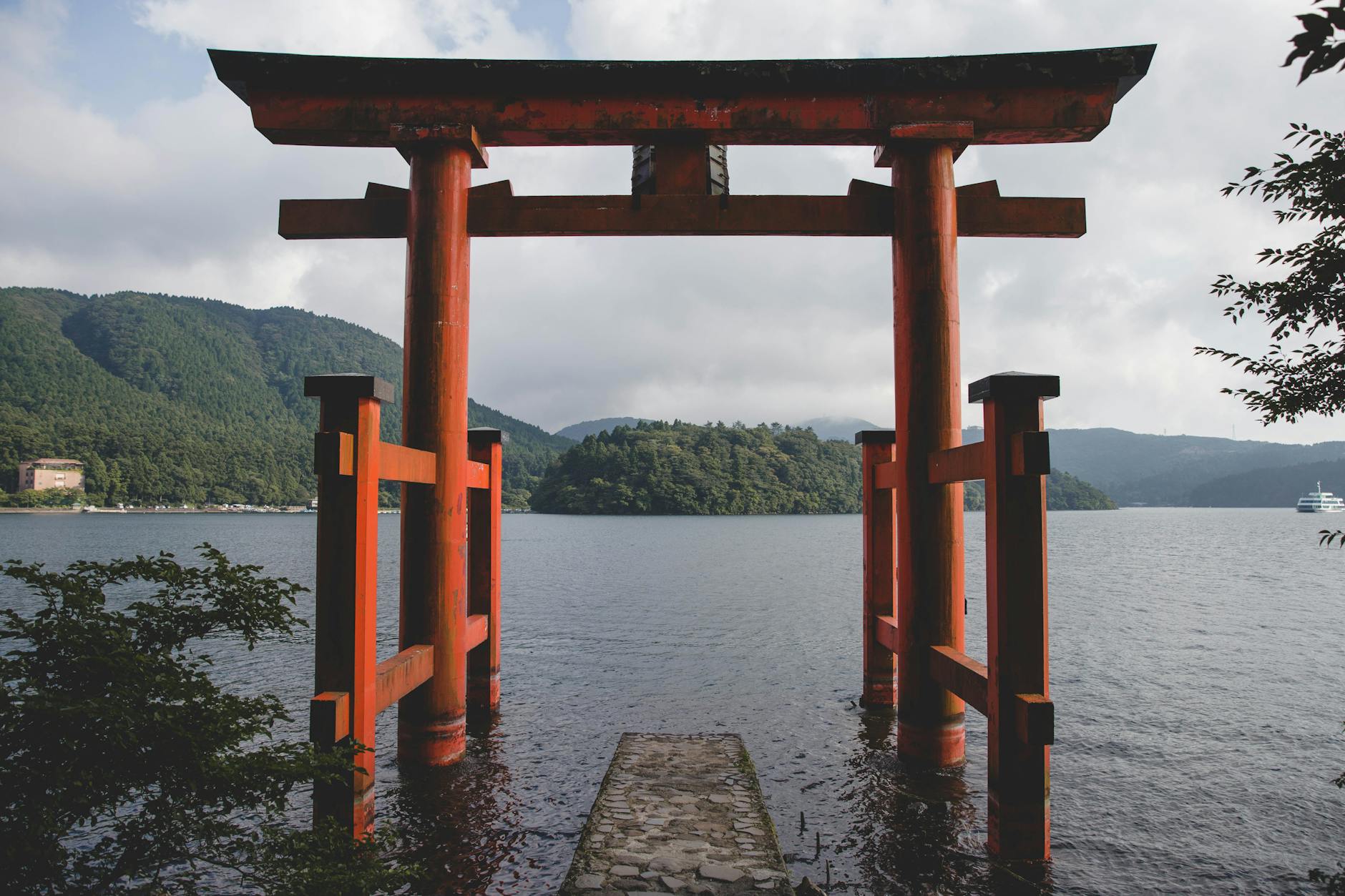
Located in Kanagawa Prefecture, Lake Ashi has been a sacred site for centuries, home to the famous Hakone Shrine and its instantly recognizable red torii gate that appears to float on the water. The lake’s calm waters reflect the surrounding mountains and forests, creating picture-perfect moments that draw photographers and nature lovers from around the world. With multiple ways to explore—from leisurely cruise ships to scenic hiking trails—Lake Ashi rewards visitors with experiences that range from tranquil to thrilling.
This comprehensive guide will walk you through everything you need to know to make the most of your visit to Hakone Lake Ashi, from practical transportation tips to hidden gems that most tourists miss.
Why Visit Hakone Lake Ashi: An Overview
Hakone Lake Ashi occupies a special place in Japanese tourism for several compelling reasons. First and foremost is the sheer natural beauty of the setting. The lake sits at an elevation of 723 meters, surrounded by lush forests and volcanic peaks that create a dramatic backdrop. On clear days—and they are surprisingly frequent—the iconic silhouette of Mount Fuji rises majestically in the distance, making Lake Ashi one of the most reliable spots in the Hakone region to photograph Japan’s highest mountain.
Beyond the scenery, Lake Ashi offers a rich tapestry of cultural experiences. The Hakone Shrine, with its history dating back over 1,000 years, draws both tourists and pilgrims seeking blessings for success and safe travels. The shrine’s floating torii gate has become such an iconic image that it appears on countless travel publications and social media posts, yet seeing it in person still evokes a sense of wonder.
The area also serves as an excellent base for exploring the broader Hakone region, which is famous for its hot springs (onsen), museums, and outdoor activities. The combination of natural attractions, cultural sites, and convenient access from Tokyo makes Lake Ashi an essential destination for any Japan itinerary.
Top Things to See and Do at Hakone Lake Ashi
Hakone Shrine and the Floating Torii Gate
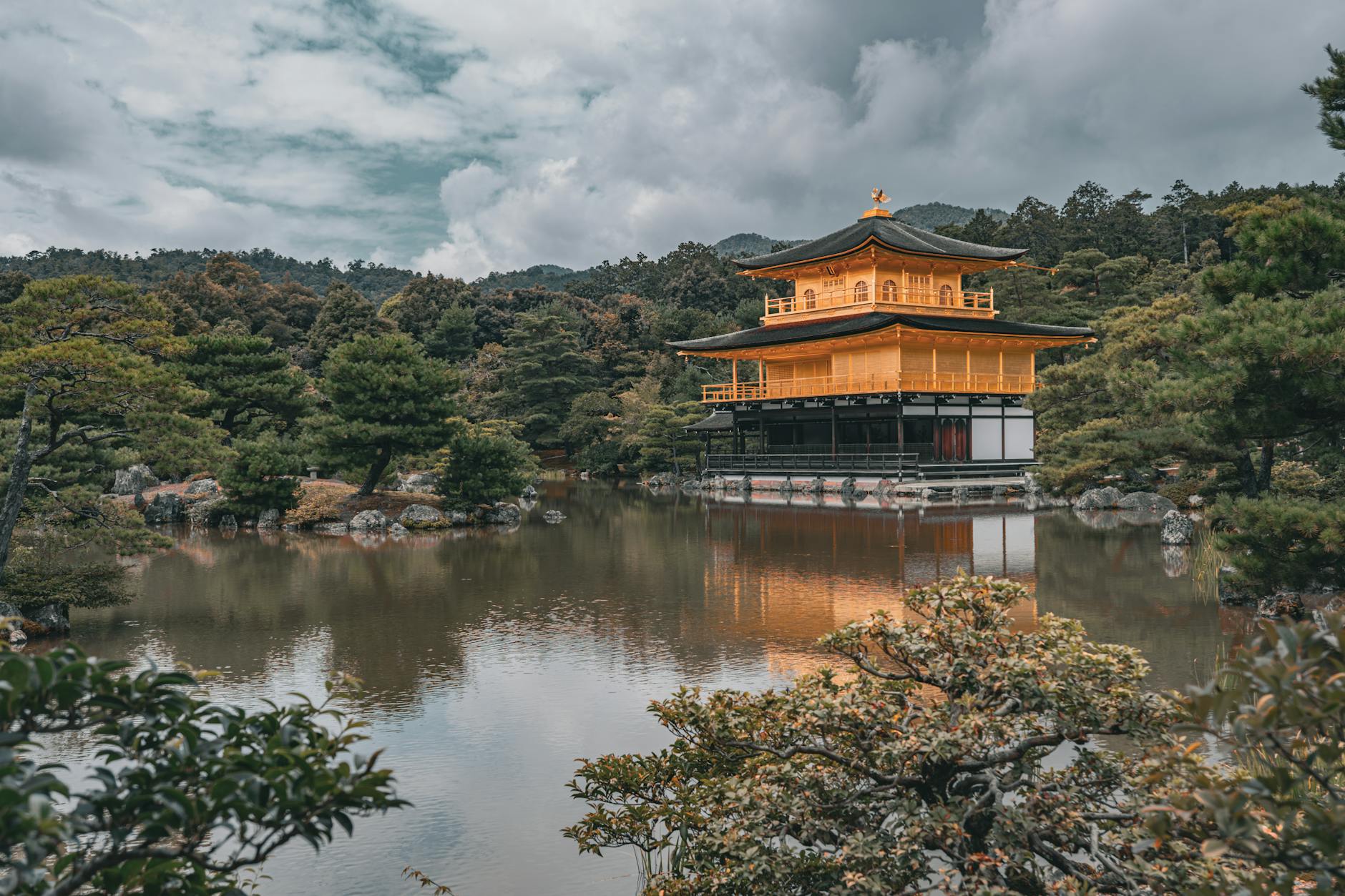
No visit to Lake Ashi is complete without seeing the Hakone Shrine (箱根神社). Founded in 757 AD, this Shinto shrine is dedicated to the deities of mountains and safe travel. The shrine complex sits nestled in dense forest, with the main hall featuring traditional architecture that exemplifies centuries of religious tradition.
The most photographed spot is undoubtedly the lakeside torii gate, which stands in the water about 200 meters from the shore. This vermillion gate creates one of Japan’s most recognizable images, especially when paired with Mount Fuji in the background. The gate is particularly stunning during sunrise and sunset, when the light transforms the scene into something almost spiritual.
Address: 80-1 Motohakone, Hakone-machi, Ashigarashimo-gun, Kanagawa-ken 250-0522
Access: 10-minute walk from Moto-Hakone Port (Hakone Sightseeing Cruise)
Admission: Free to visit the shrine grounds
Hakone Sightseeing Cruise: Pirate Ships on Lake Ashi
One of the most unique experiences at Lake Ashi is the Hakone Sightseeing Cruise (箱根海贼船), which operates replica pirate ships across the lake. These colorful vessels—styled after 17th-century European pirate ships—offer a fun and memorable way to explore the lake while enjoying panoramic views of the surrounding mountains.
The cruise takes approximately 25-30 minutes between the main ports of Hakone-en and Moto-Hakone, with the journey providing excellent photo opportunities of Mount Fuji and the lakeside scenery. Onboard, you can purchase snacks and beverages, and during certain seasons, special events and performances add to the atmosphere.
Adult fare: ¥1,000 (one way), ¥1,800 (round trip)
Child fare: ¥500 (one way), ¥900 (round trip)
Operating hours: Approximately 9:00 AM – 4:30 PM (varies by season)
Frequency: Departures every 15-30 minutes
Mount Fuji Views from Lake Ashi
Lake Ashi is widely regarded as one of the best places in the Hakone area to view Mount Fuji. The lake’s elevated position and relatively clear air make sightings more common here than in lower-lying areas. While summer months often see the mountain obscured by humidity and clouds, the period from late autumn through early spring typically offers excellent visibility.
The best viewing spots include the areas near the Hakone Shrine torii gate, the viewing platforms near the cruise ship docks, and the scenic spots along the lakeside walking paths. Many visitors combine their lake cruise with a stop at these viewpoints, creating a comprehensive Mount Fuji photography experience.
The Ancient Cedar Avenue
Running alongside part of Lake Ashi’s shoreline is the Ancient Cedar Avenue (旧的芦ノ湖湖畔), a tree-lined pathway that dates back centuries. The towering cedars, some over 600 years old, create a majestic tunnel of greenery that is particularly beautiful during the fresh green season of early summer and during autumn when the leaves change color.
The path is relatively flat and suitable for visitors of all ages, making it an excellent option for families or those seeking a more contemplative experience. Walking the full length takes approximately 30-45 minutes, but you can easily spend longer enjoying the scenery and taking photographs.
Hakone Checkpoint (Hakone Sekisho)
History enthusiasts will appreciate the Hakone Checkpoint, a reconstructed version of the original Edo Period (1603-1868) border checkpoint that once controlled travel between Tokyo (then Edo) and western Japan. During the shogunate’s rule, all travelers passing through this area had to be inspected, and the checkpoint played a crucial role in maintaining the Tokugawa government’s control.
The modern reconstruction provides insight into this fascinating period of Japanese history, with exhibits showing how officials searched for contraband and monitored travel. The site also offers beautiful views of Lake Ashi from its elevated position.
Admission: ¥500 for adults, ¥250 for children
Hours: 9:00 AM – 5:00 PM (last entry 4:30 PM)
Food & Dining Recommendations
The Lake Ashi area offers several dining options ranging from casual eateries to more refined restaurants. Here are some recommendations for where to eat during your visit:
Local Specialties to Try
Hakone Kuro-Tamago (Black Eggs): These famous eggs are cooked in the hot springs of Owakudani (nearby) and have a blackened shell due to the sulfur content. The eggs are said to add seven years to your life—a playful claim that makes them a popular souvenir. Look for them at shops near Owakudani and along the tourist routes. Price: ¥300-500 for a pack of 5 eggs.
Hakone Soba: The region is known for its buckwheat noodles, made with water from local hot springs. These nutty, flavorful noodles are served both hot and cold and can be found at numerous restaurants around the lake. Price: ¥800-1,500 for a bowl.
Lake Fish (Fuki): Fresh fish from Lake Ashi, particularly a type of Japanese crucian carp called “fuki,” is served at local restaurants. Often grilled (yakizakana) or served in soups, these freshwater fish offer a taste of the lake itself.
Recommended Restaurants
Amazake Cafe: Located near the Hakone Shrine, this cozy cafe offers light meals, snacks, and drinks. Try their amazake (sweet fermented rice drink) for a traditional Japanese experience. Price range: ¥500-1,200
La Foret Hakone: A French-Japanese restaurant near the lake offering set course meals featuring local ingredients. The setting is elegant, making it suitable for special occasions. Price range: ¥3,000-8,000 for lunch/dinner courses
Various Lakeside Eateries: Near the cruise ship docks, you’ll find several casual restaurants and food stalls offering soba, ramen, and quick bites. These are convenient for a meal between activities. Price range: ¥600-1,500
Getting to Hakone Lake Ashi
Reaching Lake Ashi is straightforward from major cities in the Kanto region, particularly Tokyo. Several transportation options exist, each with different time and cost considerations.
From Tokyo (Shinjuku or Tokyo Station)
Option 1: Odakyu Electric Railway (Most Popular)
- Take the Odakyu Odawara Line from Shinjuku Station to Hakone-Yumoto Station
- Travel time: Approximately 1 hour 40 minutes (Express train) or 2 hours (Local)
- Cost: ¥950-1,000 for the base fare, or use the Odakyu Hakone Free Pass (see below)
- From Hakone-Yumoto, transfer to the Hakone Tozan Railway or bus to reach Lake Ashi
Option 2: JR Train via Odawara
- Take the JR Tokaido Shinkansen (bullet train) from Tokyo Station to Odawara Station
- Travel time: Approximately 35 minutes
- Cost: ¥3,500-4,000 for a reserved seat
- From Odawara, transfer to the Hakone Tozan Line to Hakone-Yumoto, then continue to Lake Ashi
Getting Around the Hakone Area
Once you reach Hakone-Yumoto, several options connect you to Lake Ashi:
Hakone Tozan Railway: The scenic mountain railway offers a charming journey through the hills. From Hakone-Yumoto to Gora (change point for the cable car), then continue by bus or ropeway. Cost: Approximately ¥400-800 depending on distance.
Hakone Tozan Bus: Direct buses run from Hakone-Yumoto Station to Lake Ashi area (Hakone-en, Moto-Hakone). Cost: Approximately ¥500-1,000
Hakone Ropeway: For a scenic aerial view, take the ropeway from Gora to Owakudani, then continue by bus to Lake Ashi.
The Hakone Free Pass
For visitors planning to explore the Hakone area comprehensively, the Odakyu Hakone Free Pass is highly recommended. This unlimited travel pass covers:
- Odakyu trains from Tokyo to Hakone and back
- All Hakone Tozan transportation (railway, bus, ropeway)
- Hakone Sightseeing Cruise (pirate ship)
Cost: ¥5,000-6,500 for two days, depending on the route selected
Where to purchase: Odakyu stations in Tokyo (Shinjuku, Tokyo, Yokohama) or online in advance.
Best Time to Visit Hakone Lake Ashi
Lake Ashi offers distinct attractions throughout the year, making it a worthwhile destination in any season. However, certain times of year offer particularly memorable experiences.
Spring (March – May)
Spring brings the cherry blossom season to Lake Ashi, typically peaking in early to mid-April. The combination of pink cherry blossoms, the red torii gate, and (if you’re lucky) Mount Fuji creates an iconic Japanese scene. Temperatures are mild, ranging from 10-20°C, making comfortable weather for exploring.
Summer (June – August)
Summer offers the warmest temperatures (20-30°C) and the lushest green scenery. The pirate cruises operate at full capacity, and the long daylight hours allow for extended exploration. However, this is also peak tourist season, so expect larger crowds. Mount Fuji visibility decreases due to humidity, but the lake cruises are particularly enjoyable in the warm weather.
Autumn (September – November)
Autumn is perhaps the most spectacular season at Lake Ashi. The maple trees and other deciduous plants turn brilliant shades of red, orange, and gold, creating breathtaking scenery. Peak autumn foliage typically occurs in mid-to-late November. This period also often offers good Mount Fuji visibility and comfortable temperatures (10-18°C).
Winter (December – February)
Winter transforms Lake Ashi into a serene wonderland. While temperatures can drop to 0-5°C, the clear winter air provides the highest probability of Mount Fuji sightings. The fewer tourists mean a more peaceful experience, and the winter scenery has its own quiet beauty. Some facilities may have reduced hours, so check in advance.
Special Events
Throughout the year, various festivals and events take place in the Hakone area. The Hakone Shrine holds seasonal festivals, and the New Year period (January 1-3) sees special celebrations at the shrine. Summer brings various fireworks displays and festivals in the broader Hakone region.
Pro Tips for Visiting Hakone Lake Ashi
Based on local knowledge and traveler experience, here are essential tips to enhance your visit:
Check Weather and Visibility Forecasts: Before your trip, check the Mount Fuji visibility forecast. The official Japan Meteorological Agency provides daily predictions, and clear winter days often guarantee sightings. Even in other seasons, mornings typically offer better visibility than afternoons.
Combine Lake Ashi with Nearby Attractions: Lake Ashi fits perfectly with other Hakone highlights. Consider combining your visit with Owakudani (the volcanic valley with hot springs and sulfur vents), the Hakone Open Air Museum (featuring impressive sculpture installations), or the charming mountain town of Gora.
Wear Appropriate Footwear: While much of the Lake Ashi area is accessible by foot, comfortable walking shoes are essential if you plan to explore the trails and shrine grounds. The terrain can be uneven in places.
Bring Cash: While some larger establishments accept credit cards, many smaller restaurants, shops, and local attractions in the Hakone area are cash-only. Ensure you have sufficient Japanese yen for the day.
Consider Overnight Stay: While Lake Ashi can be visited as a day trip from Tokyo, staying overnight allows you to experience the area when crowds thin, enjoy evening atmosphere, and potentially see the lake at sunrise—a magical experience.
Nearby Attractions to Combine With Your Visit
Lake Ashi sits at the heart of the Hakone region, making it easy to combine with other attractions:
Owakudani: This volcanic valley features bubbling hot springs, sulfur vents, and the famous black eggs. Access via the Hakone Ropeway from Gora. The area offers hiking trails and excellent views.
Hakone Open Air Museum: One of Japan’s premier outdoor art museums, featuring over 1,000 works by Japanese and international artists scattered across beautiful gardens. Located near the Kowaki-en Bus Stop.
Gora Park and Sounji Temple: The town of Gora offers pleasant parks, the Hakone Museum of Art, and the historic Sounji Temple.
Hakone Art Museum: Features impressive collections of Japanese and Asian art, including ceramics, paintings, and sculptures.
Yuryo (Public Bath Houses):strong> For those without time for a full ryokan stay, several public hot spring facilities in the area offer day bathing options.
Frequently Asked Questions
How long should I spend at Lake Ashi?
Most visitors spend 3-5 hours at Lake Ashi, which allows time for a cruise, visiting the Hakone Shrine, exploring the lakeside area, and enjoying a meal. If you want to combine it with nearby attractions like Owakudani or the Open Air Museum, plan for a full day (6-8 hours).
Can I see Mount Fuji from Lake Ashi?
Yes, Lake Ashi is one of the best spots in Hakone to view Mount Fuji. The mountain is most visible from late autumn through winter (roughly November through February) when the air is clearest. Early morning typically offers the best visibility.
Is Lake Ashi suitable for children?
Absolutely. The pirate cruise ships are particularly popular with children, and the lakeside areas are generally flat and easy to navigate. The Hakone Shrine grounds are also child-friendly. Bring appropriate clothing for the weather and consider carrying younger children during longer walks.
Do I need to book in advance?
For most attractions at Lake Ashi, advance booking is not necessary. The pirate cruise ships operate on a frequent schedule and rarely fill to capacity. However, if you plan to stay at a ryokan (traditional inn) during peak seasons (cherry blossom, autumn foliage, New Year), booking weeks or months in advance is strongly recommended.
What happens if it’s raining?
Lake Ashi can still be enjoyed in light rain—the pirate cruises operate in most weather conditions (except severe storms), and the shrine and lakeside areas remain accessible. However, Mount Fuji views will likely be obscured. Consider bringing a compact umbrella or rain jacket, and have backup plans like visiting the Open Air Museum’s indoor galleries or the Hakone Museum of Art.
🚗 Experience Japan’s Car Culture
While you’re exploring Japan, don’t miss the chance to experience the legendary JDM car scene. Our Daikoku PA Night Tour takes you to Japan’s most famous car meet — see Nissan GT-Rs, Toyota Supras, and hundreds of modified cars in their natural habitat.
Book a Mt. Fuji & Hakone Day Trip
See Mt. Fuji up close on a full-day tour from Tokyo. Includes Lake Ashi cruise, Hakone Ropeway, and stunning views. Free cancellation.
Related Articles
- Mt Fuji Climbing Guide: Routes, Gear and When to Go
- Hakone Hot Spring Day Trip from Tokyo
- Mt Fuji Day Trip from Tokyo
[st_af id=”77″]
🇯🇵 Plan Your Japan Experience
JDM Car Rental
Drive a GT-R, Supra, RX-7, or Silvia on the roads they were built for. Hakone passes, Wangan highway, mountain touge — your dream JDM experience.
Daikoku PA Tour
Visit Japan’s most legendary car meet. Hundreds of modified cars, passionate owners, and the heartbeat of JDM culture. Guided weekend night tours available.
Photo Guide Tour
Capture stunning photos at locations only locals know. Hidden shrines, backstreet alleys, rooftop views, and golden hour spots for unforgettable shots.