Hakone Free Pass: Is It Worth It? Complete 2026 Guide
If you’re planning a trip to Japan, chances are you’ve heard about Hakone — the iconic mountain destination known for its hot springs, stunning views of Mount Fuji, and unique blend of natural beauty and cultural attractions. But here’s the thing: navigating Hakone’s extensive public transportation network can quickly become expensive and confusing. That’s where the Hakone Free Pass comes in. This all-inclusive ticket promises unlimited travel on multiple transport lines throughout the Hakone area, potentially saving you both money and stress. But is it actually worth it? In this comprehensive guide, we’ll break down everything you need to know about the Hakone Free Pass in 2026, including whether it will save you money, what it covers, and how to make the most of your Hakone adventure.
Whether you’re a first-time visitor to Japan or a seasoned traveler looking to optimize your itinerary, understanding the ins and outs of the Hakone Free Pass is essential for planning an efficient and budget-friendly trip. Let’s dive in.
What Is the Hakone Free Pass?
The Hakone Free Pass ( Hakone Free Pass) is a discounted travel ticket offered by Odakyu Electric Railway that provides unlimited rides on multiple transportation systems in the Hakone area. It’s designed specifically for tourists and offers a convenient way to explore Hakone without worrying about individual ticket costs or figuring out complex fare structures.
The pass covers the Odakyu Odawara Line (between Shinjuku and Odawara), the Hakone Tozan Railway, the Hakone Tozan Bus, the Odakyu Hakone Sightseeing Bus, the Hakone Ropeway, and the Lake Ashi Cruise boat. In essence, it gives you access to almost all of Hakone’s major transportation options with a single purchase.
The pass is available in several durations: 2-day, 3-day, and 4-day versions. Prices vary depending on the type (with or without the Shinjuku starting point), but the standard 2-day pass typically costs around ¥5,900 for adults, while the 3-day pass runs approximately ¥6,400. Children aged 6-11 pay roughly half the adult price.
Top Things to See and Do in Hakone
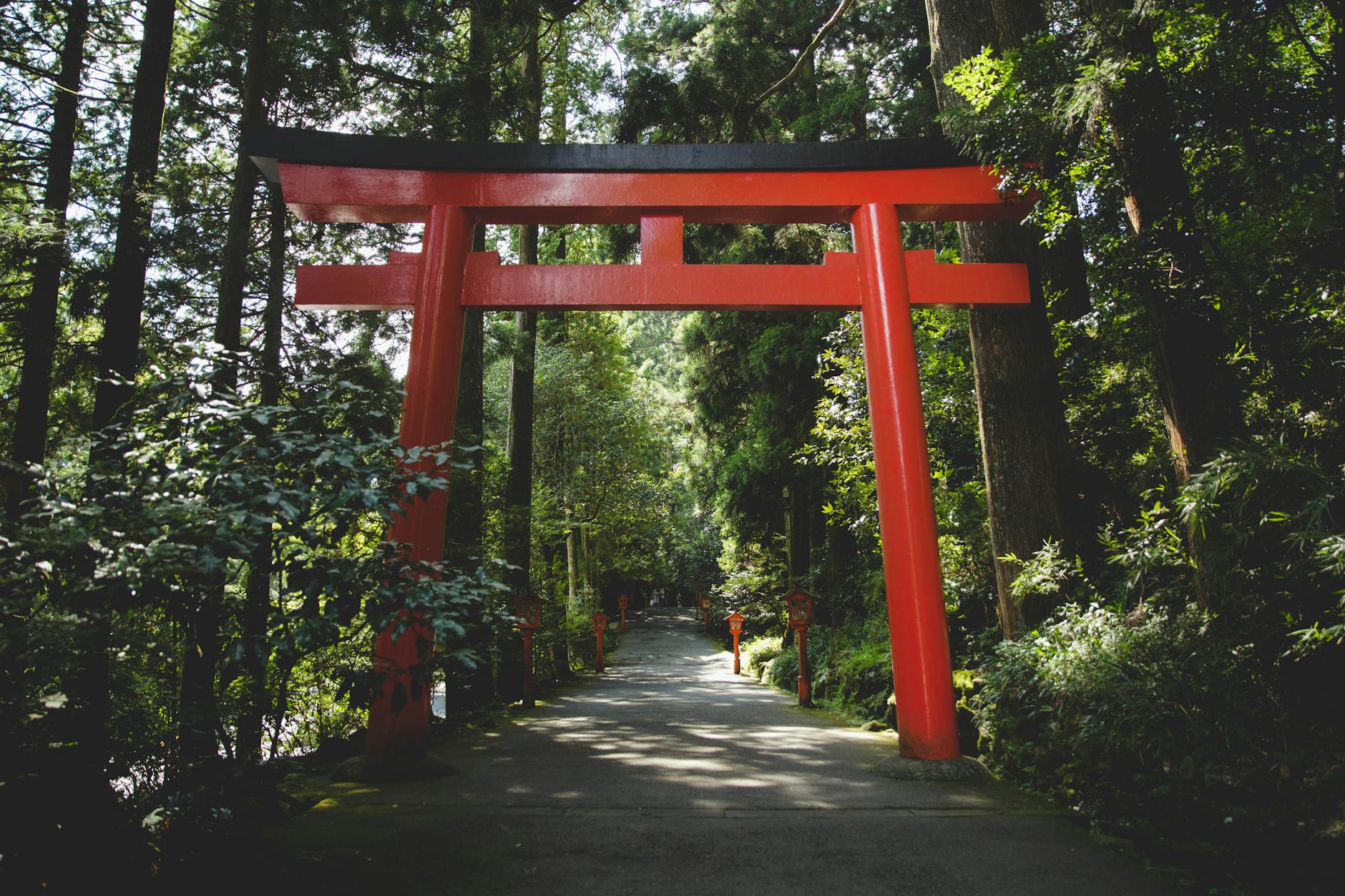
Hakone offers an incredible variety of attractions, from natural wonders to cultural landmarks. Here’s a breakdown of the must-see spots that are easily accessible with your Hakone Free Pass:
Hakone Open Air Museum
One of Japan’s premier outdoor art museums, the Hakone Open Air Museum (Hakone Churitsu) features over 100 sculptures scattered across beautiful gardens. The museum is open from 9:00 AM to 5:00 PM (last entry at 4:30 PM) and costs ¥2,500 for adults, ¥1,100 for high school students, and ¥700 for children. The on-site hot spring foot bath (free!) is perfect for relaxing after exploring the grounds. Address: 1121 Ninotaira, Hakone-machi, Ashigarashimo-gun, Kanagawa-ken 250-0493.
Owakudani Valley
Known for its volcanic activity and sulfurous steam vents, Owakudani (大涌谷) offers a truly otherworldly experience. You can take the Hakone Ropeway up to the valley and enjoy views of the steaming vents and boiling ponds. The famous black eggs (kuro-tamago), boiled in the hot springs and said to add seven years to your life, cost around ¥500 for a bag of five. The area is open from 9:00 AM to 4:30 PM (varies by season).
Hakone Shrine
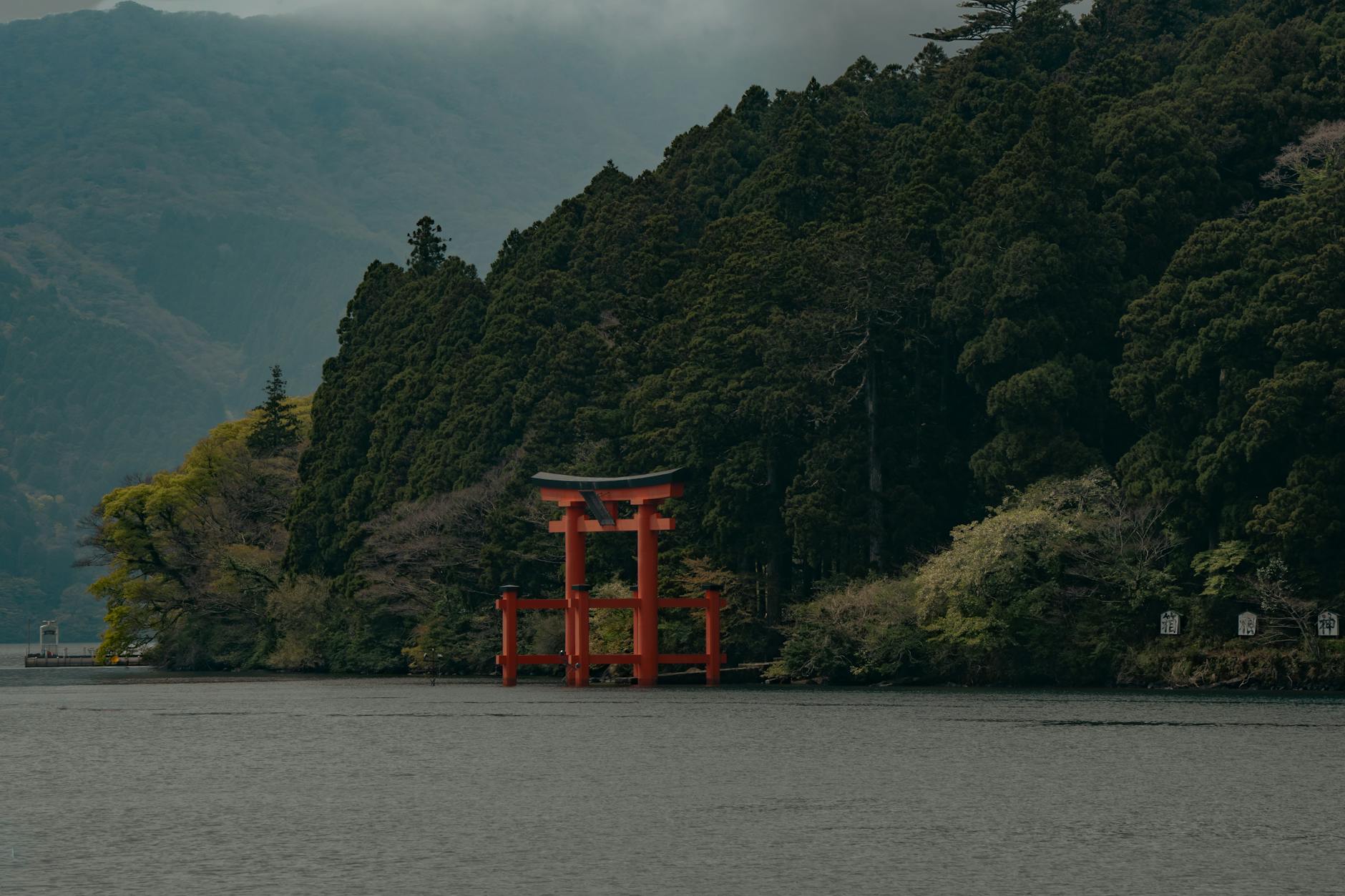
Tucked away in a sacred cedar forest, the Hakone Shrine (Hakone Jinja) is one of Japan’s oldest and most important shrines. The striking red torii gate overlooking Lake Ashi is one of Hakone’s most photographed spots. The shrine is open 24 hours and free to visit. Address: 709-1 Motohakone, Hakone-machi, Ashigarashimo-gun, Kanagawa-ken 250-0522.
Lake Ashi (Ashi-no-ko)
This scenic crater lake offers beautiful reflections of Mount Fuji on clear days. The Lake Ashi Cruise (Ashi-no-ko Yusui Kyatsu) operates pirate-themed ships that provide a leisurely 30-minute cruise across the lake. Prices are ¥1,000 for adults and ¥500 for children. Cruises run from 9:00 AM to 4:30 PM, with frequency varying by season.
Gora Park
This French-style botanical garden in Gora features beautiful flower arrangements, a rose garden, and a greenhouse. Gora Park (Gora Koen) is open from 9:00 AM to 5:00 PM and costs ¥800 for adults, ¥400 for children. Address: 1300 Gora, Hakone-machi, Ashigarashimo-gun, Kanagawa-ken 250-0408.
Hakone Checkpoint
For history buffs, the Hakone Checkpoint (Hakone Sekisho) offers insight into Japan’s feudal past. This reconstructed Edo-period checkpoint was once used to search travelers for contraband. Open from 9:00 AM to 5:00 PM, admission is ¥500 for adults and ¥250 for children. Address: 1-1 Tanakukatsurada, Hakone-machi, Ashigarashimo-gun, Kanagawa-ken 250-0521.
Food & Dining Recommendations
Hakone’s culinary scene is as diverse as its attractions, offering everything from traditional Japanese cuisine to international options. Here are some recommendations across different price ranges:
Japanese Cuisine (Mid-Range): Gora Brewery & Grill (Gora, Hakone-machi) offers craft beer and grilled dishes in a rustic setting. Expect to pay around ¥1,500-2,500 for a meal. Hakone Yume SAKURA serves kaiseki-style multi-course dinners starting from around ¥4,000.
Local Specialties: Don’t miss Hakone yosemite (local soba noodles made from buckwheat) at one of the many soba restaurants along the Hakone Tozan Railway line. Marui Shokudo in Gora offers reliable, affordable meals from around ¥800-1,200.
Casual Dining: Komonoya near Hakone-Yumoto Station serves simple, satisfying dishes like tonkatsu and curry rice for ¥700-1,000. For a quick bite, the Owakudani Black Egg (kuro-tamago) at ¥500 for five eggs is a must-try local specialty.
Sweet Treats: Tsuruya Yoshinobu (Gora) is famous for its mochi (rice cakes) and wagashi (Japanese confections), with items ranging from ¥200-800. The Hakone Shrinemae Shaved Ice shop near the shrine offers refreshing ice in various flavors during summer months for ¥500-800.
Desserts & Cafés: The Hakone Open Air Museum Café offers light meals and coffee with art-filled views. For something unique, try the Artistic Bakery near the museum for freshly baked goods.
Getting There: Transport Information
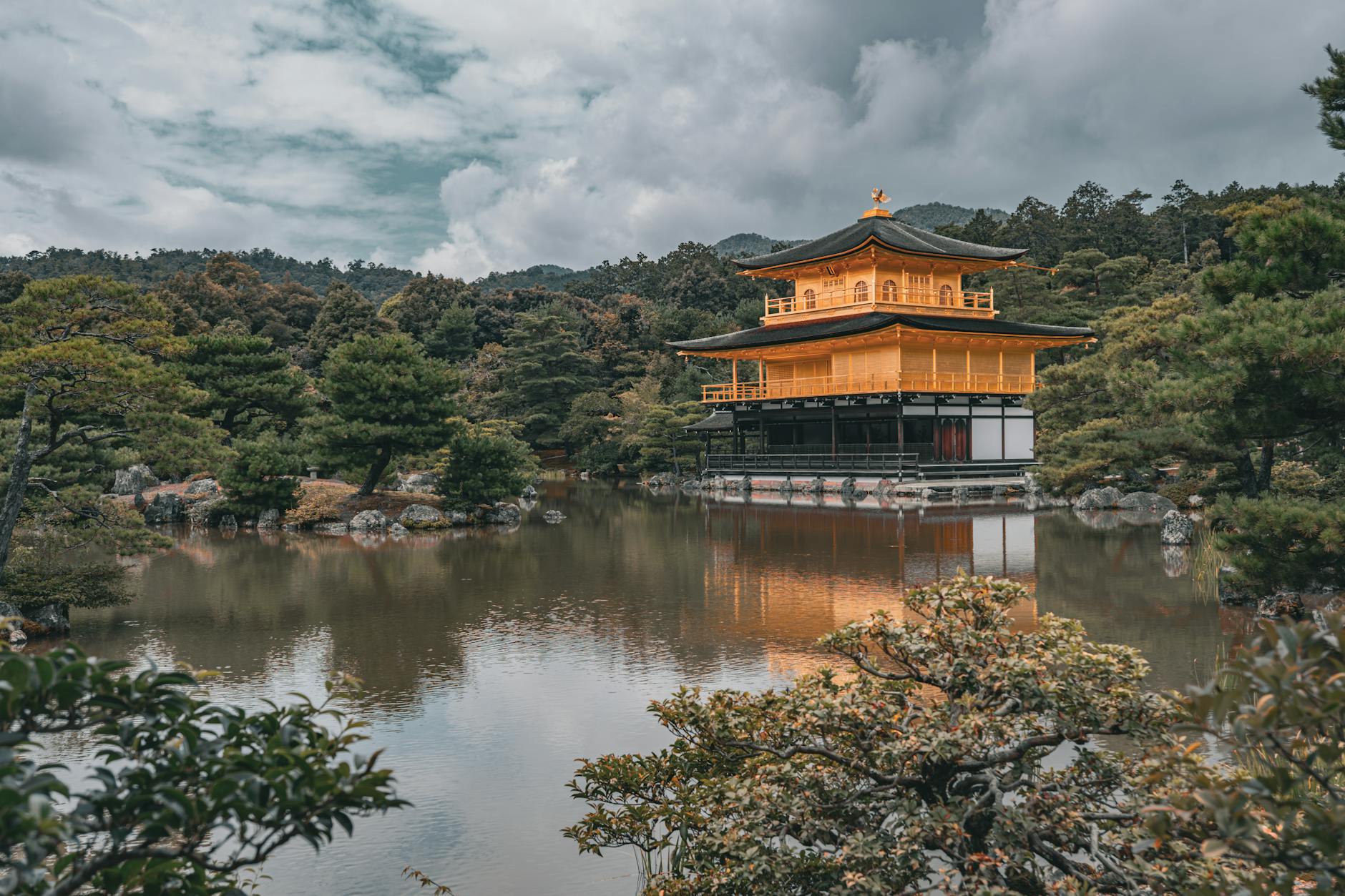
Getting to Hakone is straightforward, especially from Tokyo. Here’s how to reach Hakone from major cities:
From Tokyo (Shinjuku)
The most popular route is via the Odakyu Odawara Line from Shinjuku Station. The Odakyu “Romancecar” limited express takes approximately 85 minutes and costs ¥2,490 (plus seat reservation fee of ¥500-1,000 for Super Express cars). With the Hakone Free Pass (Shinjuku version), this journey is included.
Alternative: Take the JR Tokaido Shinkansen from Tokyo Station to Odawara (about 35 minutes, ¥3,790), then transfer to the Hakone Tozan Railway. This is NOT covered by the standard Hakone Free Pass.
From Tokyo (Other Stations)
From Tokyo Station: Take the Odakyu Line express or Romancecar to Odawara (about 90-100 minutes, ¥2,770).
From Shibuya Station: Take the Odakyu Line from Shibuya to Odawara (approximately 90 minutes, ¥2,590).
From Kyoto or Osaka
Take the Tokaido Shinkansen to Odawara (about 2.5-3 hours from Kyoto, ¥6,000-8,000), then connect to Hakone. Alternatively, the more budget-friendly but slower option involves taking a local train, which takes 4-5 hours and costs around ¥3,000-4,000.
From Odawara Station
Once you arrive at Odawara Station (小田原駅), transfer to the Hakone Tozan Railway for Gora (30 minutes, ¥390), or take a bus to various Hakone attractions. The Odawara Line also connects directly to Hakone-Yumoto Station.
Best Time to Visit Hakone
Hakone is a year-round destination, but each season offers a distinctly different experience:
Spring (Late March to Early May)
Cherry blossoms (sakura) typically bloom in Hakone from late March to mid-April. The combination of pink blossoms against the backdrop of Mount Fuji creates unforgettable scenery. The Hakone Cherry Blossom Festival takes place at Miike State Park during this period. Expect moderate crowds and temperatures around 10-18°C (50-64°F).
Summer (June to August)
Hakone provides a welcome escape from Tokyo’s summer heat. The mountain elevation keeps temperatures comfortable (around 20-25°C / 68-77°F). The Hakone Fireworks Festival (Hakone Taiko Matsuri) in late July draws massive crowds. Summer is also prime season for hiking and outdoor activities, though expect higher tourist volumes.
Autumn (Late October to November)
Without question, autumn is Hakone’s most spectacular season. The koyo (fall foliage) season typically peaks from mid-November to early December, with vibrant red and orange maple leaves blanketing the mountainsides. The contrast with the evergreens and occasional Mount Fuji views is breathtaking. This is the most popular time to visit, so book accommodations well in advance.
Winter (December to February)
Winter in Hakone offers a tranquil atmosphere and fewer crowds. The onsen (hot springs) are particularly inviting in cold weather, and you might catch clear views of snow-capped Mount Fuji. Some attractions have reduced hours, and the ropeway may close during severe weather. Temperatures range from 0-10°C (32-50°F), so pack warm layers.
General Recommendation: For the best balance of weather, scenery, and manageable crowds, consider visiting in late April to early June or mid-September to mid-October.
Is the Hakone Free Pass Worth It? A Cost Analysis
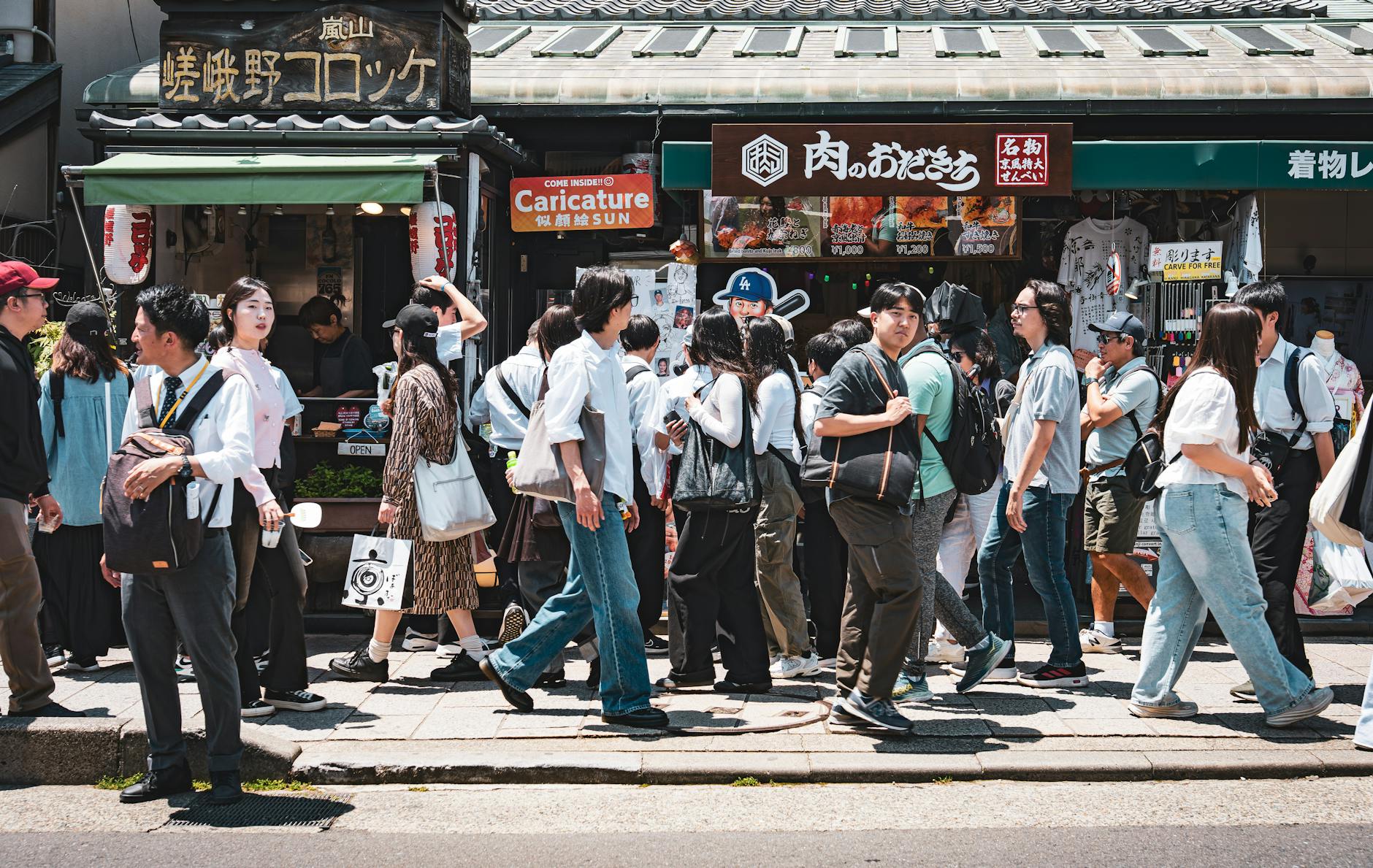
Now for the critical question: will the Hakone Free Pass actually save you money? Let’s break down a typical 2-day itinerary:
Without the Pass: A sample 2-day itinerary might include: Shinjuku to Hakone-Yumoto return (¥2,490 × 2 = ¥4,980), Hakone Tozan Railway to Gora (¥390 × 2 = ¥780), Hakone Ropeway (¥1,000 × 2 = ¥2,000), Lake Ashi Cruise (¥1,000 × 2 = ¥2,000), and various bus rides (approximately ¥500-1,000). This adds up to roughly ¥10,000-12,000.
With the Pass: The 2-day Hakone Free Pass costs approximately ¥5,900 (Shinjuku version). This already covers the Shinjuku to Odawara journey and all the transportation within Hakone.
Verdict: For a 2-day trip covering the main attractions, the Hakone Free Pass typically saves you ¥4,000-6,000. For a 3-day trip, the savings are even greater. The pass is absolutely worth it for most visitors planning to see more than 2-3 attractions.
When It Might NOT Be Worth It: If you’re only visiting Hakone for half a day, staying in one specific area without using much public transport, or if you’re on an extremely tight budget willing to walk everywhere (not recommended due to steep hills).
Pro Tips for Maximizing Your Hakone Free Pass
Here are insider strategies to get the most out of your Hakone Free Pass experience:
- Plan your route in advance: Hakone’s transportation system runs in a roughly circular route. Decide whether to go clockwise (Hakone-Yumoto → Gora → Owakudani → Lake Ashi → Hakone Shrine) or counter-clockwise. The counter-clockwise direction is generally less crowded in the morning.
- Check the weather forecast: Mount Fuji visibility and some attractions (like the Hakone Ropeway) depend on weather conditions. Clear days offer the best views but also larger crowds.
- Stay at a ryokan: For the full Hakone experience, stay at a traditional Japanese inn (ryokan) with onsen. Many ryokans offer half-board (dinner and breakfast) packages that make your stay more memorable. Book early, especially during peak autumn season.
- Consider the Hakone Free Pass Plus: Odakyu occasionally offers special passes that include discounts or coupons for attractions. These can provide additional value.
- Download offline maps: Internet connectivity can be spotty in some parts of Hakone. Download Google Maps offline or get a physical map at your accommodation.
- Start early: Popular attractions like Owakudani and the Open Air Museum get very crowded by mid-morning. Arriving when attractions open (typically 9:00 AM) gives you a more peaceful experience.
Nearby Day Trips and Combinations
Hakone’s location makes it easy to combine with other destinations:
Odawara: Just 15 minutes from Hakone-Yumoto by train, Odawara Castle is worth a visit for history enthusiasts. The castle grounds are free to explore; the keep costs ¥500.
Gotemba Premium Outlets: Located near the base of Mount Fuji, this large outlet mall offers designer brands at discounted prices. Accessible via bus from Hakone (about 40 minutes with the Free Pass on certain bus routes).
Mount Fuji Area: On clear days, you can see Mount Fuji from various points in Hakone. For a closer view, consider a day trip to the Fuji Five Lakes area (accessible via bus from Gotemba).
Kamakura: This historic coastal city with famous temples and the Great Buddha is about 1 hour from Hakone via train, making it a possible combination for a longer trip.
Frequently Asked Questions
Can I use the Hakone Free Pass on the Shinkansen?
No, the Hakone Free Pass does not cover the Shinkansen (bullet train). It covers the Odakyu Odawara Line (including Romancecar limited express), Hakone Tozan Railway, Hakone Tozan Bus, Odakyu Hakone Sightseeing Bus, Hakone Ropeway, and Lake Ashi Cruise. For Shinkansen travel to/from Hakone, you’ll need a separate ticket.
Is the Hakone Free Pass available for children?
Yes, children’s passes (for ages 6-11) are available at roughly half the adult price. Children under 6 generally travel free on most transportation when accompanied by an adult.
Can I buy the Hakone Free Pass at Hakone attractions?
No, the pass must be purchased before arriving in Hakone. You can buy it at Odakyu stations (Shinjuku, Tokyo, Shinagawa, Sagami-Ono, or Odawara), at Odakyu Travel agencies, or online through the Odakyu website.
What happens if I lose my Hakone Free Pass?
Unfortunately, lost or stolen passes are not replaced. Keep your pass safe throughout your trip. Some passes come with a protective sleeve — use it!
Can I use the Hakone Free Pass for the Odakyu Romancecar seat reservation?
The Hakone Free Pass covers the base fare for the Romancecar, but seat reservations require an additional fee (¥500-1,000 depending on the service). The pass does not guarantee a seat during busy periods, so it’s recommended to make reservations in advance during peak travel times.
🚗 Experience Japan’s Car Culture
While you’re exploring Japan, don’t miss the chance to experience the legendary JDM car scene. Our Daikoku PA Night Tour takes you to Japan’s most famous car meet — see Nissan GT-Rs, Toyota Supras, and hundreds of modified cars in their natural habitat.
Book a Mt. Fuji & Hakone Day Trip
See Mt. Fuji up close on a full-day tour from Tokyo. Includes Lake Ashi cruise, Hakone Ropeway, and stunning views. Free cancellation.
Related Articles
- Mt Fuji Climbing Guide: Routes, Gear and When to Go
- Hakone Hot Spring Day Trip from Tokyo
- Mt Fuji Day Trip from Tokyo
Why not elevate your journey with a legendary JDM experience?

Our Services:
- Self-Drive Rentals
- Guided Tours
- Drift Experiences
Please visit the dedicated page for more details.
🇯🇵 Plan Your Japan Experience
JDM Car Rental
Drive a GT-R, Supra, RX-7, or Silvia on the roads they were built for. Hakone passes, Wangan highway, mountain touge — your dream JDM experience.
Daikoku PA Tour
Visit Japan’s most legendary car meet. Hundreds of modified cars, passionate owners, and the heartbeat of JDM culture. Guided weekend night tours available.
Photo Guide Tour
Capture stunning photos at locations only locals know. Hidden shrines, backstreet alleys, rooftop views, and golden hour spots for unforgettable shots.