Hakone Weather Guide: Best Seasons & What to Pack
Just an hour’s train ride from Tokyo lies Hakone, one of Japan’s most beloved resort destinations. Famous for its hot springs, stunning views of Mount Fuji, and rich history as a post town along the old Tokaido road, Hakone offers visitors an unforgettable glimpse into traditional Japanese culture and natural beauty. Understanding the hakone weather before you go is essential for making the most of your trip, as the region’s mountain climate can vary dramatically by season.
Whether you’re planning to soak in outdoor onsen baths, cruise across Lake Ashi on a pirate ship, or explore the area’s numerous museums and temples, the weather will play a big role in your experience. This comprehensive guide covers everything you need to know about Hakone’s seasons, including temperature ranges, precipitation patterns, and the best times to visit for different activities. We’ll also share practical packing tips and insider advice to help you prepare for a comfortable and memorable trip.
Let’s dive into everything you need to know about planning your Hakone adventure around the weather!
Overview: Why Visit Hakone
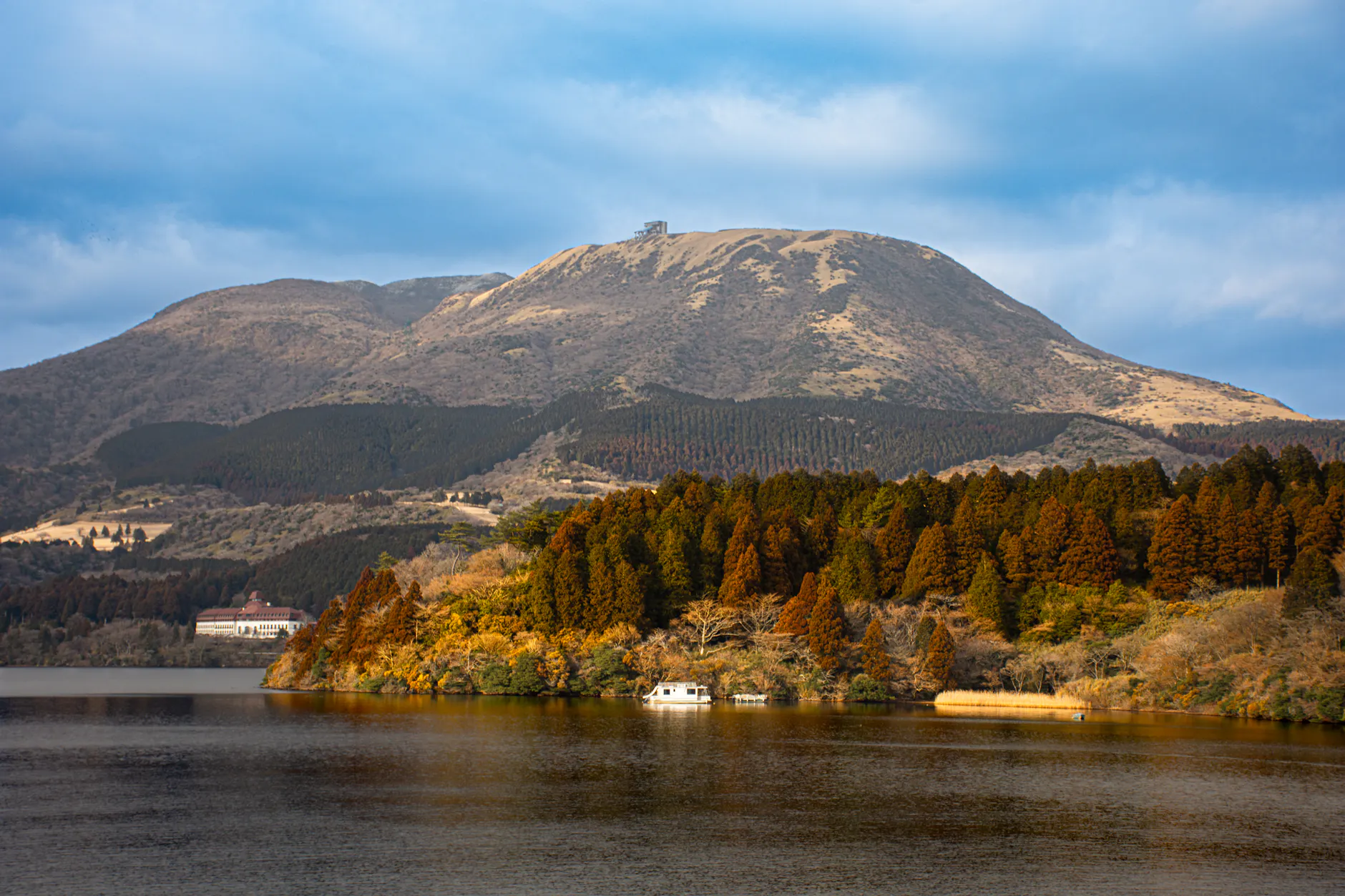
Hakone is located in the Fuji-Hakone-Izu National Park, about 100 kilometers southwest of Tokyo. The area sits at an elevation ranging from sea level to over 1,400 meters, which means the climate can differ significantly depending on where you are in the region. This diversity is part of what makes Hakone so appealing—you can experience everything from subtropical vegetation in the valleys to cooler alpine conditions at higher elevations.
The destination has been a popular retreat since the Edo period (1603-1868), when feudal lords and samurai traveled here to enjoy the therapeutic hot springs. Today, Hakone welcomes millions of visitors annually who come for the onsen resorts, the iconic views of Mount Fuji (on clear days), the Open-Air Museum featuring over 1,000 sculptures, and the nostalgic Hakone Tozan Railway that winds through the mountains.
Understanding hakone weather is particularly important because many of the area’s attractions are outdoors. The famous pirate ships on Lake Ashi, the ropeway offering panoramic views, and the numerous walking trails all depend on favorable weather conditions. Meanwhile, the hot springs become even more appealing on cooler days, making Hakone a great year-round destination when you know what to expect.
Top Things to See and Do in Hakone
Hakone offers an impressive variety of attractions that showcase both natural beauty and cultural heritage. Here’s a rundown of the must-see spots during your visit:
Lake Ashi (Ashinoko)
This scenic crater lake formed around 3,000 years ago offers some of the most iconic views in Hakone, especially when Mount Fuji reflects on its calm waters. The lake is famous for the Hakone Sightseeing Cruise pirate ships, which operate from Hakone-machi Pier (Address: Hakone-machi, Hakone-machi, Ashigarashimo-gun, Kanagawa) to Togendai and Kojiri. Standard cruise fare: ¥1,000-2,000 for adults depending on route.
Hakone Open-Air Museum
One of Japan’s premier outdoor art museums, featuring over 1,000 works by renowned Japanese and international artists scattered across spacious grounds. The museum also houses an impressive Picasso exhibition hall. Address: 1121 Ninotaira, Hakone-machi, Ashigarashimo-gun, Kanagawa 250-0493. Admission: ¥2,500 for adults, ¥1,200 for high school students (2024 prices).
Owakudani Valley
This volcanic valley with active sulfur vents is one of Hakone’s most dramatic natural attractions. Take the Hakone Ropeway from Togendai Station to experience the steaming landscape up close. Be sure to try the famous black eggs (kuro-tamago), hard-boiled eggs cooked in the hot springs believed to add seven years to your life. Ropeway fare: ¥1,000 for adults one-way. Black eggs: ¥500 for a set of 5.
Hakone Shrine
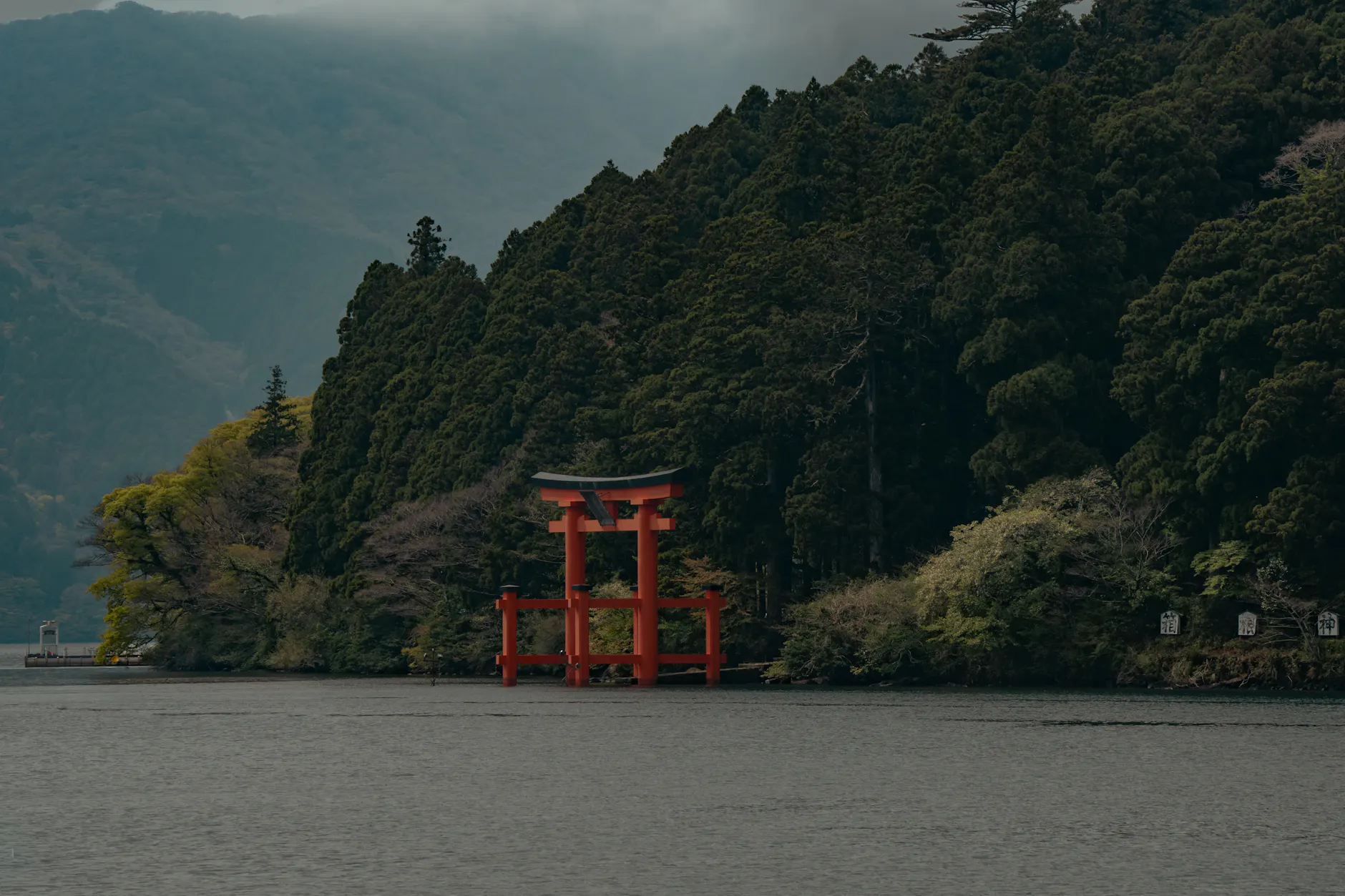
Tucked away in a cedar forest near Lake Ashi, this historic shrine dates back over 1,200 years. The iconic red torii gate standing in the lake creates one of Hakone’s most photographed scenes. Address: 80-1 Hakone-machi, Hakone-machi, Ashigarashimo-gun, Kanagawa. Admission: Free.
Old Tokaido Road
Walk a preserved section of the ancient highway that connected Edo (Tokyo) to Kyoto during the Edo period. The stone-paved road through the cedar-lined hills between Hakone and Yumoto offers a glimpse into historical Japan.
Hakone Tozan Railway
Japan’s oldest mountain railway, operating since 1919. The nostalgic steam locomotives and yellow carriages climb through tunnels and past cherry blossoms (in spring) or vibrant foliage (in autumn). Address: Odawara Station to Gora Station line. Fare: ¥390-890 depending on distance.
Food & Dining in Hakone
Hakone’s cuisine reflects its mountain setting and hot spring heritage. Here are the must-try dishes and where to find them:
Local Specialties
- Hakone Yuba (Tofu Skin): A silky, nutritious delicacy made from the skin that forms on heated soy milk. Available at many restaurants throughout the area.
- Kuro-tamago (Black Eggs): Eggs boiled in Owakudani’s hot springs, with shells turned black by the sulfur. A unique Hakone souvenir.
- Onsen Manju: Steamed buns filled with sweet red bean paste, a traditional treat best enjoyed warm at one of the many tea houses.
- Nobushi: Local river fish (similar to sweetfish) grilled over charcoal, a seasonal summer delicacy.
Recommended Dining Areas
Gora Area: Home to numerous restaurants along the Hakone Tozan Railway line. Try Gora Bakery for fresh breads and pastries, or Kinosuke for reliable Japanese set meals (¥1,000-2,000).
Hakone-machi Area: Near the lake and shrine, this area offers lakeside dining with views. Many restaurants serve kaiseki (traditional multi-course) meals starting around ¥3,000-5,000.
Yumoto Area: The gateway to Hakone has the most dining options, from casual ramen shops to upscale ryokan restaurants. Yumoto Hachinoki (Address: 708 Yumoto, Hakone-machi) offers affordable soba noodles from ¥800.
Owakudani Area: Limited options but perfect for trying the famous black eggs and simple onsen tamago dishes. Several small eateries near the ropeway station serve basic Japanese fare.
Getting to Hakone
Hakone is remarkably accessible from Tokyo and other major cities, making it an ideal day trip or overnight destination.
From Tokyo (Shinjuku or Tokyo Station)
The most convenient route is via the Odawara Express. From Shinjuku Station, take the Odakyu Odawara Line Express (or Romancecar for faster service) to Odawara Station. Travel time: 75-90 minutes (Romancecar) or 100-120 minutes (regular express). Cost: ¥950-2,000 depending on service.
From Tokyo Station, take the Shinkansen (bullet train) to Odawara Station. Travel time: 35-40 minutes. Cost: ¥3,500-4,000 one-way (reserved seat).
From Kyoto or Osaka
Take the Shinkansen from Kyoto (2.5 hours, ¥6,000-7,000) or Osaka (3 hours, ¥7,000-8,000) to Odawara Station. Japan Rail Pass holders can use their pass on these routes.
From Odawara to Hakone
Once at Odawara Station, transfer to the Hakone Tozan Railway for Gora (40 minutes, ¥390). Alternatively, take a Hakone bus from Odawara Station to various destinations in Hakone (20-40 minutes, ¥300-800).
Useful Transportation Tips
- Odawara Station: The main hub for accessing Hakone. Has coin lockers (¥300-600) if you want to explore before checking into your accommodation.
- Hakone Tozan Bus: Connects major attractions. Timetables can be complex—download the Hakone Navi app or pick up a bus timetable at tourist information.
- Driving: Renting a car gives flexibility but parking can be limited and expensive (¥1,000-2,500 per day). Not recommended for first-time visitors unfamiliar with Japanese roads.
Best Time to Visit Hakone: Seasonal Guide
Understanding hakone weather by season will help you plan the perfect trip. Each season offers distinct advantages:
Spring (March-May)
Temperature: 8°C-20°C (46°F-68°F)
Weather: Mild and pleasant, with occasional rain in late March and April
Spring is one of the best times to visit Hakone. Cherry blossoms typically bloom from late March to mid-April, creating stunning scenes along the Hakone Tozan Railway and around Lake Ashi. The weather is comfortable for outdoor activities, and the summer crowds haven’t arrived yet.
What to pack: Layers including a light jacket, comfortable walking shoes, and an umbrella.
Summer (June-August)
Temperature: 20°C-28°C (68°F-82°F)
Weather: Humid with frequent afternoon thunderstorms in July and August
Summer brings lush green mountains and the famous Hakone Fireworks Festival (Hakone Taiko Matsuri), held every Saturday evening in August. However, this is also the hottest and most crowded season. Afternoon rain is common, so plan indoor activities for midday and outdoor exploration for morning.
What to pack: Light, breathable clothing, rain gear, sun protection, and insect repellent.
Autumn (September-November)
Temperature: 10°C-22°C (50°F-72°F)
Weather: Clear skies and mild temperatures, with occasional typhoons in early September
Autumn is arguably the most beautiful season in Hakone. The momiji (maple leaves) turn brilliant shades of red and orange from mid-October to late November, particularly stunning around Tenzan Tozan and along the mountain roads. The comfortable temperatures and lower humidity make this ideal for hiking and outdoor activities.
What to pack: Warm layers for mornings and evenings, comfortable hiking shoes, and a light jacket.
Winter (December-February)
Temperature: 0°C-10°C (32°F-50°F)
Weather: Cold but usually clear and sunny; occasional snow at higher elevations
Winter offers a completely different Hakone experience. The onsen feel especially wonderful in cold weather, and the mountains take on a serene, peaceful quality. While some attractions may have reduced hours, the clear winter skies often provide excellent Mount Fuji views. The New Year period (Dec 29-Jan 3) sees special events at shrines.
What to pack: Warm winter coat, layered clothing, gloves, hat, and sturdy shoes (watch for icy paths).
Monthly Weather Overview
| Month | Avg High | Avg Low | Rainfall | Best For |
|---|---|---|---|---|
| January | 7°C | -1°C | Low | Onsen, clear views |
| February | 8°C | -1°C | Low | Winter scenery |
| March | 12°C | 3°C | Medium | Early cherry blossoms |
| April | 17°C | 8°C | Medium | Cherry blossoms |
| May | 22°C | 13°C | Medium | Comfortable weather |
| June | 25°C | 17°C | High | Green season |
| July | 28°C | 21°C | High | Fireworks festival |
| August | 29°C | 22°C | High | Festivals, summer |
| September | 25°C | 18°C | High | Early autumn |
| October | 20°C | 12°C | Medium | Fall colors begin |
| November | 14°C | 6°C | Medium | Peak autumn foliage |
| December | 9°C | 1°C | Low | Winter onsen |
What to Pack for Hakone
Based on the hakone weather patterns, here’s your comprehensive packing list:
Essentials for All Seasons
- Comfortable walking shoes: Hakone involves considerable walking on varied terrain. Break in new shoes before your trip.
- Reusable water bottle: Staying hydrated is important, especially during summer hikes.
- Cash: Many smaller restaurants and shops don’t accept credit cards.
- Suica or Pasmo IC card: For convenient train and bus travel from Tokyo.
- Sunscreen and sunglasses: Even on cloudy days, UV rays can be strong.
Seasonal Packing Tips
Spring: Bring layers (t-shirt, light sweater, jacket), as temperatures can vary throughout the day. Don’t forget an umbrella for April showers.
Summer: Pack moisture-wicking clothing, a good rain jacket, and insect repellent. Consider a small portable fan for hot days.
Autumn: Layer up! Mornings and evenings can be cold while afternoons are mild. A thermos of hot tea is a nice treat during autumn hikes.
Winter: Warm coat, thermal layers, gloves, warm hat, and scarves are essential. Hand warmers (available at convenience stores for ¥100) are a game-changer.
Onsen Essentials
- Swimwear: Required at mixed-gender onsen and some private baths.
- Small towel: Most ryokan provide towels, but a compact quick-dry towel is handy for day trips.
- Flip flops: For walking between onsen facilities and changing areas.
Nearby Day Trips from Hakone
If you have extra time, consider combining your Hakone visit with these nearby destinations:
Odawara
Just one station away from Hakone, Odawara Castle is one of the few surviving feudal castles in Japan. The castle grounds are beautiful in cherry blossom season and offer excellent views of the city and mountains. Admission: ¥500 for adults. Access: 10-minute walk from Odawara Station.
Atami
A famous hot spring resort town on the Izu Peninsula, known for its beaches and the MOA Museum of Art. About 30 minutes from Odawara by train. Access: JR Tokaido Line from Odawara Station, ¥540.
Kamakura
The ancient capital with famous temples including Kotoku-in (home to the Great Buddha) and Tsurugaoka Hachimangu Shrine. About 1.5 hours from Hakone. Access: JR Yokosuka Line from Odawara or direct from Tokyo.
Mount Fuji Area (Fuji Five Lakes)
For dedicated Mount Fuji views, head to the Fuji Five Lakes (Fujigoko) area. The iconic Chureito Pagoda and views of Mount Fuji from Lake Kawaguchi are unforgettable. About 1.5-2 hours from Hakone by bus or train. Access: Fuji Kyuko Line from Fujiyoshida Station or highway bus.
FAQ: Hakone Weather and Travel
What is the best month to visit Hakone for good weather?
October and November offer the most reliable good weather with comfortable temperatures (10-22°C), low rainfall, and stunning autumn foliage. April and May are also excellent with mild weather and cherry blossoms.
Can I see Mount Fuji from Hakone?
Yes, Mount Fuji is visible from many spots in Hakone, particularly Lake Ashi, the Hakone Ropeway, and along the mountain roads. However, visibility depends on weather conditions. Winter and early autumn typically offer the clearest views. Check daily visibility forecasts at Hakone tourist information centers.
Does it snow in Hakone?
Snow is rare at lower elevations around Lake Ashi and the hot spring areas, but higher elevations like Gora and Owakudani can get light snow in January and February. Roads and transportation generally remain operational, but check for delays during snow events.
Is Hakone crowded? When should I avoid crowds?
Hakone is busiest during Japanese holidays (Golden Week in late April/early May, Obon in mid-August, and New Year) and on weekends. For fewer crowds, visit on weekdays during non-holiday periods. Early morning (before 10 AM) and late afternoon (after 4 PM) tend to be quieter at major attractions.
What should I do if it rains during my visit?
Rainy days are perfect for exploring Hakone’s excellent museums (including the Open-Air Museum, which remains open in light rain), enjoying extended onsen sessions, or sampling local cuisine at the area’s restaurants. The Hakone Tozan Railway and other attractions operate in light rain. Have a backup plan with indoor activities regardless of the season.
🚗 Experience Japan’s Car Culture
While you’re exploring Japan, don’t miss the chance to experience the legendary JDM car scene. Our Daikoku PA Night Tour takes you to Japan’s most famous car meet — see Nissan GT-Rs, Toyota Supras, and hundreds of modified cars in their natural habitat.
🇯🇵 Plan Your Japan Experience
JDM Car Rental
Drive a GT-R, Supra, RX-7, or Silvia on the roads they were built for. Hakone passes, Wangan highway, mountain touge — your dream JDM experience.
Related Articles
Daikoku PA Tour
Visit Japan’s most legendary car meet. Hundreds of modified cars, passionate owners, and the heartbeat of JDM culture. Guided weekend night tours available.
Photo Guide Tour
Capture stunning photos at locations only locals know. Hidden shrines, backstreet alleys, rooftop views, and golden hour spots for unforgettable shots.
Book a Mt. Fuji & Hakone Day Trip
See Mt. Fuji up close on a full-day tour from Tokyo. Includes Lake Ashi cruise, Hakone Ropeway, and stunning views. Free cancellation.