Hakone Checkpoint (Hakone Sekisho): History & Visitor Guide
Step back in time to feudal Japan at the Hakone Checkpoint (Hakone Sekisho), one of the most significant historical sites along the ancient Tōkaidō road. This meticulously reconstructed checkpoint offers visitors a fascinating glimpse into the Edo period (1603-1868), when samurai guards carefully monitored all travelers passing between Tokyo (then known as Edo) and Kyoto. Located in the scenic Hakone region of Kanagawa Prefecture, the checkpoint provides not only a hands-on history lesson but also breathtaking views of the surrounding mountains and valleys that made this route so strategically important.
For international tourists planning a trip to Japan, the Hakone Checkpoint represents far more than a dusty museum exhibit—it’s an immersive experience where you can walk through authentic wooden gates, admire period-accurate architecture, and understand the crucial role these checkpoints played in maintaining order during over 250 years of Tokugawa shogunate rule. Whether you’re a history enthusiast, a photography lover, or simply seeking to understand Japan’s rich cultural heritage, this site delivers an unforgettable journey through time.
In this comprehensive guide, we’ll cover everything you need to know about visiting the Hakone Checkpoint, from its fascinating history and what to see to practical travel tips, nearby attractions, and the best times to experience this remarkable piece of living history.
Overview: Why Visit the Hakone Checkpoint
The Hakone Checkpoint stands as one of Japan’s most important historical preservation sites, offering visitors the unique opportunity to experience what travel was like during the Edo period. Established in 1619 by the Tokugawa shogunate, this checkpoint served as a vital surveillance point along the Tōkaidō—the main highway connecting Edo (modern-day Tokyo) with Kyoto, the former imperial capital. For more than two centuries, samurai guards stationed here inspected all travelers, confiscated weapons, and ensured that no prohibited goods entered or left the capital.
What makes the modern Hakone Checkpoint so special is that it’s not merely a museum—it’s a reconstruction built using traditional techniques and materials based on extensive historical research. The current facilities include the main checkpoint building, guard quarters, a prison area, and the iconic gate that once controlled the flow of traffic along this crucial route. Visitors can explore authentic wooden structures, view historical artifacts, and even try on period costumes to fully immerse themselves in the experience.
The checkpoint’s location in the heart of Hakone adds to its appeal. Nestled between the towering peaks of the Hakone mountains and overlooking the historic road, the site offers stunning natural scenery that complements its historical significance. The combination of cultural education and natural beauty makes this an essential stop on any Japan itinerary, especially for those exploring the popular Hakone area known for its hot springs, art museums, and spectacular views of Mount Fuji on clear days.
Top Things to See and Do at Hakone Checkpoint
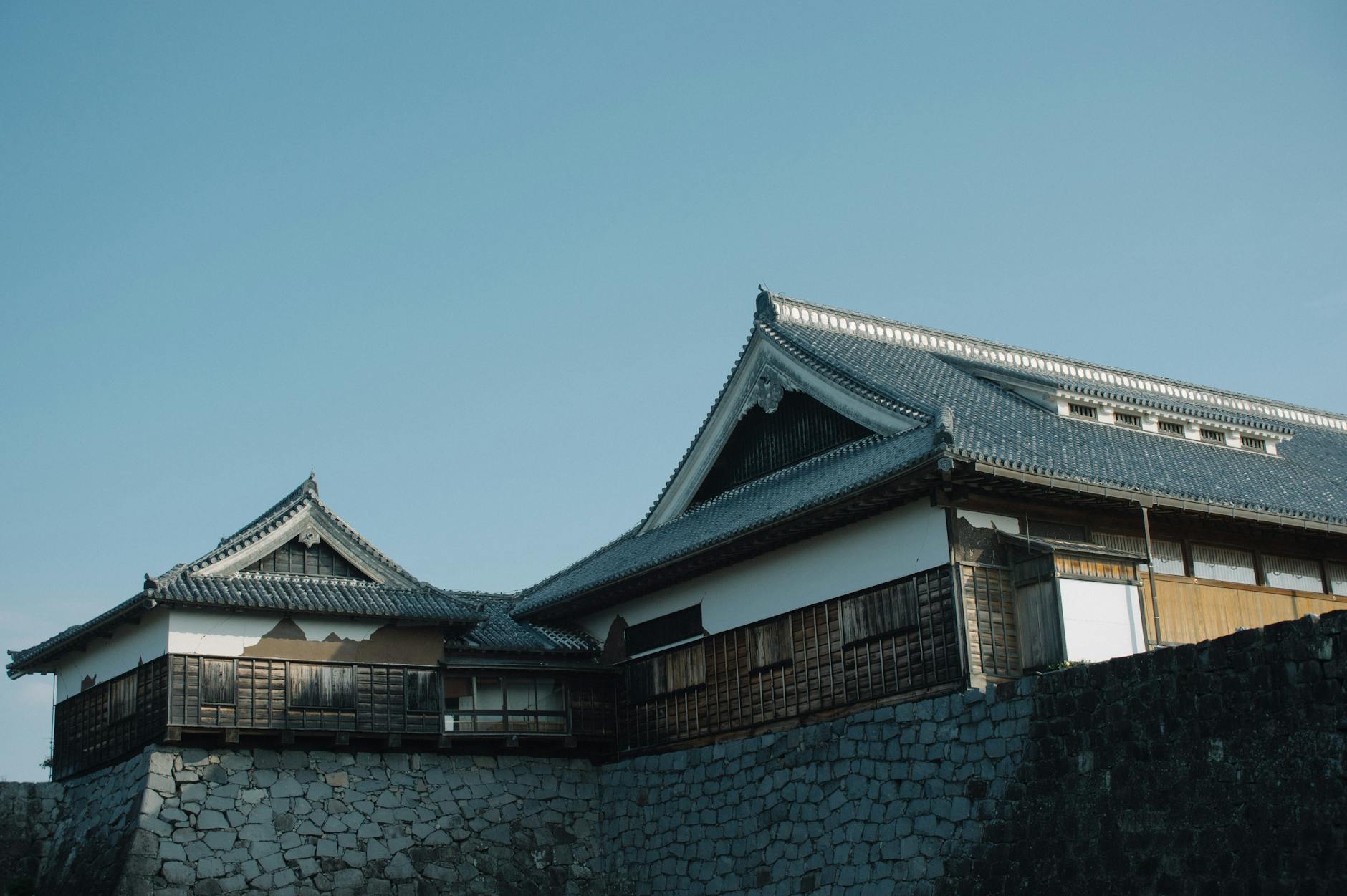
Upon arriving at the Hakone Checkpoint, visitors are transported to another era. The main gate (sekisho-mon) immediately commands attention with its imposing wooden structure, featuring the distinctive roof design that allowed guards to monitor arrivals from multiple angles. Walking through this gate, you’ll understand why ancient travelers would have felt a mix of anticipation and anxiety approaching this checkpoint.
The Main Checkpoint Building (Hon-seki) serves as the heart of the site. Here, guards once examined travel documents, questioned travelers, and searched for contraband. Today, the building houses exhibits displaying authentic historical artifacts, including weapons that were confiscated, travel permits (which all travelers were required to carry), and the distinctive clothing worn by both guards and commoners during different periods of the Edo era. Interactive displays help visitors understand the checkpoint’s procedures and the strict laws that governed travel during the shogunate period.
The Guard Quarters offer insight into daily life for the samurai stationed at the checkpoint. These quarters have been reconstructed to show how guards lived, trained, and carried out their duties. The simple yet functional architecture reflects the disciplined lifestyle of the samurai, and visitors can see displays of the weapons and equipment they used.
The Prison Area provides a sobering look at the consequences for those who violated travel laws. The small, cramped cells demonstrate just how harsh punishment could be for travelers caught with illegal goods or attempting to pass without proper documentation. This area serves as an important reminder of the strict social order that characterized Tokugawa Japan.
Costume Experience is one of the most popular activities at the Hakone Checkpoint. Visitors can rent authentic Edo-period clothing, including kimono for women and samurai armor or traditional garments for men and children. Walking through the checkpoint dressed in period costume creates incredible photo opportunities and adds an extra layer of immersion to the experience. The costume rental shop is located near the entrance, and prices typically range from ¥1,500-3,500 depending on the outfit selected.
The Historical Exhibition Hall contains detailed displays explaining the history of the Tōkaidō road, the role of checkpoints in Tokugawa governance, and the daily operations at Hakone. English explanations are available throughout, making this an excellent educational experience for international visitors. The exhibits include detailed dioramas showing what the checkpoint would have looked like during its peak operation, as well as maps illustrating the broader network of checkpoints that controlled movement throughout feudal Japan.
Address: 1-1 Hakone, Ashigarashimo District, Kanagawa 250-0311
Hours: Typically 9:00 AM – 5:00 PM (last entry 4:30 PM), though hours vary by season
Admission: Approximately ¥500-600 for adults, with reduced rates for children and groups
Food & Dining Near Hakone Checkpoint
Exploring the Hakone Checkpoint naturally works up an appetite, and the surrounding area offers excellent dining options that showcase local Hakone cuisine. The area near the checkpoint and the broader Hakone-Yumoto region features a mix of traditional Japanese restaurants, casual eateries, and cafes that cater to all budgets and tastes.
Hakone Soba Noodles are a must-try when visiting the area. The region is famous for its buckwheat soba, served either hot in soup broth or cold with dipping sauce. Restaurants along the main road leading to the checkpoint and in Hakone-Yumoto station area offer authentic soba dishes, with prices typically ranging from ¥800-1,500 for a satisfying bowl. The texture of freshly made soba, often served with local vegetables and mountain herbs, provides a truly regional dining experience.
Kuro-tamago (Black Eggs) are perhaps Hakone’s most famous local specialty. These unique eggs are boiled in the natural hot springs of Owakudani, giving their shells a distinctive black color. According to local tradition, eating one black egg can extend your life by seven years! You can purchase these at various shops in the area for around ¥300-500 for a pack of 2-3 eggs. While the checkpoint itself doesn’t sell them, several vendors along the route to and from the site offer these iconic treats.
Local Restaurants and Eateries in the Hakone-Yumoto area serve a variety of dishes beyond soba. Look for restaurants offering tonkatsu (breaded pork cutlet), udon noodles, and teishoku (set meals) that typically include rice, soup, pickles, and a main protein. Prices for a complete meal generally range from ¥1,000-2,000. Many restaurants near the station offer English menus or picture displays to help international visitors order.
Cafes and Sweet Shops are plentiful in Hakone, perfect for grabbing a coffee, matcha tea, or Japanese dessert. Look for dango (rice dumplings on a stick) coated in sweet sauce, mochi (rice cakes), and various wagashi (traditional confections) that change with the seasons. Many cafes in the area also offer stunning views of the surrounding mountains, making for a relaxing break between sightseeing.
For those seeking a more upscale dining experience, many ryokan (traditional Japanese inns) in the area offer kaiseki multi-course dinners featuring seasonal ingredients. These elaborate meals, typically priced at ¥3,000-10,000 per person, represent the pinnacle of Japanese culinary art and can be enjoyed even if you’re not staying overnight at the inn.
Getting to Hakone Checkpoint
Reaching the Hakone Checkpoint is straightforward, especially if you’re coming from Tokyo. The site is well-connected by public transportation, and the journey itself offers beautiful views of the Hakone region. Here’s everything you need to know about getting there.
From Tokyo (Shinjuku or Tokyo Station), the most convenient route is via the Odakyu Odawara Line. From Shinjuku Station, take the “Romancecar” limited express train directly to Hakone-Yumoto Station. The journey takes approximately 1 hour 30 minutes and costs around ¥2,000-2,500 for the limited express (reserved seats recommended). From Tokyo Station, you can take the Shinkansen to Odawara Station (about 35 minutes, approximately ¥4,000) and then transfer to the Hakone-Yumoto Line for a 15-minute ride to Hakone-Yumoto Station.
From Hakone-Yumoto Station, the checkpoint is accessible by bus or taxi. The Hakone Tozan Bus offers regular service to the “Hakone Checkpoint” (Hakone Sekisho) bus stop, with the journey taking about 15-20 minutes and costing approximately ¥300-400. Alternatively, you can take the Hakone Tozan Railway (a charming mountain railway) to Gōra Station and transfer to the cable car or bus, though this route takes longer.
By Car, the checkpoint has a small parking lot, though spaces are limited. If you’re driving in Japan, note that expressway tolls can be expensive, and parking in Hakone area can be challenging during peak seasons. Many visitors find public transportation to be more convenient and stress-free.
From Other Major Cities:
- From Kyoto/Osaka: Take the Shinkansen to Odawara Station (approximately 2-3 hours from Kyoto), then transfer to the Hakone-Yumoto Line.
- From Yokohama: Take the JR Tokaido Line to Odawara (about 40 minutes), then the Hakone-Yumoto Line.
Accessibility: The main areas of the Hakone Checkpoint are wheelchair accessible, though some historical buildings may have limited access. Visitors with mobility concerns should contact the site in advance to confirm current accessibility arrangements.
Best Time to Visit Hakone Checkpoint
One of the great advantages of visiting the Hakone Checkpoint is that it’s an excellent destination year-round. Each season offers a different perspective on this historical site, with the surrounding natural environment dramatically changing the atmosphere and photography opportunities.
Spring (Late March to Early May) brings cherry blossoms to the Hakone region, creating picture-perfect scenes at the checkpoint. The delicate pink flowers contrast beautifully with the wooden structures, and the mild temperatures (around 10-20°C) make for comfortable exploration. Late March to early April is peak cherry blossom season, though exact timing varies each year based on weather conditions. The Japanese tradition of hanami (flower viewing) adds a festive atmosphere to the area.
Summer (June to August) offers lush green scenery and longer daylight hours. The surrounding mountains are at their most vibrant, and the warmer temperatures (25-30°C) are perfect for exploring the outdoor areas of the checkpoint. However, this is also peak tourist season in Hakone, so expect larger crowds. Summer evenings in Hakone can be pleasant, and the area offers various festivals and events during this time.
Autumn (October to November) is arguably the most spectacular season to visit the Hakone Checkpoint. The famous autumn leaves (kōyō) in Hakone draw visitors from across Japan and internationally. The mountainsides transform into brilliant shades of red, orange, and gold, creating stunning backdrops for photographs. The crisp autumn air (around 10-15°C) makes walking through the checkpoint particularly enjoyable. Mid-November typically offers the peak autumn foliage.
Winter (December to February) provides a uniquely atmospheric experience at the checkpoint. While temperatures can drop to 0-5°C, the winter scenery offers a different kind of beauty. The wooden structures against a backdrop of snow-dusted mountains create serene, almost mystical scenes. Winter also means fewer crowds, allowing for a more contemplative exploration of the site. Some facilities may have reduced hours during the winter months, so it’s worth checking in advance.
Special Events: The Hakone area hosts various festivals throughout the year, including the Hakone Fireworks Festival (summer) and various New Year celebrations. Check local event calendars to see if your visit coincides with any special events that could enhance your experience.
Pro Tips for Visiting Hakone Checkpoint
To make the most of your visit to the Hakone Checkpoint, consider these insider tips that will help you navigate the site like a seasoned traveler and maximize your experience in the Hakone region.
Combine with Other Hakone Attractions for a full day of exploration. The checkpoint is conveniently located near many of Hakone’s most popular sites. Consider visiting the Hakone Open-Air Museum (famous for its outdoor sculpture garden and Picasso exhibition), Owakudani (a volcanic valley with hot springs and the famous black eggs), or Lake Ashi (where you can take a pirate ship cruise with views of Mount Fuji). The Hakone Free Pass makes it easy to hop between attractions.
Wear Comfortable Walking Shoes as you’ll be doing quite a bit of walking, both within the checkpoint site and exploring the surrounding area. The paths are generally well-maintained, but comfortable footwear will ensure you can enjoy everything without foot fatigue.
Bring Cash for entrance fees, food, and souvenirs. While some larger establishments in Hakone accept credit cards, many smaller restaurants, shops, and local attractions still operate on a cash-only basis. ATMs are available at convenience stores and post offices near Hakone-Yumoto Station.
Download Offline Maps or Get a Physical Map before arriving, as mobile signal can be spotty in some areas of Hakone’s mountainous terrain. Having a map ensures you won’t get lost when exploring the various attractions in the area.
Consider Staying Overnight in Hakone to fully experience the area. The region is famous for its onsen (hot spring) ryokan, where you can relax in traditional Japanese hospitality after a day of sightseeing. Staying overnight allows you to enjoy the attractions during quieter morning and evening hours and fully immerse yourself in the Hakone experience.
Learn a Few Japanese Phrases to enhance your interactions. While many staff at popular attractions speak some English, knowing basic phrases like “Arigatō gozaimasu” (Thank you), “Oishii” (Delicious), and “Sumimasen” (Excuse me/Sorry) is always appreciated and can enrich your experience.
Nearby Day Trips and Attractions to Combine with Your Visit
The Hakone Checkpoint sits in the heart of one of Japan’s most scenic and culturally rich regions. Combining your visit with other nearby attractions creates a well-rounded day (or longer) of exploration that showcases the best of what Hakone has to offer.
Hakone Open-Air Museum is one of Japan’s premier art museums, featuring an impressive collection of sculptures spread across beautiful outdoor gardens. The museum also houses works by Picasso and other famous artists in its indoor galleries. The combination of art and nature makes this a perfect complement to the historical experience at the checkpoint. Admission is approximately ¥2,500 for adults.
Owakudani (Valley of Steam) is a volcanic valley formed by a volcanic eruption around 3,000 years ago. Today, sulfurous steam continues to rise from the ground, creating an otherworldly atmosphere. You can take the Hakone Ropeway (cable car) to Owakudani and enjoy the spectacular views while trying the famous kuro-tamago (black eggs). The area offers several walking trails and hot spring foot baths where you can soak your feet.
Lake Ashi (Ashi-no-ko) is a scenic crater lake formed by volcanic activity. The lake offers breathtaking views, and on clear days, you can see Mount Fuji reflected in its waters. Take the Hakone Pirate Ship cruise for a fun and unique way to experience the lake. The ships are modeled after pirate ships from the 17th-19th centuries and offer a memorable sailing experience.
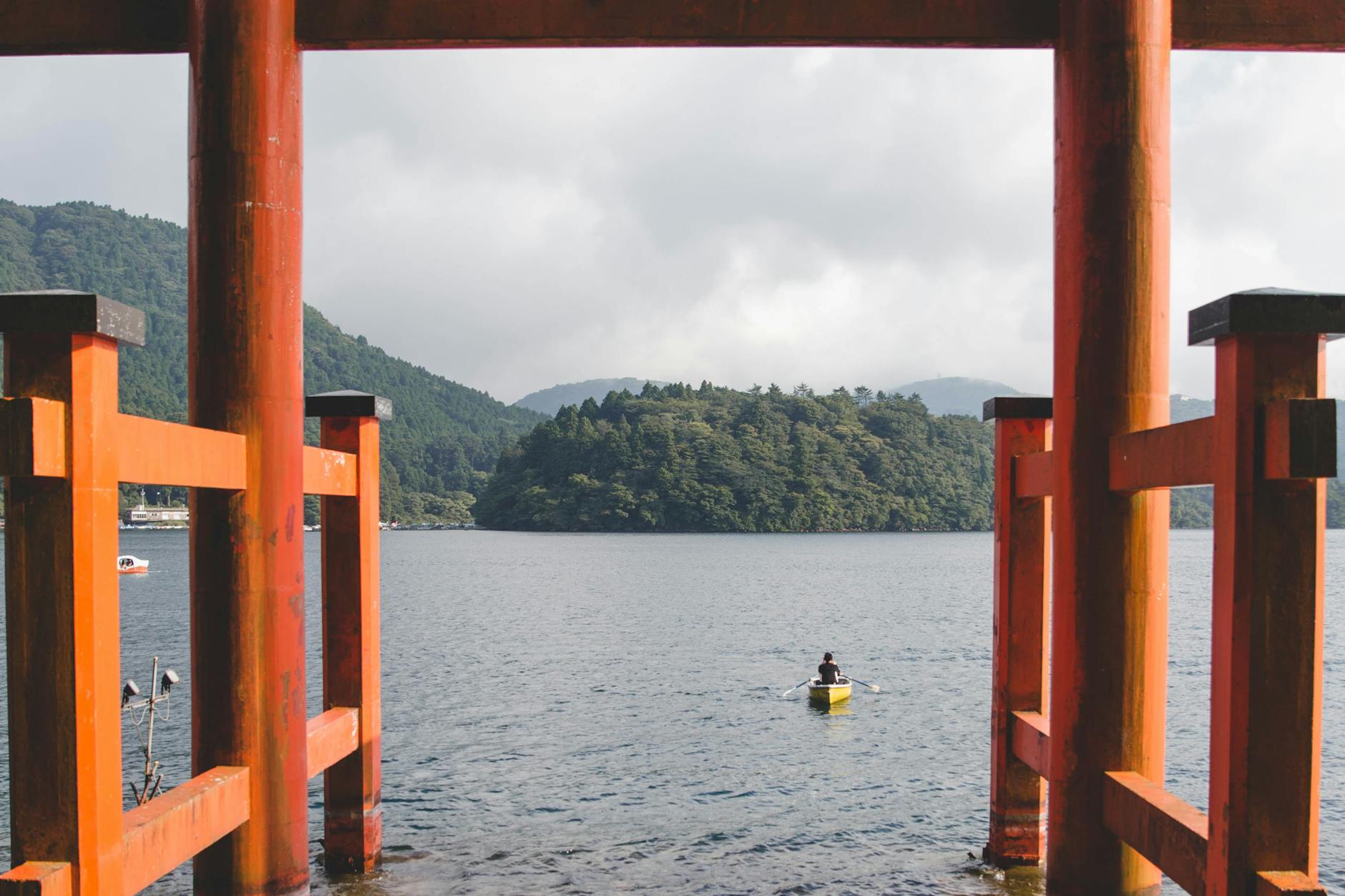
Hakone Shrine is a historic Shinto shrine located in a beautiful forested setting near Lake Ashi. The shrine is known for its impressive torii gate that appears to float on the water during certain times of year. It’s a peaceful place to experience traditional Japanese spirituality and architecture.
Pola Museum of Art houses an impressive collection of Western and Japanese art, including works by Monet, Renoir, and Van Gogh. The modern building, designed by renowned architect Tadao Ando, is itself a work of art, with large windows that frame the surrounding nature.
Frequently Asked Questions
How long should I plan to spend at the Hakone Checkpoint?
Most visitors spend approximately 1.5 to 2 hours exploring the Hakone Checkpoint thoroughly. This allows enough time to visit all the buildings, read the exhibits, enjoy the costume experience if desired, and take photographs. If you plan to combine your visit with other attractions in the area, you could easily spend half a day or more in the broader Hakone Checkpoint Site area.
Is the Hakone Checkpoint suitable for children?
Yes, the Hakone Checkpoint is family-friendly and can be an educational experience for children. The costume rental is particularly popular with kids, and they often enjoy imagining what life was like for travelers and guards during the Edo period. The outdoor spaces allow children to move around, and the exhibits include visual elements that can engage younger visitors. However, the prison area may be a bit intense for very young children, so parental discretion is advised.
Can I visit the Hakone Checkpoint in the rain?
Yes, the Hakone Checkpoint can be visited in rainy weather. Most of the exhibits are indoors or under cover, so you can stay dry while exploring the history. However, the outdoor areas and photography opportunities may be limited during heavy rain. If you’re visiting during the rainy season (June-July), consider bringing a compact umbrella or raincoat. The site remains open in most weather conditions unless there are severe storm warnings.
Do I need to book tickets in advance?
Advance booking is generally not required for the Hakone Checkpoint itself—you can purchase tickets at the entrance. However, during peak seasons (cherry blossom, autumn leaves, Japanese holidays), the site can get quite busy. If you want to ensure entry at a specific time or participate in the costume experience, it’s worth arriving early in the day. For the most popular attractions like the Hakone Open-A-air Museum, advance booking may be recommended during busy periods.
Is the Hakone Checkpoint accessible for wheelchair users?
The main areas of the Hakone Checkpoint are accessible to wheelchair users, with ramps and accessible restrooms available. However, some of the historical buildings have narrow doorways and uneven surfaces that may present challenges. Visitors with significant mobility concerns should contact the site directly before their visit to discuss specific accessibility needs and get current information about which areas are fully accessible.
🚗 Experience Japan’s Car Culture
While you’re exploring Japan, don’t miss the chance to experience the legendary JDM car scene. Our Daikoku PA Night Tour takes you to Japan’s most famous car meet — see Nissan GT-Rs, Toyota Supras, and hundreds of modified cars in their natural habitat.
Book a Mt. Fuji & Hakone Day Trip
See Mt. Fuji up close on a full-day tour from Tokyo. Includes Lake Ashi cruise, Hakone Ropeway, and stunning views. Free cancellation.
Related Articles
- Mt Fuji Climbing Guide: Routes, Gear and When to Go
- Hakone Hot Spring Day Trip from Tokyo
- Mt Fuji Day Trip from Tokyo
[st_af id=”77″]
🇯🇵 Plan Your Japan Experience
JDM Car Rental
Drive a GT-R, Supra, RX-7, or Silvia on the roads they were built for. Hakone passes, Wangan highway, mountain touge — your dream JDM experience.
Daikoku PA Tour
Visit Japan’s most legendary car meet. Hundreds of modified cars, passionate owners, and the heartbeat of JDM culture. Guided weekend night tours available.
Photo Guide Tour
Capture stunning photos at locations only locals know. Hidden shrines, backstreet alleys, rooftop views, and golden hour spots for unforgettable shots.