[st_af id=”119″]
What Makes Harajuku Unique
No other neighborhood in Tokyo — or arguably the world — contains such concentrated contrasts. Within a 10-minute walk of Harajuku Station, you’ll find:
- One of Japan’s most sacred Shinto shrines (Meiji Jingu)
- Japan’s most famous youth fashion street (Takeshita-dori)
- Tokyo’s most prestigious shopping boulevard (Omotesando)
- A collection of architectural masterpieces by world-renowned architects
- The world’s most elaborate crepes
- Hidden backstreets with some of Tokyo’s best independent boutiques
Harajuku rewards visitors who explore beyond the obvious. Here’s how to make the most of it.
Meiji Jingu Shrine: Start Here
Begin your Harajuku visit at Meiji Jingu — it sets the tone perfectly and provides the spiritual counterpoint to everything that comes after.
Dedicated to Emperor Meiji and Empress Shoken, the shrine is surrounded by 70 hectares of forested parkland — a deliberate act of nature-worship in the center of one of the world’s most built-up cities. The 1.9km forested approach leads through towering Yoyogi forest to the main shrine complex, creating a transition from urban chaos to contemplative calm that is profoundly effective.
- Best time to visit: Early morning (before 9am) for near-solitude in the forest
- Key sights: Giant torii gate, sake barrel wall, iris garden (June), main shrine hall
- Traditional wedding ceremonies often held on weekend mornings — respectfully visible from the outer approach
- Admission: Free (inner garden ¥500)
Takeshita Street (Takeshita-dori): Kawaii Ground Zero
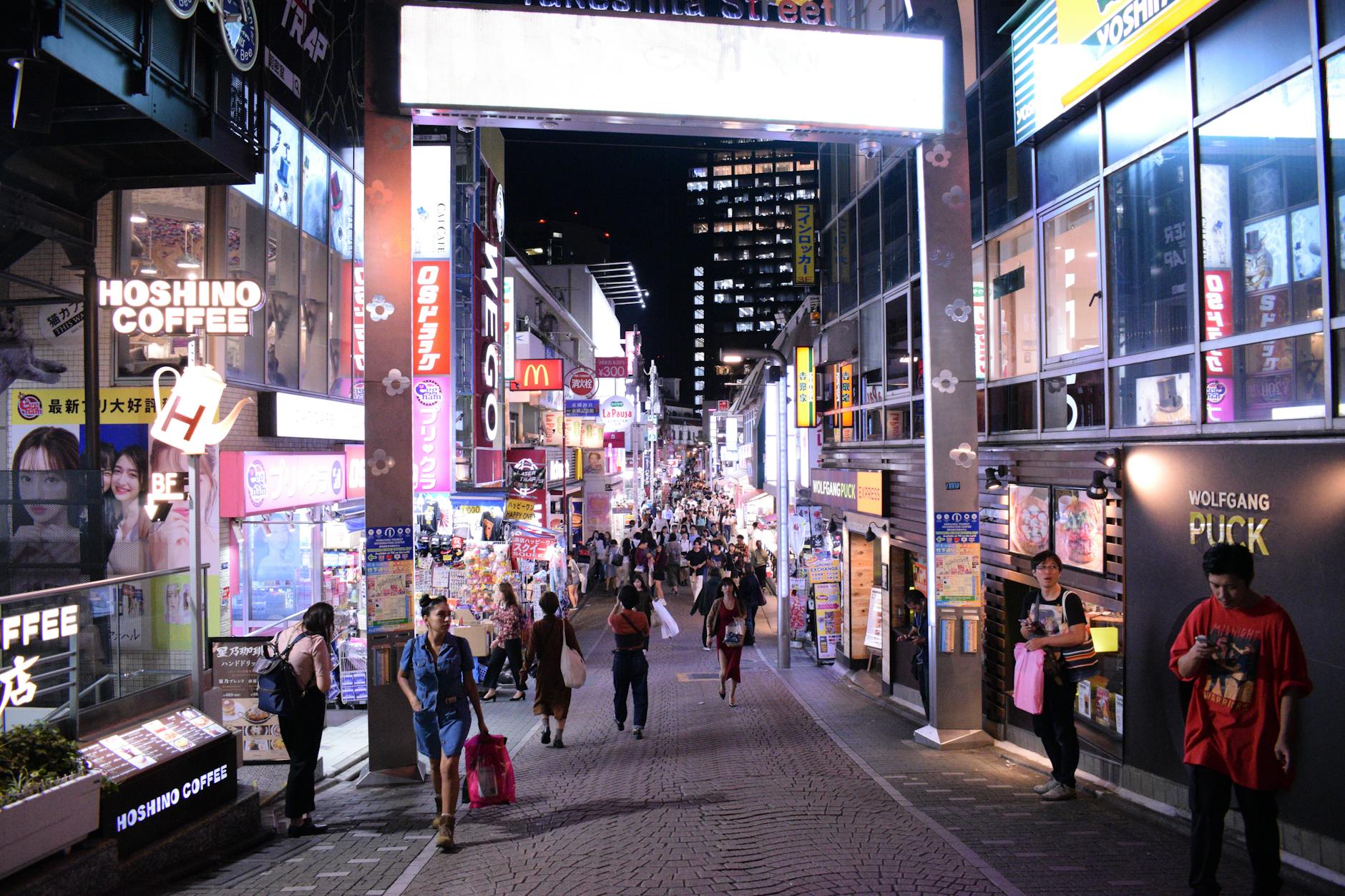
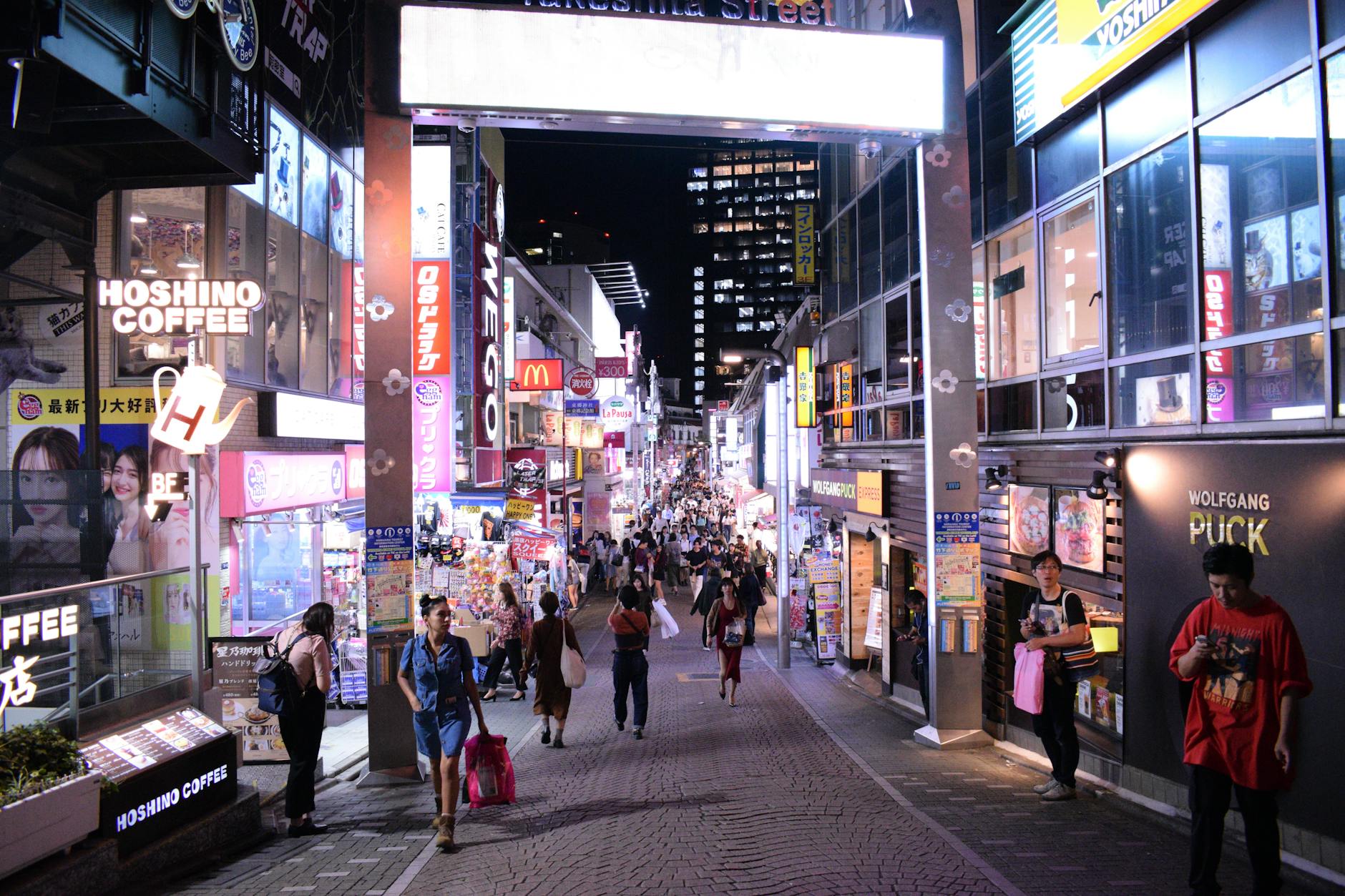
Exit Harajuku Station via the east exit and you’re immediately at the entrance of Takeshita-dori — a 350-meter pedestrian street that is the global center of Japanese youth fashion, kawaii culture, and creative self-expression.
The street is narrow, perpetually crowded, and absolutely overwhelming in the best possible way. What you’ll find:
- Crepe stands: Marion Crepes and Angels Heart are the famous chains — look for lines and fluorescent photographs of elaborate crepe constructions. The fruit-and-whipped-cream crepes are genuinely excellent.
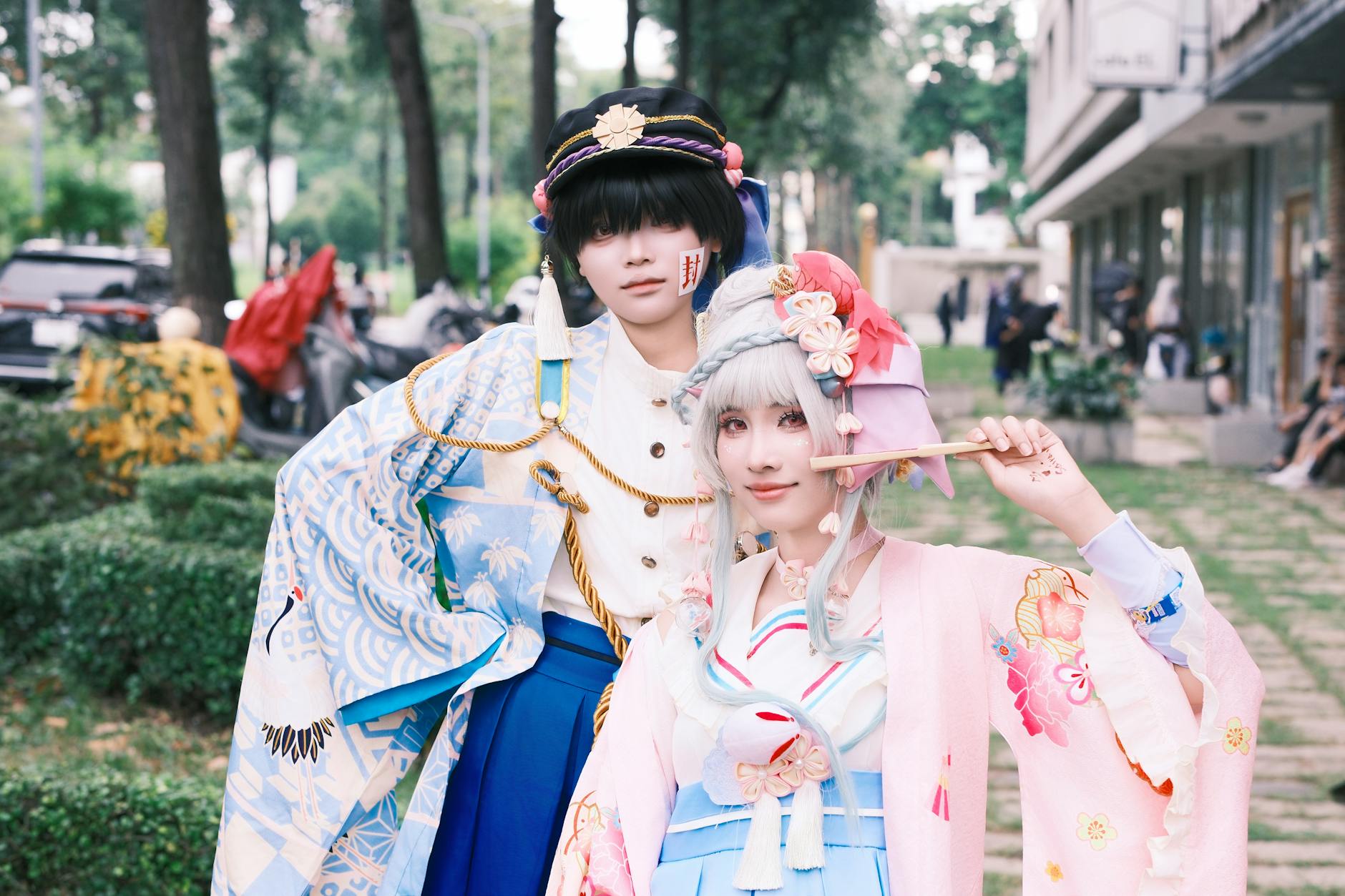
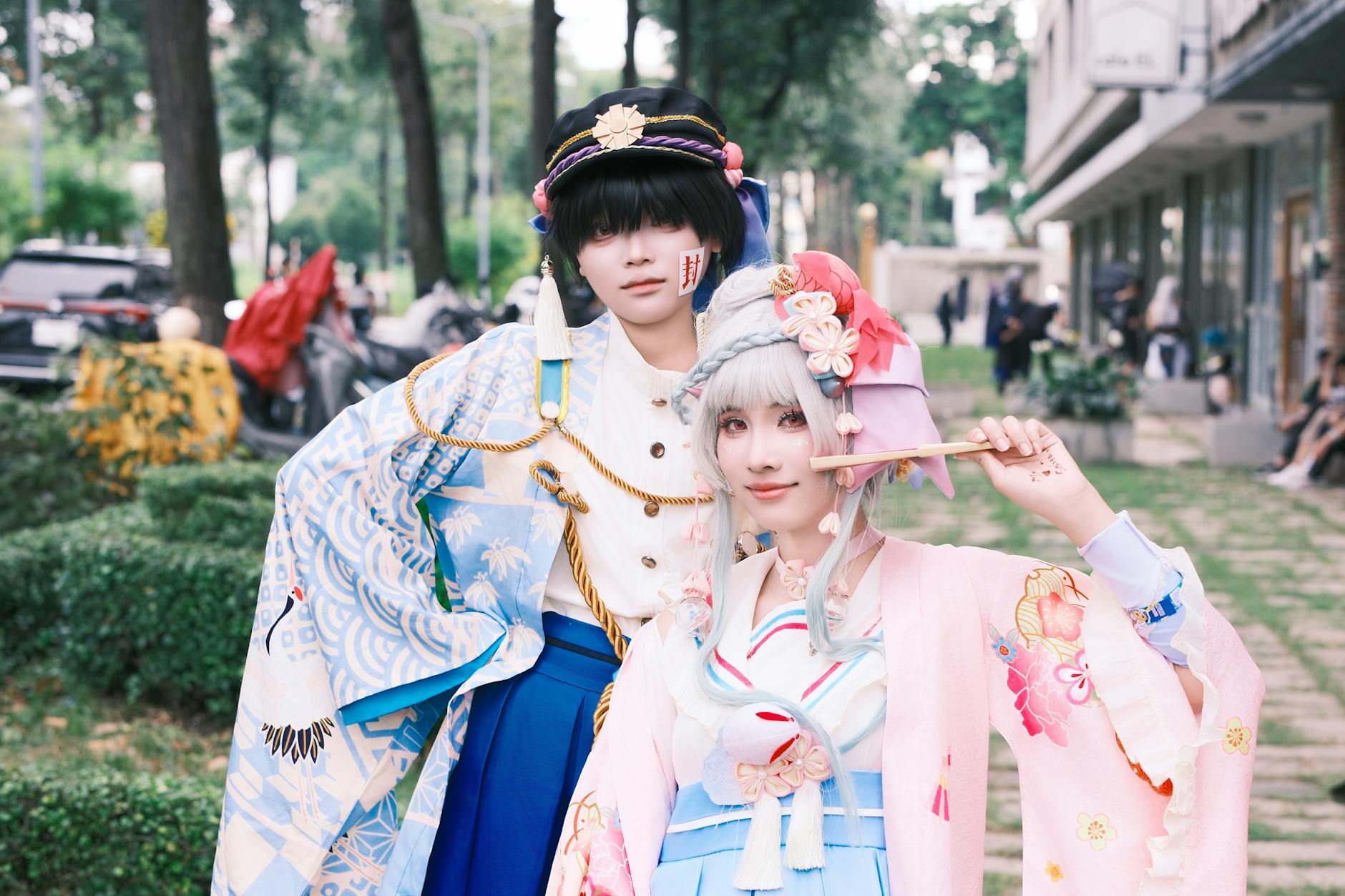
- Decora and Lolita fashion: Extreme Japanese fashion subcultures have their origin here — layered petticoats, ruffles, bows, platform shoes, pastel everything
- Vintage and cosplay shops: Secondhand treasure hunting alongside anime-character costumes
- Rainbow cotton candy and bizarre food: Whipped cream soft serve with cotton candy, Japanese pancakes, themed food of every description
- Fast fashion: Cheaper versions of popular Harajuku styles
[st-midasibox myclass=”” title=”Pro Tip” webicon=”st-svg-lightbulb-o” color=”#03A9F4″ bordercolor=”#03A9F4″ bgcolor=”#E1F5FE” borderwidth=”” borderradius=”5″ titleweight=”bold”]
Takeshita Street is most alive on Sunday afternoons — peak crowds but also peak energy, with street performers, more elaborate fashion, and the full kawaii circus in operation. Weekday mornings are much quieter if you prefer a calmer look.
[/st-midasibox]
Omotesando: Tokyo’s Luxury Boulevard
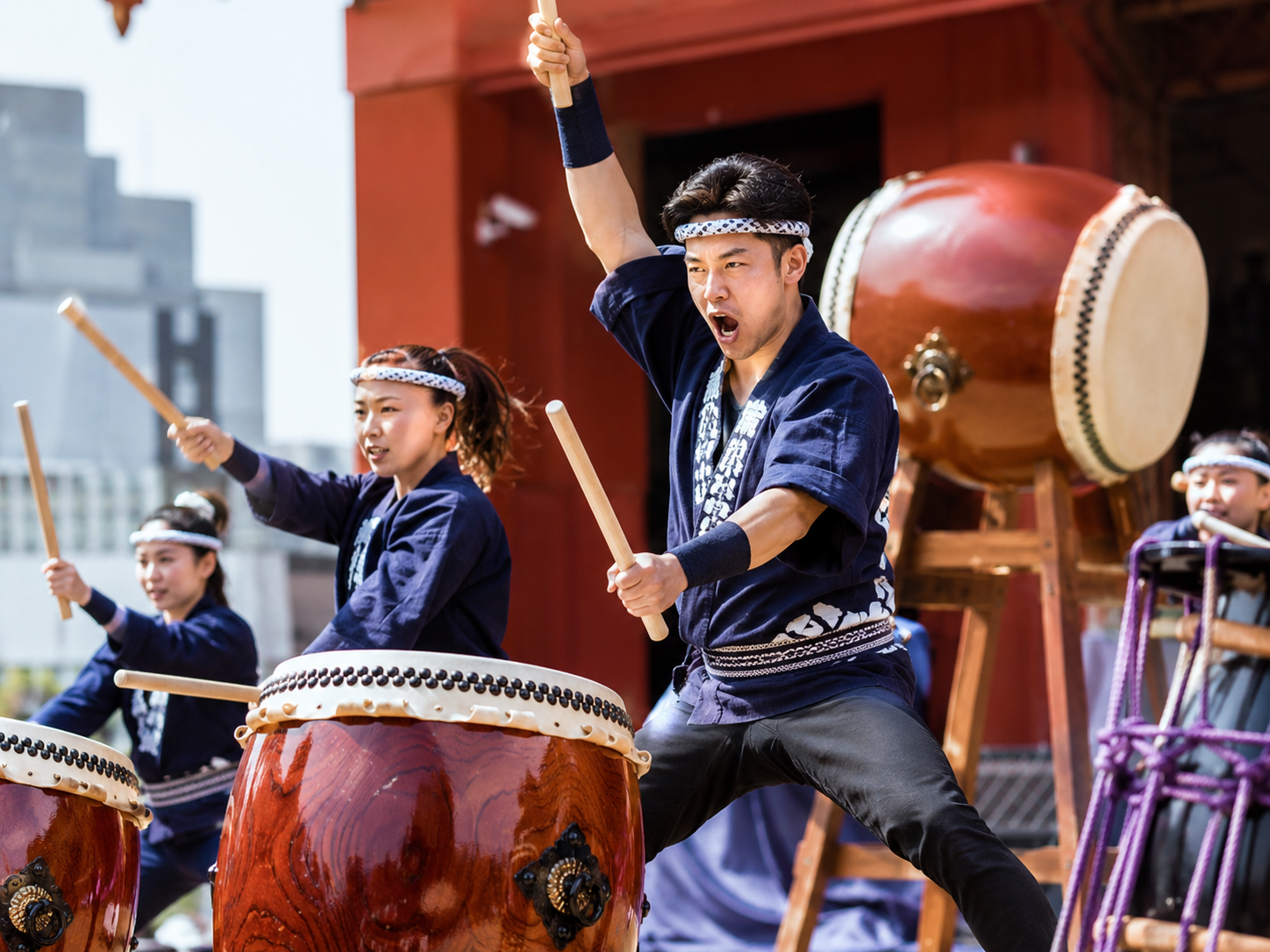
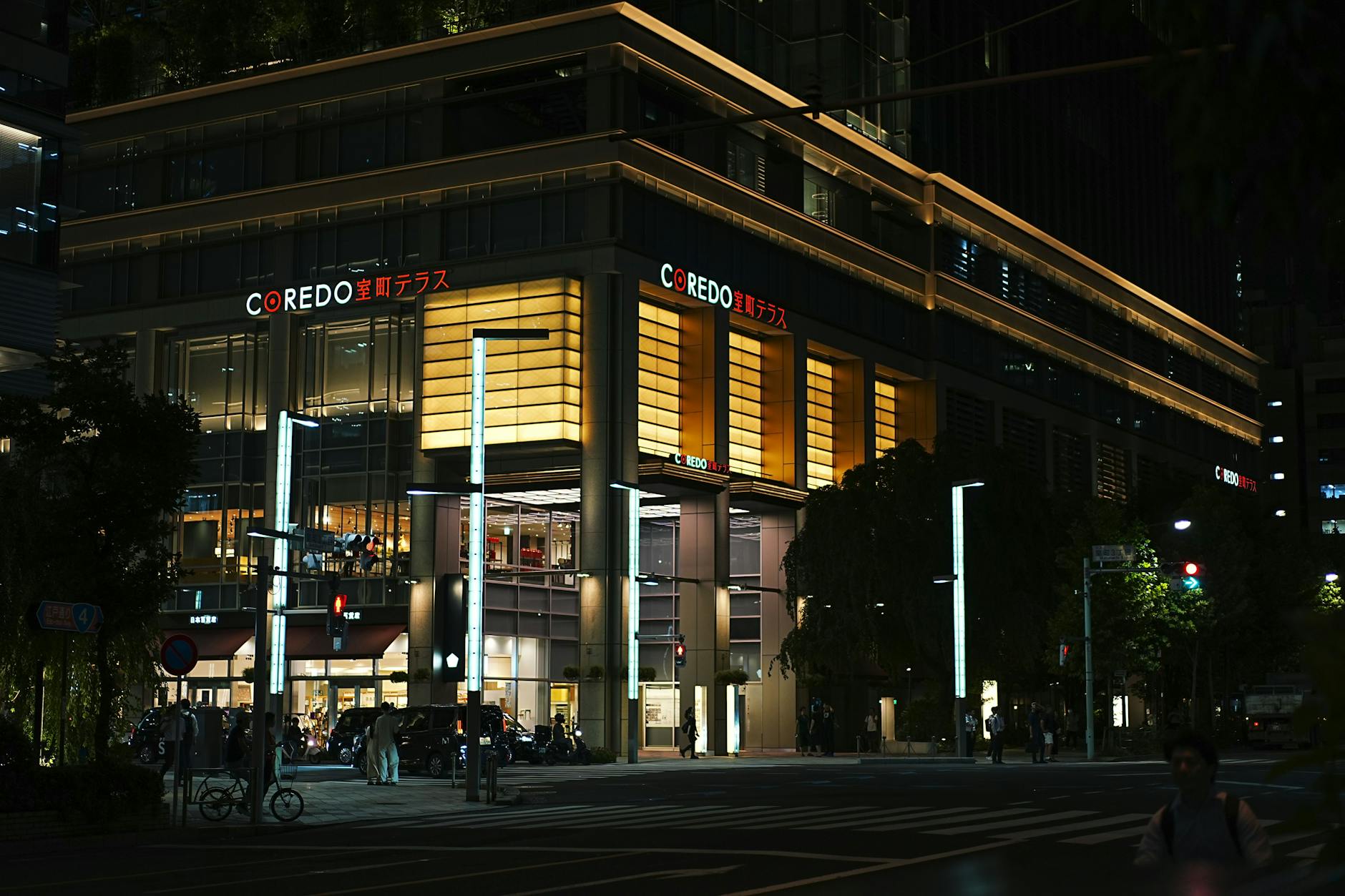
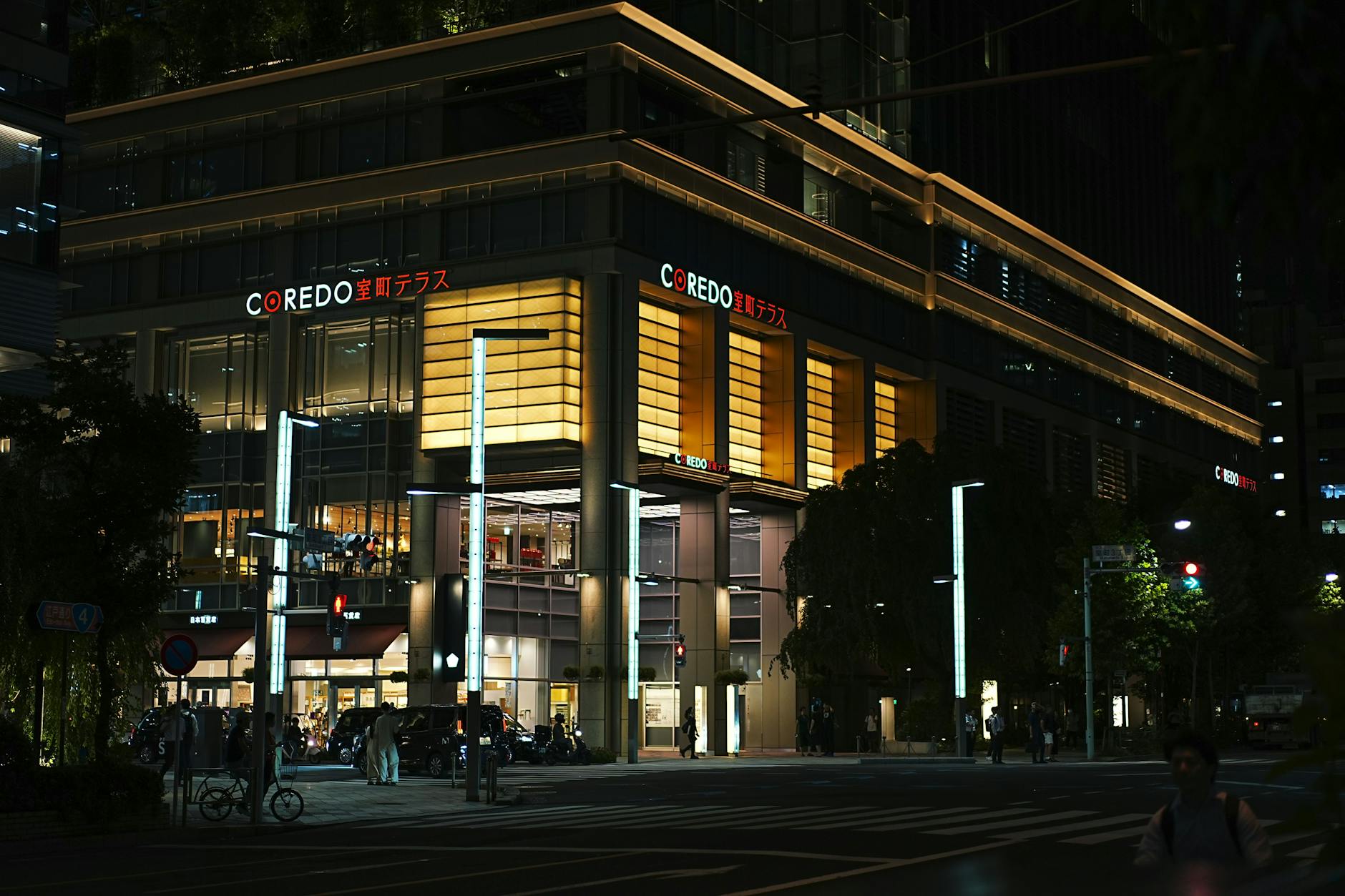
Five minutes from Takeshita-dori is a completely different world. Omotesando is lined with zelkova trees and flanked by the flagship stores of virtually every major luxury brand — Louis Vuitton (designed by Jun Aoki), Prada (Herzog & de Meuron’s glass crystalline tower), Dior, Chanel, Gucci, Coach — alongside Japanese architectural statements that have made this one of the most architecturally significant streets in Asia.
Key Spots on Omotesando
- Omotesando Hills (Tadao Ando): A masterpiece of spatial compression — a spiraling mall built around a giant atrium that descends three floors below ground. Free to enter. Shopping optional.
- Prada Aoyama (Herzog & de Meuron): The bubble-glass facade creates a constantly changing visual surface. Photography from outside is a must.
- Tokyu Plaza Omotesando Harajuku: The kaleidoscope mirror entrance is one of the most photographed spots on the street. Rooftop “Omohara no Mori” garden café is excellent.
- Commune 2nd: A cluster of food truck-style small restaurants in a courtyard — casual, affordable, and diverse, surrounded by the luxury of Omotesando
Cat Street (Ura-Harajuku)
Running parallel to Omotesando through the backstreets of Ura-Harajuku (Reverse Harajuku), Cat Street is where the independent Japanese fashion scene lives. You’ll find local designers, skate culture brands, vintage boutiques, specialty coffee shops, and galleries that are completely different from the high-street Omotesando experience.
Cat Street connects Harajuku to Shibuya via a pleasant 20-minute walk through neighborhoods that feel like a different Tokyo — less tourist, more local, more interesting. Full Harajuku to Shibuya Walk Guide →
Where to Eat in Harajuku
- Marion Crepes — the original Harajuku crepe, on Takeshita Street since 1976
- Gyoza-ya — local gyoza restaurant loved by Harajuku regulars
- Eggs ‘n Things — popular Hawaiian-style pancakes and eggs; often a queue but worth it
- Maisen Tonkatsu — housed in a converted bathhouse, one of Tokyo’s most famous tonkatsu restaurants
- Bills — Australian all-day brunch institution on Omotesando; good for English-speakers in need of comfort
- Commune 2nd — food truck cluster with rotating vendors; casual and affordable
Harajuku Practical Information
- Nearest station: Harajuku (JR Yamanote Line), Omotesando (Tokyo Metro)
- Best time to visit: Sunday for full Takeshita energy; weekday morning for peaceful Meiji Shrine
- Budget: Takeshita Street is very affordable (¥400–1,000 for food and small items). Omotesando is window-shopping unless you’re spending serious money.
- How long: Half a day for Meiji Shrine + Takeshita + Omotesando. Add Cat Street to Shibuya for a full day.
[st_af id=”87″]
🇯🇵 Plan Your Japan Experience
JDM Car Rental
Drive a GT-R, Supra, RX-7, or Silvia on the roads they were built for. Hakone passes, Wangan highway, mountain touge — your dream JDM experience.
Daikoku PA Tour
Visit Japan’s most legendary car meet. Hundreds of modified cars, passionate owners, and the heartbeat of JDM culture. Guided weekend night tours available.
Photo Guide Tour
Capture stunning photos at locations only locals know. Hidden shrines, backstreet alleys, rooftop views, and golden hour spots for unforgettable shots.
Explore Ginza with a Local Guide
Discover Ginza’s hidden food gems — from standing sushi bars to tucked-away izakayas that locals keep to themselves. Free cancellation.