Imagine hurling a shuriken across a dimly-lit chamber, slipping silently through a smoke-filled corridor, or crossing swords with a master instructor dressed head to toe in midnight black. Japan’s ninja experiences transform this centuries-old fantasy into a vivid, hands-on adventure that travelers remember long after they return home. Whether you are visiting Tokyo for a weekend or spending three weeks exploring the country, a ninja experience belongs at the top of your itinerary — and in this comprehensive guide, we cover everything you need to know to book the perfect one.
The History of Ninja: Who Were the Shinobi?
The word ninja (忍者) is a Japanese reading of the same characters pronounced shinobi. Both mean “one who endures” or “one who moves in stealth.” The shinobi emerged during Japan’s feudal era — roughly the 15th to 17th centuries — as specialist covert operatives hired by warlords (daimyo) to gather intelligence, sabotage enemy fortifications, and, when necessary, carry out assassinations. Unlike the samurai, who lived by a rigid code of honor and open combat, the shinobi operated in shadows, deception, and disguise.
Two regions became the legendary heartland of ninja culture: Iga (modern Mie Prefecture) and Kōka (modern Shiga Prefecture). Families in these mountain communities developed and refined the art of ninjutsu — a comprehensive martial system that covered unarmed combat, weapon handling, horsemanship, geography, meteorology, and the psychology of deception. Texts called ninjutsu densho (secret scrolls) were passed from master to student in complete secrecy.
When Japan was unified under the Tokugawa shogunate in the early 1600s, the political need for covert operatives declined. Many ninja clans were absorbed into official intelligence networks or simply retired. Their techniques, however, lived on in oral tradition, manuscript collections, and — centuries later — in the global popular culture explosion ignited by manga, anime, and Hollywood films. Today, Japan celebrates its shinobi heritage through living history museums, immersive training academies, and theatrical experiences that blend entertainment with genuine historical education.

What Is a Ninja Experience? What to Expect
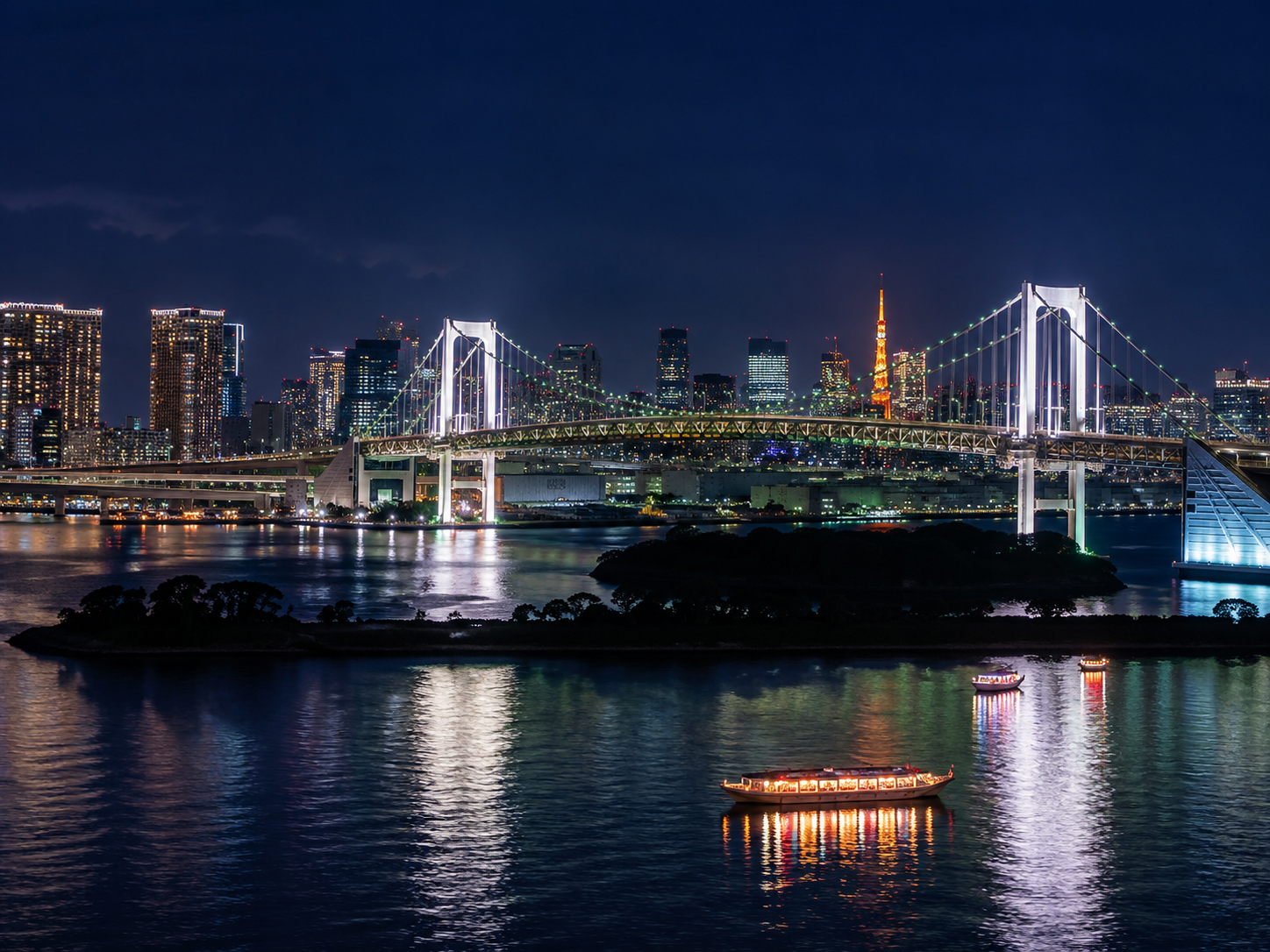
A ninja experience is a guided, interactive session that teaches visitors the core skills and philosophy of ninjutsu in an engaging, safe environment. Depending on which venue you choose, the session can last anywhere from 45 minutes to a full day. Most programs include some combination of the following activities:
- Shuriken throwing — learn the correct wrist snap and release technique for the iconic four-pointed throwing star
- Sword training — handle a replica ninja-to (short straight sword) and practice basic stances and strikes under instructor guidance
- Blowgun (fukiya) — aim and fire a traditional bamboo blowgun at paper targets
- Stealth movement techniques — practice the distinctive crouched ninja walk (nuki ashi) designed to minimize footstep sound
- Costume rental — dress head to toe in traditional shinobi shozoku (black or dark blue ninja outfit) for the full experience and photos
- Trap and trick room exploration — navigate hidden doors, trick staircases, and disappearing corridors built using authentic Edo-period techniques
- History briefing — learn the real history of the shinobi from knowledgeable guides who separate fact from fiction
Most venues welcome complete beginners and offer trilingual guidance in Japanese, English, and Chinese. You do not need any prior martial arts experience. Sessions are physically light enough for children as young as five, yet engaging enough to impress seasoned martial arts practitioners.
Best Ninja Experiences in Tokyo
1. Ninja Trick House Shinjuku
Nestled in the heart of Shinjuku, the Ninja Trick House is one of Tokyo’s most popular hands-on ninja attractions. The venue is built inside an Edo-period-style structure filled with trick rooms, secret passages, and puzzle doors that mimic the hidden architecture ninja used to confuse and trap enemies. Visitors first suit up in ninja costumes, then move through a series of themed chambers where they learn shuriken throwing, blowgun techniques, and basic sword handling.
What makes Ninja Trick House stand out is its theatrical immersion. Smoke machines, low lighting, and surprise mechanisms create genuine atmosphere rather than a sanitized theme-park feel. English-speaking guides are available daily, making this ideal for international visitors. The experience runs approximately 60-90 minutes and costs around ¥3,500–¥5,000 per person, with family packages available. Advance reservations are strongly recommended, especially on weekends and during peak tourist seasons (spring cherry blossom and autumn foliage periods).
Location: Shinjuku, Tokyo
Best for: Families, first-time visitors, solo travelers
Price range: ¥3,500–¥5,000
Booking: Online reservation required
2. Ninja Akasaka (Tokyo’s Legendary Ninja Restaurant)
For an experience that combines cuisine with theater, Ninja Akasaka is in a category entirely its own. Hidden in the upscale Akasaka district and accessible through a winding “castle passageway” staffed by ninja-costumed performers who guide you in total darkness, this restaurant has been thrilling guests since 2005. Your server is not merely a waiter — they are a trained performer who demonstrates coin tricks, fire breathing, and sleight-of-hand magic between courses.
The menu is Japanese-French fusion, presented in dramatic fashion with dishes that arrive in smoke-filled boxes, dishes that glow, and cocktails that appear to defy physics. Set menus run from approximately ¥8,000 to ¥15,000 per person (food only; drinks additional). While the food itself is genuinely good, Ninja Akasaka is ultimately a theatrical dining experience — the memory of your ninja guide vanishing through a hidden panel mid-sentence is worth every yen.
Location: Akasaka, Minato, Tokyo
Best for: Couples, special occasions, corporate entertainment
Price range: ¥8,000–¥15,000 per person (set dinner)
Booking: Advance reservation essential — often fully booked 2–3 weeks ahead
3. Samurai Ninja Museum Tokyo (Asakusa)
Located in the culturally rich Asakusa district — home to Senso-ji Temple and Tokyo’s most traditional streetscapes — the Samurai Ninja Museum Tokyo offers a deeper dive into Japanese warrior history. The museum section displays authentic swords, armor, shuriken, and historical documents with detailed English explanations. The interactive section then lets you put theory into practice with shuriken throwing, sword handling, and the option to dress as either a samurai or a ninja for a photo session.
This venue is particularly well-suited to history enthusiasts who want context alongside the hands-on fun. Knowledgeable guides explain the nuanced differences between samurai and ninja culture, common misconceptions (most ninja were actually farmers with covert training, not full-time assassins), and the real-world political context that made the shinobi necessary. Admission with the basic experience package runs approximately ¥2,500–¥4,500, with premium sword-fighting lessons available for an additional fee.
Location: Asakusa, Taito, Tokyo
Best for: History lovers, families, travelers already visiting Senso-ji
Price range: ¥2,500–¥4,500 (basic); ¥6,000+ (premium with sword lesson)
Booking: Walk-ins often accepted; reservations recommended for groups
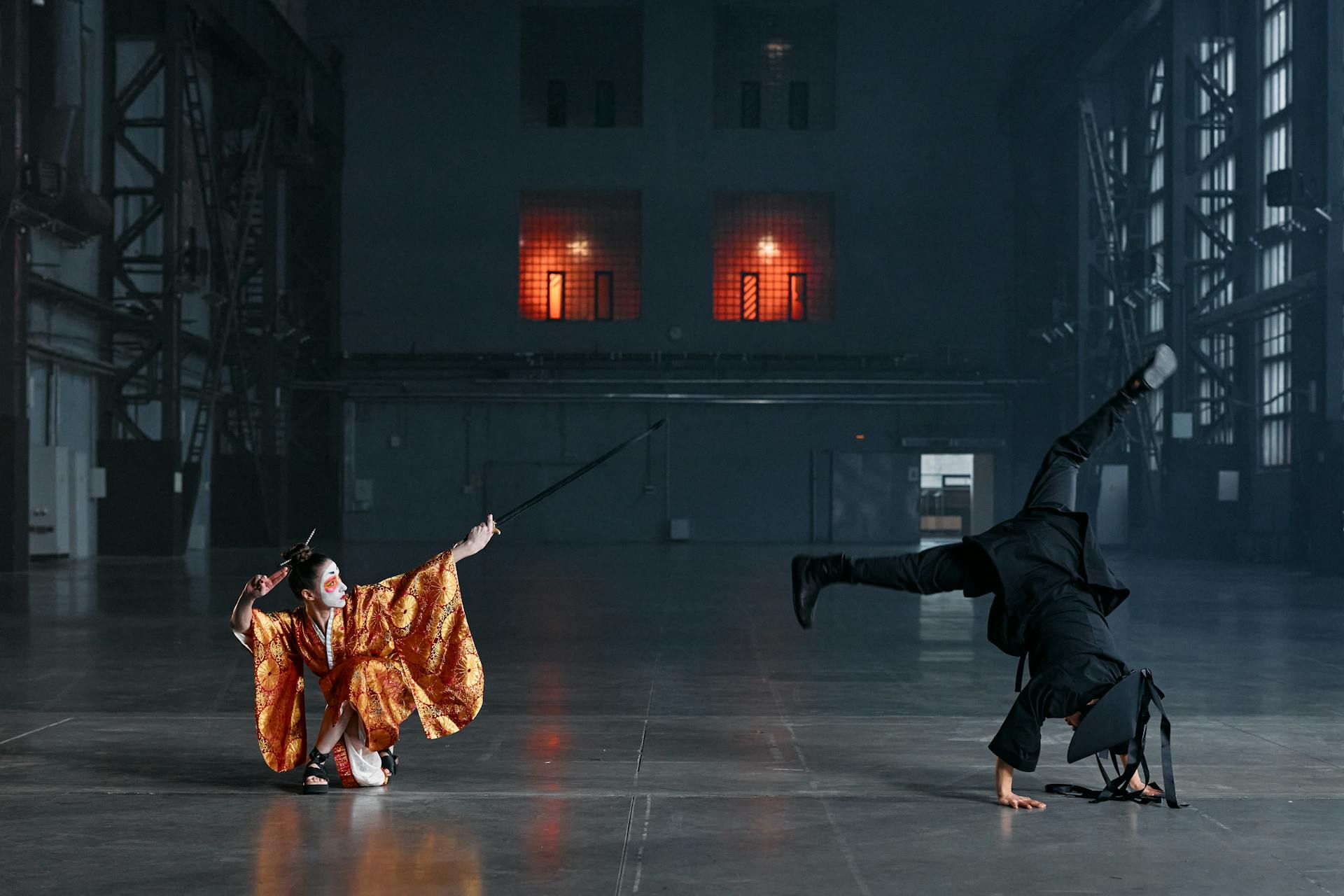
Ninja Experiences Beyond Tokyo: Kyoto, Iga, and Beyond
4. Iga Ninja Museum — The Birthplace of Ninja (Mie Prefecture)
If you are serious about ninja culture, there is one destination that outranks all others: Iga City in Mie Prefecture, the acknowledged birthplace of the Iga-ryu ninja tradition. The Iga Ninja Museum (Iga-ryu Ninja Museum) sits within Ueno Park alongside the reconstructed Iga Ueno Castle and offers the most authentic and comprehensive ninja experience in all of Japan.
The centerpiece is a reconstructed ninja house — a working architectural marvel that guides walk you through, demonstrating every hidden feature: revolving walls that flip from kitchen to escape tunnel, floors with pressure-release mechanisms, hidden compartments in the ceiling, and false well shafts that double as underground passages. Real female ninja descendants (kunoichi) still serve as guides, making the experience uniquely personal and authoritative.
Outside the museum, the ninja show arena hosts live demonstrations of rope climbing, chain sickle (kusarigama) combat, and shuriken throwing at high speed. The on-site store sells authentic reproductions of ninja tools, weapons, and historical texts. Admission is approximately ¥800 per adult for the museum alone, with optional add-ons for the ninja show and hands-on weapon throwing.
Getting to Iga from Osaka takes roughly 90 minutes by train and bus, making it a very practical day trip. From Tokyo, Iga is most efficiently reached by Shinkansen to Nagoya, then local rail — plan for a full day or an overnight stay to do the region justice.
Location: Iga City, Mie Prefecture
Best for: Dedicated enthusiasts, cultural travelers, day-trippers from Osaka
Price range: ¥800 (museum) + optional show and activities (¥200–¥500 each)
Booking: Walk-in available; shows run on a fixed schedule
5. Toei Kyoto Studio Park (Uzumasa, Kyoto)
Kyoto’s Toei Kyoto Studio Park (東映太秦映画村) is Japan’s only working film studio open to the public — and it happens to be where many of Japan’s most famous samurai and ninja television dramas are filmed. Walking through the park feels like stepping onto an Edo-period film set: authentic townhouse facades, samurai residence interiors, and a full-scale castle gate line the streets.
The park offers regular ninja stunt shows in which professional performers demonstrate acrobatic combat, wire-work techniques, and shuriken throwing with theatrical flair. The costume experience lets you dress as a ninja, samurai, or even a town merchant from the Edo era, with professional photographers on hand. On lucky days you may glimpse actual filming in progress.
Admission is approximately ¥2,400 for adults and ¥1,200 for children. Costume rental and individual shows carry small additional fees. The park is located in Uzumasa, easily accessible from central Kyoto by the Randen streetcar line in about 20 minutes from Shijo-Omiya.
Location: Uzumasa, Ukyo, Kyoto
Best for: Families, film fans, travelers already visiting Kyoto
Price range: ¥2,400 adults / ¥1,200 children (park entry)
Booking: Walk-in; check show schedule in advance
Price Comparison: What to Budget for a Ninja Experience in Japan
| Experience | Location | Price (per person) | Duration | Best For |
|---|---|---|---|---|
| Iga Ninja Museum (entry) | Iga, Mie | ¥800 | Self-paced | History lovers |
| Toei Kyoto Studio Park | Kyoto | ¥2,400 | Half-day | Families |
| Ninja Trick House Shinjuku | Tokyo | ¥3,500–¥5,000 | 60–90 min | All ages |
| Samurai Ninja Museum Tokyo | Tokyo (Asakusa) | ¥2,500–¥6,000+ | 60–120 min | History + action |
| Premium sword lesson add-on | Various Tokyo venues | ¥4,000–¥8,000 | 30–60 min | Enthusiasts |
| Ninja Akasaka (dinner set) | Tokyo (Akasaka) | ¥8,000–¥15,000 | 2–3 hours | Couples, special occasions |
Prices are approximate and subject to change. Always verify current pricing directly with each venue before booking.
Who Are Ninja Experiences Best For?
Families with Children
Ninja experiences rank among the best family activities in Japan, full stop. Children aged five and older can participate in shuriken throwing and trick-room exploration safely, while the costume element gives kids an unforgettable photo memory. Parents are equally engaged — there is no “watching from the sidelines” at most venues. The Iga Ninja Museum and Toei Kyoto Studio Park are particularly child-friendly with wide open spaces and multiple activity options that allow families to move at their own pace.
Couples and Honeymooners
A ninja experience makes for a memorable and unusual date activity, especially when paired with Ninja Akasaka’s theatrical dinner. Dressing together as ninja, competing at shuriken targets, and navigating trick rooms together is genuinely bonding — and the photos are spectacular. Couples visiting Japan for a honeymoon or anniversary often combine a ninja session in the afternoon with a traditional kaiseki dinner in the evening for a perfectly balanced Japan-immersion day.
Solo Travelers
Solo travelers thrive at ninja experiences because the small group format means you always share the session with other guests, making it naturally social. Most Tokyo venues cap group sizes at 10–15 people, so you will meet fellow travelers and receive genuinely personal instruction rather than being lost in a crowd. The Asakusa area in particular makes a natural solo travel hub — you can visit Senso-ji in the morning, the Samurai Ninja Museum in the afternoon, and end with craft sake in the evening in the nearby Nakamise area.
Martial Arts Enthusiasts
If you already train in judo, karate, kendo, or any traditional martial art, a ninja experience offers fascinating comparative context. You will immediately notice the way ninjutsu de-emphasizes direct confrontation in favor of deflection, misdirection, and environmental advantage. Several Tokyo venues offer multi-hour deep-dive sessions specifically designed for martial artists, covering the taijutsu (unarmed combat) roots of ninjutsu with greater technical depth. Enquire in advance about these extended programs.
Practical Tips: How to Book and What to Know Before You Go
- Book in advance. Especially for Ninja Akasaka and the Ninja Trick House Shinjuku, weekend and holiday slots sell out weeks ahead. Online reservation is almost always available via the venue’s official website or through platforms like Klook, Viator, and GetYourGuide.
- Wear comfortable clothing. You will be moving, crouching, and stretching. Loose trousers and flat shoes are ideal. You will change into a ninja costume on-site at most venues anyway, but avoid stiff jeans or formal shoes.
- Arrive 15 minutes early. Most sessions have a set start time and cannot accommodate late arrivals due to the group-instruction format. Build buffer time into your schedule, especially if traveling from another part of Tokyo.
- No prior skills required. Absolute beginners are the norm, not the exception. Instructors are accustomed to starting from zero with each group.
- Photography is generally encouraged. Unlike some traditional dojos, ninja experience venues actively want you to share your photos. Most will photograph you themselves during key moments for a small additional fee.
- Language: All major venues listed in this guide offer English guidance as a standard feature, not an add-on.
- Health considerations: Shuriken throwing requires basic hand strength and coordination but no specific fitness level. Trick-room exploration can involve low ceilings and narrow passages — if you have claustrophobia, ask the venue for details before booking.
Combine Your Ninja Experience with Other Uniquely Japanese Adventures
Japan rewards travelers who layer experiences. A ninja morning in Asakusa pairs beautifully with an afternoon at Ueno Park’s museums. A day trip to Iga naturally combines with a tea ceremony in Nara on the return journey. And for those who truly want to dive deep into Japanese culture, combining martial heritage with Japan’s legendary automotive passion creates an unforgettable trip itinerary.
Japan is globally celebrated not only for its warrior traditions but also for producing some of the world’s most iconic performance cars — the Nissan GT-R, Toyota Supra, Mazda RX-7, and Honda NSX among them. Samurai Car Japan JDM offers curated tours and car-buying experiences centered on Japan’s legendary JDM (Japanese Domestic Market) vehicles, giving automotive enthusiasts a genuinely local, insider perspective on Japanese car culture. Much like a ninja experience connects you to Japan’s ancient warrior heritage, a JDM tour connects you to a very different but equally passionate side of modern Japan — and the two make a surprisingly harmonious travel pairing.
A Day in Tokyo: The Ultimate Ninja Experience Itinerary
Here is how a perfectly structured ninja day in Tokyo might look:
- 08:30 — Breakfast at a traditional kissaten (Japanese coffee shop) near Asakusa
- 09:30 — Visit Senso-ji Temple before the crowds arrive; explore Nakamise shopping street
- 11:00 — 2-hour session at the Samurai Ninja Museum Tokyo (book the premium sword lesson package)
- 13:30 — Lunch at a local soba restaurant in Asakusa
- 15:00 — Travel by metro to Shinjuku (30 minutes)
- 16:00 — Ninja Trick House Shinjuku (90-minute session)
- 19:00 — Freshen up at your hotel
- 20:00 — Dinner at Ninja Akasaka (reserve the counter seats for maximum theatrical immersion)
This itinerary covers three distinct ninja experiences in a single day while also taking in one of Tokyo’s most iconic temples. It is ambitious but entirely achievable — Tokyo’s metro system makes the distances trivial.
Frequently Asked Questions About Ninja Experiences in Japan
Are ninja experiences suitable for young children?
Yes. Most venues welcome children aged five and up for the basic activities. Shuriken throwing is conducted under close supervision with safe, blunt-edged replica stars. Children often find these experiences even more exciting than adults — dressing as a ninja is a genuinely transformative moment for a seven-year-old.
Do I need to speak Japanese?
No. Every major venue listed in this guide offers English instruction as standard. Some also offer Mandarin and Korean. Booking confirmation emails are typically bilingual. If you are visiting a smaller regional venue not listed here, it is worth calling ahead to confirm English availability.
What should I bring?
Nothing special. Wear comfortable clothing (or plan to change into the provided costume), bring a camera or ensure your phone is charged for photos, and carry enough yen for any on-site purchases. Most major venues accept credit cards, but smaller regional operations may be cash-only.
Is the Iga Ninja Museum worth the journey from Tokyo?
For anyone with a genuine interest in Japanese history and culture, absolutely. The Iga experience is in a completely different league from Tokyo’s entertainment-focused venues — it is a living museum operated by people with direct ancestral ties to the Iga-ryu tradition. Budget a full day, and consider combining it with a visit to Nara for a two-day Kansai excursion.
Can I keep the ninja costume?
The session costume is typically a rental and must be returned, but most ninja experience venues sell high-quality replica costumes, shuriken sets, and other equipment in their on-site shops. These make excellent souvenirs and are far better quality than the generic tourist versions sold in Asakusa’s souvenir stalls.
Final Thoughts: Why a Ninja Experience Belongs on Your Japan Itinerary
Japan offers countless ways to connect with its extraordinary culture — kaiseki dinners, ryokan stays, tea ceremonies, and Shinto festivals all come immediately to mind. But there is something uniquely primal and joyful about a ninja experience that reaches across age groups, cultural backgrounds, and travel styles. The shuriken leaves your fingertips, strikes the target, and for one brief moment you are no longer a tourist standing in a recreation — you are part of a 500-year-old tradition of discipline, ingenuity, and quiet mastery.
From the theatrical immersion of Ninja Akasaka’s midnight corridors to the solemn authenticity of the Iga Ninja Museum’s trick house, Japan’s ninja experiences span the full spectrum from entertainment to education. Book early, dress in black, and step into the shadows. The shinobi world is waiting.
Book a Ninja Experience in Tokyo
Train like a real ninja — learn shuriken throwing, sword techniques, and stealth moves at an authentic dojo in Tokyo. Free cancellation.
Related Articles
- Kyoto Tea Ceremony Experience
- Tokyo Sumo Wrestling Tournament Tickets
- Zazen Meditation in Japan: How to Experience Zen at a Real Temple
[st_af id=”87″]