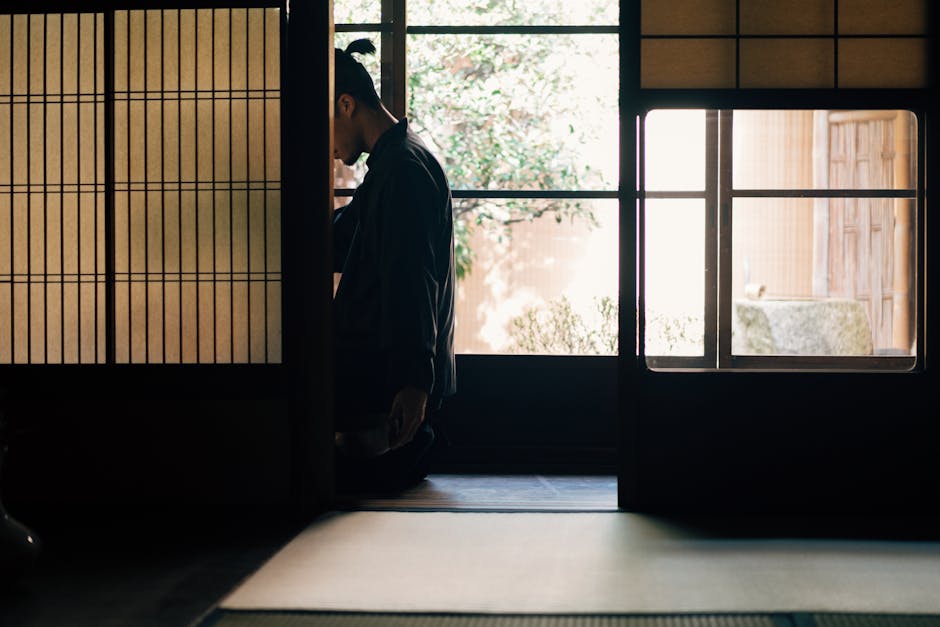
Japan moves fast. The bullet train blurs the countryside into streaks of green. City crossings throb with a thousand simultaneous footsteps. Engines rev, screens flicker, schedules pull you forward before you can catch your breath. And then, behind a wooden gate tucked down a quiet lane, everything stops.
Zazen — seated Zen meditation — is one of the most profound things a visitor can do in Japan. It costs almost nothing. It requires no prior experience. And for many travelers, a single session changes how they understand the country entirely. This guide will walk you through everything: what zazen is, where to experience it, what to expect, how to book, and how to make the most of a practice that has shaped Japanese culture for over eight centuries.
What Is Zazen? The Heart of Zen Buddhism
Zazen (座禅) translates literally as “seated meditation.” It is not a relaxation technique, though it may relax you. It is not a visualization exercise, a breathing drill, or a mantra practice. In the Zen tradition, zazen is the practice — the direct expression of awakened mind, practiced whether or not awakening has arrived.
Zen Buddhism reached Japan from China in the 12th and 13th centuries, carried by monks who had trained in Chinese Chan monasteries. Two main schools took root and remain dominant today. The Soto school, founded by Dogen Zenji in 1227, teaches shikantaza — “just sitting,” without goals, without trying to achieve anything. The Rinzai school, transmitted by Eisai, combines seated meditation with koan practice — paradoxical riddles assigned by a teacher to cut through conceptual thinking. Both schools are represented across Japan, and both offer zazen sessions open to foreign visitors.
In a monastery, monks sit for hours each day, sometimes through the night during intensive retreat periods called sesshin. For a first-time visitor, a session typically lasts 30 to 90 minutes, with instruction provided beforehand. No experience is needed, and no religious conversion is required or expected.
The Experience: What Happens When You Sit
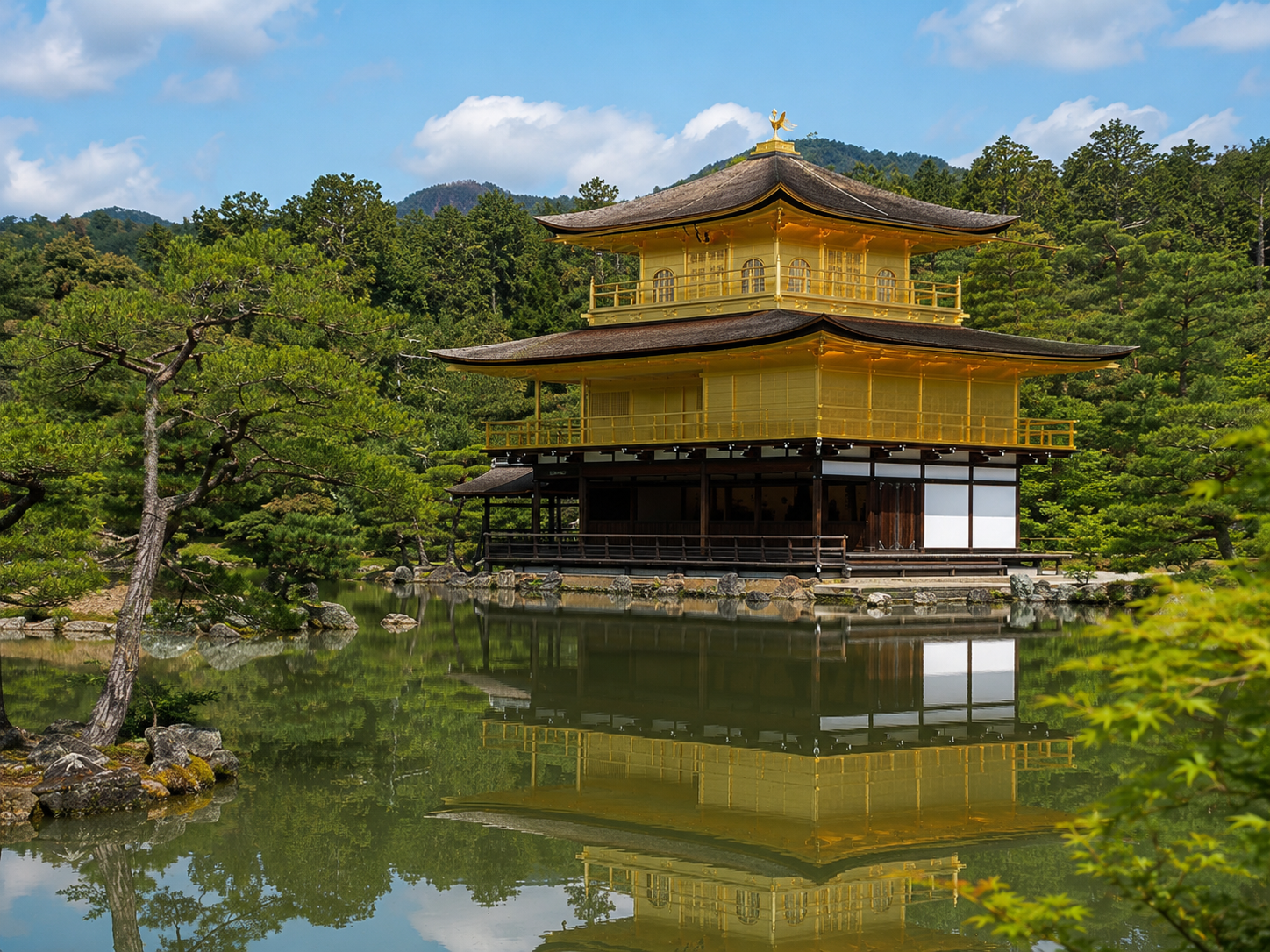
You remove your shoes before entering the meditation hall, called the zendo. The room is clean, spare, and quiet in a way that feels deliberate rather than empty. Cushions — round black zafu cushions resting on flat zabuton mats — are arranged in rows facing the wall or facing the center of the room, depending on the school.
A monk or instructor will demonstrate the posture. The classical zazen posture places you cross-legged on the cushion in either full lotus (both feet resting on the opposite thighs) or half lotus (one foot on the opposite thigh, the other tucked underneath). If neither is possible — and for most Westerners, neither is — you may sit in seiza, kneeling with your shins flat on the mat and a cushion or bench supporting your weight. The key is that your spine is erect, your chin is slightly tucked, and your eyes are cast downward at a 45-degree angle, neither fully closed nor actively looking at anything.
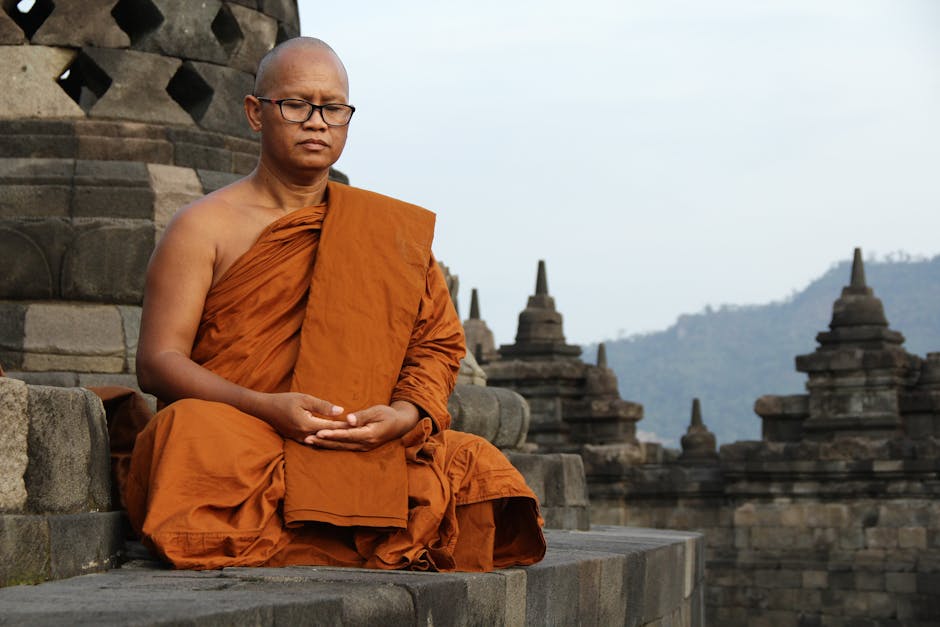
Your hands rest in your lap in a dhyana mudra: left hand resting in right, thumbs lightly touching, forming an oval. The image is of a still lake. The thumbs are a barometer — if they droop, your mind has wandered; if they press together, you are straining.
The instruction for beginners is usually simple: follow your breath. Not control it, not count it, just notice it. Each time your attention drifts — and it will drift, again and again — you return. That returning, without frustration or self-judgment, is the practice.
The Kyosaku: Japan’s Most Misunderstood Piece of Wood
You may notice a monk pacing the room holding a long flat wooden stick. This is the kyosaku (警策), sometimes called the “warning stick” or “awakening stick.” Its reputation precedes it in ways that are not always accurate.
In the Rinzai tradition, the kyosaku is used freely. The monitor walks behind the sitting meditators and strikes them firmly across the upper back and shoulders — two strikes on each side. In the Soto tradition, the same implement is called the keisaku and is offered only upon request: you press your palms together in a brief bow as the monitor passes, and the strikes are given as a form of encouragement rather than correction.
The strikes land on the muscle between the neck and the shoulder — an acupressure point. The effect is invigorating rather than painful. Many practitioners describe it as snapping them out of a dull torpor and bringing them back to vivid presence. For beginners, receiving the kyosaku can be one of the most memorable moments of the session. You are permitted to decline by keeping your hands still.
If you visit a Rinzai temple, expect the kyosaku to be used. If you are at a Soto temple and curious, you can request it. Either way, it is not punishment. It is, if anything, a gift.
Best Zazen Experiences for Foreigners in Tokyo
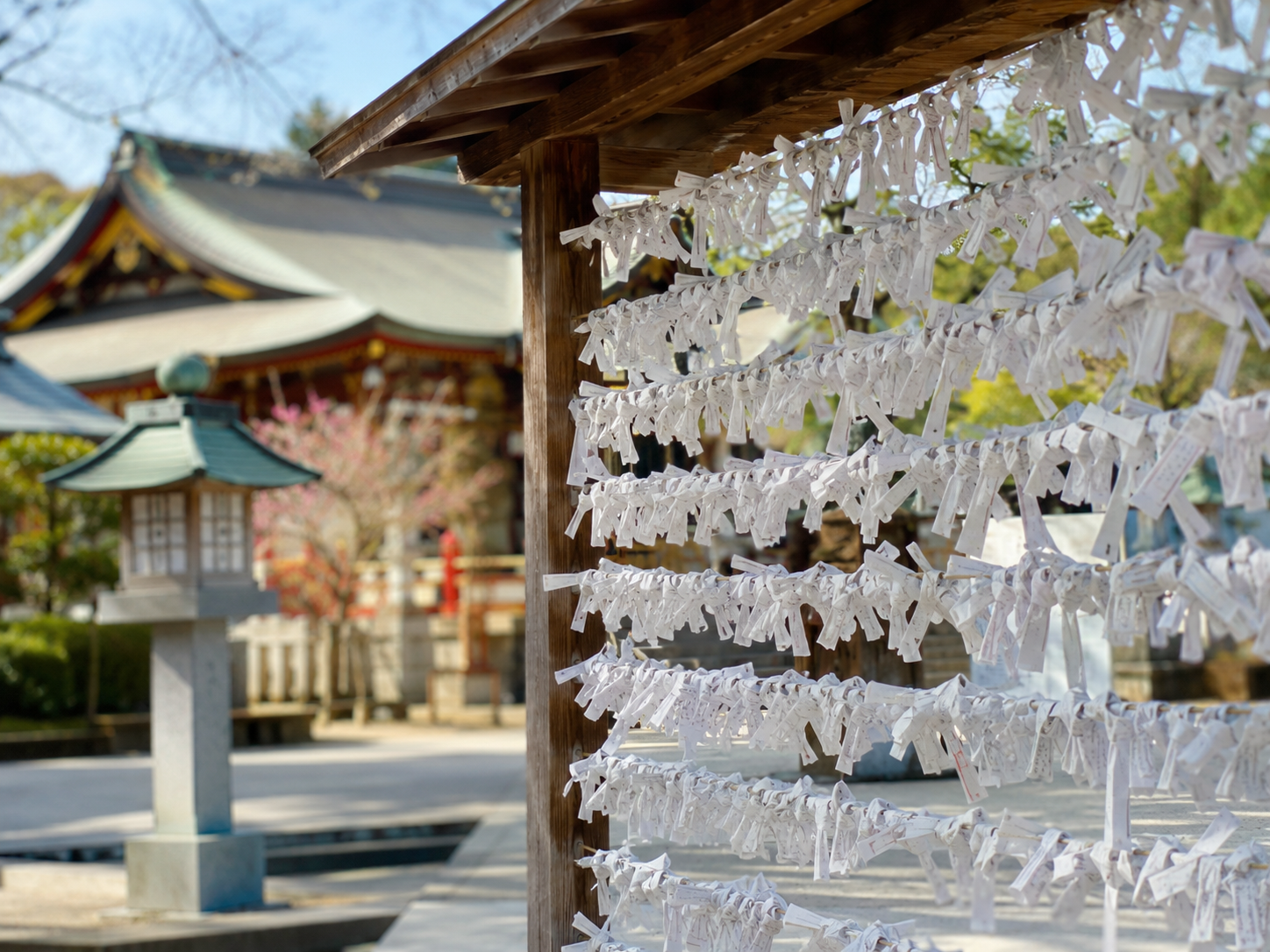
Tokyo is not a city most people associate with silence, and yet it hides a surprising number of temples that welcome foreign practitioners.
Zenshoji Temple, Meguro
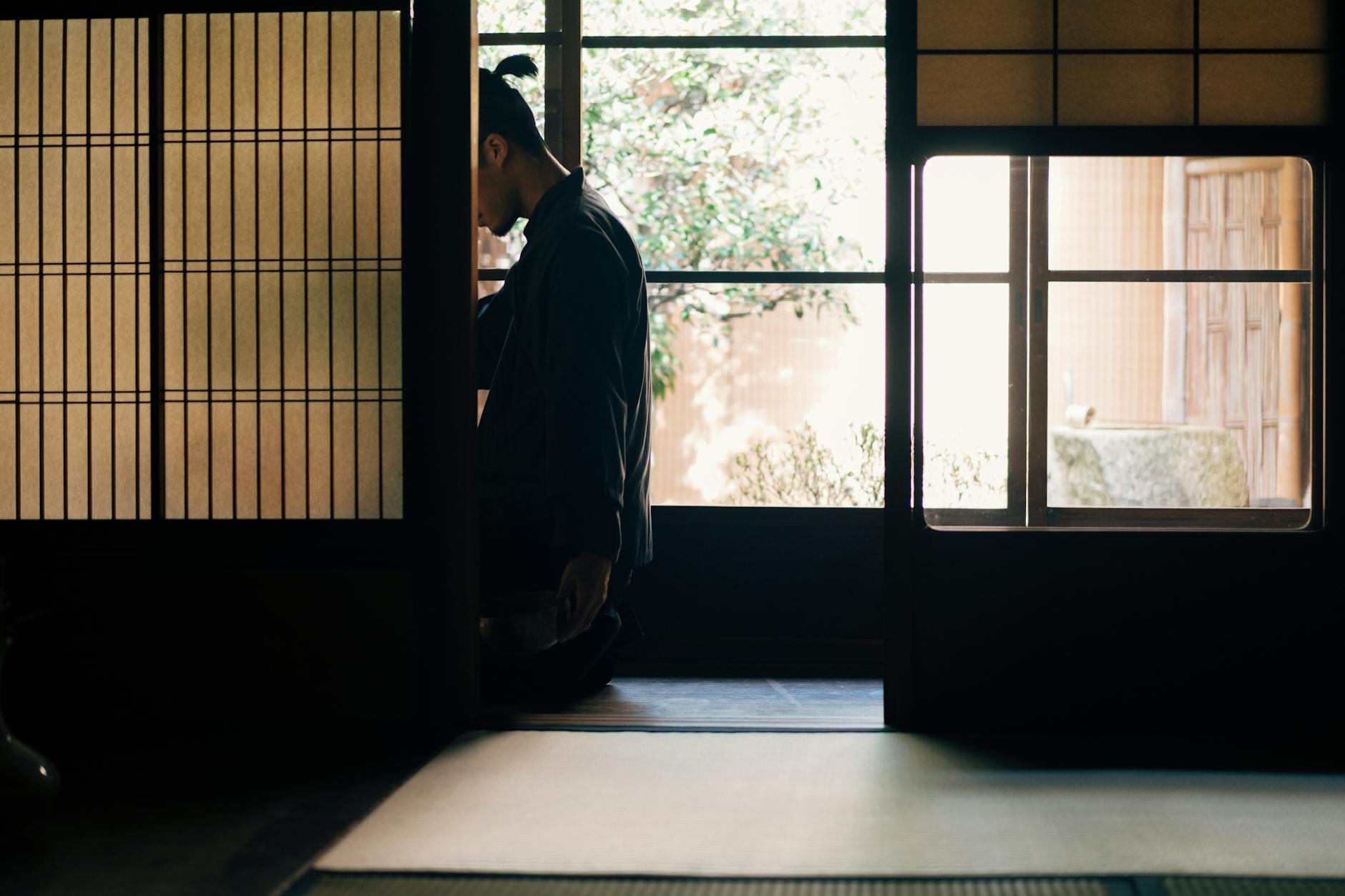
Zenshoji is one of the most foreigner-friendly zazen venues in the city. Located in the relatively quiet Meguro neighborhood, this Soto Zen temple holds regular zazen sessions and has developed materials in English to guide newcomers through the experience. Instructors are patient with beginners and accustomed to guiding visitors who have never meditated before. Sessions typically last about an hour, including a brief instruction period. The atmosphere is warm rather than austere, making it an excellent first entry point into the practice.
Sogenji Temple
Sogenji, a Rinzai temple in Okayama Prefecture, is well known in international Zen circles, though it also runs intensive programs that draw practitioners from Tokyo. Their approach is more rigorous than casual drop-in sessions — expect longer sits and the active use of the kyosaku. For anyone who wants a taste of what Rinzai training actually feels like, Sogenji is worth the journey. The abbot, Shodo Harada Roshi, has taught extensively in English-speaking countries and the community is accustomed to international students.
Engakuji Temple, Kamakura
Engakuji sits at the end of the train line in Kamakura, about an hour south of Tokyo by train. Founded in 1282, it is one of the great Rinzai temple complexes in Japan, sprawling across forested hills above the city. The temple holds regular zazen sessions open to the public on weekend mornings and Sunday evenings. The setting alone — ancient wooden halls, stone lanterns, towering cedars — makes the experience extraordinary. Engakuji is also where D.T. Suzuki, the scholar who introduced Zen to the Western world, practiced for years. Sitting where he sat carries a particular weight.
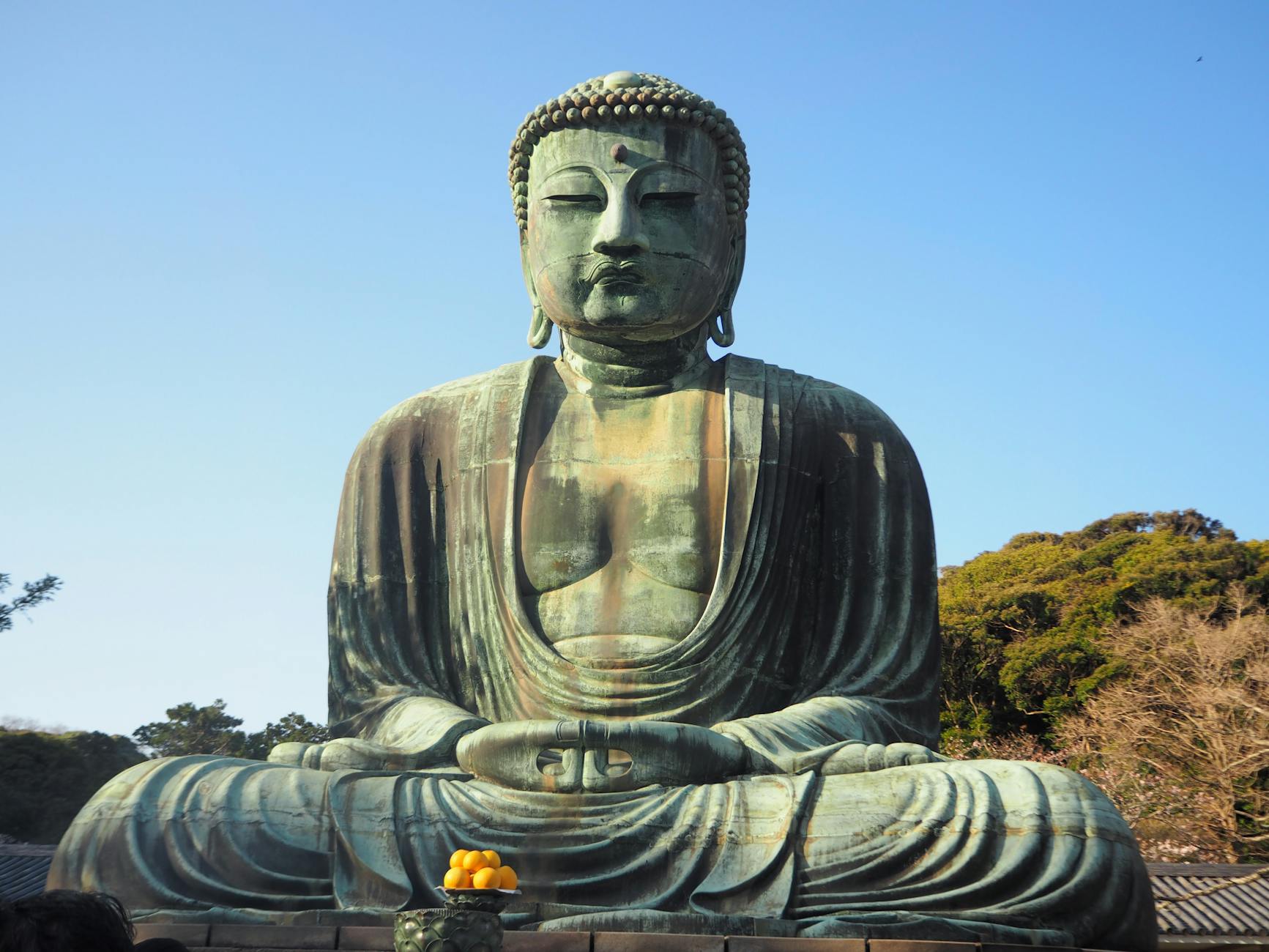
Kamakura as a whole is worth a day trip from Tokyo: zazen in the morning, then a walk through the hills to the giant outdoor Buddha (Kotoku-in), then lunch at one of the small restaurants near Hase station. It is one of the best days a visitor to Japan can have.
Kyoto: Where Zen Architecture and Practice Meet
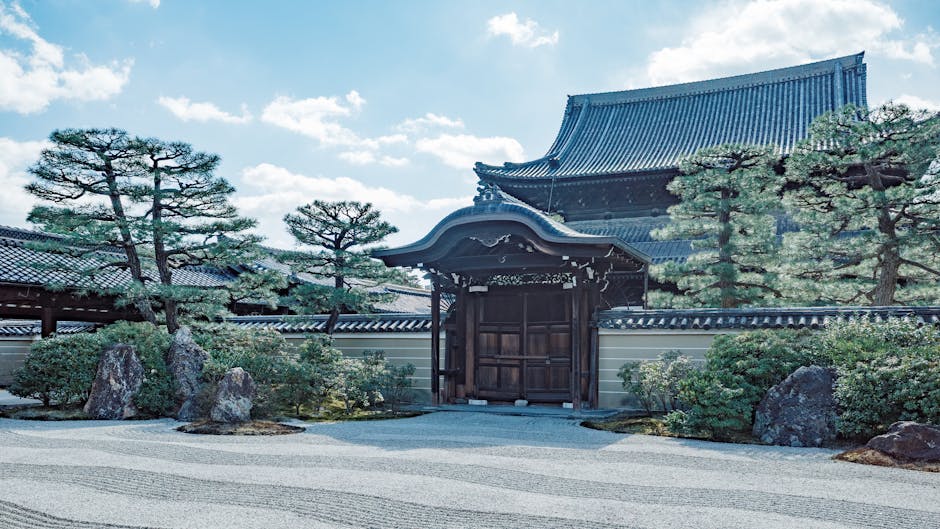
Kyoto was Japan’s imperial capital for over a millennium, and its concentration of Zen temples is unmatched anywhere in the world. The city contains dozens of active practice temples, many of which open their doors to visitors for morning zazen.
Daitokuji Temple Complex
Daitokuji is not one temple but a constellation of sub-temples and gardens spread across a large walled compound in the north of Kyoto. Founded in 1319, it became the pre-eminent Rinzai complex in Japan and attracted legendary figures including the tea master Sen no Rikyu, who shaped the aesthetic of wabi-sabi in ways that still define Japanese design. Several sub-temples within Daitokuji offer zazen sessions, including Daisen-in and Zuiho-in. The atmosphere is serene and the gardens are among the finest dry-stone gardens (karesansui) in the country. A morning at Daitokuji — zazen, then slow walking through the gardens — is close to ideal.
Ryoanji Temple
Ryoanji’s stone garden is one of the most famous images in Japanese culture: fifteen stones arranged on raked white gravel in a configuration that has never been fully explained and was never meant to be. The temple offers zazen sessions in the early morning before the crowds arrive, and there is something profound about sitting in stillness before that garden, before you know anything about what you are supposed to think of it. Ryoanji also hosts shakyo sessions (sutra copying — more on this below), making it one of the more comprehensive temple experiences in Kyoto.
Eihoji Temple
Eihoji, located in Gifu Prefecture between Kyoto and Nagoya, is one of the major Soto Zen training temples in Japan. Its setting — deep in a gorge, surrounded by ancient cedars, with bridges crossing a river running below the meditation hall — is dramatically beautiful. Eihoji accepts lay practitioners for zazen sessions and offers a glimpse into what a working Zen monastery looks and feels like. The austerity here is genuine, not curated for tourism, and that makes the experience more affecting.
Koyasan: The Gold Standard of Temple Stays
If you do only one temple experience in Japan, make it Koyasan.
Mount Koya (Koyasan) is a mountaintop temple town in Wakayama Prefecture, about two hours from Osaka by train and cable car. It was founded in 816 by the monk Kukai — known posthumously as Kobo Daishi — who established Shingon Buddhism in Japan. Today, over 100 temples crowd the mountaintop, and about 52 of them offer shukubo: overnight temple lodging for visitors.
A shukubo stay at Koyasan follows a rhythm that has not changed much in centuries. You arrive in the afternoon, settle into your tatami room, and explore the grounds before dinner. The evening meal is shojin ryori — the vegetarian cuisine developed by Buddhist monks over hundreds of years. It is served on lacquered trays, course by course, each dish modest in itself but collectively a revelation: sesame tofu, pickled mountain vegetables, simmered root vegetables, miso soup with local mushrooms. No meat, no fish. Nothing killed. The flavors are subtle and deeply satisfying in a way that processed food rarely approaches.
You wake before dawn. Morning zazen begins around 6:00 a.m., conducted by the temple monks in the main hall. The session typically lasts 30 to 45 minutes, followed by a brief fire ritual called goma, in which cedar sticks are burned as an offering. Then comes breakfast — another shojin ryori meal, lighter than the evening meal but equally beautiful. Warm rice, pickled plums, miso soup, small dishes of vegetables.
After breakfast, the rest of Koyasan is yours. The graveyard at Okunoin — a 2-kilometer path through towering cedar trees, lined with over 200,000 gravestones and memorials — is one of the most extraordinary places in Japan. Walk it in the early morning, when mist clings to the trees and the stone is still wet with dew, and it is easy to understand why people have been making pilgrimages here for twelve centuries.
Koyasan is Shingon rather than Zen, and the morning practice reflects this: the emphasis is on ritual and mantra rather than silent sitting alone. But the experience of waking early, sitting in formal practice with monks, eating simple food, and moving quietly through a sacred landscape is the fullest embodiment of what Japanese temple culture offers. Book shukubo at least several weeks in advance through the Koyasan Shukubo Association website, which has English-language booking available.
Beyond Zazen: Other Meditative Temple Practices
Soji: Cleaning as Meditation
Before morning zazen at most training temples, the monks clean. Not perfunctorily — thoroughly. They scrub the wooden floors on hands and knees with damp cloths, sweep the garden paths, wipe the outer walkways of the halls. This is soji (掃除), cleaning meditation, and it is practiced with the same quality of attention as seated meditation.
In Zen, there is no separation between sitting practice and daily activity. The same presence cultivated on the cushion is meant to infuse washing dishes, sweeping leaves, preparing food. Soji makes this principle concrete and embodied. Many zazen programs for visitors include a brief soji period, and participating in it — even just sweeping a courtyard or wiping a railing — is often more grounding than people expect. There is something quietly satisfying about leaving a place cleaner than you found it, especially when you do it without hurry.
Shakyo: Copying Sutras by Hand
Shakyo (写経) is the practice of copying Buddhist sutras by hand with a brush pen. It sounds simple, and the physical act is. You receive a sheet of semi-transparent paper printed with the faint outline of the Heart Sutra in Chinese characters. You dip your brush and trace each character, one by one, in sequence. The Heart Sutra contains 262 characters. At a deliberate pace, the exercise takes about an hour.
The effect is similar to seated meditation: the mind narrows down to the stroke of the brush, the shape of the character, the rhythm of dipping and tracing. Thoughts arise and recede. The room is quiet. By the time you reach the final character, something has settled.
Shakyo is available at a remarkable number of Kyoto temples, including Ryoanji, Tofukuji, and Chion-ji. It is an excellent option for anyone who wants a meditative temple experience but finds the physical demands of zazen posture challenging. Sessions typically cost ¥1,000 to ¥2,000 and no prior knowledge of Japanese or Buddhism is required. Many temples offer romanized pronunciation guides for the characters.
Practical Guide: What to Know Before You Go
What to Expect
Most drop-in zazen sessions for beginners last between 30 minutes and 2 hours. The session typically begins with a brief instruction period — 10 to 20 minutes — during which a monk or experienced practitioner explains posture, hand position, eye position, and what to do when the mind wanders. This instruction is increasingly offered in English at temples that welcome foreign visitors. You then sit for one or two 25-to-30-minute periods, separated by a brief period of walking meditation called kinhin, in which you walk slowly around the room in a tight circle, continuing the same quality of attention.
No prior experience is needed. No particular physical flexibility is required, though sitting cross-legged on the floor for an extended period is easier if your hips are flexible. If you practice yoga or have sat in any kind of meditation before, the transition will be natural. If you have never sat formally, expect discomfort — particularly in the knees and lower back — and expect your mind to be more restless than you imagined. Both are normal and both pass.
What to Wear
Wear loose, comfortable clothing that allows you to sit cross-legged without restriction. Loose trousers or yoga pants work well. Avoid tight jeans, short skirts, or anything that will bind at the knees or waist. You will remove your shoes before entering the meditation hall, so wear clean socks. Some temples provide robes or wraps for practitioners; others do not. Dress modestly — this is an active religious space, not a tourist attraction.
What to Bring
Very little. A small bag, comfortable clothes, and clean socks are the essentials. If you use a meditation cushion at home and are particular about support, you can bring it, though the temples will provide cushions. Bring water and drink it before the session; leaving mid-sit to use the bathroom is discouraged. If you have a serious knee or back condition, mention it to the instructor before sitting — they can suggest modifications or an alternative seating arrangement.
Pricing
| Venue / Experience | Typical Cost | Notes |
|---|---|---|
| Drop-in temple zazen (Tokyo / Kamakura) | Free – ¥1,000 | Often donation-based; arrive early |
| Guided zazen session (Kyoto temples) | ¥1,000 – ¥3,000 | Some include tea ceremony |
| Shakyo (sutra copying) | ¥1,000 – ¥2,000 | Materials included; no Japanese needed |
| Koyasan shukubo (1 night) | ¥10,000 – ¥20,000 per person | Includes two meals; book in advance |
| Intensive zazen retreat (sesshin) | ¥5,000 – ¥30,000 | Multi-day; intermediate experience helpful |
How to Book
The landscape for booking has improved significantly in recent years. Many temples now maintain English-language websites where sessions can be booked directly. For Koyasan shukubo, the Koyasan Shukubo Association (shukubo.net) handles English-language reservations online. For Engakuji in Kamakura, the temple website lists session times and no advance booking is required — simply arrive. For smaller temples in Kyoto, Airbnb Experiences lists guided zazen sessions conducted by experienced practitioners, some with English instruction included. Viator and GetYourGuide also list curated zazen experiences, which can be a reliable option for travelers who prefer guided group experiences with guaranteed English support.
A note on timing: temple schedules vary seasonally, and some sessions are suspended during major religious observances or intensive retreat periods. It is worth confirming availability a week in advance, especially for Kyoto temples during peak tourism months (March–April cherry blossom season, November foliage season).
Two Sides of Japan
Japan gives you the full range. It gives you Shinkansen speed and the stillness of a zendo. Neon-lit arcade halls and moss-covered stone lanterns. If you travel with Samurai Car Japan JDM, you might spend a morning behind the wheel of an R34 GT-R on the coastal roads of Kanagawa — engine growling, curves unfolding — and spend the following morning in silence at Engakuji, breathing, watching the mind. Both experiences are quintessentially Japanese. Speed and stillness. Power and emptiness. They are not opposites; they are the same country seen from different angles.
The Japanese concept of ma — the meaningful pause, the space between notes, the silence that gives sound its shape — runs through both. A well-driven car corner has ma. So does a well-timed breath in zazen. Japan teaches you to notice both.
A First Session: What It Often Feels Like
You sit down. The cushion is firmer than expected. You arrange your hands in the mudra and the instructor adjusts your posture — a gentle press between the shoulder blades, a lift at the back of the skull. The bell rings. The room goes quiet in a way that rooms only rarely do.
For the first few minutes, the mind is busy. It notices the sound of a car somewhere outside. It wonders how long the session will last. It replays something from yesterday. It plans something for tomorrow. This is not failure; this is what minds do. The practice is simply to return — to the breath, to the posture, to this room, to this moment.
At some point — it might be twenty minutes in, it might be five — something shifts. The breath deepens without effort. The thoughts thin out. The room becomes more vivid rather than less: the grain of the wooden floor, the faint smell of incense, the quality of the light through the paper screens. You are not somewhere else in your head. You are here.
The bell rings again. You bow. You rise slowly, knees stiff, and walk out into the temple courtyard. Whatever is there — moss on stone, the sound of water, morning light slanting through cedar branches — arrives with unusual clarity.
That clarity is the practice. And it is available to anyone willing to sit down and be still.
Plan Your Zazen Experience
Whether you are spending a week in Tokyo, making your way slowly through Kyoto’s temple districts, or planning an overnight stay at Koyasan, zazen fits into almost any Japan itinerary. You do not need to be a Buddhist, a meditator, or even particularly spiritually inclined. You need only a few hours, comfortable clothes, and the willingness to sit quietly and see what happens.
It may be the most memorable thing you do in Japan.
Book a Kyoto Experience
Explore Kyoto’s most stunning temples, geisha districts, and hidden gems with a local guide. Small group, big experience. Free cancellation.
Related Articles
- Kyoto Tea Ceremony Experience
- Tokyo Sumo Wrestling Tournament Tickets
- Watch Sumo Morning Practice in Tokyo: The Ultimate Insider Experience
[st_af id=”87″]