Forget the sold-out tournament tickets. Forget the crowded arena, the plastic seats, and the scoreboard you can barely read from row 40. The real sumo experience — the raw, unfiltered, goosebump-inducing one — happens at 6 o’clock in the morning inside a sumo stable, when the training hall floor shakes under 150-kilogram giants and the only thing separating you from them is an invisible line of respect.
This is asageiko — morning practice at a sumo stable — and it is one of the most extraordinary things you can do in Tokyo. This guide covers everything: which stables to visit, how to get access, what to expect on the floor, the rules you absolutely must follow, and how to build the perfect Ryogoku day around your visit.
What Is a Sumo Stable (Heya)?
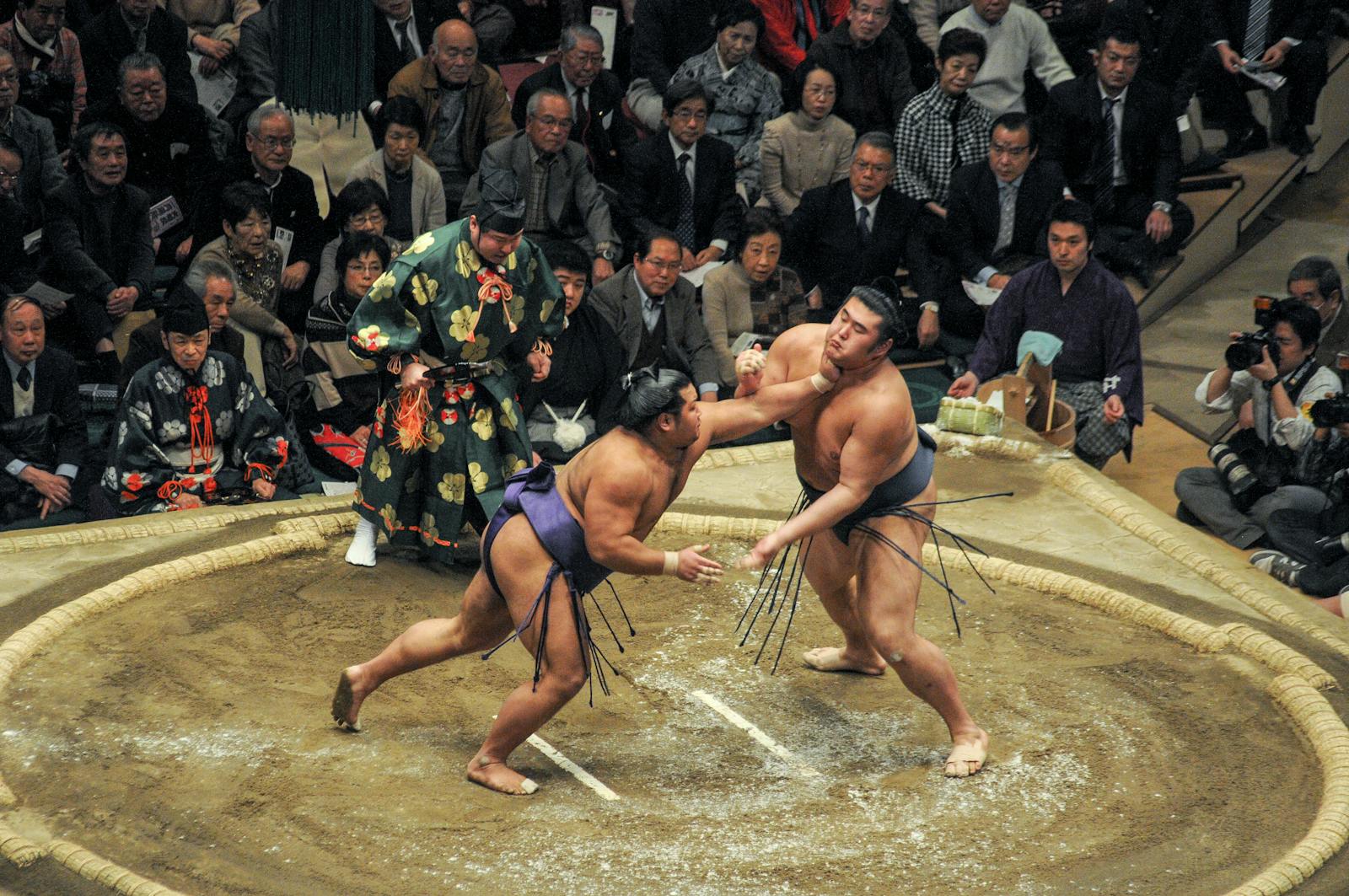
A sumo stable — called a heya (部屋, literally “room”) in Japanese — is far more than a gym. It is a live-in community where professional sumo wrestlers train, eat, sleep, and spend virtually every hour of their lives under the authority of a retired wrestler known as the oyakata (stable master).
Japan currently has around 40 active stables, most of them concentrated in the Ryogoku neighborhood of eastern Tokyo — the undisputed heartland of sumo. From the outside they often look unremarkable: a converted building behind an unmarked door. But step inside and you enter a world governed by centuries of ritual, hierarchy, and physical discipline that has changed very little since the Edo period.
Wrestlers are ranked in a strict hierarchy. At the bottom are the jonokuchi (lowest rank), who wake first, sweep the training hall, prepare salt for the rituals, and cook chanko nabe (the protein-rich hot-pot stew that fuels sumo bodies). At the top are the yokozuna — grand champions — whose entrance into the training hall commands complete silence from everyone present, visitors included.
Lower-ranked wrestlers cannot eat until their seniors have finished. They sleep in shared rooms. They address senior wrestlers with extreme deference. This hierarchy is not performance: it is the skeleton of sumo culture, and watching it in action during morning practice is itself a profound lesson in Japanese tradition.
What Is Asageiko? Understanding Morning Practice
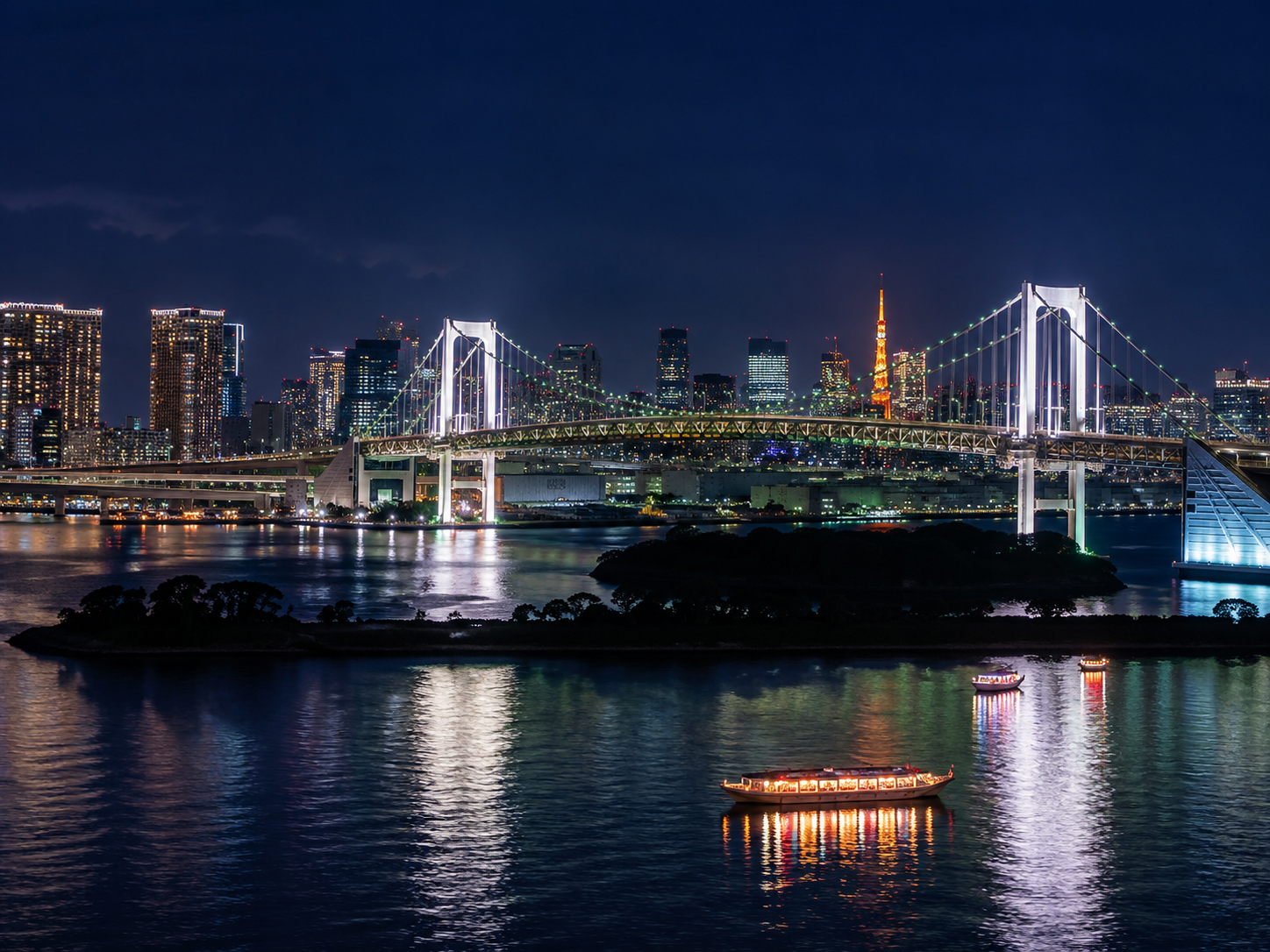
Asageiko (朝稽古, morning practice) typically runs from around 6:00 AM to 11:00 AM, though the exact schedule varies by stable and by the time of year. During tournament months — January, May, and September — the schedule is more compressed because wrestlers compete in the afternoons. Outside of those months, morning practice tends to be longer and more intensive.
The practice session follows a clear progression. Junior wrestlers begin first, working through basic drills for hours before the senior wrestlers appear. The appearance of a yokozuna or ozeki (the rank just below yokozuna) signals the peak of the session. By 10:00 or 10:30 AM, the senior wrestlers have finished and the hall begins to empty.
As a visitor, you typically sit along the edge of the room — often on a low platform or directly on cushions on the floor — and watch from a distance of just one to three meters. There is no glass. There is no barrier. When a 150-kilogram wrestler is thrown to the clay floor of the dohyo and the impact reverberates through your seat, you will feel it in your chest.
Why Morning Practice Is Better Than a Tournament
This is the question every first-time visitor asks: “Why not just go to the Kokugikan tournament?” Here is the honest answer.
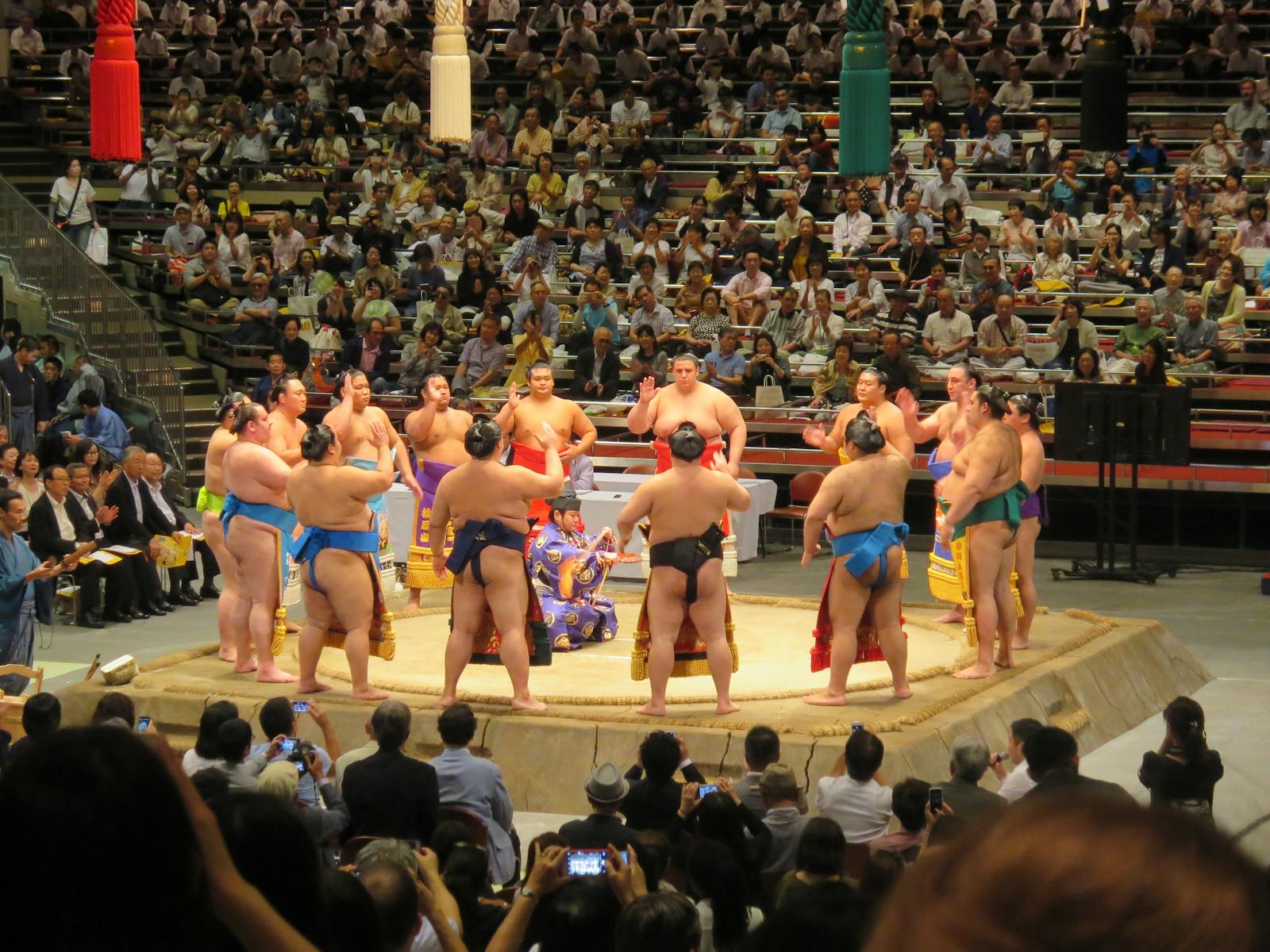
A sumo tournament at the Kokugikan arena is spectacular — but you are watching from a distance. Even the best affordable seats are 30 to 40 meters from the ring. The atmosphere is festive, almost like a baseball game, with vendors selling bento boxes and beer. Matches last seconds. Between bouts there are long rituals, salt throwing, and ceremony. You see the sport. You do not feel it.
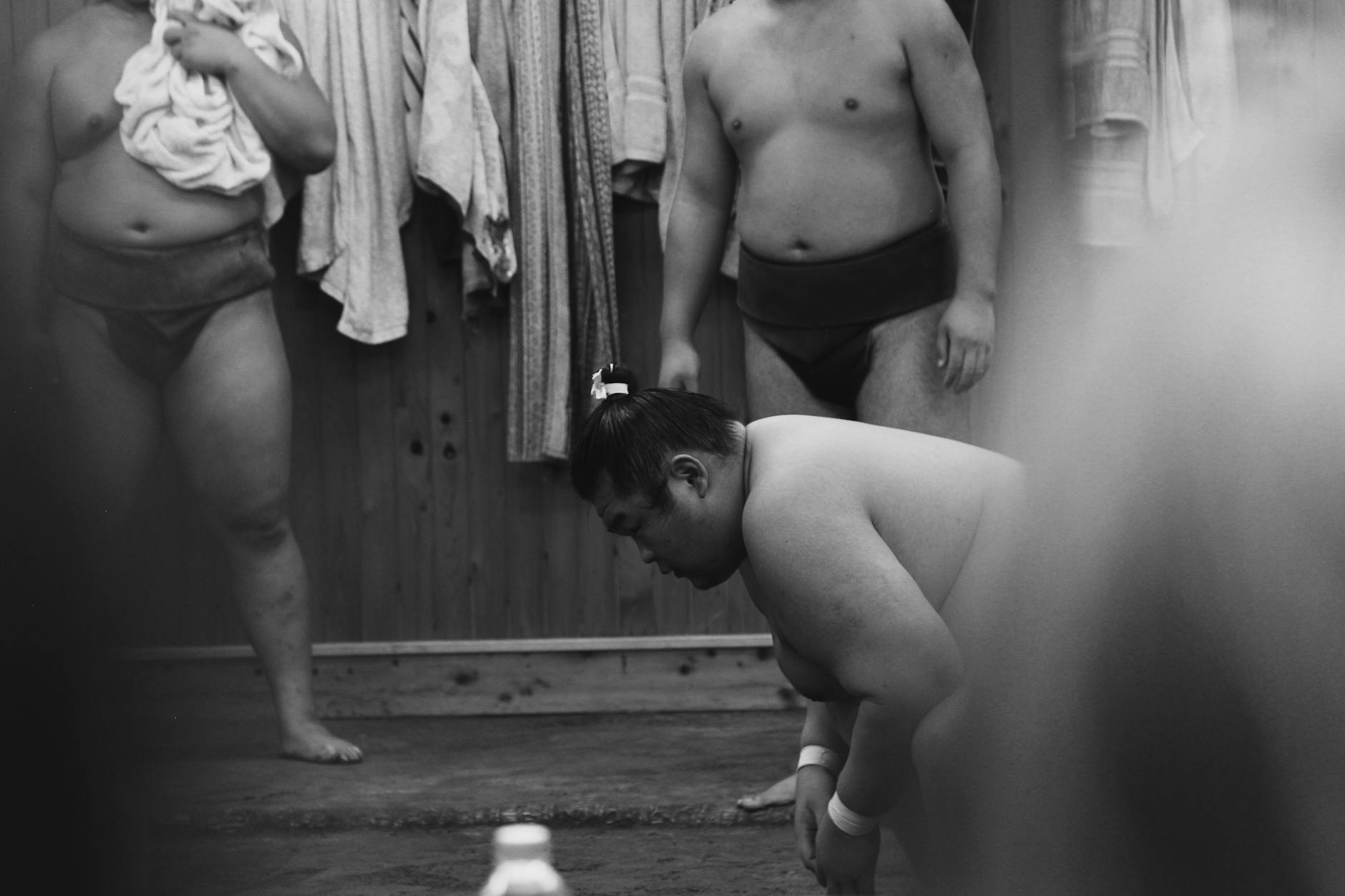
Morning practice is the opposite. You are in the room. You can hear the wrestlers breathe — that deep, rhythmic exhale before a collision that sounds nothing like anything you have ever heard in a gym. You can hear the clay under their feet. You can hear the oyakata clapping sharply to signal a correction. You can see the expression on a young wrestler’s face when he is knocked flat for the fifteenth time and he has to get up and do it again.
You also see the full arc of sumo training, not just the finished product. Tournament matches are polished performances. Practice is where the craft is built: clumsy, painful, repetitive, and completely honest. For anyone with a genuine interest in martial arts, Japanese culture, or simply human endurance, it is incomparably more moving than a tournament.
And the price? Morning practice at most stables is completely free.
Which Sumo Stables Accept Visitors?
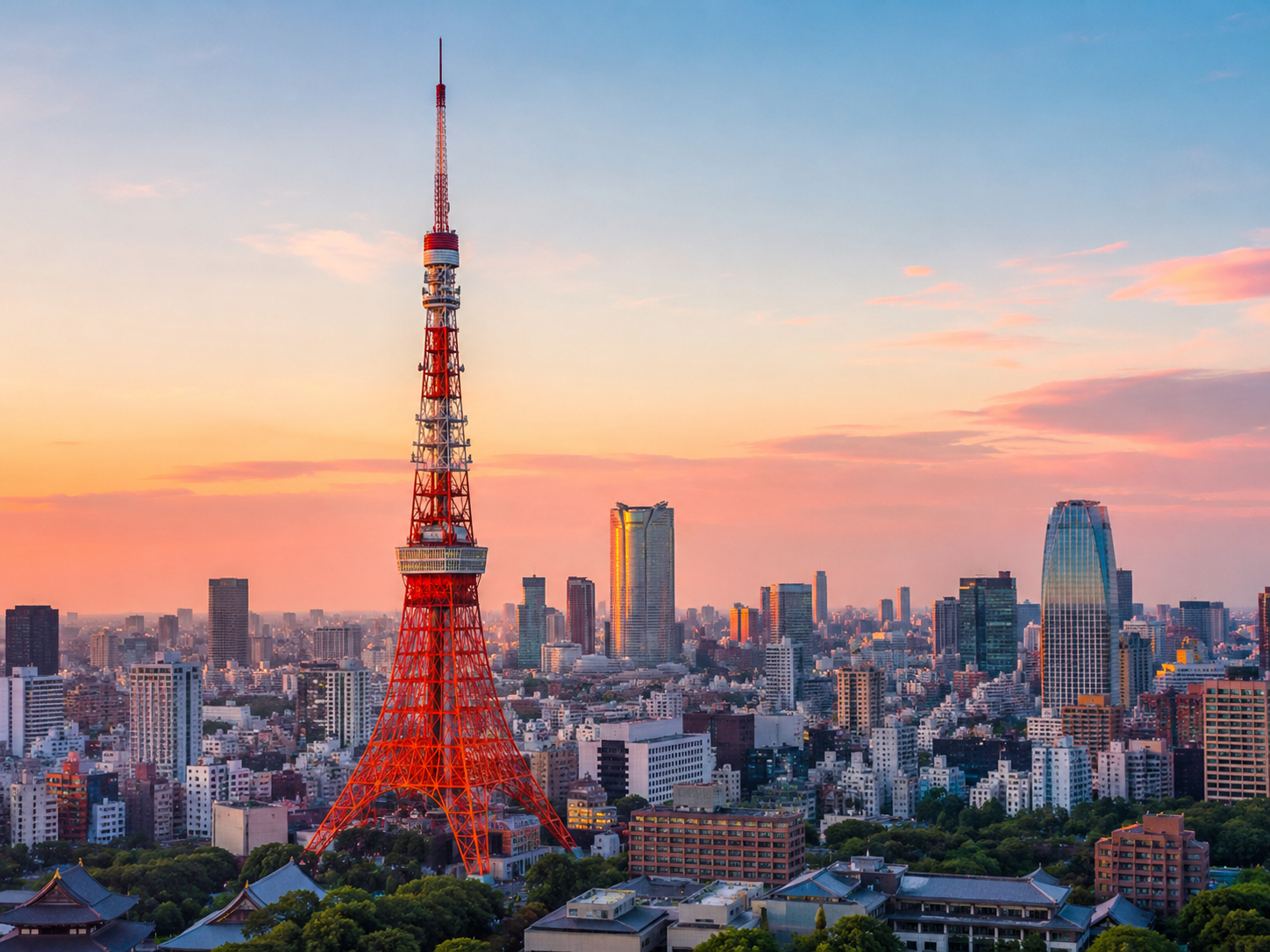
Not all stables welcome outside visitors. Many are entirely private, and even those that do accept guests do so selectively and on their own terms. Here are the three most visitor-accessible stables in Tokyo.
Arashio Stable (荒汐部屋) — Most Tourist-Friendly
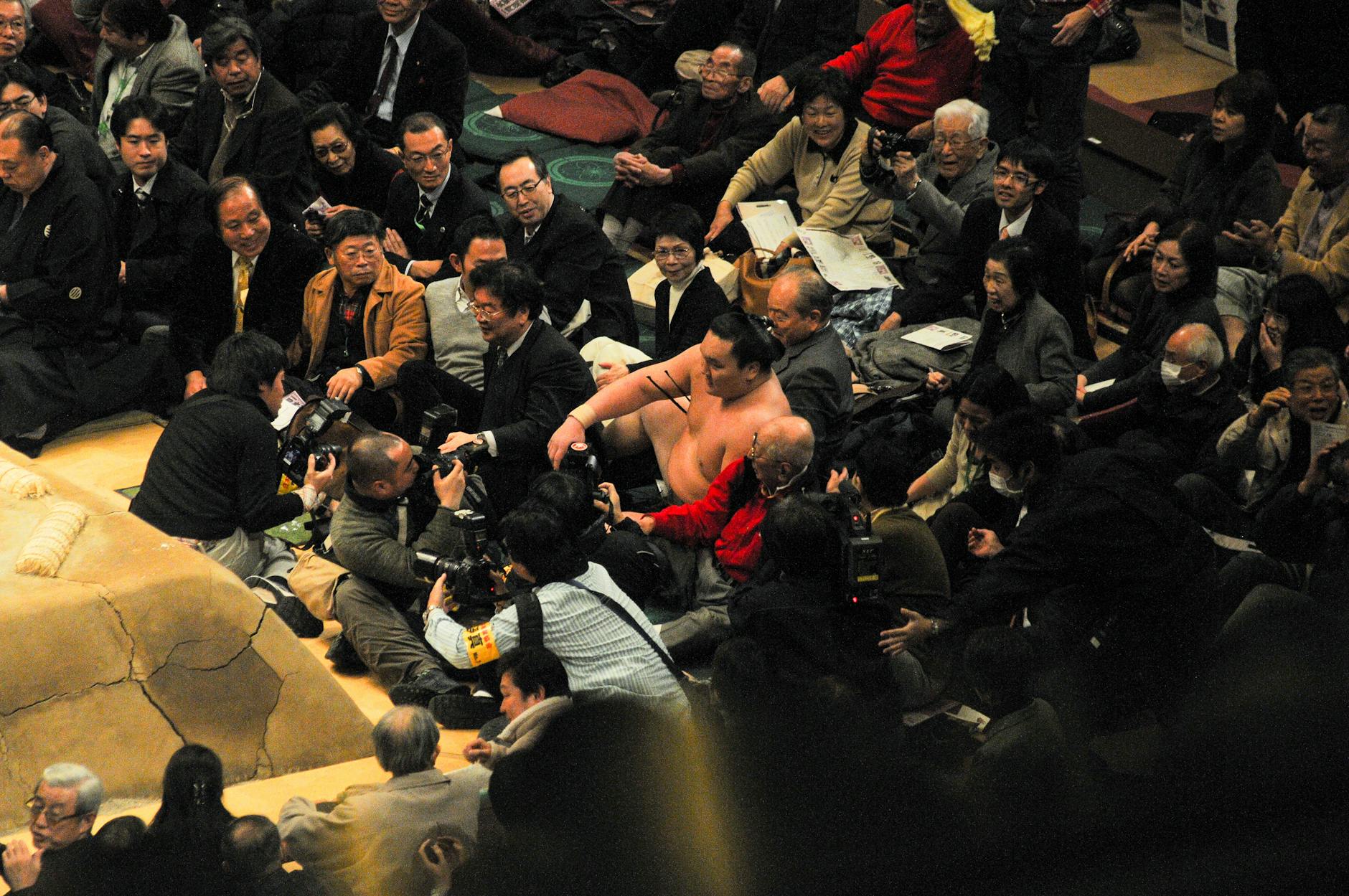
Arashio Stable, located in the Nihonbashi area of central Tokyo, has developed the most structured approach to outside visitors of any stable in Japan. Rather than requiring you to arrange access through a hotel concierge or personal introduction, Arashio allows visitors to watch practice directly through a large street-level window that overlooks the training dohyo. No appointment is necessary for this window viewing.
For a more immersive indoor experience — sitting inside the training hall itself — advance arrangements are still appreciated and sometimes required. The stable’s approach reflects a deliberate effort by the stable master to introduce sumo culture to international visitors without disrupting the training environment. It is an unusual and welcome exception in a world where most stables guard their privacy carefully.
Arashio Stable is a 10 to 12-minute walk from Nihonbashi Station (Tokyo Metro Ginza and Tozai Lines). Practice typically runs from around 7:30 AM to 10:00 AM, though this varies. Arrive early — the most intense training happens in the first hour.
Tomozuna Stable (友綱部屋)
Tomozuna Stable is located in the Ryogoku neighborhood, the epicenter of sumo culture. Access for international visitors is possible but requires advance arrangement — ideally through a hotel concierge who has an existing relationship with the stable, or through a licensed tour operator.
The benefit of visiting a Ryogoku stable like Tomozuna is proximity to the rest of the sumo experience. After morning practice you can walk to the Kokugikan arena, visit the Sumo Museum, and eat lunch at one of the neighborhood’s legendary chanko nabe restaurants — all within a 10-minute radius.
Miyagino Stable (宮城野部屋) — Home of Hakuho
Miyagino Stable is historically significant as the stable of Hakuho Sho, the greatest yokozuna in the history of sumo. Hakuho retired in 2021 and now serves as the stable master under the name Miyagino-oyakata, continuing to train the next generation of wrestlers. His influence over the stable’s training philosophy is total.
Access to Miyagino is more restricted than Arashio, and the stable is particular about visitors. This is not a casual drop-in. If you can secure access — through a well-connected hotel concierge, a reputable tour company, or a personal introduction — it is an exceptional experience. You may find yourself watching wrestlers trained directly under the greatest sumo champion in modern history.
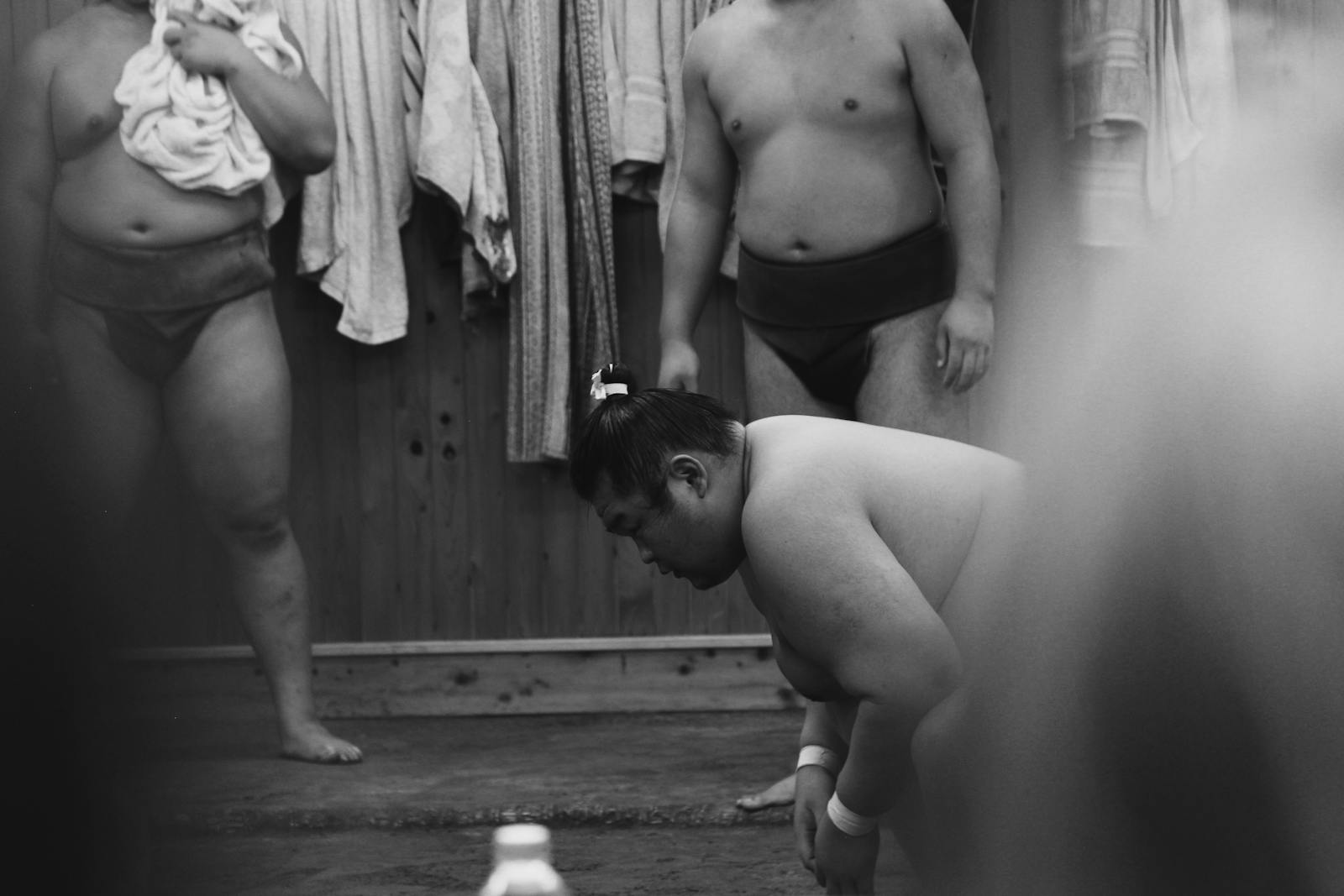
How to Get Access: Arranging Your Stable Visit
The golden rule: do not show up unannounced. Walk-ins are almost never accepted at private stables, and attempting one is disrespectful regardless of how politely you approach. The correct method for arranging access depends on the stable and your resources.
Via Hotel Concierge
This is the most reliable route for independent travelers. High-end hotels in Tokyo — particularly those in Ginza, Nihonbashi, Asakusa, and Ryogoku — have concierge teams with established relationships with stable masters. They can make inquiries and arrange visits on your behalf. Give the concierge at least three to five days’ notice, and be flexible with dates — most stables can only accommodate a small number of visitors at a time, and spaces fill quickly during tournament months.
Via Specialist Tour Operators
Several Tokyo-based tour companies offer guided morning practice visits as a packaged experience. These tours typically include transportation, a bilingual guide who can explain what you are seeing in real time, and post-practice activities such as a chanko nabe lunch. Prices vary widely but expect to pay anywhere from 10,000 to 25,000 yen per person for a guided experience. The premium is often worth it — a knowledgeable guide transforms what you see from impressive physical spectacle into something you actually understand.
Contacting the Stable Directly
Some travelers with Japanese language ability contact stables directly by phone. This requires confident spoken Japanese and a polite, humble approach — the request should be framed as a privilege, not a tourist right. If you do reach someone, introduce yourself clearly, explain that you are a foreign visitor with a deep interest in sumo, and ask if there is any possibility of observing morning practice. Be prepared for a polite refusal, and accept it gracefully.
Arashio: The Exception
As noted above, Arashio Stable in Nihonbashi allows window viewing without prior arrangement. Simply arrive before 8:00 AM on a weekday (not during tournament weeks when schedules shift) and join the small group that typically gathers at the viewing window. Keep your voice low and your phone on silent. The wrestlers inside can see you just as clearly as you can see them.
The Rules: How to Behave at a Sumo Stable
Your presence inside a sumo stable is a privilege granted by people who have no obligation to accommodate you. Treat it accordingly. The following rules are non-negotiable.
| Rule | Why It Matters |
|---|---|
| Remove your shoes before entering | The training hall floor is sacred. Shoes are never worn inside a sumo stable. |
| Never step on the dohyo (the raised clay ring) | The dohyo is consecrated ground. Even senior wrestlers do not step onto it casually. Crossing onto it as a visitor is a serious breach of respect. |
| Sit quietly and do not speak loudly | The practice environment requires concentration. Conversations, even whispered ones, are intrusive. Watch in silence unless your guide speaks to you. |
| No flash photography | Flash is distracting and disrespectful. Most stables allow quiet photography without flash — but ask before you raise your camera, and follow any restrictions given. |
| Turn your phone to silent | A ringing phone during practice is mortifying. Silence it before you enter and keep it silenced throughout. |
| Do not eat or drink inside the training hall | This is a disciplined environment, not a tourist attraction. Consuming food or drink inside the hall is inappropriate. |
| Do not speak to or approach the wrestlers | The wrestlers are working. They are not there to meet you. Do not call out to them, wave, or attempt to approach them during or after training without explicit invitation. |
| A small donation is welcome | Practice visits are typically free, but a cash donation of 1,000 to 2,000 yen per person, handed respectfully to a stable representative, is appropriate and appreciated. |
What You Will Actually See: A Walk Through the Practice Session
Understanding what happens during asageiko will help you appreciate what you are watching. Here is a breakdown of the main exercises you are likely to see.
Shiko (四股) — Leg Stomping
Shiko is the most iconic image in sumo: a wrestler raises one leg slowly, perfectly balanced, then stamps it down onto the clay with controlled force. The movement looks deceptively simple. In practice it builds the extraordinary hip flexibility and lower body strength that sumo demands. Junior wrestlers may perform hundreds of shiko repetitions in a single morning session. Watch closely — the quality of the movement tells you immediately how long a wrestler has been training.
Teppo (鉄砲) — Post Striking
Teppo involves a wrestler striking a wooden post (the teppo-bashira) repeatedly with alternating open palms, moving their feet in rhythm with each strike. It builds explosive arm and chest power while training footwork. The sound of teppo — a rapid, metronomic thudding against wood — is one of the defining sounds of a sumo training hall.
Butsukari (ぶつかり稽古) — Pushing Drills
In butsukari, one wrestler (the one being trained) charges repeatedly into a larger, senior wrestler who acts as the target. The senior wrestler absorbs the charge and pushes back, sometimes throwing the junior wrestler across the room. The junior wrestler must get up immediately and charge again. It is relentless, exhausting, and one of the most viscerally intense things you will ever watch. The point is not just physical conditioning — it is mental: building the reflexive courage to charge again and again regardless of outcome.
Keiko Bouts (稽古) — Actual Practice Matches
The full practice bouts — called simply keiko — follow the same rules as tournament matches but without the ceremony. Wrestlers face each other across the dohyo, crouch into position, and collide. Matches can end in under three seconds or stretch to 30 or 40 seconds of grinding grip fighting. Unlike tournament bouts, there is no applause, no announcer. When a wrestler is thrown, the oyakata may call out a correction or instruction. The wrestler nods, resets, and goes again.
When a senior wrestler — a sekitori of the upper divisions — steps onto the dohyo, the atmosphere in the room shifts perceptibly. Junior wrestlers move out of the way. The oyakata watches more closely. Even veteran observers quiet down. You will feel this shift before you fully understand it. It is authority made physical.
Best Time to Visit: Tournament Months and the Tokyo Calendar
The three sumo tournaments held in Tokyo each year — in January, May, and September — are the best time to attend morning practice. Here is why: during tournament months, virtually all Tokyo-based wrestlers are present at their stables for morning training. Stables that might otherwise have wrestlers travelling to regional tournaments have their full rosters in residence. This means you are most likely to see the highest-ranked wrestlers, including potentially a yokozuna or ozeki, during these windows.
| Tournament | Month | Venue | Notes |
|---|---|---|---|
| Hatsu Basho (New Year Tournament) | January | Ryogoku Kokugikan | Two weeks; Tokyo is cold but stables are at full strength |
| Natsu Basho (Summer Tournament) | May | Ryogoku Kokugikan | Ideal weather; combined well with Golden Week sightseeing |
| Aki Basho (Autumn Tournament) | September | Ryogoku Kokugikan | Comfortable temperatures; very popular with international visitors |
Outside of these months, practice still happens — and in some ways is more relaxed, with longer sessions and a less pressured atmosphere. But the chance of seeing top-ranked wrestlers is lower, as some may be travelling for regional tournaments in Osaka, Nagoya, or Fukuoka.
One important note: practice does not happen on days when a wrestler is competing. During tournament weeks, the session ends early (often by 9:00 AM) to allow wrestlers to rest before afternoon bouts. Plan accordingly — arriving before 7:30 AM gives you the best viewing window regardless of season.
Combining Your Visit with the Ryogoku Neighborhood
Ryogoku (両国) is one of Tokyo’s most distinctive neighborhoods and easily worth half a day even beyond the sumo experience. Here is how to build a complete morning around your stable visit.
Ryogoku Kokugikan Arena
The Kokugikan is Japan’s premier sumo arena, home to three of the six annual grand tournaments. Even outside of tournament months, the building itself is worth seeing — a vast structure with a distinctive roof inspired by traditional Japanese architecture. The exterior plaza often has sumo-related displays and the surrounding streets are lined with the flags of active wrestlers during tournaments.
The Japan Sumo Museum (相撲博物館)
Located inside the Kokugikan, the Sumo Museum holds one of Japan’s most comprehensive collections of sumo memorabilia: tournament portraits (banzuke) dating back centuries, ceremonial mawashi (the sumo belt), woodblock prints of famous wrestlers, and historical records of every grand tournament ever held. Admission is free. During tournament weeks, entry may be restricted to ticket holders — plan to visit outside of active tournament days.
Chanko Nabe Lunch
Chanko nabe is the hot-pot stew that sumo wrestlers eat in vast quantities to build and maintain their mass. It typically contains chicken, tofu, vegetables, and whatever else the stable’s junior wrestlers have prepared that morning. In Ryogoku, several restaurants serve chanko nabe as a lunch staple — many of them owned and operated by retired sumo wrestlers. The most famous street for chanko restaurants is Chanko Dori, a short walk from the Kokugikan.
A chanko nabe lunch after watching morning practice is not just a meal — it is a continuation of the experience. You sit in a low-ceilinged restaurant, often surrounded by photographs of wrestling legends, and eat what the wrestlers eat. It is the most satisfying kind of cultural immersion: practical, delicious, and completely authentic.
Eko-in Memorial and the Old Sumo Grounds
The Eko-in temple in Ryogoku was the site of sumo tournaments for over 200 years before the Kokugikan was built. A stone monument on the temple grounds commemorates this history. It is a quiet, often overlooked stop — but for anyone who has just spent a morning in a training hall feeling the weight of sumo tradition, standing at the place where that tradition was publicly celebrated for two centuries adds another layer of depth to the day.
Cost Breakdown: What to Budget for Your Sumo Morning
| Item | Cost | Notes |
|---|---|---|
| Morning practice (self-arranged) | Free | Donation of 1,000–2,000 yen per person is appropriate |
| Morning practice (guided tour) | 10,000–25,000 yen per person | Includes transport, bilingual guide, sometimes lunch |
| Sumo Museum | Free | May be restricted during active tournament days |
| Chanko nabe lunch (Ryogoku) | 1,500–3,500 yen per person | Lunch sets are the best value; dinner prices are higher |
| Train to Ryogoku | 200–400 yen | JR Sobu Line from Akihabara; or Toei Oedo Line |
Practical Tips Before You Go
- Arrive early. The best training happens in the first 90 minutes. Arriving after 9:00 AM often means you have missed the most intense sessions. For 6:30 AM starts, set multiple alarms.
- Dress modestly. There is no dress code, but avoid anything conspicuous. Subdued colors, clean clothes, and closed shoes (which you will remove) are appropriate.
- Bring cash. Your donation should be cash. Most chanko nabe restaurants in Ryogoku are also cash-preferred.
- Bring a jacket. Training halls are not heated to visitor comfort levels. Early morning sessions in January can be genuinely cold.
- Learn a few words. A simple “arigatou gozaimashita” (thank you very much) when you leave goes a long way toward expressing gratitude appropriately.
- Do not overstay. If you were given access for a specific window of time, respect it. Leave before you are asked to.
Getting There: Directions to Key Locations
Arashio Stable (Nihonbashi)
Take the Tokyo Metro Ginza Line or Tozai Line to Nihonbashi Station. Exit 4 or 5, then walk approximately 10 minutes south toward the Hamacho area. The stable is on a quiet side street — look for the viewing window at street level. Google Maps will find it under “Arashio Stable” or “荒汐部屋.”
Ryogoku (Tomozuna Stable, Kokugikan, Sumo Museum)
Take the JR Sobu Line to Ryogoku Station (West Exit for the Kokugikan) or the Toei Oedo Line to Ryogoku Station (Exit A3). The arena, museum, and surrounding stable neighborhood are all within a 15-minute walk of either exit. This is the neighborhood to spend most of your time — allow at least three to four hours.
Exploring Japan Beyond Sumo
If sumo morning practice has given you a taste for experiences that go deeper than the surface of Japanese culture, that same instinct applies to how you travel. Japan rewards people who look behind the obvious — who want to understand what they are seeing, not just photograph it.
For car enthusiasts, that same depth is available in Japan’s legendary JDM culture. The cars that defined an era — the R34 Skyline GT-R, the FD RX-7, the Supra, the NSX — are not museum pieces here. They are on the roads, in the garages of people who breathe them. If that world interests you, Samurai Car Japan offers curated JDM experiences that connect you with the real thing: not a dealership tour, but access to the genuine Japanese performance car culture that enthusiasts around the world dream about. The same spirit that takes you to a sumo stable at 6 AM will take you exactly there.
Final Thoughts: Why This Experience Stays With You
There is a particular quality to experiences that are completely outside your normal frame of reference. Not just unfamiliar — genuinely alien in their logic, their rhythms, their demands. Sumo morning practice is that kind of experience.
You will sit quietly on a hard floor for two hours watching enormously large men do exercises that look both ancient and brutally effective, governed by a hierarchy so clear and so complete that it makes most Western institutional structures look chaotic by comparison. You will hear sounds that do not exist anywhere else. You will be three feet from human beings who weigh as much as a small motorcycle and move with the controlled speed of something much lighter. And you will leave at 10 o’clock in the morning having already had the most memorable experience of your trip to Japan.
Book it. Arrange it carefully. Follow the rules impeccably. And get there early.
Book a Sumo Morning Practice Tour
Want to see sumo morning practice for yourself? This top-rated tour on GetYourGuide takes care of everything — stable access, English-speaking guide, and a photo op with real wrestlers. Free cancellation up to 24 hours before.