Deep beneath the suburban streets of Saitama Prefecture, hidden 50 meters underground, lies one of the most extraordinary feats of modern engineering ever built — and one of Japan’s best-kept travel secrets. The Metropolitan Area Outer Underground Discharge Channel, known locally as Shutoken Gaikaku Housui-ro and nicknamed G-Cans, is the world’s largest underground flood-water management system. Its crown jewel, an immense pressure-control cistern supported by 177 towering concrete pillars, has earned the irresistible nickname the Underground Temple. It looks like the setting of a science-fiction film, a Pharaoh’s chamber scaled up to godlike proportions, or a lost cathedral buried beneath the earth — yet it was built entirely for a deeply practical reason: to keep Tokyo dry.
Visiting the G-Cans Underground Temple is one of the most unique and genuinely jaw-dropping experiences available to travellers in the Greater Tokyo Area. This guide covers everything you need to know: what G-Cans is, why it was built, how to get there, how to book a tour, what to expect inside, and the best practical tips to make the most of your visit.
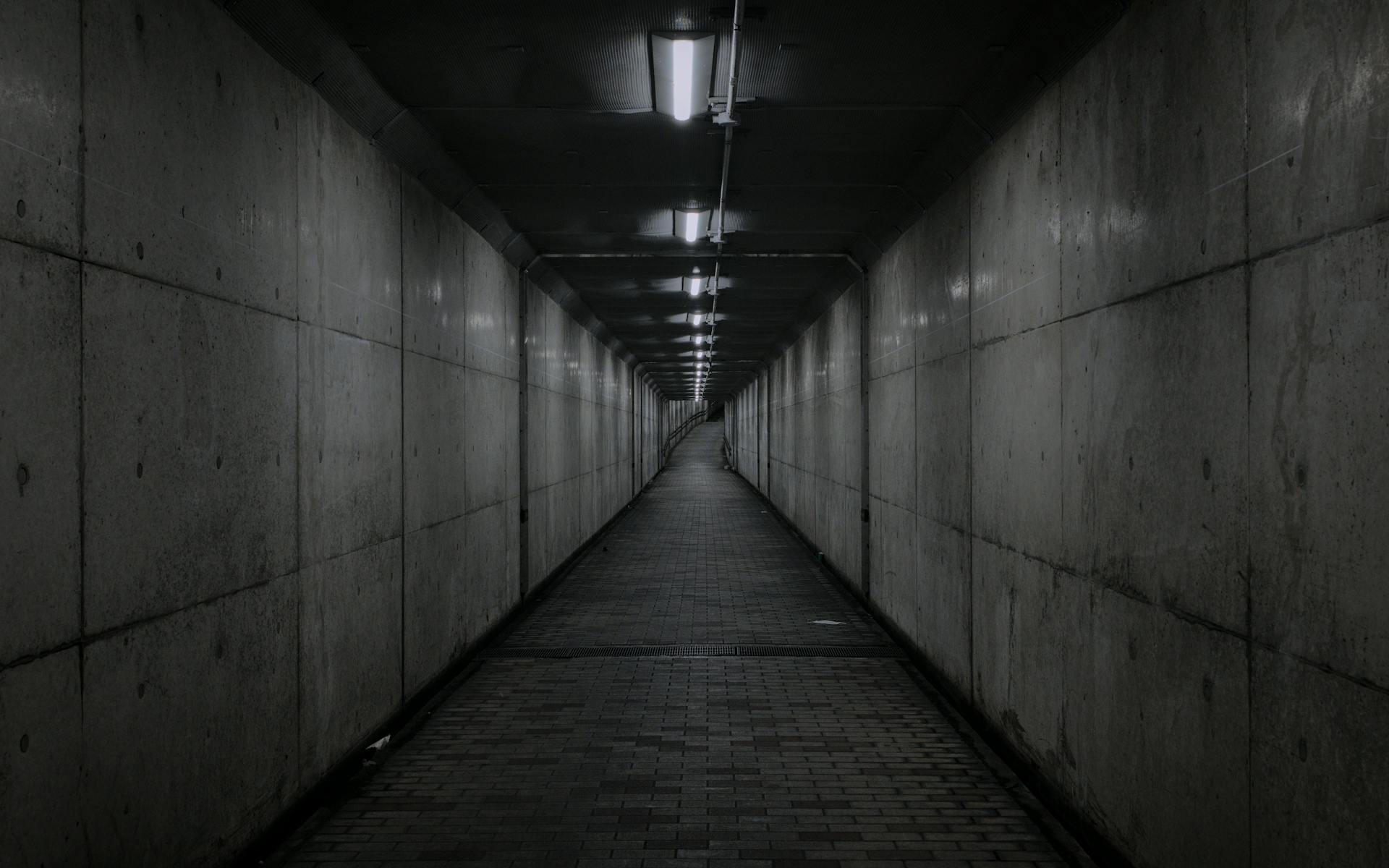
What Is G-Cans? The World’s Largest Underground Flood System
G-Cans is short for Kasukabe Discharge Channel, a nickname derived from the Kasukabe City area of Saitama where the system is based. Officially called the Metropolitan Area Outer Underground Discharge Channel, it is a vast network of tunnels, shafts, and cisterns constructed between 1992 and 2006 at a cost of roughly ¥230 billion (approximately USD $2 billion). The system became fully operational in 2006 and has since been working tirelessly — largely invisibly — to protect millions of people from devastating floods.
At its core, G-Cans is an emergency overflow system for Tokyo and Saitama’s most flood-prone rivers. The project connects five massive underground silos via a 6.3-kilometre main tunnel that runs roughly 50 metres below the surface. Each silo is approximately 32 metres in diameter and between 65 and 70 metres tall — big enough to fit the Statue of Liberty inside with room to spare. Water from the Kanda, Shirako, Furu, and other rivers that are at risk of overflowing during heavy rainfall is diverted underground, channelled through these silos, and eventually pumped into the Edo River, where it can flow safely out to Tokyo Bay.
The numbers are staggering. At full capacity, the system can pump 200 tonnes of water per second. Since becoming operational, it has reduced flooding in the surrounding area by roughly 90%, protecting approximately 180,000 homes and transforming what were once flood-prone streets into reliably safe residential areas. On average, the system activates several times per year during intense rainstorms, particularly during the June-July rainy season and after typhoons. More on why that timing matters for visitors later.
Why Did Tokyo Need an Underground Temple?
To understand why Japan spent over two decades and billions of dollars digging a giant underground system, you have to understand the geography of the Tokyo Metropolitan Area. The Kanto Plain — the flat lowland region that encompasses Tokyo, Saitama, and surrounding prefectures — sits at an almost entirely flat elevation barely above sea level. Several rivers, including the Kanda, Shirako, Furu, and Motoarakawa, meander through densely populated areas, and these rivers have historically been prone to catastrophic overflow during heavy summer rains and typhoons.
Before G-Cans, major flooding events were a regular part of life in this region. Streets in Saitama and northeastern Tokyo would flood knee-deep, even chest-deep, after intense rainfall. Homes, businesses, and infrastructure suffered severe damage every few years. The urban density of the region — one of the most densely populated places on earth — meant that even small floods caused enormous disruption and economic loss. Japan’s government determined that a radical, large-scale engineering solution was the only answer. The result was G-Cans: an underground city beneath a city, built to swallow entire rivers when they threatened to overflow.
What makes G-Cans particularly remarkable is not just its scale but its operational elegance. The system is essentially passive during dry weather — the tunnels and silos sit empty, silent, and available for tours. When heavy rain begins and river levels rise, sensors and operators activate the system in real time. Water rushes in, fills the silos, flows through the tunnel to the main cistern, and is pumped out to the Edo River at a rate that prevents any of the source rivers from overflowing. The entire operation can run continuously for days during a major typhoon event.
The Underground Temple: Inside the Kasukabe Cistern
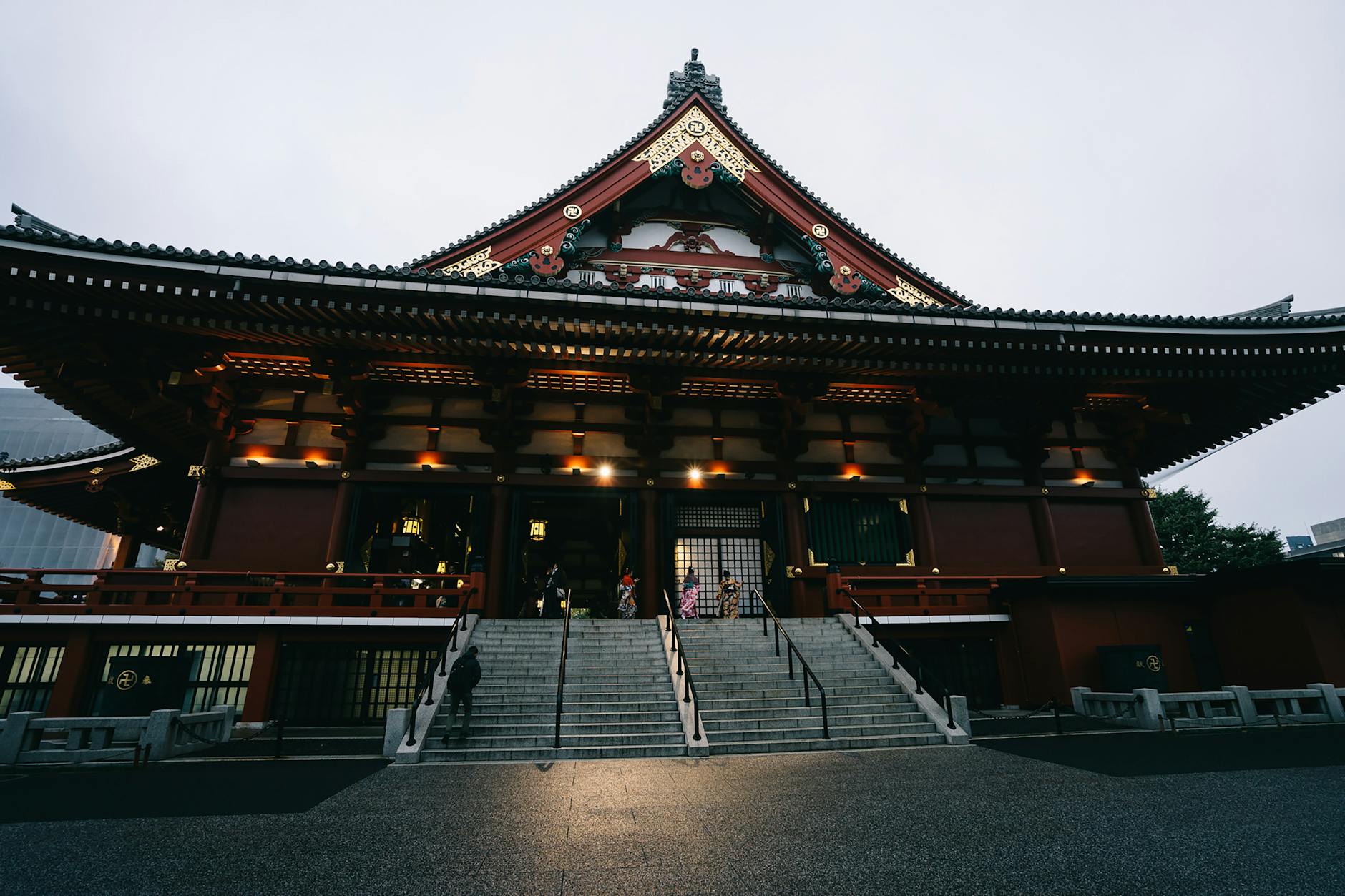
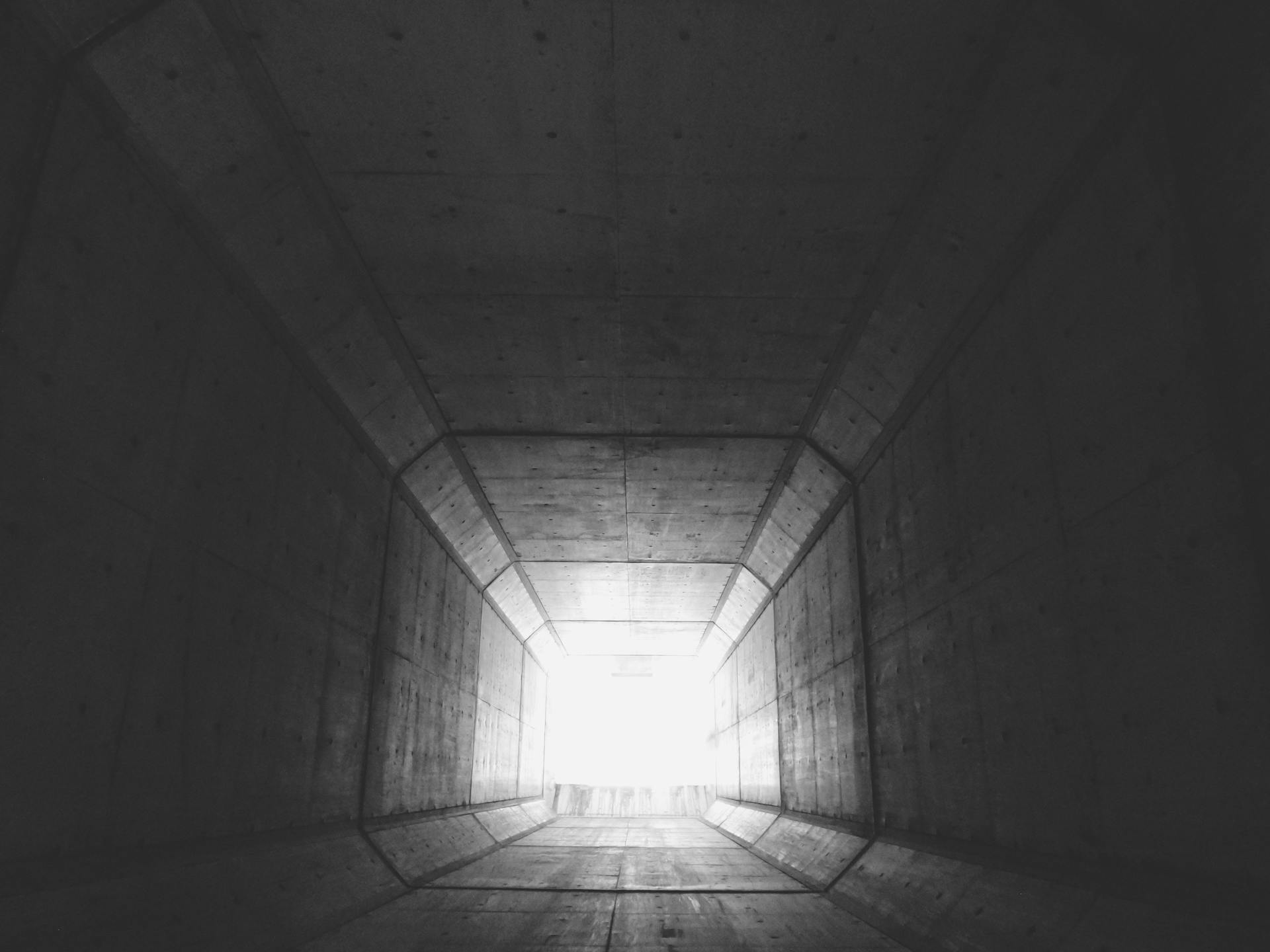
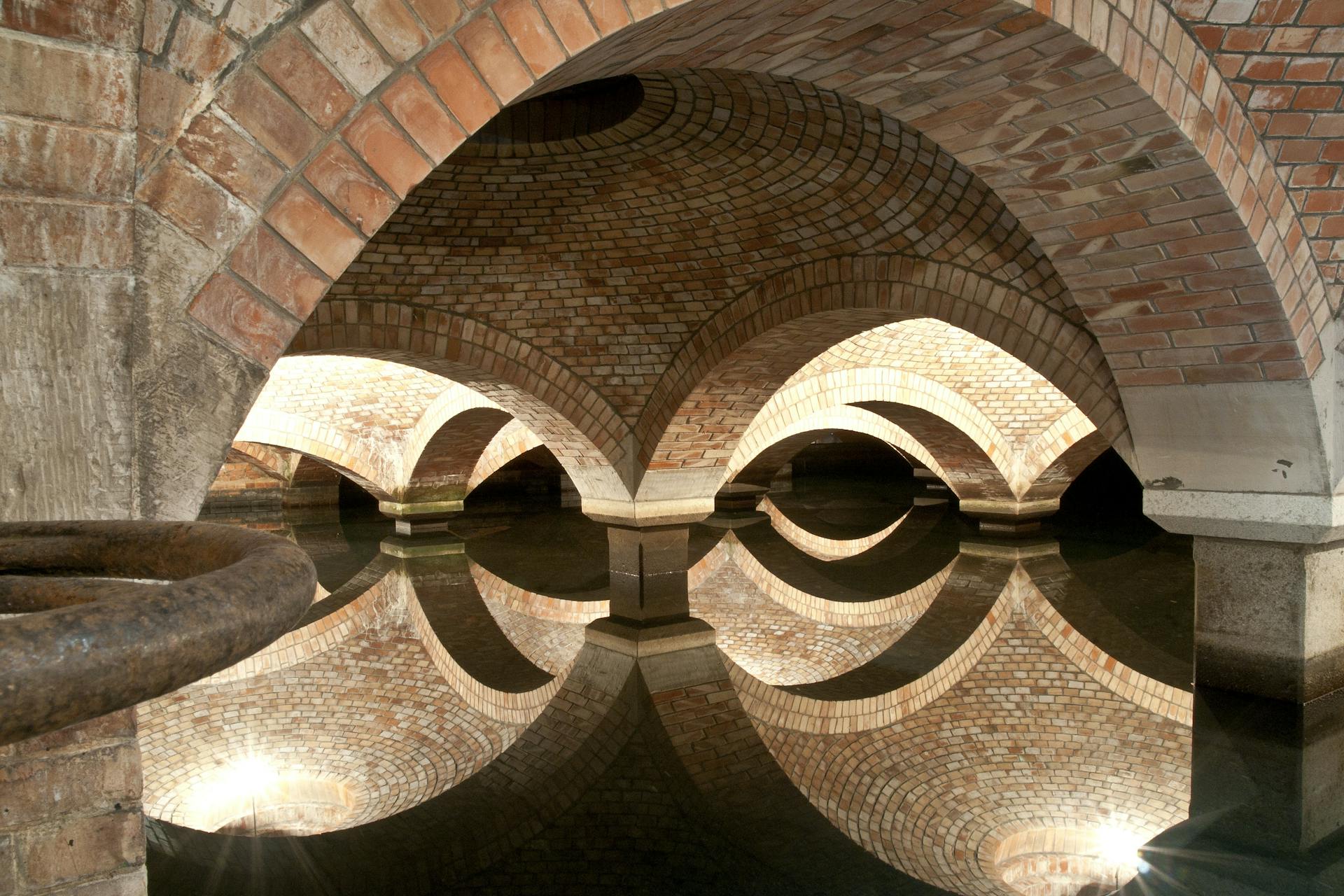
The heart of G-Cans, and the reason travellers make the journey to Kasukabe, is the pressure-regulating cistern — the space that has become famous online under the name the Underground Temple. Numbers alone cannot do it justice, but they are a useful starting point: the cistern is 177 metres long, 78 metres wide, and 25 metres tall. It is supported by 59 massive concrete pillars, each one weighing approximately 500 tonnes. (Some sources cite 177 pillars — this is a common misconception; the cistern has 59 load-bearing pillars arranged to create a forest of columns, while 177 refers to a related count in promotional materials. Whichever number you read, the visual impact is the same.)
Walking into this space is a genuinely arresting experience. The ceiling is low enough relative to the vast floor space that the pillars seem to stretch away into infinity in every direction, like a subterranean colonnade. The concrete surfaces are rough and industrial, yet the symmetry and scale produce something that feels almost ceremonial. Light enters only from the surface through small openings, casting dramatic shadows between the columns. When the cistern has recently held water — which it often has during rainy season — a thin film of moisture on the floor creates reflections that make the whole space feel even more surreal.
Photographers and filmmakers have been drawn to this space since it opened to the public. It has been used as a filming location for Japanese TV dramas and commercials, and it regularly appears on architecture and travel photography lists as one of the most visually dramatic man-made spaces in Japan. Whether your reference point is an ancient Roman aqueduct, the set of a sci-fi blockbuster, or a brutalist art installation, the Underground Temple earns comparison to all of them.
One thing that catches first-time visitors off guard is the humidity. Because the cistern is underground and often contains residual moisture from flood events, the air inside is noticeably warm and damp, even in cooler months. In summer, the combination of heat and humidity can be intense. Wear light, breathable clothing and comfortable walking shoes — the floors can be slippery.
Tour Options: How to Visit the Underground Temple
G-Cans is not a tourist attraction in the conventional sense. It is a functioning piece of critical infrastructure, and access is carefully managed by the Ministry of Land, Infrastructure, Transport and Tourism (MLIT). However, the authorities have made a genuine effort to allow public access through a structured tour program, and the options are more varied than most visitors realize.
Standard Facility Tour (Most Accessible)
The standard tour covers the surface-level information centre, the pump room, and the access tunnel down into the cistern viewing area. Duration is approximately 1 hour, and the cost is ¥1,000 per person. This is the tour most visitors experience, and it does include a partial view into the cistern from a designated observation area. However, you do not walk freely through the cistern floor itself on this tour.
Booking is done via the official G-Cans website through a lottery system. Applications open several months in advance, and popular dates — especially weekends and rainy season dates — fill quickly. The website has an English interface, and you can apply from outside Japan. Tours run most days of the week except during active flood operations (when the system is actually in use), so there is a small chance a tour may be cancelled if major rainfall occurs around your visit date.
Premium Cistern Tour (Walk Inside the Underground Temple)
This is the experience that goes viral on social media: the premium cistern tour allows visitors to walk directly onto the floor of the Underground Temple, moving freely among the towering columns. At ¥2,000 per person, it costs twice as much as the standard tour, and the slots are far more limited. Expect to apply months ahead and enter the lottery multiple times before securing a spot.
This tour also runs approximately 1–1.5 hours and includes access to the same surface facilities as the standard tour. The defining difference is the approximately 20–30 minutes you spend walking the cistern floor, which is the time most visitors spend photographing the columns from every angle. A helmet is provided and is mandatory throughout the underground sections. Sensible footwear is essential — no sandals, no heels, no open-toe shoes.
The premium cistern tour is only available when the cistern is dry, which means it cannot run immediately after flood events. This scheduling means rainy season dates can sometimes be disrupted if the system has been used recently and the cistern has not had time to dry out. Booking flexibility is helpful.
English-Language Tours
English tours are available on select dates, typically a few times per month. These are not simply translated versions of the Japanese tour — they are specifically scheduled with English-speaking guides and are listed separately on the booking website. If you do not read Japanese, the English tour option is strongly recommended, both for the language clarity and because guides on these dates tend to be particularly experienced at answering international visitors’ questions. Check the official website’s calendar well in advance and set a reminder for when the next batch of English tour applications opens.
When to Visit: Rainy Season and Active Operations
The G-Cans system is most dramatically itself during and after Japan’s rainy season (tsuyu), which runs roughly from early June to mid-July. This is when the tunnels and cisterns are most likely to have seen real action, and on particularly rainy years the cistern may still hold residual moisture when you visit — creating the reflective floor effect that produces some of the most striking photographs.
There is, however, a practical complication: if the system is actively operating or has operated very recently, tours are suspended. The authorities prioritize flood management over tourism, as they absolutely should. This means visiting during the absolute peak of rainy season involves some uncertainty. The sweet spot for most visitors is late June or early July, when significant rain has already fallen (maximizing the likelihood of a moisture-filled cistern) but the most intense rainy season downpours are slightly less frequent.
Outside rainy season, the underground cistern is perfectly dry and the light industrial aesthetic is no less impressive. Autumn visits (October-November) offer mild temperatures and comfortable underground humidity levels. Winter tours are possible year-round — the underground temperature stays relatively constant regardless of season, hovering around 20–25°C due to geothermal effects, which feels warm in winter and humid in summer.
How to Get There: Directions to the G-Cans Facility
The G-Cans facility is located in Kasukabe City, Saitama Prefecture, approximately 40 kilometres north of central Tokyo. Despite its impressive scale, it is surprisingly accessible by public transport.
| Step | Route | Time | Cost |
|---|---|---|---|
| 1 | From Asakusa Station → Kasukabe Station (Tobu Skytree Line / Limited Express) | ~40 minutes | ~¥520 |
| 2 | Kasukabe Station East Exit → Facility (taxi recommended) | ~10 minutes | ~¥800–¥1,000 |
| 2 (alt) | Kasukabe Station → Bus (limited service, check timetable) | ~20 minutes | ~¥210 |
The official address is 720 Kamikanasaki, Kasukabe, Saitama Prefecture. Taxis from Kasukabe Station are plentiful and the drivers recognize the facility immediately — saying “G-Cans” or showing the name on your phone is sufficient. If you are using a navigation app, search for “首都圏外郭放水路” (Metropolitan Area Outer Underground Discharge Channel) or simply “G-Cans Kasukabe.”
There is a small car park at the facility, so self-driving from Tokyo is also feasible. The journey takes approximately 1 hour from central Tokyo by car, depending on traffic. Parking is free.
Photography at G-Cans: Tips for Stunning Shots
Photography is permitted throughout both the standard and premium tours, and the Underground Temple is one of the most photogenic man-made spaces in Japan. Here are the key tips for getting the best shots:
- Wide-angle lens is essential. The cistern is so large that a standard lens captures only a fraction of its scale. A 16mm–24mm equivalent focal length gives you the best sense of the column repetition stretching into the distance.
- Bring a tripod or use the floor. The lighting inside the cistern is dramatic but not bright — long exposures (1–4 seconds) produce the best results, especially if there is moisture on the floor for reflections. Check with your tour guide whether tripods are permitted on your specific tour date.
- Shoot toward the light shafts. The ceiling openings that bring in natural light create extraordinary shafts of illumination between the pillars. Positioning yourself to shoot back toward these light sources creates a dramatic, almost spiritual atmosphere in photographs.
- Include a person for scale. Without a human figure, it is almost impossible to convey how large the space is in photographs. Ask a fellow tour participant to stand among the columns for reference shots.
- Arrive with a fully charged camera or phone. There are no charging points underground, and the visual spectacle tends to drain phone batteries quickly.
- Flash photography is generally not recommended — the space is large enough that flash barely reaches the columns and creates flat, uninspiring images. Natural light and careful exposure produce far better results.
What to Wear and Bring
The facility provides safety helmets for all underground sections, and wearing one is mandatory. Beyond that, preparation is straightforward:
- Footwear: Closed-toe shoes with a non-slip sole are essential. Sandals, heels, and open-toed shoes are not permitted underground. Trainers or hiking shoes are ideal.
- Clothing: Light, breathable layers are best. The underground temperature is warm and humid year-round. In summer, a change of shirt is not a bad idea.
- Water: Bring a water bottle. Vending machines are available at the surface facility, but not underground.
- Camera: Fully charged, as noted above. Extra memory cards are worth having.
- Comfortable bag: A small daypack or crossbody bag is ideal. Large rolling suitcases are impractical on the spiral staircase descent into the cistern.
How to Book: Step-by-Step Application Guide
Booking a G-Cans tour requires a little patience but is entirely manageable for international visitors. Here is the process:
- Visit the official website: Search for “首都圏外郭放水路 tour booking” or navigate to the MLIT Kasukabe facility page. The site has an English option.
- Select your tour type: Choose between the standard tour (¥1,000) or premium cistern tour (¥2,000). English tour dates are listed separately.
- Check available dates: The booking calendar shows which dates have open applications. Popular dates fill within hours of the lottery opening.
- Submit an application: You will need to provide your name, contact email, number of participants, and payment details. Credit cards are accepted.
- Wait for the lottery result: Applications are processed by lottery for oversubscribed dates. Results are sent by email. If unsuccessful, apply again for another date — persistence pays off.
- Confirmation and arrival: Bring your confirmation email (printed or on your phone). Arrive 10–15 minutes before your tour start time.
Lottery applications for premium cistern tours typically open 3–4 months in advance. If you are planning a trip to Japan and G-Cans is on your must-see list, begin the application process as early as possible. Standard tours are slightly easier to secure but still benefit from early application on desired dates.
Combining G-Cans With Other Tokyo Experiences
A G-Cans visit pairs naturally with other off-the-beaten-path experiences in the Greater Tokyo Area. Since you are already heading to Saitama, consider combining your underground temple visit with a trip to Kawagoe (Little Edo), a beautifully preserved Edo-period merchant town about 30 minutes west of Kasukabe. The contrast between ancient streetscapes and modern engineering excellence makes for a memorable day.
For travellers who are fascinated by Japan’s relationship with extraordinary machines and engineering — and who also love cars — consider adding a Samurai Car Japan JDM tour to your itinerary. These tours offer access to Japan’s legendary Japanese Domestic Market car culture, including vehicles that were never legally sold outside Japan. It is the kind of uniquely Japanese experience that, like the Underground Temple, exists nowhere else on earth and leaves visitors genuinely astonished. Japan has a remarkable capacity to turn functional things — flood management, automotive engineering — into something that transcends its purpose and becomes art.
Practical Information Summary
| Detail | Information |
|---|---|
| Location | 720 Kamikanasaki, Kasukabe, Saitama Prefecture |
| Nearest Station | Kasukabe Station (Tobu Skytree Line) |
| From Asakusa | ~40 minutes by Limited Express |
| Standard Tour Cost | ¥1,000 per person |
| Premium Cistern Tour Cost | ¥2,000 per person |
| Tour Duration | ~1 hour (standard) / ~1.5 hours (premium) |
| Booking | Online lottery, opens 3–4 months in advance |
| English Tours | Available on select dates |
| Photography | Permitted throughout |
| Helmet Required | Yes (provided) |
| Best Season | June–July (rainy season) for atmospheric moisture; Oct–Nov for comfort |
| Closed | During active flood operations (rare but possible) |
Is G-Cans Worth the Effort?
Emphatically yes. The G-Cans Underground Temple is not a polished tourist attraction with gift shops and audio guides — it is a working piece of infrastructure that you are granted rare access to, and that distinction makes it more interesting, not less. The booking process requires advance planning and a willingness to navigate a lottery system, but the reward is an experience that most visitors — even seasoned Japan travellers — describe as one of the most memorable of their time in the country.
There is something profound about standing in a space this large, this quiet, this hidden. The city above hums along without any awareness of what lies beneath it. Millions of people live their lives in homes protected by this silent, extraordinary machine. When you walk among the columns of the Underground Temple, you are walking through the proof that human ingenuity can reshape even the deepest geology, that a city can be protected by something invisible, and that Japan has an unparalleled capacity to build things that are both spectacularly functional and accidentally beautiful.
Book early, wear good shoes, bring a wide-angle lens, and prepare to be genuinely amazed.
Book a Kyoto Experience
Explore Kyoto’s most stunning temples, geisha districts, and hidden gems with a local guide. Small group, big experience. Free cancellation.
[st_af id=”77″]