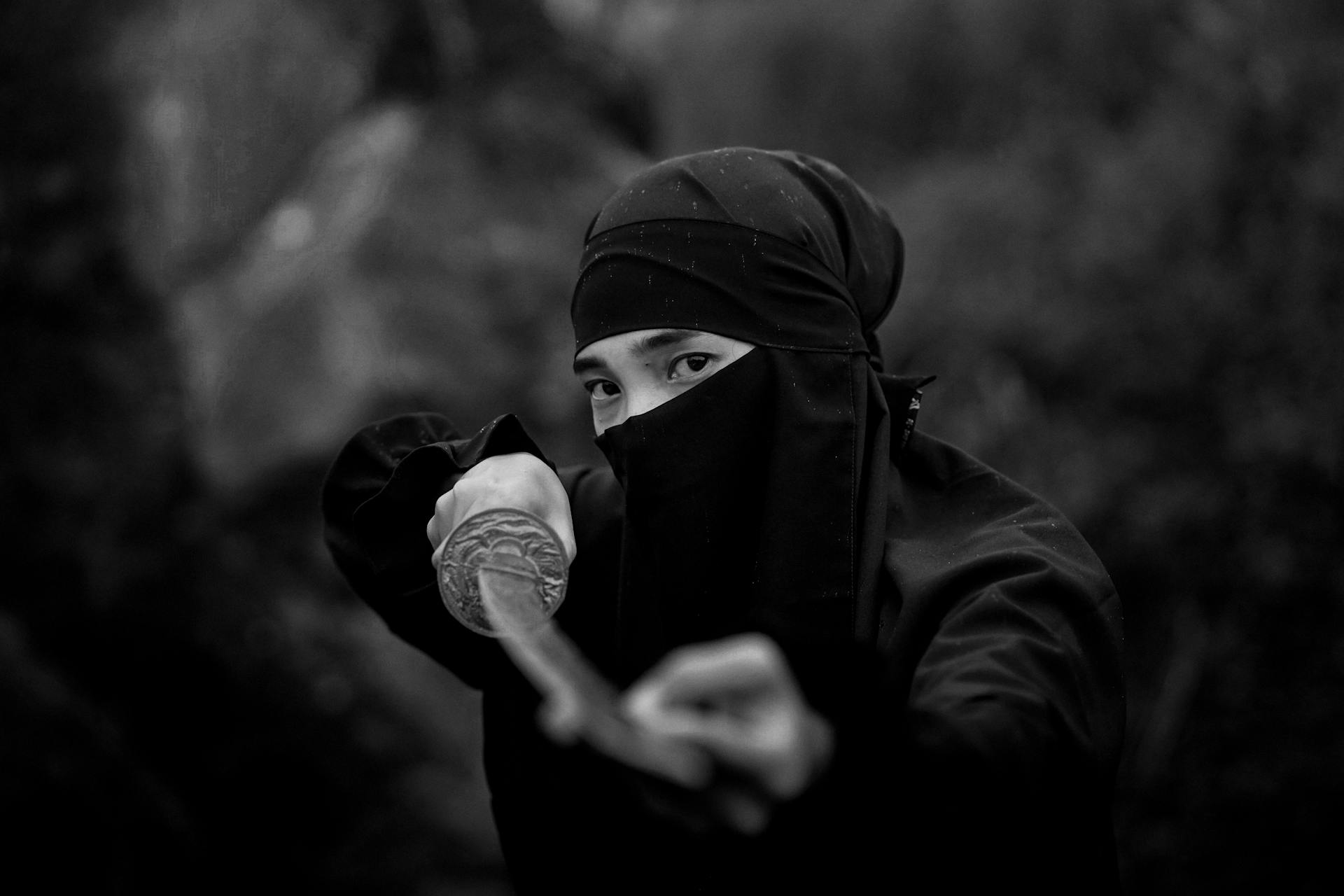
The Samurai Legacy: Why Japan’s Warrior Culture Still Captivates the World
Few symbols carry as much weight as the katana — Japan’s iconic curved sword. For nearly a thousand years, the samurai class shaped Japanese history, philosophy, art, and warfare. Even today, centuries after the formal dissolution of the samurai caste in the Meiji era, their spirit endures in the martial arts, the culture, and the collective imagination of people around the globe.
For visitors to Japan, a samurai sword experience isn’t just a tourist attraction — it’s a doorway into one of the most compelling chapters of human history. Whether you’re swinging a wooden practice sword in a Tokyo dojo, learning the meditative art of iaido in Kyoto, or posing in full samurai armor for a photo shoot, these experiences leave an impression that lasts far longer than a souvenir.
In this guide, we’ll cover everything you need to know: the history behind the blade, the different types of experiences available, the best venues in Tokyo and Kyoto, what to expect on the day, how much it costs, and where to take a piece of samurai culture home with you.
A Brief History of the Samurai and Bushido
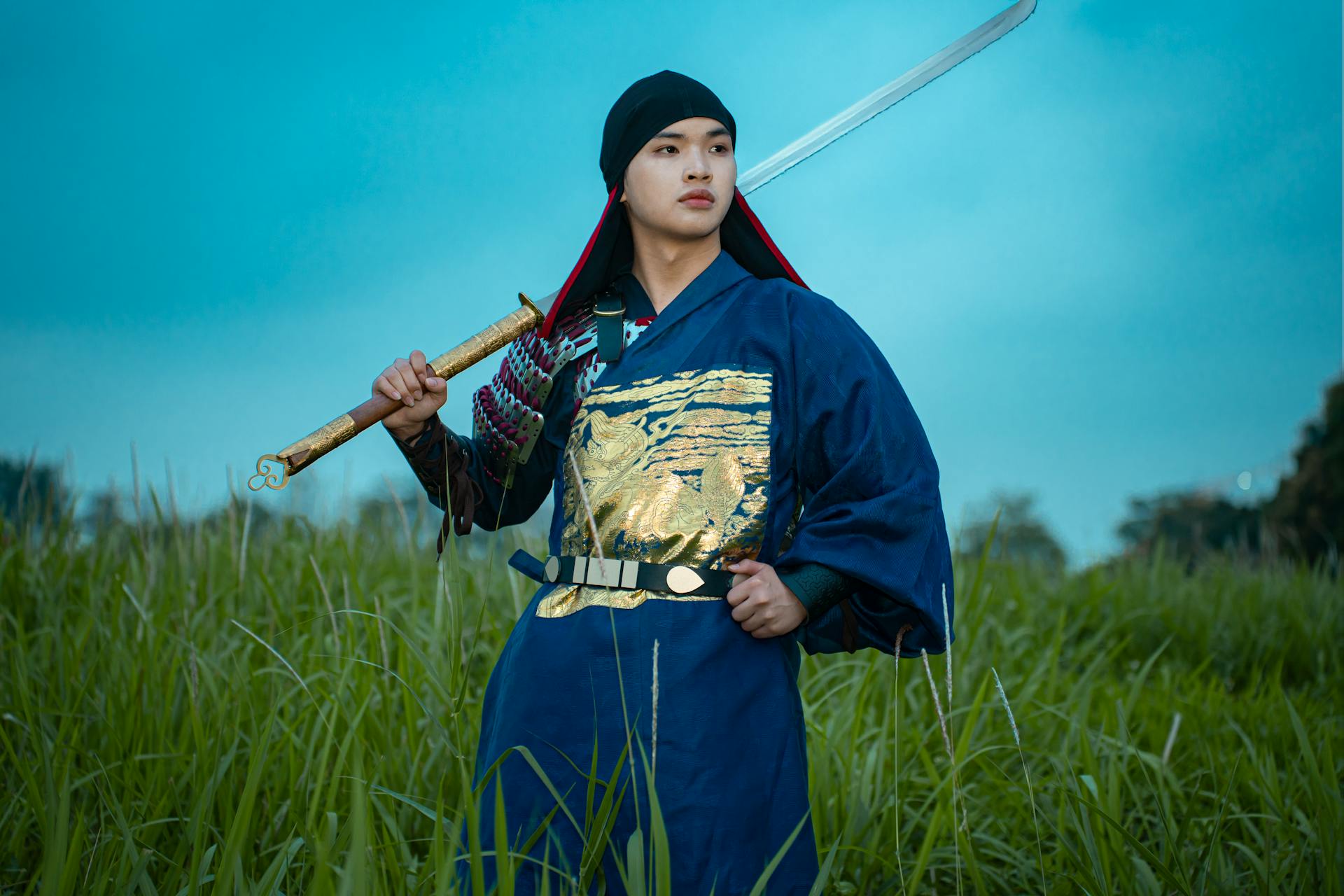
The word samurai literally means “one who serves.” The samurai class emerged in the late Heian period (around the 10th–12th centuries) as armed retainers to powerful noble families and regional lords called daimyo. Over time, they evolved from bodyguards and enforcers into a fully codified warrior aristocracy that dominated Japanese society for over 700 years.
At the heart of samurai identity was bushido — “the way of the warrior.” This unwritten code of conduct emphasized loyalty, honor, martial skill, self-discipline, frugality, and, above all, readiness to face death with composure. A samurai’s katana was not merely a weapon; it was considered an extension of his soul. To draw the sword without cause was dishonorable. To die defending one’s lord was the highest calling.
The katana itself is a masterpiece of metallurgical art. Japanese swordsmiths developed a unique folding and layering process that created a blade with a harder cutting edge and a softer, more flexible spine — an engineering solution that took centuries to perfect. Authentic nihonto (Japanese swords) are still hand-forged today by licensed swordsmiths, and a single master-crafted blade can take months to complete and cost tens of thousands of dollars.
The samurai era officially ended with the Meiji Restoration of 1868, when Japan rapidly modernized and abolished the feudal caste system. Yet the cultural DNA of the samurai — the discipline, the aesthetic, the philosophy — permeates Japanese society to this day, from corporate loyalty to the precision of Japanese craftsmanship.
Types of Samurai Sword Experiences in Japan
Not all samurai experiences are created equal. Depending on your interests and fitness level, you can choose from several very different types of activities. Here’s a breakdown of the main options:
1. Iaido — The Art of Drawing the Sword
Iaido is perhaps the most meditative of the samurai arts. The practice focuses on the precise, fluid motions of drawing the sword, executing a cut, and resheathing — all in a single, unified movement. Unlike kendo, iaido is performed solo, without a sparring partner. Movements are deliberate and deeply controlled, almost like a moving meditation.
In an iaido class for visitors, you’ll typically use an iaito — a non-sharpened practice sword with the weight and feel of a real katana. An instructor will guide you through the basic stances (kamae) and the fundamental drawing movement (nukitsuke). Even a 60-minute session will give you enormous respect for the precision and years of practice required to master this art.
Best for: Those who want a calm, meditative, and deeply cultural experience. Suitable for all ages and fitness levels.
2. Kendo — The Way of the Sword
Kendo is Japan’s competitive sword-fighting discipline. Practitioners wear protective armor (bogu) including a face mask (men), chest protector (do), gloves (kote), and a padded skirt (tare). They wield a shinai — a practice sword made of bundled bamboo — and score points by striking designated target areas on the opponent.
Visitor kendo experiences are typically introductory sessions where you learn the basic strikes, footwork, and a simplified sparring format. Many dojo will have you face off against an instructor or even other visitors by the end of the session. It’s energetic, physically engaging, and genuinely fun — with a loud crack of the shinai that sounds satisfyingly powerful.
Best for: People who want an active, physically engaging experience with a competitive edge. Great for groups and those who enjoy sports.
3. Tameshigiri — Test Cutting
Tameshigiri — literally “test cutting” — is the practice of using a real, sharp sword to cut through a target. Historically, samurai used condemned criminals for this purpose (a practice that understandably fell out of favor). Today, practitioners typically cut through rolled tatami mats soaked in water, which approximate the resistance of human tissue.
Tameshigiri experiences for tourists are rare and typically reserved for those who have already shown proficiency in basic sword handling. A few specialized dojo offer supervised cutting sessions using sharp iaito or real nihonto. The feeling of a properly executed cut — where the blade glides through the target with almost no resistance — is genuinely unforgettable. A poor cut, where the blade catches or the roll collapses, tells you immediately how much technique matters.
Best for: Adventurous visitors looking for the most visceral samurai experience. Usually requires a basic iaido session first.
4. Kembu — Sword Dance Performance
Kembu (also written kenbu) is a traditional Japanese art form that combines sword movements with mai (classical Japanese dance) performed to the accompaniment of Japanese poetry recitation. It’s theatrical and elegant, blending martial skill with artistic expression.
The Samurai Kembu Theater in Kyoto is the most famous venue for kembu performances and lessons. Visitors can watch a professional performance and then participate in a short lesson where they learn a basic kembu sequence — complete with sword and a sensu (folding fan). The flowing movements of kembu are surprisingly approachable for beginners and make for incredible photos and video.
Best for: Those who want a performance-oriented, photogenic experience that blends culture and artistry. Perfect for solo travelers and couples.
5. Samurai Costume Photo Shoot
For visitors who want the full visual impact of the samurai experience without the physical training, a costume photo shoot is an excellent option. You’ll be dressed in authentic samurai armor (yoroi) or a formal hakama and kimono, given a prop katana, and photographed by a professional in a traditional setting.
Many venues offer both samurai and maiko (apprentice geisha) costume options, allowing couples or groups to mix looks. The results are stunning — professional-quality portraits that will be the envy of everyone back home.
Best for: Families with young children, those with mobility limitations, or anyone who wants an incredibly photogenic souvenir of their Japan trip.
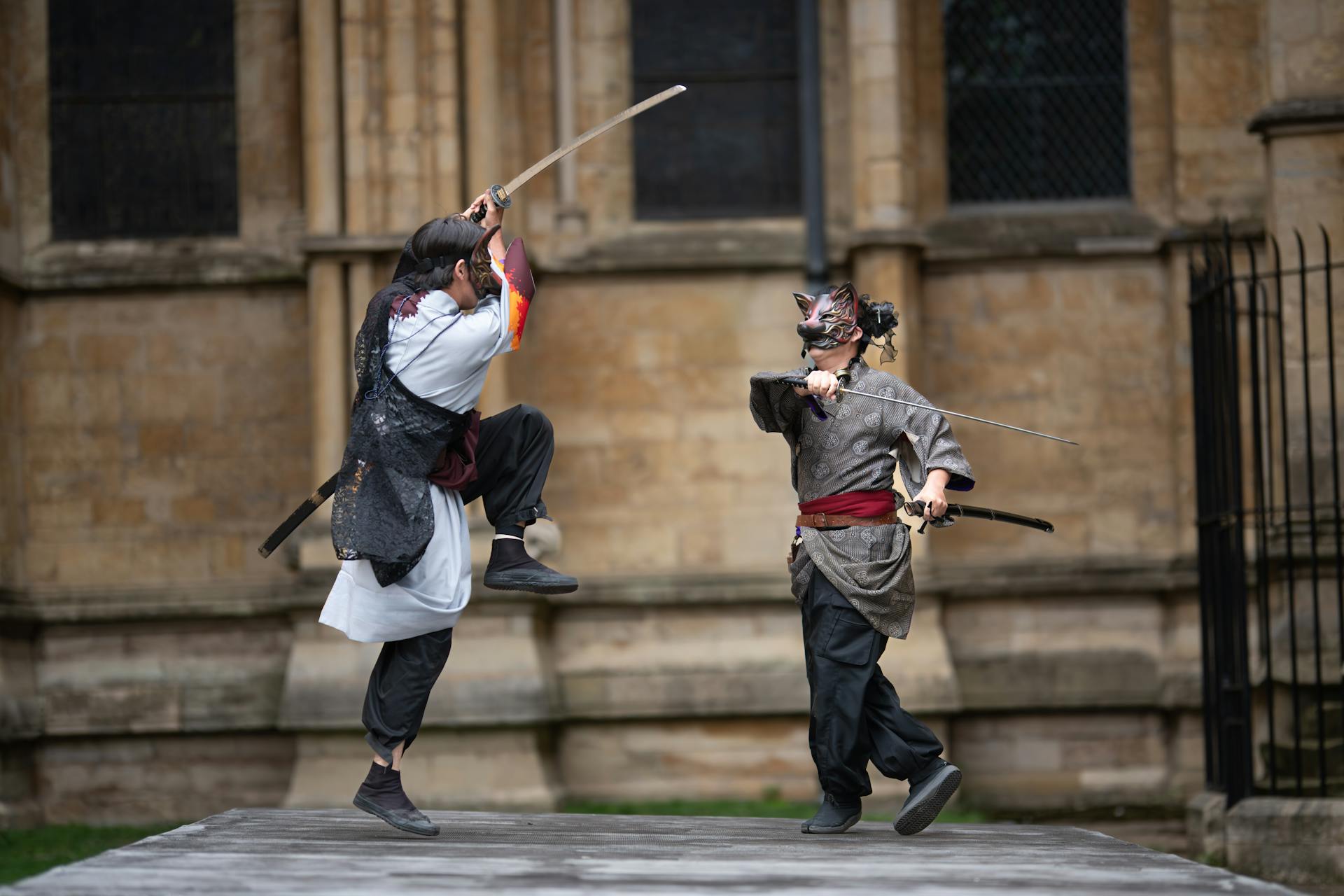
Best Samurai Experiences in Tokyo
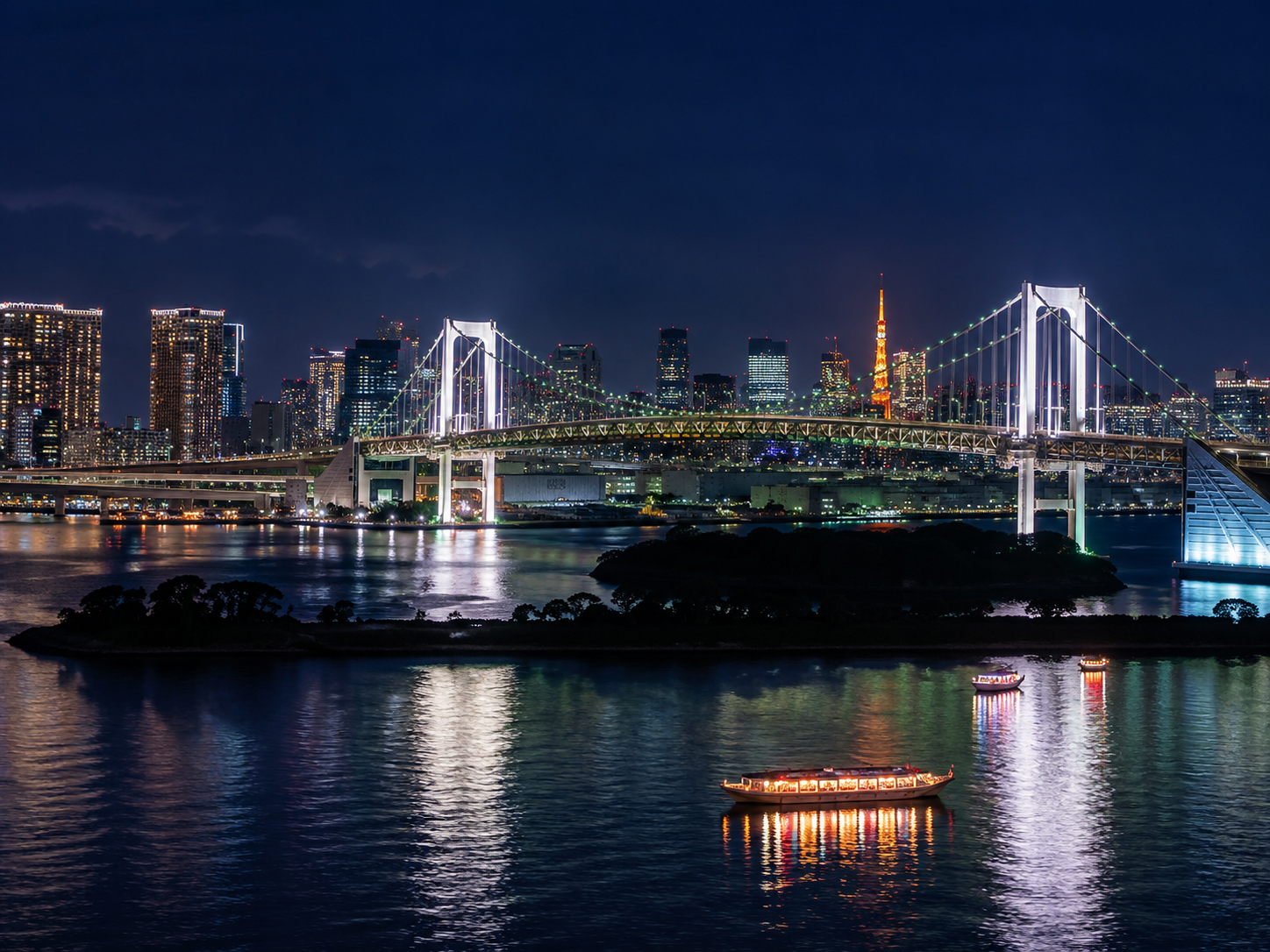
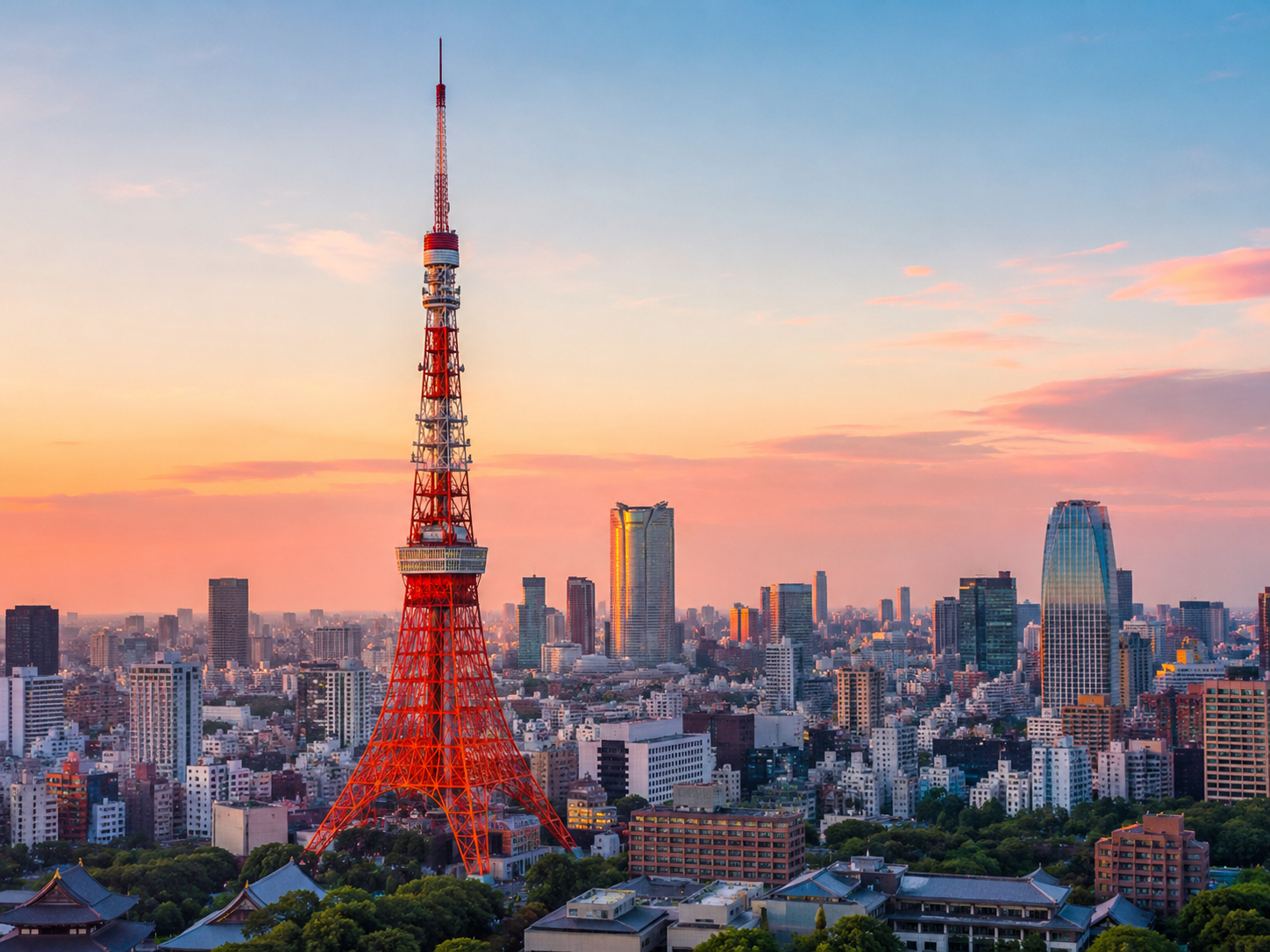
Tokyo may not feel as historically immersive as Kyoto, but the capital actually has an excellent range of samurai experiences — and the infrastructure (convenient location, English-speaking staff, online booking) makes them very accessible for first-time visitors.
Shinjuku Samurai Experience
Located in one of Tokyo’s most vibrant neighborhoods, the Shinjuku Samurai Experience offers 60 to 90-minute sessions covering iaido, basic sword forms, and costume photo opportunities. The venue caters specifically to international visitors and provides full English instruction. Sessions are kept small — typically no more than 6-8 people — so you get meaningful one-on-one time with the instructor.
The program begins with a brief introduction to samurai history and etiquette (the correct way to enter a dojo, how to handle a sword with respect, the meaning of the bow). You’ll then be fitted with a hakama and practice with an iaito before moving into the core techniques. The session typically ends with a commemorative photo in full costume.
Price range: ¥8,000–¥15,000 per person
Location: Shinjuku, Tokyo
Duration: 60–90 minutes
Booking: Advance reservation required; English available
Musashi Kendo Dojo — Visitor Kendo Sessions
Named after Japan’s most legendary swordsman, Miyamoto Musashi, several Tokyo dojo offer introductory kendo sessions for tourists. A typical session runs 60-90 minutes and covers the basic strikes, footwork, and a simplified match format. You’ll be fitted with a full set of bogu armor and given a shinai to use throughout the class.
What makes kendo experiences particularly exciting for visitors is the physical dimension — you’re actively moving, striking, blocking, and engaging with a partner. By the end of the session, most visitors are surprised by how much of a workout it is and how genuinely difficult proper kendo technique is to execute.
Price range: ¥5,000–¥10,000 per person
Location: Various dojo across Tokyo
Duration: 60–90 minutes
Note: Some dojo require advance contact; English availability varies
Samurai Kembu Theater Tokyo
The Samurai Kembu Theater has a Tokyo branch in addition to its flagship Kyoto venue. The Tokyo experience combines a kembu performance with a participant workshop where you’ll learn basic sword forms and fan movements. The theatrical setting — complete with traditional music and stage lighting — makes this one of the most visually impressive samurai experiences available in the capital.
The staff are highly experienced with international visitors, and all workshops are conducted with English support materials and bilingual instruction. This venue is particularly popular with those who want to understand the artistic and cultural dimension of samurai life, not just the martial side.
Price range: ¥3,500–¥8,000 per person
Location: Central Tokyo
Duration: 45–90 minutes depending on program
Booking: Online reservation available in English
Best Samurai Experiences in Kyoto
Kyoto is the undisputed capital of traditional Japanese culture — the city of temples, geisha, and ancient ceremony. For samurai experiences, it offers something Tokyo can’t quite match: historical authenticity. When you draw a sword in a Kyoto dojo, you’re doing so in a city that was the heart of samurai political power for centuries.
Samurai Kembu Kyoto — The Gold Standard
If there’s one samurai experience in Japan that consistently earns rave reviews from visitors around the world, it’s Samurai Kembu Kyoto. Located in the historic Gion district — just a short walk from Yasaka Shrine and the famous Hanamikoji geisha street — this venue offers the most culturally immersive kembu experience available to tourists.
The flagship program begins with watching a live kembu performance by the instructors — graceful, powerful, and deeply moving. You’ll then be dressed in hakama and guided through basic kembu sword forms and fan movements. The instructors are patient, enthusiastic, and remarkably skilled at making complete beginners feel comfortable.
What sets Samurai Kembu Kyoto apart is the depth of the cultural context. The instructors explain the poetry being recited, the meaning of each movement, and the historical moment each sequence evokes. You leave not just having held a sword, but understanding something real about the samurai mind.
Price range: ¥3,800–¥12,000 depending on program (performance only, workshop, or premium full experience)
Location: Gion district, Kyoto
Duration: 45 minutes (performance only) to 2 hours (full program)
Booking: Highly recommended; books up weeks in advance during peak season
English: Fully available
Maiko and Samurai Combo Experiences
Kyoto’s unique position as the center of both samurai culture and geisha culture has given rise to a popular combo experience: half your group dresses as samurai, the other half as maiko (apprentice geisha), and you’re photographed together in a traditional setting. It’s theatrical, enormously fun, and produces photos that genuinely look like historical portraits.
Several studios in the Gion and Higashiyama areas offer these experiences, often bundled with a short walk through the historic backstreets for outdoor photography. Prices vary depending on the level of costume detail and photo package included, but most options fall in the ¥8,000–¥20,000 range for two people.
Best for: Couples, friends, and families looking for a uniquely Japanese commemorative experience. Among the most-photographed activities in all of Kyoto.
Kyoto Samurai and Ninja Museum
The Samurai and Ninja Museum in Kyoto offers an interactive experience that combines historical education with hands-on activities. Visitors can handle real antique weapons, watch live sword and shuriken demonstrations, and participate in sword and shuriken throwing sessions. The museum’s collection includes genuine samurai armor and swords that would be the centerpiece of any museum’s Japanese collection.
This venue is particularly good for visitors traveling with children, as the mix of education and activity keeps all ages engaged. The staff are enthusiastic and the demonstrations are genuinely impressive.
Price range: ¥1,900–¥4,000 per person (museum entry + experience)
Location: Central Kyoto, near Nijo Castle
Duration: 60–120 minutes
English: Fully available
What to Expect: Your First Samurai Experience
Nervous about attending a samurai experience as a complete beginner? Don’t be. These sessions are specifically designed for people with zero martial arts background, and the instructors are accustomed to working with tourists of all ages, fitness levels, and nationalities. Here’s what a typical session looks like:
Getting Dressed
Most experiences begin with dressing. You’ll be helped into a hakama — the wide-legged traditional trousers worn by samurai — over a kimono top. Some venues provide full samurai armor for photos. Getting dressed in traditional Japanese clothing is itself a cultural experience, and the staff are adept at fitting all body types quickly and comfortably.
Introduction and Etiquette
The session typically begins with a brief orientation: the history of the venue, the particular style being taught, and the basic etiquette of the dojo. You’ll learn how to bow correctly, how to hold the sword, and the essential safety rules (most importantly: never point a sword at another person unless specifically instructed). This portion is always conducted in a relaxed, welcoming atmosphere.
Technique Training
Depending on the style (iaido, kendo, or kembu), you’ll practice a sequence of movements with the instructor demonstrating and then guiding you through each element. Don’t worry about getting everything perfect — the instructors are patient, and most sessions are structured to ensure every participant gets a satisfying sense of accomplishment rather than frustration.
For iaido specifically, you’ll work on the four core elements of a basic form: the draw, the cut, the blood removal, and the resheathing. Each is practiced slowly and repeatedly before being combined into a flowing sequence.
Photo Opportunity
Most sessions conclude with a dedicated photo period. The instructor will pose with you or help you strike dramatic stances for photos. Many venues allow you to use your own smartphone or camera. Higher-end experiences include professional photography with edited digital files delivered within a few days.
Samurai Experience Price Guide
| Experience Type | Duration | Price Range | Best Location |
|---|---|---|---|
| Kembu Performance (watch only) | 45 min | ¥1,500–¥3,800 | Kyoto (Gion) |
| Kembu Workshop (participate) | 60–90 min | ¥3,500–¥8,000 | Kyoto / Tokyo |
| Iaido Introduction | 60–90 min | ¥5,000–¥12,000 | Tokyo / Kyoto |
| Kendo Introduction | 60–90 min | ¥5,000–¥10,000 | Tokyo |
| Costume Photo Shoot | 60 min | ¥3,000–¥8,000 | Kyoto / Tokyo |
| Maiko + Samurai Combo | 90–120 min | ¥8,000–¥20,000 | Kyoto (Gion) |
| Tameshigiri (real cutting) | 90 min | ¥15,000–¥25,000 | Specialist dojo |
| Premium Full Experience | 2–3 hours | ¥15,000–¥30,000 | Various |
Prices are approximate and subject to change. Book directly with venues for current rates. Group discounts are often available for parties of 4 or more.
Where to Buy Authentic Katana Souvenirs (Legally)
Taking a piece of samurai culture home is a natural desire after a sword experience — but it’s important to understand the legal landscape before you purchase.
Understanding Japanese Sword Laws
Real nihonto (authentic Japanese swords) are registered cultural artifacts in Japan. Purchasing one requires paperwork, and exporting it to most countries requires an export permit. More importantly, importing a sword into your home country may be restricted or outright illegal depending on your country’s blade laws. Always research your home country’s import regulations before buying.
Non-sharpened iaito (practice swords) and decorative display swords are generally easier to travel with, but still check airline regulations — most swords must be checked in cargo hold, not carried on.
Best Places to Buy
Asakusa (Tokyo): The Nakamise shopping street and surrounding area in Asakusa has numerous shops selling decorative katana, tanto (short swords), and shuriken. These range from cheap tourist replicas to mid-range display pieces. For quality souvenirs, look for shops that sell handmade or forge-finished pieces rather than mass-produced factory items.
Akihabara and Harajuku (Tokyo): Specialty martial arts shops in these areas carry iaito (practice swords) and kendo equipment. Prices for a good-quality iaito start around ¥30,000–¥50,000.
Nishiki Market and Teramachi Street (Kyoto): Several reputable antique and crafts dealers in Kyoto sell authentic antique sword fittings (tsuba, menuki, fuchi) that make beautiful souvenirs without the export complications of a full blade. These small sword accessories are historically significant and incredibly detailed.
Certified Sword Dealers: If you’re serious about purchasing an authentic nihonto, seek out dealers who are members of the Society for the Preservation of Japanese Art Swords (NBTHK). They can advise on proper paperwork and help arrange legal export documentation.
The Samurai Spirit Beyond the Sword
One of the most interesting aspects of samurai culture is how deeply it has permeated modern Japan in unexpected ways. The pursuit of mastery, attention to detail, and respect for craft that defined the samurai can be felt in everything from the preparation of a cup of matcha to the engineering of a Japanese sports car.
Speaking of Japanese engineering — if you’re a car enthusiast visiting Japan, that same dedication to precision and performance that forged the katana also forged some of the world’s most legendary performance vehicles. Samurai Car Japan JDM offers curated tours centered on Japan’s iconic JDM (Japan Domestic Market) car culture — the GTR, the Supra, the RX-7, the NSX — vehicles that embody the same obsessive craftsmanship the samurai brought to the sword. The name isn’t a coincidence: the samurai spirit lives in Japan’s automotive heritage just as much as in its martial arts.
Practical Tips for Booking Your Samurai Experience
Book early, especially for Kyoto. The most reputable venues — particularly Samurai Kembu Kyoto — fill up weeks in advance during spring (March–May) and autumn (October–November) peak travel seasons. Book as soon as your dates are confirmed.
Wear comfortable, modest clothing. You’ll be changing into traditional Japanese clothing at the venue, but you’ll need to get into hakama over whatever you’re wearing. Avoid very wide or stiff trousers. Tight-fitting workout clothes or slim jeans work well underneath.
No experience required — ever. Every experience listed in this guide is designed for complete beginners. You do not need any martial arts background, special fitness level, or prior knowledge of Japanese culture. The only thing you need is a willingness to try.
Children are usually welcome. Most venues accept participants from age 6 or 8 upward, with some accepting younger children for costume photo experiences. Check with the specific venue regarding minimum age and whether children use full-size or reduced-size swords.
Take it seriously — but not too seriously. The instructors will teach you with genuine care and expect you to treat the sword and the tradition with respect. But they also want you to enjoy yourself. Don’t worry about making mistakes — the joy of the experience is in the trying.
Photos: Most sessions allow photography, but some moments (particularly during formal instruction) may require you to put the phone away. A good venue will designate specific times for photos so you get great shots without disrupting the flow of the class.
Final Thoughts: Why a Samurai Experience Should Be on Every Japan Itinerary
Japan offers an astonishing range of experiences — from the neon-lit chaos of Akihabara to the Zen silence of a mountain temple. But few activities connect you as directly to the core of Japanese identity as a samurai sword experience.
When you stand in a dojo in your hakama, sword in hand, and attempt to execute a clean draw — you’re participating in a tradition that stretches back nearly a thousand years. The sword isn’t just a weapon; it’s a teacher. It demands presence, patience, and precision. In a world of constant distraction, that’s a genuinely valuable lesson to carry home.
Whether you choose the meditative grace of iaido in a Kyoto dojo, the electric energy of kendo sparring in Tokyo, the theatrical elegance of kembu, or a full-armor photo shoot in the backstreets of Gion — a samurai experience will be among the most memorable hours of your Japan trip.
Draw the sword. Honor the tradition. And take a little piece of the samurai spirit home with you.
Book a Samurai Experience in Tokyo
Wield a real katana and learn samurai techniques from a master instructor. Dress in traditional armor and feel the warrior spirit. Free cancellation.