Japan 21-Day Itinerary: The Ultimate Three Week Adventure
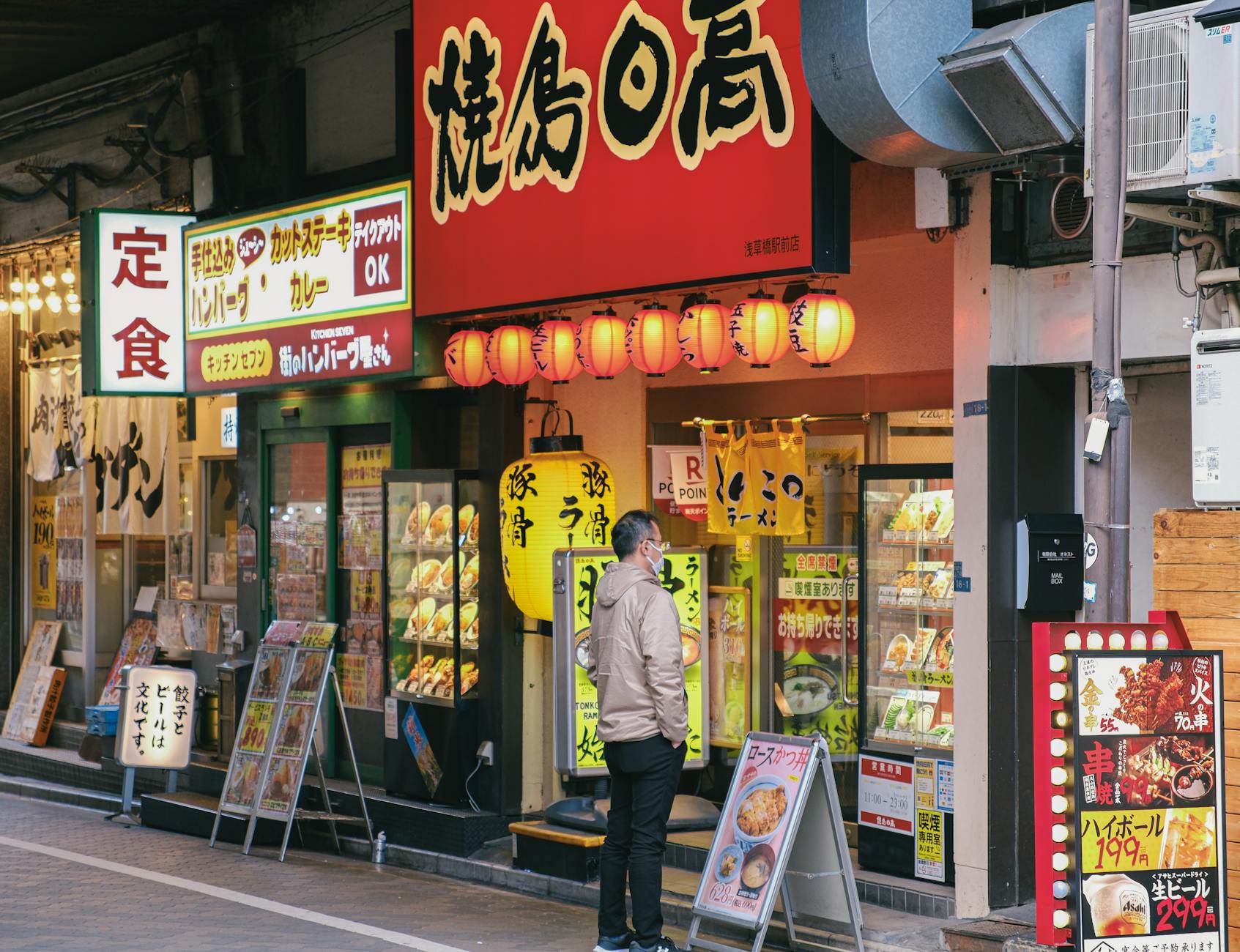
Konnichiwa! Are you ready for the adventure of a lifetime? Japan, a land of ancient traditions juxtaposed with futuristic innovation, offers an unparalleled travel experience. This 21-day itinerary is designed to immerse you in the heart of Japan, taking you from bustling metropolises to serene temples, picturesque landscapes, and vibrant cultural hubs. Get ready to explore the Land of the Rising Sun! This itinerary balances iconic landmarks with hidden gems, offering a diverse and enriching experience. It’s designed to be flexible, allowing you to tailor it to your interests and pace. Let’s dive in! Day 1-3: Tokyo – Neon Lights and Ancient Shrines * **Accommodation:** Consider staying in Shinjuku for convenient access to transportation and vibrant nightlife, or Shibuya for its iconic scramble crossing and trendy atmosphere. Alternatively, Ueno offers a more relaxed vibe with its parks and museums. * **Getting Around:** Purchase a Suica or Pasmo card for easy travel on Tokyo’s extensive public transportation network. A Japan Rail Pass is generally not cost-effective for just exploring Tokyo.- **Day 1: Arrival and Shinjuku Exploration:** Arrive at Narita (NRT) or Haneda (HND) airport. Take the Narita Express or Limousine Bus to your hotel in Shinjuku. Explore Shinjuku Gyoen National Garden for a tranquil escape, ascend the Tokyo Metropolitan Government Building for panoramic city views (free!), and experience the vibrant nightlife of Shinjuku Golden Gai. Enjoy dinner at Omoide Yokocho (Memory Lane) for a taste of old Tokyo.
- **Day 2: Culture and Pop Culture:** Immerse yourself in the colorful and fashionable Harajuku district, visit the Meiji Jingu Shrine for a peaceful escape, and witness the iconic Shibuya Crossing. In the afternoon, delve into the electric town of Akihabara, known for its anime, manga, and electronics. Consider a themed cafe experience (robot restaurant, cat cafe, etc.). End the day with dinner in Shibuya, enjoying the views.
- **Day 3: Asakusa and Ueno:** Explore the historic Asakusa district, visit Senso-ji Temple, Tokyo’s oldest temple, and stroll through Nakamise-dori, a street lined with traditional shops. Take a Sumida River cruise for a different perspective of the city. In the afternoon, explore Ueno Park, home to several museums, including the Tokyo National Museum and the Ueno Zoo. Enjoy dinner in Ueno, known for its diverse culinary offerings.
- **Day 4: Hakone Loop:** Take a scenic train ride to Hakone-Yumoto, the gateway to Hakone. Embark on the Hakone Loop, a popular route that includes a cruise across Lake Ashi, offering stunning views of Mount Fuji (weather permitting). Ride the Hakone Ropeway, passing over volcanic hot springs and offering panoramic views. Explore the Hakone Open-Air Museum, showcasing contemporary sculptures against the backdrop of nature. Stay overnight in a Ryokan and enjoy an onsen experience.
- **Day 5: Art and Return to Tokyo:** Visit the Hakone Venetian Glass Museum, showcasing exquisite glass art. Explore the Pola Museum of Art, known for its impressive collection of Impressionist and modern art. Depending on your interests, you can also visit the Hakone Lalique Museum. In the afternoon, return to Tokyo by train. Enjoy a relaxing evening in Tokyo.
- **Day 6: Travel to Kyoto and Fushimi Inari:** Take the Shinkansen (bullet train) from Tokyo to Kyoto (approx. 2.5 hours). Check into your hotel and head to Fushimi Inari Shrine, famous for its thousands of vibrant red torii gates winding up a mountainside. Allow several hours to hike the entire trail. Enjoy dinner in Kyoto, trying local specialties like Kyo-ryori (Kyoto cuisine).
- **Day 7: Arashiyama Bamboo Forest and Temples:** Explore the enchanting Arashiyama Bamboo Grove. Visit Tenryu-ji Temple, a Zen temple with beautiful gardens. Take a boat ride on the Hozugawa River for a scenic experience. In the afternoon, visit Kinkaku-ji (Golden Pavilion), a stunning Zen temple covered in gold leaf. Enjoy dinner in Gion, hoping to catch a glimpse of a geisha.
- **Day 8: Kiyomizu-dera and Gion:** Visit Kiyomizu-dera Temple, known for its wooden stage offering panoramic views of Kyoto. Explore the charming streets of Gion, Kyoto’s geisha district. Visit Kodai-ji Temple and Maruyama Park. In the evening, consider attending a traditional tea ceremony for a cultural experience.
- **Day 9: Nara Park and Todai-ji:** Take a short train ride from Kyoto to Nara. Explore Nara Park, home to hundreds of friendly wild deer. Visit Todai-ji Temple, housing a giant bronze Buddha statue. Explore Kasuga Taisha Shrine, known for its thousands of stone and bronze lanterns. Return to Kyoto in the evening.
- **Day 10: Travel to Osaka and Dotonbori:** Take a short train ride from Kyoto to Osaka. Check into your hotel and head to Dotonbori, Osaka’s vibrant entertainment district, known for its bright lights, street food, and Glico Running Man sign. Indulge in Osaka’s famous street food, such as takoyaki (octopus balls) and okonomiyaki (savory pancake). Visit Osaka Castle, a symbol of the city.
- **Day 11: Shinsekai and Umeda:** Explore Shinsekai, a retro district with a nostalgic atmosphere, known for its Tsutenkaku Tower and kushikatsu (deep-fried skewers). Visit Umeda Sky Building for panoramic city views. Explore the Umeda district, known for its department stores, restaurants, and entertainment options. Enjoy a final Osaka dinner, savoring the city’s culinary delights.
- **Day 12: Travel to Hiroshima and Peace Memorial Park:** Take the Shinkansen from Osaka to Hiroshima (approx. 1.5 hours). Check into your hotel and visit the Hiroshima Peace Memorial Park, a poignant reminder of the atomic bombing. Visit the Hiroshima Peace Memorial Museum to learn about the events of August 6, 1945. See the Atomic Bomb Dome, a preserved ruin of the former Hiroshima Prefectural Industrial Promotion Hall.
- **Day 13: Miyajima Island:** Take a short ferry ride to Miyajima Island, home to the iconic floating torii gate of Itsukushima Shrine. Explore the island, visit Daisho-in Temple, and hike to the top of Mount Misen for panoramic views. Enjoy a local Hiroshima-style okonomiyaki dinner. Return to Hiroshima for the night.
- **Day 14: Hiroshima to Takayama:** Take the Shinkansen from Hiroshima to Nagoya, then transfer to a Limited Express train to Takayama (approx. 5-6 hours total travel time). Check into your hotel or Ryokan. Take a stroll through the old town of Takayama and enjoy dinner at a local restaurant.
- **Day 15: Takayama Old Town and Markets:** Explore the beautifully preserved old town of Takayama, with its traditional wooden buildings and sake breweries. Visit the Takayama Jinya, a former government building. Browse the morning markets along the Miyagawa River and Jinyamae. Visit the Hida Folk Village, an open-air museum showcasing traditional houses from the Hida region.
- **Day 16: Shirakawa-go Gassho-style Farmhouses:** Take a bus from Takayama to Shirakawa-go, a UNESCO World Heritage site known for its unique gassho-style farmhouses with steeply pitched roofs. Explore the village, visit the Ogimachi Castle Observation Point for panoramic views, and learn about the traditional way of life. Return to Takayama in the evening.
- **Day 17: Takayama to Kanazawa:** Take a bus from Takayama to Kanazawa (approx. 2 hours). Check into your hotel. Explore the Higashi Chaya District, a well-preserved geisha district. Enjoy dinner in Kanazawa, trying local seafood specialties.
- **Day 18: Kenrokuen Garden and Samurai District:** Visit Kenrokuen Garden, one of Japan’s three most beautiful gardens. Explore the Kanazawa Castle Park, the former seat of the Maeda clan. Visit the Nagamachi Samurai District, with its preserved samurai houses and narrow streets. Visit the 21st Century Museum of Contemporary Art, Kanazawa.
- **Day 19: Kanazawa to Tokyo:** Take the Shinkansen from Kanazawa to Tokyo (approx. 2.5-3 hours). Check into your hotel in Tokyo. Enjoy a final evening in Tokyo, perhaps revisiting a favorite spot or trying a new restaurant.
- **Day 20: Shopping and Relaxation:** Do some last-minute souvenir shopping in areas like Ginza or Shibuya. Relax in a park, such as Shinjuku Gyoen or Ueno Park. Enjoy a final Japanese meal, savoring the flavors of your trip. Consider a traditional Japanese massage for relaxation.
- **Day 21: Departure:** Transfer to Narita (NRT) or Haneda (HND) airport for your flight home.
- **Japan Rail Pass:** Consider purchasing a Japan Rail Pass if you plan to travel extensively by Shinkansen. Calculate whether it’s cost-effective based on your itinerary. For this itinerary, a 7-day pass might be useful for the Kyoto-Hiroshima-Takayama leg.
- **Pocket WiFi or SIM Card:** Stay connected with a pocket WiFi device or a local SIM card. WiFi is not always readily available, especially outside of major cities.
- **Cash is King:** While credit cards are becoming more widely accepted, many smaller establishments still prefer cash. Carry sufficient cash, especially when traveling to rural areas.
- **Learn Basic Japanese:** Knowing basic Japanese phrases will significantly enhance your experience and show respect for the local culture.
- **Etiquette:** Be mindful of Japanese customs and etiquette. Avoid talking loudly on public transportation, slurp your noodles, and remove your shoes when entering homes and some temples.
- **Travel Insurance:** Purchase comprehensive travel insurance to cover unexpected events, such as medical emergencies, cancellations, and lost luggage.
- **Pack Appropriately:** Pack comfortable walking shoes, as you’ll be doing a lot of walking. Dress in layers, as the weather can vary. Consider bringing a reusable water bottle and a small backpack.
- **Book Accommodation in Advance:** Especially during peak season (cherry blossom season, Golden Week), book your accommodation well in advance to secure your preferred choices.
- **Be Prepared for Crowds:** Popular tourist destinations can be crowded, especially during peak season. Be patient and plan your visits accordingly.
- **Learn About Onsen Etiquette:** If you plan to visit onsen (hot springs), familiarize yourself with the etiquette. This typically involves showering before entering the bath and not wearing swimwear.
- **Harmony (Wa):** Harmony is highly valued in Japanese society. People strive to maintain harmonious relationships and avoid conflict.
- **Respect (Keigo):** Respect for elders and superiors is deeply ingrained in Japanese culture. Use polite language and show deference to those who are older or in positions of authority.
- **Cleanliness:** Japan is known for its cleanliness. Public spaces are generally very clean, and people take pride in maintaining a clean environment.
- **Punctuality:** Punctuality is highly valued. Arrive on time for appointments and meetings. Public transportation is generally very punctual.
- **Gift-Giving (Omotenashi):** Gift-giving is a common practice in Japan. When giving a gift, present it with both hands and offer a modest disclaimer, such as “This is just a small token.”
- **Bowing (Ojigi):** Bowing is a common greeting and gesture of respect. The depth of the bow indicates the level of respect.
- **Shoes Off:** Remove your shoes when entering homes, temples, and some traditional restaurants. Slippers are often provided.
- **Chopstick Etiquette:** Avoid sticking your chopsticks upright in a bowl of rice, as this resembles a funeral ritual. Do not pass food directly from your chopsticks to another person’s chopsticks.
Related Articles
- Japan Pocket WiFi vs SIM Card vs eSIM: Best Option for Tourists
- Japan 14-Day Itinerary: Two Weeks From Tokyo to Osaka
- Japan 7-Day Itinerary: The Perfect One Week Plan
🚗 Optional: Add a Daikoku PA JDM Night Tour (Yokohama)
If your itinerary includes a night in Tokyo or Yokohama on a Friday or Saturday, a Daikoku PA JDM tour is one of the most unique Japan experiences possible. Yokohama is 30 minutes from central Tokyo by train. Daikoku Tour offers private English-guided tours with hotel pickup.
→ Tour details and pricing