[st_af id=”119″]
Tokyo After Dark: Understanding the District System
Tokyo doesn’t have a single nightlife district — it has half a dozen, each with its own distinct character, crowd, price point, and operating culture. Choosing the wrong area for your mood is a common visitor mistake. This guide breaks down what each district actually offers so you can plan a Tokyo night out with confidence.
[st-midasibox myclass=”” title=”Last Train Warning” webicon=”st-svg-exclamation-triangle” color=”#FF9800″ bordercolor=”#FF9800″ bgcolor=”#FFF8E1″ borderwidth=”” borderradius=”5″ titleweight=”bold”]
Tokyo trains stop running at approximately midnight. The last train from each station is roughly 00:00–00:30 depending on the line. If you miss last train, your options are: taxi home (expensive — ¥3,000–8,000 from central areas), 24-hour café or manga kissa, or karaoke until 5am (very popular). Plan accordingly.
[/st-midasibox]
Shibuya — Tokyo’s Biggest Night Out
Best for: Club nights, DJ culture, fashion-conscious crowds, bar-hopping, younger energy
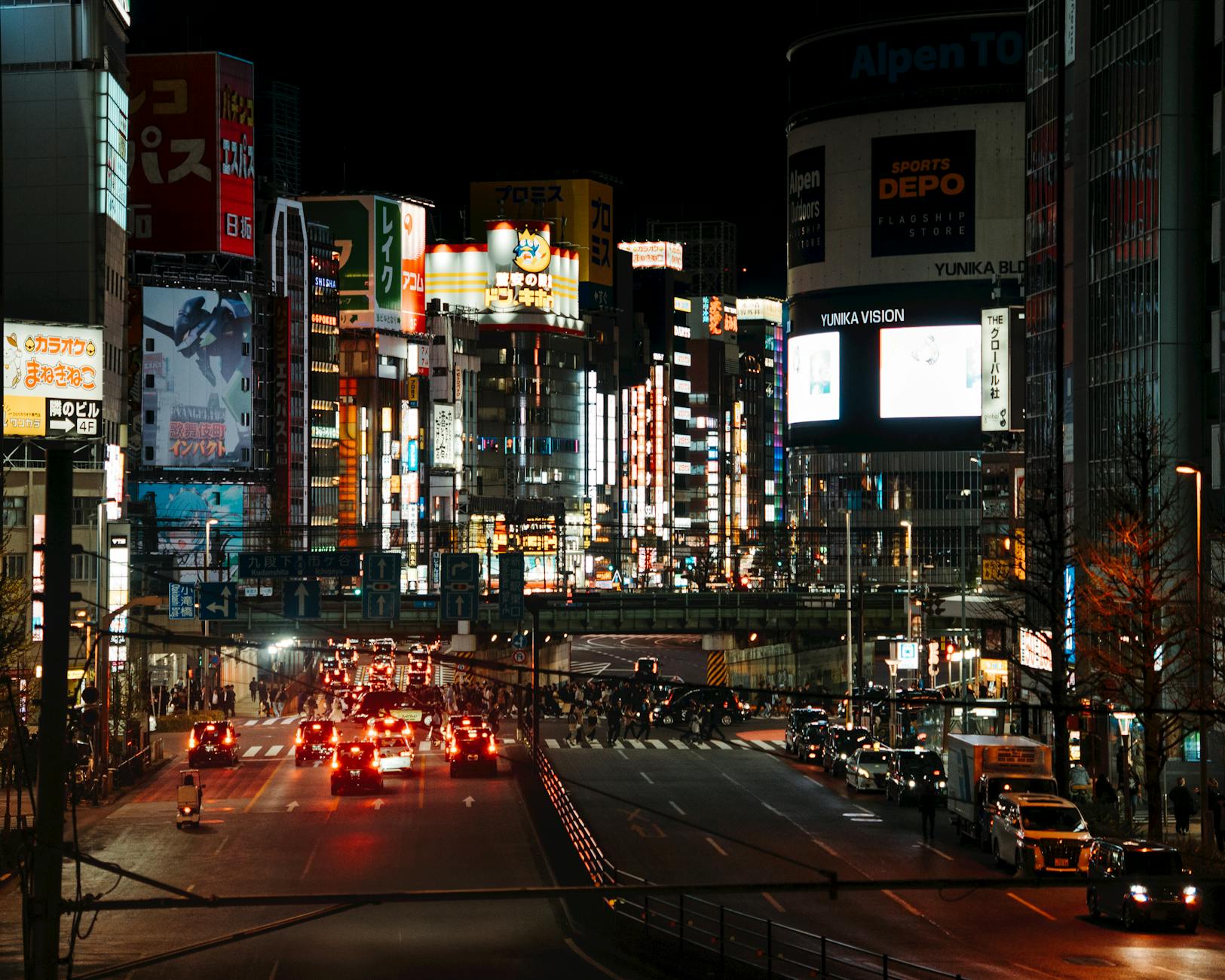
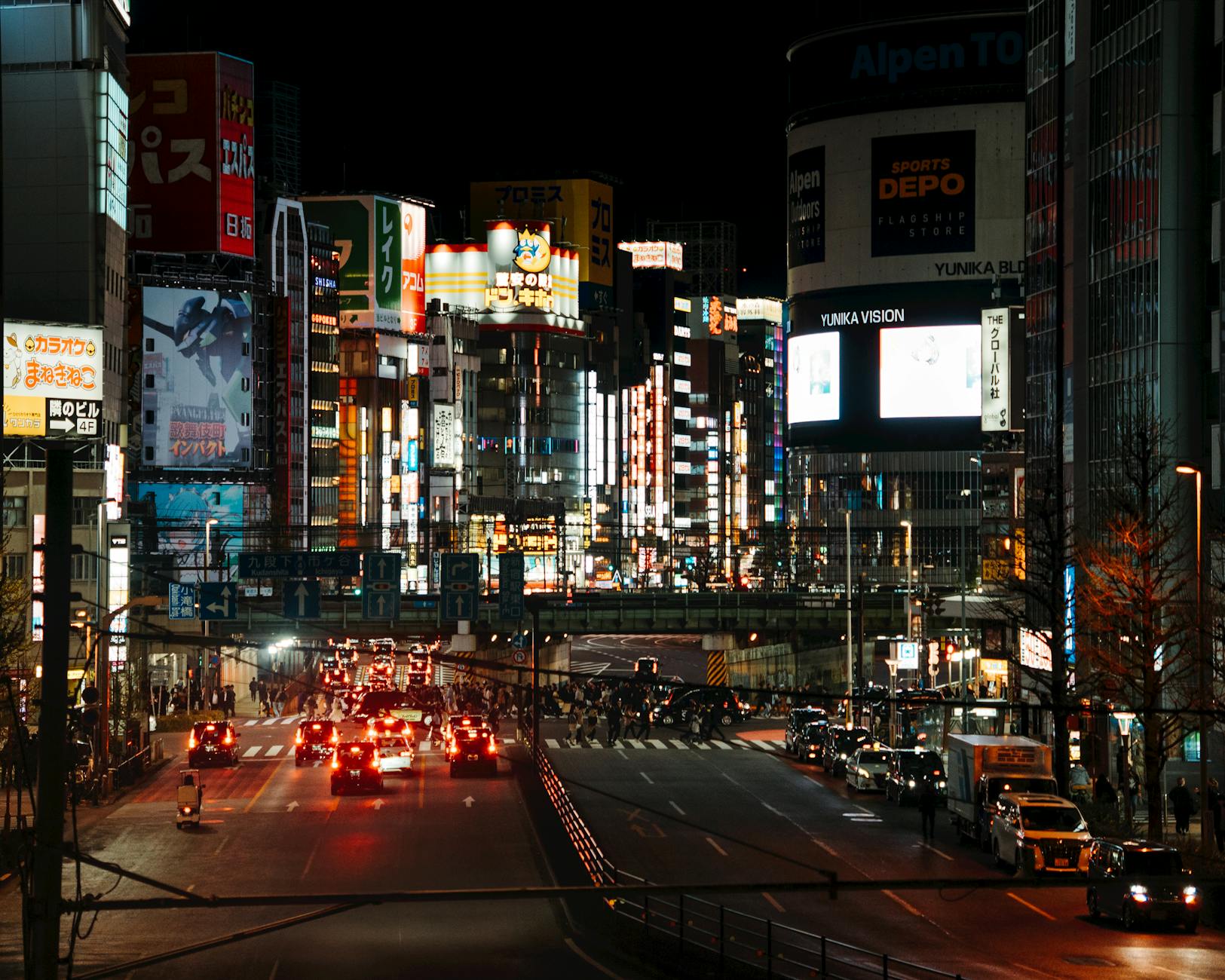
Shibuya is where Tokyo’s biggest club nights happen. The area around the crossing and stretching into the backstreets behind Dogenzaka (nicknamed “Love Hotel Hill” — noted for its hotels, not just its bars) is packed with clubs, izakayas, live music venues, and late-night karaoke. Major clubs include Womb (legendary techno and electronic), Vision (multi-room club), and Contact (underground house and techno).
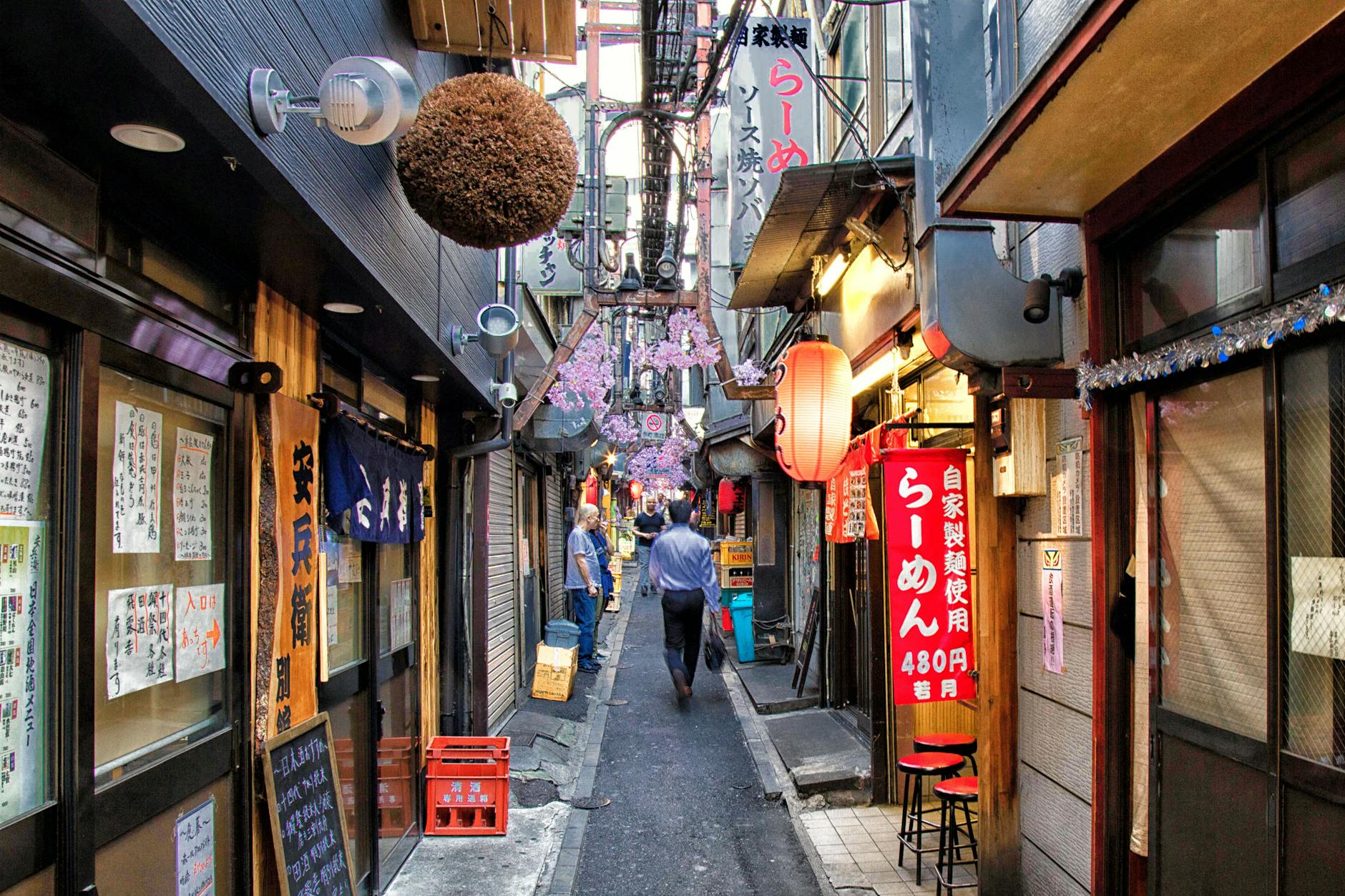
The Nonbei Yokocho alley near Shibuya Station has intimate bars in the Golden Gai tradition — tiny, characterful, and atmospheric. The best bars in the actual Shibuya scramble area tend toward sports bars, chain izakayas, and cocktail bars with strong Instagram aesthetics.
- Crowd: Young locals (18–30), university students, fashion crowd, Tokyo transplants
- Price range: ¥¥–¥¥¥ (budget izakayas to upscale cocktail bars)
- Last entry at clubs: Usually midnight–2am; most stay open until 5am or later
- Getting home: First trains from Shibuya from around 5am
Roppongi — International Tokyo’s Playground
Best for: International crowd, expat socializing, late-night clubs, upscale bars, exploring the art district
Roppongi has a dual identity that many visitors find surprising. On one hand, it’s Tokyo’s primary international entertainment district — dense with expat-friendly bars, dance clubs, and restaurants with English-speaking staff. On the other, it contains some of Tokyo’s finest cultural institutions: Mori Art Museum, National Art Center, and 21_21 Design Sight.
The Roppongi crossing area (especially Roppongi-dori and Gas Panic Hill) is louder, more tourist-facing, and more chaotic. Walk five minutes in any direction for a completely different experience — quieter cocktail bars, izakayas with no English menu, and the residential streets of Nishi-Azabu.
- Crowd: International visitors, expats, finance and tech workers, a mixed tourist scene
- Price range: ¥¥¥ — one of Tokyo’s more expensive nightlife areas
- Key venues: Clubs include V2 Tokyo, Agave (famous mezcal bar), Bar Trench (craft cocktails)
- Art angle: Mori Tower Sky Deck is spectacular at night — combine with a dinner in Roppongi Hills
Shinjuku — Most Varied, Most Intense
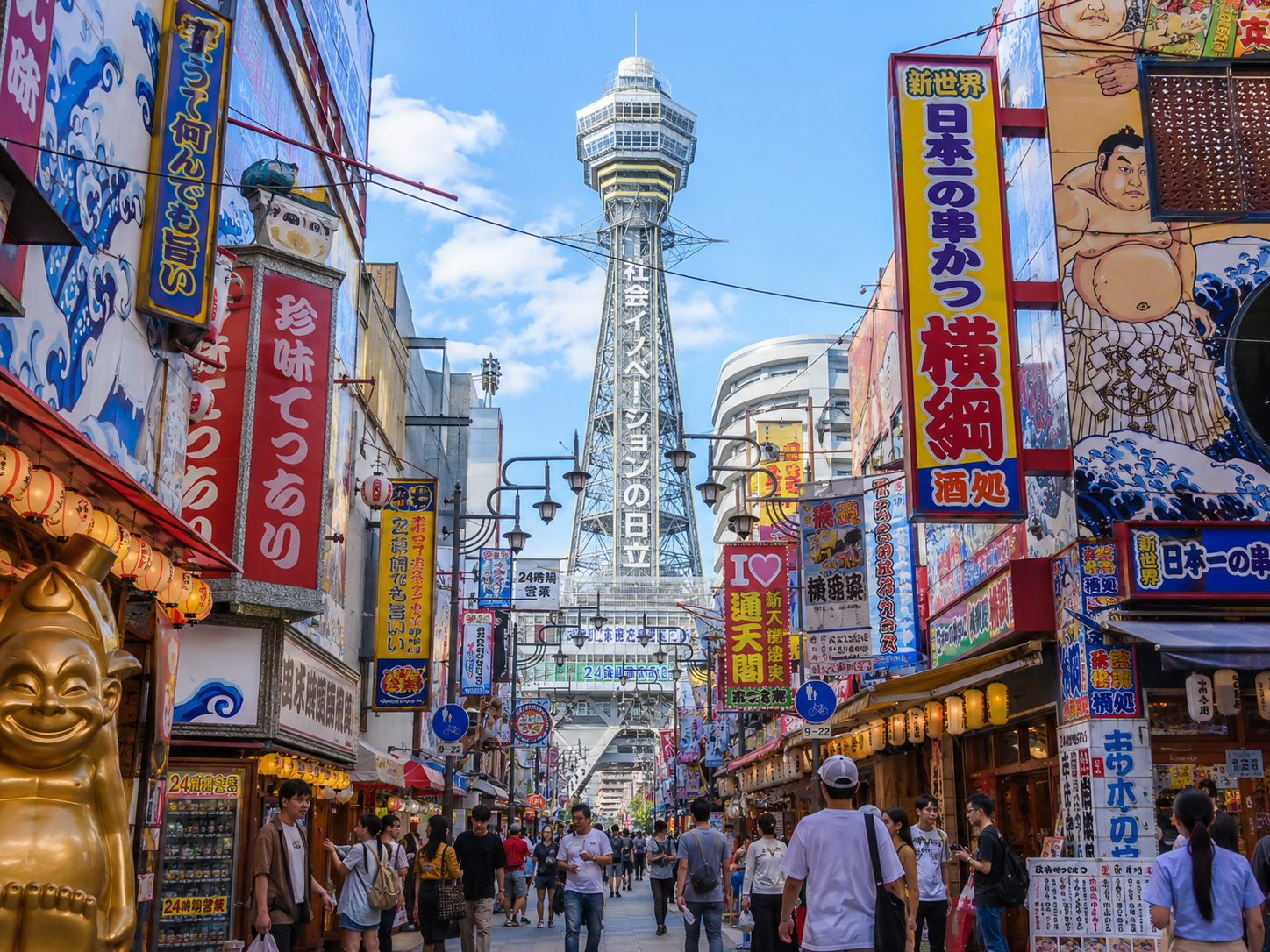
Best for: Every type of nightlife simultaneously; Golden Gai bar-hopping; Kabukicho exploration; budget-conscious late nights
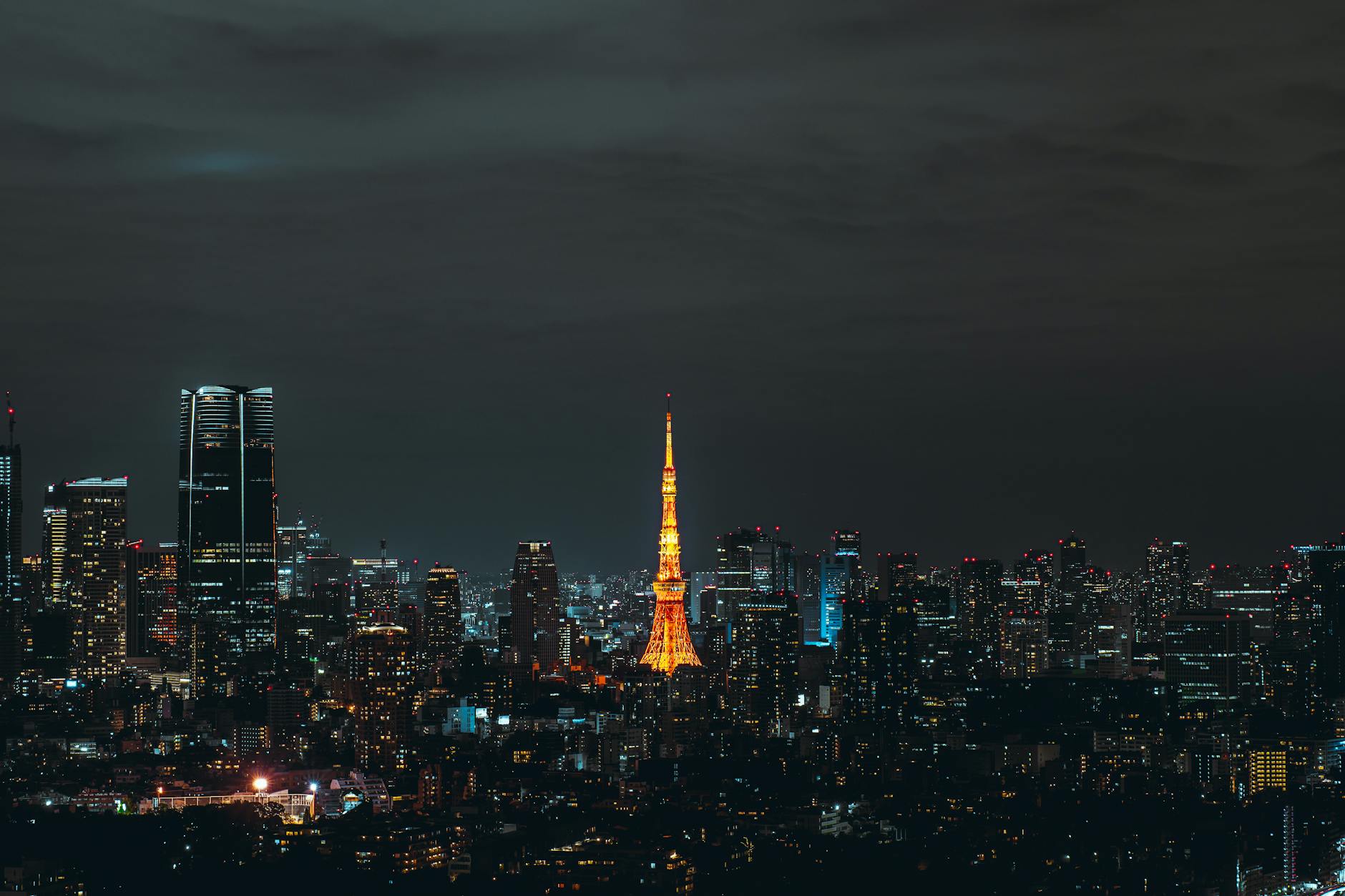
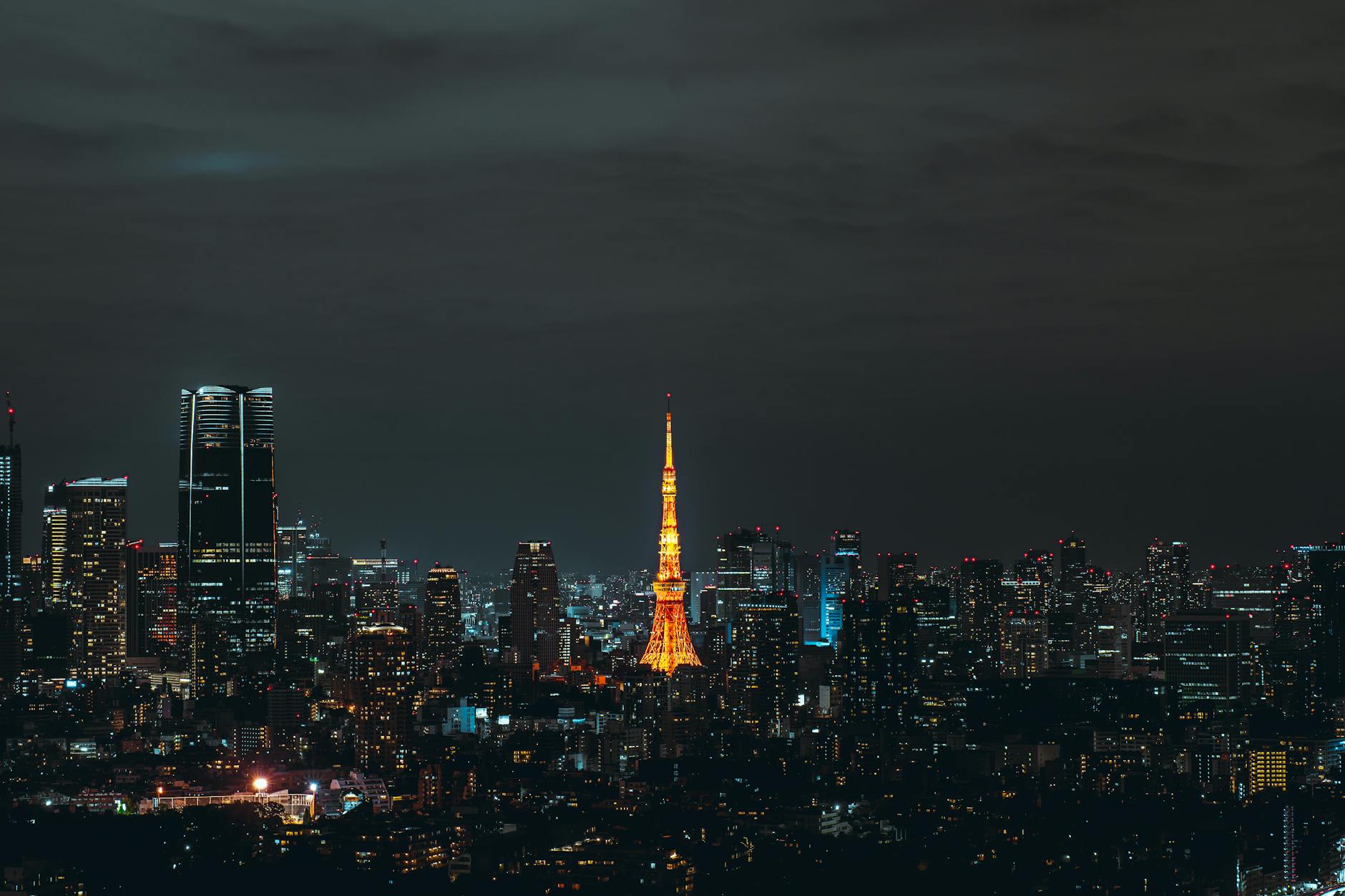
Shinjuku contains more nightlife variety per square kilometer than anywhere else in Tokyo:
- Golden Gai: 200+ tiny bars, each different, most with cover charges (¥500–1,000). The most interesting bar-hopping in Asia. Full Guide →
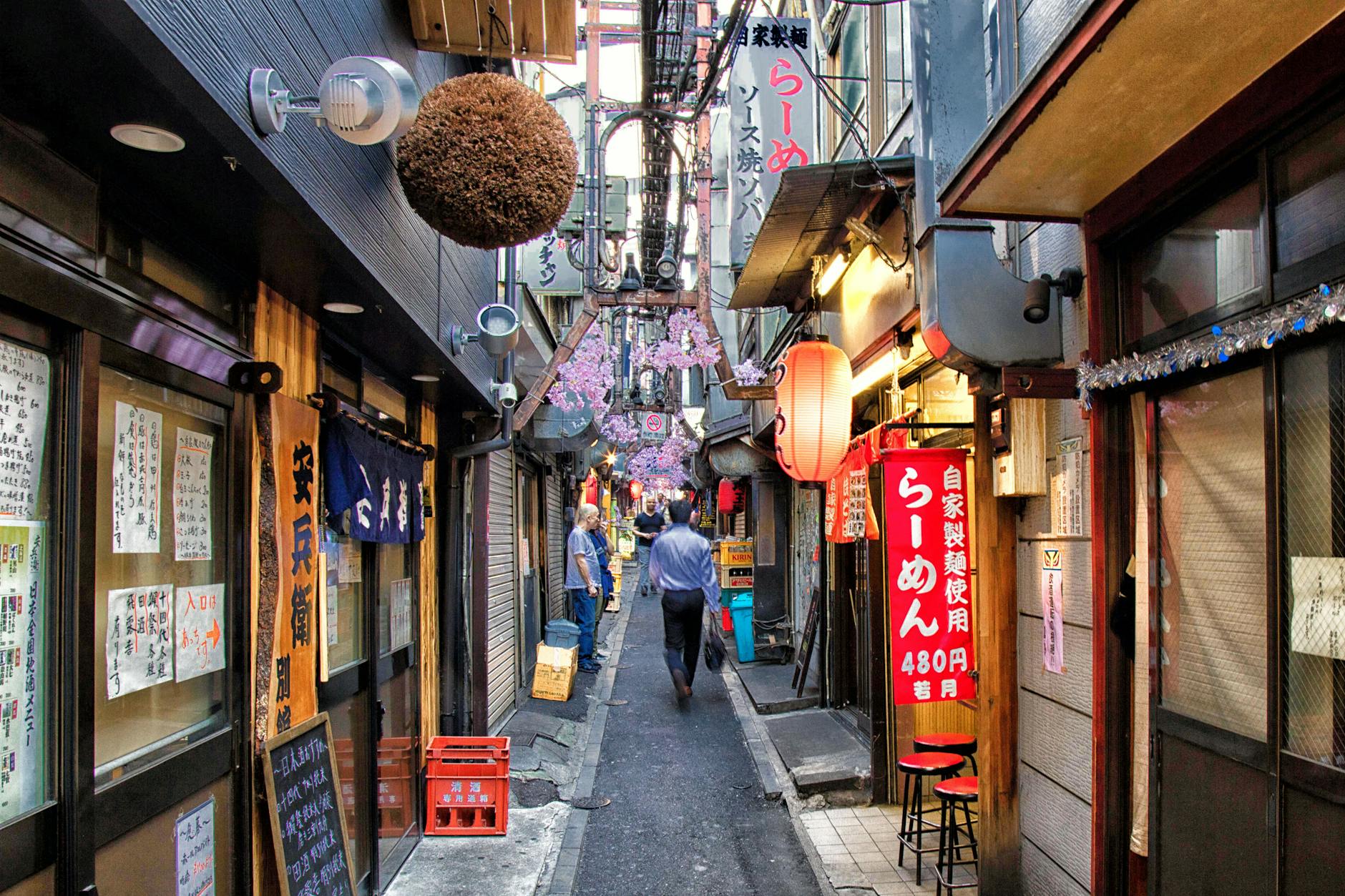
- Omoide Yokocho: Smoky, cramped yakitori alleys dating to the 1940s. Standing room at grills, grilled chicken, cold beer.
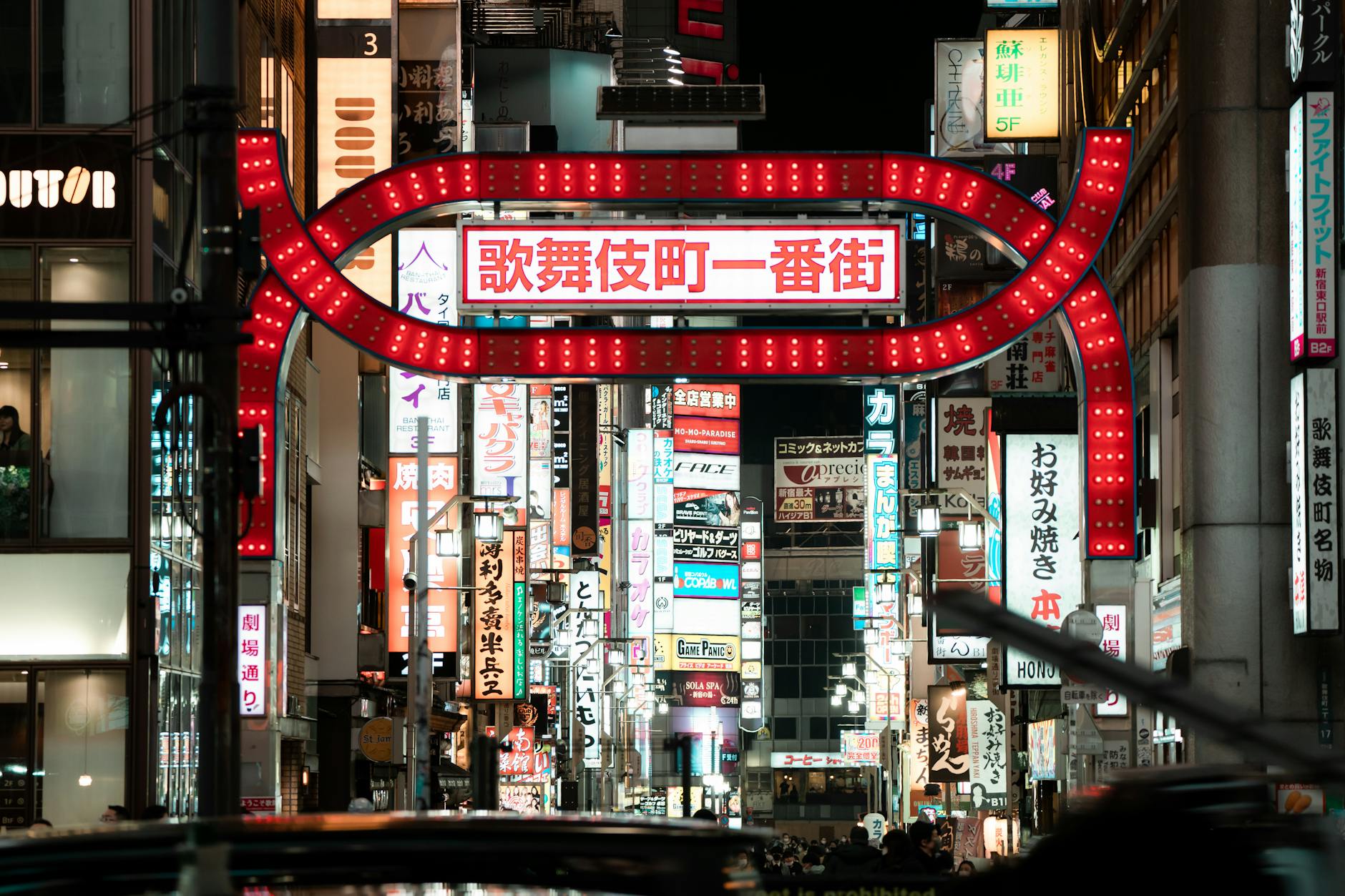
- Kabukicho: Tokyo’s largest entertainment district — legal clubs, hostess bars, game centers, cinemas, robot restaurant (tourist-facing but fun). The new Kabukicho Tower adds legitimate hotel/entertainment. Full Guide →
- Ni-chome: Tokyo’s LGBTQ+ district — welcoming, international, with dozens of inclusive bars and clubs
- Crowd: Absolutely everyone — Shinjuku serves the entire city
- Price range: ¥–¥¥¥¥ (something for every budget)
- Getting home: Last trains from Shinjuku Station around 00:30; taxis available all night
Shimokitazawa — Indie Tokyo’s Living Room
Best for: Live music, indie bars, creative crowd, a genuine local neighborhood feel
Shimokitazawa (“Shimokita”) is the heartbeat of Tokyo’s independent creative scene. Vintage clothing shops, indie record stores, and small theatres define the daytime. After 8pm, the live music venues fire up — Shimokita Garden, Club Que, and dozens of live houses host everything from jazz to punk to indie folk, usually ¥1,500–3,000 door charge.
The bars in Shimokita are genuinely neighborhood places — small, characterful, often run by a single person, with handwritten menus and regulars who’ve been coming for years. This is Tokyo nightlife at its most authentic. Full Shimokitazawa Guide →
- Crowd: Musicians, artists, students, creative professionals, 20s–40s
- Price range: ¥–¥¥ (very affordable)
- Best approach: Walk in with no plan. Follow music. Talk to people.
Ginza — Late-Night Luxury
Best for: Upscale cocktail bars, wine bars, corporate entertaining, late-night dining
Ginza is Tokyo’s most prestigious retail and dining district — and after the shops close, it transforms into a quieter, more refined night scene. High-end cocktail bars, sake bars with extraordinary collections, jazz clubs, and late-night sushi dominate. Prices are significantly higher than other districts, but the quality matches.
Key spots: Bar High Five (Hidetsugu Ueno, one of Asia’s finest bartenders), Star Bar (another legendary Ginza cocktail institution), and Yukicho (sake bar with exceptional collection).
Yurakucho — Under the Tracks
Between Ginza and the Imperial Palace, the JR elevated tracks at Yurakucho create a row of brick arches housing some of Tokyo’s most atmospheric bars and izakayas. Low ceilings, the rumble of trains above, standing tables, cold beer, yakitori smoke — it feels like Tokyo as it was 50 years ago. Excellent pre-Ginza drinks stop.
District Comparison: Which Should You Visit?
| You want… | Go to… |
|---|---|
| The biggest club night in Tokyo | Shibuya (Womb, Contact, Vision) |
| International crowd, English menus | Roppongi |
| The most variety, best value | Shinjuku |
| Tiny bars, character, no tourists | Golden Gai (Shinjuku) |
| Izakaya smoke and yakitori authenticity | Omoide Yokocho (Shinjuku) or Yurakucho |
| Live indie music, local vibe | Shimokitazawa |
| Luxury cocktails and quiet elegance | Ginza |
| LGBTQ+ friendly scene | Ni-chome (Shinjuku) |
Night Drive: Add a Car to Your Tokyo Night
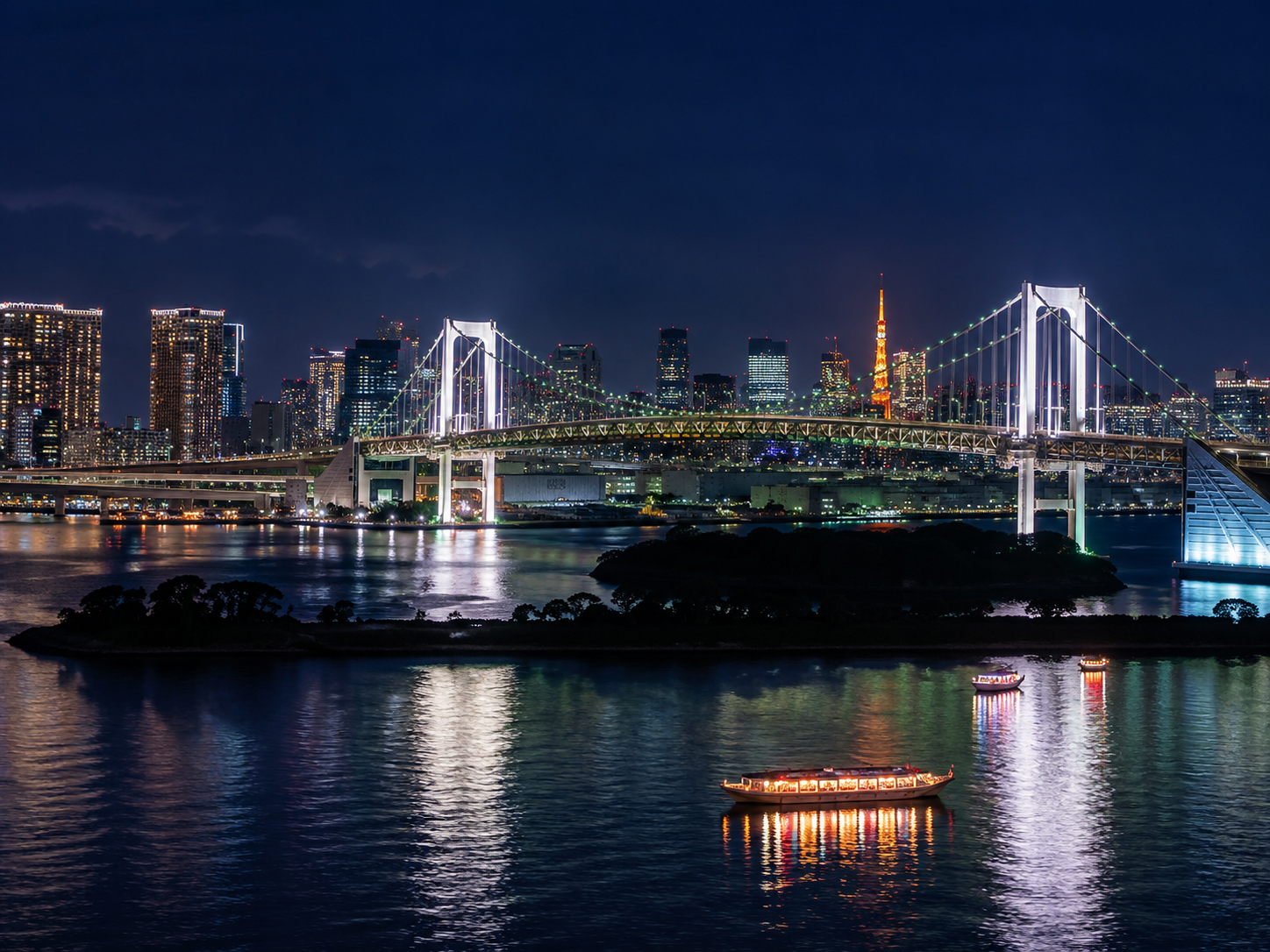
One of Tokyo’s most underrated nightlife experiences is driving the Metropolitan Expressway at night — the elevated highway system that loops through the city, with the neon skyline on all sides. The Rainbow Bridge, the Wangan coastal highway, the C1 inner loop — Tokyo at night from behind the wheel of a JDM sports car is extraordinary.
Full Tokyo Night Drive Guide → | JDM Sports Car Rentals →
[st_af id=”87″]
[st_af id=”77″]
🇯🇵 Plan Your Japan Experience
JDM Car Rental
Drive a GT-R, Supra, RX-7, or Silvia on the roads they were built for. Hakone passes, Wangan highway, mountain touge — your dream JDM experience.
Related Articles
Daikoku PA Tour
Visit Japan’s most legendary car meet. Hundreds of modified cars, passionate owners, and the heartbeat of JDM culture. Guided weekend night tours available.
Photo Guide Tour
Capture stunning photos at locations only locals know. Hidden shrines, backstreet alleys, rooftop views, and golden hour spots for unforgettable shots.
Explore Tokyo After Dark
Discover Tokyo’s vibrant nightlife with a local guide. Hidden izakayas, street food, and the neon-lit back alleys that make Tokyo legendary. Free cancellation.