Fushimi Inari Night Walk: Unveiling Kyoto’s Mystical Side After Dark
Kyoto, Japan’s ancient capital, is renowned for its serene temples, lush gardens, and vibrant culture. While the daytime offers a plethora of historical and scenic wonders, Kyoto reveals a different kind of magic after the sun sets. And there’s no better way to experience this nocturnal enchantment than with a Fushimi Inari night walk. This iconic shrine, famous for its thousands of vermilion torii gates snaking up a mountainside, transforms into a breathtaking spectacle under the cloak of darkness. This guide will equip you with everything you need to plan an unforgettable Fushimi Inari night walk, from practical tips to cultural insights.
Why Fushimi Inari at Night? A Unique Experience
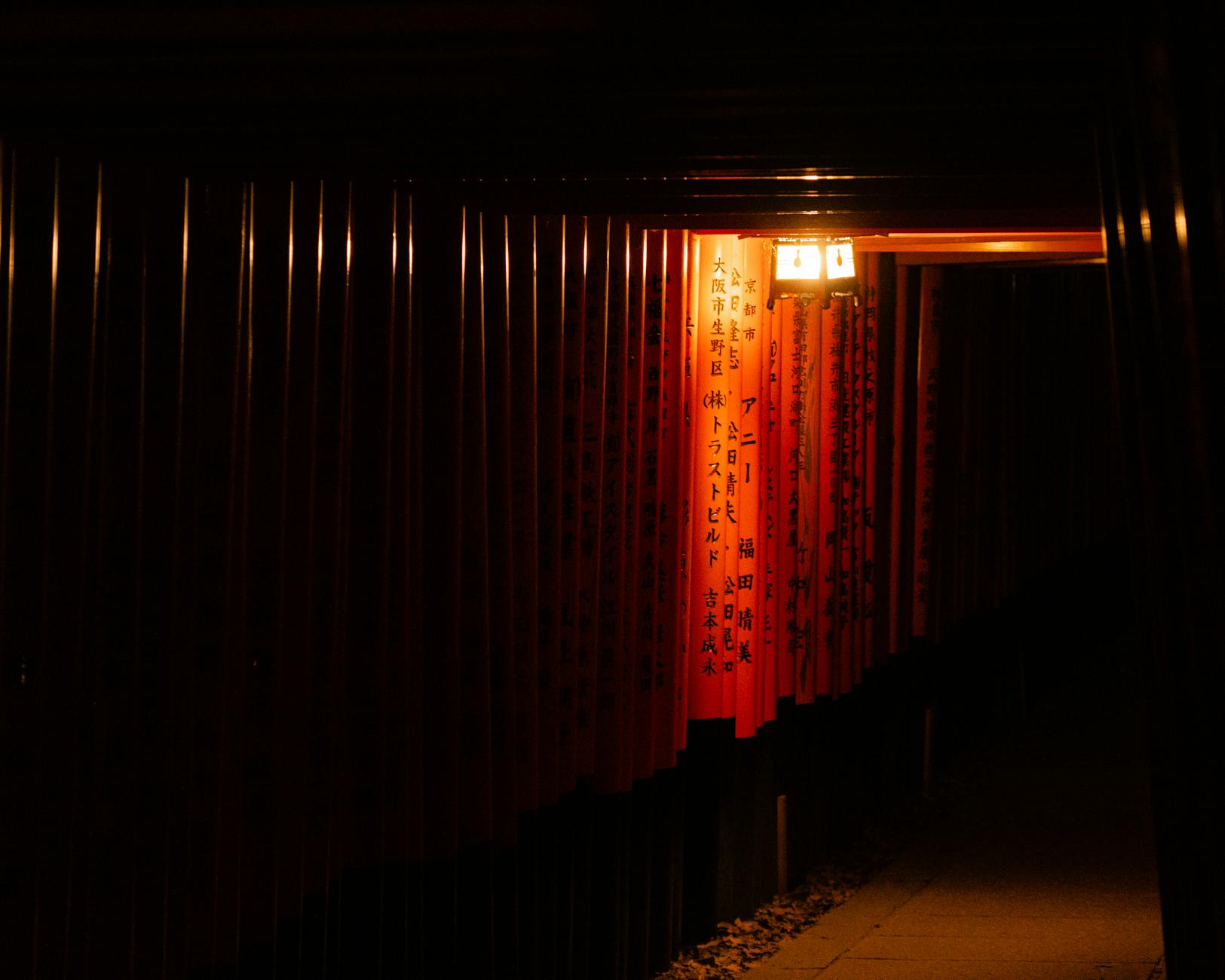
Fushimi Inari-taisha is dedicated to Inari, the Shinto god of rice, prosperity, and business. The thousands of vibrant red torii gates, donated by businesses and individuals, create a mesmerizing tunnel leading up Mount Inari. Visiting during the day is undoubtedly impressive, but at night, the experience is elevated to another level:
Reduced Crowds: Daytime Fushimi Inari can be incredibly crowded, especially during peak seasons. At night, the crowds thin out significantly, allowing you to appreciate the shrine’s beauty in relative tranquility.
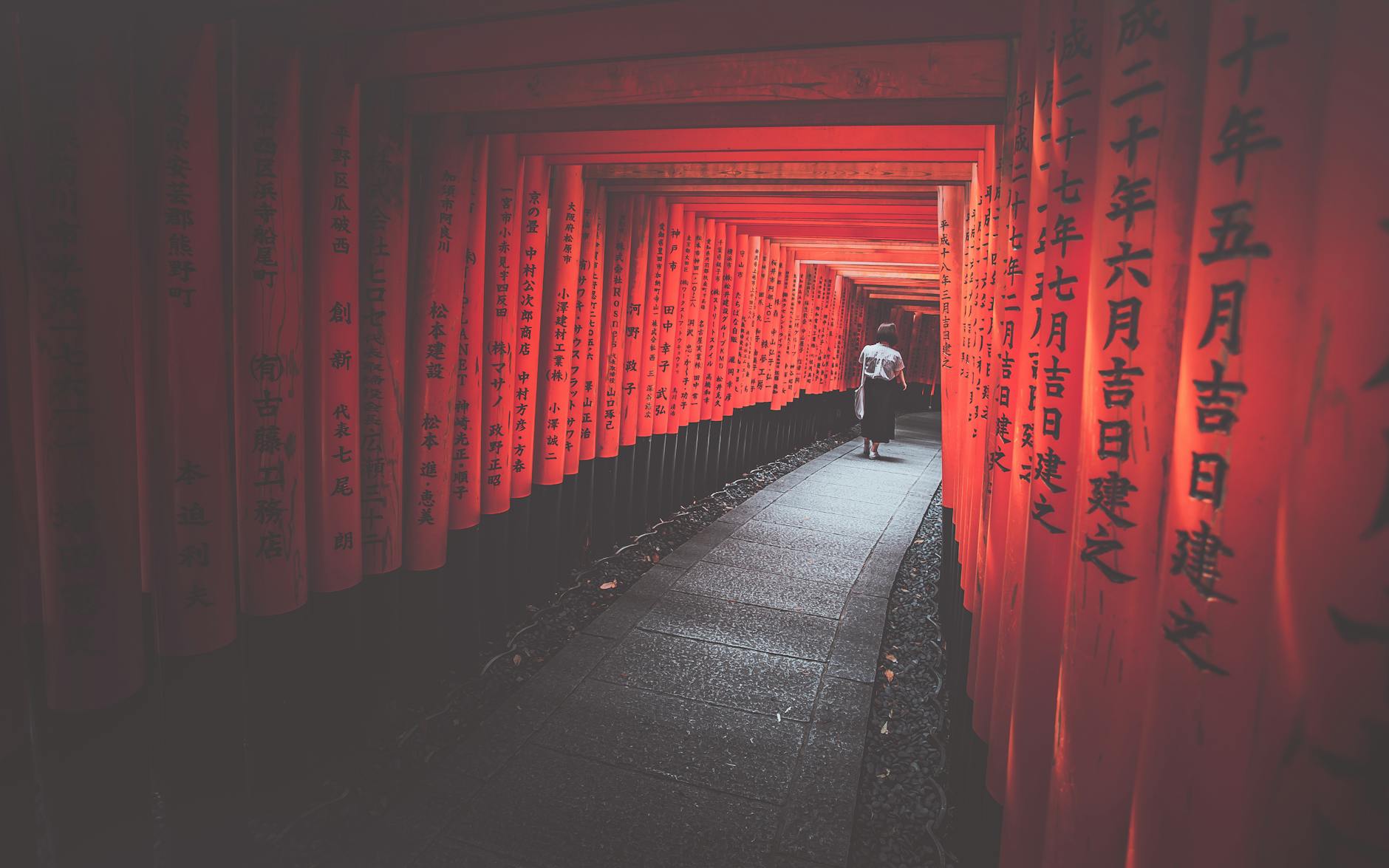
Atmospheric Ambiance: The combination of the dimly lit path, the rustling leaves, and the occasional hoot of an owl creates a mystical and slightly eerie atmosphere. The vermilion gates seem to glow in the darkness, enhancing their otherworldly charm.
Enhanced Spiritual Connection: The silence and solitude of the night can deepen your connection to the spiritual significance of the shrine. It’s a time for reflection and contemplation amidst the serene surroundings.
Photography Opportunities: Night photography at Fushimi Inari presents unique challenges and rewards. The contrast between the dark surroundings and the illuminated gates creates stunning visuals.
Planning Your Fushimi Inari Night Walk: Essential Information
Photo by Nicola Toscan / Pexels
Before embarking on your nocturnal adventure, consider these essential factors:
1. Safety First:
Adequate Lighting: While the path is partially lit, it’s crucial to bring a flashlight or headlamp. The trail can be uneven in places, and good visibility is essential to prevent accidents. Make sure your flashlight has fresh batteries or is fully charged.
Appropriate Footwear: Wear comfortable and sturdy walking shoes. The climb can be strenuous, and the path is often rocky and uneven. Avoid sandals or high heels.
Travel in Groups: While solo exploration can be rewarding, it’s generally safer to walk in a small group, especially at night.
Inform Someone: Let someone know your plans, including your estimated return time.
Be Aware of Wildlife: While rare, wild animals such as boars have been sighted in the area. Make noise as you walk to avoid startling them.
2. Transportation:
Photo by Huu Huynh / Pexels
Train: The most convenient way to reach Fushimi Inari is by train. Take the JR Nara Line to Inari Station, which is directly in front of the shrine’s entrance. Alternatively, you can take the Keihan Main Line to Fushimi-Inari Station, which is a short walk away.
Taxi: Taxis are readily available in Kyoto, but they can be more expensive than the train. Consider taking a taxi if you’re traveling in a group or if you prefer a more comfortable ride.
Bus: While buses do serve the area, they are generally less convenient than the train.
Consider the Last Train: Pay close attention to the last train schedule, especially if you’re planning to stay late. Missing the last train could result in a costly taxi ride back to your accommodation.
3. Timing:
Sunset and Twilight: Arriving around sunset allows you to witness the transition from day to night, adding another layer of beauty to the experience. The twilight hours offer a soft, diffused light that’s perfect for photography.
Opening Hours: Fushimi Inari Shrine is open 24 hours a day, 7 days a week, so you can visit at any time of night. However, most of the shops and restaurants near the shrine close in the evening.
Seasonal Considerations: The best time to visit is during the shoulder seasons (spring and autumn) when the weather is mild and the crowds are smaller. Summer can be hot and humid, while winter can be cold and snowy.
4. What to Bring:
Photo by DSD / Pexels
Flashlight or Headlamp: Essential for navigating the dimly lit path.
Comfortable Walking Shoes: The climb can be strenuous, so choose footwear that provides good support.
Water: Stay hydrated, especially during warmer months.
Snacks: Bring some snacks to keep your energy levels up. Vending machines are available near the base of the mountain, but they may not be open late at night.
Insect Repellent: Mosquitoes can be prevalent, especially during the warmer months.
Camera: Capture the stunning beauty of Fushimi Inari at night. A tripod is recommended for long-exposure shots.
Portable Charger: Ensure your phone or camera doesn’t run out of battery.
Cash: While some places accept credit cards, it’s always a good idea to have some cash on hand, especially for smaller shops and vending machines.
The Fushimi Inari Night Walk: A Step-by-Step Guide
The path up Mount Inari is approximately 4 kilometers (2.5 miles) long and takes around 2-3 hours to complete at a moderate pace. Here’s a breakdown of what you can expect:
Starting Point: Begin at the main entrance of Fushimi Inari Shrine. Take a moment to admire the imposing Romon Gate, donated by Toyotomi Hideyoshi in 1589.
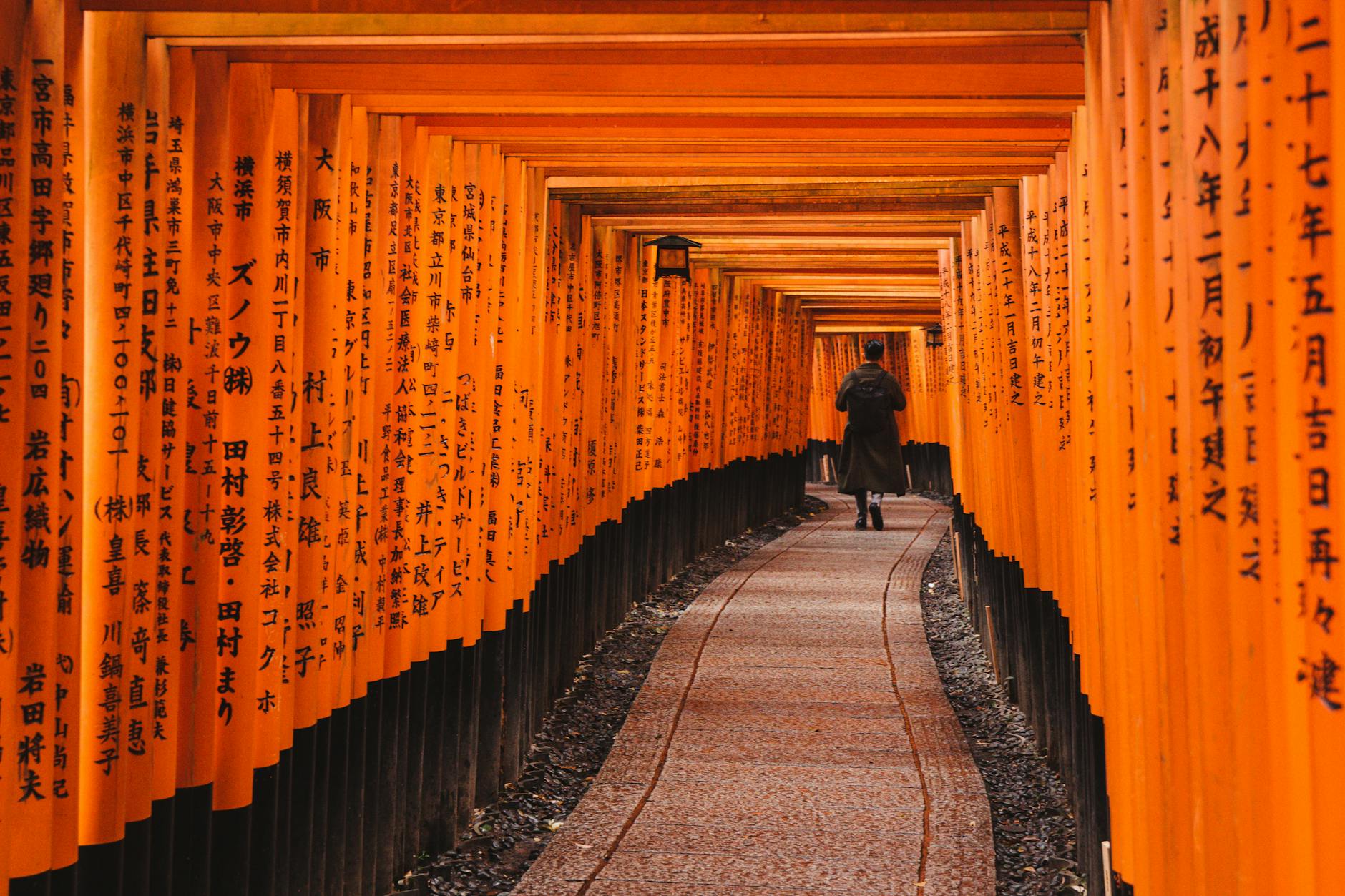
Senbon Torii (Thousands of Torii Gates): This is the most iconic part of the walk. The path splits into two parallel tunnels of torii gates. Choose either path, as they eventually merge further up the mountain. Take your time to appreciate the intricate details of the gates, each inscribed with the name of the donor and the date of donation.
Yotsutsuji Intersection: About halfway up the mountain, you’ll reach the Yotsutsuji Intersection, which offers panoramic views of Kyoto. This is a good place to take a break and enjoy the scenery.
Inner Shrine (Okusha Hohaisho): Continue climbing past the Yotsutsuji Intersection to reach the Inner Shrine. Here, you can find smaller shrines and offering sites.
Summit (Optional): For those who are feeling adventurous, you can continue to the summit of Mount Inari. The climb to the top is more challenging, but the views are even more rewarding. Be aware that the path becomes steeper and less well-maintained as you ascend.
Descent: The descent follows the same path as the ascent. Be careful, as the path can be slippery, especially in wet conditions.
Cultural Considerations and Etiquette
Photo by Marek Piwnicki / Pexels
When visiting Fushimi Inari Shrine, it’s important to be mindful of Japanese culture and etiquette:
Respectful Attire: While there’s no strict dress code, it’s advisable to dress modestly. Avoid wearing overly revealing clothing.
Quiet Contemplation: Maintain a respectful silence, especially in the shrine areas. Avoid loud conversations or disruptive behavior.
Purification Ritual: Before entering the main shrine, cleanse your hands and mouth at the purification fountain (temizuya). Use the provided ladle to pour water over your left hand, then your right hand, then pour some water into your cupped hand and rinse your mouth (do not swallow the water). Finally, rinse the ladle and place it back on the stand.
Offering: If you wish to make an offering, you can purchase a small offering (such as a candle or incense) at the shrine.
Photography: Photography is generally allowed, but be respectful of other visitors and avoid using flash photography inside the shrine buildings.
No Littering: Keep the shrine grounds clean by disposing of your trash properly.
Beyond the Gates: Exploring the Surrounding Area
While the Fushimi Inari Shrine is the main attraction, the surrounding area also offers some interesting sights and experiences:
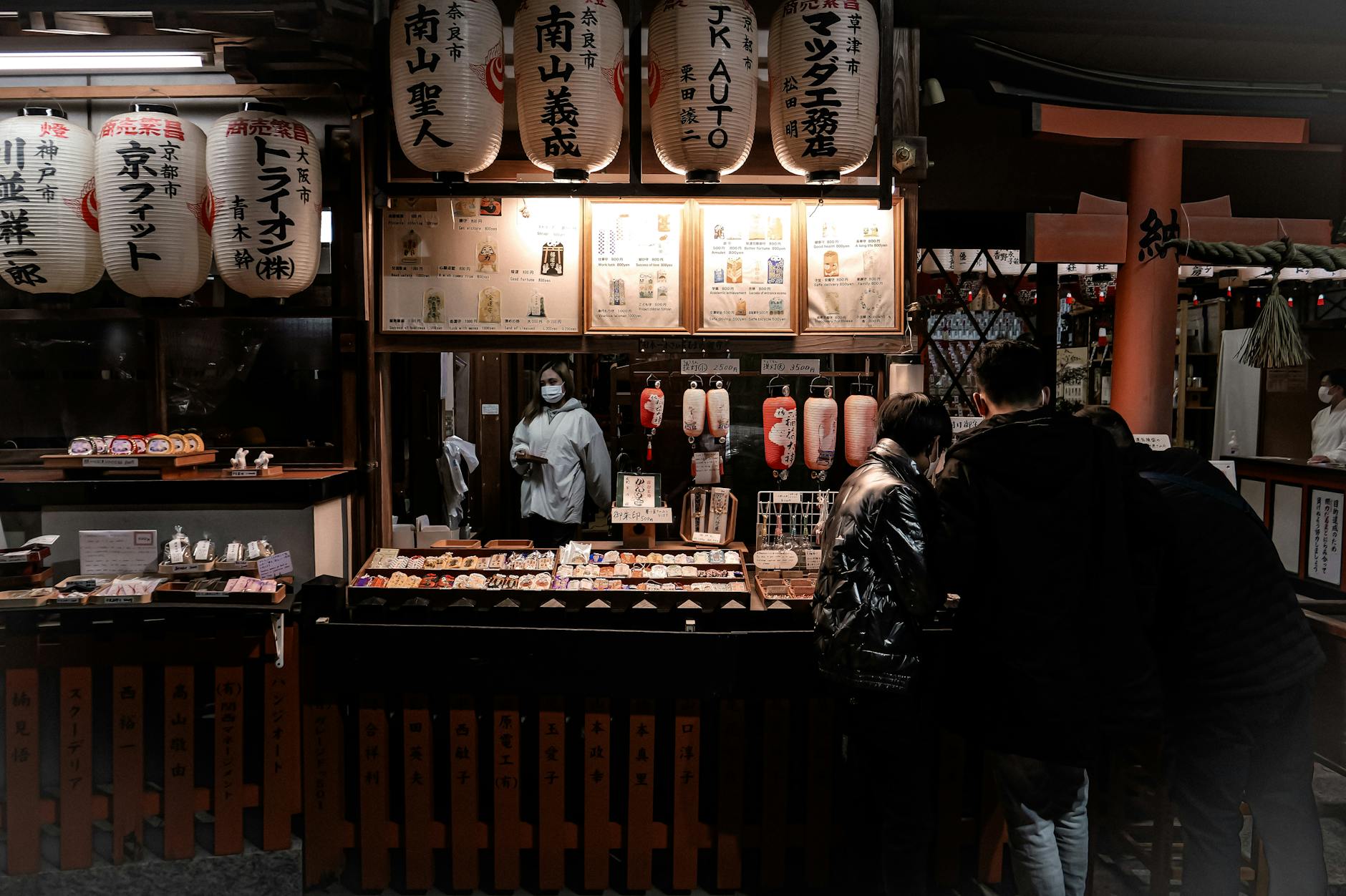
Fushimi Inari Shopping Street: Located near the entrance to the shrine, this street is lined with shops selling souvenirs, local crafts, and traditional snacks.
Tofukuji Temple: A short train ride from Fushimi Inari, Tofukuji Temple is famous for its stunning Zen gardens and vibrant autumn foliage.
Sanjusangen-do Temple: Home to 1,001 life-sized statues of Kannon, the goddess of mercy, Sanjusangen-do Temple is a truly awe-inspiring sight.
Fushimi Sake District: Known for its high-quality sake production, the Fushimi Sake District offers brewery tours and sake tasting experiences.
Capture the Magic: Photography Tips for Fushimi Inari at Night
Photo by Kuan-yu Huang / Pexels
Photographing Fushimi Inari at night presents unique challenges and opportunities. Here are some tips to help you capture stunning images:
Use a Tripod: A tripod is essential for taking sharp, long-exposure shots in low light.
Wide Aperture Lens: A lens with a wide aperture (e.g., f/2.8 or wider) will allow you to capture more light and create a shallow depth of field.
High ISO: Increase your ISO to compensate for the low light. However, be mindful of noise levels, as high ISO settings can introduce graininess into your images.
Manual Focus: Autofocus can struggle in low light. Switch to manual focus and carefully focus on your subject.
Experiment with Long Exposures: Experiment with long exposures to capture the movement of light and create a dreamy effect.
Composition: Pay attention to your composition. Use the torii gates to create leading lines and frame your subject.
Post-Processing: Use post-processing software to adjust the brightness, contrast, and color balance of your images.
Is a Guided Tour Right for You?
While it’s perfectly feasible to explore Fushimi Inari at night on your own, a guided tour can offer several advantages:
Local Expertise: Guides can provide valuable insights into the history, culture, and mythology of Fushimi Inari Shrine.
Safety and Navigation: Guides are familiar with the terrain and can ensure your safety, especially in the dark.
Language Assistance: If you don’t speak Japanese, a guide can help you communicate with locals and understand the signage.
Unique Perspectives: Guides can take you to hidden spots and offer unique perspectives that you might not discover on your own.
If you’re interested in a guided Fushimi Inari night walk, check out this option for a memorable experience:
Conclusion: Embrace the Enchantment of Fushimi Inari After Dark
A Fushimi Inari night walk is an unforgettable experience that offers a unique perspective on one of Kyoto’s most iconic landmarks. By following the tips and advice in this guide, you can plan a safe, enjoyable, and culturally enriching adventure. So, grab your flashlight, put on your walking shoes, and prepare to be mesmerized by the mystical beauty of Fushimi Inari under the stars. Embrace the enchantment of Kyoto after dark!