Tsukiji Outer Market Morning Tour: Your Ultimate Sushi Breakfast Guide
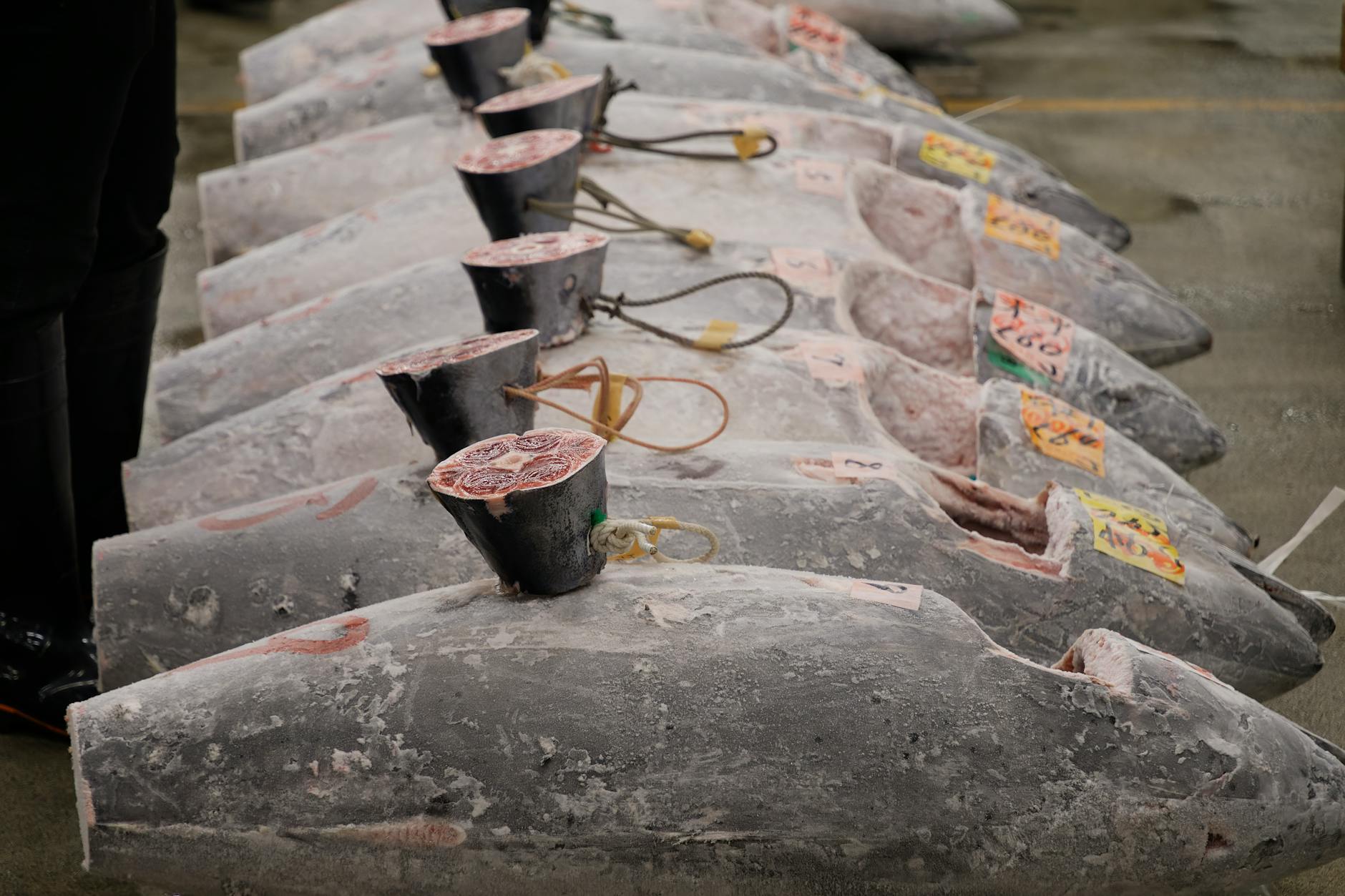
Welcome to Tsukiji Outer Market, a vibrant and bustling culinary paradise in the heart of Tokyo! While the famous tuna auctions moved to the Toyosu Market in 2018, Tsukiji Outer Market remains a must-visit destination for food lovers seeking an authentic taste of Japan. This guide will provide you with everything you need to plan the perfect Tsukiji Outer Market morning tour, focusing on the ultimate sushi breakfast experience. Get ready to immerse yourself in a world of fresh seafood, local delicacies, and unforgettable flavors.
What is Tsukiji Outer Market?
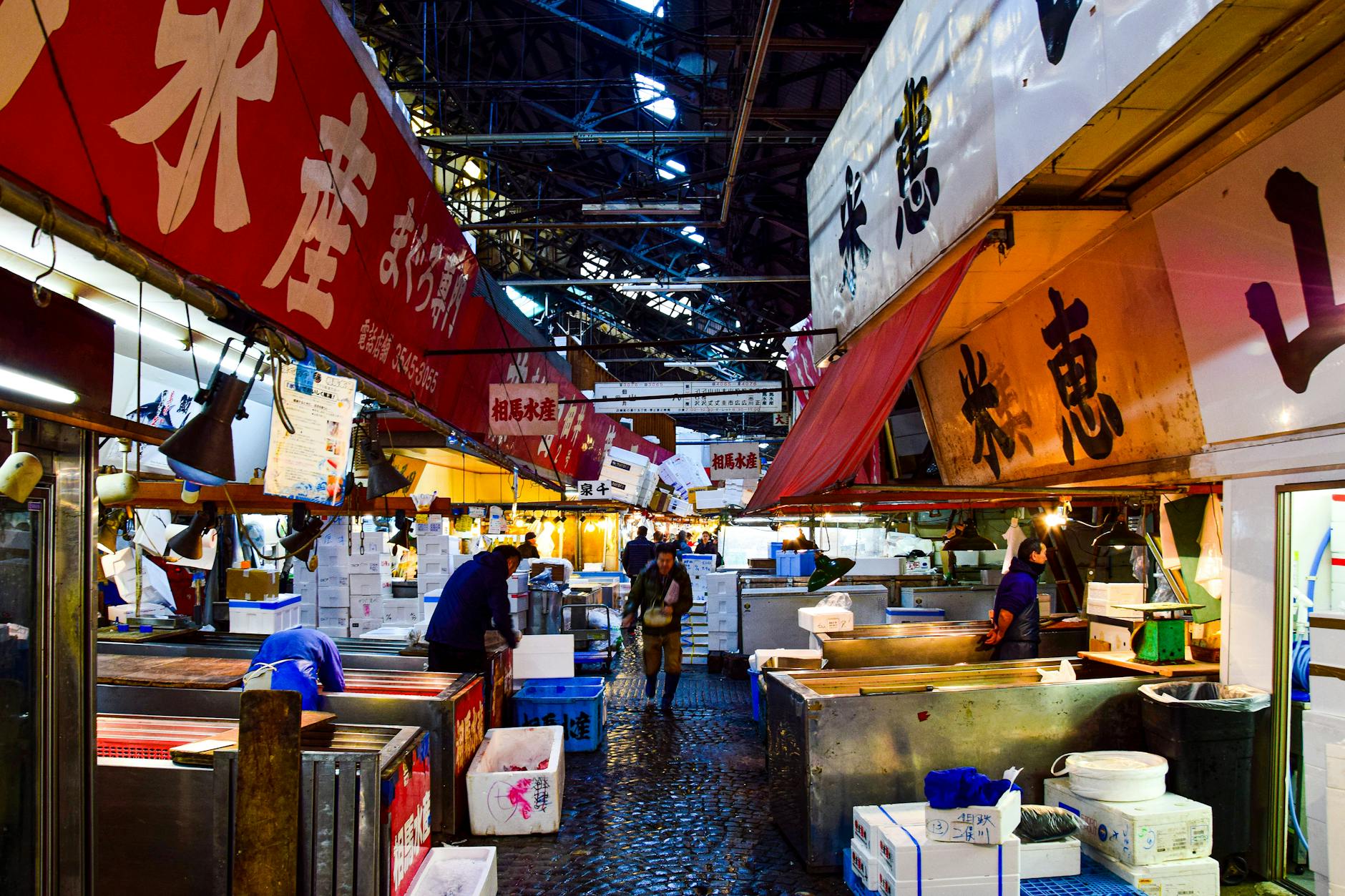
Tsukiji Outer Market (築地場外市場, Tsukiji Jogai Shijo) is a lively retail market located adjacent to the former Tsukiji Fish Market. It’s a sprawling network of narrow streets packed with hundreds of shops and restaurants, selling everything from the freshest seafood and produce to kitchenware and traditional Japanese ingredients. Unlike the inner market, which primarily catered to wholesale buyers, the outer market has always been open to the public.
Even with the relocation of the inner market, Tsukiji Outer Market has retained its vibrant atmosphere and continues to be a popular destination for both locals and tourists. It’s a fantastic place to experience the energy of a traditional Japanese market, sample delicious food, and learn about Japanese culinary culture.
Why Visit Tsukiji Outer Market?
Photo by AXP Photography / Pexels
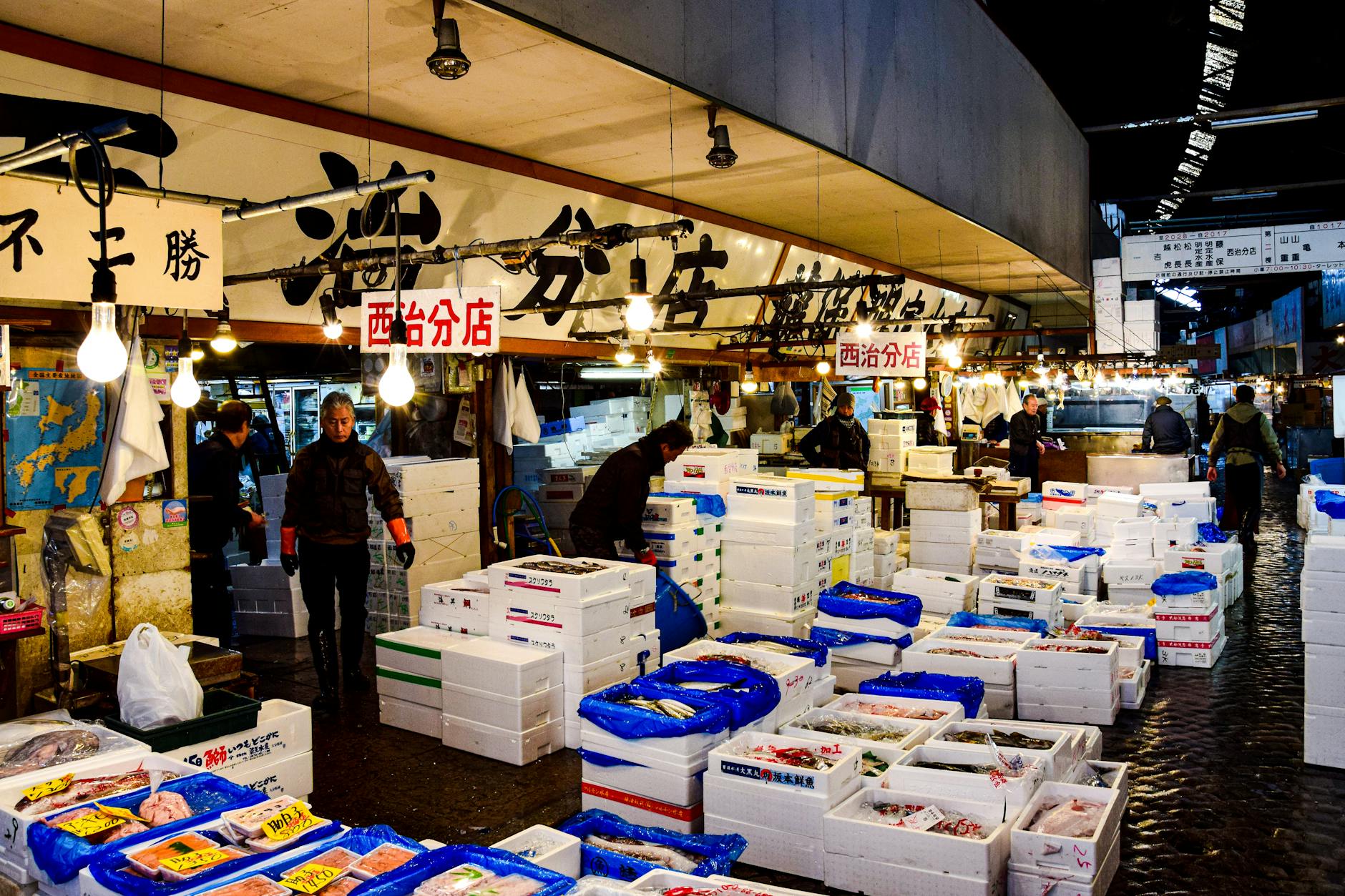
Fresh and Delicious Seafood: Tsukiji Outer Market boasts an unparalleled selection of fresh seafood, sourced daily from around Japan and the world. This is the place to experience the true taste of Japanese seafood.
Authentic Japanese Cuisine: Beyond sushi, you can find a wide variety of other Japanese dishes, including ramen, donburi (rice bowls), grilled seafood, and traditional snacks.
Vibrant Atmosphere: The market is a sensory overload, with the sounds of vendors hawking their wares, the smells of grilled fish and fresh produce, and the sights of colorful displays.
Cultural Experience: Visiting Tsukiji Outer Market is a great way to experience a slice of everyday life in Japan and learn about Japanese food culture.
Convenient Location: Located in central Tokyo, Tsukiji Outer Market is easily accessible by public transportation.
Planning Your Tsukiji Outer Market Morning Tour
Here’s a step-by-step guide to help you plan your Tsukiji Outer Market morning tour:
1. Getting There
Photo by Vincent M.A. Janssen / Pexels
Tsukiji Outer Market is easily accessible by public transportation:
Tokyo Metro Hibiya Line: Get off at Tsukiji Station (築地駅) and take Exit 1. The market is a short walk from the station.
Tokyo Metro Asakusa Line: Get off at Higashi-Ginza Station (東銀座駅) and take Exit 5. It’s about a 5-minute walk to the market.
Toei Oedo Line: Get off at Tsukijishijo Station (築地市場駅). This station used to be directly connected to the inner market, but now you’ll need to walk about 10 minutes to reach the outer market.
Tip: Consider purchasing a Suica or Pasmo card for easy and convenient travel on Tokyo’s public transportation system. These rechargeable cards can be used on most trains, subways, and buses.
2. Best Time to Visit
The best time to visit Tsukiji Outer Market is early in the morning, ideally between 8:00 AM and 11:00 AM. This is when the market is at its most vibrant, and you’ll have the best selection of fresh seafood and prepared foods. Many shops start to close around noon, so arriving early is crucial.
Weekend Crowds: Weekends tend to be much more crowded than weekdays. If possible, try to visit on a weekday to avoid the largest crowds.
3. What to Wear
Photo by AXP Photography / Pexels
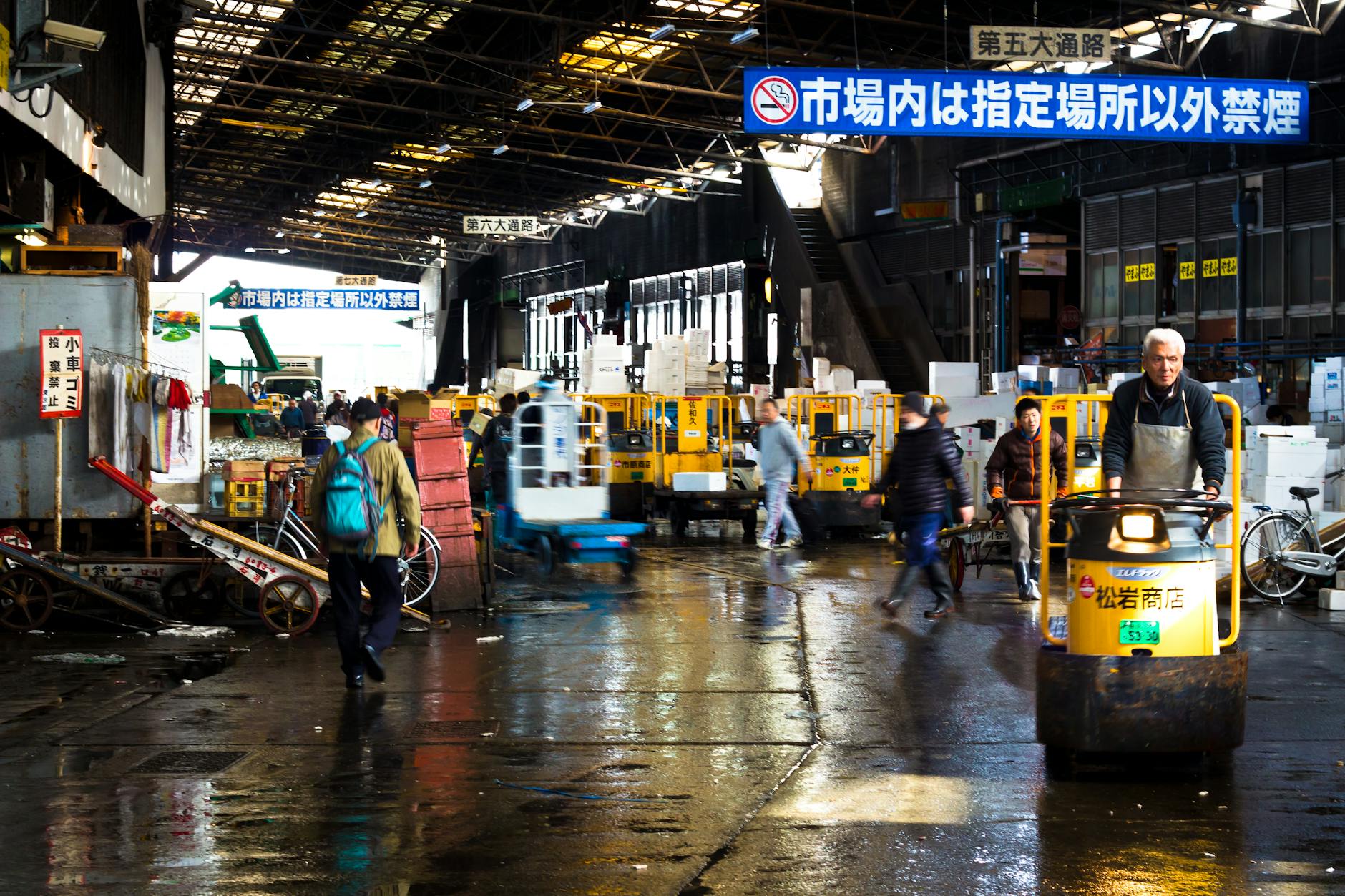
Wear comfortable shoes, as you’ll be doing a lot of walking. The market can be crowded and the floors can be wet, so closed-toe shoes are recommended. Dress casually and be prepared for the weather.
4. What to Bring
Cash: While some shops accept credit cards, many prefer cash. It’s a good idea to bring plenty of Japanese Yen.
Small Bills and Coins: Having smaller denominations will make it easier to pay for small purchases.
Empty Stomach: You’ll want to be hungry to sample all the delicious food the market has to offer.
Wet Wipes or Hand Sanitizer: You’ll be handling food, so it’s a good idea to keep your hands clean.
Camera: Capture the vibrant atmosphere and delicious food of Tsukiji Outer Market.
Reusable Bag: If you plan on purchasing any souvenirs or food items, a reusable bag will come in handy.
5. Navigating the Market
Photo by David Dibert / Pexels
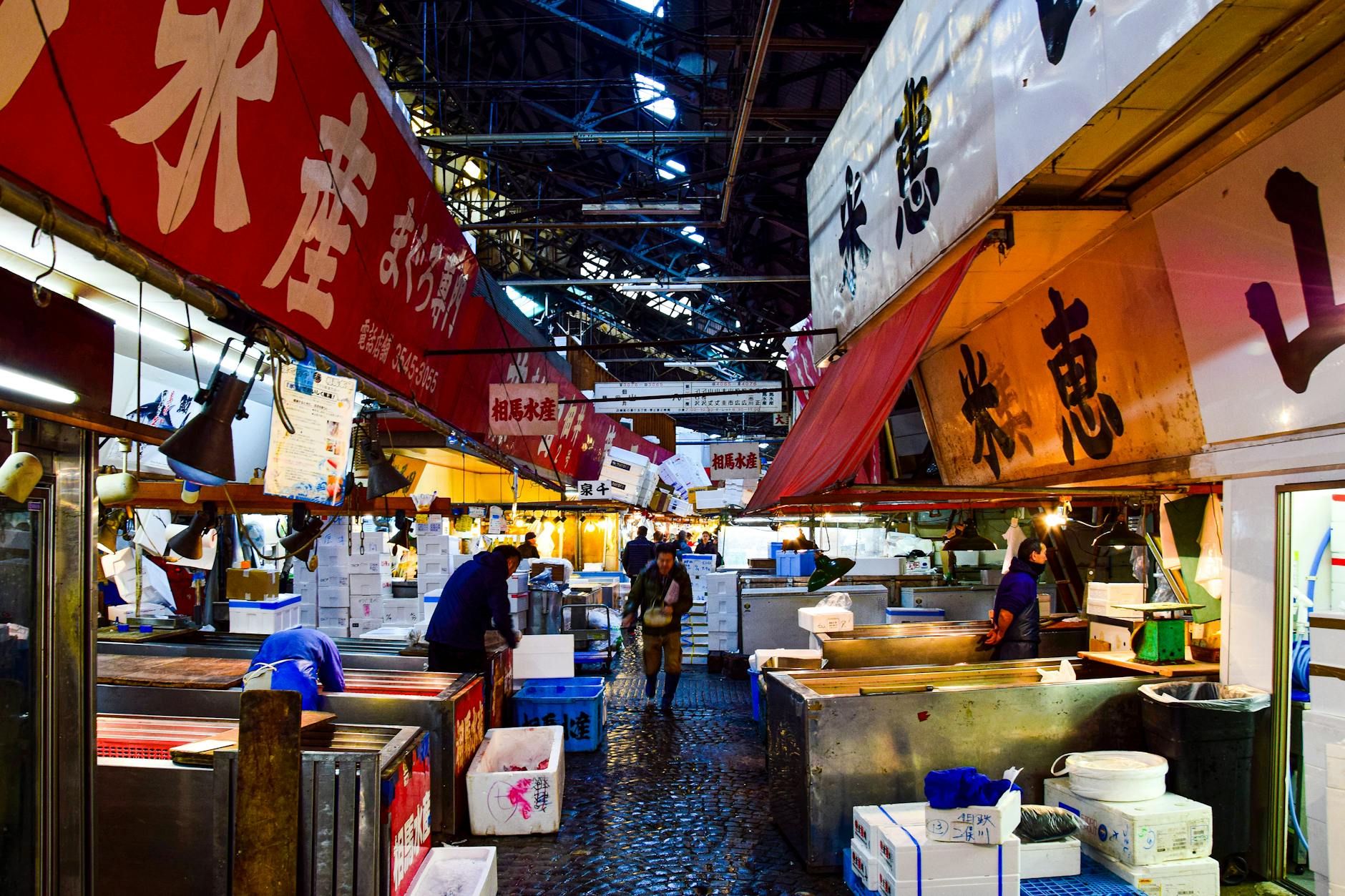
Tsukiji Outer Market can be a bit overwhelming at first, with its narrow streets and bustling crowds. Take your time to explore and don’t be afraid to get lost. Many shops offer samples, so you can try a variety of different foods before you buy.
Respect the Vendors: Be polite and respectful to the vendors. Ask before taking photos of their products or shops.
The Ultimate Sushi Breakfast Experience
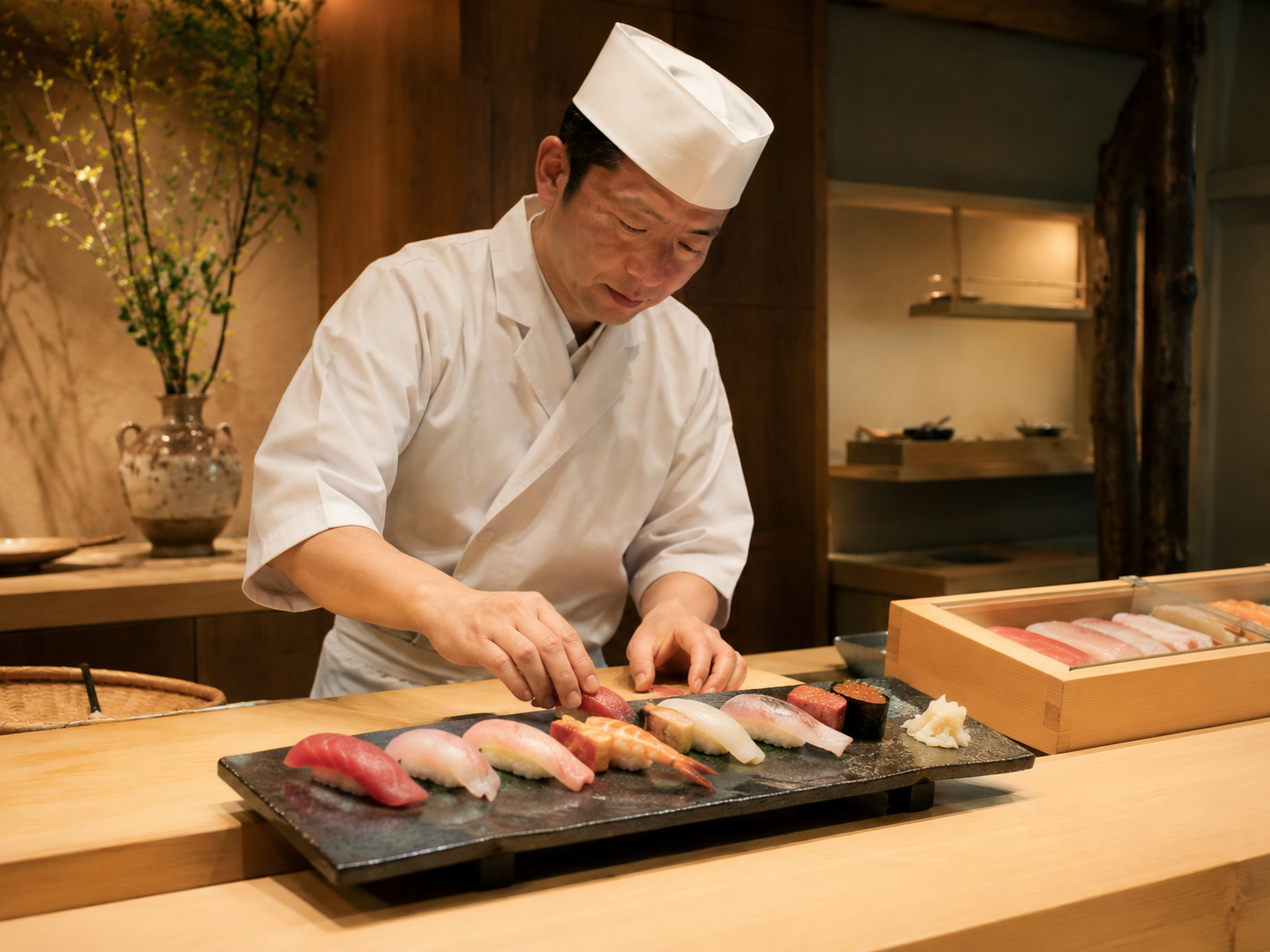
Tsukiji Outer Market is renowned for its exceptional sushi. Here’s how to make the most of your sushi breakfast:
1. Choosing a Sushi Restaurant
Photo by David Dibert / Pexels
There are numerous sushi restaurants in Tsukiji Outer Market, ranging from small, standing-only counters to more formal sit-down establishments. Here are a few factors to consider when choosing a restaurant:
Popularity/Queue: Long queues often indicate a popular and high-quality restaurant. However, be prepared to wait, especially during peak hours.
Price: Sushi prices can vary widely. Check the menu before you order to avoid any surprises.
Atmosphere: Do you prefer a casual and lively atmosphere or a more formal and refined experience?
English Menu: Some restaurants have English menus, which can be helpful if you don’t speak Japanese.
Recommended Sushi Restaurants:
Sushi Dai (寿司大): One of the most famous sushi restaurants in Tsukiji, known for its high-quality sushi and omakase (chef’s choice) sets. Expect a long wait.
Daiwa Sushi (大和寿司): Another highly regarded sushi restaurant with a reputation for excellent sushi and friendly service. Also expect a queue.
Sushizanmai (すしざんまい): A popular chain restaurant with several locations in Tsukiji. Offers a wide variety of sushi at reasonable prices.
Tsukiji Sushiko (築地寿司好): A long-established sushi restaurant with a reputation for quality and tradition.
Pro Tip: Don’t be afraid to try a smaller, less-known sushi restaurant. You might discover a hidden gem!
2. Ordering Sushi
When ordering sushi, you have a few options:
Nigiri: Slices of fish or other toppings served on top of vinegared rice.
Sashimi: Slices of raw fish served without rice.
Maki: Sushi rolls, with fillings such as fish, vegetables, and rice wrapped in seaweed.
Omakase: Chef’s choice. This is a great option if you want to try a variety of different sushi and leave the selection up to the chef.
Popular Sushi Toppings:
Tuna (Maguro): A classic sushi topping, with different cuts such as Akami (lean tuna), Chutoro (medium fatty tuna), and Otoro (fatty tuna).
Salmon (Sake): Another popular choice, known for its rich flavor and texture.
Yellowtail (Hamachi): A firm and flavorful fish.
Sea Urchin (Uni): A delicacy with a rich and creamy flavor.
Shrimp (Ebi): Cooked or raw shrimp.
Scallop (Hotate): Sweet and tender scallops.
Eel (Unagi/Anago): Grilled eel, often served with a sweet sauce.
Sushi Etiquette:
Use Chopsticks or Your Fingers: It’s perfectly acceptable to eat sushi with your fingers.
Soy Sauce: Dip the fish, not the rice, into the soy sauce. Be careful not to over-soak the sushi.
Wasabi: Add wasabi to your soy sauce or directly to the sushi, according to your preference.
Ginger (Gari): Use the pickled ginger to cleanse your palate between different types of sushi.
Say “Itadakimasu” Before Eating: This is a polite phrase that expresses gratitude for the meal.
Say “Gochisousama deshita” After Eating: This is a polite phrase that expresses gratitude for the meal and the person who prepared it.
3. Beyond Sushi: Other Food to Try
While sushi is the star of the show, Tsukiji Outer Market offers a wide variety of other delicious foods to try:
Kaisen-don (Seafood Rice Bowl): A bowl of rice topped with a variety of fresh seafood, such as tuna, salmon, sea urchin, and scallops.
Ramen: Noodle soup with various toppings, such as pork, eggs, and vegetables.
Tamagoyaki (Sweet Egg Omelet): A sweet and savory egg omelet, often served on a stick.
Seafood Skewers: Grilled seafood skewers, such as squid, shrimp, and scallops.
Oysters: Fresh oysters, served raw or grilled.
Sea Urchin (Uni) Buns: A unique and flavorful snack.
Japanese Pickles (Tsukemono): A variety of pickled vegetables.
Green Tea (Matcha): A traditional Japanese tea.
Beyond the Food: Exploring Tsukiji Outer Market
While the food is the main draw, Tsukiji Outer Market also offers a glimpse into Japanese culture and craftsmanship. Take some time to explore the shops and stalls selling:
Kitchen Knives: High-quality Japanese kitchen knives are renowned for their sharpness and durability.
Ceramics: Beautiful Japanese ceramics, such as bowls, plates, and teacups.
Seaweed (Nori): A variety of seaweed products, used for sushi, snacks, and other dishes.
Dried Seafood: Dried fish, squid, and other seafood products.
Japanese Sweets (Wagashi): Traditional Japanese sweets, such as mochi and dango.
Tea: A variety of Japanese teas, including green tea, black tea, and herbal teas.
Don’t be afraid to haggle (politely) at some of the shops, especially when buying souvenirs.
Cultural Considerations
Here are a few cultural considerations to keep in mind when visiting Tsukiji Outer Market:
Respect: Be respectful of the vendors and other visitors.
Cleanliness: Dispose of your trash properly.
Noise: Keep your voice down.
Photography: Ask permission before taking photos.
Tipping: Tipping is not customary in Japan.
Queuing: Be patient and respectful when queuing for food or shops.
Enhance Your Tsukiji Experience with a Guided Tour
While exploring Tsukiji Outer Market on your own is a great experience, consider joining a guided tour to enhance your visit. A knowledgeable guide can provide valuable insights into the history, culture, and culinary traditions of the market. They can also help you navigate the crowds and discover hidden gems.
Here is a tour that combines the Tsukiji Outer Market with the TeamLab Planets experience:
This tour offers a convenient and informative way to experience two of Tokyo’s most popular attractions in one day.
Conclusion
Tsukiji Outer Market is a must-visit destination for any food lover visiting Tokyo. With its fresh seafood, vibrant atmosphere, and rich culinary traditions, it offers a truly unforgettable experience. By following this guide, you can plan the perfect Tsukiji Outer Market morning tour and indulge in the ultimate sushi breakfast. So, set your alarm, grab your appetite, and get ready to explore this culinary paradise!