Rent a Car in Kyoto: When It’s Worth It & How to Do It (2026)
Here’s the honest answer upfront: Kyoto city center is best explored by bus, train, and bicycle. The bus network covers virtually every major temple and shrine, taxis are readily available, and cycling is genuinely one of the best ways to experience Kyoto’s neighborhoods at your own pace.
But there are specific situations where renting a car in Kyoto dramatically improves your trip. Northern Kyoto’s mountain villages, the Sea of Japan coast, and multi-city road trips through Kansai are all significantly better by car. This guide tells you exactly when renting makes sense, where to pick up your car, and how to navigate Kyoto’s driving environment without turning your trip into a parking nightmare.
When NOT to Rent a Car in Kyoto
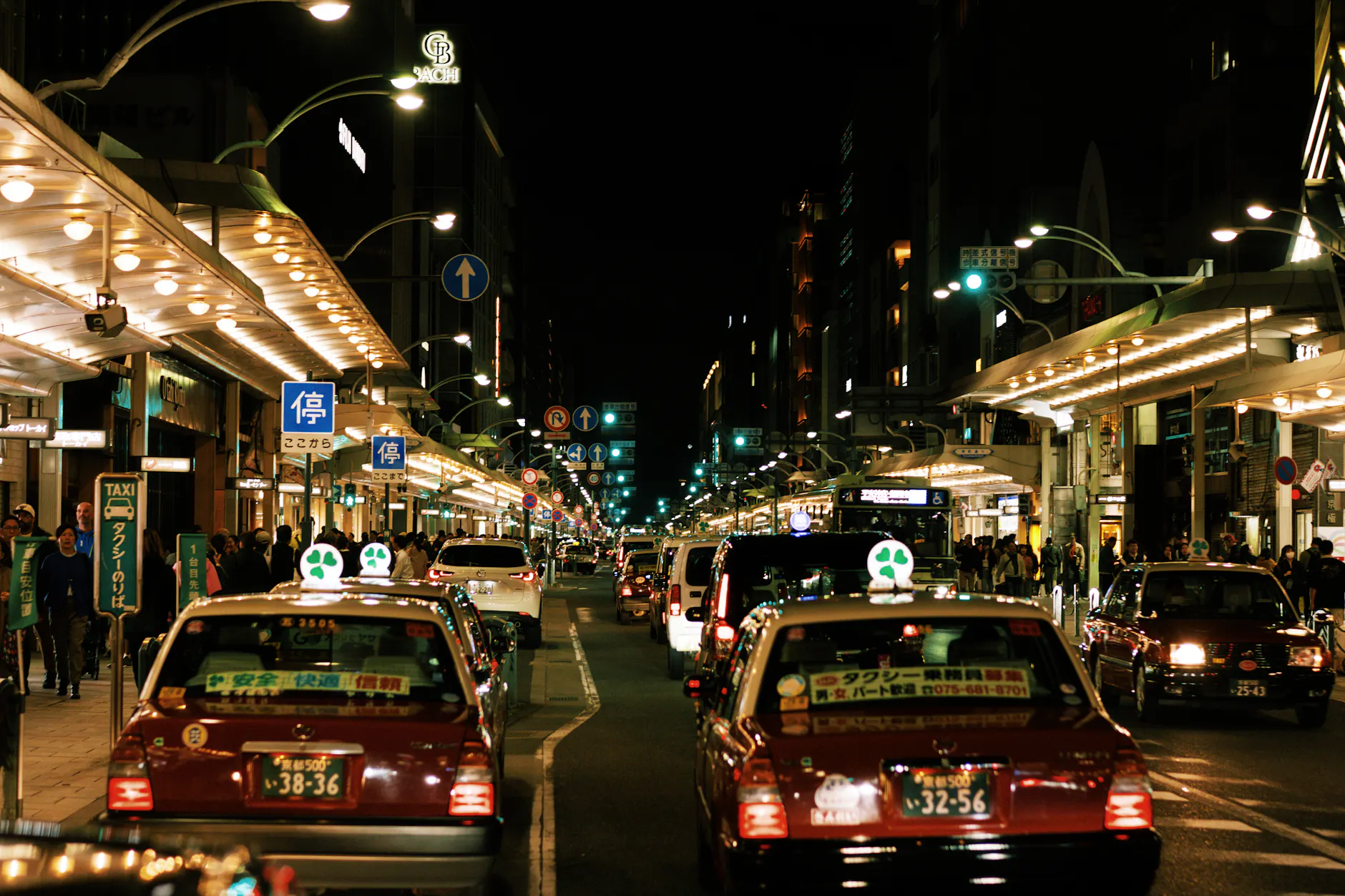
Be honest with yourself before you book. A car is genuinely not helpful — and often counterproductive — in these situations:
- Arashiyama bamboo grove area: The streets are narrow, parking is limited and expensive, and the whole area is designed to be explored on foot. A car adds stress without adding value.
- Fushimi Inari: The torii gate path winds up a mountain. Parking fills by 8am on weekends. Come by train (5 minutes from Kyoto Station on the JR Nara Line).
- Gion and Higashiyama: Narrow stone-paved lanes, pedestrian-heavy atmosphere. Driving here is awkward and you’ll spend more time looking for parking than exploring.
- Temple-hopping in central Kyoto: The bus network connects Kinkaku-ji, Ryoan-ji, Nijo Castle, and Nishiki Market efficiently. A day pass (¥700) gives unlimited bus rides.
When Renting a Car in Kyoto MAKES SENSE
Here are the specific scenarios where a rental car significantly improves your Kyoto trip:
1. Exploring Northern Kyoto
Northern Kyoto — the Kurama and Kibune valleys, Ohara village, and the Takaragaike area — has poor public transport. Buses run infrequently and stop early. By car, you can reach Kurama Onsen in 40 minutes from central Kyoto, spend a few hours soaking in the mountain hot spring, then continue to Kibune Shrine’s atmospheric riverside path and be back in the city for dinner. By bus, the same itinerary takes a full day.
2. Day Trip to Nara
Nara is 45 minutes from Kyoto by car. You can leave on your own schedule, stop at rural temples between the two cities, and visit the deer park without being locked into train timetables. The drive is straightforward on the Meihan Expressway.
3. Continuing a Road Trip
If you’re doing a larger Japan road trip — Osaka → Kyoto → Hiroshima, or Tokyo → Kyoto → Osaka — picking up or returning your rental in Kyoto makes geographic sense. Kyoto Station is centrally located with rental counters from all major companies.
4. Amanohashidate (Sea of Japan Coast)
Amanohashidate — one of Japan’s “three views,” a 3.6km pine-covered sandbar stretching across Miyazu Bay — is 1.5 hours north of Kyoto by car. The drive through the mountains to the Sea of Japan coast is beautiful in itself. By limited express train it’s also doable, but a car lets you stop at the terraced rice fields of Kayabuki-no-Sato in Miyama along the way.
5. Group Travel
For groups of 3 or more people, the economics shift significantly. A full-day car rental at ¥7,000–10,000 split three ways is often cheaper per person than multiple taxi rides, and far more flexible than coordinating group public transport.
What You Need to Rent a Car in Kyoto
Requirements are the same across Japan, regardless of which city you rent from:
- International Driving Permit (IDP): Must be the 1949 Geneva Convention format. Japan does not accept the 1968 Vienna Convention IDP. Obtain this from your country’s automobile association before departing for Japan.
- Your original home country driver’s license (required alongside the IDP)
- Passport
- Credit card (for the security hold — most companies do not accept debit cards)
Best Car Rental Options in Kyoto
All major Japanese car rental companies have branches at or near Kyoto Station. This is by far the most convenient pickup location — it’s central, well-served by Shinkansen and local trains, and you can arrive by train from the airport or Osaka without needing to navigate the city first.
Toyota Rent a Car
Two locations near Kyoto Station: Kyoto Station East and Kyoto Station West exits. The largest fleet in Japan with reliable vehicles and English-speaking staff at the Kyoto Station branches. Best for: reliability and English support.
Nippon Rent a Car
Multiple Kyoto locations including Kyoto Station and Kyoto Kawaramachi. Competitive pricing with good online booking options. Often offers better rates than Toyota for equivalent vehicle classes when booked early.
Times Car Rental
Convenient location at Kyoto Station. Good for short-notice bookings. Clean, modern fleet with straightforward pricing.
Driving Routes from Kyoto
Kyoto’s central location in Kansai makes it an excellent hub for regional road trips. Here are the key routes and approximate driving times:
- Kyoto → Osaka: 1 hour via Keihan Expressway (Meishin or Kinki Expressway network). Straightforward drive, tolls approximately ¥800–1,000.
- Kyoto → Nara: 45 minutes via Meihan Expressway. Easy and scenic. No complex navigation required.
- Kyoto → Hiroshima: 2.5 hours via Sanyo Expressway. One of the best road trips in Western Japan — consider stopping at Himeji Castle en route.
- Kyoto → Kobe: 1.5 hours via the expressway network through Osaka.
- Kyoto → Amanohashidate: 1.5 hours north via Route 27. The mountain crossing between Kyoto and the Sea of Japan coast is genuinely beautiful.
Best Driving Routes Near Kyoto
These are the drives that make renting in Kyoto worthwhile for scenic and experiential value:
Arashiyama to Sagano Riverside Road
The road along the Oi River through Arashiyama district is one of Kyoto’s most atmospheric drives — particularly beautiful in autumn when the maple trees turn orange and red along the riverside. Start early (before 8am) to avoid pedestrian congestion on the narrow roads. Continue north along the Sagano route through bamboo-lined approaches to the rural temples.
Kurama–Kibune Mountain Loop
The valley road connecting Kurama and Kibune winds through dense cedar forest and mountain villages north of Kyoto. In winter, snow covers the cedar branches and the onsen steam rises visibly against the cold air. In summer, the Kibune restaurants serve kaiseki cuisine on platforms built over the cool mountain stream. The road is narrow in places — drive carefully and yield to oncoming vehicles at tight passes.
Lake Biwa Shoreline Drive
Japan’s largest lake — Lake Biwa — is just 30 minutes east of Kyoto across the mountains. The western shore road (Route 161) runs along the lake’s edge through small fishing villages and past historic sites including Hikone Castle. On a clear day with the lake on one side and the Hiei mountain range on the other, it’s a genuinely scenic drive. The full western shore loop takes 2–3 hours at a relaxed pace.
Parking in Kyoto
Parking is one of the biggest challenges of driving in Kyoto. Here’s how to handle it:
General Parking Strategy
Coin parking lots (コインパーキング) are found throughout Kyoto, though they’re smaller and fewer than in Osaka. Rates in central areas run ¥300–600/hr. The Times Parking app and Google Maps show real-time availability at most lots.
Park and Ride at Kyoto Station
The smartest strategy for visiting temples and shrines: park in the large parking garages around Kyoto Station (The Cube, Isetan, and JR Kyoto Station all have multi-story parking), then use the bus or subway to reach your destinations. Kyoto Station is the hub of the bus network, making this approach genuinely efficient.
Northern Kyoto by Car: The Best Reason to Rent
If there’s one compelling reason to rent a car in Kyoto, it’s to explore the northern valleys and mountain villages that public transport barely reaches. These areas offer a side of Kyoto that most tourists never see:
Kurama Onsen
Kurama Onsen is a traditional mountain hot spring 12km north of central Kyoto, set in a cedar forest valley with the Kibune River running alongside. The outdoor bath (rotenburo) costs ¥1,000 and is open until 9pm. In autumn, the maple trees around the bath turn brilliant red. The single bus from Demachiyanagi Station runs only once or twice per hour — by car, you can arrive on your own schedule and stay as long as you like.
Kibune Shrine
Just over the ridge from Kurama, Kibune Shrine sits at the head of a valley road lined with stone lanterns and red torii gates. In winter, the lanterns are lit in the evenings and the effect is magical. Restaurants along the river serve kaiseki cuisine on yuka platforms (platforms built over the stream) from May to September. The valley feels removed from tourist Kyoto in a way that the main sites never do.
Ohara Village
Ohara is a small rural village 10km northeast of central Kyoto, famous for Sanzen-in Temple and its moss gardens. Traditional tea houses, pickled vegetable stalls, and a genuinely rural atmosphere make it feel completely separate from central Kyoto. The village is reachable by bus from Kyoto Station, but the bus takes 50–60 minutes each way. By car, it’s 30 minutes from central Kyoto, and you can combine it with Kurama and Kibune in a half-day northern loop.
JDM Sports Car Experience in Tokyo
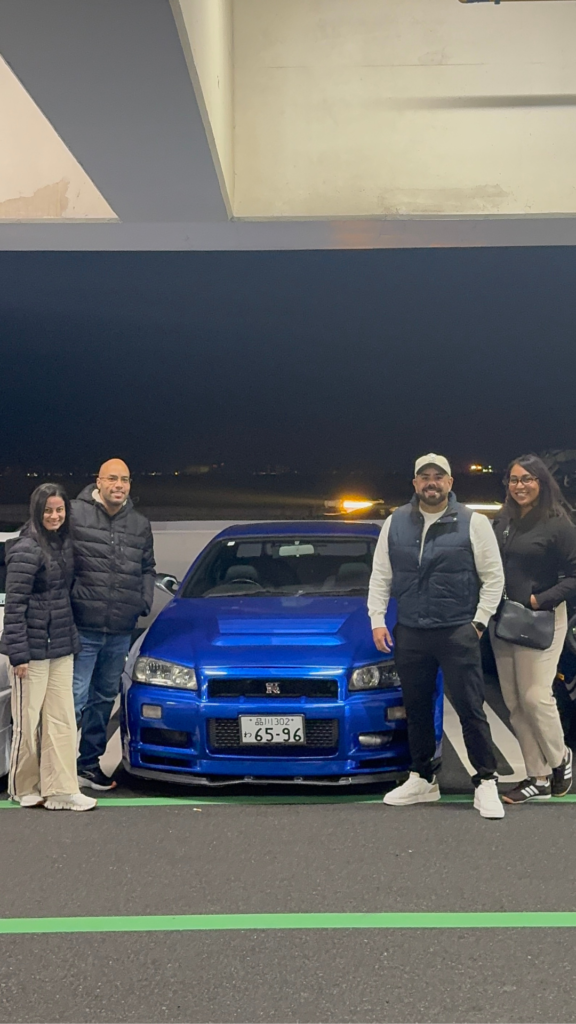
If Kyoto’s mountain roads have given you a taste for Japanese driving, the Tokyo leg of your trip offers something completely different. Samurai Car Japan in Shibuya offers rentals of iconic JDM sports cars — Nissan GT-R, Toyota Supra, Mazda RX-7, and other legendary Japanese performance machines. These are the cars that defined Japanese car culture, available to drive on real Japanese expressways. A completely different experience from Kyoto’s mountain passes, and a memorable way to end a Japan road trip.
Why not elevate your journey with a legendary JDM experience?
Our Services:
- Self-Drive Rentals
- Guided Tours
- Drift Experiences
Please visit the dedicated page for more details.
Frequently Asked Questions
Is renting a car in Kyoto recommended?
It depends entirely on your itinerary. For temple-hopping in central Kyoto, no — the bus network is excellent and driving adds stress without benefit. But for northern Kyoto villages (Kurama, Kibune, Ohara), day trips to Nara, or continuing a Kansai road trip, a rental car is highly recommended. Pick up the car after you’ve finished central Kyoto sightseeing on public transport.
Where can I rent a car near Kyoto Station?
Toyota Rent a Car has two branches within walking distance of Kyoto Station — one at the east exit and one at the west exit. Nippon Rent a Car and Times Car Rental also have Kyoto Station area branches. All major companies allow online booking in English at least 24 hours in advance, though reservations a week or more ahead are recommended during peak seasons.
Can I drive from Kyoto to Nara?
Yes, easily. The drive takes approximately 45 minutes via the Meihan Expressway (Kyoto-Nara Road). It’s a straightforward route with clear navigation. Nara Deer Park has paid parking lots available, though they fill early on weekends. Arriving before 9am avoids the worst of the parking situation.
How much does car rental cost in Kyoto?
A compact car (Toyota Aqua, Honda Fit class) costs approximately ¥5,000–8,000 per day at standard rates. Economy cars can be found from ¥3,500–5,000/day when booked in advance through online booking portals. Add full coverage insurance (¥1,000–1,500/day) and ETC card rental (¥330/day) for expressway travel, and budget roughly ¥7,000–12,000 all-in per day. Prices increase significantly during Golden Week (late April/early May), Obon (mid-August), and New Year, as well as during cherry blossom and autumn foliage peak seasons when demand is highest.
Is there parking near Kyoto temples?
Most major temples have designated paid parking areas, but they are often small and fill quickly. Kinkaku-ji, Ryoan-ji, and Arashiyama area temples all have parking that fills by mid-morning on weekends. Fushimi Inari has limited parking that is overwhelmed year-round. The best approach is to park at Kyoto Station and use the bus network — this eliminates parking stress entirely and is genuinely faster for most central temple visits.
Book a Kyoto Experience
Explore Kyoto’s most stunning temples, geisha districts, and hidden gems with a local guide. Small group, big experience. Free cancellation.
Related Articles
- Nishiki Market Kyoto: The Complete Food and Shopping Guide
- Arashiyama Bamboo Grove: Best Time to Visit and Tips
- Fushimi Inari Night Walk: Kyoto After Dark Experience
[st_af id=”862″]
🇯🇵 Plan Your Japan Experience
JDM Car Rental
Drive a GT-R, Supra, RX-7, or Silvia on the roads they were built for. Hakone passes, Wangan highway, mountain touge — your dream JDM experience.
Daikoku PA Tour
Visit Japan’s most legendary car meet. Hundreds of modified cars, passionate owners, and the heartbeat of JDM culture. Guided weekend night tours available.
Photo Guide Tour
Capture stunning photos at locations only locals know. Hidden shrines, backstreet alleys, rooftop views, and golden hour spots for unforgettable shots.
Leave a Reply