Shibuya Sky vs Tokyo Skytree vs Tokyo Tower: Choosing Your Tokyo Panorama
Tokyo, a sprawling metropolis that pulsates with energy, offers a multitude of vantage points to admire its captivating cityscape. Among the most popular observation decks are Shibuya Sky, Tokyo Skytree, and Tokyo Tower, each providing a unique perspective and experience. Deciding which one to visit can be a challenge, especially for first-time visitors. This comprehensive guide will delve into the details of each location, comparing their views, accessibility, atmosphere, and overall value, helping you choose the perfect spot to capture your unforgettable Tokyo panorama.
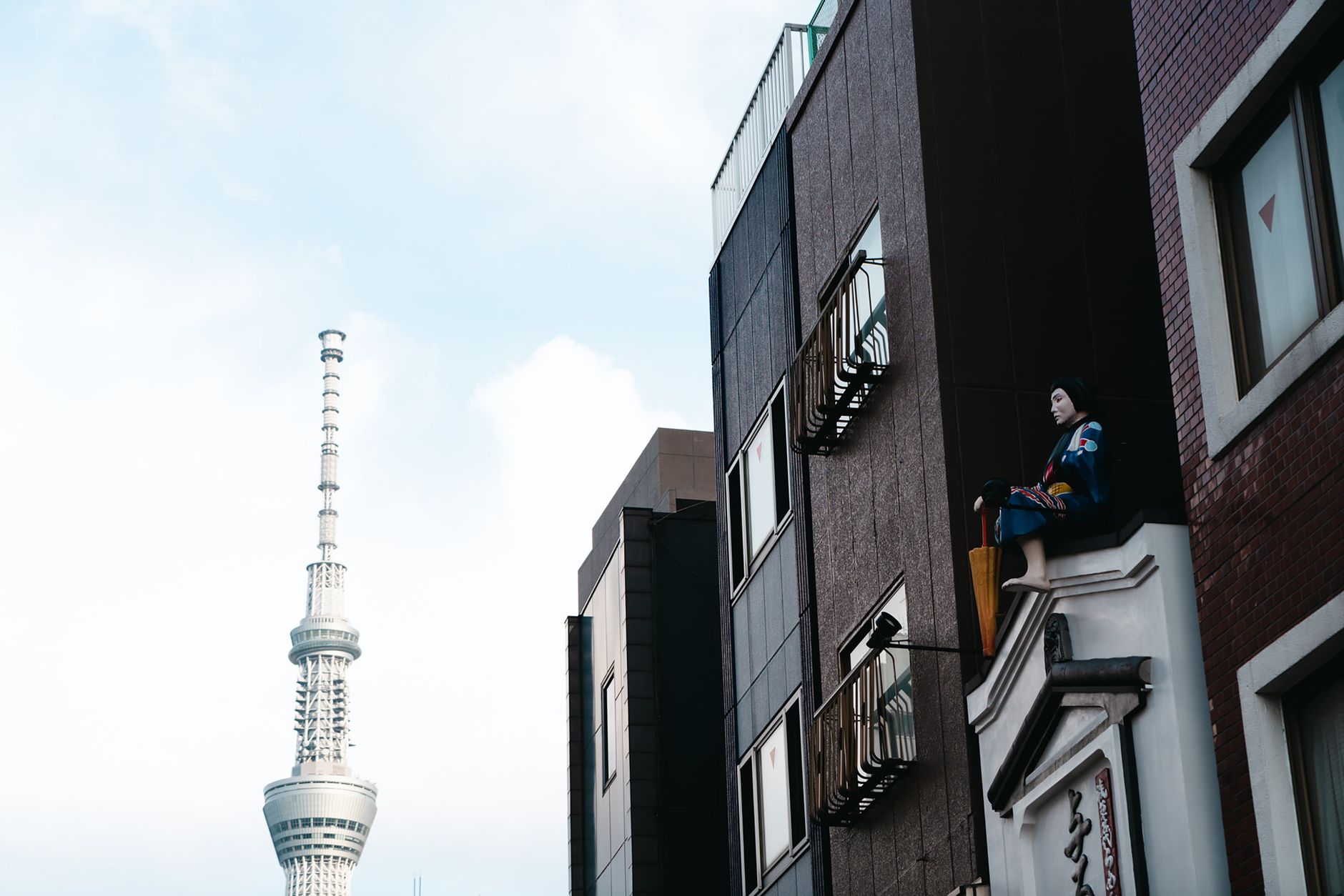
Photo by Johnny Song / Pexels
Understanding the Contenders: A Brief Overview
Before diving into the specifics, let’s introduce our contenders:
Shibuya Sky: A relatively new addition to Tokyo’s skyline, located atop the Shibuya Scramble Square building. It boasts a modern, open-air design and offers unparalleled views of the iconic Shibuya Crossing.
Tokyo Skytree: The tallest structure in Japan and one o
Photo by Markus Winkler / Pexels
kyo with pedestrians and city architecture.” class=”wp-image-2933″/>Photo by Leongsan Tung / Pexels
f the tallest in the world, offering panoramic views from its two observation decks. It’s renowned for its height and expansive perspectives of the city and surrounding areas.
Tokyo Tower: A classic symbol of Tokyo, inspired by the Eiffel Tower. It provides a nostalgic and charming view of the city, particularly beautiful at night.
The Views: A Comparative Analysis
The most crucial aspect of any observation deck is, of course, the view. Here’s a breakdown of what each location offers:
Shibuya Sky: The Urban Spectacle
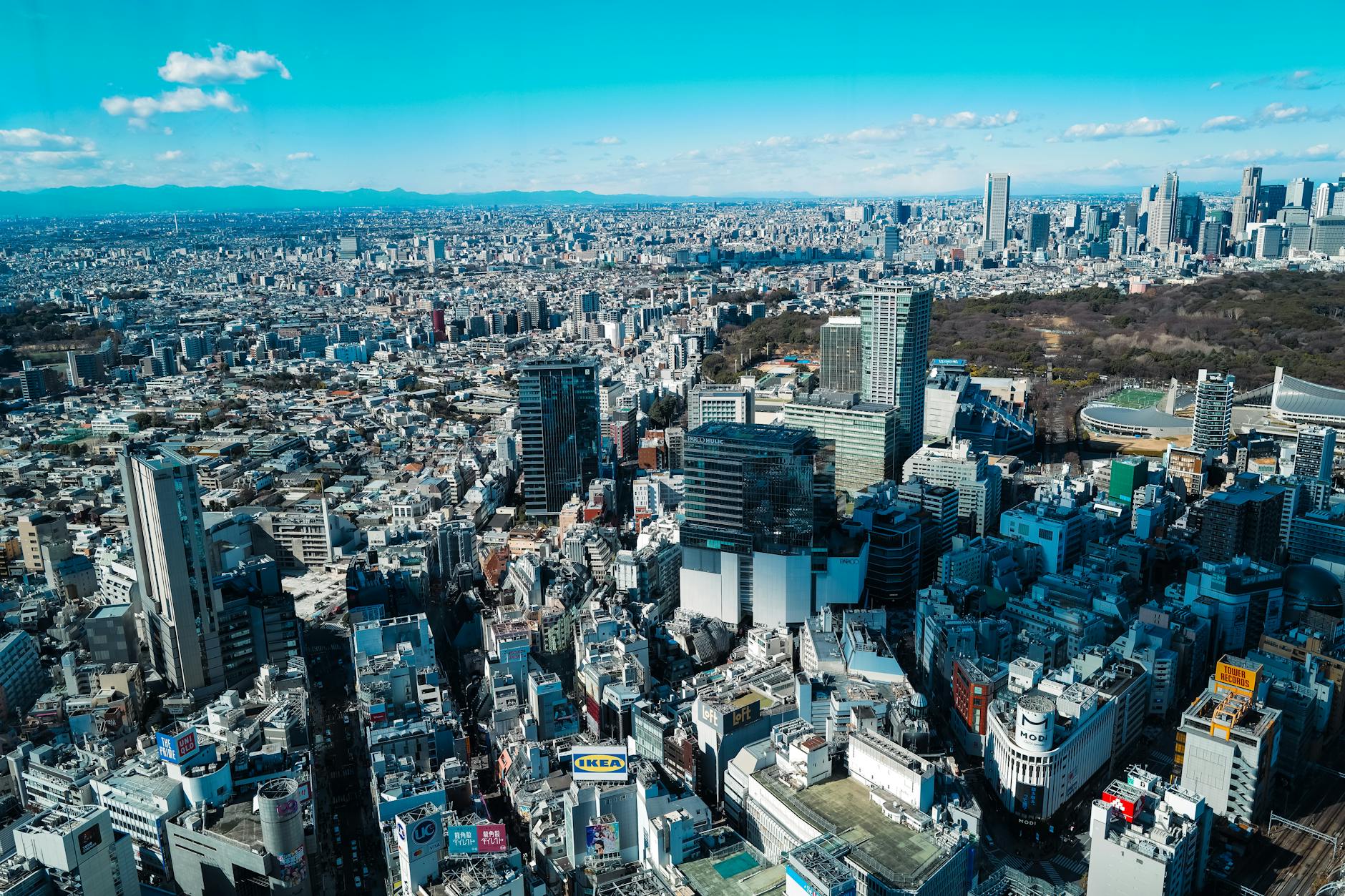
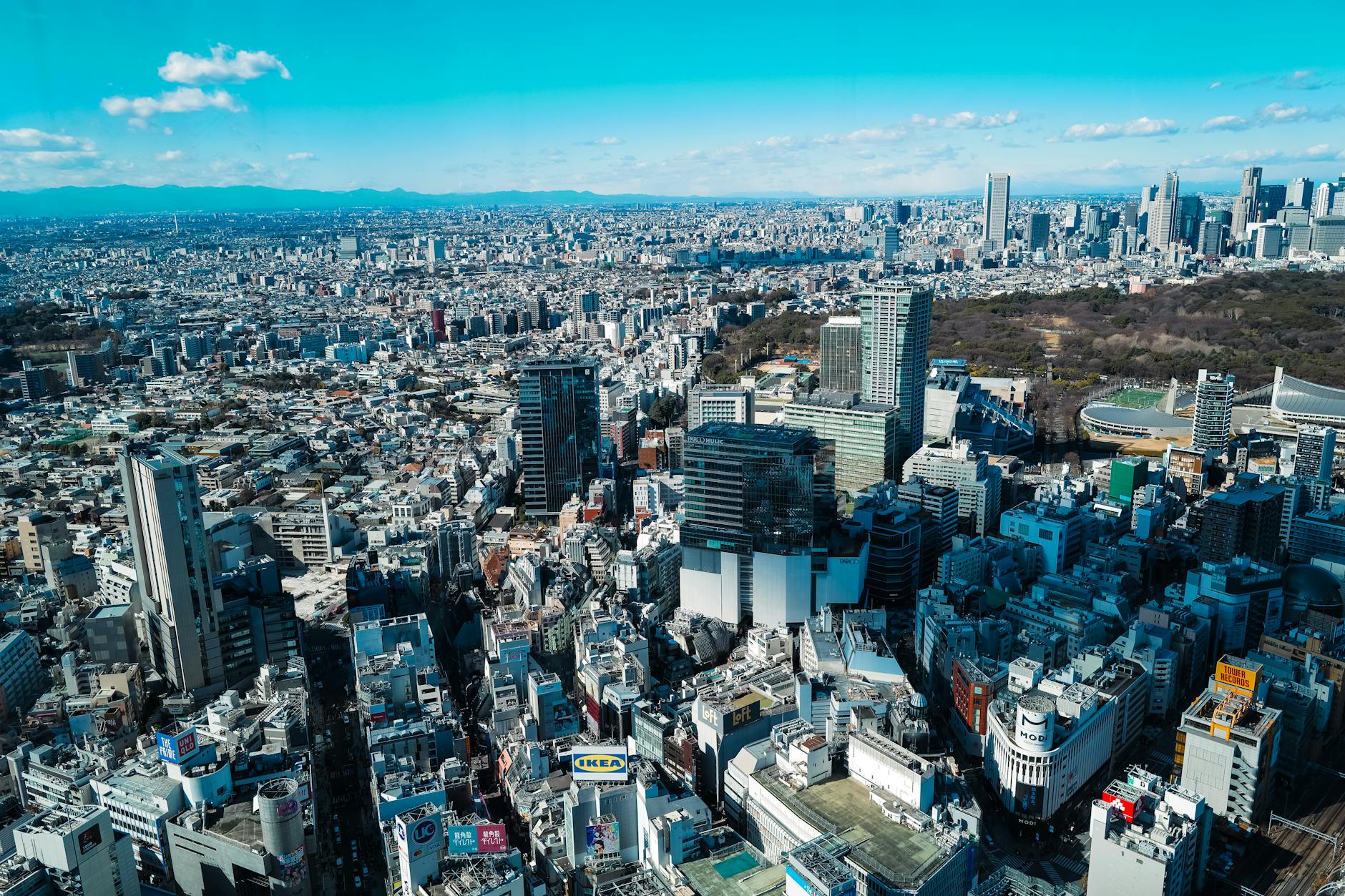
Shibuya Sky excels in providing a close-up and dynamic view of the urban landscape. Its open-air design allows for an immersive experience, making you feel like you’re right in the heart of the action.
Highlights: The famous Shibuya Crossing is the star attraction, offering a bird’s-eye view of the organized chaos below. You can also see the surrounding skyscrapers, including Shinjuku Gyoen National Garden in the distance, and on clear days, even Mount Fuji.
Daytime Views: Witness the bustling energy of Shibuya Crossing, with its constant flow of pedestrians. The surrounding buildings appear vibrant, and the overall atmosphere is energetic.
Nighttime Views: The city transforms into a dazzling display of lights, with the Shibuya Crossing illuminated by neon signs and car headlights. The surrounding skyscrapers sparkle, creating a mesmerizing spectacle.
Unique Features: The open-air Sky Edge offers a thrilling experience, allowing you to stand at the edge of the building (with safety barriers, of course) and feel the wind in your hair. There are also several photo spots designed to capture the best angles of the city.
Tokyo Skytree: The Panoramic Perspective
As the tallest structure in Japan, Tokyo Skytree offers the most expansive and panoramic views of the city and its surroundings.
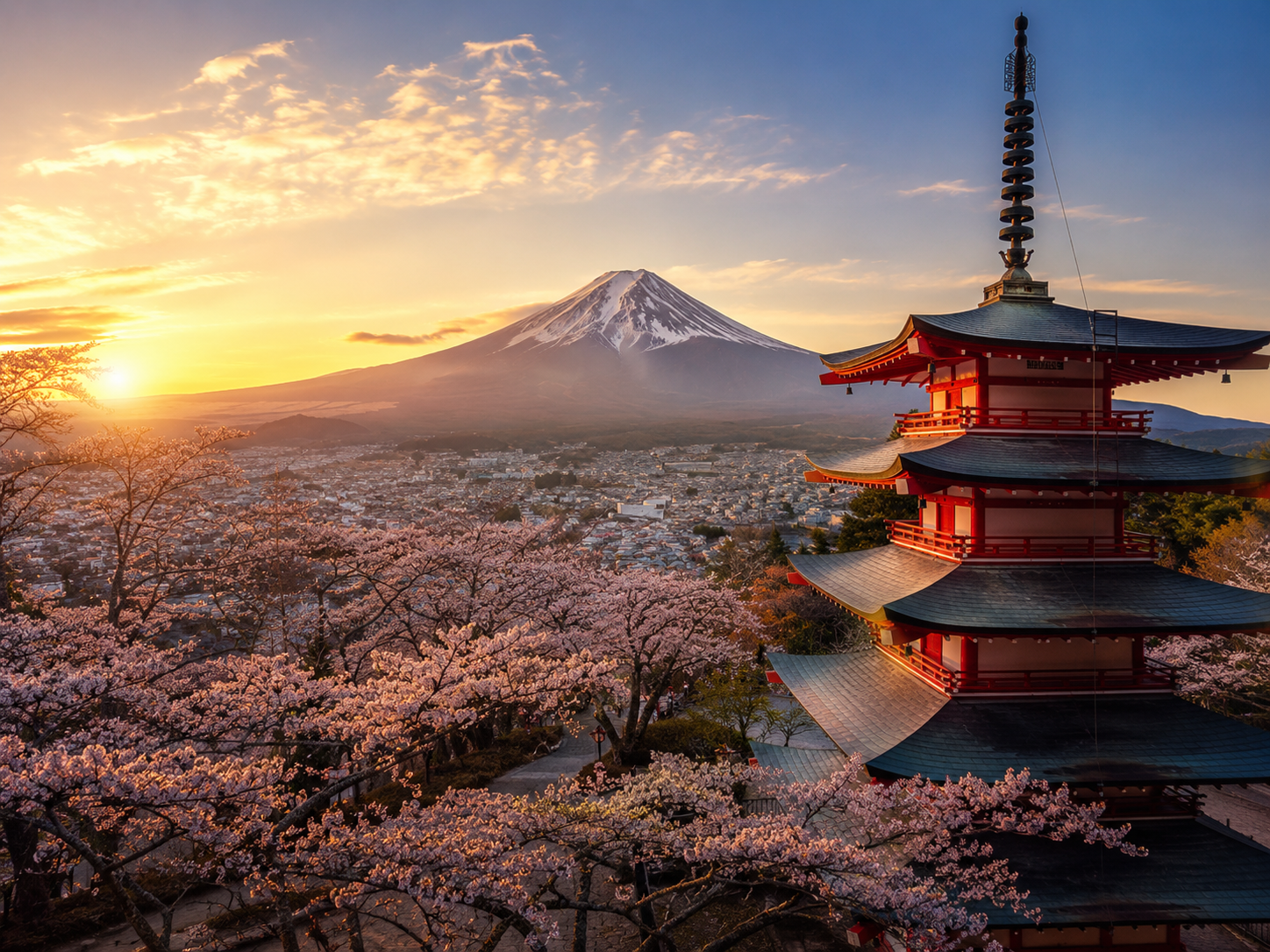
Highlights: On a clear day, you can see the entire Tokyo metropolitan area, including Tokyo Bay, the surrounding mountains, and even Mount Fuji. The sheer height of the Skytree provides a sense of scale that’s unmatched.
Daytime Views: The cityscape stretches out before you, revealing the intricate network of streets, buildings, and parks. You can appreciate the vastness of Tokyo and its surrounding areas.
Nighttime Views: The city lights twinkle like stars, creating a breathtaking panorama. The sheer number of lights is overwhelming, showcasing the scale of Tokyo.
Unique Features: The Skytree has two observation decks: Tembo Deck (350m) and Tembo Galleria (450m). The Tembo Galleria is a spiraling walkway that offers even higher and more impressive views. There’s also a glass floor section where you can look straight down to the ground below.
Tokyo Tower: The Nostalgic Charm
Tokyo Tower offers a more intimate and nostalgic view of the city. While not as tall as the Skytree, it provides a unique perspective from a beloved landmark.
Highlights: You can see the surrounding areas of Minato, including Roppongi and Shiba Park. The view is particularly beautiful at night, with the city lights reflecting off the tower’s red and white structure.
Daytime Views: The surrounding parks and gardens appear lush and green, providing a contrast to the urban landscape. You can also see Tokyo Bay and the Rainbow Bridge in the distance.
Nighttime Views: The city lights are warm and inviting, creating a romantic atmosphere. The tower itself is beautifully illuminated, making it a prominent feature of the skyline.
Unique Features: Tokyo Tower has two main observation decks: the Main Deck (150m) and the Top Deck Tour (250m). The Main Deck offers classic views, while the Top Deck Tour provides a more exclusive and informative experience with a guided tour and refreshments. The tower also has a glass floor section on the Main Deck.
Accessibility and Location
Getting to each observation deck is relatively easy, thanks to Tokyo’s excellent public transportation system.
Shibuya Sky: Directly connected to Shibuya Station, making it incredibly convenient to access. Multiple train lines serve Shibuya Station, including the JR Yamanote Line, the Keio Inokashira Line, and the Tokyo Metro lines.
Tokyo Skytree: A short walk from Tokyo Skytree Station on the Tobu Skytree Line and Oshiage Station on the Tokyo Metro Hanzomon Line, Toei Asakusa Line, and Keisei Oshiage Line.
Tokyo Tower: A 5-minute walk from Akabanebashi Station on the Toei Oedo Line or a 10-minute walk from Onarimon Station on the Toei Mita Line. You can also walk from Kamiyacho Station on the Tokyo Metro Hibiya Line.
Atmosphere and Ambiance
Each observation deck offers a distinct atmosphere:
Shibuya Sky: Modern, trendy, and energetic. The open-air design and music create a lively atmosphere, making it popular with younger crowds.
Tokyo Skytree: Grand, impressive, and awe-inspiring. The sheer height and scale of the Skytree create a sense of wonder and amazement.
Tokyo Tower: Classic, nostalgic, and charming. The tower’s iconic design and history evoke a sense of nostalgia, making it appealing to visitors of all ages.
Pricing and Value
Ticket prices vary depending on the observation deck and whether you purchase them in advance or on the day.
Shibuya Sky: Generally around ¥2,500 if purchased online in advance, and slightly more if purchased on the day (if available).
Tokyo Skytree: Prices vary depending on which observation deck you visit. The Tembo Deck is around ¥2,100-¥2,700, and the Tembo Galleria is an additional ¥1,000.
Tokyo Tower: The Main Deck is around ¥1,200, and the Top Deck Tour is around ¥3,000 (reservations required).
Consider purchasing tickets in advance online to save money and avoid potential queues, especially during peak season.
Practical Tips for Your Visit
Check the Weather: Clear weather is essential for enjoying the views. Check the forecast before you go and consider visiting on a sunny day.
Book in Advance: Especially during peak season (spring and autumn), booking tickets online in advance is highly recommended to avoid long queues and ensure entry.
Arrive Early or Late: To avoid crowds, consider visiting early in the morning or later in the evening. Sunset is a popular time, but it can also be crowded.
Bring Your Camera: You’ll want to capture the stunning views. A wide-angle lens is ideal for capturing the panoramic perspectives.
Dress Appropriately: If you’re visiting Shibuya Sky, remember that it’s an open-air deck, so dress warmly during cooler months.
Consider a Combination Ticket: Some attractions offer combination tickets that include entry to multiple observation decks, which can save you money.
Check for Special Events: Each location often hosts special events or collaborations, so check their websites before your visit.
Cultural Context: Understanding Tokyo’s Landmarks
Beyond the views, these observation decks offer a glimpse into Tokyo’s cultural landscape.
Tokyo Tower: Represents Japan’s post-war recovery and modernization. It’s a symbol of resilience and progress.
Tokyo Skytree: Symbolizes Japan’s technological prowess and its ability to innovate. It’s a modern icon that represents the country’s future.
Shibuya Sky: Reflects Tokyo’s vibrant and dynamic urban culture. It’s a testament to the city’s energy and its ability to embrace modernity.
Making Your Choice: Which View is Best for You?
Ultimately, the best observation deck for you depends on your personal preferences and priorities.
Choose Shibuya Sky if: You want a modern, open-air experience with close-up views of the Shibuya Crossing and a vibrant atmosphere. You’re looking for a trendy and Instagrammable spot.
Choose Tokyo Skytree if: You want the most expansive and panoramic views of the city and surrounding areas. You’re interested in seeing Mount Fuji (on a clear day) and appreciating the sheer scale of Tokyo.
Choose Tokyo Tower if: You want a classic, nostalgic experience with charming views of the city. You appreciate historical landmarks and want to see a symbol of Tokyo’s past.
Consider your budget, time constraints, and interests when making your decision. If you have the time and budget, visiting multiple observation decks can provide a more comprehensive perspective of Tokyo.
Don’t Just View, Experience!
No matter which observation deck you choose, be sure to take the time to soak in the atmosphere, appreciate the views, and capture some memorable photos. These landmarks offer a unique opportunity to experience Tokyo from a different perspective and create lasting memories of your trip.
Ready to elevate your Tokyo experience? Book your tickets now and prepare for breathtaking views!