Koyasan Temple Stay: Sleep in a Buddhist Monastery
Koyasan, or Mount Koya, is a sacred mountain in Wakayama Prefecture, Japan, and one of the most revered centers of Shingon Buddhism. Founded by Kobo Daishi (also known as Kukai) over 1200 years ago, it’s home to over 100 temples, many of which offer a unique and unforgettable experience: a temple stay, known as *shukubo*. This article will guide you through the ins and outs of experiencing a Koyasan temple stay, providing practical tips, cultural context, and everything you need to make the most of this spiritual journey.
What is a Shukubo?
*Shukubo* literally translates to “lodging temple.” A temple stay is more than just a place to sleep; it’s an opportunity to immerse yourself in the daily life of a Buddhist monastery. You’ll experience traditional vegetarian cuisine (shojin ryori), participate in morning prayers and meditation, and gain insight into the practices and beliefs of Shingon Buddhism. It’s a chance to disconnect from the modern world and connect with something deeper.
Why Visit Koyasan?
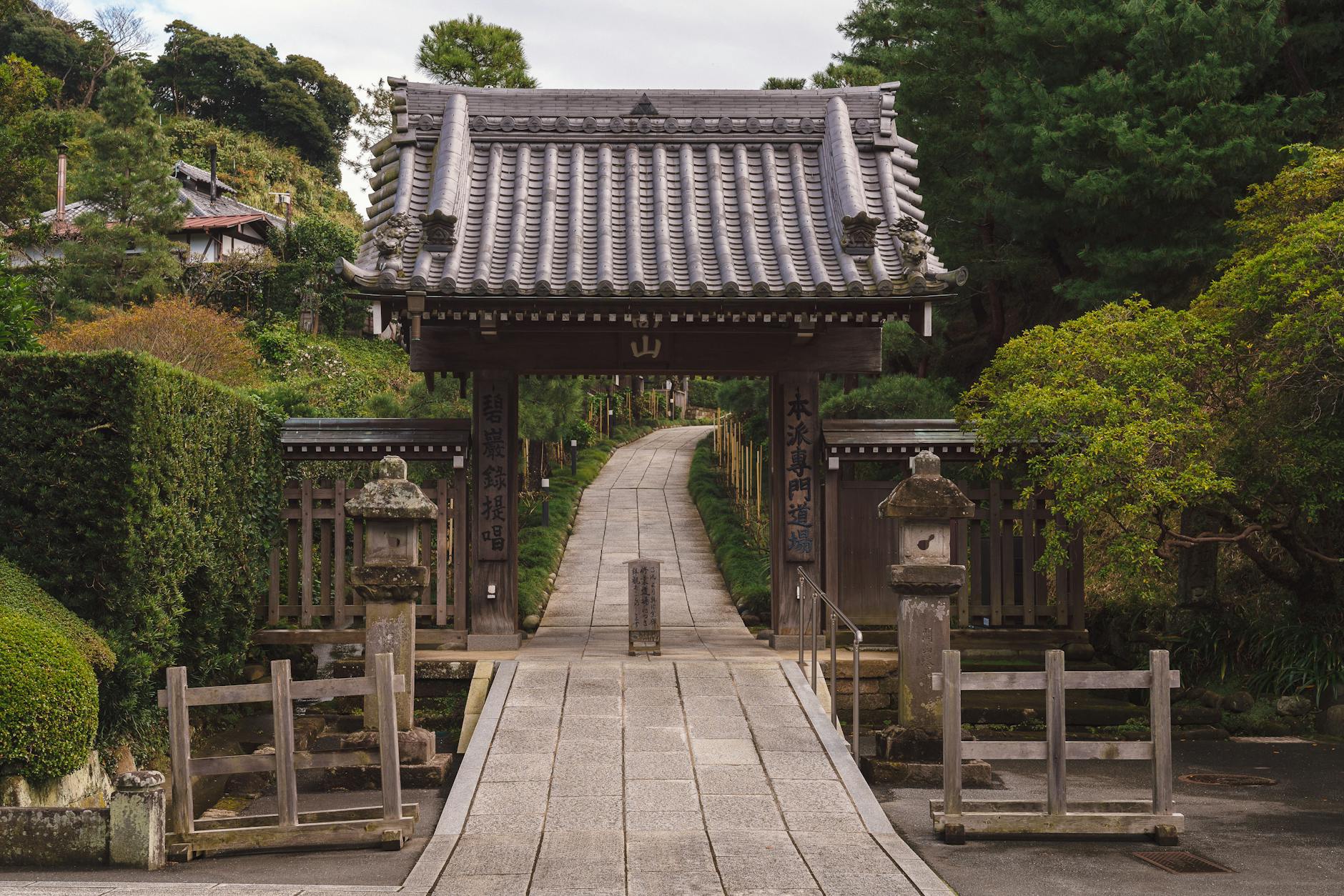
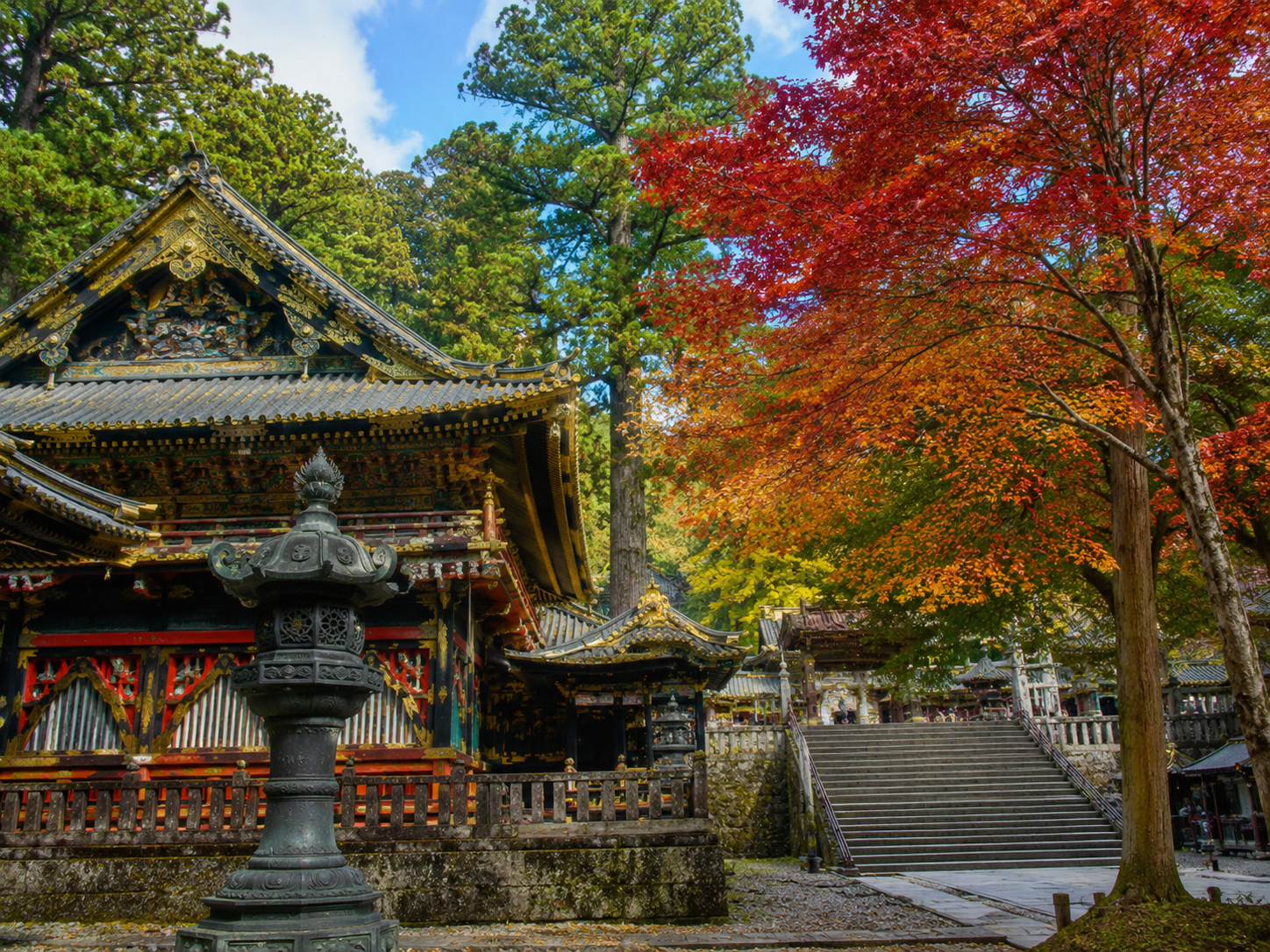
Photo by Tobias Waibl / Pexels
Beyond the *shukubo* experience, Koyasan itself is a captivating destination. Here are a few reasons why you should consider visiting:
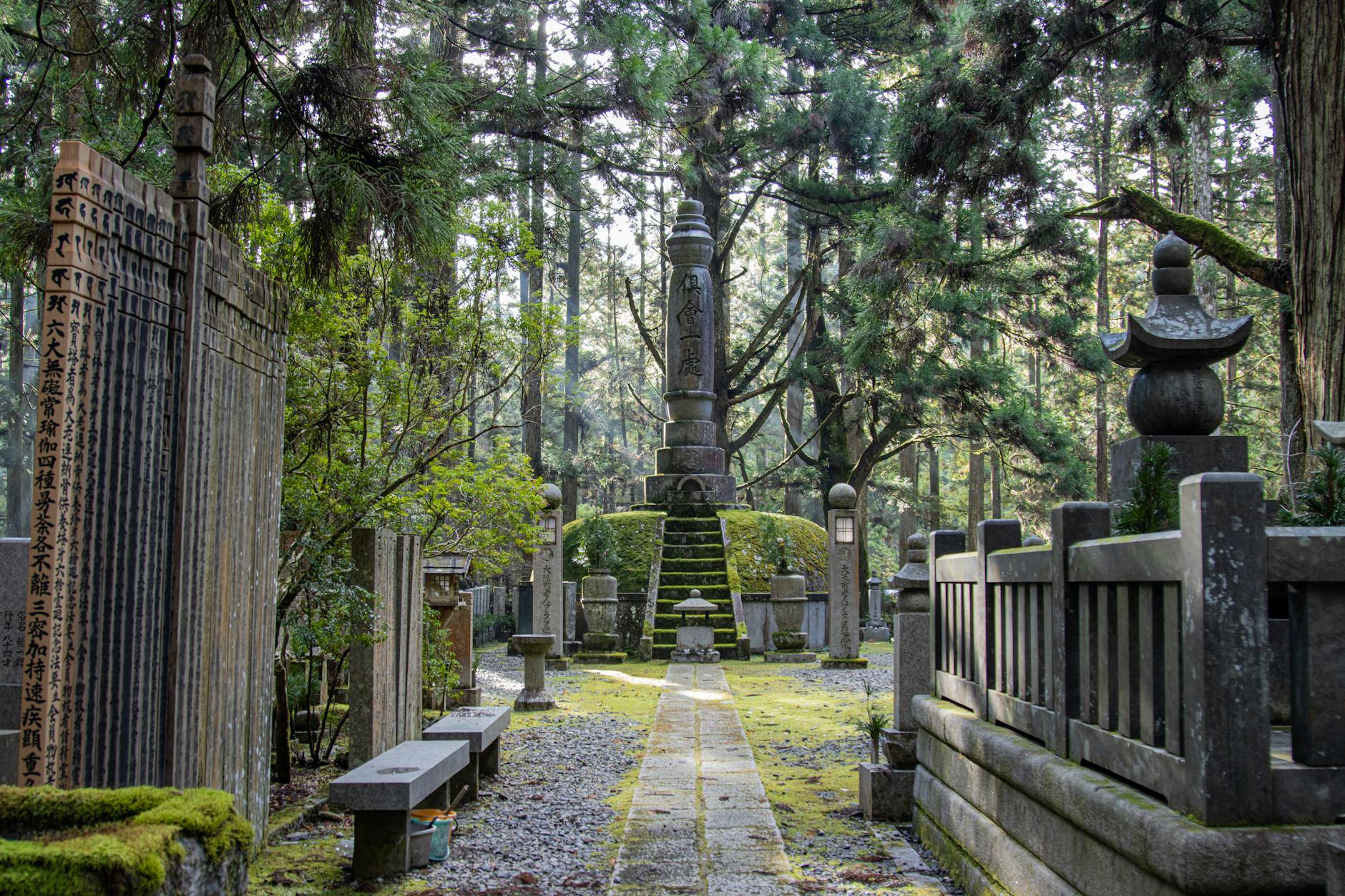
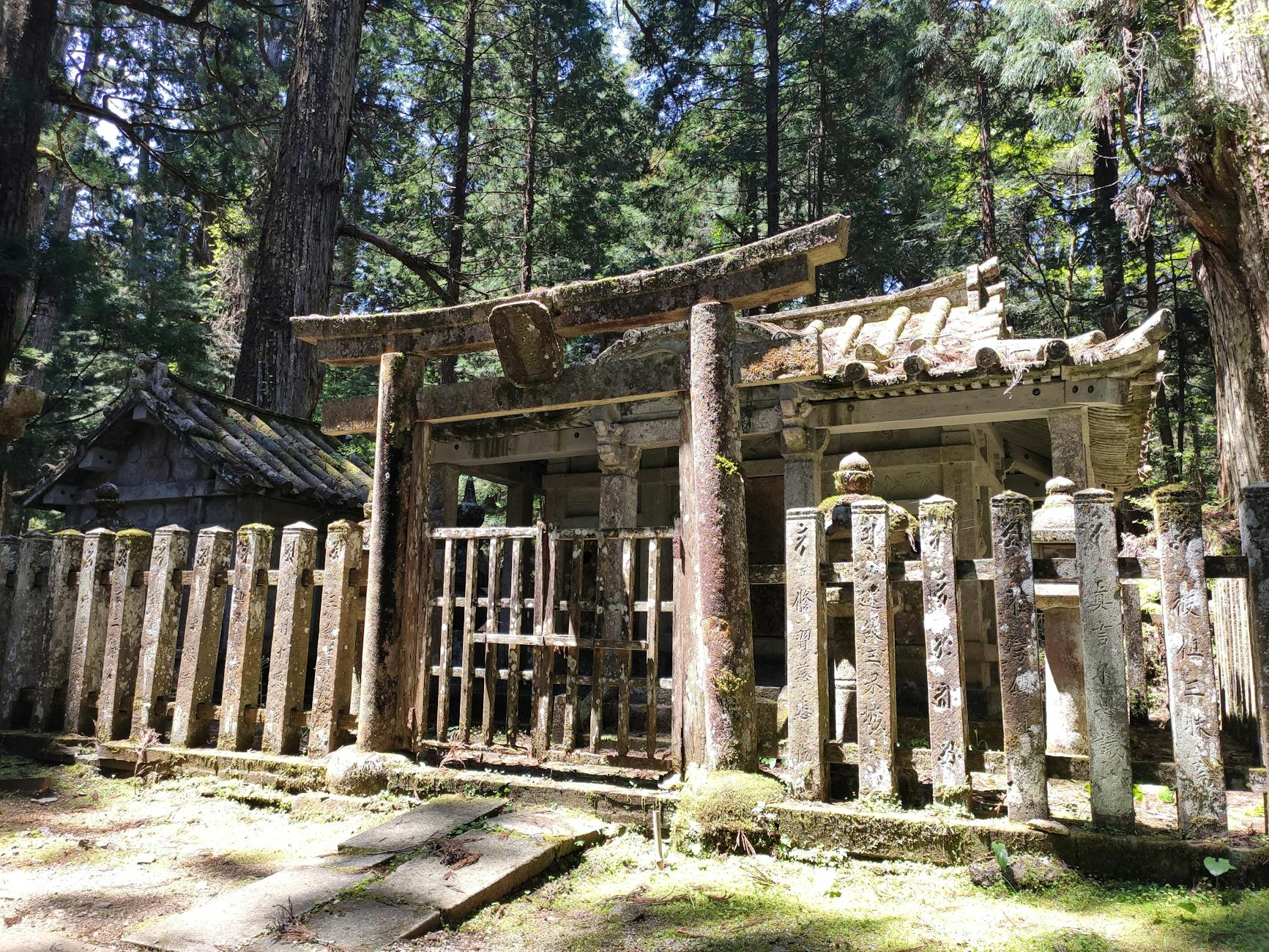
Okunoin Cemetery: This is Koyasan’s most famous site, and one of the most sacred cemeteries in Japan. A path winds through ancient cedar trees, past over 200,000 tombstones, monuments, and memorials, leading to the mausoleum of Kobo Daishi. It’s believed that Kobo Daishi is not dead but in eternal meditation, awaiting the arrival of Miroku Buddha.
Kongobuji Temple: The head temple of Shingon Buddhism, Kongobuji features stunning painted screens, intricate rock gardens, and spacious halls. It’s a place of profound spiritual significance and architectural beauty.
Garan Temple Complex: A collection of important temple buildings, including the Konpon Daito Pagoda, a vibrant vermillion structure that symbolizes the heart of Shingon Buddhism.
Danjo Garan: One of Koyasan’s original sacred sites, featuring the impressive Kondo Hall and the towering Konpon Daito Pagoda.
Shojin Ryori: Even if you don’t stay in a *shukubo*, experiencing *shojin ryori*, the traditional vegetarian cuisine of Buddhist monks, is a must. It’s a culinary art form that emphasizes seasonal ingredients and mindful eating.
Unique Atmosphere: Koyasan exudes a peaceful and spiritual atmosphere that is unlike any other place in Japan. The crisp mountain air, the chanting of monks, and the ancient cedar forests create a truly unforgettable ambiance.
Choosing Your Shukubo
With over 50 temples offering *shukubo* on Koyasan, choosing the right one can feel overwhelming. Here are some factors to consider:
Budget: Prices for *shukubo* vary significantly depending on the temple and the amenities offered. Expect to pay anywhere from ¥9,000 to ¥20,000+ per person per night, including meals.
Amenities: Some temples offer private bathrooms, while others have shared facilities. Some have gardens, onsen (hot springs), or other special features.
English Language Support: While many temples are becoming more accustomed to foreign guests, English language support can vary. If you don’t speak Japanese, it’s wise to choose a temple known for its English-speaking staff.
Activities: Some temples offer specific activities, such as calligraphy workshops, meditation sessions, or guided tours of the temple grounds.
Reviews: Read reviews from other travelers to get a sense of the temple’s atmosphere, service, and overall experience.
Popular Shukubo Options:
Eko-in Temple: Known for its Ajikan meditation sessions, fire ceremony, and Okunoin night tour. They offer excellent English language support.
Fukuchiin Temple: Features a beautiful rock garden and offers opportunities to try sutra copying.
Shojoshin-in Temple: Located near Okunoin Cemetery, this temple offers a tranquil and secluded experience.
Rengejoin Temple: Known for its beautiful architecture and peaceful atmosphere.
What to Expect During Your Temple Stay
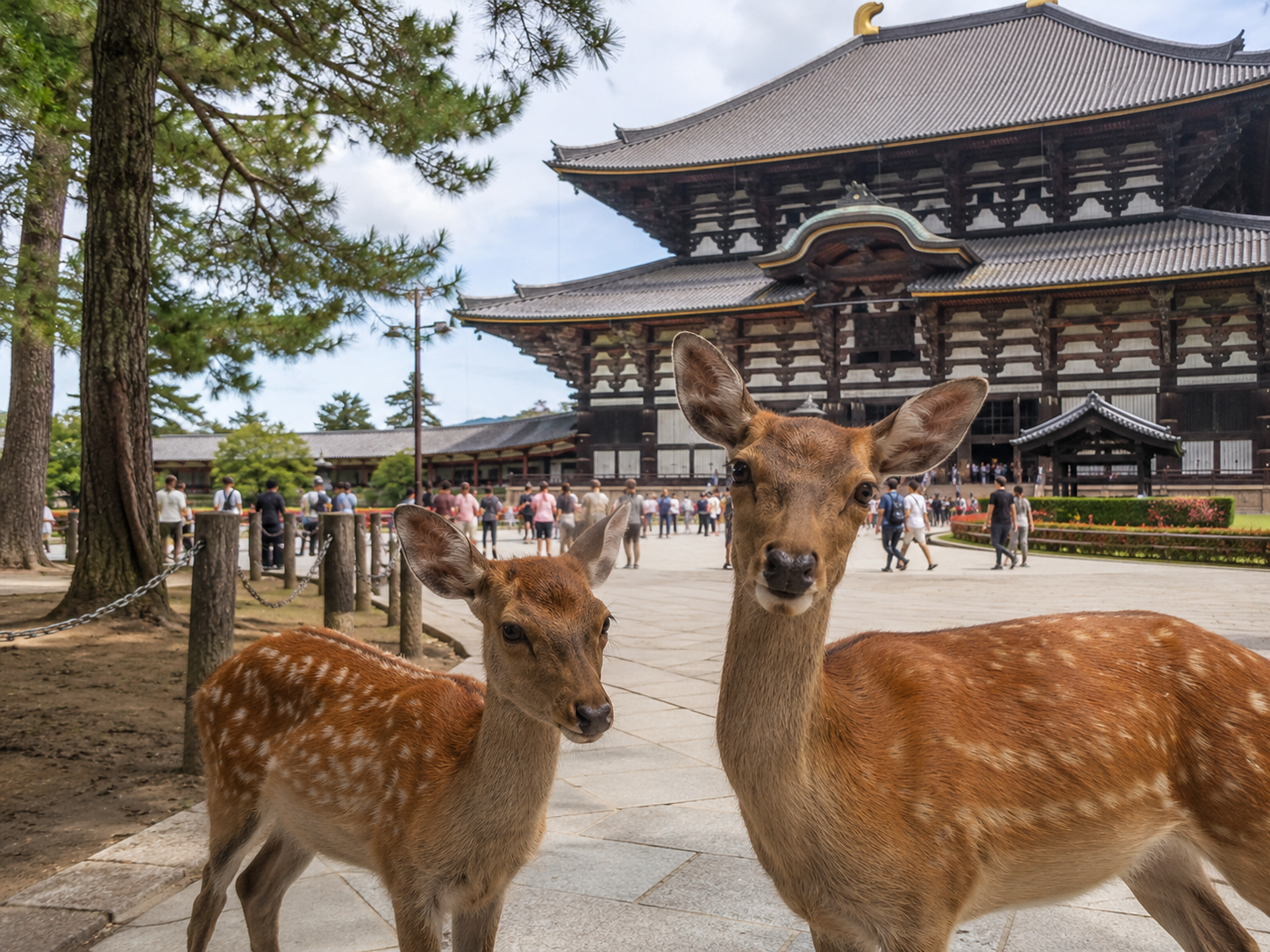
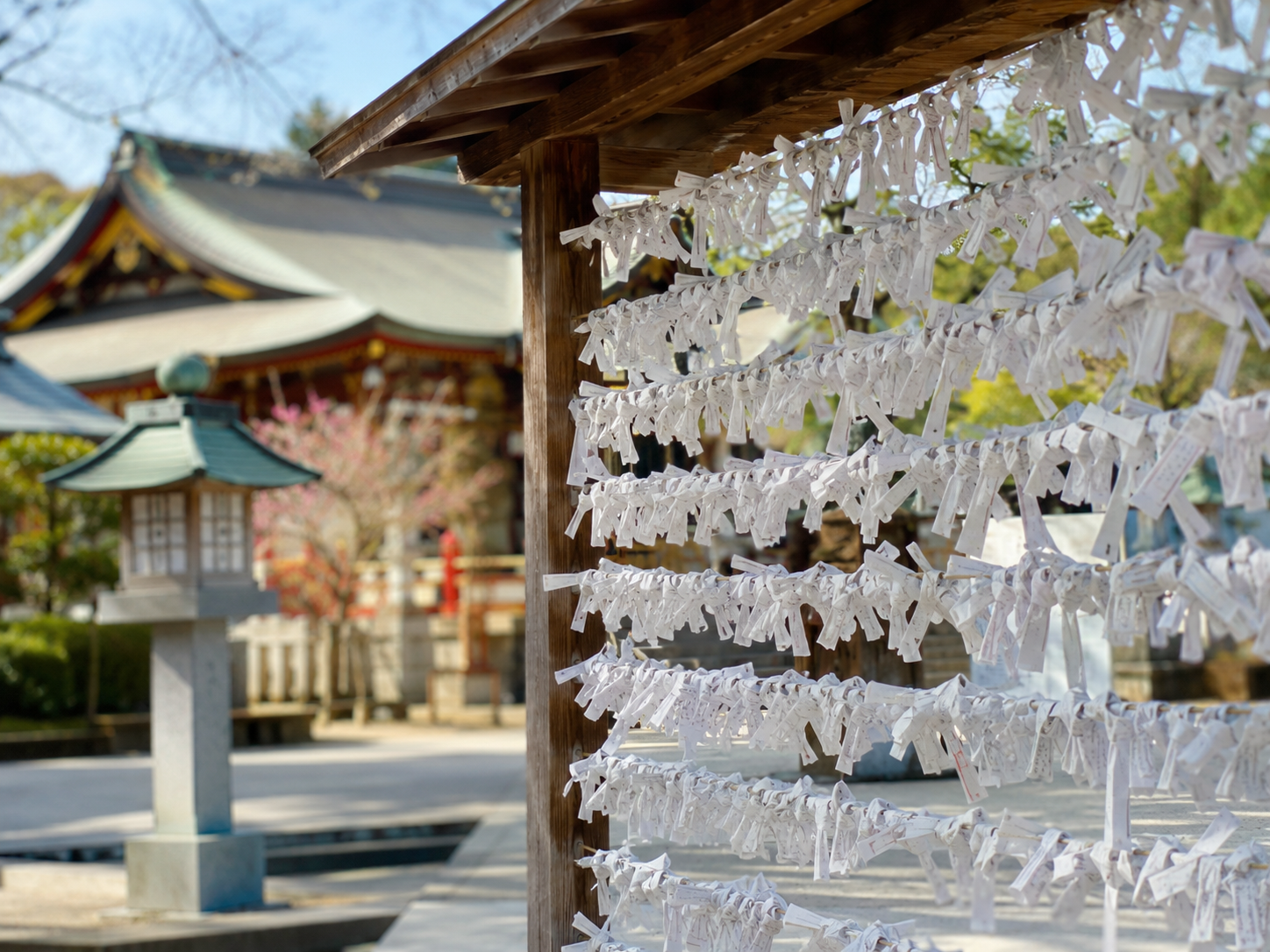
Photo by Gije Cho / Pexels
A typical *shukubo* experience includes:
Check-in: Check-in is usually in the afternoon, around 3:00 PM or 4:00 PM. You’ll be shown to your room, which will typically be a traditional Japanese room with tatami mats and futon bedding.
Shojin Ryori Dinner: Dinner is served in your room or in a communal dining hall. *Shojin ryori* is a multi-course vegetarian meal that is both visually appealing and delicious. It often includes tofu, vegetables, rice, miso soup, and pickles. Alcohol is generally not served.
Bath Time: Most temples have shared bathing facilities (often separated by gender). Be sure to familiarize yourself with Japanese bathing etiquette (washing before entering the bath, not wearing a swimsuit, etc.). Some temples may have private baths available for an extra fee.
Evening: After dinner, you can relax in your room, explore the temple grounds (if permitted), or attend an evening service.
Morning Prayers: Most temples offer morning prayers, which usually begin around 6:00 AM or 7:00 AM. Attending is optional, but it’s a unique opportunity to observe the monks’ daily rituals and experience the spiritual atmosphere of the temple.
Shojin Ryori Breakfast: Breakfast is similar to dinner, featuring vegetarian dishes.
Check-out: Check-out is usually around 9:00 AM or 10:00 AM.
Practical Tips for Your Koyasan Trip
Getting There: Koyasan is accessible by train and bus from Osaka and Kyoto. The Nankai Railway offers a direct train from Namba Station in Osaka to Gokurakubashi Station, followed by a bus ride up the mountain. The journey takes approximately 2-2.5 hours.
Transportation on Koyasan: Buses are the primary mode of transportation on Koyasan. Consider purchasing a Koyasan Free Pass, which offers unlimited bus rides within the area.
What to Pack: Pack comfortable shoes for walking, as you’ll be doing a lot of it, especially in Okunoin Cemetery. Bring warm clothing, even in summer, as the mountain air can be cool. A small flashlight is helpful for navigating Okunoin at night. Also, pack toiletries as some temples may only provide basic amenities.
Etiquette: Be respectful of the temple environment. Remove your shoes before entering temple buildings, speak softly, and avoid loud or disruptive behavior. Refrain from taking photos in areas where it is prohibited.
Dietary Restrictions: *Shojin ryori* is vegetarian, but if you have other dietary restrictions (allergies, etc.), inform the temple in advance. While they may not be able to accommodate all requests, they will do their best.
Language: While some temples have English-speaking staff, it’s helpful to learn a few basic Japanese phrases.
Okunoin Cemetery: Visit Okunoin both during the day and at night. The atmosphere is completely different, and the nighttime tour is a truly unique experience. Be mindful and respectful when visiting the cemetery.
Respect for Kobo Daishi: Kobo Daishi is highly revered, and it’s considered respectful to bow your head when passing his mausoleum in Okunoin.
Cash is King: While some establishments may accept credit cards, it’s best to carry cash, especially for smaller temples and restaurants.
Book in Advance: Shukubo are popular, especially during peak season (spring and autumn), so book your stay well in advance.
Cultural Context: Shingon Buddhism
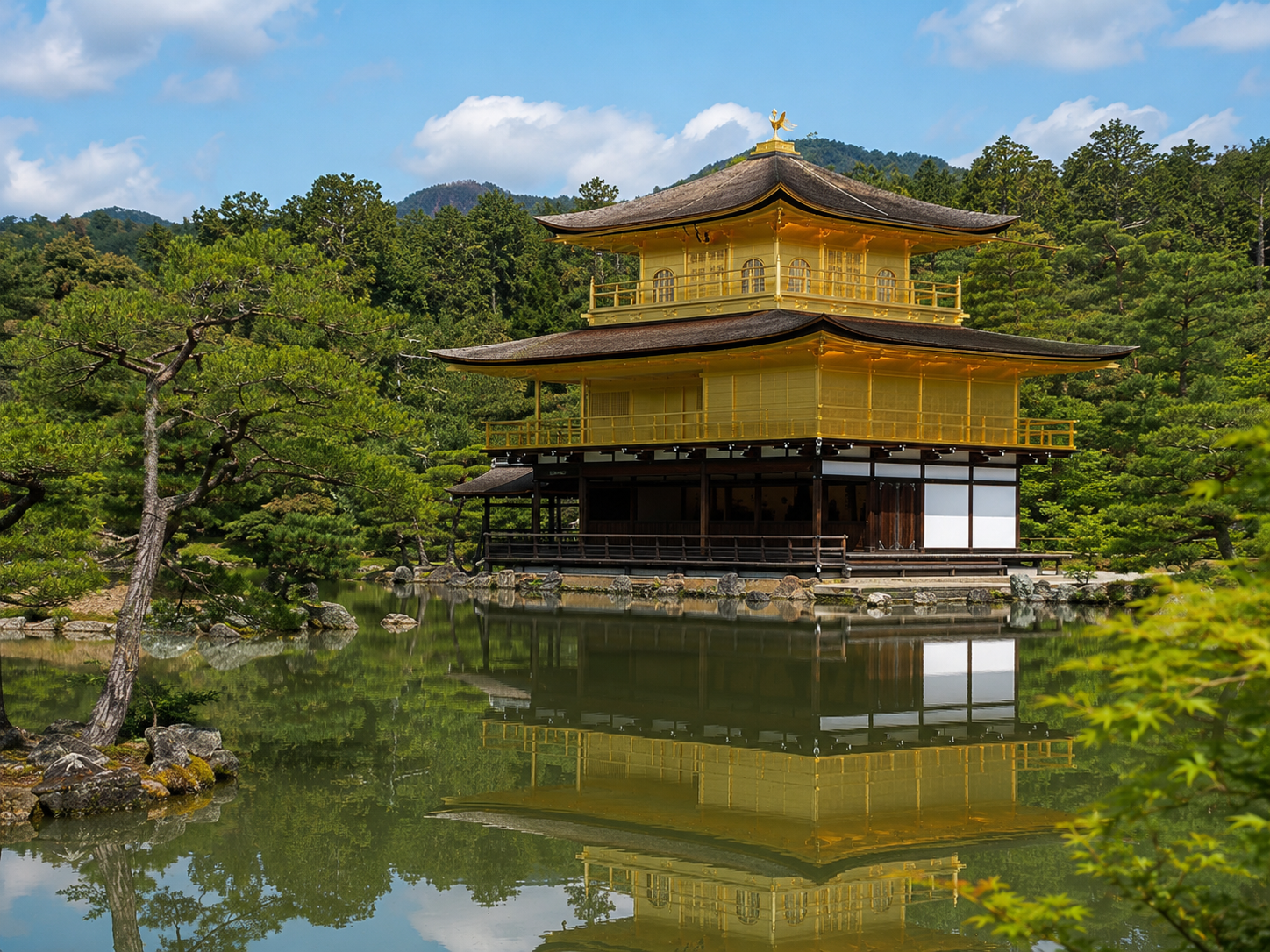
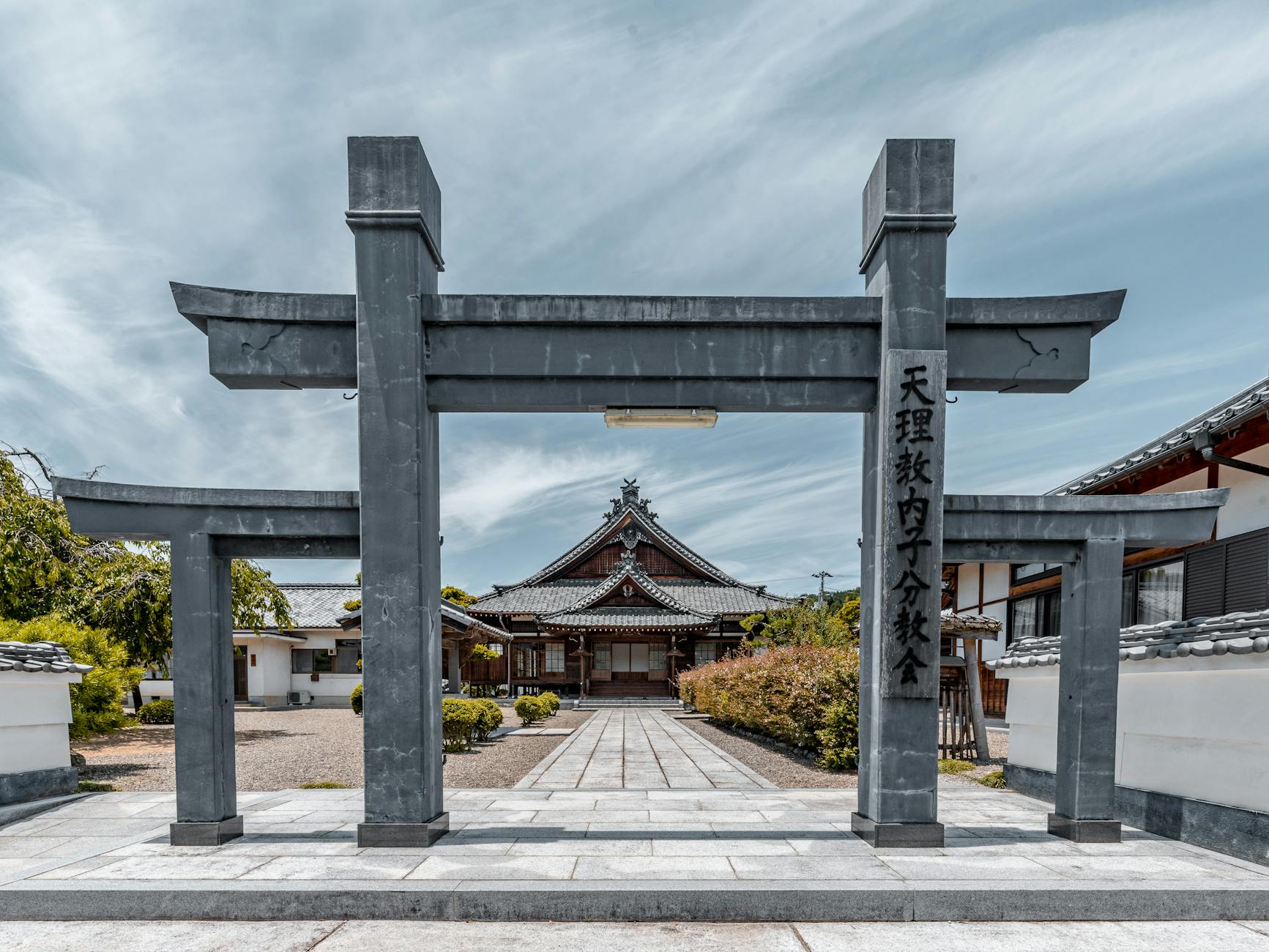
Photo by Caleb Jack / Pexels
Understanding the basics of Shingon Buddhism will enhance your experience on Koyasan. Shingon, meaning “True Word,” is a form of Vajrayana Buddhism, emphasizing esoteric teachings and practices. Key tenets include:
The Three Mysteries: Body, speech, and mind. Shingon practices aim to integrate these three aspects of being through mudras (hand gestures), mantras (sacred sounds), and mandalas (visual representations of the universe).
The Dainichi Buddha: The central Buddha in Shingon Buddhism, representing the ultimate reality and the source of all phenomena.
The Mandala: A symbolic representation of the cosmos and the enlightened mind. Mandalas are used as tools for meditation and visualization.
The Importance of Kobo Daishi: Kobo Daishi is revered as the founder of Shingon Buddhism in Japan. He is believed to be in eternal meditation on Koyasan, awaiting the salvation of all beings.
By understanding these basic principles, you can gain a deeper appreciation for the spiritual significance of Koyasan and the practices of the monks who live there.
Making the Most of Your Shukubo Experience
Participate in Activities: Take advantage of any activities offered by the temple, such as meditation sessions, calligraphy workshops, or guided tours.
Engage with the Monks: If possible, try to have a conversation with the monks. They may be willing to share insights into their practices and beliefs.
Be Present: Disconnect from your phone and other distractions, and be fully present in the moment. Take time to appreciate the beauty and tranquility of your surroundings.
Reflect: Use your time on Koyasan to reflect on your own life and values. The peaceful atmosphere and spiritual environment can be conducive to introspection.
Embrace the Culture: Embrace the opportunity to experience traditional Japanese culture. Try *shojin ryori*, wear a yukata (if provided), and participate in the temple’s rituals.
Is a Koyasan Temple Stay Right for You?
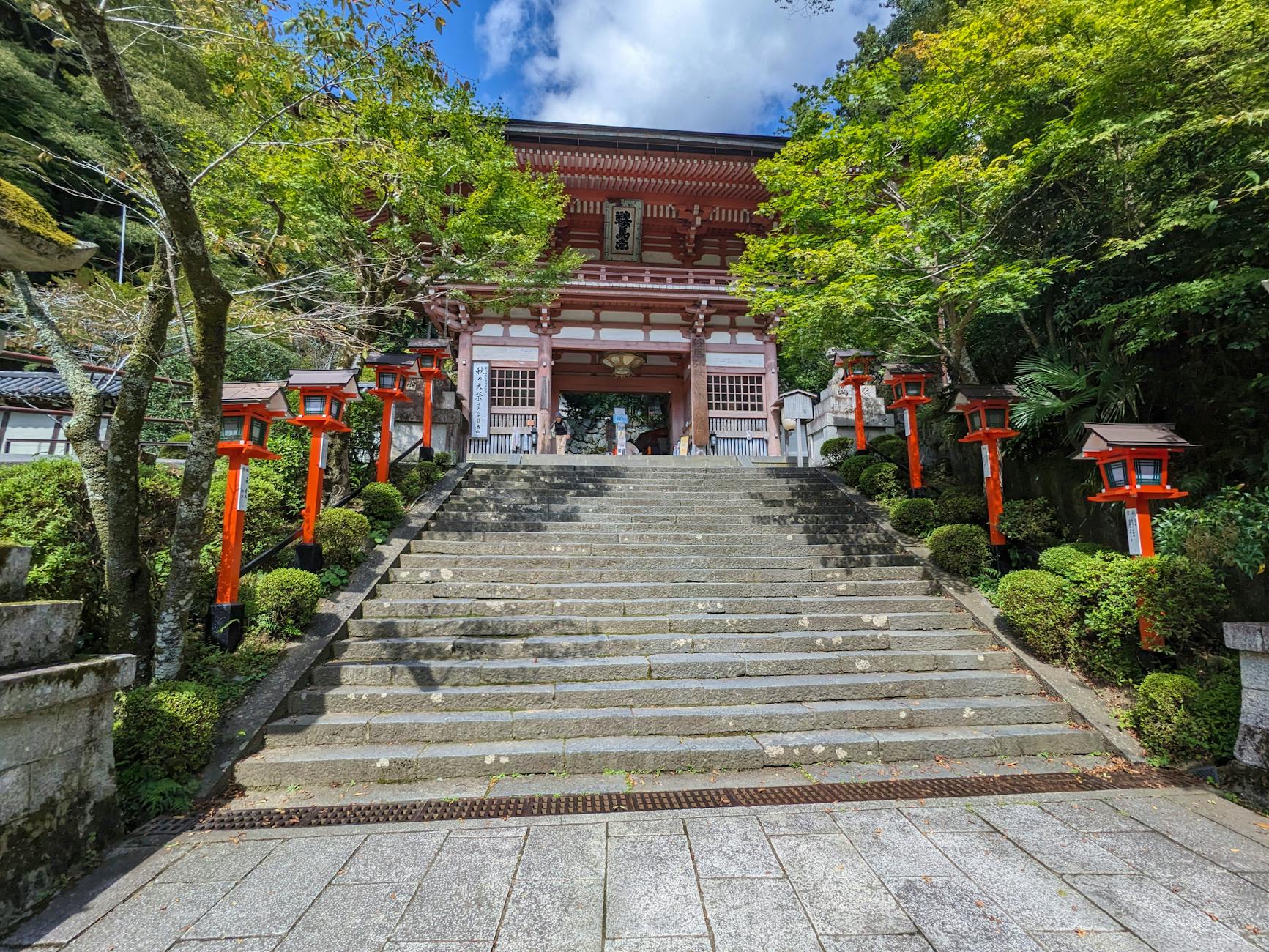
Photo by Nicolas Vignot / Pexels
A *shukubo* experience is not for everyone. It requires a willingness to embrace a different culture, adapt to a simpler lifestyle, and respect the religious practices of the monks. However, if you’re open to new experiences and seeking a deeper connection with yourself and the world around you, a Koyasan temple stay can be a truly transformative journey.
It’s ideal for:
Travelers interested in Japanese culture and Buddhism.
Those seeking a peaceful and spiritual retreat.
Individuals open to trying new experiences and immersing themselves in a different way of life.
Travelers comfortable with basic accommodations and shared facilities (depending on the temple).
Koyasan offers an unforgettable glimpse into the heart of Japanese spirituality. A temple stay allows you to connect with the rich history and traditions of Shingon Buddhism, while exploring the stunning natural beauty of the mountain. Prepare to be captivated by the serene atmosphere, the delicious *shojin ryori*, and the profound sense of peace that pervades this sacred destination.
Ready to embark on your spiritual journey to Koyasan?