[st_af id=”119″]
Why Japan Is One of the World’s Best Hiking Destinations
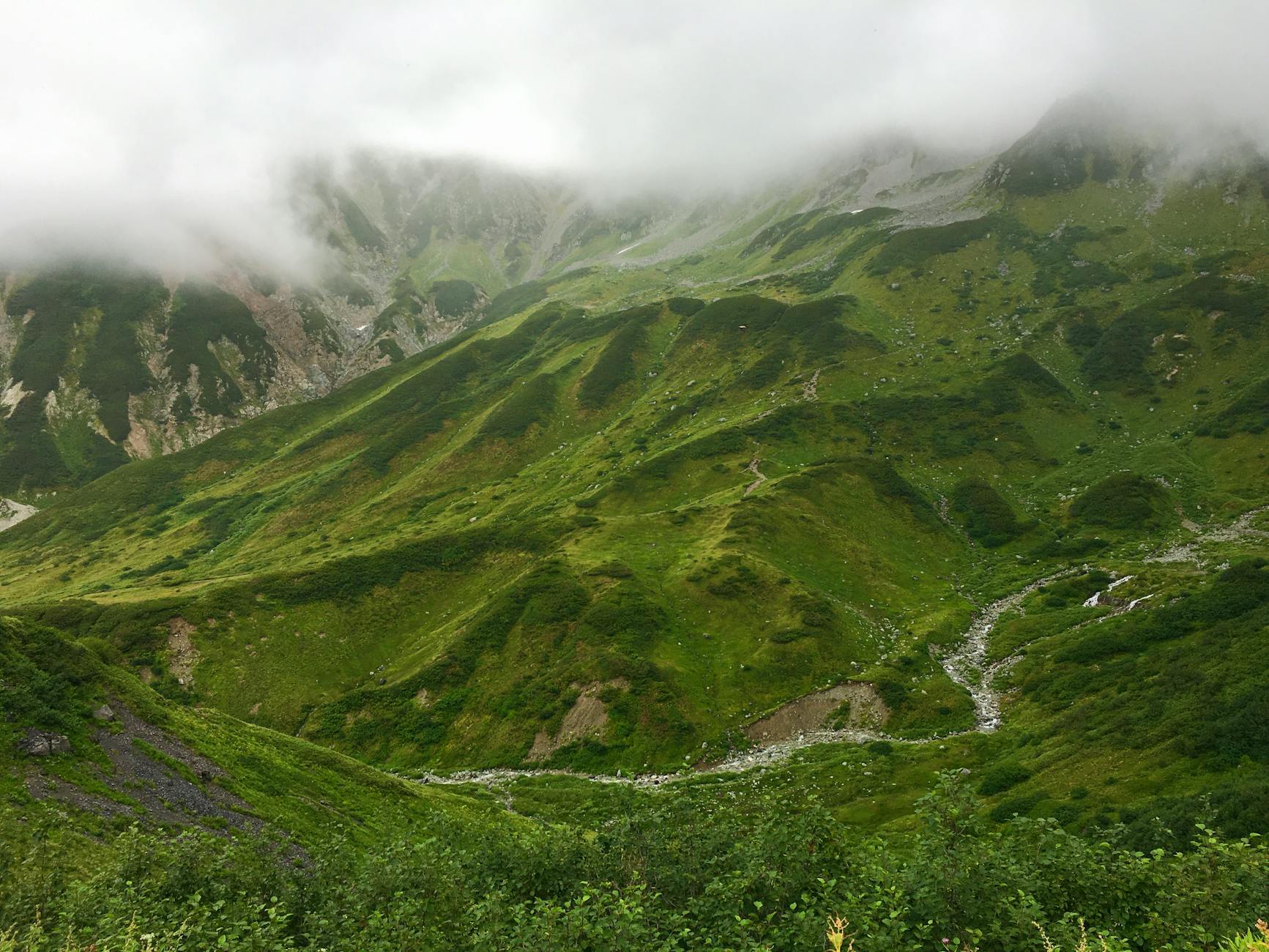
Japan is 73% mountainous, riddled with ancient pilgrimage trails, and crisscrossed by some of the most well-maintained hiking paths on earth. Yet hiking here feels nothing like hiking in Europe or North America — you’ll pass through cedar forests, mountain shrines, ryokan villages, and soak your boots in volcanic hot spring streams. The culture, infrastructure, and scenery combine to make Japan genuinely unmissable for anyone who loves the outdoors.
This guide covers the best hikes across Japan — from day walks accessible from Tokyo to multi-day wilderness treks requiring advance planning.
Mt. Fuji: The Iconic Climb
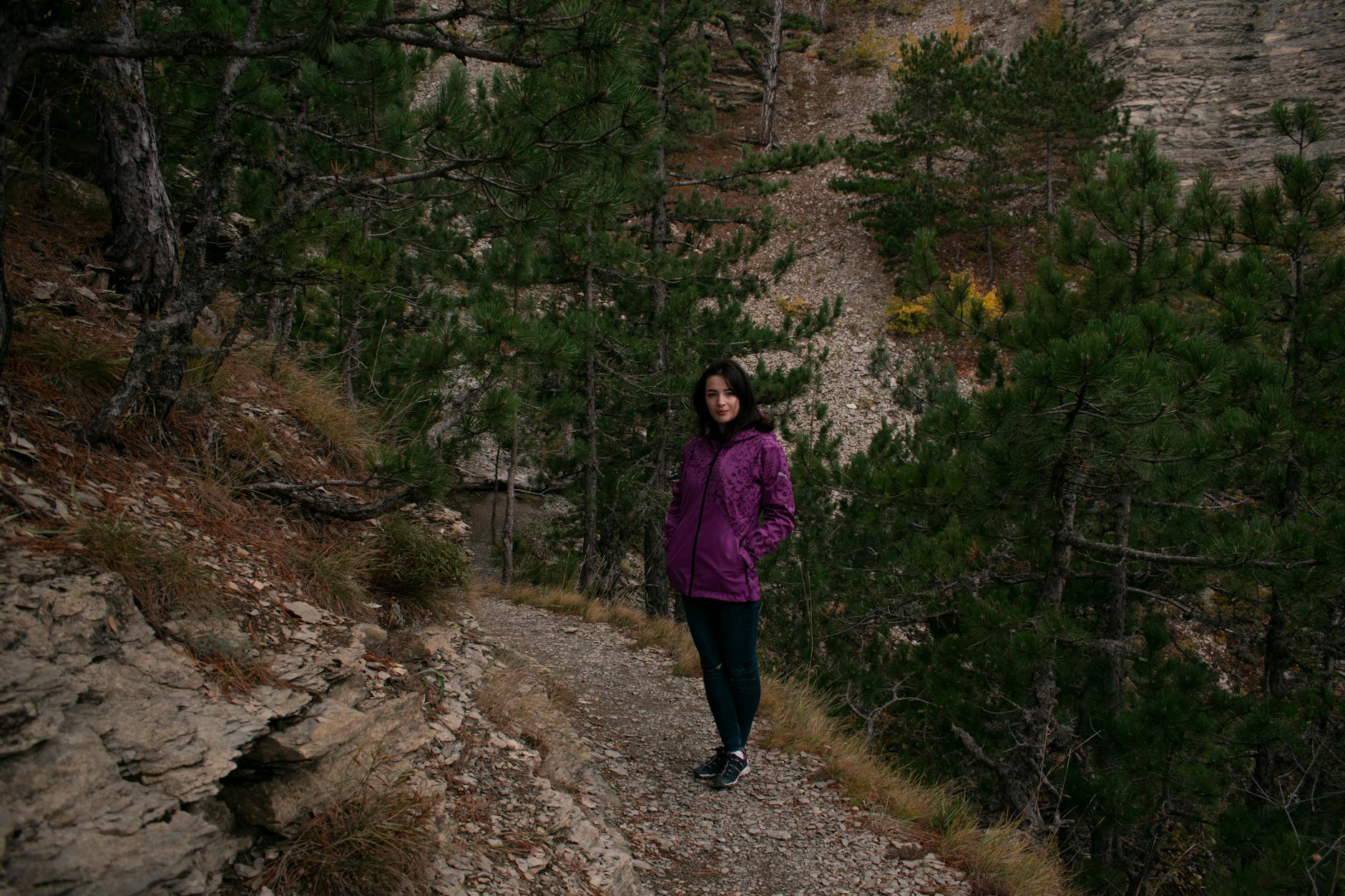
Japan’s most famous mountain and a UNESCO World Heritage Site, Mt. Fuji (3,776m) is Japan’s highest peak and an iconic bucket-list climb. Most hikers ascend via the Yoshida Trail (most popular, from Subashiri 5th Station), which takes 5–8 hours up and 3–5 hours down.
- Season: Official climbing season is July–mid-September. Outside this window, summit trails are closed and dangerous.
- Night climb: Many hikers start at midnight to reach the summit for sunrise. Spectacular but cold (near 0°C at the summit even in summer).
- Mountain huts: Available on the Yoshida Trail for rest stops. Booking in advance is recommended for the July–August peak period.
- 2024/2025 note: Yamanashi prefecture now charges a ¥2,000 gate fee on the Yoshida Trail and has introduced a daily climber cap. Book your slot in advance at the official Fuji Climb website.
For driving to the 5th Station trailhead, see our Mt. Fuji driving route guide.
Kumano Kodo: Japan’s Ancient Pilgrimage Route
The Kumano Kodo in the Kii Peninsula (Wakayama/Mie prefectures) is one of only two pilgrimage routes in the world listed as a UNESCO World Heritage Site (the other is the Camino de Santiago in Spain). The route connects three grand shrines — Kumano Hongu Taisha, Kumano Nachi Taisha, and Kumano Hayatama Taisha — through dense cedar forests, coastal cliffs, and historic way stations.
The most popular section is the Nakahechi route (3–5 days, 70km). Luggage forwarding services operate between ryokan accommodation on the route. Best seasons: spring (March–May) and autumn (September–November).
[st_af id=”87″]
Nakasendo: Hiking Between Historic Post Towns
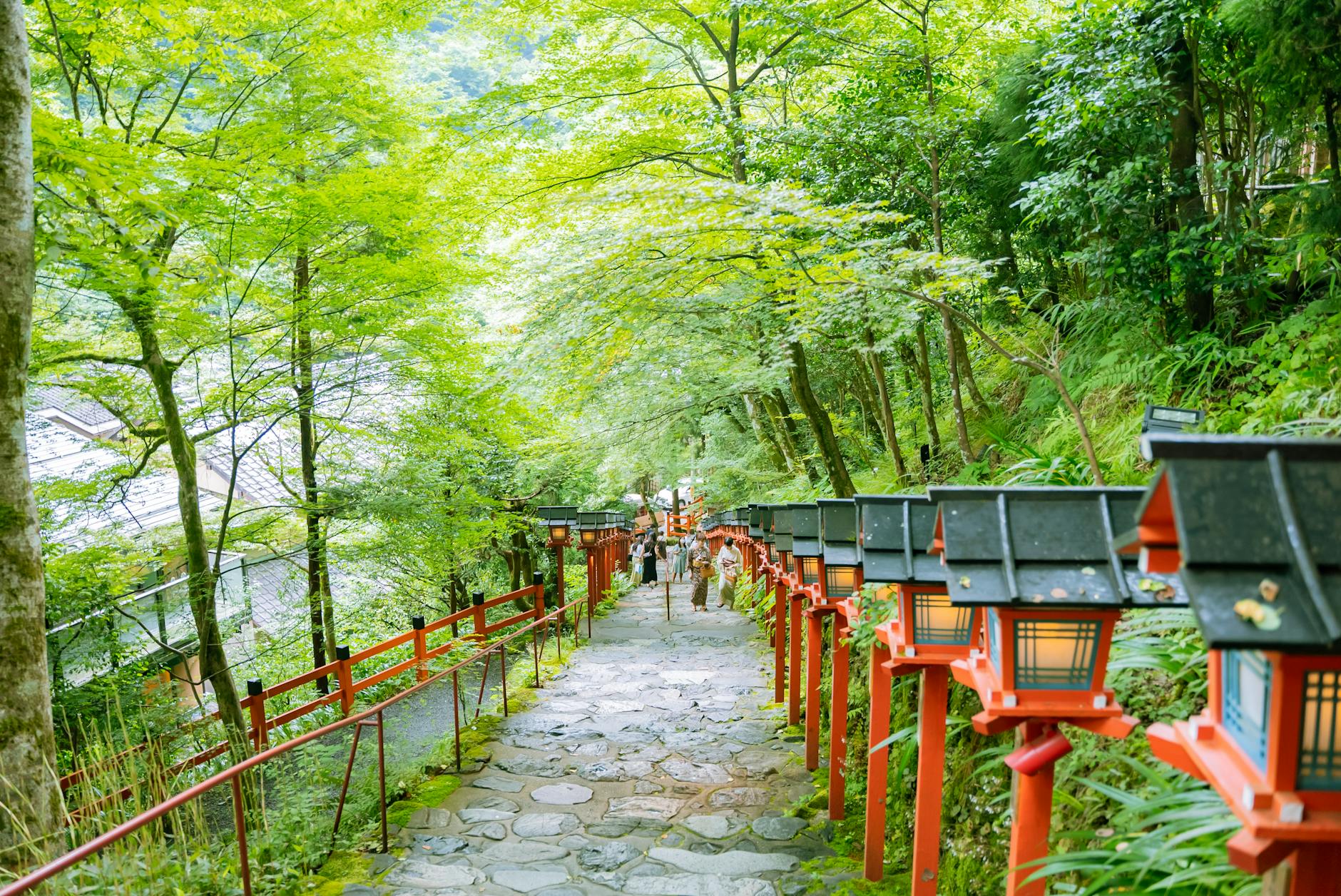
The Nakasendo is an ancient feudal highway that once connected Edo (Tokyo) and Kyoto through the Japanese Alps. The most scenic section runs between Magome and Tsumago post towns in Nagano prefecture (8km, 3–4 hours), and is considered the best single-day hike in Japan by many visitors.
Stone-paved paths, cedar forests, waterfalls, and impeccably preserved Edo-era post towns make this trail genuinely magical. Luggage transfer between the towns is available for ¥1,000 per bag.
Yakushima Island: Japan’s Ancient Forest
Yakushima in Kagoshima prefecture is Japan’s most extraordinary hiking destination — a subtropical island covered in ancient cedar trees, some over 3,000 years old. The Jomon Sugi cedar, estimated at 2,000–7,000 years old, requires a 10-hour round trip hike through dense forest and along disused railway tracks.
Yakushima receives the highest rainfall of any inhabited place in Japan (“it rains 35 days a month in Yakushima” per local saying) — a waterproof jacket is not optional. Best base: Anbo or Miyanoura. Getting there: ferry from Kagoshima (4 hours) or short flight from Kagoshima Airport.
Day Hikes Near Tokyo
You don’t need to travel far from Tokyo for excellent hiking:
- Mt. Takao (Takaosan) — 599m, 1.5 hours from Shinjuku by train. 6 trails of varying difficulty. Trail 1 is paved and family-friendly; Trail 4 is a forest loop walk. Free to hike (cable car optional). See our full Mt. Takao guide.
- Mt. Mitake (Mitakesan) — 929m, accessible from Mitake Station on the Ome Line. Cable car to mid-mountain, then hike to Musashi Mitake Shrine. Continue to the Rock Garden (Iwa-en) for a beautiful forest walk.
- Okutama — Tokyo’s most remote and beautiful hiking area, 2 hours from Shinjuku. Multi-day routes possible along the Okutama Lake circuit.
- Tanzawa Mountains (Kanagawa) — A large mountain range 1.5 hours from Tokyo with excellent multi-peak ridge walks and Mt. Fuji views on clear days.
Japan Alps: Serious Mountain Hiking
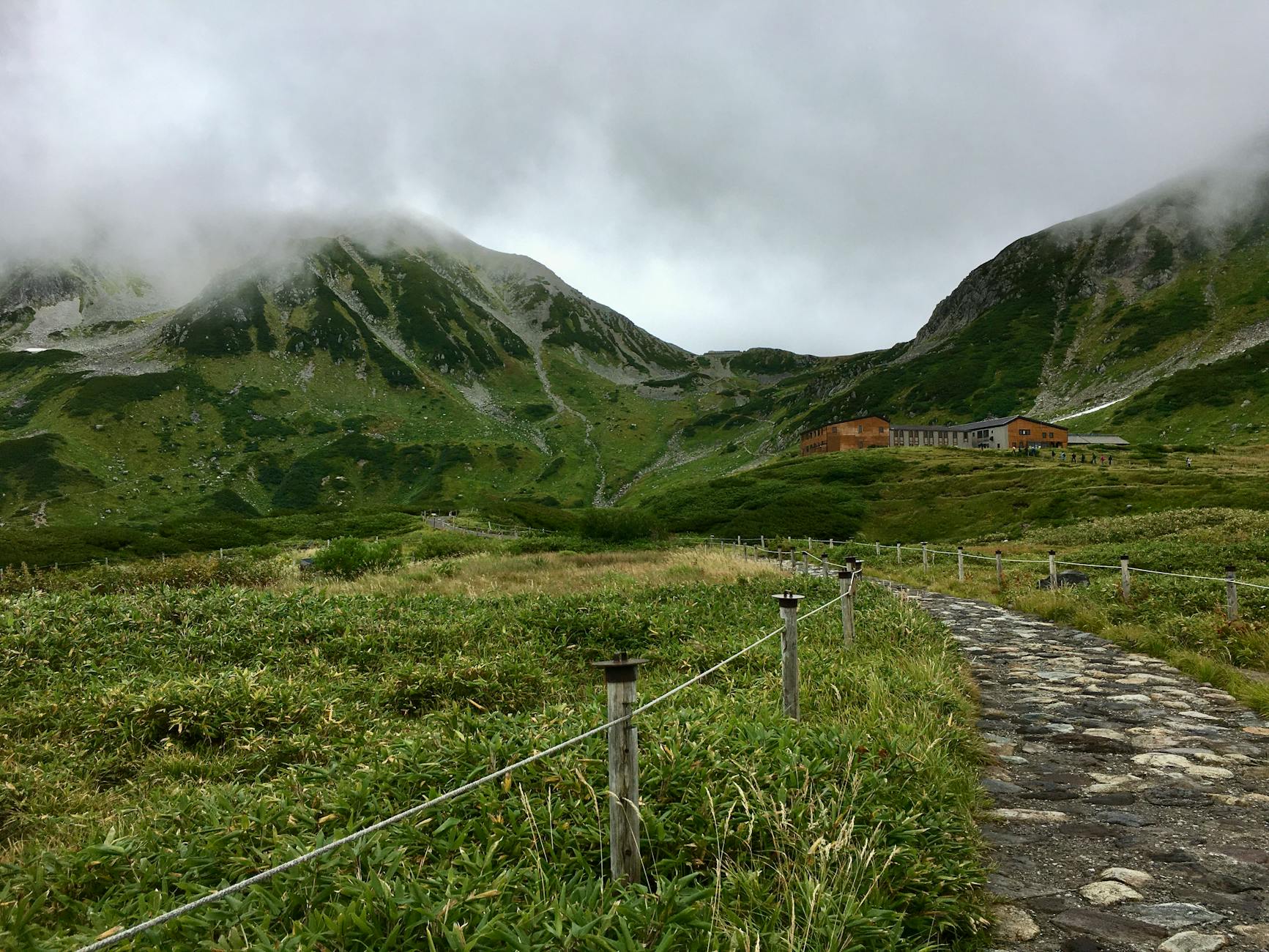
The Japanese Alps (Northern, Central, and Southern) offer some of Asia’s finest alpine hiking. Key access points:
- Kamikochi (Northern Alps) — One of Japan’s most scenic mountain valleys, accessible by bus from Matsumoto (private cars prohibited). Day walk along the Azusa River to Myojin Pond is outstanding.
- Tateyama Kurobe Alpine Route — Famous for the “snow corridor” in spring (late April–June) where walls of snow reach 20 metres on either side of the hiking path. Accessed by Toyama or Nagano.
- Kita-dake (3,193m) — Japan’s second-highest peak in the Southern Alps. 2-day hike via Hirogawara trailhead. Far less crowded than Fuji.
Japan Hiking Tips and Gear
- Trail conditions: Check Yamareco app (Japanese) or AllTrails for recent trail reports. Mountain weather changes rapidly.
- Gear: For anything above 2,000m, proper hiking boots, rain gear, and layers are essential even in summer. Japan’s mountain weather is unpredictable.
- Mountain huts: Widely available on major routes. Book in advance during peak season (July–August, October). Meals included; expect shared dormitory sleeping.
- Bear bells: Required for hiking in Hokkaido and recommended in forested mountain areas elsewhere. Available at outdoor shops everywhere.
- Trash policy: Pack out everything. Japan’s mountain trails are immaculate and stay that way because hikers carry out all waste.
Getting to Trailheads
Many of Japan’s best hiking areas have limited public transport connections — a car dramatically expands your options. For Tokyo-based hikers, driving to trailheads in Okutama, Tanzawa, Nikko, or the Izu Peninsula is much more convenient than navigating infrequent rural buses. See our JDM car rental guide for sports car and standard rental options in Tokyo.
[st_af id=”77″]
Related Guides
🗻 Mt. Fuji Driving Guide
🌿 Mount Takao Day Hike Guide
🌸 Nikko Driving Route
🚗 Hokkaido Road Trip Guide
🇯🇵 Plan Your Japan Experience
JDM Car Rental
Drive a GT-R, Supra, RX-7, or Silvia on the roads they were built for. Hakone passes, Wangan highway, mountain touge — your dream JDM experience.
Daikoku PA Tour
Visit Japan’s most legendary car meet. Hundreds of modified cars, passionate owners, and the heartbeat of JDM culture. Guided weekend night tours available.
Photo Guide Tour
Capture stunning photos at locations only locals know. Hidden shrines, backstreet alleys, rooftop views, and golden hour spots for unforgettable shots.