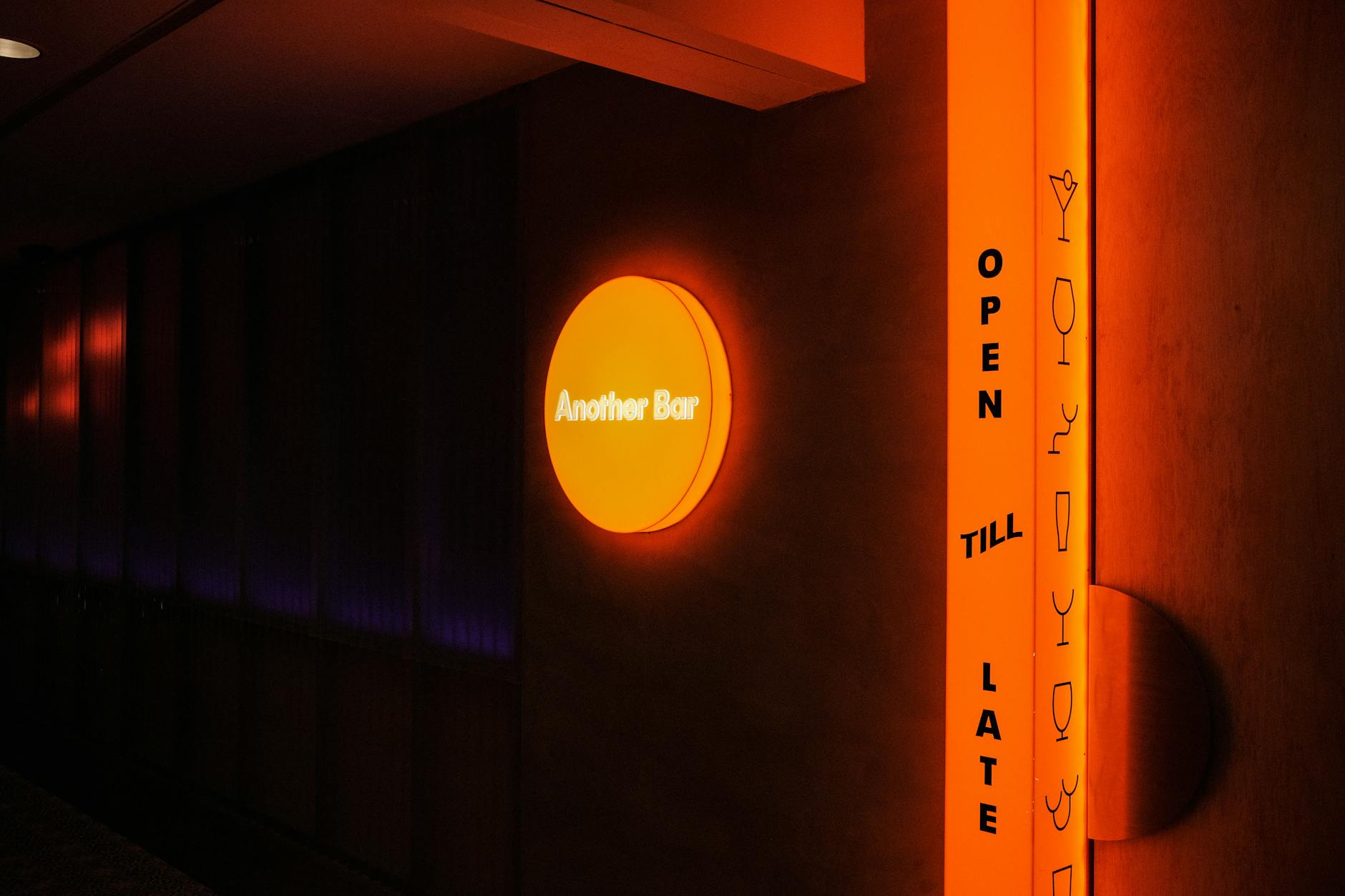
Shibuya after dark is one of Tokyo’s great experiences. The same neighborhood famous for its scramble crossing and department stores transforms at night into one of Asia’s most dynamic nightlife destinations — izakaya alleys glowing with red lanterns, rooftop bars overlooking neon-lit streets, craft beer pubs with extensive Japanese tap lists, and cocktail bars where the bartenders treat their craft with the same seriousness that Tokyo’s ramen chefs bring to their broth.
The range is genuinely enormous. You can spend ¥500 on a draft beer in a standing bar, or ¥2,500 on a perfectly balanced whisky highball in a dimly lit lounge. You can go bar-hopping through twenty tiny rooms in a lantern-lit alley, or settle into a rooftop with views of the crossing and stay all night. This guide covers every major option and gives you a practical plan for making the most of a Shibuya night out.
Nonbei Yokocho (のんべい横丁) — Drunkard’s Alley
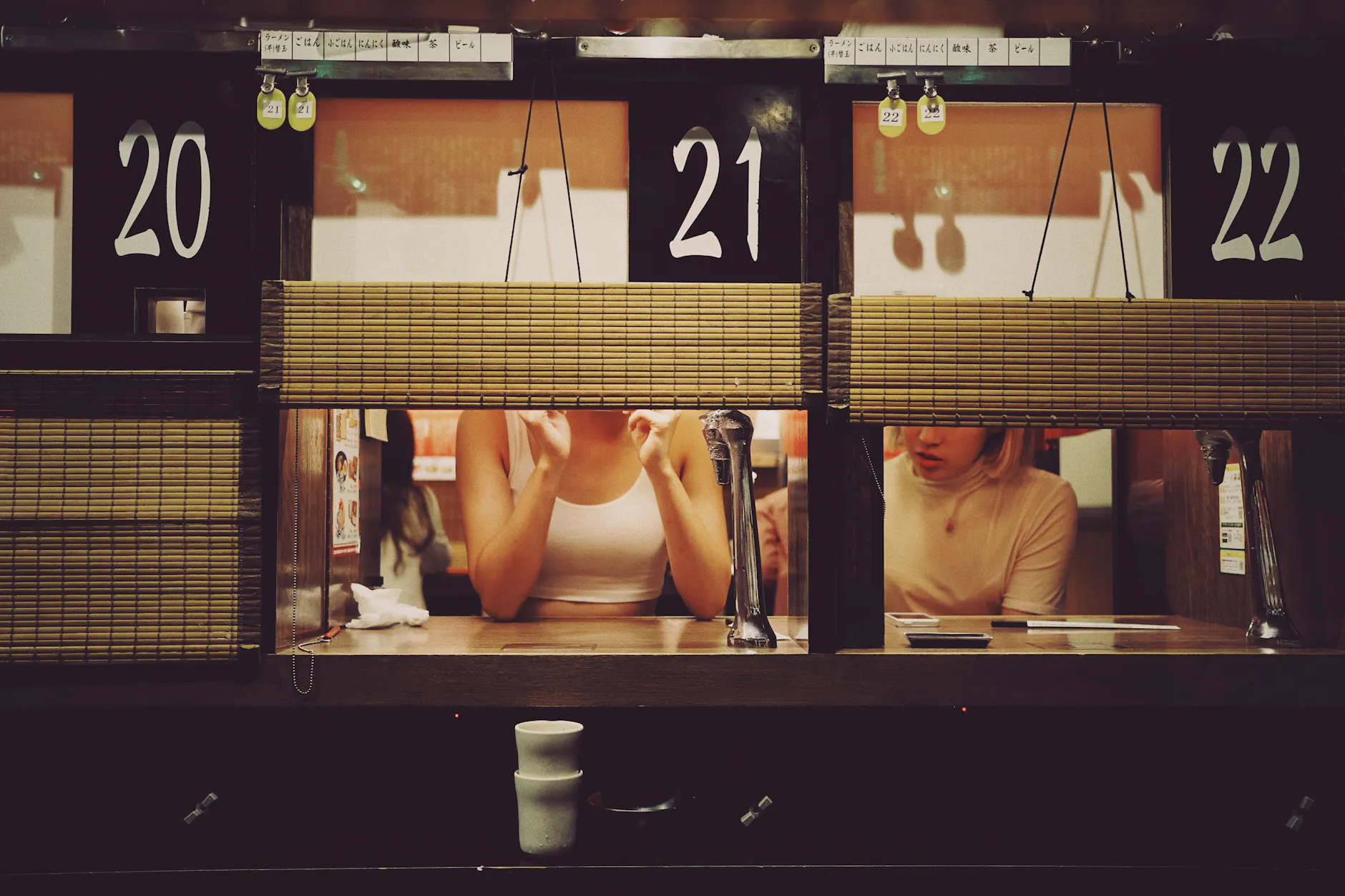
If you only have one hour in Shibuya and want the most concentrated, atmospheric, quintessentially Japanese bar experience possible, go to Nonbei Yokocho. The name translates roughly as “Drunkard’s Alley,” and it earns the title.
The alley is just north of Shibuya Station — from the Hachiko exit, walk north along the train tracks for about five minutes and look for the narrow entrance on the right side marked by paper lanterns. You’ll hear it before you see it: the combination of conversations, clinking glasses, and the sizzle of yakitori grills spilling out from dozens of tiny bars packed into a space barely wide enough for two people to walk side by side.
Nonbei Yokocho has been here since the 1950s and is one of the last remaining examples of this kind of old-school drinking alley in Shibuya. There are roughly 40 bars crammed into two parallel lanes. Most seats between 6 and 14 customers. The bars specialize in different things — yakitori and beer, sake and small plates, whisky and jazz, shochu and conversation — but the common thread is intimacy. When you’re sitting at a five-seat counter with the bartender making drinks directly in front of you, you’re having a Tokyo experience that no hotel bar can replicate.
How to approach Nonbei Yokocho:
- Most bars have a small sign outside with prices listed. A cover charge (otoshi) of ¥300–500 per person is standard — you’ll receive a small appetizer in return.
- Draft beer typically runs ¥600–800. Sake and shochu by the glass start around ¥500.
- Don’t overthink which bar to enter — walk through the alley first, peek into a few, and go wherever feels right. Many bars have an English menu or the staff will help you point at options.
- If a bar is full (they fill up quickly), simply move to the next one. That’s the beauty of the alley — there’s always another option ten meters away.
- Arrive between 6–7pm to get a seat before the after-work crowd arrives. By 8pm on a Friday or Saturday, the alley is packed.
Notable bars in Nonbei Yokocho: Bar Tight is well-regarded for its whisky selection and has English-speaking staff. Samonjirou is popular for its natural sake list. Several bars specialize in craft shochu from Kyushu with educational tastings if you ask.
Craft Beer in Shibuya
Japan’s craft beer scene has grown significantly over the past decade, and Shibuya has several excellent options for those who want to explore beyond the standard Sapporo or Asahi macro lagers.
Good Beer Faucets
Good Beer Faucets is the benchmark for craft beer in Shibuya, and one of the best craft beer bars in Tokyo. Located a short walk from Shibuya Station (walk toward Mark City, then follow the signs), the bar runs an impressive selection of Japanese craft beers on tap — typically 30 or more rotating lines — plus a selection of imported craft bottles.
The English menu is excellent, with detailed descriptions of each beer including style, brewery, ABV, and flavor notes. The staff speaks enough English to help you choose based on preferences. The atmosphere is warm and unpretentious — a mix of local craft beer enthusiasts and tourists who’ve done their research. Expect to pay ¥900–1,400 per half-pint depending on the beer. The bar also serves solid food — the fish and chips and the beer-battered onion rings are reliable options.
Watering Hole
A slightly more casual option than Good Beer Faucets, Watering Hole is a laid-back neighborhood bar within walking distance of Shibuya with a rotating selection of Japanese and international craft beers. The vibe is relaxed, the prices are reasonable, and it’s the kind of place where you end up staying longer than planned. Good for a first drink before heading somewhere else.
Log Road Shibuya
The outdoor development along the old rail tracks between Shibuya and Daikanyama includes a beer garden space that operates through spring and summer. On a warm Tokyo evening, sitting outside with a craft beer while the trains pass overhead is a genuinely pleasant experience. This area is most atmospheric in April during cherry blossom season when the nearby trees are in full bloom.
Cocktail Bars and Upscale Drinking
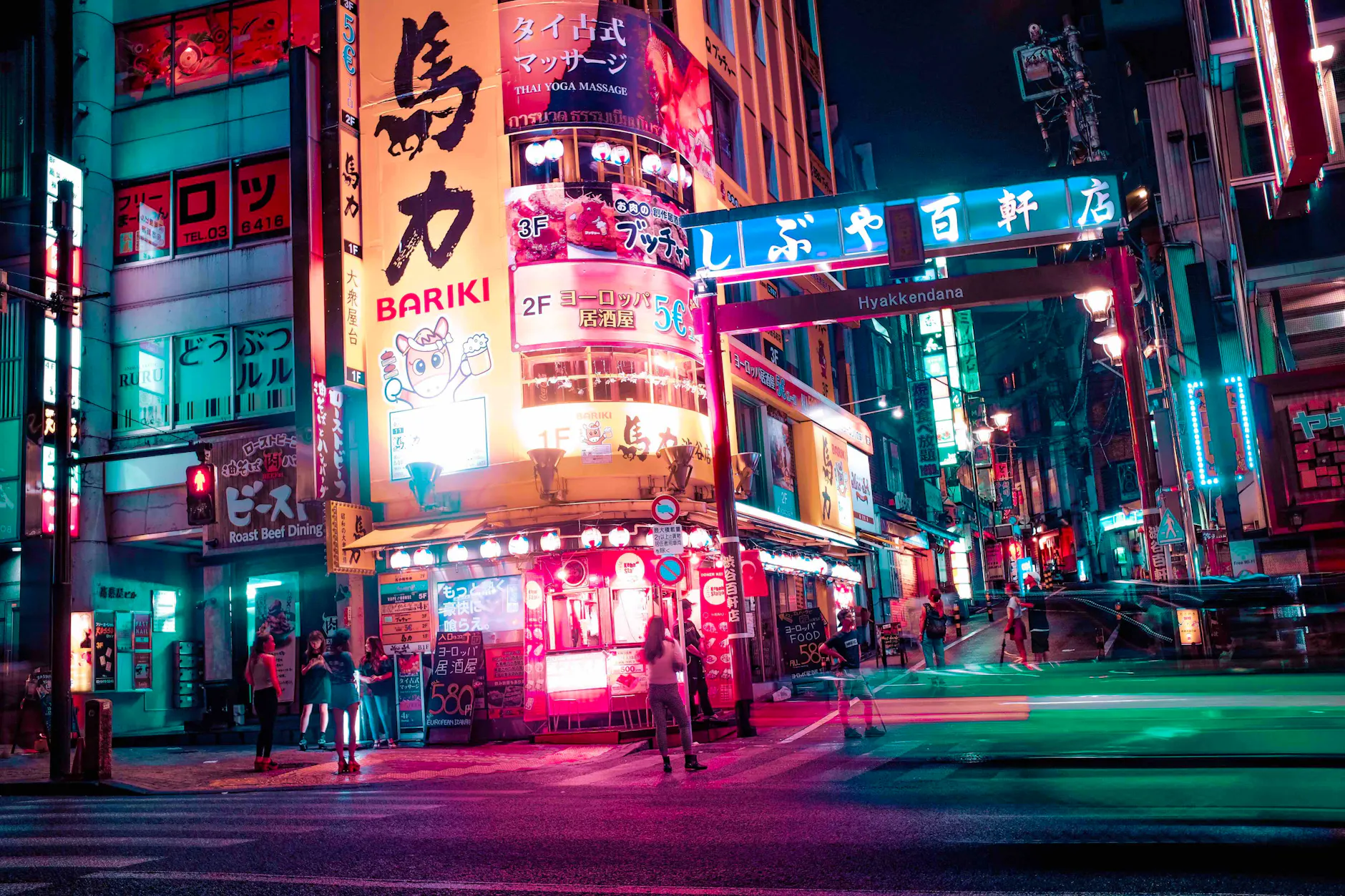
Shibuya has a growing number of serious cocktail bars, from elegant European-inspired lounges to Japanese-style bars where precision and technique are everything.
Bar Tram
Bar Tram is one of the most distinctive bars in Shibuya — an Italian-inspired cocktail bar with a long, intimate counter, excellent aperitivo-style cocktails, and an atmosphere that feels more like Milan than Tokyo. The bartenders are known for their knowledge of Italian bitters, amaro, and vermouths, and the negroni here is widely considered among the best in the city. It’s a quieter, more sophisticated option than many Shibuya bars. Reservation recommended on weekends. Expect to spend ¥1,500–2,500 per cocktail.
Rooftop Bars
Several of Shibuya’s newer developments have rooftop or high-floor bar options with views over the crossing and the city lights. Shibuya Scramble Square’s upper floors have bar and lounge spaces that get particularly crowded at sunset. The rooftop at the Shibuya Stream Excel Hotel Tokyu is another option with open-air seating on warmer evenings. These venues are more about the view and the atmosphere than deeply serious drinks, but for a first night in Tokyo, the visual experience of the city spread out below is hard to beat.
Speakeasy-Style Bars in Dogenzaka
The Dogenzaka area west of Shibuya Station — historically Tokyo’s “love hotel hill” — has been gentrifying slowly and now contains a number of hidden bars accessed via unmarked doors, stairwells, and basements. Look for small handwritten signs, ask at the convenience store for the “hidden bar” in the area, or simply explore the side streets. The discovery is part of the experience. These bars tend toward whisky and cocktail menus with a slightly theatrical presentation.
Izakayas for Tourists
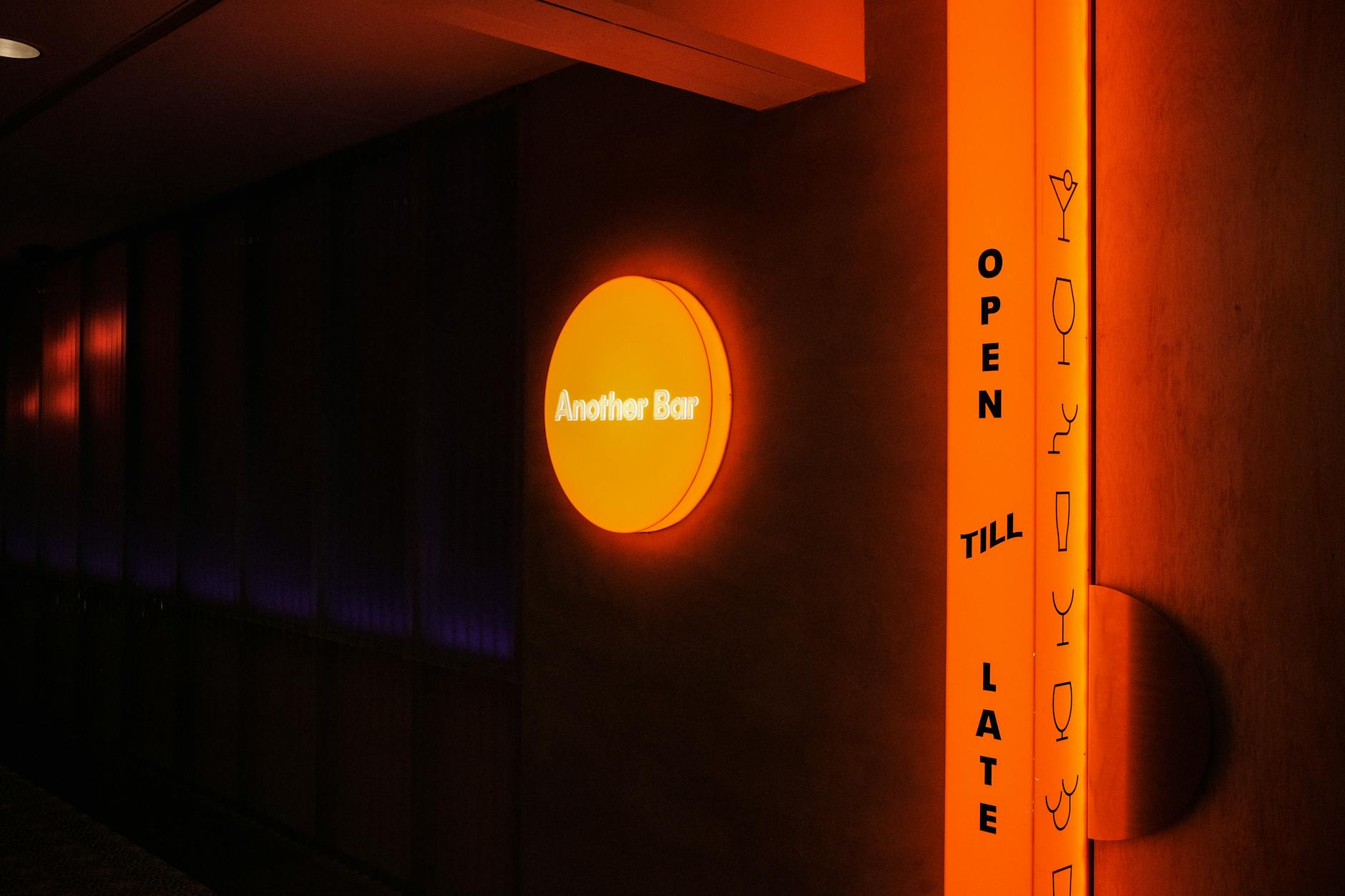
The izakaya — Japan’s pub-restaurant hybrid — is perhaps the most accessible and most enjoyable drinking format for first-time visitors. You order food and drinks at the same time from a menu, the pace is relaxed, the food is excellent, and the atmosphere is convivial. Budget between ¥2,000–4,000 per person for a full evening with food.
Important
Tourist-friendly izakaya chains in Shibuya:
- Torikizoku — All items are a flat ¥330, making it the most budget-friendly serious izakaya in Japan. Specializes in yakitori (grilled chicken skewers) with a simple, approachable menu. Multiple locations near Shibuya Station.
- Watami — A large national chain with extensive picture menus, English-language apps for ordering at some locations, and a broad menu covering every standard izakaya category. More tourist-friendly than smaller independent spots.
- Shibuya Niku Yokocho — The “meat alley” on the upper floors of the Shibuya Loft building has a collection of yakiniku (Korean-style grilled meat) restaurants in a semi-open market format. Fun atmosphere, easy to navigate, good for groups.
The Club Scene
Shibuya is home to some of Japan’s — and Asia’s — most respected club venues. Even if clubbing is not your primary plan, it’s worth knowing what’s available for a complete picture of Shibuya’s nightlife.
WOMB is the flagship. Opened in 1999 and consistently rated among the best clubs in the world, WOMB hosts international techno and house DJs on its main floor alongside a large disco ball and an immersive sound system. The venue has four floors with different atmospheres. Entry is typically ¥2,500–3,500. Smart but casual dress is expected.
Club Asia and Camelot are the other major venues in the immediate Shibuya area. Club Asia covers a broader range of genres and is slightly more accessible to first-timers. Camelot is popular for commercial EDM and gets very crowded on weekends — arrive before midnight or expect a line.
Note that Japanese clubs commonly operate under the so-called “fuzoku” licensing framework, which historically meant restrictions on dancing. These rules have been significantly liberalized in recent years, but dress codes are enforced and staff at the door do turn people away for inappropriate attire or inebriation.
Bar-Hopping Strategy
Pro Tip
One phrase worth learning: もう一杯ください (mō ippai kudasai) — “One more, please.” It will serve you well all evening.
The practical geography works in your favor. Nonbei Yokocho, Good Beer Faucets, and the Dogenzaka area are all within a 10-minute walk of each other. You don’t need taxis between bars — this is a walking nightlife district. Keep your phone charged for Google Maps and keep an eye on the last train time.
Drinking Etiquette in Japan
Important
Pour for others, not yourself: When sharing a bottle of beer, sake, or wine with others, it’s customary to pour for your companions and let them pour for you. Pouring your own glass is considered slightly antisocial.
Kanpai: The Japanese toast. Make eye contact, clink glasses, say kanpai, and take your first sip together. Drinking before the toast is a minor faux pas in a group setting.
No tipping: Japan does not have a tipping culture. Leaving money on the counter or table is not only unnecessary but can create confusion. The service charge is included.
Cover charges: Many Shibuya bars and clubs charge a cover (entrada or otoshi). This is standard and typically includes a small snack. It is not optional.
Shoes: A small number of traditional bars and some private rooms at izakayas require removing your shoes. You’ll see a step up (a threshold) and usually a row of slippers. Follow the lead of locals.
Getting Home Safely
Tokyo’s train network is excellent but closes relatively early by international standards. The last trains from Shibuya Station typically run around midnight to 12:30am depending on the line — check the specific departure board or Google Maps for your destination before your evening starts. Missing the last train is not a disaster in Tokyo, but it does mean a taxi or waiting for the first morning trains around 5am.
Night buses operate on several routes from Shibuya through the night, though they are less convenient than trains. The Tokyo Metropolitan Bus has night routes that cover the major neighborhoods.
Taxis in Shibuya are plentiful, safe, and metered. The main taxi stand is on the south side of Shibuya Station. Expect to pay a 20% nighttime surcharge after 11pm. A ride to central Tokyo neighborhoods (Shinjuku, Roppongi, Ginza) typically runs ¥1,500–2,500. Taxis accept credit cards at most major operators, but ask the driver before starting if cash is a concern.
Walking is always an option within Shibuya and the surrounding neighborhoods. The area is extremely safe at night and well lit. The walk to Daikanyama, Nakameguro, or the beginning of the Omotesando stretch takes 15–20 minutes at most.
Start Your Night Right With Samurai Car Japan
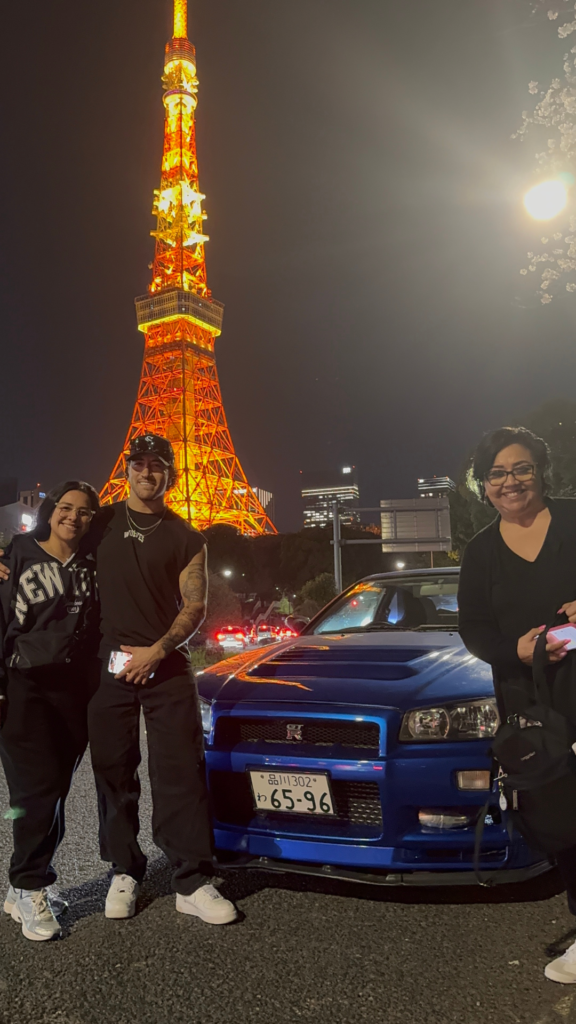
Looking for a unique way to begin your Shibuya evening? Samurai Car Japan, based right in Shibuya, offers sunset and evening drives through Tokyo’s famous streets in genuine JDM sports cars. There is something genuinely special about pulling into the Shibuya area in a Nissan GT-R or Toyota Supra as the city lights come on — it sets a tone for the night that no taxi or train can match.
Book an evening rental, cruise the expressways and the major streets as the sun goes down, park up, and step directly into the best bars and venues Shibuya has to offer. The combination of Japan’s greatest driving machines and Tokyo’s greatest nightlife district is hard to beat.
View JDM car rental options and book your Shibuya evening →
JDM tour guide!
Step into the world of “Fast & Furious” with our exclusive Daikoku Tour!
Experience the legendary car meet atmosphere for yourself. Make it the ultimate highlight of your Tokyo trip!
Related Guides
Frequently Asked Questions
Is Nonbei Yokocho tourist-friendly?
Yes, increasingly so. Many bars in Nonbei Yokocho have English menus or English-speaking staff, and those that don’t are accustomed to tourists pointing at the menu or using translation apps. The alley is well known enough that most bartenders understand a simple “draft beer, please” or are happy to recommend something by pointing. The main challenge is getting a seat — arrive early (6–7pm) to be sure. Some bars in the alley cater specifically to foreigners and expatriates, so you’ll never feel completely out of place.
How much does a night out in Shibuya cost?
Budget range (izakayas, standing bars, Torikizoku): ¥2,000–3,500 per person for a full evening with food and 3–4 drinks. Mid-range (Good Beer Faucets, Nonbei Yokocho, one cocktail bar): ¥4,000–7,000. Upscale (rooftop bar, Bar Tram, fine izakaya): ¥8,000–15,000. Club entry adds ¥2,500–4,000 on top. Taxis home can add ¥1,500–3,000 if you miss the last train. Pre-gaming at a convenience store with a canned cocktail (¥200–300) before heading out is a completely normal and accepted practice in Tokyo.
Are there English menus at Shibuya bars?
At the venues specifically mentioned in this guide — Good Beer Faucets, Bar Tram, and the major izakaya chains — yes, English menus are available. At Nonbei Yokocho, some bars have English menus and some don’t, but the drink categories (beer, sake, shochu, whisky, cocktails) are recognizable enough that language is rarely a real barrier. Google Translate’s camera mode is your backup for anything that isn’t immediately clear.
What time do bars close in Shibuya?
Izakayas and casual bars typically close between 11pm and 1am on weekdays, and 1am–2am on weekends. Clubs like WOMB run until 5am or later on weekends. Convenience stores are open 24 hours and sell alcohol around the clock. There are also 24-hour ramen shops and gyudon (beef bowl) chains that serve as late-night endpoints for the night out crowd. Tokyo effectively never fully closes, though the bar and club peak hours are 9pm–2am.
Is Shibuya safe at night?
Yes. Tokyo is one of the safest major cities in the world, and Shibuya at night is no exception. The main risks are the typical ones associated with heavy drinking anywhere — keeping track of your belongings, not getting lost if you’ve had too much, and making sure you have a clear plan for getting home before the last train. The police presence in Shibuya is visible, particularly around the station. Petty crime directed at tourists is rare, and violent crime is extremely rare. Exercise the same common sense you would in any busy urban environment and you’ll have no problems.
Explore Tokyo After Dark
Discover Tokyo’s vibrant nightlife with a local guide. Hidden izakayas, street food, and the neon-lit back alleys that make Tokyo legendary. Free cancellation.
[st_af id=”862″]
🇯🇵 Plan Your Japan Experience
JDM Car Rental
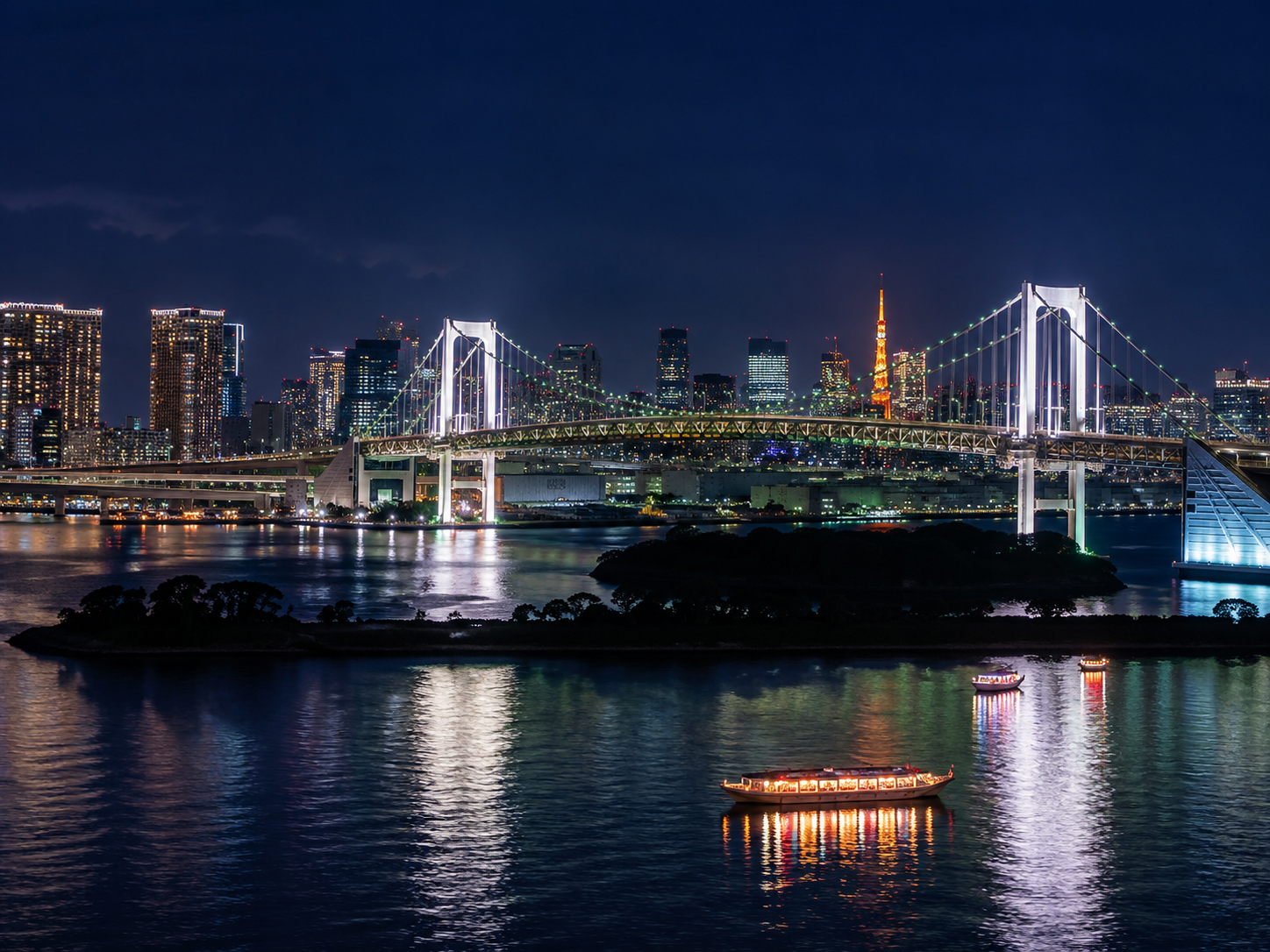
Drive a GT-R, Supra, RX-7, or Silvia on the roads they were built for. Hakone passes, Wangan highway, mountain touge — your dream JDM experience.
Daikoku PA Tour
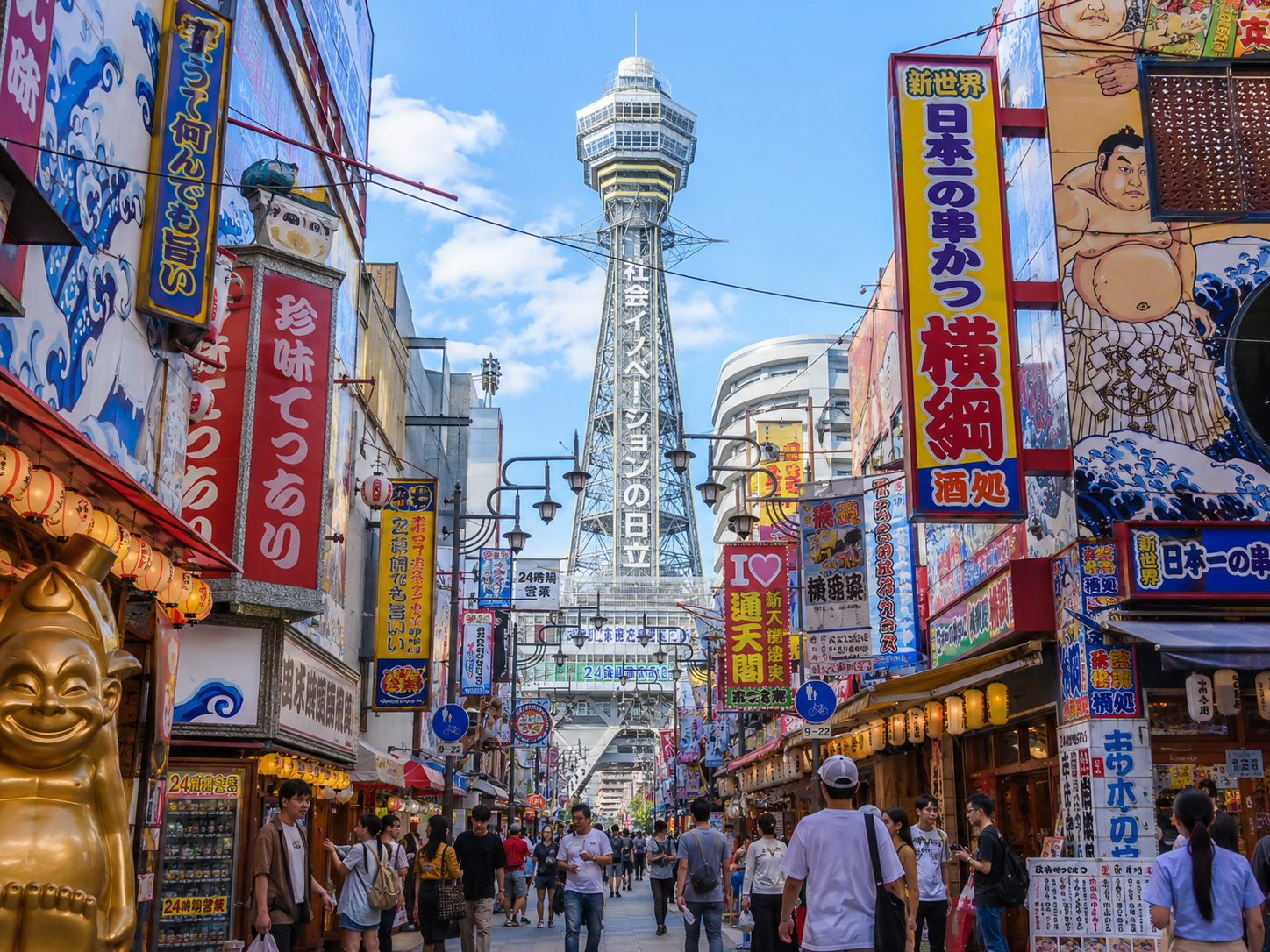
Visit Japan’s most legendary car meet. Hundreds of modified cars, passionate owners, and the heartbeat of JDM culture. Guided weekend night tours available.
Photo Guide Tour
Capture stunning photos at locations only locals know. Hidden shrines, backstreet alleys, rooftop views, and golden hour spots for unforgettable shots.