Samurai Coast Drive: Tokyo to Wajima via Kanazawa & Chirihama Beach — Japan’s Ultimate Hidden Gem Road Trip
There’s a stretch of Japan that most tourists never see — a wild, dramatic coastline where samurai culture still breathes, where you can literally drive your car across a beach, and where morning markets have been running for over a thousand years. This is the Noto Peninsula and Kanazawa route, and once you’ve driven it, you’ll understand why those of us who’ve made the trip keep talking about it. This isn’t the Japan of bullet trains and theme parks. This is the Japan that rewards the traveler who shows up behind a steering wheel, ready to explore at their own pace.
The route takes you from the buzzing heart of Tokyo — specifically Shibuya, where you can grab your rental car and hit the expressway before the city even wakes up — all the way to the remote tip of the Noto Peninsula. In between, you’ll cruise past one of Japan’s most celebrated gardens, thread through historic samurai districts, roll your car wheels right onto a beachfront highway made of hard-packed sand, and watch the Sea of Japan crash against ancient rock gates that look like they were sculpted by a god with a flair for drama. Every single kilometer of this drive earns its place.
Whether you’re into traditional Japanese culture, coastal scenery, or just the pure joy of driving open roads with almost no traffic, this route delivers all of it in one unforgettable sweep. Set aside at least three to four days to do it properly — though honestly, the kind of traveler this route attracts tends to find reasons to stay longer. Let’s break it all down so you can drive it with confidence.
Route Overview
This route runs approximately 600 kilometers in total from Shibuya to Wajima, though you’ll want to factor in sightseeing stops, beach driving detours, and the winding coastal roads of the Noto Peninsula that demand — and reward — a slower pace. Here’s the full breakdown:
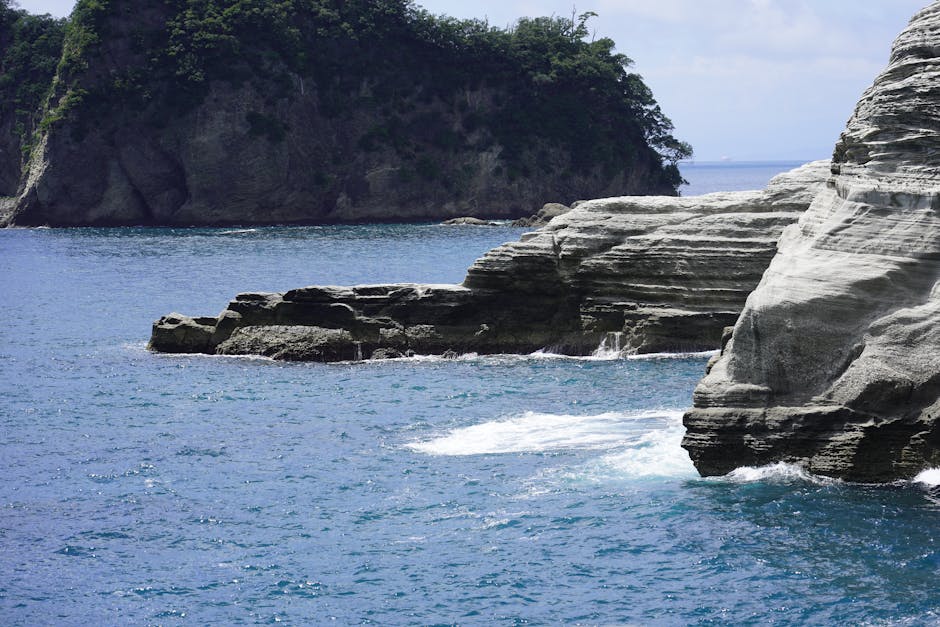
- Pick up your rental car at Samurai Car Japan in Shibuya, Tokyo — your journey begins here
- Shibuya, Tokyo → Kanazawa — approximately 450 km, 4.5 to 5 hours via the Hokuriku Expressway (E8). Toll cost: approximately ¥6,000–¥7,500 one way with ETC card
- Kanazawa → Chirihama Beach (Chirihama Nagisa Driveway) — approximately 35 km, 40 minutes via Route 8 and local roads along the Noto coast
- Chirihama Beach → Ganmon Rock Gate — approximately 55 km, 1 hour via the Noto Toll Road (Noto Satoyama Kaido, E76) and coastal Route 249
- Ganmon Rock Gate → Wajima — approximately 50 km, 1 hour via Route 249 along the wild Outer Noto coastline
Total driving time (not including stops): approximately 7–8 hours across the full route. We strongly recommend splitting this into at least two driving days — one day Tokyo to Kanazawa, and one or two days exploring the Noto Peninsula.
🗺️ Open This Route in Google Maps
Opens in Google Maps app on mobile
Stop 1: The Big Drive — Shibuya, Tokyo to Kanazawa
The drive from Shibuya to Kanazawa is itself an experience worth savoring. Once you’ve collected your car and navigated out of central Tokyo — which is easier than it sounds with English GPS, especially if you head for the Shuto Expressway C2 inner loop heading west — you’ll connect to the Kan-Etsu Expressway (E17) northbound before picking up the Hokuriku Expressway (E8) heading toward the Japan Sea coast.
The landscape transforms completely as you cross from the Pacific side of Honshu to the Sea of Japan side. You’ll pass through the long Kan-Etsu Tunnel cutting beneath the mountains, emerge into Niigata Prefecture’s wide river plains, and then watch as the coastline begins to reveal itself on your left. In winter, this corridor can be blanketed in snow; in summer it’s vivid green rice fields stretching to the horizon. Either way, it’s gorgeous driving.
Key expressways: Shuto Expressway → Kan-Etsu Expressway (E17) → Hokuriku Expressway (E8)
Total toll cost: approximately ¥6,000–¥7,500 with ETC card (non-ETC rates are higher — another reason to make sure your rental includes an ETC card)
Fuel stops: SA (service areas) on the expressway are frequent and excellent — try Yuzawa SA in Niigata Prefecture, which has good food options and clean facilities
Stop 2: Kanazawa — Samurai Districts, Geisha Quarters & Kenrokuen Garden
If there’s one city in Japan that consistently shocks visitors with how much history and culture it packs into a walkable area, it’s Kanazawa. Often called “Little Kyoto,” though Kanazawa locals will politely correct you on that comparison — the city has its own distinct identity, having been ruled by the powerful Maeda clan for over 300 years and having escaped wartime bombing that devastated so many other Japanese cities. What’s left is extraordinarily intact: samurai residences, geisha quarters, and one of Japan’s finest gardens all within easy reach of each other.
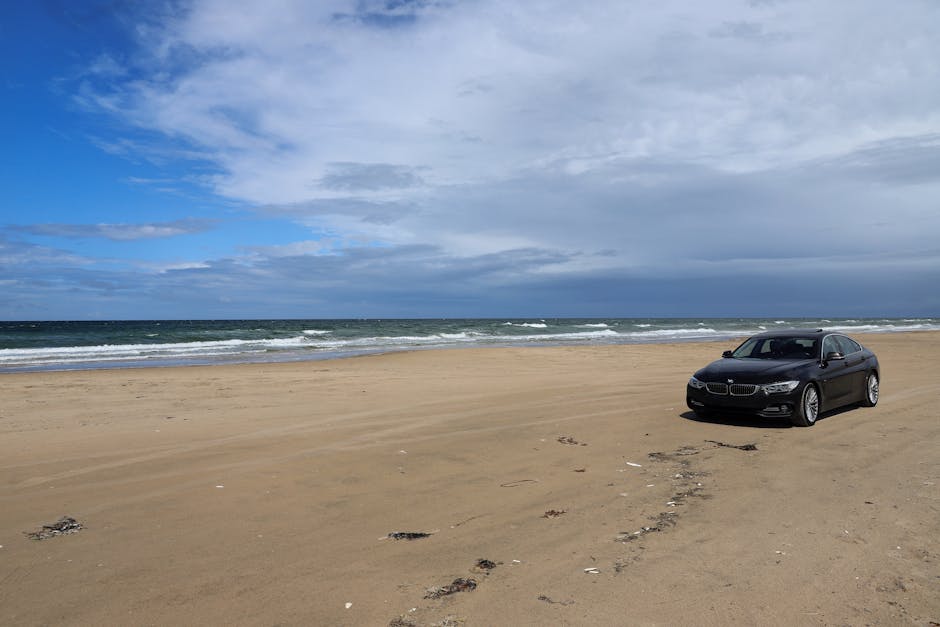
Kenrokuen Garden
Ranked consistently as one of Japan’s top three landscape gardens (alongside Mito’s Kairakuen and Okayama’s Korakuen), Kenrokuen covers 11 hectares of meticulously maintained beauty. The name itself means “garden of six qualities” — referring to the six attributes that define a perfect garden according to traditional Chinese aesthetics: spaciousness, seclusion, artificiality, antiquity, abundant water, and broad views. Kenrokuen manages all six simultaneously, which is theoretically impossible — and yet here it is.
Walk the paths for a minimum of 90 minutes. In spring the cherry blossoms are staggering; in winter, the pine trees are propped up with rope supports called yukitsuri that create a surreal, geometric beauty against the snow.
Admission: ¥320 for adults
Opening hours: 7:00 AM – 6:00 PM (March–October), 8:00 AM – 5:00 PM (November–February)
Higashi Chaya Geisha District
A short drive across the Asano River brings you to Kanazawa’s most atmospheric geisha district. The preserved machiya townhouses along the main street of Higashi Chaya look almost exactly as they did in the Edo period. Several teahouses have been converted into cafes and craft shops selling Kanazawa gold leaf products — the city produces 99% of Japan’s gold leaf. Step inside Shima, a preserved ochaya (teahouse) that functions as a museum, to see the tatami rooms and lacquerware where geisha once entertained.
Nagamachi Samurai District
A few minutes’ drive from the city center, Nagamachi is a quiet network of narrow lanes lined with mud walls and traditional samurai residences. The Nomura Samurai House is open to visitors and gives you a vivid sense of how upper-class warriors actually lived — layered architecture, private gardens, and exquisite decorative objects throughout.
Parking in Kanazawa: The most convenient paid parking for Kenrokuen is the Kenrokuen Shita Parking (兼六園下駐車場) just outside the Kakuzan-ji gate — expect to pay around ¥150–¥200 per 30 minutes. For Higashi Chaya, the Asano River riverside lots are cheaper. We strongly recommend driving to Kanazawa early, parking centrally, and walking the historic districts on foot.
Recommended time in Kanazawa: Half a day minimum, ideally one full day or overnight stay
Stop 3: Chirihama Nagisa Driveway — Drive Right Onto the Beach
From Kanazawa, head north on Route 8 briefly before picking up the coastal road toward Hakui. You’re now entering the Noto Peninsula proper, and the Sea of Japan is starting to announce itself. After about 35–40 kilometers, you’ll see signs for Chirihama — and when you do, you’ll want to follow them immediately, because what comes next is genuinely unlike anything else in Japan.
Chirihama Nagisa Driveway is Japan’s only beach you can legally drive on. Eight kilometers of hard-packed sand, flat as a runway, with the Sea of Japan churning on one side and low dunes on the other. The beach sand here has an unusually compact composition — a specific mix of minerals and shell fragments creates a surface firm enough to support vehicles without getting bogged down. Local buses, motorcycles, regular passenger cars, and even campervans all share this extraordinary natural highway.
You can drive the full 8 km one way and turn around, or take the northern or southern access roads back to the regular road network. Speed limit on the beach is 30 km/h, and the driving surface is genuinely stable — though you’ll want to stay above the tide line and pay attention to where the wet sand begins. We’d recommend arriving around mid-tide when the hard sand band is widest and most comfortable to drive on.
Pull over, roll down the windows, and just sit there for a moment. The sound of the waves, the vast open sky, and the surreal sensation of being parked on a beach in your car — it’s one of those moments that feels almost too cinematic to be real.
Access points: Northern access via Hama-machi, Southern access near Hakui. Both are signposted and paved down to the beach entry point.
Parking: Free parking areas at both access points. Beachside parking spots available (free)
Driving on beach: Free, no permit required — just drive in
Best time: Mid-tide, or around sunset when the colors are extraordinary
Driving this route? We’ve got you covered.
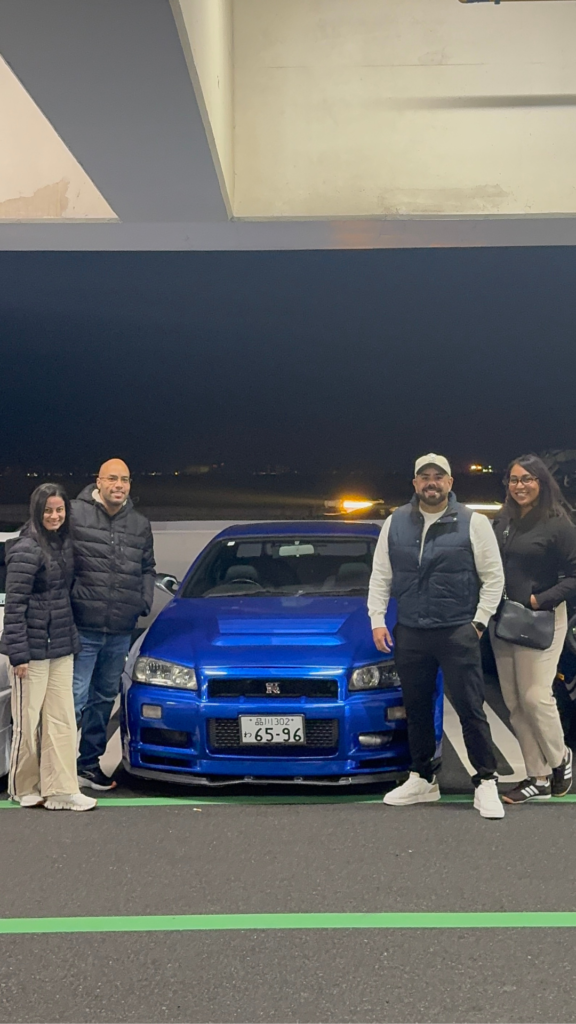
Hundreds of international visitors have driven this route with a car from Samurai Car Japan. Our team will brief you on road conditions, tolls, and the best stops before you set off.
Stop 4: Ganmon Rock Gate — The Wild Heart of the Noto Coast
From Chirihama, continue north on the Noto Satoyama Kaido (E76 toll road), which cuts efficiently up the peninsula before you peel off toward the western coast on Route 249. This stretch of driving is where the Noto Peninsula truly starts to reveal its character — the road narrows, the sea cliffs get more dramatic, fishing villages appear and disappear around each curve, and the number of other tourists drops noticeably. This is the Outer Noto (Oto Noto), and it feels like a different country from the manicured suburbs you left behind in Kanazawa.
After roughly an hour of driving from Chirihama, you’ll arrive at Ganmon — a natural rock arch sculpted over millennia by the relentless waves of the Sea of Japan. The gate stands about 15 meters high and frames a view of churning blue-green water beyond that’s genuinely dramatic. Access is via a short walking path from the parking area, and you can take a sightseeing boat through the arch if conditions allow (operated seasonally, usually April through November).
The surrounding coastline at Ganmon is equally impressive — jagged volcanic rock formations, natural caves, and sea stacks extending along the clifftops in both directions. This area is part of the Noto Satoyama Satoumi National Park, and the scenery is raw and powerful in a way that polished tourist spots rarely manage.
Parking: Free large parking lot adjacent to the Ganmon Rock Gate tourist area
Entry: Free to walk to the viewpoint. Sightseeing boats: approximately ¥1,500 per adult
Time needed: 45 minutes to 1.5 hours depending on whether you take the boat tour
Road conditions: Route 249 approaching Ganmon is well-surfaced but has curves and some single-lane sections — drive at a comfortable pace and enjoy the scenery
Stop 5: Senmaida Rice Terraces — A Thousand Tiny Fields by the Sea
Just north of Ganmon, still on Route 249 heading toward Wajima, you’ll encounter one of the most quietly breathtaking sights on the entire peninsula: the Senmaida Rice Terraces (千枚田, literally “one thousand rice paddies”). In fact, there are exactly 1,004 of them — tiny, irregular paddies carved into the steep hillside that descend in irregular steps right down to the edge of the Sea of Japan. The contrast between the geometric, human-made pattern of the paddies and the wild sea crashing at their base is extraordinary.
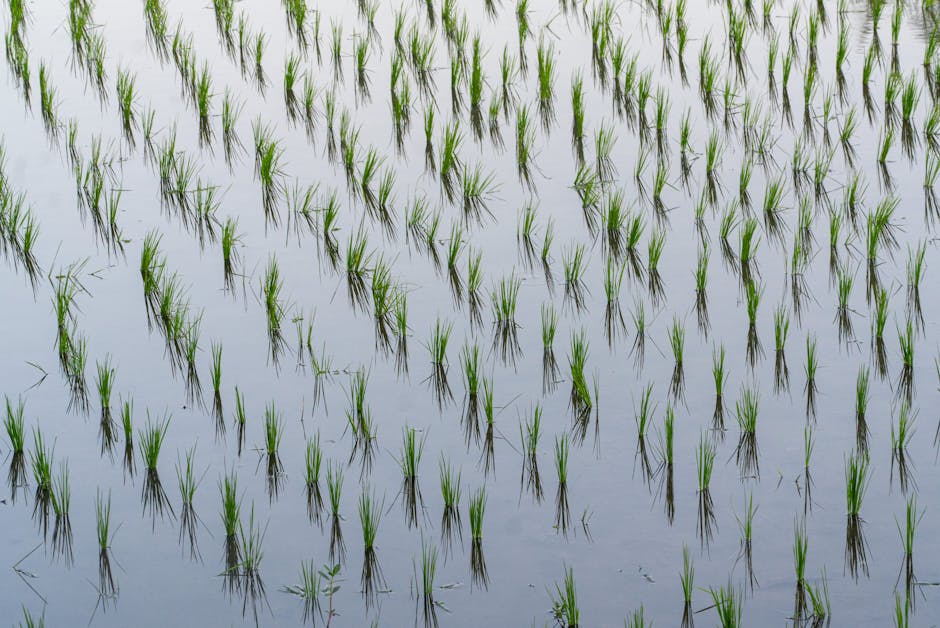
The paddies are at their most photogenic in late spring when they’re flooded and reflect the sky like hundreds of mirrors, and in early autumn when the rice is golden. In October and November, the Senmaida illumination event lights the entire hillside with LED lights after sunset — one of the most magical sights in the entire Chubu region.
There’s a dedicated rest stop and parking area (free) right at the main viewpoint. Allow at least 30–45 minutes here, and walk the path that descends through the paddies for the best vantage points.
Parking: Free parking lot at the Senmaida Kiroru roadside station
Best months: May–June (planting, water reflection), September–October (golden rice), October–November (illumination event)
Stop 6: Wajima — The Living End of the Road
Wajima is the largest town on the outer Noto Peninsula and feels like it’s been quietly existing on its own terms for centuries — which it largely has. Famous throughout Japan for its lacquerware (Wajima-nuri, an exceptionally high-quality urushi lacquer technique with over 400 years of history), the town also hosts what many argue is Japan’s most authentic and atmospheric morning market.
Wajima Morning Market (Asaichi)
The Wajima Asaichi has been running for over 1,000 years and currently fills a 360-meter stretch of Honmachi-dori street with more than 200 vendor stalls every morning except Wednesday and the second and fourth Wednesday of each month. It runs roughly from 8:00 AM to noon, though stalls begin packing up by 11:00 AM. Arrive early — by 8:30 AM if possible — to see it at full energy.
The stalls sell everything from fresh seafood and vegetables to handmade lacquerware, dried foods, local crafts, and regional snacks. The vendors are predominantly local women, many elderly, and the market retains a completely functional, non-touristy feel — people are genuinely shopping here for their weekly groceries alongside curious visitors. Buy a piece of Wajima lacquerware directly from a craftsperson and you’re taking home something genuinely irreplaceable.
Kiriko Kaikan Museum
Wajima’s other unmissable attraction is the Kiriko Kaikan, a museum dedicated to the enormous decorative lanterns used in the Noto Peninsula’s summer festivals (Kiriko Matsuri). These lanterns, some standing over 15 meters tall, are extraordinary works of folk art, and seeing them displayed indoors gives you a sense of the scale and craftsmanship involved. Open daily, admission approximately ¥660.
Parking in Wajima: Free large parking areas near the morning market area (Wajima Asaichi-mae Parking). Arrive before 8:30 AM for easy parking; by 9:30 AM it can fill up on busy days.
Recommended time in Wajima: Half day to full day
Accommodation: Several ryokan in Wajima serve excellent seafood dinners — booking one night here is highly recommended
Driving Tips for This Route
Road Conditions
- Tokyo to Kanazawa (E8 Hokuriku Expressway): Well-maintained dual carriageway throughout. In winter (December–March), expect possible snow between the Niigata and Toyama sections — winter tires are mandatory on mountain expressway sections during snowfall
- Kanazawa to Noto Peninsula (E76 Noto Satoyama Kaido): Modern toll road, smooth and fast, excellent condition
- Route 249 (Outer Noto coast): Generally well-surfaced but winding, with some sections of single-lane road near cliff edges. Drive at a relaxed pace — 40–50 km/h is comfortable and safe on most sections
- Chirihama Beach surface: Hard-packed sand — suitable for regular passenger cars at mid to low tide
Tolls Summary
- Tokyo to Kanazawa: Approximately ¥6,000–¥7,500 (ETC rate). Non-ETC rate is approximately 30% higher.
- Noto Satoyama Kaido (E76): Approximately ¥500–¥900 depending on section used
- Total trip tolls (round trip): Budget approximately ¥15,000–¥17,000 for the full round trip with ETC
License Requirements
Foreign visitors driving in Japan must carry an International Driving Permit (IDP) issued in their home country, along with their original national driving license. Japan recognizes IDPs issued under the 1949 Geneva Convention — most Western countries issue this format. Check with your local automobile association before leaving home. Visitors from Switzerland, Germany, France, Belgium, Monaco, Slovenia, and Taiwan may use their national license with a certified Japanese translation instead of an IDP.
Fuel Stations
Fuel is readily available on the expressway at service areas, in Kanazawa, and in the main towns along the Noto Peninsula. Gas stations thin out significantly on the outer Noto coast — fill up in Kanazawa, Hakui (near Chirihama), and Wajima rather than counting on finding a station between them. Current fuel prices hover around ¥165–¥185 per liter for regular unleaded (レギュラー).
Best Time of Day to Drive Each Segment
- Shibuya → Kanazawa: Depart by 7:00 AM to avoid Tokyo expressway congestion
- Kanazawa → Chirihama: Mid-morning, to hit the beach at a good tide window
- Chirihama → Ganmon → Wajima: Afternoon, arriving in Wajima before dark — Route 249 is manageable at night but far more enjoyable in daylight when you can appreciate the coastal scenery
Where to Eat Along the Route
In Kanazawa
- Omicho Market (近江町市場): The city’s historic covered market, a 5-minute drive from Kenrokuen. Grab a kaisen-don (seafood rice bowl) at any of the market restaurants for around ¥1,500–¥2,500. Fresh crab, sea bream, and local snow crab (kano kani) in season are exceptional.
- Kinjohro: One of Kanazawa’s most celebrated traditional restaurants for kaiseki cuisine — book well in advance if this is a priority
- Mori Mori Sushi (もりもり寿し): Excellent kaiten sushi chain local to Kanazawa, multiple locations, consistently good quality
Near Chirihama
- Chirihama Nagisa Beach shops: Small food stalls at both ends of the beach sell grilled seafood skewers, soft-serve ice cream, and fresh shellfish. Grilled clams (yakigai) are a local specialty — about ¥500–¥800 for a set
In Wajima
- Wajima Morning Market food stalls: Hot grilled fish, tamagoyaki (rolled omelette), pickles, and local produce — eat breakfast here while you browse
- Ryokan dinner (kaiseki seafood): If you’re staying the night, let your ryokan serve you — Wajima’s seafood kaiseki dinners, featuring crab, abalone, and sea urchin from the surrounding waters, are among the best meals you’ll eat in Japan
- Otomezushi: A well-regarded local sushi restaurant in Wajima town center, excellent for lunch
Best Season for This Drive
Spring (April–May) — Highly Recommended
Cherry blossoms in Kanazawa’s parks and along the Asano River are sensational. Senmaida paddies are flooded with fresh water and reflect the sky brilliantly. Weather is mild and roads are clear. This is probably the single best time to drive this route.
Summer (June–August) — Good with Caveats
The Noto Peninsula is at its greenest and the coast is stunning in bright summer light. Beach driving at Chirihama is at its most popular. However, late July and August bring humidity and occasional typhoons — check weather forecasts carefully, and be aware that the Outer Noto coast can be hit hard by Pacific typhoons that swing north.
Autumn (September–November) — Excellent
Golden rice at Senmaida, autumn foliage beginning in the hills around Kanazawa, and the Kiriko lantern festivals throughout the Noto Peninsula (most festivals run July–September). The Senmaida illumination event typically runs from October through March. Comfortable temperatures and clear skies make for superb driving conditions.
Winter (December–March) — For the Adventurous
The Sea of Japan coast in winter is dramatically moody — crashing grey waves, snow-dusted pine forests, and almost no other tourists. Kanazawa under snow is arguably its most beautiful form, and the yukitsuri (snow-propped pine trees) in Kenrokuen are iconic. However, the Hokuriku Expressway regularly requires winter tires between December and March, and Route 249 on the Outer Noto can ice up. Ensure your rental car has winter tires fitted if you’re driving in this season — confirm this when you book.
Frequently Asked Questions
Where can I rent a car for this route?
The most convenient starting point for this route is Samurai Car Japan in Shibuya, Tokyo. They specialize in serving international visitors and provide ETC cards, English GPS navigation, and International Driving Permit support — everything you need for a long expressway drive. They also have JDM sports cars available if you want to make the journey extra memorable. You can book directly at samuraicarjapanjdm.jp.
Do I need an International Driving Permit (IDP) to drive in Japan?
Yes — almost all foreign nationals require a valid IDP issued in their home country to drive in Japan, alongside their original driving license. The IDP must be the 1949 Geneva Convention format. Obtain one from your national automobile association before leaving home (it usually takes a few days and costs the equivalent of approximately $20–$30). Driving without an IDP is illegal and will void your rental car insurance.
Can I really drive on Chirihama Beach in any car?
Yes, in a standard passenger car — no special vehicle is needed. The sand at Chirihama Nagisa Driveway is naturally hard-packed due to its mineral composition, and regular cars drive on it comfortably at mid to low tide. Stay above the tideline on the drier, firmer sand. Sports cars with low ground clearance may want to approach the beach access ramps carefully. Avoid driving on the beach at high tide or in rough sea conditions.
How many days should I spend on this route?
We recommend a minimum of three days: Day 1 — drive from Tokyo to Kanazawa (half day driving, half day exploring Kanazawa). Day 2 — Chirihama Beach, Ganmon Rock Gate, Senmaida, arriving in Wajima by evening. Day 3 — Wajima Morning Market and exploration before heading back. Four or five days allows a more relaxed pace and time to discover smaller fishing villages along Route 249 that deserve spontaneous stops.
Is this route suitable for first-time drivers in Japan?
The expressway sections are straightforward and well-signposted in English as well as Japanese. The Noto coastal roads require slightly more attention — narrower lanes and occasional curves — but are not technically difficult. The most important adjustment for first-time Japan drivers is remembering to drive on the left-hand side of the road. English GPS navigation (provided with rentals from Samurai Car Japan) takes away most of the route-finding stress. We’d rate this route as moderate difficulty — very manageable for any confident driver with some international road experience.
Why not elevate your journey with a legendary JDM experience?
Our Services:
- Self-Drive Rentals
- Guided Tours
- Drift Experiences
Please visit the dedicated page for more details.
[st_af id=”862″]
🇯🇵 Plan Your Japan Experience
JDM Car Rental
Drive a GT-R, Supra, RX-7, or Silvia on the roads they were built for. Hakone passes, Wangan highway, mountain touge — your dream JDM experience.
Daikoku PA Tour
Visit Japan’s most legendary car meet. Hundreds of modified cars, passionate owners, and the heartbeat of JDM culture. Guided weekend night tours available.
Photo Guide Tour
Capture stunning photos at locations only locals know. Hidden shrines, backstreet alleys, rooftop views, and golden hour spots for unforgettable shots.
Leave a Reply