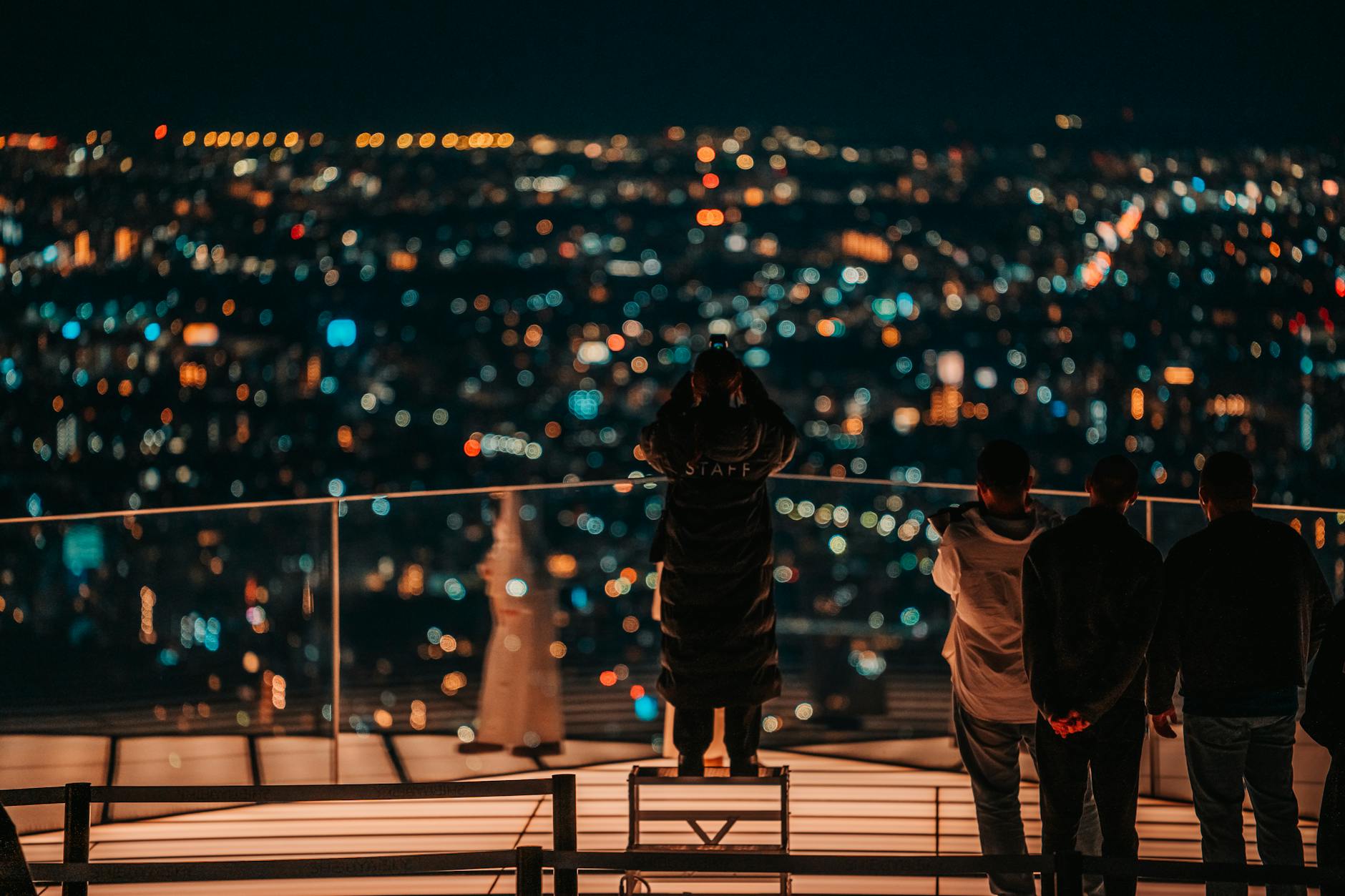
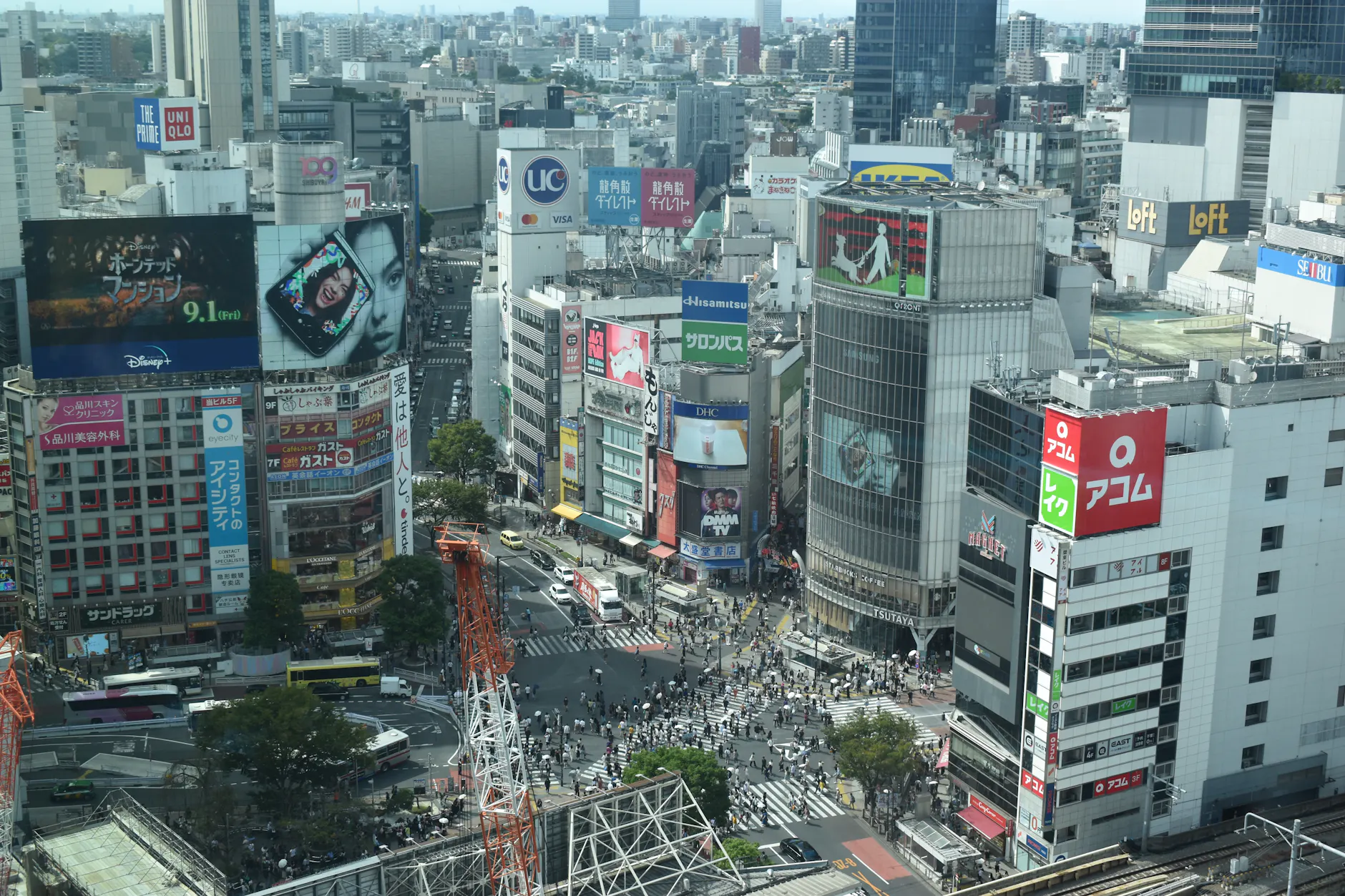
Imagine standing 230 meters above Tokyo, looking straight down at the world’s most famous pedestrian crossing. Thousands of people stream across Shibuya Crossing like schools of fish while the neon towers of Shinjuku gleam in the distance, Mt. Fuji floats on the horizon on clear days, and the entire Tokyo metropolis stretches endlessly in every direction. That is Shibuya Sky — and it is one of the most spectacular urban viewpoints on Earth.
Whether you are visiting Tokyo for the first time or returning for the tenth, Shibuya Sky delivers something that no other observation deck in Japan quite replicates: an intimate, almost visceral connection to the chaos and energy of the city below. This is not just a view — it is an experience, and this 2026 guide will tell you everything you need to know to make the most of it.
What Is Shibuya Sky?
Shibuya Sky is the observation facility located on the rooftop of Shibuya Scramble Square — the massive mixed-use skyscraper that opened in November 2019 and immediately became one of Tokyo’s defining architectural landmarks. Shibuya Scramble Square stands 230 meters tall with 47 floors above ground and 4 basement floors, making it the tallest building in the Shibuya area by a considerable margin.
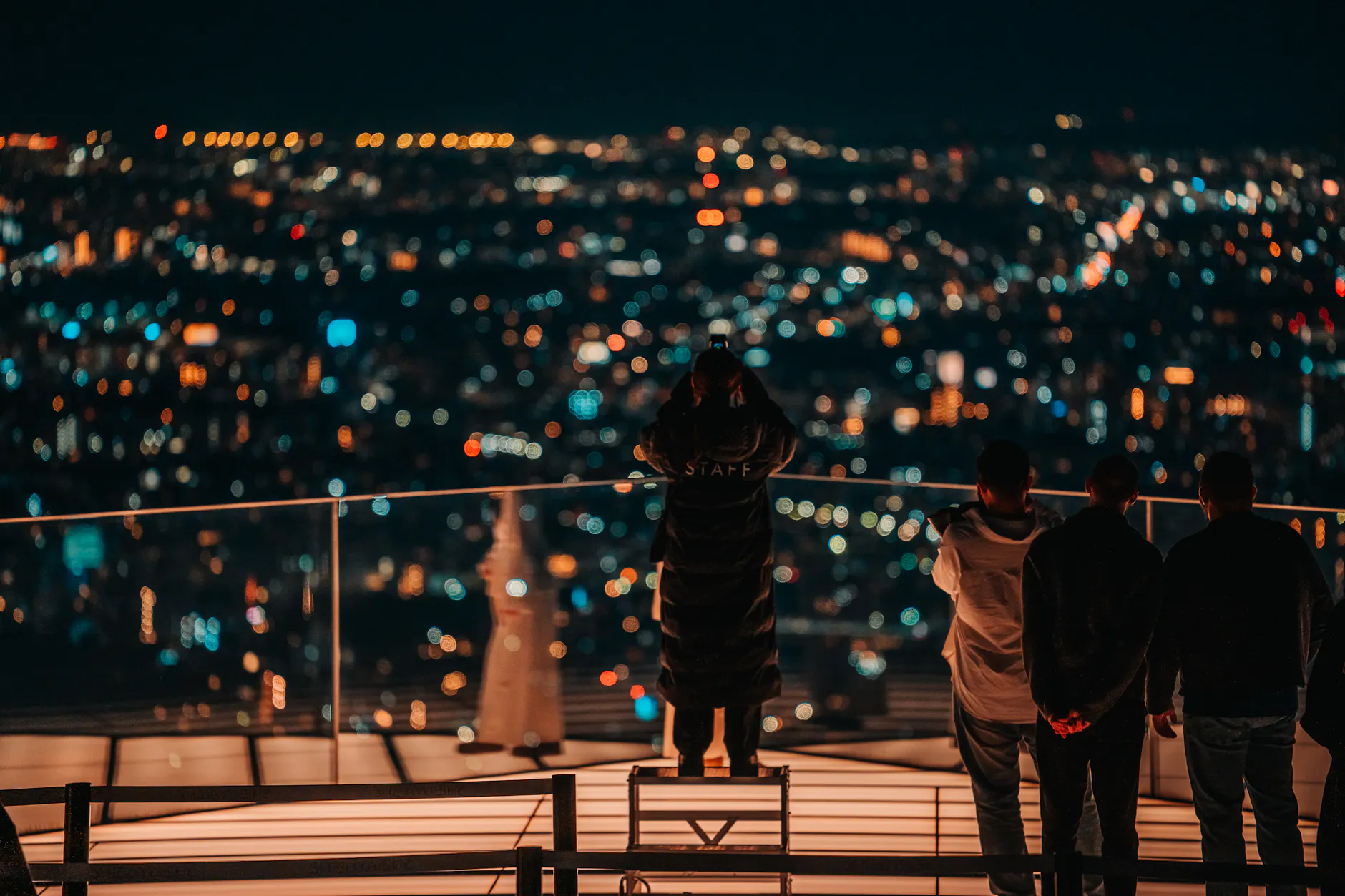
The observation experience spans three levels: the Sky Lobby on the 45th floor, the Sky Gallery on the 46th floor, and the crown jewel, the Sky Stage — the fully outdoor rooftop deck on the 47th floor. What makes Shibuya Sky genuinely unique among Tokyo observation decks is that the rooftop is fully open to the sky. There is no glass between you and the Tokyo air. You step out onto the roof and the city simply surrounds you in all directions with nothing but a safety railing between you and one of the greatest cityscapes on the planet.
Since opening in 2019, Shibuya Sky has welcomed millions of visitors and earned its place as a must-visit attraction in Tokyo. For foreign tourists especially, it offers an unparalleled perspective on the city — and specifically on Shibuya, the neighborhood that more than any other embodies the kinetic energy of modern Japan.
Tickets and Prices
Important
Adults (18+): ¥2,000 online in advance / ¥2,200 at the door
High school students (ages 12–17): ¥1,600 online / ¥1,800 at the door
Children (ages 6–11): ¥1,000 online / ¥1,200 at the door
Under 6 years old: Free
Opening Hours: 10:00–22:30 daily (last entry 21:30)
Booking: Strongly recommended for sunset time slots — book at least 2–3 weeks in advance for Friday/Saturday evenings
Tickets can be purchased online through the official Shibuya Sky website. Online booking not only saves you money versus walk-up pricing, it also lets you select a specific entry time window — which is important because Shibuya Sky manages capacity carefully to prevent overcrowding on the outdoor rooftop.
For the most popular sunset and early evening slots (roughly 16:00–19:00), tickets routinely sell out days or even weeks in advance, particularly on weekends and public holidays. If you have your heart set on a golden-hour visit, book as early as possible. Morning slots are almost always available closer to your travel date and offer their own rewards, including clearer air and a better chance of seeing Mt. Fuji.
There are no combo tickets with other Tokyo observation decks, but the Shibuya Sky price is competitive compared to Tokyo Skytree and Tokyo Tower, and the experience — particularly the fully outdoor rooftop — justifies every yen.
Best Time to Visit Shibuya Sky
The honest answer is that Shibuya Sky is worth visiting at any time of day. But each time of day offers a genuinely different experience, and knowing what to expect will help you plan accordingly.
Morning (10:00–12:00)
The morning is the best time of day for clear views of Mt. Fuji. The mountain is most visible in autumn and winter when dry, cold air pushes the haze away — on a clear November morning you can see Fuji’s snow-capped peak with stunning clarity. Morning visits are also significantly less crowded than afternoon or evening, meaning you can linger at the glass-edge panels and the outdoor perimeter without queuing or jostling for position. The light at this time of day is bright and even, excellent for photography.
Sunset and Golden Hour (roughly 16:30–18:30, seasonal variation)
This is the most magical time to visit Shibuya Sky, and the reason it sells out weeks in advance. As the sun drops toward the horizon, the entire city turns amber and gold. The Shinjuku towers catch the last of the daylight and glow. Shibuya Crossing far below becomes a river of glittering cars and pedestrians. And if the sky cooperates — a few dramatic clouds lit from below — the view becomes genuinely breathtaking.
The drawback is obvious: sunset slots are the hardest to book and the most expensive in terms of your planning effort. Go for it if you can, but do not despair if you cannot secure a sunset ticket.
Night (19:00–21:30 last entry)
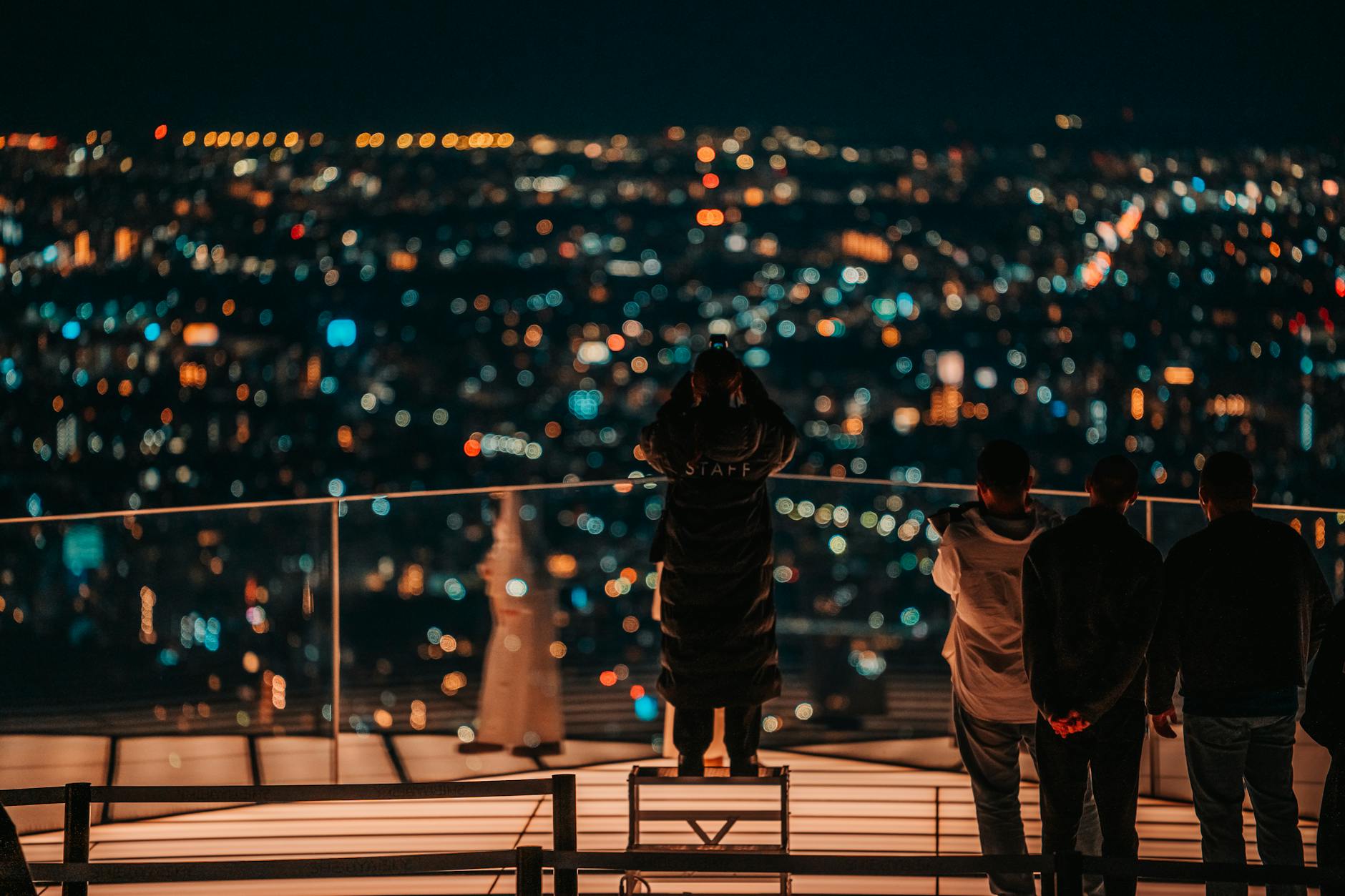
The city at night from Shibuya Sky is electric. The neon of Shibuya and Shinjuku, the expressway lights threading through the city, the distant glow of Tokyo Bay — it is a different kind of spectacular from the sunset view, but equally impressive. Night visits are also somewhat easier to book than peak sunset slots, and the atmosphere on the rooftop is more relaxed and romantic. This is the time to come with a partner or someone you want to impress.
What to See at Shibuya Sky
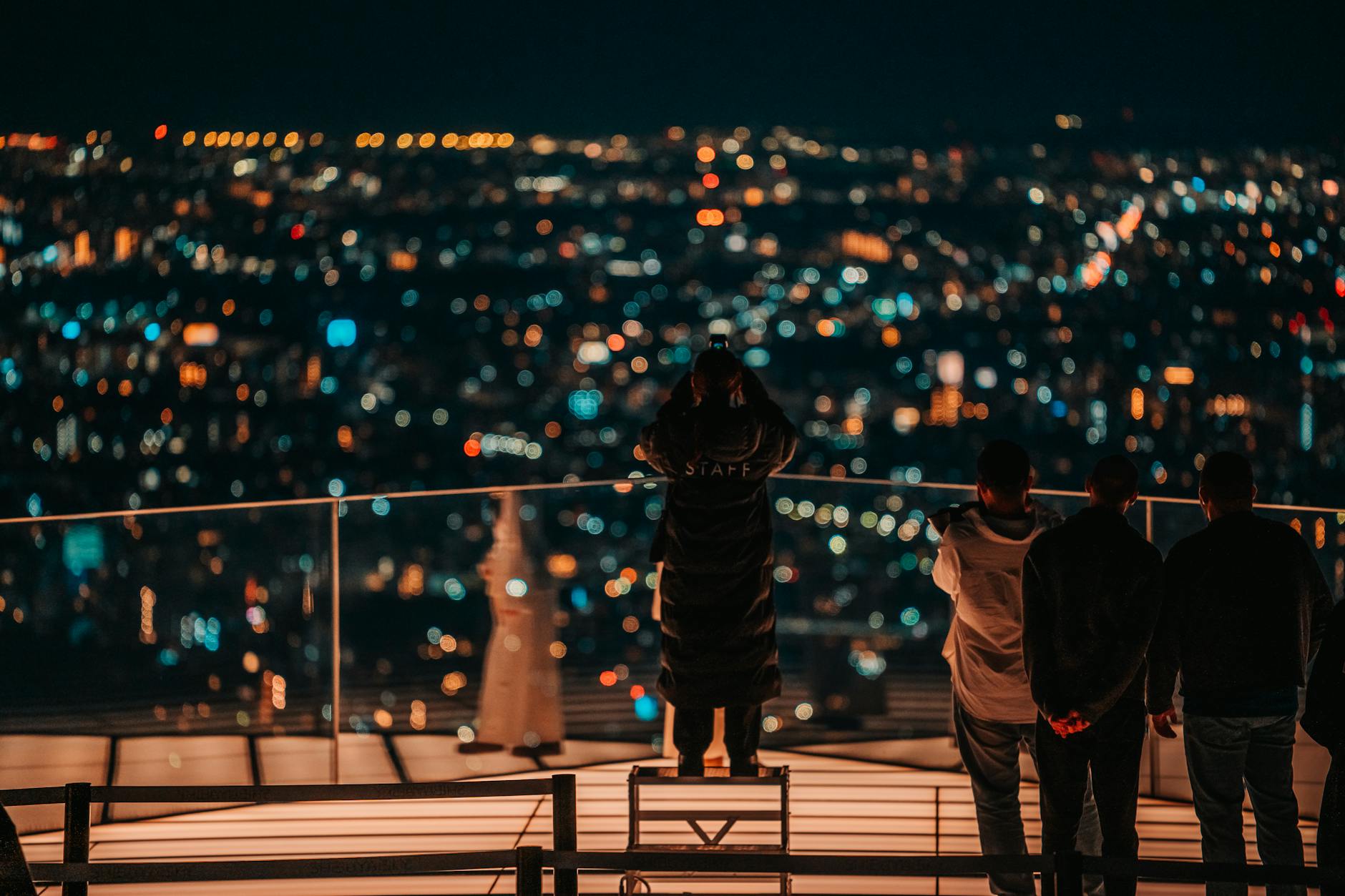
Shibuya Sky is more than just a rooftop with a view. There are several distinct zones within the facility, each worth spending time in.
Sky Stage (47F Outdoor Rooftop)
The centrepiece. This fully open-air rooftop deck wraps around the entire top of Shibuya Scramble Square, giving you 360-degree views with nothing but Tokyo air between you and the horizon. The design of the space is elegant — low glass railings, hammock-style resting areas built into the structure, and thoughtfully placed viewing platforms that maximise your line of sight in every direction. On a clear day or evening, you can easily spend 30–40 minutes here simply rotating slowly and absorbing the views.
Sky Edge (Glass Floor Panels)
At the perimeter of Sky Stage, several transparent glass floor panels allow you to look straight down 230 meters to the streets below. These are genuinely thrilling and not for the faint-hearted — the glass is engineered to a substantial safety specification, but your brain does not immediately believe that when you first step out onto it. Look down at the tiny cars and people on the streets far below and you will feel your heart rate increase. A right of passage for any visitor to Shibuya Sky.
Sky Gallery (46F)
The 46th floor houses rotating art installations and interactive exhibits that change periodically. The gallery uses the building’s architecture and the city views as part of the art experience — projections, light installations, and interactive displays are incorporated into the space. It is an interesting complement to the raw visual spectacle of the outdoor deck, and worth spending 15–20 minutes exploring.
Sky Lobby (45F)
The 45F indoor lounge is the transition point between the elevators and the upper observation areas. It features comfortable seating, large floor-to-ceiling windows overlooking the city, and a cafe/bar where you can purchase drinks to enjoy with your views. If the wind picks up on the outdoor deck or you simply want a quieter moment, the Sky Lobby provides a more sheltered alternative. On cold winter evenings it becomes particularly popular as a warm refuge between forays onto the rooftop.
The Views: What You Will Actually See
From 230 meters above Shibuya, the Tokyo skyline unfolds in all directions. Here is what to look for:
Shibuya Crossing: Directly below, you can see the famous scramble intersection — though from this height, the people are tiny and the crossing looks like an abstract animation. It is strangely beautiful and one of the most photographed views from Shibuya Sky.
Shinjuku Skyline: Looking northwest, the dense cluster of skyscrapers in west Shinjuku is clearly visible — the Tokyo Metropolitan Government Building, the Park Hyatt, the Mode Gakuen Cocoon Tower. On clear days the skyline has a crisp, almost architectural quality.
Mt. Fuji: On clear days between October and March, Japan’s iconic volcano is visible to the southwest. The mountain appears deceptively close and impossibly perfect — a triangular white peak rising above the haze. Seeing Fuji from a Tokyo rooftop is one of those travel moments that stays with you.
Tokyo Tower: The red-and-white communications tower is visible to the east, rising above the older low-rise neighborhoods of Minato and Shibaura. Its retro industrial elegance contrasts nicely with the sleeker modern towers around it.
Tokyo Skytree: The tallest structure in Japan stands in Sumida Ward to the northeast. From Shibuya Sky, the Skytree is clearly visible and provides an interesting visual anchor on the horizon.
Rainbow Bridge and Tokyo Bay: On clear days, you can see the distinctive shape of Rainbow Bridge arching over Tokyo Bay in the distance, with the bay itself glittering beyond it. Container ships and ferries are occasionally visible moving through the waterway.
Photography Tips
Pro Tip
Daytime: Use a polarising filter to reduce haze and deepen the blue sky. Shoot in RAW for maximum latitude in post-processing. A 24–70mm lens covers most situations well.
Sunset: Arrive 30 minutes before your target golden hour and stake out your position. Shoot in burst mode as the light changes rapidly. Slightly underexposing by 1/3 to 1/2 stop preserves sky detail.
Night: Bring a small tripod or use the railings to stabilise your camera for long exposures. ISO 400–800 with a 2–4 second exposure produces beautiful light trails on the expressways below. Turn your flash completely off.
Avoiding reflections: The Sky Stage is fully outdoor so glass reflections are not an issue on the rooftop. In the Sky Lobby, press your lens hood or a dark jacket against the glass to eliminate interior reflections in window shots.
Smartphone photographers will find that modern flagship phones — particularly those with dedicated night mode and computational HDR — produce excellent results at Shibuya Sky, especially at dusk. The wide main camera on most flagship phones handles the scale of the view well. For the glass floor panels, shoot looking straight down rather than at an angle for maximum vertigo effect.
How to Get to Shibuya Sky
Shibuya Sky’s greatest logistical advantage is that it sits directly on top of Shibuya Station — one of the busiest train stations in the world and one of the best-connected transport hubs in Tokyo.
Train lines serving Shibuya Station:
- JR Yamanote Line (the main circular loop of central Tokyo)
- Tokyo Metro Ginza Line
- Tokyo Metro Hanzomon Line
- Tokyo Metro Fukutoshin Line
- Tokyu Toyoko Line
- Tokyu Den-en-toshi Line
- Keio Inokashira Line
From Shibuya Station, follow the signs for Shibuya Scramble Square. The building is directly connected to the station and you can reach it without stepping outside. Take the escalators up from the station concourse level or look for the dedicated Shibuya Sky ticketing area on the lower floors of the building. Elevators marked for Shibuya Sky will take you from the ground floor reception area to the 45th floor Sky Lobby in approximately 45 seconds.
If you are visiting from central Tokyo areas like Shinjuku, Harajuku, or Omotesando, Shibuya is 1–3 stops by rail. From Akihabara or Ueno, plan for 20–30 minutes by train.
After Shibuya Sky: Experience Tokyo From Behind the Wheel
After seeing Tokyo from 230 meters in the air, there is one more way to experience this extraordinary city that most tourists never discover. Once you have had the bird’s-eye view of the expressways and city grid from Shibuya Sky, why not take those same streets at ground level — in something memorable?
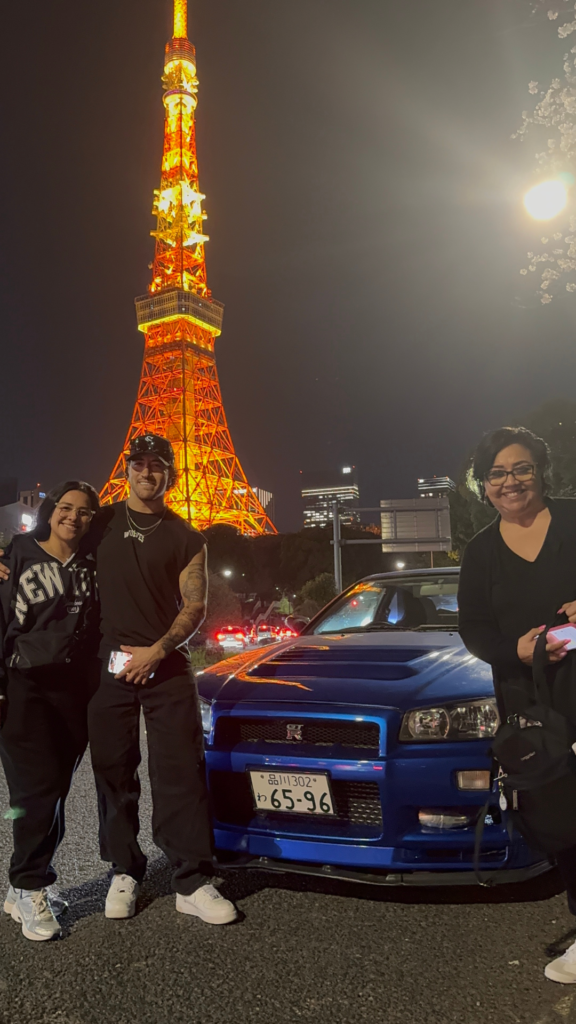
After seeing Tokyo from above, why not experience it from behind the wheel? Samurai Car Japan offers JDM sports car rentals departing from Shibuya — drive a GT-R, Supra, or RX-7 through Tokyo’s iconic streets and expressways. The wangan bayside highway, the Rainbow Bridge route at night, the mountain passes west of the city — Tokyo from a Japanese sports car is a completely different kind of travel experience, and one that very few foreign visitors get to have. If that sounds like your kind of adventure, check out the rental options here.
JDM tour guide!
Step into the world of “Fast & Furious” with our exclusive Daikoku Tour!
Experience the legendary car meet atmosphere for yourself. Make it the ultimate highlight of your Tokyo trip!
Related Guides
Frequently Asked Questions
Is Shibuya Sky worth it?
Absolutely. Shibuya Sky consistently ranks among Tokyo’s top observation decks, and for good reason. The fully open-air rooftop experience is unique among major Tokyo observation facilities — no glass between you and the view — and the location directly above Shibuya Crossing gives you one of the most iconic urban panoramas in the world. At ¥2,000 for online tickets, it is good value for a genuinely memorable experience. Most visitors rate it as one of the highlights of their Tokyo trip.
How long should I spend at Shibuya Sky?
Plan for a minimum of 60 minutes, though 90 minutes is more comfortable. The rooftop itself warrants at least 30–40 minutes of exploration, the Sky Gallery another 15–20 minutes, and the Sky Lobby is worth a relaxed drink with a view. If you are visiting at sunset and the light is spectacular, you may find yourself staying significantly longer.
Can you see Mt. Fuji from Shibuya Sky?
Yes, on clear days. Mt. Fuji is visible to the southwest from the Sky Stage outdoor deck. The best visibility occurs in autumn and winter (October through February) when cold, dry air minimises atmospheric haze. Morning visits tend to offer clearer views than afternoon, as haze typically builds through the day. Summer visits rarely offer Fuji views due to humidity and summer heat haze.
Do I need to book tickets in advance?
For sunset and evening slots, yes — advance booking is strongly recommended and essentially essential on weekends. Sunset time slots routinely sell out 2–3 weeks ahead, especially on Fridays and Saturdays. Morning and afternoon slots have more availability and can often be booked a few days in advance or even on the day. Walk-up tickets at the door are available when capacity allows, but cost ¥200 more per person and may not be available for popular time slots.
What’s the difference between Shibuya Sky and Tokyo Skytree?
The two observation experiences are quite different. Tokyo Skytree at 634 meters is taller than Shibuya Sky at 230 meters, so the Skytree offers views from a greater height. However, Shibuya Sky’s outdoor rooftop is fully open to the air with no glass between you and the view, while the Skytree observation decks are enclosed in glass. Shibuya Sky also sits in the heart of the most energetic district of Tokyo, with Shibuya Crossing directly below, which gives it a visual drama that is hard to match. The two experiences complement rather than replace each other — both are worth visiting on a Tokyo trip.
[st_af id=”862″]
See Tokyo’s Landmarks from Street Level
Race past Tokyo Tower, Shibuya Crossing, and more in a go-kart — the most unforgettable way to see Tokyo’s iconic landmarks. Free cancellation.
[st_af id=”854″]
🇯🇵 Plan Your Japan Experience
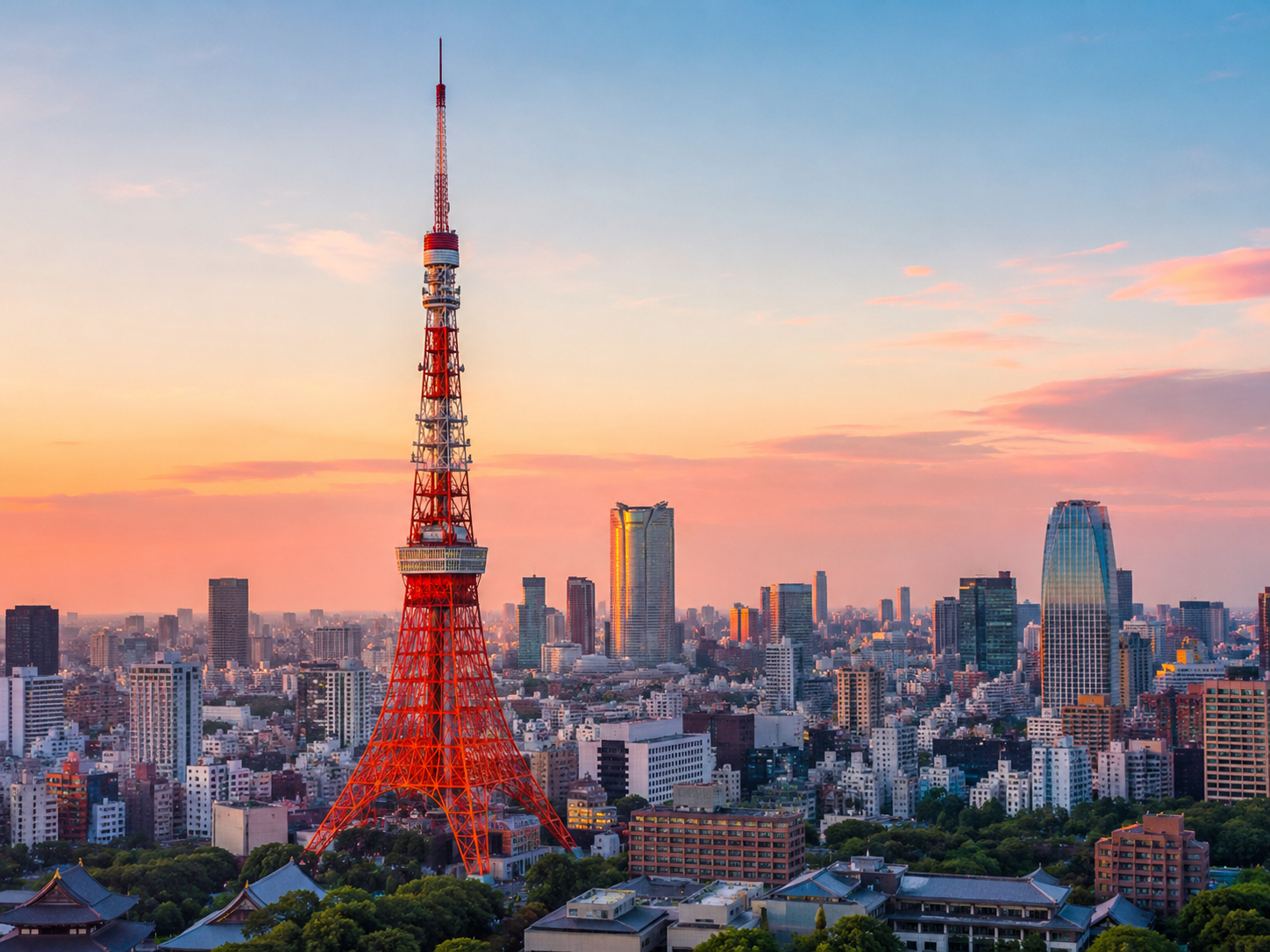
JDM Car Rental
Drive a GT-R, Supra, RX-7, or Silvia on the roads they were built for. Hakone passes, Wangan highway, mountain touge — your dream JDM experience.
Daikoku PA Tour
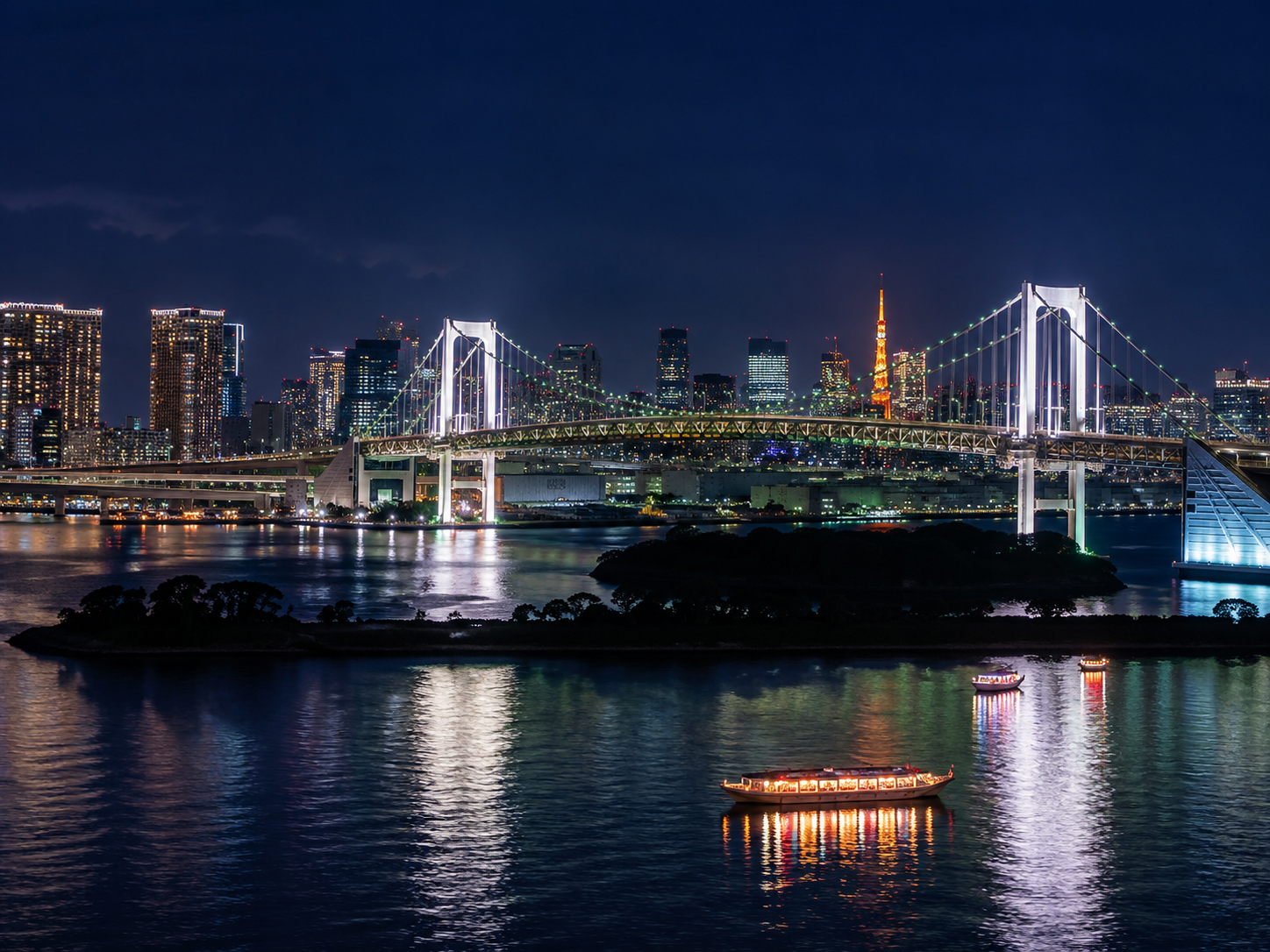
Visit Japan’s most legendary car meet. Hundreds of modified cars, passionate owners, and the heartbeat of JDM culture. Guided weekend night tours available.
Photo Guide Tour
Capture stunning photos at locations only locals know. Hidden shrines, backstreet alleys, rooftop views, and golden hour spots for unforgettable shots.