Travel Guide

Things to Do in Shinjuku: 20 Best Experiences in Tokyo's Busiest District (2026)

Things to Do in Shinjuku: 20 Best Experiences in Tokyo’s Busiest District (2026)

Shinjuku is Tokyo at its most intense. Towering skyscrapers, underground shopping labyrinths, smoke-filled alleyways serving yakitori since the 1940s, serene Japanese gardens, and neon-drenched entertainment blocks that never sleep — all packed into a single district. Whether you are visiting Tokyo for the first time or returning for your fifth trip, Shinjuku delivers an experience unlike anywhere else on Earth.

More than 3.5 million people pass through Shinjuku Station every day, making it the busiest railway station in the world. That staggering number hints at the sheer density of things to see, eat, drink, and do within walking distance. This Shinjuku guide covers 20 of the best experiences in the district — from free observation decks with panoramic views to hidden ramen joints, vintage shopping, and late-night karaoke sessions.

We have organized everything so you can build your own itinerary, whether you have a few hours between trains or an entire day to explore Shinjuku Tokyo from morning to well past midnight.

🎯 Pro Tip: Shinjuku is massive. To avoid getting overwhelmed, think of it in zones: the West Side (skyscrapers, government buildings, observation decks), the East Side (Kabukicho, Golden Gai, shopping), and the South Side (Shinjuku Gyoen, Southern Terrace). This guide follows a rough geographic flow to help you plan efficient routes.

1. Shinjuku Gyoen National Garden

Start your Shinjuku day with calm before the storm. Shinjuku Gyoen National Garden is one of Tokyo’s finest parks — a 58.3-hectare oasis that blends three distinct garden styles: a traditional Japanese landscape garden with ponds and bridges, a formal French garden with rows of plane trees, and a sweeping English landscape garden with vast open lawns.

The park is spectacular in every season, but it truly shines during cherry blossom season (late March to mid-April) when over 1,000 cherry trees burst into pink and white blooms. Autumn foliage in November and December is equally stunning, with maples and ginkgo trees painting the grounds in fiery reds and golds.

A large greenhouse near the center houses tropical and subtropical plants, including orchids, giant water lilies, and towering palms. It is free to enter with your garden admission ticket.

Details:

  • Hours: 9:00 AM – 4:30 PM (last entry 4:00 PM). Closed Mondays (or Tuesday if Monday is a holiday).
  • Admission: 500 yen for adults, 250 yen for students, free for children under 15.
  • Access: Shinjuku-Gyoenmae Station (Marunouchi Line), a 5-minute walk from Shinjuku Station’s south exit.
  • Time needed: 1.5 – 2 hours for a leisurely walk.
⚠️ Important: Alcohol is not permitted inside Shinjuku Gyoen, and the park strictly enforces this rule. Bags may be checked at the entrance gates. Plan your hanami (flower viewing) picnic accordingly — bring snacks and non-alcoholic drinks.

2. Golden Gai

Golden Gai is a labyrinth of roughly 200 tiny bars crammed into six narrow alleyways just east of Kabukicho. Each bar seats between four and twelve people, and every single one has its own personality — from jazz bars and punk bars to spots dedicated to horror films, manga, or 1960s French cinema. Walking through these atmospheric lanes feels like stepping into a different era of Tokyo.

Most bars welcome tourists, though some display signs indicating they are members-only. A cover charge of 500 to 1,500 yen per person is standard. Drinks typically range from 500 to 1,000 yen. The real joy is bar-hopping: try two or three spots in a single evening to get the full experience.

We have a complete guide dedicated to navigating Golden Gai, including which bars are foreigner-friendly, what to expect with cover charges, and how to make the most of your night. Read it here: Golden Gai Shinjuku Guide.

🎯 Pro Tip: Golden Gai comes alive after 8:00 PM and peaks between 10:00 PM and 1:00 AM. Going earlier means fewer crowds and a better chance of snagging a seat at popular bars. For a broader look at Tokyo after dark, check out our Things to Do in Tokyo at Night guide.

3. Omoide Yokocho (Memory Lane / Piss Alley)

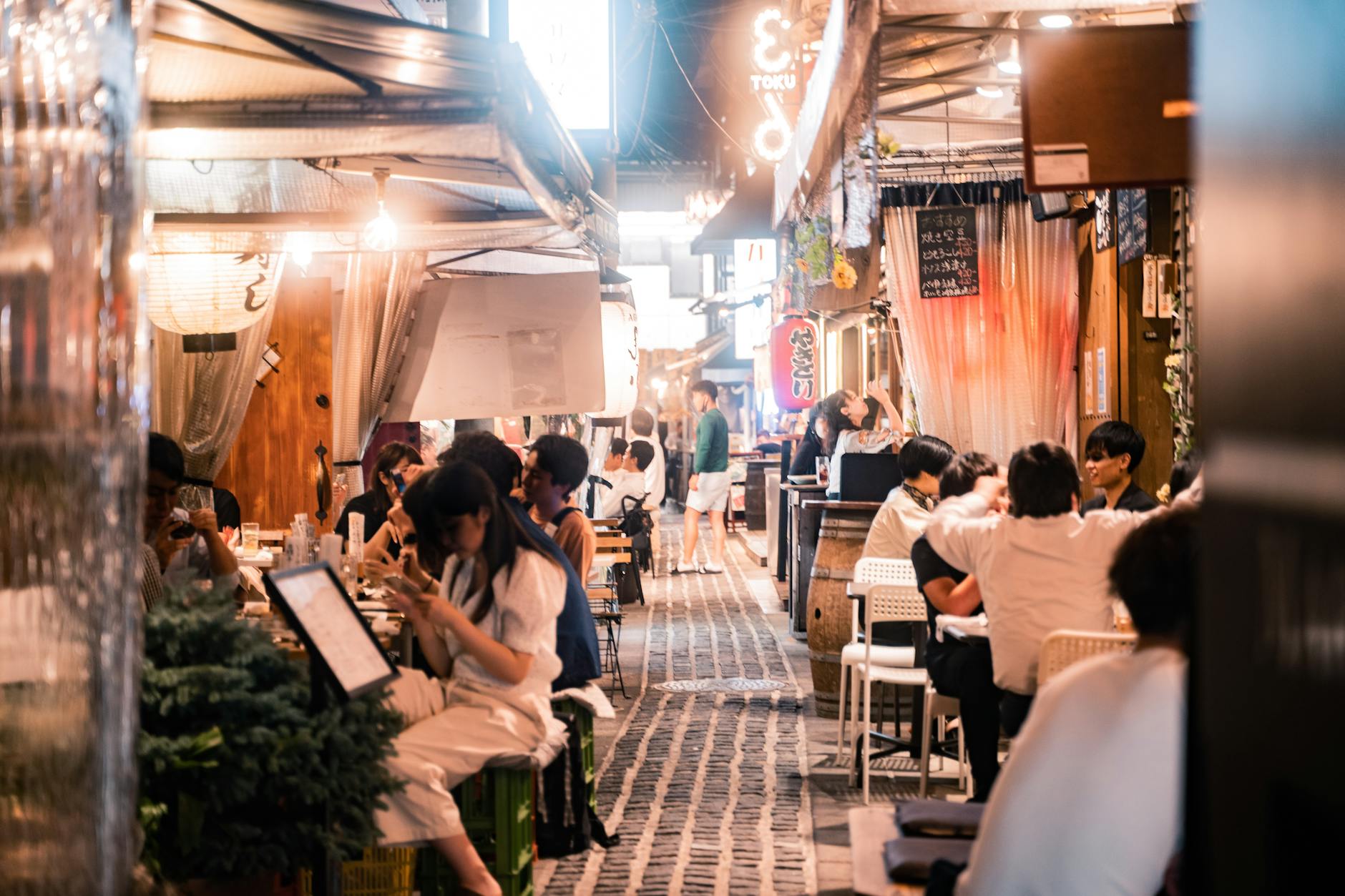
Tucked right next to the west exit of Shinjuku Station, Omoide Yokocho — also known by its less elegant nickname “Piss Alley” — is a collection of around 80 tiny food stalls and izakayas that have been operating since the post-World War II black market era. The alley is narrow enough that you can almost touch both sides with outstretched arms, and the smoke from charcoal grills creates a hazy, atmospheric scene that photographers love.

Yakitori (grilled chicken skewers) is the star here, and many stalls serve adventurous cuts — think chicken hearts, cartilage, liver, and skin alongside the standard thigh and breast. A few skewers and a cold beer at a counter seat in Omoide Yokocho is one of the most authentically “old Tokyo” dining experiences you can have.

What to order:

  • Negima: Alternating pieces of chicken thigh and scallion, grilled with tare (sweet soy glaze) or shio (salt).
  • Motsu-ni: Slow-simmered offal stew, rich and deeply savory.
  • Hoppy: A low-alcohol beer-like drink that is a post-war classic, perfect for the setting.

Hours: Most stalls open from around 5:00 PM and close between 11:00 PM and midnight. A handful of places open for lunch.

🎯 Pro Tip: Arrive around 5:00 PM when the stalls first open to beat the crowds. By 7:00 PM on weekends, the alleys are shoulder-to-shoulder. Cash is king here — most stalls do not accept credit cards or electronic payments.

4. Tokyo Metropolitan Government Building (Free Observation Deck)

Want a panoramic view of Tokyo without paying a single yen? The Tokyo Metropolitan Government Building (Tocho) in west Shinjuku has two free observation decks on the 45th floor, standing 202 meters above street level. On clear days, you can see all the way to Mount Fuji, Tokyo Tower, the Skytree, and the sprawling urban landscape stretching to the horizon.

The North and South observatories offer slightly different angles. The South Observatory has a cafe and a small souvenir shop, while the North Observatory tends to have shorter queues. Both provide equally impressive views.

Details:

  • Hours: North Observatory: 9:30 AM – 11:00 PM. South Observatory: 9:30 AM – 5:30 PM (hours vary; check the official site).
  • Admission: Free.
  • Access: Tocho-mae Station (Oedo Line) or a 10-minute walk from Shinjuku Station’s west exit.
  • Best time to visit: Late afternoon for sunset views, or after dark for the glittering nighttime cityscape.
🎯 Pro Tip: For the best chance of spotting Mount Fuji, visit on a clear winter morning. The air tends to be clearest between November and February. In summer, haze often obscures the mountain even on sunny days.

5. Kabukicho Entertainment District

Kabukicho is Japan’s largest entertainment district and Shinjuku’s most electrifying neighborhood after dark. The area is a sensory overload of neon signs, massive video screens, game centers, karaoke parlors, restaurants, bars, and themed entertainment venues stacked floor after floor in every building.

By day, Kabukicho is surprisingly calm — a good time to explore its side streets and discover hidden lunch spots. But the district transforms after sunset into a buzzing, colorful spectacle that embodies Tokyo’s reputation as the city that never sleeps.

While Kabukicho has a reputation as a red-light district, it is perfectly safe for tourists who stick to the main streets and established venues. The area has undergone significant redevelopment, and the opening of the Tokyu Kabukicho Tower in 2023 — housing a cinema, hotel, live music venues, and restaurants — has further gentrified the neighborhood.

Things to do in Kabukicho:

  • Visit an arcade or game center (SEGA, Taito Station)
  • Try a themed restaurant or cafe
  • Watch a movie at the Tokyu Kabukicho Tower cinema
  • Explore the side streets for unique bars and eateries
  • Take photos of the iconic neon streetscapes
⚠️ Important: Be cautious of aggressive touts (known as “catch” in Japanese) who try to lure tourists into overpriced bars or clubs, especially on the smaller side streets. Politely decline and walk away. Stick to venues you have researched or that have clearly posted menus and pricing.

6. Shinjuku Station — Navigating the World’s Busiest Station

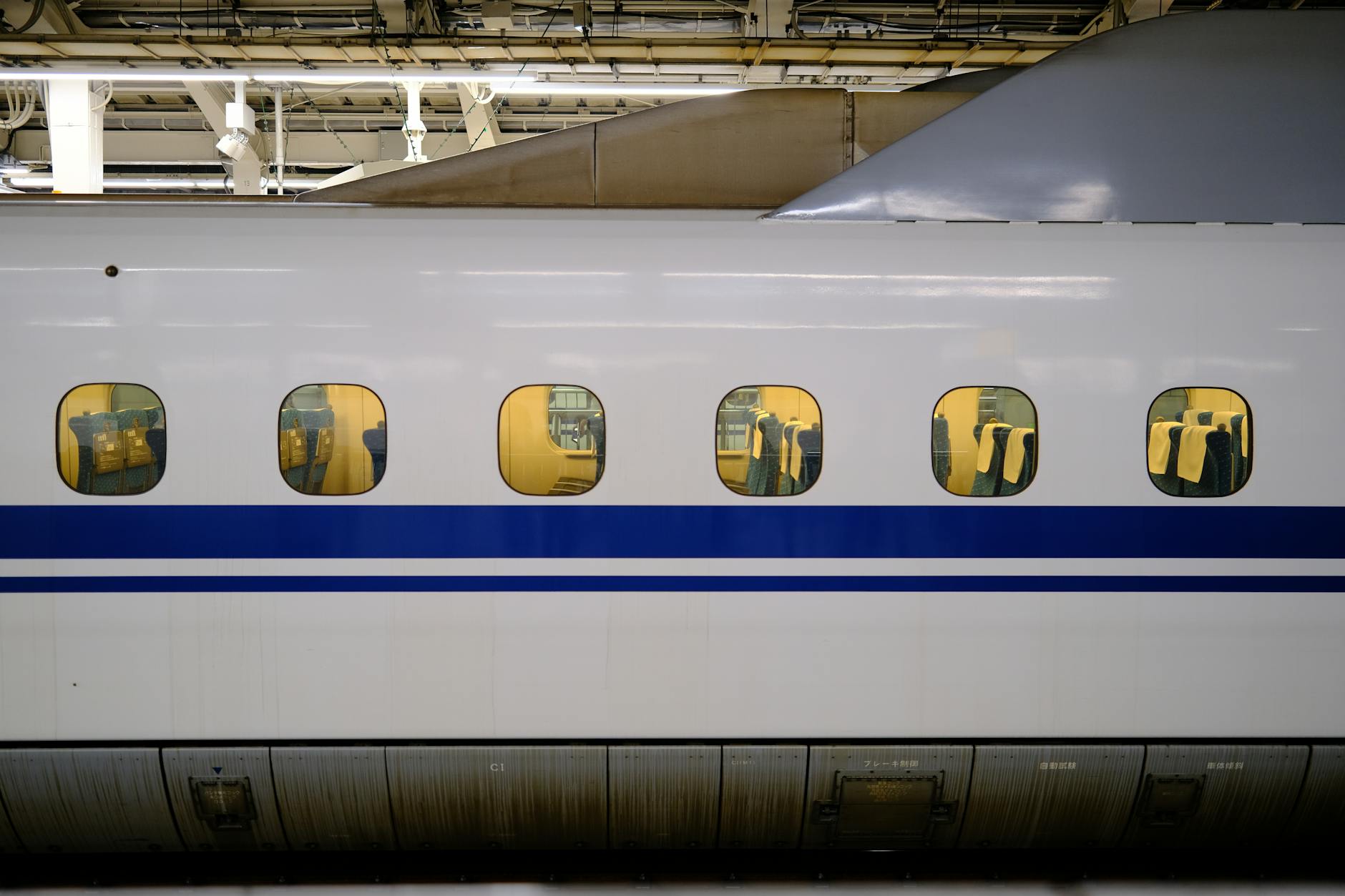
Shinjuku Station handles over 3.5 million passengers daily, earning it a Guinness World Record as the busiest train station on the planet. It is served by JR East, Odakyu, Keio, Tokyo Metro, and Toei Subway, with over 50 platforms and more than 200 exits. Navigating it for the first time is a rite of passage for every Tokyo visitor.

The station is not just a transit hub — it is a destination in itself. Underground passages connect to massive shopping complexes, department stores, and restaurant floors. You could spend hours exploring without ever stepping outside.

Survival tips for Shinjuku Station:

  • Use the color-coded signs: Each rail company has its own color. JR is green, Odakyu is blue, Keio is pink, Metro is silver.
  • Download a map: Google Maps works well indoors. Save your exit number before you arrive.
  • Avoid rush hour: 7:30 – 9:30 AM and 5:30 – 8:00 PM are the most intense periods.
  • Meet at landmarks: The “East Exit” and the Studio ALTA building are common meeting points.
🎯 Pro Tip: Shinjuku Station is a major departure point for day trips. Odakyu Line runs express services to Hakone (about 85 minutes), while Keio Line connects to Mount Takao. For more inspiration, see our Day Trips from Tokyo guide.

7. Robot Restaurant / Shinjuku Entertainment Shows

The original Robot Restaurant was one of Shinjuku’s most famous (and most gloriously absurd) tourist attractions — a high-energy spectacle of giant robots, laser lights, taiko drums, and costumed dancers. While the original venue has undergone changes in recent years, the spirit of over-the-top Shinjuku entertainment lives on in various shows and performance venues around Kabukicho.

The current Shinjuku entertainment scene includes immersive theatrical experiences, themed dining shows, and technology-driven performances that blend traditional Japanese culture with futuristic visuals. Check current listings before your trip, as venues and shows change frequently.

What to expect:

  • Shows typically last 60 – 90 minutes.
  • Ticket prices range from 5,000 to 8,000 yen per person.
  • Food and drinks are available but are not the main attraction — eat beforehand.
  • Book tickets online in advance, especially for weekend performances.

8. Isetan Department Store

Isetan Shinjuku is not just a department store — it is a cultural institution. Located at the east exit of Shinjuku Station, this flagship store has been setting fashion and lifestyle trends in Tokyo since 1933. It is widely regarded as one of the best department stores in the world.

The basement food hall (known as depachika) is a must-visit even if you have no intention of buying anything from the fashion floors. Here you will find an extraordinary selection of wagyu beef, fresh sushi, artisan chocolates, matcha sweets, bento boxes, and beautifully packaged confections that make perfect souvenirs. Many vendors offer samples.

Highlights by floor:

  • B1 – B2: Food hall (depachika) — gourmet groceries, prepared foods, sweets.
  • 1F – 2F: Luxury fashion, accessories, cosmetics.
  • 3F – 5F: Men’s and women’s fashion from both international and Japanese designers.
  • 6F – 7F: Lifestyle, home goods, art gallery.
  • Tax-free counter: Available for purchases over 5,000 yen (bring your passport).

Hours: 10:00 AM – 8:00 PM daily.

9. Samurai Museum Area

Shinjuku is home to several museums and exhibits dedicated to Japan’s samurai heritage. These interactive spaces allow visitors to see authentic samurai armor, helmets, and katana swords up close, and some offer experiences like trying on replica armor or watching sword-handling demonstrations.

The area around Kabukicho and west Shinjuku has hosted various samurai-themed exhibitions and permanent collections. Check current availability before visiting, as specific venues may have relocated or changed formats in recent years.

What you can typically experience:

  • Viewing genuine Edo-period armor and weapons
  • Trying on samurai armor for photos
  • Sword-cutting demonstrations
  • English-language guided tours explaining samurai history and bushido (the warrior code)

Admission: Typically 1,800 – 2,000 yen for adults. Guided tours may cost extra.

10. Hanazono Shrine

Hanazono Shrine is a peaceful Shinto shrine tucked behind the department stores and neon of east Shinjuku. Dating back to the early Edo period (17th century), it is dedicated to Inari, the deity of prosperity and business success — fitting for its location in one of Tokyo’s most commercially vibrant areas.

By day, the shrine grounds offer a welcome moment of tranquility amid the urban intensity. Vermilion torii gates, stone foxes (Inari’s messengers), and a small grove of trees create a surprisingly serene atmosphere just steps from the Kabukicho crowds.

On Sundays, the shrine hosts a popular flea market where you can find antiques, vintage clothing, handmade crafts, and collectibles. The shrine also hosts festivals throughout the year, with the Tori-no-Ichi (Rooster Fair) in November being the most spectacular — the grounds fill with ornate kumade (bamboo rake decorations) sold as good luck charms for business.

Hours: Open 24 hours (shrine grounds). The office is open 8:00 AM – 8:00 PM.

Admission: Free.

Flea market: Sundays, weather permitting, roughly 7:00 AM – 3:00 PM.

11. Shinjuku Ni-chome (LGBTQ+ District)

Shinjuku Ni-chome (2-chome) is the heart of Tokyo’s LGBTQ+ scene and one of the most concentrated LGBTQ+ neighborhoods in the world, with over 300 bars, clubs, and cafes packed into just a few city blocks. The area has been a safe haven for the LGBTQ+ community since the 1950s and remains vibrant and welcoming today.

Many bars in Ni-chome are small — similar in size to Golden Gai venues — seating between five and fifteen people. While some bars cater specifically to gay men, lesbian women, or transgender individuals, many are “mix bars” that welcome everyone regardless of identity or orientation.

Tips for visiting:

  • Most bars open after 7:00 PM and stay open until the early morning hours.
  • Cover charges are common (500 – 1,000 yen), usually including one drink.
  • Arty Party and Dragon Men are well-known foreigner-friendly venues.
  • Tokyo Rainbow Pride (held annually in April) features a parade that passes through the area.
  • Respect the space — be a good guest, tip if you can, and ask before taking photos.

12. Don Quijote Shinjuku

Don Quijote (commonly called “Donki”) is Japan’s wildly popular discount chain store, and the Shinjuku location on Yasukuni-dori is one of the largest and most chaotic in Tokyo. Imagine a multi-story treasure hunt where shelves overflow with everything from Japanese snacks and cosmetics to electronics, costumes, brand-name bags, kitchen gadgets, and bizarre novelty items you never knew existed.

This is the place to stock up on souvenirs, Japanese candy, face masks, and random fun finds. The store is open 24 hours, making it a convenient stop at any time — including 3:00 AM after a night out in Kabukicho.

Best things to buy at Don Quijote:

  • Japanese snacks: Kit-Kats in exclusive flavors (matcha, strawberry cheesecake, sake), Pocky, and seasonal treats.
  • Cosmetics: Sheet masks, sunscreen (Biore, Anessa), and skincare products at prices far below what you would pay abroad.
  • Electronics: Portable fans, travel adapters, and small gadgets.
  • Tax-free shopping: Bring your passport for tax-free purchases over 5,000 yen.

Hours: Open 24 hours.

🎯 Pro Tip: Don Quijote plays its jingle on repeat throughout the store. After your third visit, the “Don Don Don, Donki” song will be permanently lodged in your brain. You have been warned.

13. Ramen and Food Spots

Shinjuku is a ramen paradise. Within a few blocks of the station, you can find virtually every regional style of Japanese ramen — from thick, creamy Hakata-style tonkotsu to clean, clear Tokyo shoyu and fiery tantanmen. Here are some of the best spots to slurp your way through:

Top ramen picks in Shinjuku:

  • Fuunji: Famous for its tsukemen (dipping ramen). The thick, intensely flavored fish-and-pork broth is among the best in Tokyo. Expect a line, but it moves quickly. Located near the south exit.
  • Kikanbou: Specializing in spicy miso ramen with both kara (chili heat) and shibire (Sichuan numbing pepper). You choose your spice and numbness levels separately. Not for the faint of heart.
  • Ramen Nagi: A Golden Gai institution serving niboshi (dried sardine) ramen in a tiny, atmospheric space. Open late.
  • Mutekiya: A Kabukicho staple for rich tonkotsu ramen, open until late at night. Great post-drinking option.

Beyond ramen:

  • Tsunahachi: A Shinjuku institution since 1924, serving exceptional tempura at reasonable prices.
  • Nakajima: A Michelin-starred lunch spot serving sardine (iwashi) teishoku for under 1,000 yen — possibly the best-value Michelin meal in the world.
  • Numazuko: A standing sushi bar near the station where pieces start at around 100 yen each.
🎯 Pro Tip: Many popular ramen shops in Shinjuku use ticket vending machines (shokkenki) at the entrance. Insert cash, select your order by pressing the button with the picture or name, and hand the ticket to the staff. No Japanese language skills required.

14. Shopping: LUMINE, FLAGS, and More

Beyond Isetan and Don Quijote, Shinjuku is packed with shopping options ranging from high fashion to budget-friendly finds. The district is one of Tokyo’s top retail destinations, and you could easily spend an entire day exploring its malls, boutiques, and underground shopping passages.

Major shopping destinations:

  • LUMINE EST / LUMINE 1 & 2: Three interconnected fashion buildings directly attached to Shinjuku Station. LUMINE EST caters to younger shoppers with trendy Japanese brands, while LUMINE 1 and 2 offer a mix of mid-range to upscale fashion. The restaurant floors on the upper levels are excellent.
  • FLAGS: Located at the east exit of the station, FLAGS features electronics (Bicqlo — a Uniqlo/Bic Camera hybrid store), fashion, and cafes across multiple floors.
  • NEWoMan: A stylish complex at the south exit with curated fashion, a food hall, and a garden terrace. More refined and less crowded than the east-side malls.
  • Takashimaya Times Square: A massive department store and shopping complex on the south side, featuring Tokyu Hands (now called Hands), Kinokuniya bookstore, and a huge restaurant floor.
  • Subnade: An underground shopping street running beneath Yasukuni-dori, with affordable fashion, accessories, and restaurants.

For electronics: Yodobashi Camera near the west exit is a multi-story electronics megastore with everything from cameras and laptops to kitchen appliances, games, and even a golf practice range on the roof.

15. Godzilla Head at Hotel Gracery

Look up as you walk into Kabukicho, and you will spot one of Shinjuku’s most iconic landmarks: a life-sized Godzilla head peering over the edge of the Hotel Gracery Shinjuku building. The 12-meter-tall replica roars and emits smoke on a timed schedule, creating a surprisingly dramatic spectacle against the neon backdrop.

How to see it:

  • From the street: Free. The best vantage point is the main Kabukicho street (Ichibangai) looking toward the hotel. Visible day and night.
  • Up close: Hotel guests can access the 8th-floor terrace for a closer look. Non-guests can visit the terrace cafe for a drink with a Godzilla view (subject to availability).
  • Roaring schedule: The Godzilla head activates at set times throughout the day, typically on the hour from noon to 8:00 PM. Check with the hotel for the current schedule.

Even if you are not a Godzilla fan, the sheer absurdity of a giant movie monster head on a Tokyo hotel makes it a quintessential Shinjuku photo opportunity.

16. Late-Night Izakaya Culture

Shinjuku has one of the highest concentrations of izakayas (Japanese gastropubs) in all of Tokyo. Whether you are looking for a cheap and cheerful chain izakaya or a hidden gem specializing in Hokkaido seafood, you will find it here — and many of them stay open well past midnight.

Types of izakayas you will find in Shinjuku:

  • Chain izakayas: Torikizoku, Uotami, and Watami offer all-you-can-drink (nomihodai) plans starting from around 1,500 yen for 2 hours, making them ideal for budget travelers.
  • Standing bars (tachinomiya): No-seat, no-frills drinking spots where draft beer starts at 200 – 300 yen. Great for a quick drink or for solo travelers.
  • Specialty izakayas: Look for places specializing in a single ingredient — yakitori (chicken), motsu (offal), seafood, or tofu — for the most memorable meals.

Essential izakaya vocabulary:

  • Nomihodai: All-you-can-drink (usually 90 or 120 minutes).
  • Tabehodai: All-you-can-eat.
  • Otoshi: A small appetizer charge (300 – 500 yen) automatically added to your bill. This is standard practice, not a scam.
  • Kanpai: Cheers!
🎯 Pro Tip: Many izakayas offer a “course” option (kosu) that includes several dishes plus nomihodai for a flat price, usually 3,000 – 5,000 yen per person. It is almost always the best value and takes the stress out of ordering in Japanese. Just tell the staff “kosu onegaishimasu” when you sit down.

17. Karaoke Spots

No visit to Shinjuku is complete without a karaoke session. The district is home to dozens of karaoke parlors, from budget chains to luxury venues with gourmet food and cocktail service. Japanese karaoke uses private rooms (not a stage in front of strangers), so you can sing as badly as you like without judgment.

Top karaoke venues in Shinjuku:

  • Karaoke Kan: The Kabukicho branch is famous as the filming location for the karaoke scene in the movie Lost in Translation. Rooms are affordable, and the song selection includes a large English-language library.
  • Big Echo: A reliable chain with clean rooms, strong sound systems, and a massive song database. Multiple locations in Shinjuku.
  • Uta Hiroba: One of the cheapest options, especially during daytime “free time” plans. Perfect for budget travelers.
  • JOYSOUND / DAM: The two major karaoke systems in Japan. Both have extensive English, Korean, Chinese, and other international song selections.

Pricing: Rates typically range from 300 to 800 yen per person per 30 minutes, with lower rates during daytime and on weekdays. Most venues offer drink-bar plans (unlimited soft drinks) for an additional 300 – 500 yen.

Late-night bonus: Karaoke parlors often offer “night pack” or “free time” plans from around 11:00 PM to 5:00 AM for a flat rate of 1,500 – 2,500 yen per person, including unlimited drinks. This is a surprisingly comfortable (and fun) alternative to a hotel for one night.

18. Book Off and Vintage Shopping

Book Off is Japan’s largest chain of secondhand stores, and the Shinjuku location is a multi-story treasure trove of pre-owned books, manga, CDs, vinyl records, DVDs, video games, and vintage fashion. It is the perfect place to hunt for rare Japanese editions, retro gaming finds, or unique souvenirs at a fraction of retail prices.

What to look for:

  • Manga: Complete series sets at deeply discounted prices. Even if you cannot read Japanese, the art is worth collecting. Popular titles often have English editions too.
  • Retro video games: Super Famicom (SNES), Game Boy, Nintendo 64, and PlayStation classics. Game cartridges start from as low as 100 yen.
  • Vinyl records: City pop (Japanese pop from the 1970s – 80s) records have become globally sought-after. You might find a gem at Book Off that would cost five times more abroad.
  • Vintage fashion: Brand-name clothing, bags, and accessories at steep discounts.

Beyond Book Off, Shinjuku has several other secondhand and vintage shops worth exploring. Disk Union (near the south exit) is legendary among record collectors, with multiple floors organized by genre. Mandarake (in nearby Nakano Broadway, just a short train ride away) specializes in anime, manga, and otaku goods.

19. Photography Spots

Shinjuku is one of the most photogenic districts in the world, especially after dark. The density of neon signs, the juxtaposition of old and new, and the sheer energy of the streets create endless opportunities for stunning photographs. Here are the top spots to bring your camera:

Best photography locations in Shinjuku:

  • Kabukicho entrance gate: The giant neon gateway into the entertainment district. Shoot facing inward with the signs receding into the distance, or turn around for the view looking back toward the station. Best after sunset.
  • Omoide Yokocho: The narrow, smoky alleyways with lanterns and steam create a moody, atmospheric scene. Use a wider aperture for shallow depth of field. Best during “blue hour” (just after sunset) when the sky adds contrast to the warm lantern light.
  • Shinjuku Southern Terrace: A pedestrian walkway connecting the south exit to Takashimaya Times Square. Provides elevated views of the skyline and is beautifully illuminated during winter.
  • Godzilla Head (Hotel Gracery): Frame the Godzilla head with the surrounding neon signage for a uniquely Tokyo composition.
  • Shinjuku Gyoen: Cherry blossoms in spring and autumn foliage offer classical Japanese garden photography with the city skyline visible behind the treetops.
  • Tokyo Metropolitan Government Building: Shoot from the observation deck for cityscapes, or photograph the brutalist architecture of the building itself from ground level.
  • Golden Gai alleyways: The weathered facades, tiny doorways, and warm interior light spilling into the lanes create one of the most Instagrammed scenes in Tokyo.
🎯 Pro Tip: For the best neon photography in Shinjuku, shoot on a rainy night. The wet pavement reflects the lights and creates a cinematic, Blade Runner-like effect. Bring a weather-sealed camera or use a clear umbrella to protect your gear.

20. Day Trip Departure Point

Shinjuku Station is not just a destination — it is the launching point for some of the best day trips from Tokyo. Several major rail lines originate here, making it easy to escape the city for mountains, hot springs, and natural scenery without the hassle of transferring through Tokyo Station.

Day trips departing from Shinjuku:

  • Hakone: Take the Odakyu Romancecar (85 minutes, reserved seats, 2,330 yen one-way) for hot springs, Lake Ashi, views of Mount Fuji, and the Open Air Museum. The Hakone Free Pass (6,100 yen for 2 days) covers round-trip train fare plus unlimited local buses, boats, and cable cars.
  • Mount Takao: Keio Line to Takaosanguchi Station (50 minutes, under 400 yen). A popular hiking destination with multiple trails, a mountaintop temple, and panoramic views. Manageable as a half-day trip.
  • Kawaguchiko (Mount Fuji area): Highway buses depart from Shinjuku Expressway Bus Terminal (Busta Shinjuku), located at the south exit. The ride takes about 2 hours and costs around 2,200 yen one-way.
  • Chichibu: Seibu Line from Seibu-Shinjuku Station (about 80 minutes). Known for hiking, the Hitsujiyama Park (famous for shibazakura moss phlox in spring), and the scenic Nagatoro river valley.

If you want the freedom to explore these areas at your own pace, consider renting a car through Samurai Car Japan. Driving from Shinjuku gives you access to spots that are difficult to reach by public transit — remote onsen towns, mountain viewpoints, and the less-crowded western side of Mount Fuji.

🎯 Pro Tip: Busta Shinjuku (the expressway bus terminal) is on the 4th floor above Shinjuku Station’s south exit. It is one of the best-organized bus terminals in Japan, with English signage, a waiting lounge, and ticket machines. For destinations like Kawaguchiko, the bus is often cheaper and more convenient than the train. For more ideas, check our Day Trips from Tokyo guide.

Sample Shinjuku Day Itinerary

Not sure how to fit everything into one day? Here is a suggested route that covers the highlights from morning to late night:

Time Activity
9:00 AM Shinjuku Gyoen National Garden (1.5 – 2 hours)
11:30 AM Lunch at Fuunji (tsukemen) or Nakajima (Michelin sardine set)
12:30 PM Isetan food hall & shopping
2:00 PM Hanazono Shrine & Book Off vintage shopping
3:30 PM LUMINE / NEWoMan shopping
5:00 PM Tokyo Metropolitan Government Building observation deck (sunset views)
6:30 PM Omoide Yokocho for yakitori and beer
8:00 PM Walk through Kabukicho & Godzilla Head photo
9:00 PM Golden Gai bar-hopping (2 – 3 bars)
11:30 PM Late-night karaoke or Don Quijote shopping

For a broader Tokyo plan that includes Shinjuku as part of a multi-day itinerary, see our Tokyo 5-Day Itinerary.

Practical Information for Visiting Shinjuku

Getting There

Shinjuku Station is served by nearly every major rail line in Tokyo:

  • JR Yamanote Line: The main loop line connecting Shinjuku to Shibuya (7 minutes), Ikebukuro (5 minutes), Tokyo Station (15 minutes), and Akihabara (20 minutes).
  • JR Chuo/Sobu Lines: Direct access to Nakano, Kichijoji, and central Tokyo.
  • Tokyo Metro Marunouchi Line: Connects to Ginza, Tokyo Station, and Ikebukuro.
  • Toei Oedo Line / Toei Shinjuku Line: Reaches Roppongi, Tsukiji, and eastern Tokyo.
  • Odakyu Line: To Hakone, Odawara, and Enoshima.
  • Keio Line: To Mount Takao and western suburbs.

Want to continue exploring other neighborhoods? Shibuya is just 7 minutes away on the Yamanote Line and makes a natural companion to a Shinjuku visit.

Best Time to Visit Shinjuku

  • Cherry blossom season (late March – mid April): Shinjuku Gyoen is one of the best spots in Tokyo for hanami.
  • Autumn (November – early December): Gorgeous foliage in Shinjuku Gyoen and the surrounding streets.
  • Year-round after dark: Shinjuku’s neon-lit nightscape is spectacular regardless of the season.

Money Tips

  • Carry cash. Many small bars, izakayas, and food stalls — especially in Golden Gai and Omoide Yokocho — are cash-only.
  • 7-Eleven and Family Mart ATMs accept international cards and are available 24/7.
  • Department stores and larger shops accept credit cards and offer tax-free shopping for purchases over 5,000 yen with a passport.

Safety

Shinjuku is very safe by global standards, even late at night. The main things to watch out for are:

  • Touts/Catches: Avoid people on the street trying to lead you to bars or clubs, especially in Kabukicho’s smaller side streets.
  • Bottakuri bars: Overpriced scam bars that charge exorbitant prices for drinks. Stick to established venues and always check pricing before ordering.
  • Lost items: If you lose something, check with the nearest koban (police box). Tokyo’s lost-and-found system is remarkably effective.

Frequently Asked Questions

How long should I spend in Shinjuku?

At minimum, plan for half a day. A full day (morning to late night) lets you experience both the daytime attractions (Shinjuku Gyoen, observation decks, shopping) and the nightlife (Omoide Yokocho, Golden Gai, Kabukicho, karaoke). If you are a food lover or a nightlife enthusiast, you could easily spend two days exploring the district.

Is Shinjuku safe at night?

Yes. Shinjuku — including Kabukicho — is generally safe for tourists at all hours. Use common sense: avoid aggressive touts, do not follow strangers to unknown bars, and keep an eye on your belongings in crowded areas. Solo female travelers regularly visit Shinjuku at night without issues.

What is the difference between east and west Shinjuku?

East Shinjuku is the entertainment, shopping, and nightlife side — home to Kabukicho, Golden Gai, Isetan, and most restaurants and bars. West Shinjuku is the business and government district with skyscrapers, the Metropolitan Government Building, and hotels. Both sides are worth visiting.

Can I visit Shinjuku on a budget?

Absolutely. The observation deck at the Tokyo Metropolitan Government Building is free. Shinjuku Gyoen costs just 500 yen. Walking through Kabukicho, Omoide Yokocho, and Golden Gai costs nothing. A filling ramen meal starts around 900 yen, and yakitori skewers are 100 – 200 yen each. You can have a fantastic Shinjuku experience for under 5,000 yen for the entire day (excluding shopping).

Where should I stay in Shinjuku?

Shinjuku is one of the best areas to base yourself in Tokyo due to its unmatched transport connections. Budget travelers should look at hostels near Kabukicho or east Shinjuku. Mid-range hotels like the Shinjuku Granbell or Citadines are well-located. For a unique experience, Hotel Gracery gives you a room near the Godzilla head.

-Travel Guide