25 Unique Experiences in Tokyo You Can’t Do Anywhere Else (2026)
Tokyo is a city that refuses to be ordinary. It is a place where centuries-old shrine rituals coexist with bleeding-edge digital art, where you can eat the world’s freshest tuna at 5 AM and drive a legendary Japanese sports car through neon-lit streets at midnight. No matter how many cities you have visited, Tokyo will surprise you — not once, but relentlessly, around every corner, down every alleyway, on every floor of every building.
This is not a list of tourist attractions. This is a curated collection of 25 unique experiences in Tokyo that are genuinely impossible to replicate anywhere else on the planet. Some are well-known bucket-list moments. Others are hidden gems that even seasoned travelers miss. All of them share one thing in common: they could only exist in Tokyo.
Whether you are planning your first trip or your fifth, use this guide as your blueprint for experiencing the city at its most authentic, thrilling, and unforgettable.
1. Watch Shibuya Crossing From Above
Thousands of pedestrians surging across the world’s busiest intersection from every direction — it is choreographed chaos that somehow works. But the real magic happens when you see it from above. Shibuya Sky, the observation deck atop Shibuya Scramble Square, puts you 230 meters above the crossing with an unobstructed, open-air panorama stretching from Mount Fuji to Tokyo Skytree. On clear evenings, the sunset paints the city in amber while the crossing pulses below like a living circuit board.

Cost: Shibuya Sky admission is around 2,200 yen (adults). Location: Shibuya Scramble Square, directly connected to Shibuya Station. Best time: Arrive 30-40 minutes before sunset for golden hour through twilight.
Tip: Book your Shibuya Sky tickets online in advance — walk-up availability is limited, especially on weekends and holidays.
2. Tsukiji Outer Market at Dawn
The inner wholesale market moved to Toyosu, but Tsukiji Outer Market remains one of the most electric food experiences on Earth. Arrive before 7 AM and you walk through a maze of over 400 stalls serving the freshest seafood you have ever tasted. Watch vendors slice otoro (fatty tuna belly) with single-stroke precision. Try tamago (sweet egg omelet) on wooden sticks, freshly shucked oysters, sea urchin on rice, and strawberry daifuku mochi — all before most of Tokyo has woken up.
Cost: Budget 2,000-4,000 yen for a thorough grazing session. Location: 3-minute walk from Tsukiji Station (Hibiya Line). Best time: 6:00-9:00 AM, Tuesday through Saturday. Many stalls close on Wednesdays and Sundays.
Tip: Eat as you go rather than committing to one sit-down restaurant. The joy of Tsukiji is sampling from a dozen different vendors in a single morning.
3. TeamLab Borderless Digital Art Museum
TeamLab Borderless is not a museum in any traditional sense. It is a 10,000-square-meter universe of immersive digital art that flows, merges, and responds to your presence. Projections of waterfalls cascade across walls and floors without boundaries. Fields of flowers bloom around your feet and dissolve as you walk. Entire rooms transform into oceans of light that shift with the seasons. There is no set path — you wander, get lost, and discover rooms that feel like stepping inside a dream. No photograph can capture what it feels like. It is a sensory experience that does not exist anywhere else.
Cost: Around 3,800 yen for adults. Location: Azabudai Hills, Minato-ku (relocated from Odaiba in 2024). Best time: Weekday mornings for smaller crowds. Allow at least 2-3 hours.
Tip: Wear white or light-colored clothing — the projections look stunning reflected on light fabrics, making you part of the art.
4. Robot Restaurant Show in Shinjuku
Nothing prepares you for the sensory overload of a Robot Restaurant-style show in Shinjuku’s Kabukicho district. Giant neon-lit mechanical creatures, dancers in LED costumes, laser beams cutting through fog, pounding techno music, and robotic dinosaurs battling laser-wielding warriors — all crammed into a basement venue that feels like a cyberpunk anime fever dream. It is loud, absurd, spectacular, and impossible to explain to anyone who has not seen it. The Kabukicho entertainment district continues to host wild, only-in-Tokyo performance shows that embrace maximum spectacle.
Cost: Typically 6,000-8,000 yen per person. Location: Kabukicho, Shinjuku (5-minute walk from Shinjuku Station East Exit). Best time: Evening shows, usually with multiple time slots. Book at least a few days in advance.
Tip: Eat before you go. The food options at the venue are secondary to the experience — you are there for the show, not the meal.
5. Go-Kart Through Tokyo Streets in Costume
Yes, this is actually legal. Dress up in a costume of your choice — superhero, anime character, banana suit — climb into a street-legal go-kart, and drive through actual Tokyo traffic. Your route takes you past Tokyo Tower, Rainbow Bridge, Shibuya Crossing, and through the neon-drenched streets of Akihabara, all while sitting inches above the asphalt in a convoy of costumed drivers. Pedestrians wave, take photos, and cheer you on. It is surreal, hilarious, and one of the most photographed tourist activities in Japan.
Cost: Around 10,000-12,000 yen for a 1-2 hour course. Requirements: Valid international driving permit (IDP) plus your home country license. Best time: Late afternoon into evening for the neon-lit experience.
Tip: Choose an evening time slot. Driving through Tokyo as the city lights up at dusk, especially past Tokyo Tower, is an entirely different experience from daytime.
Read our full guide: Tokyo Go-Kart Guide: Everything You Need to Know
6. Sleep in a Capsule Hotel
The capsule hotel is a uniquely Japanese invention. Your “room” is a sleeping pod roughly the size of a single bed — enclosed, climate-controlled, equipped with a TV, USB charging, and a privacy curtain. Communal areas typically include a lounge, vending machines, and an onsen-style bath. It sounds claustrophobic on paper but is surprisingly cozy. Modern capsule hotels like Nine Hours and The Millennials have elevated the concept into a design-forward experience that is part accommodation, part cultural immersion. Spending a night in one is a rite of passage for Tokyo visitors.
Cost: 3,000-5,000 yen per night. Location: Found throughout Tokyo; clusters near Shinjuku, Shibuya, Akihabara, and around Tokyo Station. Best for: Solo travelers looking for a unique overnight experience.
Tip: Choose a newer, design-focused capsule hotel over a budget one. The price difference is small but the experience difference is enormous.
7. Rent a JDM Sports Car and Drive Tokyo’s Streets
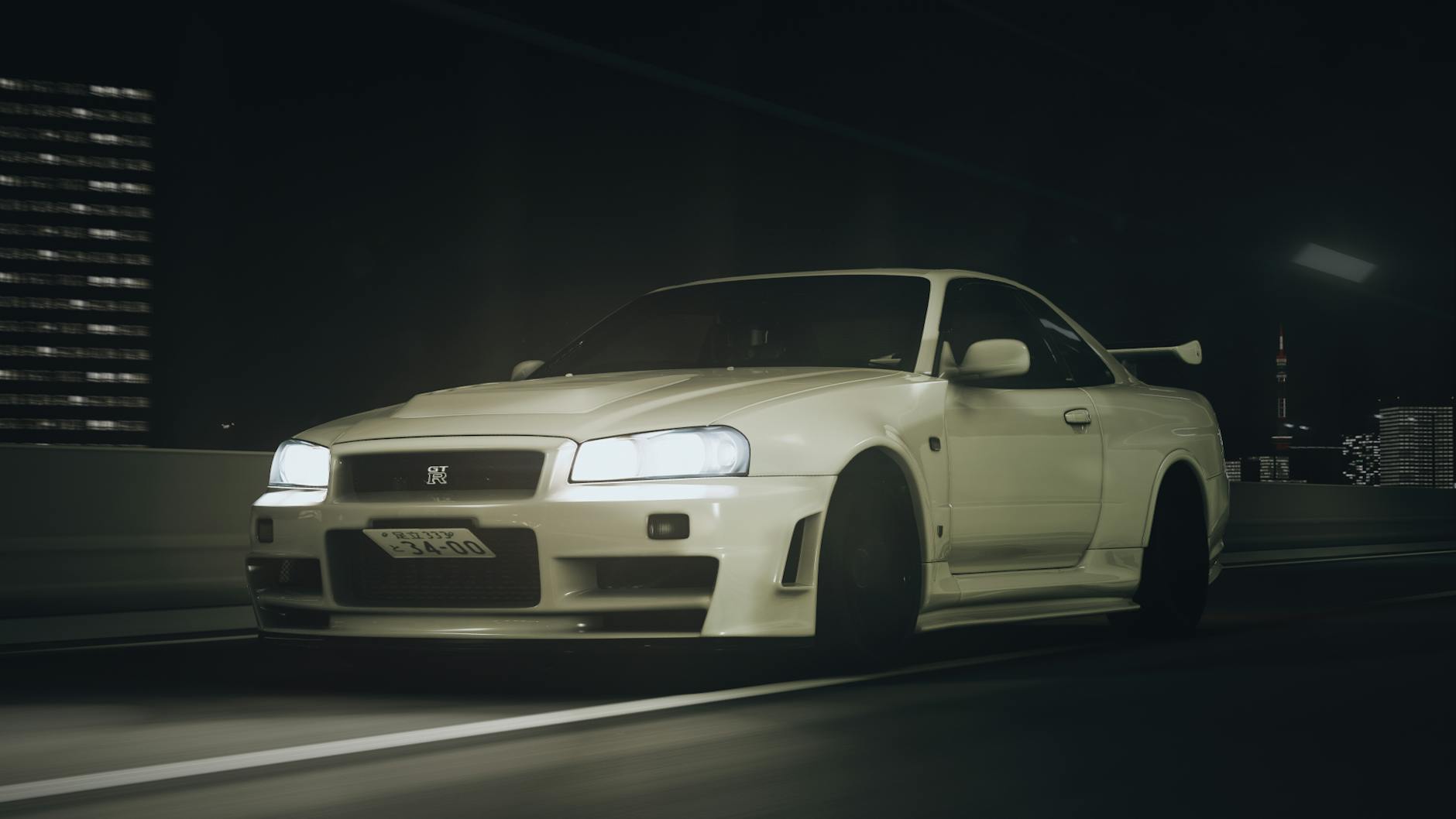
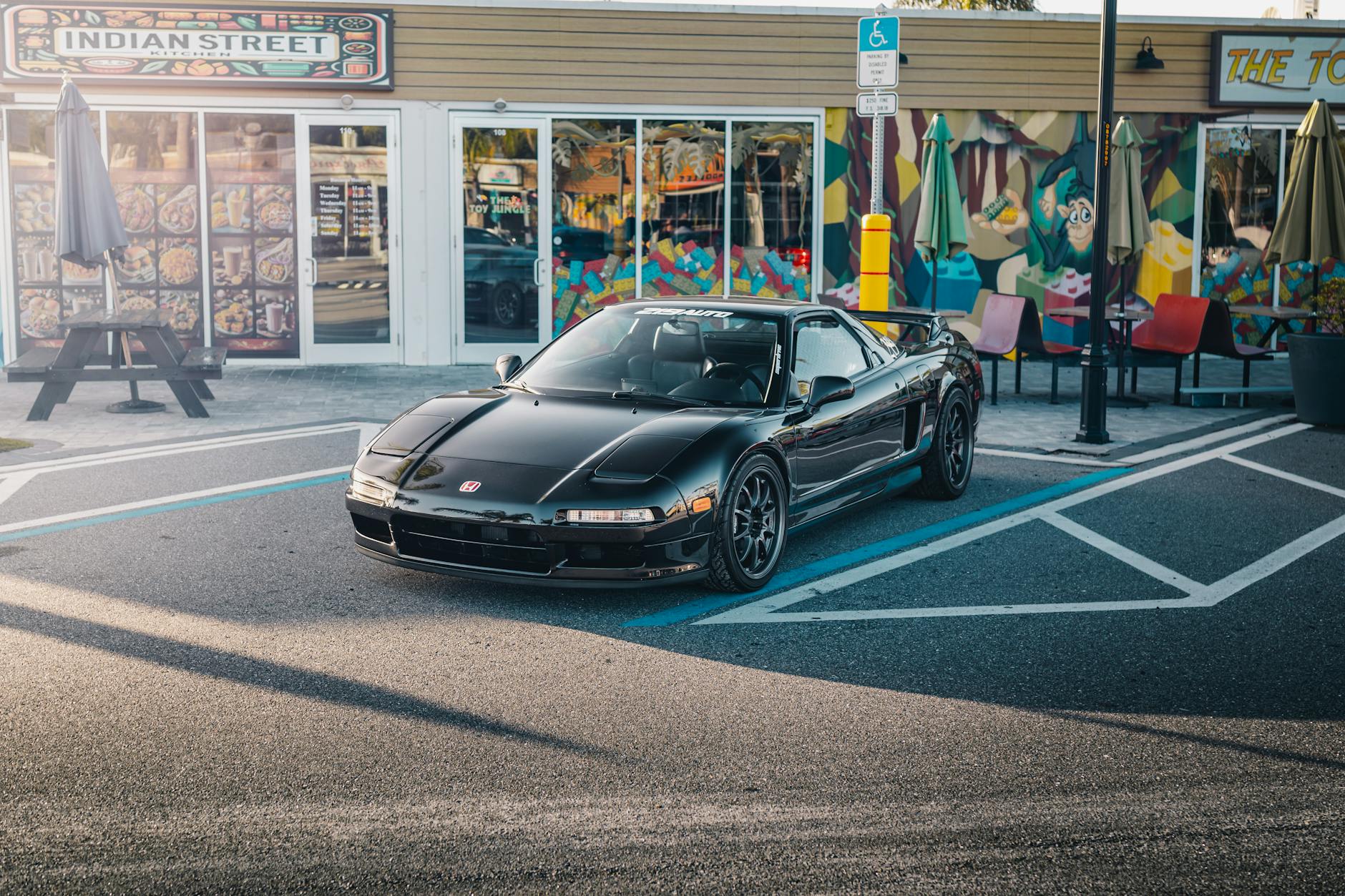
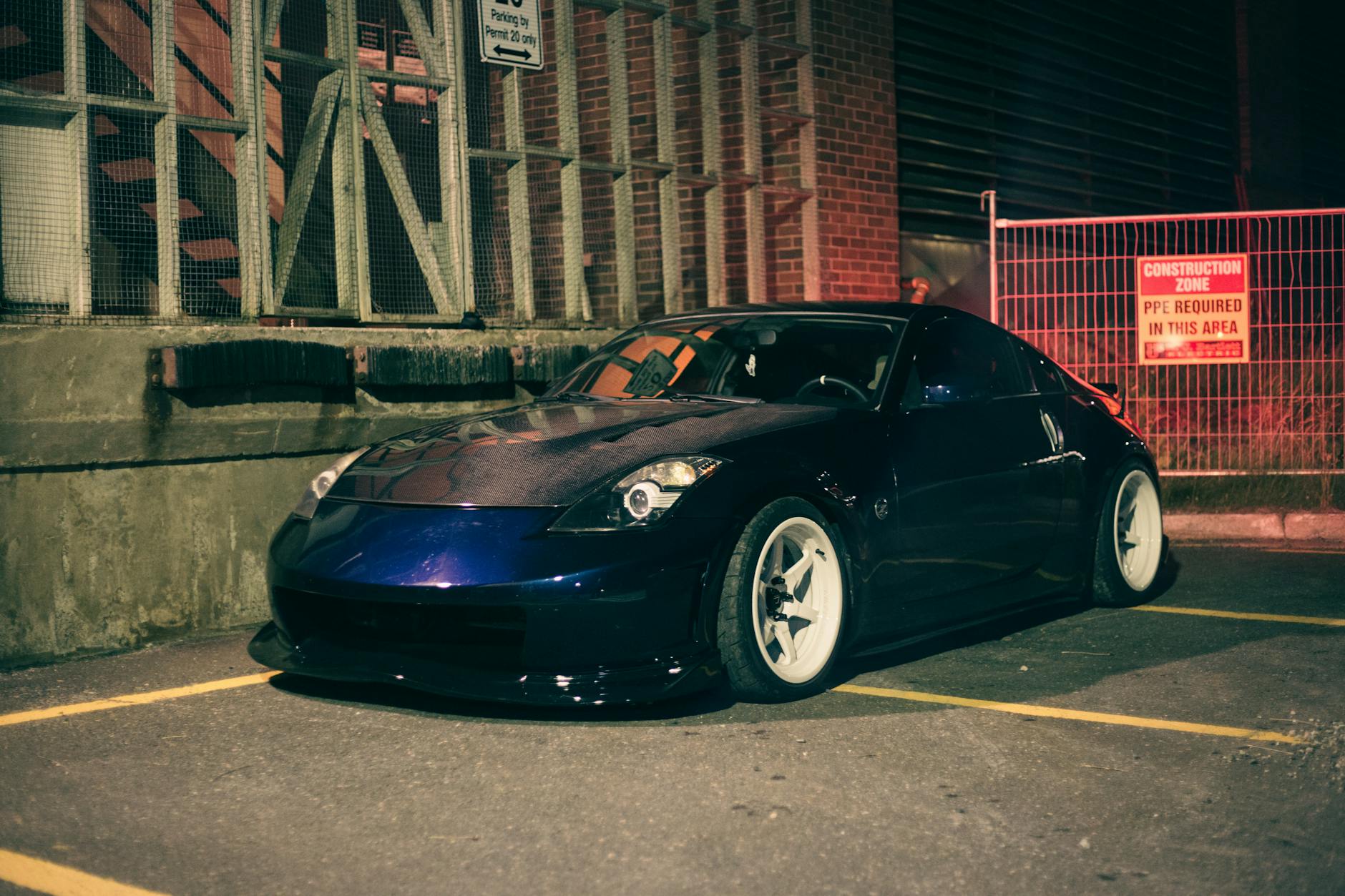
If you grew up watching Initial D, Wangan Midnight, or Fast and Furious: Tokyo Drift, this turns that childhood dream into reality. Samurai Car Japan in Shibuya rents the iconic JDM sports cars that defined a generation of automotive culture — the Nissan Skyline GT-R, Mazda RX-7, Toyota Supra, Nissan Silvia, and Honda NSX. These are not replicas. These are the real machines, maintained and tuned, ready to cruise through the streets of the city where they were born. Driving a Skyline R34 through Shibuya at night, engine note echoing off the buildings, is a feeling no simulator can replicate.

Cost: Varies by car and duration; check Samurai Car Japan for current rates. Location: Pickup in Shibuya, Tokyo. Requirements: Valid international driving permit (IDP) and home country license.
Read our full guide: JDM Car Rental in Japan: The Complete Guide
8. Akihabara Maid Cafe and Retro Gaming
Akihabara — “Akiba” to locals — is the undisputed capital of otaku culture. Start with a maid cafe, where waitresses in frilly costumes greet you as “master,” draw cute designs on your omurice with ketchup, and perform choreographed dances between serving drinks. It is wholesome, bizarre, and weirdly charming. Then dive into the retro gaming arcades — multi-story buildings packed with vintage cabinets running everything from Street Fighter II to obscure 1990s shooters. Hunt for rare figures, manga, and retro game cartridges at Super Potato and Mandarake. Akihabara is where niche obsessions are celebrated, not merely tolerated.
Cost: Maid cafe visits typically run 2,000-4,000 yen including a drink and food item. Arcade games are 100-200 yen per play. Location: Akihabara Station (JR Yamanote Line). Best time: Afternoon to evening.
Tip: Look for maid cafes on upper floors of buildings rather than at street level — they tend to be more authentic and less tourist-trap oriented.
9. Watch Sumo Morning Practice (Keiko)
Professional sumo tournaments happen only three times a year in Tokyo (January, May, September), but you can watch sumo morning practice (keiko) at a stable (heya) on most regular mornings throughout the year — and it is one of the most raw, intimate sports experiences available anywhere. You sit on the floor at the edge of the practice ring, close enough to feel the impact when 150-kilogram wrestlers slam into each other. The atmosphere is solemn and focused. Wrestlers cycle through drills and sparring bouts while the stablemaster watches in silence. There are no commentators, no screens, no merchandise stands — just the ancient sport in its purest form.
Cost: Free at most stables, though some request a small donation. Location: Ryogoku area has the highest concentration of sumo stables. Best time: Practice typically runs from 7:00-10:00 AM. Advance reservations are required at most stables.
Tip: Sit quietly, do not eat or drink during practice, keep your phone on silent, and bow when you enter and leave. These are not performances — you are a guest in a working training facility.
10. Golden Gai Tiny Bar Crawl
Shinjuku Golden Gai is a labyrinth of six narrow alleys packed with over 200 tiny bars, each one barely larger than a walk-in closet, each with its own personality, theme, and regulars. One bar is wallpapered in horror movie posters. The next one plays nothing but 1970s funk vinyl. Another is run by a retired film director who only serves whisky. You squeeze into a bar that seats six people, order a highball, and suddenly you are in a conversation with a jazz musician from Osaka, a backpacker from Berlin, and a salaryman who has been drinking at the same stool since 1989. It is intimate, unpredictable, and completely unlike any nightlife experience on Earth.
Cost: Most bars charge a cover (500-1,500 yen) plus drinks (600-1,000 yen each). Budget around 5,000-8,000 yen for 3-4 bars. Location: Kabukicho 1-chome, Shinjuku. 5-minute walk from Shinjuku Station East Exit. Best time: 8:00 PM to midnight.
Tip: Start at a bar with a “Tourists Welcome” sign to get comfortable, then let curiosity guide you deeper into the alleys.
Read our full guide: Golden Gai Guide: Tokyo’s Legendary Bar Alley
11. Daikoku PA Midnight Car Meet
Every Friday and Saturday night, a highway rest stop in Yokohama transforms into the most legendary spontaneous car gathering on the planet. Daikoku Parking Area (Daikoku PA) fills with rows of immaculate Nissan Skyline GT-Rs, Toyota Supras, modified vans, bosozoku-style builds, Liberty Walk wide-bodies, and everything in between. There are no organizers, no entry fees, no schedule — people simply show up with their cars and the meet happens organically. Walking between the rows of machines under the fluorescent parking lot lights, surrounded by the hum of idling engines and the sound of turbo blow-off valves, is a pilgrimage moment for anyone who loves Japanese car culture. This is not a show. This is a living, breathing scene.
Cost: Free to attend, but you need a car on the expressway to access it (expressway tolls apply). Location: Daikoku PA, Shuto Expressway Route K5, Yokohama. Best time: Friday or Saturday night, 10:00 PM to 2:00 AM.
Read our full guide: Daikoku PA Car Meet Guide: Japan’s Most Famous Car Gathering
12. Harajuku Kawaii Fashion Walk
Harajuku is where Tokyo’s fashion subcultures collide in a kaleidoscope of self-expression that has no parallel anywhere in the world. Walk down Takeshita Street and you are surrounded by Lolita fashion, decora style dripping in accessories, gothic streetwear, pastel goth, and styles so niche they do not even have names in English. The shops sell everything from rainbow cotton candy crepes to platform shoes with 15-centimeter soles. Vintage stores sit next to designer boutiques. On Sundays, the area around Jingumae becomes an informal stage where people dress up not for anyone else’s benefit but purely for the joy of creative expression. Harajuku is not a trend — it is a culture, and walking through it is like stepping into a living fashion magazine that exists only in Tokyo.
Cost: Free to walk around; budget for snacks and impulse purchases. Location: Harajuku Station (JR Yamanote Line). Best time: Sunday afternoons for the best people-watching; weekday mornings for relaxed shopping.
Tip: Venture beyond Takeshita Street into the quieter side streets of Ura-Harajuku (behind Harajuku), where you will find independent boutiques and vintage shops with far fewer crowds.
13. Onsen and Sento Public Bath Experience
Soaking in a Japanese onsen (natural hot spring bath) or sento (public bathhouse) is one of those experiences that sounds simple on paper but profoundly shifts something inside you. In Tokyo, facilities like Thermae-Yu in Shinjuku or Oedo Onsen Monogatari offer the full experience: strip down completely (this is non-negotiable — swimsuits are not allowed), wash thoroughly at a seated shower station, and then lower yourself into mineral-rich water heated to 40-42 degrees Celsius. The heat dissolves tension you did not know you were carrying. The silence — broken only by the sound of water — forces your mind to slow down. In a city as relentless as Tokyo, an hour in an onsen feels like pressing a reset button on your entire nervous system.
Cost: Sento: 520 yen (set by Tokyo Metropolitan Government). Onsen/spa facilities: 2,000-3,000 yen. Location: Found throughout Tokyo. Thermae-Yu is a 2-minute walk from Shinjuku Station. Note: Most facilities do not allow guests with visible tattoos, though policies are gradually relaxing — check before visiting.
14. Karaoke in a Private Room
Karaoke in Japan is nothing like karaoke in the West. Forget the bar with a stage and a drunk stranger murdering “Bohemian Rhapsody.” In Tokyo, karaoke means a private room — just you and your friends, a touchscreen song catalog with tens of thousands of tracks in every language, a pair of microphones, a tambourine, disco lighting, and a phone to order drinks directly to your room. Chains like Karaoke Kan, Big Echo, and Joysound have locations on practically every major street. The rooms range from tiny two-person booths to party rooms that hold 30. The drink menus include cocktails, beer, and soft drinks, often available as all-you-can-drink (nomihoudai) packages. Singing badly is not just tolerated — it is the entire point.

Cost: 500-2,000 yen per person per hour depending on day/time; nomihoudai packages add 1,000-1,500 yen. Location: Everywhere. Shibuya, Shinjuku, Ikebukuro, and Roppongi have the highest concentration. Best time: Late night — many locations offer deep discounts for “free time” packages after midnight.
Tip: The Karaoke Kan branch in Shibuya is where the karaoke scene in “Lost in Translation” was filmed. Room 601, specifically.
15. Drift Experience at a Circuit Near Tokyo
Japan invented drifting. The technique was born on mountain passes in the 1970s, and today you can experience it firsthand at circuits within day-trip range of Tokyo. A typical drift experience puts you behind the wheel of a prepared Nissan Silvia S15, 180SX, or Toyota Mark II on a real circuit, with a professional instructor in the passenger seat coaching you through every clutch kick, counter-steer, and throttle application. You start slow, build confidence, and before long you are sliding the car sideways through corners with tire smoke pouring off the rear. Most programs also include a “drift taxi” ride where a pro driver takes you for a full-speed passenger ride first — which is an adrenaline rush in itself.
Cost: 30,000-80,000 yen depending on the package and circuit. Location: Circuits like Mobara Twin Circuit (Chiba, 75 min from Tokyo), Nikko Circuit (Tochigi, 2 hours), or Fuji Speedway area. Requirements: Valid IDP and home country license.
Tip: Even if you have never driven a manual transmission, do not hesitate — many programs include automatics or will teach you the basics before hitting the track.
Read our full guide: Drift Experience in Japan: Complete Guide for Beginners and Enthusiasts
16. Conveyor Belt Sushi (Kaitenzushi)
Kaitenzushi — conveyor belt sushi — is a concept that was born in Osaka in 1958 and has been perfected in Tokyo to an almost absurd degree. You sit at a counter and plates of sushi glide past on a conveyor belt. See something you want? Grab it. The color of the plate determines the price, typically ranging from 100 to 500 yen per plate. Modern chains like Sushiro, Kura Sushi, and Hamazushi have added touchscreen ordering, automated delivery lanes, and even prize games where you win toys after stacking a certain number of empty plates. The quality at Tokyo’s kaitenzushi restaurants is genuinely excellent — this is not “budget sushi” in the way Western visitors might expect. A full meal of fresh nigiri, miso soup, and a drink for under 2,000 yen is a Tokyo miracle.
Cost: 1,000-2,500 yen for a full meal. Location: Found throughout Tokyo. Genki Sushi in Shibuya, Sushiro locations citywide. Best time: Avoid the 12:00-1:00 PM and 6:00-7:30 PM rush if you do not want to wait.
Tip: Order from the touchscreen for the freshest pieces rather than grabbing what is already circling on the belt. The made-to-order plates arrive on a separate express lane.
17. Omoide Yokocho (Memory Lane) in Shinjuku
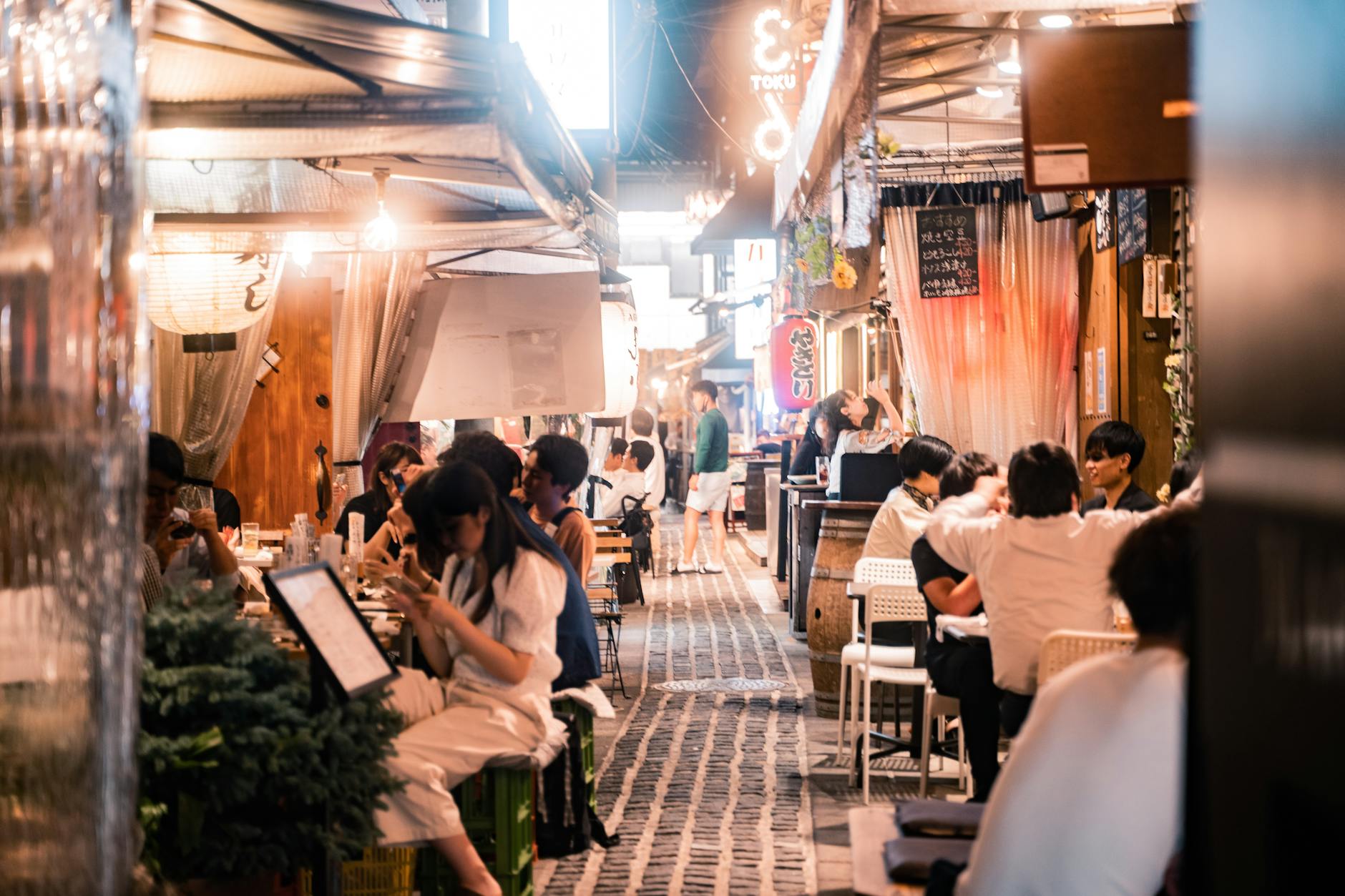
Omoide Yokocho — literally “Memory Lane,” also affectionately known as “Piss Alley” — is a cluster of impossibly narrow alleys just west of Shinjuku Station, lined with tiny yakitori (grilled chicken) stalls and izakaya that have been operating since the post-war black market era. Each stall seats maybe 6-10 people on cramped stools around a counter. Smoke from charcoal grills fills the alleys. The menu at most places is simple: skewers of every part of the chicken imaginable (including heart, liver, cartilage, and skin), cold beer, and maybe a bowl of ramen. It is elemental, no-frills Japanese eating at its best — a window into the Tokyo that existed before the skyscrapers, a stubbornly authentic place that has refused to modernize.
Cost: 1,500-3,000 yen for skewers and drinks. Location: Immediately west of Shinjuku Station West Exit, under the train tracks. Best time: 6:00-10:00 PM for peak atmosphere, but some stalls open for lunch.
Tip: If a stall has a long line, go to the one next door — the quality across Omoide Yokocho is consistently high, and waiting 30 minutes for yakitori when there are identical options 5 meters away is unnecessary.
18. Meiji Shrine at Dawn
Visiting Meiji Shrine (Meiji Jingu) during the day means navigating tour groups and selfie sticks. Visiting at dawn means having one of Tokyo’s most sacred spaces almost entirely to yourself. The shrine opens at sunrise (around 5:00-6:00 AM depending on season), and in those early hours, the 170-acre forest surrounding the shrine is wrapped in mist and near-silence. The gravel path crunches under your feet. Crows call from the camphor trees overhead. You pass through the massive torii gate — the largest wooden torii in Japan — and the city of 14 million people around you simply ceases to exist. At the main hall, you may witness Shinto priests performing morning rituals. The experience of standing in this ancient forest, in the center of the most modern city on Earth, at an hour when the world is still asleep, borders on the spiritual.
Cost: Free. Location: 1-minute walk from Harajuku Station (JR Yamanote Line) or Meiji-jingumae Station (Chiyoda/Fukutoshin Lines). Best time: Within the first hour of opening, especially on weekdays.
Tip: Combine this with a Harajuku morning — after the shrine, walk down to a quiet cafe on Cat Street and have breakfast before the crowds arrive.
19. Purikura Photo Booth Experience
Purikura (print club) machines are Japanese photo booths elevated to an art form. Found in arcades and entertainment centers throughout Tokyo, these machines take your photos against elaborate backdrops, then give you a few minutes on a touchscreen to decorate the images with stickers, sparkles, text, digital makeup, eye enlargement, skin smoothing, and effects so over-the-top that the final product barely resembles reality — which is exactly the point. Purikura is not about capturing how you look. It is about creating an idealized, decorated, shared memory with friends. The machines print your creations as sticker sheets that you can cut and trade. In an era of smartphone selfies, purikura remains defiantly analog in its charm, and a session in a Tokyo arcade is a slice of teenage Japanese culture that no app can replicate.
Cost: 400-600 yen per session (usually for 2-4 people). Location: Arcades in Shibuya (109 building area), Harajuku, Ikebukuro, and Akihabara. Best time: Anytime. Go with friends for the full experience.
Tip: Some purikura machines are labeled “for women and couples only” and will not let groups of men enter alone. This is a standard policy at many locations — check the signage before queuing.
20. Tokyo Night Drive on the Metropolitan Expressway
There is a reason the Shuto Expressway (Metropolitan Expressway) has been immortalized in anime, manga, video games, and car culture worldwide. Driving it at night is one of the most cinematic experiences available to any visitor. The expressway is a network of elevated toll roads that weave between Tokyo’s skyscrapers at the 5th or 6th floor level, offering a perspective of the city that no observation deck or walking tour can match. Cross Rainbow Bridge with the illuminated skyline reflected in Tokyo Bay. Sweep through the C1 Inner Loop with Tokyo Tower glowing above you. Cruise the Wangan (Bayshore Route) — the legendary stretch from Wangan Midnight — past container ports and out toward Yokohama. After 10 PM, traffic thins dramatically, the road opens up, and it feels like the city belongs to you.
Cost: Expressway tolls are 300-1,300 yen per section (ETC card recommended for 30% late-night discount). Requirements: Valid IDP, home country license, and a rental car. Best time: 10:00 PM to 2:00 AM.
Read our full guide: Tokyo Night Drive Guide: Wangan, Rainbow Bridge and City Lights Routes
21. Ramen Alley Tasting
Tokyo has more ramen shops than any city on Earth, and some of the best are concentrated in dedicated ramen streets and alleys that let you sample multiple styles in a single visit. Tokyo Ramen Street in Tokyo Station’s underground First Avenue mall gathers eight top-rated shops under one roof — rich tonkotsu, clean shio, bold miso, and tsukemen (dipping ramen) all within steps of each other. In Shinjuku, the area around Kabukicho and the west exit has an informal ramen belt with dozens of shops competing for supremacy. Each bowl is a chef’s life work distilled into a single serving. The ritual is the same everywhere: buy a ticket from the vending machine outside, hand it to the cook, sit at the counter, and eat in focused silence while the broth is still at its perfect temperature.

Cost: 900-1,500 yen per bowl. Location: Tokyo Ramen Street (Tokyo Station B1F), Shinjuku area, Ikebukuro west side. Best time: Avoid peak lunch hours (11:30 AM-1:00 PM). Late-night ramen after 10 PM is a deeply satisfying Tokyo tradition.
Tip: At vending-machine ramen shops, look for the top-left button — it is almost always the shop’s signature bowl and the safest choice for first-timers.
22. Gotokuji Temple — The Temple of 1,000 Lucky Cats
Gotokuji Temple is believed to be the birthplace of the maneki-neko — the iconic “beckoning cat” figurine that has become a symbol of good fortune across Japan and the world. According to legend, a feudal lord was saved from a lightning storm when a cat at this temple beckoned him inside. Today, the temple grounds are covered with thousands upon thousands of white maneki-neko figurines of every size, donated by visitors whose wishes were granted. The sight of hundreds of cat statues arranged in dense rows across shelves, around trees, and filling entire alcoves is visually stunning and unlike anything you have seen at any other temple. It is peaceful, photogenic, and slightly surreal — a quintessentially Tokyo discovery.
Cost: Free to enter. Maneki-neko figurines are available for purchase (300-5,000 yen) as offerings. Location: 5-minute walk from Miyanosaka Station (Tokyu Setagaya Line). Best time: Morning, especially on weekdays for fewer visitors and better photography light.
Tip: Buy a small maneki-neko figurine at the temple, make a wish, and return it on your next visit to Tokyo if the wish comes true. That is the tradition.
Read our full guide: Gotokuji Temple: Tokyo’s Lucky Cat Shrine
23. Yanaka Old-Town Neighborhood Walk
Yanaka is the Tokyo that the guidebooks usually skip — a quiet, low-rise residential neighborhood in the city’s northeastern Taito-ku/Bunkyo-ku area that somehow survived the firebombing of World War II and the relentless modernization that followed. Walking through Yanaka feels like stepping back 60 years. Wooden houses with tiled roofs line narrow lanes. Independent shops sell handmade crafts, traditional sweets, and freshly carved wooden chopsticks. The Yanaka Ginza shopping street is a 170-meter strip of family-run stores where the owner grills senbei (rice crackers) by hand and a cat might be sleeping on the counter. The neighborhood is dotted with over 70 small temples and shrines. There are no chain stores, no skyscrapers, and almost no tourists. It is a window into the daily life of old Tokyo that feels increasingly precious with each passing year.
Cost: Free to walk. Budget 1,000-2,000 yen for snacks and small purchases. Location: Start from Nippori Station (JR Yamanote Line) or Sendagi Station (Chiyoda Line). Best time: Weekday afternoons. Most shops close by 5:00-6:00 PM.
Tip: Start at Nippori Station and walk south through Yanaka Cemetery (a beautiful, quiet walk among old graves and cherry trees) before hitting the Yanaka Ginza shopping street.
24. Tokyo Bay Fireworks Cruise (Seasonal)
Between July and August, Tokyo’s summer sky explodes with some of the most spectacular hanabi (fireworks) displays in the world. The Sumida River Fireworks Festival (late July) launches over 20,000 fireworks above the Sumida River, visible against the backdrop of Tokyo Skytree. But the real luxury move is watching from a yakatabune — a traditional Japanese houseboat cruising Tokyo Bay. These boats serve multi-course Japanese meals and unlimited drinks while you float beneath the fireworks, the city skyline shimmering across the water around you. It is the intersection of ancient Japanese tradition and modern spectacle, and for visitors lucky enough to time their trip right, it is an evening that defines the phrase “once in a lifetime.”
Cost: Yakatabune dinner cruises range from 10,000-15,000 yen per person (higher during fireworks festivals). Standard fireworks viewing from the riverbank is free. Location: Boats depart from various piers around Odaiba, Shinagawa, and Asakusa. Best time: Late July through mid-August for major festivals. Book yakatabune at least 2-3 months in advance for fireworks nights.
25. Watch a Baseball Game at Tokyo Dome
Forget everything you know about attending a baseball game. A Japanese baseball game at Tokyo Dome — home of the Yomiuri Giants, Japan’s most storied franchise — is an experience that makes American baseball feel subdued by comparison. Each team’s fans have organized cheer squads with choreographed chants, songs, and coordinated movements for every single batter. Trumpet sections blast fight songs. Plastic megaphones create a wall of rhythmic noise. The energy is relentless and infectious — even if you do not understand a word, you will be chanting along within two innings. The food is a revelation: bento boxes, fresh edamame, takoyaki (octopus balls), and beer delivered to your seat by vendors carrying kegs on their backs. The seventh-inning stretch involves releasing hundreds of jet balloons into the dome in a synchronized eruption of color. It is pure, joyful spectacle.
Cost: Tickets range from 2,000 yen (outfield unreserved) to 10,000+ yen (infield reserved). Location: Tokyo Dome, 2-minute walk from Suidobashi Station (JR) or Korakuen Station (Metro). Best time: Regular season runs April through September. Weekend games have the best atmosphere.
Tip: Sit in the outfield cheering section for the full experience. Buy a Giants towel and mini-bat from the merchandise shop and join the chants. Nobody cares that you are a tourist — enthusiasm is the only entry requirement.
How to Plan Your Tokyo Unique Experiences Itinerary
Trying to fit all 25 experiences into a single trip is ambitious but not impossible if you have 7-10 days. Here is a suggested framework for organizing your time:
- Morning experiences: Tsukiji market, Meiji Shrine at dawn, sumo keiko, Yanaka walk, Gotokuji Temple
- Afternoon experiences: TeamLab, Harajuku, Akihabara, purikura, Shibuya Sky, baseball game
- Evening experiences: Golden Gai, karaoke, Omoide Yokocho, ramen, onsen
- Night experiences: Tokyo night drive, Daikoku PA, capsule hotel
- Day trip experiences: Drift circuit, go-kart tour
The car-related experiences (JDM rental, night drive, Daikoku PA, drift experience, go-kart) can be clustered into 2-3 days if you rent a JDM car for a multi-day period and build your driving itinerary around them.
Related Guides on Japan Trips Guides
- JDM Car Rental in Japan: The Complete Guide
- Complete Guide to Driving in Japan
- Japan International Driving Permit Guide
- Golden Gai Guide: Tokyo’s Legendary Bar Alley
- Drift Experience in Japan: Complete Guide
- Daikoku PA Car Meet Guide
- Tokyo Night Drive Guide: Wangan, Rainbow Bridge and City Lights
- Hakone Driving Route: Hot Springs, Mt. Fuji Views and Touge Roads
- Gotokuji Temple: Tokyo’s Lucky Cat Shrine
- Shimokitazawa Guide: Tokyo’s Coolest Neighborhood
Frequently Asked Questions
How many days do I need in Tokyo to experience the best unique activities?
A minimum of 5 full days allows you to cover the essential experiences across cultural, food, nightlife, and automotive categories without feeling rushed. With 7-10 days, you can comfortably fit in most of the 25 experiences listed here, including a day trip to a drift circuit and a multi-day JDM car rental. If you only have 3 days, prioritize based on your personal interests — a car enthusiast’s Tokyo trip looks very different from a foodie’s or a culture lover’s, and all of them are equally valid.
Do I need to speak Japanese to enjoy these experiences?
No. Tokyo is one of the most foreigner-friendly cities in Asia. Major attractions, museums, and transport systems have English signage. Google Translate’s camera function handles menus and signs effortlessly. Services like Samurai Car Japan offer full English support. At places like Golden Gai, sumo stables, and local sento, learning a few basic phrases — “sumimasen” (excuse me), “arigatou gozaimasu” (thank you), and “eigo no menu arimasu ka?” (do you have an English menu?) — goes a long way, but fluency is absolutely not required.
What is the best season to visit Tokyo for unique experiences?
Spring (late March to mid-April) and autumn (mid-October to late November) offer the best weather, moderate crowds, and beautiful scenery. However, every season has its highlights. Summer (July-August) brings fireworks festivals and vibrant energy. Winter (December-February) offers clear skies ideal for night drives and views of Mount Fuji, plus illumination events across the city. Car meets at Daikoku PA, go-kart tours, and JDM rentals are available year-round.
Can I do the driving experiences without my own car?
Yes. All of the driving experiences on this list — go-kart tours, JDM car rentals, drift experiences, and the Tokyo night drive — are available as tourist-friendly services. Go-kart companies provide the karts and a guide. Samurai Car Japan handles the JDM rental process from their Shibuya location with English support and ETC cards included. Drift experiences provide the car, instructor, and all equipment. The only requirement across all of them is a valid international driving permit (IDP) issued in your home country, plus your original home country driver’s license. Obtain your IDP before traveling to Japan — it cannot be issued within Japan.
For more on driving requirements, see our Japan International Driving Permit Guide.