[st_af id=”119″]
Why Visit Mt. Fuji? Japan’s Most Iconic Mountain
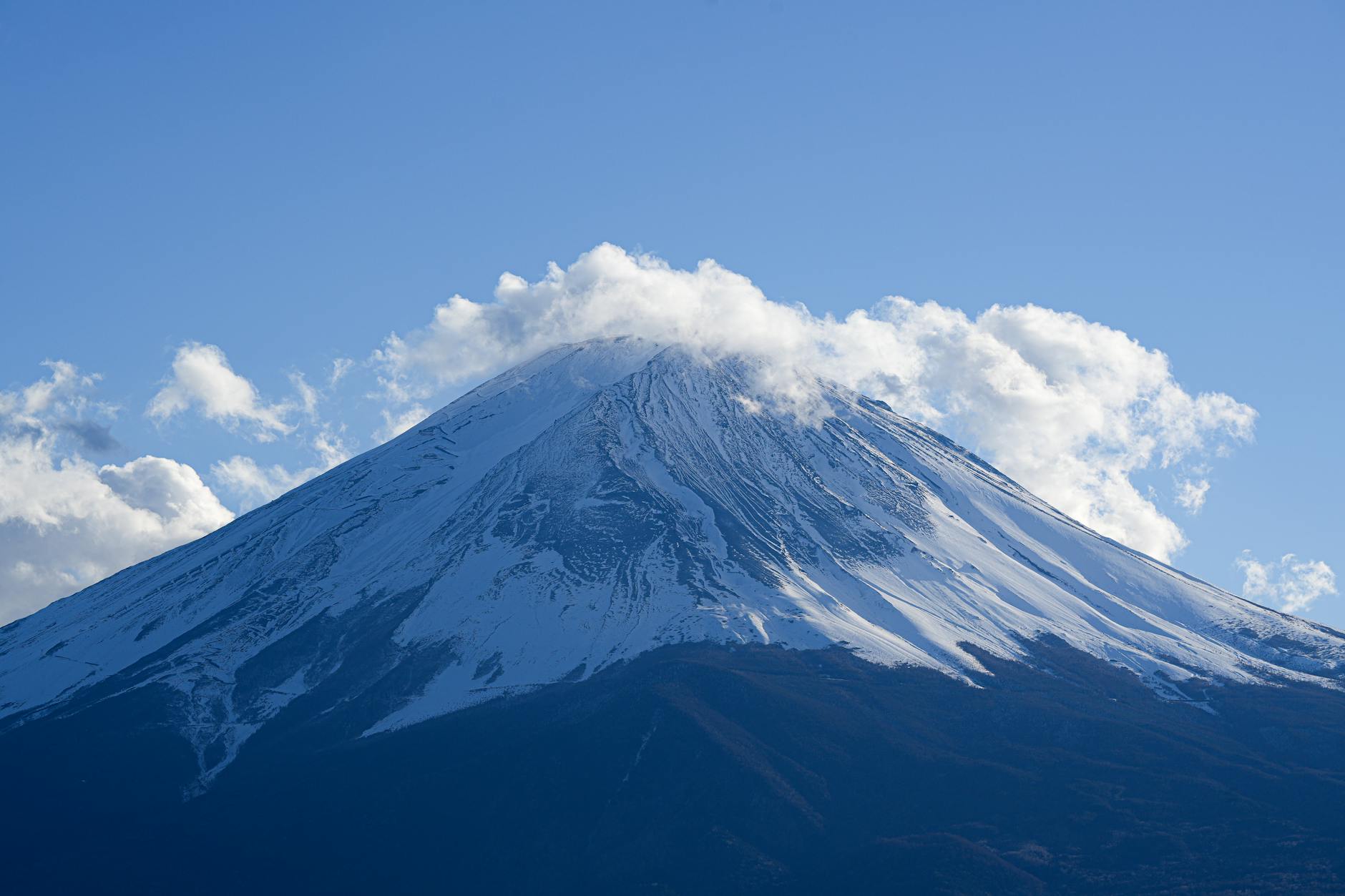
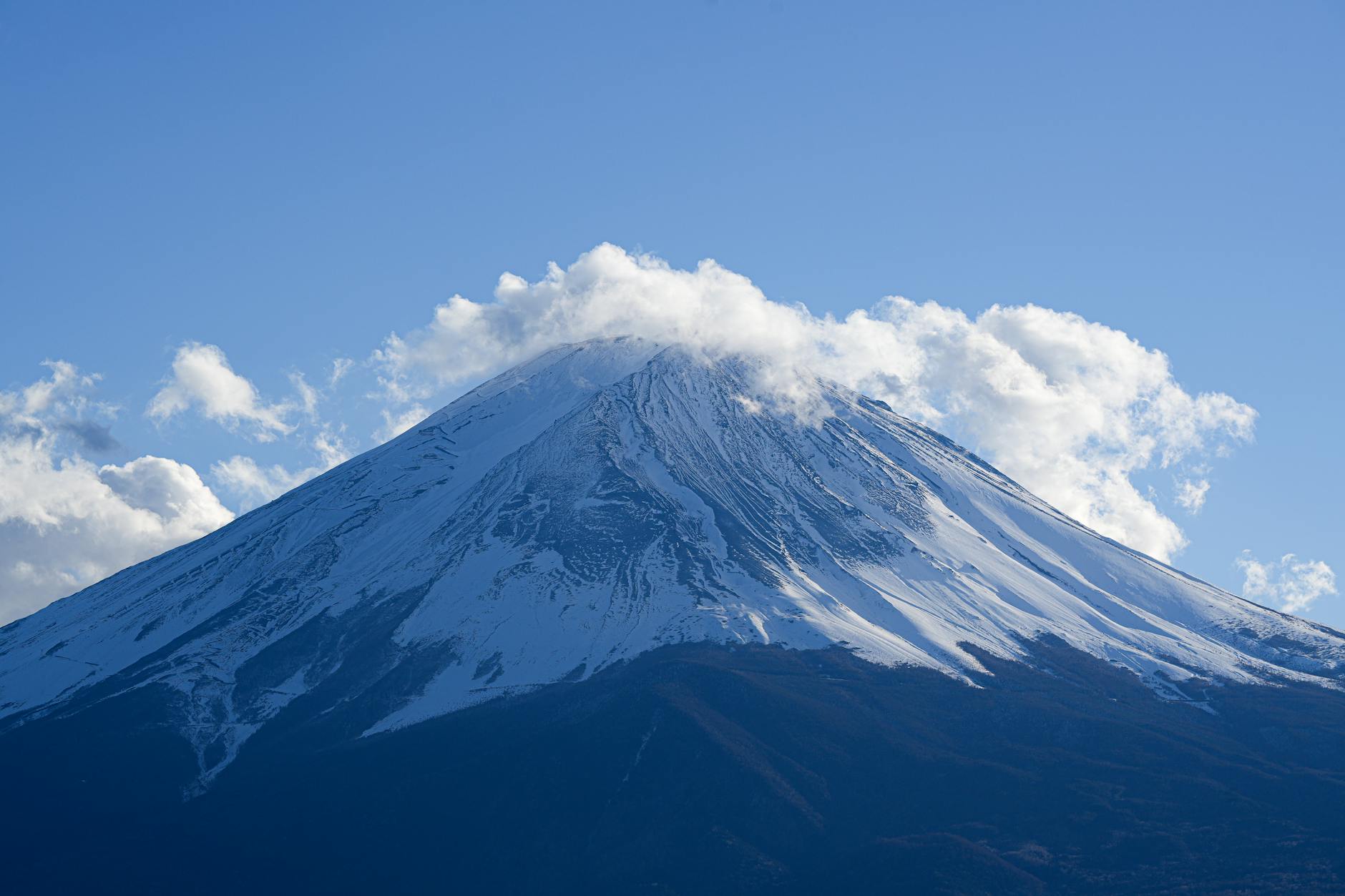
Mt. Fuji (Fujisan) is Japan’s highest mountain at 3,776 meters (12,389 feet) and one of the most recognizable natural landmarks on Earth. Its near-perfect symmetrical cone, snow-capped peak, and commanding presence above the Kantō Plain have made it a symbol of Japan for centuries — a UNESCO World Heritage Site and the centerpiece of an enormous creative tradition spanning poetry, painting, photography, and film.
But Mt. Fuji isn’t just beautiful to look at. It’s an active volcano (last erupted in 1707), a serious mountaineering challenge, and the hub of an entire region of lakes, hot springs, forest trails, and cultural sites that could easily occupy a week of exploration.
[st-midasibox myclass=”” title=”Quick Facts” webicon=”st-svg-lightbulb-o” color=”#03A9F4″ bordercolor=”#03A9F4″ bgcolor=”#E1F5FE” borderwidth=”” borderradius=”5″ titleweight=”bold”]
Height: 3,776m (highest in Japan) | Location: Shizuoka/Yamanashi prefectures | Distance from Tokyo: ~100km (about 2 hours by express bus or car) | Climbing season: Early July to mid-September | UNESCO: World Heritage Site since 2013
[/st-midasibox]
Two Ways to Experience Mt. Fuji
Most visitors fall into one of two camps:

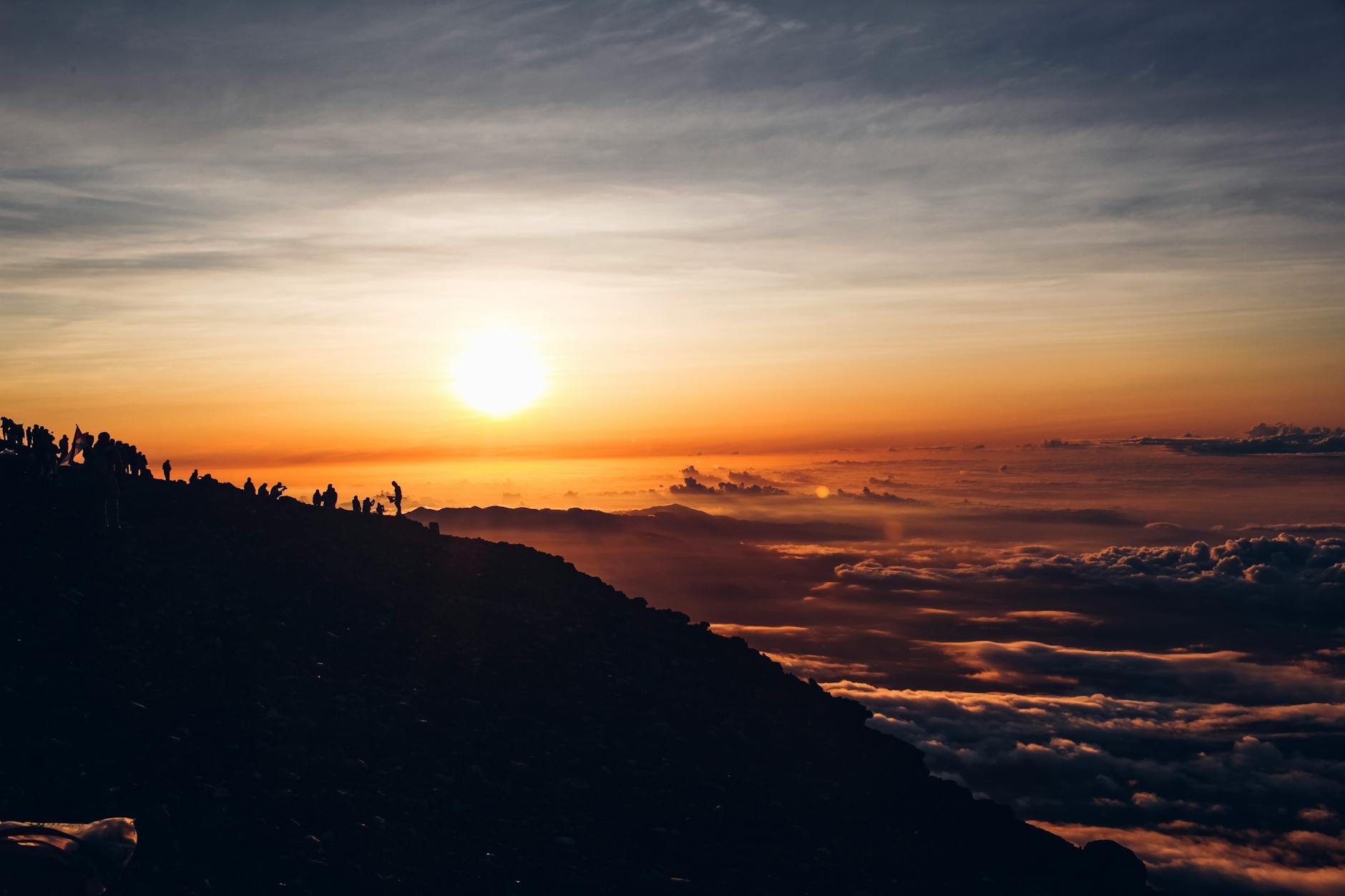
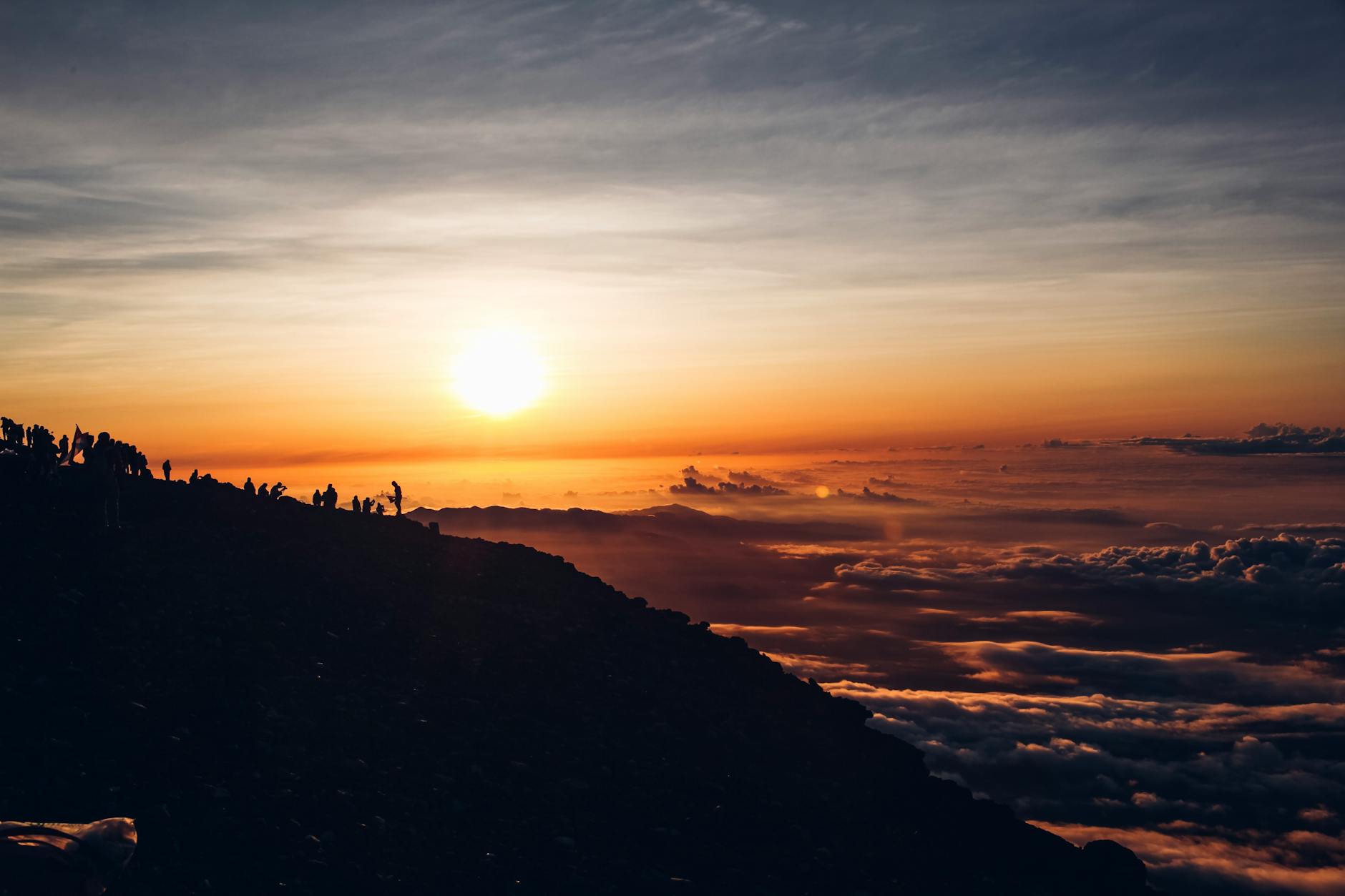
- Climbers — those who want to summit the mountain and watch the sunrise from the crater rim
- Sightseers — those who want to experience the mountain’s beauty from below, at the lakes, viewpoints, and surrounding towns
Both are equally valid. Not everyone needs to climb Mt. Fuji to have a profound experience — in fact, many would argue the view from Lake Kawaguchiko at dawn, with the mountain perfectly reflected in still water, is more beautiful than anything you’ll see from the summit.
Climbing Mt. Fuji: The Essential Guide
When Can You Climb?
The official climbing season runs from early July to mid-September. Outside this window, the upper mountain is covered in snow and ice, official facilities (mountain huts, toilets, rescue services) are closed, and the risk of weather-related accidents increases dramatically. Climbing outside the official season is strongly discouraged and has resulted in multiple fatalities.
The Four Trails
| Trail | Starting Point | Difficulty | Time to Summit | Notes |
|---|---|---|---|---|
| Yoshida Trail | Fuji-Subaru Line 5th Station (Yamanashi) | Moderate | 5–7 hours up | Most popular; most facilities; crowds in season |
| Subashiri Trail | Subashiri 5th Station (Shizuoka) | Moderate | 5–8 hours up | Quieter start; merges with Yoshida near summit |
| Gotemba Trail | Gotemba 5th Station (Shizuoka) | Hard | 7–10 hours up | Lowest starting elevation; longest route; very few crowds |
| Fujinomiya Trail | Fujinomiya 5th Station (Shizuoka) | Moderate-Hard | 4–6 hours up | Shortest route to summit; popular with Kansai visitors |
The Yoshida Trail (Most Popular)
For most international visitors, the Yoshida Trail starting from the Fuji-Subaru Line 5th Station is the default choice. It has the most mountain huts (for food, water, and emergencies), the most English signage, and the most rescue infrastructure.
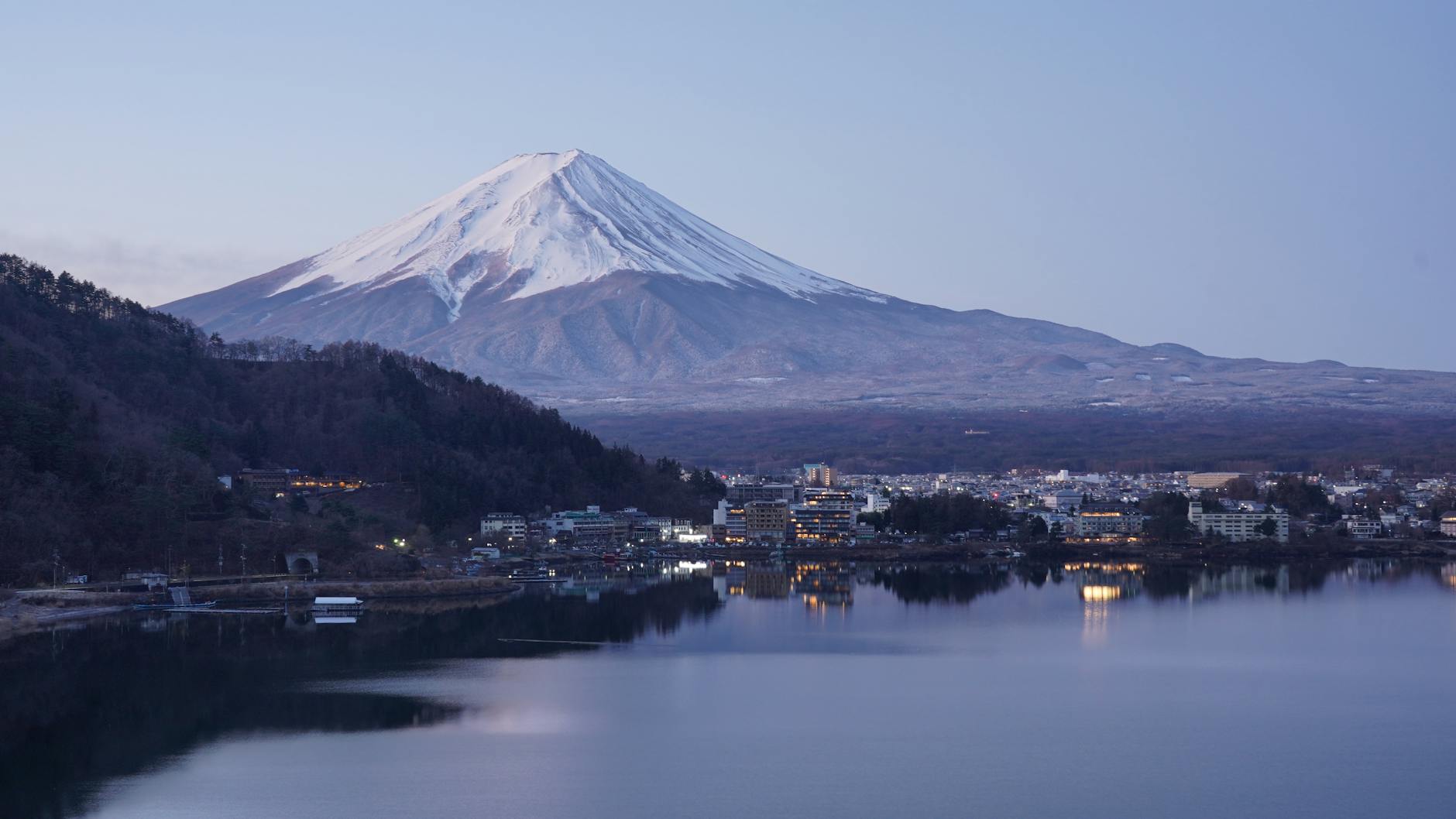
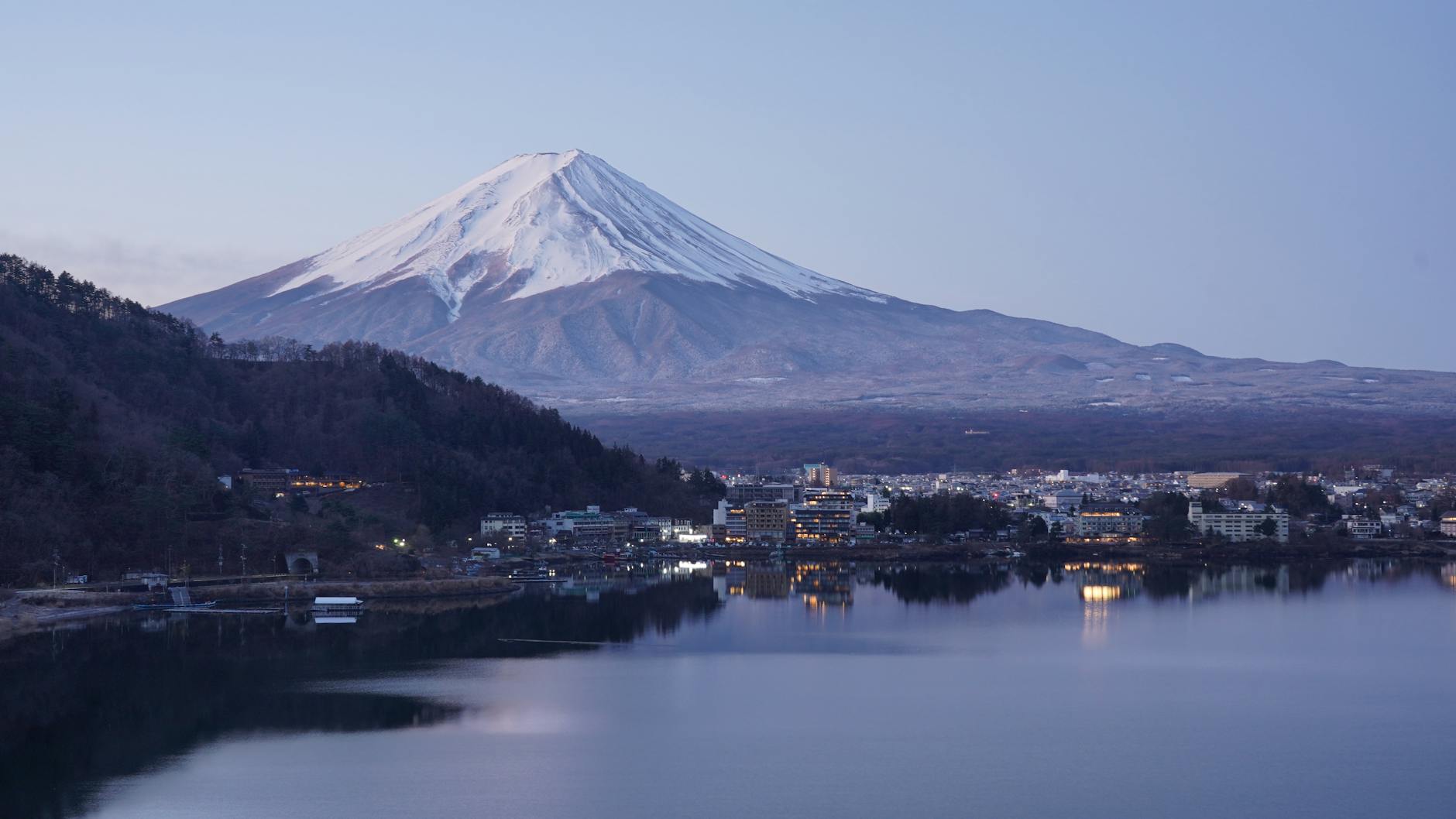
The 5th Station sits at approximately 2,300 meters — already above the treeline, with sweeping views. Many visitors come only to the 5th Station and turn around — this is perfectly fine and gives you a genuine experience of the mountain’s scale.
[st-midasibox myclass=”” title=”Important 2024+ Update” webicon=”st-svg-exclamation-triangle” color=”#FF9800″ bordercolor=”#FF9800″ bgcolor=”#FFF8E1″ borderwidth=”” borderradius=”5″ titleweight=”bold”]
Due to overcrowding and safety concerns, Yamanashi Prefecture now enforces a daily cap of 4,000 climbers on the Yoshida Trail, a ¥2,000 per person trail access fee, and a gate that closes at 4pm to prevent overnight climbing without proper equipment. Check the official Fujisan Climbing website for the latest 2026 regulations before your visit.
[/st-midasibox]
What to Pack for Climbing
- Layered clothing — temperatures at the summit are typically 5–10°C even in summer. Wind chill makes it feel colder.
- Rain gear — weather changes fast at altitude; a waterproof jacket is essential
- Hiking poles — extremely helpful on the descent’s loose volcanic scree
- Head torch / headlamp — essential for the pre-dawn summit push
- Water and snacks — hut food is available but expensive (budget ¥500–1,000 per item)
- Cash — mountain huts don’t accept cards
- Altitude sickness medication — consult your doctor before going; Diamox is commonly used
Sightseeing Around Mt. Fuji
The Fuji Five Lakes (Fujigoko)
At the northern base of Mt. Fuji lies the Fuji Five Lakes region — five volcanic lakes (Kawaguchi, Yamanaka, Saiko, Shoji, and Motosu) formed by ancient eruptions. This is the most popular non-climbing way to experience Mt. Fuji, and for good reason: on clear mornings, the mountain’s reflection in the lakes is genuinely breathtaking.
- Lake Kawaguchiko — the most developed and accessible; boat rides, ropeway, multiple viewpoints
- Lake Yamanakako — the largest; good for cycling around the perimeter
- Lake Motosuko — the deepest and most pristine; the image used on the old ¥1,000 note
- Lake Saiko — adjacent to the Aokigahara forest (Jukai)
- Lake Shojiko — the smallest; very quiet, excellent photography spot
Best Viewpoints for Photographing Mt. Fuji
- Chureito Pagoda (Fujiyoshida) — the iconic five-story pagoda with Mt. Fuji in the background; especially beautiful during cherry blossom season
- Kawaguchiko North Shore — “Reverse Fuji” reflection shot in the lake; best at dawn on still days
- Oshino Hakkai — eight sacred spring ponds with Mt. Fuji as the backdrop; surprisingly uncrowded
- Fujikawaguchiko Herb Festival fields (May–June) — lavender and Mt. Fuji combination shots
- Fuji-Subaru Line viewpoints — multiple pull-offs along the road to the 5th Station with progressively higher vantage points
Aokigahara Forest (Jukai)
The Aokigahara forest — also called the Sea of Trees (Jukai) — stretches across the northwest base of Mt. Fuji, covering a vast lava plateau formed by the 864 CE eruption. It’s a genuinely eerie, atmospheric place: the lava floor absorbs sound, magnetic anomalies interfere with compasses, and the forest is so dense that sunlight barely penetrates.
Visit the Fugaku Wind Cave (Fugaku Fuketsu) and Narusawa Ice Cave (Narusawa Hyoketsu) inside the forest — both are fascinating volcanic formations that maintain near-freezing temperatures year-round.
Getting to Mt. Fuji from Tokyo
By Train + Bus (Most Popular for Solo Travelers)
- Shinjuku to Kawaguchiko: Fuji Excursion limited express train (2 hours, ¥4,000 one-way) or express bus from Shinjuku Expressway Bus Terminal (about 2 hours, ¥1,700–2,000)
- From Kawaguchiko, local buses run to the 5th Station during climbing season (about 1 hour)
By Rental Car (Best for Flexibility)
Driving to the Fuji Five Lakes region takes about 90 minutes to 2 hours from central Tokyo via the Chuo Expressway. Having a car gives you tremendous flexibility — you can arrive at the viewpoints at dawn before the tour buses, explore the quieter southern lakes, and combine Mt. Fuji with the Hakone area or the Izu Peninsula.
[st-midasibox myclass=”” title=”Related Guide” webicon=”st-svg-map-marker” color=”#4CAF50″ bordercolor=”#4CAF50″ bgcolor=”#E8F5E9″ borderwidth=”” borderradius=”5″ titleweight=”bold”]
Mt. Fuji Driving Route: Road to the 5th Station & Best Viewpoints →
[/st-midasibox>
Best Time to Visit Mt. Fuji
| Season | Conditions | For Climbers? | For Sightseers? |
|---|---|---|---|
| Spring (Apr–Jun) | Snow on upper peak; cherry blossoms at lakes in April | No (closed) | Excellent (cherry blossoms + Fuji) |
| Summer (Jul–Sep) | Climbing season; crowds; chance of clear days | Yes | Good (green forests; some haze) |
| Autumn (Oct–Nov) | First snow on peak; brilliant fall foliage at lakes | No (closed) | Outstanding |
| Winter (Dec–Mar) | Heaviest snow cap; coldest; very clear air | No (closed) | Best for photography (clearest skies) |
Frequently Asked Questions About Mt. Fuji
How hard is it to climb Mt. Fuji?
Climbing Mt. Fuji is challenging but achievable for people in reasonable physical condition who are properly prepared. The main challenges are altitude (thin air above 3,000m), loose volcanic scree on the descent, and unpredictable weather. There is a Japanese saying: “He who climbs Mt. Fuji once is wise; he who climbs it twice is a fool.” Most people climb once and find it sufficient.
Can you see Mt. Fuji from Tokyo?
Yes — on clear winter days, Mt. Fuji is clearly visible from many parts of Tokyo. The best Tokyo viewpoints include Shinjuku Park Tower (west-facing upper floors), Tokyo Tower observation deck, and Roppongi Hills Mori Tower. Winter mornings after cold fronts pass offer the clearest views.
Do I need a guide to climb Mt. Fuji?
No guide is required. The trails are well-marked with English signage, and there are staff at mountain huts throughout the climbing season. However, hiring a guide is strongly recommended for first-timers, night climbs, or groups with children or elderly members.
Mt. Fuji Is More Than a Bucket List Check
Japan’s most famous mountain rewards those who take time to understand it — not just those who rush to the 5th Station for a selfie. Whether you’re watching the first light of dawn turn the summit pink from a lakeside hotel, working your way through the volcanic caves in the Aokigahara forest, or descending the mountain on tired legs with a memory that will last a lifetime, Mt. Fuji delivers in proportion to the effort you invest.
And if you want to do it in style — driving the mountain road to the 5th Station in a JDM sports car with Mt. Fuji ahead and the Pacific Ocean behind — Samurai Car Japan can make that happen.
[st_af id=”77″]
🇯🇵 Plan Your Japan Experience
JDM Car Rental
Drive a GT-R, Supra, RX-7, or Silvia on the roads they were built for. Hakone passes, Wangan highway, mountain touge — your dream JDM experience.
Related Articles
Daikoku PA Tour
Visit Japan’s most legendary car meet. Hundreds of modified cars, passionate owners, and the heartbeat of JDM culture. Guided weekend night tours available.
Photo Guide Tour
Capture stunning photos at locations only locals know. Hidden shrines, backstreet alleys, rooftop views, and golden hour spots for unforgettable shots.