Travel Guide

Kabukicho District Guide: Tokyo's Wildest Night Out in Shinjuku (2026)

Few places in Tokyo stir the imagination quite like Kabukicho. Tucked in the northeast corner of Shinjuku, this compact but pulsating entertainment district is Japan's most famous — and most misunderstood — nightlife neighbourhood. Neon signs stack seven stories high, karaoke parlours blast J-pop from every floor, and the aroma of tonkotsu ramen drifts across sidewalks packed with office workers, tourists, and costumed hosts alike. Whether you arrive at noon or midnight, Kabukicho district Tokyo never fully sleeps.

This guide covers everything a foreign visitor needs to know: the history behind the name, the landmark gate, the brand-new Tokyu Kabukicho Tower, where to eat and drink, how to stay safe, and the best times to experience the legendary neon glow. If you are planning a broader Shinjuku itinerary, pair this with our complete Shinjuku guide. For Tokyo's wider nightlife scene, see our Tokyo at night guide.

A Brief History of Kabukicho

The name "Kabukicho" — which translates loosely as "kabuki district" — is a piece of pure historical irony. After World War II, local landowner Suzuki Kisaburō proposed constructing a grand kabuki theatre on the rubble-strewn land north of Shinjuku Station. The residents enthusiastically renamed the area in anticipation. The theatre was never built. Instead, cinemas, cabarets, and dance halls filled the void, and by the 1950s Kabukicho had established itself as Tokyo's premier entertainment quarter — keeping the theatrical name but swapping classical drama for a much livelier show.

Through the 1970s and 1980s, the district expanded its reputation for adult entertainment alongside mainstream attractions: pachinko parlours, love hotels, yakuza-linked businesses, and legitimate restaurants all crowded side by side. The Tokyo Metropolitan Government ran periodic crackdowns, gradually pushing the more illicit elements to the margins while preserving the legal, vibrant nightlife economy.

The most dramatic recent transformation came in April 2023 with the opening of the Tokyu Kabukicho Tower, a 48-storey skyscraper that has become the visible symbol of Kabukicho's ongoing reinvention as an upscale, internationally oriented entertainment destination.

Kabukicho Ichibangai Gate: Tokyo's Most Photogenic Arch

Walk northeast from Shinjuku Station's East Exit for roughly five minutes and you will pass under the iconic Kabukicho main gate — a broad red torii-style arch bearing the characters 歌舞伎町一番街 (Kabukicho Ichibangai) in bold gold lettering. Beyond it, the main pedestrian street stretches ahead lined with neon and LED signage stacked on both sides.

The gate is one of the most photographed spots in all of Tokyo, rivalling Shibuya Crossing for sheer Instagram appeal. During the day the arch is photogenic against the blue sky, but the real magic happens after sunset when the surrounding signs ignite and the gate is bathed in reflected neon colour. For the best shots, arrive between 7:00 pm and 9:00 pm: the sky still holds a deep blue twilight, the neons are fully lit, and the crowds have not yet reached their late-night peak — giving you a cleaner foreground.

💡 Pro Tip
Position yourself 10–15 metres back from the gate on the Shinjuku Station side for a wide-angle shot that captures both the arch and the neon canyon stretching beyond it. A wide-angle lens (24 mm equivalent or wider) works best.

Tokyu Kabukicho Tower: Kabukicho Shinjuku's New Landmark

Opened on 14 April 2023, the Tokyu Kabukicho Tower Shinjuku is the most significant addition to the neighbourhood in decades. Standing 48 floors and 225 metres tall, it dominates the western edge of Kabukicho and has fundamentally shifted the district's identity toward premium entertainment.

What Is Inside the Tower?

  • Bellustar Tokyo (floors 39–47): A luxury hotel operated under the Pan Pacific Hotels Group, with panoramic city-view rooms and suites starting around ¥80,000 per night. The rooftop bar is one of the most dramatic in the city.
  • Hotel Groove Shinjuku (floors 18–38): A mid-range lifestyle hotel with a design-forward aesthetic, starting around ¥25,000 per night — excellent value for the location.
  • Cinema Complex (floors 4–7): A nine-screen multiplex operated by Toho Cinemas, the newest and most technologically advanced in the Shinjuku area.
  • Restaurants and Bars (floors 1–3 and 17): Over 20 dining and drinking options spanning Japanese, Korean, and international cuisines. The 17th-floor Sky Corridor offers city views alongside cocktail bars.
  • THE ROOF (rooftop outdoor area): An open terrace hosting seasonal events and live performances, offering sweeping views over Kabukicho and the wider Shinjuku skyline.

The tower has become the anchor of a new, upscale Kabukicho experience — proving that the neighbourhood is far more than its edgy reputation suggests. Even if you do not stay in either hotel, allocating an evening to explore the tower's dining and bar floors is highly worthwhile.

💡 Pro Tip
Book a window table at one of the tower's upper-floor restaurants for sunset. The sight of Shinjuku's skyline transitioning from golden hour to full neon blaze is unforgettable — and you get dinner at the same time.

Entertainment in Kabukicho

Karaoke

Kabukicho is karaoke ground zero in Tokyo. Dozens of venues are stacked in the buildings around the main drag, ranging from budget boxes (¥500–800 per hour) to premium rooms with cocktail service (¥1,200–1,500 per hour). Most venues are open until 5:00 am or operate 24 hours on weekends.

Karaoke-kan in nearby Udagawacho (Shibuya) was famously featured in Sofia Coppola's Lost in Translation, but Kabukicho's own branches of Big Echo, Karaoke-kan, and Joysound are just as atmospheric and far more convenient when you are already in the neighbourhood. Most have extensive English song catalogues — search by artist and you will find Western hits from every decade.

Arcades

Two major arcade chains dominate Kabukicho: Taito Station and GIGO Kabukicho (formerly Sega). Both are multi-storey complexes open until midnight or later, packed with crane games (UFO catchers), rhythm games, and fighting game machines. Crane games stocked with branded plush toys are disproportionately addictive — budget ¥1,000–2,000 and a good half-hour if you are competitive.

VR Experiences and Escape Rooms

The Kabukicho area hosts several VR arcade experiences and escape room venues. Most escape rooms offer English-language option sheets or iPad translations, making them accessible for non-Japanese speakers. Expect to pay ¥2,000–4,000 per person for a 60-minute escape room experience.

A Note on the Robot Restaurant

⚠️ Important
The Robot Restaurant — once Kabukicho's most famous tourist attraction — permanently closed in 2022 and has not reopened. If you see references to it online, they are outdated. For a spectacular, high-production entertainment experience, the Tokyu Kabukicho Tower's events and rooftop terrace are the best current alternative.

Eating and Drinking in Kabukicho

Ramen

Shinjuku has some of Tokyo's finest ramen, and Kabukicho sits right next to several excellent options. The famous Tokyo Ramen Street-style concentration of shops makes this one of the easiest neighbourhoods in the city to find a late-night bowl. Look for Fuunji (tsukemen specialist, queues form early evening), Ichiran (solo booth tonkotsu, open 24 hours), and several smaller independent shops along the back streets east of the main gate.

Izakaya Alleys

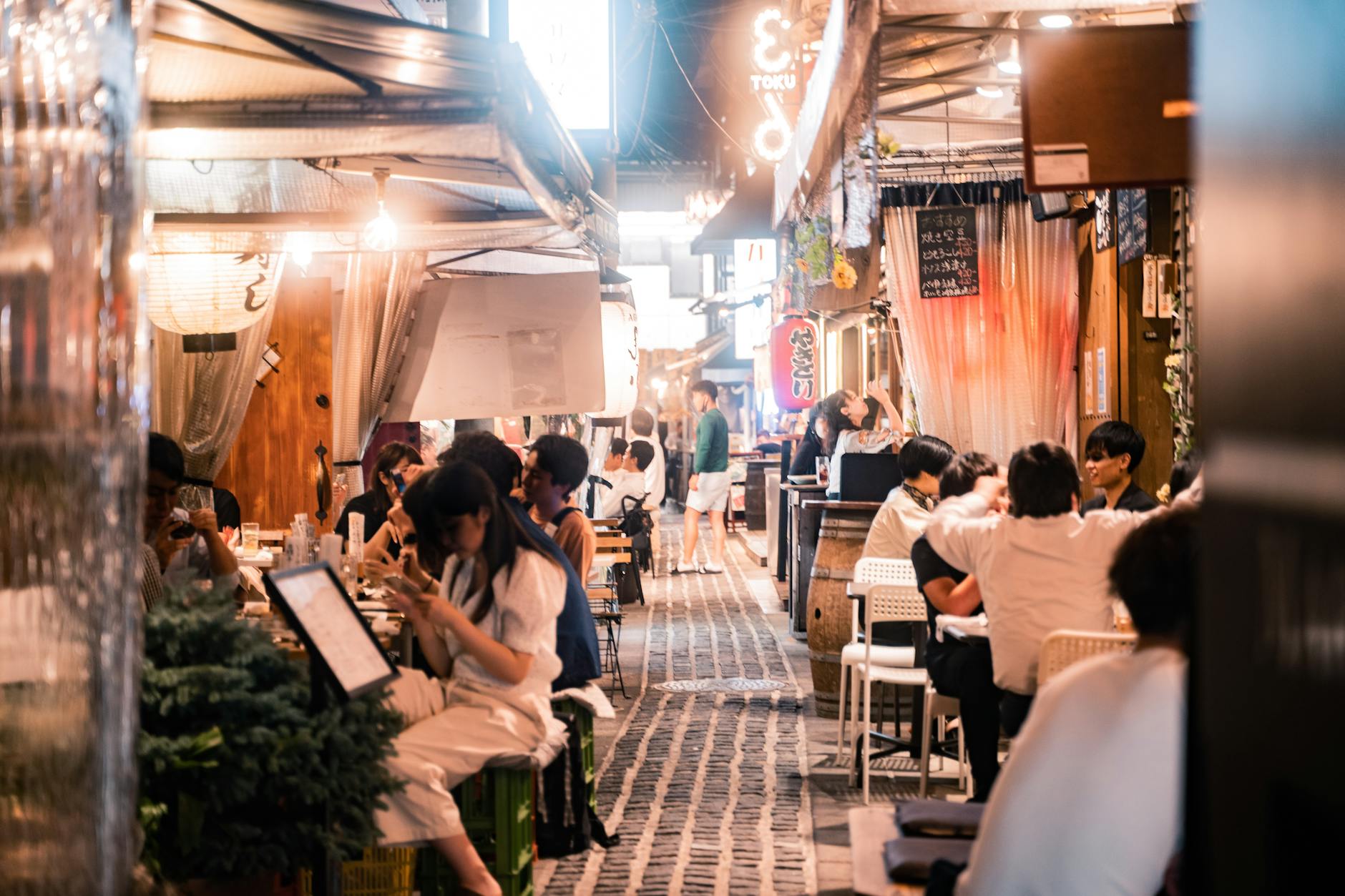
Several narrow lanes behind the Kabukicho main street are packed with standing izakaya and tiny sit-down sake bars. These lanes — sometimes called Memory Lane's eastern cousins — lack the fame of Omoide Yokocho (which sits on the west side of Shinjuku Station) but offer a more local, less tourist-heavy atmosphere. Order edamame, kushiyaki skewers, and a cold draft beer for the quintessential Tokyo izakaya experience.

Yakitori Under the Tracks

On the eastern edge of the Kabukicho area, the elevated train tracks near Shinjuku Station shelter a collection of tiny yakitori stalls and counter restaurants. Smoke from charcoal grills drifts across the narrow corridor, and salary men crowd elbow-to-elbow on barstools. A dozen skewers plus two beers will cost around ¥1,500–2,500 — remarkable value in central Tokyo.

Themed Restaurants

Kabukicho has long been fertile ground for themed dining concepts. Ninja-themed restaurants, horror-themed cafes, and elaborate multi-floor dining experiences continue to rotate through the buildings around the main gate. Check what is current on arrival, as specific venues open and close with some regularity.

Kabukicho by Day vs Kabukicho at Night

Kabukicho is a genuinely different place depending on when you visit, and both versions are worth experiencing.

During the Day

By day, Kabukicho is surprisingly approachable. The streets are quieter, the touts are absent, and the architectural drama of buildings plastered in overlapping signs and LED panels is best appreciated in clear daylight. It is an excellent time to photograph the gate, scout restaurants for the evening, explore the tower's lower floors, and wander the side streets without the sensory overload of full nighttime mode.

Kabukicho at Night

Kabukicho at night — particularly from 9:00 pm onward — is the district at full spectacle. Every vertical surface is alive with colour: pink and purple LED strips wrap around buildings, enormous video screens cycle through advertisements, and the reflections of all of it shimmer off the wet pavement after rain. The density of light, sound, and human energy in a space barely 600 metres long is genuinely overwhelming in the best possible way.

For photography, the sweet spot is 7:00–9:00 pm. The sky retains blue tones that balance the artificial light, neons are fully active, and the density of people adds life without making movement impossible. After 10:00 pm the streets become more crowded and the sky turns black — still dramatic, but harder to capture well on a standard smartphone camera.

💡 Pro Tip
Visit on a rainy evening if you can. Wet streets reflect neon signs in a way that makes every photo look like a cyberpunk film still. A lightweight waterproof jacket and phone case are all you need.

Host Clubs, Hostess Bars, and the Reality of Kabukicho

No honest Kabukicho guide can ignore the elephant in the room. The district contains dozens of host clubs (where male hosts entertain female customers) and hostess bars (the reverse). These are entirely legal businesses operating within Japanese law, and they are a significant part of Kabukicho's cultural identity — documented in books, films, and television.

As a tourist, you will likely encounter touts on the main street, particularly after 9:00 pm — young men or women in elaborate outfits inviting you into their establishment. A polite, firm "no thank you" (or just a headshake with a smile) is always sufficient. Touts in Kabukicho are generally not aggressive; walking on without engaging is the simplest approach.

The primary practical risk for tourists is unclear pricing at certain bars. A handful of establishments (not only host clubs, but also some regular-seeming bars) practice aggressive upselling or charge unexpectedly high "table charges" and "service fees" that are not clearly disclosed upfront. The golden rule: always ask for a price list (menyu o misete kudasai) before sitting down at any unfamiliar establishment, and if staff are evasive, walk away.

There is a koban (police box) located inside Kabukicho itself, near the main intersection. Tokyo police are visible and responsive in the district. The overall safety level for tourists exercising normal urban awareness is high.

Golden Gai: Kabukicho's Tiny Neighbour

A two-minute walk from the Kabukicho main gate, on the east side of the district, lies one of Tokyo's most extraordinary bar zones: Golden Gai. The contrast could not be more complete. Where Kabukicho is vast, loud, and neon-drenched, Golden Gai is a labyrinth of six narrow alleyways containing over 200 tiny bars — most seating fewer than ten people — in buildings that have not fundamentally changed since the 1950s.

Golden Gai attracts a completely different crowd: writers, filmmakers, artists, musicians, and the travellers who seek them out. Many bars have specific themes or clienteles (jazz bars, manga bars, bars run by drag artists) and some have unofficial members-only policies for first-timers, charging a cover of ¥500–1,000. It is worth dedicating a separate visit. Read our detailed Golden Gai guide before you go — it covers which bars welcome foreign visitors, what the unwritten rules are, and how to make the most of the experience.

Safety Tips for Visiting Kabukicho

  • Watch your wallet and phone in crowded areas, particularly around the gate on weekend nights. Pickpocketing is rare in Tokyo but not zero, especially in tourist-heavy, densely packed spots.
  • Avoid unlicensed taxis. Legitimate taxis in Tokyo are metered, clearly marked, and operated by reputable companies. Do not accept rides from individuals approaching you on foot offering private transport.
  • Do not follow touts into unknown venues without checking pricing first. Politely decline if you are unsure, and check review sites for any venue before entering.
  • Keep to lit, populated streets if you wander off the main drag after midnight. The side alleys are generally fine but can become quieter and less well-lit the further you stray.
  • Know the koban location. The Kabukicho police box is near the central intersection of the district. Officers there are accustomed to helping foreign visitors and can assist with directions, lost property, or any safety concerns.
  • Trust your instincts. Kabukicho has a deliberately provocative energy, but genuine danger is rare. If a situation feels wrong, leave and find a busier street.

Getting to Kabukicho

From Shinjuku Station: Take the East Exit (東口). From the ticket gates, Kabukicho's main gate is a five-minute walk: cross the bus terminal area and head north along Shinjuku-dori, then turn right at Studio Alta. You will see the gate ahead of you.

From central Tokyo: Shinjuku Station is one of the best-connected hubs in the entire rail network. Journey times: from Shibuya approximately 5 minutes (JR Yamanote Line), from Tokyo Station approximately 15 minutes (JR Chuo Line), from Shimbashi approximately 20 minutes (JR Yamanote Line). The JR Yamanote Line and the Keio, Odakyu, Marunouchi, and Toei Shinjuku lines all serve Shinjuku Station.

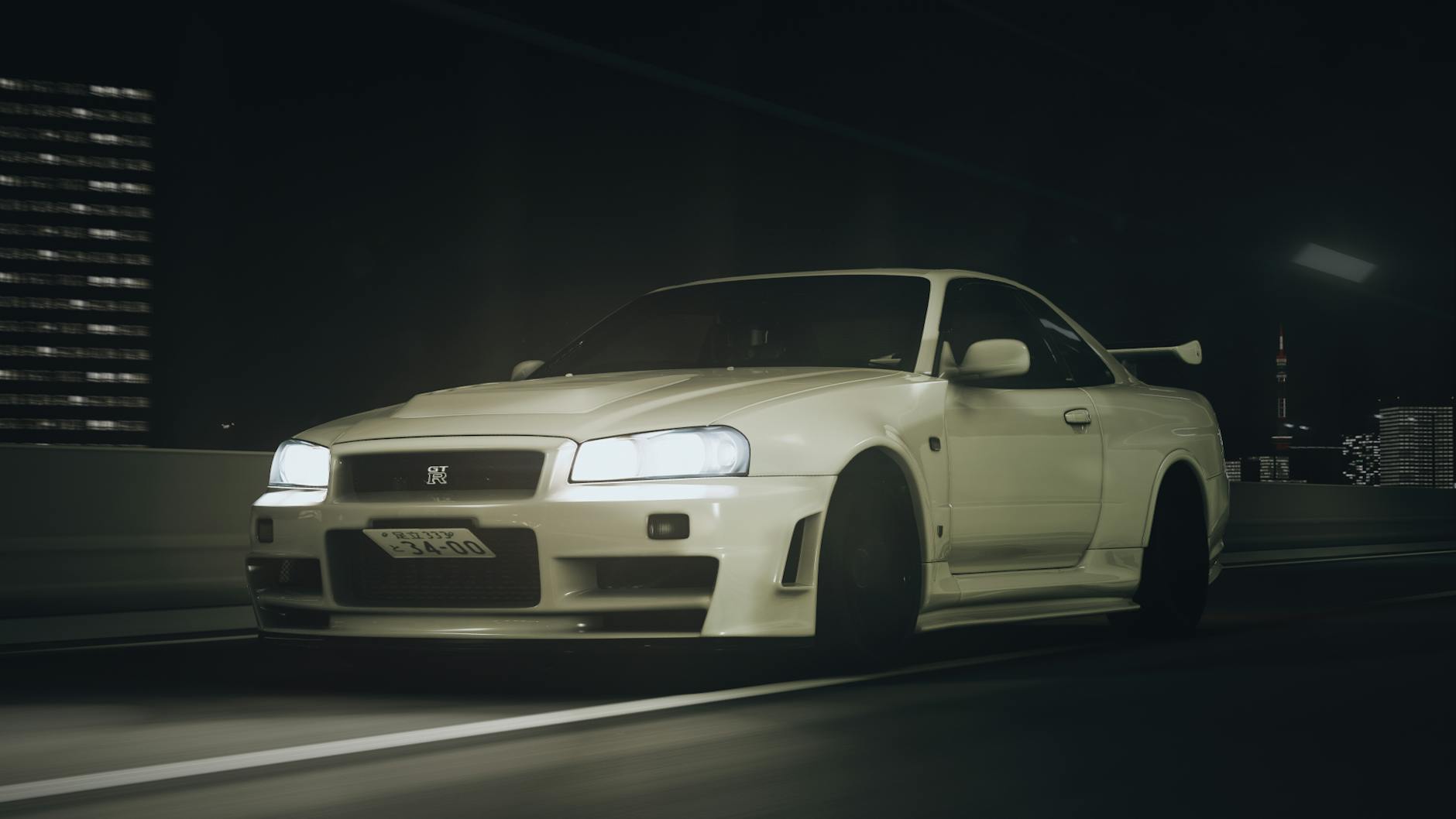
Arriving in style: If you want to make an entrance that matches Kabukicho's cinematic energy, consider arriving in a JDM sports car. Samurai Car Japan in Shibuya offers JDM car rental in Japan — pulling up to Kabukicho in an R34 Skyline GT-R or an FD3S RX-7 is an experience that elevates the whole evening. Check their Shibuya pickup location and book in advance, especially for weekend evenings.

JDM tour guide!

Step into the world of "Fast & Furious" with our exclusive Daikoku Tour!
Experience the legendary car meet atmosphere for yourself. Make it the ultimate highlight of your Tokyo trip!

click here

📚 Related Guides

Frequently Asked Questions About Kabukicho

Is Kabukicho safe for tourists?

Yes. Kabukicho has a reputation that exceeds its actual danger level for visitors exercising normal urban awareness. Tokyo is one of the safest major cities in the world, and the presence of a koban (police box) inside Kabukicho itself means law enforcement is immediately accessible. The main practical risks — unclear bar pricing and unlicensed transport — are easily avoided by checking menus before ordering and using legitimate metered taxis.

What is the famous gate in Kabukicho?

The Kabukicho Ichibangai Gate (歌舞伎町一番街) is the large red arch at the entrance to the district's main pedestrian street. It is one of Tokyo's most iconic photo spots. The gate is free to view and photograph at any hour — no ticket or admission required. Night photography between 7:00 pm and 9:00 pm produces the most visually striking results.

Is the Robot Restaurant still open?

No. The Robot Restaurant permanently closed in 2022. It will not reopen. For a spectacular entertainment experience in Kabukicho today, the Tokyu Kabukicho Tower's restaurants, rooftop terrace, and cinema complex are the best alternatives.

What is the best time to visit Kabukicho?

For photography and the full neon spectacle, arrive between 7:00 pm and 9:00 pm. For a quieter, exploratory daytime visit with better conditions for architectural photography, any morning or early afternoon works well. The district is most crowded on Friday and Saturday nights from 10:00 pm onward.

How long should I spend in Kabukicho?

A casual walk-through takes 30–45 minutes. Add an hour or two for dinner and drinks, and another 2–3 hours for karaoke or arcade time. If you explore the Tokyu Kabukicho Tower fully and add a visit to Golden Gai next door, plan for a full evening of 4–6 hours. Many visitors find themselves still there well past midnight without intending to stay so long — Kabukicho has that effect.

Does Kabukicho Shinjuku have upscale options?

Absolutely. The 2023 opening of Tokyu Kabukicho Tower dramatically expanded the district's premium options. Bellustar Tokyo (floors 39–47) is one of the newest luxury hotels in all of Shinjuku. Upper-floor restaurant bars in the tower offer cocktails and city views that rival any high-end venue in Tokyo. Kabukicho is no longer exclusively a budget-nightlife destination.

-Travel Guide